Day 11. Wednesday, September 10, 2025
This is a bit of a long post…it was a very full day.
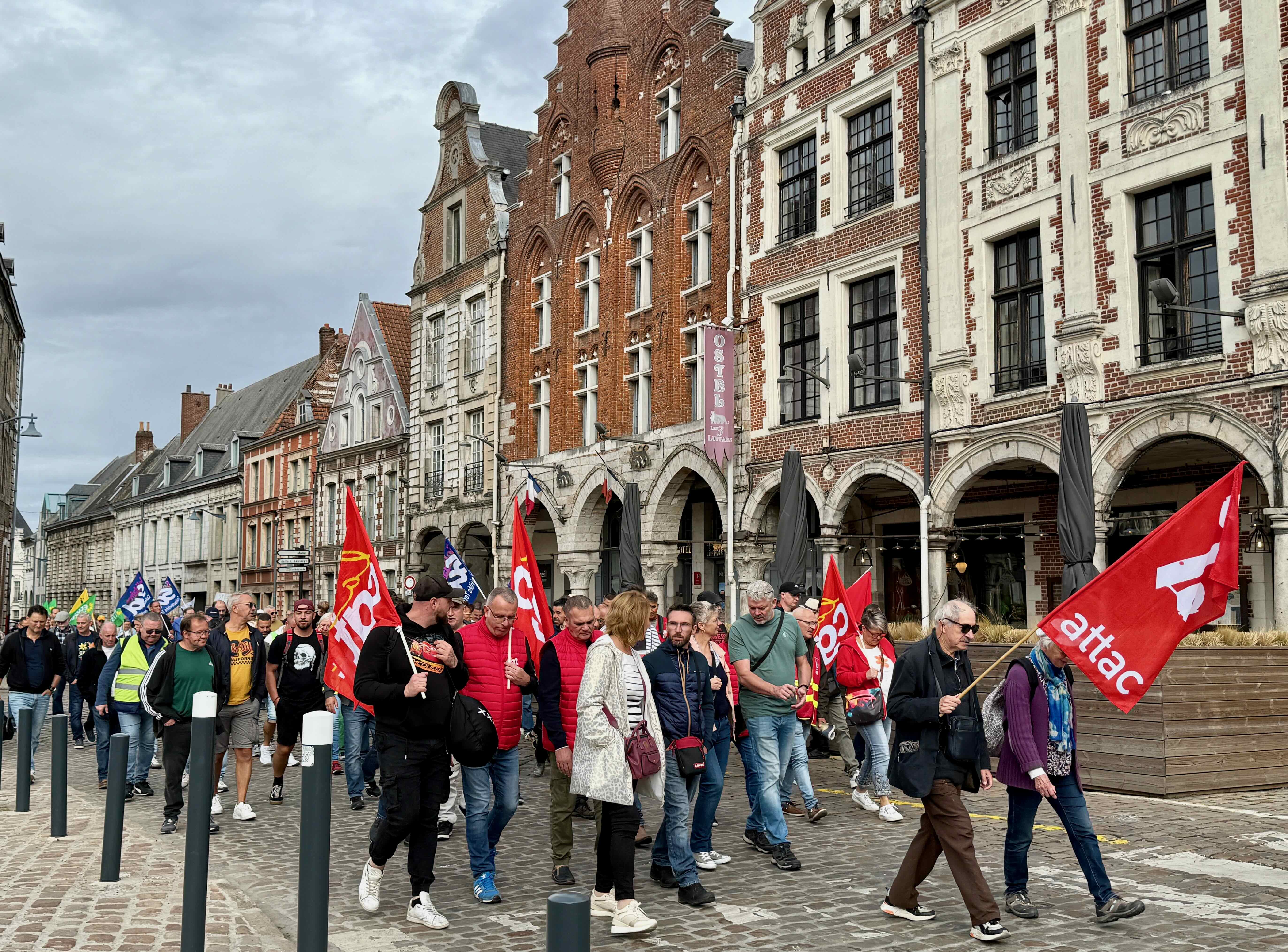
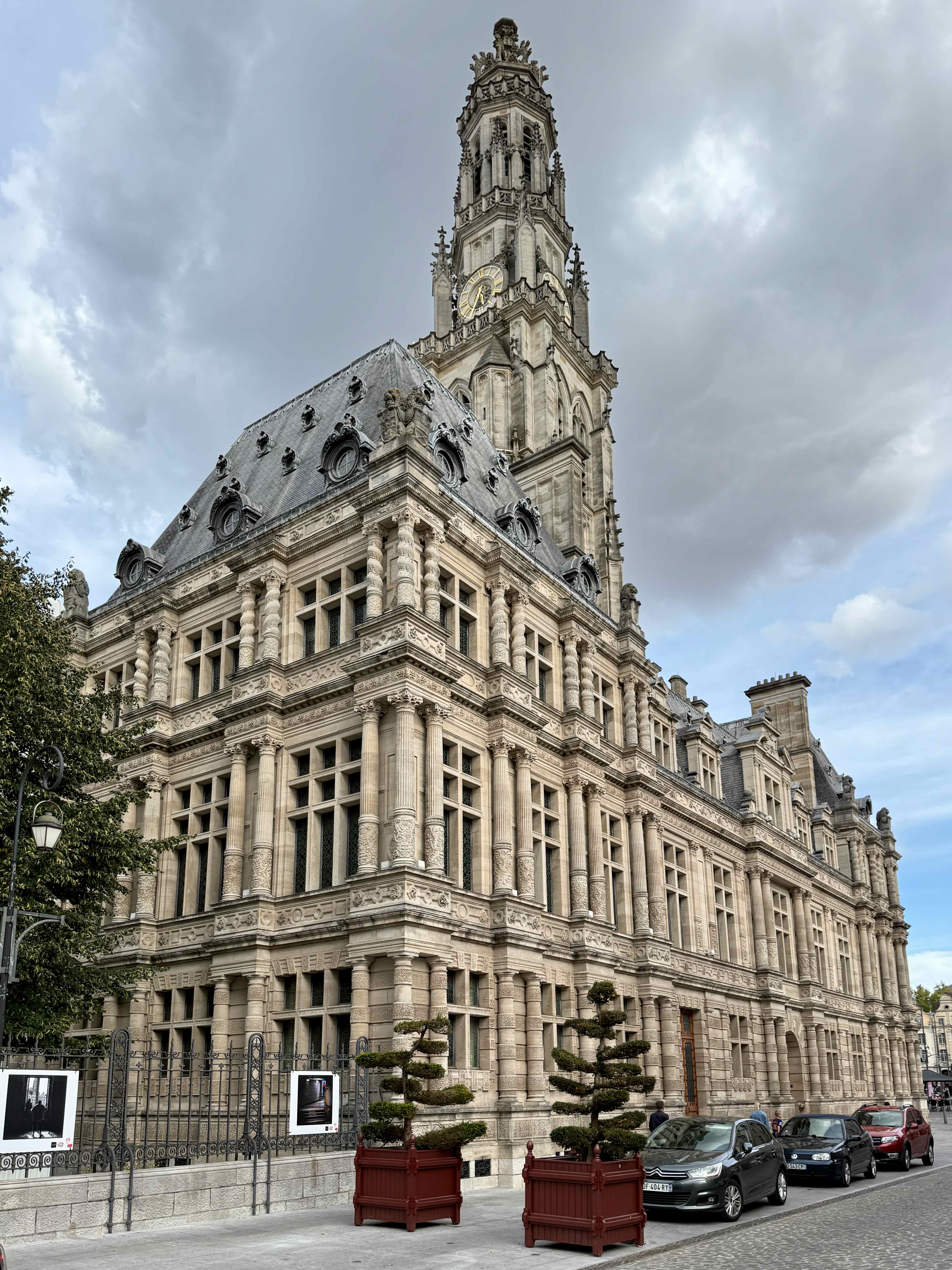
On our walk to Arras City Hall this morning we pass a ‘Bloquons Tout’ (Bock Everything) protest march. This march is much calm, but people are very angry with the government’s austerity budget. 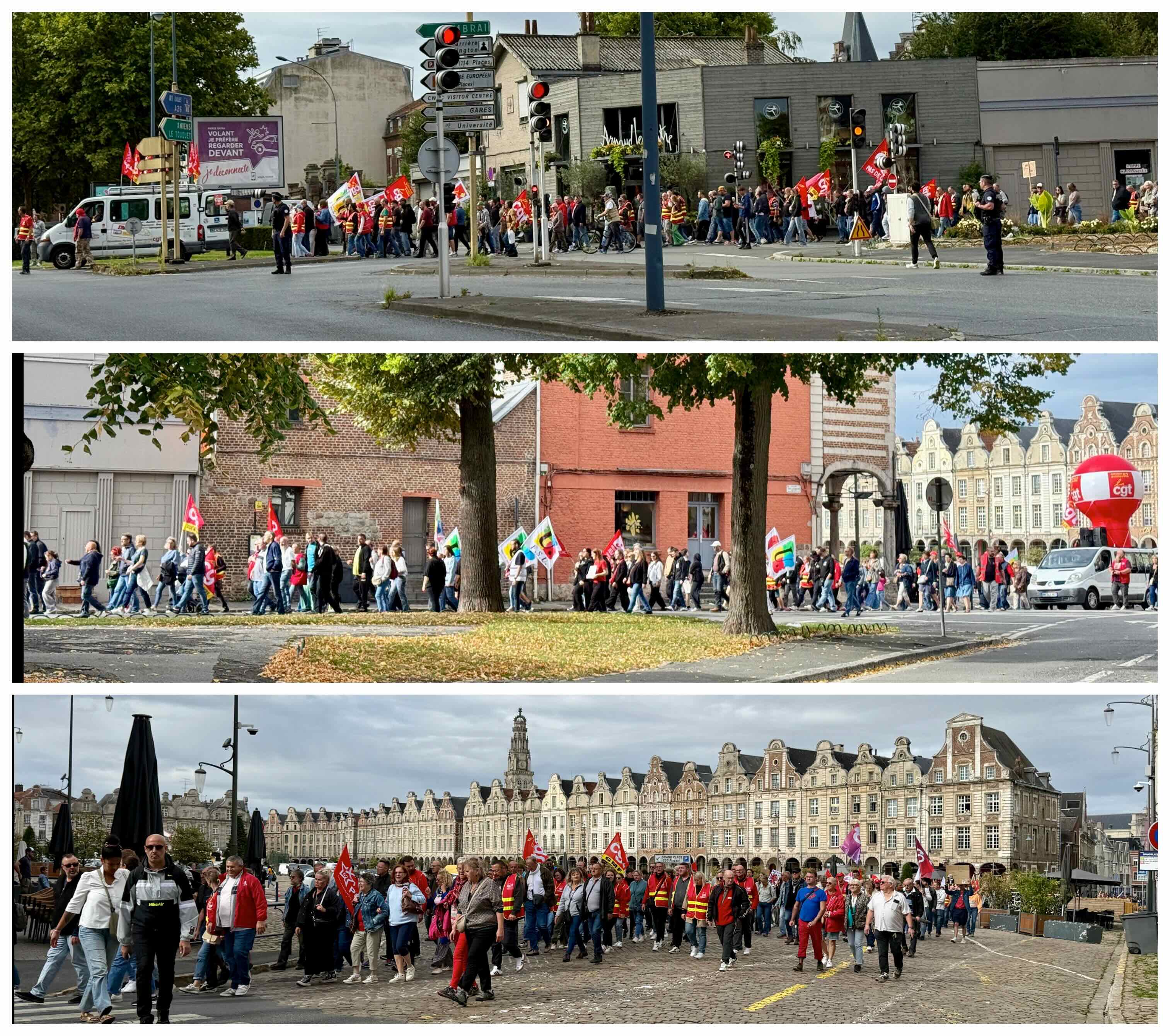
It is not just young people who are upset and protesting. There are people of all ages in this protest march that is blocking the streets for more than three blocks.
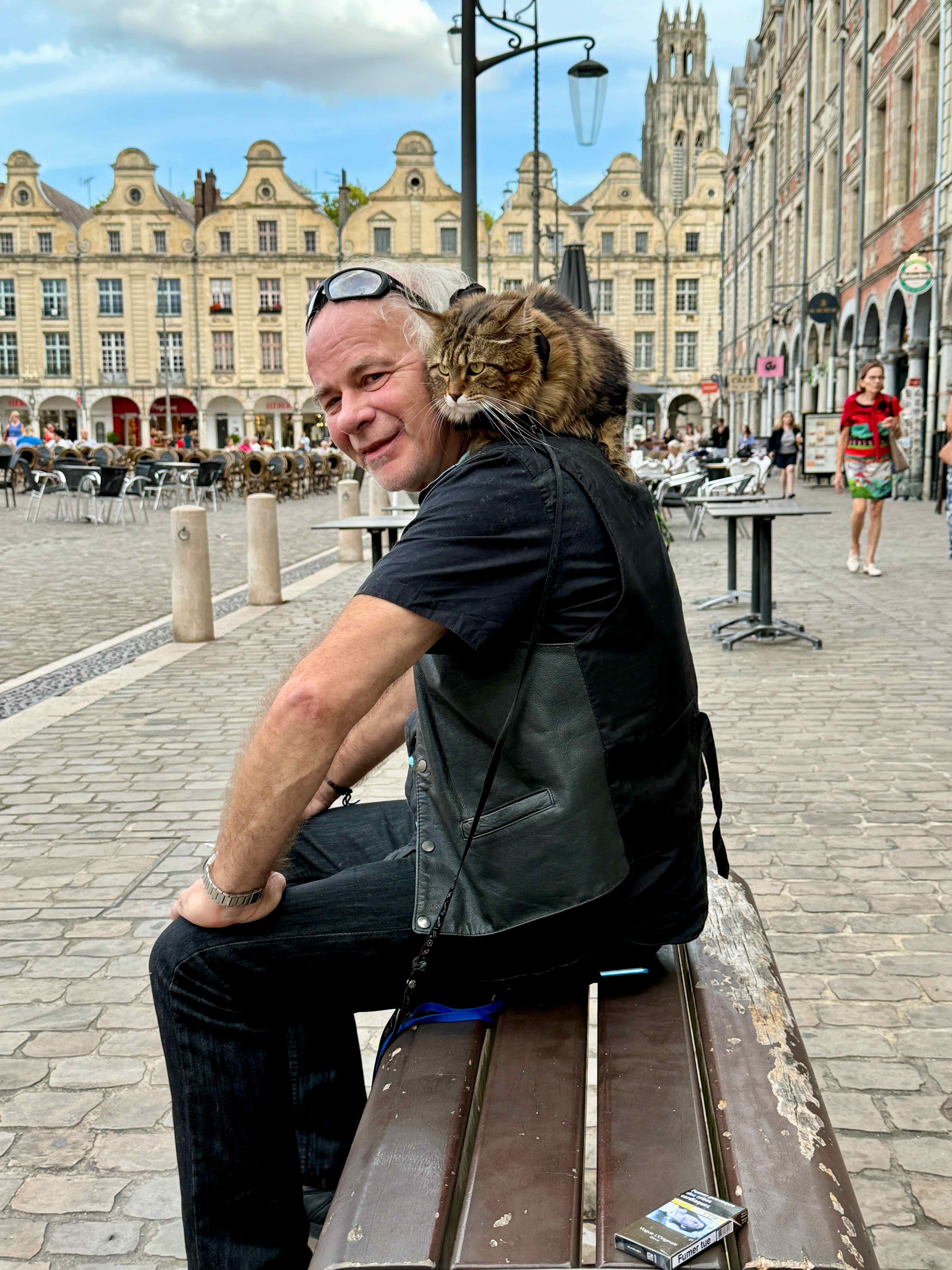
We are going on a guided tour of the Boves this morning. The Boves are the tunnels and caves that were excavated under the city of Arras and the surrounding countryside. The stones for building the churches, City Hall and other large buildings were excavated from these caves and tunnels. We are given hardhats to wear, but Sue is content to sit on my shoulder for the tour. 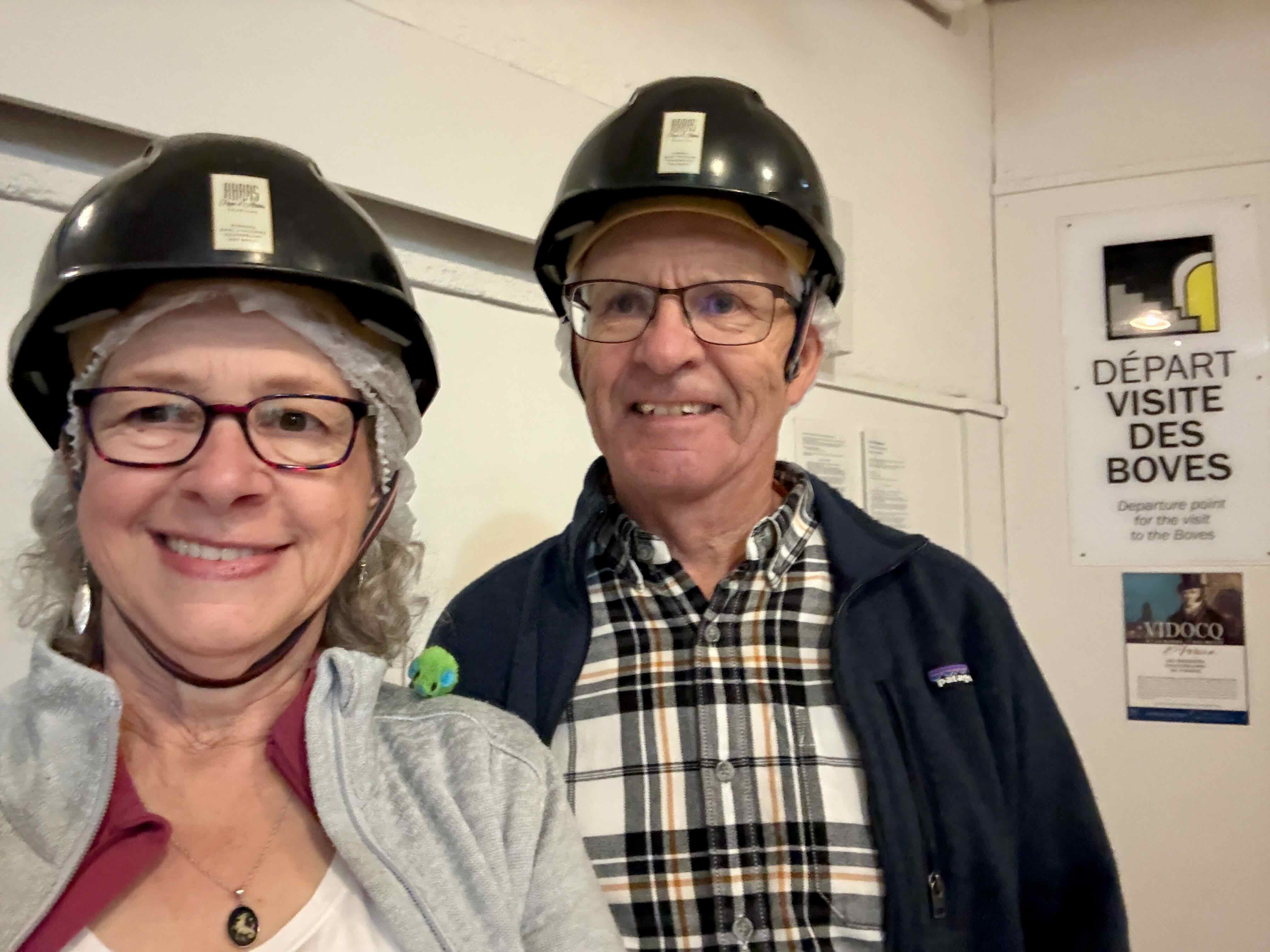
This is the entrance to the Boves.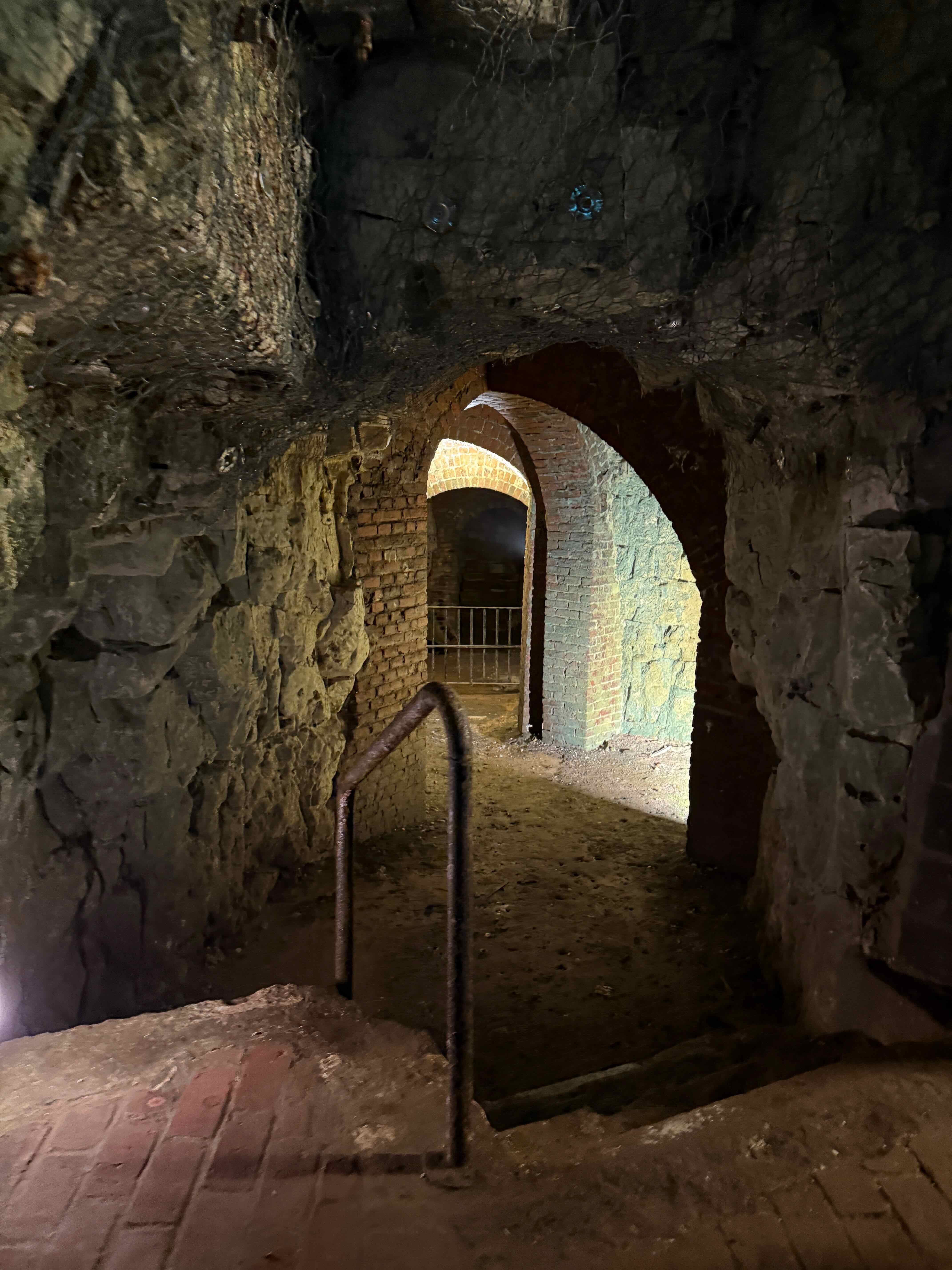
It is damp down here, 80% humidity and about 12° Celsius. Some of the tunnels have moss growing on the walls.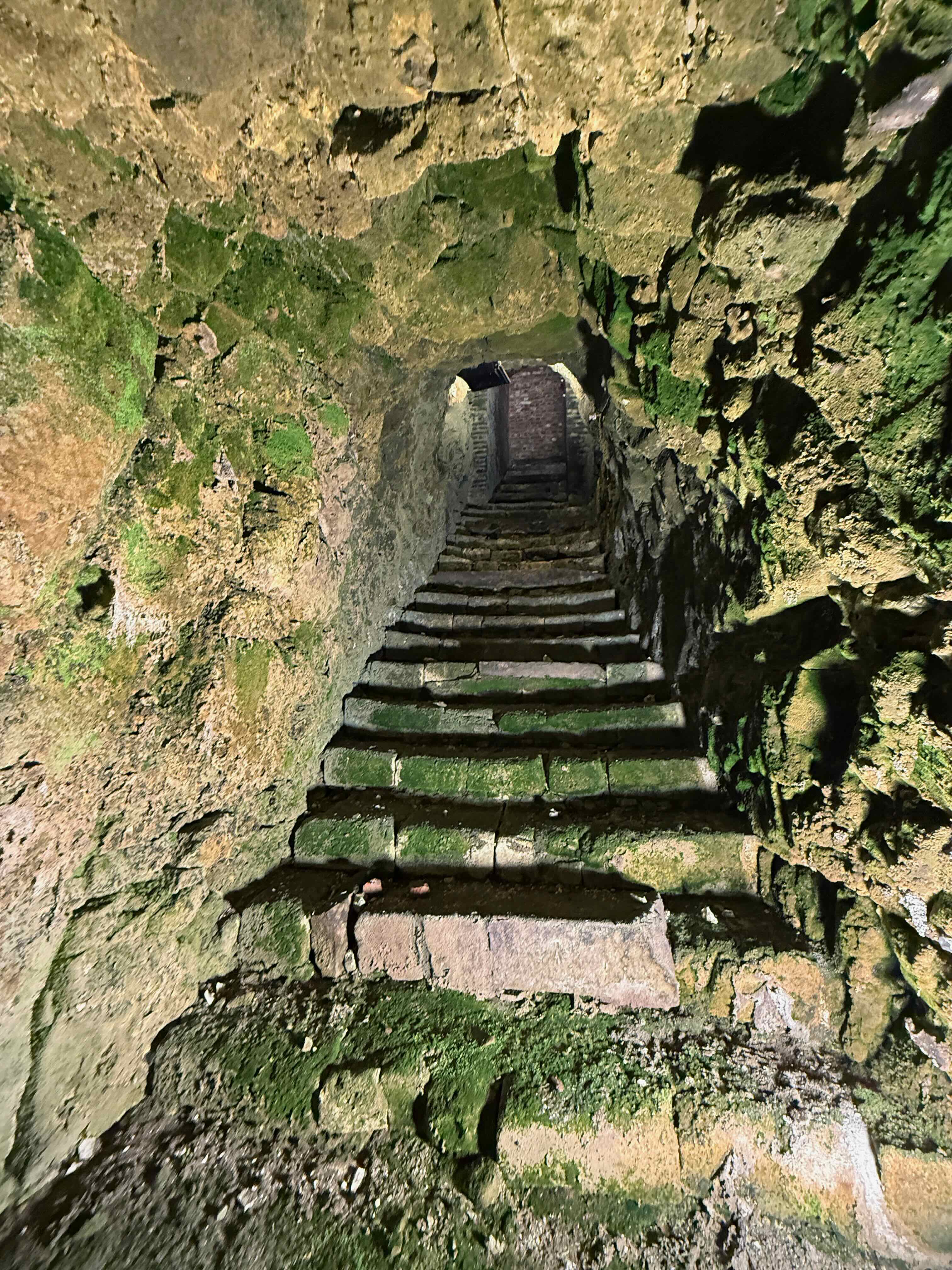
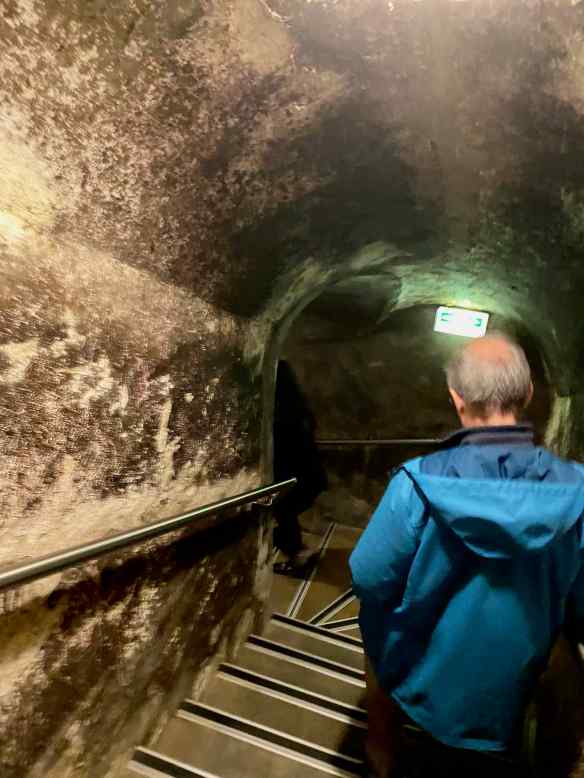
In places these very narrow spiral staircases are used to go between levels of tunnels. There are three levels, one at 4 metres, one at 8 metres and one at 12 metres. 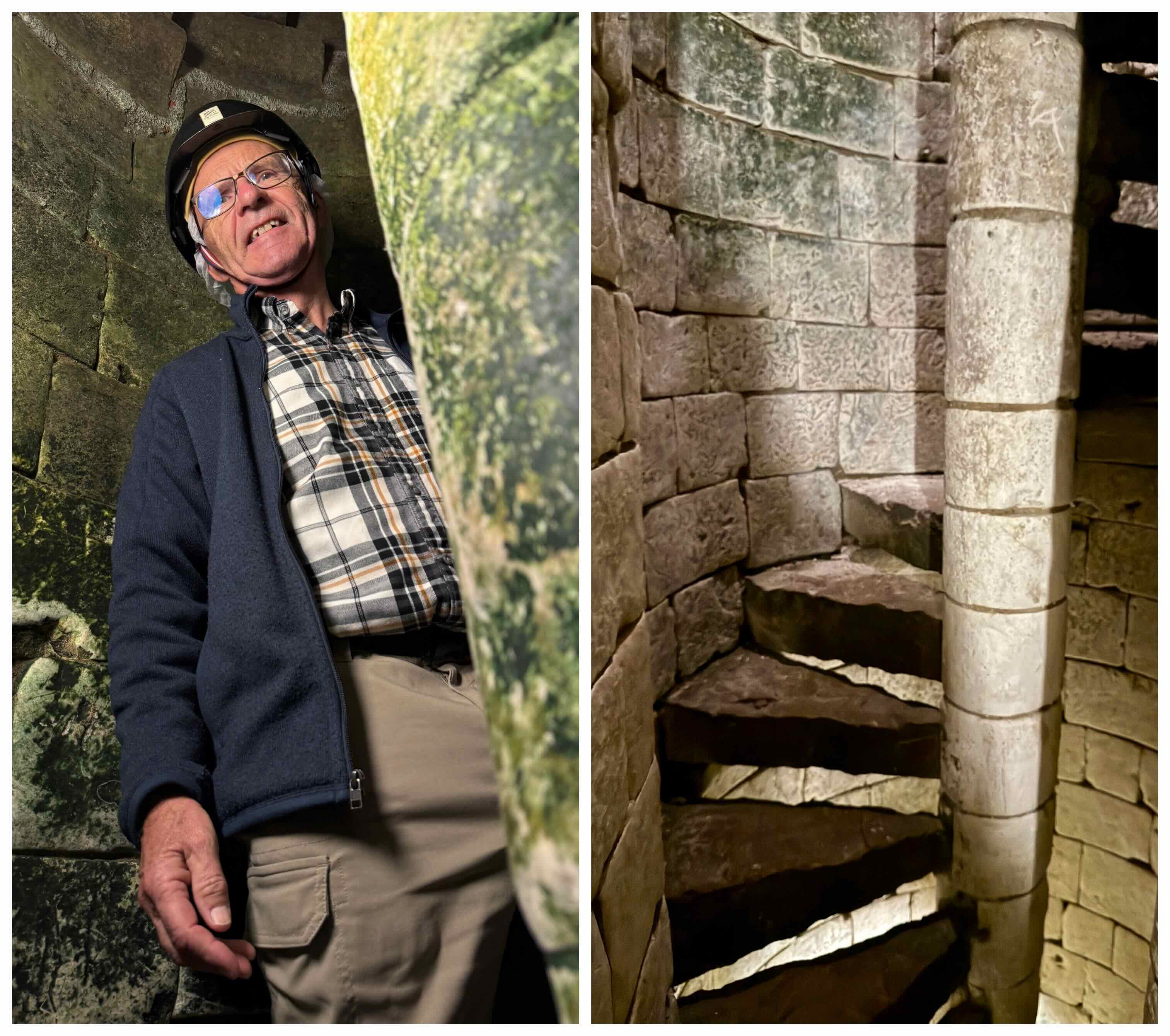
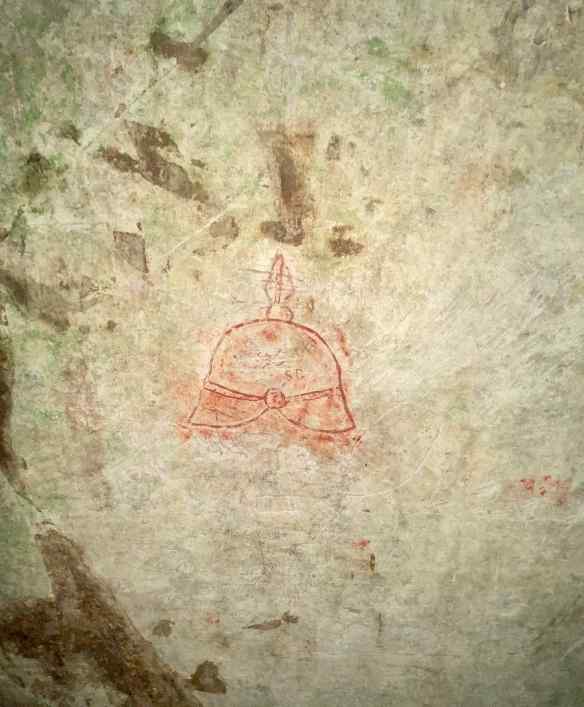
Graffiti covers many of the walls, both modern day graffiti and graffiti from the days of the First World War. The fleur-de-lys and the French Crest, which once had 2 lions on it are very old, the rest unfortunately are from recent tourists who visit these tunnels.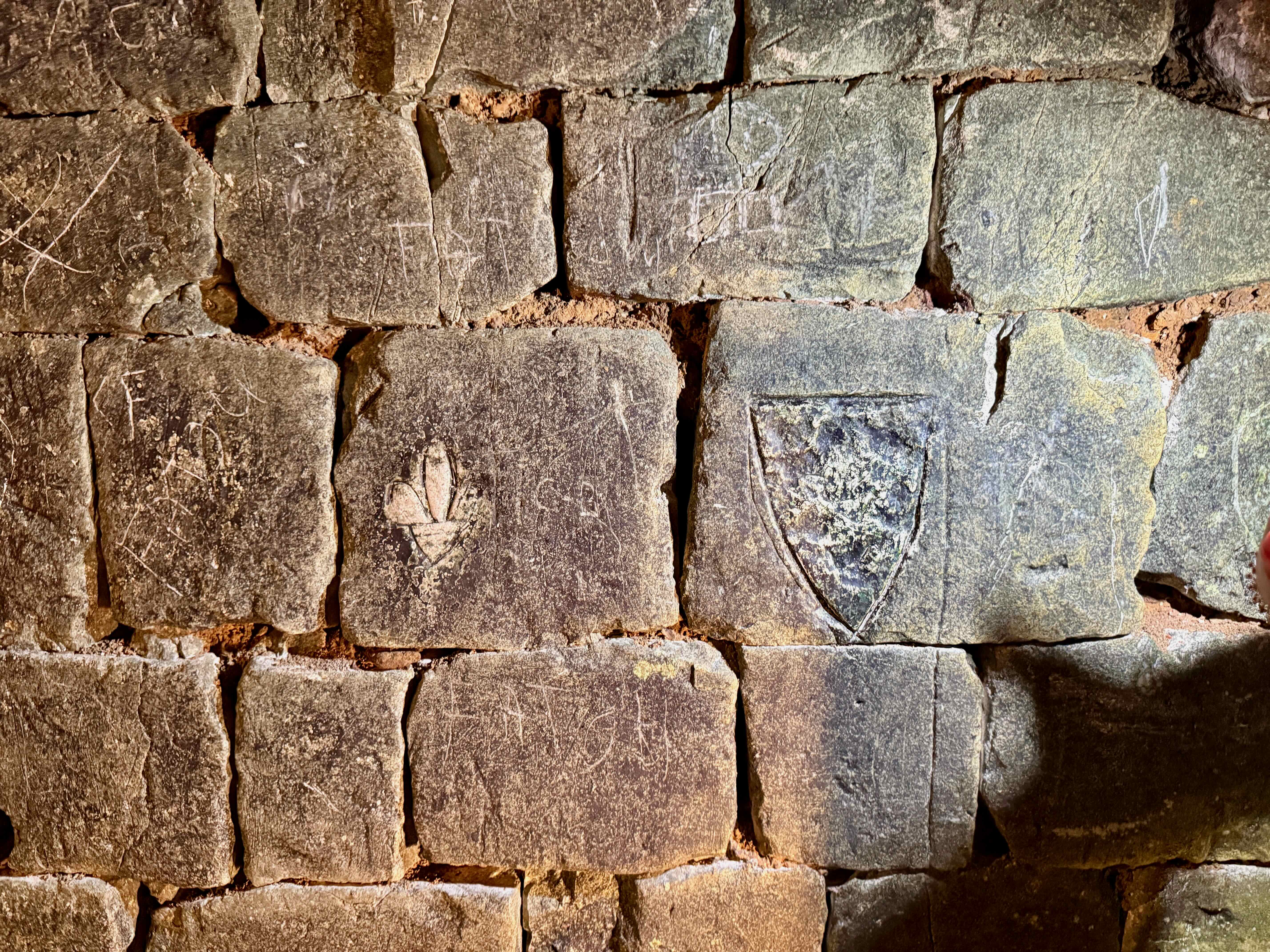
One of the many staircases on the tour.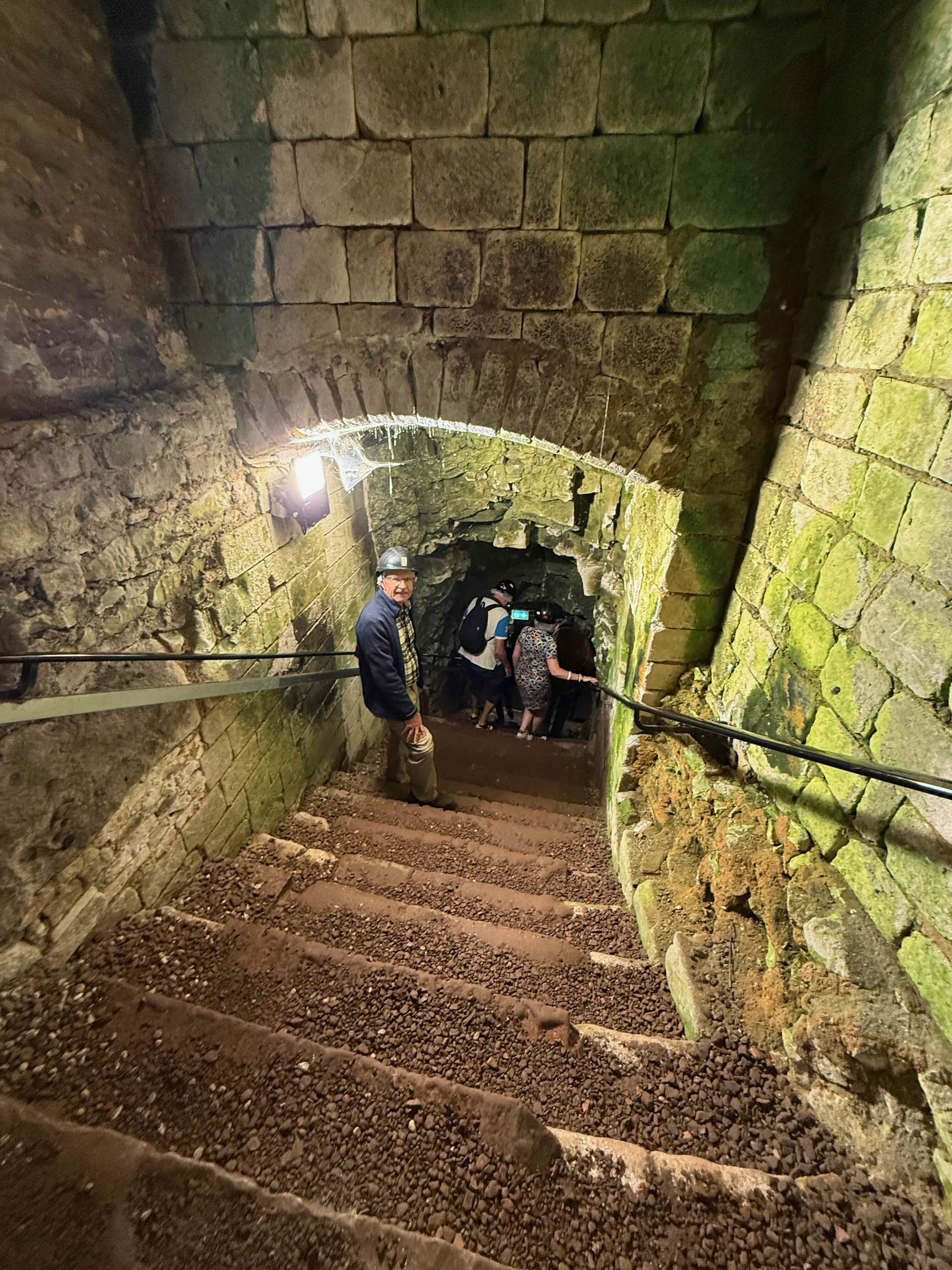
Many of the staircases and tunnels are now blocked off for security reasons.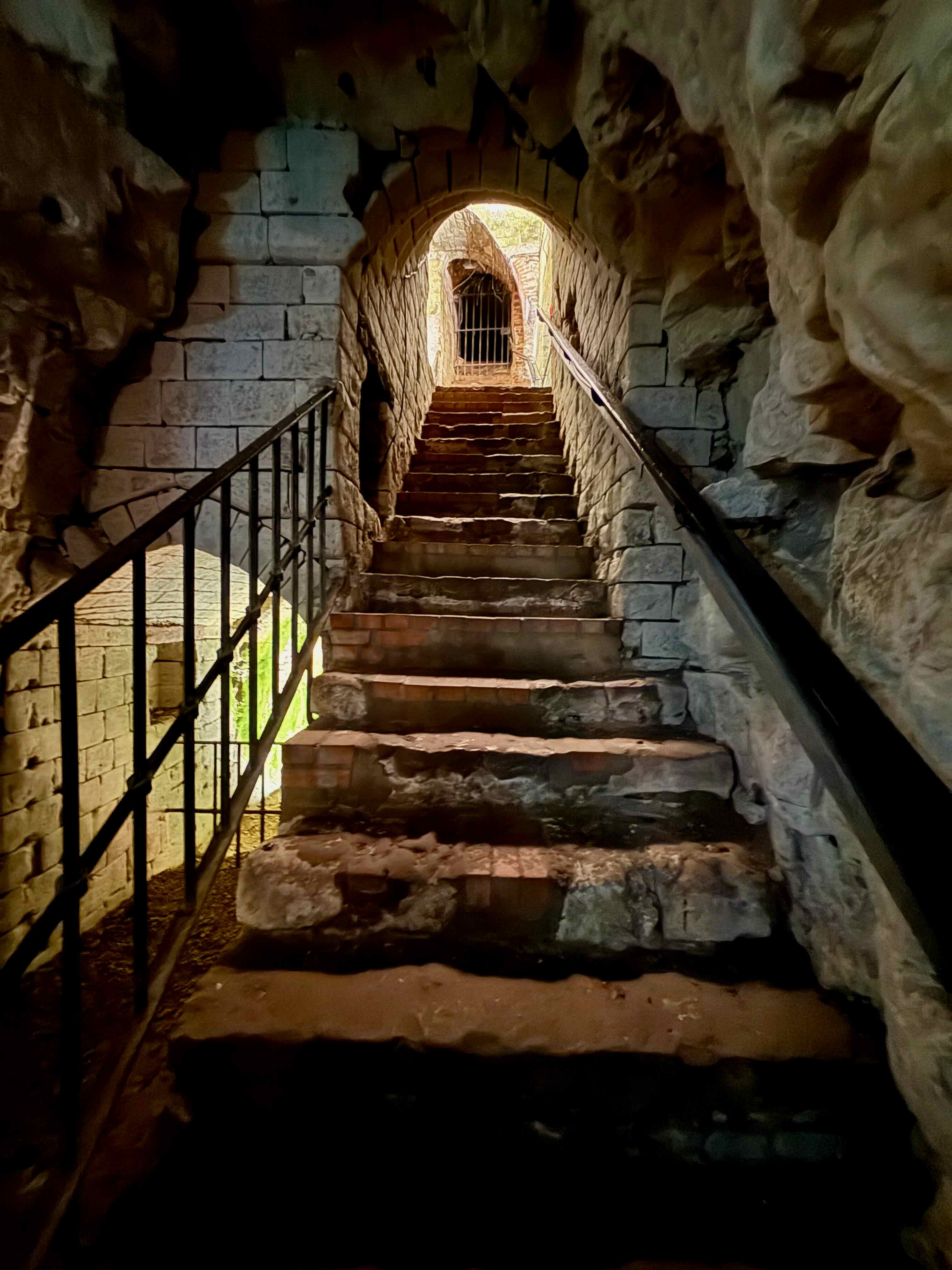
There are some informative posters in one of the caves. During World War I more tunnels were built to connect the caves. This gave Allied troops a way to move underground very close to the German front so that a surprise attack was possible. There are over 20 km of caves and tunnels and 24,000 soldiers gathered in these tunnels and caves for a week in order to attack the Germans. The Arras Attack was a diversion tactic for the more important battle at Vimy Ridge. This map shows the caves and tunnels used in the attack. The dark line on the right side is the German front. We enjoy our tour but it does feel good to be back outside in the sunshine. I can’t imagine having to stay underground here for a week like the soldiers in WWI.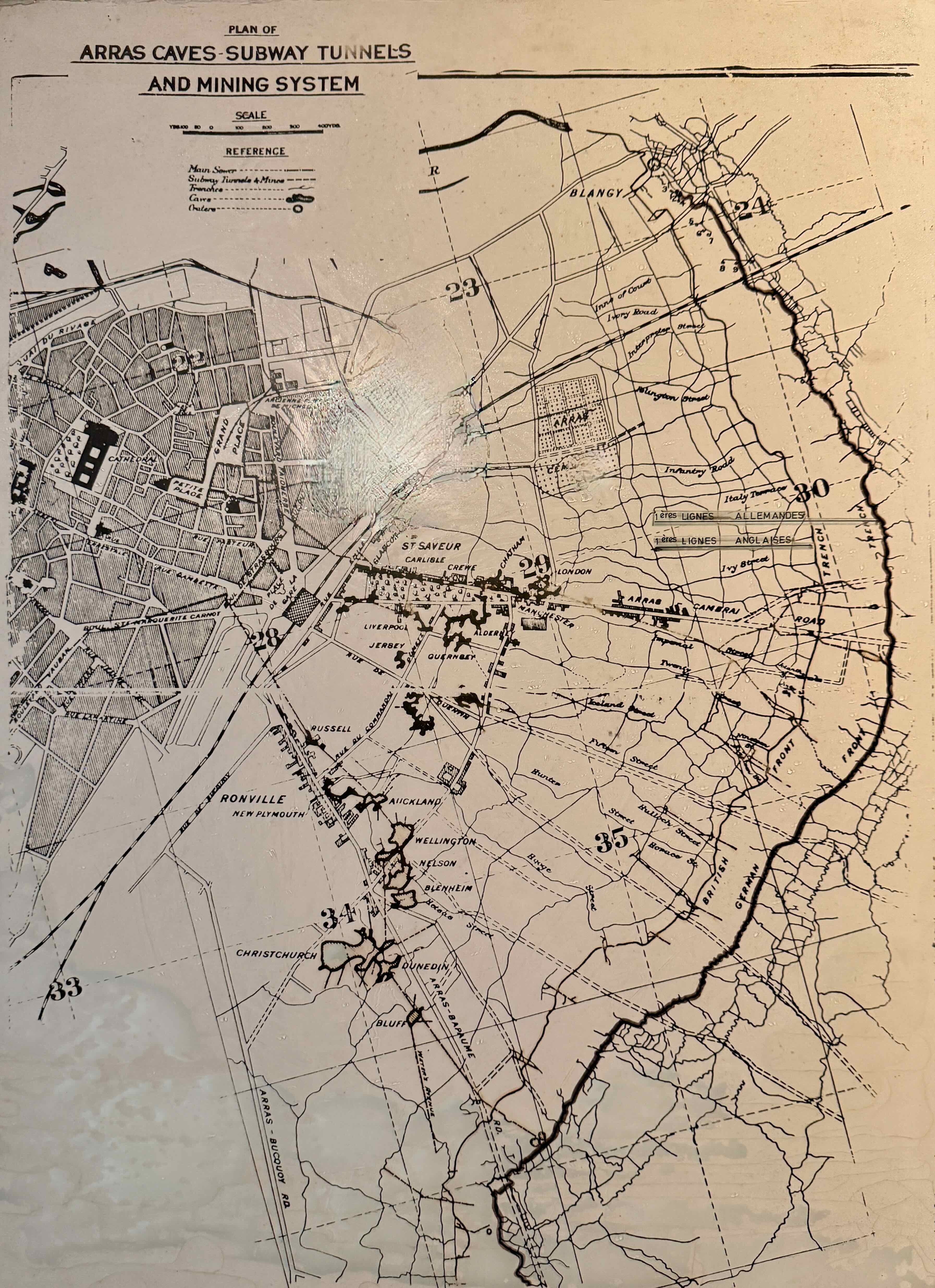 After our underground tour and lunch at our bnb we drive about half an hour to La Nécropole National de Notre Dame de Lorette. Bob says we have to visit this site first. I have no idea what is behind this big black wall.
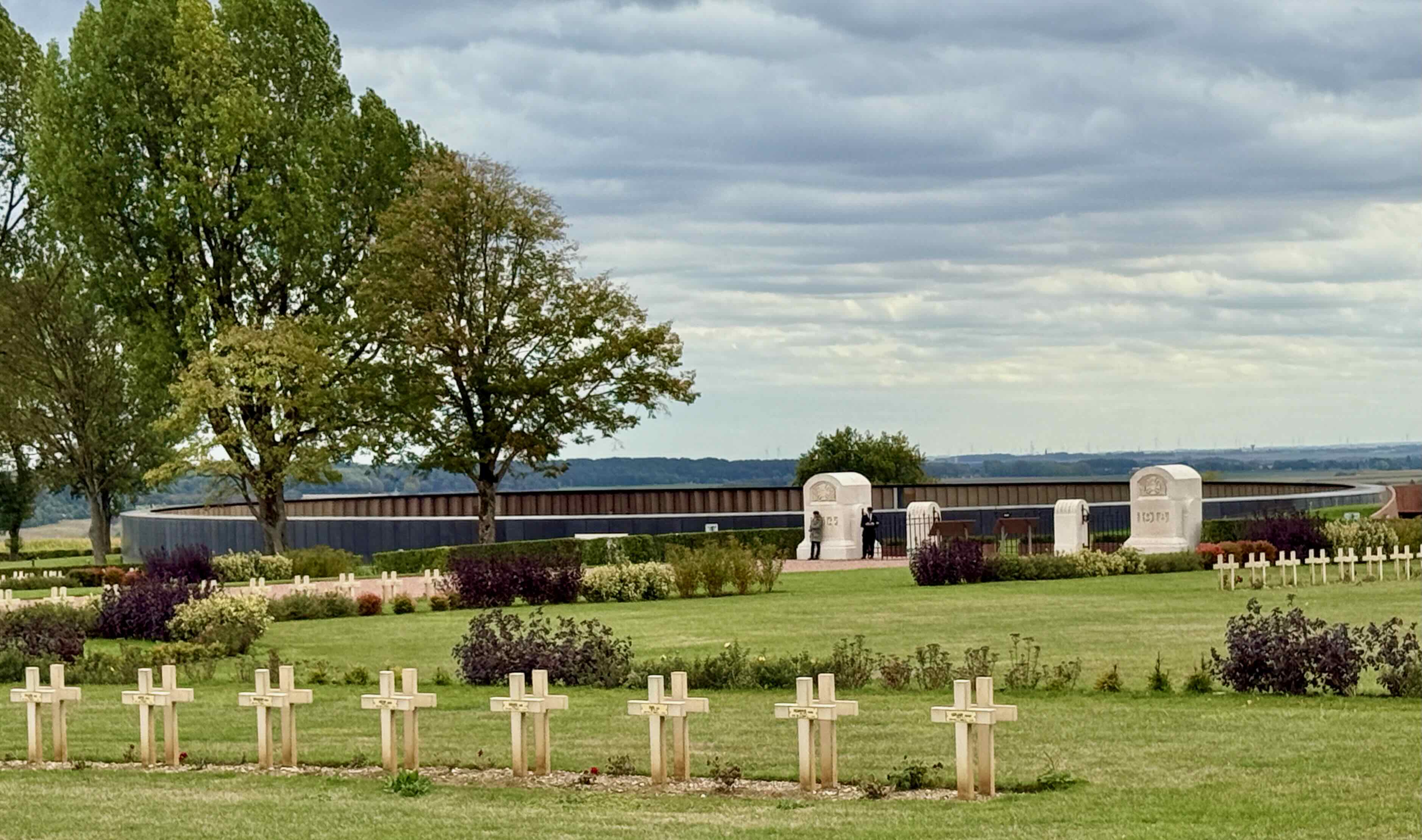
We pass through the entrance, this is what I see, and I start to cry.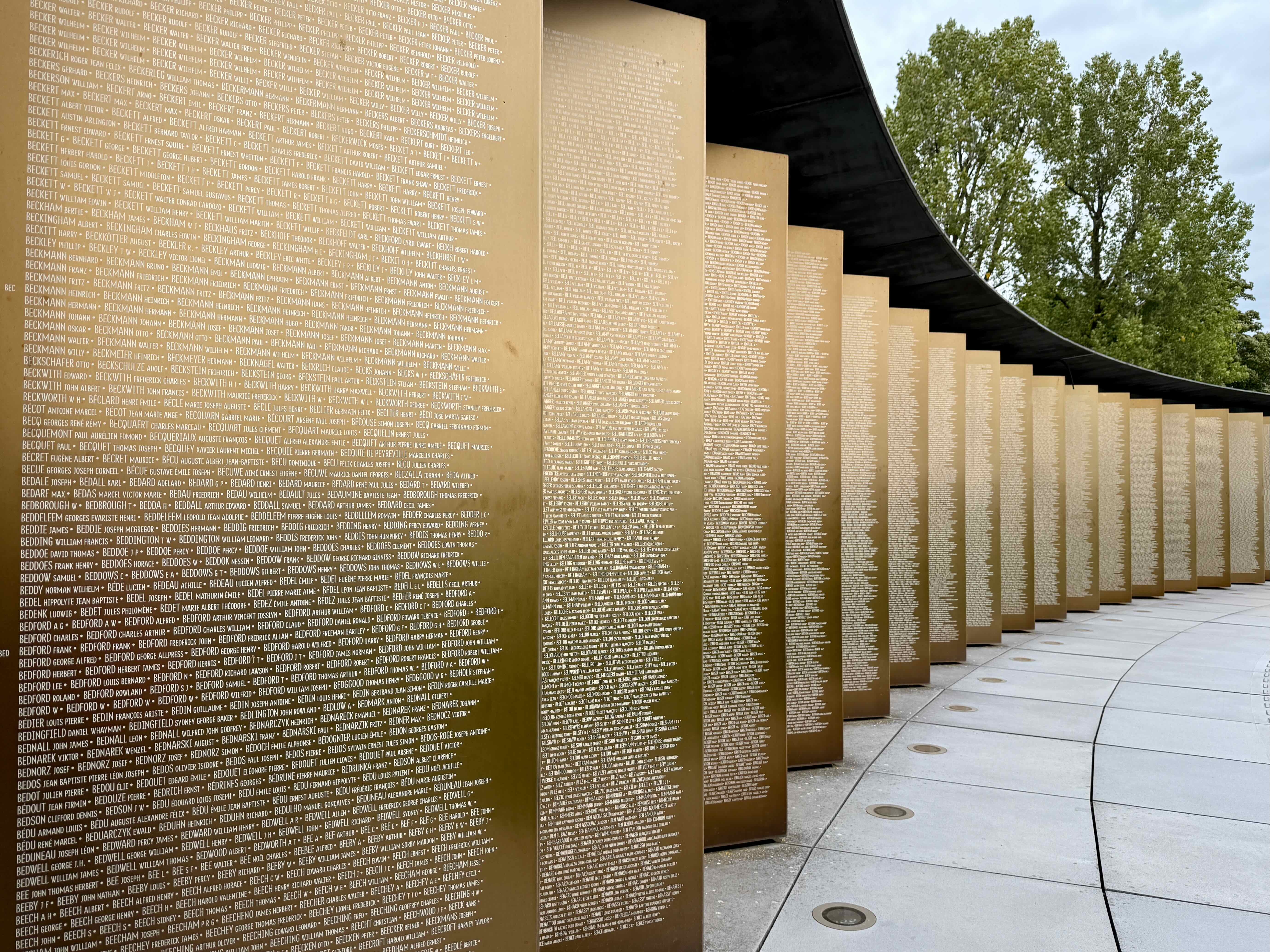
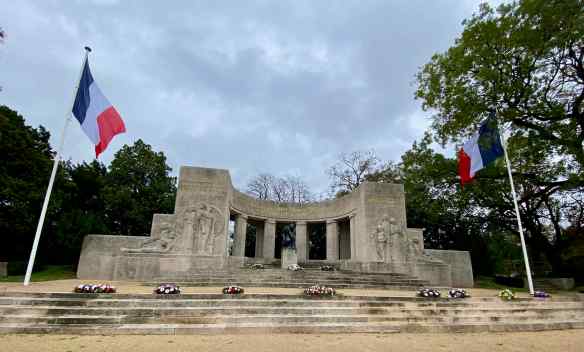
This memorial was inaugurated on November 11, 214. This World War I monument gives those who fell in battle in this area a place of remembrance…a place where their names ( Allied and German) are preserved, commemorated and honoured.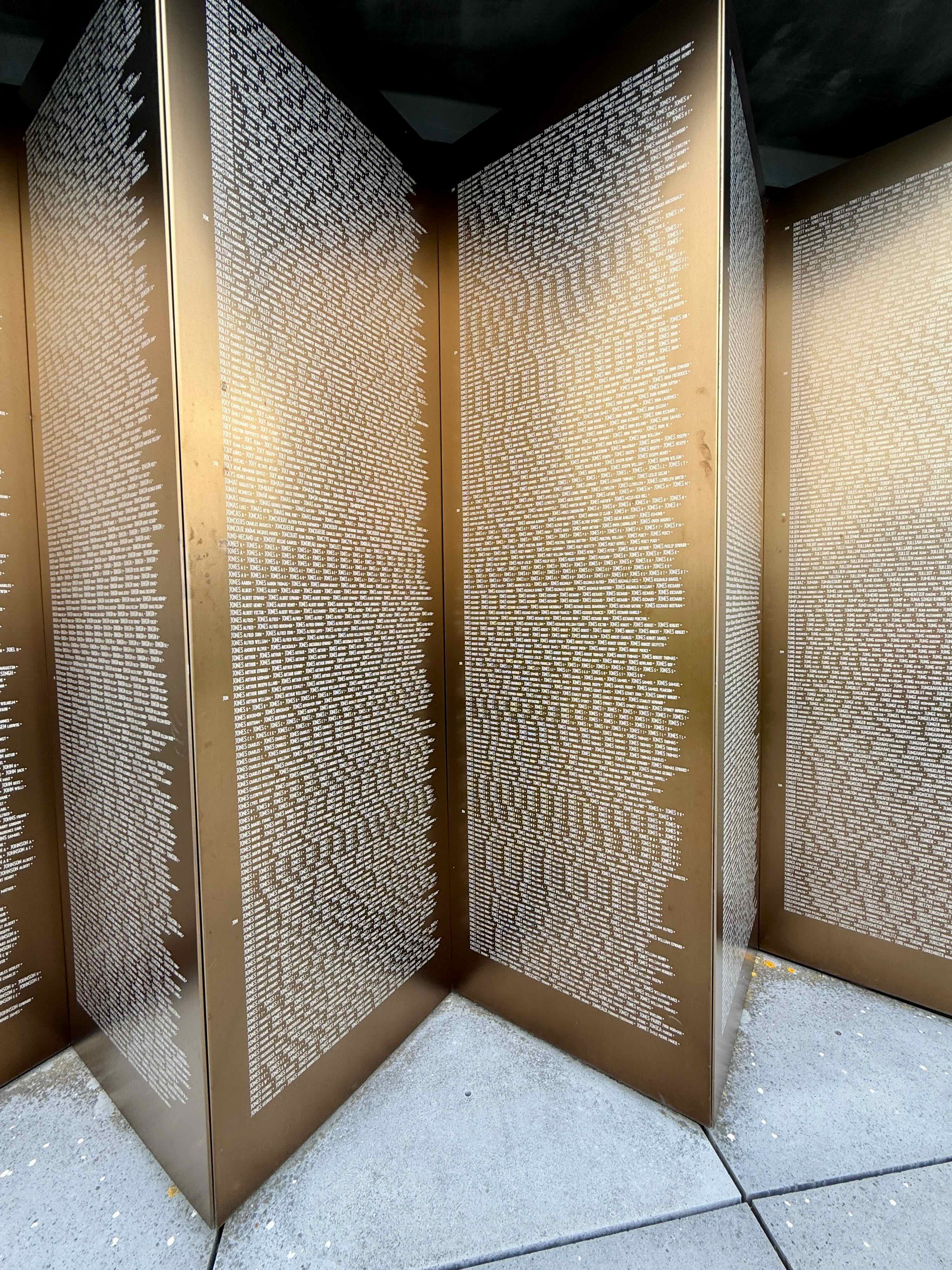
This is about 1/4 of the Ring of Remembrance…579,606 names. It is overwhelming. All these young men dead. Sons, brothers, husbands, fathers…a whole generation of men that were no more. It is an incredibly powerful memorial.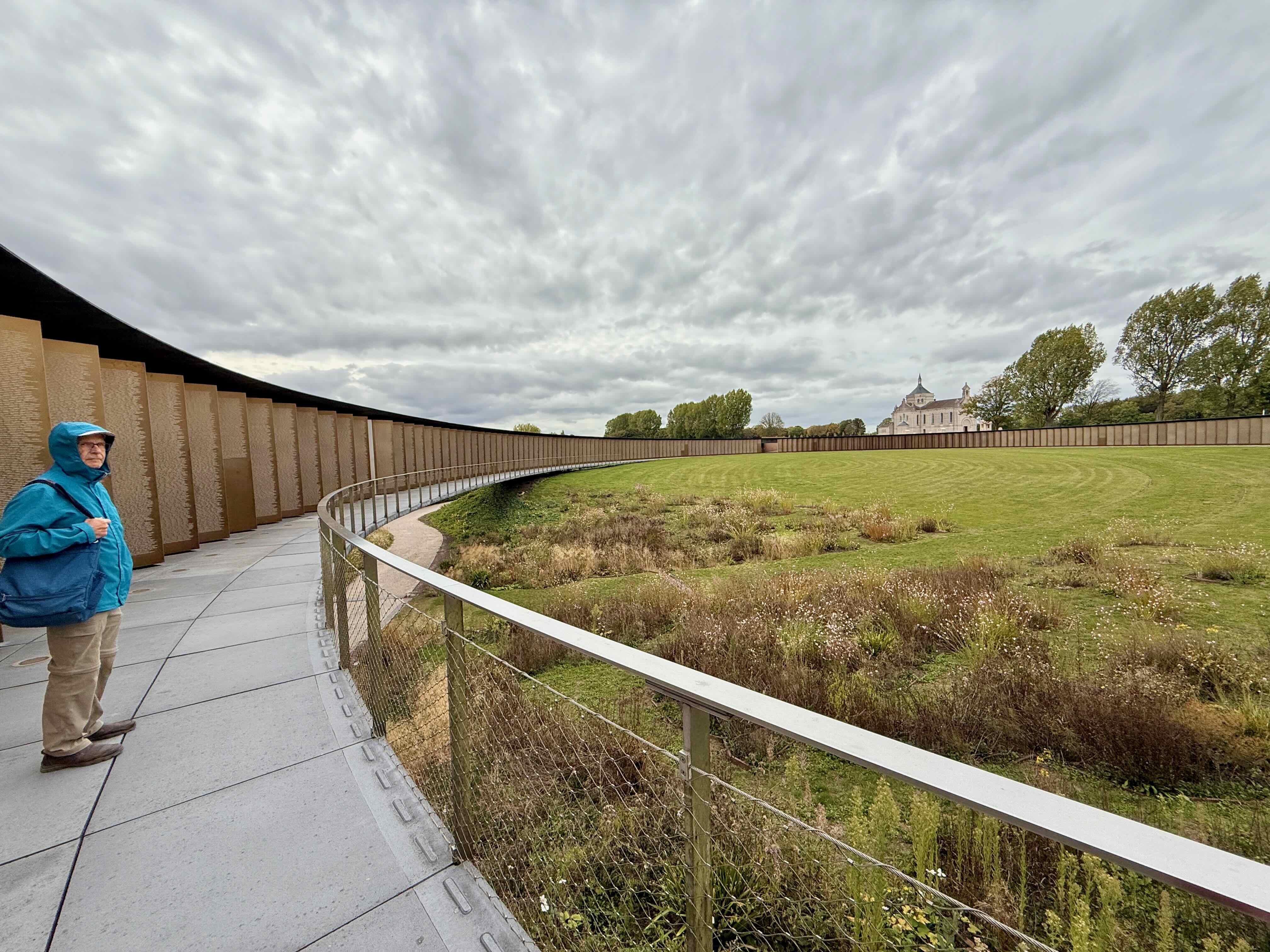
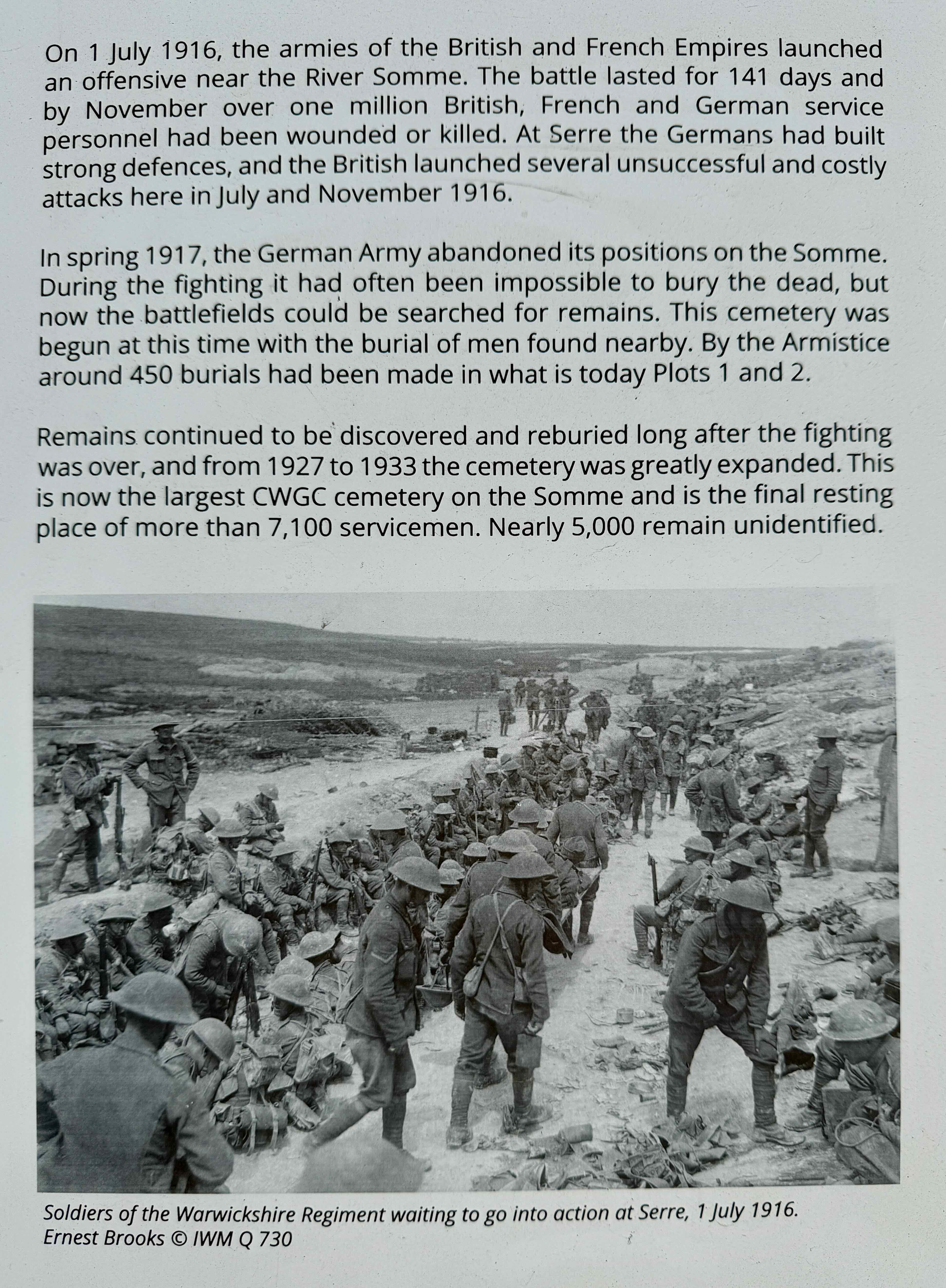
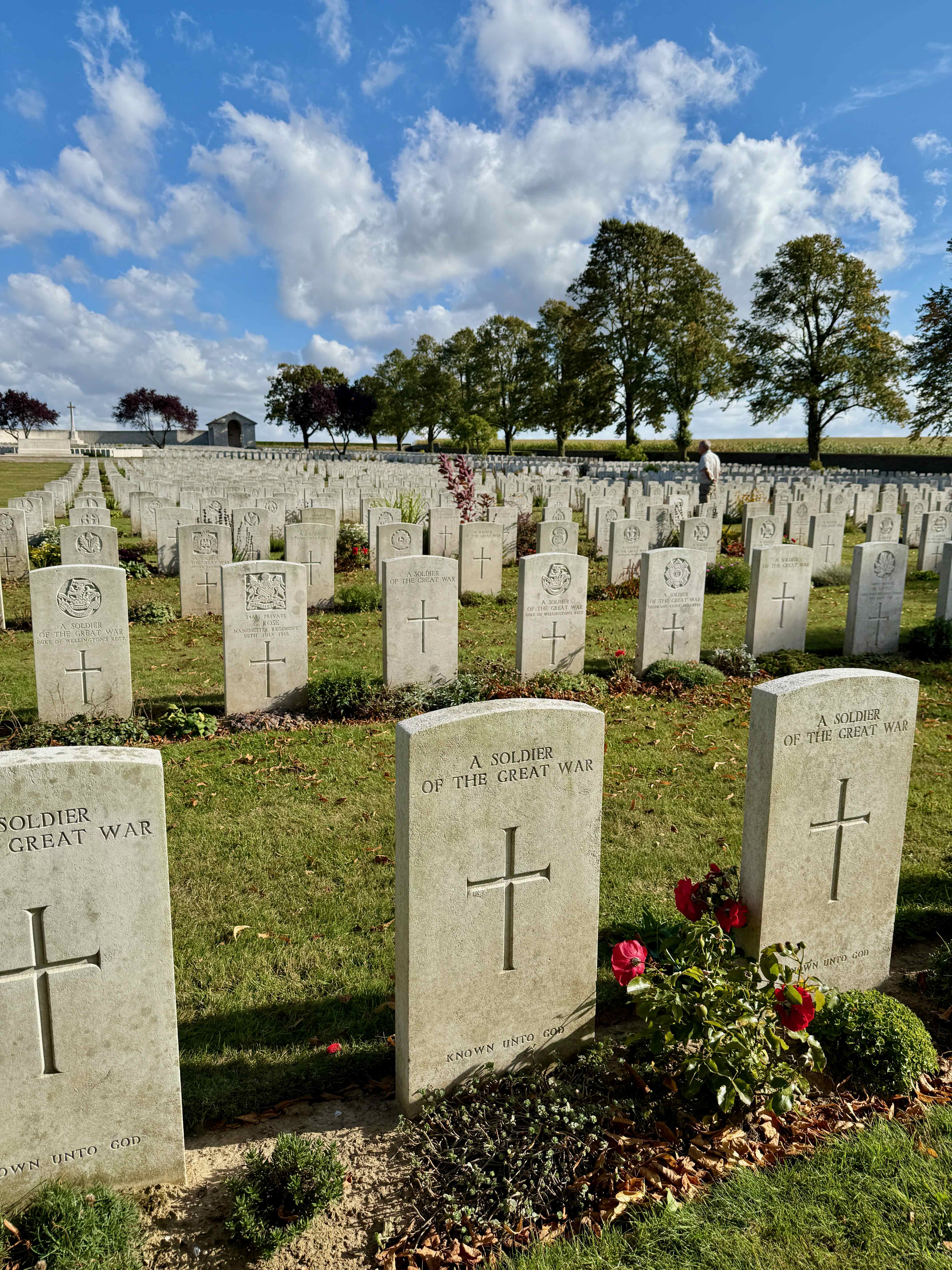
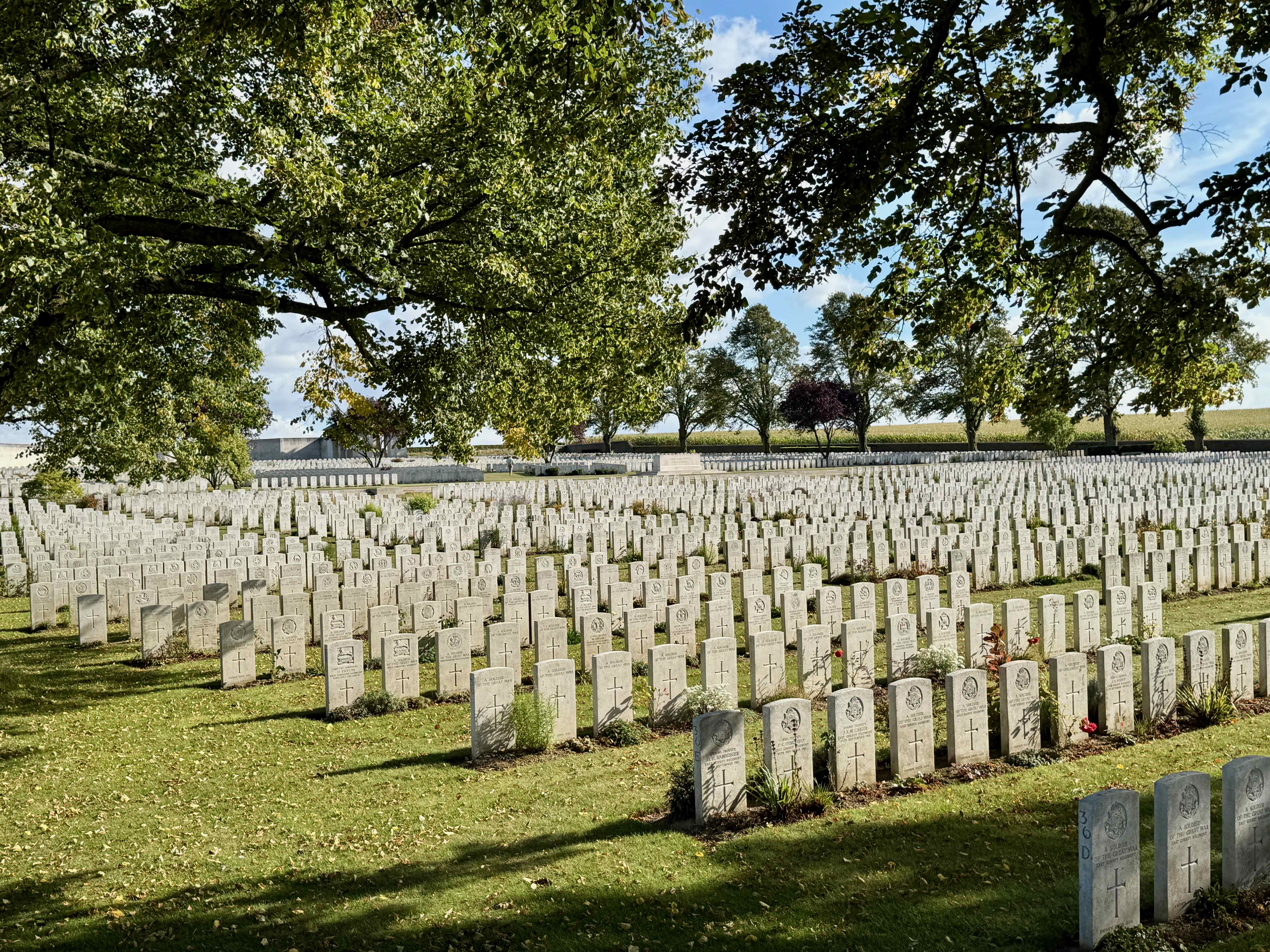
We walk over to the cemetery and there are thousands and thousands of crosses of fallen French soldiers, as far as the eye can see.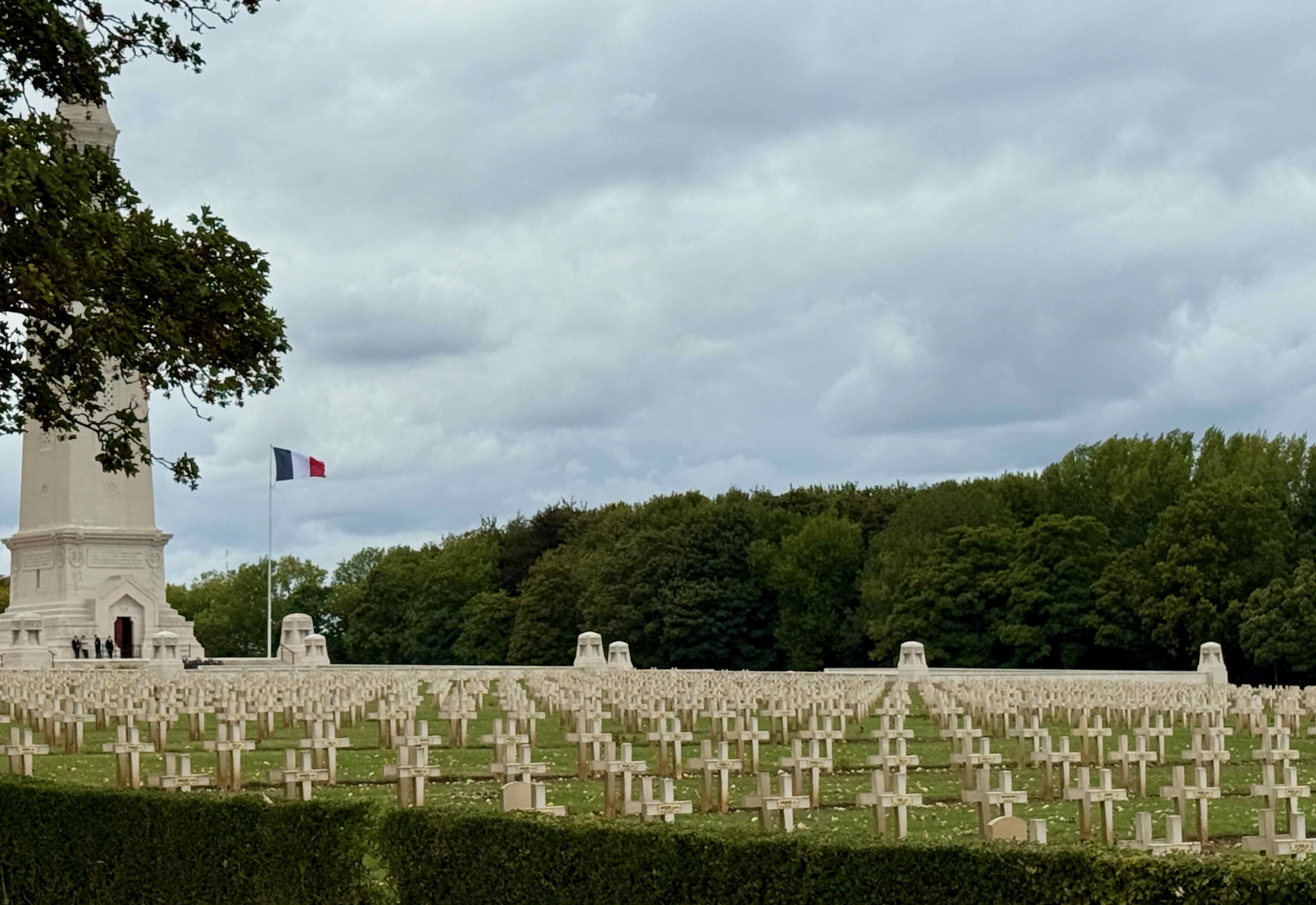
A photos is not able to show the size of this cemetery. It is enormous and covers 25 hectares and holds over 40,000 bodies, half of which are in individual graves and the other half are in seven different ossuaries. More than 150 battlefield cemeteries were moved to this location.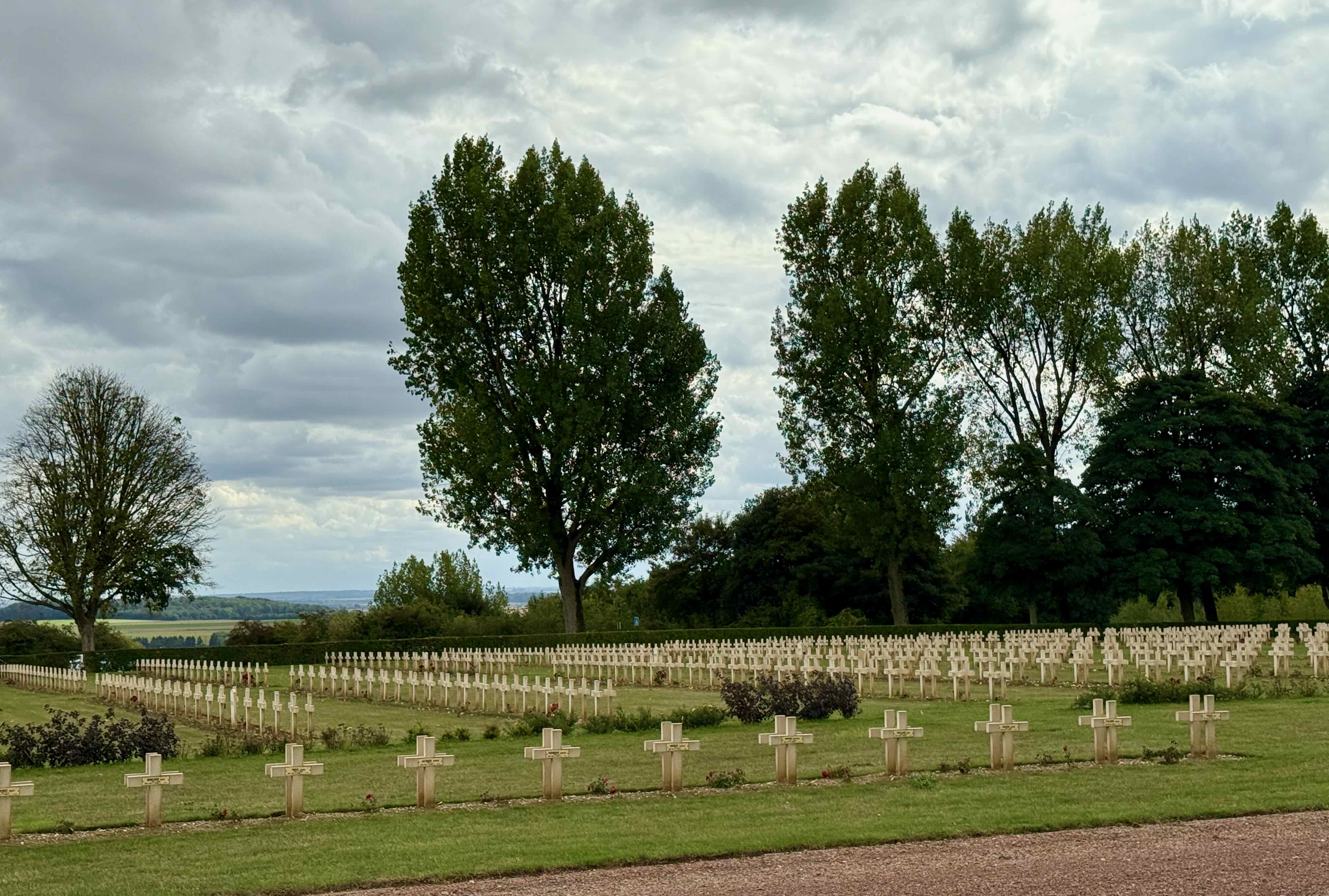 There is a basilica onsite…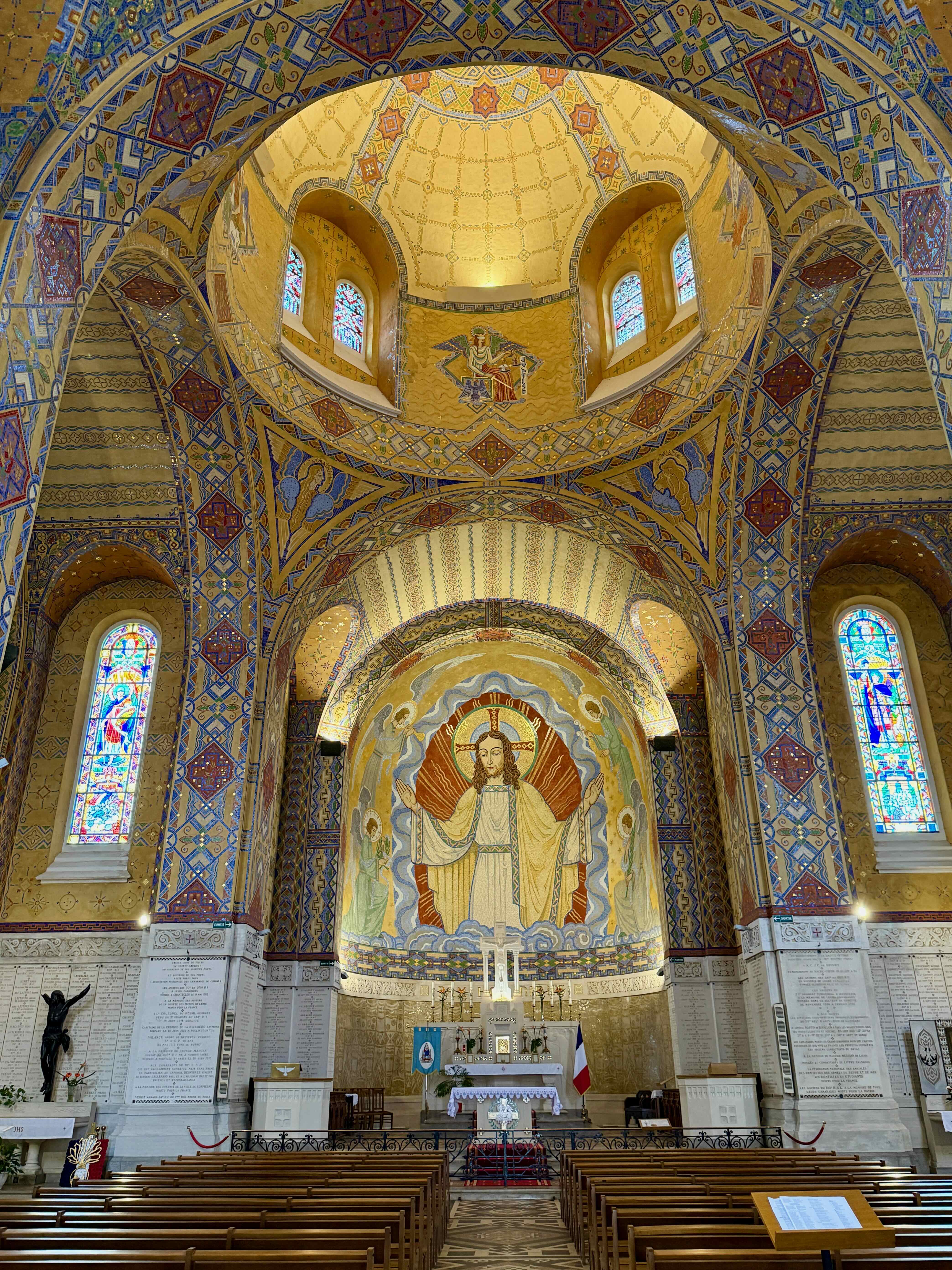
with more names of the dead inscribed on the walls.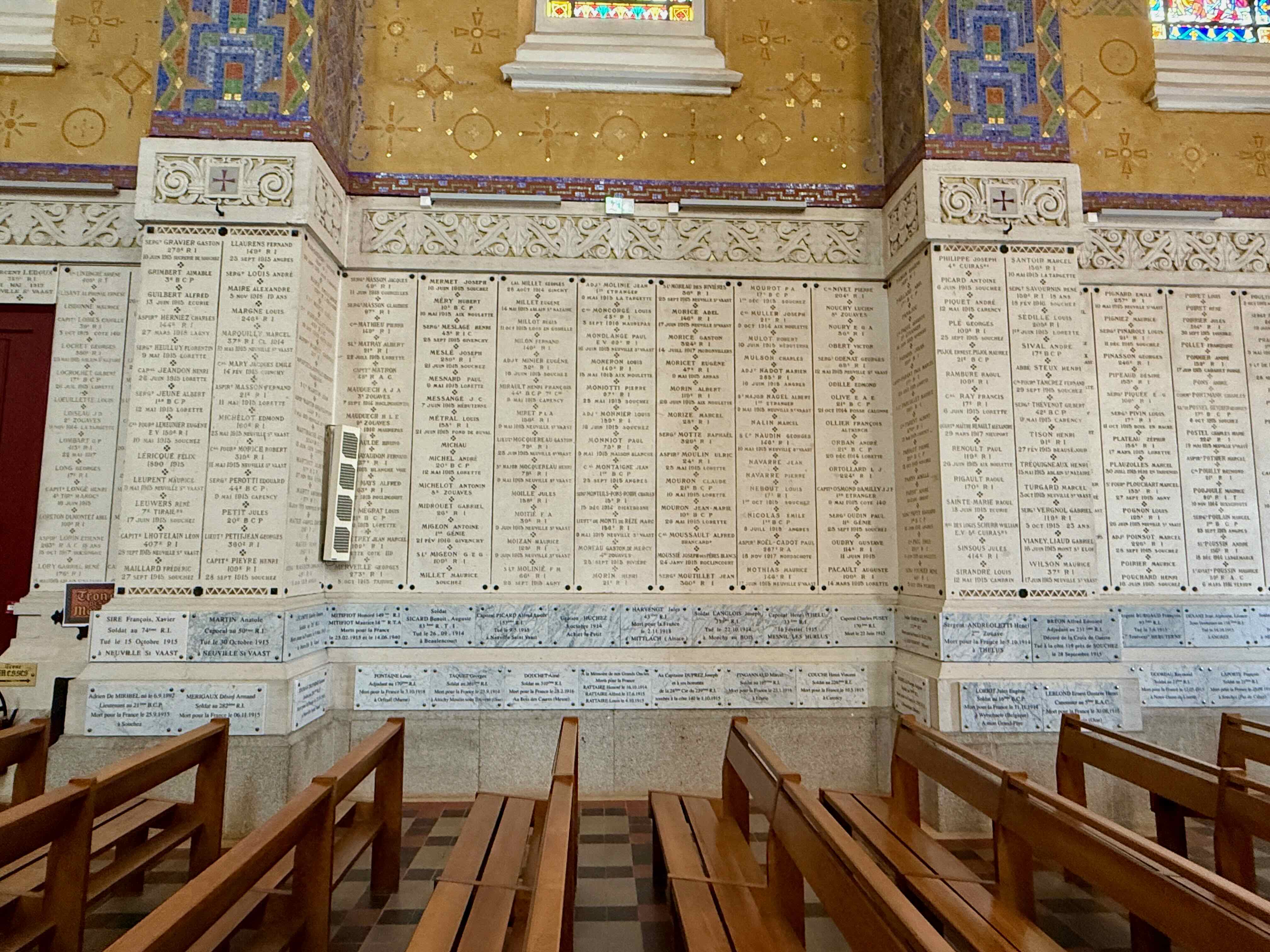
I realize that I didn’t take a photo of the lantern Tower. It is 52 meters tall and has a chapel in its base that contains the remains of over 6,000 unknown soldiers. At night there is a light that shines and rotates from the top of the tower. There is a small museum the Lantern Tower with personal items, photos and excerpts form diaries. They are upsetting to see. I can not imagine having to live through these experiences.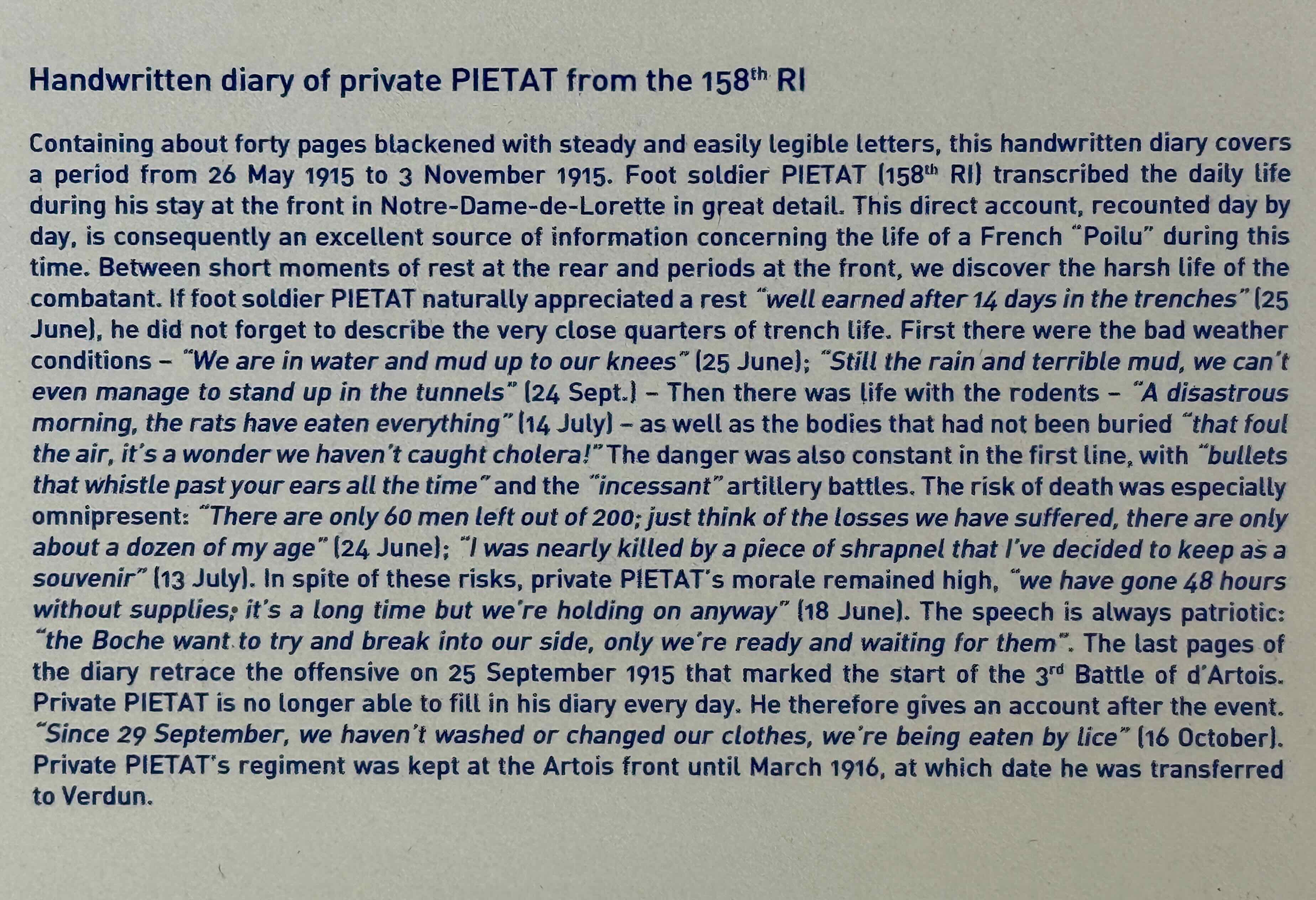
There were several photos showing the horror of war…gathering their dead comrades for burial.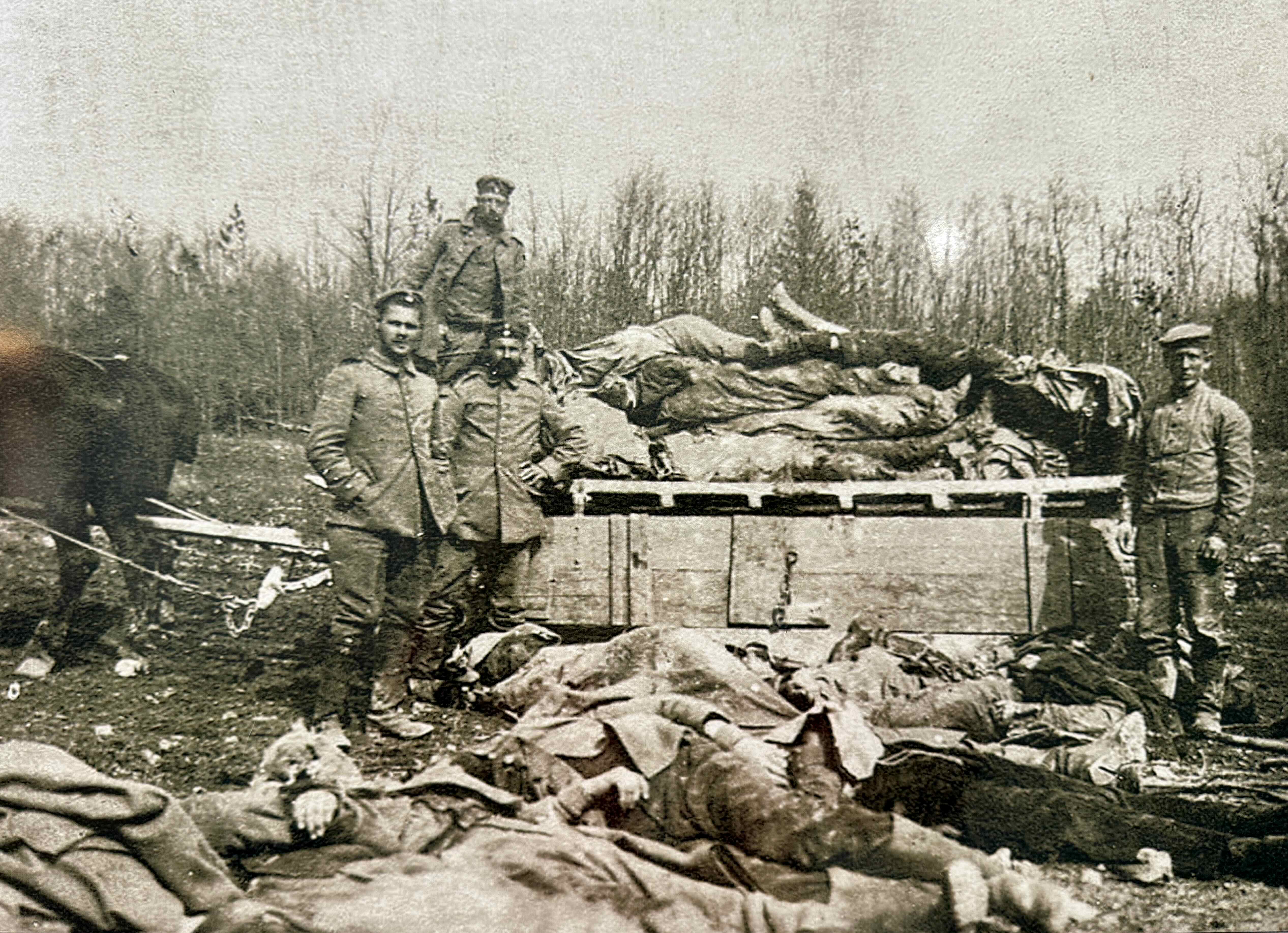
We drive from this cemetery to Vimy Ridge which was an important Canadian battle in the First World War, where we tour the underground tunnels and trenches. This was on the wall of the memorial building, which is staffed by young Canadians.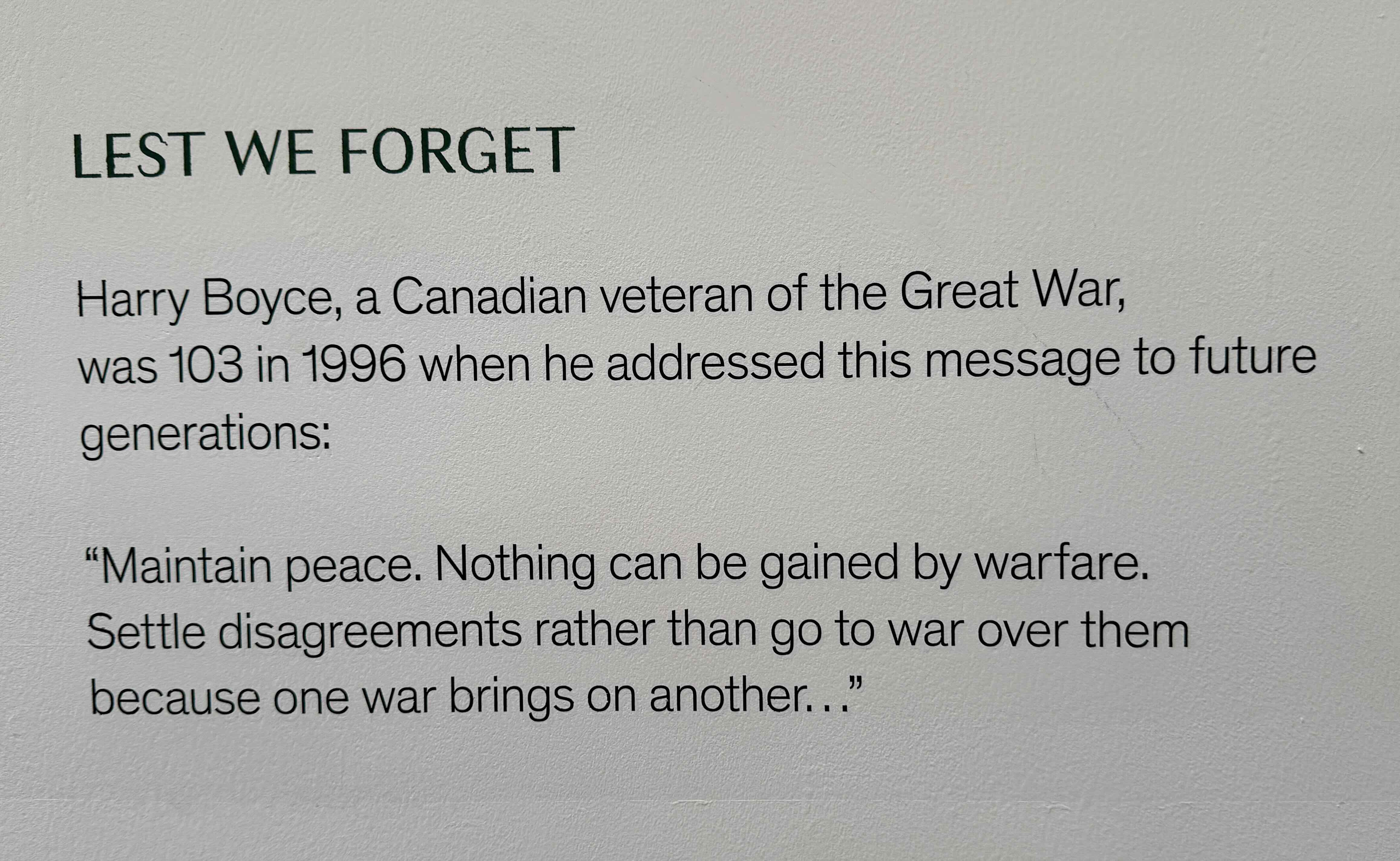
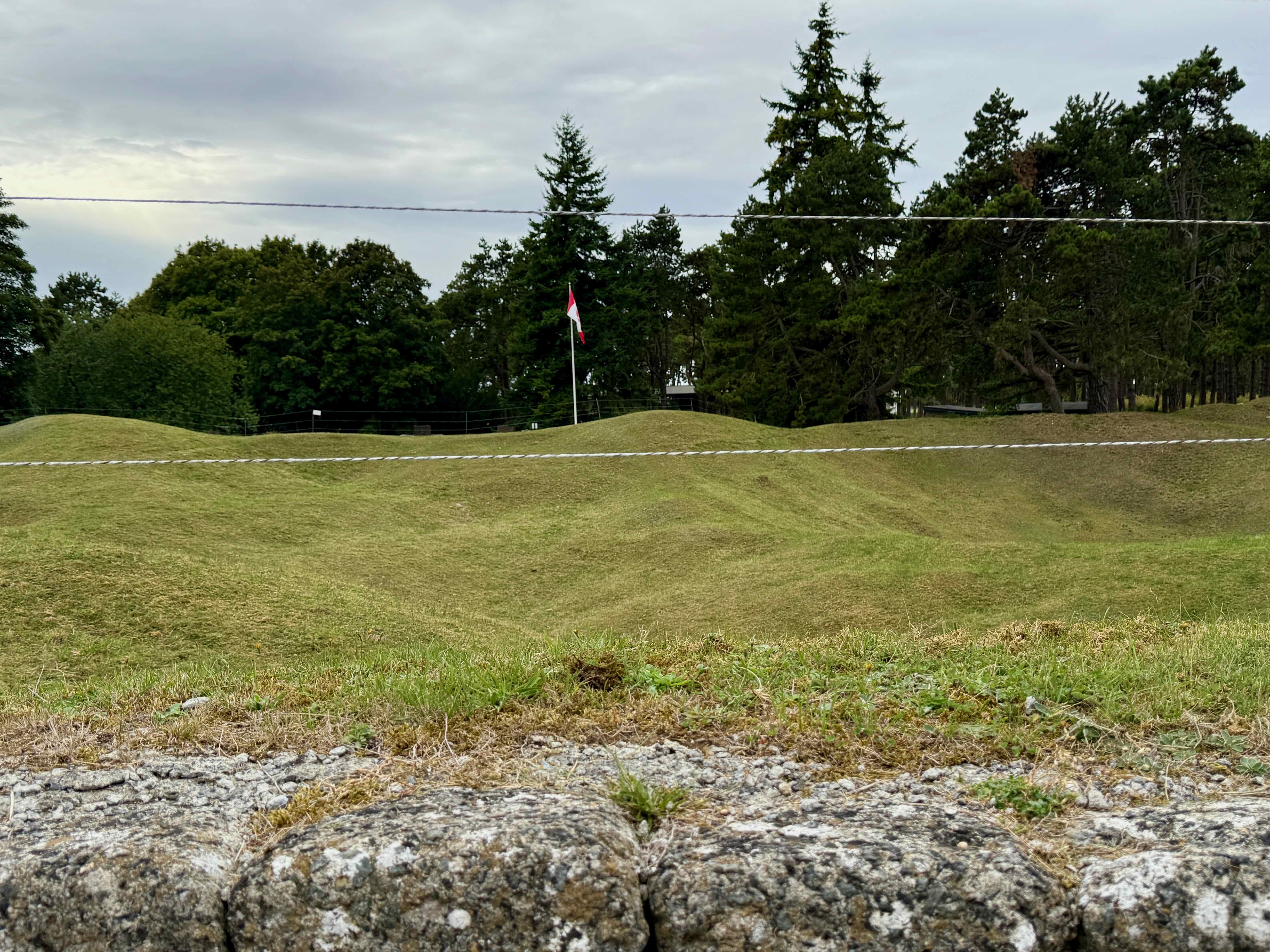
It is unfortunate that no one seems to have listened to his words. By this time I am feeling quite overwhelmed and I only took two photos here. Tunnels were dug thirty feet deep under Vimy Ridge so that soldiers could place explosive devices under enemy lines. This is a replica of one of those tunnels being dug.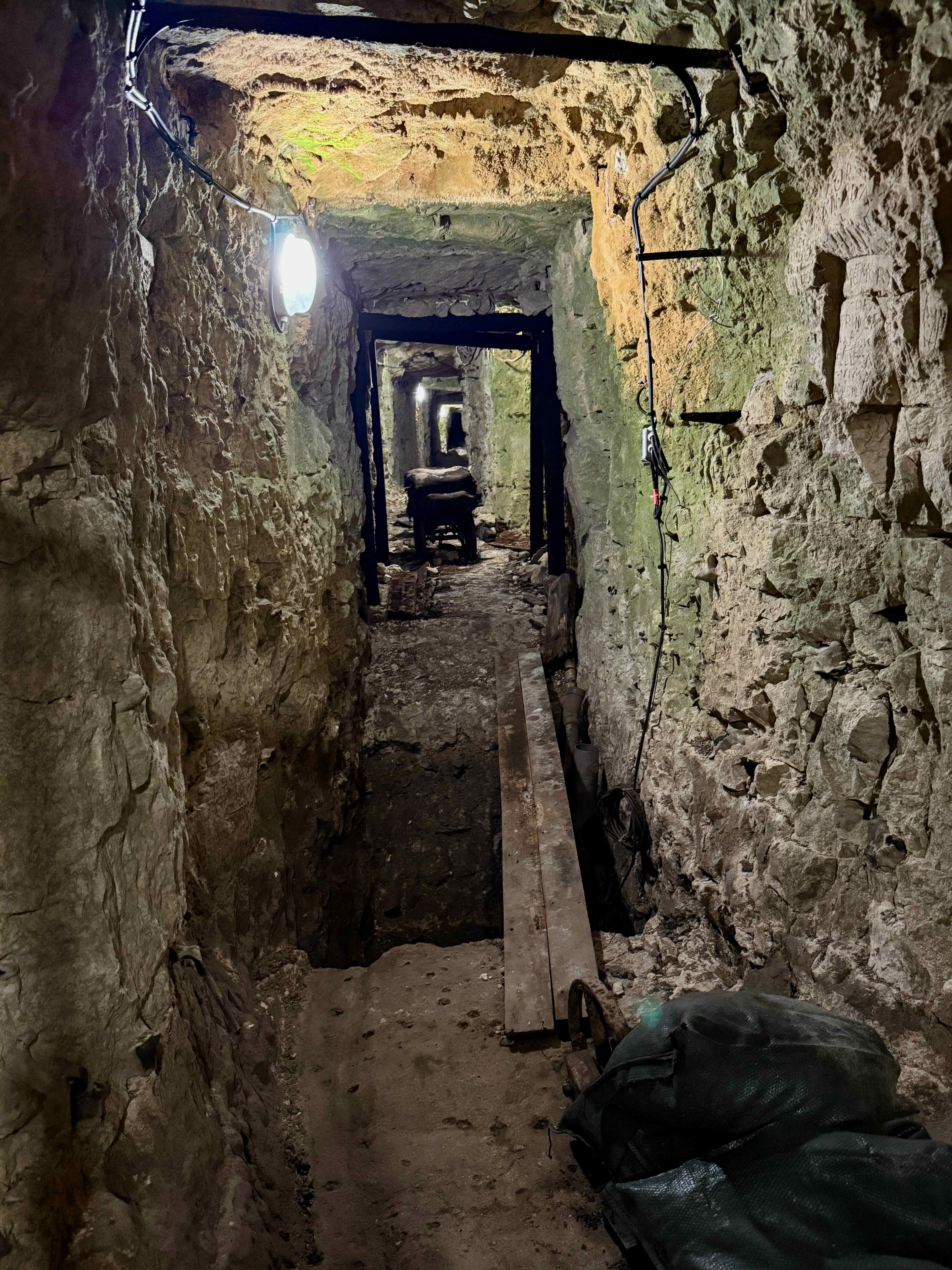 In some places the front lines of The Canadians and the Germans were only 20 meters apart. This is the view from one of the German trenches towards the Canadian trenches beside the Canadian flag. The soldiers were able to hear each other talking, they were so close together.
“”The battle began at 5:30 am on April 9, with the first wave of around 15,000 men advancing under the creeping barrage of almost 1000 heavy guns. Most objectives were taken on schedule, and by afternoon most of the ridge was captured, with the notable exception of The Pimple, a high point at the North end of the ridge, where defenders held out until April 12.
By April 12, the Canadians had taken all of their objectives, as well as 4,000 prisoners. The Canadians held Vimy Ridge. This victory came at a high cost as 3,598 Canadians lost their lives, and 7,000 were wounded during the four-day battle. April 9, 1917 is still the bloodiest day in Canadian military history.” ~ The VImy Foundation
We drive a short distance to the Vimy Memorial. It overlooks the Douai Plain from the highest point of Vimy Ridge and was designed by the Canadian sculptor Wallace S. Allward.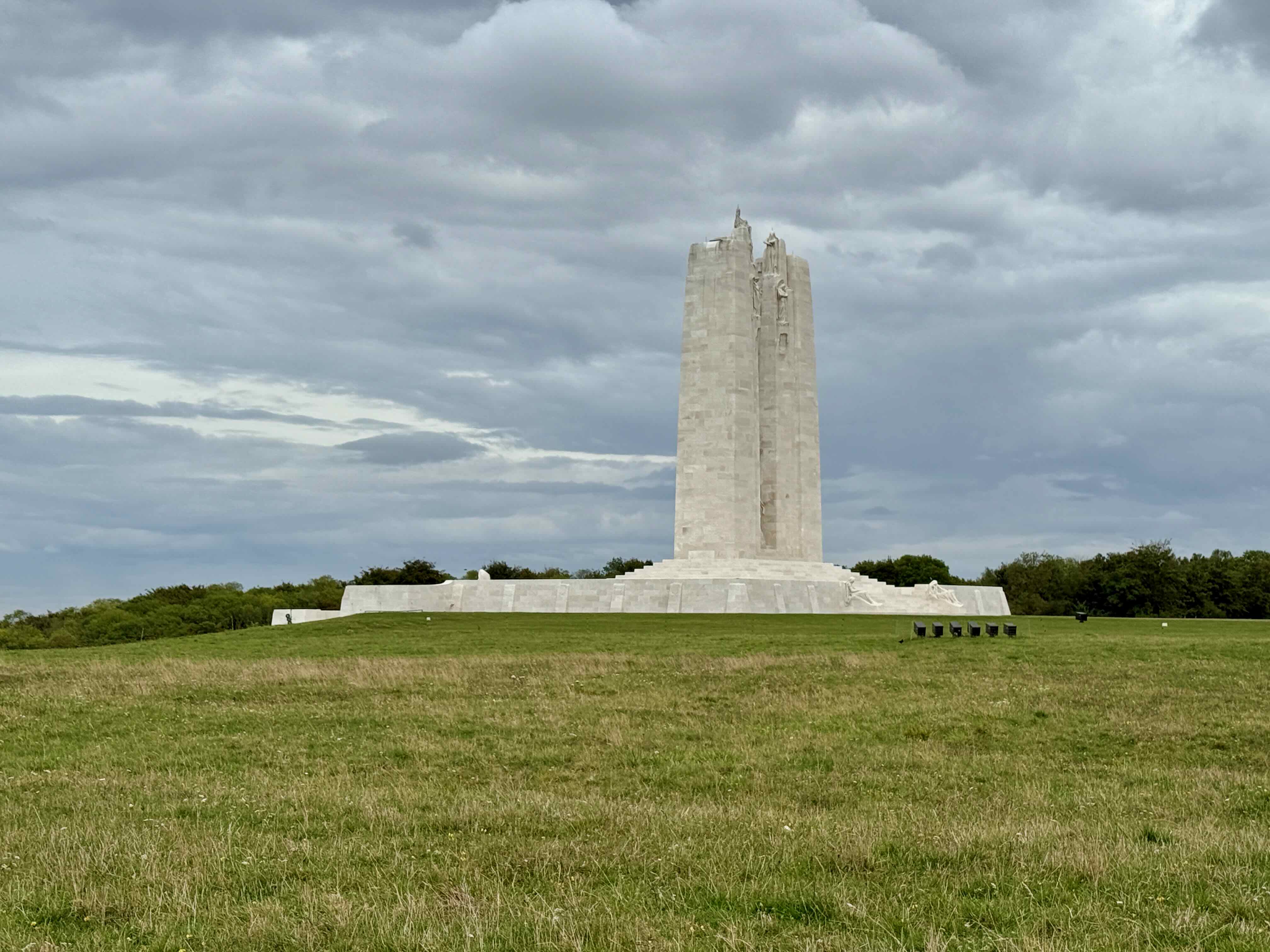 We didn’t see the front walk so took the long way around to the back of the memorial.
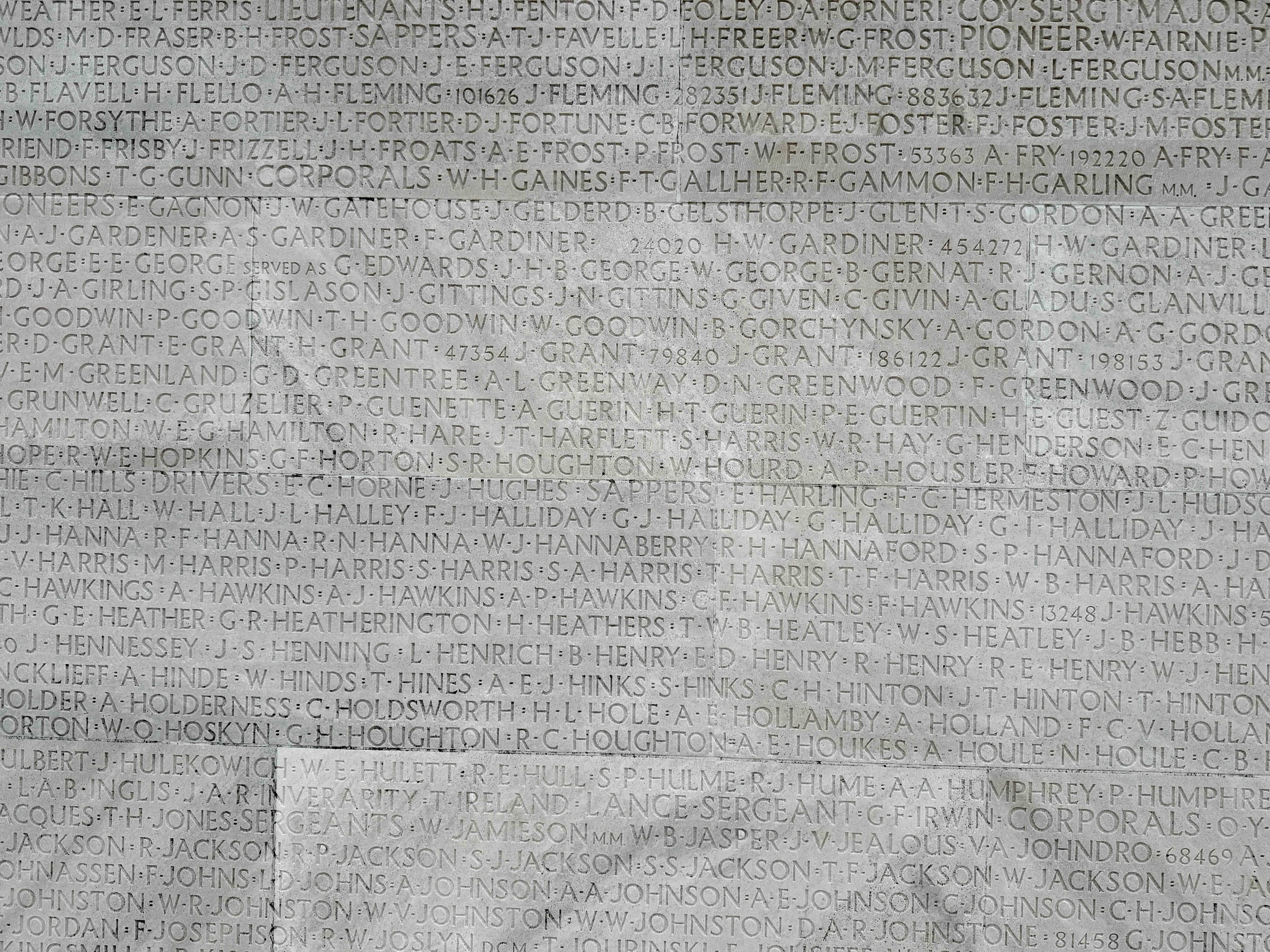
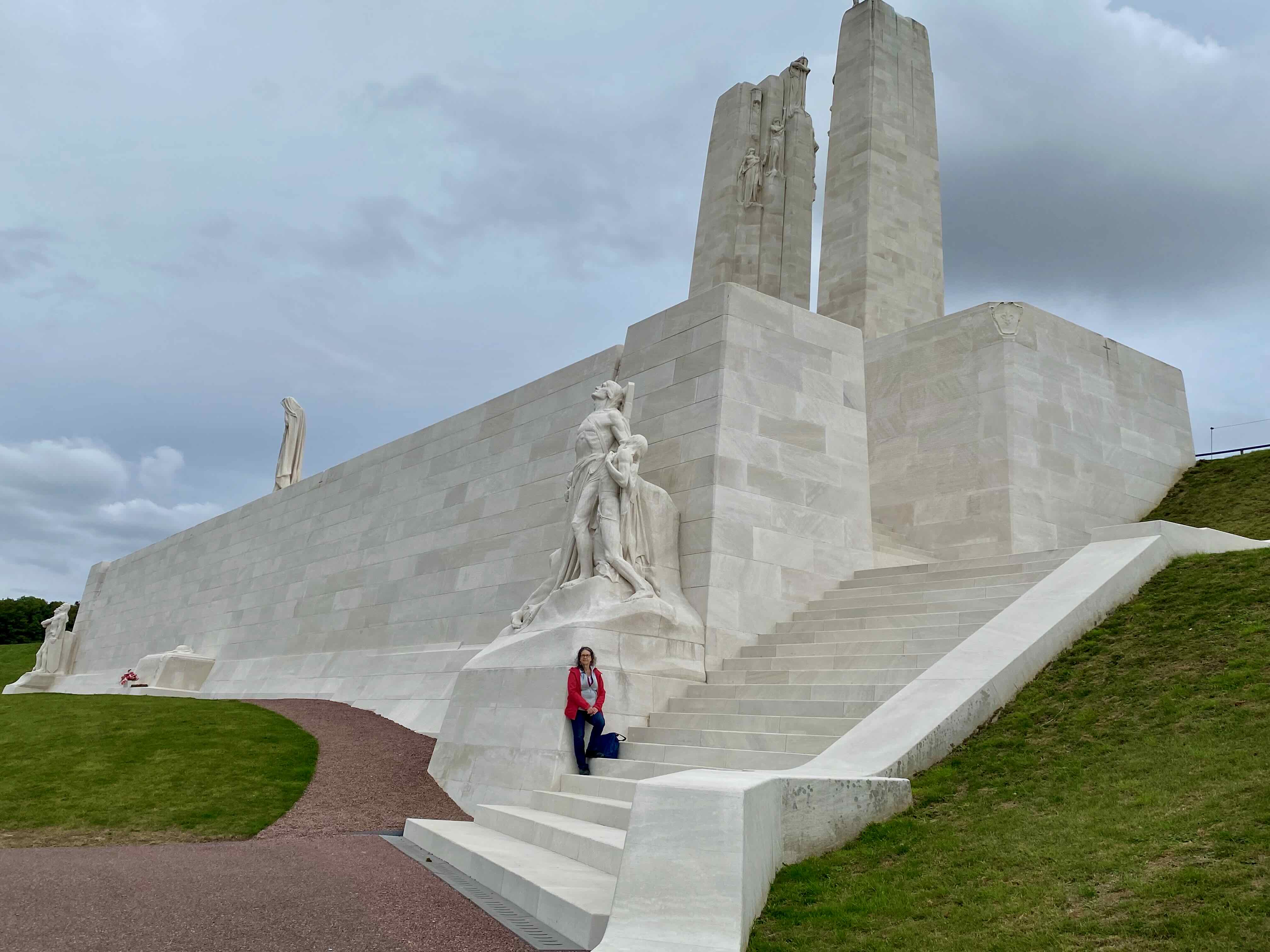 Climbing the steps we see more names of the dead. So many names! The name engraved here are of the 11, 285 missing Canadians who died in France during the Great War.
The monument looks over the surrounding valley. Even the back of the sculpted figure on the ledge looks sorrowful.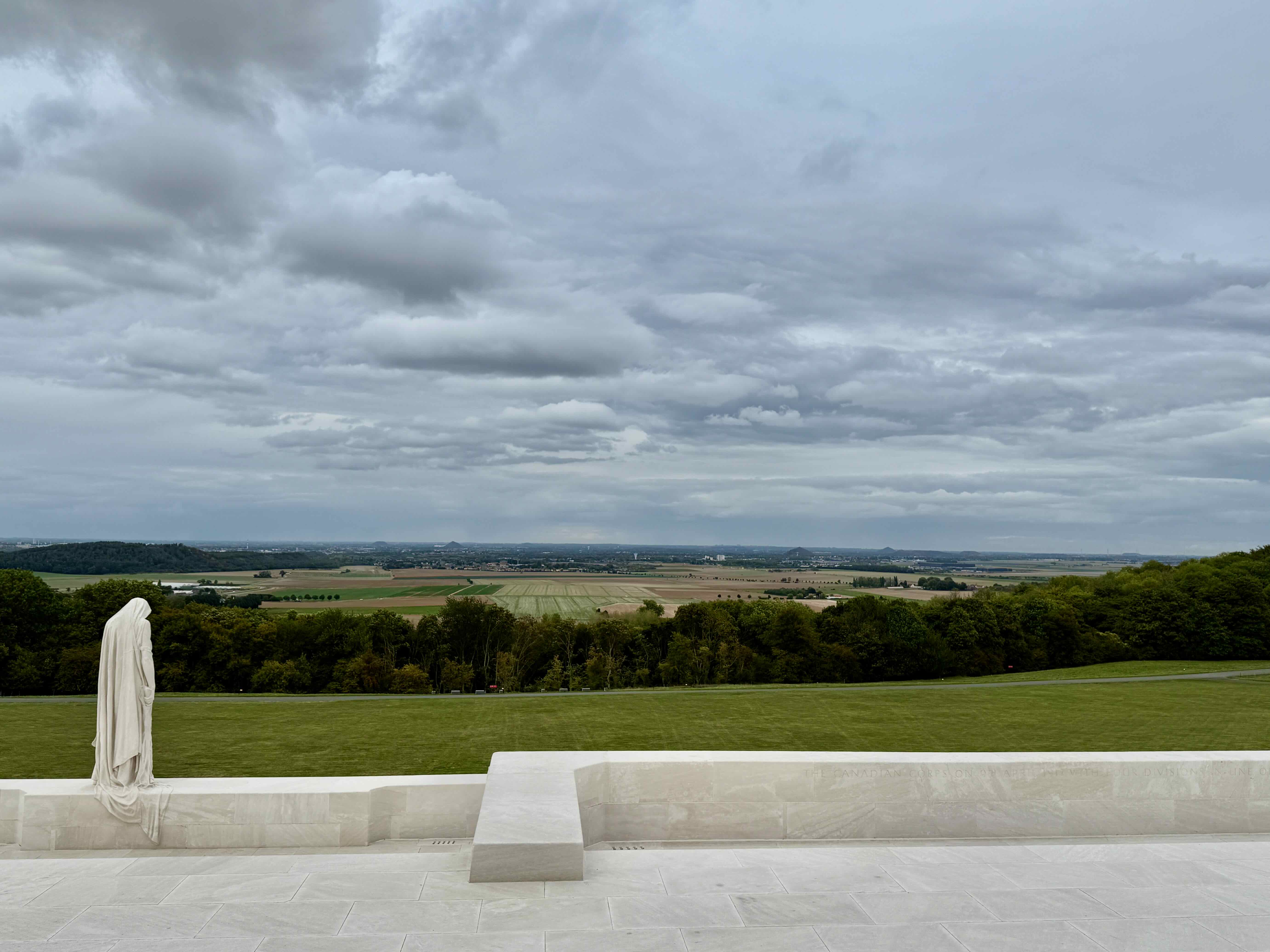
As we leave the monument three police pass us on their rounds.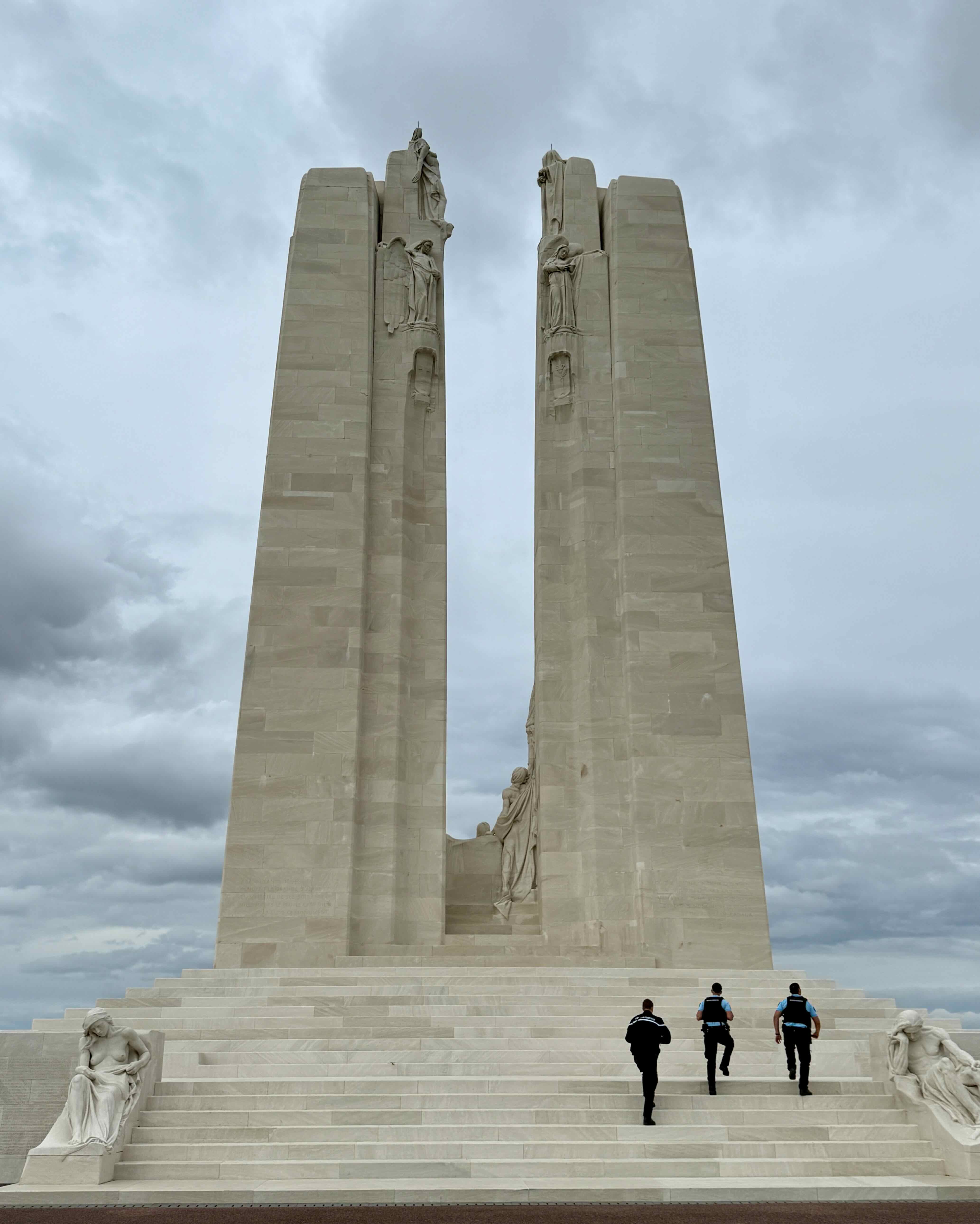 The three policemen are barely visible on the left side of the monument as we head back to our car and head home. it has been a heavy duty day.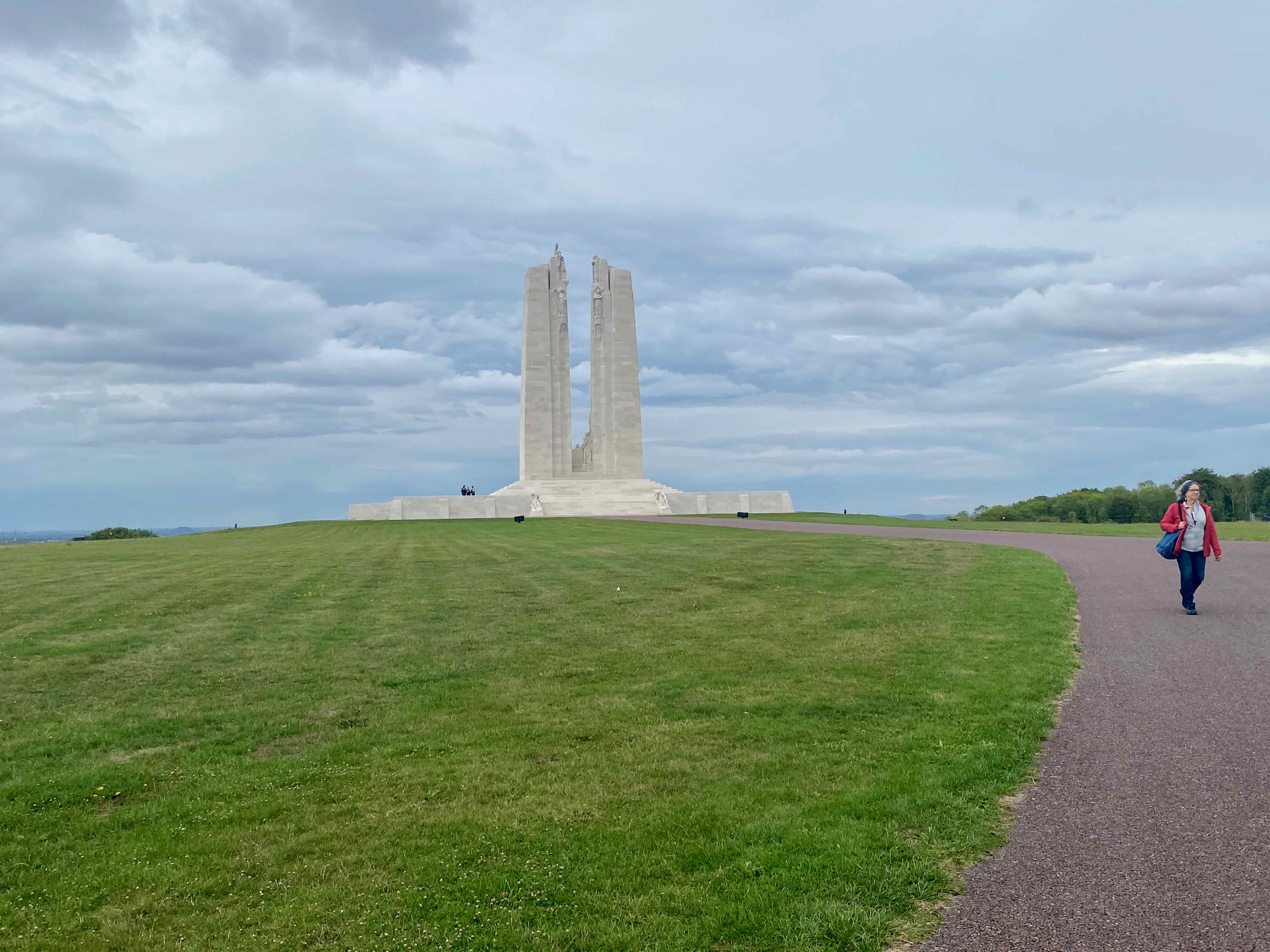
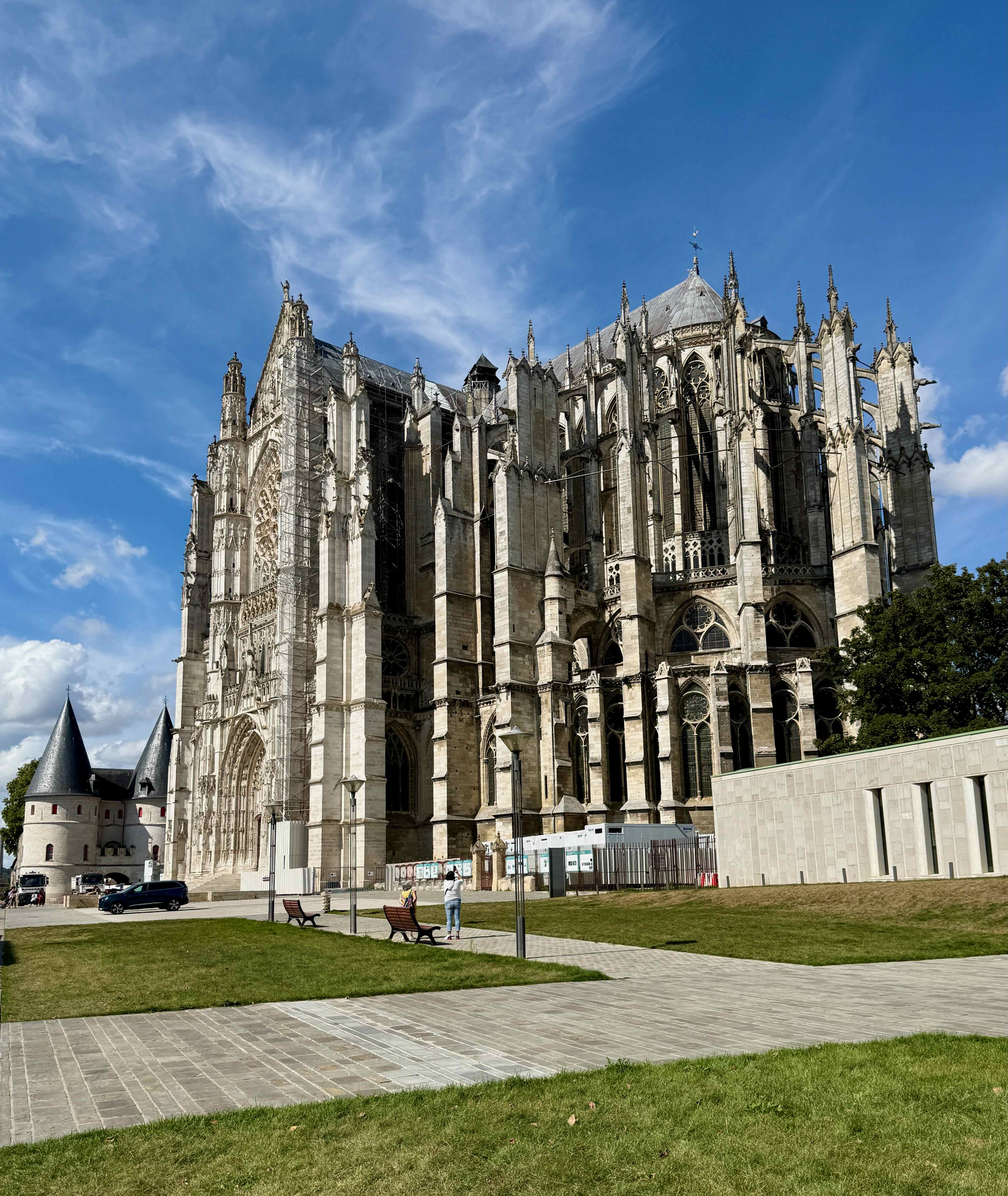
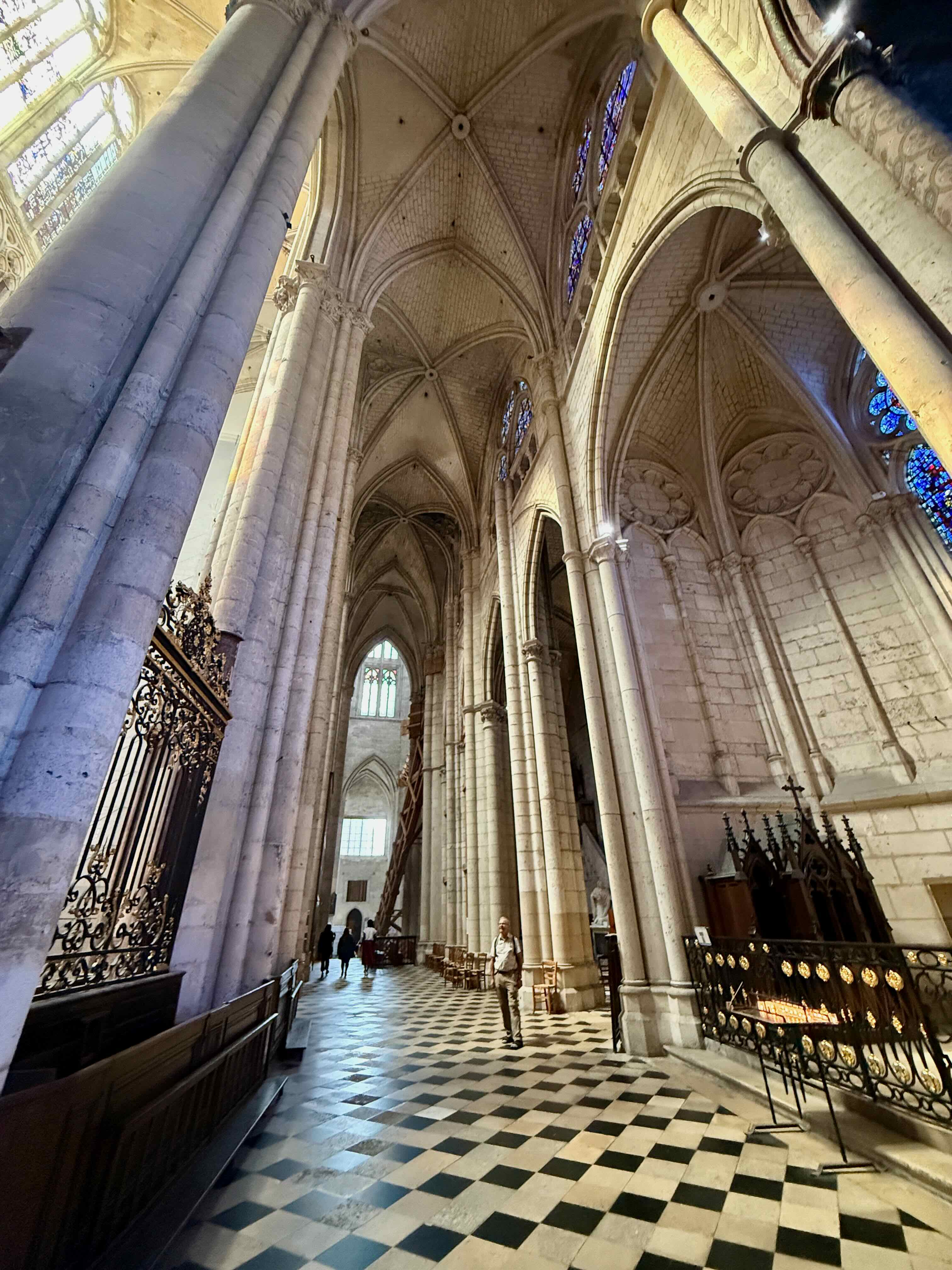
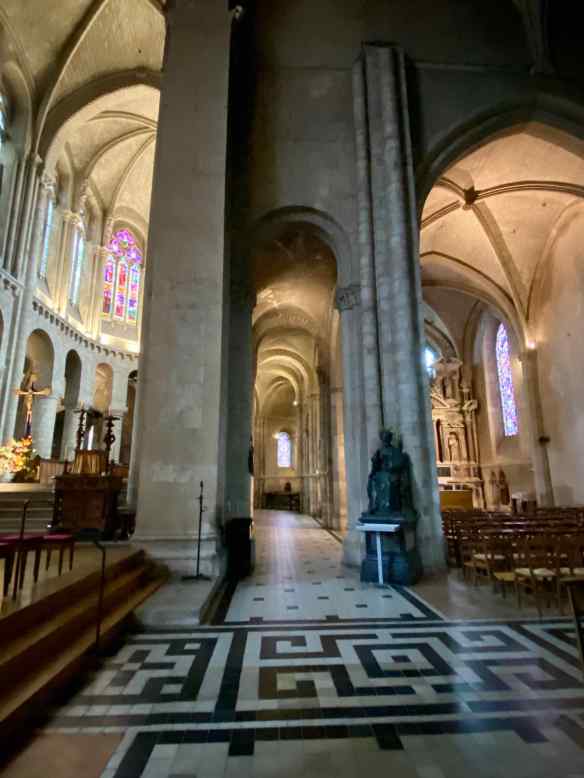
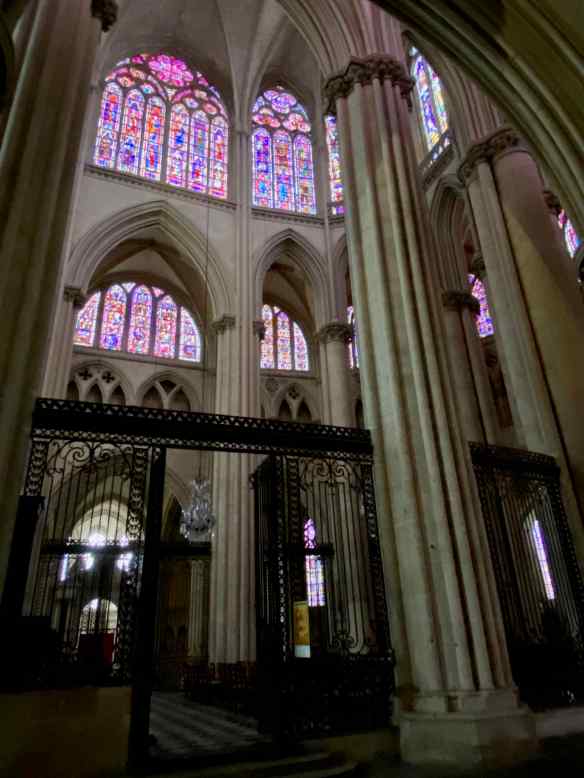
 The inside soars high above our heads and the light streams through the stained glass windows.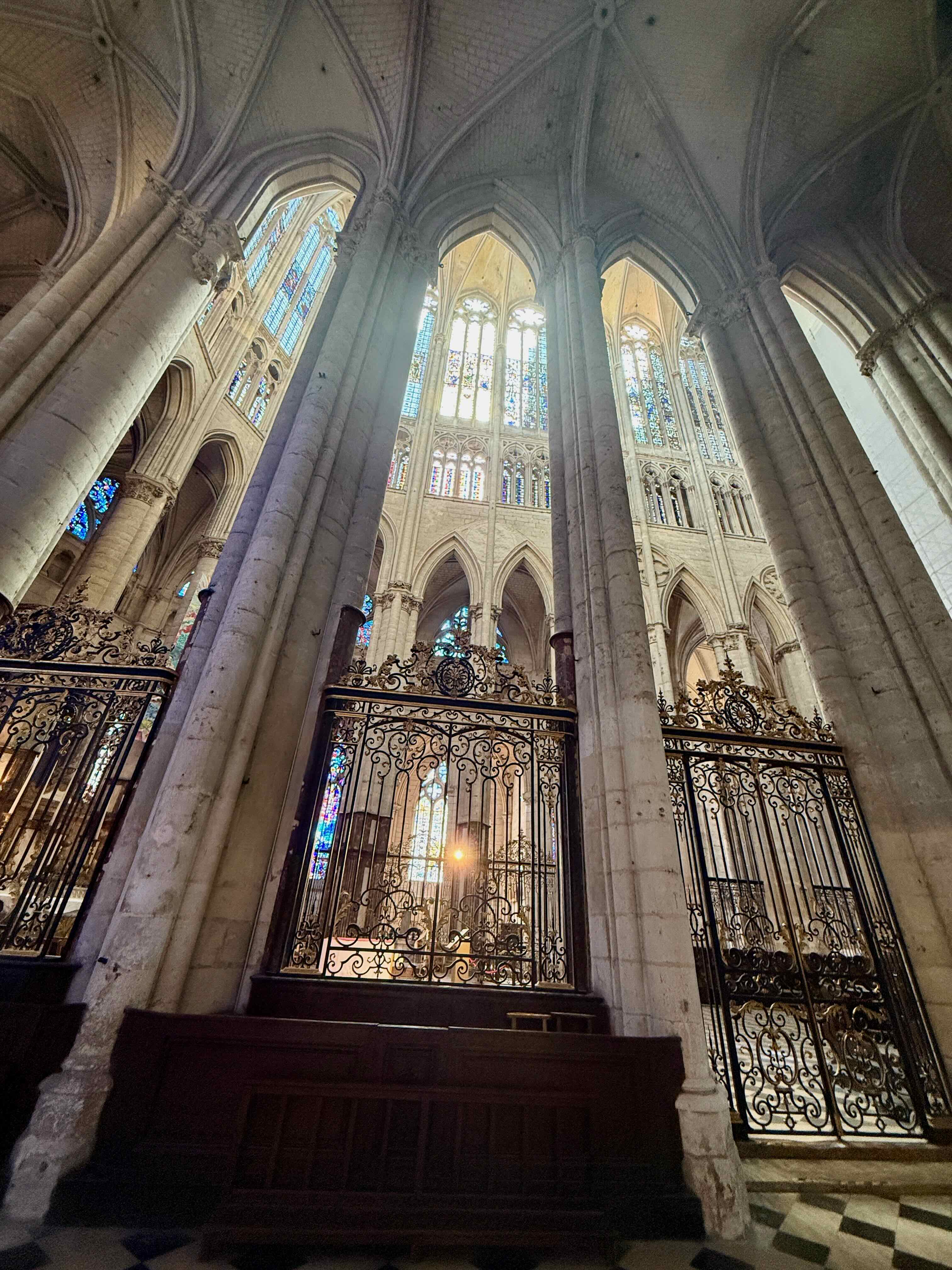
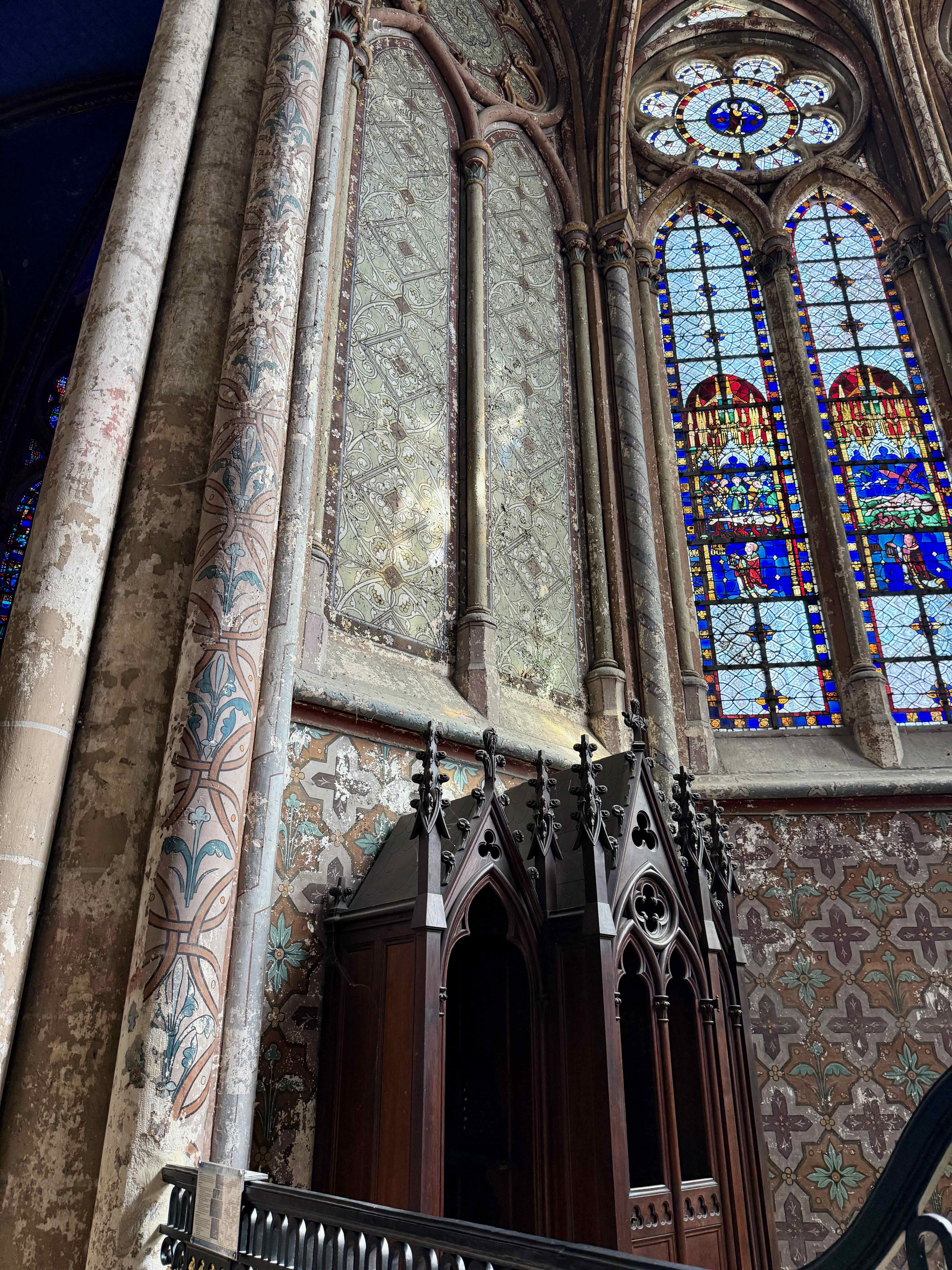
 Bob took this photo with this light shining through the stained glass windows into this side chapel.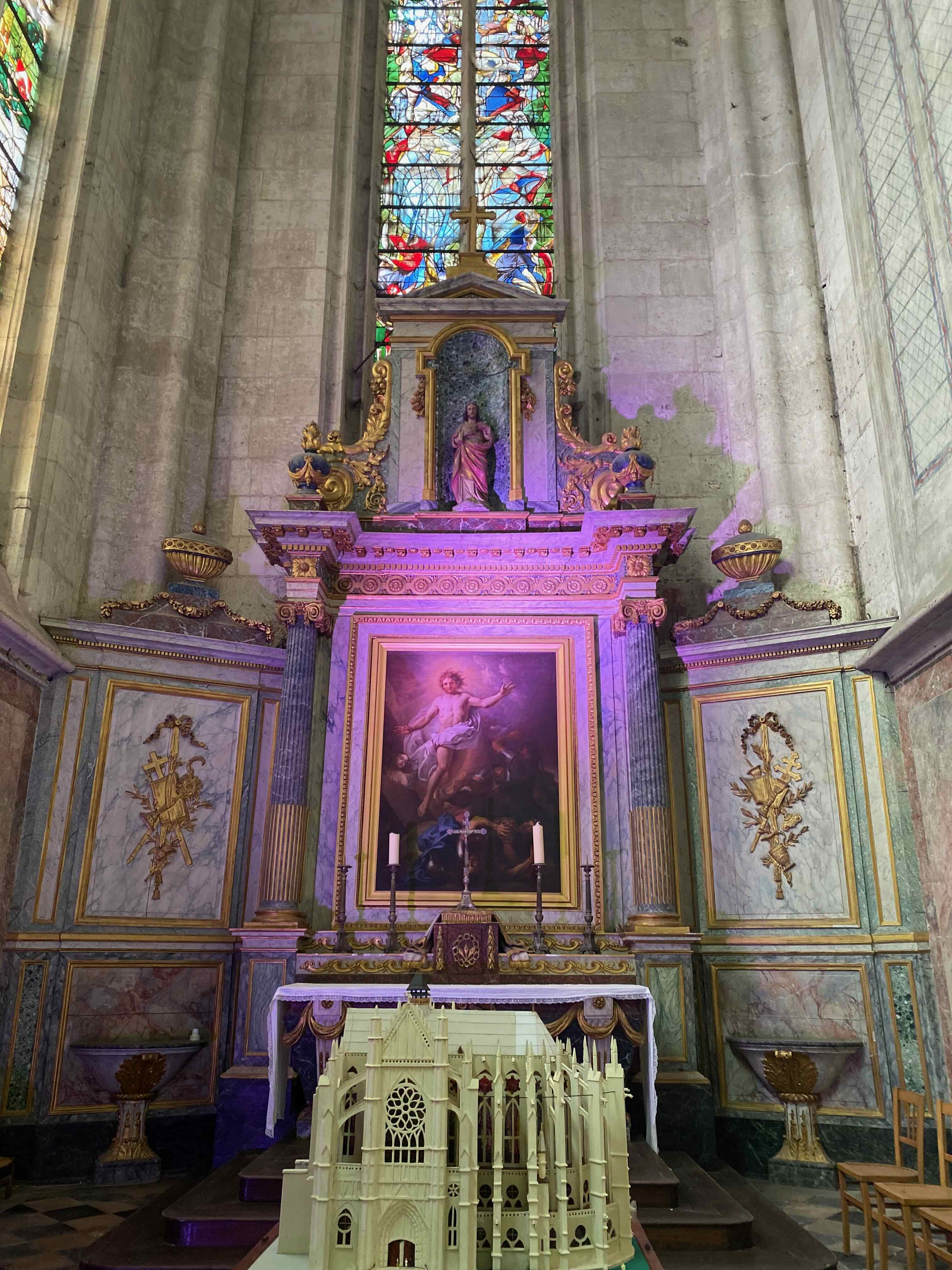

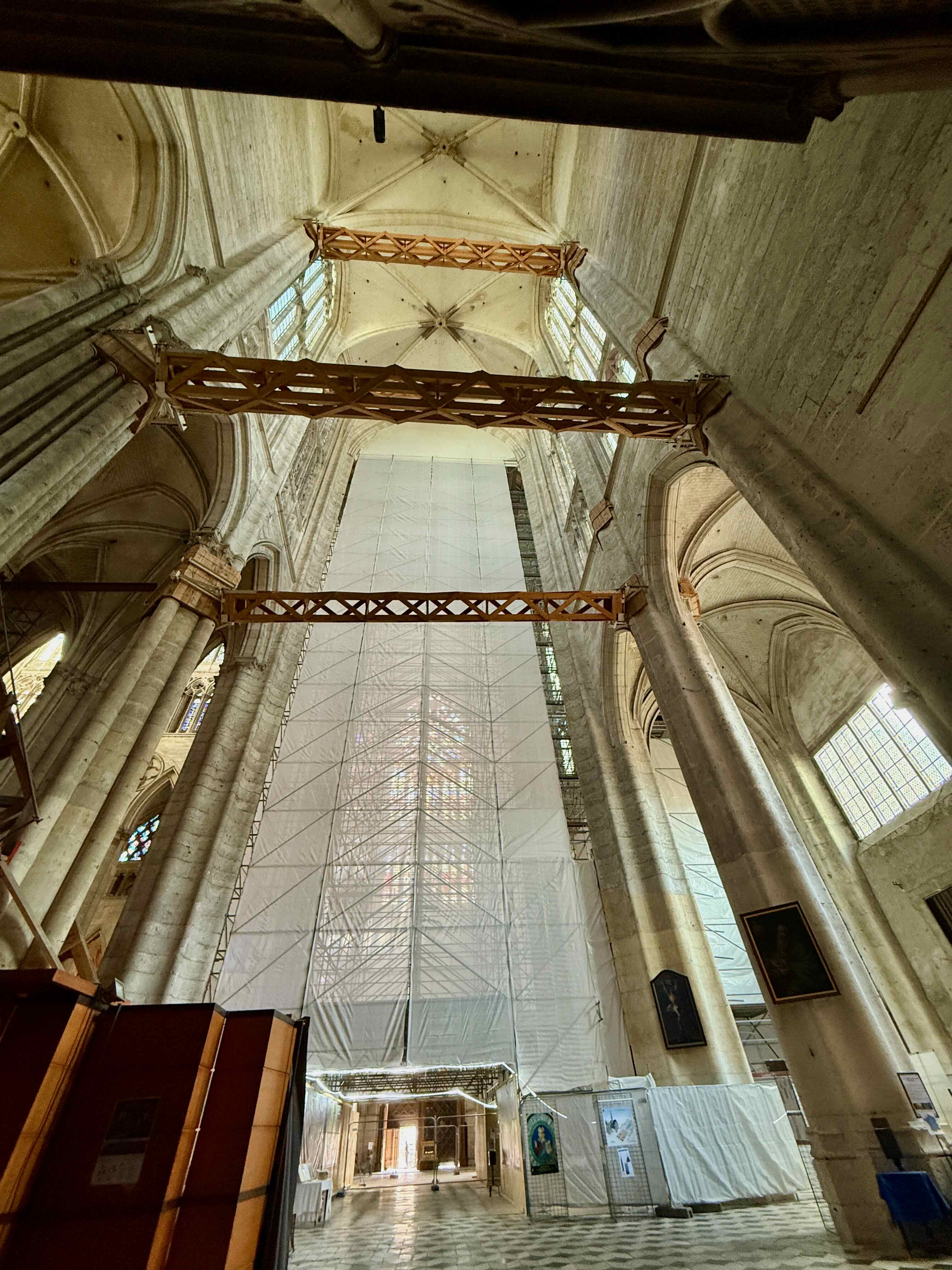
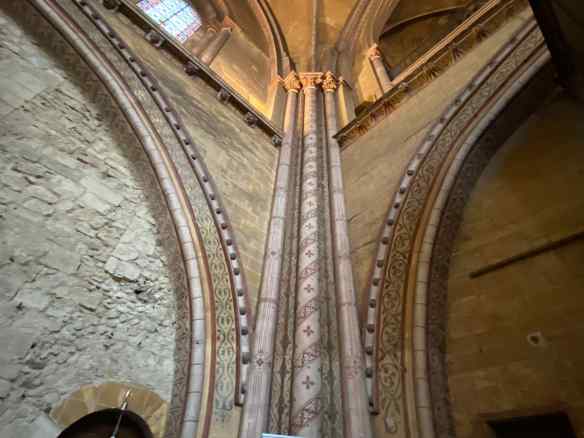
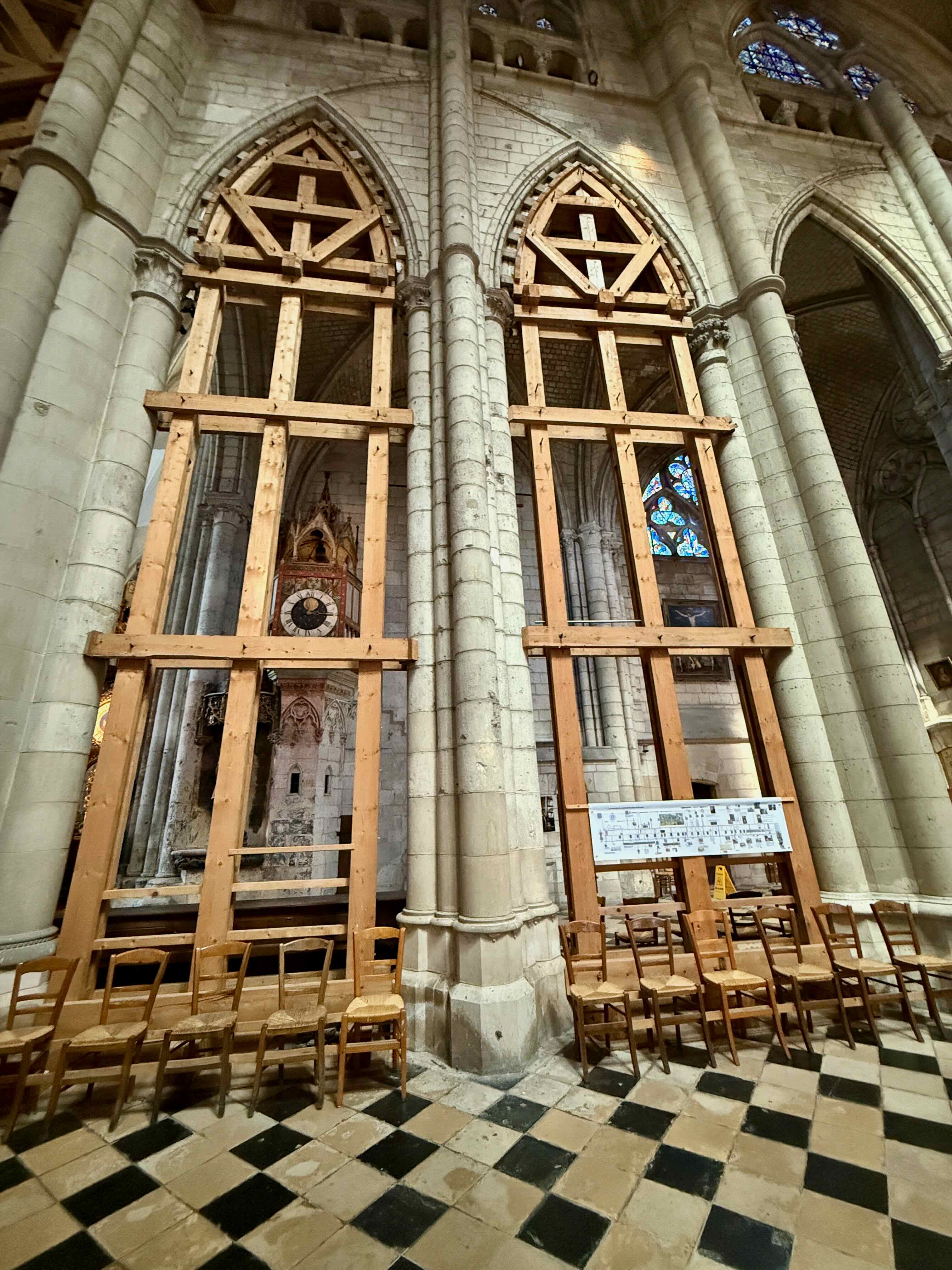 Also, the main floor of the transept is punctuated by a much larger brace that juts out of the floor at a 45-degree angle. It was placed as an emergency measure to give additional support to the pillars in an effort to stave off any further movement. Presently, Columbia University is performing a study on a three-dimensional model using laser scans of the building in an attempt to pinpoint where the weaknesses are greatest to see what further can be done to shore up the building.” ~Frenchmoments.ca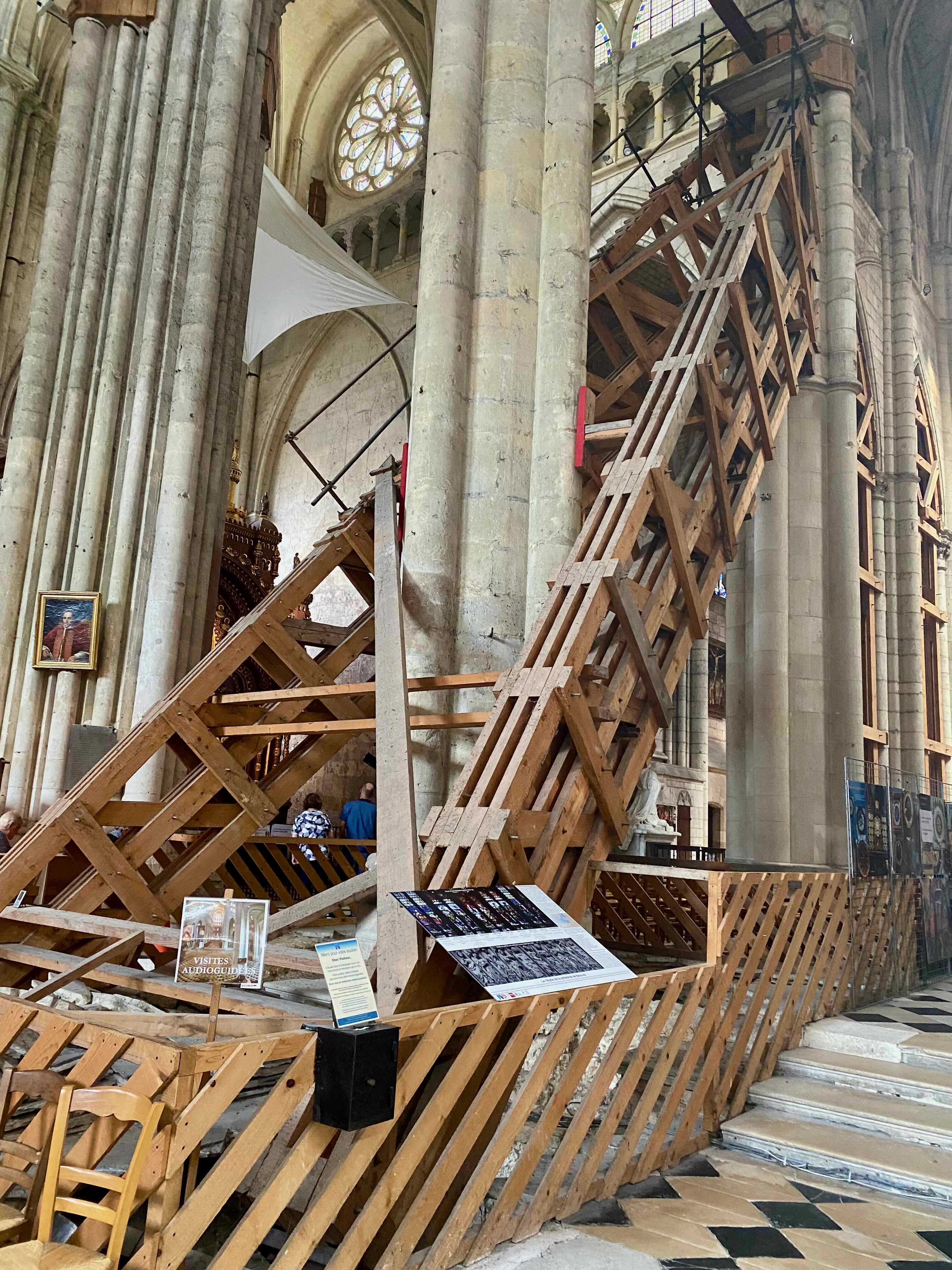

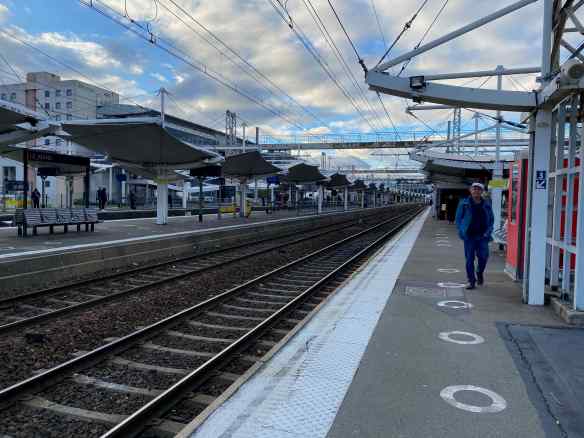
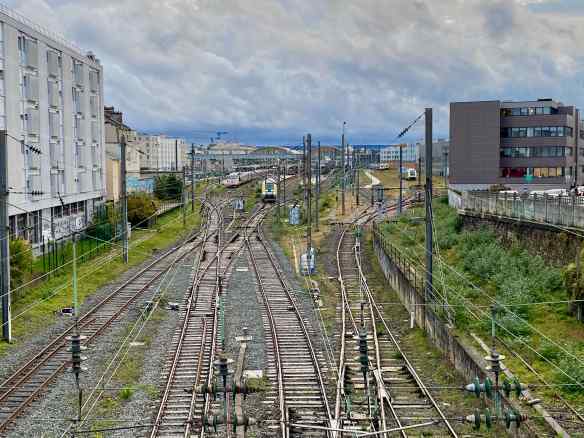
 The train station with all the tracks and overhead electric lines that power the trains.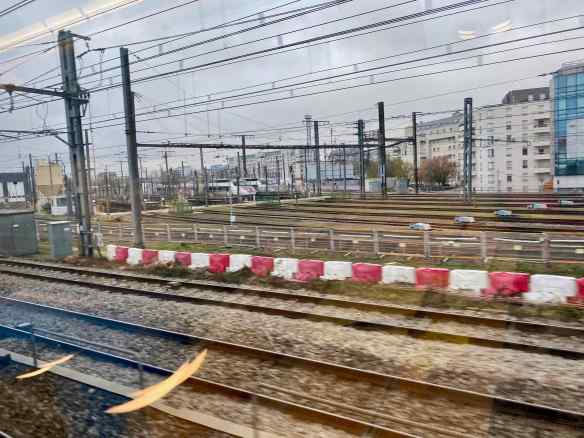

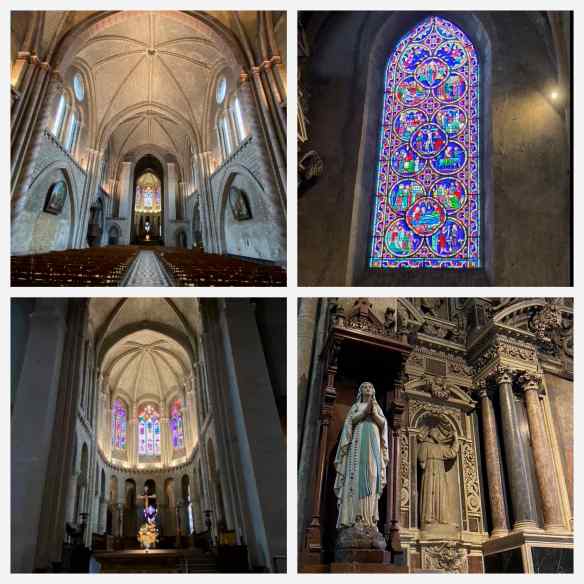
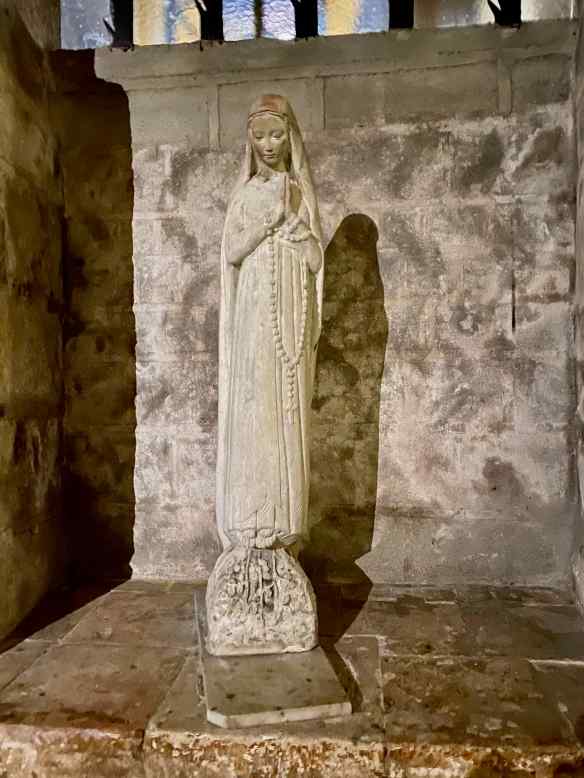
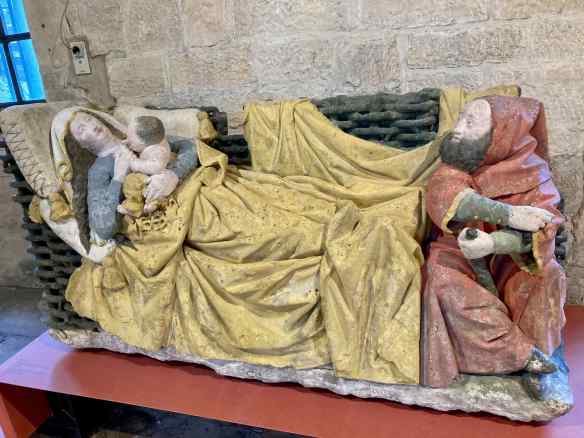
 There are also many sculptures in this church that retain their original polychrome finish. We are so used to seeing bare stone sculptures that it is easy to forget that many if not most sculptures were originally painted in realistic colours. These are some of the most beautiful that we have seen on this trip.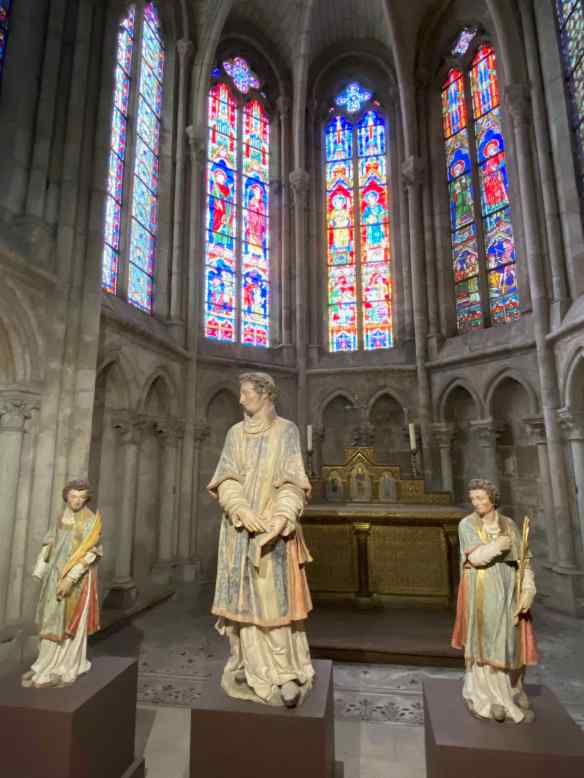
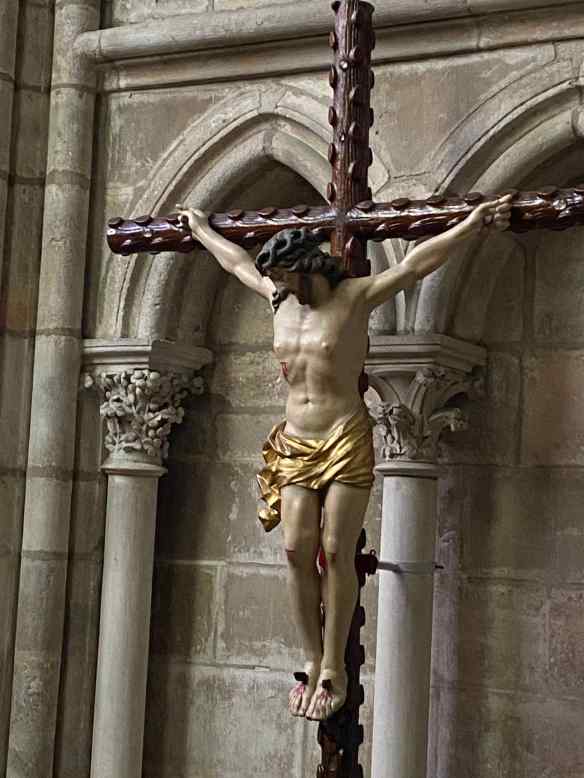
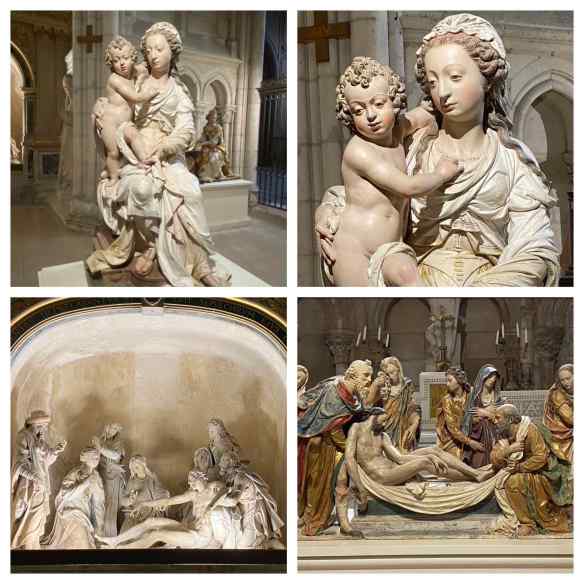


 We have seen several tree sculptures in different towns by this artist, whose name I have forgotten! I quite liked them all.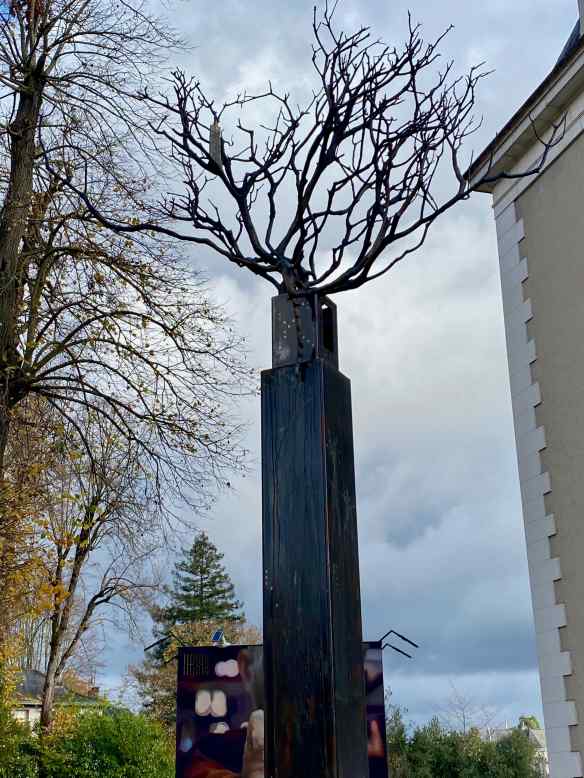













 Stay At Home Day
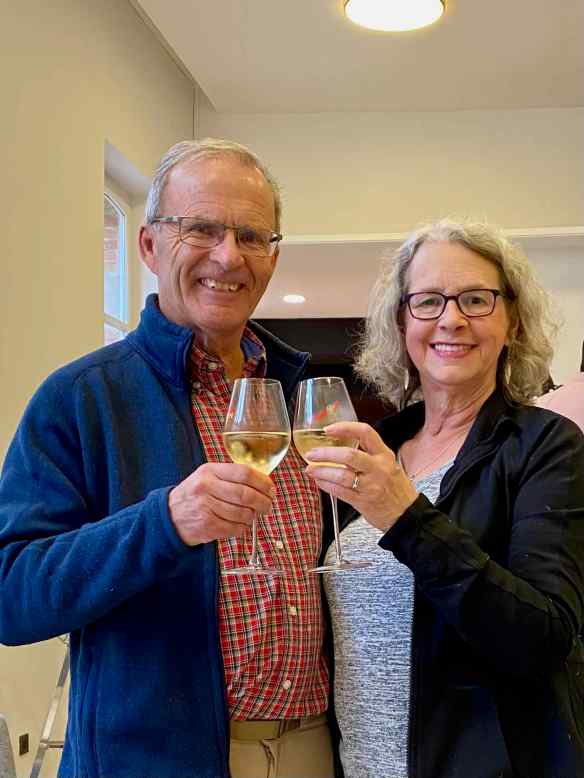
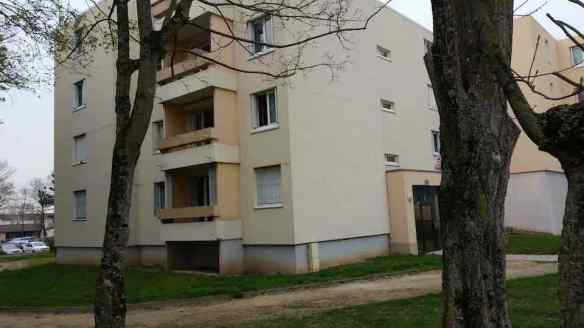 Our Airbnb host met us at the apartment yesterday and he had a little box of six macarons and a jar of his own honey for us as an anniversary gift for us. He only spoke French but we were able to communicate without any problem…after two and half months in France I am feeling more comfortable speaking French.
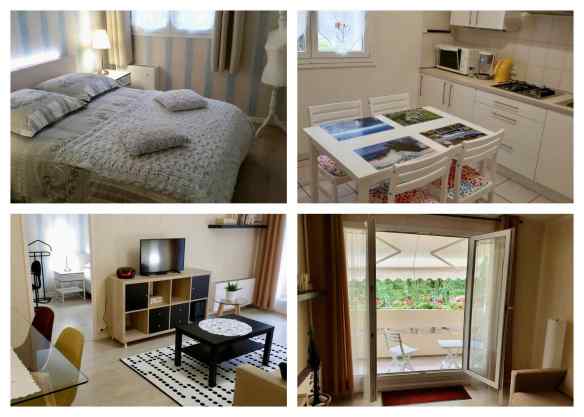 It is cold and rainy outside and we are both quite happy to stay home today. Bob seems to have recovered quite quickly from his Covid but it is taking me me a bit longer. I work on the blog while Bob does laundry and researches what we will be doing in Reims.

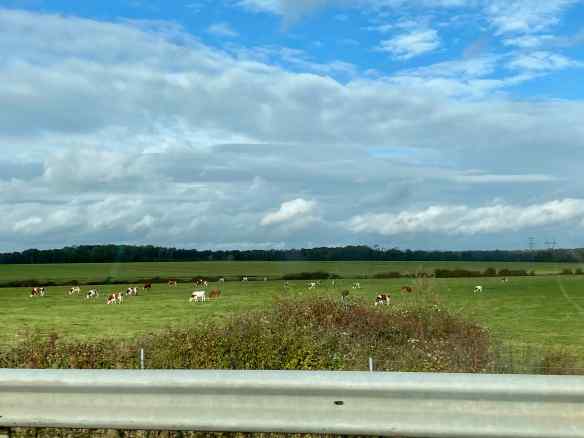

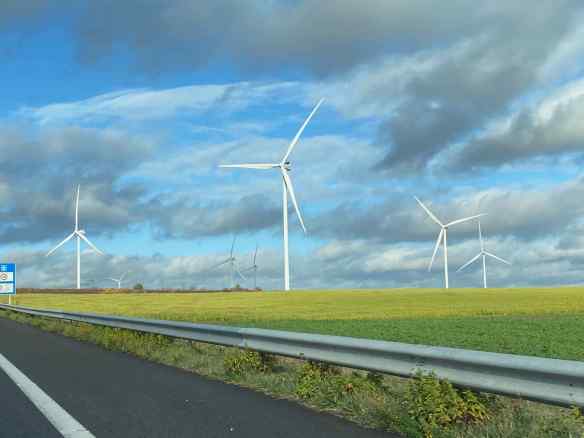
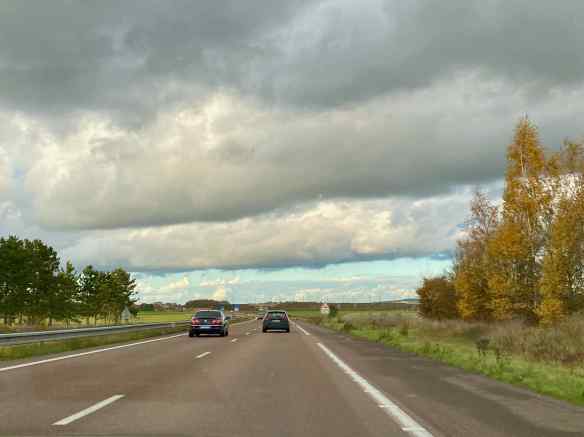
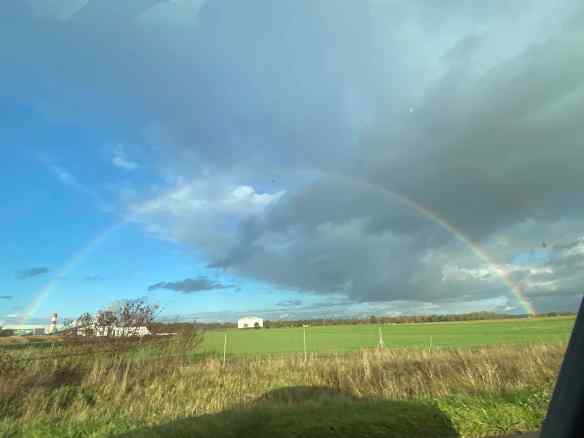
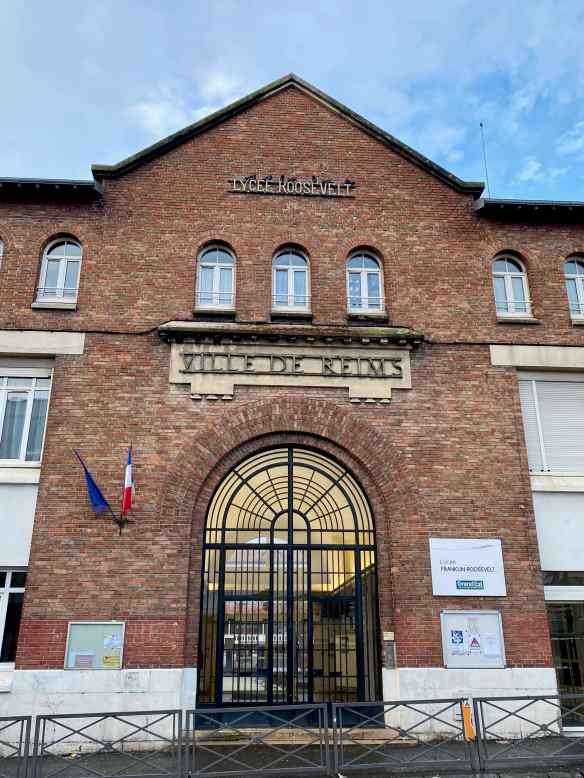
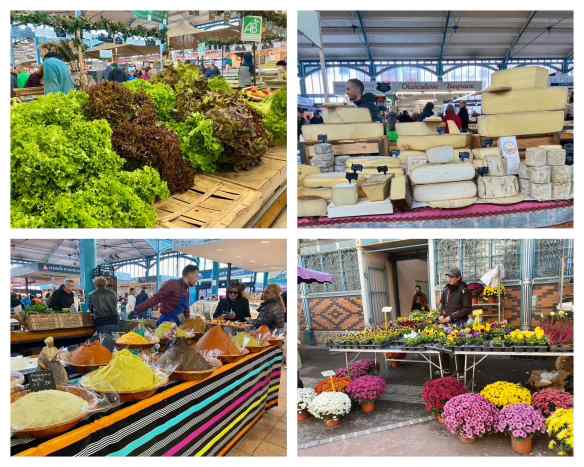
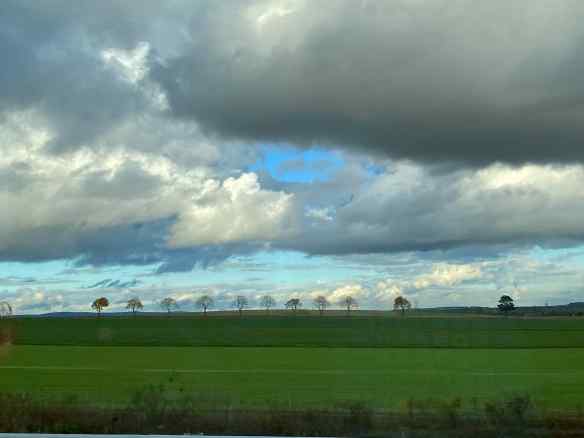 We are both tired and thankful that we our Reims Airbnb host is letting us check in early.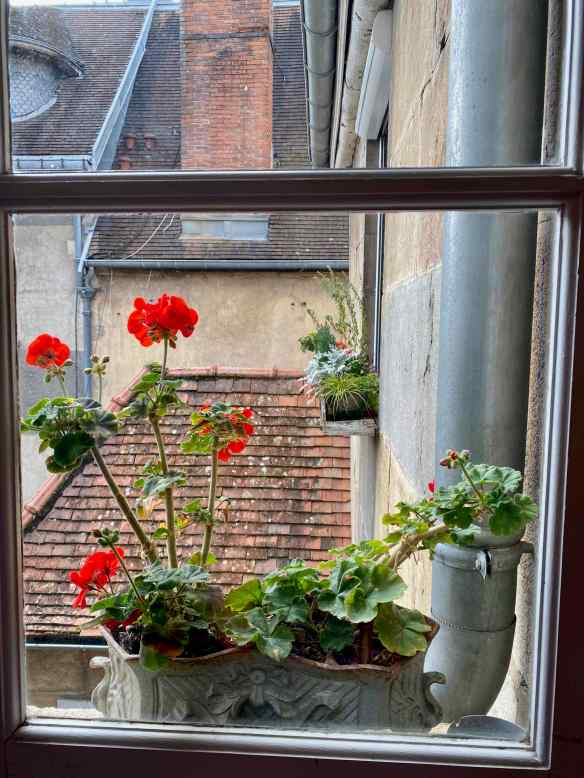
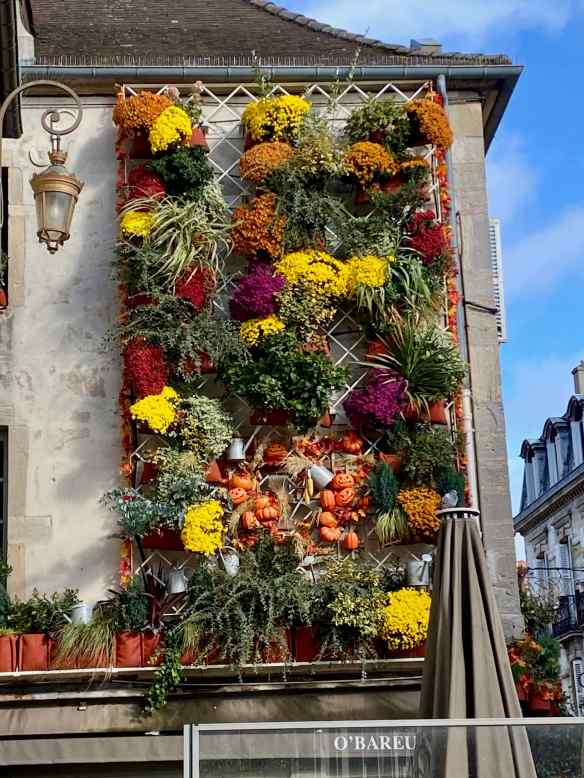

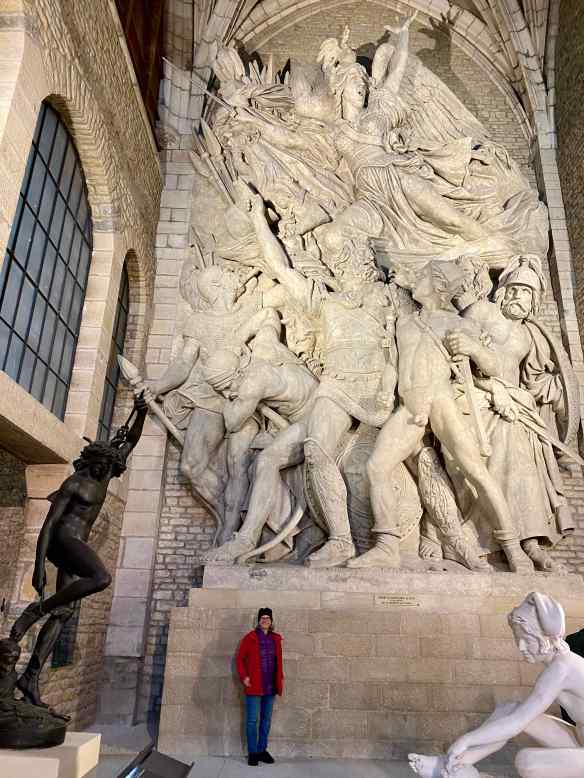
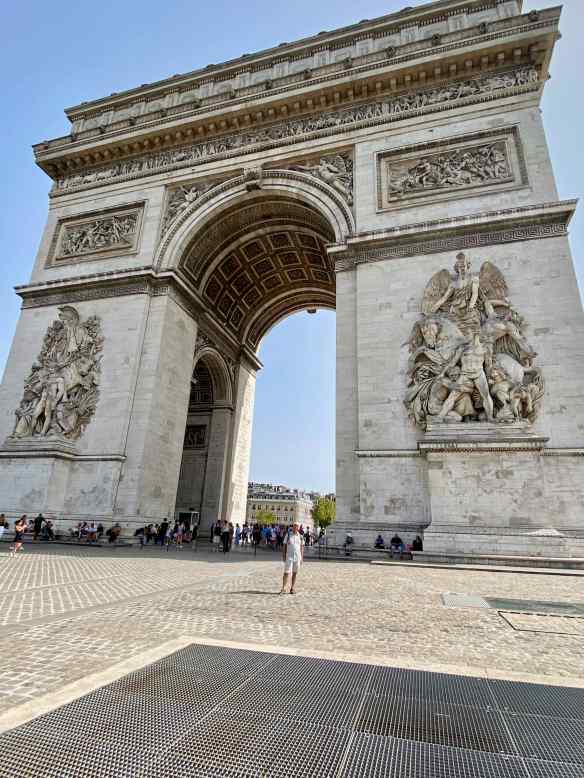
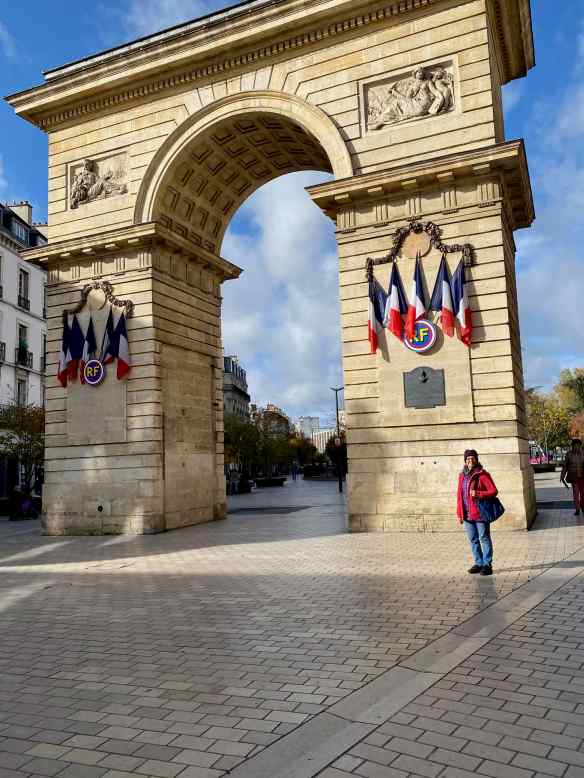
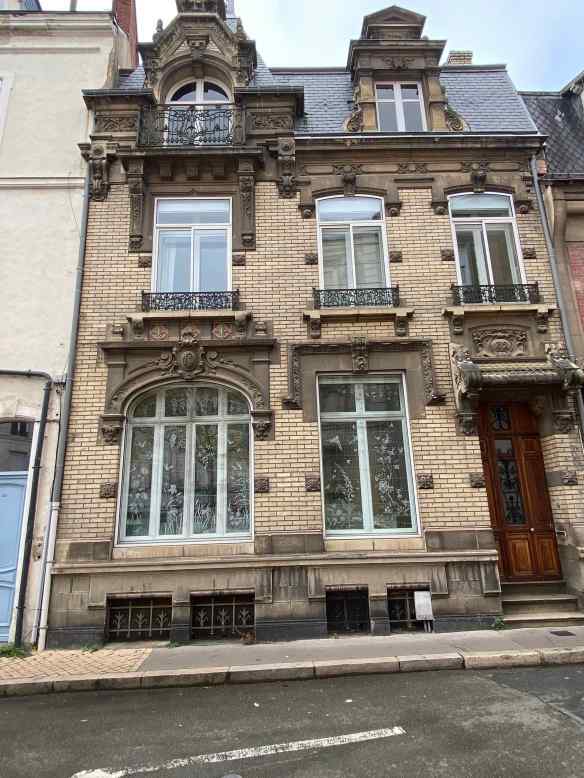
 This fabulous Art Nouveau building was built in 1907. It reminds me of some of the buildings we saw in Barcelona.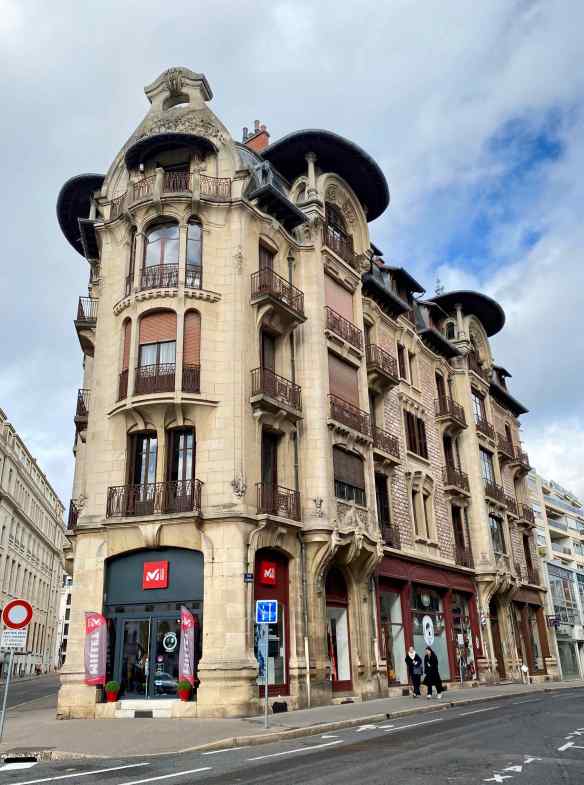

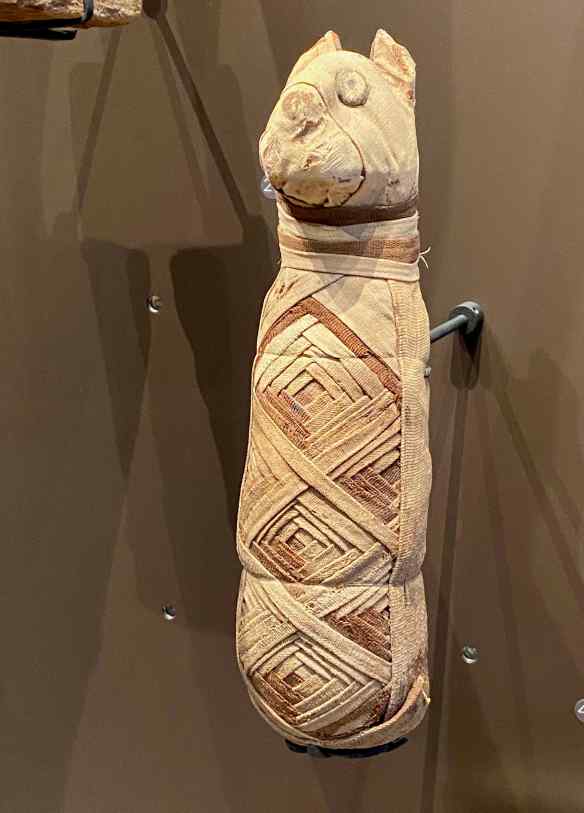
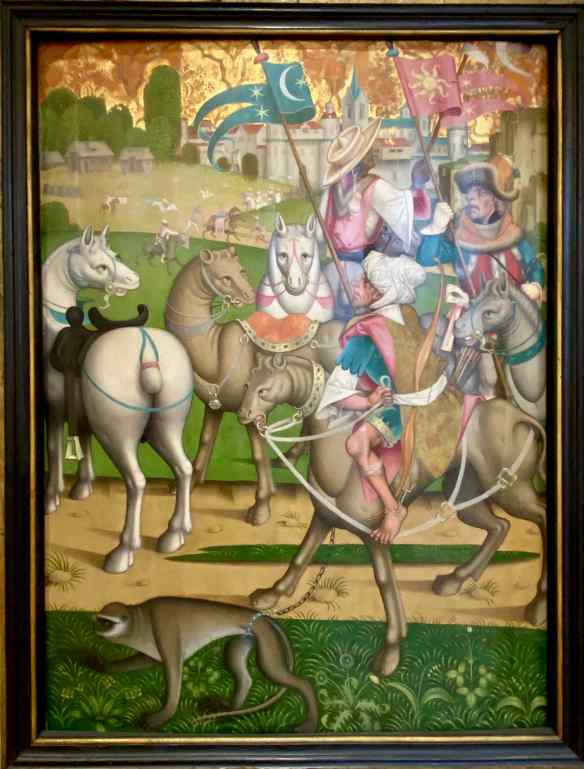
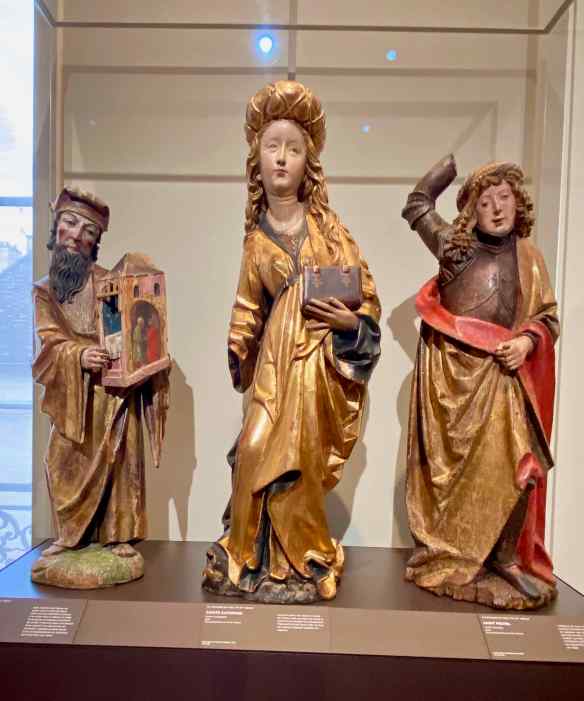
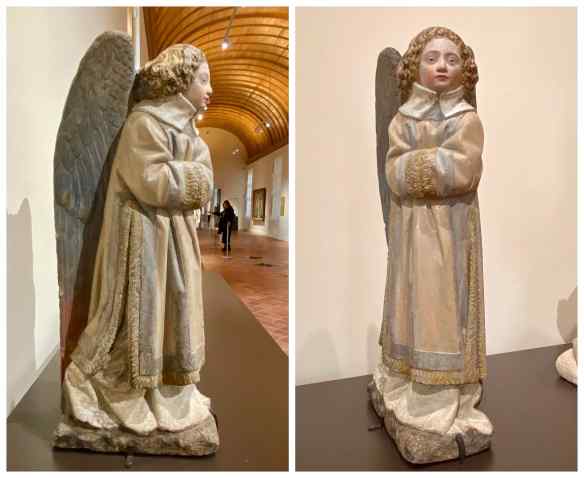
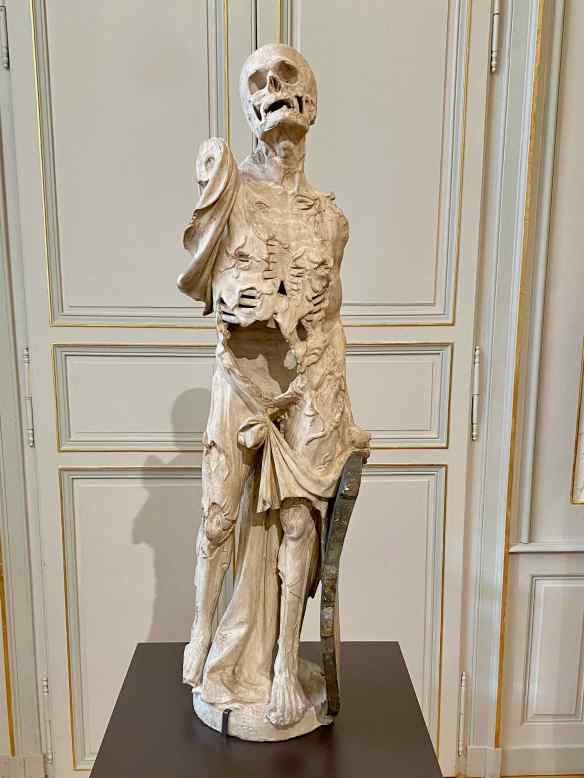
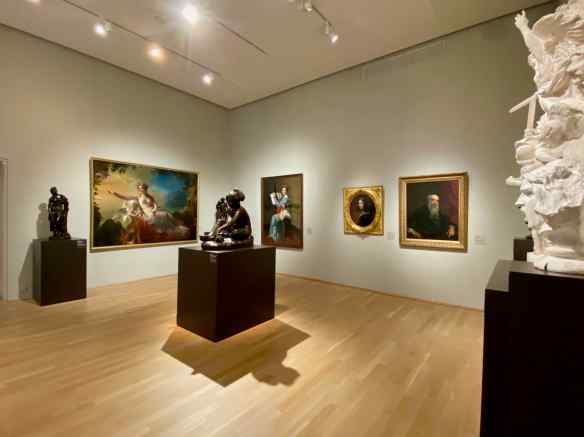
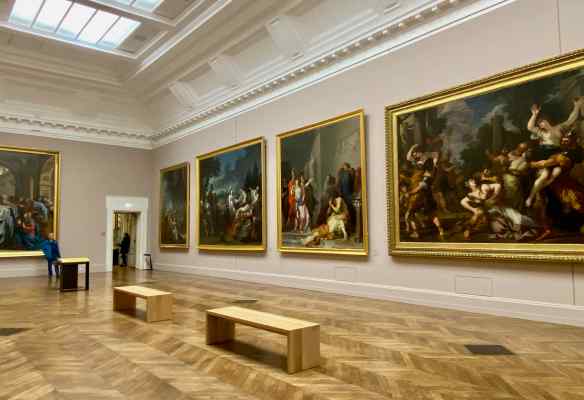

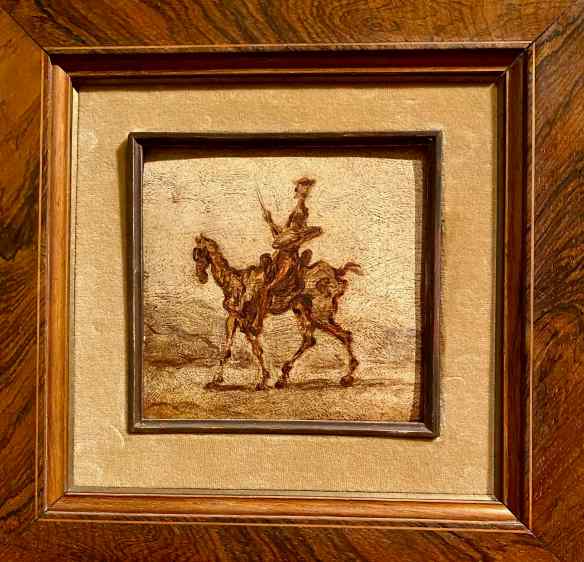
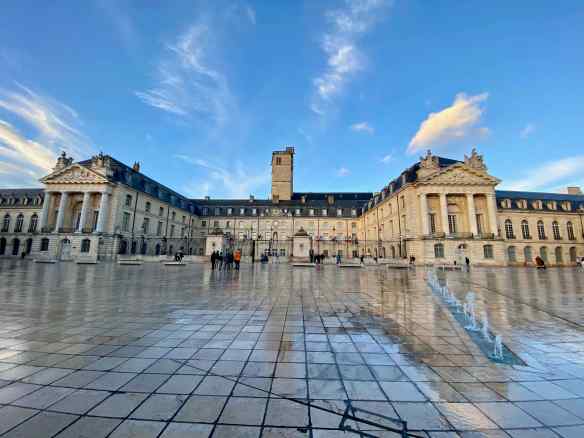
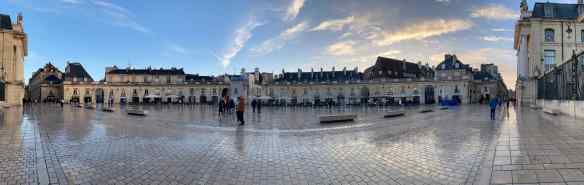
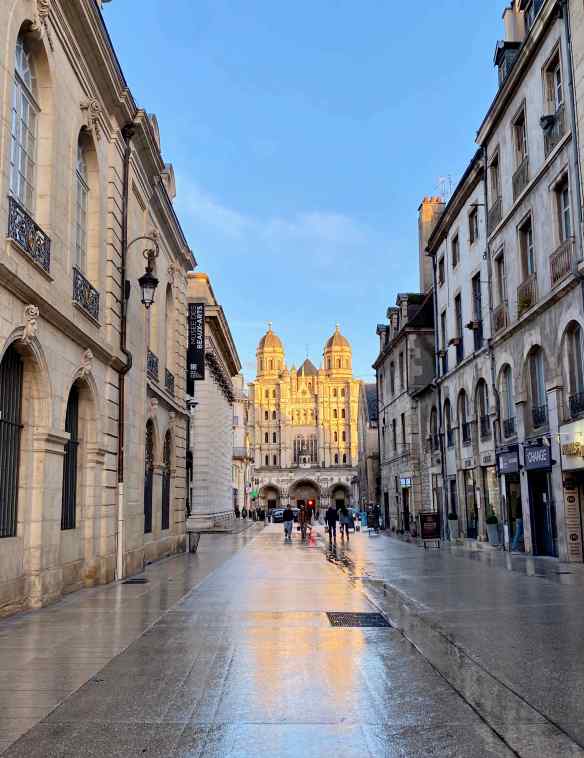

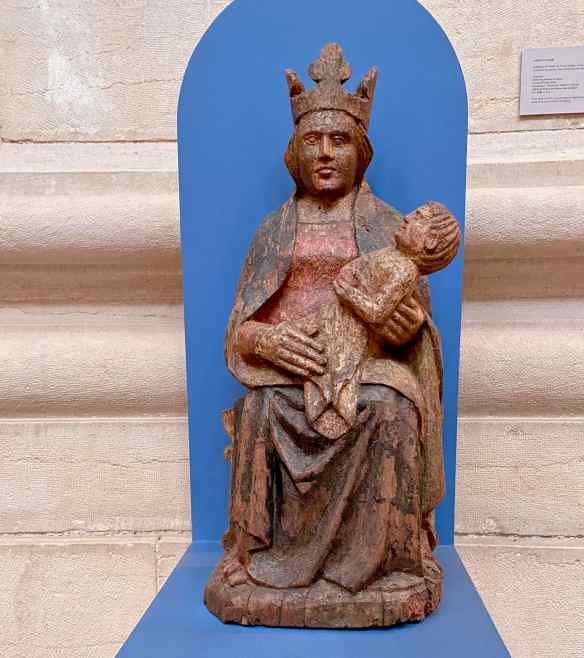
 A 15th Century painting of the Seven Sorrows of the Virgin Mary, the swords are symbols of the sorrow she endured while witnessing her son’s crucifixion.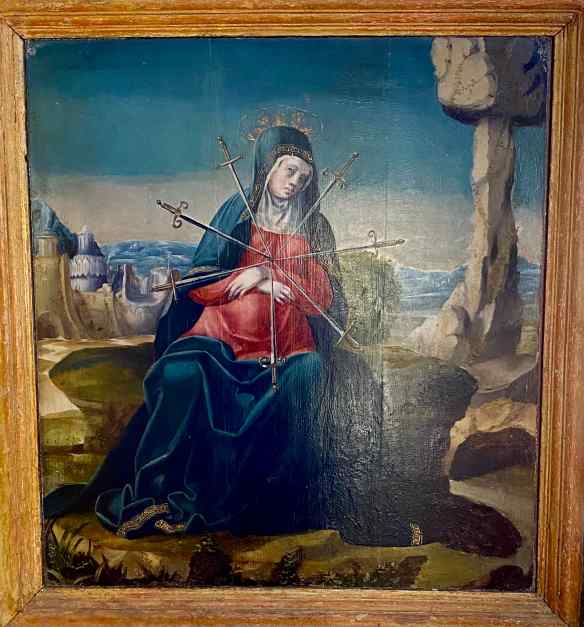
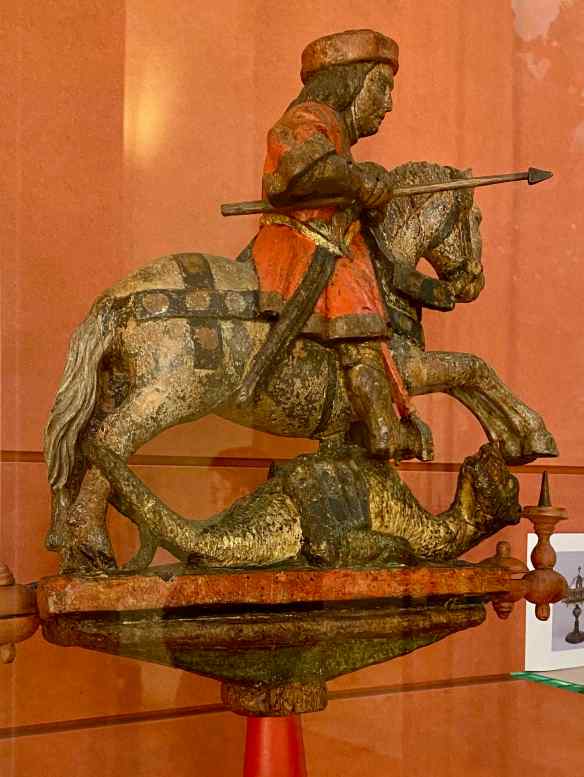
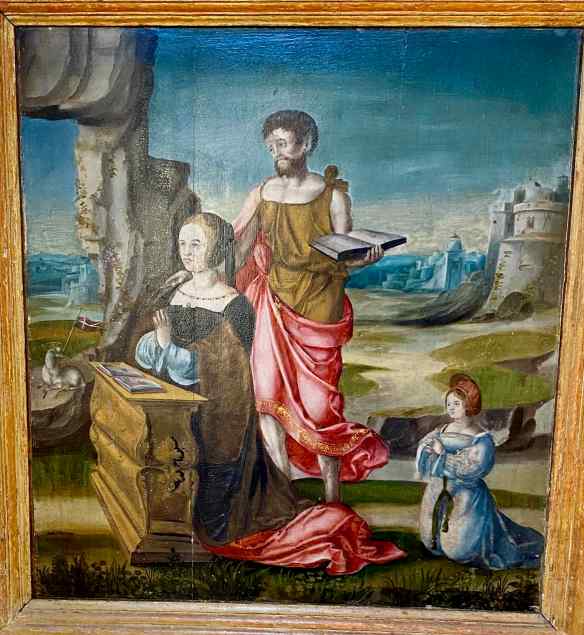
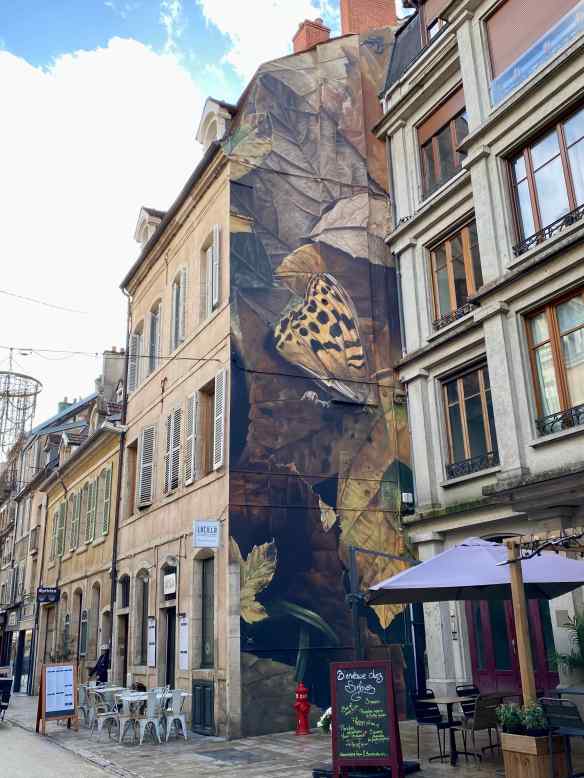
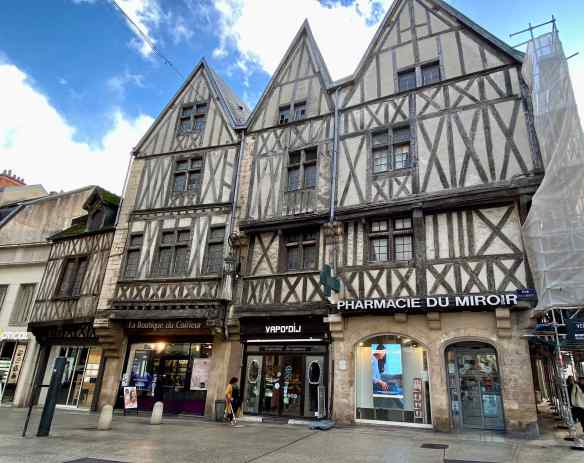
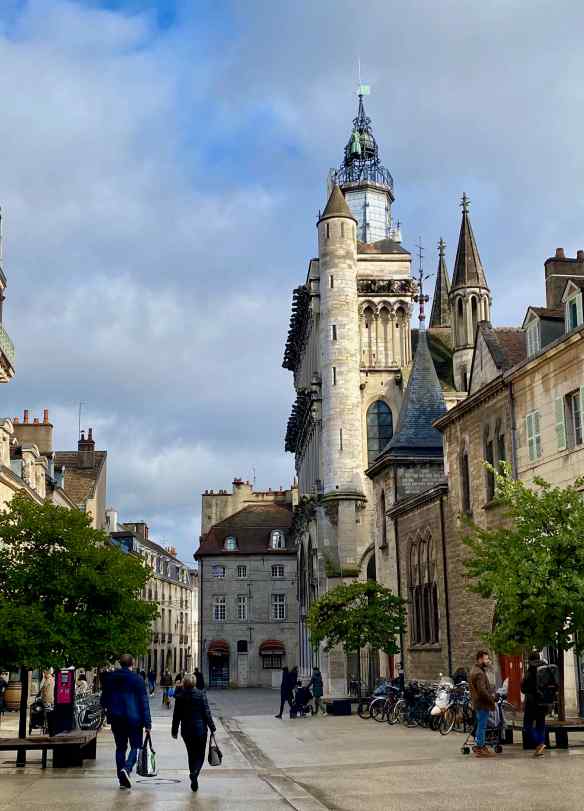
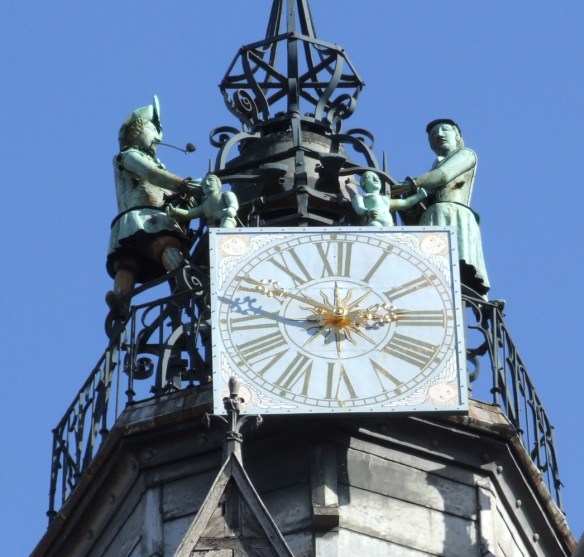
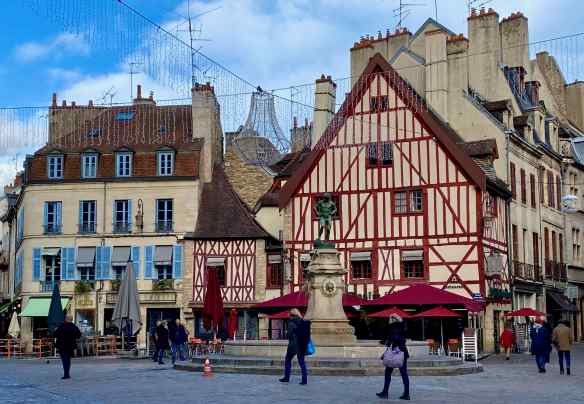 The Notre Dame church of Dijon is just around the corner from our apartment. The interior has beautiful stained glass…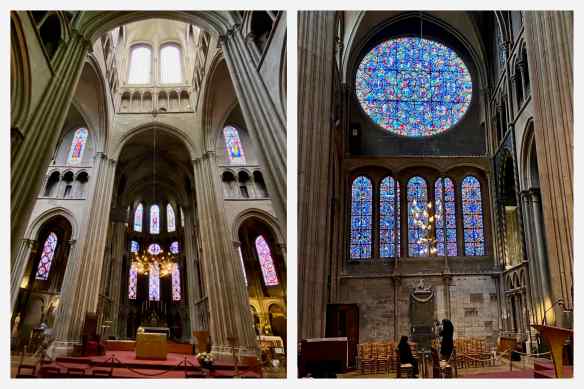
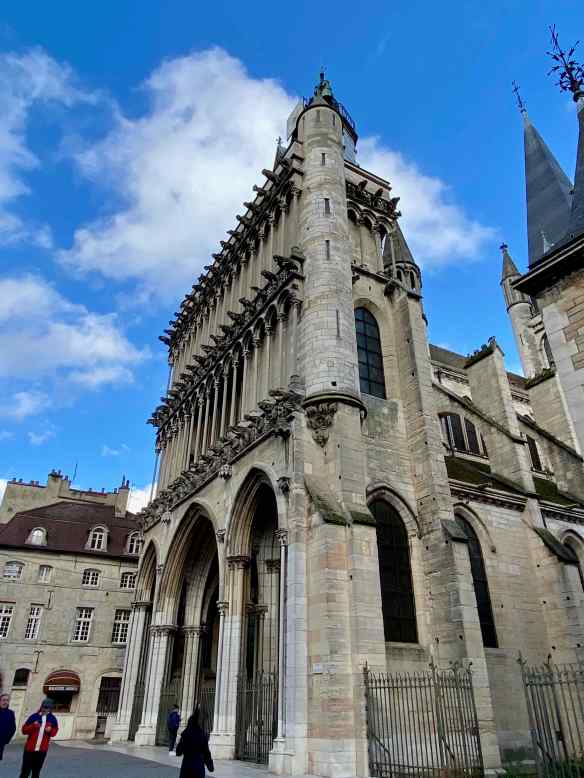
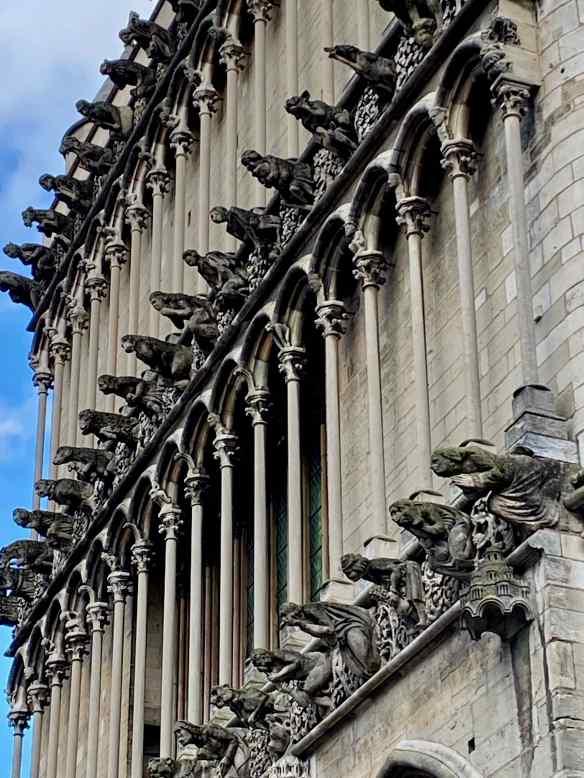
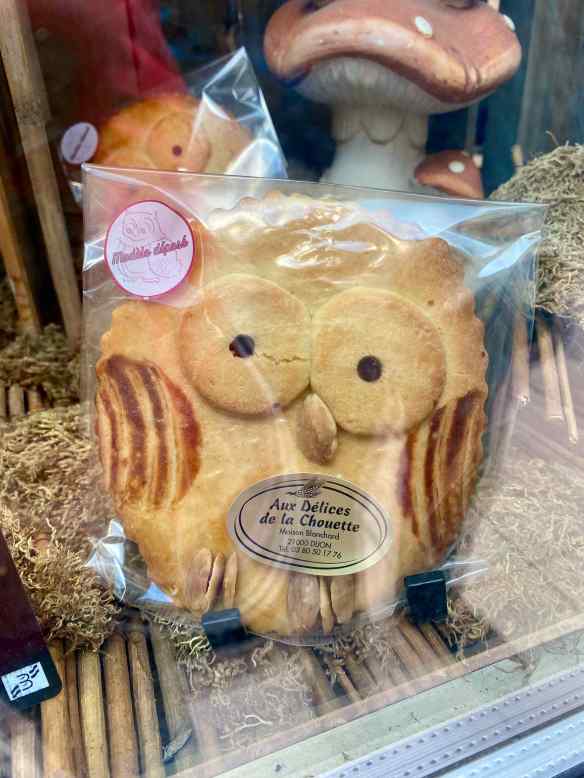 I go home to rest and Bob goes out to explore a bit more. Dijon is a very pretty city, very walkable and our apartment is only a block away from the old town. I hope I feel well enough to be able to see more of it.
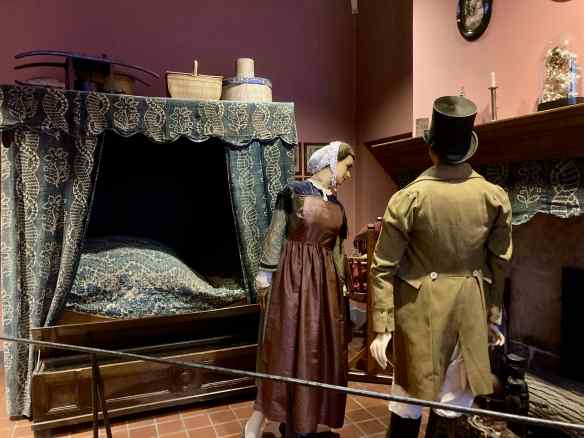
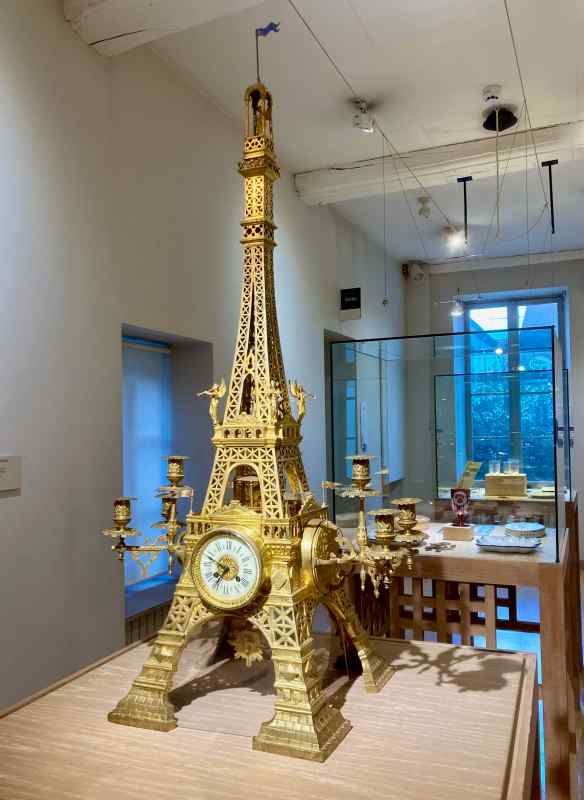

 trudymason.com