Day 13. Friday, September 12, 2025
It is an hour drive to Amiens from Arras where we will visit Jules Verne’s house, the largest cathedral in France, and take a unique boat ride.
We luck out and find a parking space right beside the Jules Verne museum. Parking downtown in French cities is very difficult, there are more cars than spaces available. We have our picnic lunch in a little park right by the museum but these chestnuts were falling and landing with a crash around us…the spikes on the green fruit are very sharp and we decide to move to a safer bench.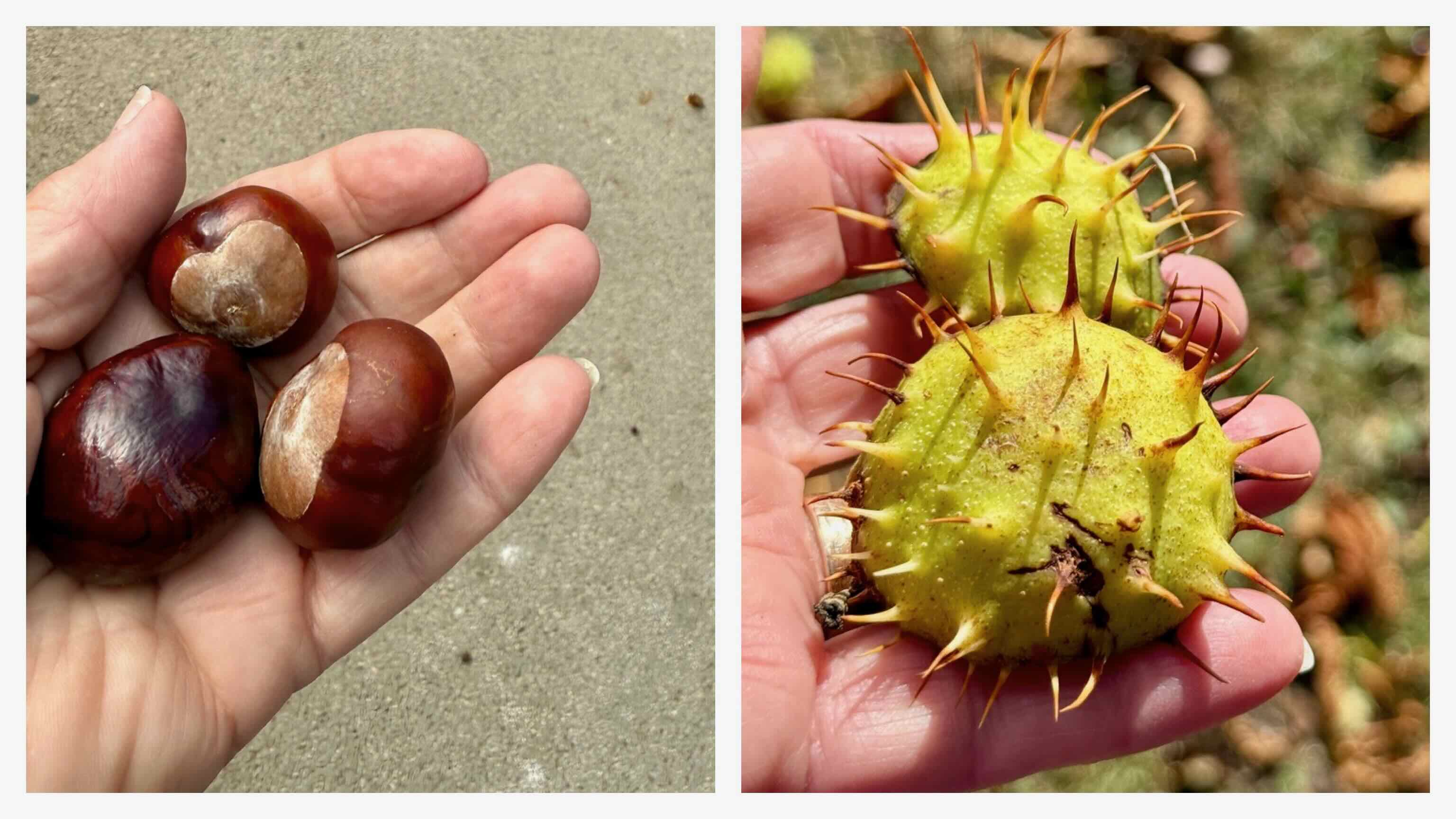
Jules Verne (1828-1905) was a French novelist, poet and playwright. Jules Verne is the second most translated author in the world, ranking below Agatha Christie and above William Shakespeare. His novel Around the World in 80 Days is printed in 18 languages.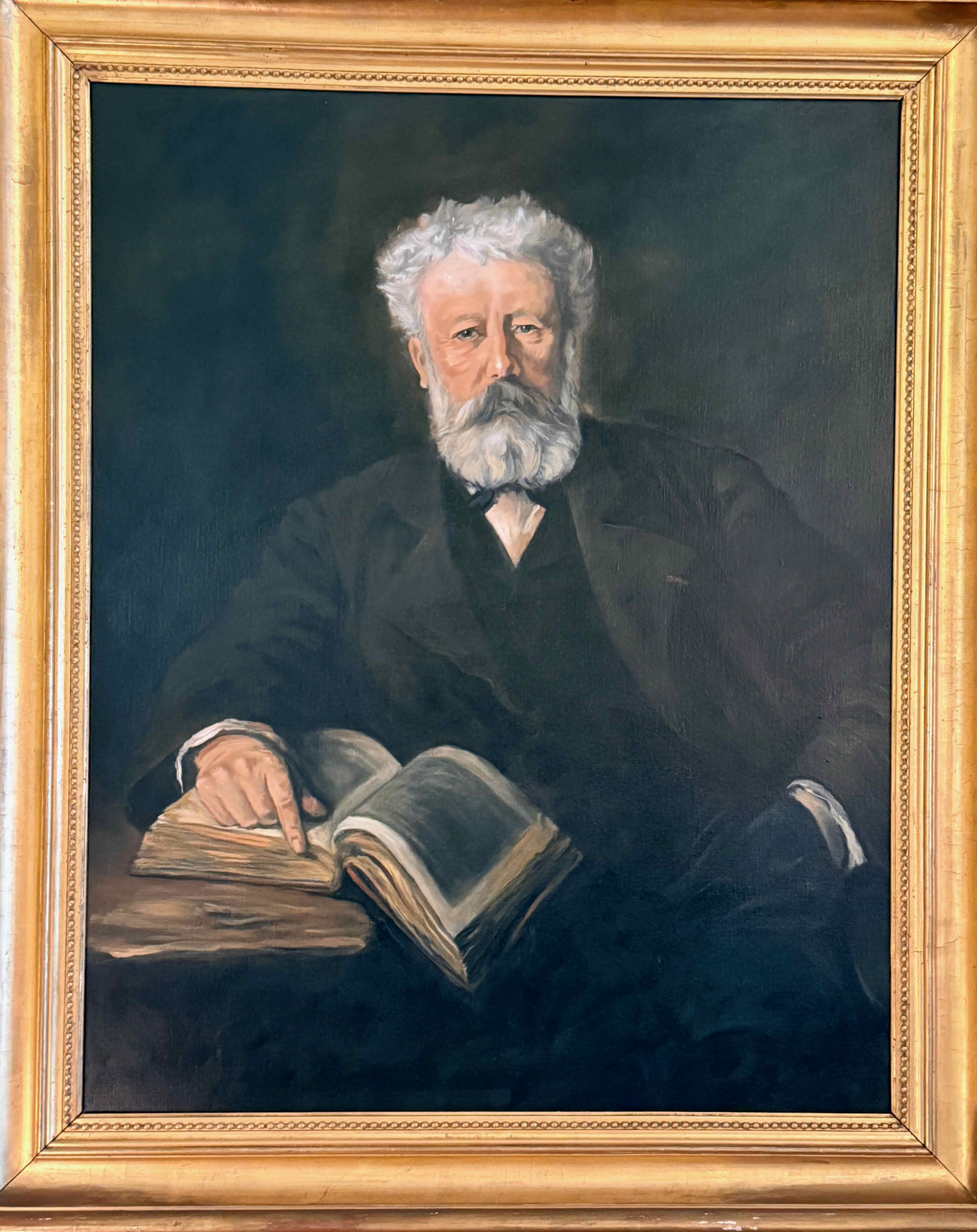
The winter garden was the original entrance to the Jules Verne house. Tropical garden plants were moved indoors here to spend the winter.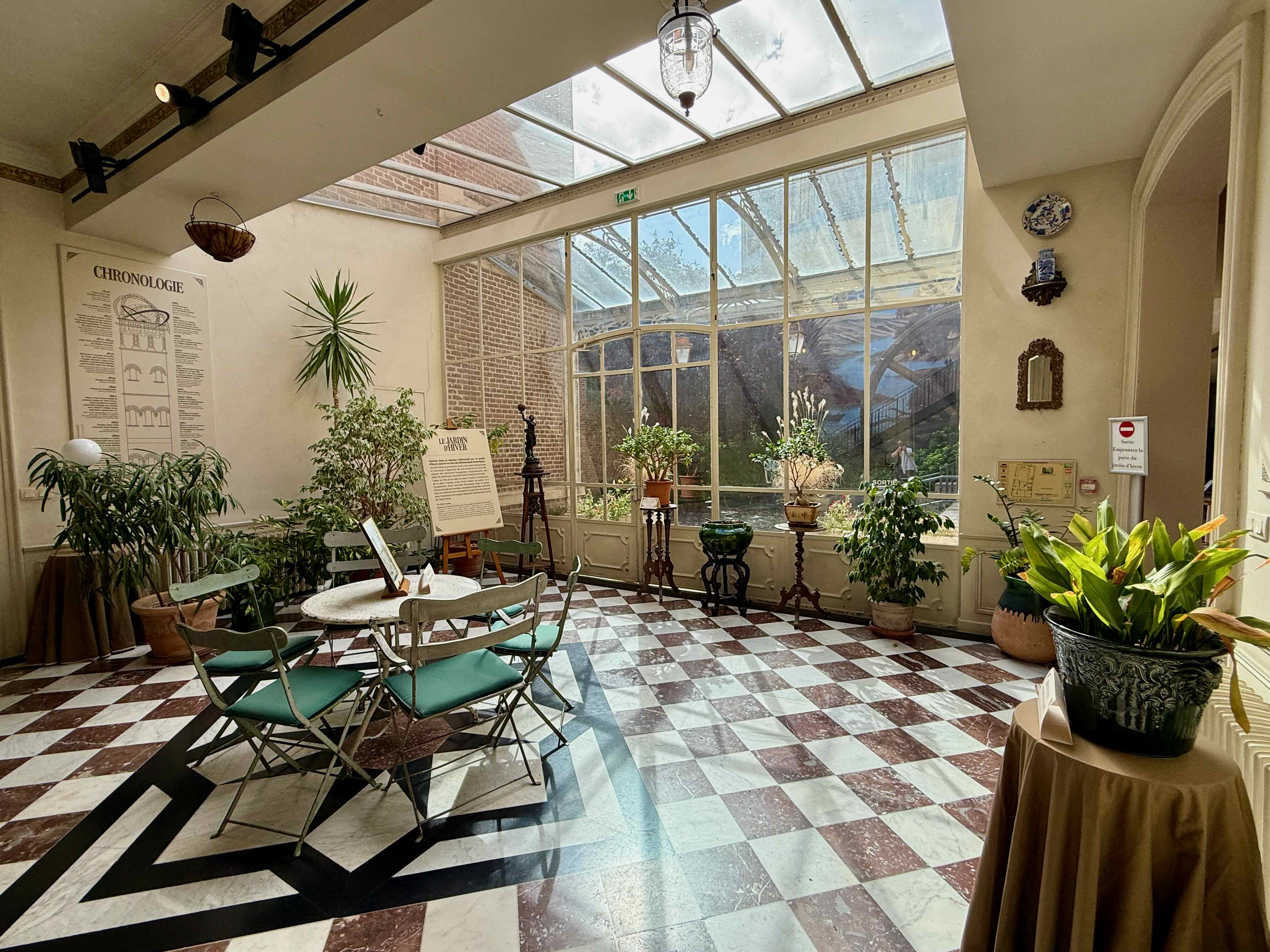
The dining room and salon on the main floor.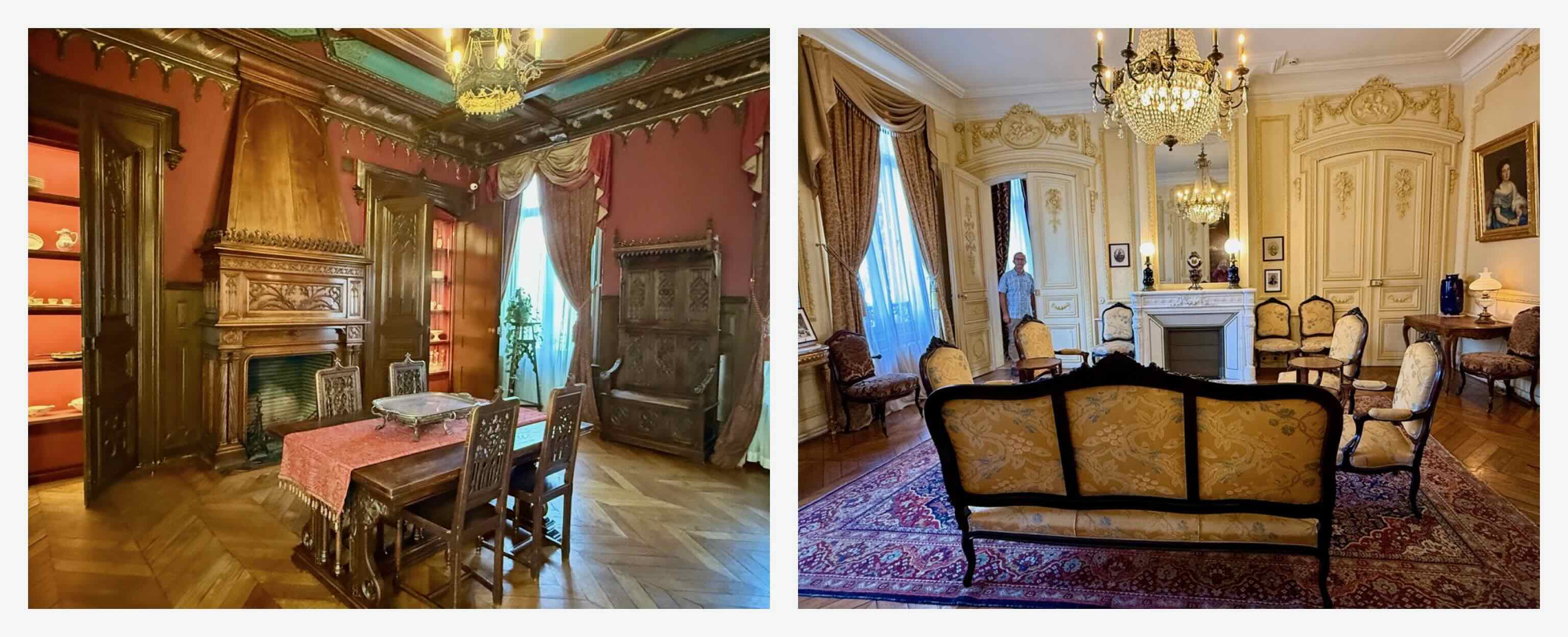
One of the second floor rooms was a reconstruction of his first boat. Jules Verne loved to sail and his first boat was a 9 metre long. His second boat was 20 meters in length and the third was 30 meters! 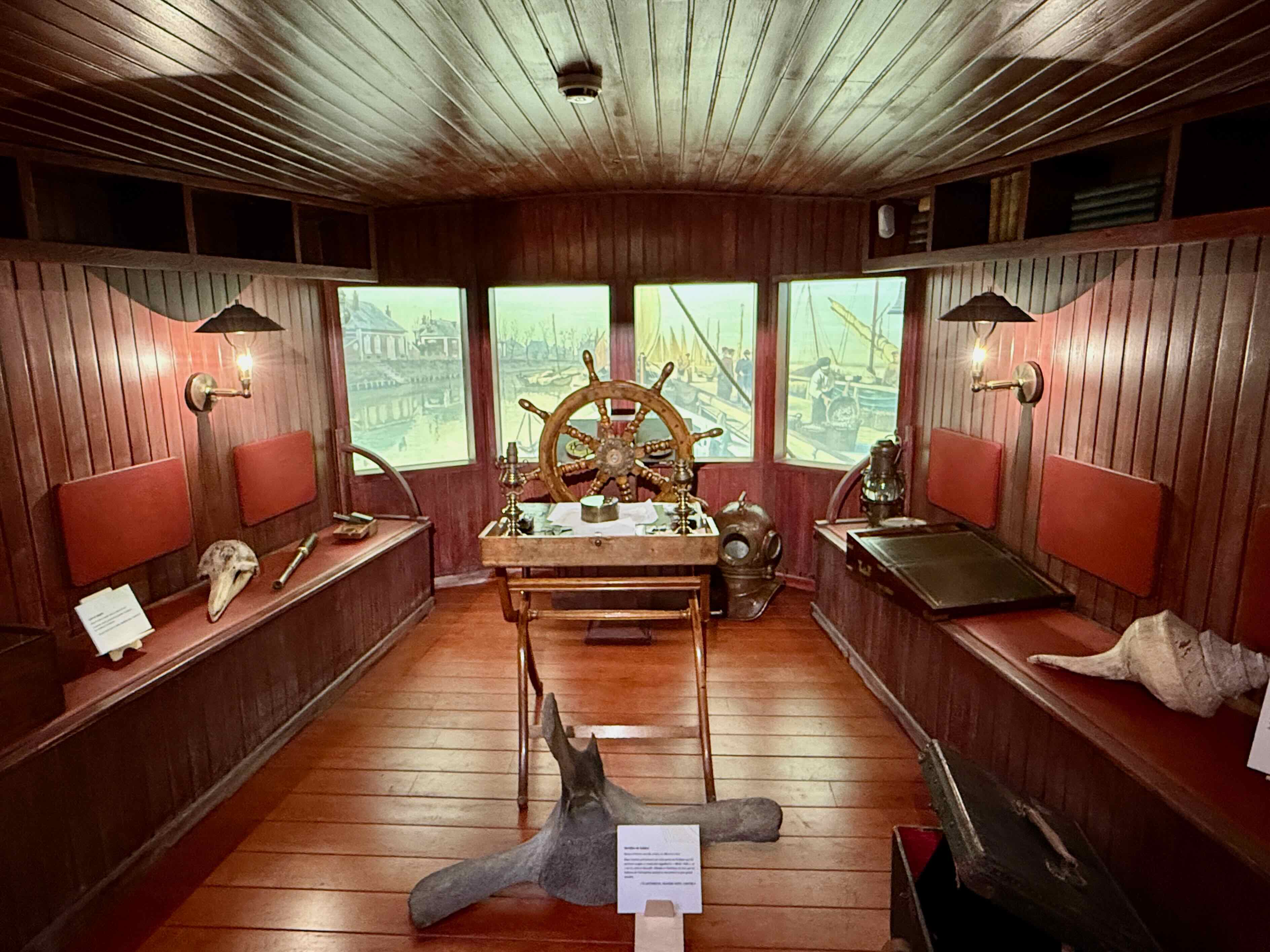
This second floor room was a library. The second photos shows the original library with over 12,000 books. When he read these books Jules Verne wrote notes on index cards to use as reference information for his novels.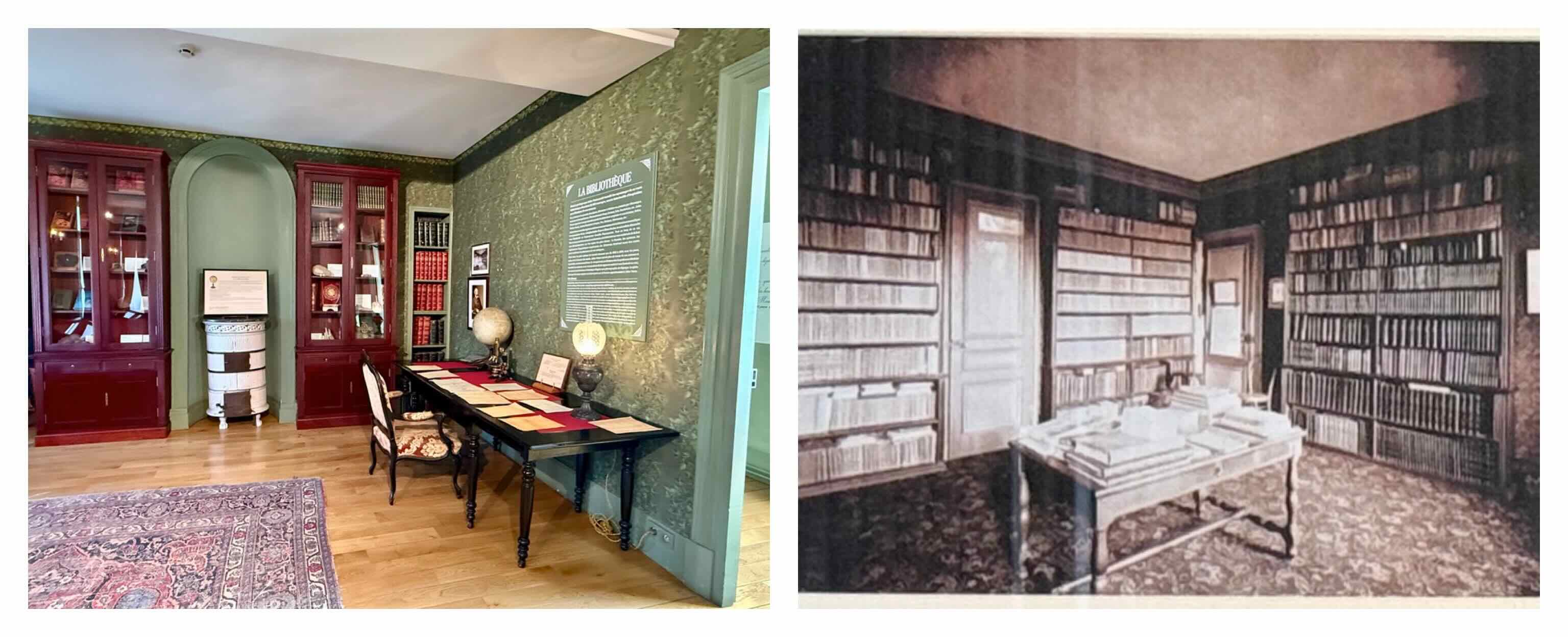
From 1882 to 1900 Jules Verne wrote every day from 5:00 am until 11:00 am in this little room.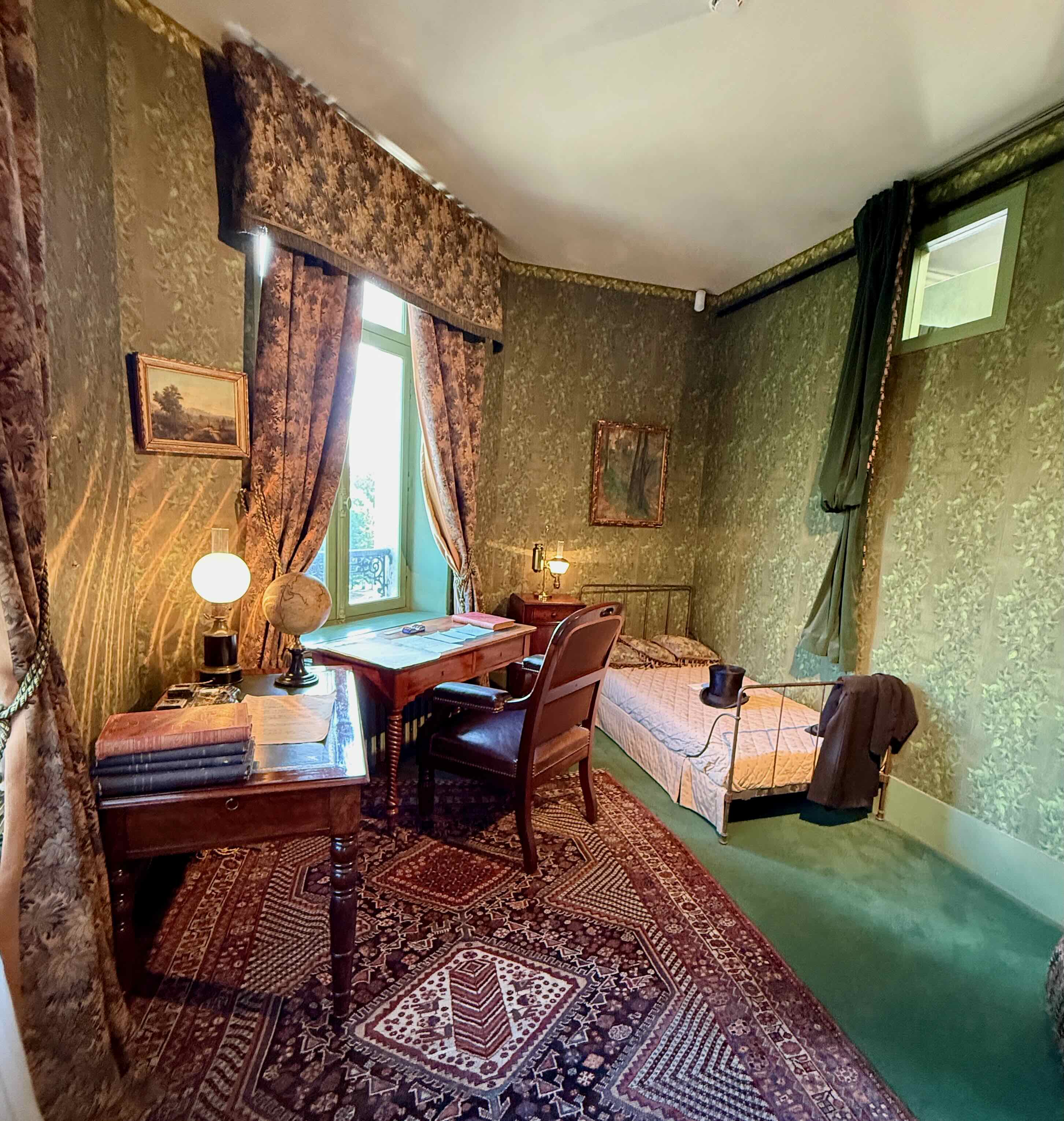
Climbing the tower which was added to the house by Jules Verne. It allows access to all three floors of the house.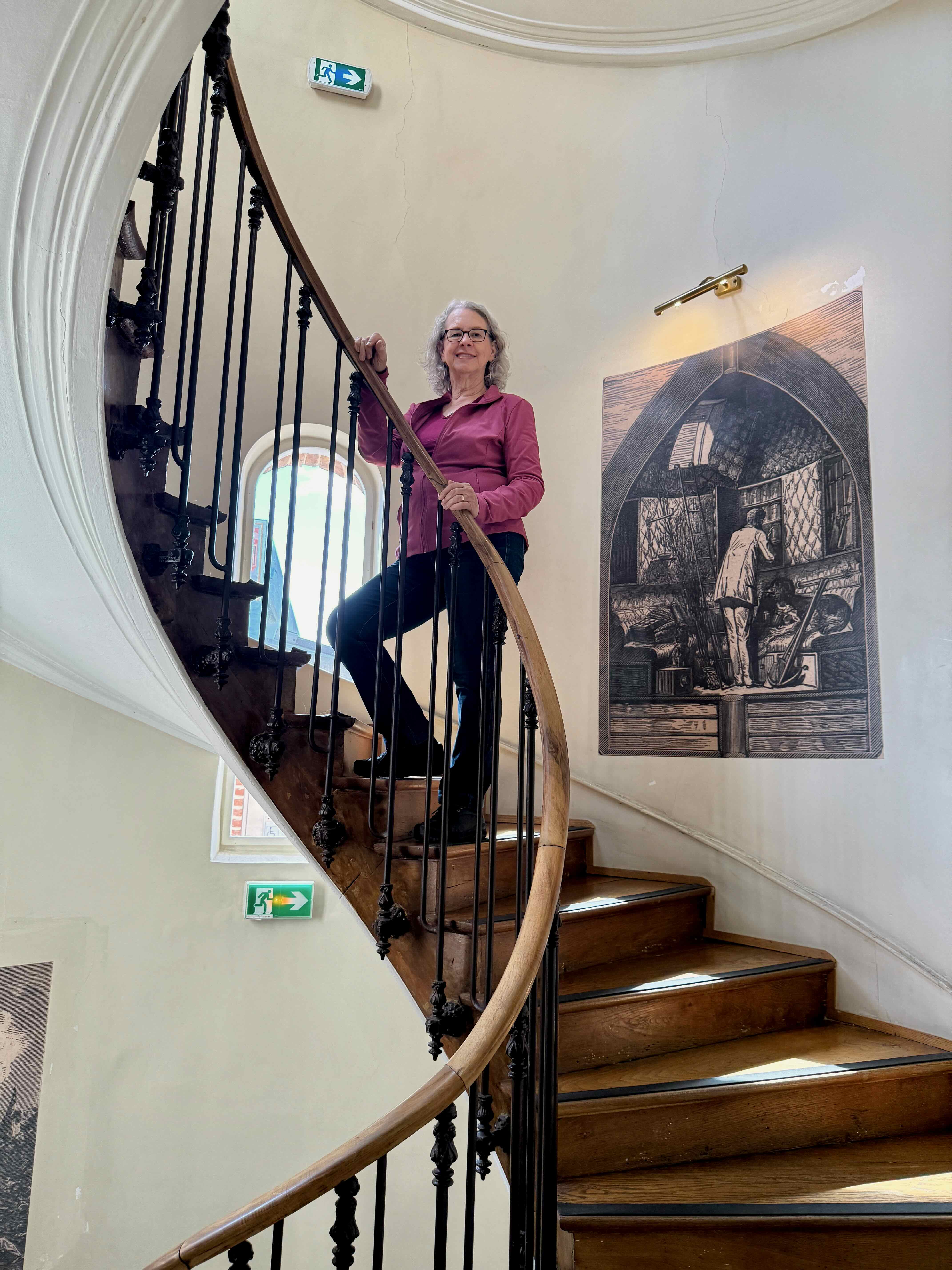
The third floor attic has a collection of original movie posters…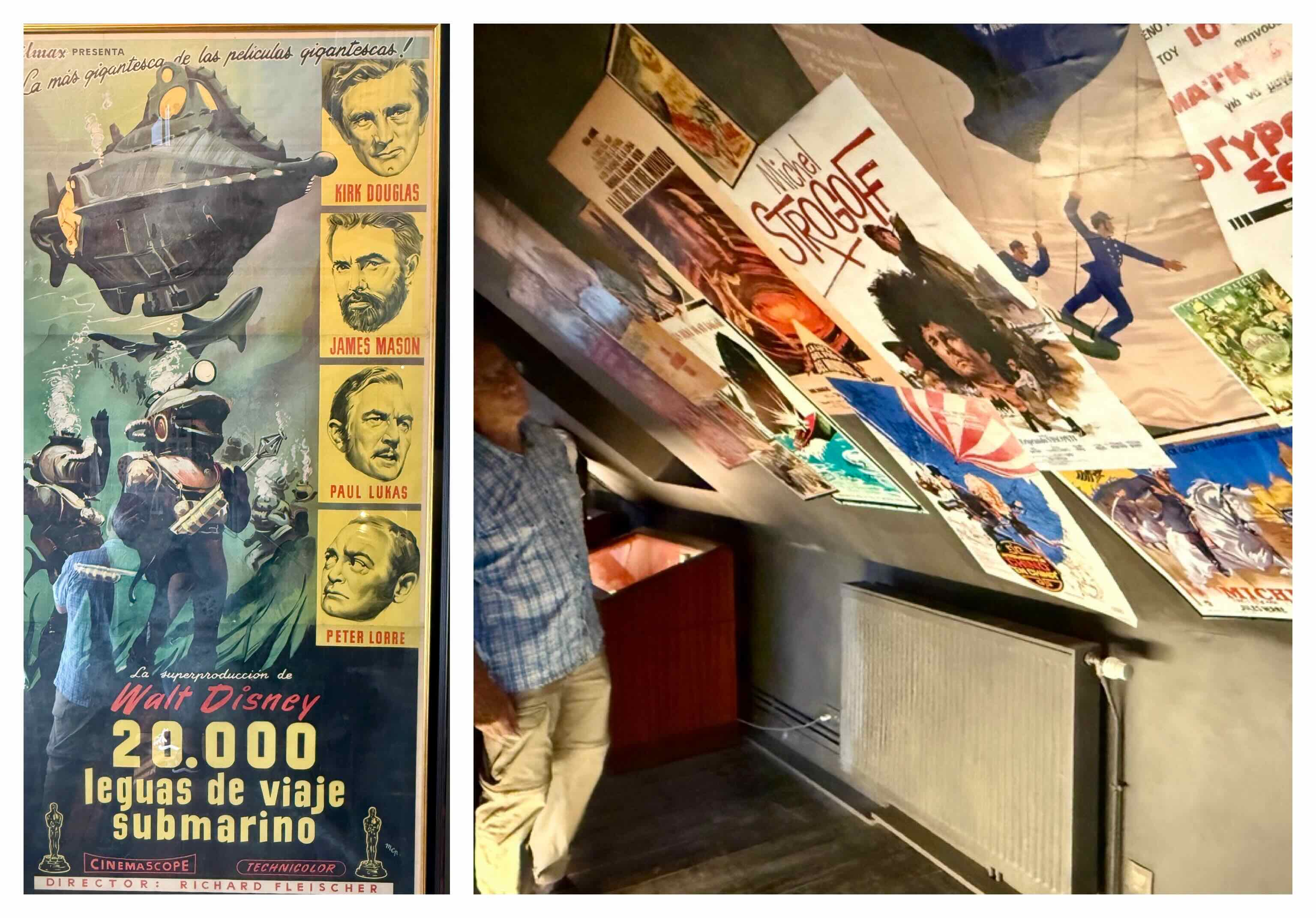
…and other memorabilia. I look like I am one of the exhibits!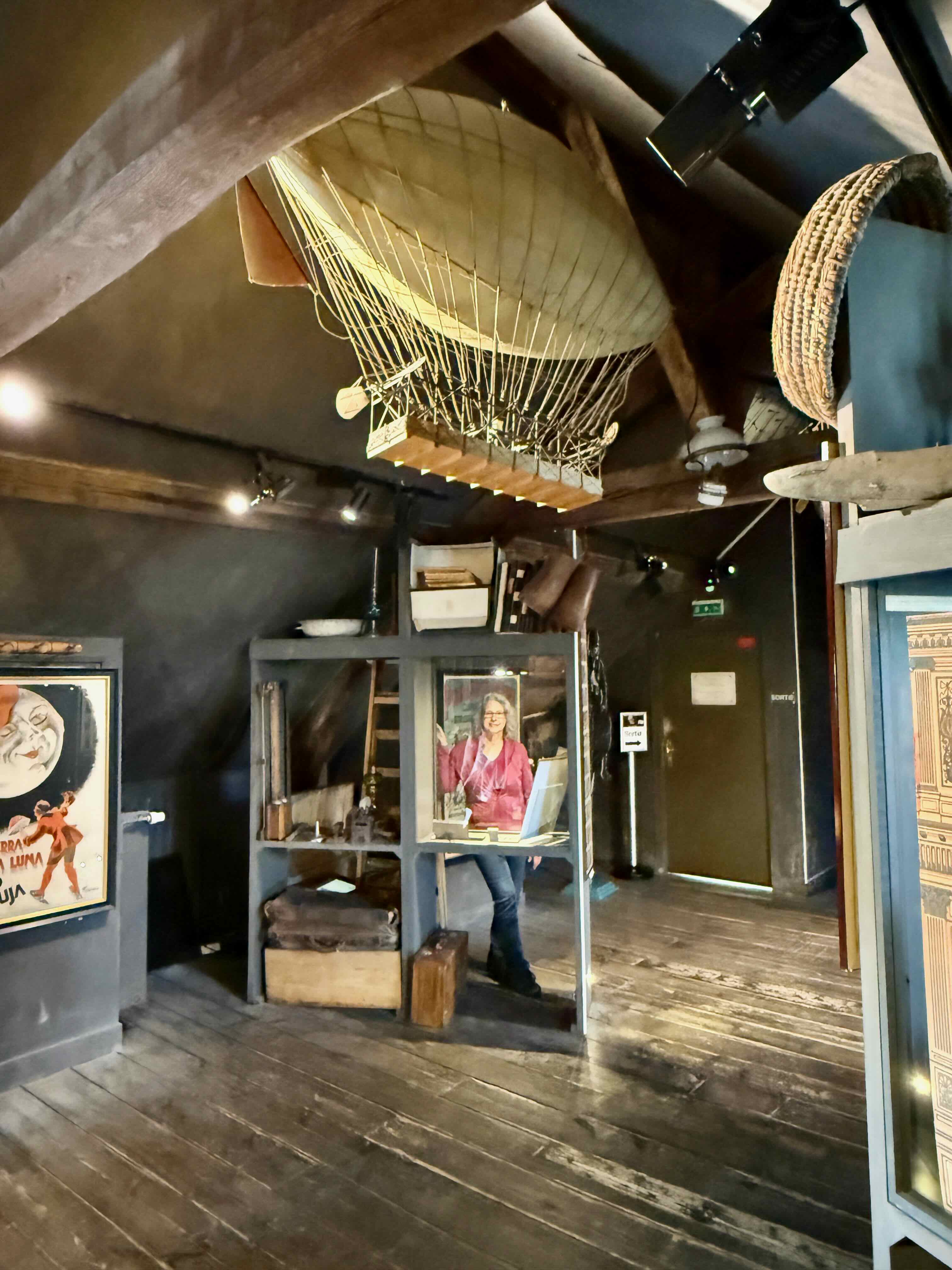
Bob and a fictional flying machine from one of Verne’s novels. 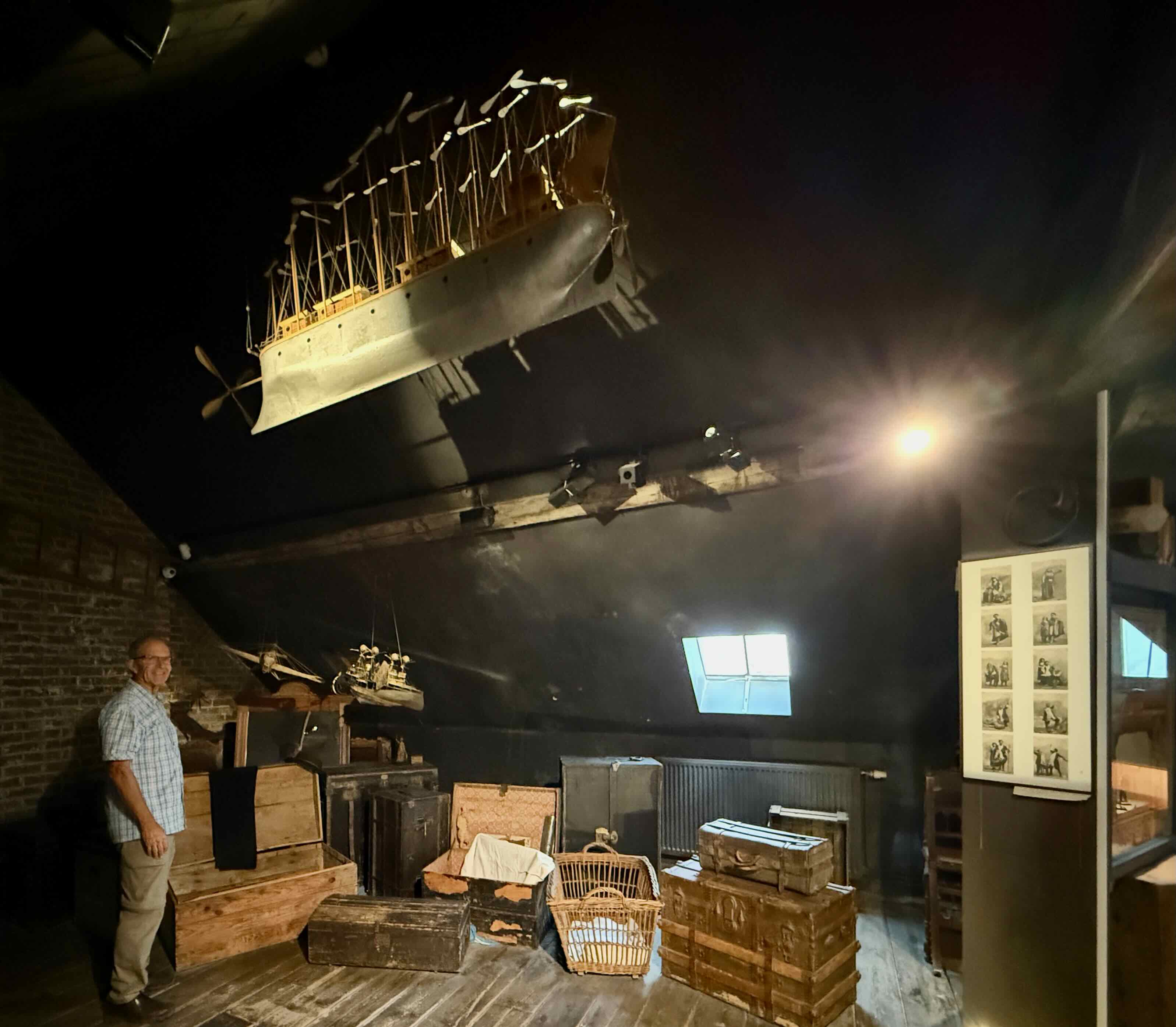 A view from the front of the house showing the winter garden.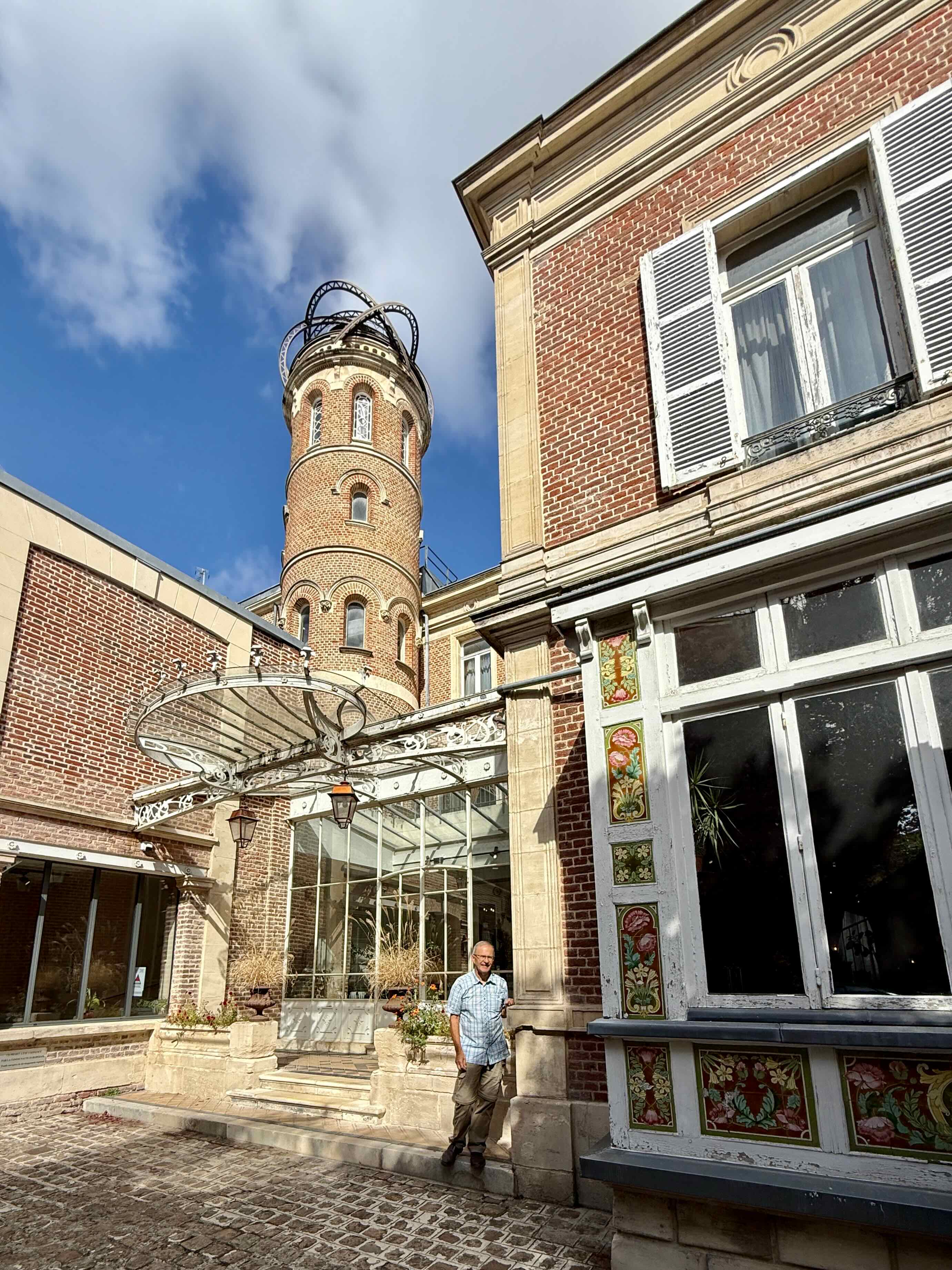
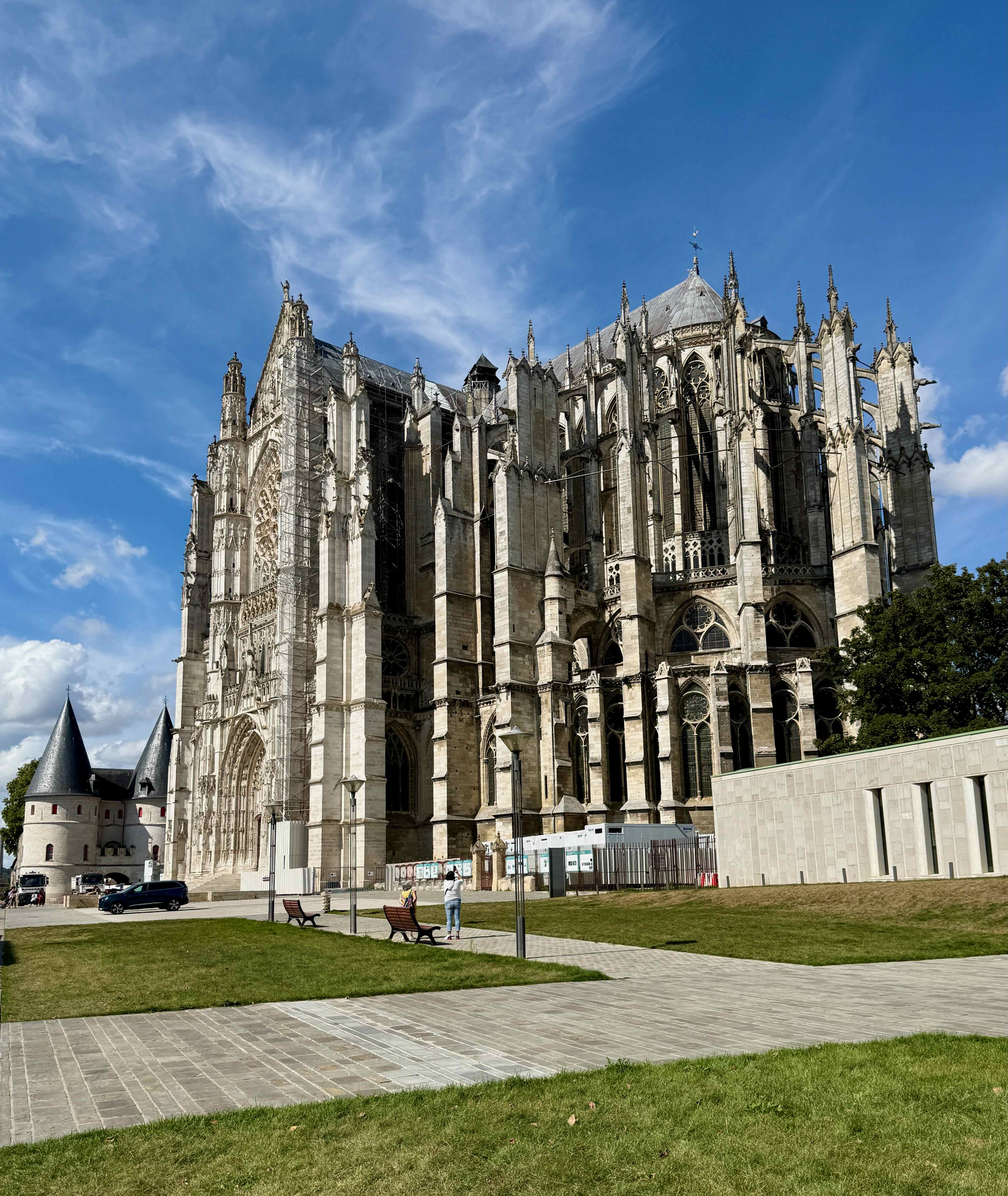
it is a short walk to the Amiens cathedral. Notre-Dame d’Amiens is the largest medieval cathedral in the world. It was built in 1269 and is twice the size of Notre Dame in Paris.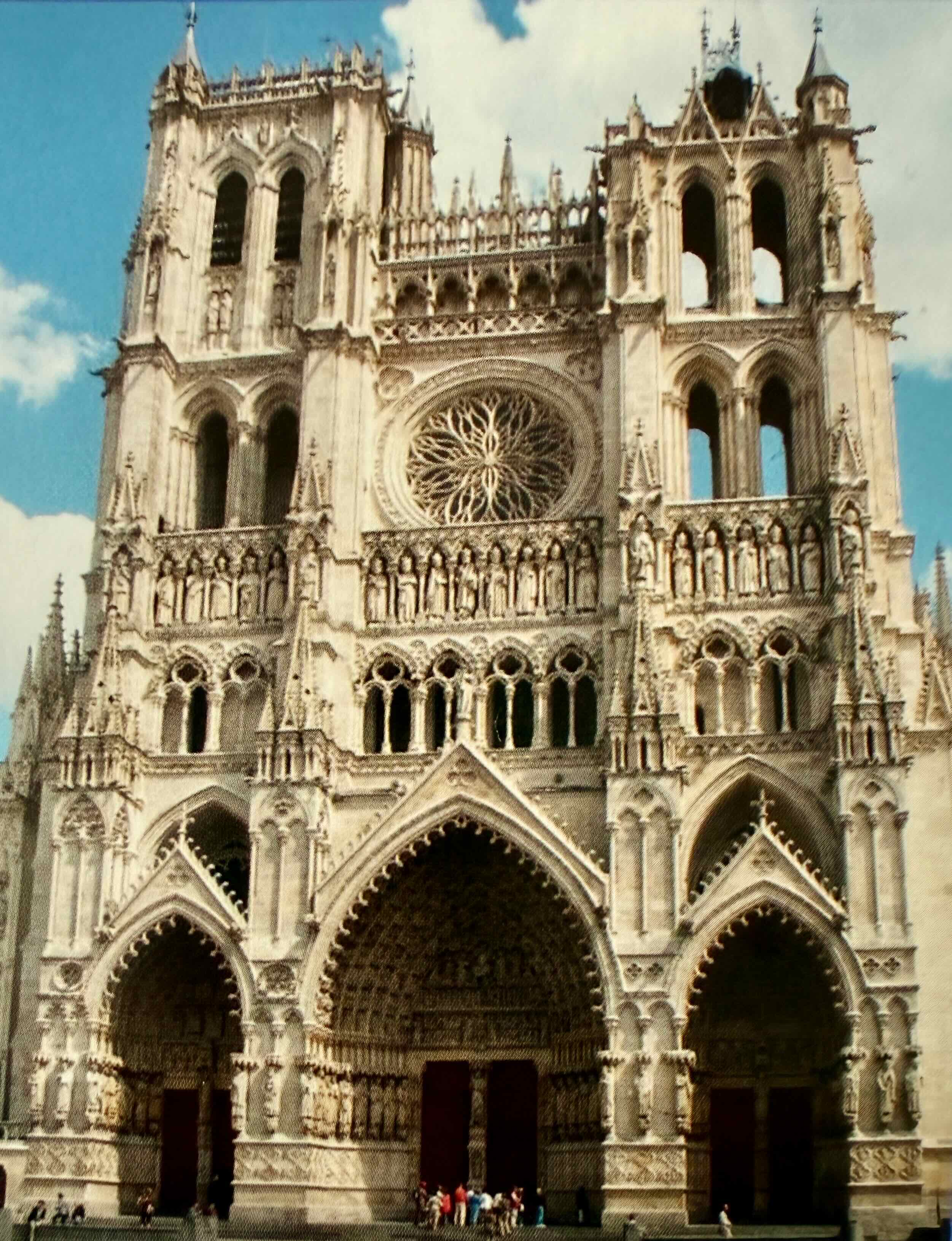
The sculpted decorations in the portals have survived in a remarkable state of preservation…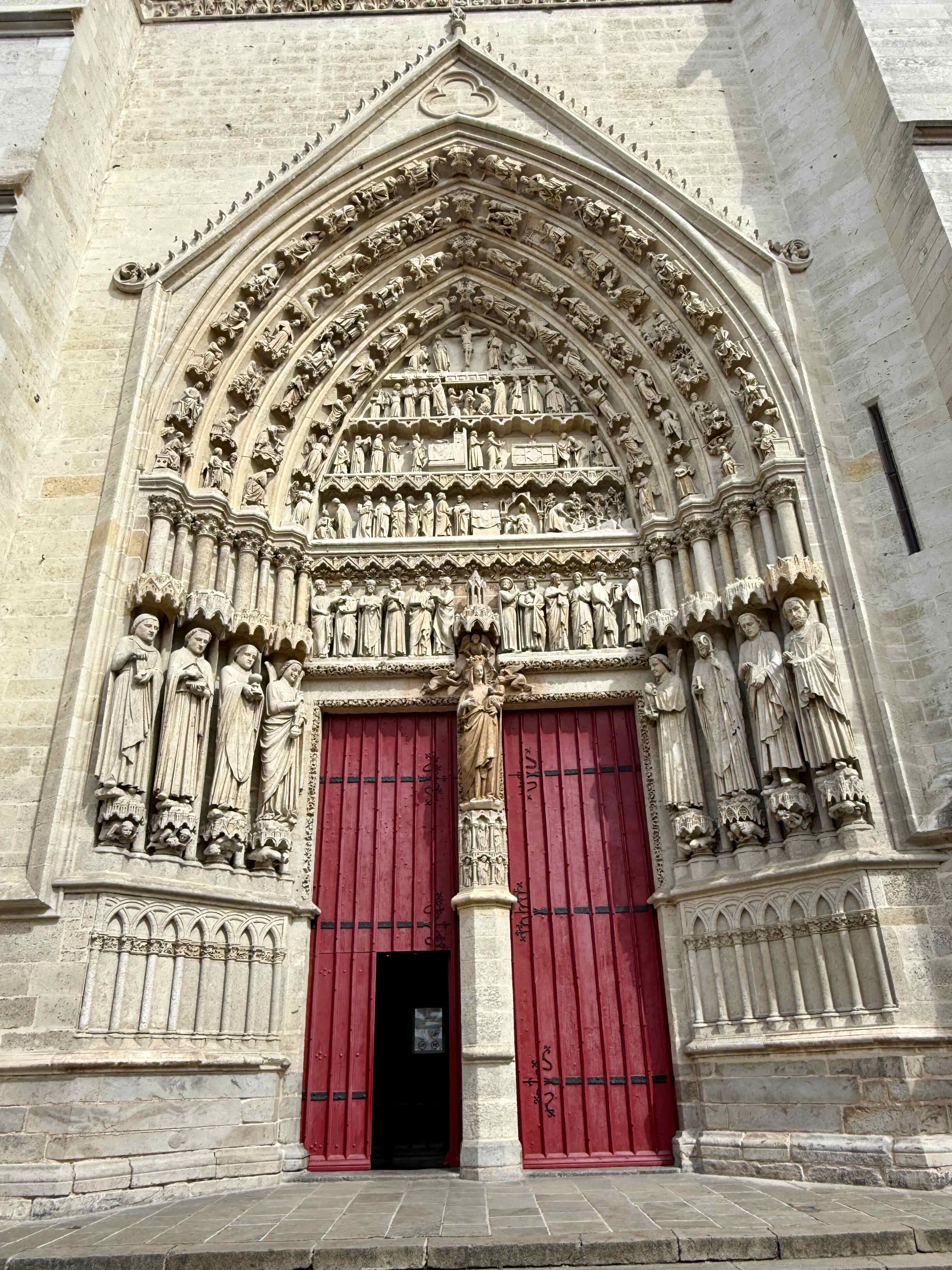
…and the 16th century wood carvings of the choir stalls are unique in the world. 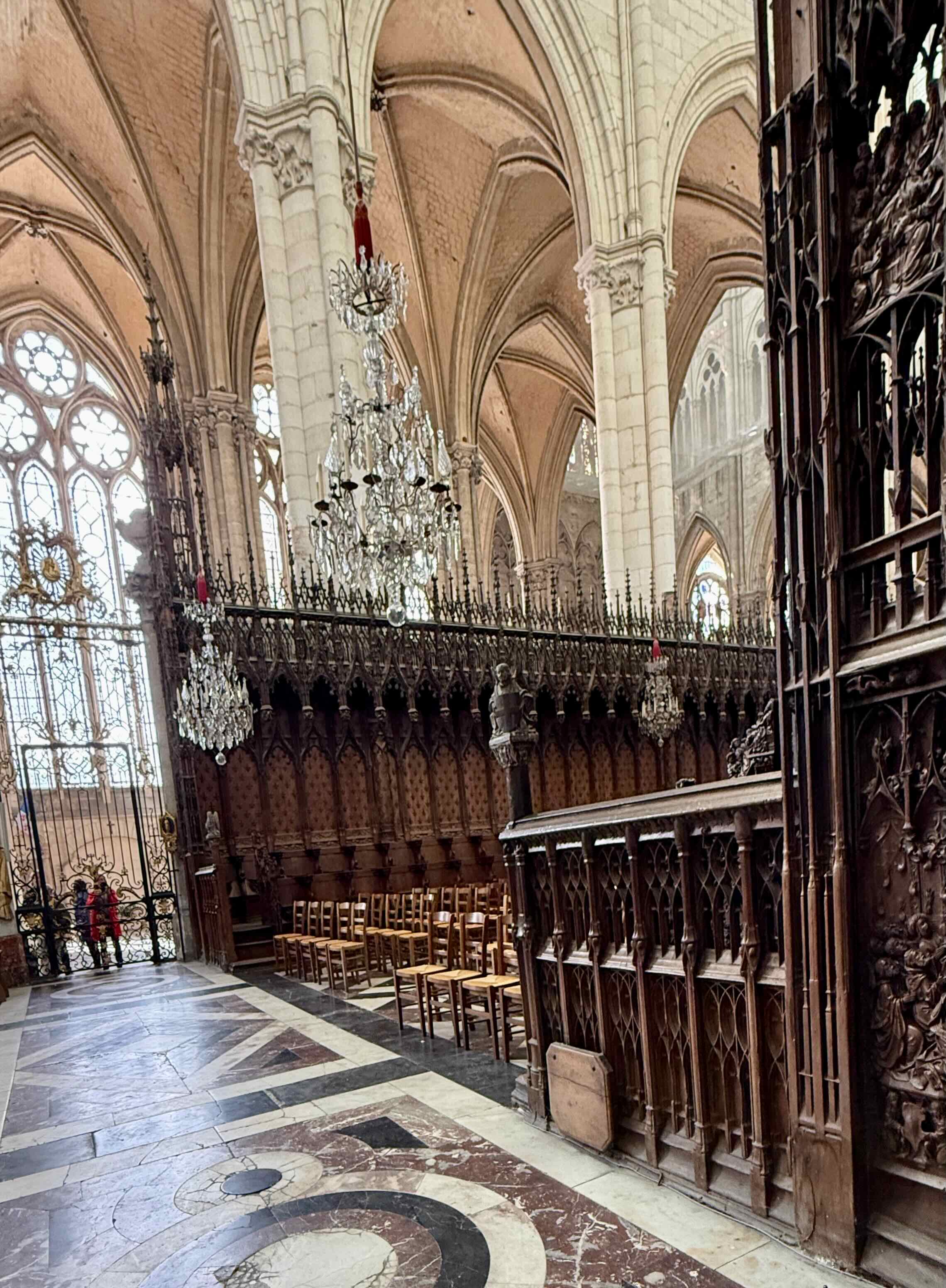
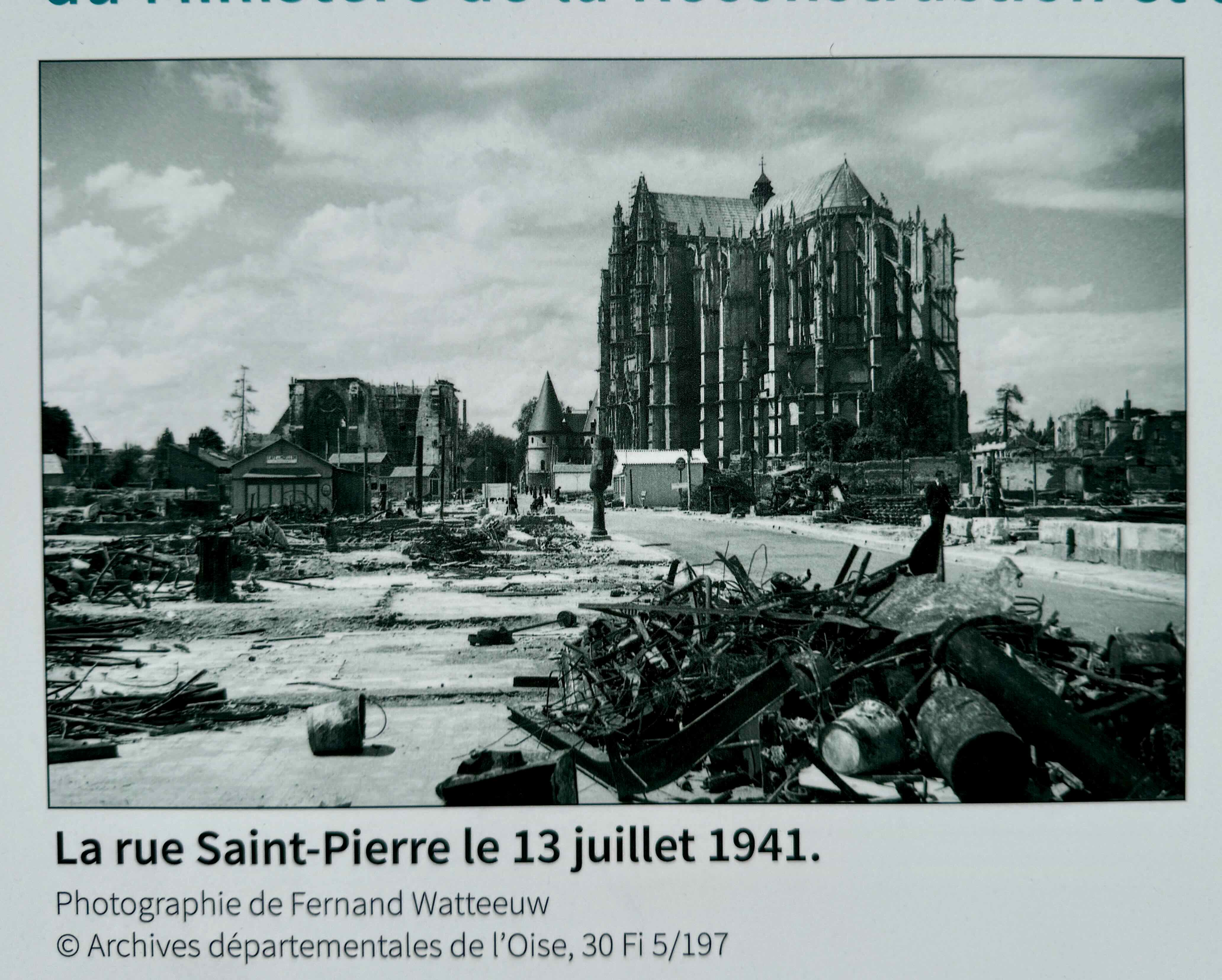
Sandbags were used to protect the exterior and interior of the church during WWI. The stained glass windows were removed and stored elsewhere. Unfortunately there was a fire and some of the windows were destroyed. A bomb did fall directly on the church but it did not detonate. Whether by faulty fuse, divine intervention or sheer luck, the cathedral stood unharmed. Info and photo~ church heritage.eu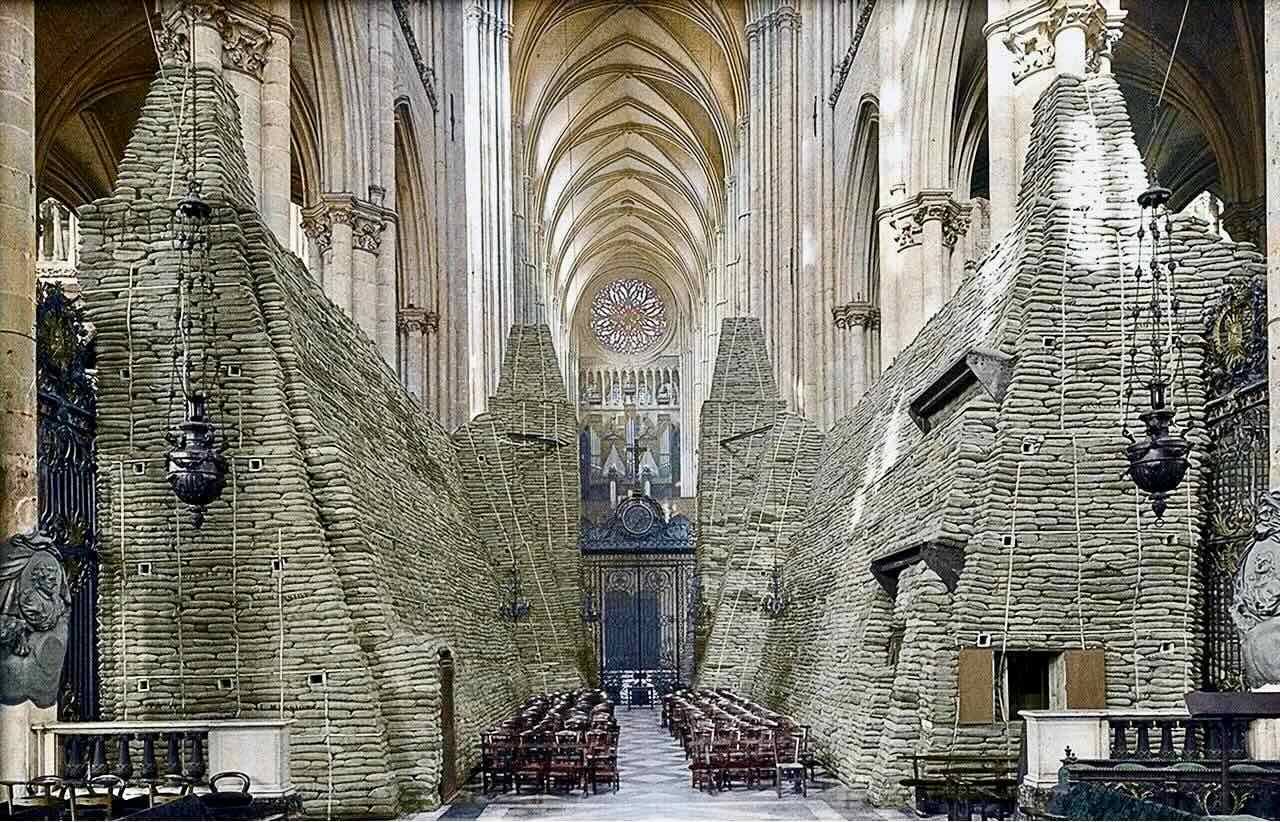
This is a massive cathedral…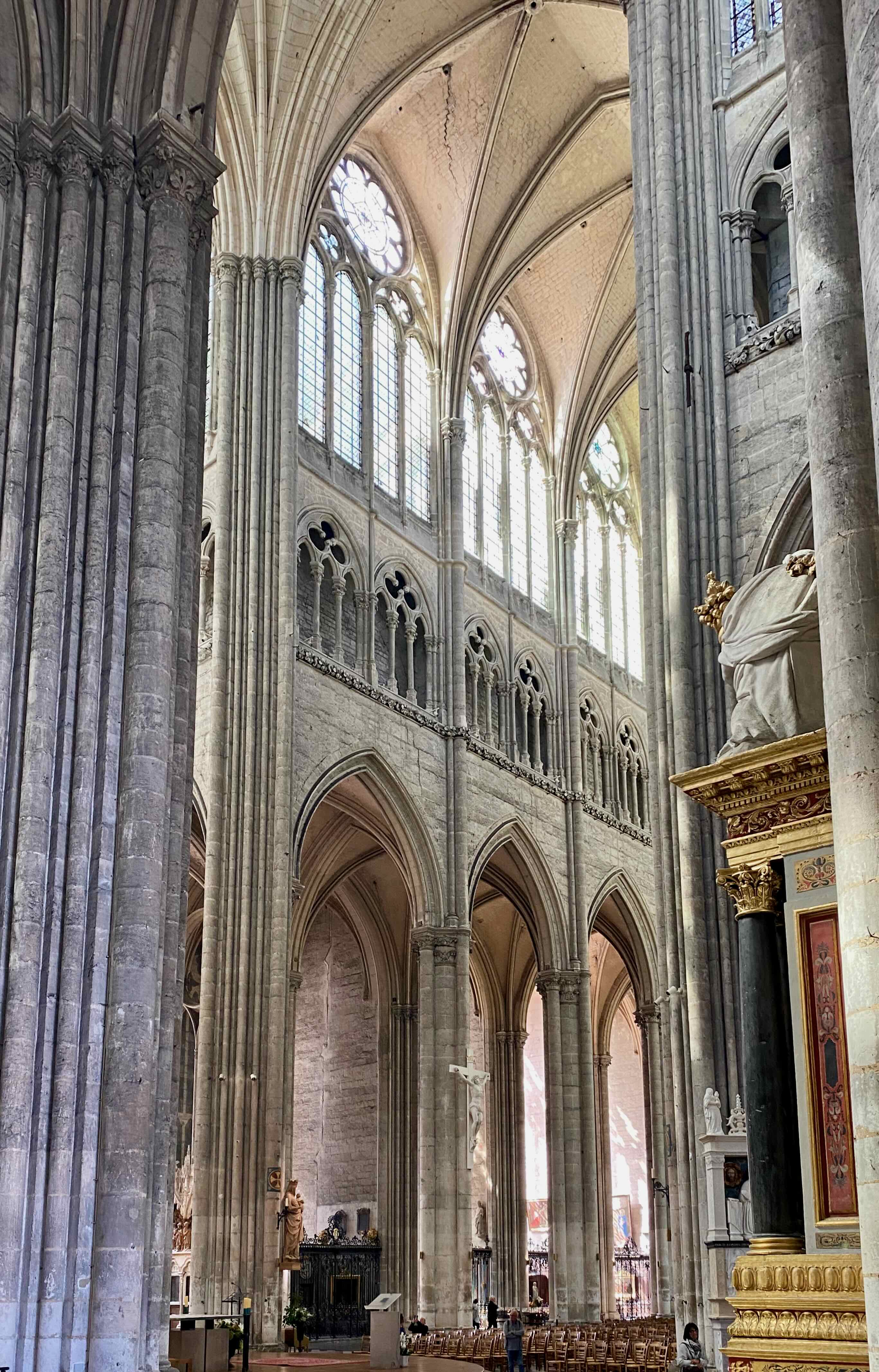
…with stunning stained glass windows.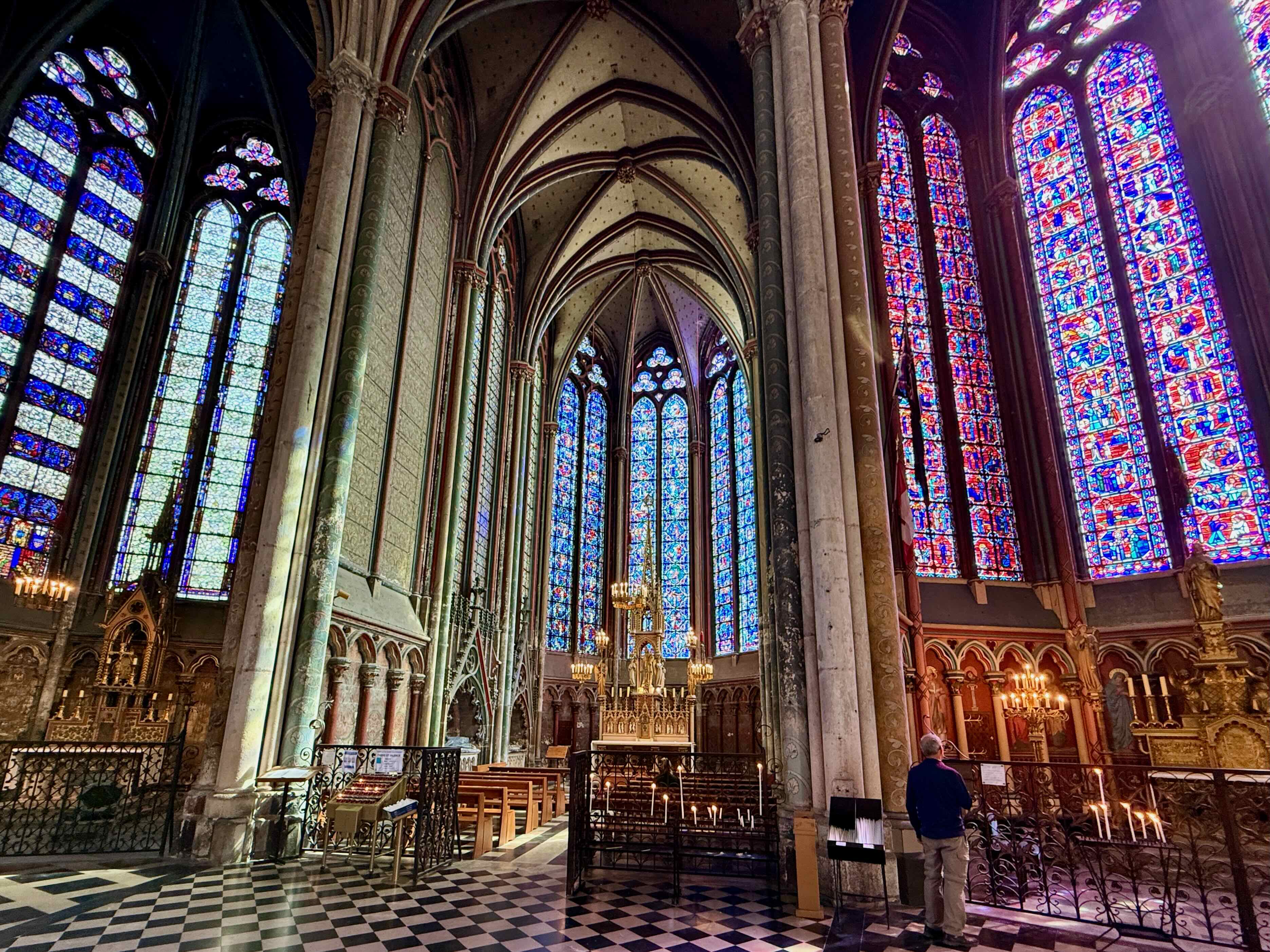
Do you see the people? They give a sense of scale.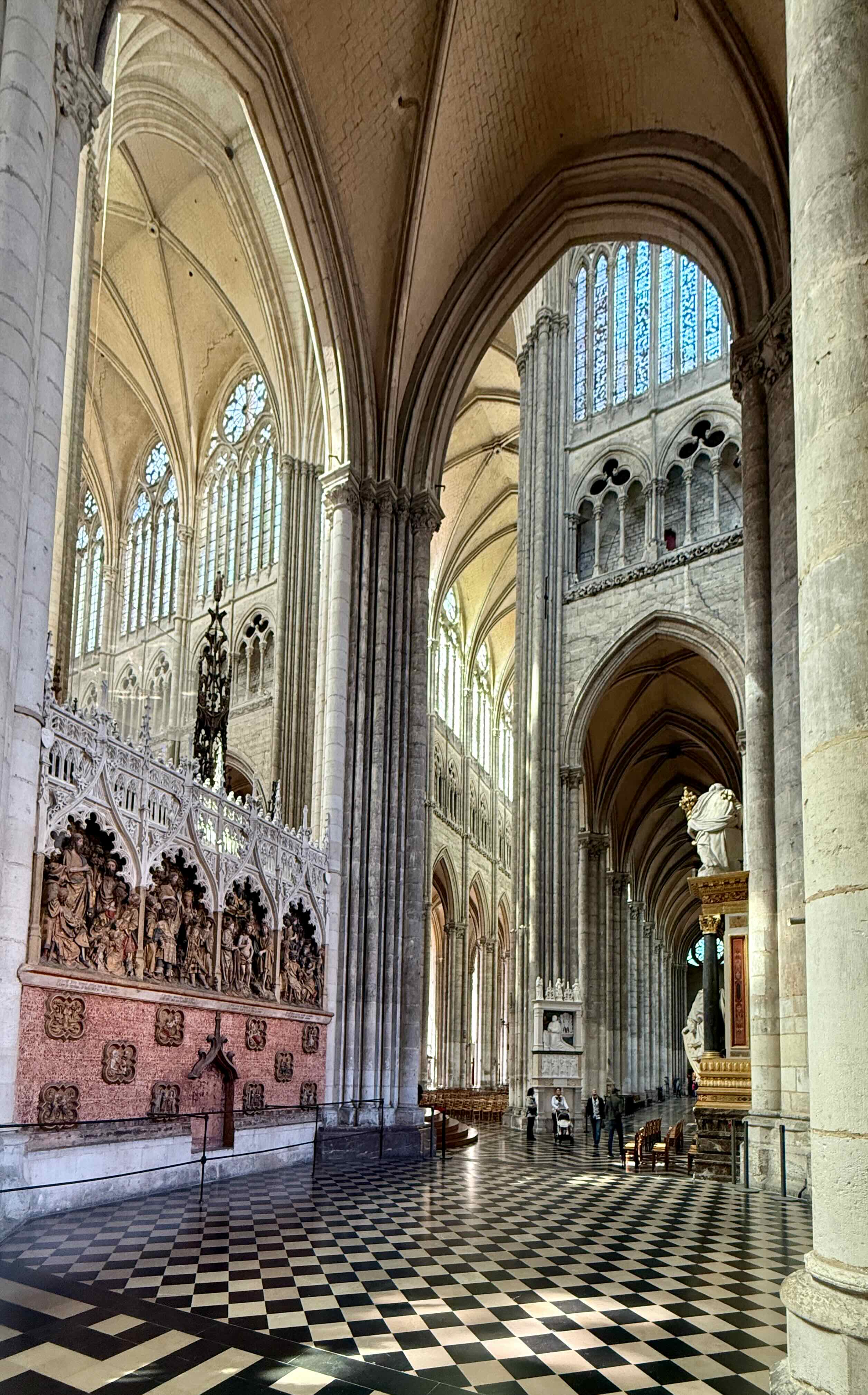
Looking towards the richly decorated altar…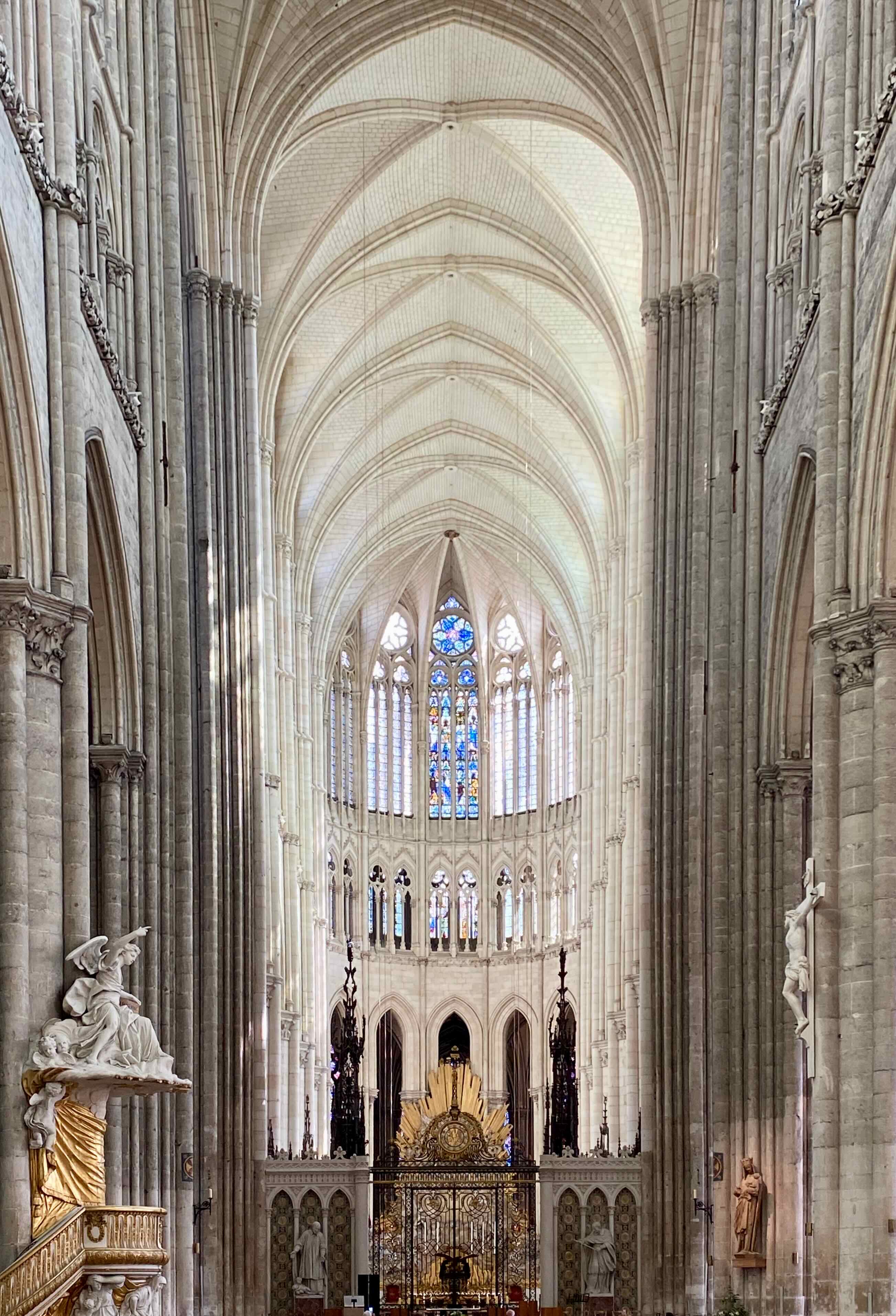
and in the opposite direction, the organ that was built in 1549…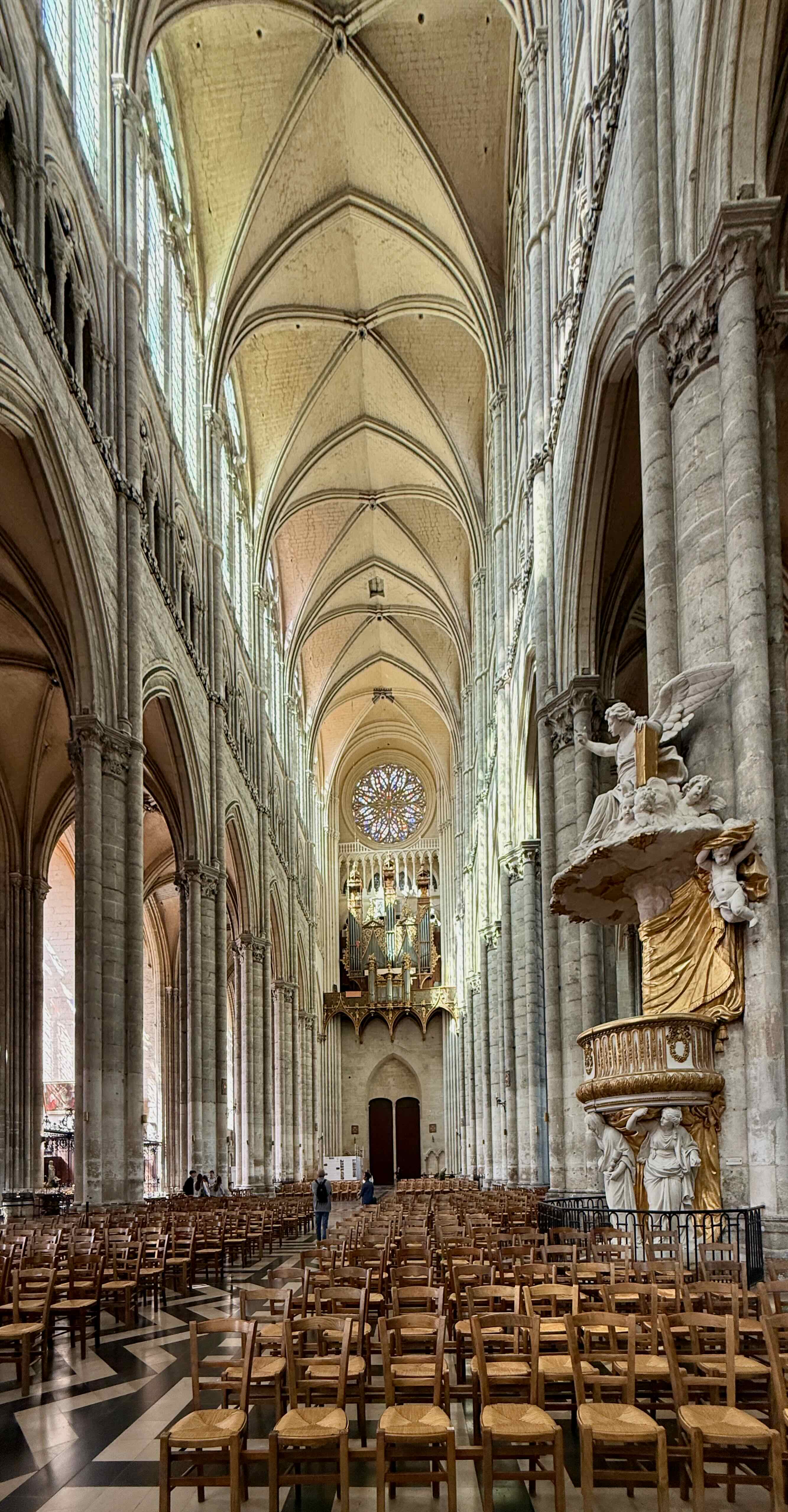
which has just been cleaned and restored.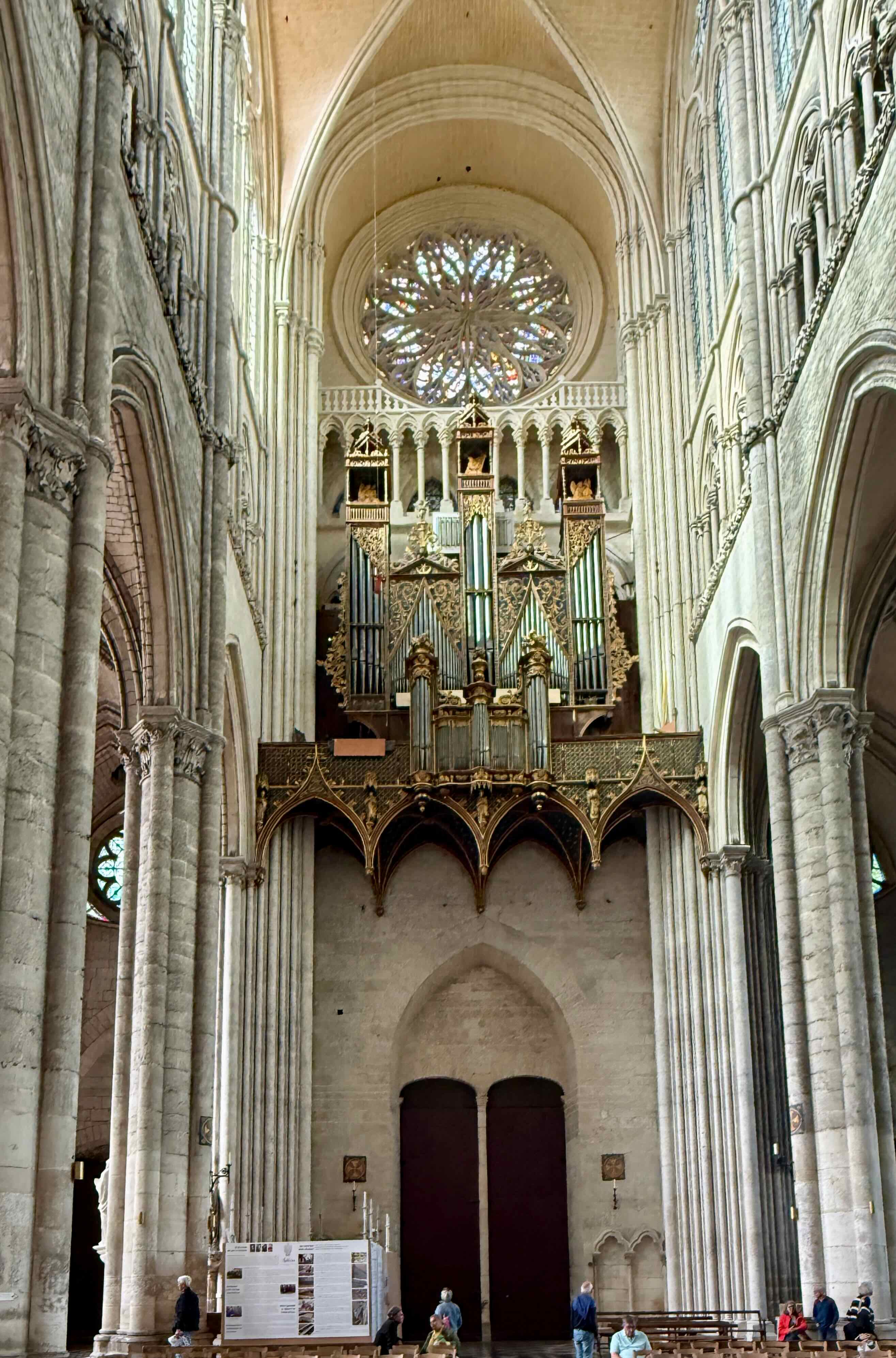
Love this statue of Joan of Arc.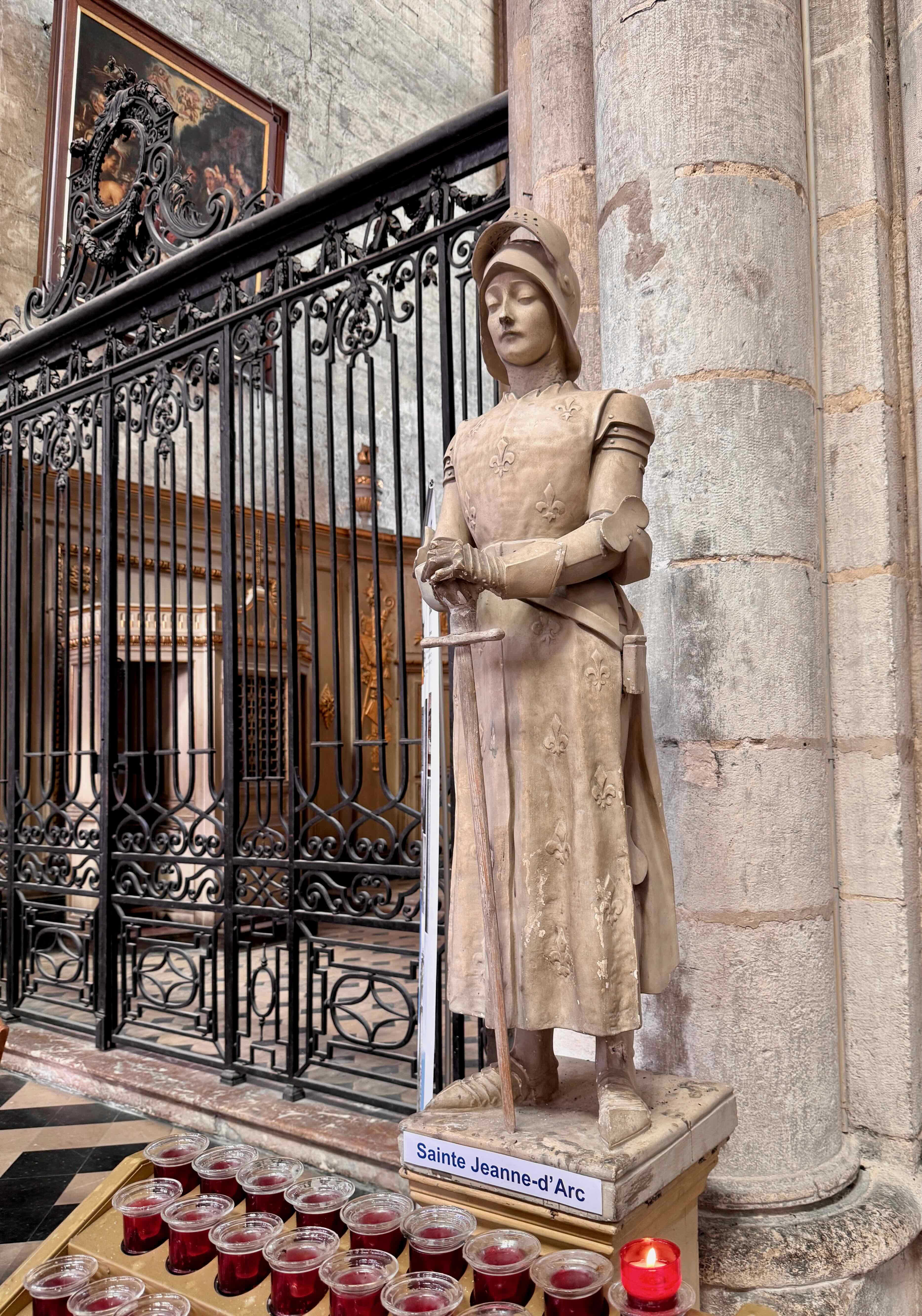
There is also a labyrinth from 1288.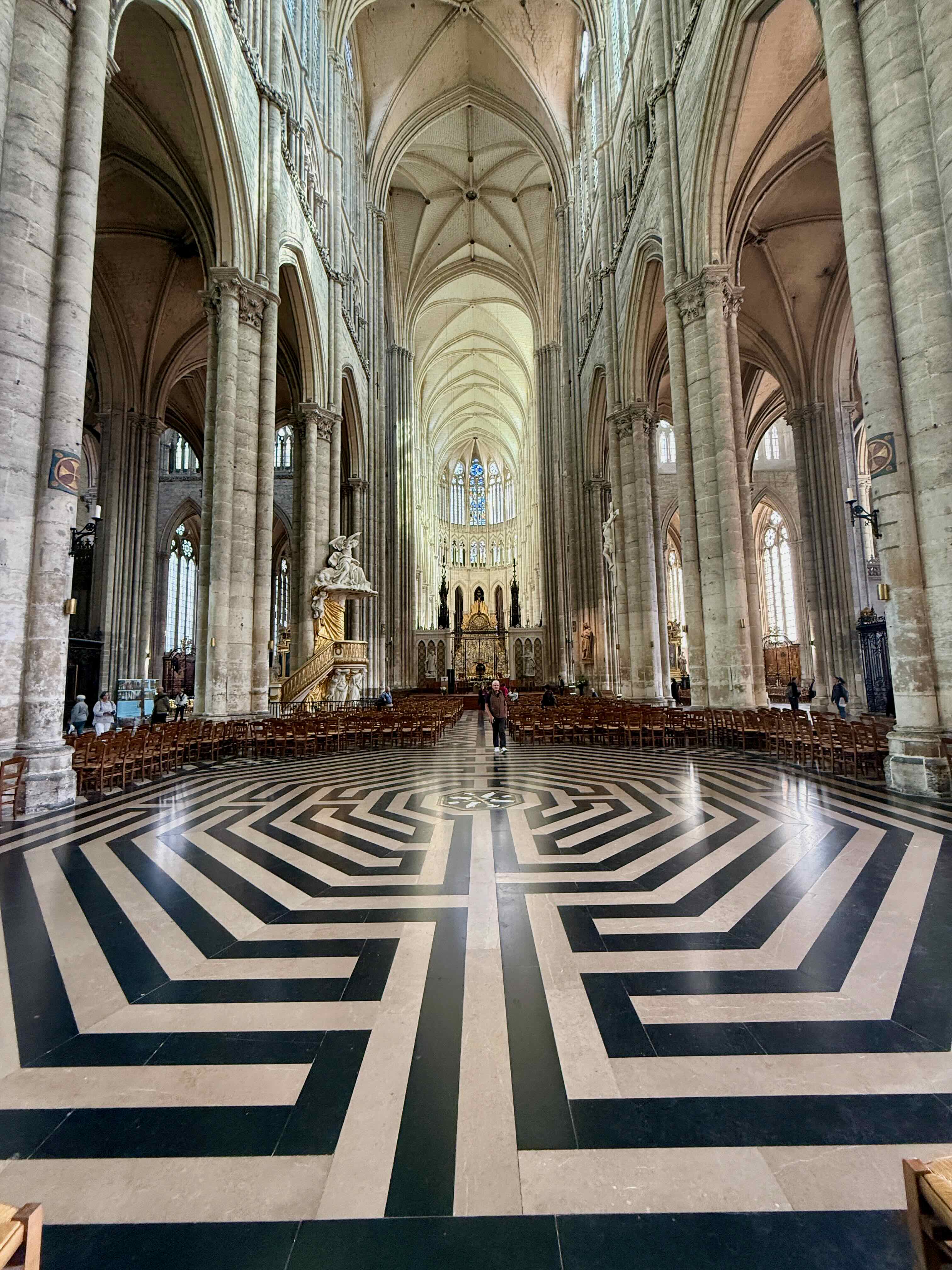 When we leave the cathedral, I look up and there are the gargoyles! I am very fond of gargoyles.
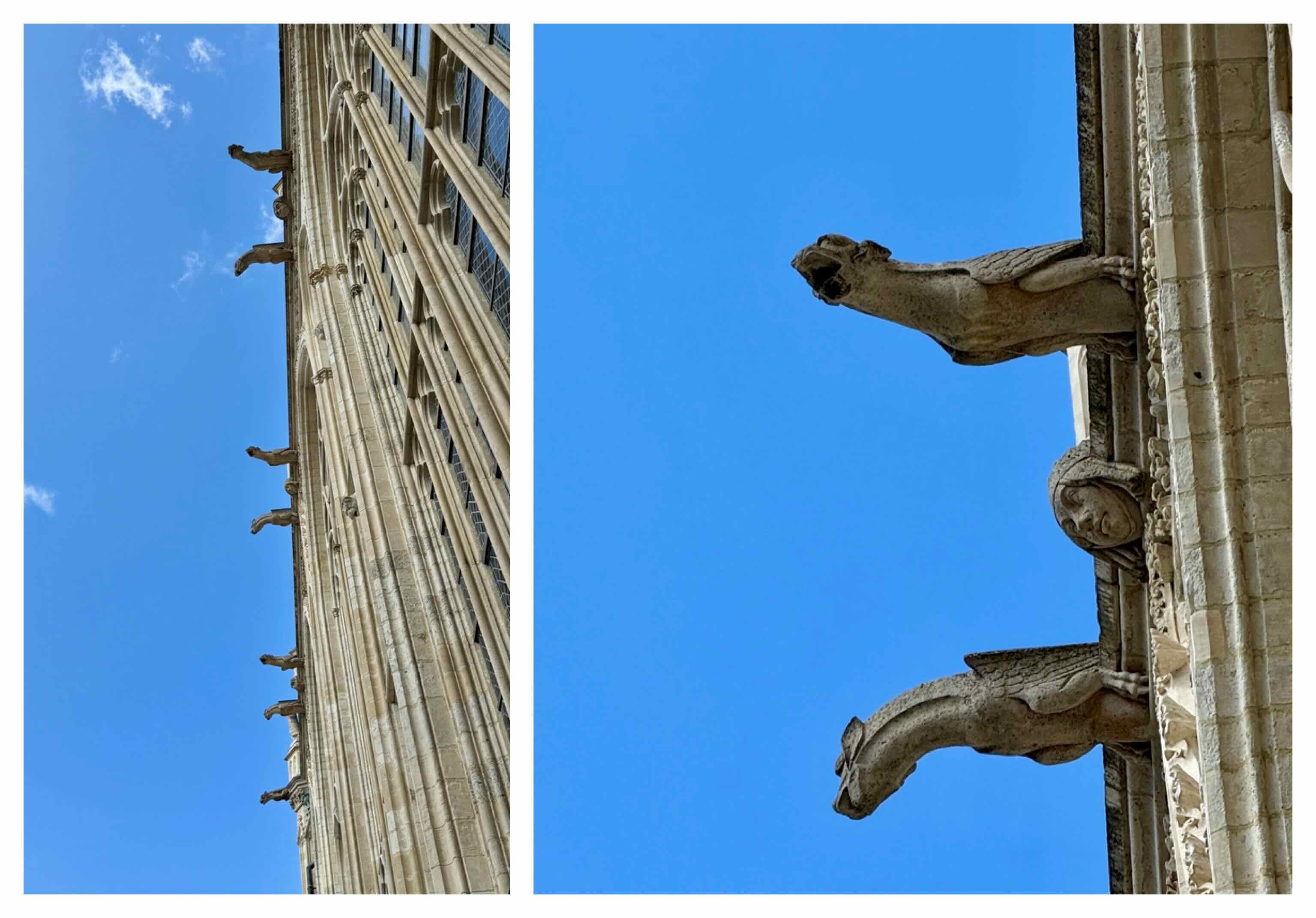 We have time to walk back to the car for tea and cookies and a little down time before we get ready for our boat ride at the Hortillonages.
Shaped by generations of market gardeners known as ‘hortillons’, this site is the only one of its kind in France. The Hortillonnages are made up of a multitude of small cultivated islets surrounded by water, accessible only by boat on a network of waterways
We spend a relaxing 45 minutes travelling these waterways. We see market gardens, private gardens, cottages and some islands that look very wild and unkept.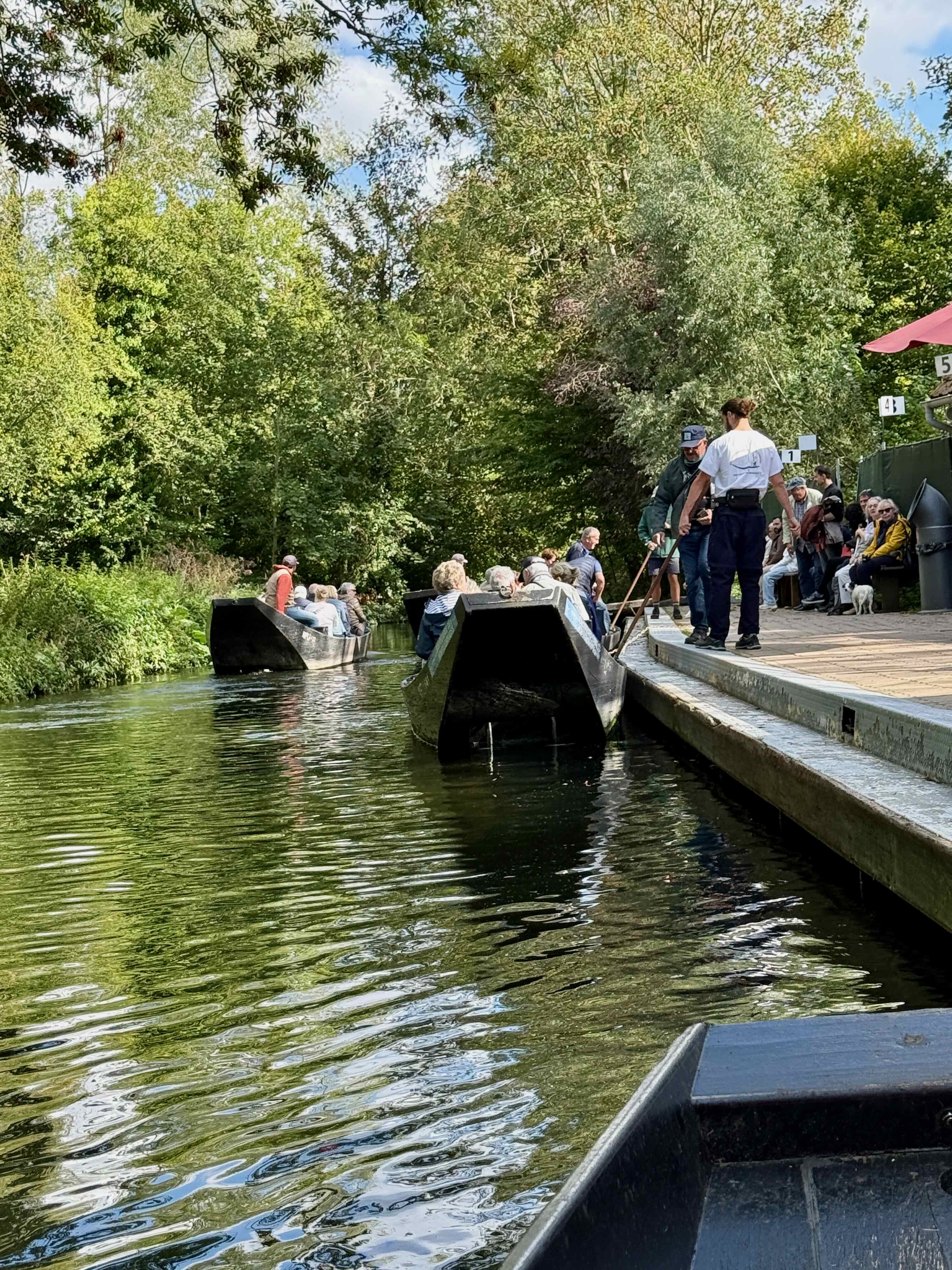
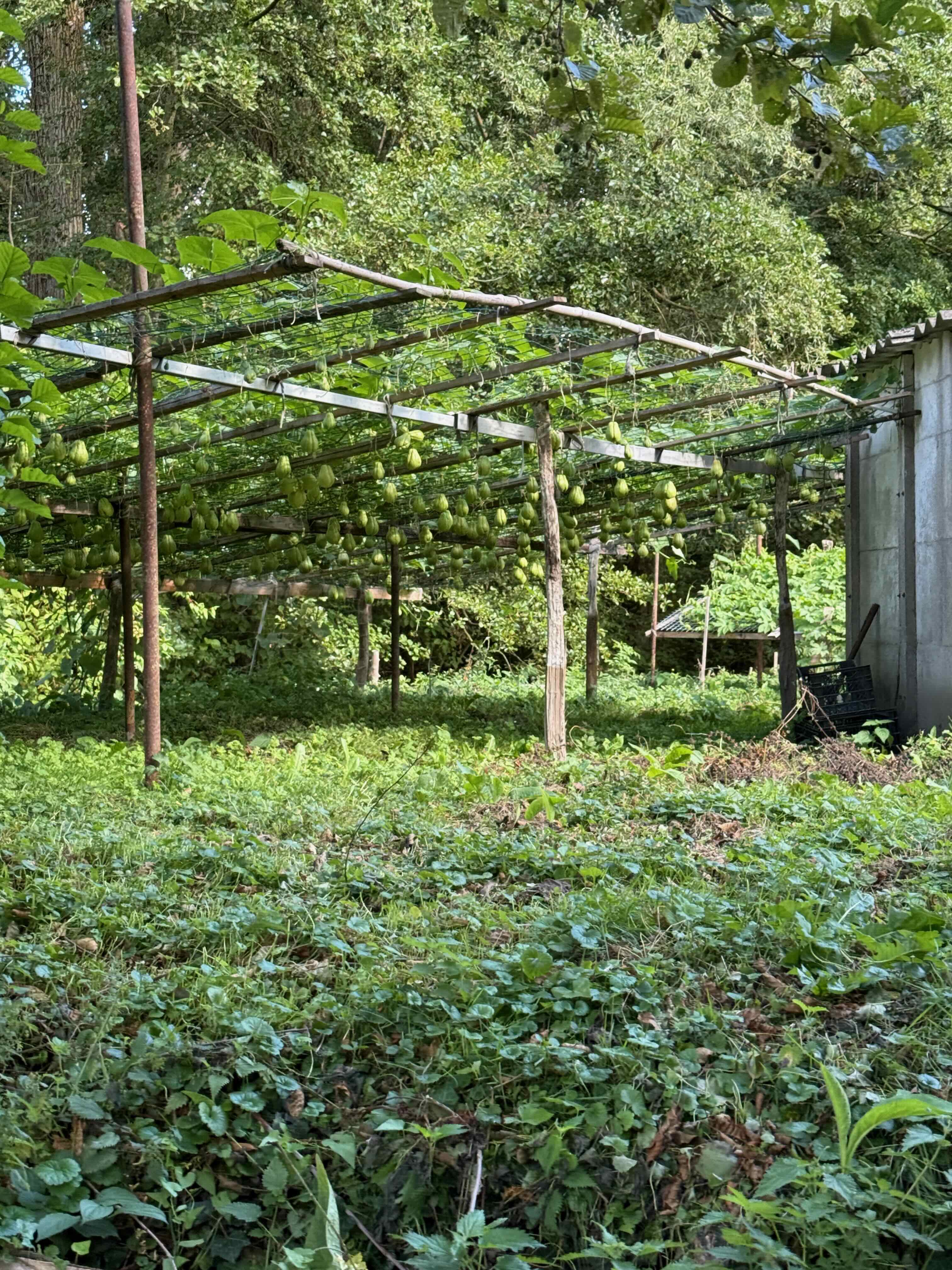
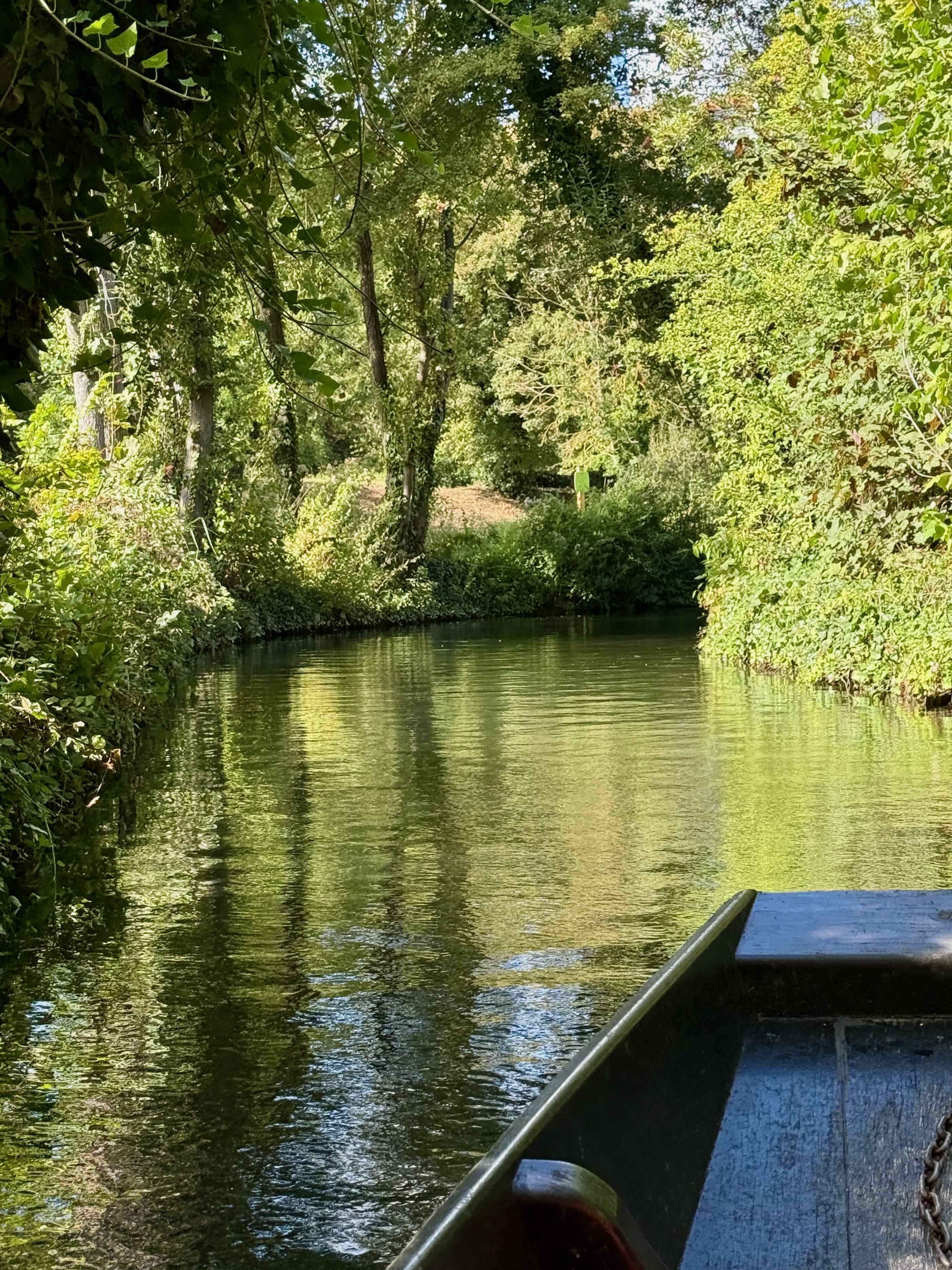
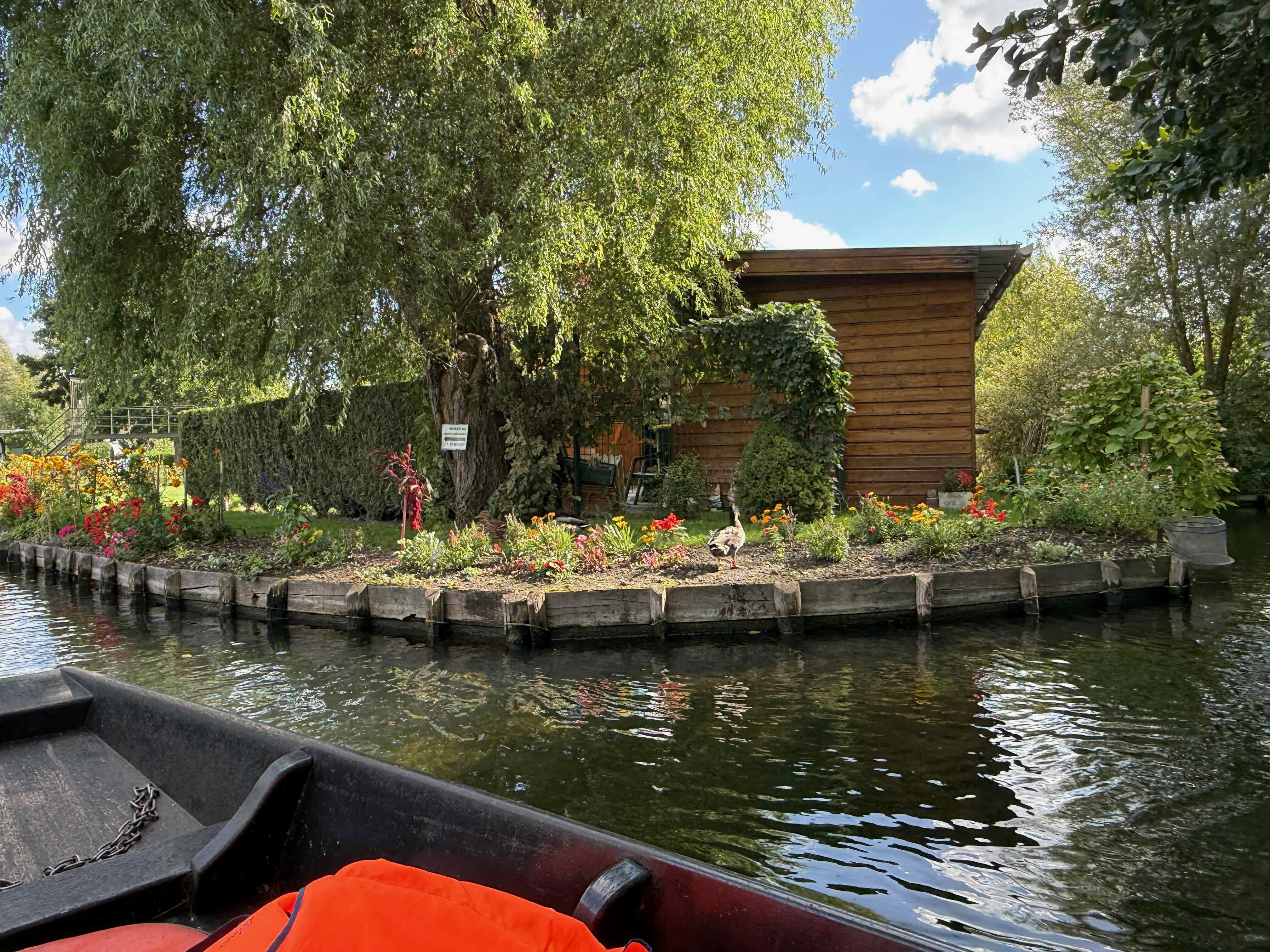
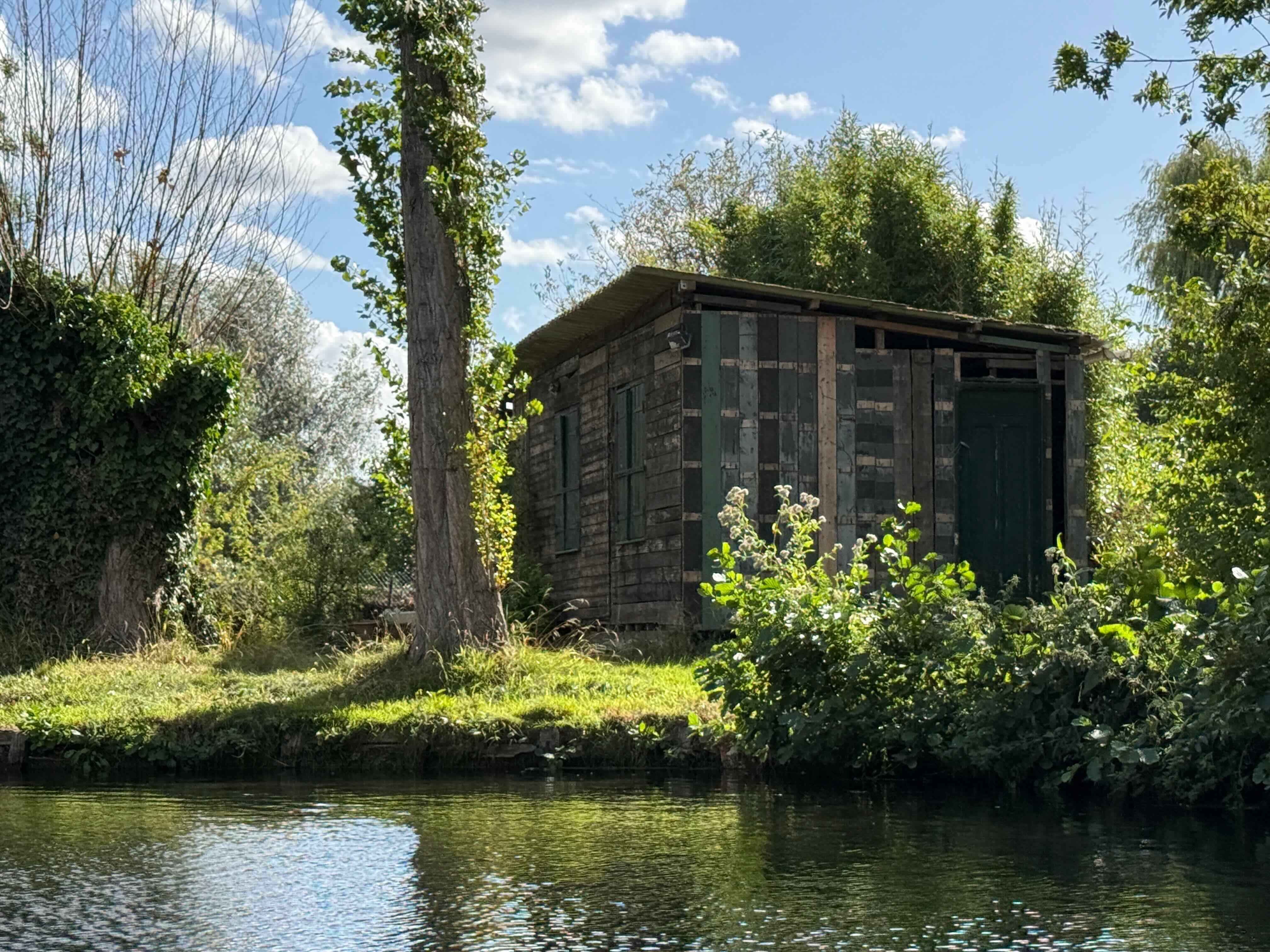
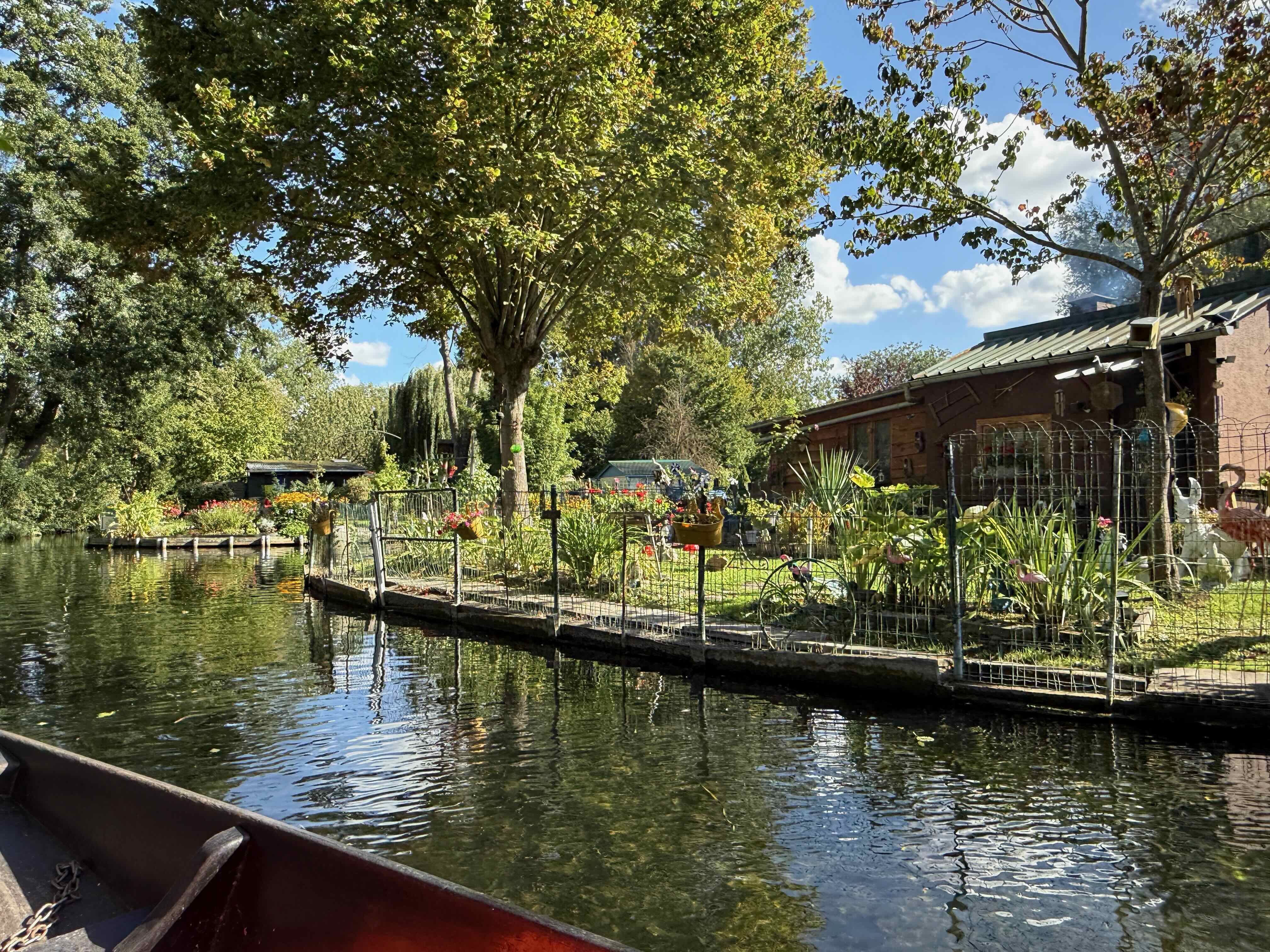
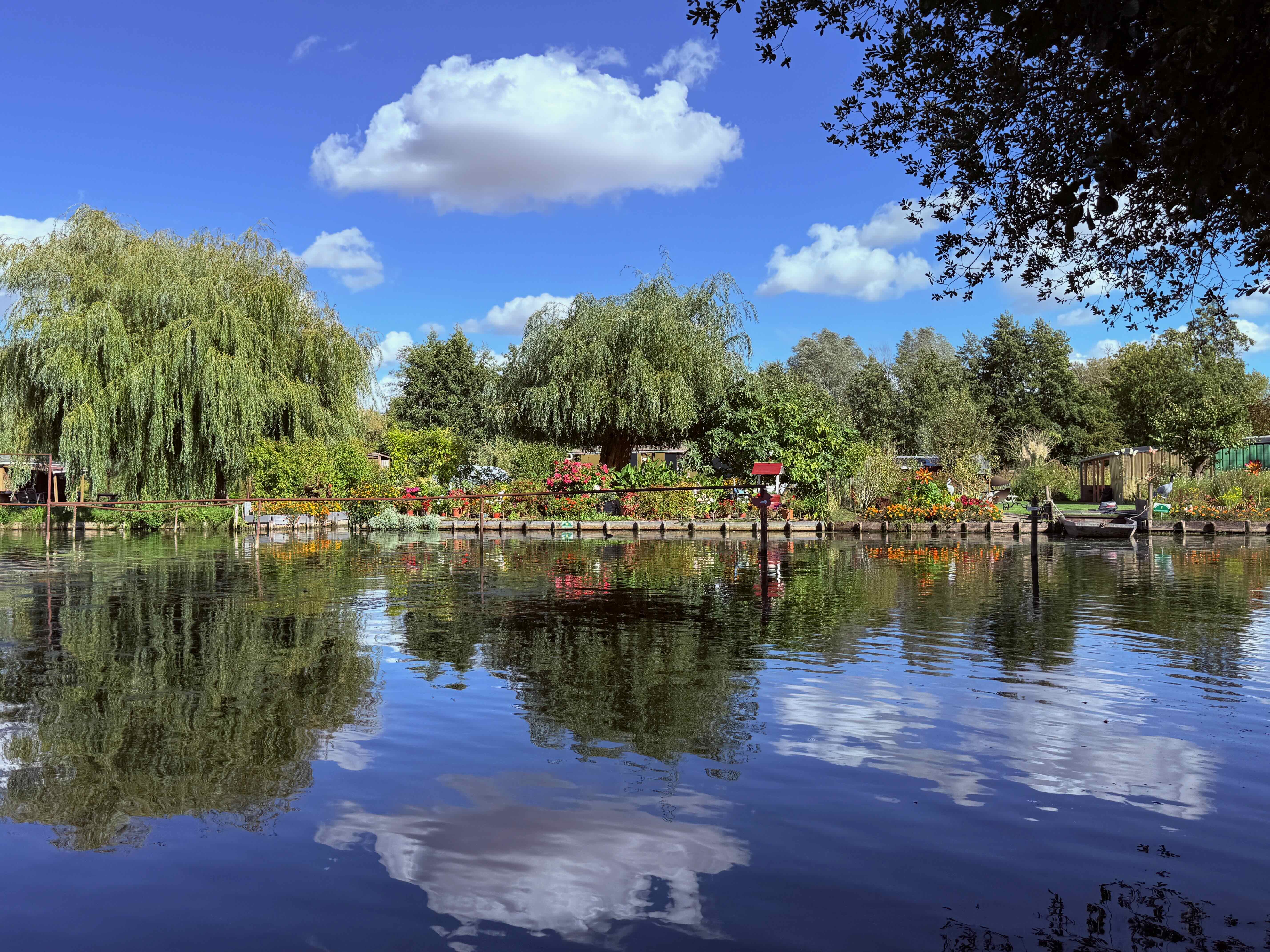
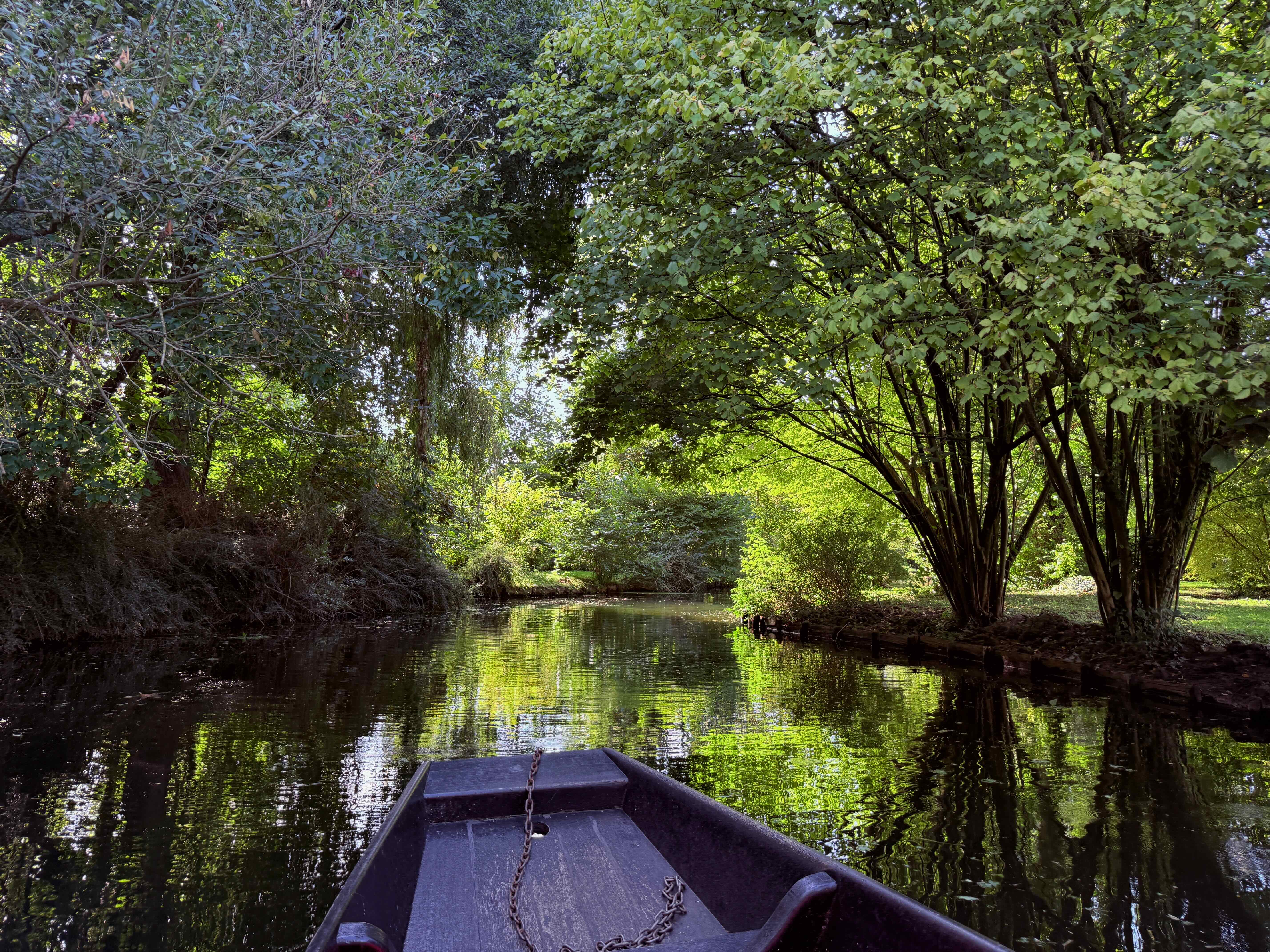
The Hortillonnages have been here since ancient times. They are located on the naturally marshy terrain of the old bed of the River Somme. The site’s name has its origins in the Latin ‘hortus’ meaning garden. Nowadays, the ownership of this 300-hectare site is shared by over 1000 individuals who use it for market gardening or leisure activities such as gardening, fishing, and observing nature.
Walking back to our car we pass yet another war memorial, a reminder of the war and those who fought and died for France. 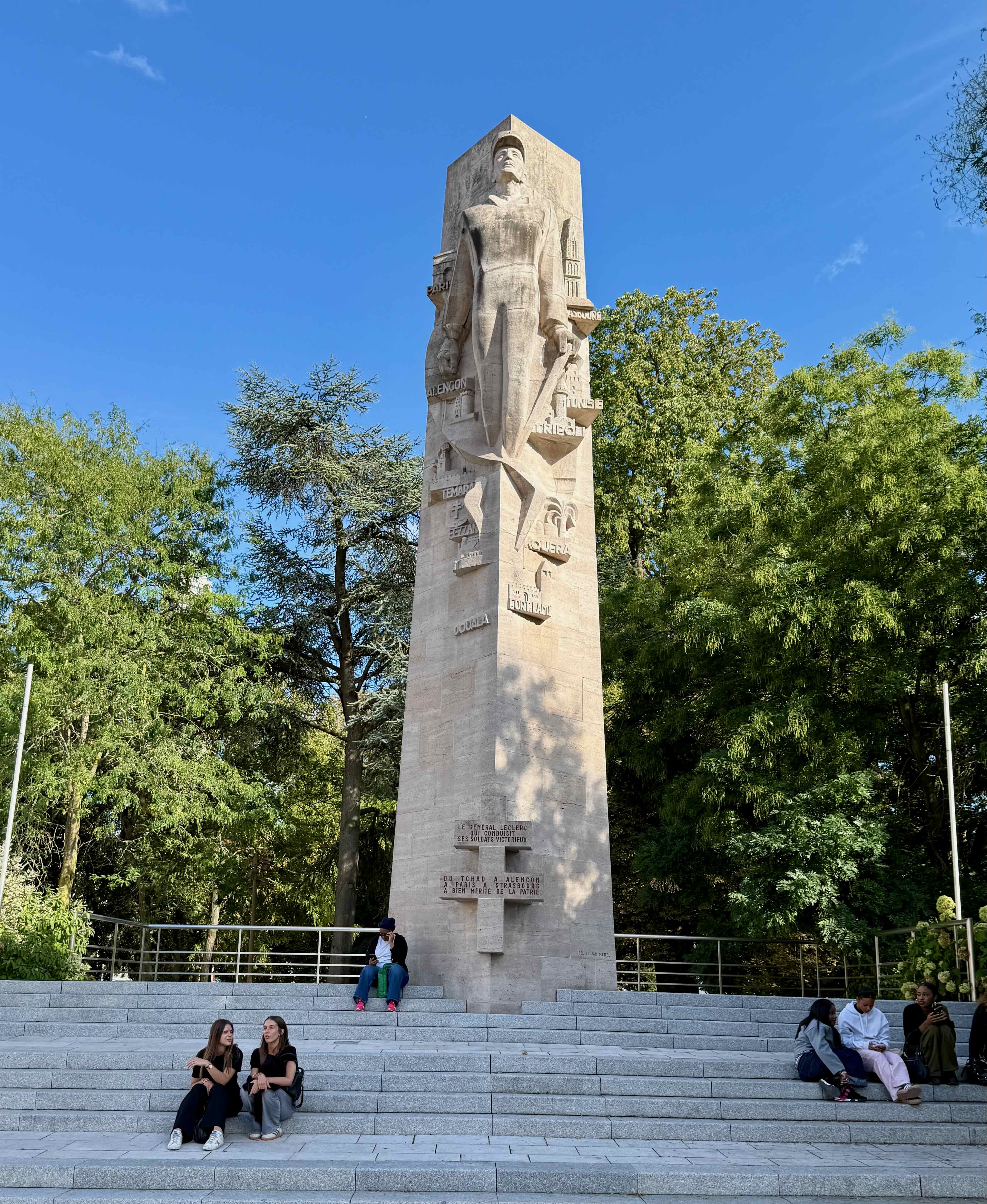
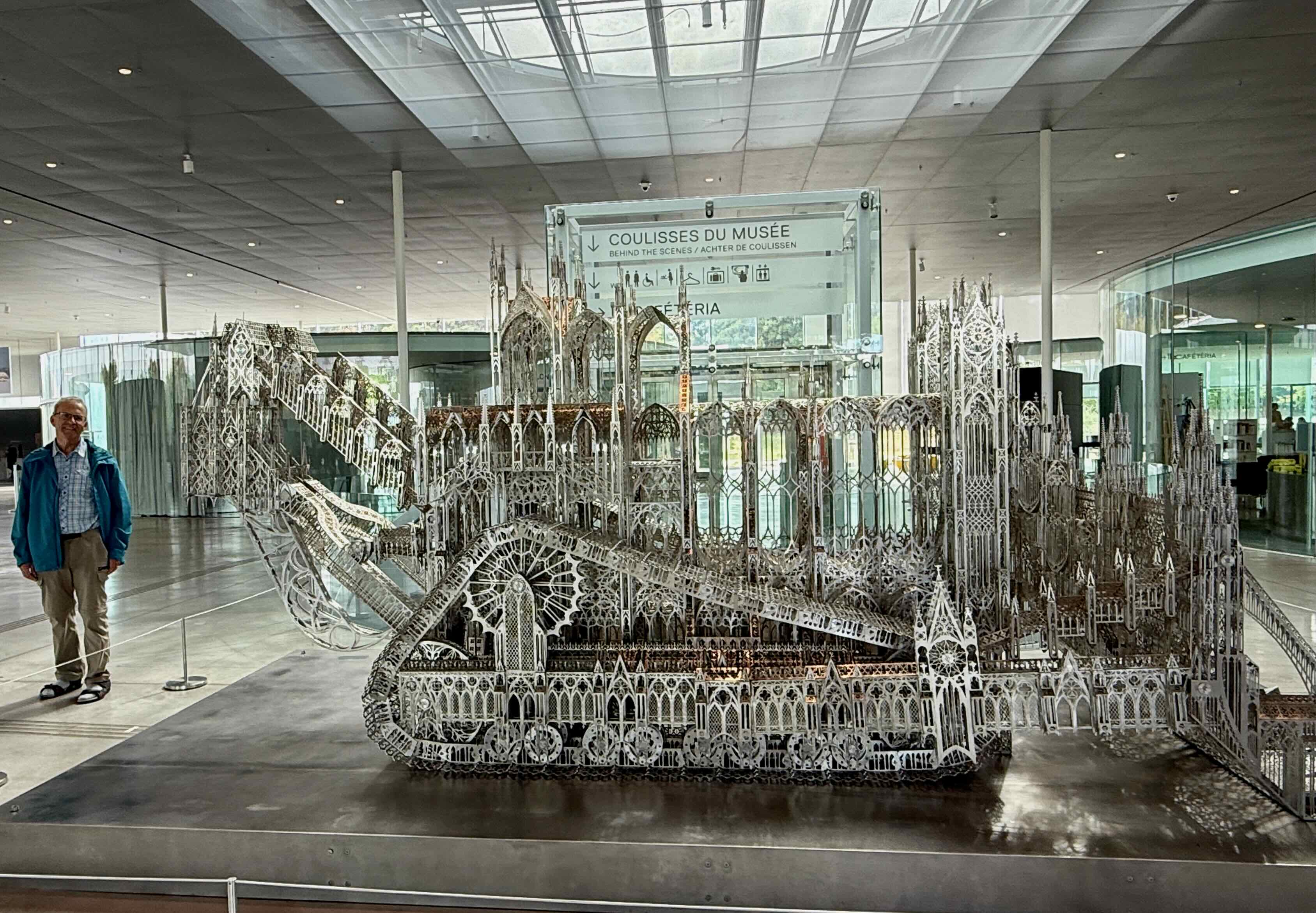 Downstairs is an exhibit of Ukrainian Icons. Today the term «icon» refers primarily to paintings made with tempera (egg-bound pigments) on a prepared wood panel. Icons are also characterised by the use of gold leaf. Museums around the world are safekeeping artwork from the Uraine until the war ends. The Louvre-Lens has four of Ukraine’s Icon paintings on display. This is The Last Judgement by Theodore Poulakis, 1661.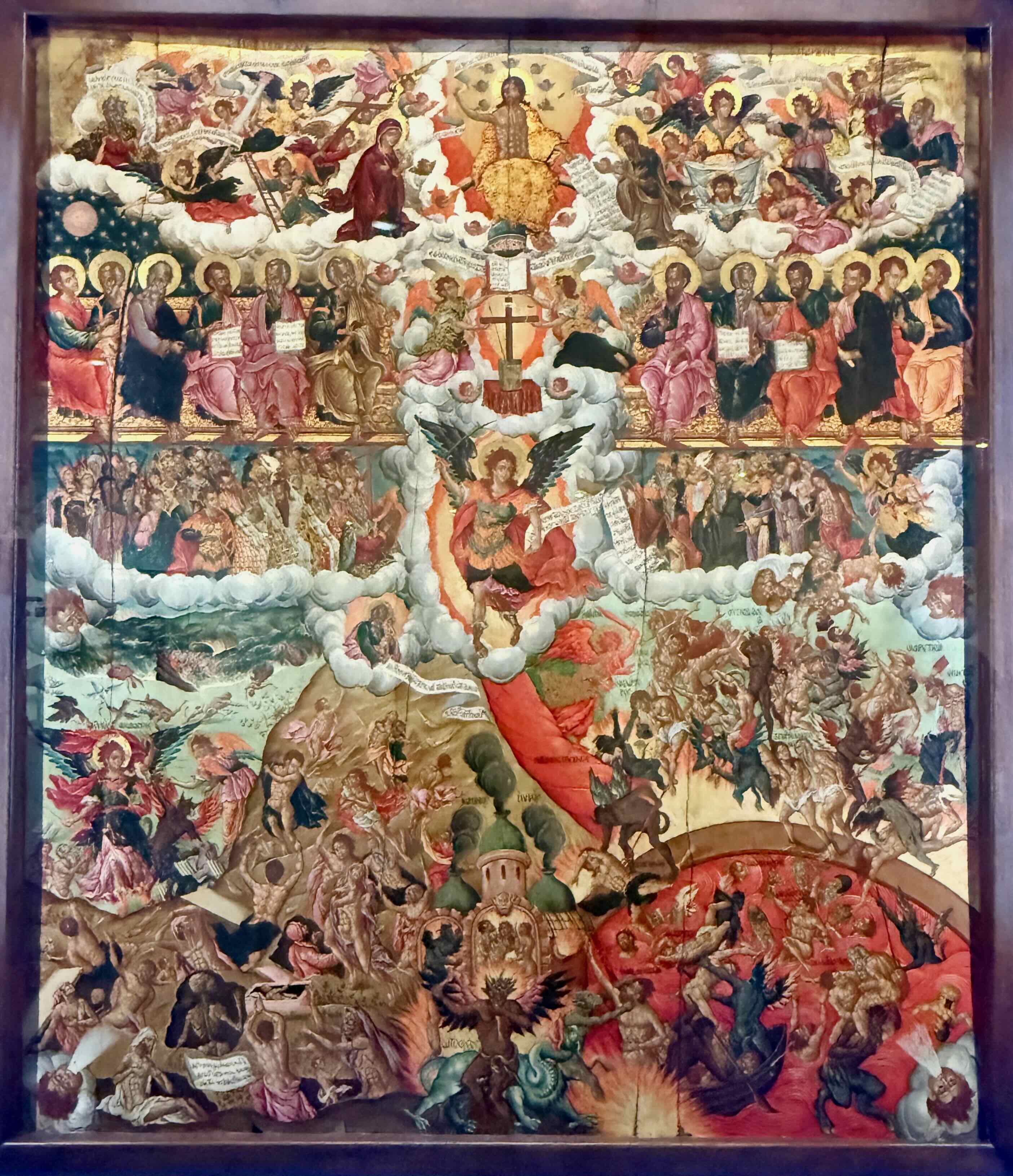
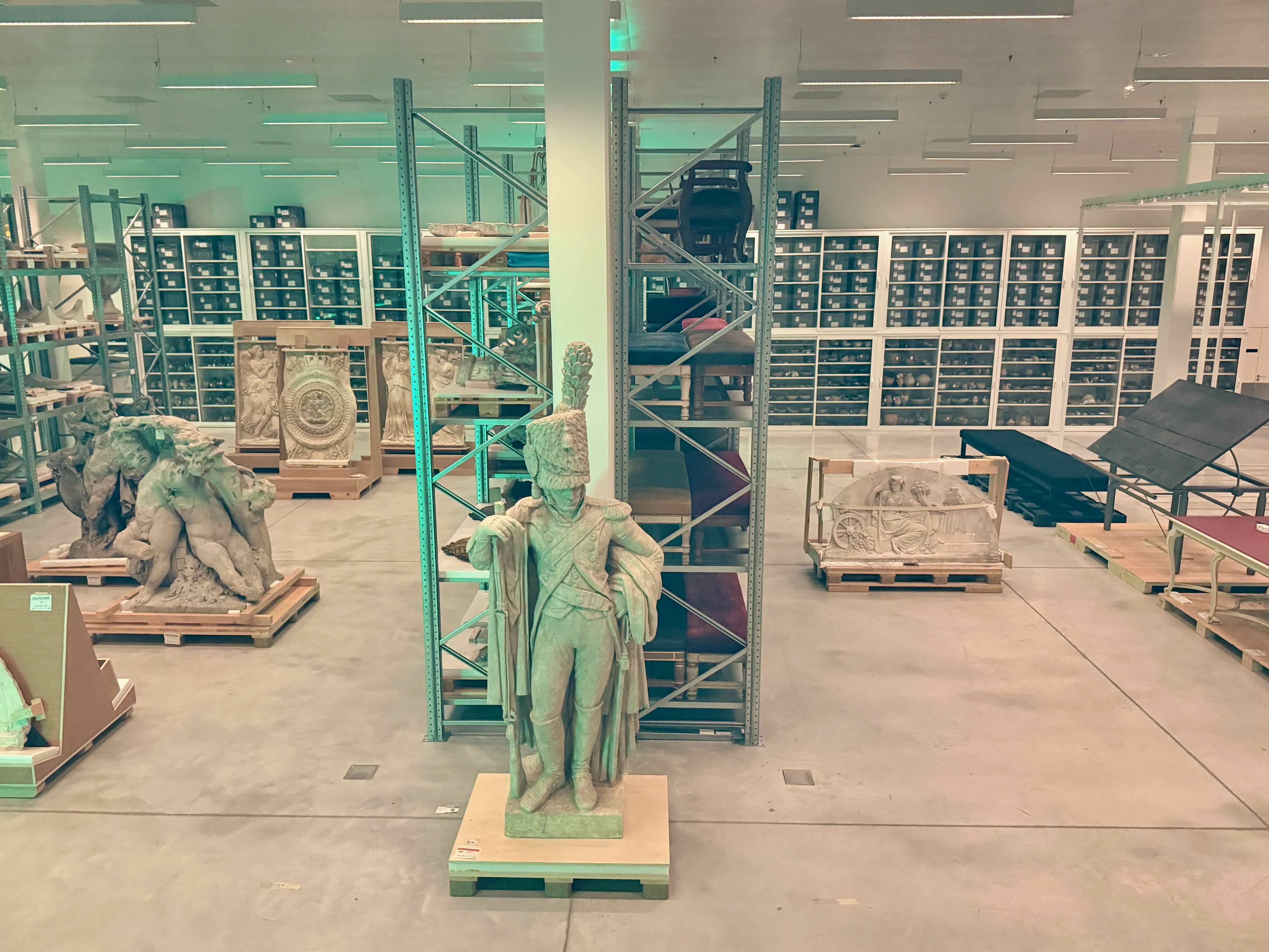 The main exhibit at the museum is The Gallery of Time.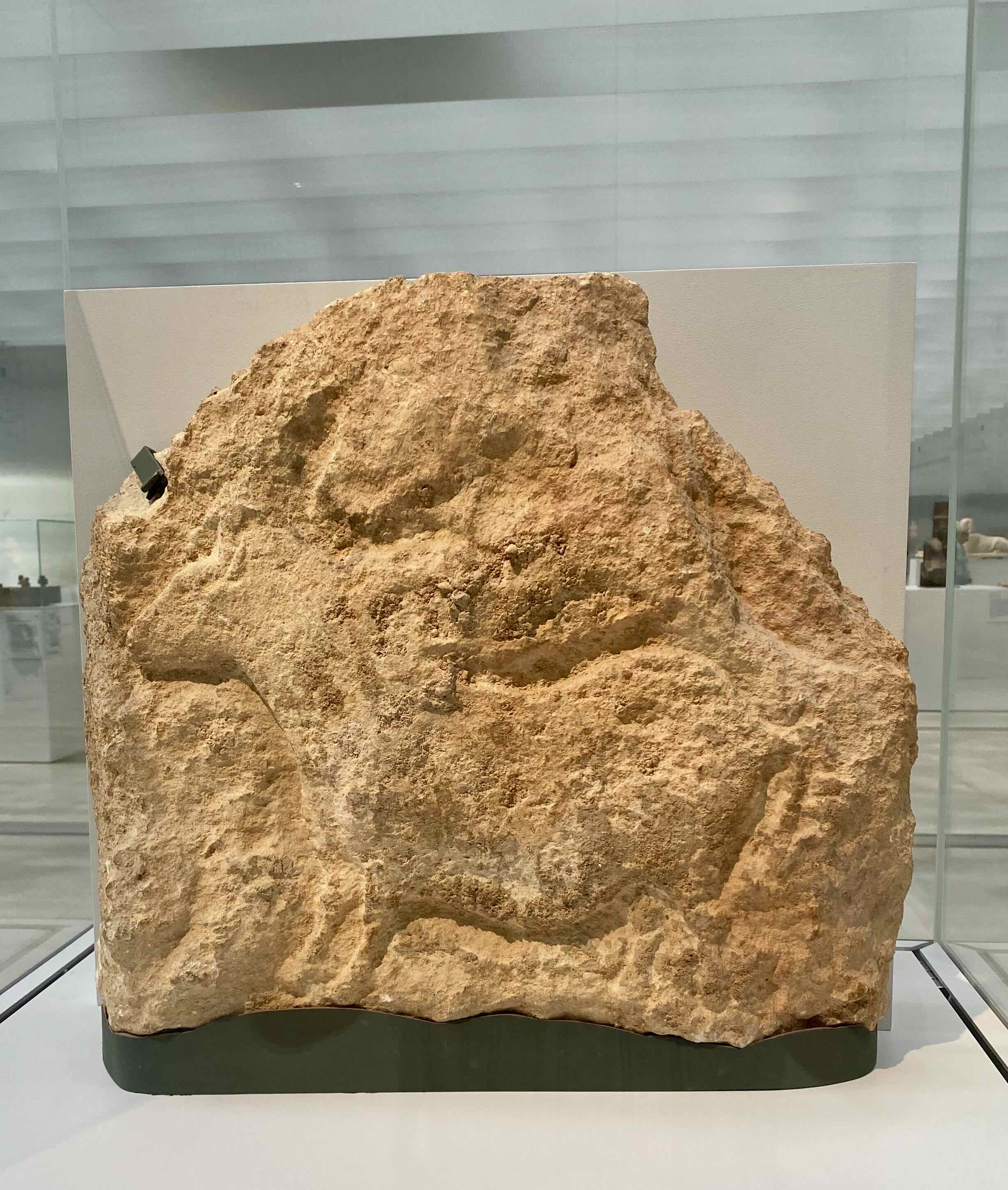


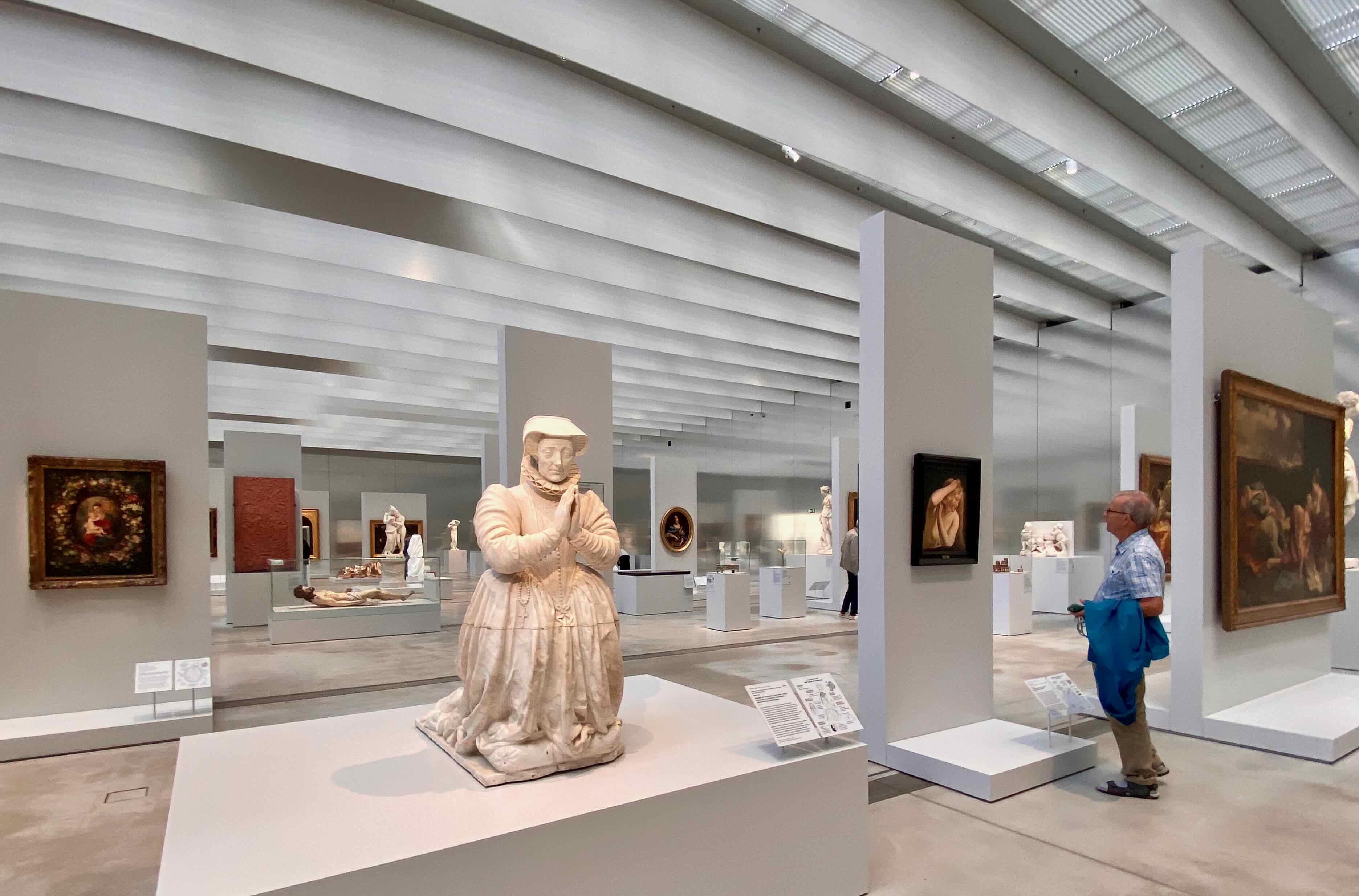
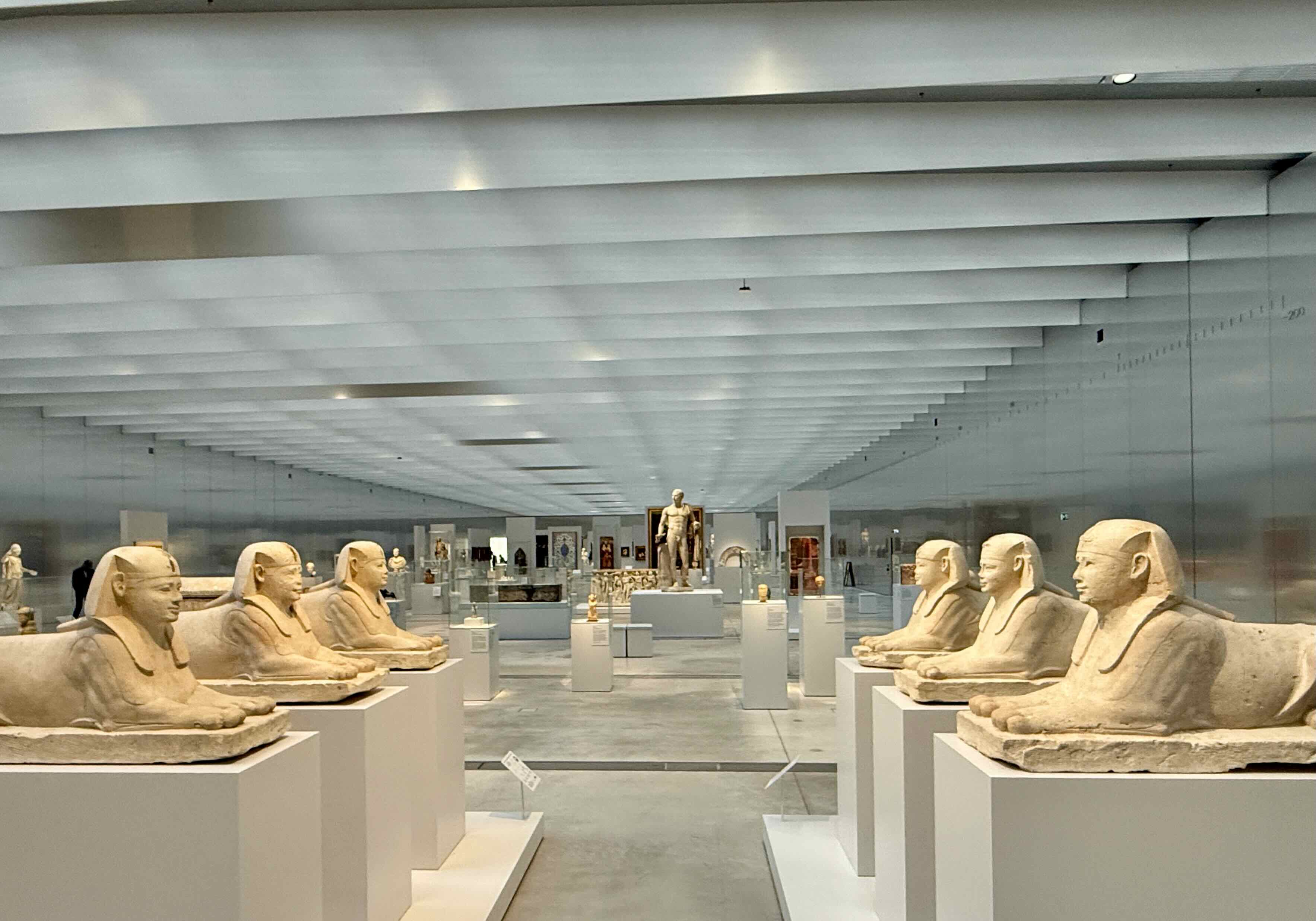
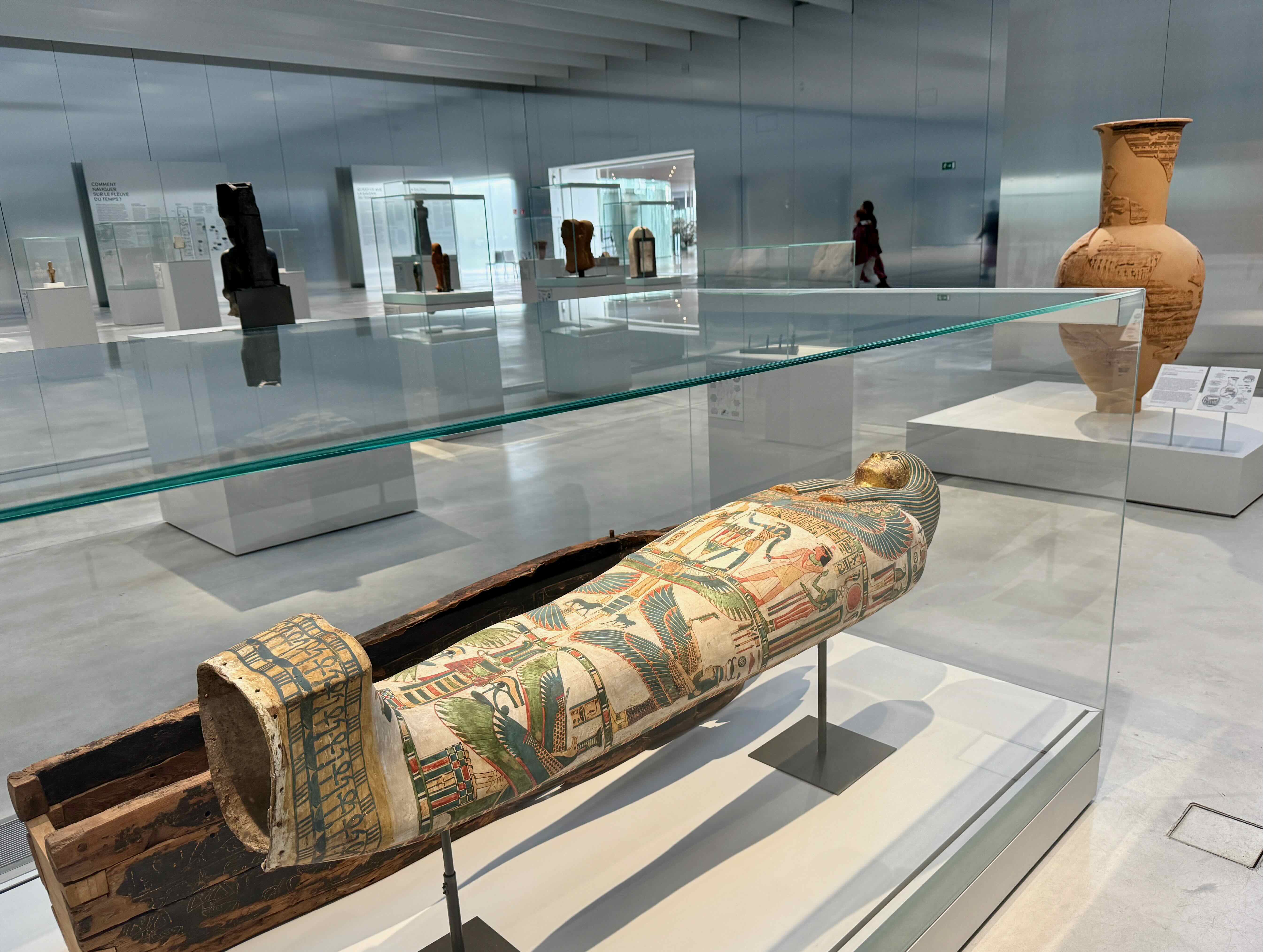
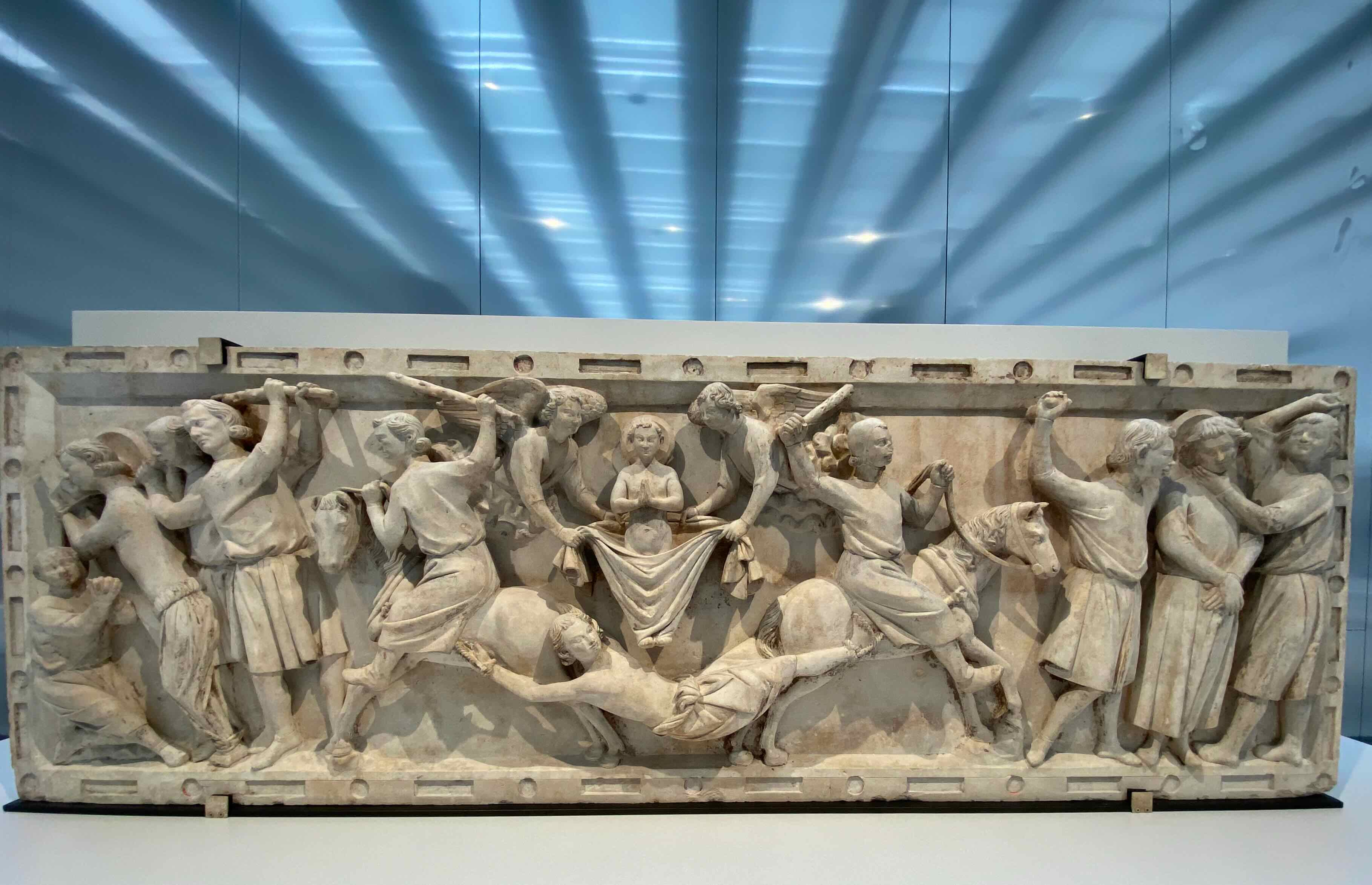
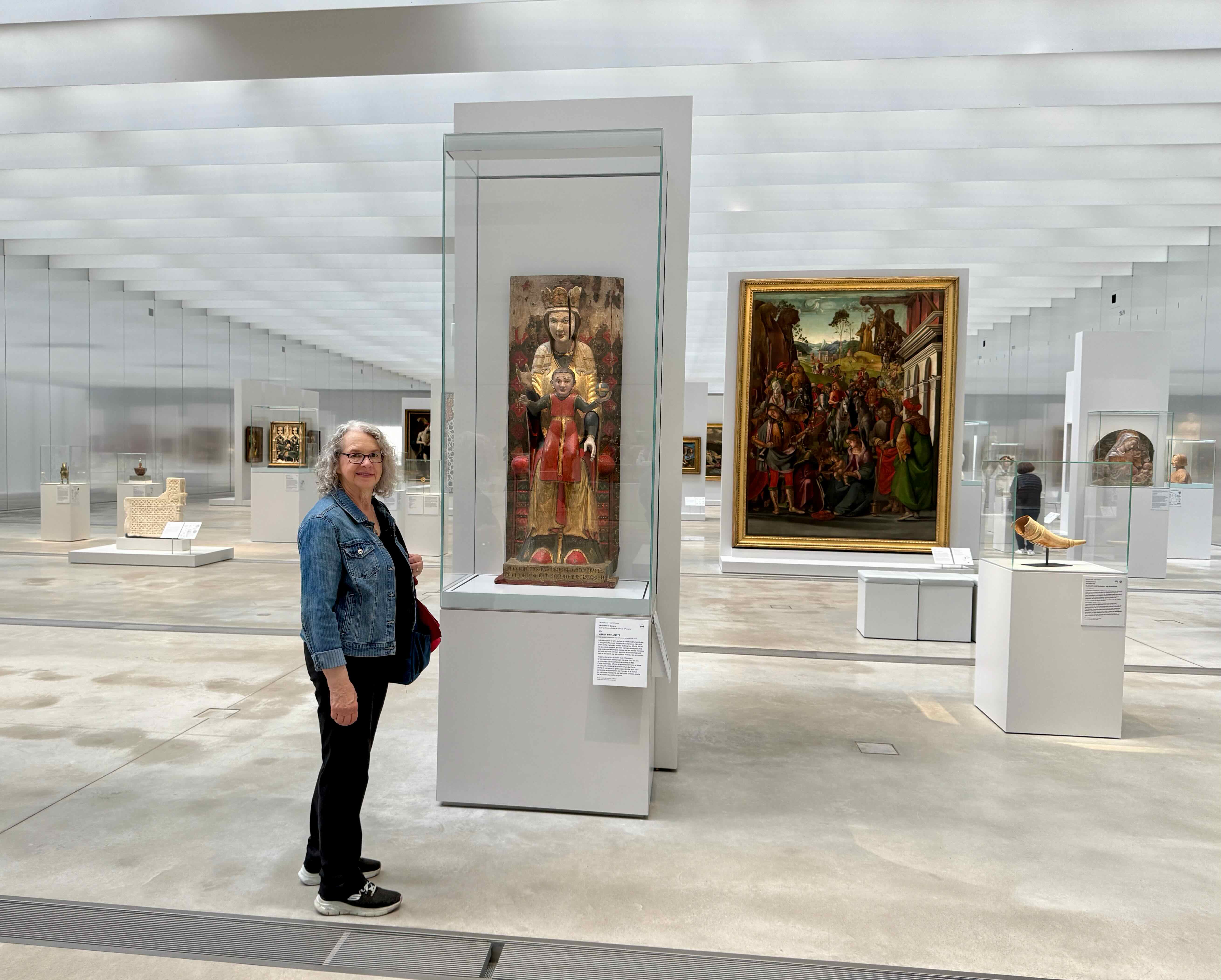 And here, in no particular order, are a few of the pieces that we found especially interesting.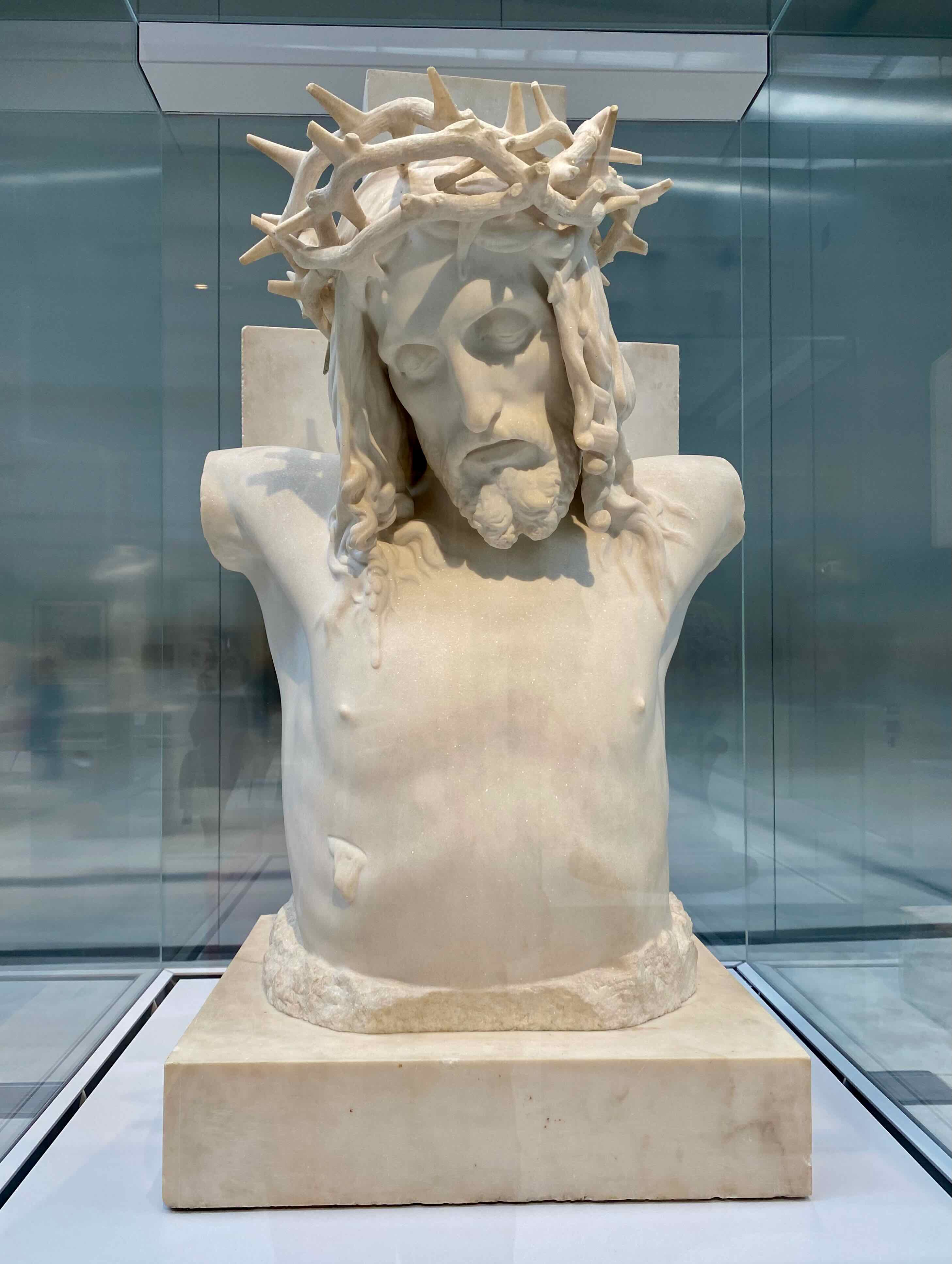
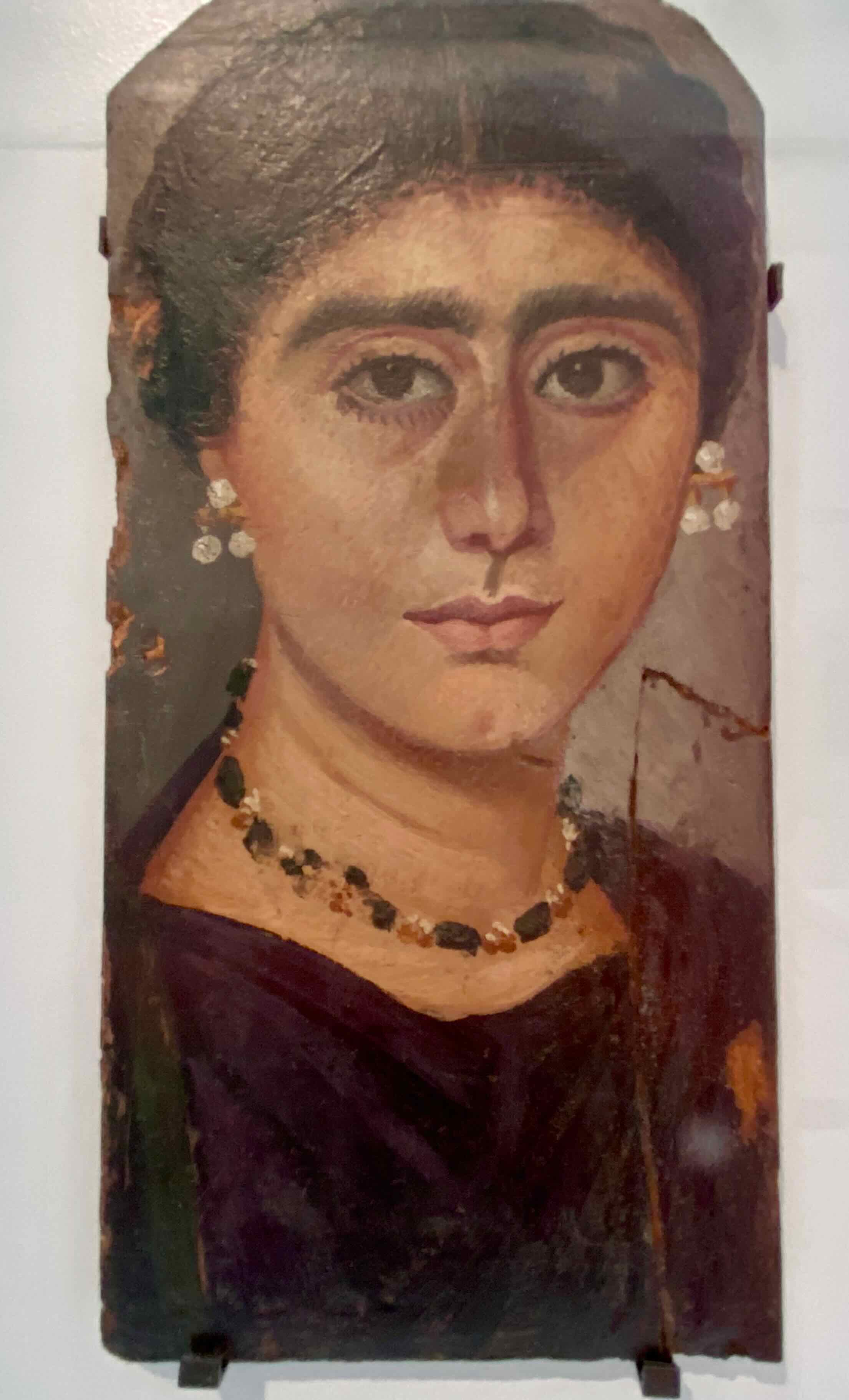
 Egyptian Tomb Portrait of a Woman c. 150 AD. I love these tomb paintings. We saw several of them years ago when we visited Egypt.
  Pieter Boel, c.1669-1671 Triple study of an Ostrich.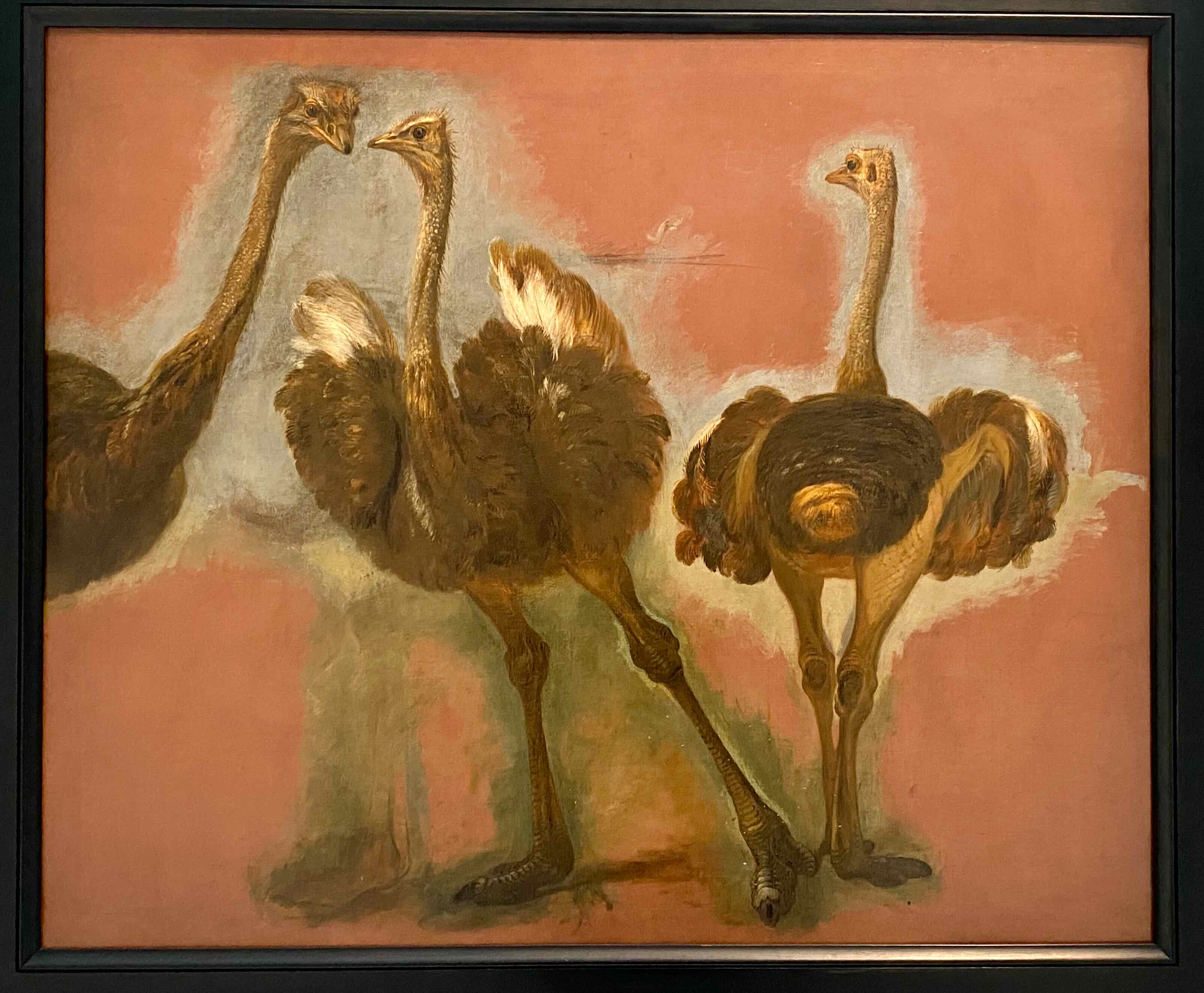
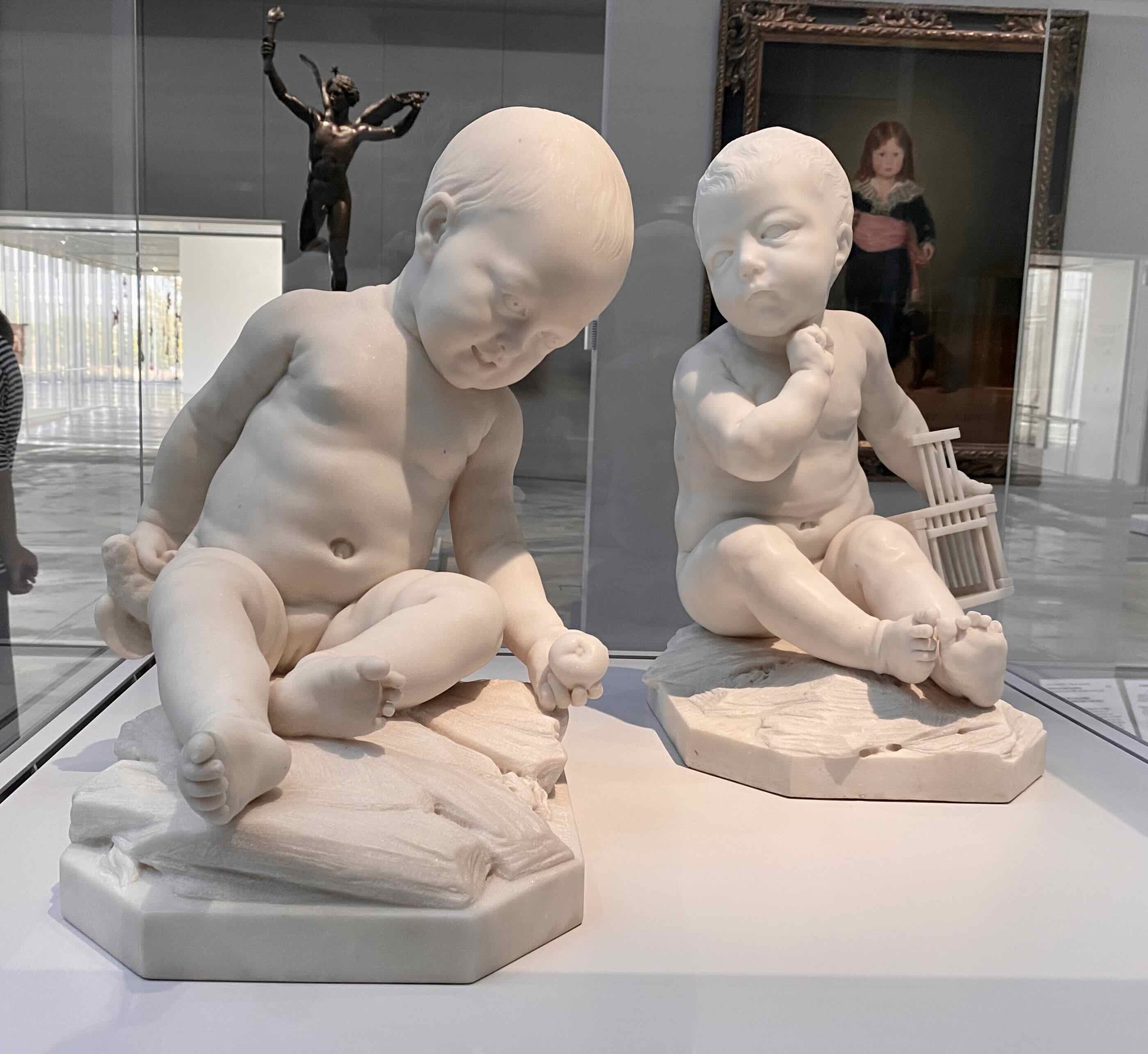
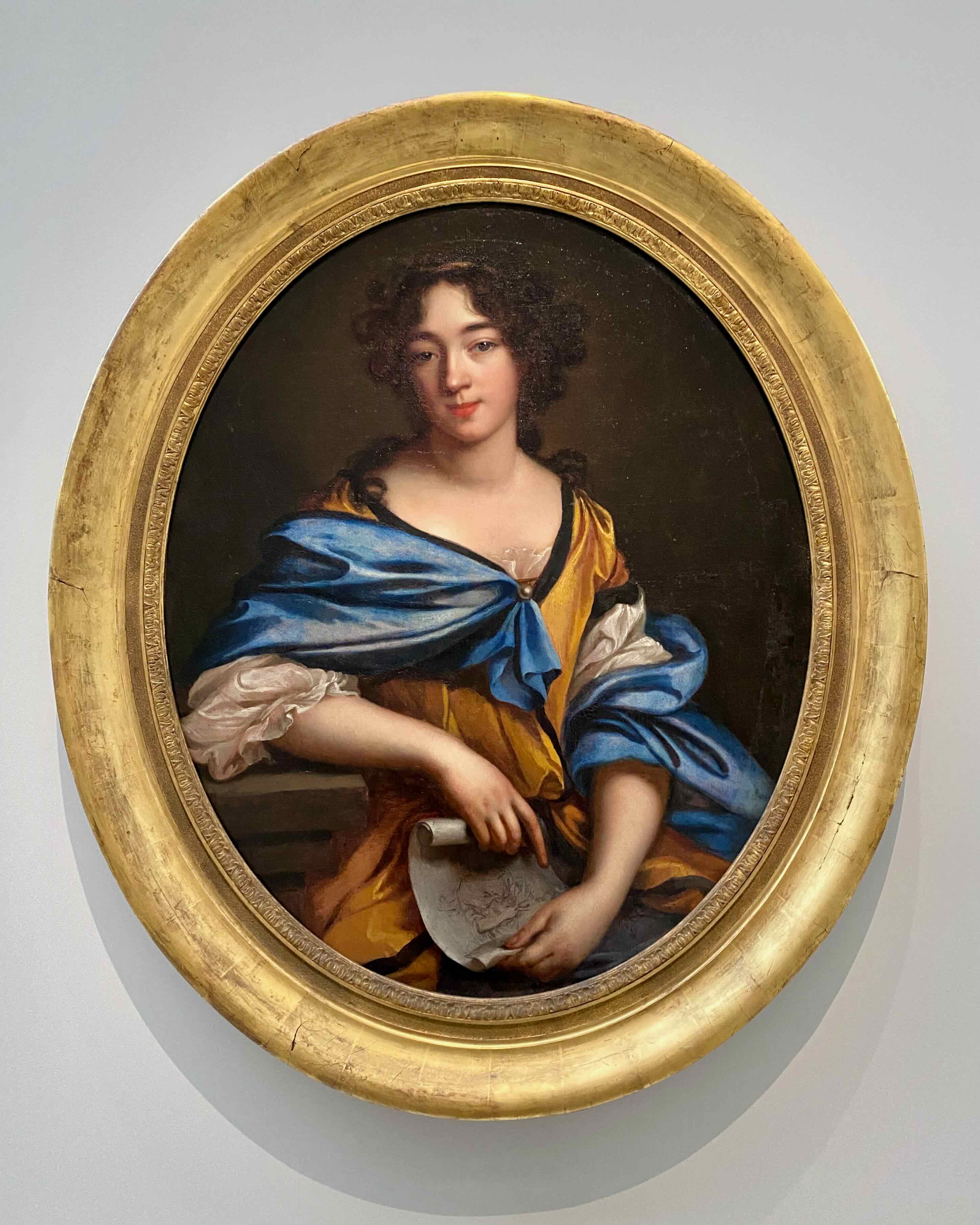
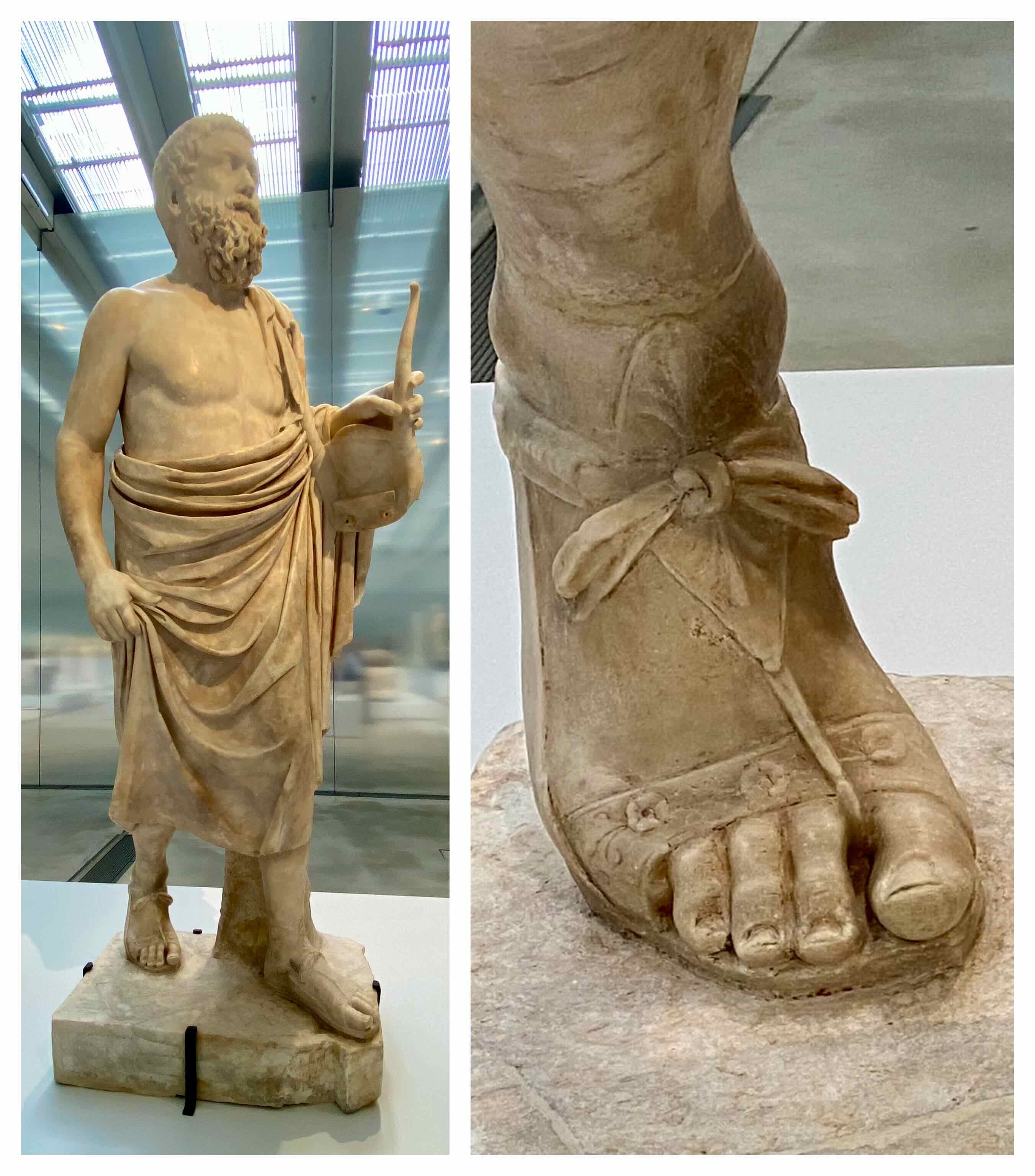
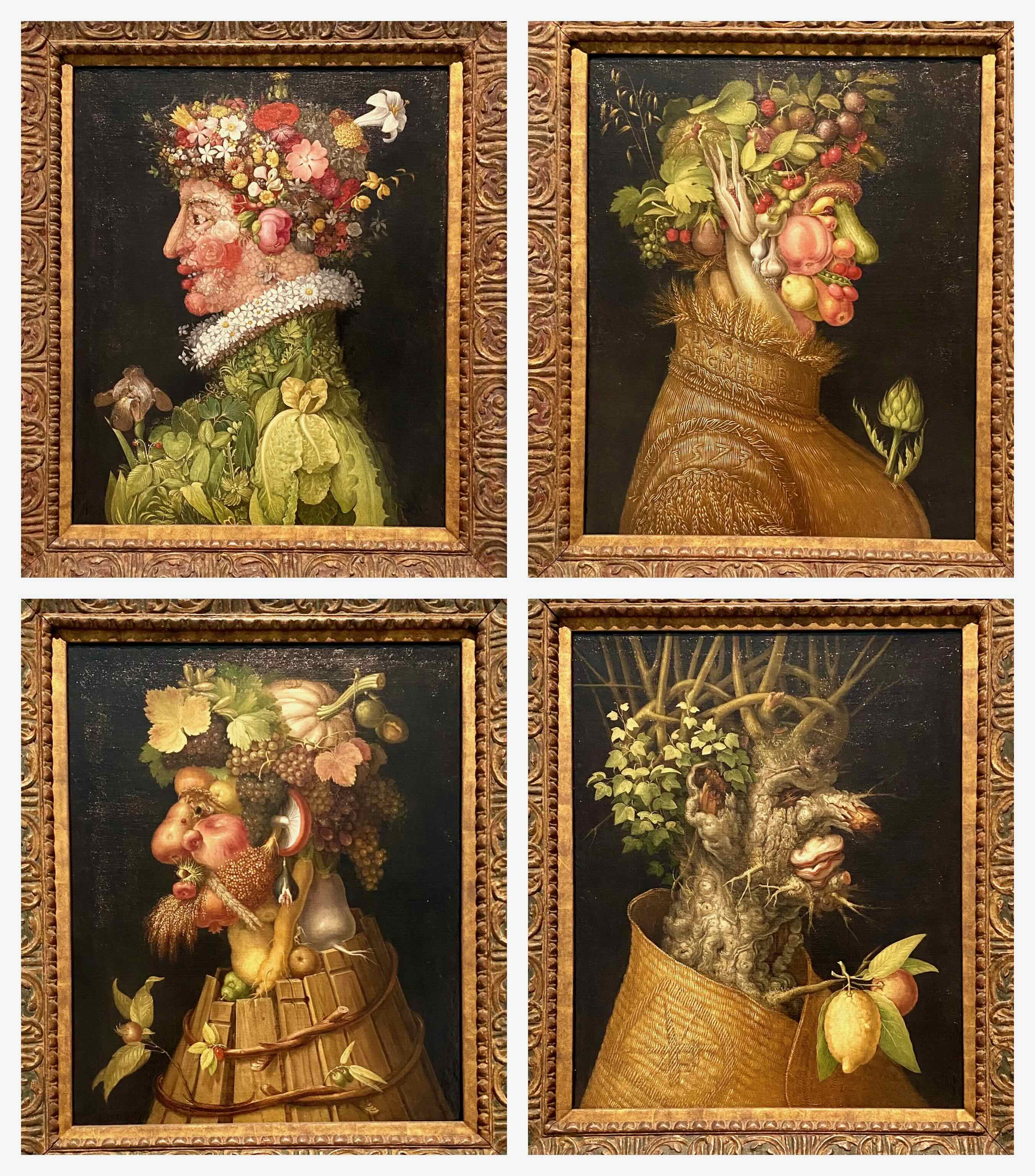
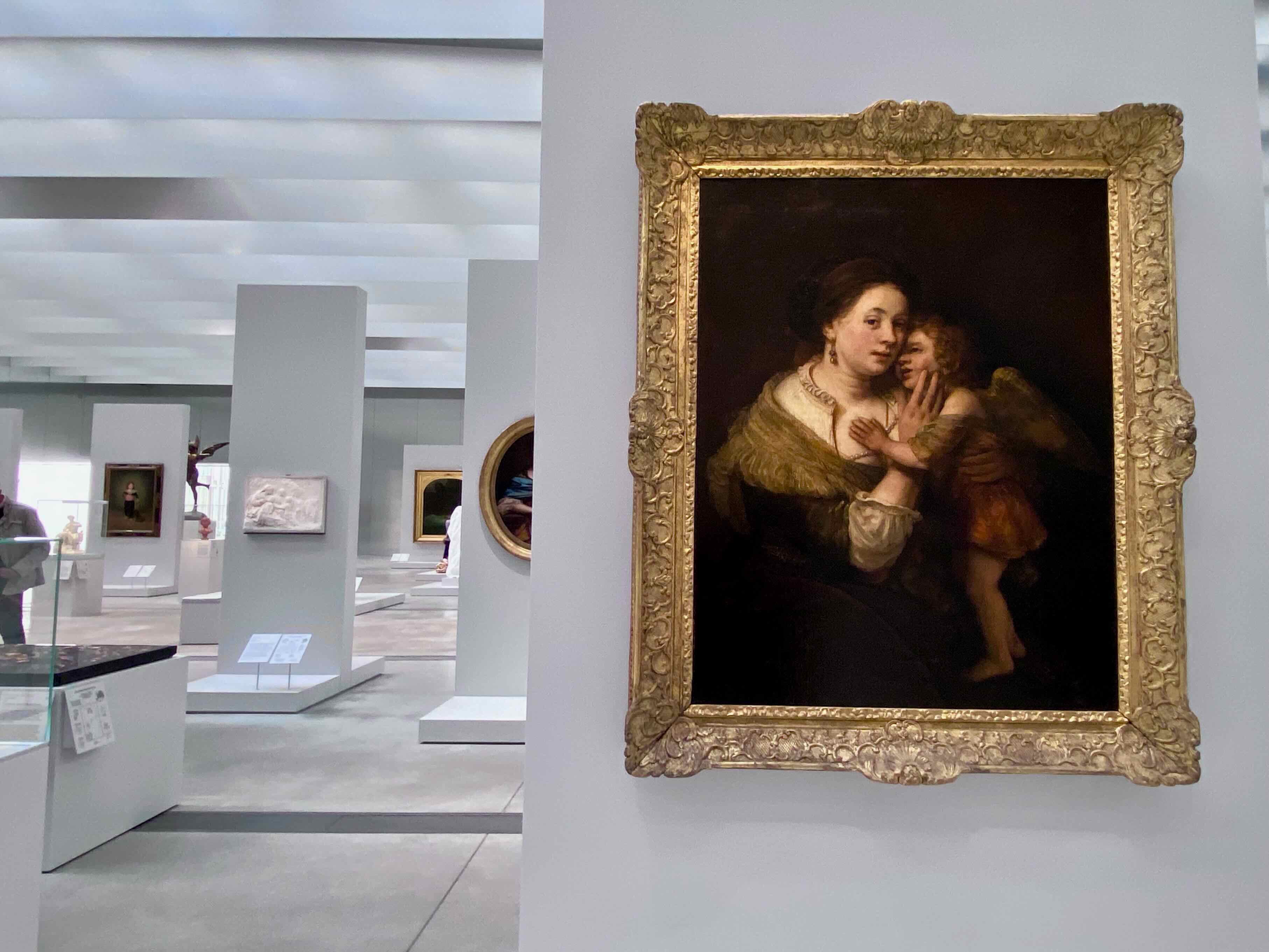
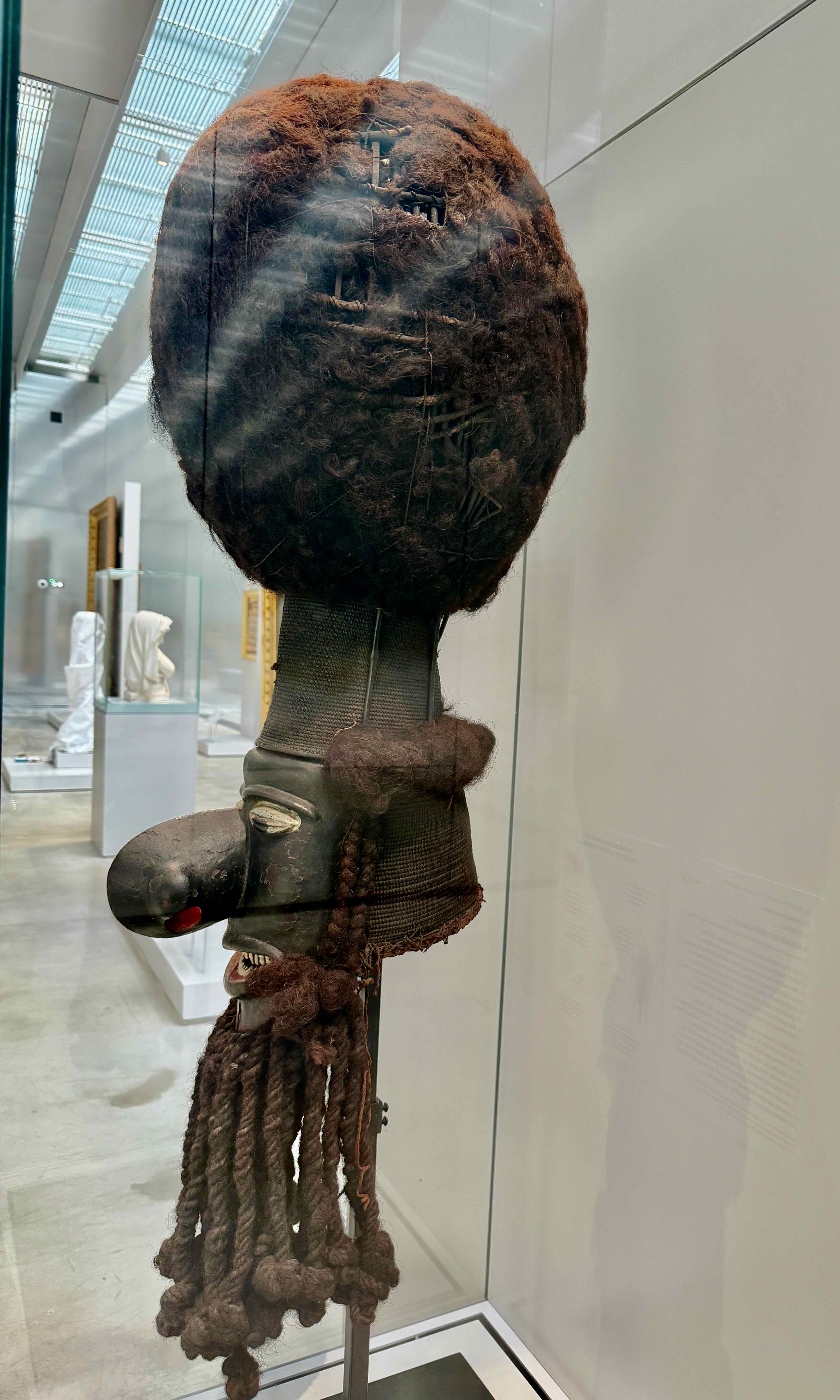
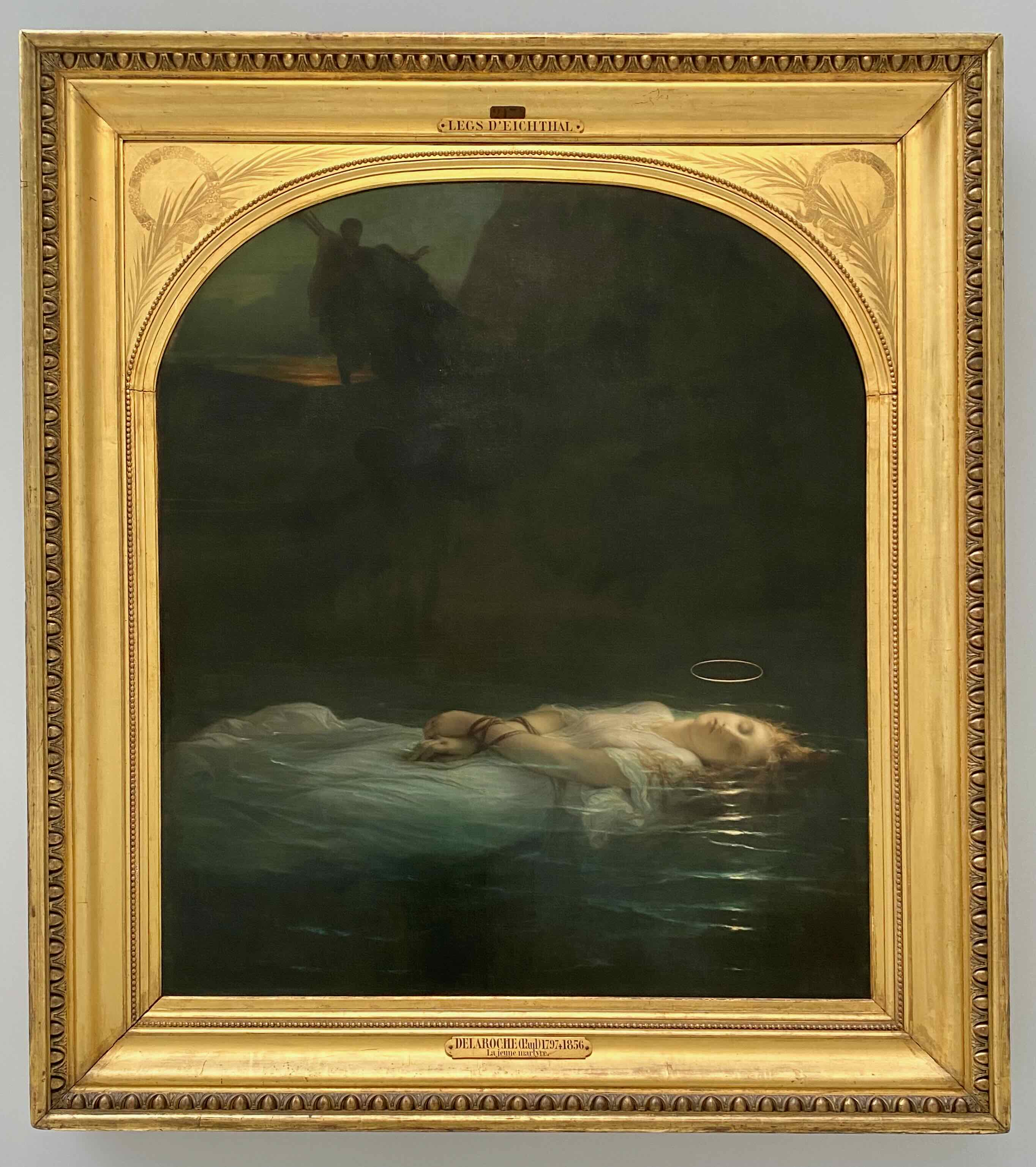
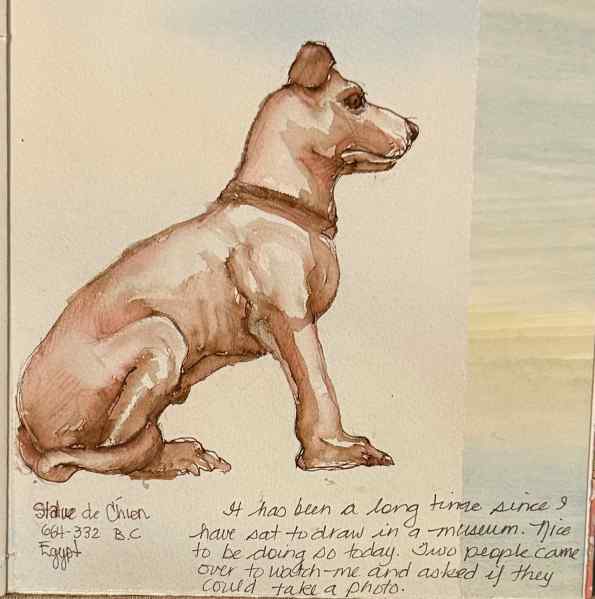
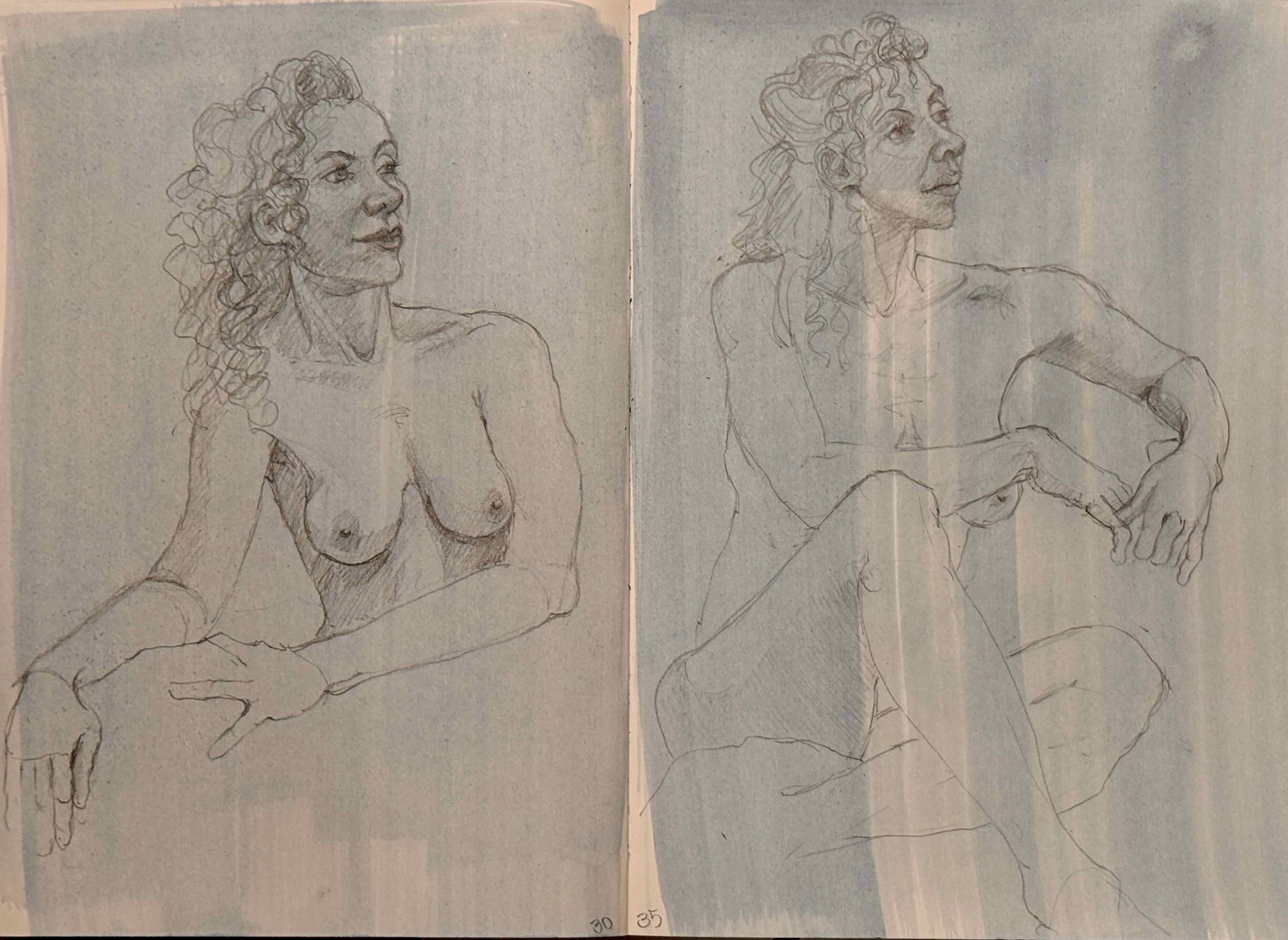
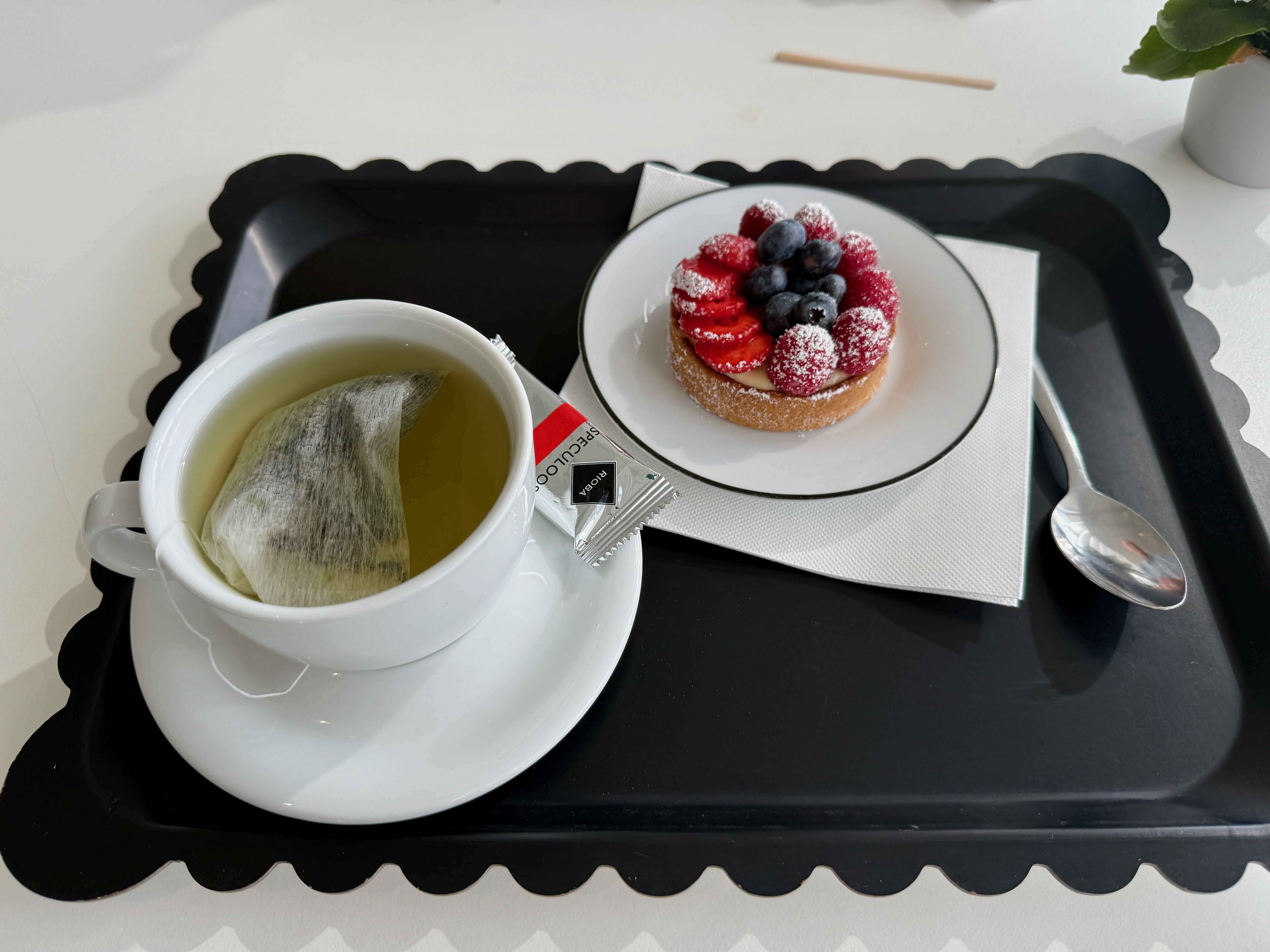 I asked how big the tea was and was assured that it was very big…well, this rather ‘very large” cup of tea was €5.50! Bob finds a spot to read and I go back to the gallery to do some sketching. They aren’t the best sketches but I had such an enjoyable time doing them. Two people asked if they could take a photo…people are always interested in what I am drawing.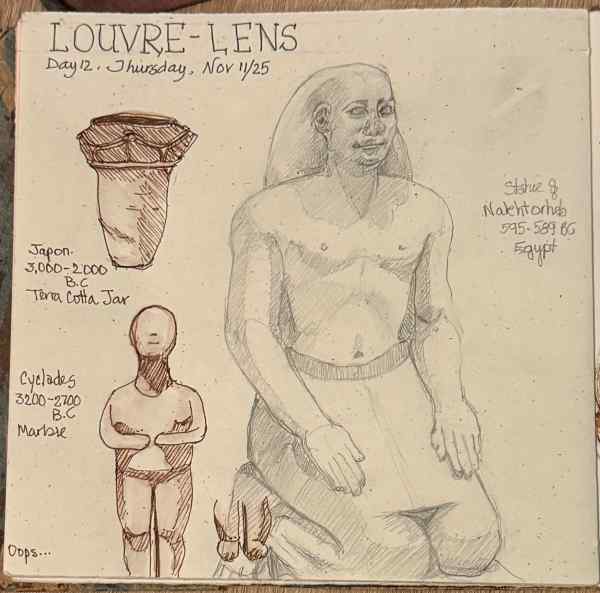

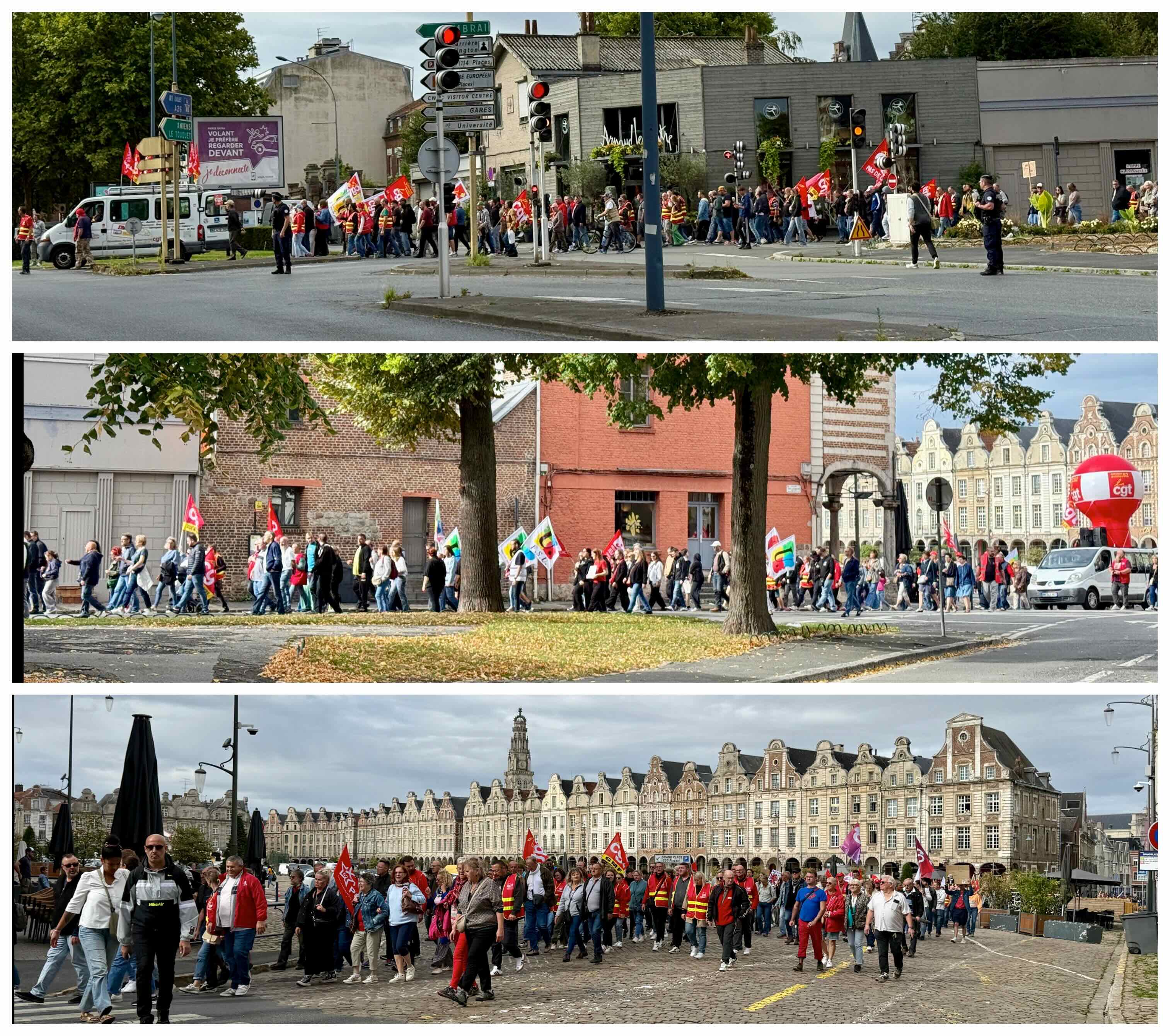
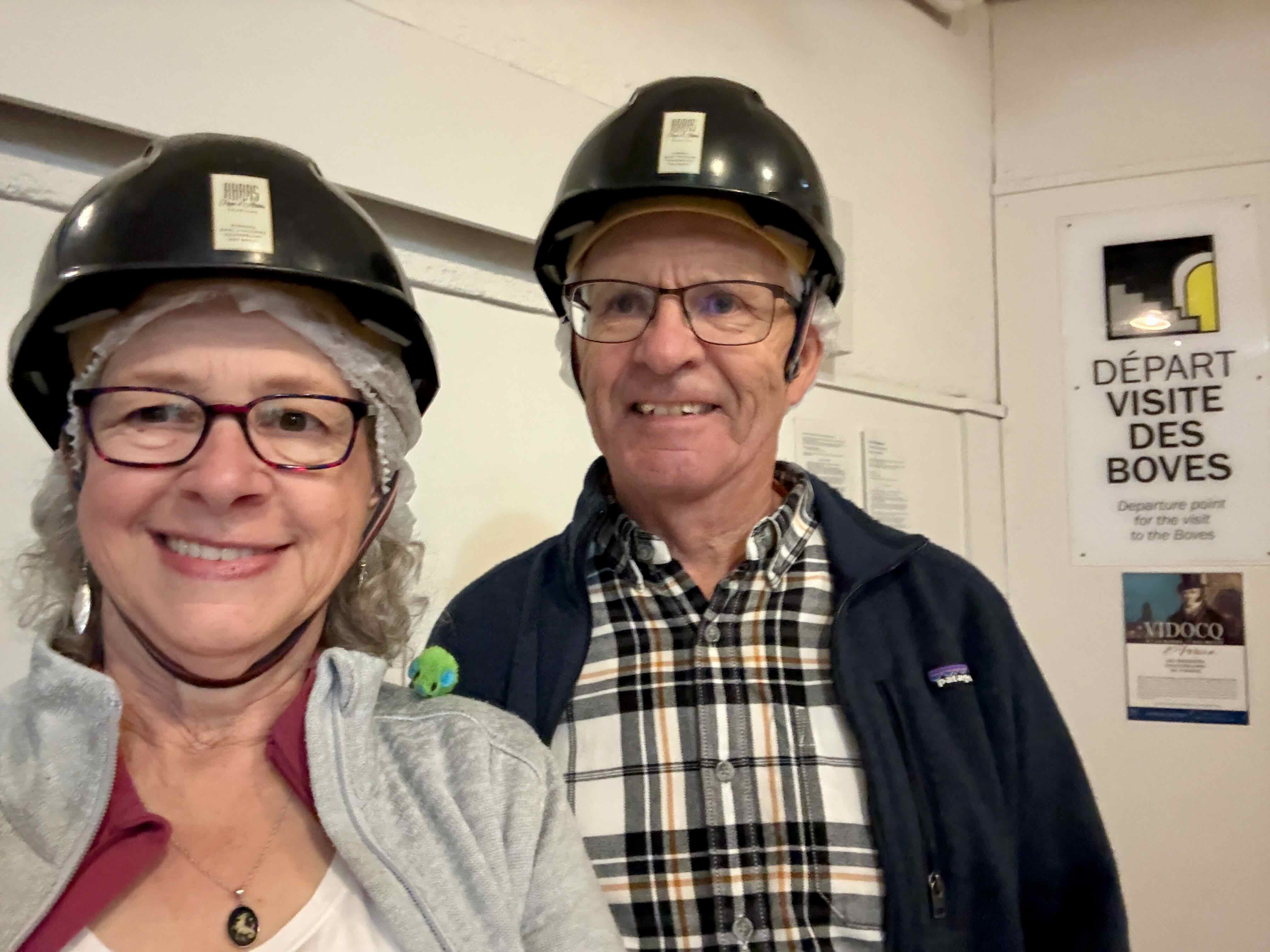
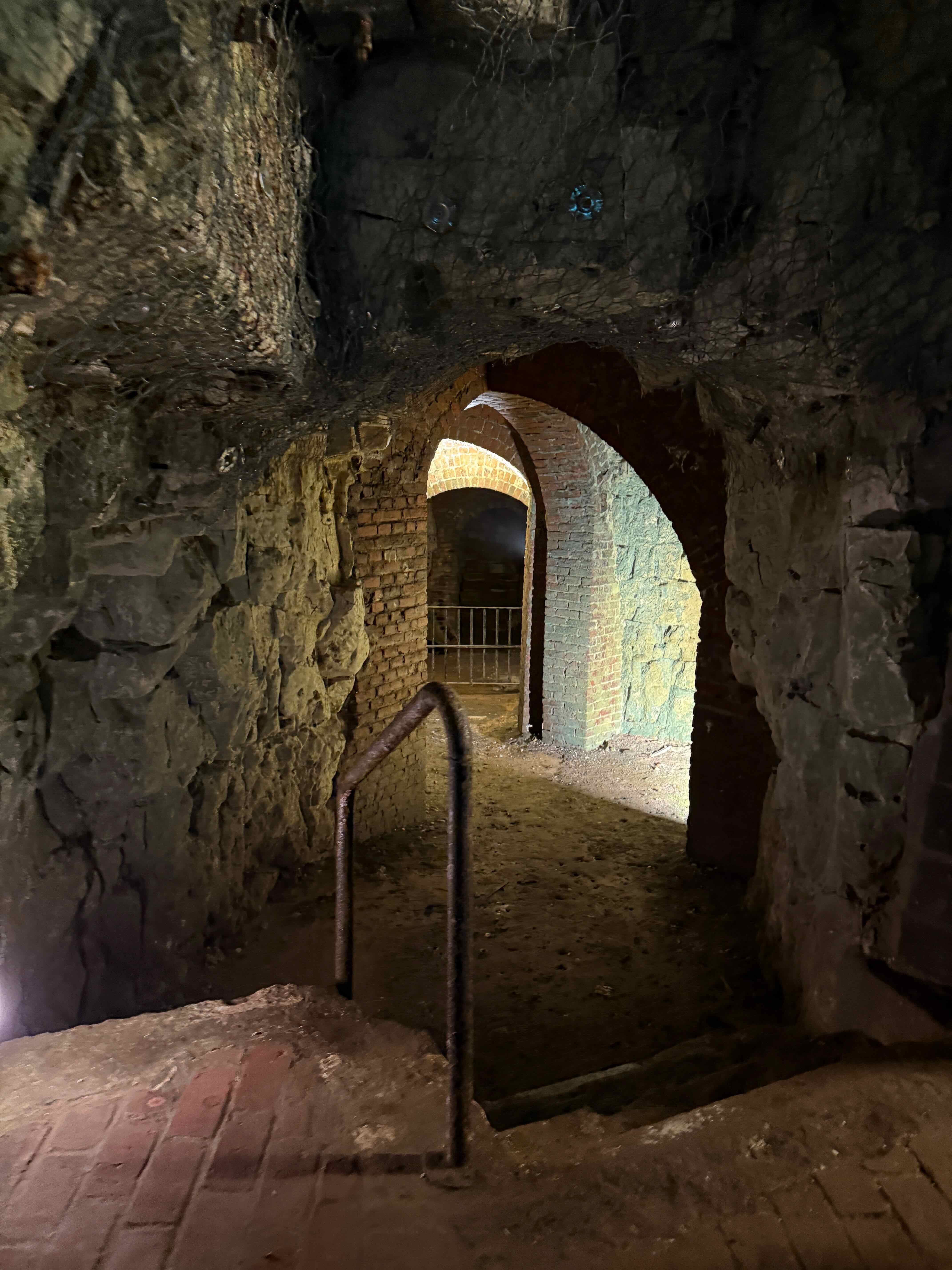
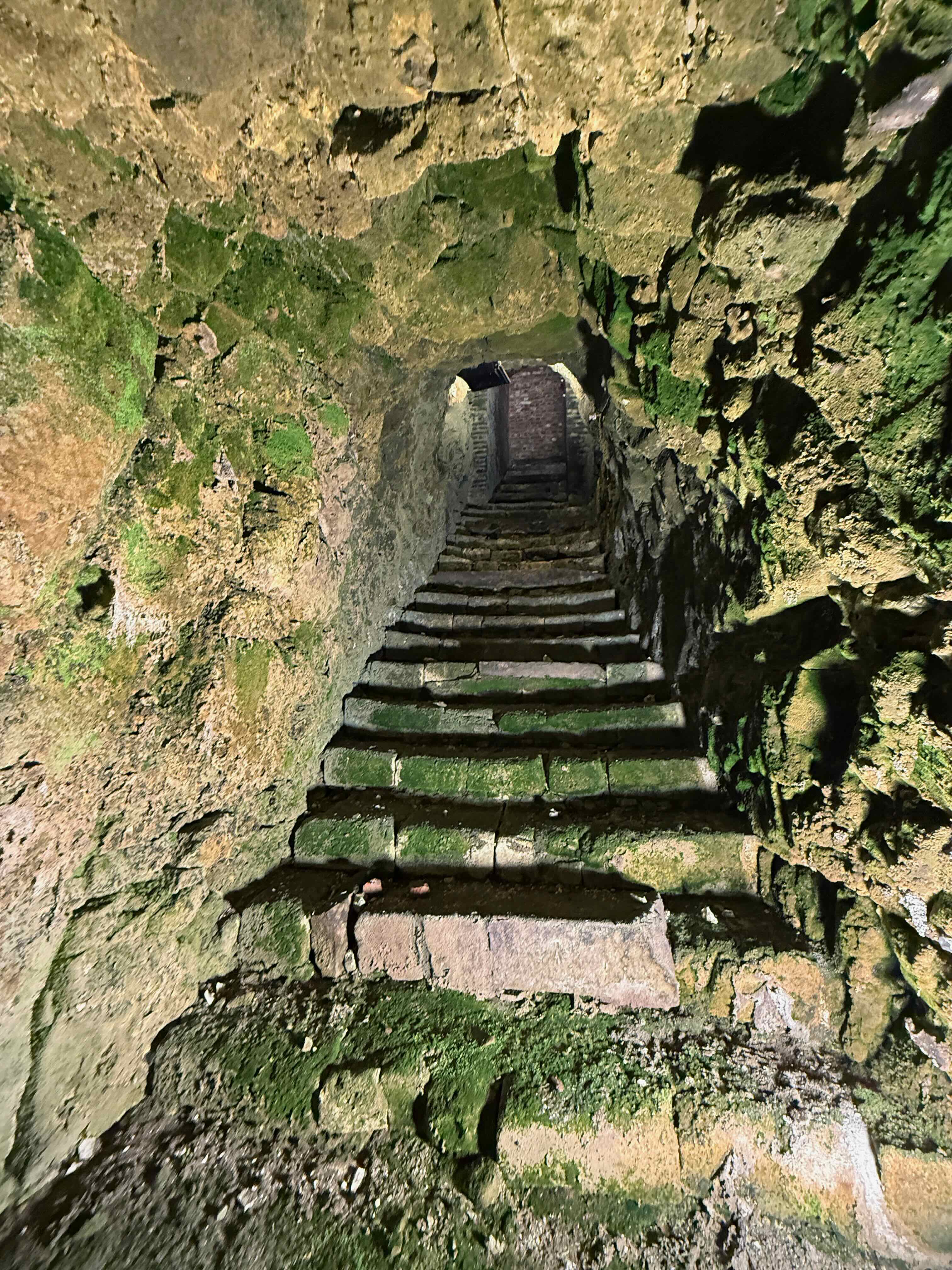
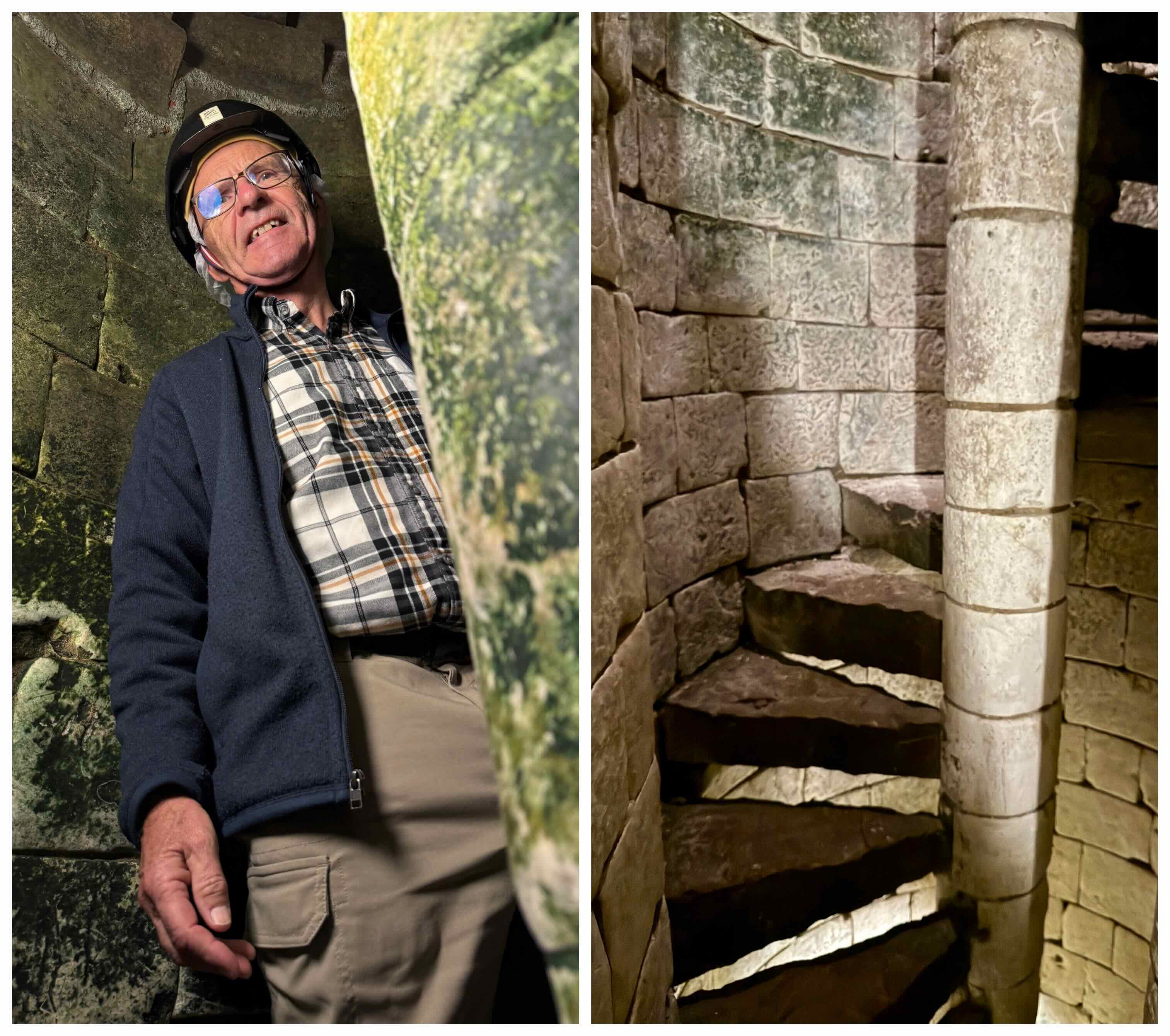
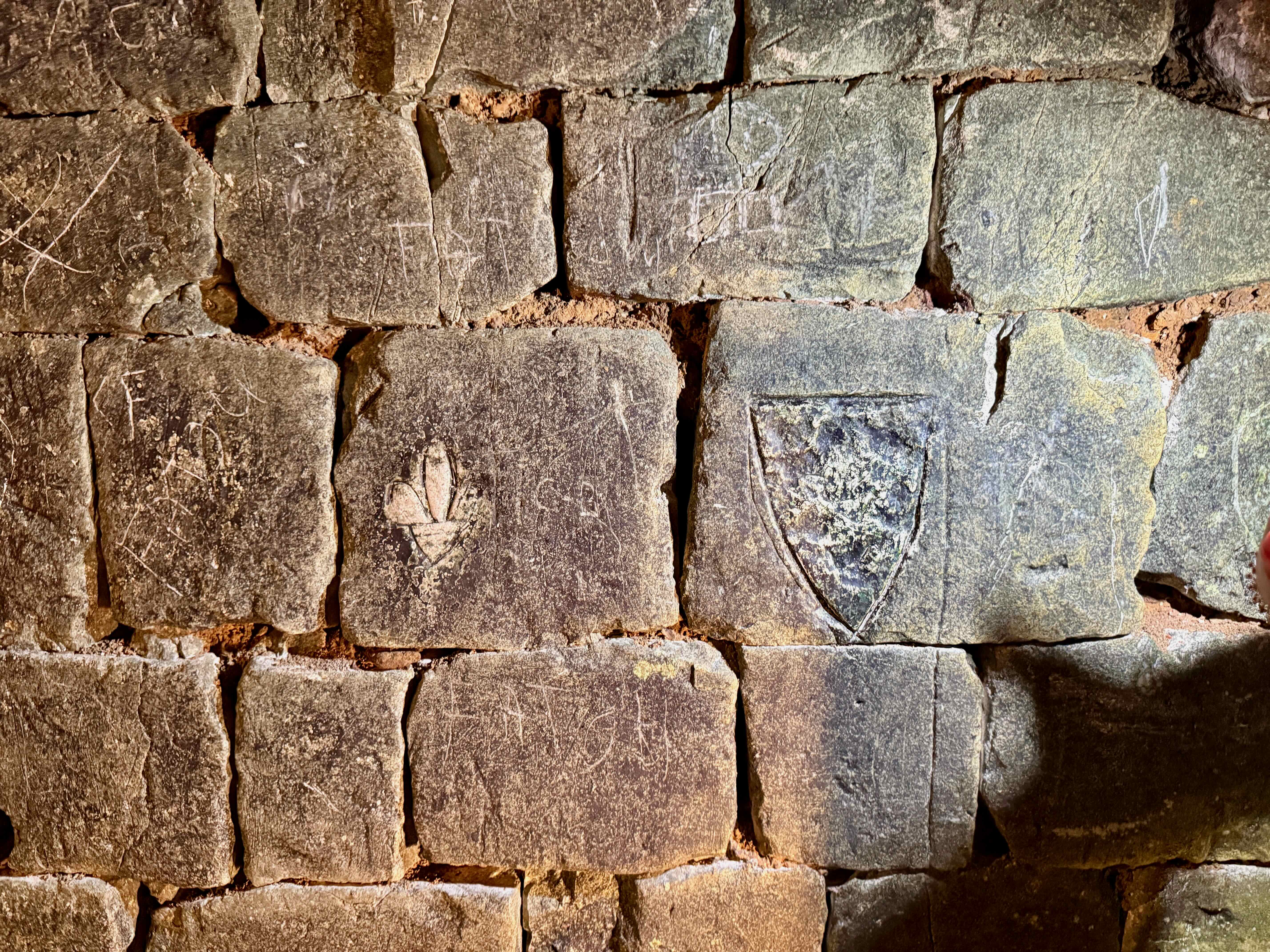
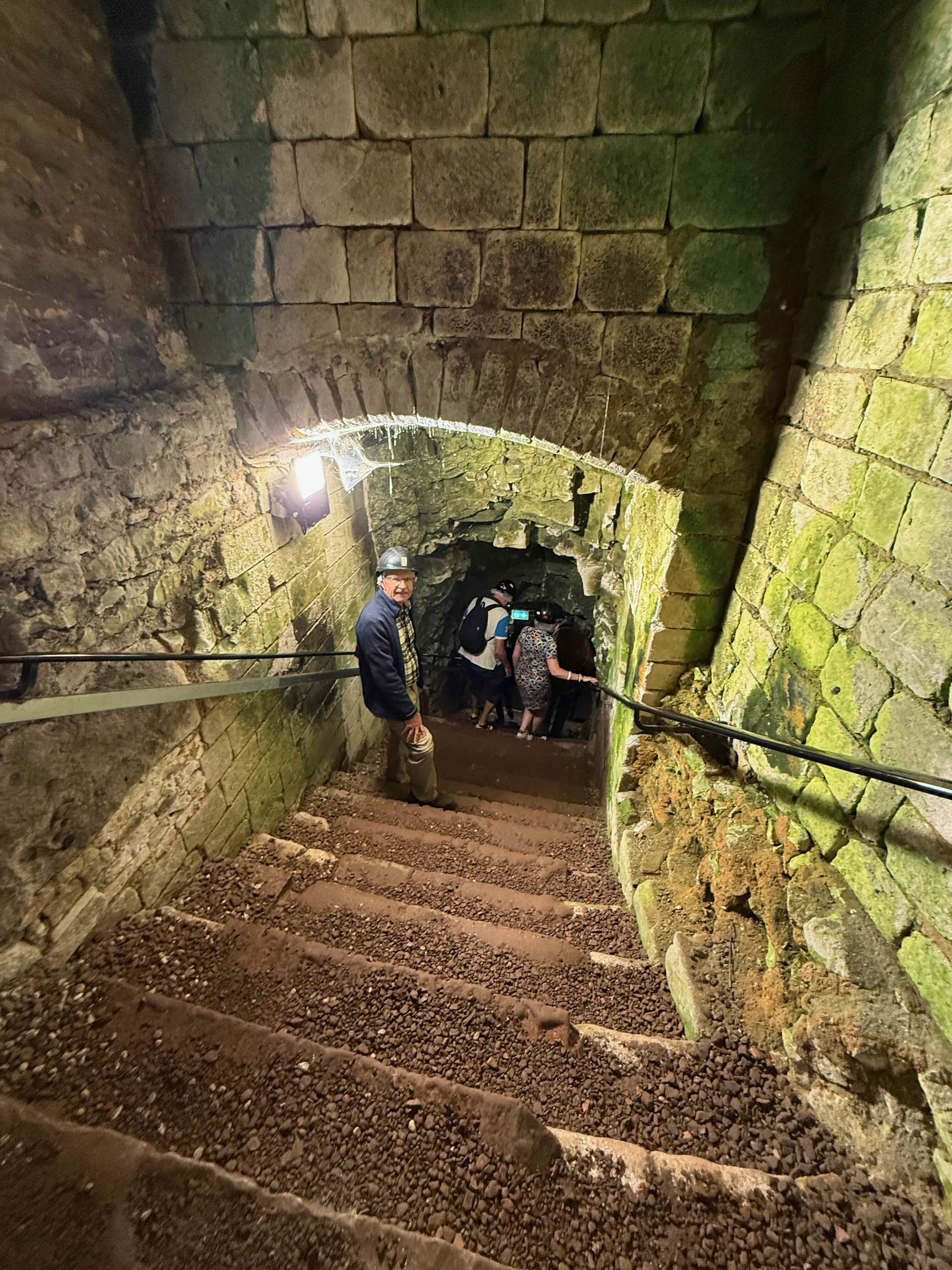
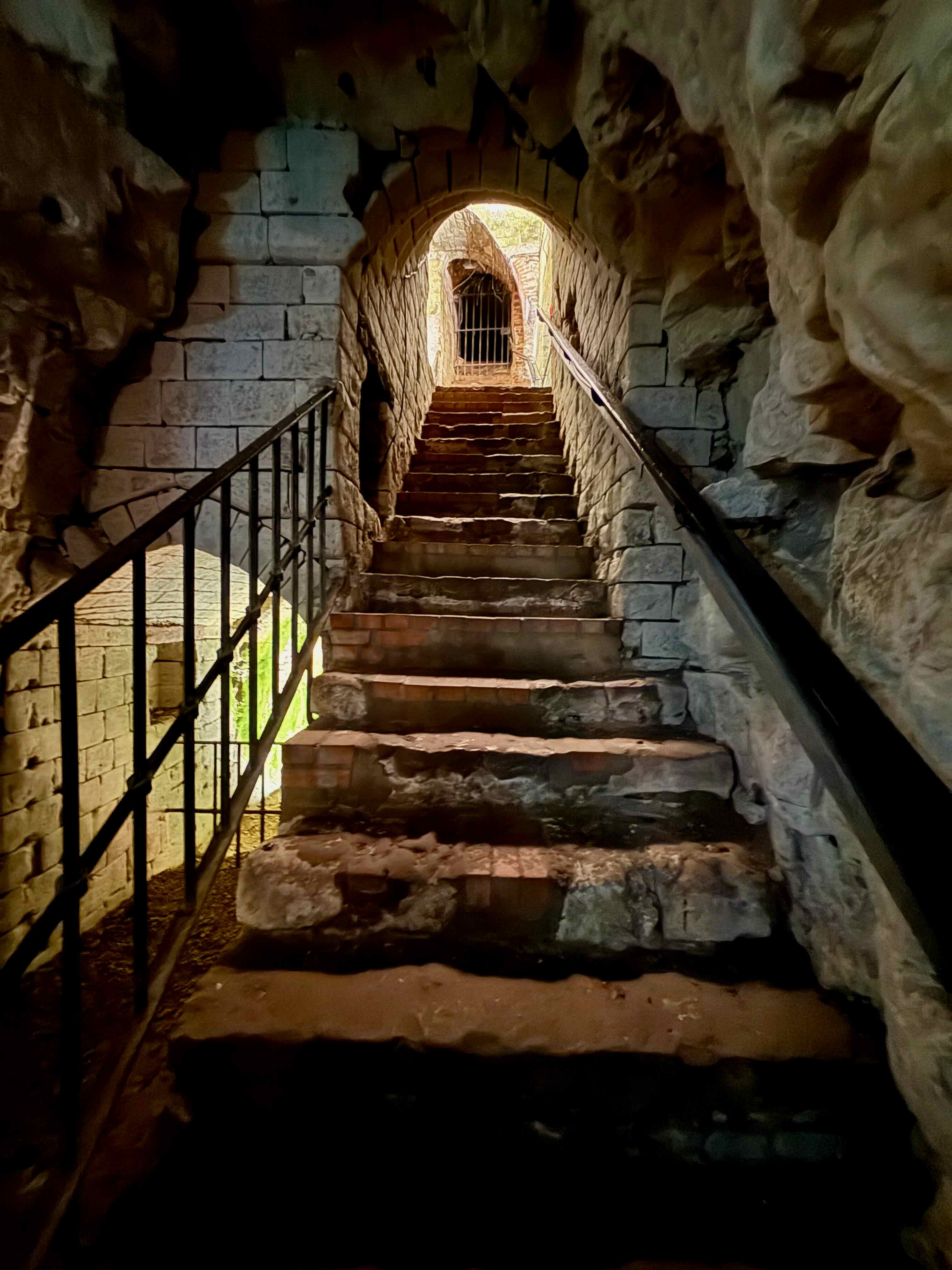
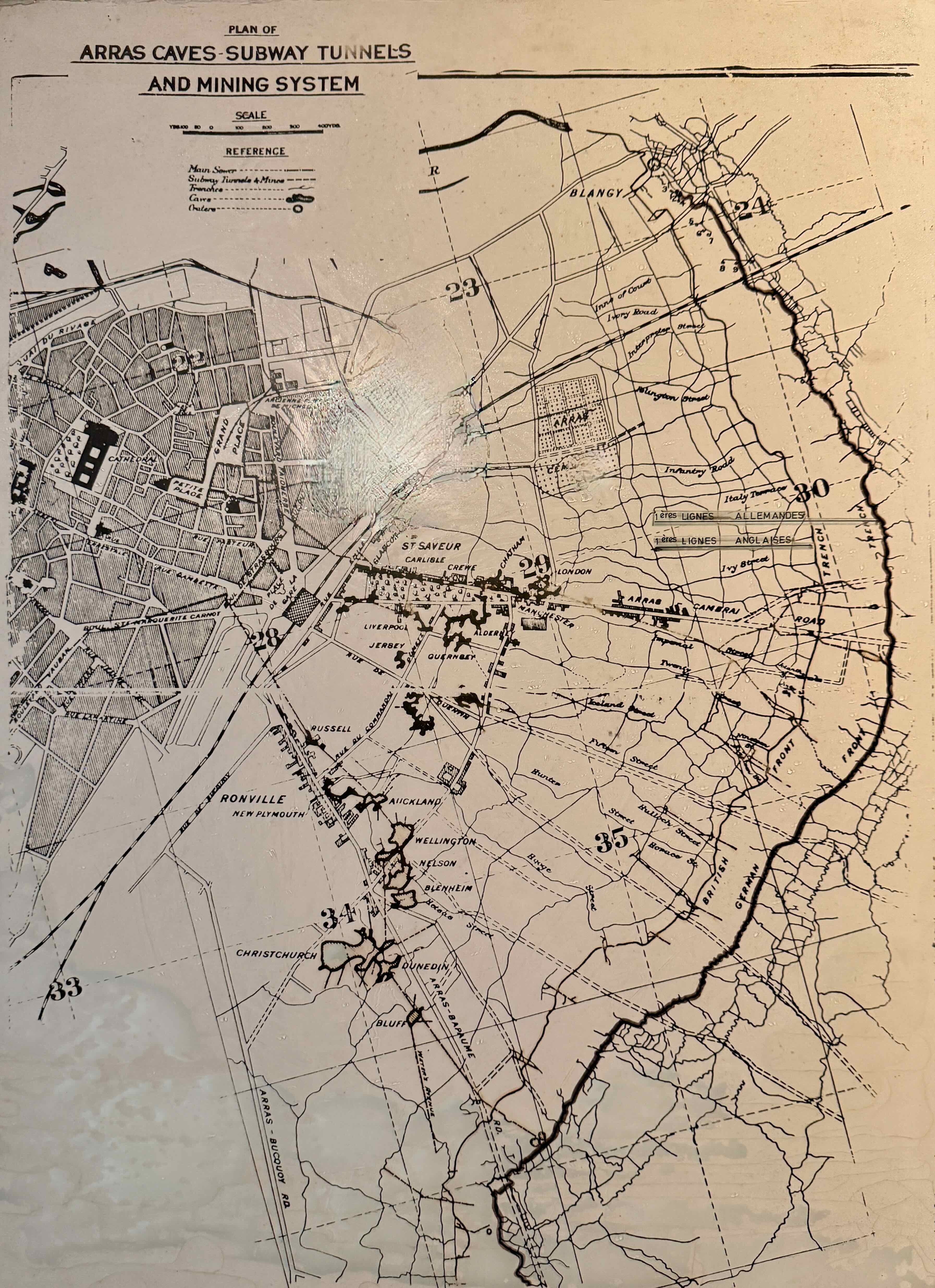
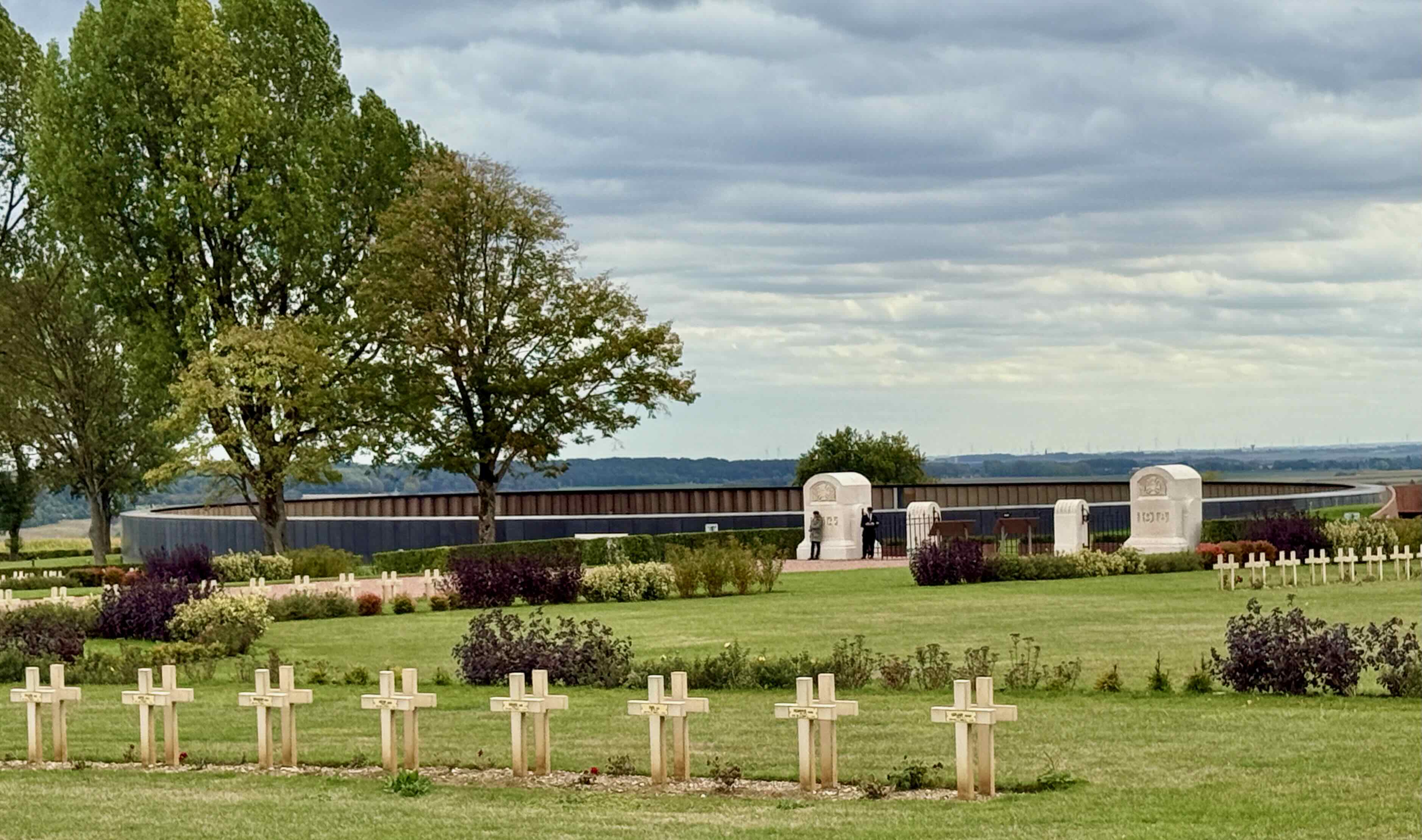
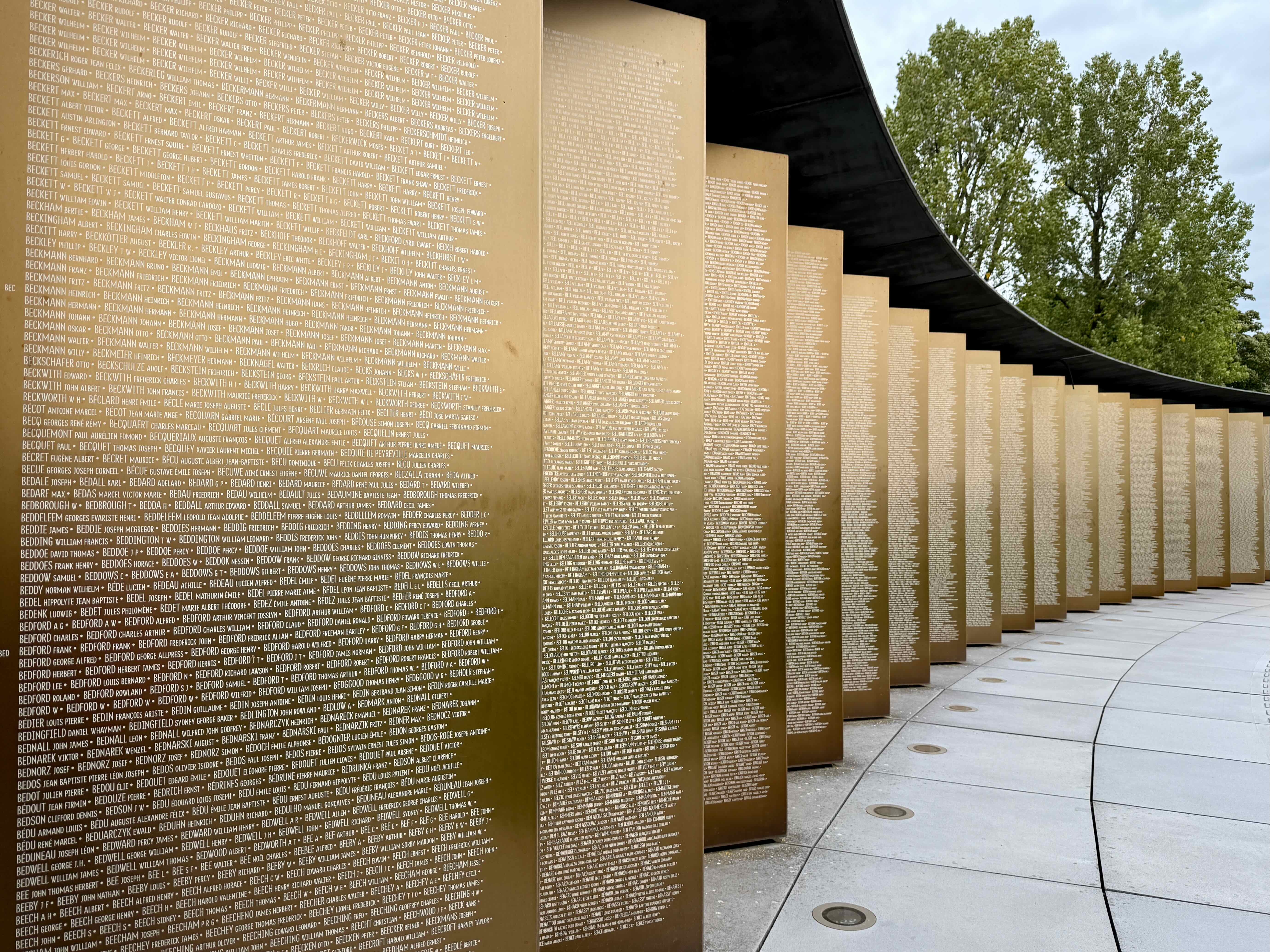
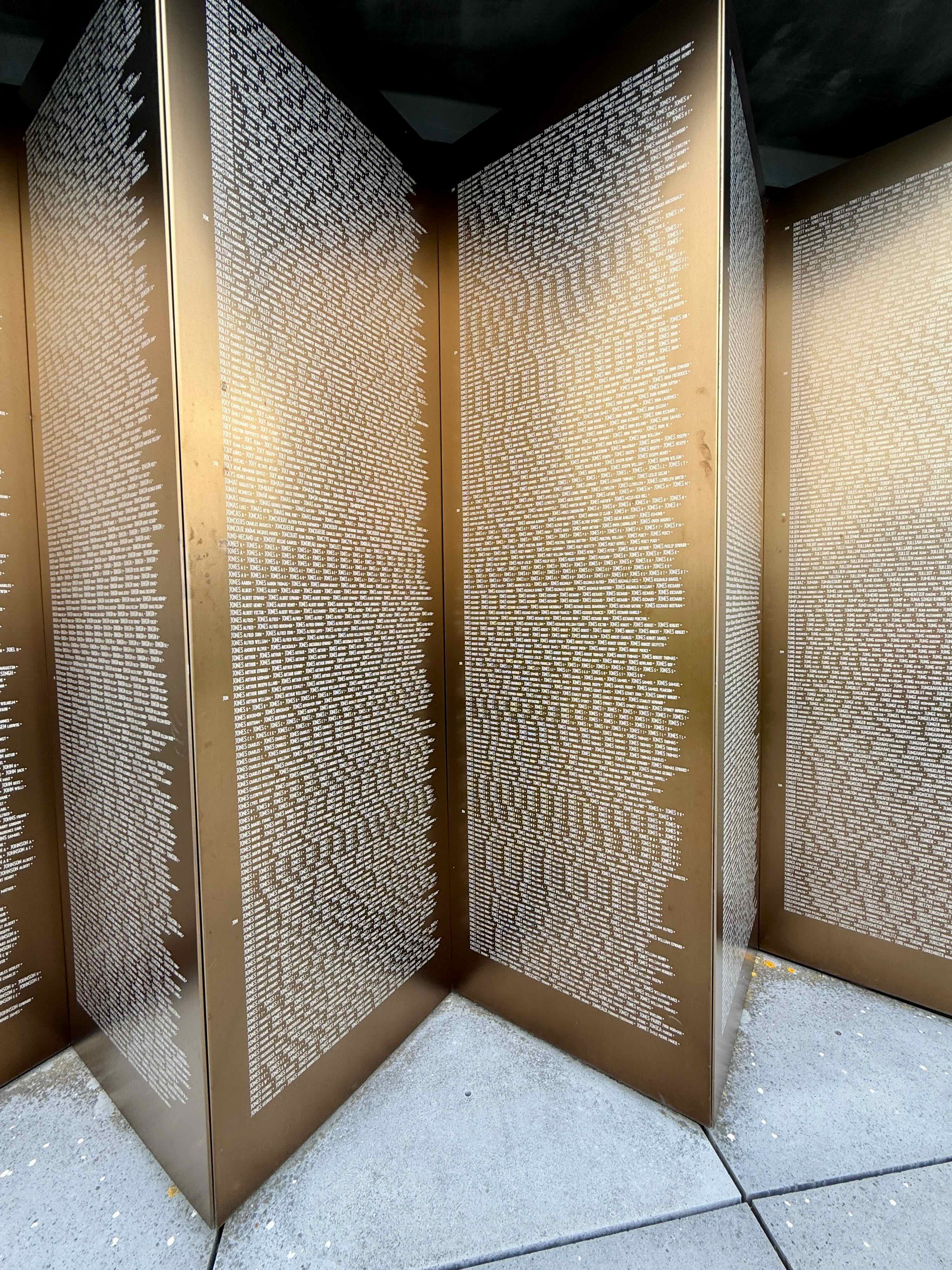
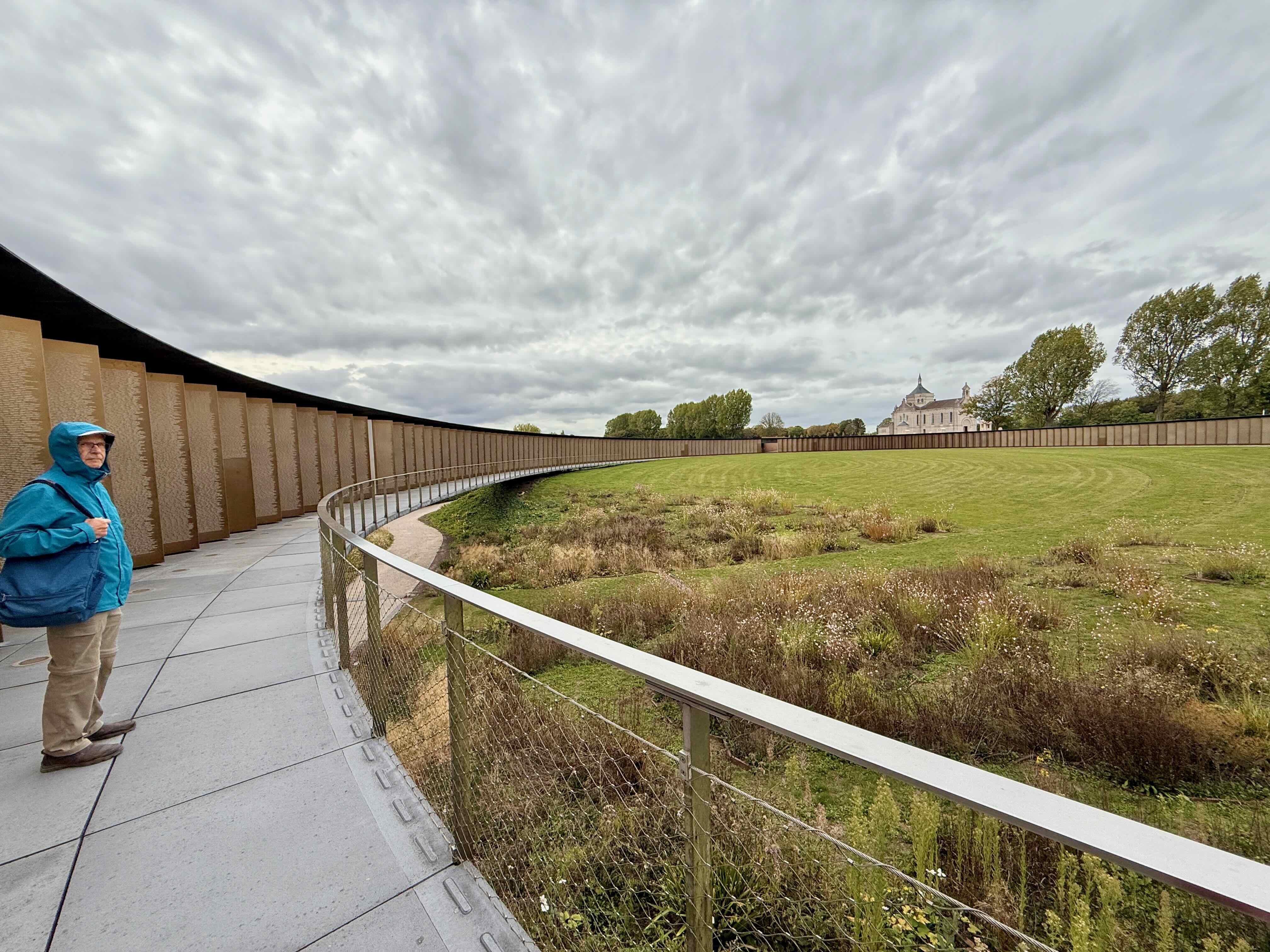
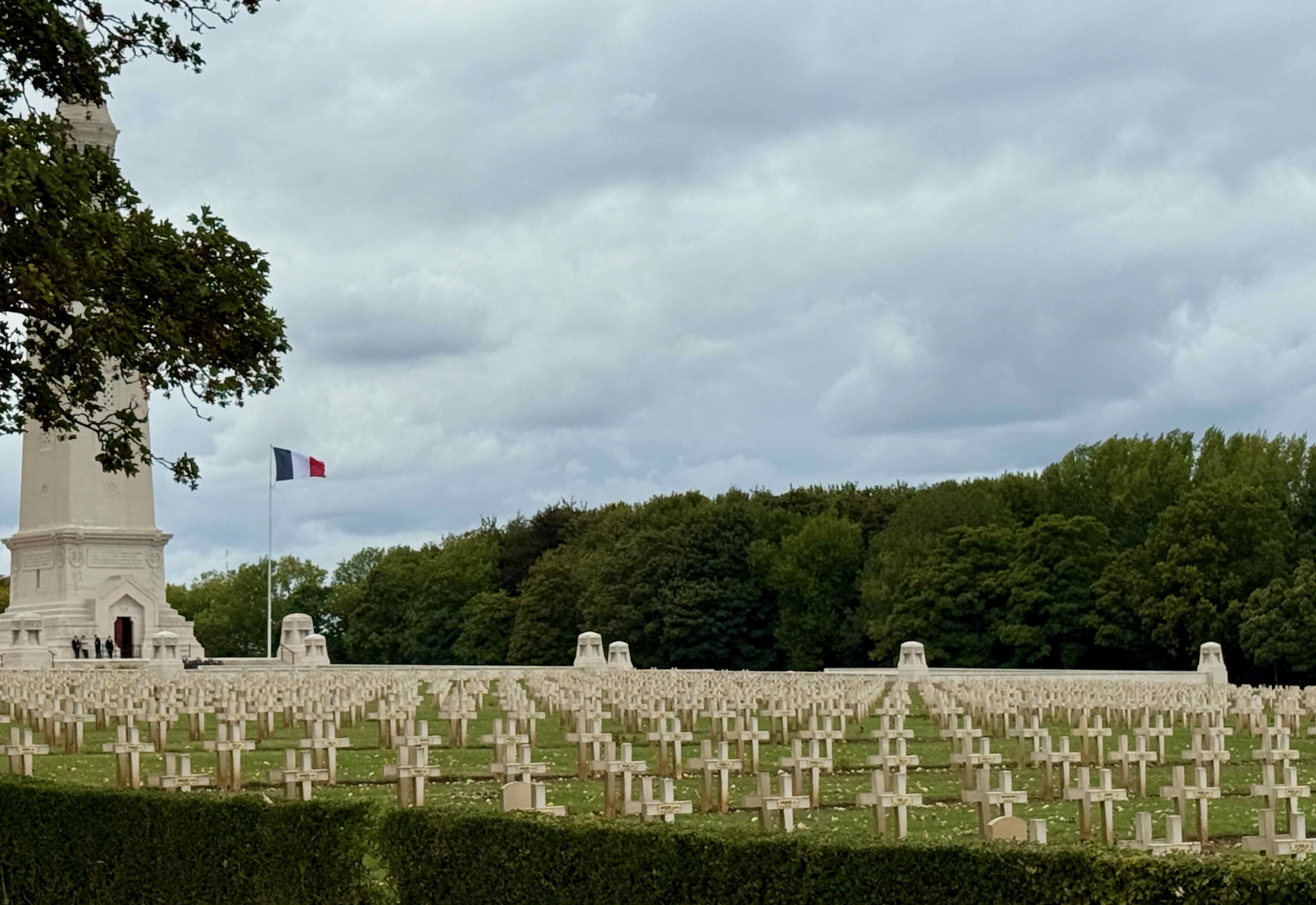
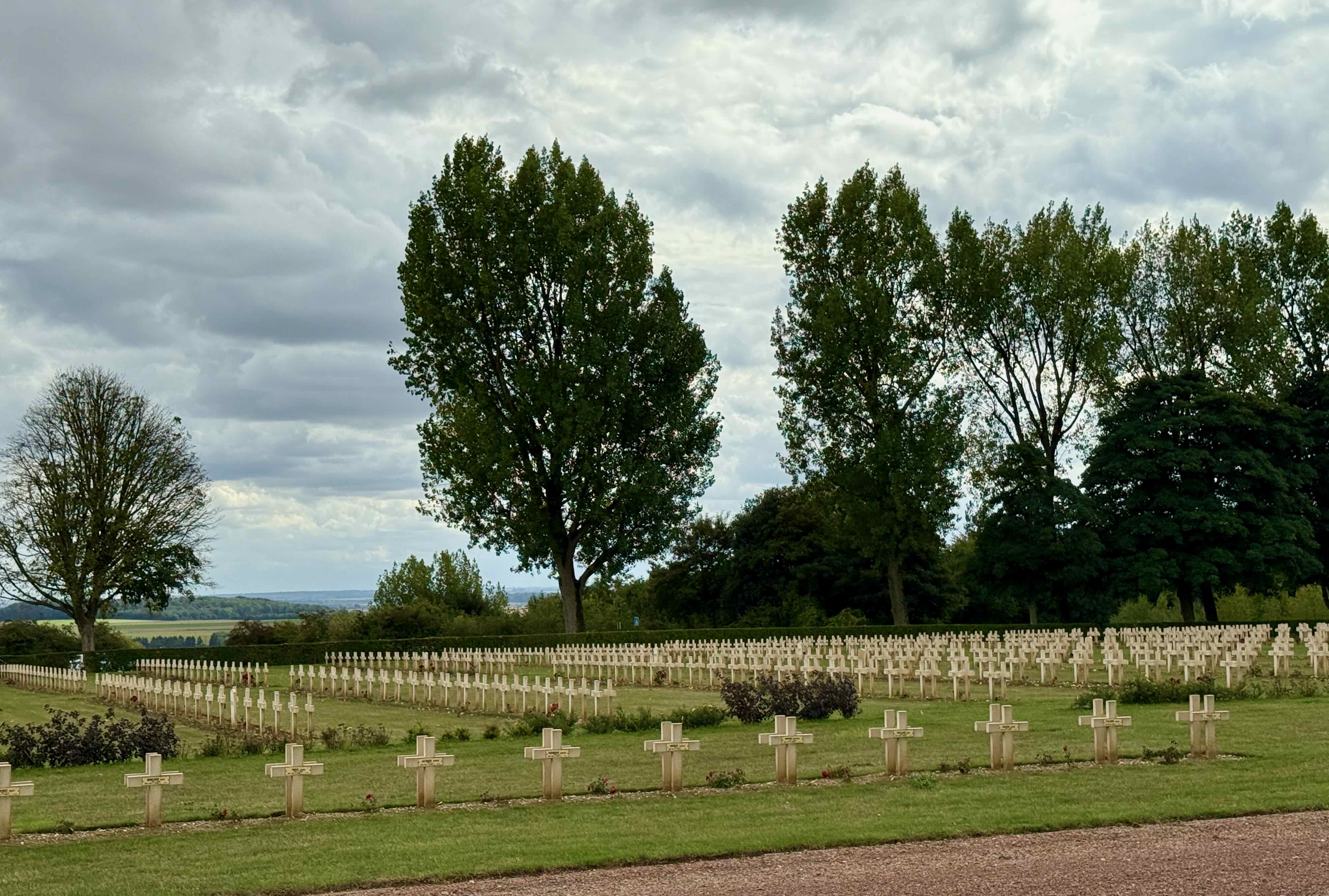 There is a basilica onsite…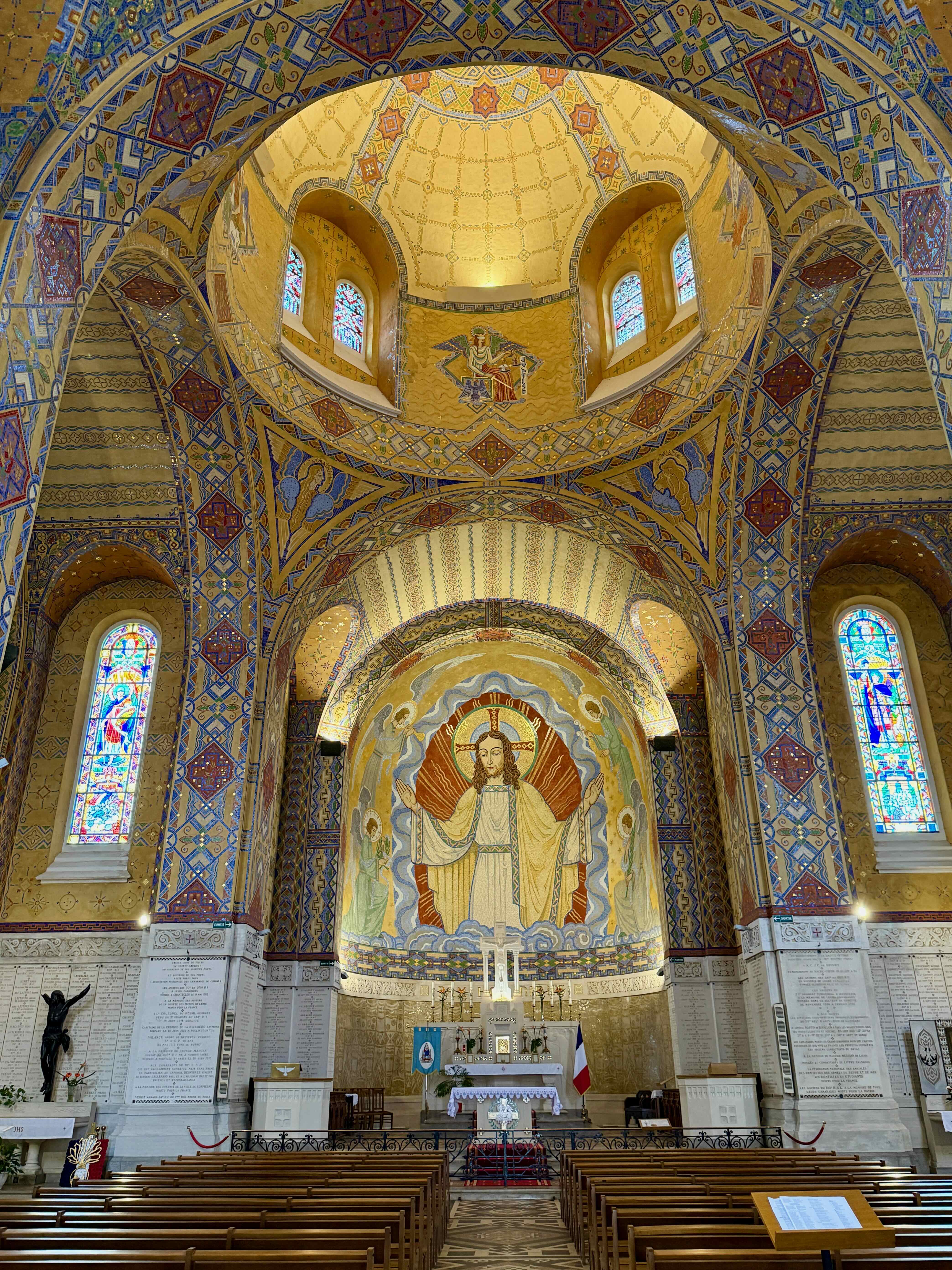
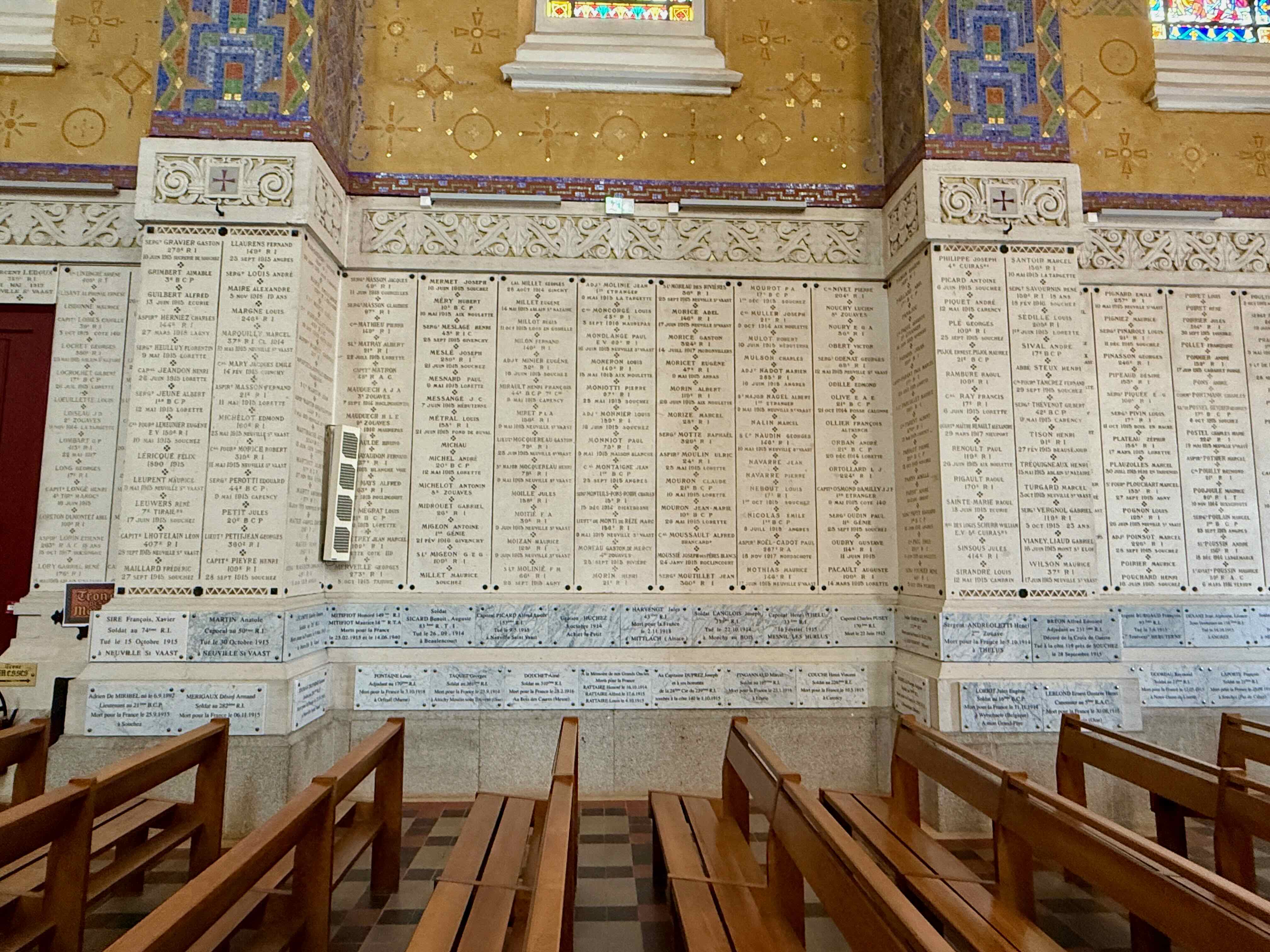
 There is a small museum the Lantern Tower with personal items, photos and excerpts form diaries. They are upsetting to see. I can not imagine having to live through these experiences.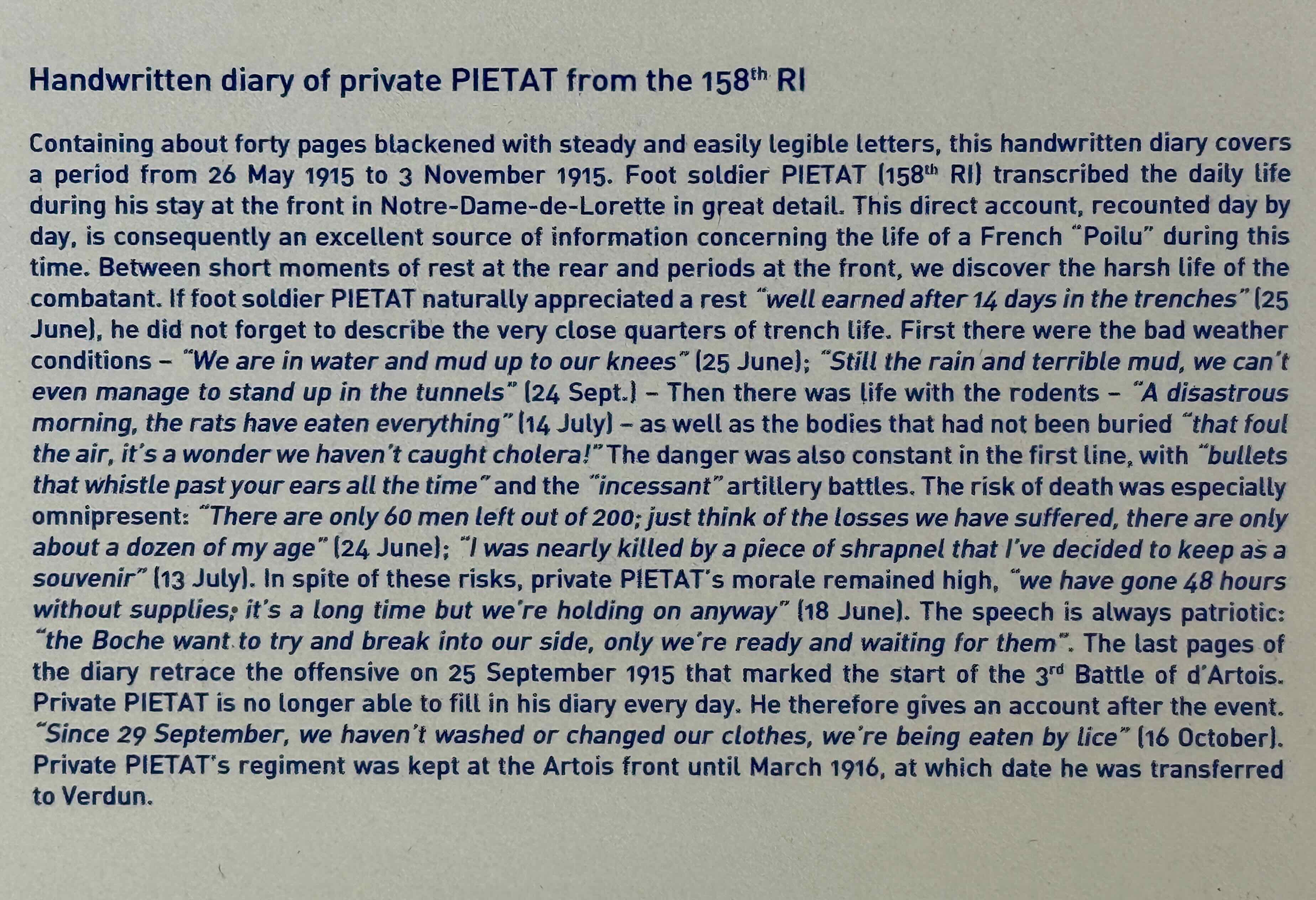
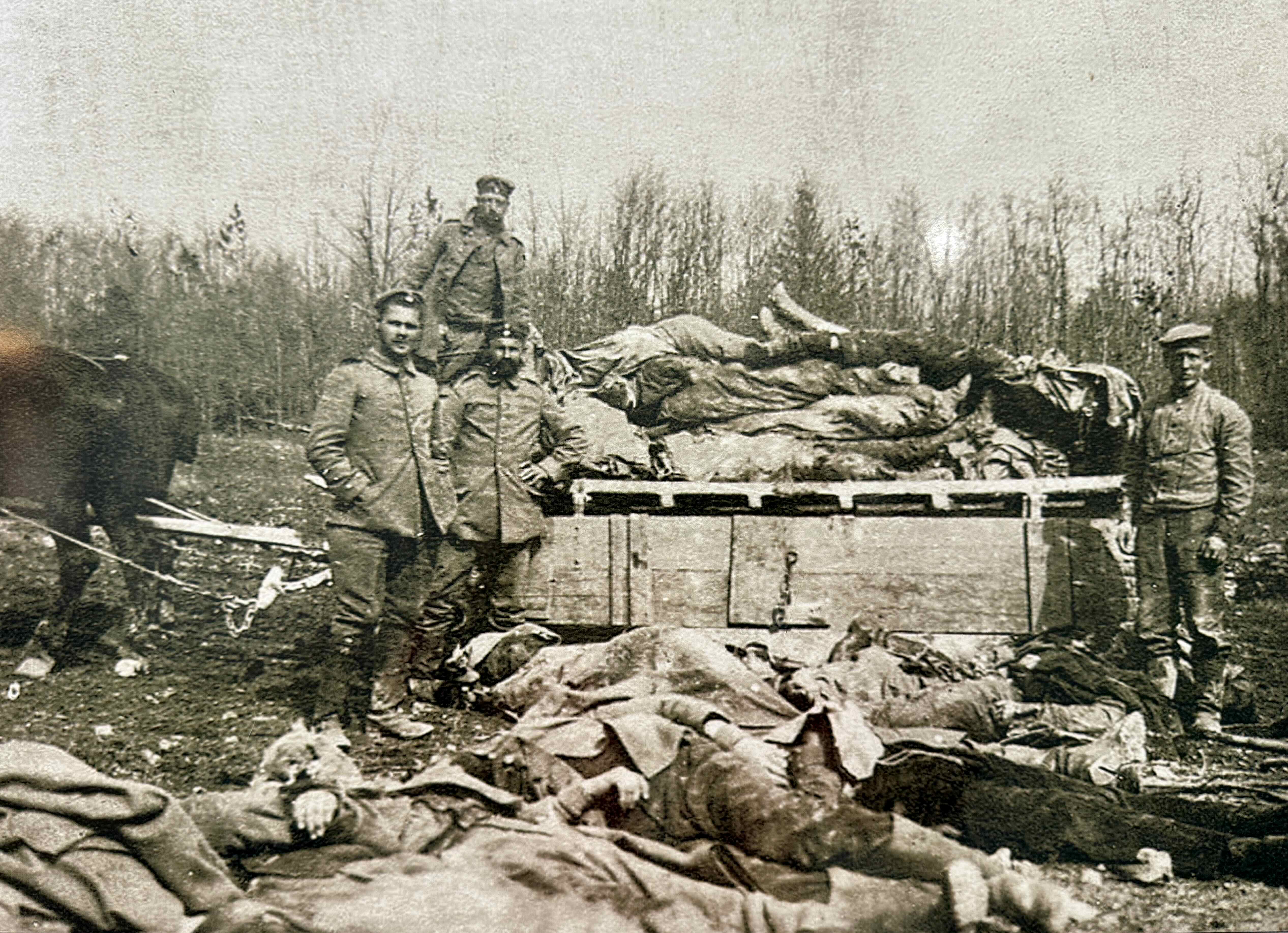
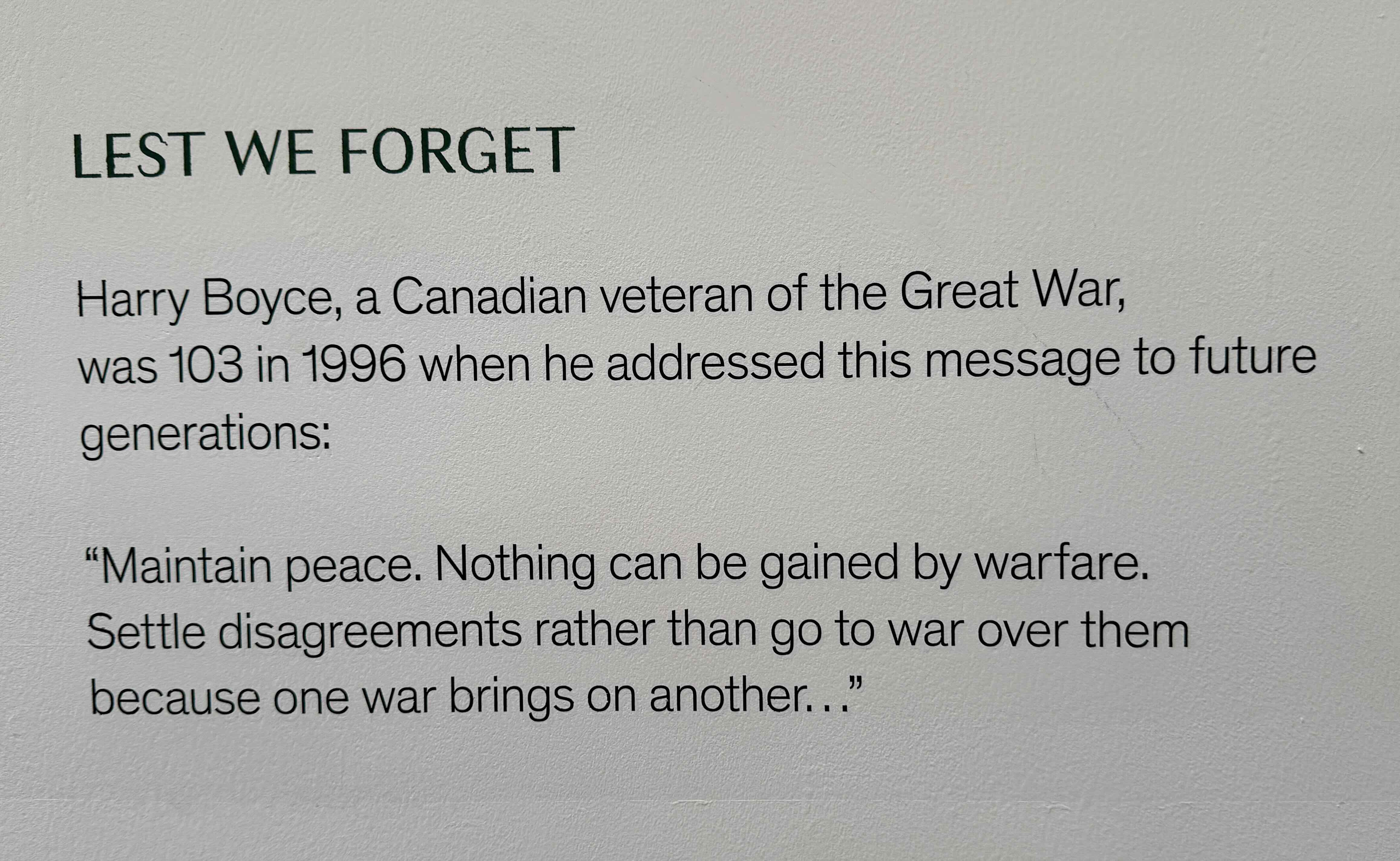
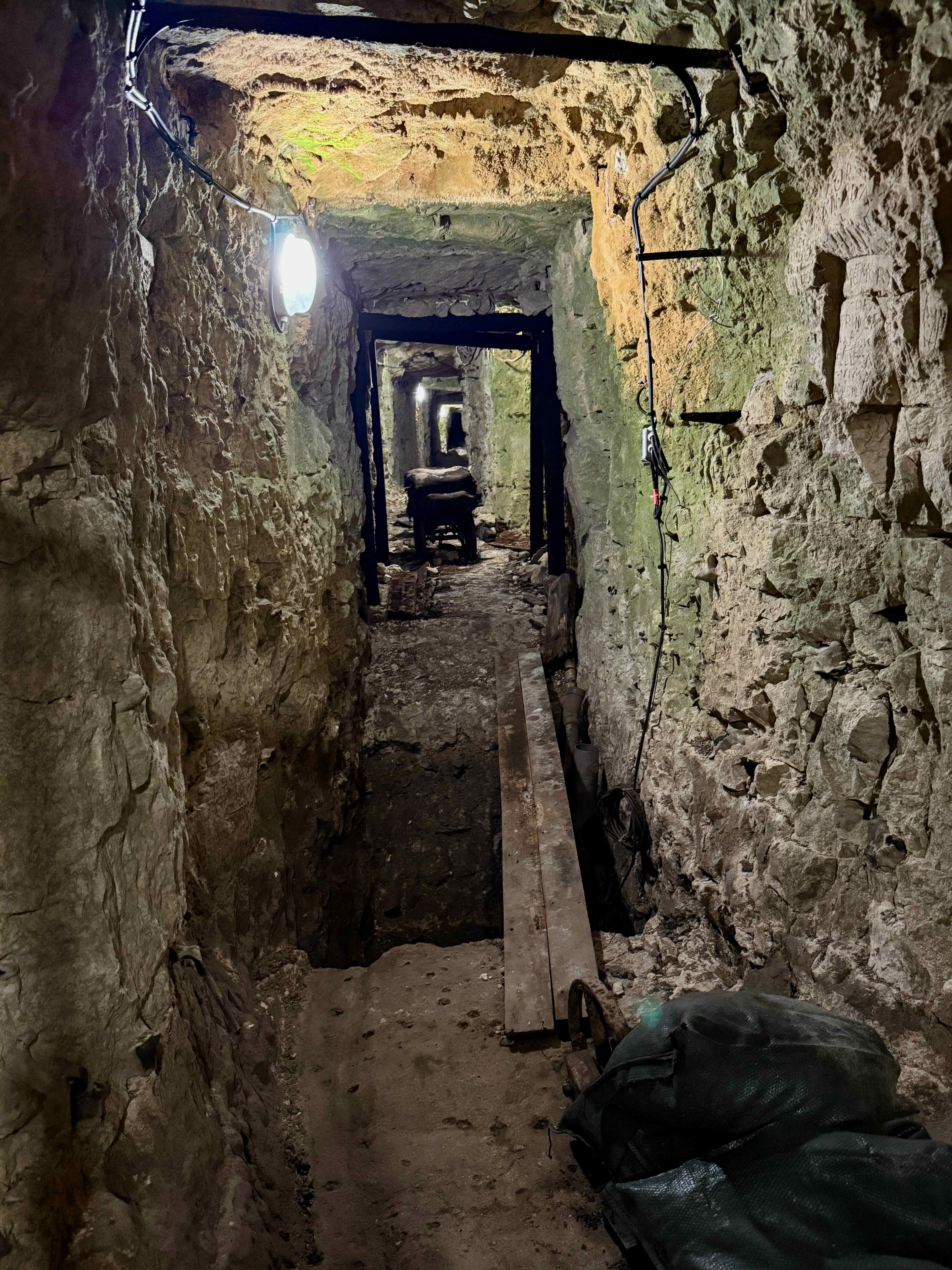
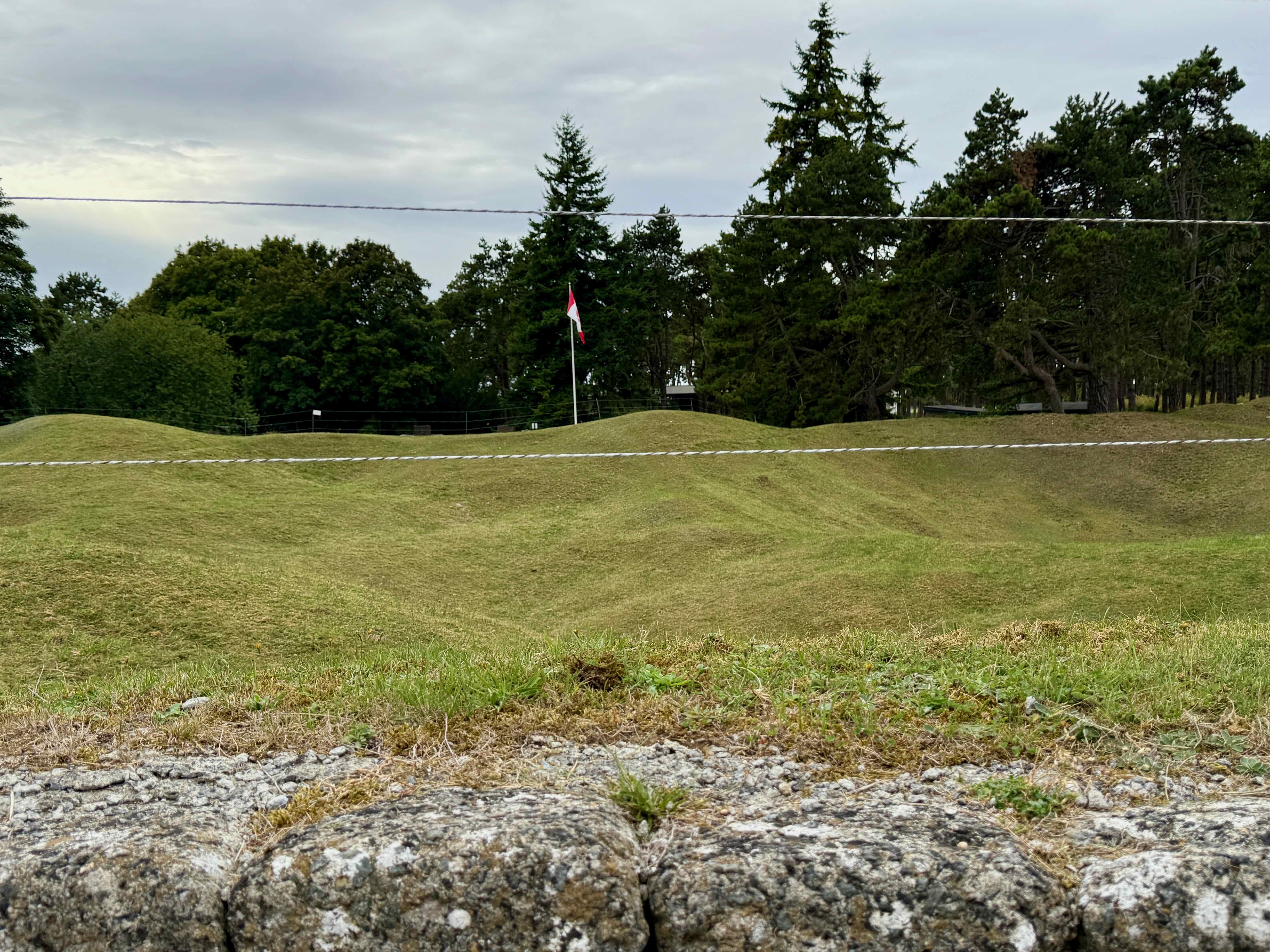
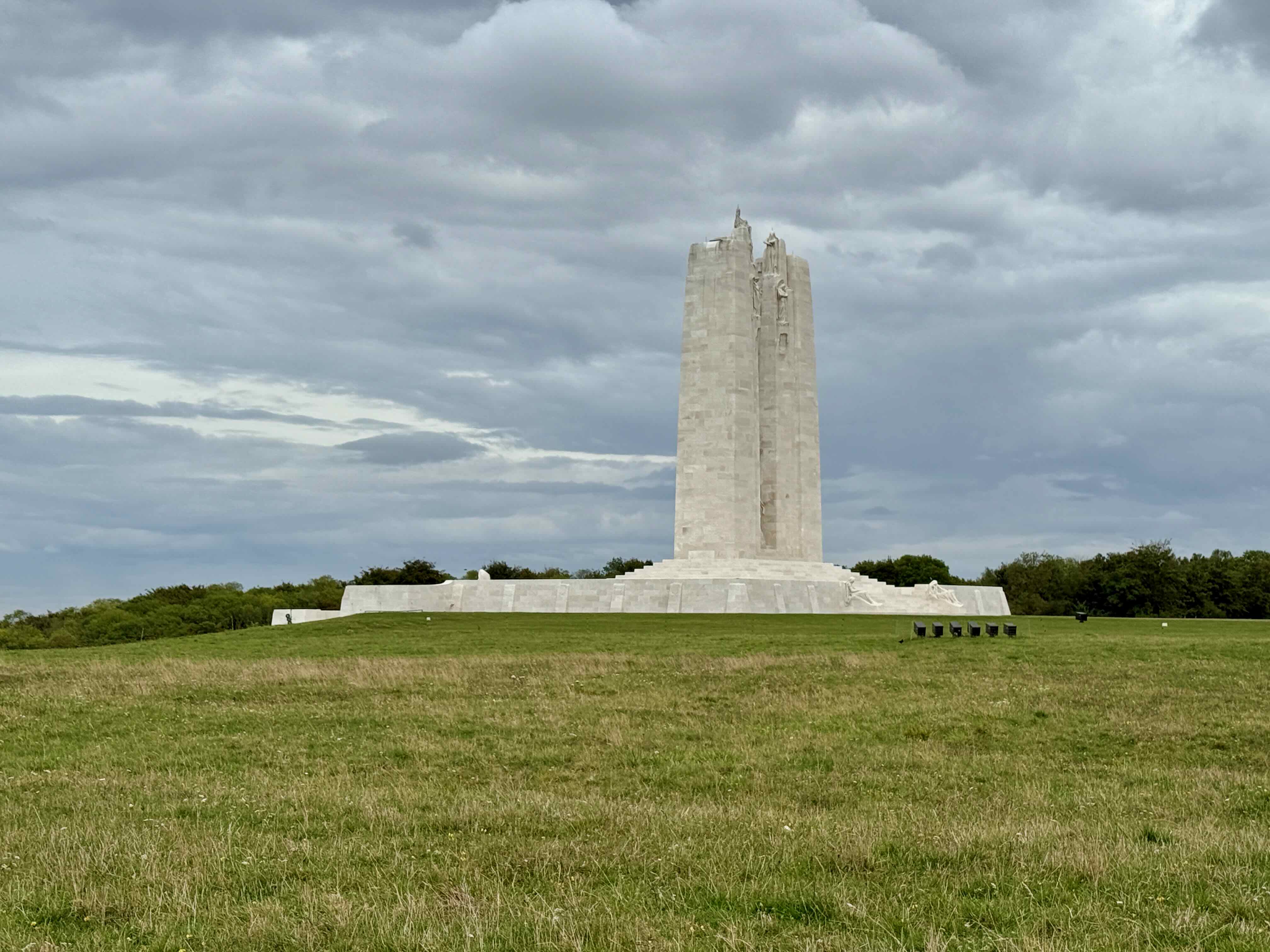 We didn’t see the front walk so took the long way around to the back of the memorial.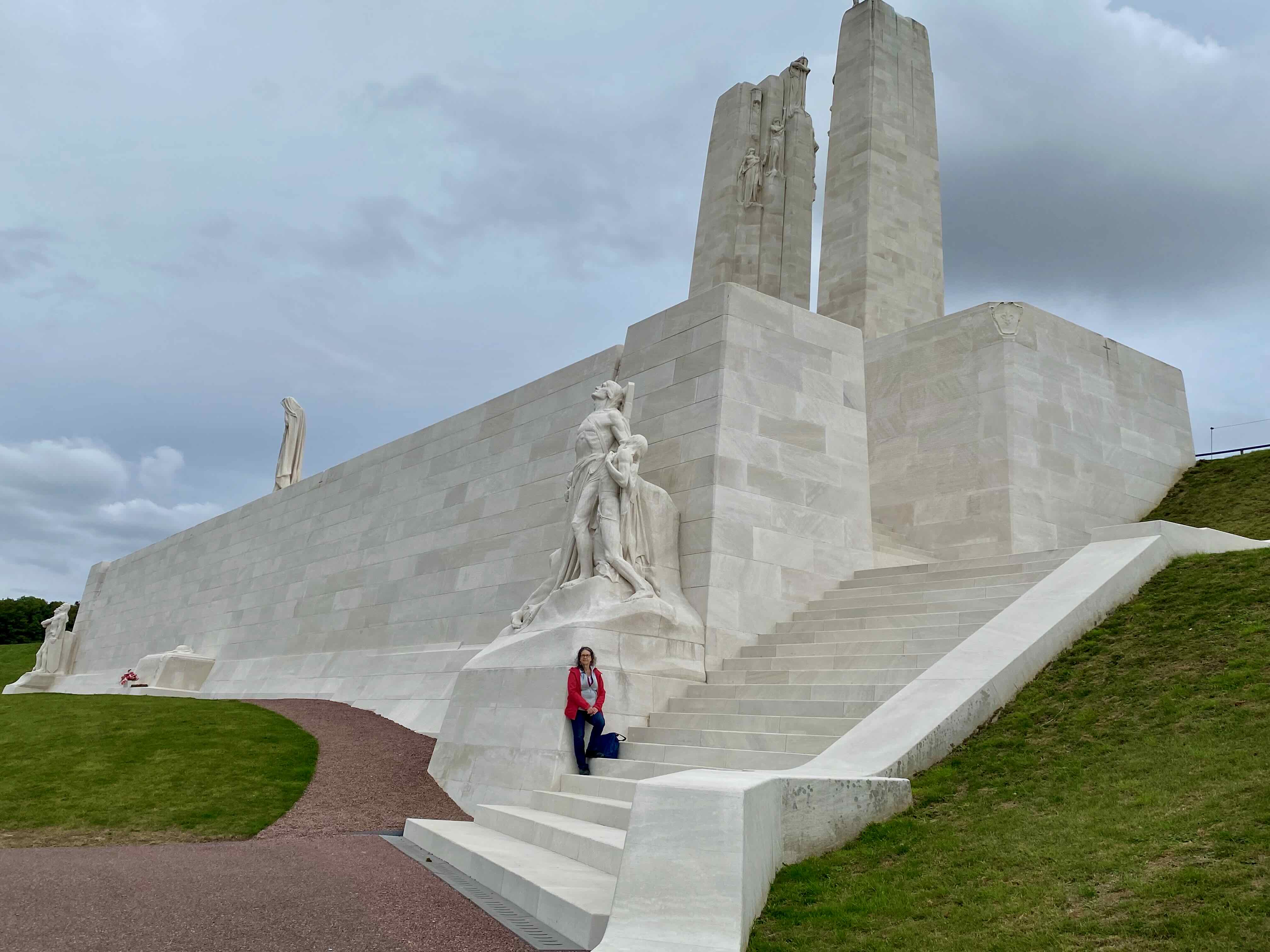
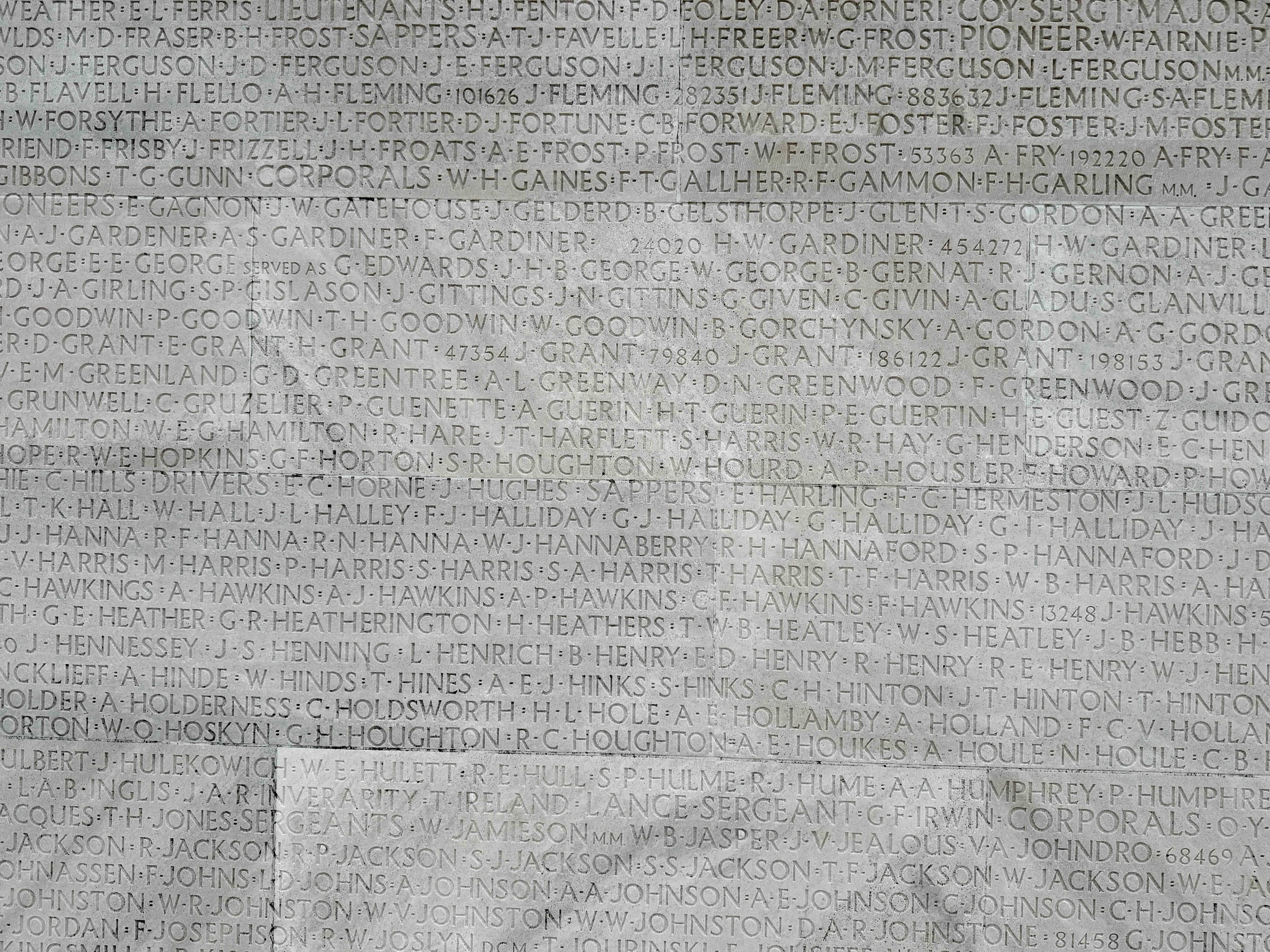
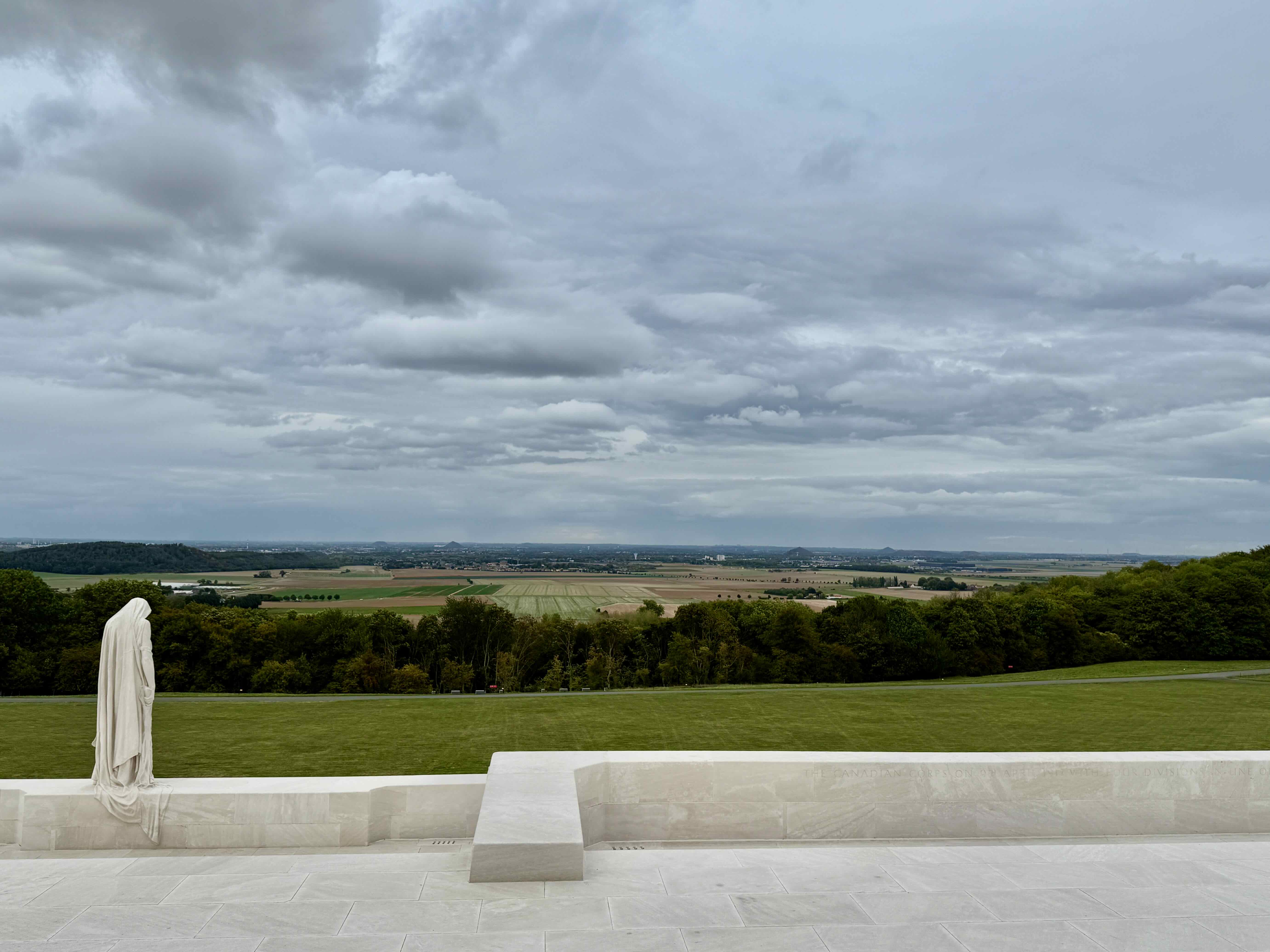
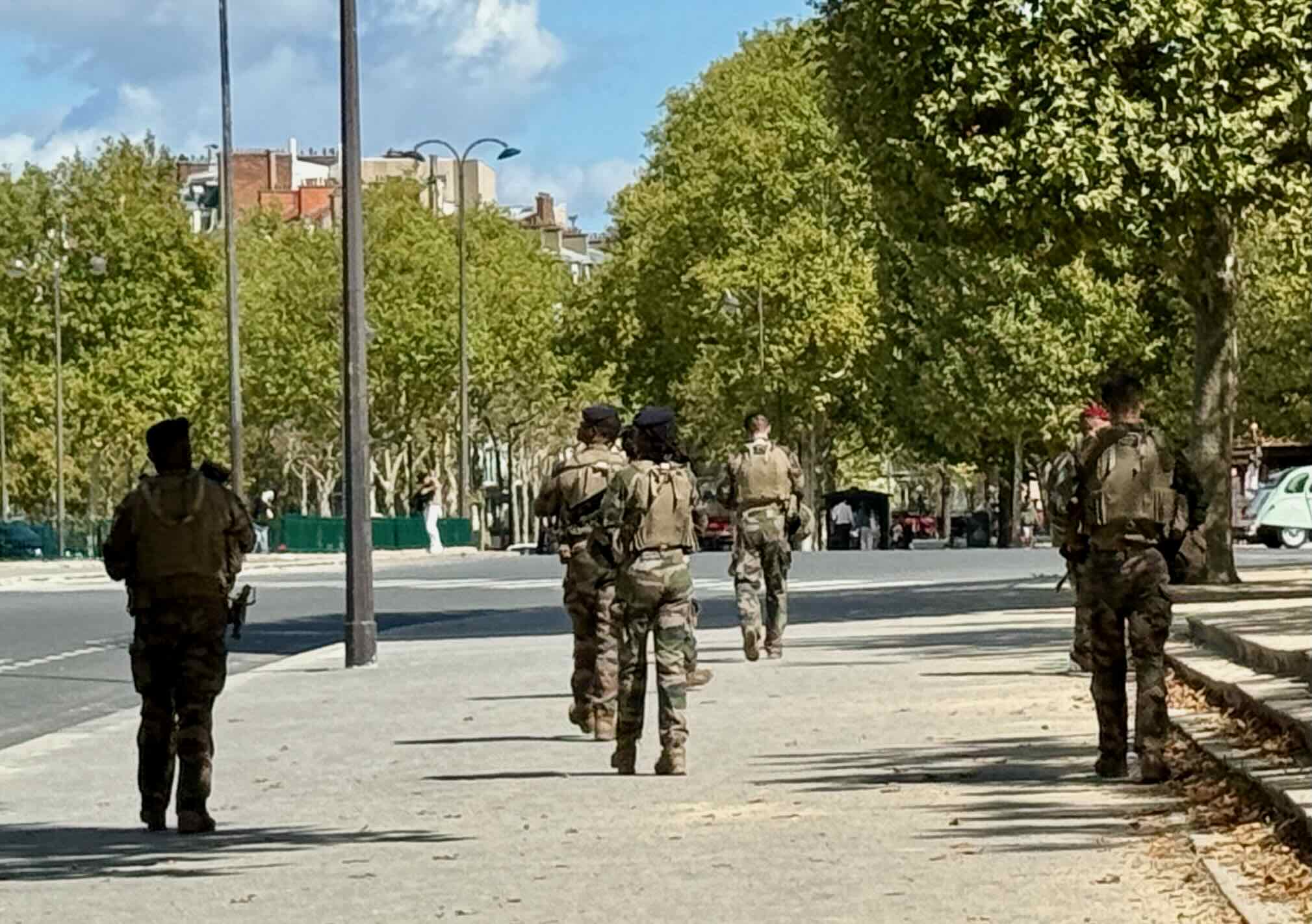
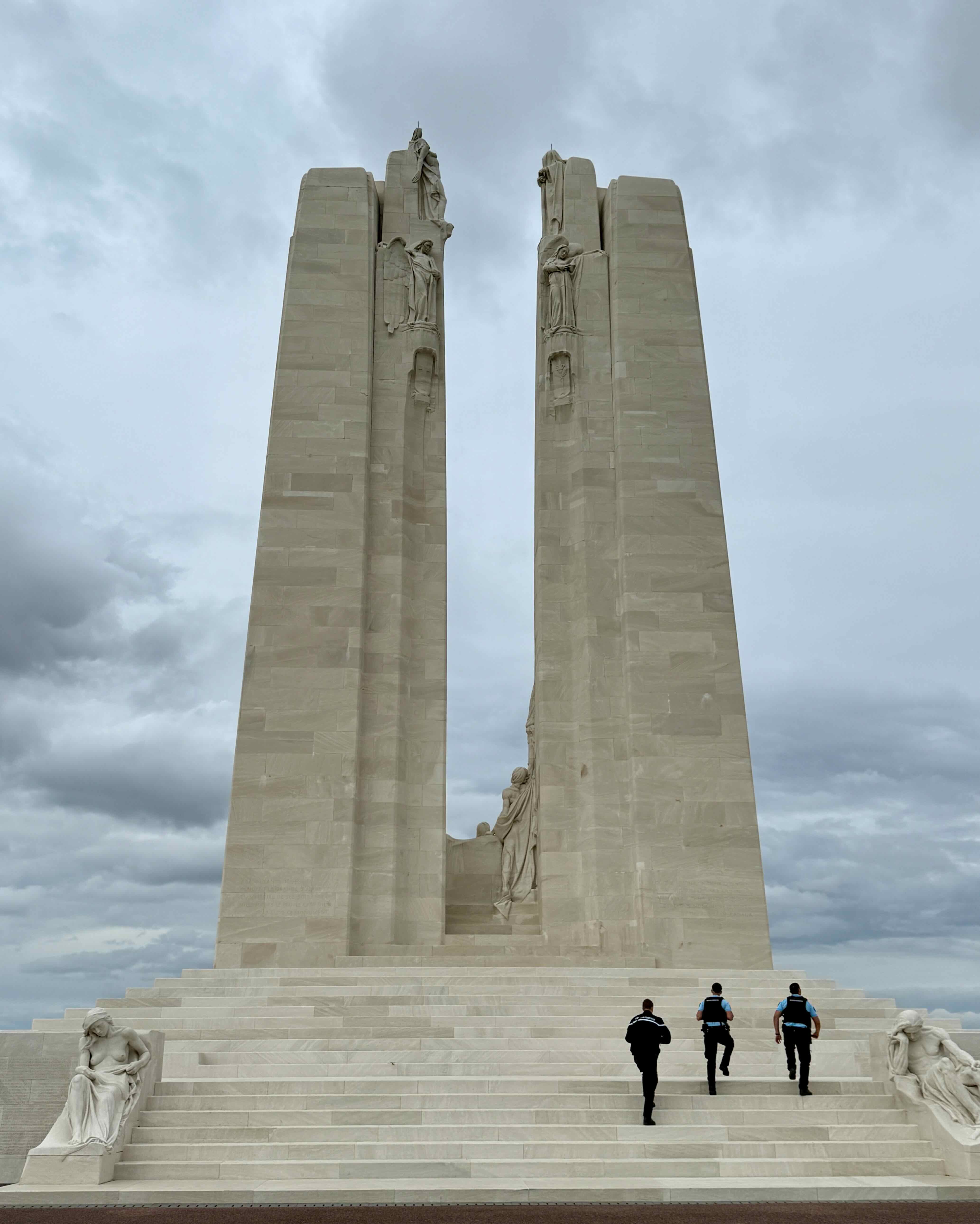 The three policemen are barely visible on the left side of the monument as we head back to our car and head home. it has been a heavy duty day.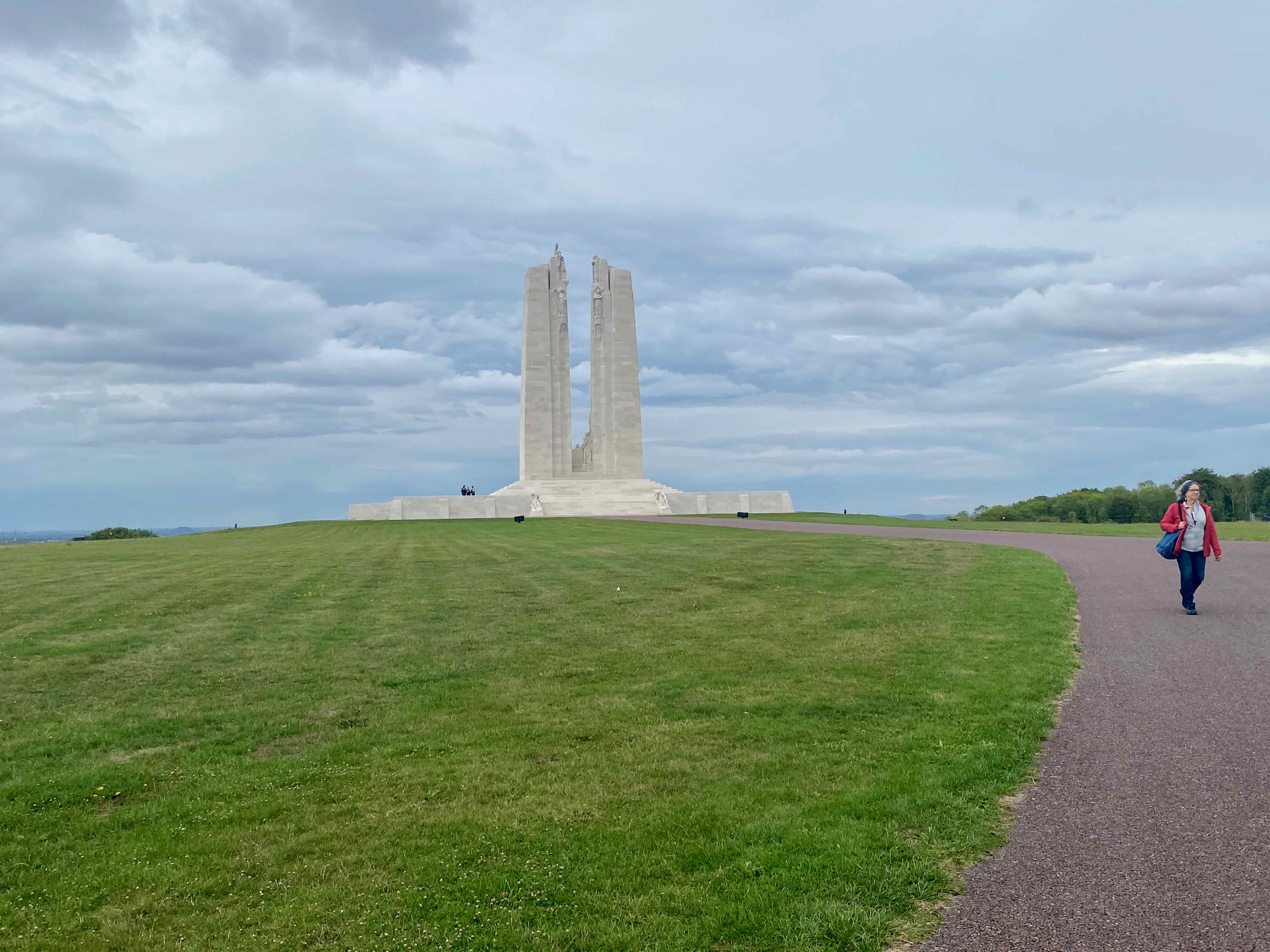
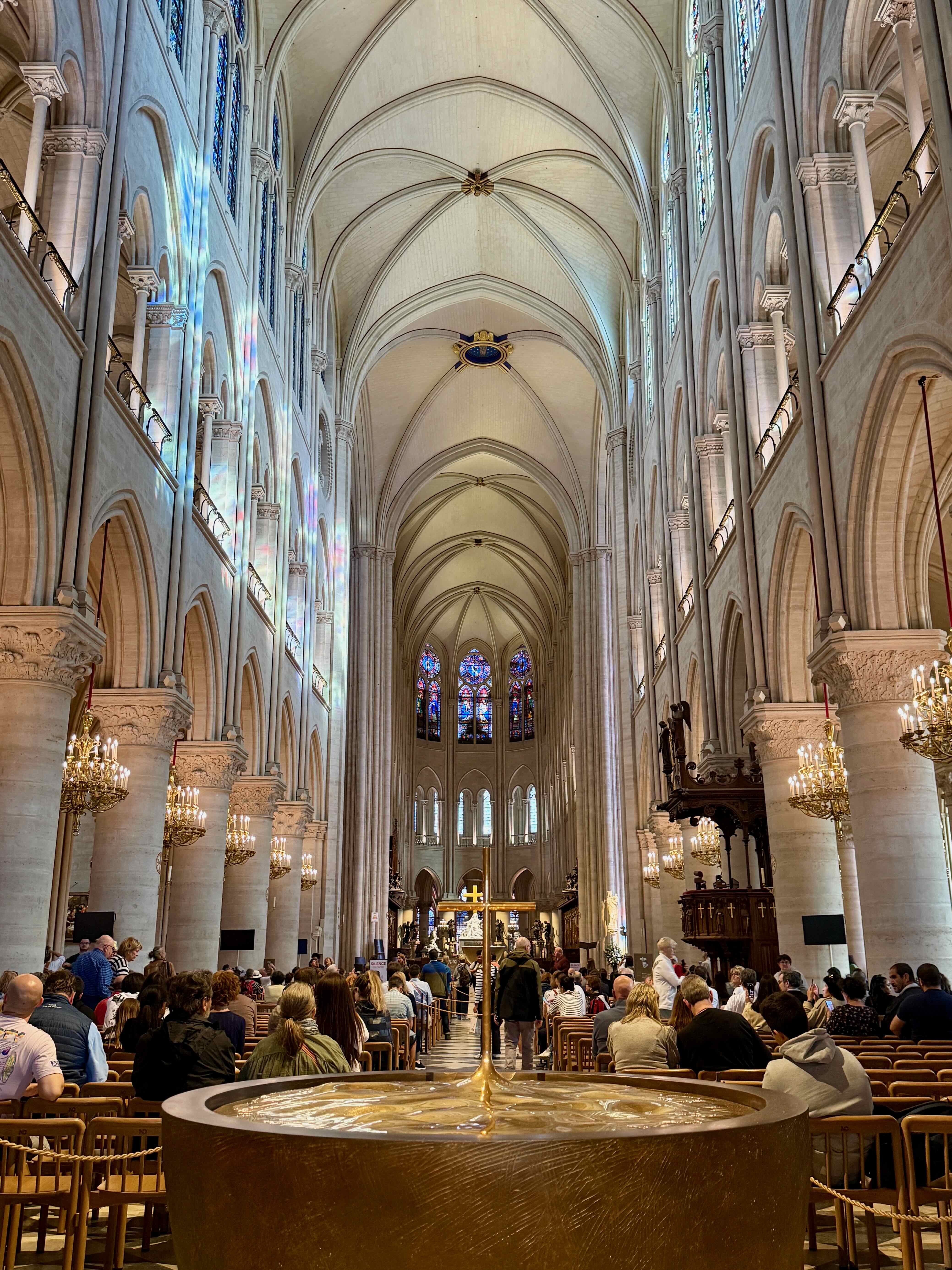
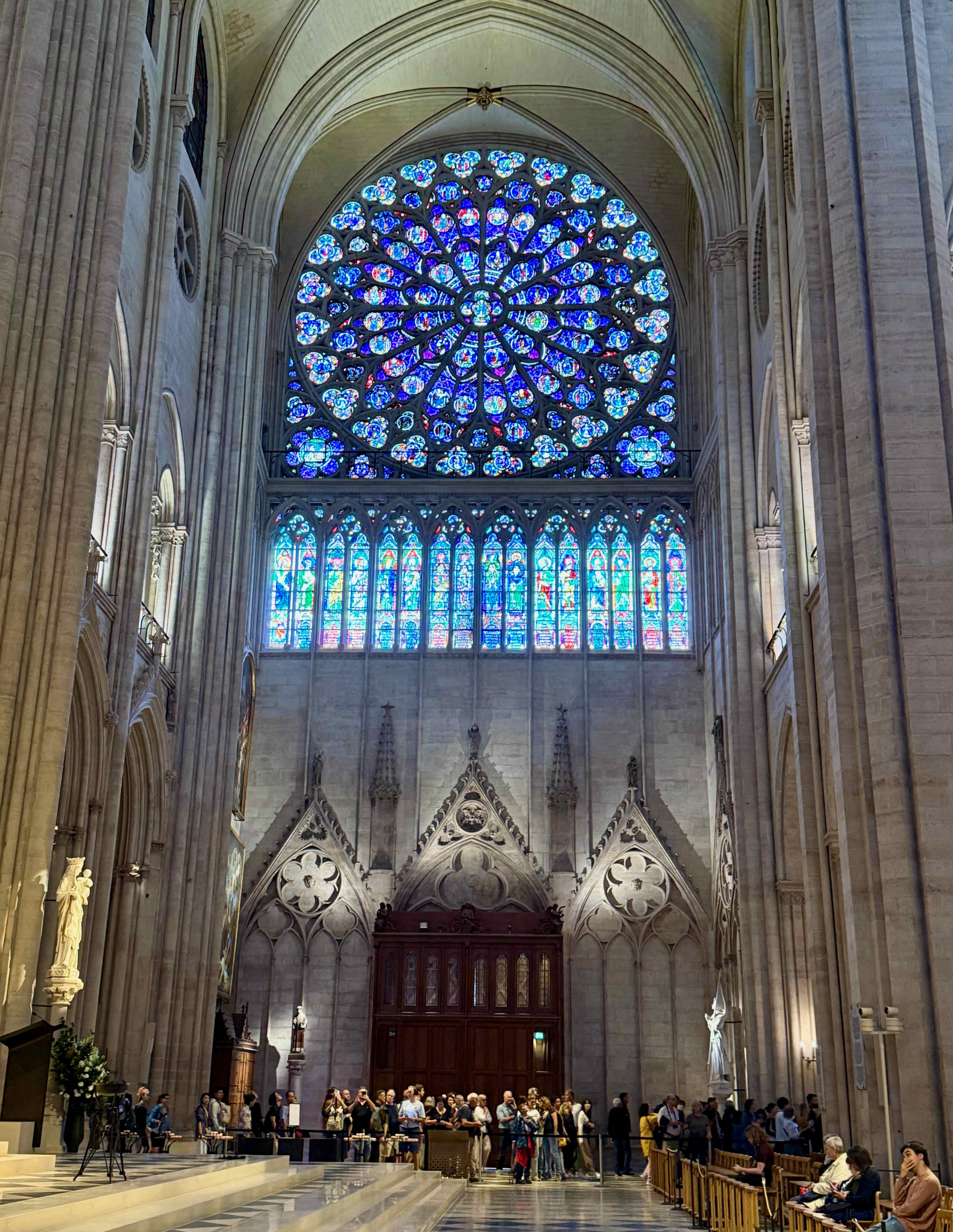
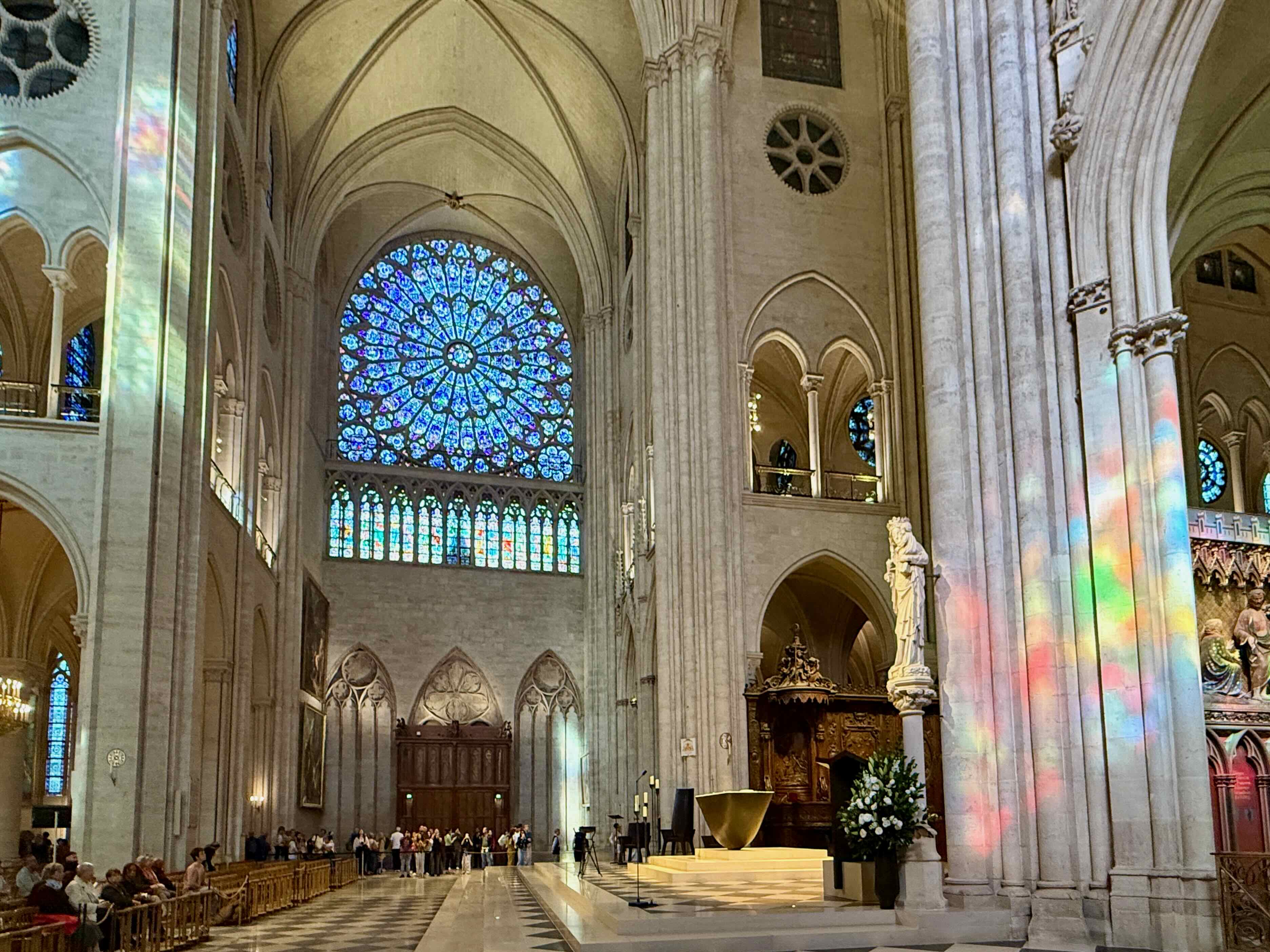
 The inside soars high above our heads and the light streams through the stained glass windows.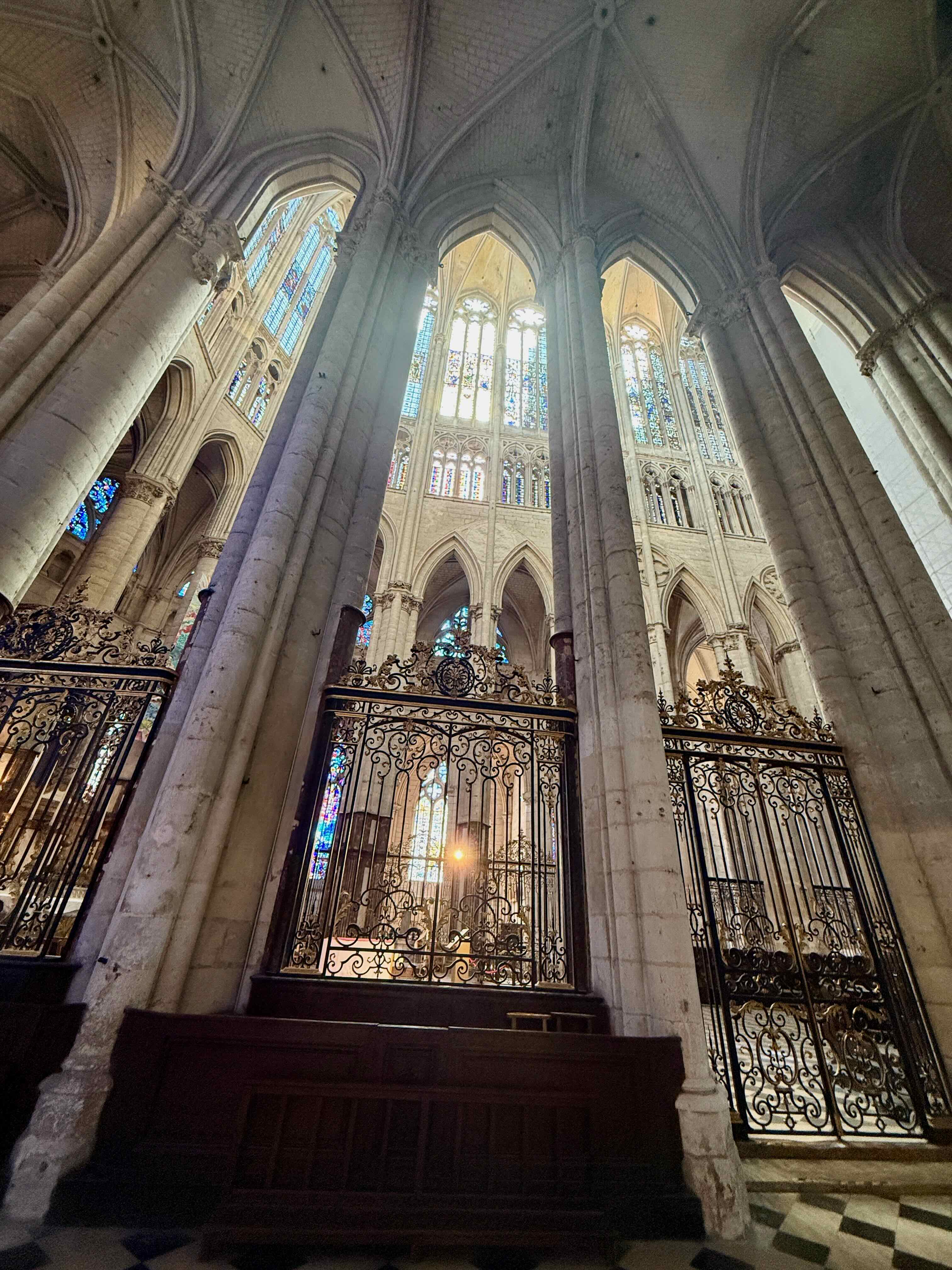
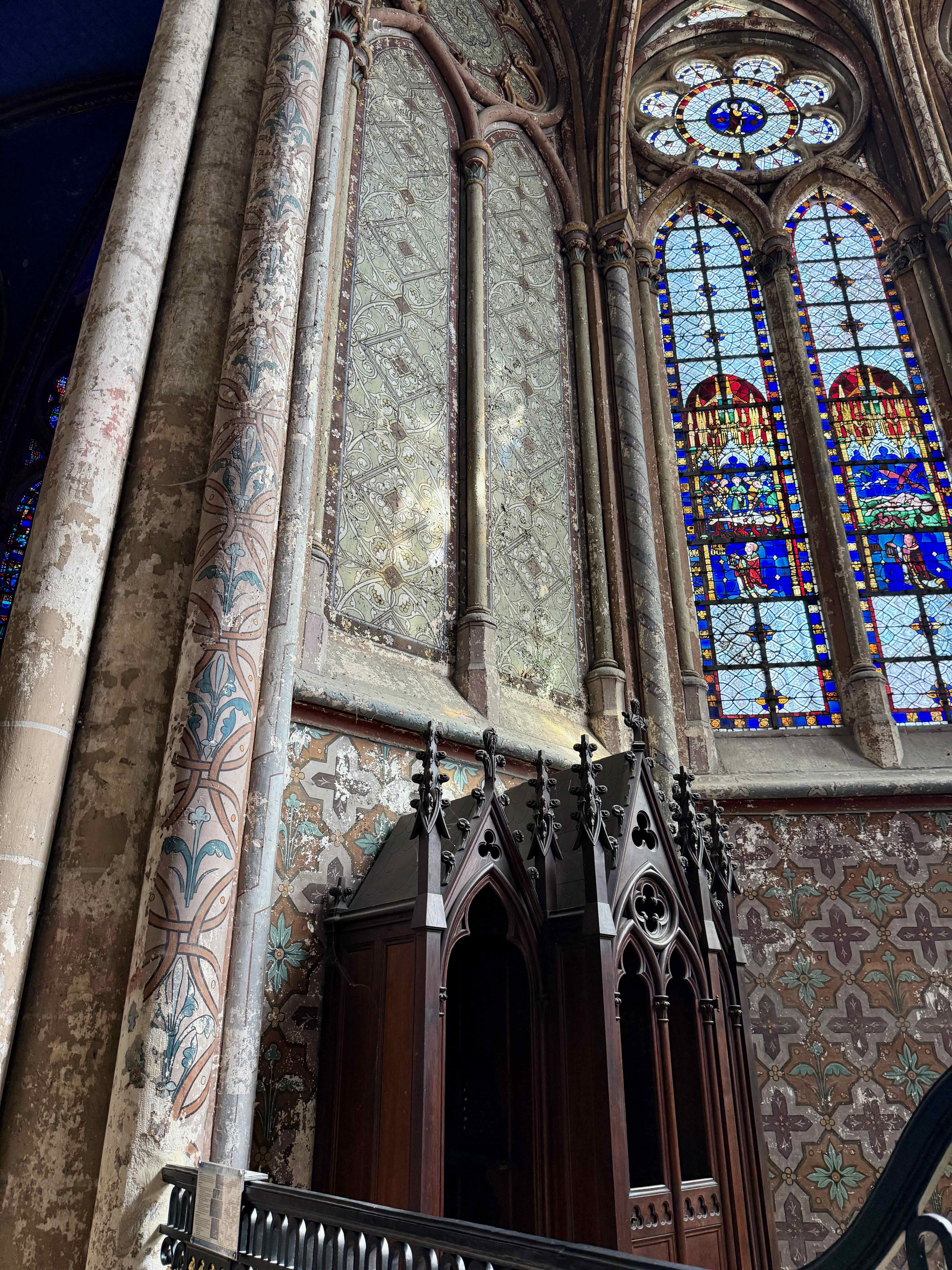
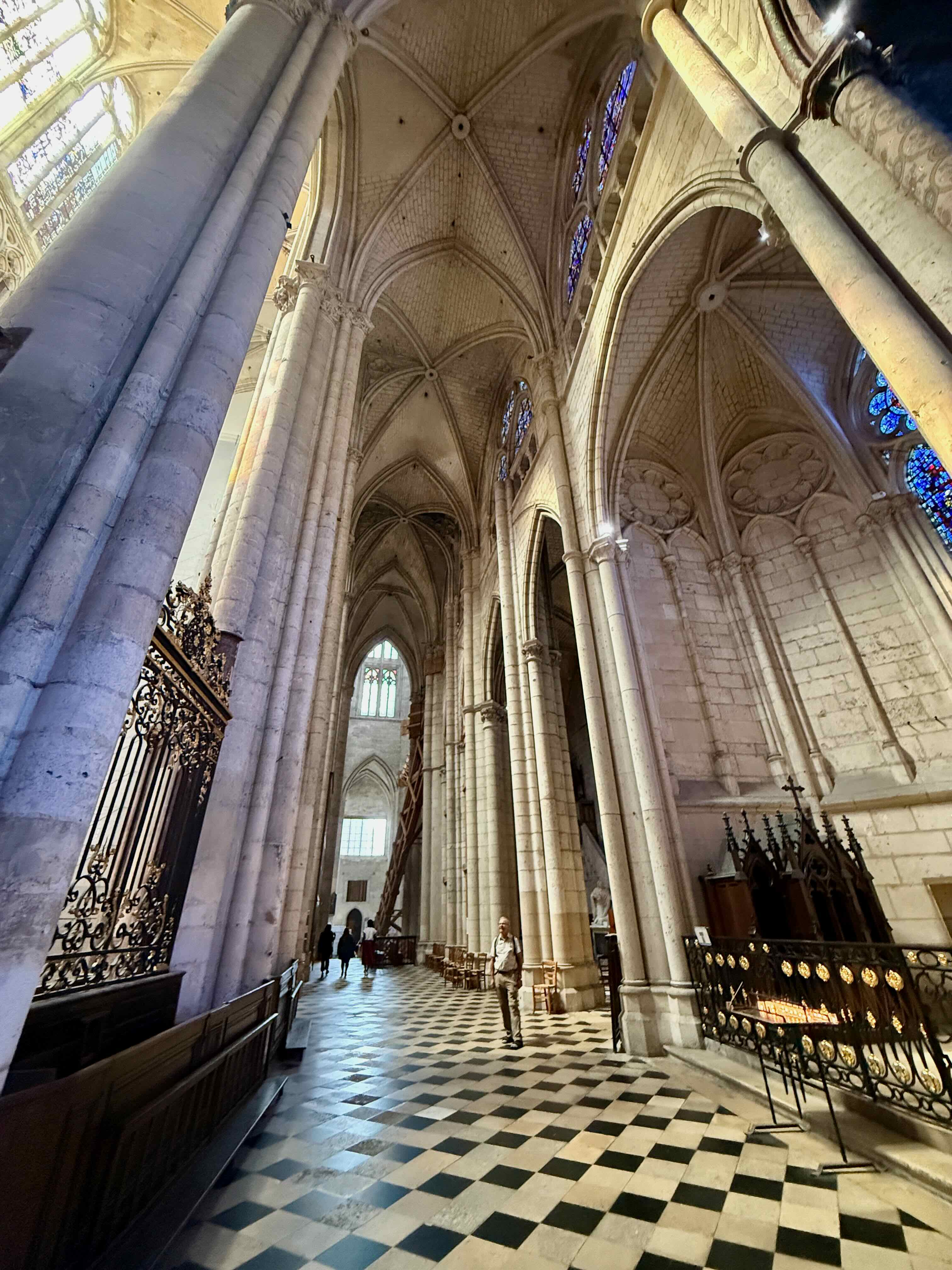
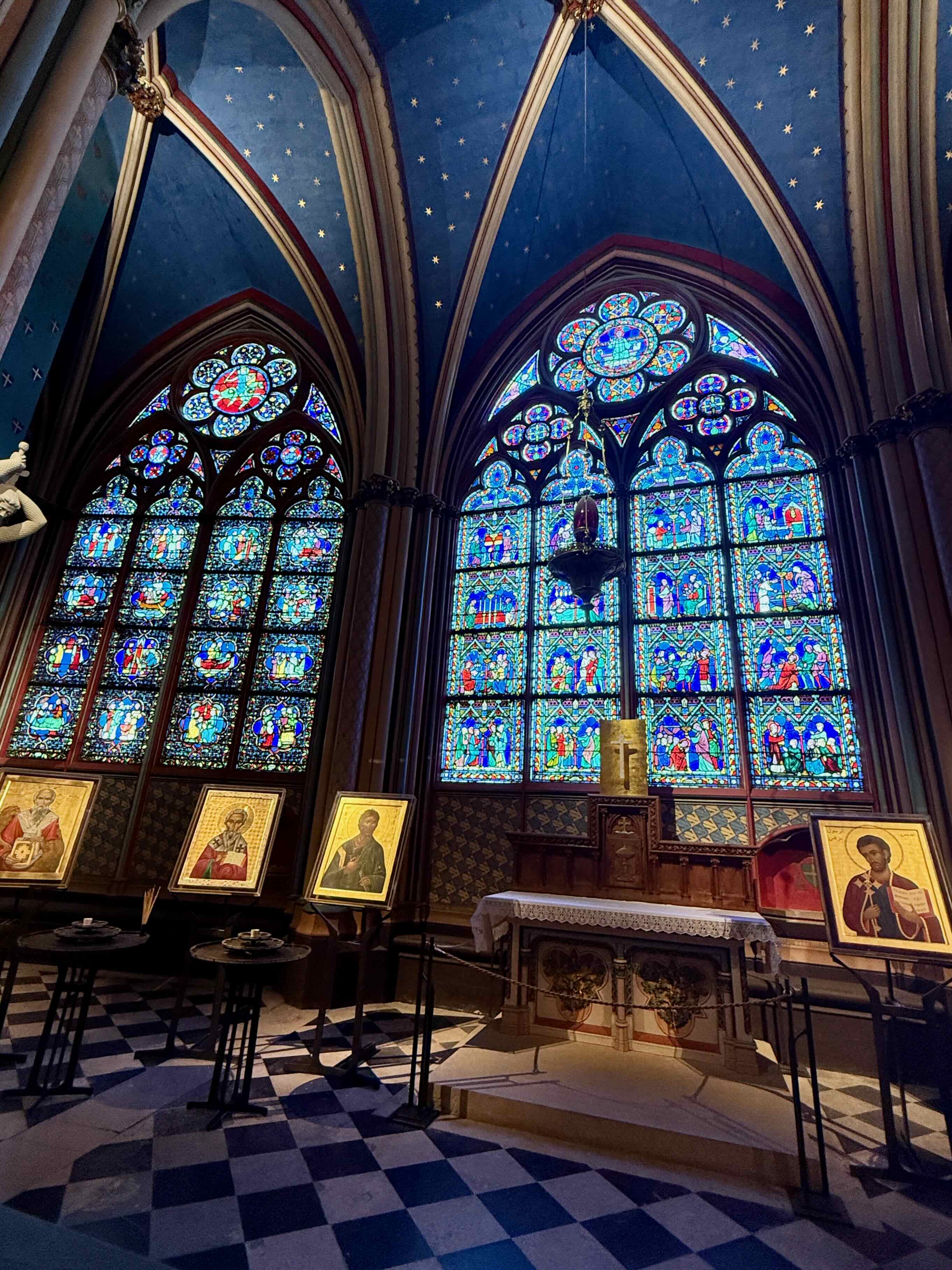
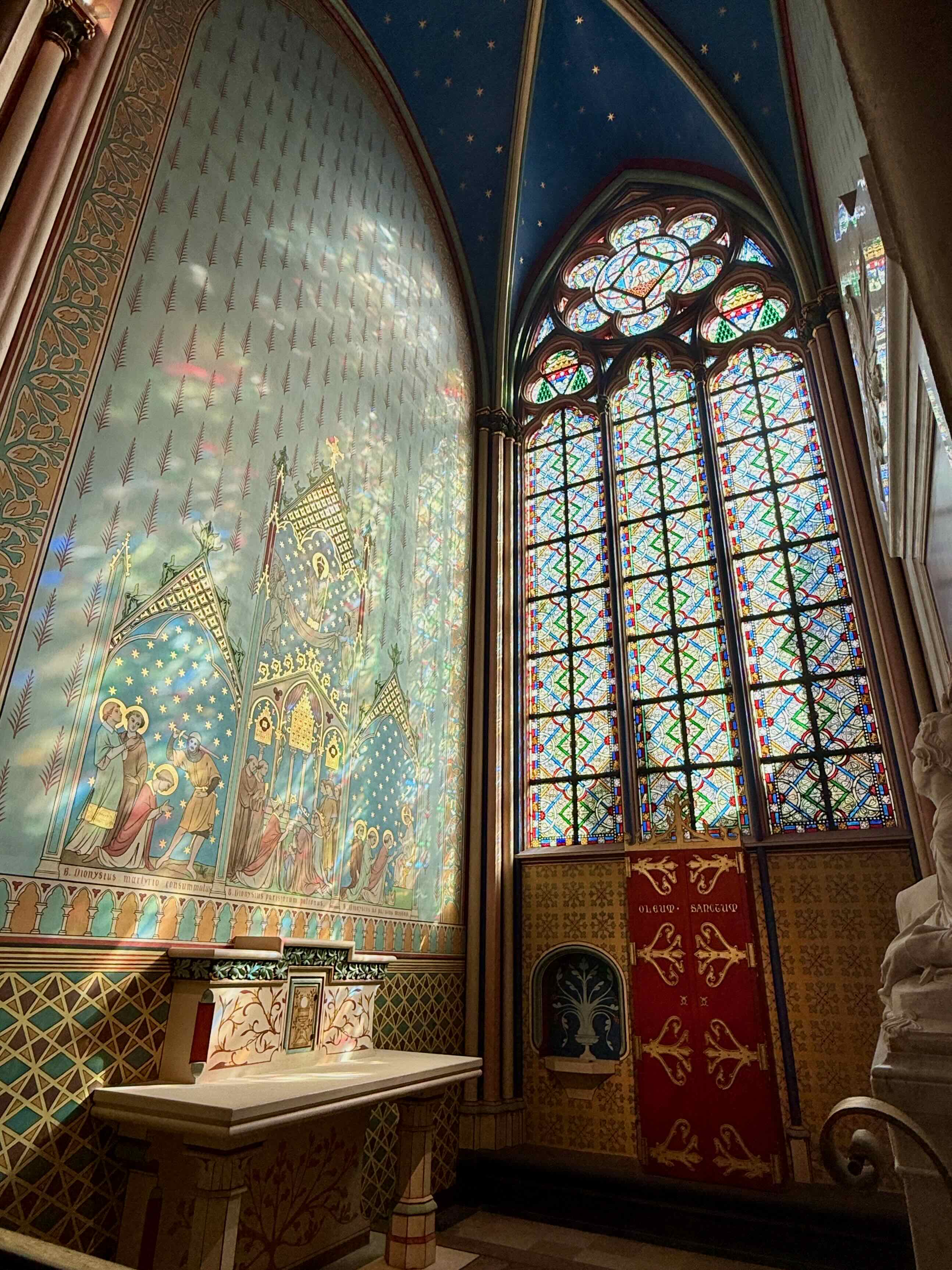
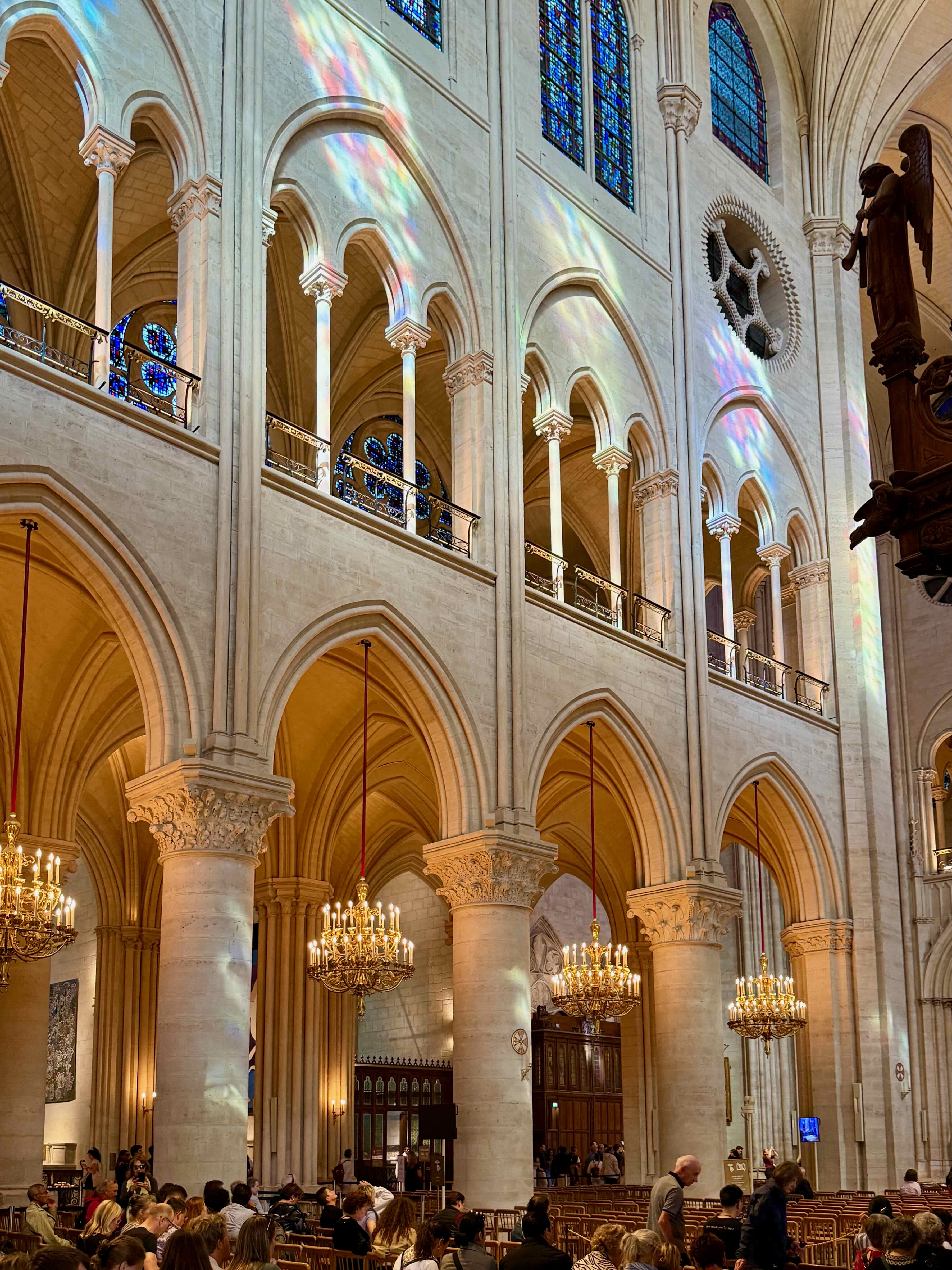
 Bob took this photo with this light shining through the stained glass windows into this side chapel.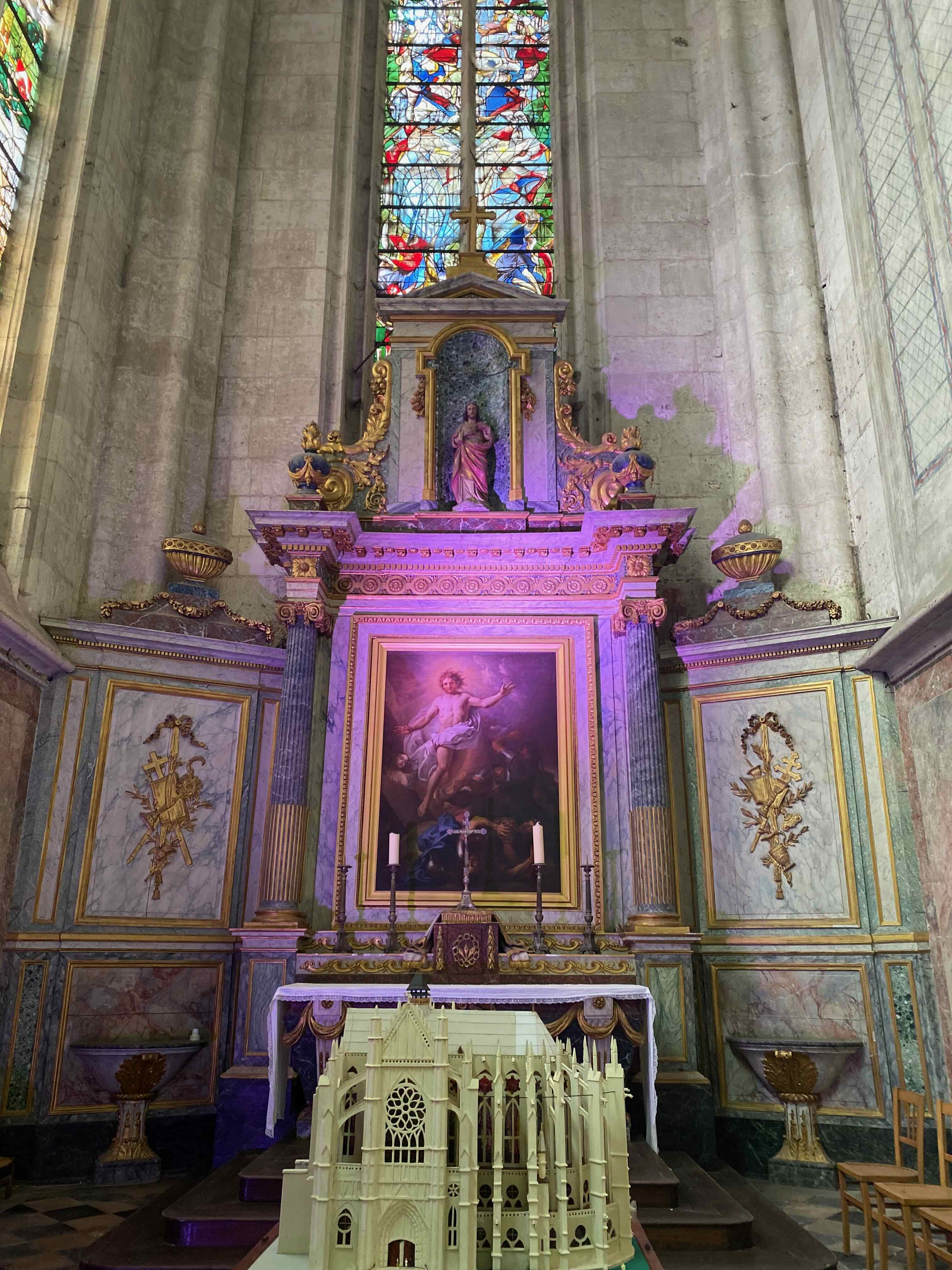

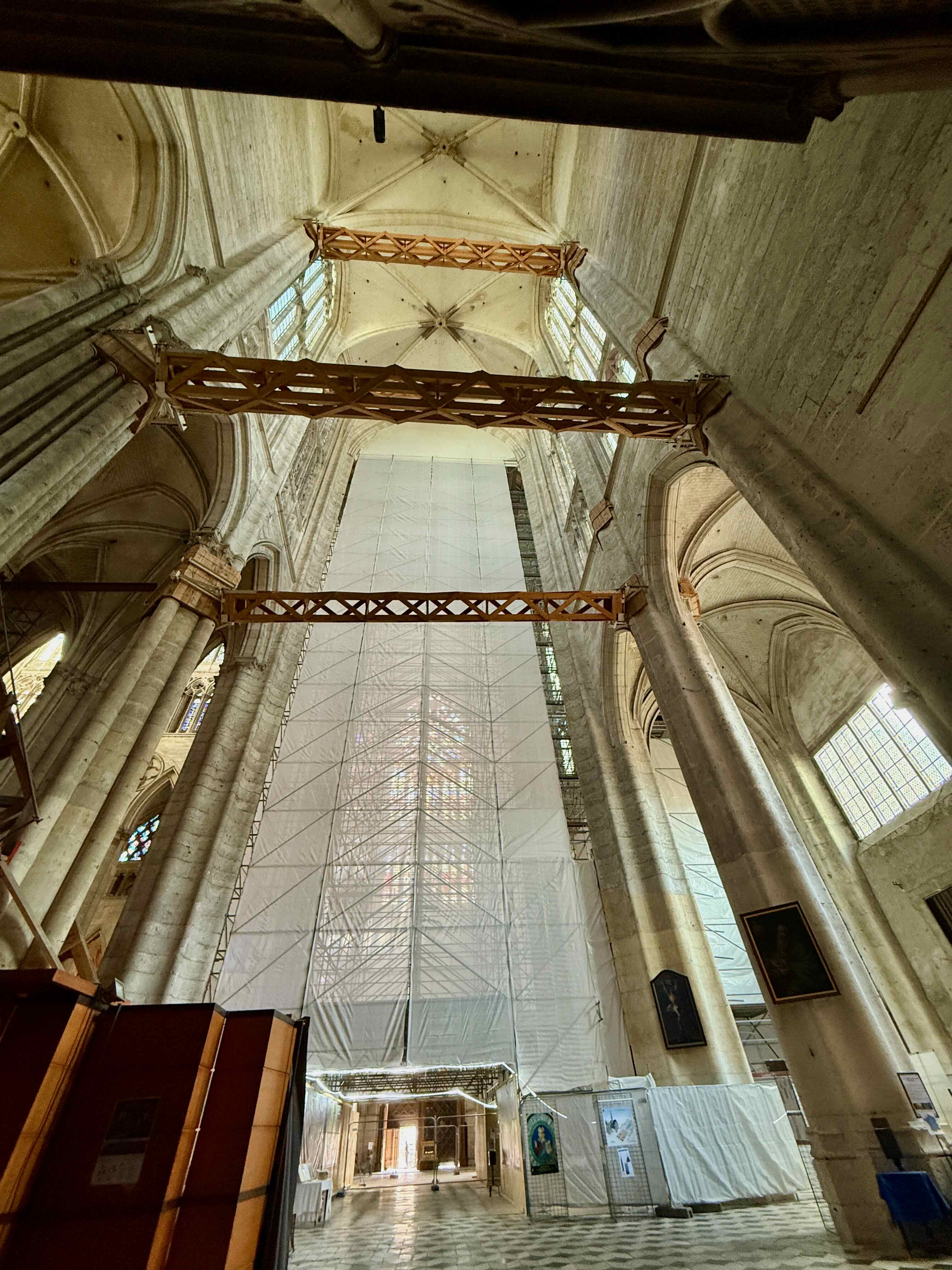
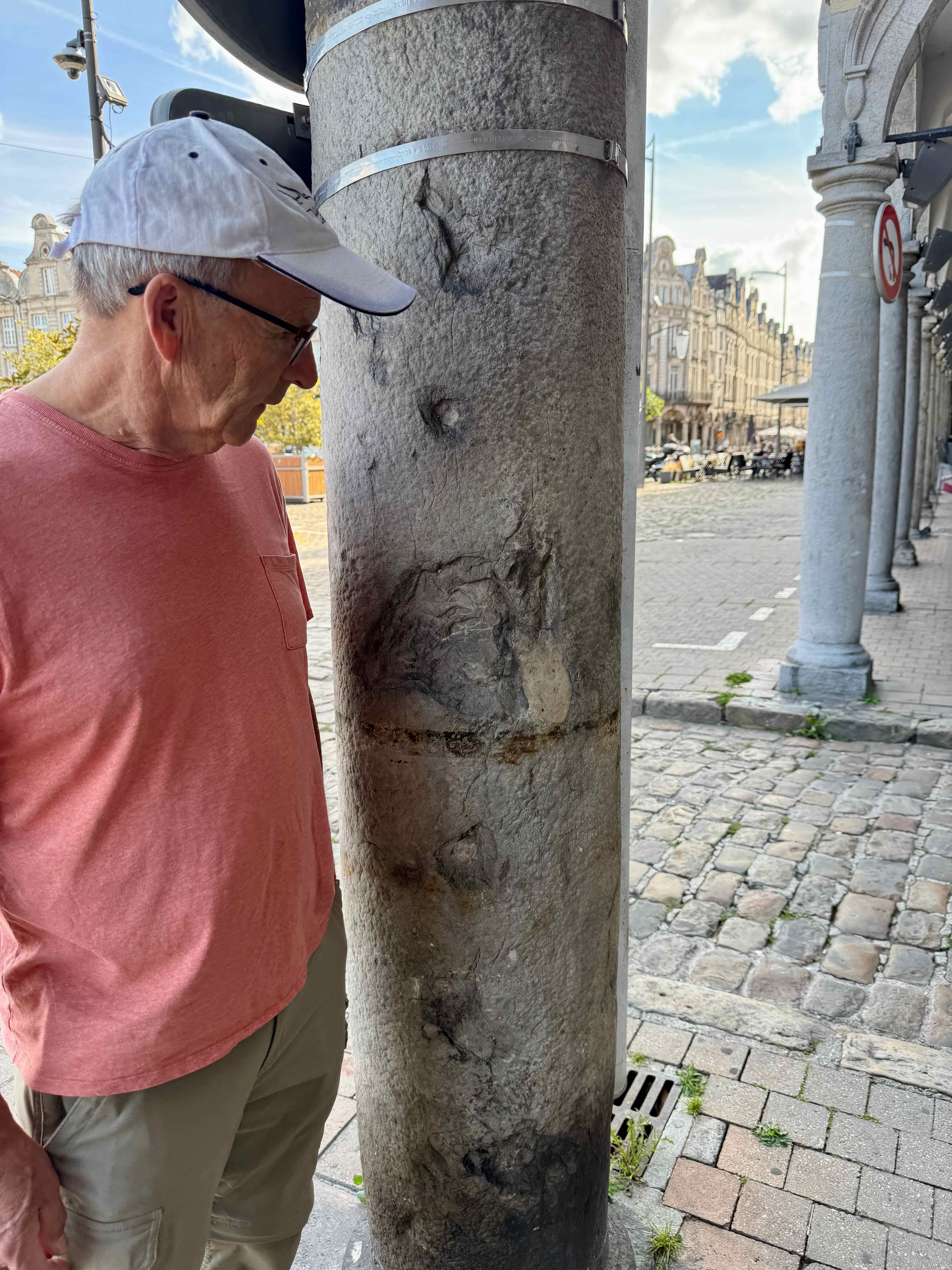
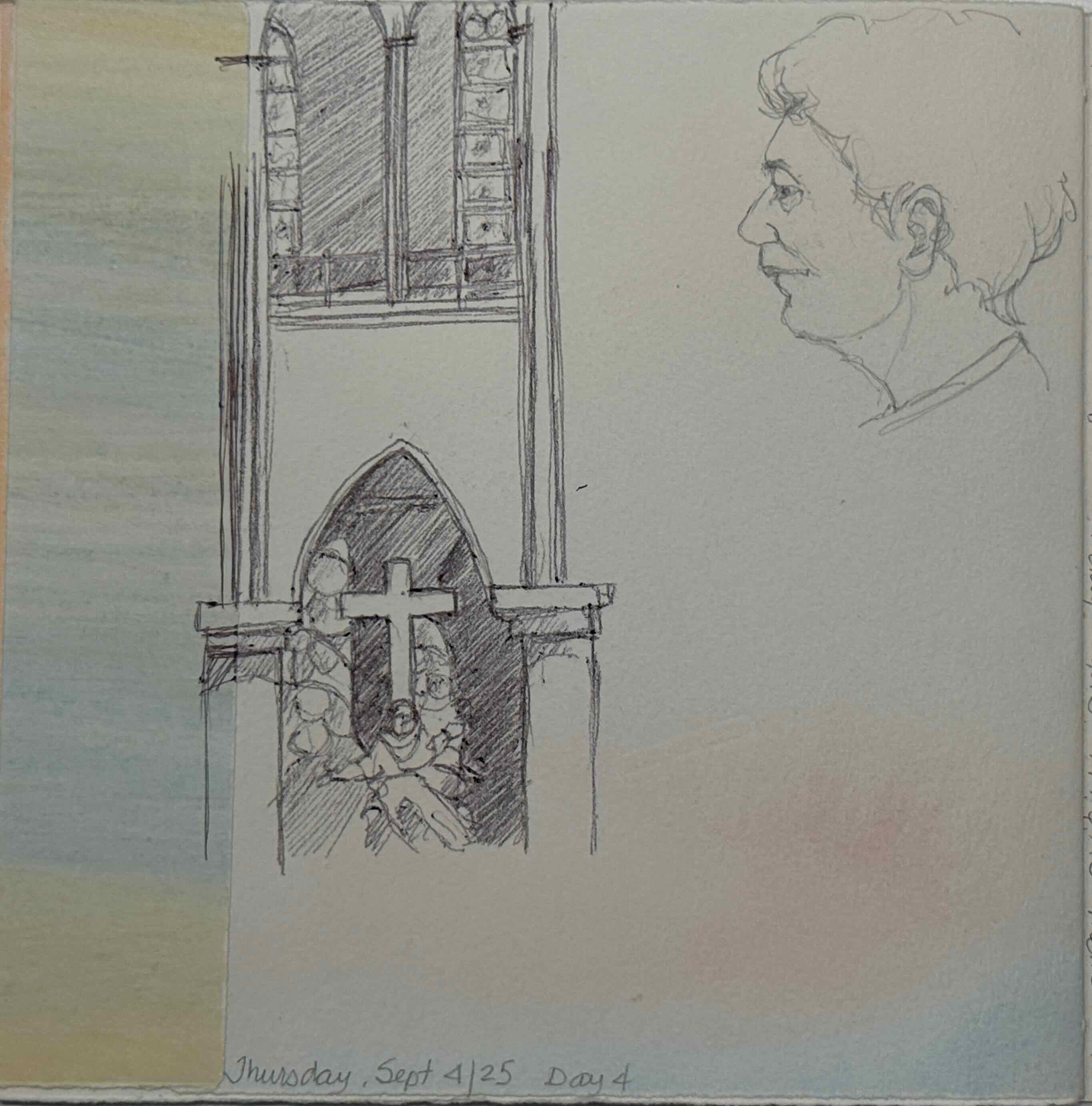
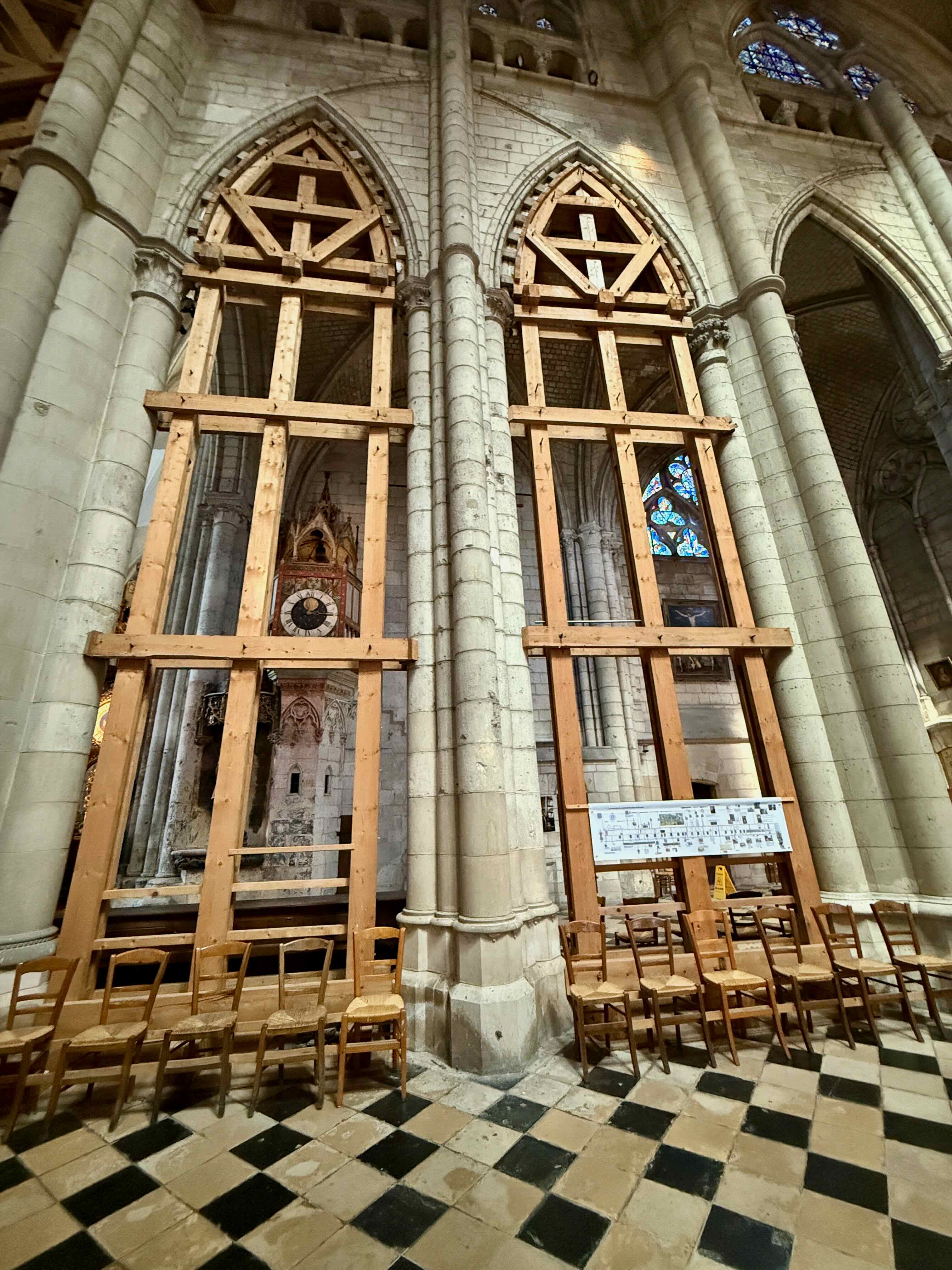 Also, the main floor of the transept is punctuated by a much larger brace that juts out of the floor at a 45-degree angle. It was placed as an emergency measure to give additional support to the pillars in an effort to stave off any further movement. Presently, Columbia University is performing a study on a three-dimensional model using laser scans of the building in an attempt to pinpoint where the weaknesses are greatest to see what further can be done to shore up the building.” ~Frenchmoments.ca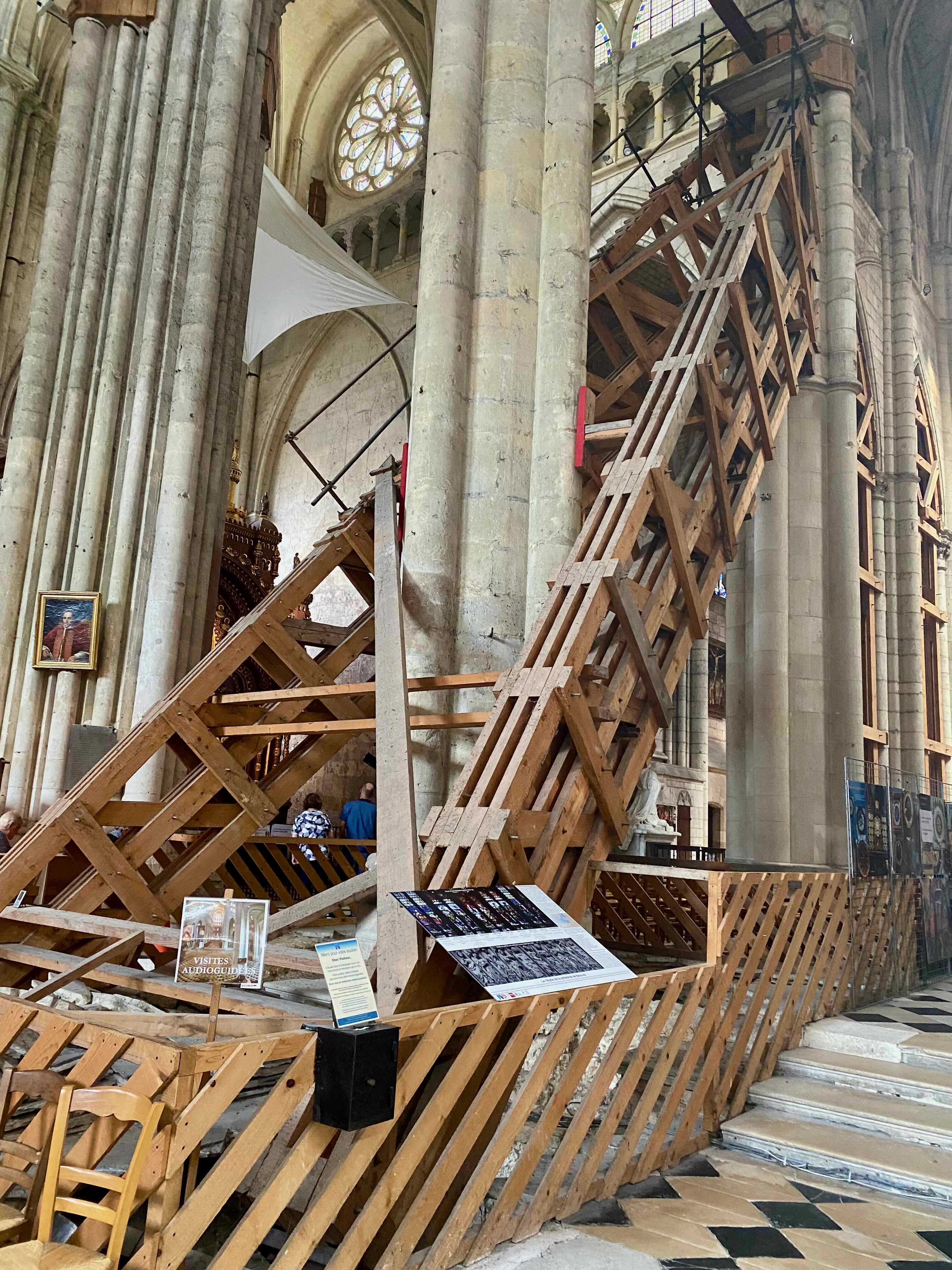

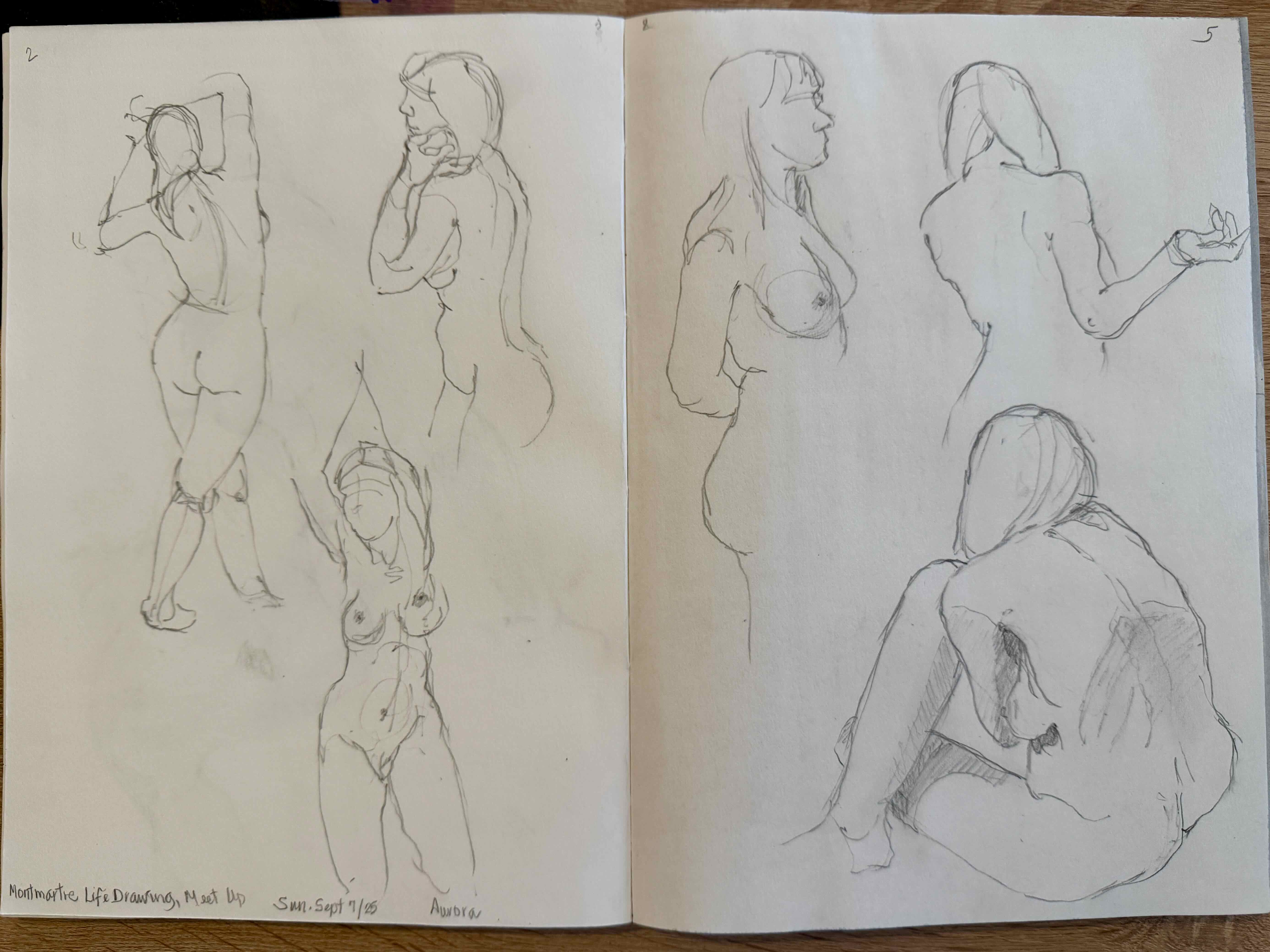

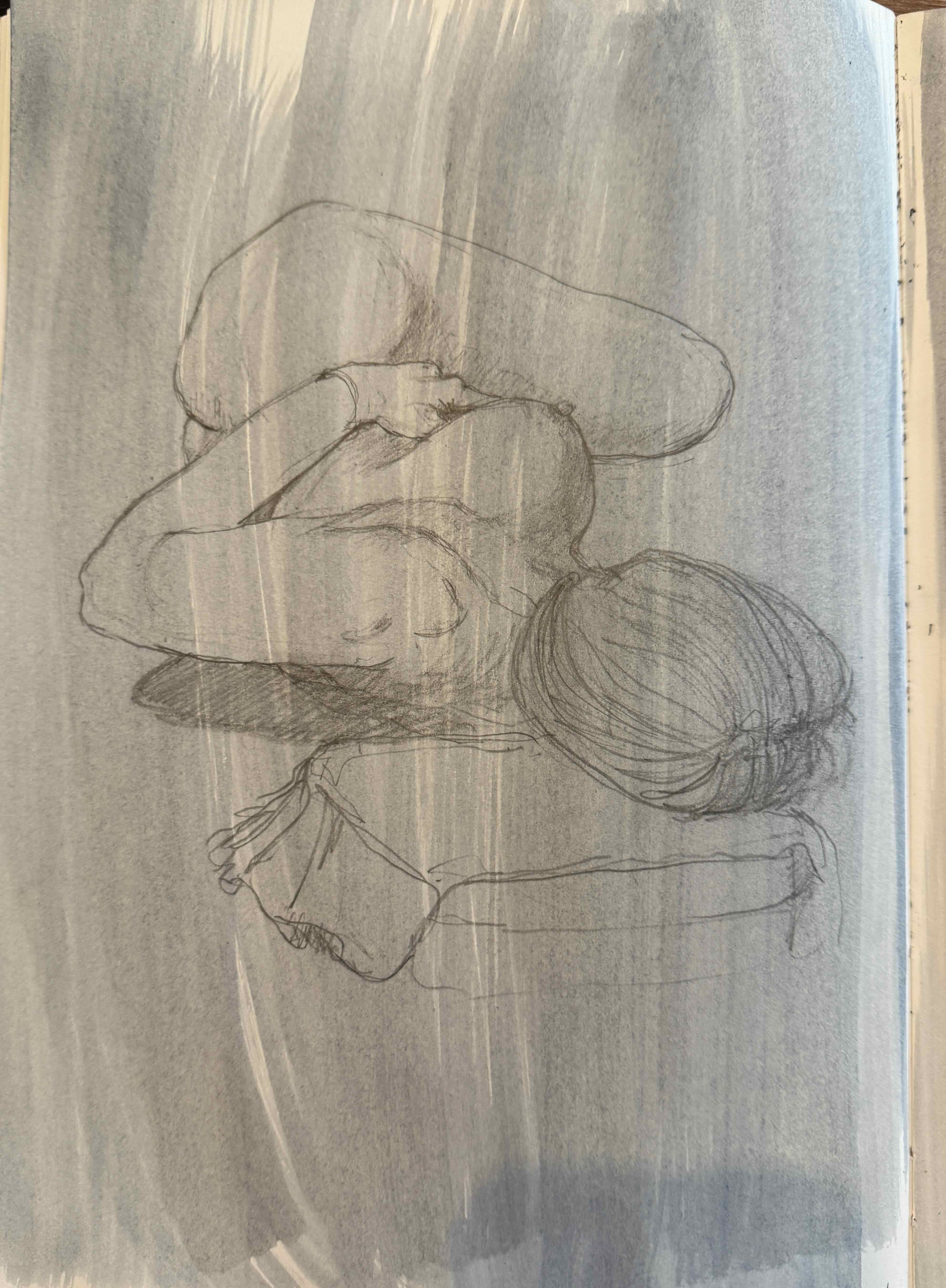
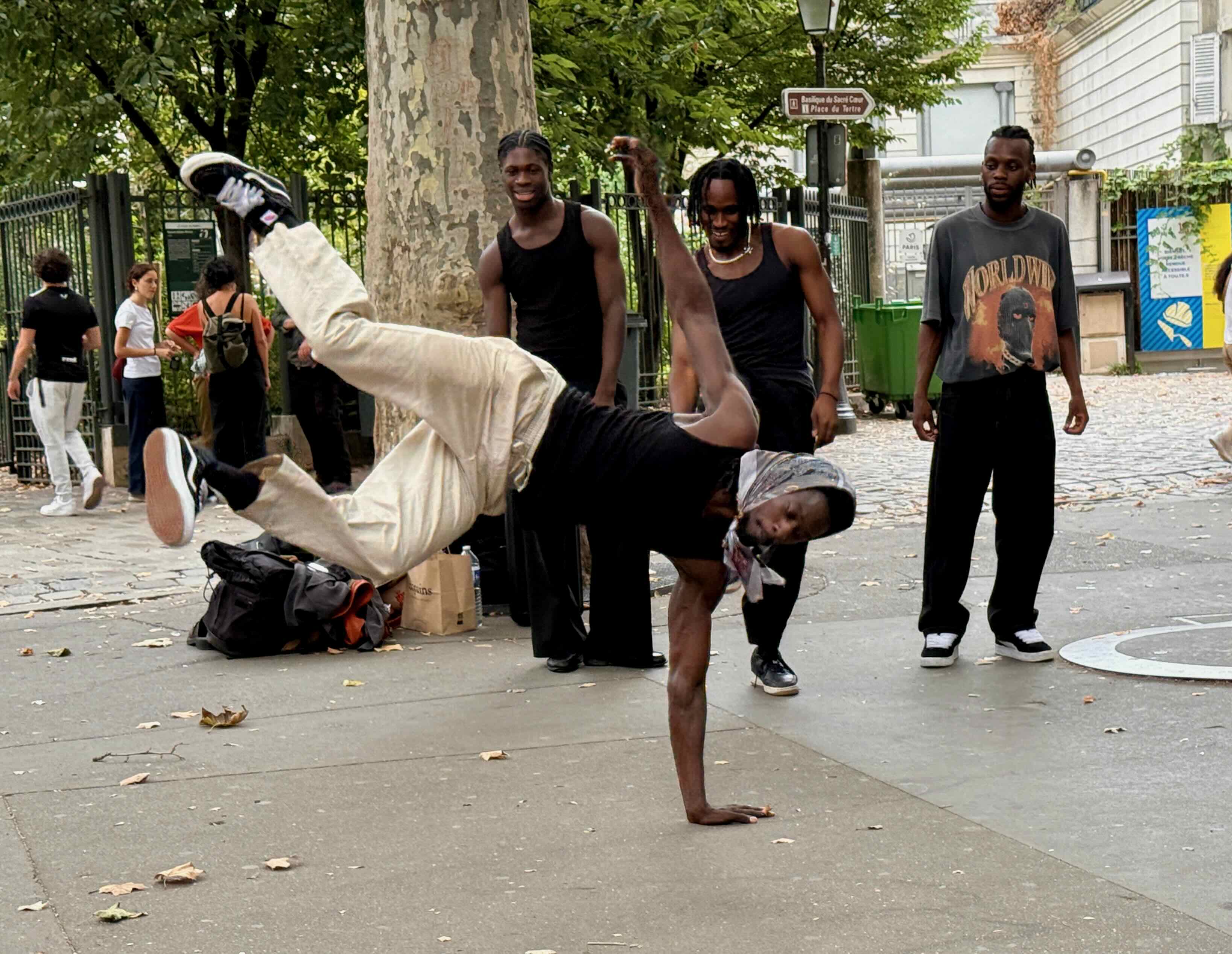

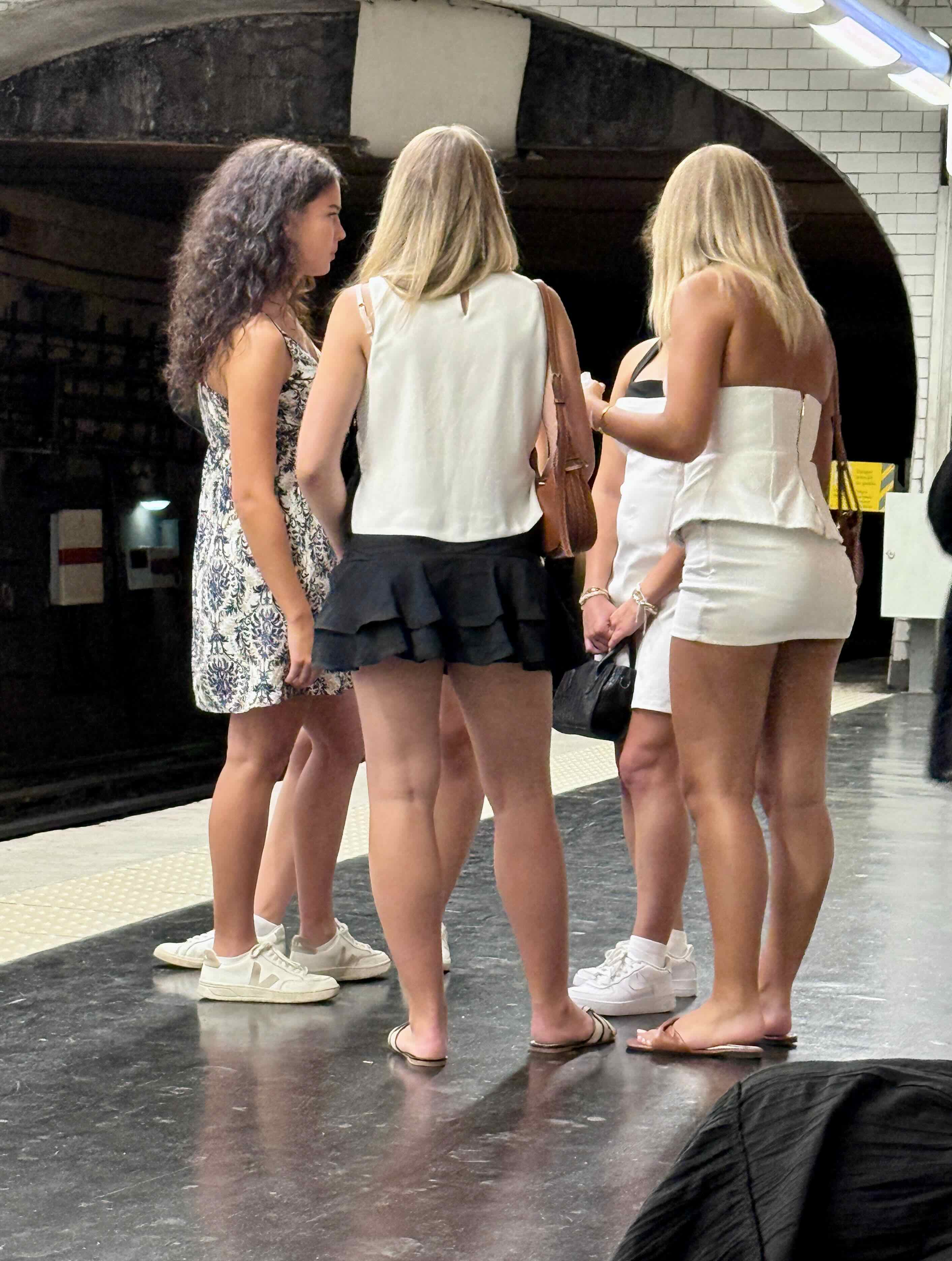
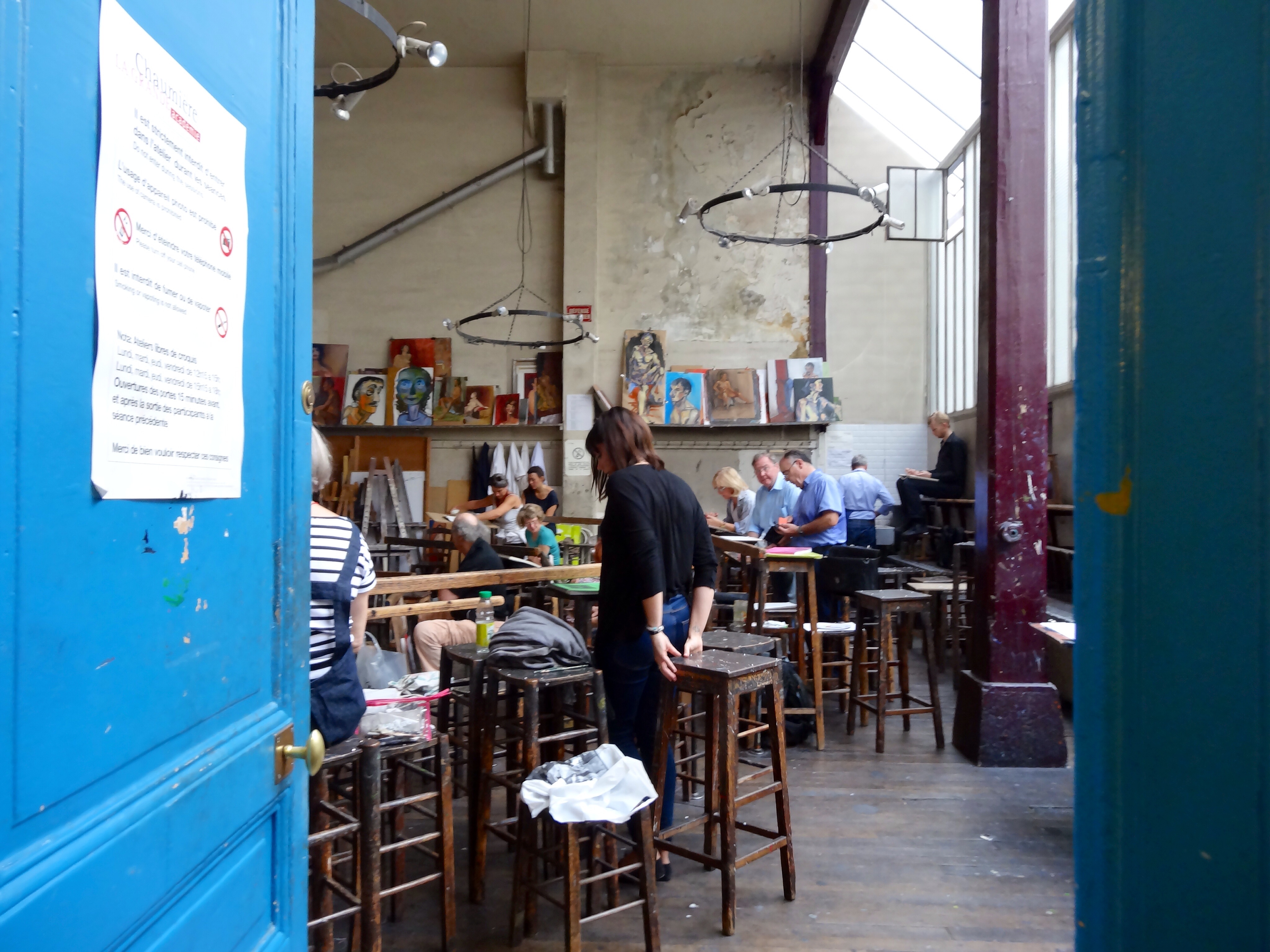
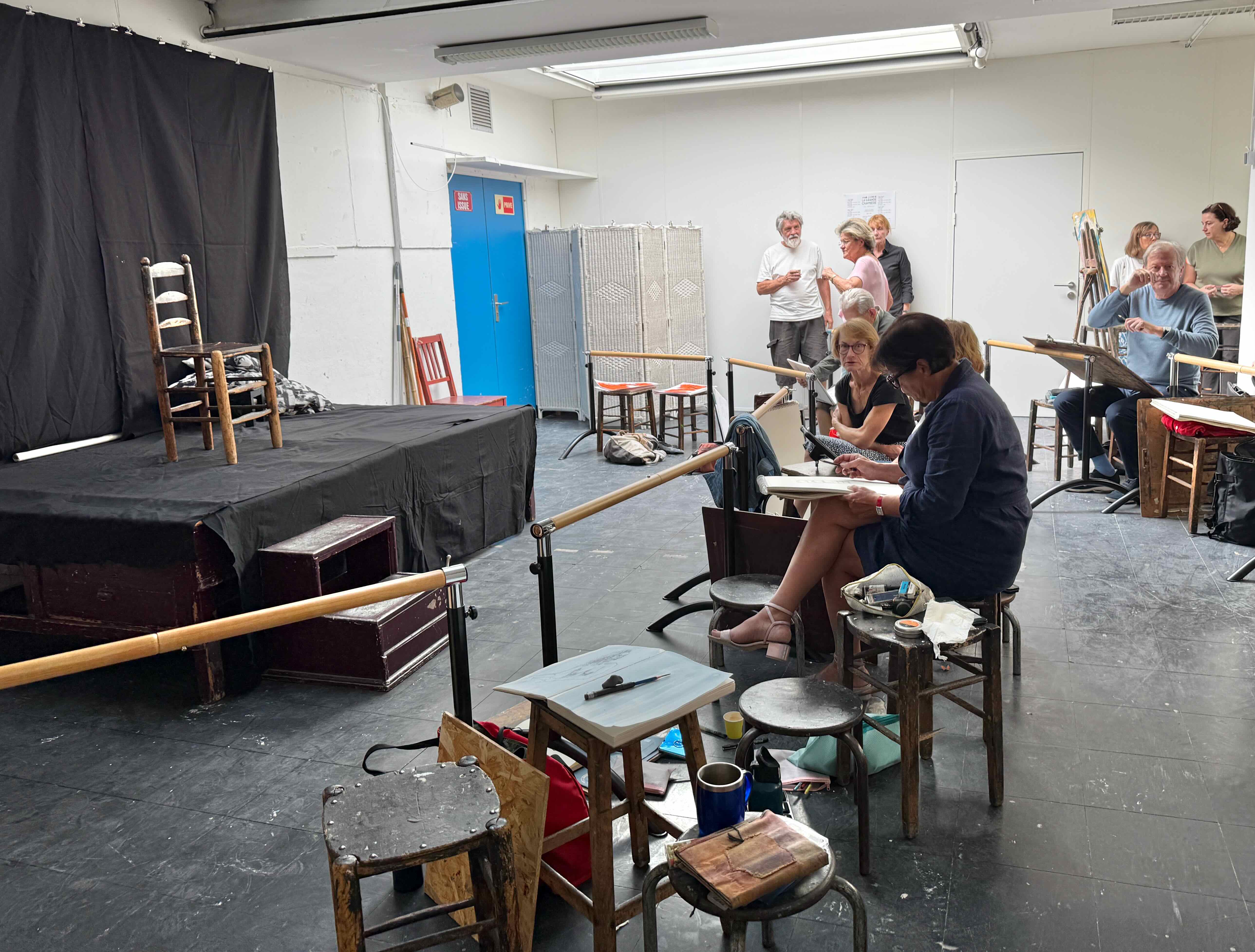
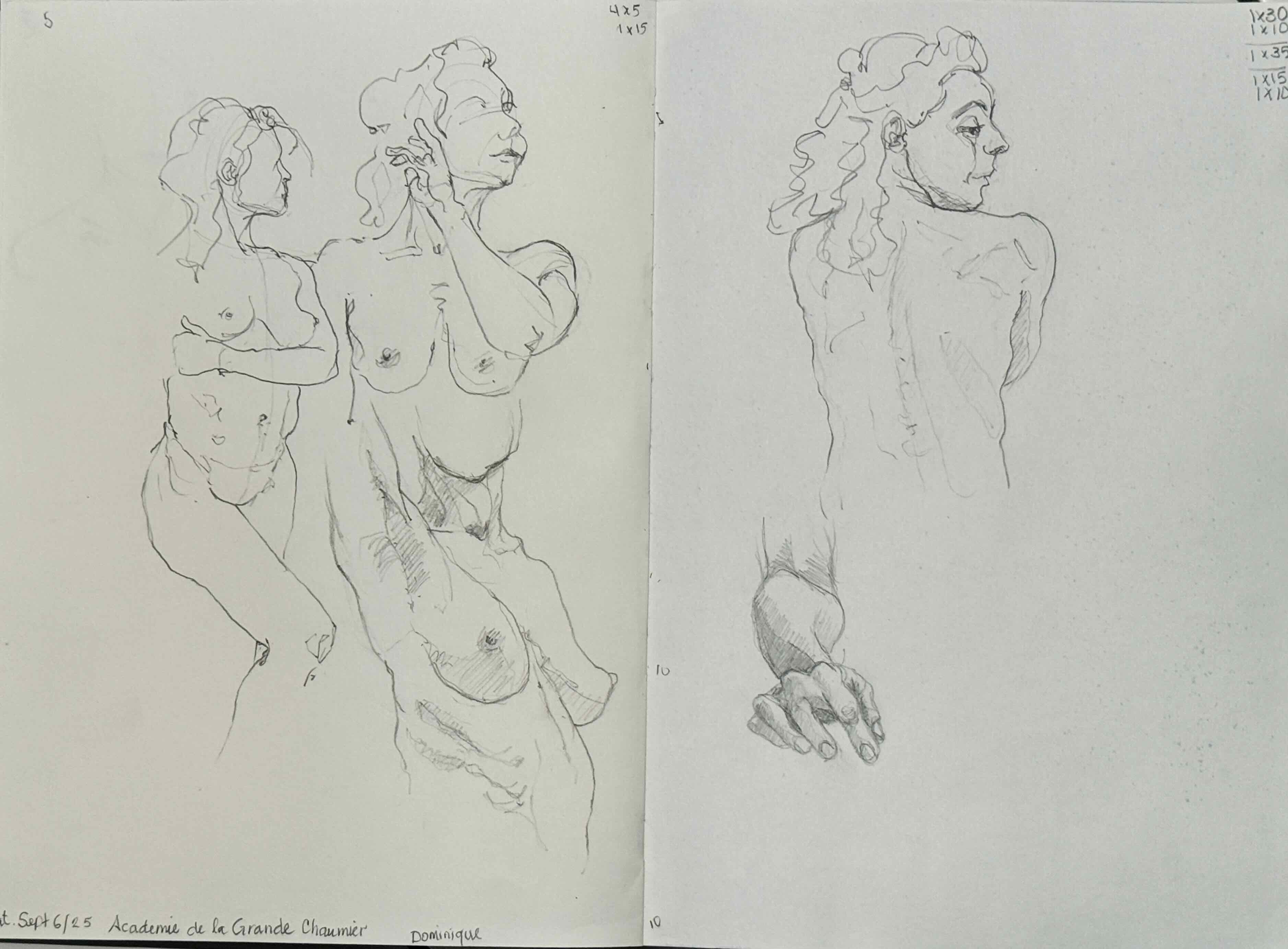
 We drive to Arras tomorrow so tonight we pack and tidy up. It was great being able to attend three life drawing sessions in three days but it was a bit tiring too. I don’t think I will find many more life drawing groups for a while.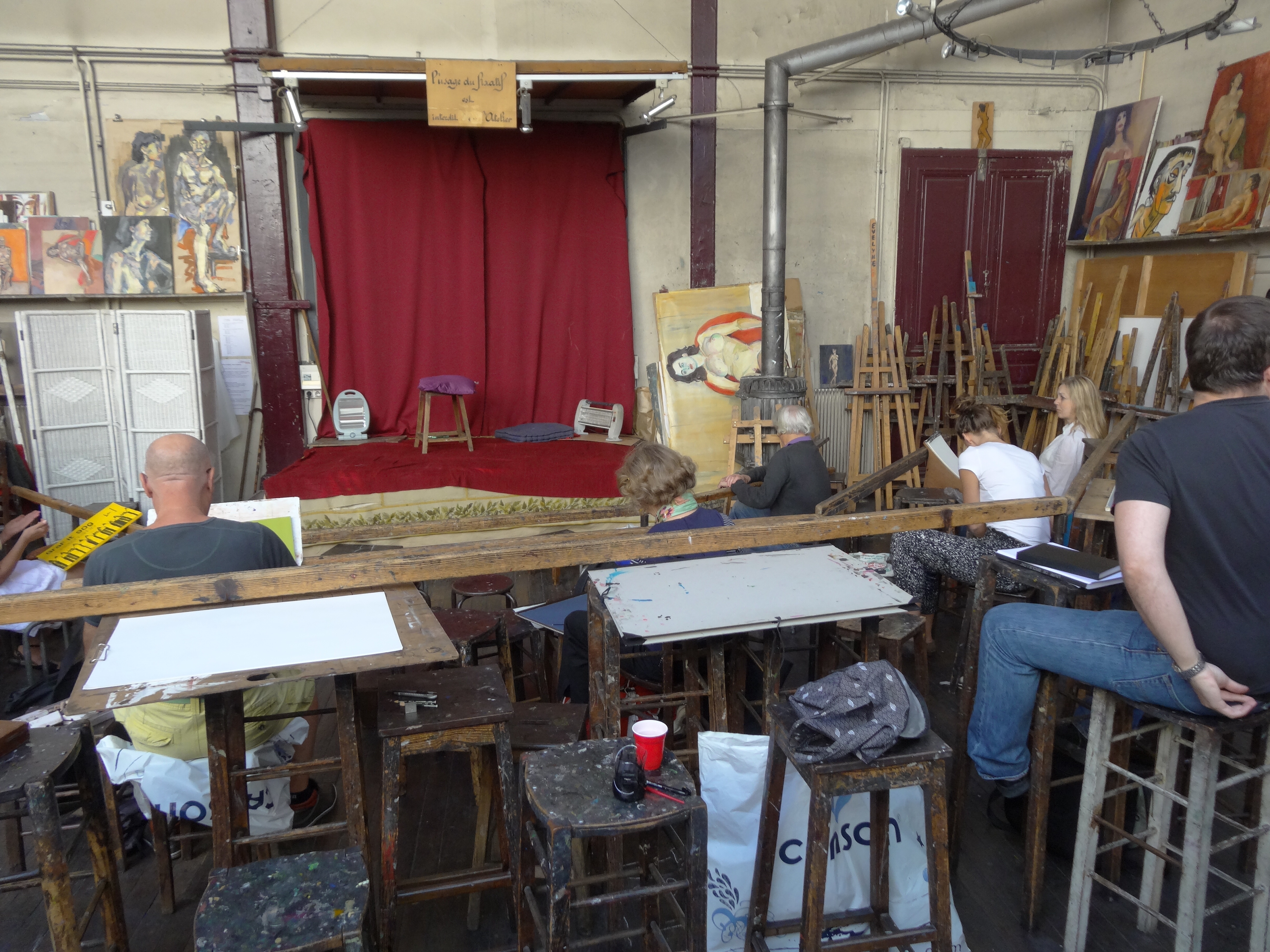

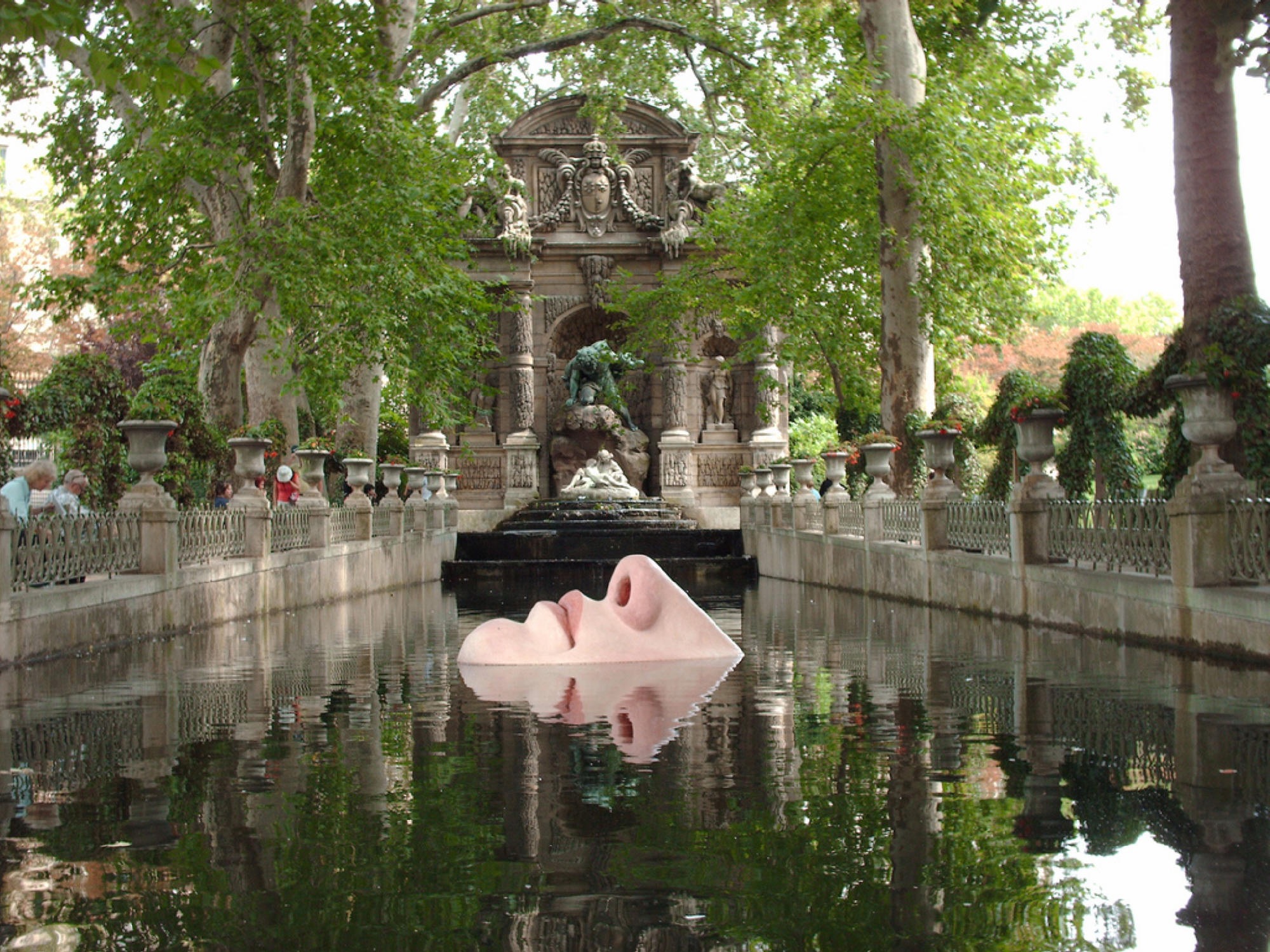
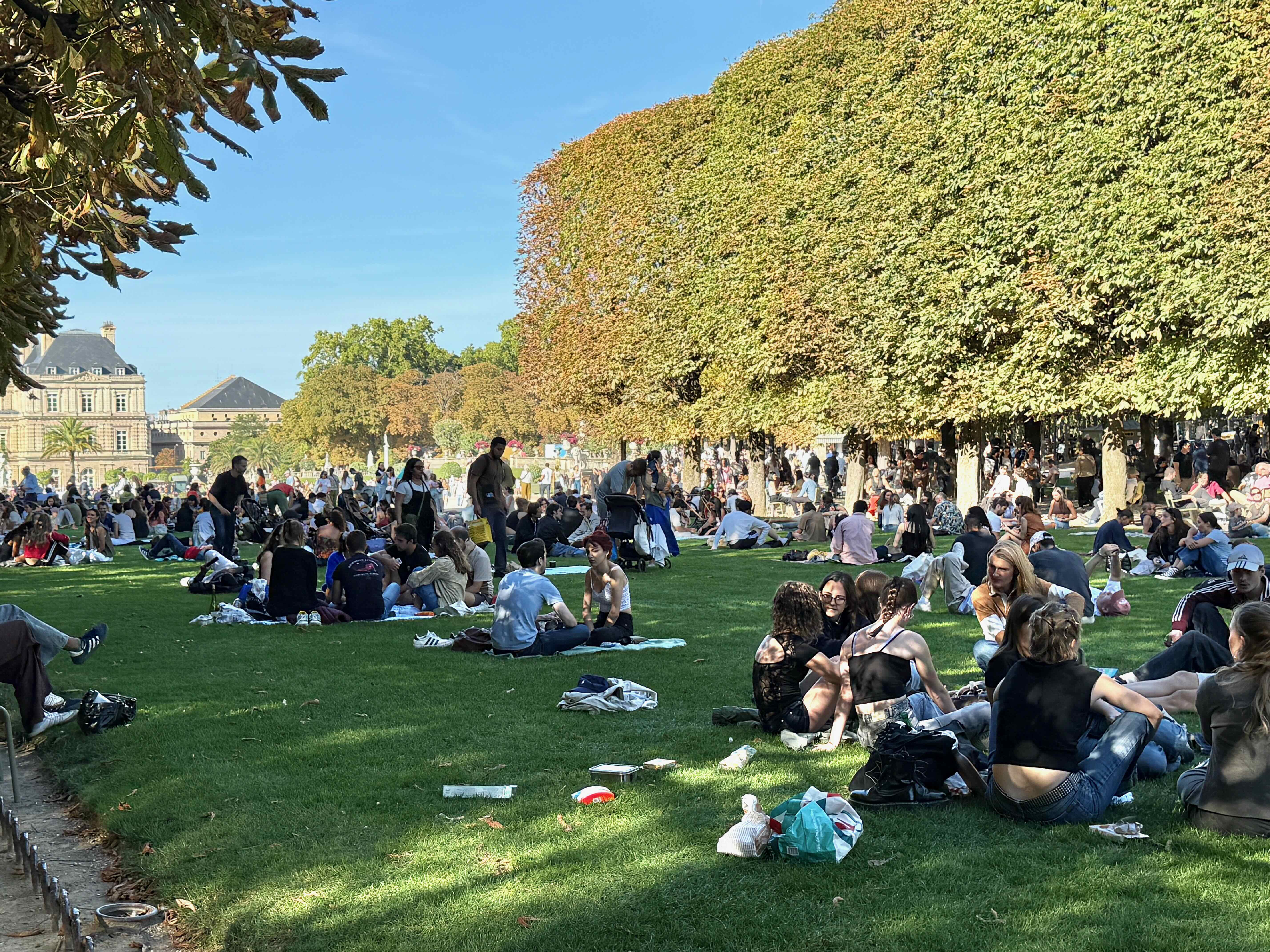 The Medici Fountain is a monumental fountain in the Jardin de Luxembourg that was built in 1630.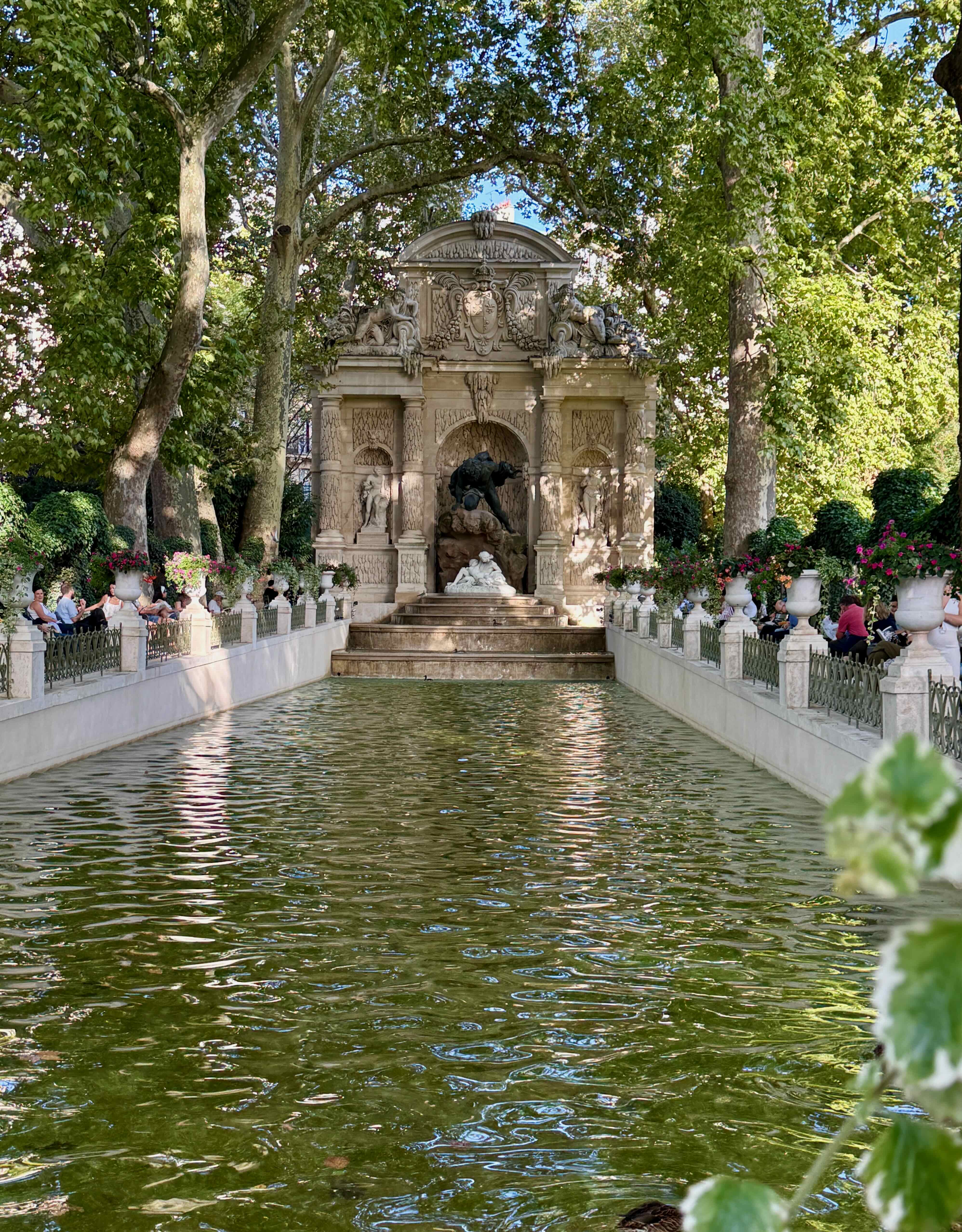
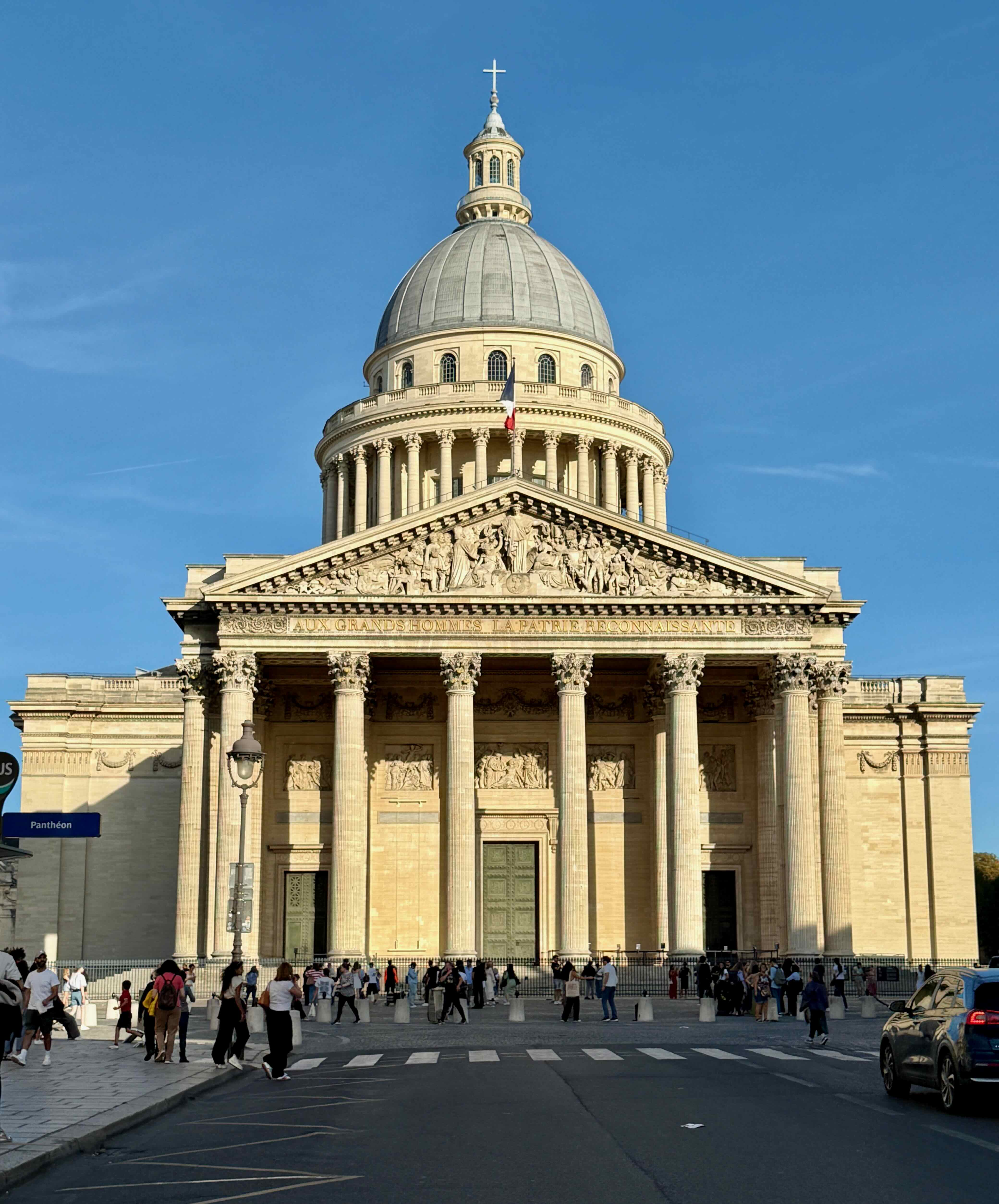 I do not miss eating out in Paris. Sitting check by jowl beside smokers is not my idea of fun. I much prefer the meals we prepare at home in our bnb’s.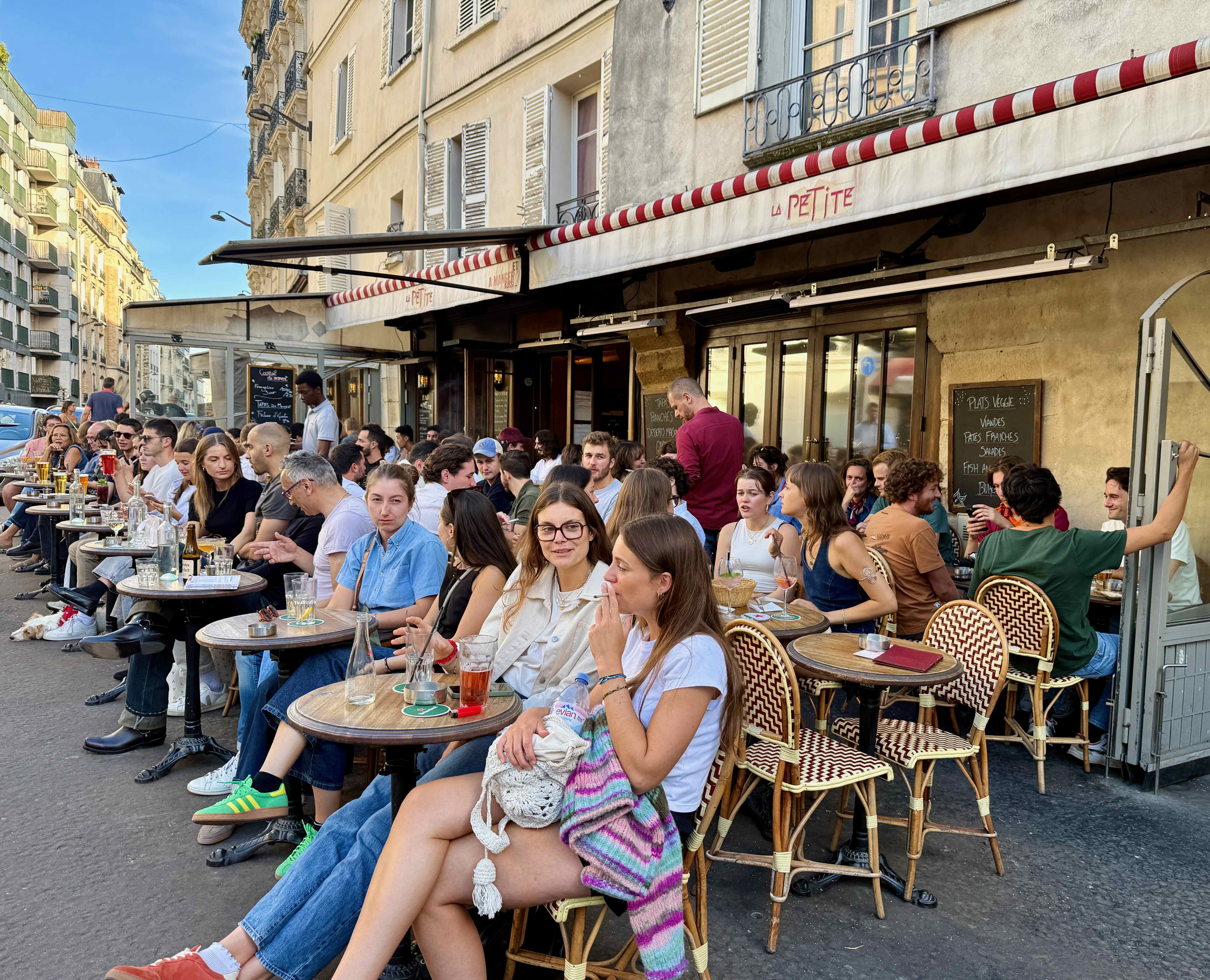
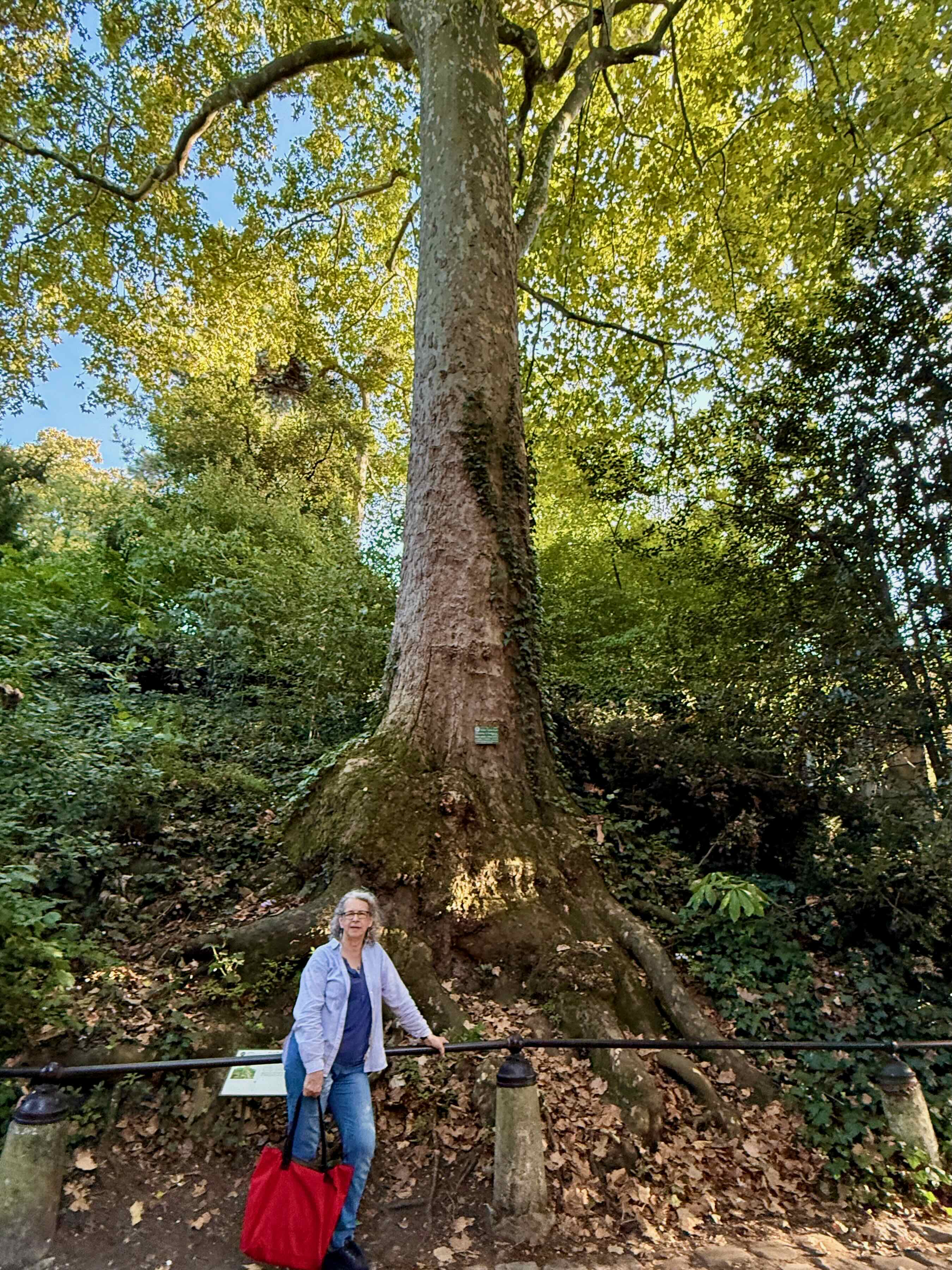
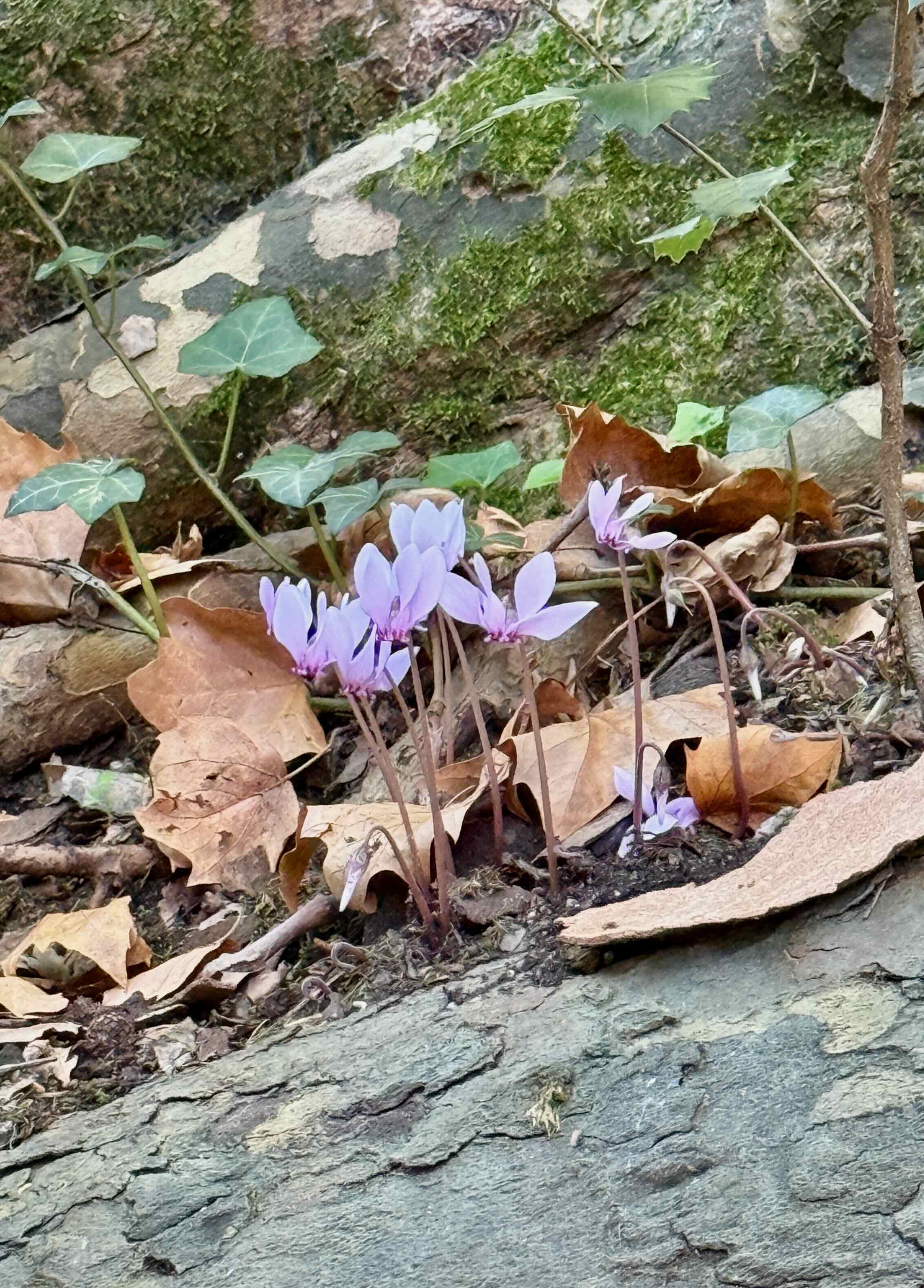 Sue loved this interesting flower and wanted a closer look.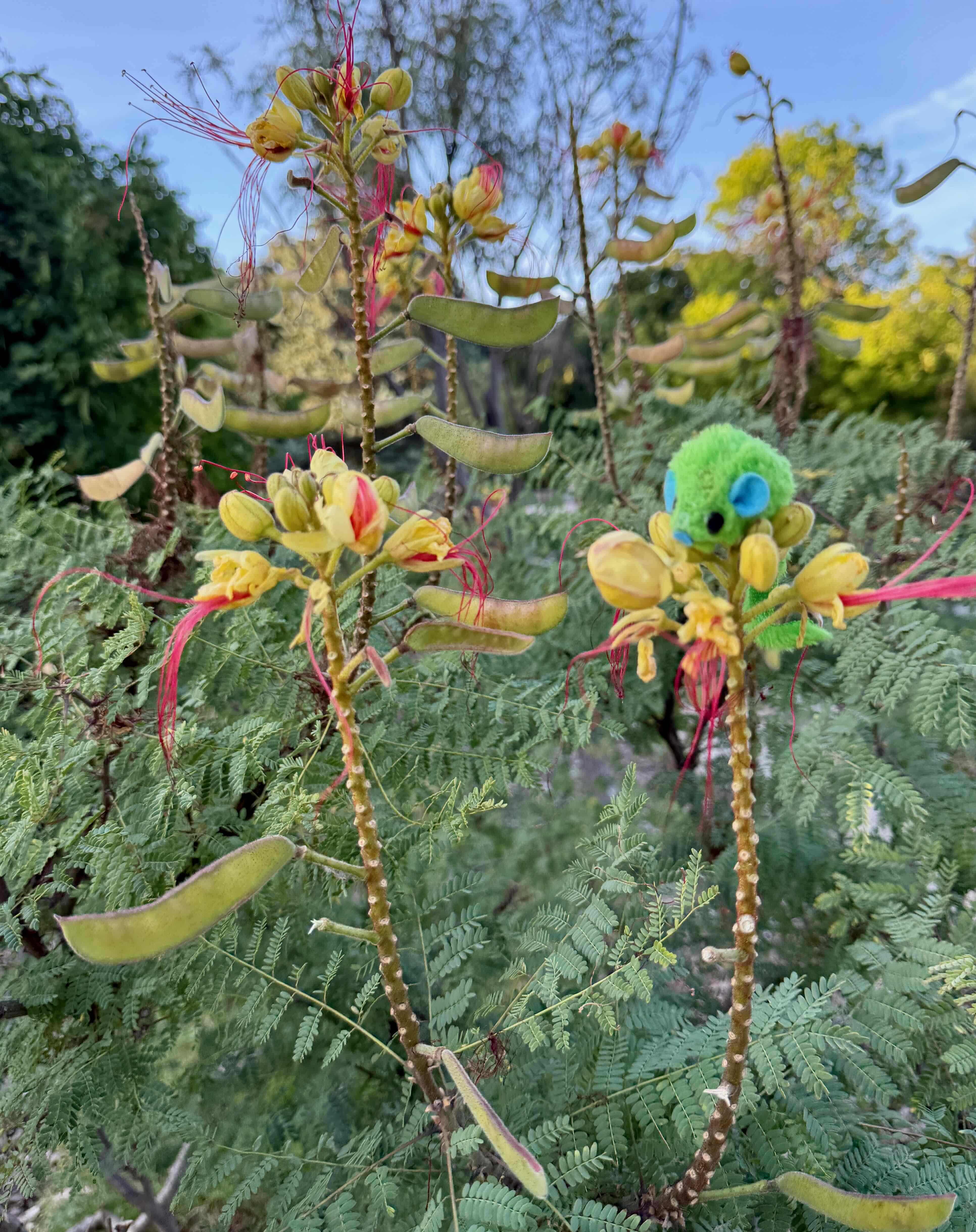
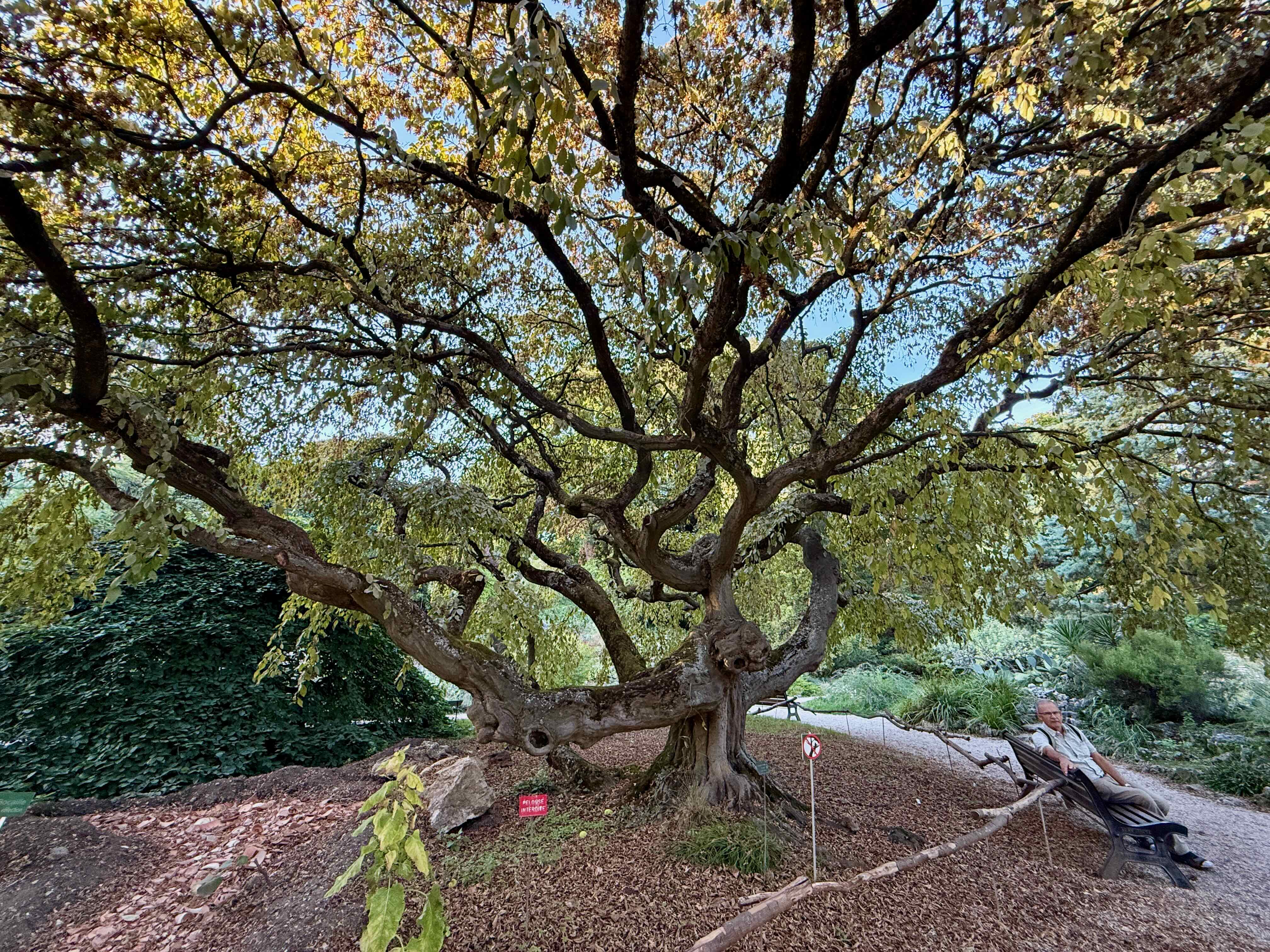
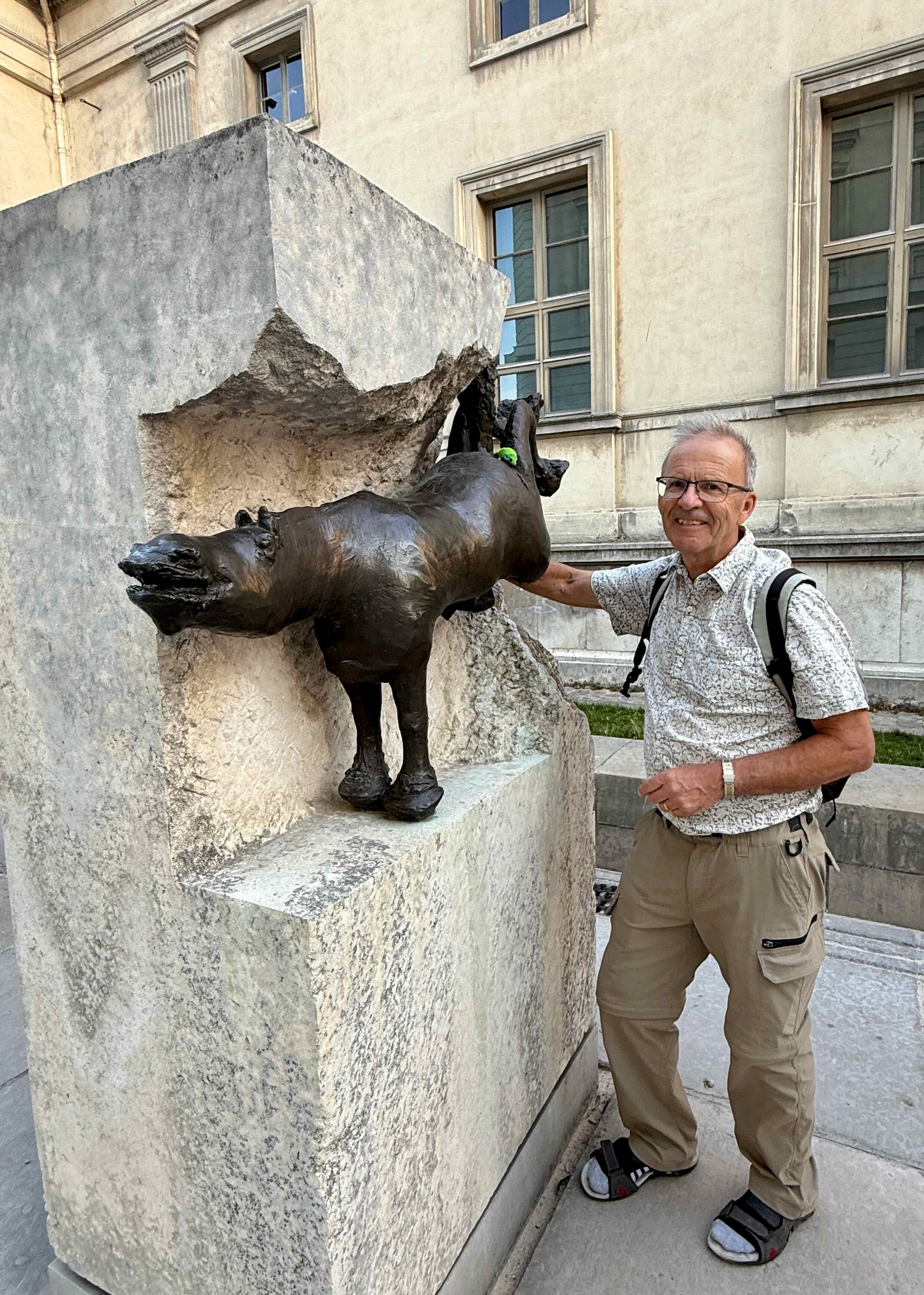
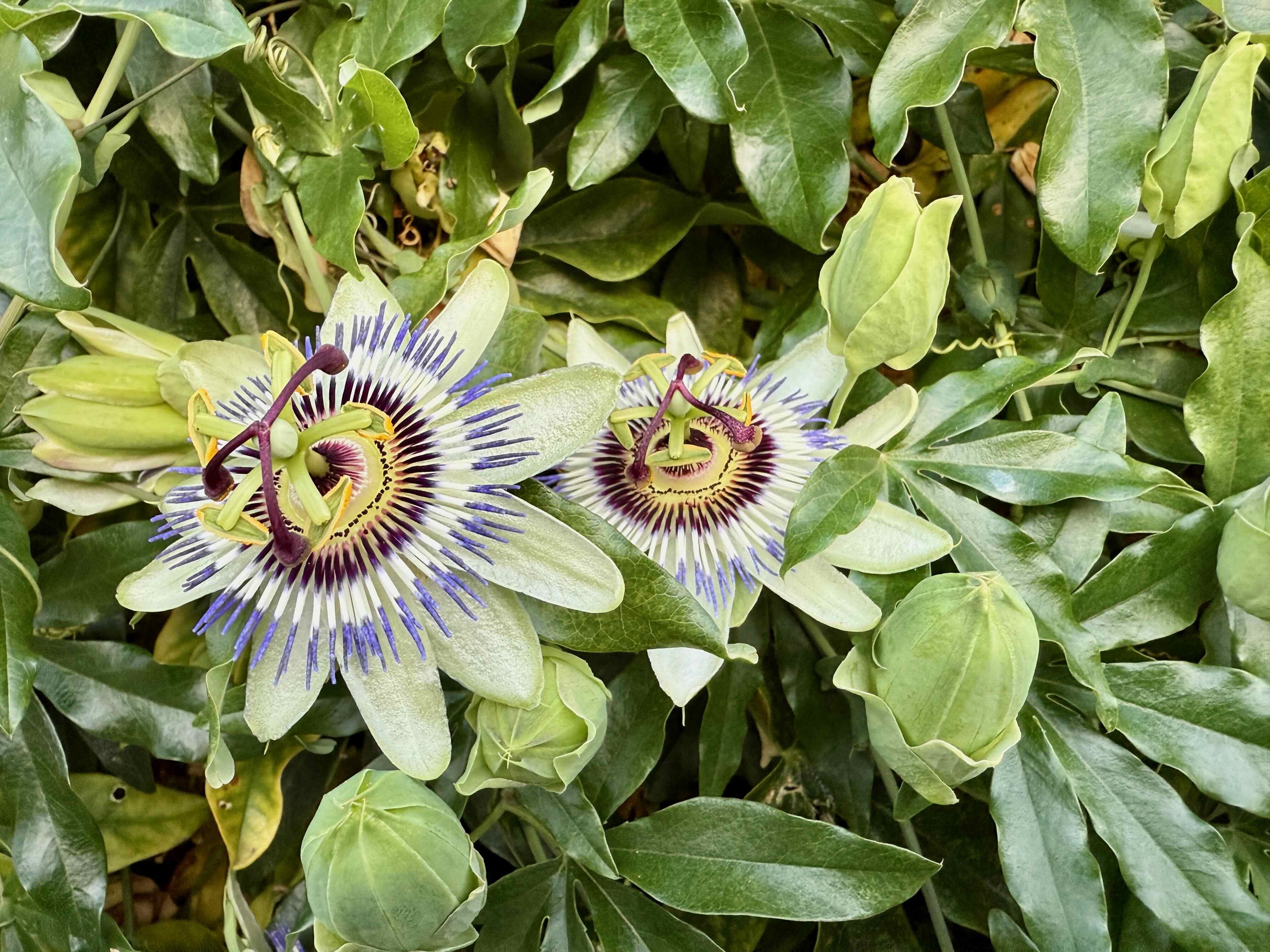
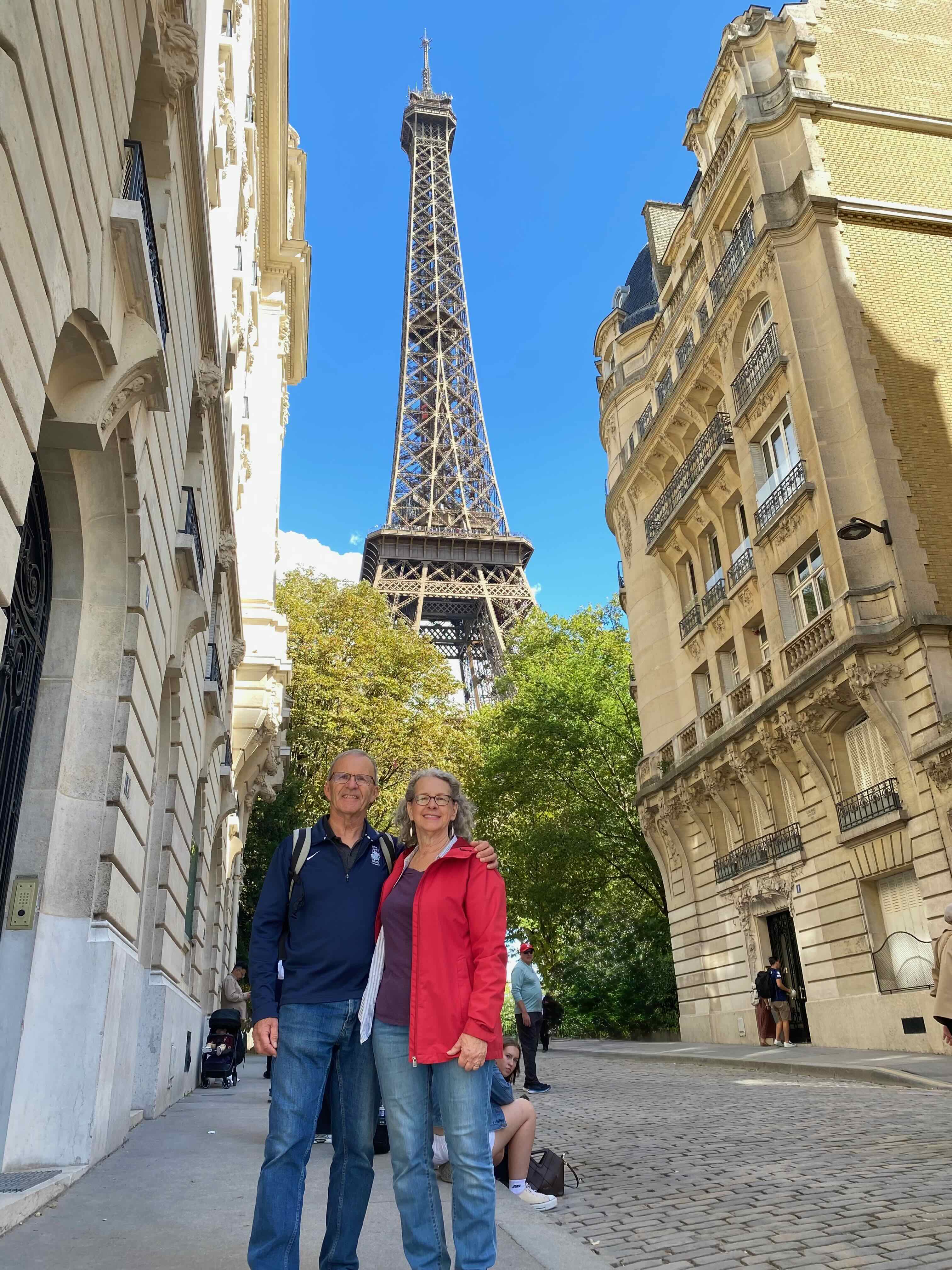
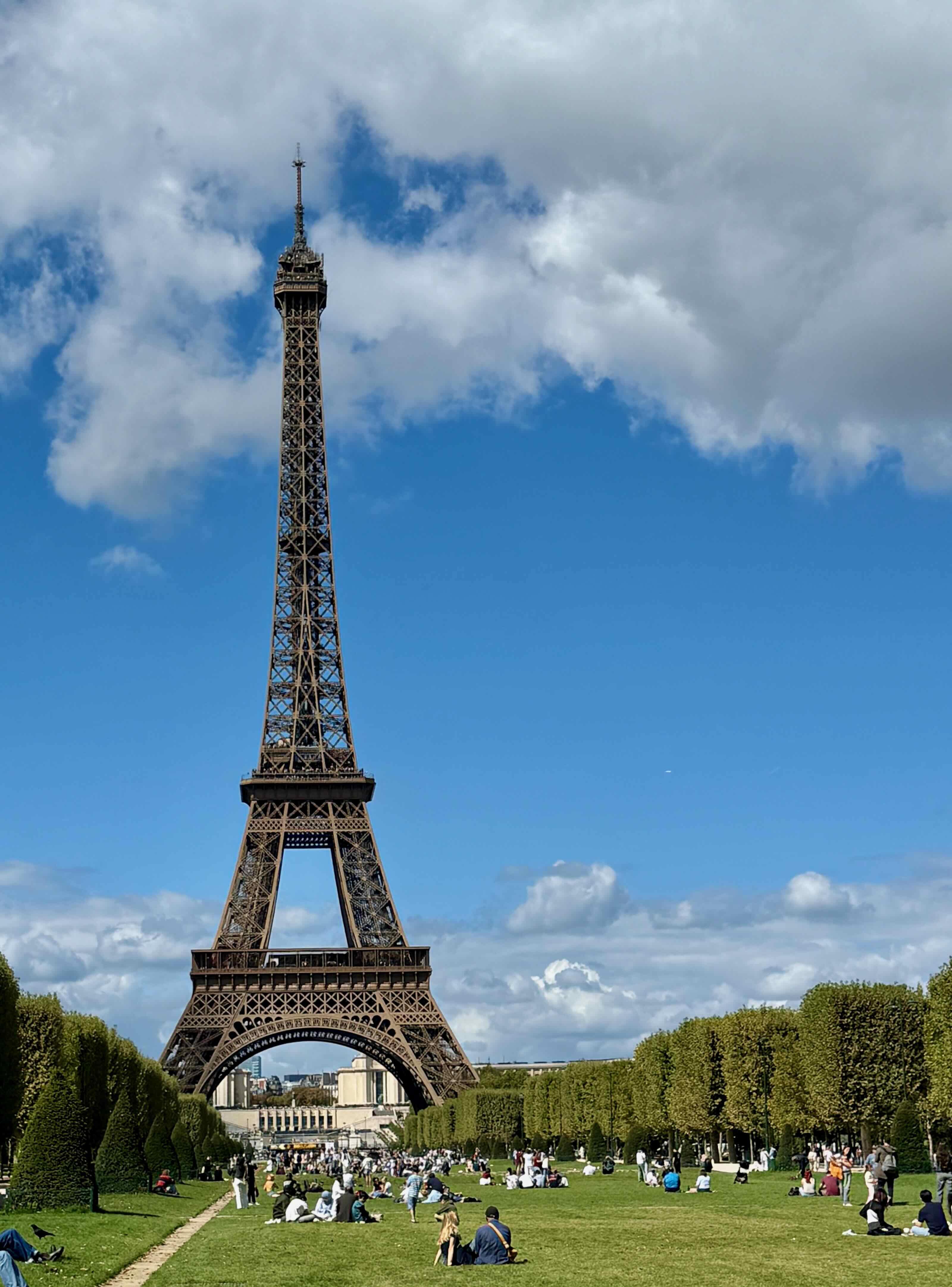
 Friday we managed to start our day at noon. Soon we were at the Eiffel Tower. Somehow it doesn’t seem right to be in Paris and not visit this iconic landmark, even though we have visited it several times already including climbing to the second level. We will try and book a visit on our return to Paris at the end of our trip to go all the way to the very top level! These tickets book up weeks ahead.
 Two years ago we picnicked on the grass near here, but there were not nearly as many people as there are today.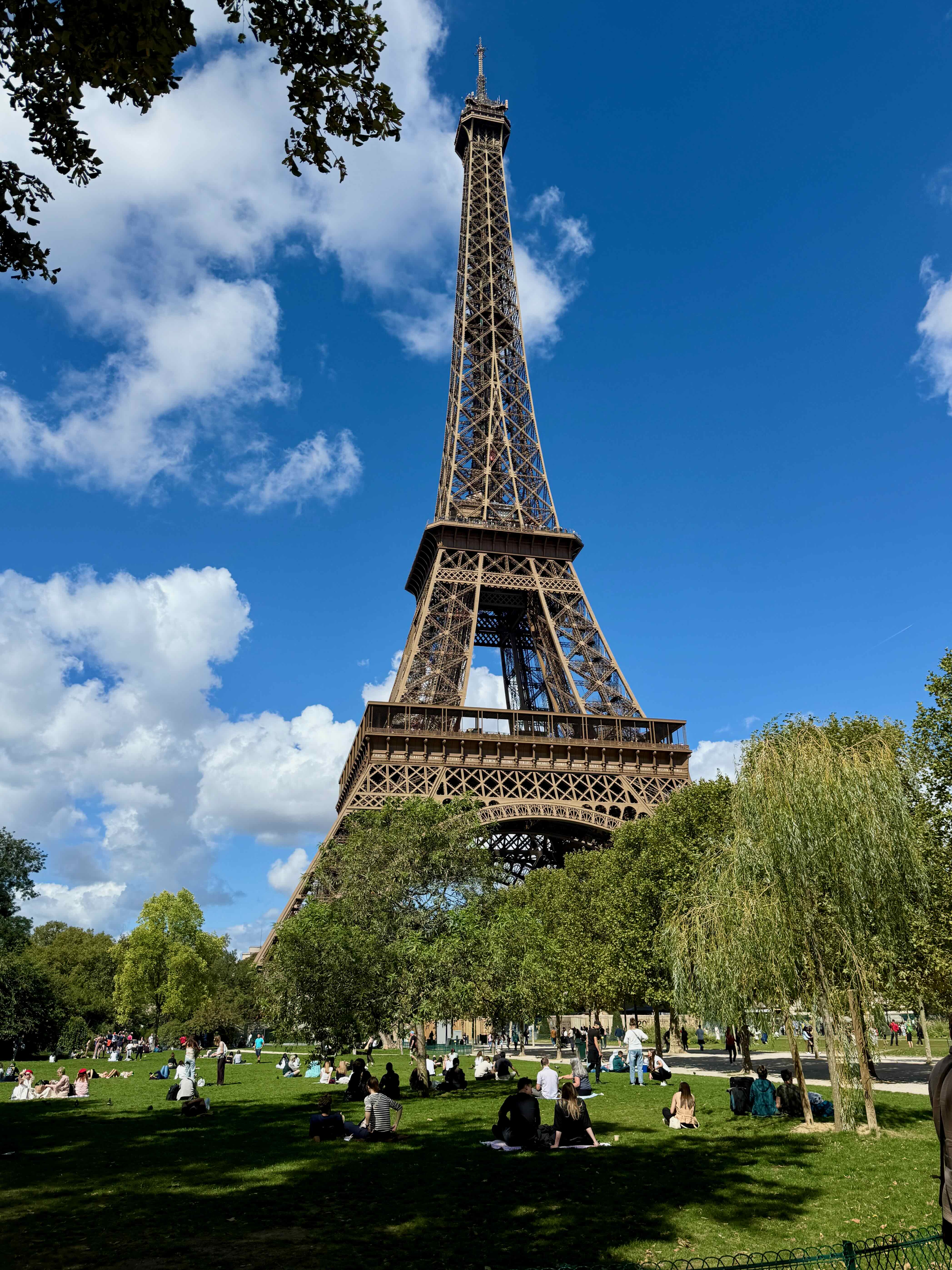

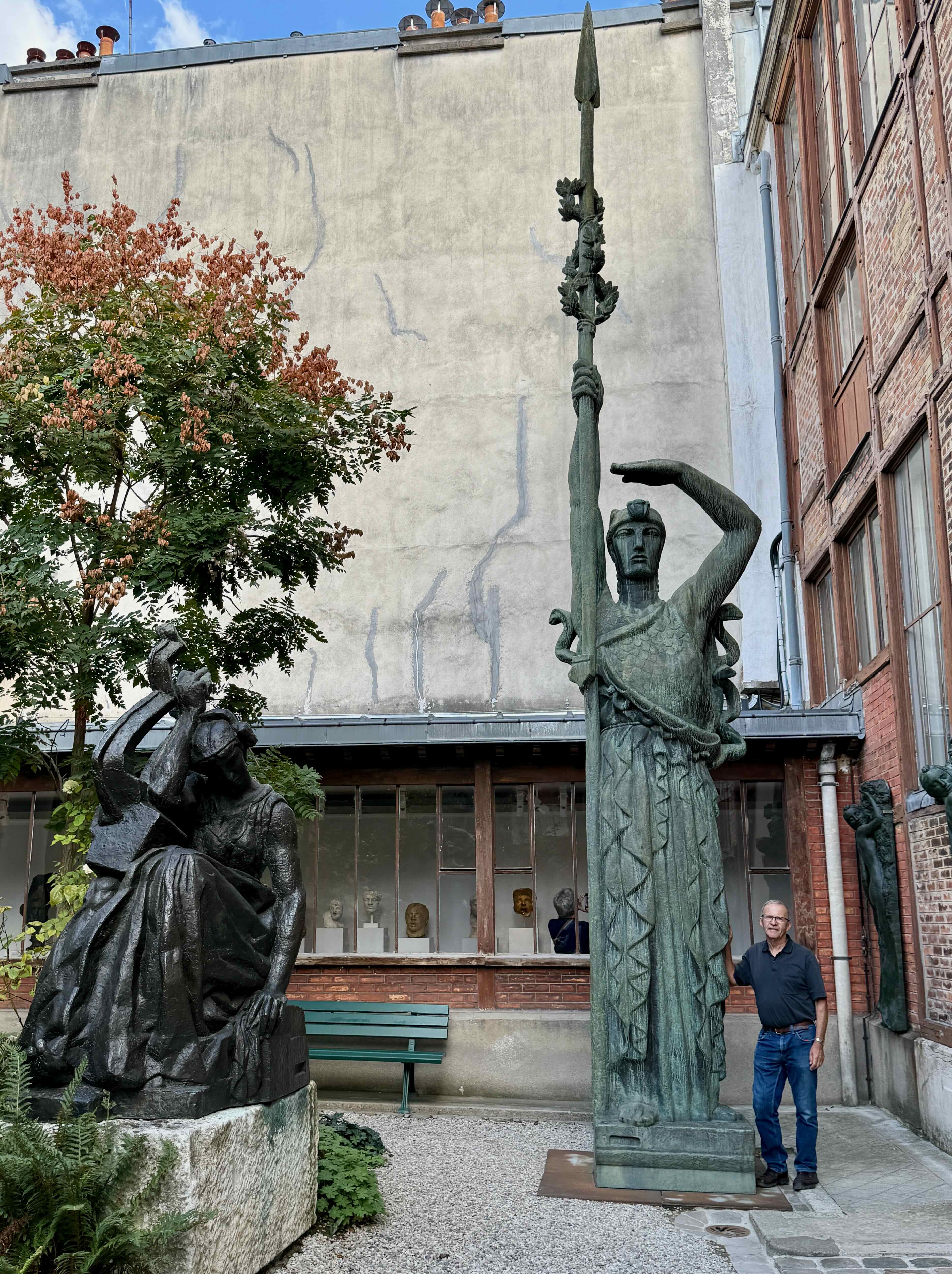
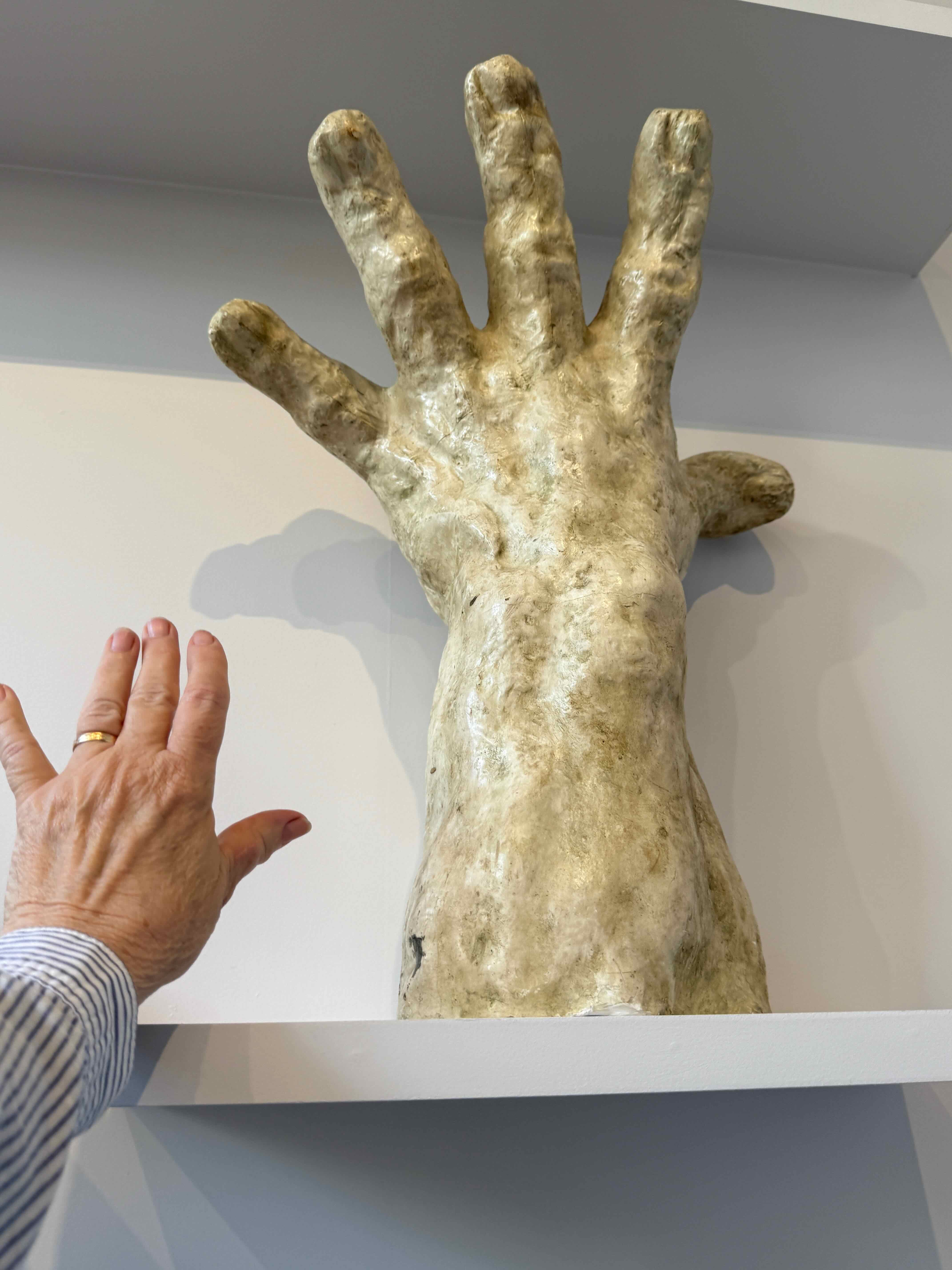
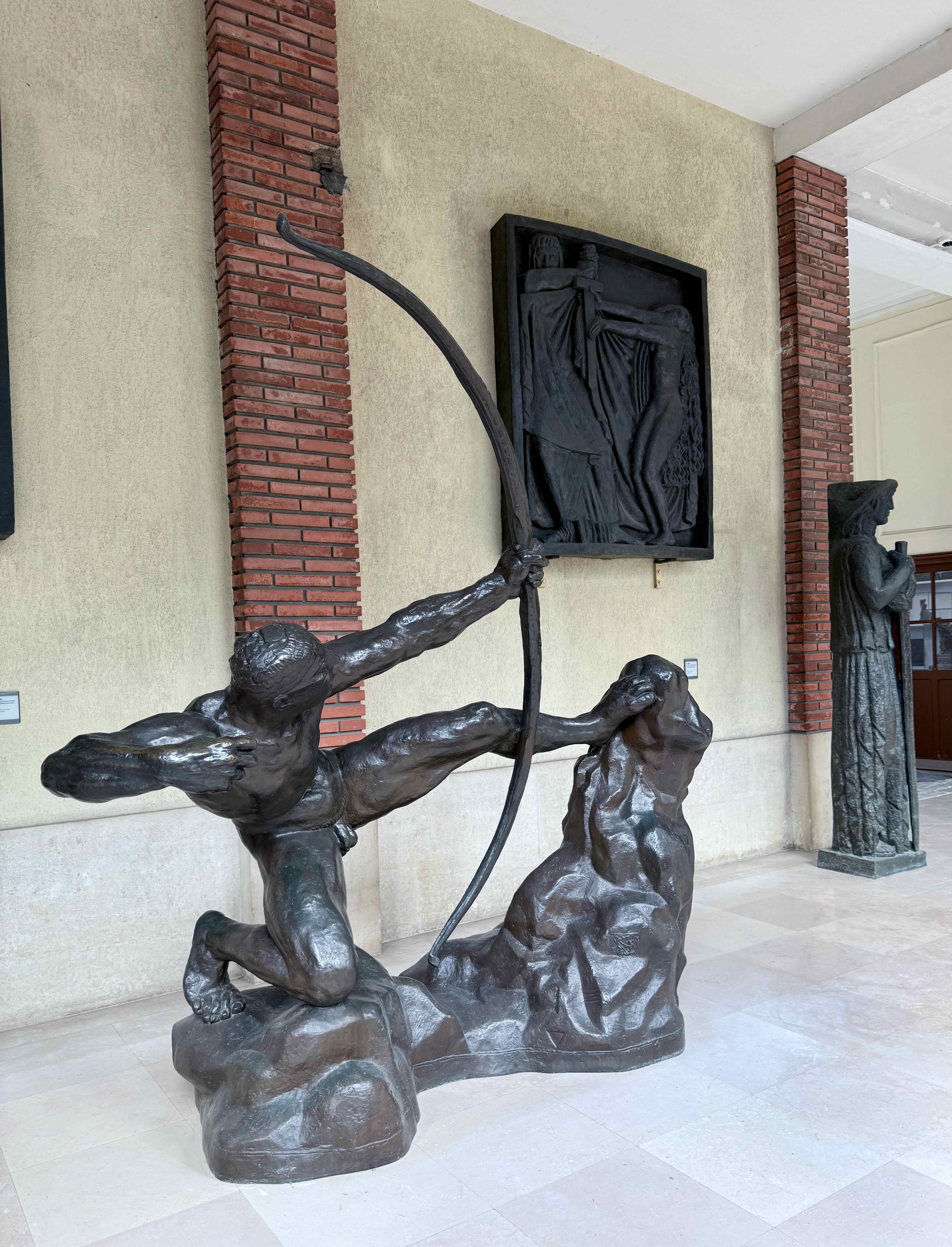
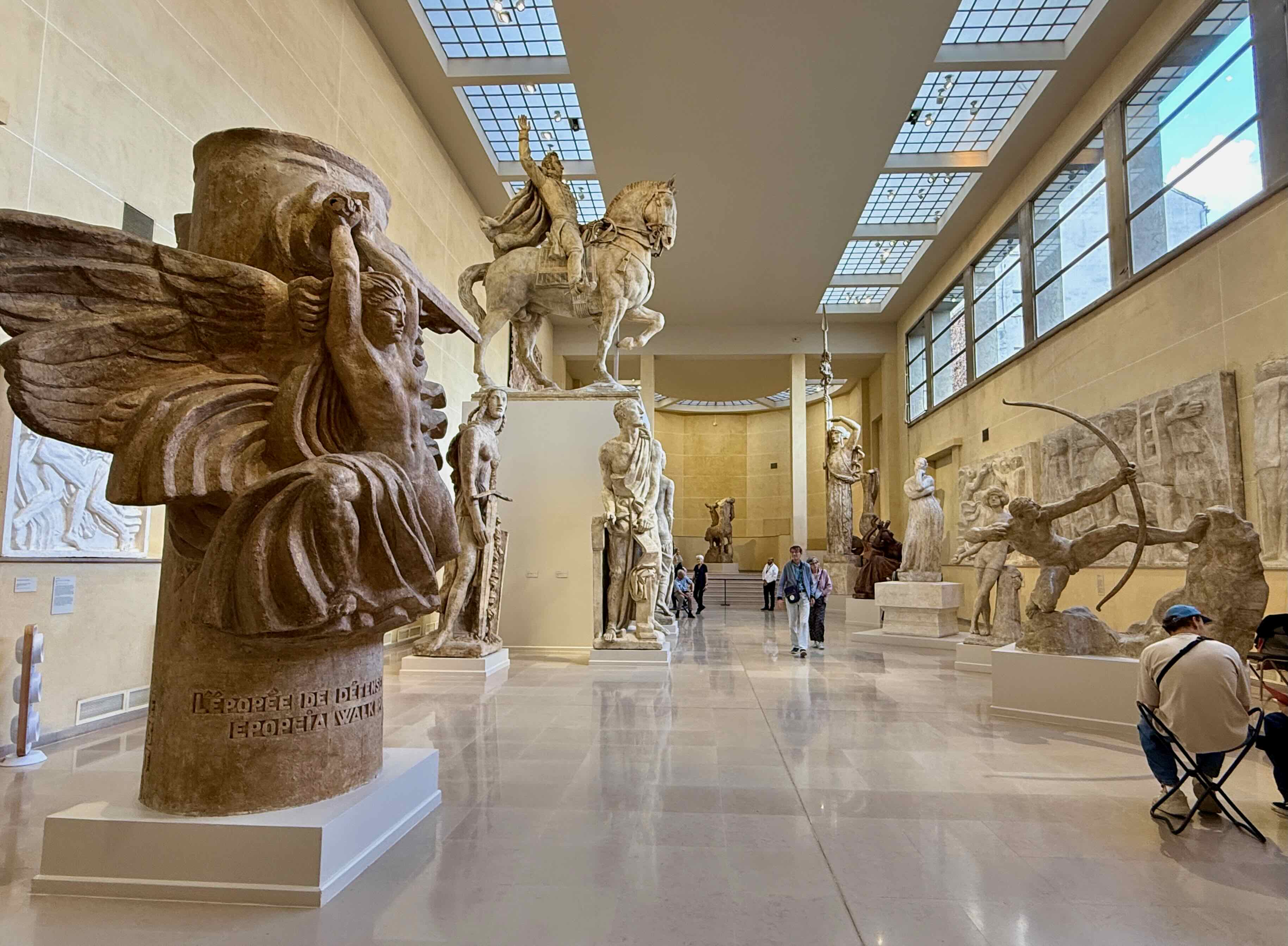
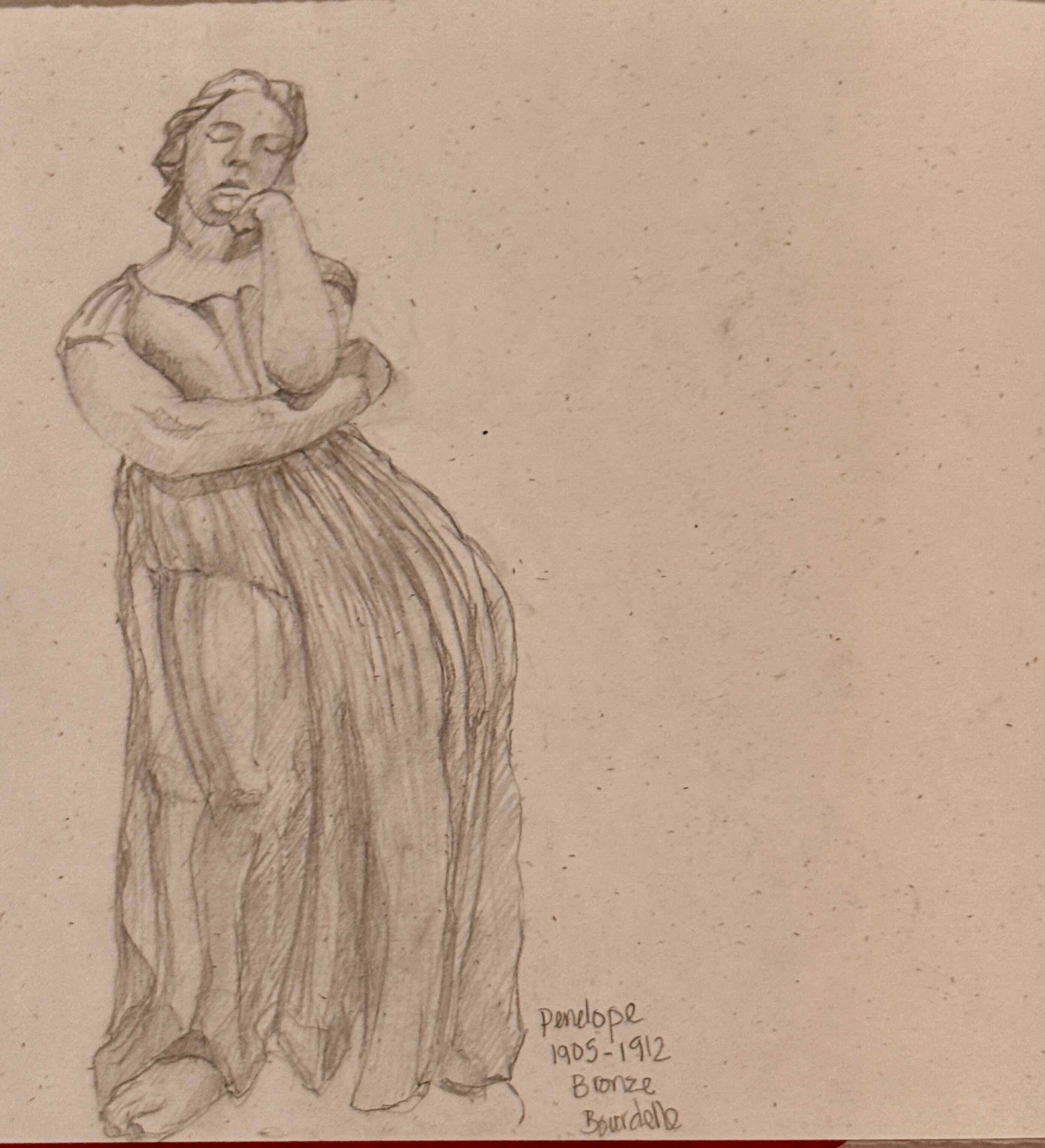
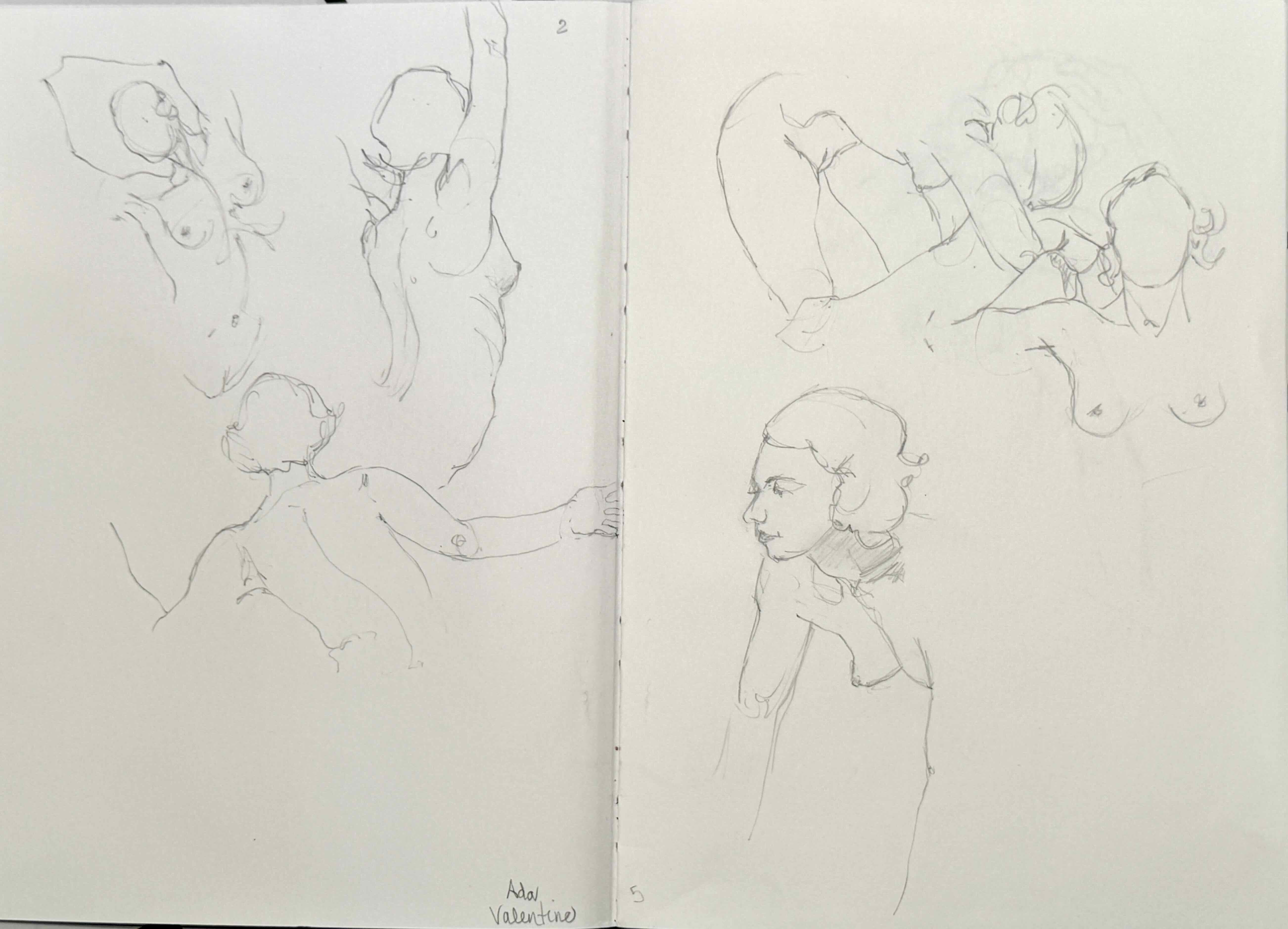
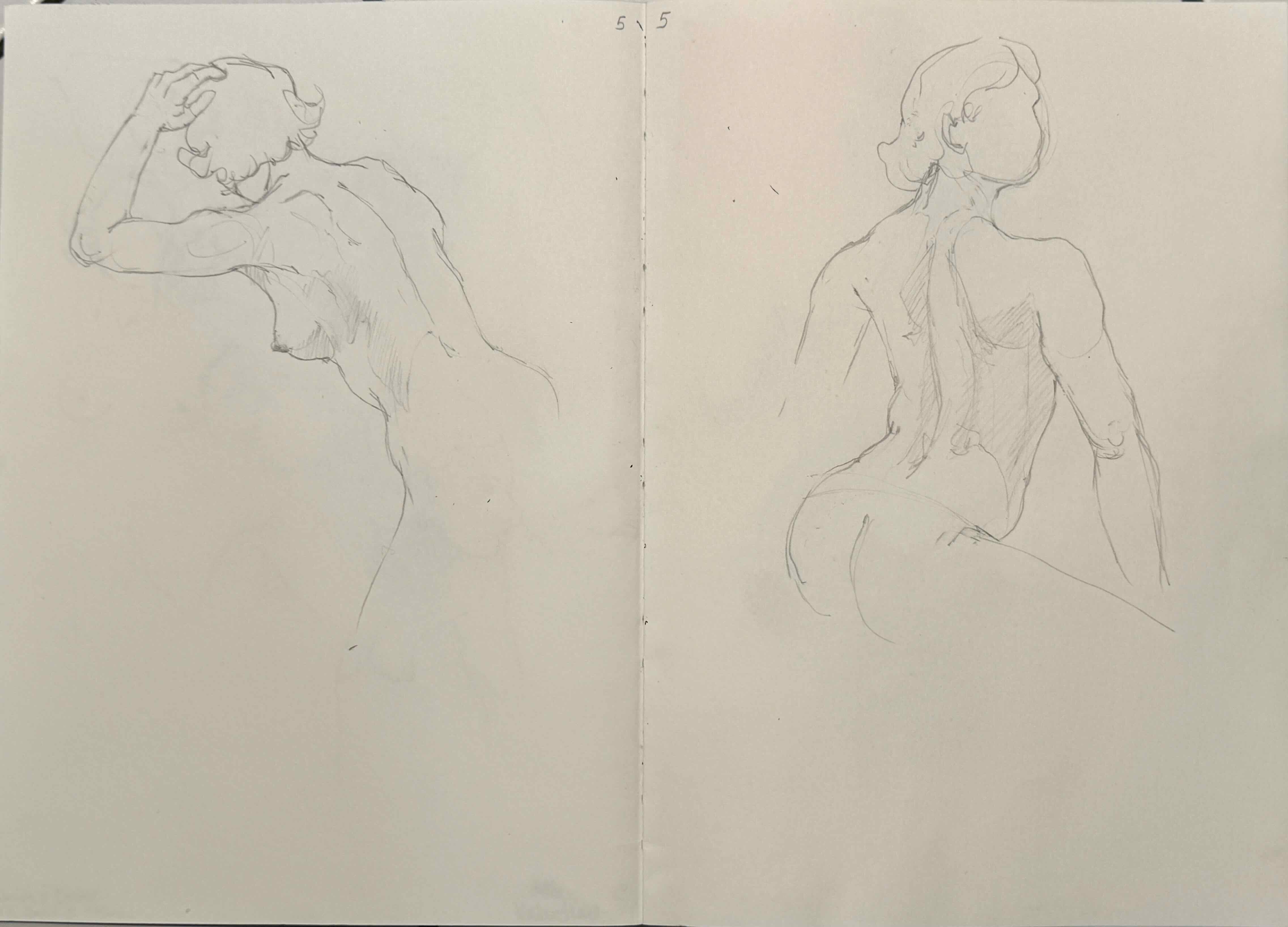
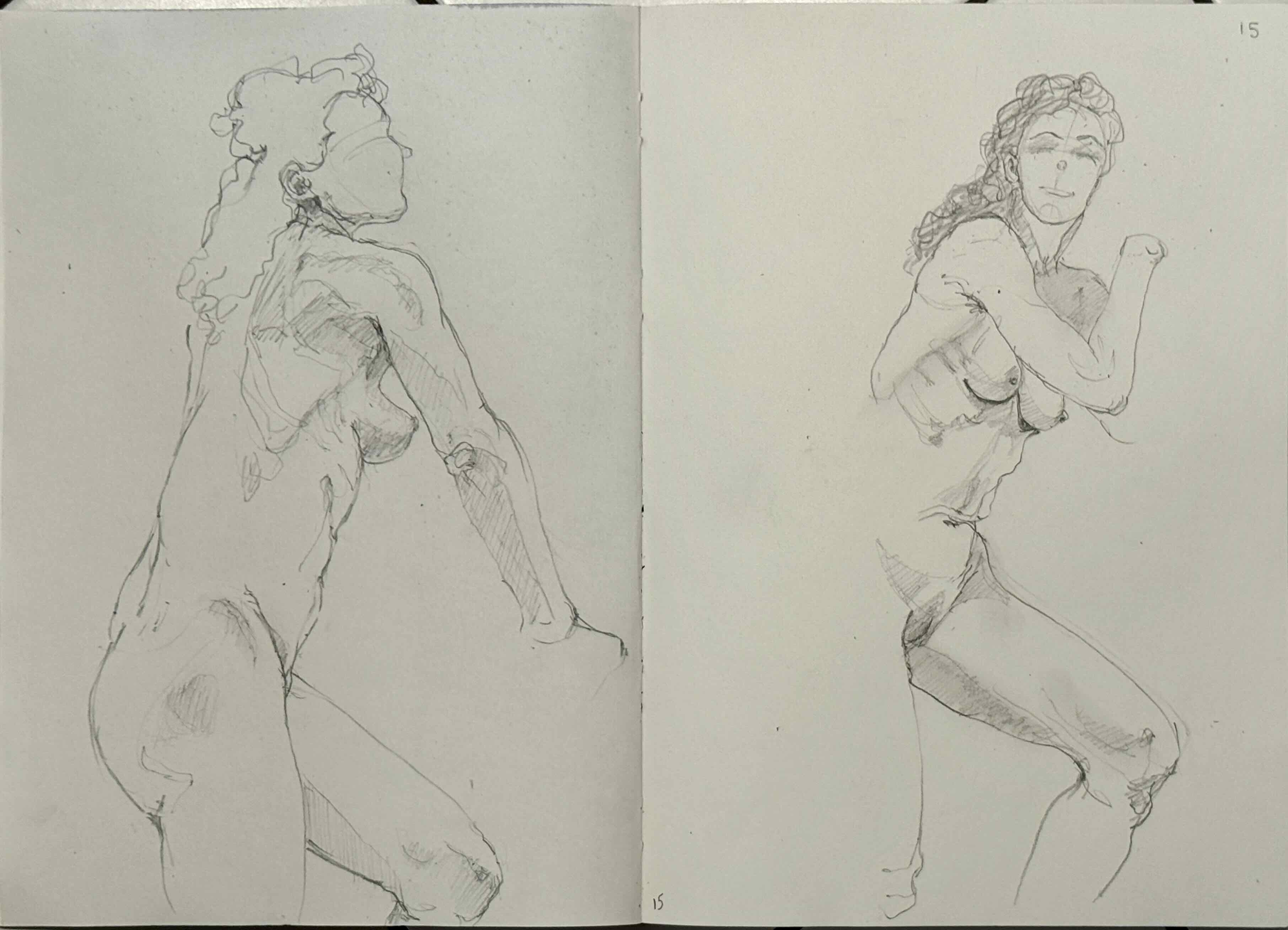
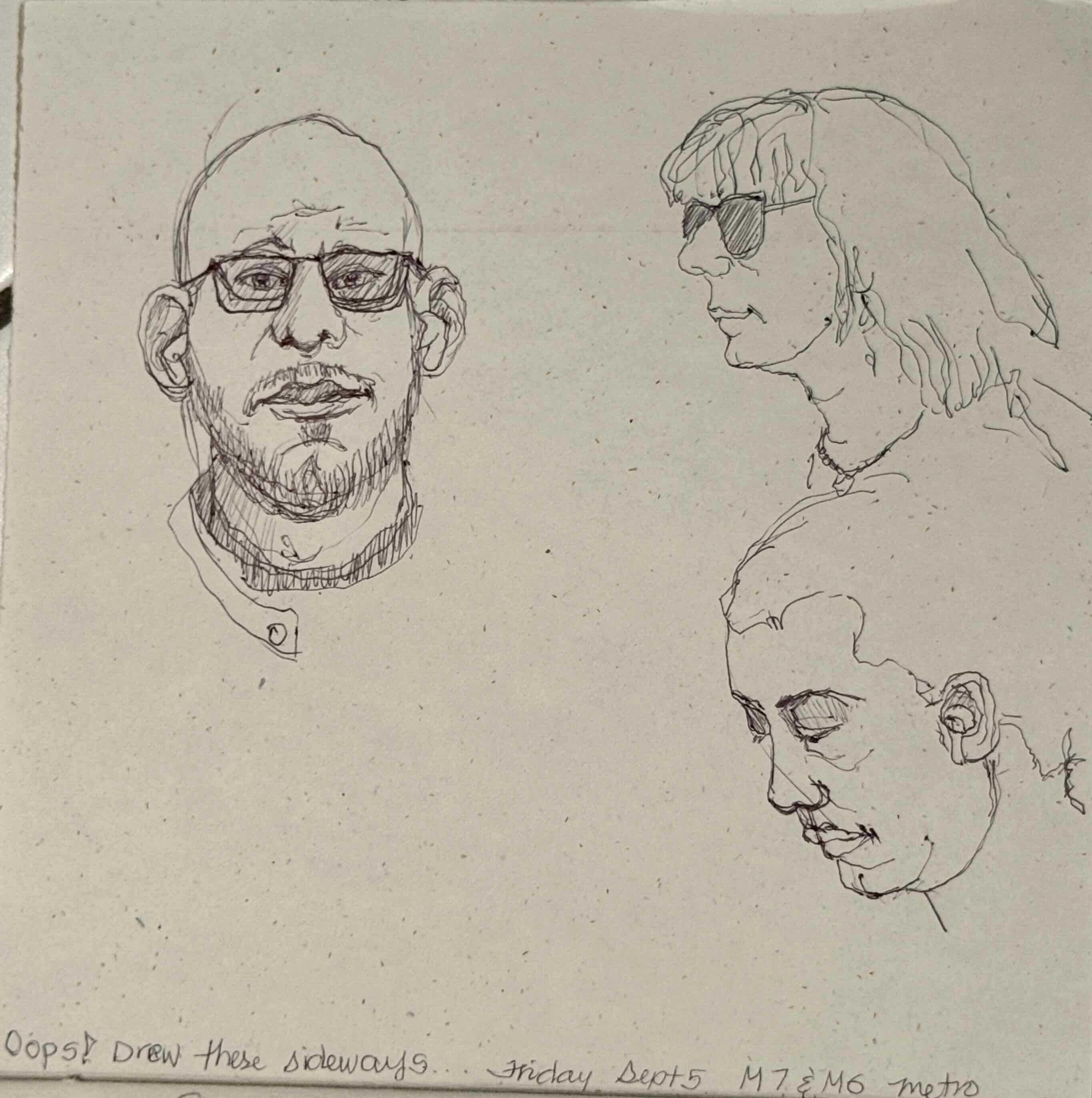
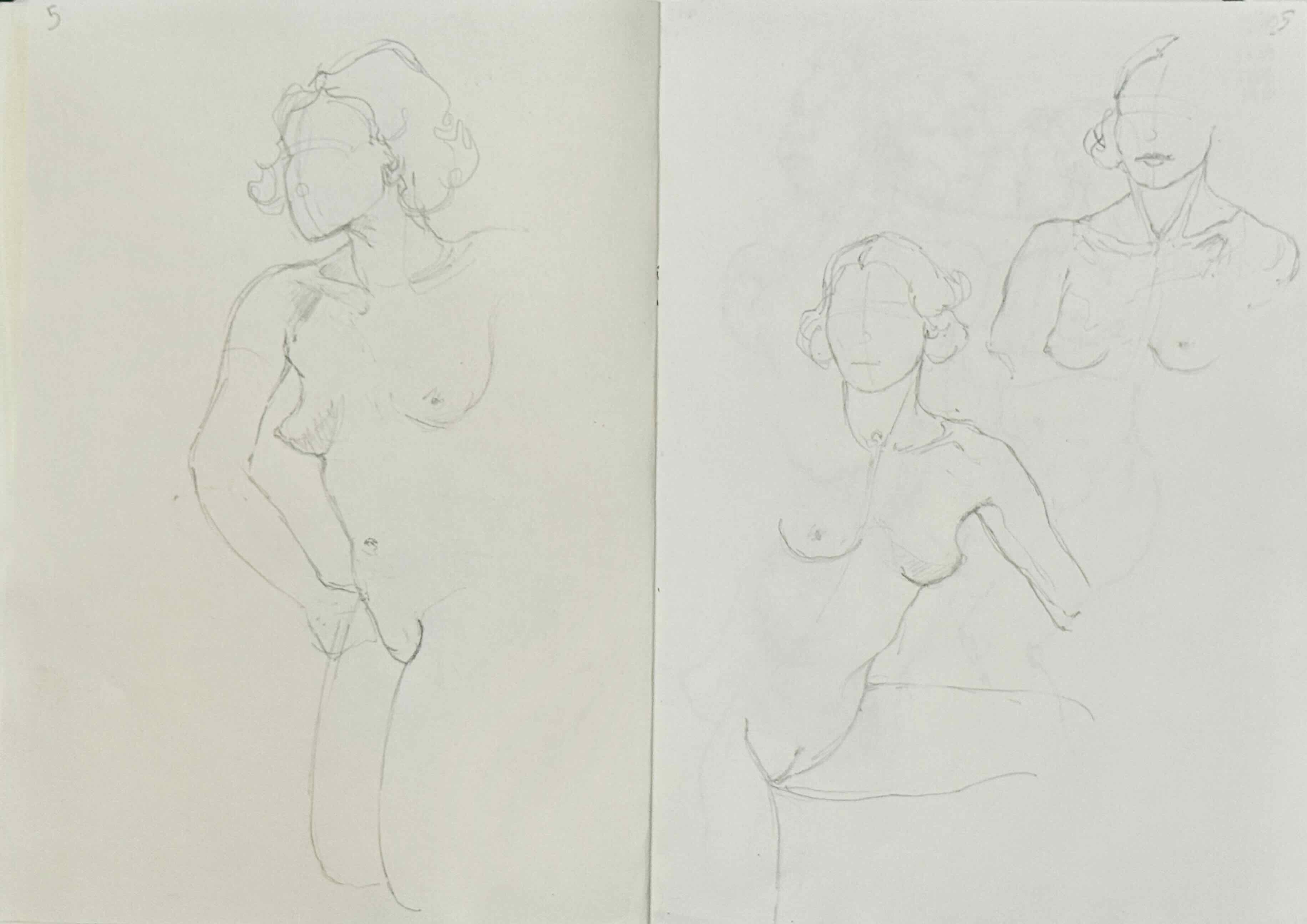 and a 15, a 10 and a 25 minute pose.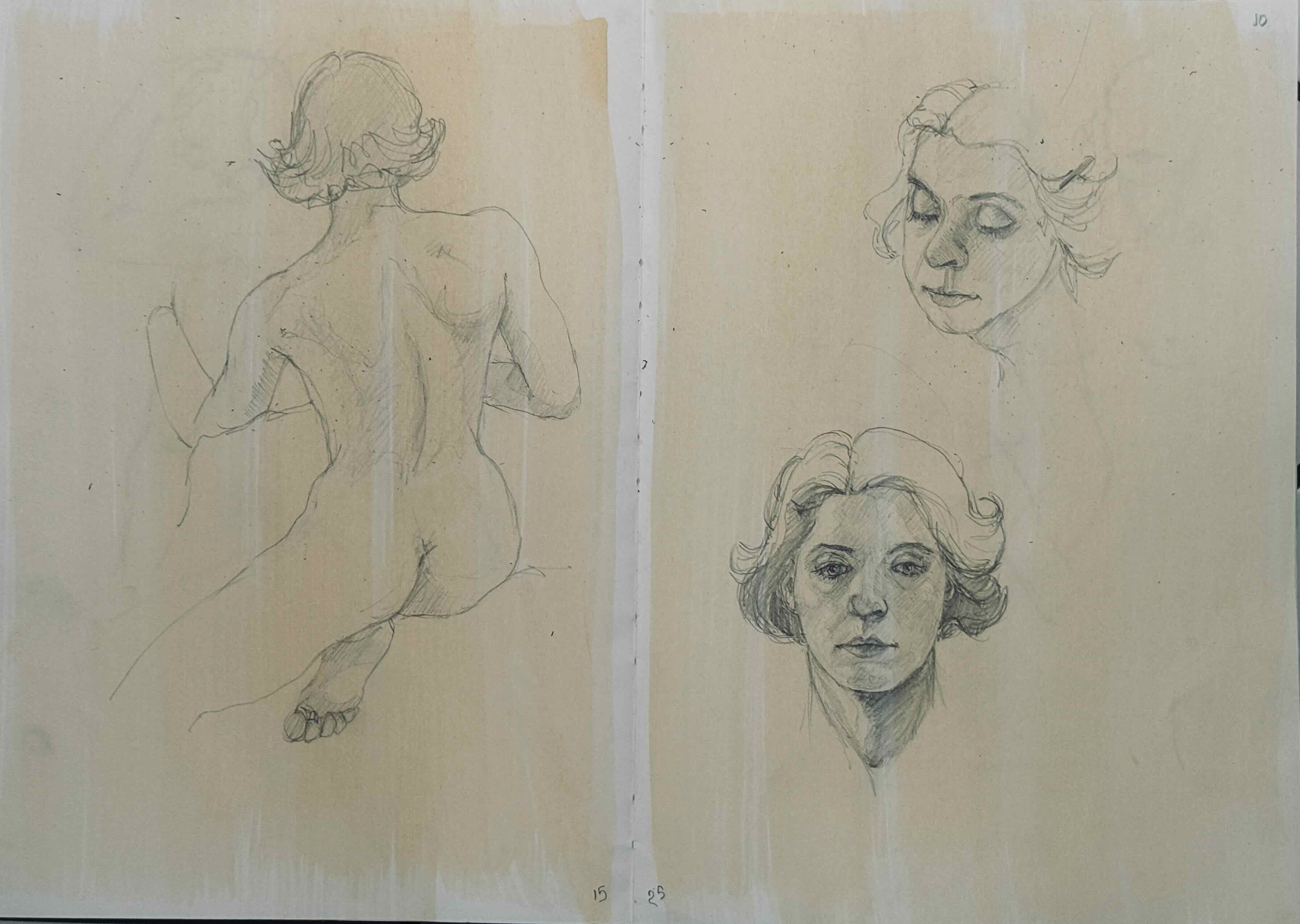

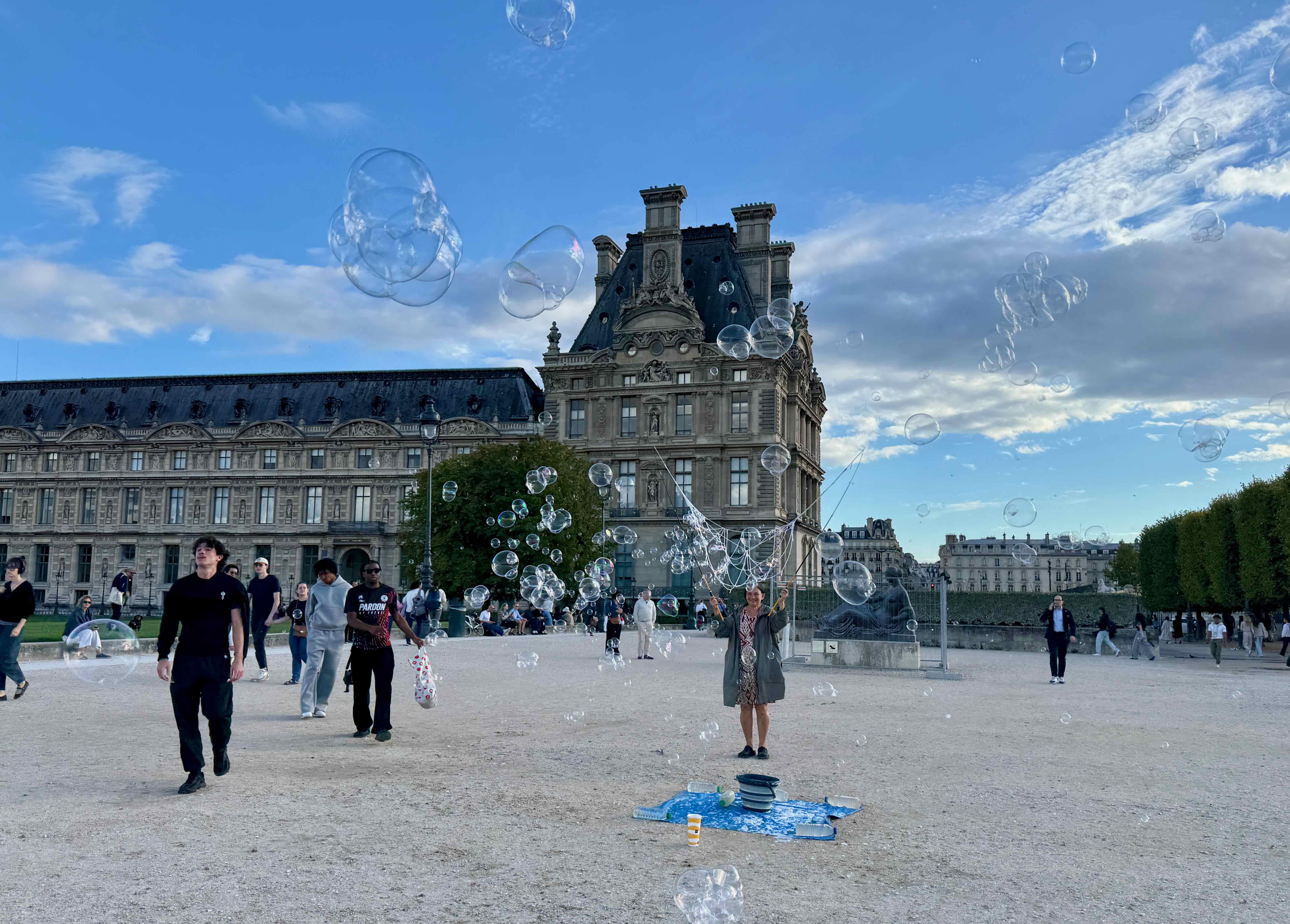
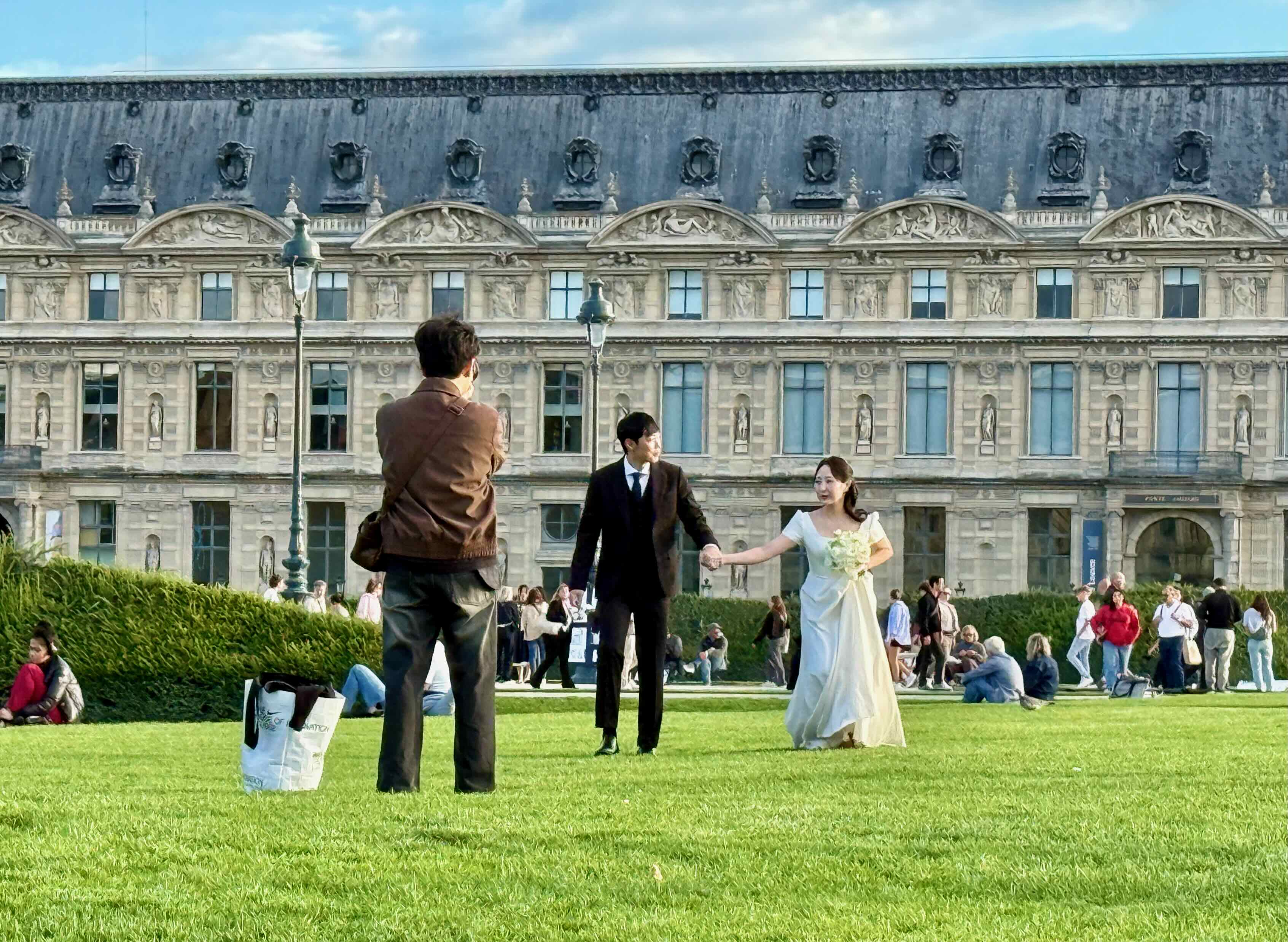
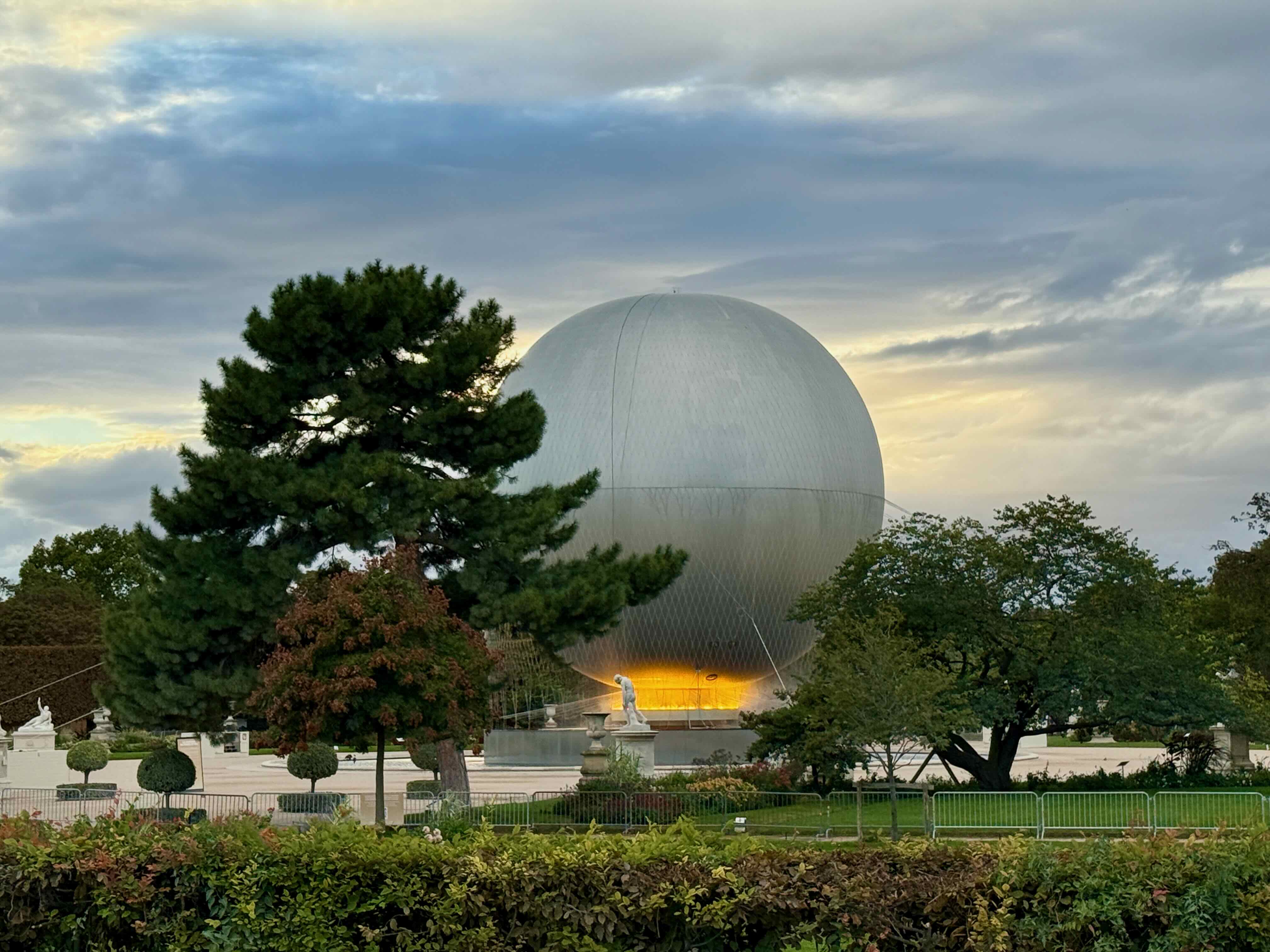
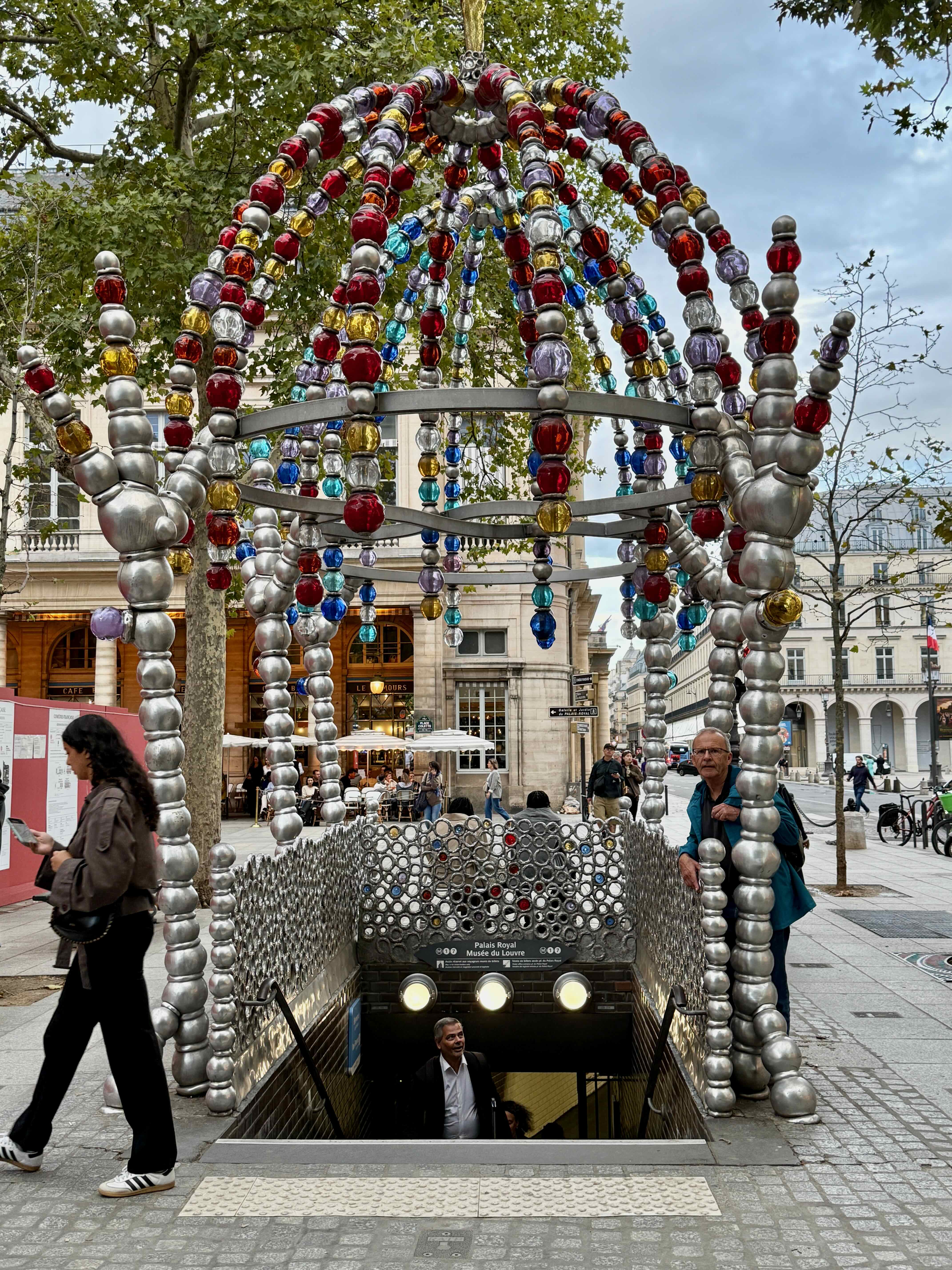
 We walk towards the Louvre and find a place for tea and a snack. We stroll along the Seine and find a place to sit, but it was very busy, lots of cyclists, joggers and people going by so we walk to the Tuileries Garden just west of the Louvre. The name comes from the tile kilns which occupied the site before the palace.
 trudymason.com