
Day 17 Tuesday, September 16, 2025.
Our Airbnb is in the basement of a huge old house on the outskirts of Brussels. You can see the widows to our suite which is actually quite bright.
The suite has a lot of character. We got settled last night and just before bed plugged in all our electronics…and we blew the breaker! All the lights in our suite went out. We messaged our host, who came down in her jammies to fix everything. We were lucky she heard the message beep on her phone as she was already asleep. It was quite the day yesterday!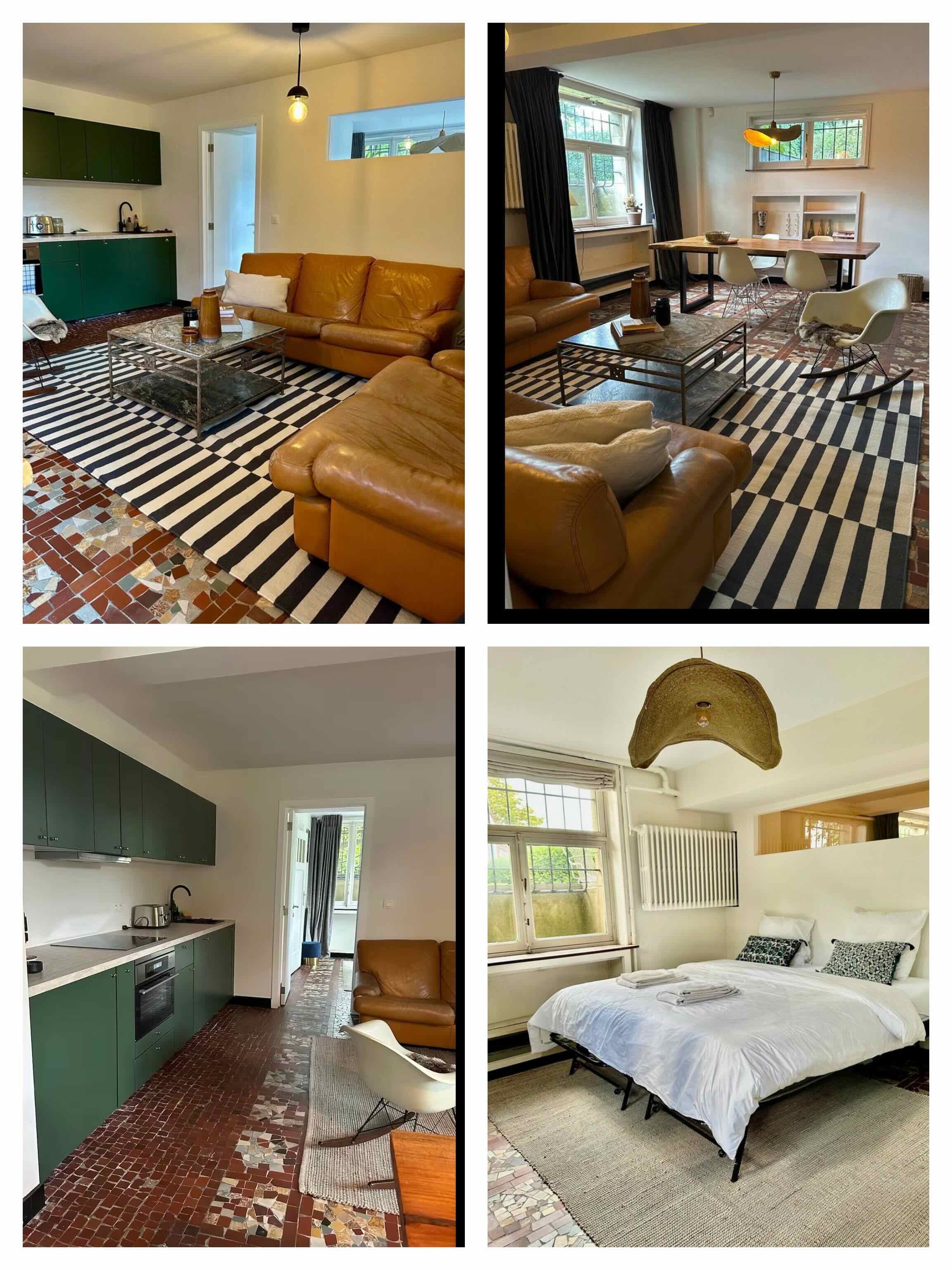
I really needed a quiet day, so I stayed home and got all caught up on the blog. That feels really good. It is hard when I get behind. It takes quite a while to get each day’s post done but I really love having this souvenir of our trip. I joke that when we aren’t able to travel anymore we can revisit trips on the blog and say “remember when..”
Bob gets restless on these stay at home days so he goes to visit a car museum in Brussels. He writes the rest of this post.
Autoworld is located in a plaza near the Art & History Museum, Royal Museum of Military History and a Napoleon Museum. It is the building to the left of the arches.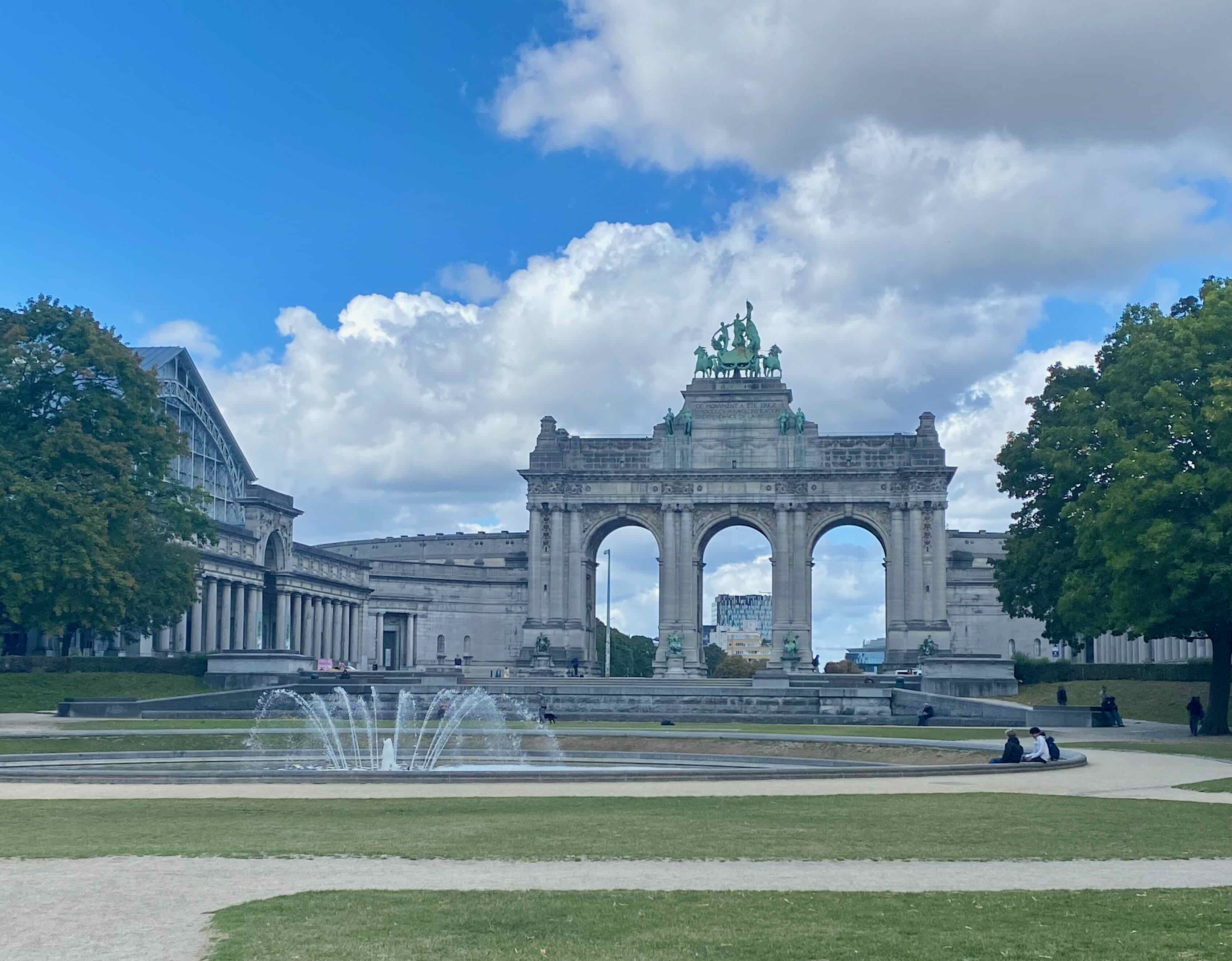 A 1896 Bollee Voiturette called a Mother-in-Law Murderer, because the passenger sat up front. It could go 30 kph.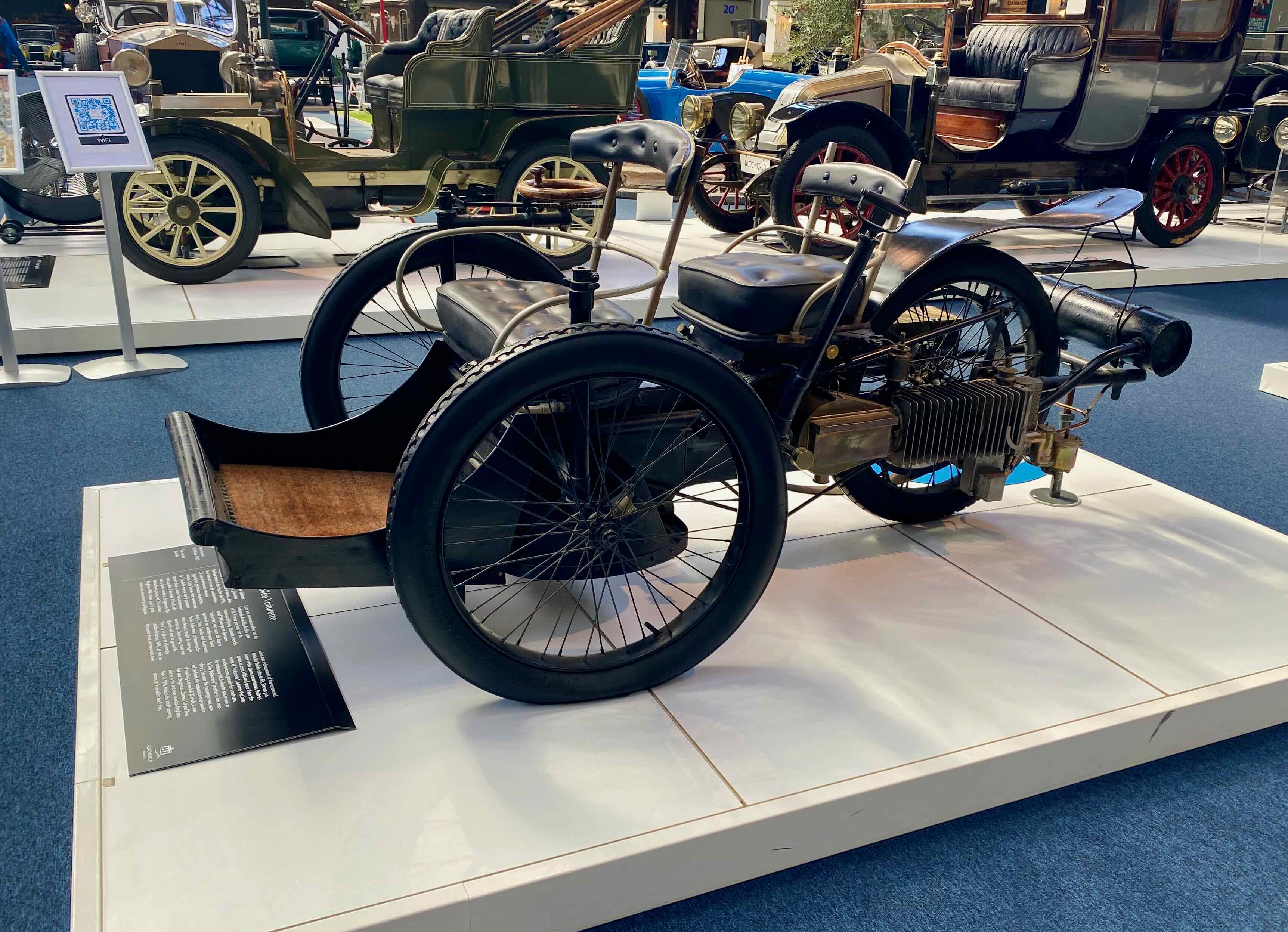
A 1913 Peugeot. The spare tire is bolted onto the front tire, rather than being mounted on the fender.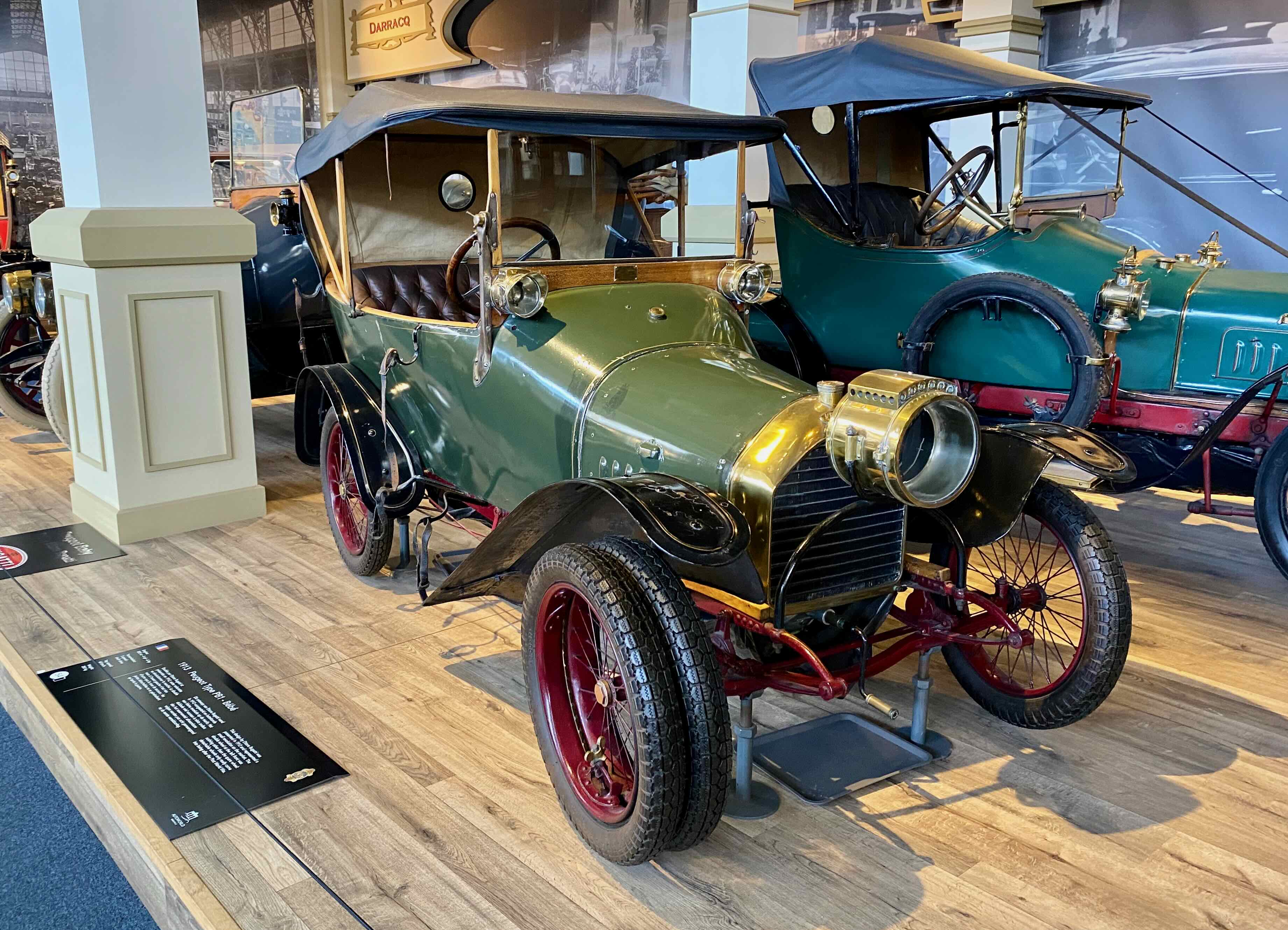
A classic 1937 Cord with front-wheel drive and retractable headlights.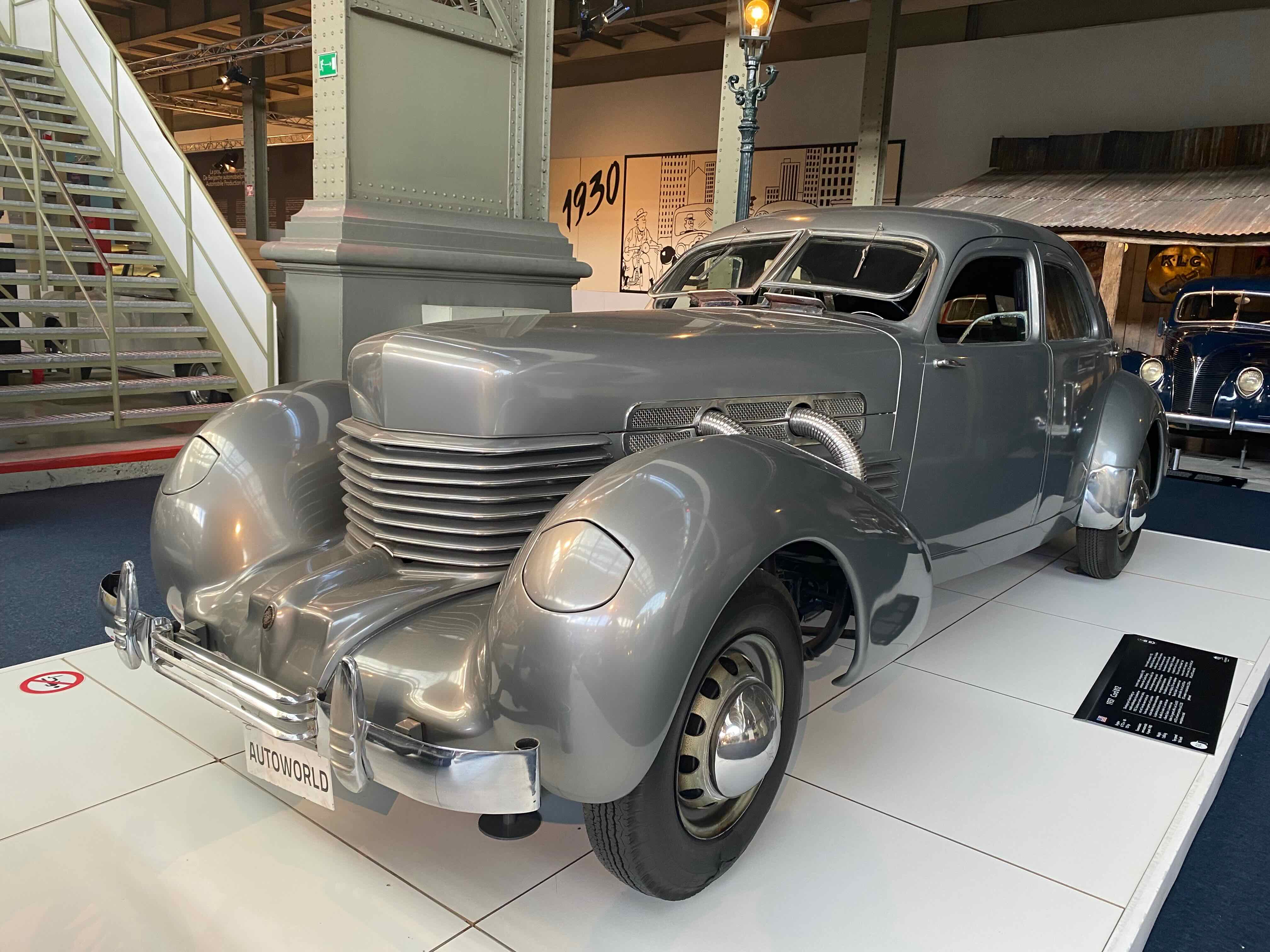
A 1936 Citroen fitted with a gas generator (behind the front fender) used during the Second World War. As gasoline was in short supply, the car used the captured gas (from burning wood or coal) to fuel the vehicle. 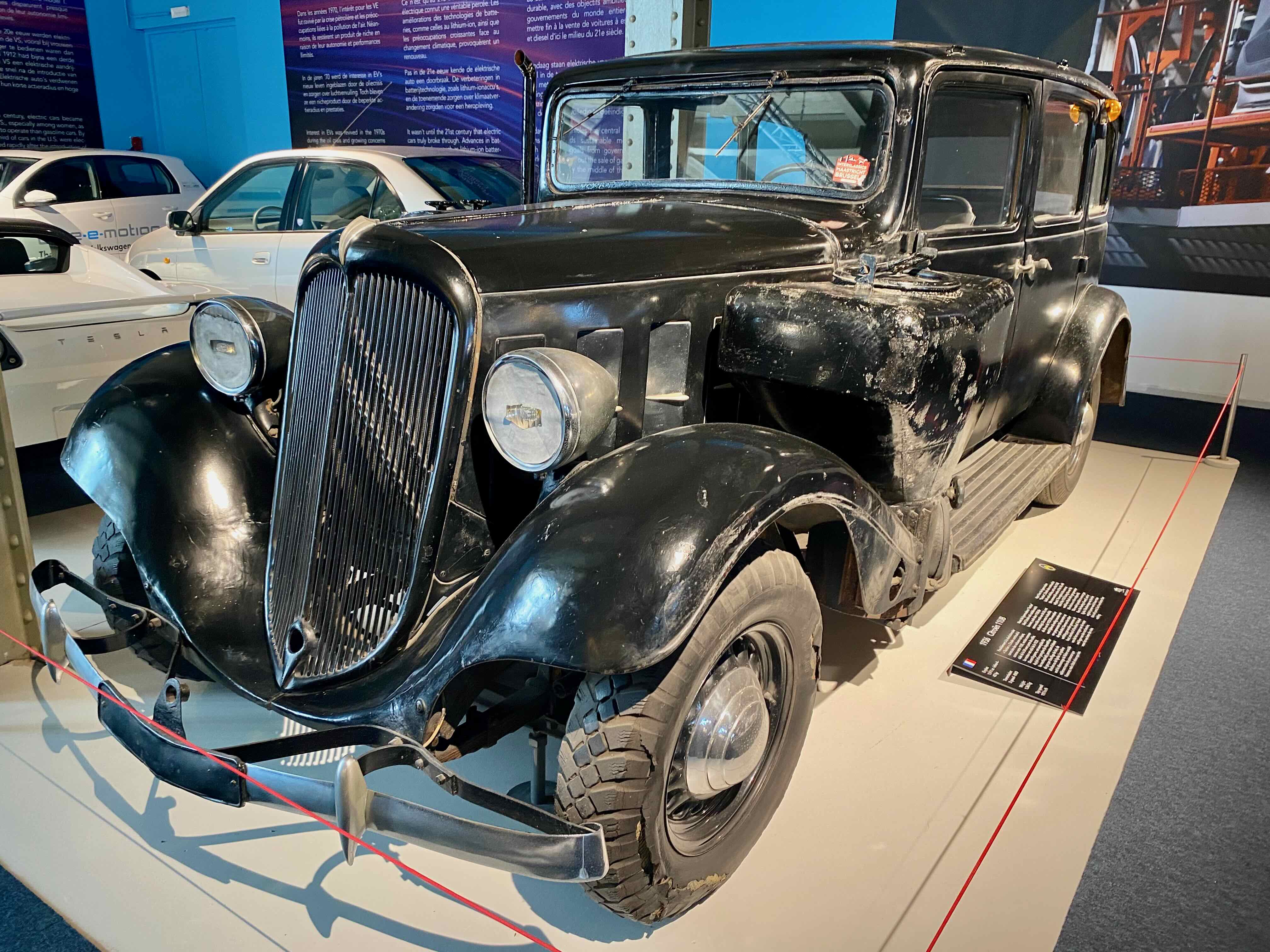
I thought the first vehicle ever built was the 1770 steam powered Cugnot. But 100 years earlier in 1672 a Belgian priest in the Imperial Court of Peking designed this steam powered vehicle called an Eolipyle. It was 2 feet long and built as a toy for the Emperor. High-pressure steam comes out the front and forces the cups on the shaft to rotate, similar to how a waterwheel works. Instead of water turning the wheel, the high-pressure steam turns the wheel.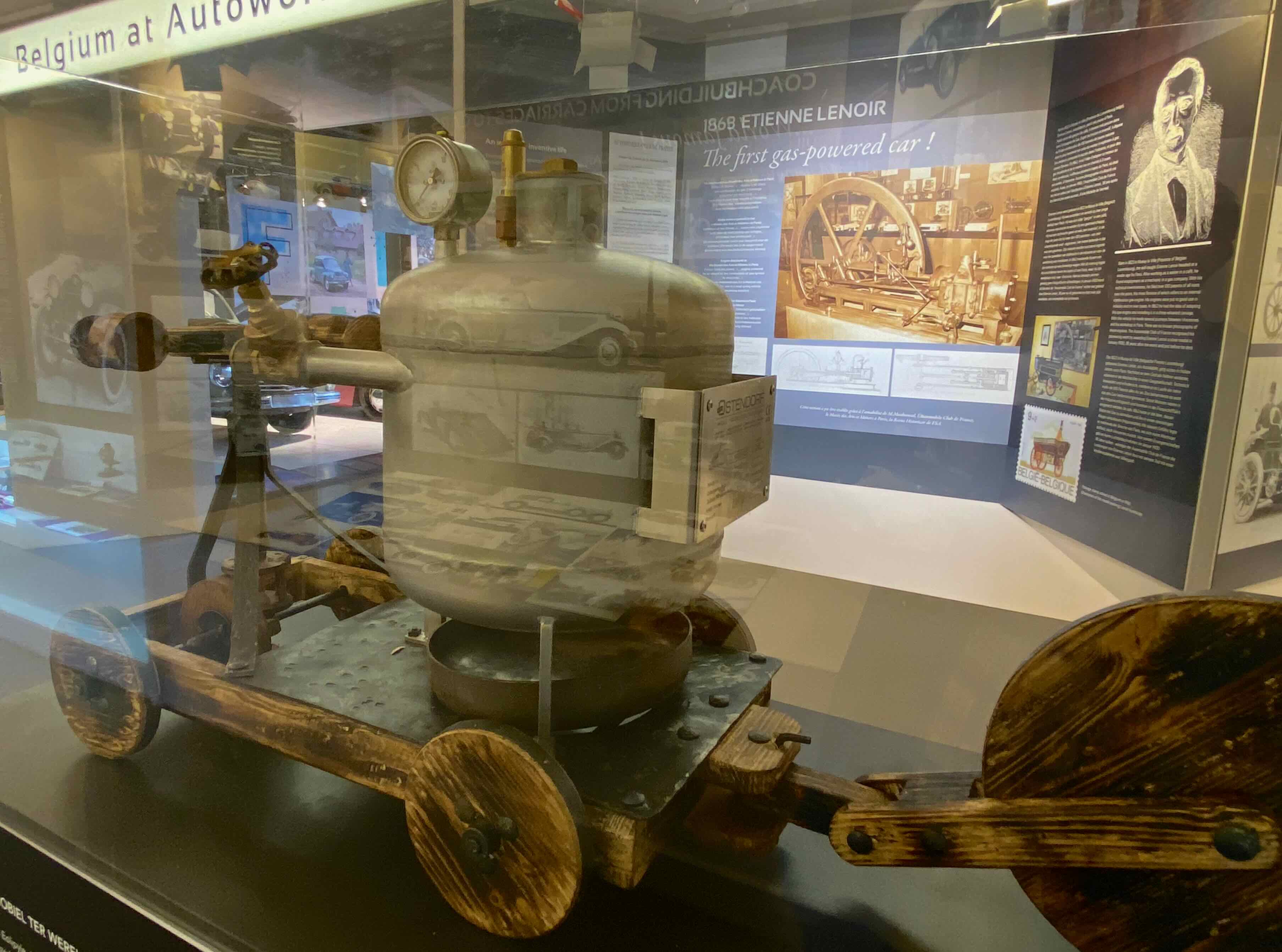
A Fabrique Nationale 1930 car built for a Shah but never paid for or delivered.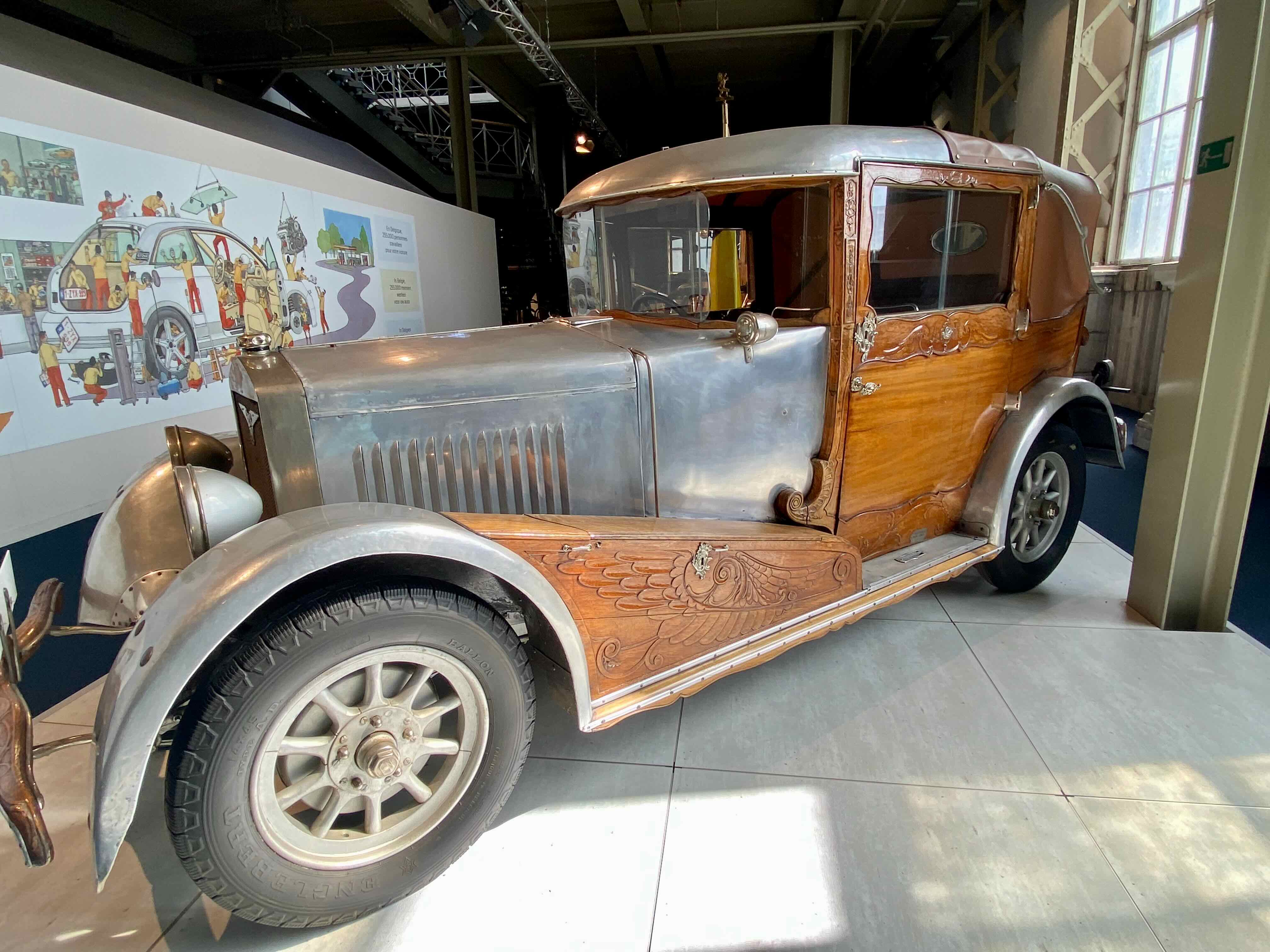
A one-of-a-kind 1991 Lotec TT1000 based on a Ferrari Testarossa, with twin turbos and 1000 HP. It was fast, 370 kph and cost $3.6 million. 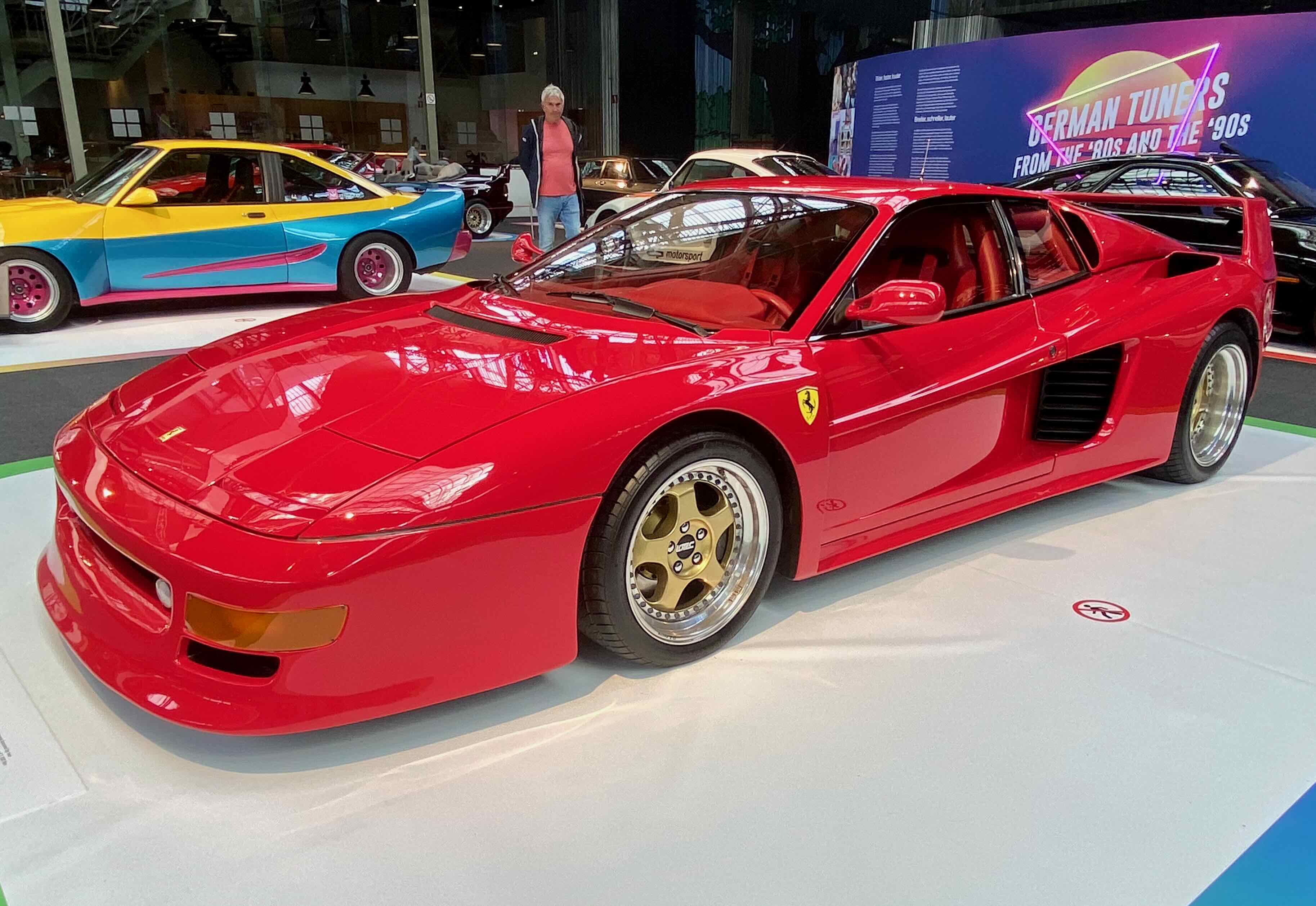
And for something more budget-minded, a 1959 Heinkel Kabine. This model came standard with hydraulic brakes and a reverse gear. The original cost was around 300 euros. 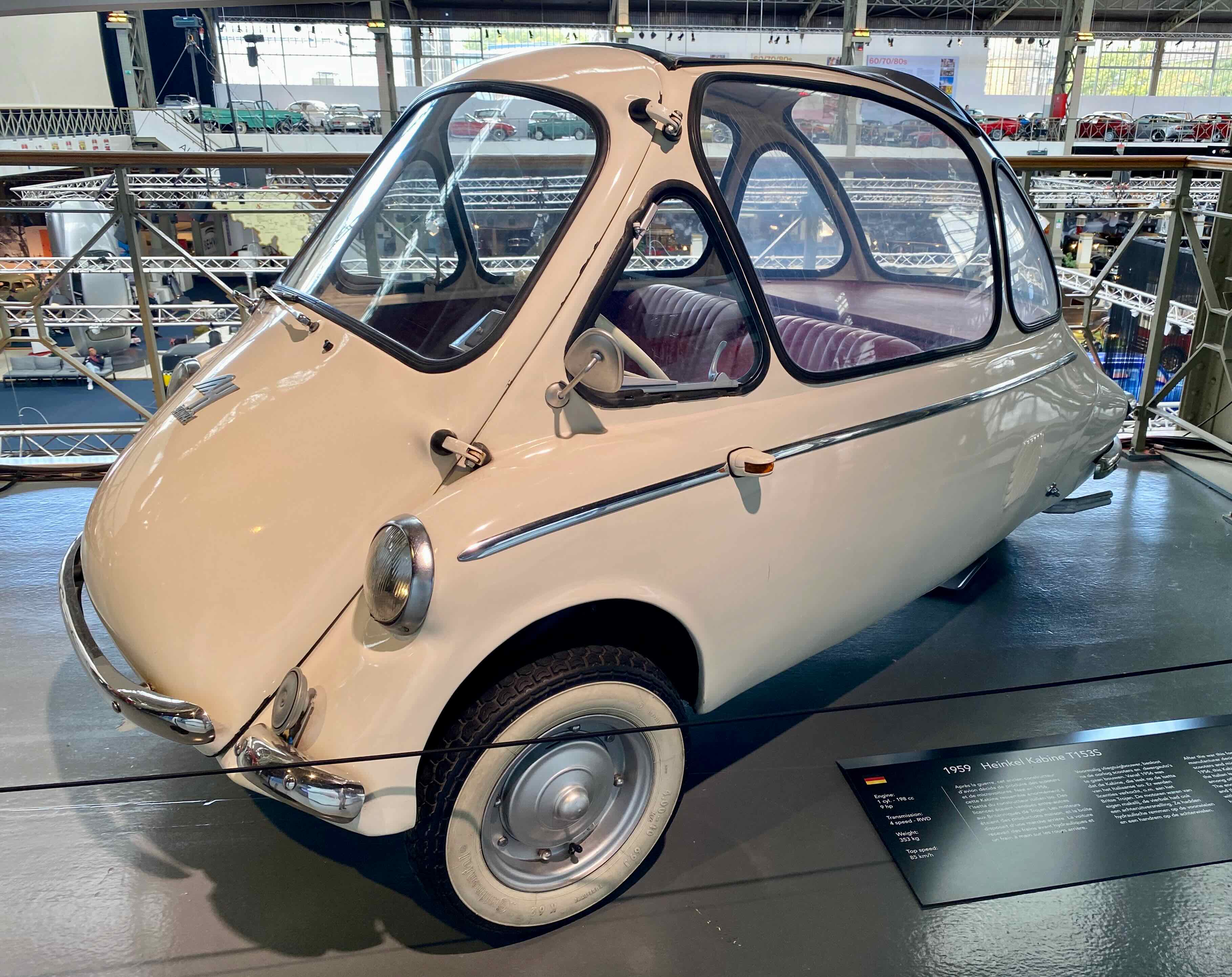
A 1991 Audi Quatro prototype made out of wood.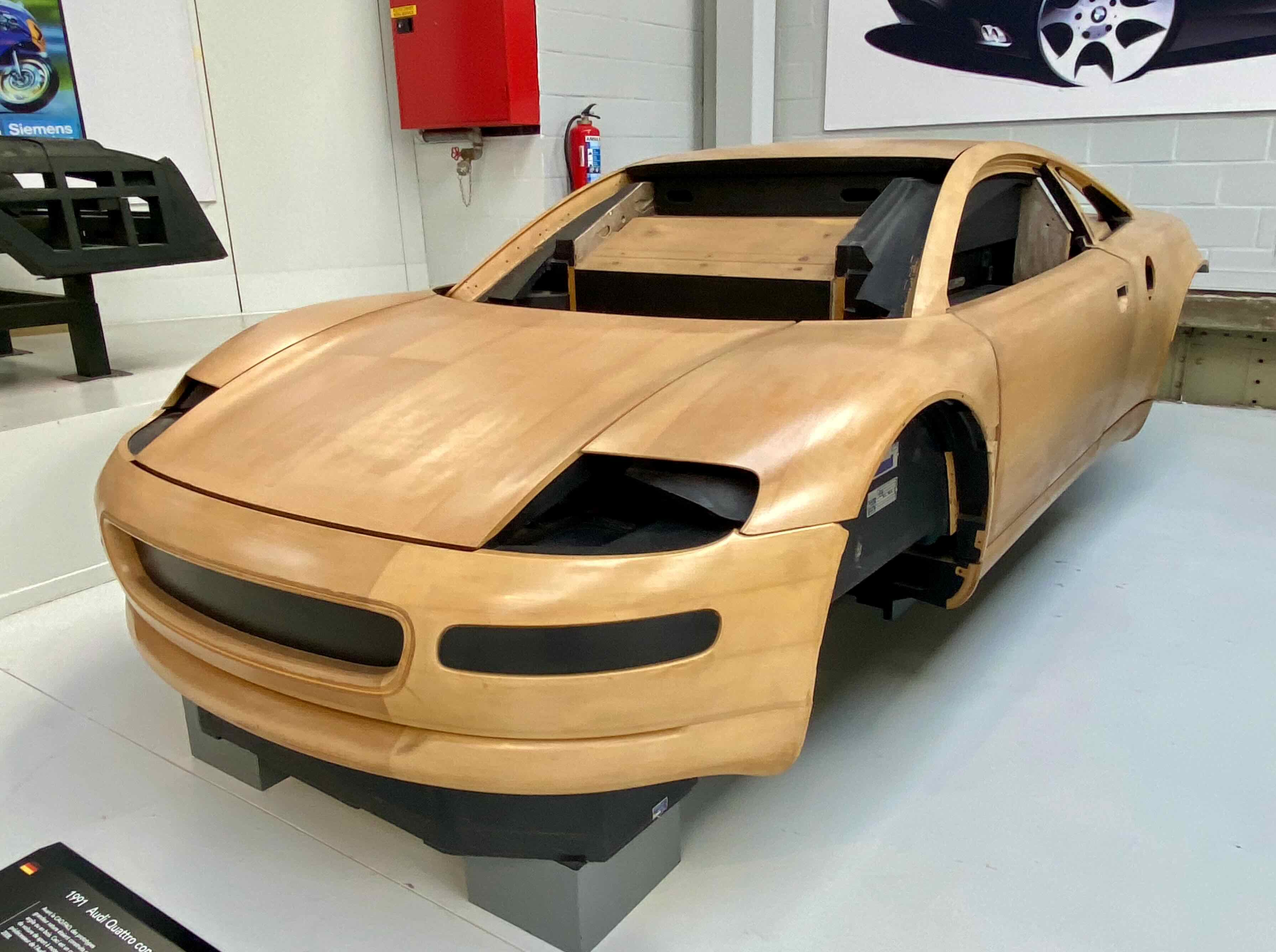
A 1939 Horch Cabrio. August Horch started his car factory in 1900 but left in 1908 after a dispute and started a new company Audi (based on the Latin translation of his name). In 1932 both companies merged with 2 others to form the new Audi, hence the four rings in the logo.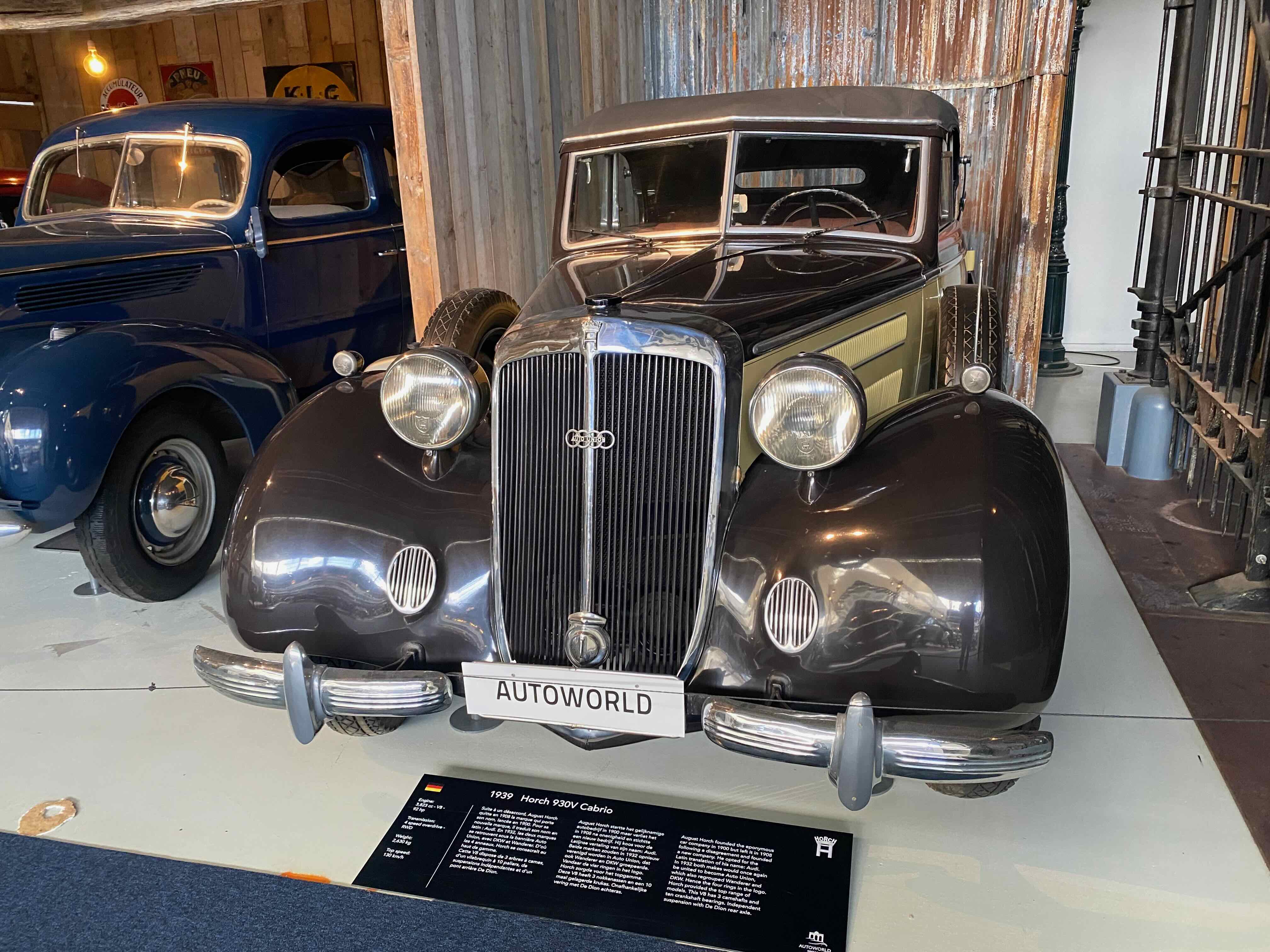
 trudymason.com