Lens Louvre

Day 12.   Thursday, November 11, 2025

I did not know that the Louvre had a satellite museum.  It is located in Lens, which is about 25 minutes from Arras.  There is free parking and the museum is free to visit.  We arrive early afternoon and walk up a tree lined lane to the entrance to the museum.
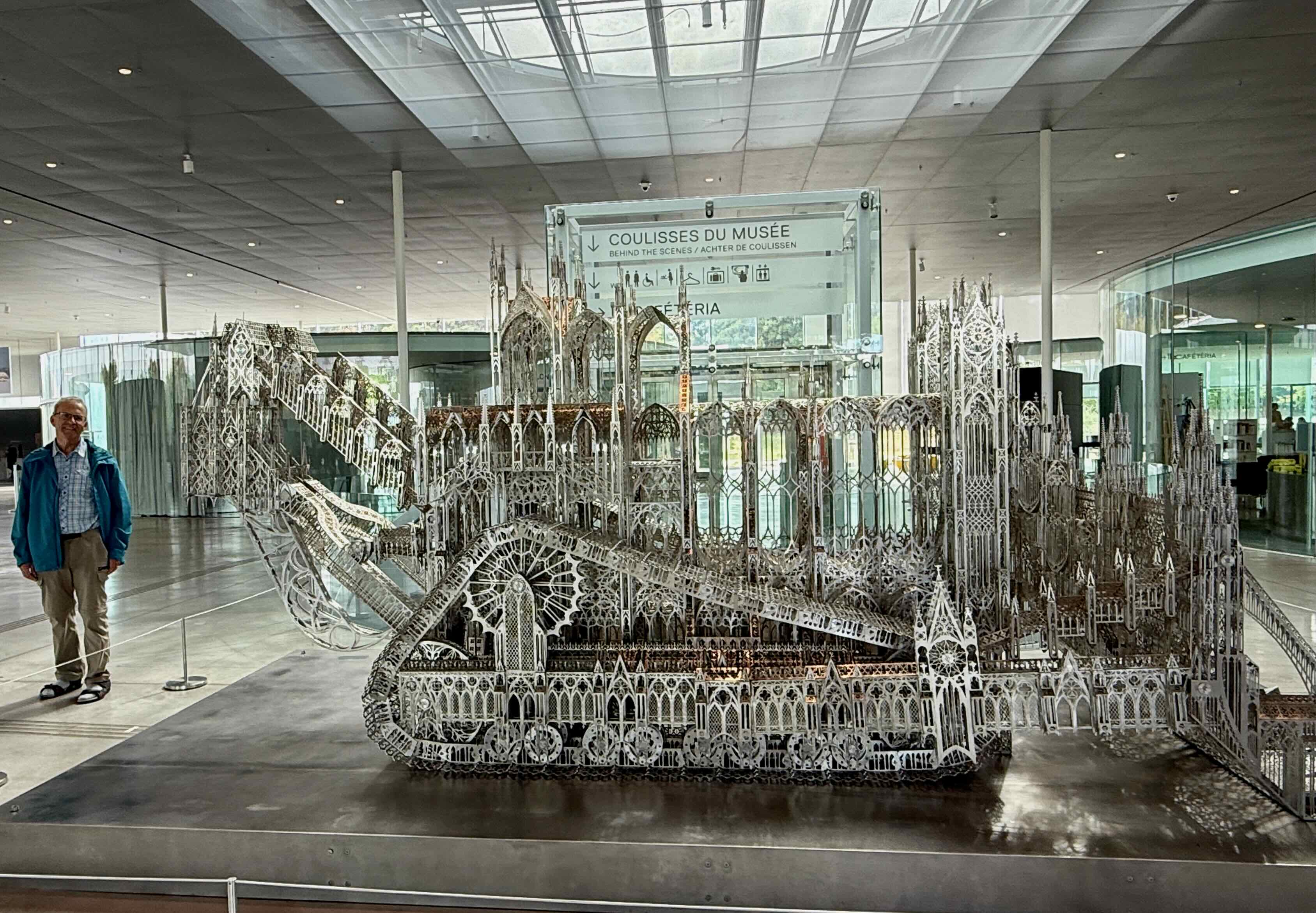
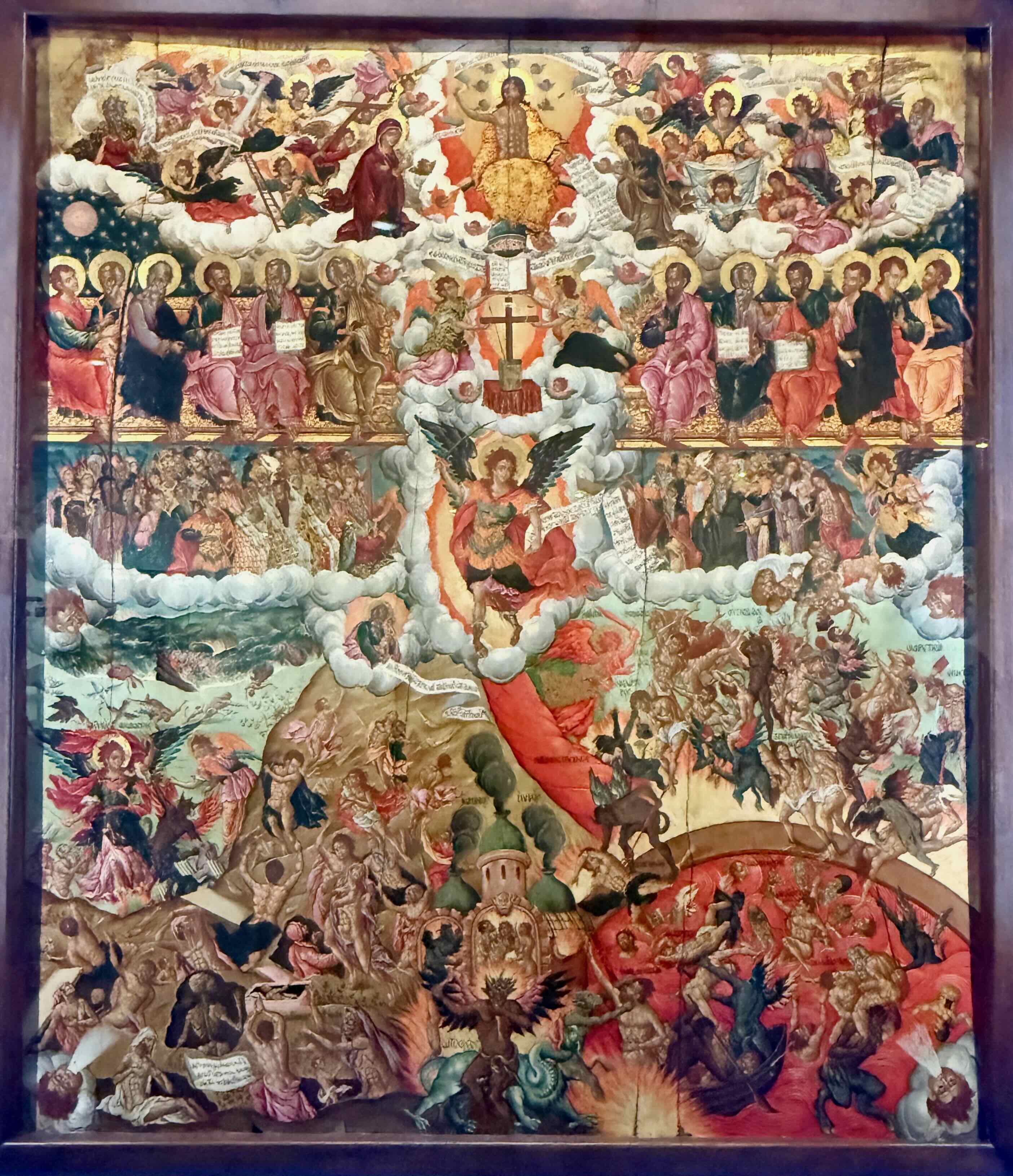
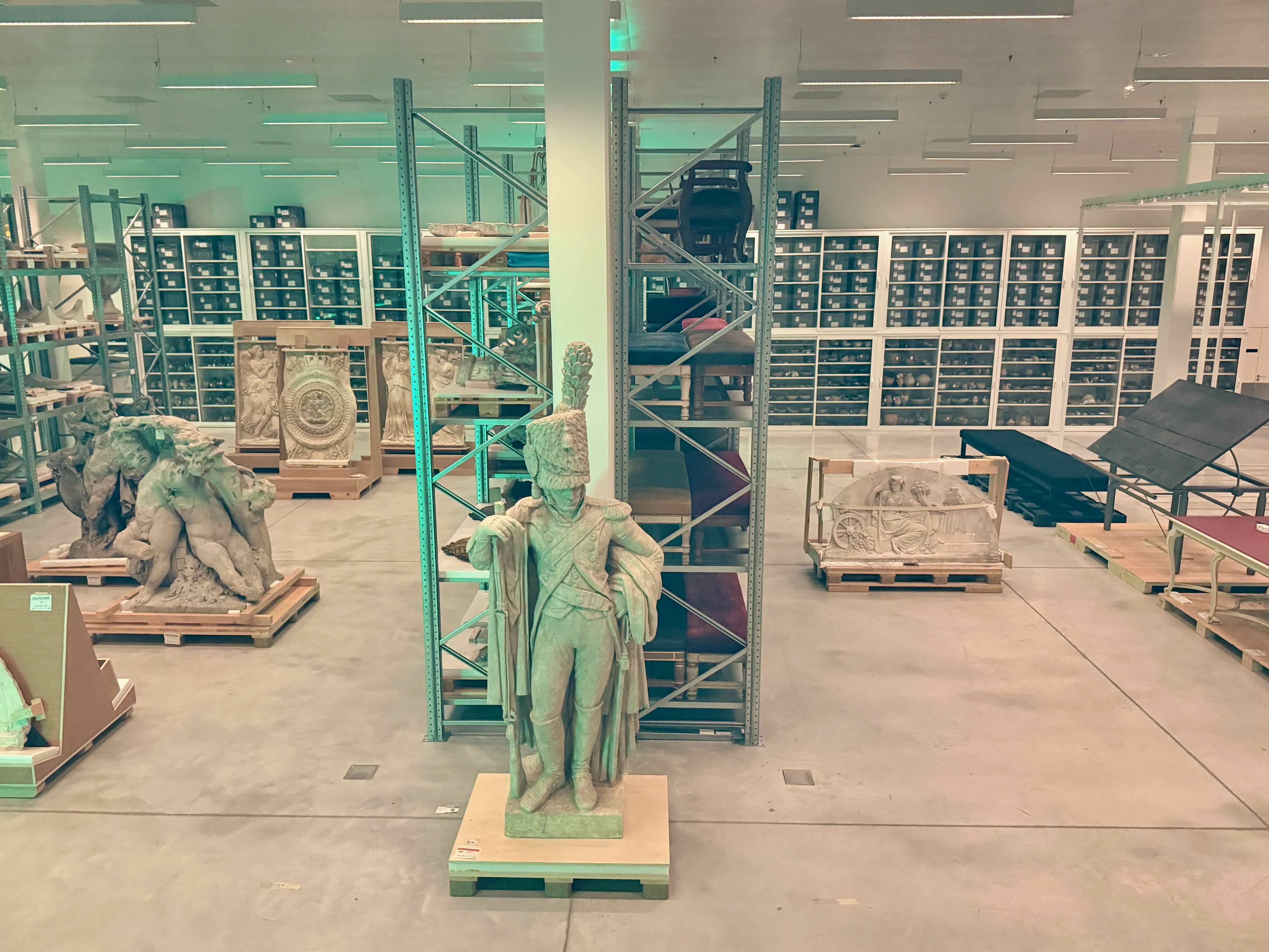
The first thing we see on entering the museum is this Gothic Bulldozer. It is very intricate and difficult to photograph.  Zoom in for a closer look.Downstairs is an exhibit of Ukrainian Icons. Today the term «icon» refers primarily to paintings made with tempera (egg-bound pigments) on a prepared wood panel. Icons are also characterised by the use of gold leaf.  Museums around the world are safekeeping artwork from the Uraine until the war ends. The Louvre-Lens has four of Ukraine’s Icon paintings on display. This is The Last Judgement by Theodore Poulakis, 1661.
Alongside this exhibition space is a glass wall that allows visitors to view works in the restoration area of the Museum.The main exhibit at the museum is The Gallery of Time.
The Gallery of Time is an original showcase for a variety of art forms from different civilisations, all of which come together in an open-plan layout covering some 3,000 square metres. Visitors are invited to immerse themselves in the story of more than 5,000 years of human history and artistic creation. The Gallery of Time takes visitors on a chronological journey from the 4th millennium BCE to the 19th century, drawing on the collections of the Musée du Louvre and on other works which combine to tell a story of human creation, from the earliest recorded times to the most recent.
 

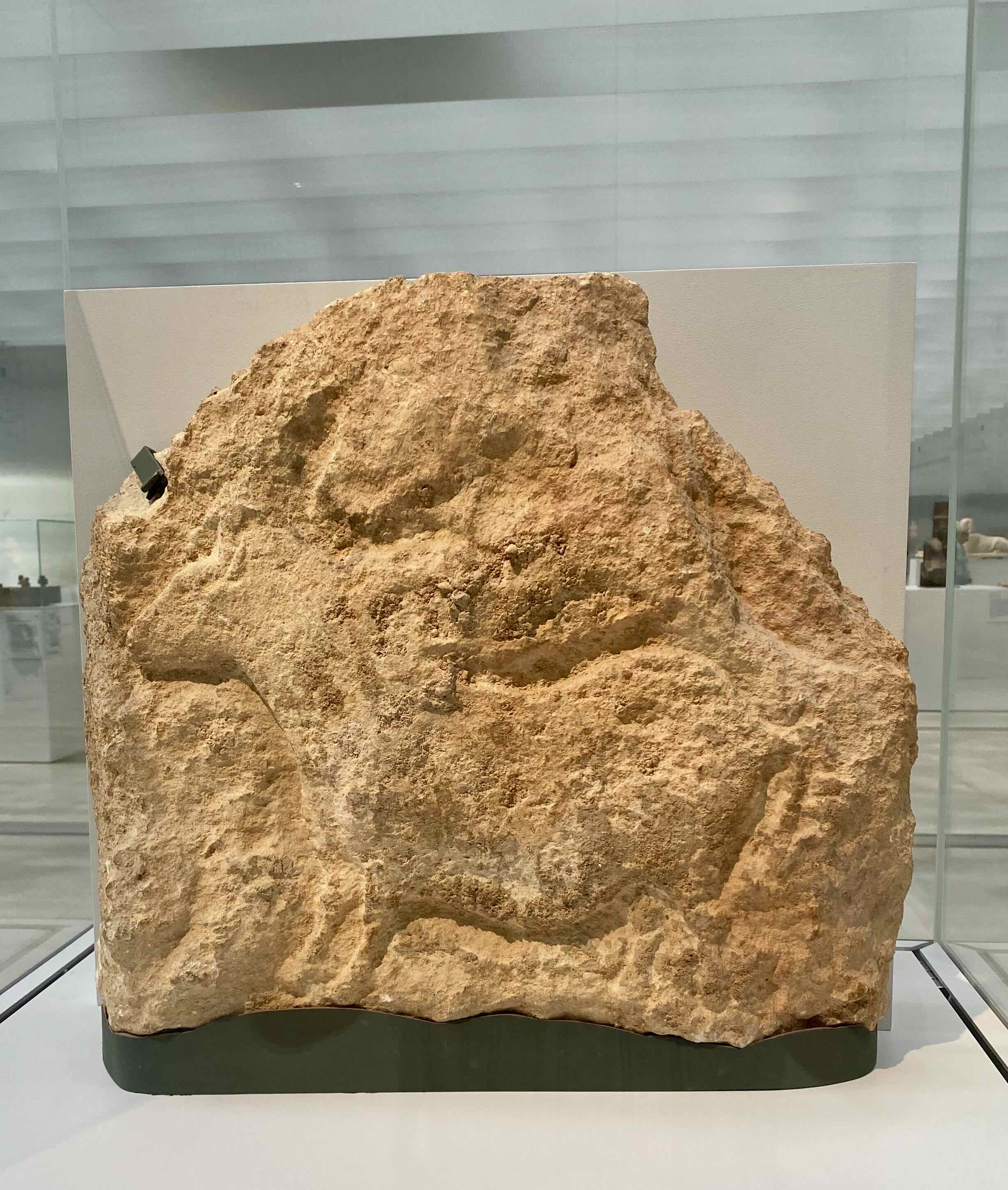
This is the beginning of The Gallery of Time. The first exhibit is the Roc-de-Sers, a stone with a carved horse that was part of a frieze found in a shallow cave in the south west of France. It is from 18,000 BC.
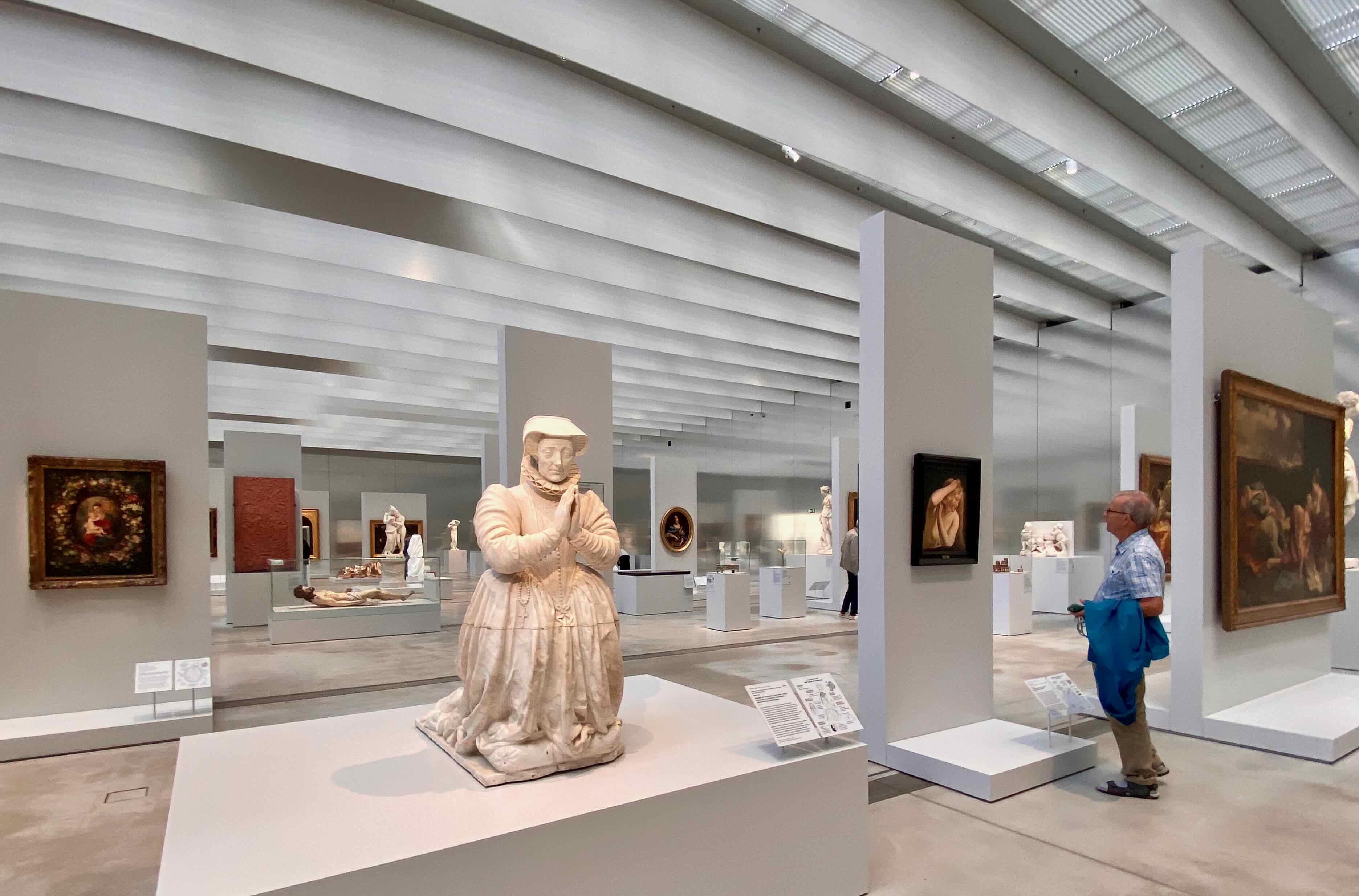
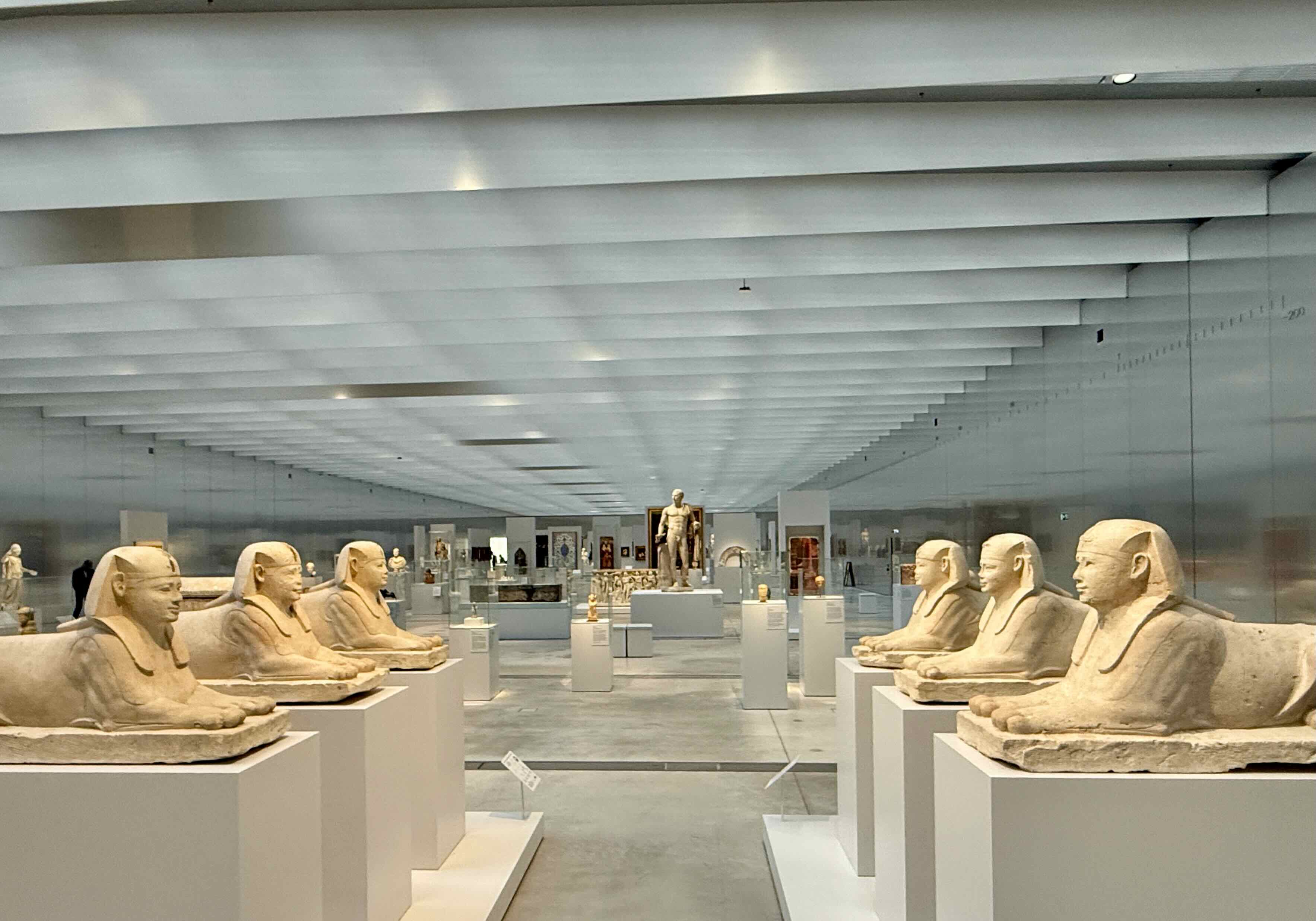
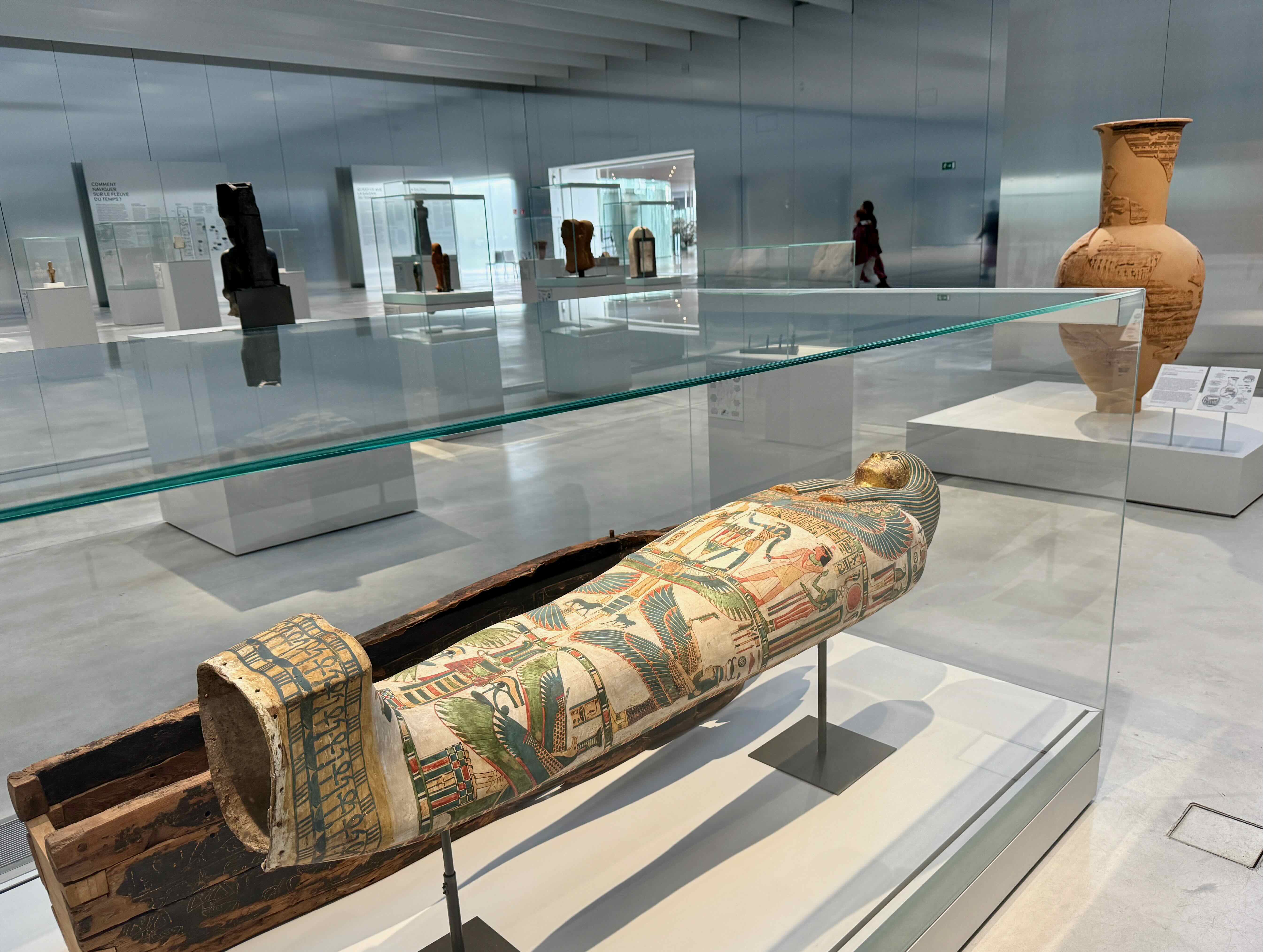
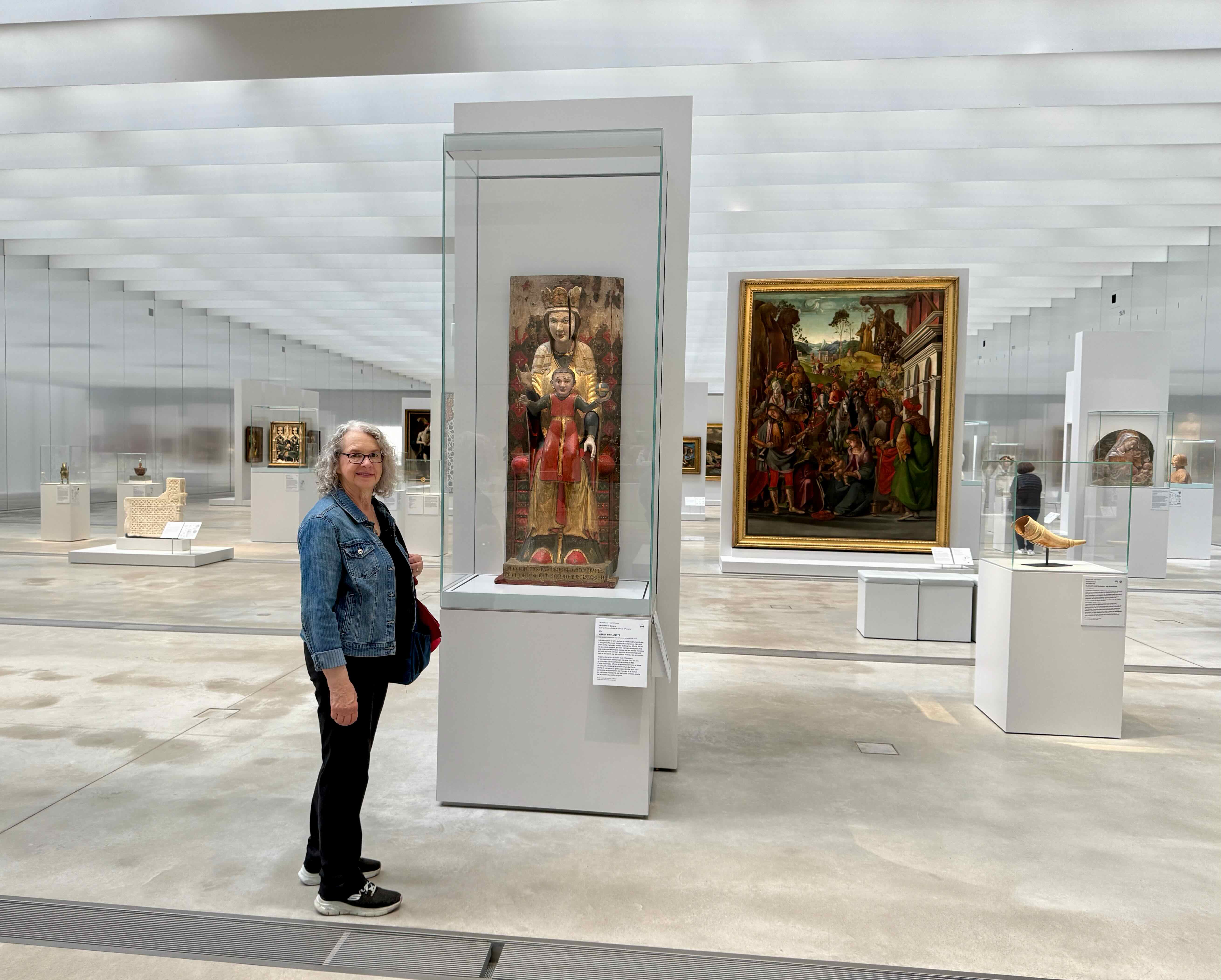
Some views of more than 250 pieces of art on display in this huge gallery.

And here, in no particular order, are a few of the pieces that we found especially interesting.

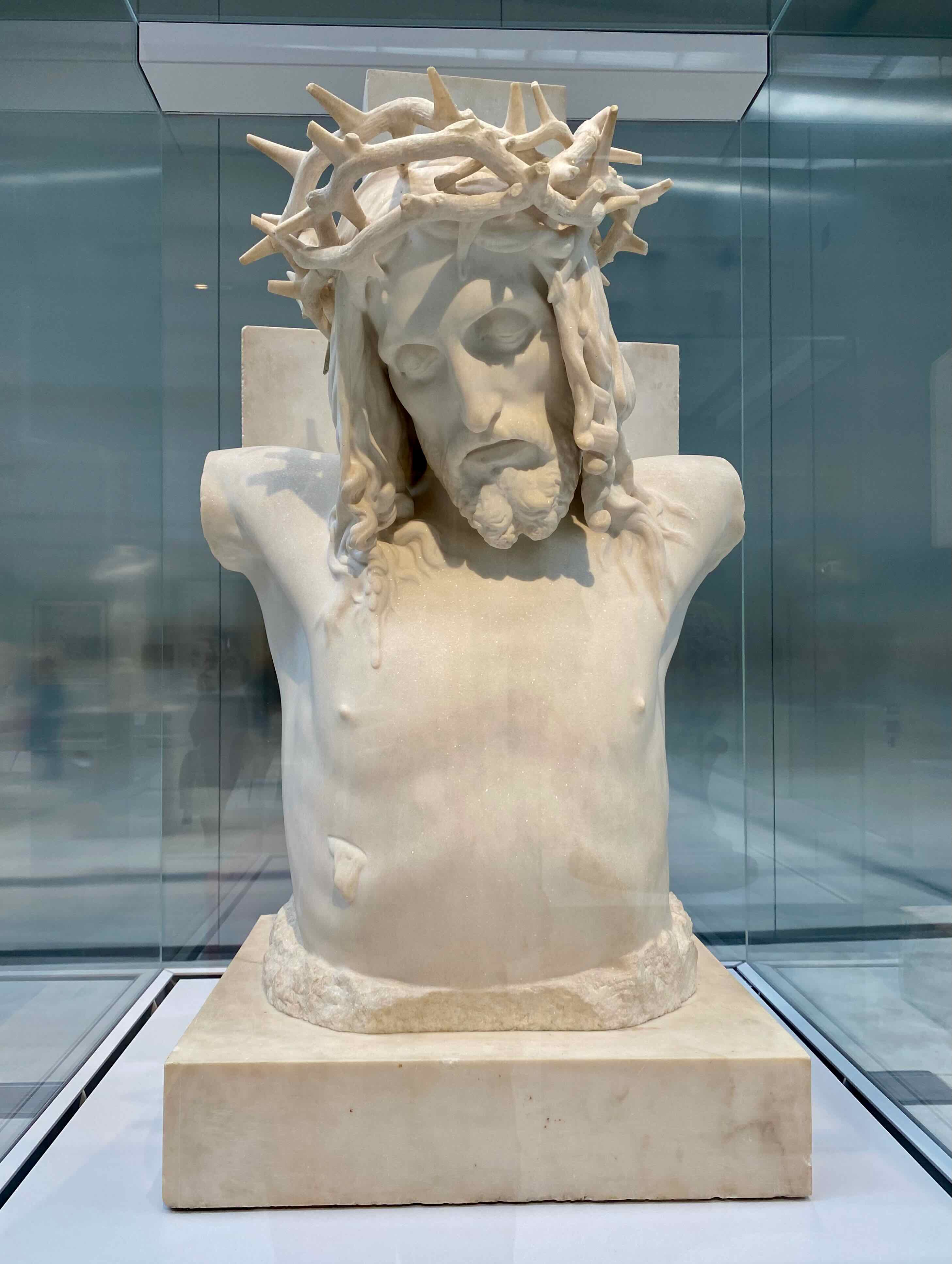
Francois Rude, Christ on the Cross.  Rude started this marble sculpture in 1885 but died before it was completed.  His student and nephew Jean Baptiste Paul Cabet completed it.  I found it very moving, and marvelled at being able to carve the crown of thorns in marble!
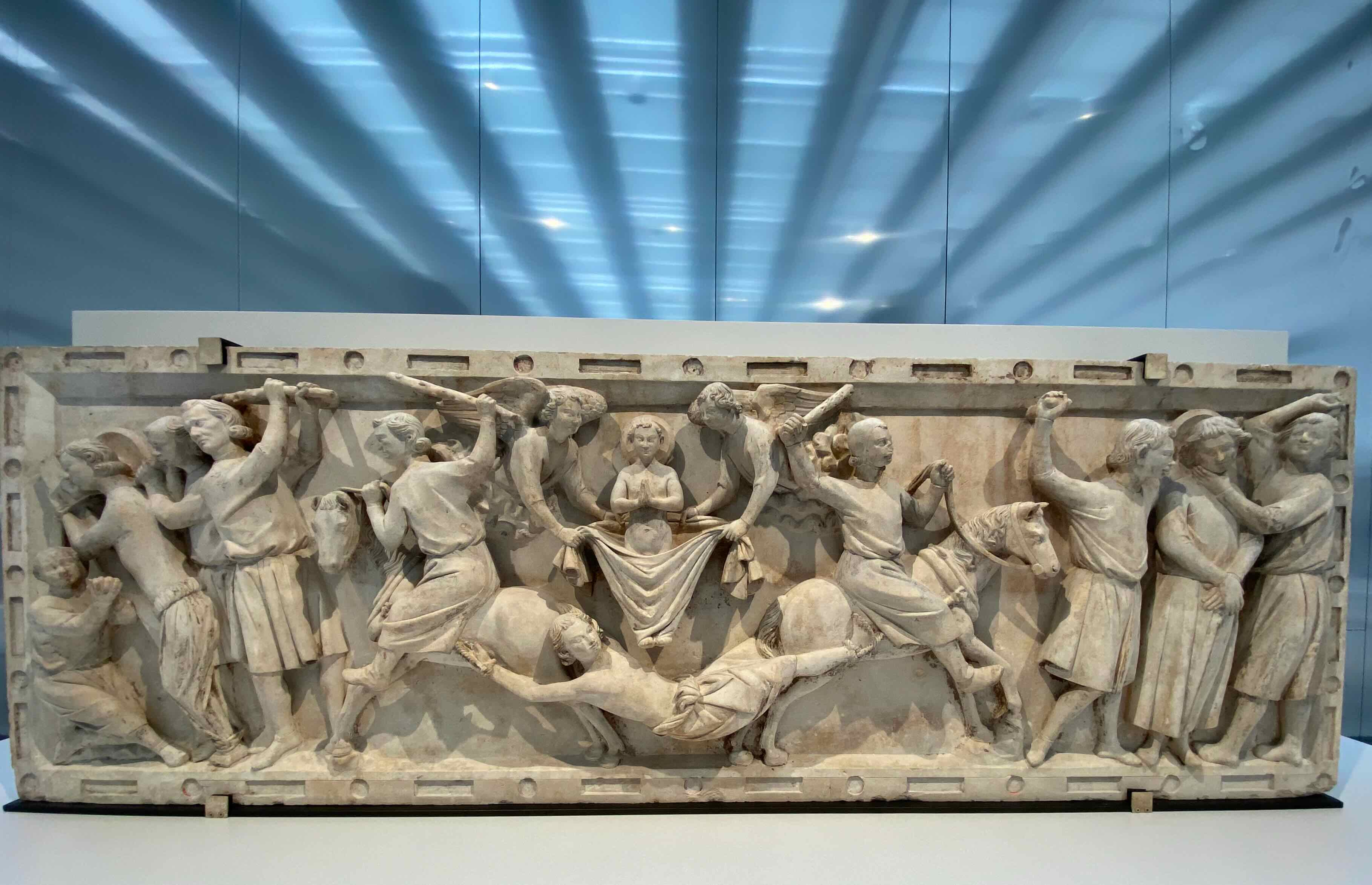
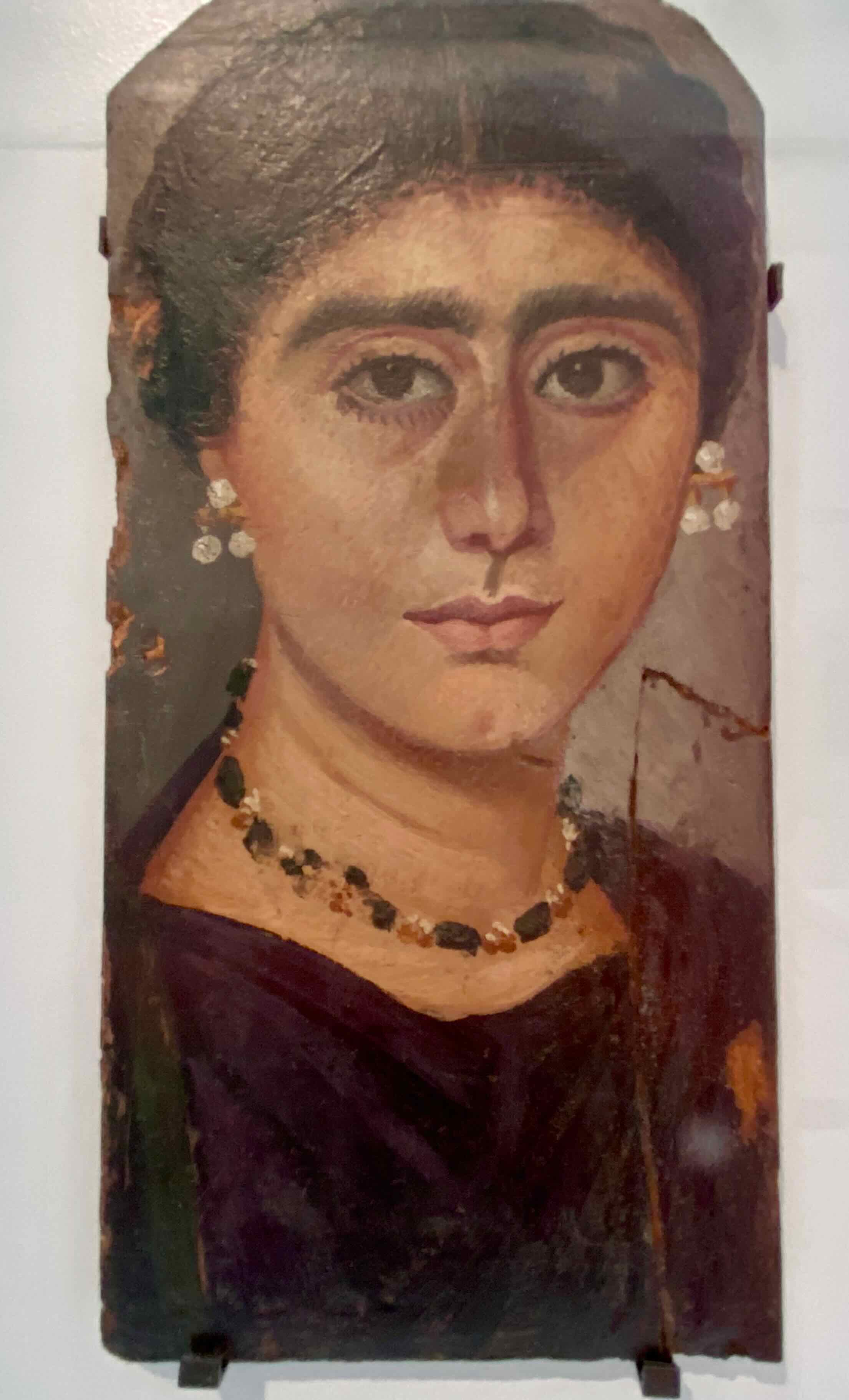
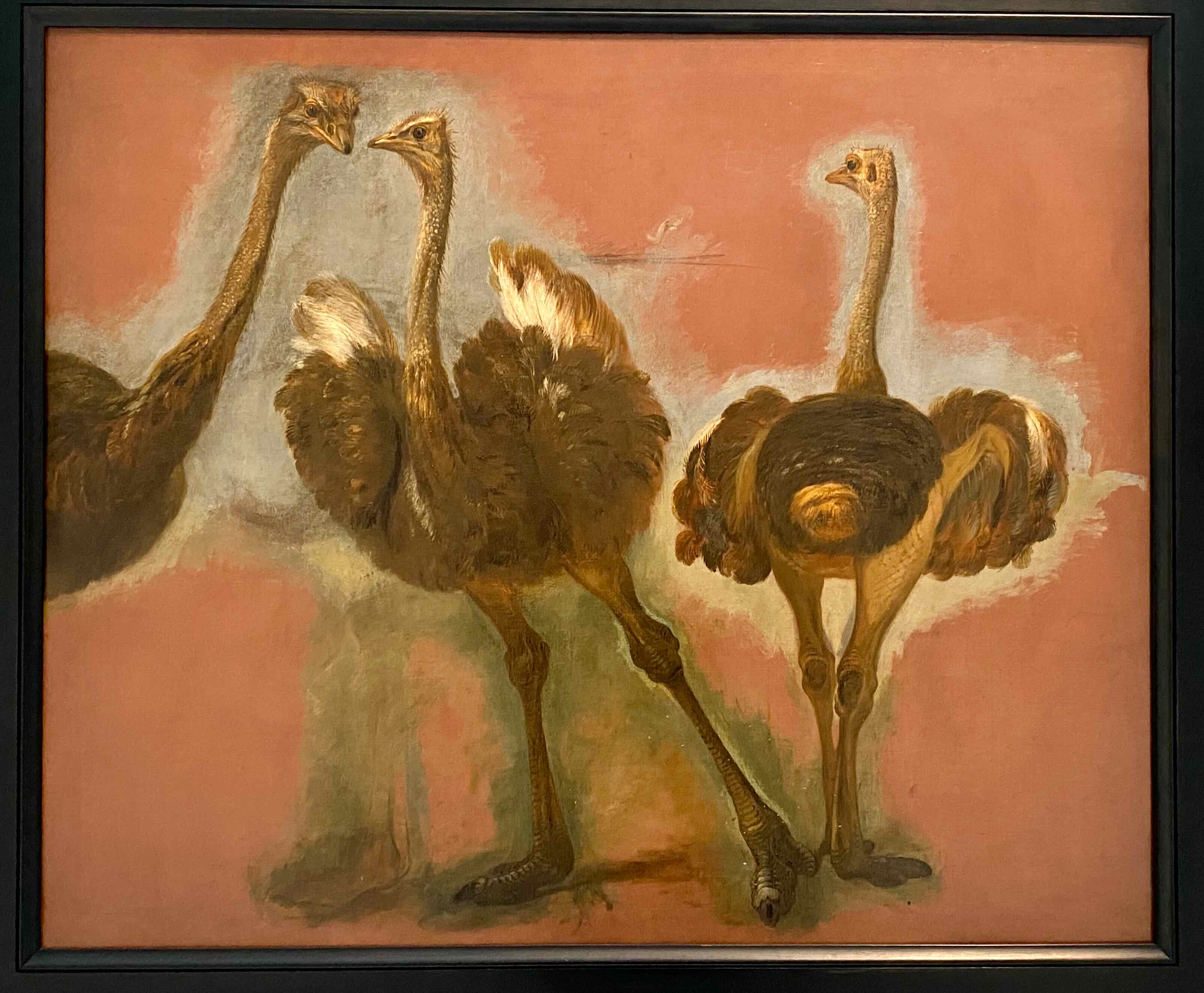
The Martyrdom of Saint Hippolyte, Cathedral of Sant-Denis, France, c. 1225-1250,  My first thought seeing this was what would it feel like to be pulled apart by horses? Egyptian Tomb Portrait of a Woman c. 150 AD.  I love these tomb paintings.  We saw several of them years ago when we visited Egypt.  Pieter Boel, c.1669-1671 Triple study of an Ostrich. 
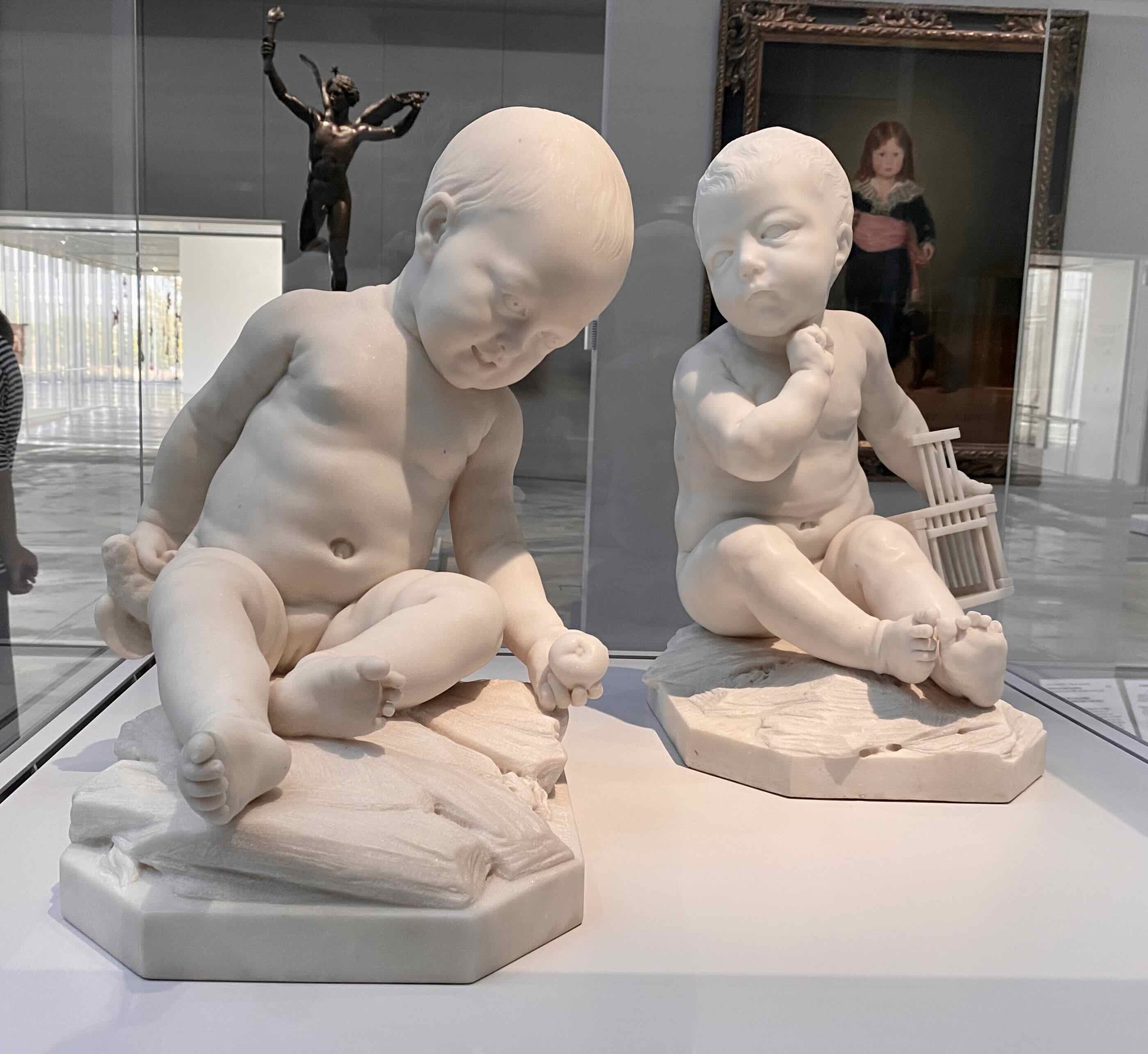
Jean-Baptiste Pigalle, Paris 1714-1785, The Child and the Cage and The Girl with a Bird and an Apple. I fell in love with this two cherubic statues.  The dimples and folds in their skin were so incredibly life-like.
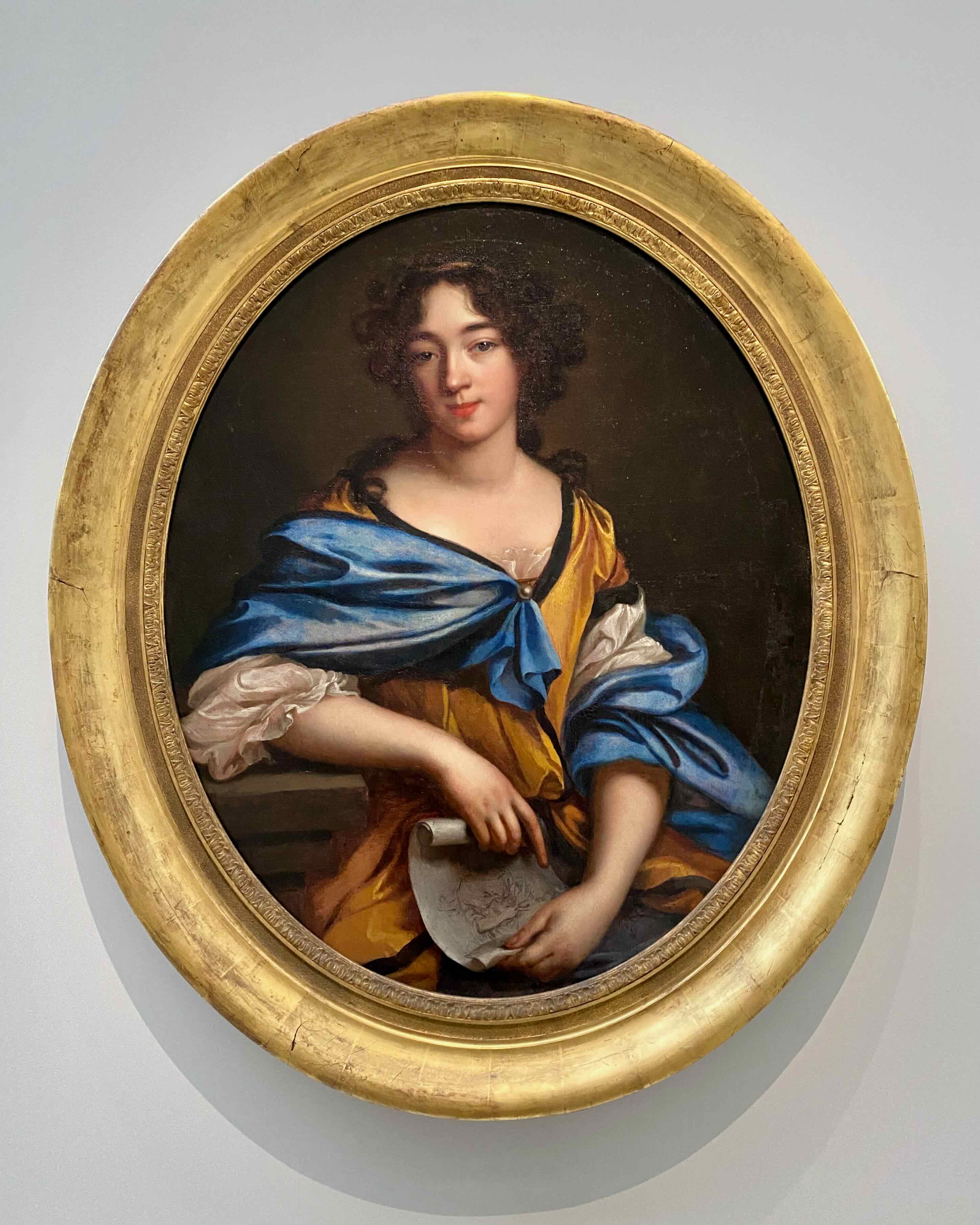
Élisabeth-Sophie Chéron, (1648-1711), 1672 Self Portrait.  This is the oldest self portrait of a French female artist in the possession of a Museum.
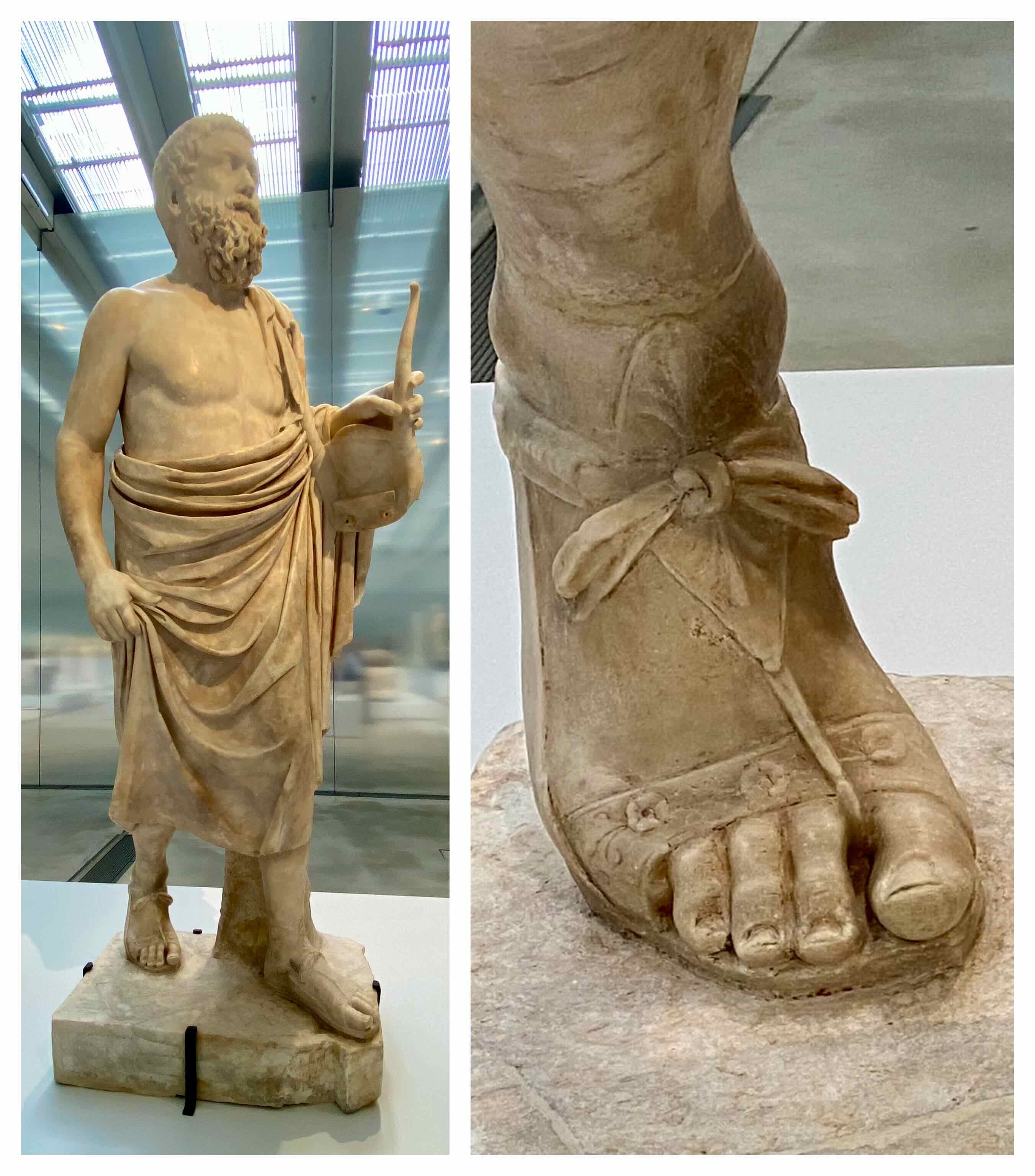
The Marching Player, 1063 AD. This statue is a replica of a Greek bronze original created around 440-400 BC.  I love the detail in his feet and toes.
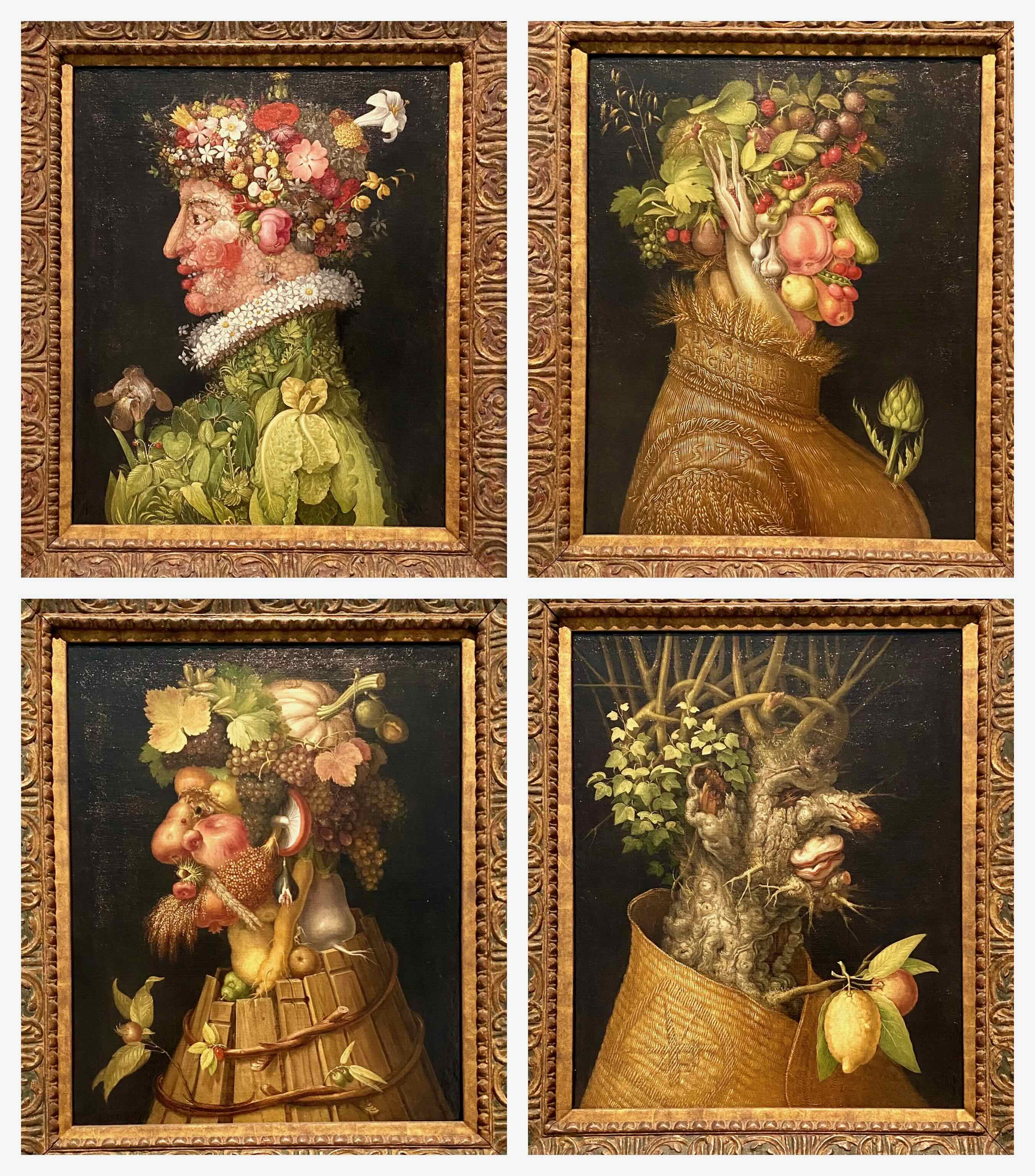
Giuseppe Arcimboldo, Milan, c. 1527-1593. We have seen other work by this artist…it is pretty distinctive. This is Spring, Summer, Autumn and Winter.
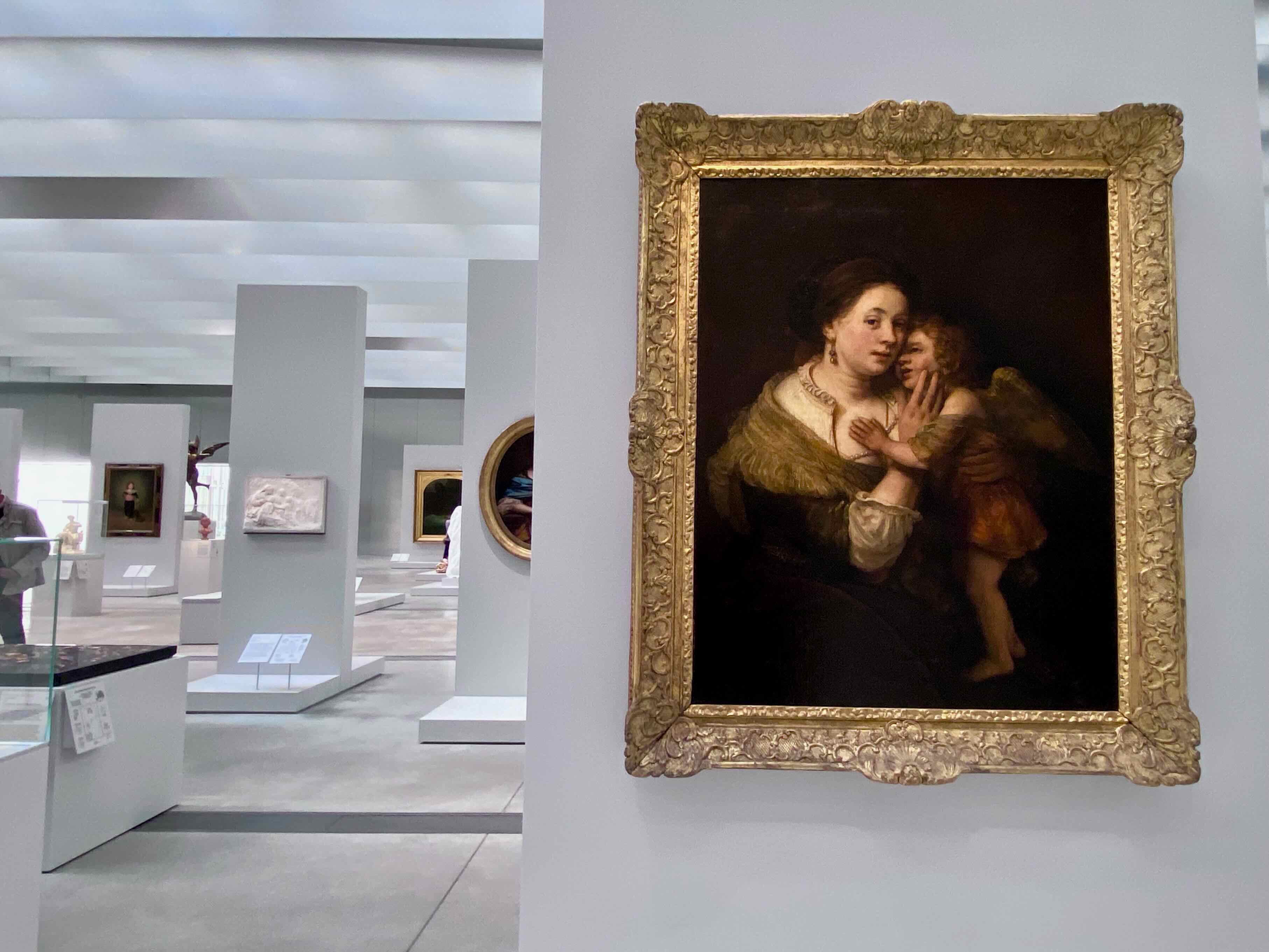
Rembrandt van Eijn, 1640-1660, Venus et L’Amour
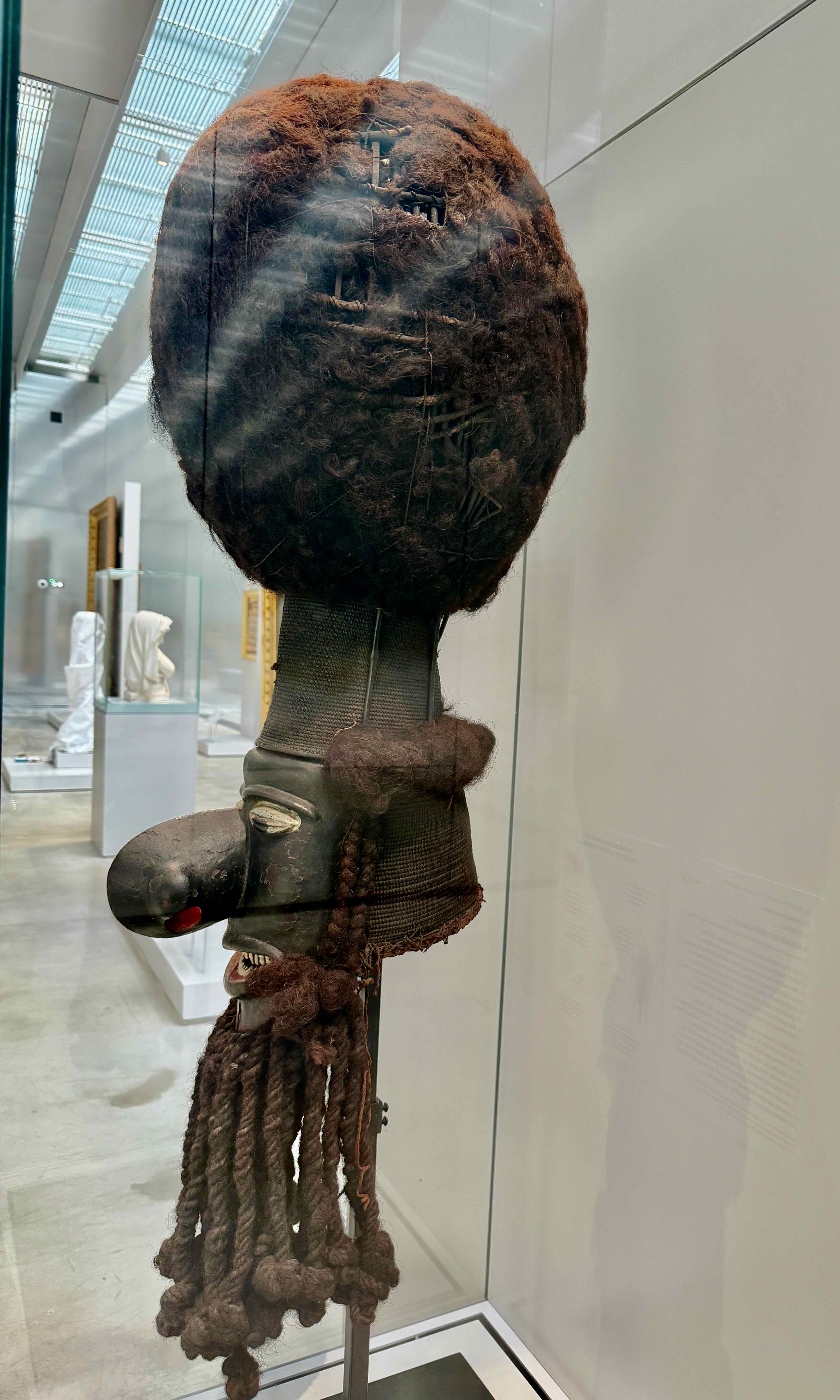
Mourner’s Mask, New Caledonia c.1850
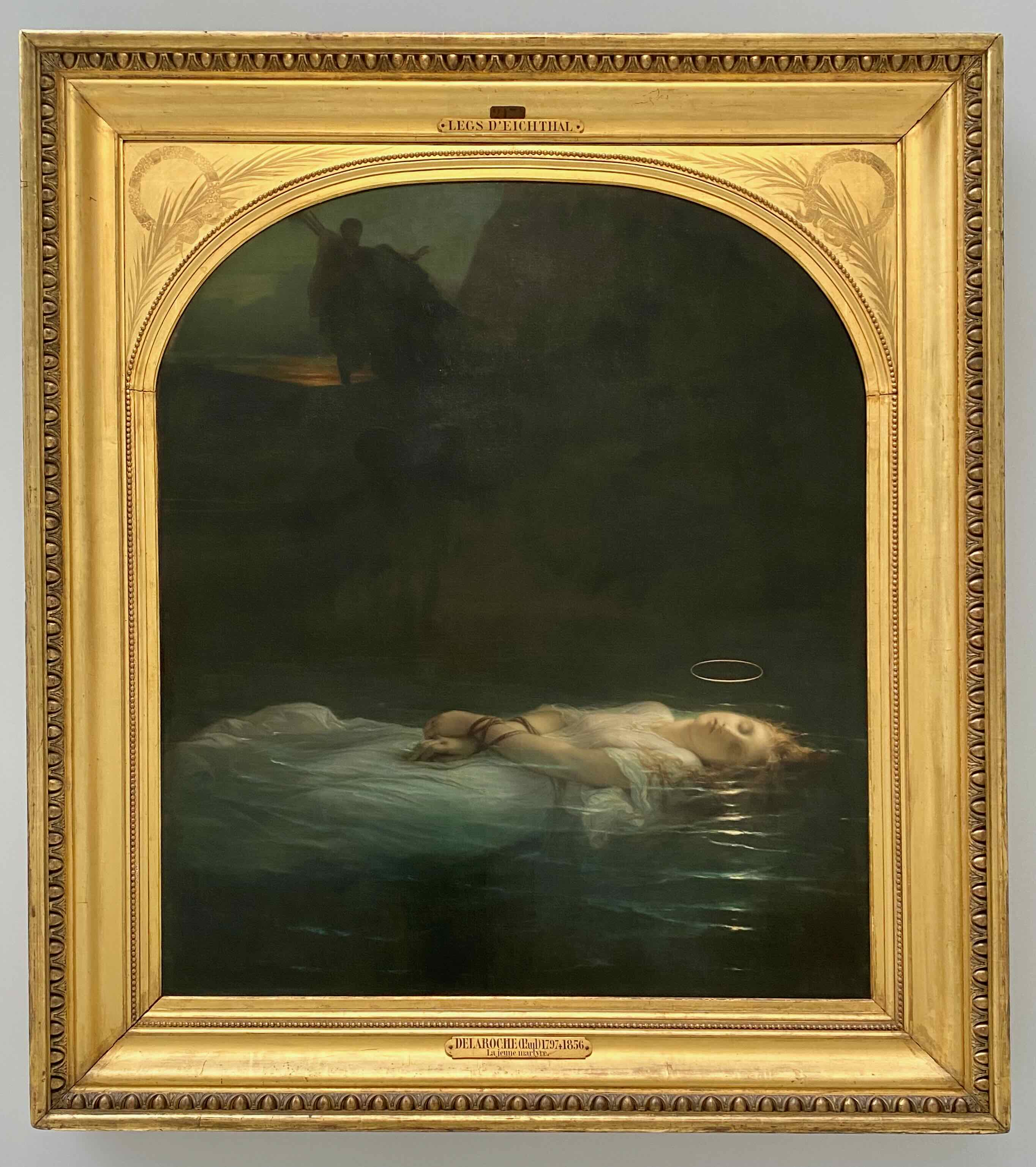
This was the last piece in the Gallery of Time.  A painting by Paul Delaroche, 1885, The Young Martyr.  A painting of a young woman who was killed for refusing to renounce her Christian faith.
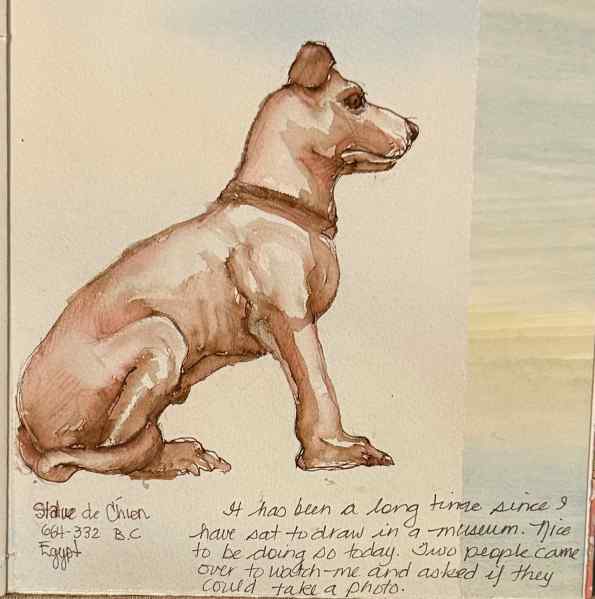
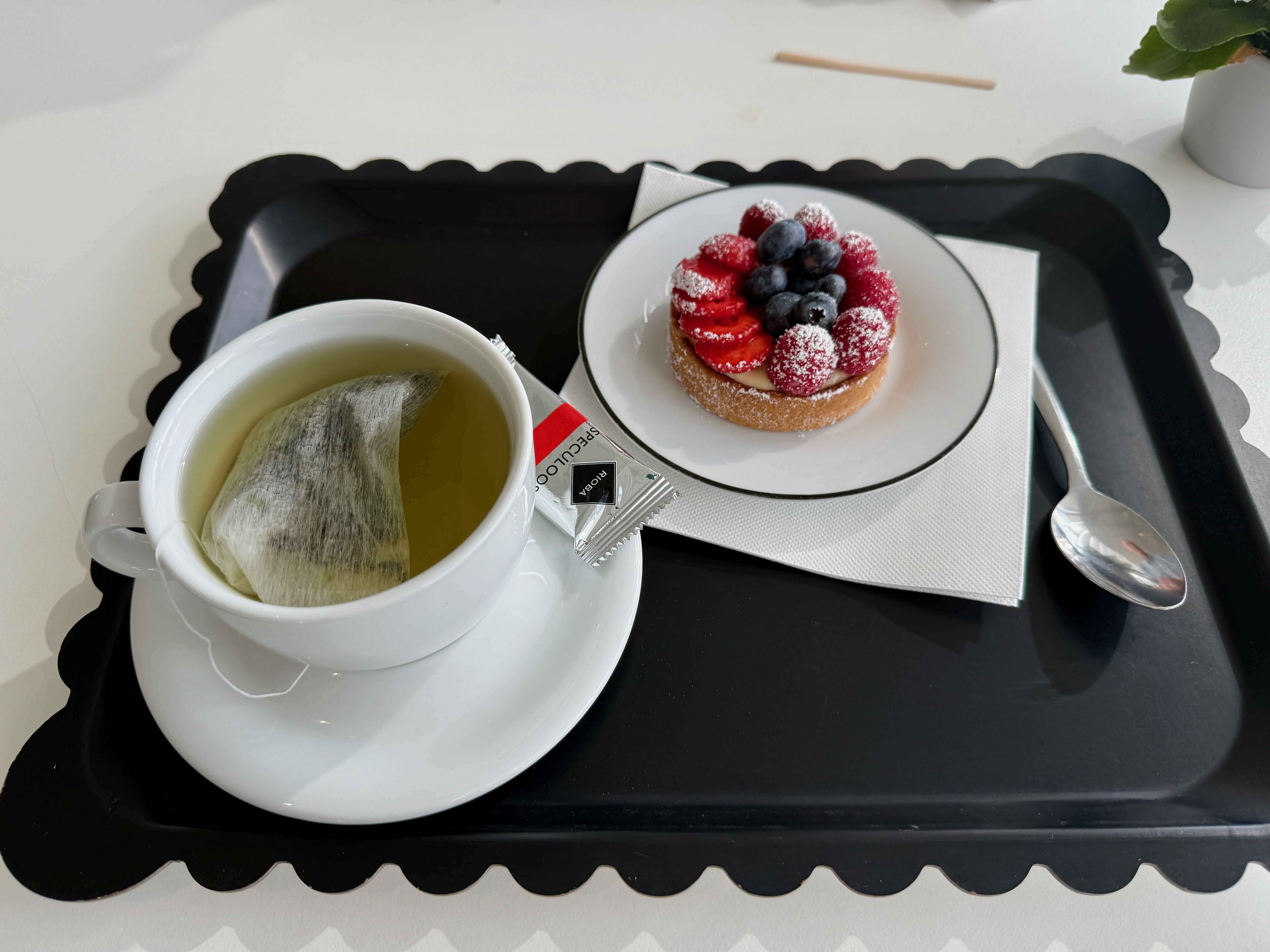
We have a much needed tea break. I asked how big the tea was and was assured that it was very big…well, this rather ‘very large” cup of tea was €5.50!  Bob finds a spot to read and I go back to the gallery to do some sketching.  They aren’t the best sketches but I had such an enjoyable time doing them.  Two people asked if they could take a photo…people are always interested in what I am drawing.
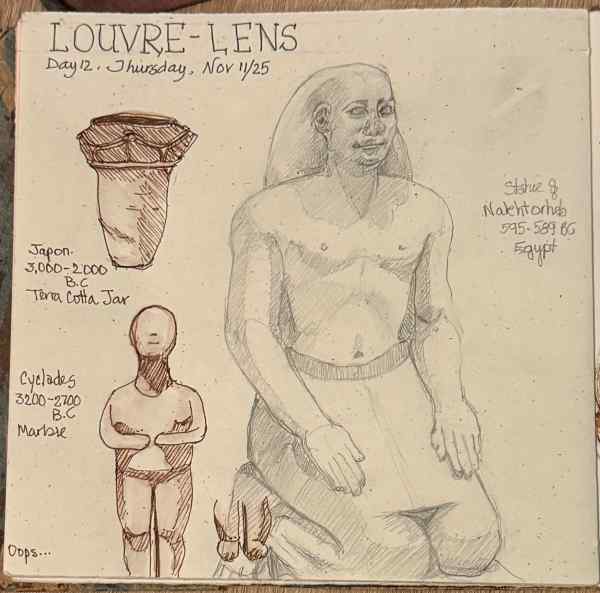
We stay until the museum closes at six and we are surprised to see it is raining outside.  The Louvre -Lens is a very modern building, so different than the Louvre in Paris.  We really enjoyed the Gallery In Time”. It was interesting, and not as overwhelming as the Louvre.
Metier Museum, Picasso Museum, and Life Drawing

Day 8.    Sunday, September 7, 2025

We picked up our car this morning, a Ford Hybrid with a nice big trunk.  Driving back from Gare de Lyon to our bnb went well, and our host let us park in his yard for the night which we really appreciated.  There are next to no parking spots on the streets in this neighbourhood.

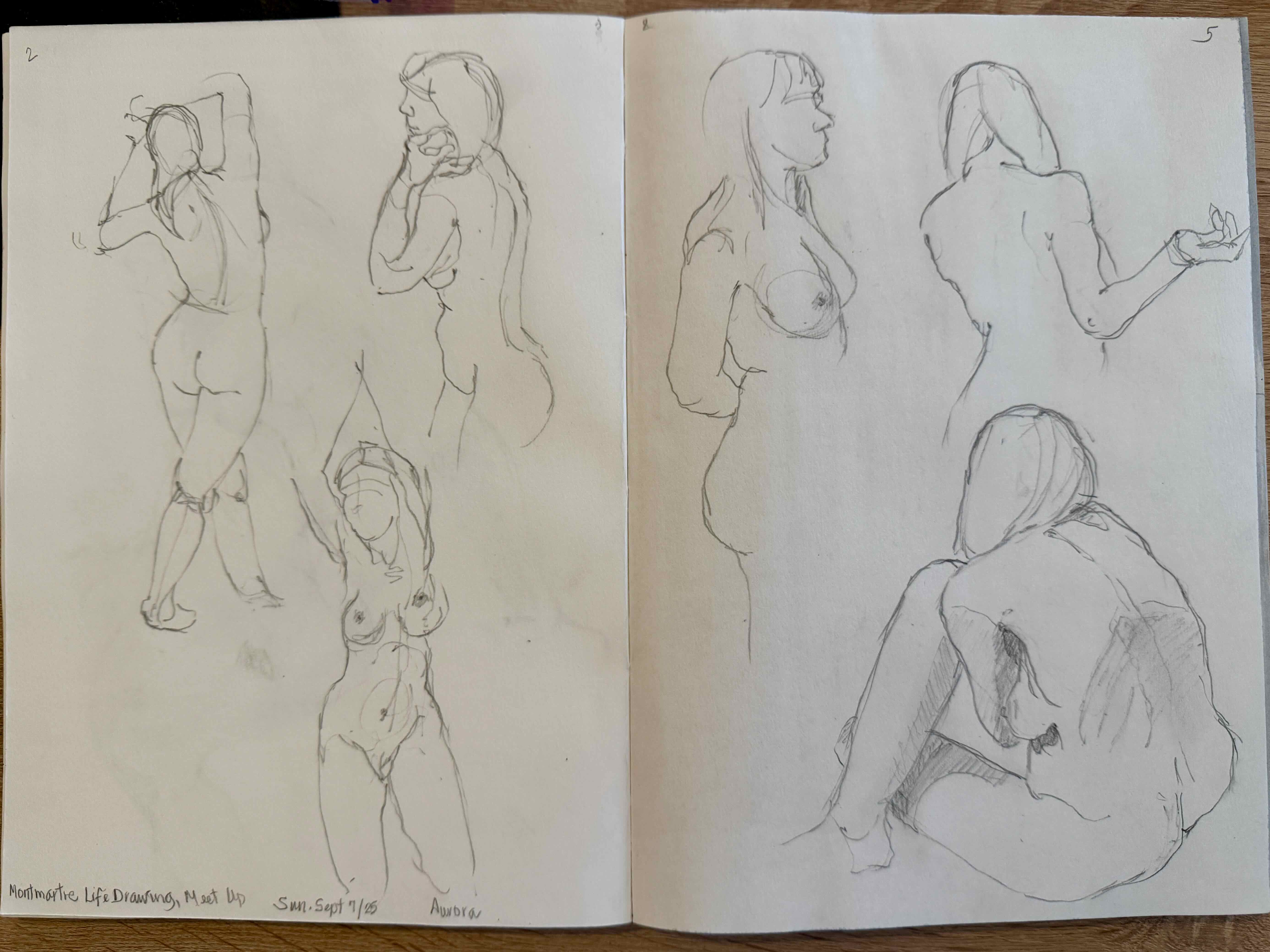
I left for drawing in Montmartre, which was an hour away.  I arrived just in time for the session, and the organizer, Deni, remembered me from the last time I was here, two years ago!

Aurora, five 2 minute poses, 1 5min pose

Two 5 minute poses, three 10 minute poses

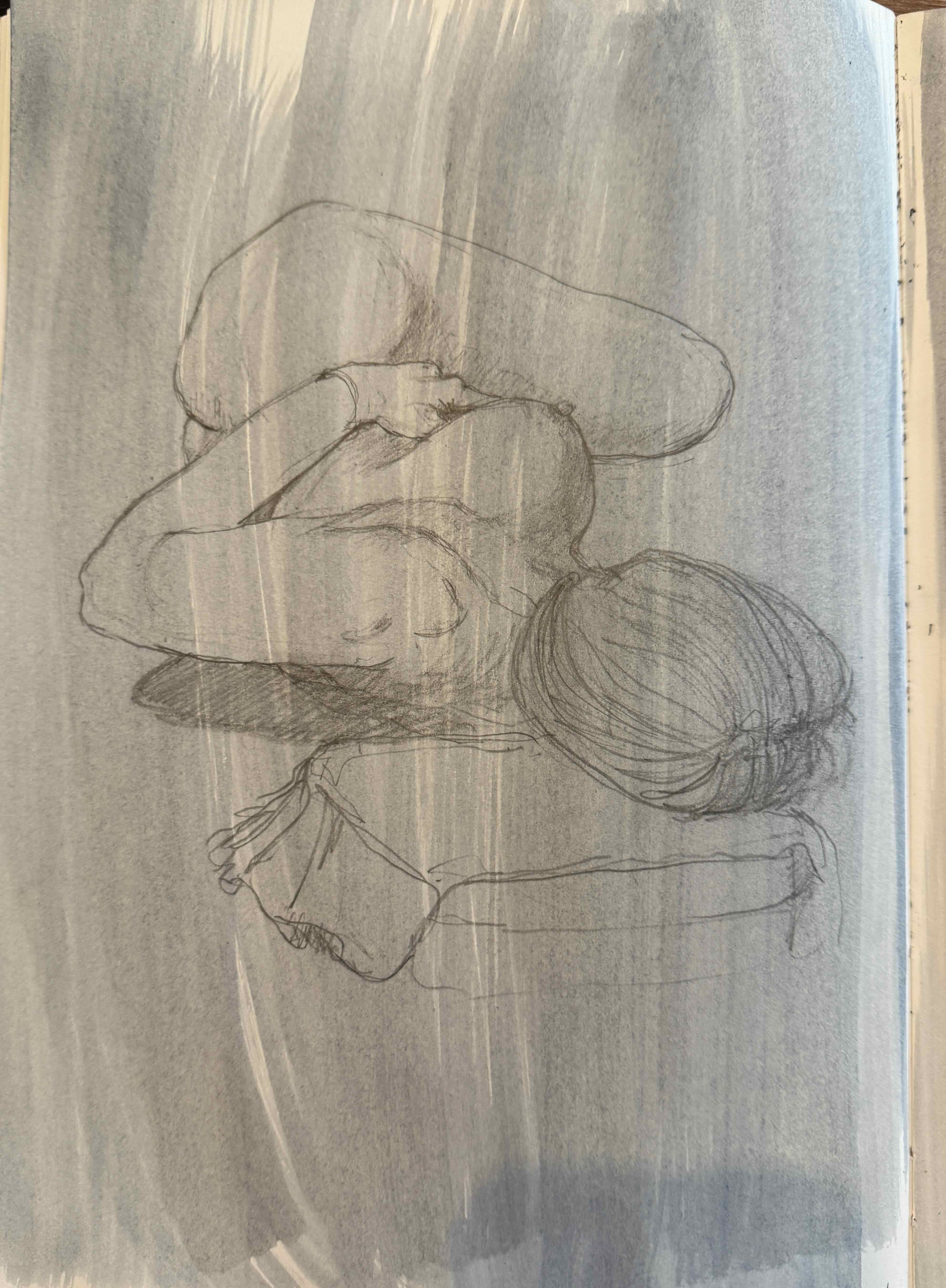
One very challenging foreshortened 25 minute pose.

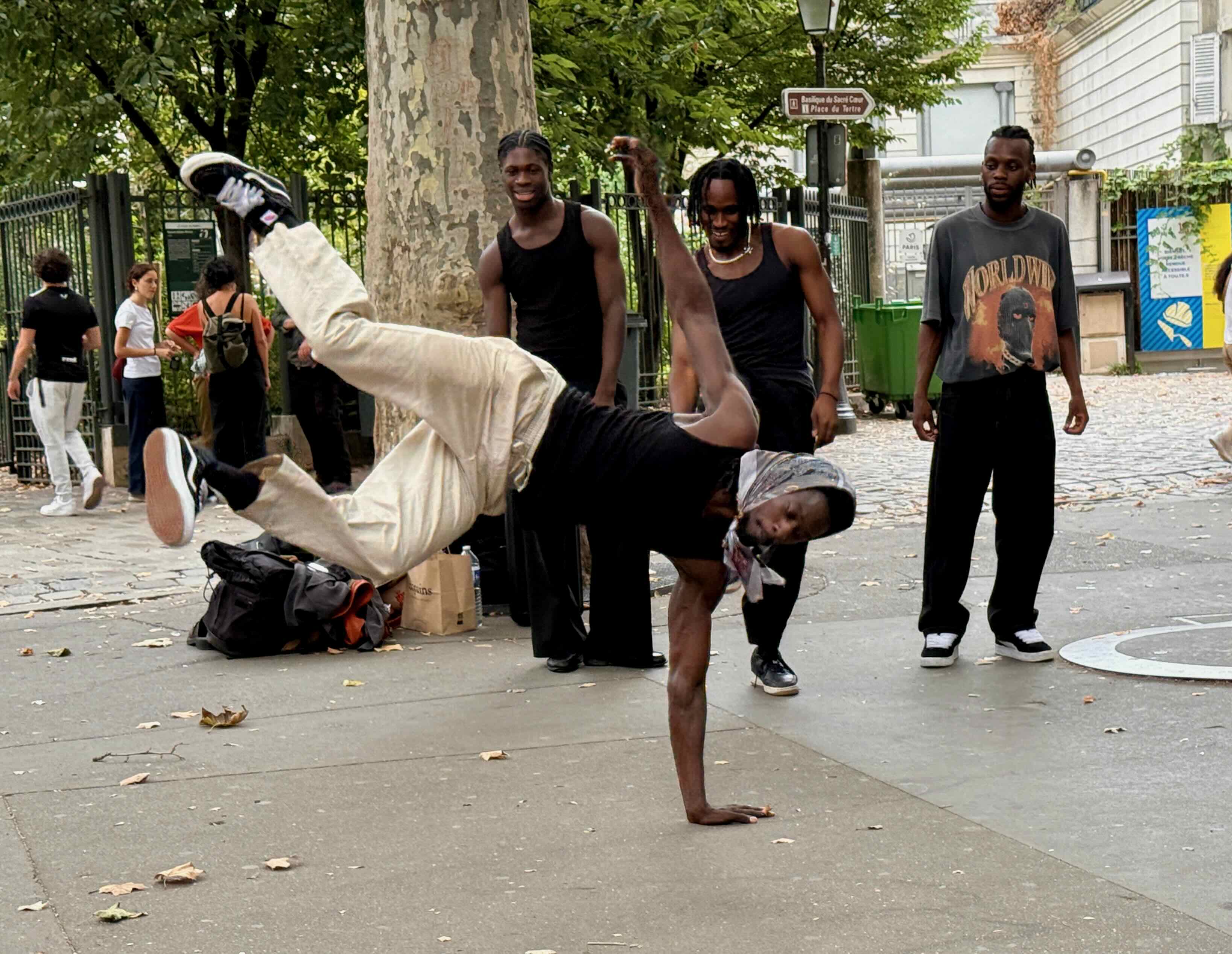
Before catching the metro home I stop to watch four very muscular handsome young men performing for donations, while I eat a yummy crepe sucré avec banane for my dinner.

There were a lot of steps on this metro trip so I decided to count them on the way home. Including these 104 spiral steps I went up and down 456 steps!!  So, going and coming from drawing I climbed up and down a total of 912 steps. No wonder French people are so healthy!  I was rather proud of myself climbing these spiral steps and passing a group of people much younger than I am huffing and puffing as they rested on one of the landings! 

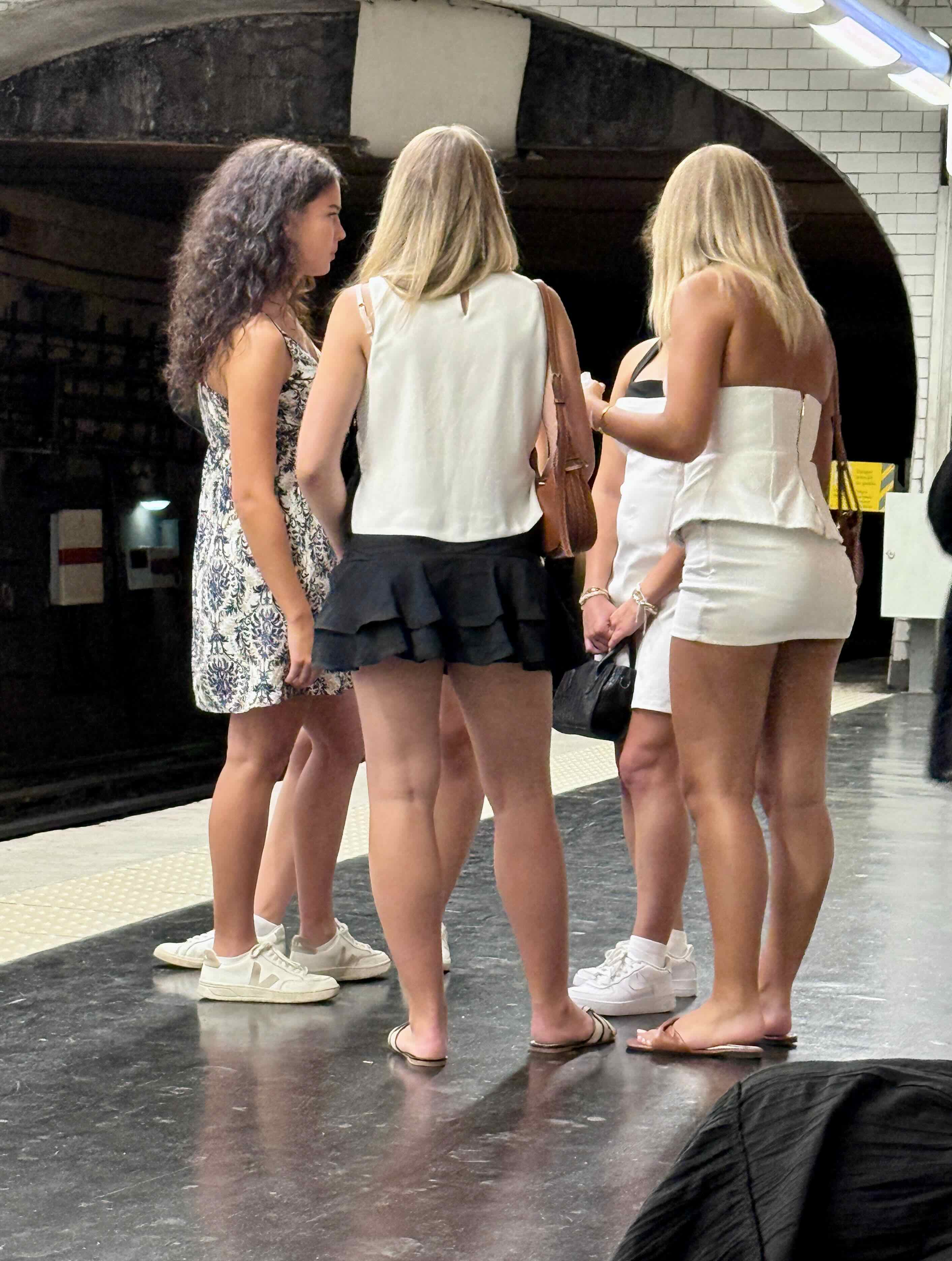
Short skirts are in fashion…very very short skirts!

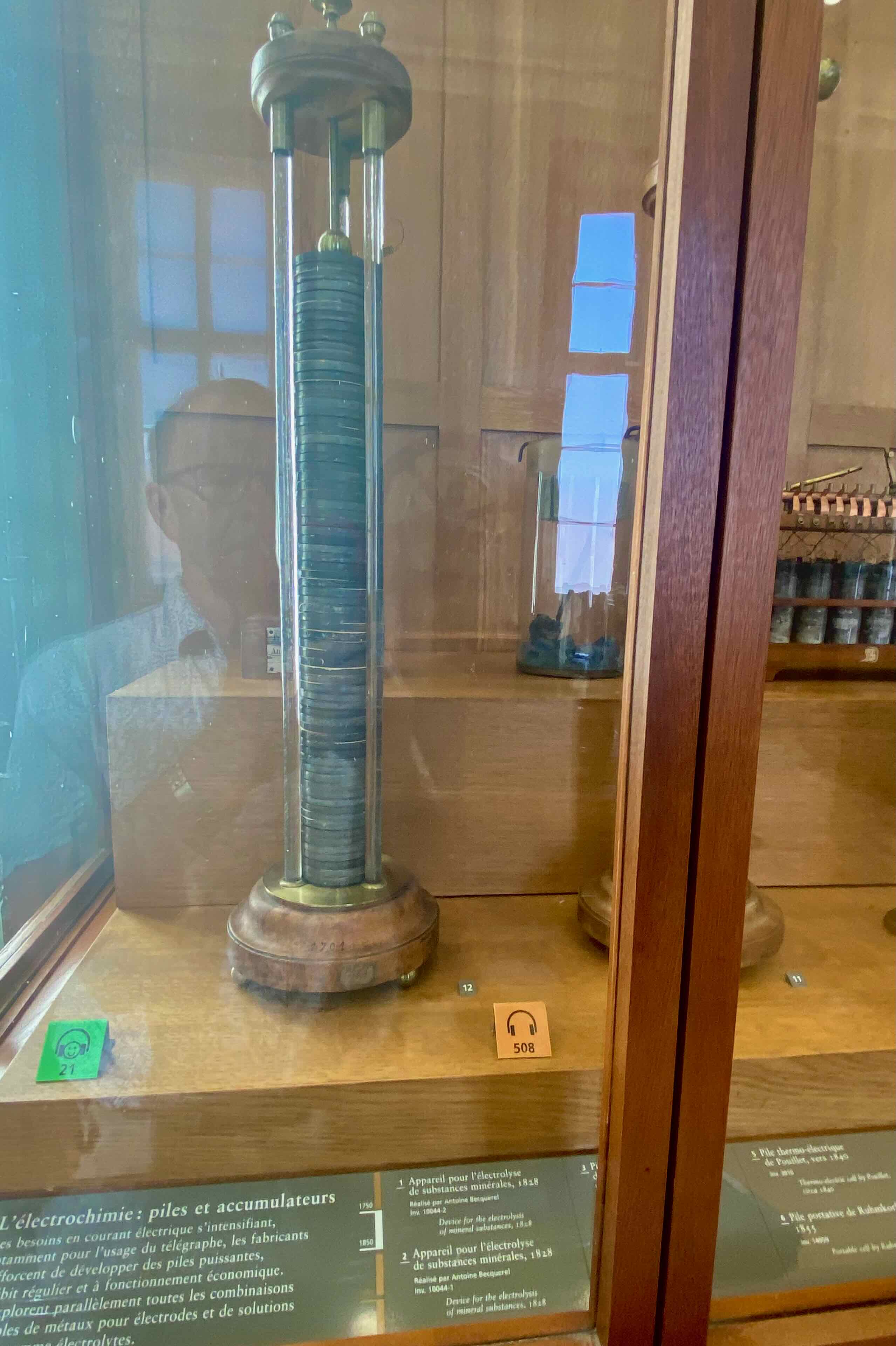
While I was at drawing Bob visited two museums.  The Musée des Arts et Métiers is a museum of technological innovation that exhibits over 2,400 inventions.  This is the first battery that was invented in 1799 by Volta.

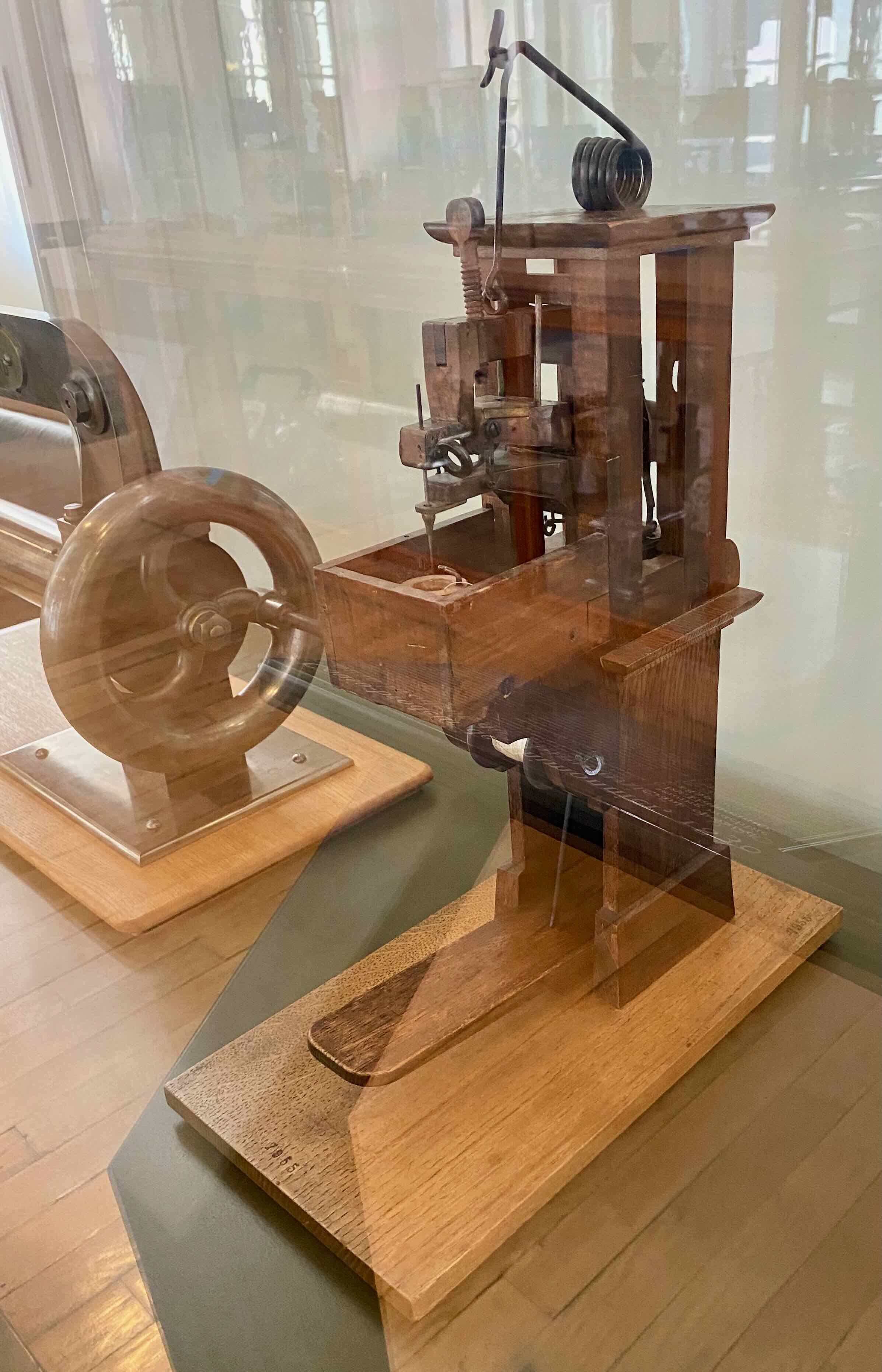
This first sewing machine was invented in 1830. Dozens of these machines were destroyed by 200 tailors in 1831 who feared for their jobs.

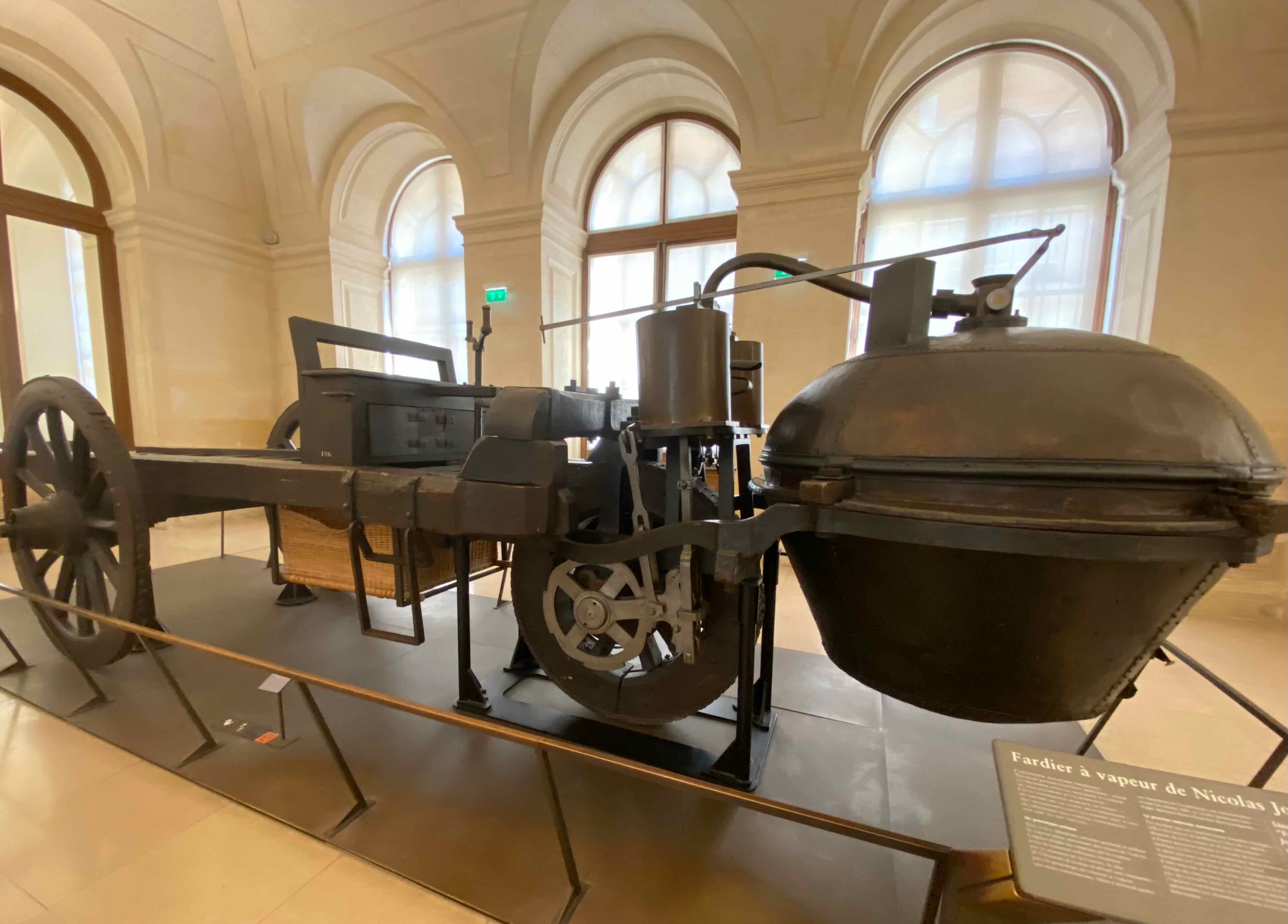
The first steam driven vehicle was invented in 1770.

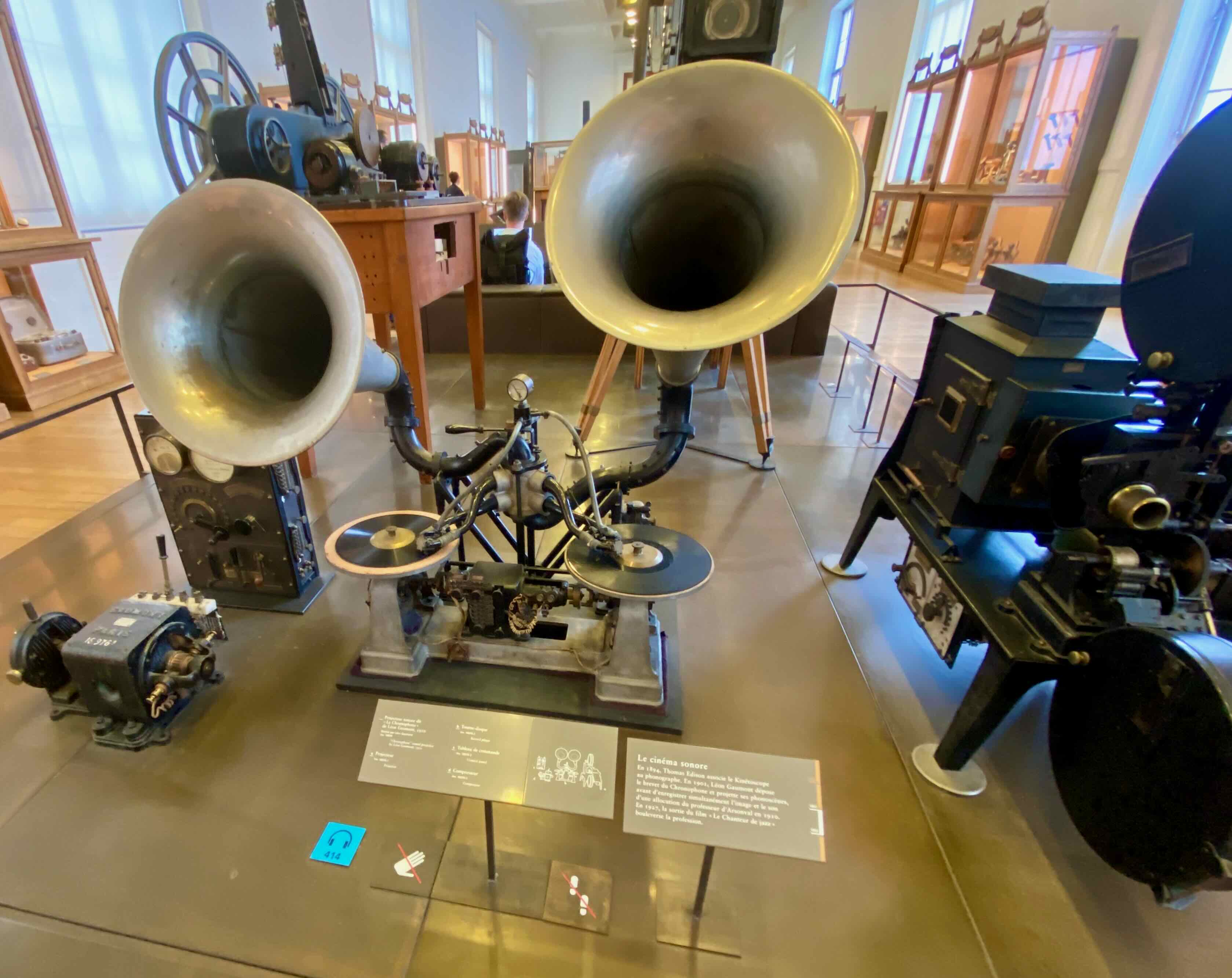
Leon Gaumont’s Sonophone combines image and sound for the first time in the history of cinema in 1900.

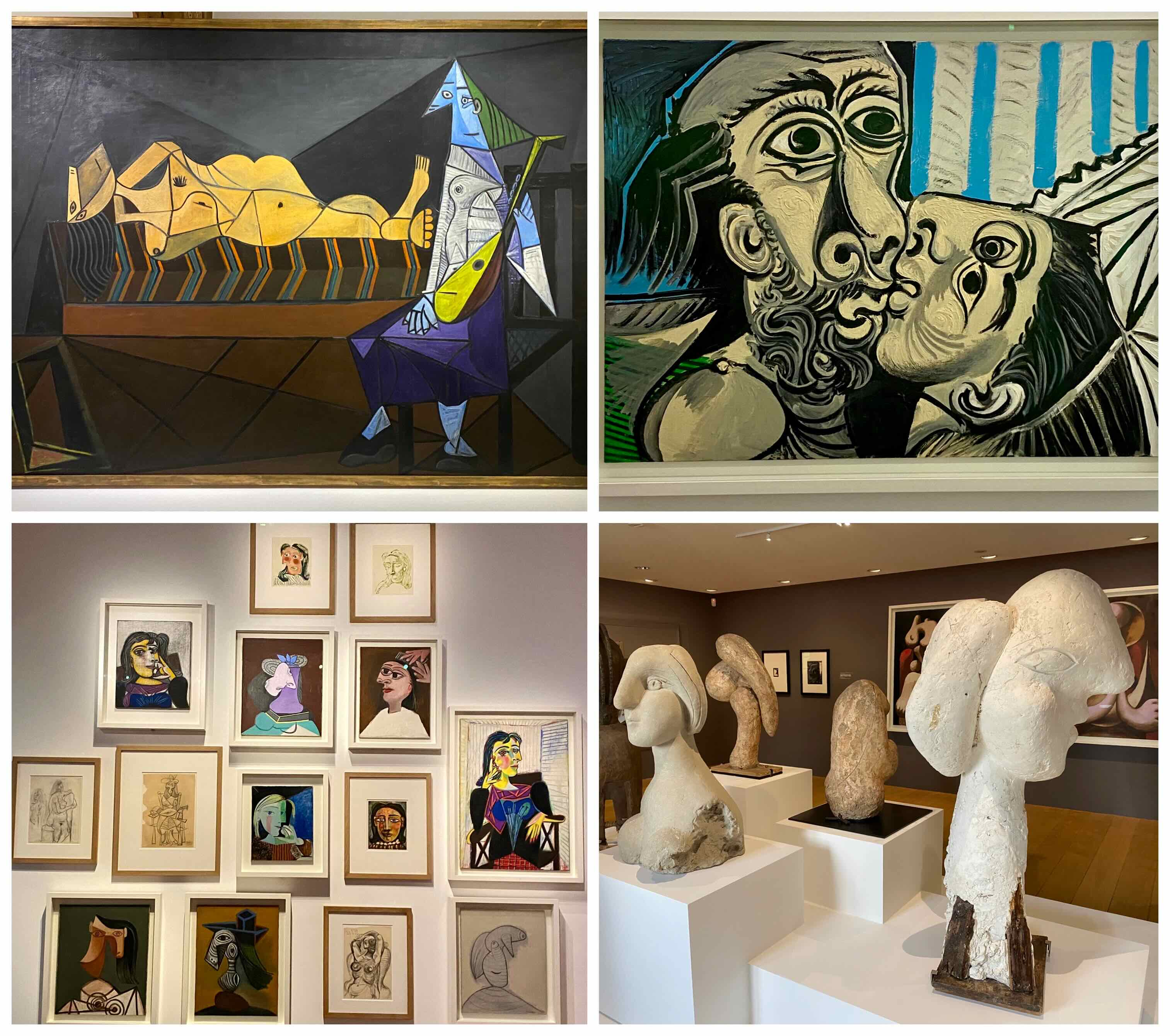
Bob spent a lot of time at the Picasso Museum…he texted me that he wasn’t sure what the exit door looks like!  The very large L’Aubade (1942) painting of two figures symbolized the violence of the war years.  Baiser, or the Kiss was painted in 1969. There was an interesting wall of portraits and a room with many of his sculptures. These are only a few of the 5,000 pieces of art at this museum.

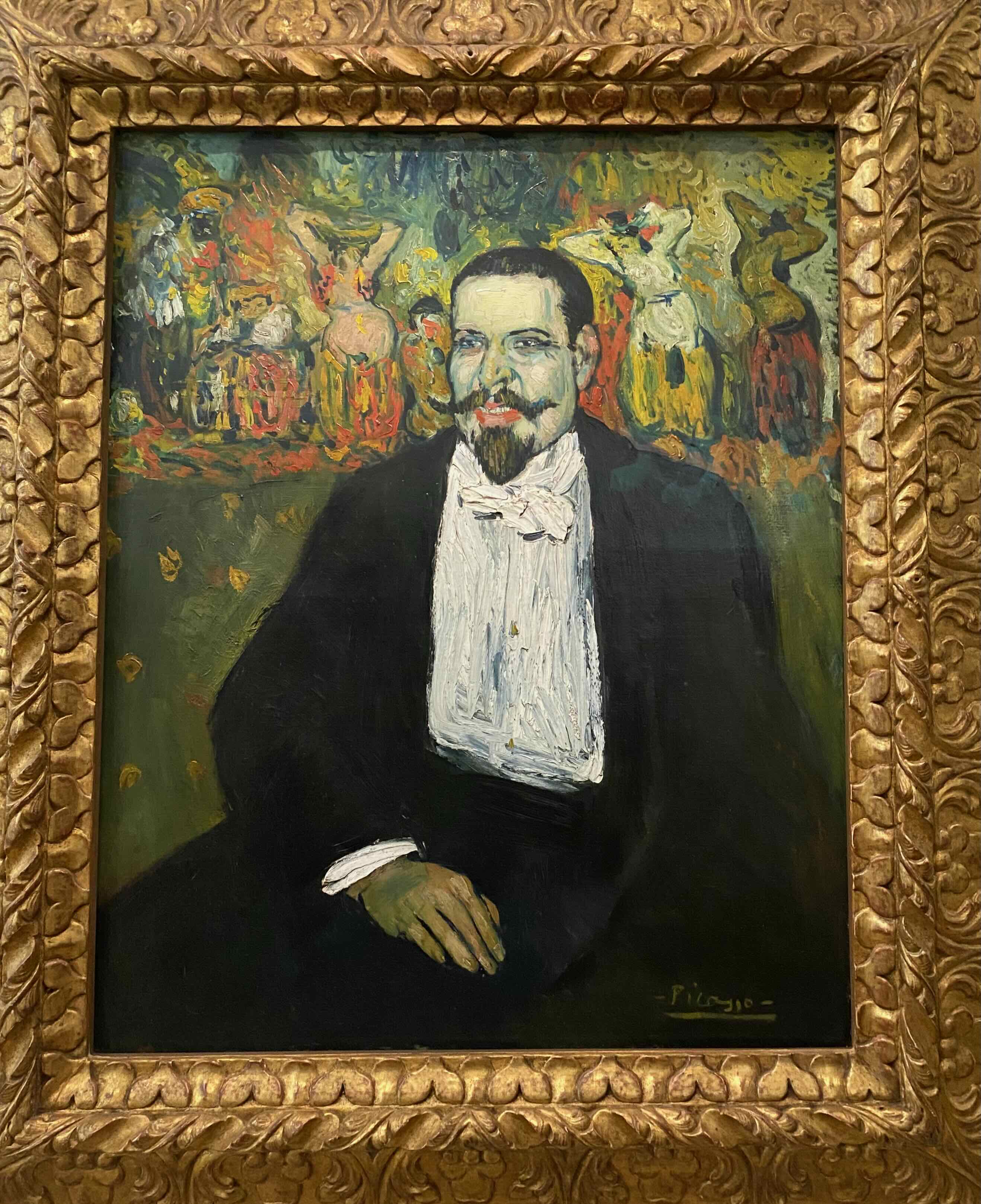
This early Picasso portrait of Gustave Coquot is from 1901.  Picasso’s started painting when he was eight years old and didn’t start cubism until his thirties.

Bob took a photo of this Modigliani just for me, because he knows that I love Modigliani’s paintings. It was in the Picasso museum because both artists were influenced by African art and Picasso admired Modigliani’s work. We drive to Arras tomorrow so tonight we pack and tidy up.  It was great being able to attend three life drawing sessions in three days but it was a bit tiring too.  I don’t think I will find many more life drawing groups for a while.
Musée D’Orsay

Day 87,  Thursday, November 23, 2023

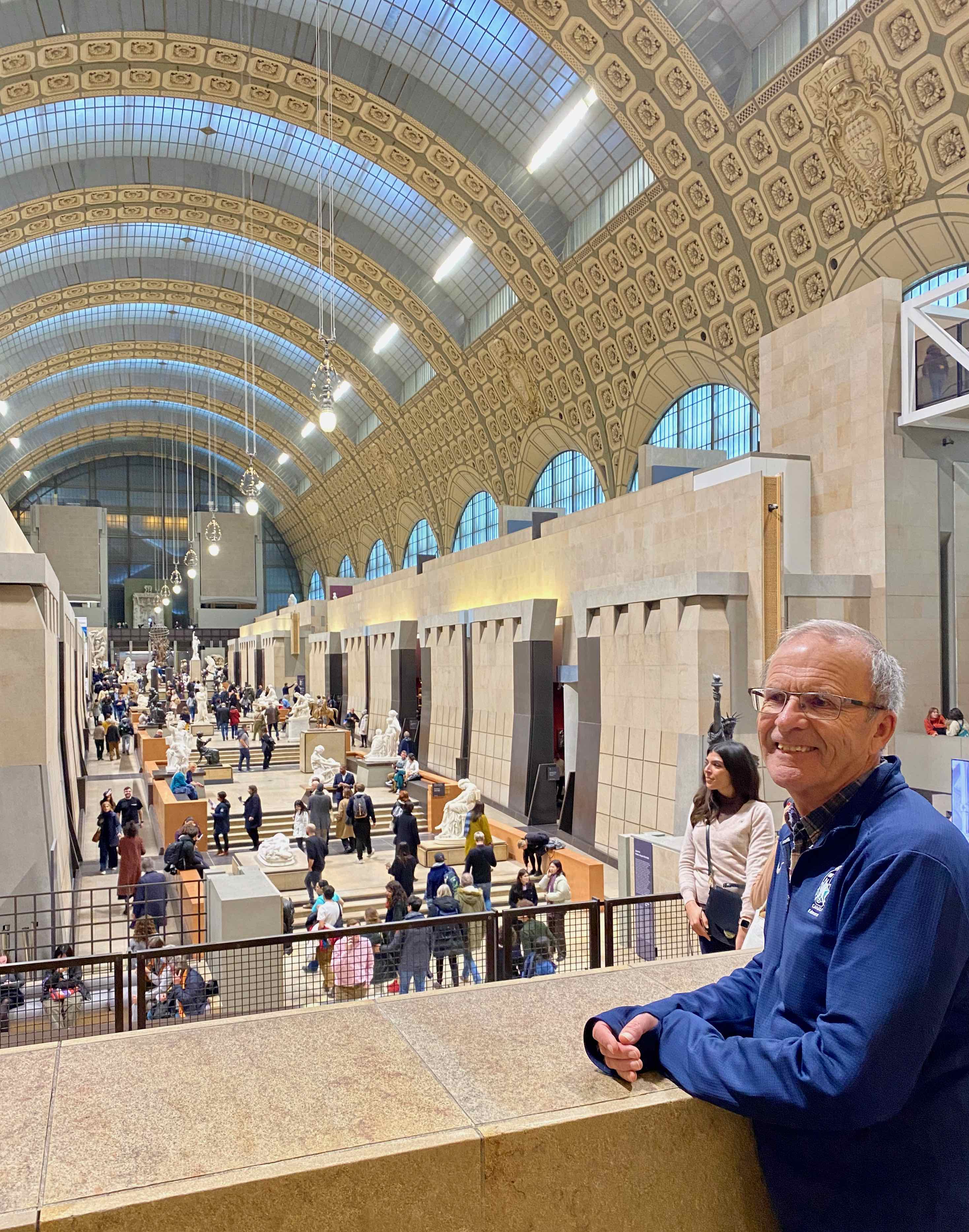
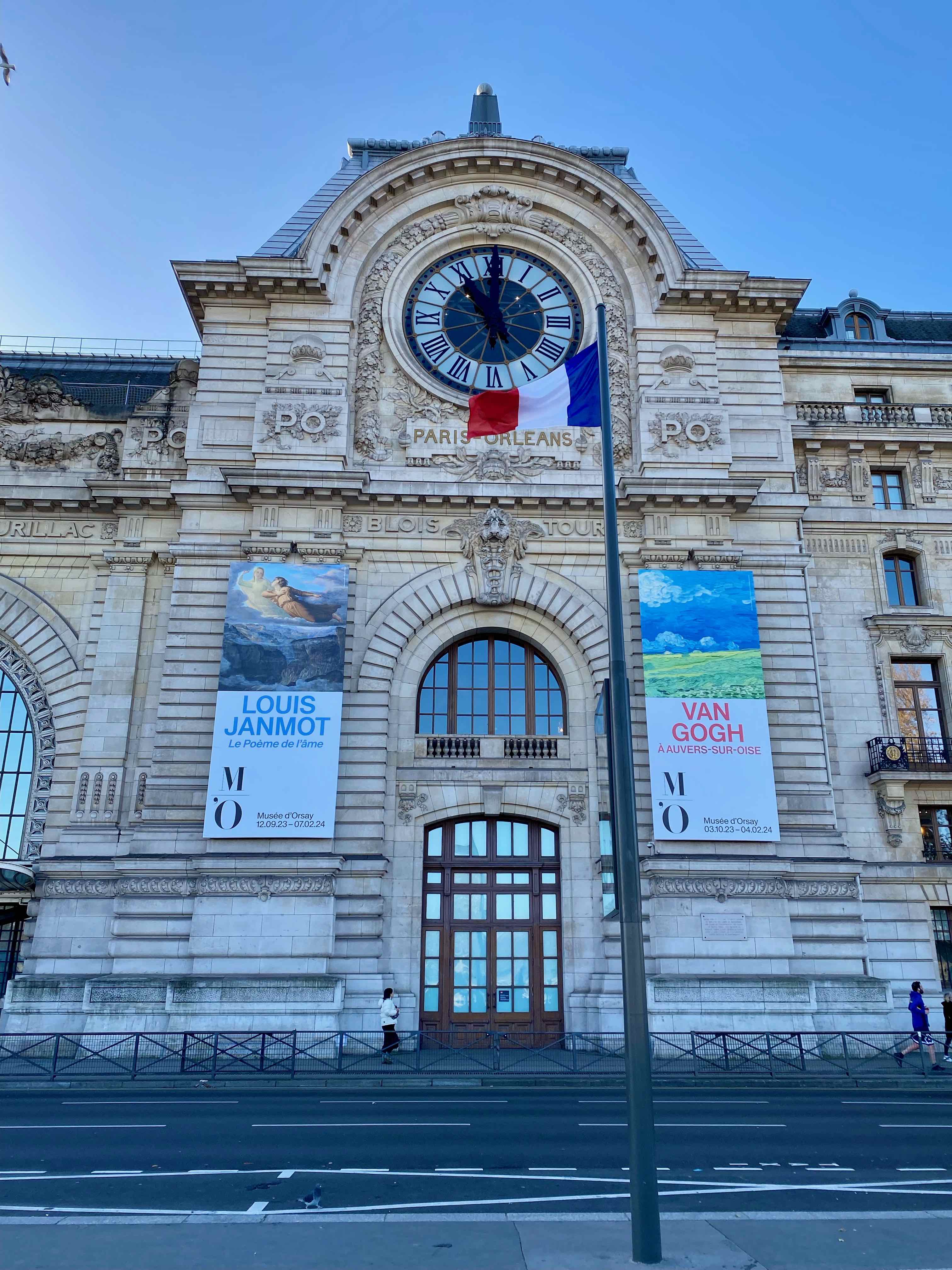
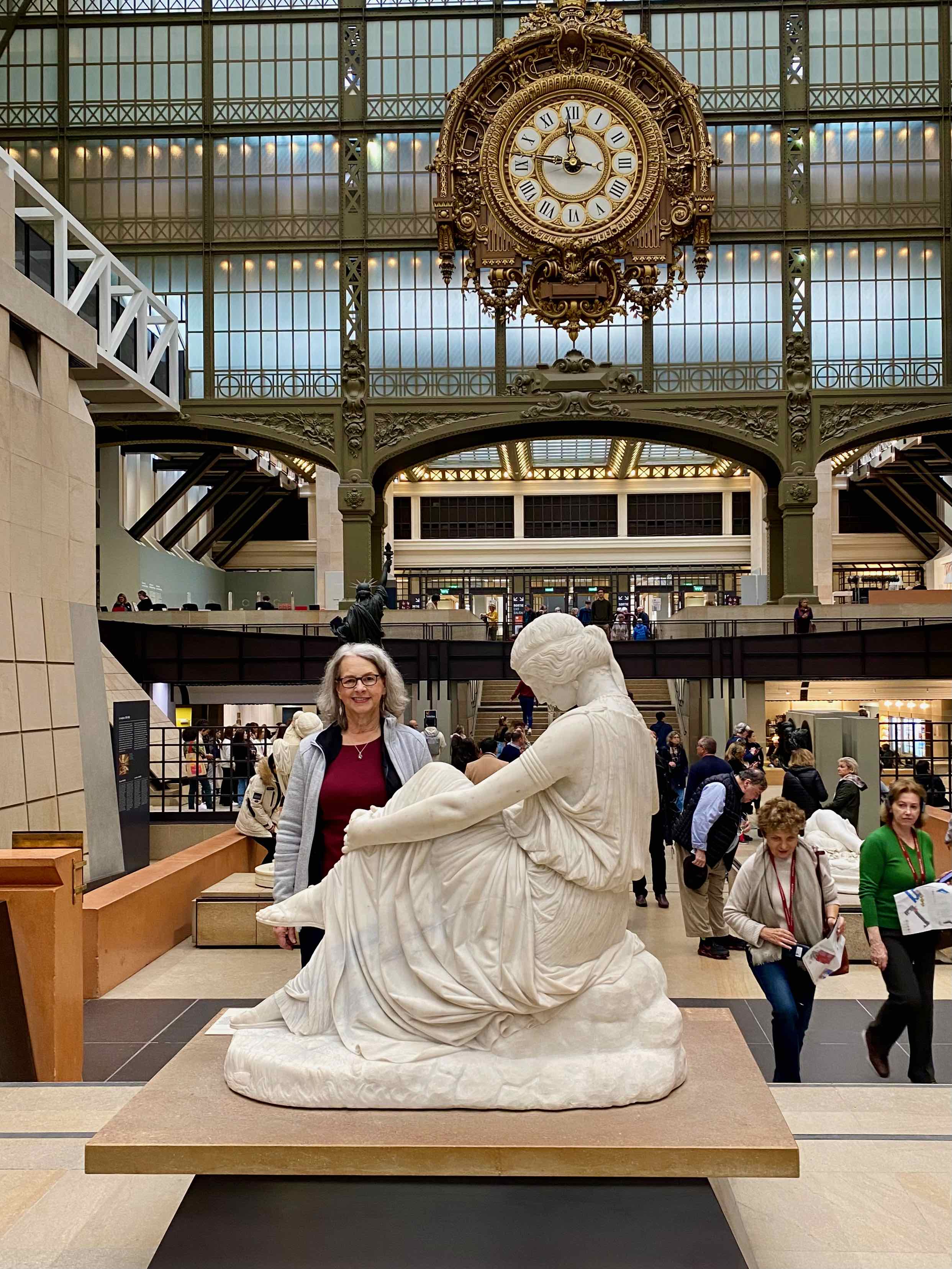
Today is dedicated to the Musée D’Orsay, one of my favourite museums in Paris. It is in the centre of Paris on the banks of the Seine, opposite the Tuileries Gardens. The museum is in the former Orsay railway station, built for the Universal Exhibition of 1900. So the building itself could be considered as the first “work of art” in the Musee d’Orsay, which displays collections of art from the period 1848 to 1914. There is a wonderful temporary Vincent Van Gogh exhibit that we really want to see, so we reserved a 12:00 time to enter the exhibit.  That was a wise move as the lineup without reservations is very long, and people are waiting for up to two hours to see the exhibit!  My friend, Ivy,  also told me about the Louis Janmot exhibit which she really loved, so I’m looking forward to seeing that too.

The Musée d’Orsay is a beautiful building, with two enormous clocks. It houses the largest collection of Impressionist and  post-impressionist masterpieces in the world, by painters including Berthe Morisot, Edouard Manet, Degas, Renoir, Cezanne, Seurat, Sisley, Gaugin and Van Gogh.

I think this is my fourth time visiting this fabulous museum and it is wonderful to revisit many of these paintings. There is always something new to notice and appreciate on return visits.  We are a bit early for our entry into the Vincent Van Gogh exhibit so we browse a bit. Here are a few of the main floor paintings.

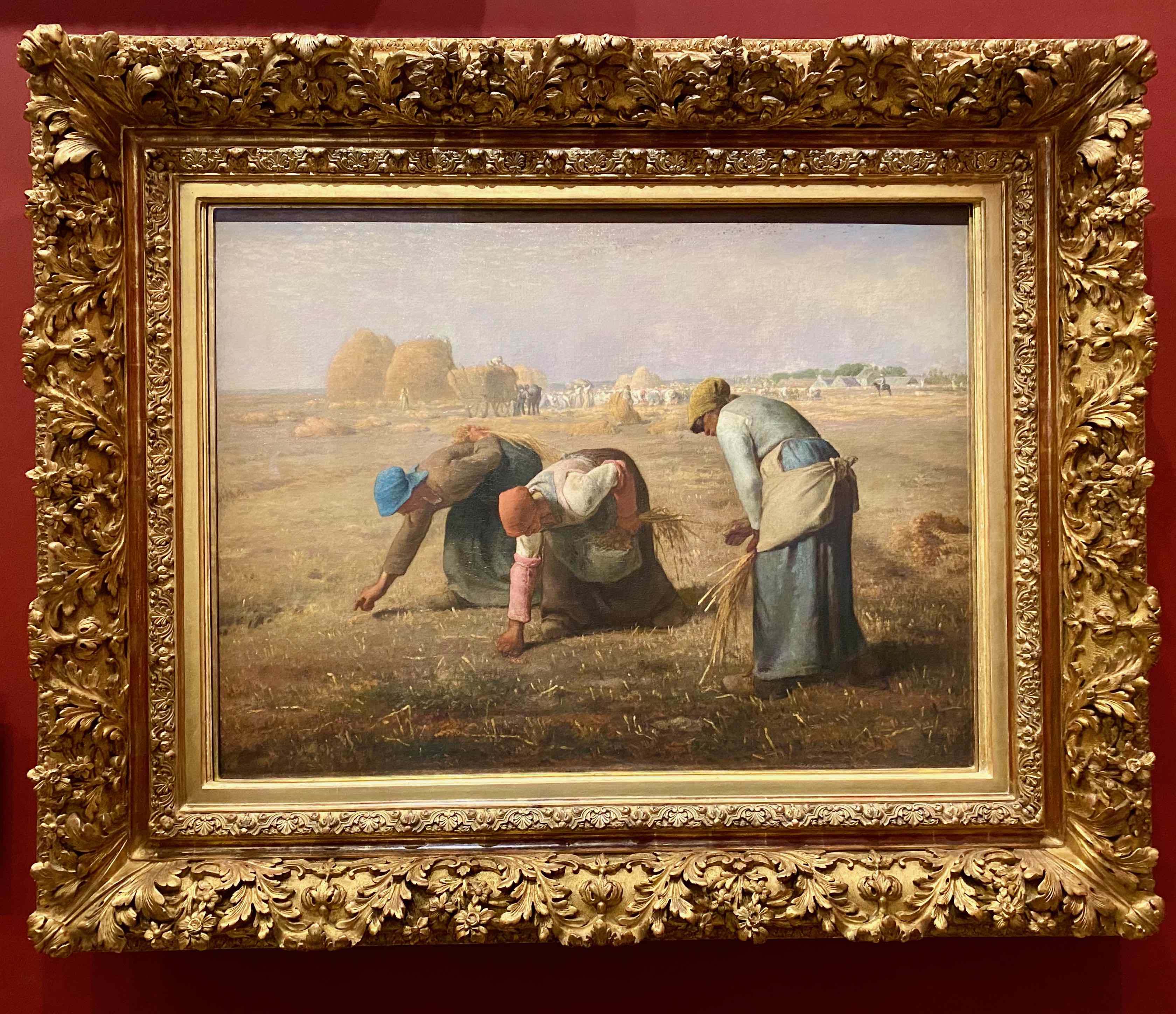
The Gleaners (1857) by Jean-François Millet

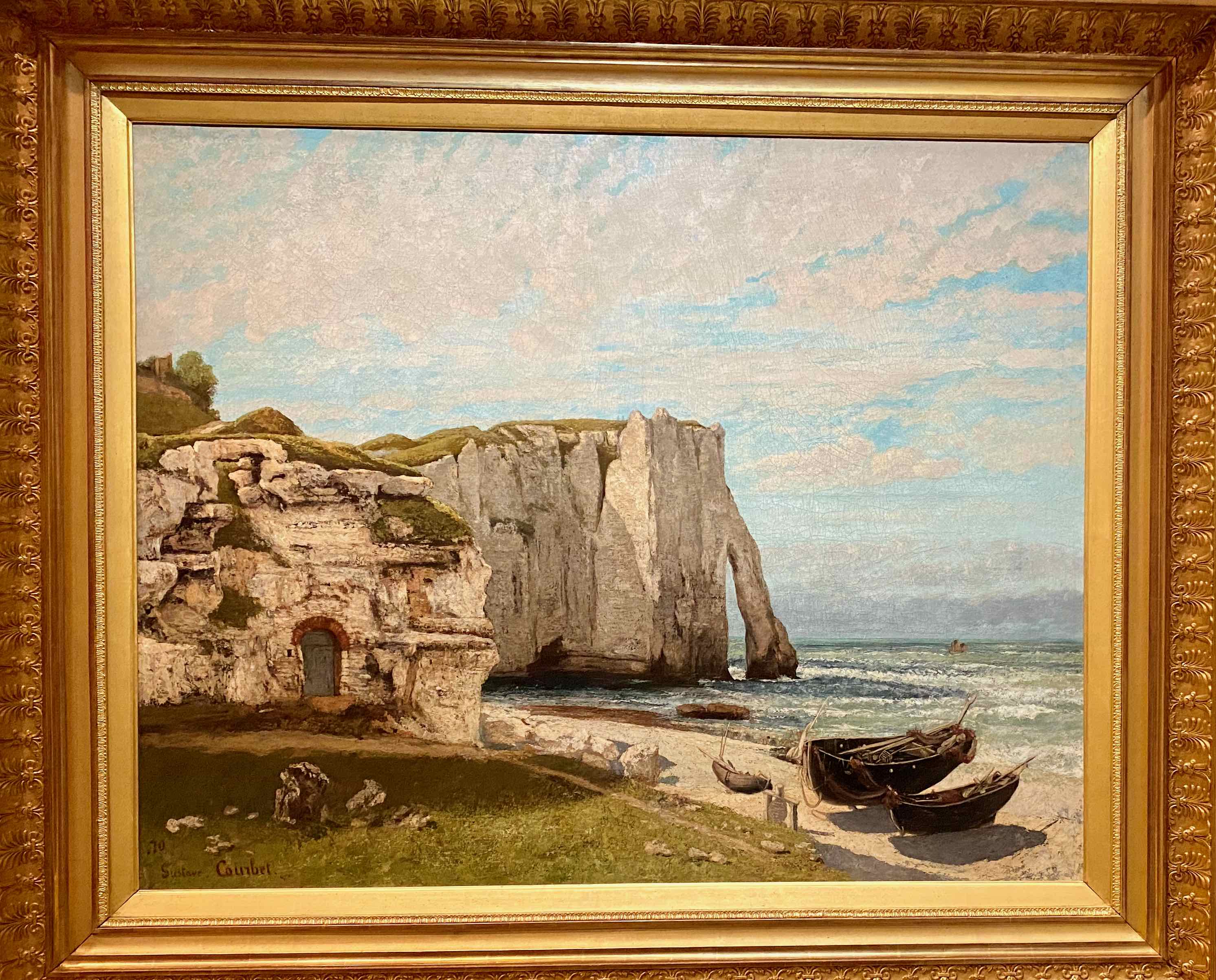
I didn’t remember seeing this painting before, Goustav Courbet’s ‘The Cliff at Etretat After the Storm’,1870 but it caught my eye.  We visited this exact location on the north shore of France earlier in our trip.  I sat and drew this very same cliff!

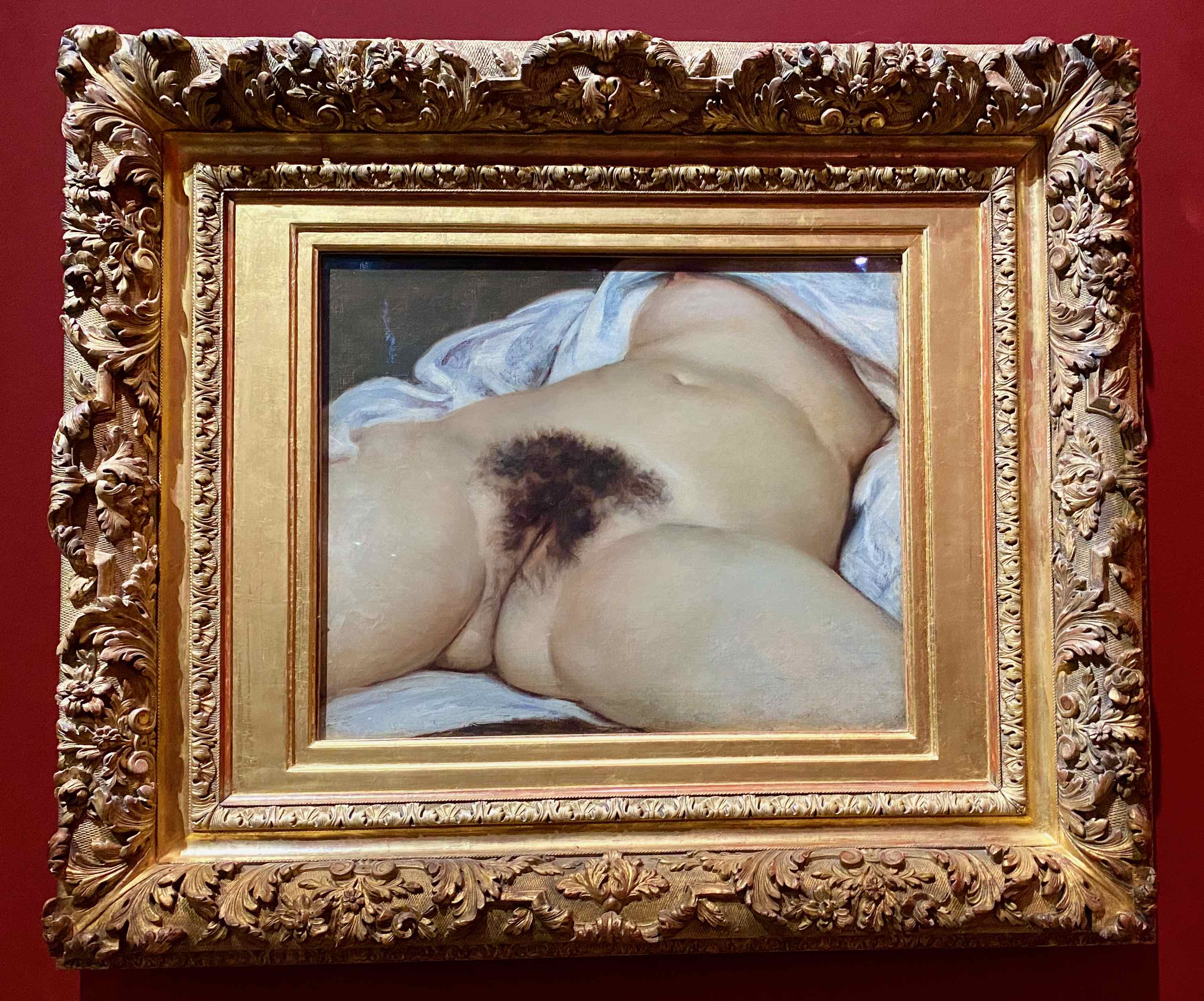
Goustav Courbet’s, The Origin of the World was daring when it was exhibited in1866 and still draws a crowd and lots of interesting comments. 

At noon we enter the Van Gogh exhibit.

“This exhibition is the first to be devoted to the works produced by Vincent Van Gogh (1853-1890) during the last two months of his life, in Auvers-sur-Oise near Paris. Vincent Van Gogh arrived in Auvers-sur-Oise on May 20th 1890 and died there on July 29th following a suicide attempt. Although the painter only spent a little over two months in Auvers, the period was one of artistic renewal with its own style and development, marked by the psychic tension resulting from his new situation as well as by some of his greatest masterpieces.”  ~Musée d’Orsay website

I found this 12 minute video that has a walk through the exhibition…It takes me right back to our visit.  https://youtu.be/ntW7zadEEl4?si=aXna2cxoHvPw4lr-

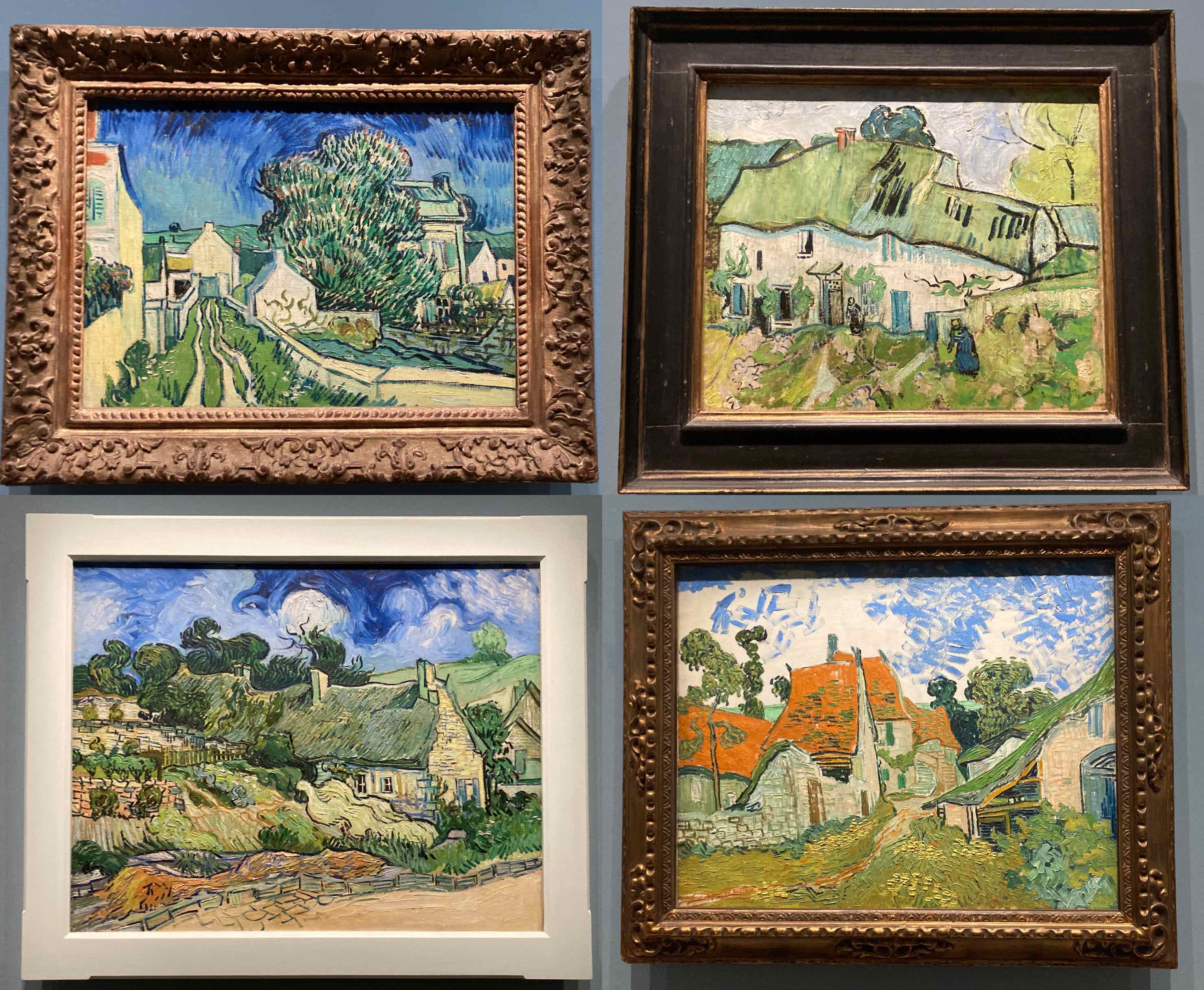
Although I knew some of the paintings on exhibit here there were many new ones to discover. Here are some landscapes….

village and farm buildings….

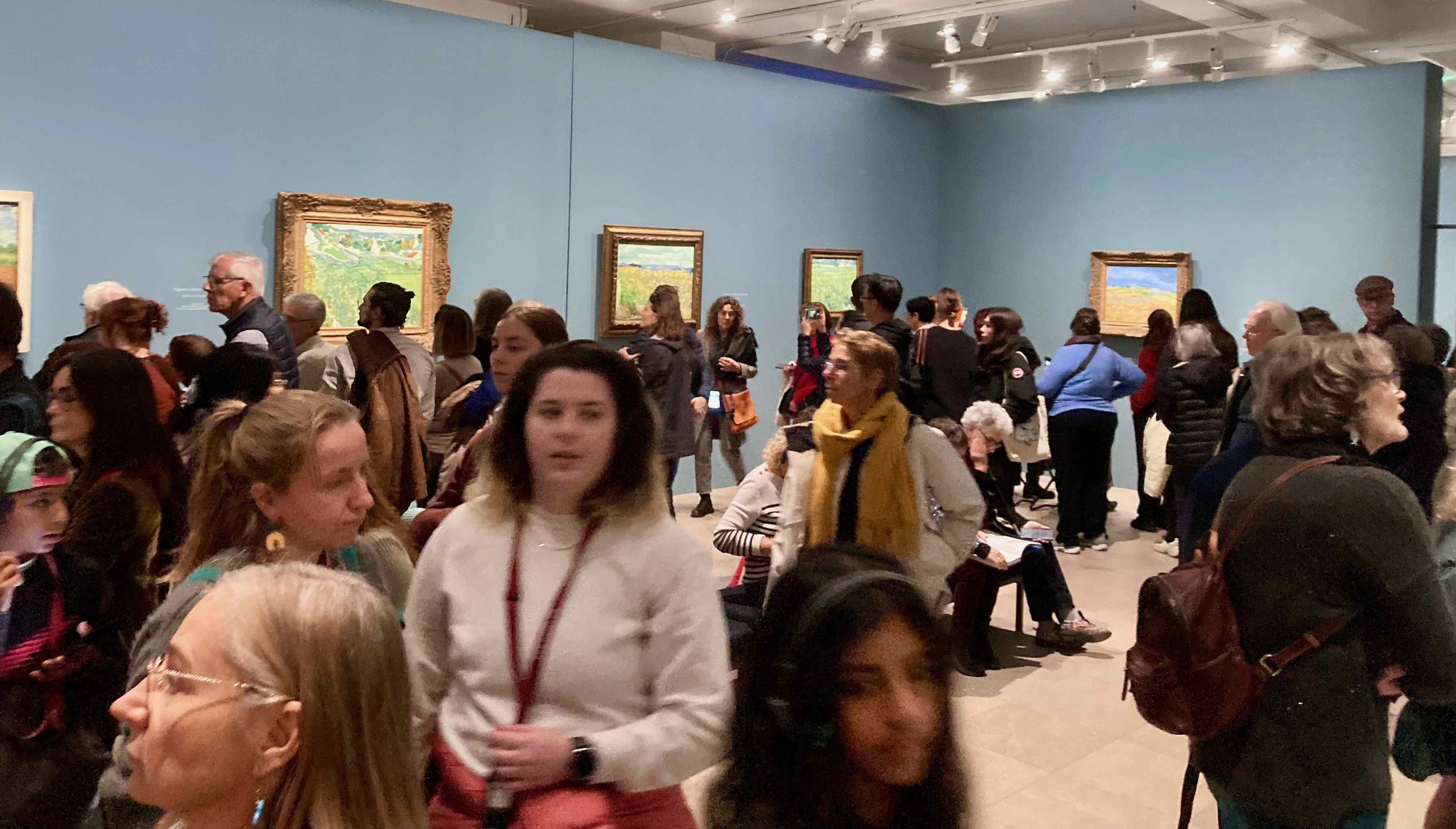
Oh, did I mention that it was very crowded!  Bob kindly sat and waited for me when I needed a bit more time than he did to view the paintings.

In just two months, Vincent Van Gogh produced 74 paintings and 33 drawings.   The exhibition here highlights 40 paintings and 20 drawings.

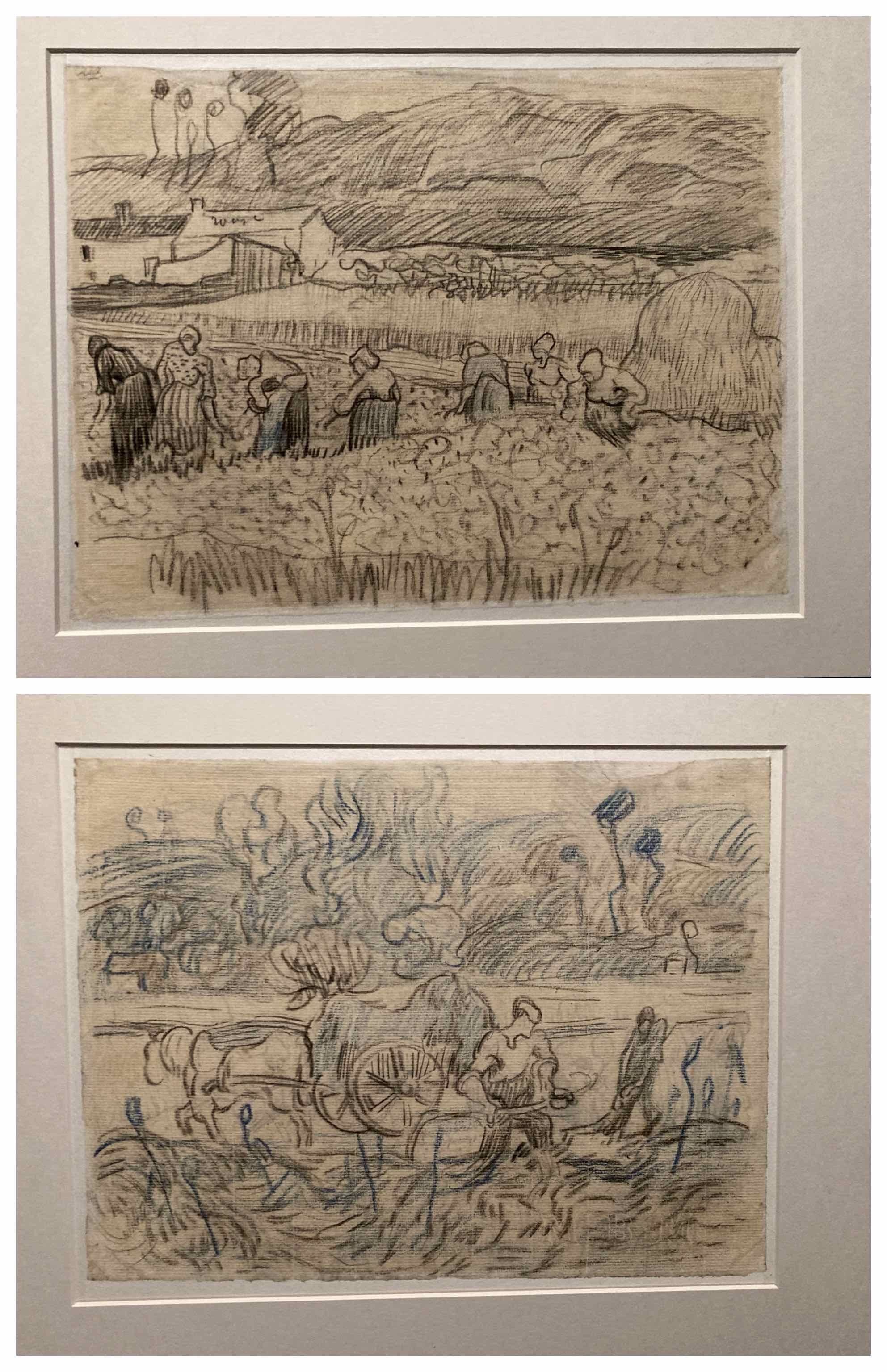
Drawings of peasants working in the fields.1890

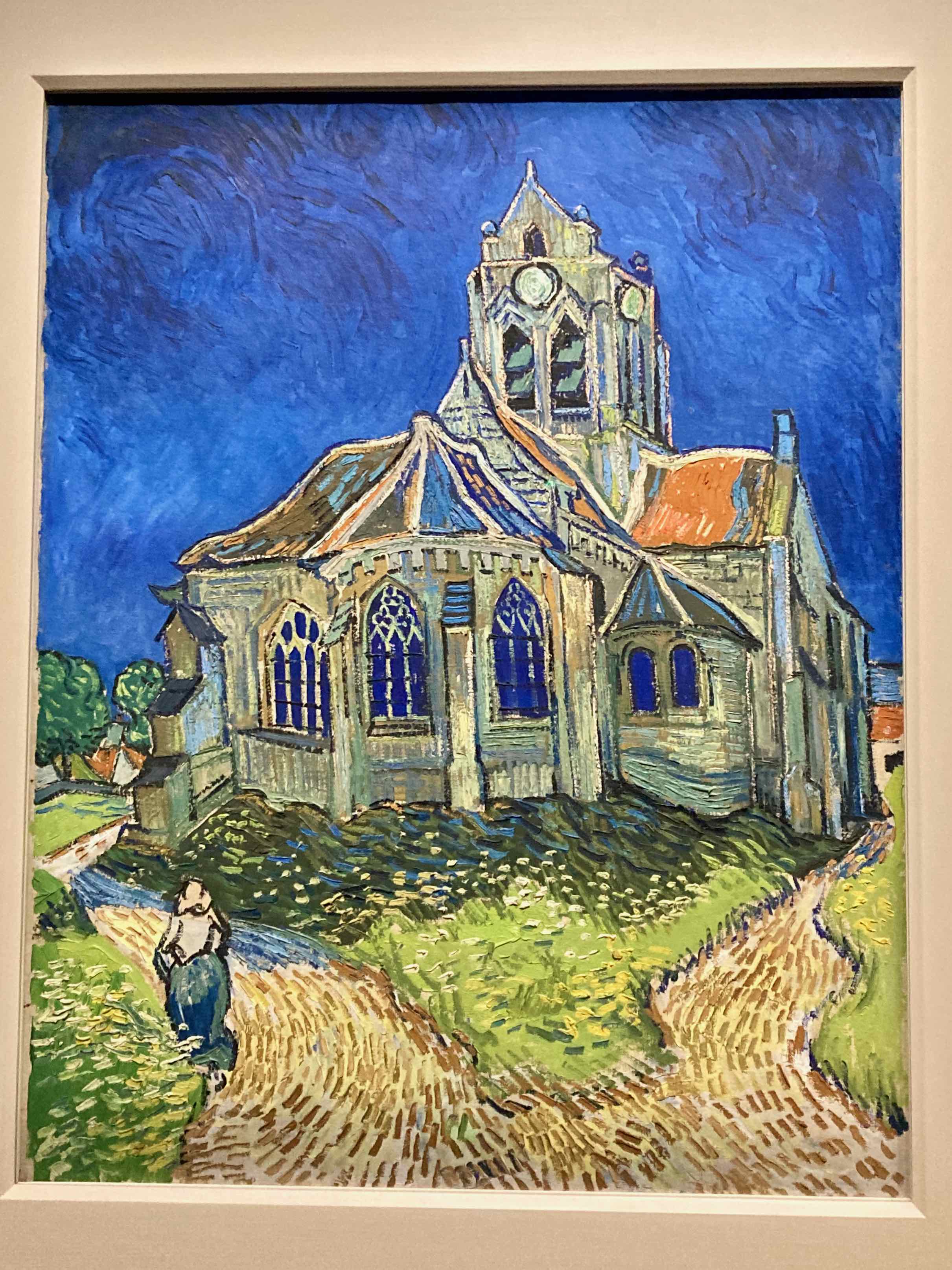
The church at Auvers-sur-Oise  

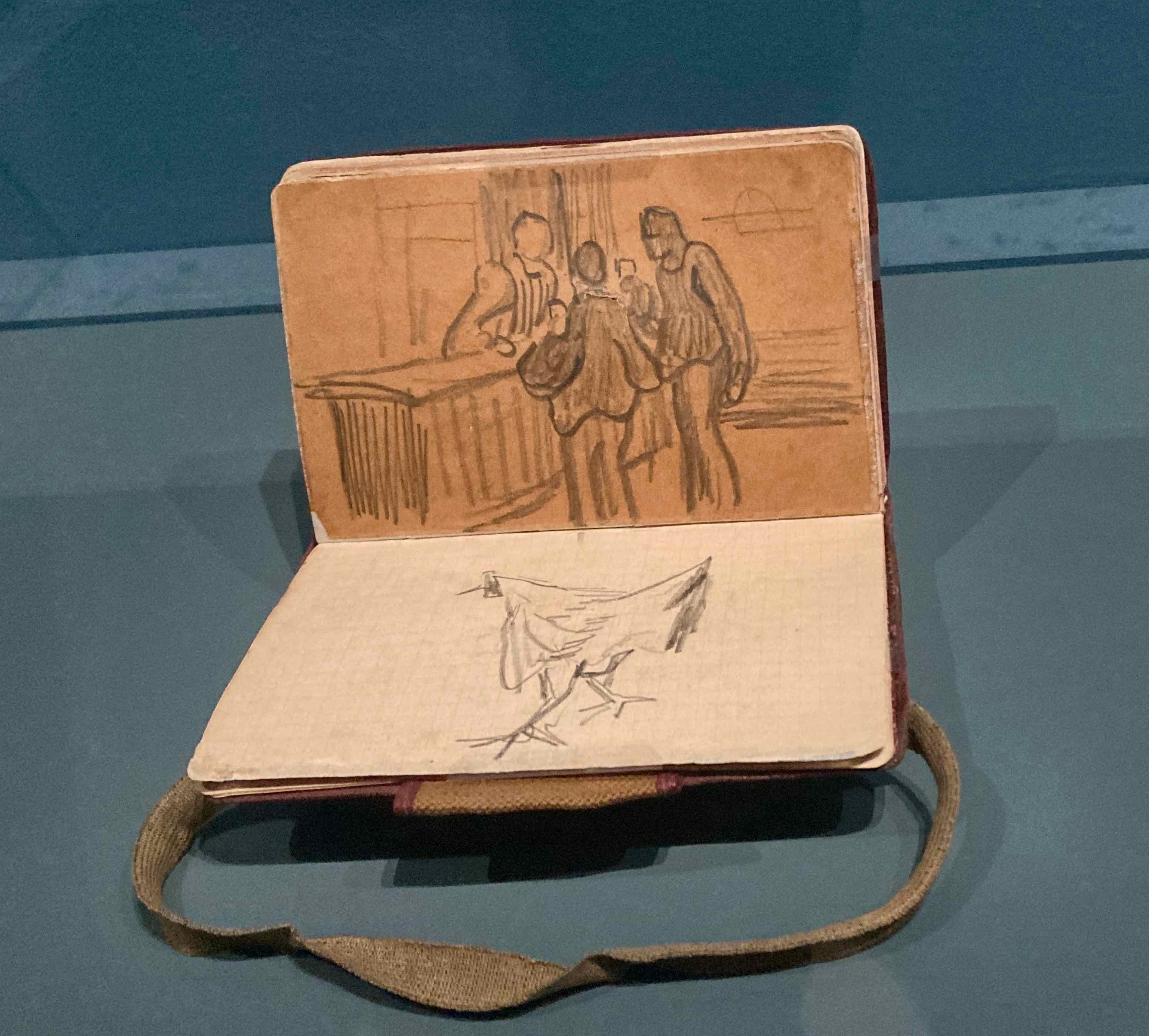
There were several of Vincent’s sketchbooks on view.  How I wished I could have held these in my hands, turned the pages and explored their contents.

One room held thirteen ‘double square’ paintings which I thought were particularly intriguing.  These paintings were produced in just over a month right before the artist’s death. I have included a close up shot to show the brushwork with each of these.  

I recognized ‘Wheatfield With Crows’ but it was much more impactful in person. I also really appreciated that I was able to stand very close to all the works and really study the brushwork and details…no museum guards came to tell me not to stand so close!

It was crowded but I was able to take my time and spend enough time up close with each painting and drawing.  It was amazing to see so many of van Gogh’s paintings and drawings.

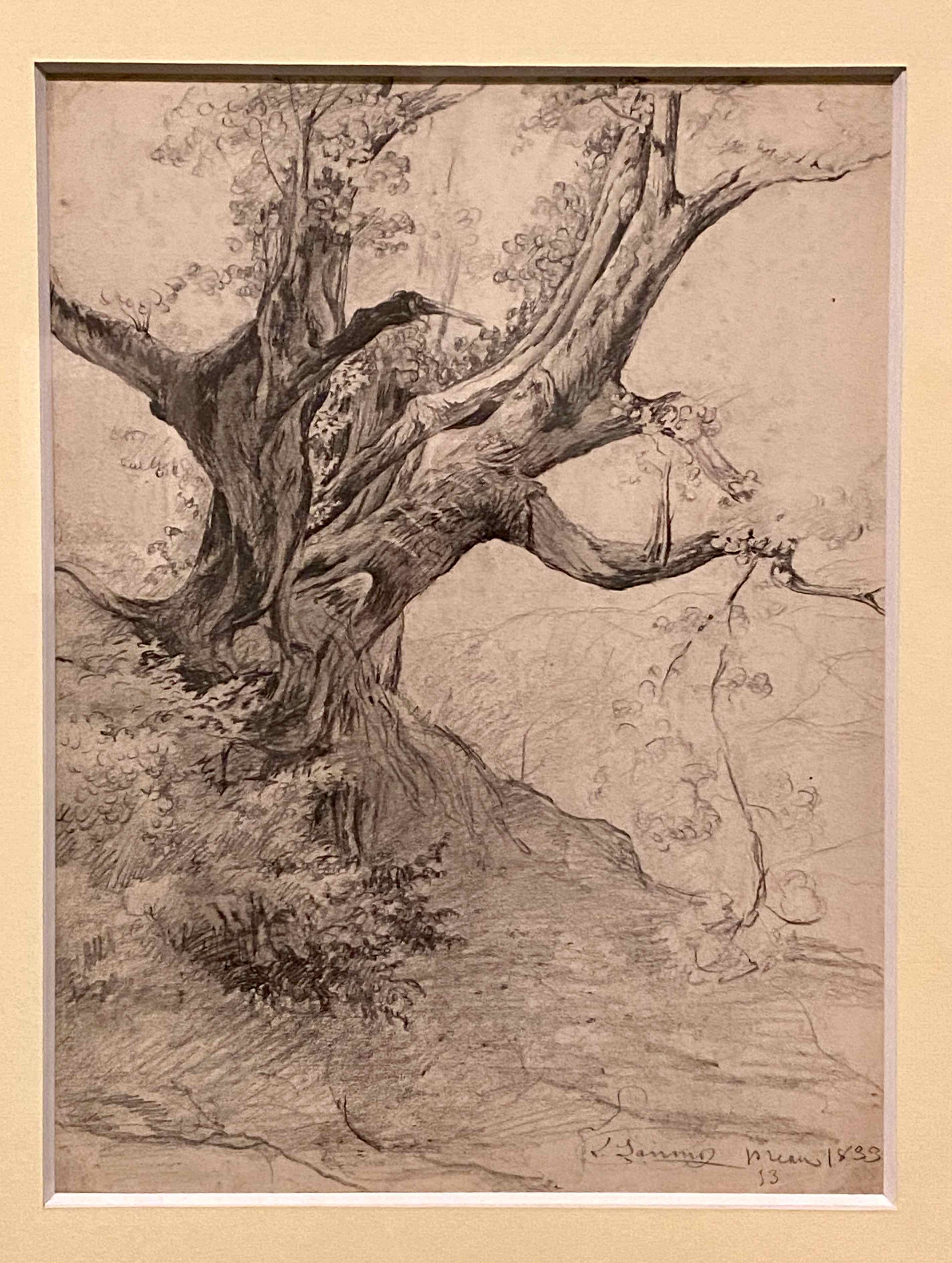
Next we visited the Louis Janmot Exhibit.  It was not nearly as crowded but it was a  wonderful exhibit as well.   I was not familiar with this artist until my friend Ivy told me about this exhibit yesterday when we went for coffee after life drawing.

‘The Poem of the Soul’ is the great life-long project of the artist Louis Janmot in the 19th century. Begun in 1835 and completed in 1881, this ambitious work, consisting of 18 paintings and 16 drawings is accompanied by a poem of more than 2,000 verses. It recounts the journey of a soul on Earth.   This video explains the story behind all the works and walks the viewer through the exhibit.  It is in French but has English subtitles. It is long, almost 38 minutes but quite interesting.    https://youtu.be/yFImBcII72Y?si=oTBIhNgg6eqHP4eX

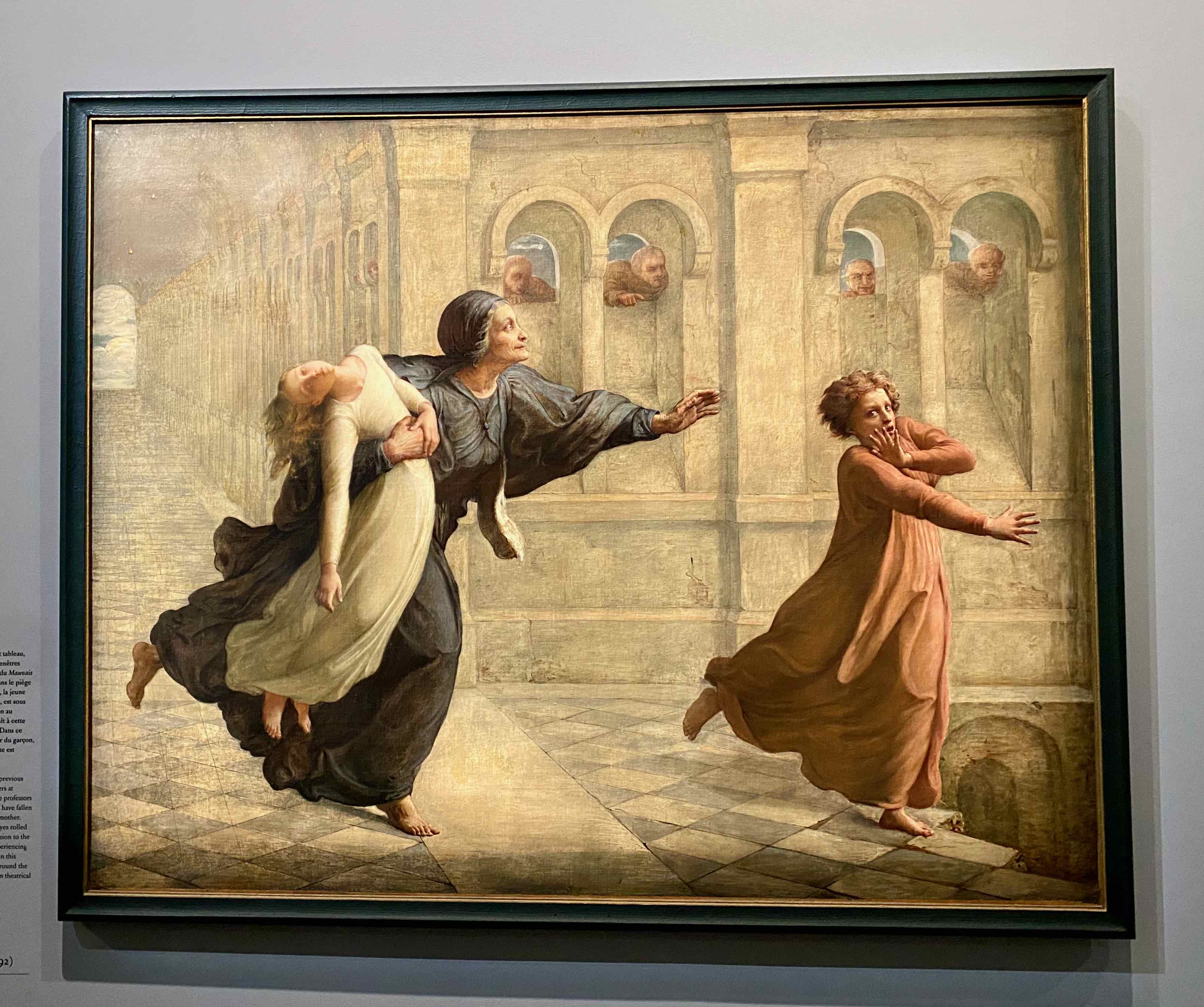
‘Nightmare’1849-50. The paintings were interesting, and well done but I was really intrigued with the drawings.

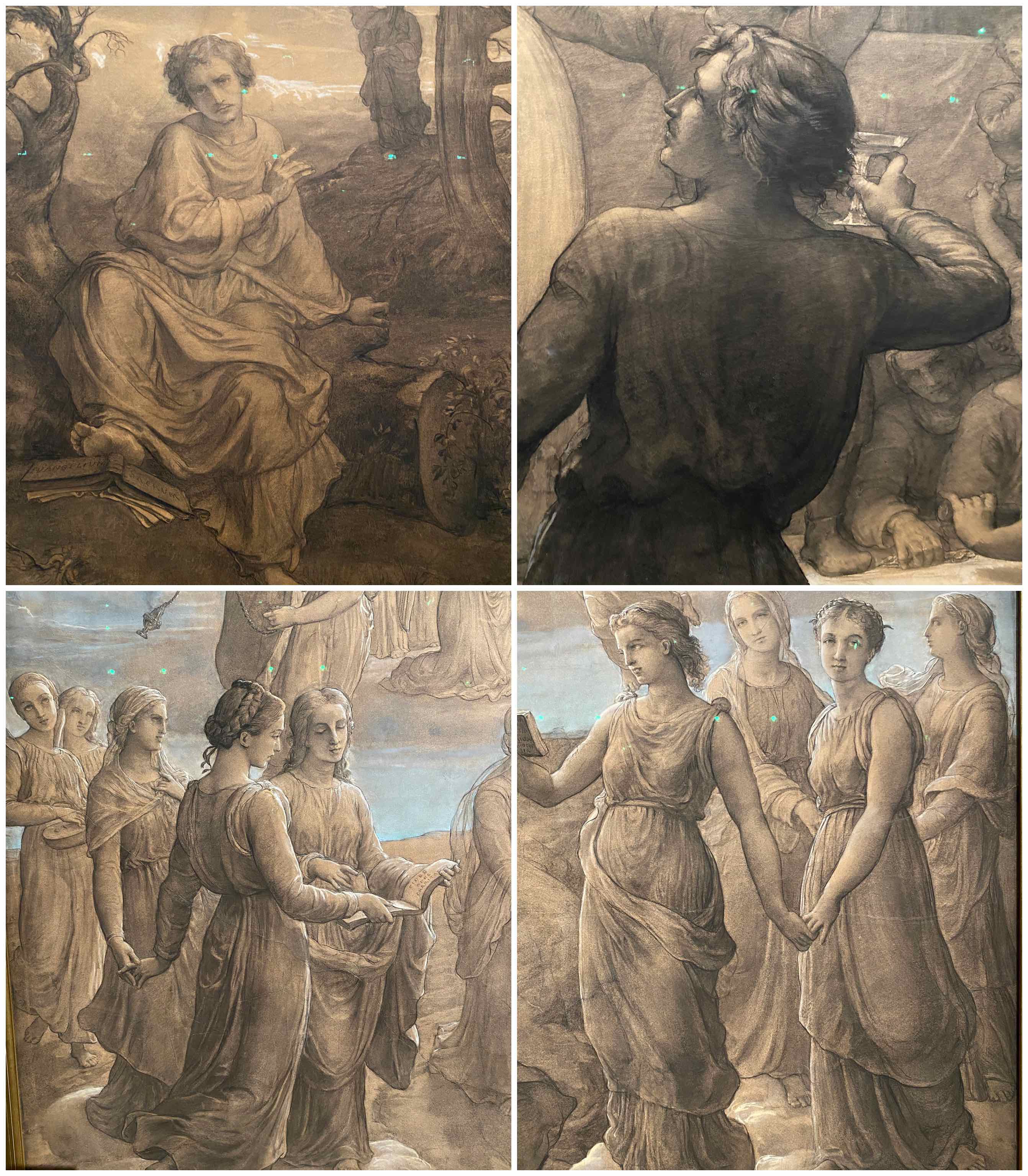
Details of some of the large charcoal drawings.  I loved them!

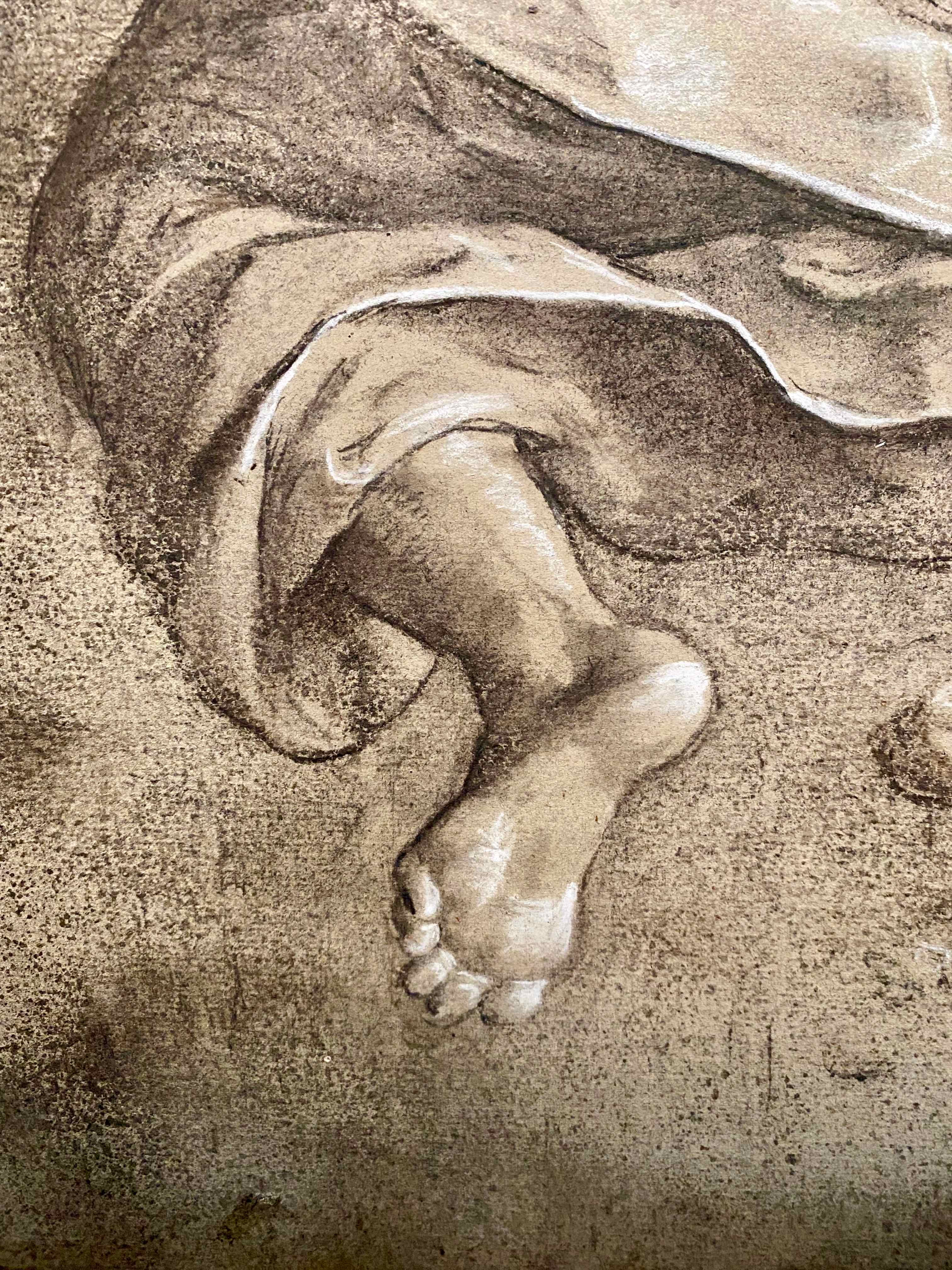
There were also studies that Janmot had made for his larger drawings.  These are particularly interesting as I can almost see the artist’s thinking and working process.

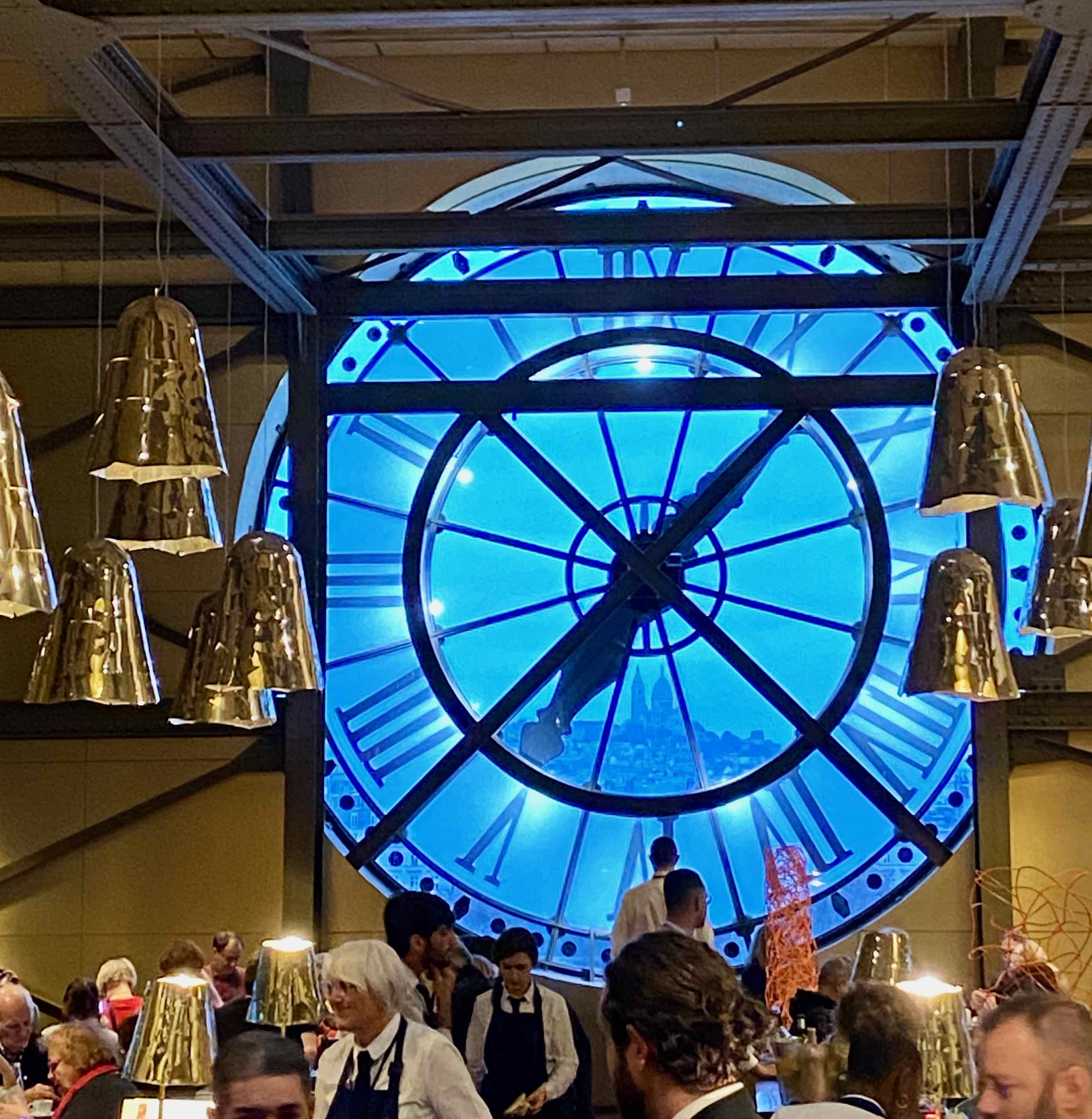
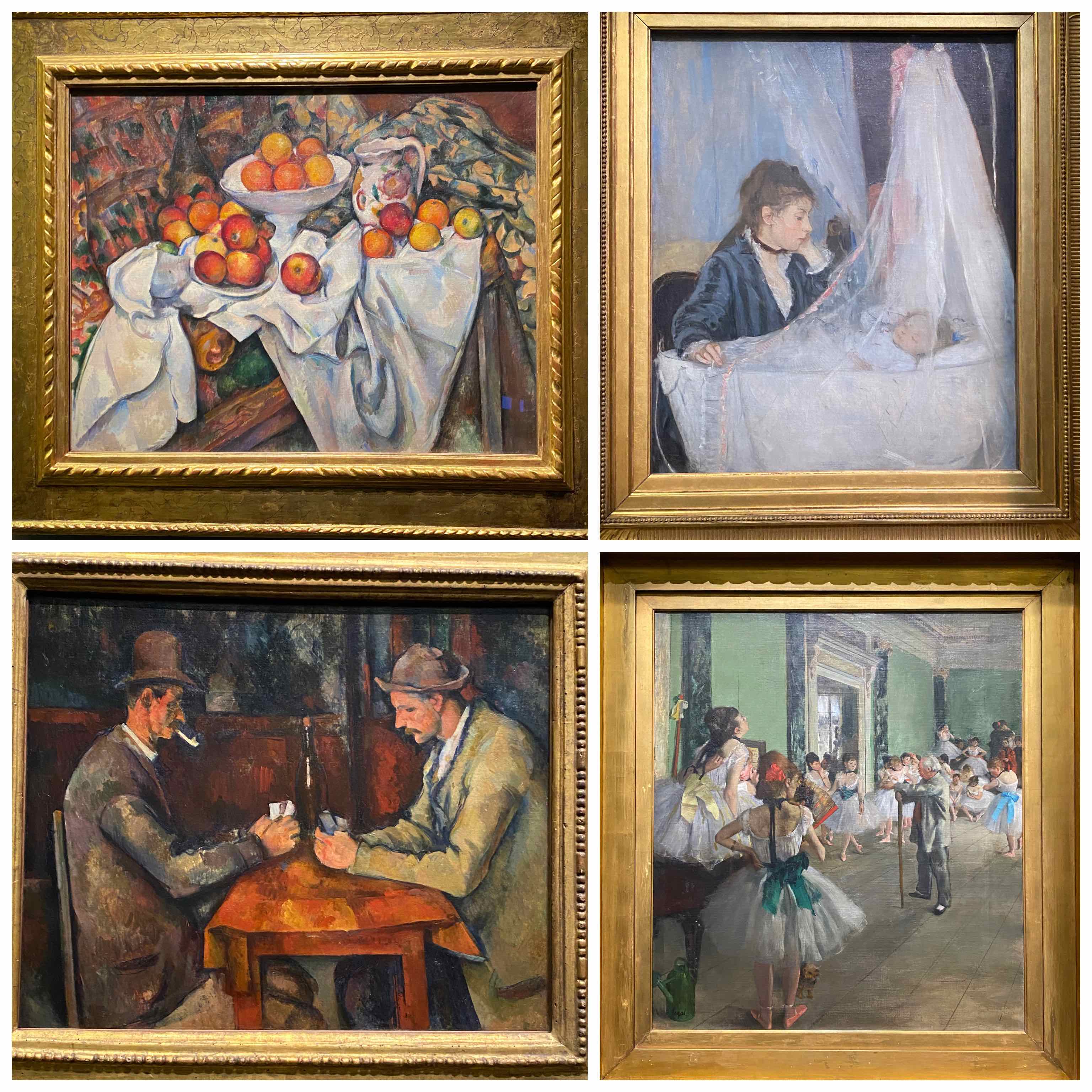
Study of a foot with interesting lighting.We decide it is time to find something to eat.  This restaurant is behind one of the Musées famous clocks but it is quite expensive and has a long line of people waiting for a table.  We do find a little cafeteria and we only have to wait about 15 minutes to get a table.  We are tired and hungry and it is so good to sit and rest for a while.  Museums are wonderful places to visit, but also very tiring.Refreshed, we head up to the top floor to see the permanent collection.  So many famous impressionist and post Impressionist paintings!  Cezanne’s ‘Still Life, Apples and Oranges’ and ‘The Card Players’, Berthe Morisot’s ‘The Cradle’ and ‘ The Dance Class’ by Edgar Degas
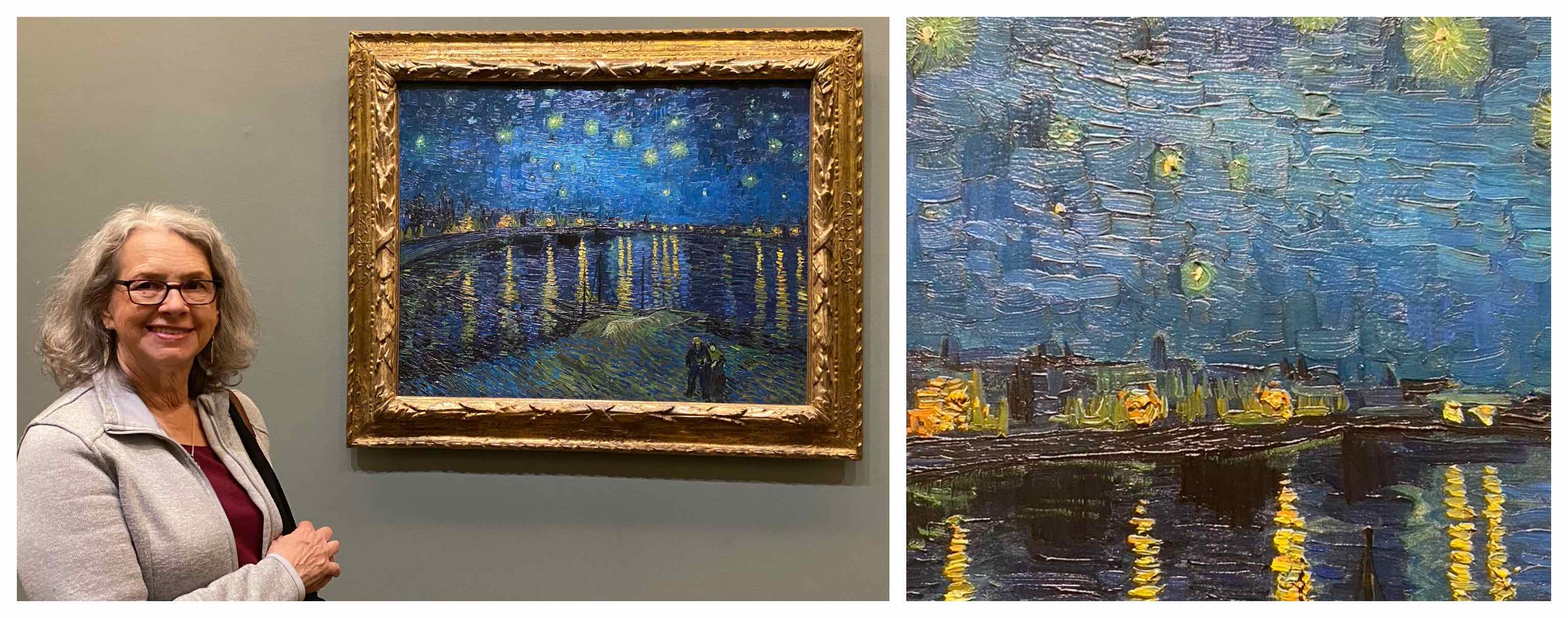
Gaugin’s ‘Tahiti Women’, Toulouse- Lautrec’s ‘The Clown Cha-U-Kao’, Van Gogh’s ‘Bedroom In Arles’, and an artist who I was not familiar with, Blanche Derousse’s ‘Two Little Girls’ which is a copy of Van Gogh painting.   VanGogh’s ‘Night Over the Rhone’.  We stood in the exact location where Vincent stood when he painted this. Check out the post here. http://Arles, France…Walking in Van Gogh’s Footsteps
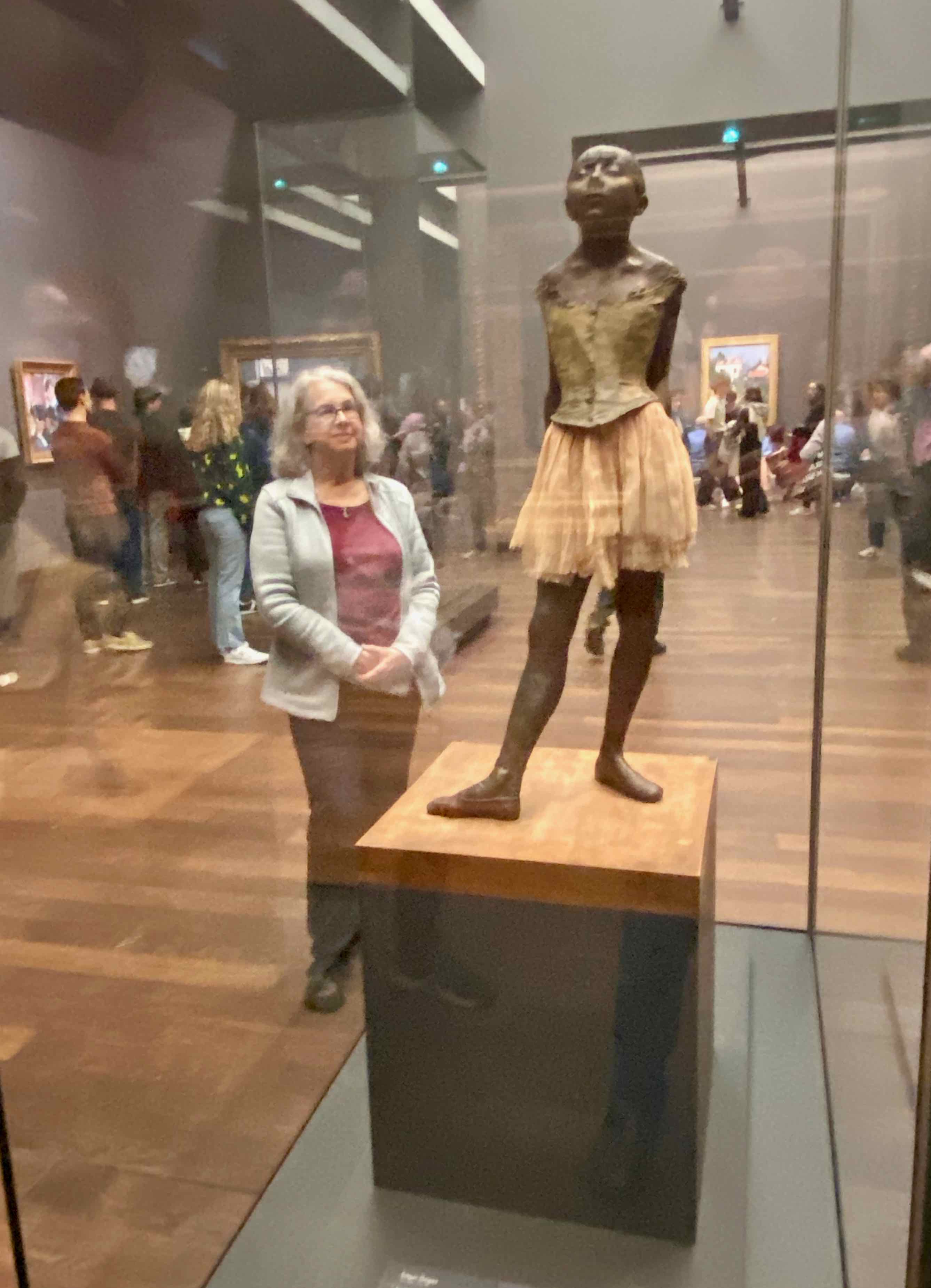
I have always loved Degas’ ‘Little Dancer’ and was pleased to have another visit with her.

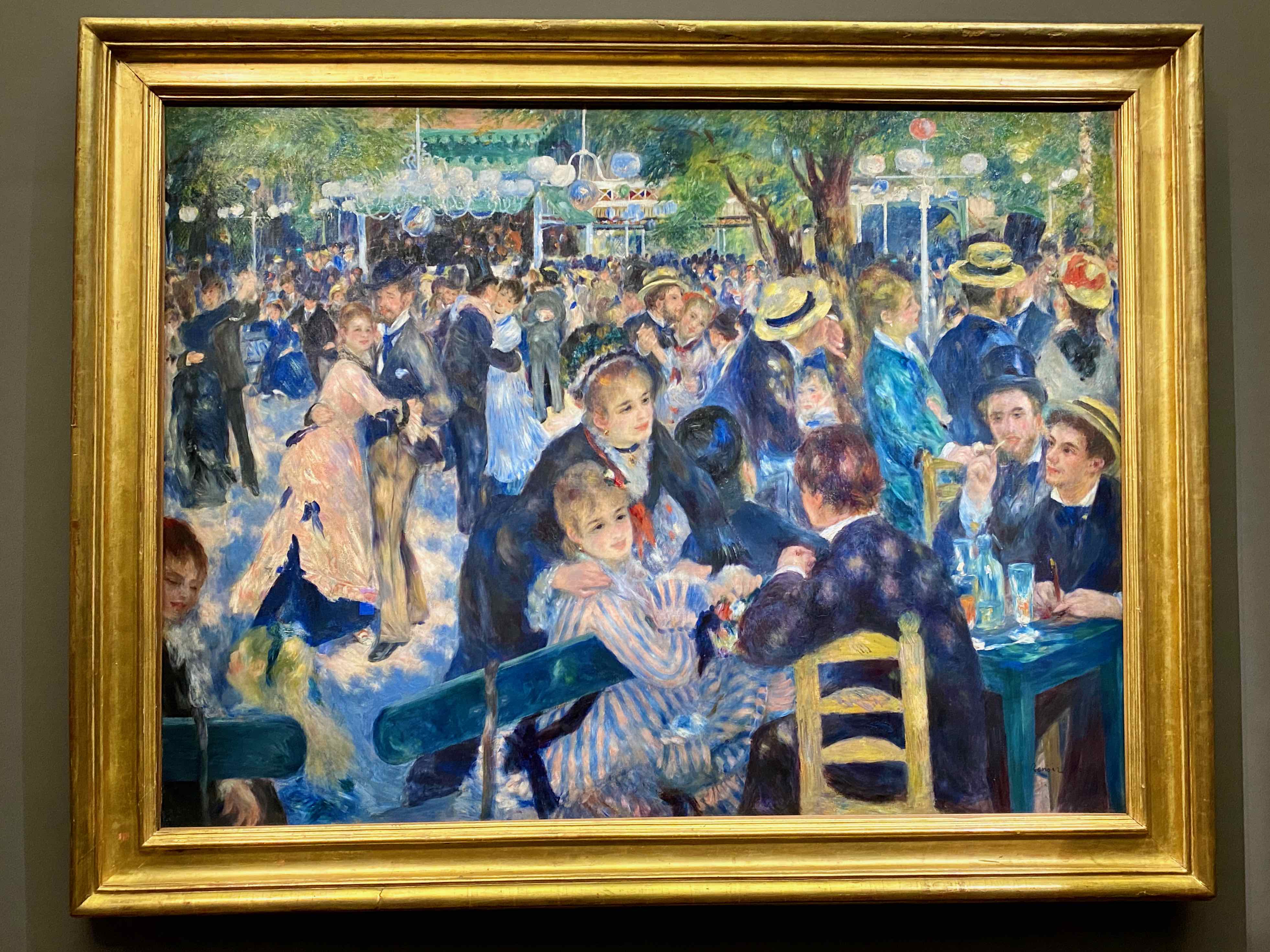
I am happy to see Renoir’s ‘Dance at the Moulin de la Galette’ once more…

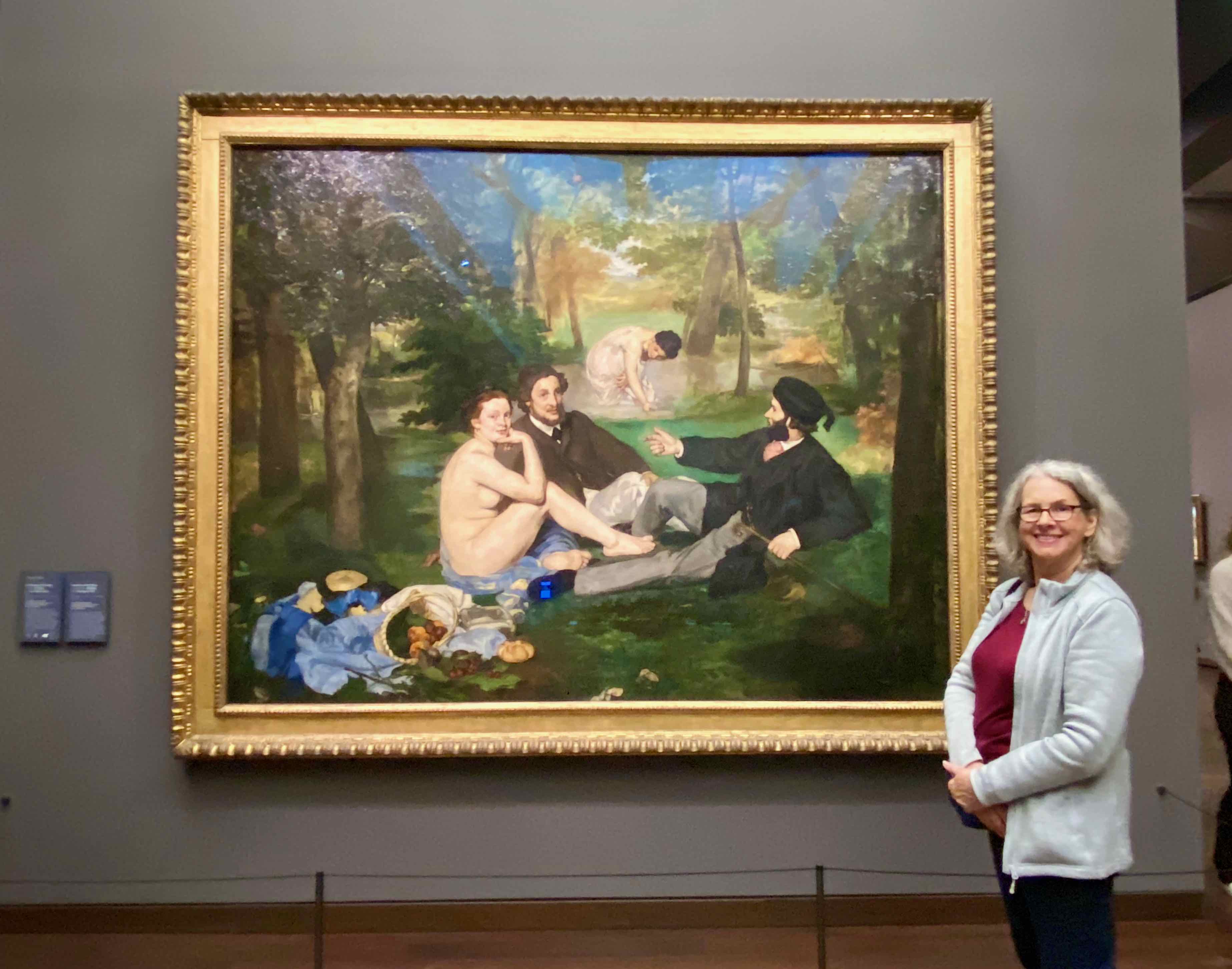
and of course Edouard Manet’s ‘Luncheon on the Grass’, which caused quite a scandal when it was first exhibited. A nude woman casually lunching with fully dressed men was an affront to audiences’ sense of propriety at the time.  

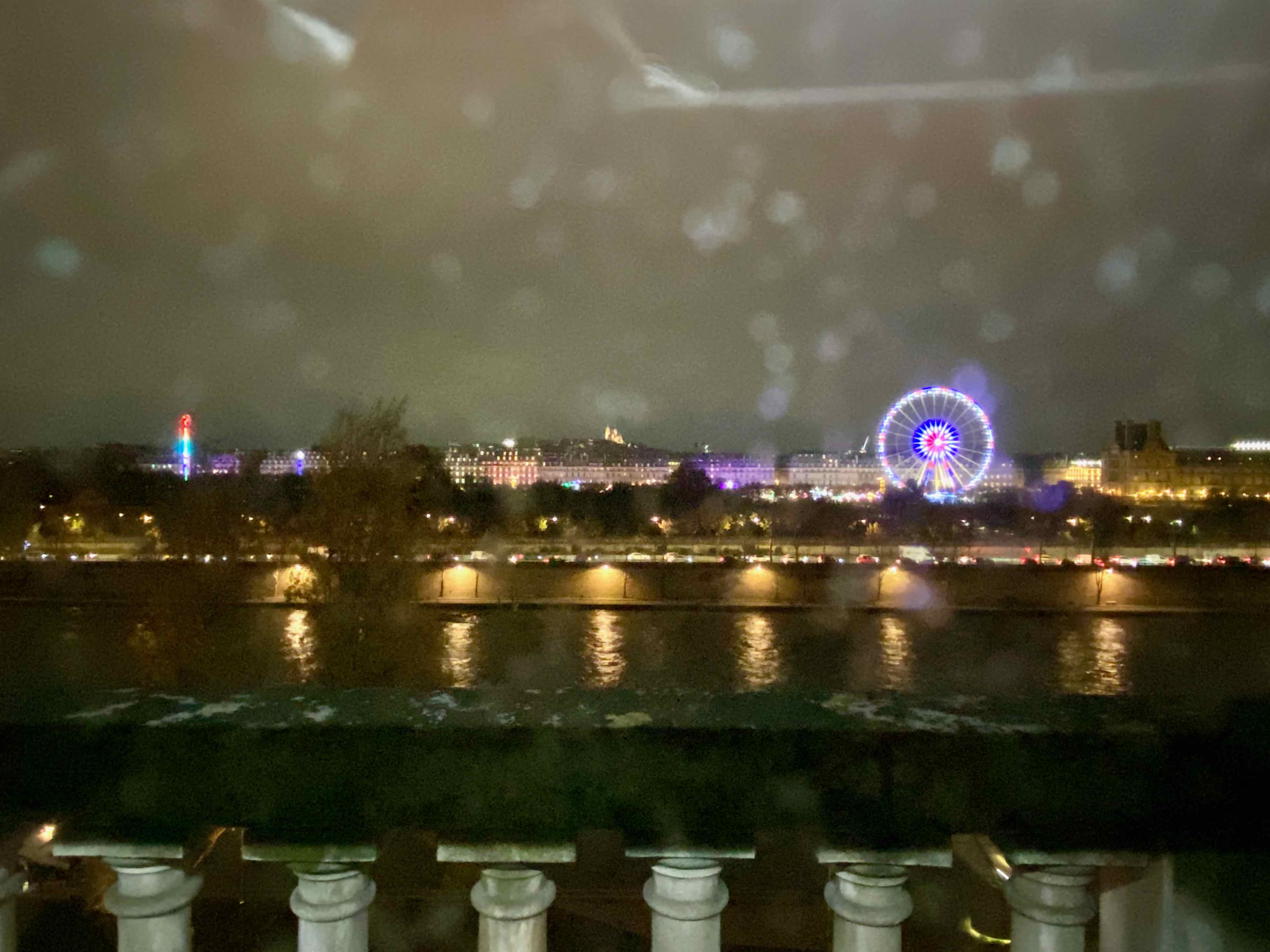
We peek out a window at the museum and discover that it is pouring rain. We can see the ferris wheel set up in the gardens just outside of the Louvre, across the Seine river.

A view of the main floor of the museum. It is time to go home.  We have been here for over seven hours, and we still didn’t manage to see everything!  I guess we will have to return to Paris someday for another visit.

Cavtat, Croatia

Day 39, Friday October 13, 2017

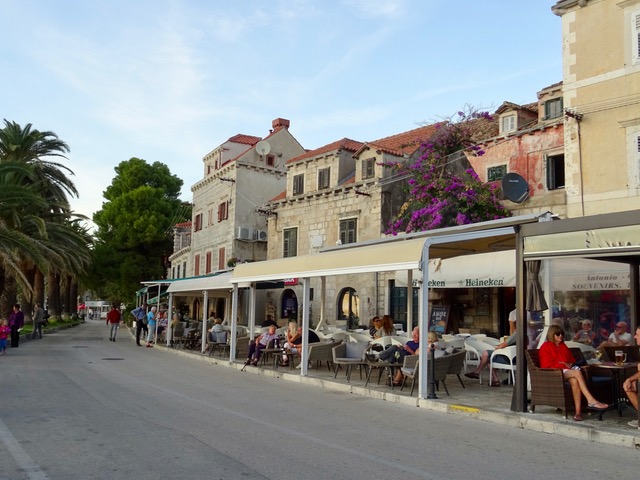
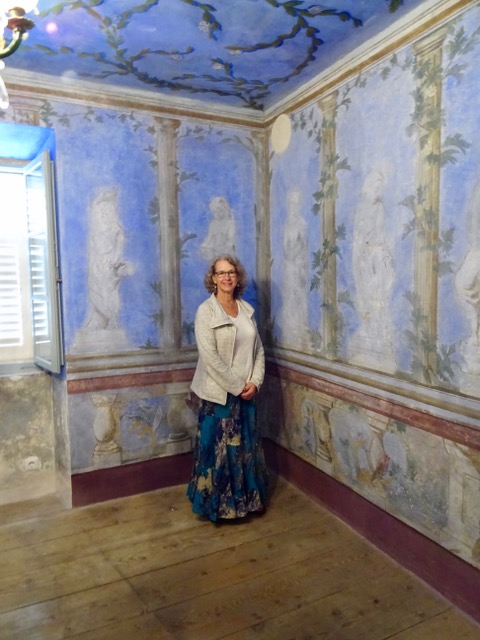
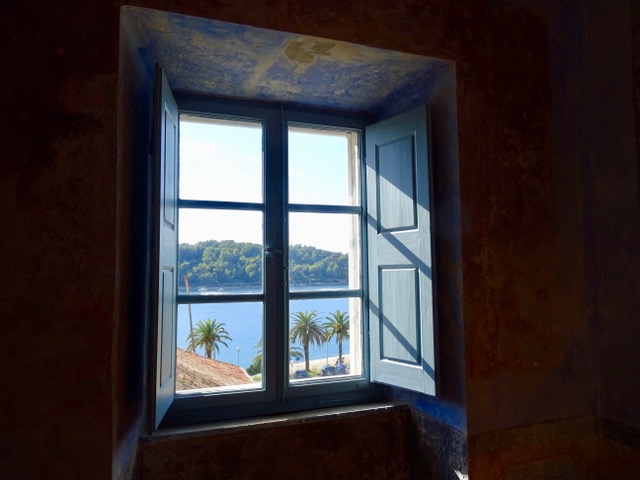
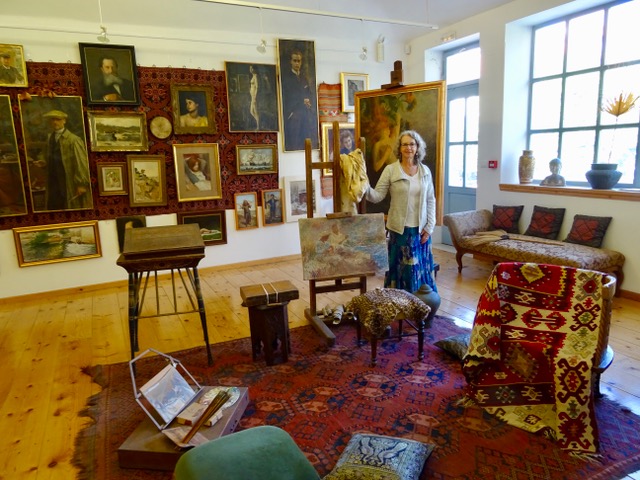
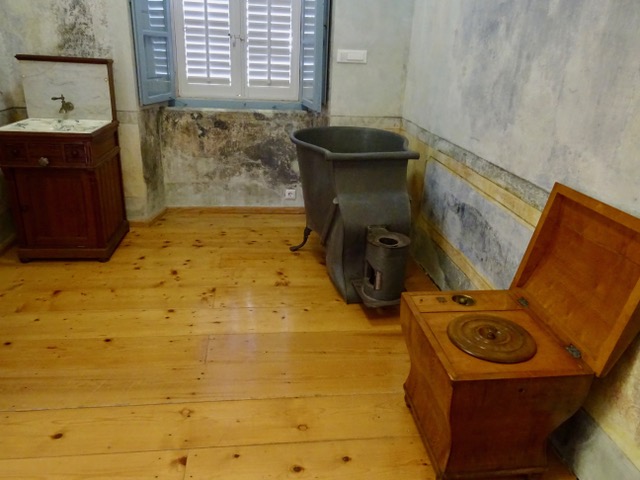
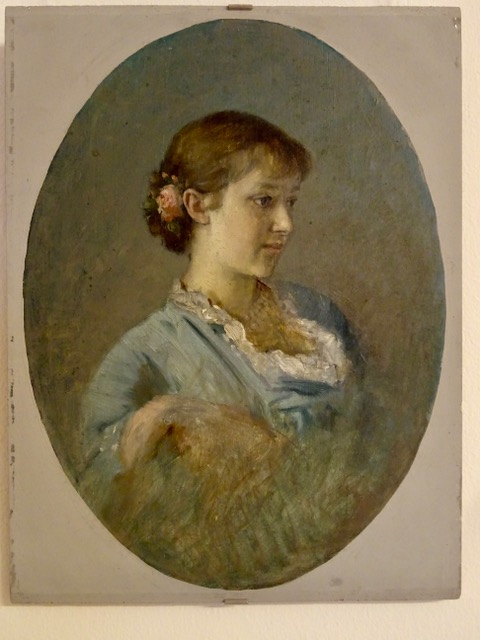
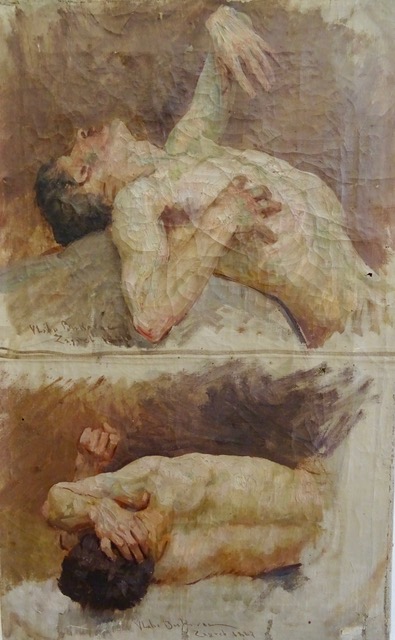
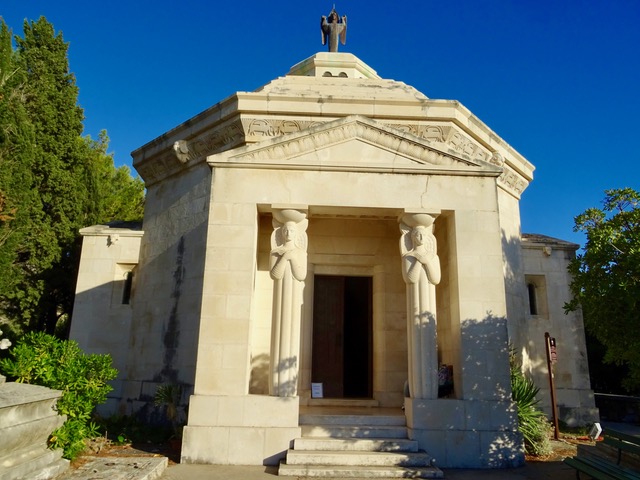
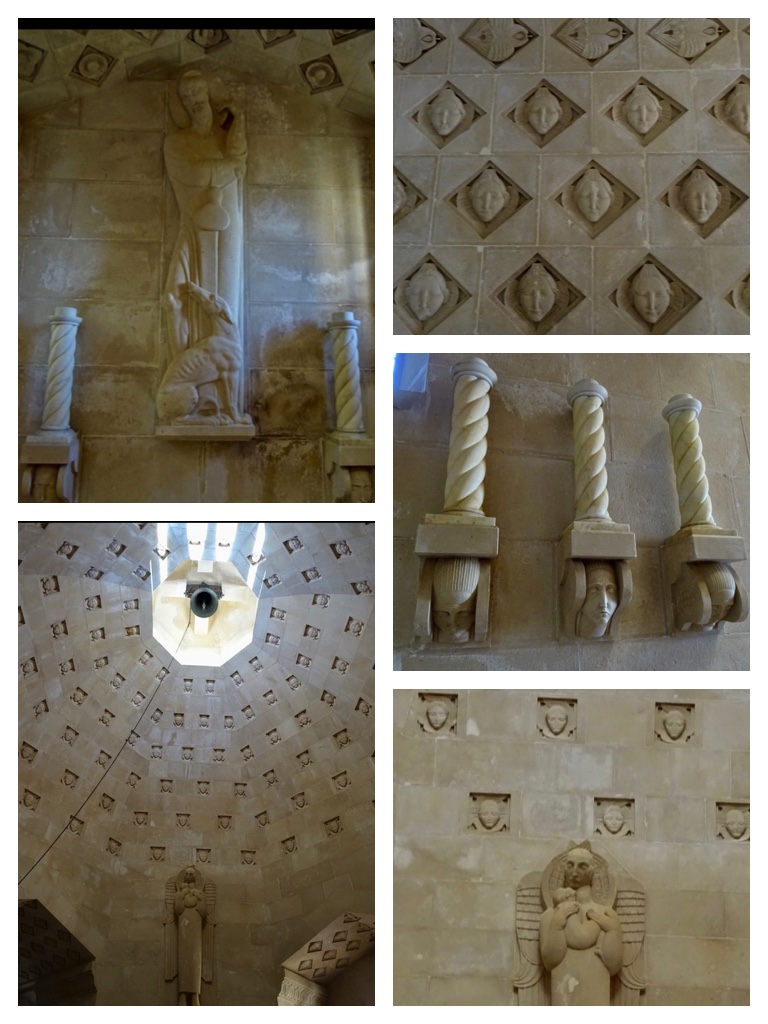
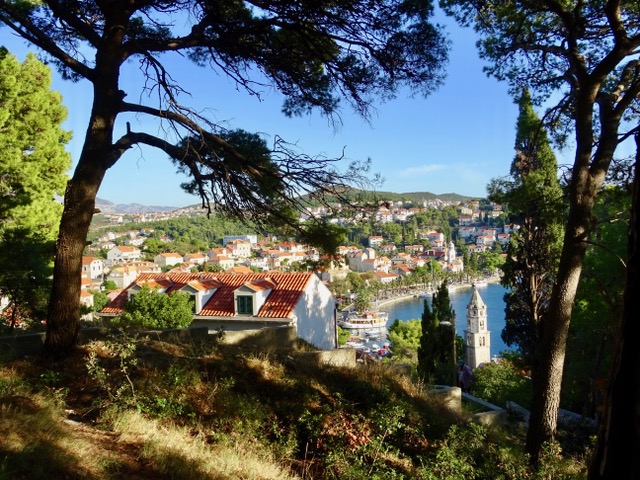
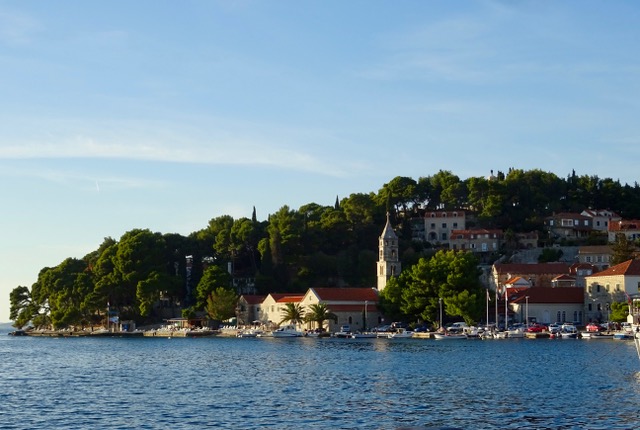
We spend the day at a little coastal town named Cavtat, which is about a 35 minute bus ride from our apartment. Here is Main Street Cavtat…which is the birthplace and home of one of Croatia’s most famous artists Vlaho Bukovac, (1855-1922). As a young artist he painted the walls of his parent’s home.Here is the view from a room at the front of the house.His studio was on the fourth floor, with huge north facing windows. It is a beautiful atelier…with a ‘modern’ bathroom!I really like his paintings and studies. Next we climb high above the town to the Račić Family Mausoleum. This family mausoleum now serves as a chapel for the town cemetery. The father, son, and daughter all died from the Spanish flu just a day before the son was to be married.  Račić’s widow ordered the mausoleum built and then she died from grief a year after her family’s deaths. The interior is amazing, the inside of the dome is decorated with 136 heads of angels.A view of the town from our walk down from the mausoleum.          Back in town we have ice cream and sit for a while along the water while I sketch the view below. You can just make out the mausoleum on the skyline.

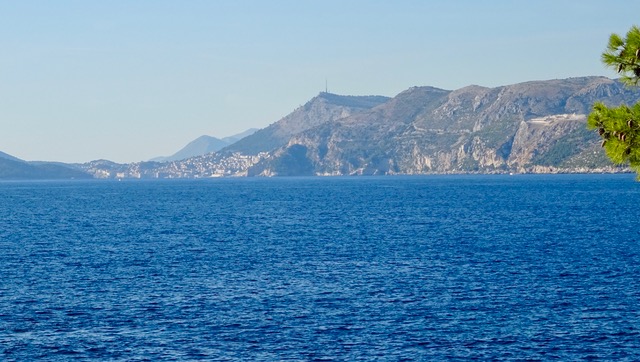
This photo is Dubrovnik way off in the distance.

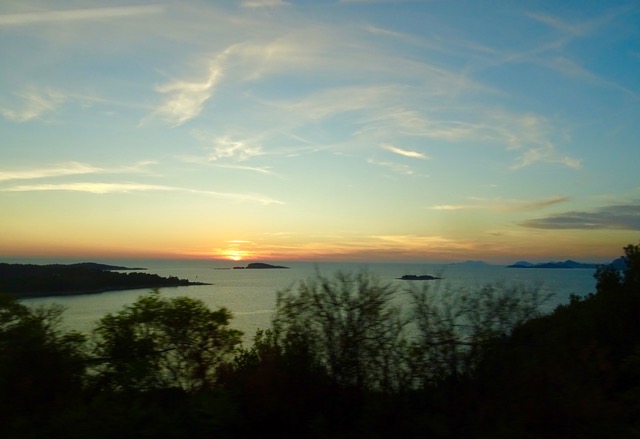
All too soon the sun starts to set and we catch our bus home.