Thursday October 8
We have a quiet day at home, but we end up spending quite a bit of the day looking for accommodations in Madrid, but we aren’t having much luck. Madrid seems to be quite expensive, not many places have parking and we aren’t getting answers back from some of the places we contacted. We decide that we will stay where we are and take the bus into Madrid. It is a 40 minute ride and Bob is looking forward to not driving for a while.
Friday , October 9
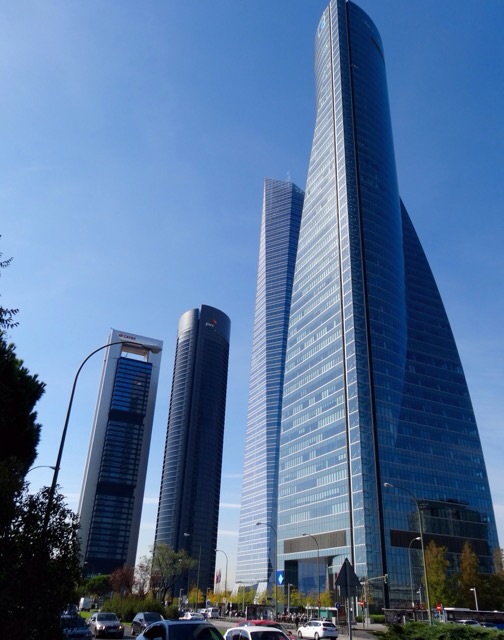
We take the bus into Madrid which works very well. It is every comfortable, kind of like a Greyhound Bus, and it is very relaxing for both of us. First stop in Madrid is the Canadian Embassy as we were told we could vote there for the upcoming Canadian election. Turns out we can’t, as the ballot has to be mailed in and the package was sent to our home address. The very tall first building is where the Canadian Embassy is located on the very secure 21 floor. Lots of security in this tower.
 Back on the Metro to find the Archeological Museum. I love the metro! It is fast, easy and offers great people watching. On our way to the museum we see the Bibliotheca National and I can’t bypass a library so we go check it out, but not before stopping to say hello to this cute fellow.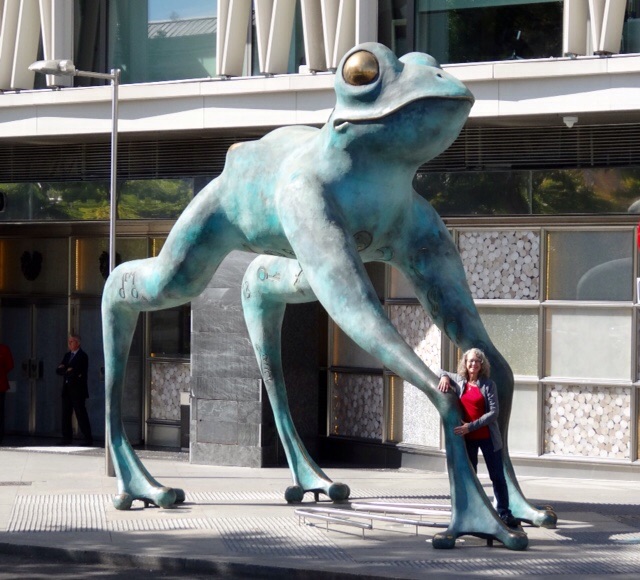
The building is very big and beautiful, but we discover it isn’t a public library, entrance is only available if you take a tour, which are all sold out for today. We are allowed to go in and check out a Rudyard Kipling exhibit in a room near the entrance after showing our passports, getting our pictures taken, putting our bags through an X ray machine, and getting a visitors pass! 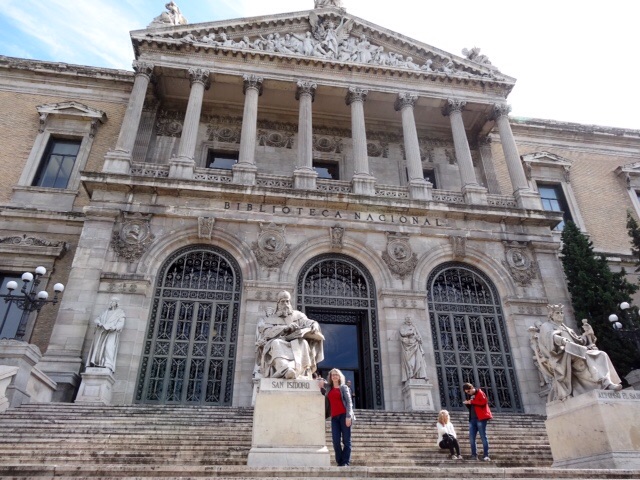 There was only a collection of Kipling’s books in the exhibit, not too interesting, but the room attached to it had some great old books and manuscripts…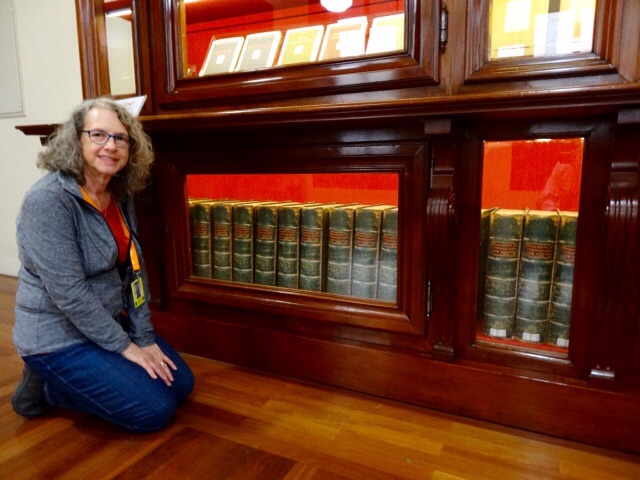
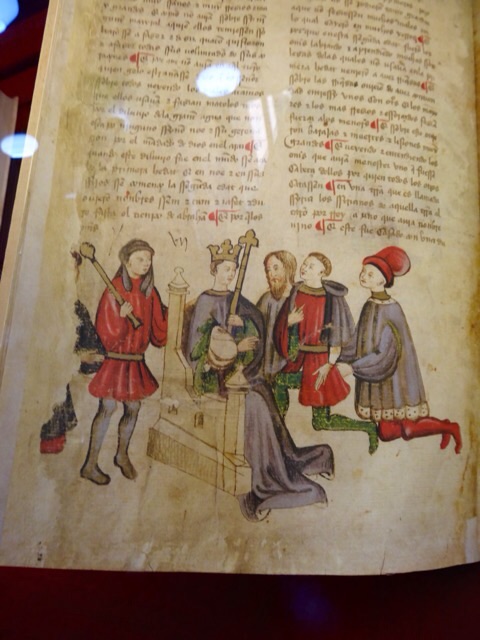
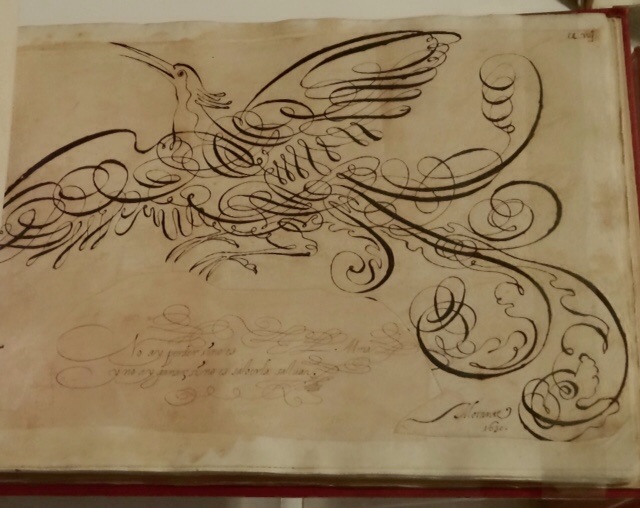
……including what I think must be a facsimile of a Leonardo Da Vinci sketchbook. Hard to make out as all the labels are in Spanish. The staff also tell us about an exhibit downstairs that we can visit. Turns out it is “Caligrafía Española” el arte describir. Of course we have to see this. The first thing we see on entering is this wonderful collection of calligraphy equipment from the 1700’s and 1800’s. Most of these are the same tools used by calligraphers today.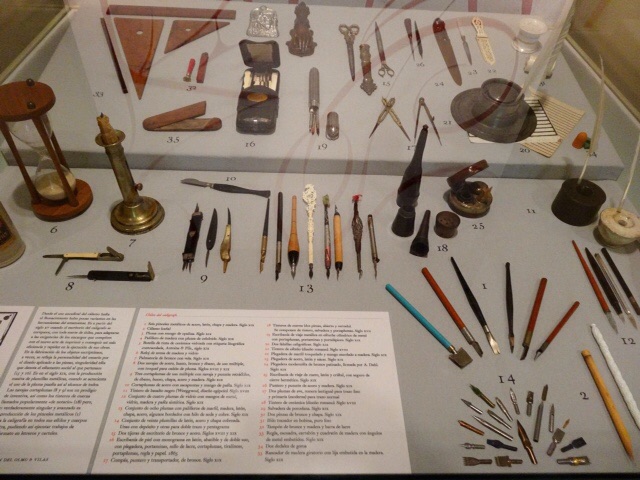 There are many books and font samplers and these two beautiful examples of flourishes.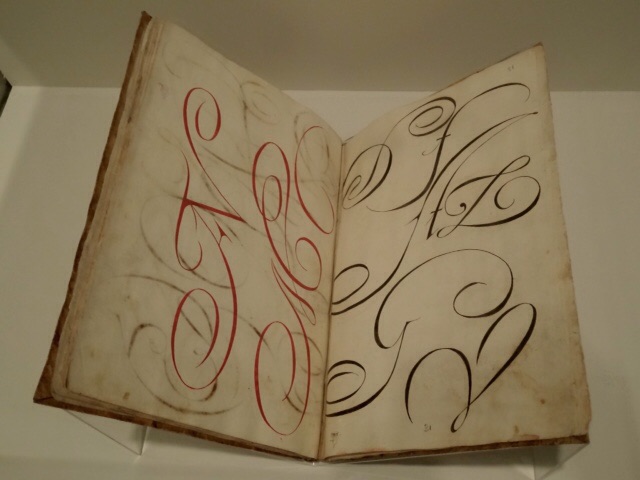
Finally we arrive at the MAN, the Museo Arqueológico National. Turns out it is a great museum, and we get to see a facsimile of Lucy. I remember talking about australopithicus and Lucy when I taught Social Studies many years ago. Isn’t she beautiful?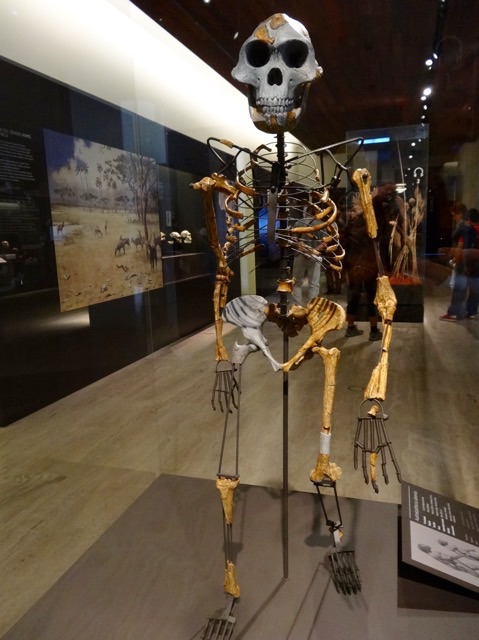
There is a display with examples of archeological sites in Spain, and it turns out they are everywhere. This Screen grab says it best “Spain, A Huge Archeological Site.” I think you could look almost anywhere in Spain and find an archaeological site!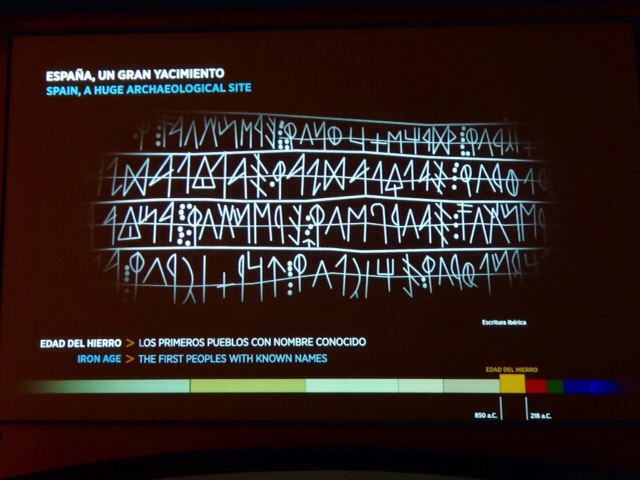 In the museum there are some very intricate mosaics.
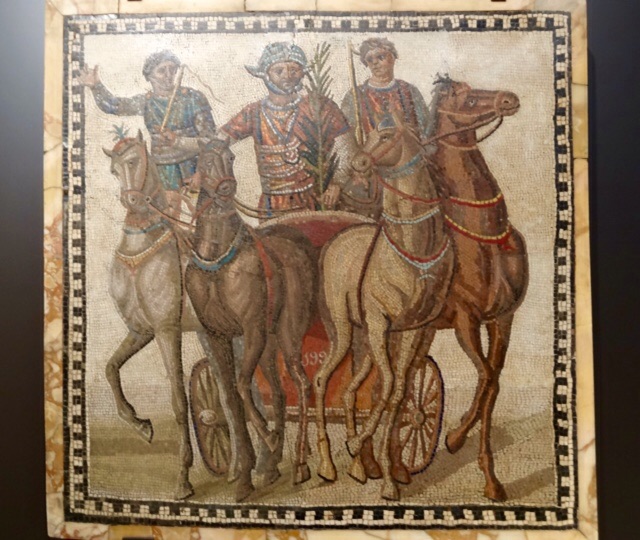 They are even more incredible when you see the size of the individual mosaic pieces.
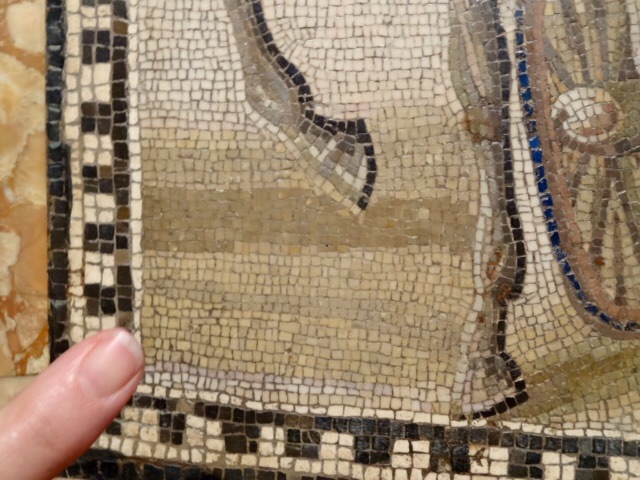 The next exhibit has several room sized floor mosaics that are equally as stunning.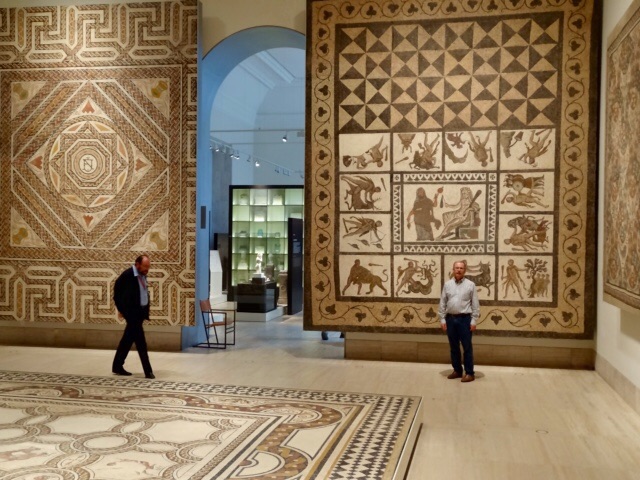
I love old doors and this one is a beauty. It just looks as though I am touching it….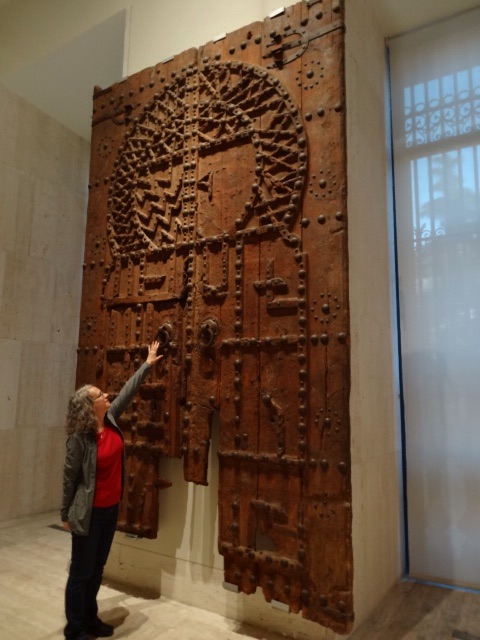
We are amazed at the technology that was in use so long ago, but the one item that probably surprised me the most was the Speculum magnum matrios, a vaginal dilator used in gynaelogical exams, surgeries and childbirth. The Romans developed this medical technology in the First Century AD! It is hard to imagine, and this looks very similar to the ones in use today!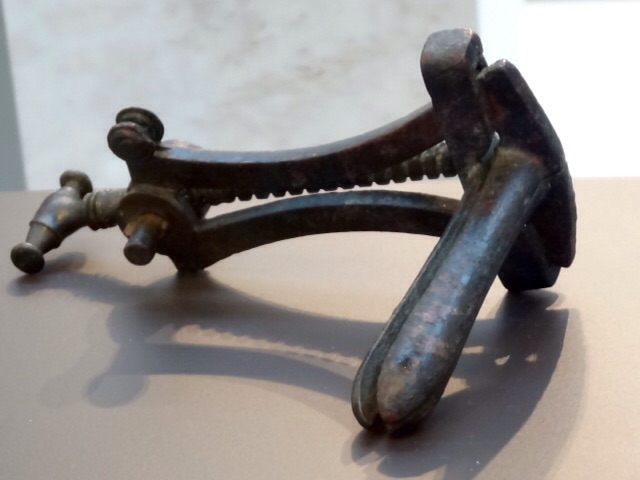
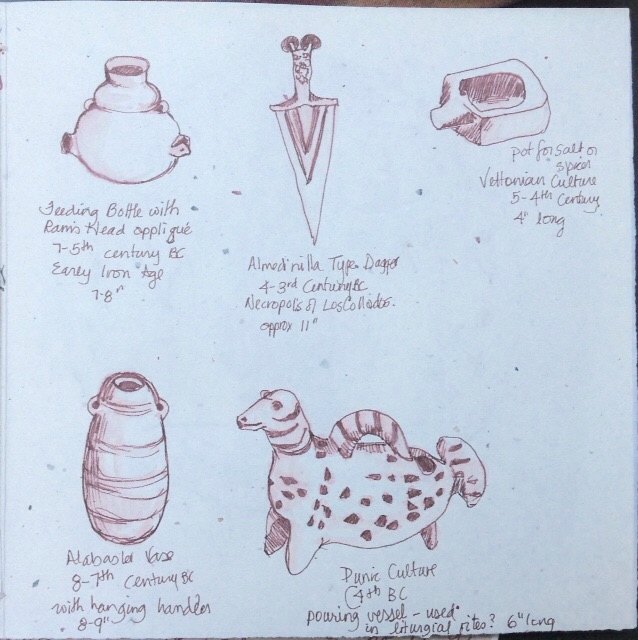
We stop for tea after two hours, and then do our best to see everything else but we ran out of energy and time and I am afraid we rather quickly strolled through the Egyptian and Greek rooms without trying to see and read about everything. There are about fourty rooms here, and they are all pcked with so much to see. We are pooped, but we enjoyed this museum a lot. It was extremely well laid out, had lots of great videos, English signage and beautiful exhibits. It always amazes me that so many items have survived so many centuries intact. I also did a few drawings at the museum.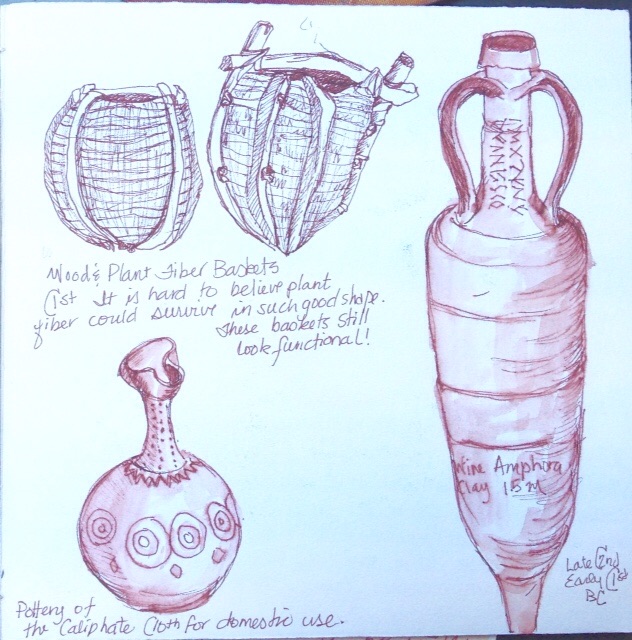

 trudymason.com