Lisbon to the Algarves in Southern Portugal

Monday, October 26

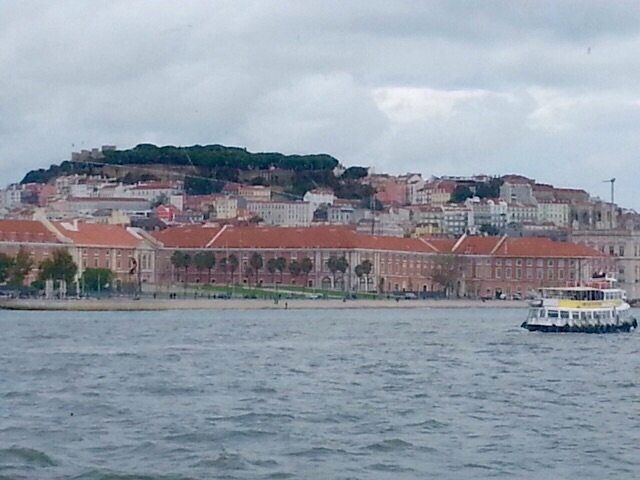
Finding an osteopath when we are on holidays is always a bit of a challenge.  I locate one not far from us and go for a treatment this morning.  Afterwards I have a quiet time at our apartment and Bob goes into Lisbon. He went for a ferry ride to the other side of the river in Lisbon and back again on a boat like the one in the picture.imageThen he takes the famous, crowded #28 tram ride to the Castle San Jorge which is high on a hill over the old city.
image

On the way home he stops for some groceries and then manges to get on an express train which tales him right past his stop.  After missing the next two trains, due to some confusion over which one he should be taking, he finally arrives home wet, cold, and an hour late.

Tuesday October 27

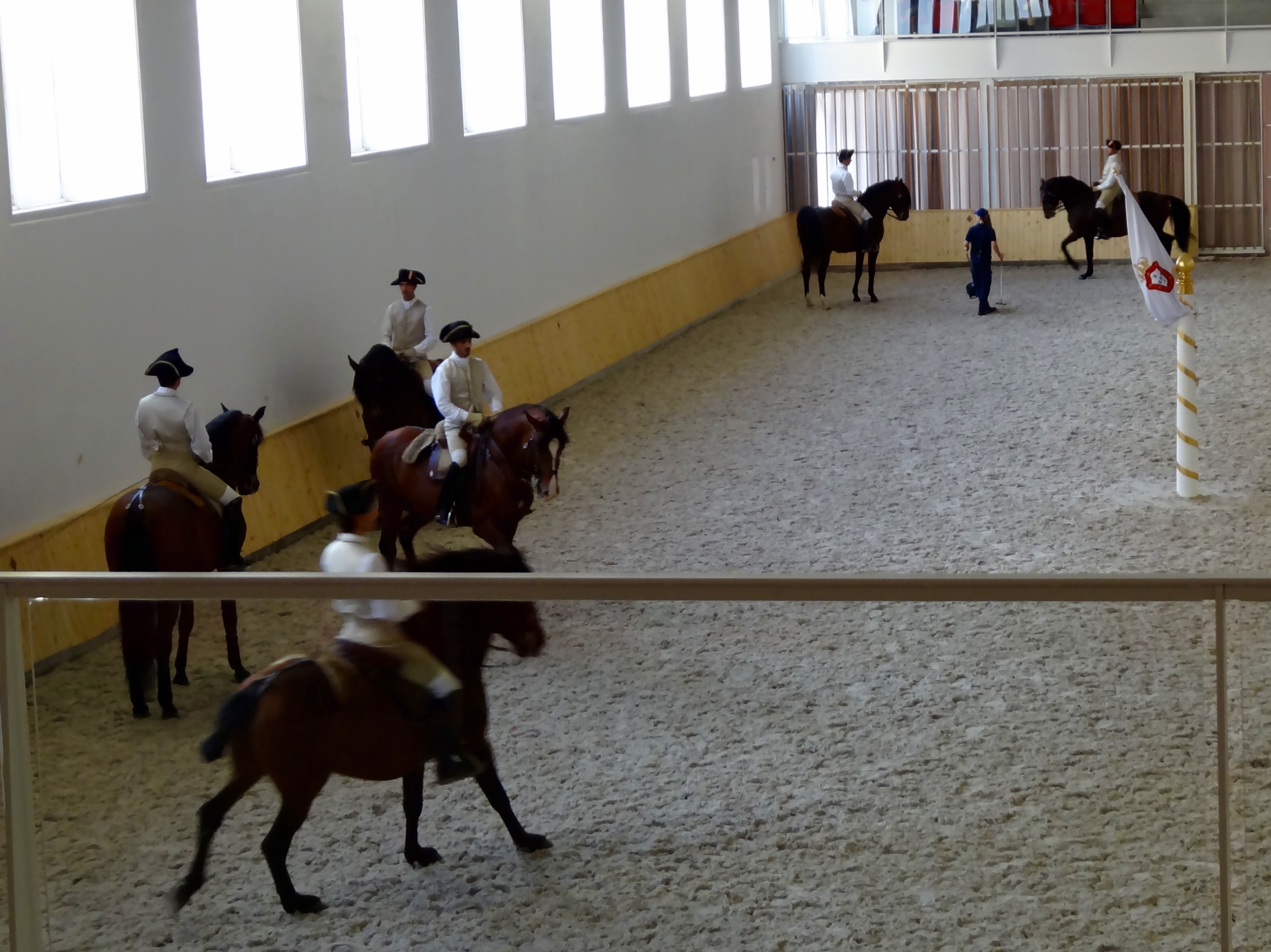
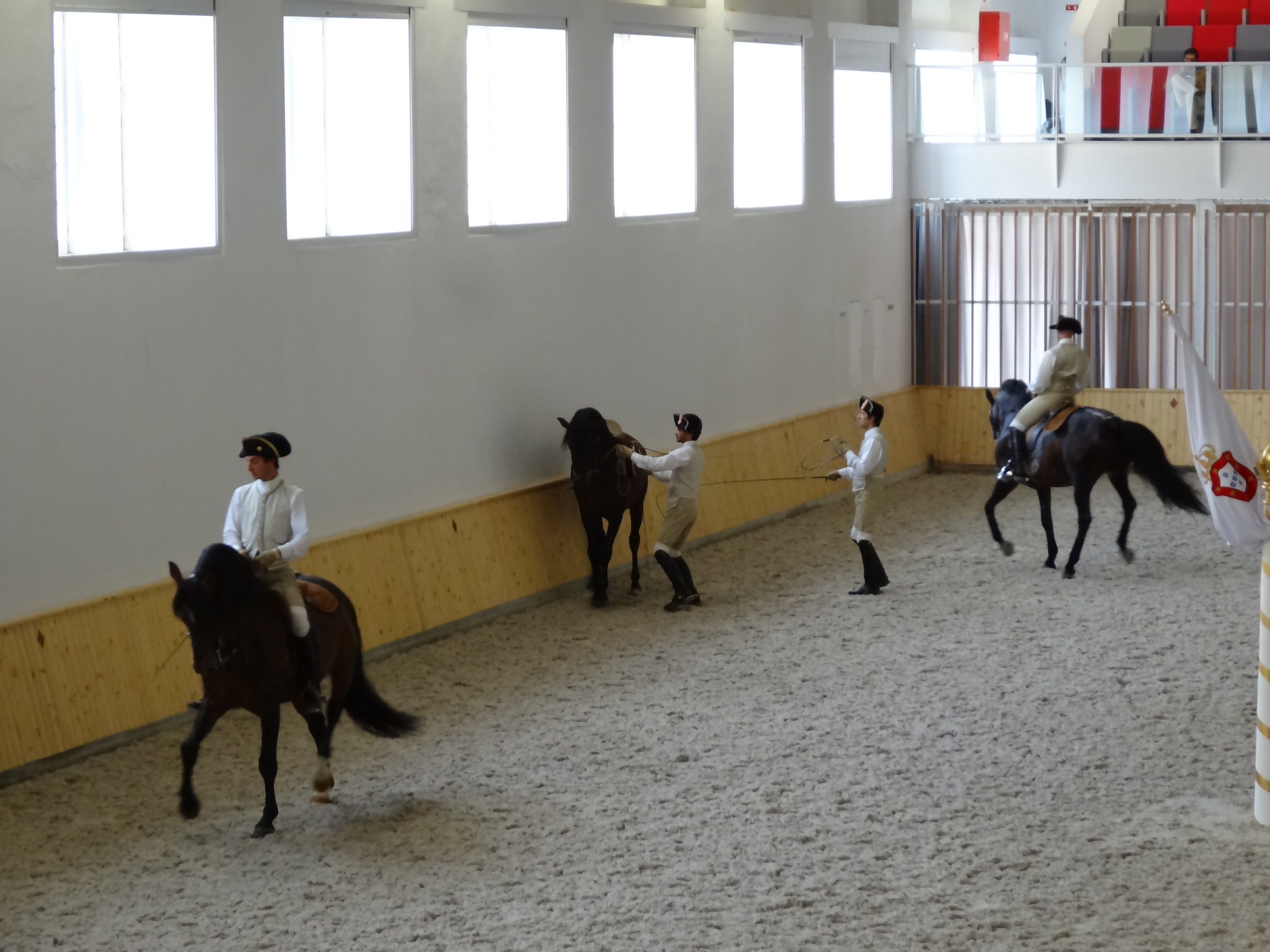
We set the alarm and get up early because I want to go watch the the training session at the Portuguese School of Equestrian Art. These Lusitano horses have been used for equestrian art and bullfighting for centuries but were at risk of dying out.  The stud farm was revitalized in 1942 to revive the breeding and training of these beautiful horses.  We watched the training session for about an hour and a half. I was entranced and wished that we could have seen one of their performances, but the timing for that didn’t work out.
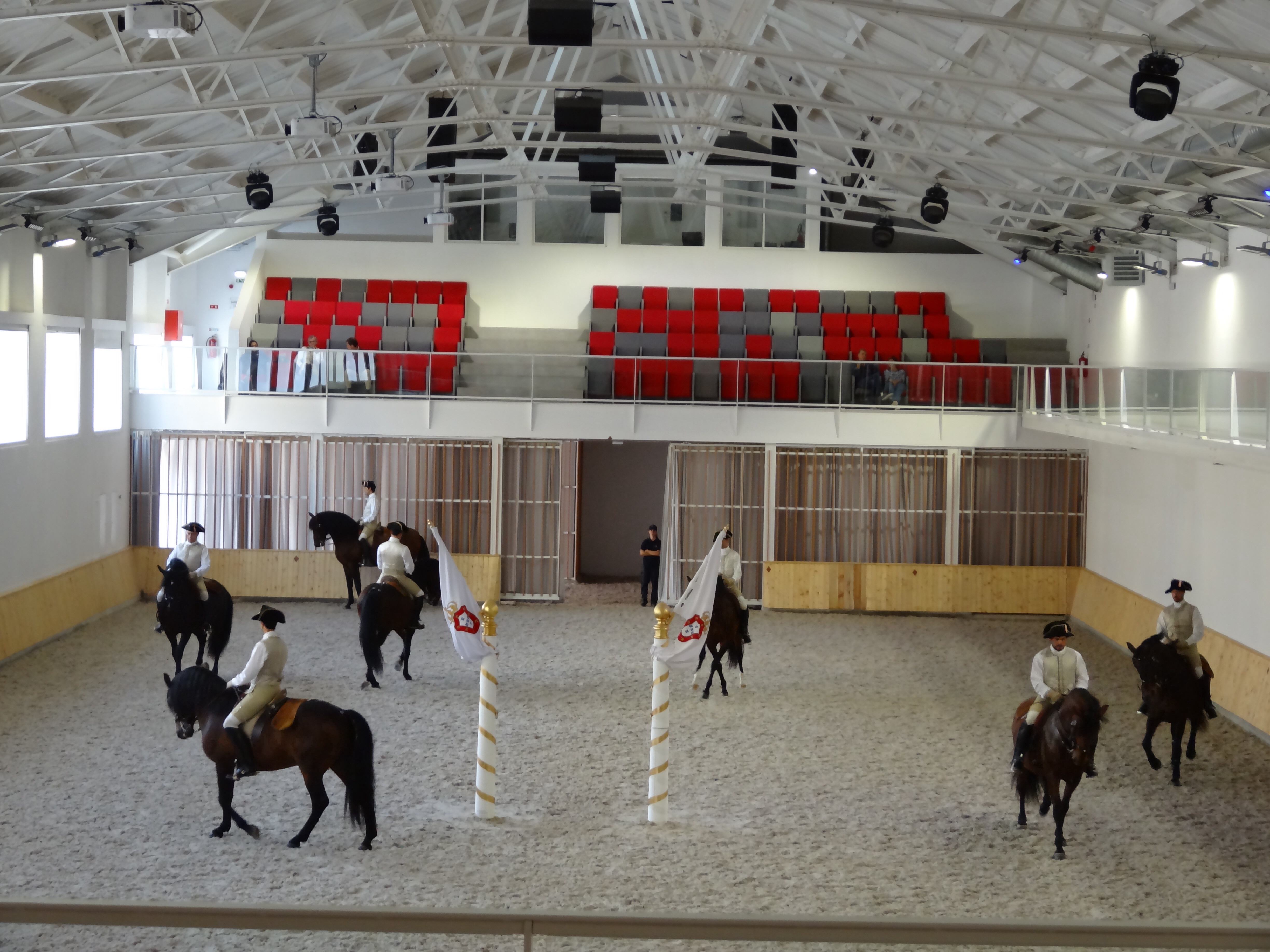
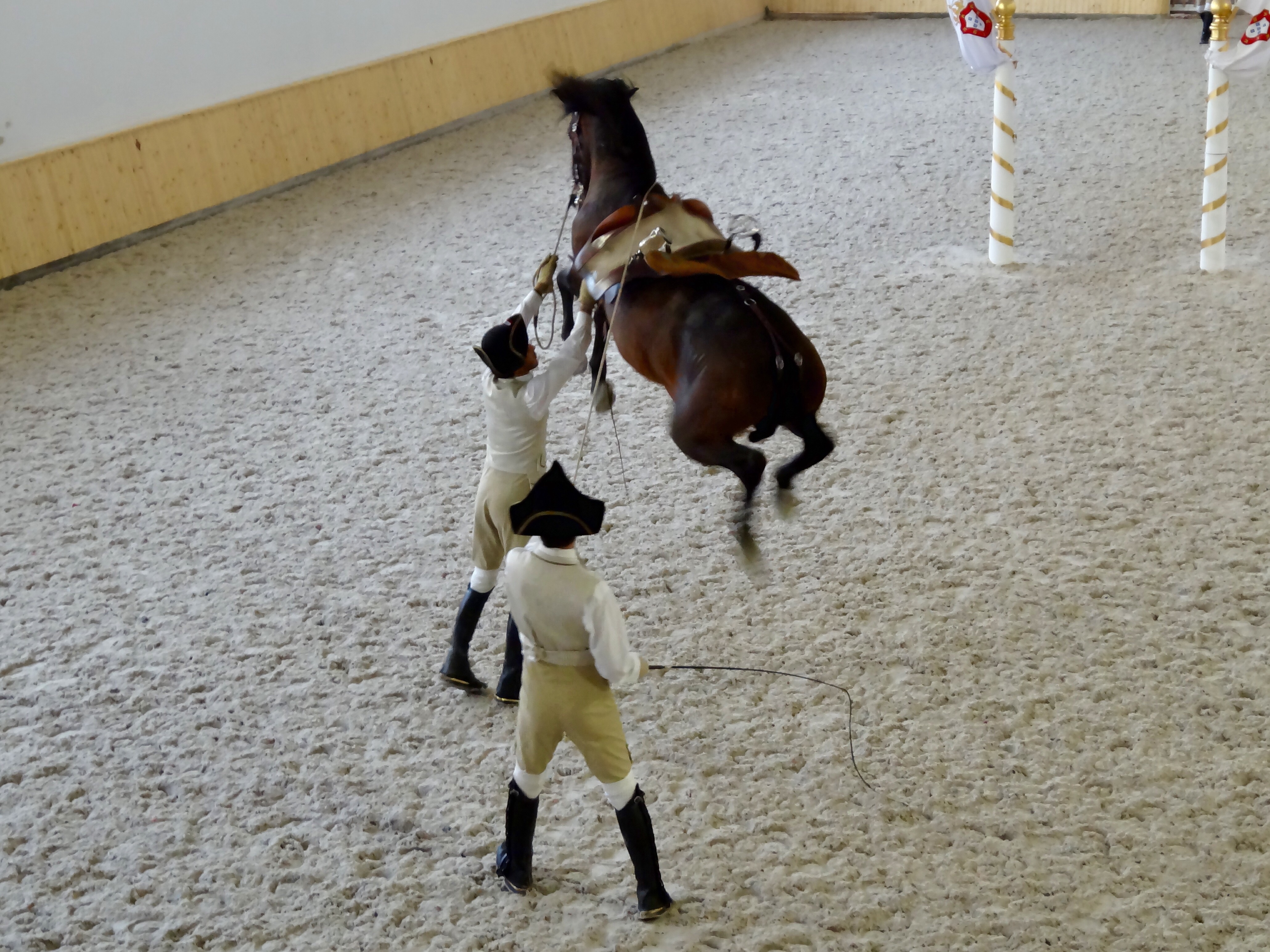
imageThere are up to nine horses in the ring at a time, and the riders change horses over the hour and a half.imageimageThey were teaching this horse to do the Capriole, where the horse rises into the air and forcefully stretches out his back legs.  It was very impressive.image
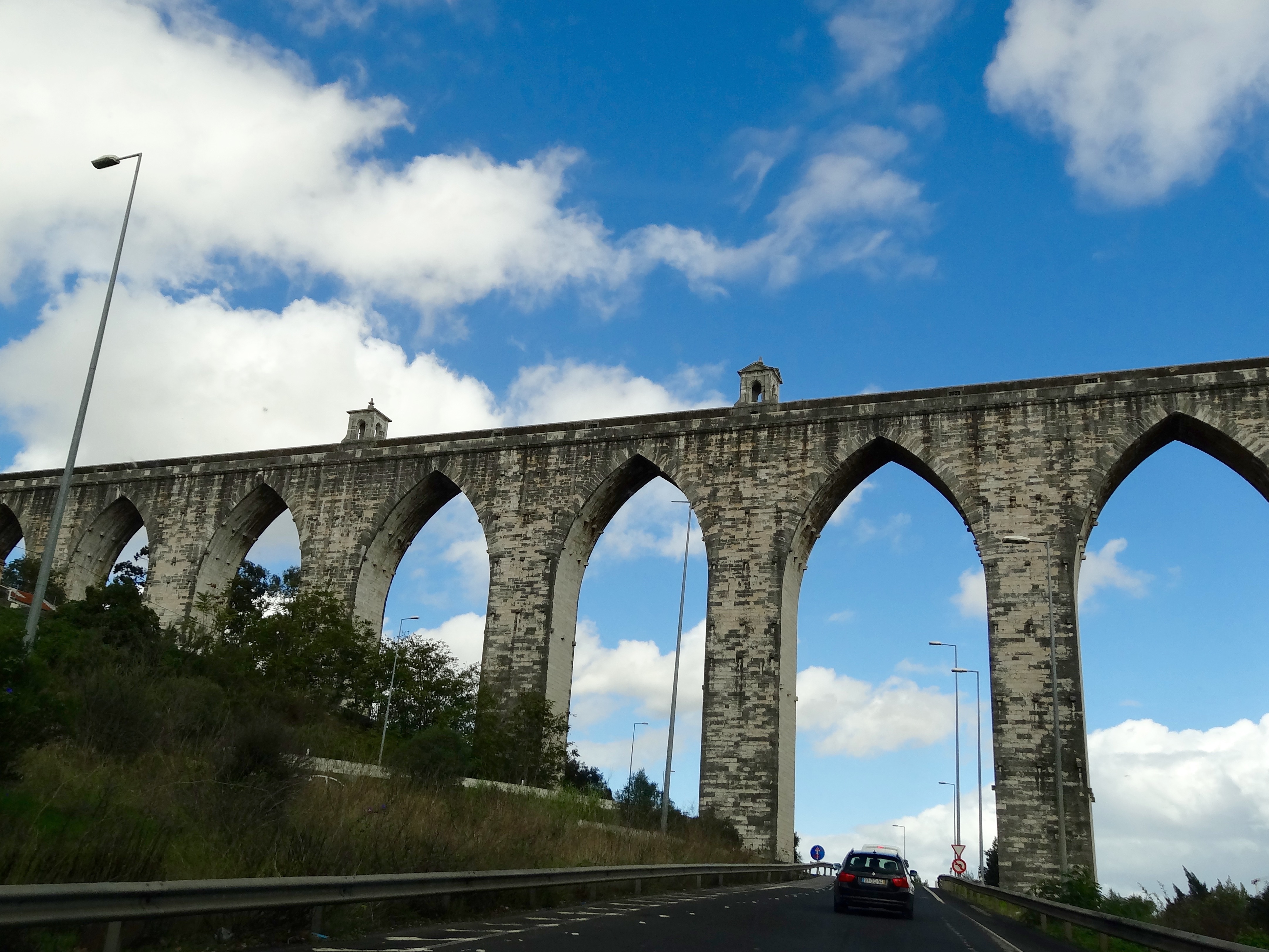
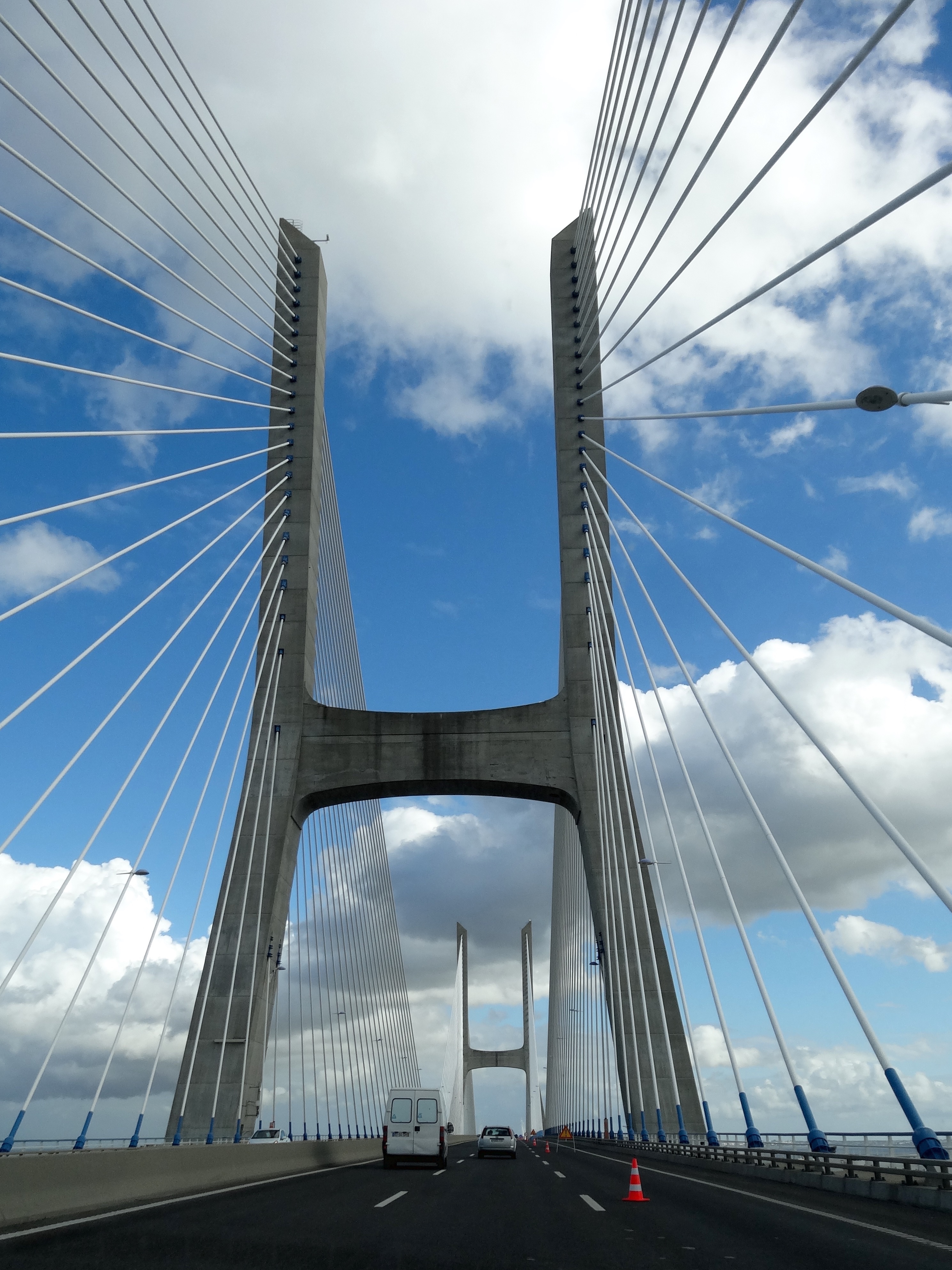
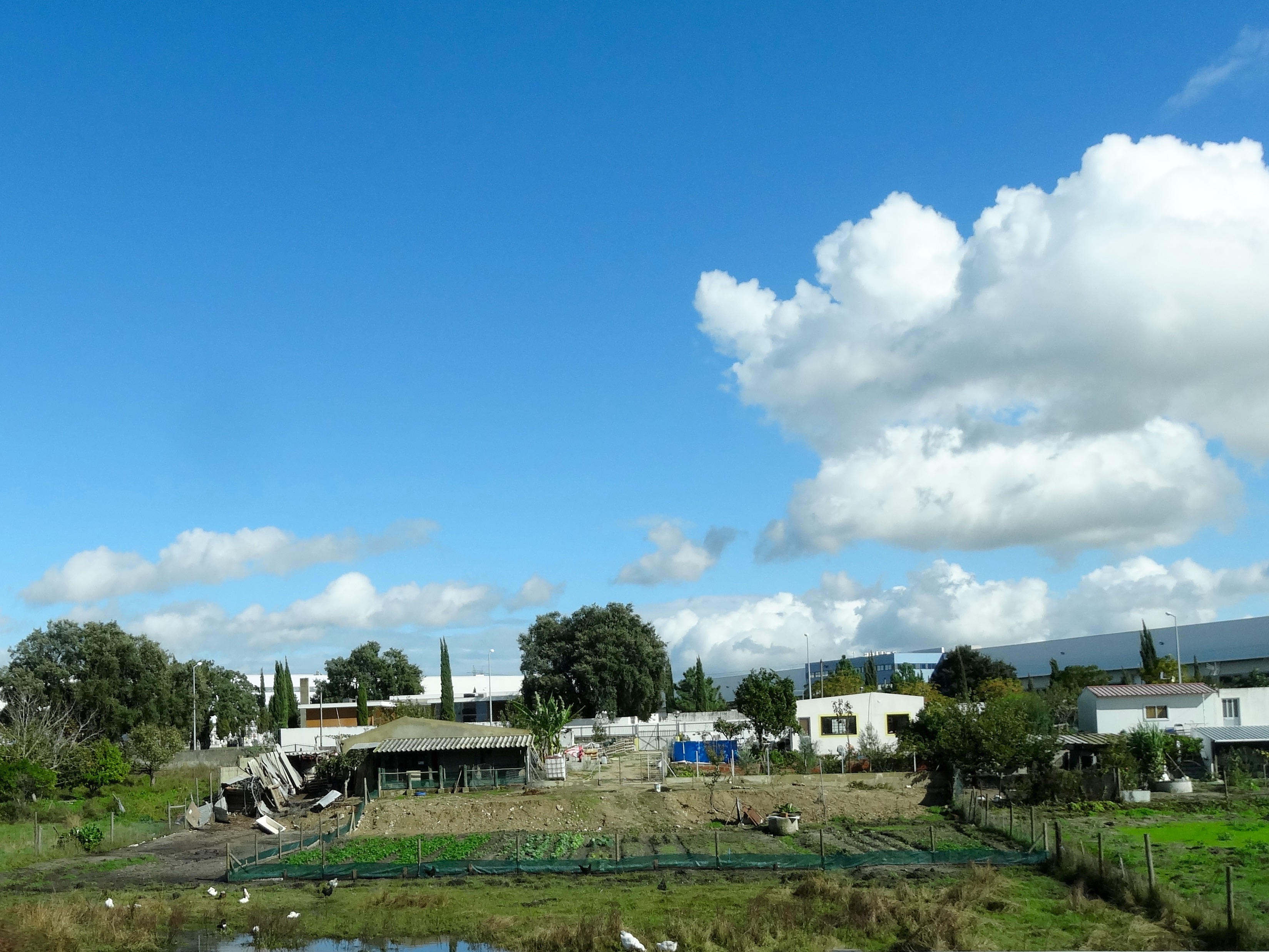
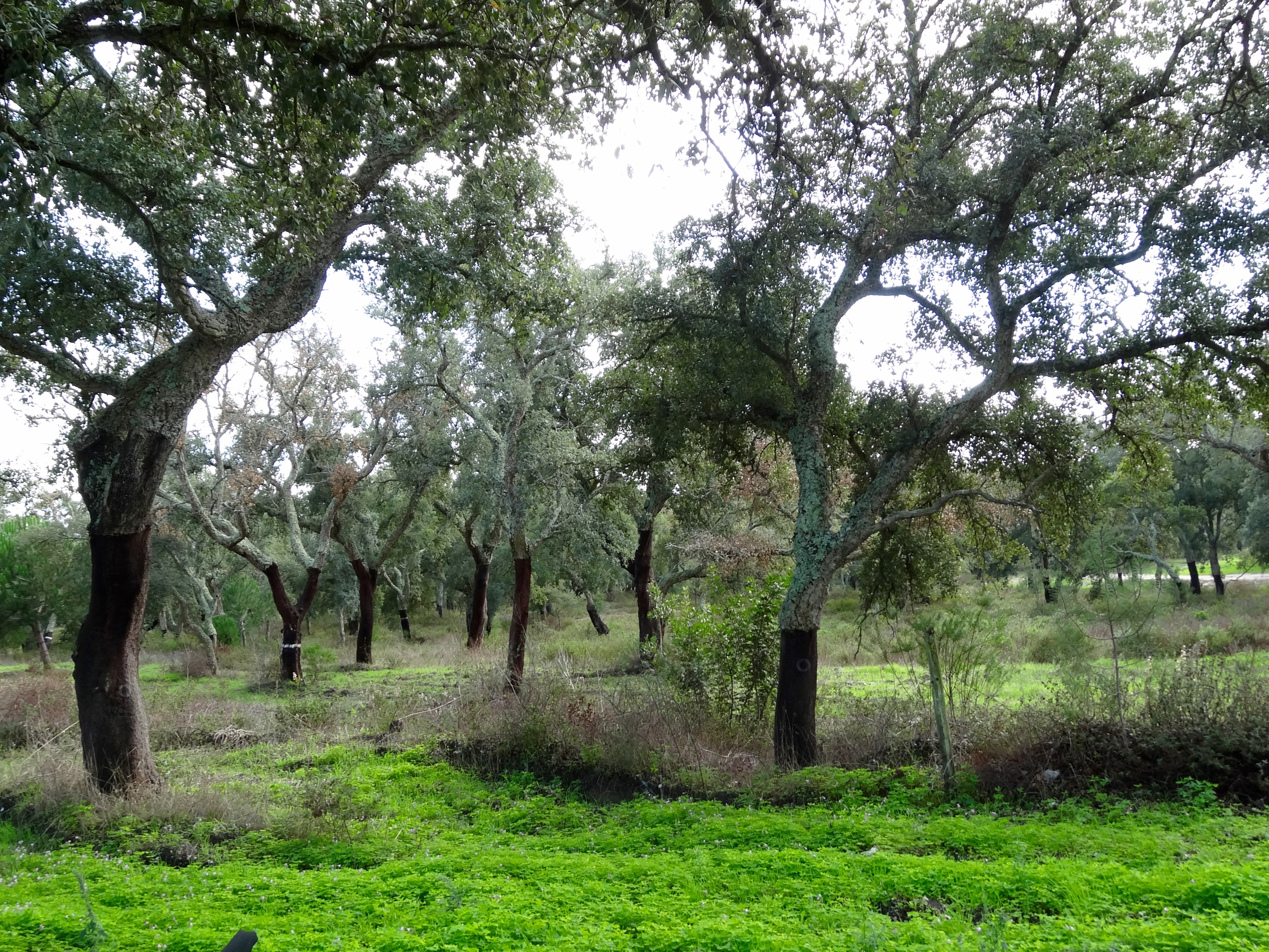
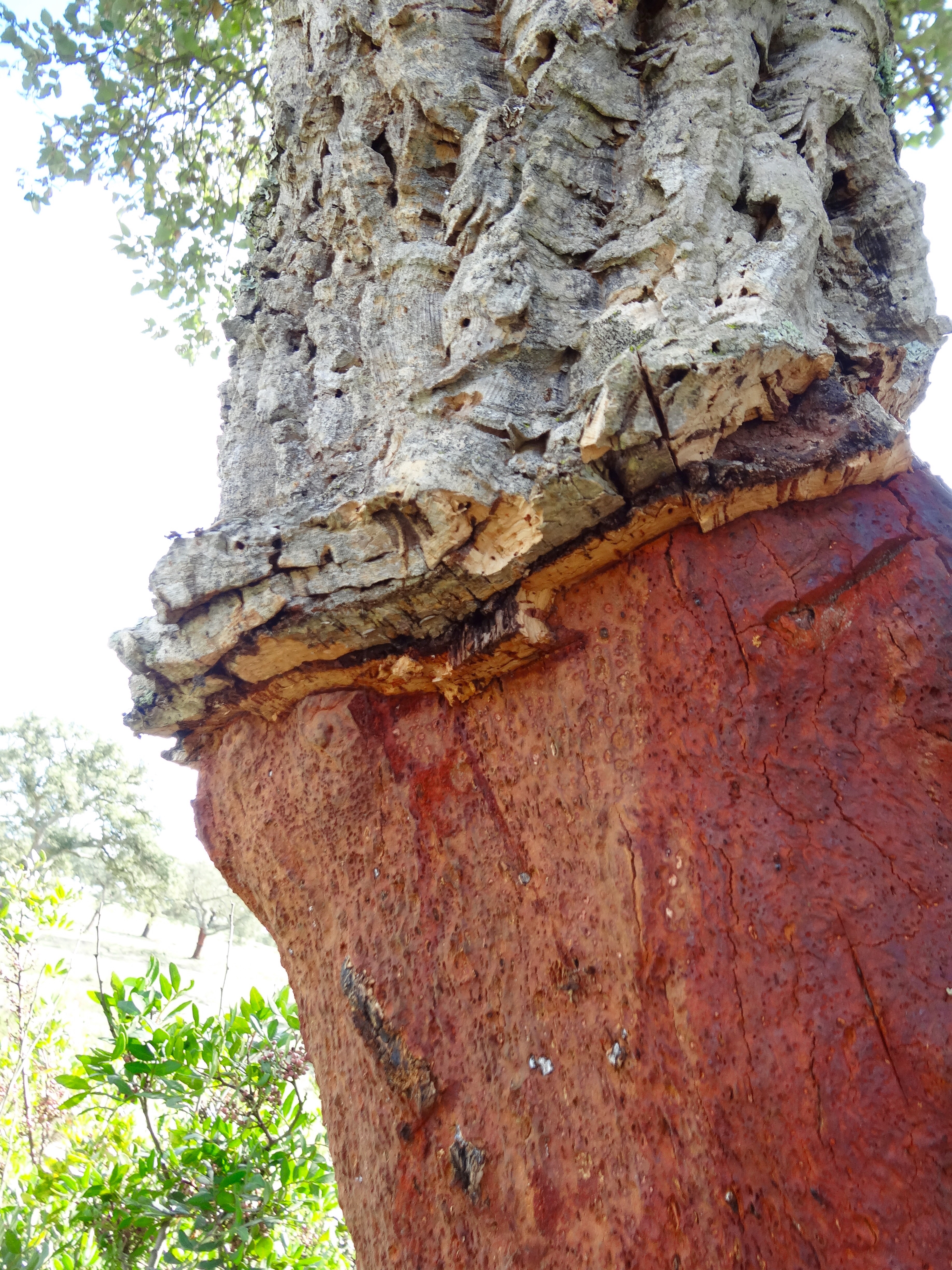
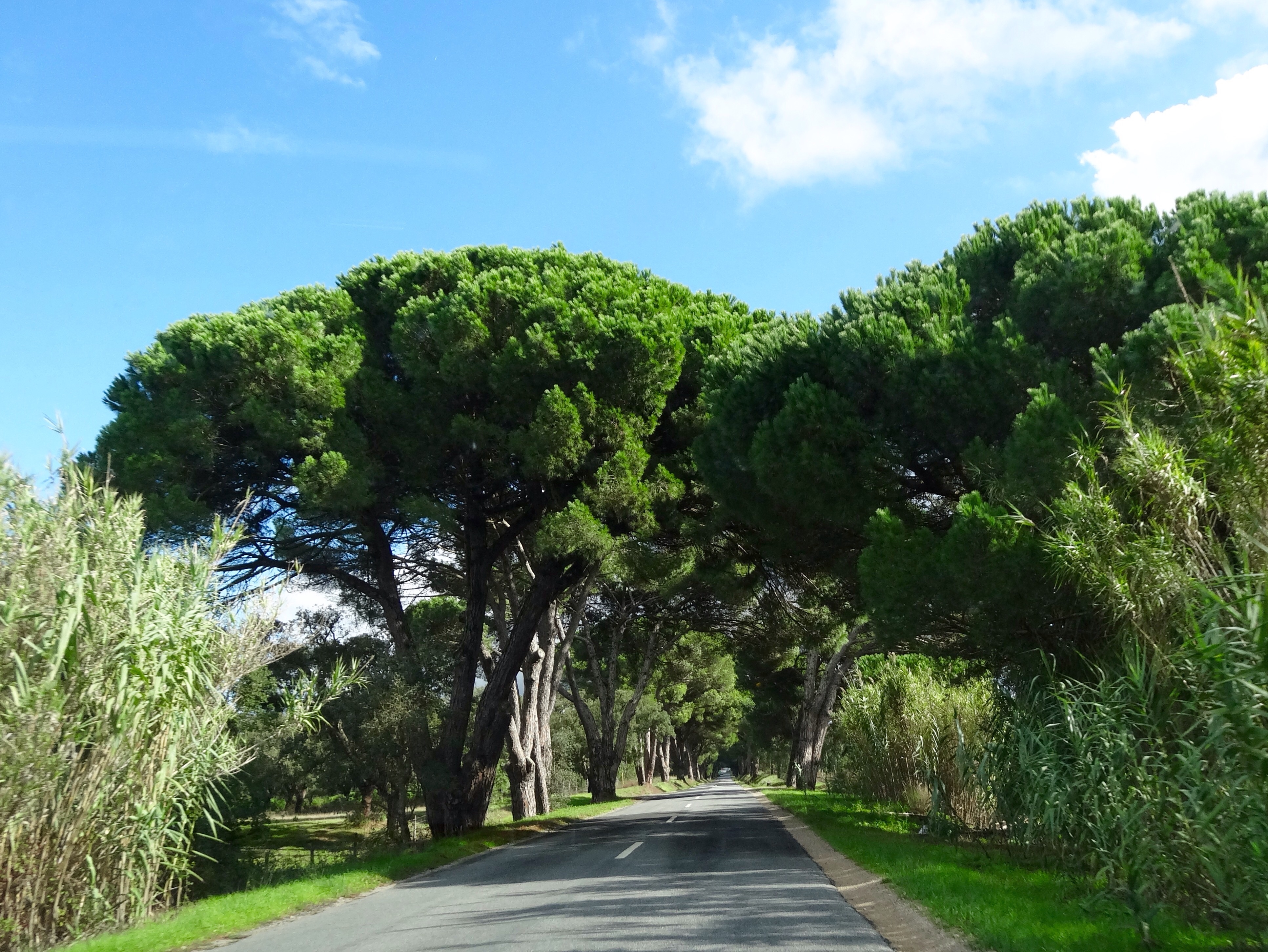
Now we are on our way to the Algarves where we have our next apartment in a town called Portimâo. We drive under this old looking bridge but have no information about it. imageThen we drive over the 13 kilometer long Vasco de Gama bridge as we leave Lisbon. It is probably one of the longest bridge we have travelled on.imageOne of my ‘driving ‘pictures of a garden right beside the main road just after we get off the bridge.  One of the interesting things about both Spain and Portugal is the mixed use of land.  It is common to see houses right next to apartments, industrial or commercial areas, and derelict buildings next to very well kept ones.  I find it rather fascinating, but I don’t think I would like to live somewhere with this sort of planning, or maybe it is no planning?imageWe are soon driving on roads that travel through farms of cork trees.  These trees have their cork harvested once they are 25 years old.  The cork is stripped from the trunks every nine years and the trees can live up to 300 years!  Over half of the world’s cork production comes from Portugal and Spain.image
Here’s a close up of the cork and the stripped trunk. Quite fascinating.imageThe roads here are very pretty and we enjoy the drive, stopping near here for our lunch.image
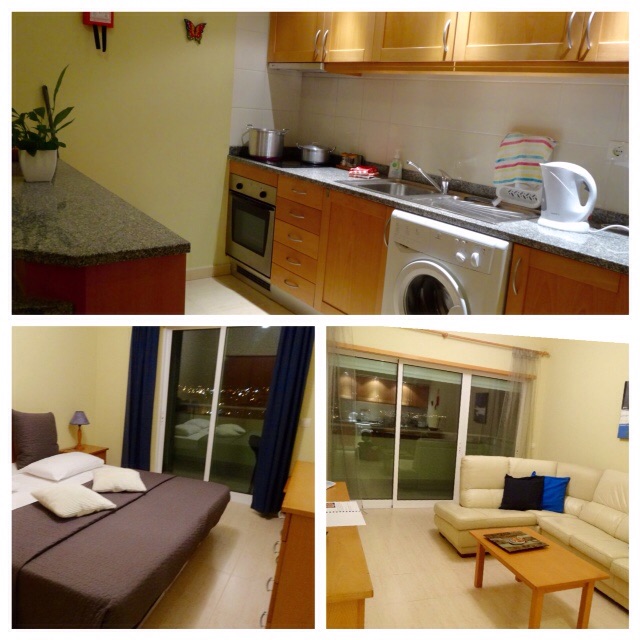
We meet our host, and his two children, at our Portimâo Airbnb apartment at 6:00.  It doesn’t take us long to decide to extend our stay here from four nights to a full week. It is a lovely apartment on the 11th floor of a new apartment building and the price is certainly right, only $35 Canadian a night!
image


Sintra, Portugal, Day 2

Sunday, October 25

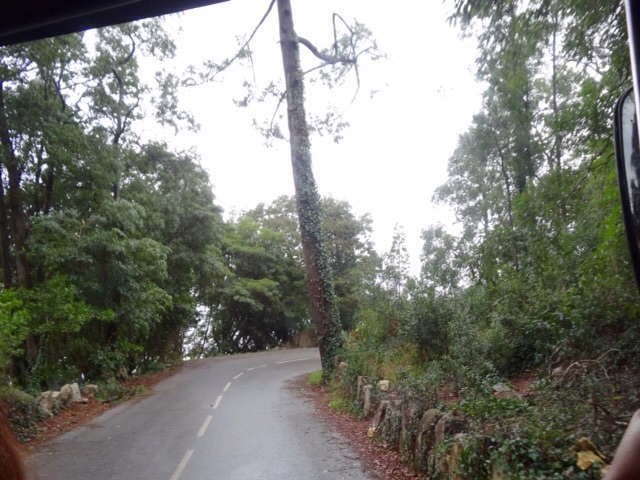
Our second day in Sintra starts out rainy but it is supposed to clear up by early afternoon. We catch the bus near the palace we visited yesterday and head up the steepest, narrowest road we have probably ever been on.  The bus had to stop and back up three times to navigate the hairpin turns.  We were standing in the front of the bus so had a view of the road ahead, which, by the way, soon lost the center line and became a one way road as it was too narrow for traffic in both directions.

image

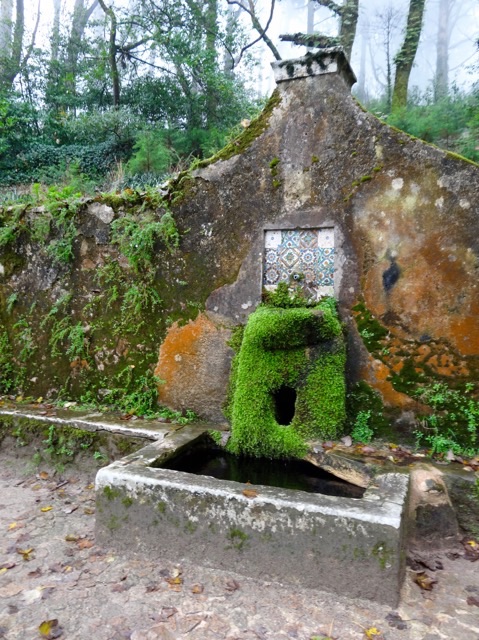
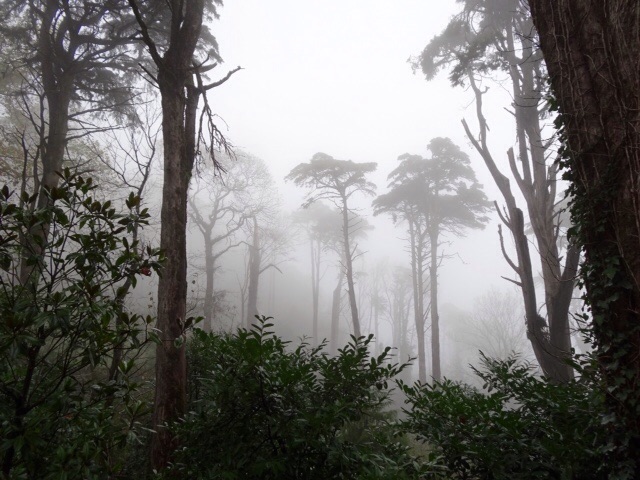
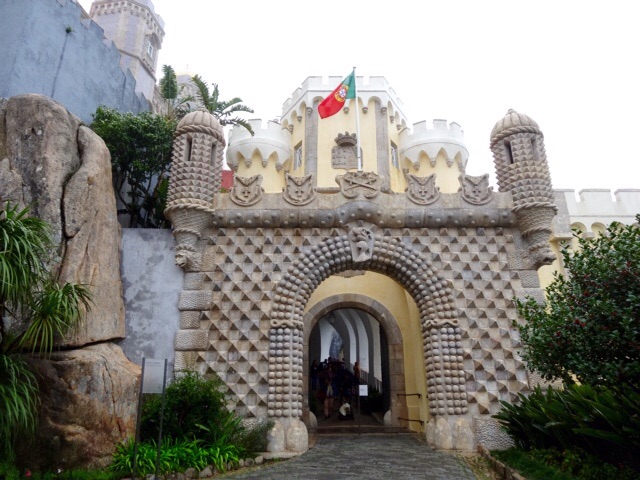
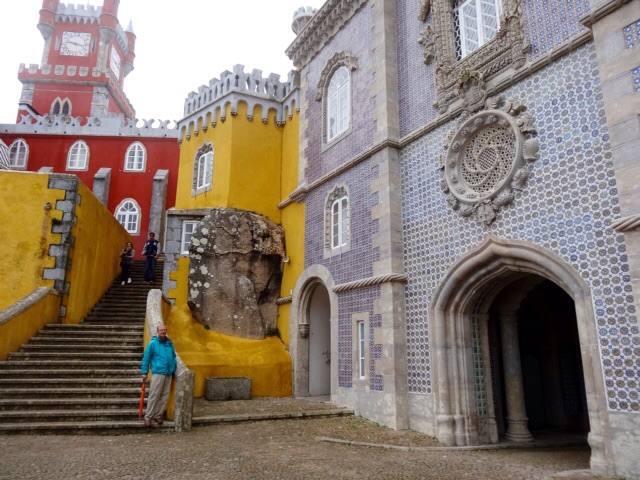
A pretty little fountain on the walk through the park on the way to the Palace of Pena image  It was very misty so we couldn’t see very far but it was pretty.imageSoon we get our first glimpse of the Palace of Pena. This palace was one of the last residences of the Portuguese Royal Family. It is a fairy tale castle with Moorish and Manueline influences and is one of the finest example of Romantic Era architecture in Portugal. This link has more information about the palace and the park that surrounds it if you are interested.   https://en.m.wikipedia.org/wiki/Pena_National_Palace#image

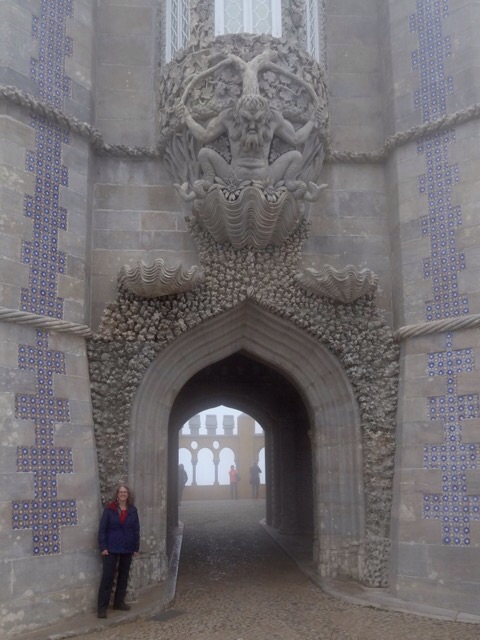
We enter through this grand gate.image

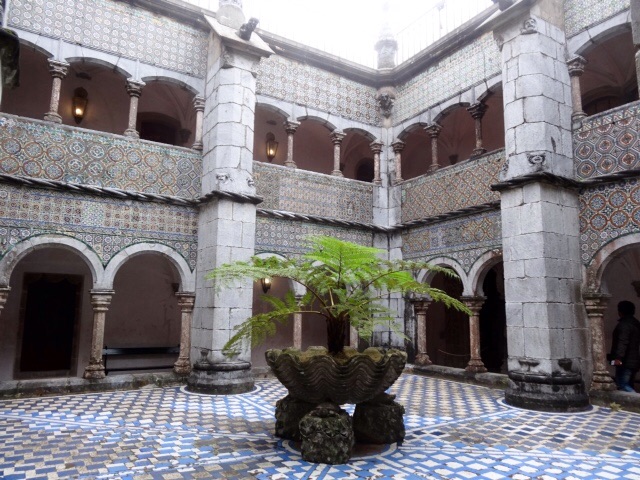
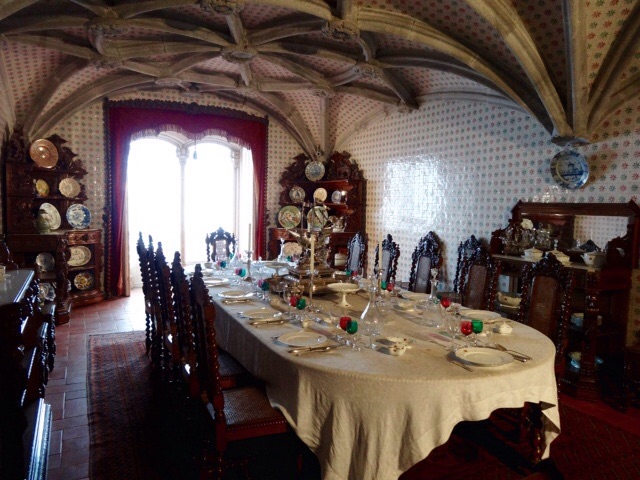
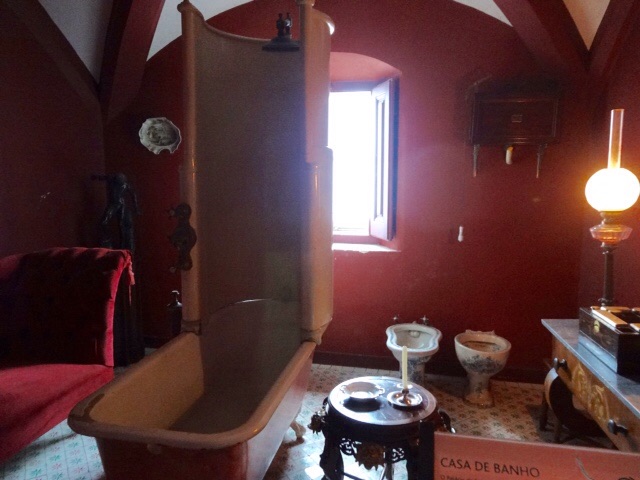
The next gateway is just as spectacular. Love it!imageThe Cloister is part of the original 16th century Monastery that was built into the present Palace.  It is decorated with Hispanic-Arabic tiles from 1520.image  The dining room has a sculpted ceiling and tiled walls…imageand here is one of the first bathrooms in the Palace. image

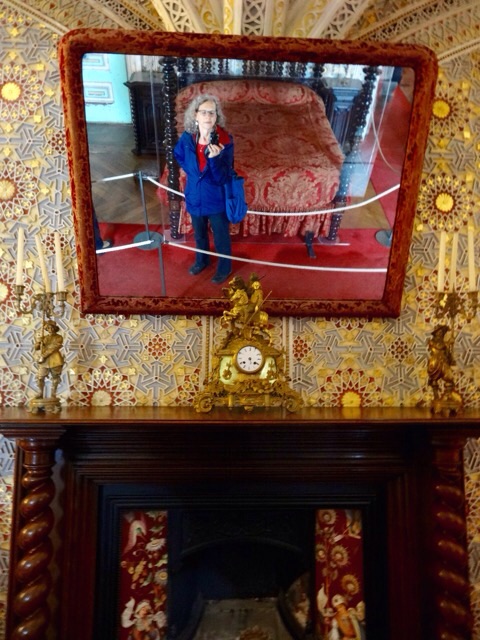
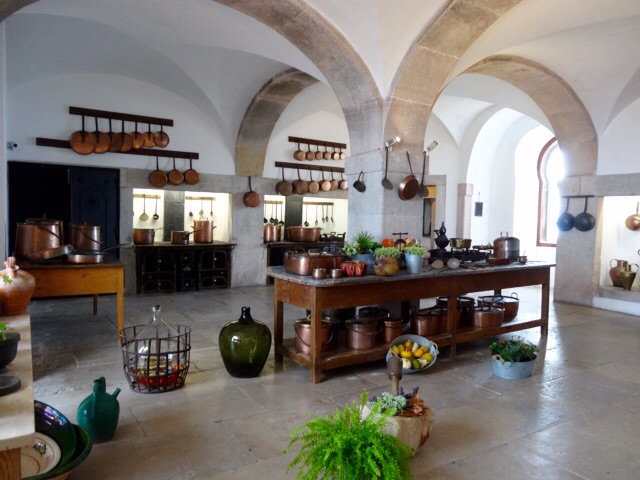
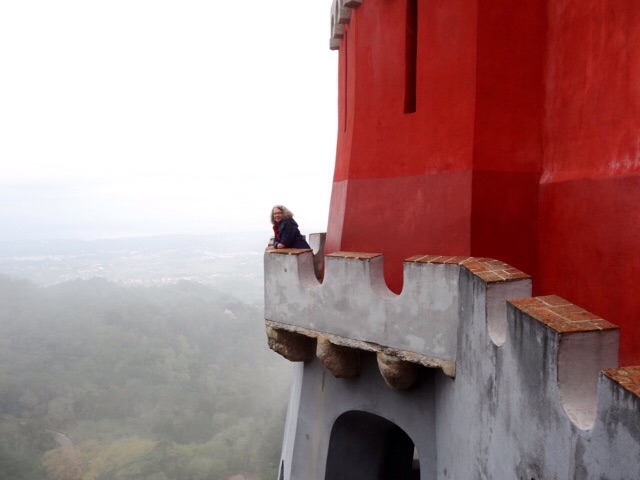
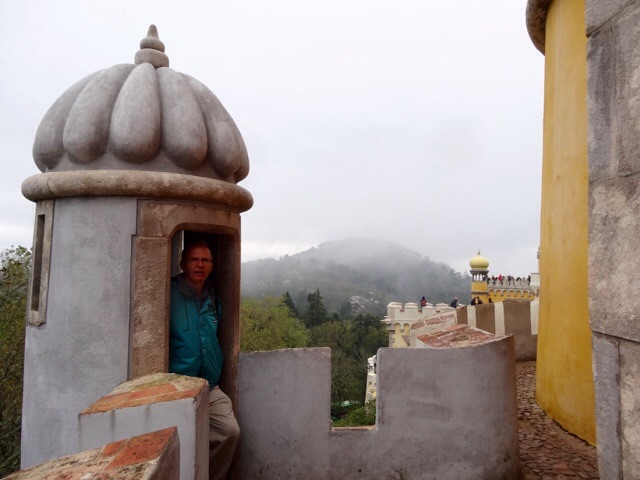
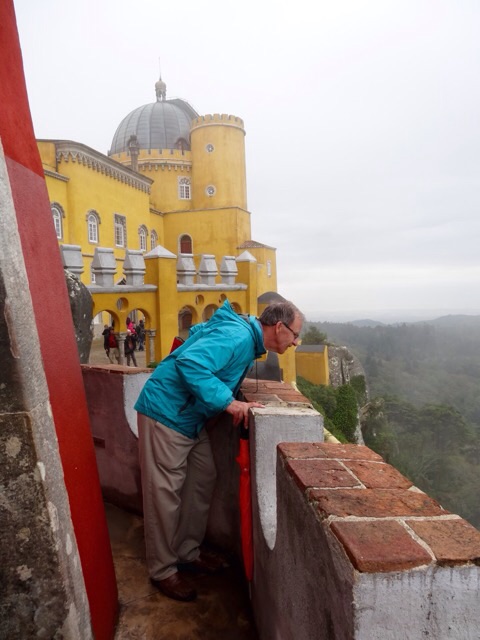
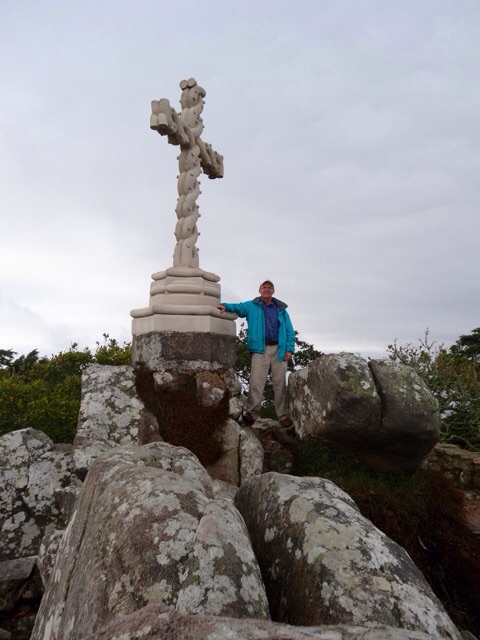
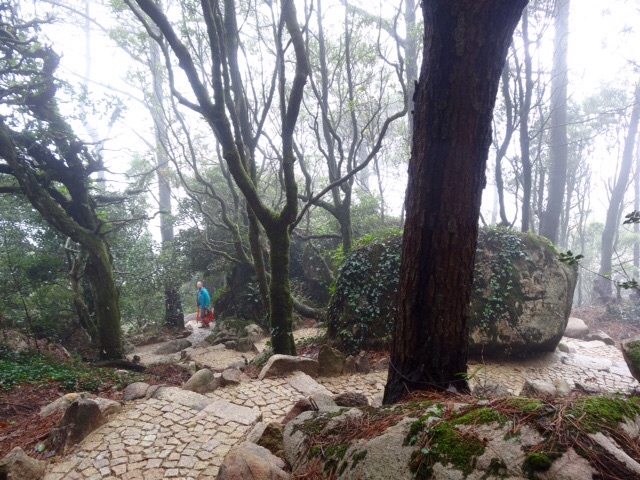
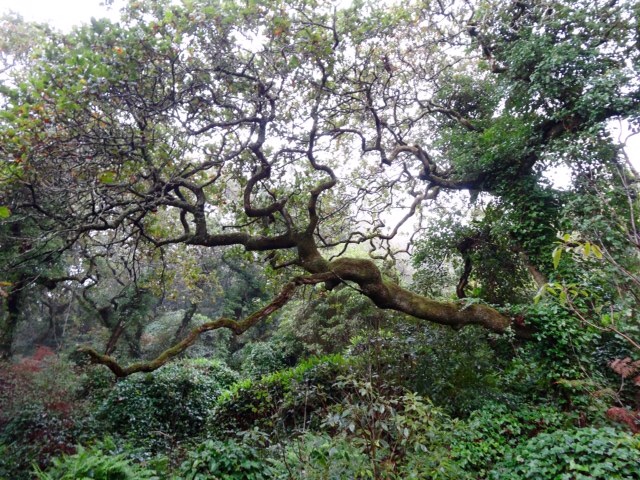
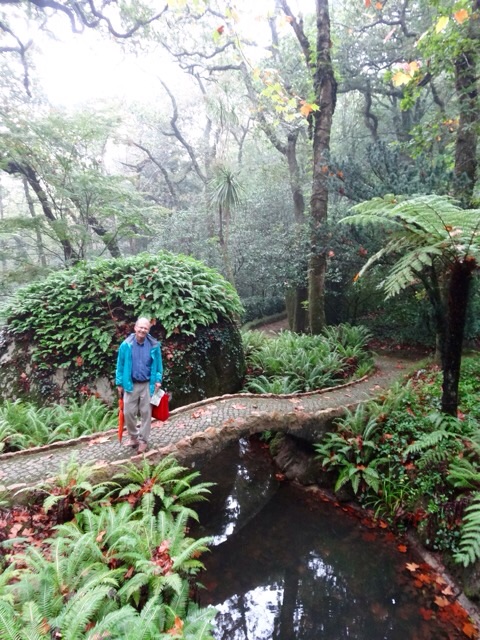
I am in the bedroom of King Ferdinand II.image and both of us in the Billiard room.image The kitchen is huge and has the original pots, pans and ovens.image  Next we explore the outside of the Palace.image image image imageThe weather hasn’t improved all that much but we decide to hike up to the Cruz Alta, where there is a carved stone cross.  This is the highest point in the Sintra Hills.imageThe walk up to the cross was lovely.  The park around the castle covers 85 hectares with several historic gardens and many buildings and grottos.image imageOn the way down from the cross we take this little crooked very winding path which eventually takes us to the Valley of the Lakes but not without some detours along the way.image

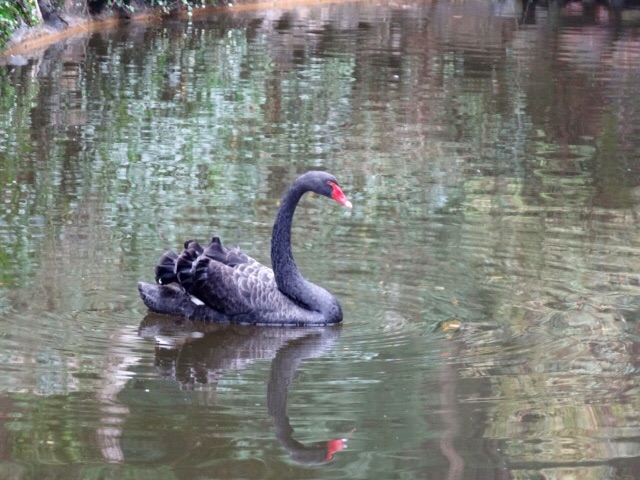
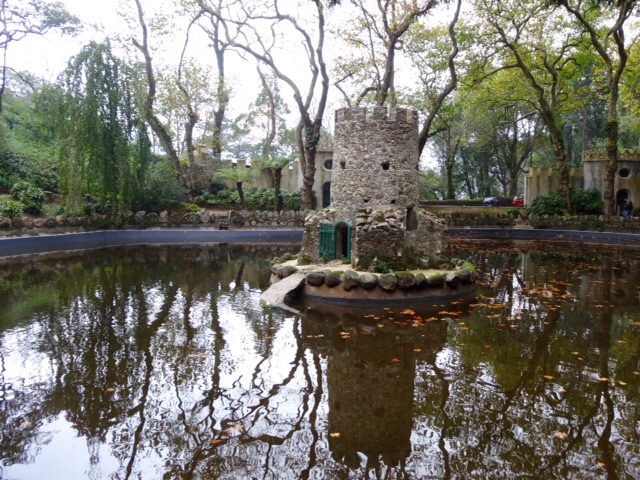
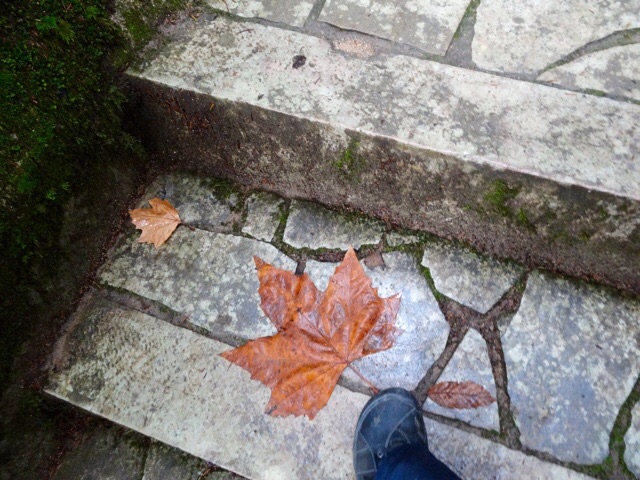
The view from one of the paths.  That village way in the distance actually had sunshine.image image image imageThe Valley of the Lakes has a castle tower for a duck house. We didn’t see many ducks, but we did see this beautiful black swan.image  The leaves are falling and they are huge!image

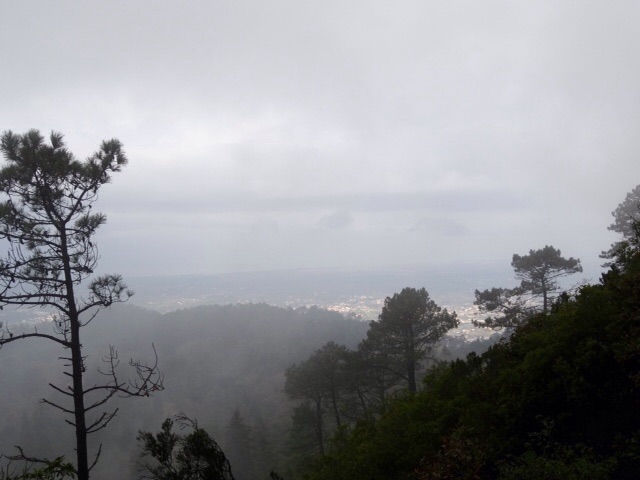
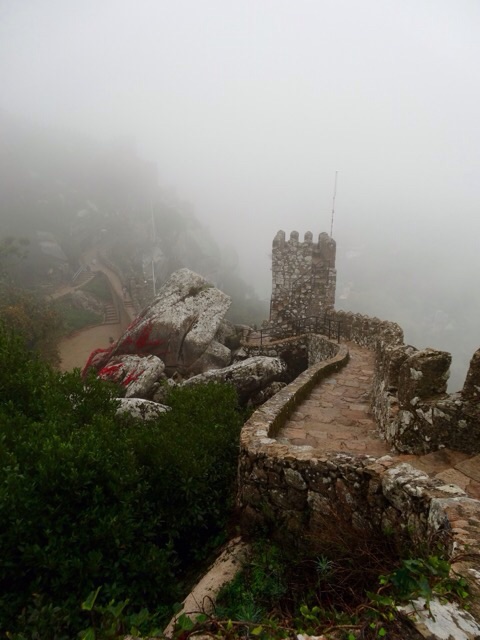
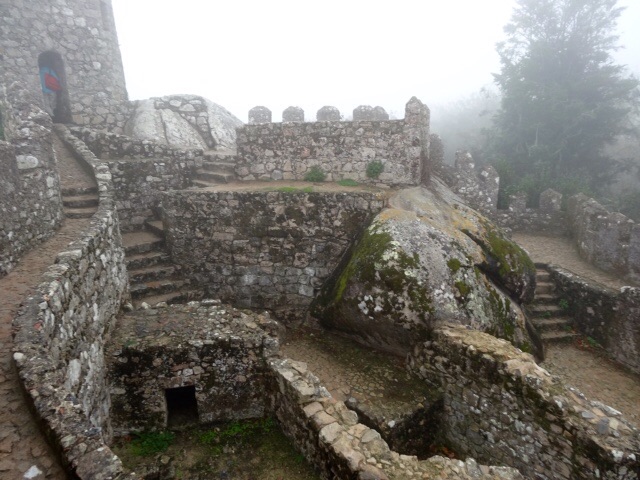
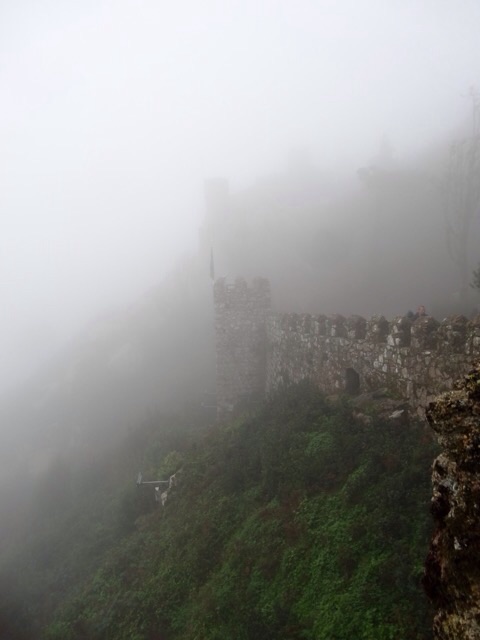
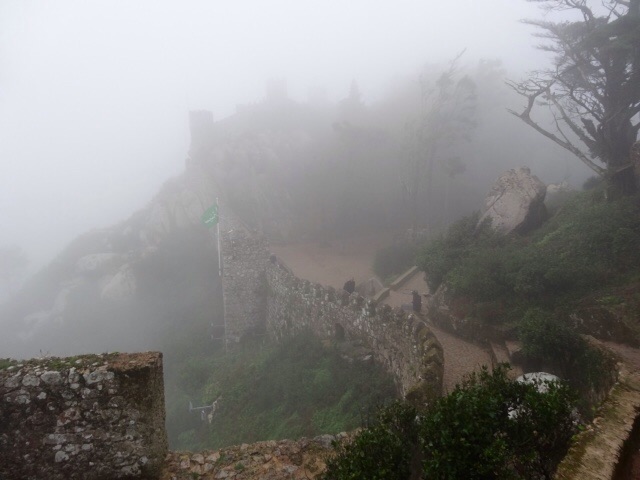
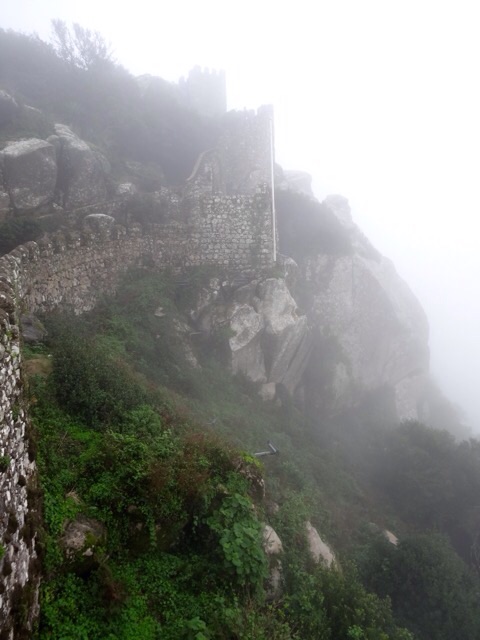
We still want to see the Moorish Castle so we hike over there and have about an hour and a half before it closes. This castle was built between the 8th and 9th century by the Moors to defend the local territory and the Maritime access to Lisbon. There was a bit of blue sky but it quickly disappears, along with the supposedly fantastic views from the walls and towers.  On a clear day it is possible to see the Atlantic Ocean, but we are barely able to see the castle! image
image

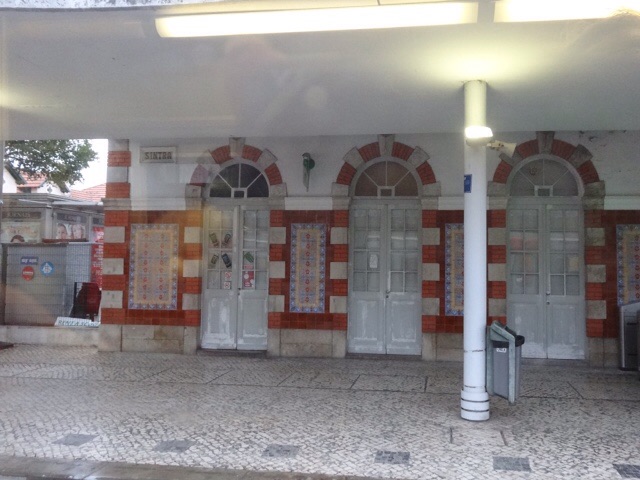
In some places along the castle walls the walkways are not much more than 18″ wide, and there are no railings!image imageWe finally admit defeat even though we have only seen a very small part of this ancient castle. We are cold and wet and can’t see much of anything so we decide to hurry back to the bus stop and try to catch an earlier bus and train home.  We get there just in time and we manage to get a seat for the ride, which takes us all the way to the train station. I am happy not to walk that long curving road from the station up to the Sintra Palace where we caught the bus this morning.imageimageThe Sintra Station is the only train station we have seen that isn’t coverd in graffiti. It has been a good day, but also a long cold, wet day and I am glad to be heading home.image


Sintra, Portugal

Saturday, October 24

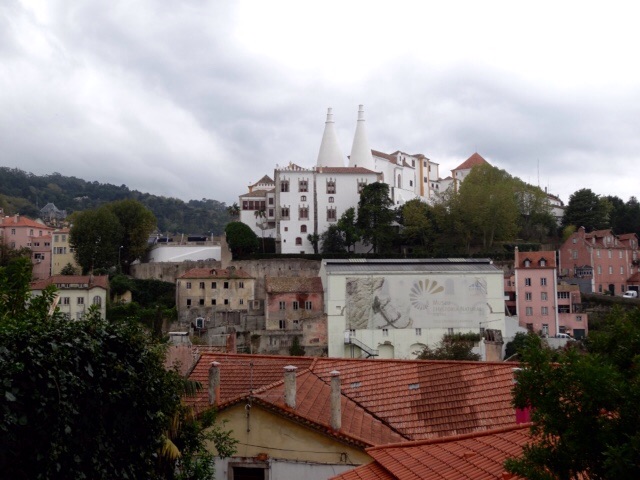
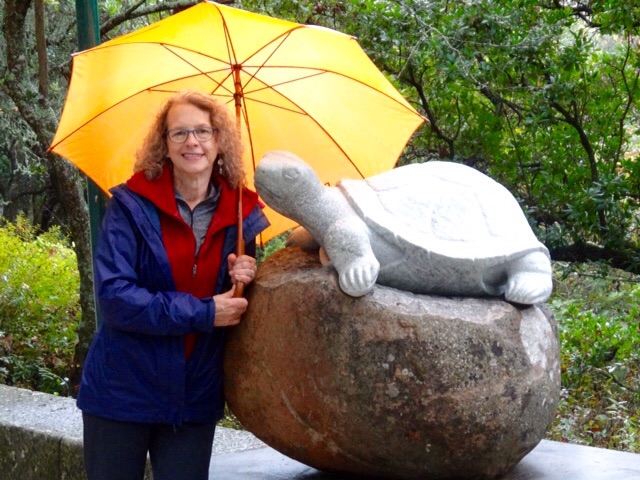
Today we visit Sintra, a beautiful town in the foothills of Portugal’s Sintra Mountains, near Lisbon.  It is about a half hour car and train ride for us from our Caxias apartment. The Sintra National Palace is easily identified by its large twin chimneys.imageIt is about a half hour walk from the train station to the palace, in the drizzling rain.  I stop to visit with this cute little fellow. There are numerous statues all along the curving uphill walk to the palace.image

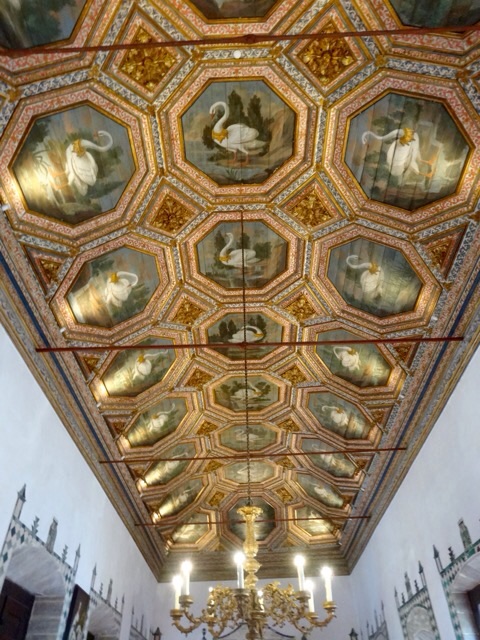
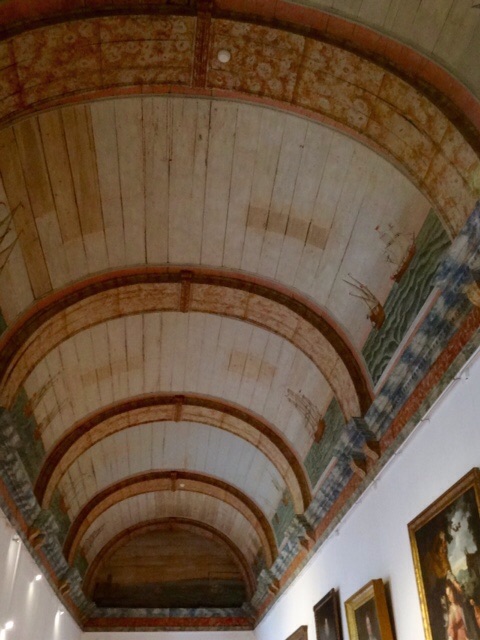
The palace is spectacular and one of its main features are the ceilings.  They are all ornately decorated.  This is the ceiling of the Swan Room, decorated with 27′ swans in different poses.image

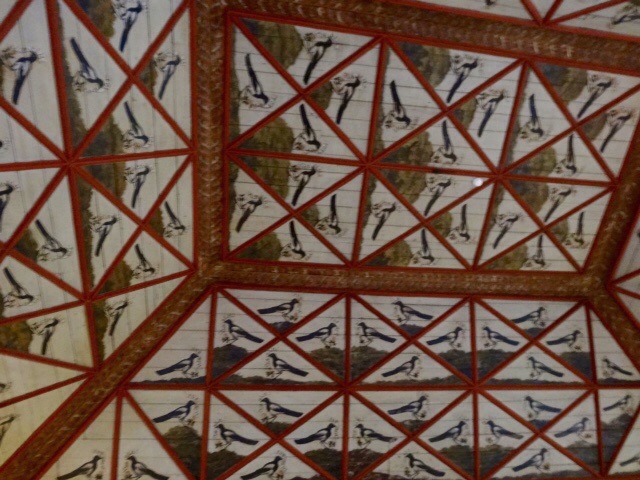
The Magpie Room celebrates one of my favourite birds.  It dates back to the 15th Century and it has136 magpies, each holding the king’s banner in its beak and a white rose in its claws.

image  Bob liked the Galley Room whose domed ceiling is covered with 17th and 18th century seascapes and vessels of the naval  powers of the time, the Ottomans, Dutch, and Portuguese.image

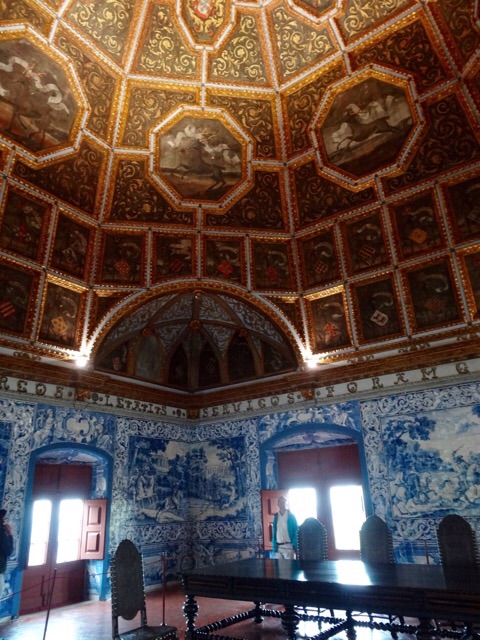
The Blazons Hall ceiling has the Portuguese Royal Arms, the coats of arms of the eight children of King Manuel I and the coats of arms of the 72 most influential families of the kingdom.  The walls are covered with beautiful blue and white tiled scenes.  It is a stunning room.

image

We spent about two hours in the palace and then found a quiet little reading room where we had a rest and ate our lunch.  It was raining so we weren’t in a rush to get back outside, but eventually we explore some of the streets and shops before our walk to the train.

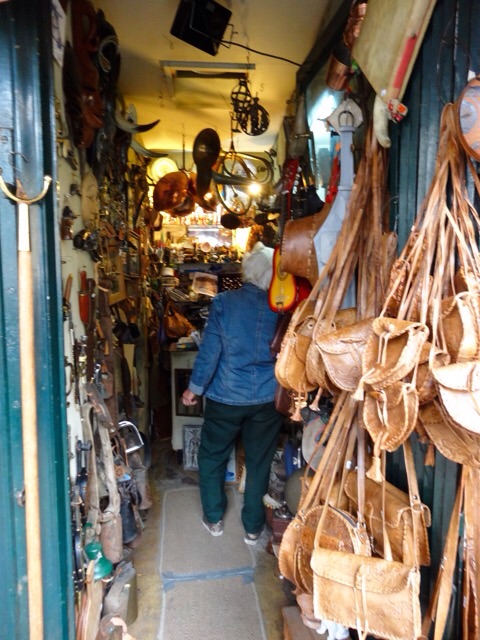
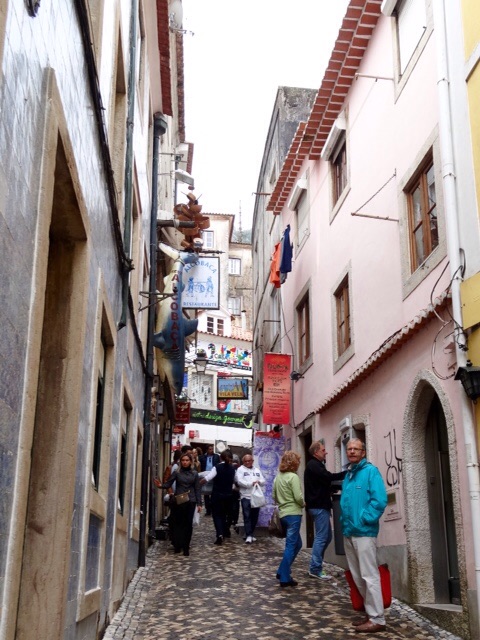
Some of the shops are very small, like this one, which was only about four feet wide…image  and the streets are very narrow.image

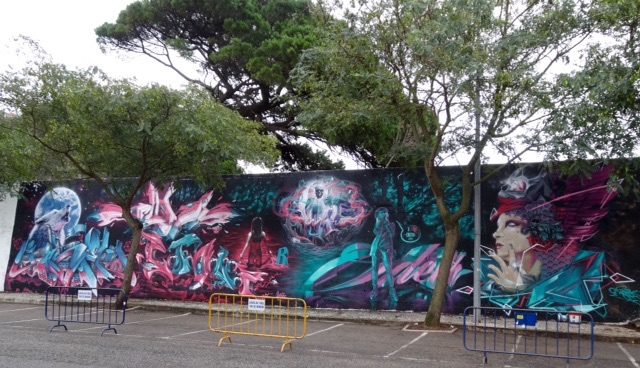
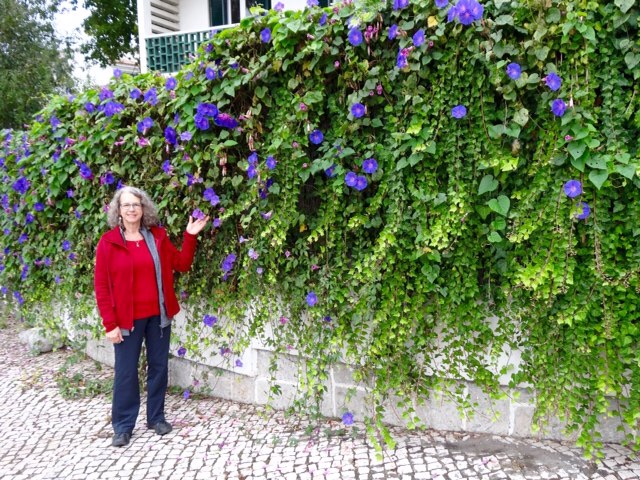
Back at the train station parking lot I notice this wall of street art/graffiti.  It is much nicer than most of the graffiti we have seen and we have seen a lot of it.  Unfortunately most of it is pretty ugly and it is often defacing private property.imageThese morning glory vines are growing  on a wall near our Caxias apartment.  The ones we plant at home never grow anywhere near as wonderfully as these.image