Day 35 Saturday, October 4, 2025
It is a 45 minute drive to Mainz, and Bob has several items on our ‘must see’ agenda. First stop is the market. The flowers at these markets are always so beautiful and very reasonably priced.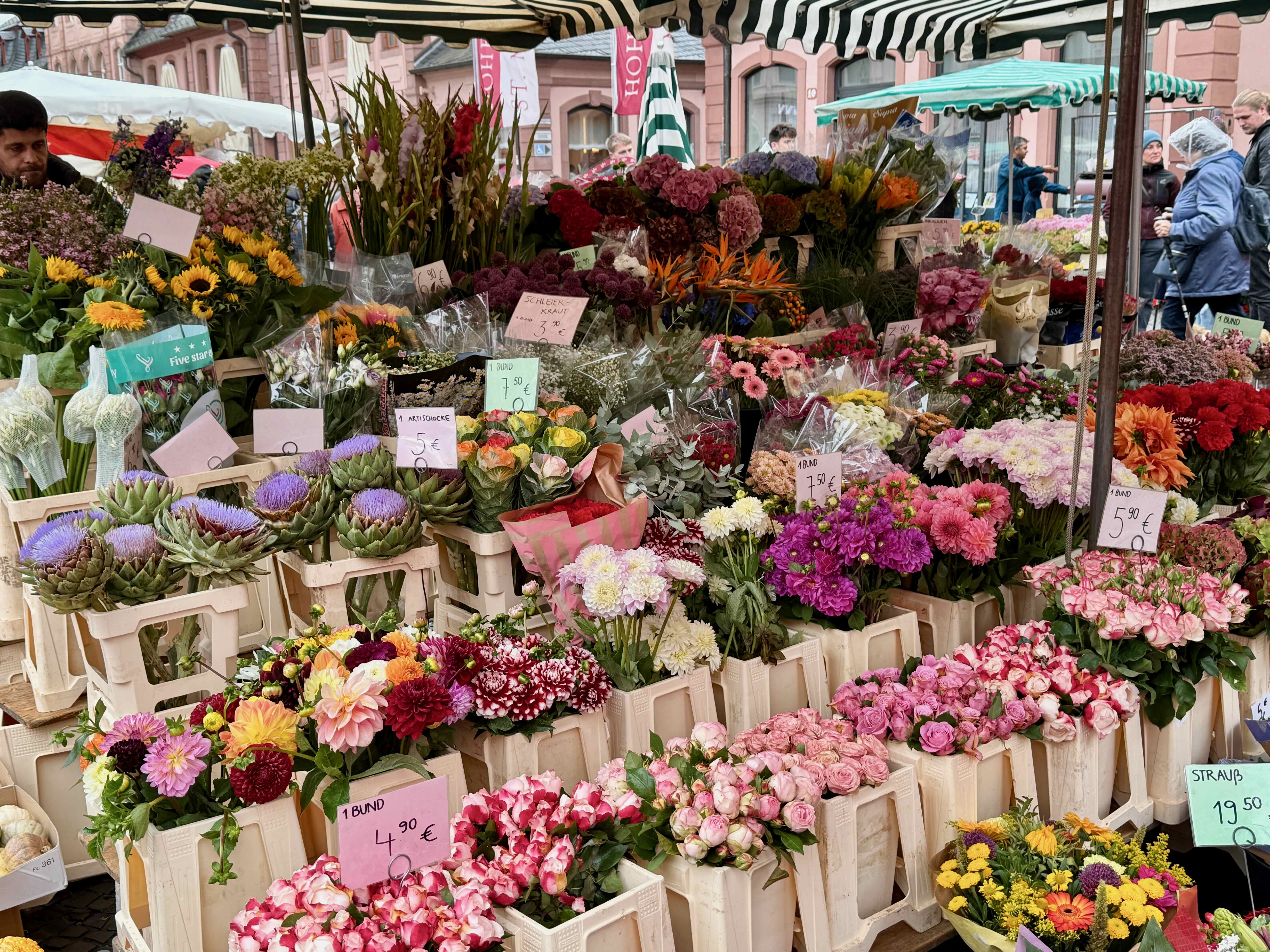
The main sculpture in the main square (market) of Mainz is the Heunensäule, or Hay Column. It is a 1,000-year-old sandstone column with a bronze casing, depicting various symbols of Mainz’s history and culture like a fool’s cap and bishop’s miter. It is in the market square in front of the Mainz Cathedral. 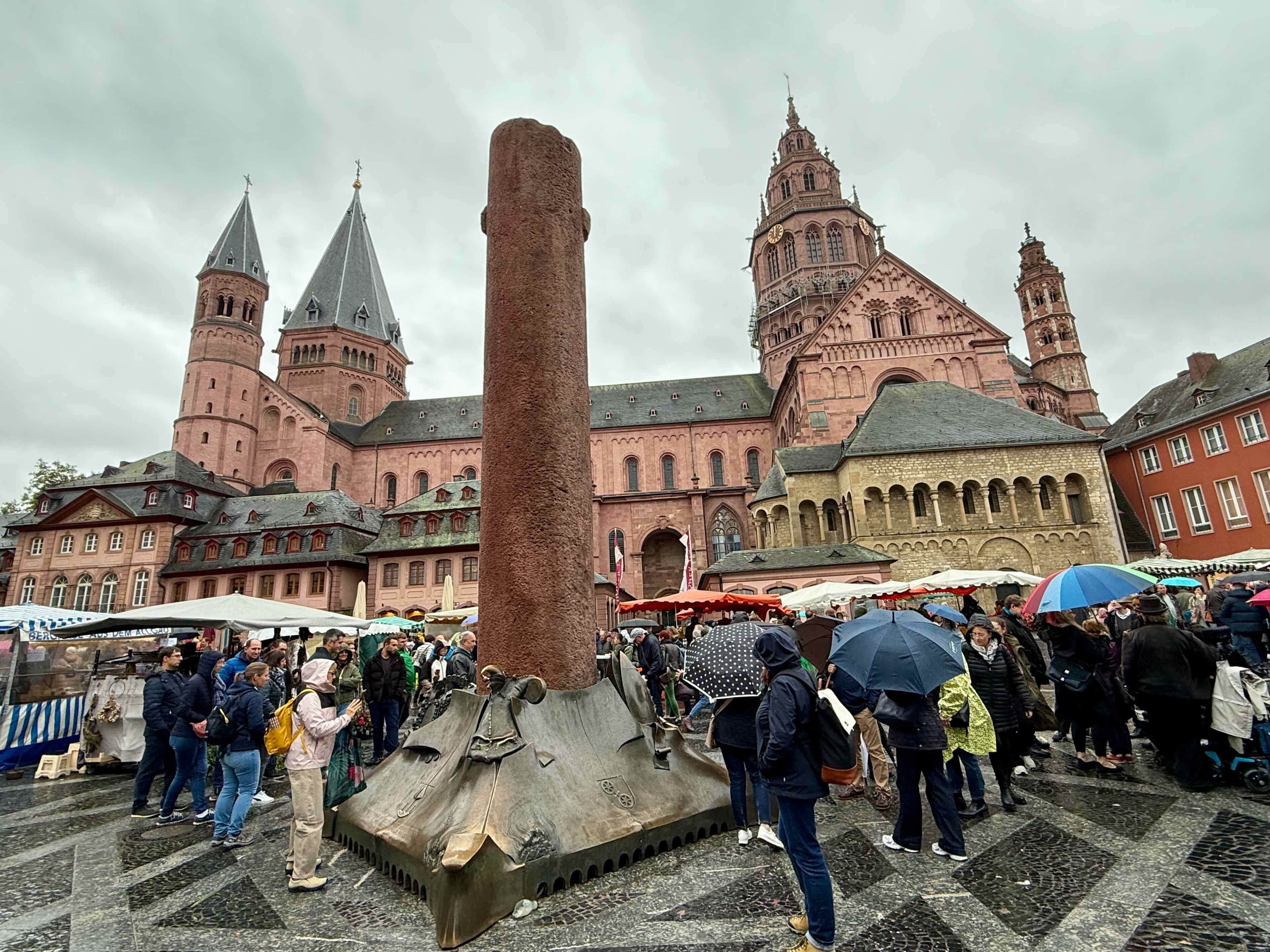
I like this wishing well and we both toss in a coin and make our wishes.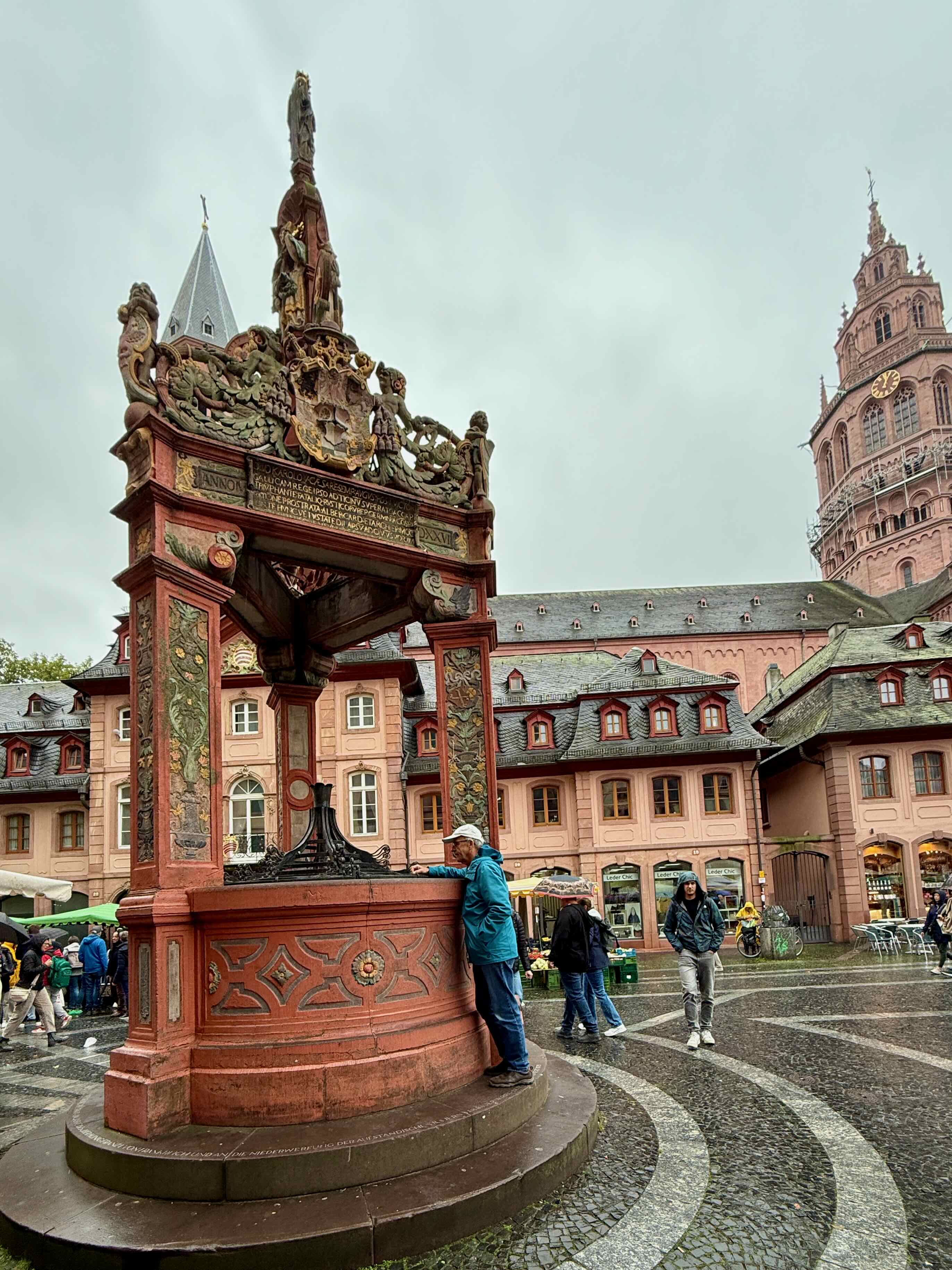
We both like the interestingly shaped squash…we might have to try growing some next year.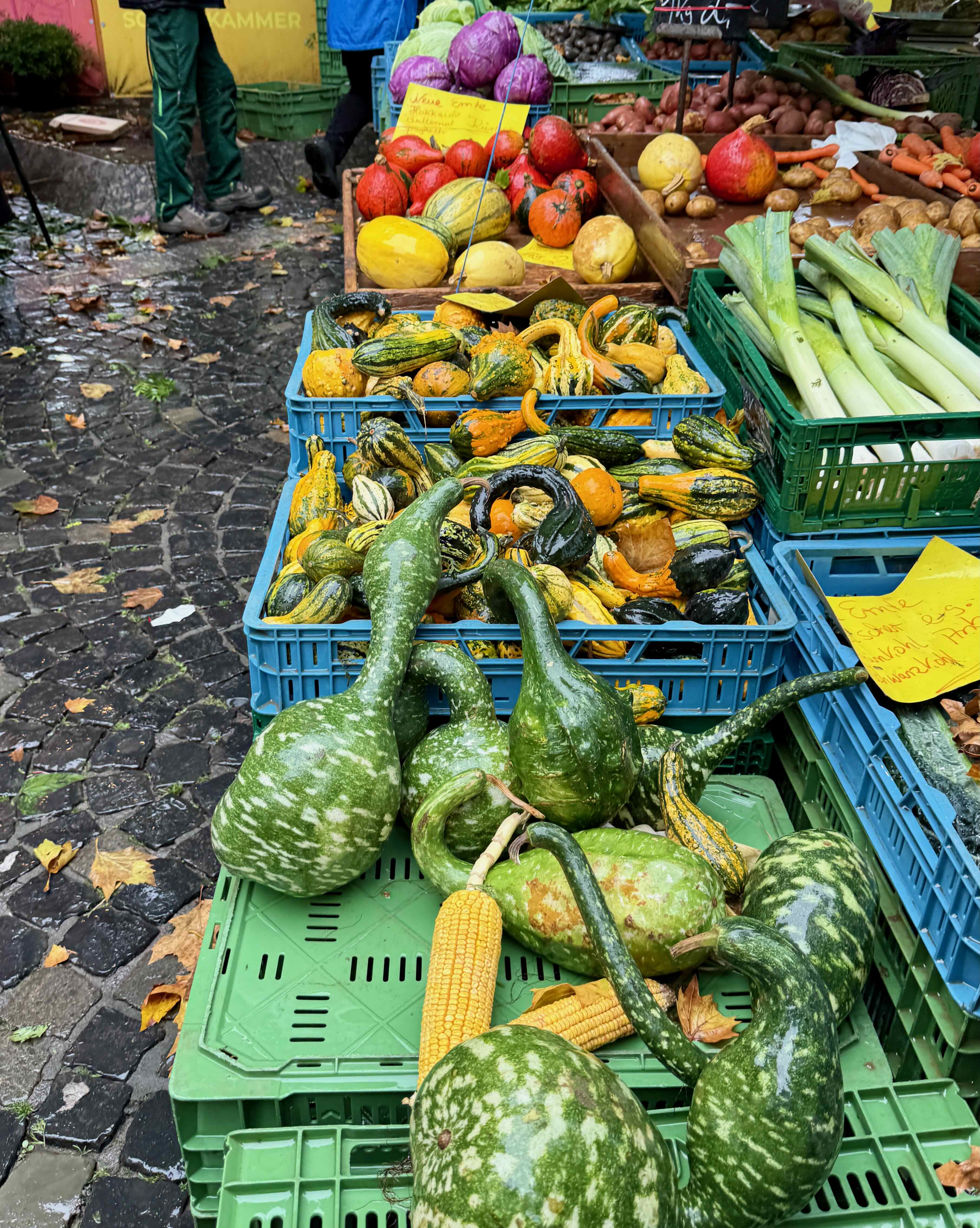
We have seen these coloured eggs in the grocery stores and wondered what they were. Turns out they are hard boiled eggs that are coated in a tinted resin that keeps them fresh for months! The colour helps to identify them as being hard boiled.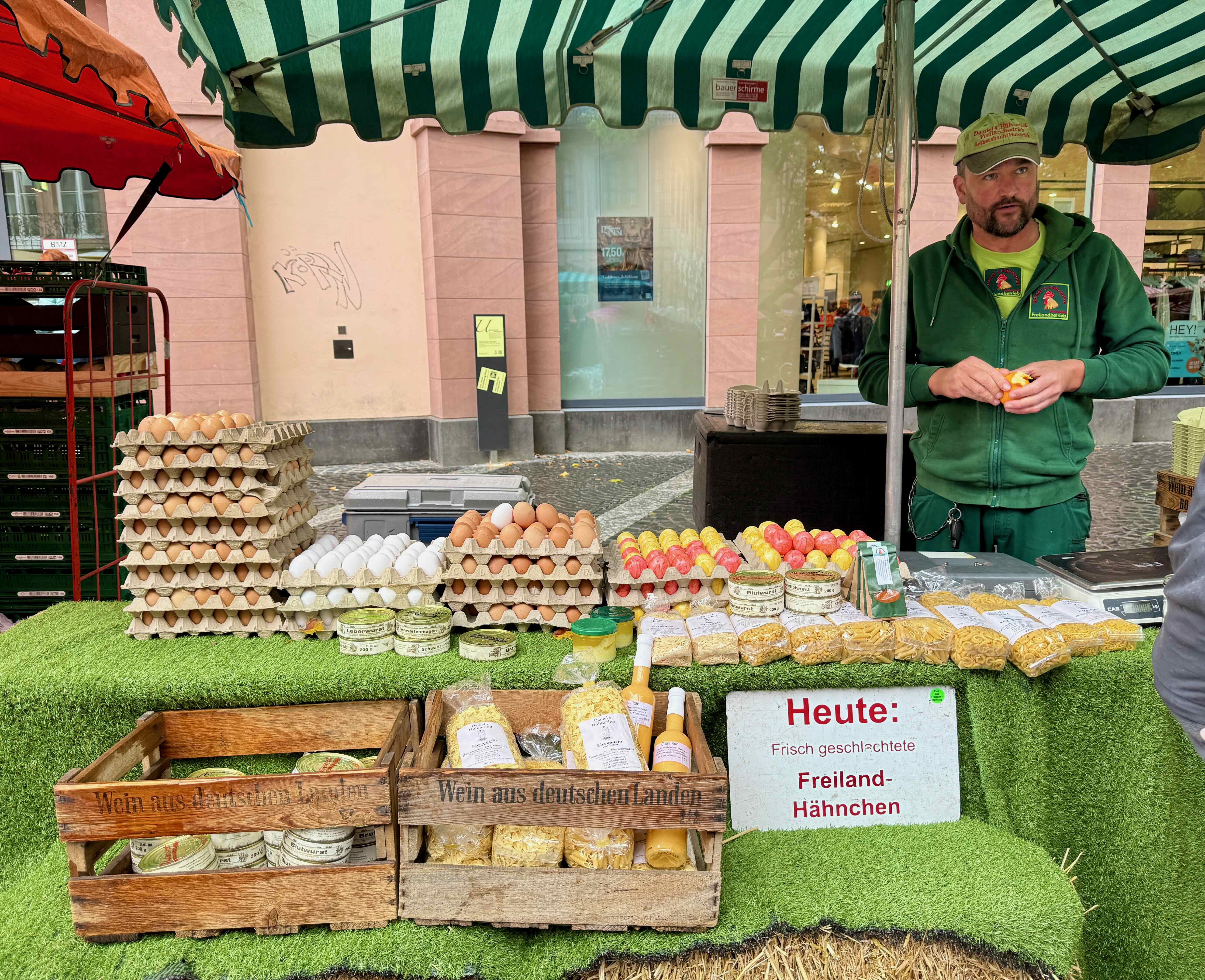
Gorgeous sunflowers! I am definitely planting some of them in our garden next year. They are so cheerful.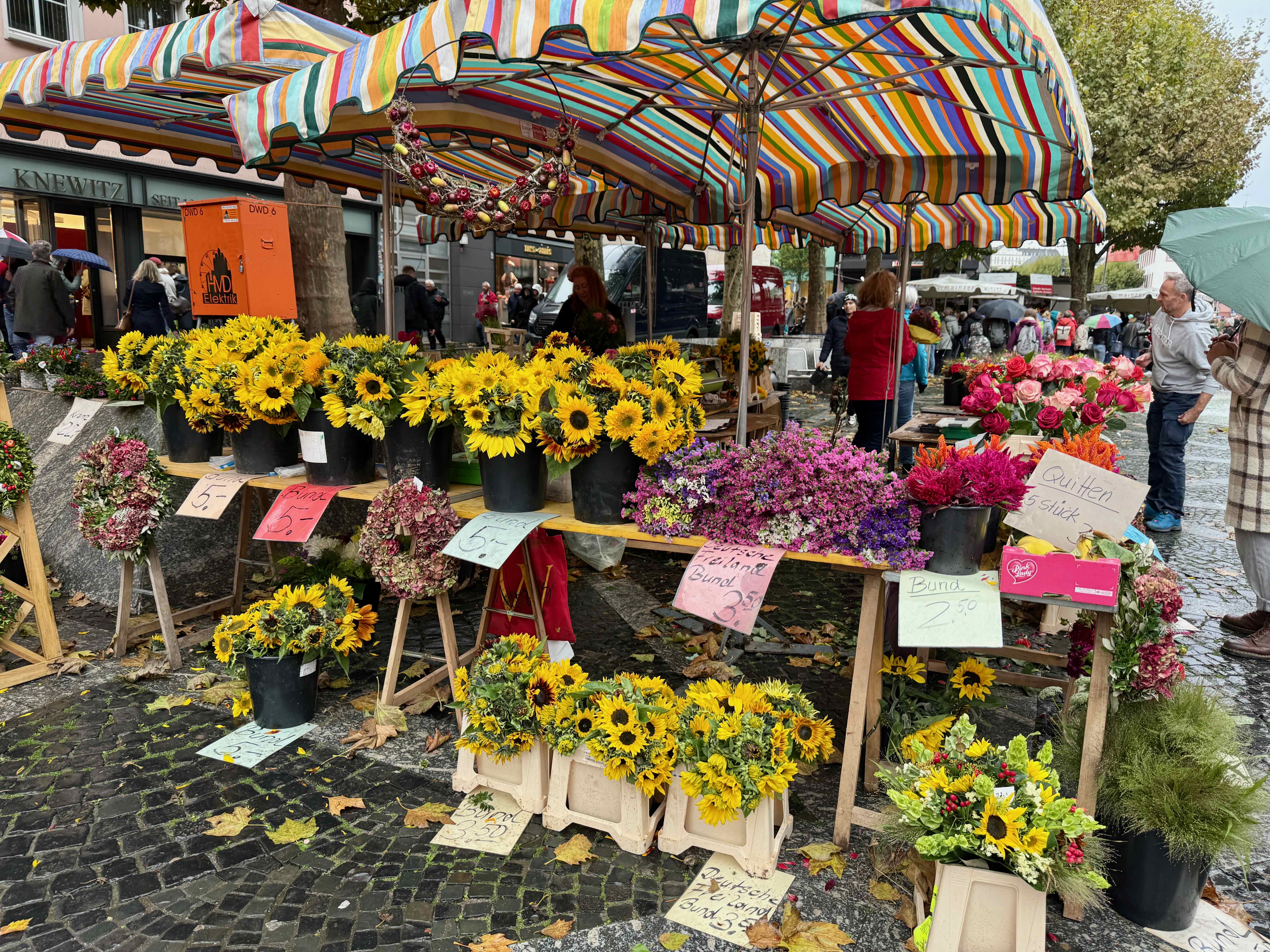 Next stop in the Mainz Cathedral. We are met at the door and told that there is a concert starting and if we enter the church we have to stay for the 45 minute concert. Sounds perfect as it is raining and cool outside!
We spend the next 45 minutes listening to an amazing organ concert to commemorate the new cathedral organ. The musician, Alexander Grün, is only 25 years old and has three Masters Degrees! He plays some traditional organ music and then music that is innovative. The 45 minutes absolutely flew by. I sketched for a bit while listening to the music. Loved it. I wish I had recorded more of the music, especially the finale of the concert…it gave me goosebumps! https://youtube.com/shorts/HykSsp-S-9E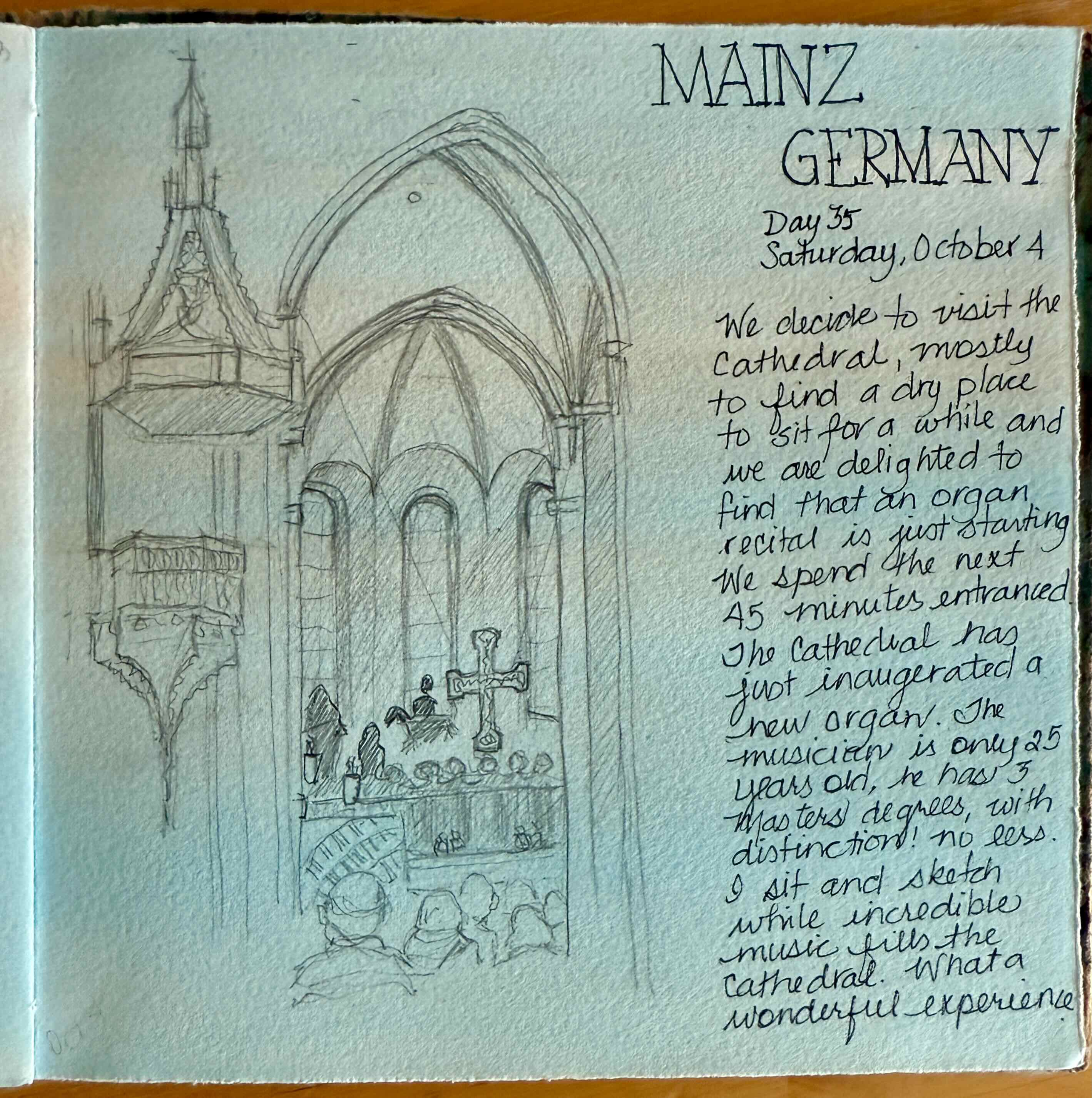
There are fall foods displayed on the steps to the altar to remind people to give thanks for the harvest, and to share with those in need. 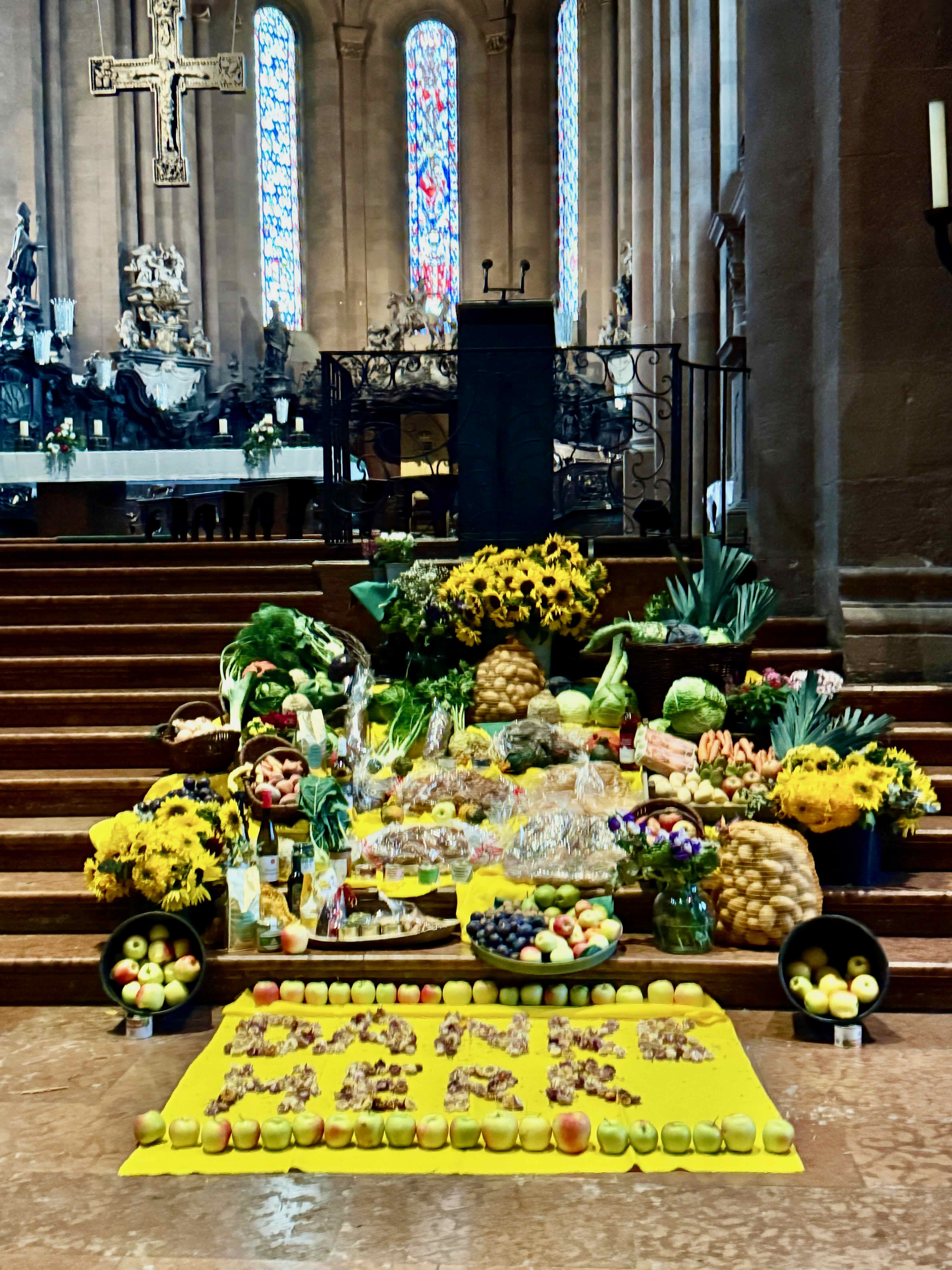
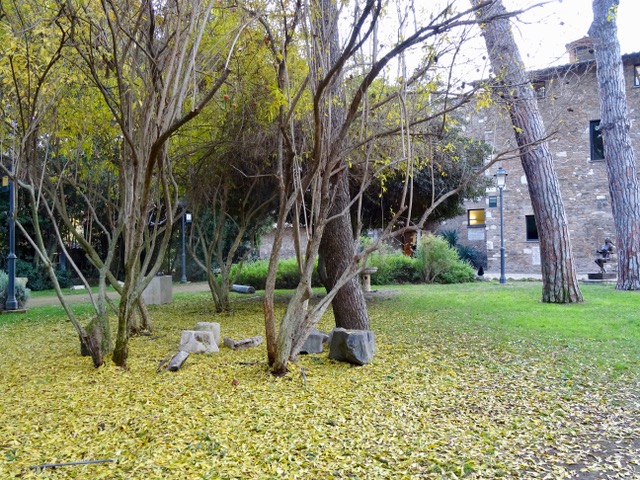
The Cathedral cloister has a beautifully tended garden,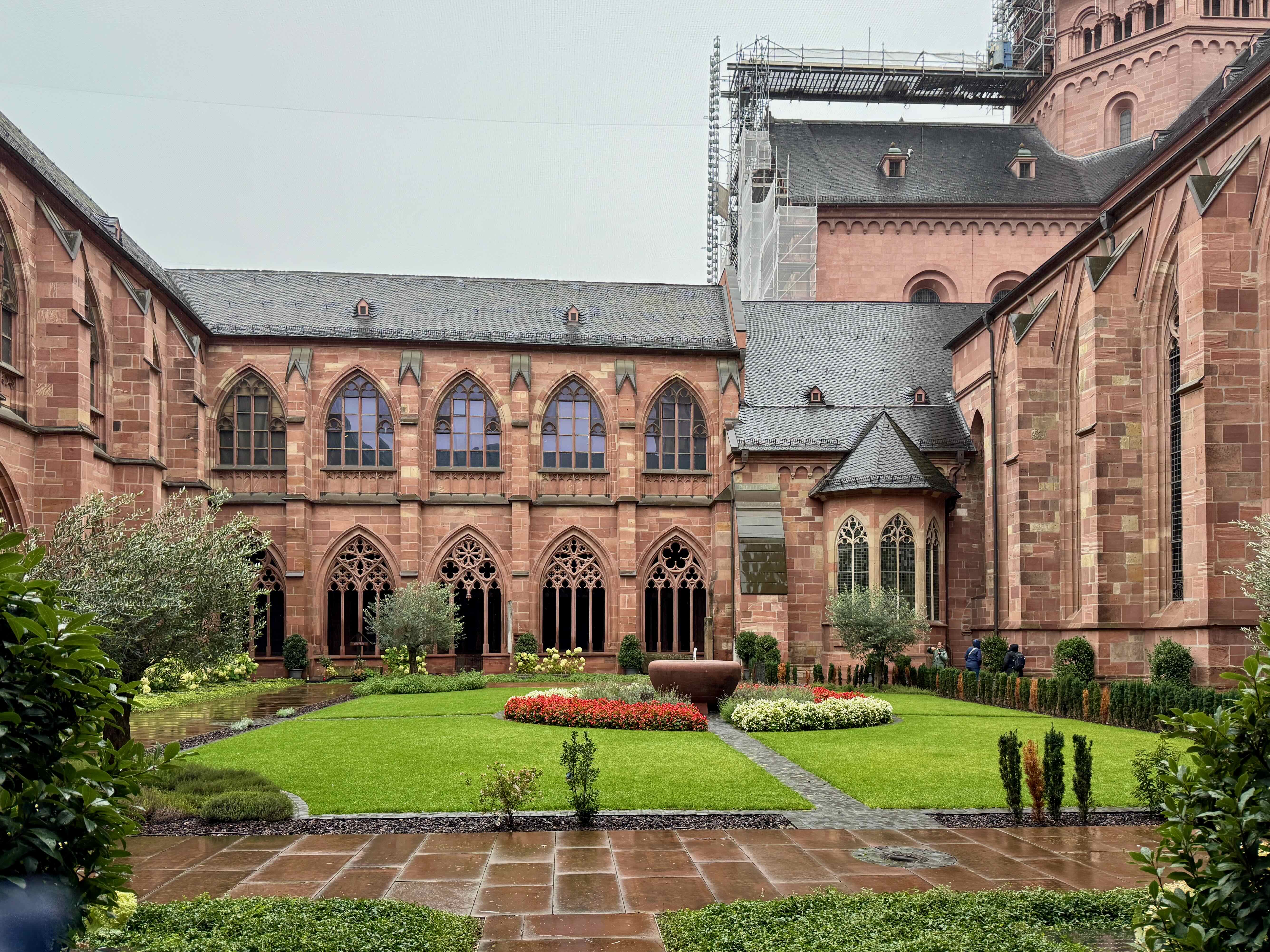
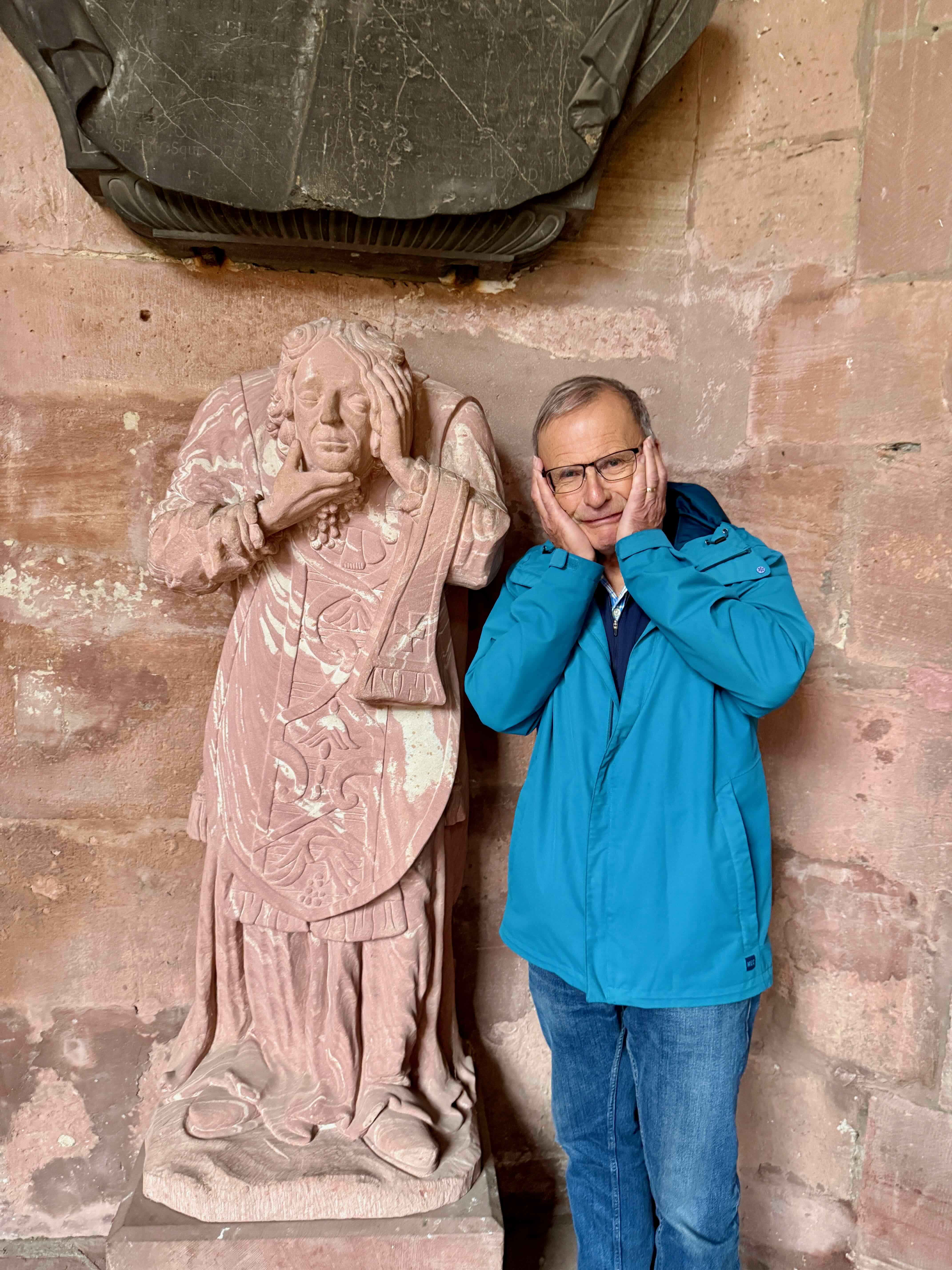
Bob liked this statue statue of a man holding his head. This is probably Saint Denis, who was beheaded but picked up his head and walked some distance, preaching the Gospel.
The buildings surrounding the market square are tall, narrow and decoratively painted.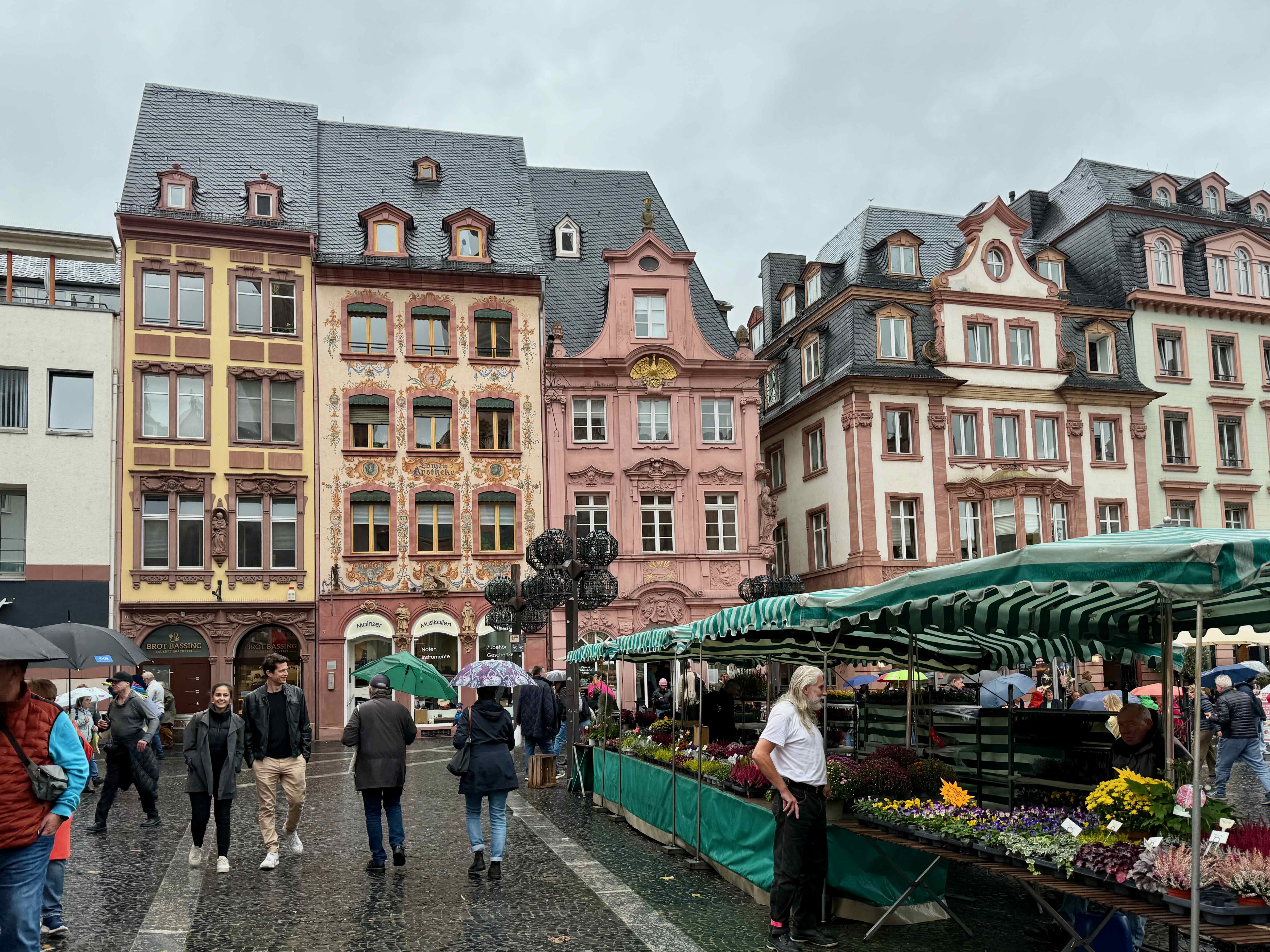 Next on Bob’s agenda is a visit to a small museum underneath a shopping mall. We see Roman ruins from before the fall of the Roman Empire in the 5th century. These ruins were discovered when excavations began for the shopping mall. The area was thoroughly excavated and recorded, but ultimately the mall was built and most of the ruins were destroyed.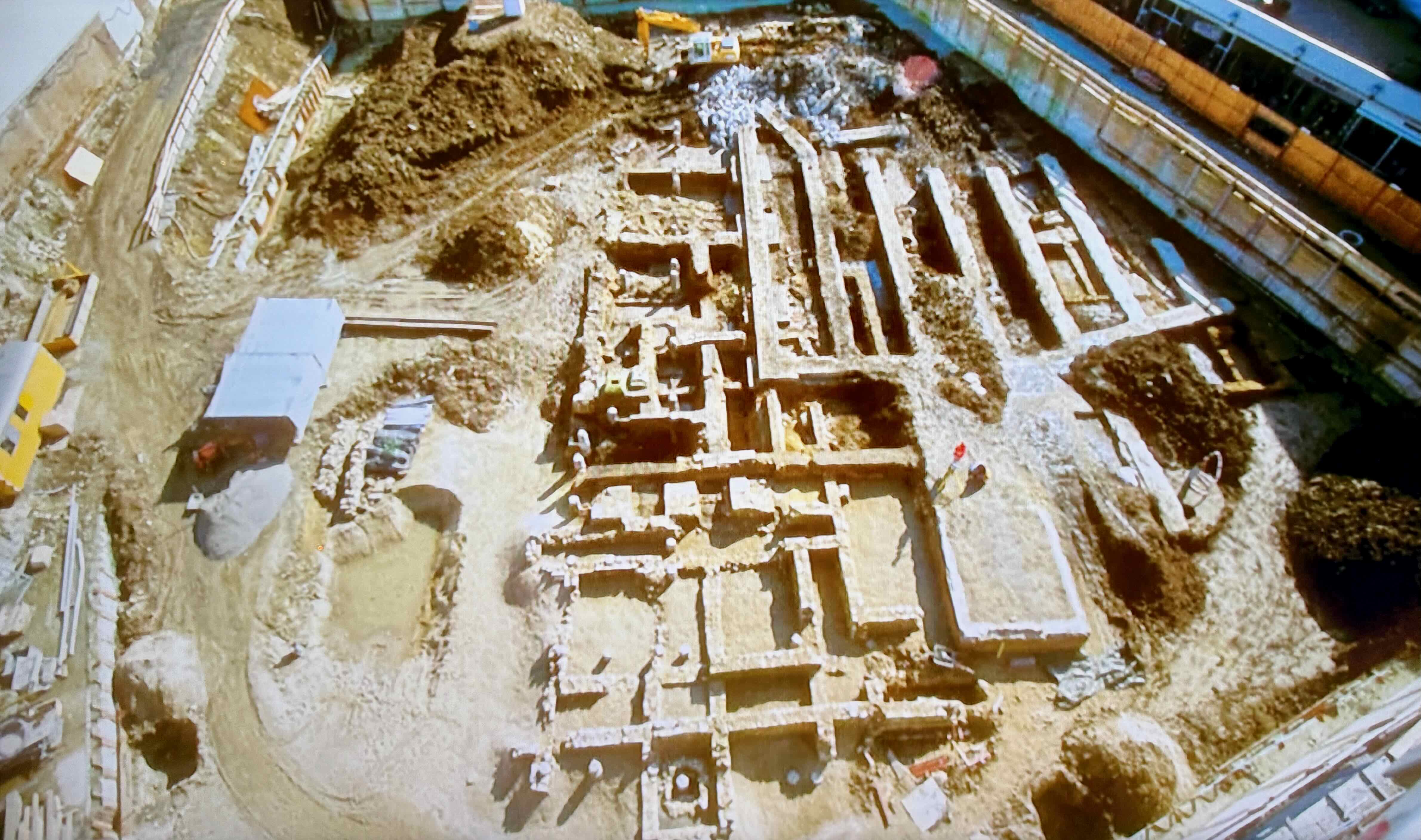
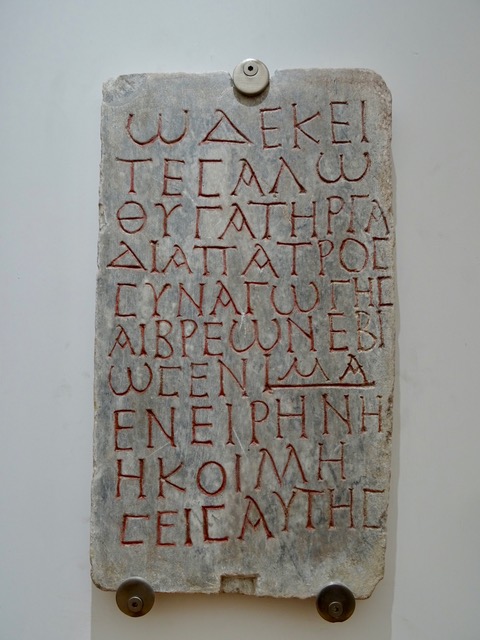
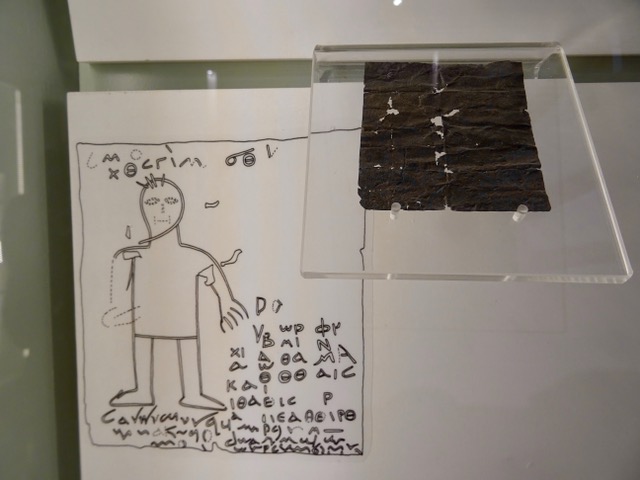
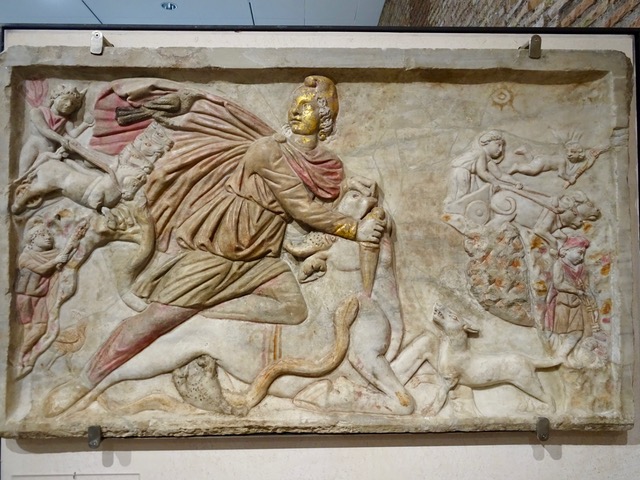
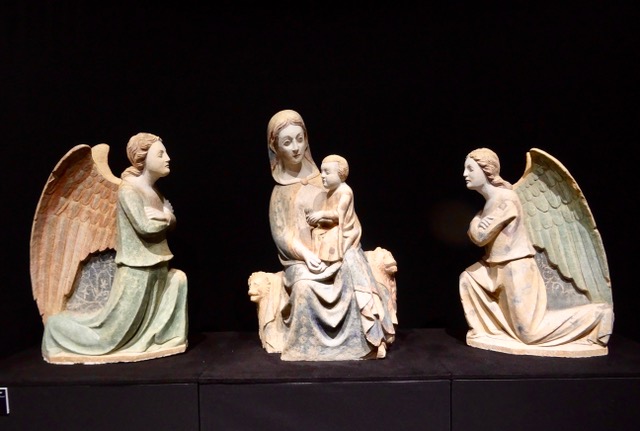
This little museum has the reconstructed ruins of a temple, under a ceiling of constellations. 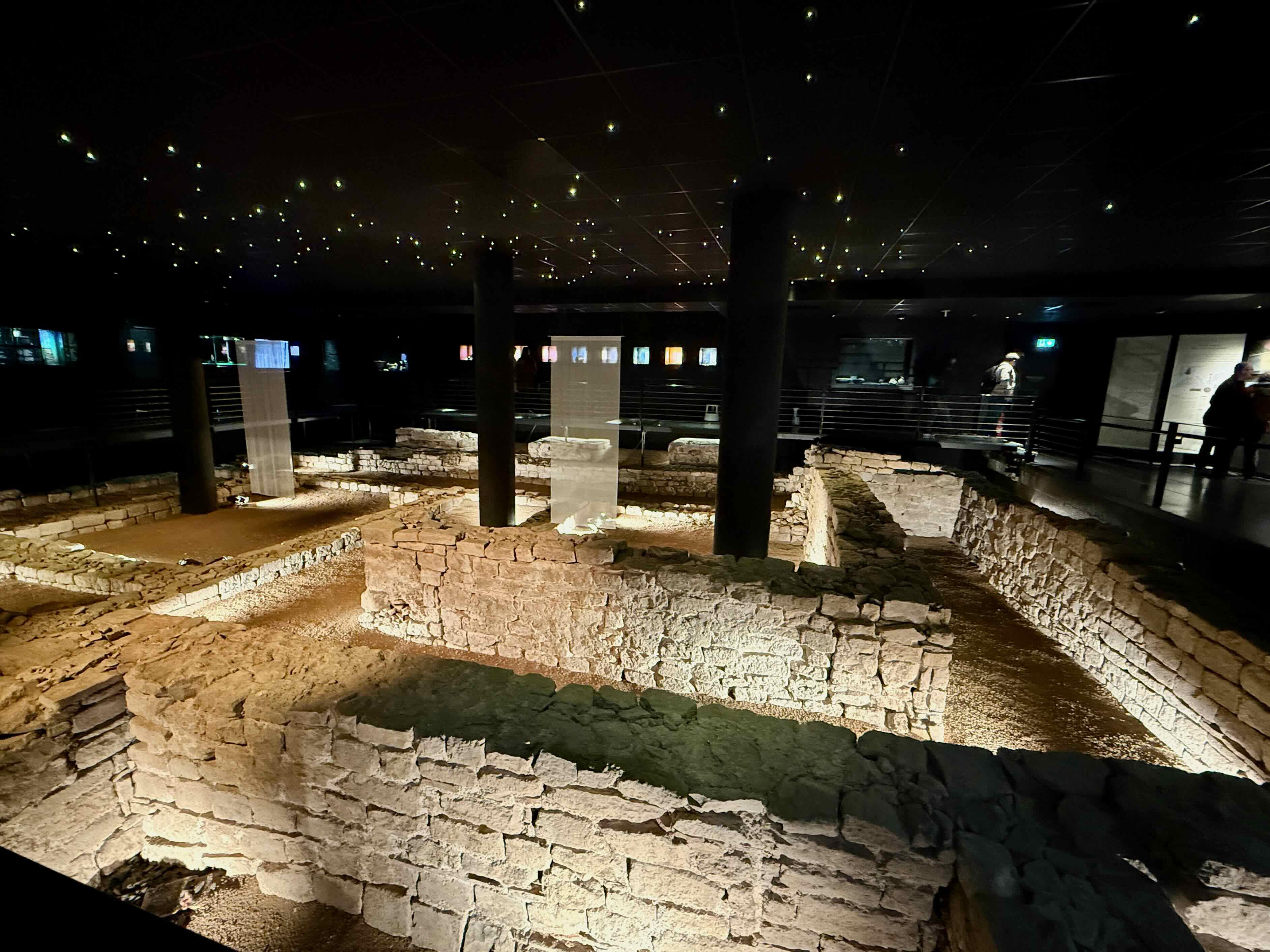 Some of the items found when the ruins were excavated. Well endowed males were well represented.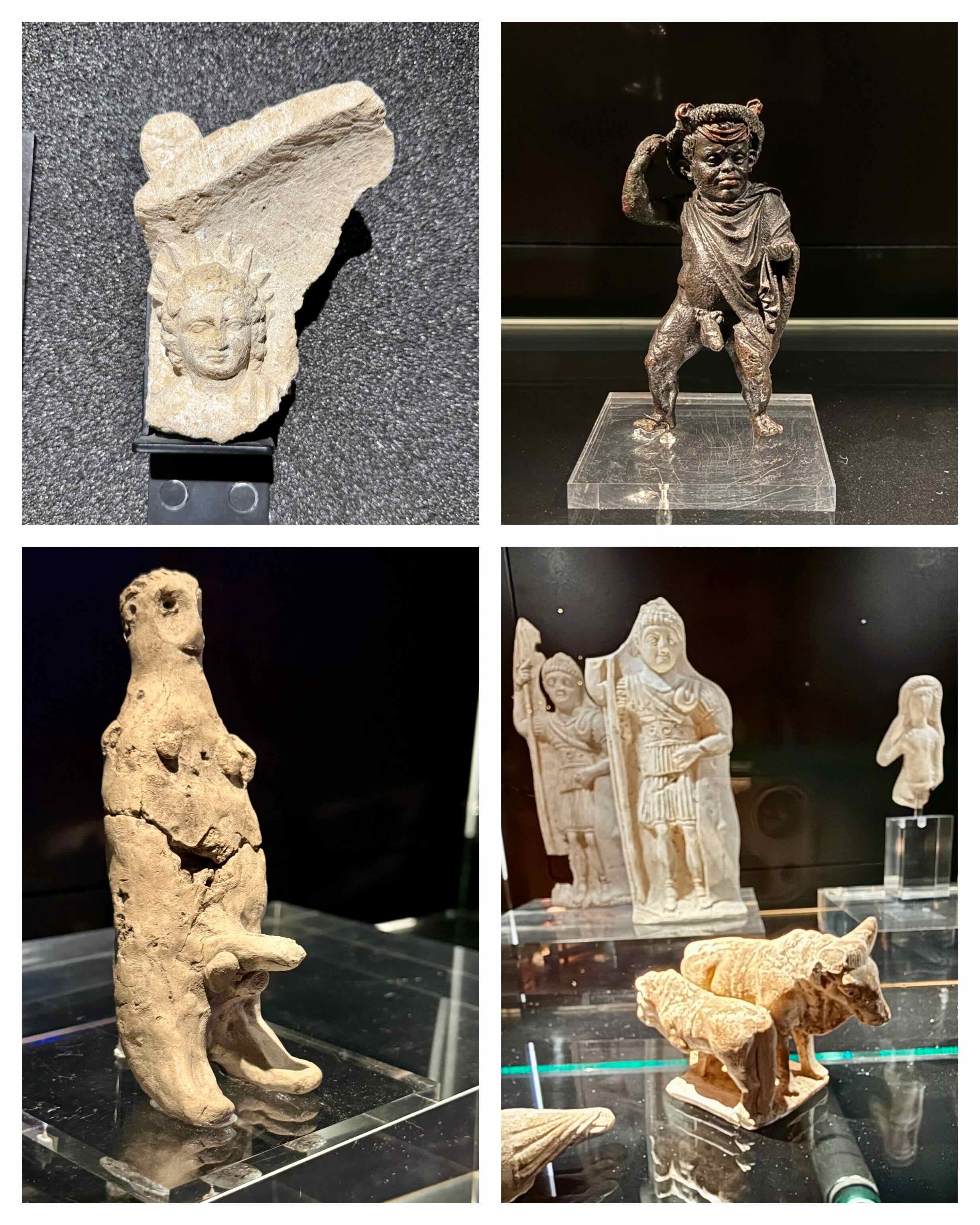
Our final stop in Mainz is to visit the Gutenburg Museum, which is connected to a small Natural History Museum. This display in the entrance is quite striking.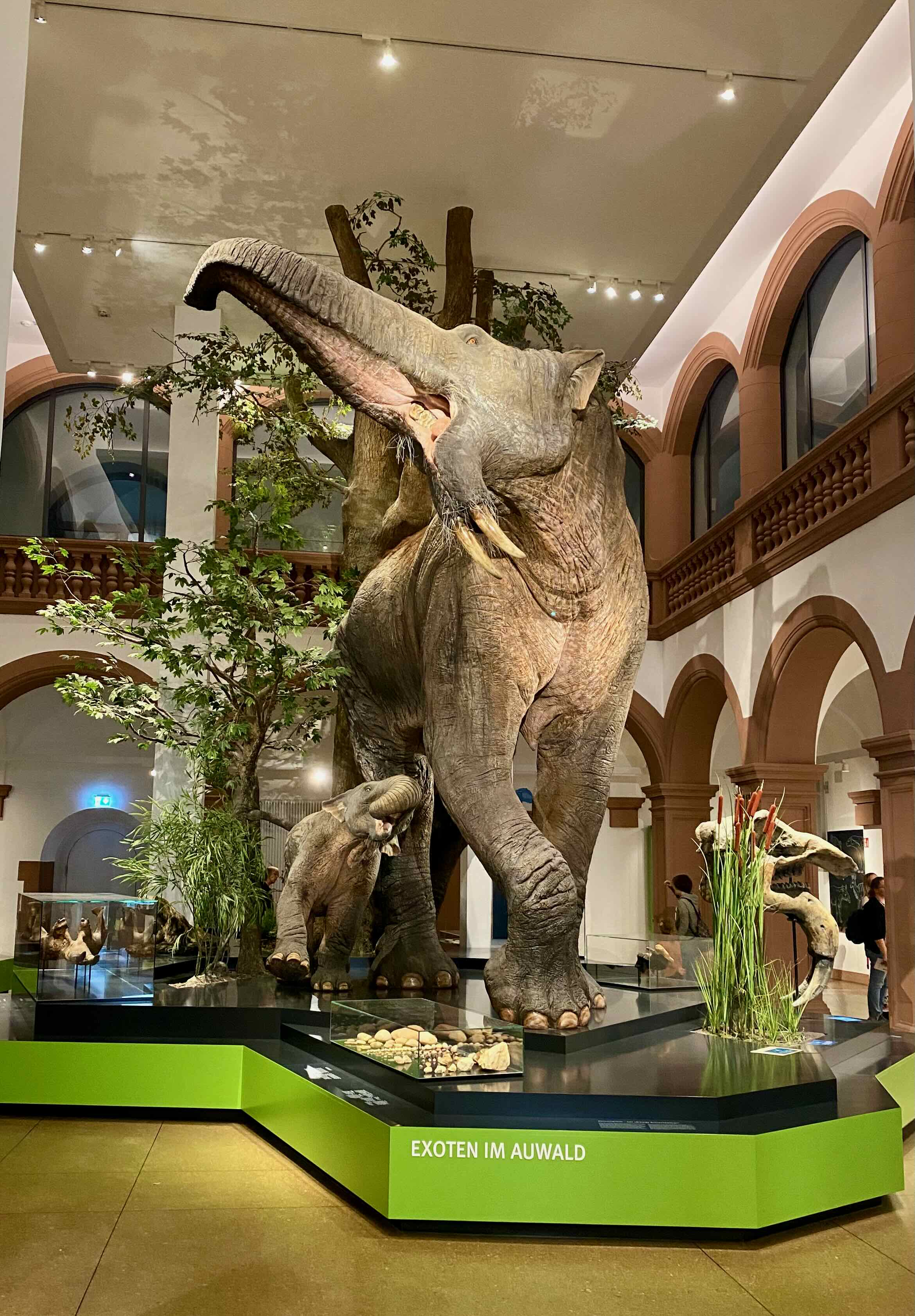
We start with the Gutenburg Museum which shows the impact of Johahannes Gutenburg’s invention of a moveable type printing press in 1440. This press allowed for the printing of 3600 pages a day, compared to 40 by hand printing and only a few by hand copying. There were several beautiful ancient books on display. This Atlas of the World was printed in 1482.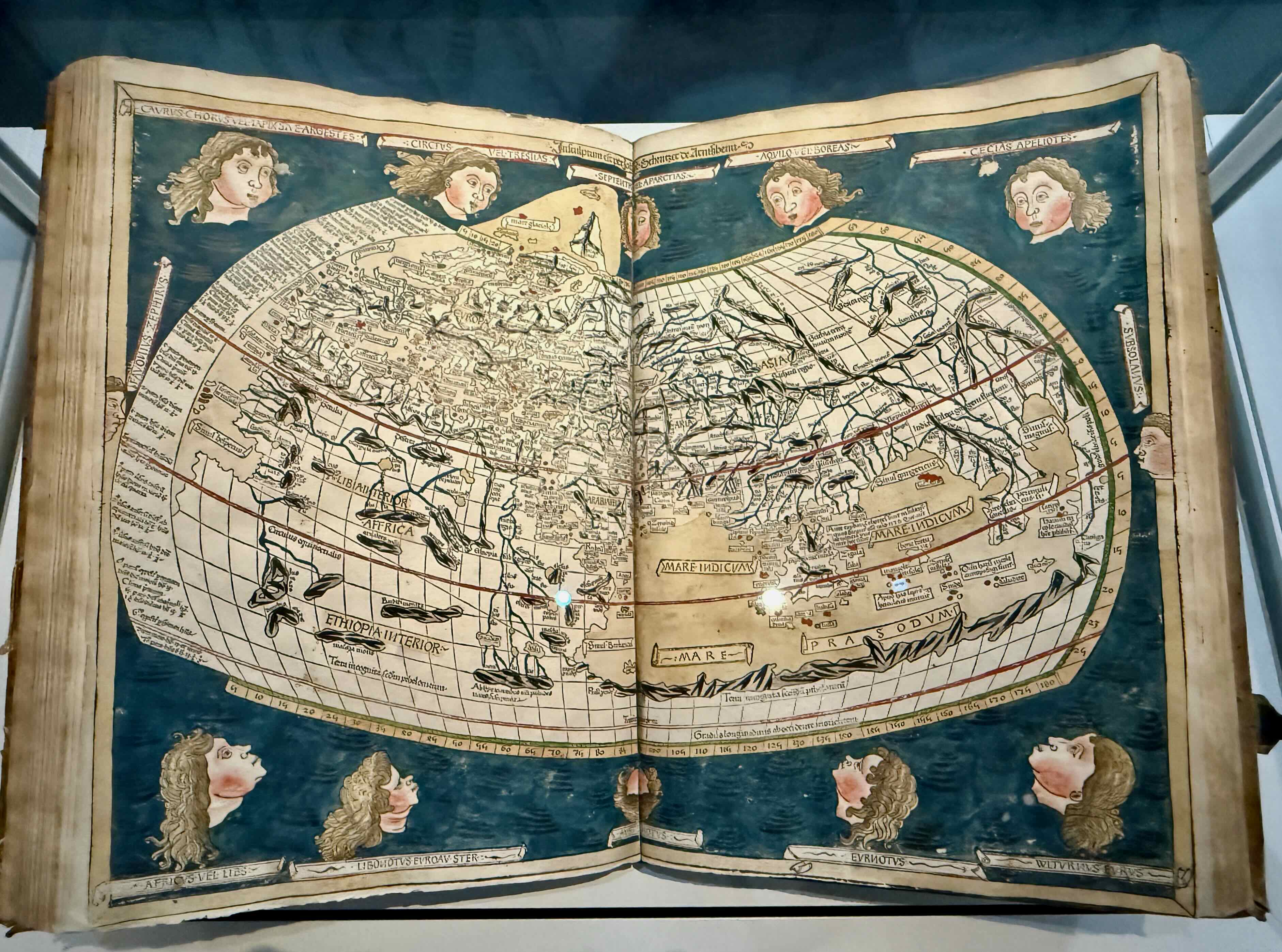
The World Chronicle is from 1493.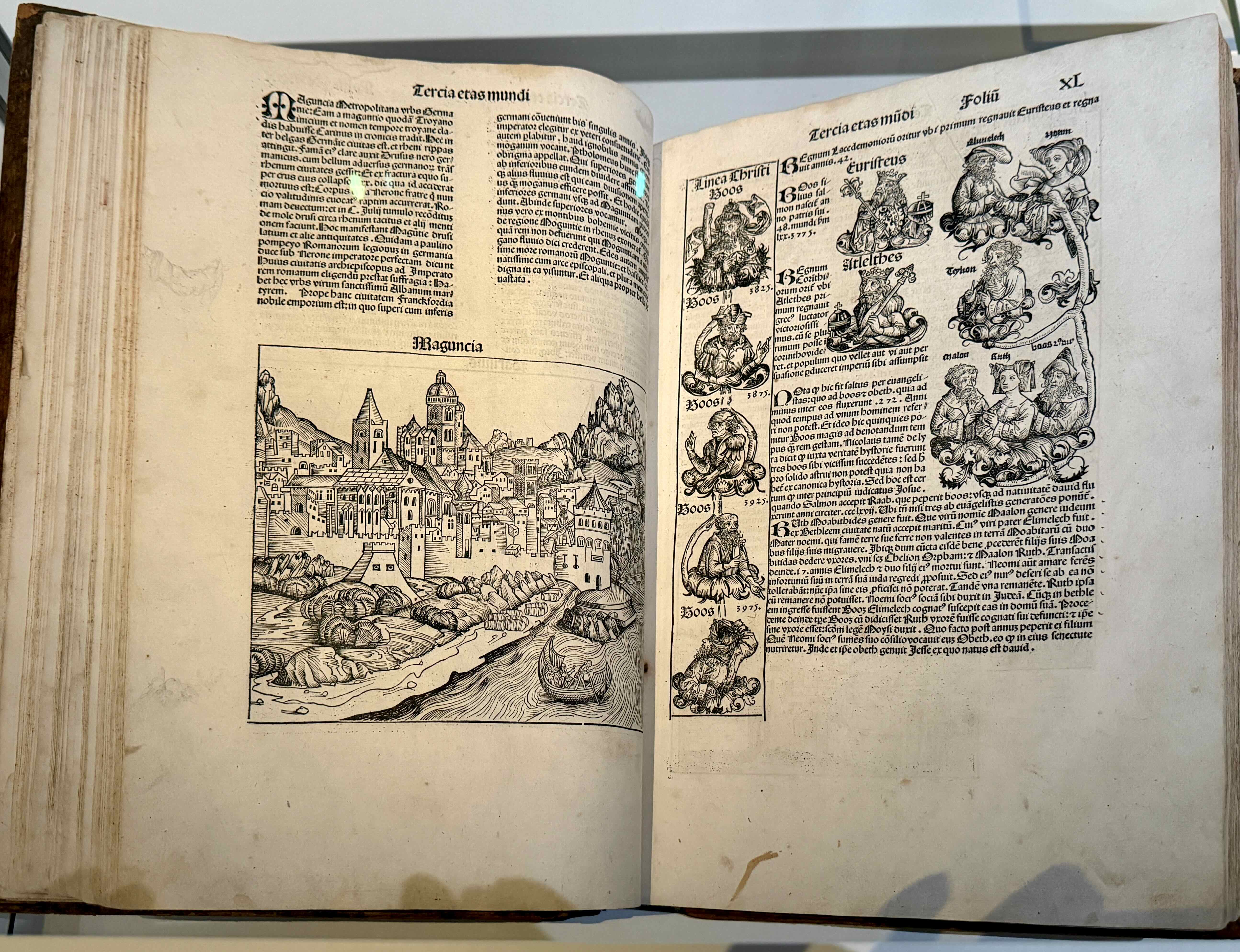
An ornate Columbia Printing Press from 1824. 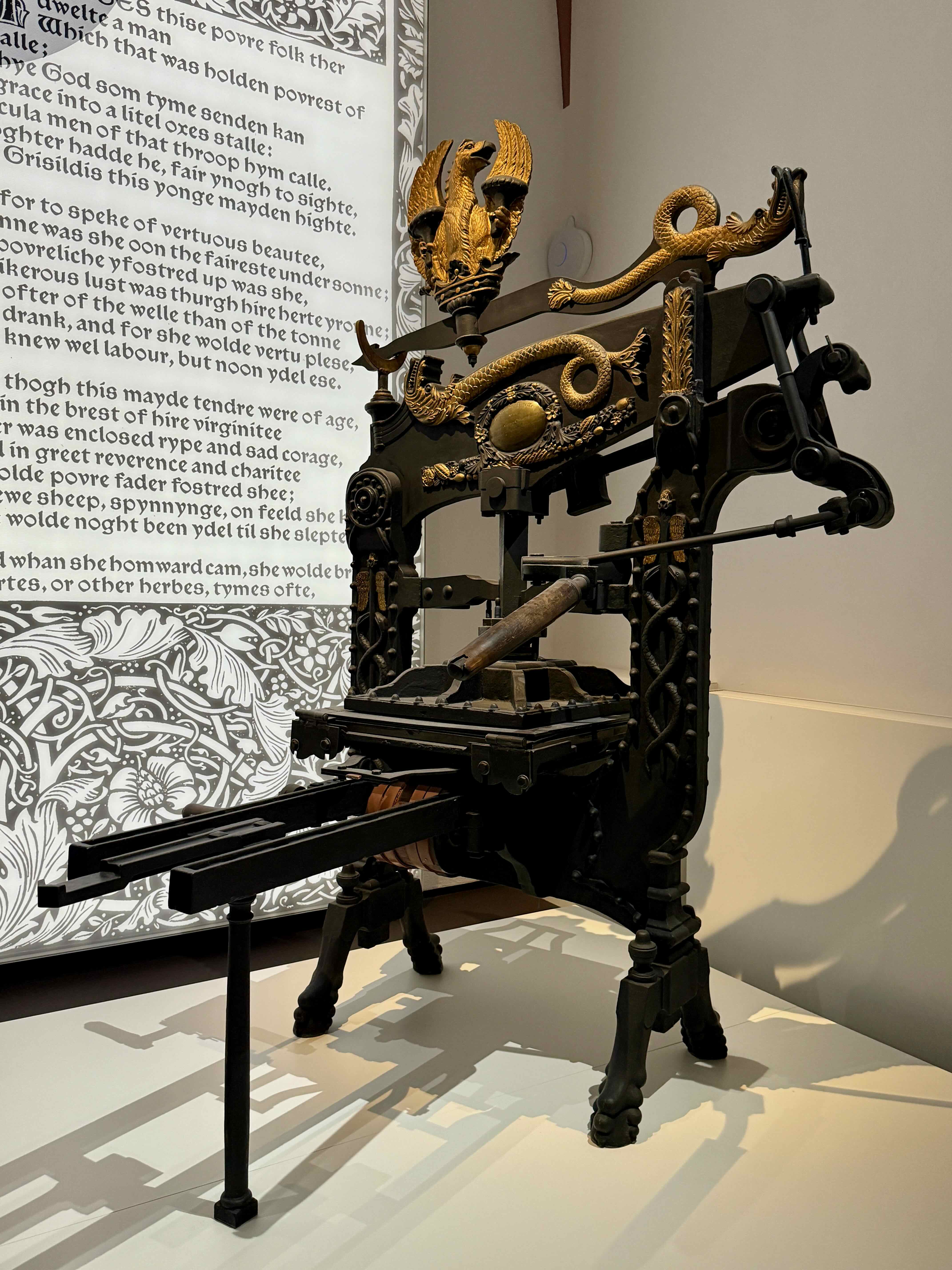
We are given a blank card that has a chip installed inside the paper when we entered the museum. We place this card into a machine that takes a selfie of us. Then we take the still blank card to a modern printer and this is what we received.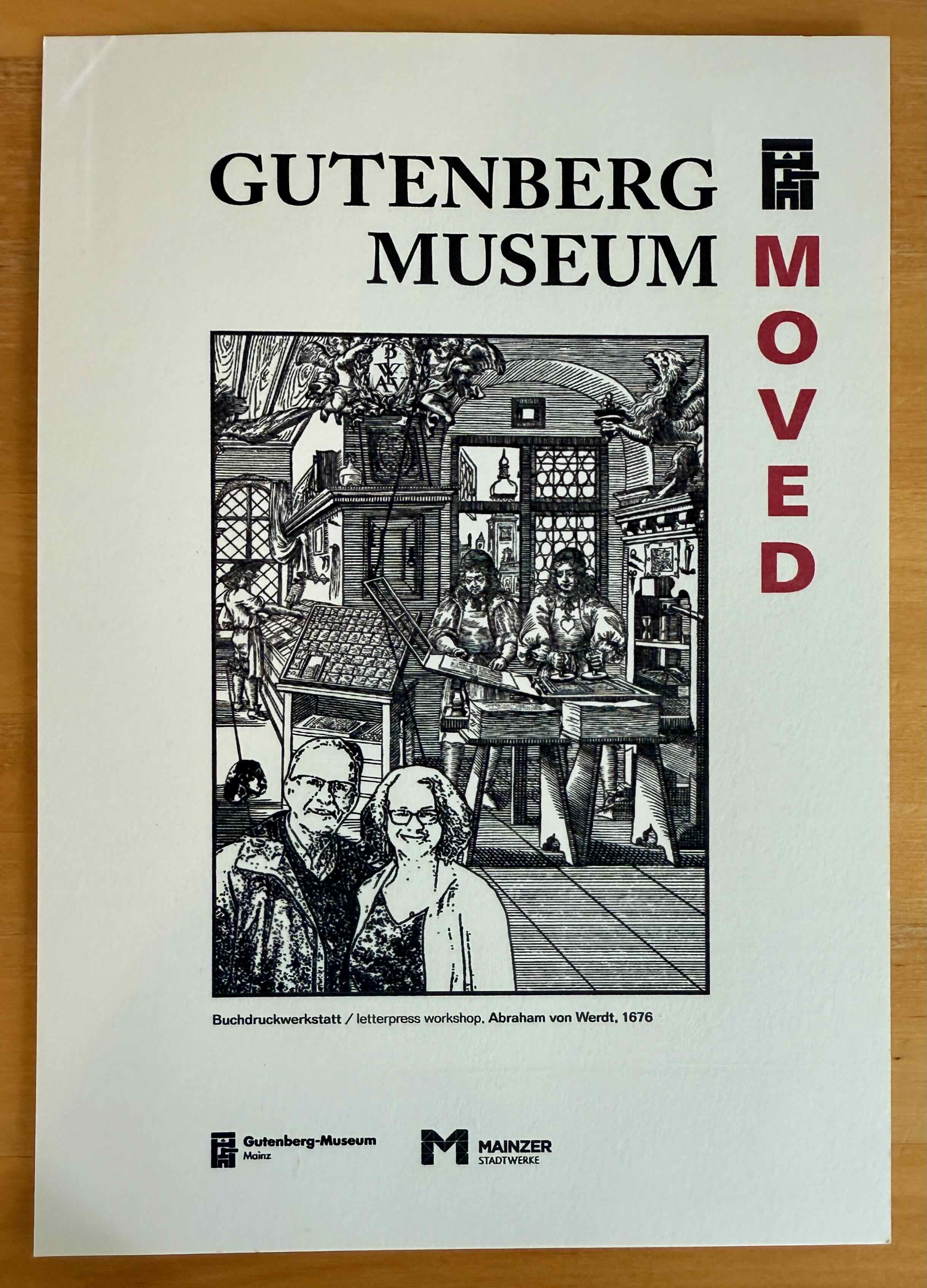
Entering a small room with dim lighting we see the Gutenburg Bibles. Only 49 of the approximately 180 printed Gutenberg Bibles have survived and the Gutenberg Museum owns two. The complete two-volume Bible shown in the bottom of this photo was added to the collection in 1978. The second Bible is incomplete, with only the second volume surviving. The book in the top right is a calligraphed manuscript.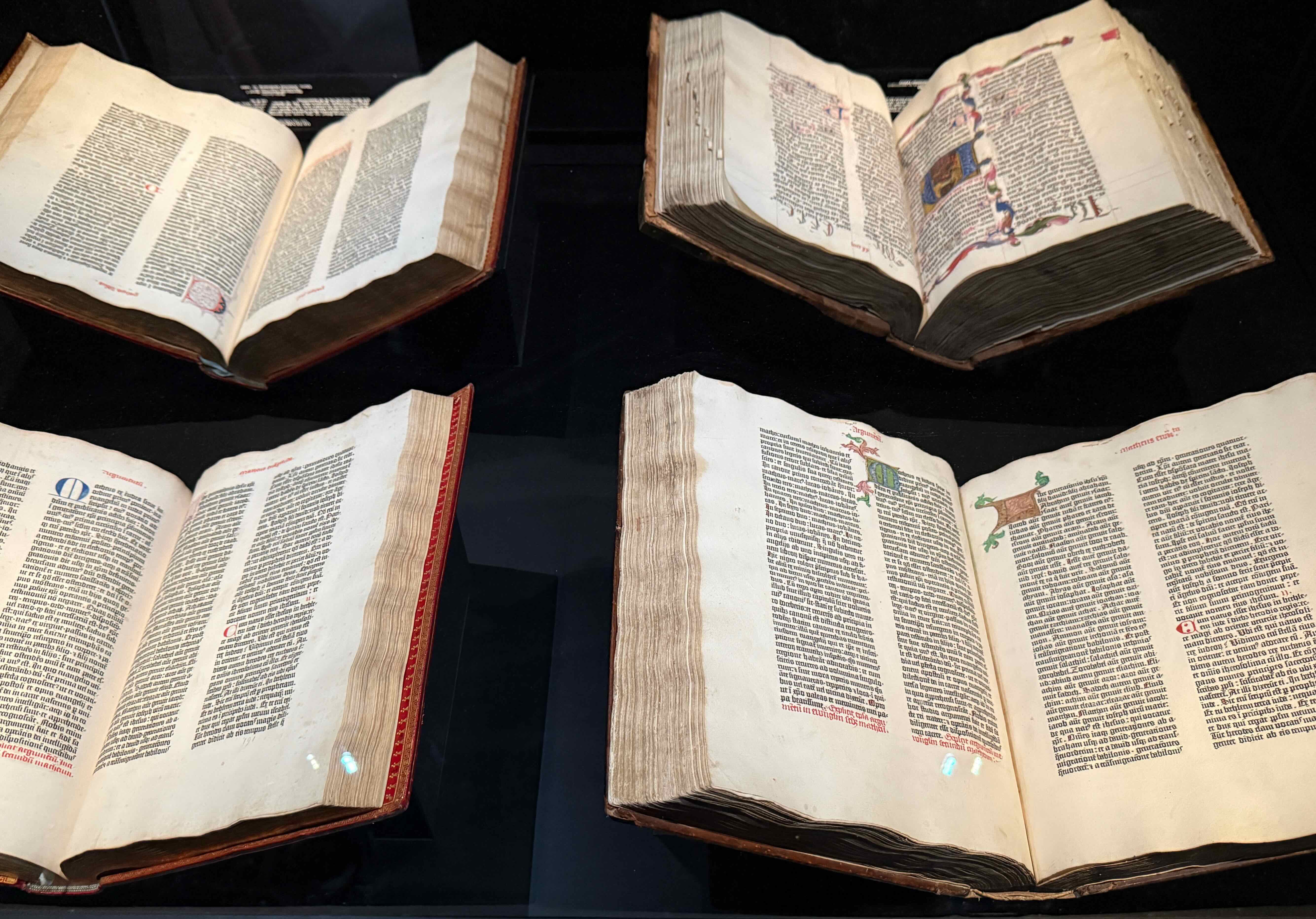
The Bibles were only printed in black ink – two or more colors would have been too time-consuming and expensive. Spaces for colored ornamentation were left empty and the books were handed over to an illumination workshop. As a result, all surviving editions have different ornamentation.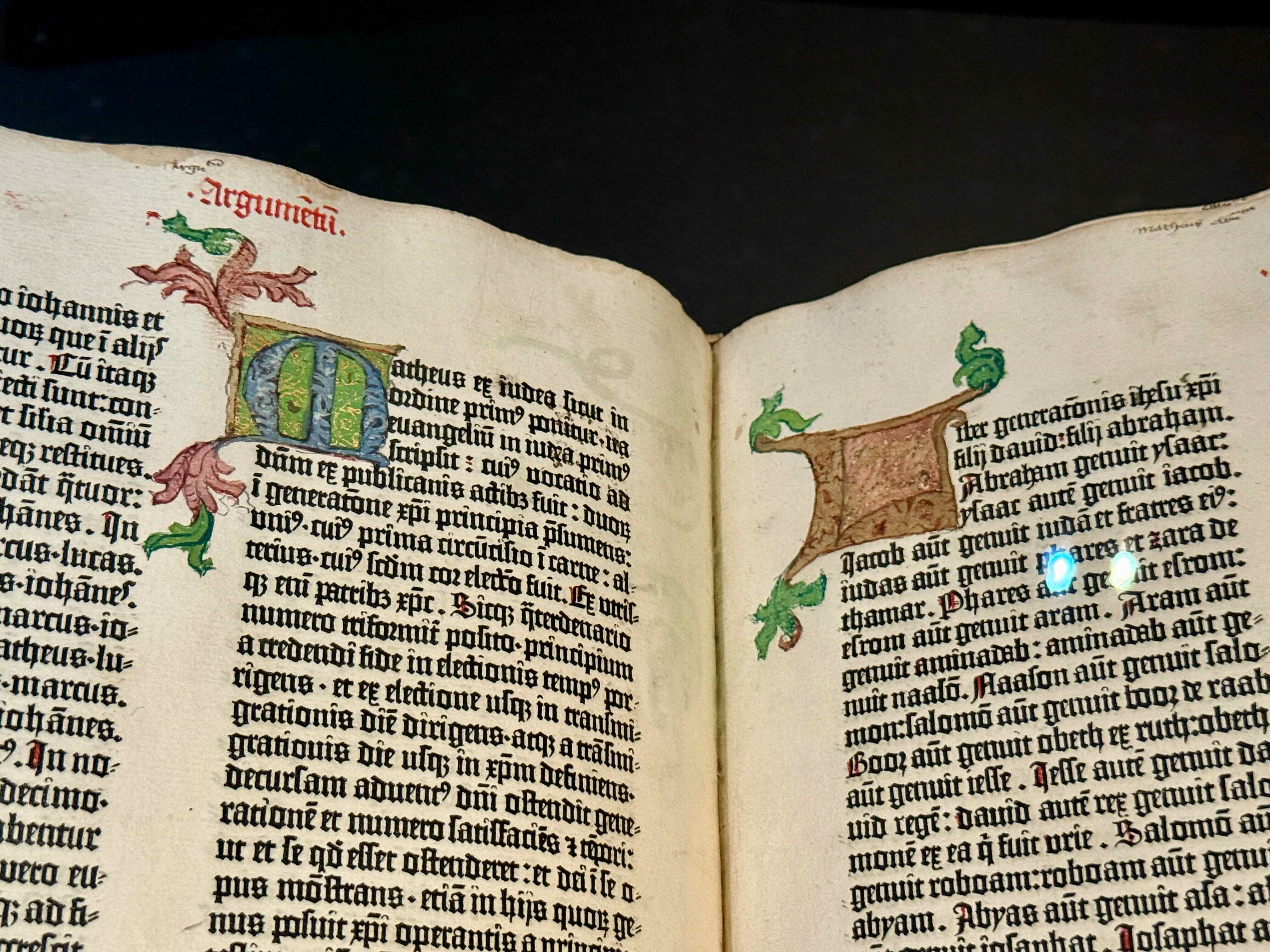
The Missale Moguntinum, was hand written on parchment between 1453 – 1459.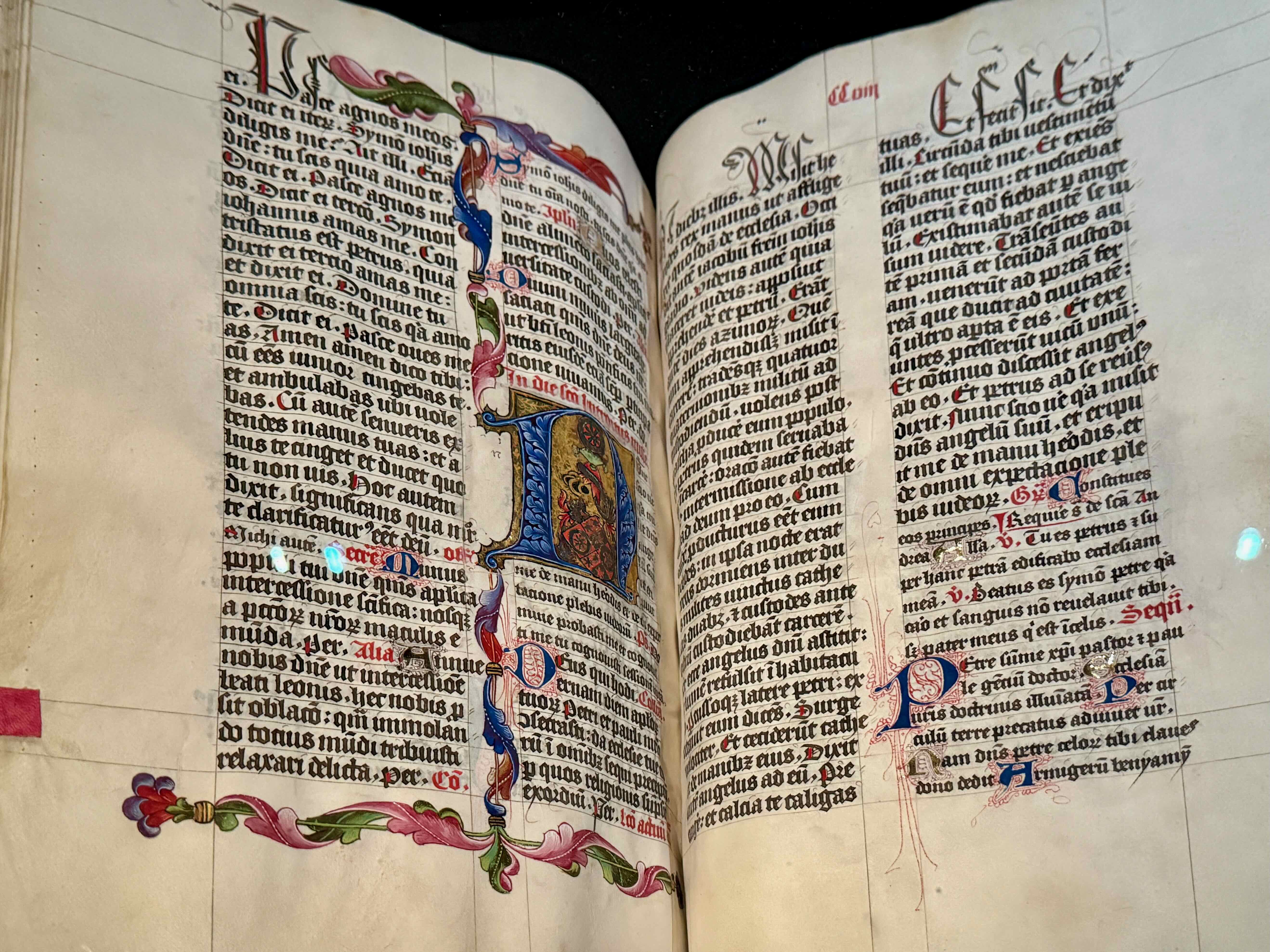
I love that the guide lines are still visible. Imagine writing this huge book. Gutenburg’s press changed how books were produced and made them available to so many more people. Seeing these bibles in person is special but I am still in awe of beautiful hand written and illustrated books. 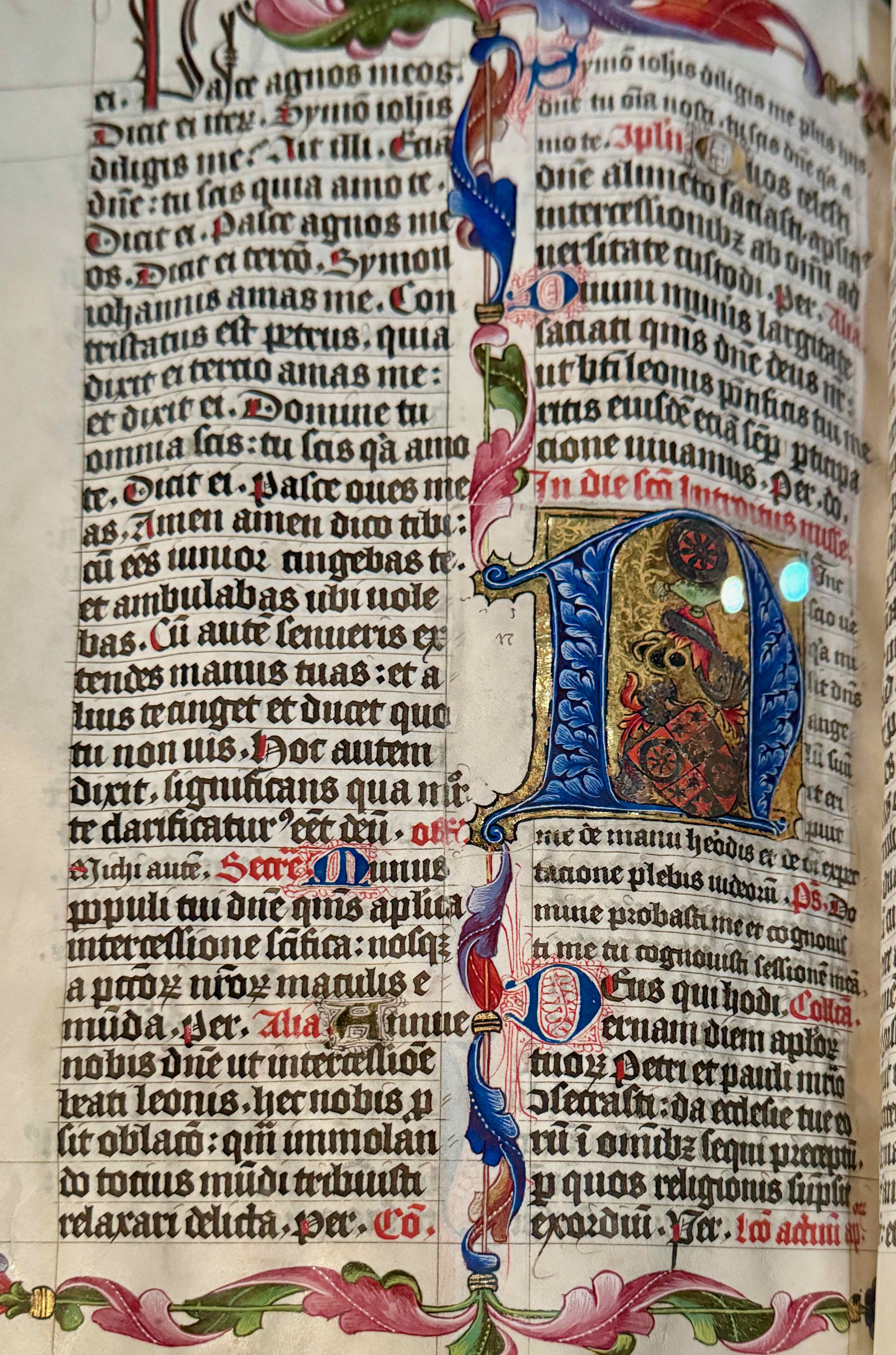
In the mid-15th century before printed books were readily available, the demand for books could not be met. One solution was to produce books faster. This was why copies of the “Speculum Humanae Salvationis” or “Mirror of Human Salvation,” were created in cursive and quick pen-and-ink drawings. The volumes are dated around 1450, making them approximately the same age as the printed Gutenberg bibles.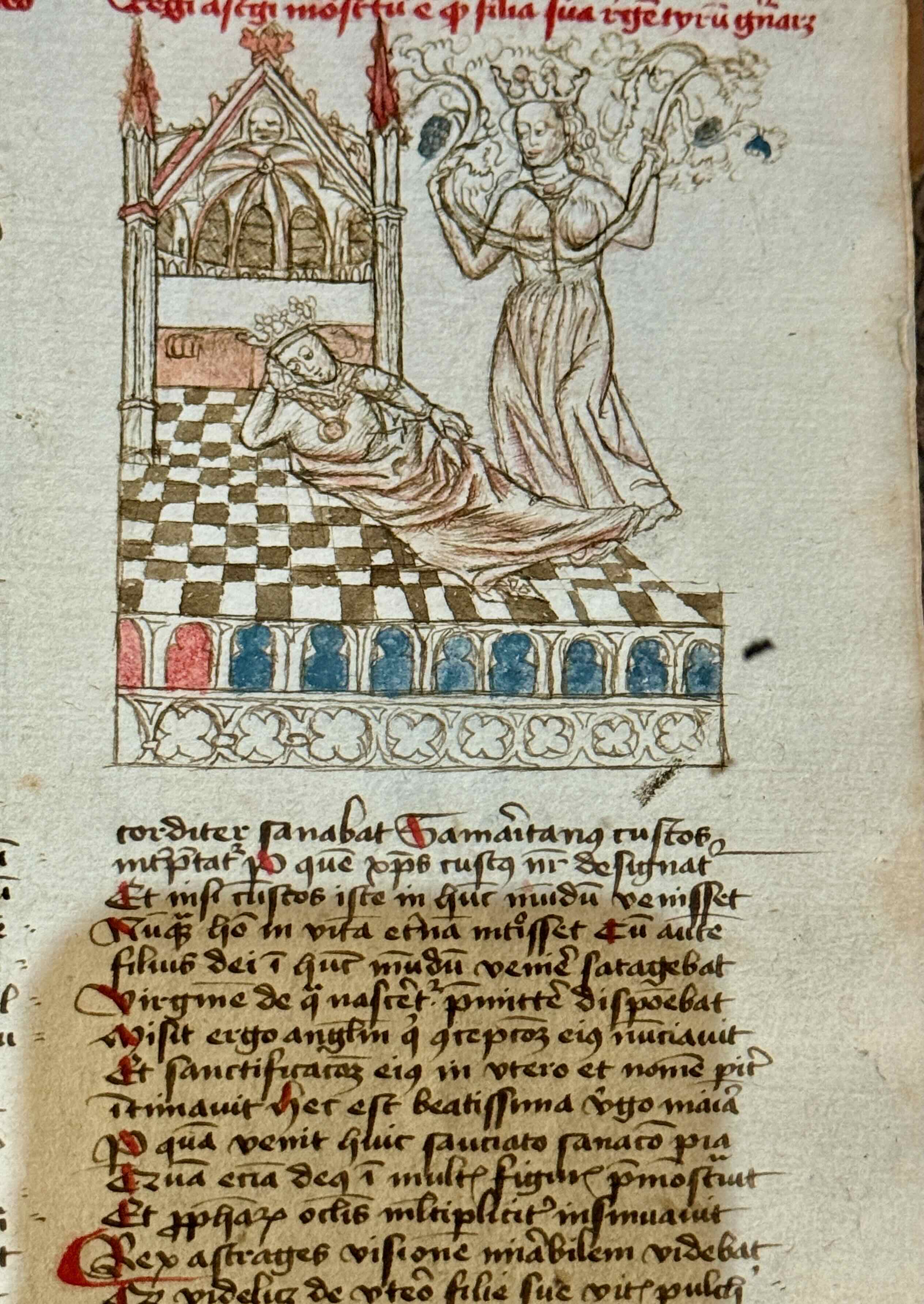
We wander through the Natural History Museum. I wonder how archaeologists are able to reconstruct skulls and bones from a pile of fragments. It must be a very difficult puzzle.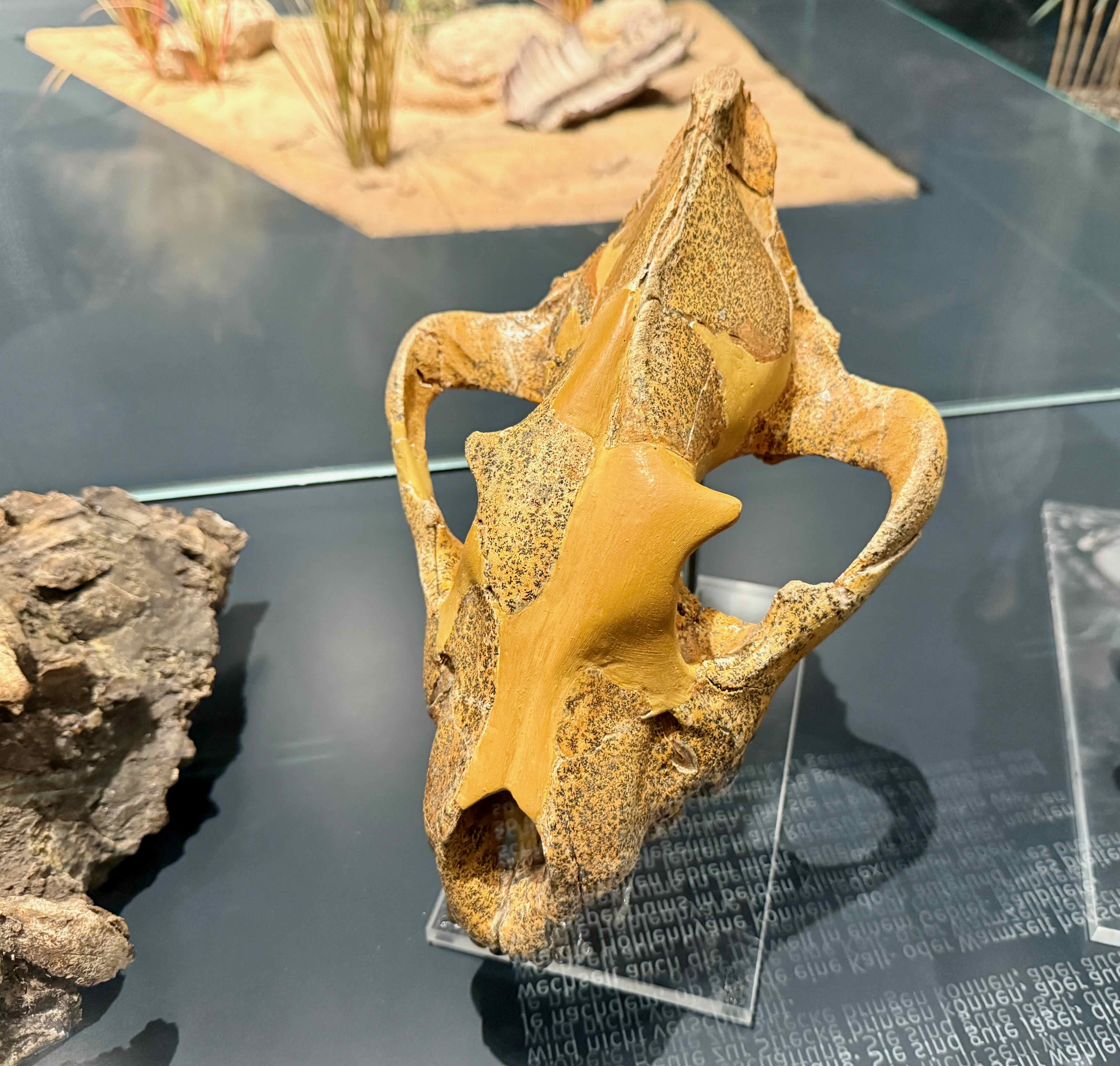
The Wooly Rhino had a huge head compared to the rest of its body. There are samples of real wooly rhino hair on view that were found preserved in permafrost.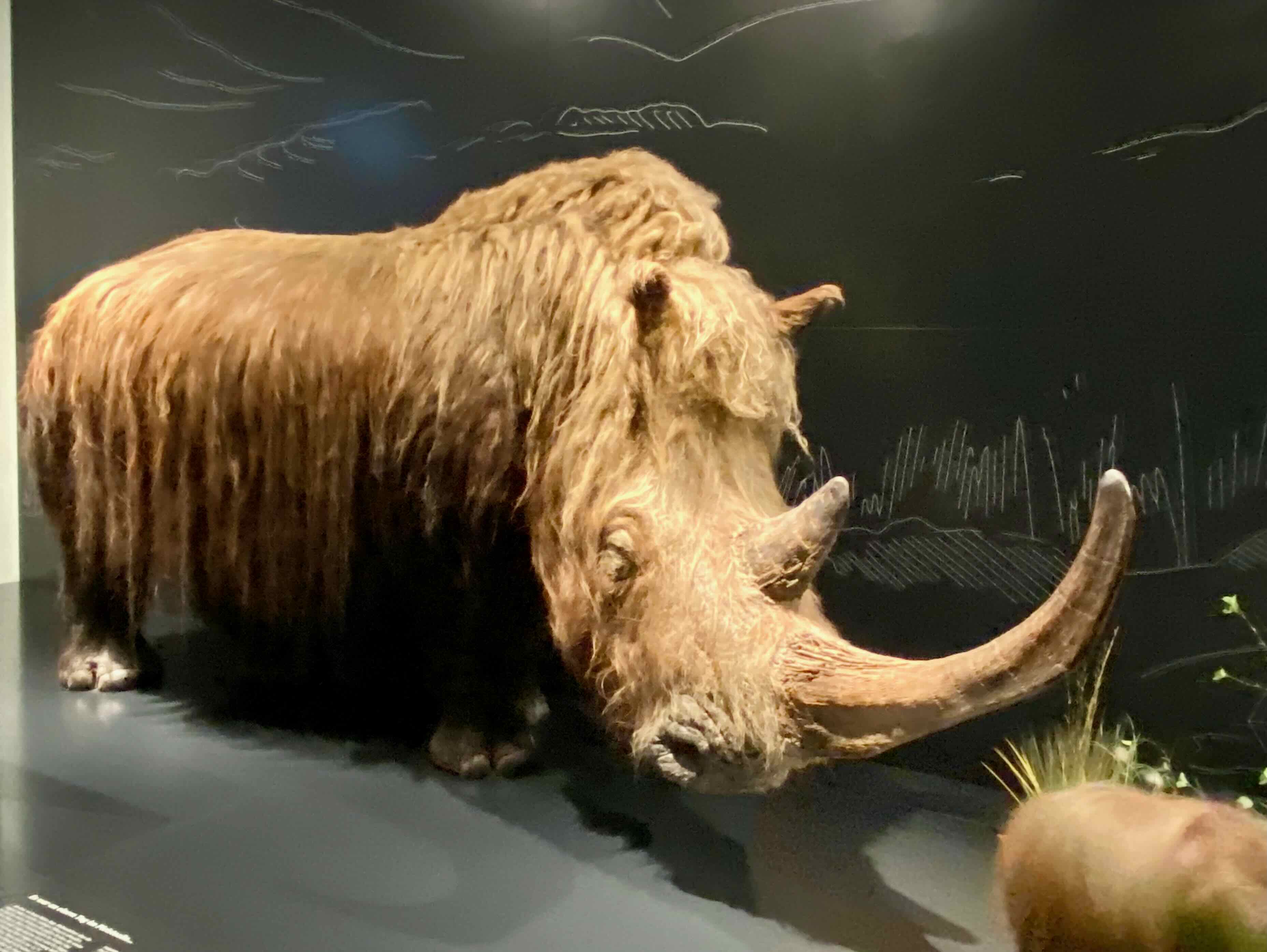
I thought these fossils were really beautiful. The plants, insects and other animals are preserved in the finest detail. They are incredible.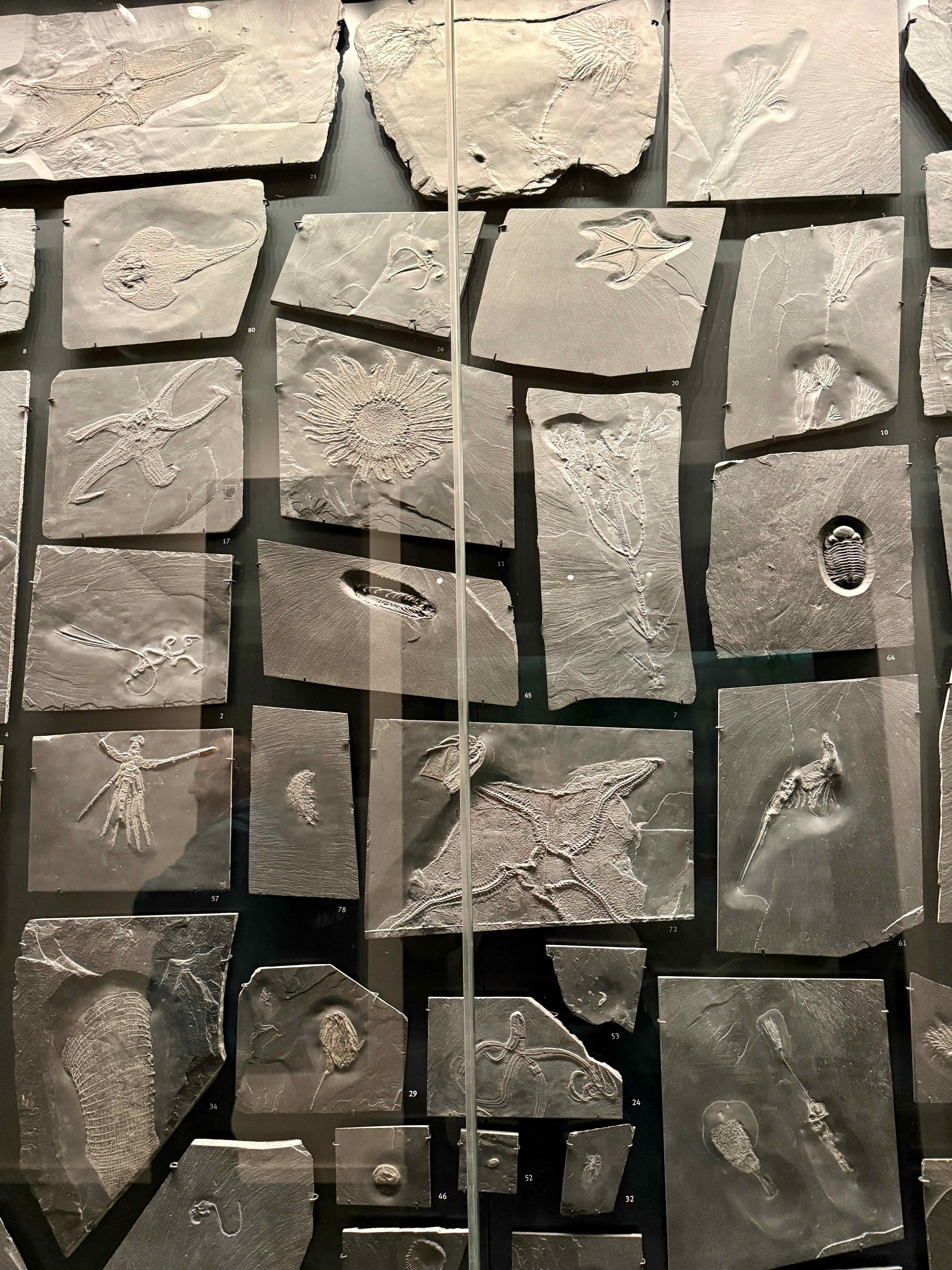
We forgot to check what this prehistoric creature was. 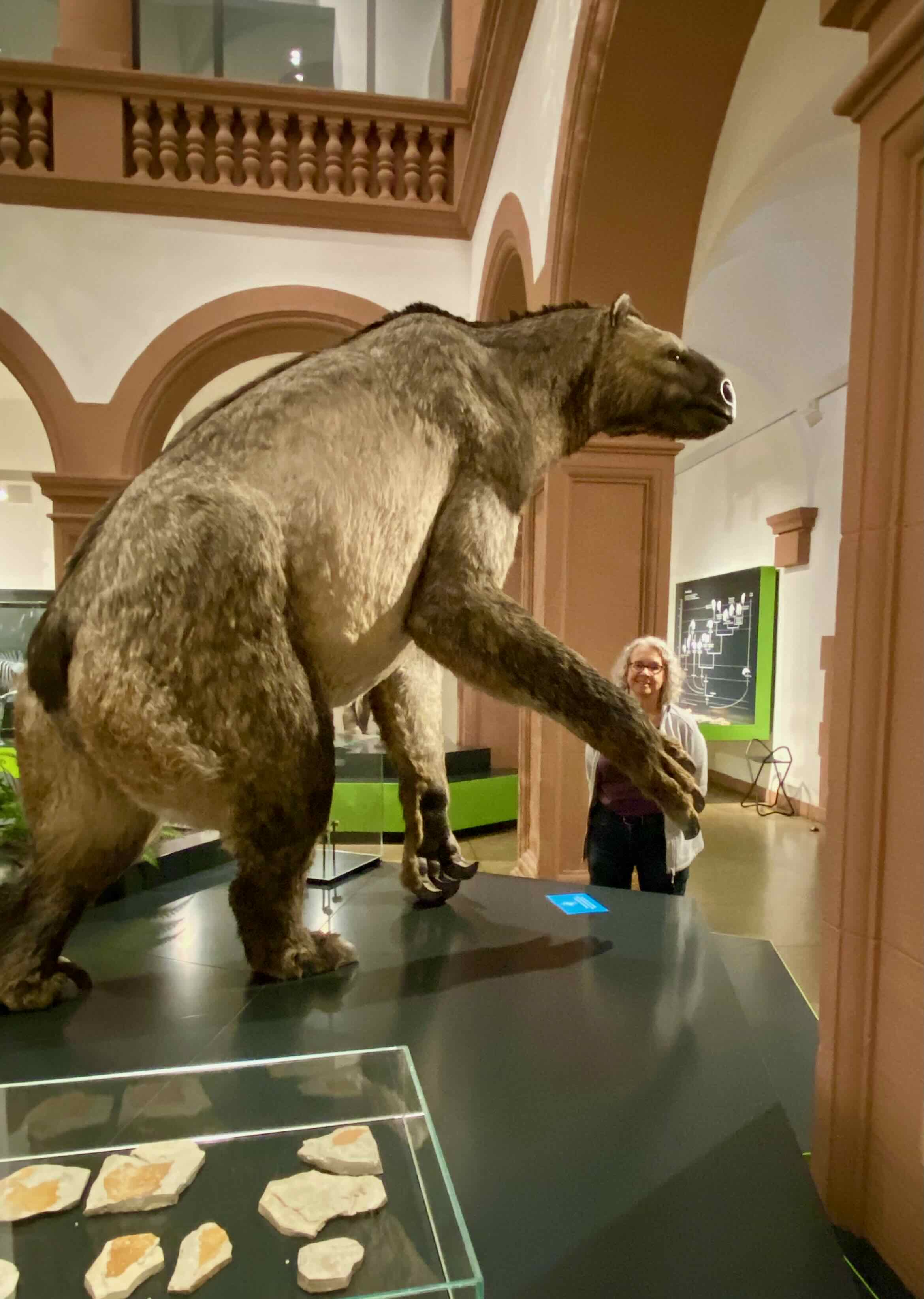
There are a few more displays of stuffed animals. I thought this one of different types of rabbits was interesting. It is a small museum so it doesn’t take too long to see everything.
I know this is a strange photo, but this is the handicapped washroom at the museum. I’ve never seen a public washroom like this. 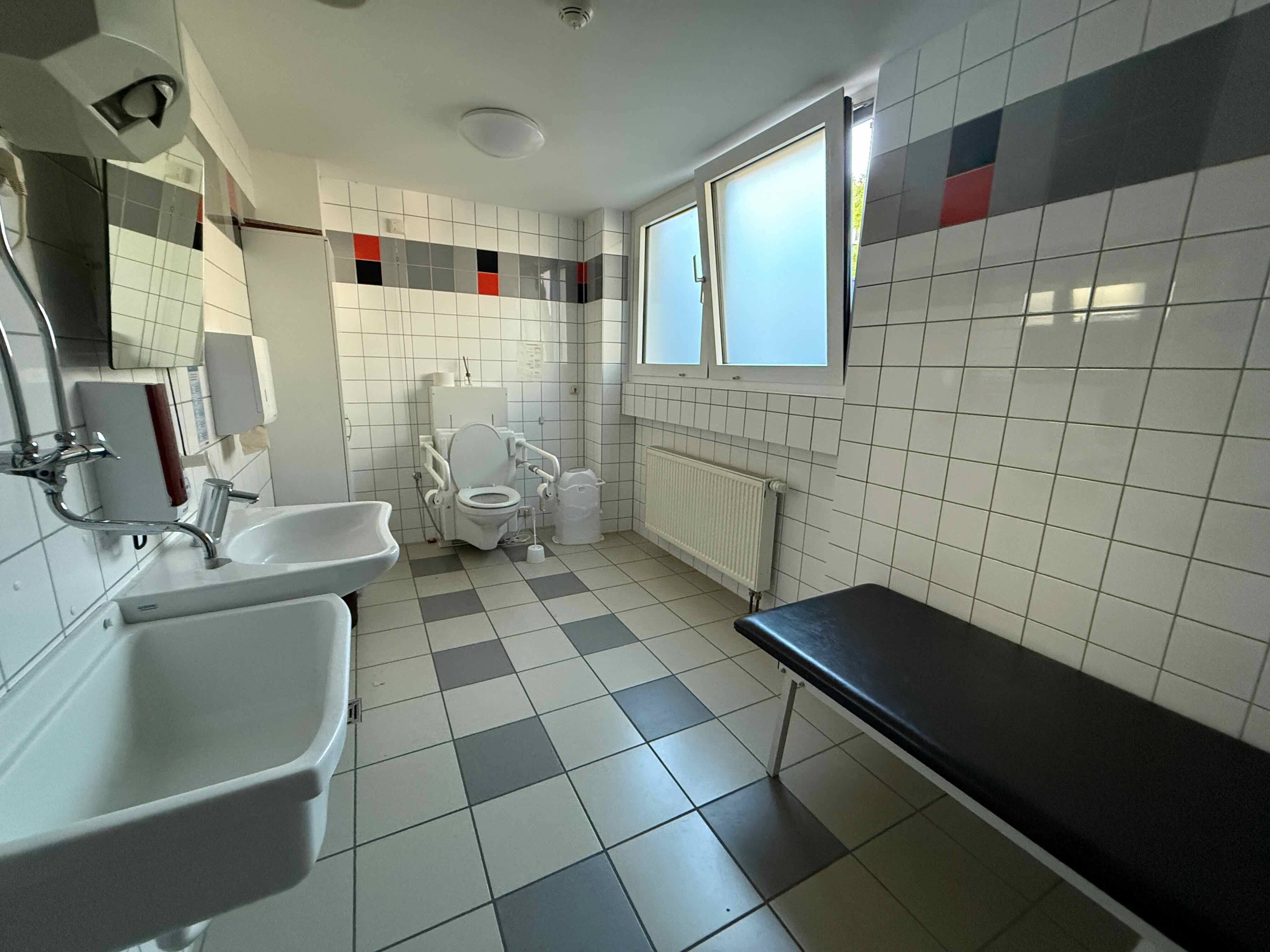
We walk along cobbled sidewalks with reminders that summer is over on our way to see the next sight on the agenda in Manz.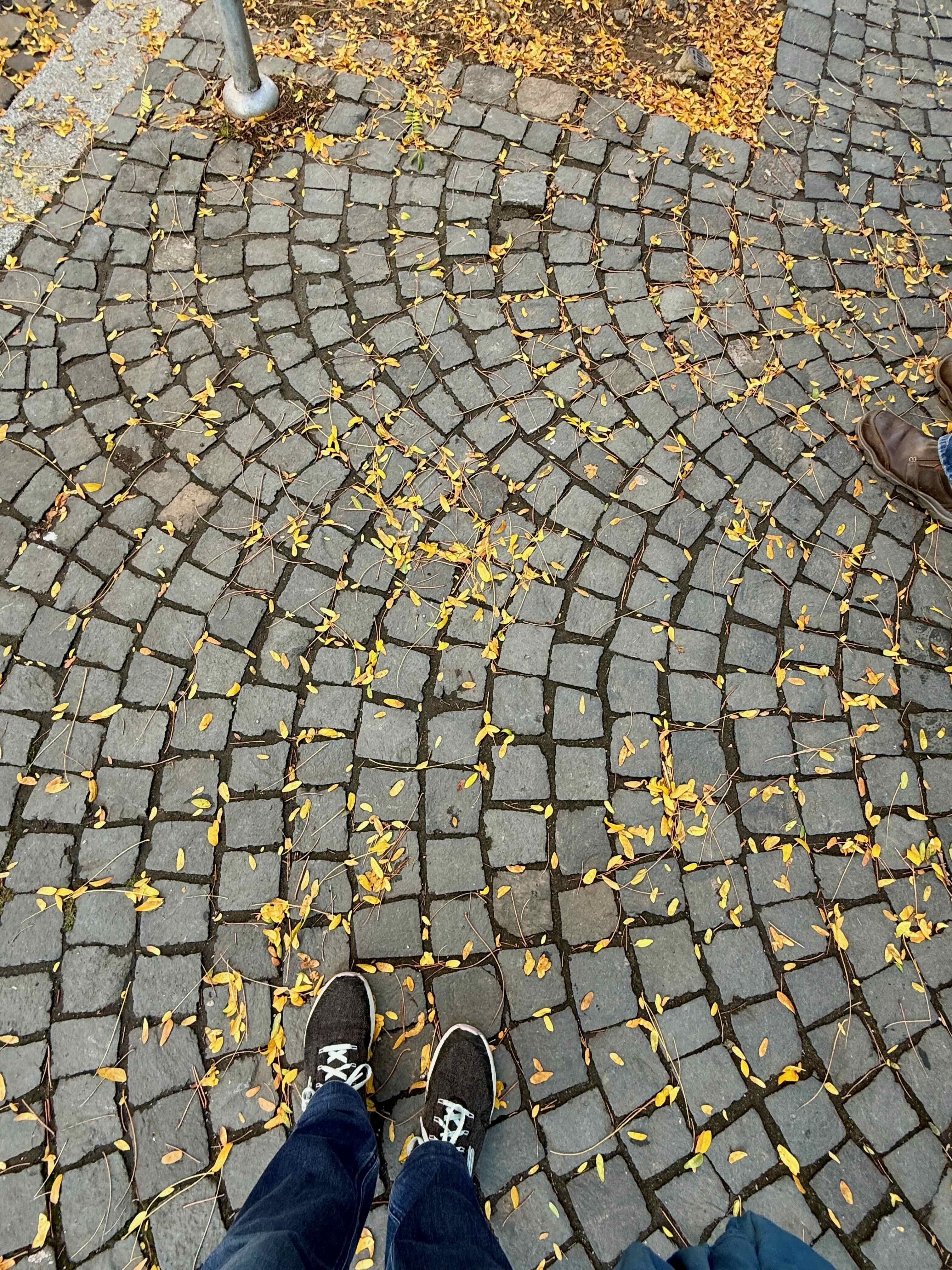
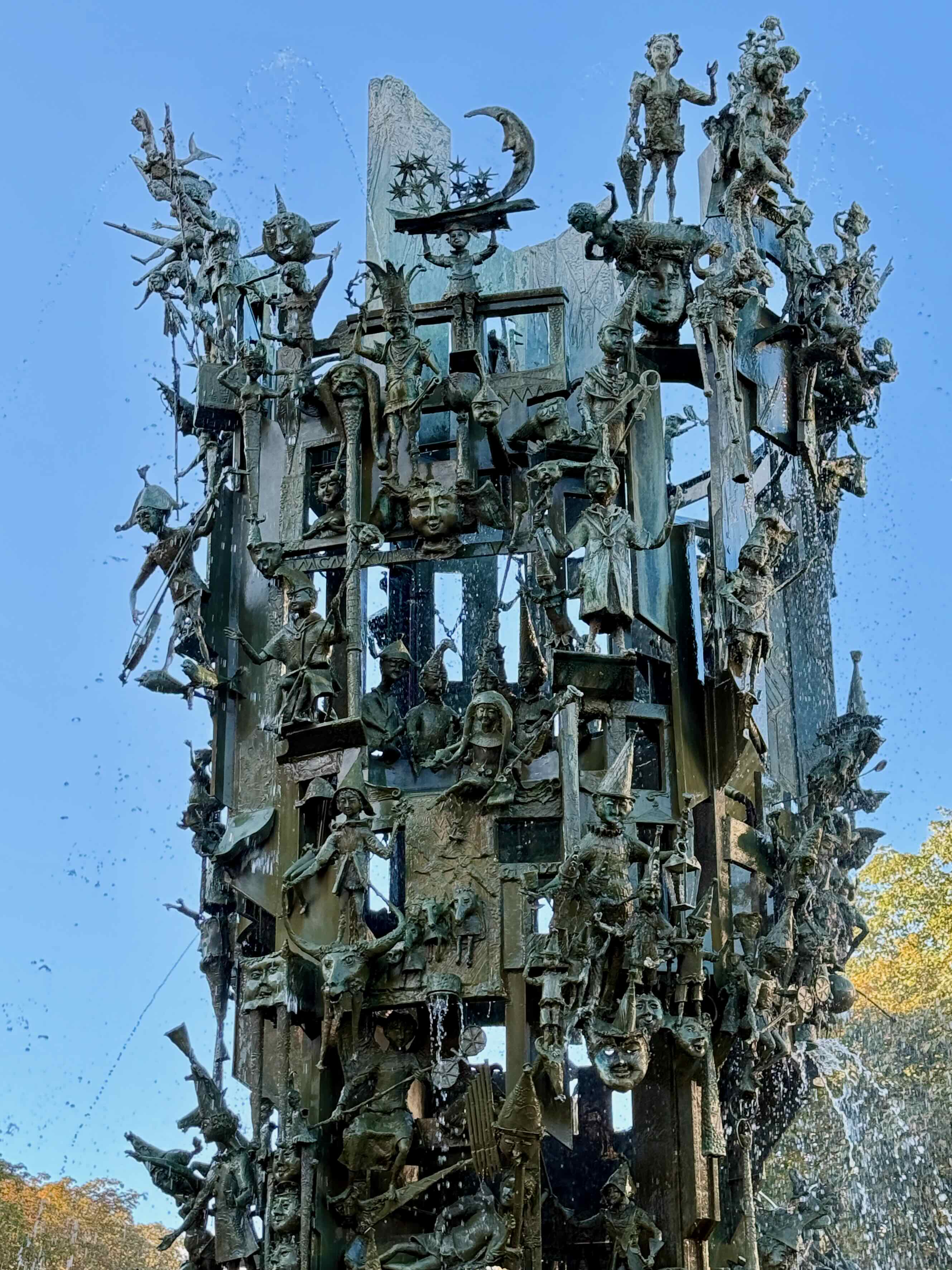
This huge fountain is the Fastnachtsbrunnen, or Carnival Fountain. It is almost nine meters high and has over 200 bronze figures from the Mainz Carnival Mythology. Every year on November 11, at 11:11 pm, people celebrating Carnival in Mainz gather here. When the clock strikes 11:11 pm the carnival officially begins. 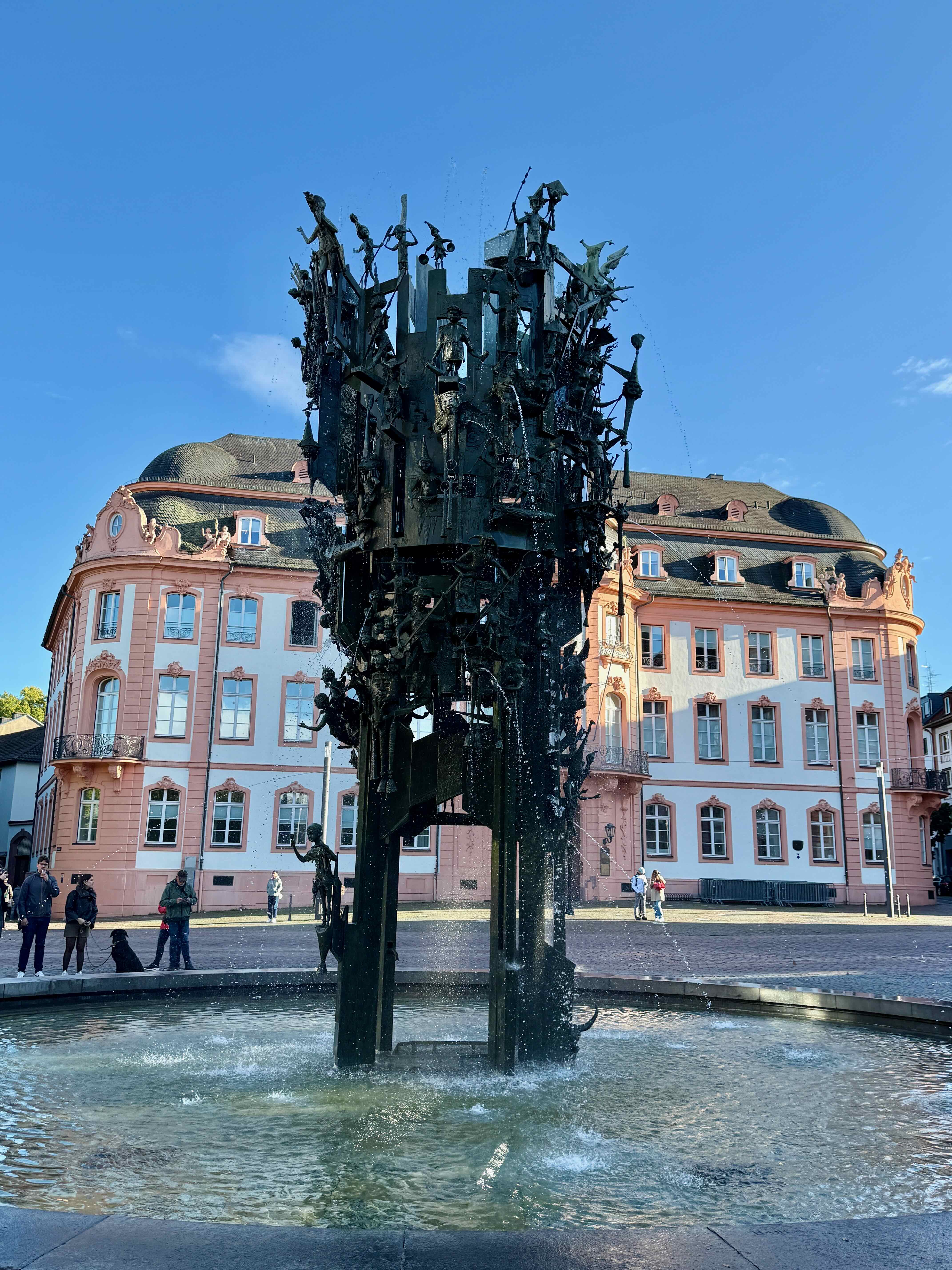
Our last stop before heading home is St. Stephen Church. This is the only German church for which the Jewish artist Marc Chagall created windows.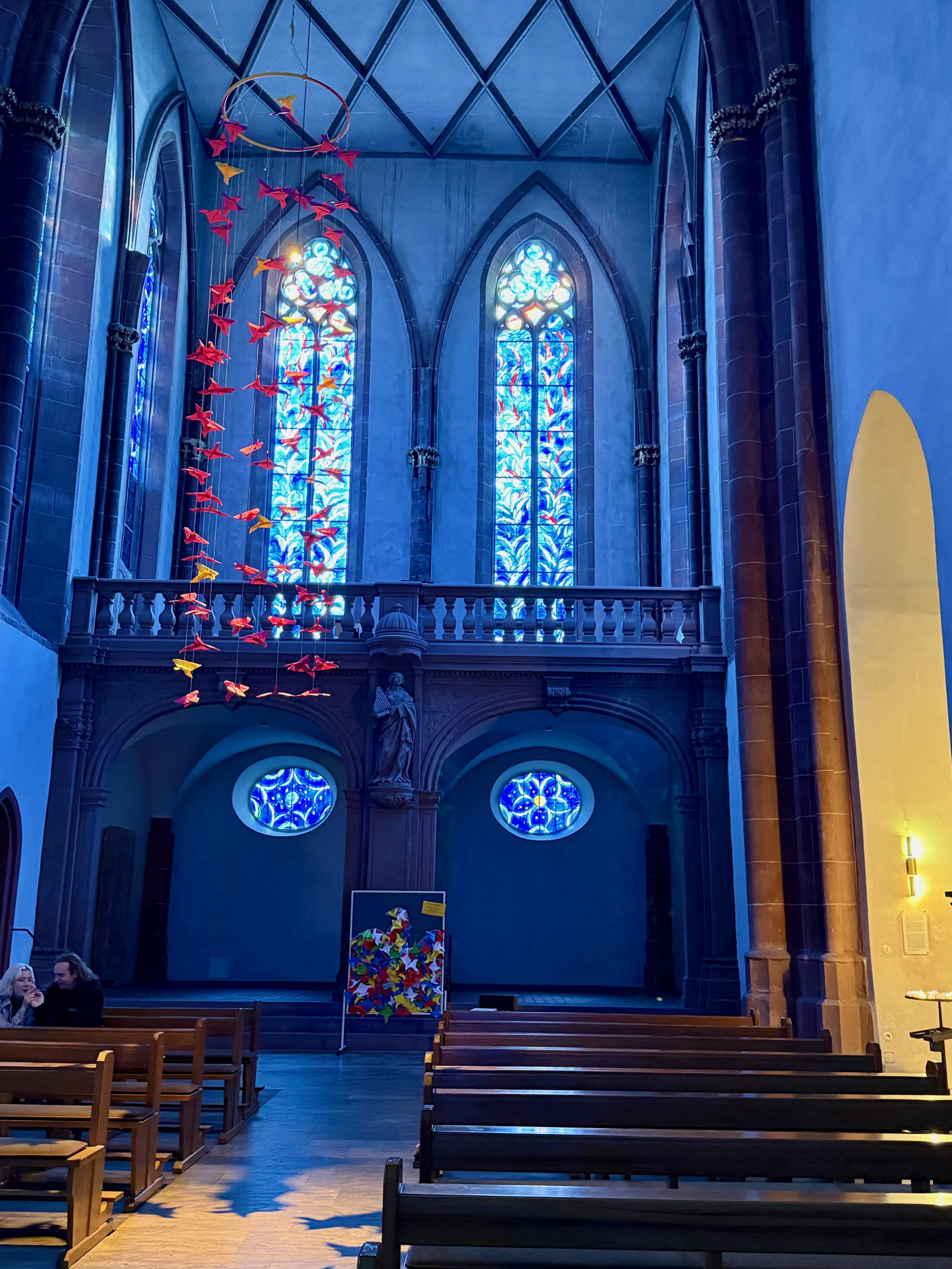
In 1978, the first window by the 91-year-old Chagall was installed. Chagall completed the final church window shortly before his death at the age of 97! Although all the windows are beautiful, I didn’t find the blue light in the church appealing…it felt too sombre, 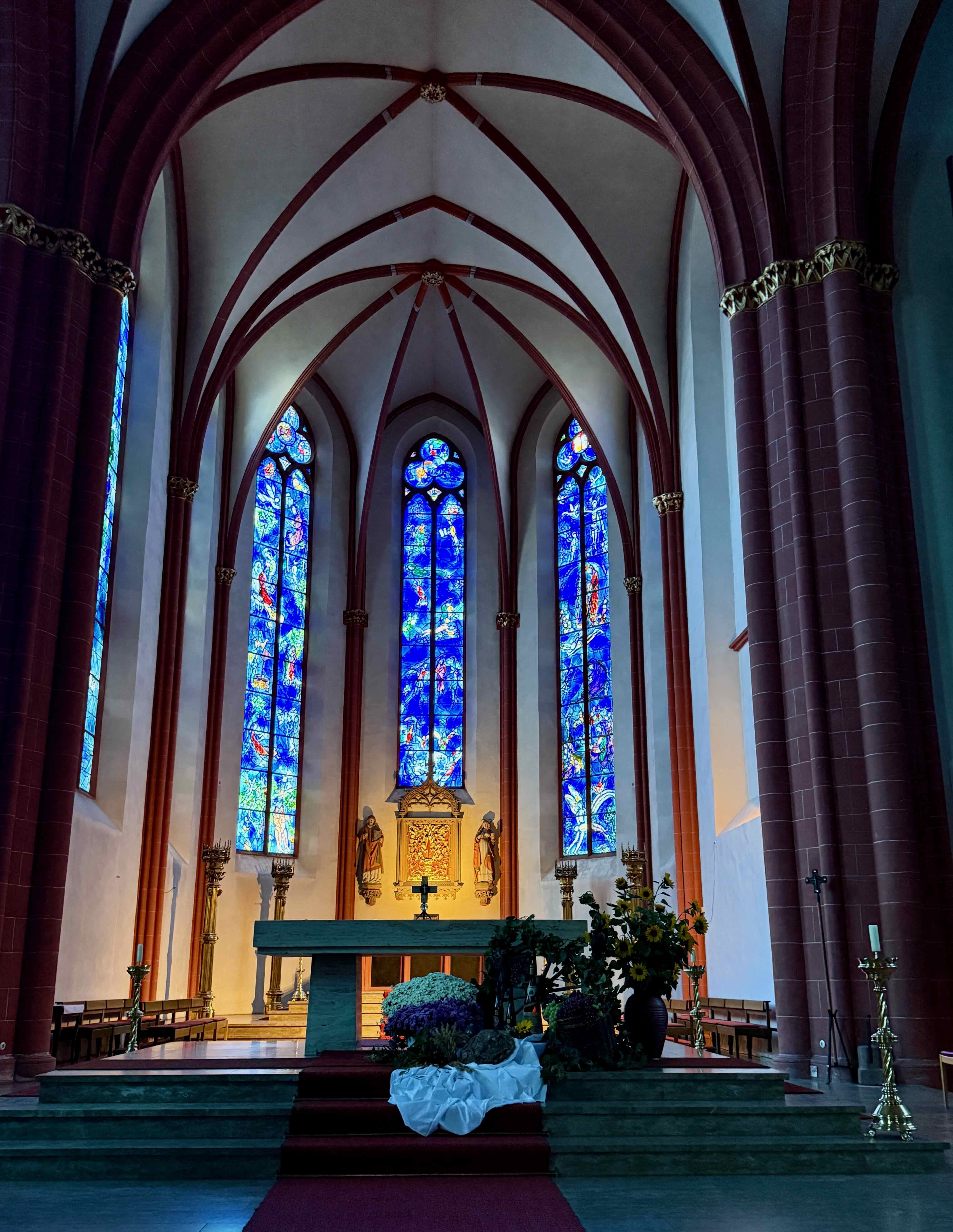
Time to drive home…this was a very full day!
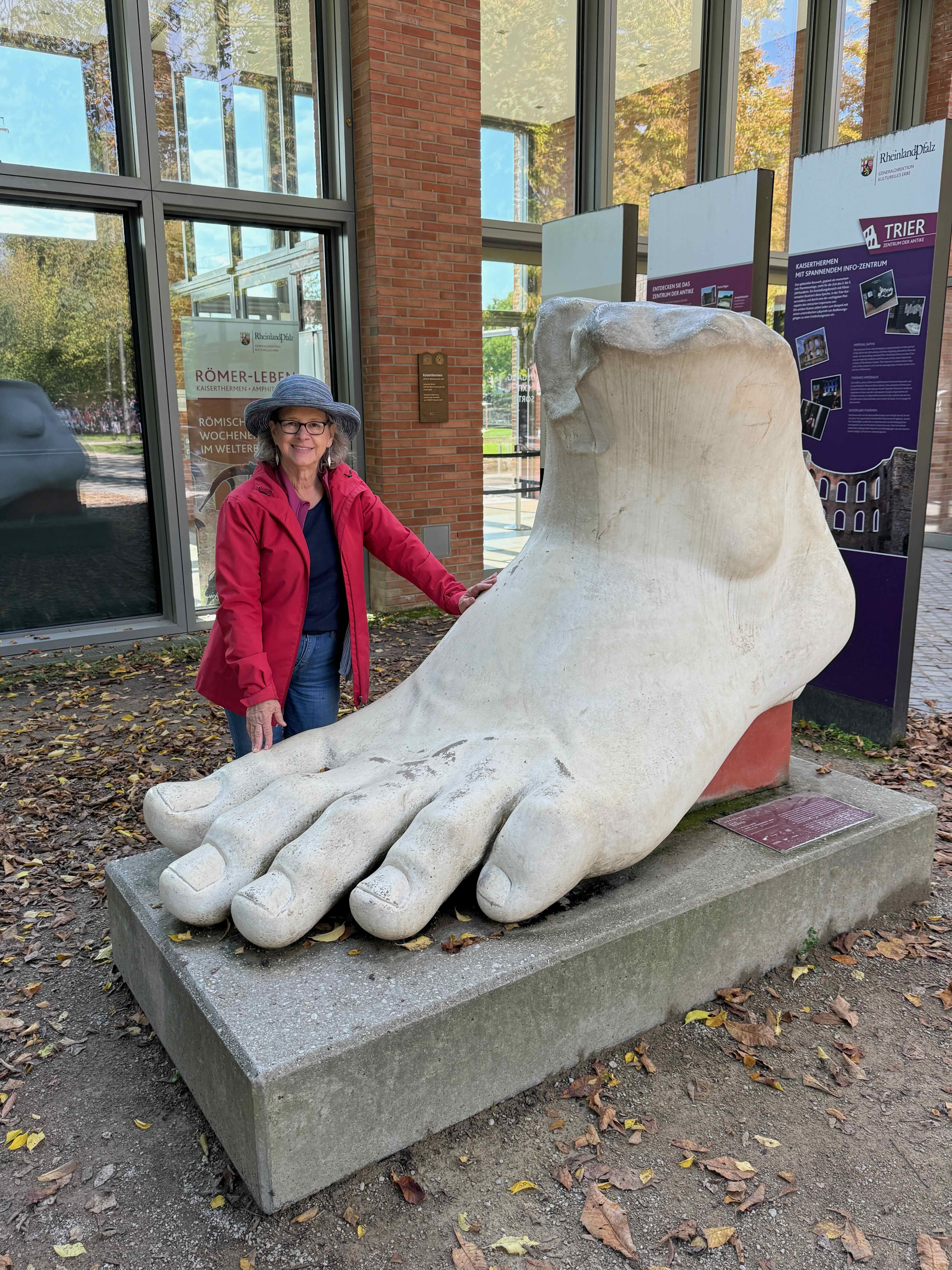
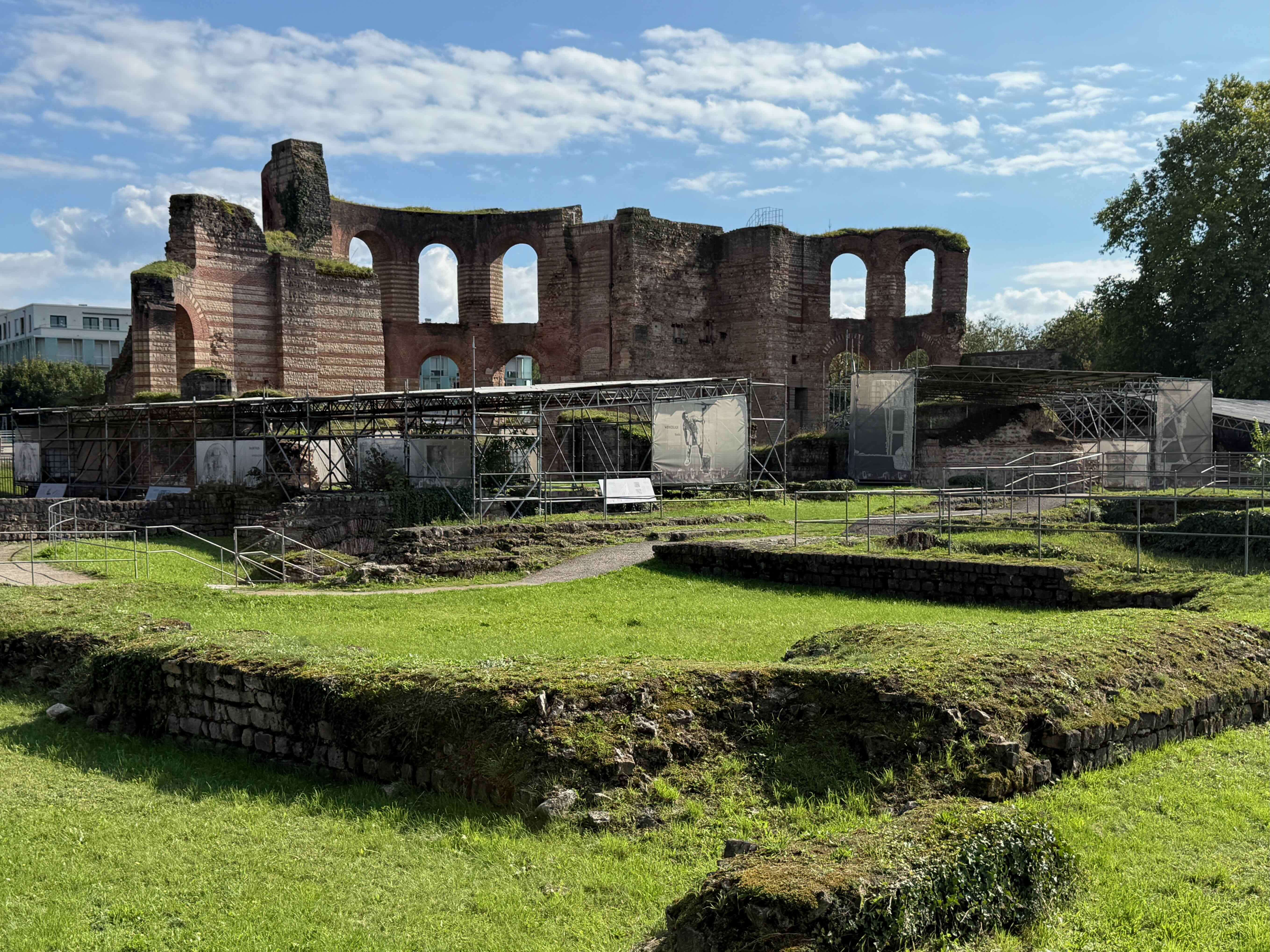
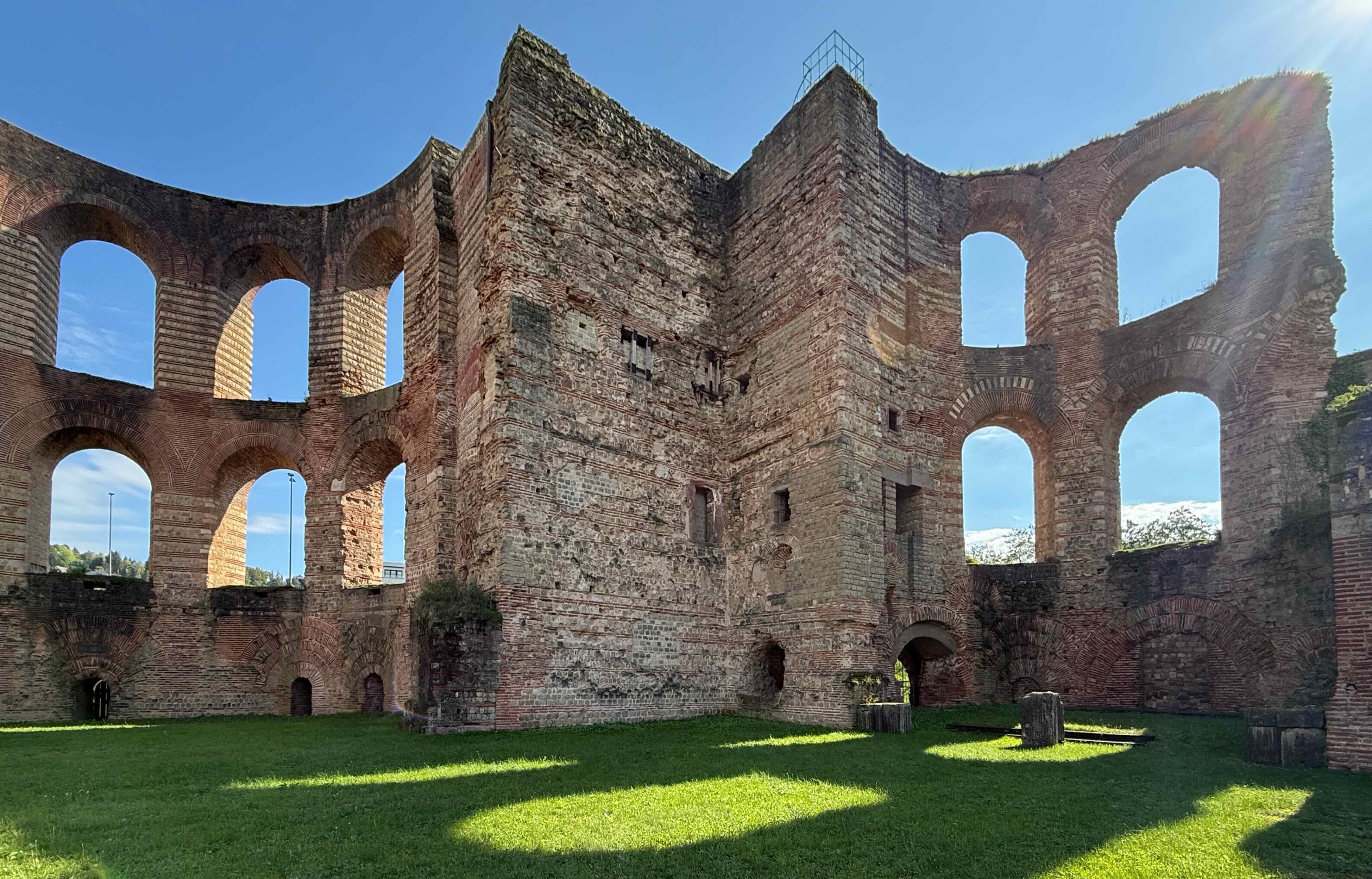
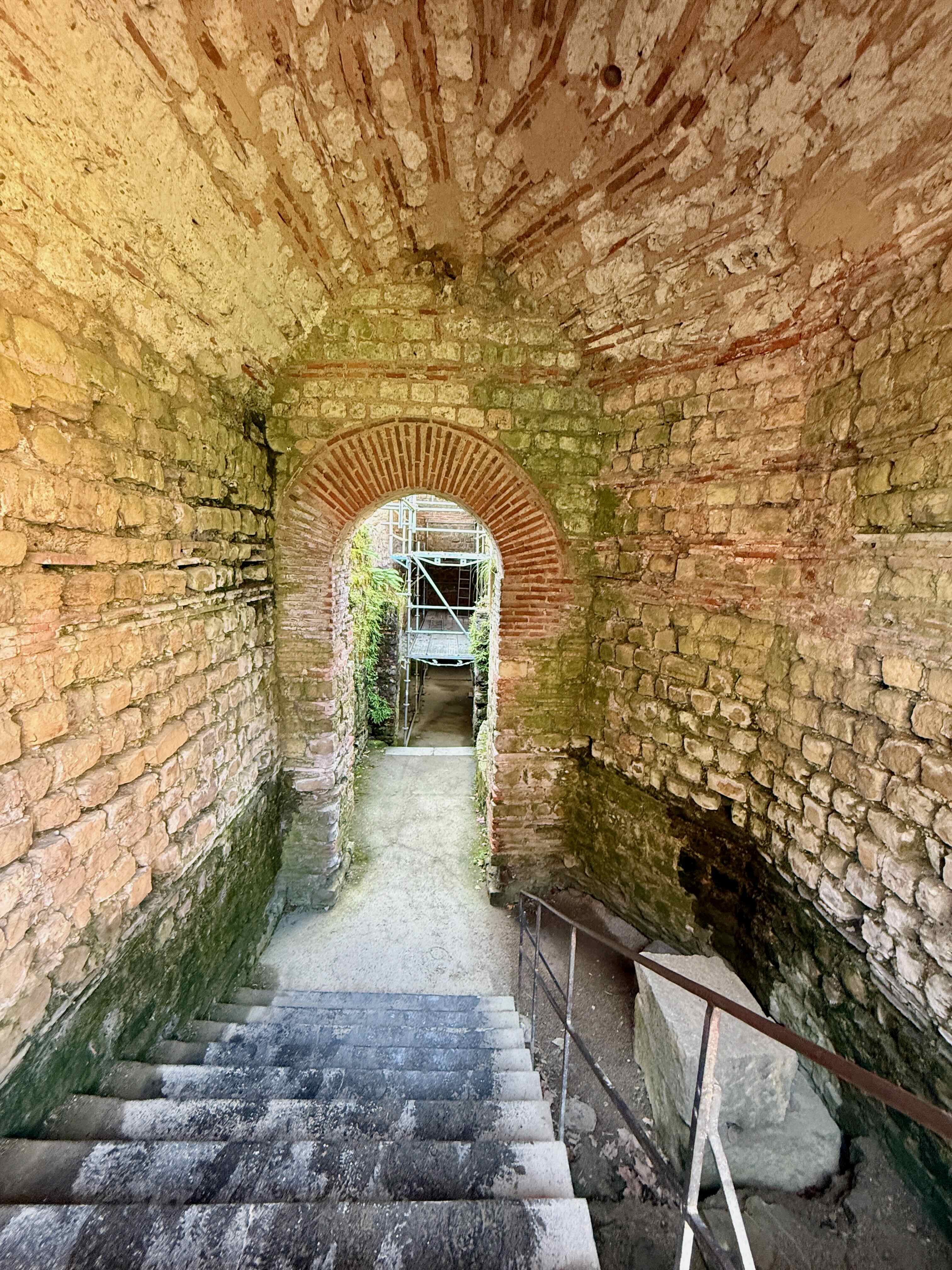
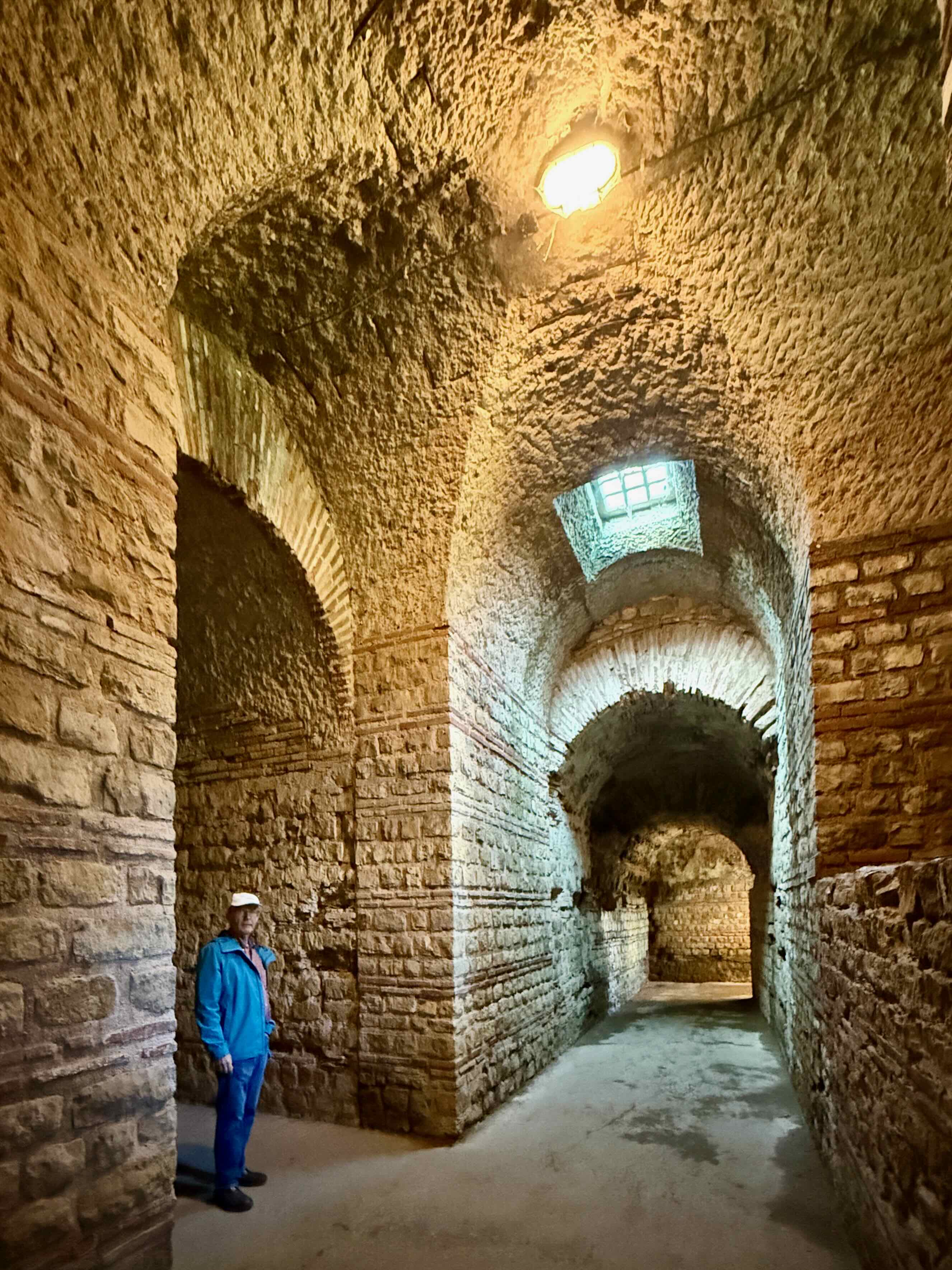
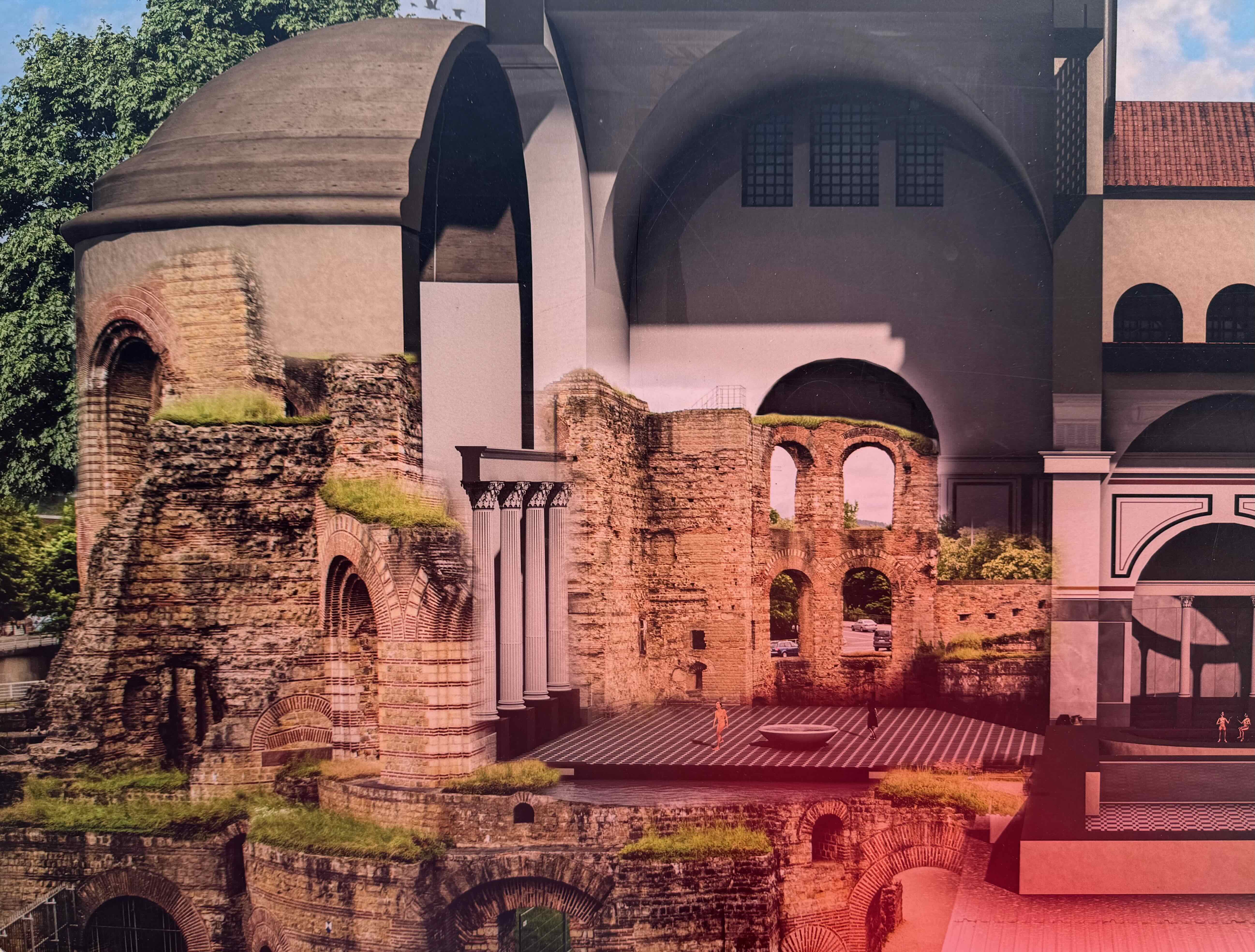
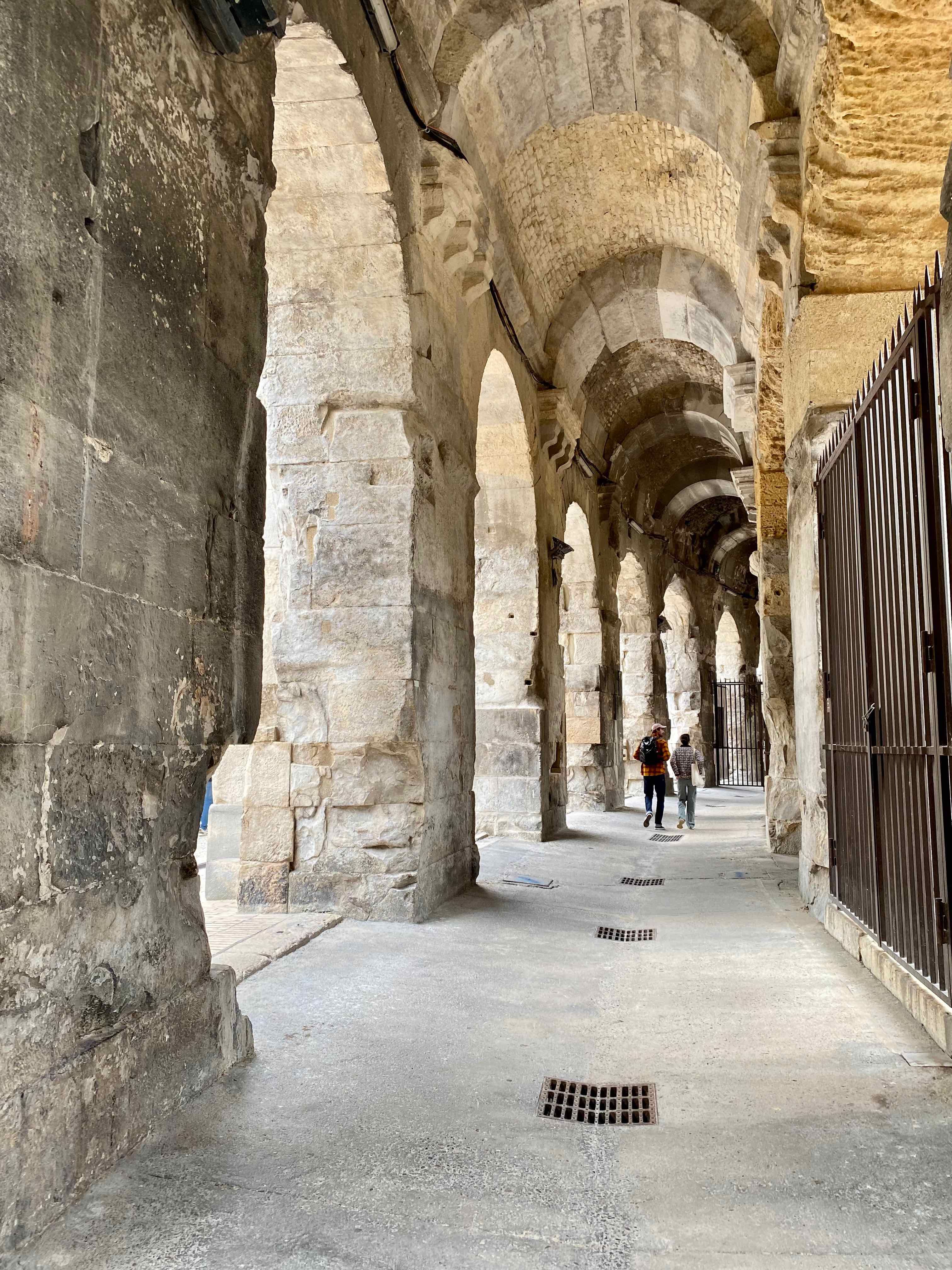
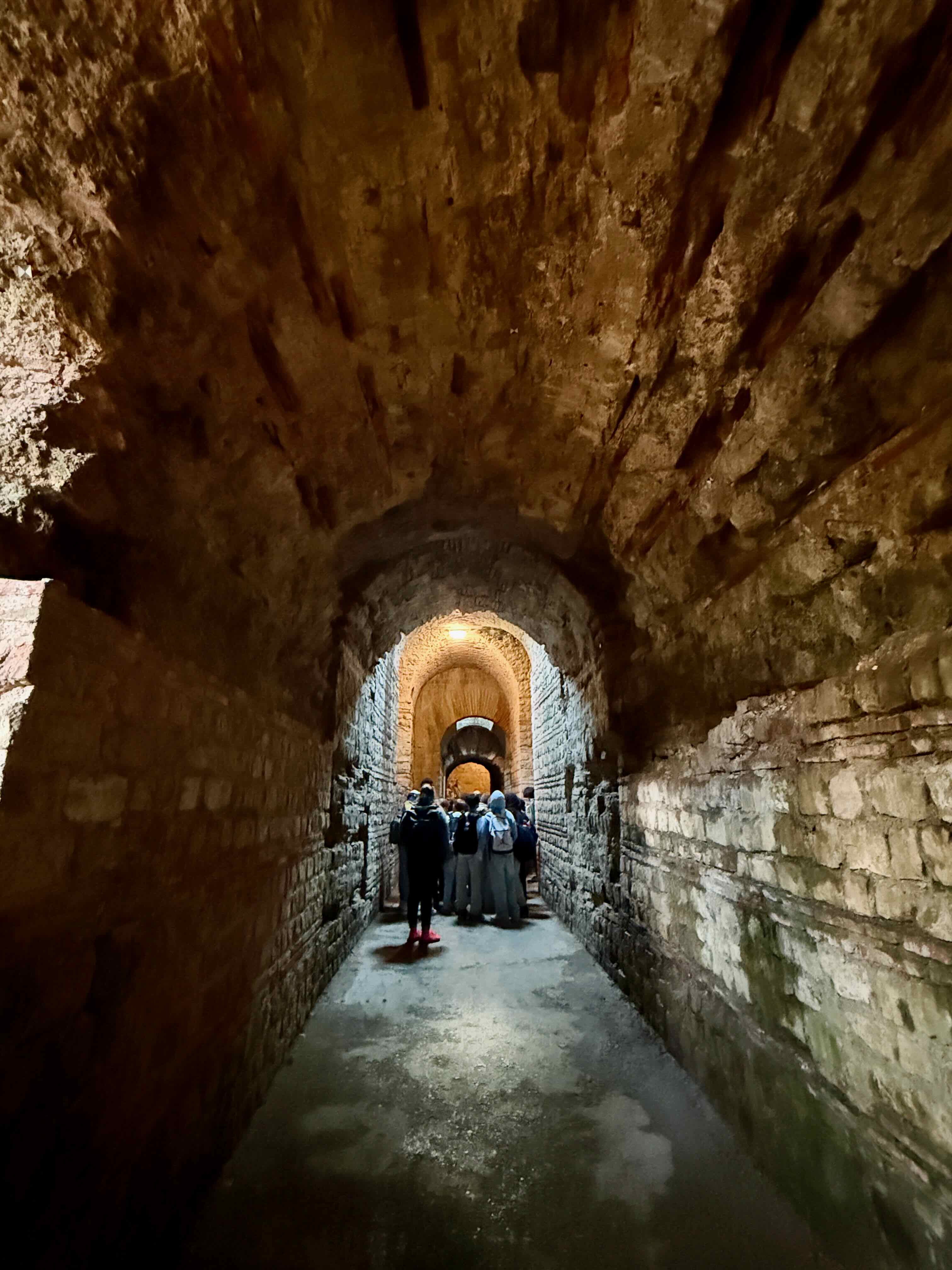 There are a maze of tunnels and we are free to explore as we wish. That is Bob peeking around the bend in the tunnel.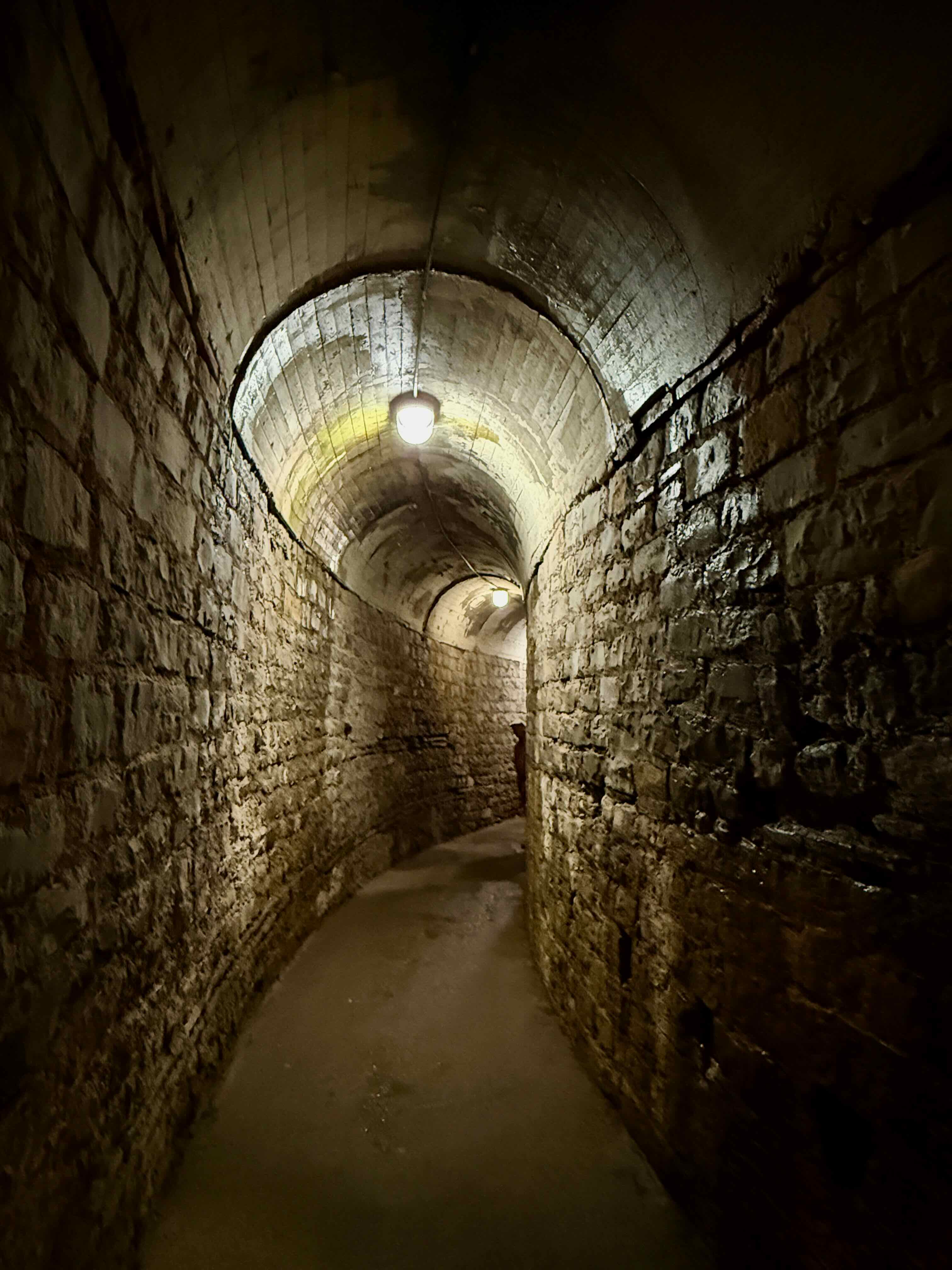

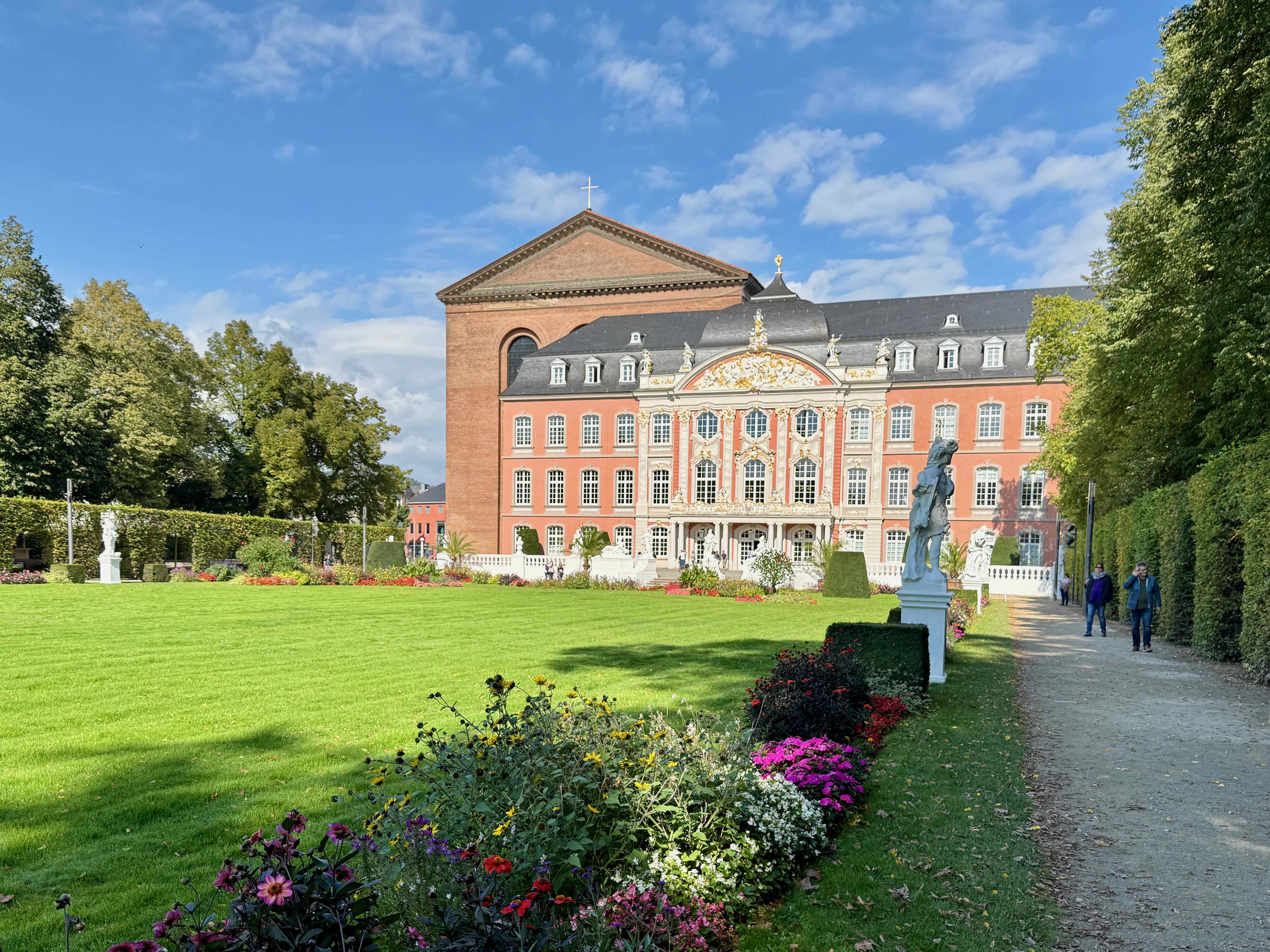
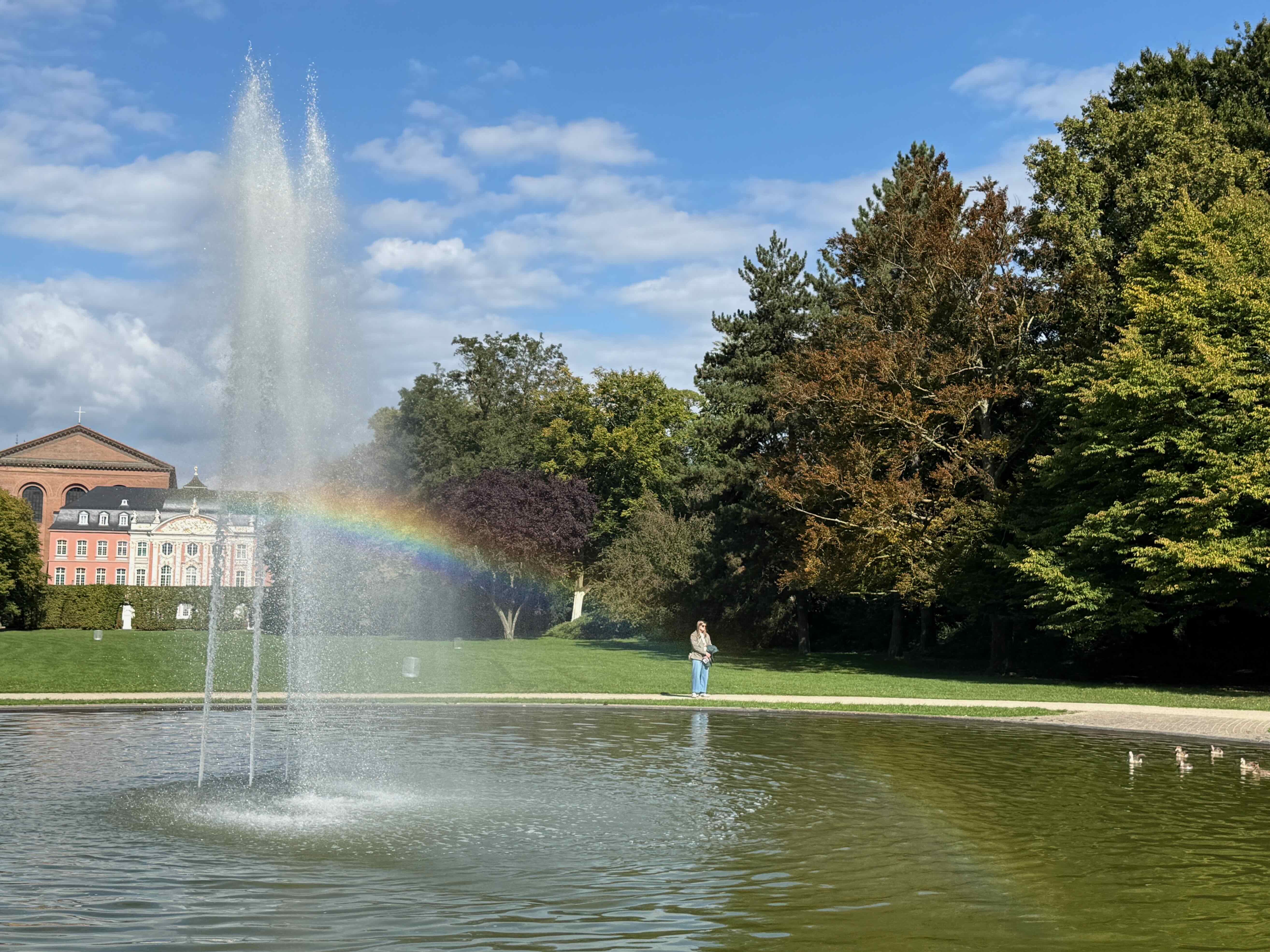
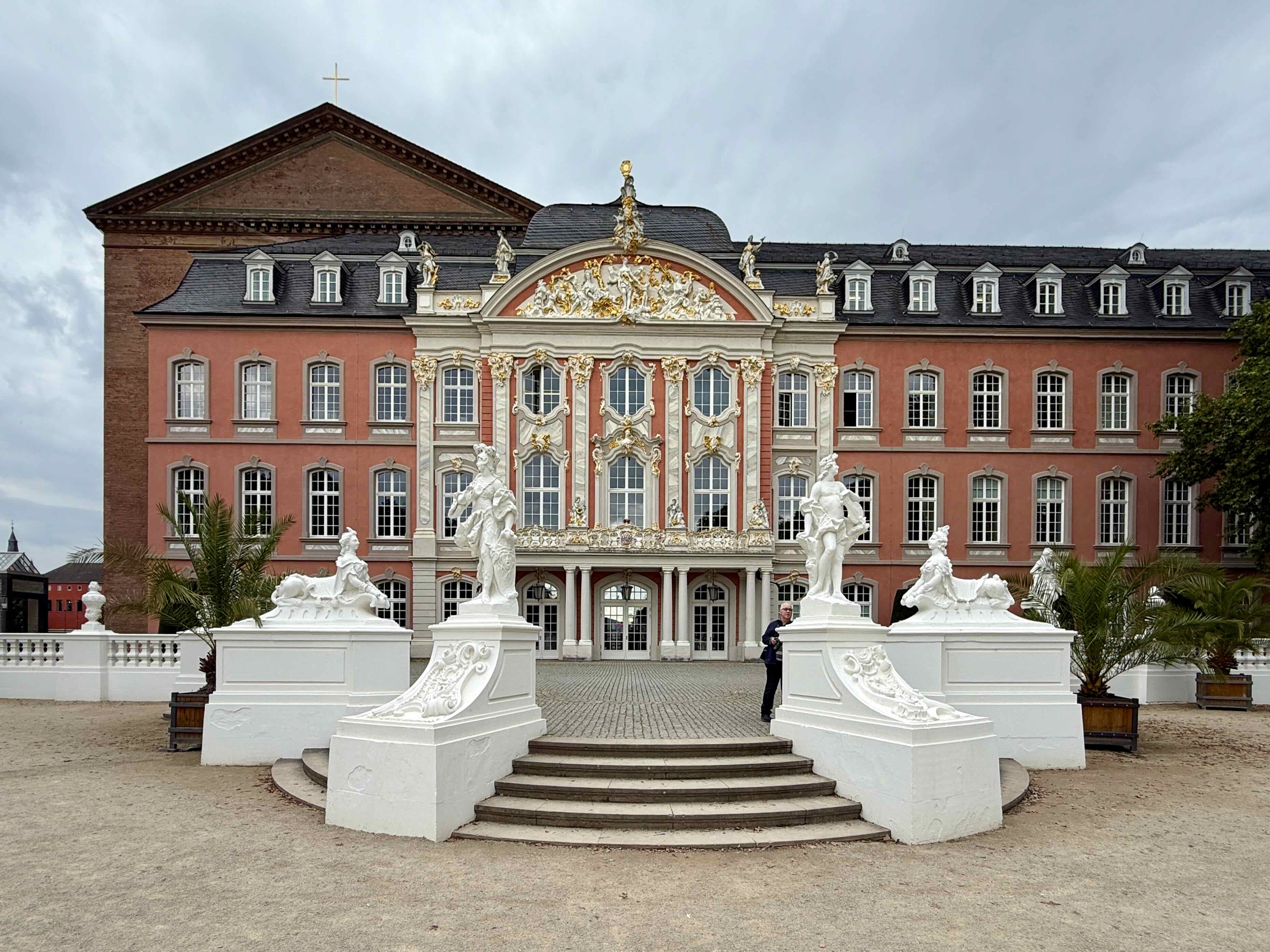
 We pass this lovely garden on the way to visit Trier’s cathedral.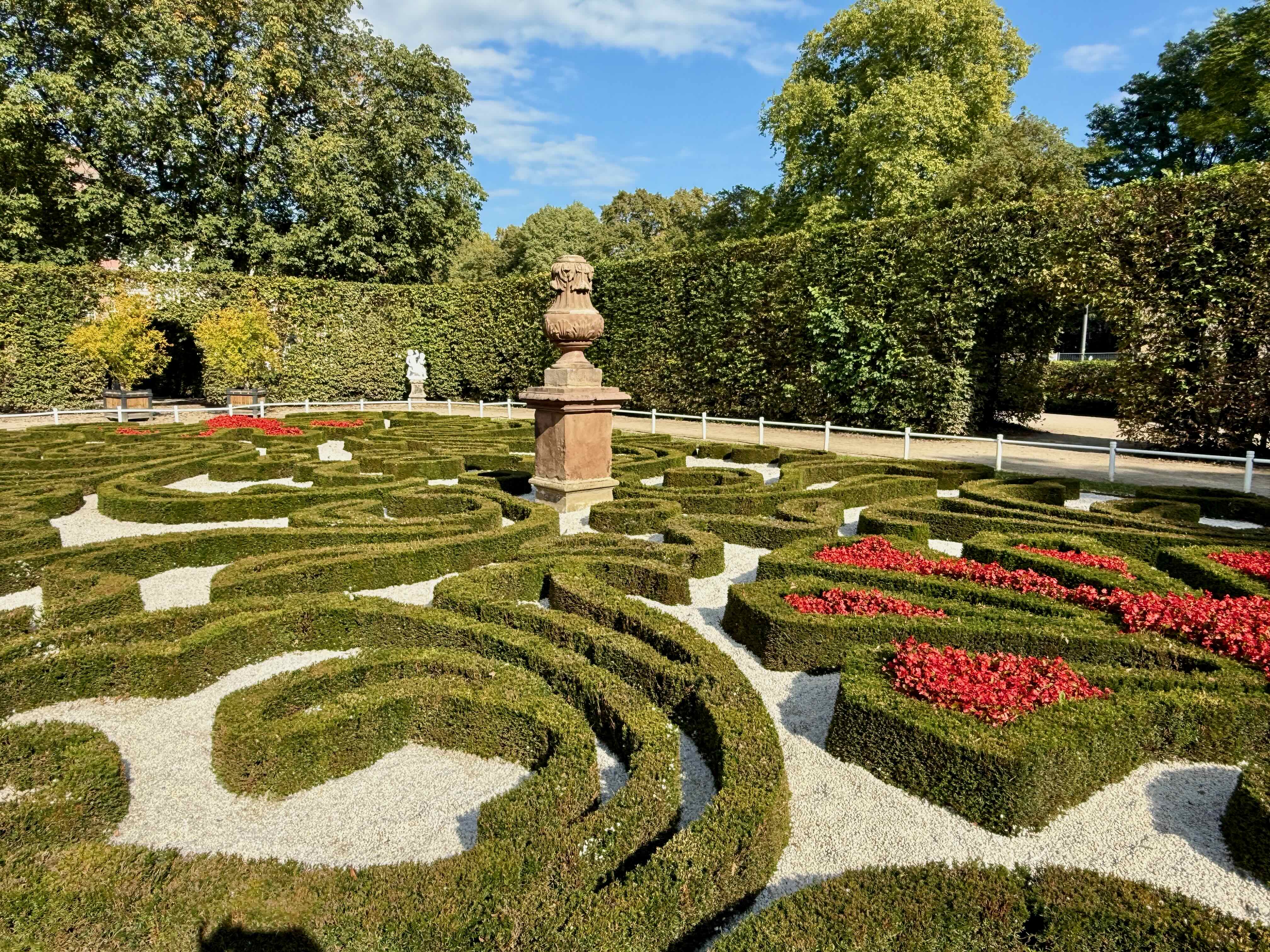
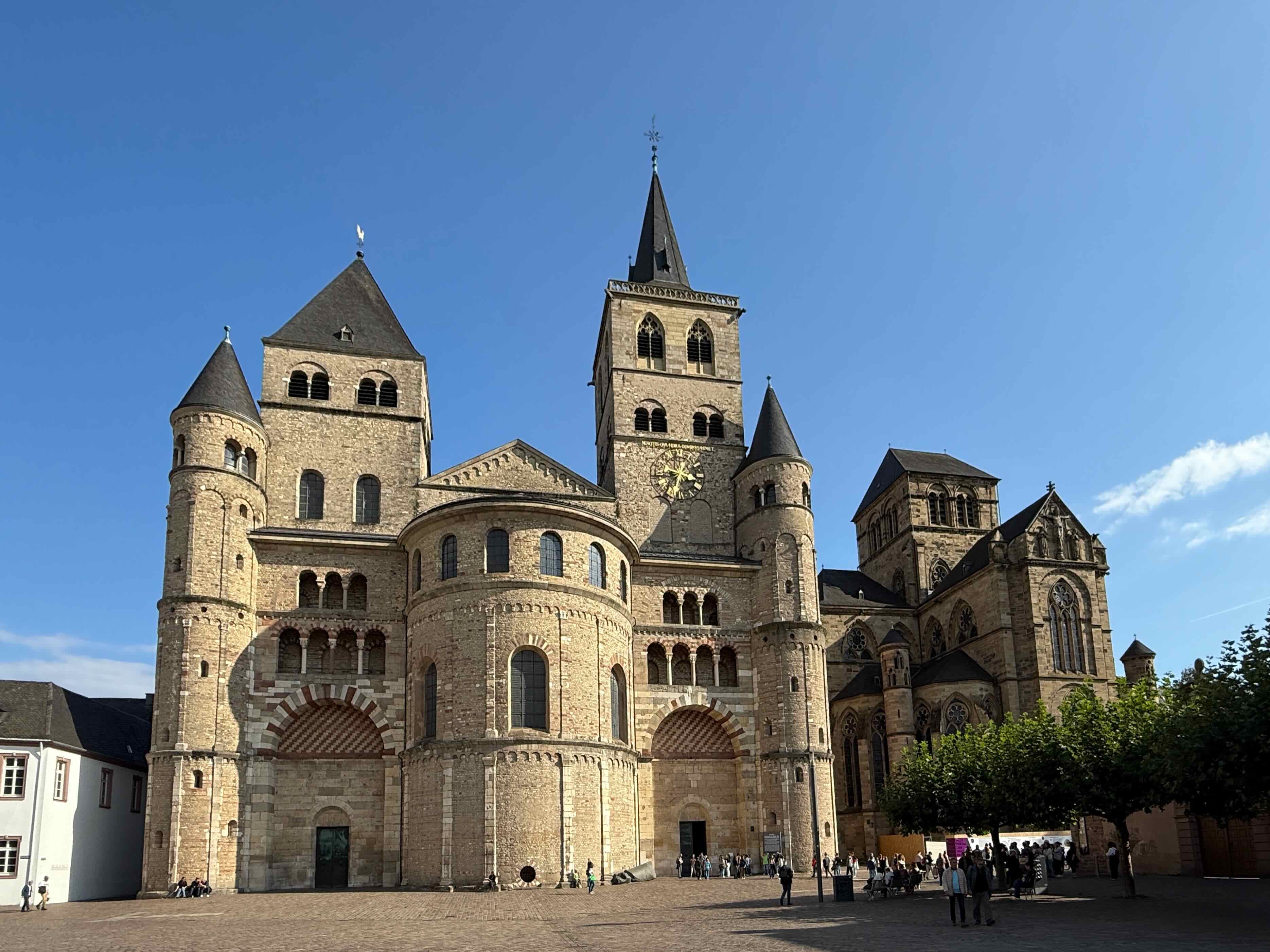
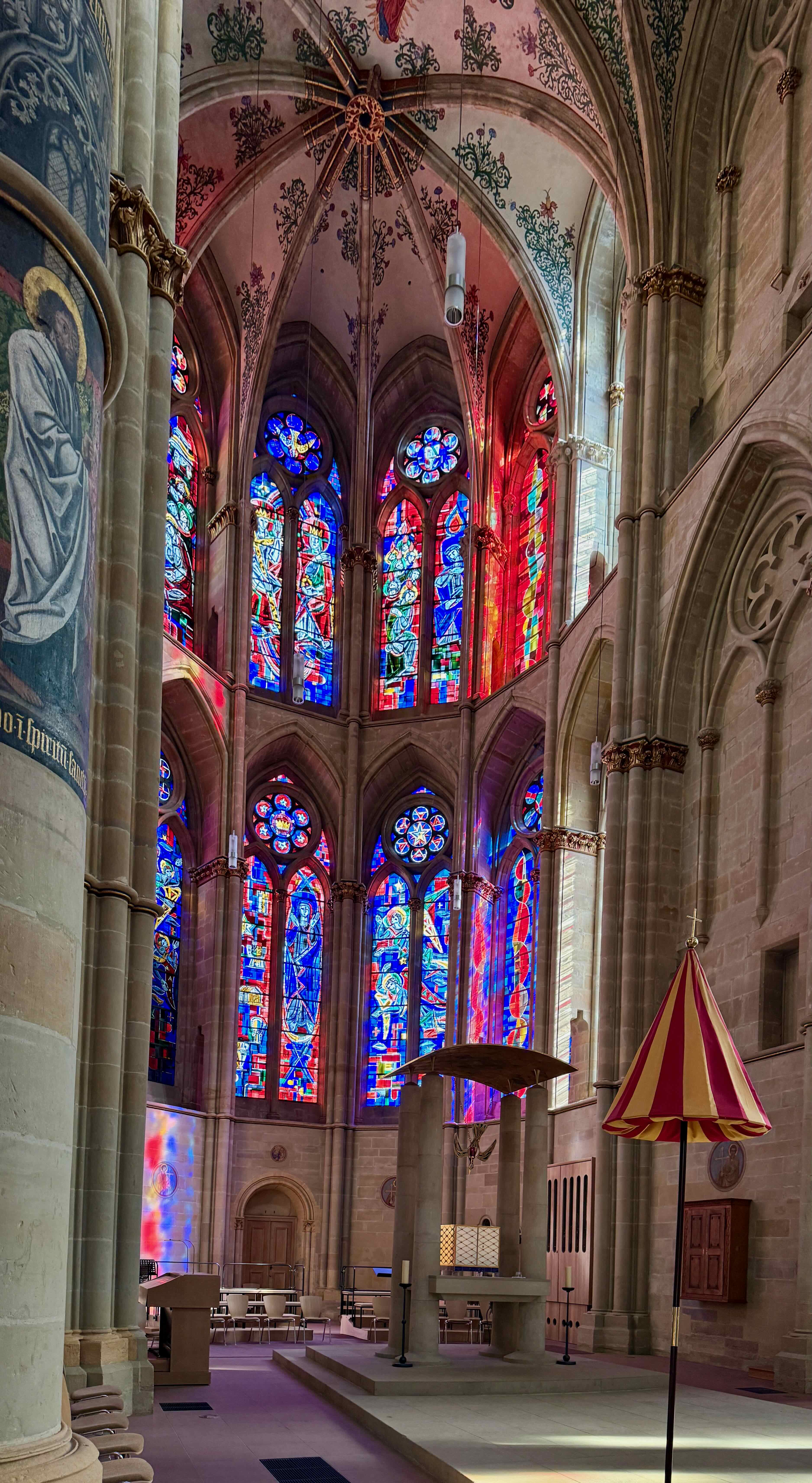
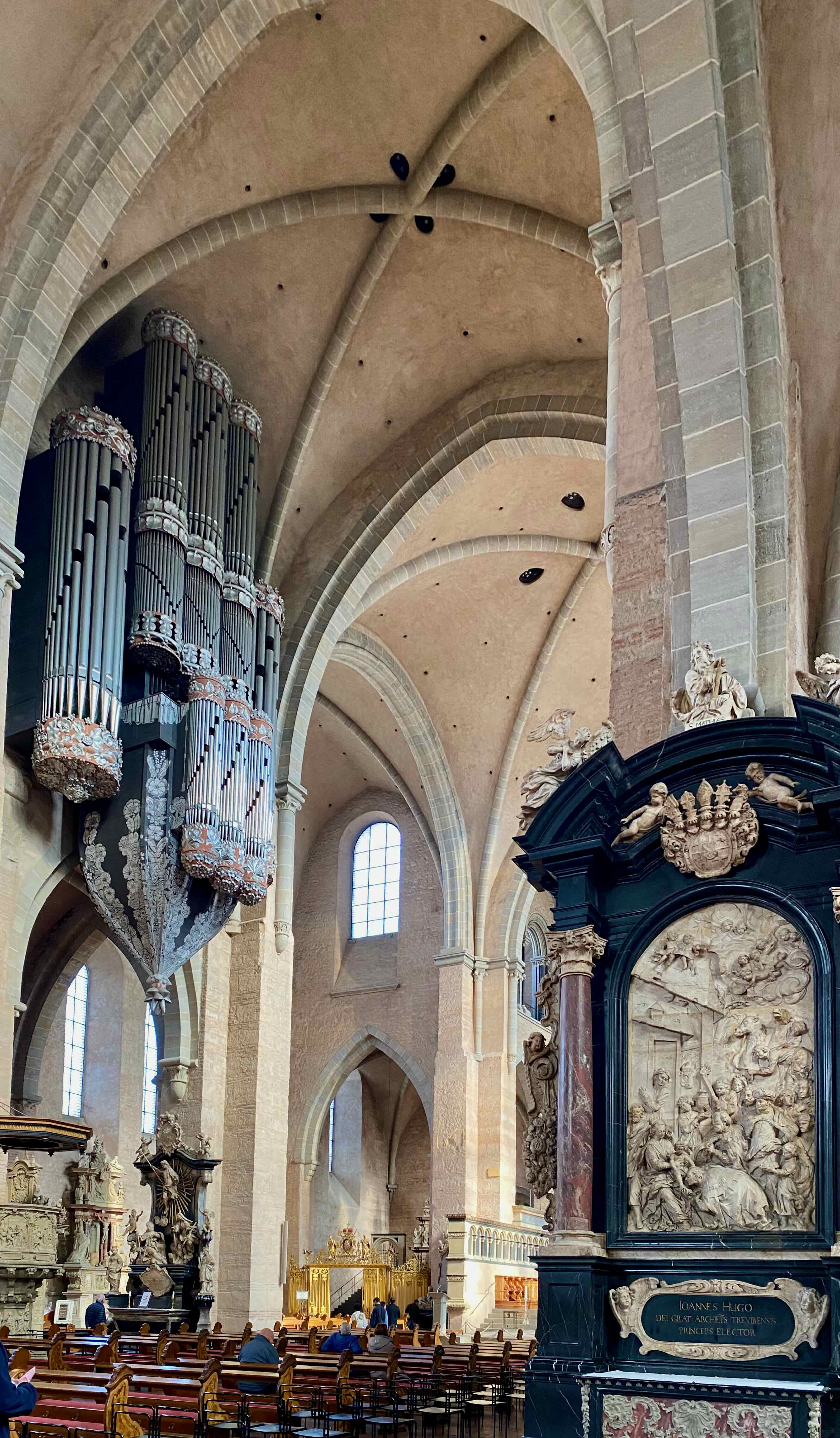 and many huge sculptures with multiple figures. We walk up these stairs for a view of the nave.
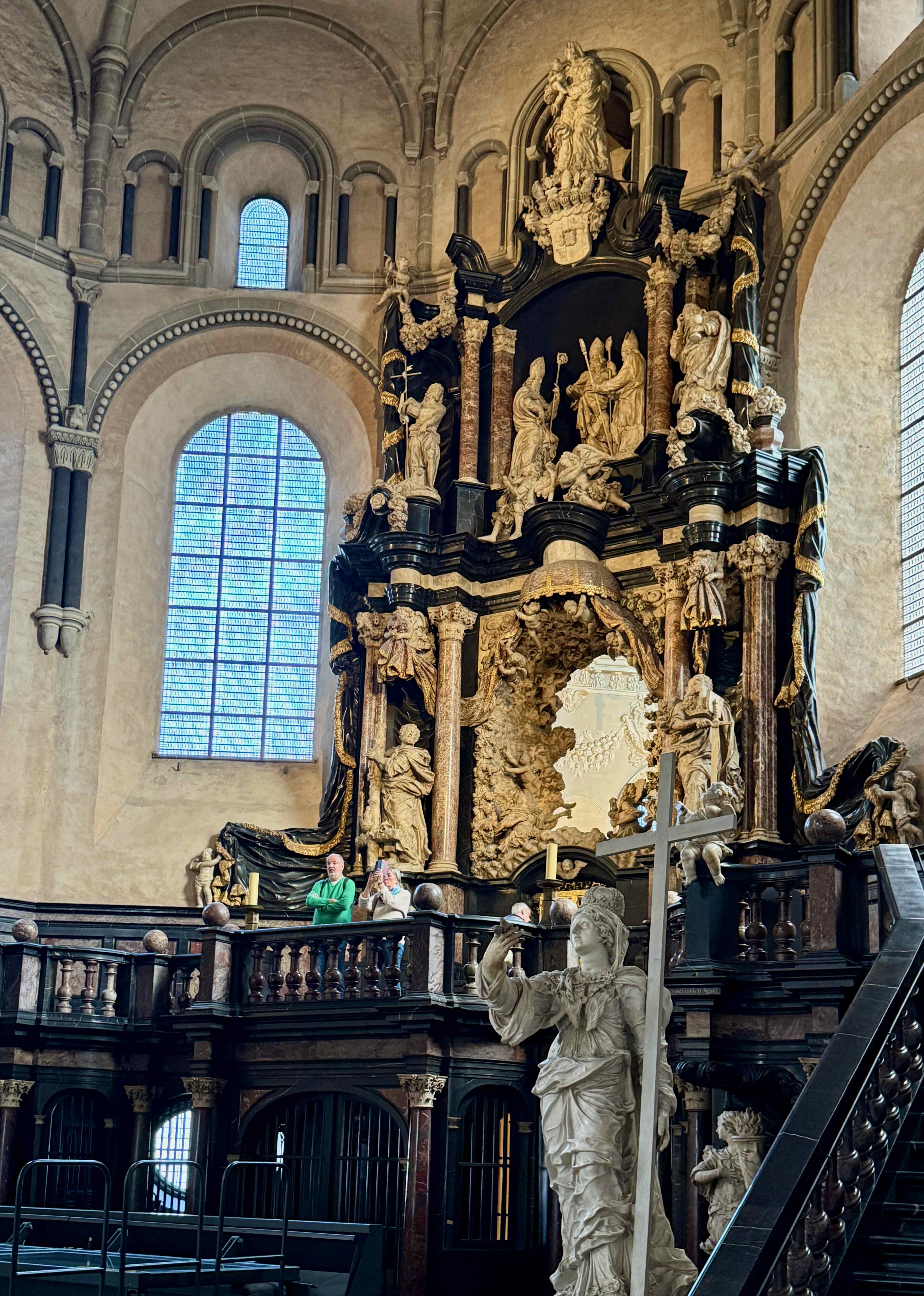 This beautiful blue and white Baroque stucco work decorates the choir loft of the Cathedral. It is stunning and unusual. This is the first time we have seen anything like this in a cathedral.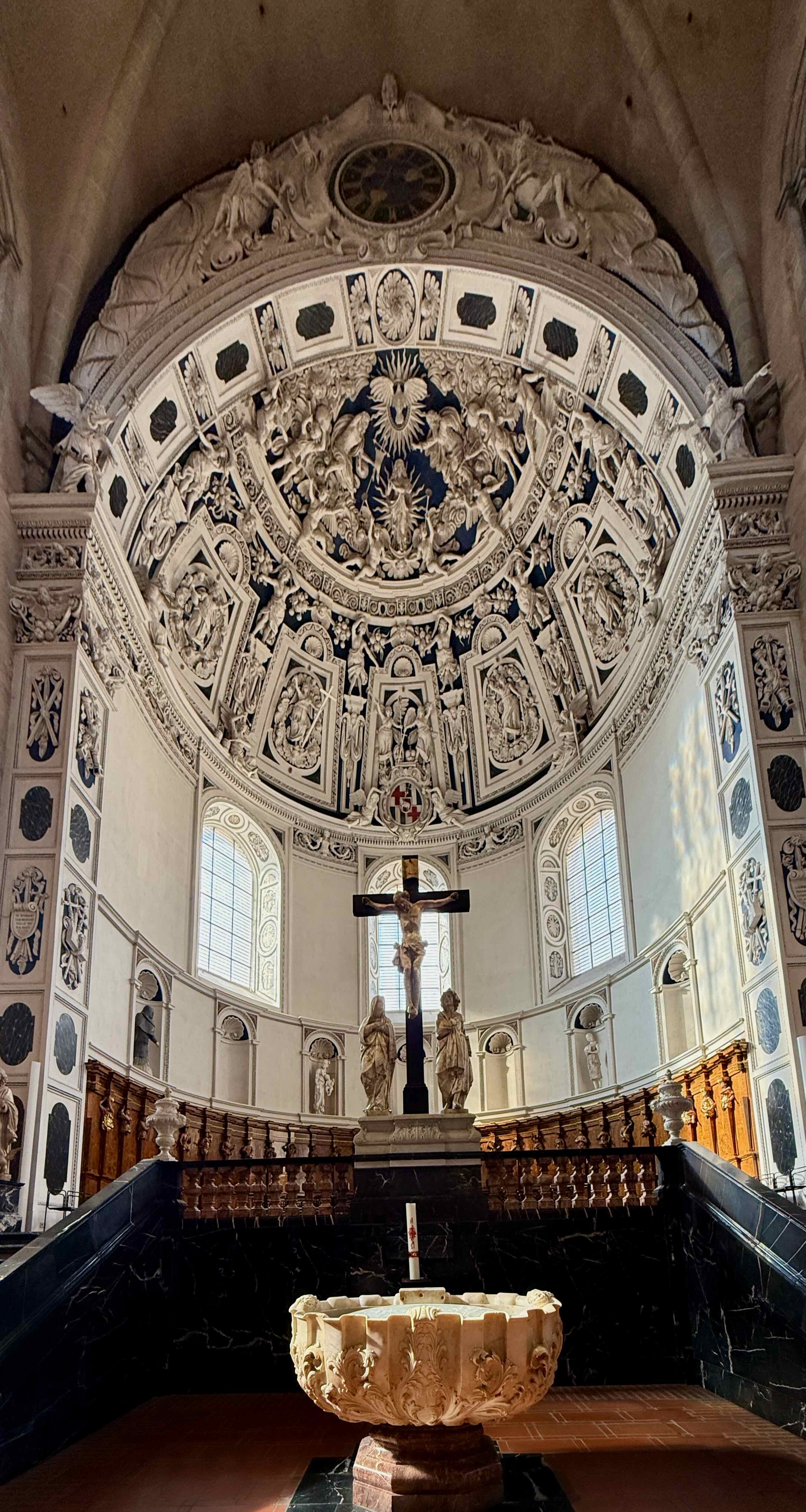
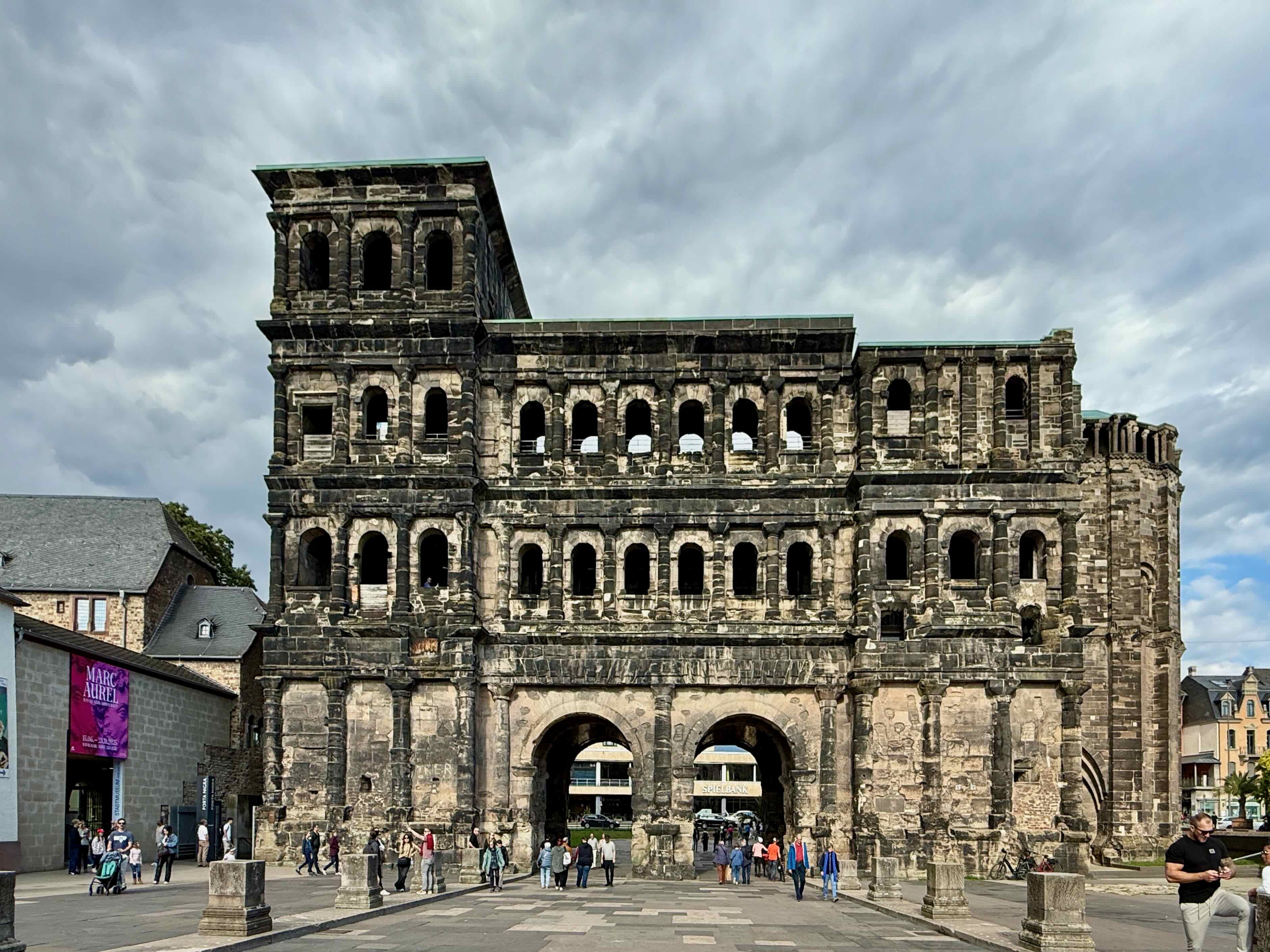
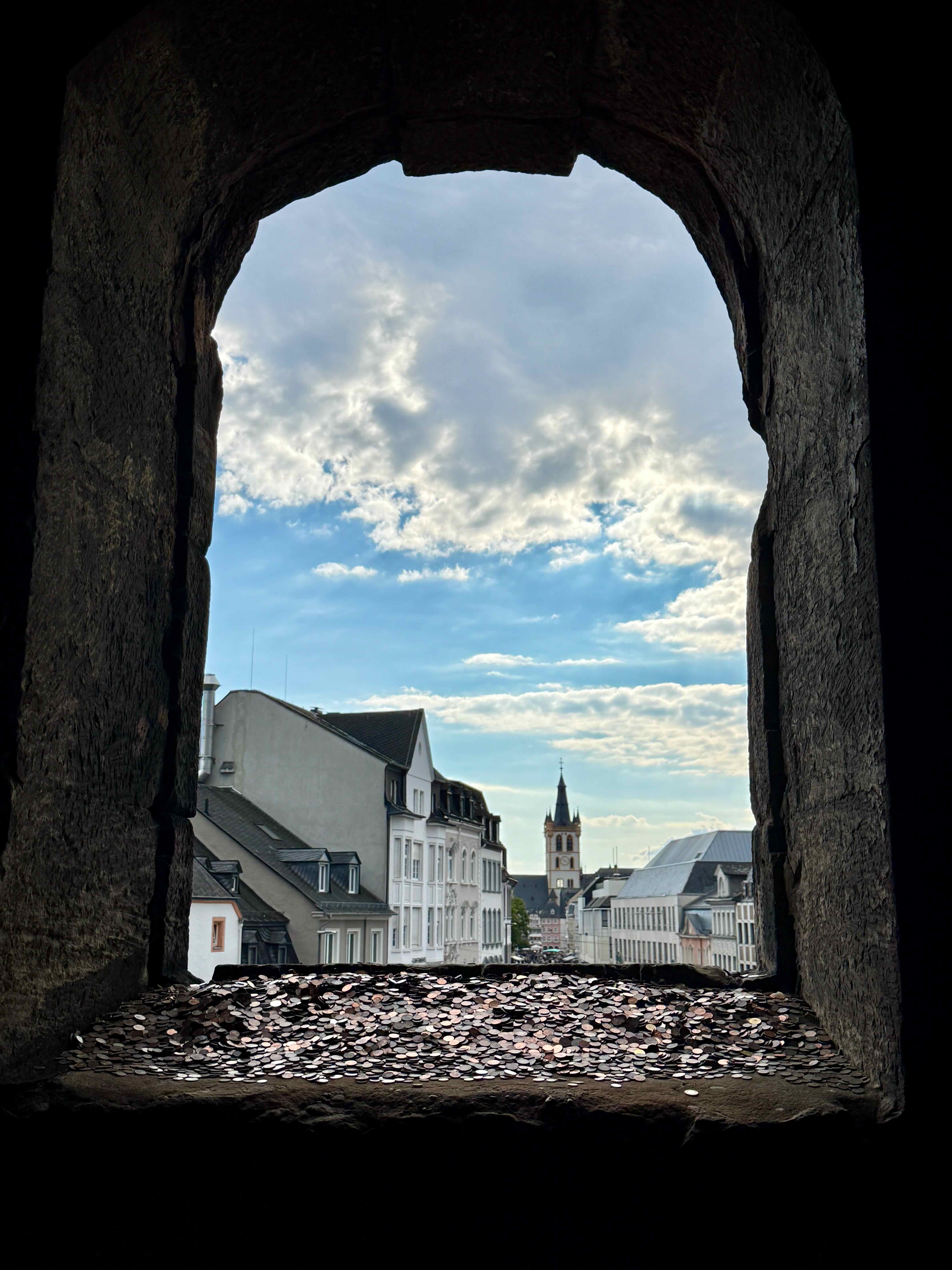
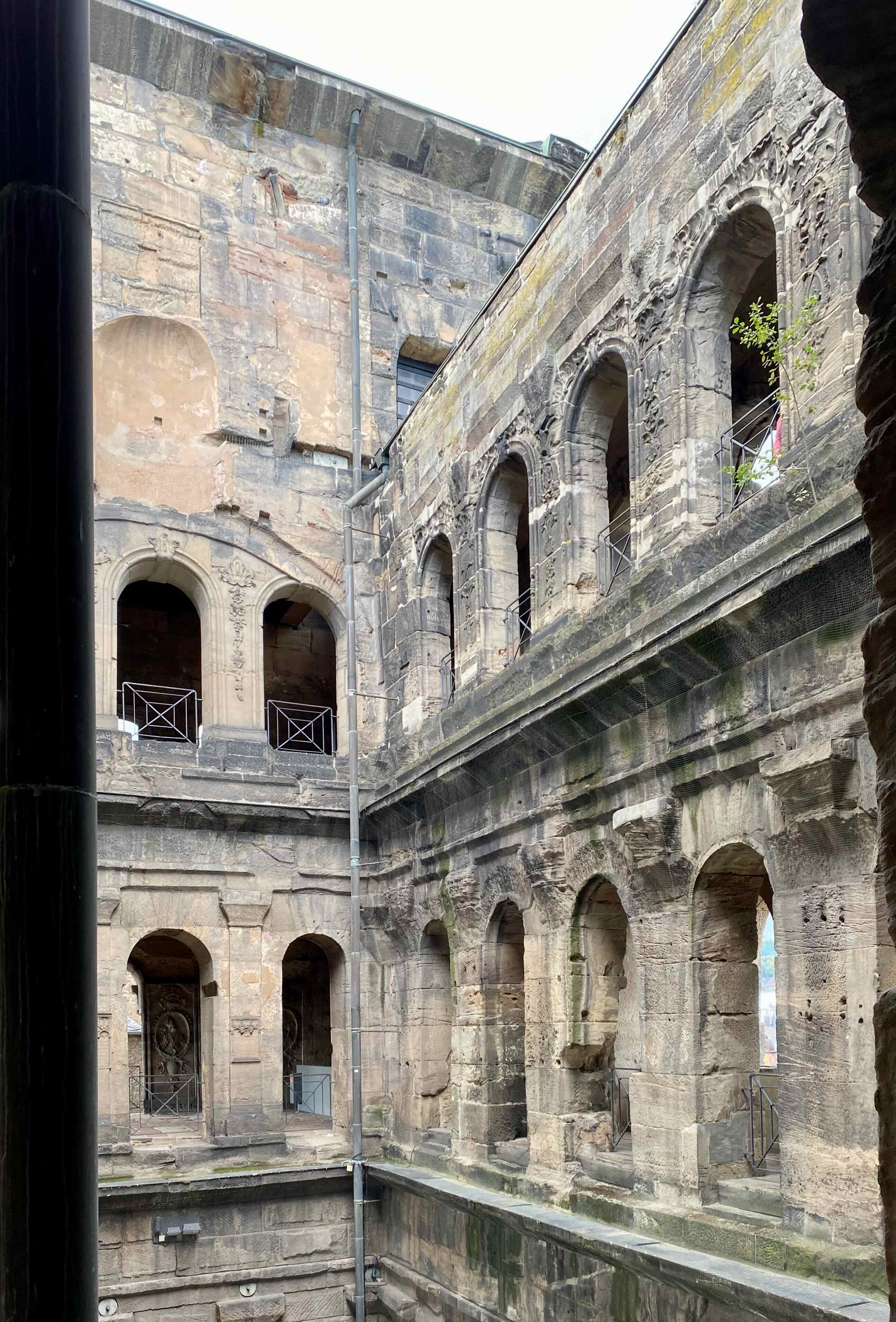
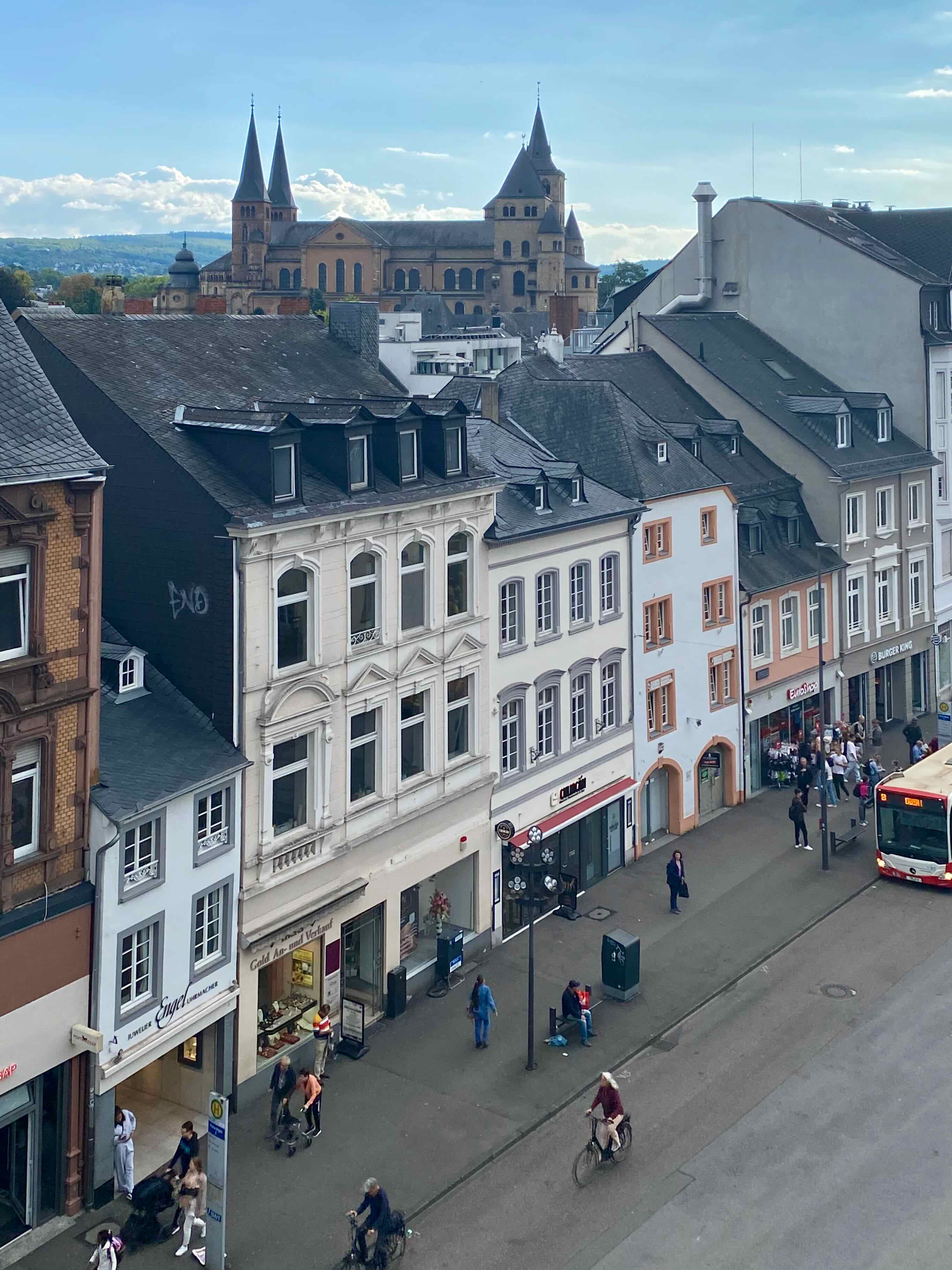
 These carved decorations are still in remarkably good condition.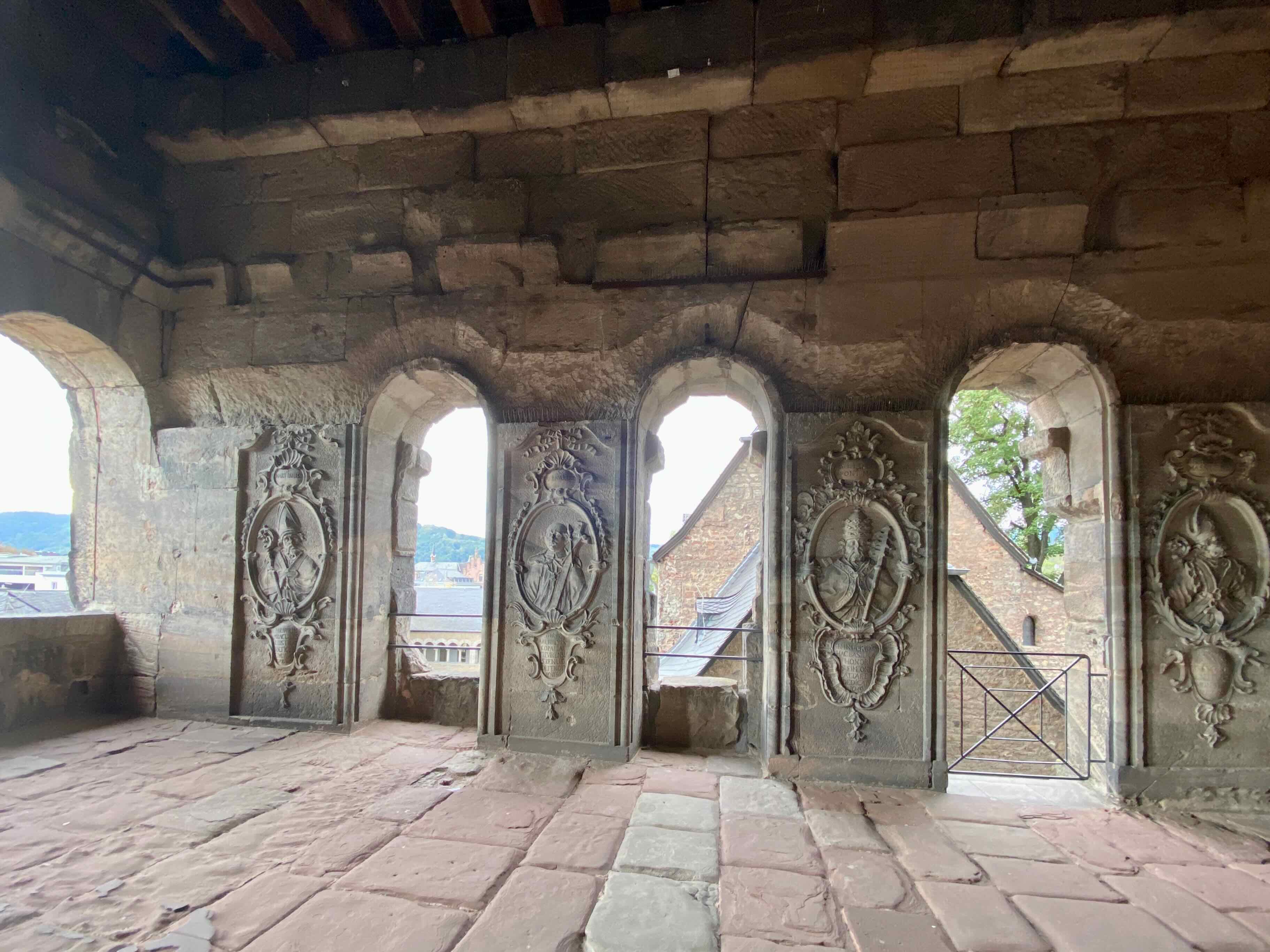
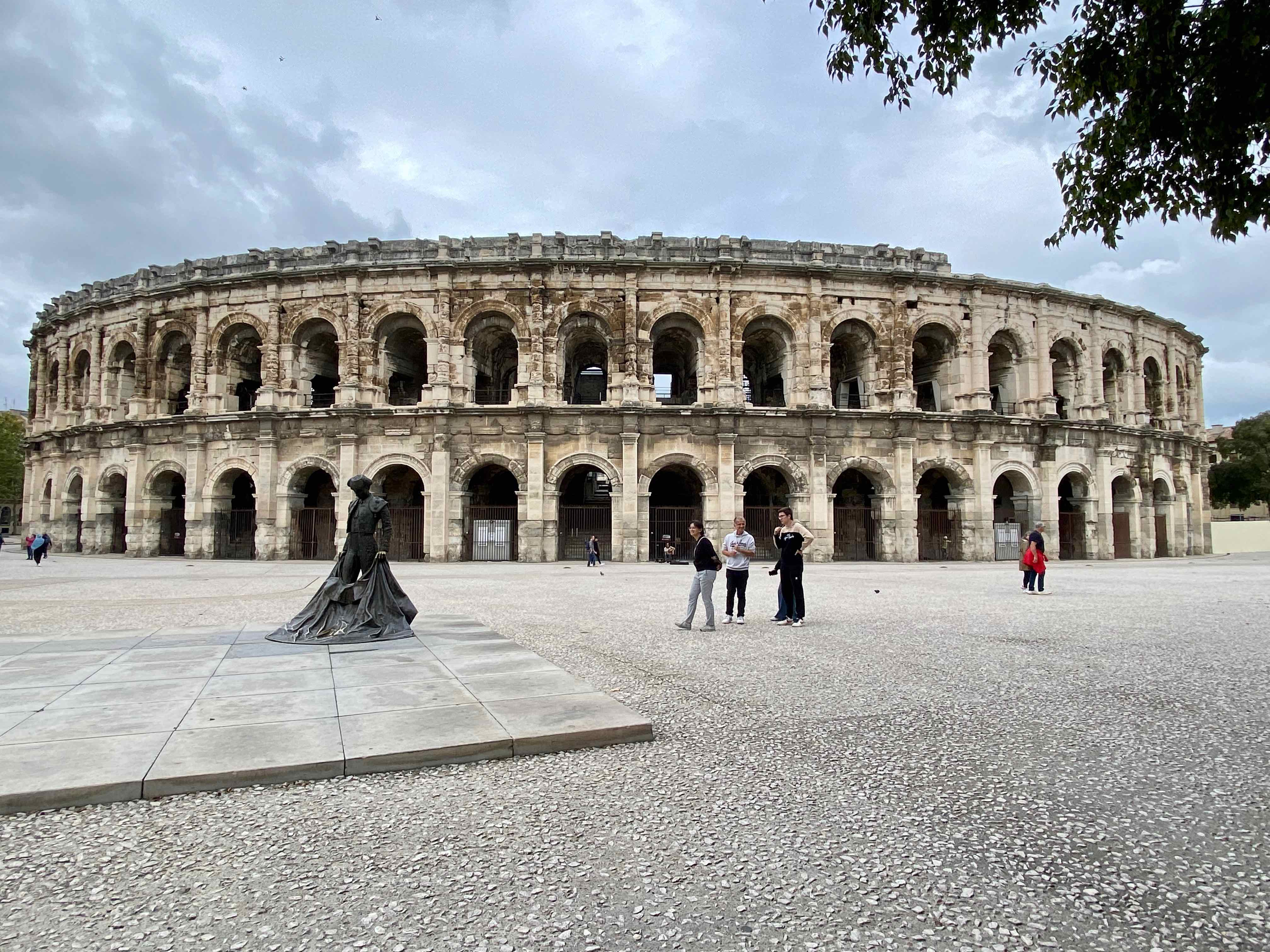
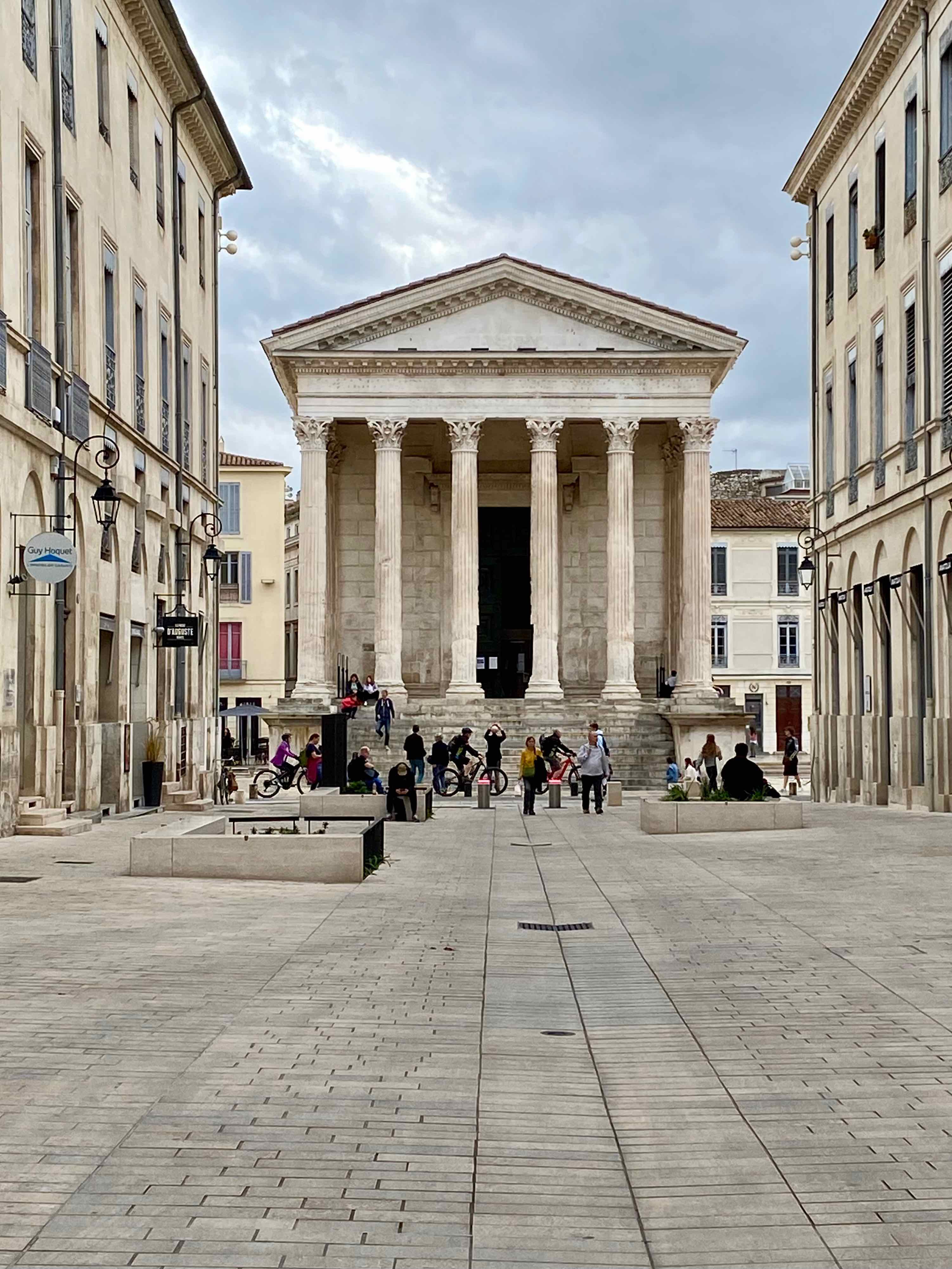
 The Maison Carrée is a very well preserved white limestone Roman temple that is about 2,000 years old.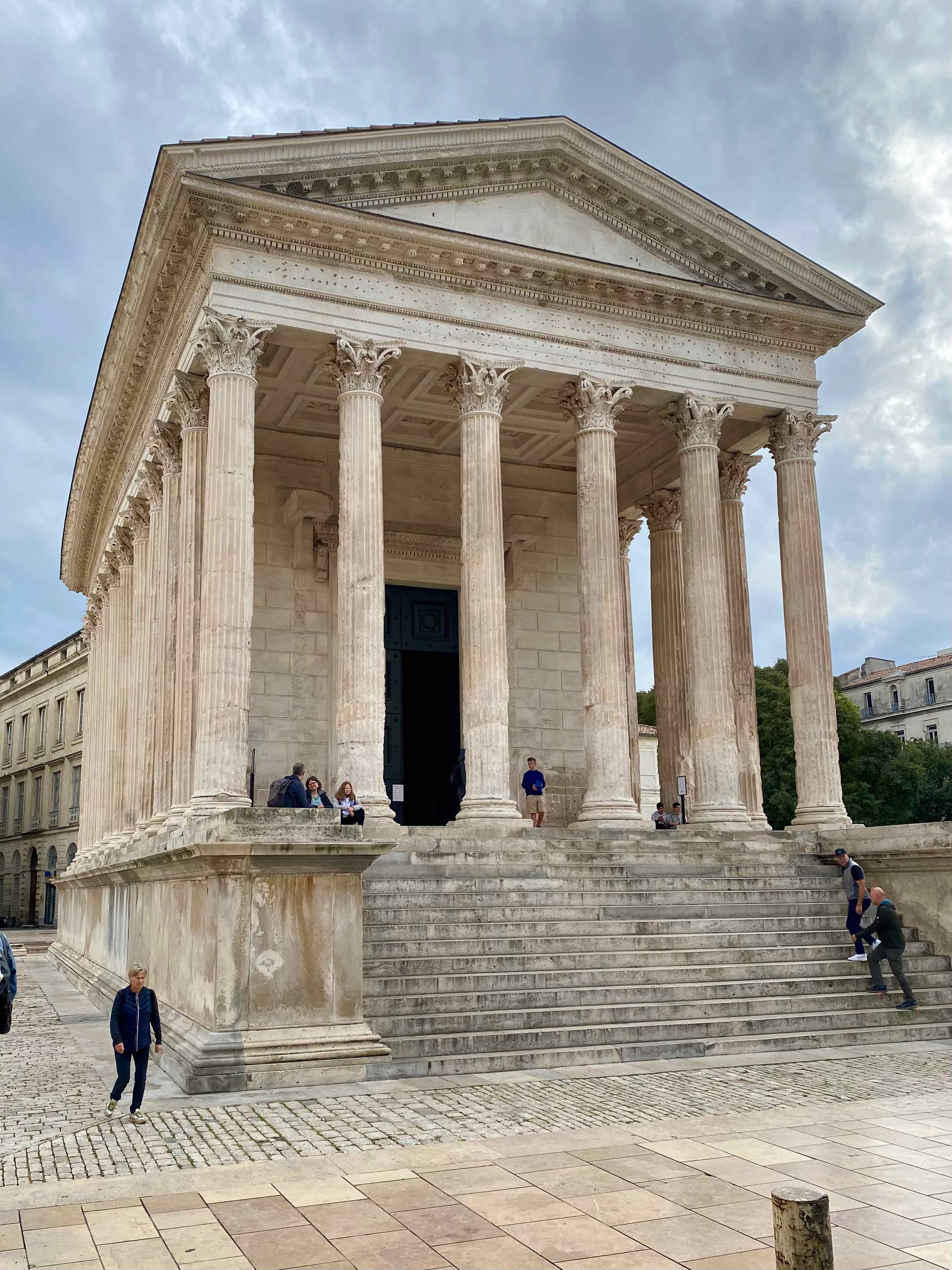

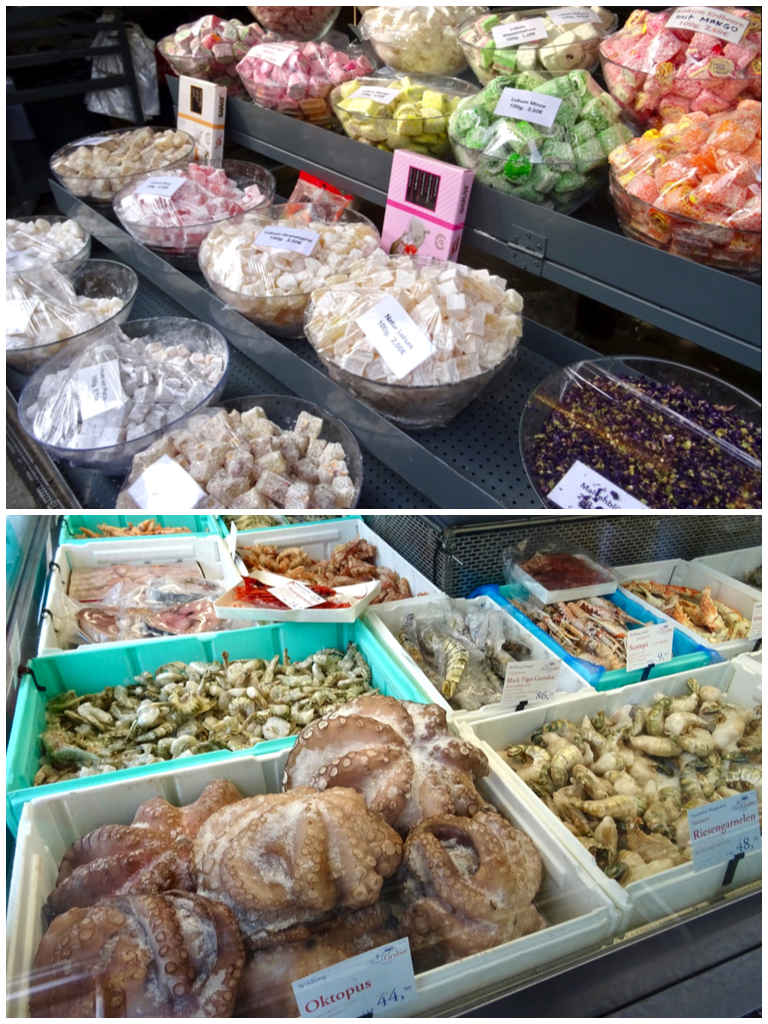
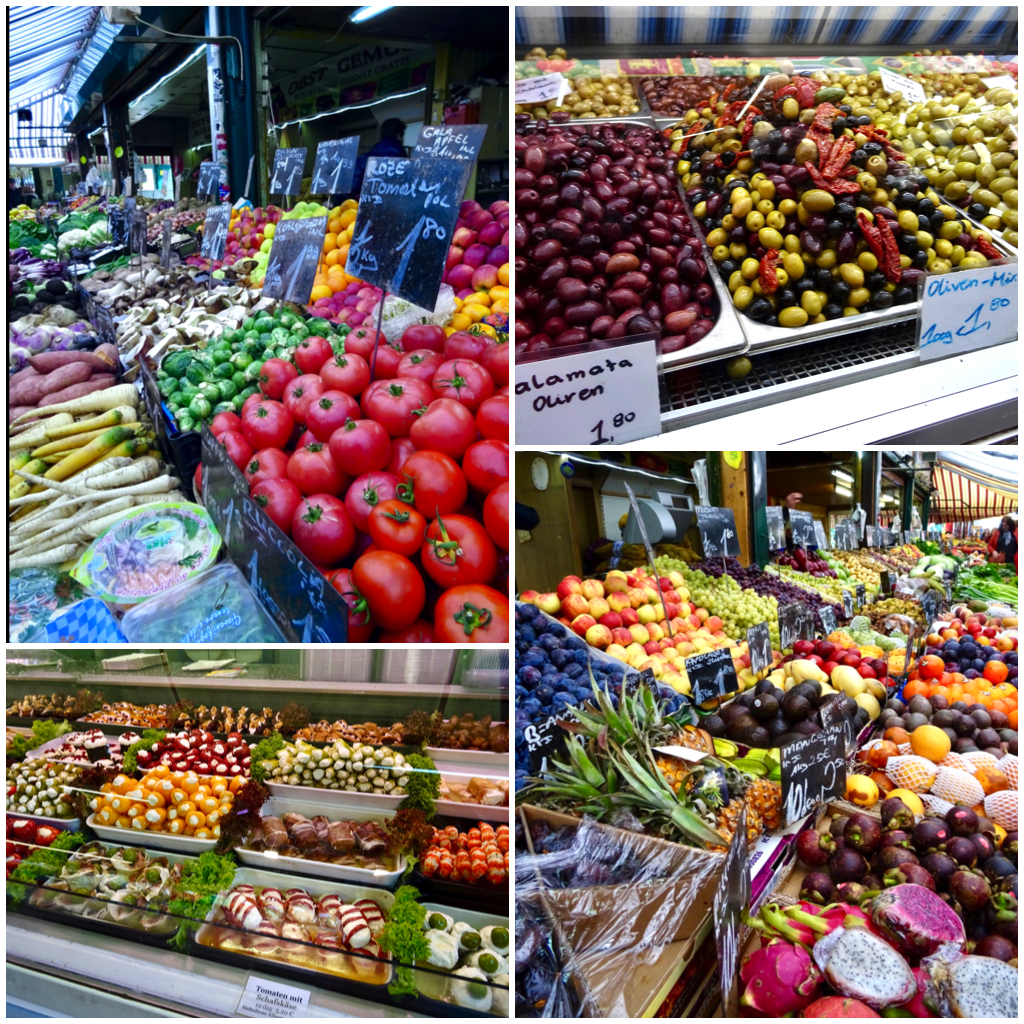 as well as all sorts of candies, dried fruits and some rather exotic looking products in the fish market section.
 Near the Naschmarkt we find this interesting tribute to the Orson Wells movie, The Third Man. It is possible to tour the sewers, right under our feet, where part of the movie was filmed, but we pass on that today.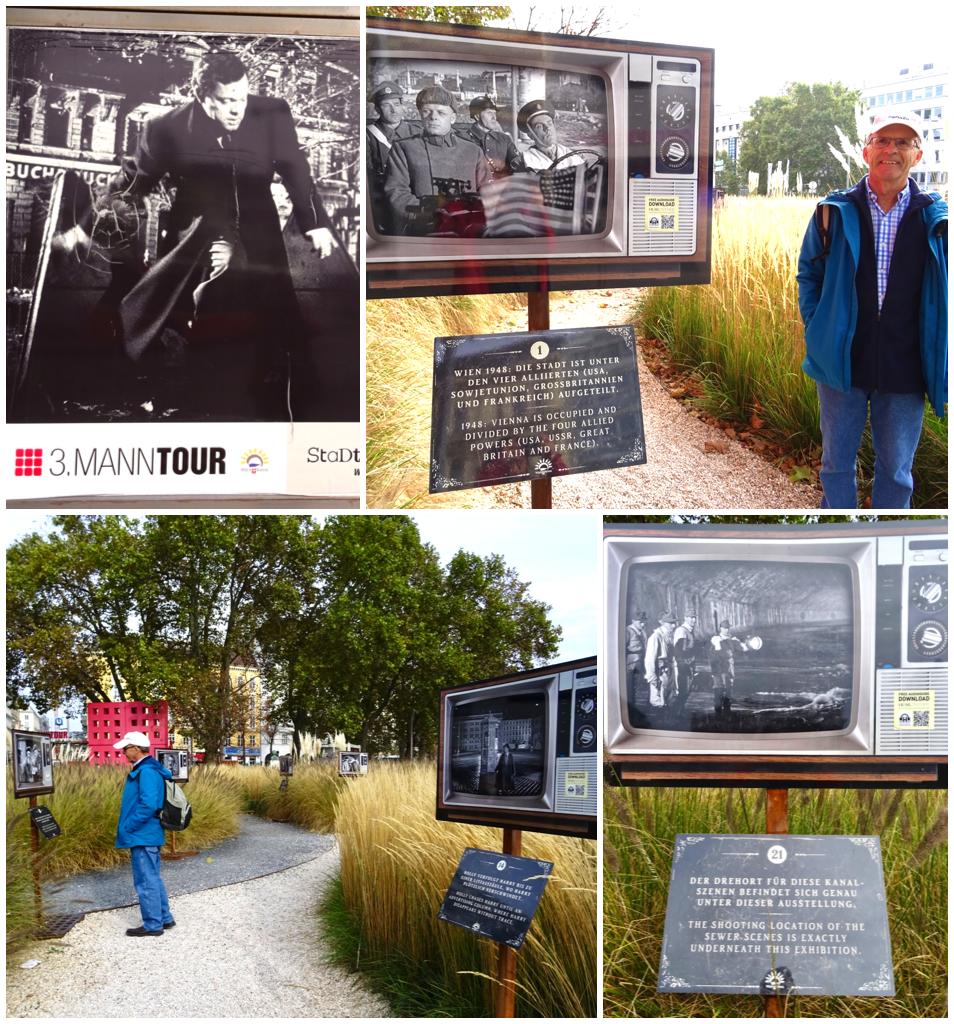
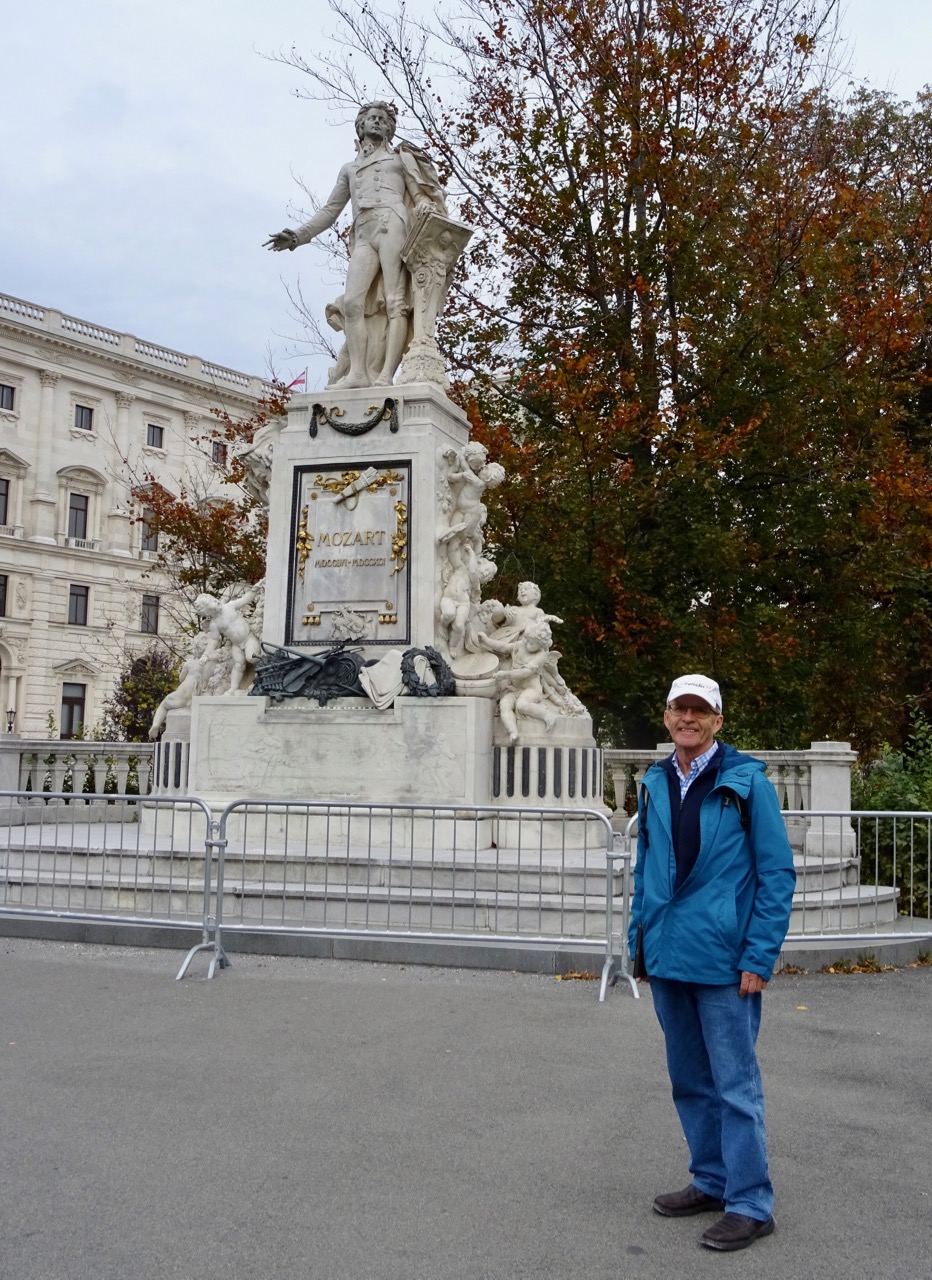
 There is a statue of Mozart, right beside a Hop On Hop Off bus station. We sit and have our picnic lunch and watch tourists jump off the bus, snap a photo from quite a distance, and then jump back on the bus to get to the next destination. This sure isn’t the way we do it! We sight-see very slowly and leisurely, stopping often to look at the sights, people watch and just enjoy where we are and what we are seeing. We are very slow tourists!
 This equestrian statue of Emperor Joseph II, erected in 1795 is the oldest equestrian statue in Vienna.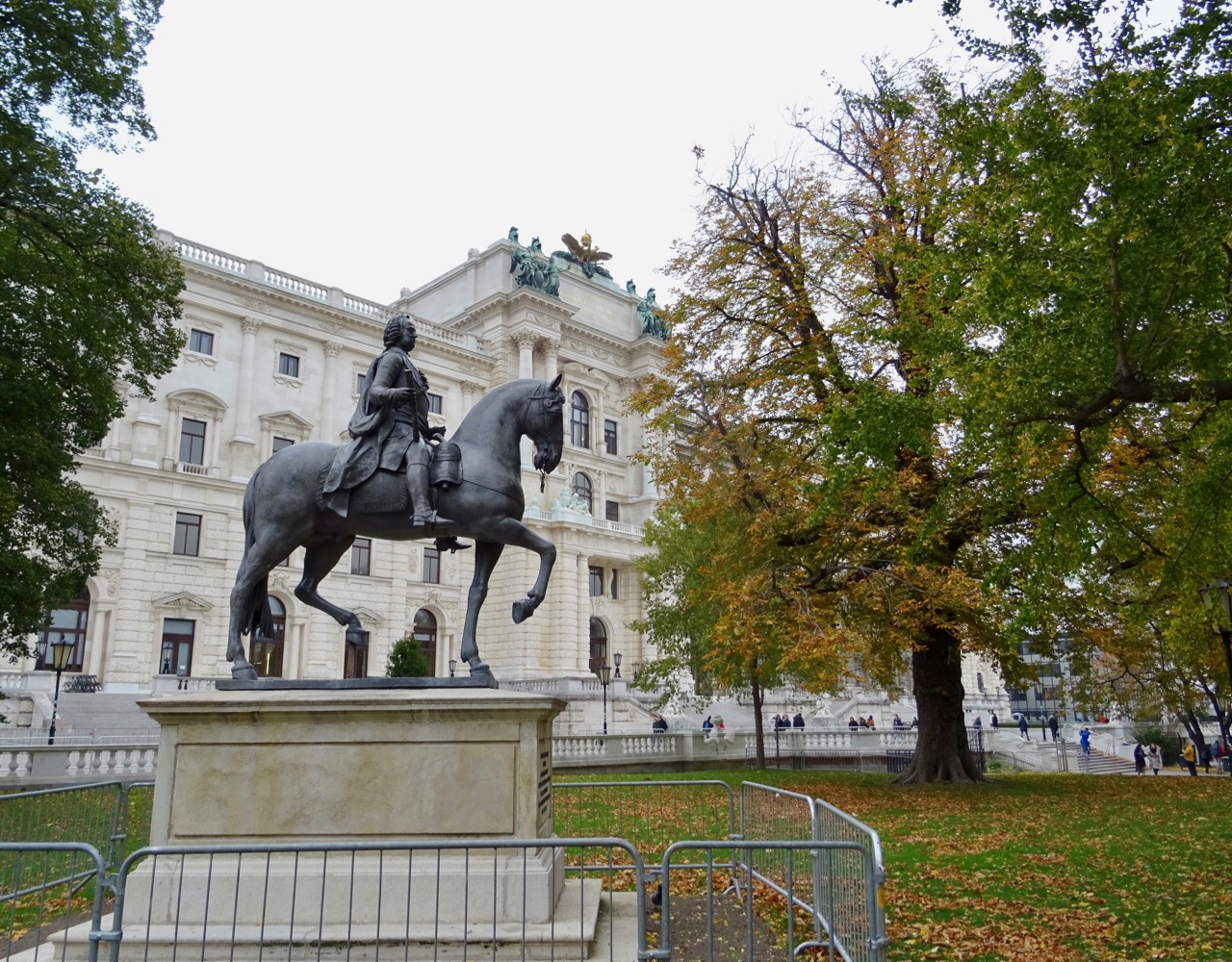
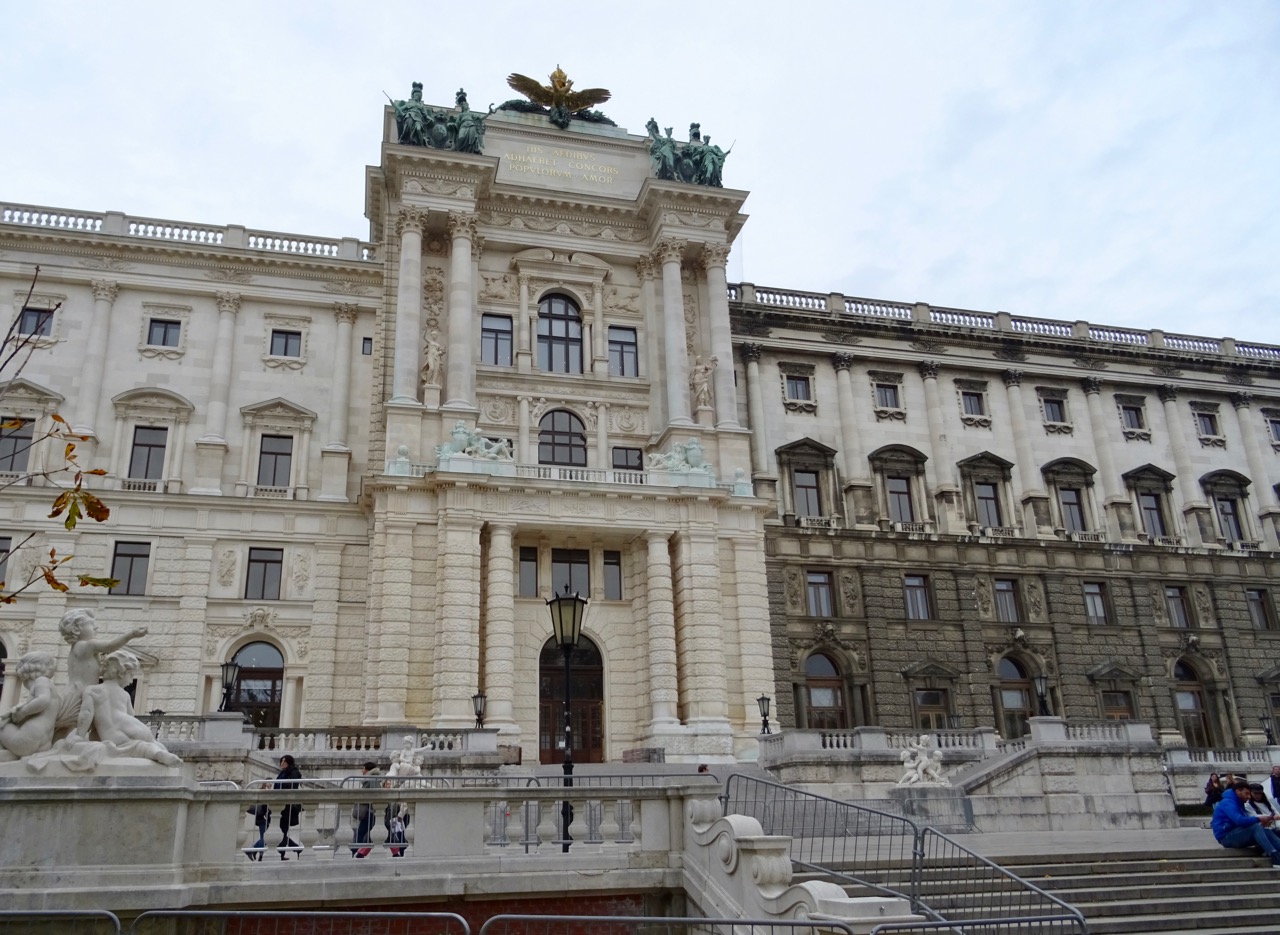 We make our way to the Albertina Museum, which we will visit another day. There is a Durer Exhibit I am looking forward to seeing. This is a street view from a corner of the Albertina.
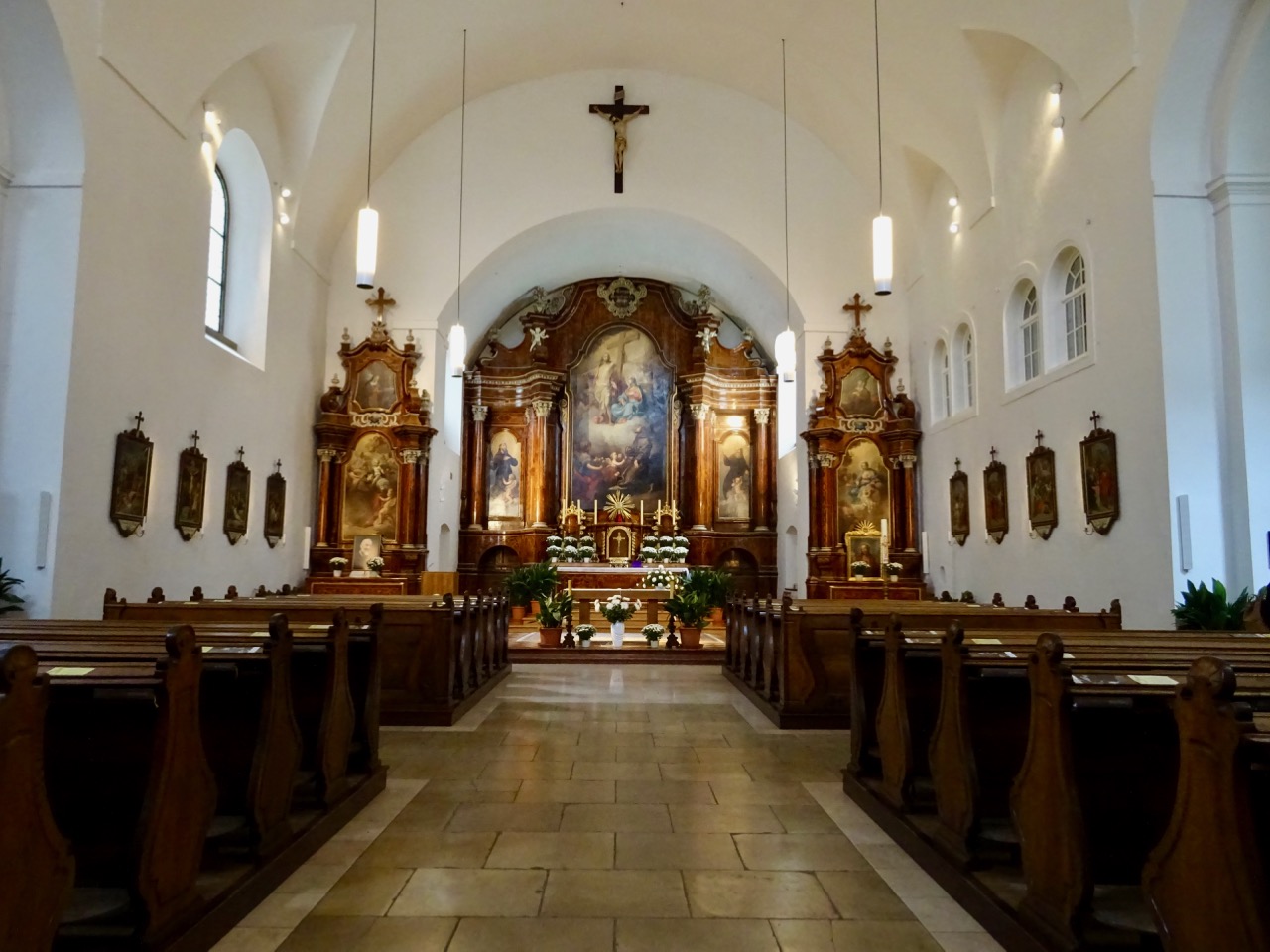
 Of course there are several churches on our walk, and we visit all of them!
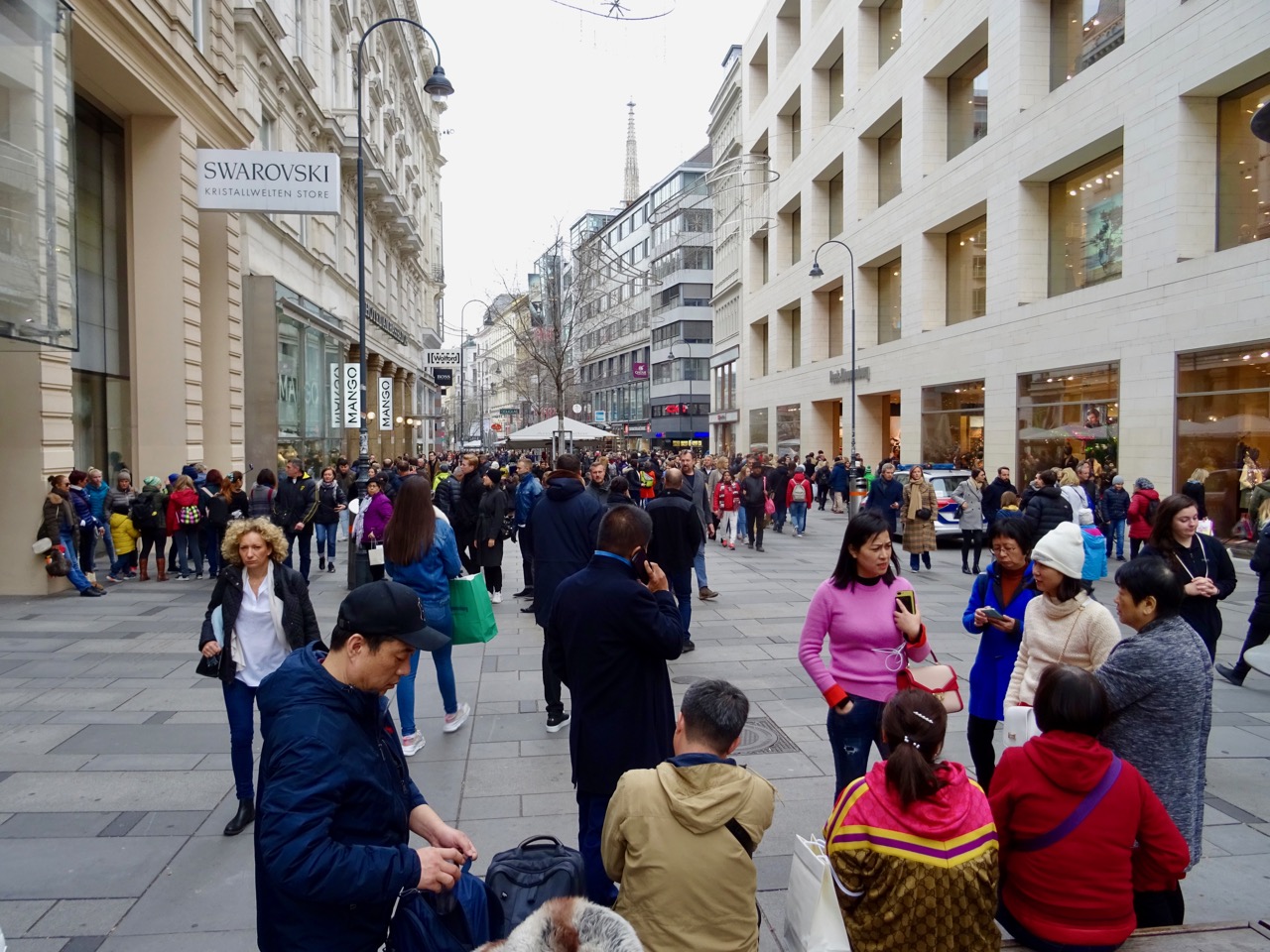
 This broad pedestrian Kärntner Strasse is packed with people and lined with shops and places to eat. This road dates to 97AD when it was a Roman road that went from Vienna to the border of Italy and Slovenia, and eventually all the way to St. Petersberg, Russia!
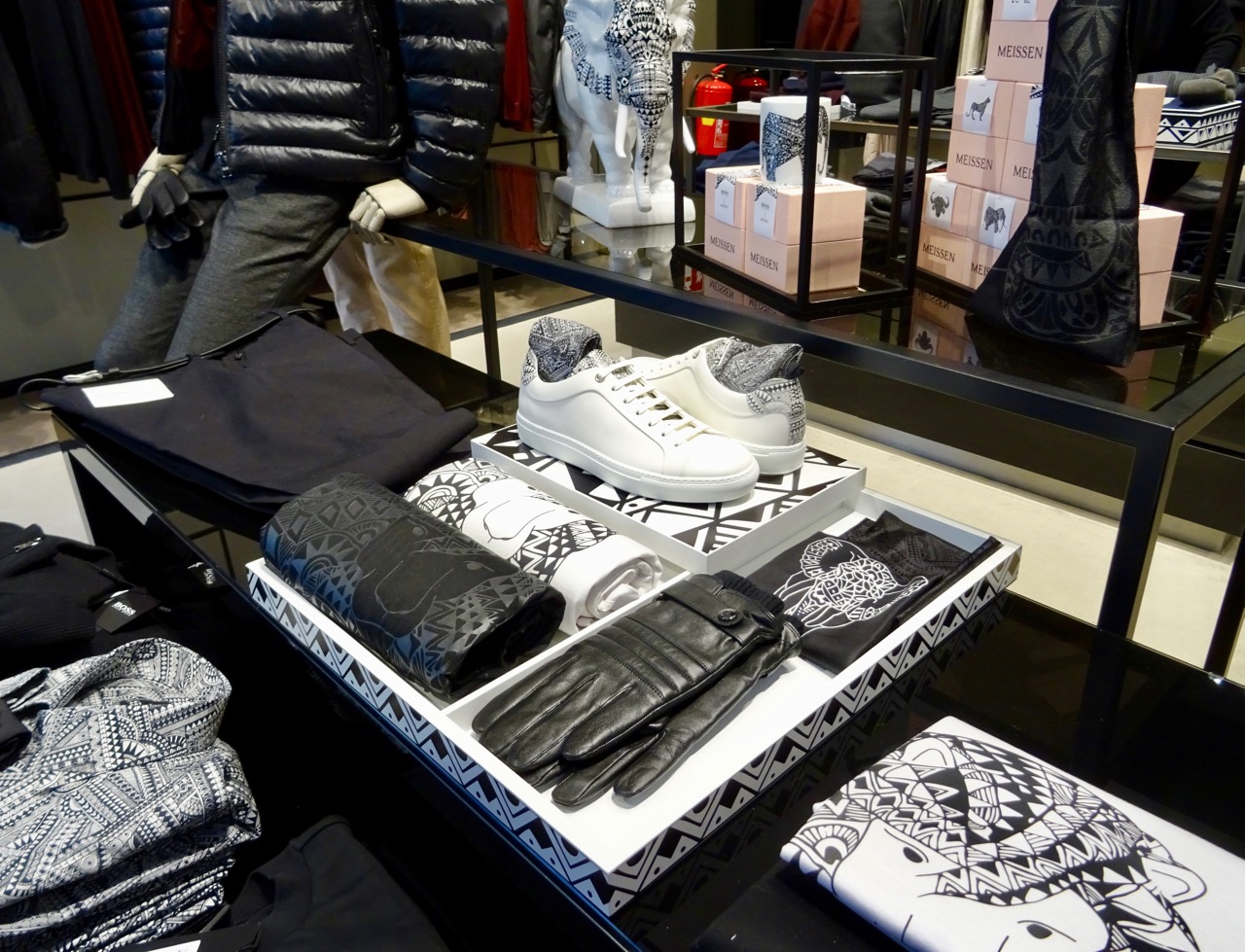
 I thought that the Zen-Doodle like designs on the clothing in this shop were interesting.
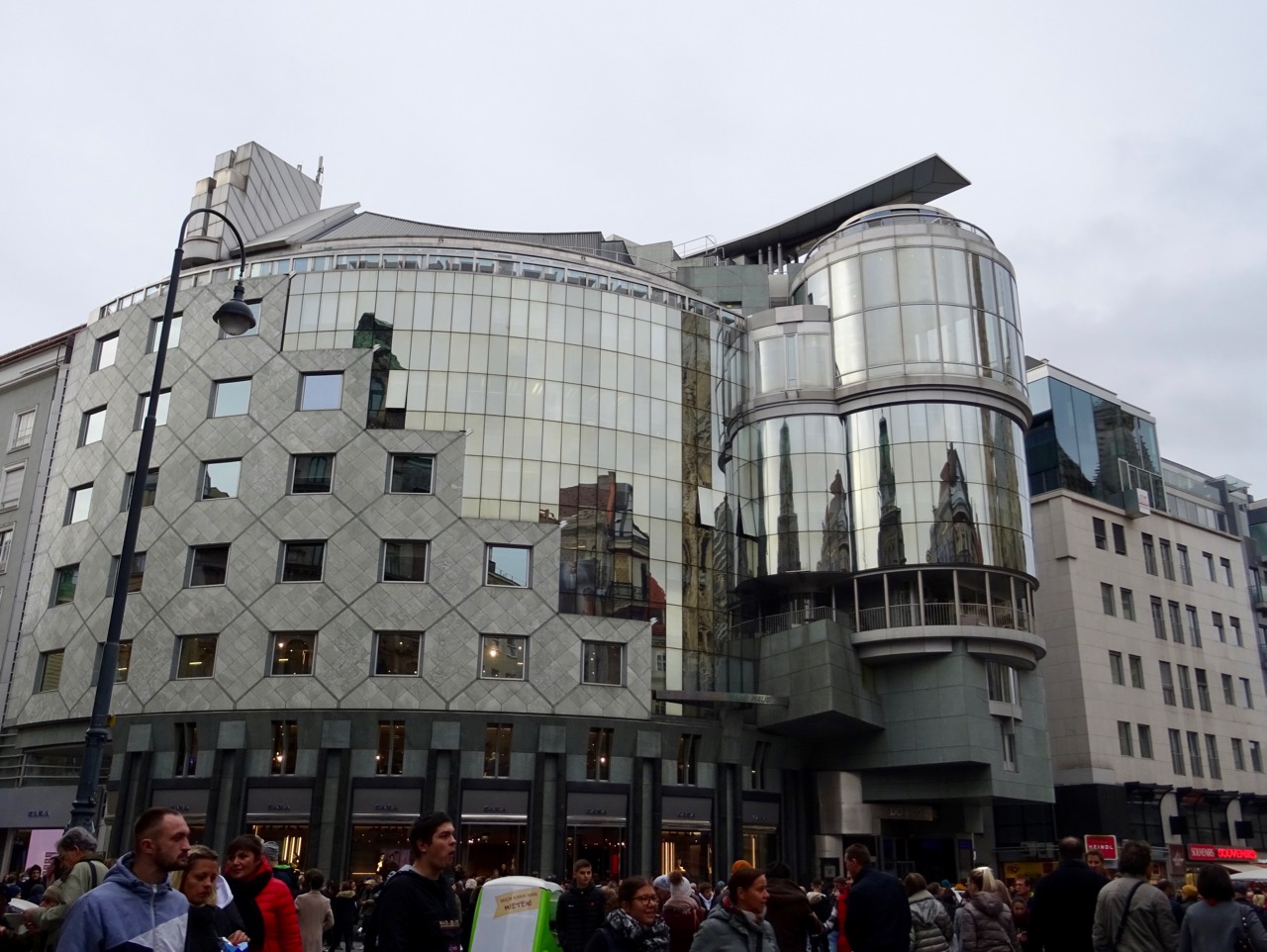
  The modern Haas House offers interesting reflections of St. Stephen’s church.
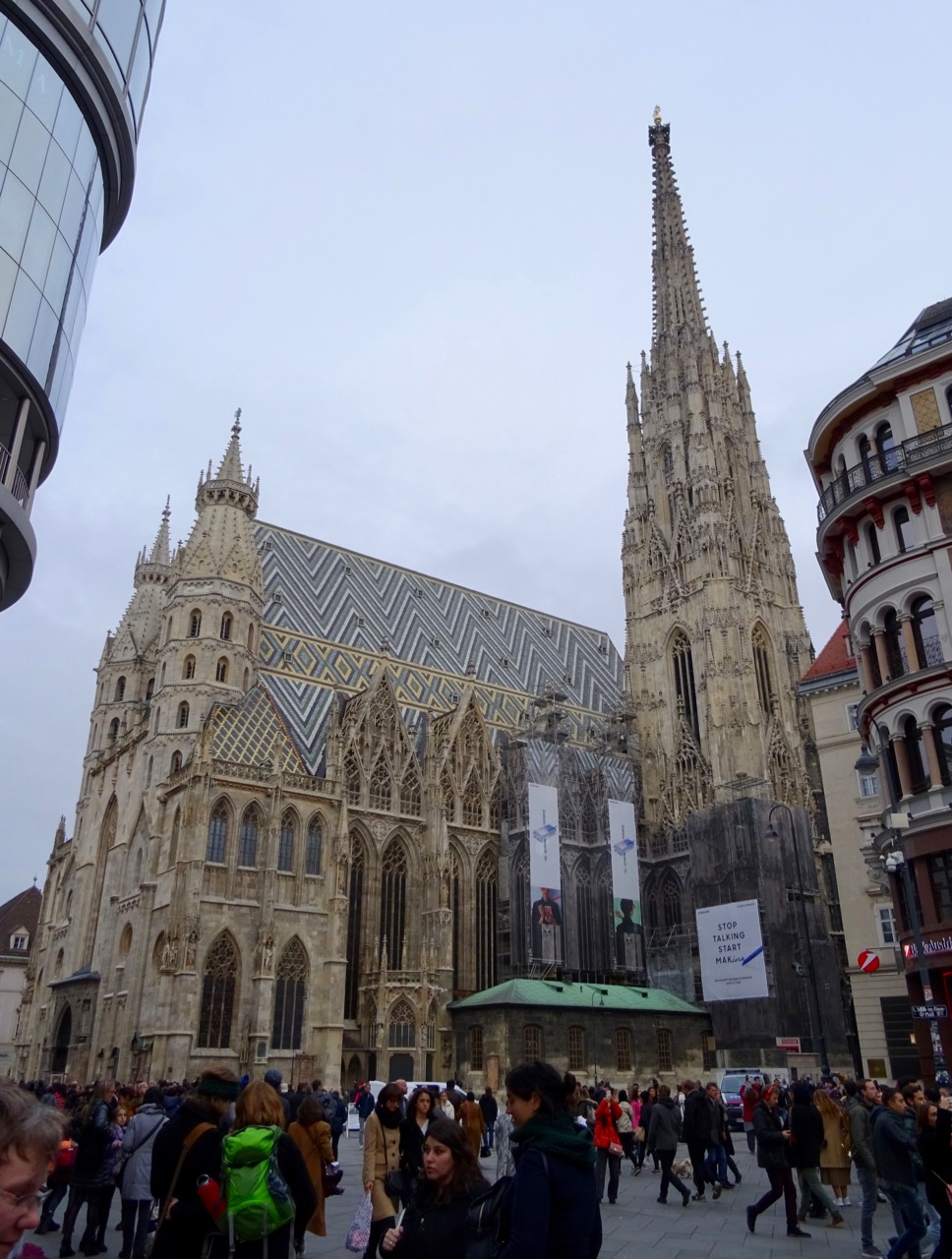
 The St. Stephen’s Cathedral is huge, and ornately decorated, outside…
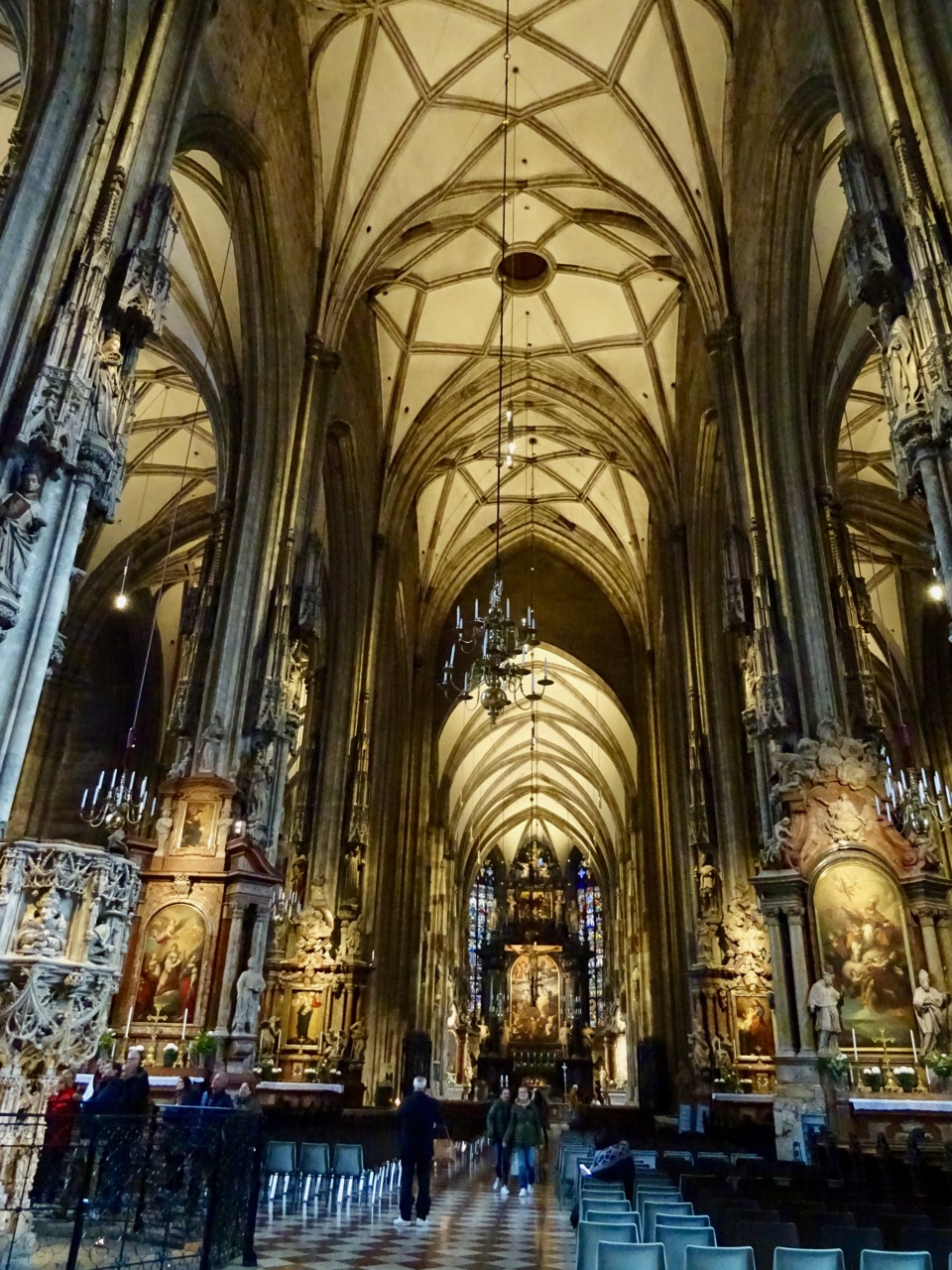
  and inside.
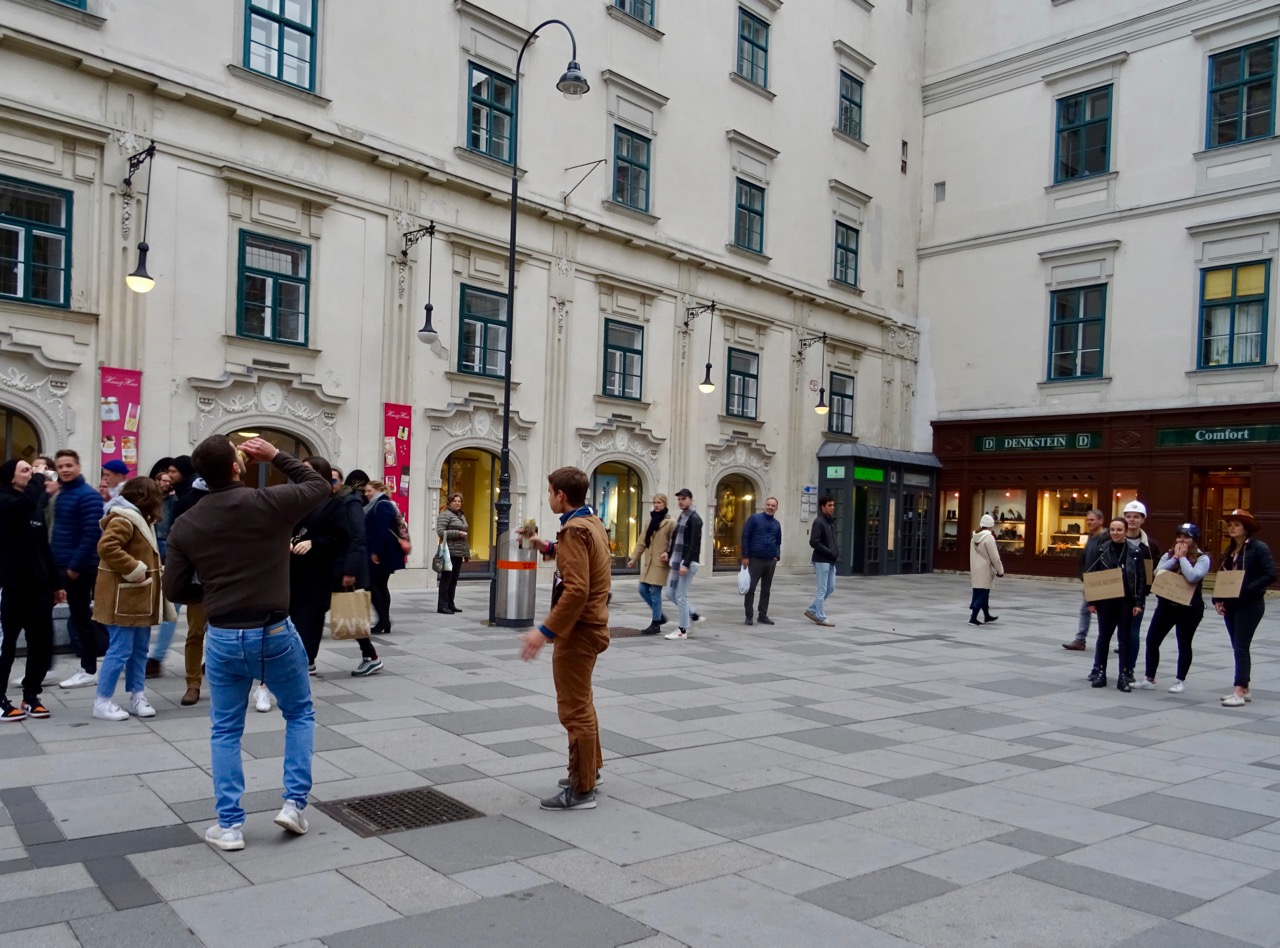
 Just behind the cathedral we see a group of people taking part in a drinking game. The guy in the blue jeans drank his big can of beer twice as quickly as the guy dressed in brown!
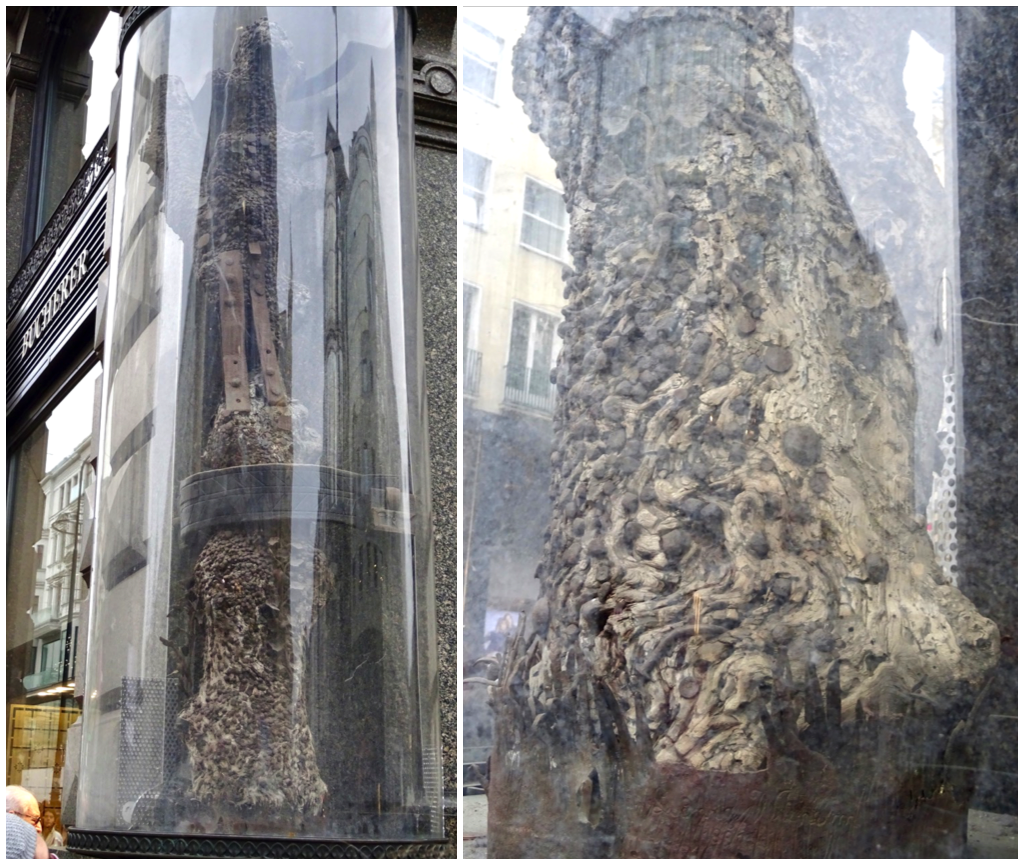
 The Stock im Eisen is part of a tree that has hundreds of iron nails pounded into it and dates from 1440. No one is sure why the nails were pounded in but it is thought that is was for good luck. It is located on the corner of a building and is protected behind plexiglass.
 The Holy Trinity Column, located on a street in the inner city of Vienna, was erected after the Great Plague epidemic in 1679. It is one of the most well-known sculptural pieces of art in the city.
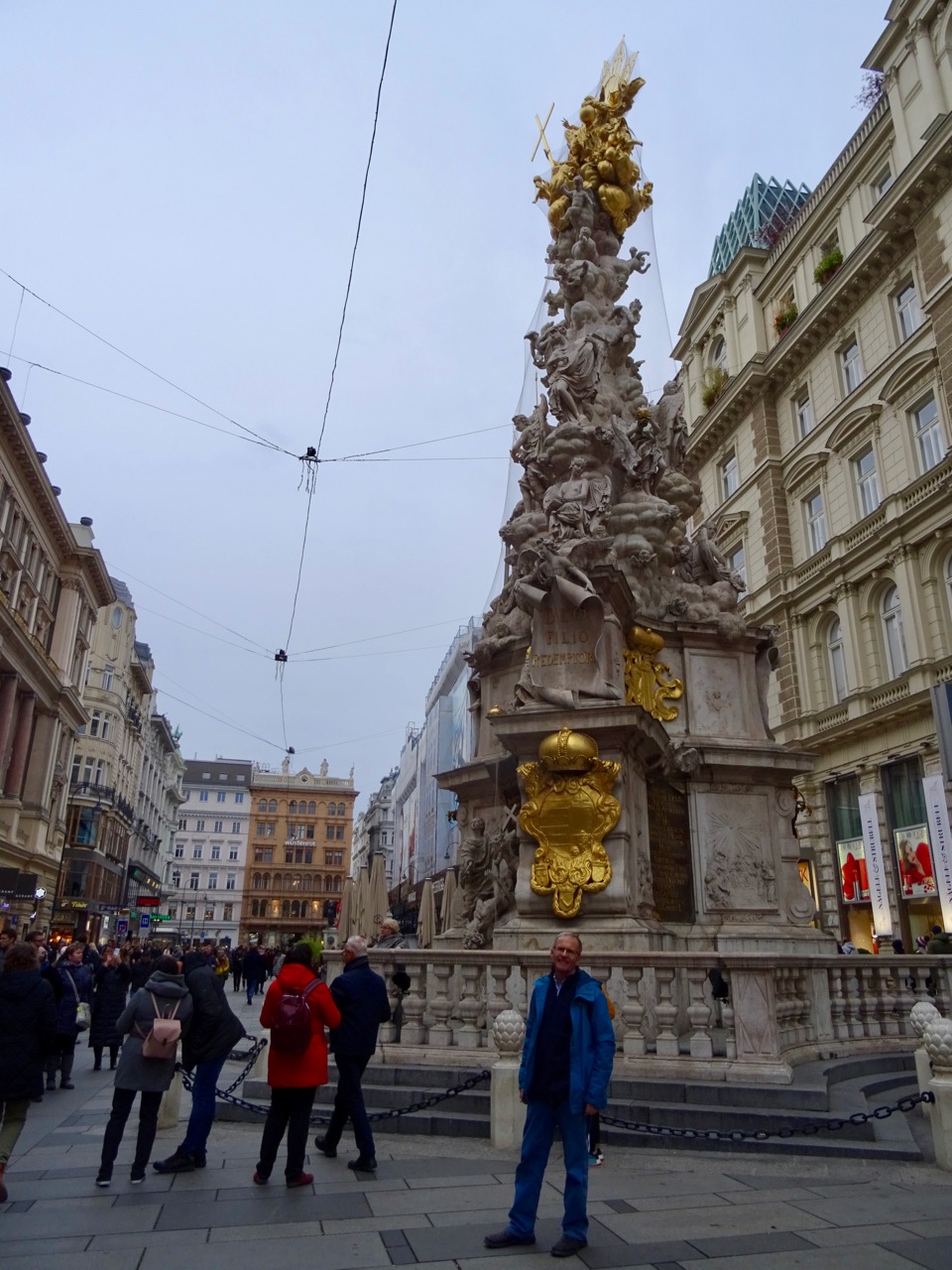 S
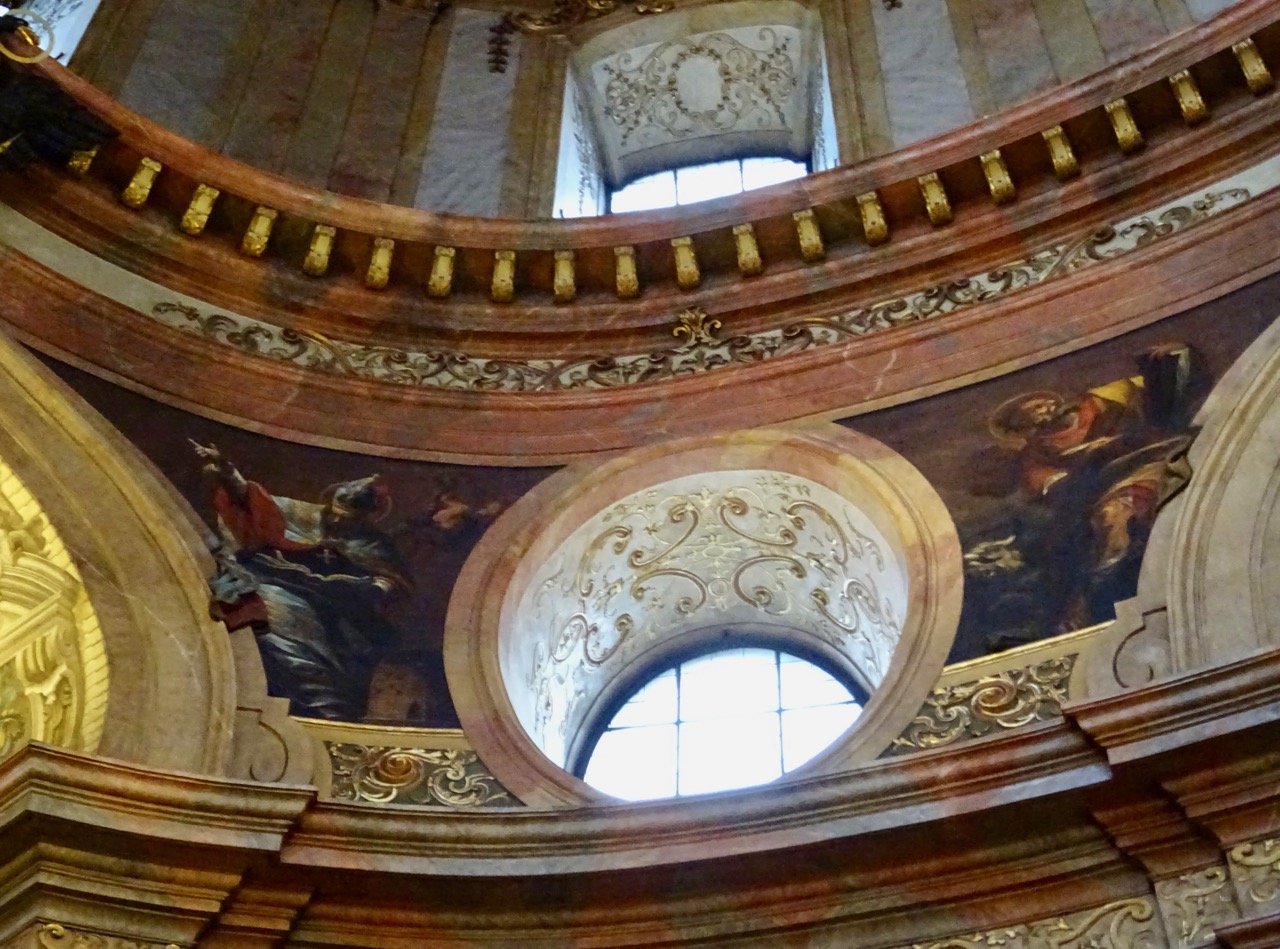
S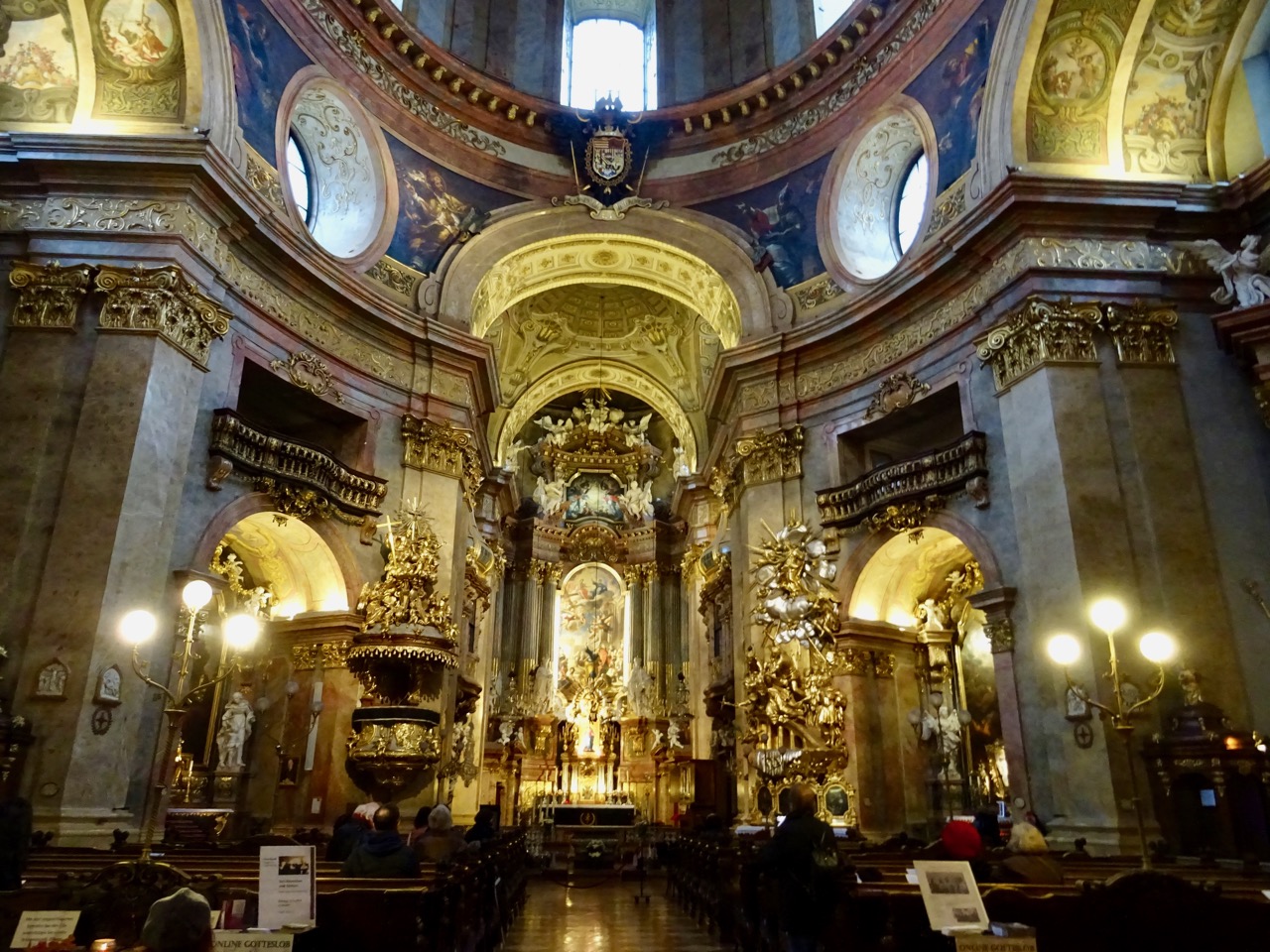 I thought it interesting the way the paintings on the dome extended over the sculptural trim around the round windows.
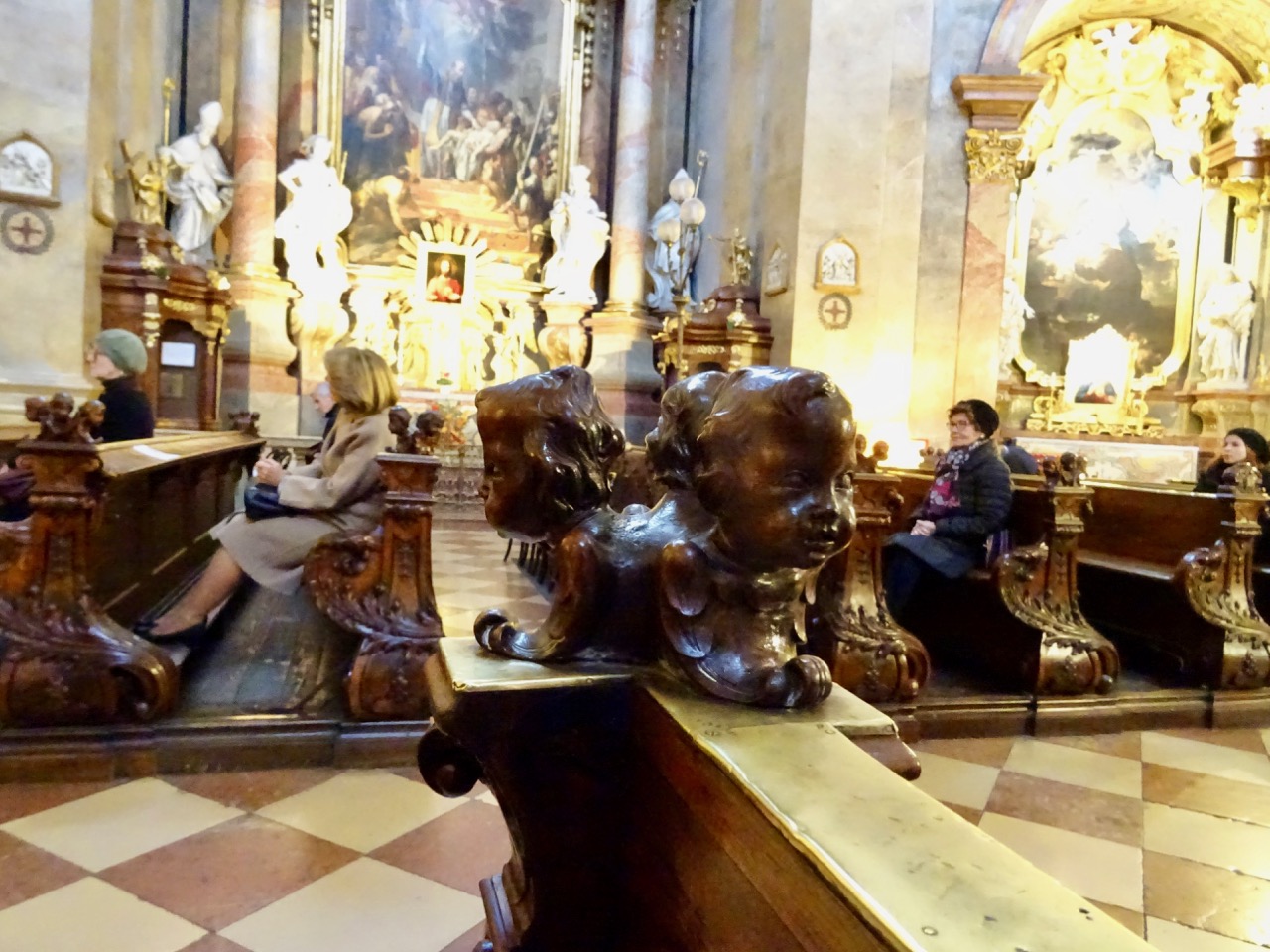
 The end of each pew is beautifully carved with different finials of three children’s heads. We sat for quite a while listening to the choir practicing.
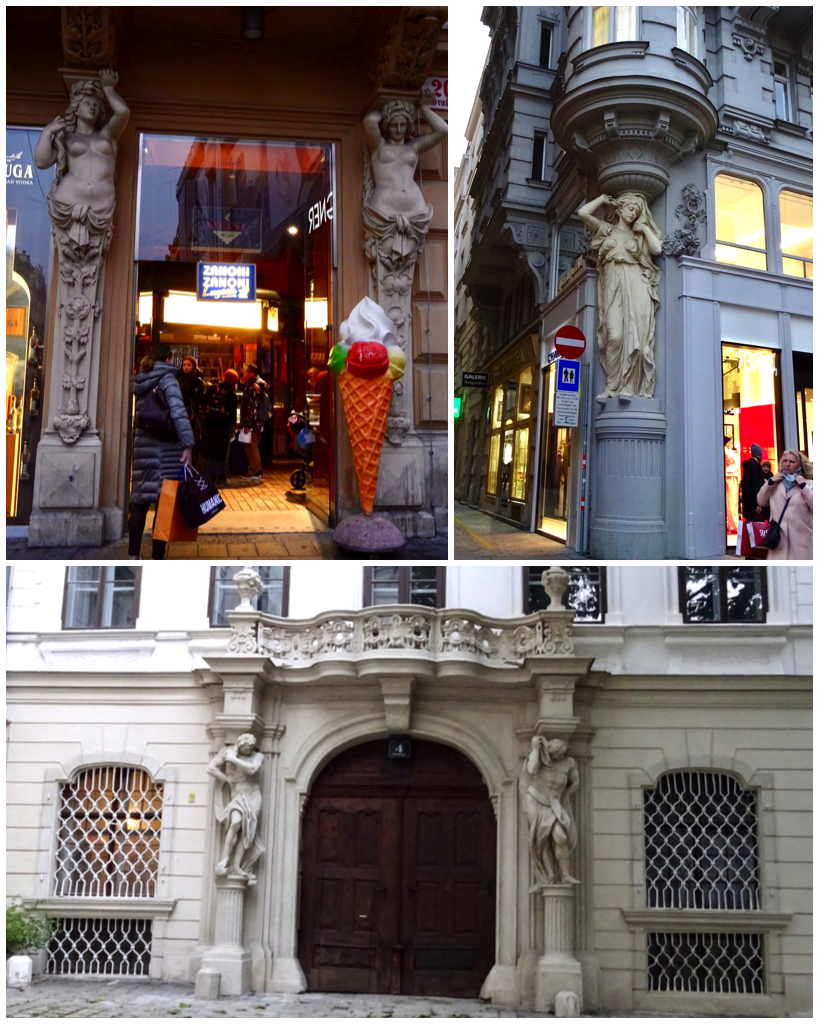
  Back outside, there are interesting details everywhere I look, like these sculptures holding up balconies.
 I loved this building. It looks like a castle. I wouldn’t mind living here!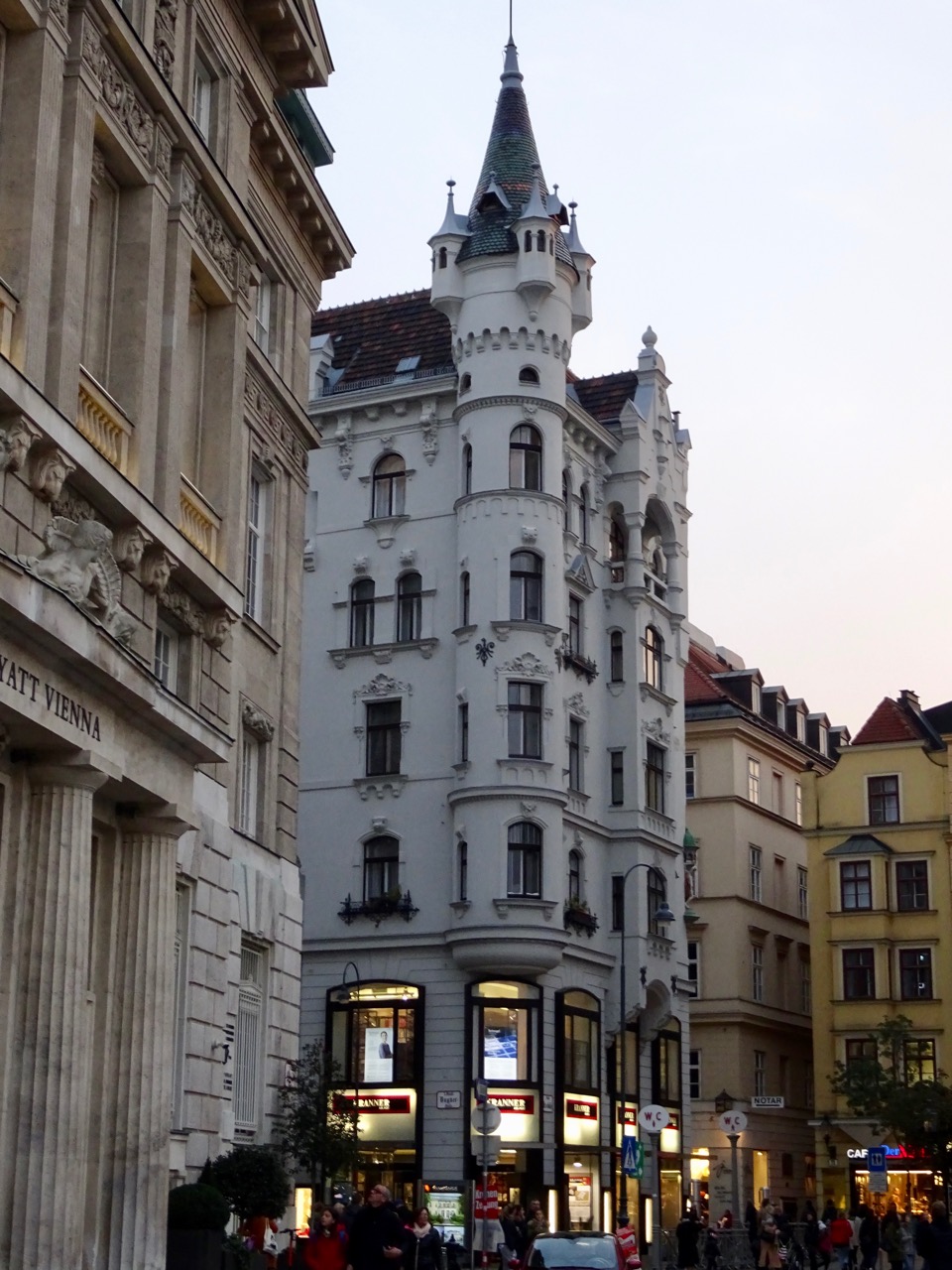
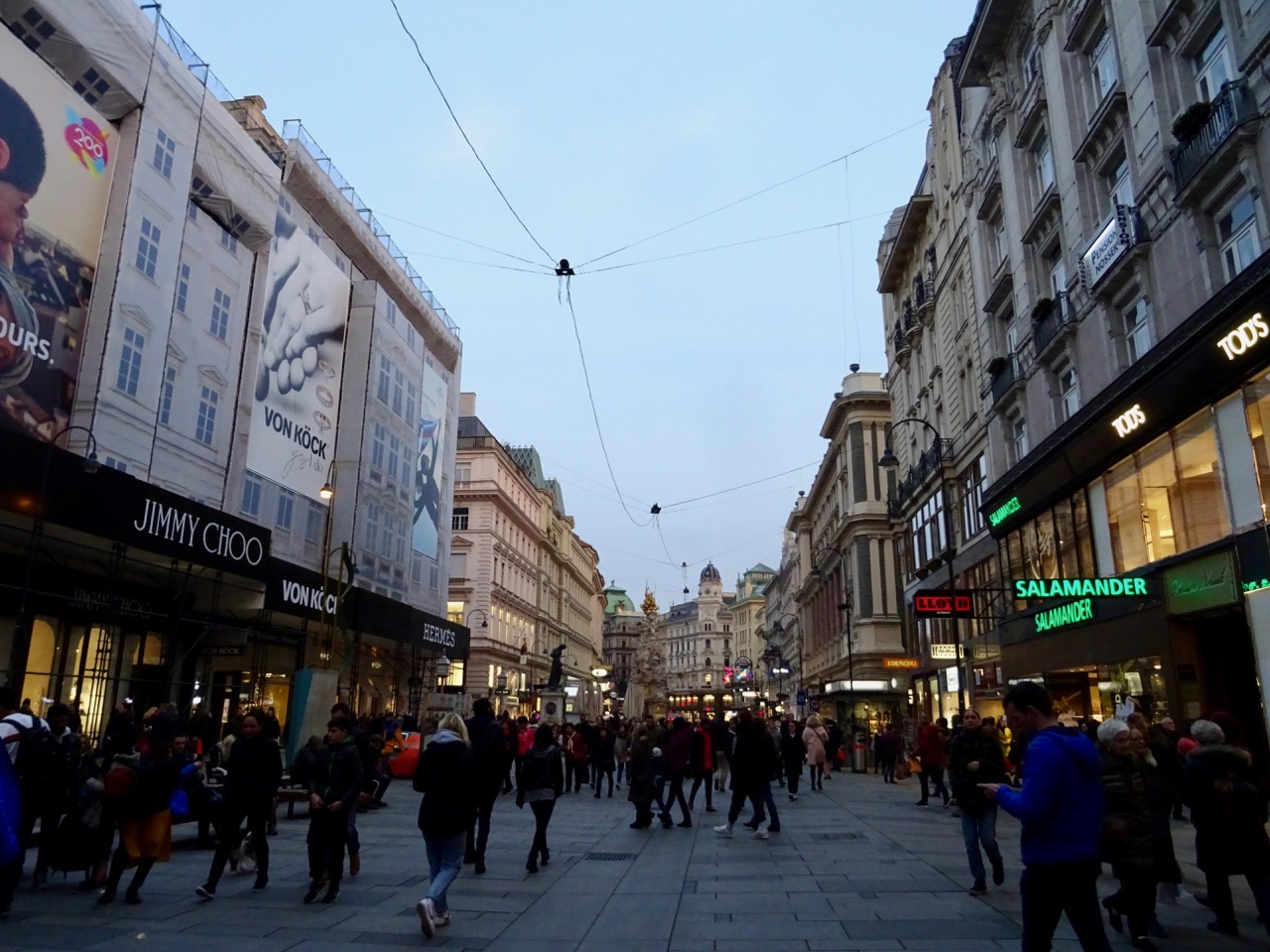 where the customers are served champagne as they shop! Sigh…an experience I am sure I will never have!
 There are Roman ruins…
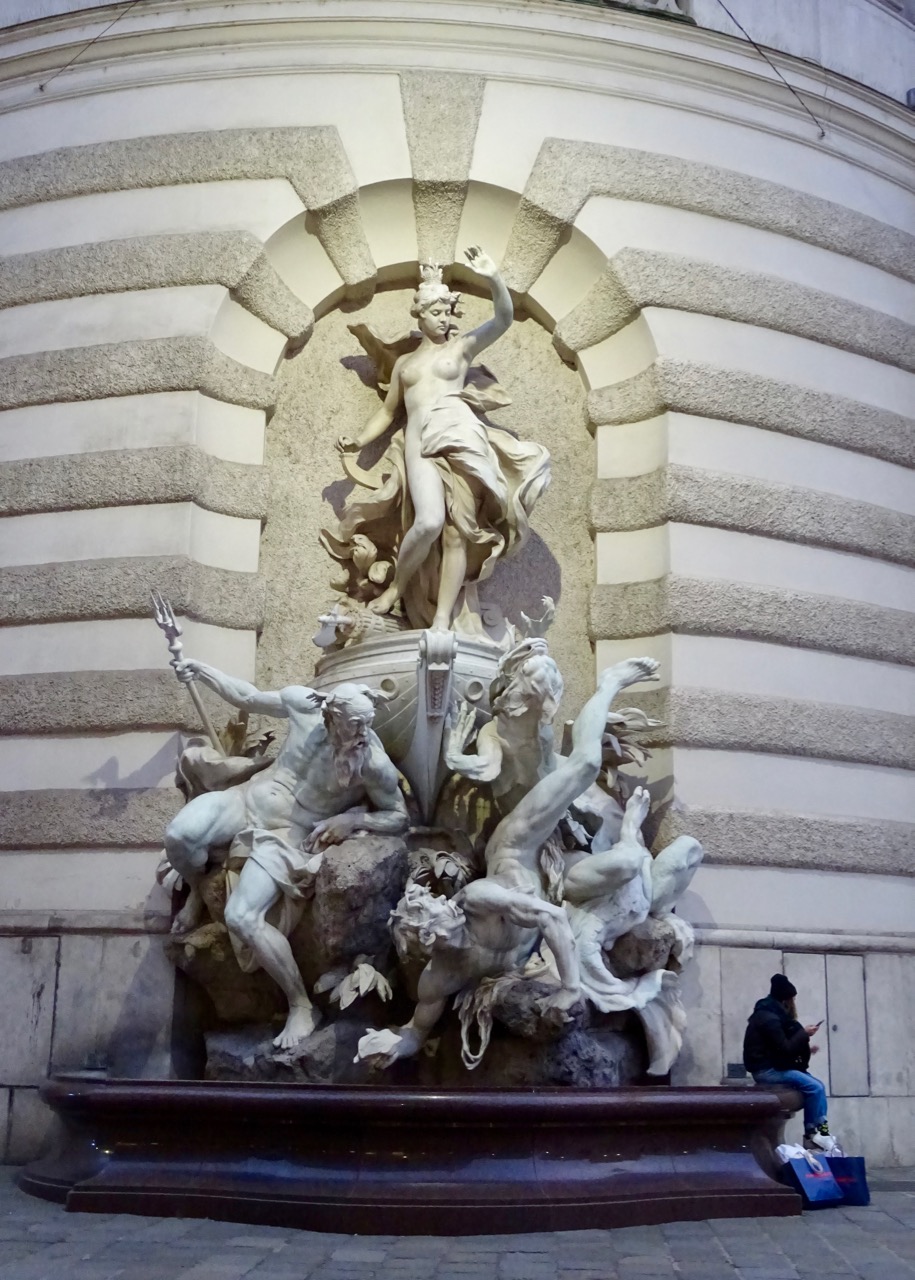
 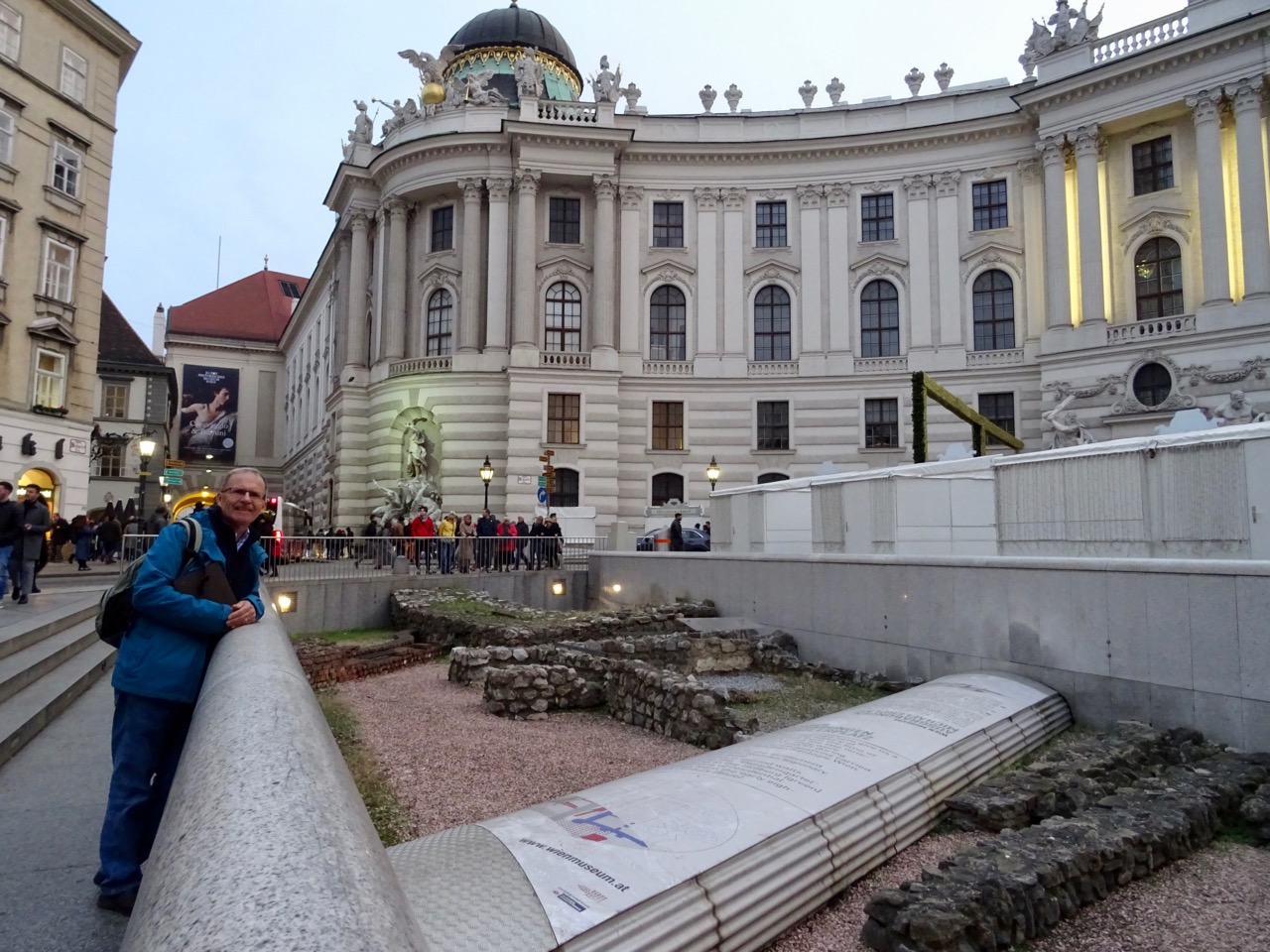 and beautiful statues on the corners of buildings.
  This is the building that houses the Austrian National Library, the Österreichische Nationalbibliothek, as well as the Spanish Riding School with the world famous Lipizzaner stallions. We will visit both of these on another day,
 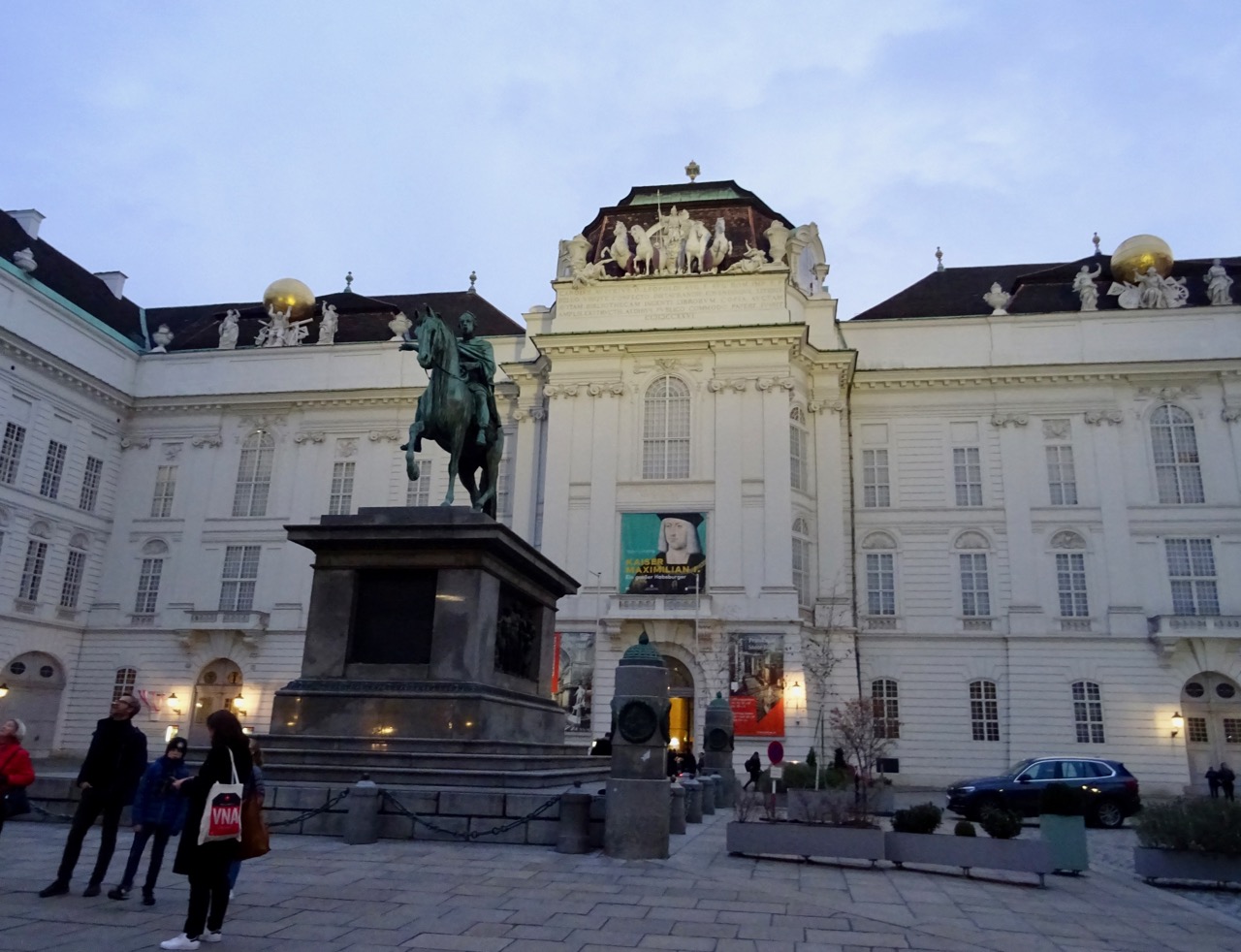 It gets dark earlier now, at about 5;30. The buildings look pretty all lit up. This is the other side of the Neue Burg Wing of the Hofburg Palace. We saw the backside earlier in the day.
 Time to head home. This subway station has colourful murals. Our apartment is very well located on the U6 subway line, so it takes less than a half hour to get home. Somehow even our ‘easy’ days end up being quite long. We left before noon and it will be after 7:00 by the time we get home.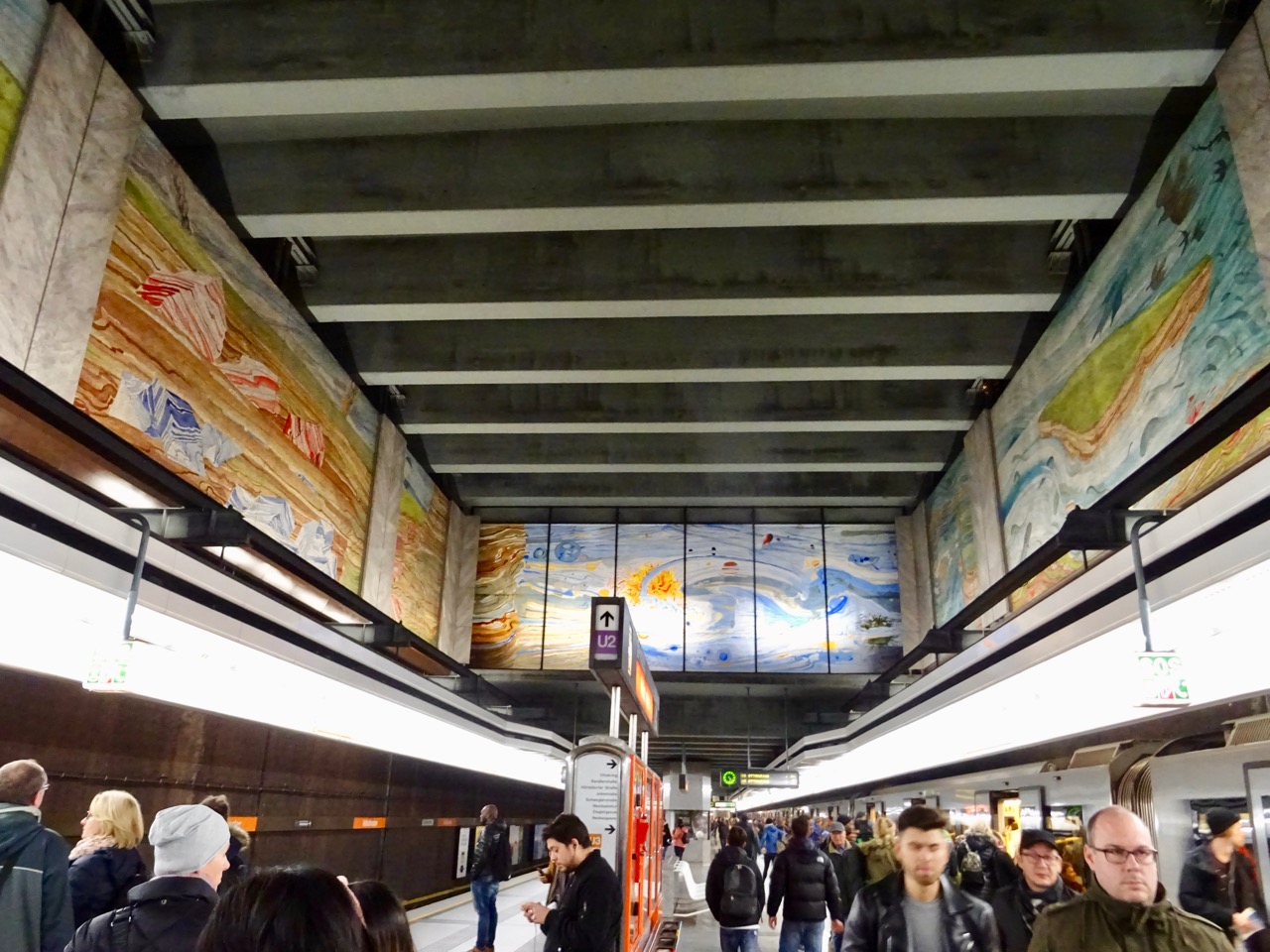



















 trudymason.com
