Day 37 Monday, October 6, 2025
On our drive to Stuttgart we stop at Worms, Germany. Worms is pronounced Vurmz. We passed through this huge gate on the bridge over the Rhine River.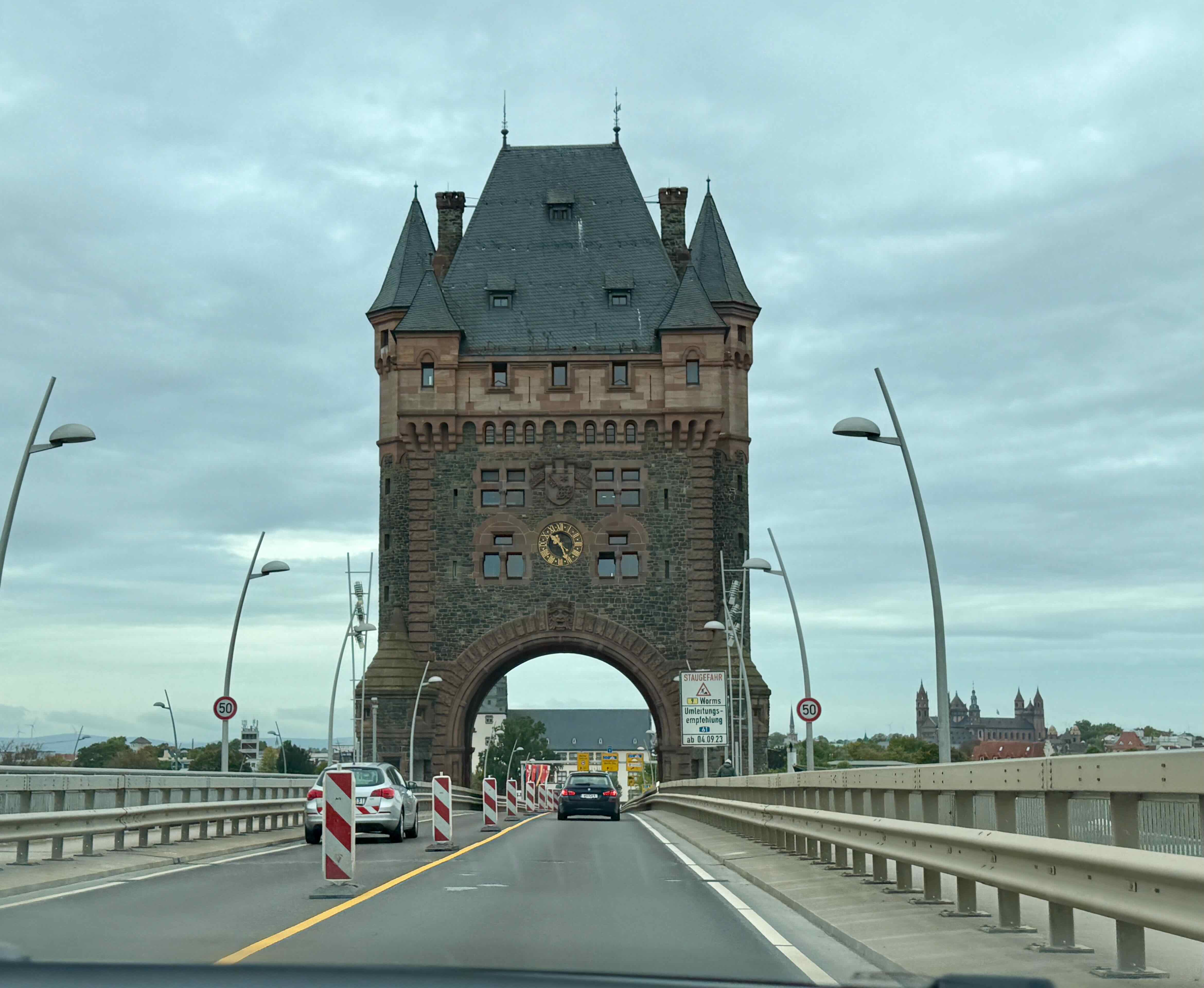
We find a place to park on the street but have to move to a parkade because the street machine won’t take our euros…big surprise! St Peter’s Cathedral is our first stop but we can’t find the door to get inside! 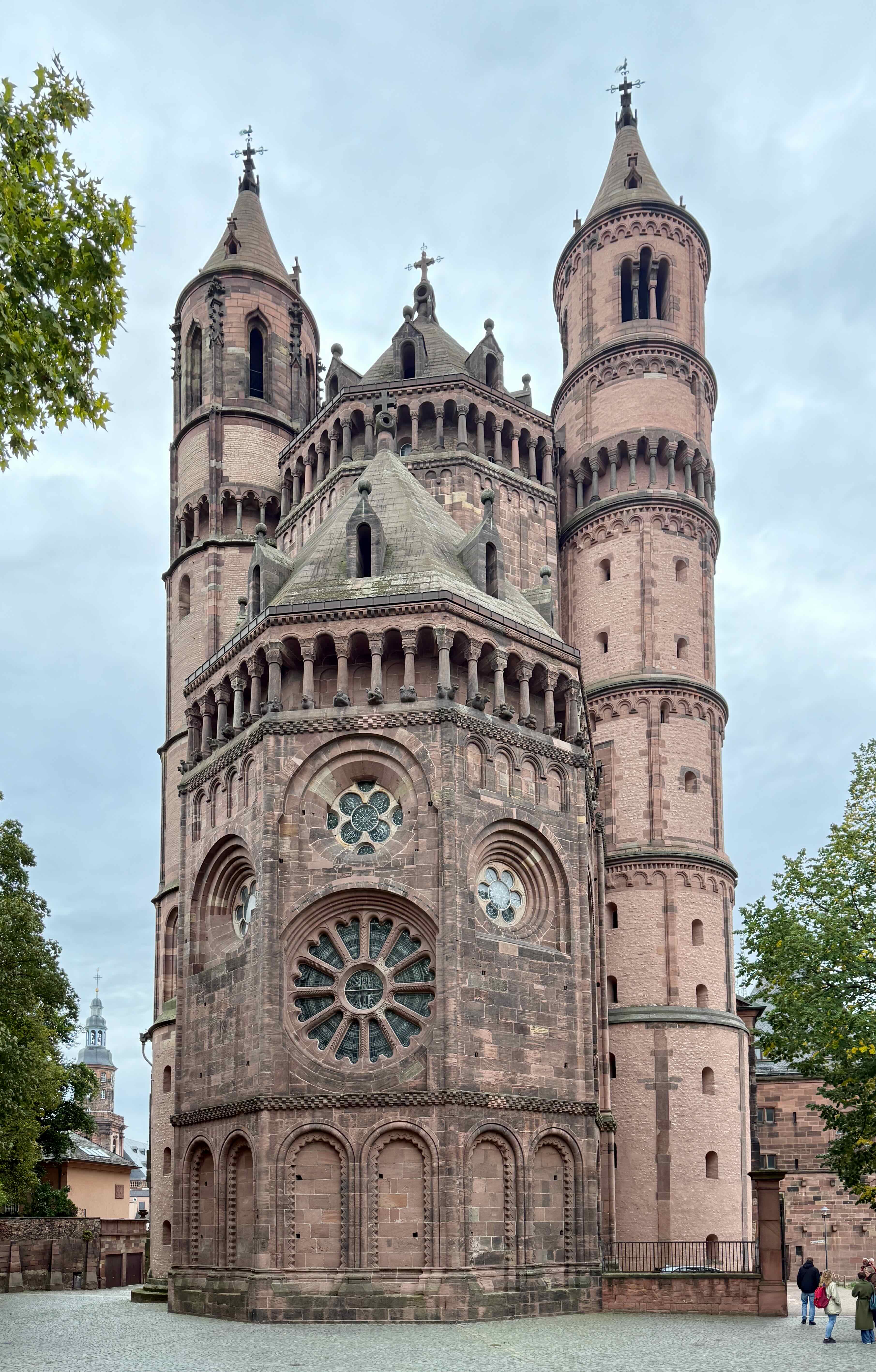
In our walk around the church I see steps leading into what looked like a private area, but I take a look anyways and it is actually a public garden so we go inside. When I see something like this I am so curious. I wonder what it is, why it is there and where does it lead to? 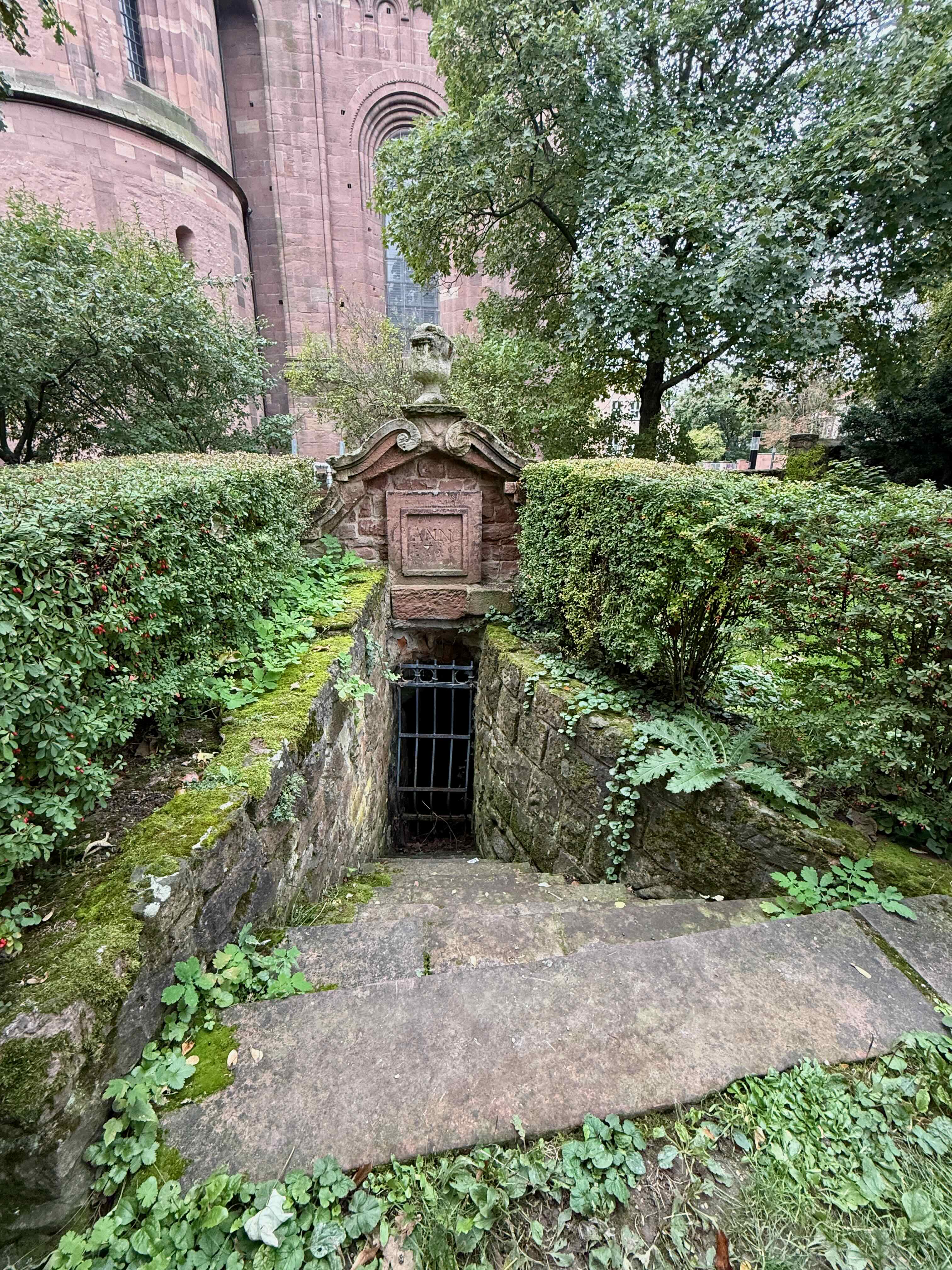
Turns out this garden marks the location where Martin Luther refused to recant his beliefs at the Diet of Worms in 1521. This was the beginning of the Protestant Church and its split from the Catholic Church. These large bronze shoes in Worms’ Heylshof Park shoes are part of a 2017 memorial sculpture, which allows visitors to symbolically “step into Luther’s shoes” at the spot where he stood and defended his doctrines.
A ‘Diet’ was an assembly or meeting of authorities to make decisions on important matters. The Diet of Worms of 1521 was convened to determine how political and religious authorities should respond to Martin Luther’s teachings. Because the Diet was held in Worms, it is know as the Diet of Worms which still makes me smile because of course I think of eating worms.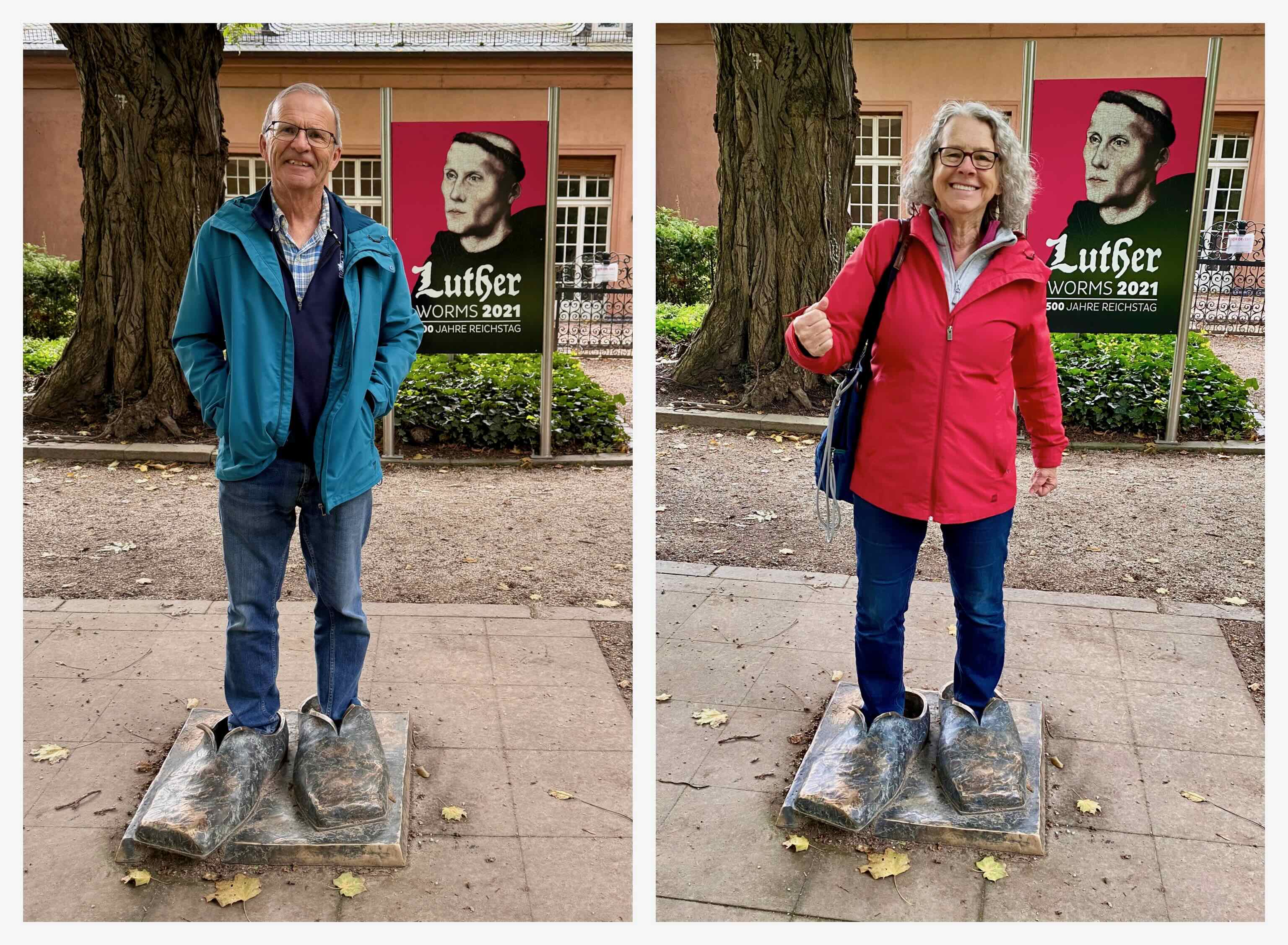
We leave the garden and go back to the church, passing a kindergarten with this colourful mosaic mural.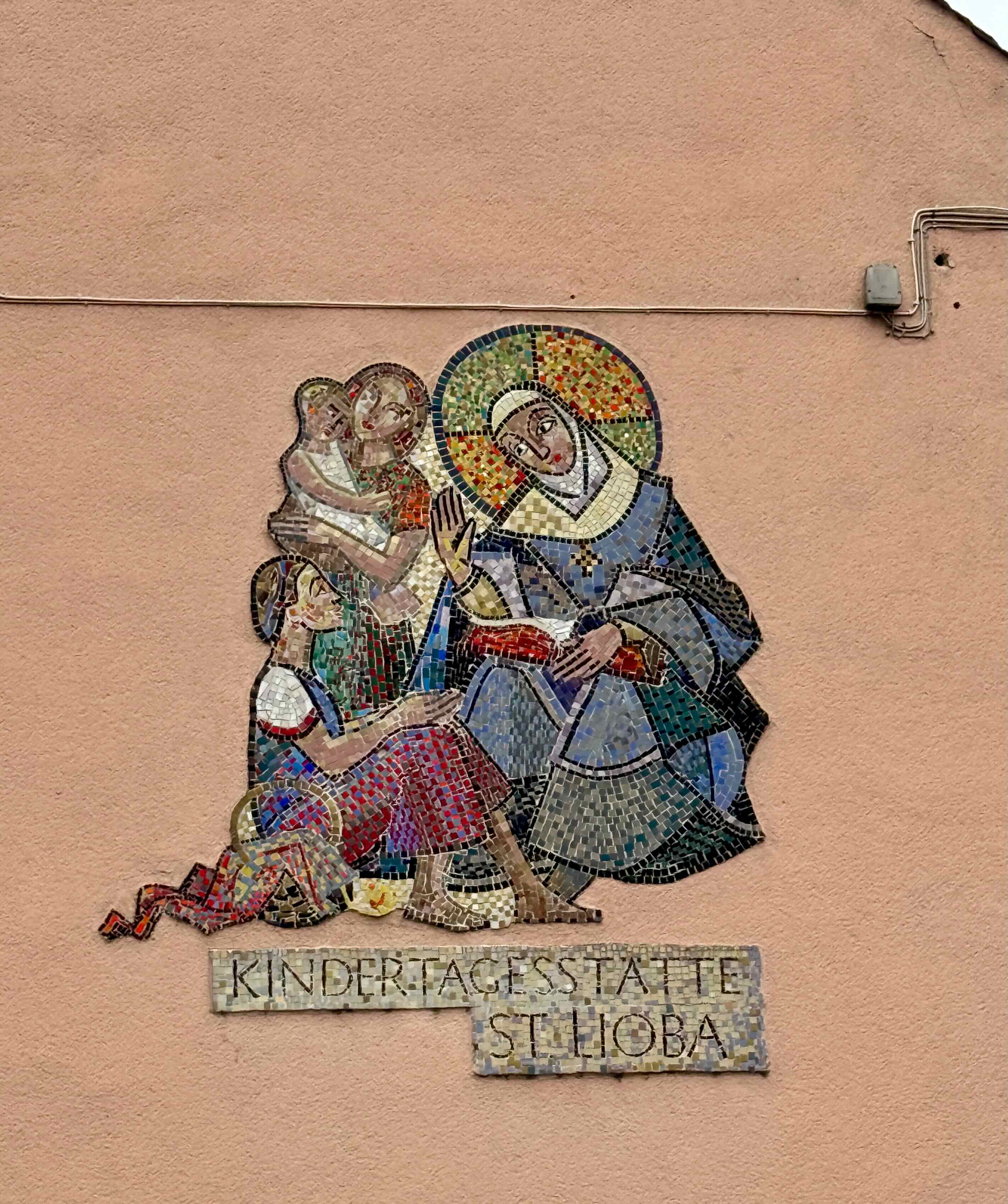
St Peters Cathedral is another cathedral that escaped destruction during the war. Curious, I did a bit of of research and learned that the high belltowers and steeples of cathedrals were used by the Allies as navigational landmarks and that sometimes military planners made conscious efforts to protect major cultural and religious sites. So perhaps not divine intervention after all?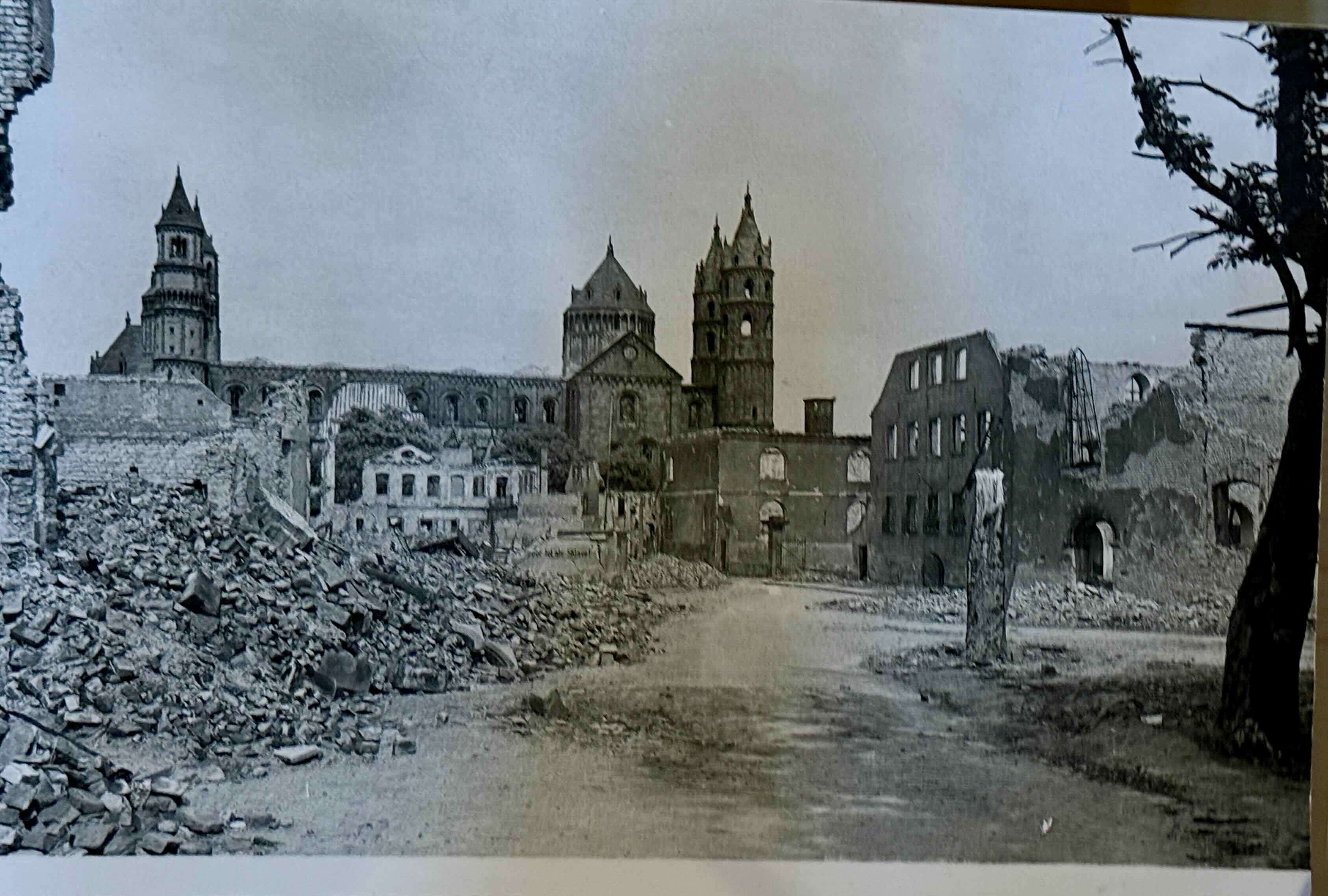
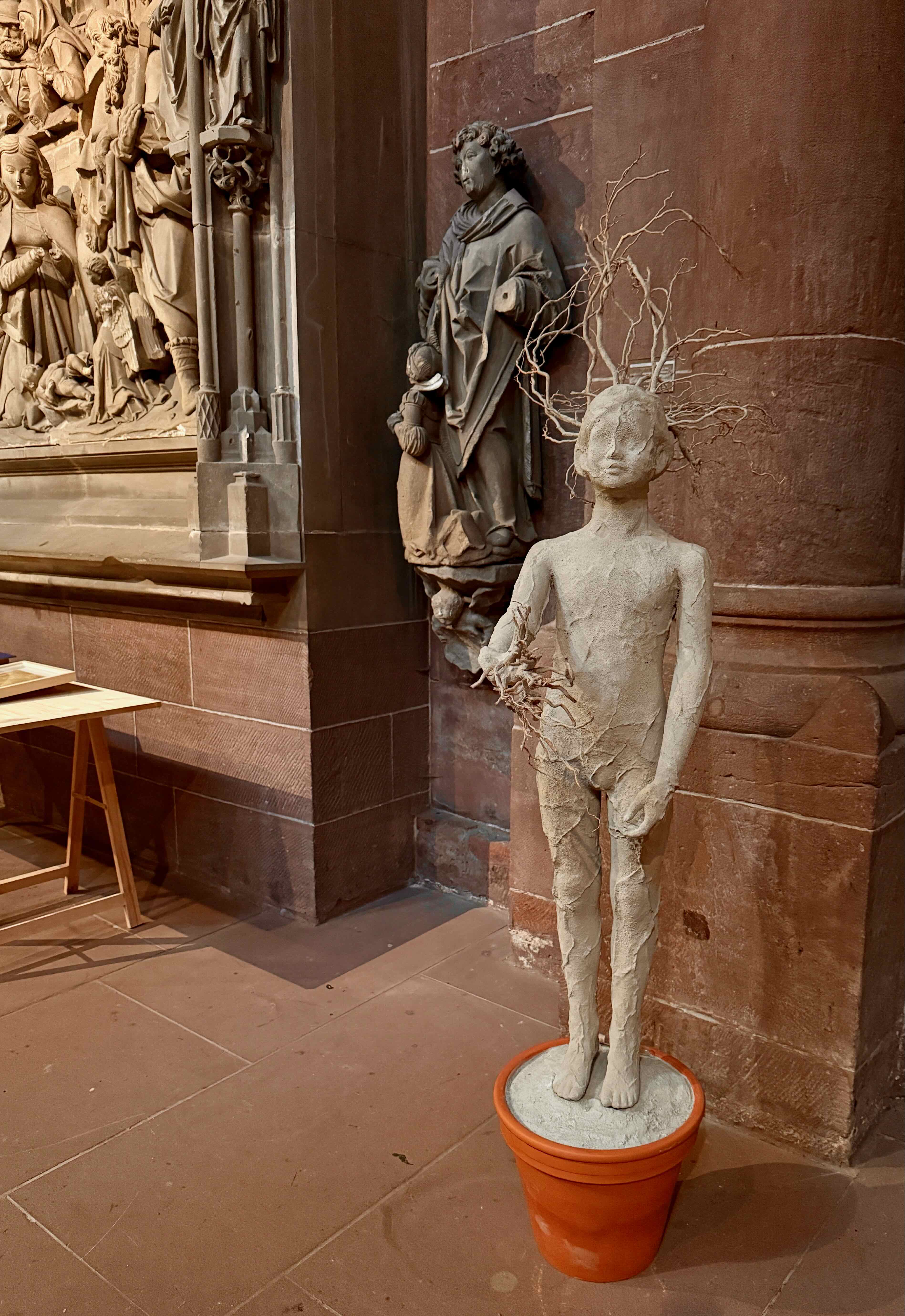
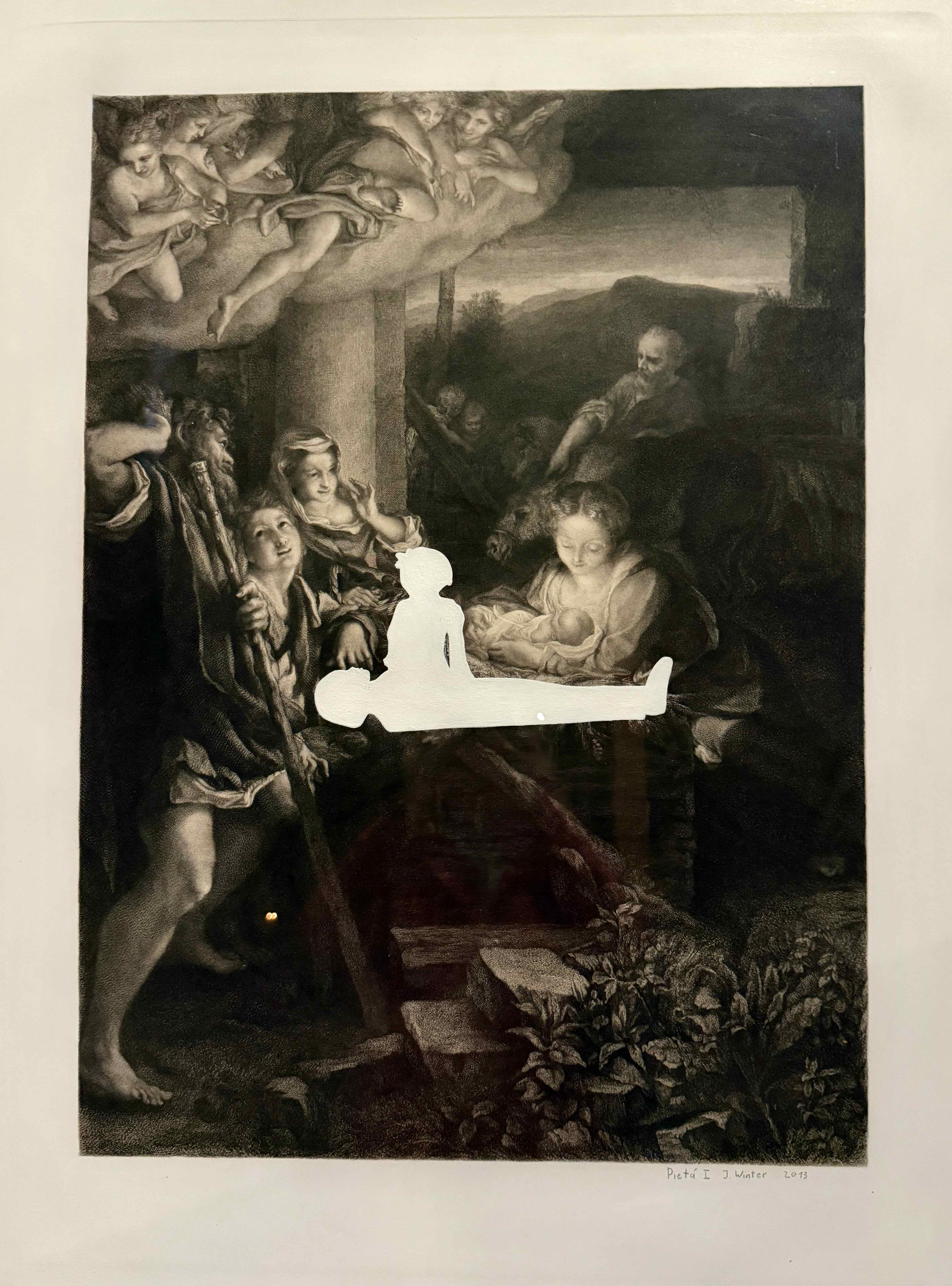
We do finally find small side door that allows us entrance to the church. There is an art display in the cathedral by a group called Atelierblau. There are some really interesting pieces. Unfortunately I couldn’t find the names of the artists or the works they created. Here are a few of them.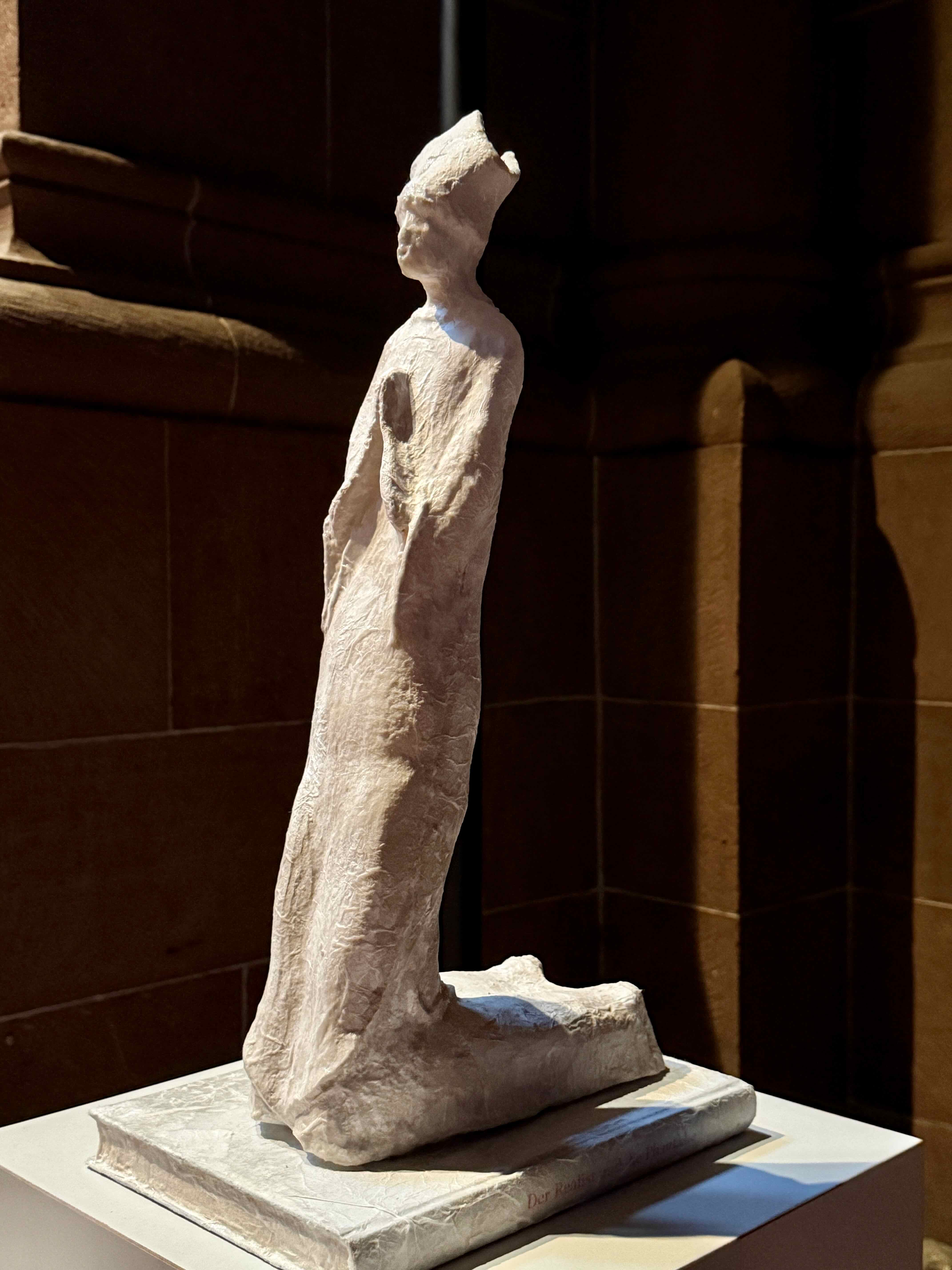
 The sign on the trunk reads “A thousand roses for a thousand lives”.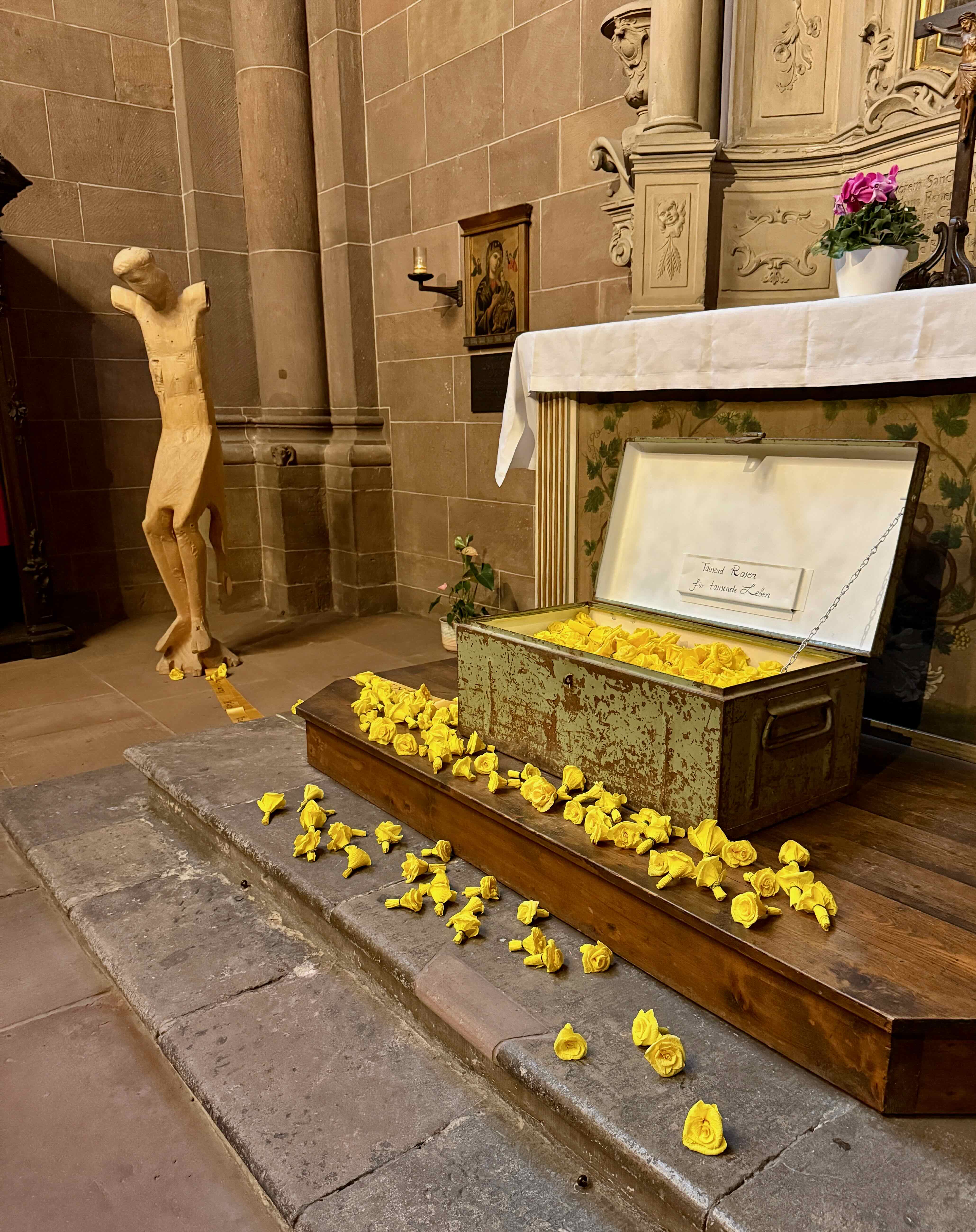
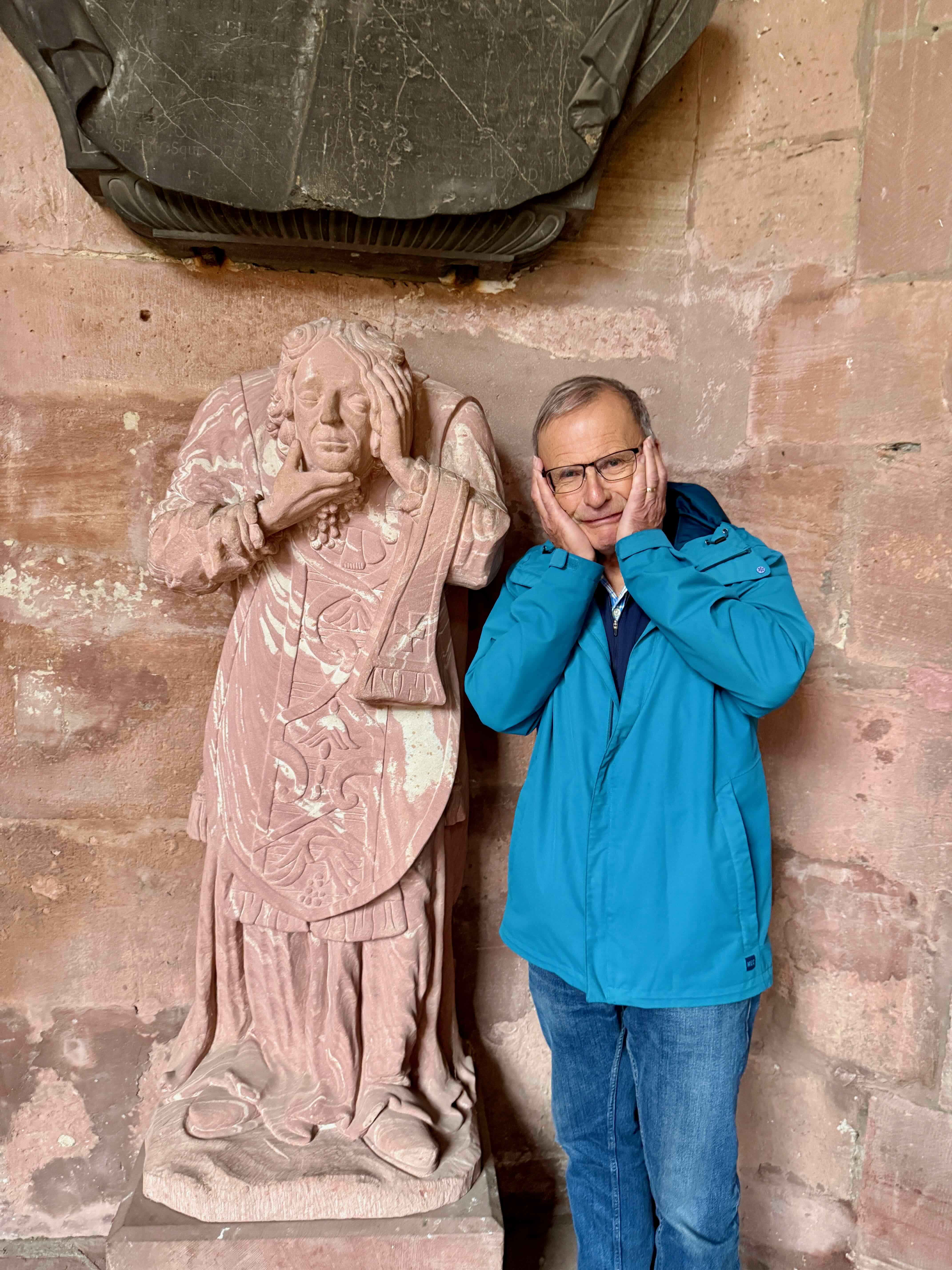
There are several large sculptural pieces that are from the church cloister. I think they were placed inside the church as a method of keeping them safe from damage.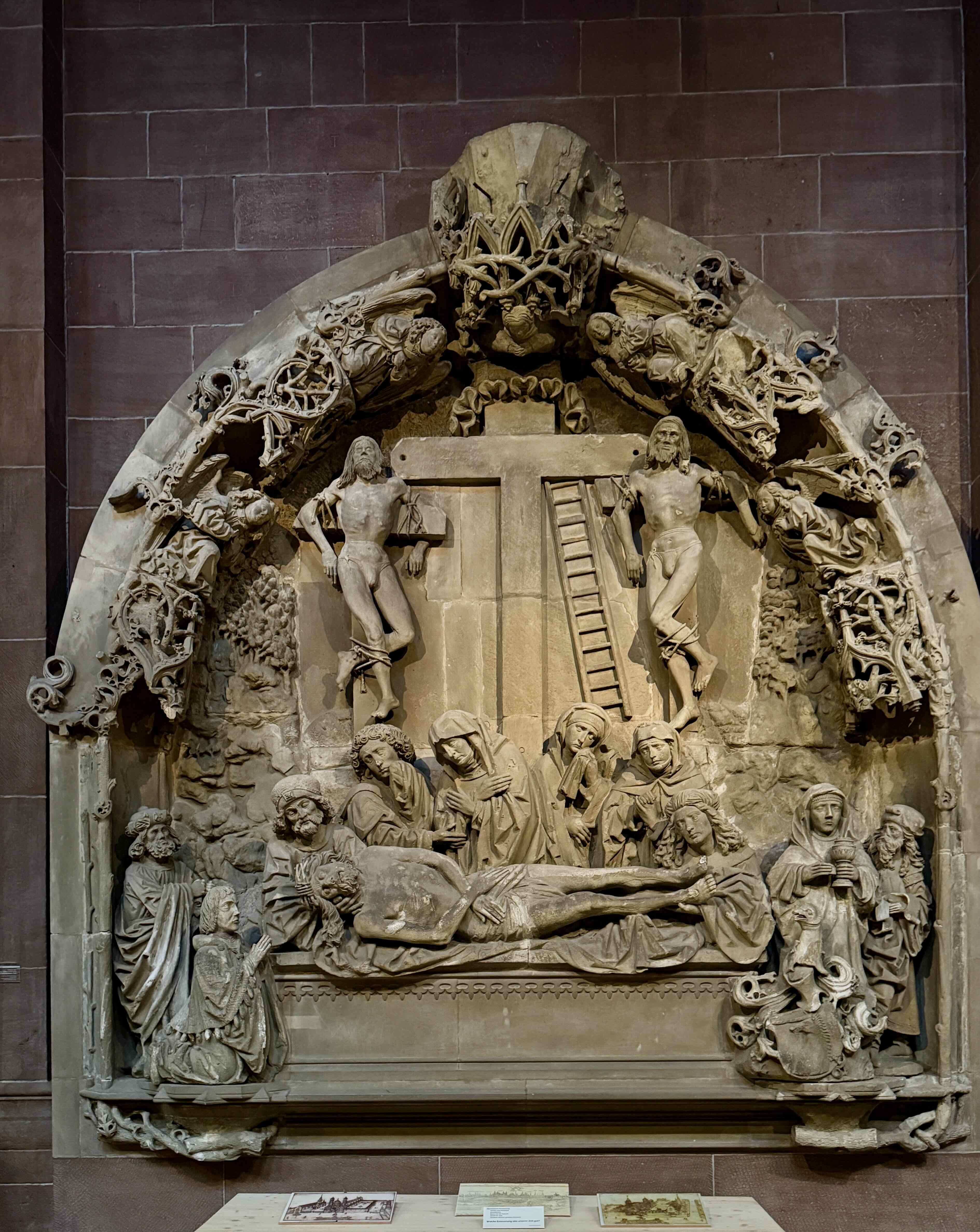
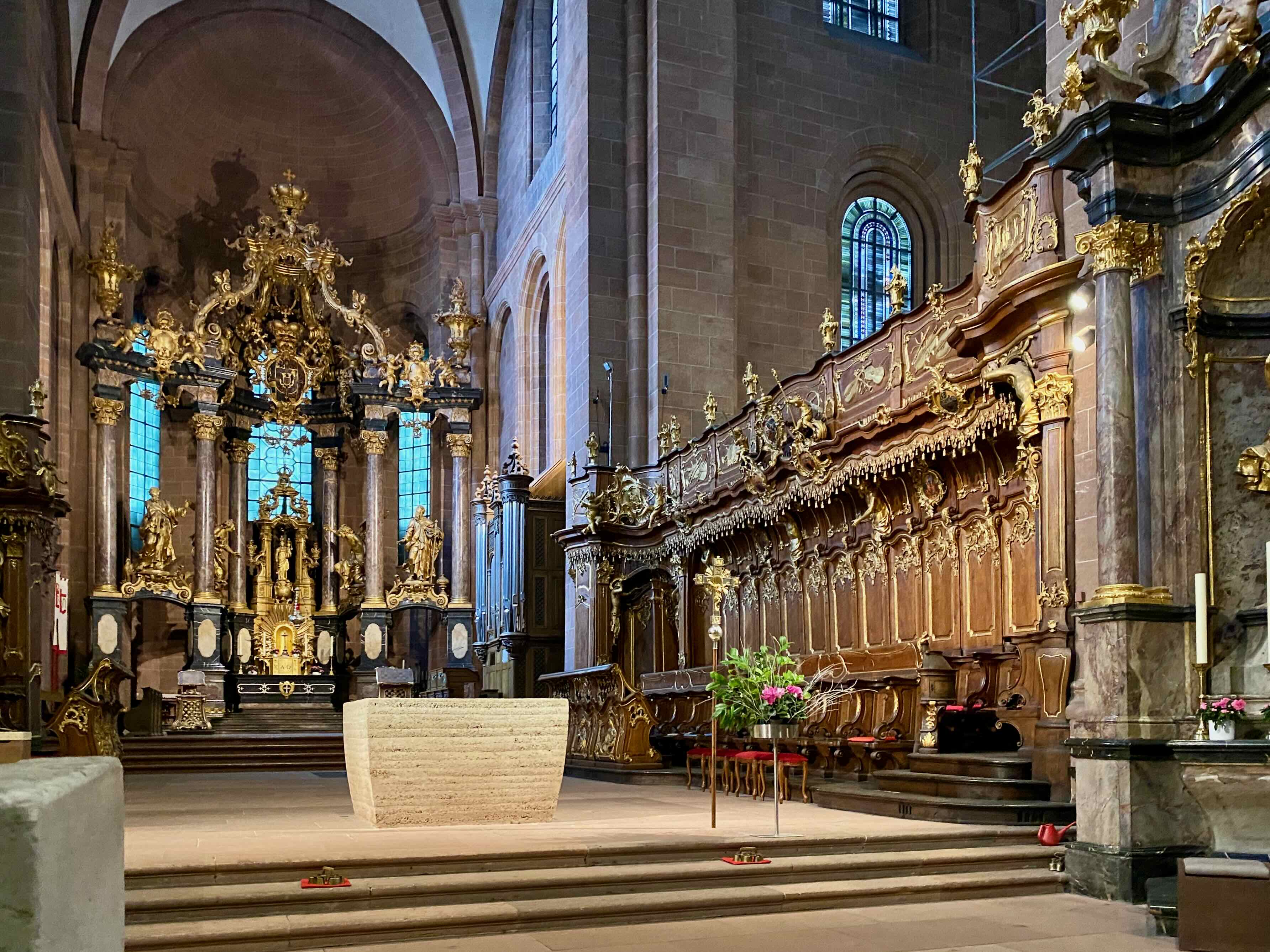
Built with red sandstone between the years 1130 and 1181, the church has a relatively simple interior…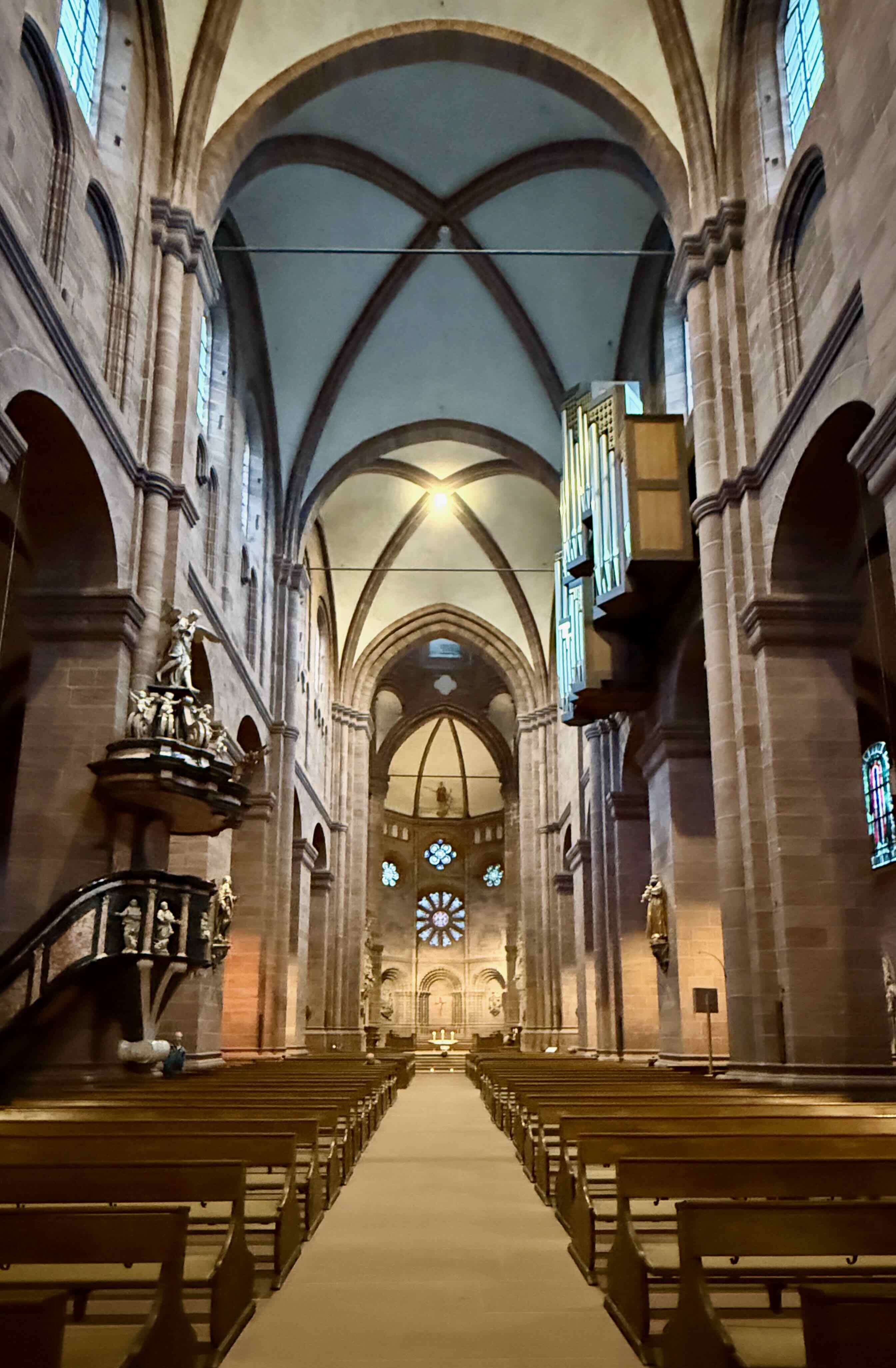 …except for the choir and altar.
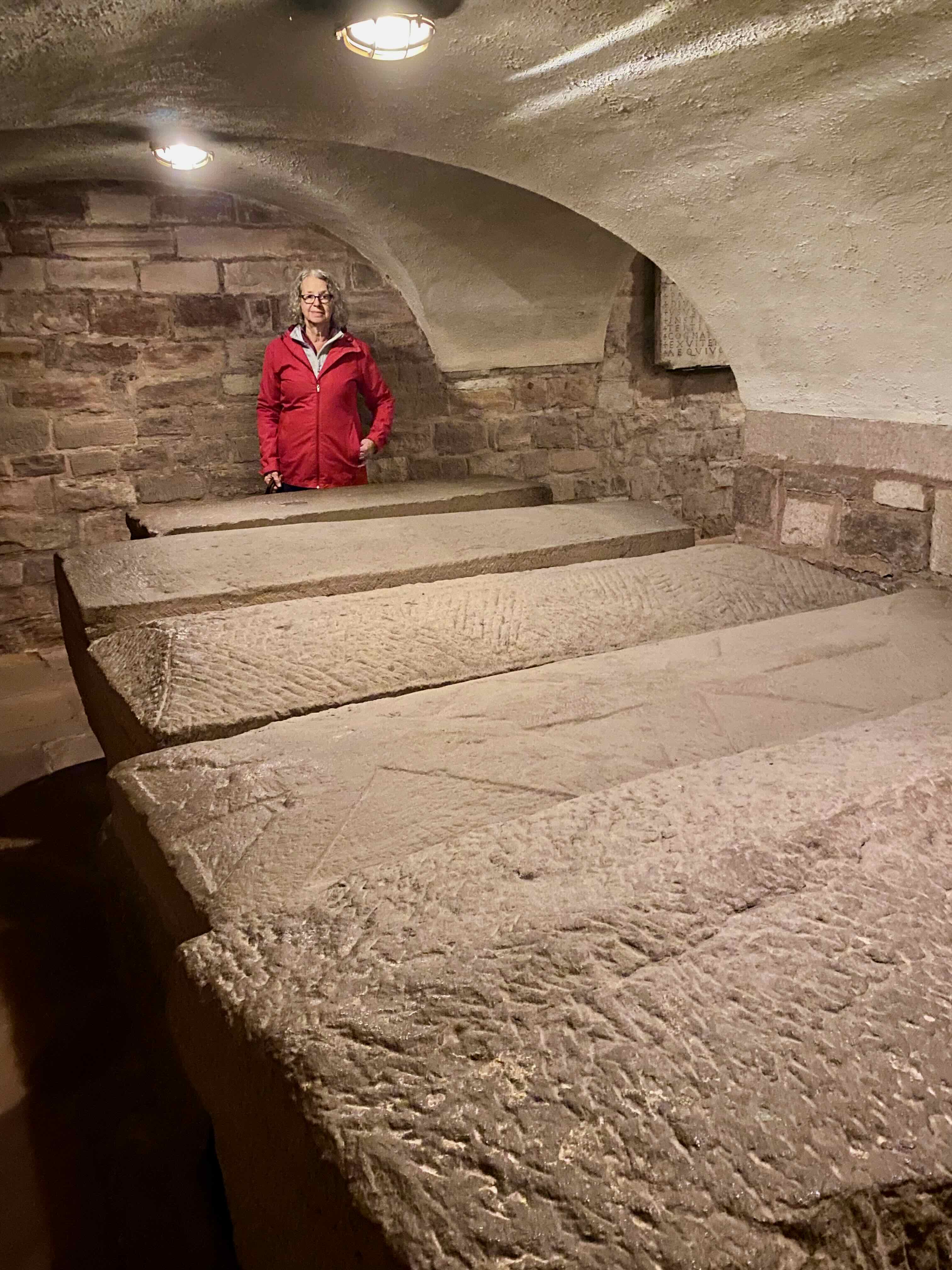
 Bob noticed a side entrance to the crypt which contains the tombs of early rulers from 990 to 1040 AD.
 Outside I see what appears to be ancient graffiti.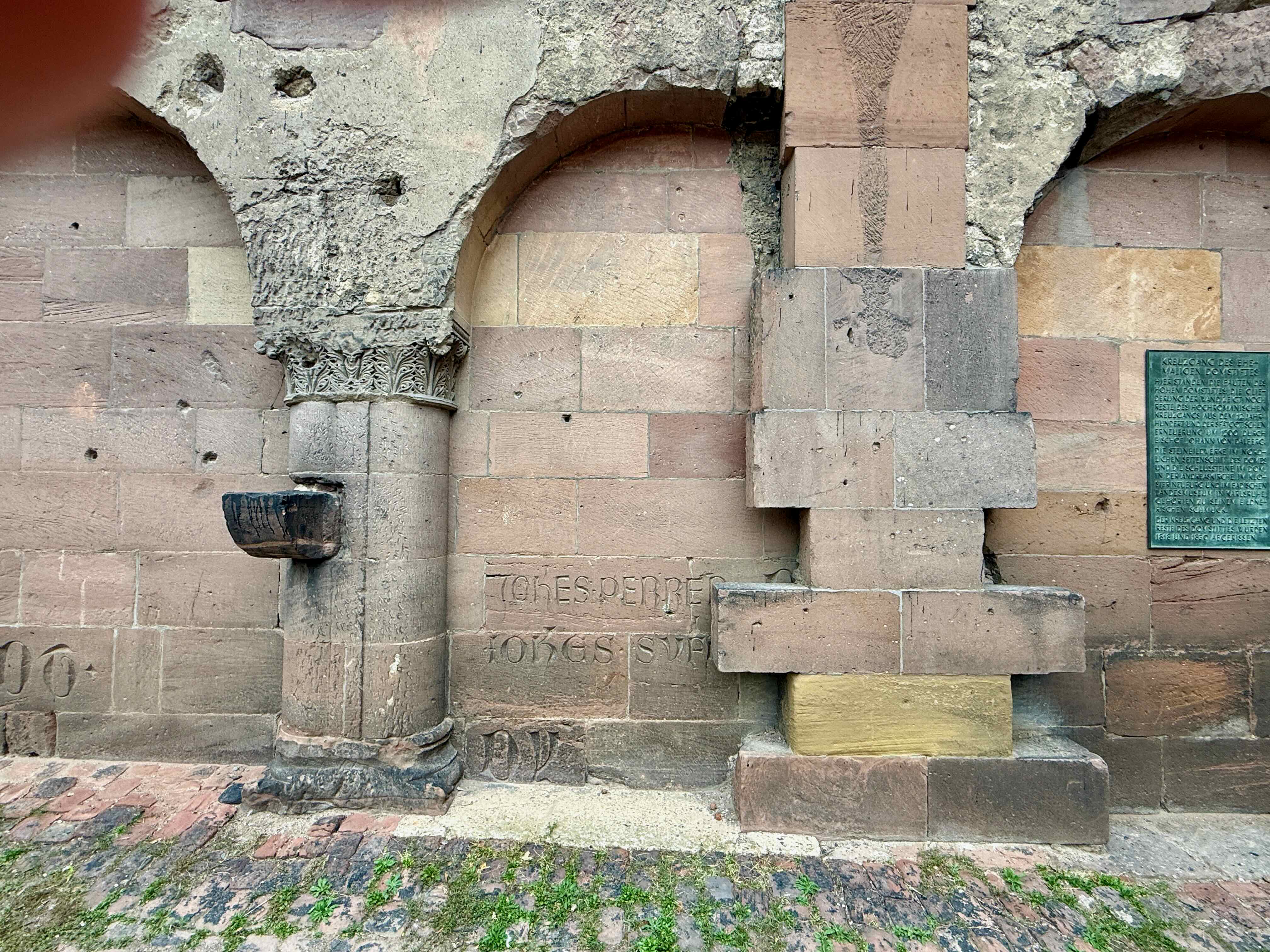
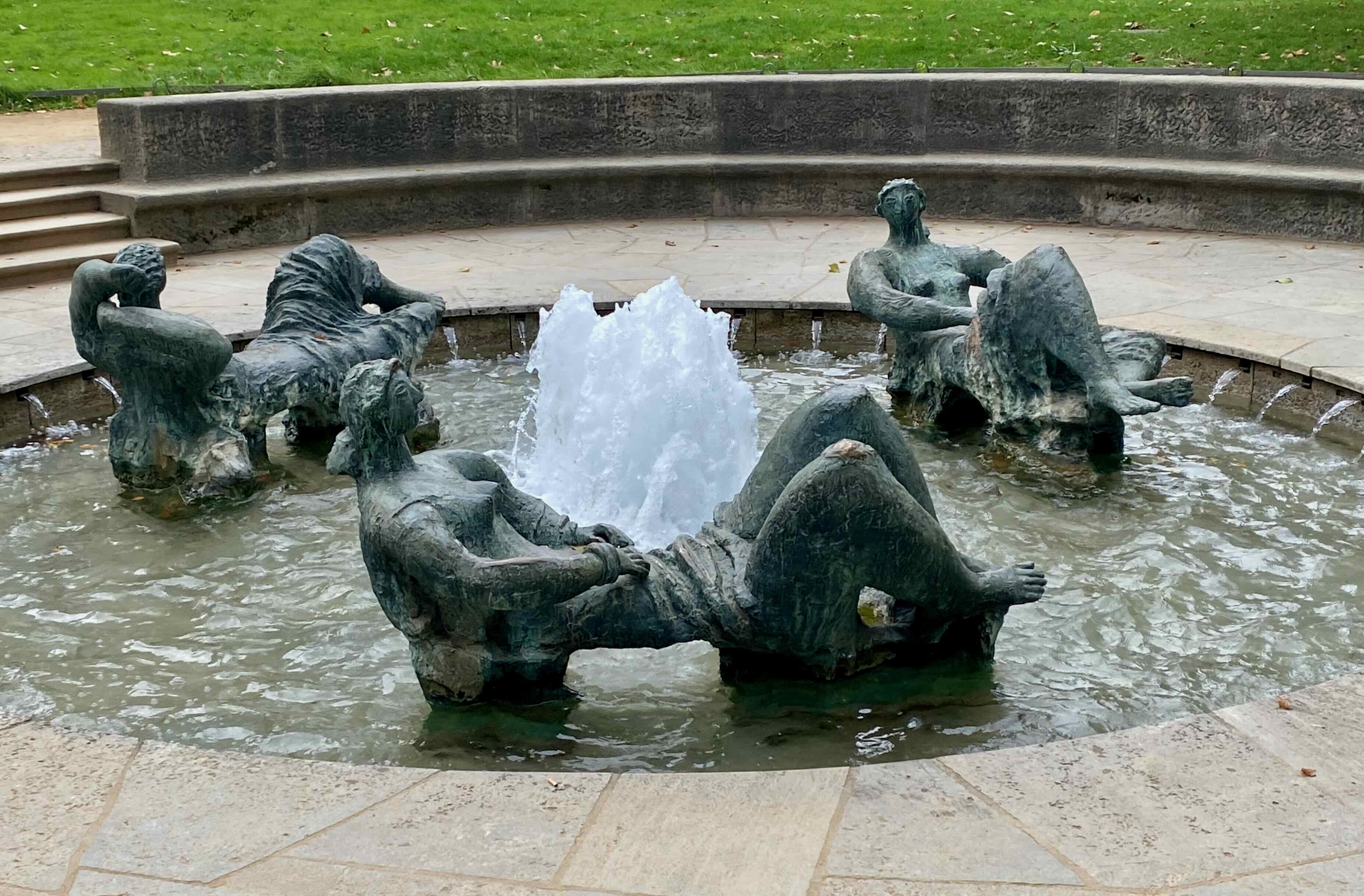
This fountain is at the end of part of the old town wall.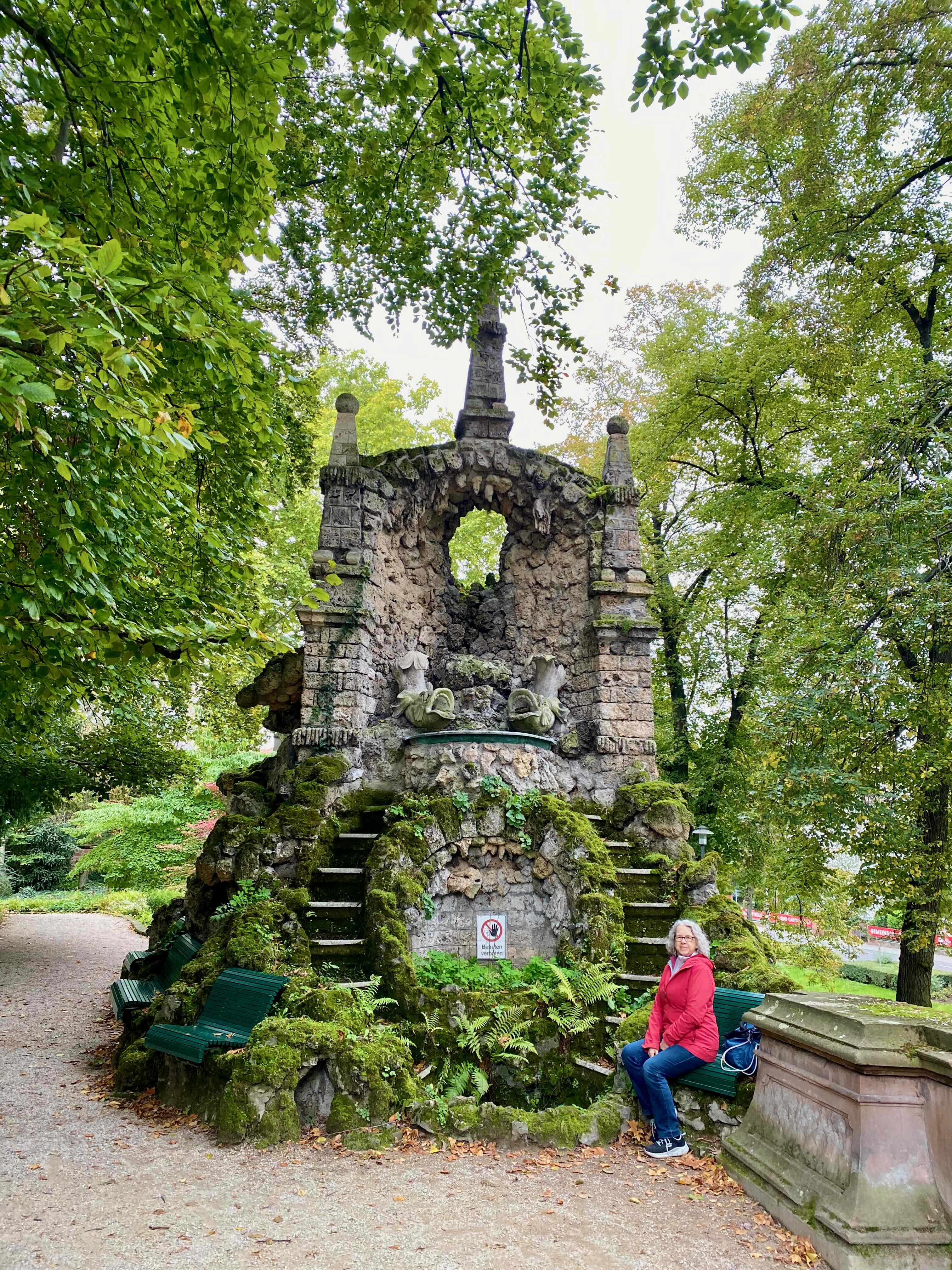
More graffiti, only on a tree this time.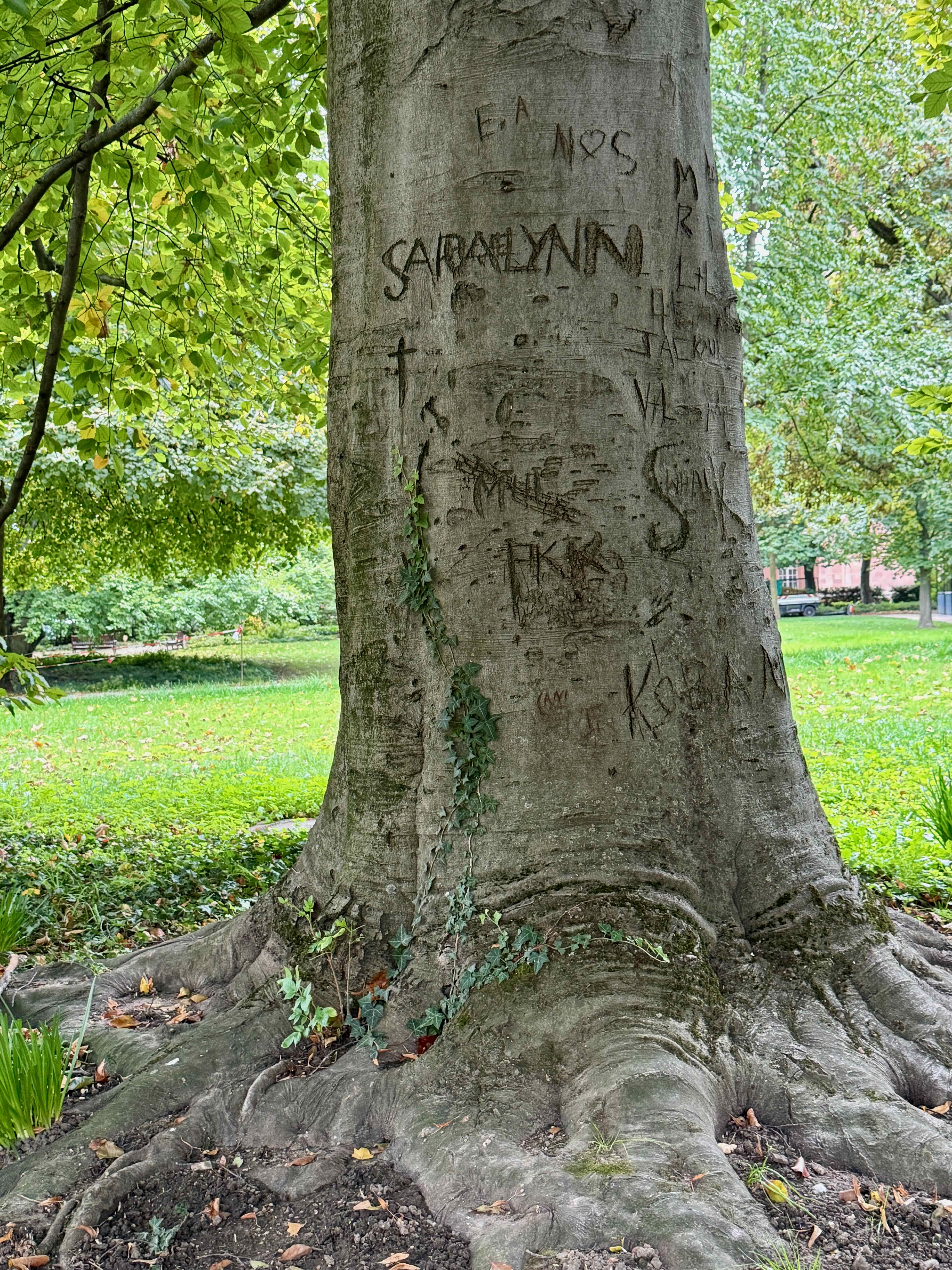
This little bird sculpture with its huge beak, ragged wings and stubby body caught our eye…we both really liked it.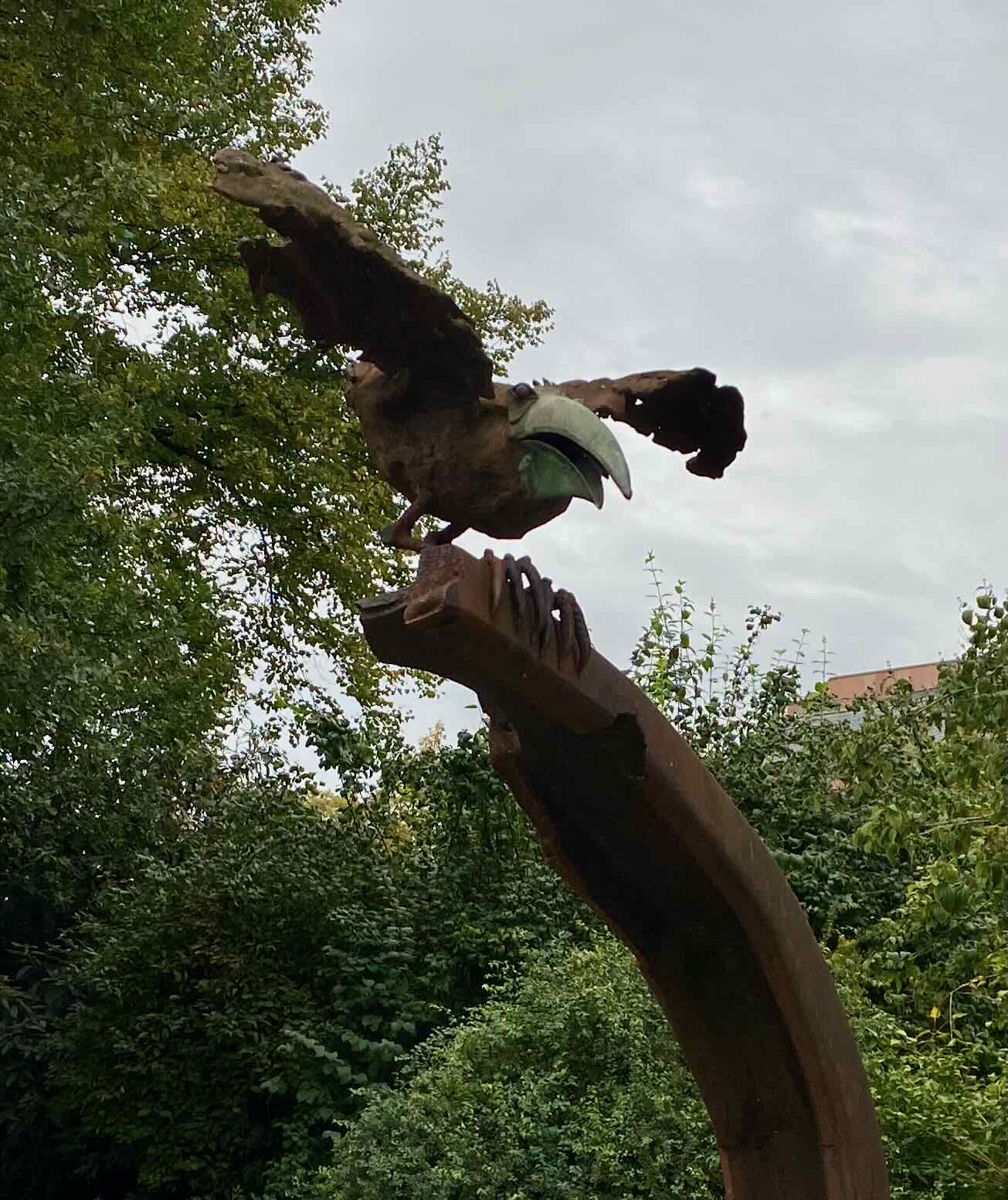
The Luther Monument is a group of statues. Martin Luther stands surrounded by bronze statues of the individuals that supported him. Plaques of the towns that supported Luther and the Protestant Reformation are placed on the walls of the monument.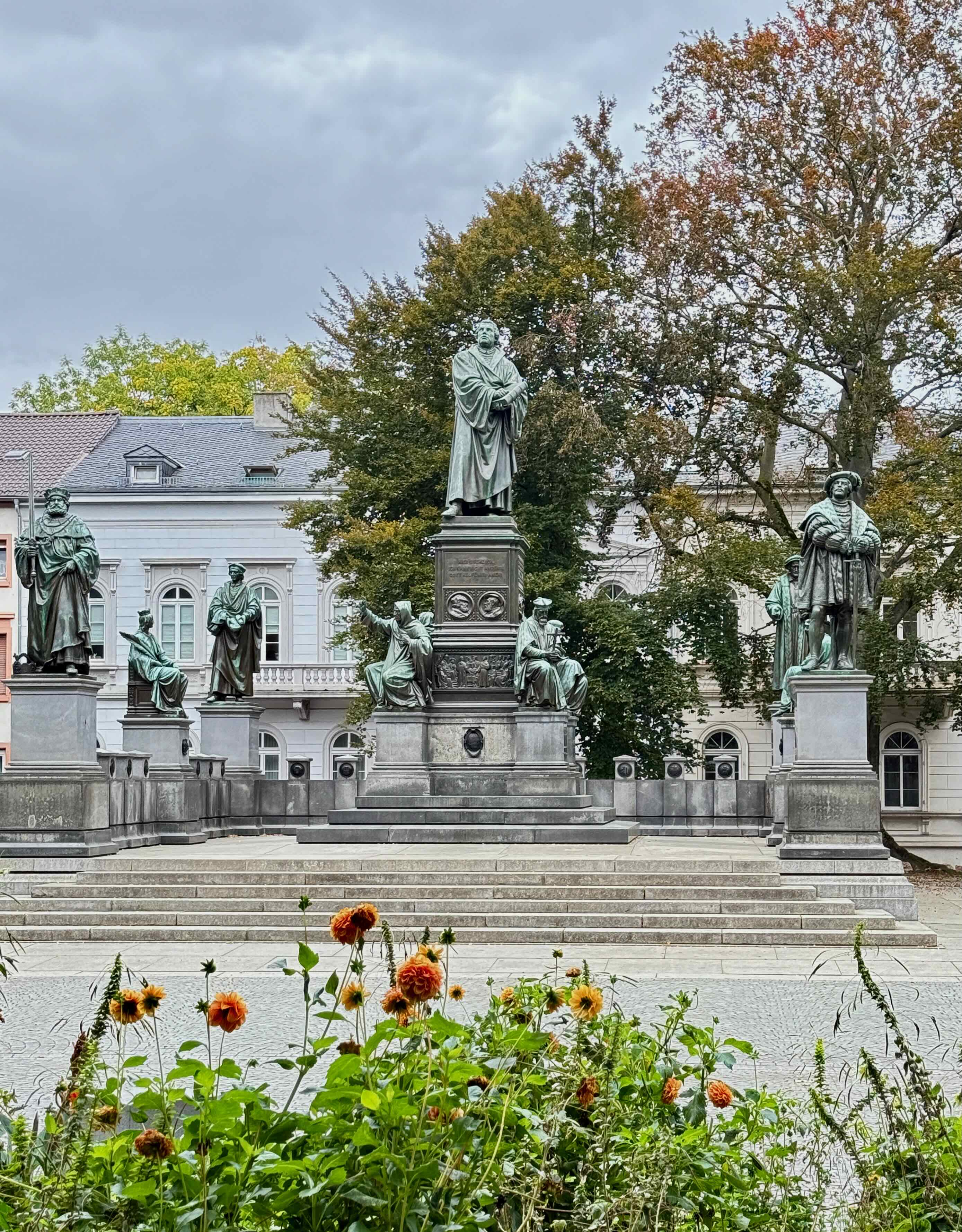
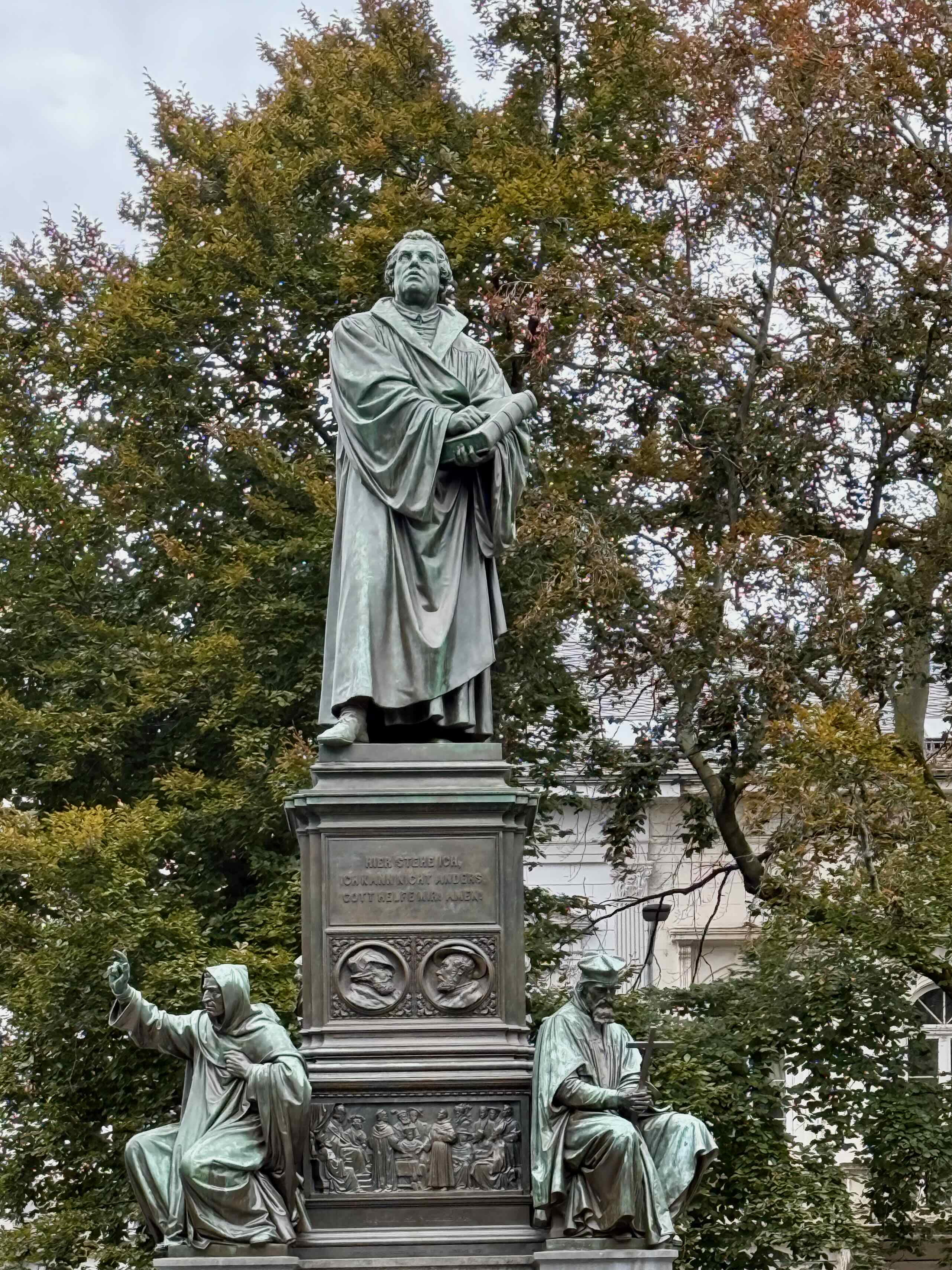
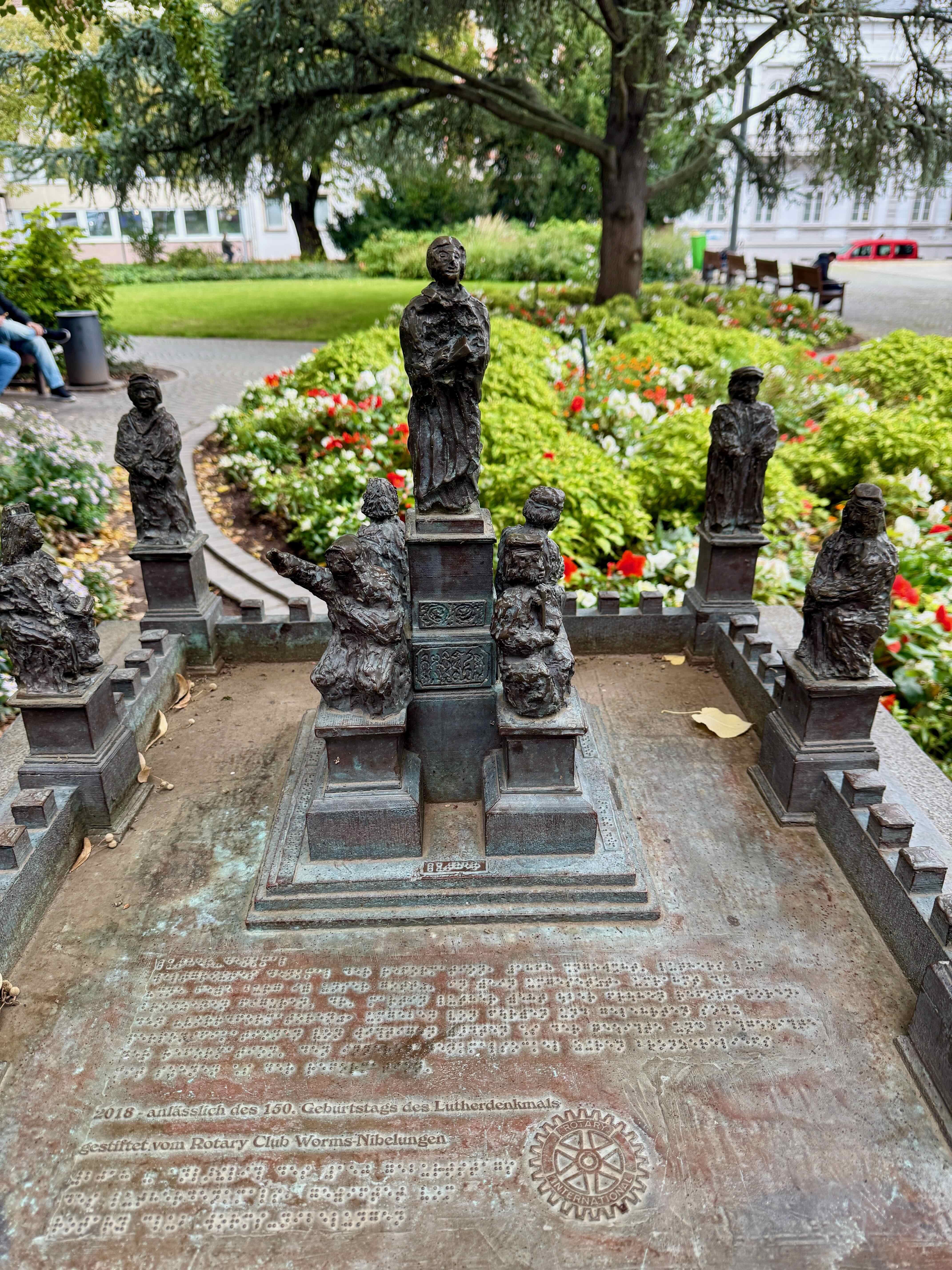
This monument is in a lovely park near the Cathedral.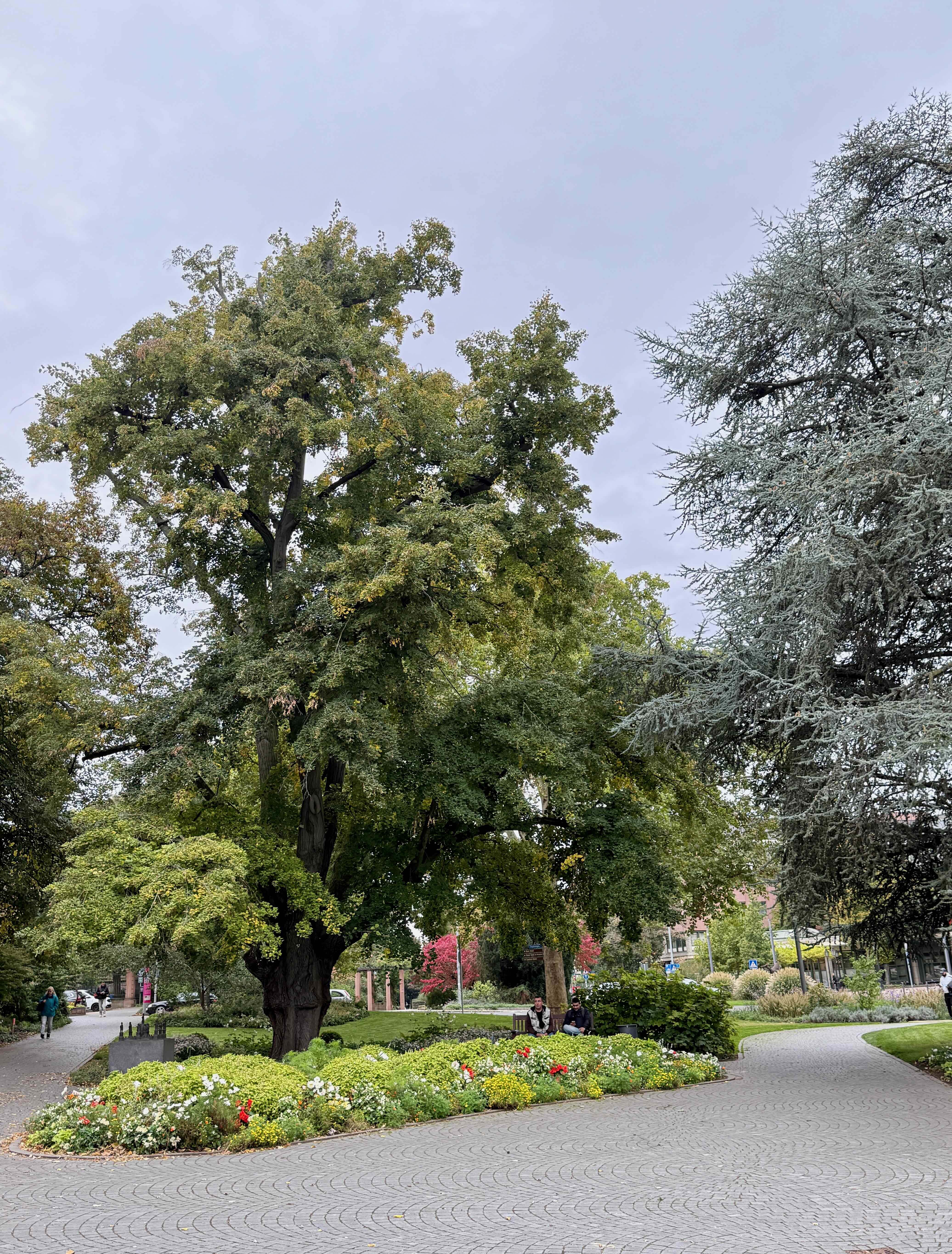 There is a model of the statue with information in Braille, which was unique.
 Back on the road I finally manage to get a photo of the Ausfahrt sign…which simply means Exit. I remember that we found this quite hilarious on our first trip to Germany with our daughter many years ago.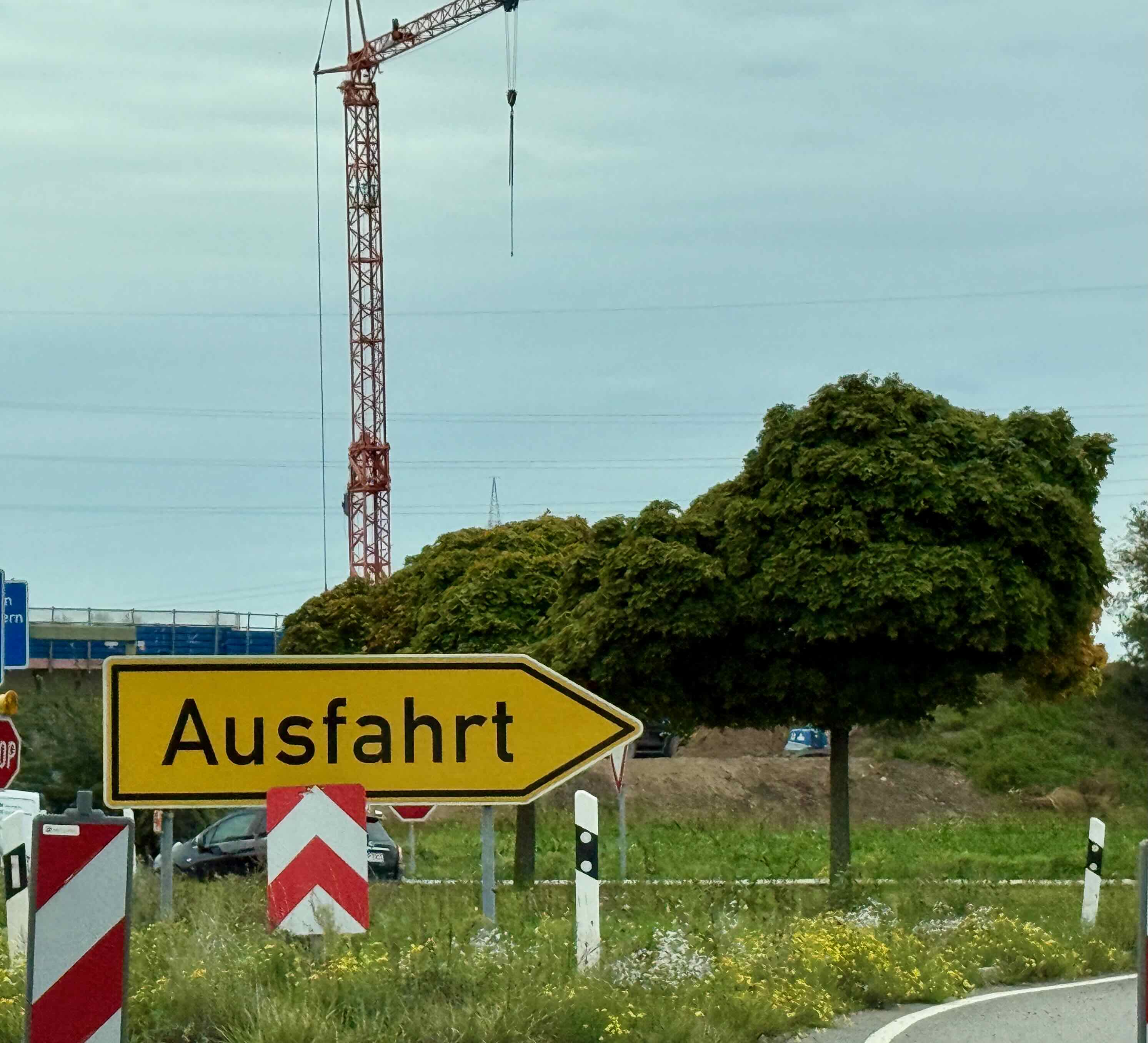
Next stop is Heidelberg where we are going to visit Heidelberg Castle that Bob says is like Versailles. We have a hard time finding the entrance to the funicular, even using Google Maps! Finally I notice a small picture of a train on the wall of what looks like the entrance to a mall…we only walked past it two times! The part of the journey we take is all underground.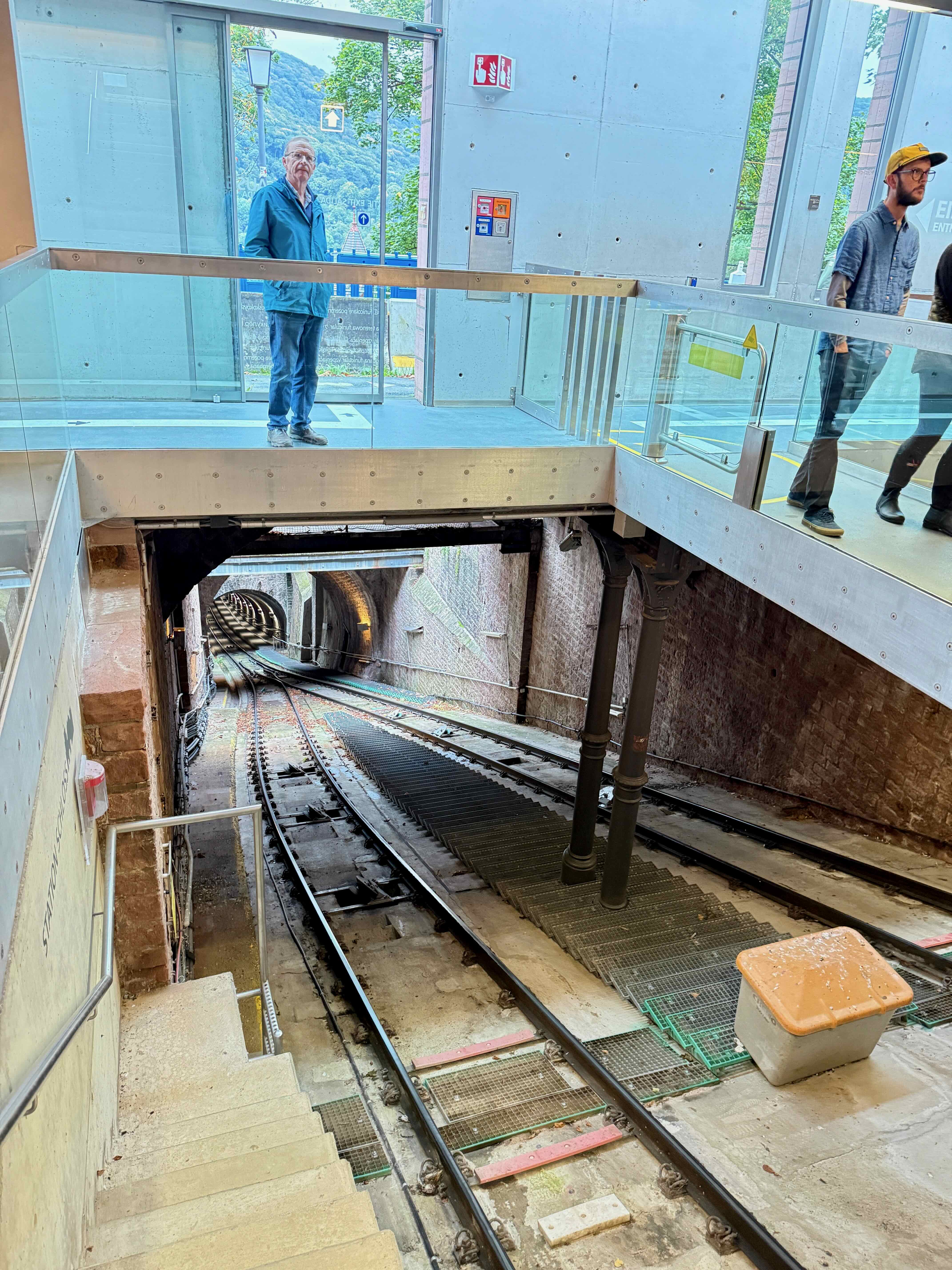
We walk to the castle but all we see is ruins…turns out Bob mixed up his castles! It is fine though as this looks interesting anyways. There is an in depth tour through the ruins in an hour and a half but we decide to just wander and see what we can. This gate was built in one night by King Frederick V for his wife as a birthday present.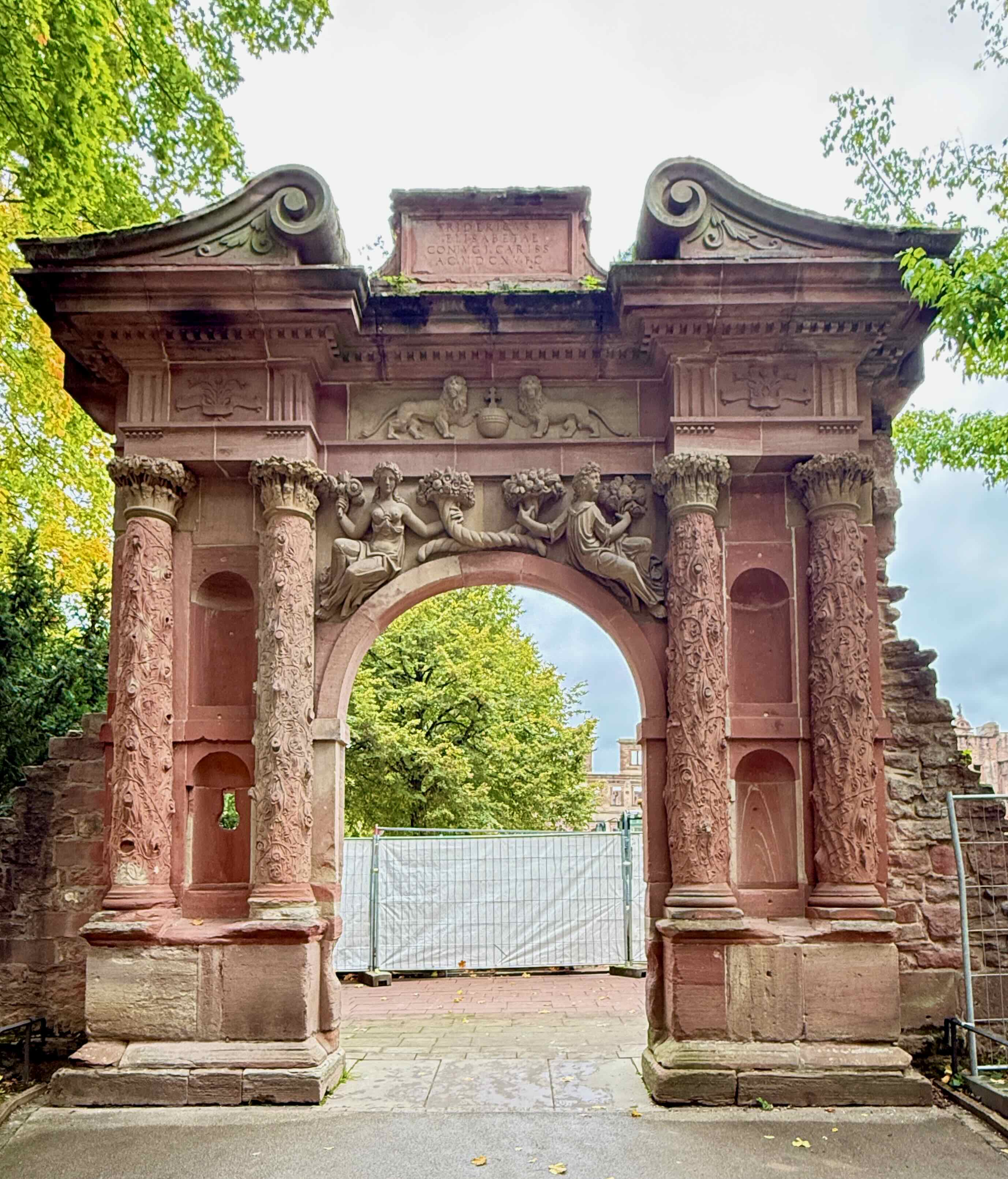
Our funicular ticket gives us access to the courtyard, the German Pharmacy Museum, and the Big Wine Barrel. We walk through the gate to the courtyard…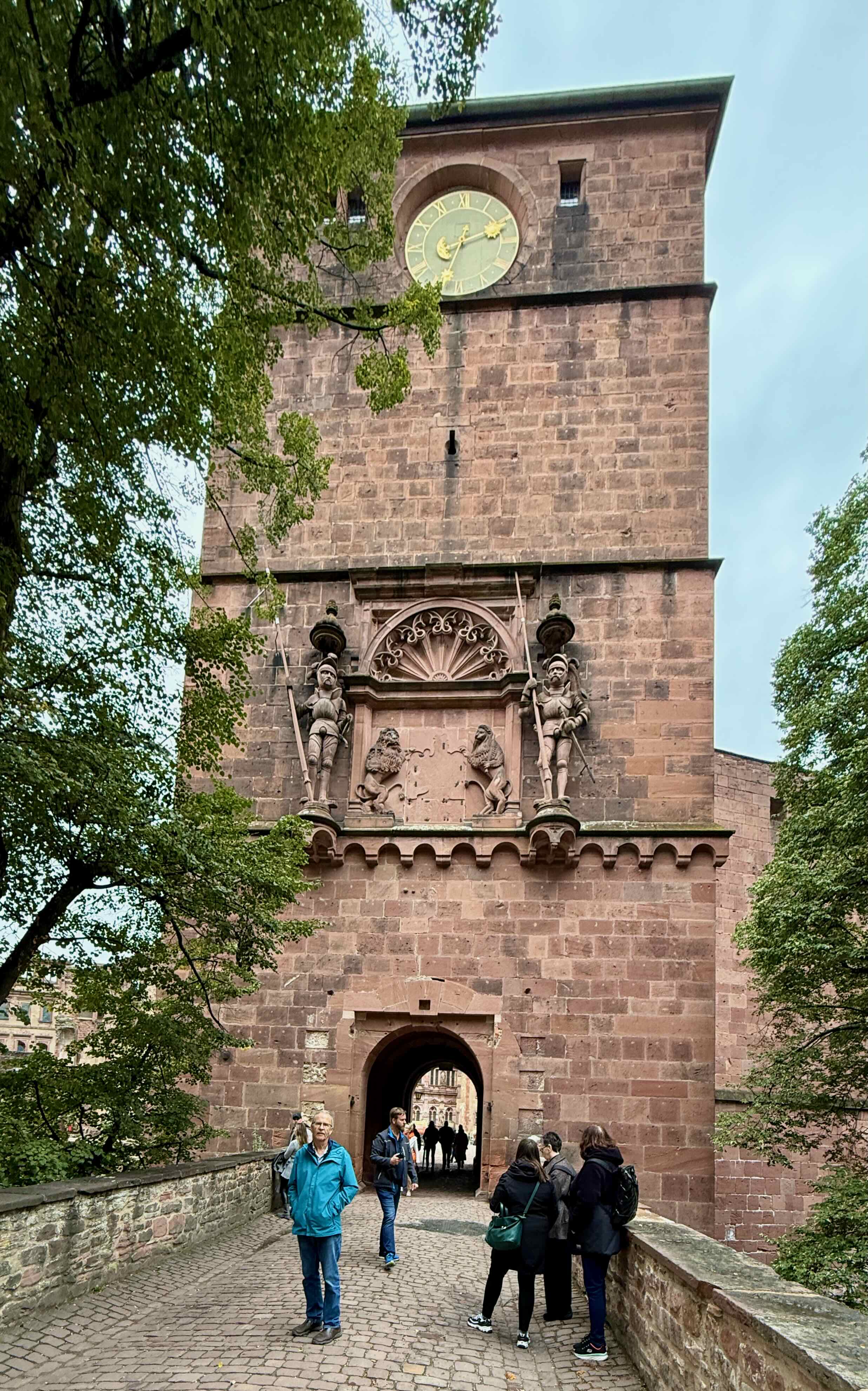
…and we are greeted with views of the ruins of what must have been a very impressive castle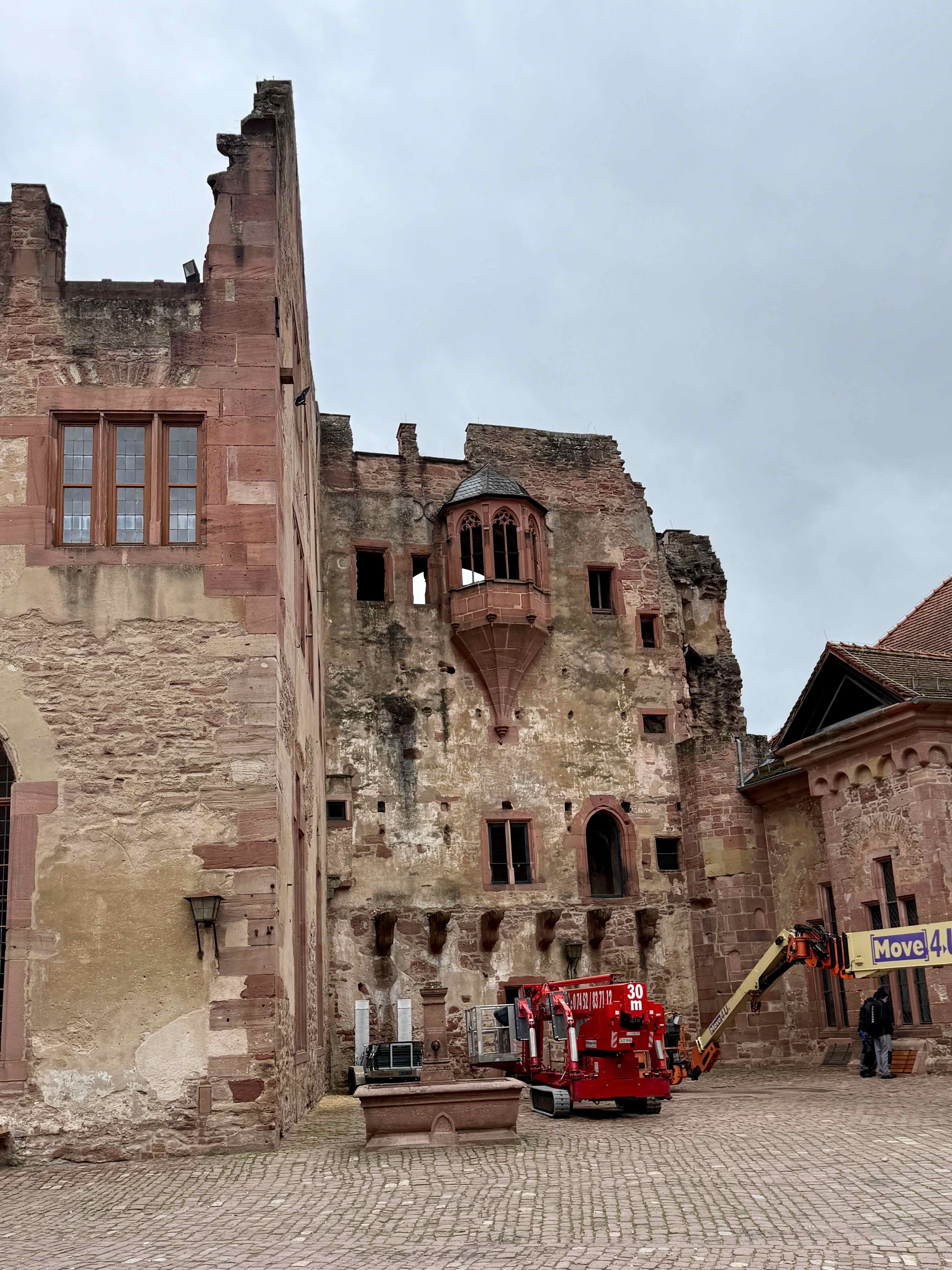
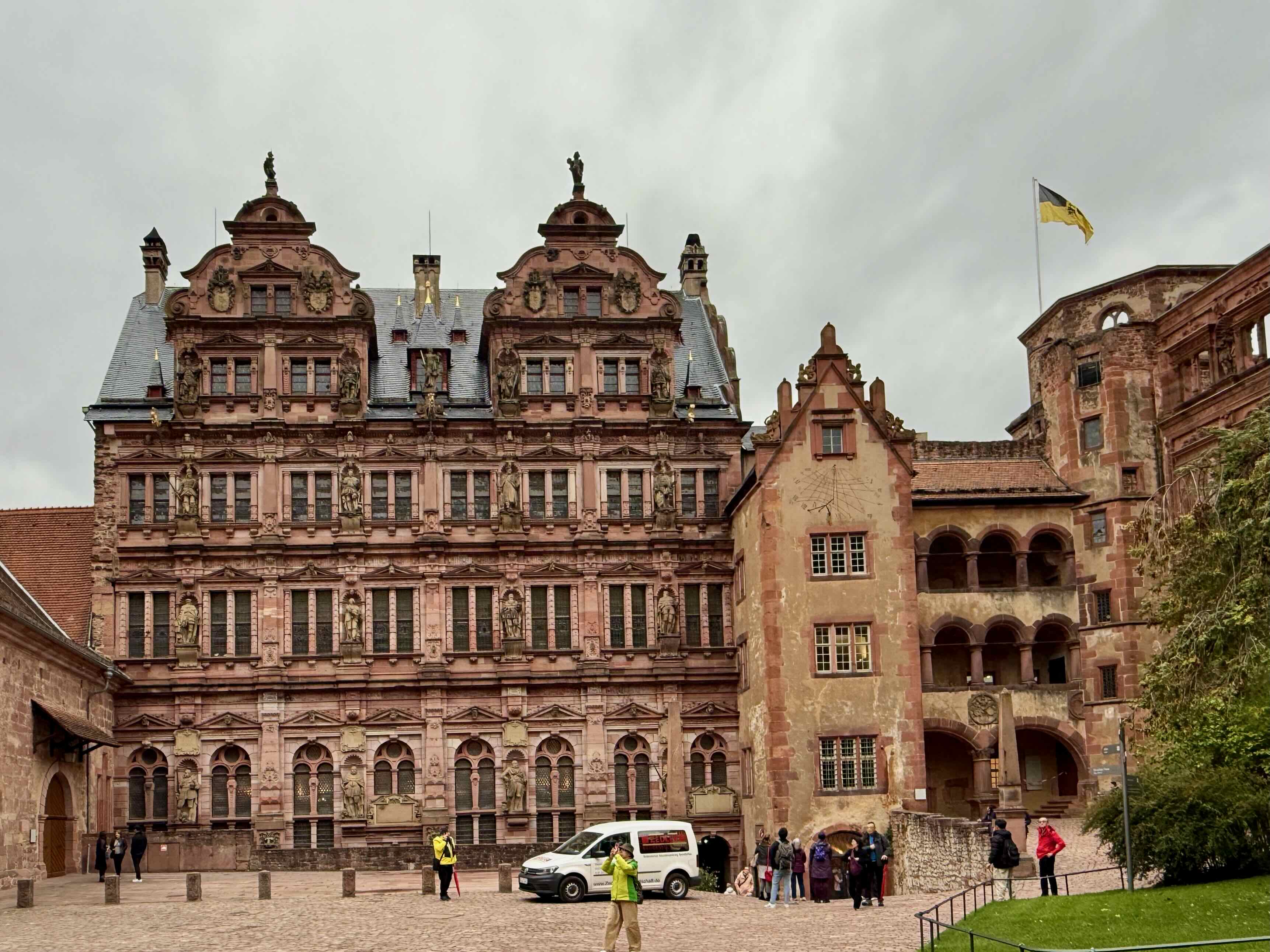
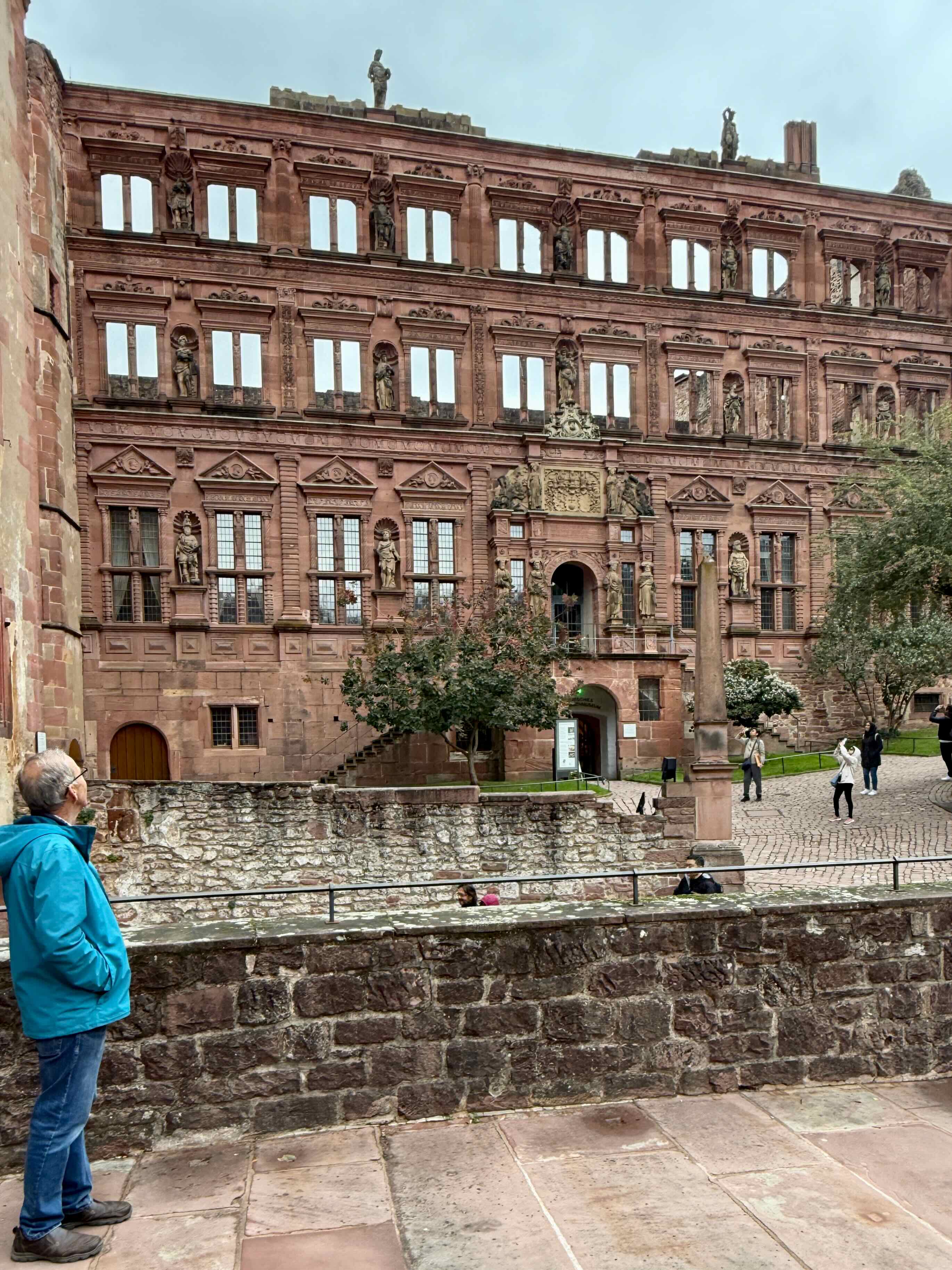
Walking through the doorway in the above photo we arrive on a huge balcony overlooking the Rhine River with views of Heidelberg below.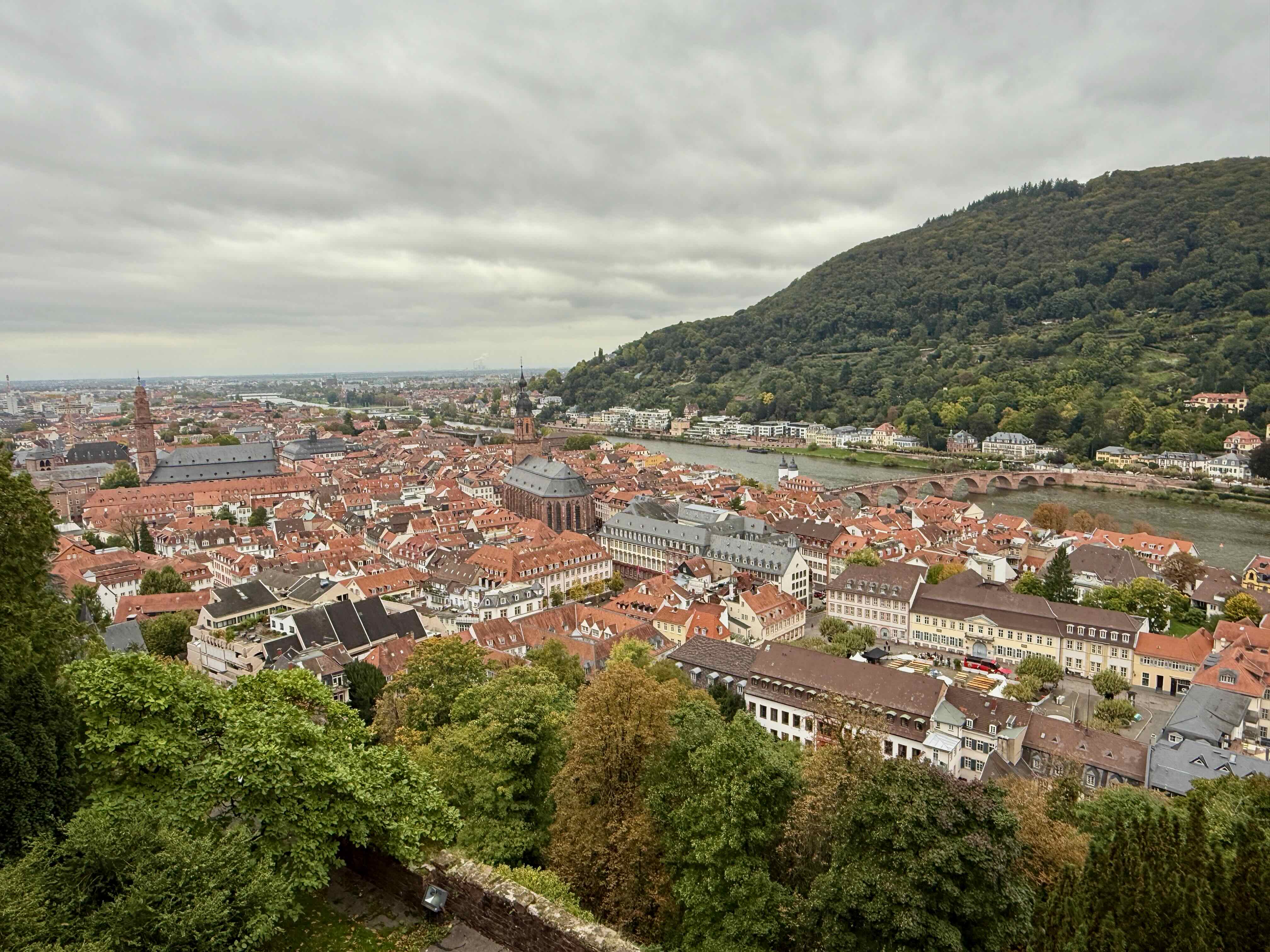 A view of the ruins as seen from the balcony.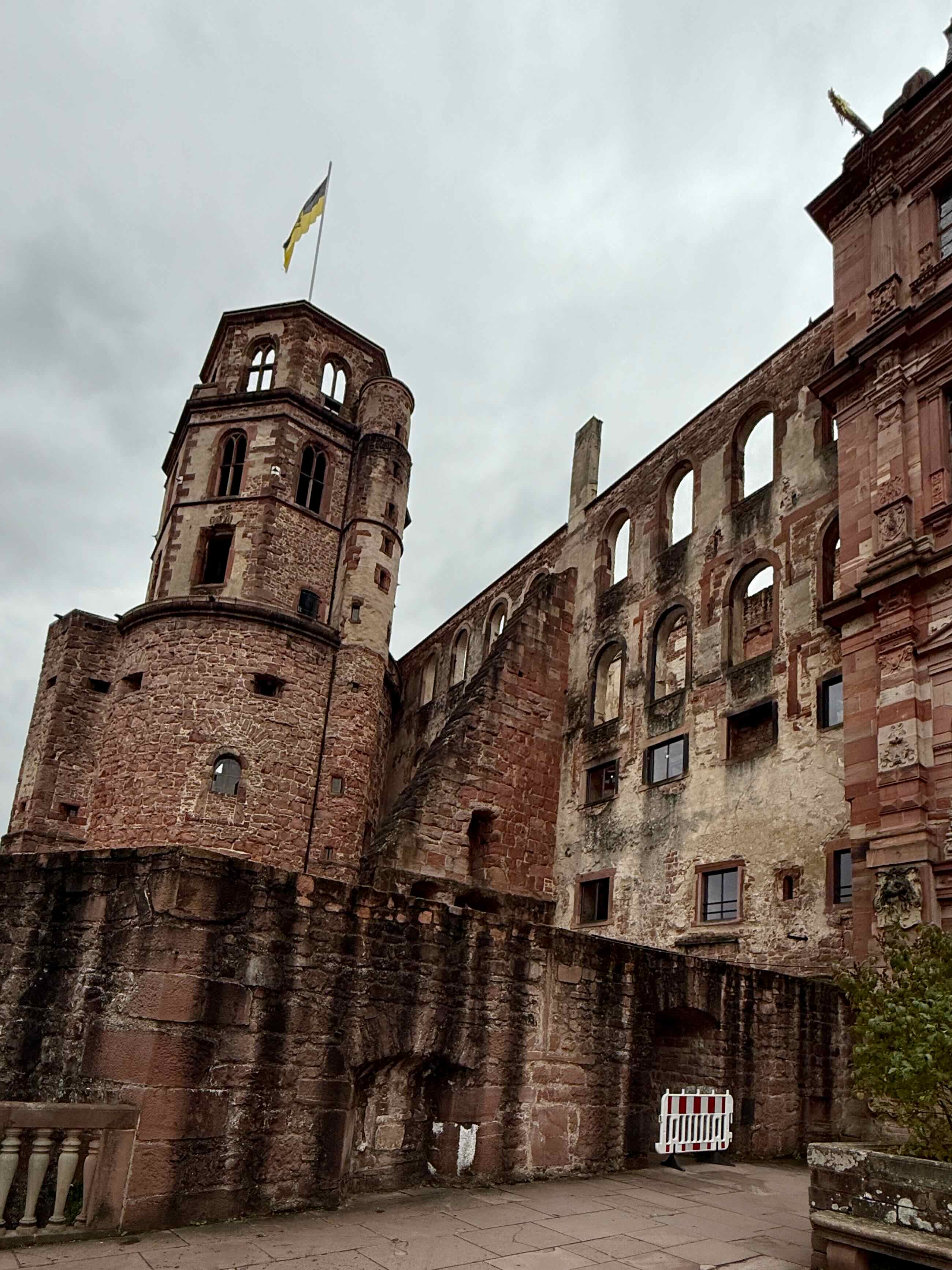
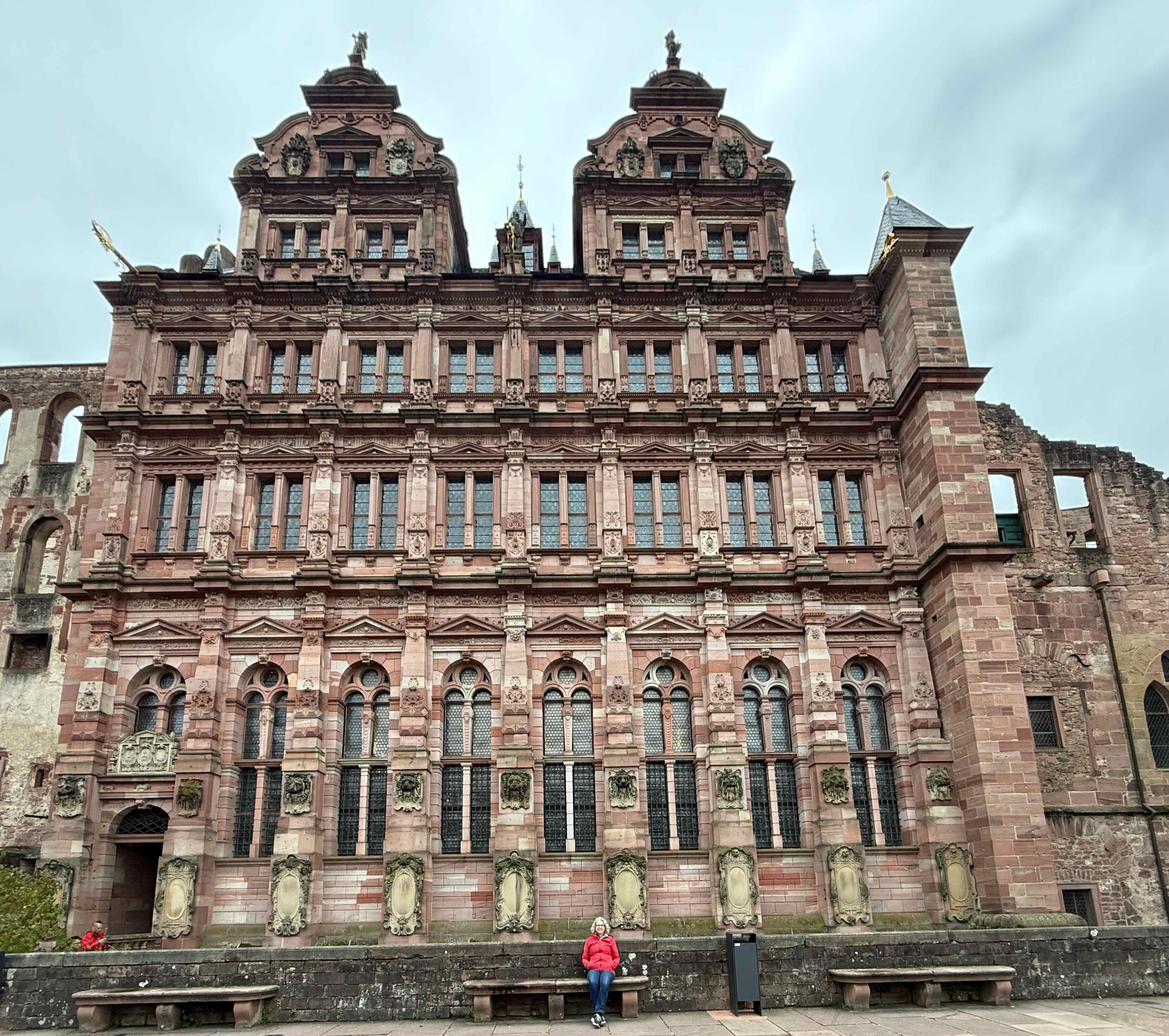
It is cold out so we go inside to see the Big Wine Barrel. It is pretty impressive and I take this photo and then walk around the corner while Bob is inspecting the barrel. I come back and tell him “You need to come and see the BIG Wine Barrel!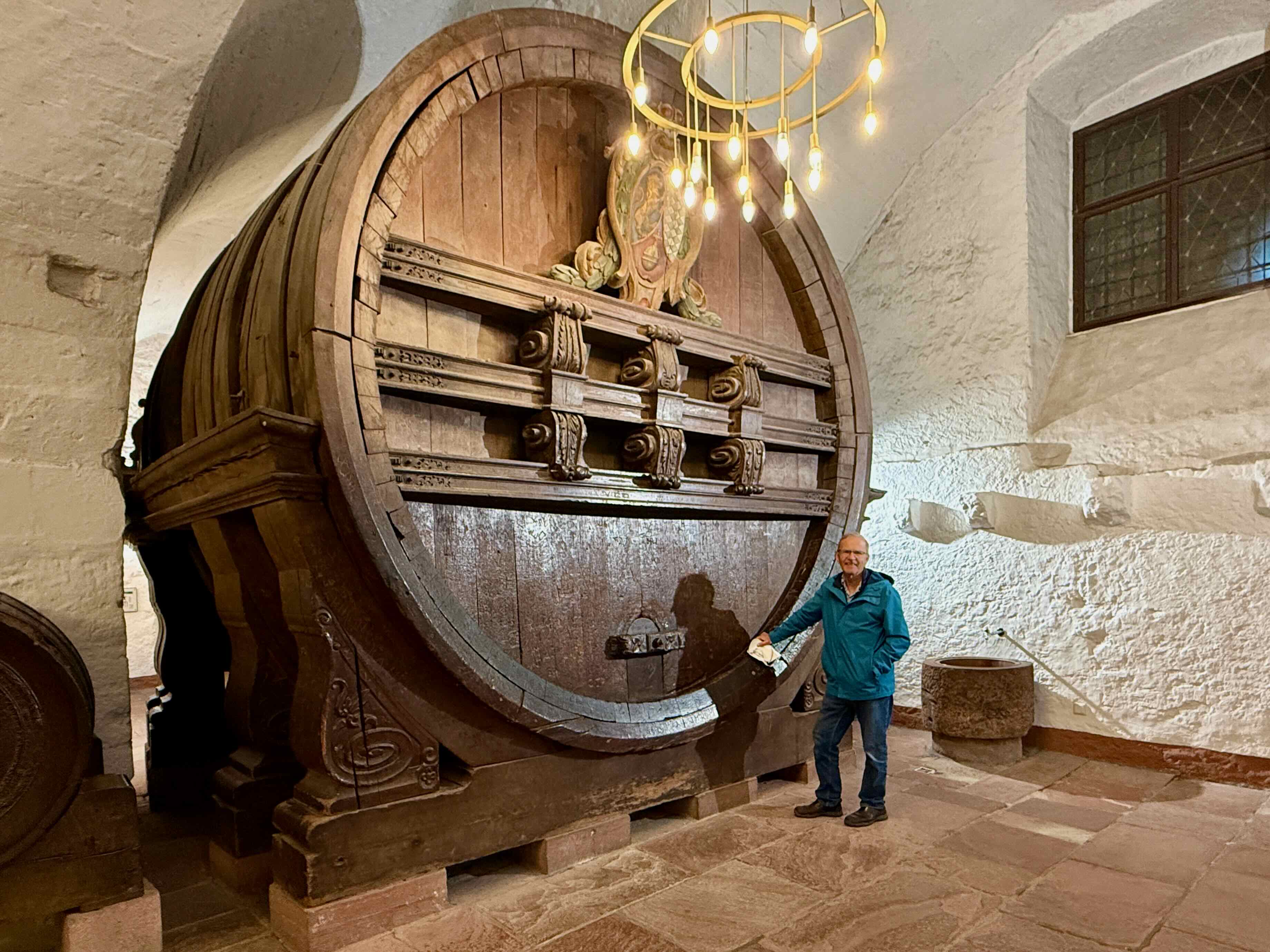
Here it is!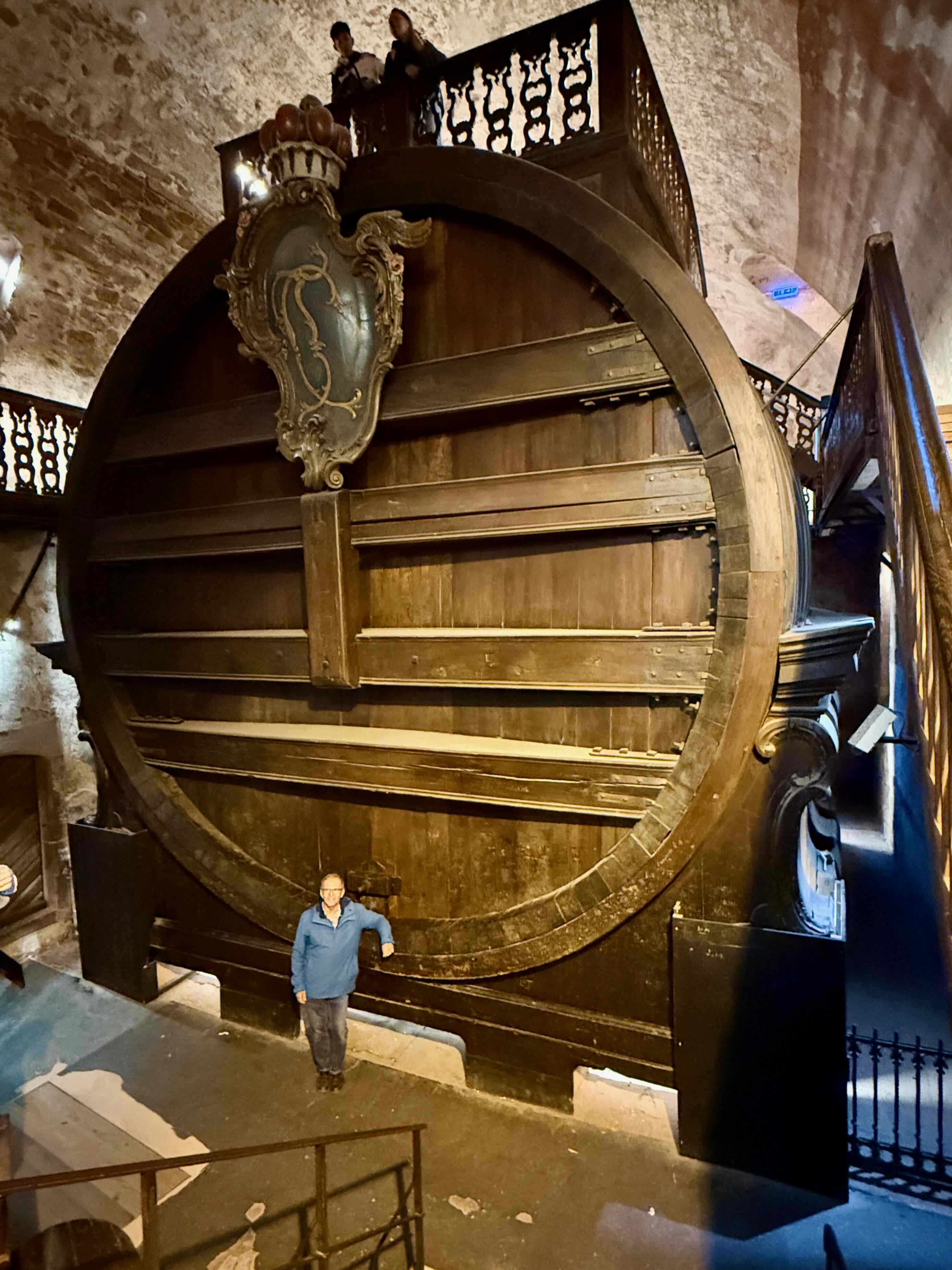
This wine barrel held 220,000 liters of wine. The stairs I am standing on lead to a platform above the barrel that was likely used as a dance floor! 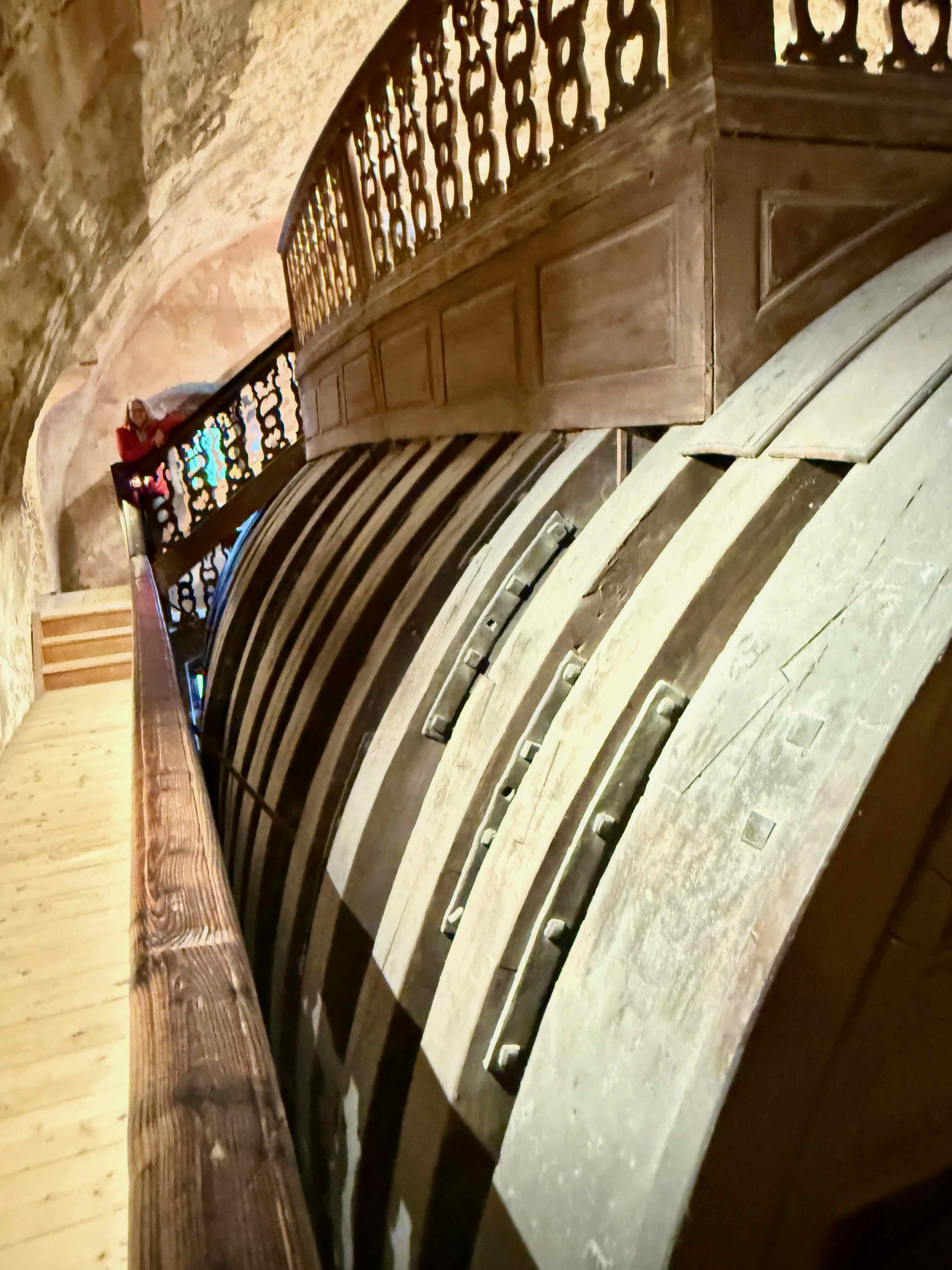
Last stop is the German Apothecary Museum. It is warm inside, which I really appreciate. Aspirin was a commercially sold product in 1889. 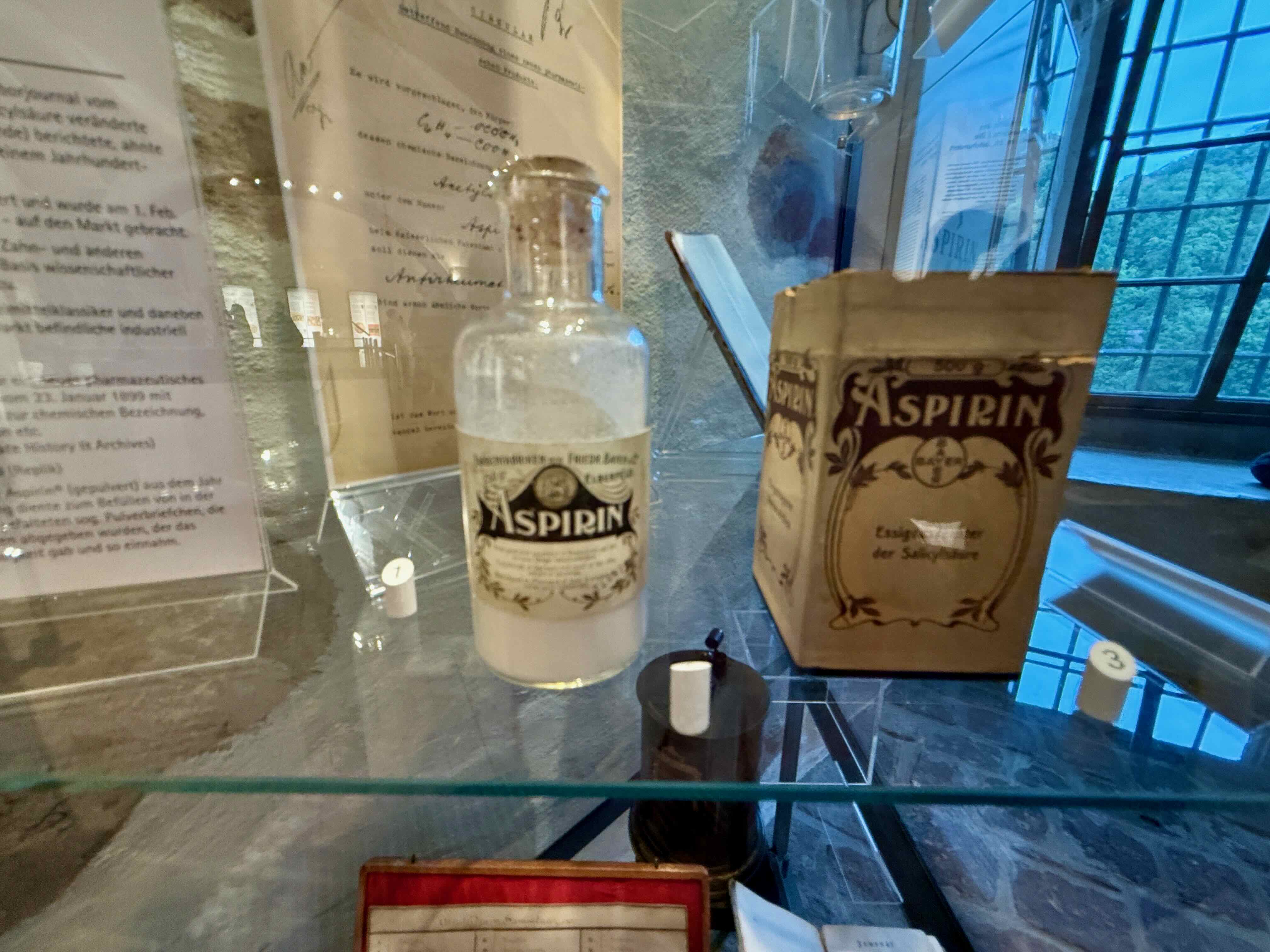
This chest of homeopathic medicines from 1890 contains 312 vials of homeopathic remedies.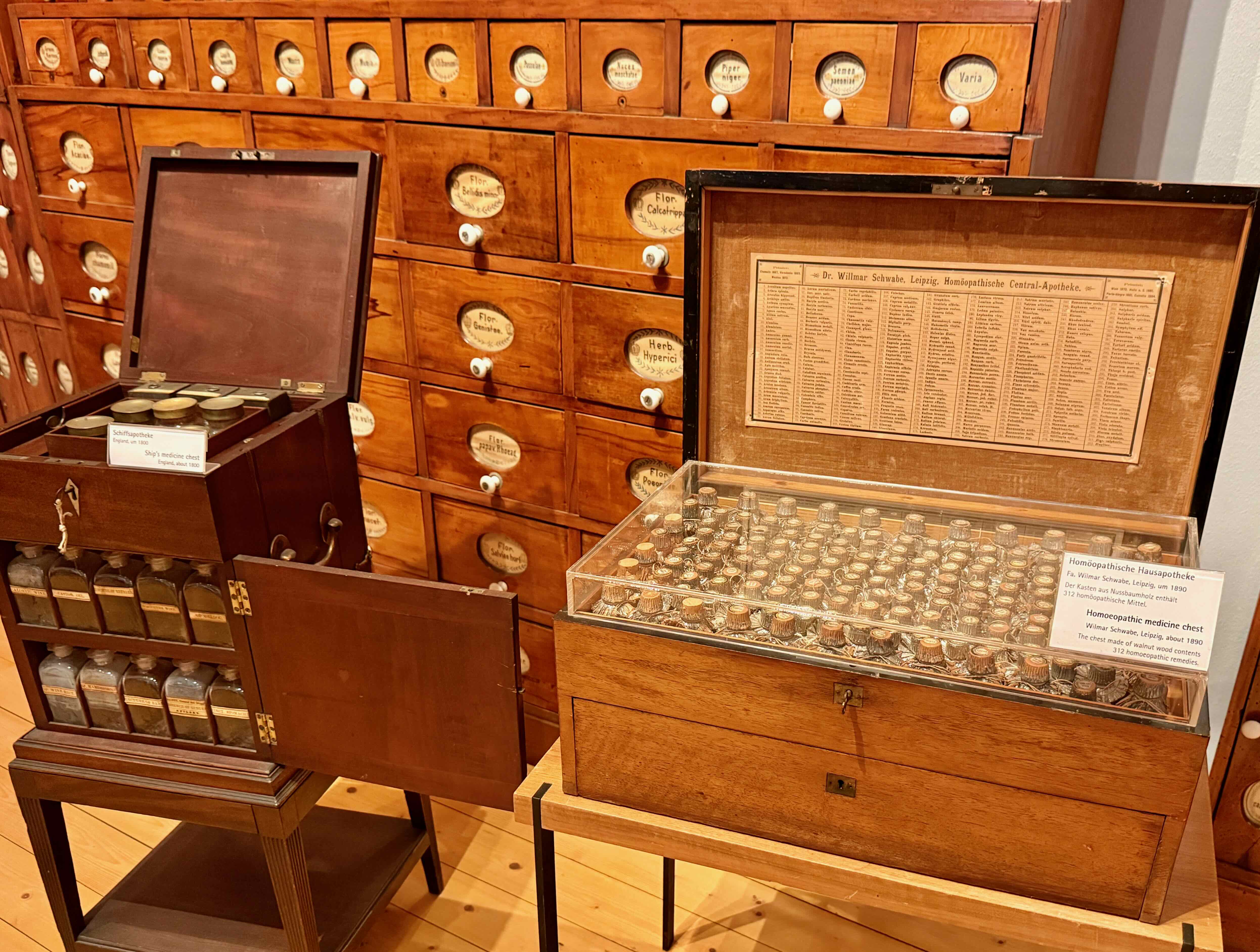
What is it about chests with lots of little drawers that I find so appealing?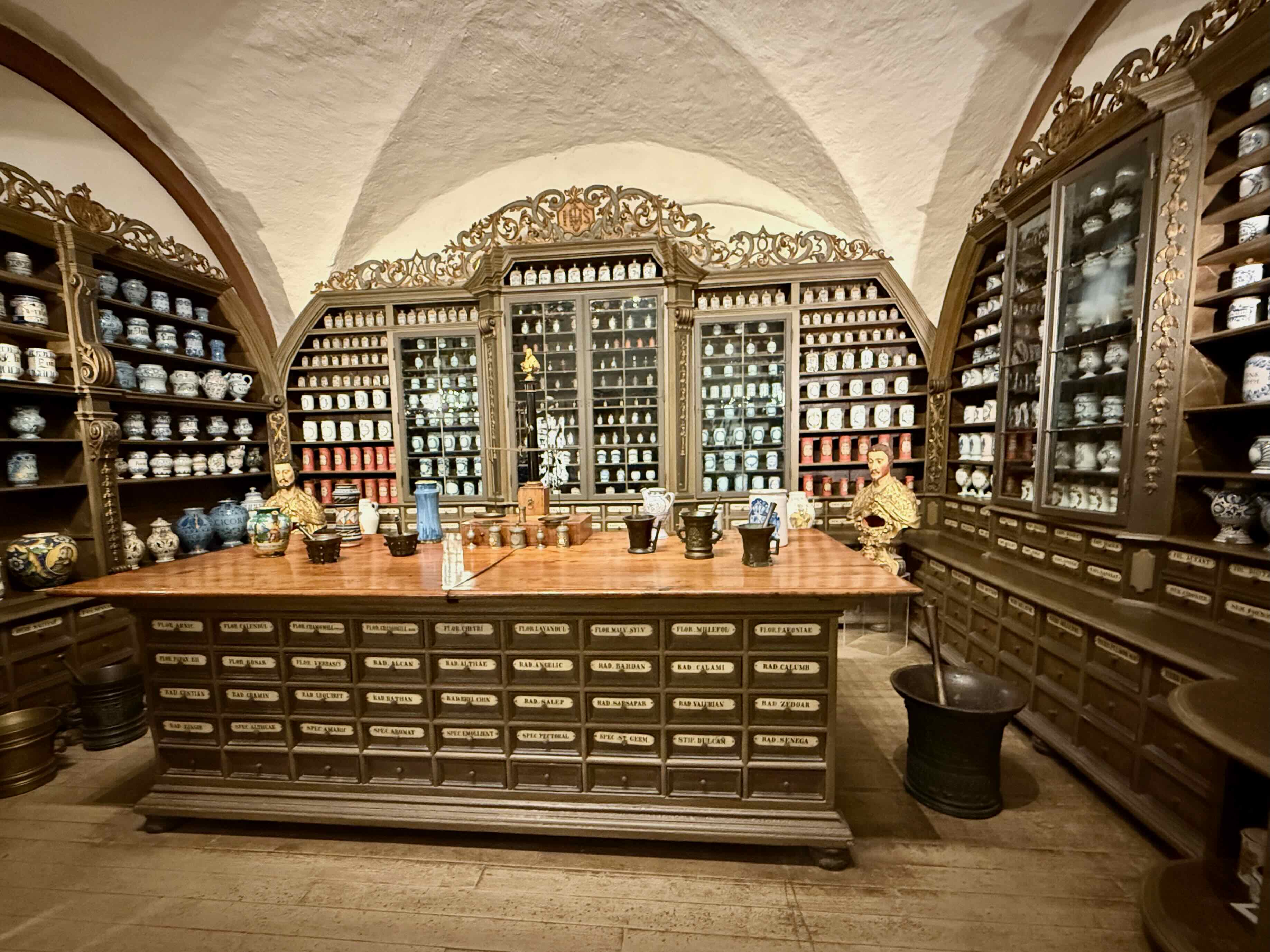
Of course, ground unicorn horns were in big demand as a cure for ailments such as fever, plaque, poisoning convulsions and epilepsy! Unicorn horns were just long tusks from narwhals or other animals but they were an expensive medication reserved for royalty and the very rich. 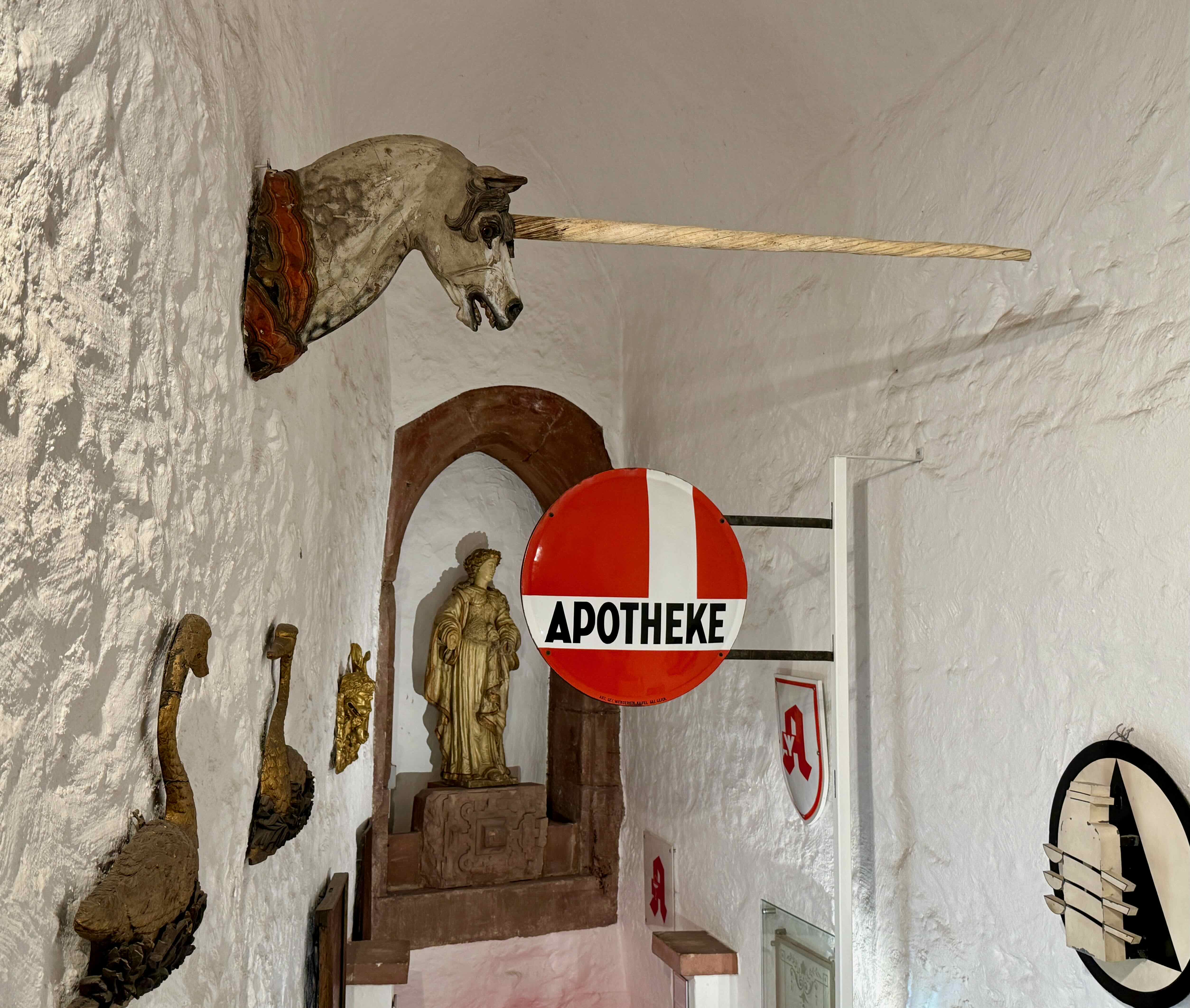
An early distillery…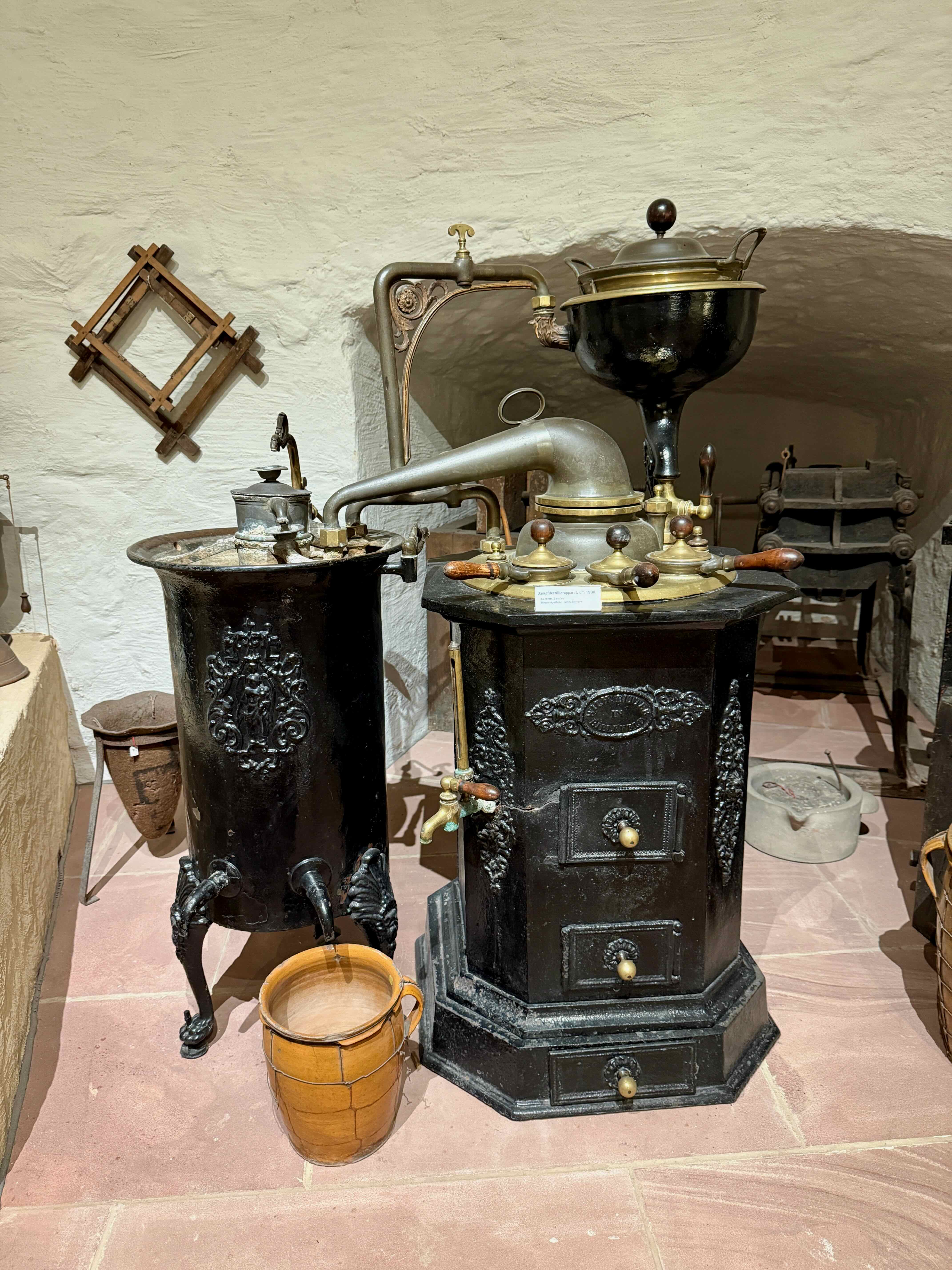
…bunsen burners and a telescope from 1780.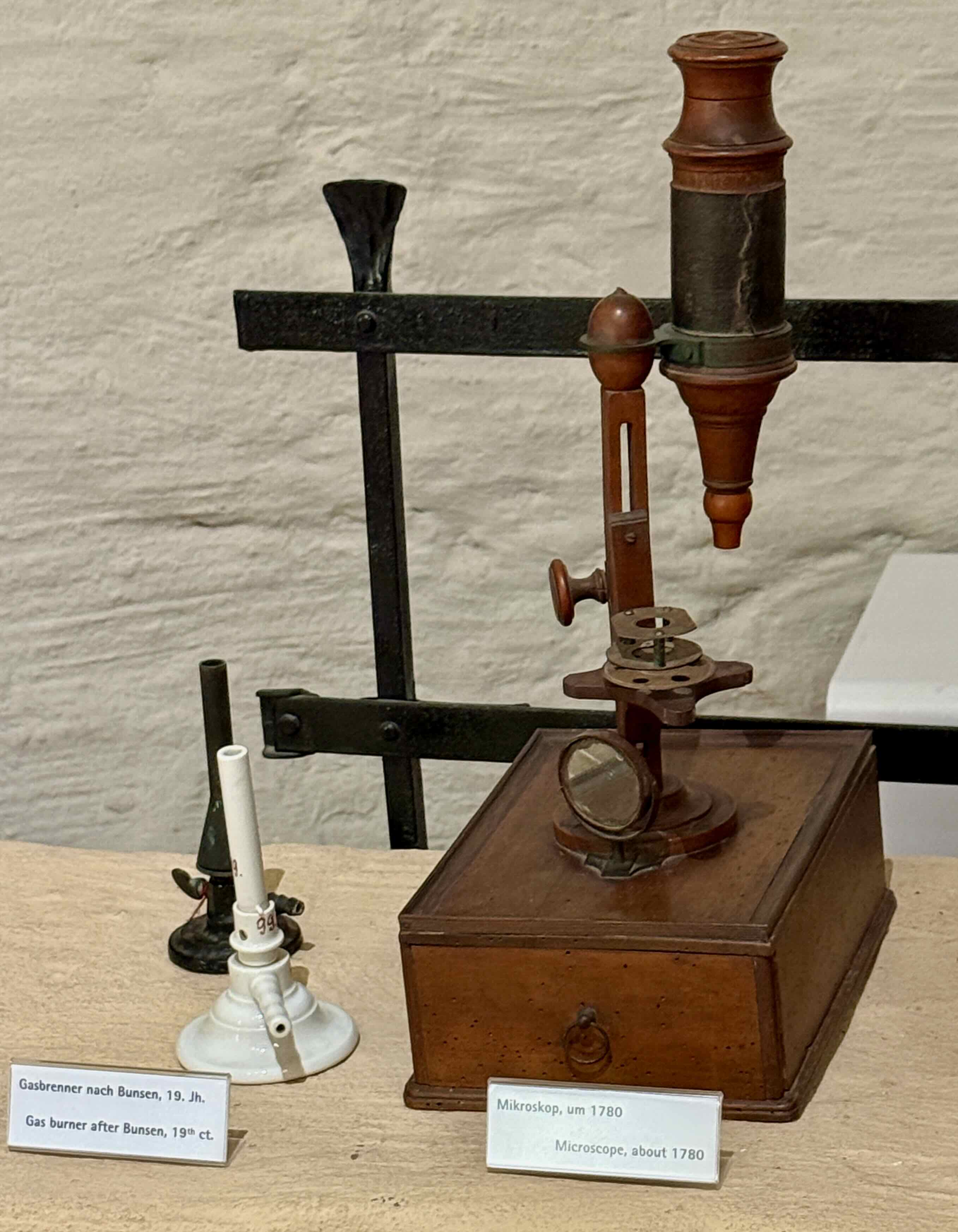 We had such a hard time finding the entrance to the funicular and wondered where this castle was located…well, on our way back to the parkade I Iooked up…and there it was! We both laughed, but then we couldn’t find the entrance to the parkade! We looked everywhere and finally walked down the out ramp, and there was the door to the exit. We checked it out and the stairs outside were right beside the ramp we just walked down…no sign or markers though!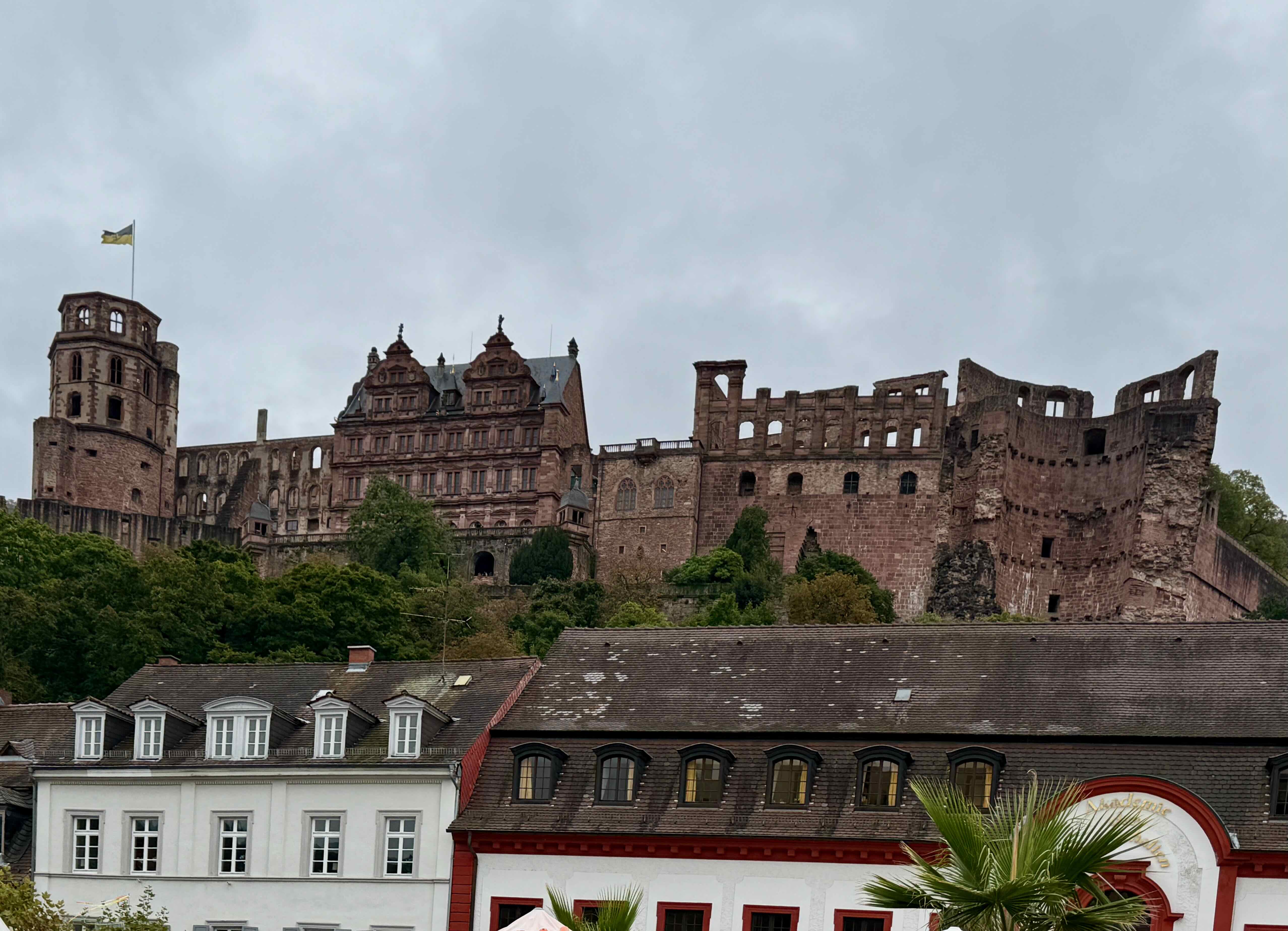
Back on the road to stuttgart…and it is raining again.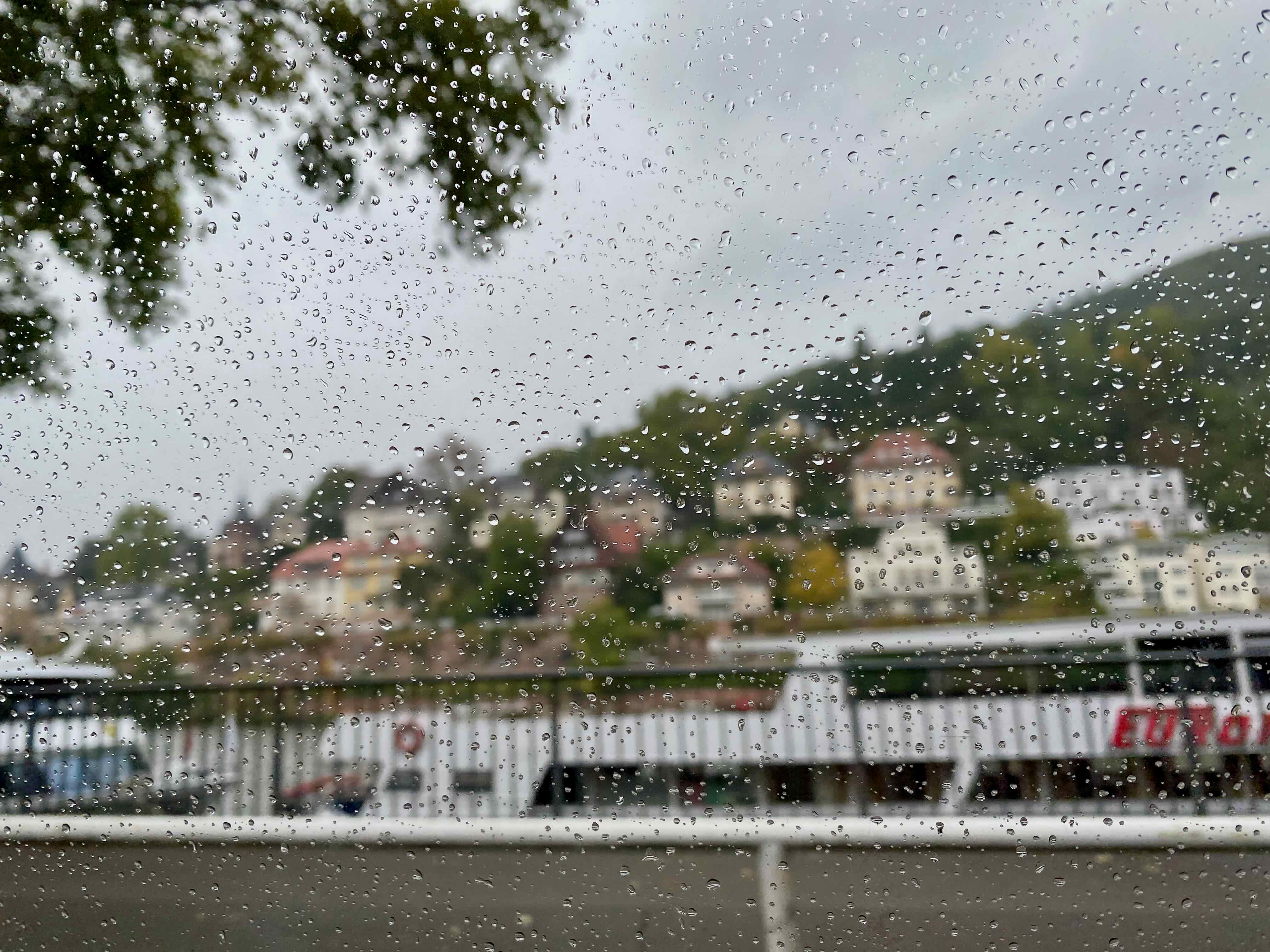
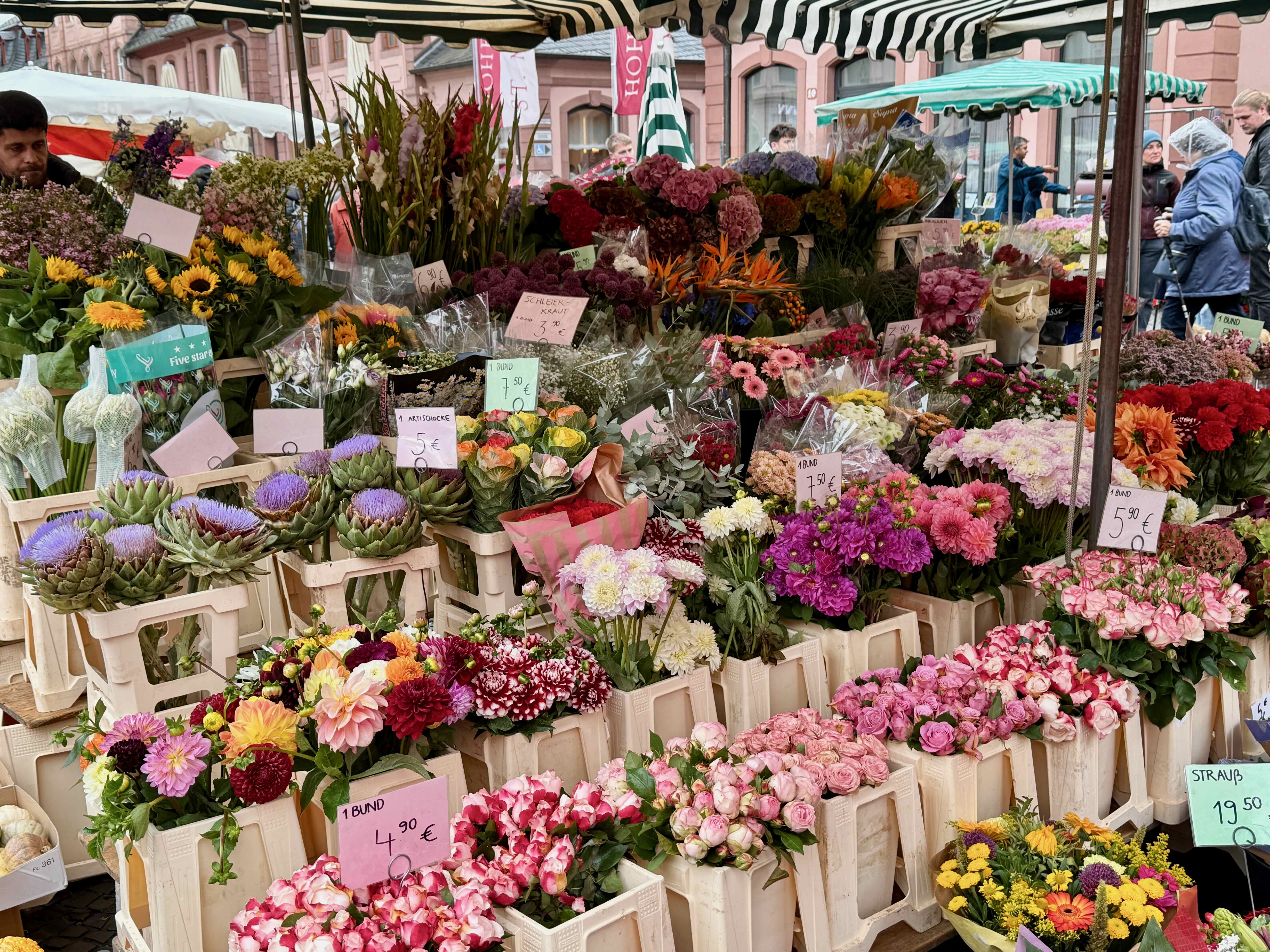
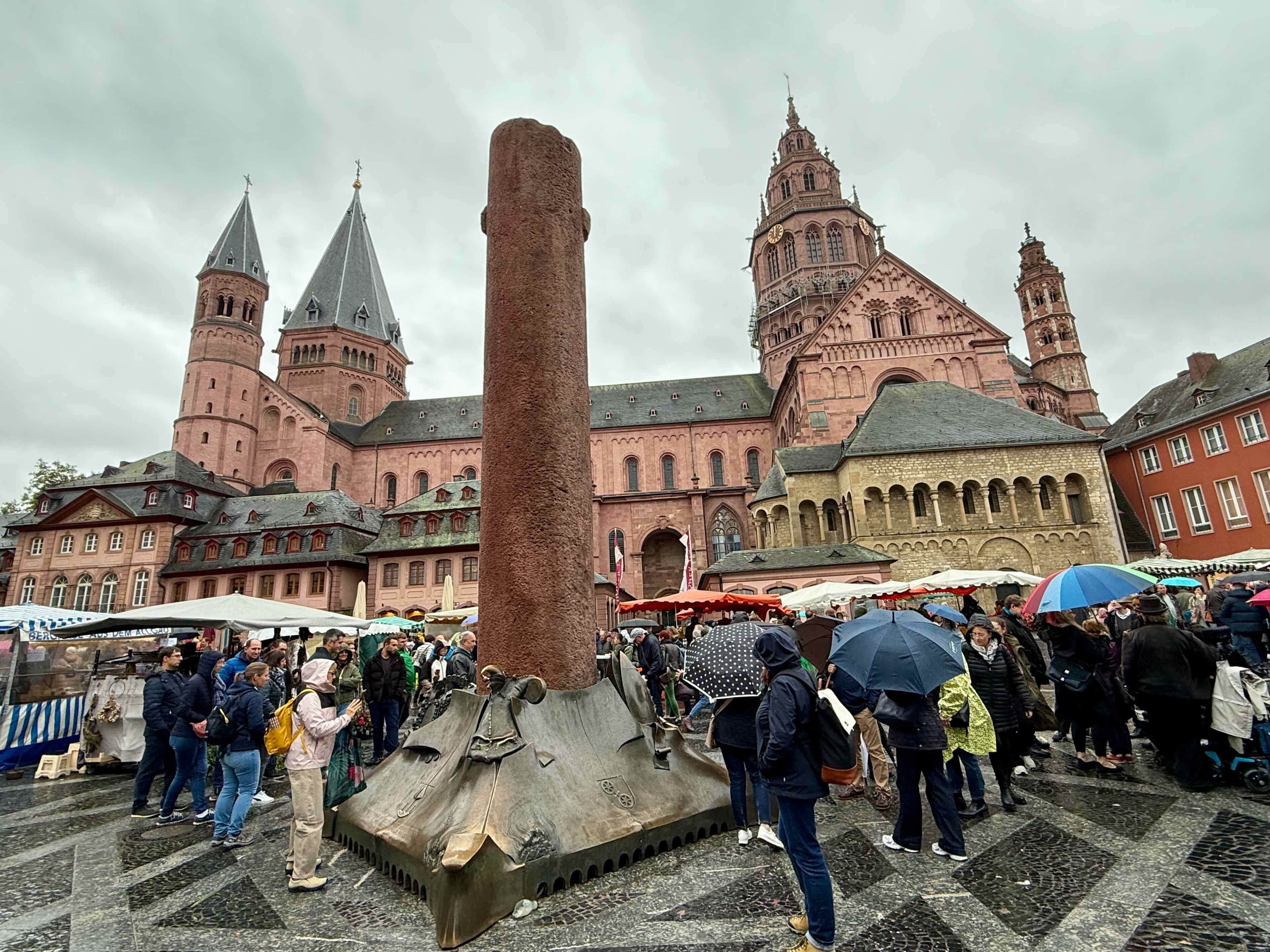
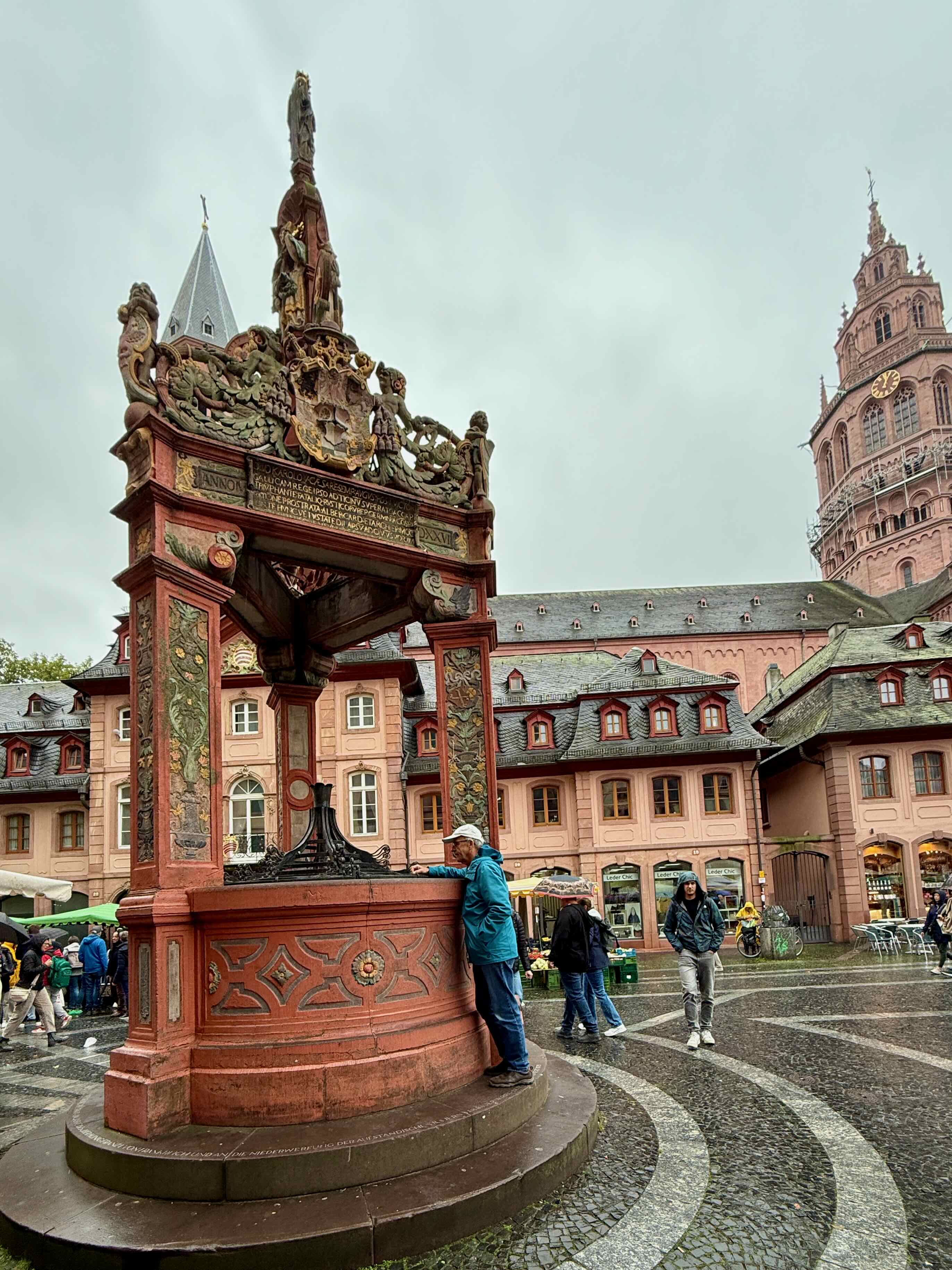
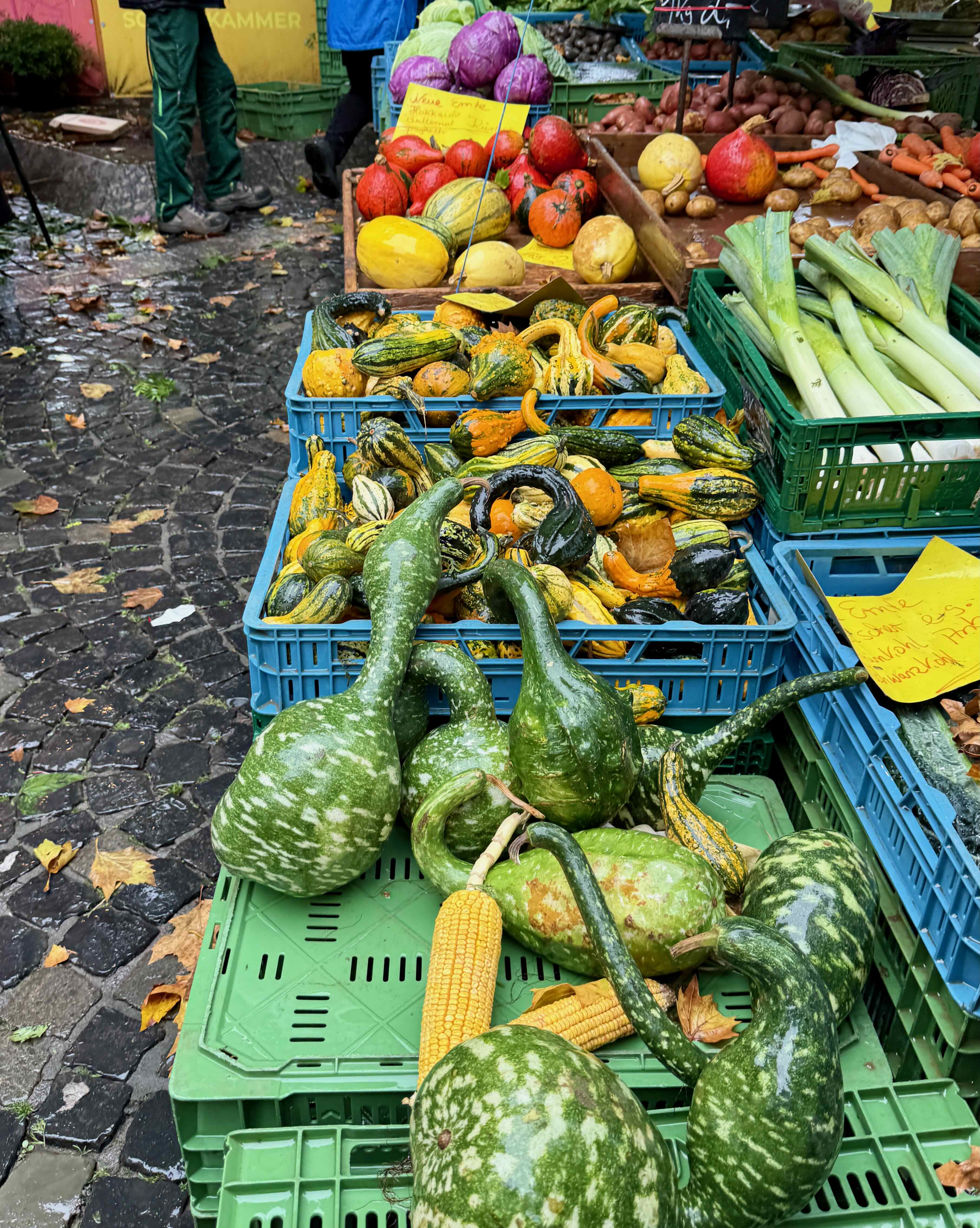
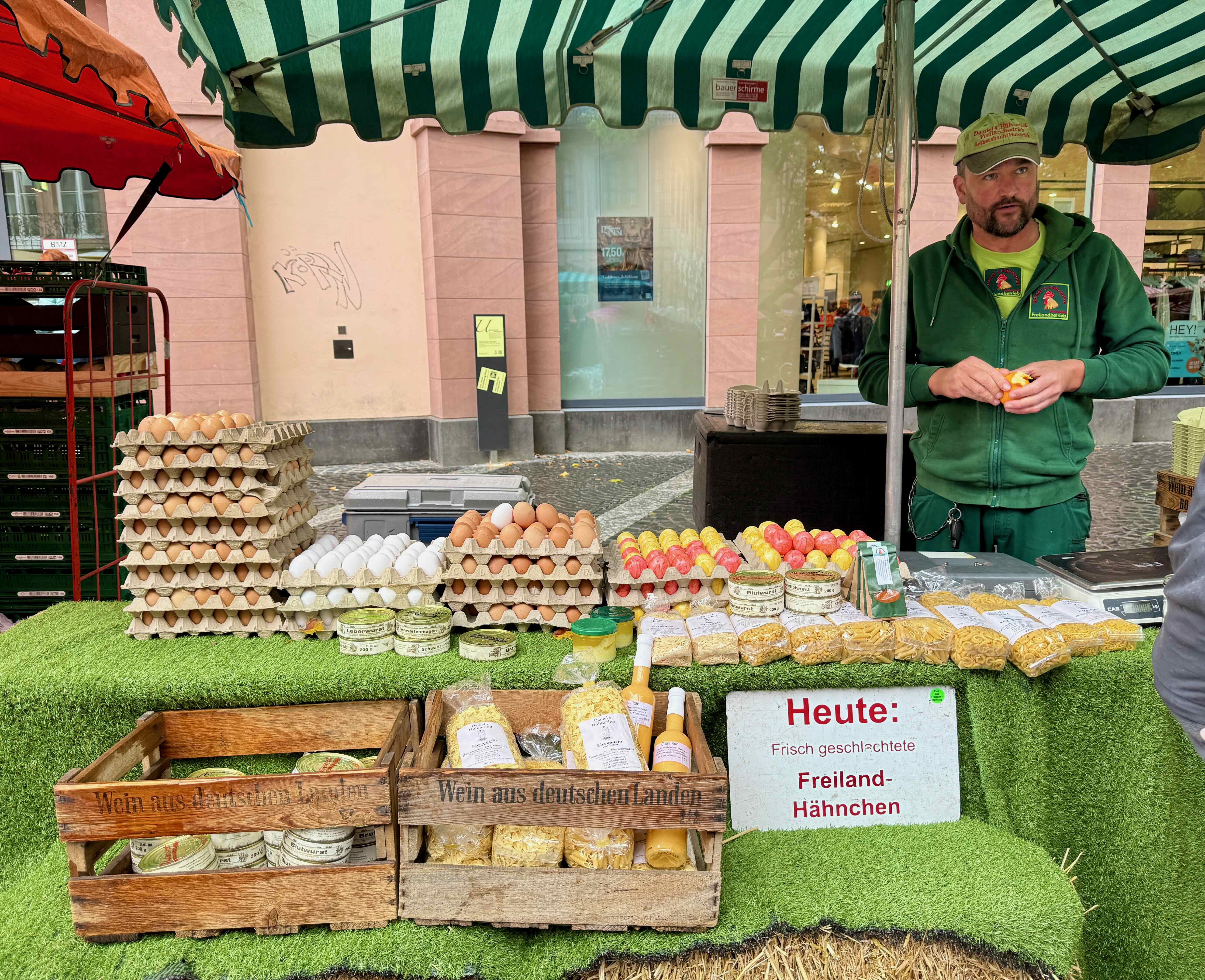
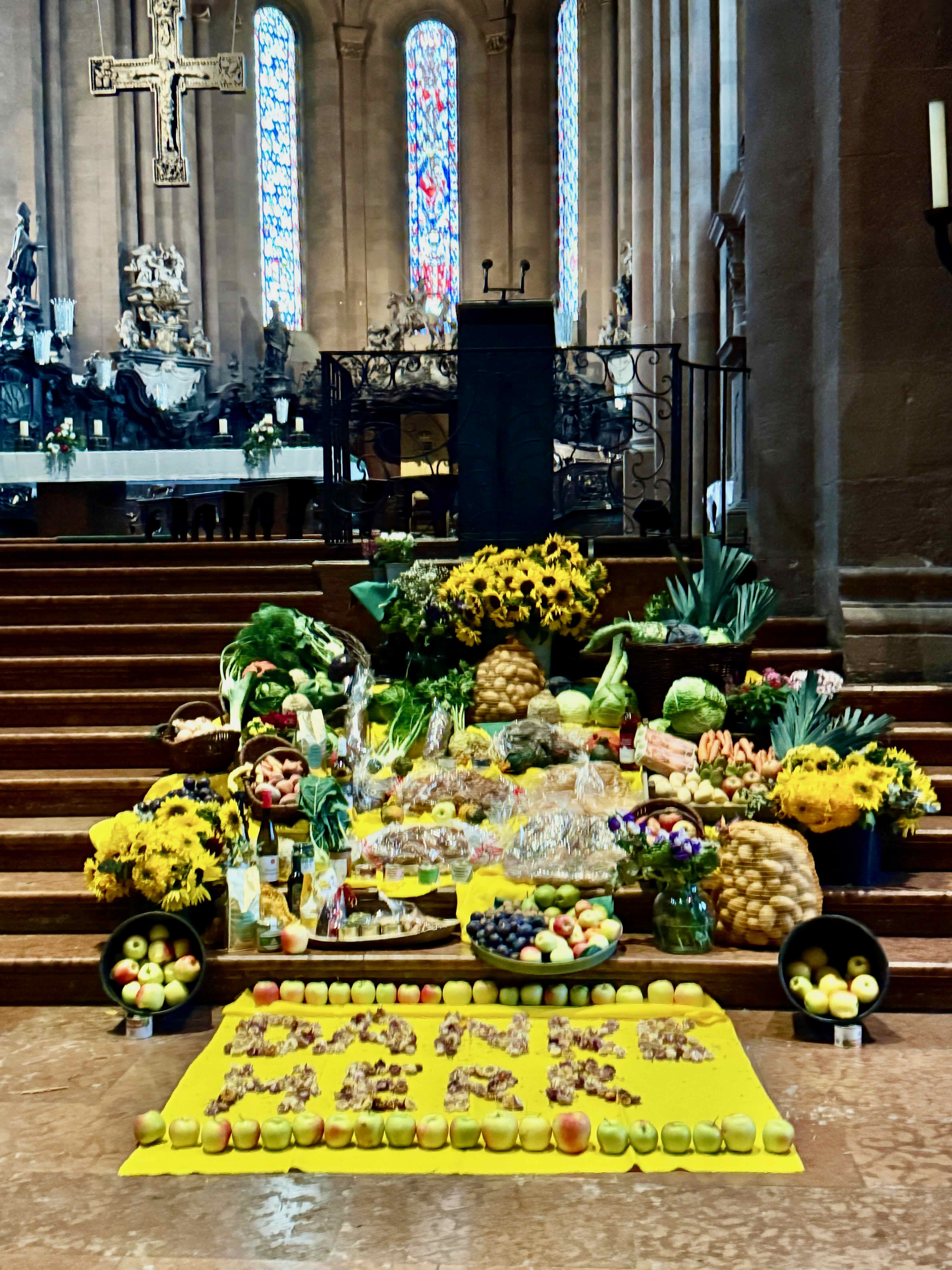
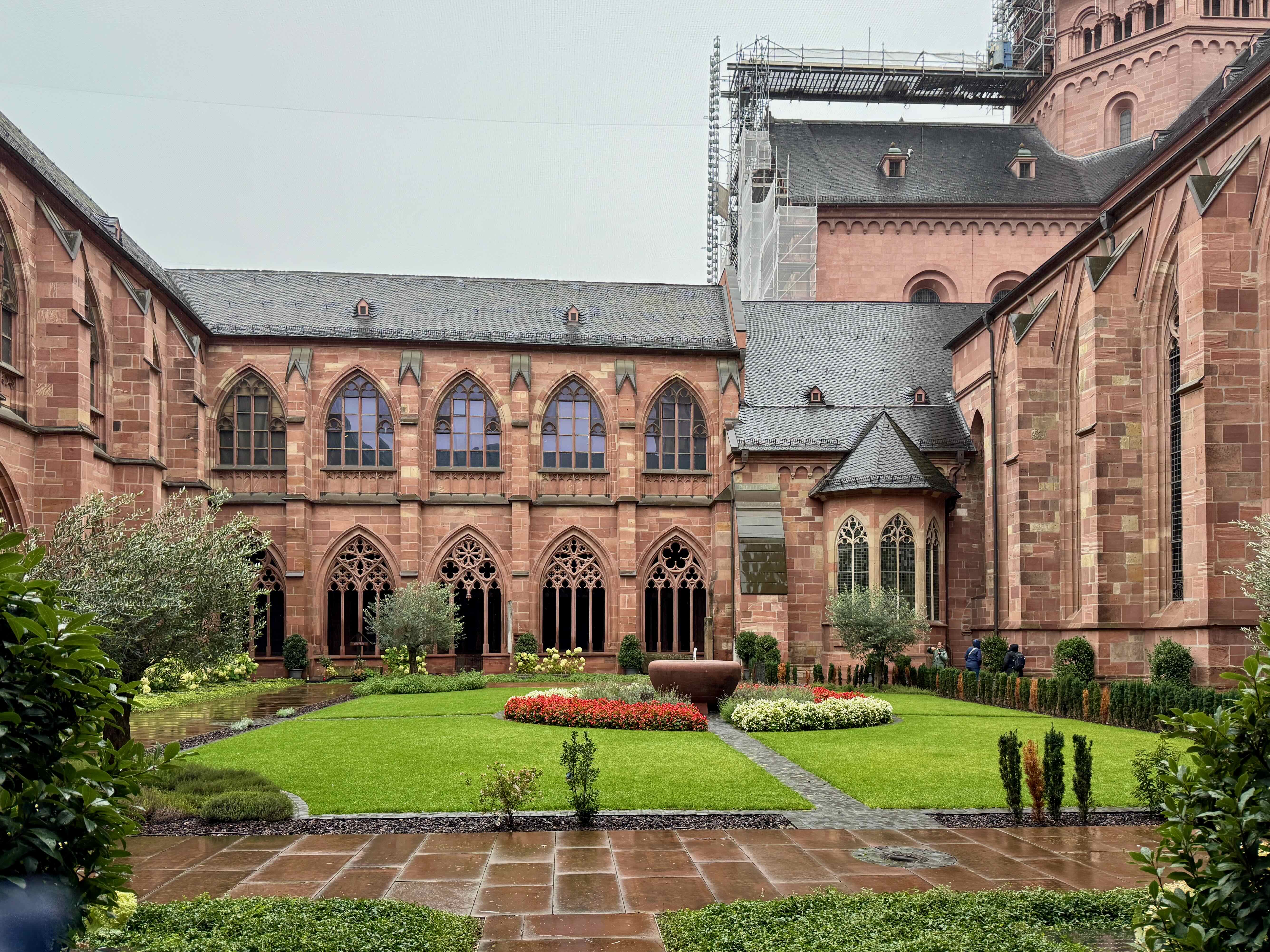
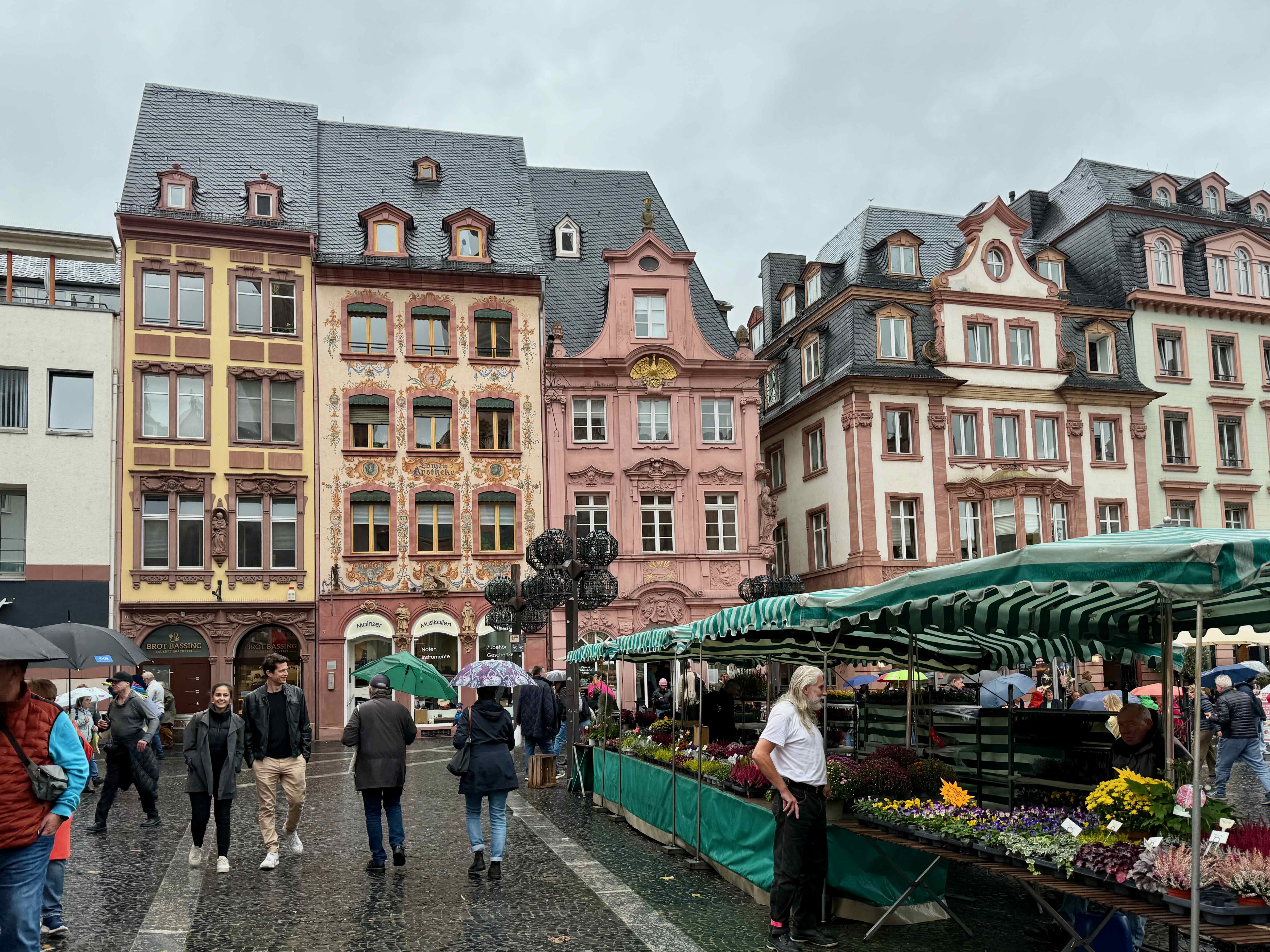
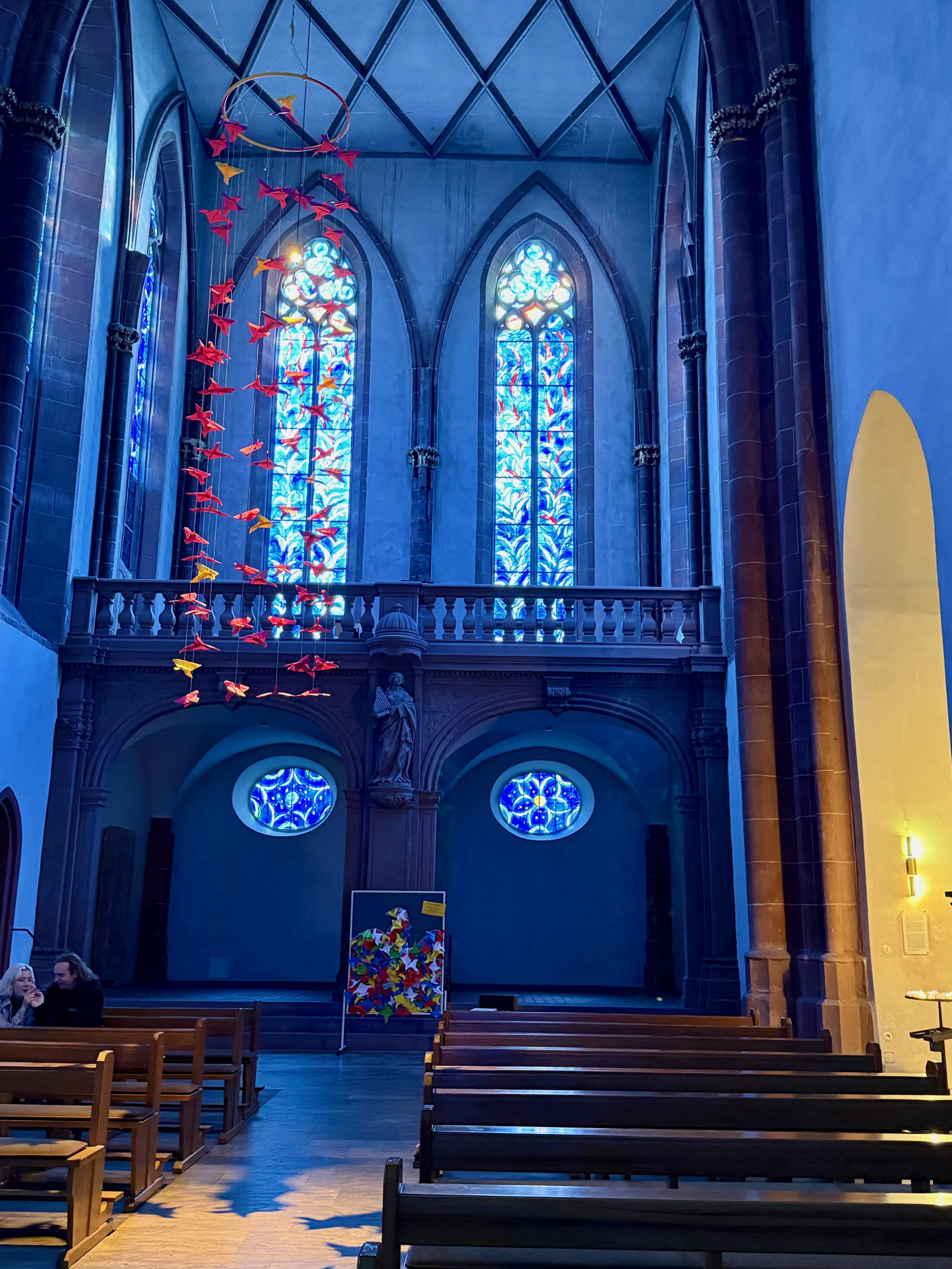
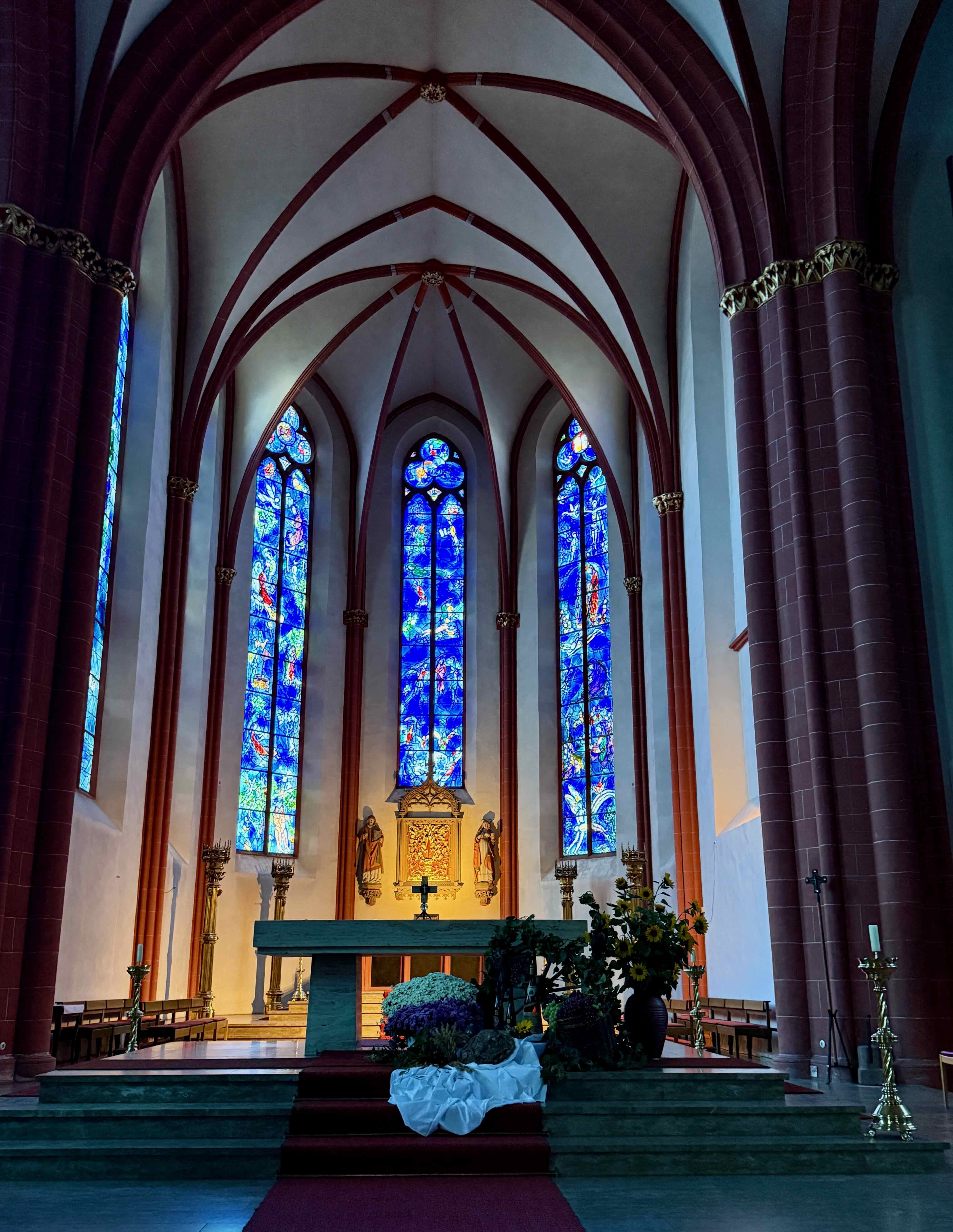
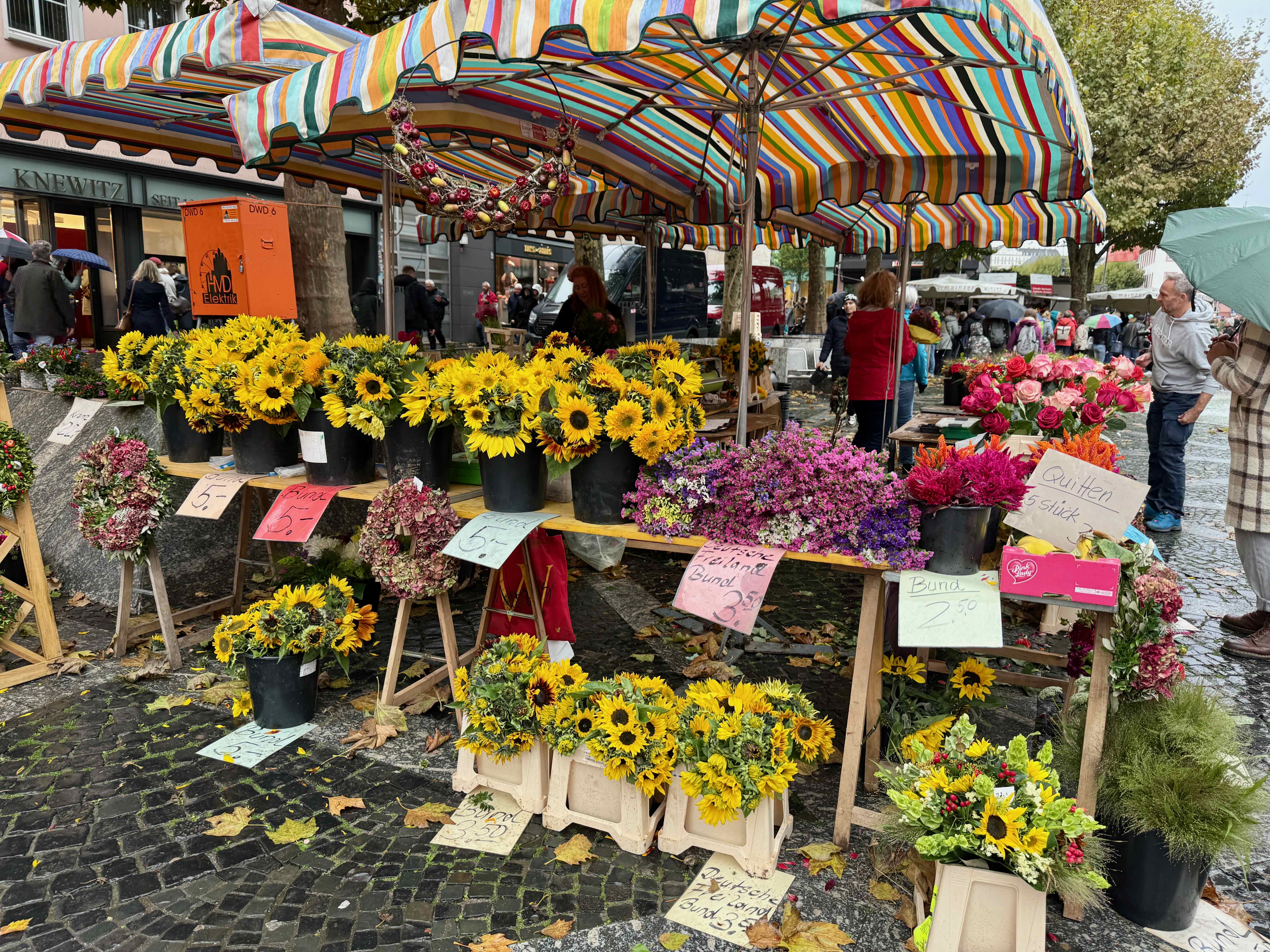 Next stop in the Mainz Cathedral. We are met at the door and told that there is a concert starting and if we enter the church we have to stay for the 45 minute concert. Sounds perfect as it is raining and cool outside!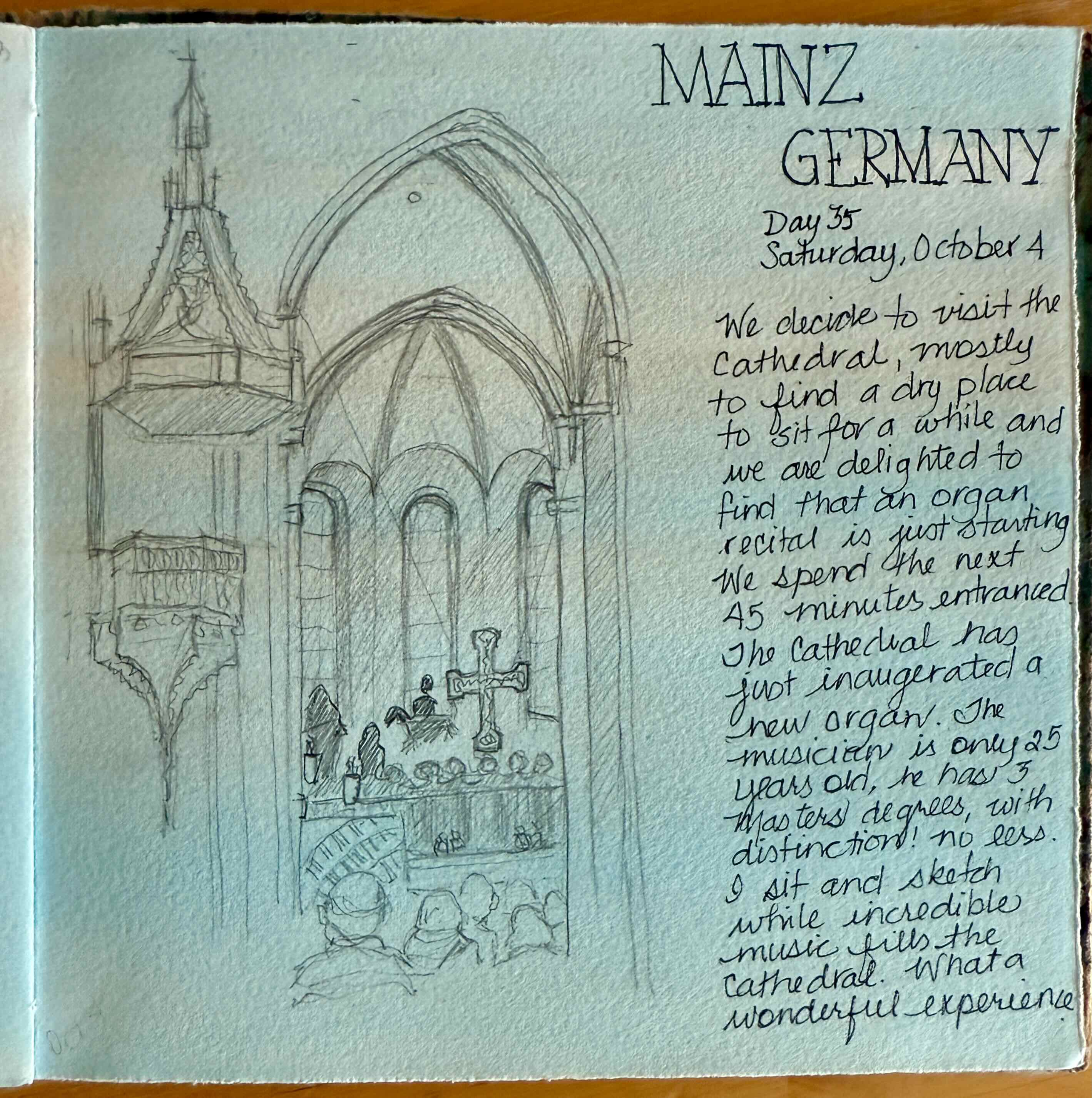
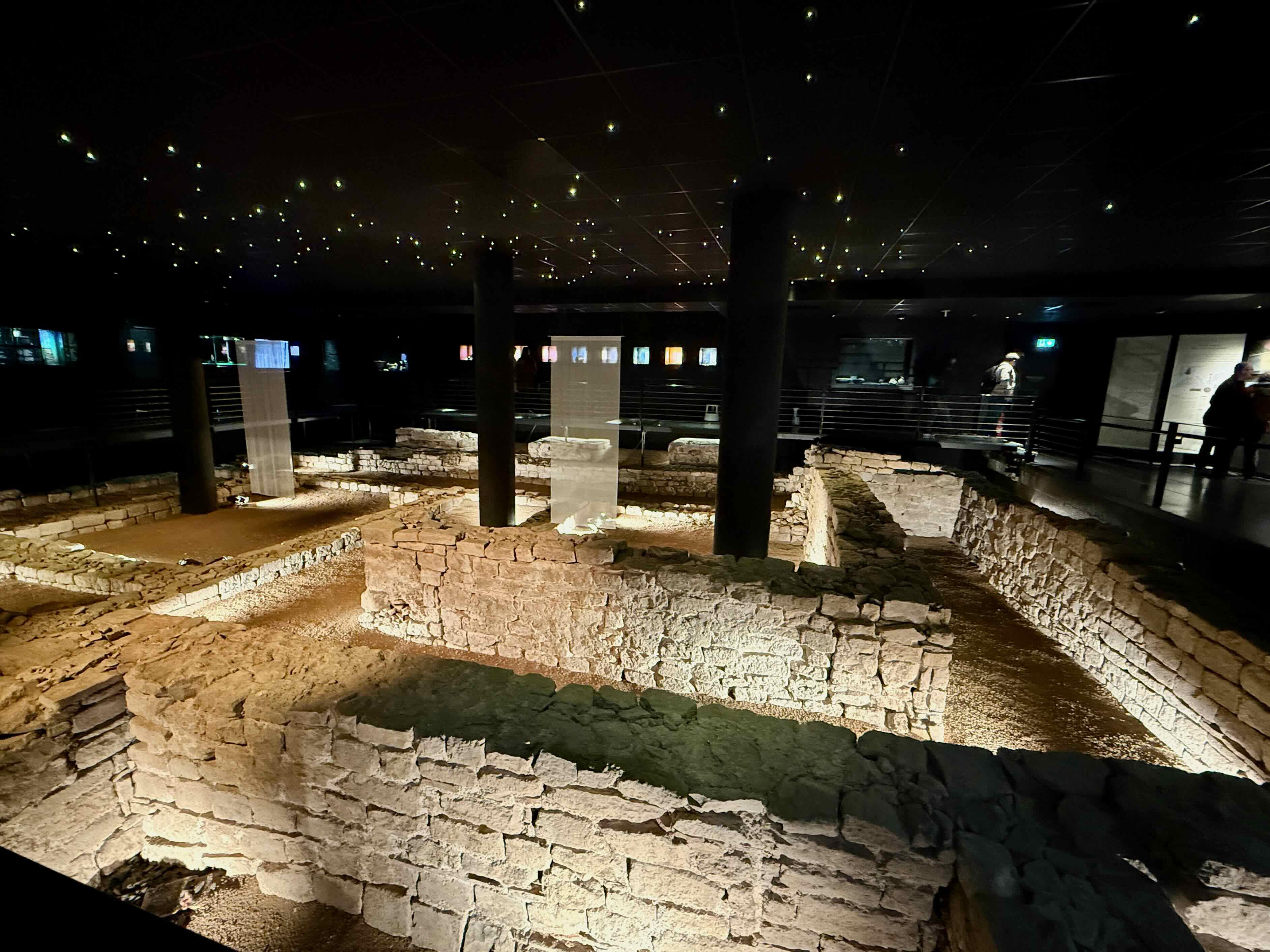
 Next on Bob’s agenda is a visit to a small museum underneath a shopping mall. We see Roman ruins from before the fall of the Roman Empire in the 5th century. These ruins were discovered when excavations began for the shopping mall. The area was thoroughly excavated and recorded, but ultimately the mall was built and most of the ruins were destroyed.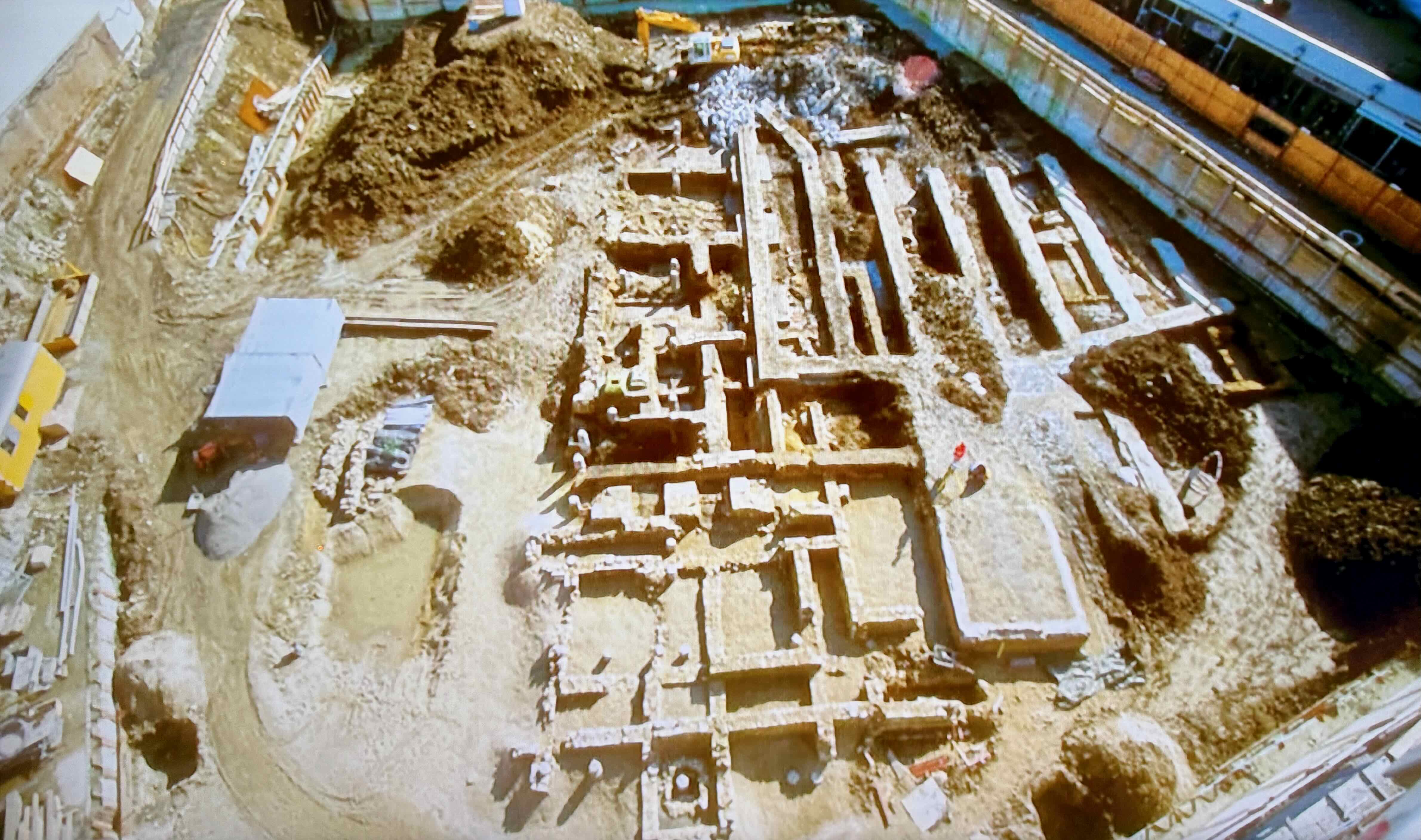
 Some of the items found when the ruins were excavated. Well endowed males were well represented.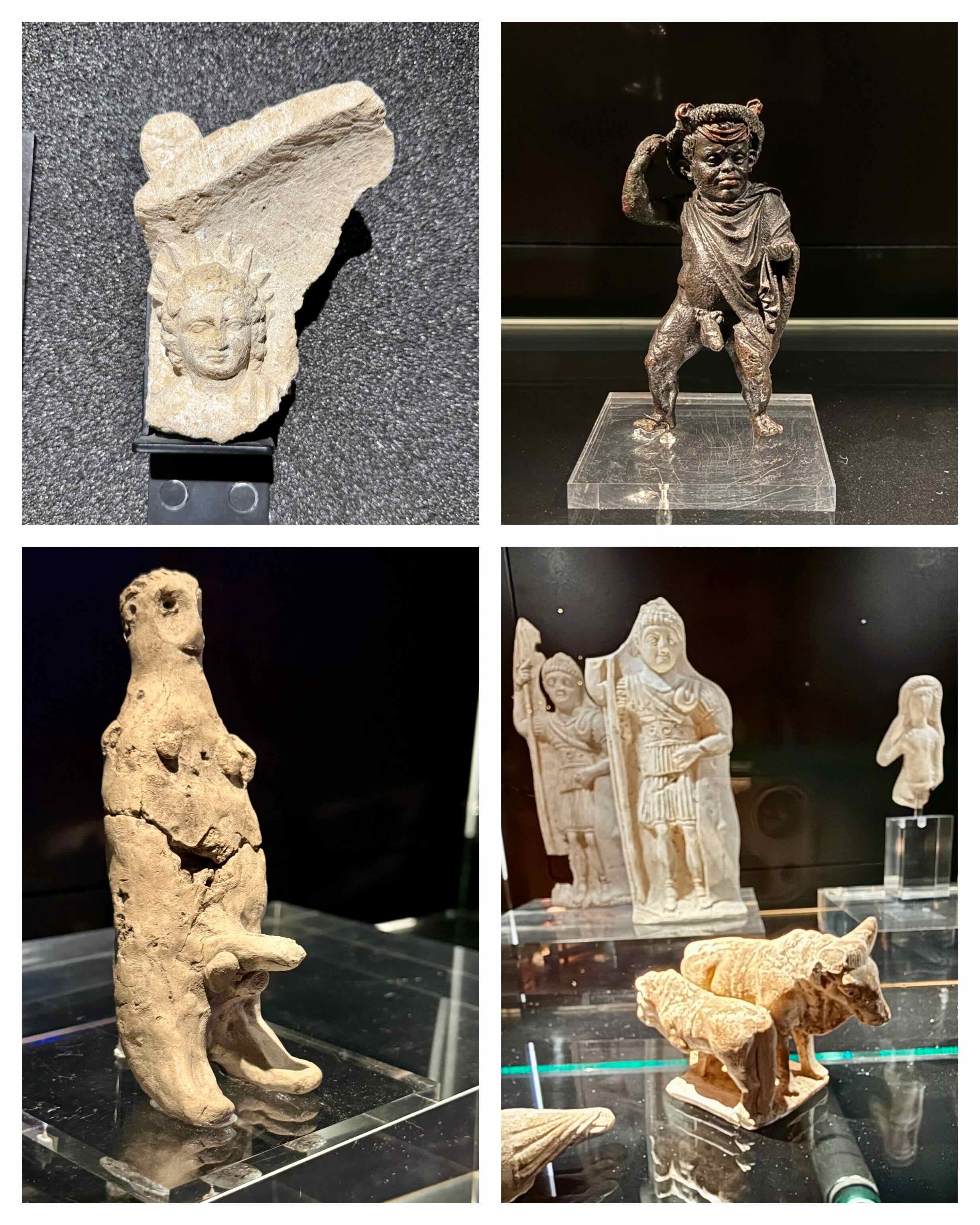
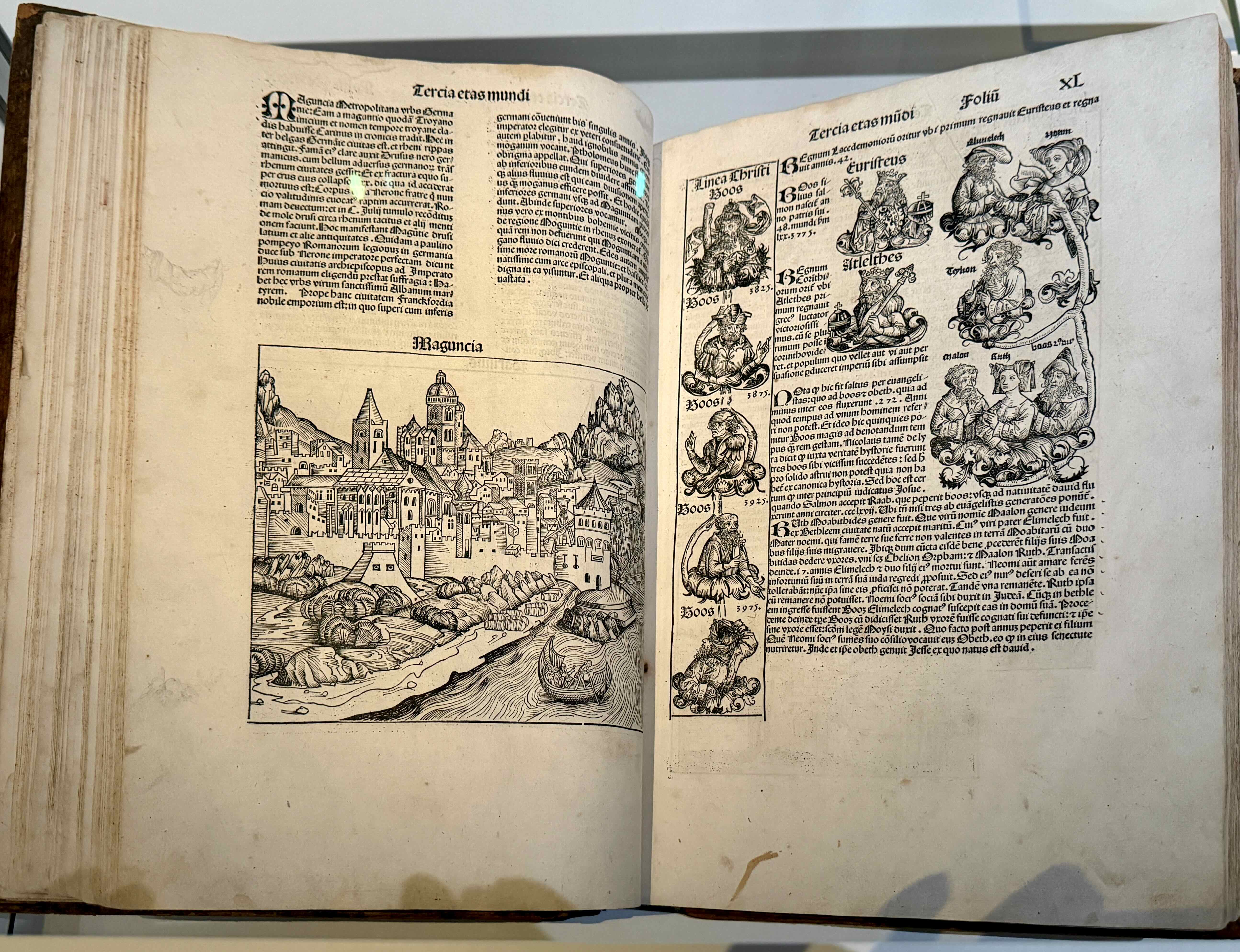
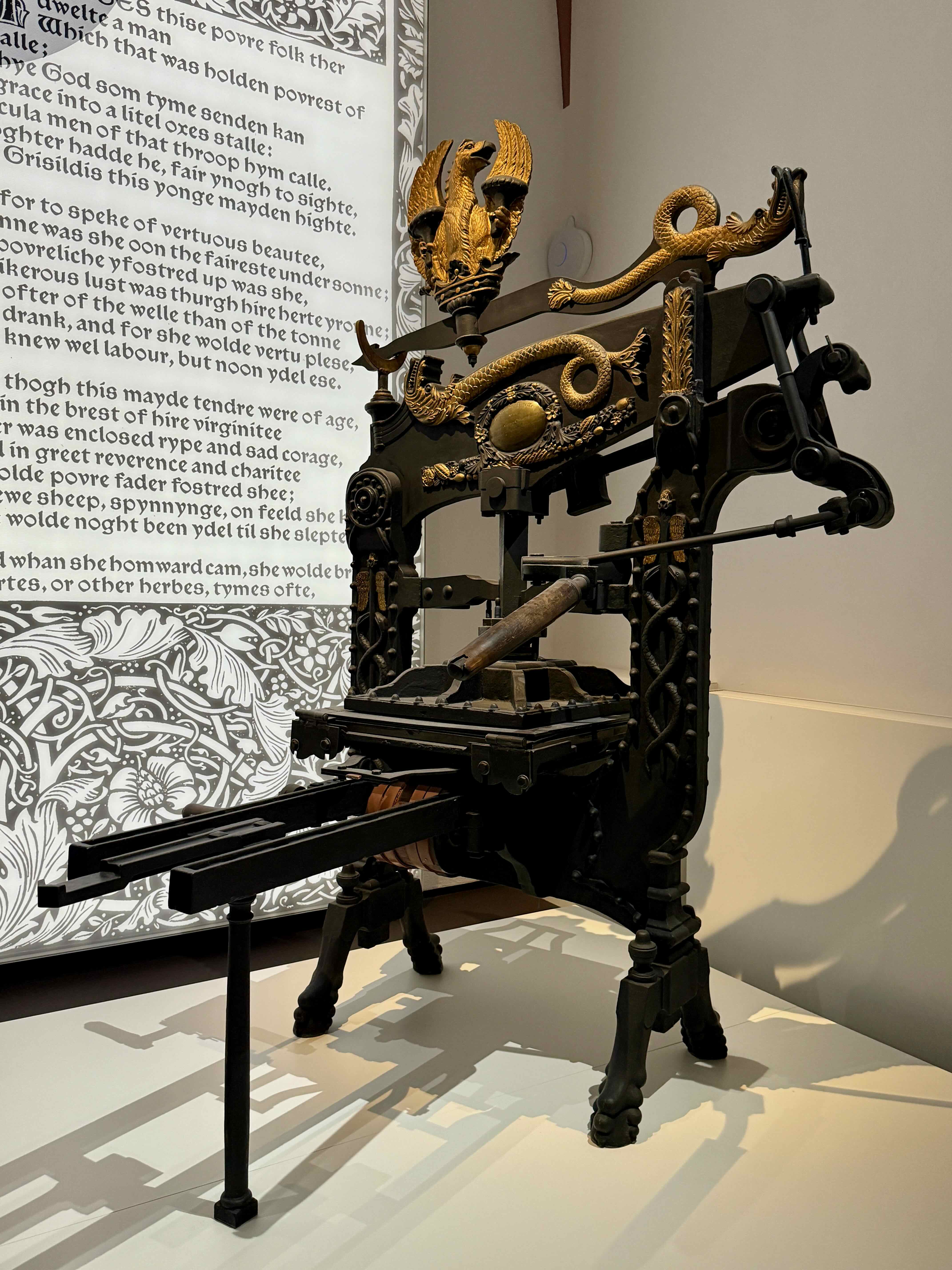
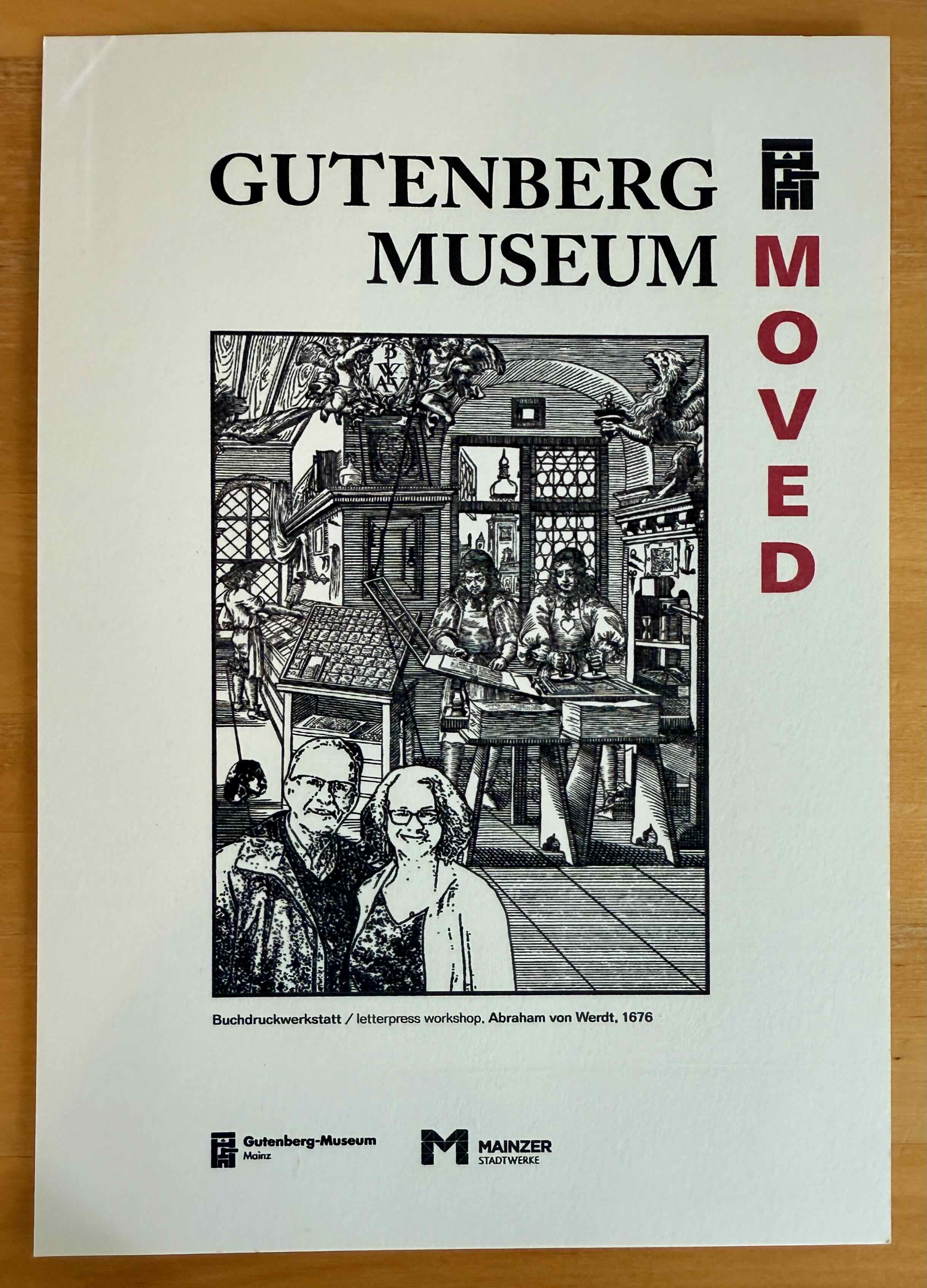
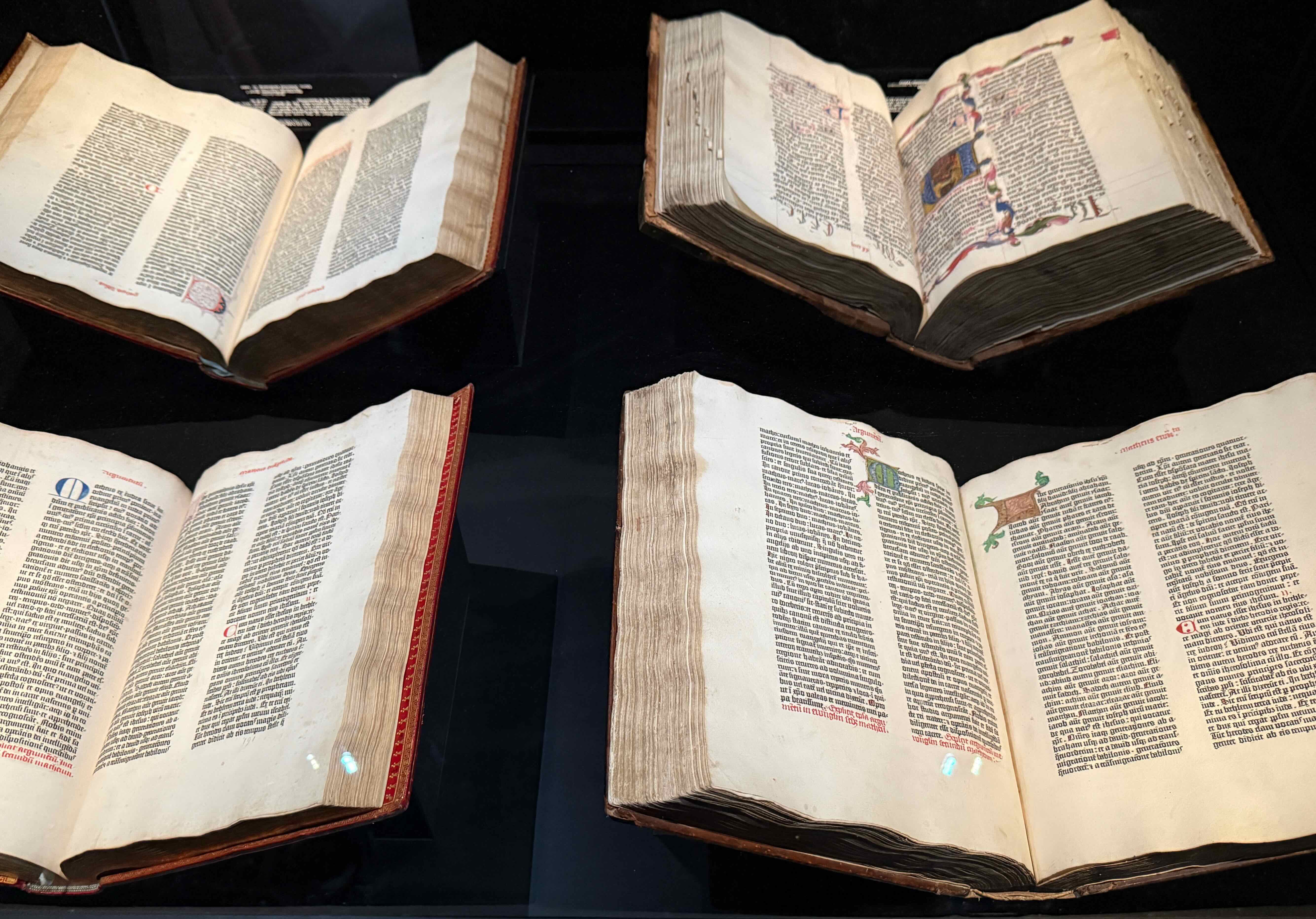
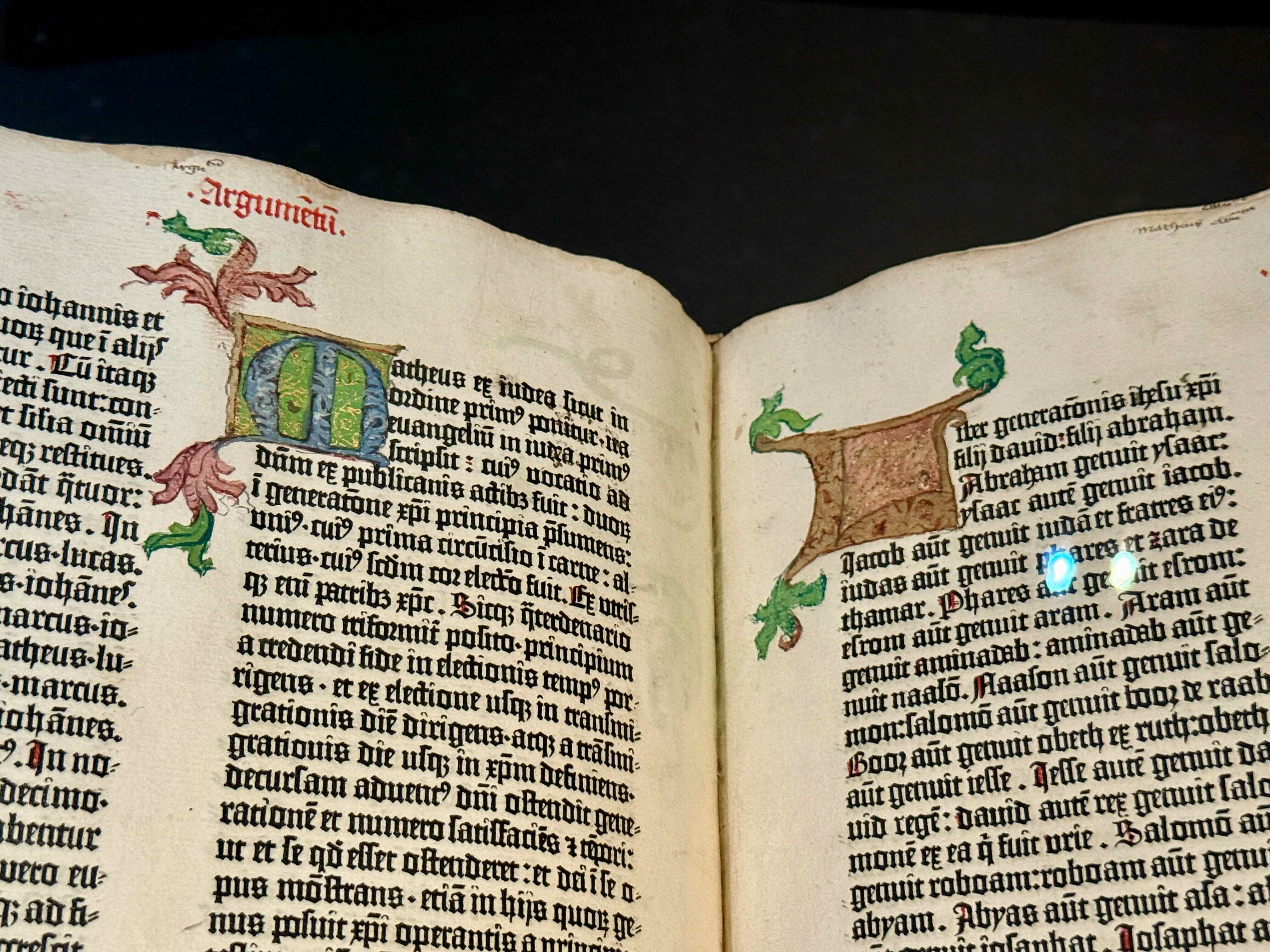
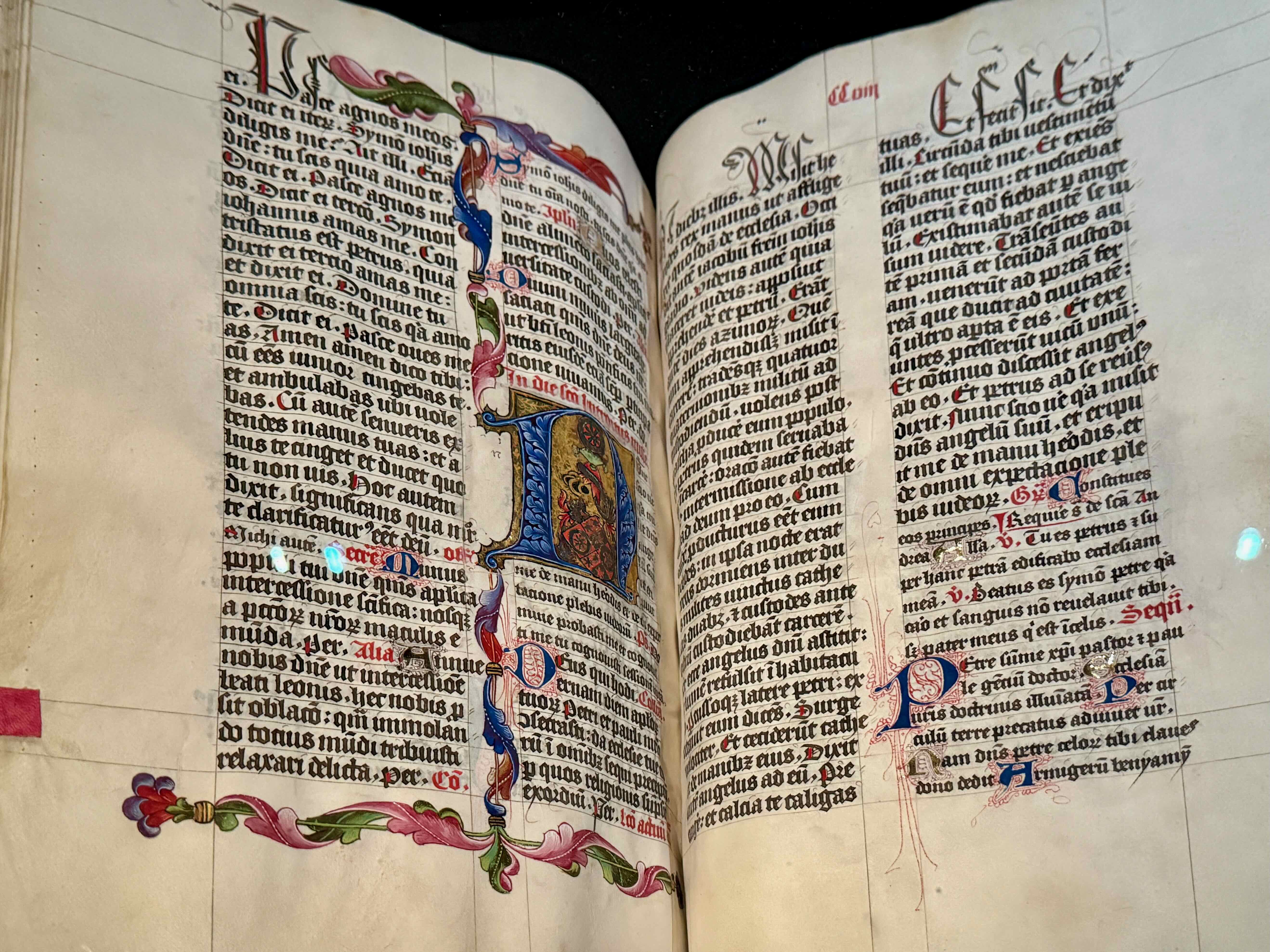
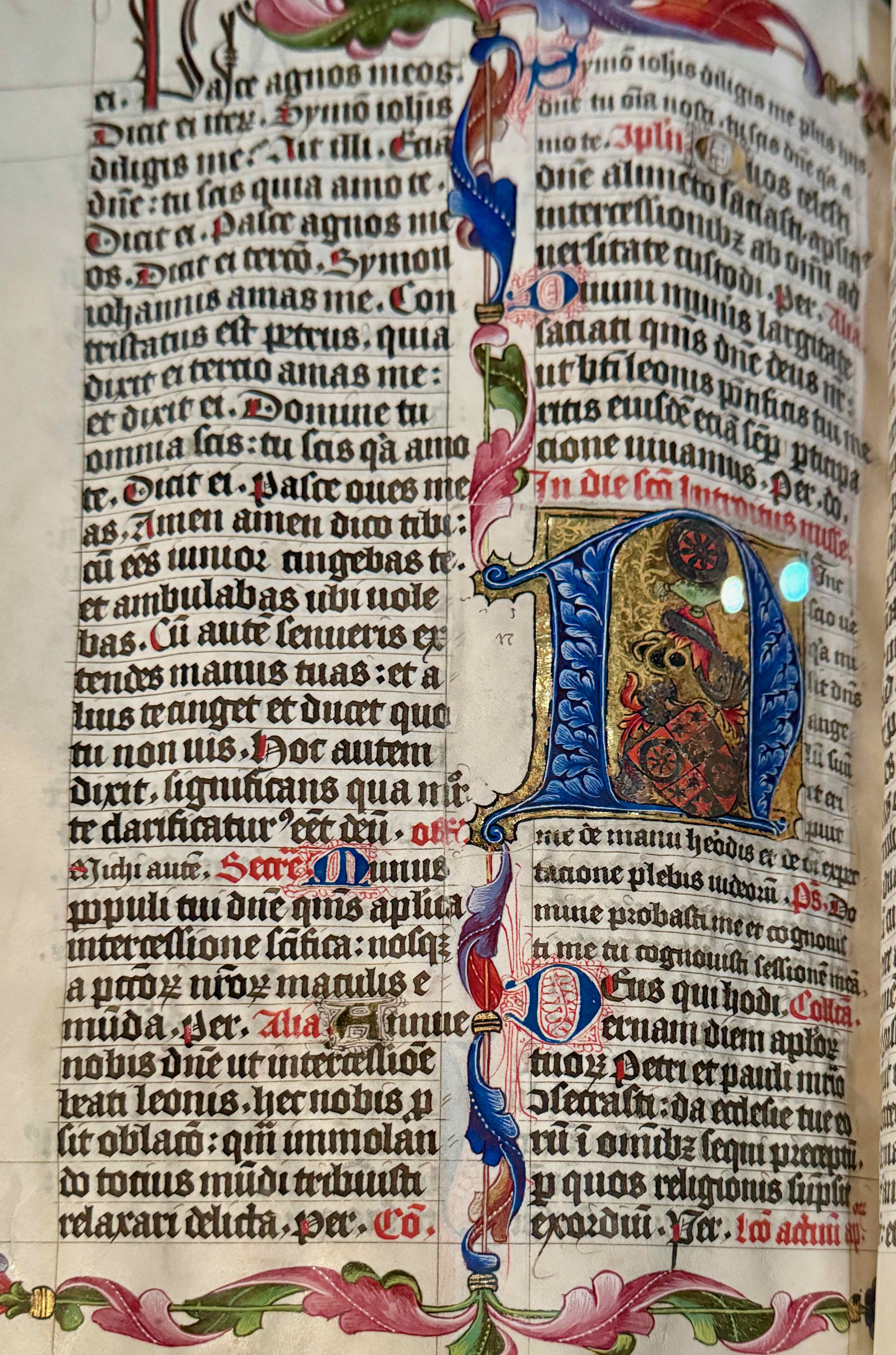
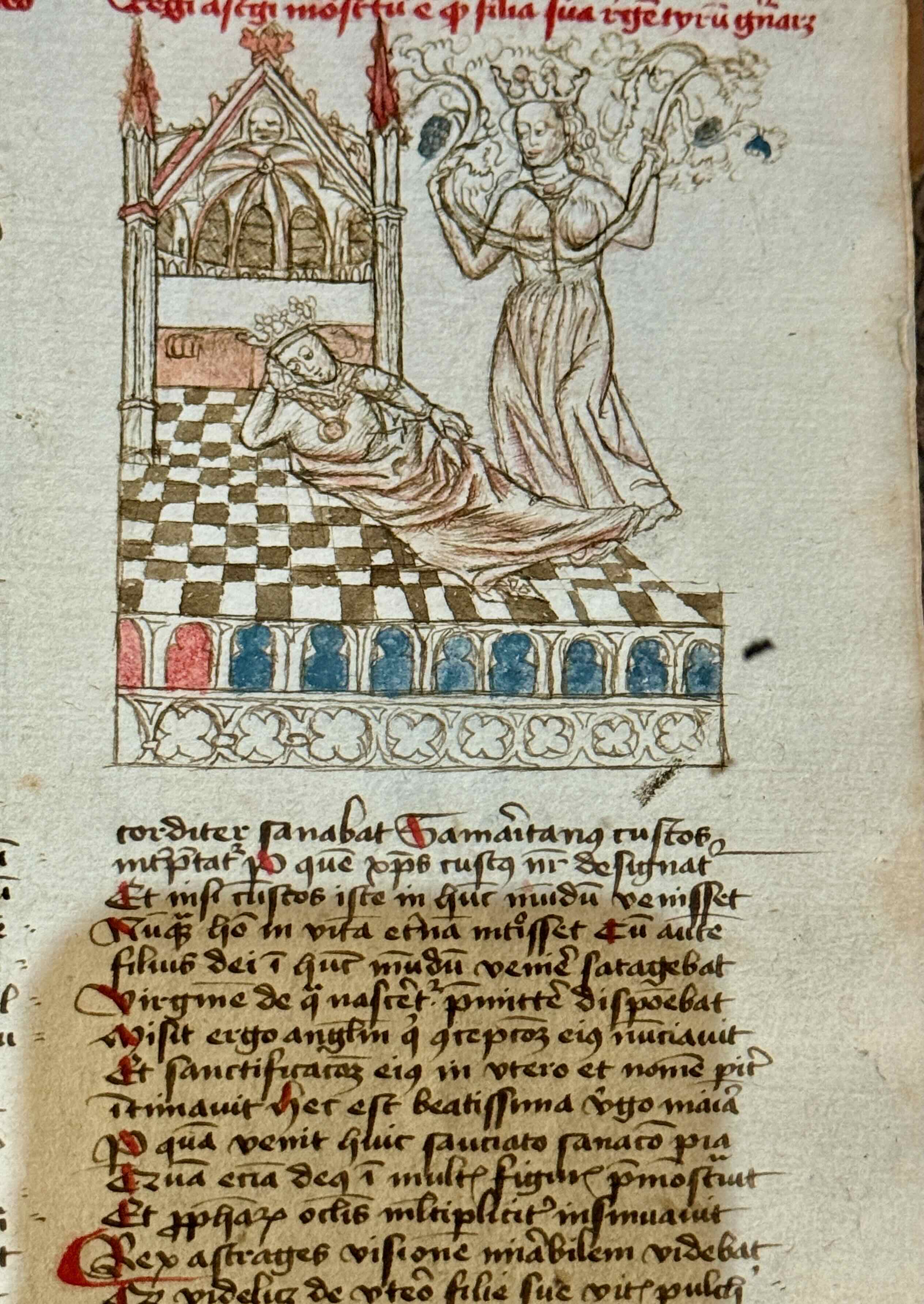
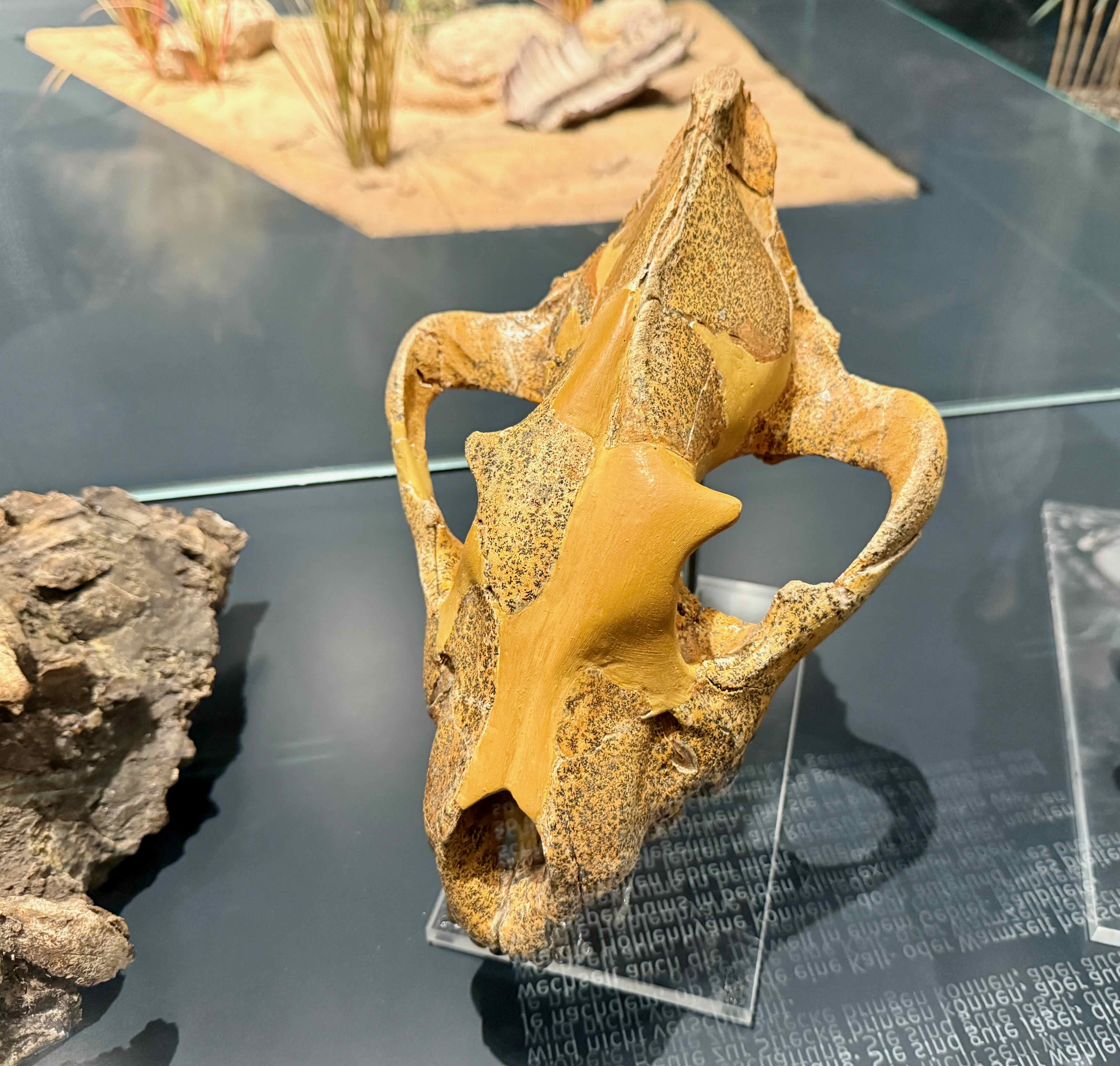
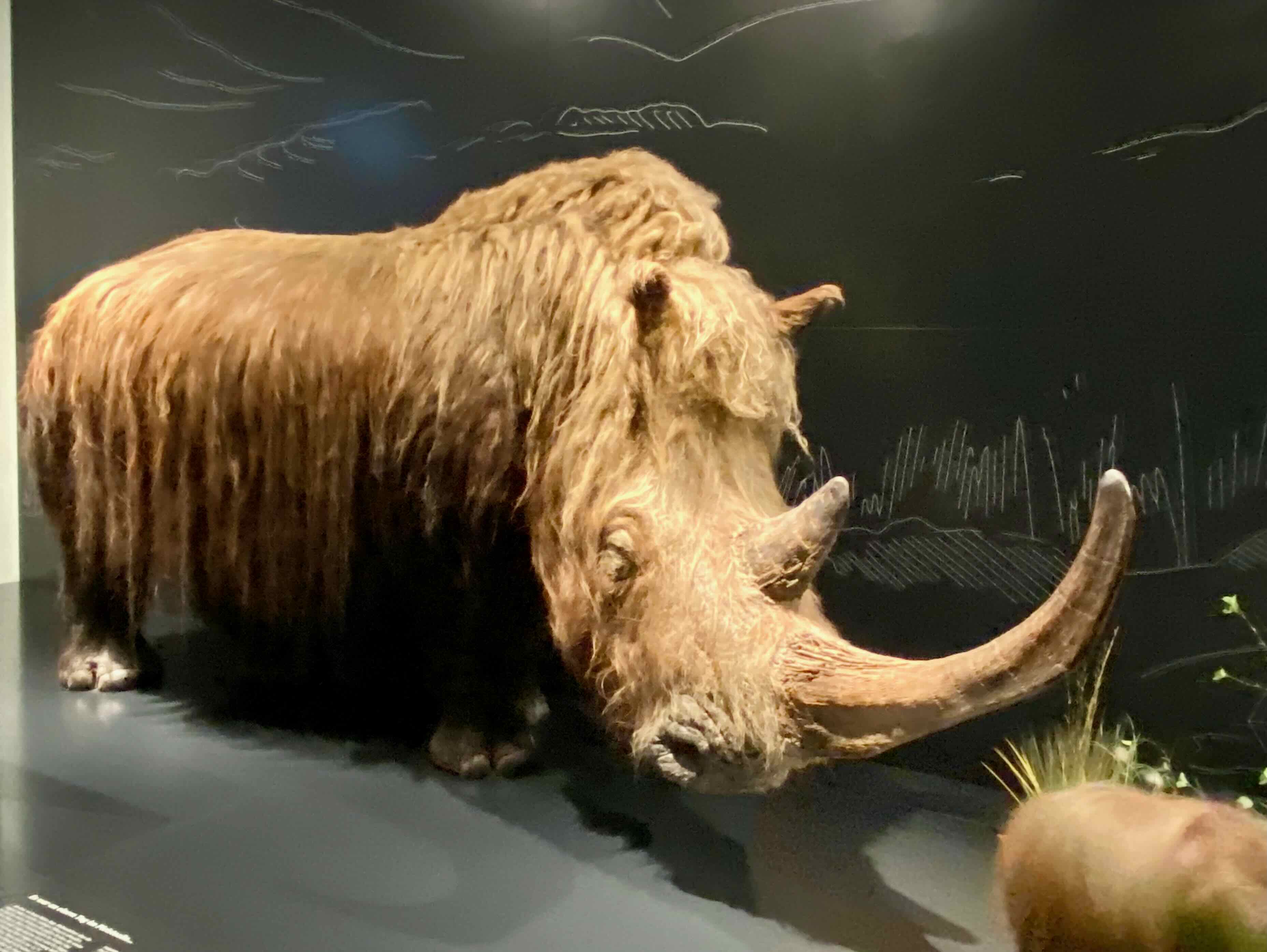
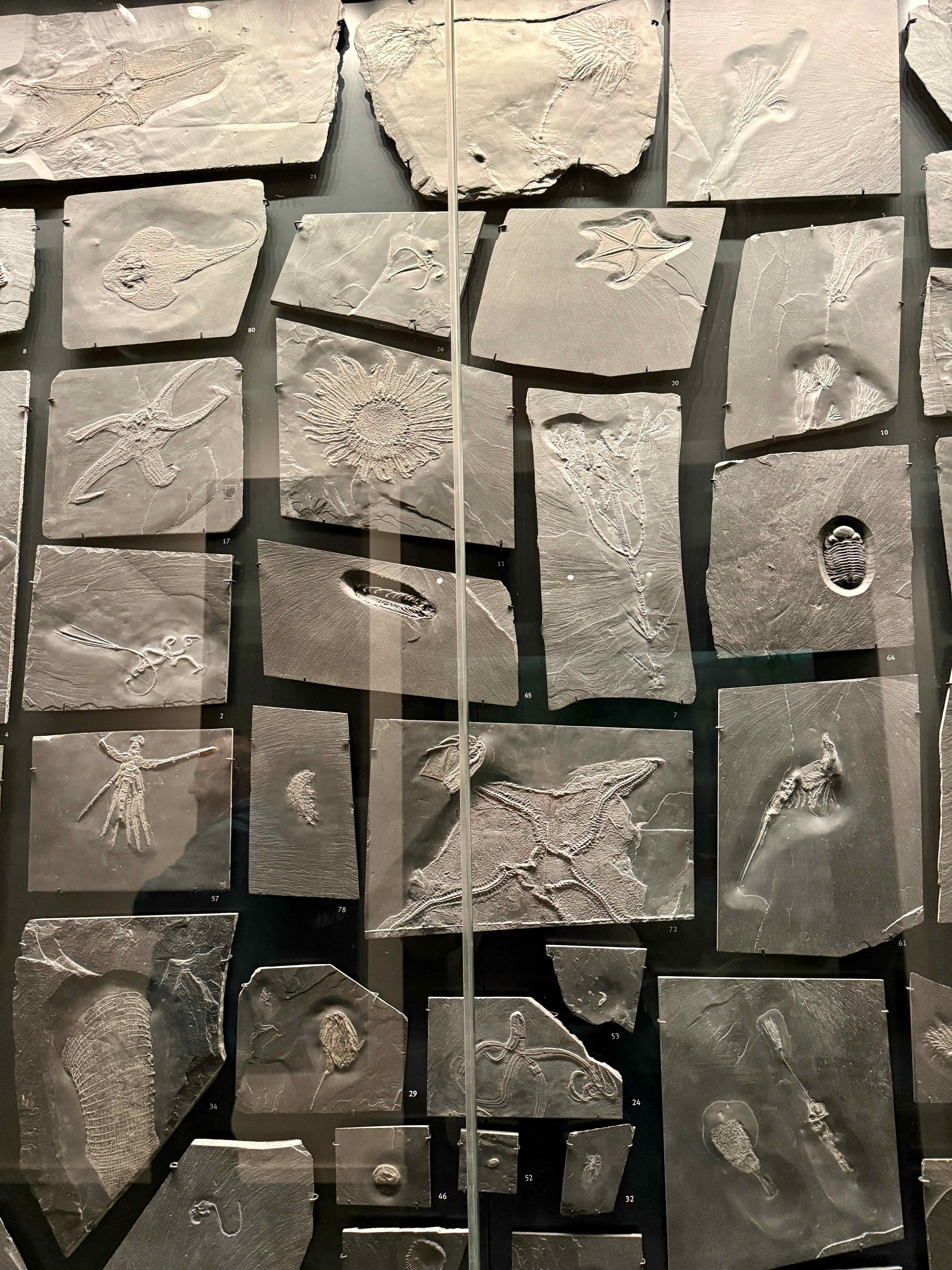
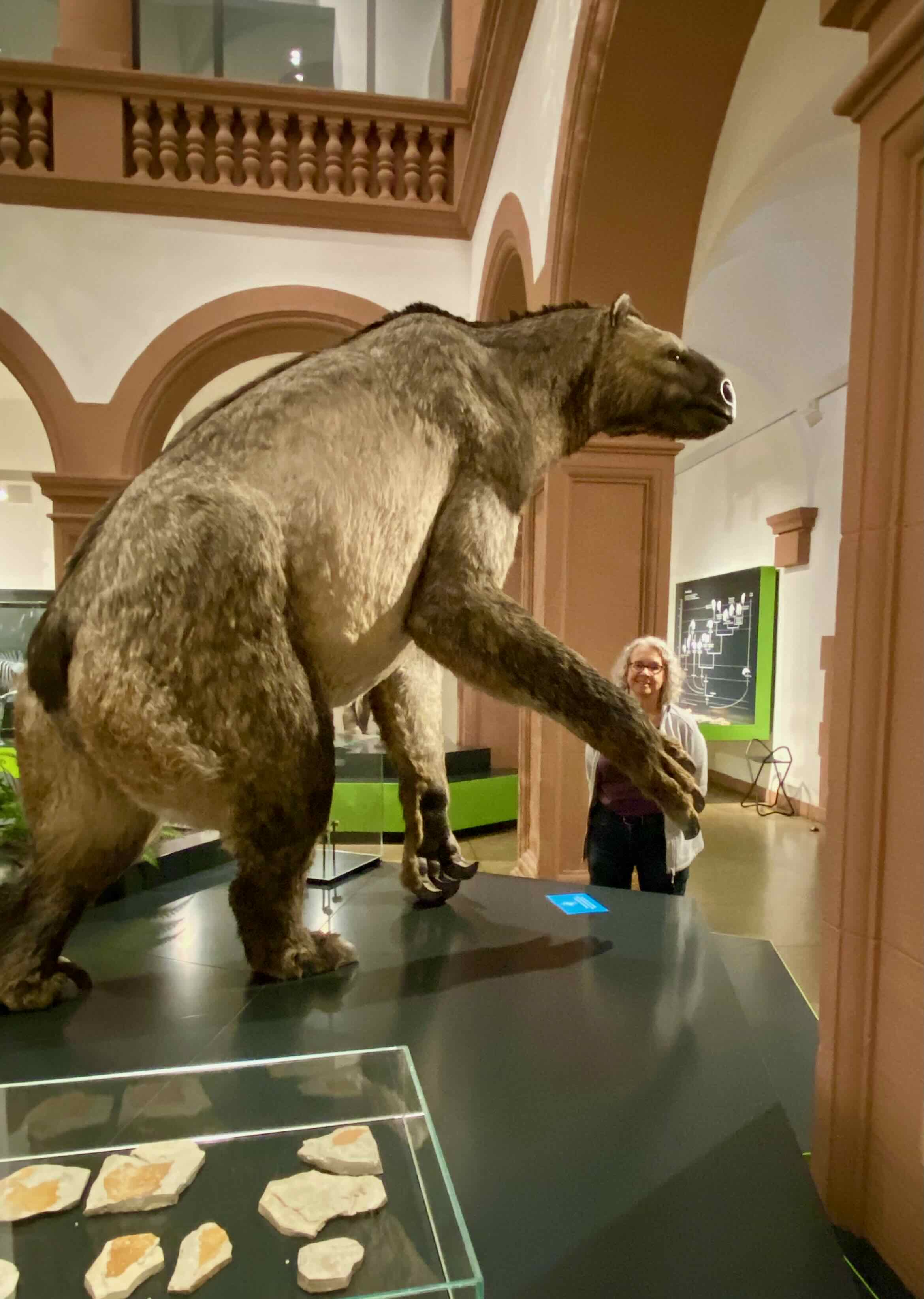

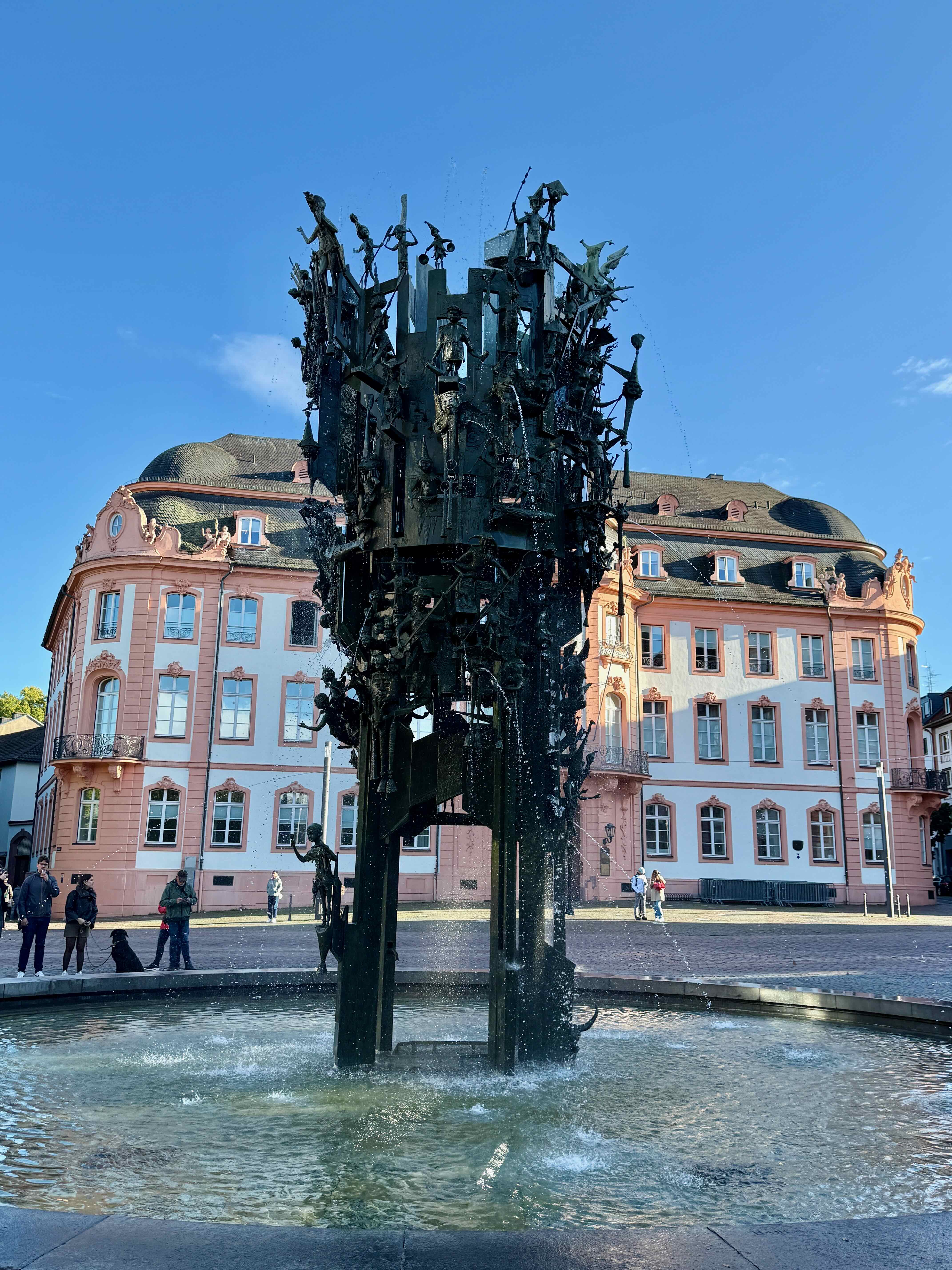
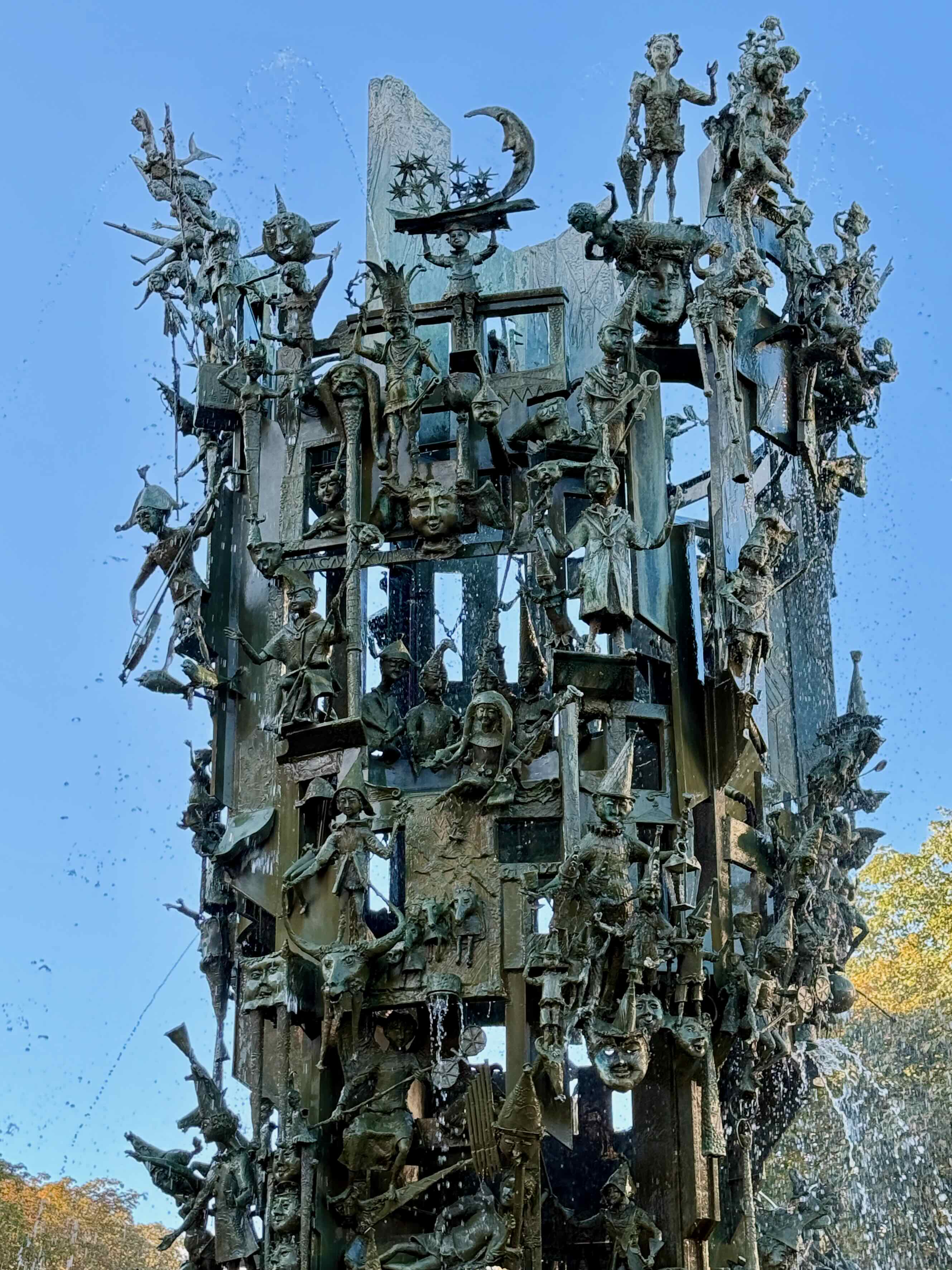
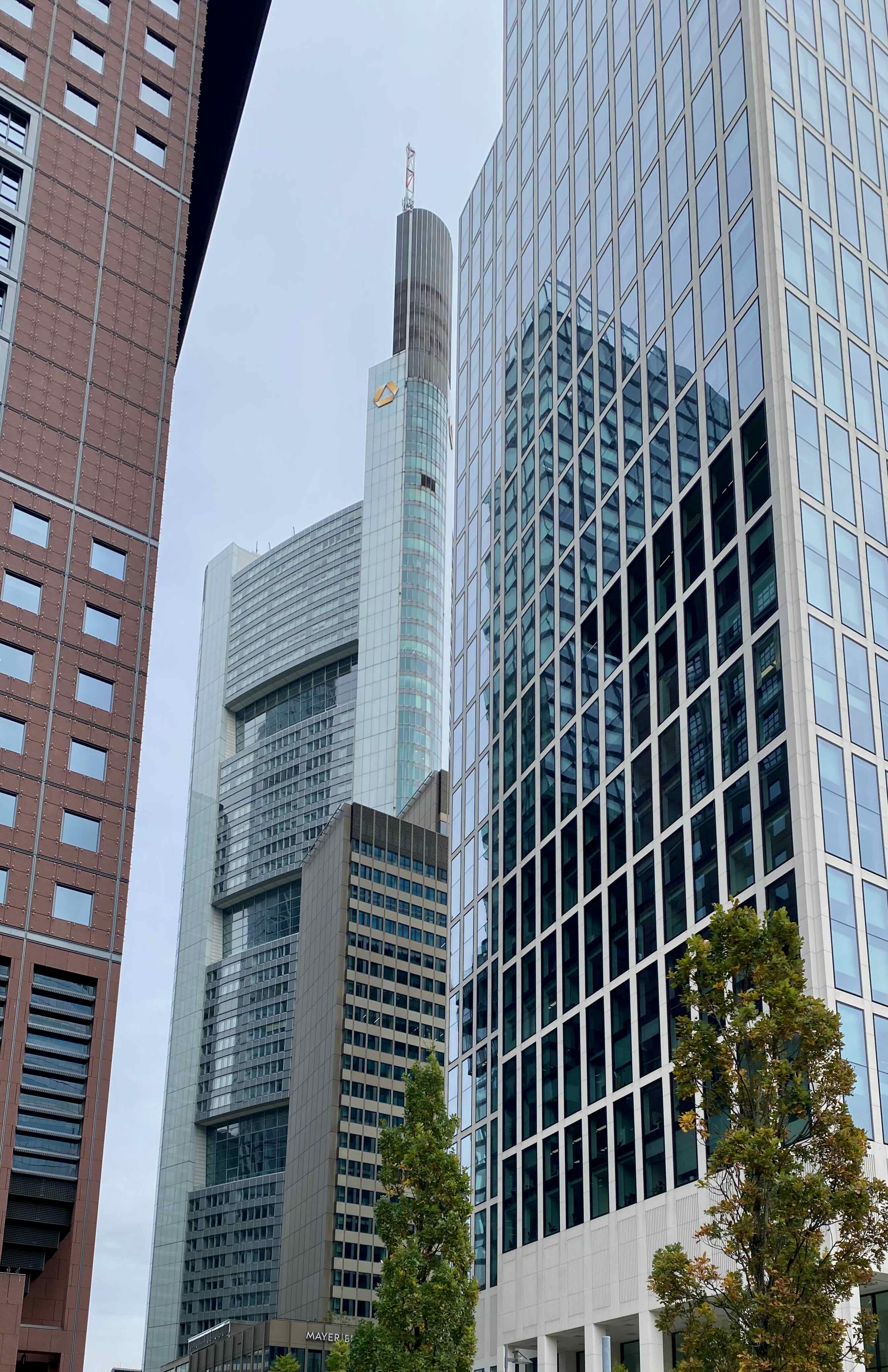
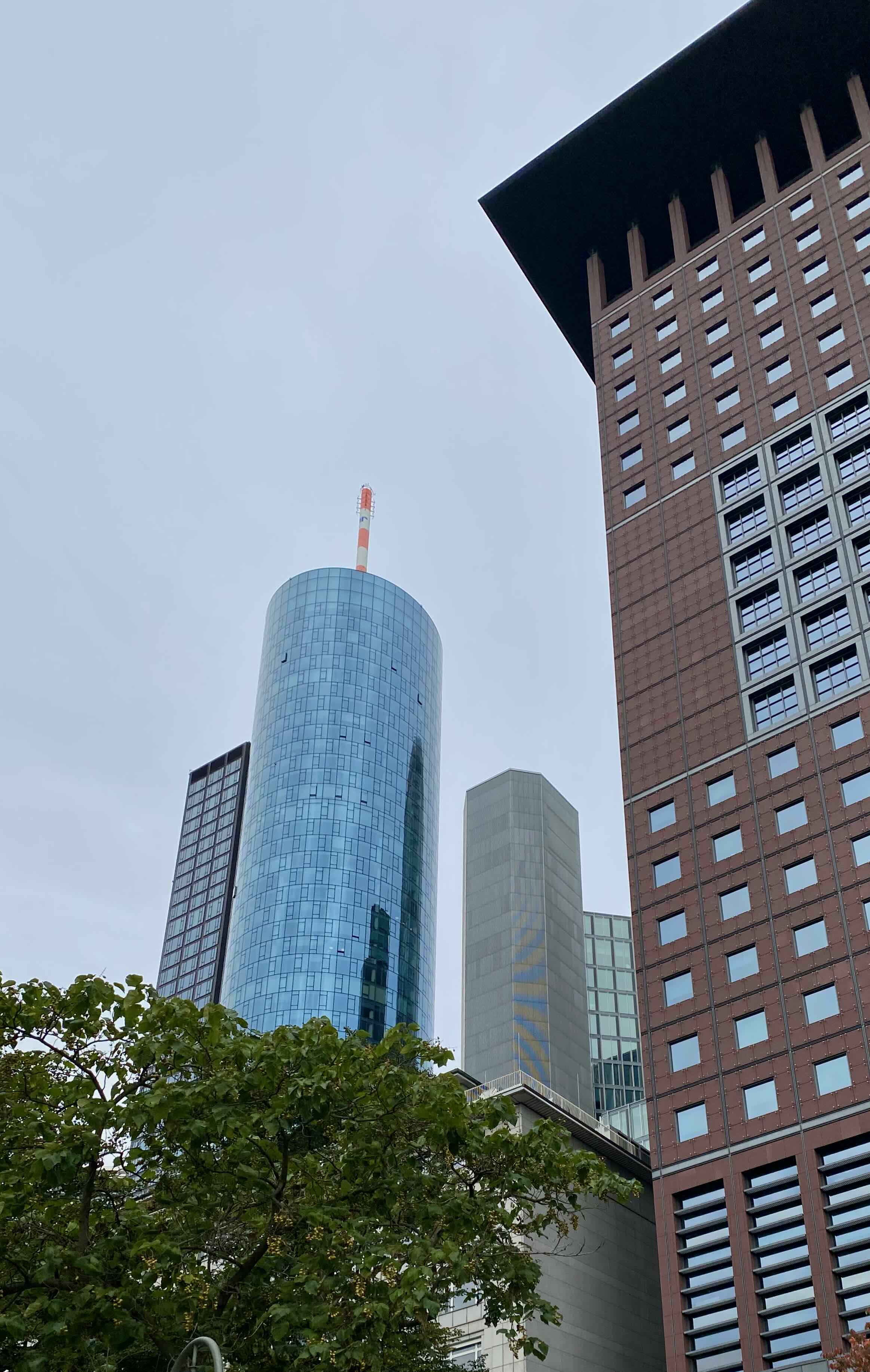
 The Old Opera House had been bombed down to its foundation walls during WWII, and was rebuilt to the original design.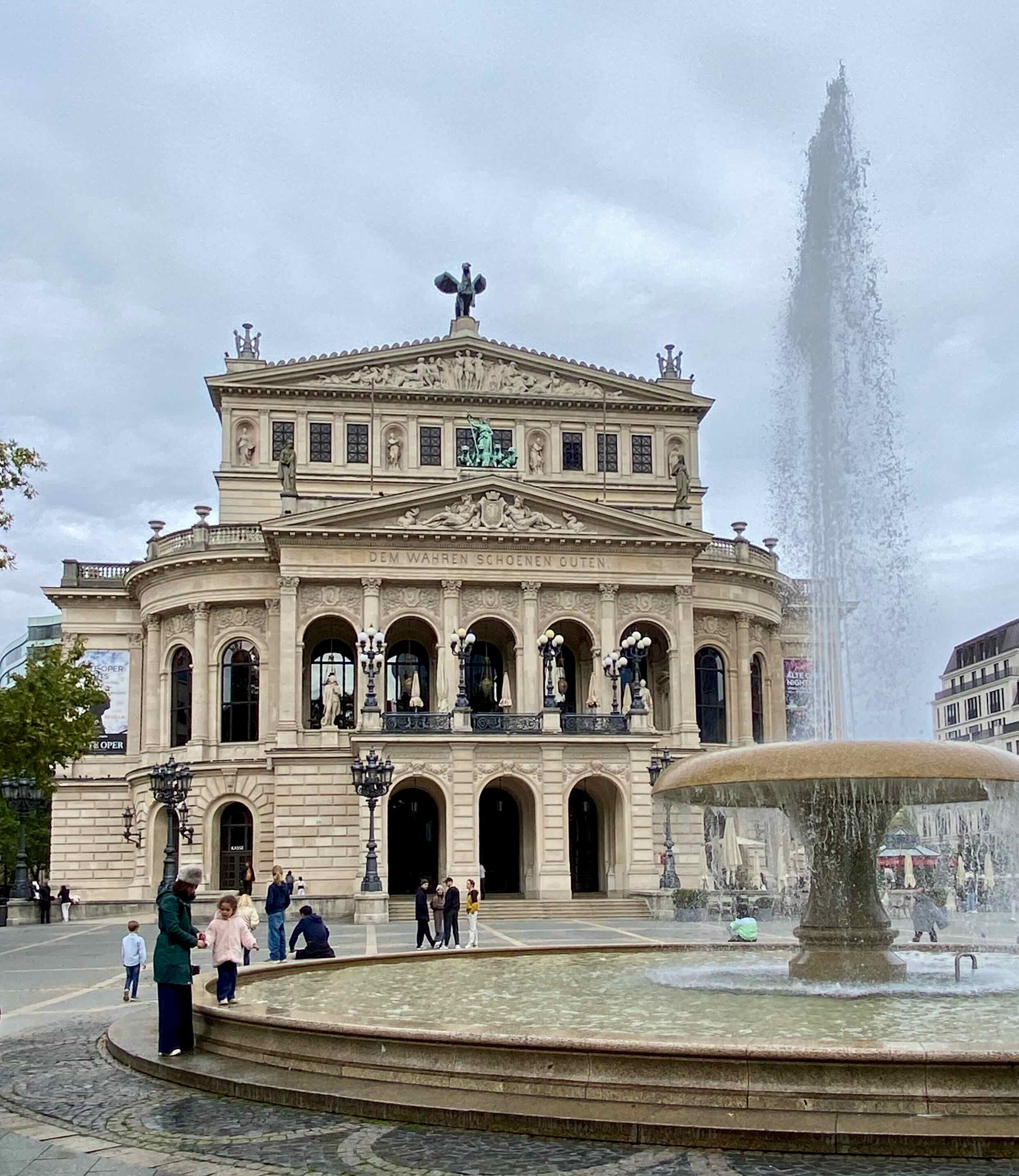
 These two figures represent East and West Germany. Today was a holiday for the Reunification of Germany.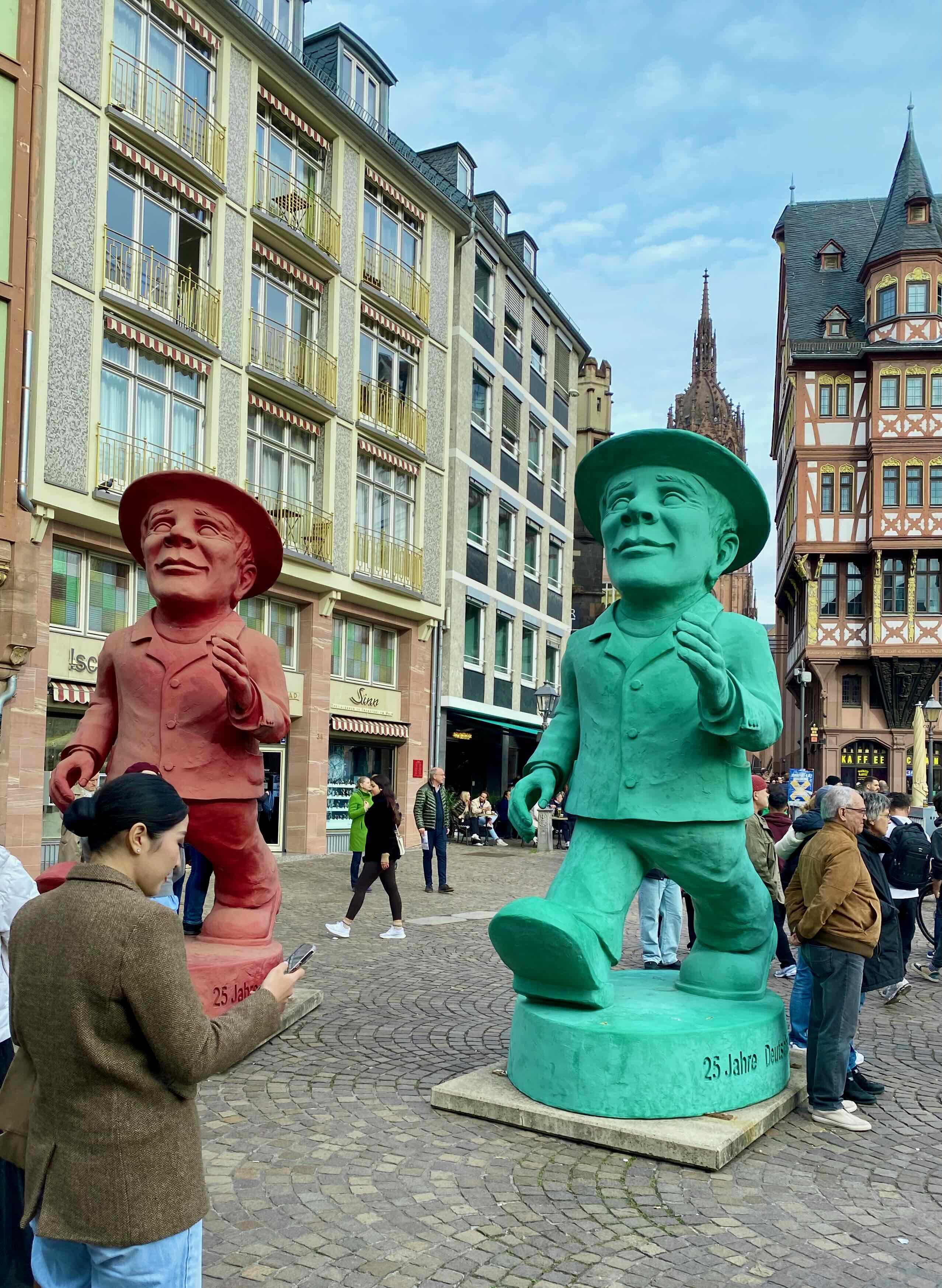
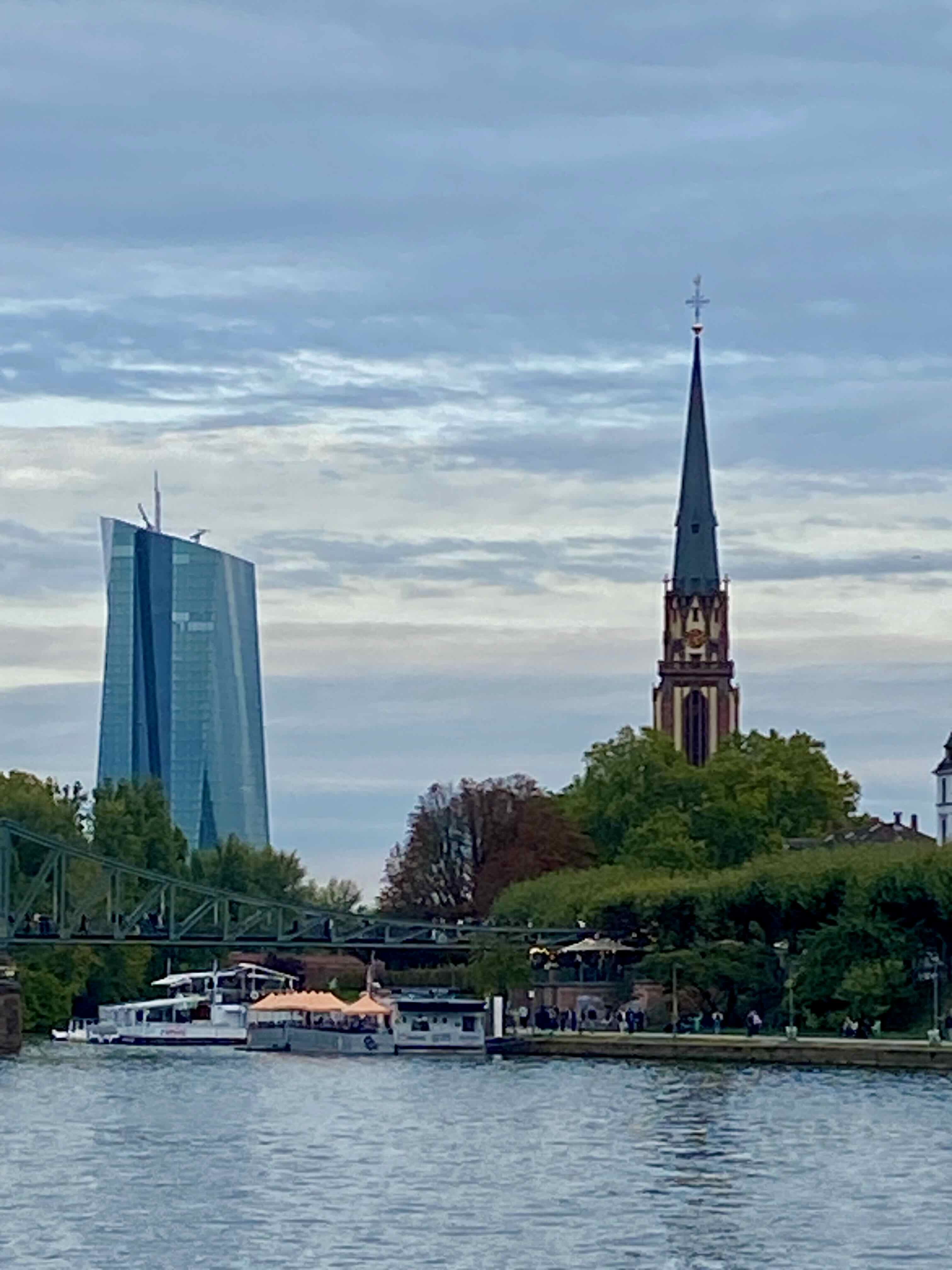
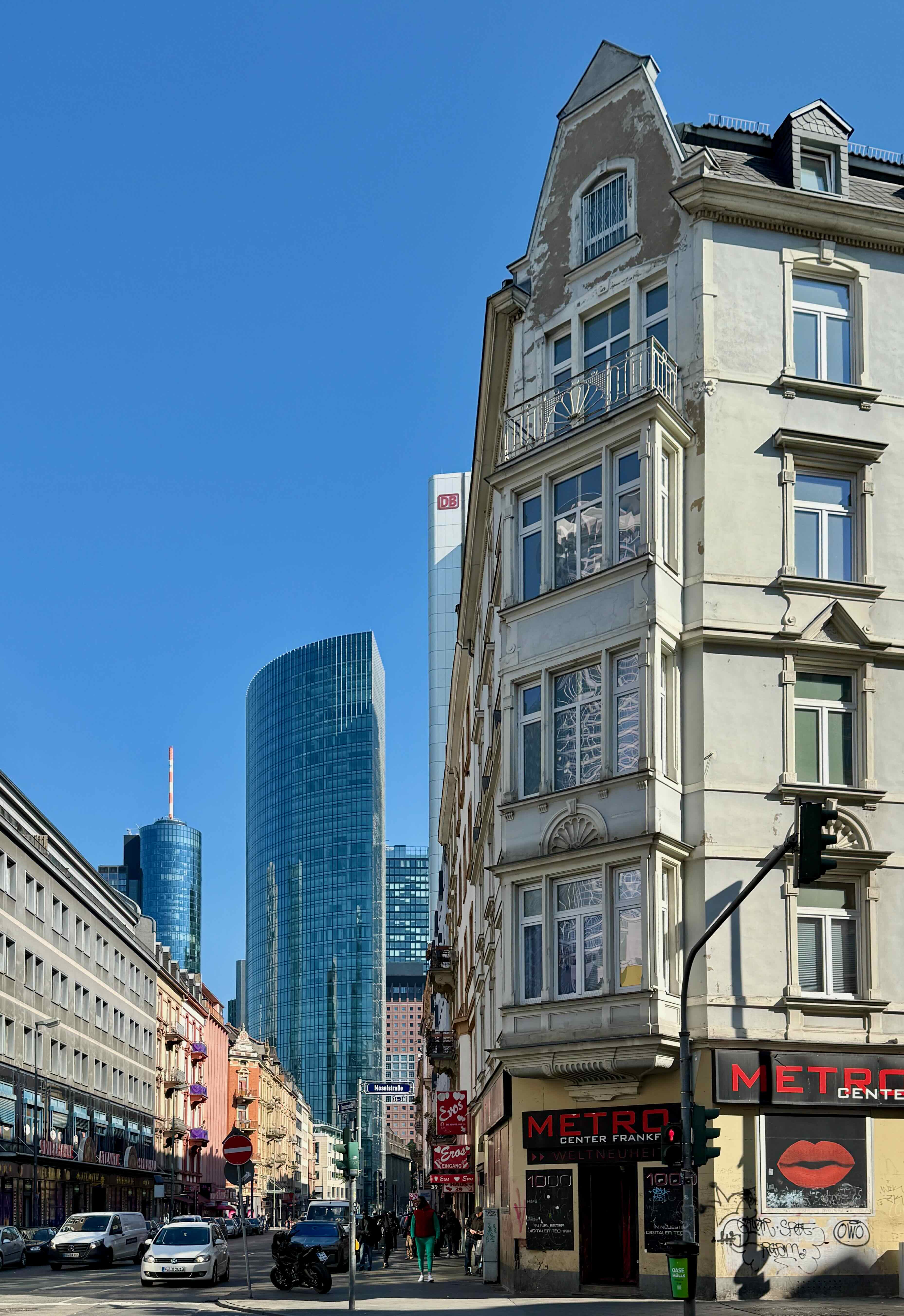
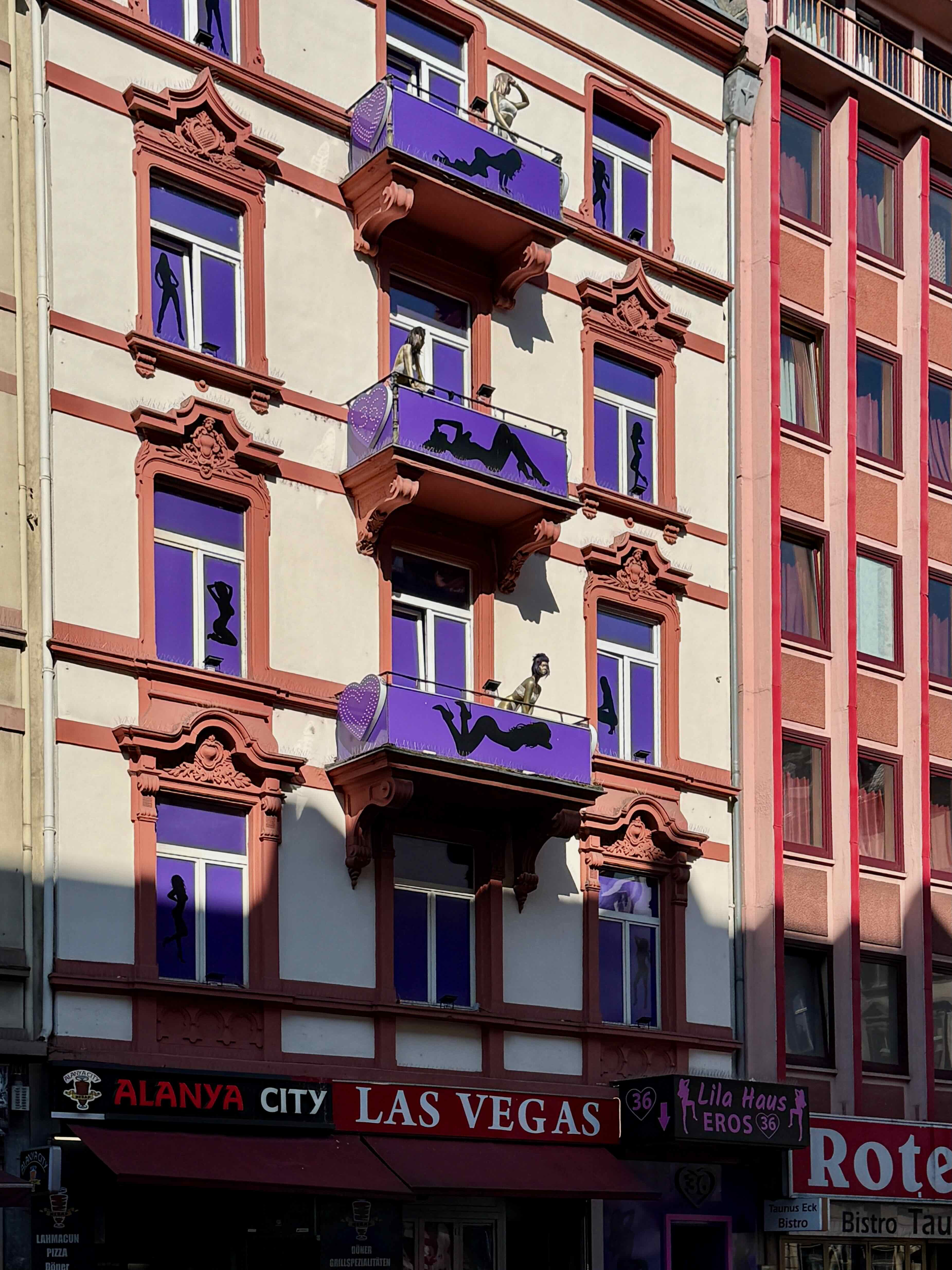
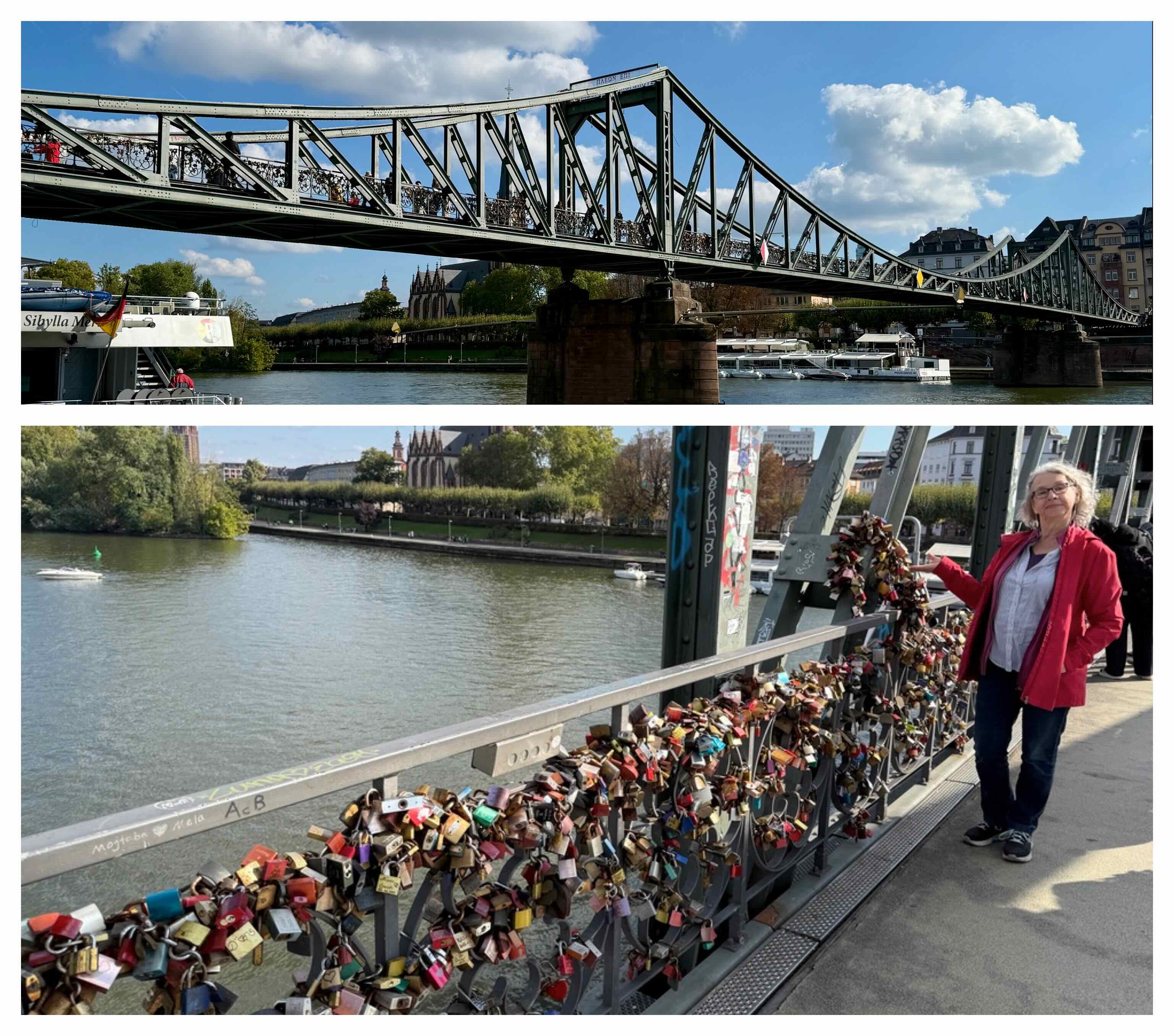
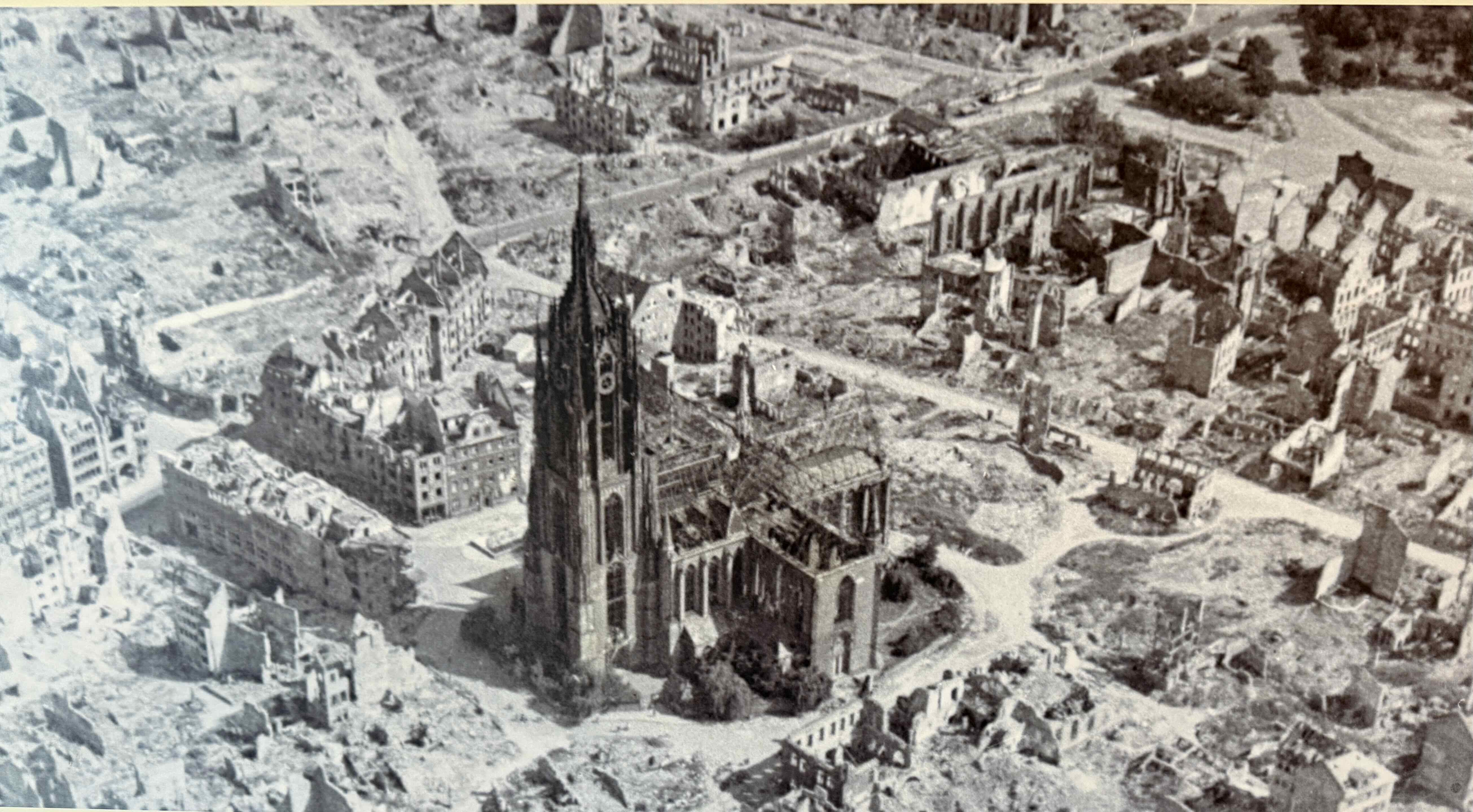
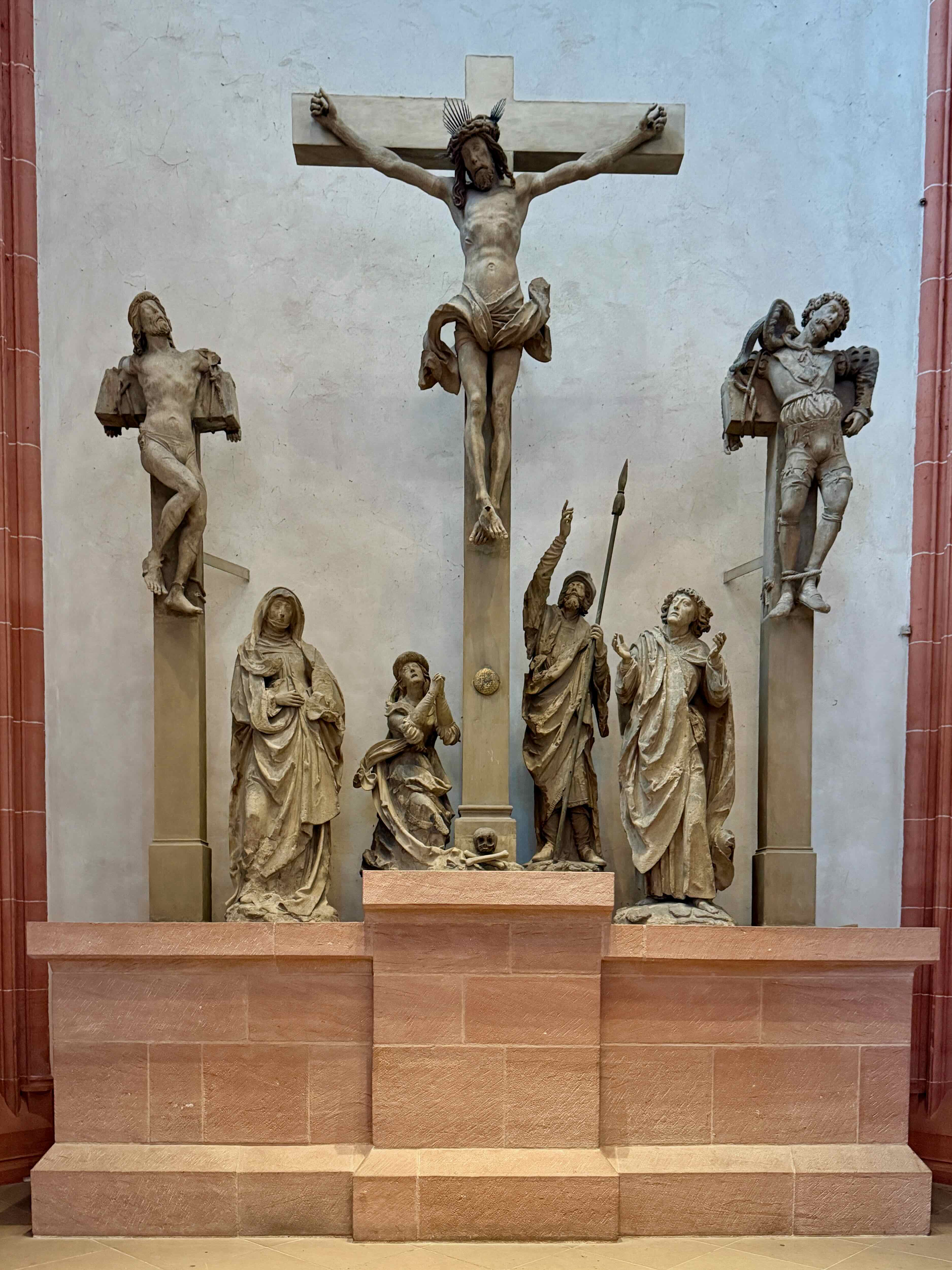
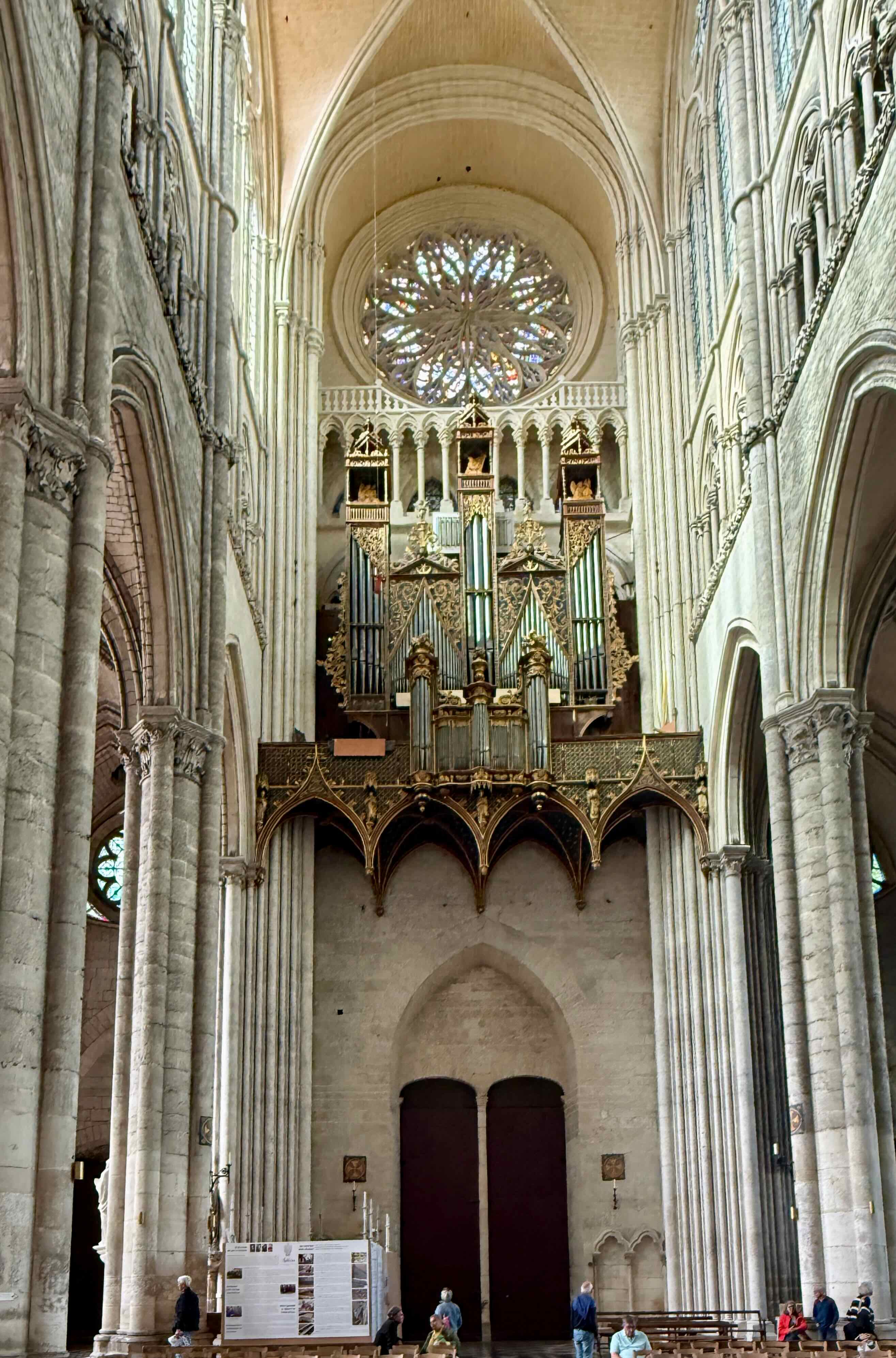
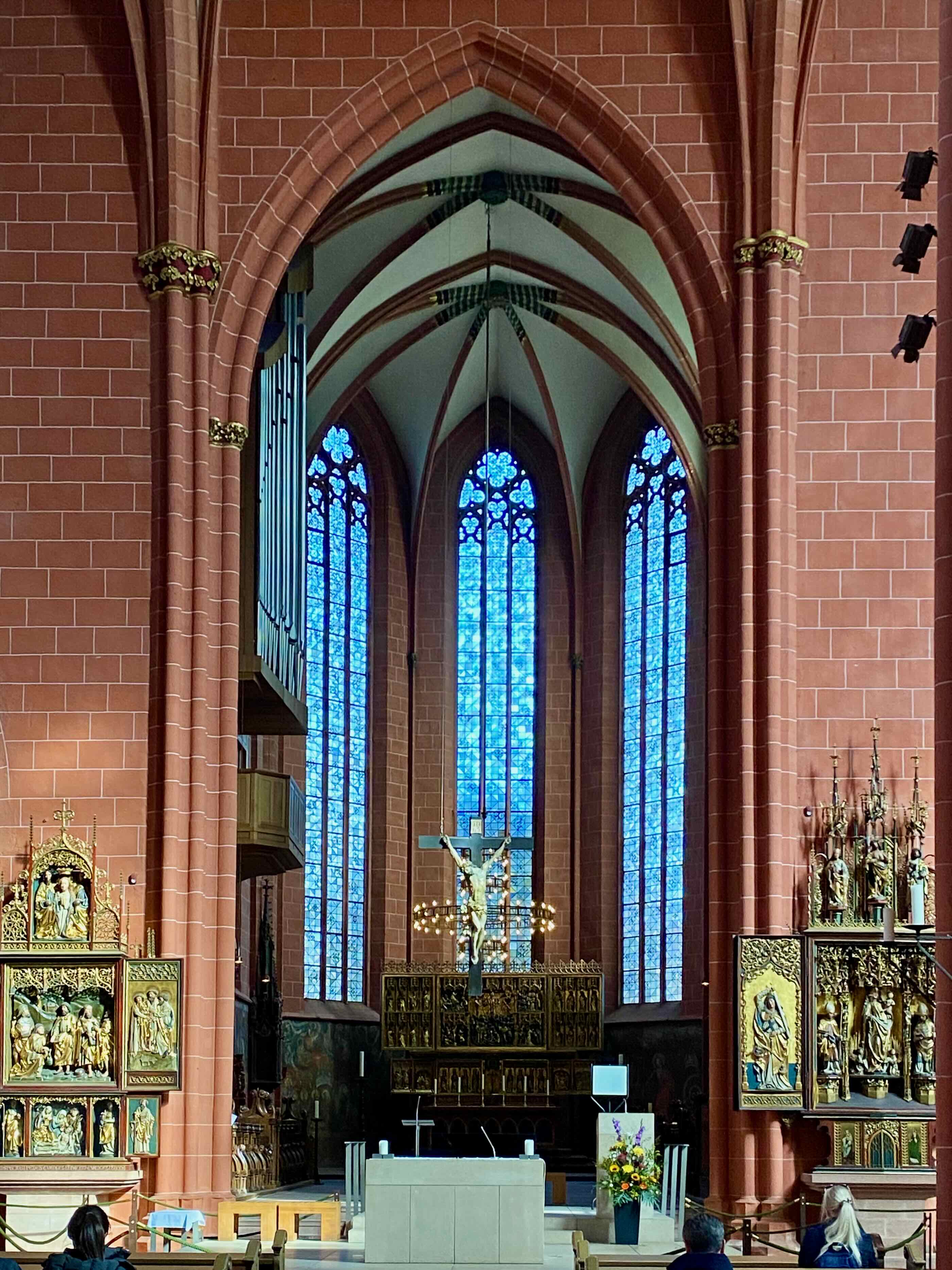 The cathedral’s organ is impressive and has a different layout of pipes.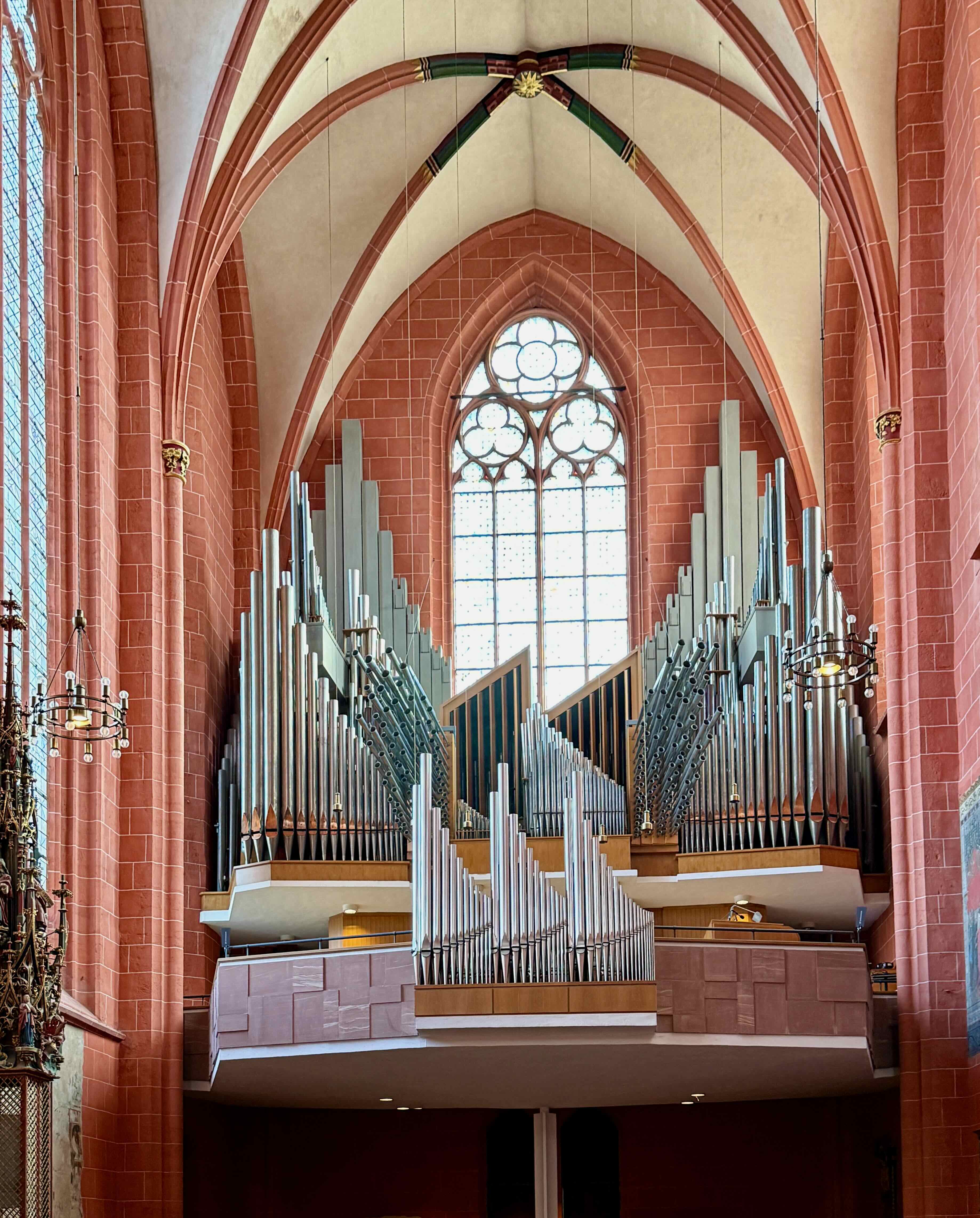
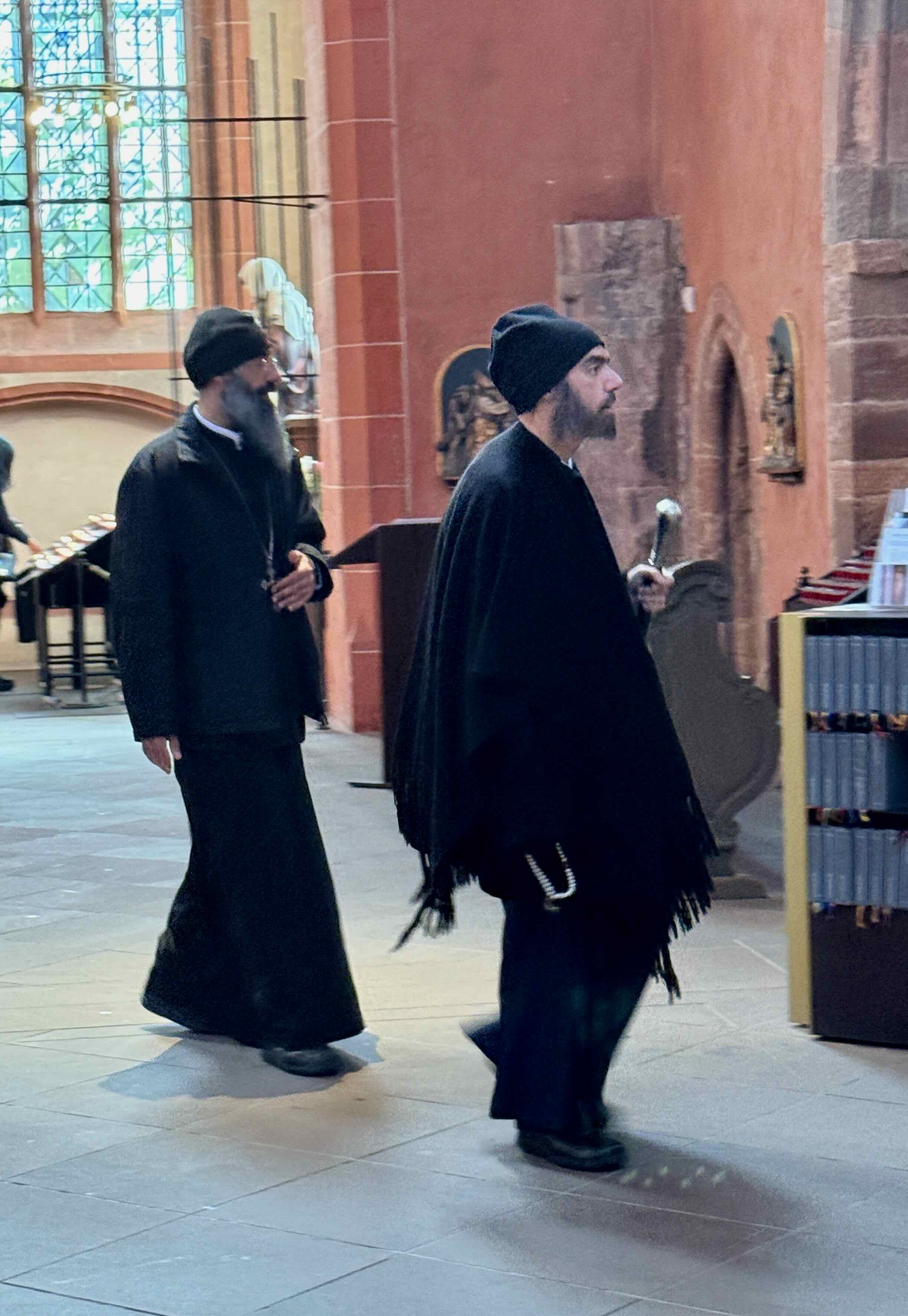

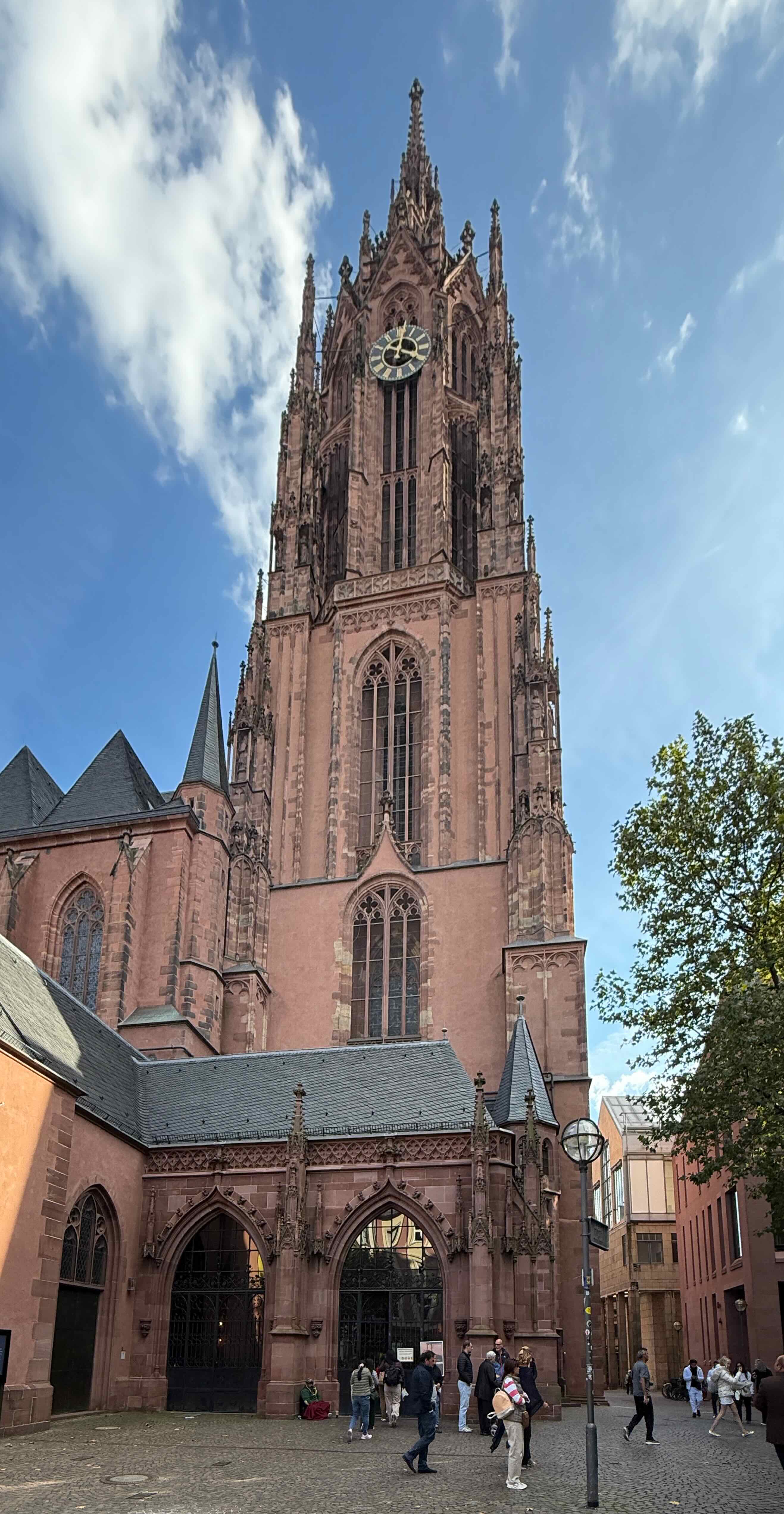
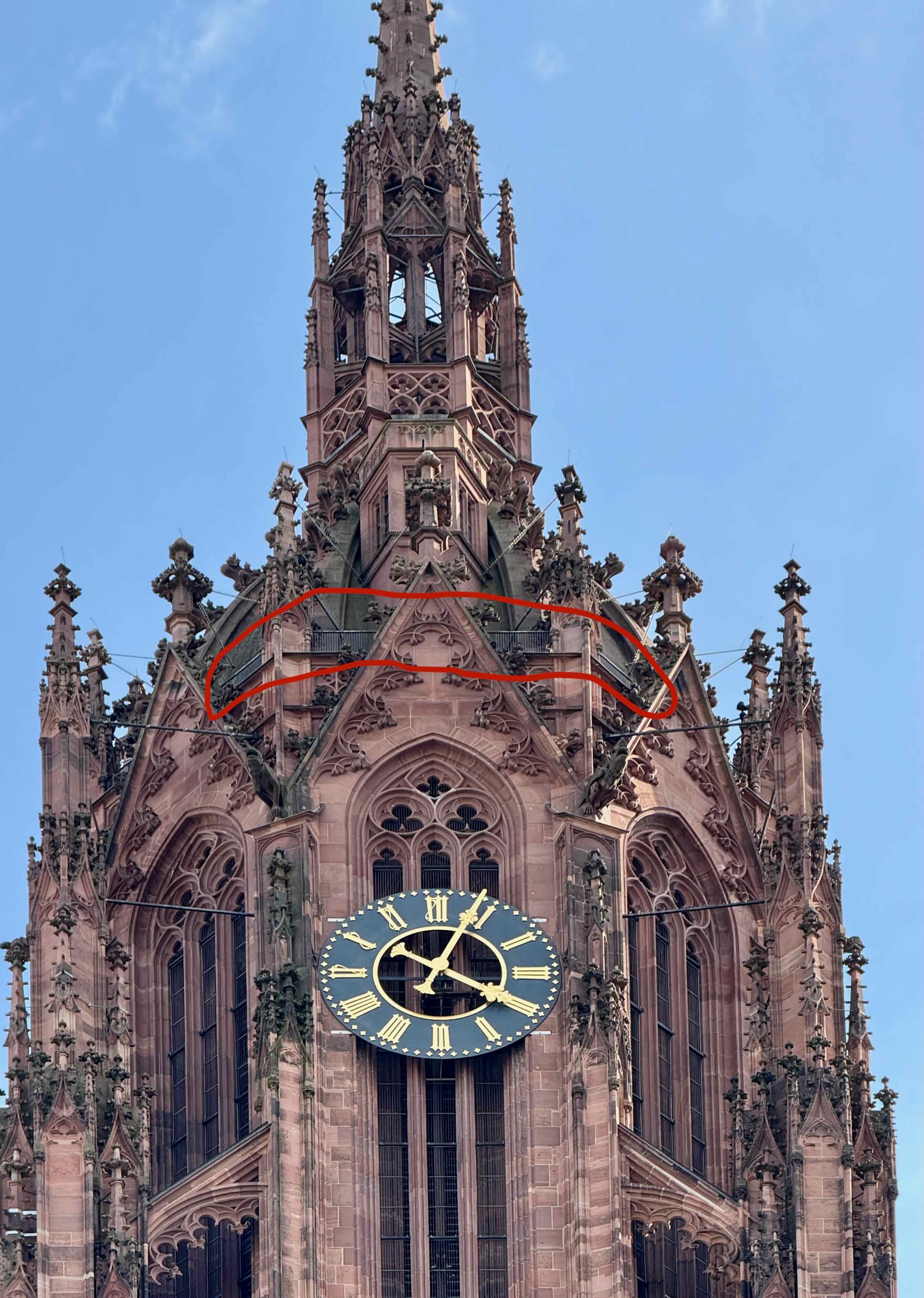
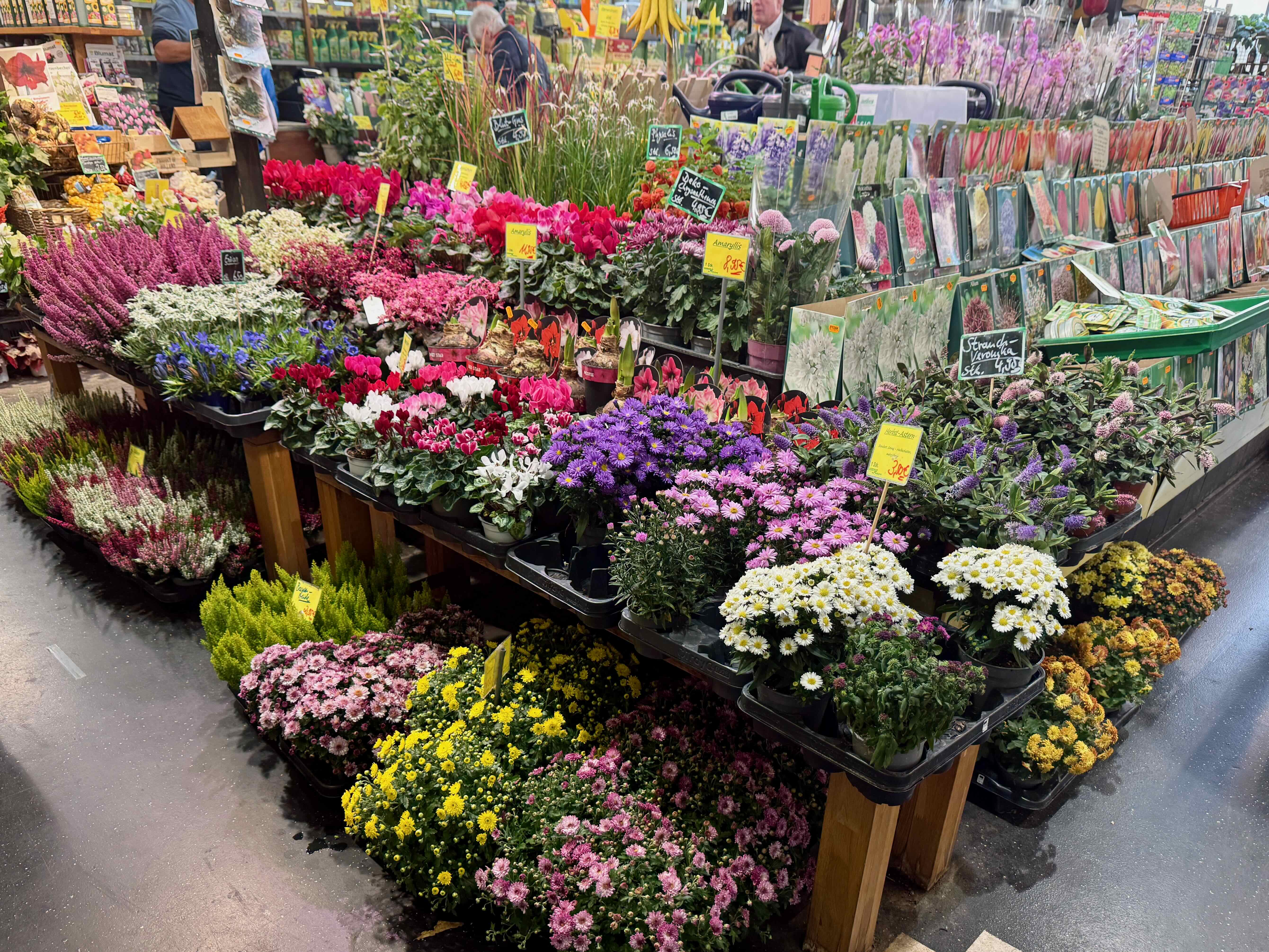
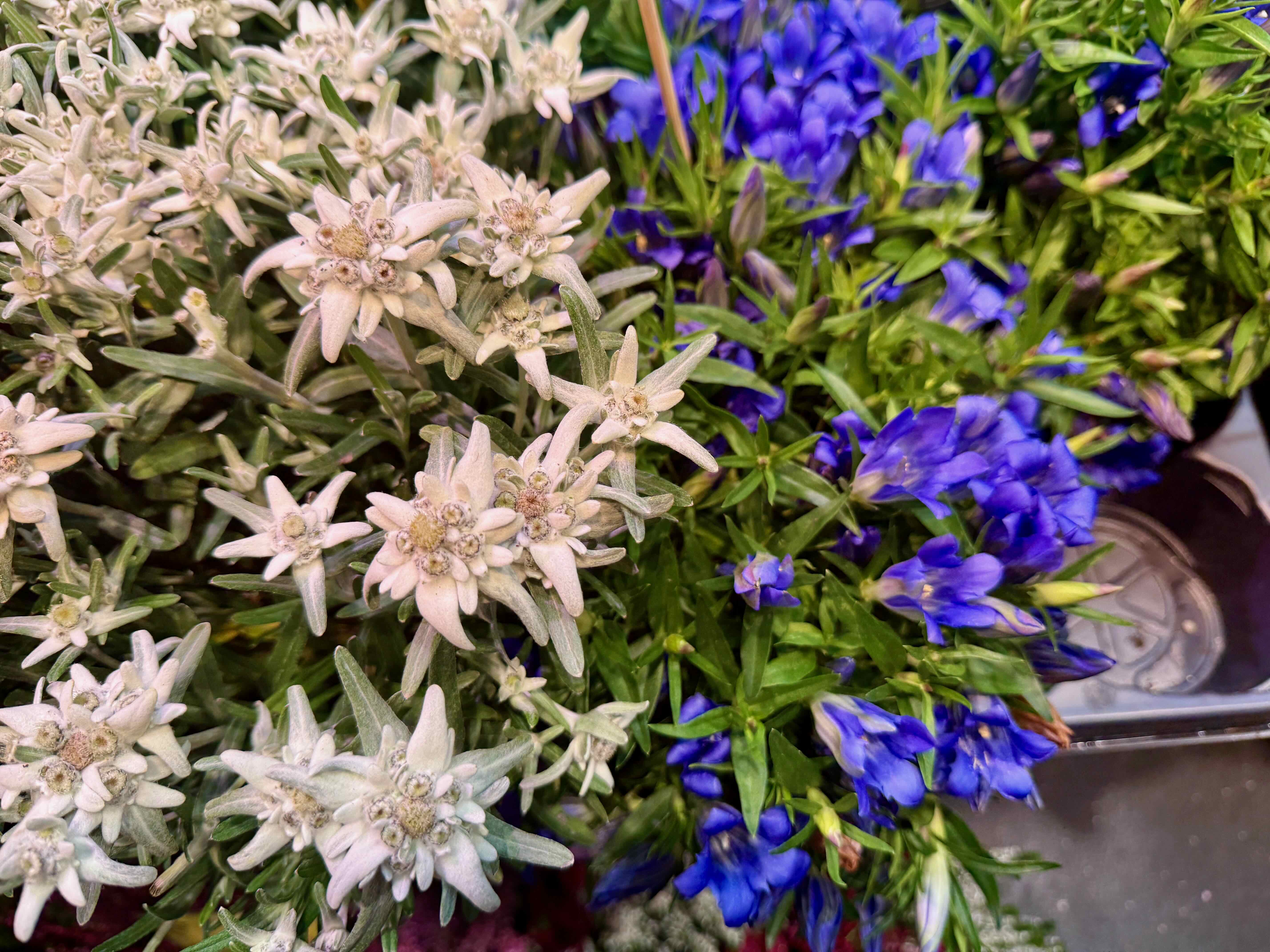
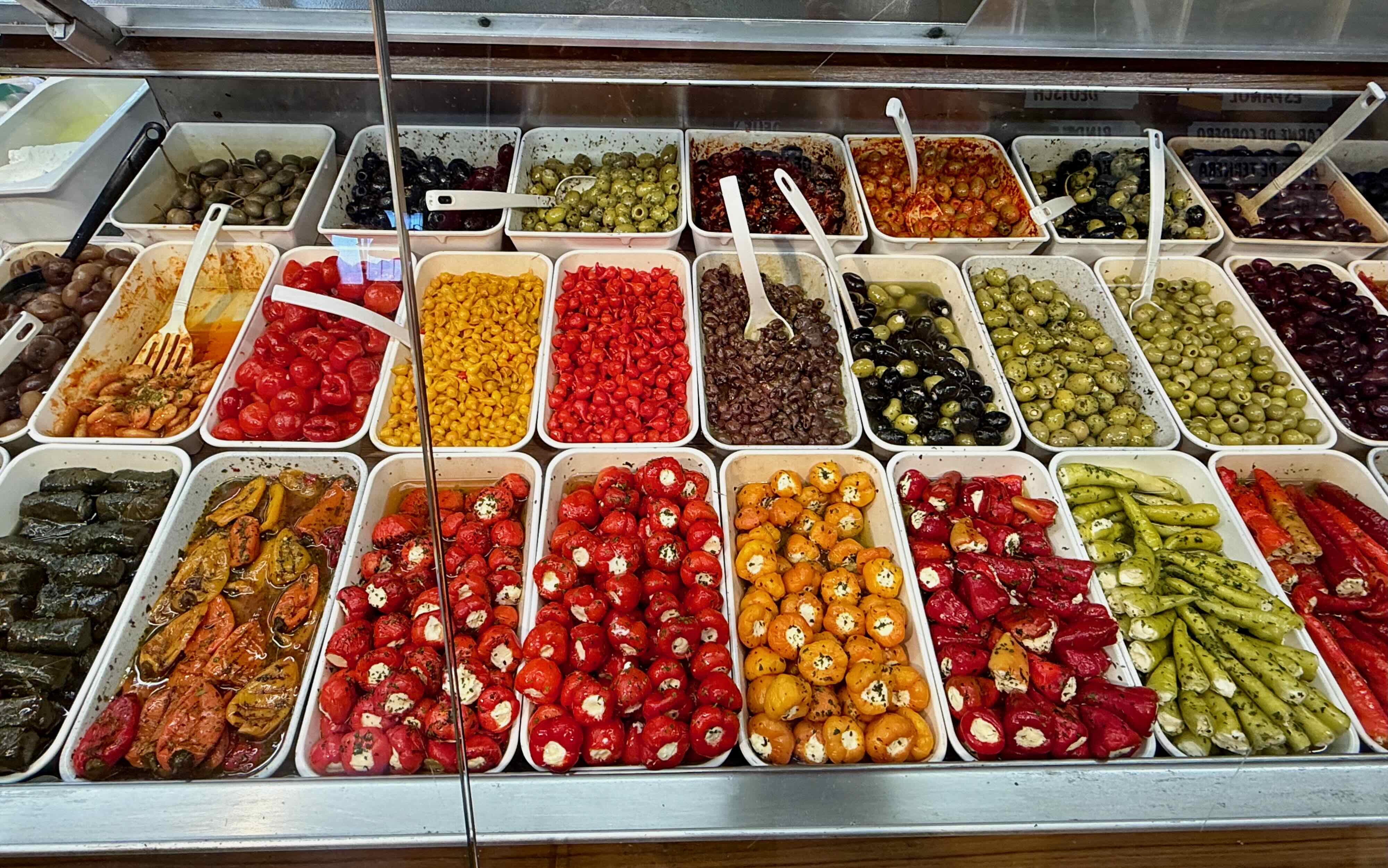
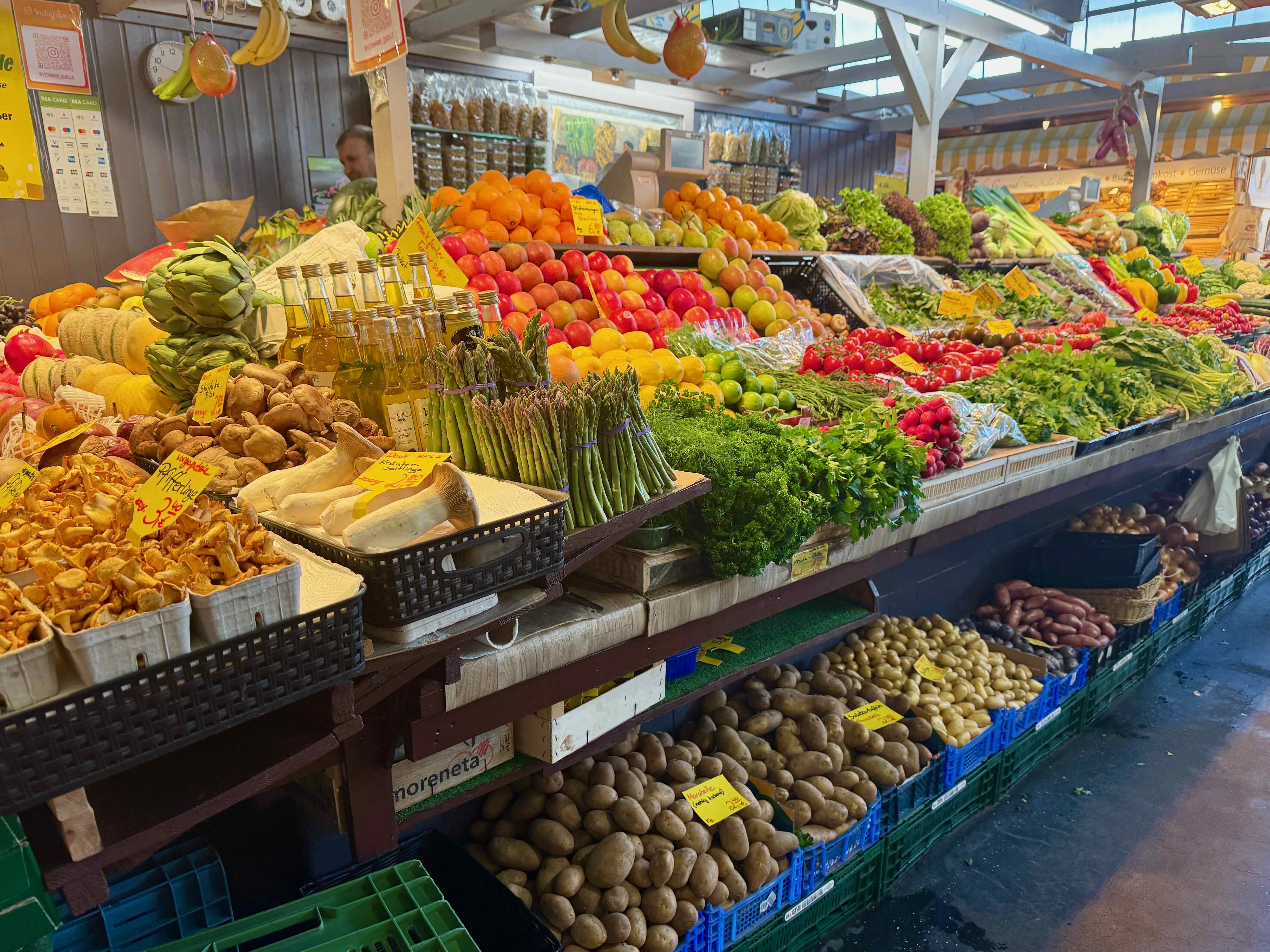
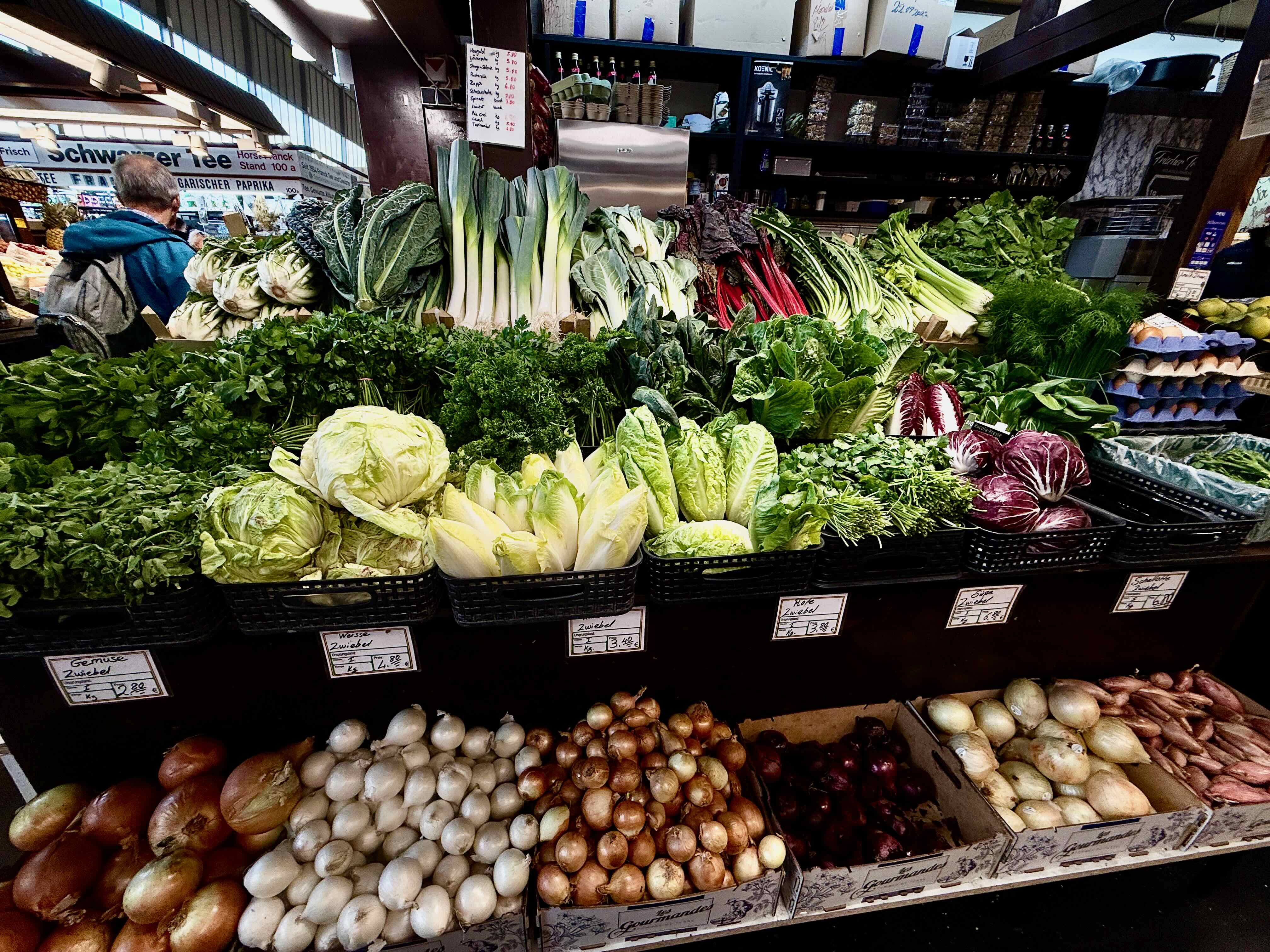
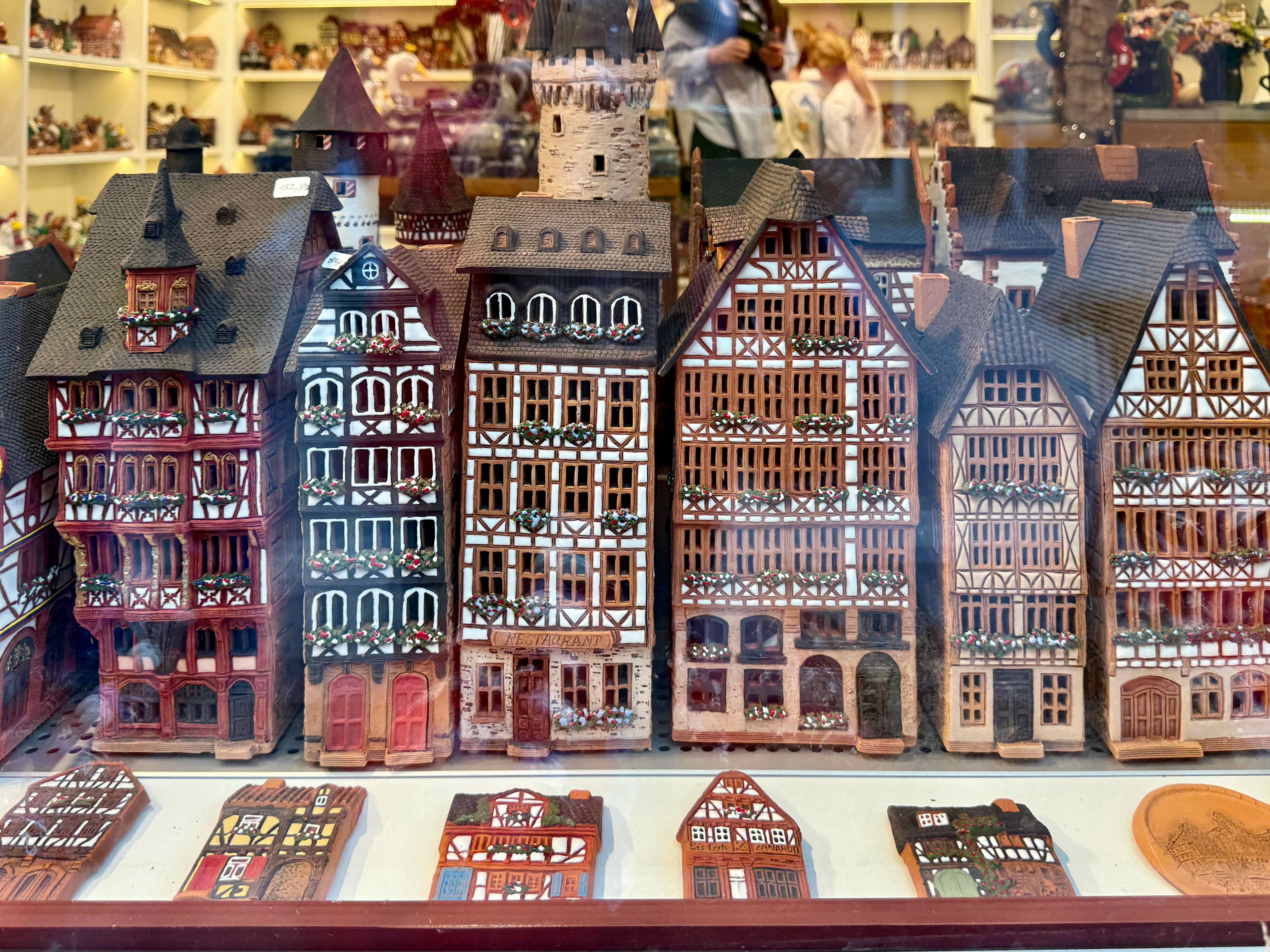
 This store carried some interesting merchandise.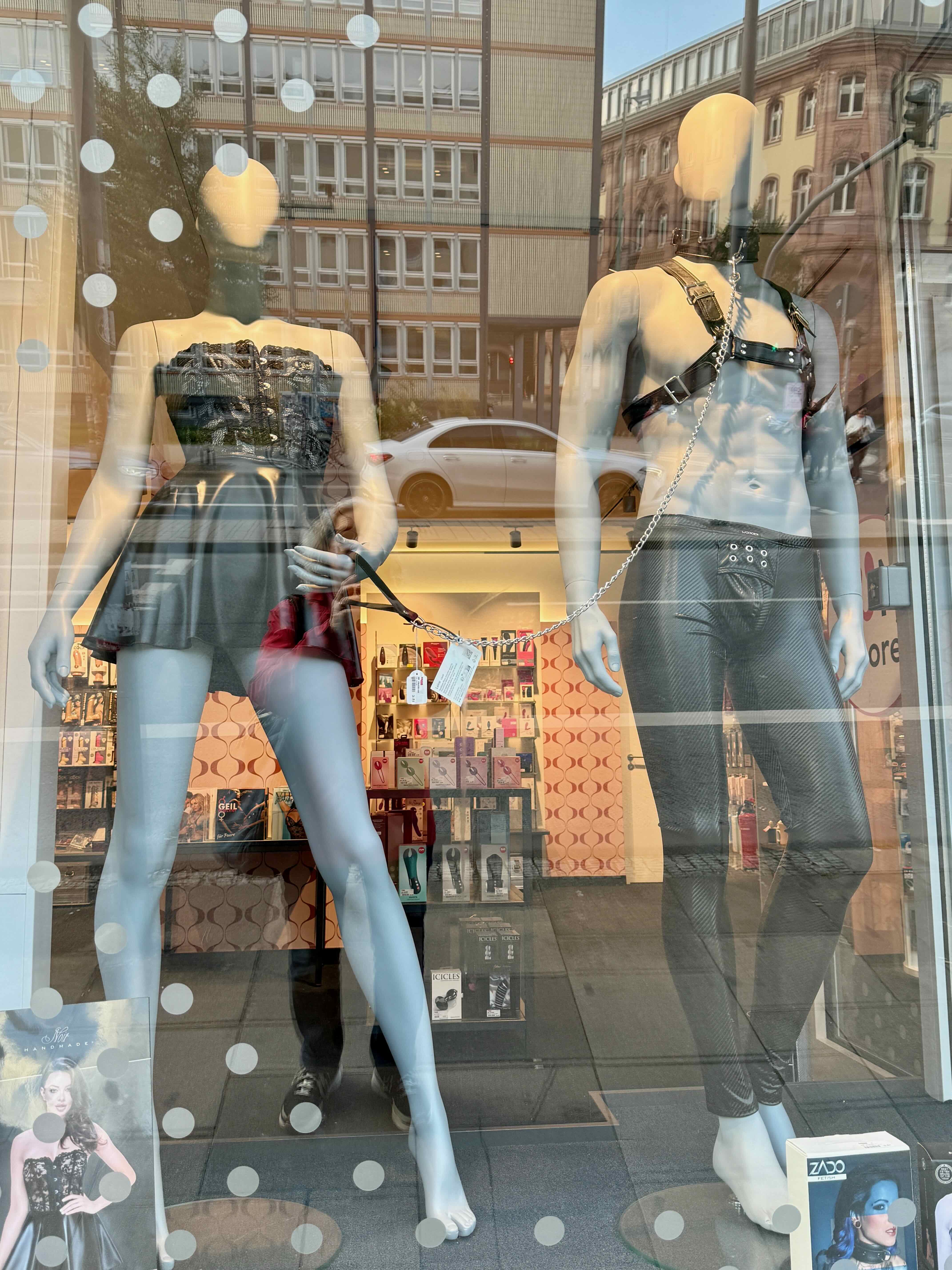

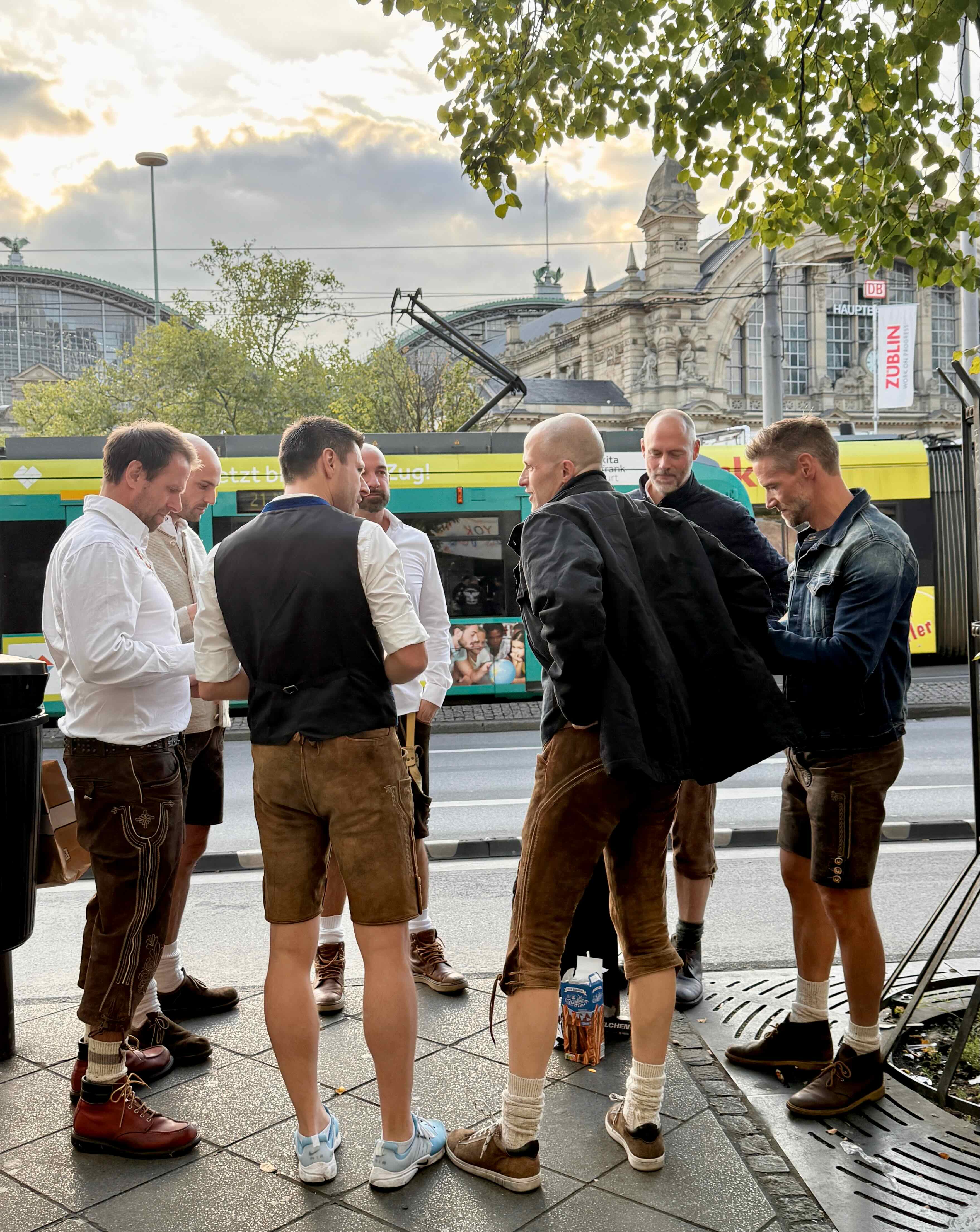
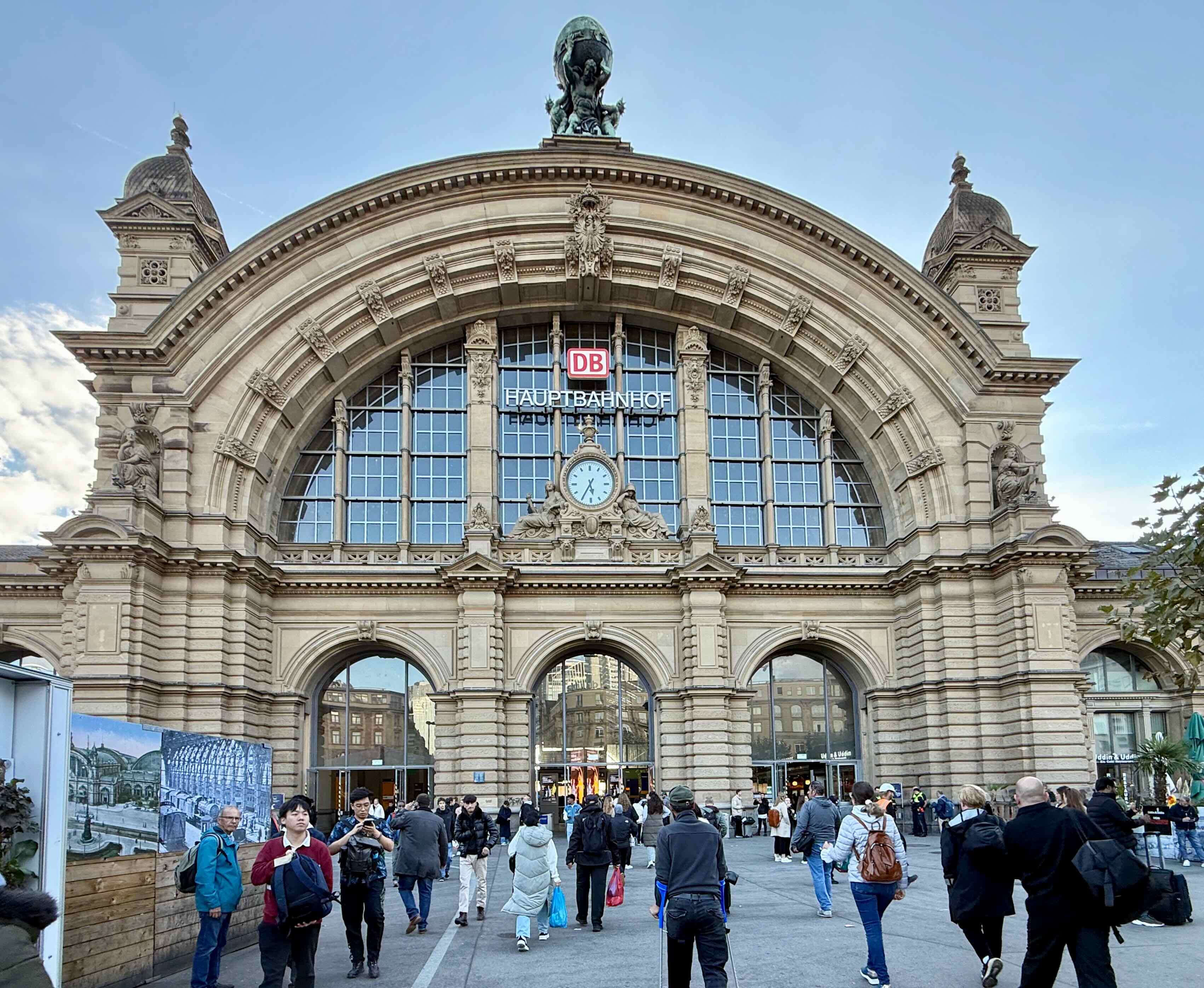
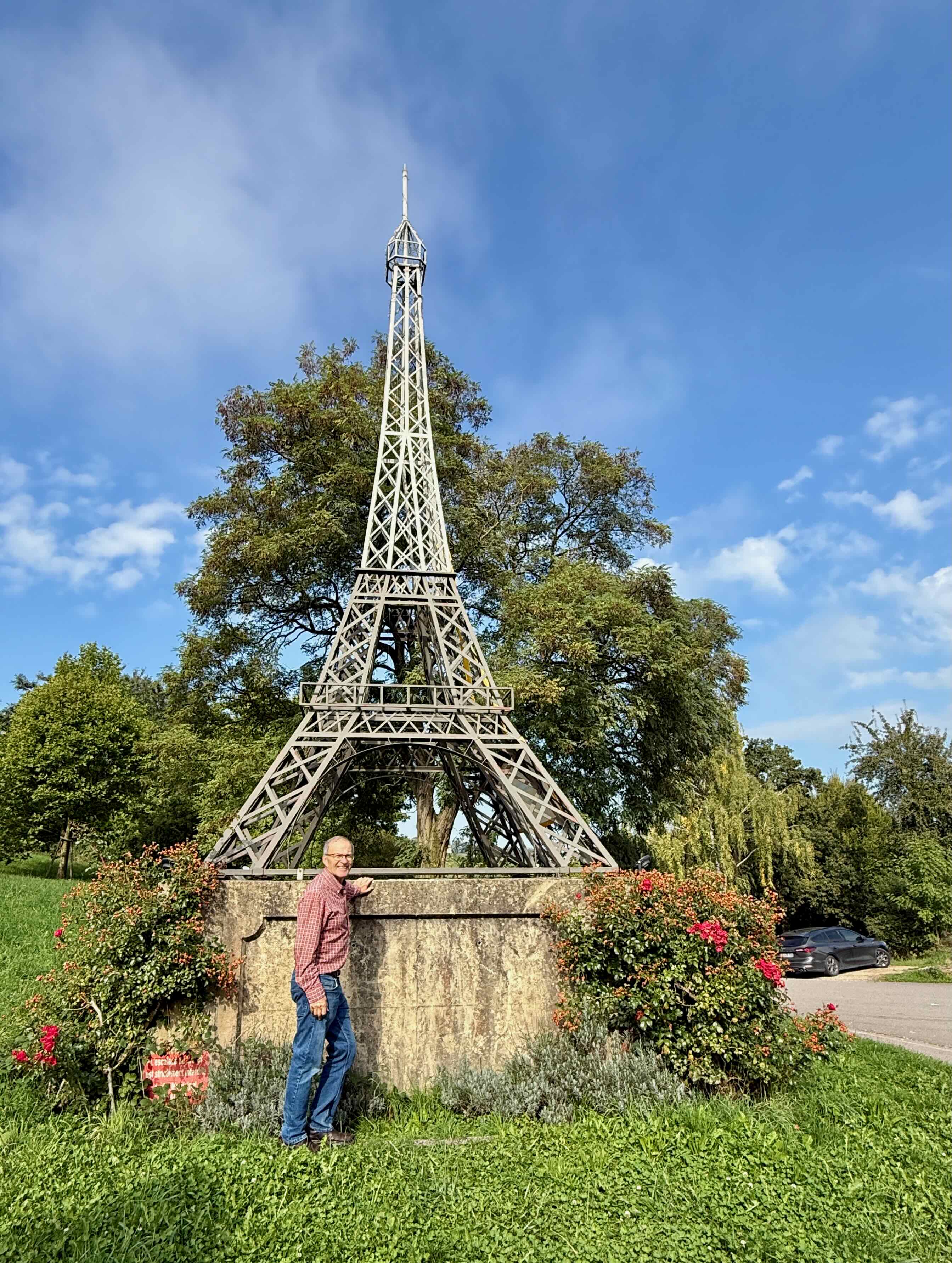
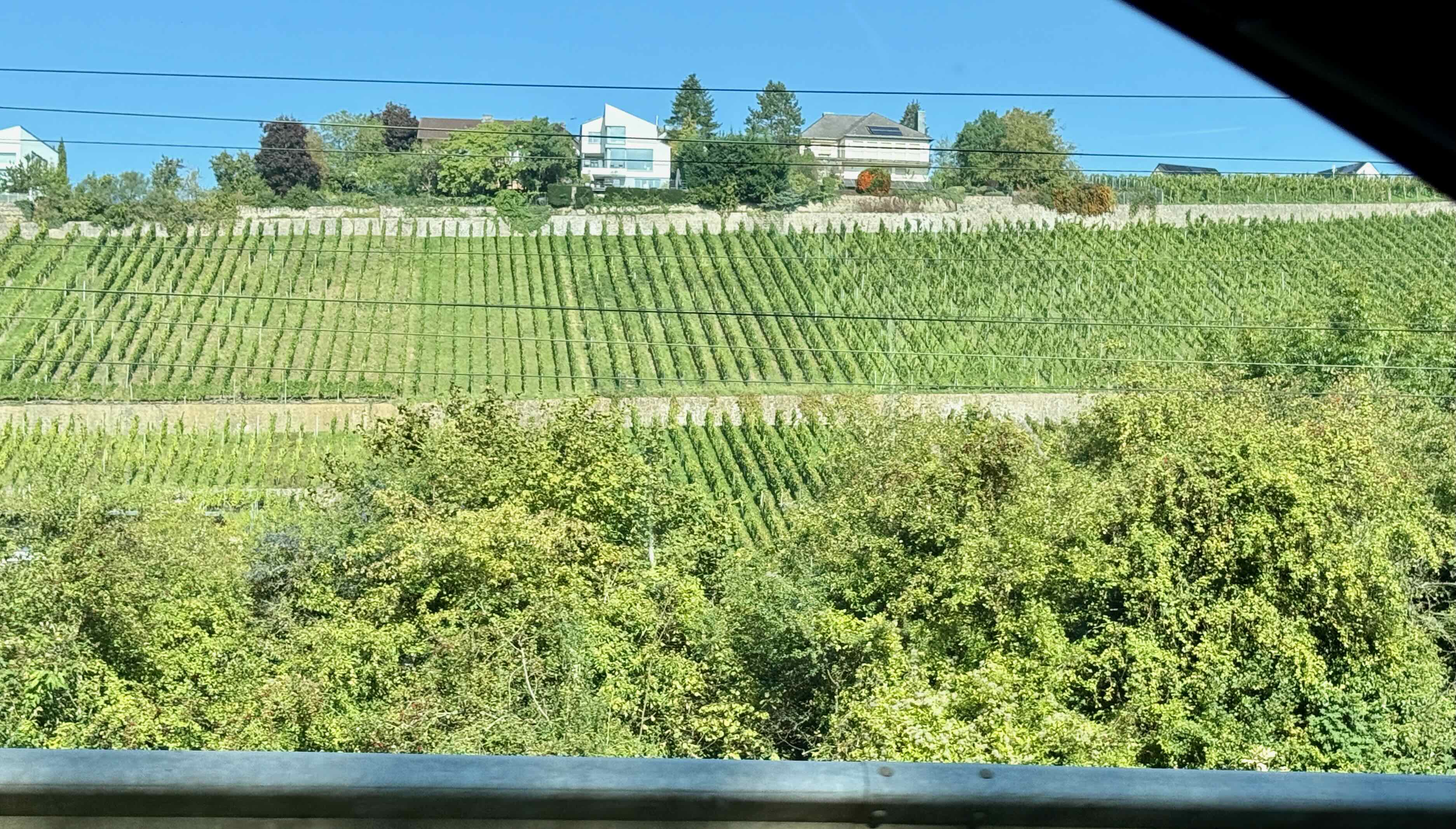
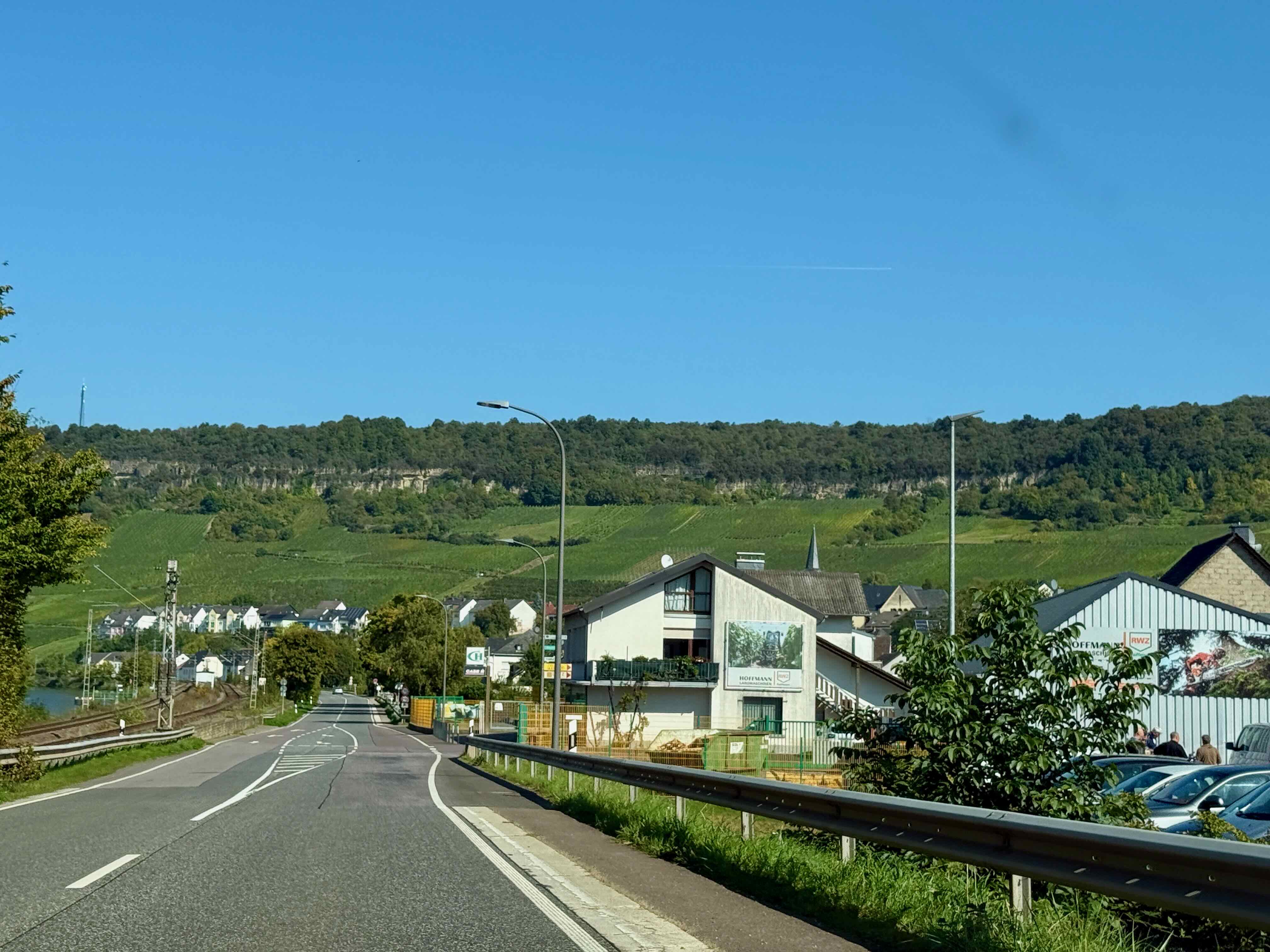
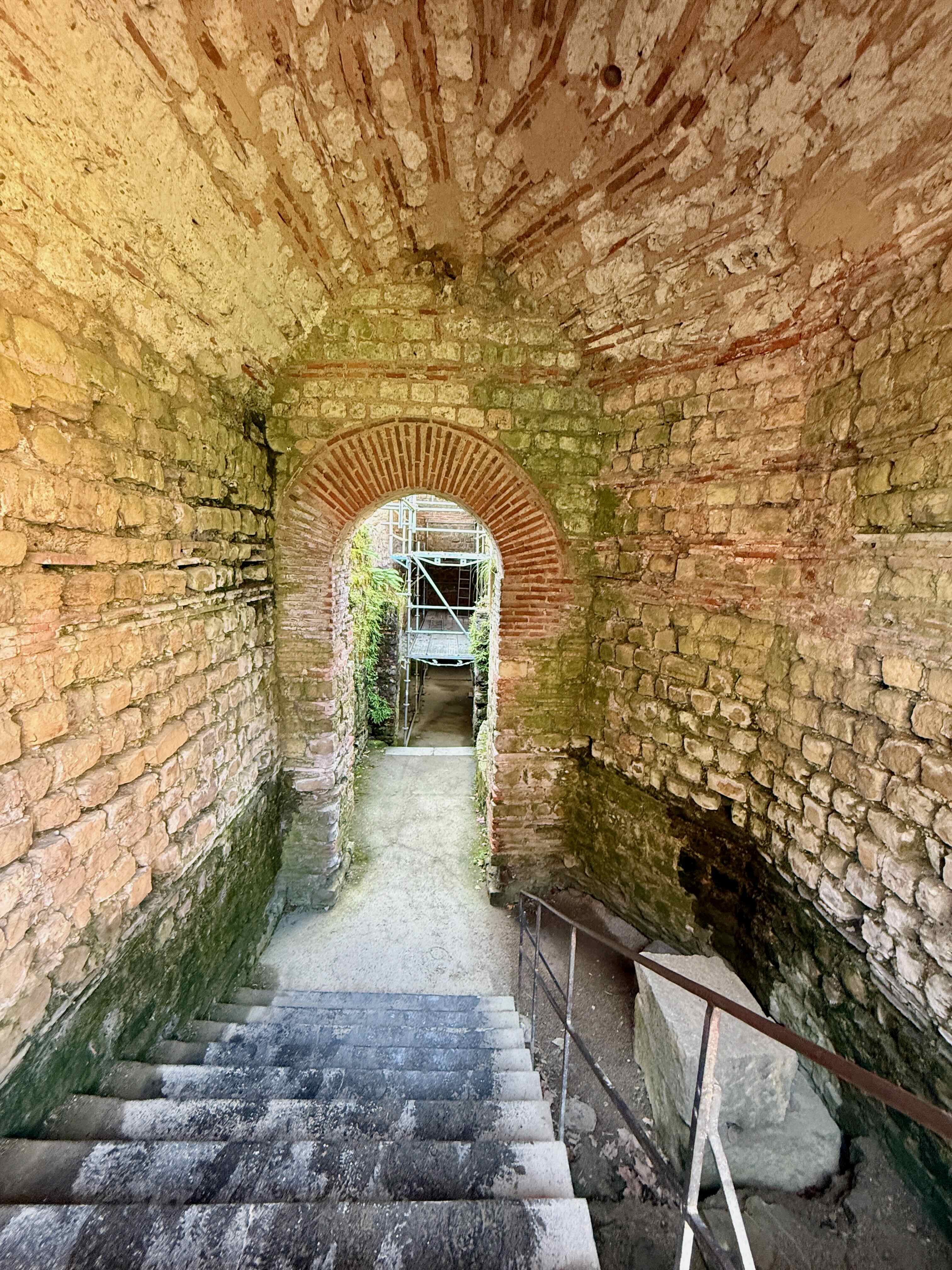
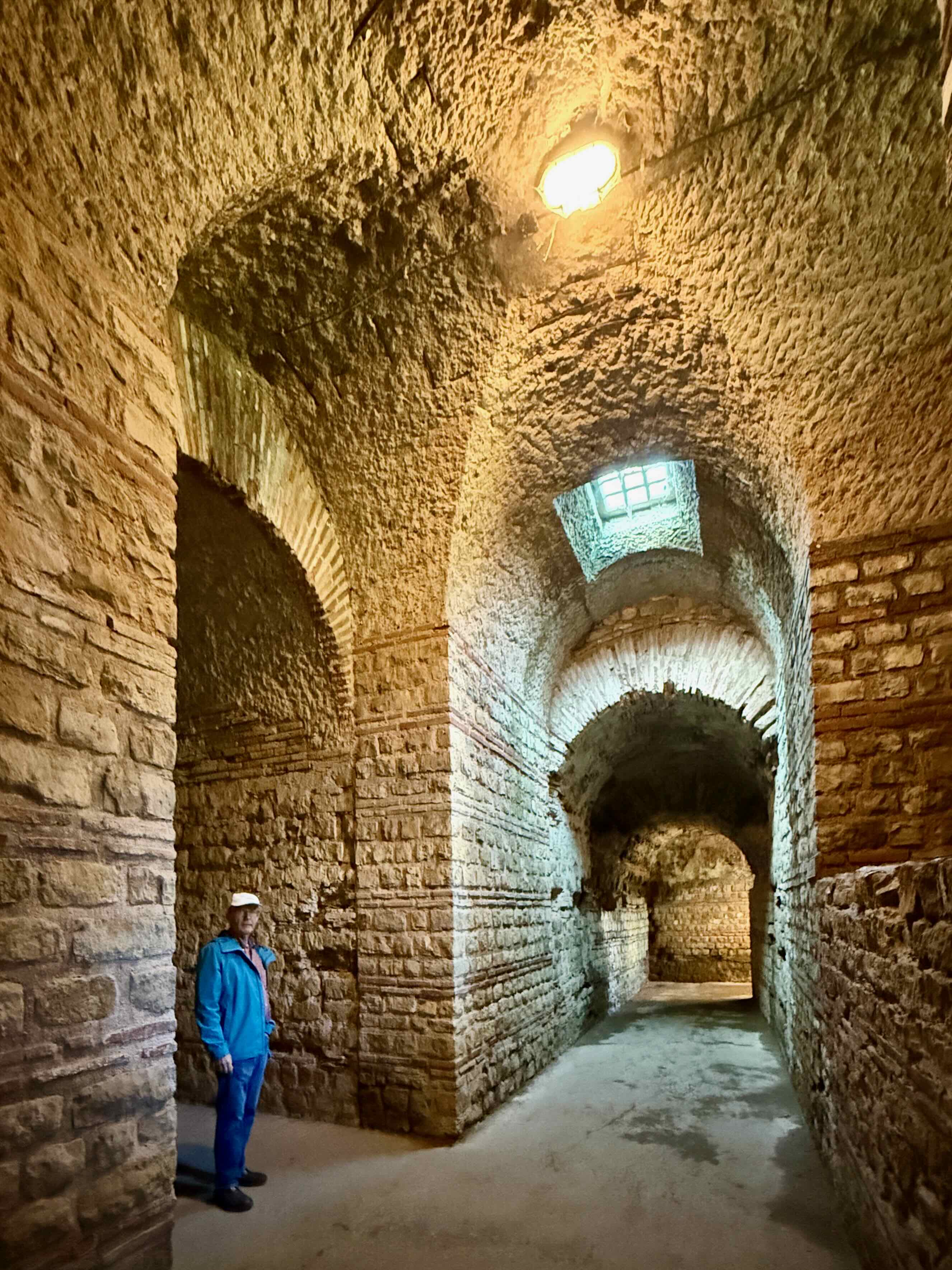
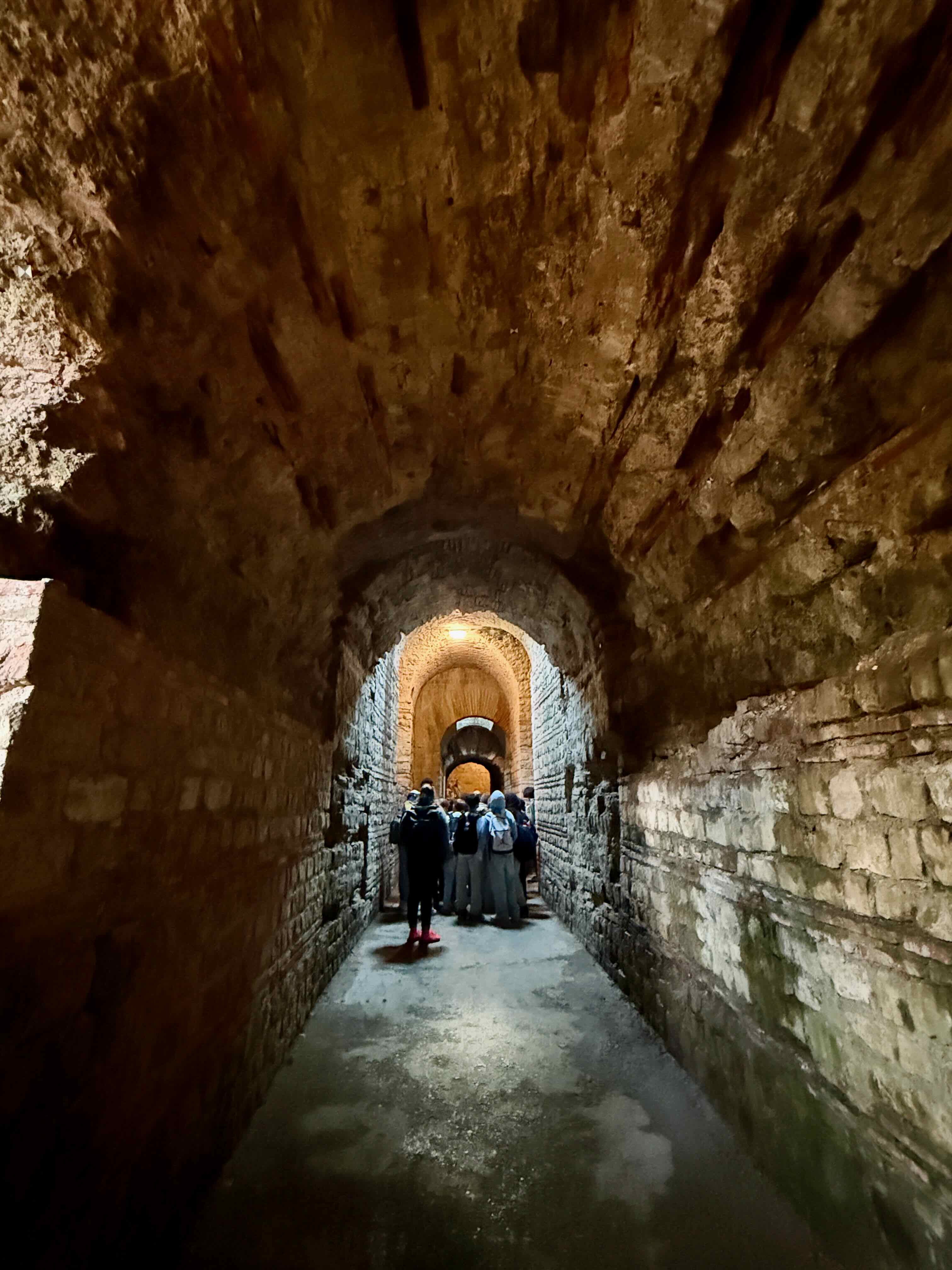 There are a maze of tunnels and we are free to explore as we wish. That is Bob peeking around the bend in the tunnel.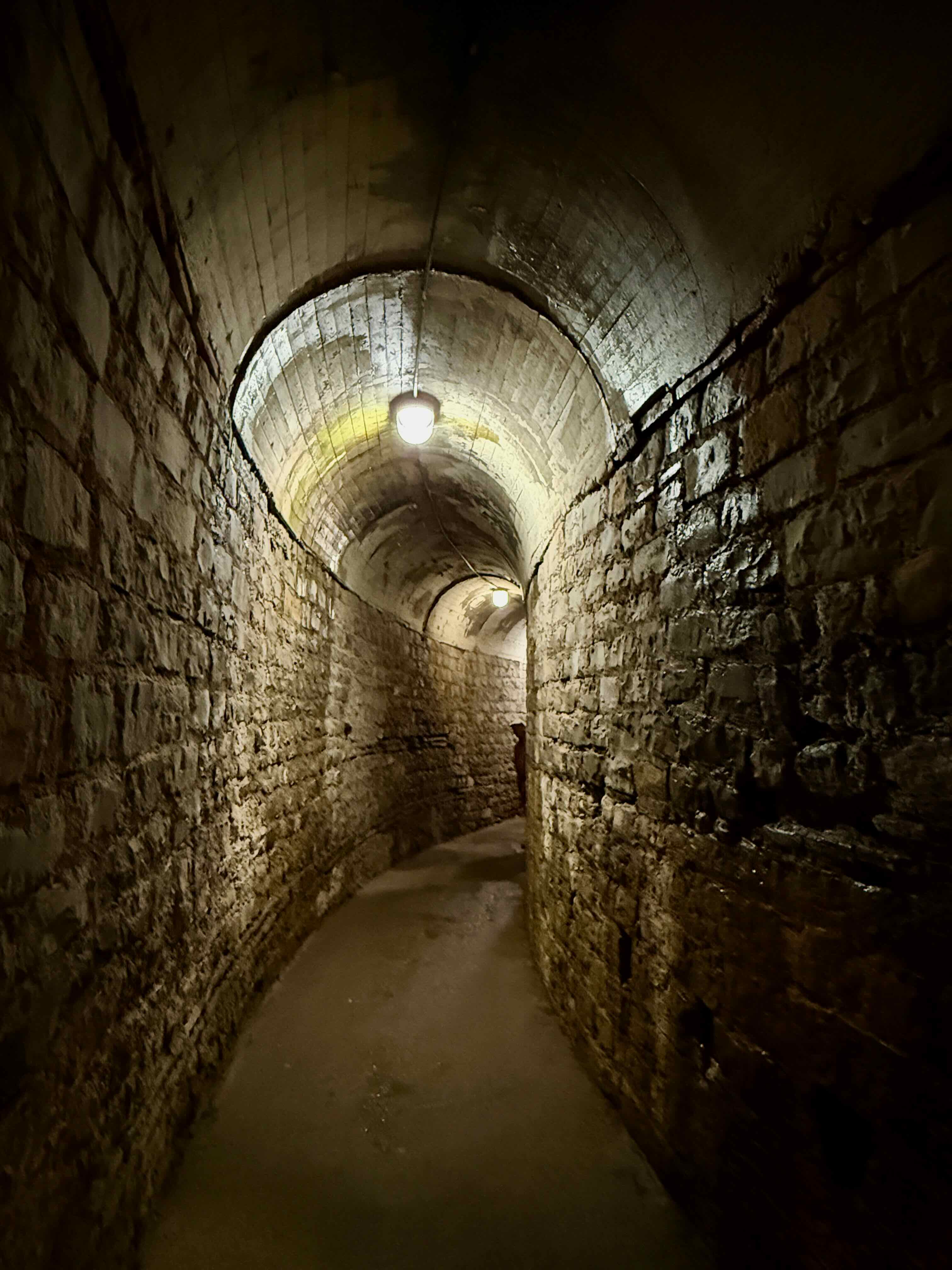

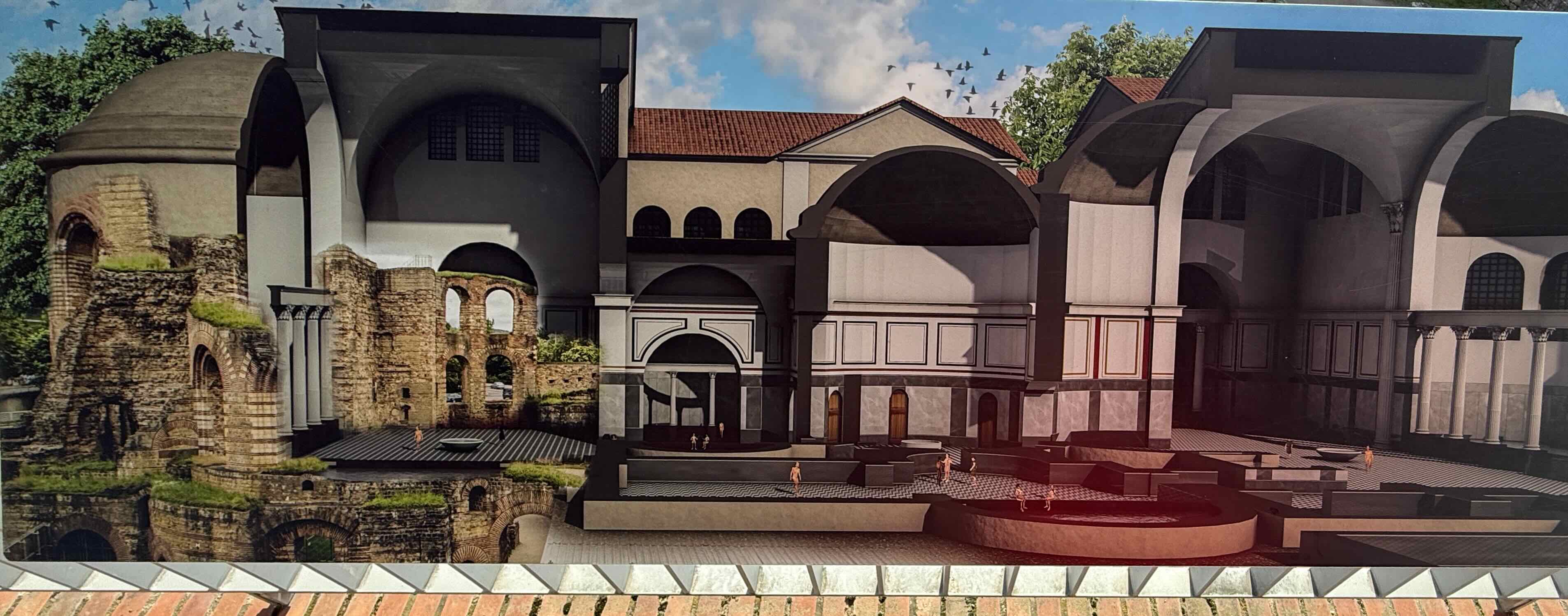
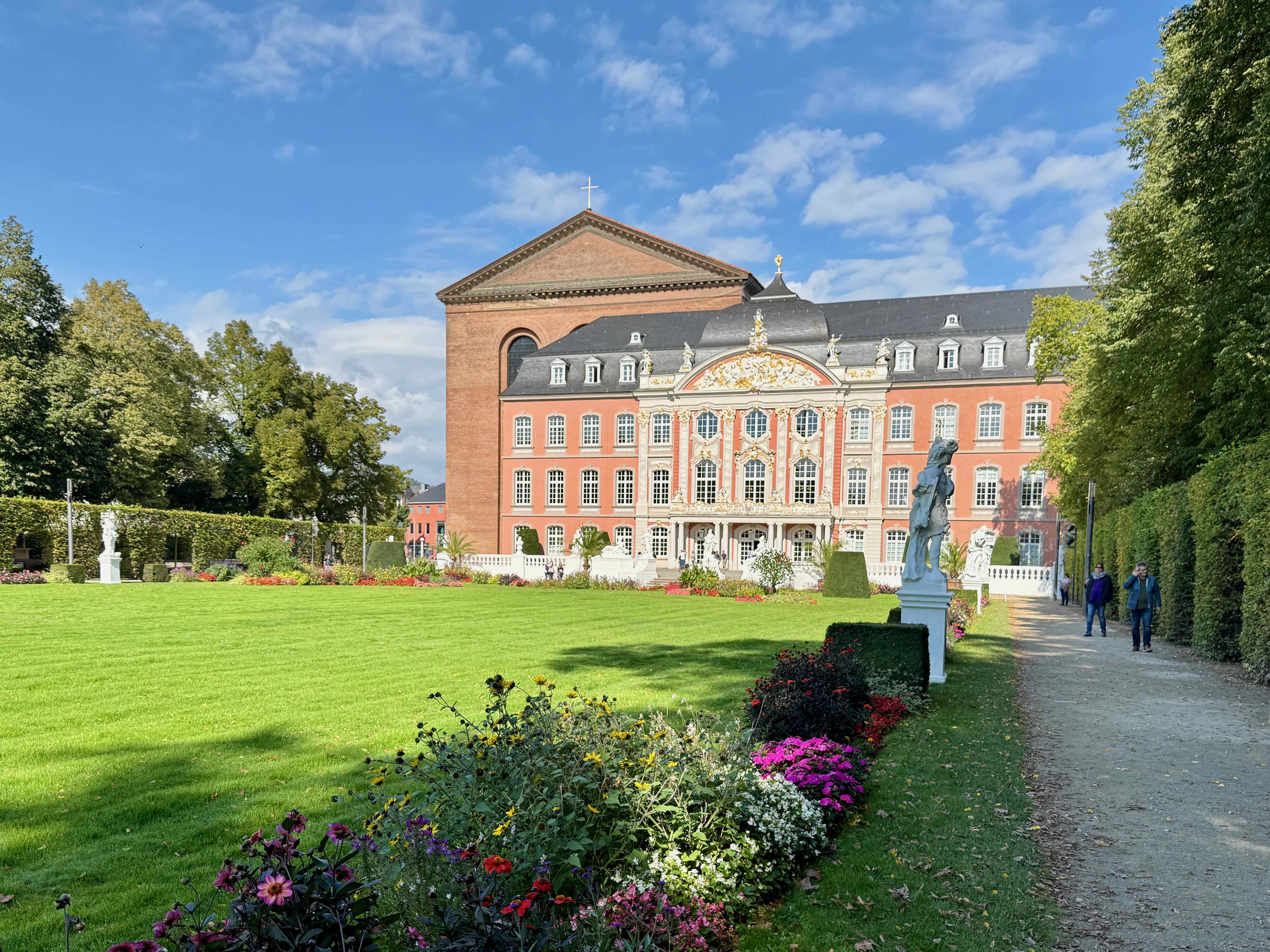
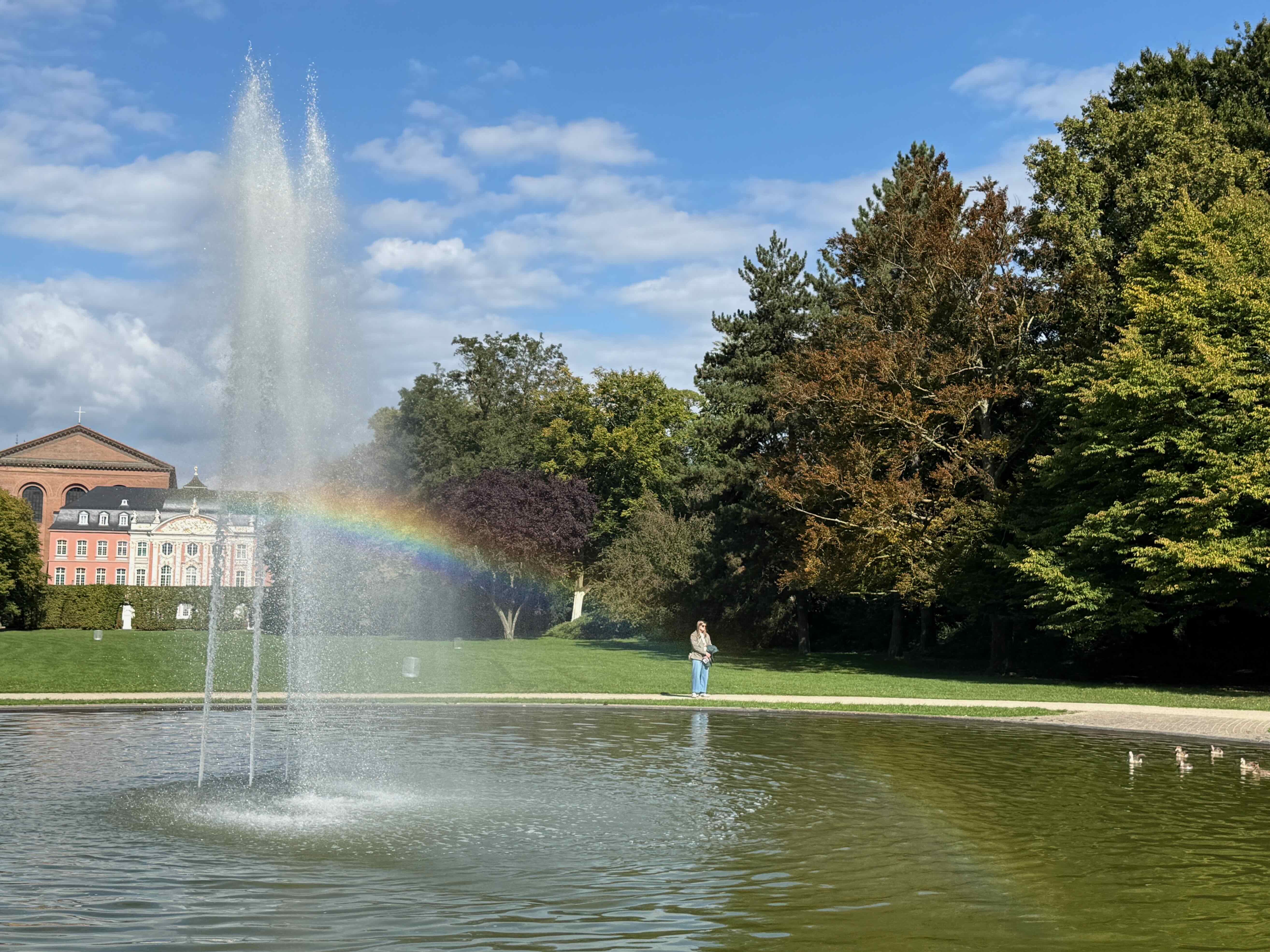
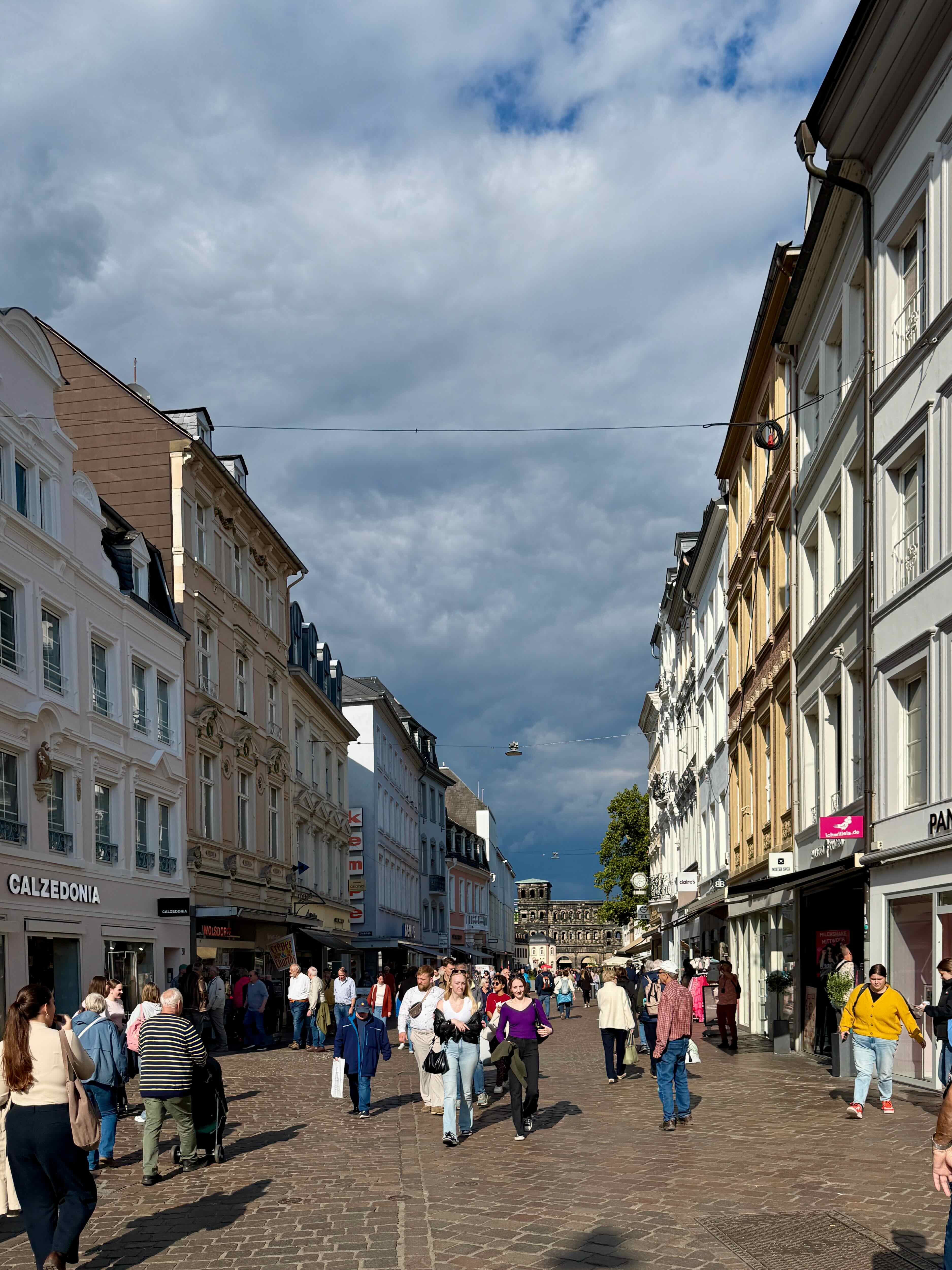
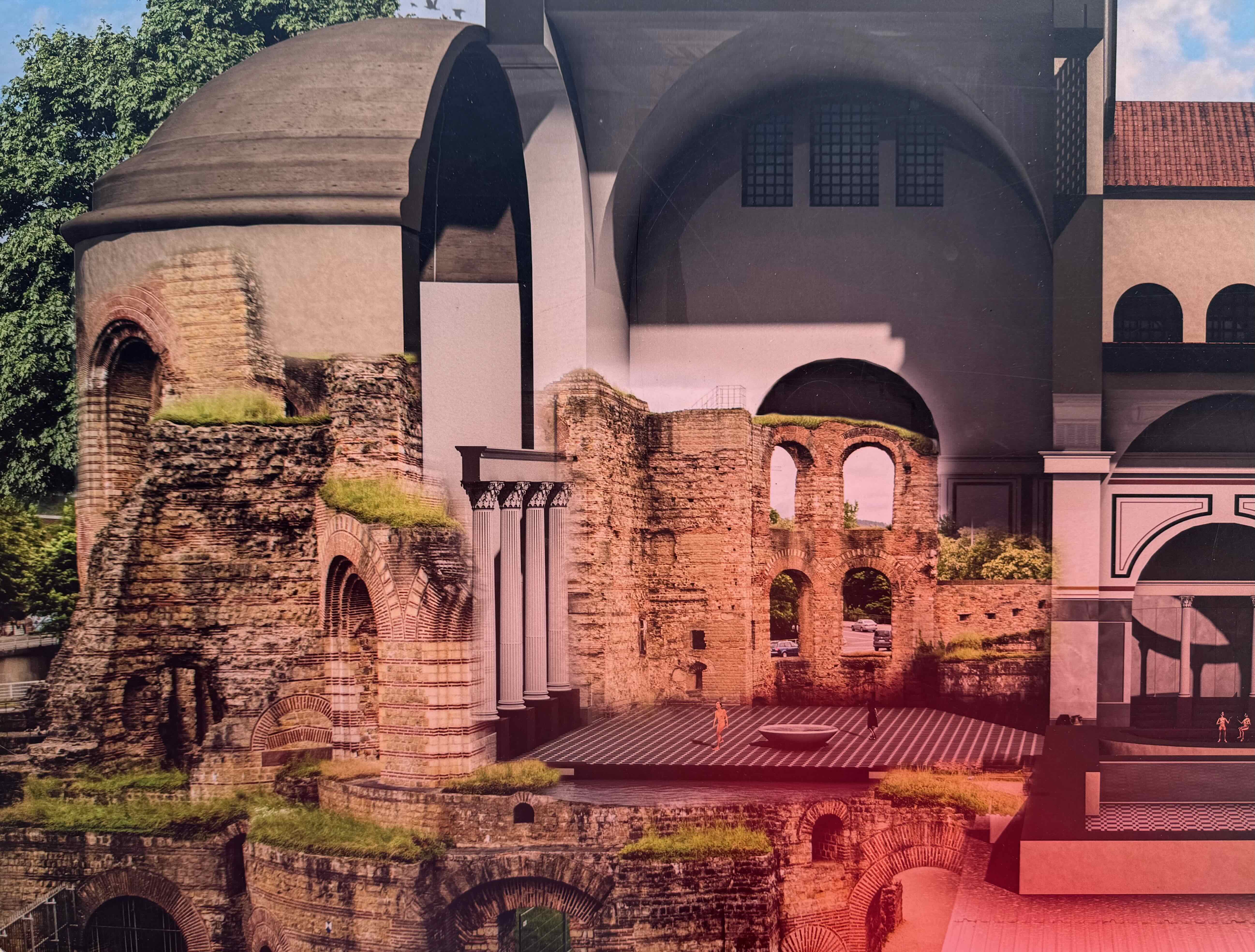 We pass this lovely garden on the way to visit Trier’s cathedral.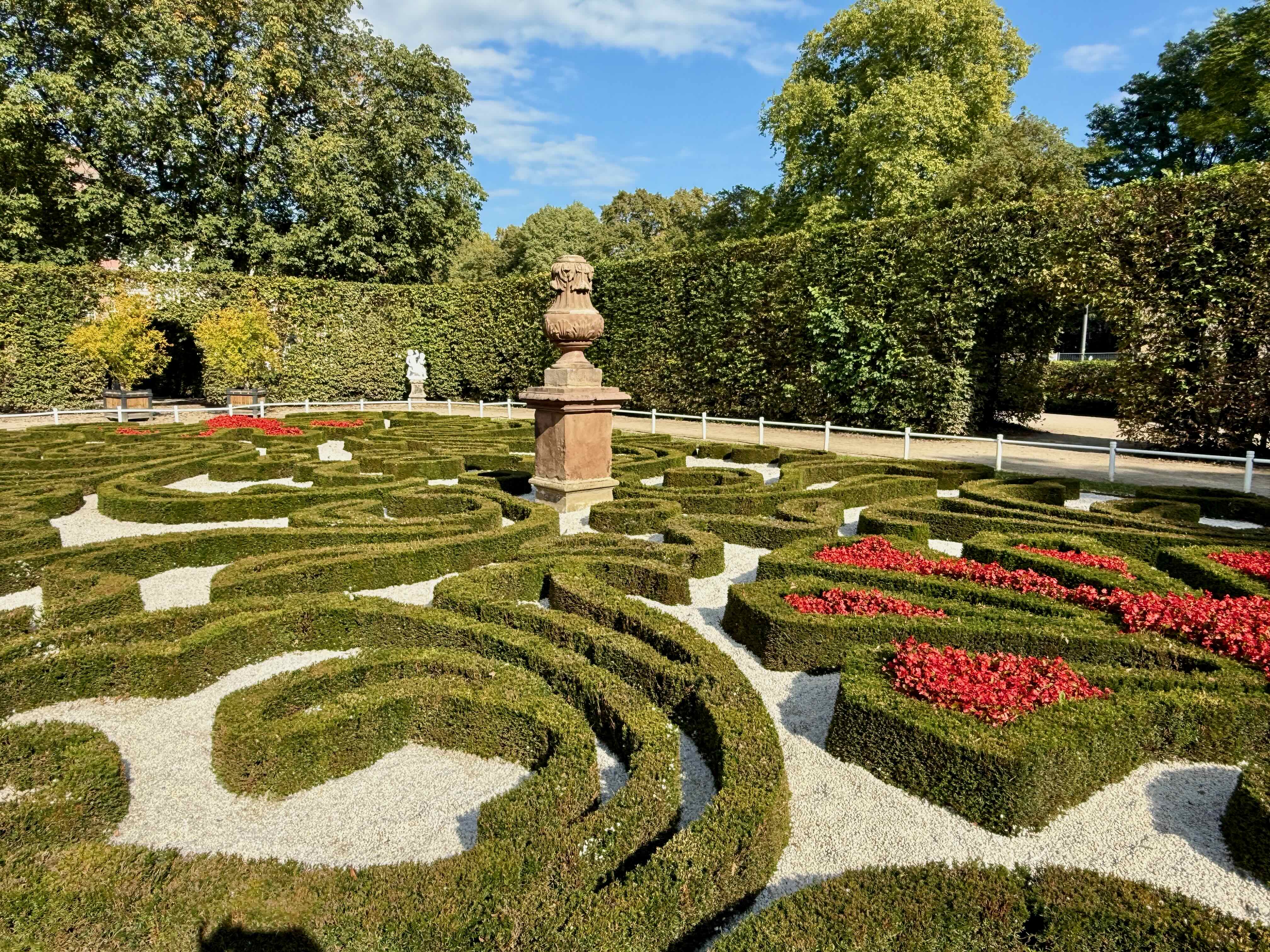
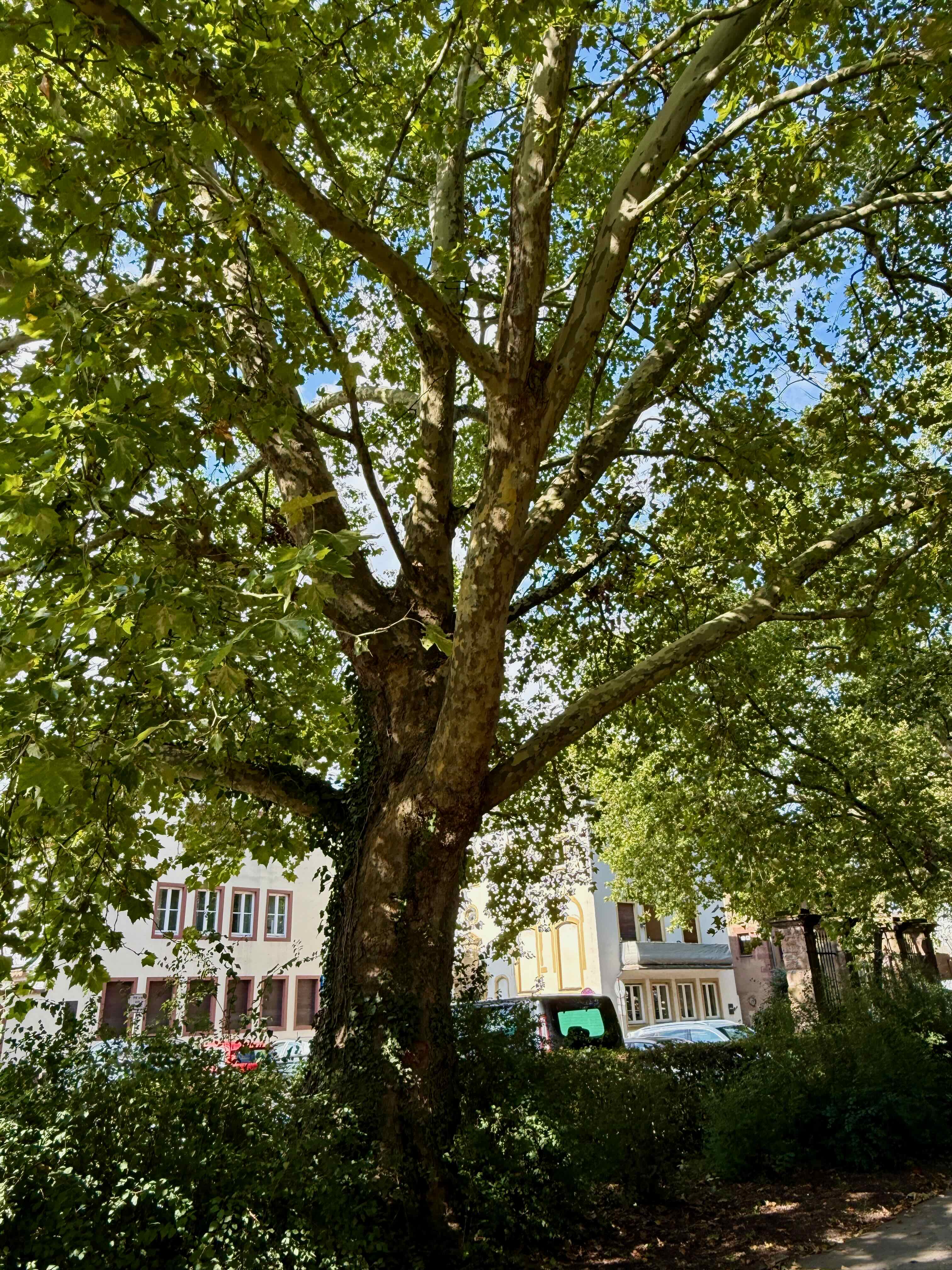
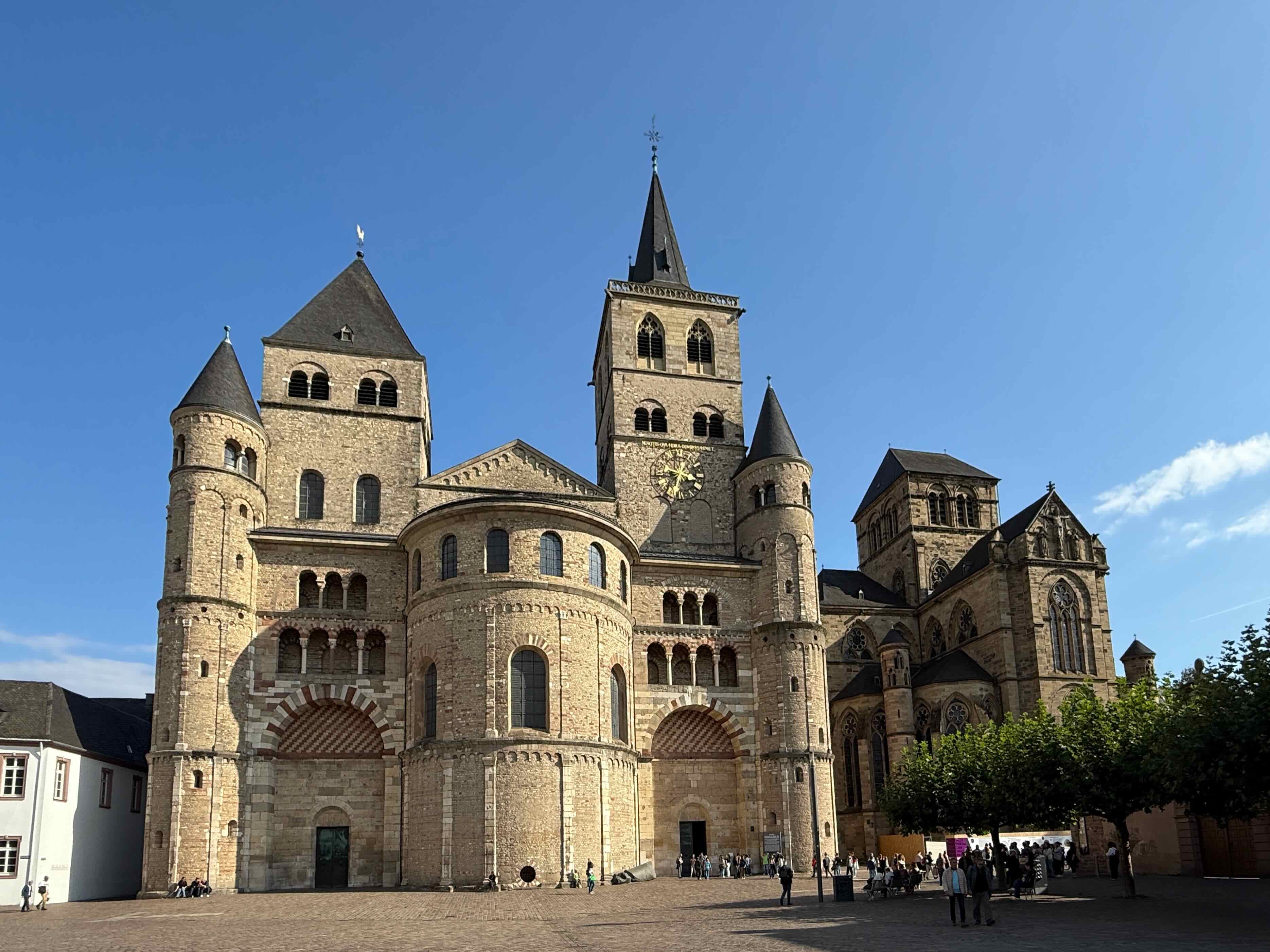
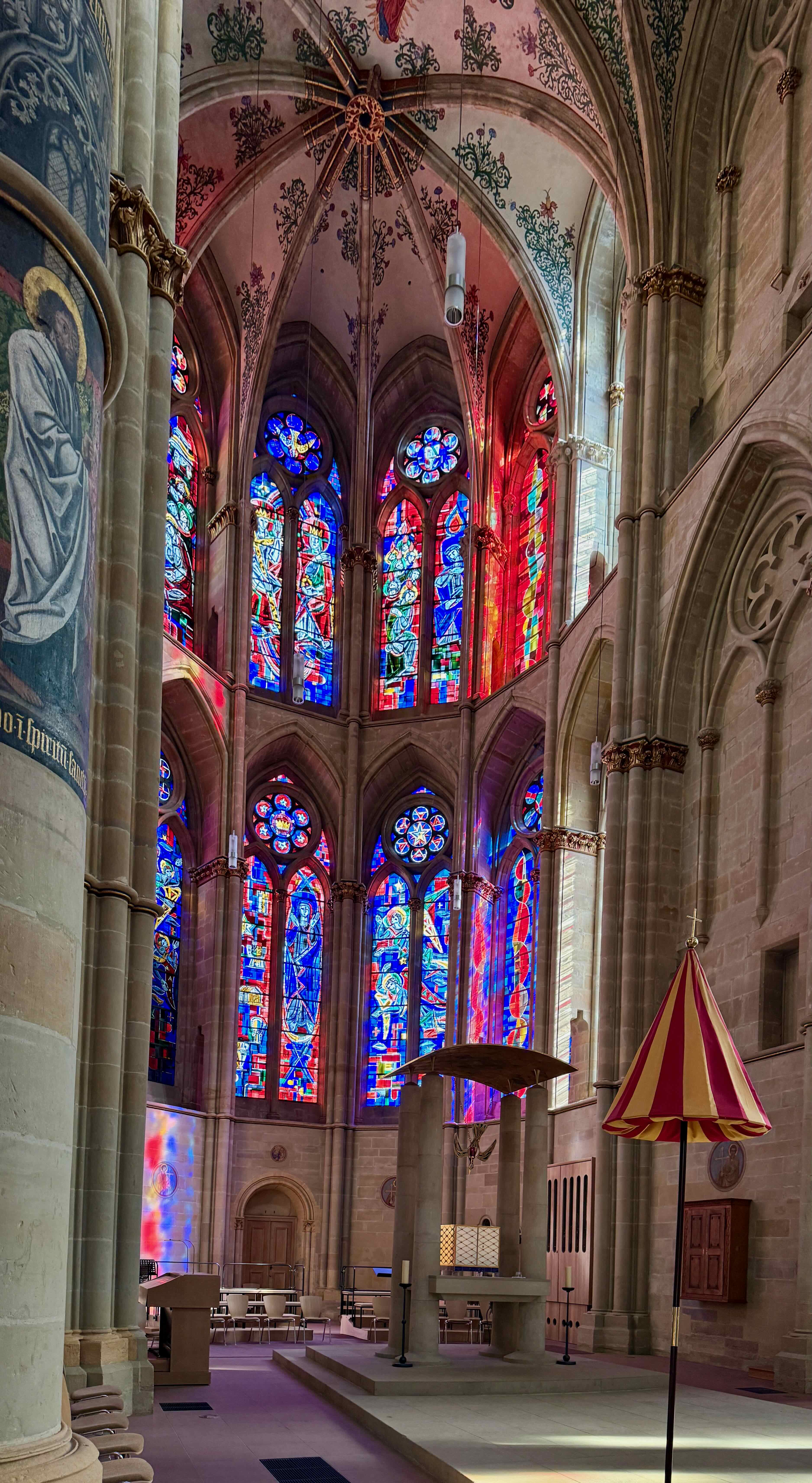
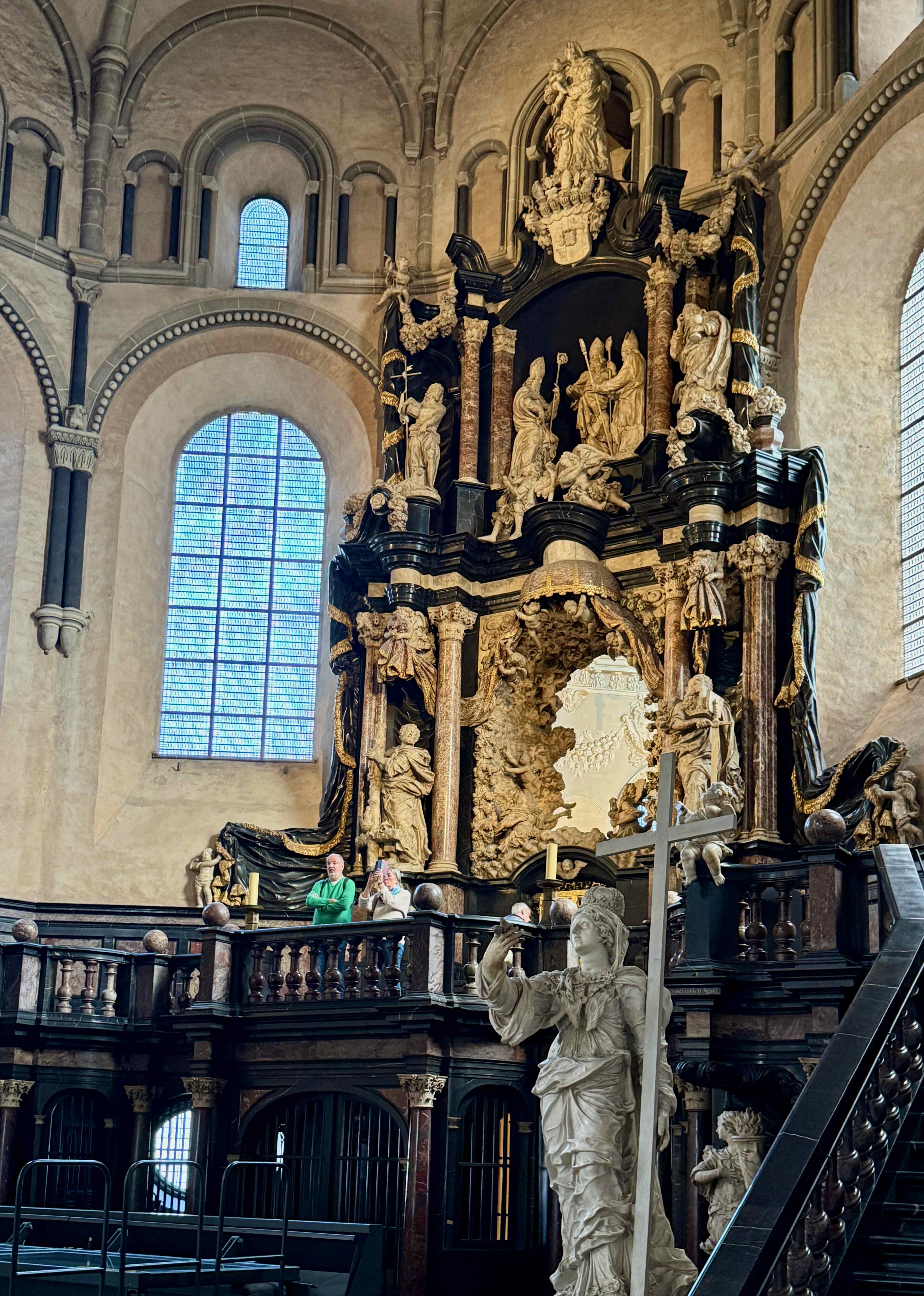
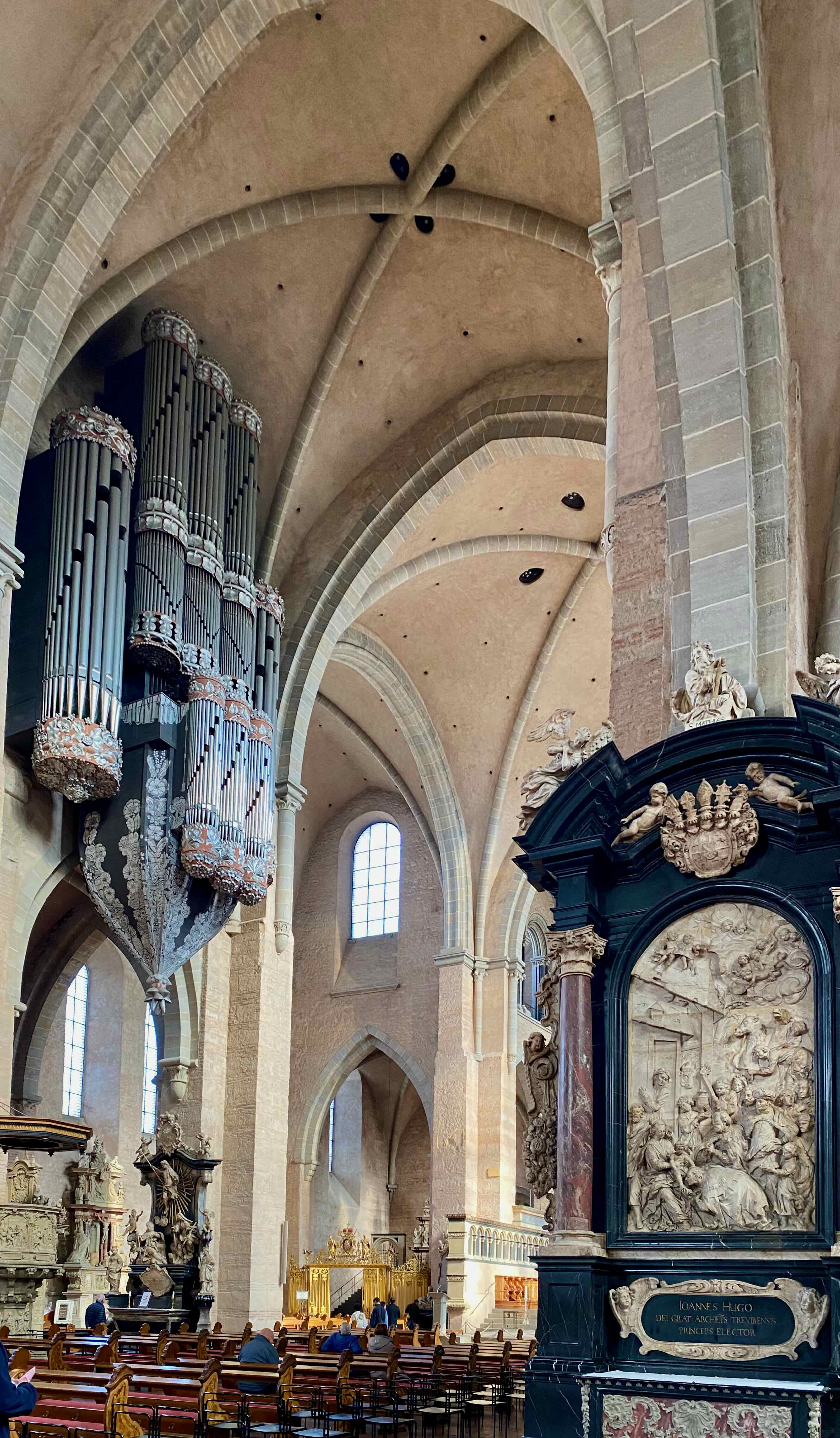 and many huge sculptures with multiple figures. We walk up these stairs for a view of the nave.
 This beautiful blue and white Baroque stucco work decorates the choir loft of the Cathedral. It is stunning and unusual. This is the first time we have seen anything like this in a cathedral.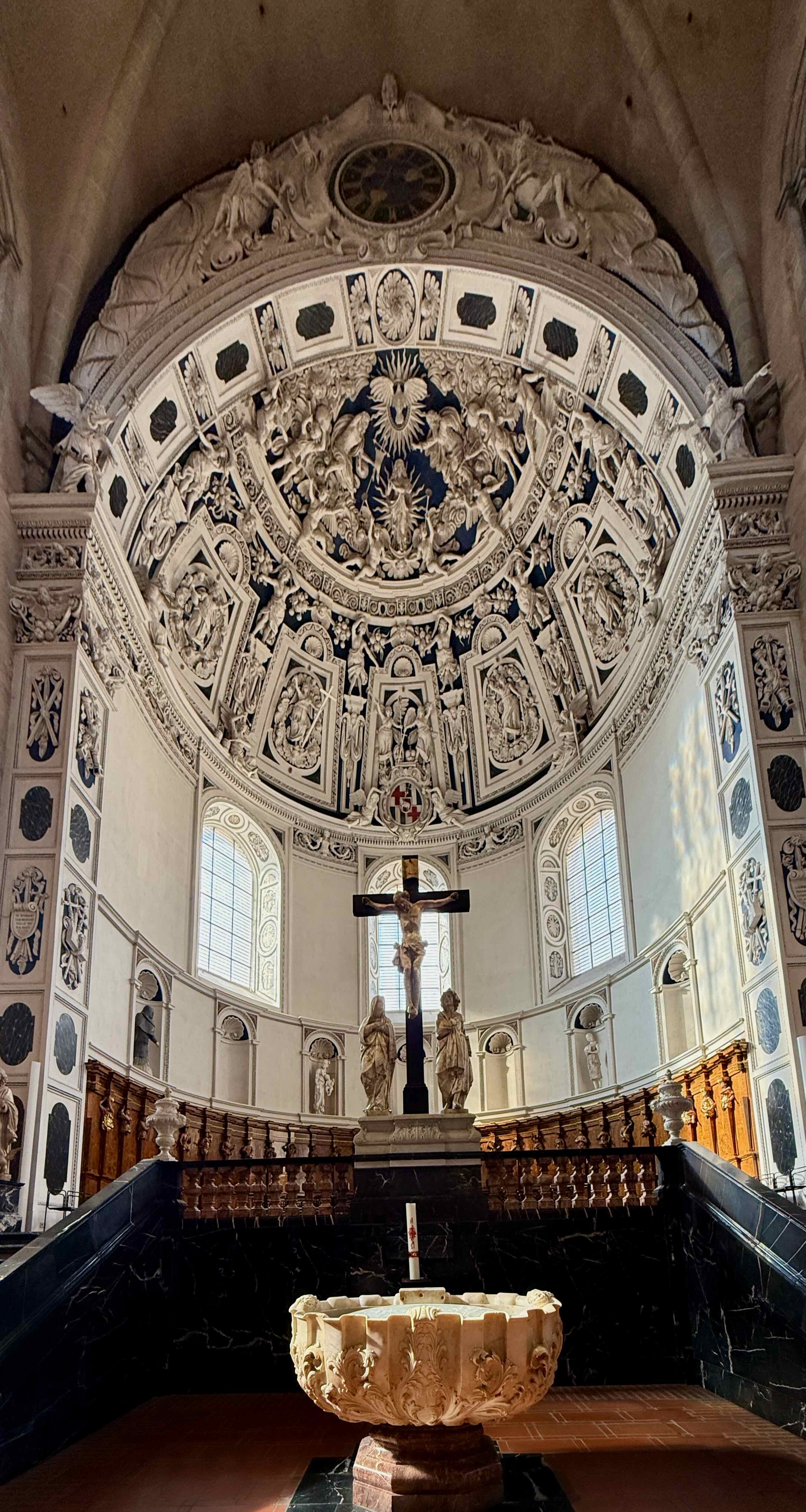
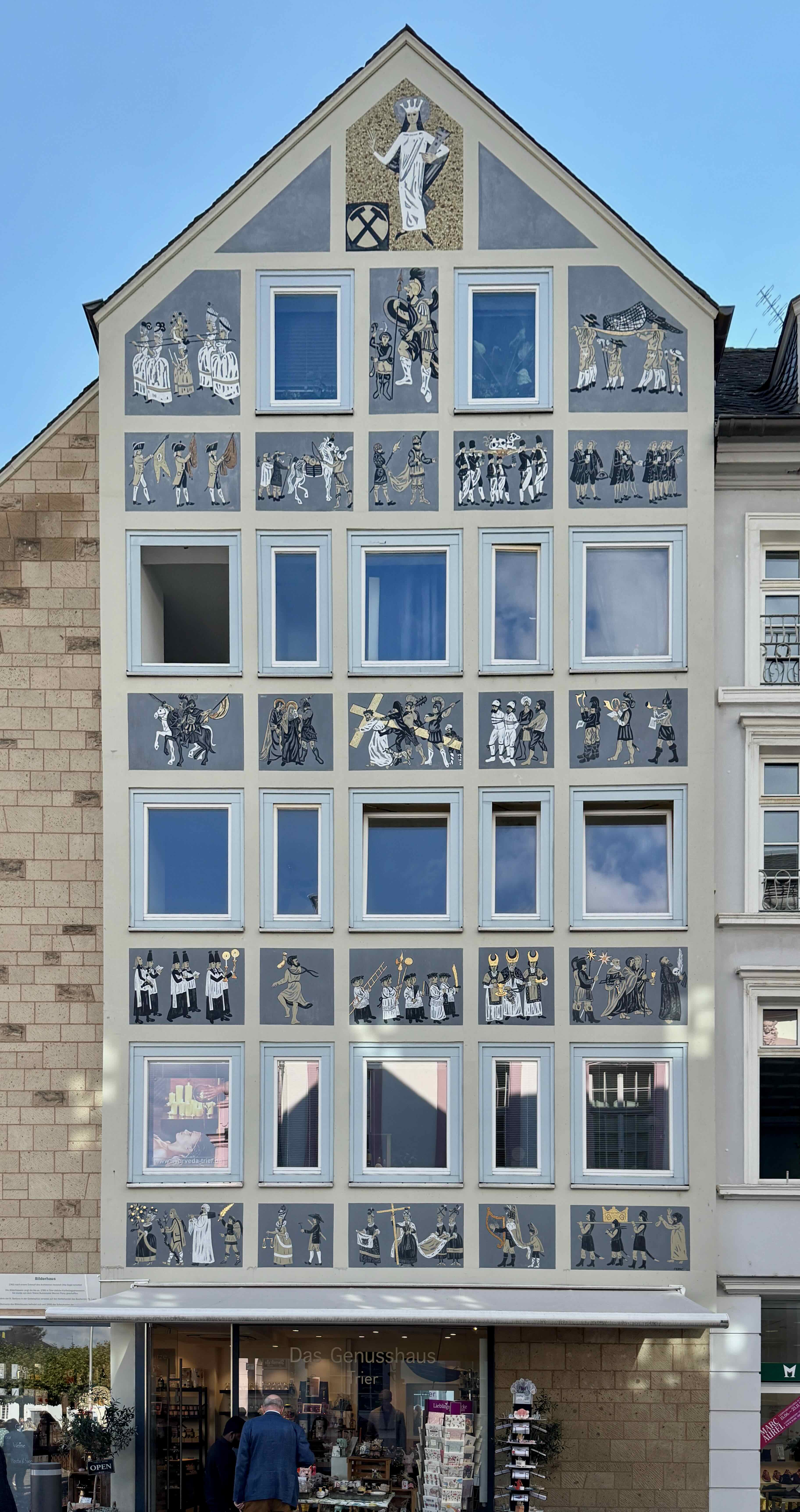
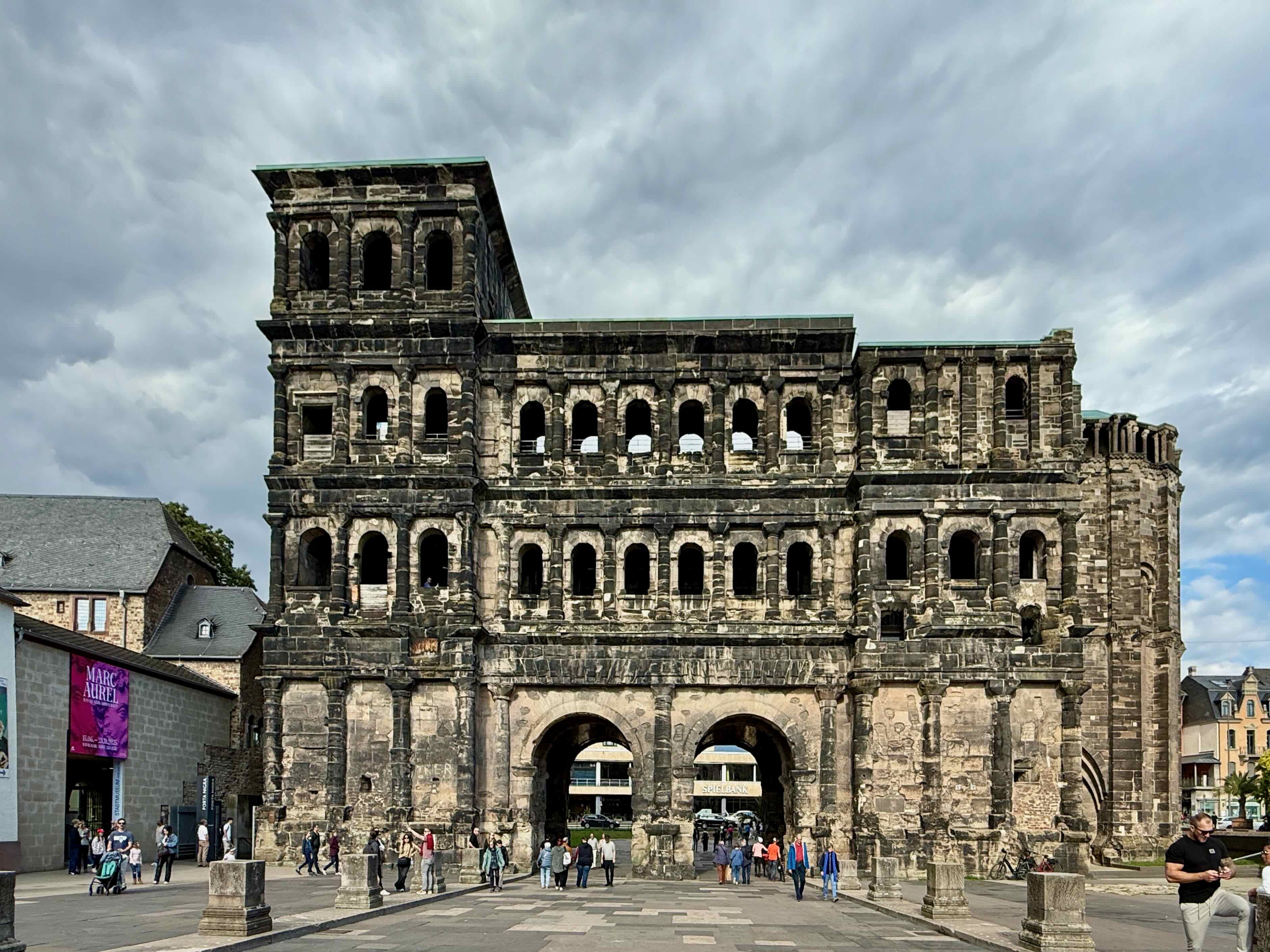
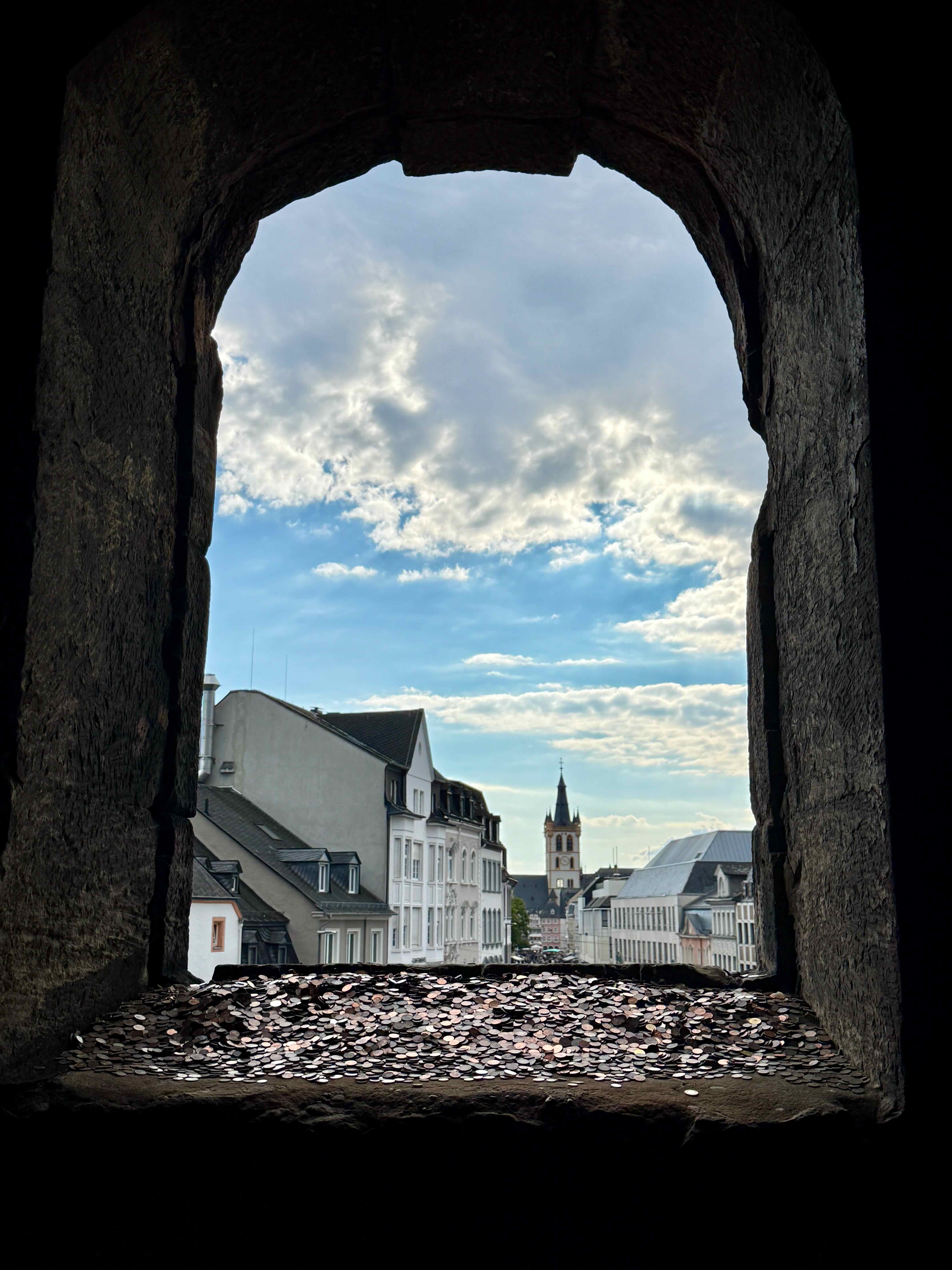
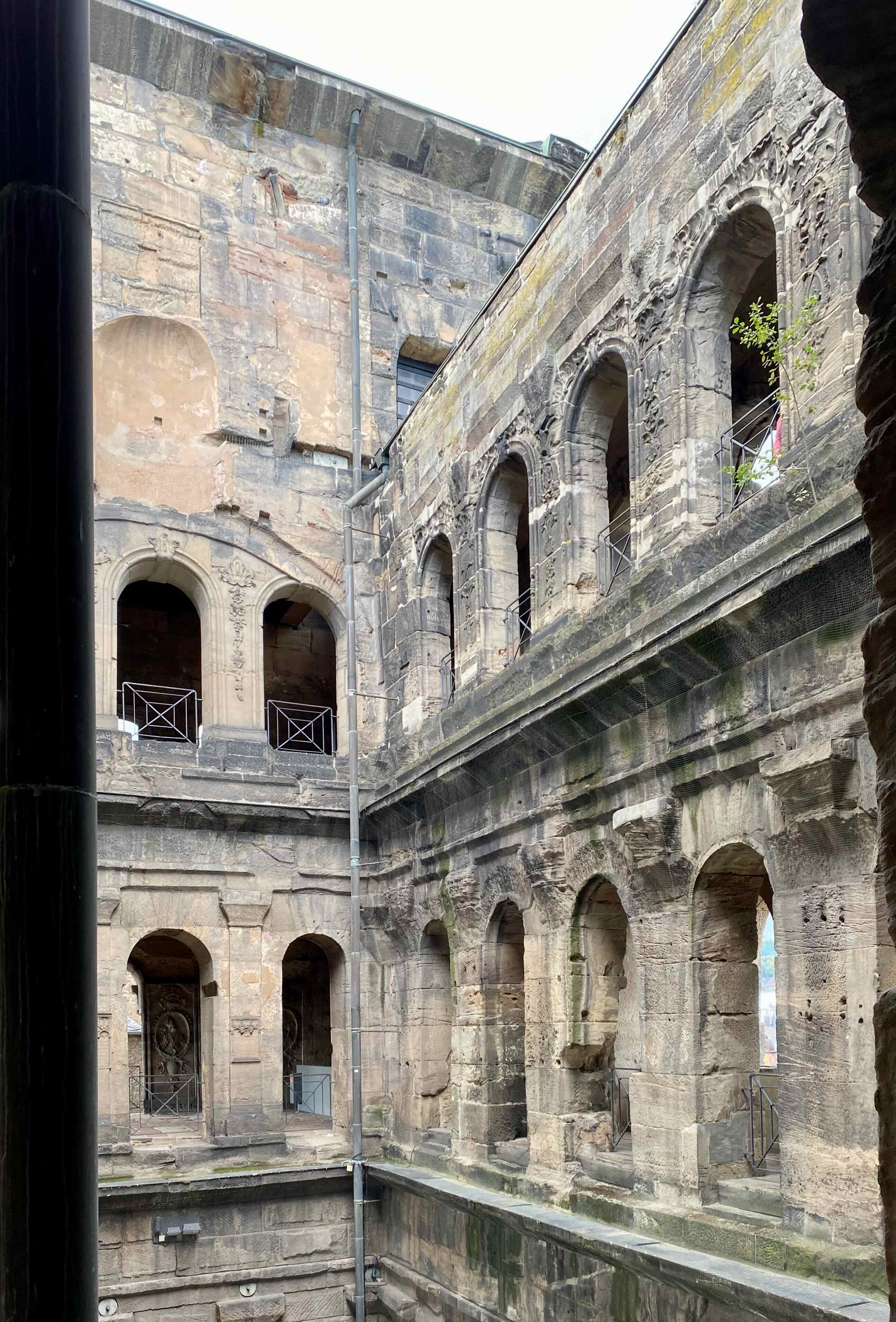
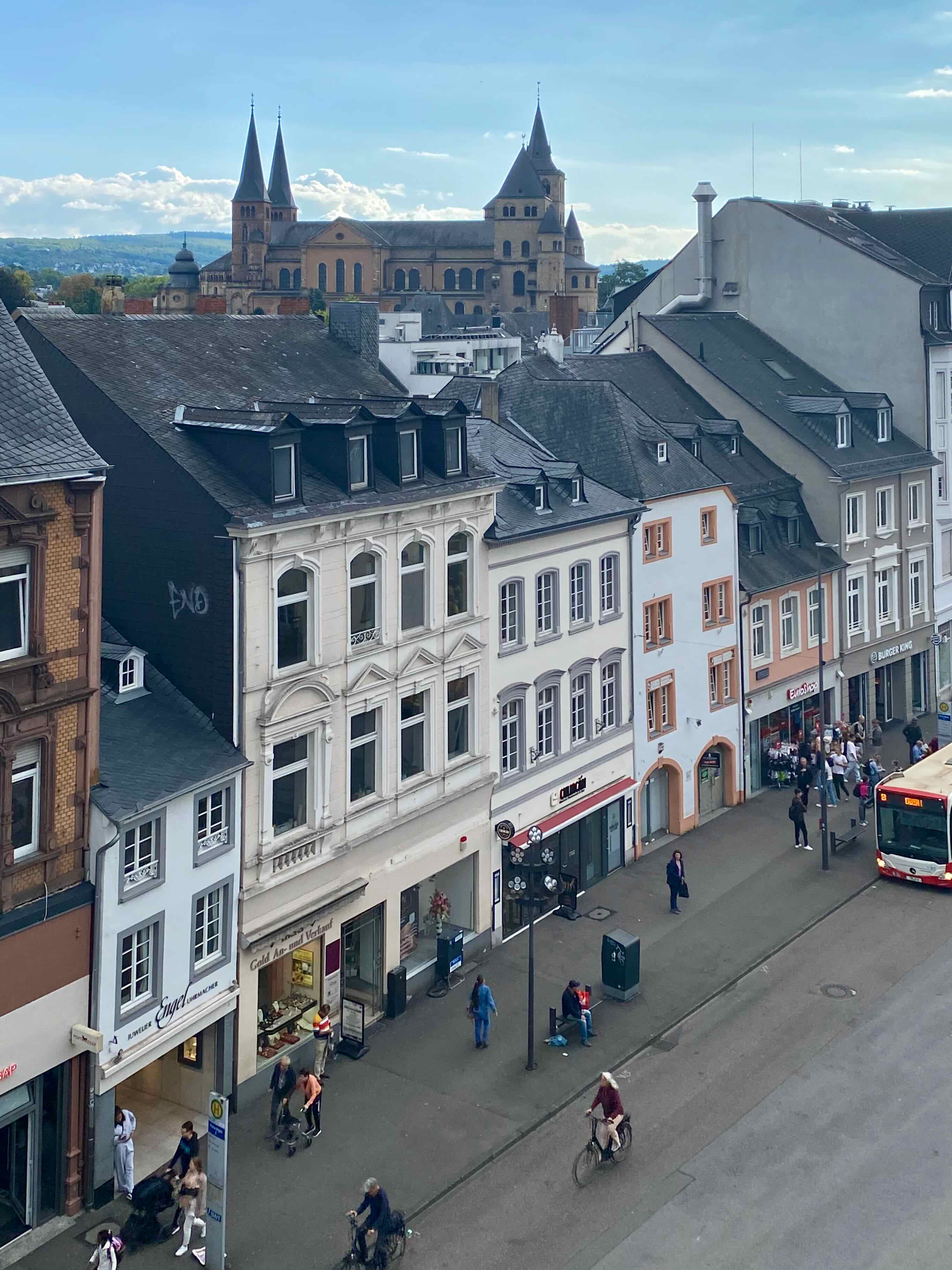
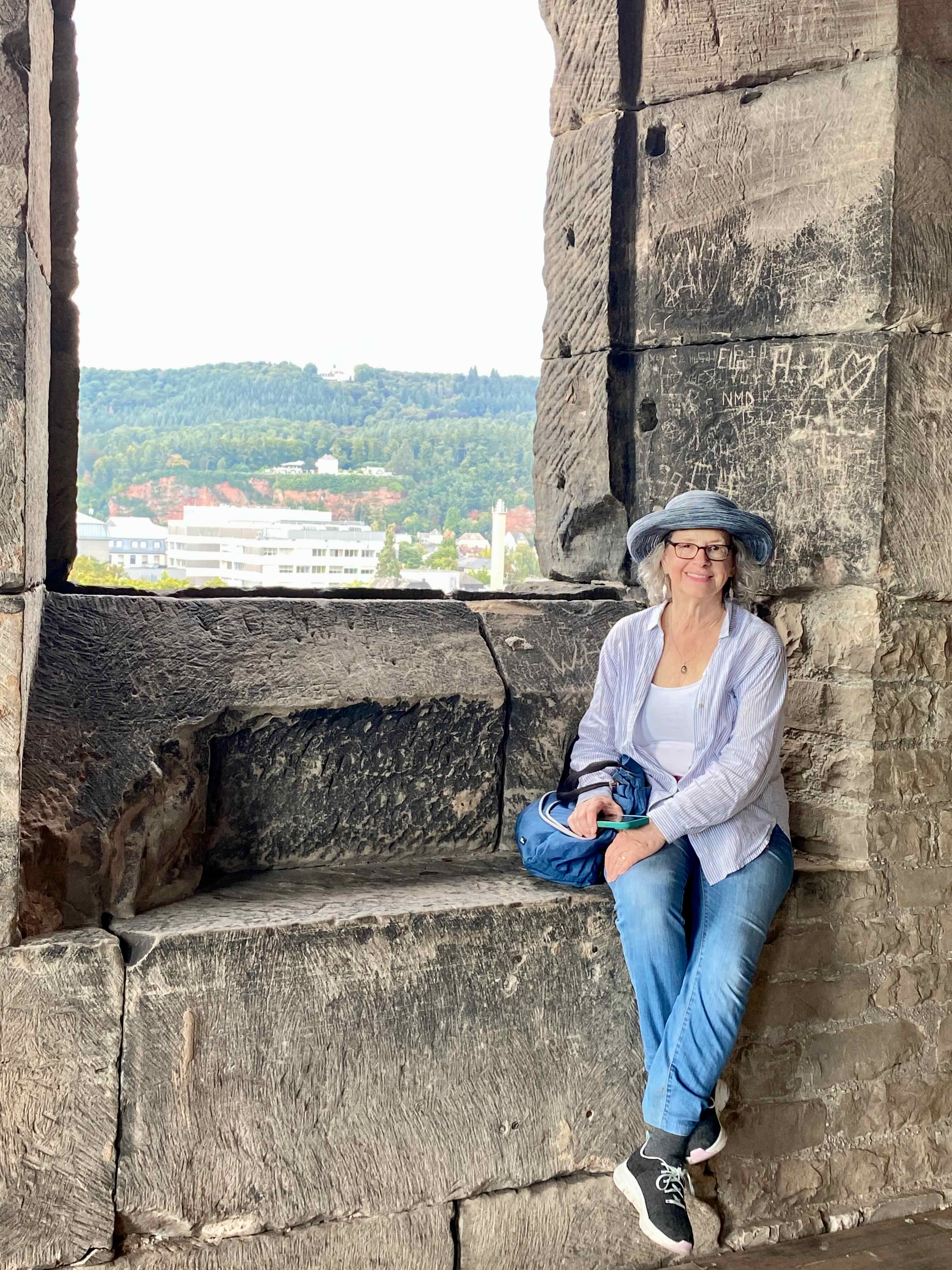
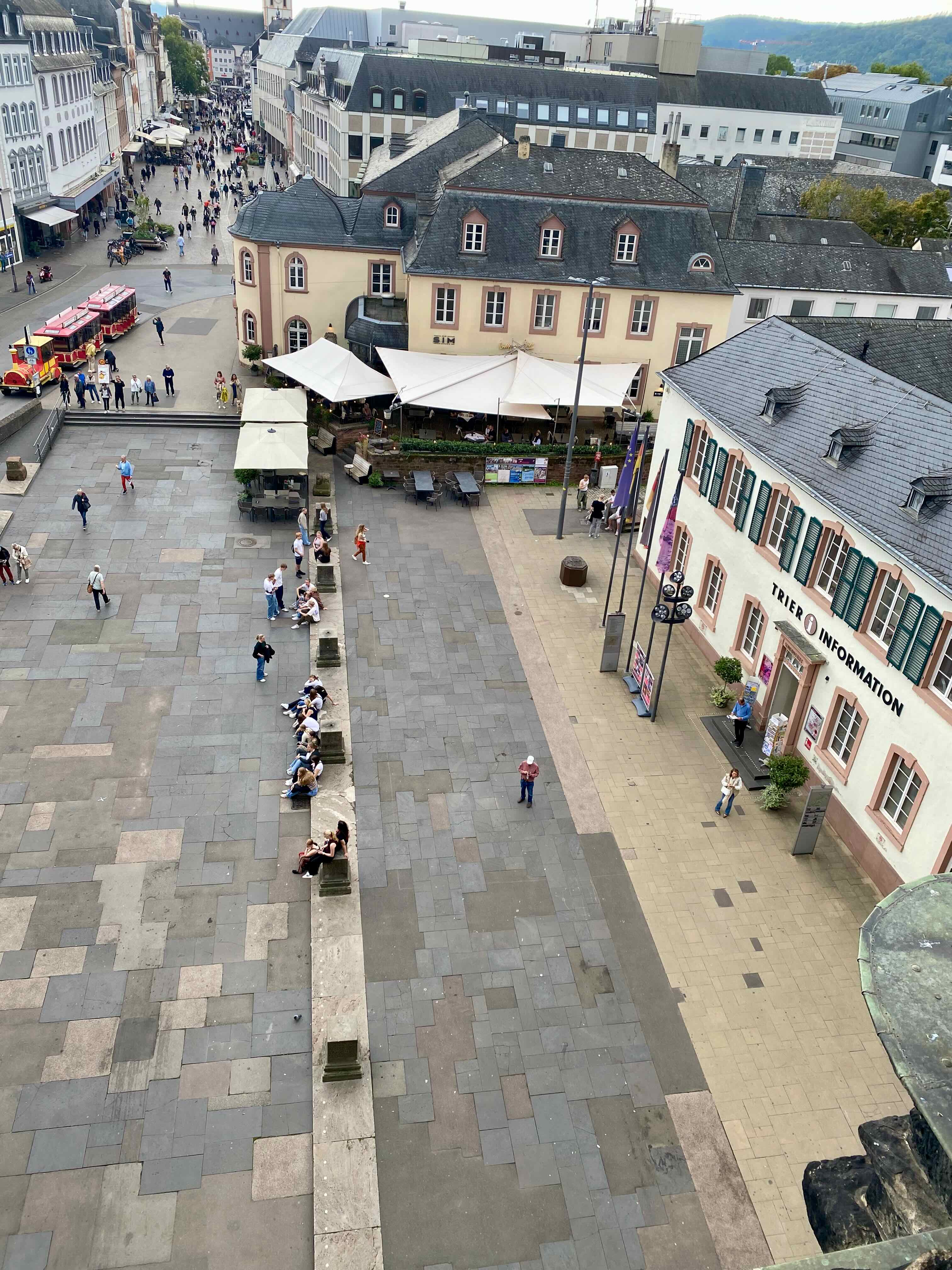
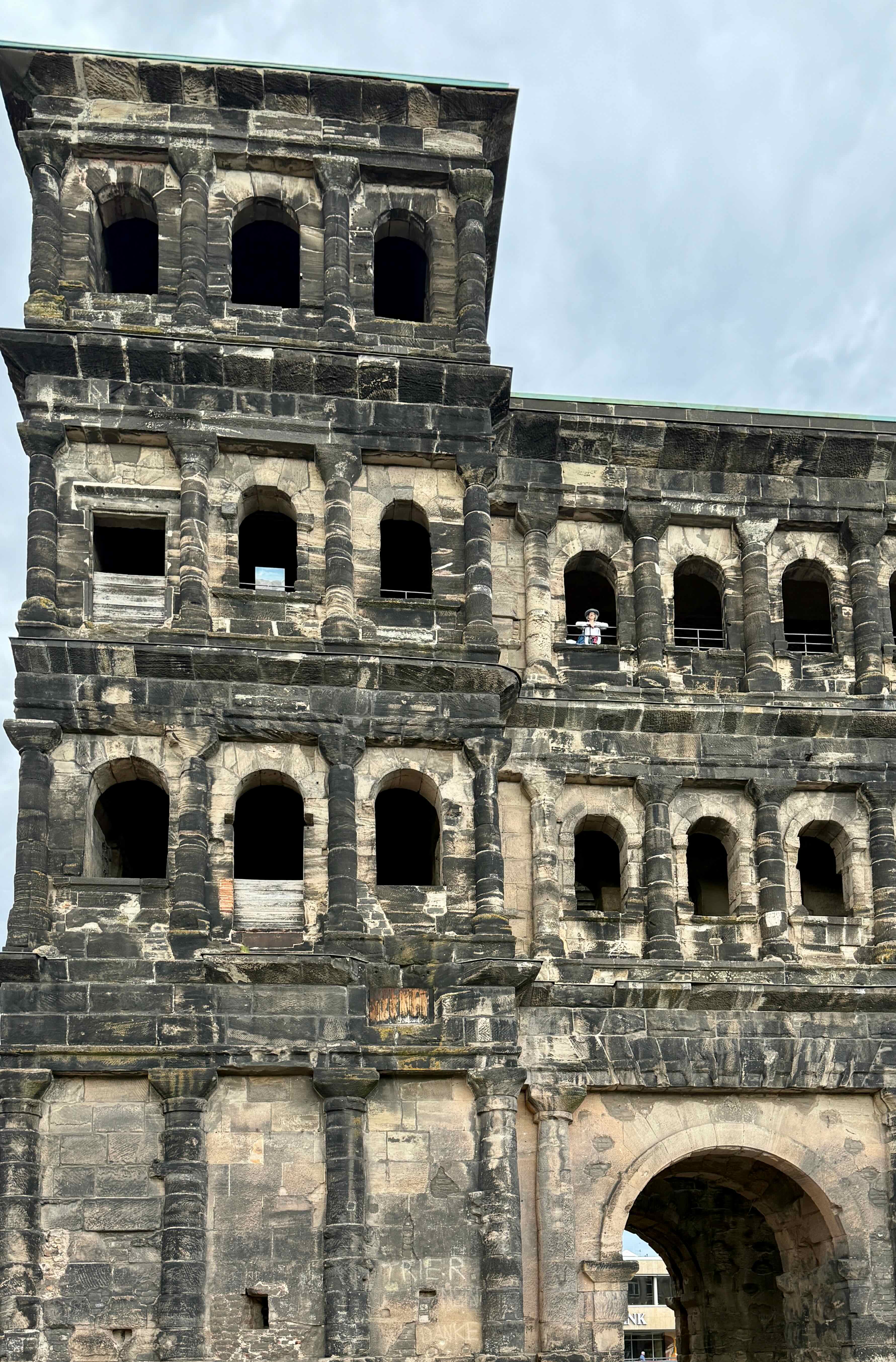 These carved decorations are still in remarkably good condition.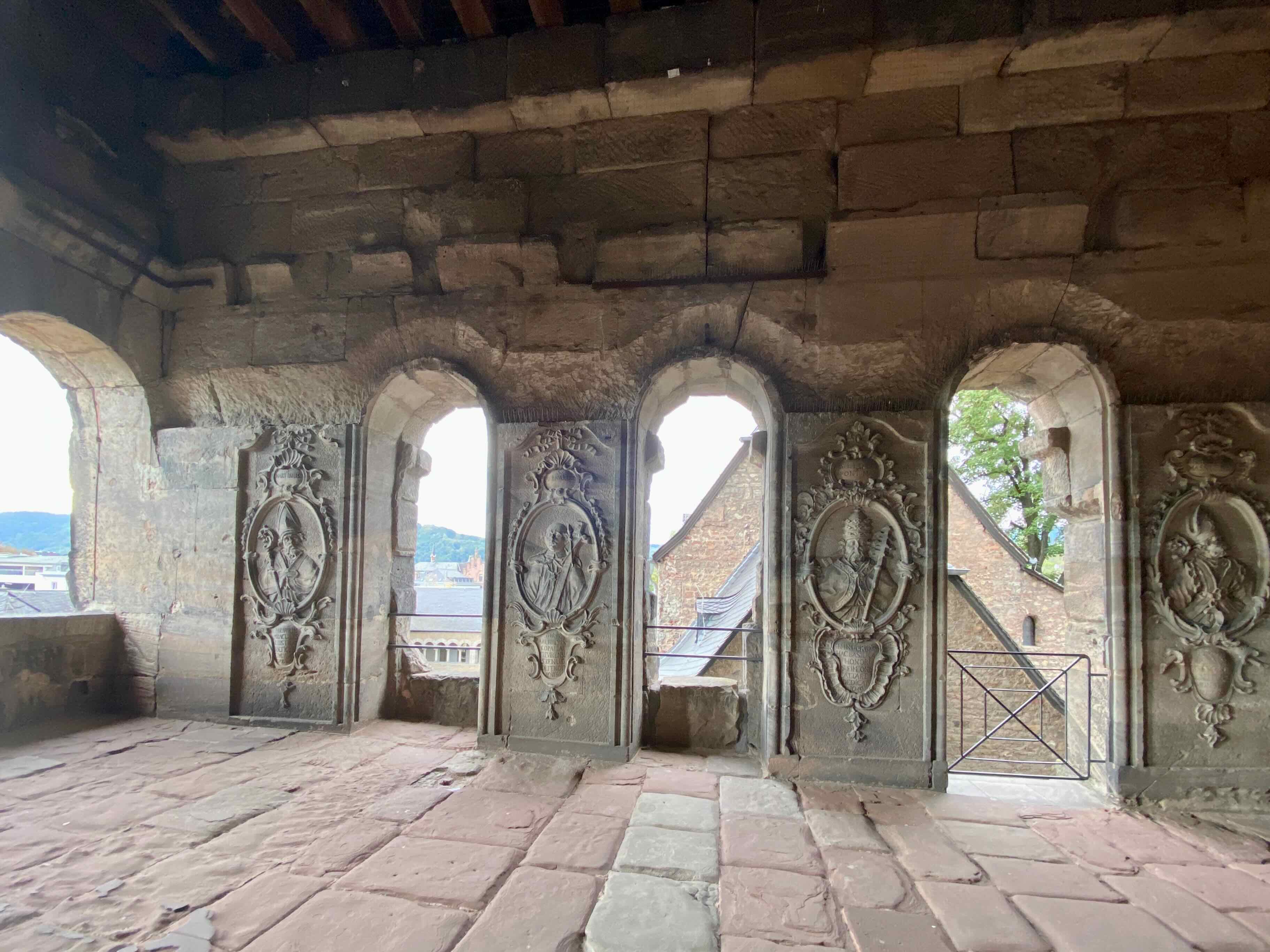
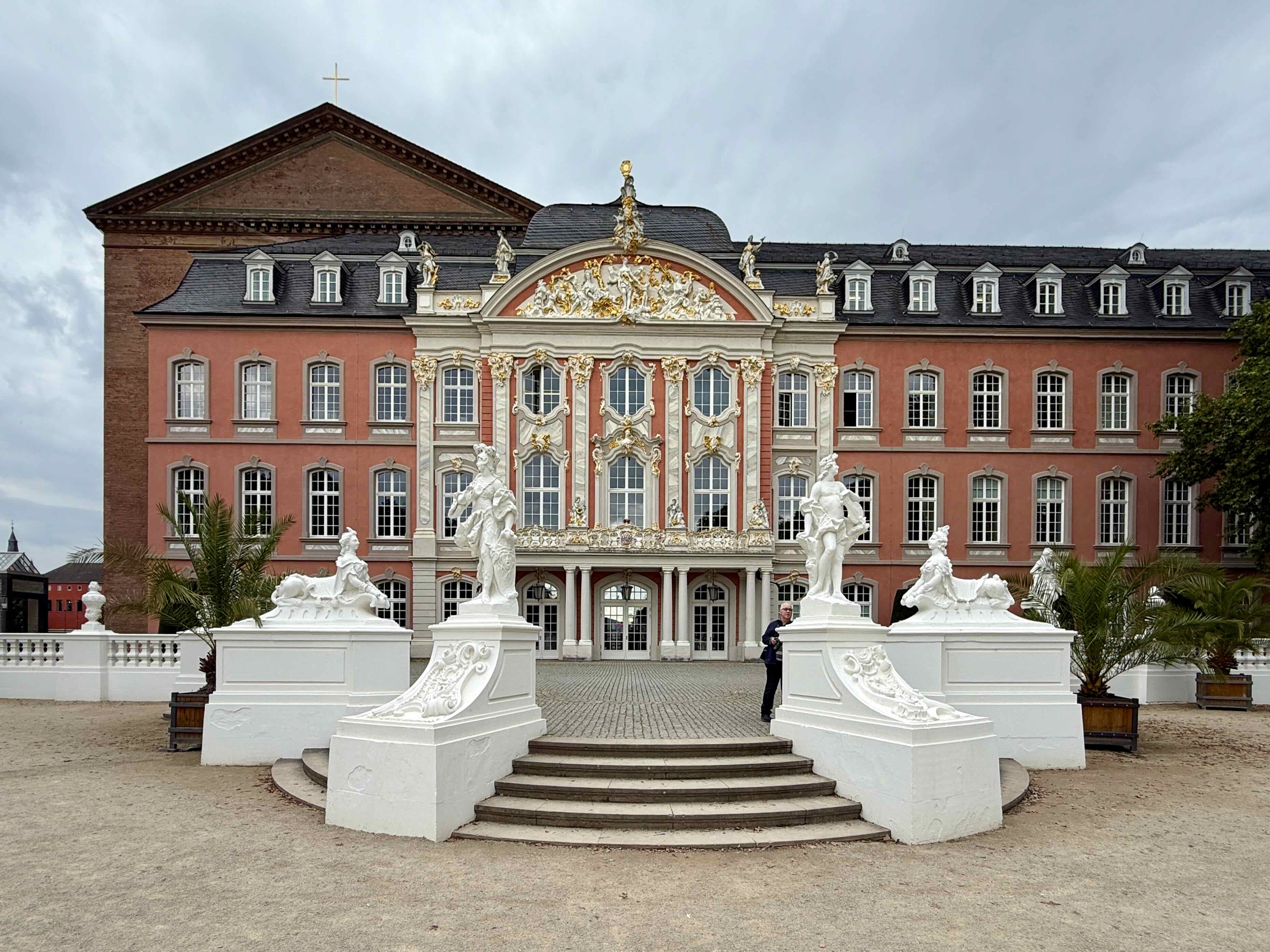
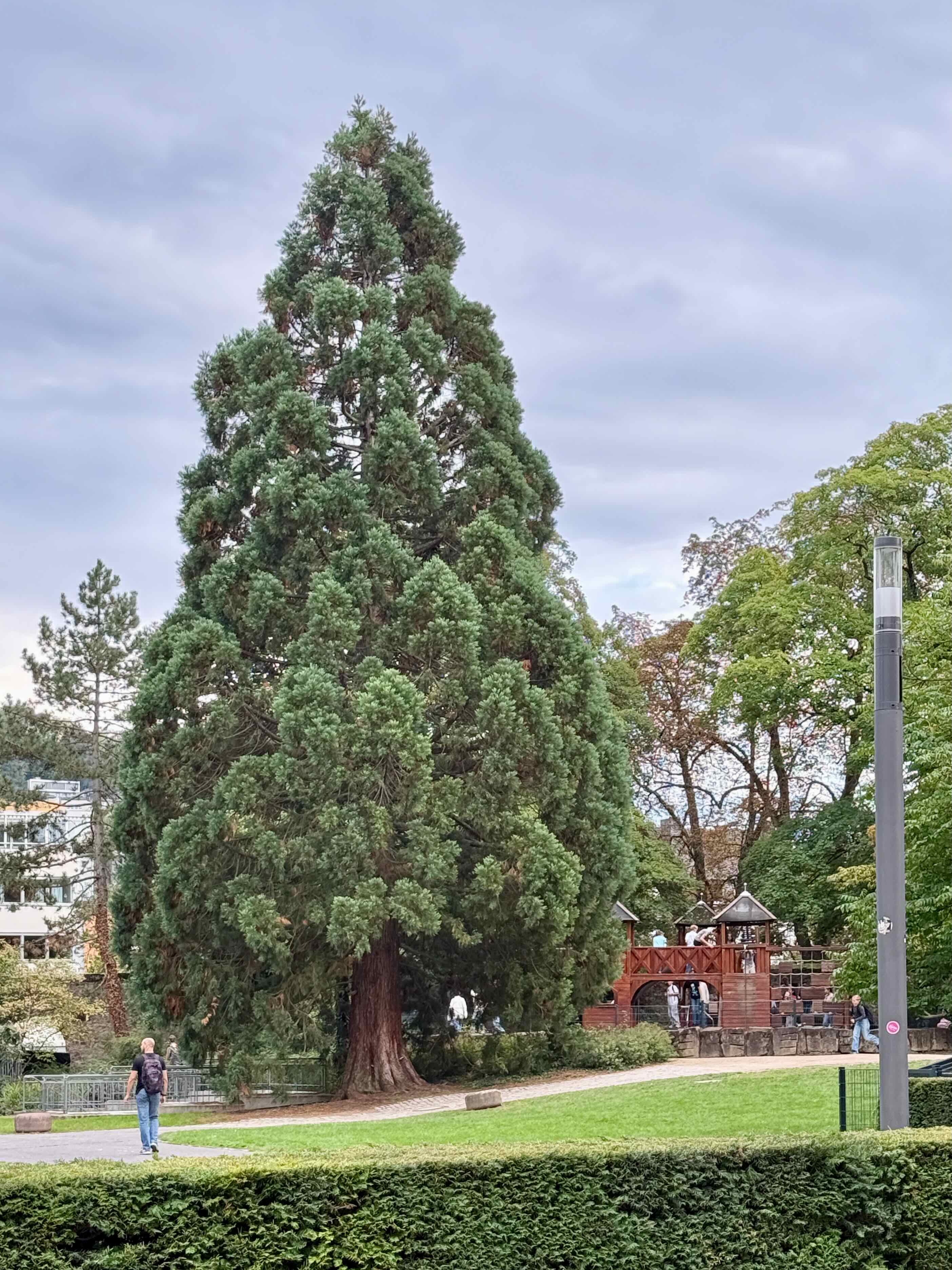
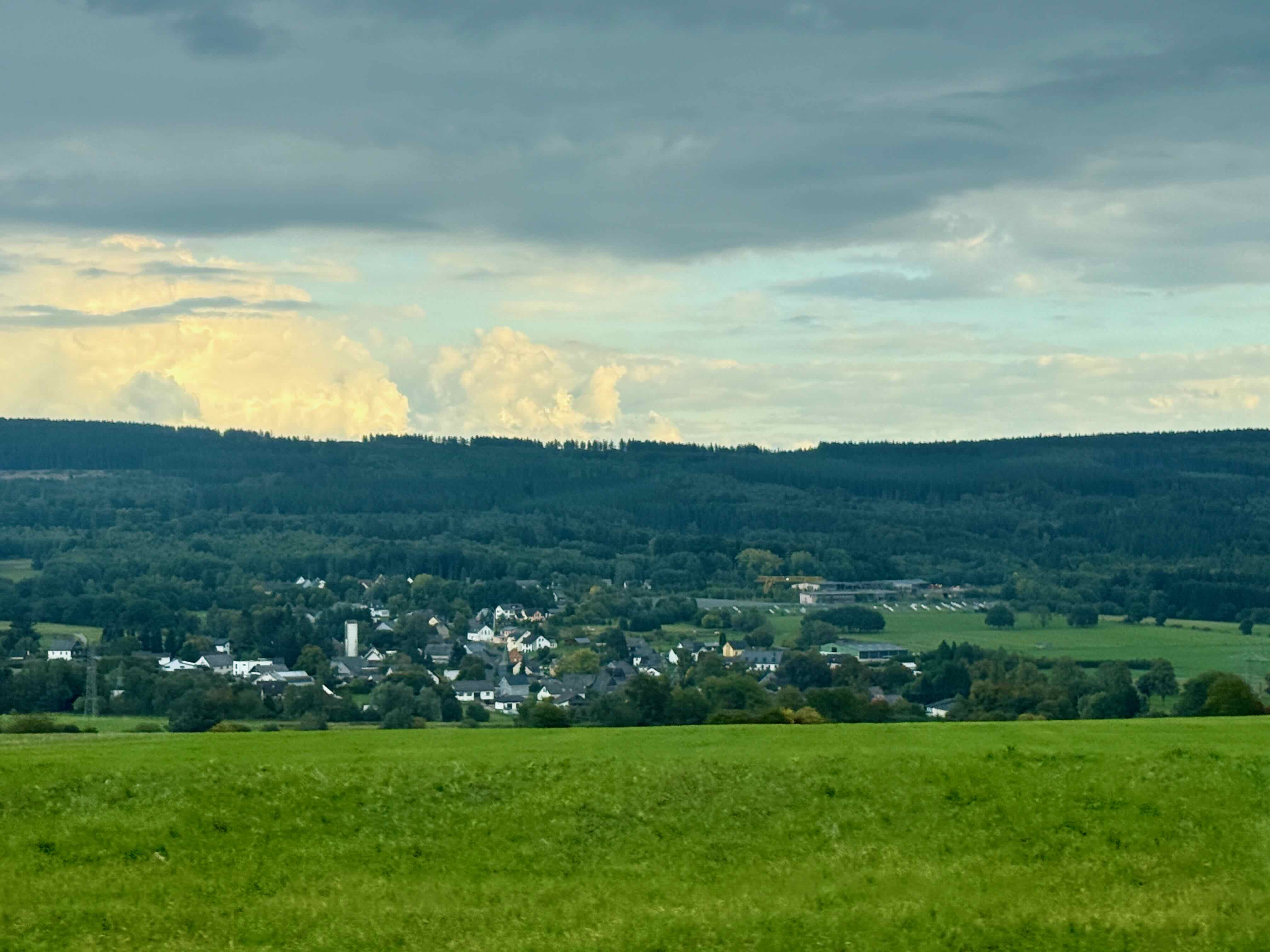
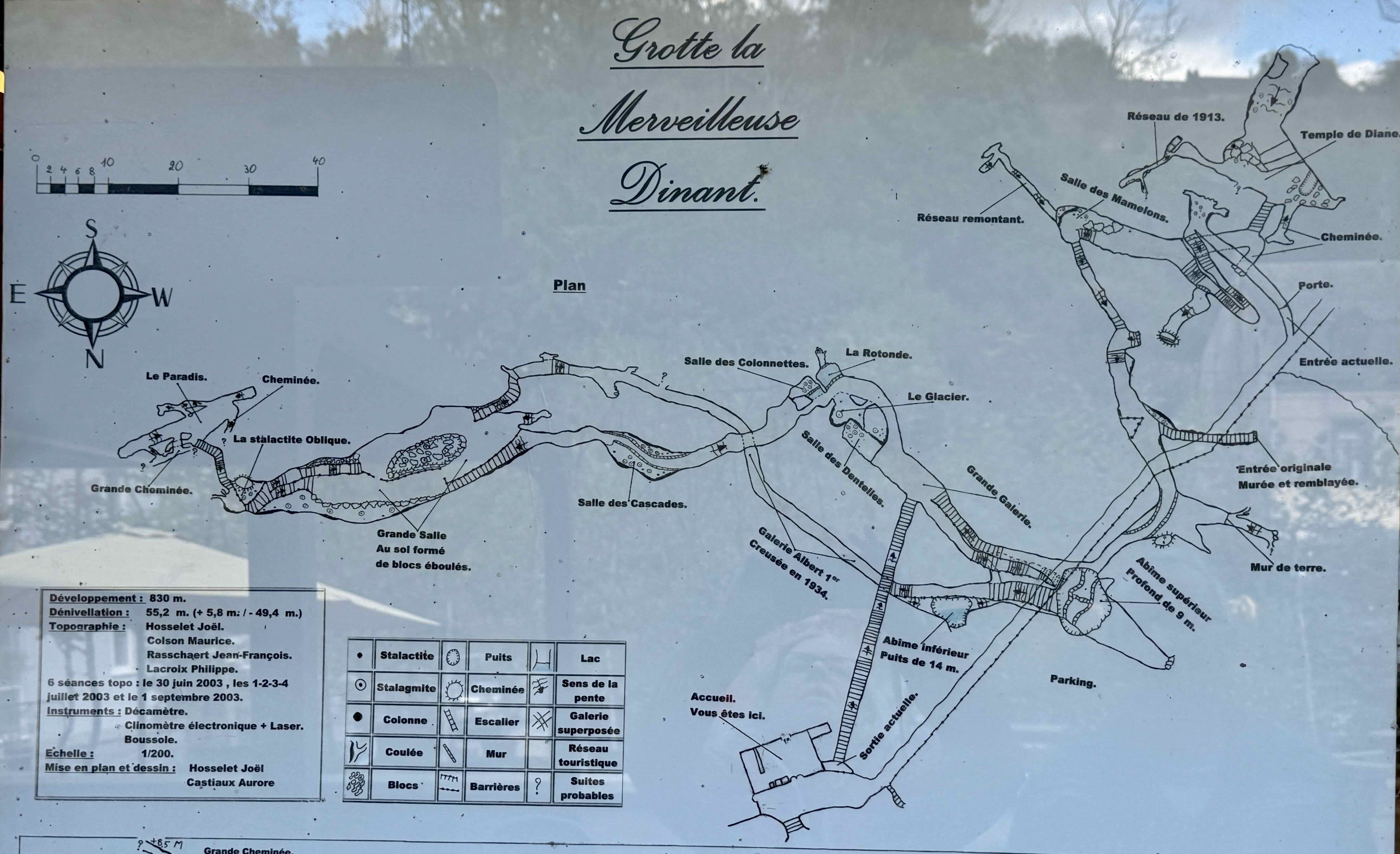 We walk down several flights of stairs and are surprised how big the cave is and the variety of formations we see.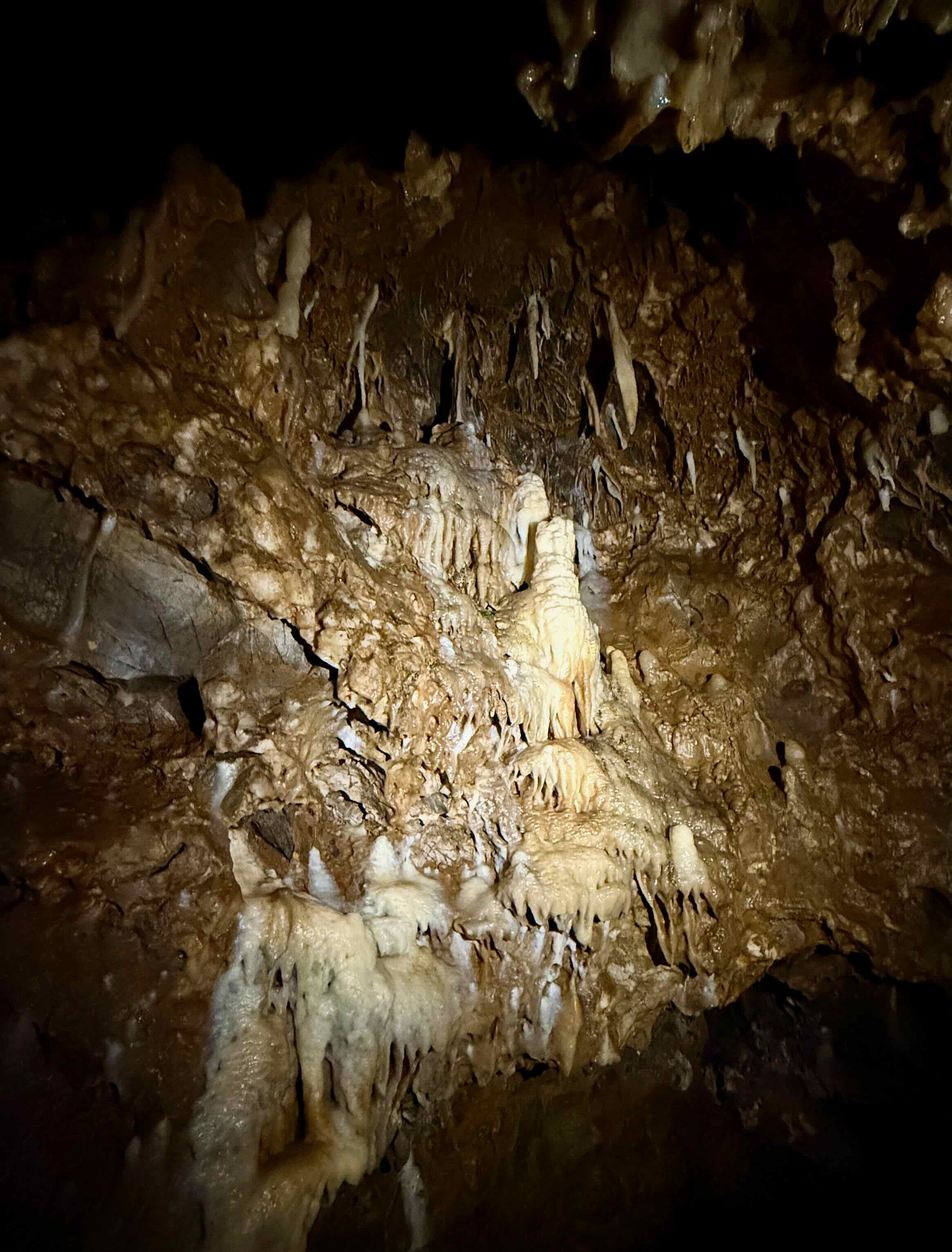
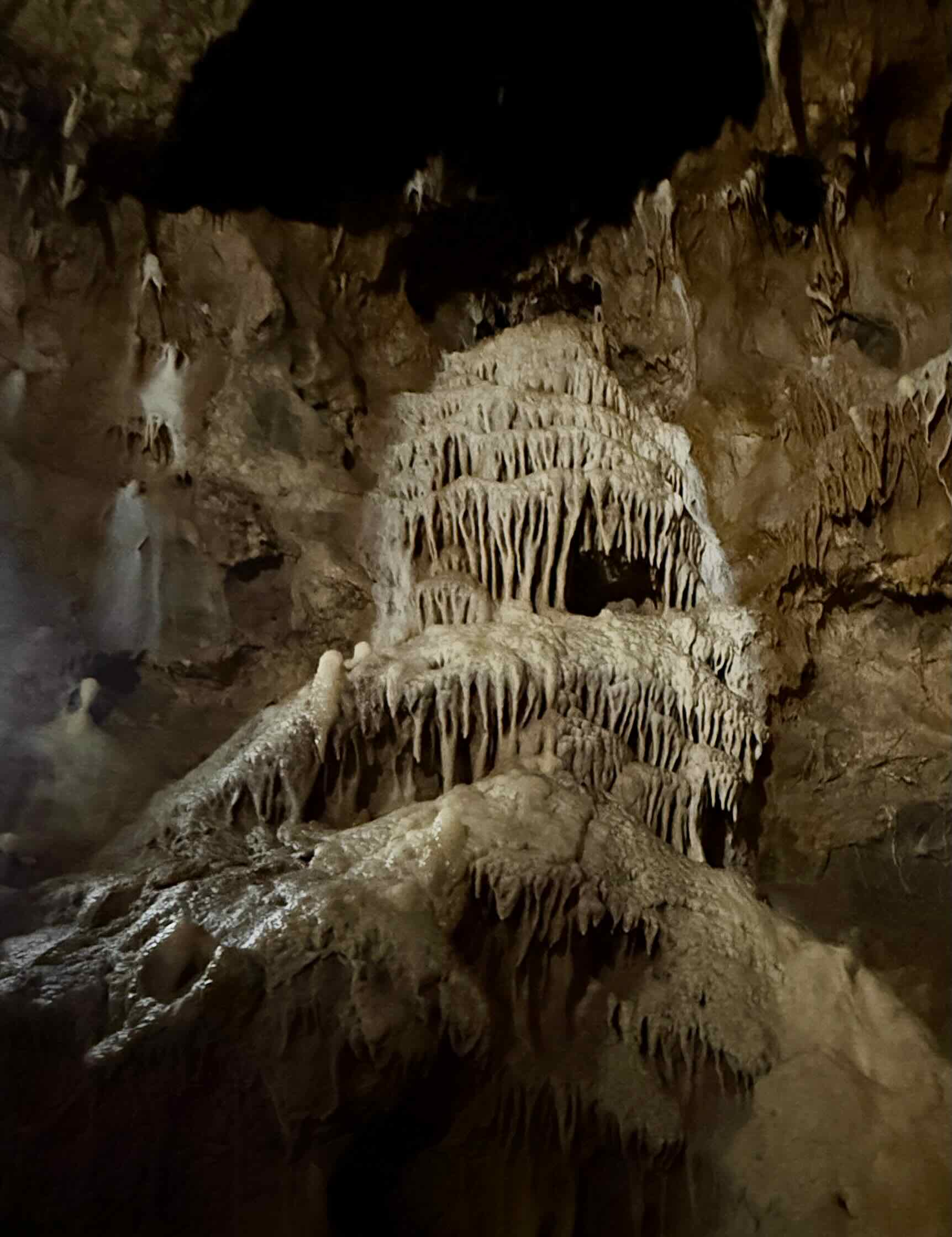 There are some rather large stalagmites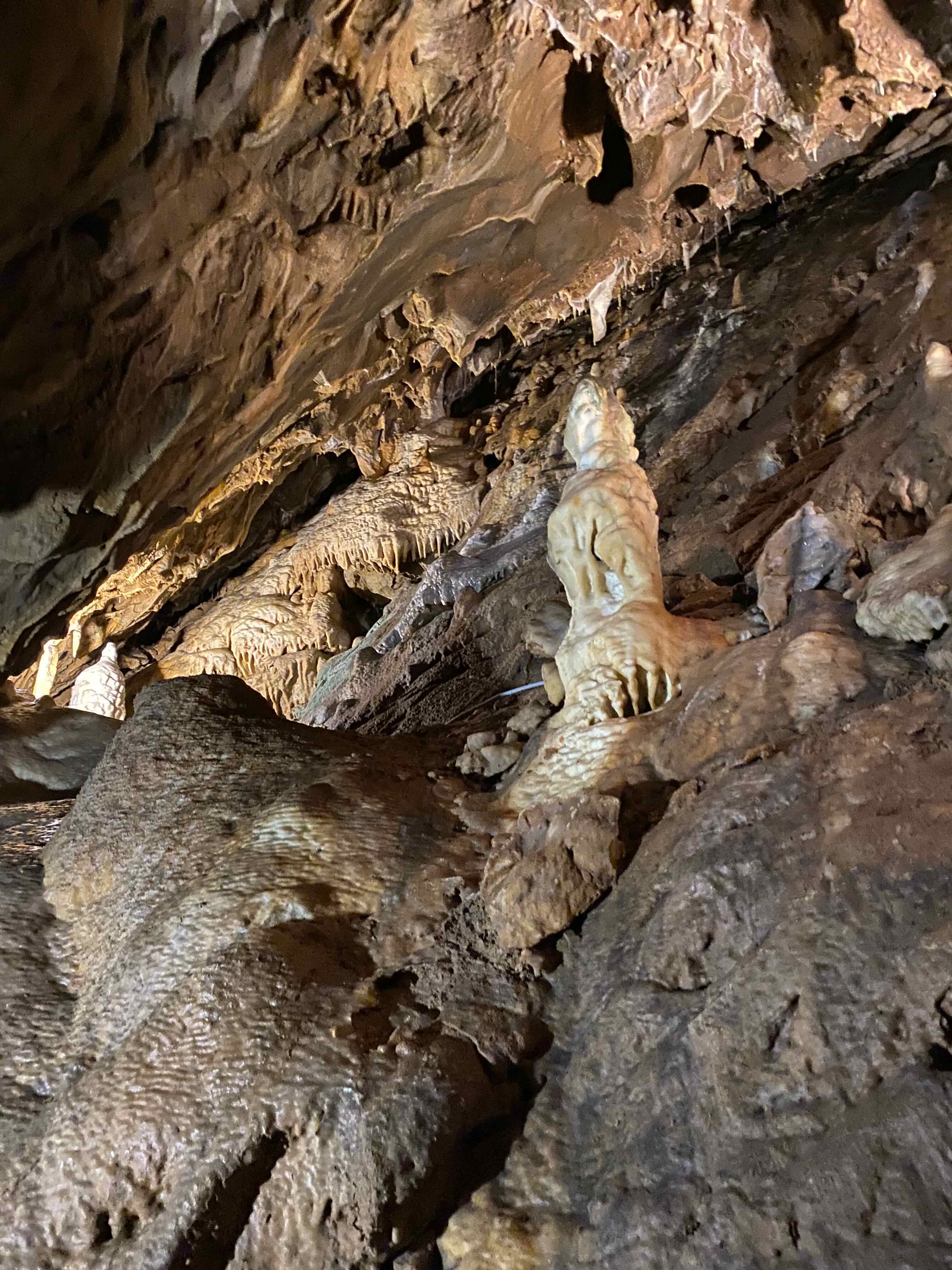
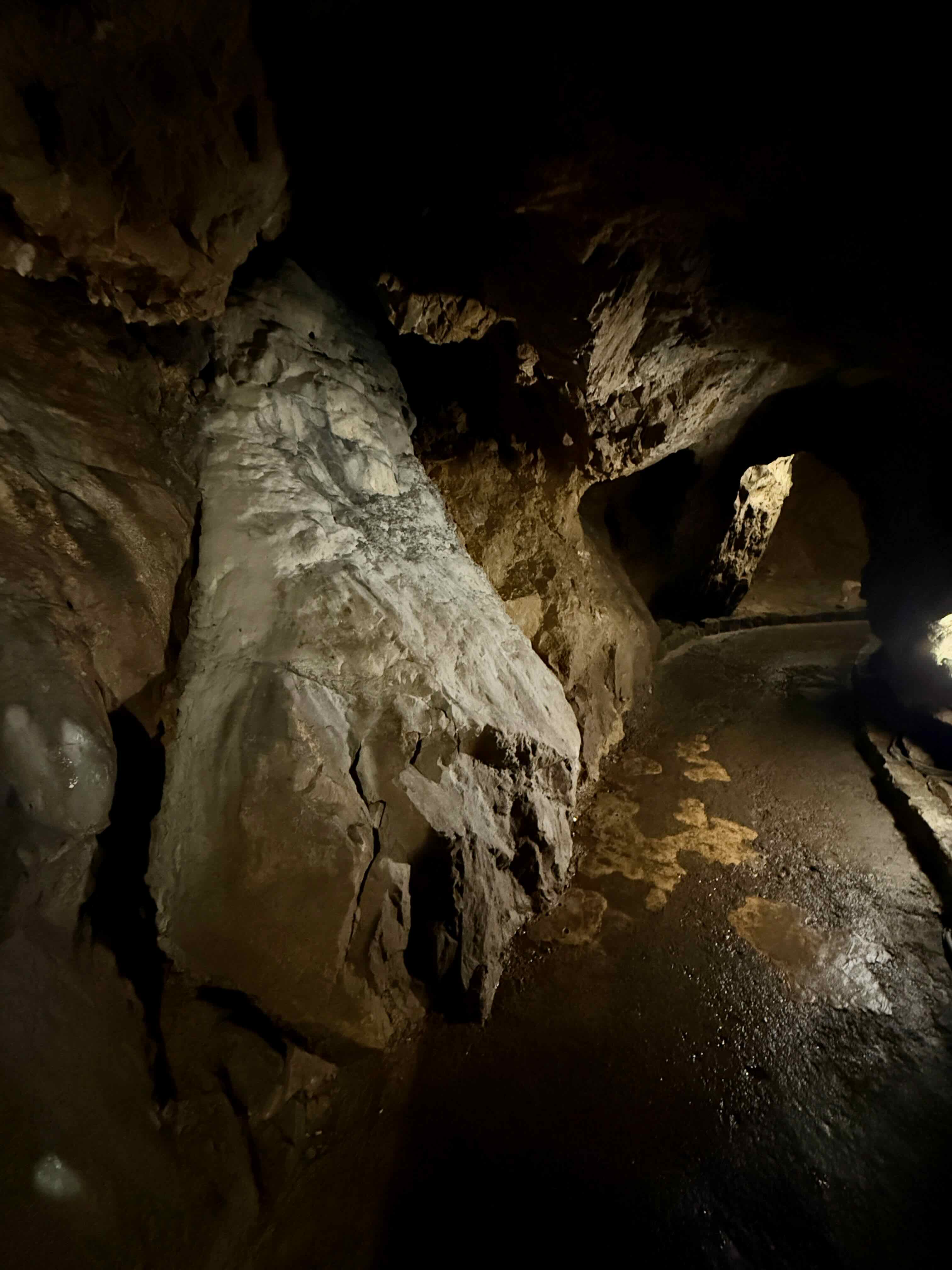 There are stalactites of all sizes hanging from the roof and walls of the cave.
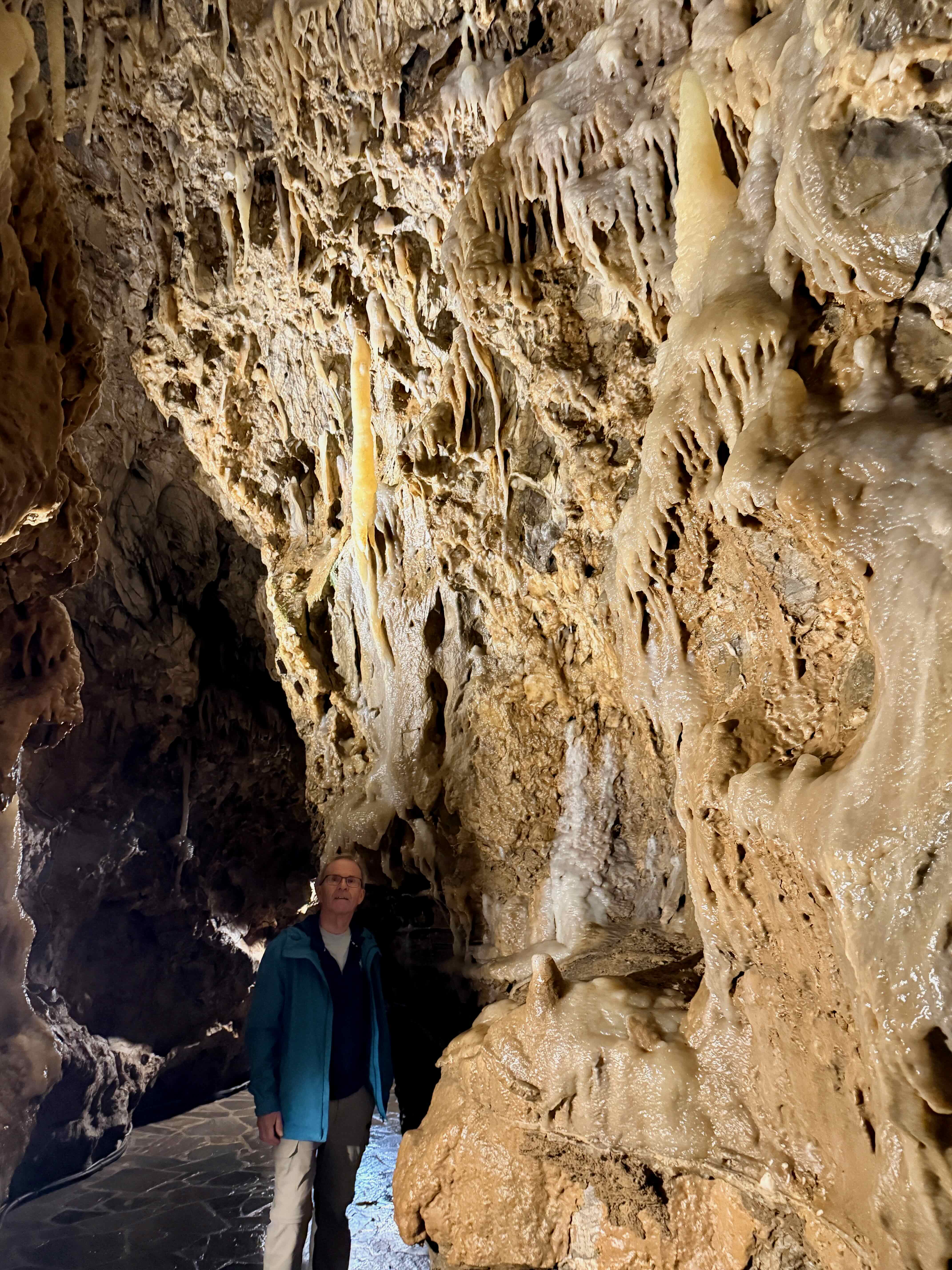 The interesting thing is that this is actually a living cave. There is water dripping from stalactites and landing on stalagmites. It takes centuries for these formations to show appreciable growth…only about 10 centimetres over a thousand years!
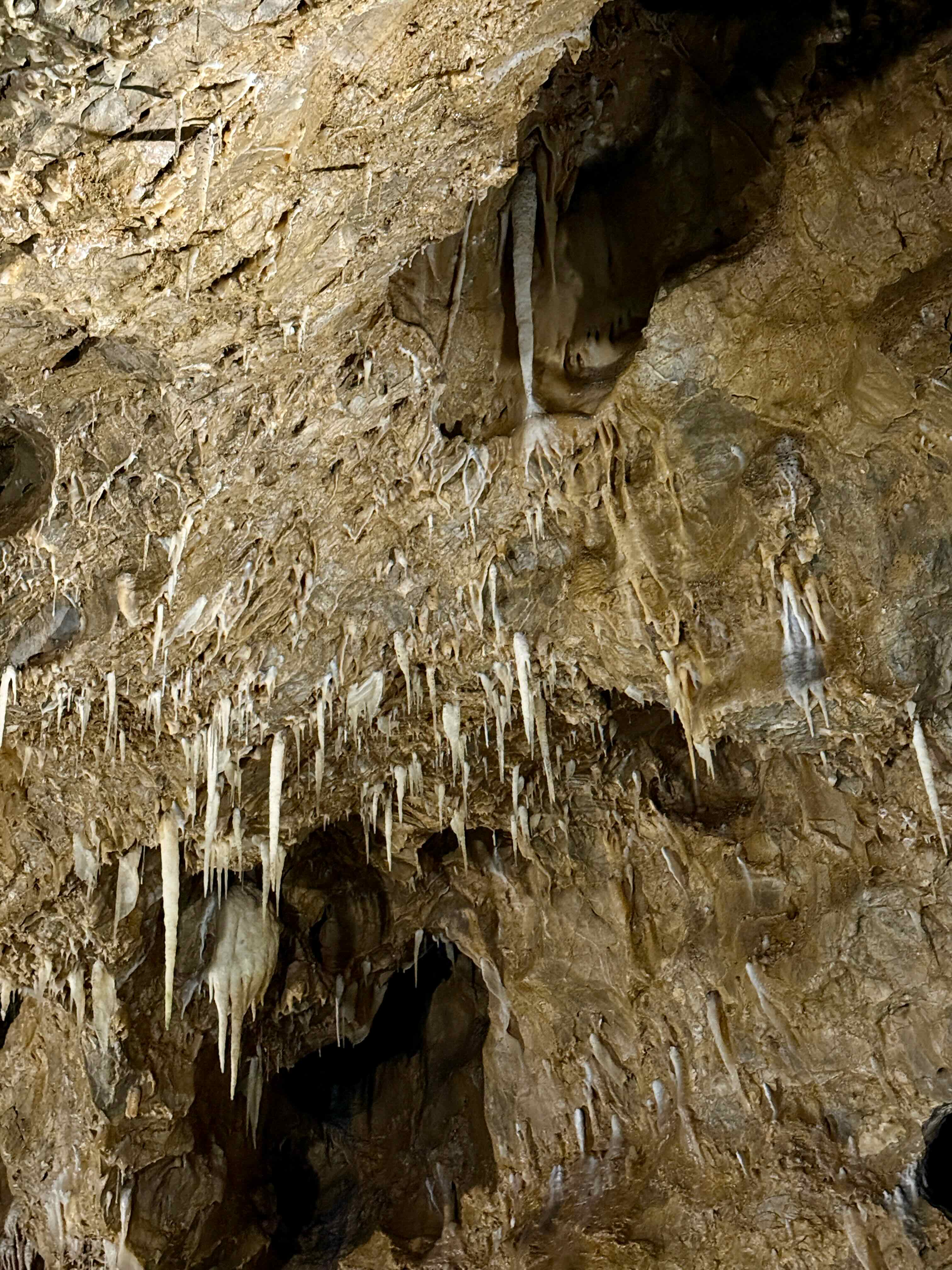 This is the biggest cavern, called the Grande Salle. The railings look like wood but they are actually made of reinforced concrete made to like tree branches.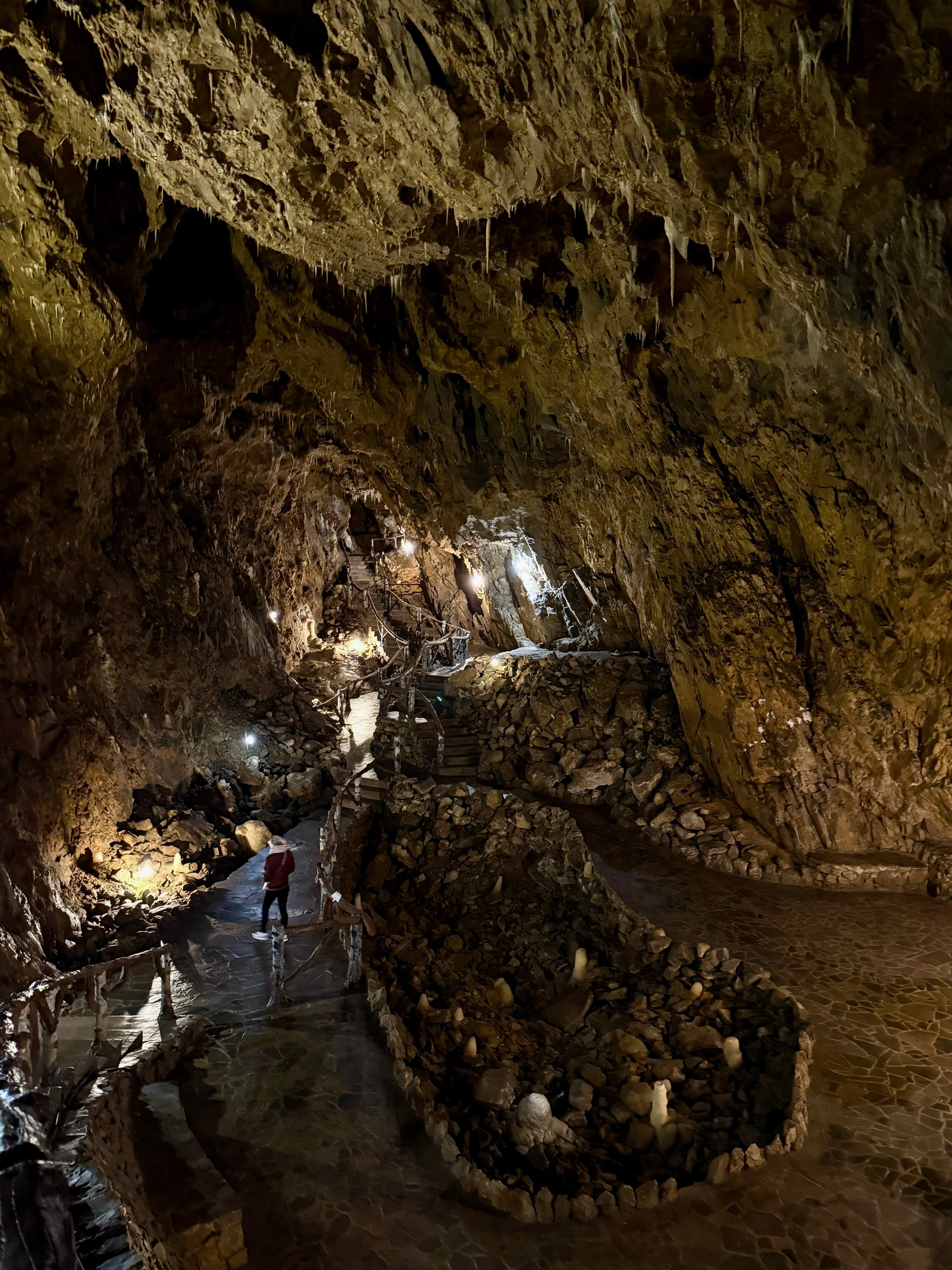
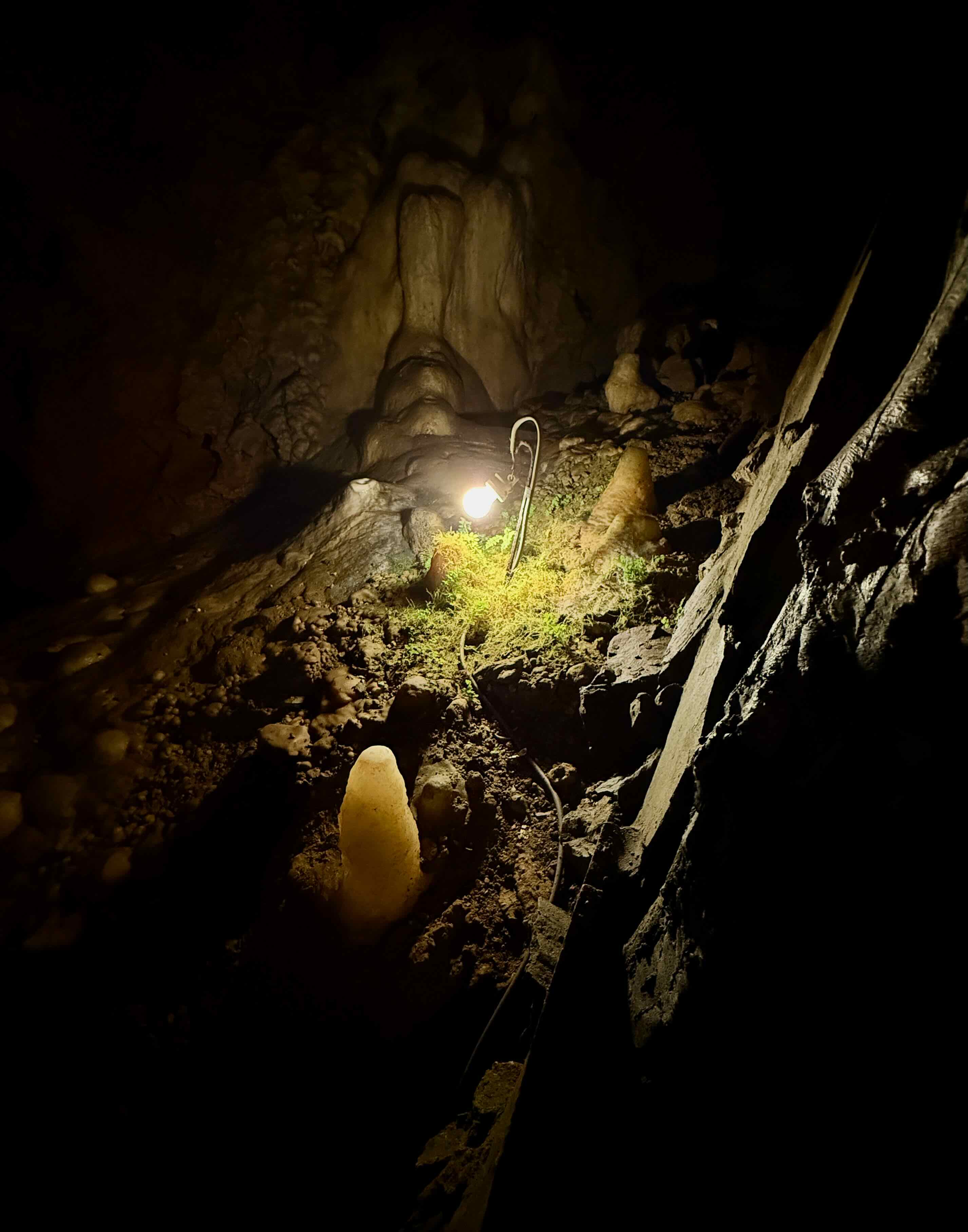
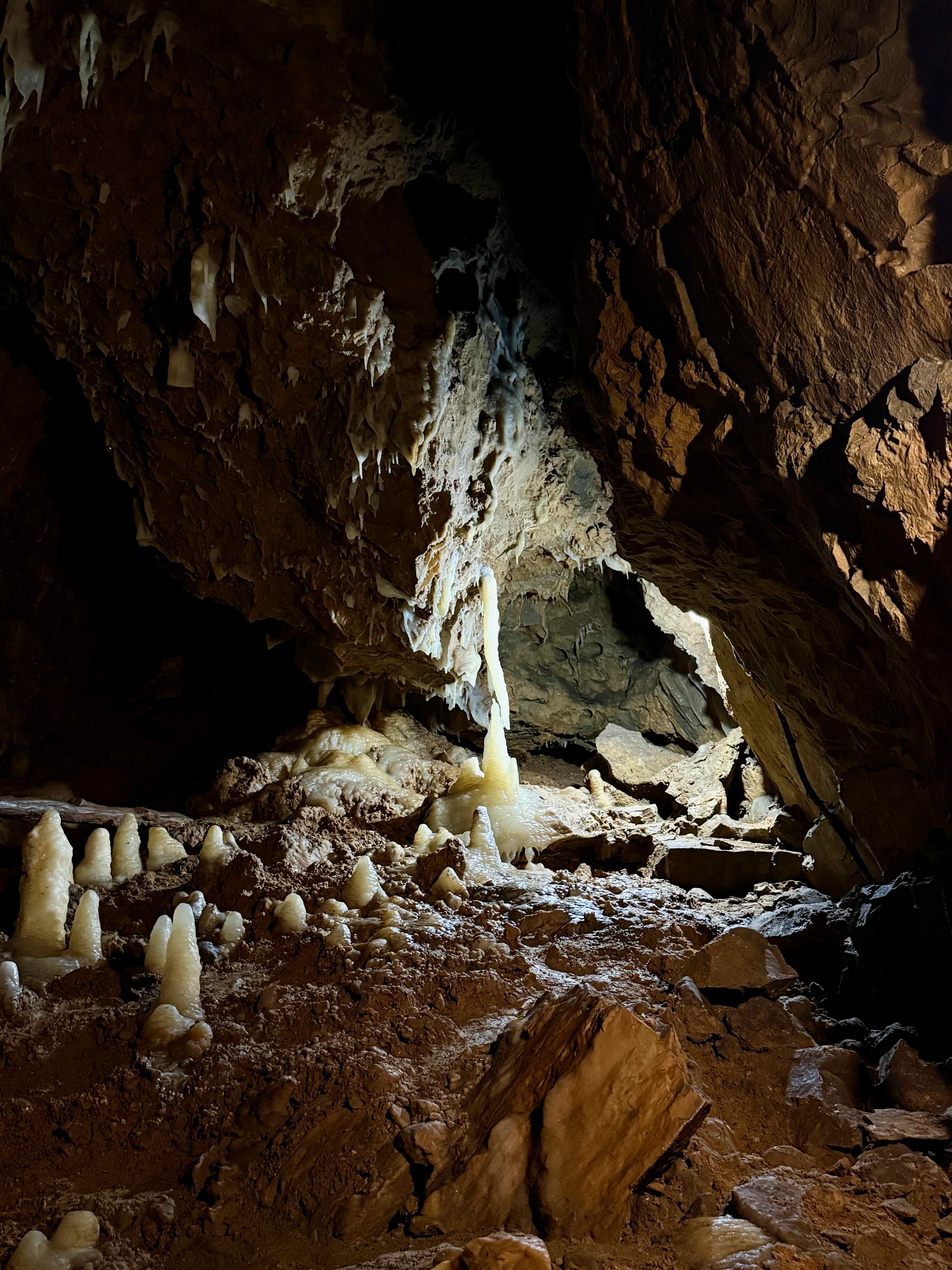
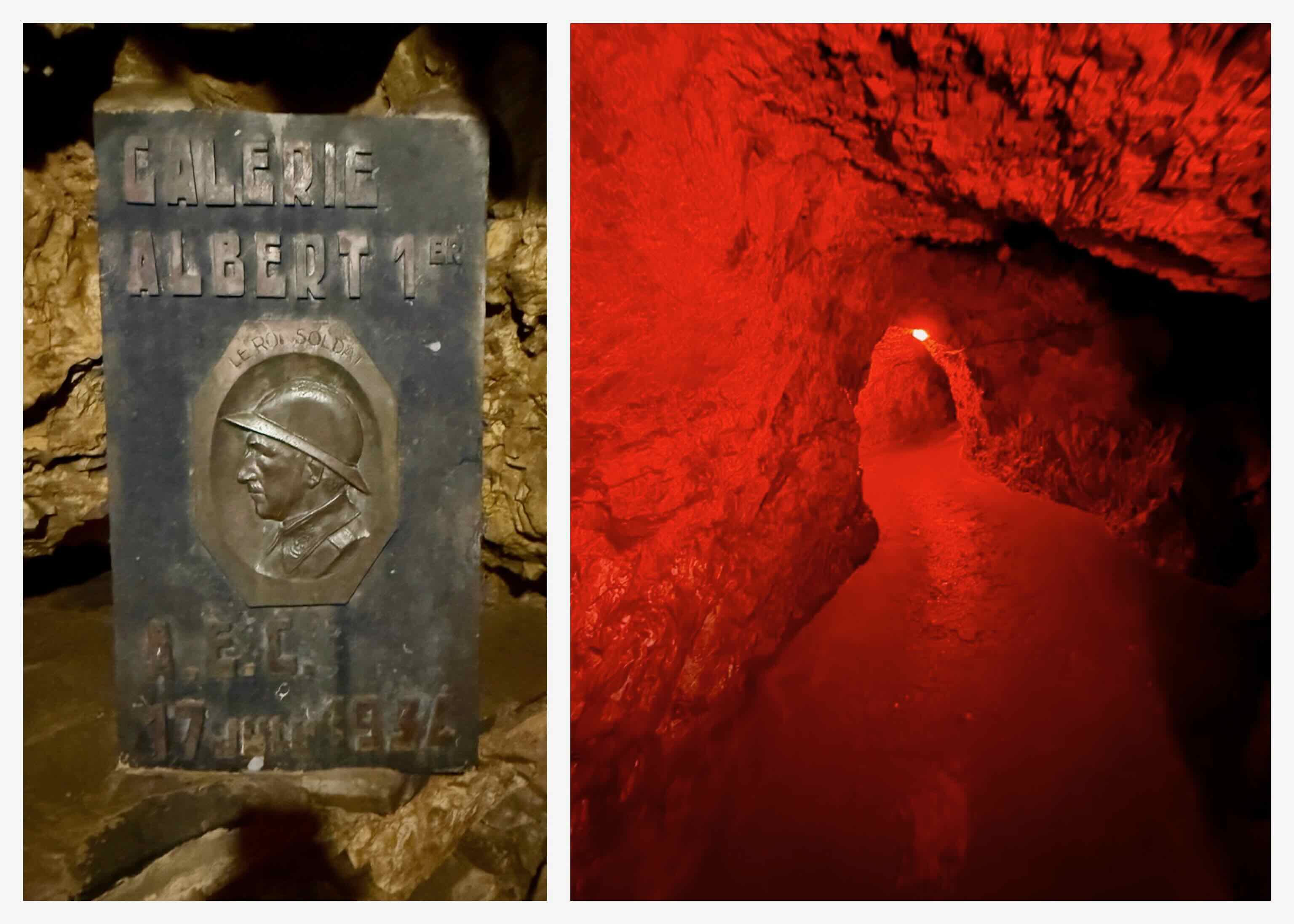 We are 95 meters below the surface!
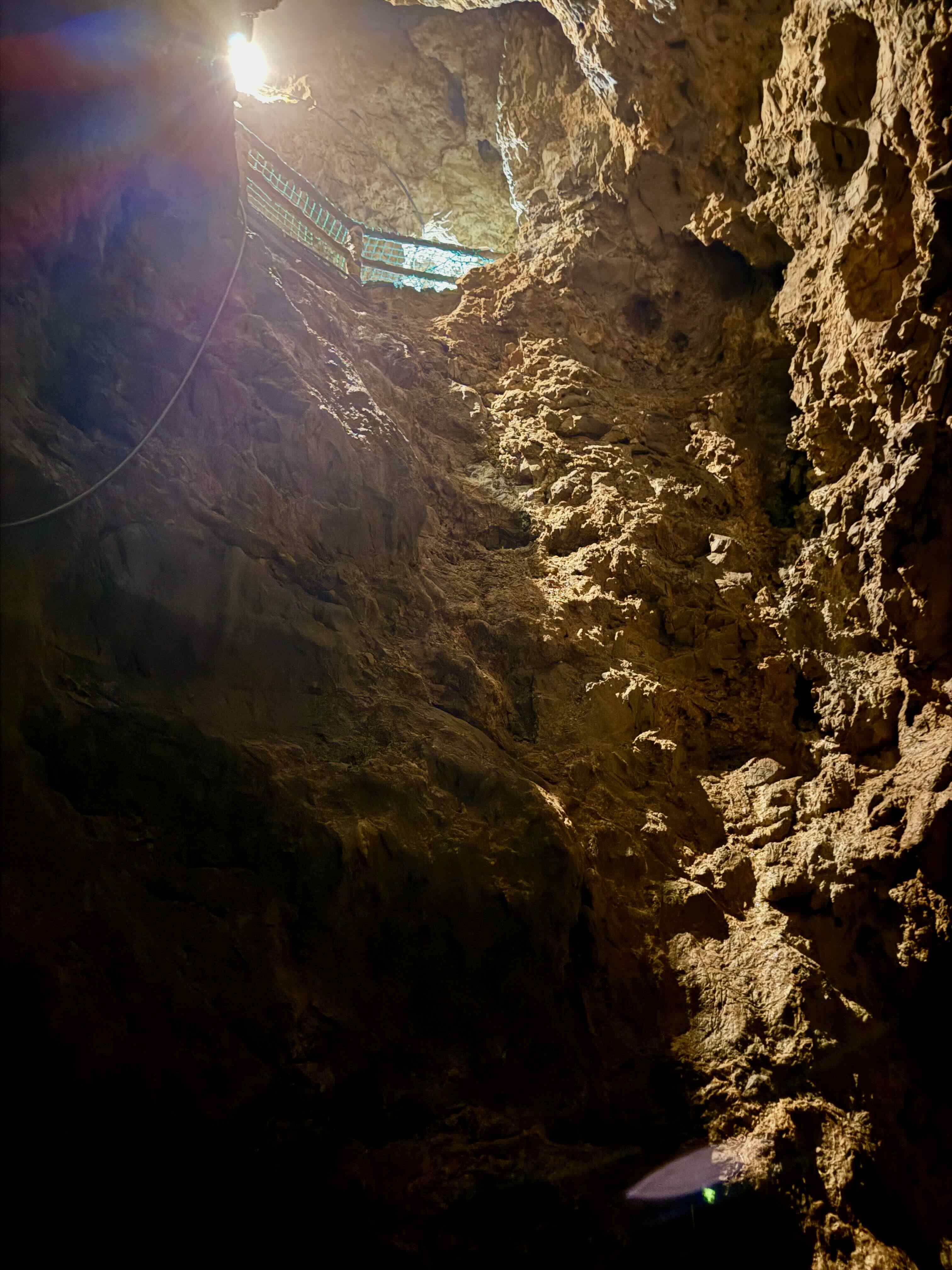 At the end of the tunnel we climbed this long stairway with 120 steps to the exit. There are about 350 stairs to climb on the whole tour along with many long downward sloping walkways. We enjoyed our tour of this cave. It is strange to think that we were so far underground and neither of us felt at all claustrophobic.
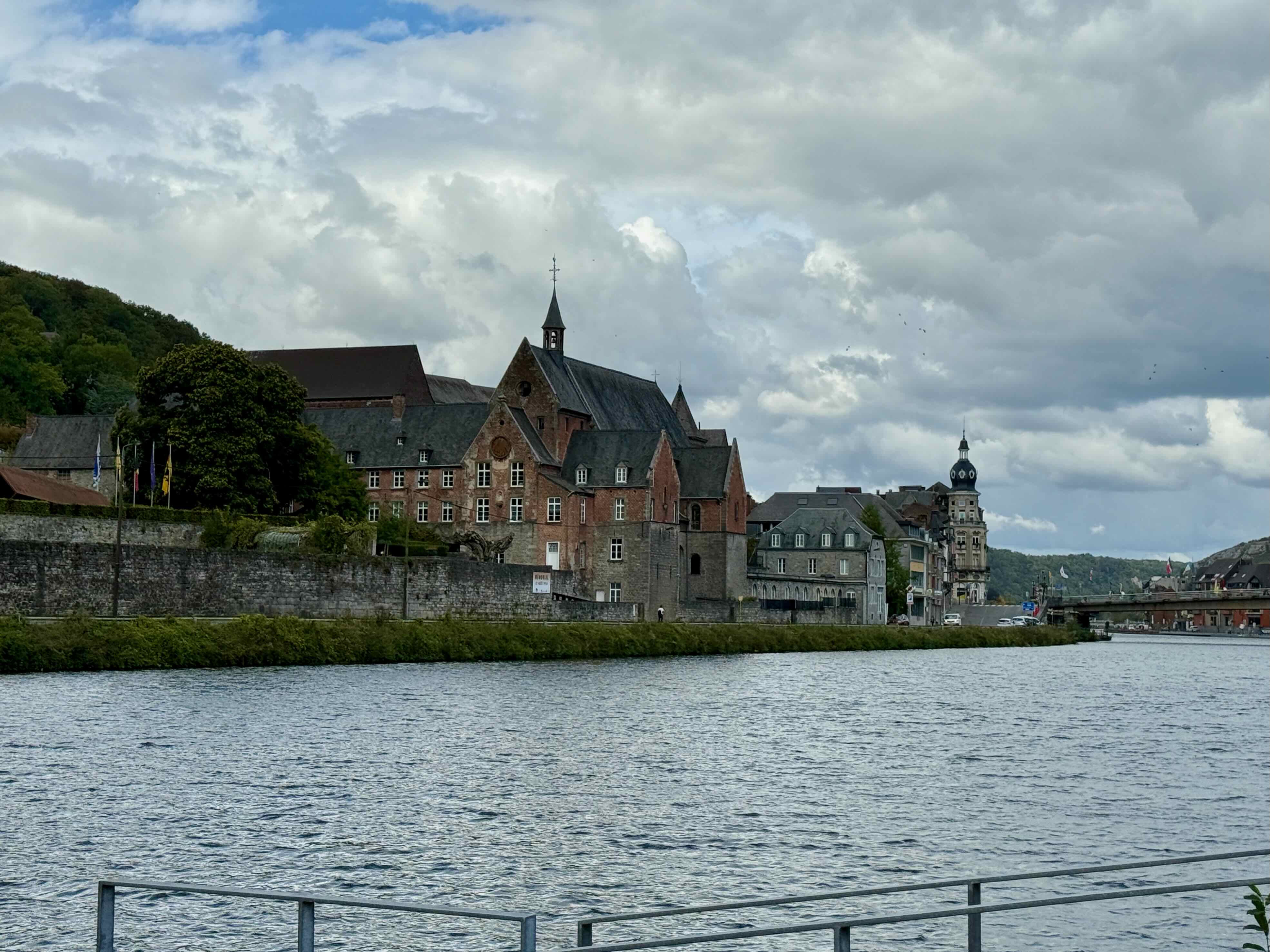
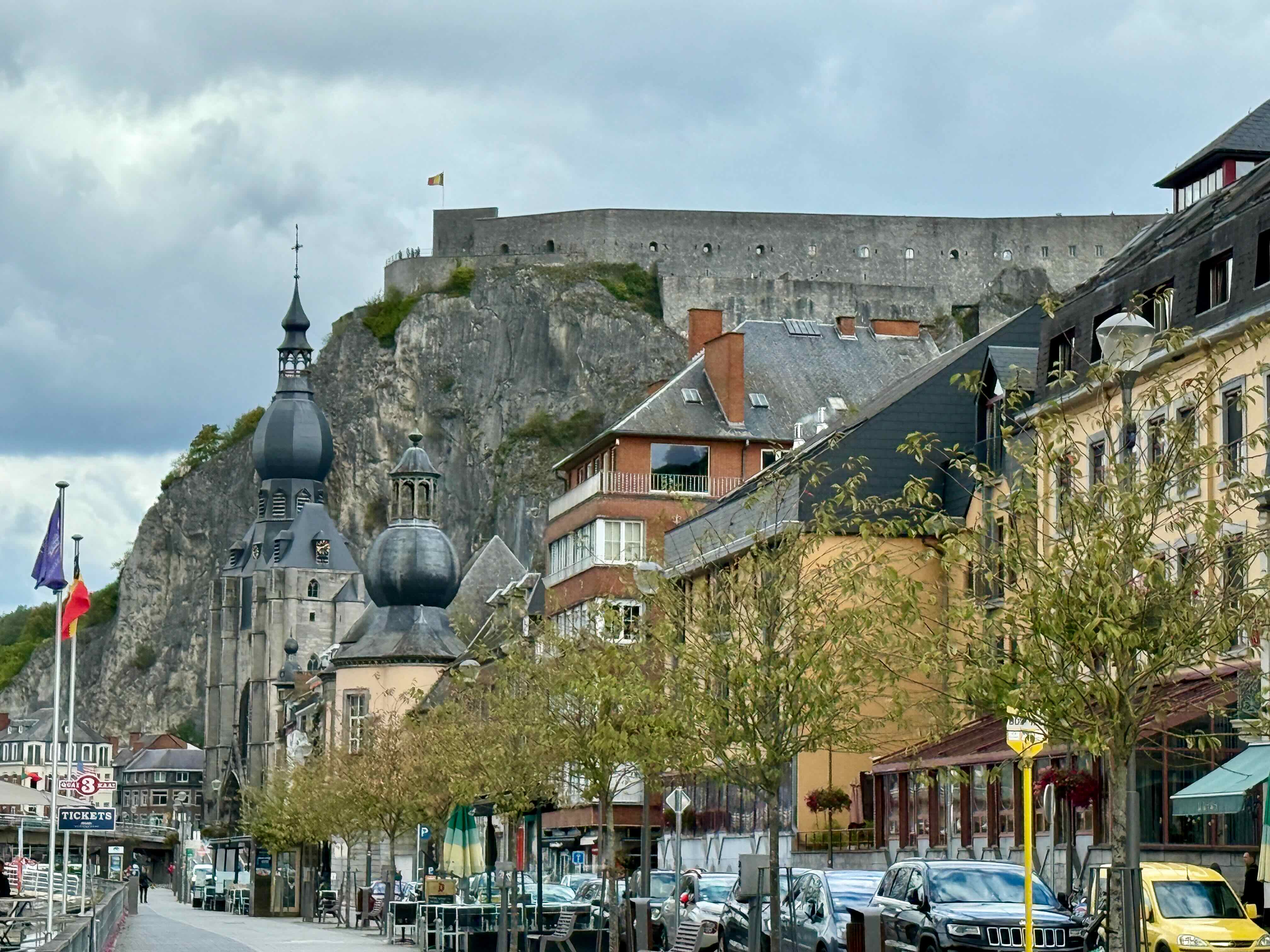 Back on the road headed towards Rocheport.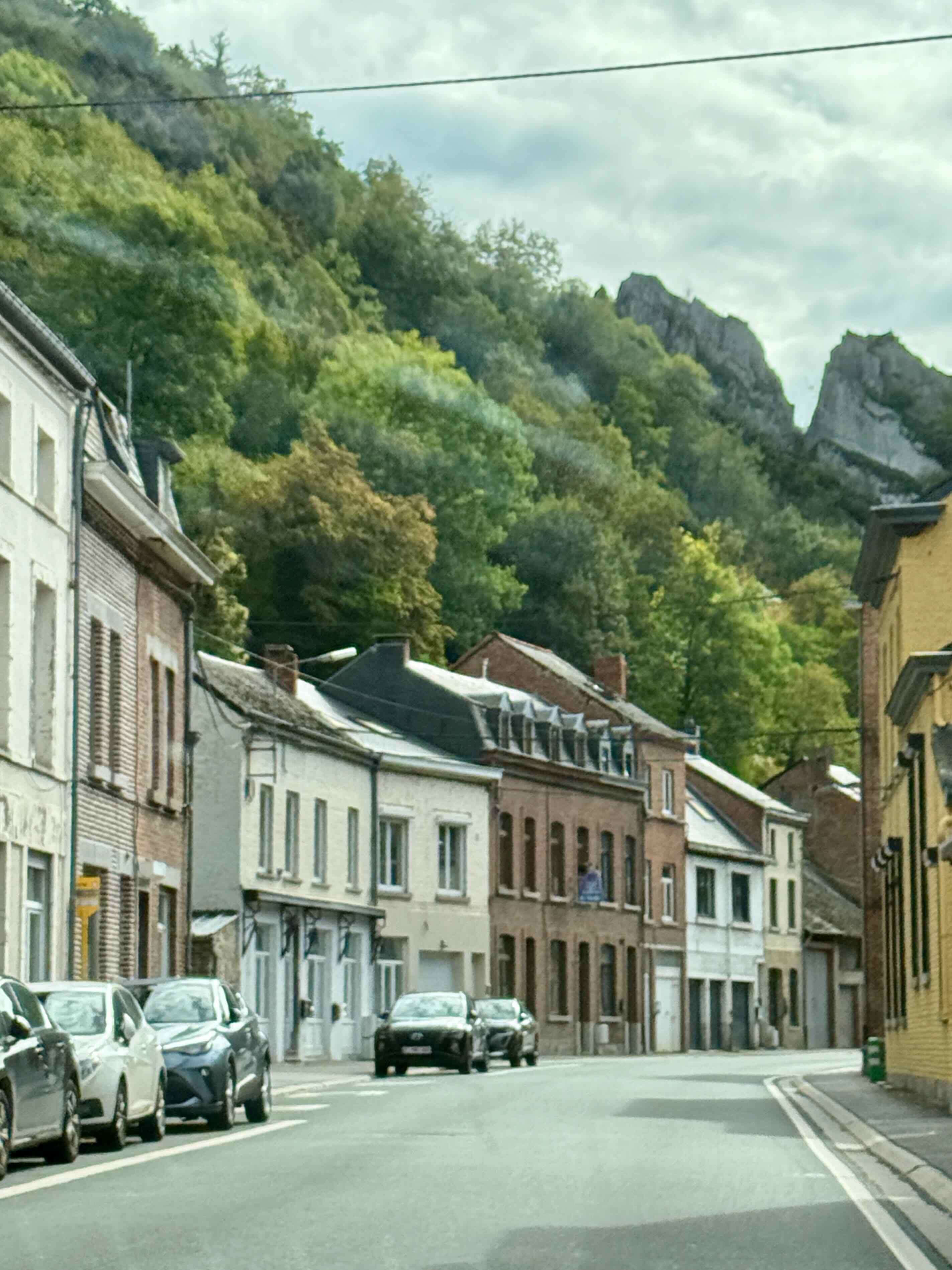
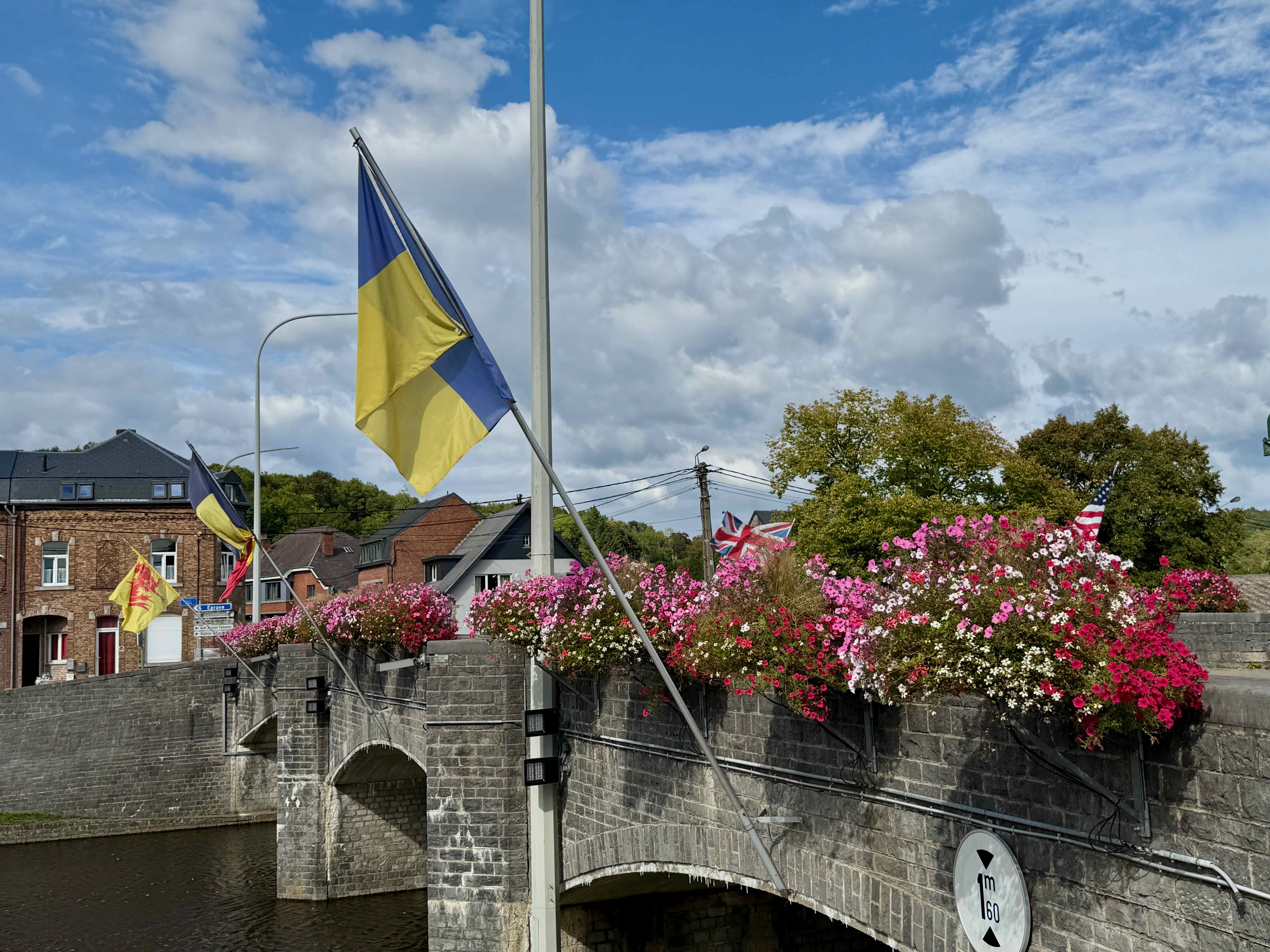
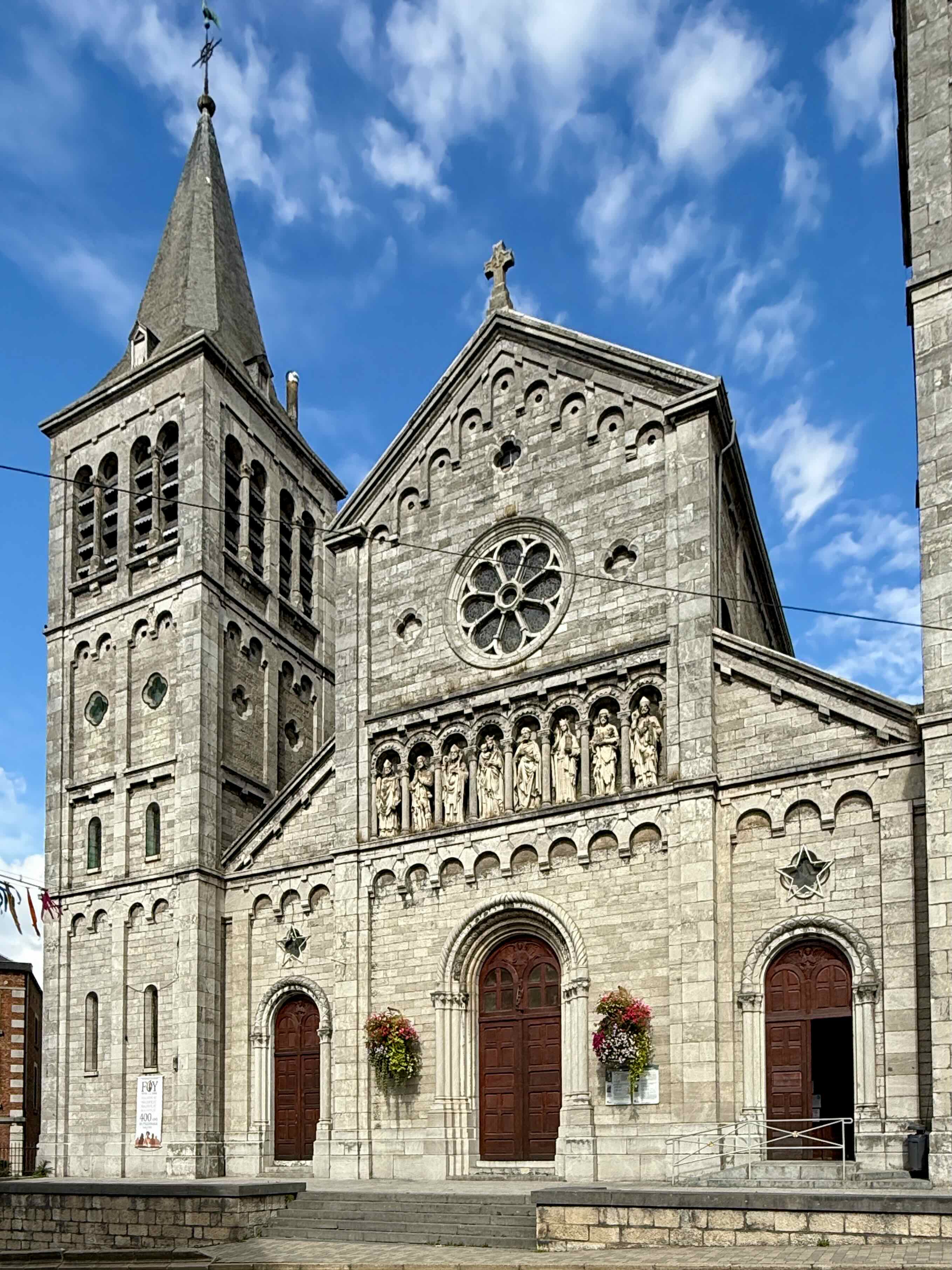
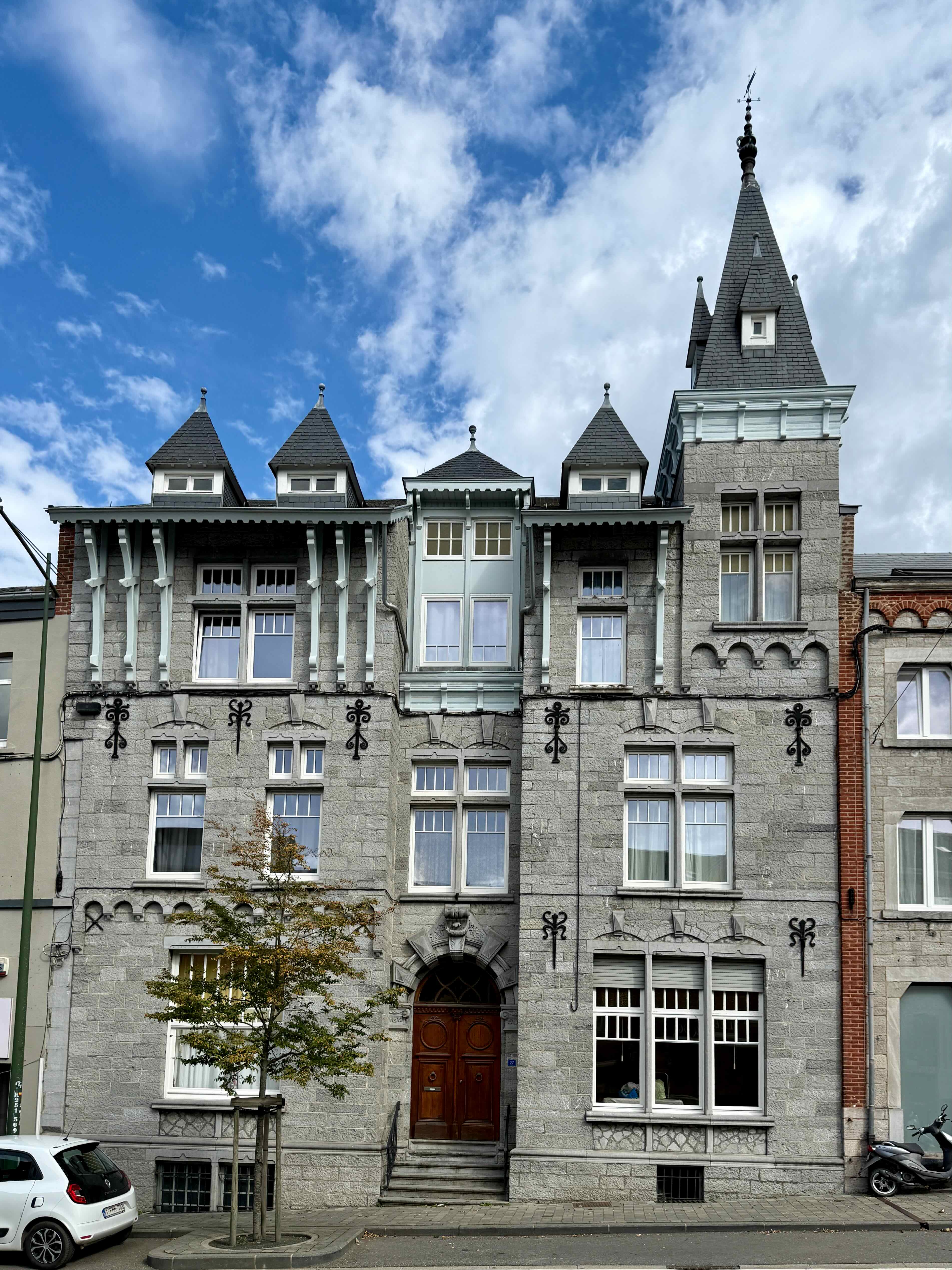
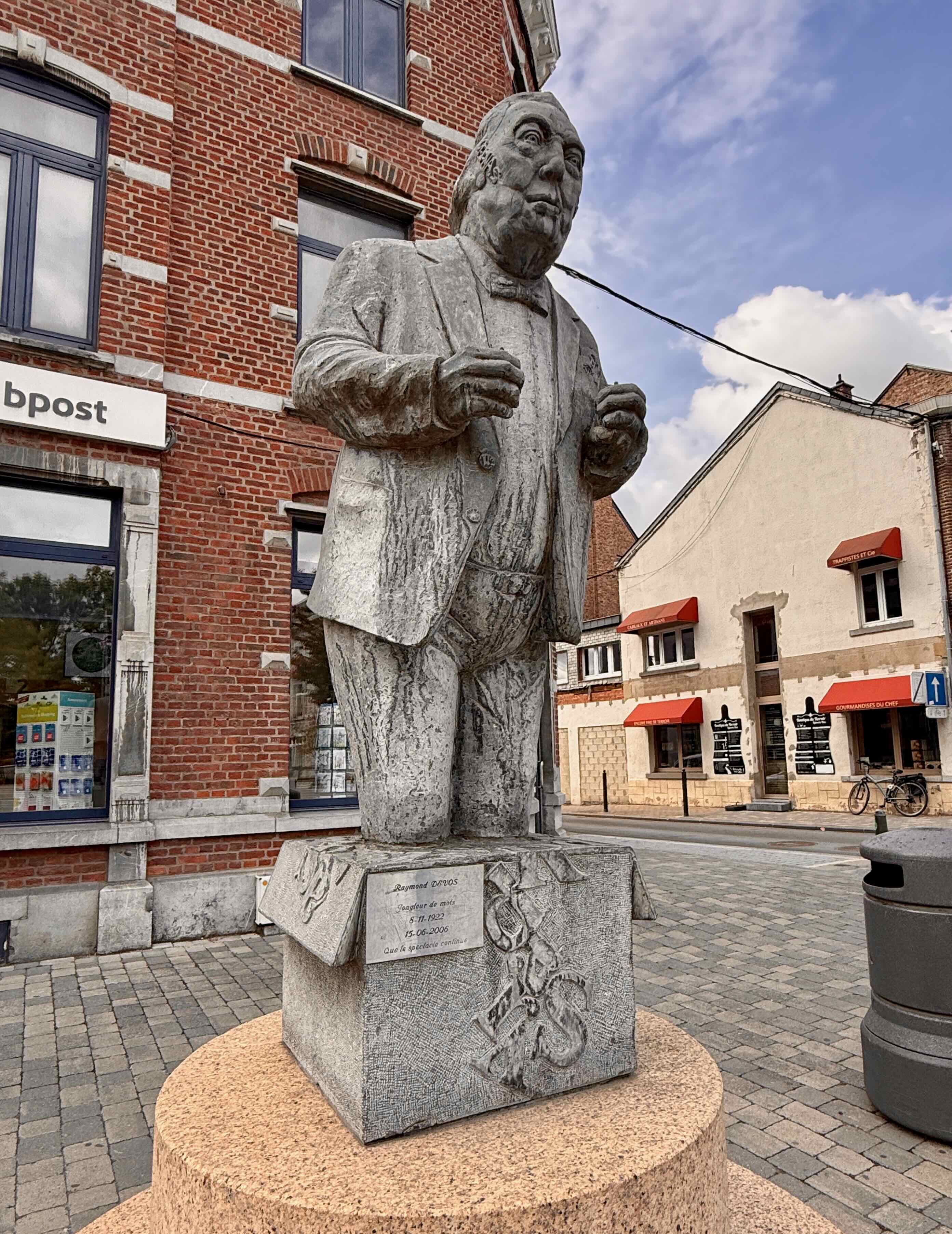
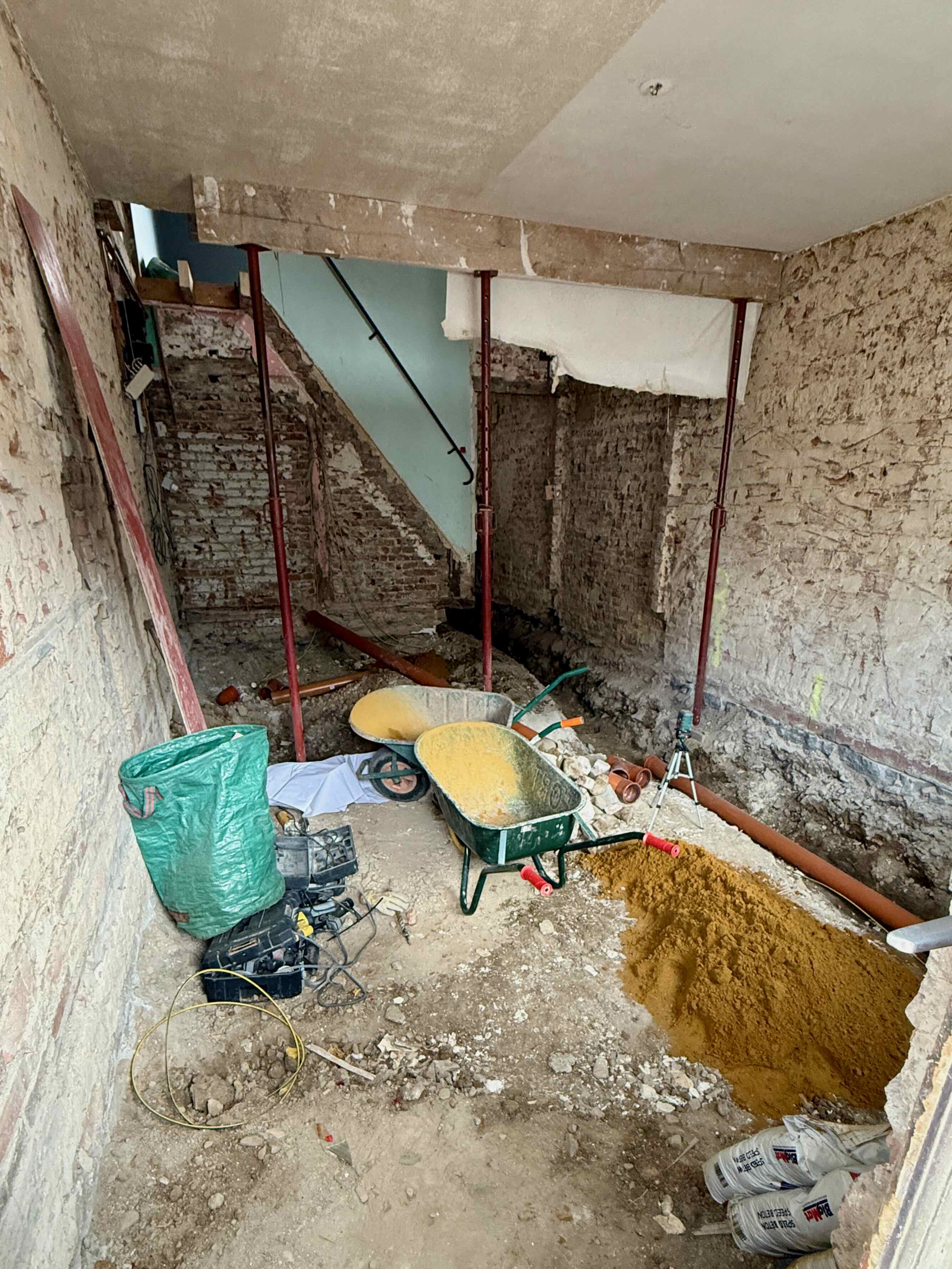
 We see a truck with beautiful ochre coloured sand and then peek inside this building under renovation to see what it is being used for. Not exactly a do-it-yourself job!
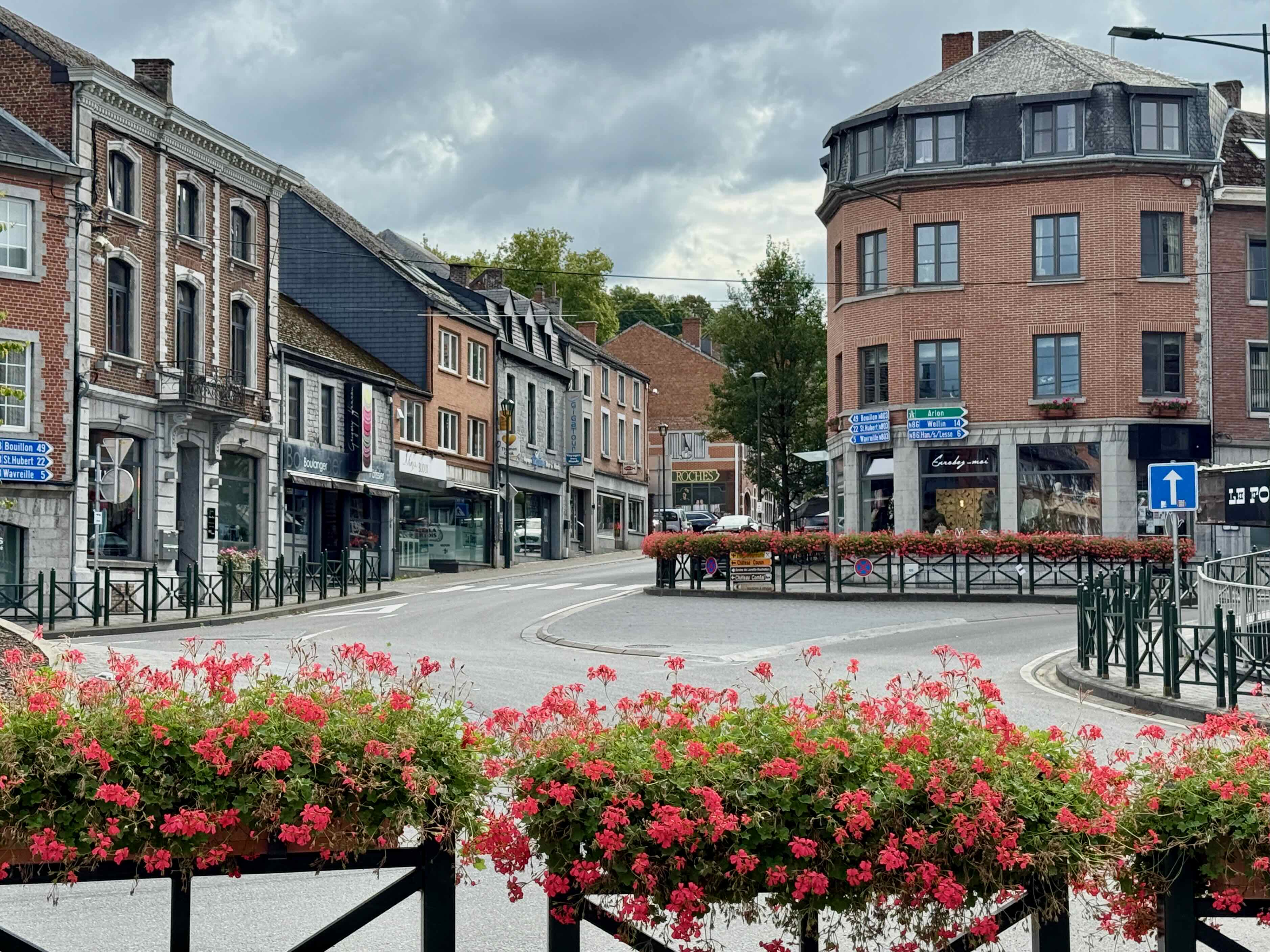
 The doorway that we looked into is right next to this house with the gorgeous red geraniums.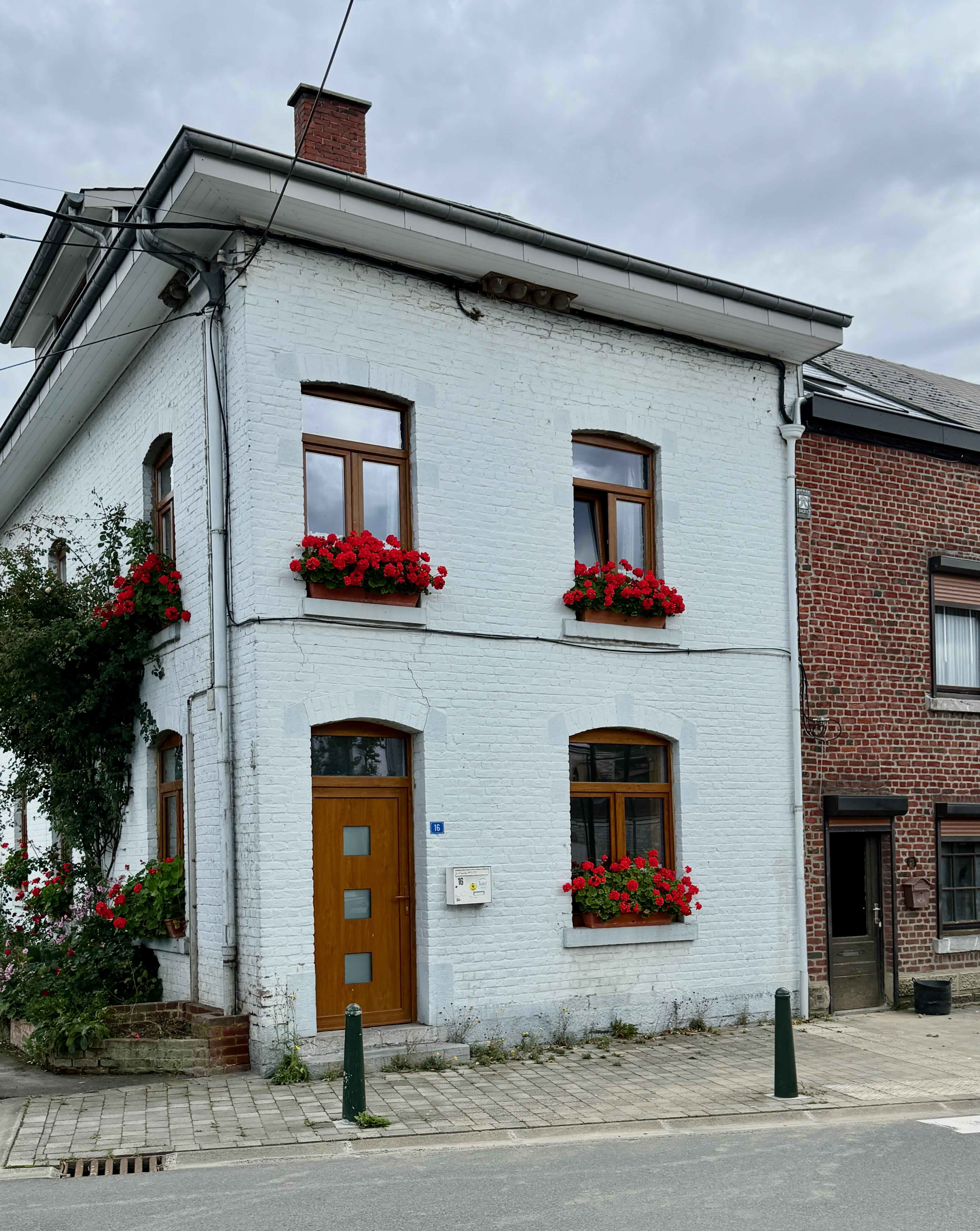
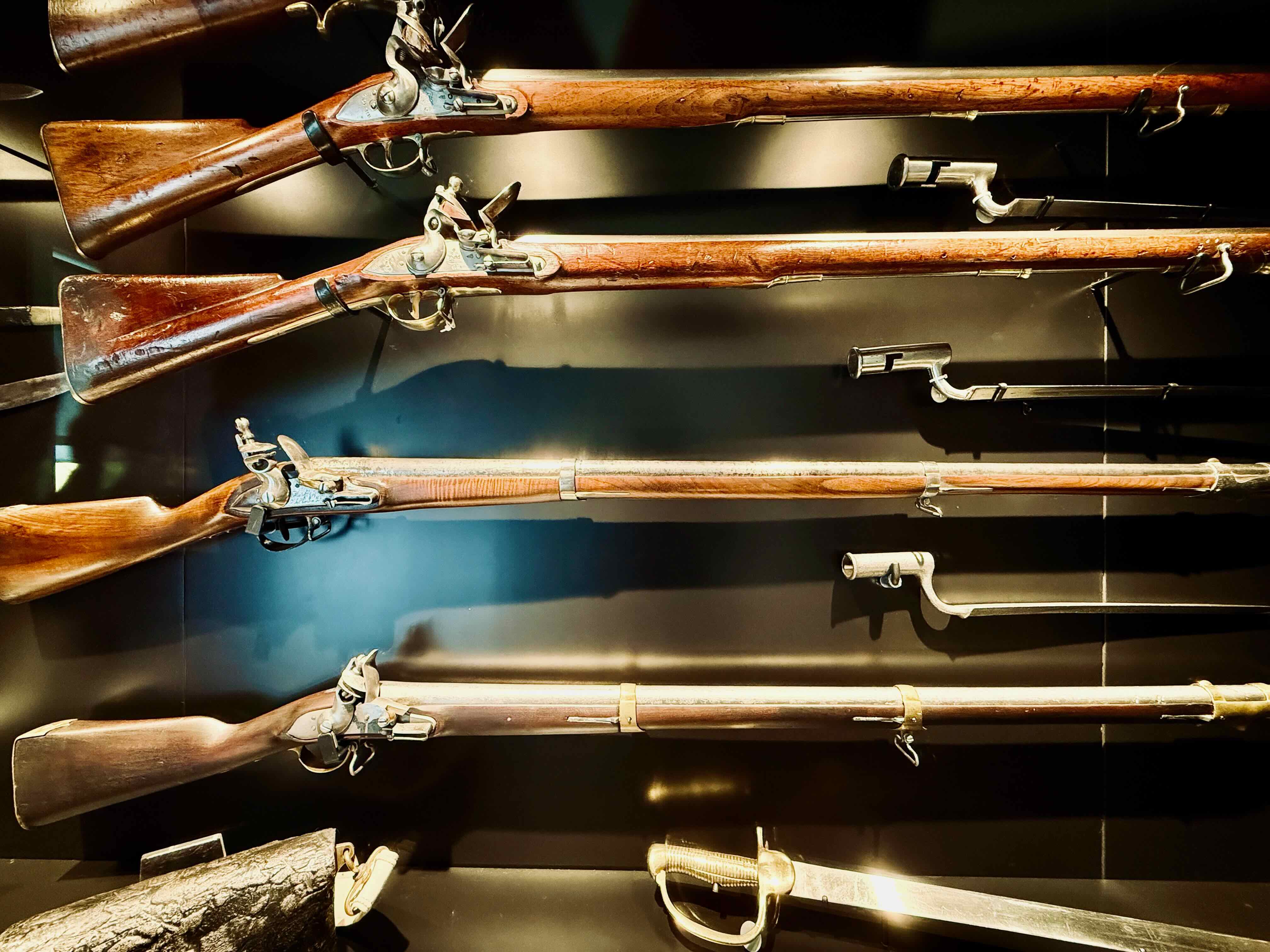
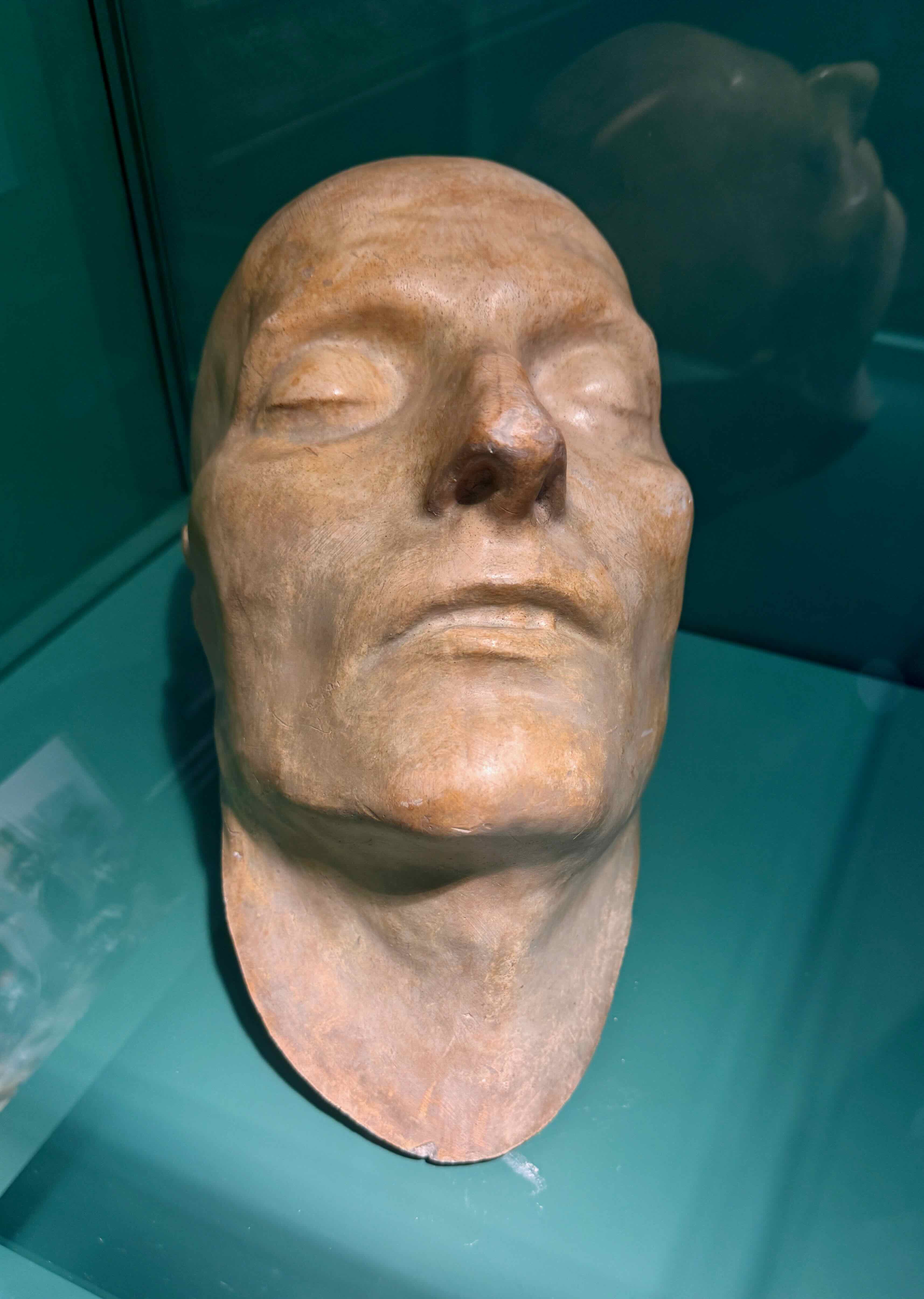
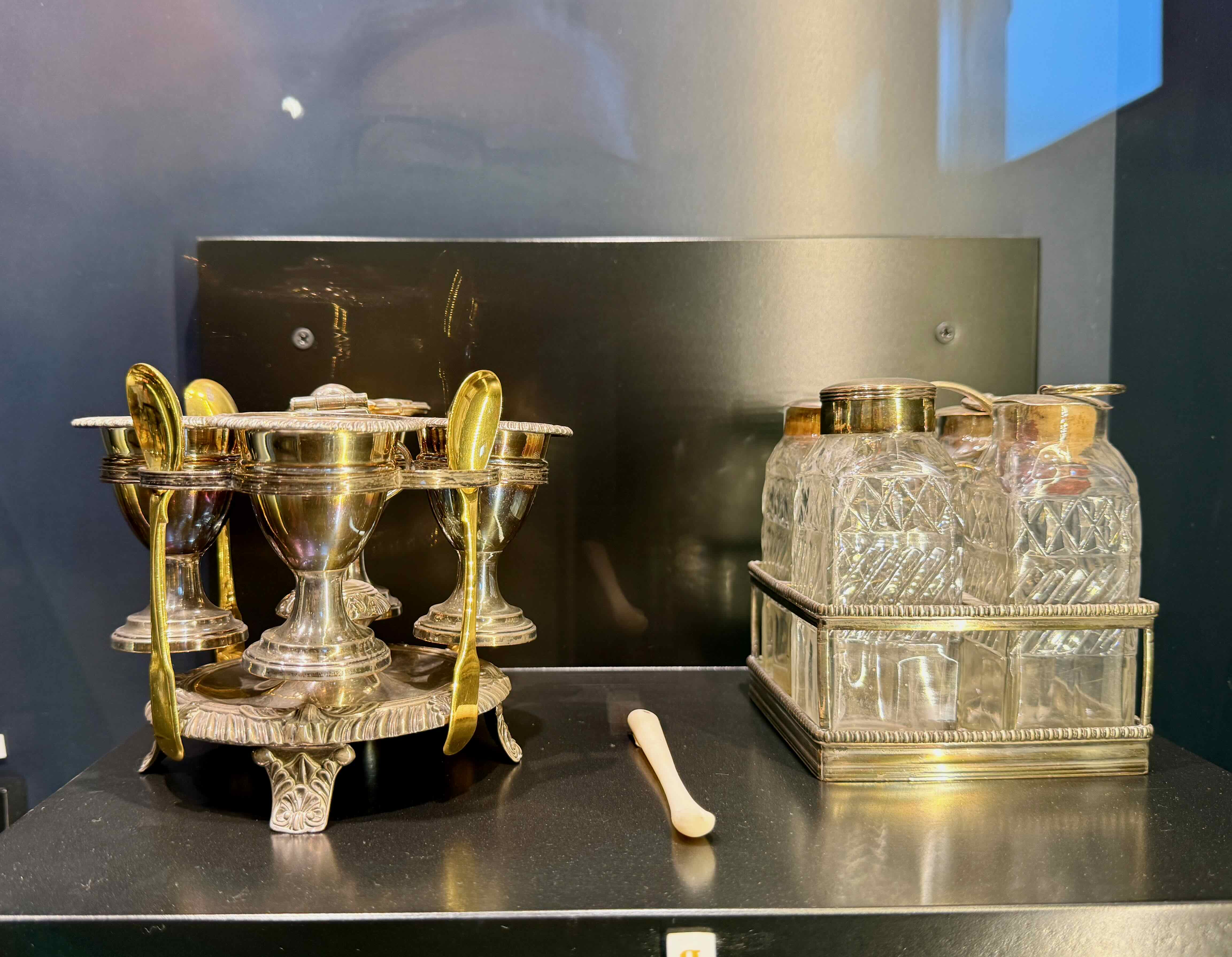
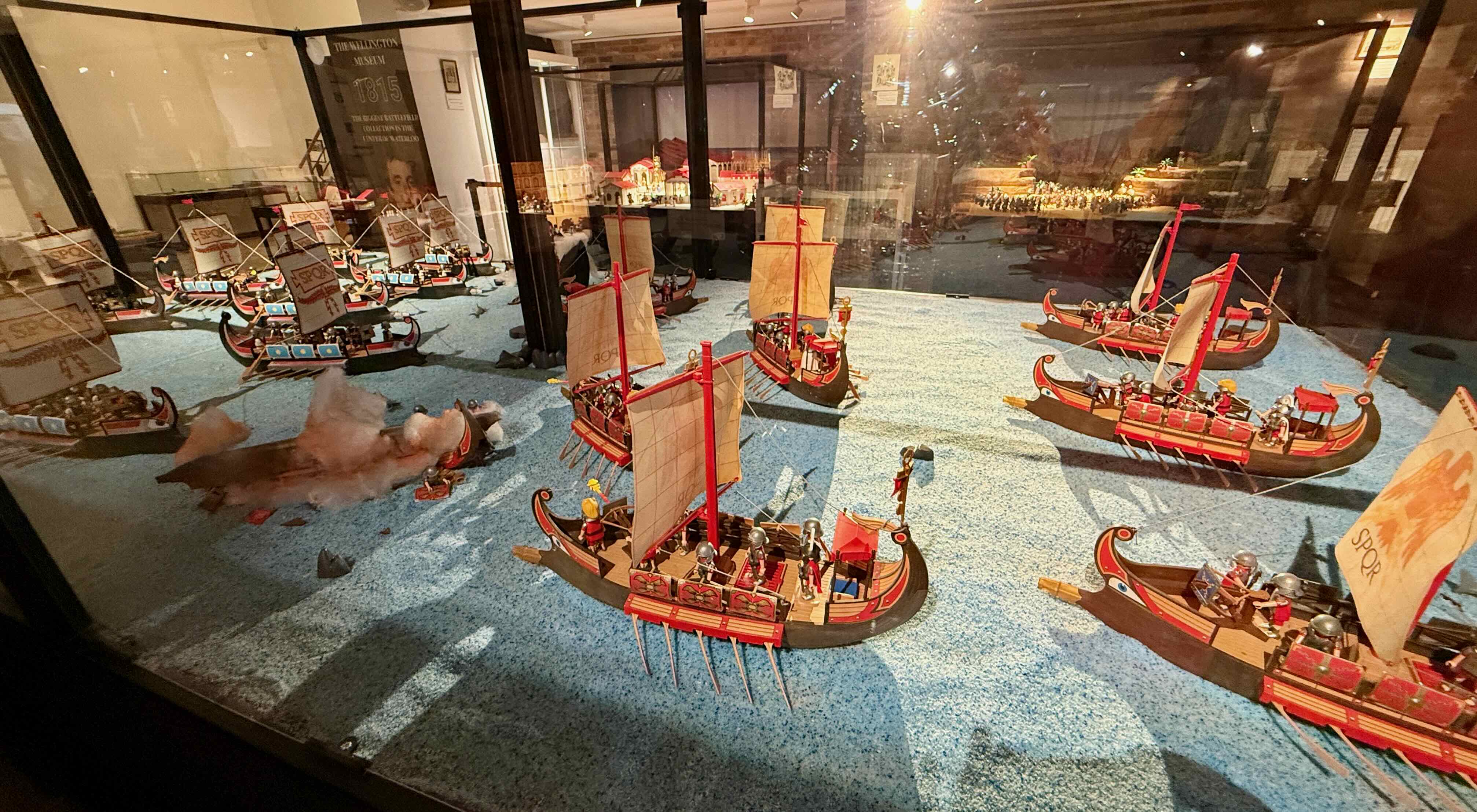
 The Wellington Museum was easy to find and there was free parking nearby. The museum is located in the building that the British Duke of Wellington used as his headquarters when he defeated Napoleon at Waterloo in1815. The soldiers uniforms displayed are, from left to right, the French Carabiniers, the British Light Dragoons and the British 8th Hussars.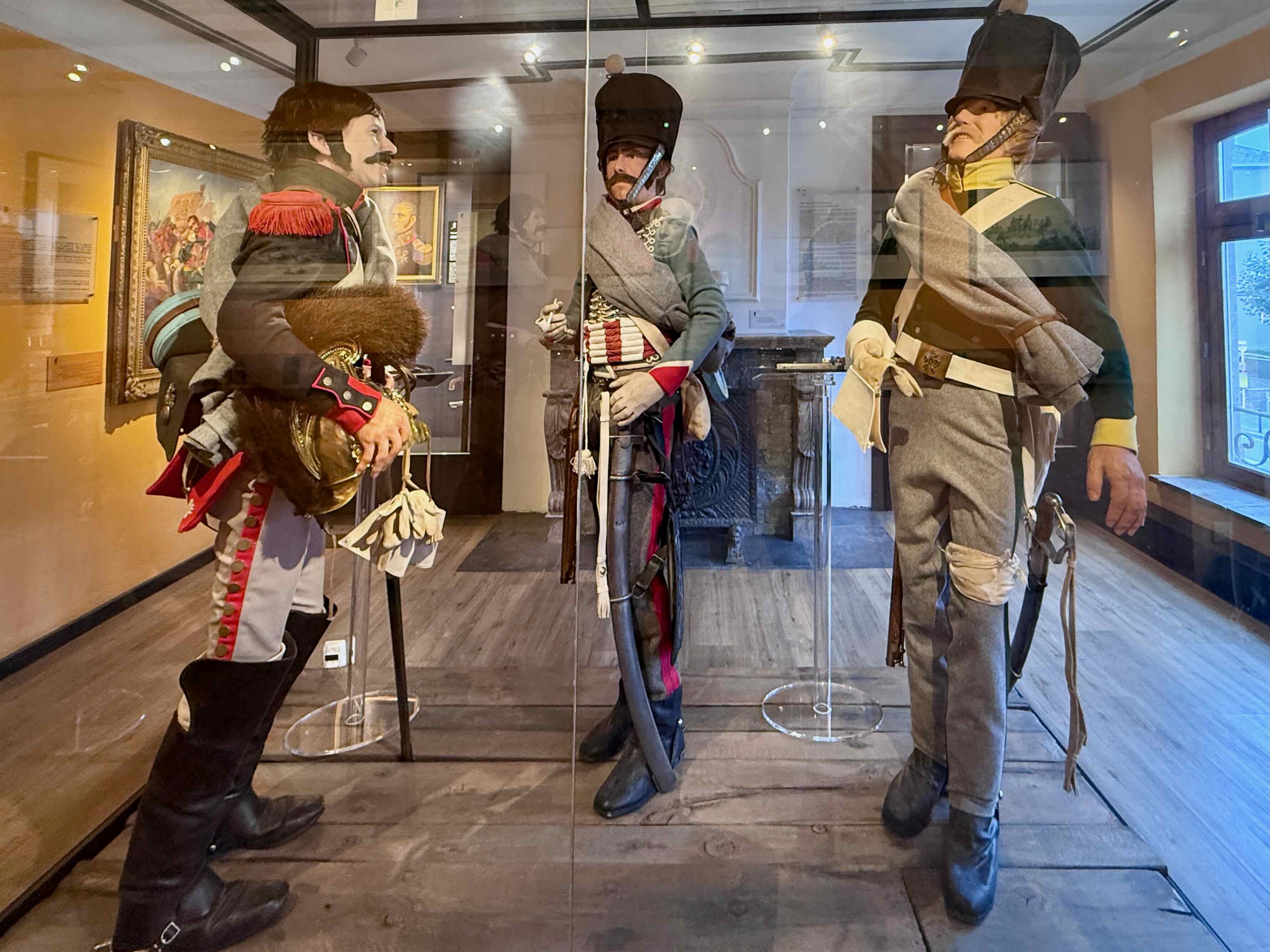
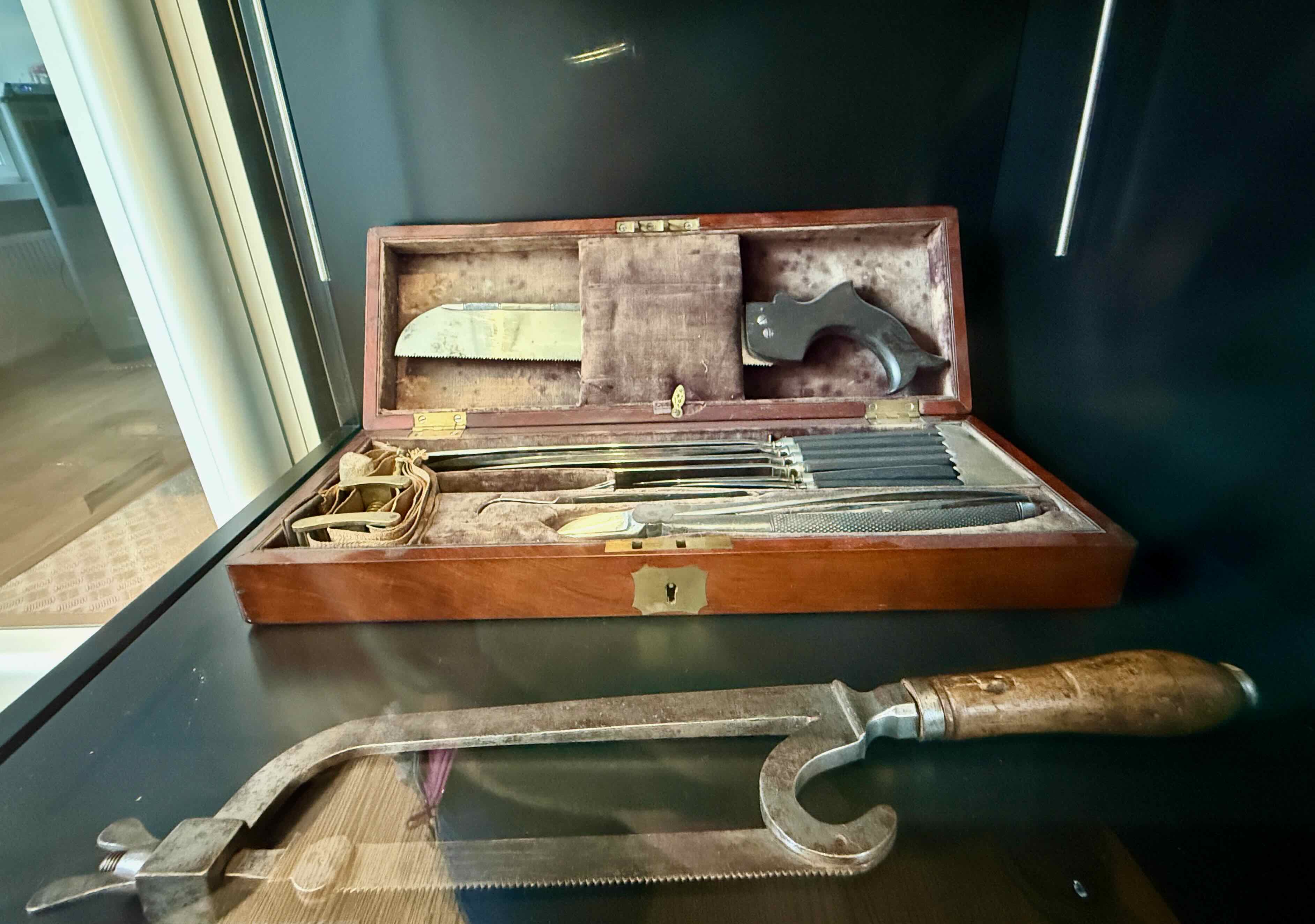
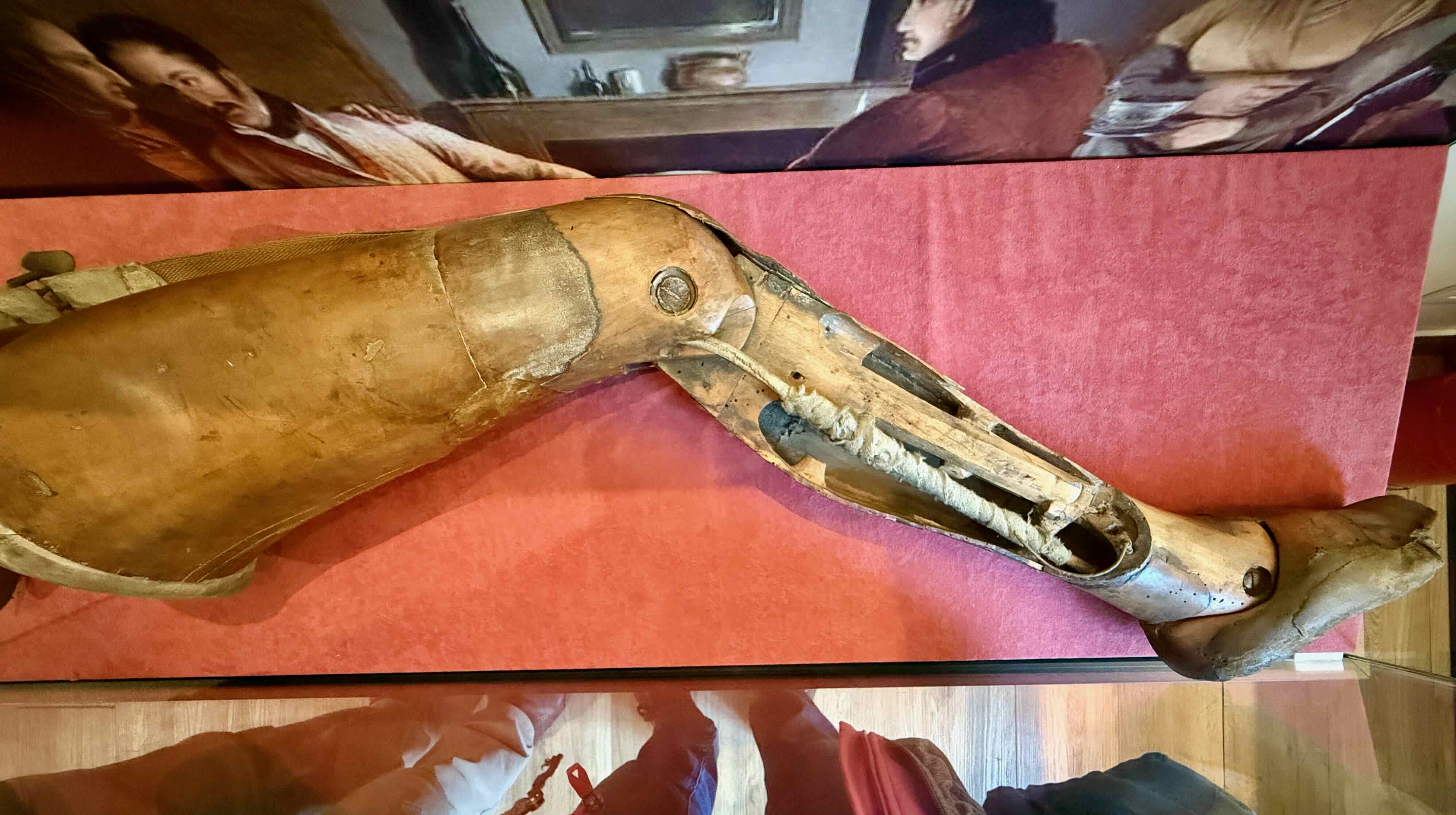

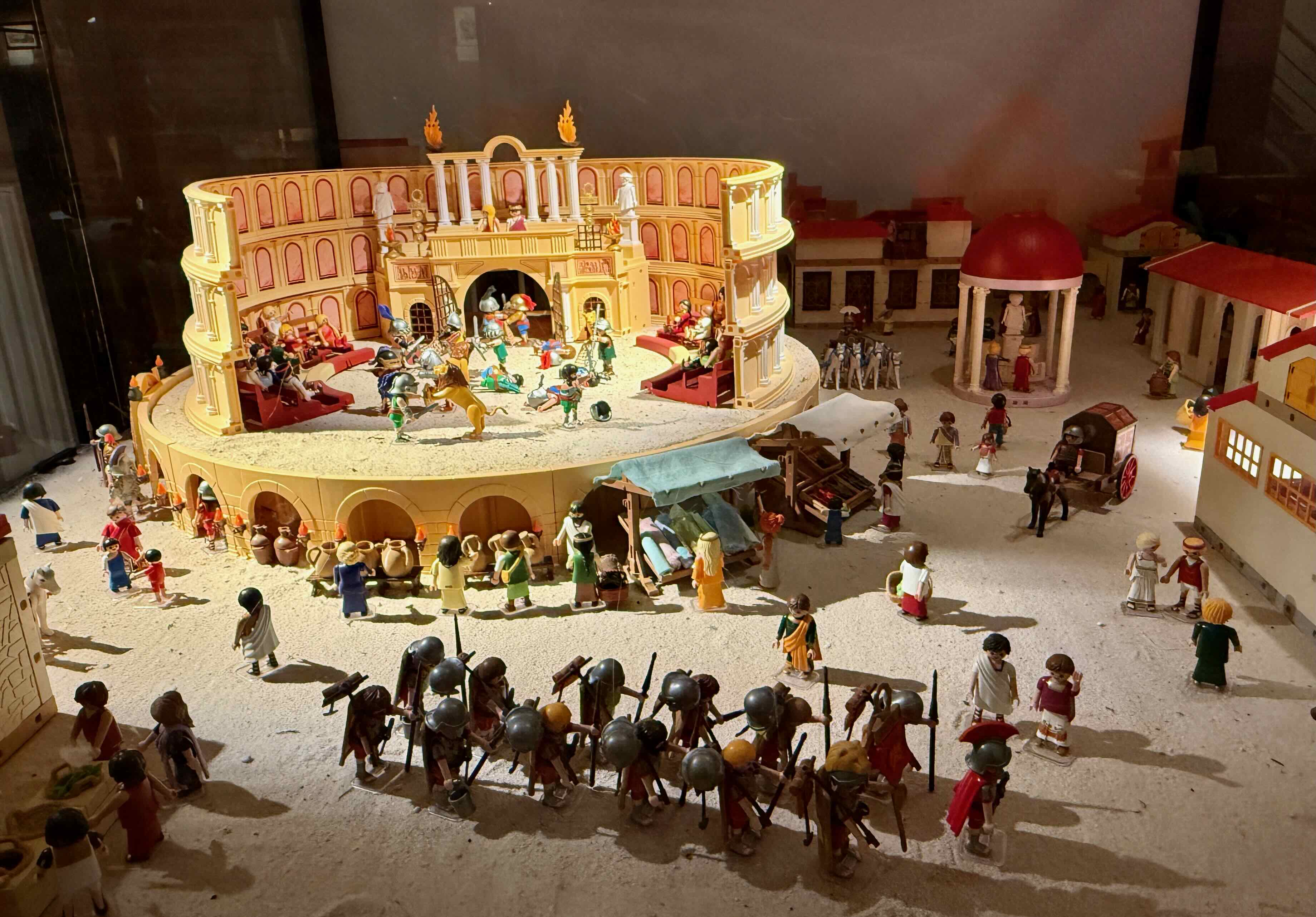
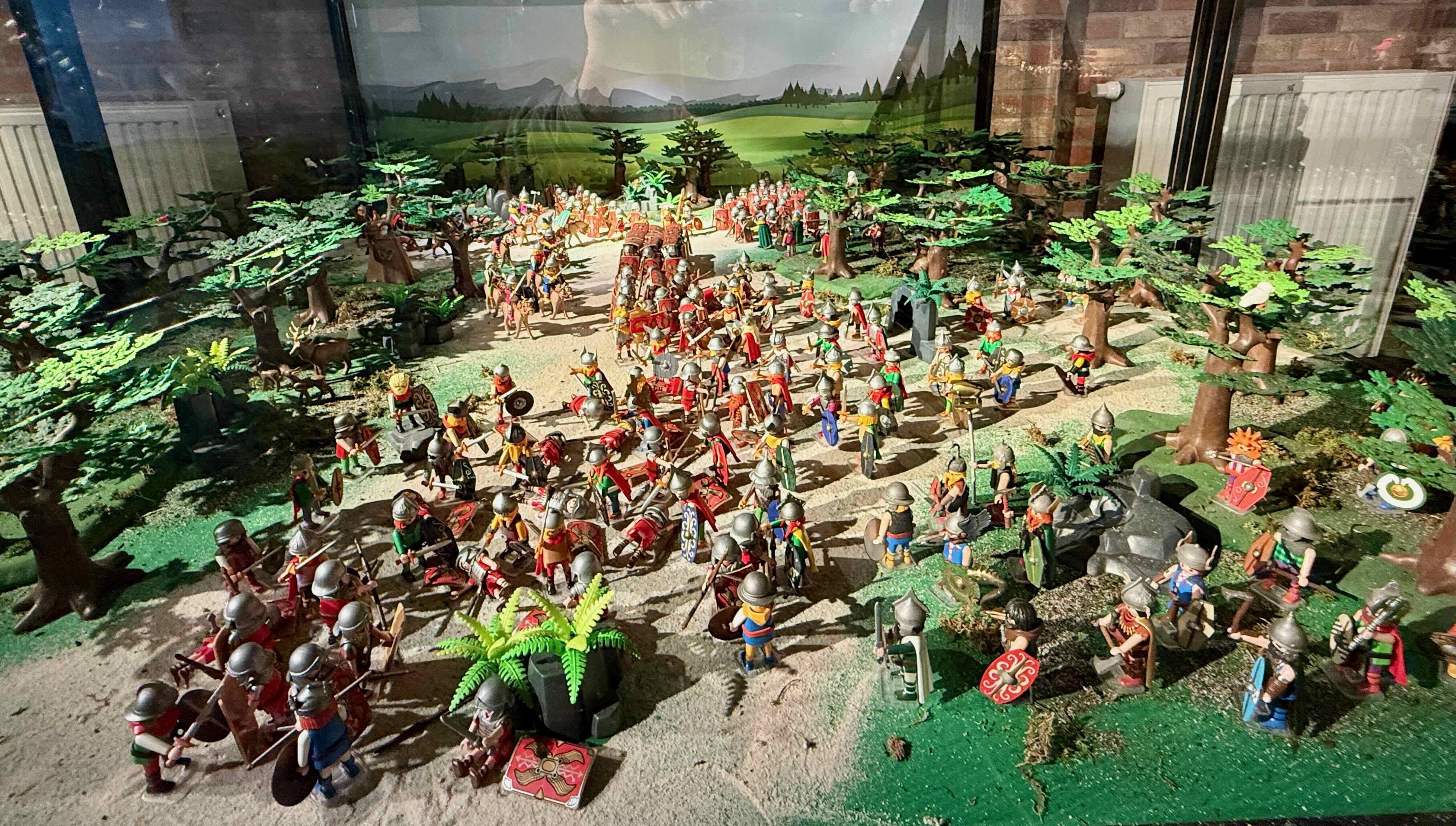 Rome’s first race course built in 599 B.C.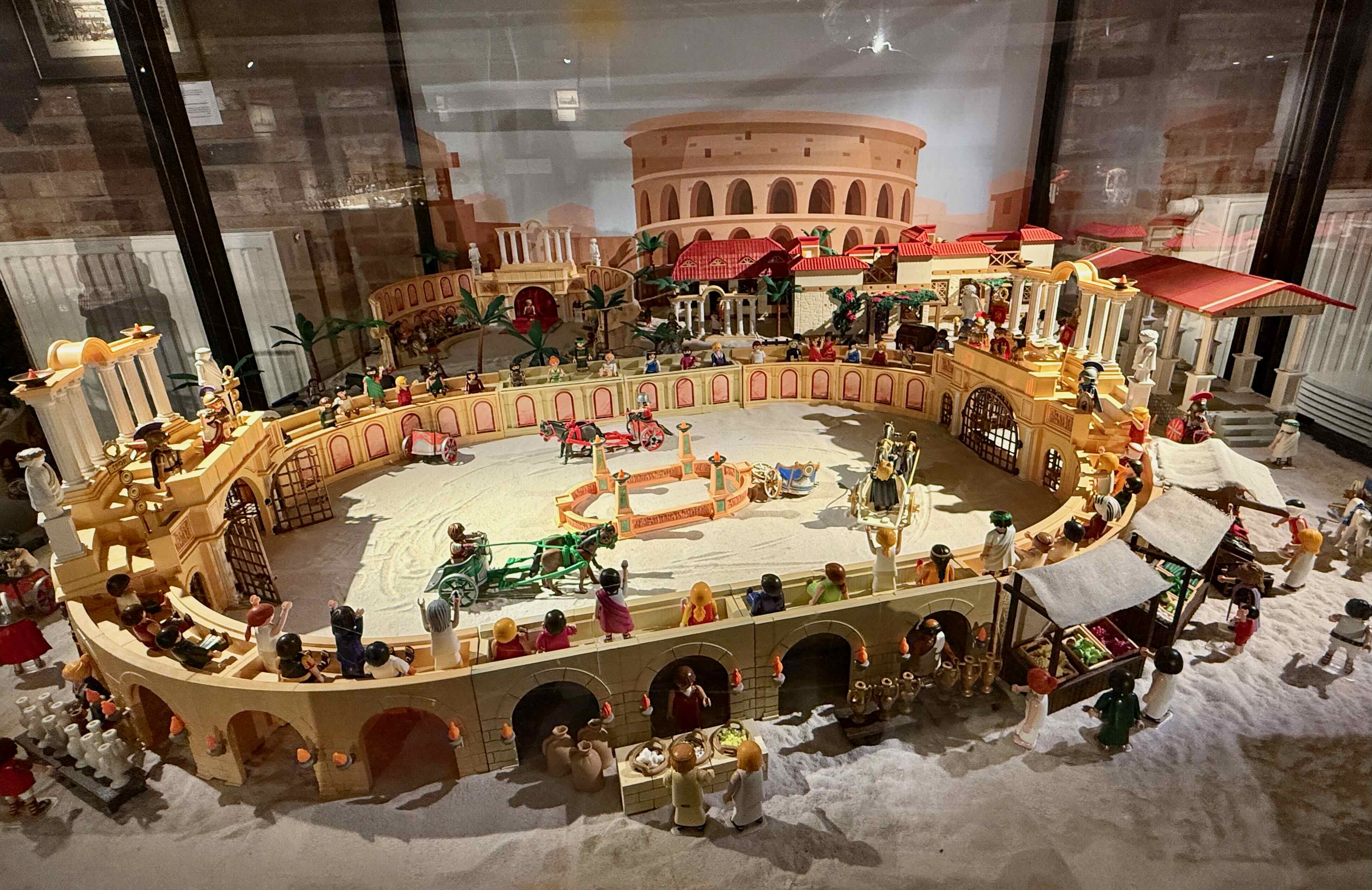
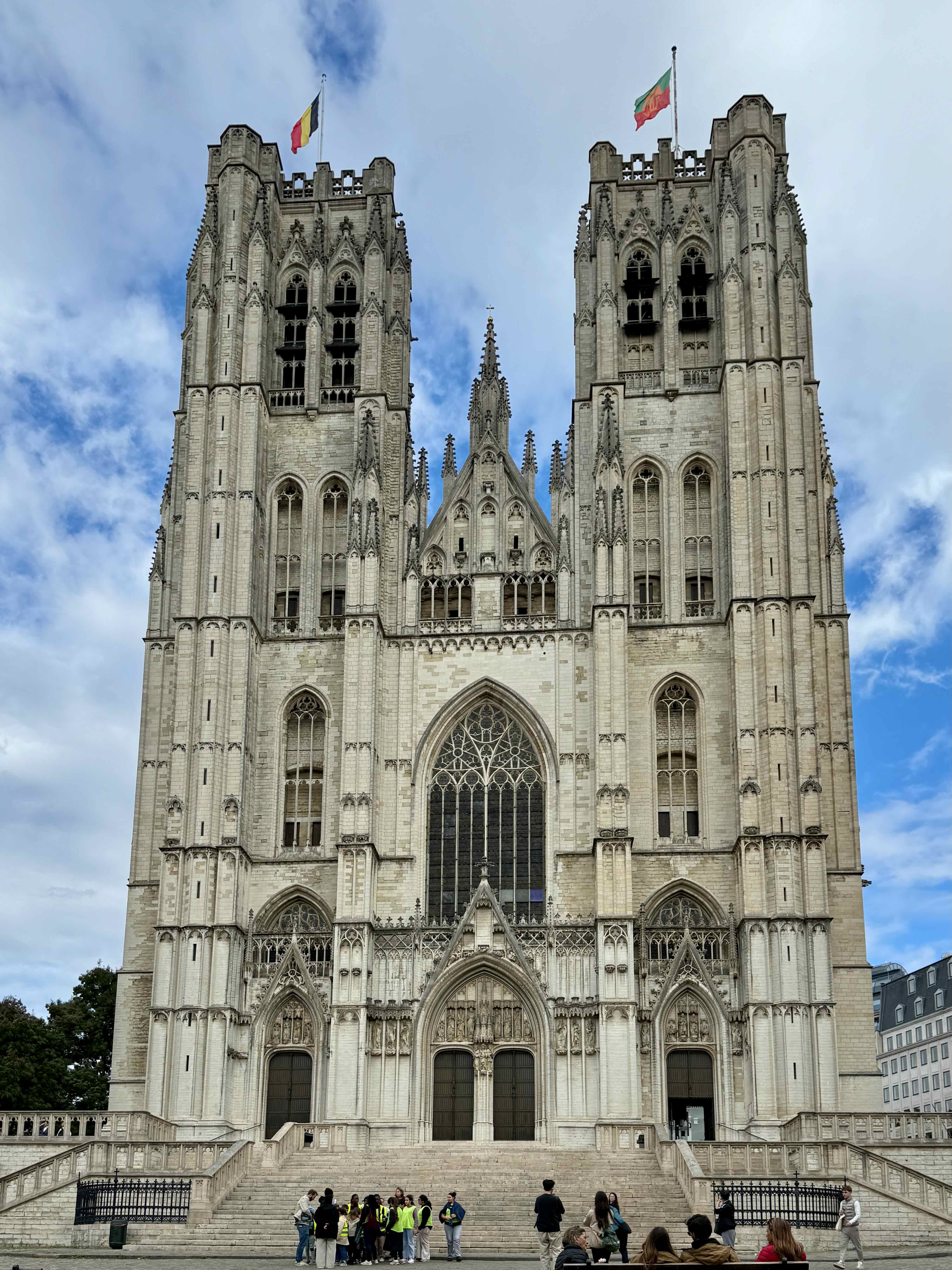
 This very old St. Joseph Church from 1690 is right across the street so we had a look.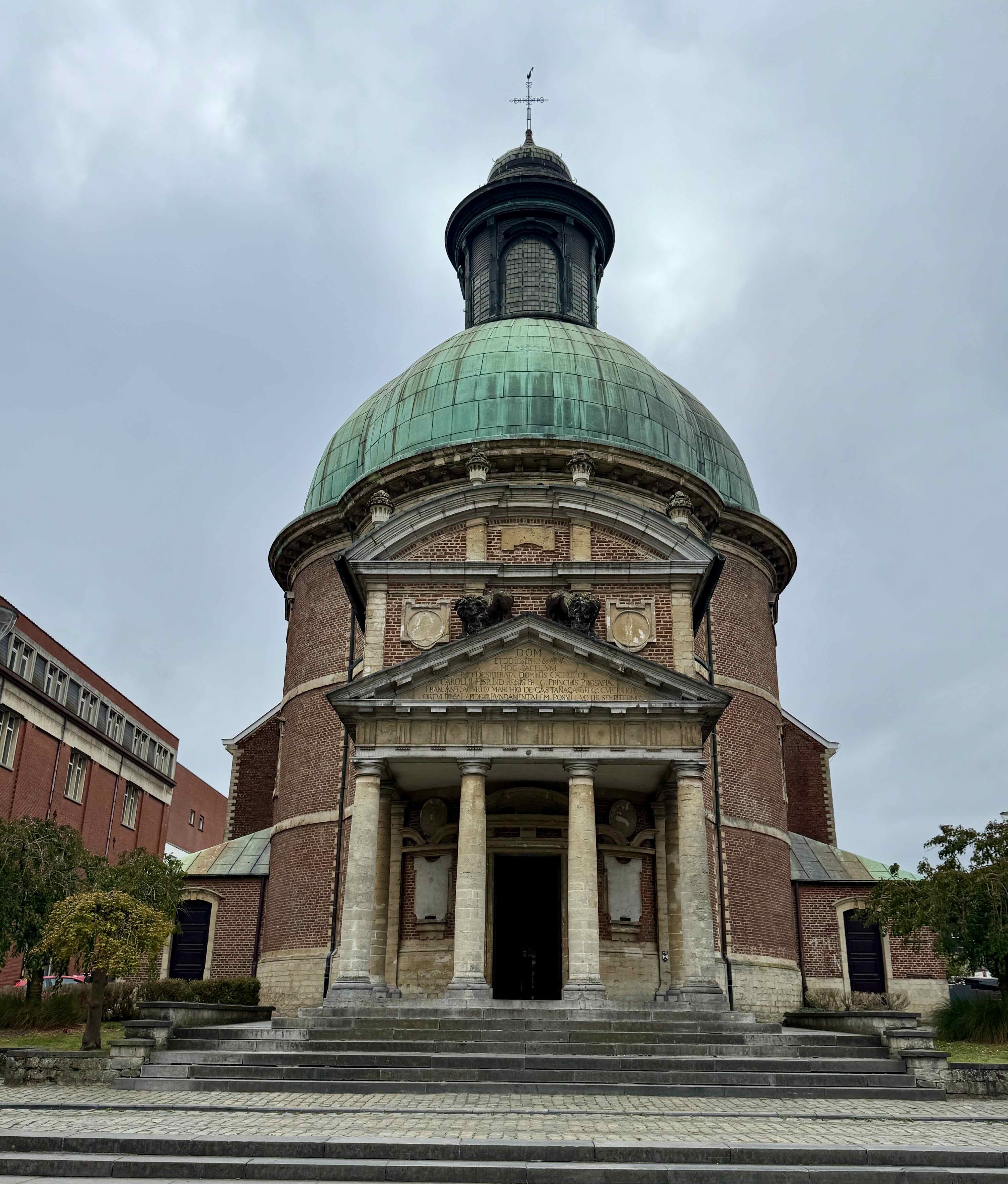
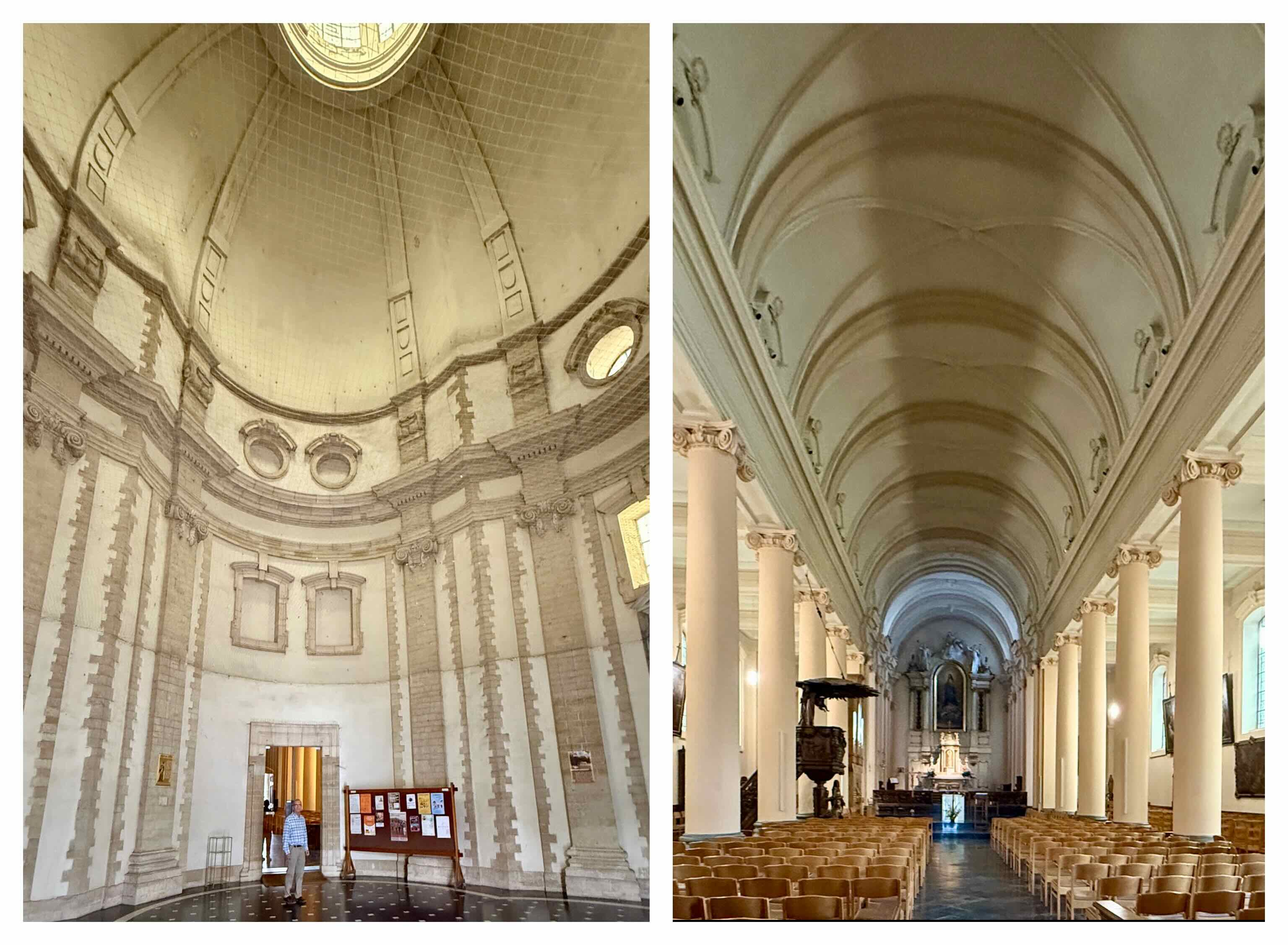
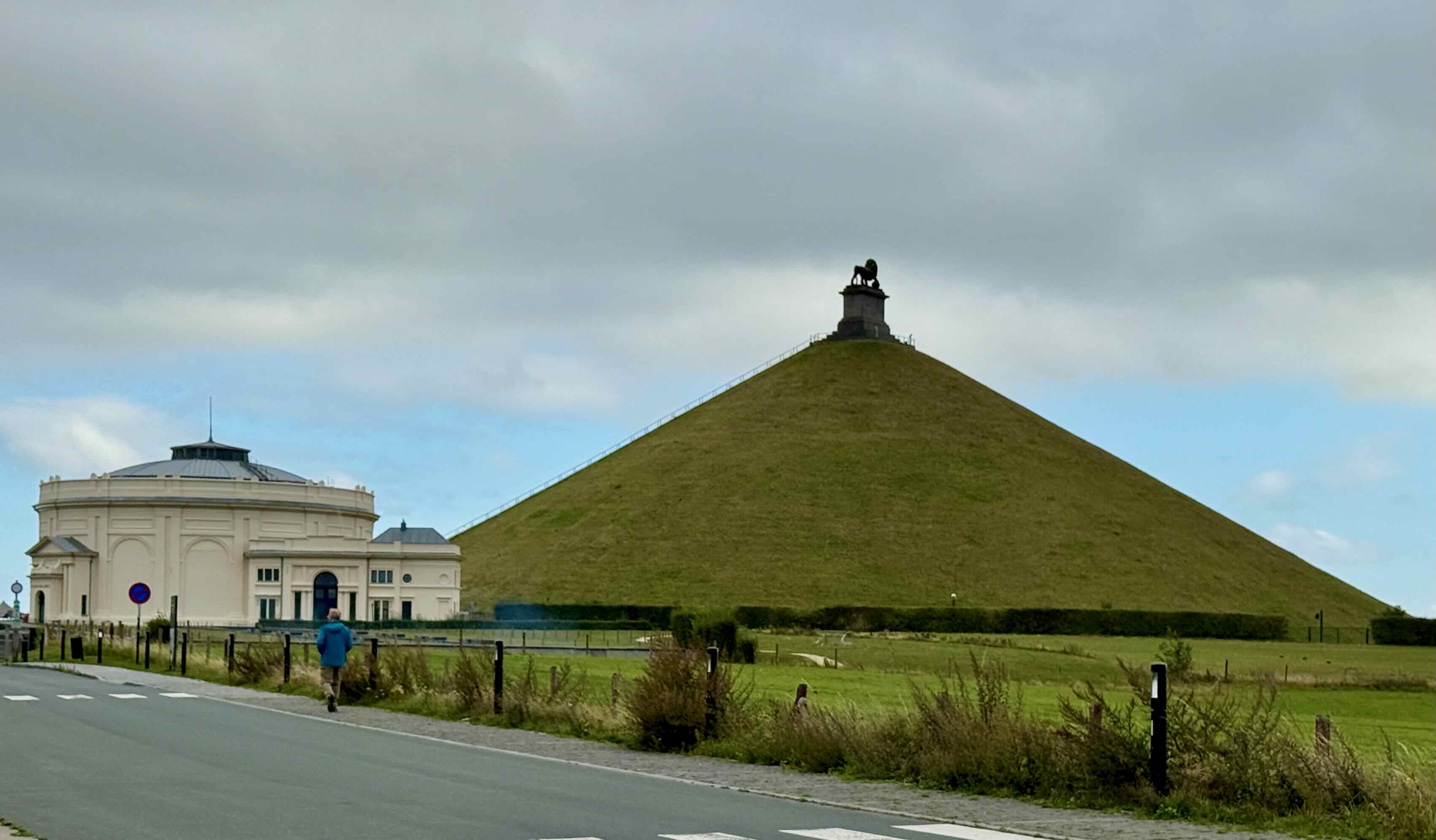
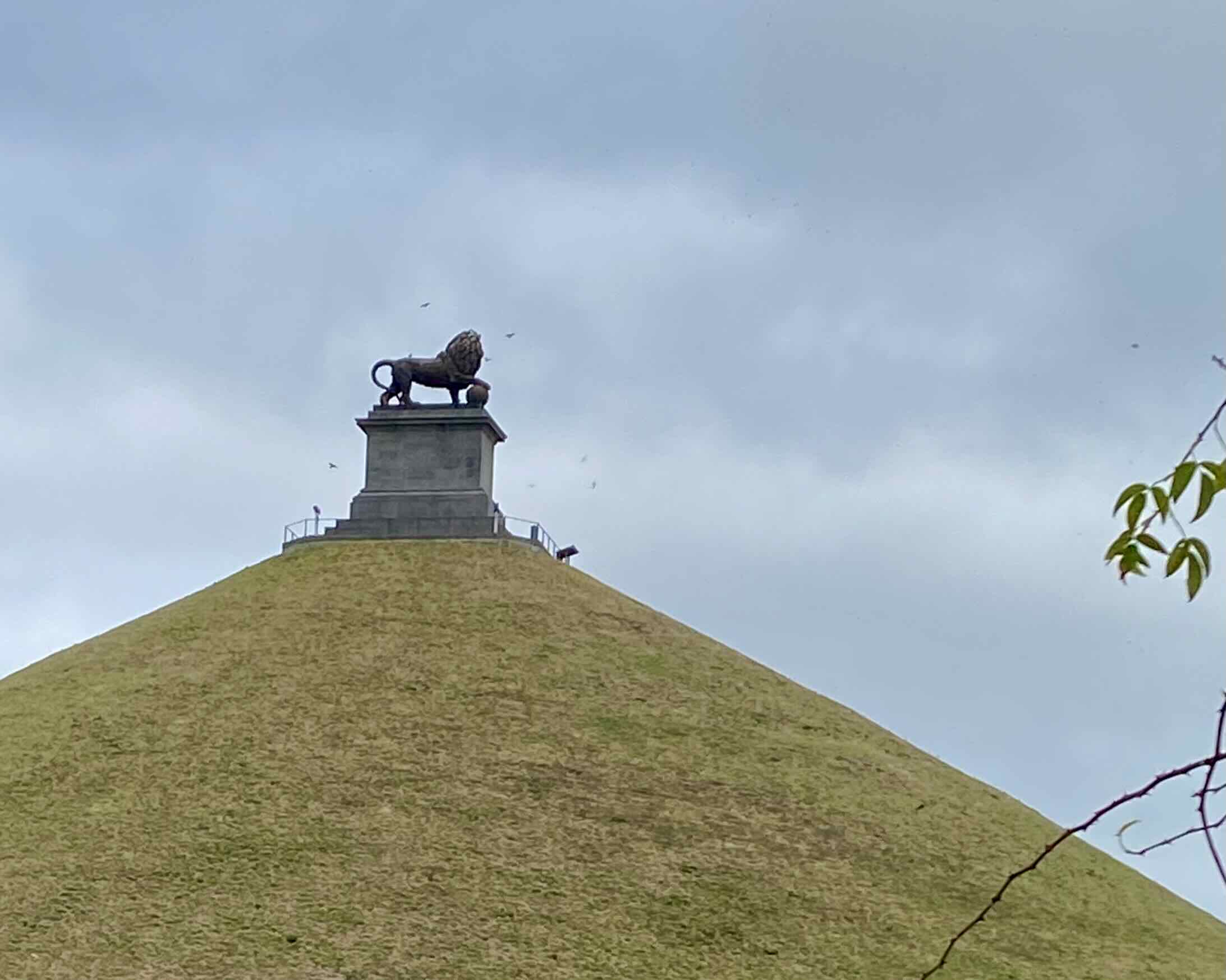
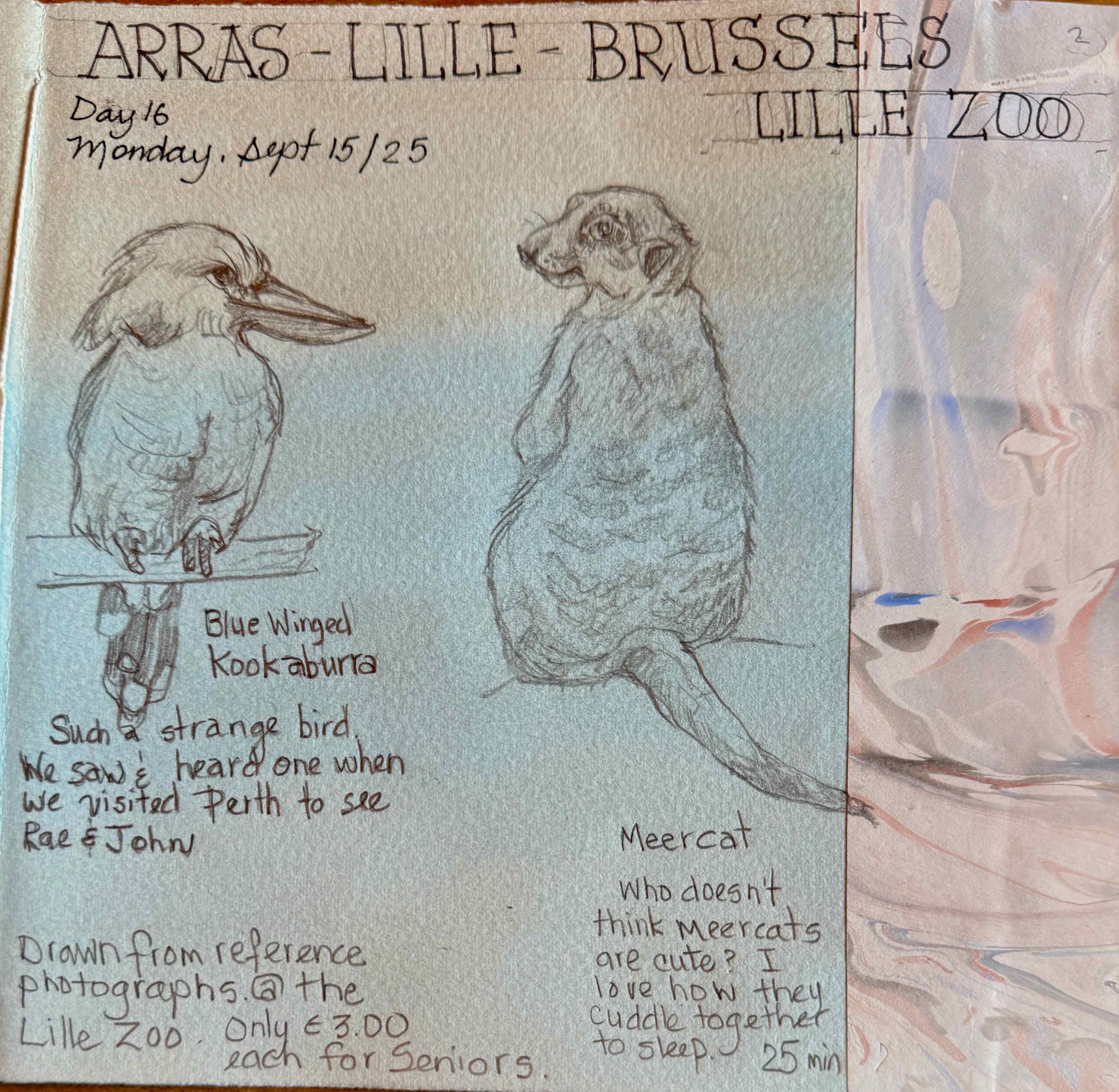
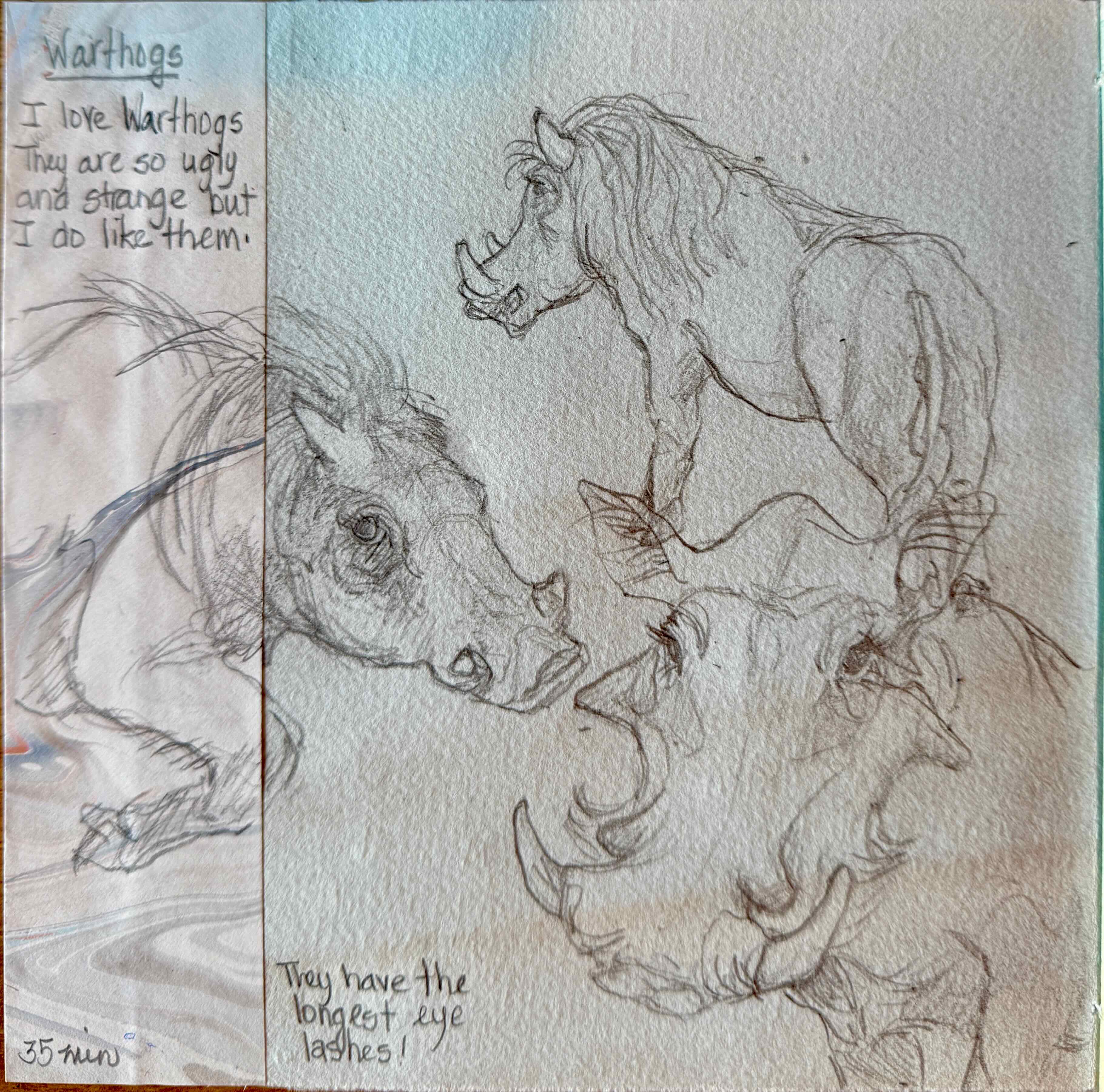
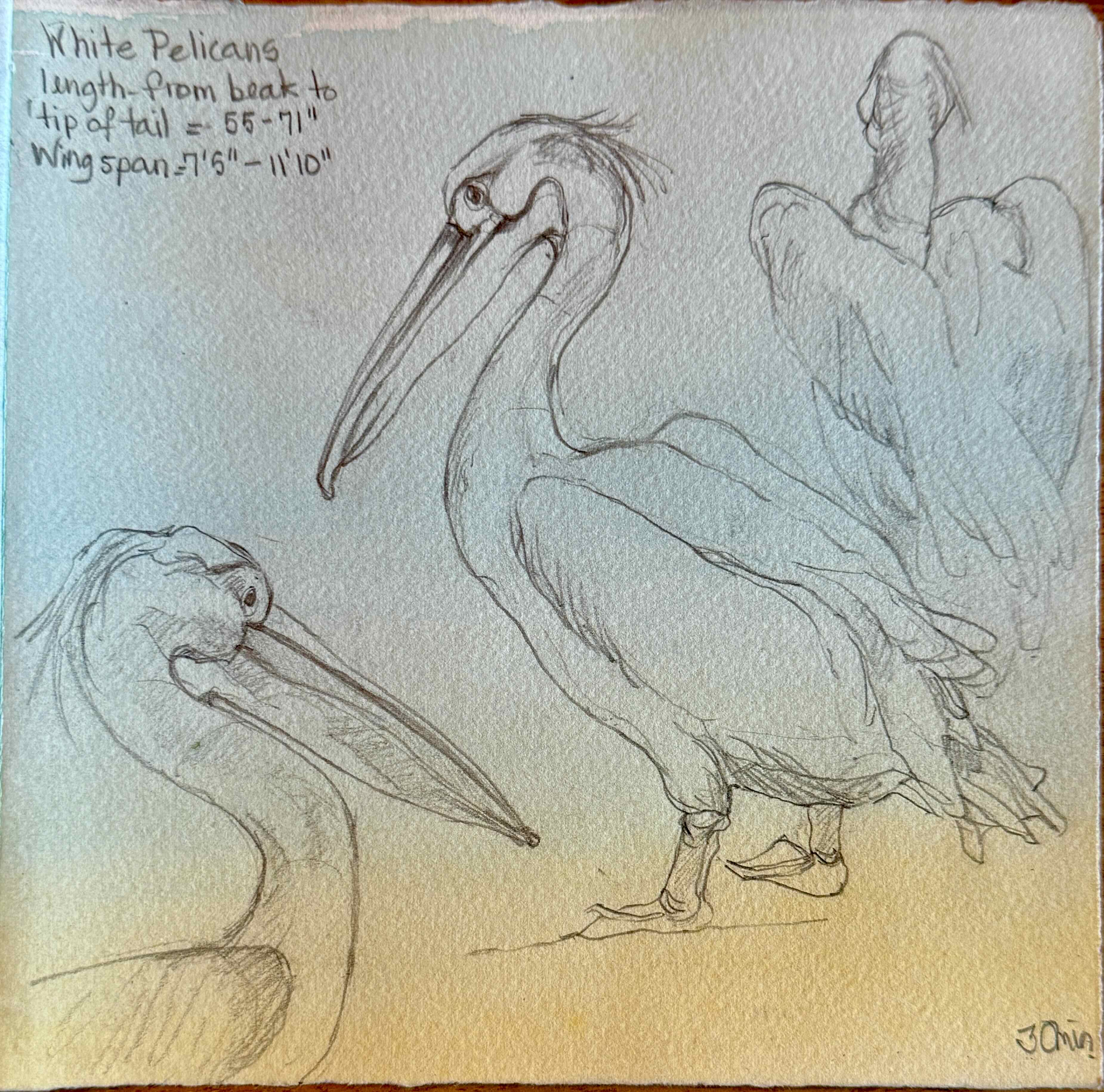
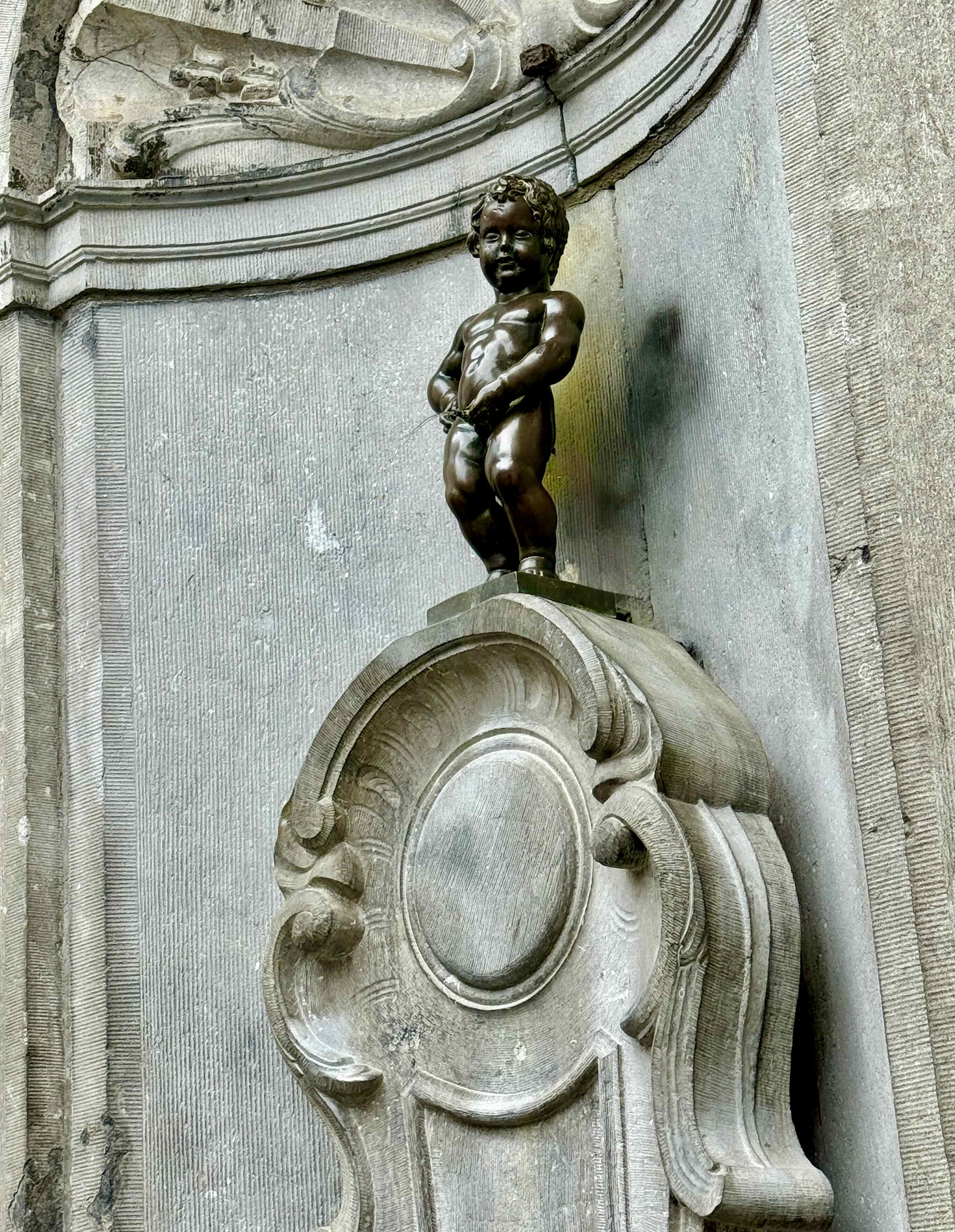


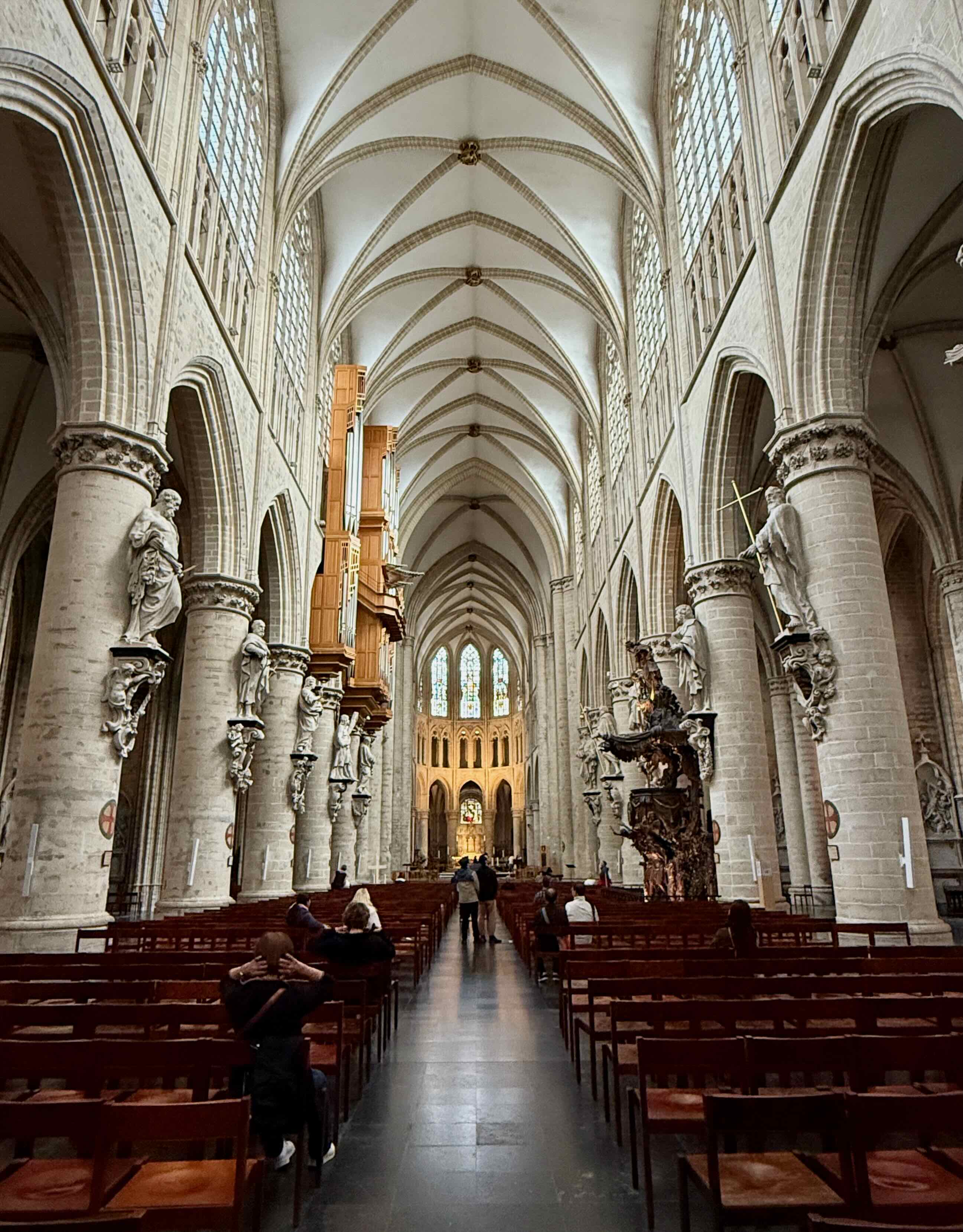 There are many stunning stained glass windows surrounding the ornate altar.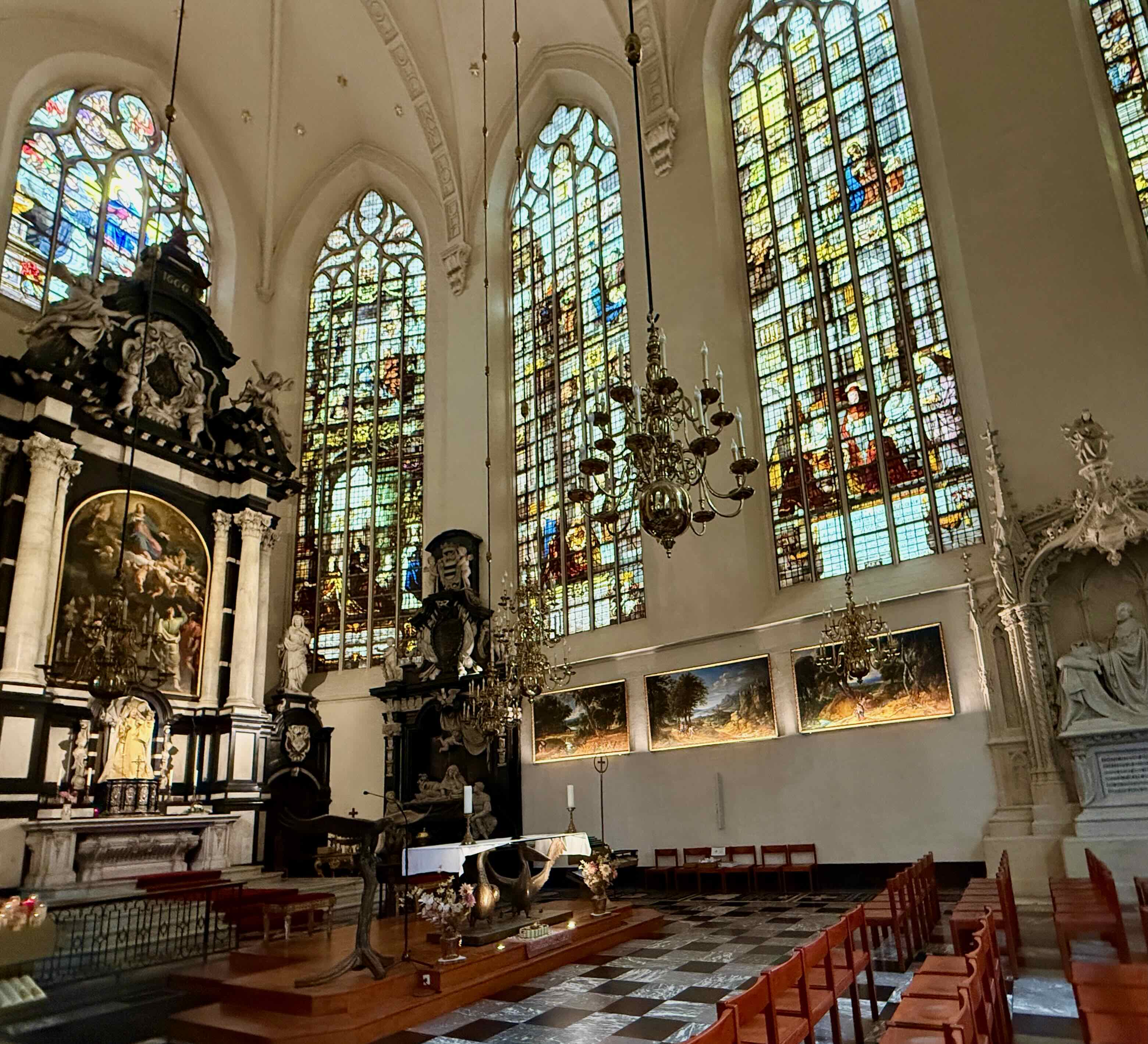
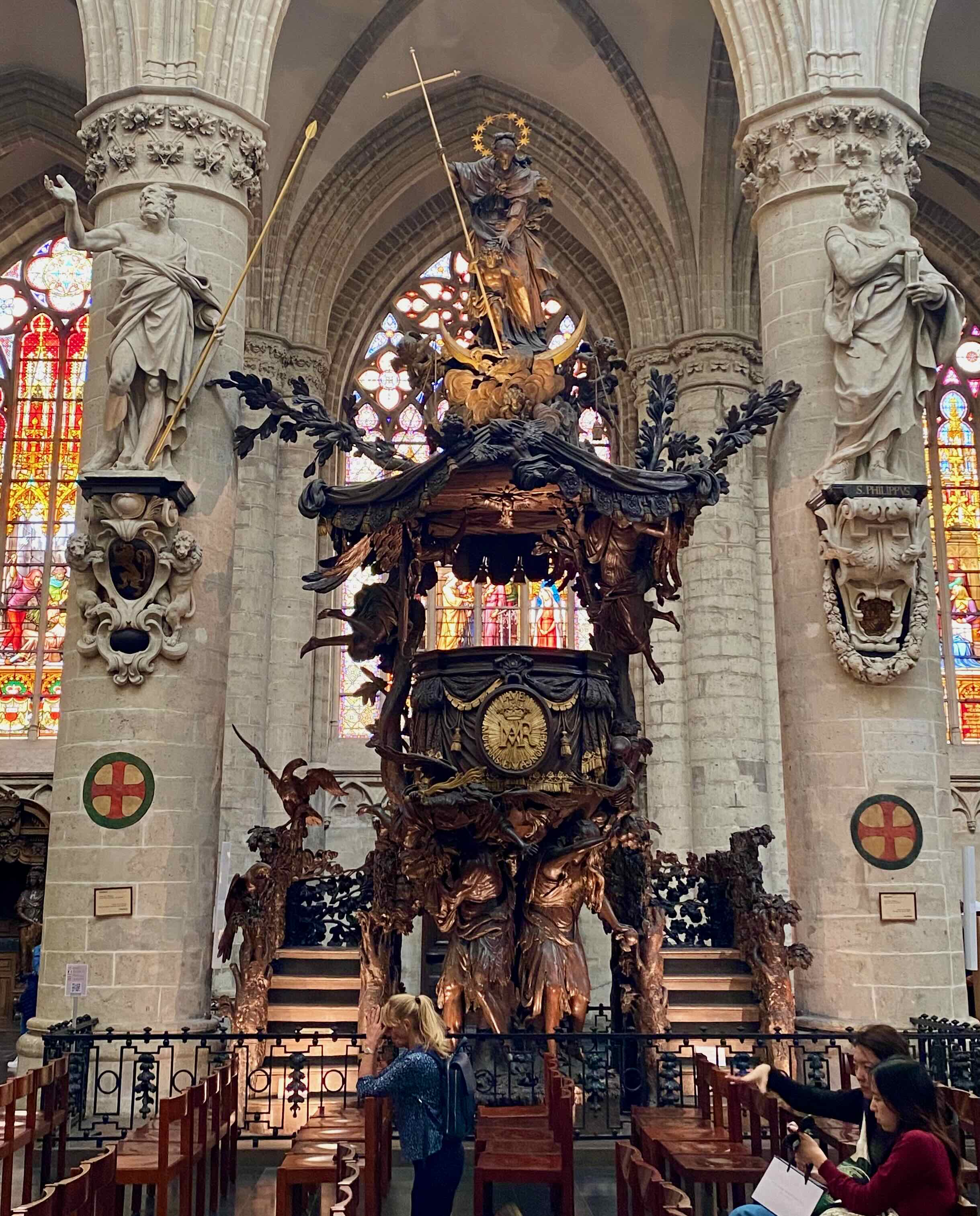
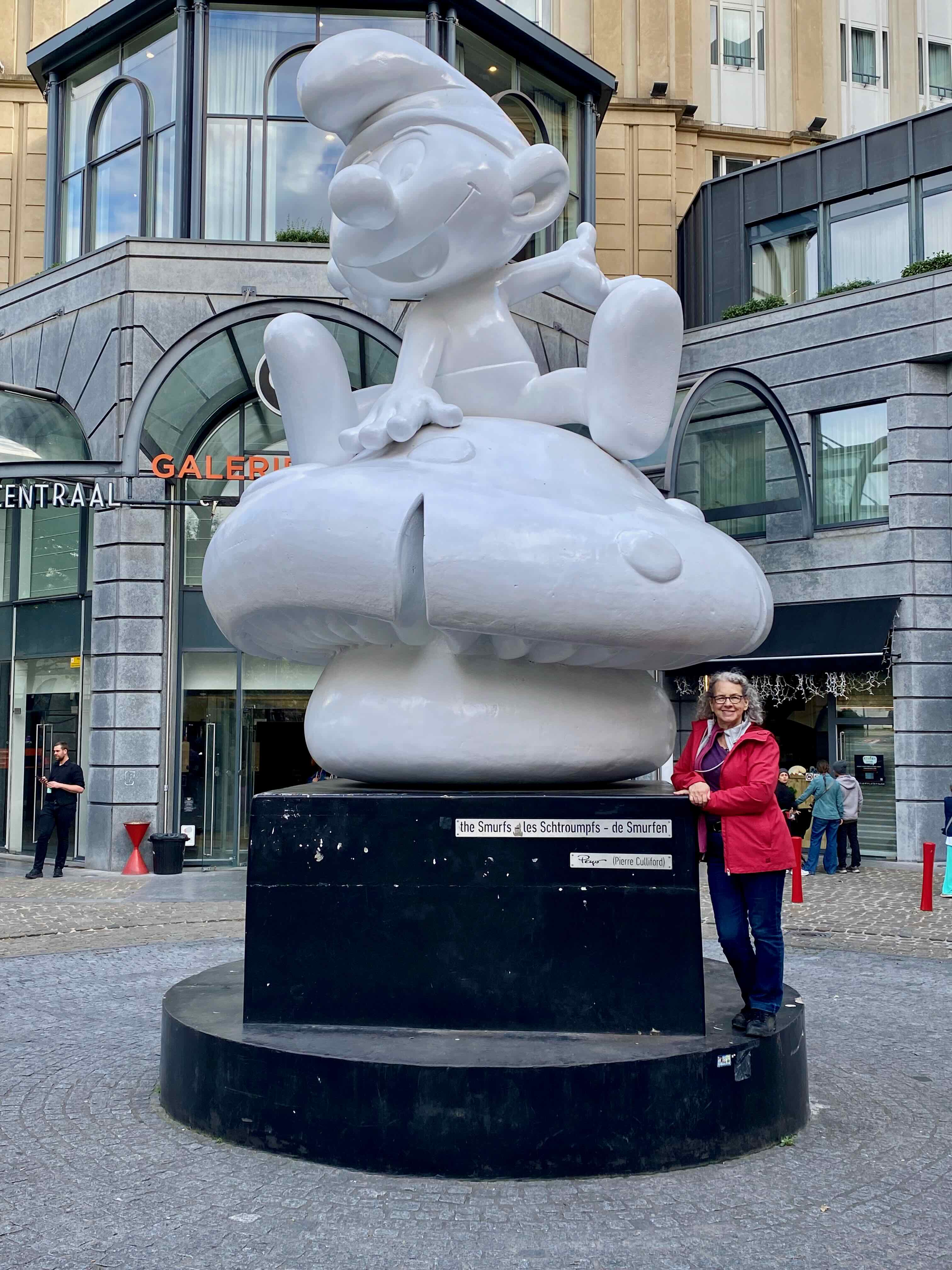
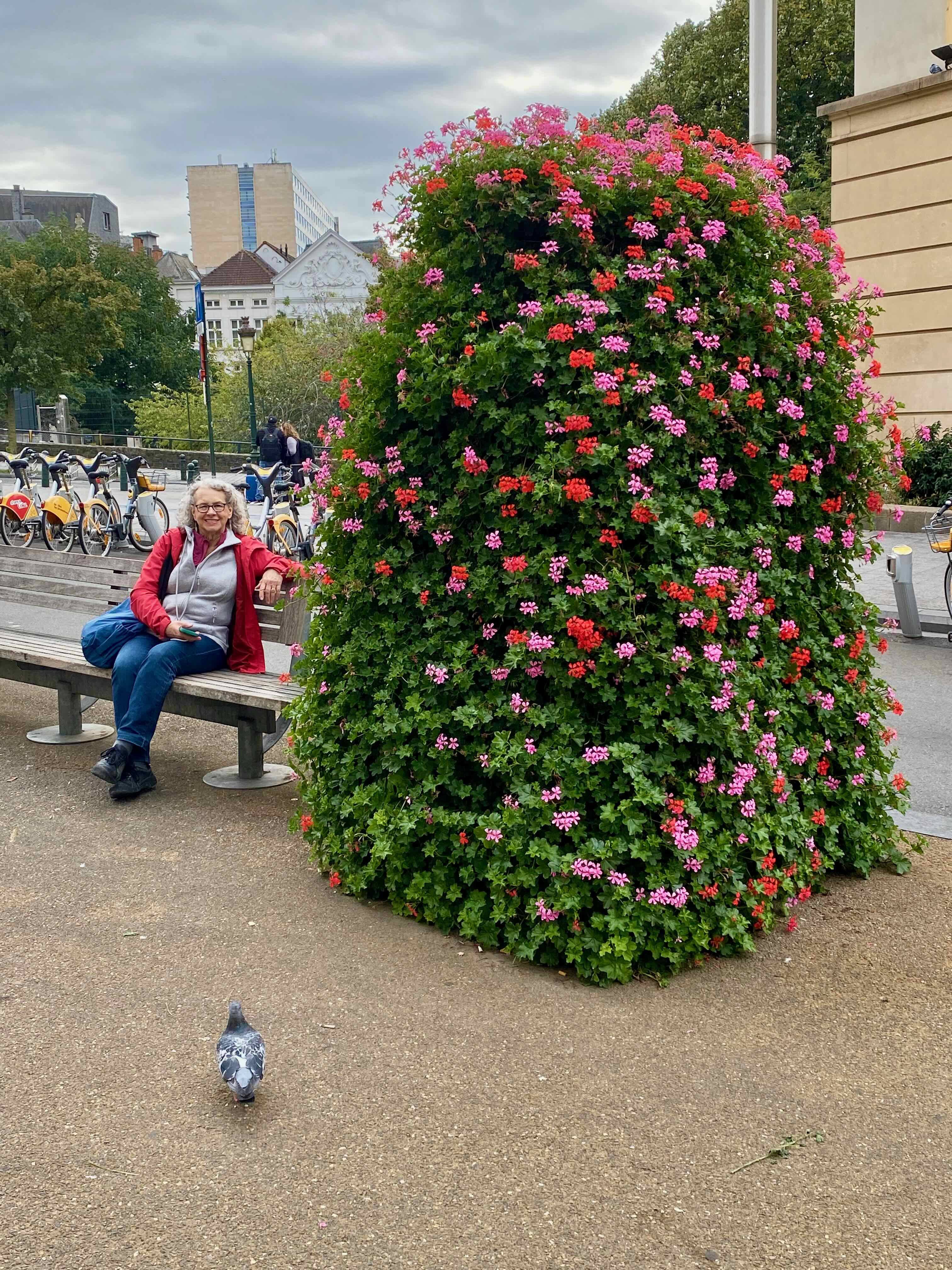
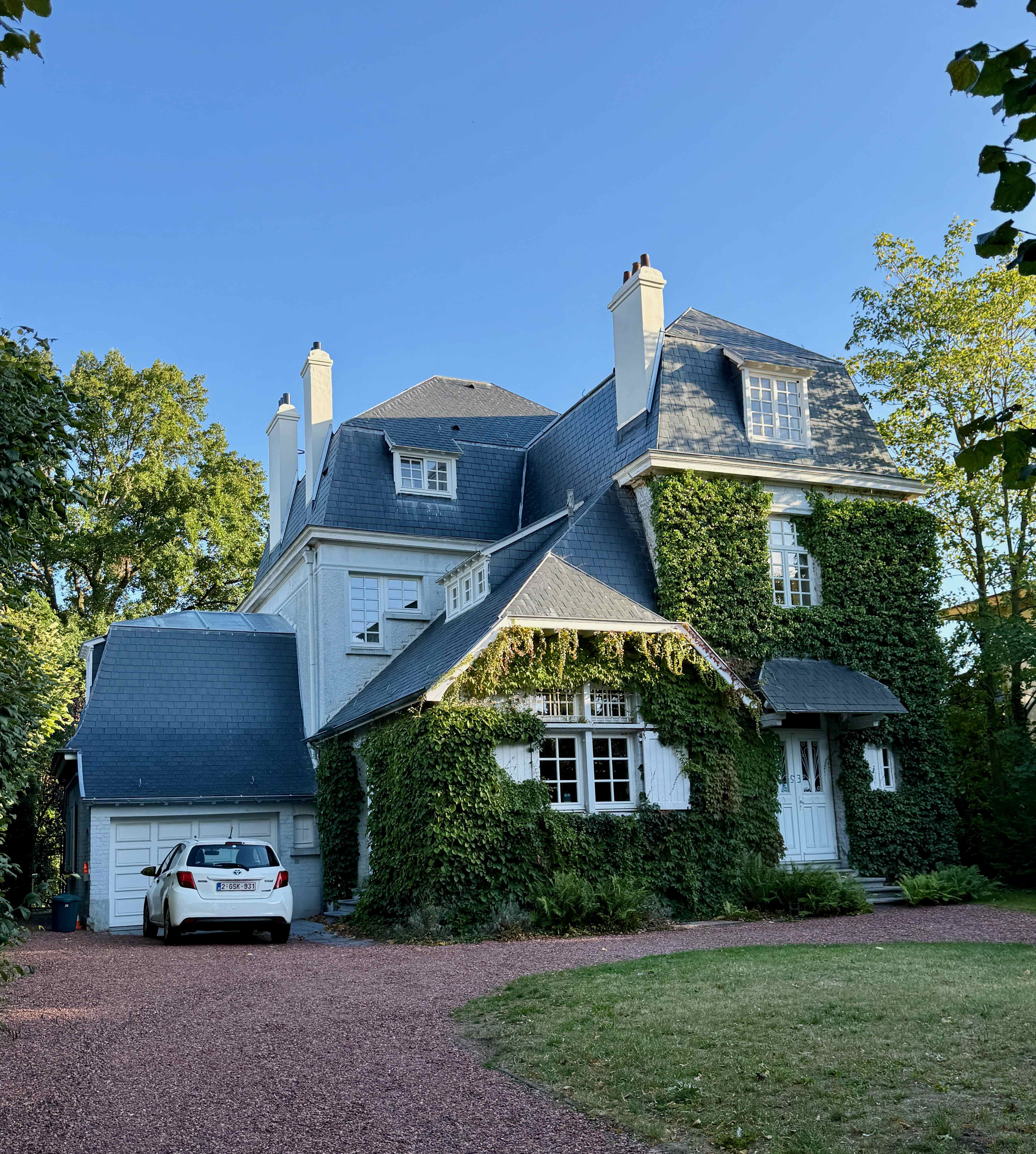

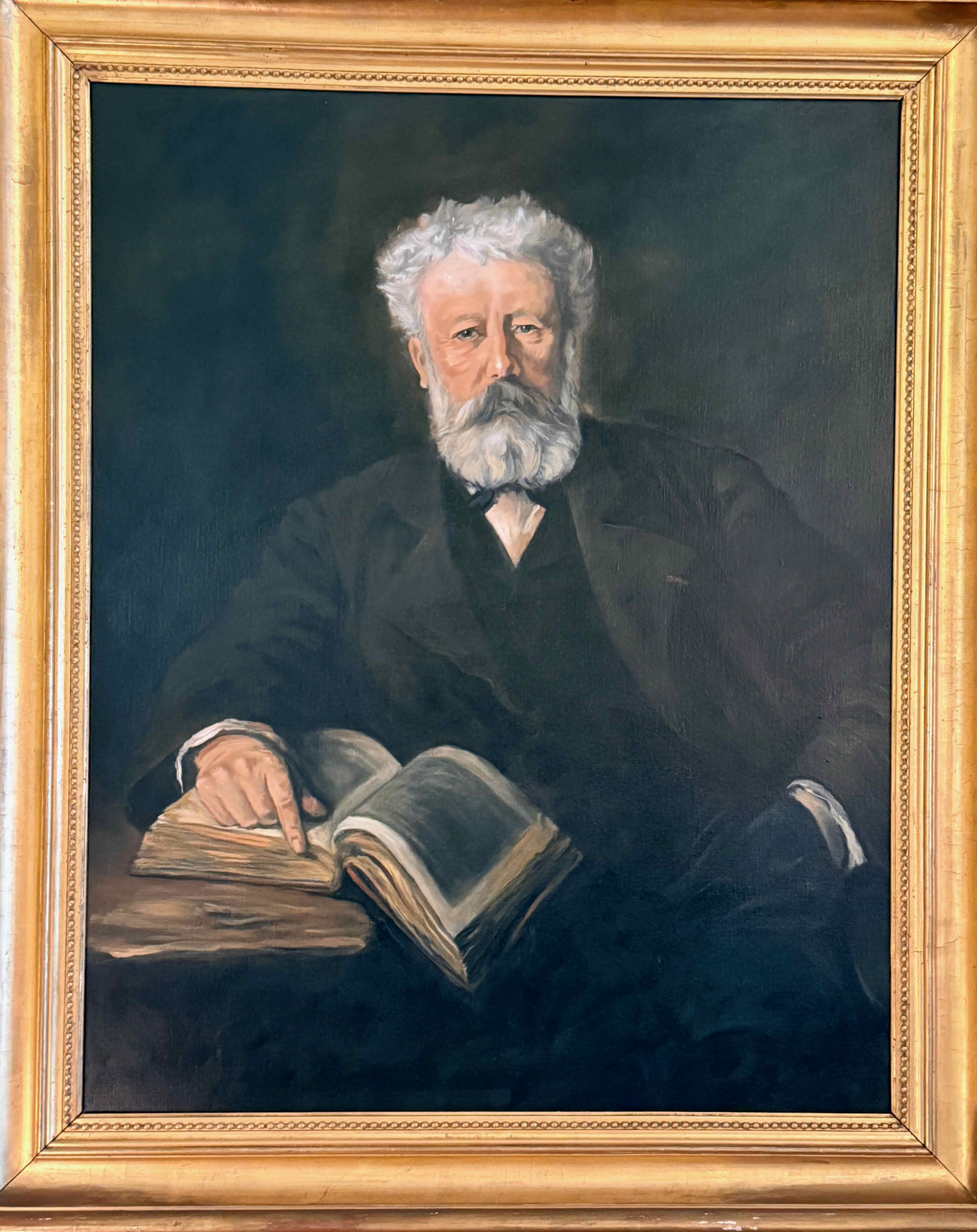
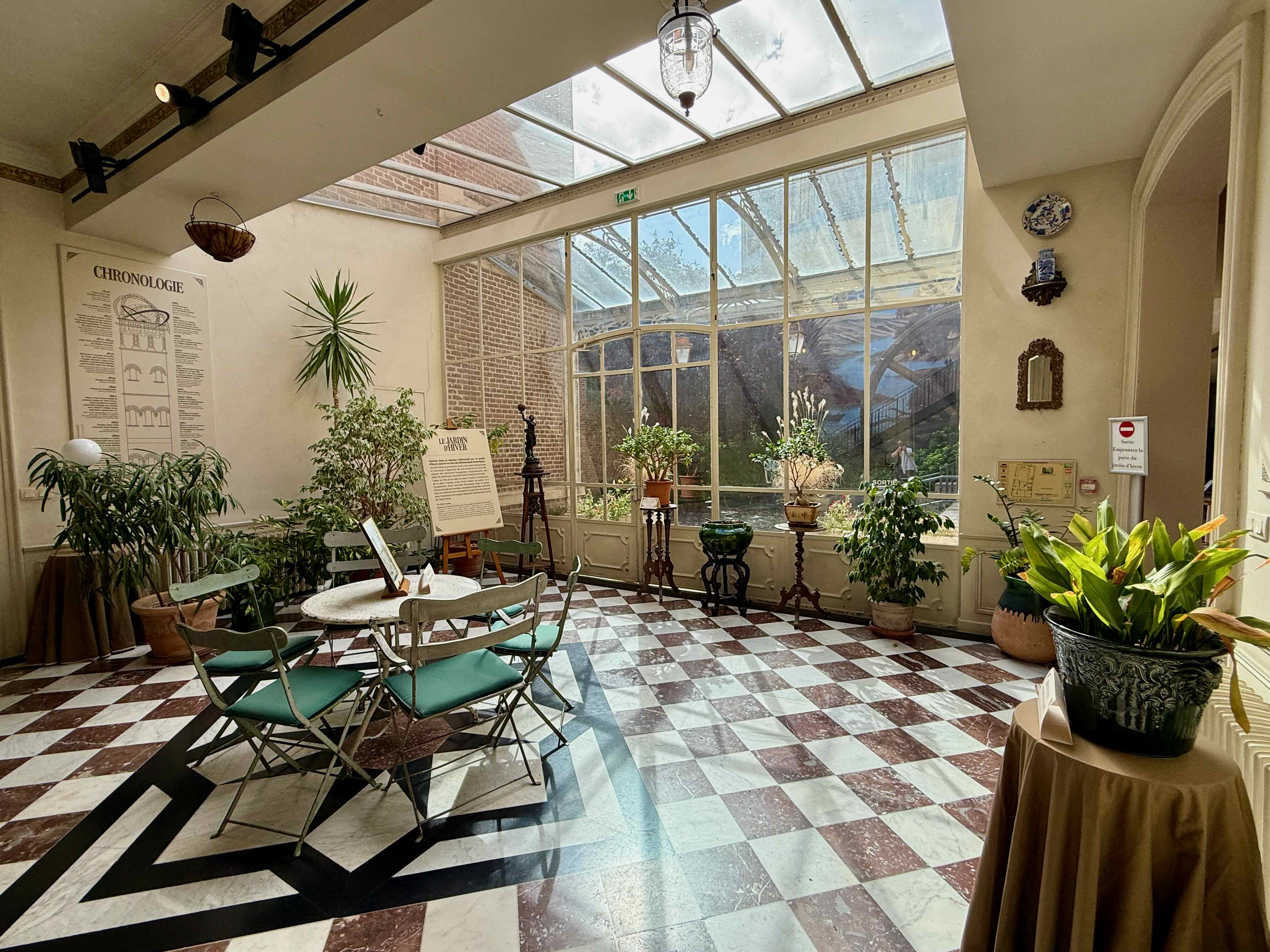
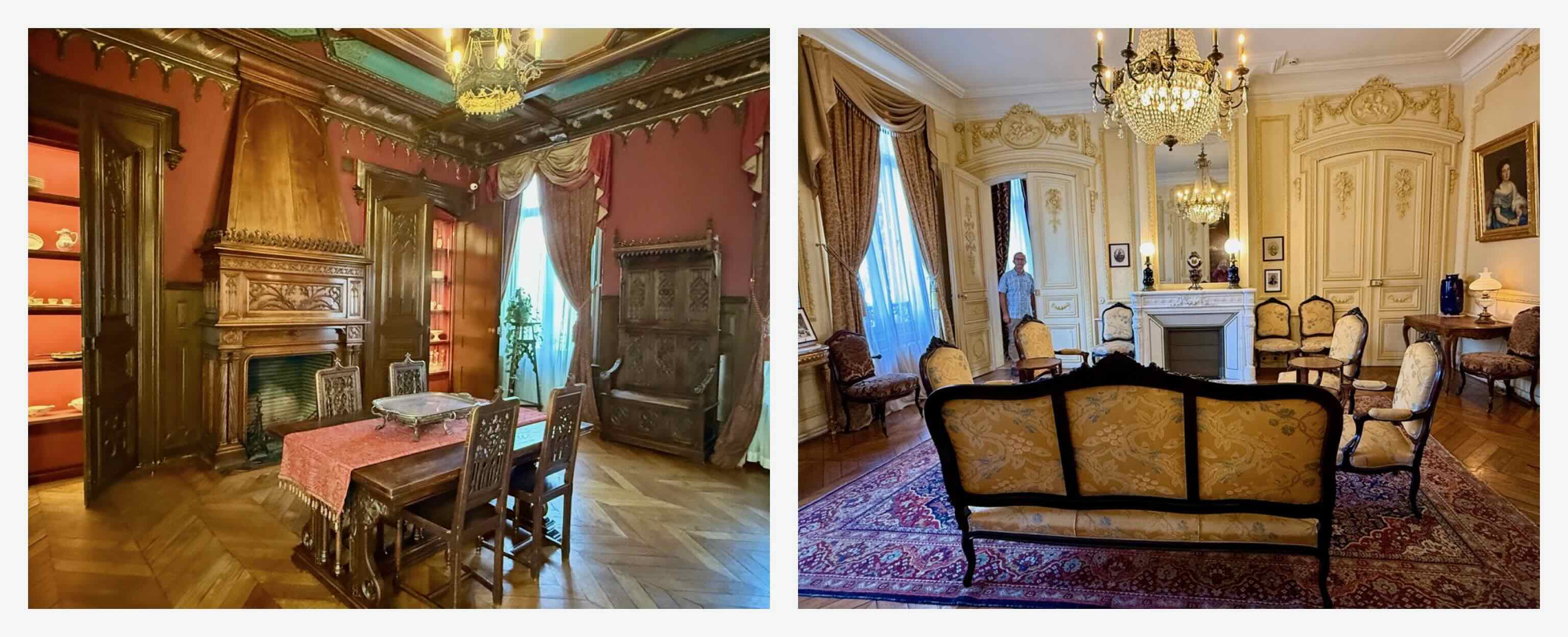
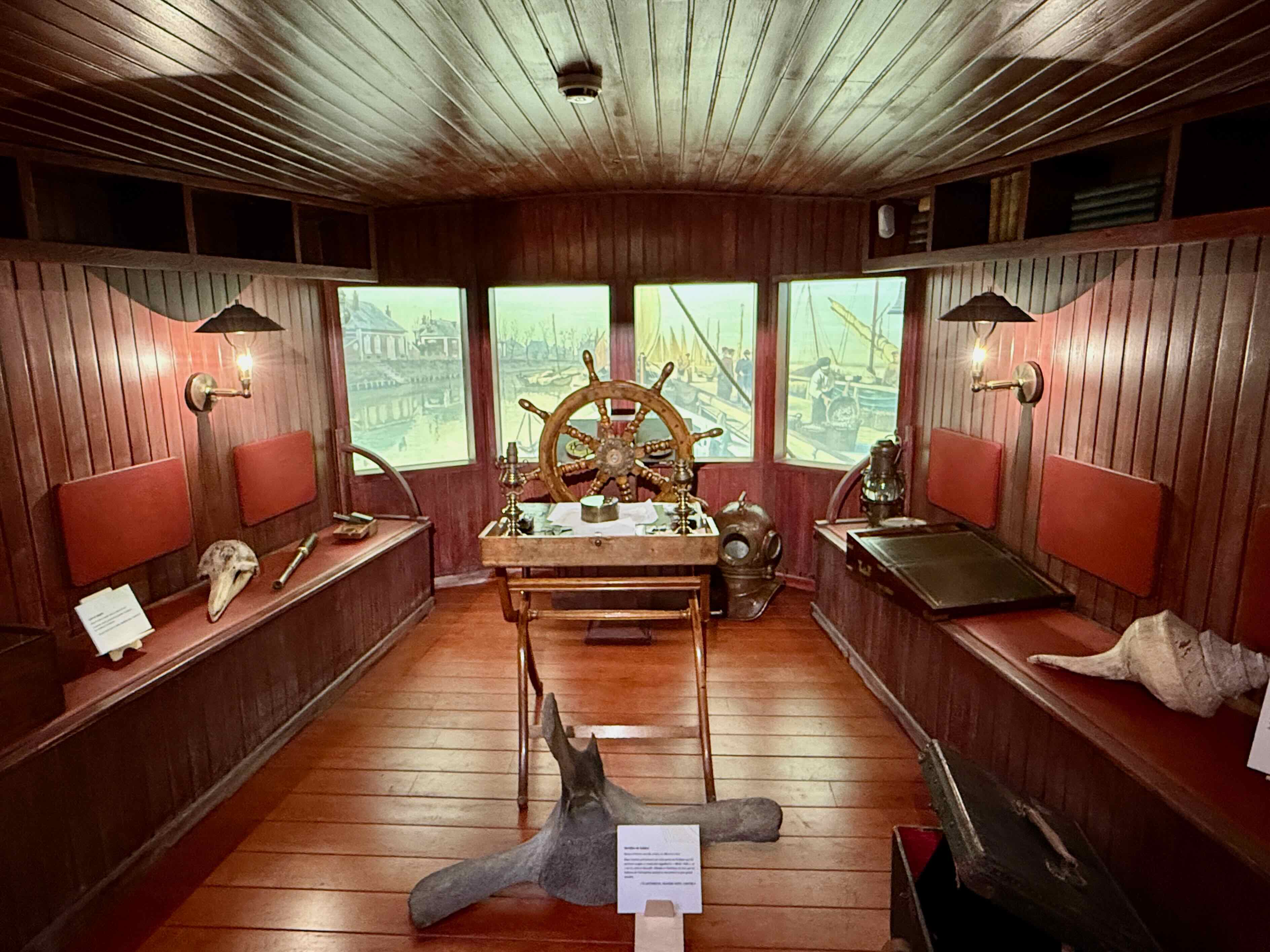
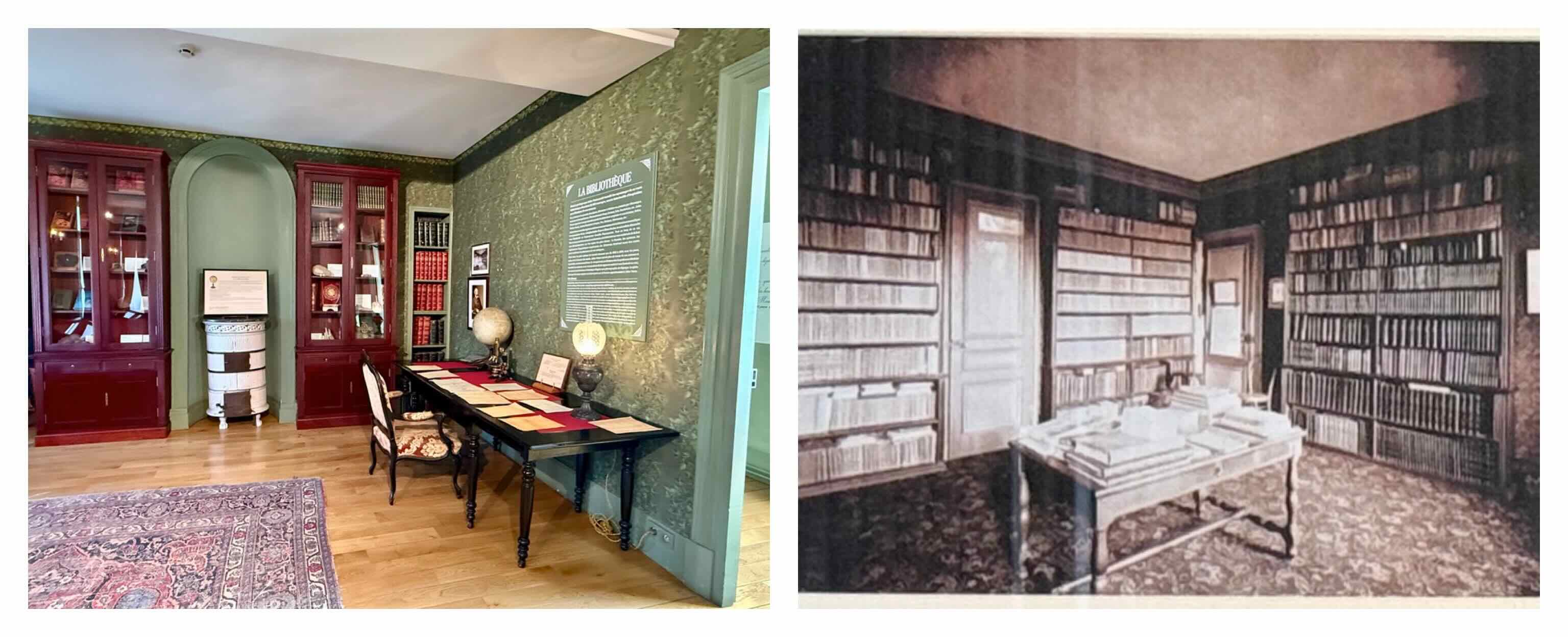
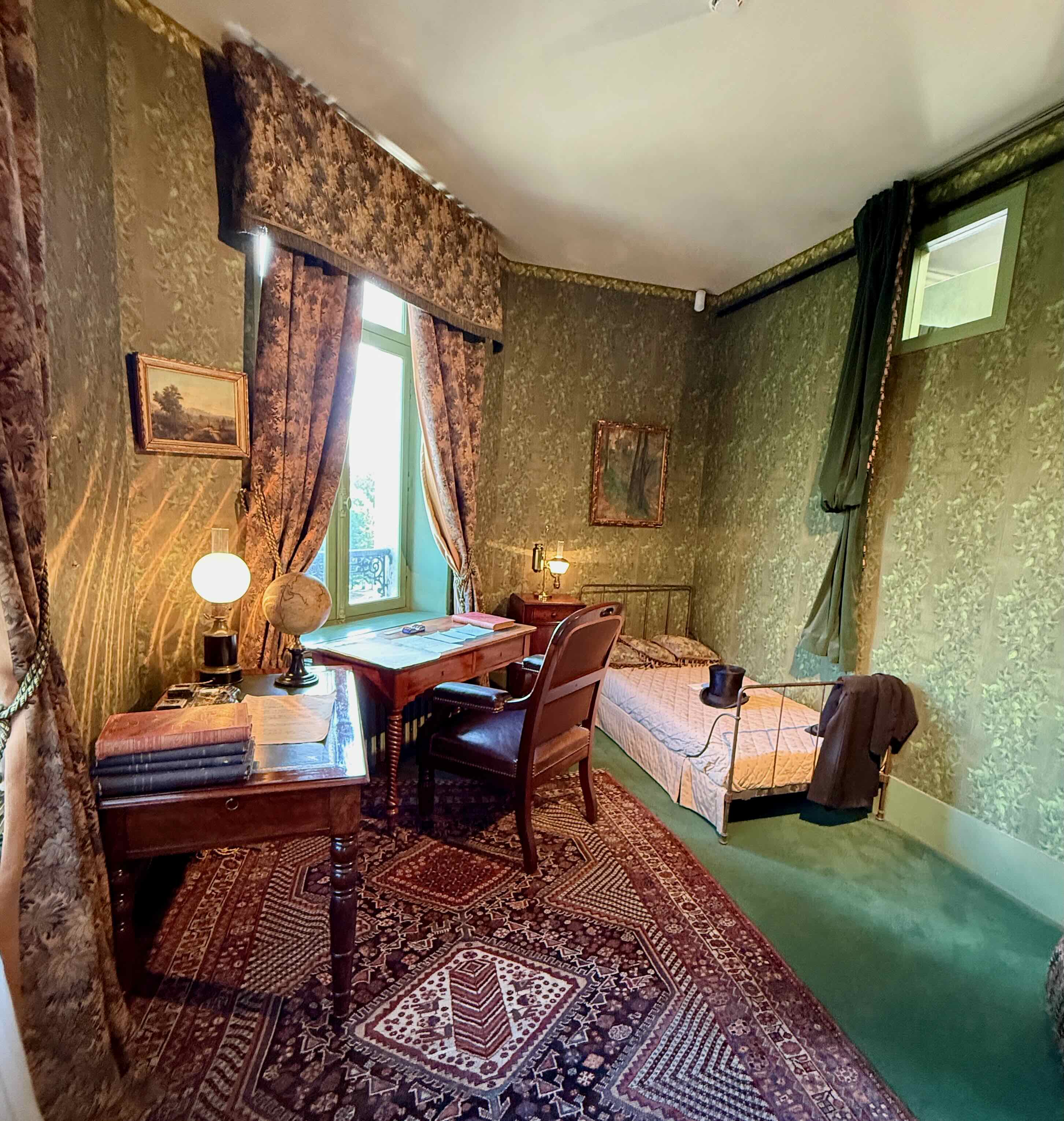
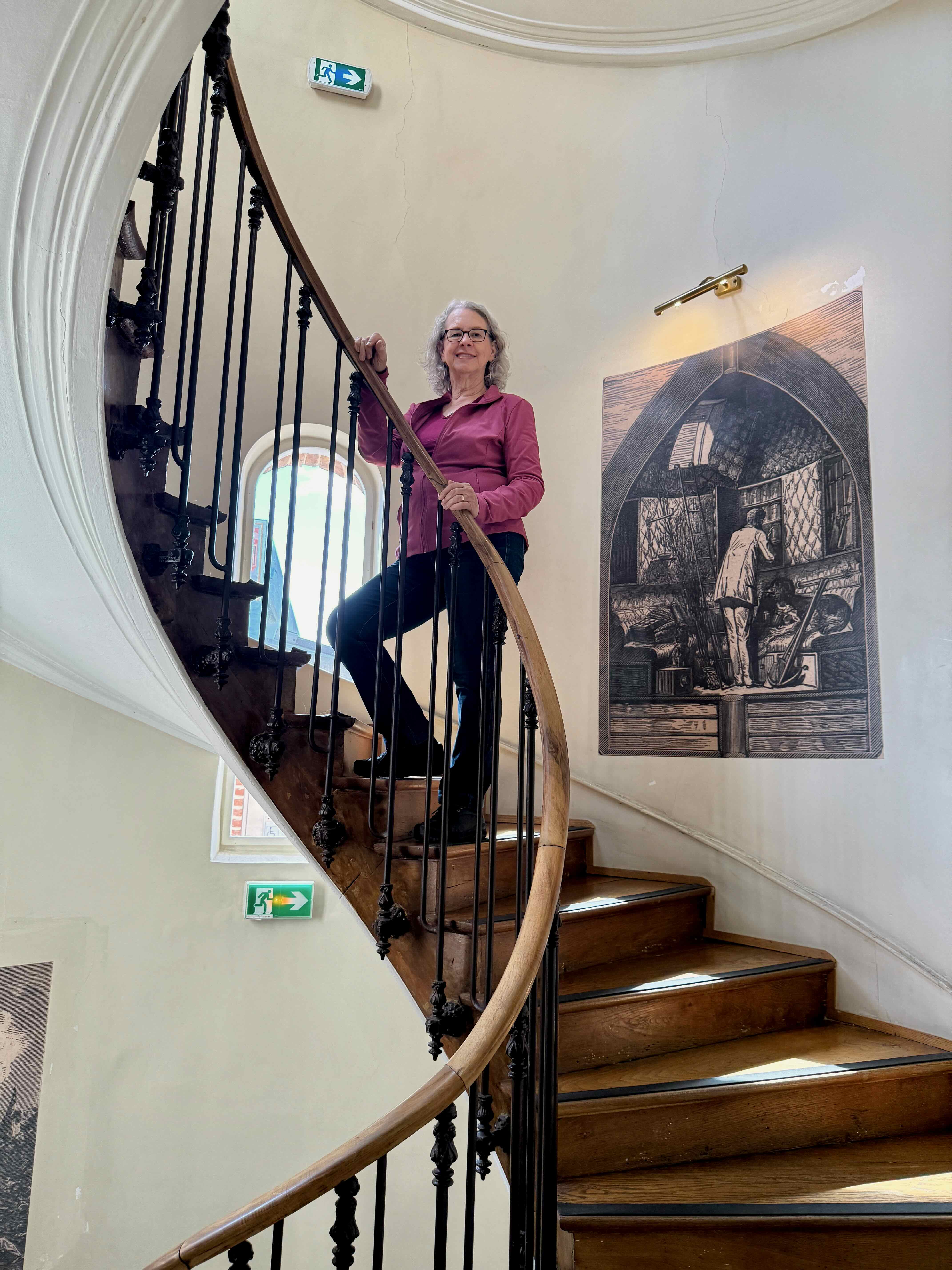
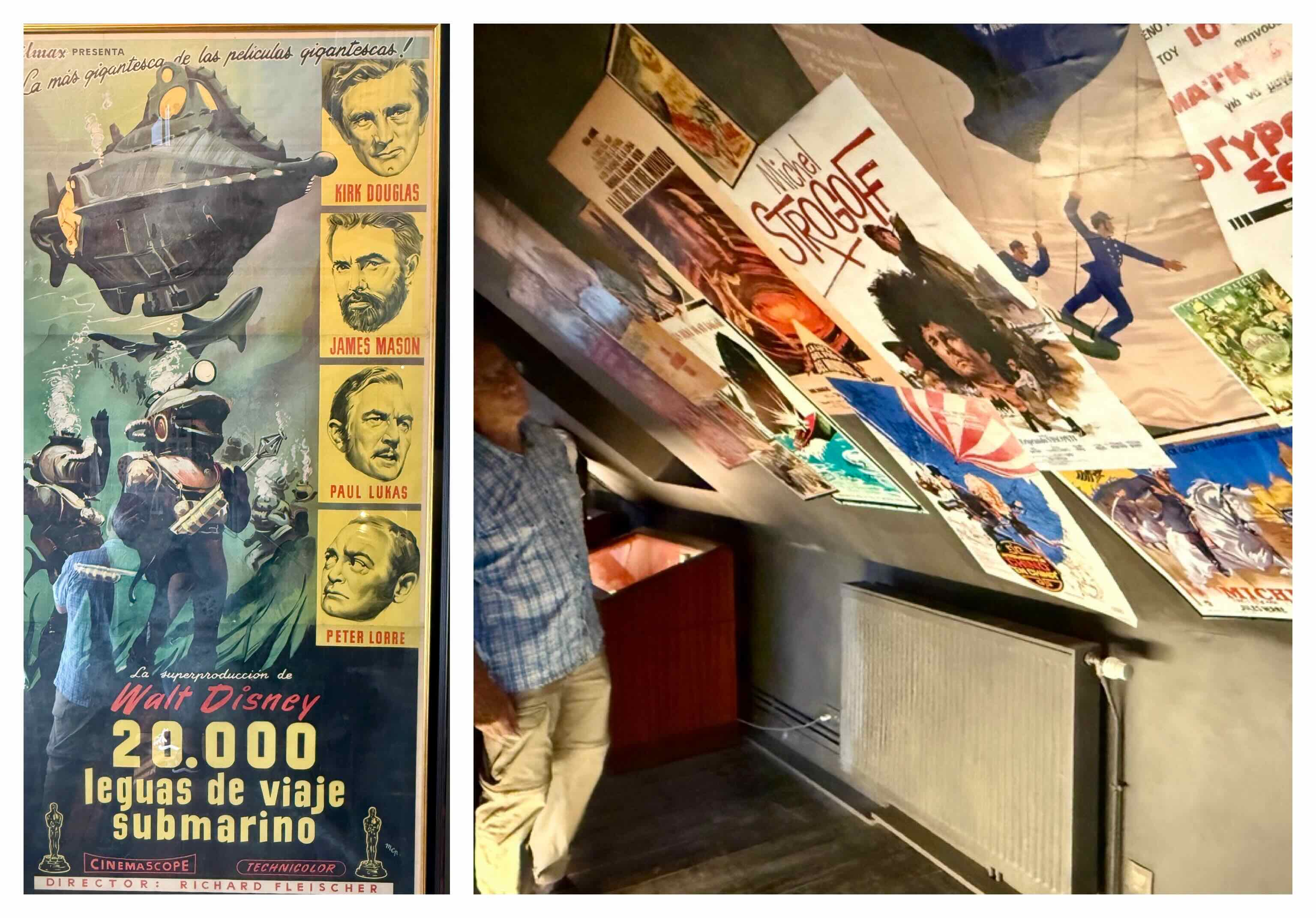
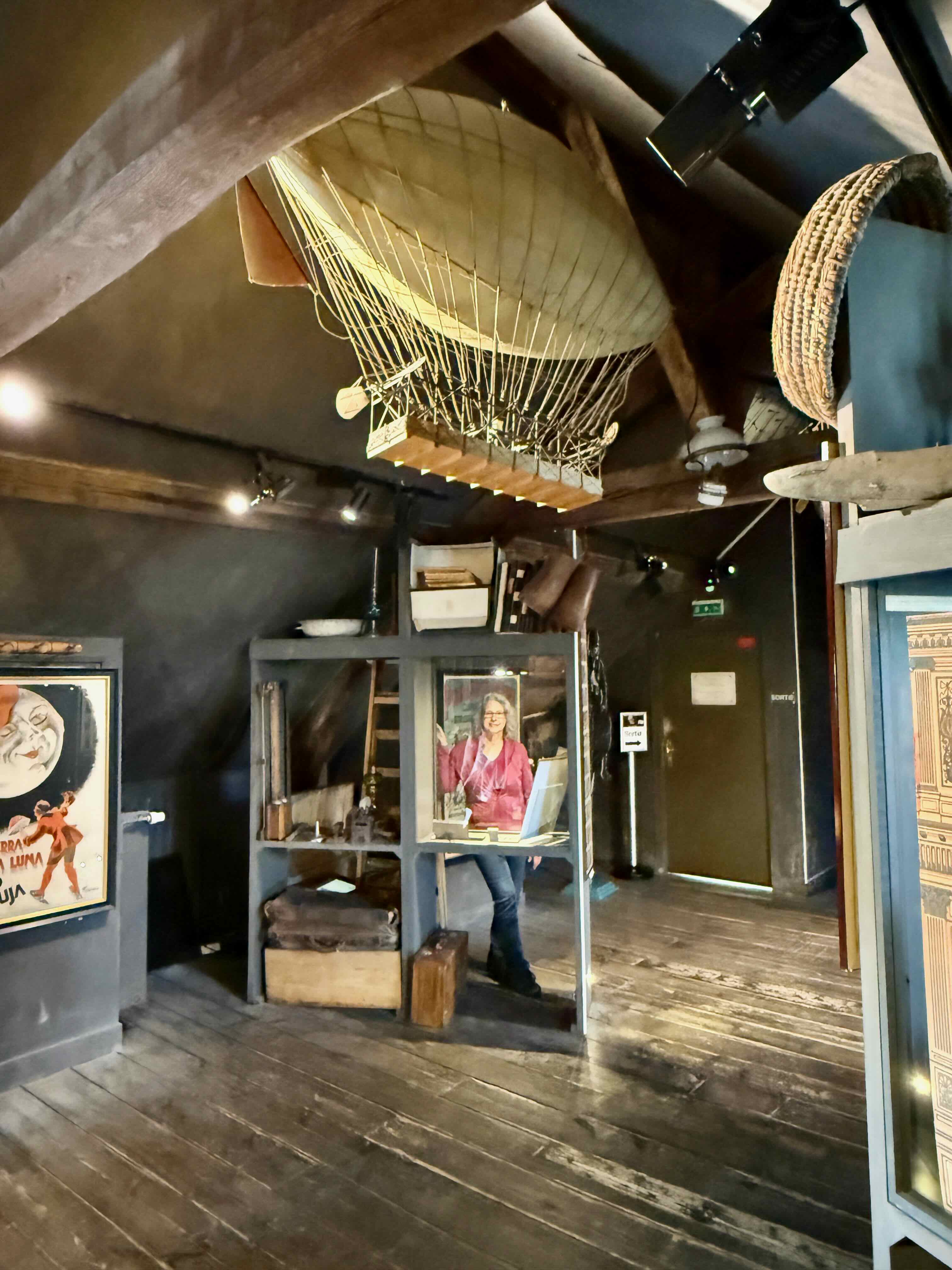
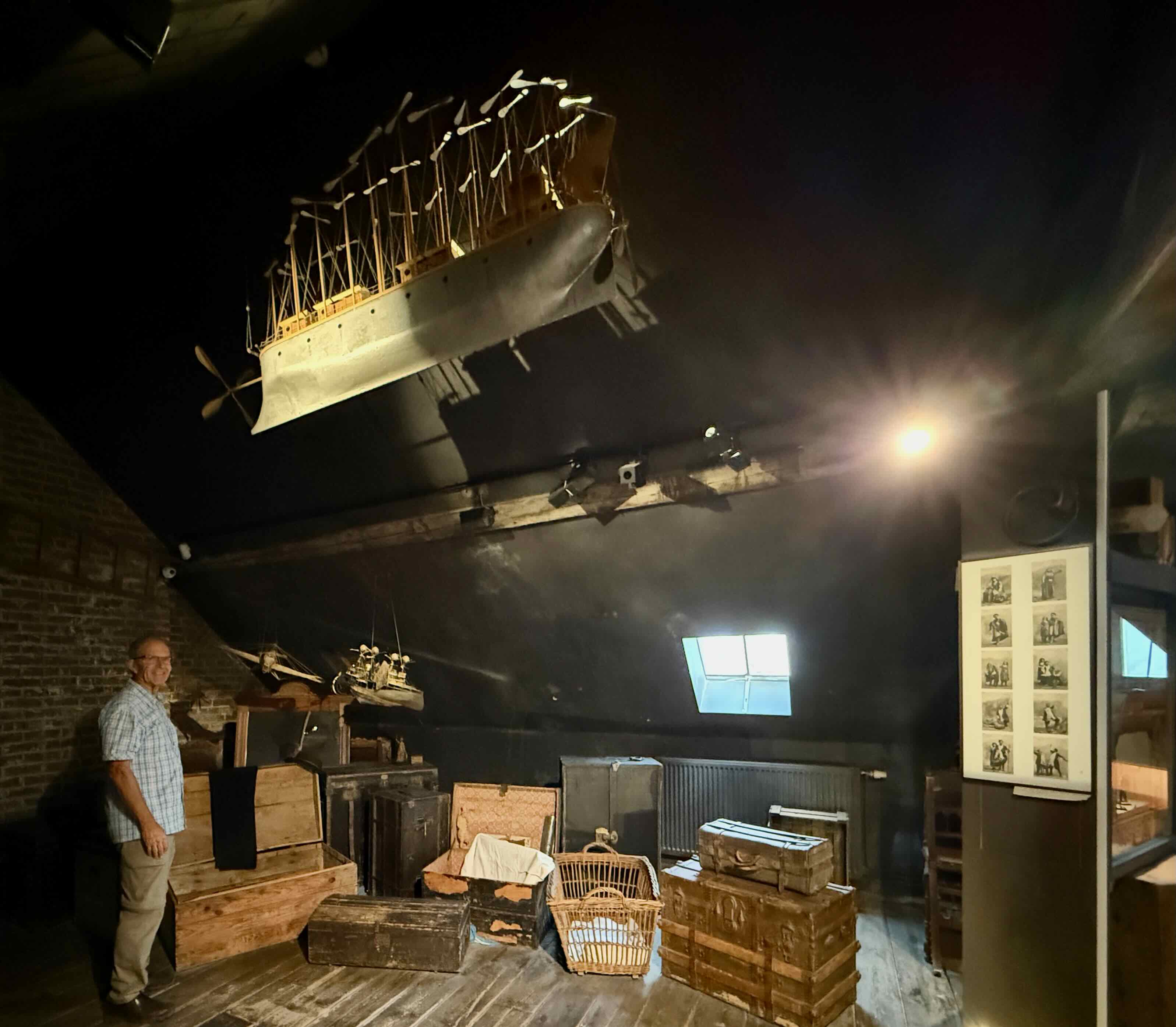 A view from the front of the house showing the winter garden.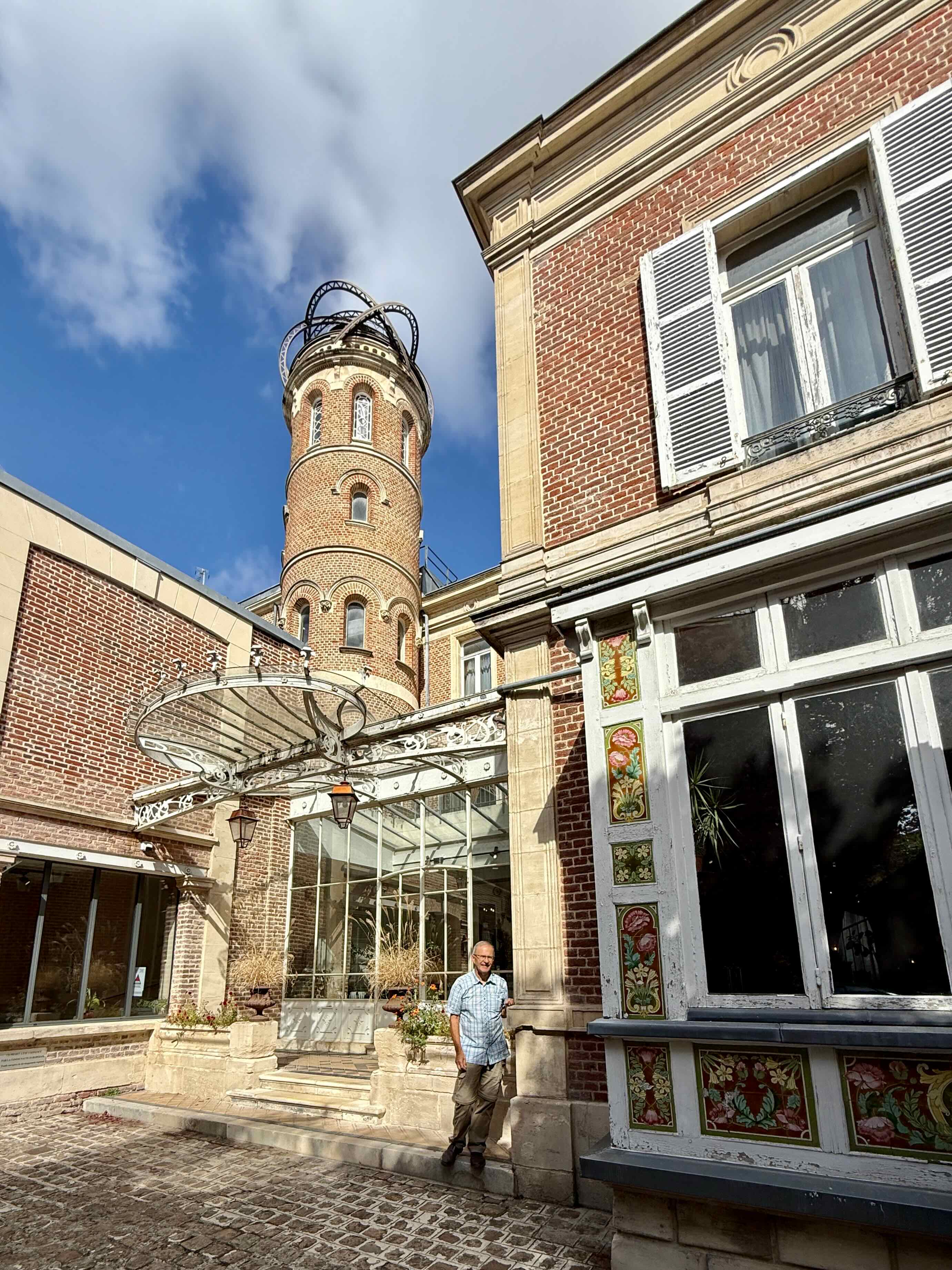
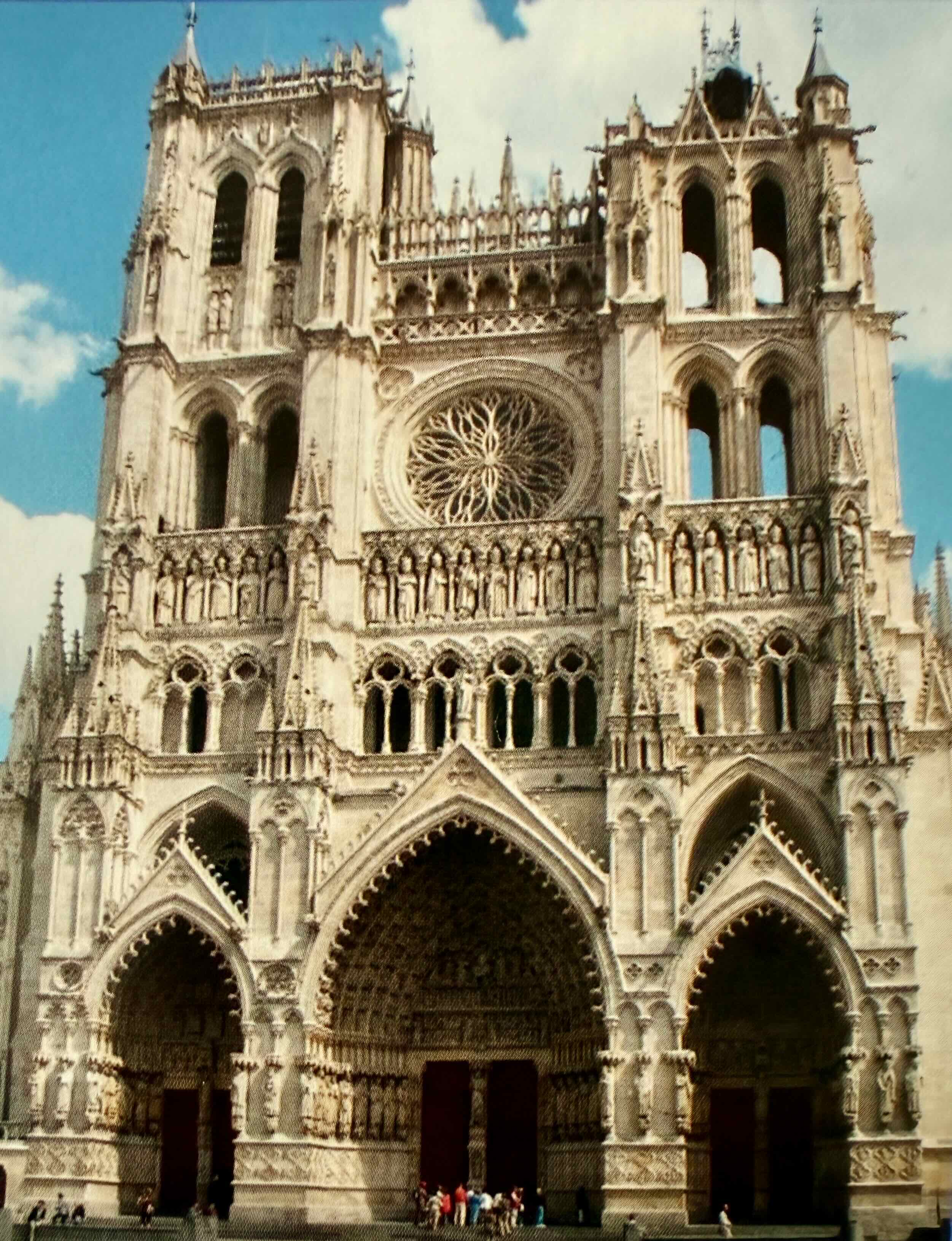
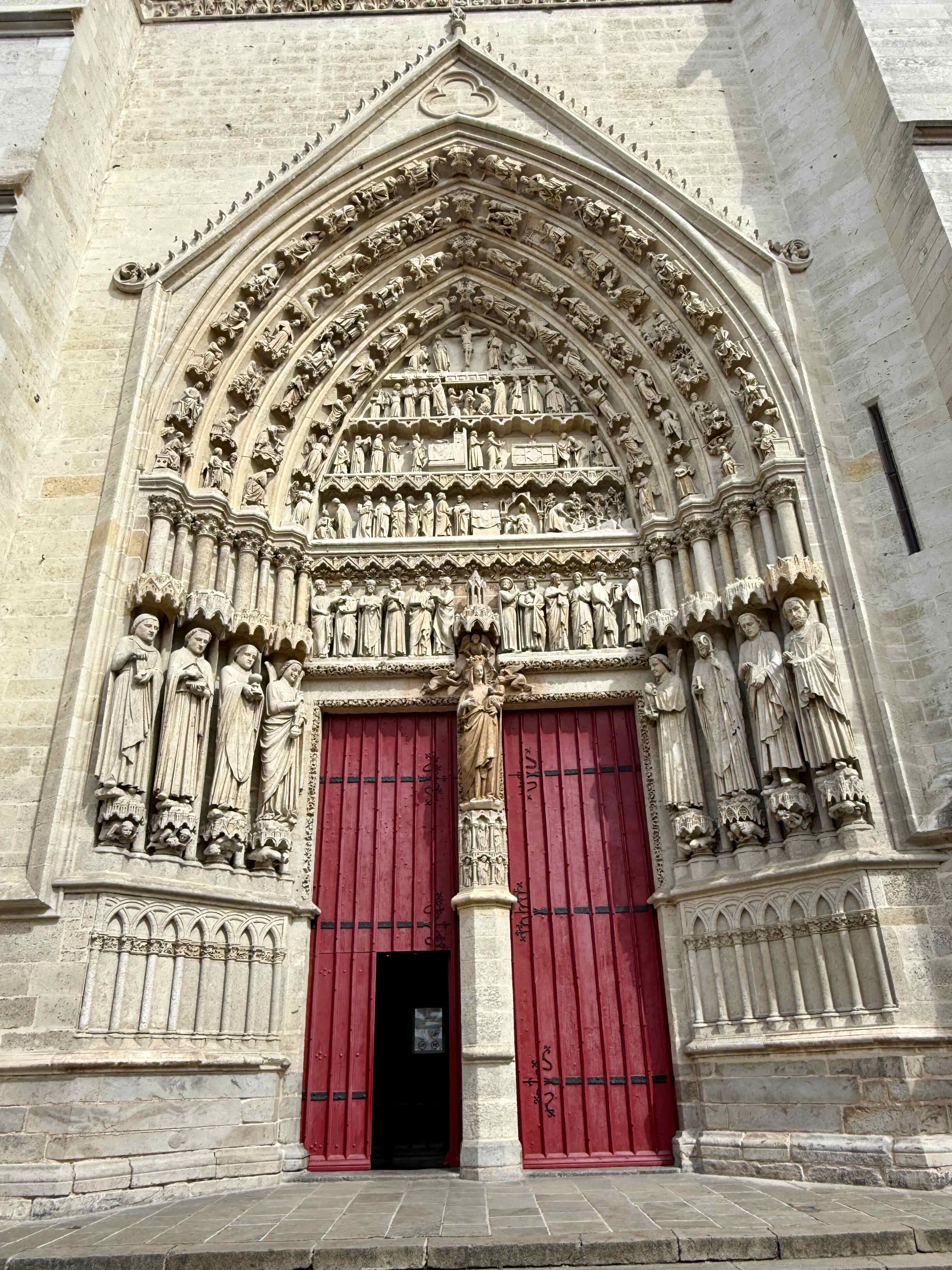
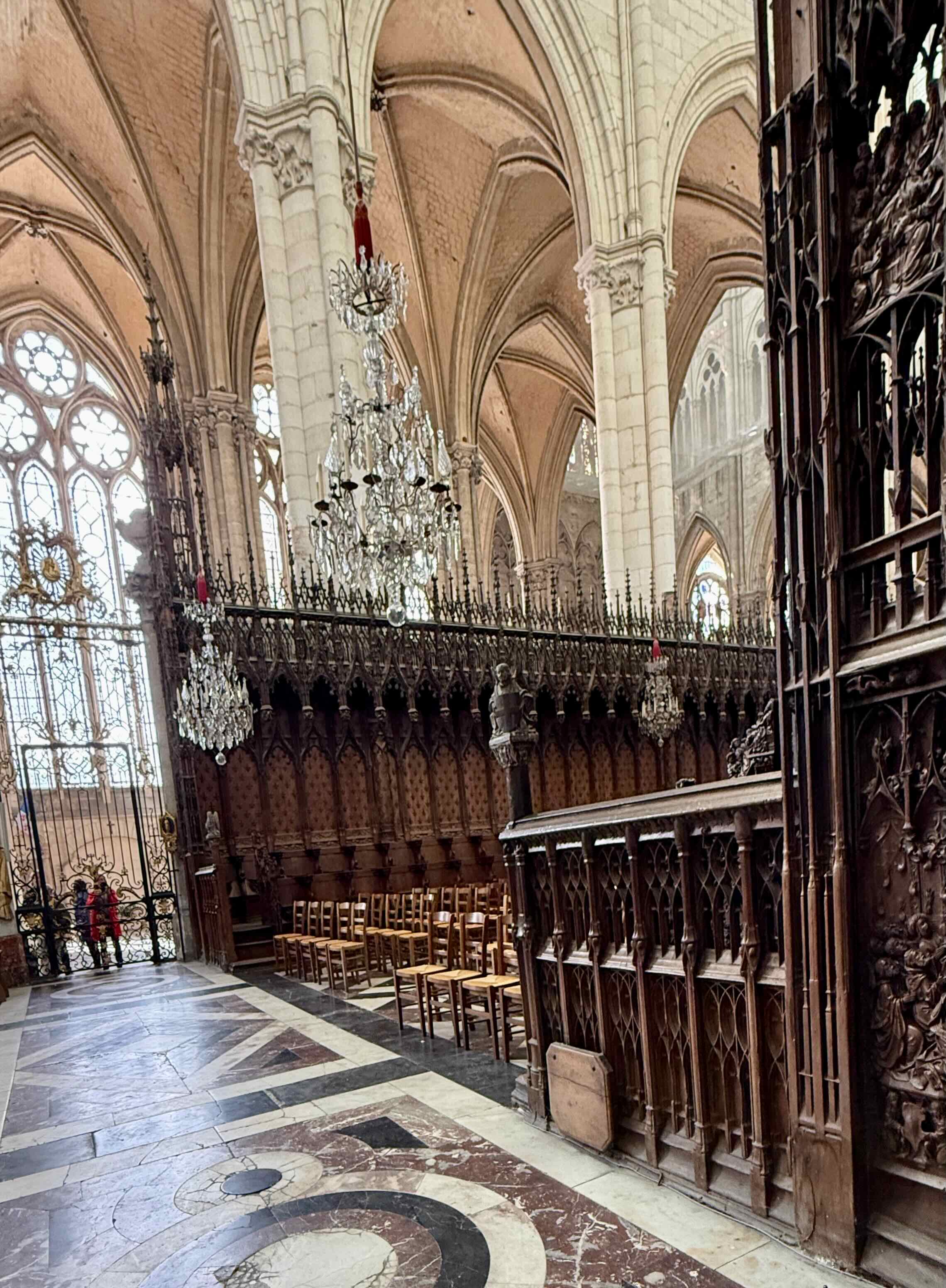
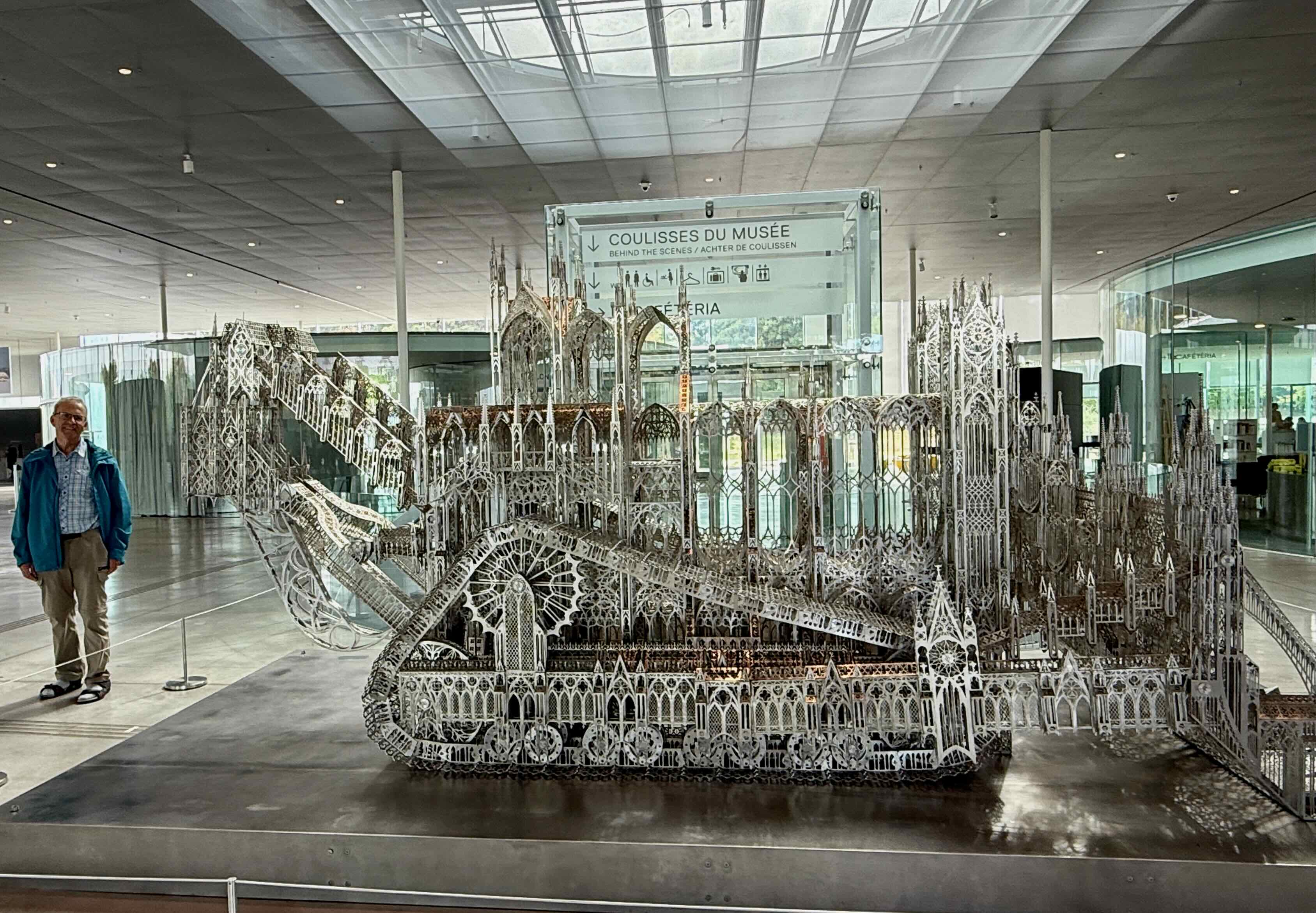 Downstairs is an exhibit of Ukrainian Icons. Today the term «icon» refers primarily to paintings made with tempera (egg-bound pigments) on a prepared wood panel. Icons are also characterised by the use of gold leaf. Museums around the world are safekeeping artwork from the Uraine until the war ends. The Louvre-Lens has four of Ukraine’s Icon paintings on display. This is The Last Judgement by Theodore Poulakis, 1661.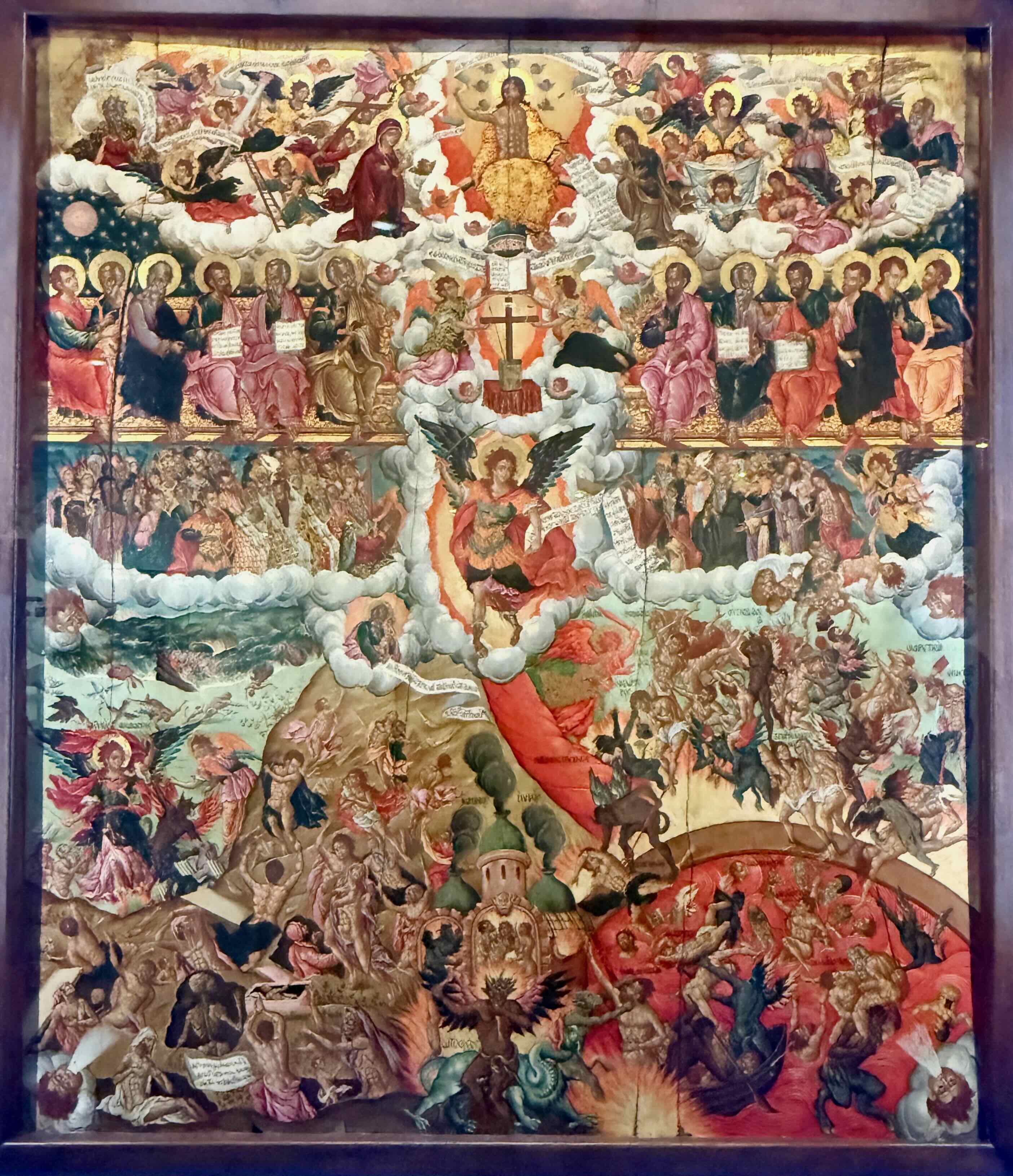
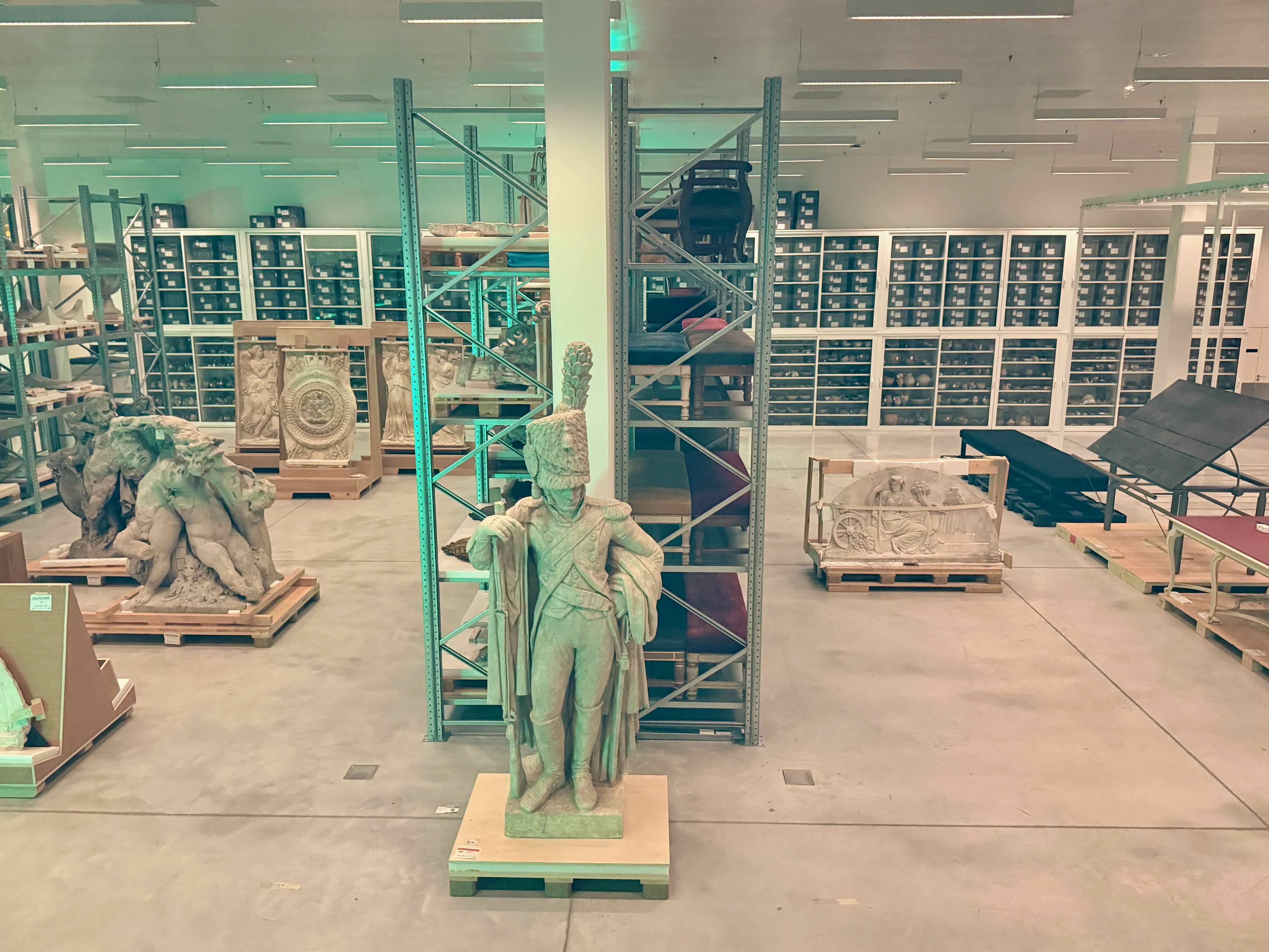 The main exhibit at the museum is The Gallery of Time.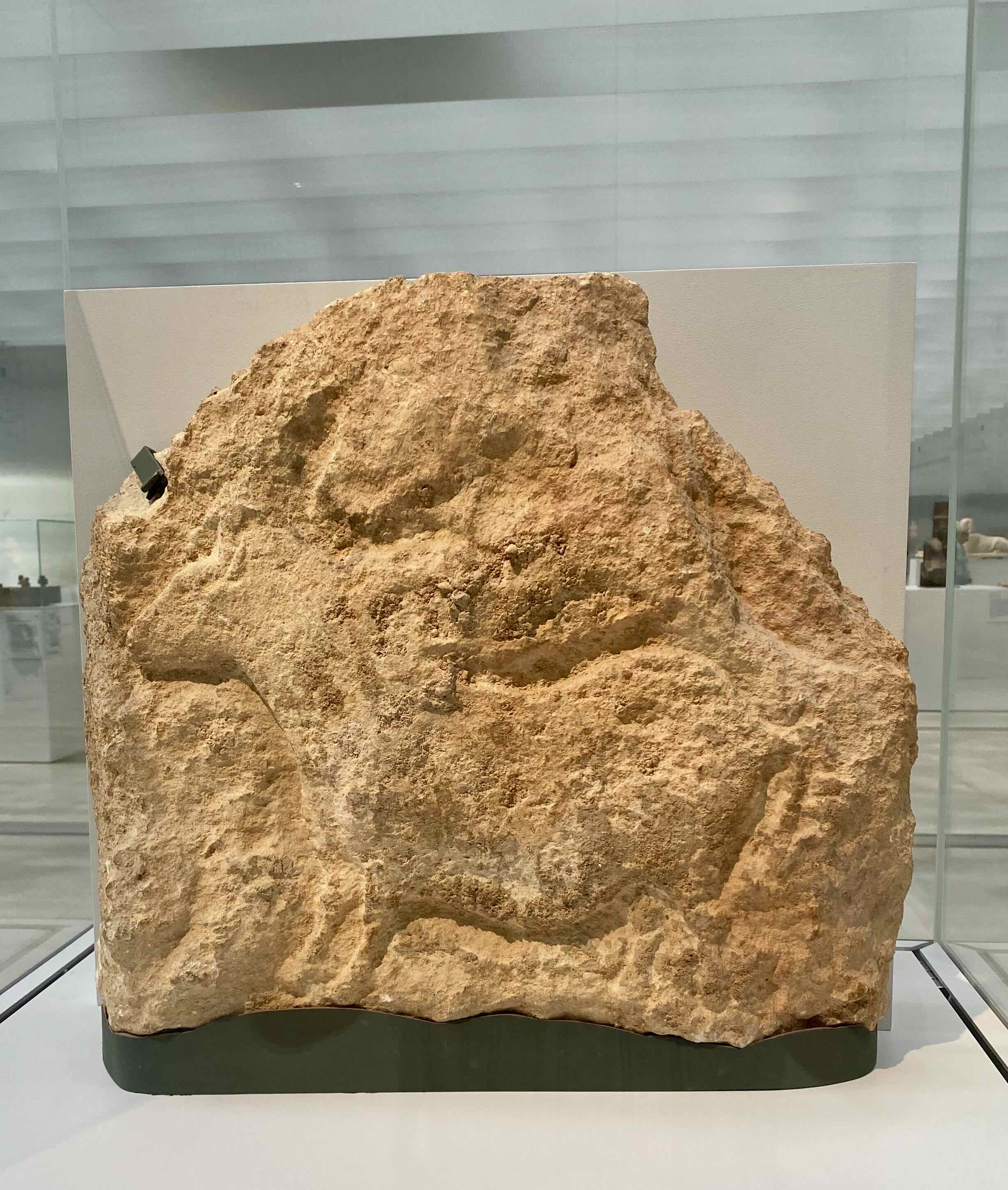


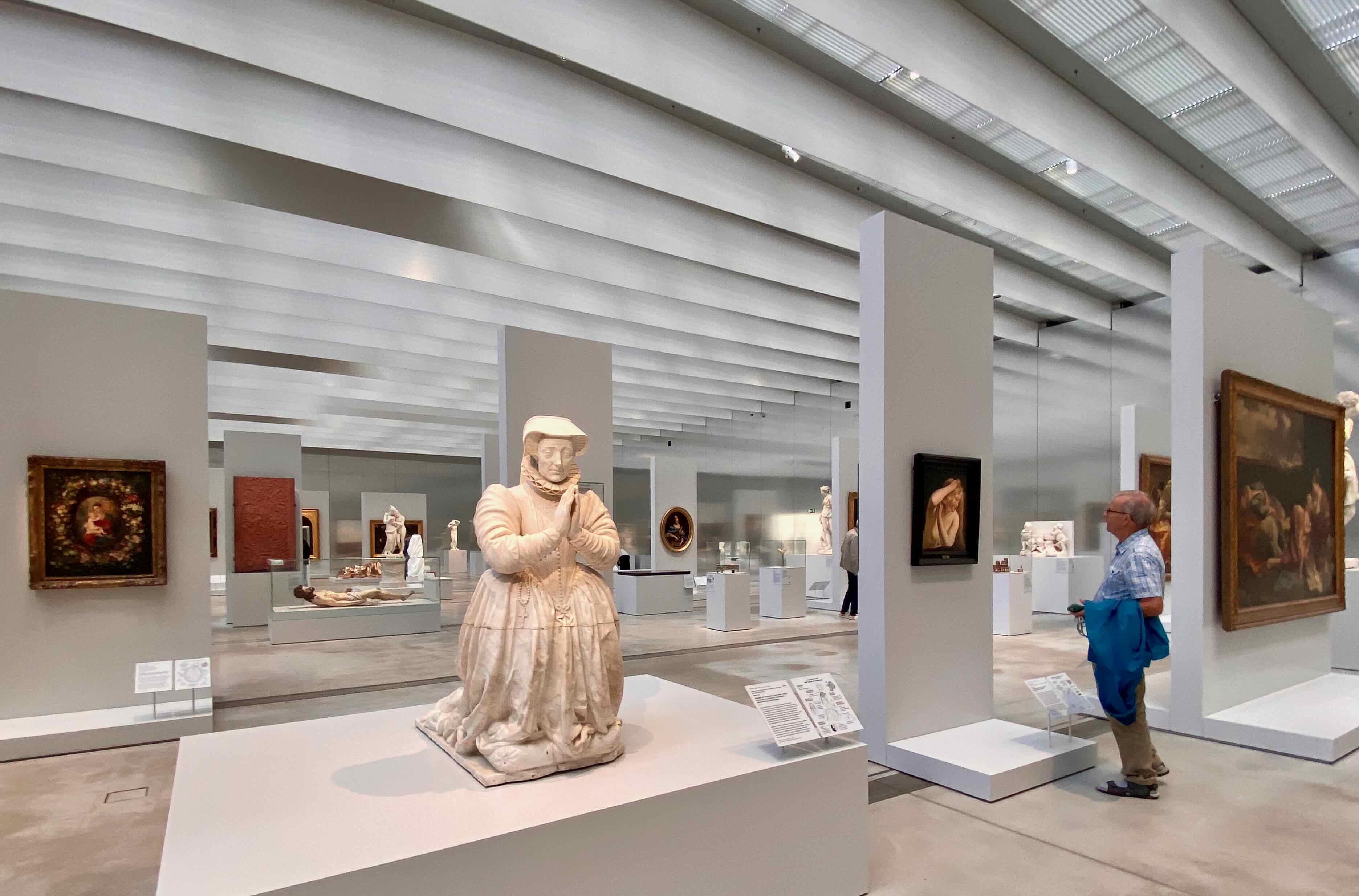
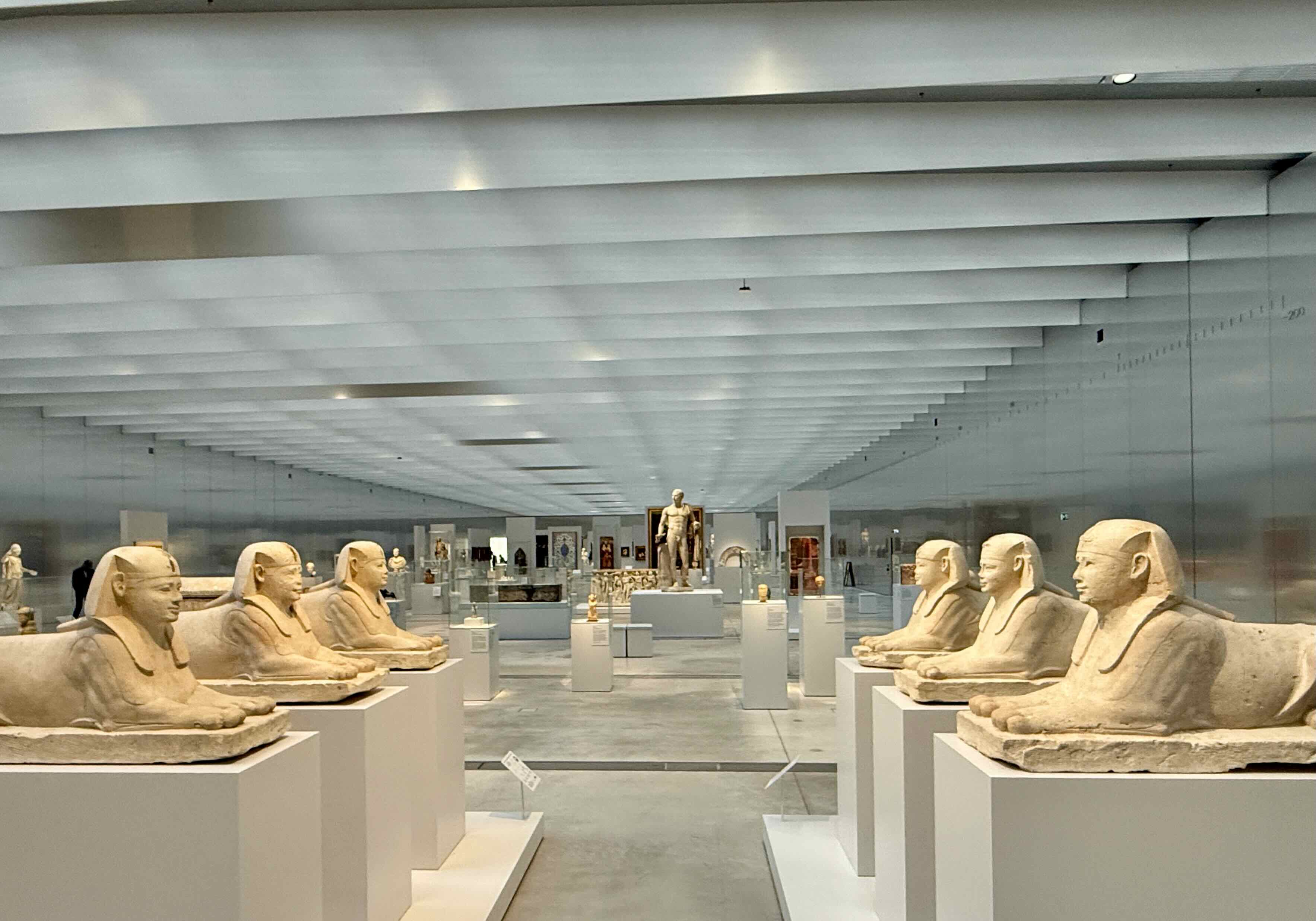
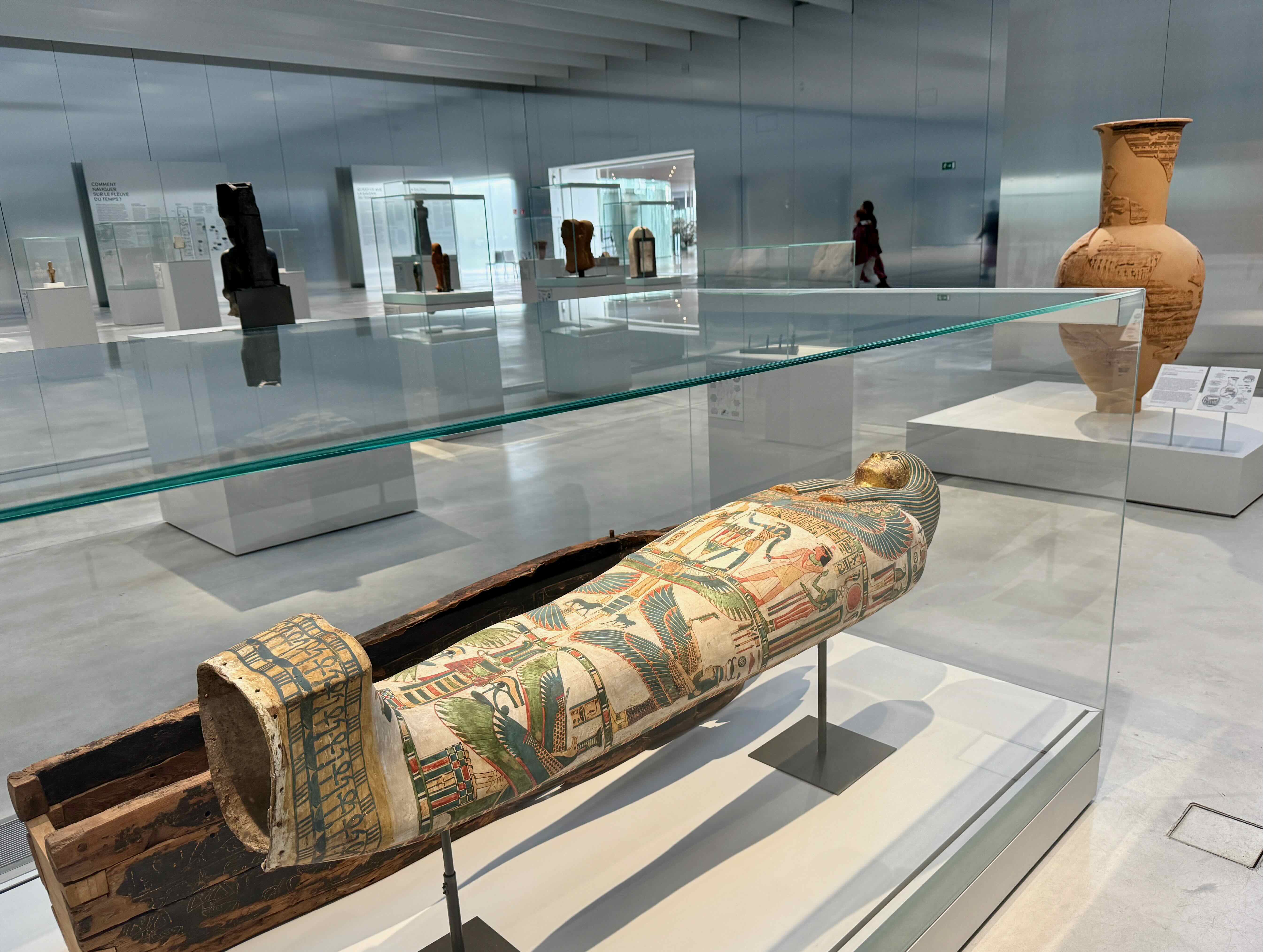
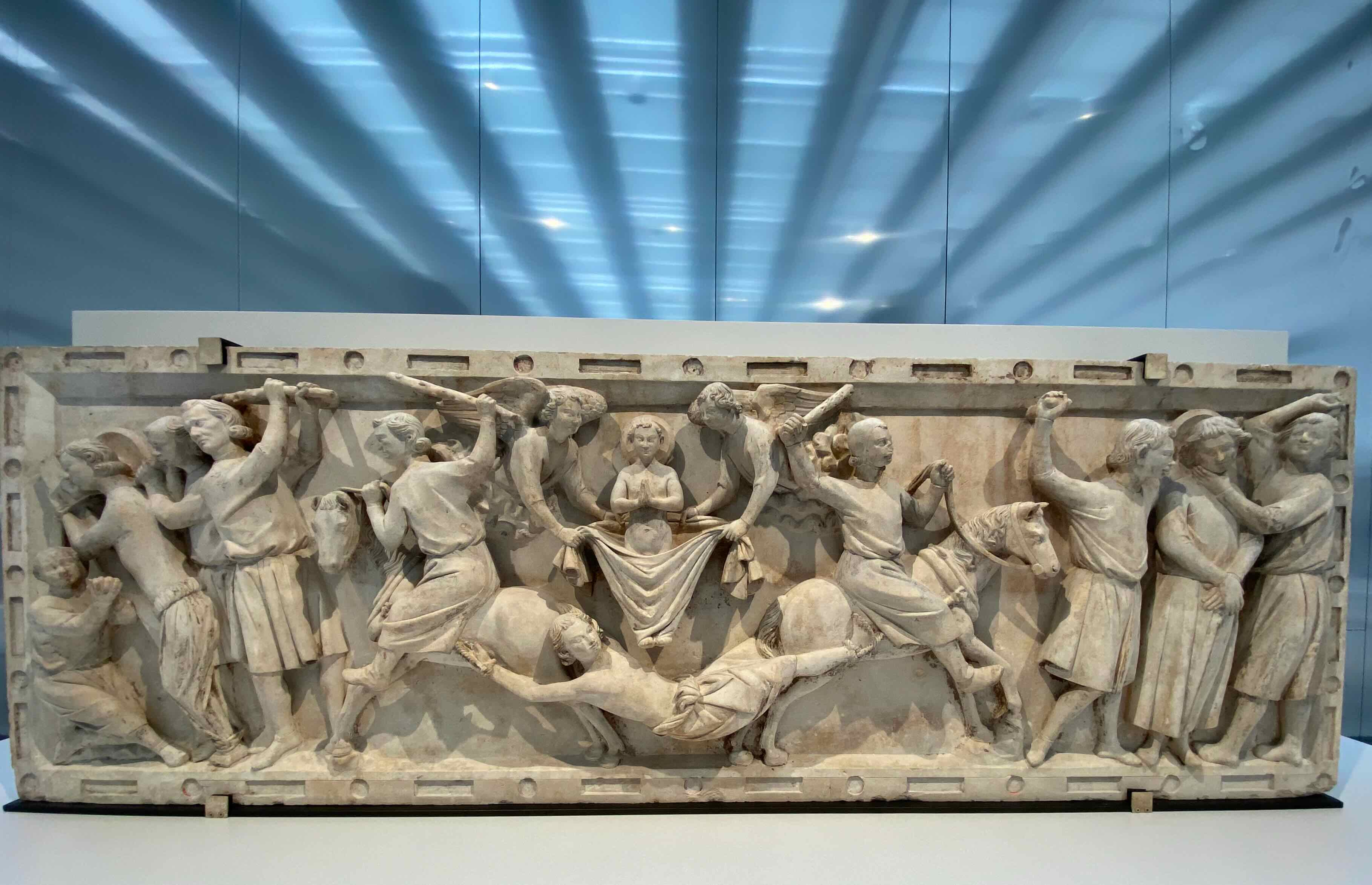
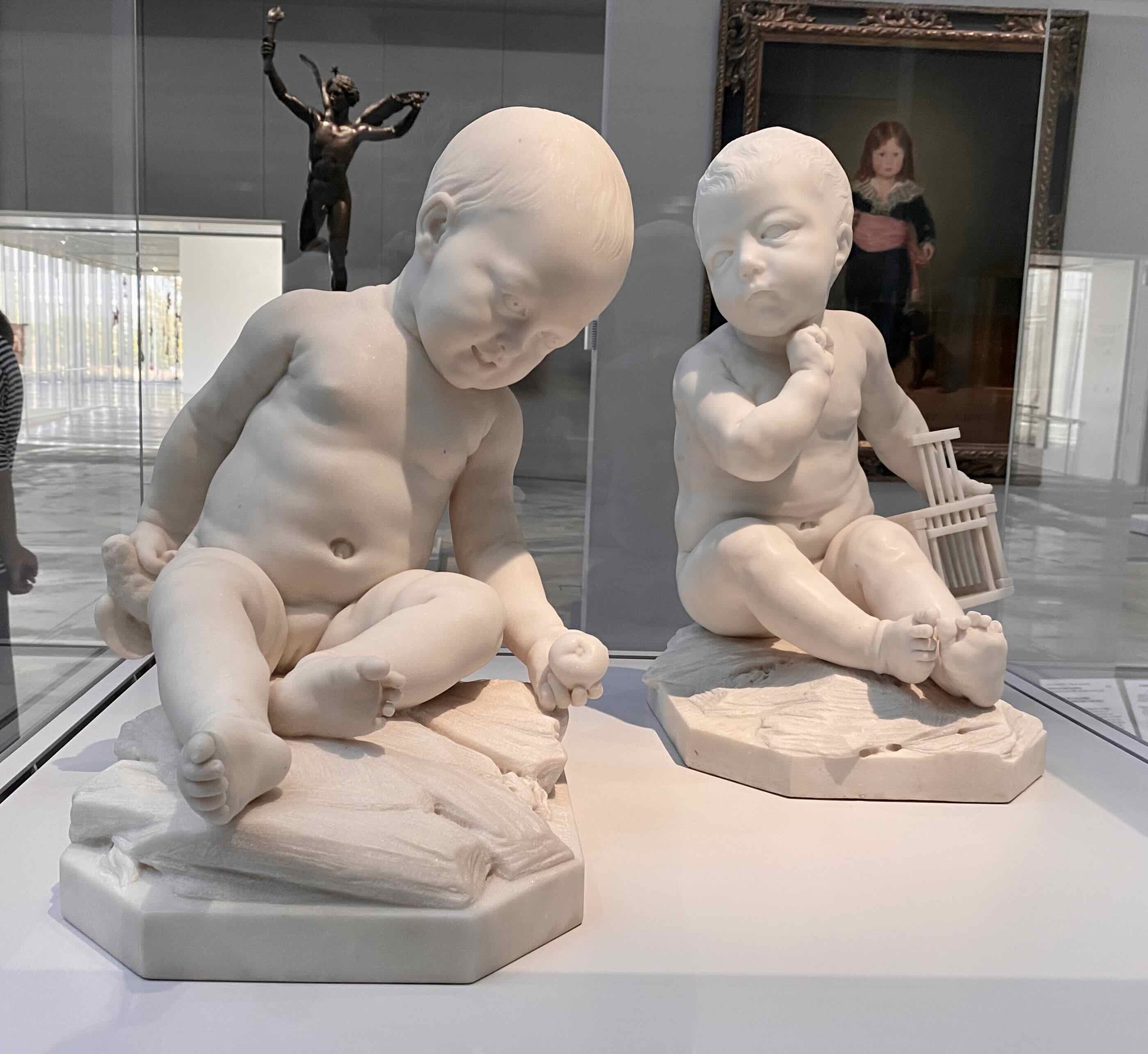
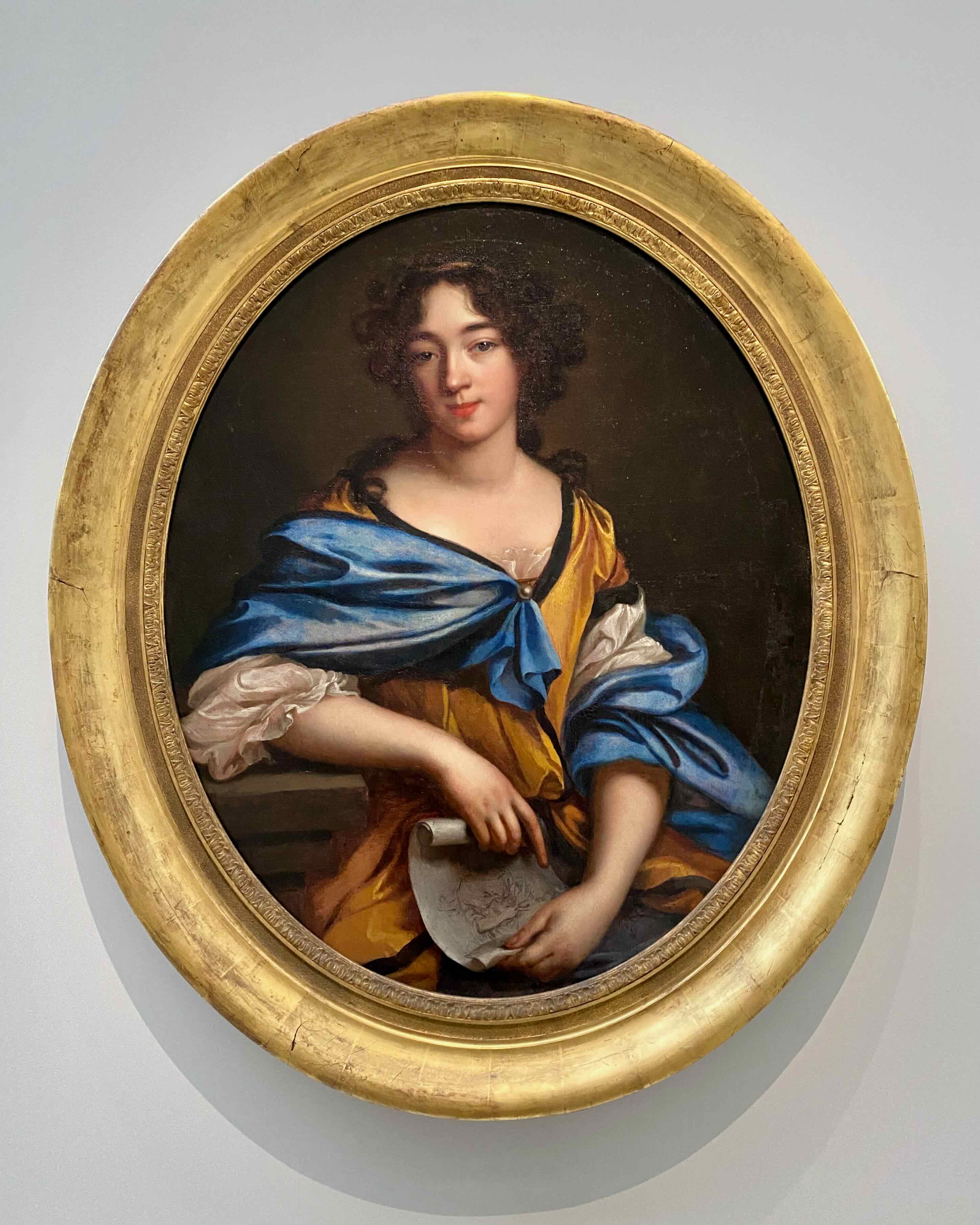
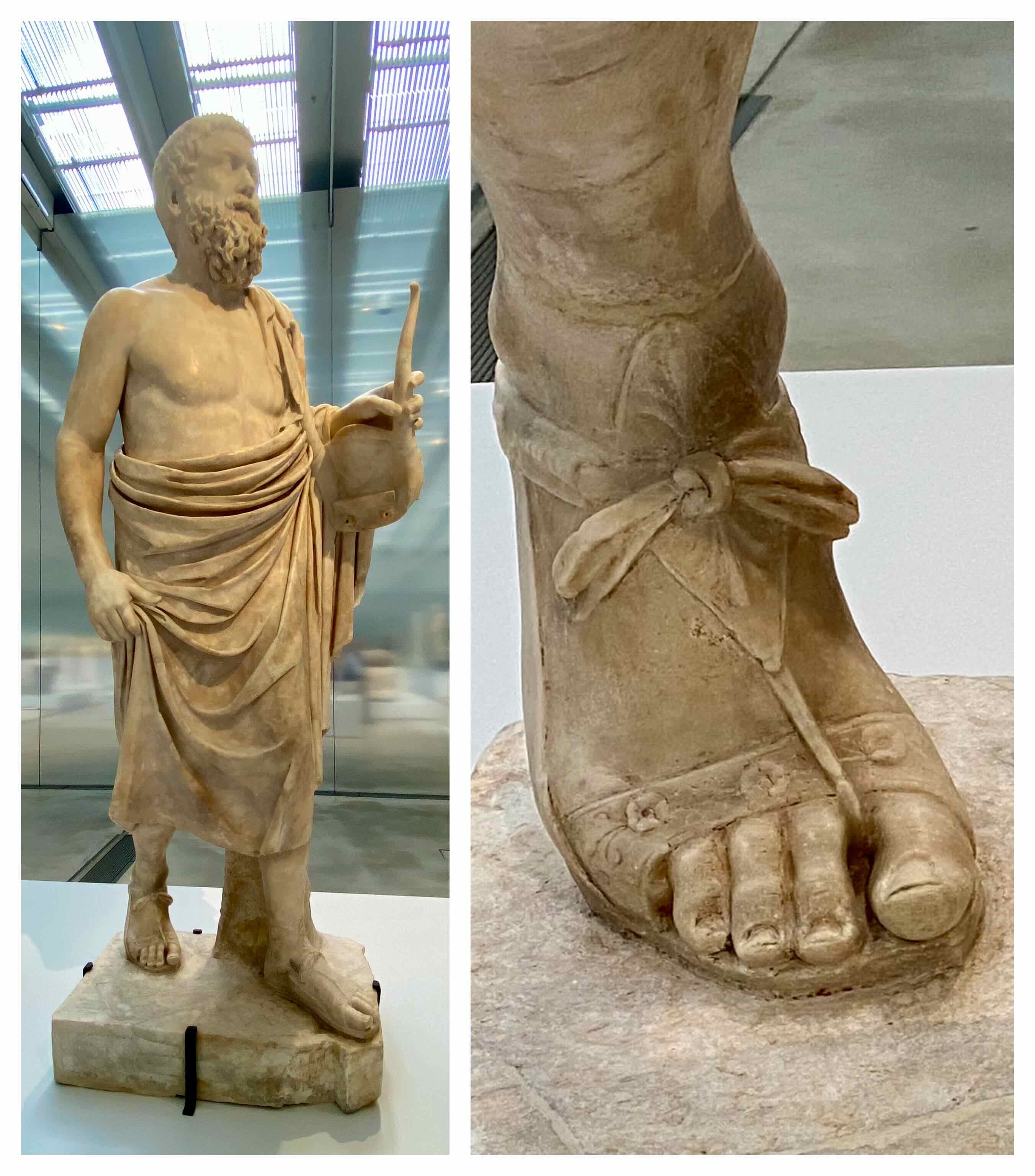
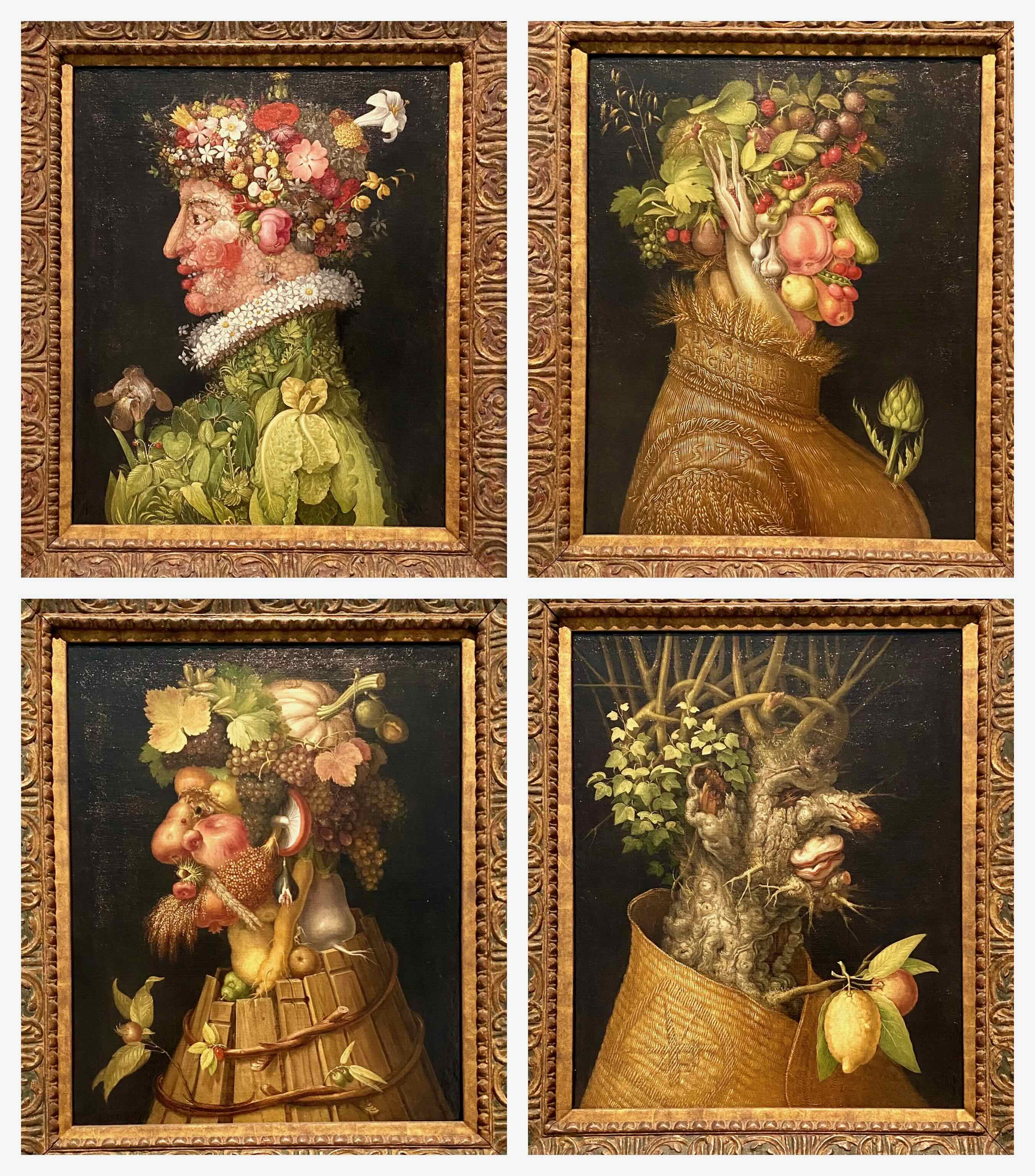
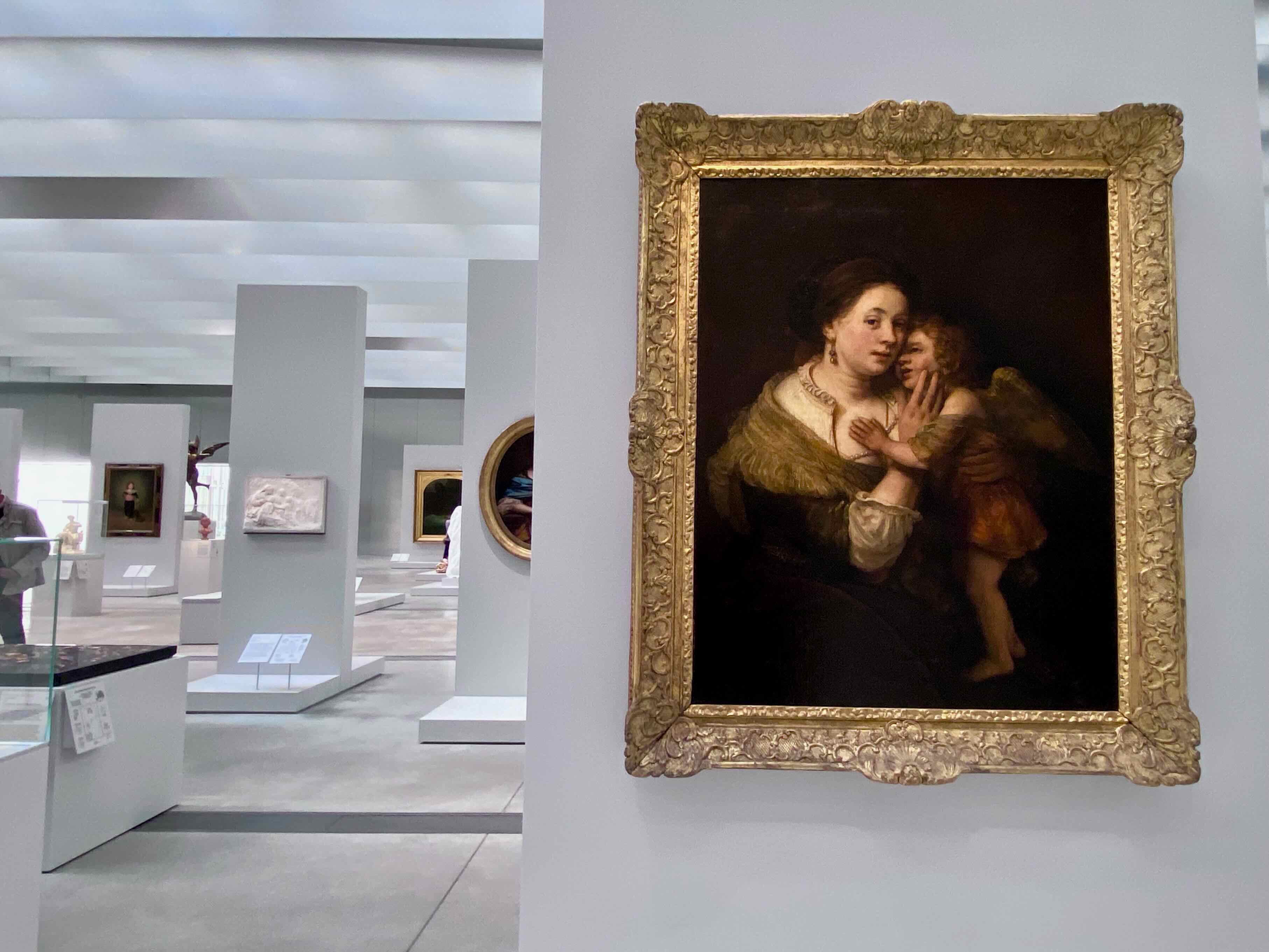
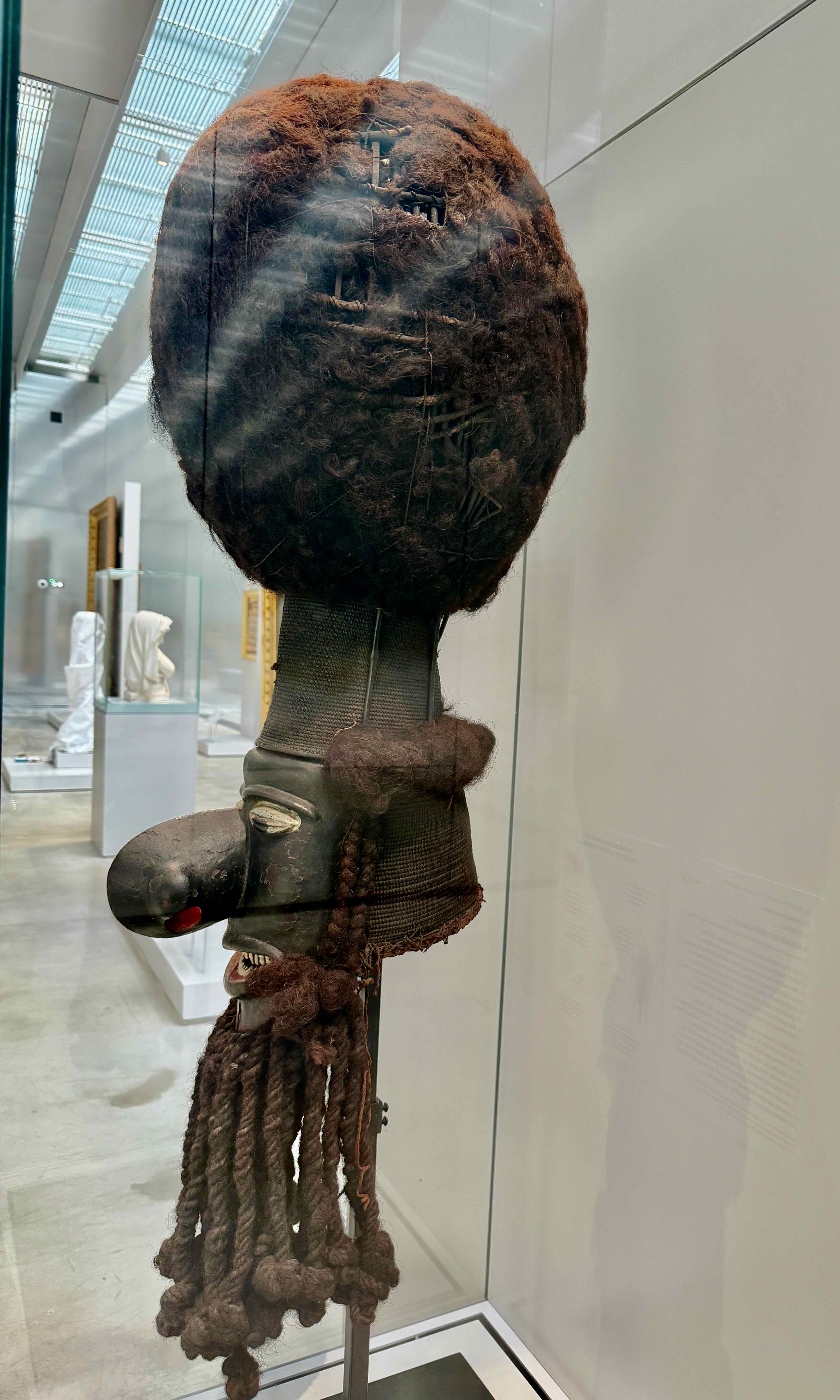
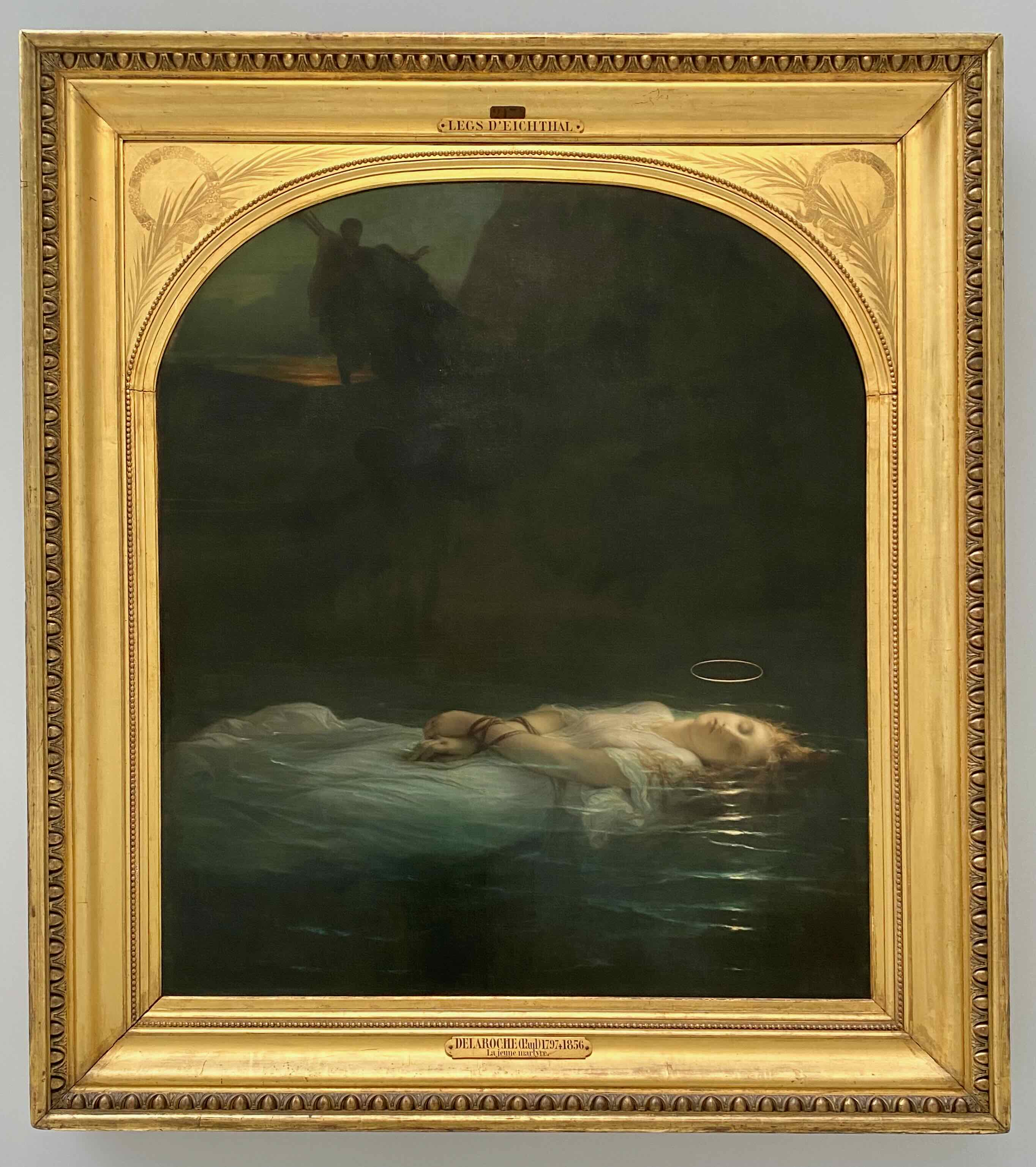
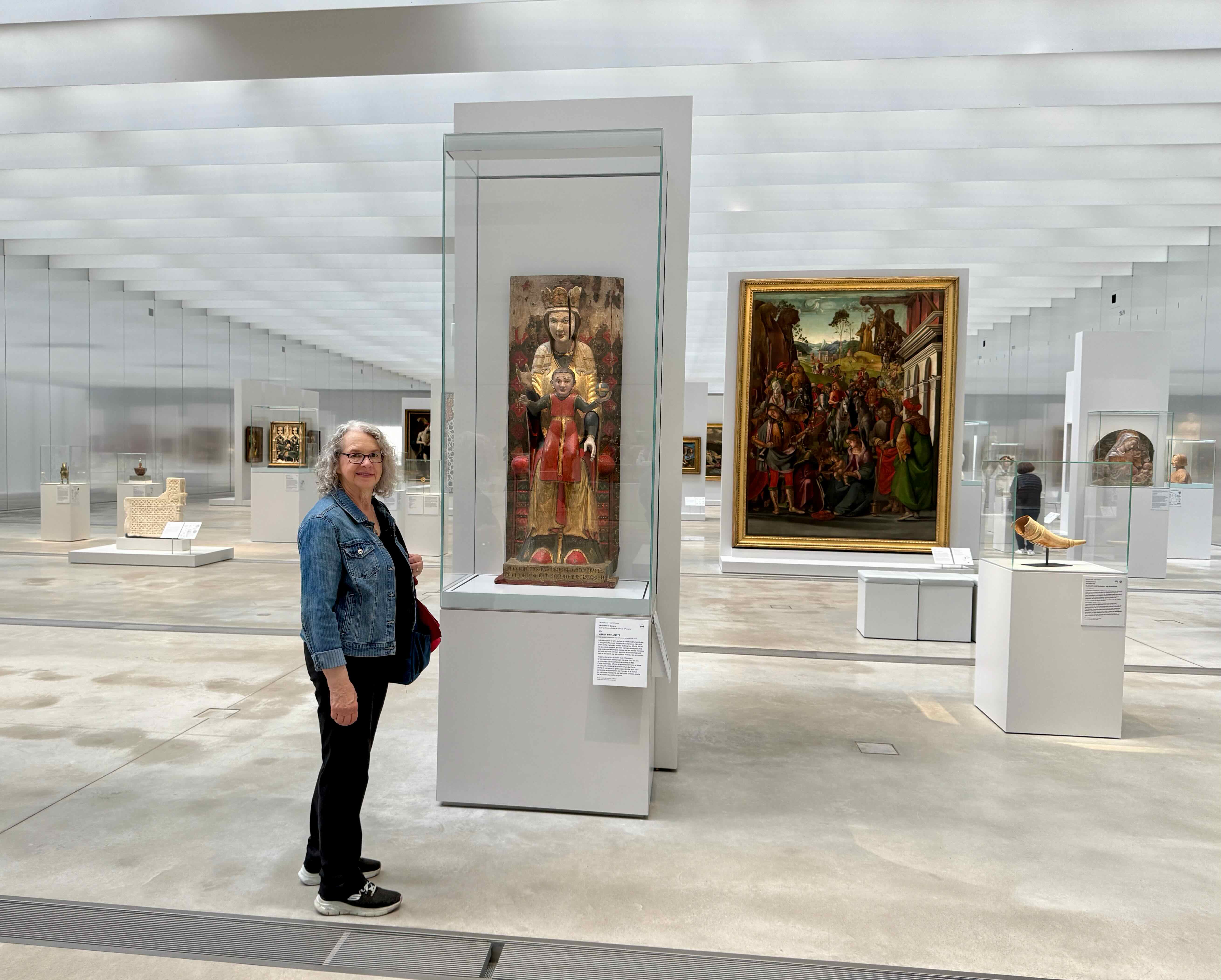 And here, in no particular order, are a few of the pieces that we found especially interesting.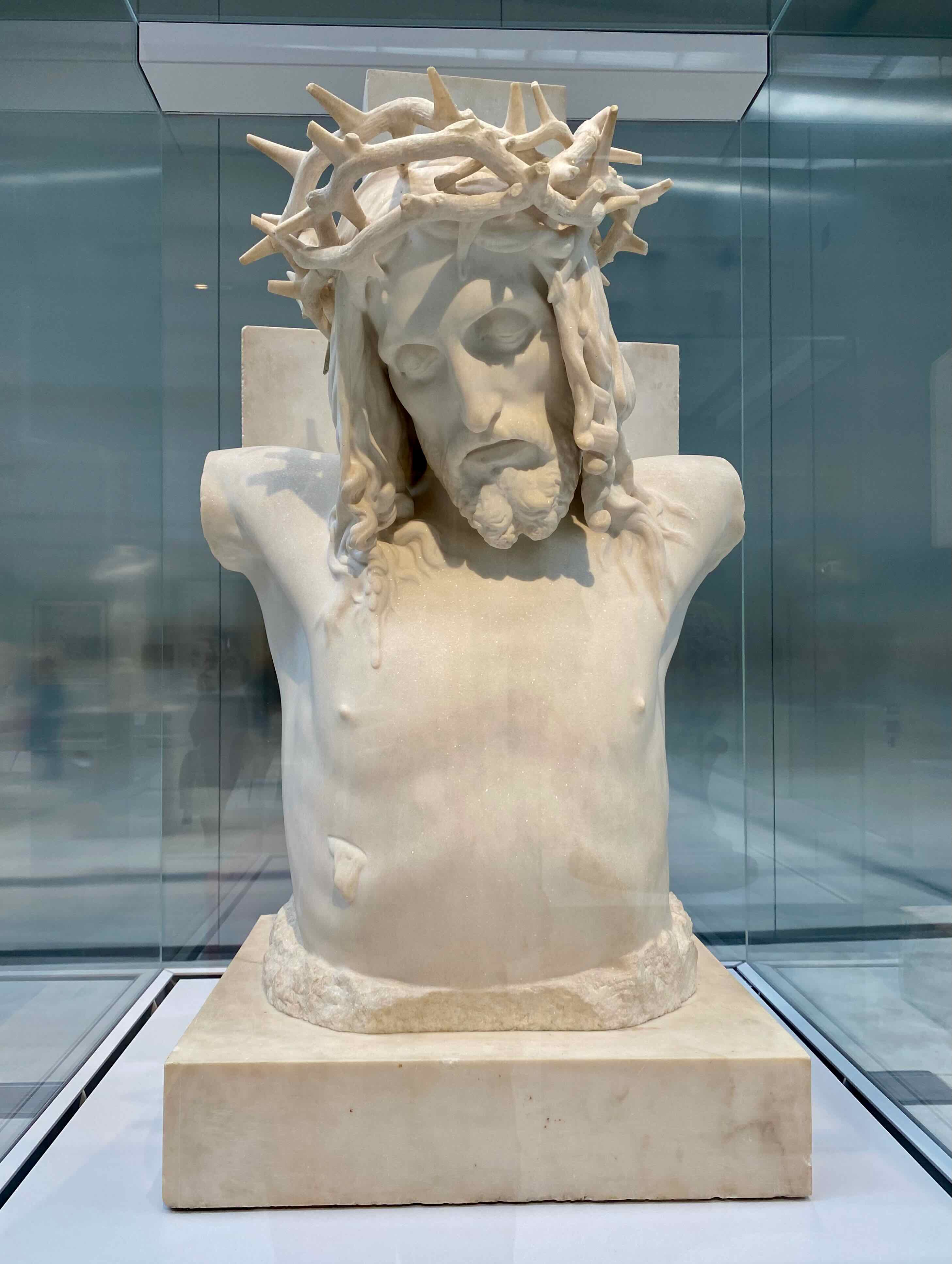
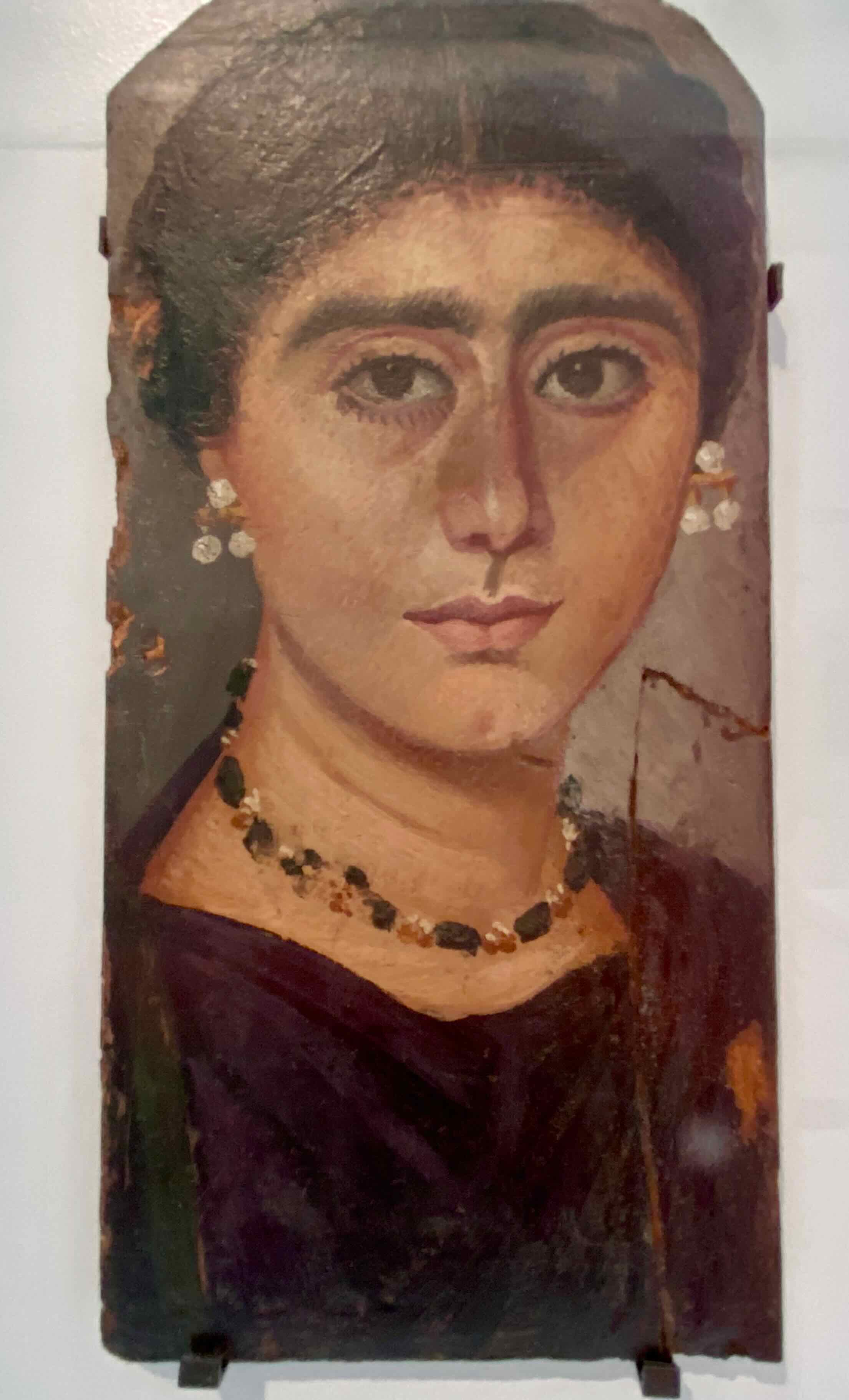
 Egyptian Tomb Portrait of a Woman c. 150 AD. I love these tomb paintings. We saw several of them years ago when we visited Egypt.
  Pieter Boel, c.1669-1671 Triple study of an Ostrich.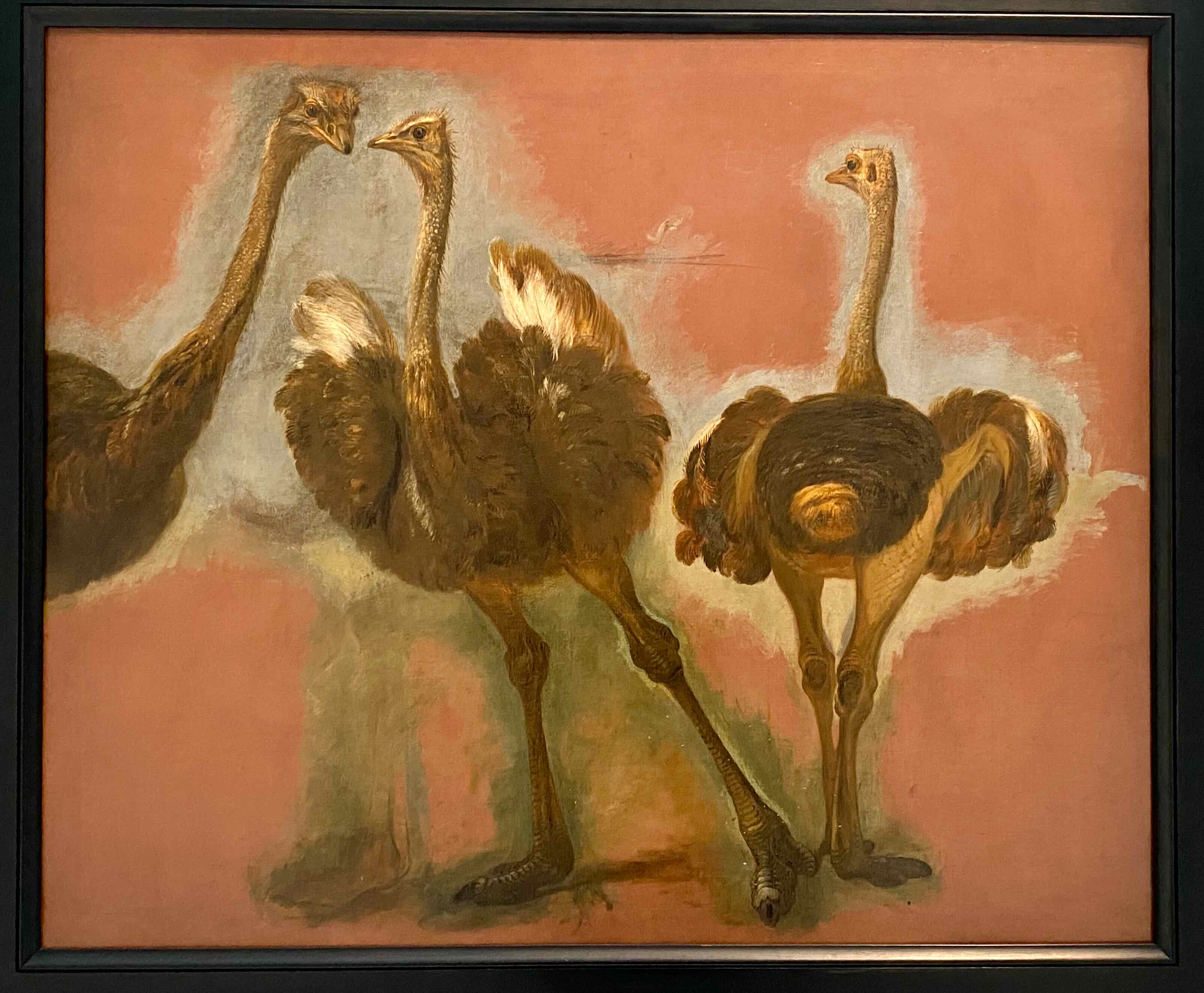
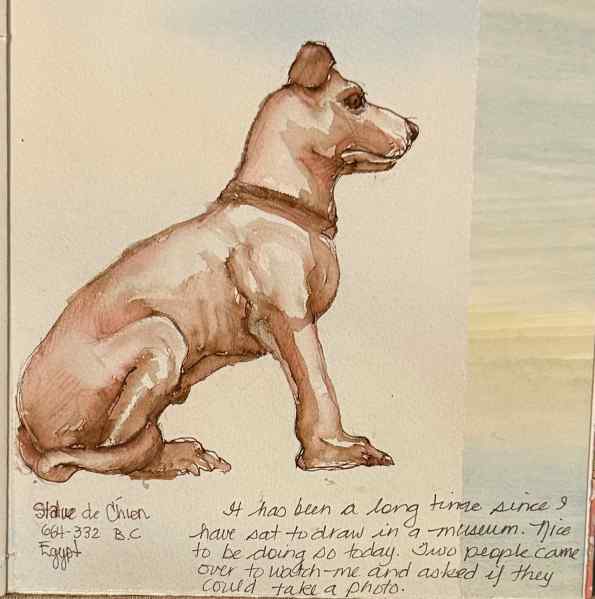
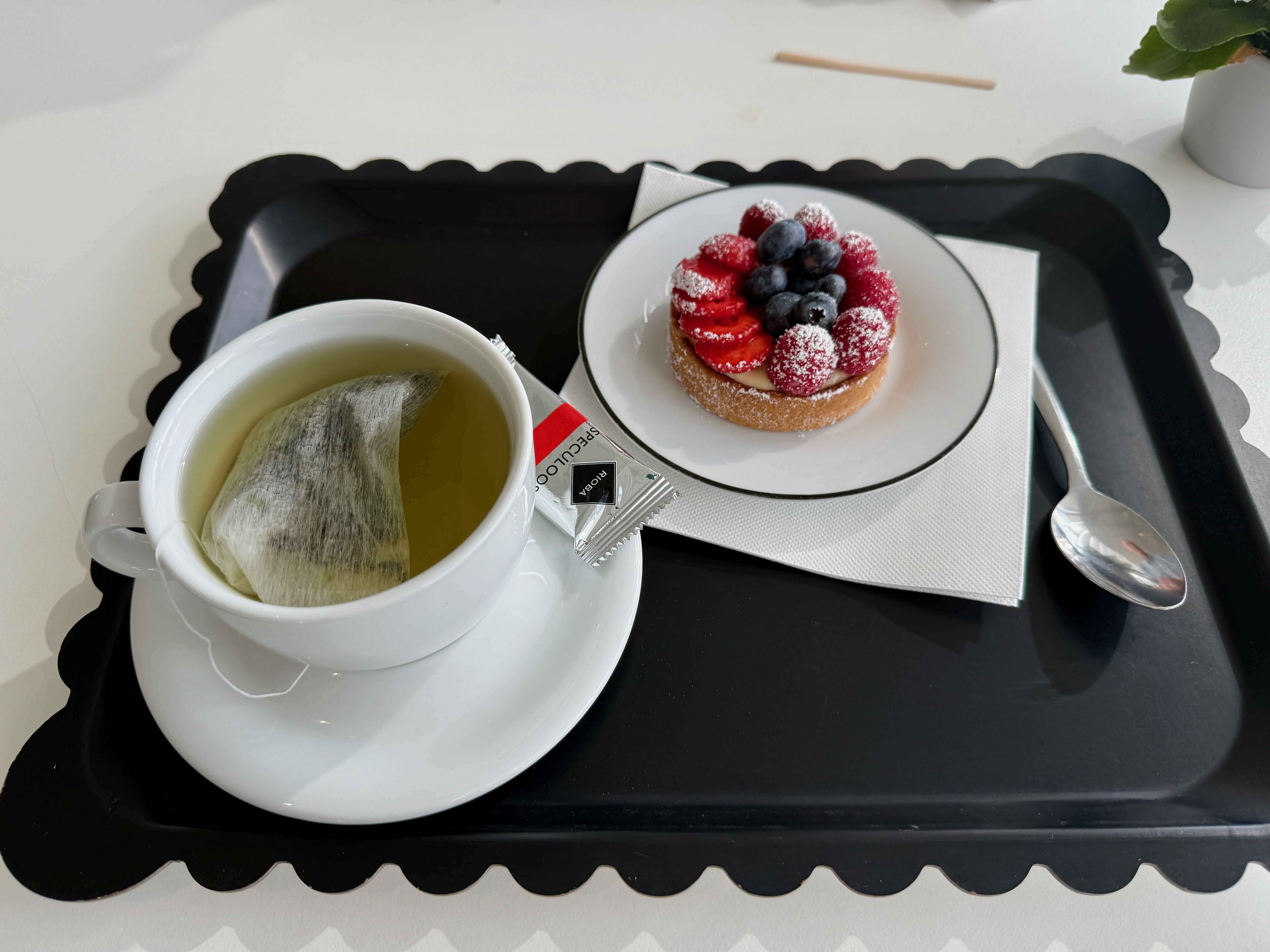 I asked how big the tea was and was assured that it was very big…well, this rather ‘very large” cup of tea was €5.50! Bob finds a spot to read and I go back to the gallery to do some sketching. They aren’t the best sketches but I had such an enjoyable time doing them. Two people asked if they could take a photo…people are always interested in what I am drawing.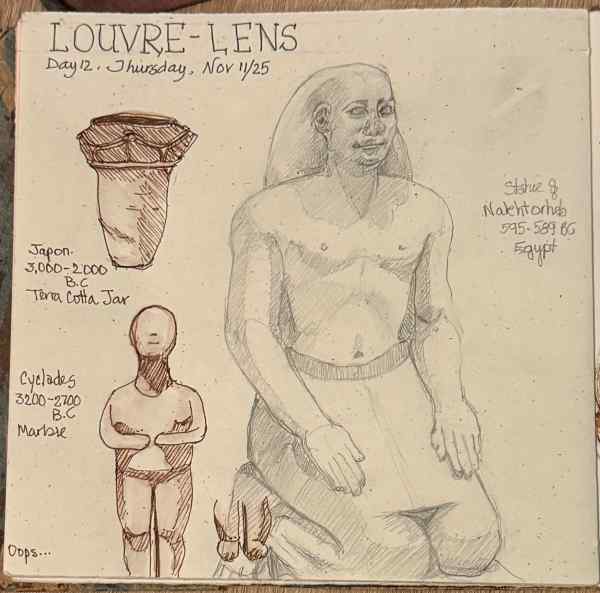

 trudymason.com