Brussels to Fontoy, France

Day 23     Monday, September 22, 2025

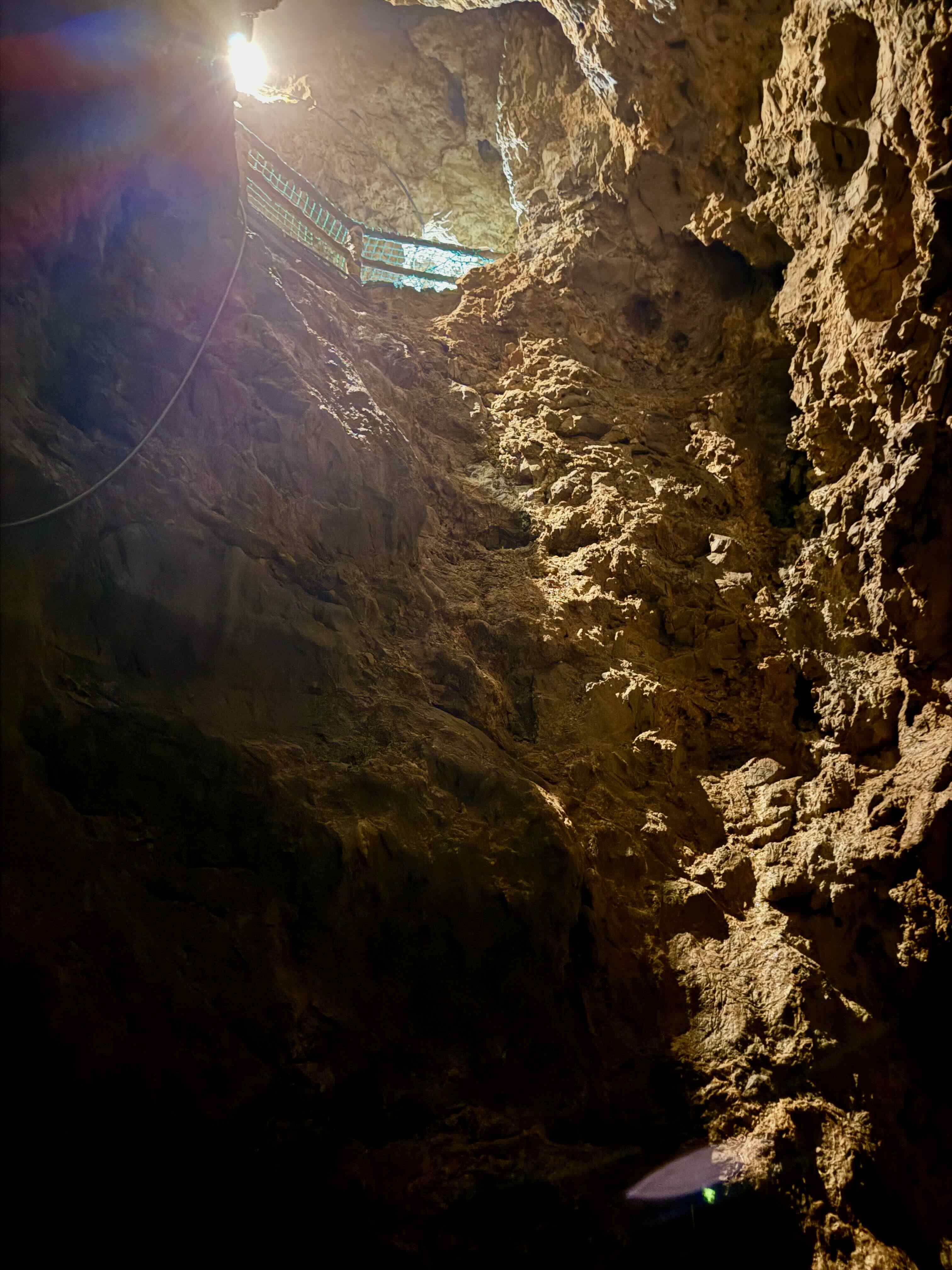
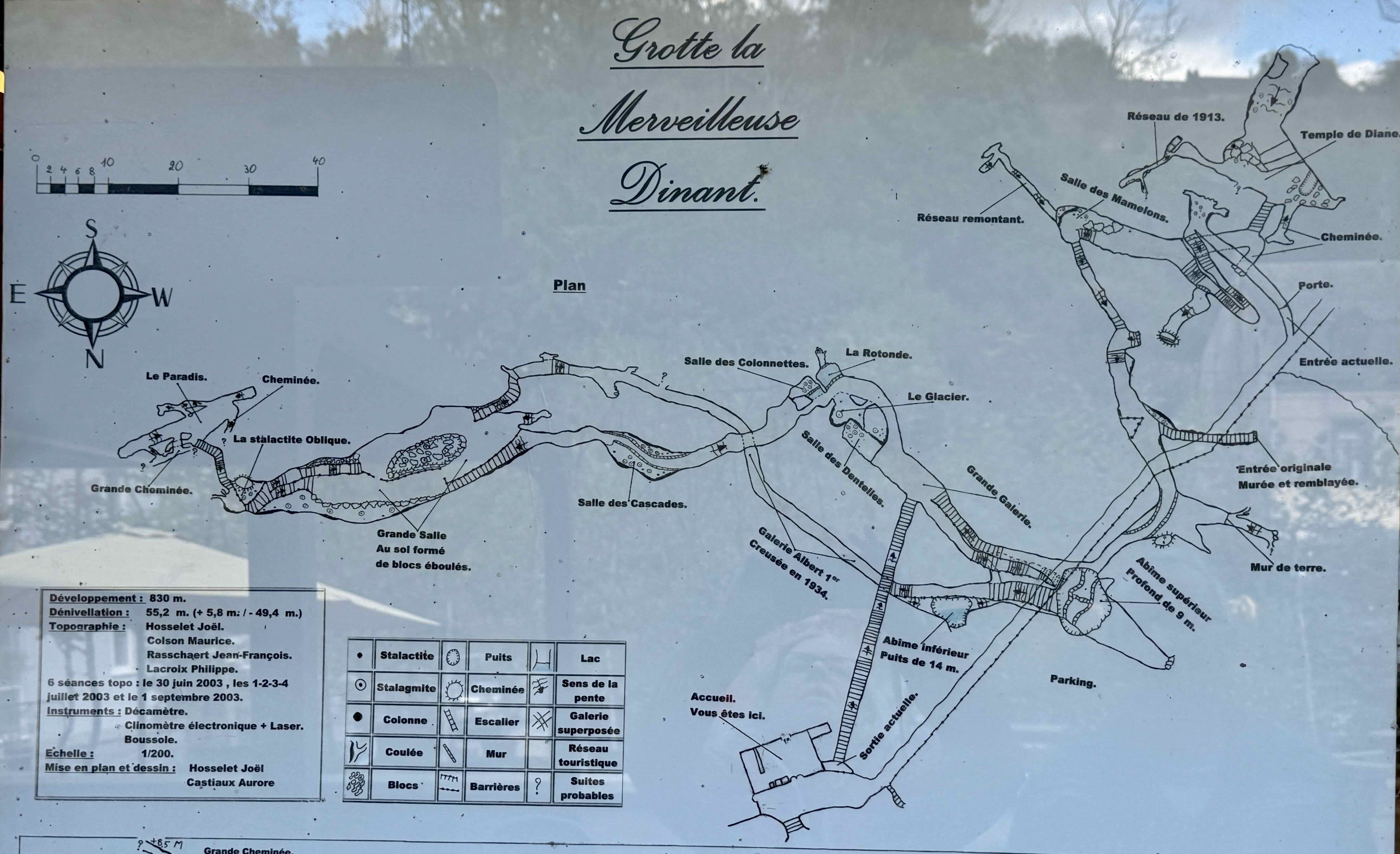
We are driving to Fontoy, France but we have a couple of stops planned on the way.  The first stop is Dinant where we visit a cave called La Grotte la Marveilleuse, or The Wonderful Cave. We are given a brief description of the route we will be taking inside the cave as it is self-guided. We walk down several flights of stairs and are surprised how big the cave is and the variety of formations we see.
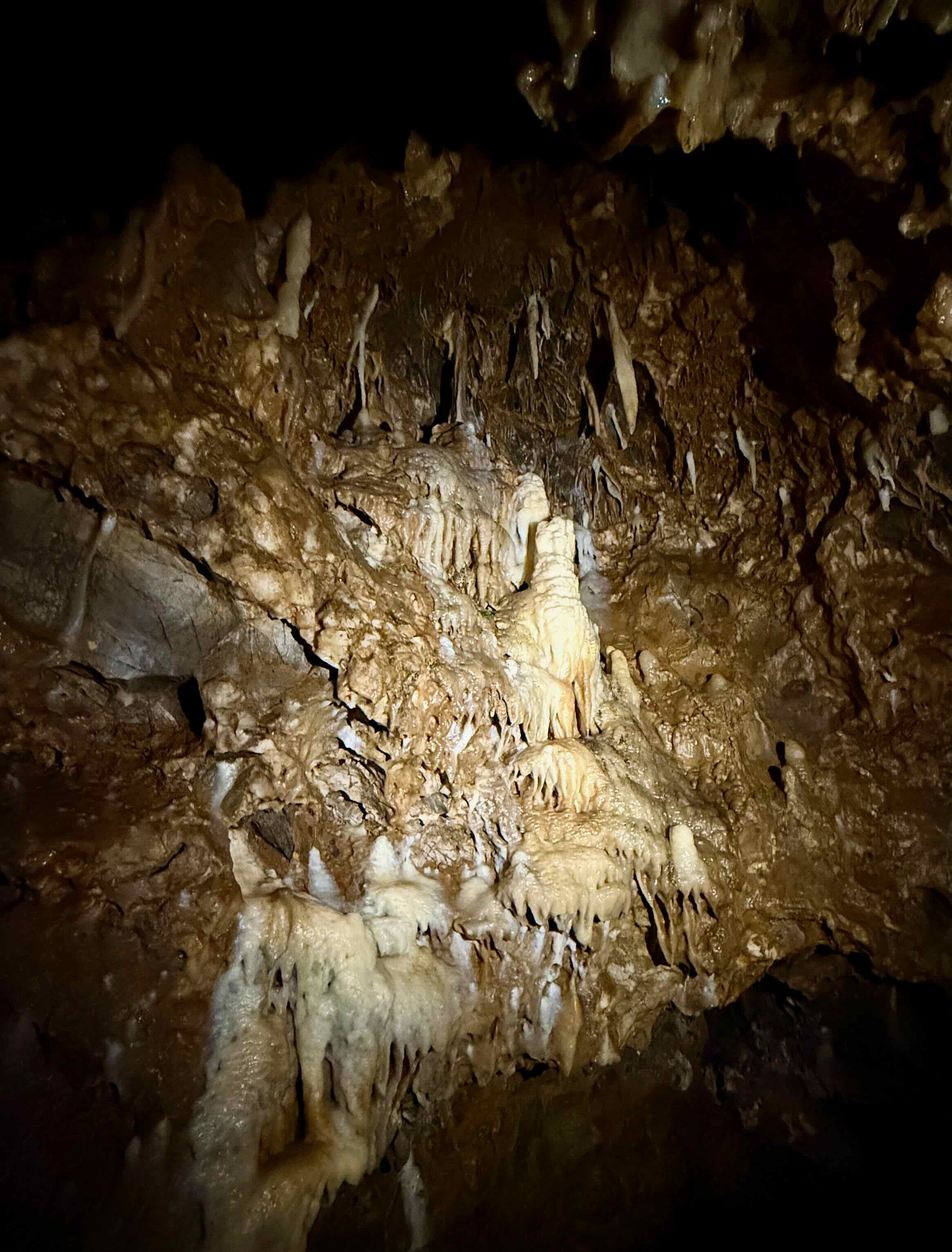
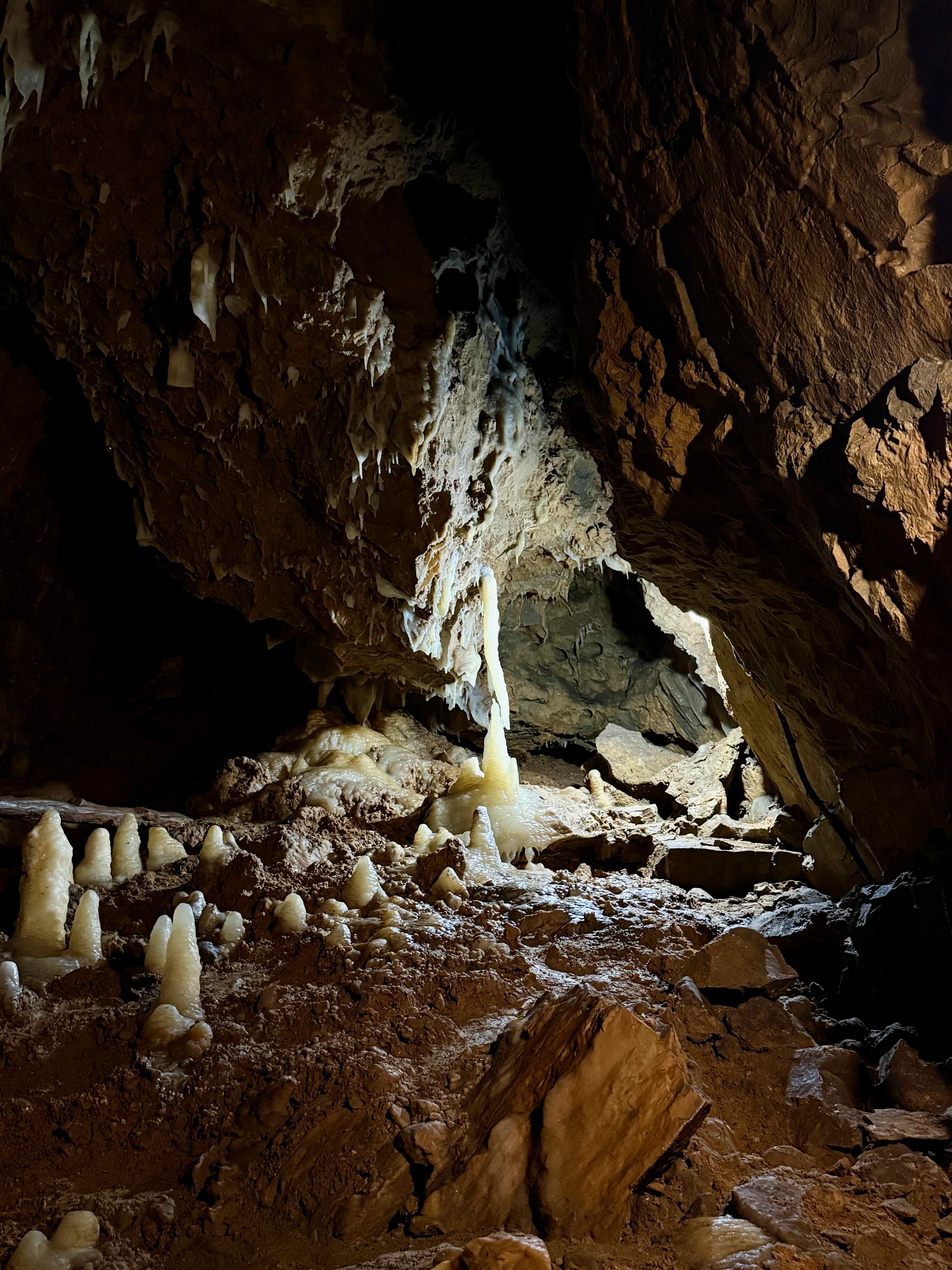
Some of them are very impressive. There are some rather large stalagmites
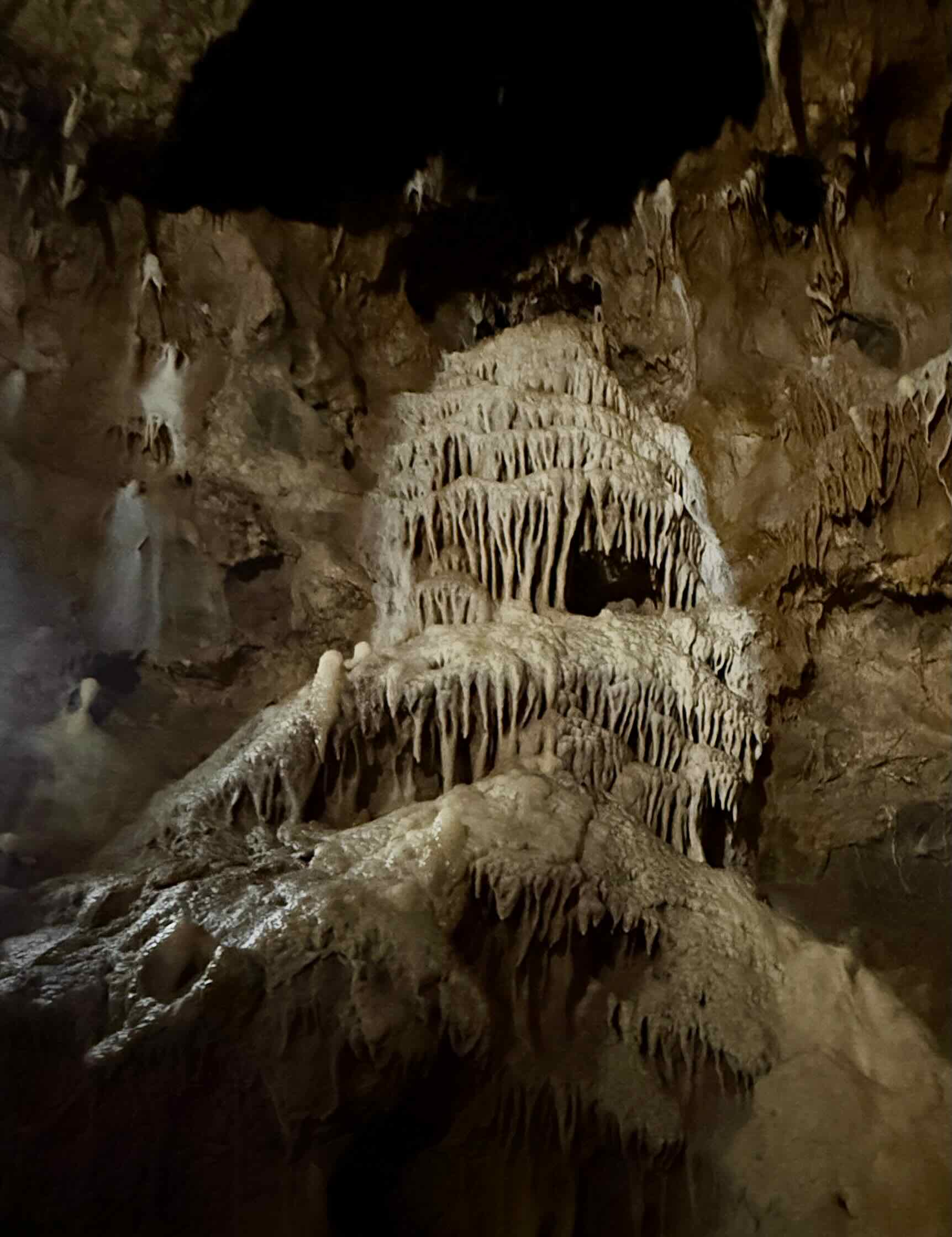
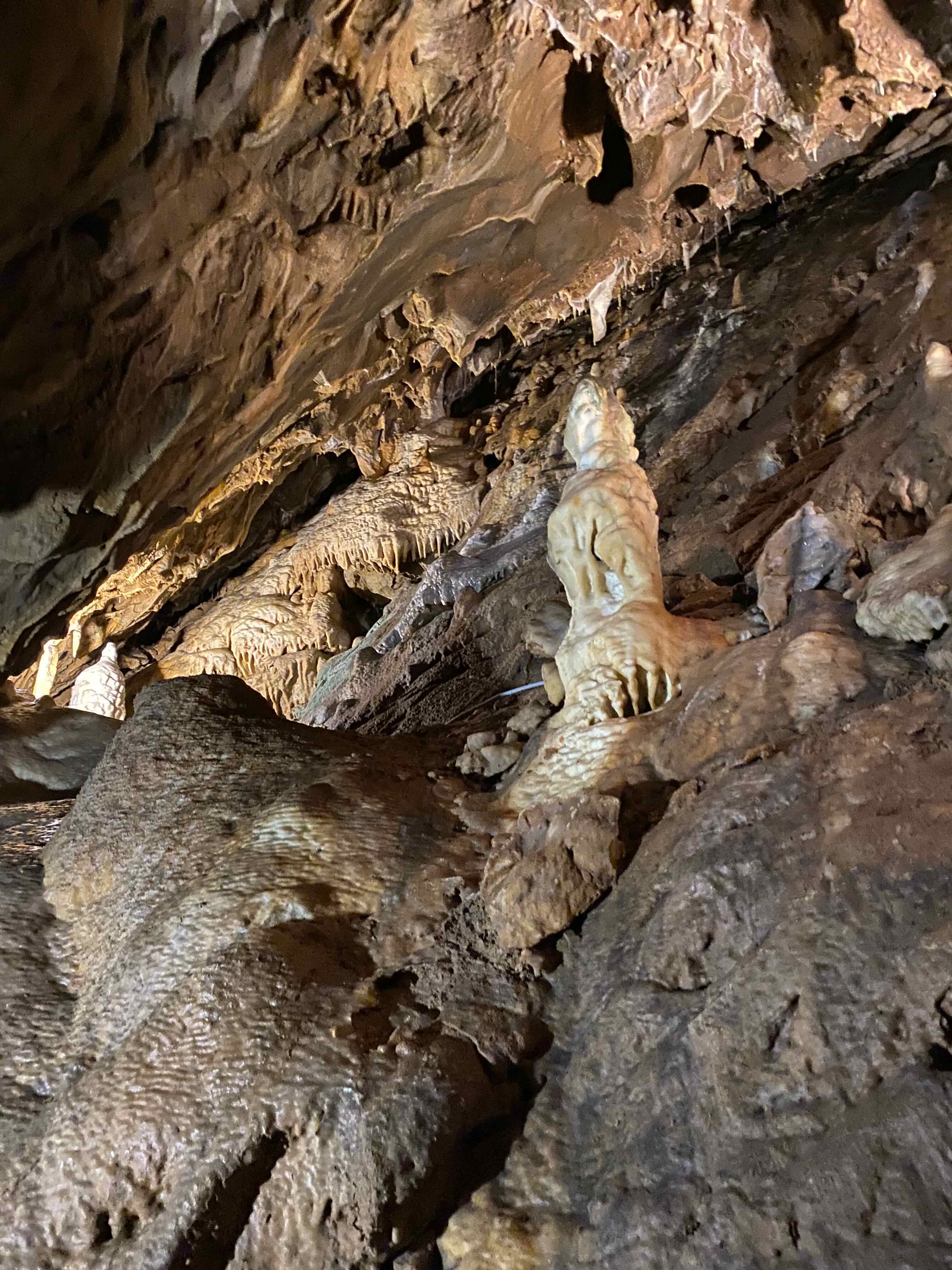
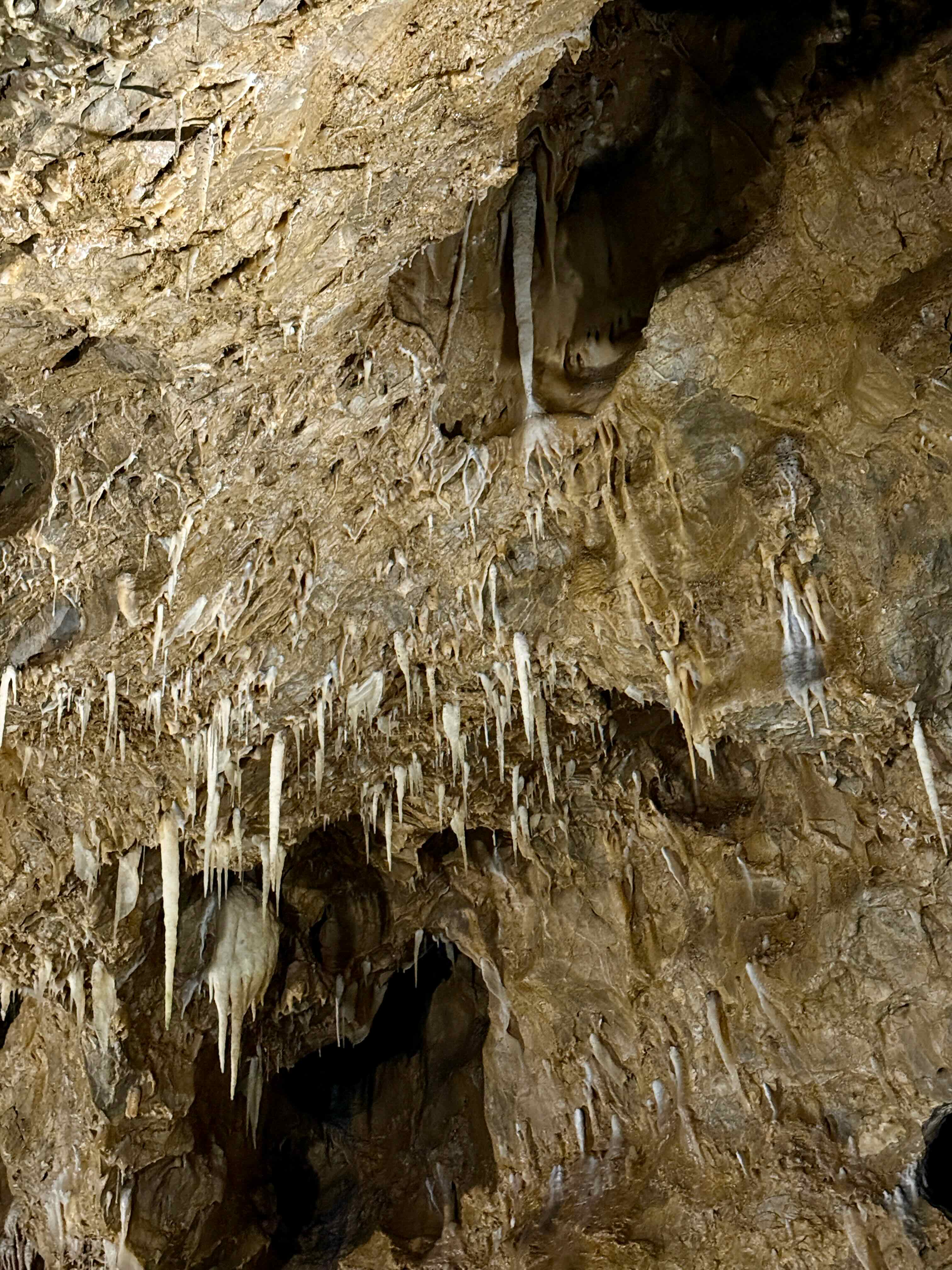
This white limestone formation is called The Glacier. There are stalactites of all sizes hanging from the roof and walls of the cave.
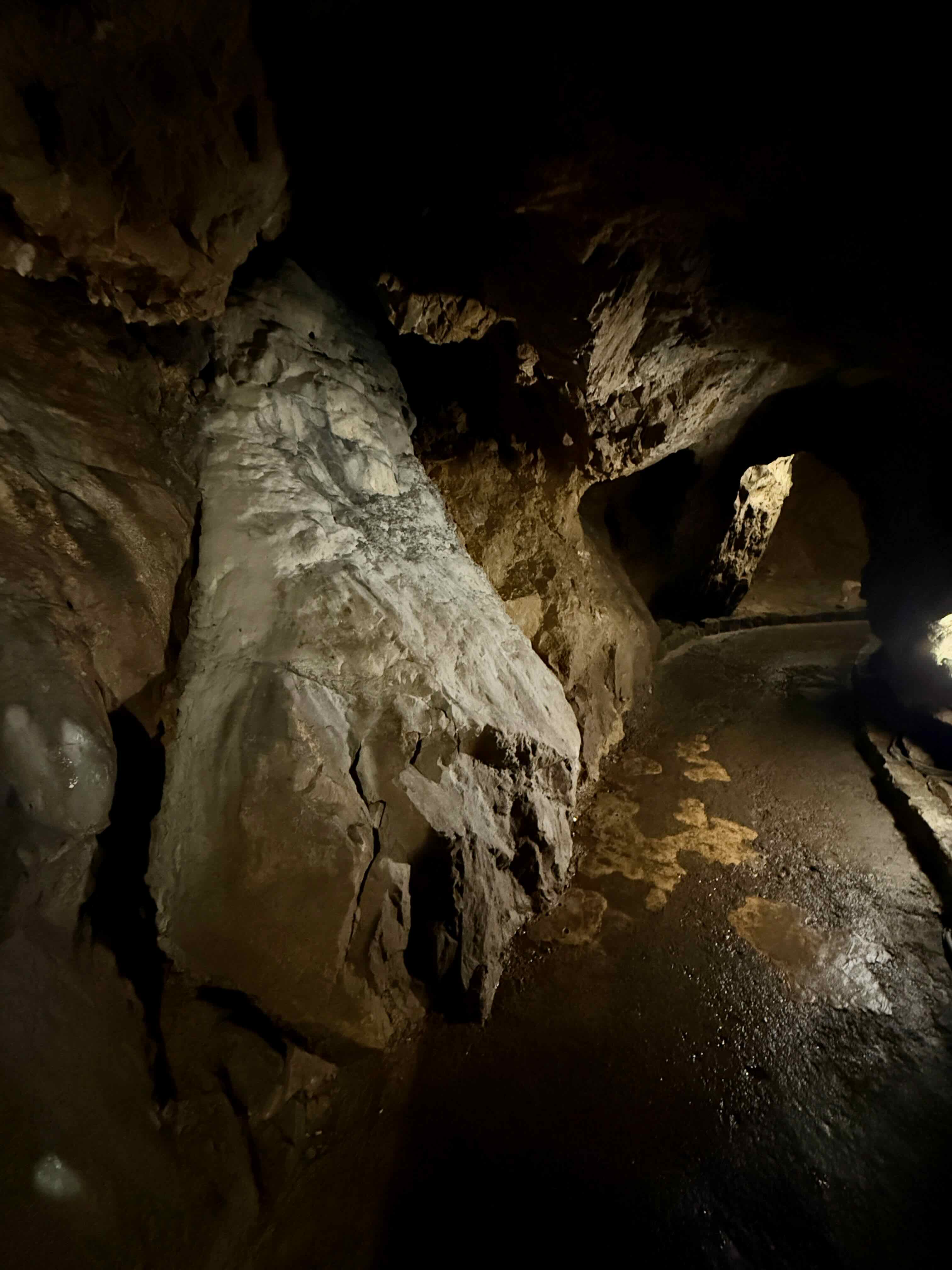
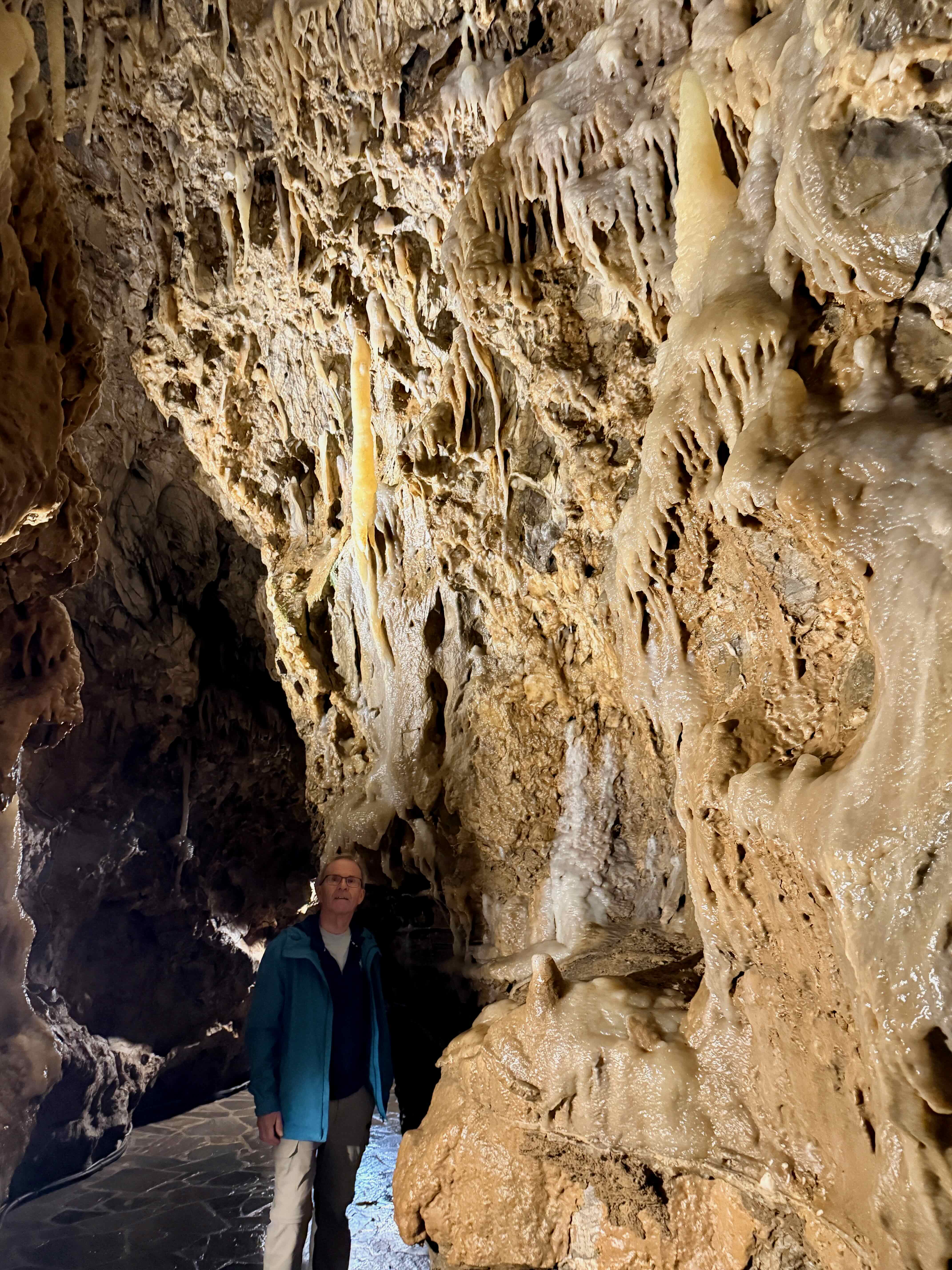
The interesting thing is that this is actually a living cave.  There is water dripping from stalactites and landing on stalagmites. It takes centuries for these formations to show appreciable growth…only about 10 centimetres over a thousand years!
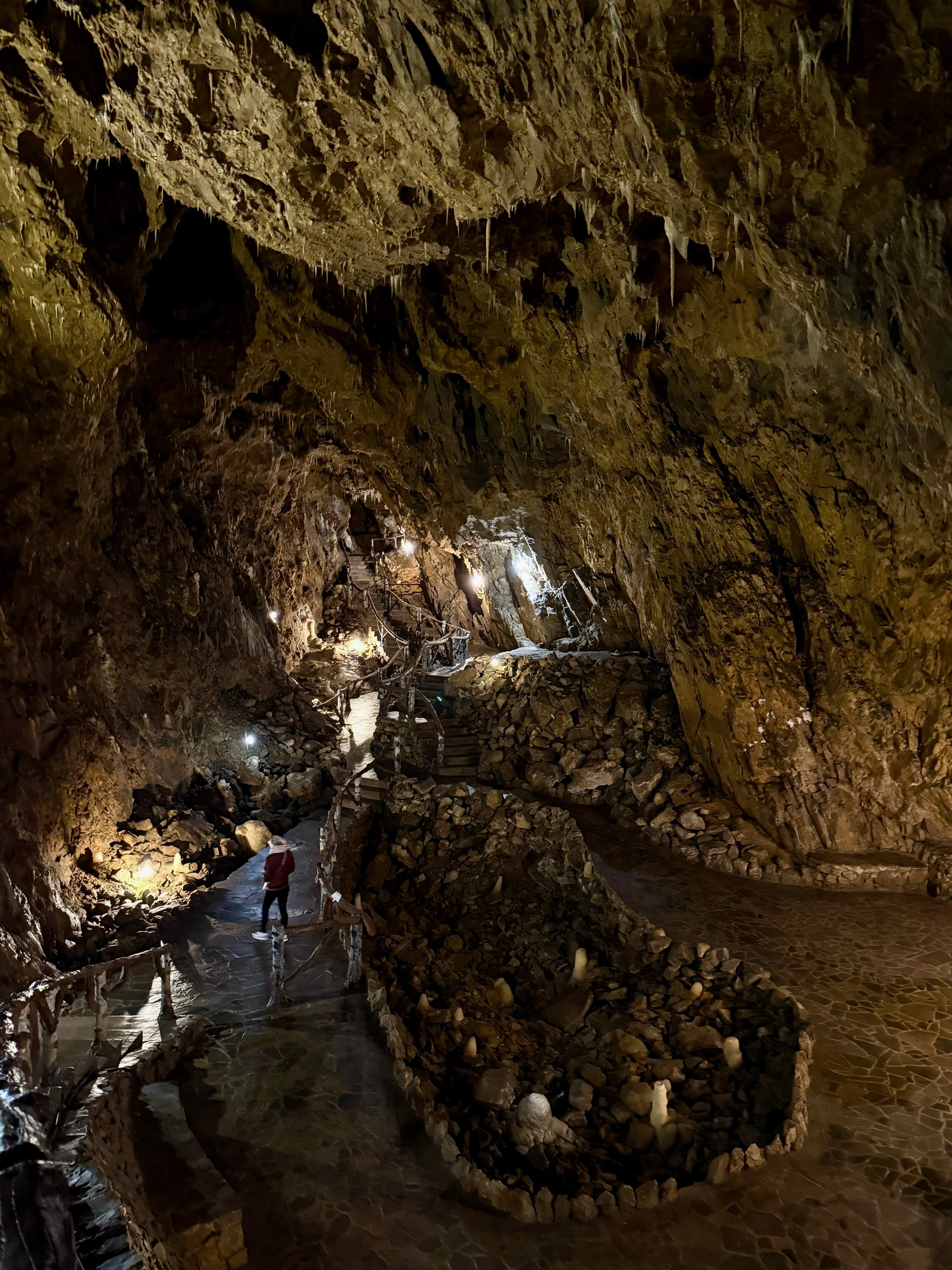
This is the biggest cavern, called the Grande Salle. The railings look like wood but they are actually made of reinforced concrete made to like tree branches.
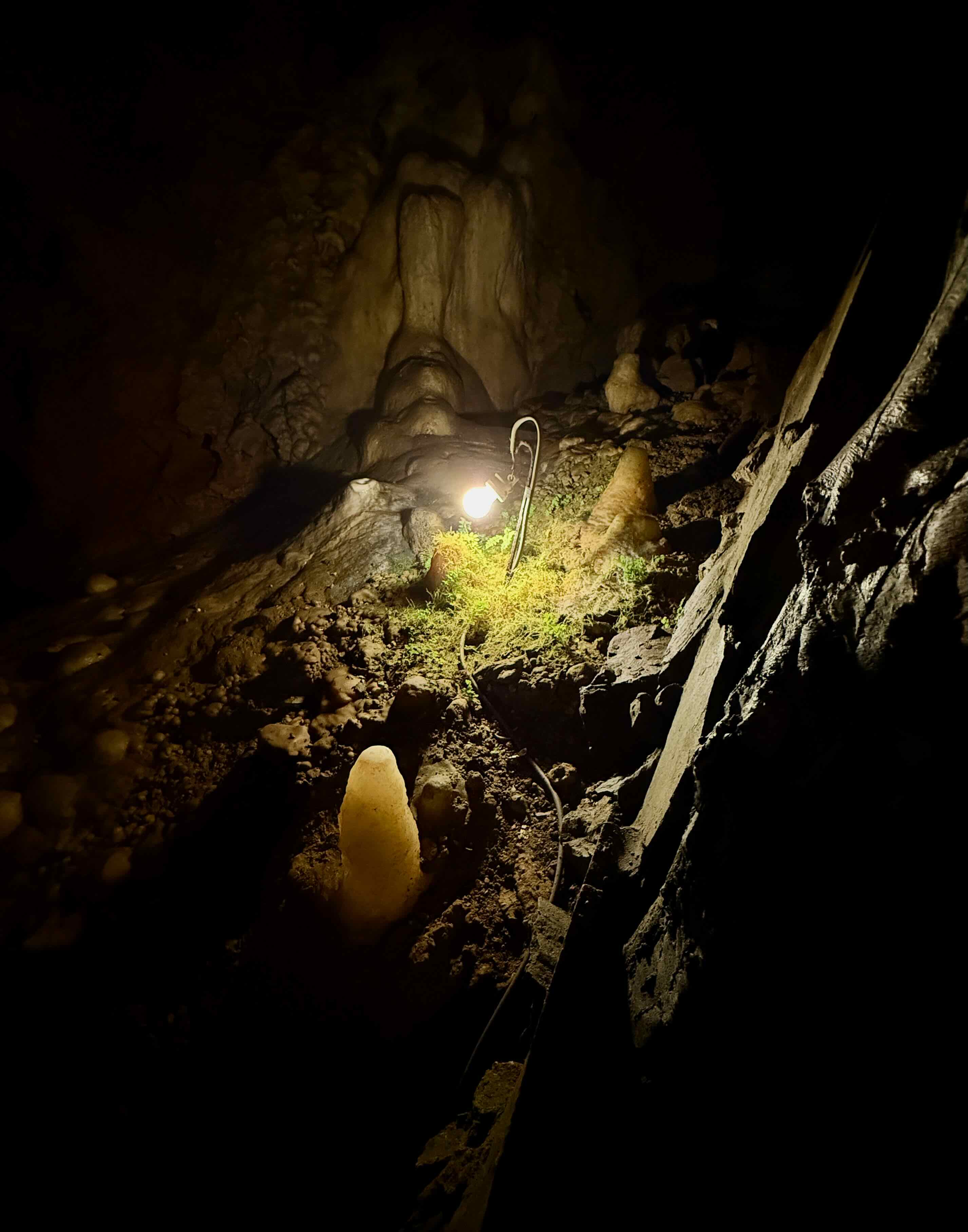
Even with the little bit of light from this small bulb moss starts to grow.
More stalagmites and stalactites.
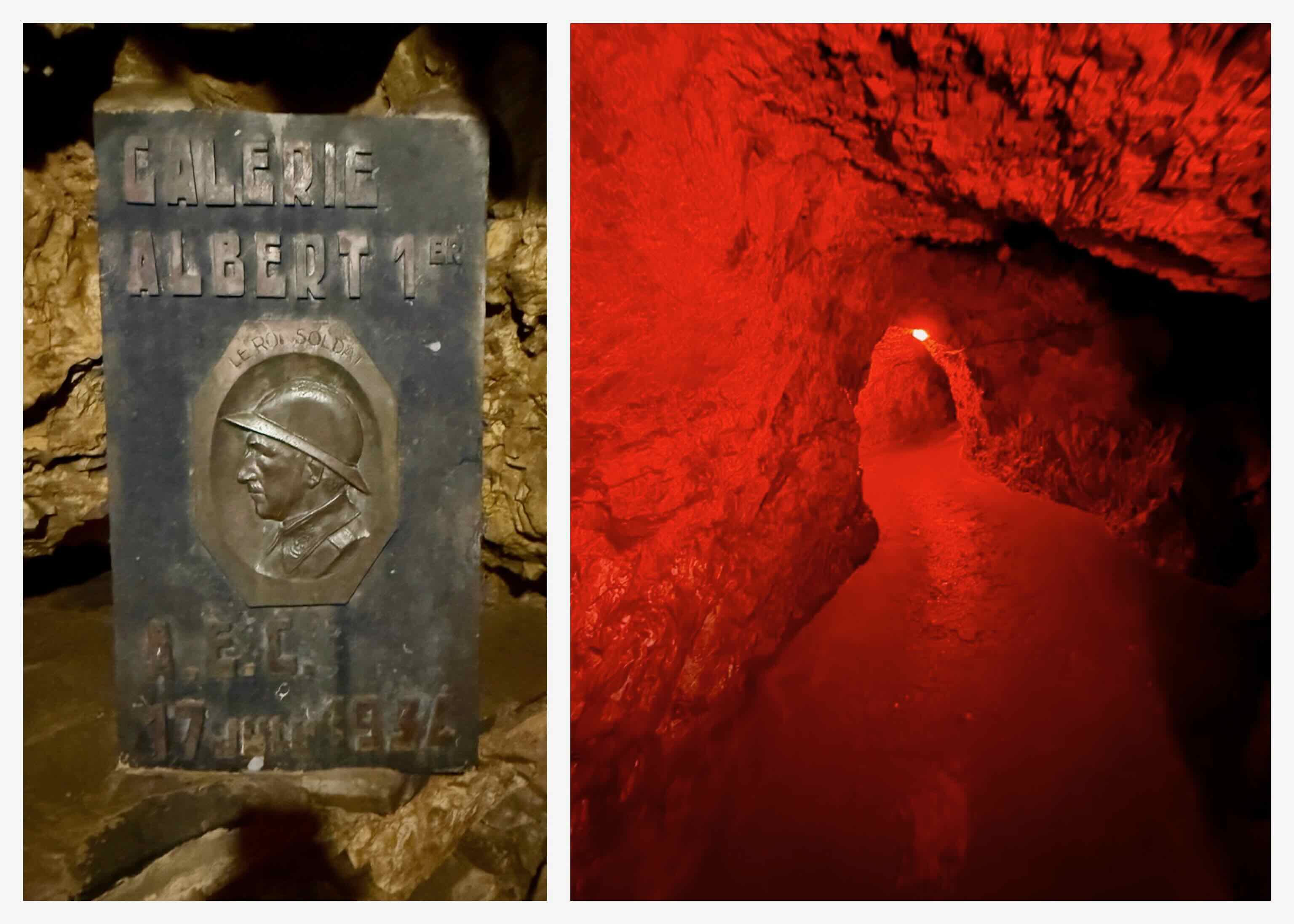
This cave was discovered in 1904 by workmen making a road. They uncovered a small cavern, and reported their find to the land owners.  Realizing the tourist potential of this discovery, the owners added electricity and gradually the railings and stairs. In 1934 a long tunnel was constructed that connected the cave to another exit so that visitors did not have to retrace their steps to leave the cave.  During the Second World War 300 townspeople hid in this tunnel to escape the Germans.   We are 95 meters below the surface!
At the end of the tunnel we climbed this long stairway with 120 steps to the exit.  There are about 350 stairs to climb on the whole tour along with many long downward sloping walkways. We enjoyed our tour of this cave. It is strange to think that we were so far underground and neither of us felt at all claustrophobic.

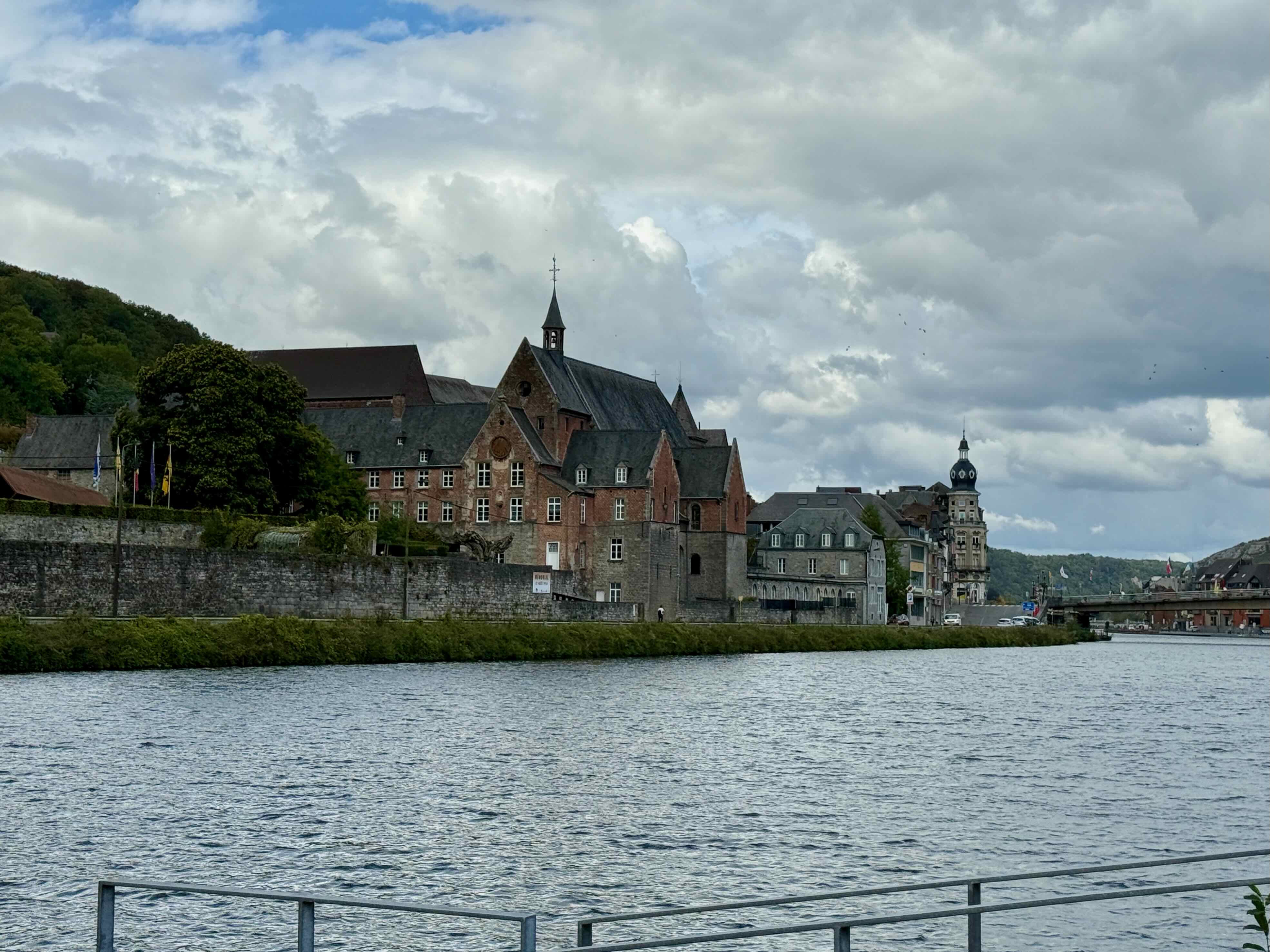
Dinant is an interesting little town, situated along both banks of this river.  It is also where Alphonso Sax invented the saxophone in 1840.
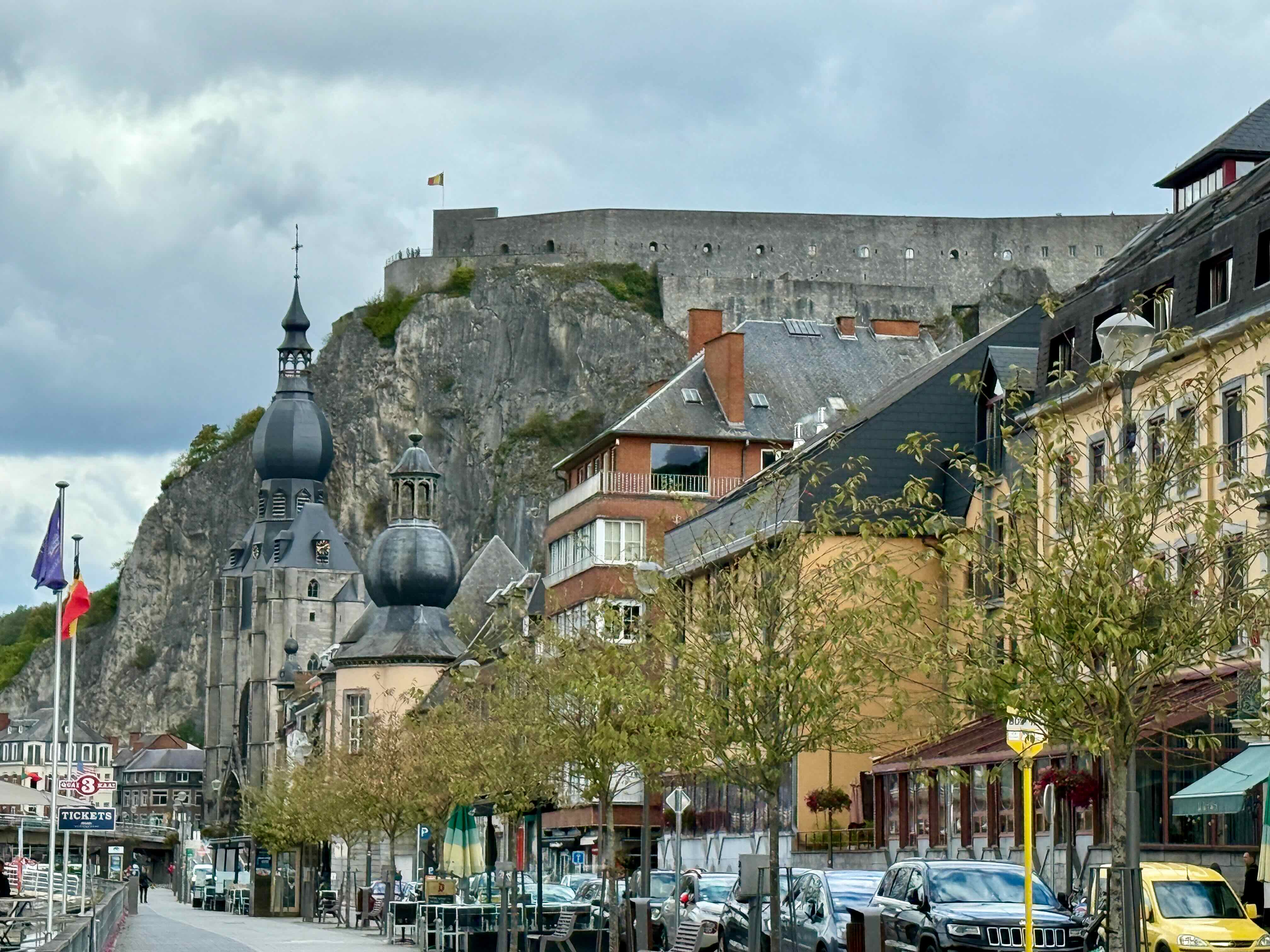
The Citadel high above the town looks interesting but we don’t have time for a visit. Back on the road headed towards Rocheport.
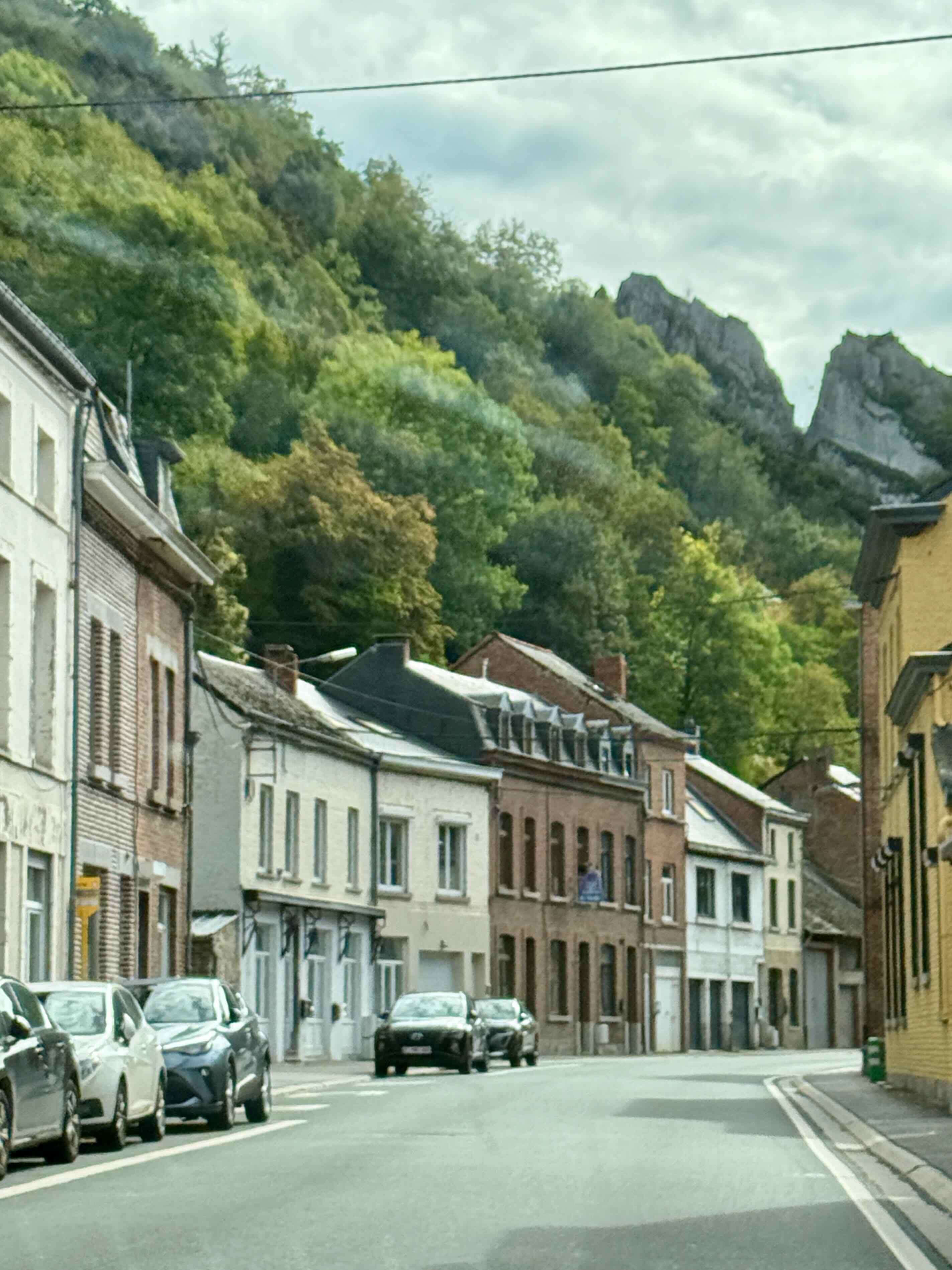
We drive over this pretty bridge and find a spot to park for tea and cookies in Rocheport and then we go for a little walk before heading towards our next Airbnb at Fontoy, France.
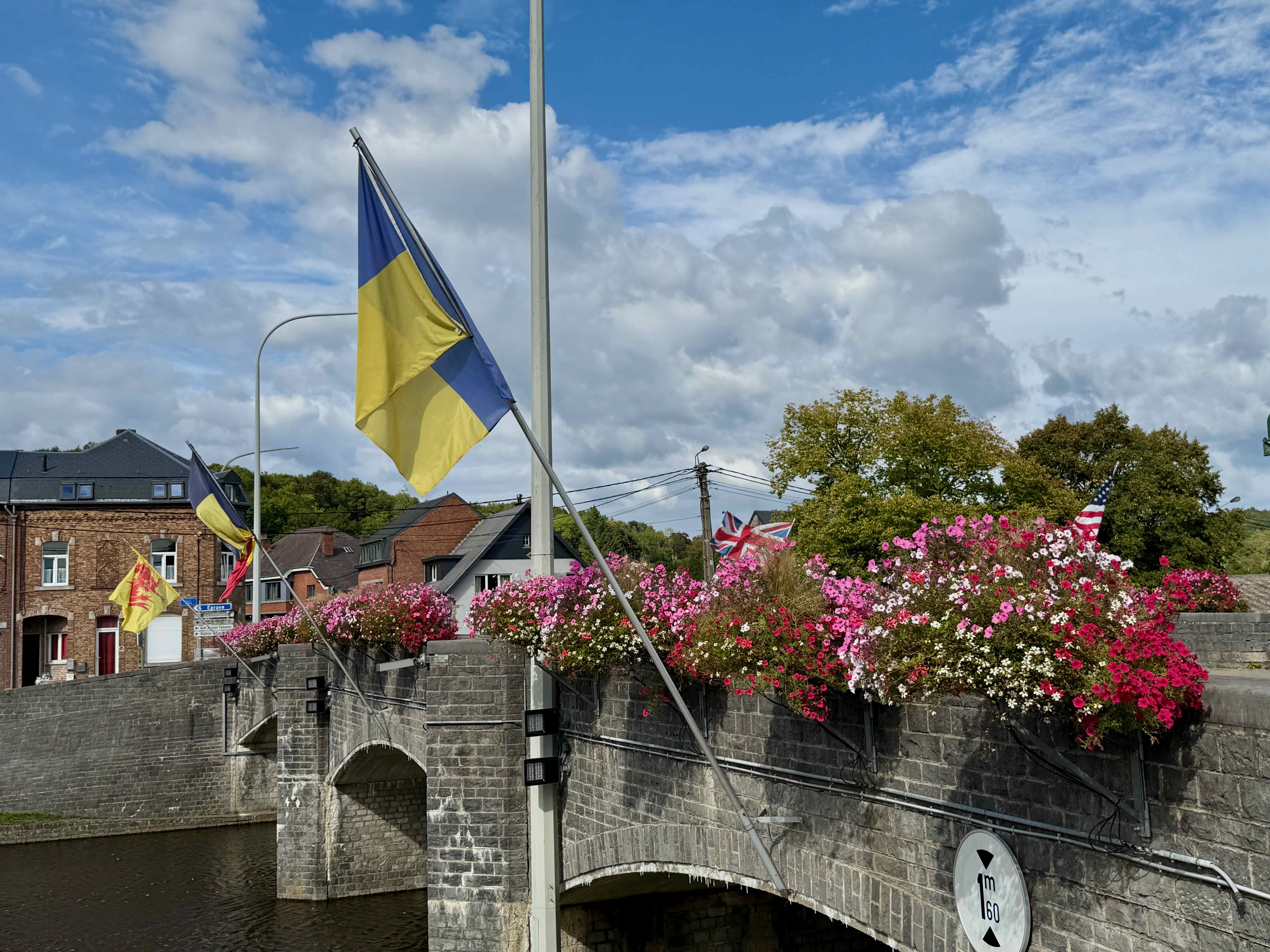
Every town, no matter how small, has a church, but this is the first church I remember seeing that has flower baskets by the entrance door.  
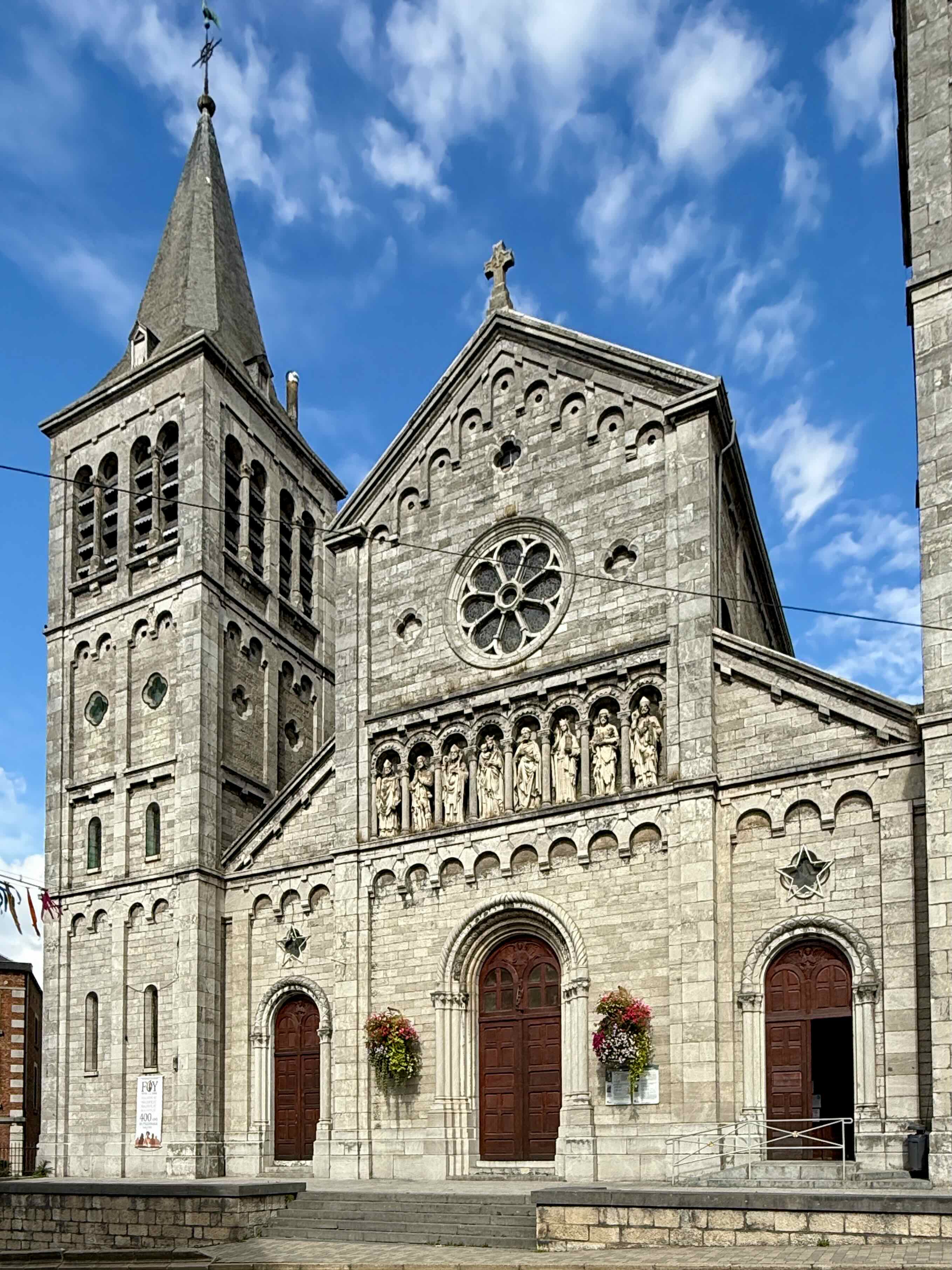
This is a an interesting building. We think it might be a single family dwelling as there is only one house number on the building.
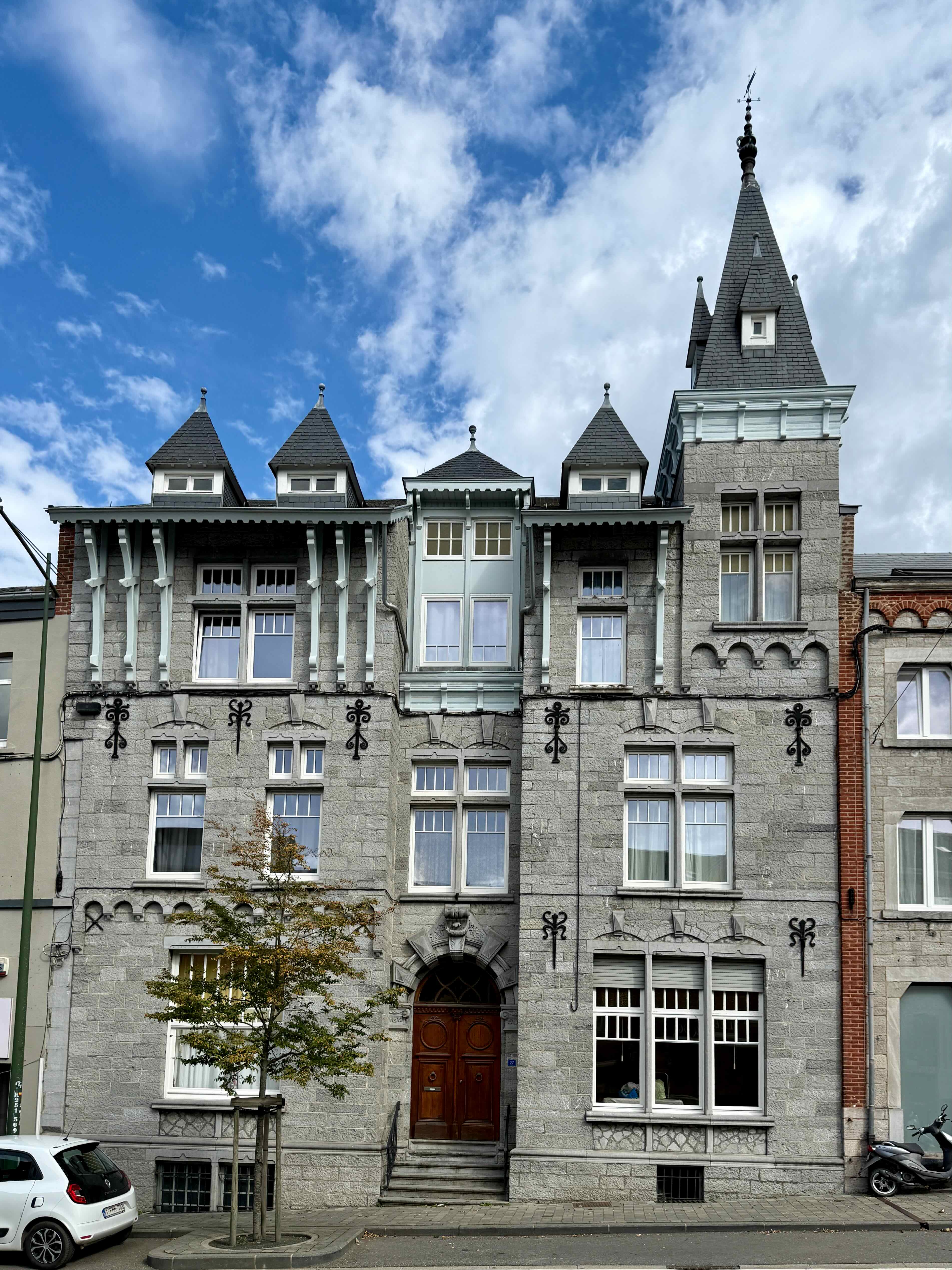
This strange statue is of a popular Belgium comedian, Raymond Devos (1922 – 2006) who is supposed to be popping out of a box, like a Jack in the box.  I thought that he had his feet in a cement block, like gansters used!
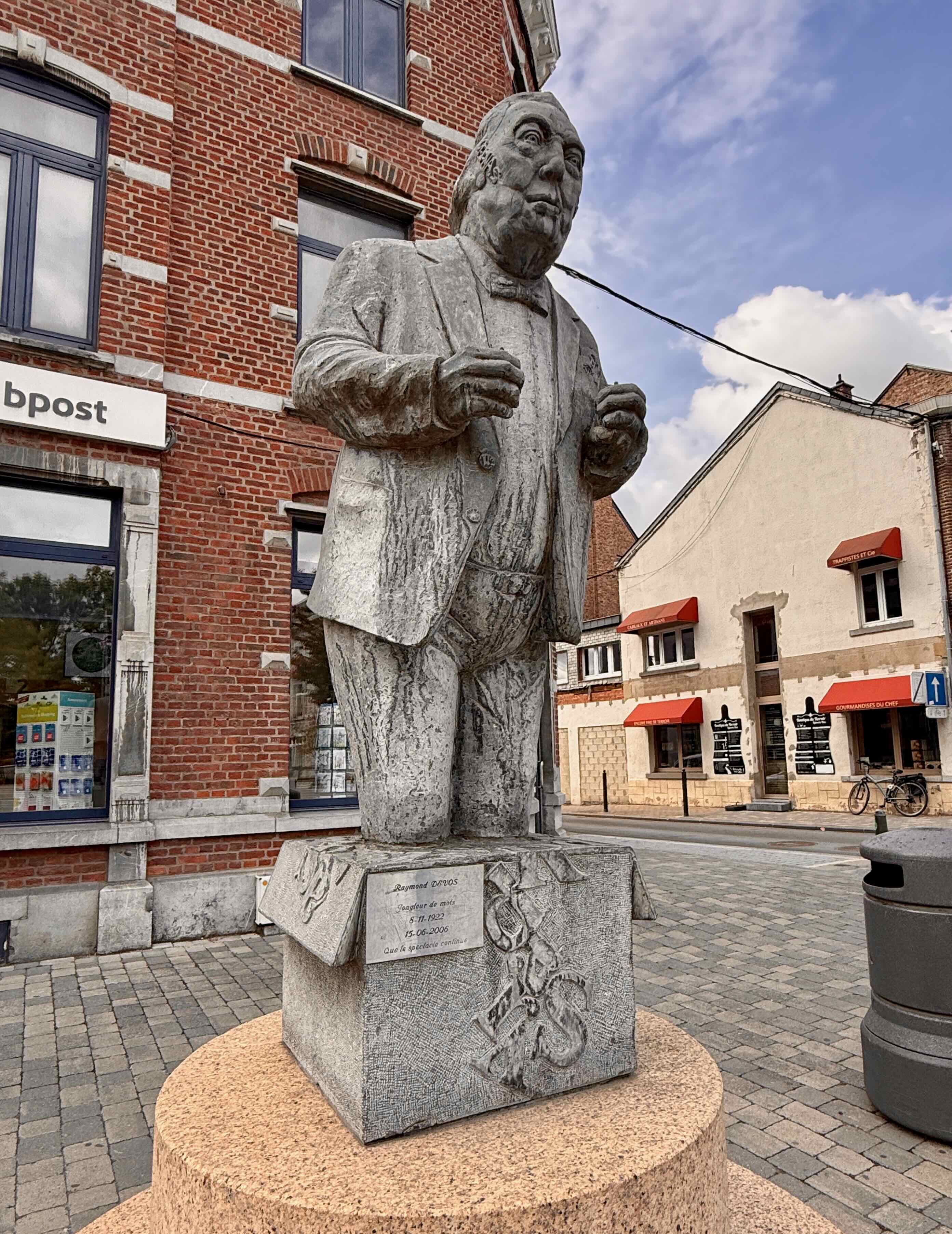
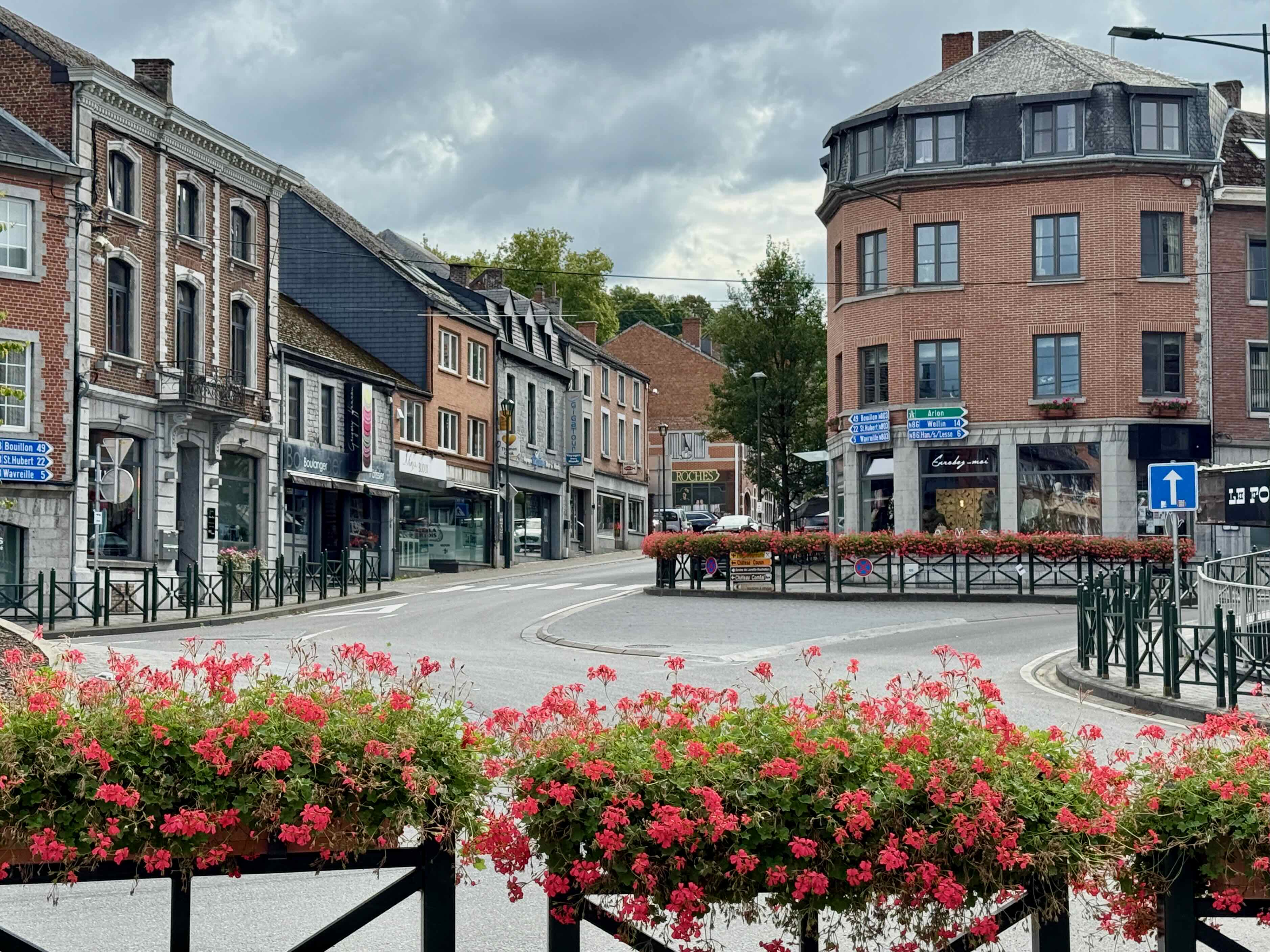
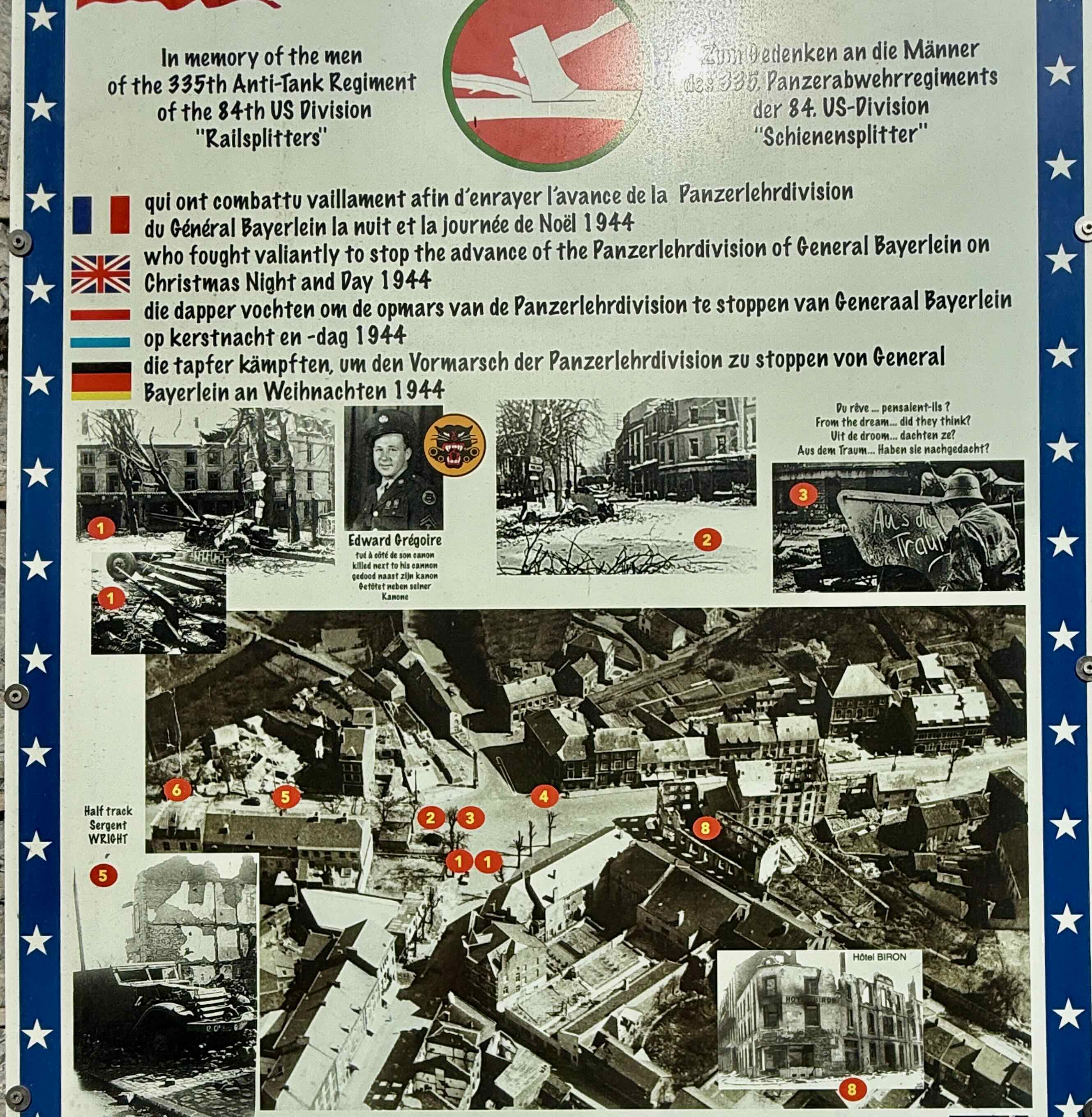
I liked the flowers at this intersection but then we see the poster below showing the damage to this area on Christmas Day 1944.
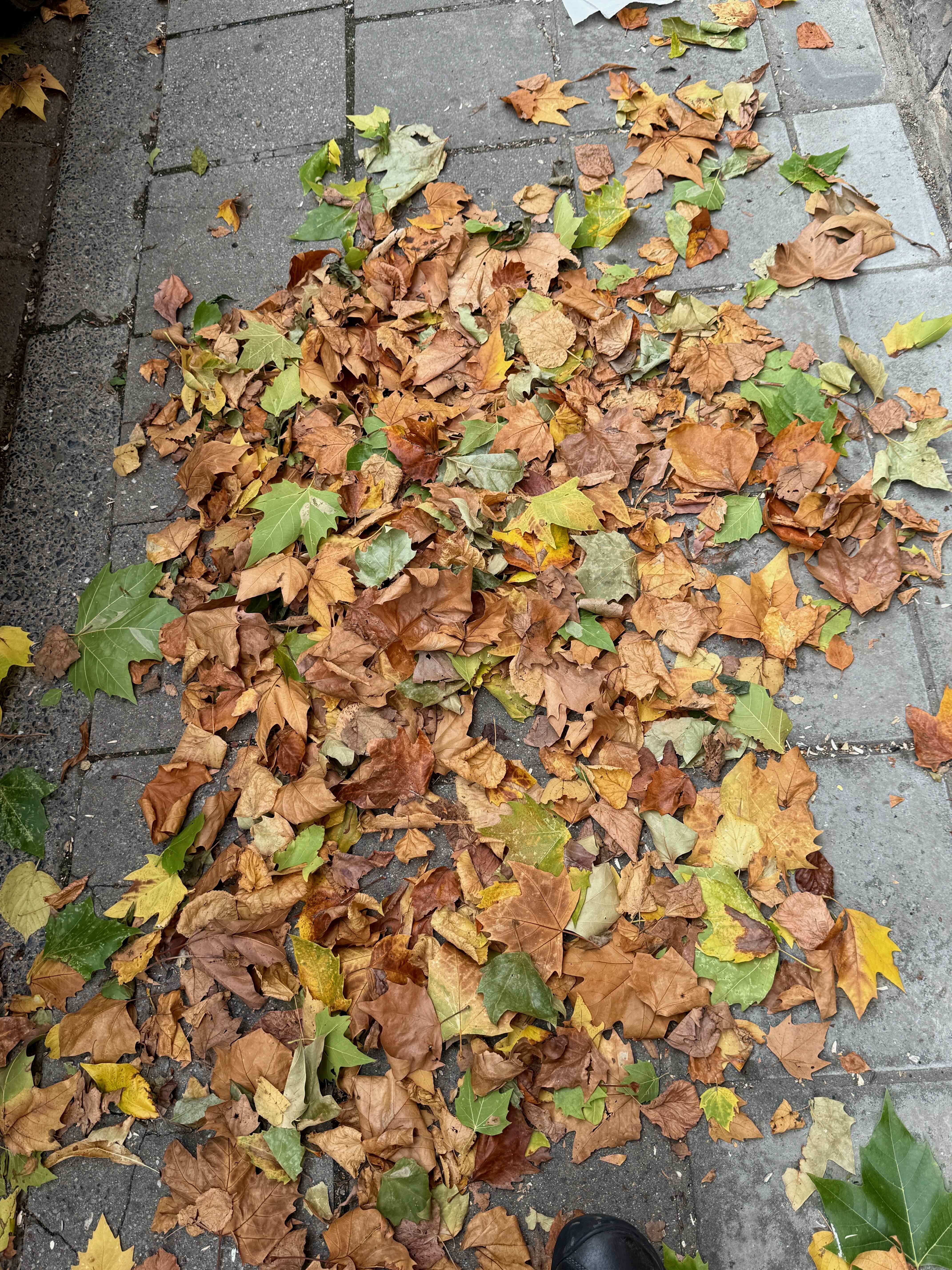
I loved the colours of these leaves. We see a truck with beautiful ochre coloured sand and then peek inside this building under renovation to see what it is being used for.  Not exactly a do-it-yourself job!
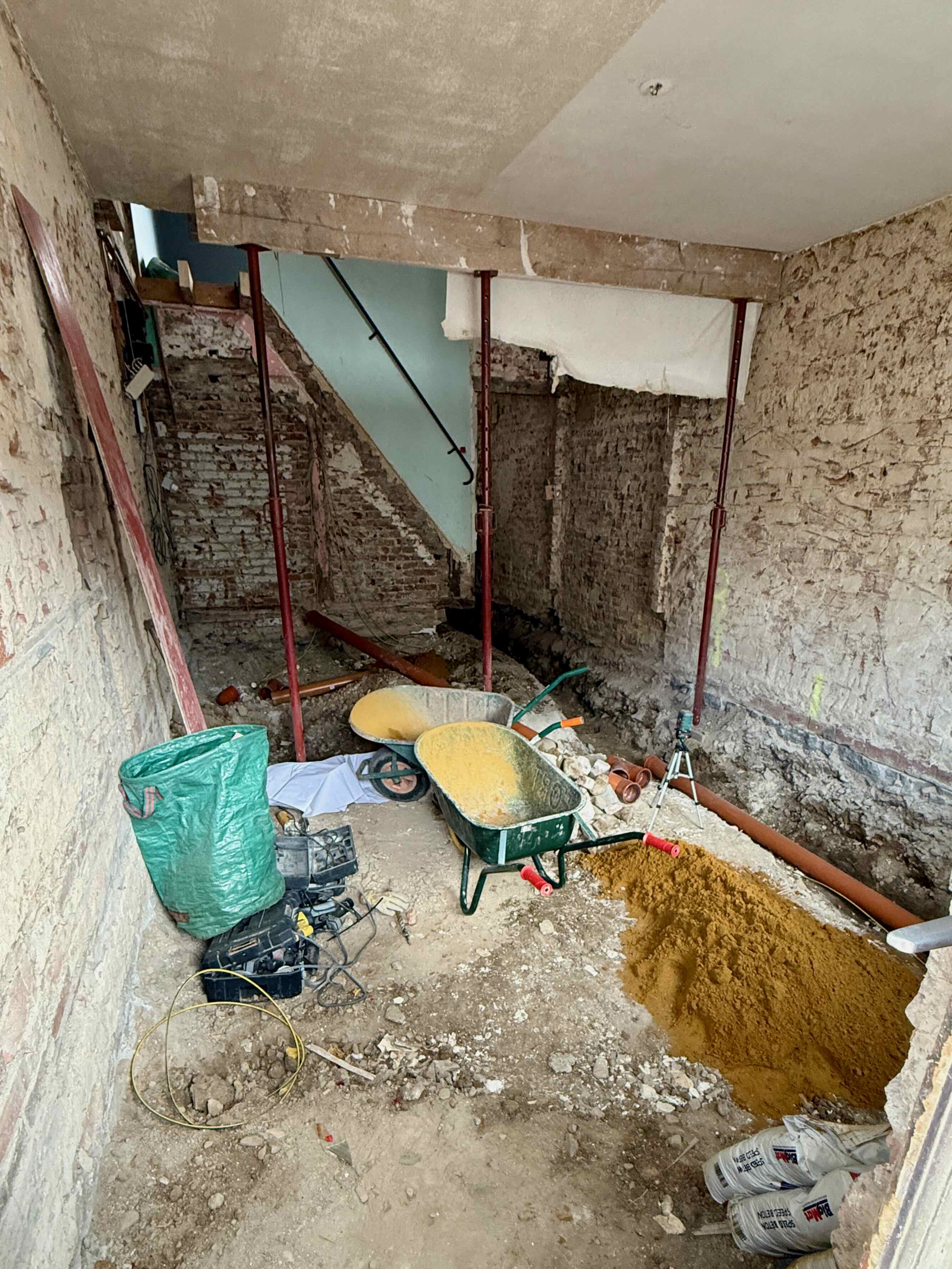
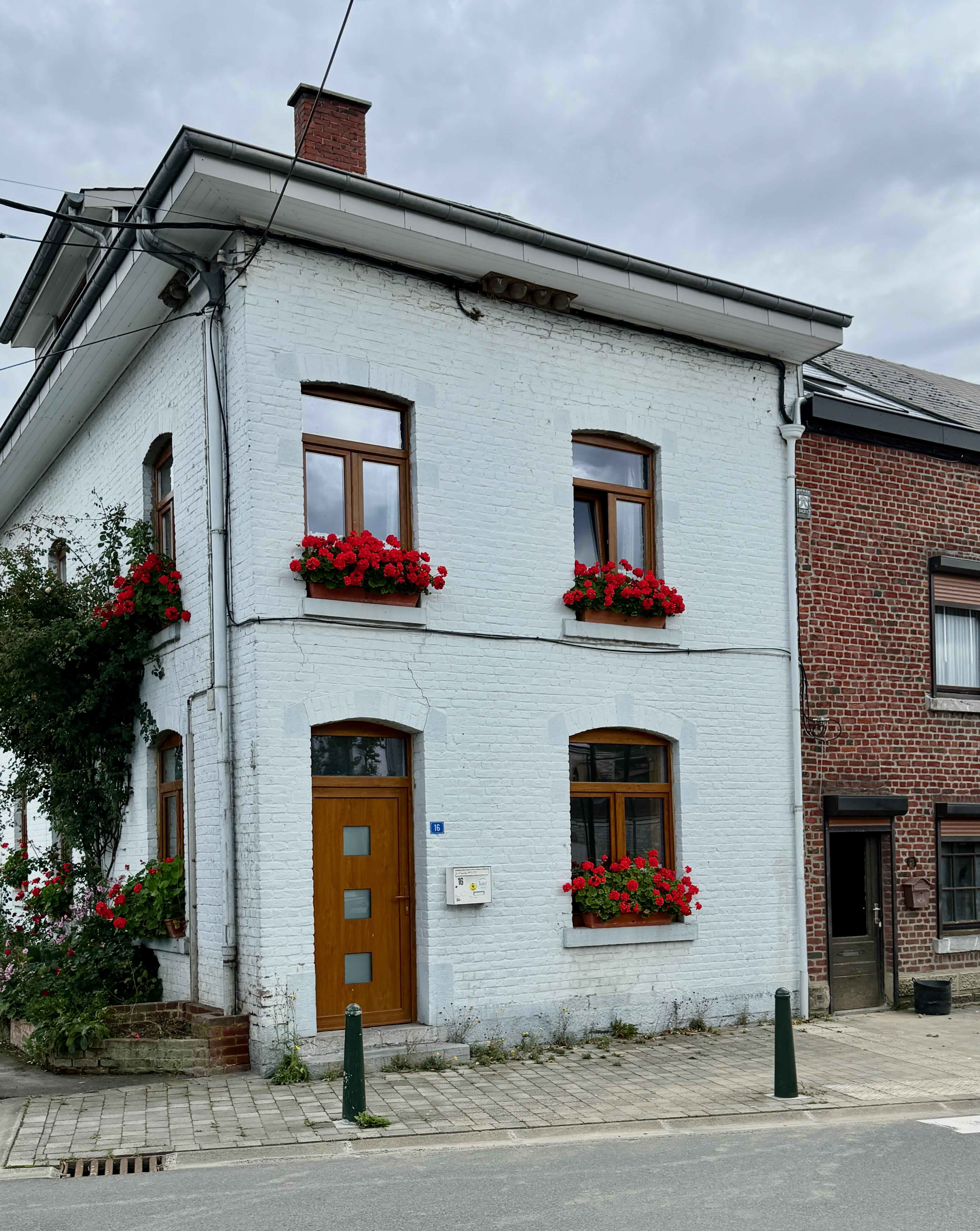
The doorway that we looked into is right next to this house with the gorgeous red geraniums.
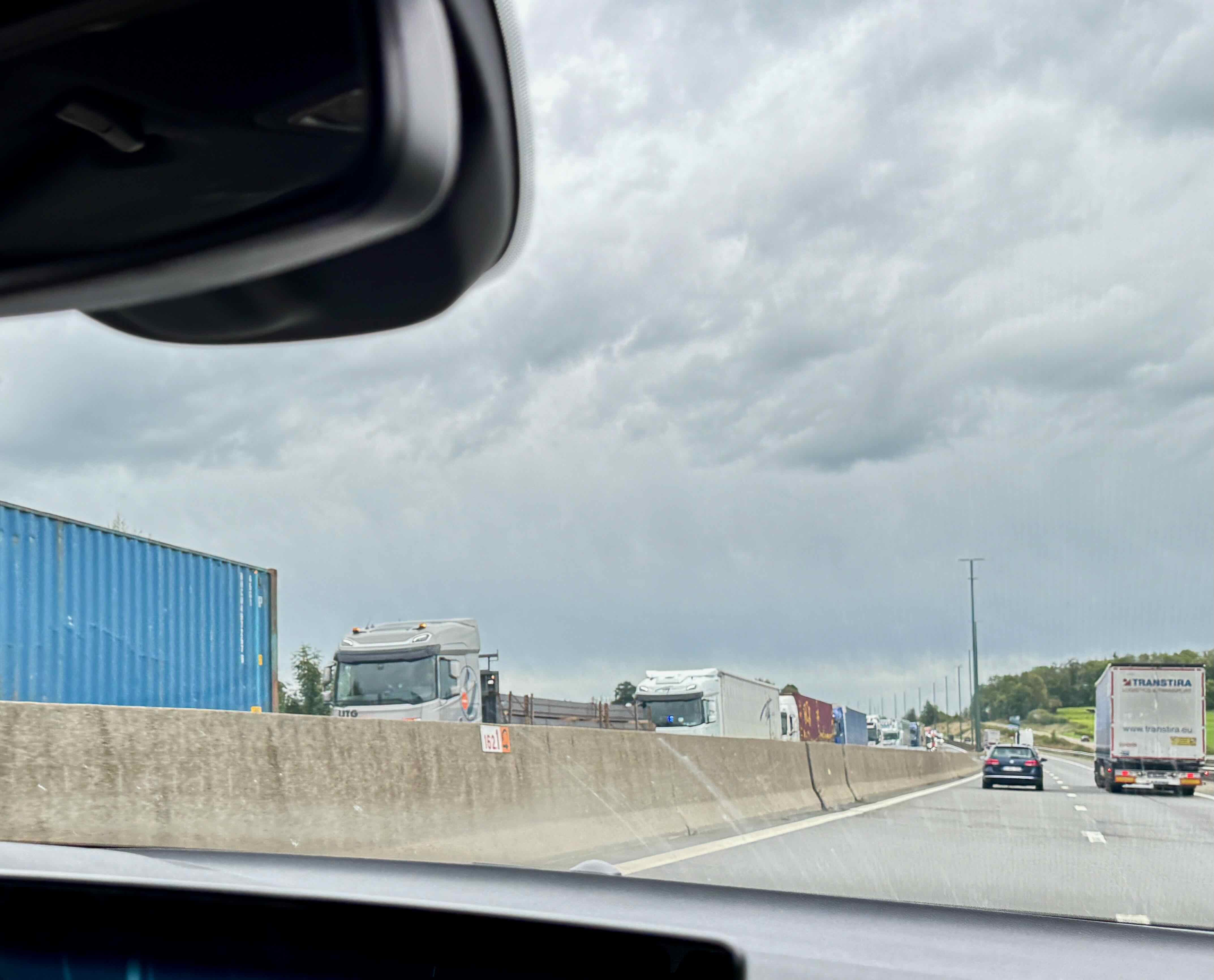
It is rush hour and there are ‘Deviations’ which mean detours and lots of traffic.  We count 153 trucks in a row that are not moving at all on the highway.  Thankfully they are not going in our direction!
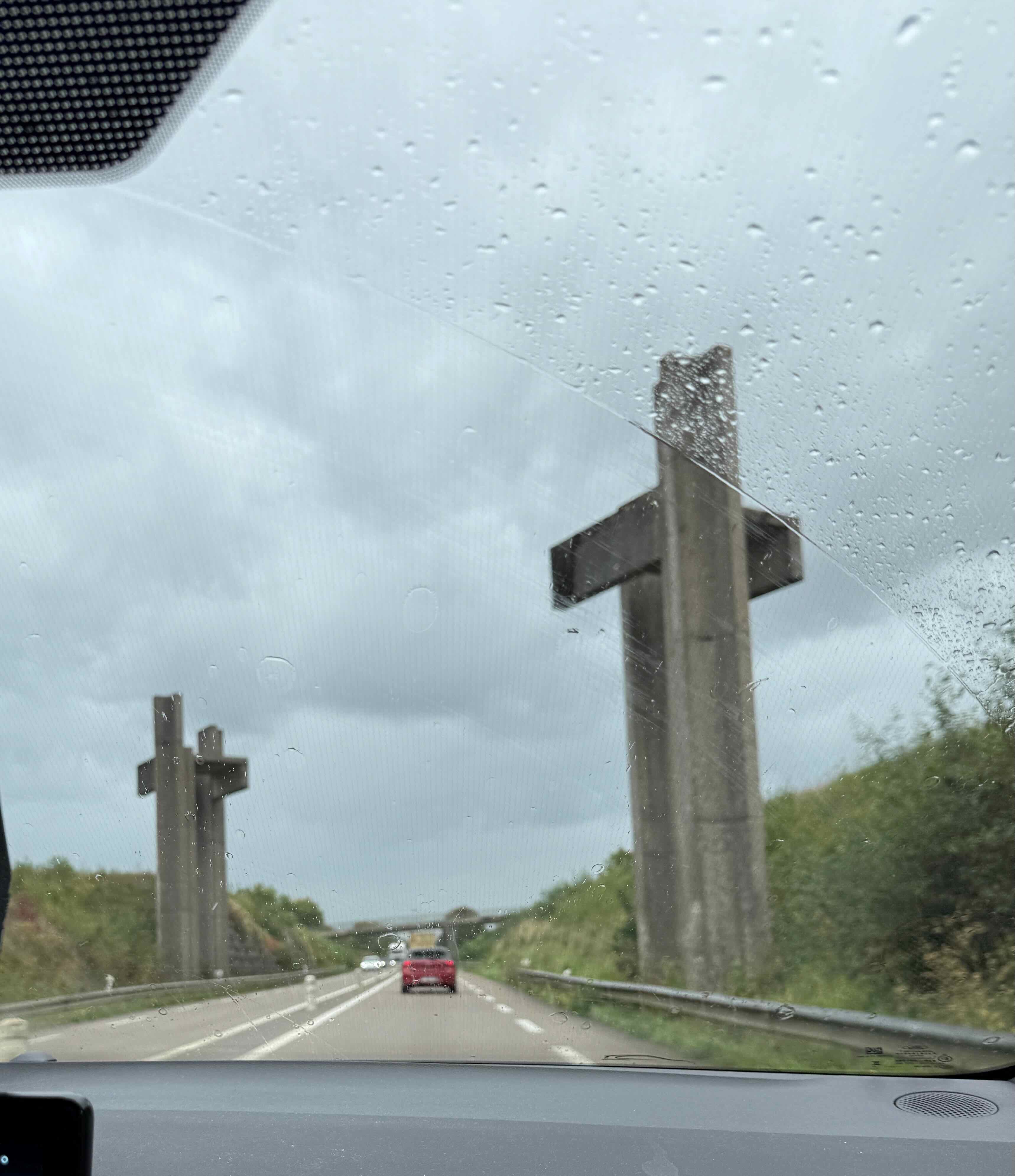
We see these huge crosses along the highway near the end of our trip, but I am unable to find any information about them.
Quiet Day In Uccle, Brussels.

Day 22     Sunday, September 21, 2025

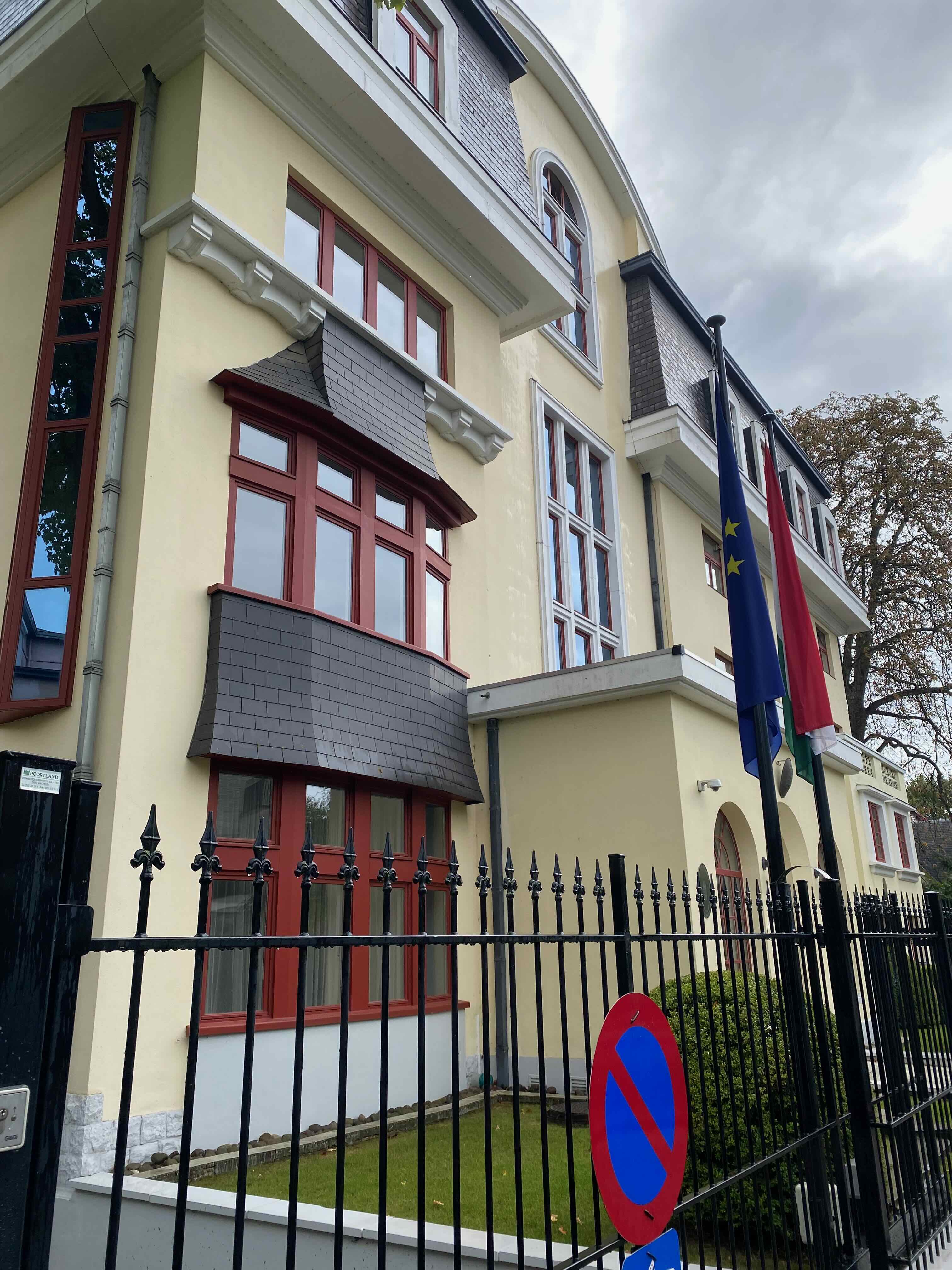
Our bnb is in a municipality of Brussels called Uccle. Brussels is the capital of Belgium, the headquarters of the European Union, and the headquarters for NATO. Bob went for a walk today and saw several embassies.  There are 183 embassies in Brussels and Bob counted 17 embassies within a ten block radius of our bnb.
This is the Hungarian Embassy.

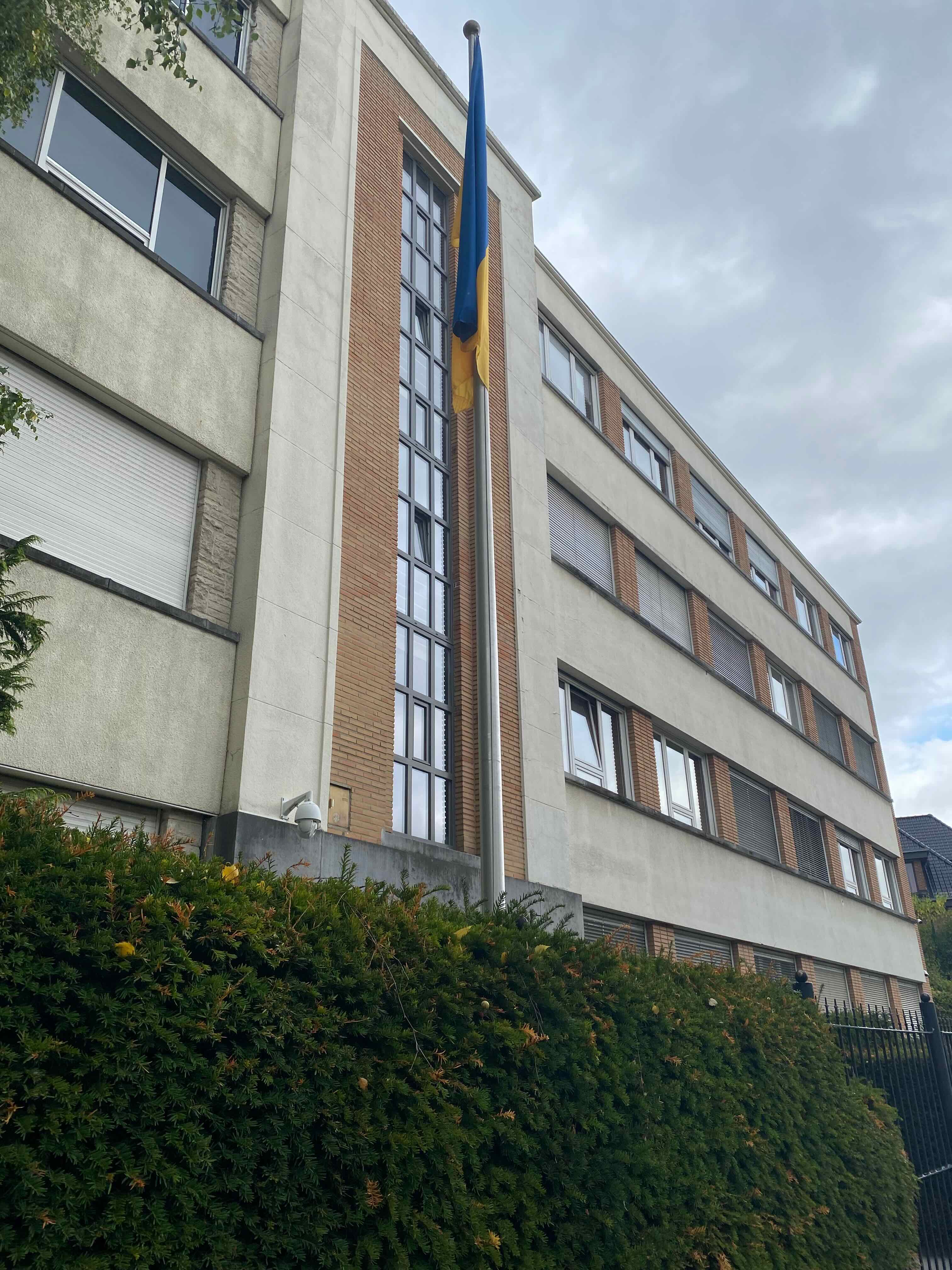
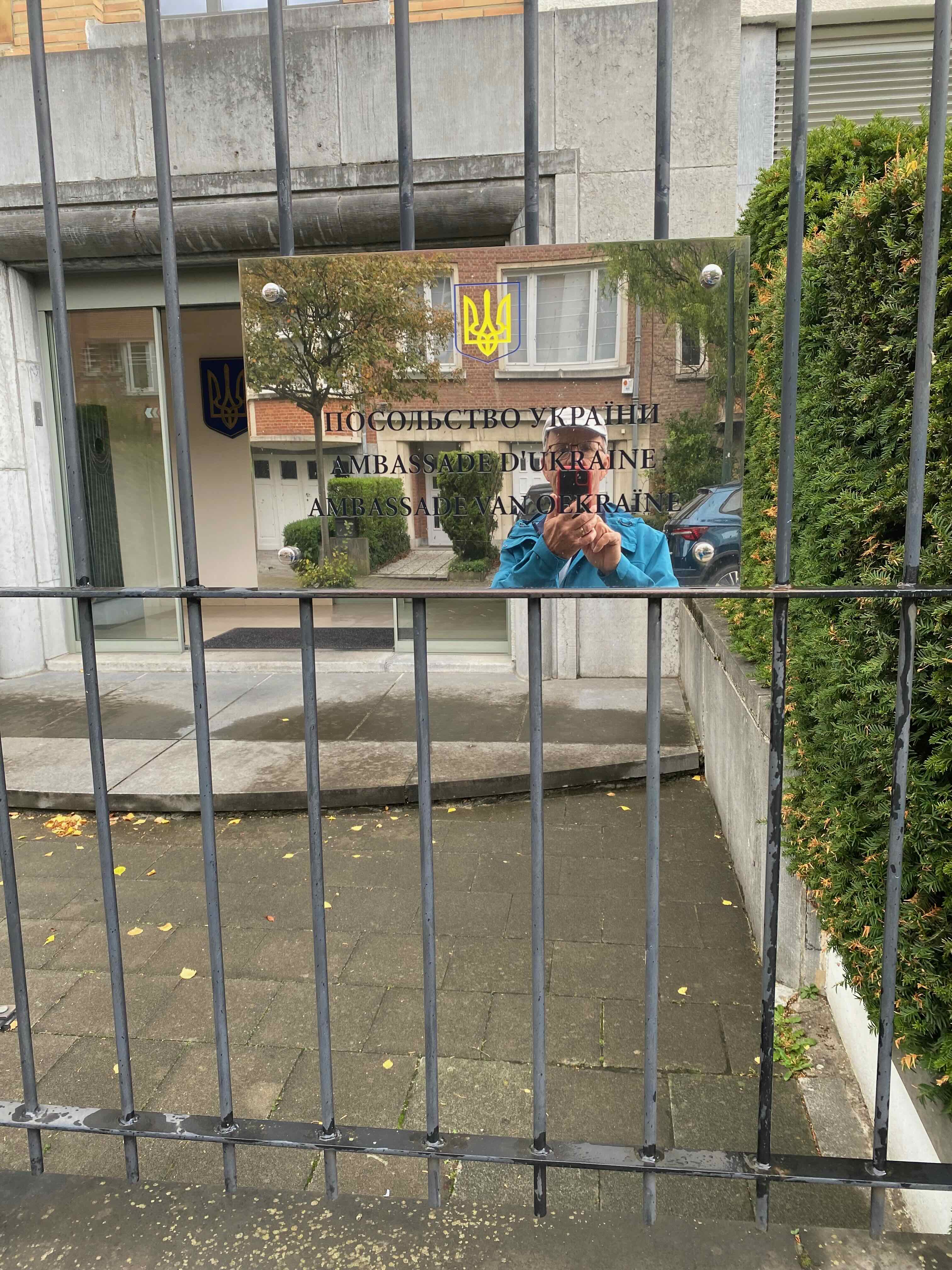
The Ukrainian Embassy…

…looks like an apartment building.

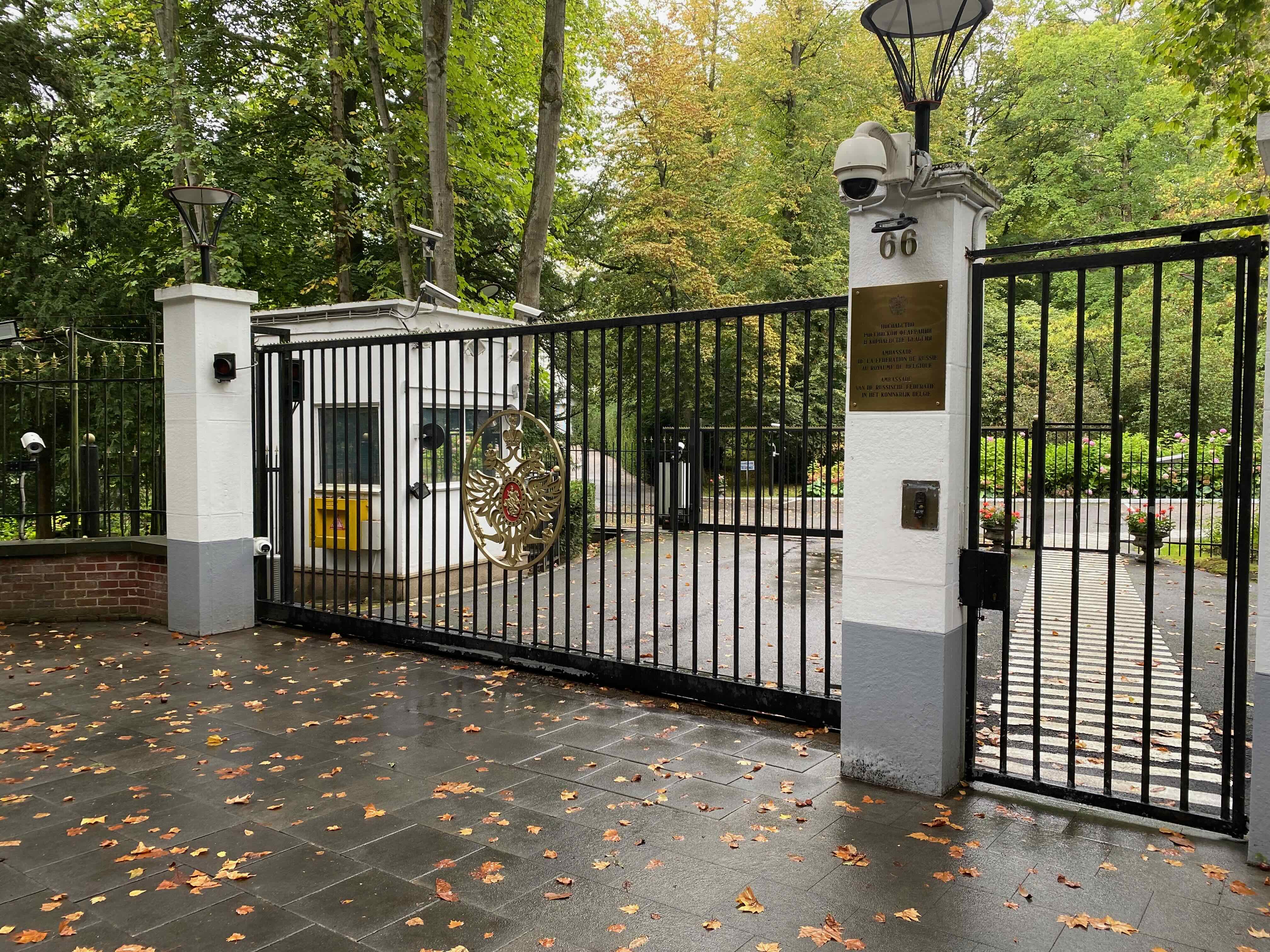
The Russian embassy is on a huge estate that is two blocks long.  No building in sight but lots of security cameras and some white swans in the pond.

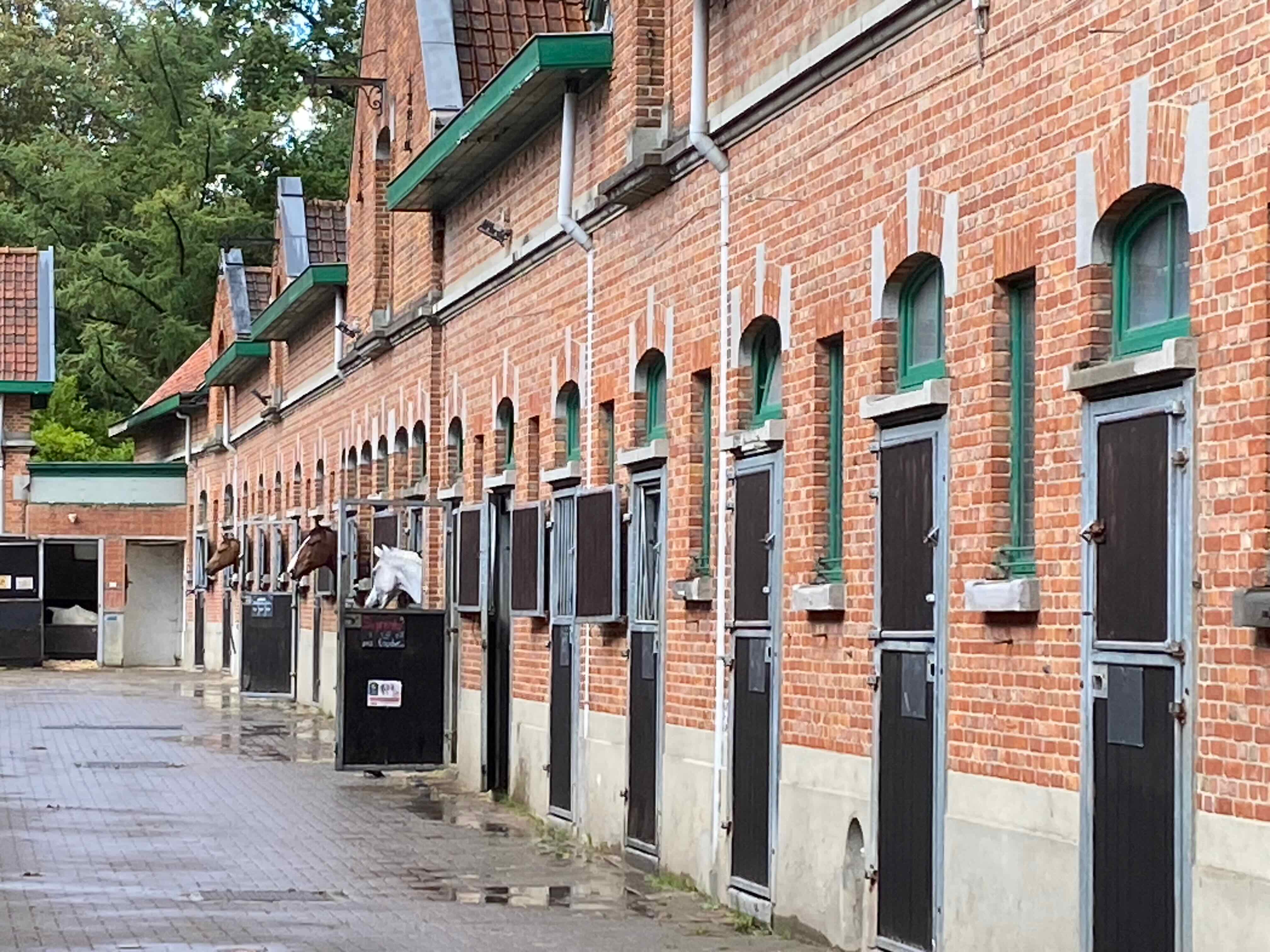
There is an Equestrian Centre right in Uccle.

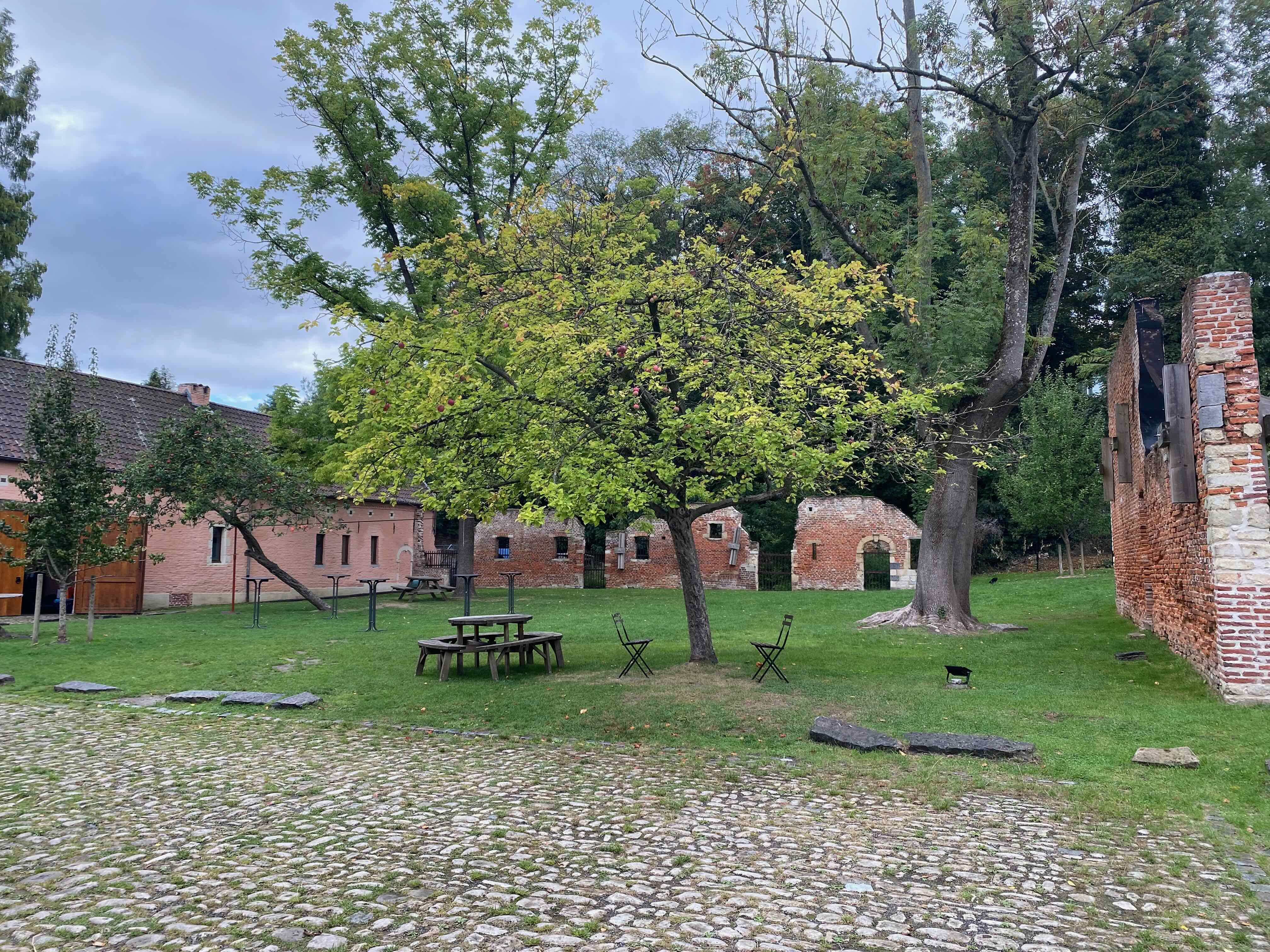
The Rose Farm was built at the beginning of the 13th century and given to the town in 1971. It was restored, and is now used for cultural activities

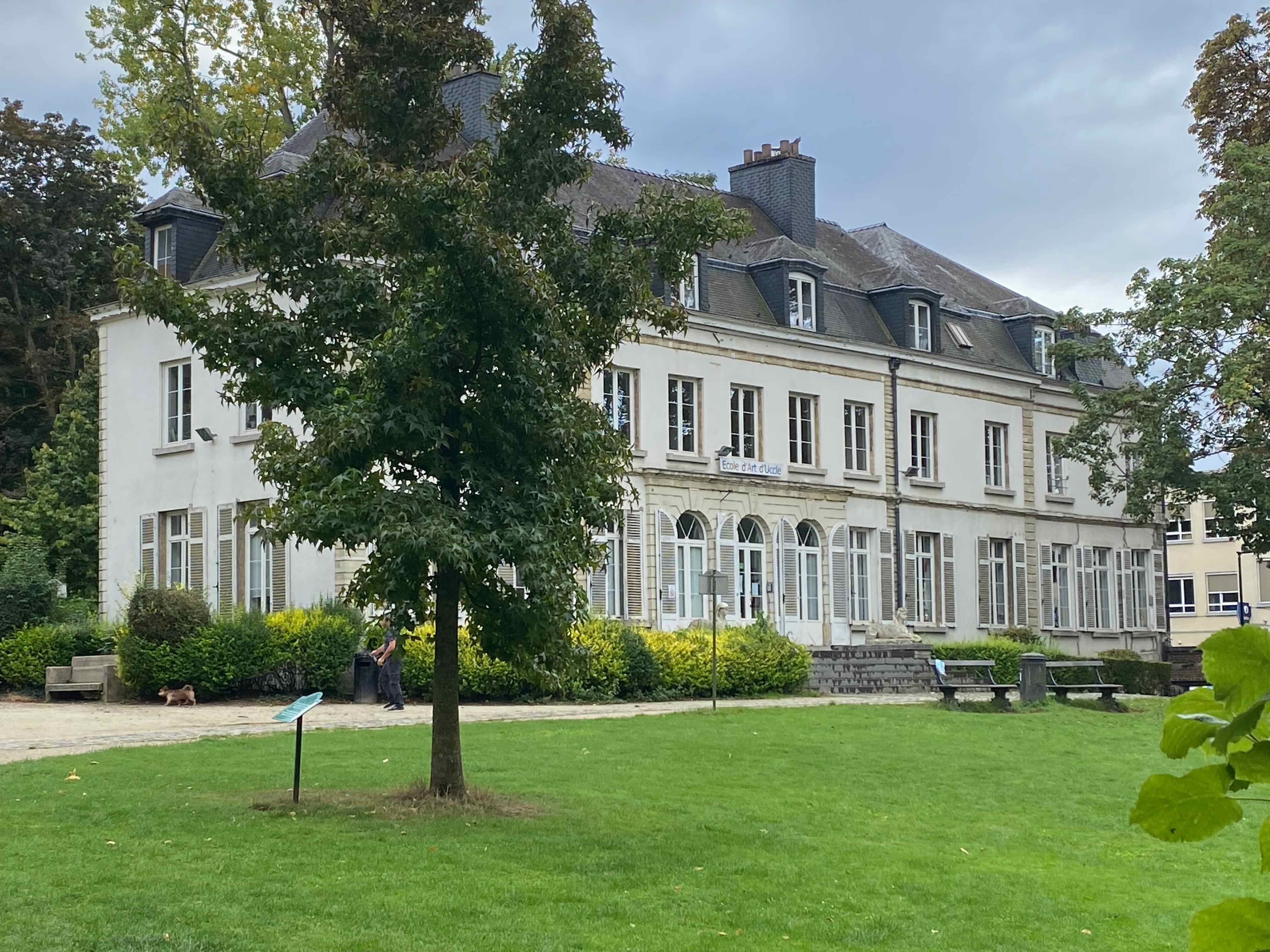
Bob walks through part of Wolvendael Park on the way home. There is a School of the Arts located in the park.

I stayed home, rested and worked a bit on my blog.  I discovered something interesting.  If I open my blog from the email that is sent out to those who follow my blog many of the photos are distorted and appear stretched out. So if you are having this issue on your cell phone just think of the email as a notification that there is a new post and type trudymason.com in your browser rather than opening the email and trying to look at the post there.  This has something to do with the way I am editing my photos but I am not able to figure out how to change it so this doesn’t happen. I still have a lot to learn.

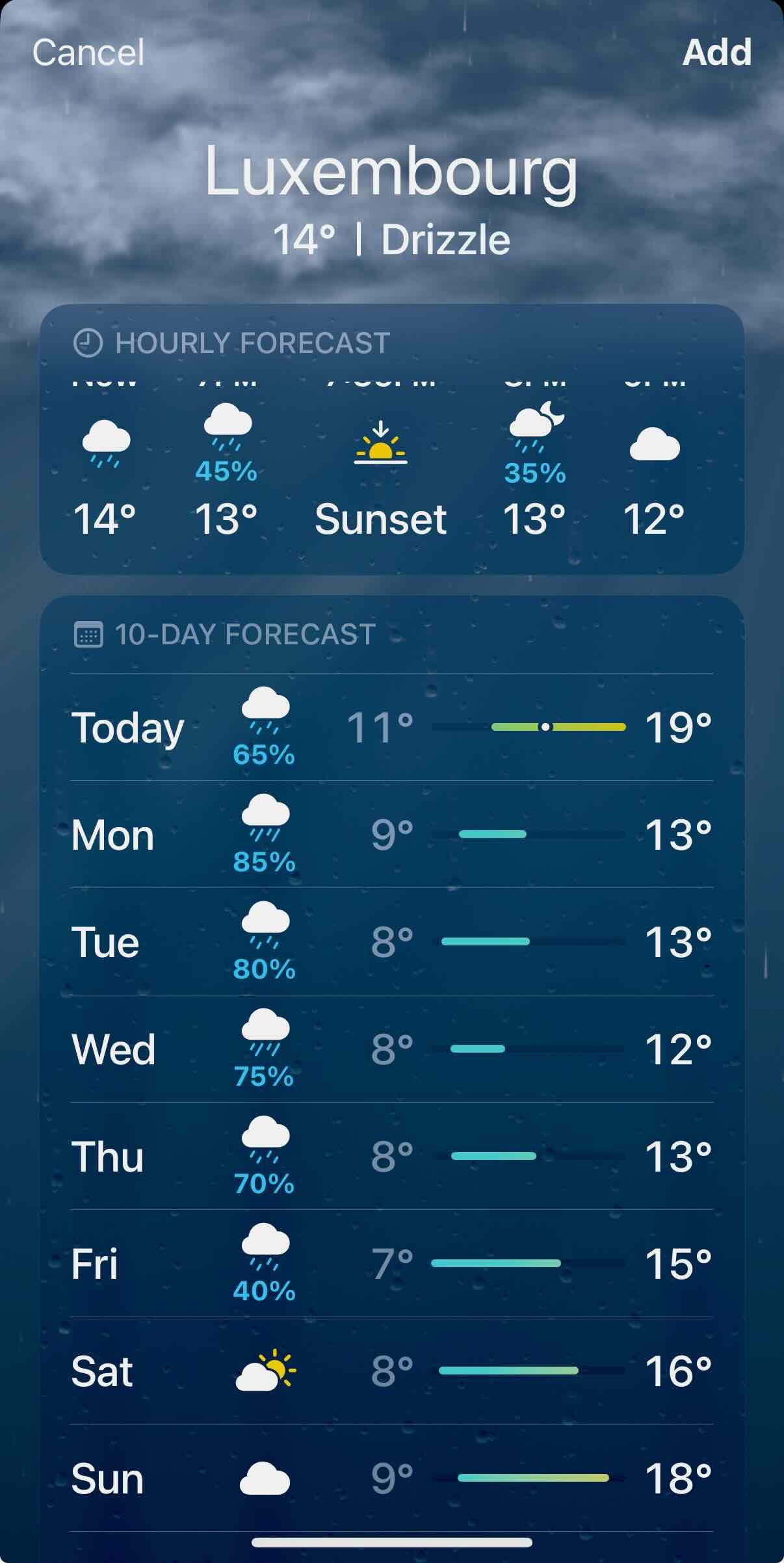
We leave for Luxembourg tomorrow and the weather isn’t looking very great.  So far this trip we have only had two sunny warm days…maybe that is just what it is going to be, cooler and wetter than we would like… but we can’t do anything about the weather.

Bruges, Belgium

Day 21     Saturday, September 20, 2025

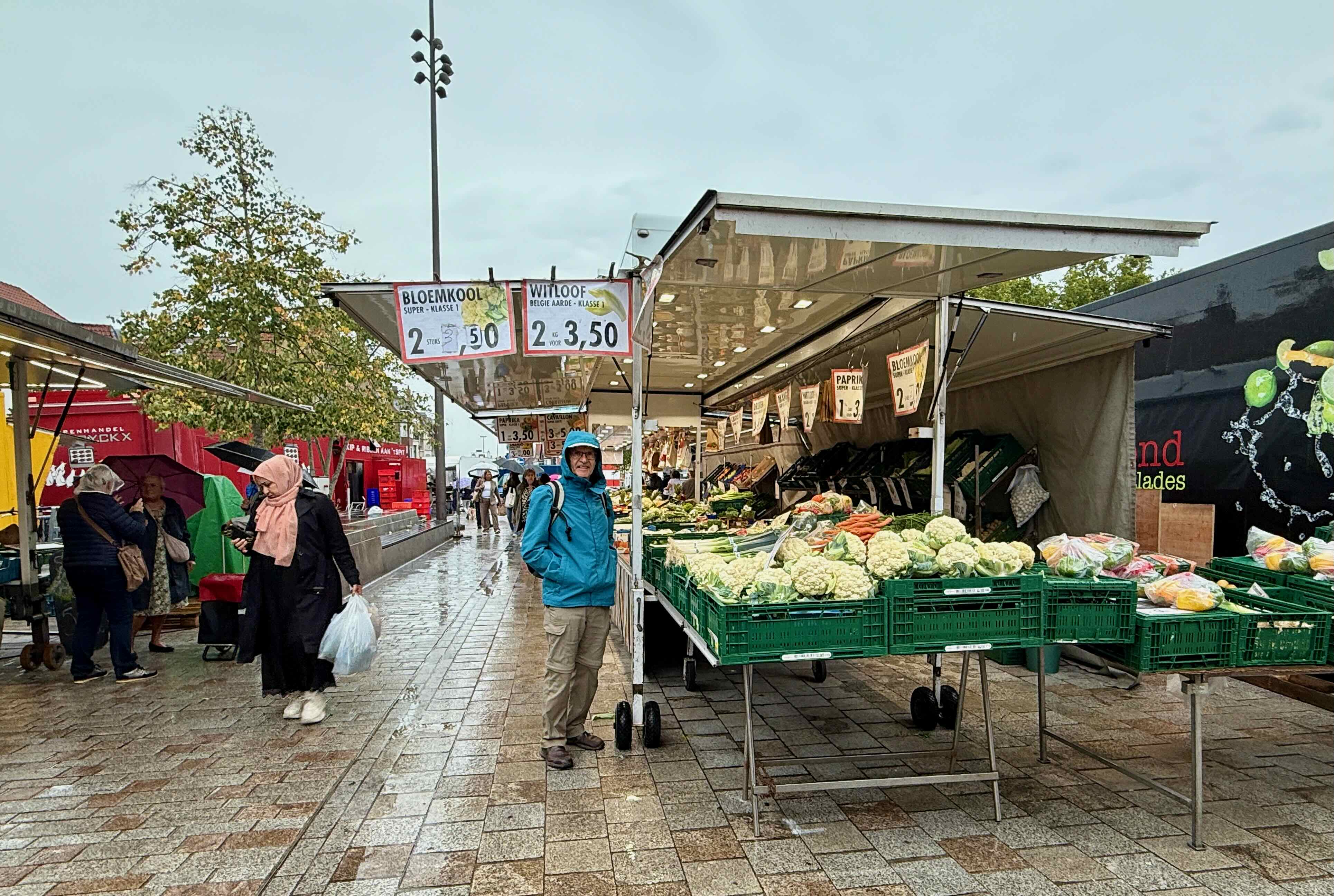
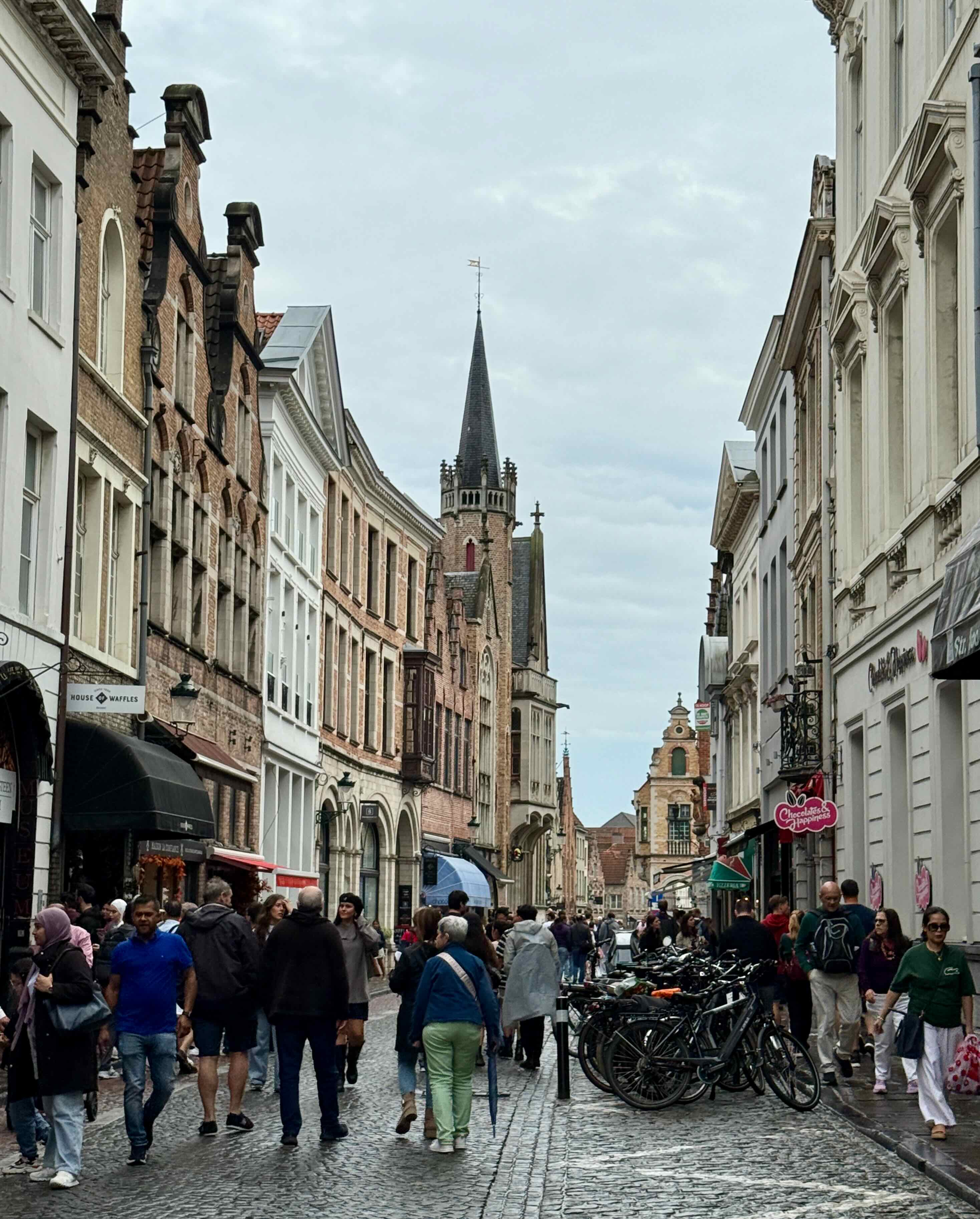
We drive an hour and a half to visit Bruges.  First stop is the market which was supposed to be open for another hour but most vendors are packing up because of the cold and rain.

We see this huge contraption which I am sure is a spider, but it is not moving. I just looked up Bruges Giant spider and found this little video on Instagram…I was right, it is a spider! https://www.instagram.com/reel/DO3Y573jK1r/ 

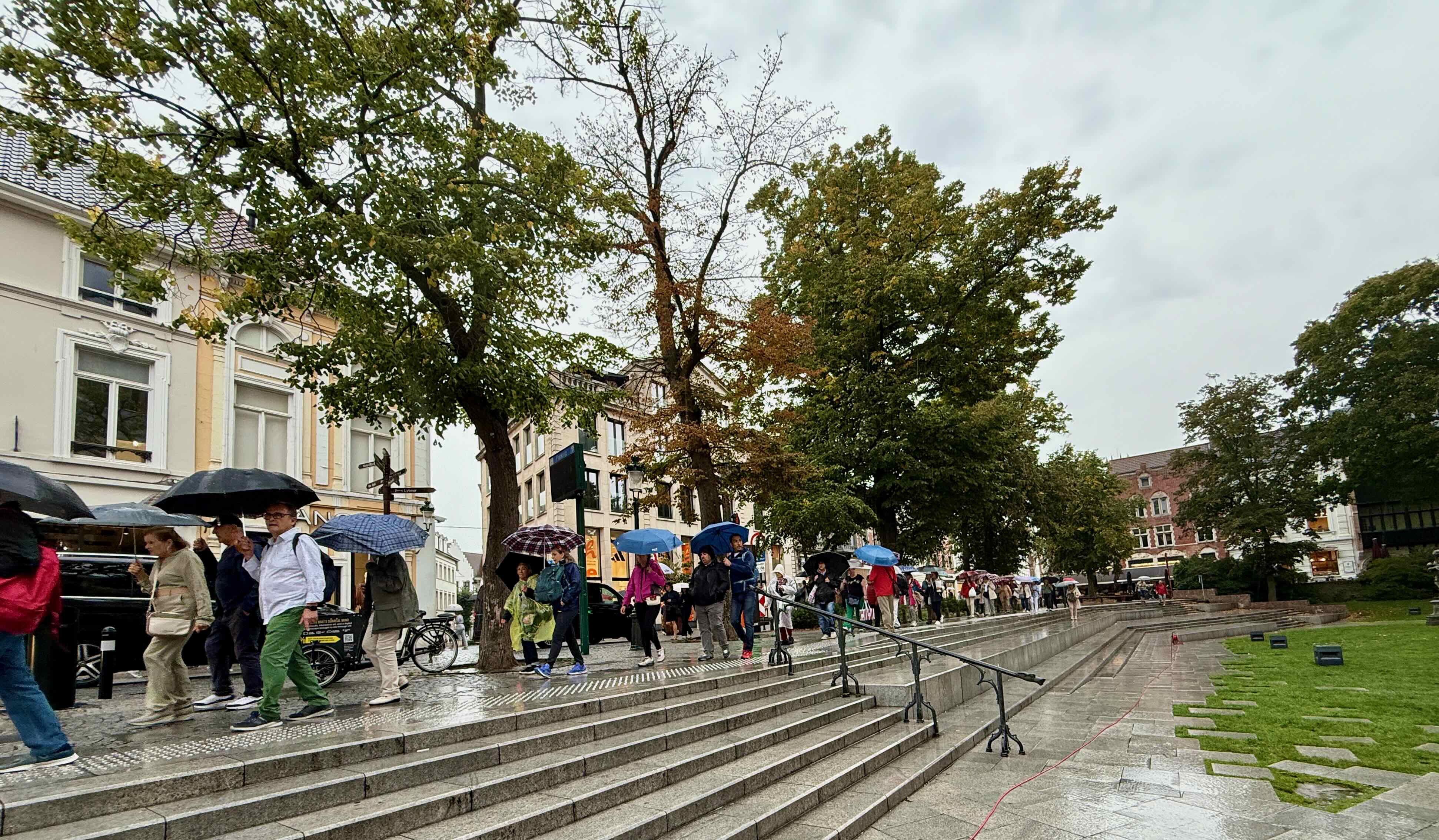
It is miserable out, lots of umbrellas, lots of rain and it is cold.

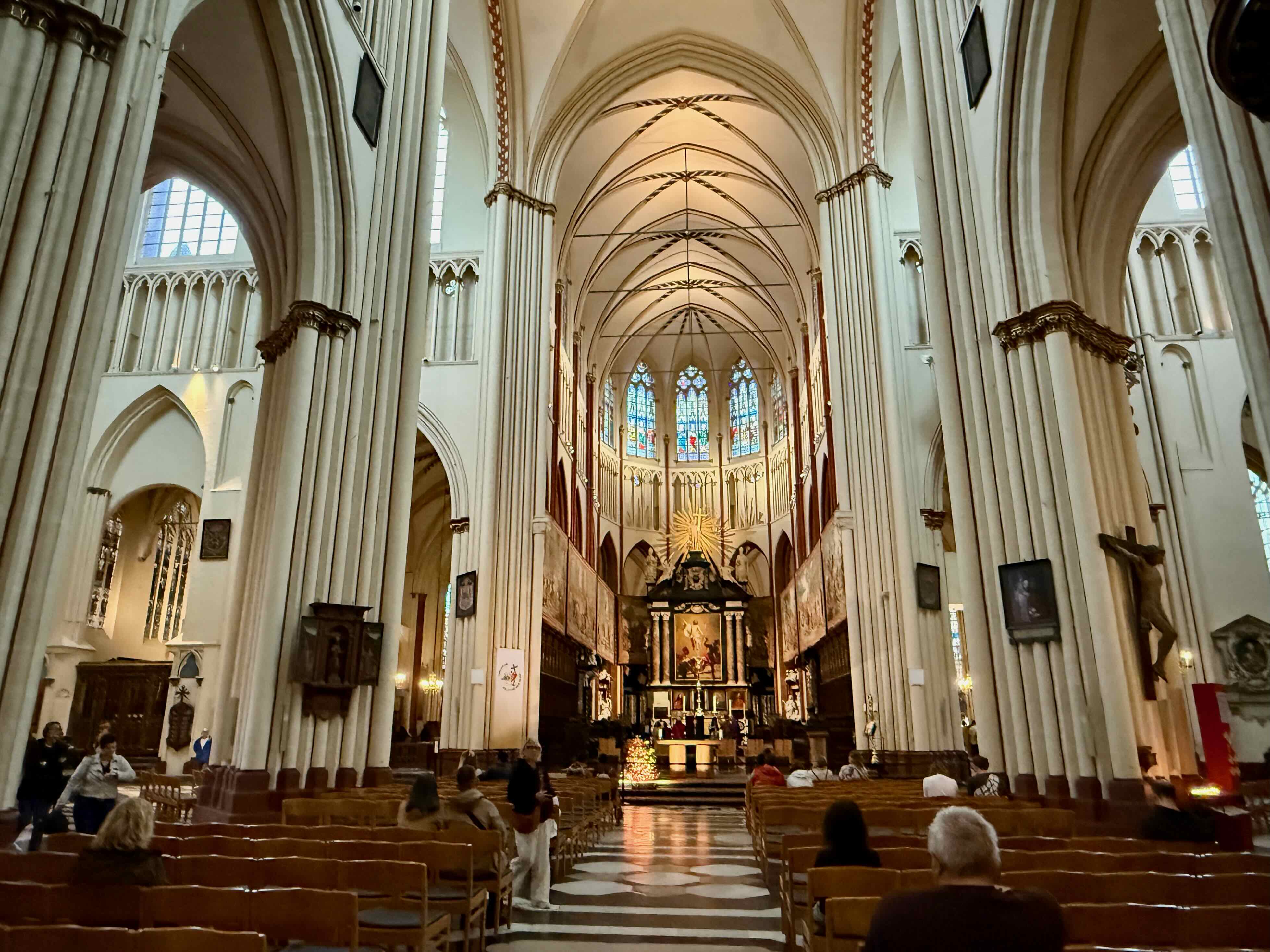
We take refuge in this cathedral along with a lot of other people.  It isn’t very warm but it is at least dry. I sit and write in my journal and Bob checks out the cathedral.  I am content to just sit and rest for a bit.

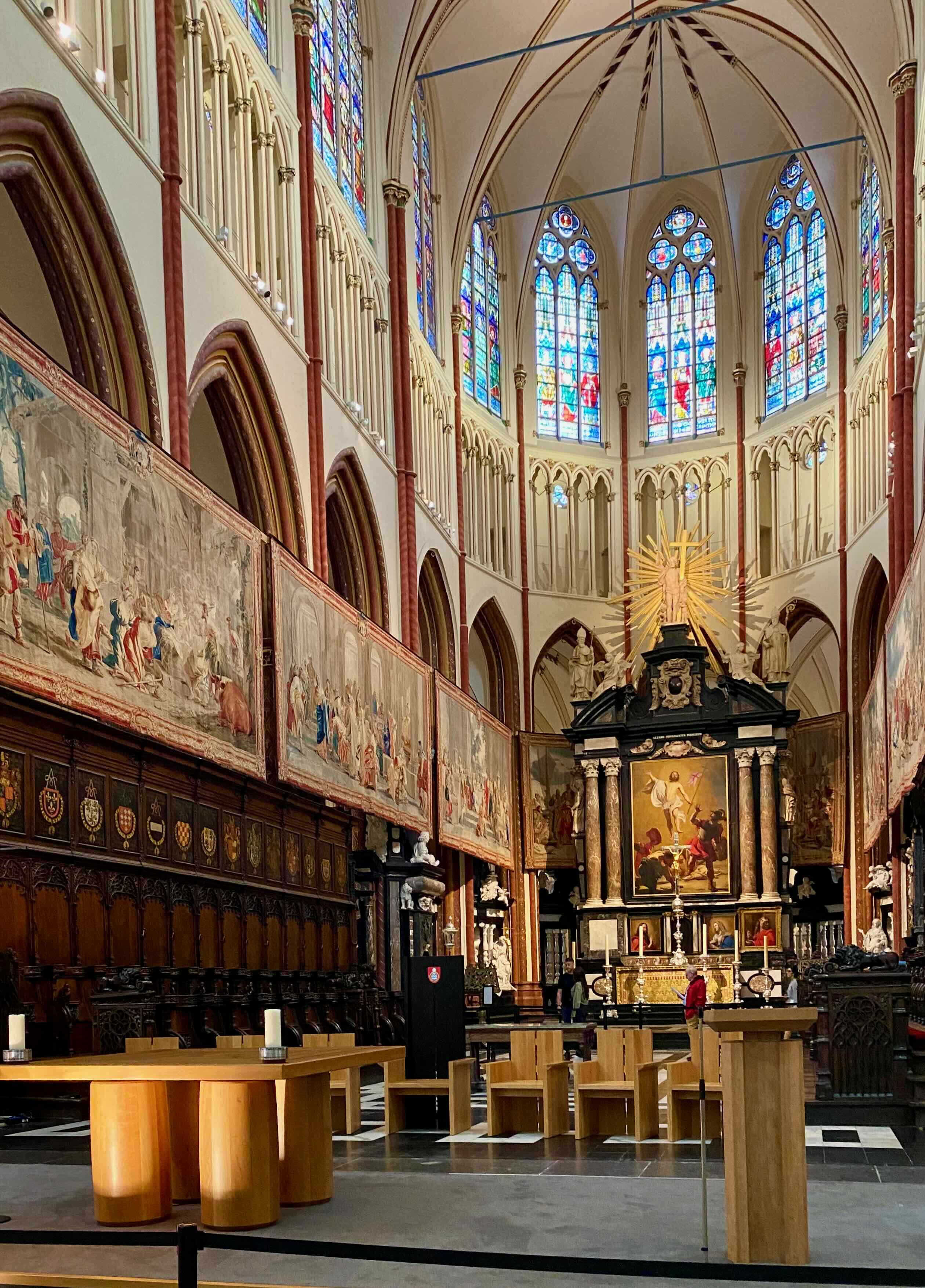
There are large beautiful tapestries on both sides of the altar.

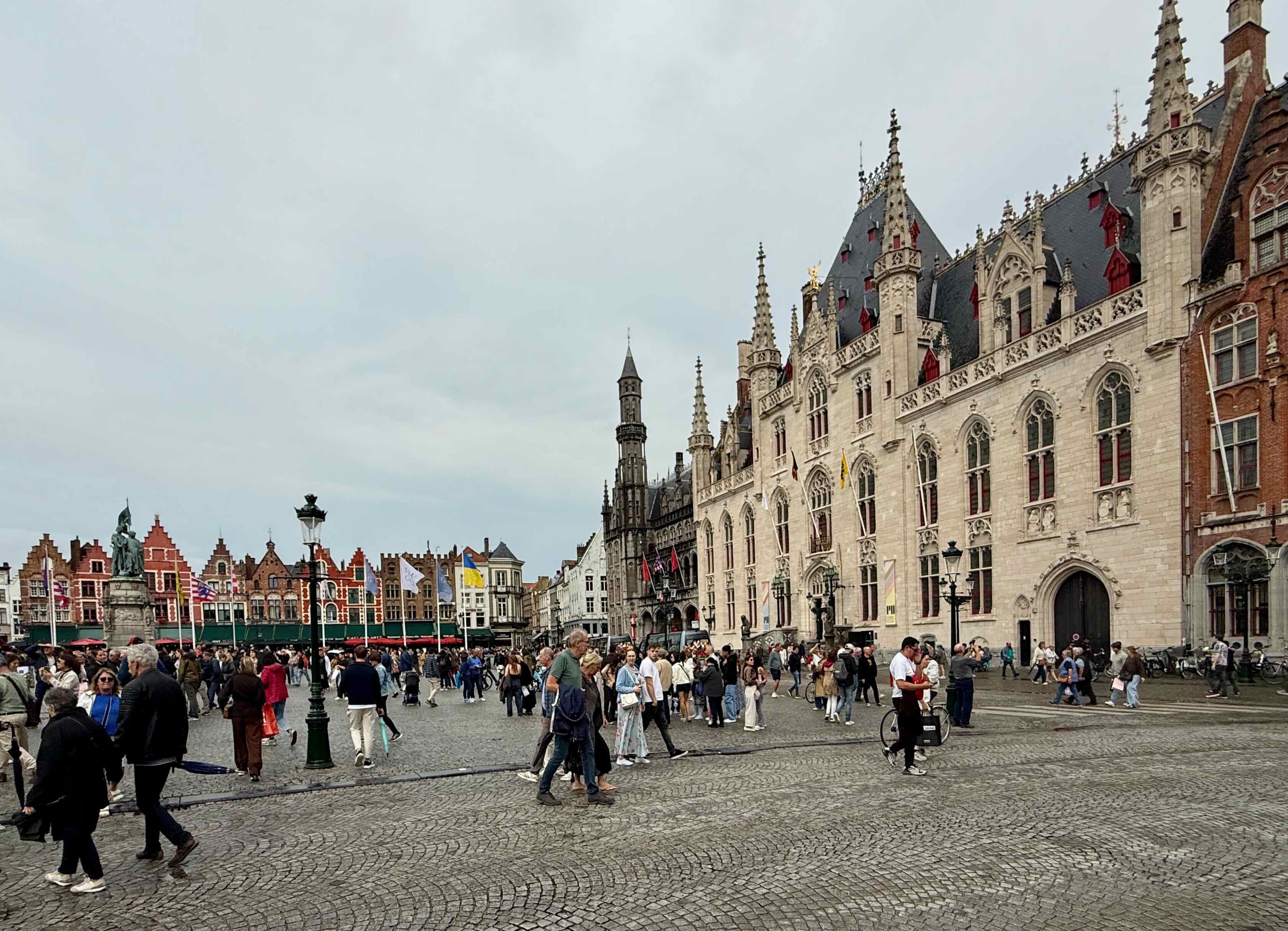
There is an announcement in several languages that the church is closing and will reopen in a couple hours after lunch.  So we walk to the huge central square, lined with beautiful old buildings.  It had stopped raining. The entire old city of Bruges is a UNESCO World Heritage Site.  The city was not damaged in either of the two World Wars so much of its Medieval heritage remained intact.

The streets are packed with tourists and it starts to rain again so we find a MacDonalds and hide out there for an hour and have our lunch.  It is dry and warm and no one cares how long we sit here.

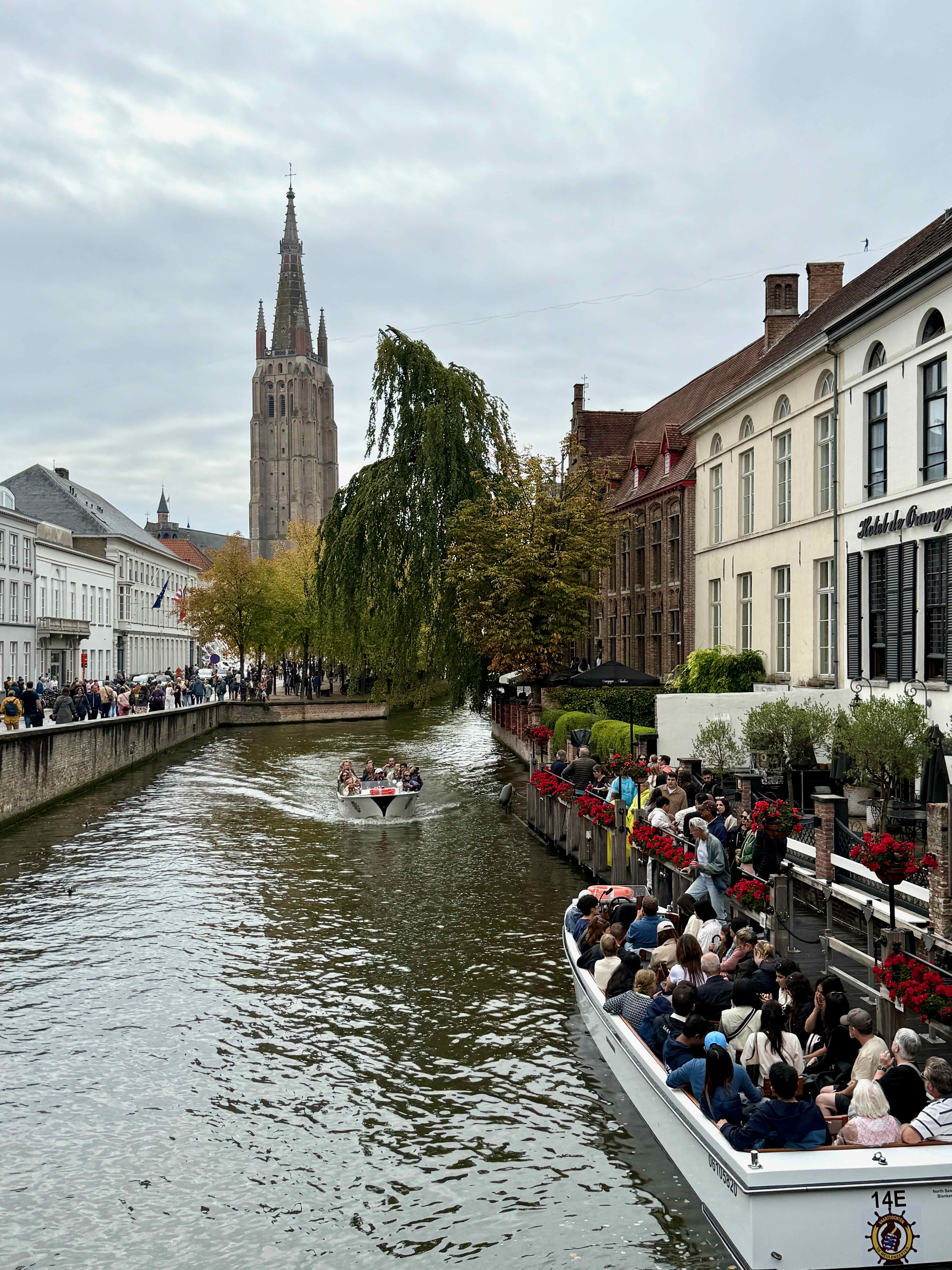
The rain stops and we decide to get tickets for a canal boat ride.  There is a line but it moves fairly quickly and we watch the boats coming and going while we wait in line.

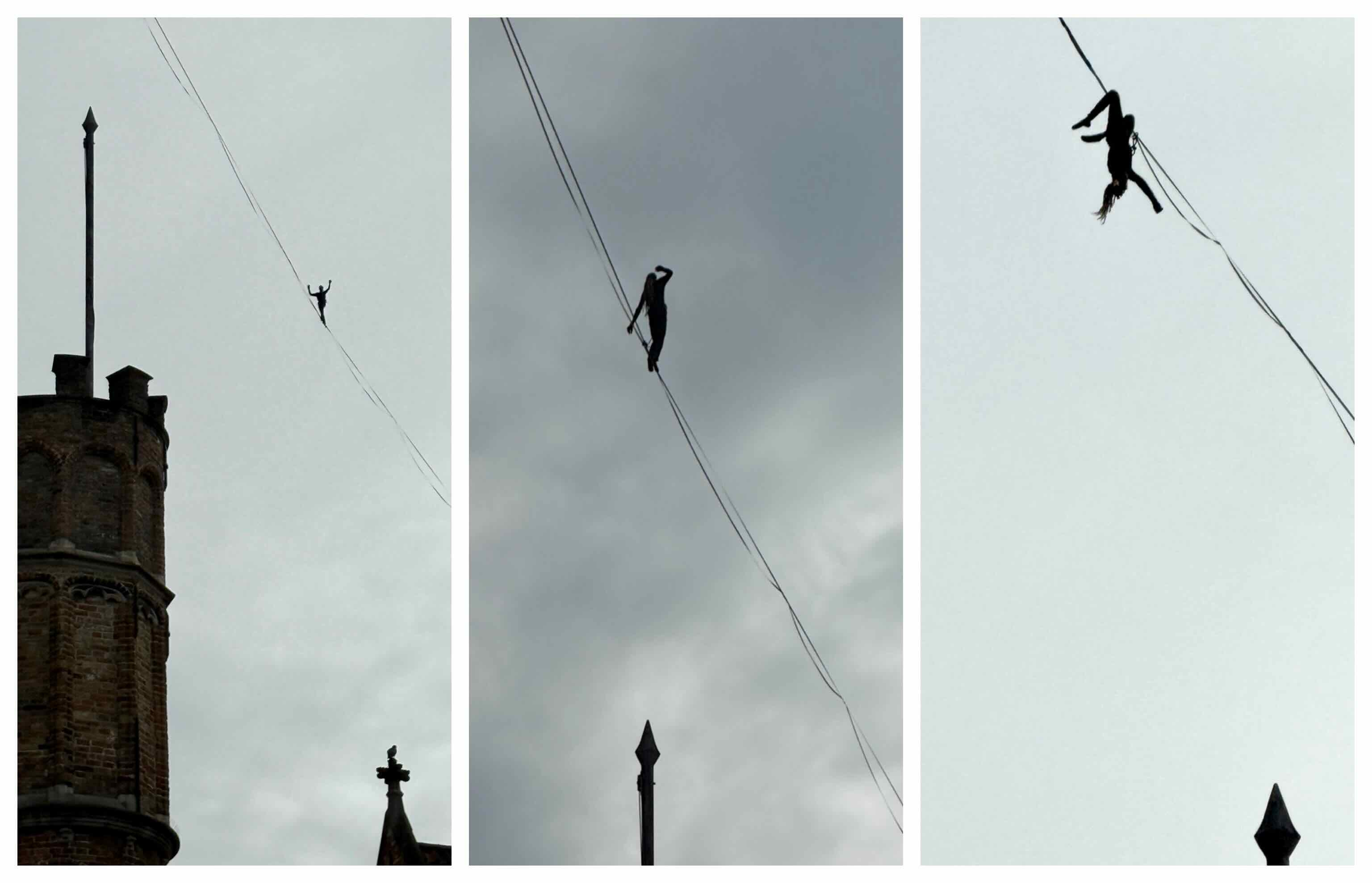
While we are waiting  I notice that there is a tight rope walker high in the sky!  If you look carefully at the previous photo you can see her in the top right corner just above the rooftops.  Yes, it is a woman, when she hangs upside down we see a ponytail. A rope almost 400m long was stretched at a height of 70m between the Belfry and the Church of Our Lady.

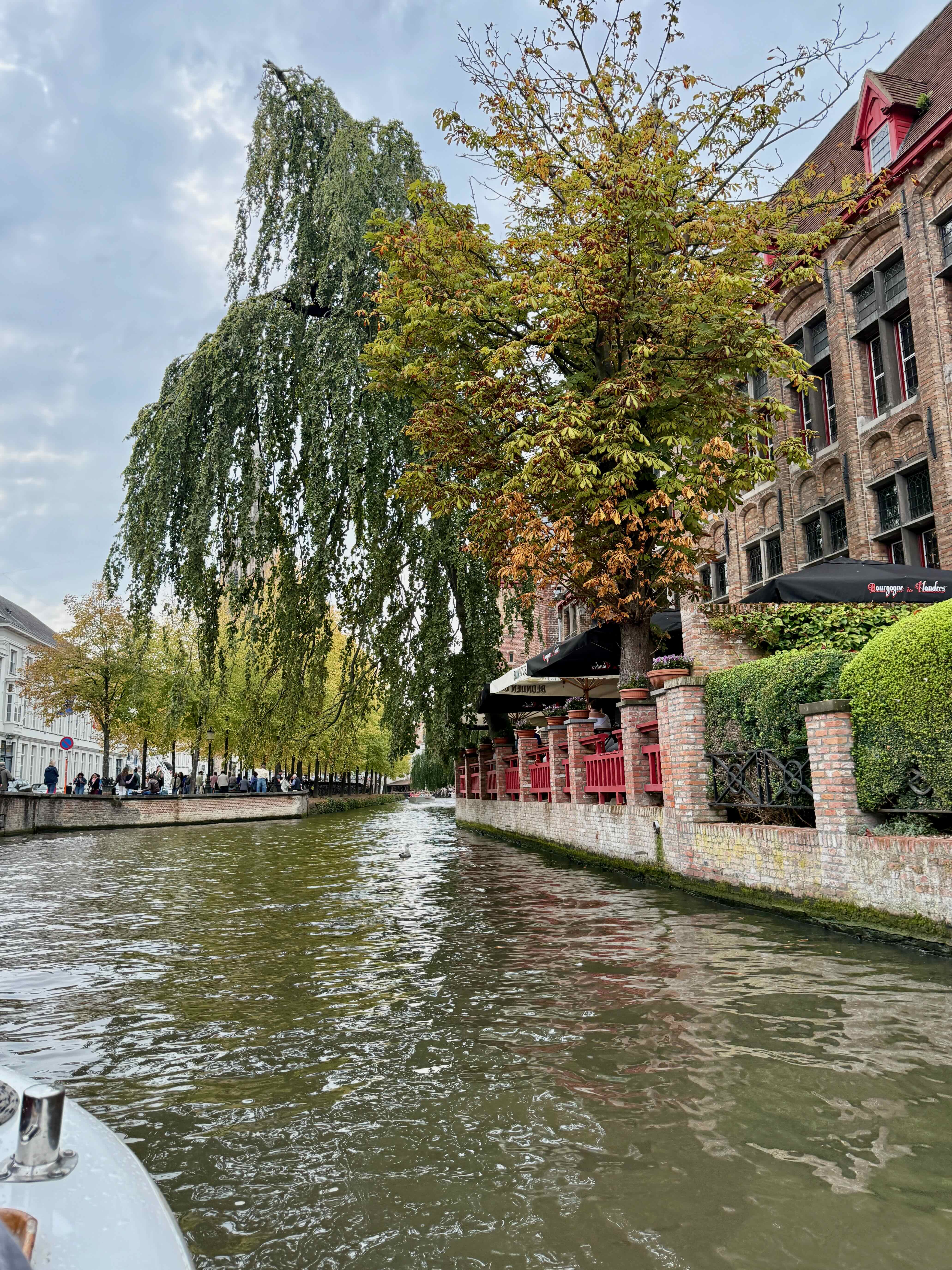
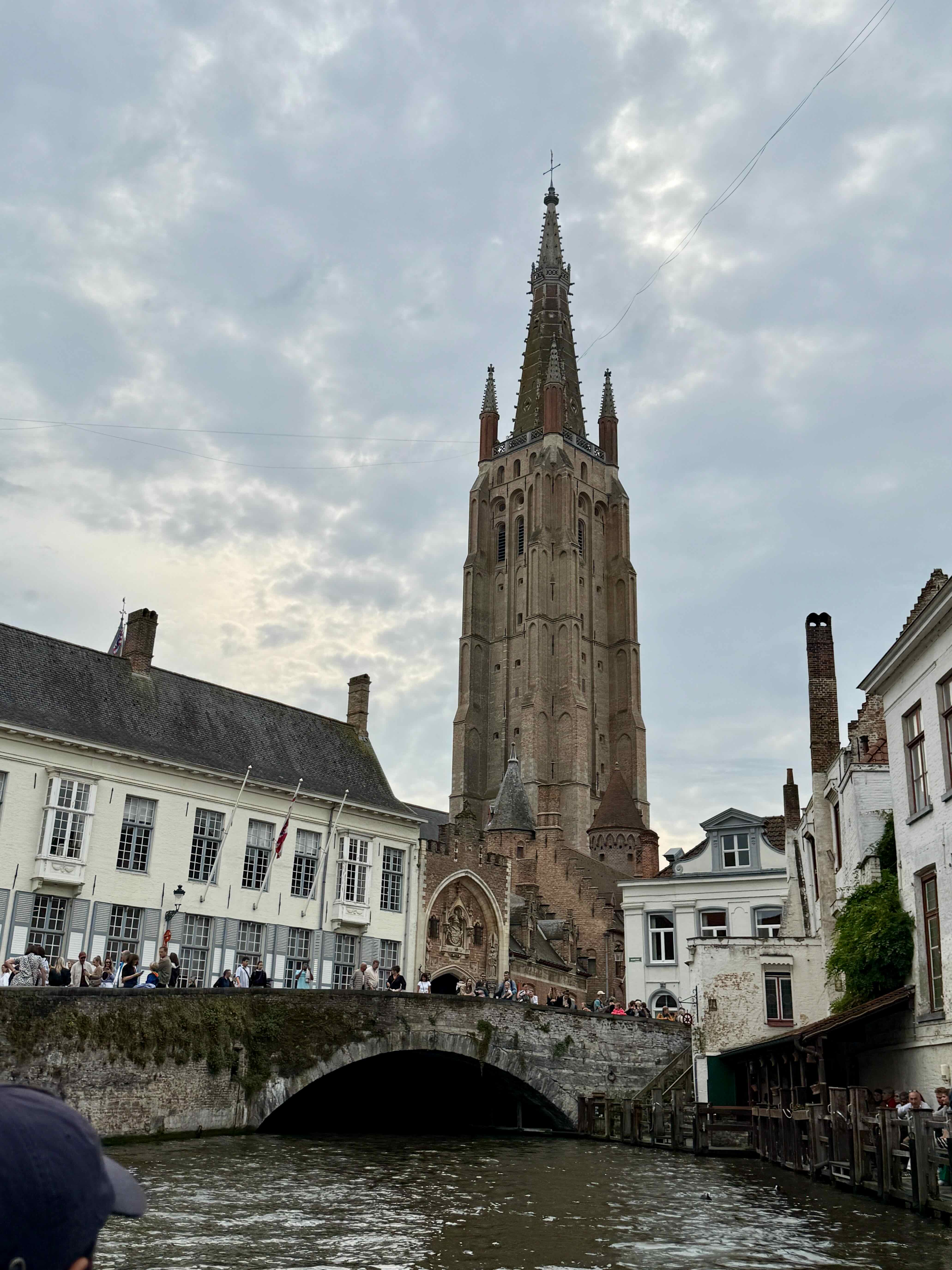
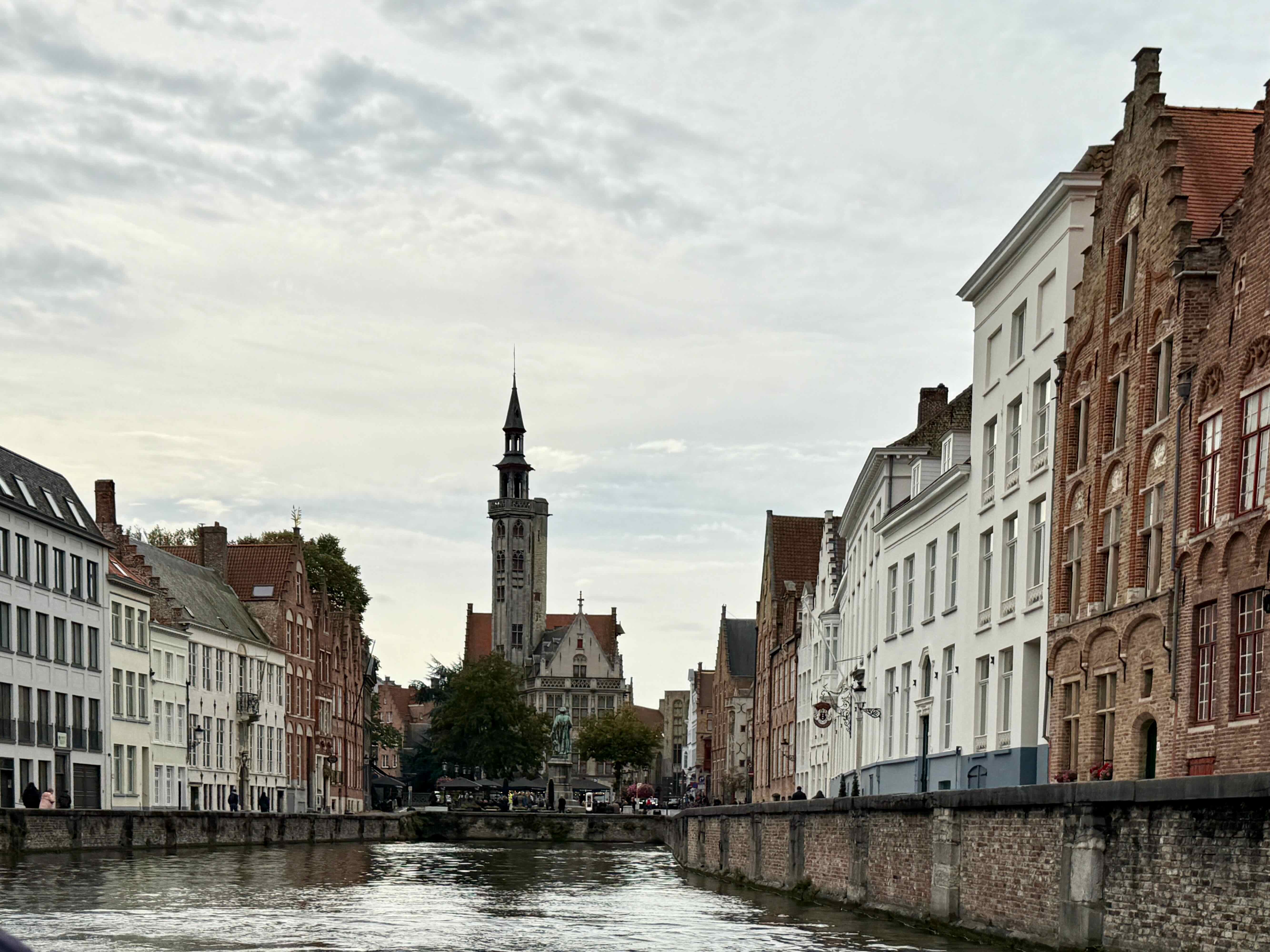
Soon we are travelling on the canals which give us a great view of many of the buildings in Bruges.

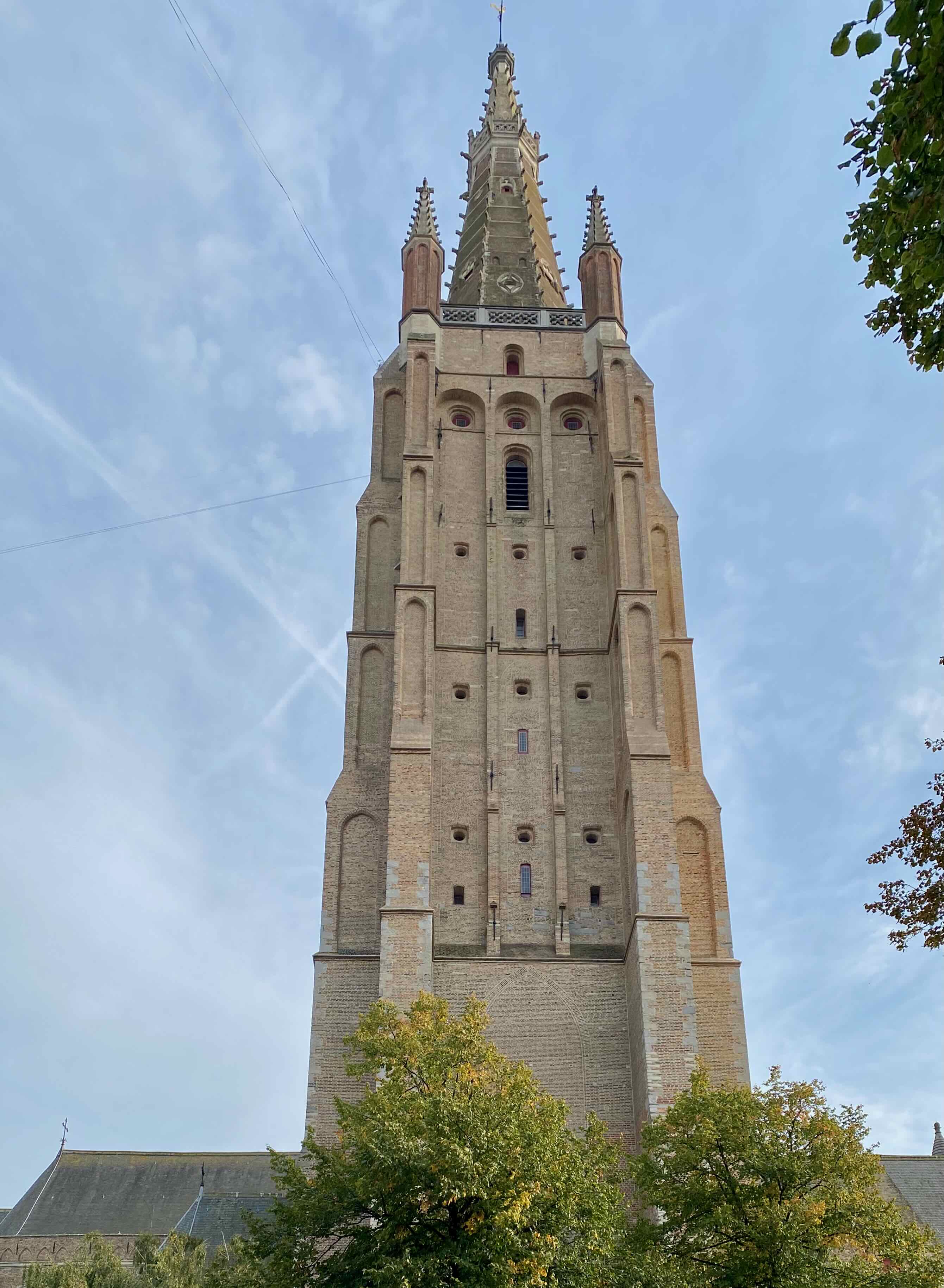
You can see the high wire attached to the cathedral tower.

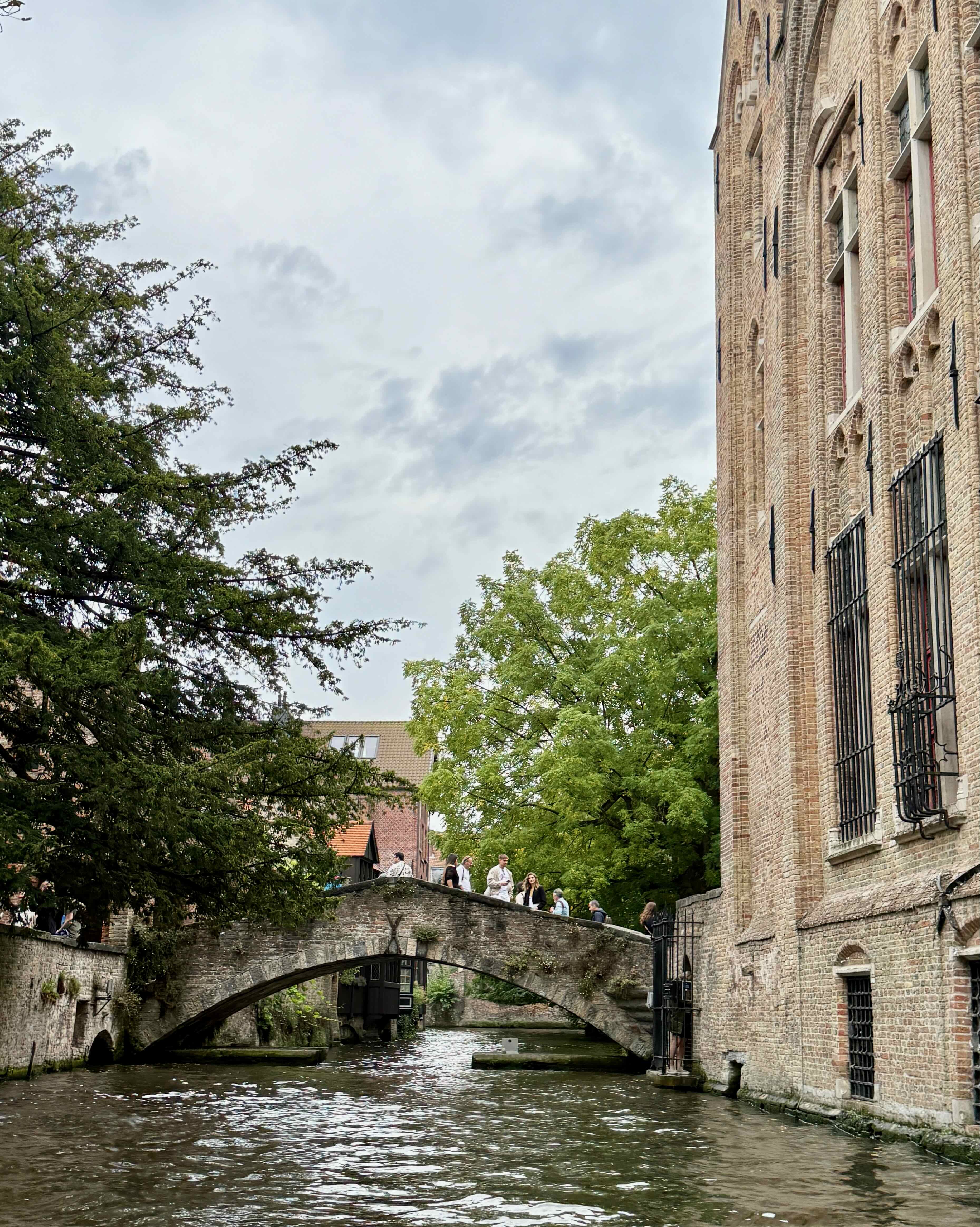
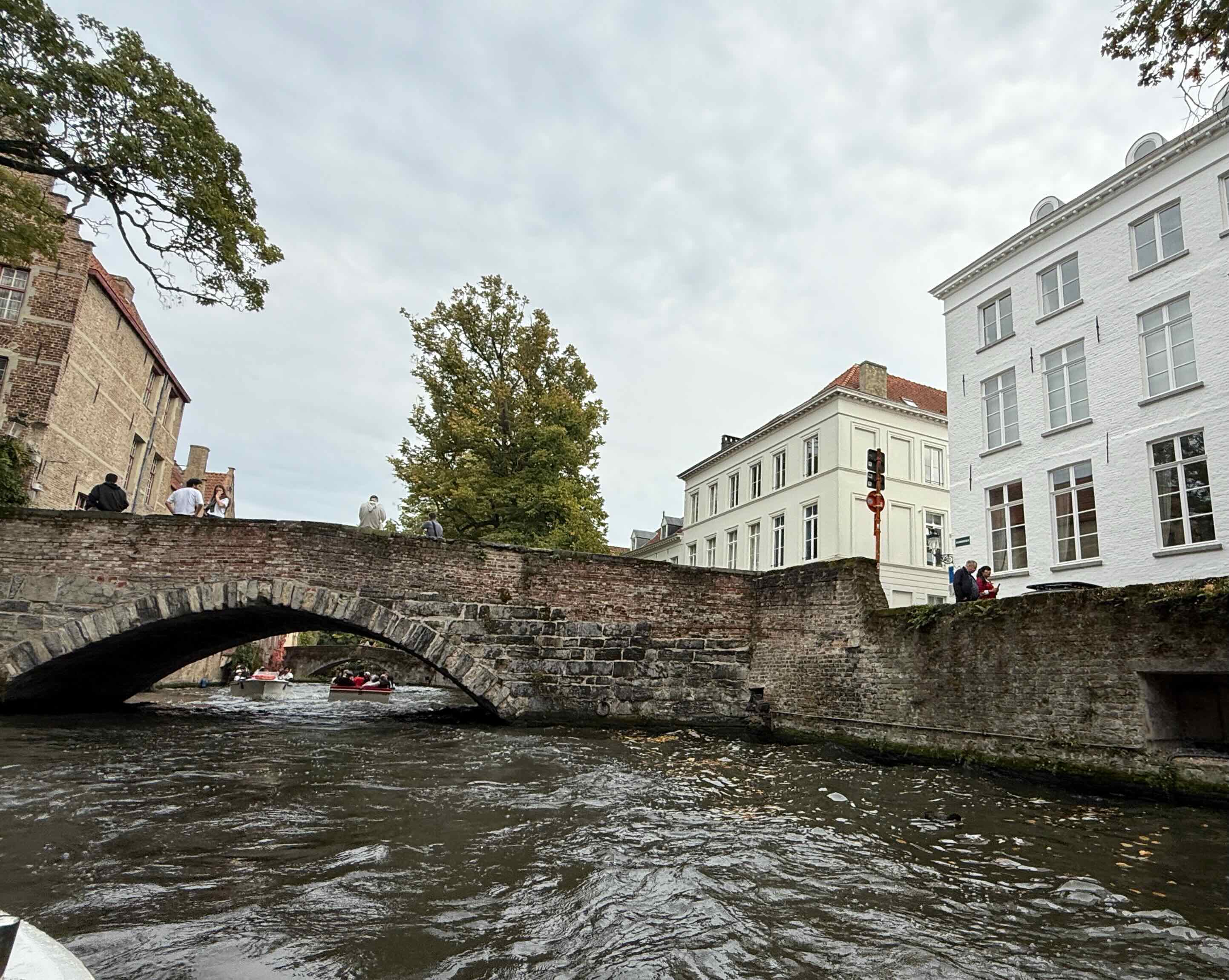
We pass under many bridges, some of them so low we need to duck our heads.

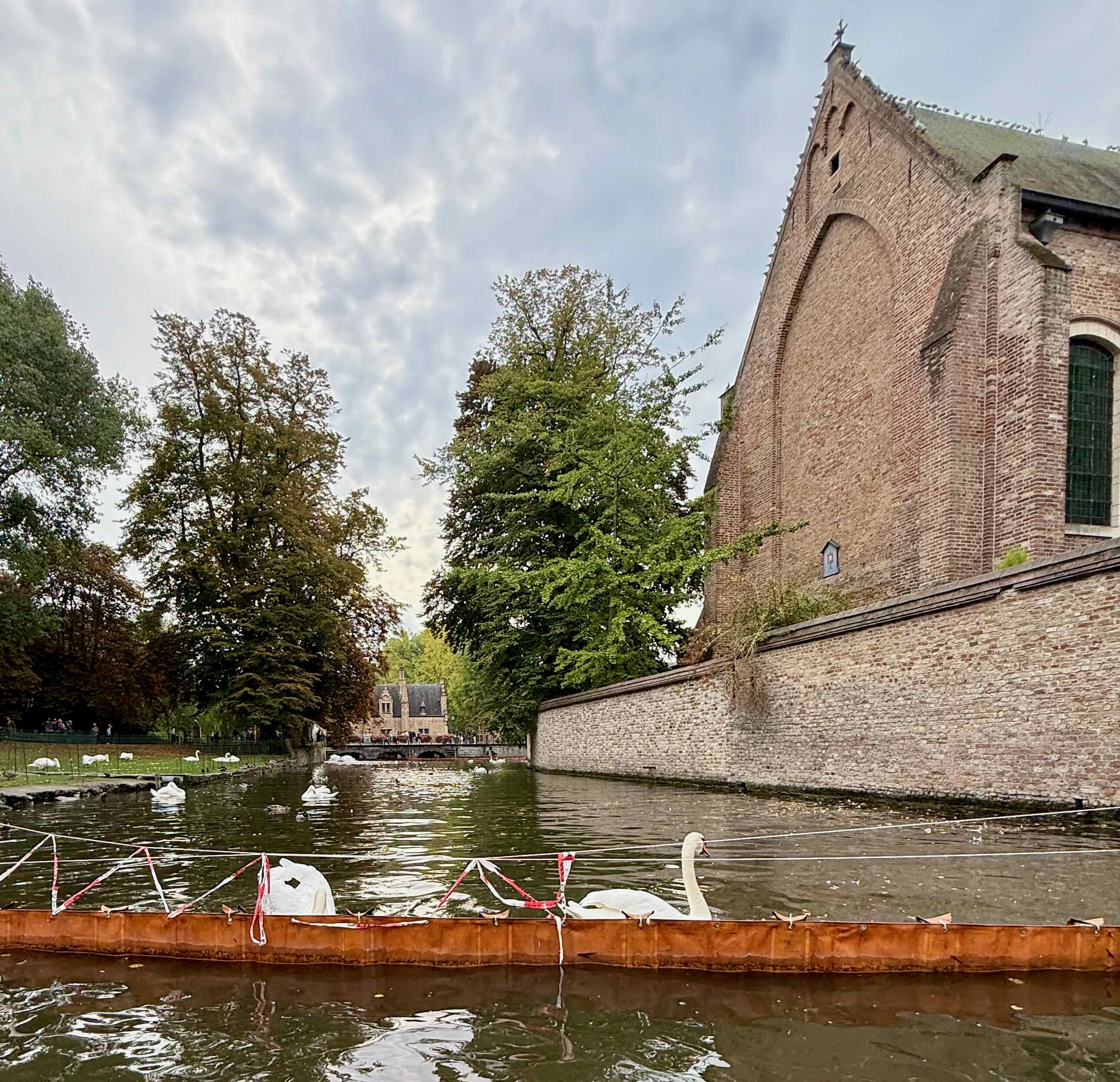
The geese on the canals are owned by the city of Bruges and the penalty for killing one is five years in jail!

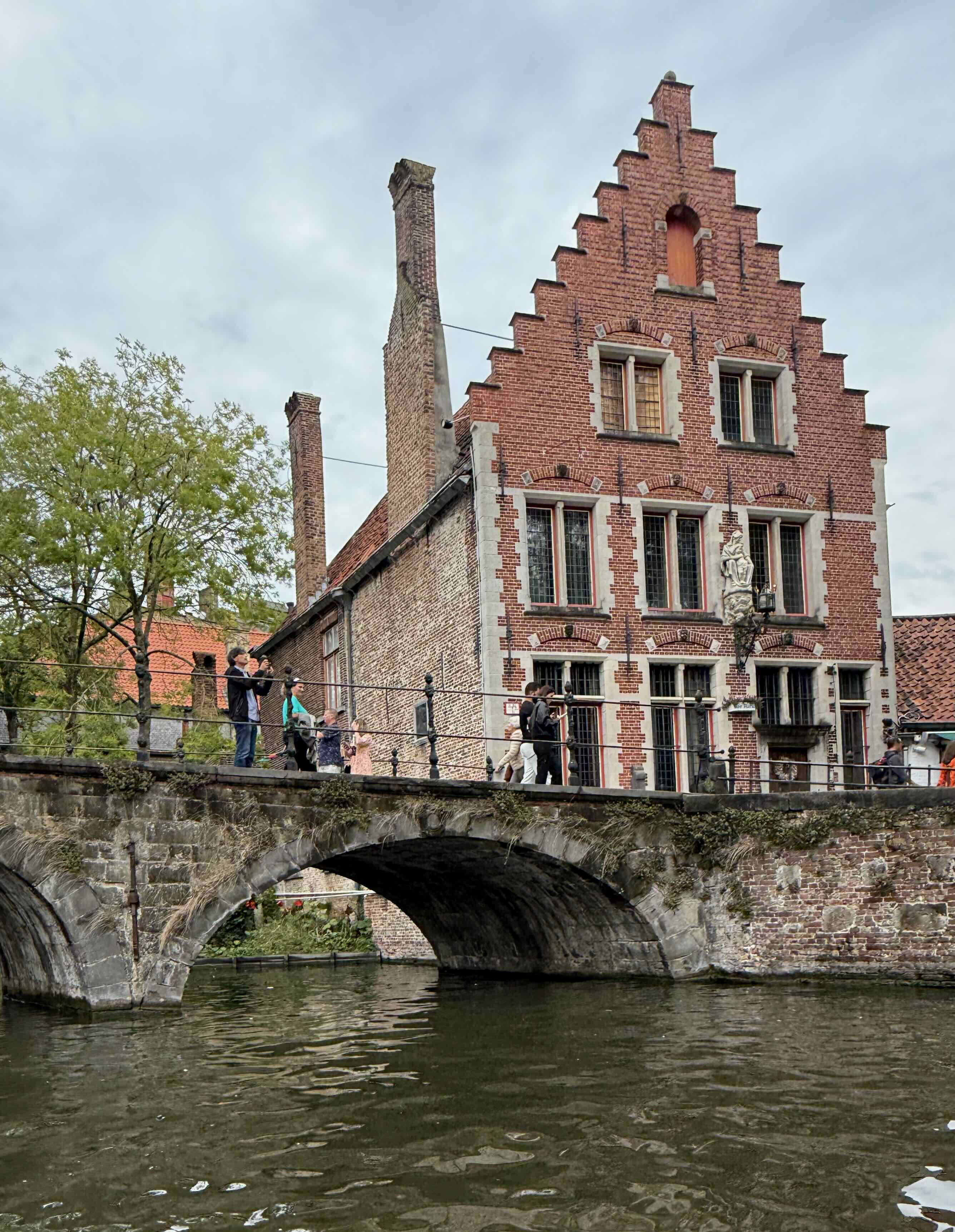
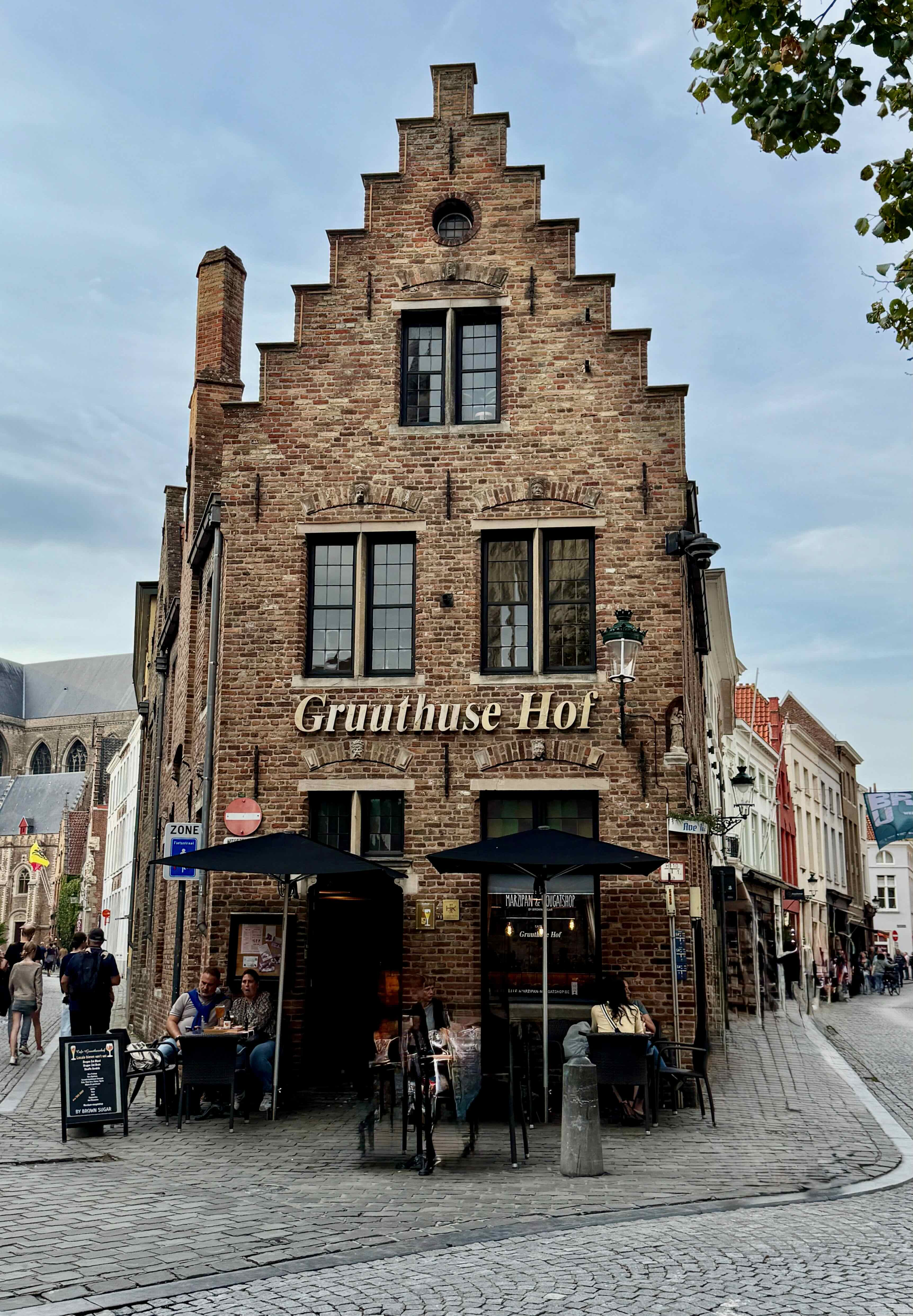
The city of Bruges is famous for its well-preserved medieval architecture, including many buildings featuring stepped gables.  Houses with lots of steps on the gables showed that the owner was rich.         
I wonder if the houses on the canal are damp, with the water lapping at their foundations.

This is the oldest bridge in Bruges and our driver/guide tells us that if you kiss under this bridge you will have everlasting love.  We kiss.

There are a variety of interesting buildings along the canals…

..and some great views.

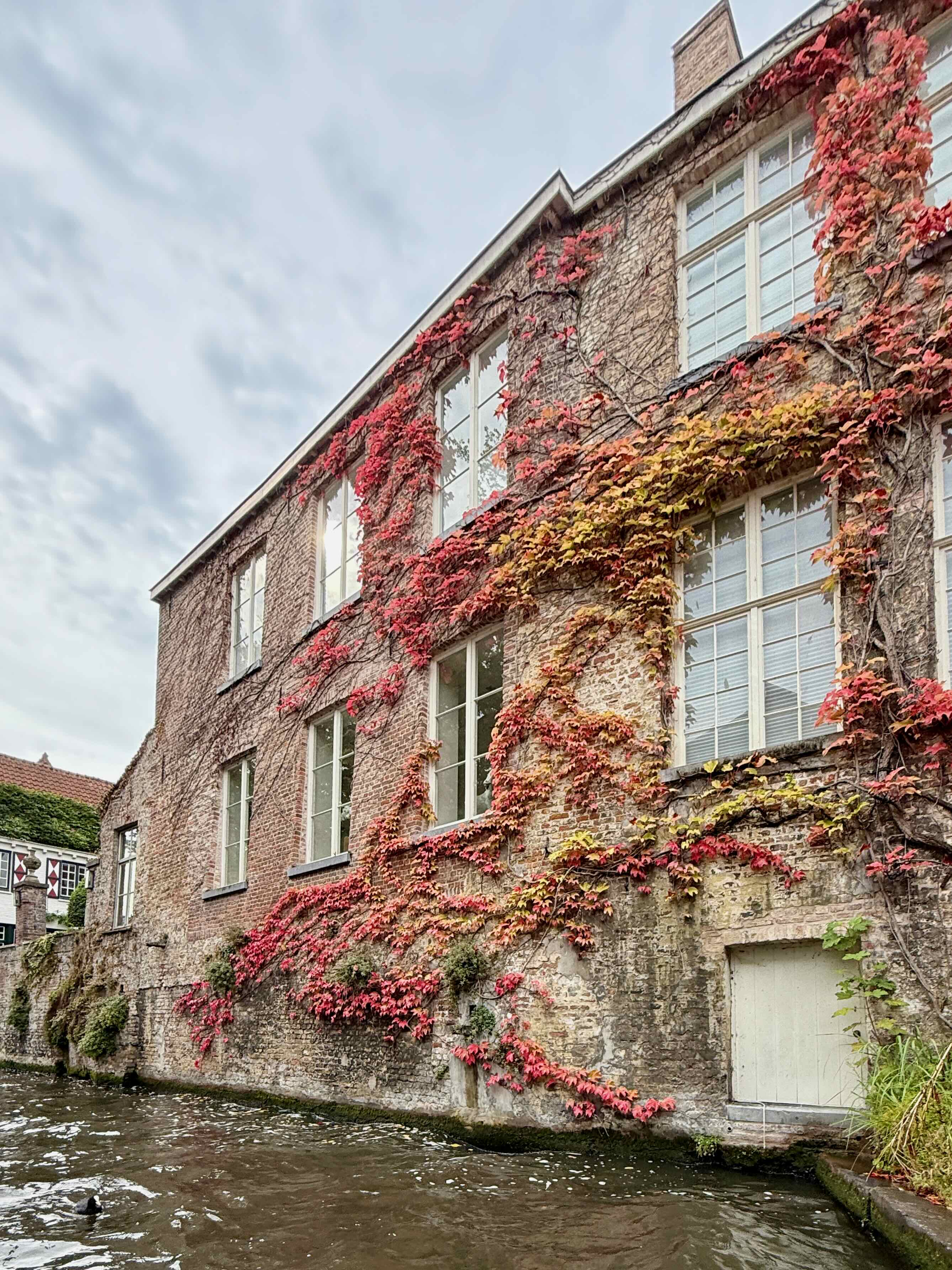
There are also signs that Autumn is here.

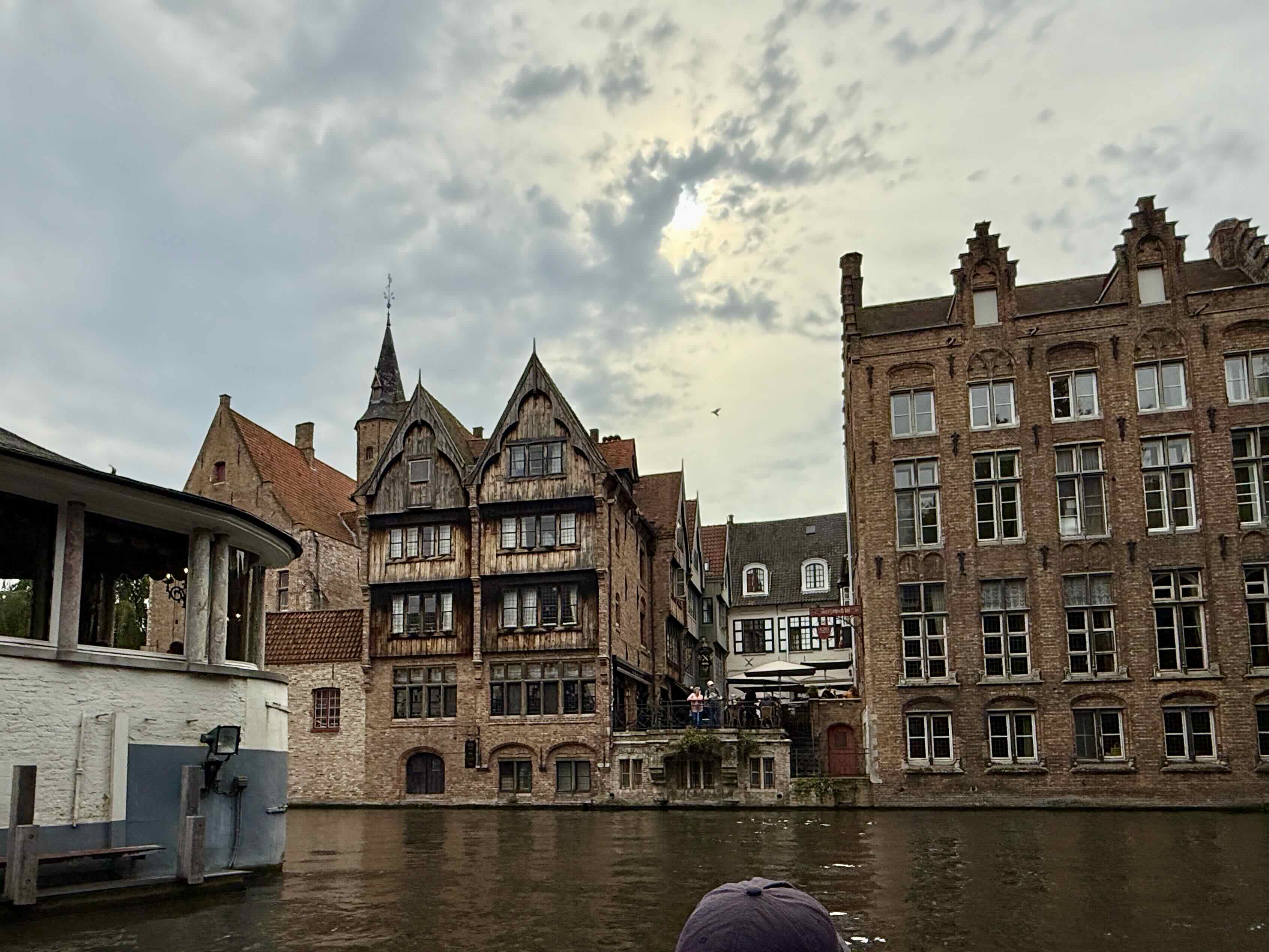
This medieval building was built using wood, which was a fire hazard.  Most buildings in Bruges were built in a style known as Brick Gothic. 

After our boat ride we wander the streets and see this.  Lots of people are entering the building so Bob says we should follow them.  
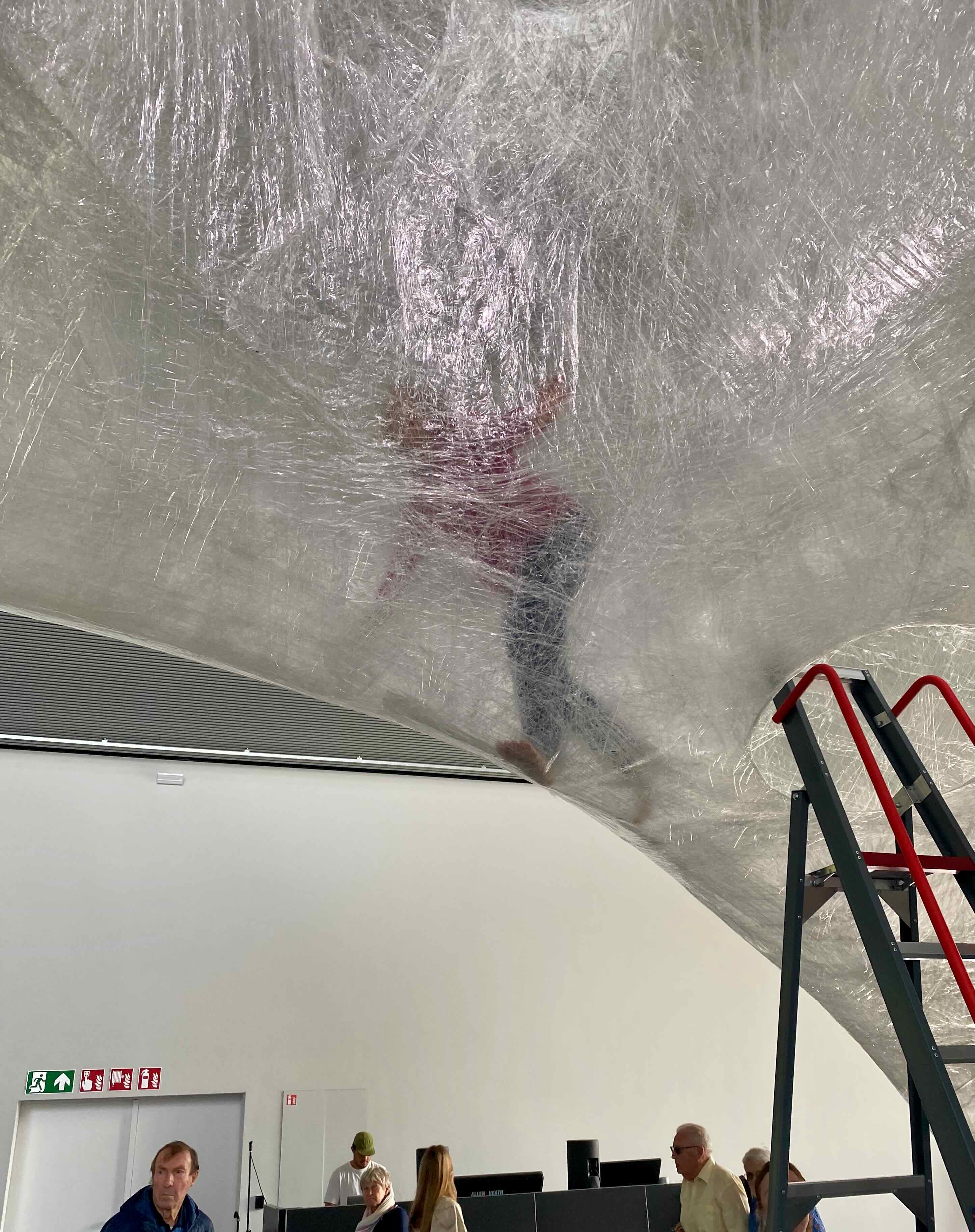
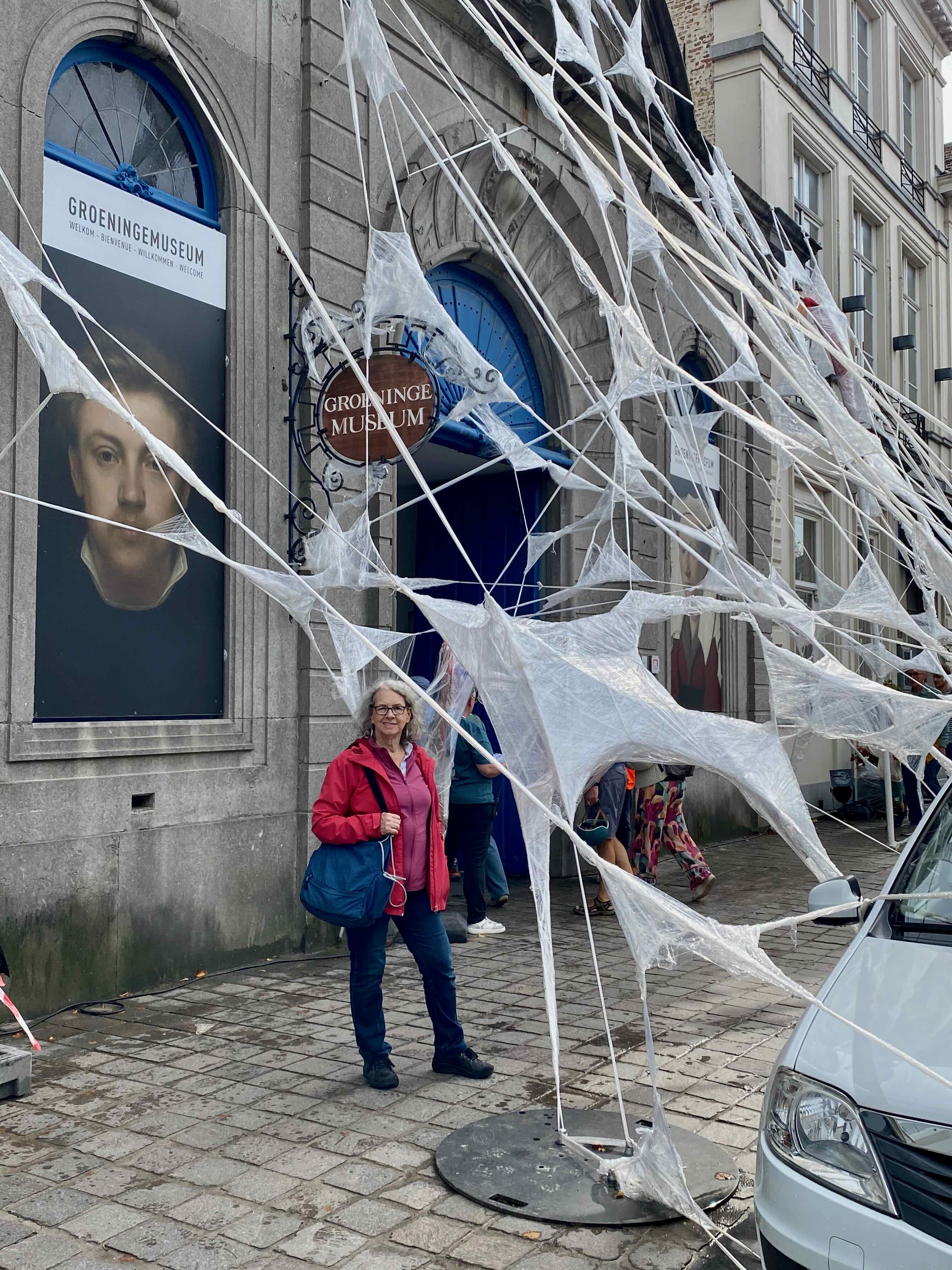
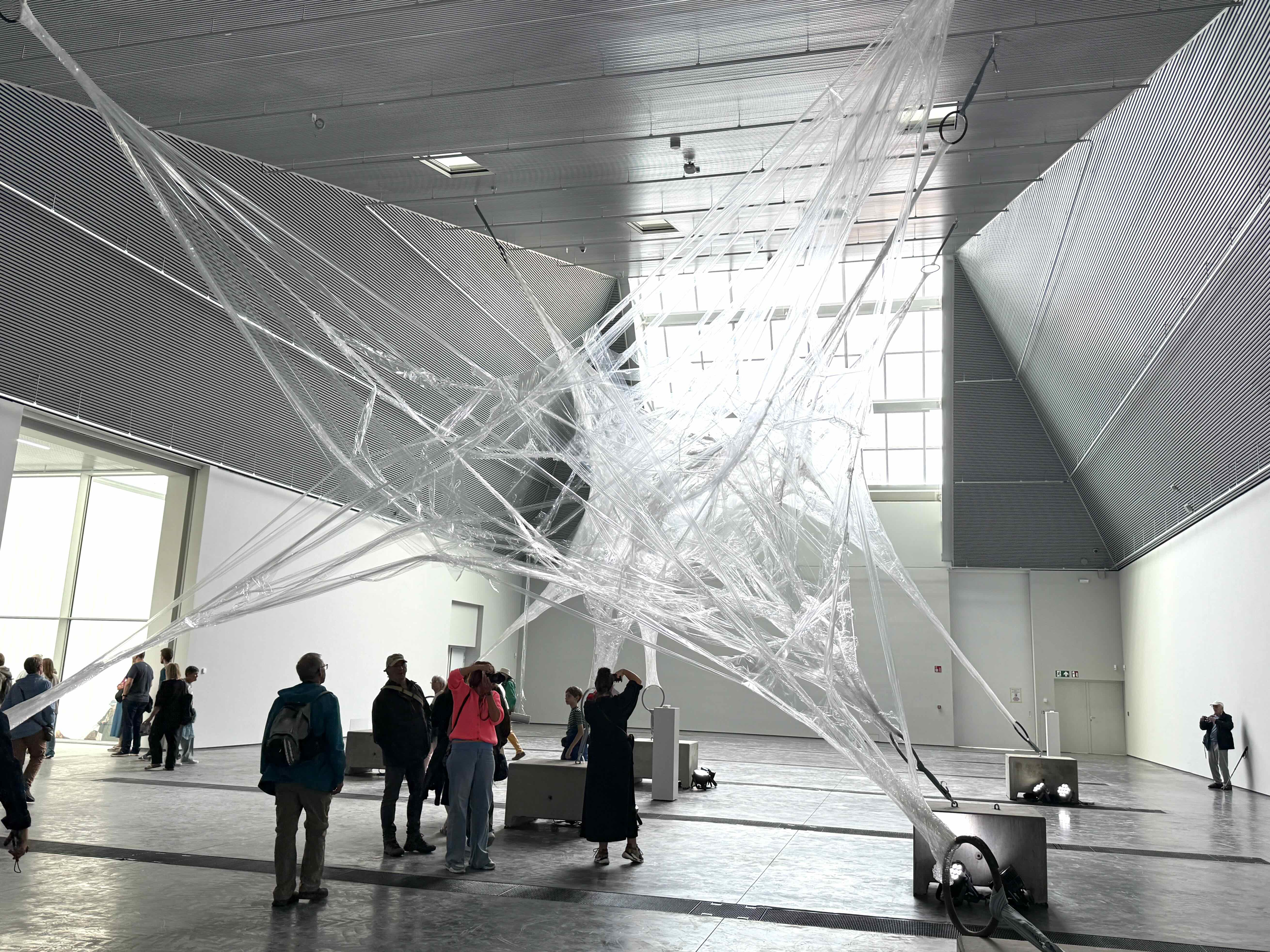
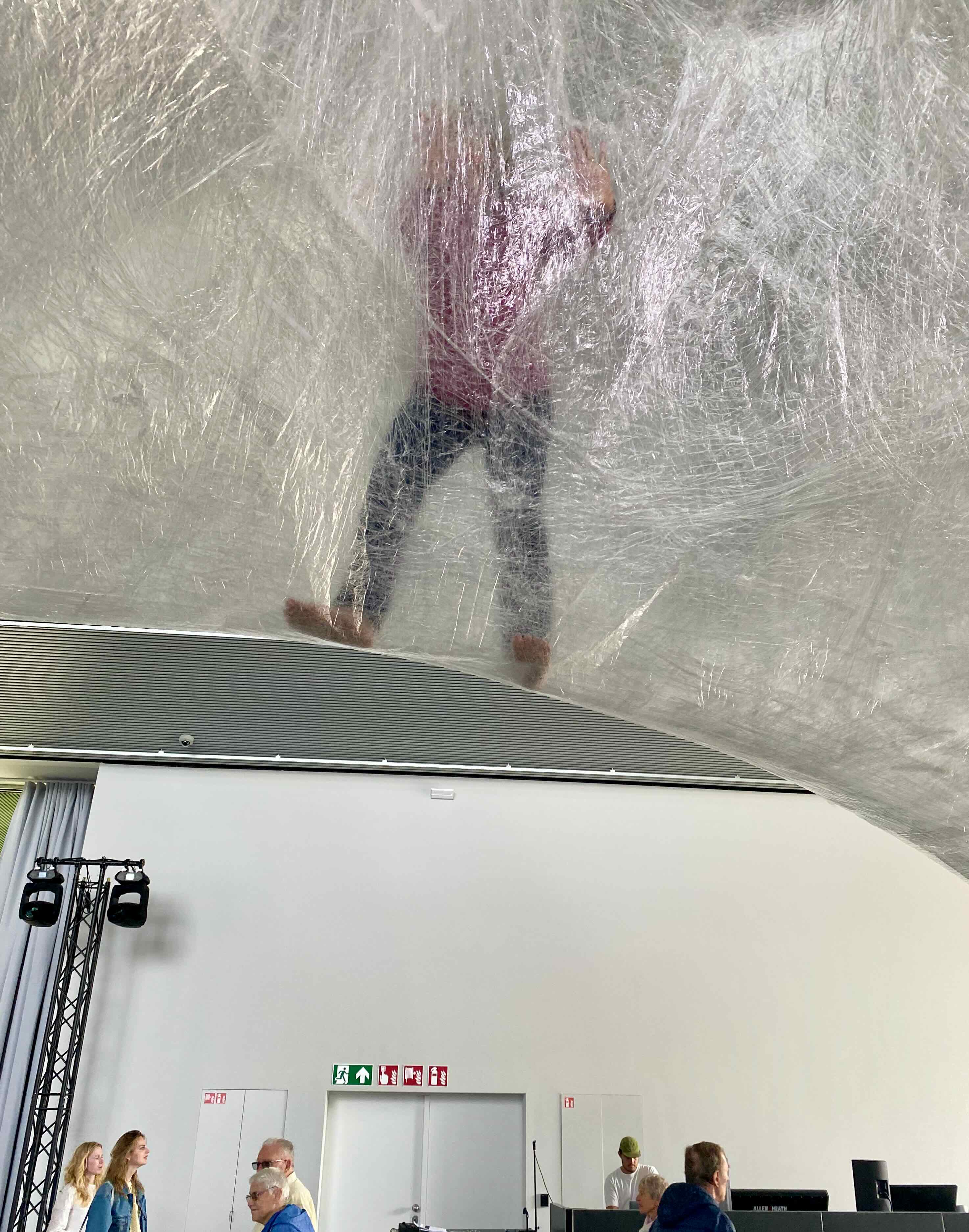
It is an open house for the  new Brusk Art Gallery which will open in 2026.  We enter a room with shipping plastic wrap.  We aren’t sure what it is supposed to be…

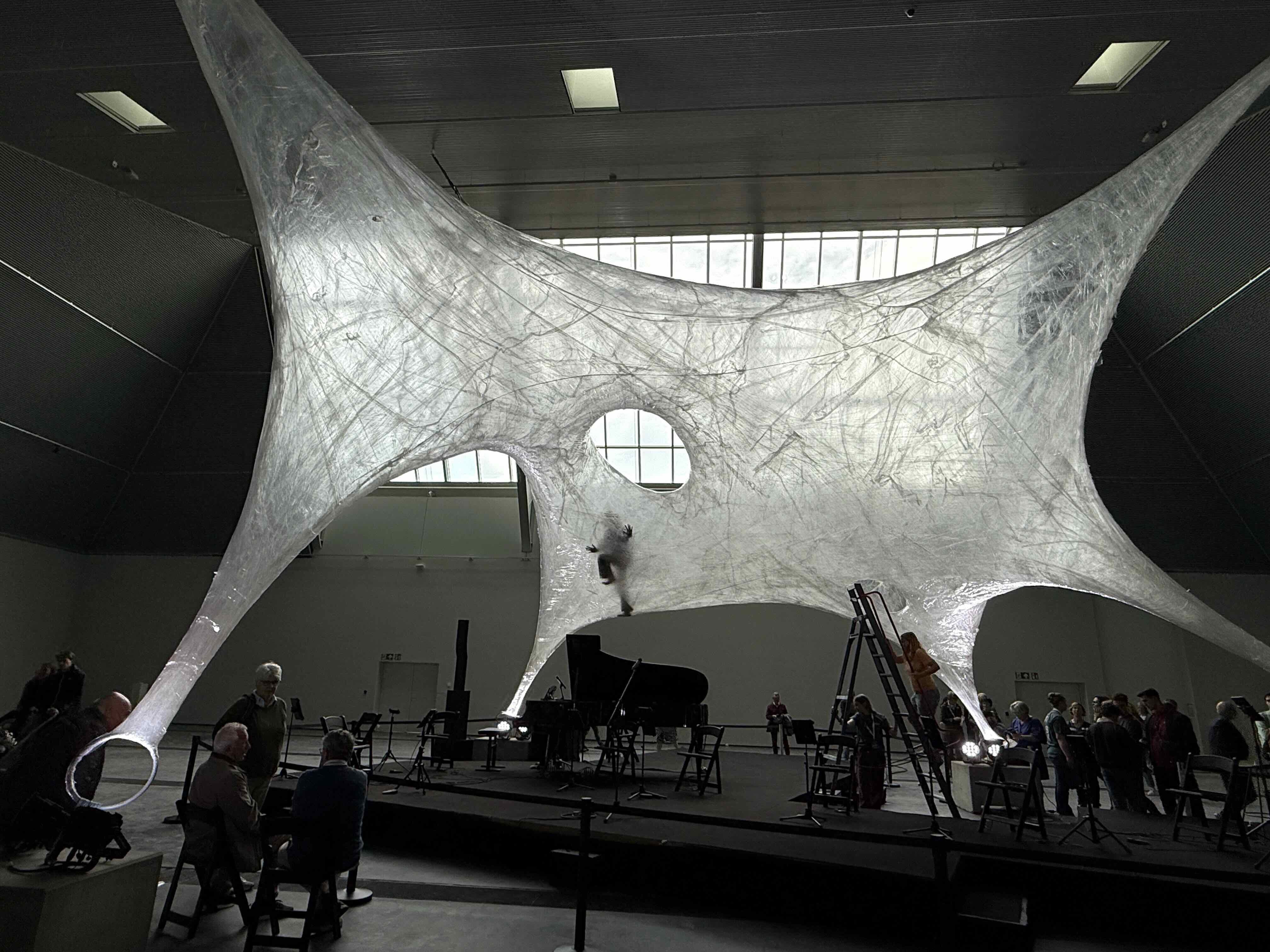
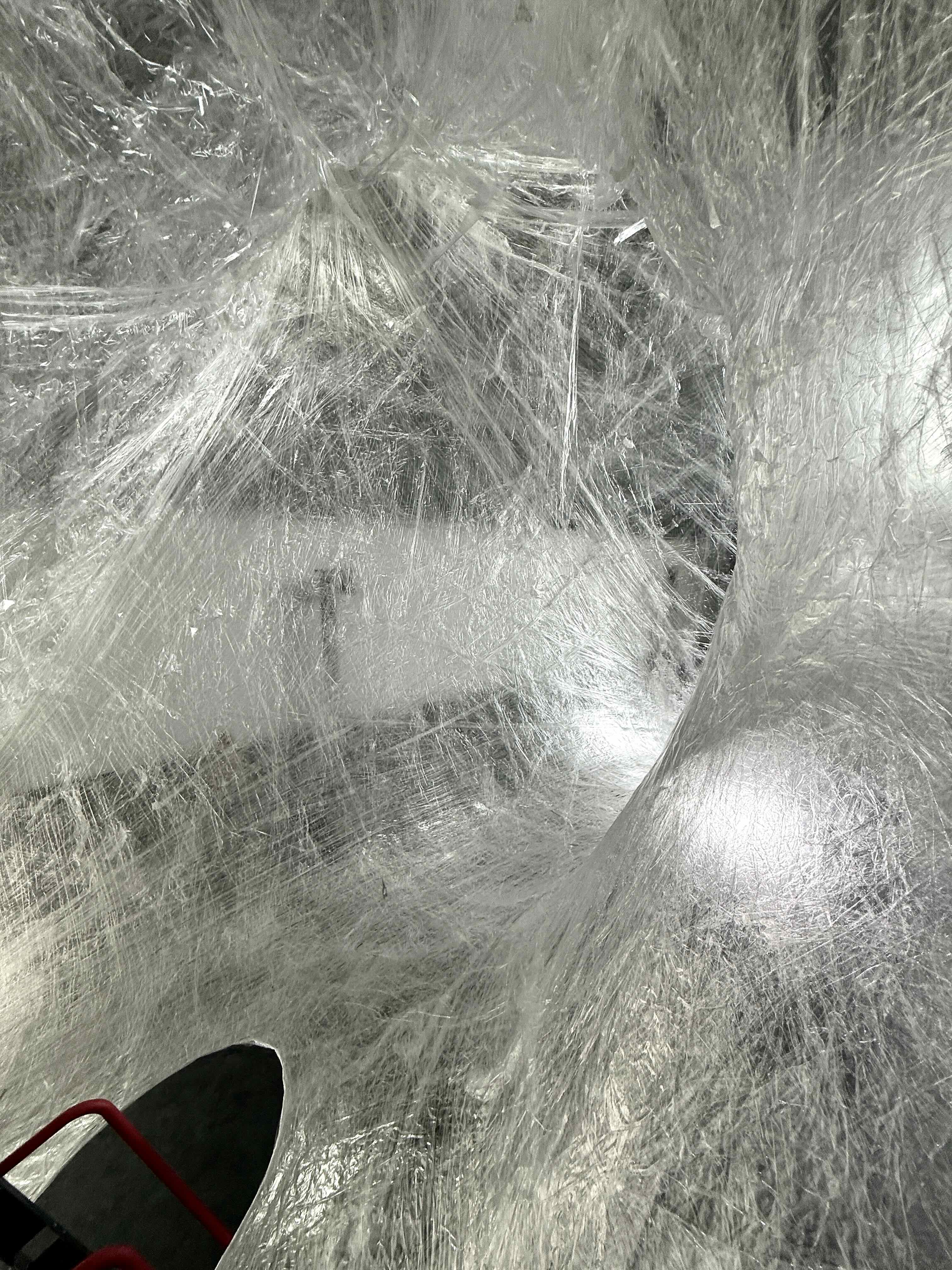
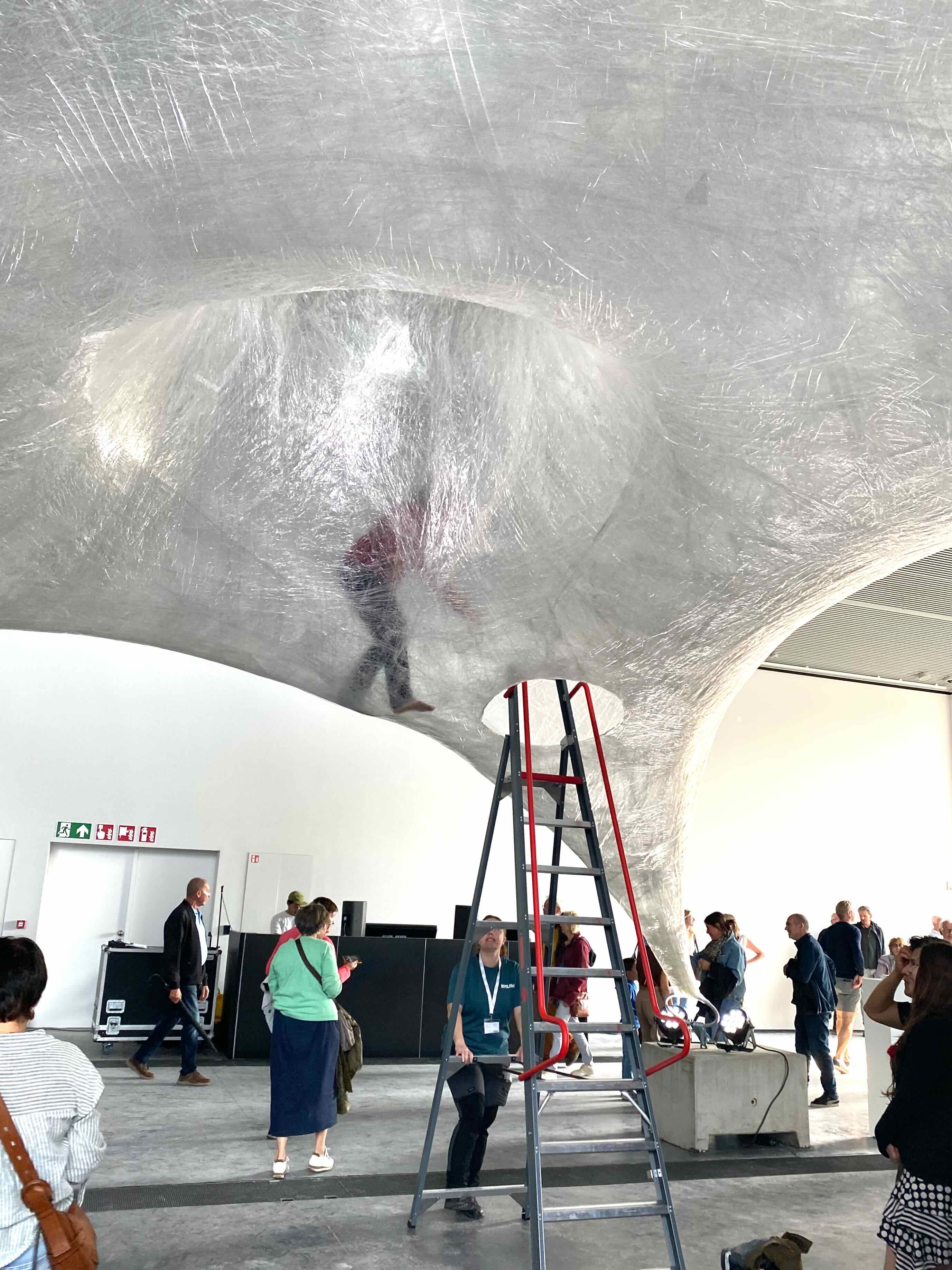
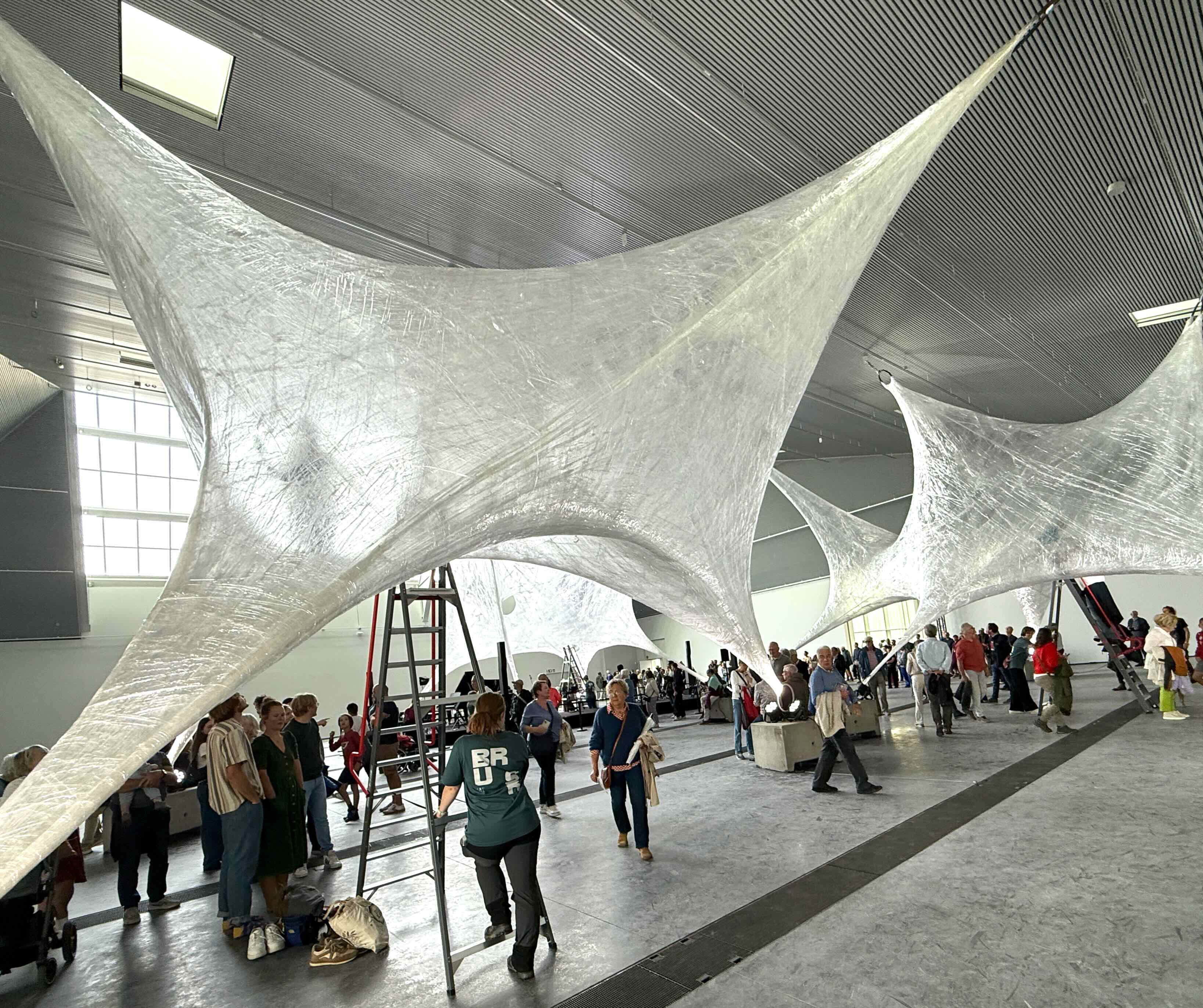
…until we enter the next room and there is a  large tape art installation in the form of a web structure, and there are people climbing inside of them!  All of a sudden the giant spider we saw earlier makes sense.

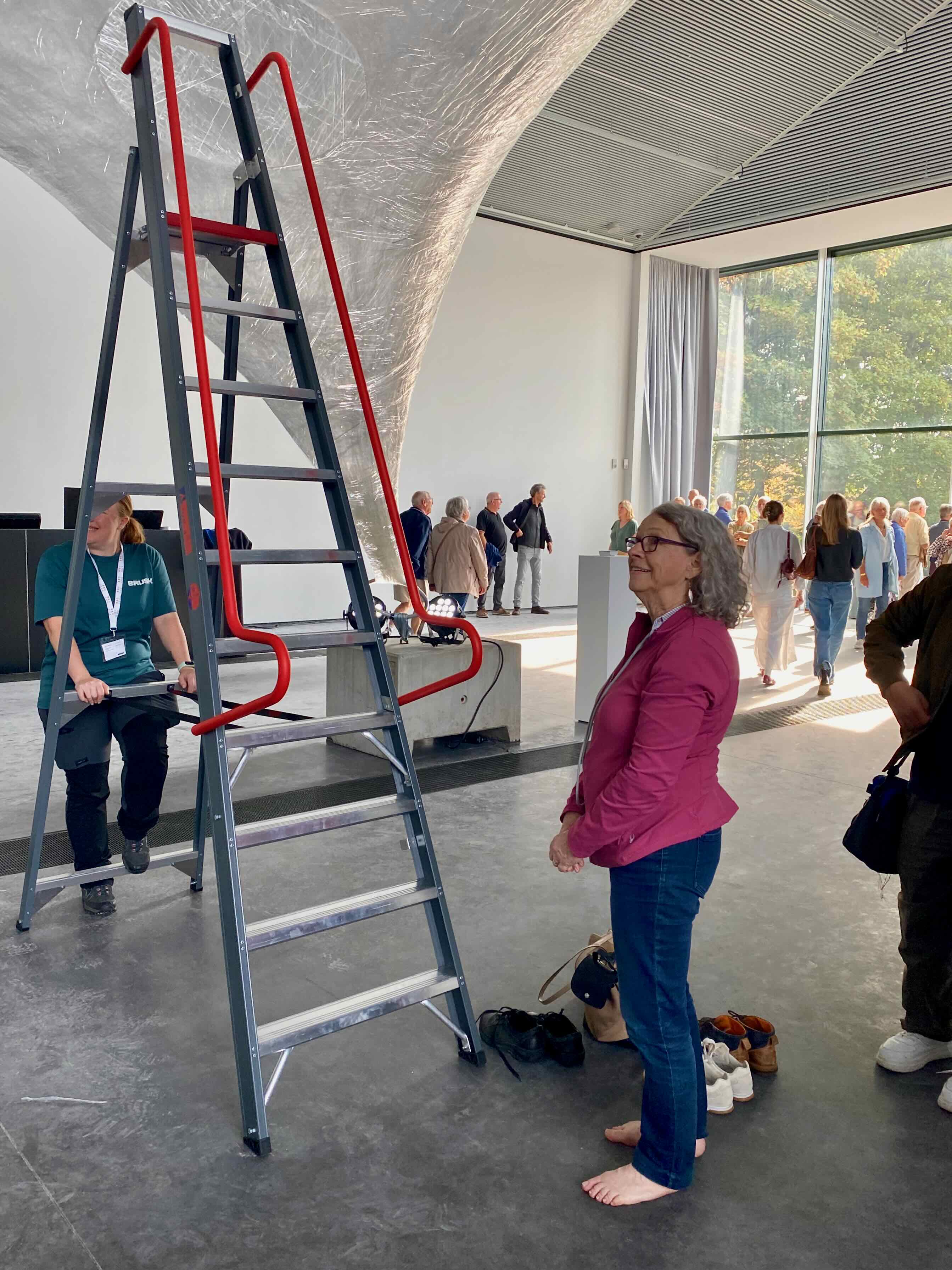
I want to climb inside…my turn next!

It was interesting trying to walk around, but not really all that difficult.

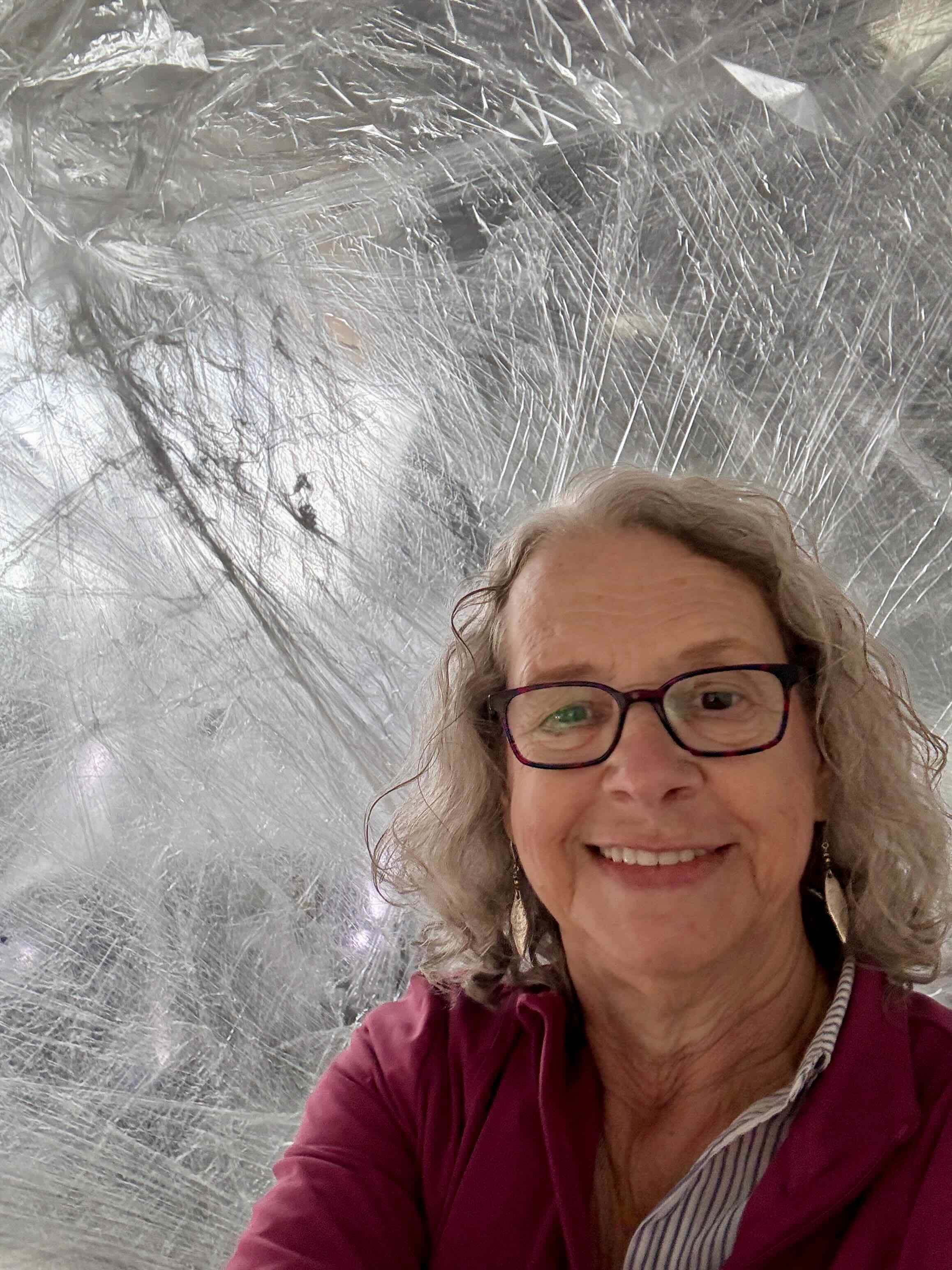
This was so much fun!  Here I am inside this giant web-like structure.

There is the hole I climbed through to get inside.All too soon it is time to climb down. This was such fun.

There were several of these ‘webs’ in this huge room. What a clever idea.

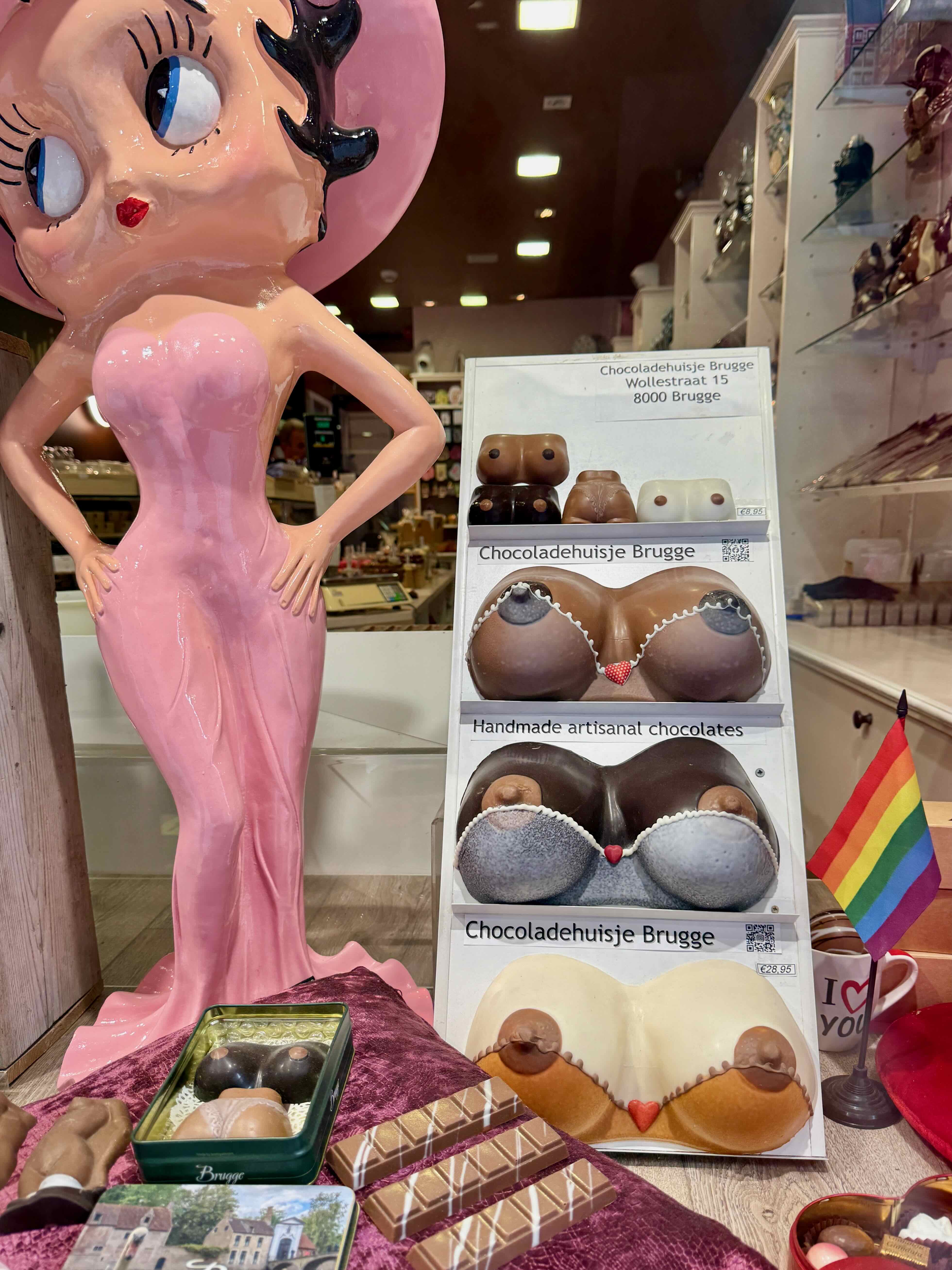
Belgium is famous for its chocolate, which comes in all shapes and sizes!

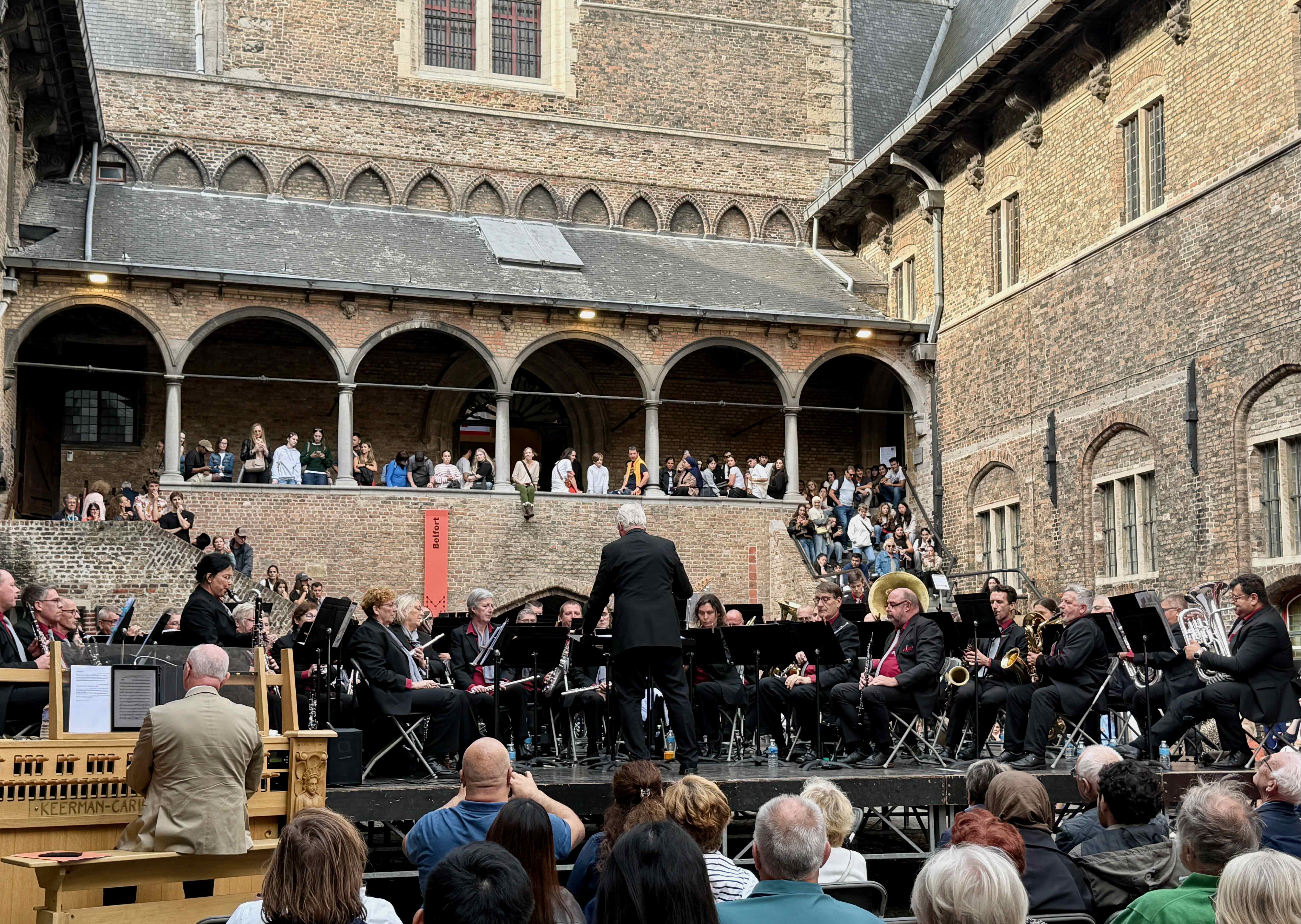
There is a Carillon performance at 4:00.  We find a spot to sit just as it starts and listen to a variety of music for the next hour. The carillon is a piano like instrument that plays 47 bells.

One of the musicians was very young.

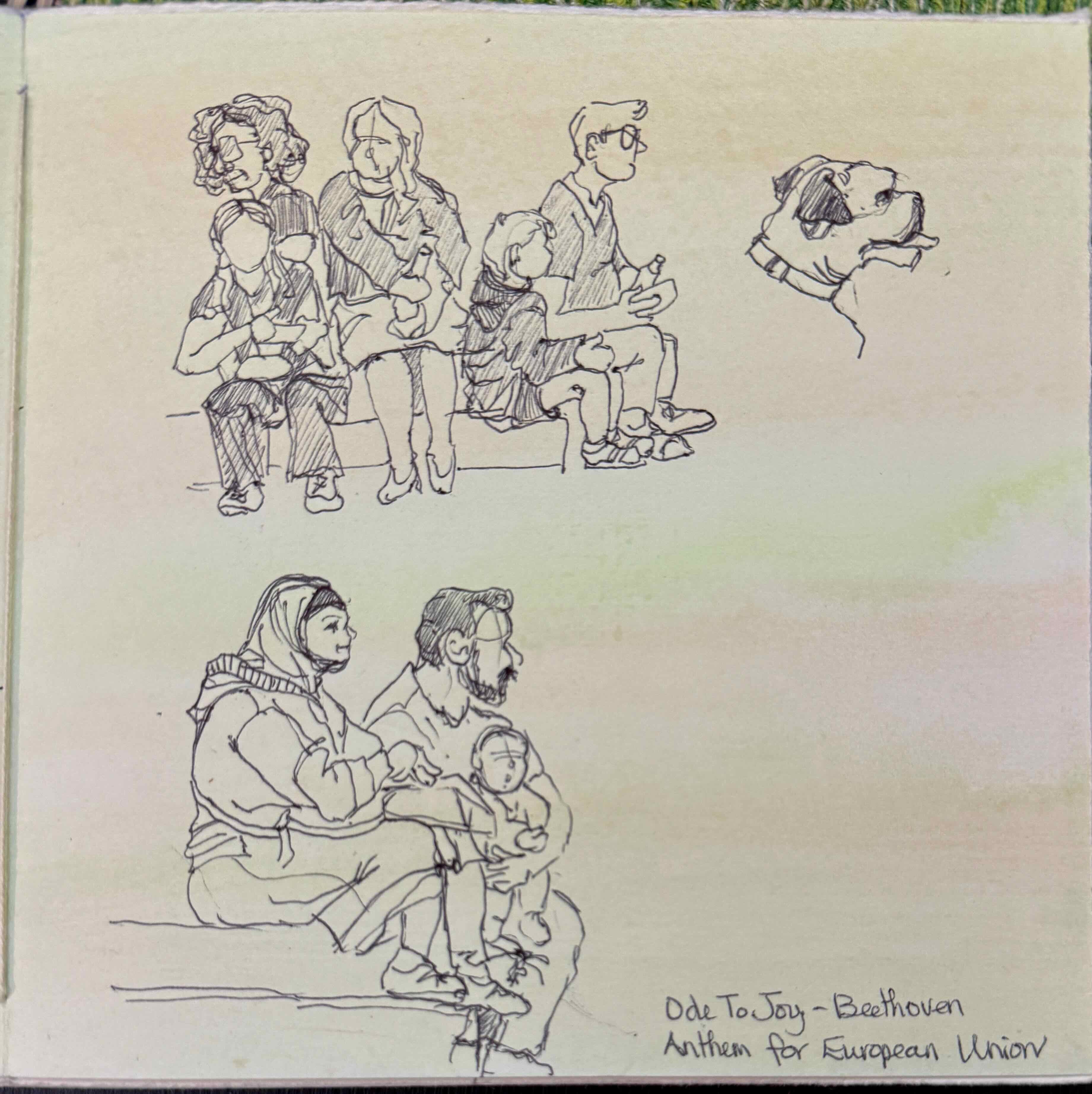
I do a bit of pen sketching while I listened to the music.  The last song played was Beethoven’s Ode To Joy and most of the audience stood up. The lady beside me told me that it is the anthem for the European Union, which has its headquarters in Brussels.  

This is an interesting building, skinny at the front and then widening out as along the streets on either side. 

We wanted to visit the Church of Our Lady which houses The Madonna and Child by Michelangelo. This world-famous white marble statue is the only work by Michelangelo that left Italy during his lifetime. But the church closed at 5:00 so we are out of luck.

We have to settle for viewing this poster.

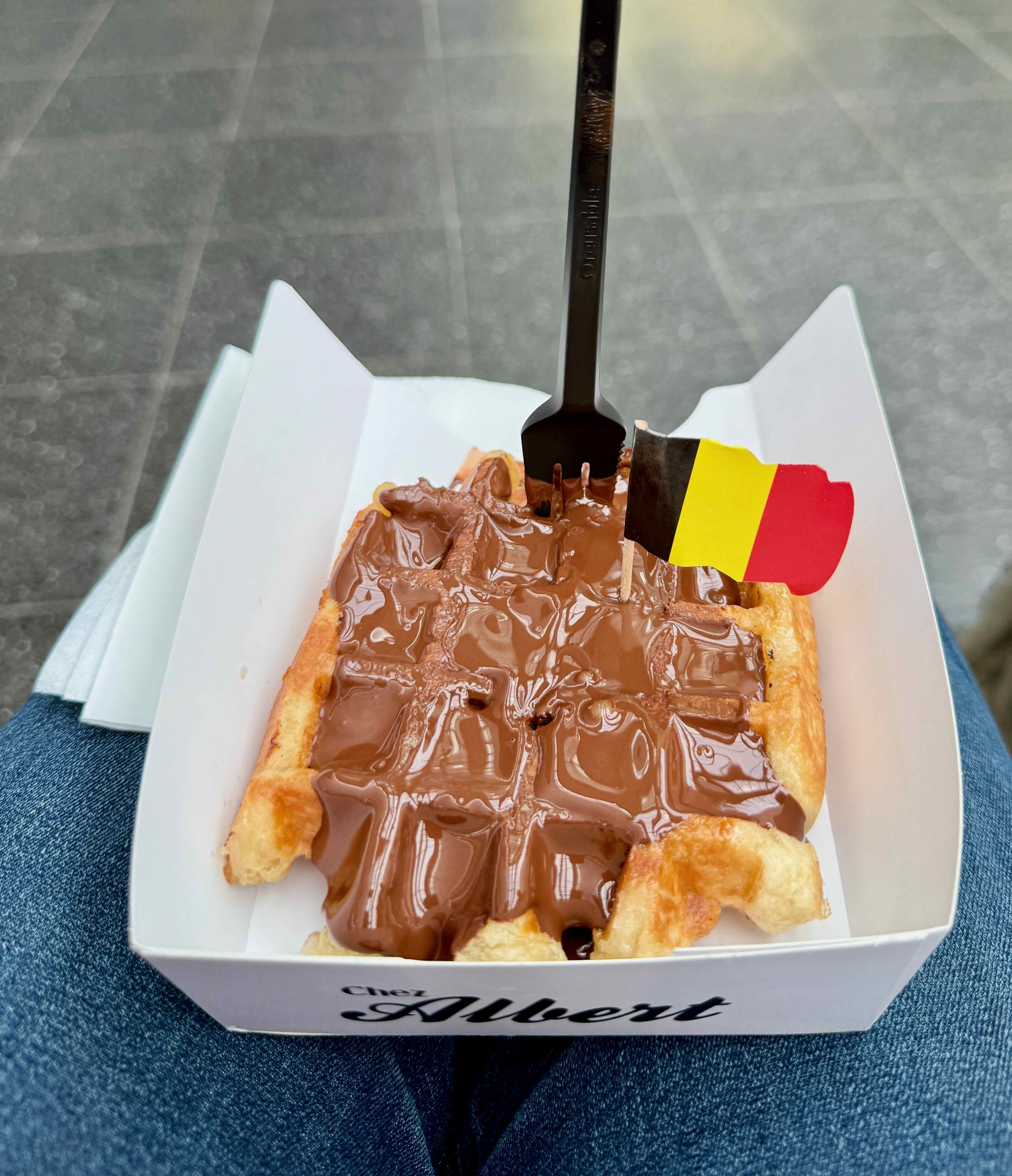
We order a waffle with dark chocolate to share before the long drive back to our bnb. It  had a bit too much chocolate for us, but was still delicious.

Ypres, Flanders Fields Museum, Belgium

Day 20     Friday, September 19, 2025

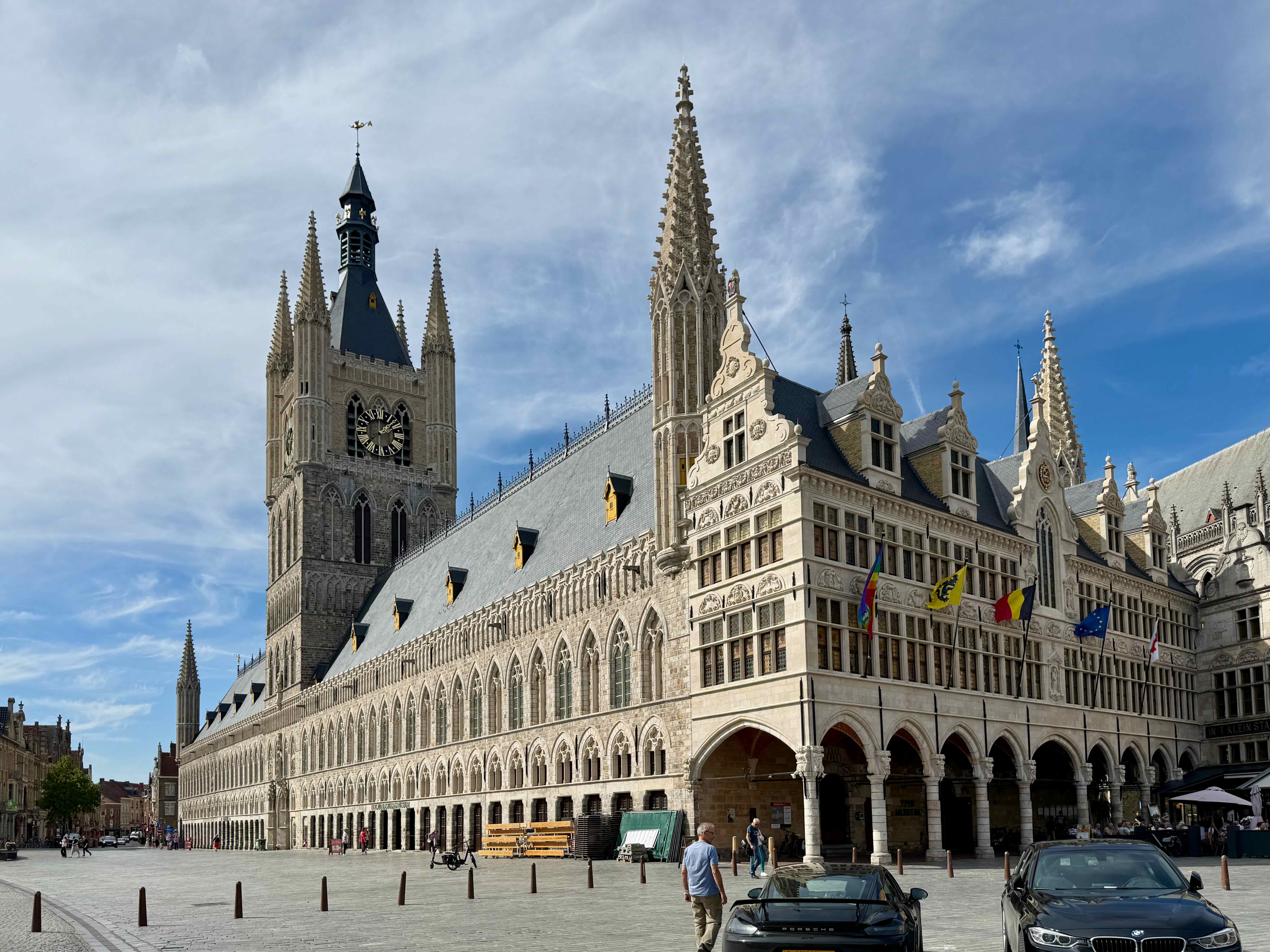
Today we visit the In Flanders Fields Museum in Ypres, Belgium.

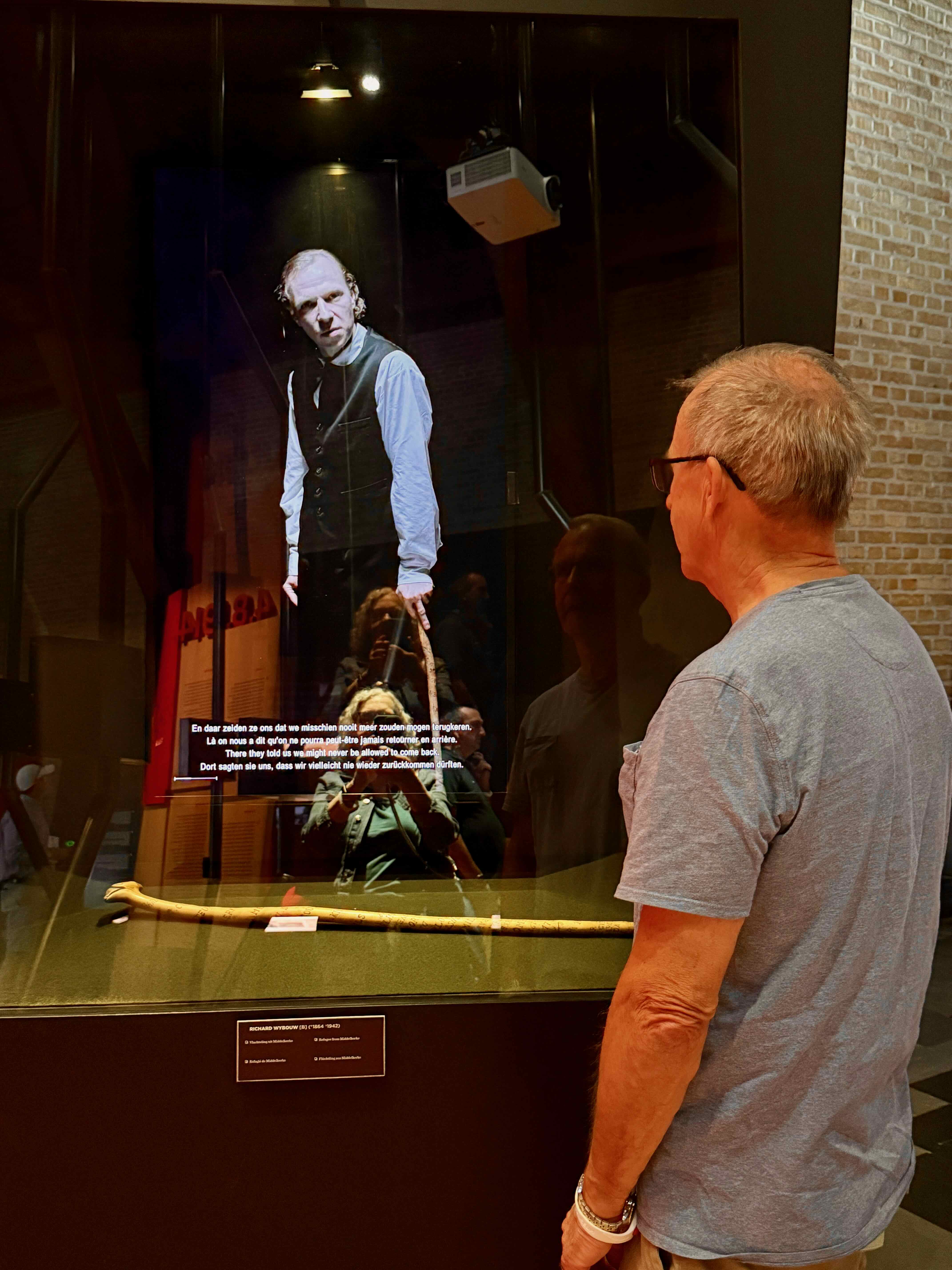
This museum uses a variety of displays to tell the story of the invasion of Belgium in World War I. There are holographs which use actors to tell the stories of actual people.

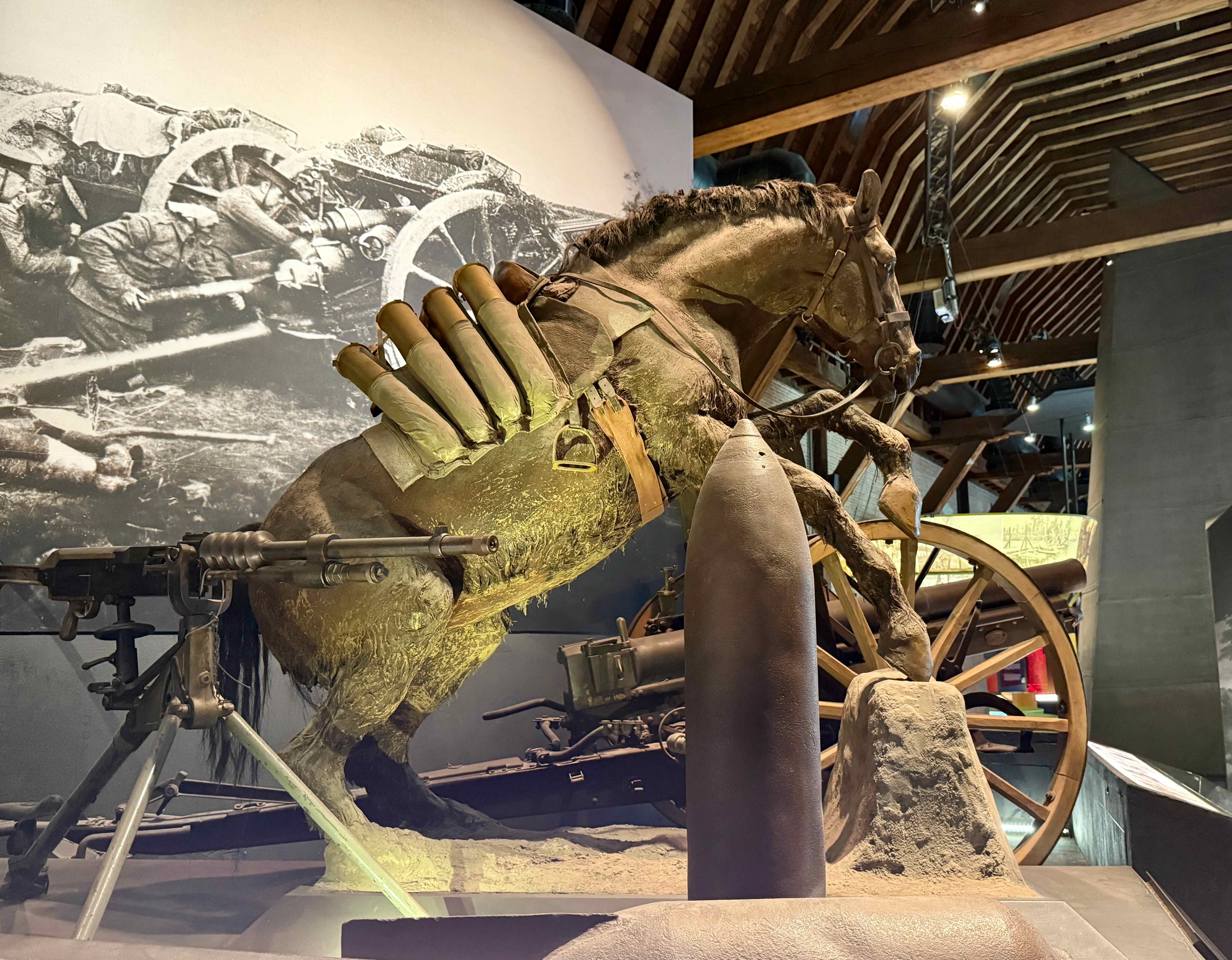
The total number of military and civilian casualties in World War I was about 40 million: estimates range from around 15 to 22 million deaths and about 23 million wounded military personnel, ranking it among the deadliest conflicts in human history. But it wasn’t just people that suffered during this war. More than 8 million horses, donkeys and mules died in WWI as well.  Such a horrendous loss of life!

These early gas masks provided some protection against chlorine gas, which was used for the first time during WWI,  but were only effective for about five minutes with concentrated doses of the gas. 

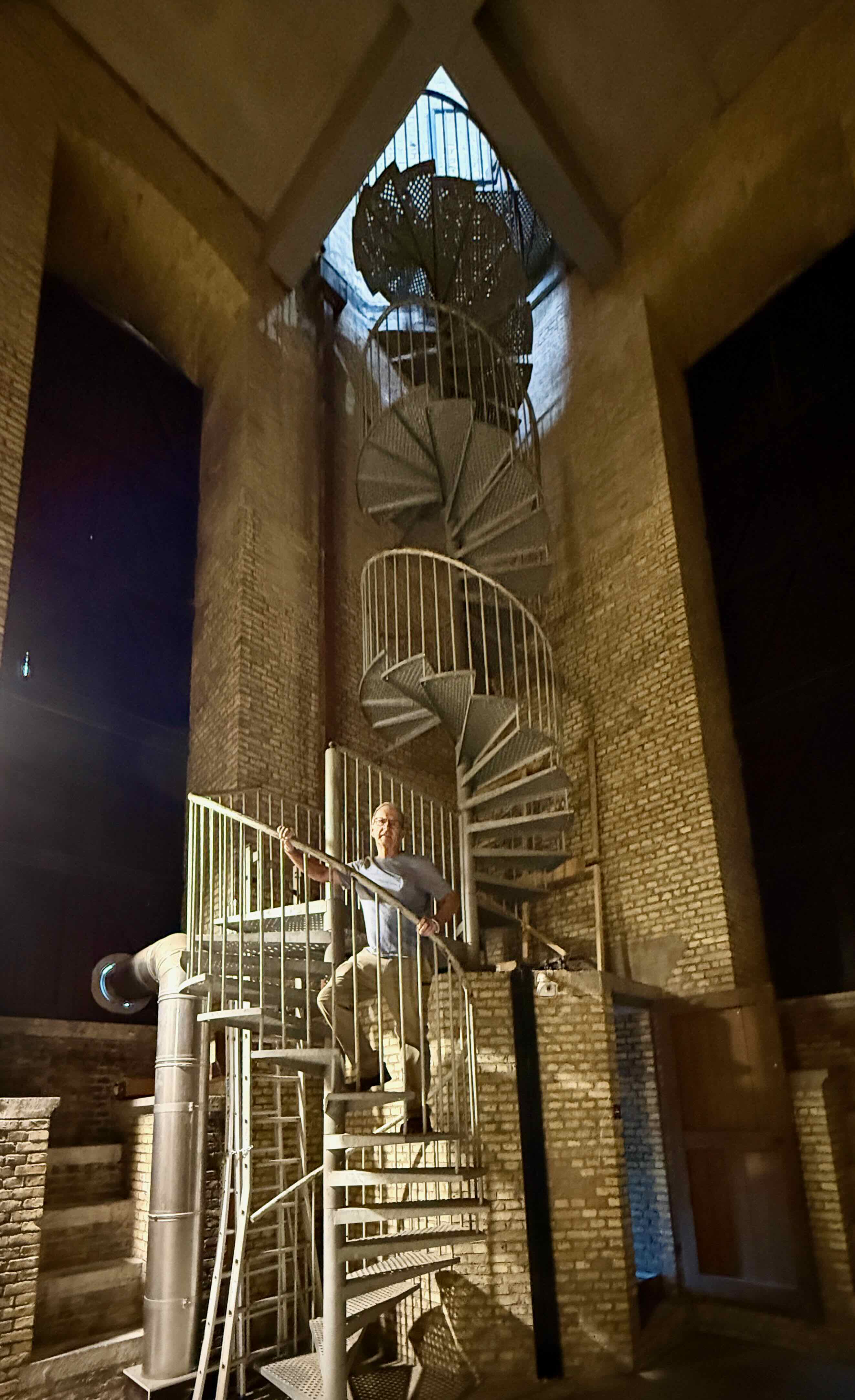
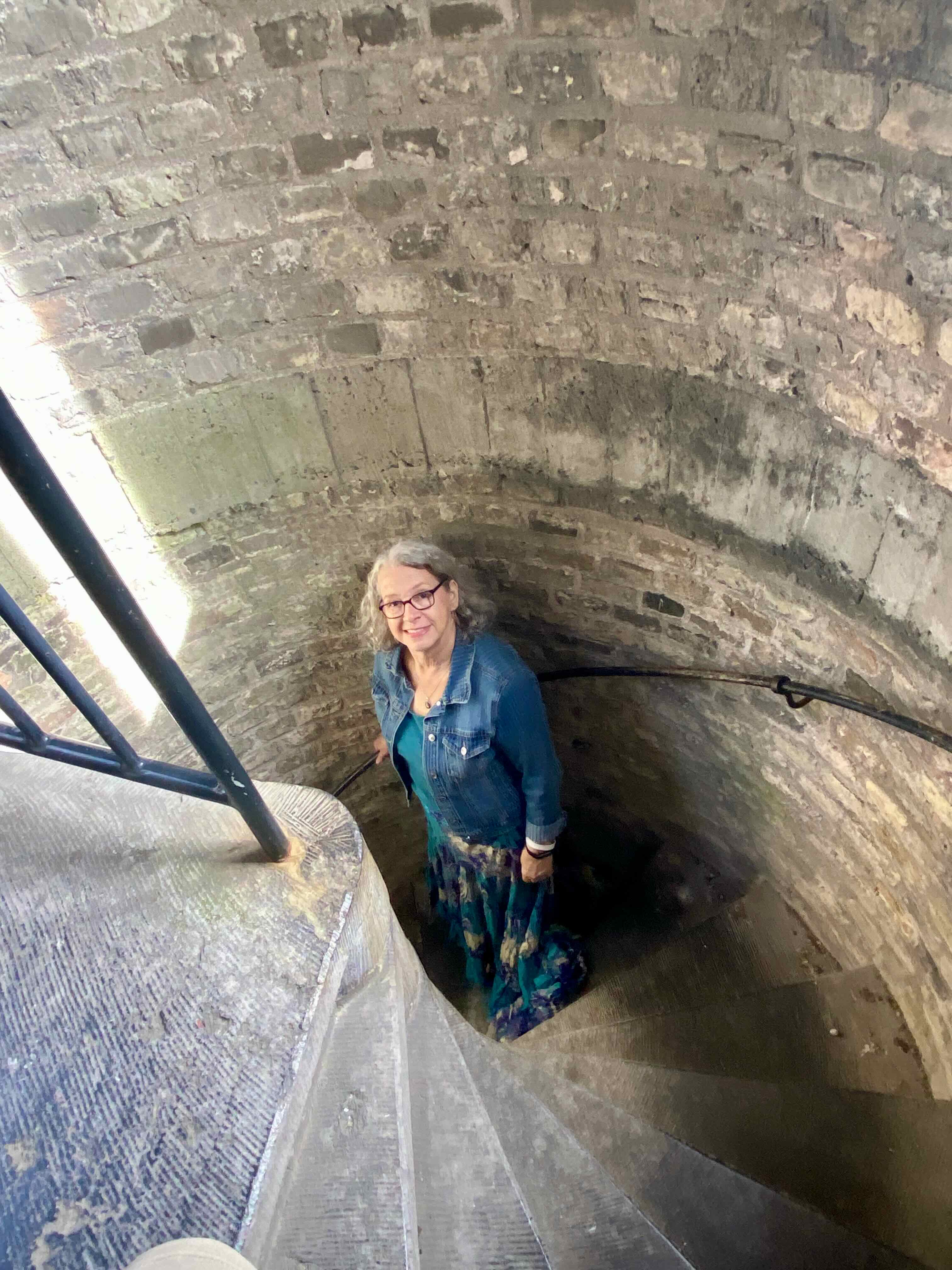
We take a break and climb 231 steps to reach the top of the bell tower. half way the steps change from a concrete spiral staircase to these metal steps, which are a bit scarier to climb.

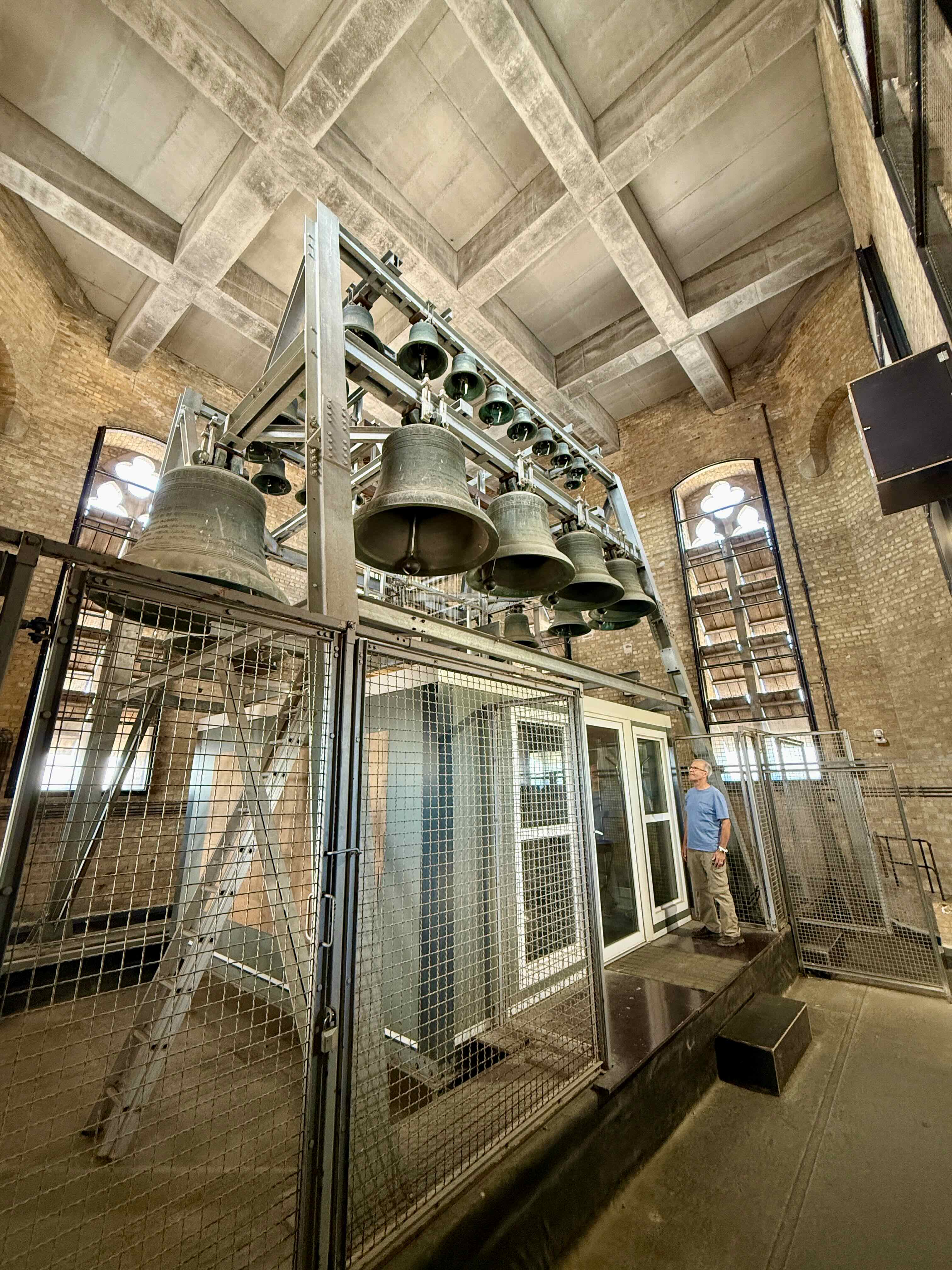
We are always amazed at the size of the bells in these bell towers.

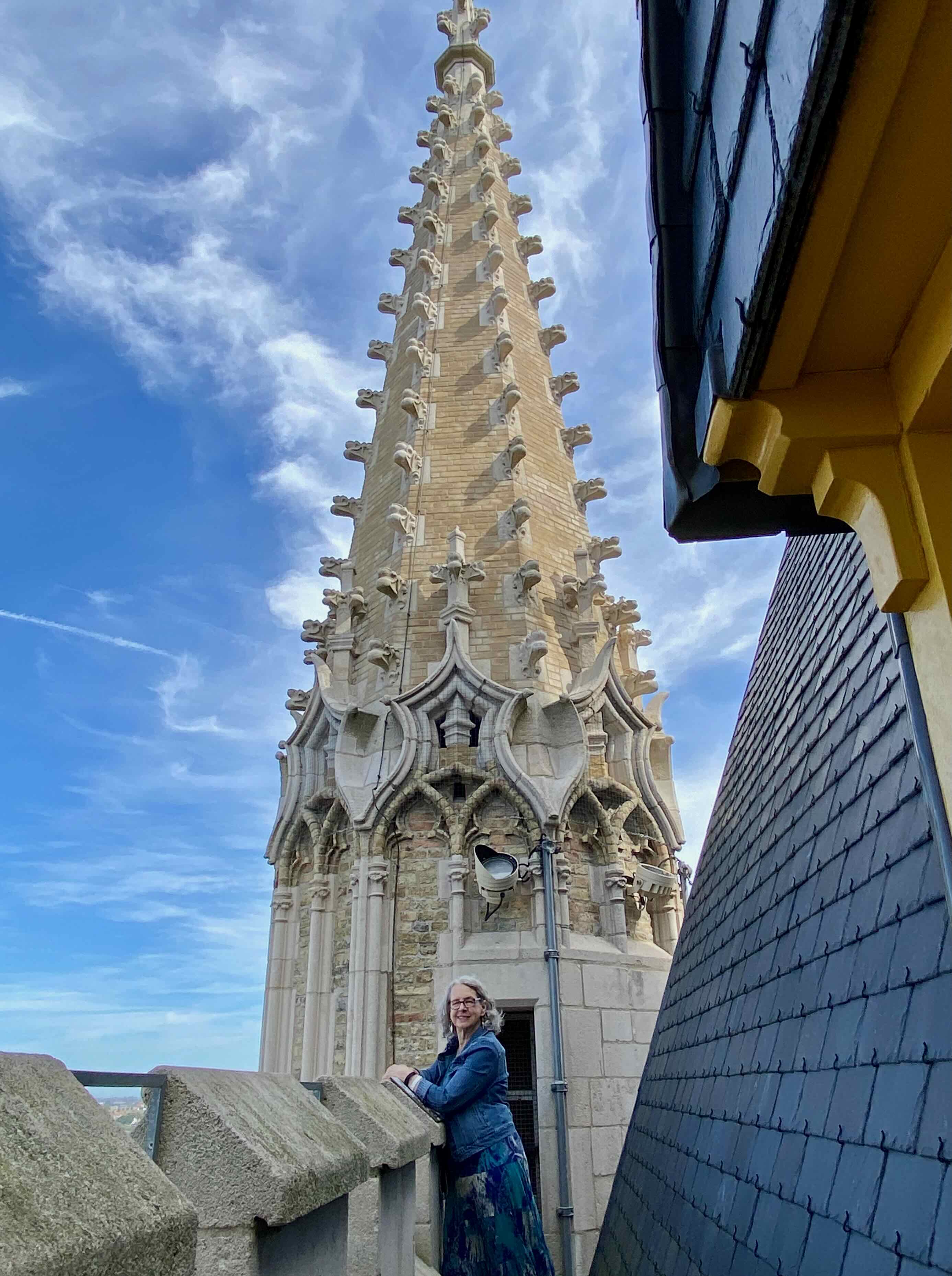
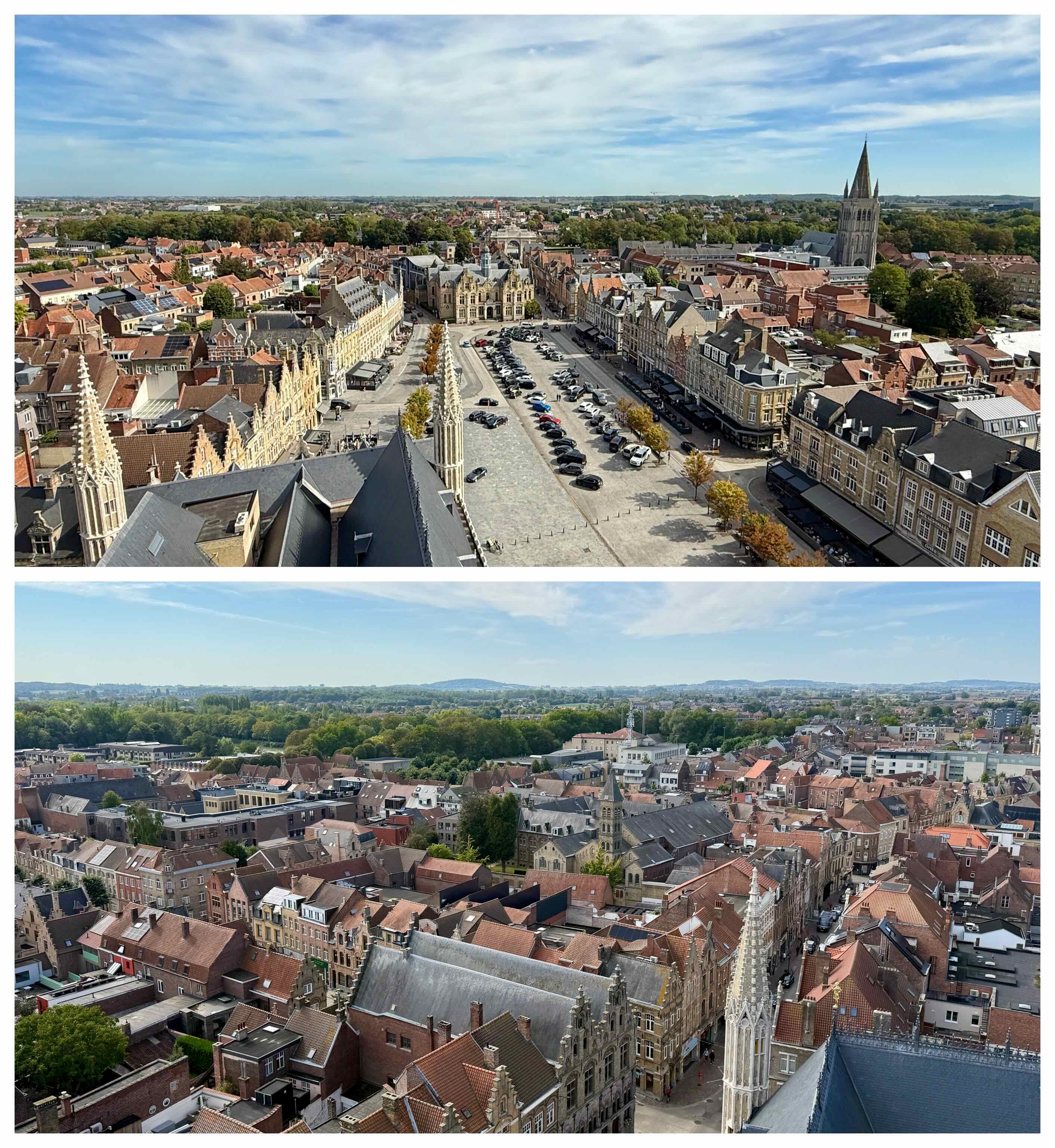
Soon we are outside taking in the views of the town and countryside.

We can see for miles.

I am very happy that the 231 steps down from the tower are cement.  I really didn’t like those metals ones.

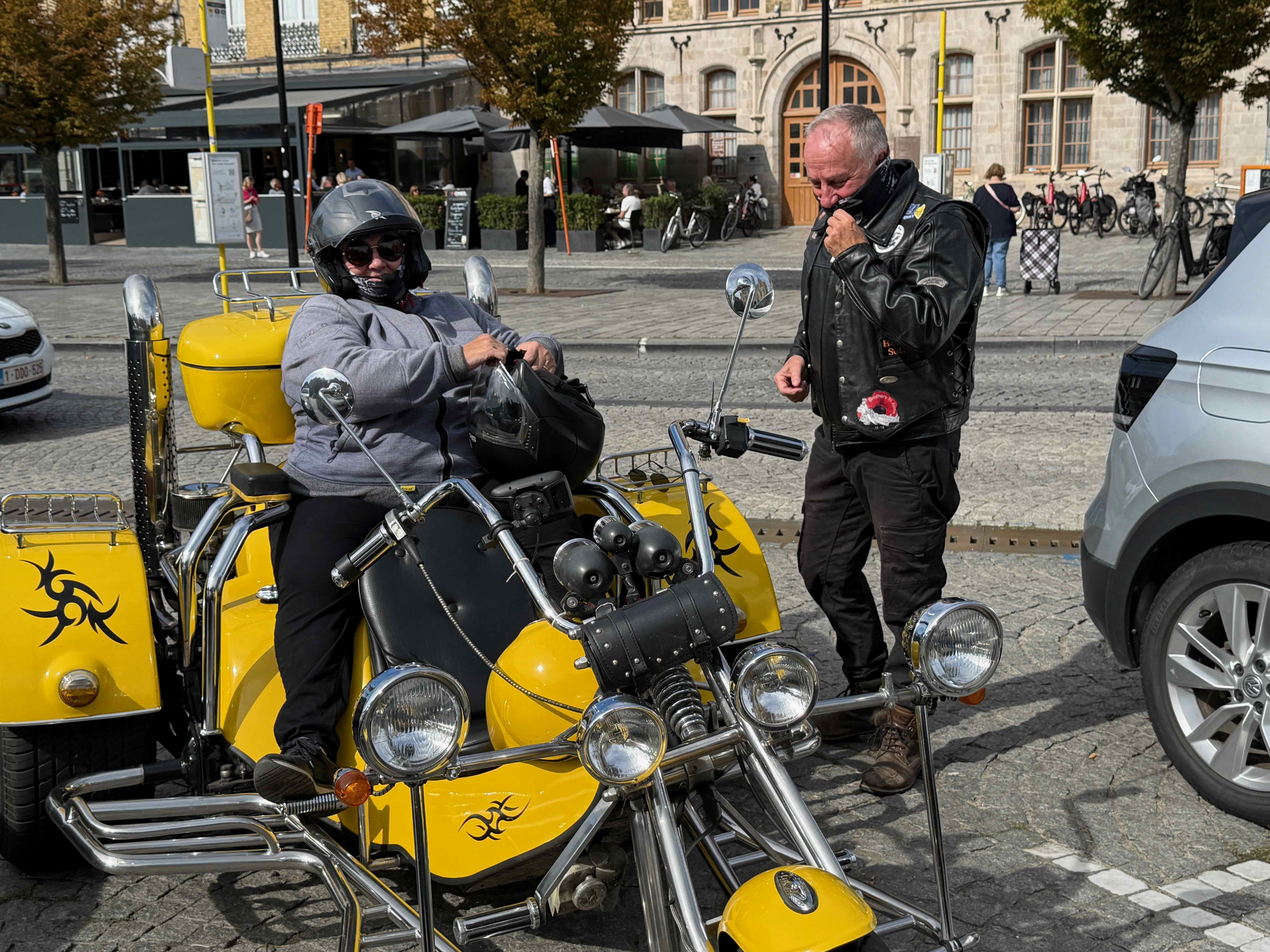
After the clim to the top of the tower we have lunch and chatted with this Belgium couple who like to travel on their colourful bike.  We were surprised as they were both quite elderly.

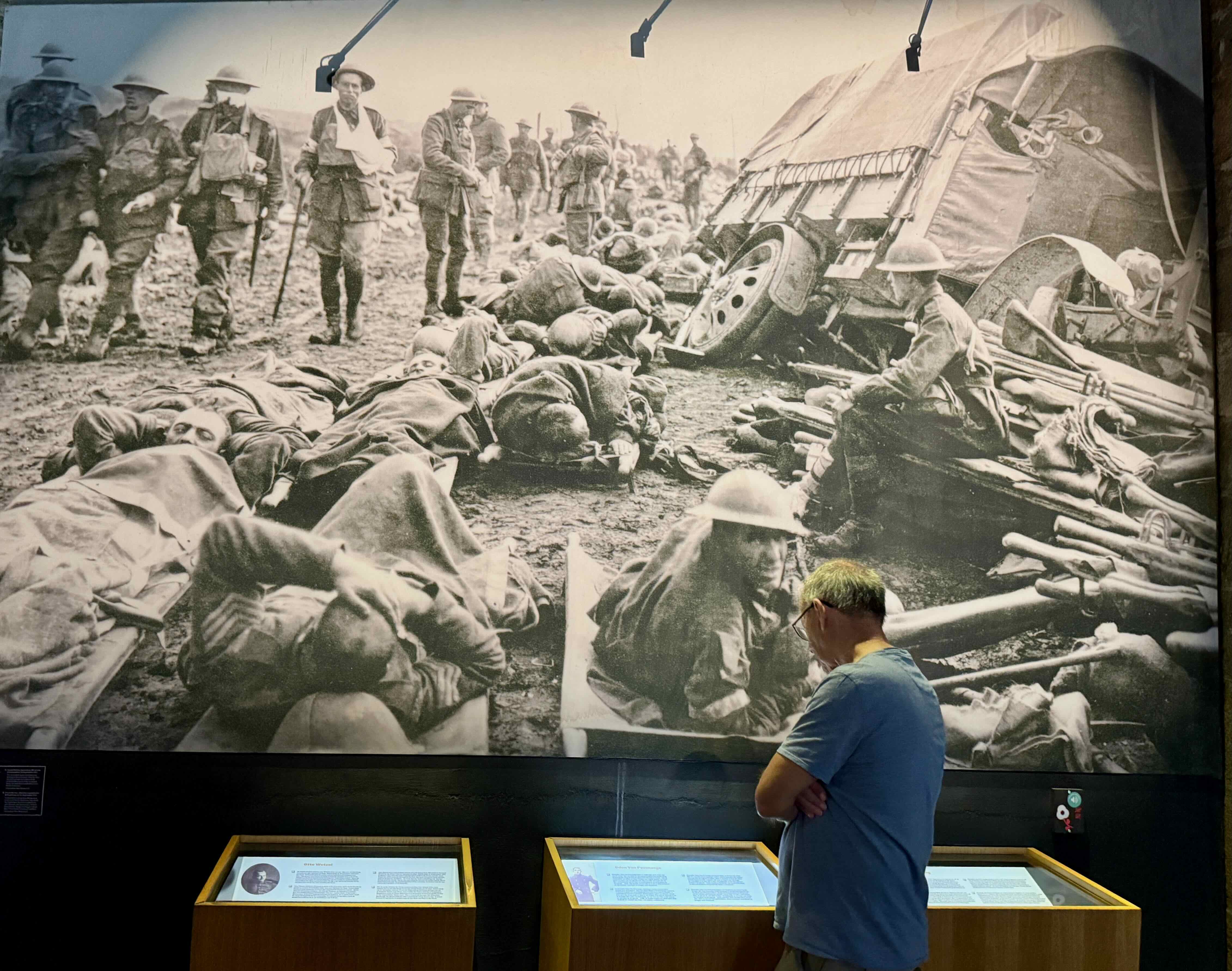
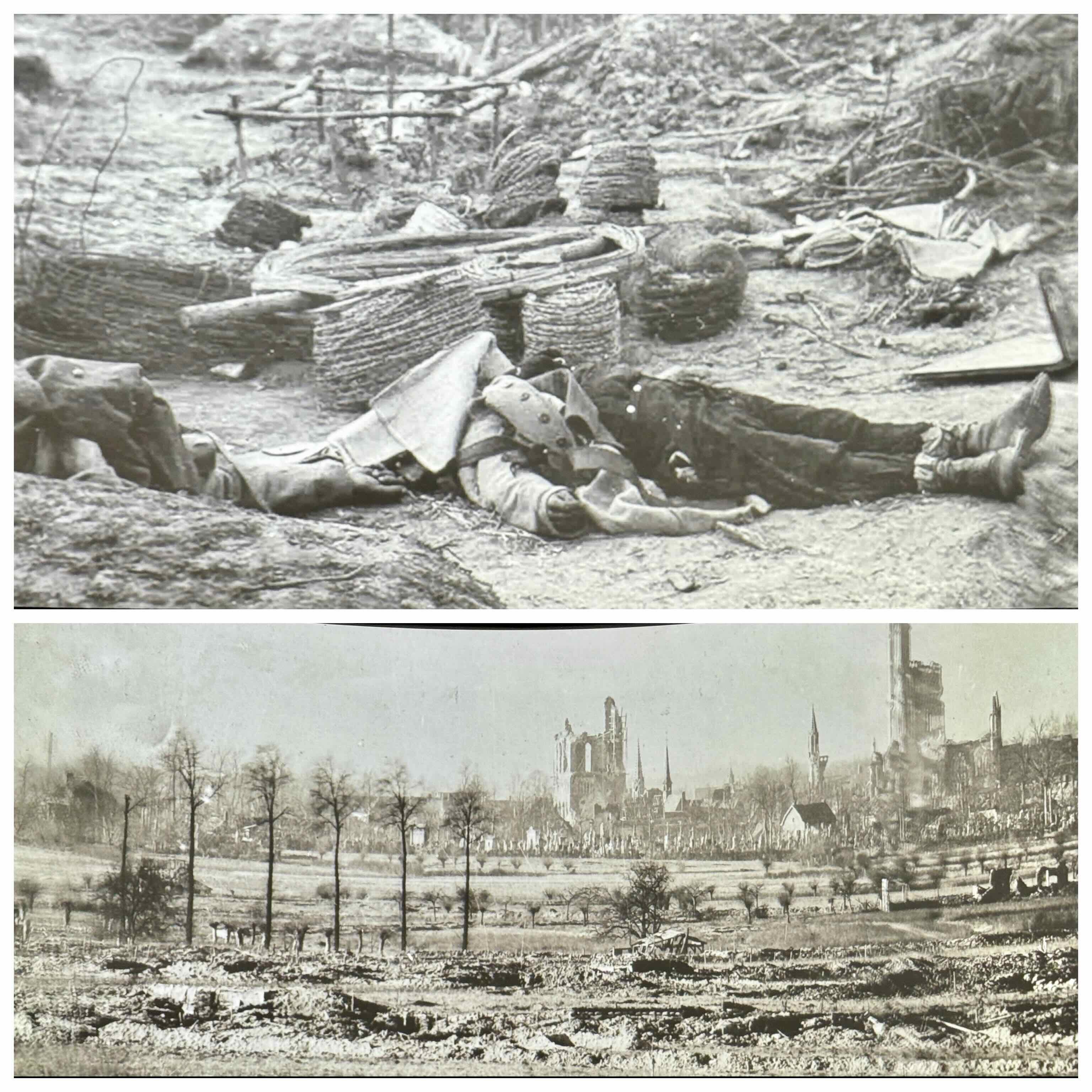
Back in the museum.  There were lots of photos and film clips from the war.  They bring the horror of the war to life.

The bottom photo shows the damage done to the building that now houses this museum.  It was rebuilt after the war.

Men sleeping in closely packed conditions underground.  

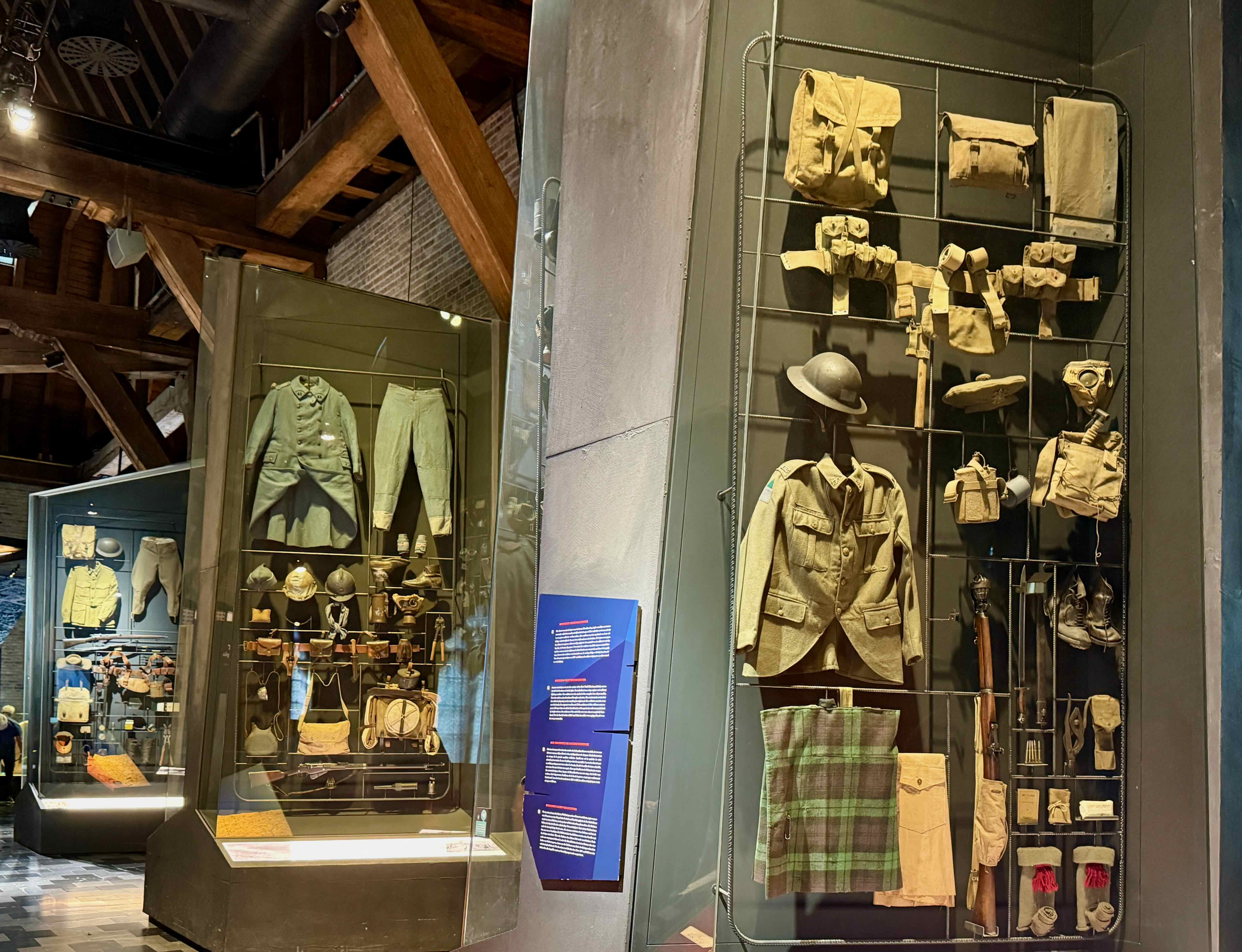
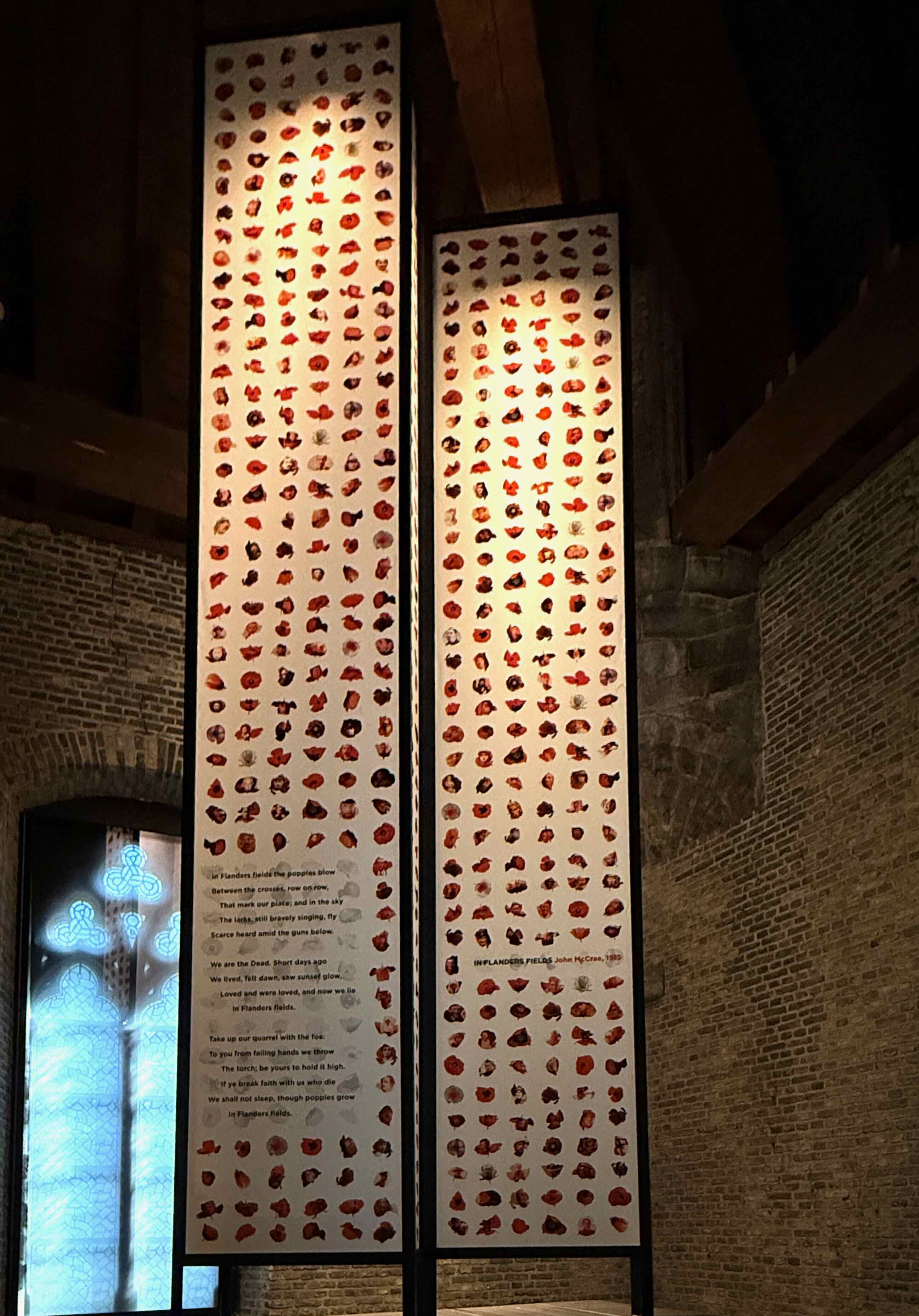
There were displays of the full kit worn by soldiers from the countries that fought in the war. The first display with the kilt is from the Canadian Black Watch Royal Highland Regiment.These banners are for John McCrae’s poem “In Flanders Fields”.

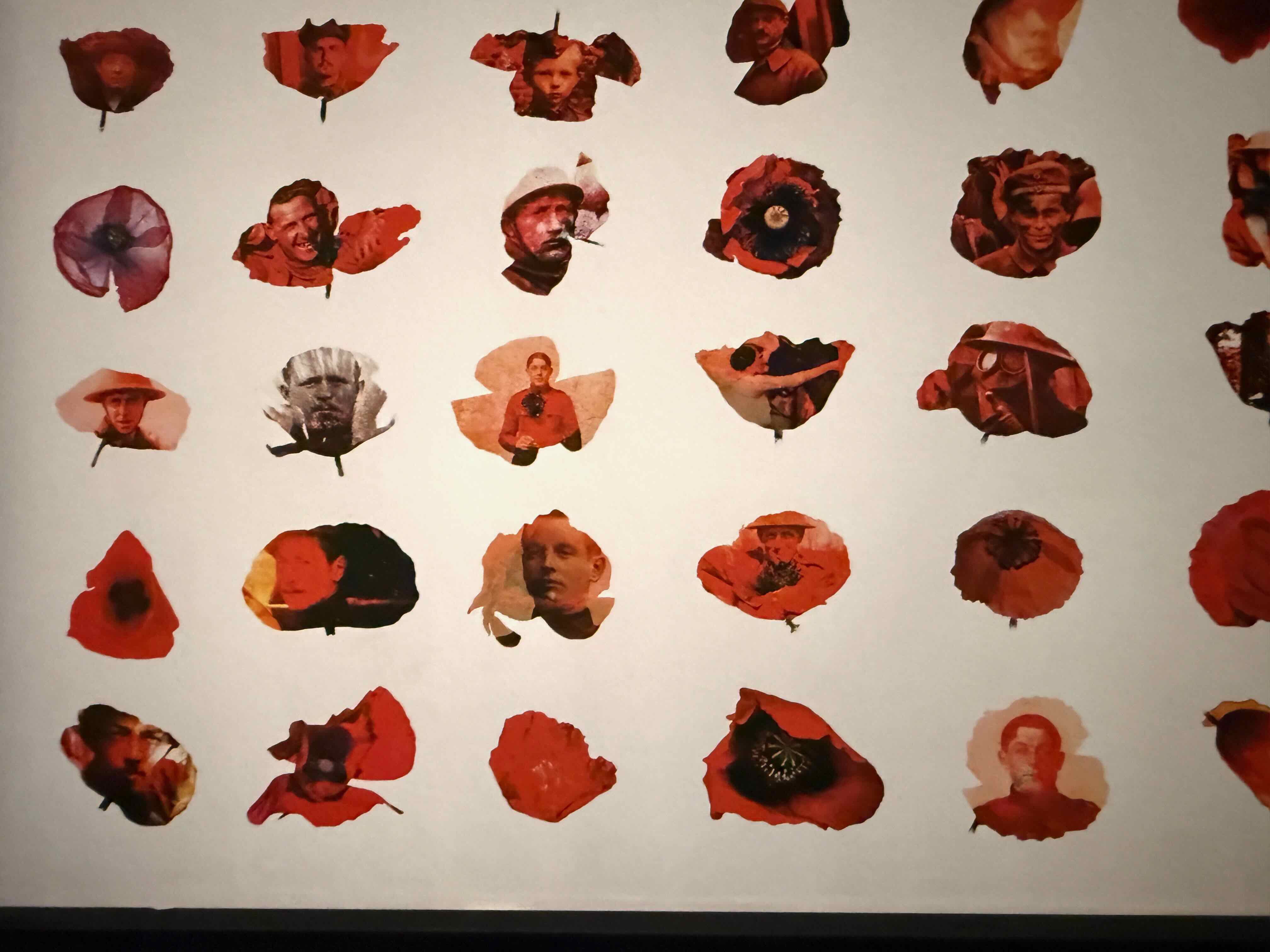
A closer look reveals that there are photos of soldiers hidden in the poppies.

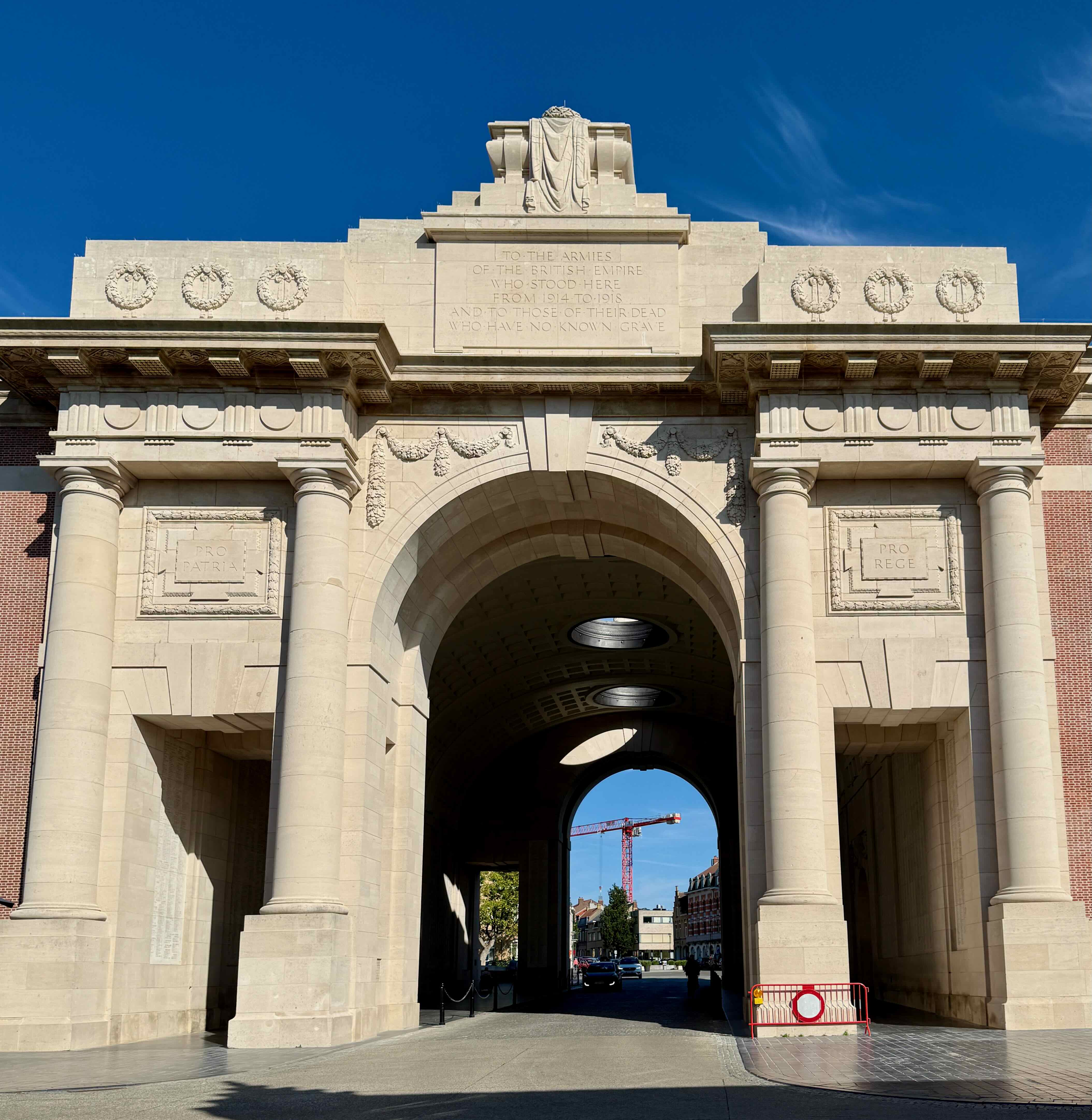
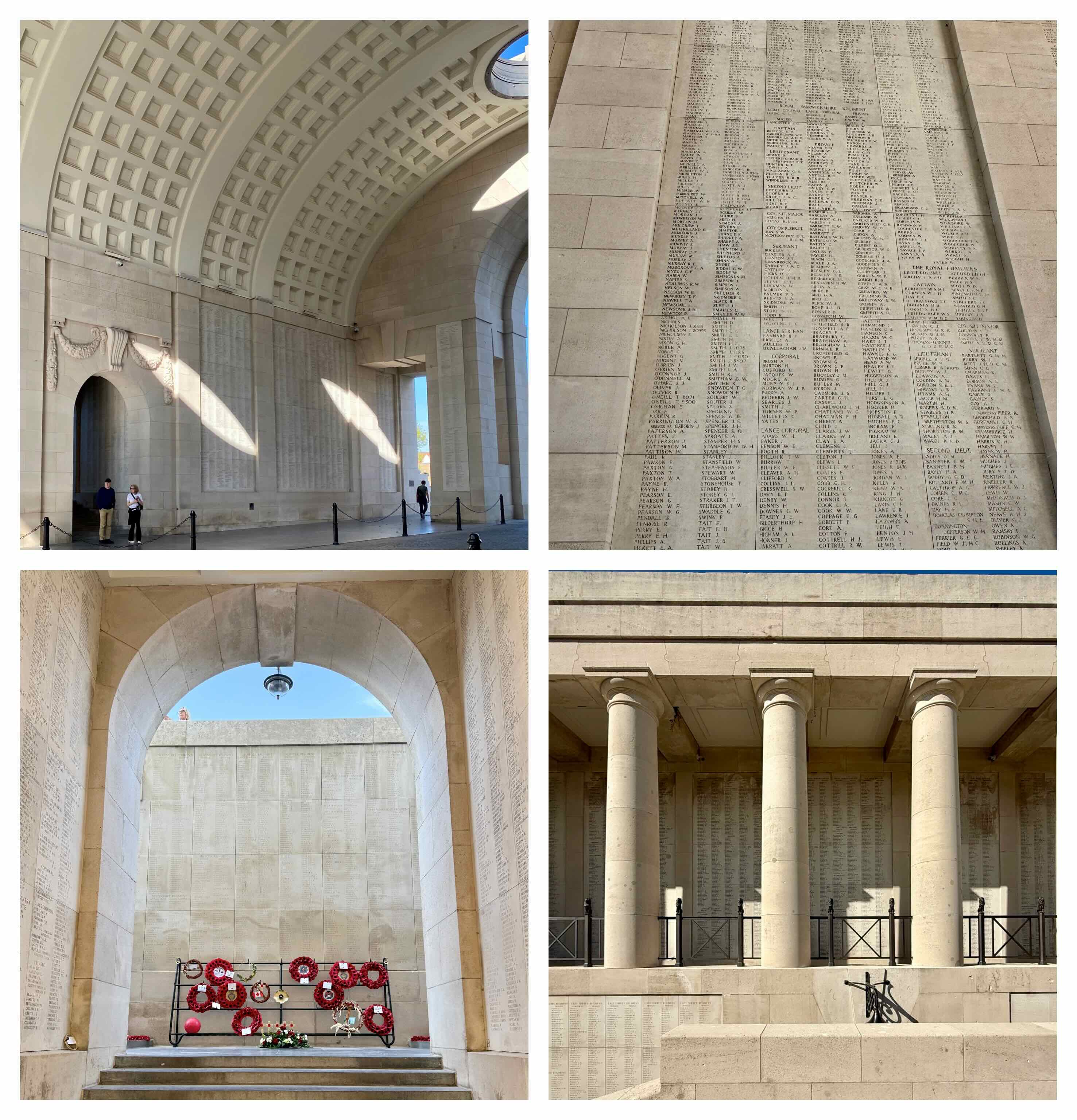
Taps is played at 8:00 every night at the Ypres Menin Gate memorial.

This memorial is engraved with the names of more than 54,000 officers and men whose graves are not known. I feel emotional when viewing these lists of those who died but were never found and buried.

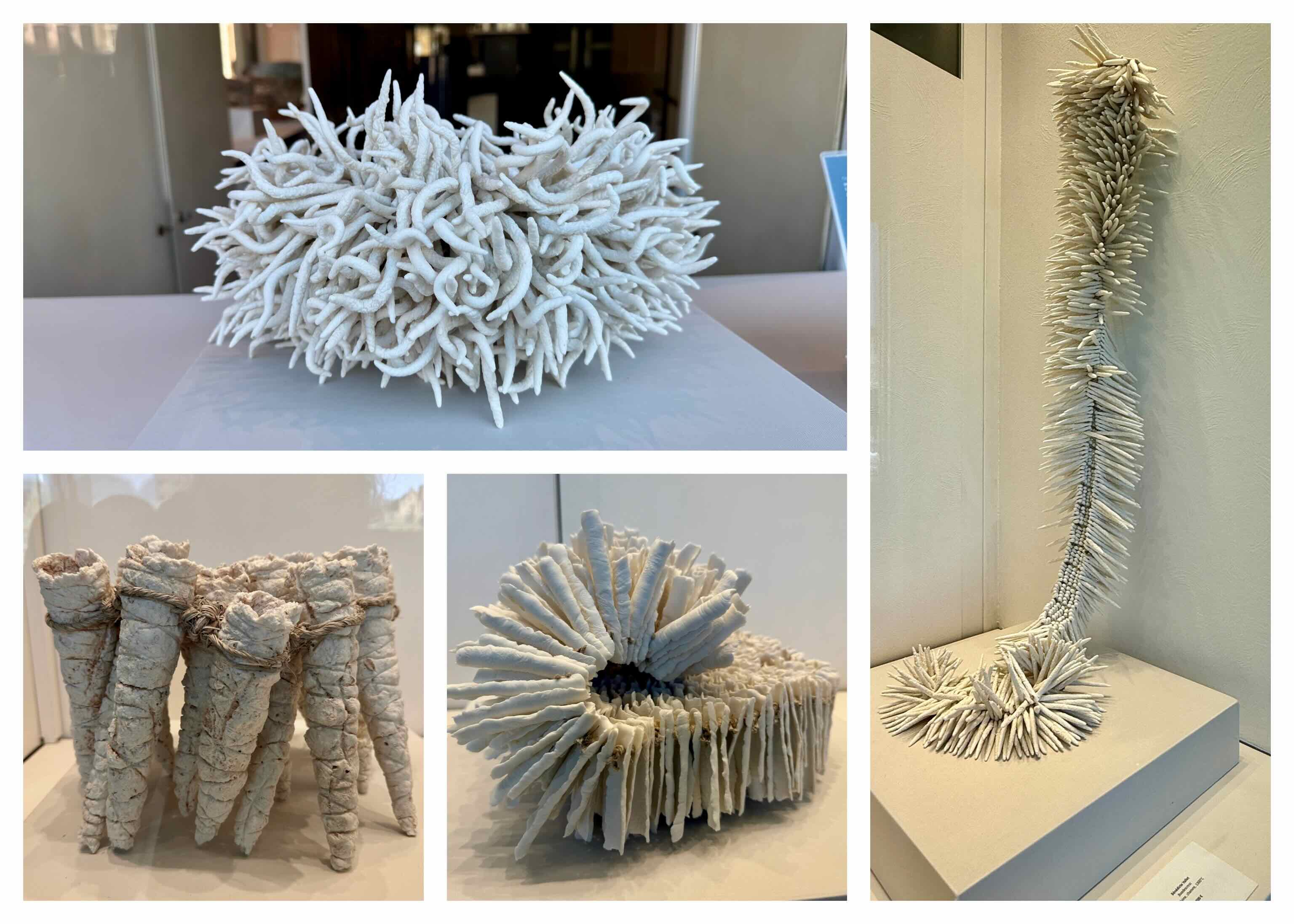
Walking back to the car we pass a gallery with these amazing porcelain sculptures by Bénedicte Vallet.

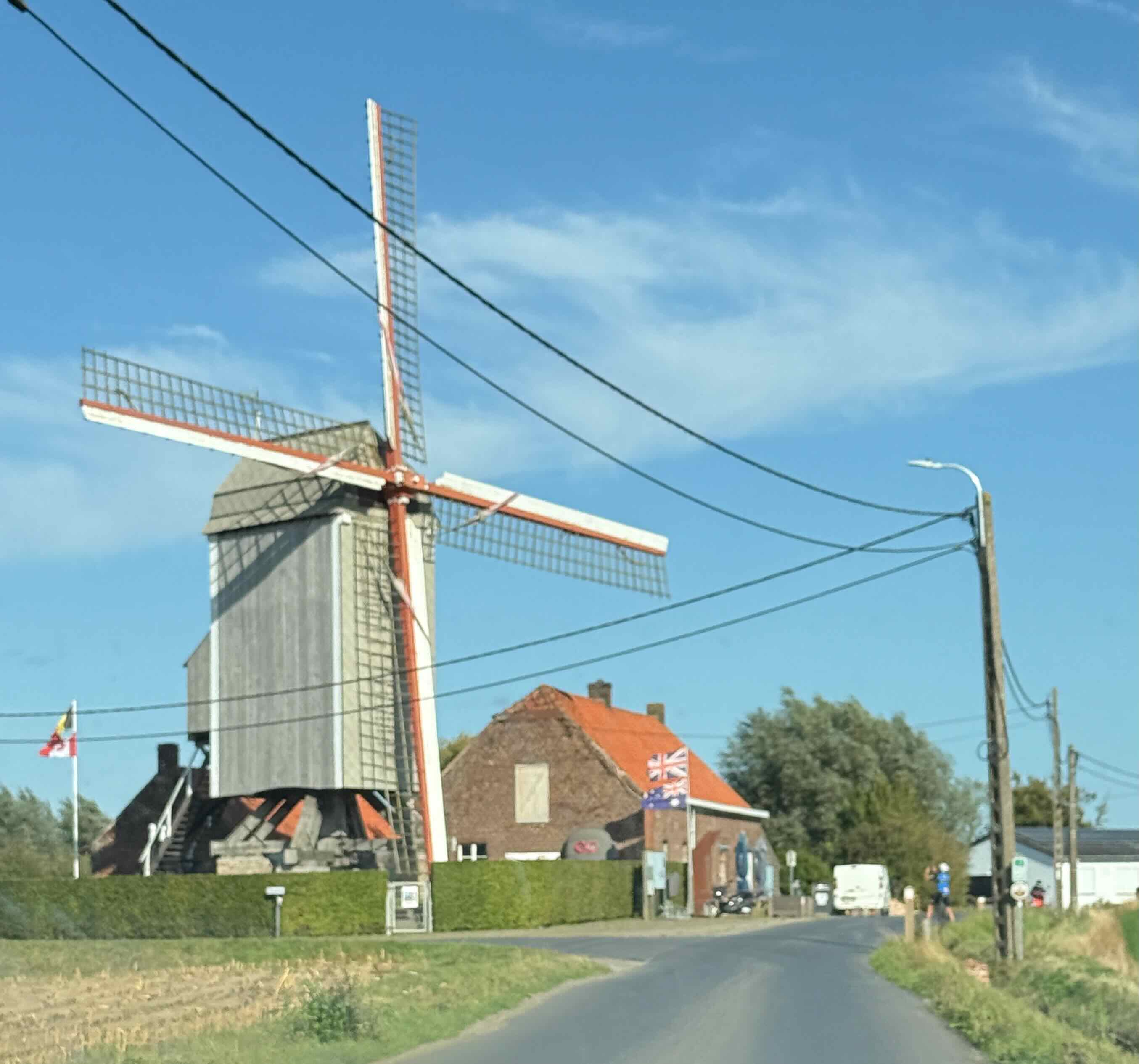
Next stop is the Essex Farm Cemetery where the Canadian doctor, Lieutenant Colonel John McCrae wrote his now famous poem “in Flanders Fields” after seeing poppies growing in battle-scarred fields. The poem was written in memory a friend who died at Ypres,  We pass some windmills on the way to the last cemetery we will visit on this trip.

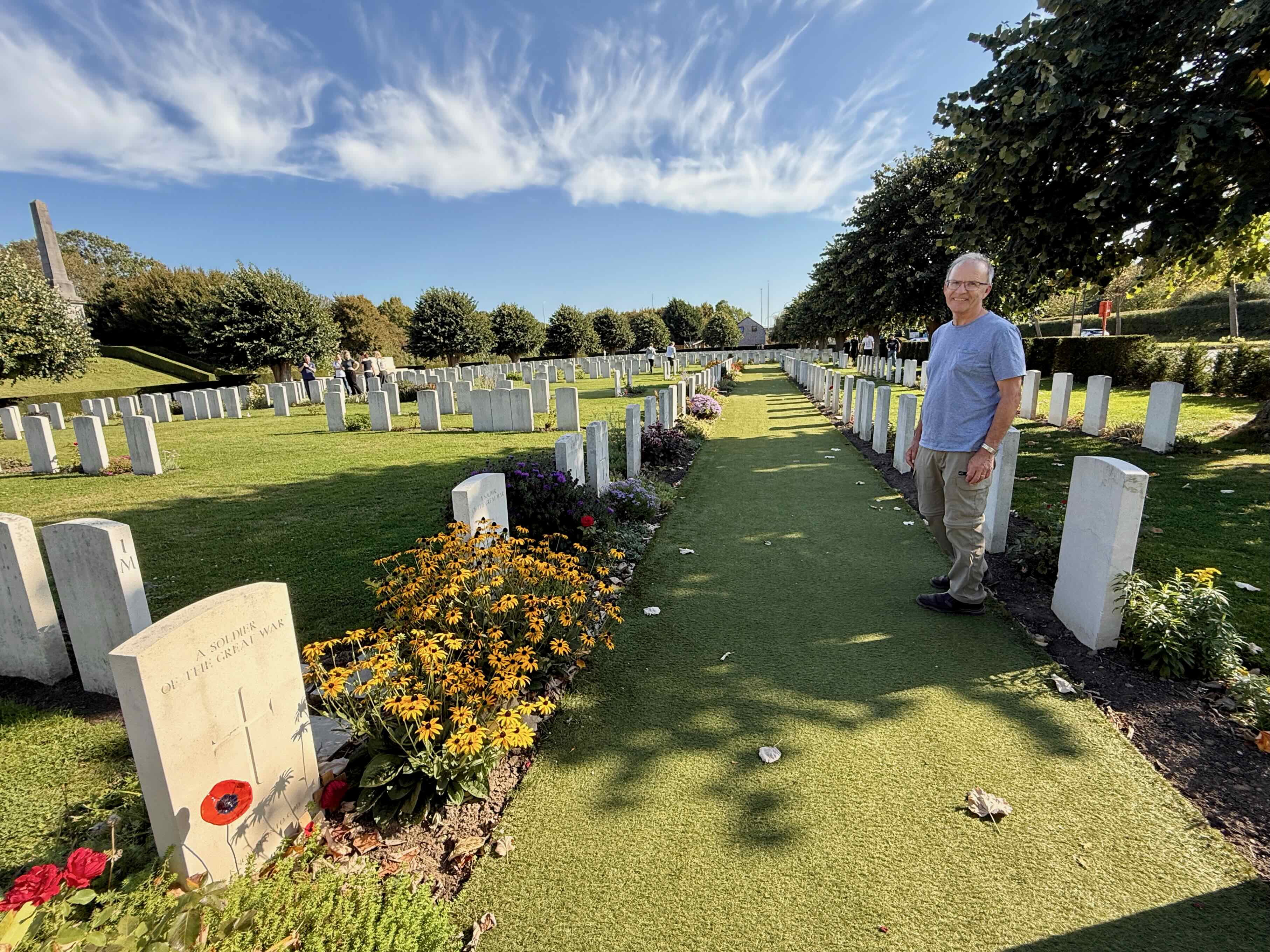
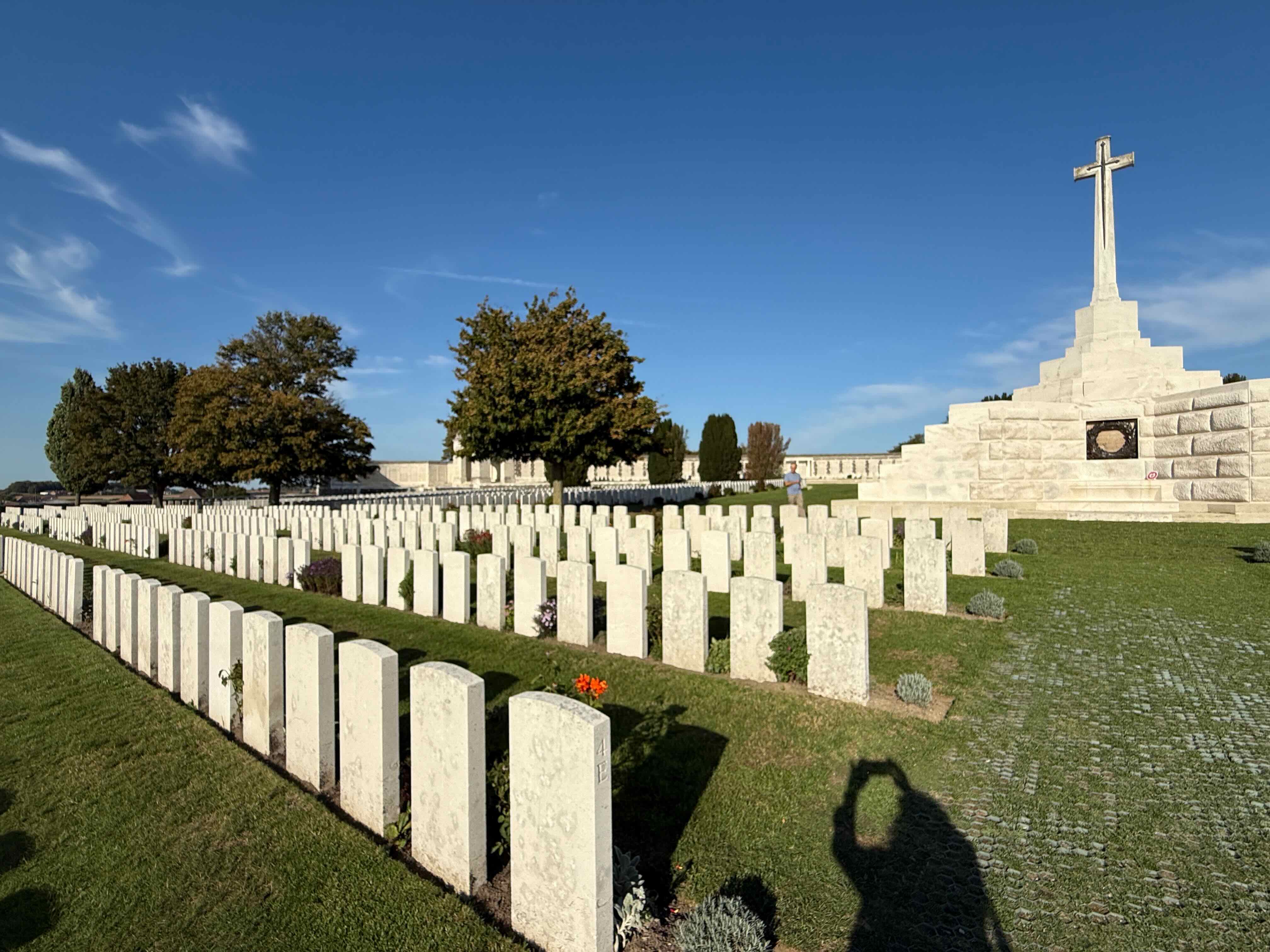
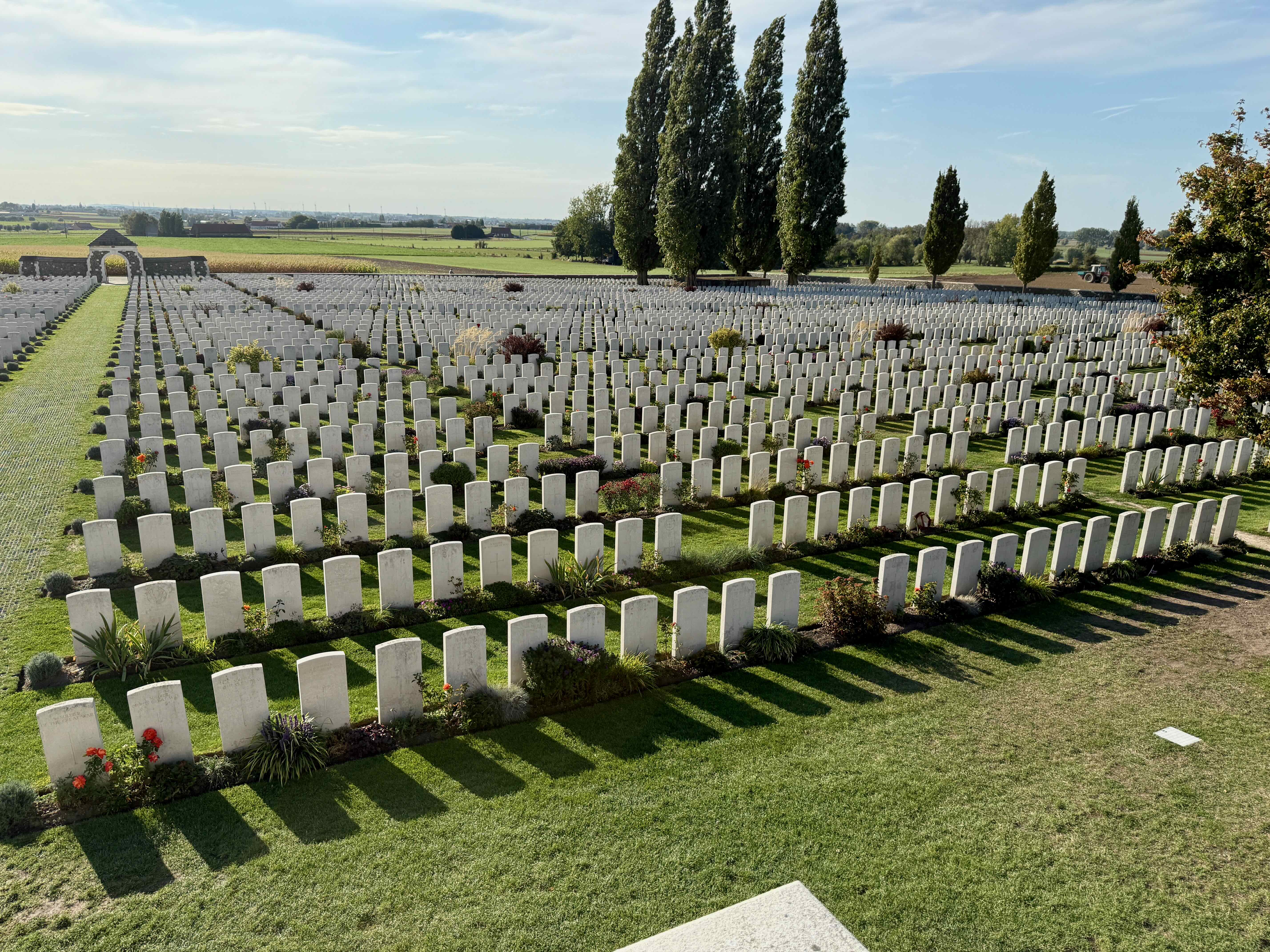
Tyne Cot cemetery, located near Ypres, is the largest Commonwealth cemetery in the world and a memorial to the missing soldiers of World War I.  It contains the graves of 11,956 Commonwealth soldiers, primarily from the Battle of Passchendaele.

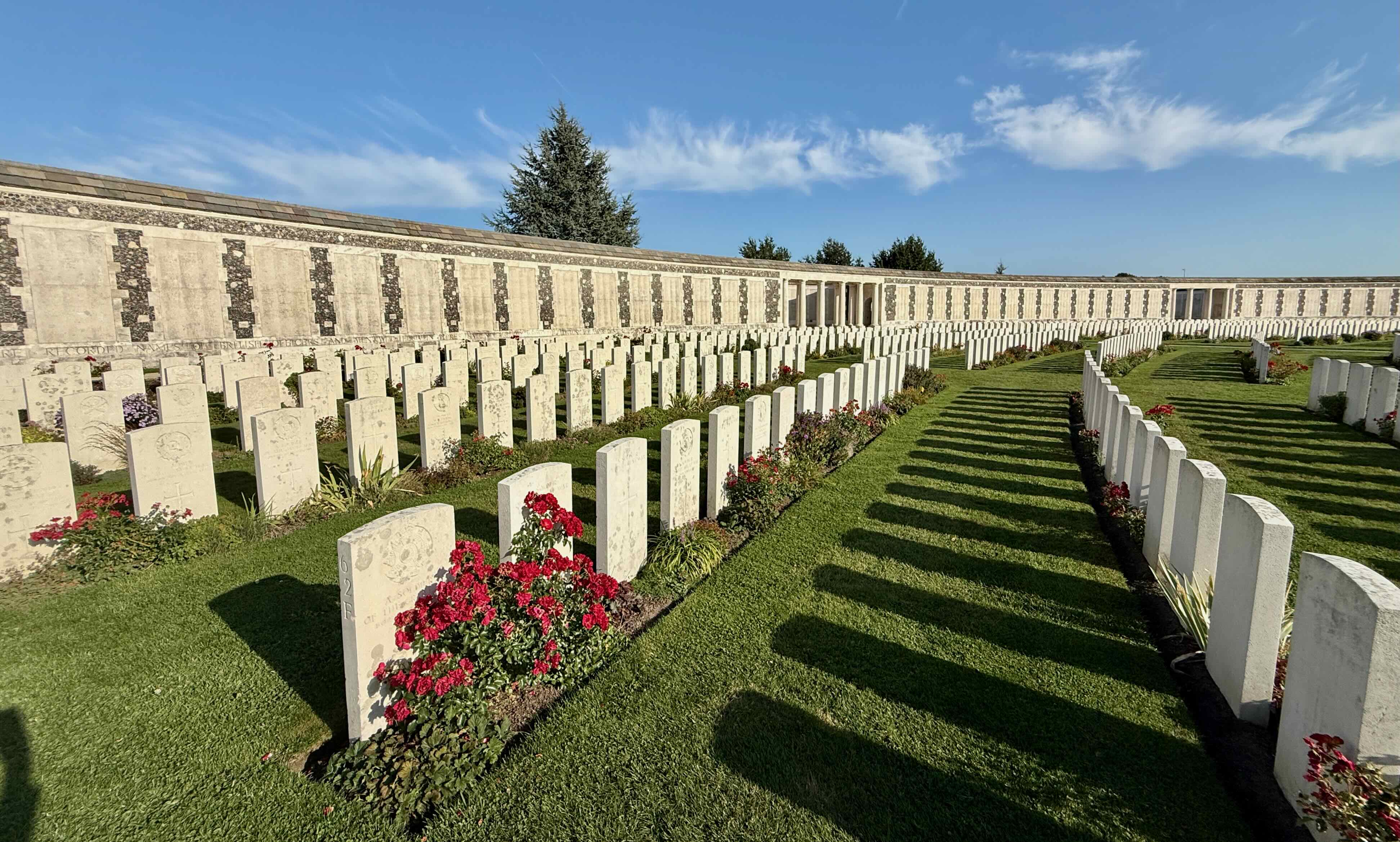
So many graves and 8,367of them are unidentified British or Commonwealth servicemen.

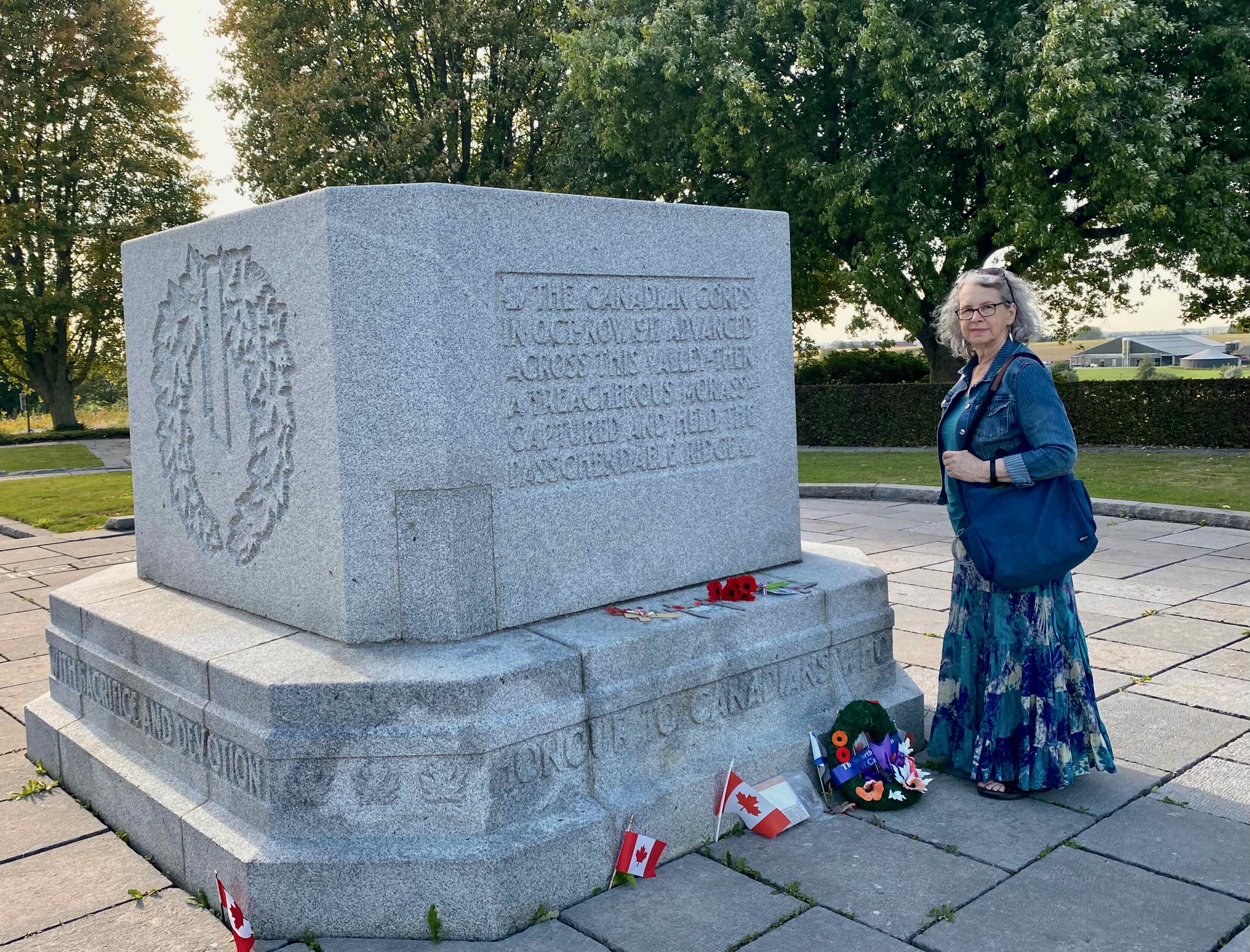
The wall in the background of this photo is engraved with the names of the 35,000 soldiers whose remains were never found or identified. One last stop at the Canadian Memorial which commemorates the actions and sacrifices of the Canadian Corps during the First World War’s Battle of Passchendaele. 

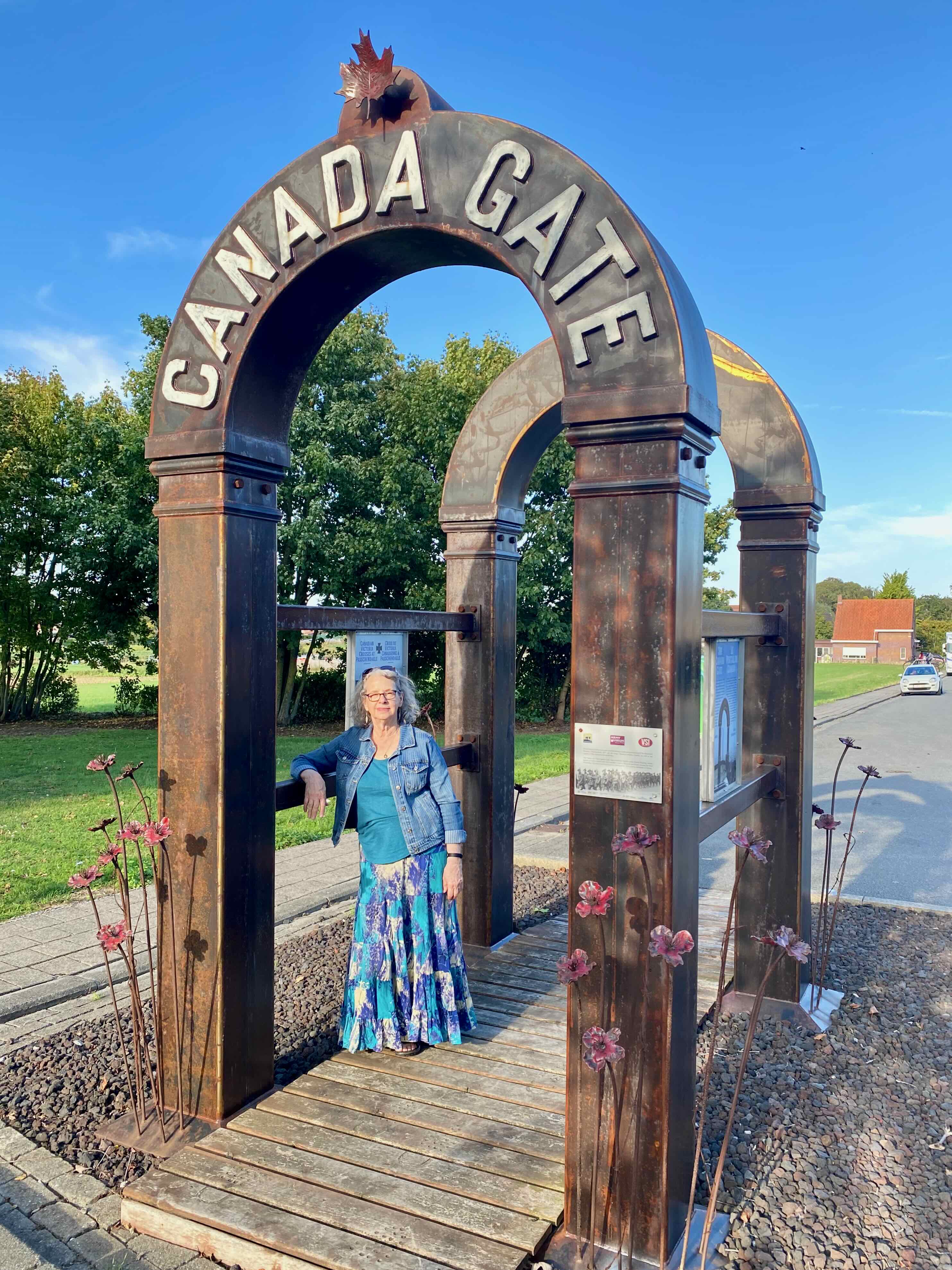
“The Canada Gate is the second of two linked ‘Portals of Remembrance’. The first is The Last Steps Memorial Arch, marking the spot in Halifax Nova Scotia where 350,000 Canadian soldiers took their last steps in Canada before embarking on ships for service overseas in Belgium and France during the First World War. For thousands, their last steps in life were taken here at Passchendaele. For those who survived, their lives were forever changed.”~ veterans.gc.ca

Another heavy duty day.

Waterloo, Belgium and the Defeat of Napoleon

Day 19     Thursday, September 18, 2025

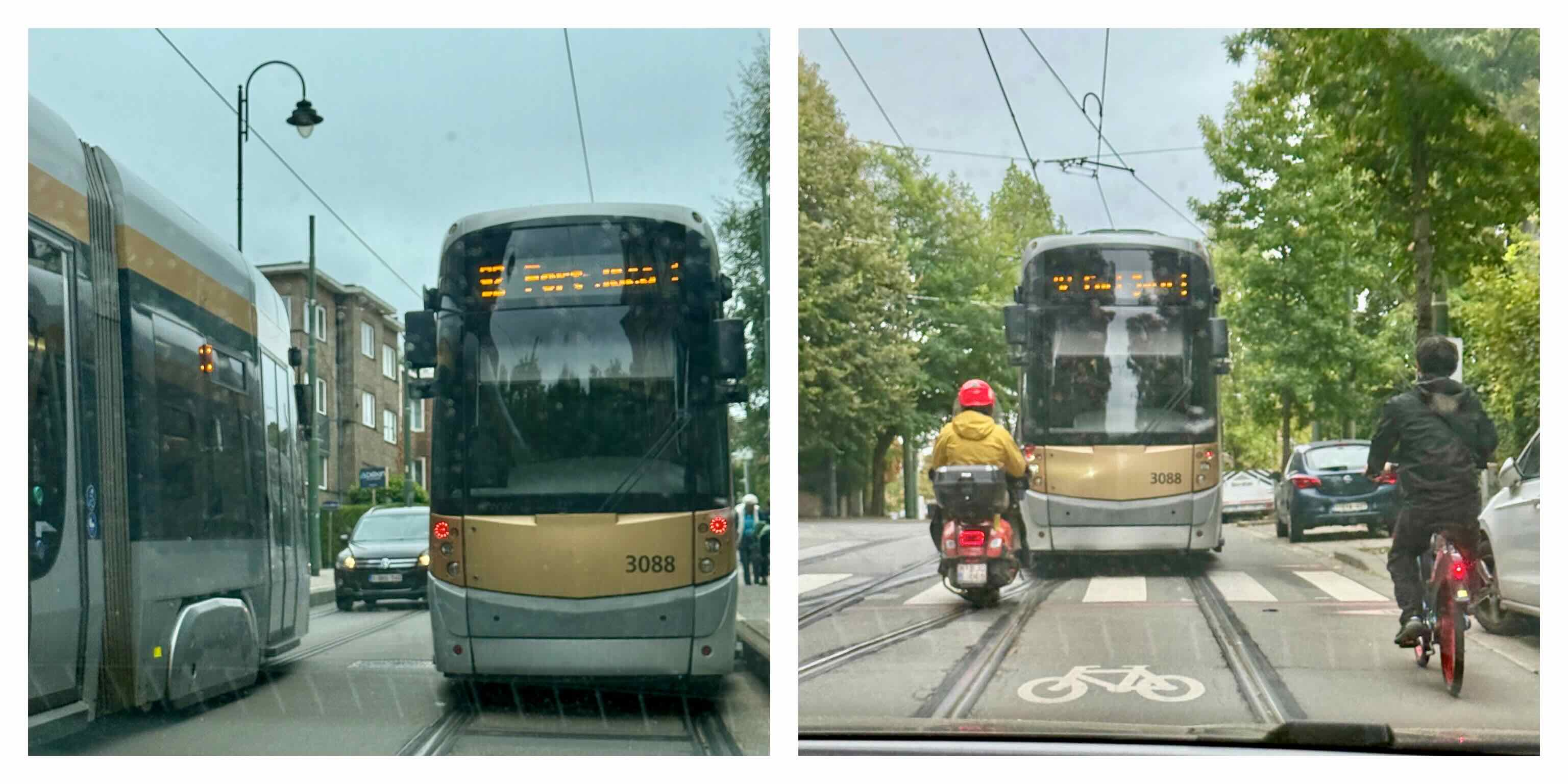
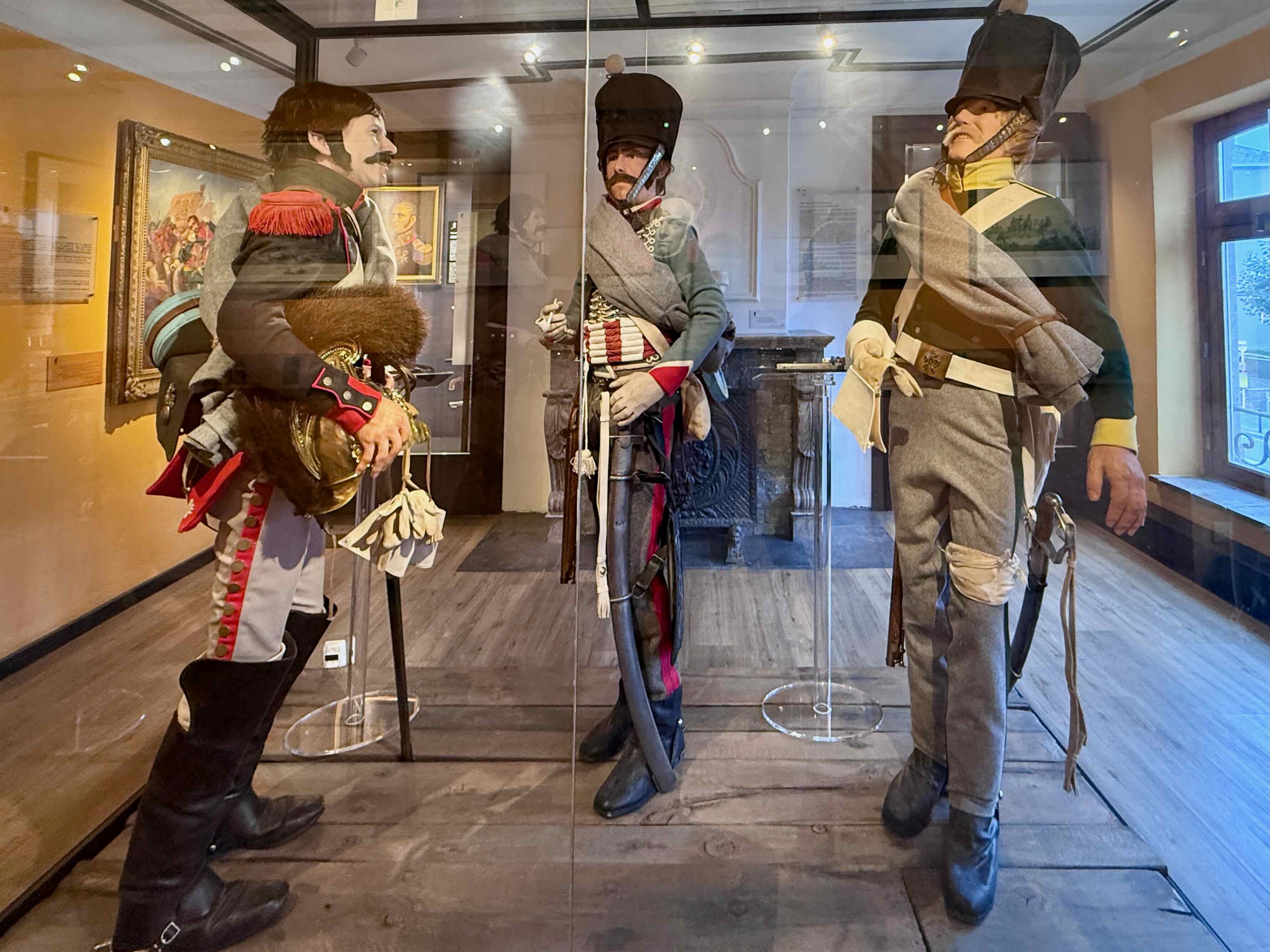
We are on the road by 10:00, heading to Waterloo which is the site of the famous Battle that ended Napoleon’s French Empire. The roads can be challenging to drive. Many are fairly narrow and today we share the road with trolley cars, automobiles, trucks, motorcyclists and bicyclists! There is a lot to pay attention to and Bob its doing an amazing job driving.  I am usually a good navigator but I didn’t have the best night and today we get to Waterloo in spite of my navigating!! The Wellington Museum was easy to find and there was free parking nearby.  The museum is located in the building that the British Duke of Wellington used as his headquarters when he defeated Napoleon at Waterloo in1815.  The soldiers uniforms displayed are, from left to right, the French Carabiniers, the British Light Dragoons and the British 8th Hussars.

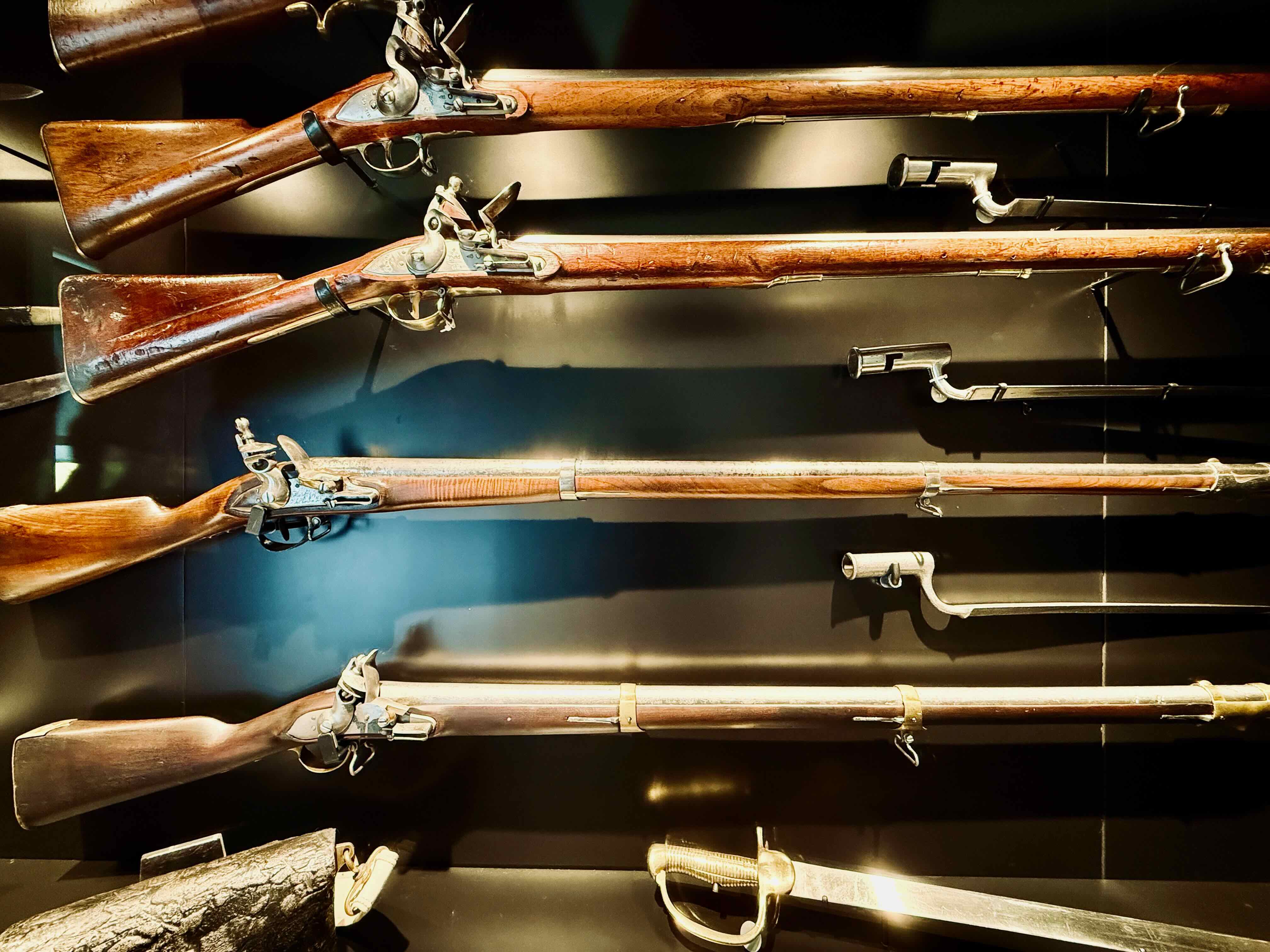
The museum has a room with weapons used during the Battle of Waterloo.

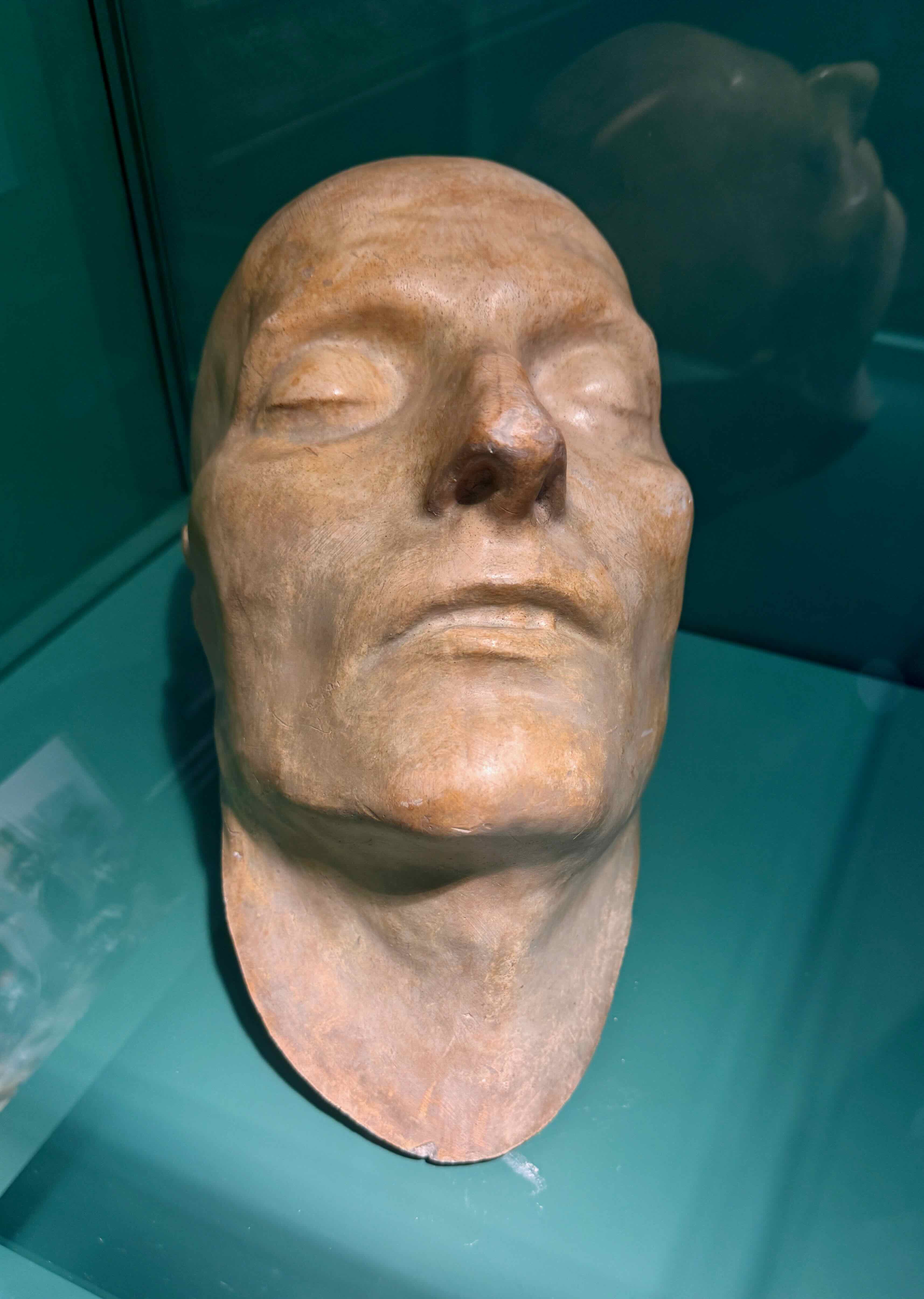
A lot of artwork, paintings and information about the battle and even the death mask of Napoleon which I find rather unsettling.

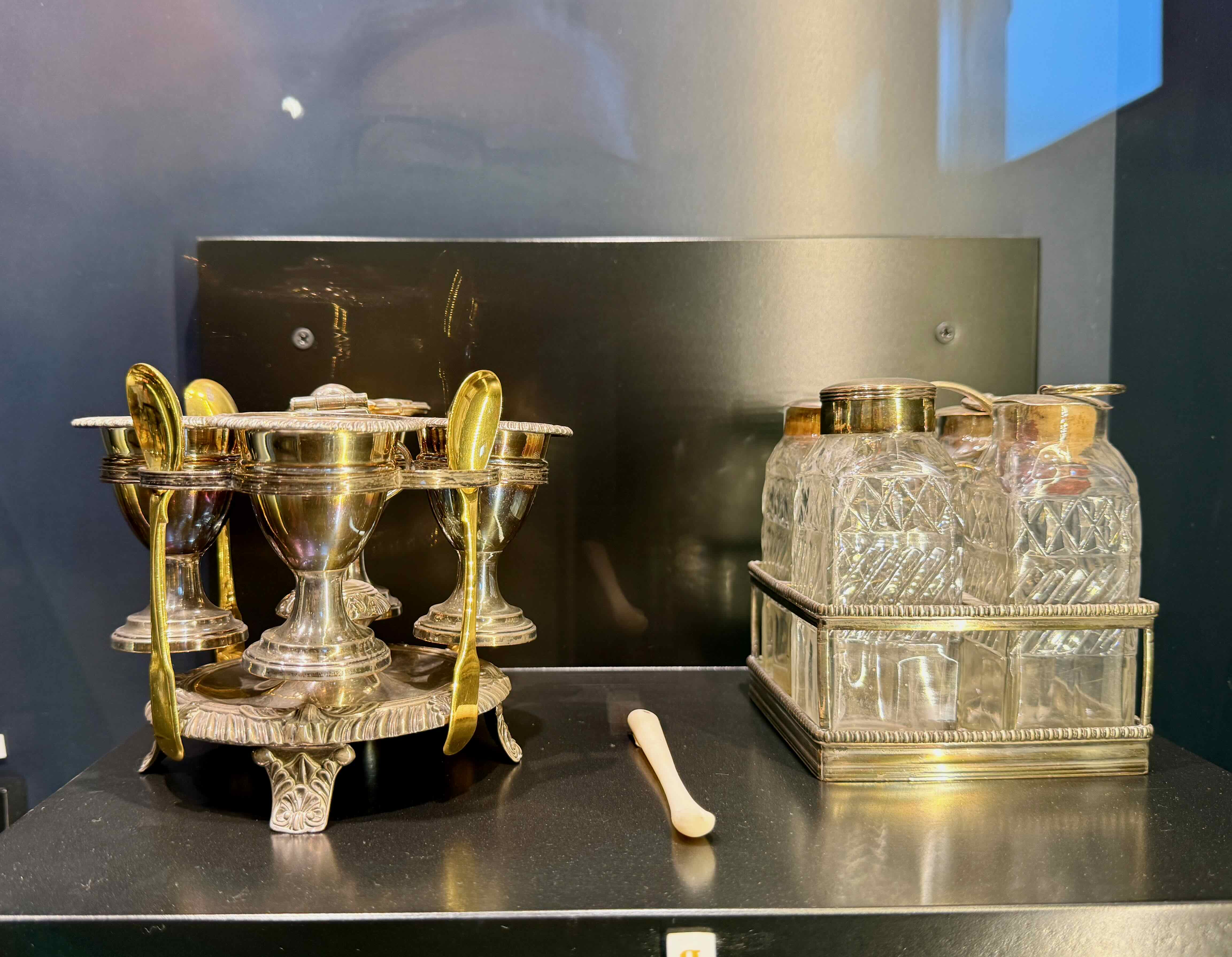
The French troops had to forage to survive, and many soldiers died of disease, malnutrition and exhaustion brought on by the extremely difficult conditions they endured.  Meanwhile the French generals travelled with dining sets that included items like crystal containers and silver and gold plated egg cups and spoons!

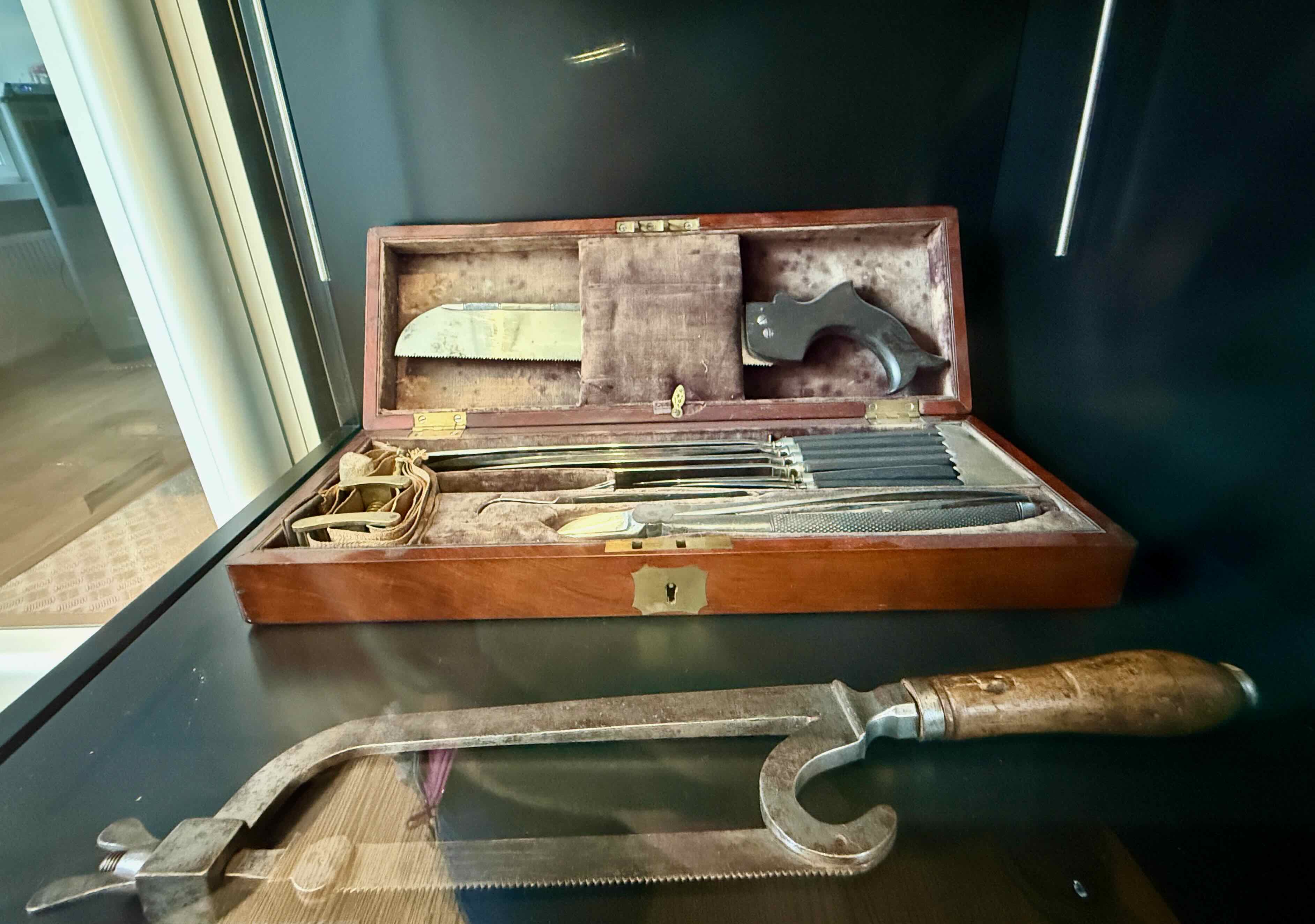
Soldiers were treated by amputating injured limbs to prevent gangrene. This is a typical surgeons kit for amputations which were performed quickly without anaesthetic and in five minutes. The saws and other medical equipment were not cleaned between patients so the post operative mortality rate was very high.

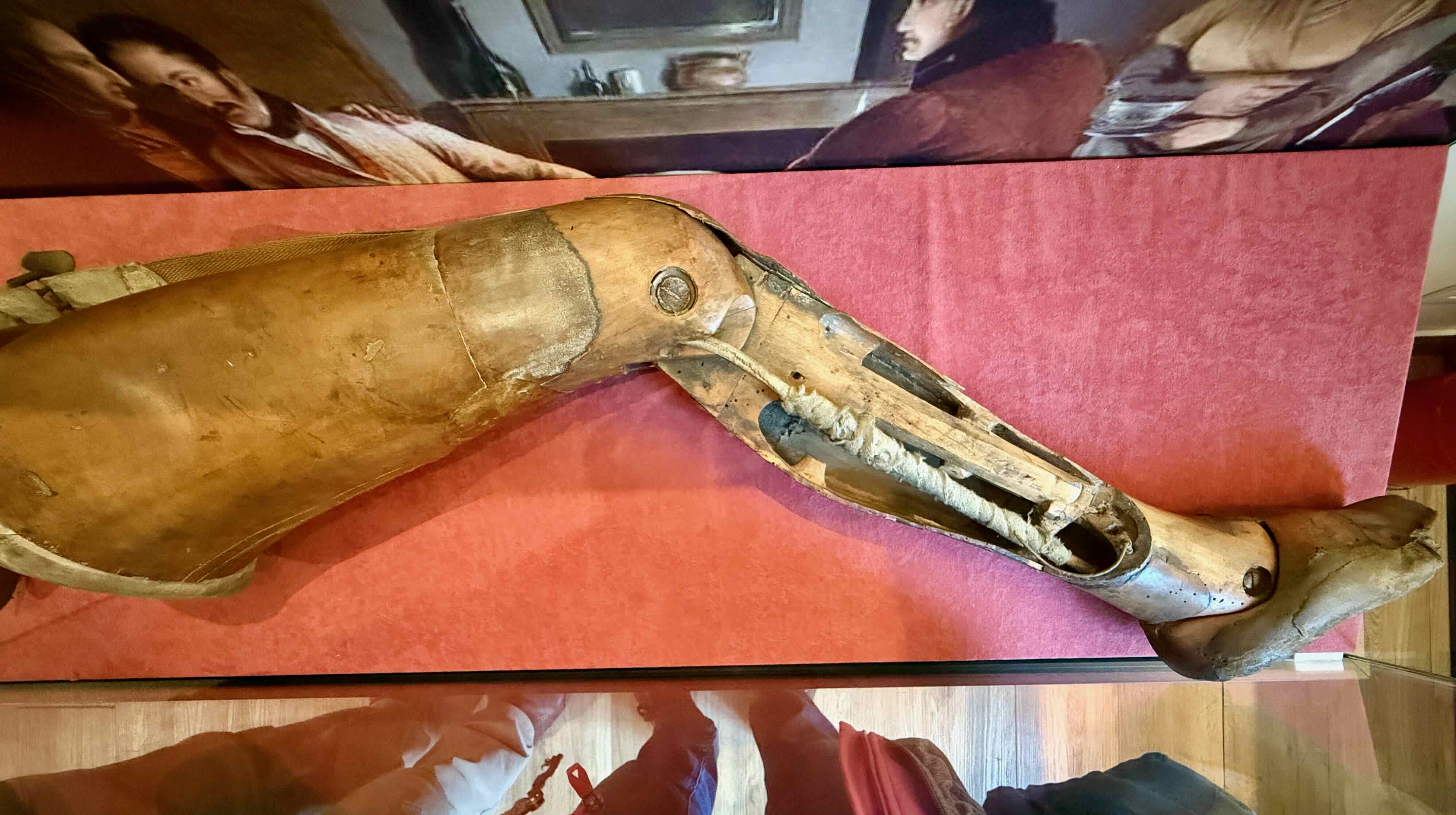
If you survived the amputation and had enough money your prosthetic leg could look like this.  I imagine most common soldiers made do with some sort of simple wooden peg leg.

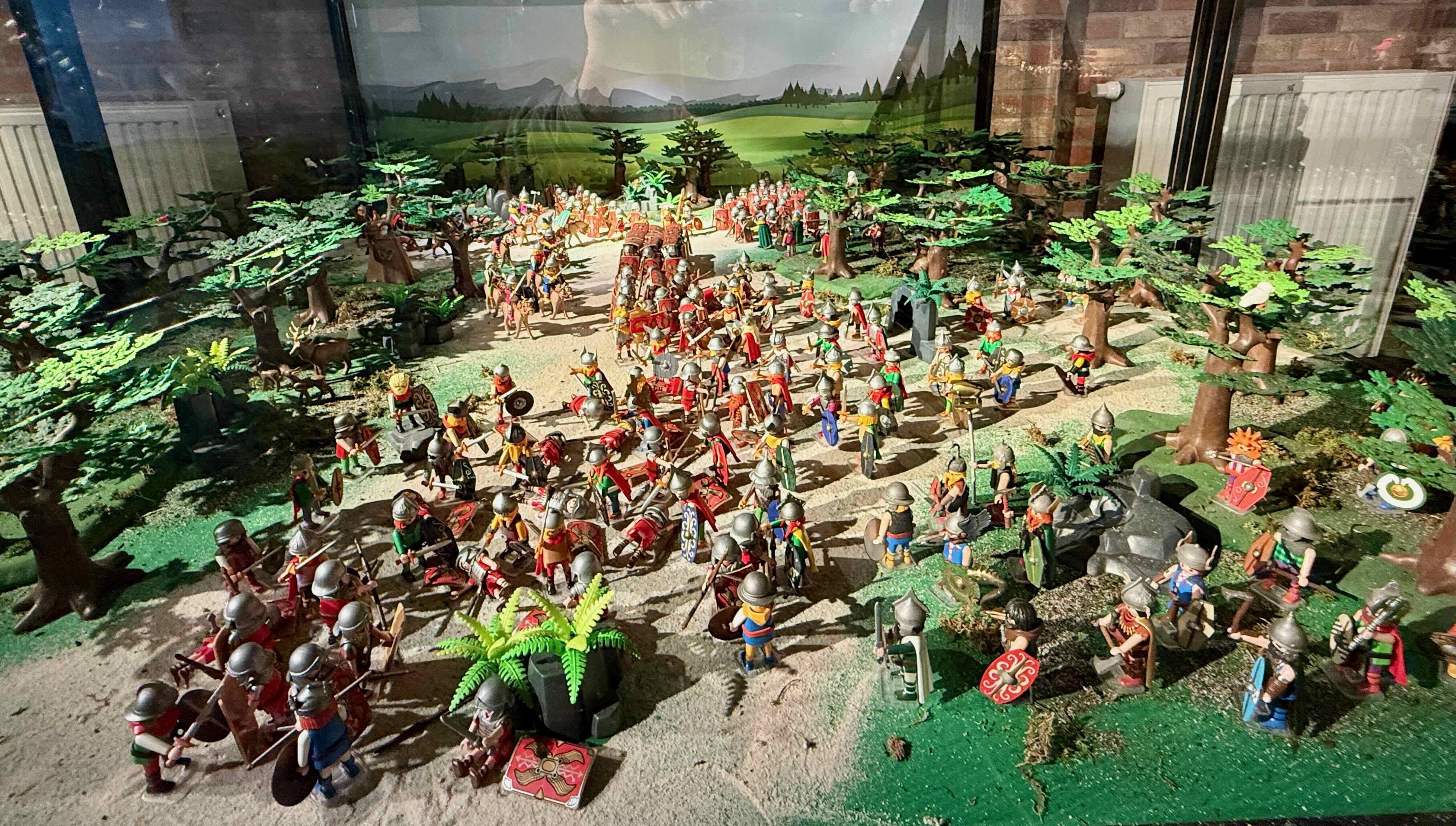
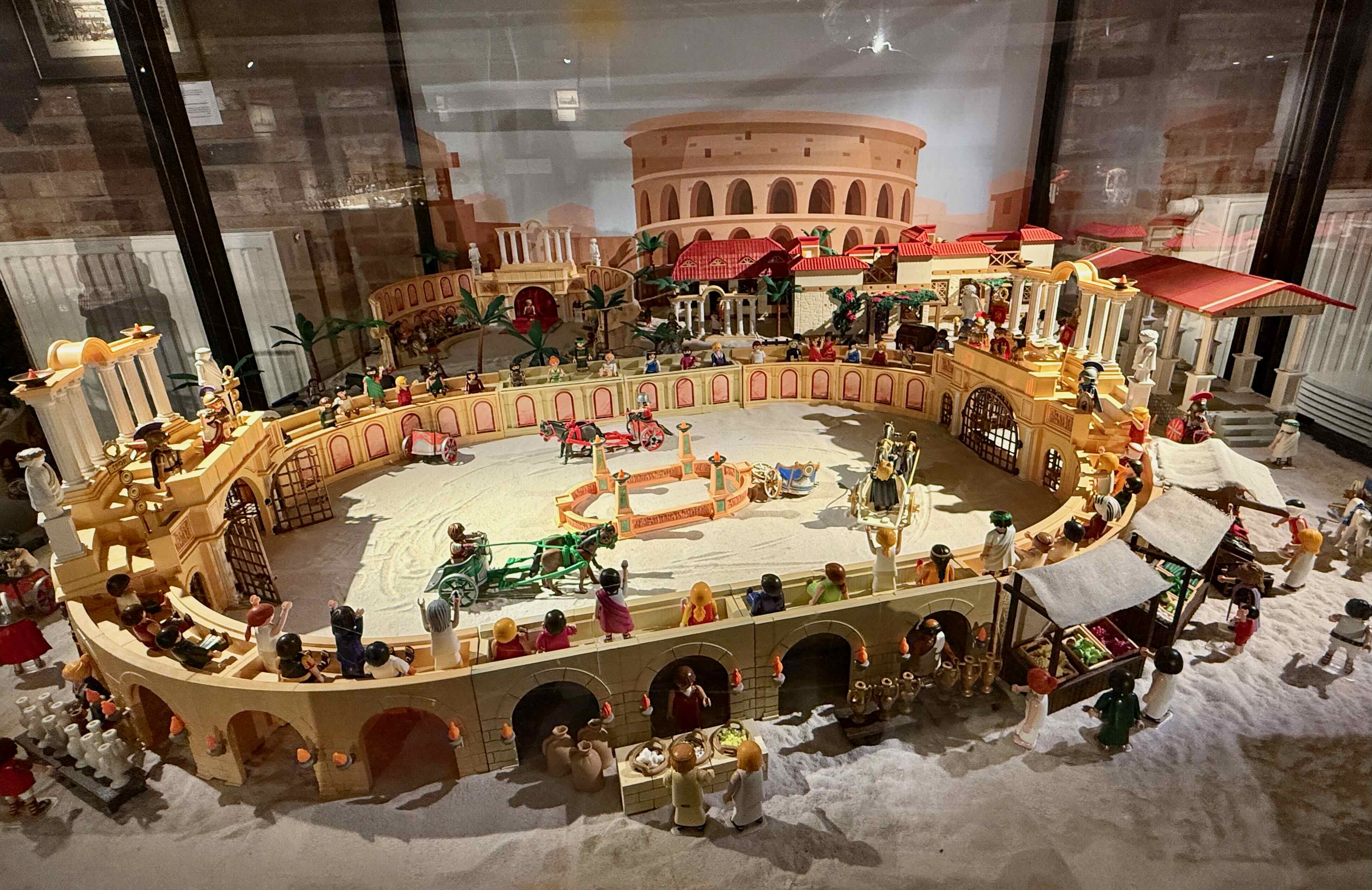
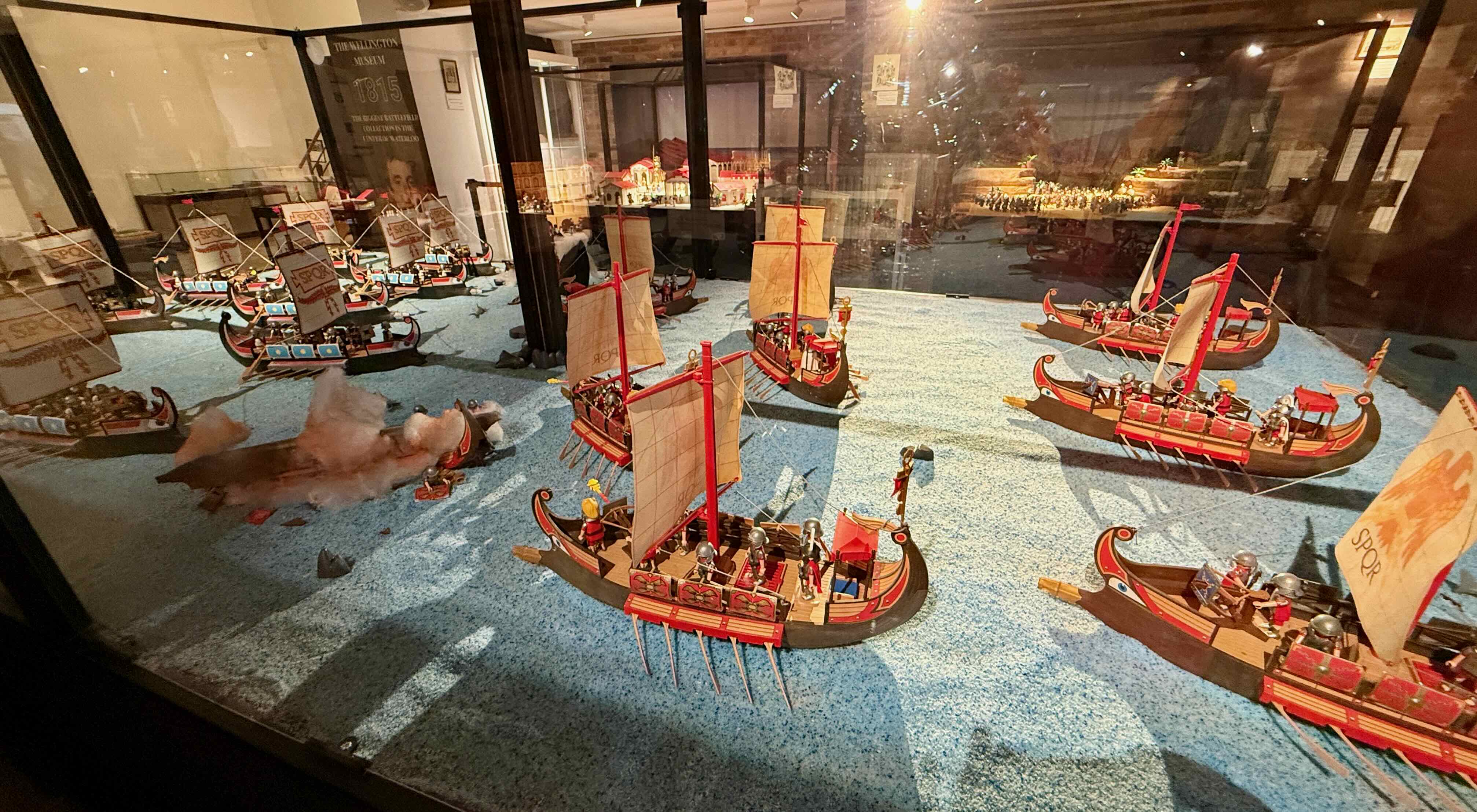
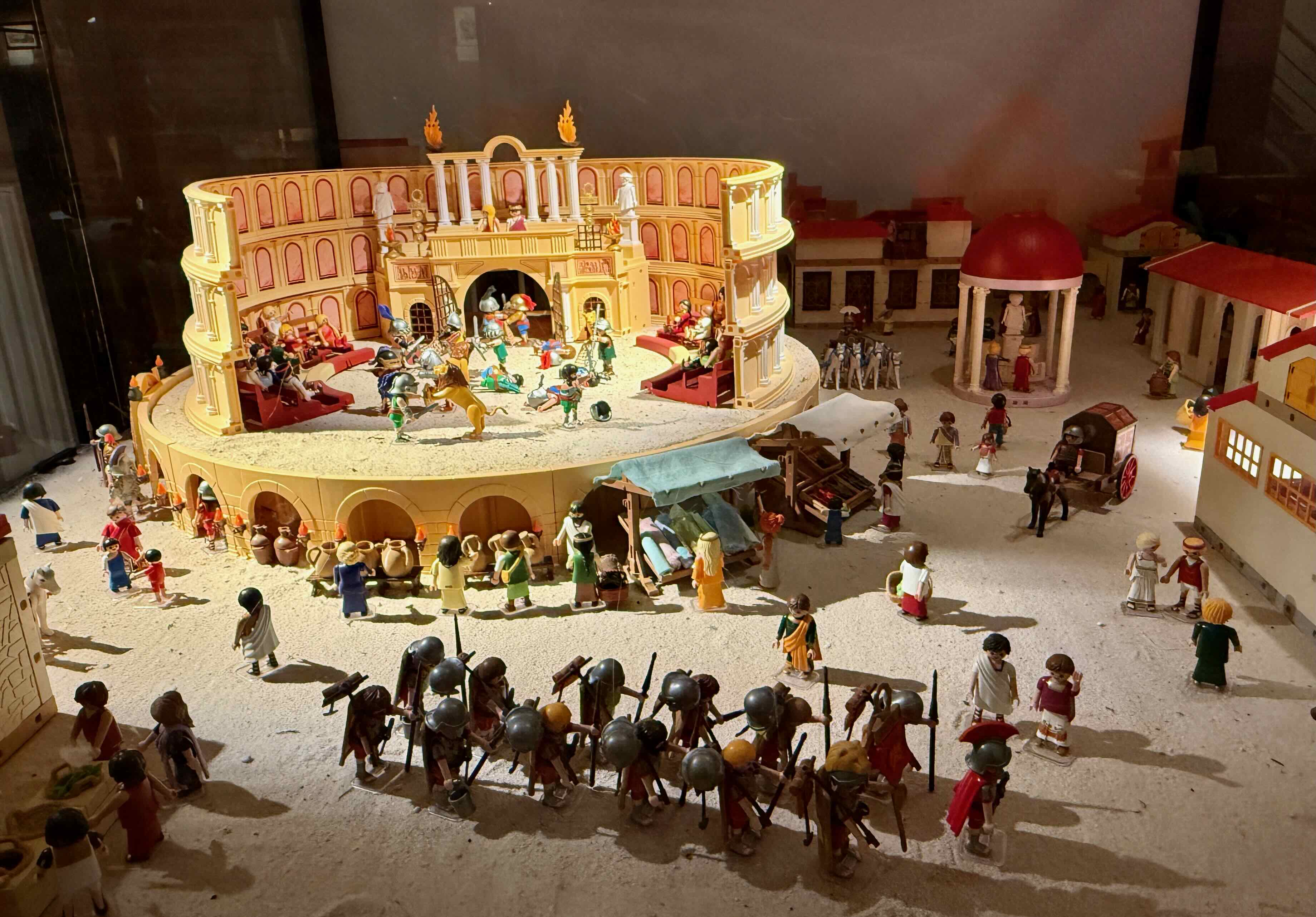
We cross a patio to enter another part of the museum and are surprised to find a huge Playmobile exhibition titled ‘A History of Empires’.  There are 16 display cases, each depicting a different time in history.

The war between Julius Caesar and the Gauls in 54 B.C. Rome’s first race course built in 599 B.C.

A naval Battle but I don’t remember which one.

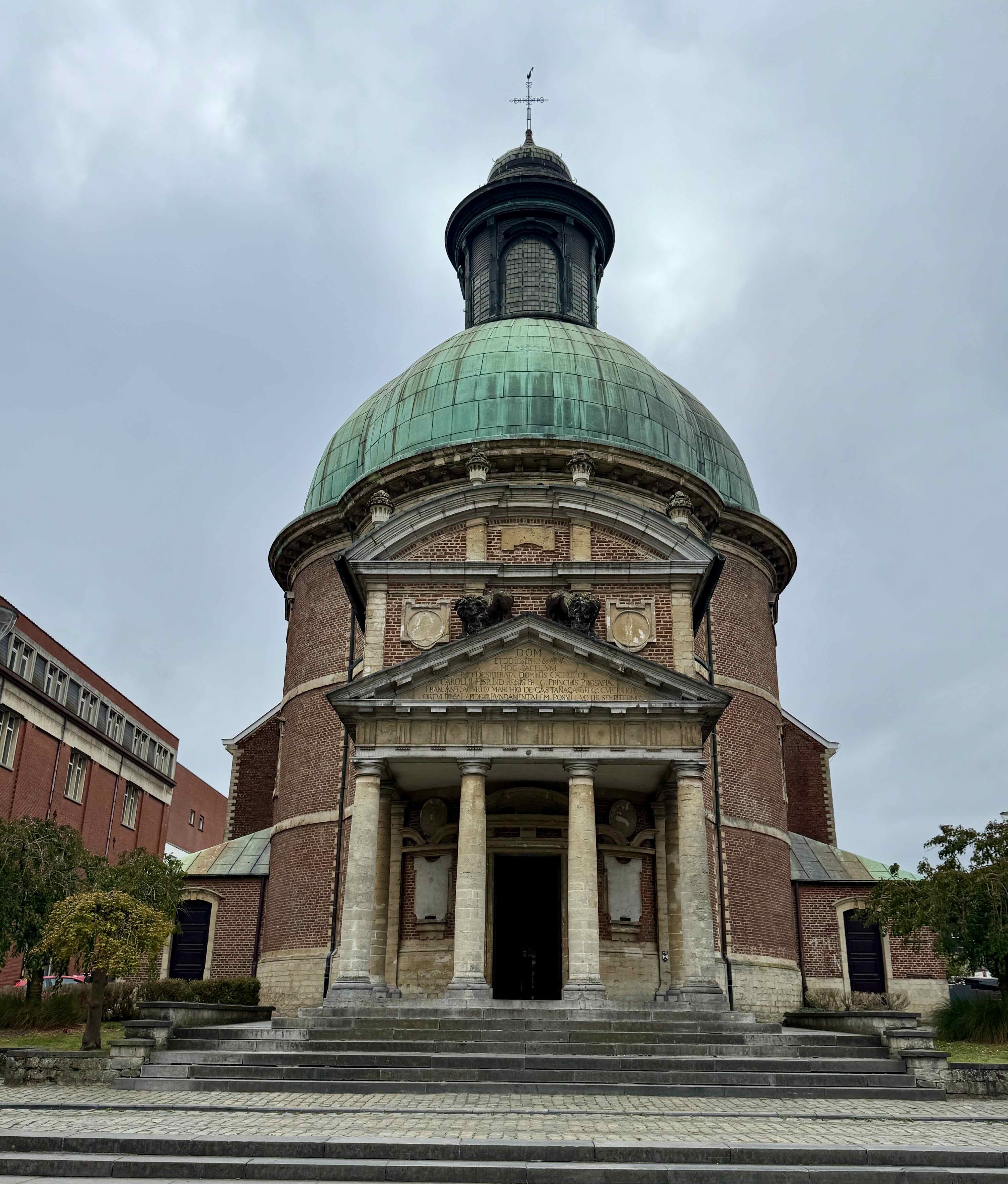
The Roman Coliseum. We really enjoyed this unusual exhibit and marvelled at the thousands and thousands of Playmobile figures and accessories that were used to create these dioramas. This very old St. Joseph Church from 1690 is right across the street so we had a look.

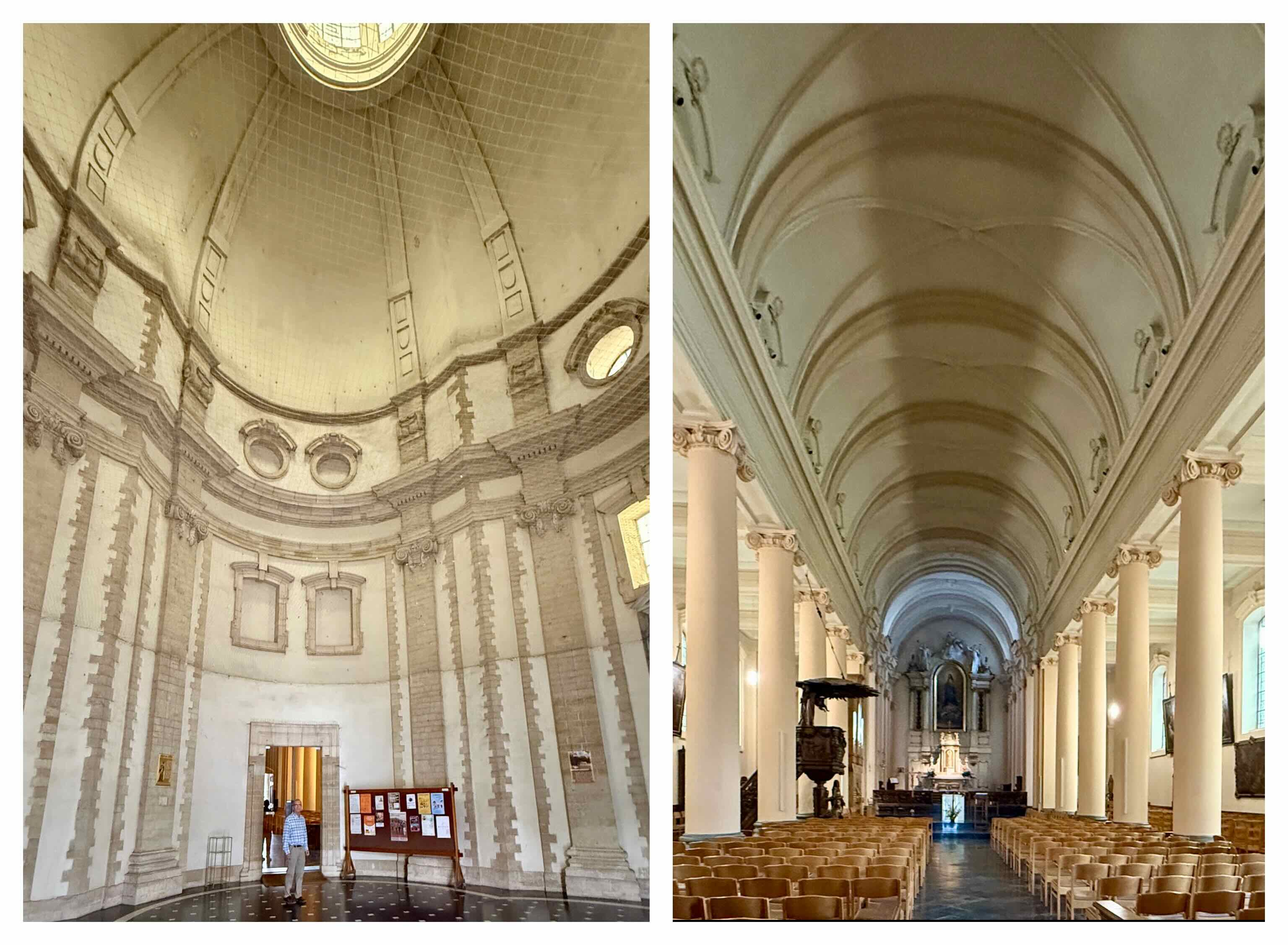
The area under the dome is huge and the church itself has large columns on either side of the nave. We have visited many churches and Cathedrals on our travels, but they are all so different from one another.  

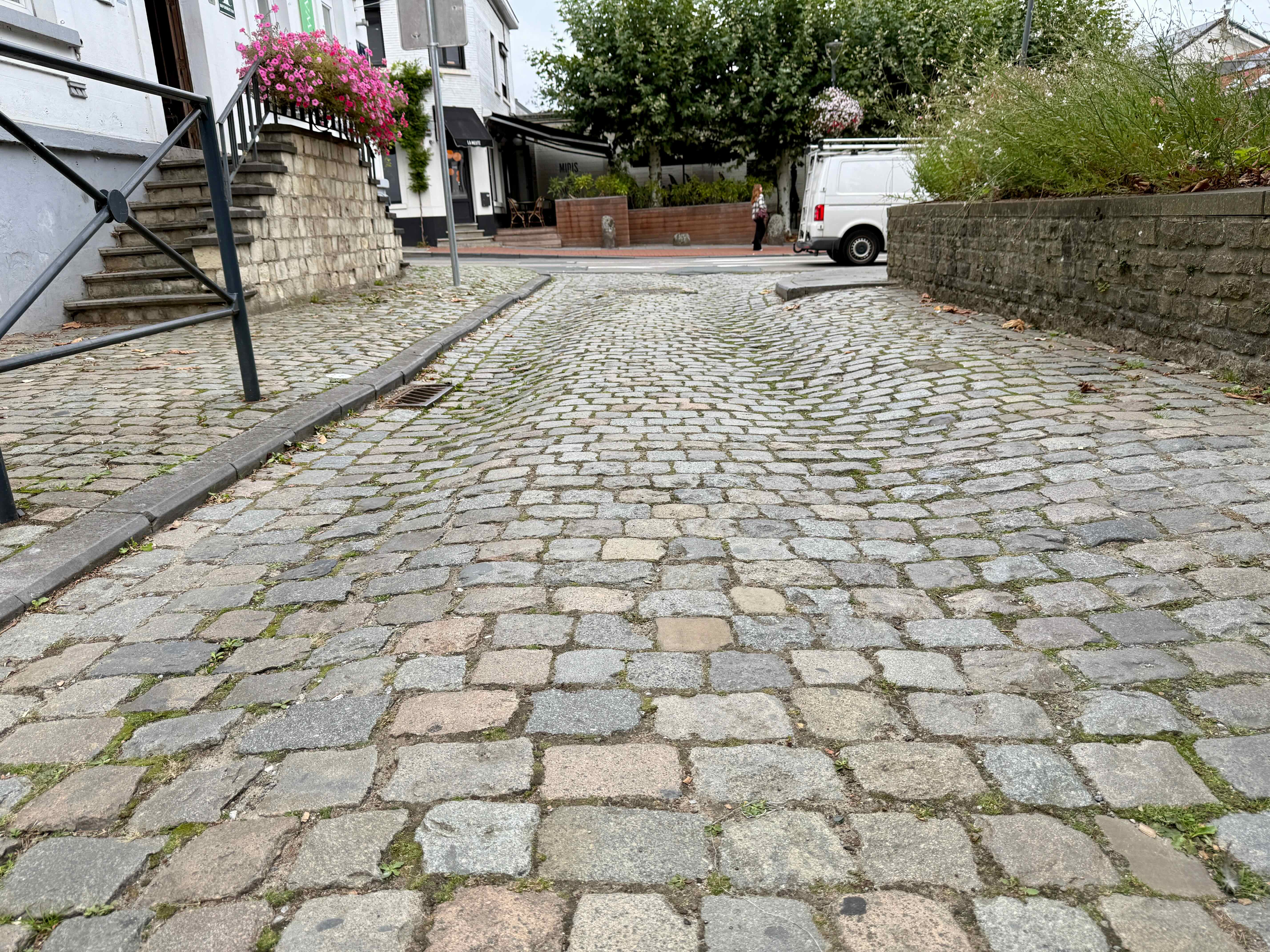
The road in front of the Church is cobble-stoned and we can see the depressions in the road made over the years by cart wheels.

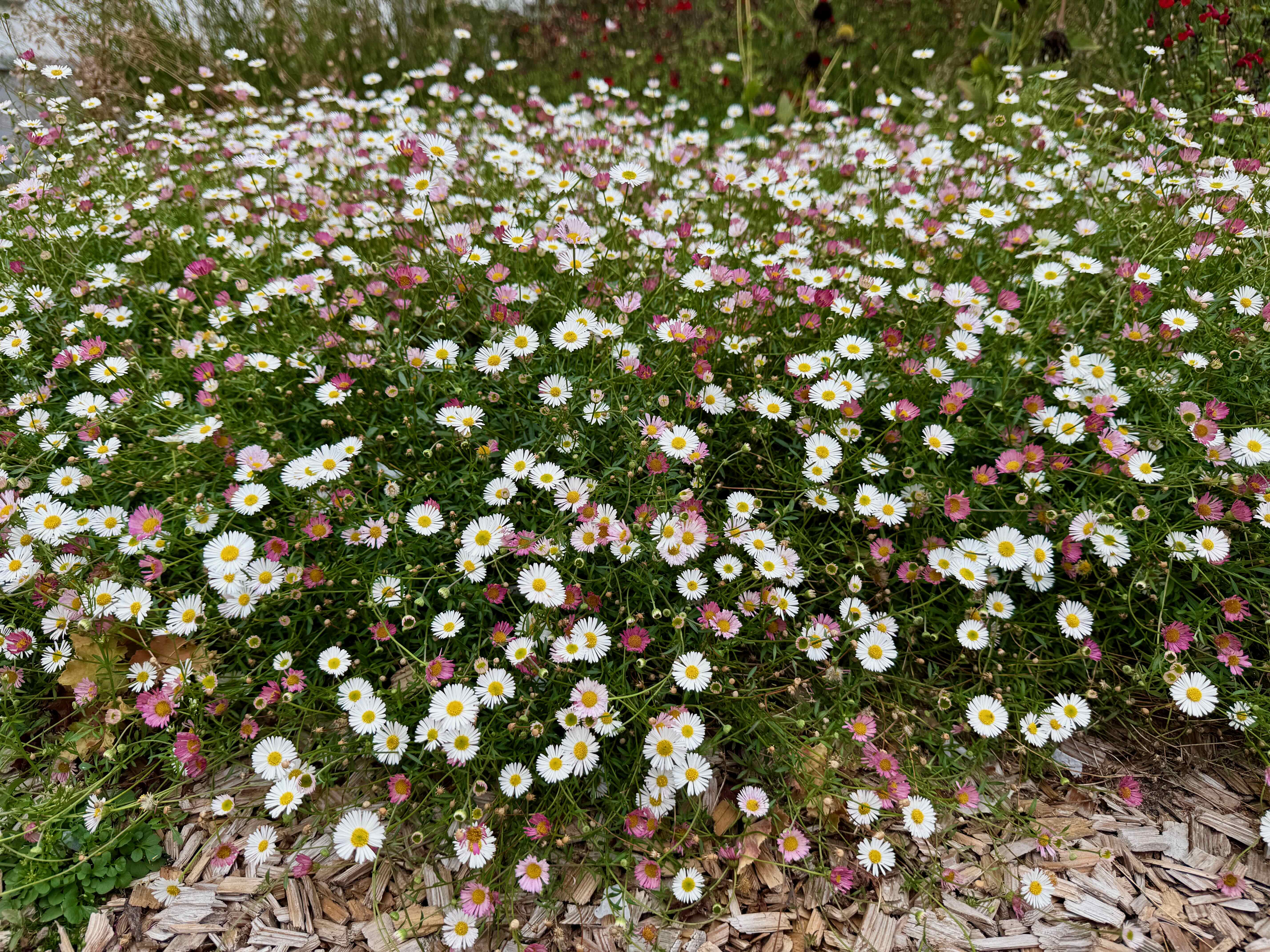
I adore these white and pink small daisy-like flowers.  No idea what they are called but wish we could grow them back home.

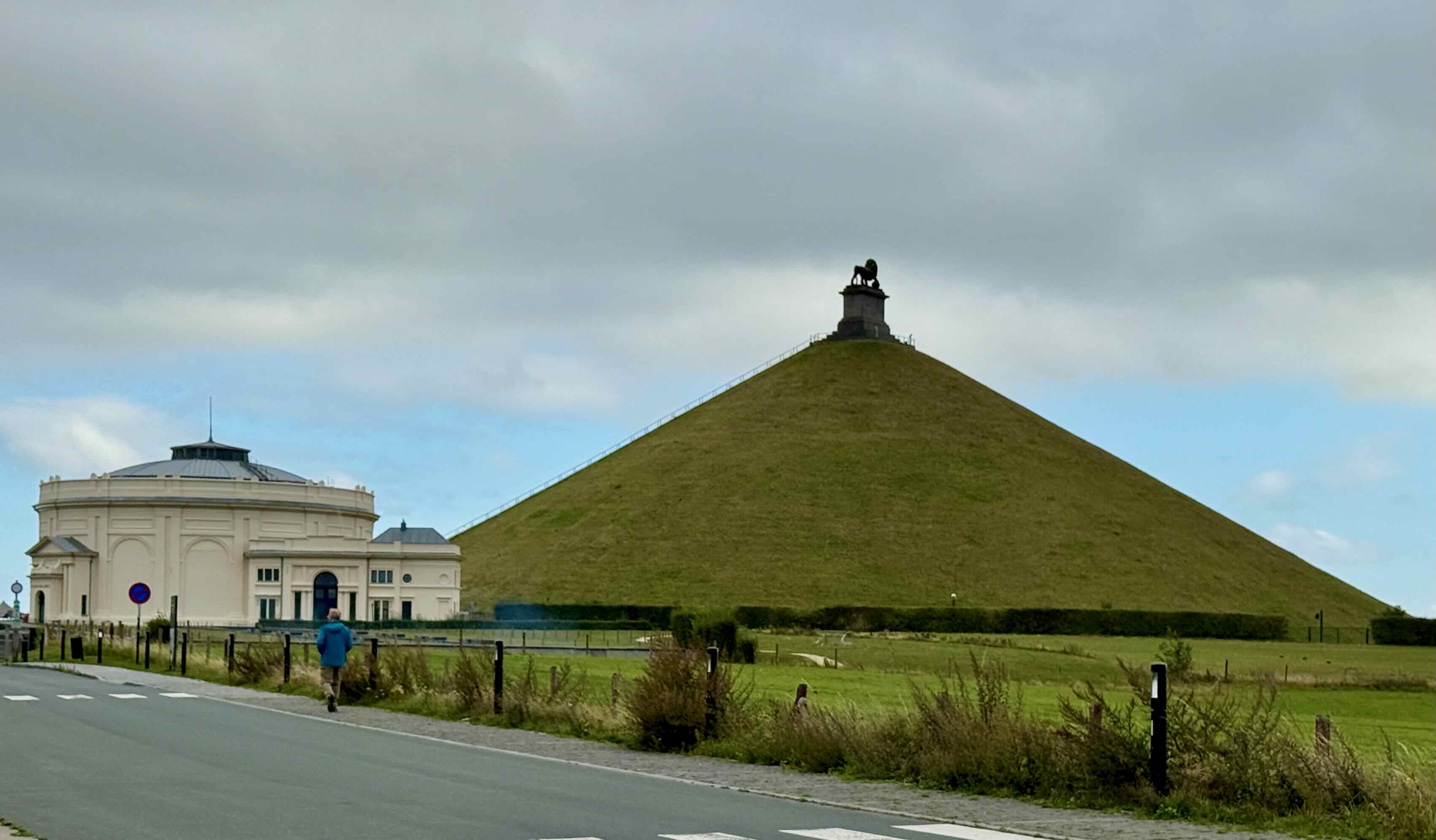
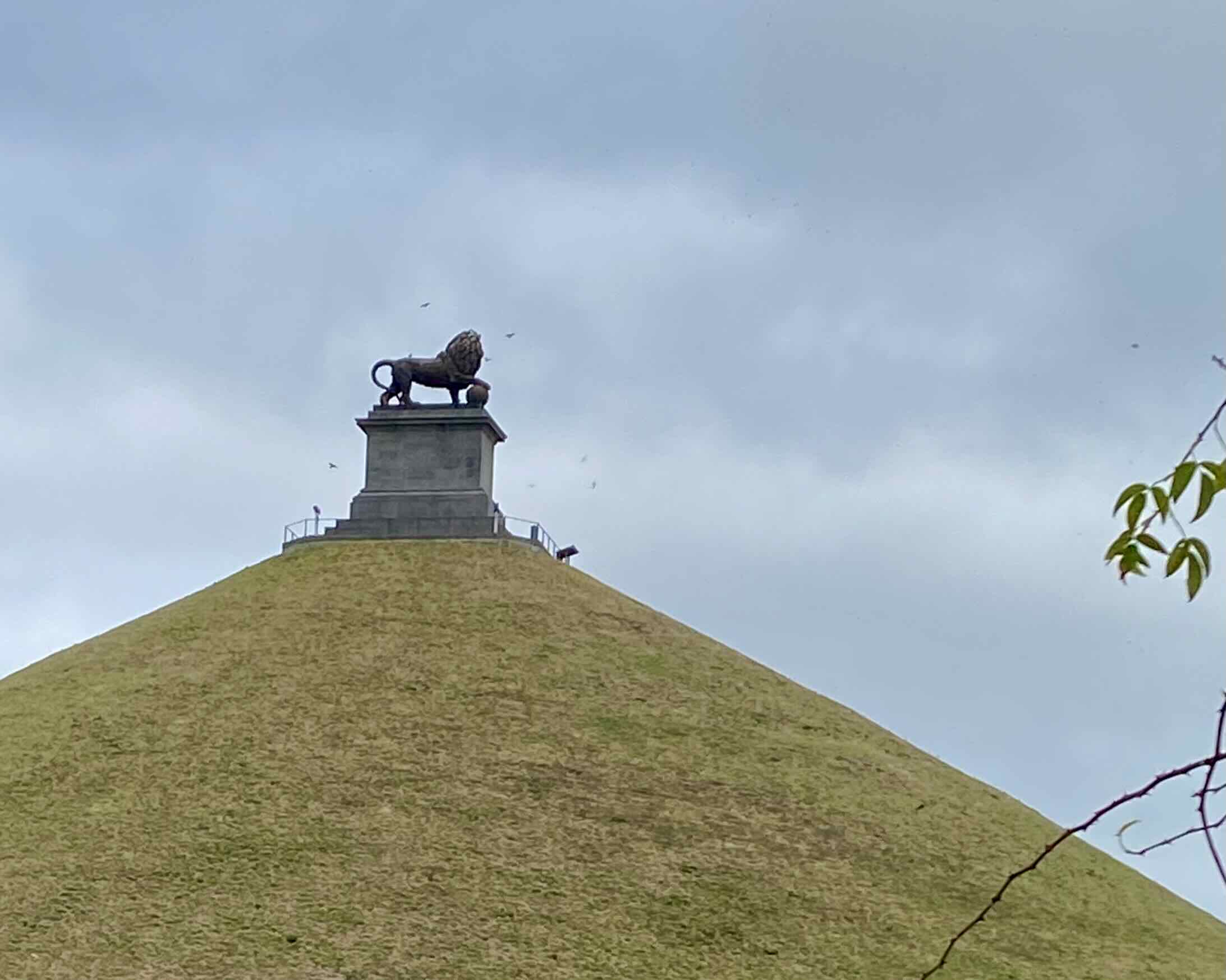
Next we drive to ‘The Lion’s Mound’ which is located at the site of the Waterloo Battle. This earthen cone is 169 m in diameter and 41 m high. An enormous lion, 4.50 m long, 4.45 m high and weighing 28 tons is located on the top of the mound.

It symbolizes the victory of the monarchies; its open mouth is turned towards France, defeated; its paw resting on the terrestrial globe represents the peace that Europe has won. Bob went for a walk all the way around the  mound but I was tired and it was cold and windy so I stayed in the car. We hit rush hour on the way home. I am so glad I am not driving!

Visiting Brussels

Day 18     Wednesday, Sept 17, 2025

We have fairly relaxing morning. We call our bank and sort out an issue with our debit card and last night we had to call one of our Mastercards because it got blocked…because we are in Belgium.  Yet they don’t want to know that we are travelling anymore!  So it caused problems when we tried to add it to our Apple Wallet.  Same thing has happened to our other Mastercard, so we still have that to sort out tonight. I guess we should have done some things before we left home…like putting our email address as the contact to verify our cards when we  use them online instead of it being our home land line!  But who knew?

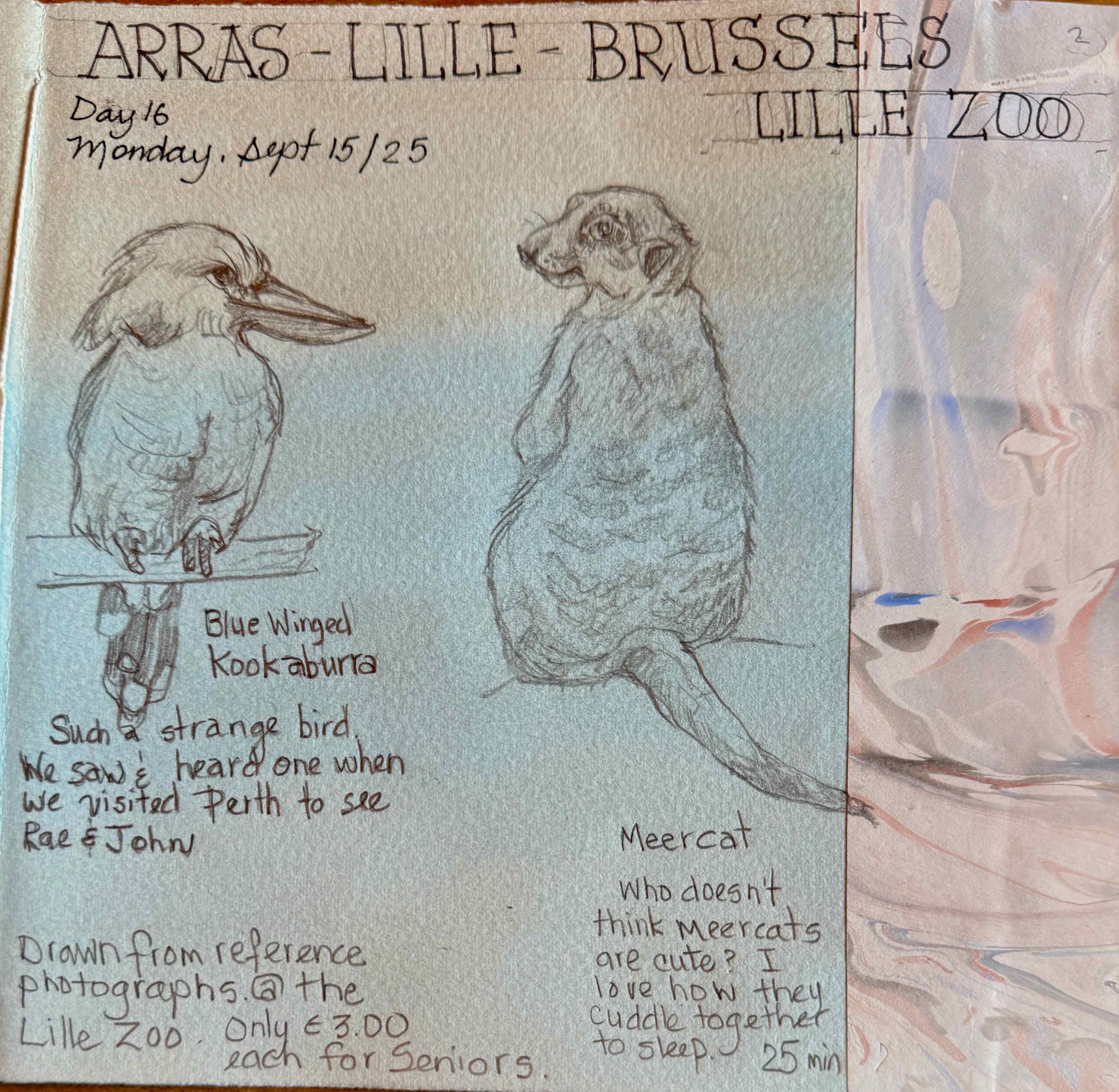
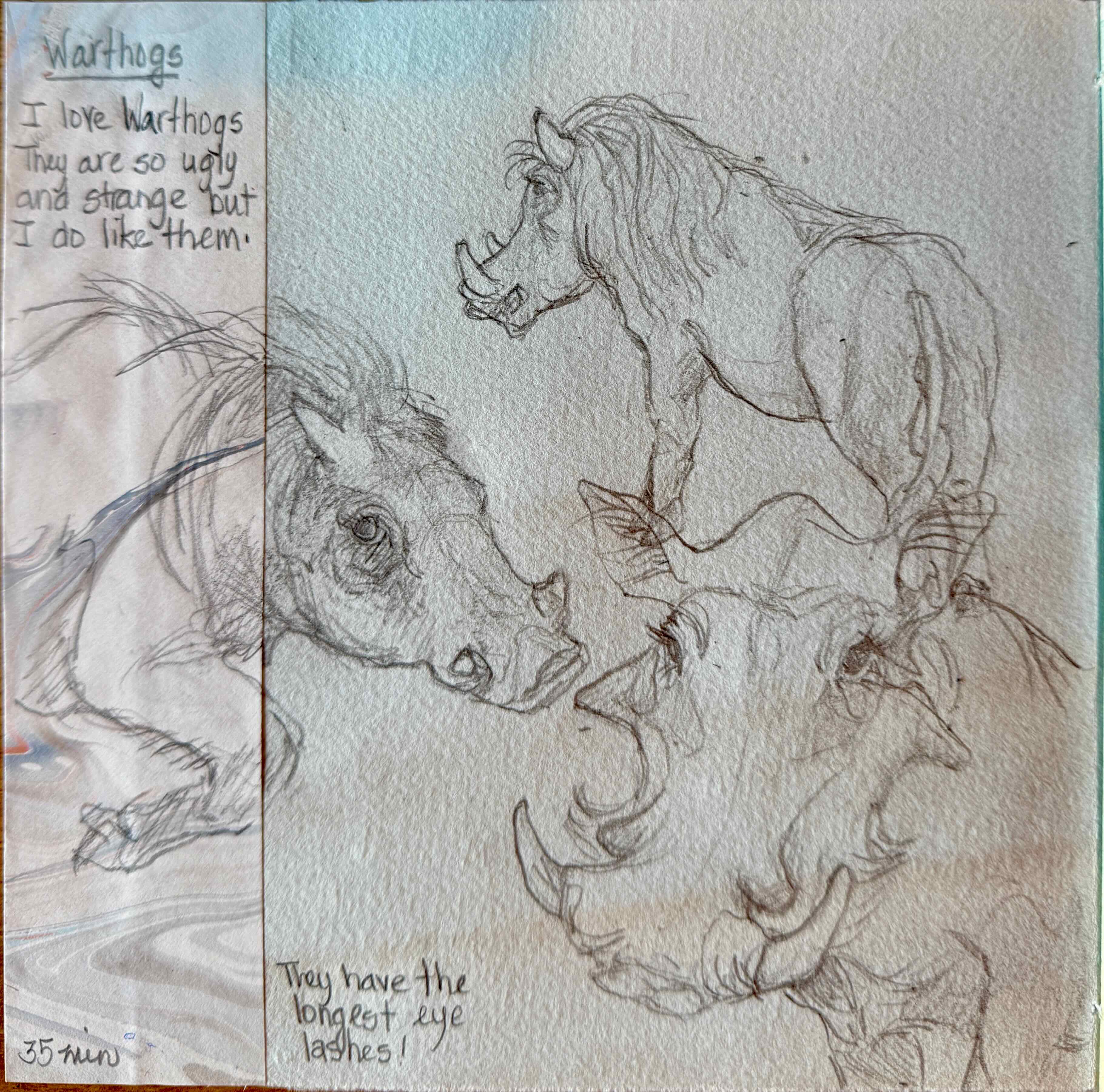
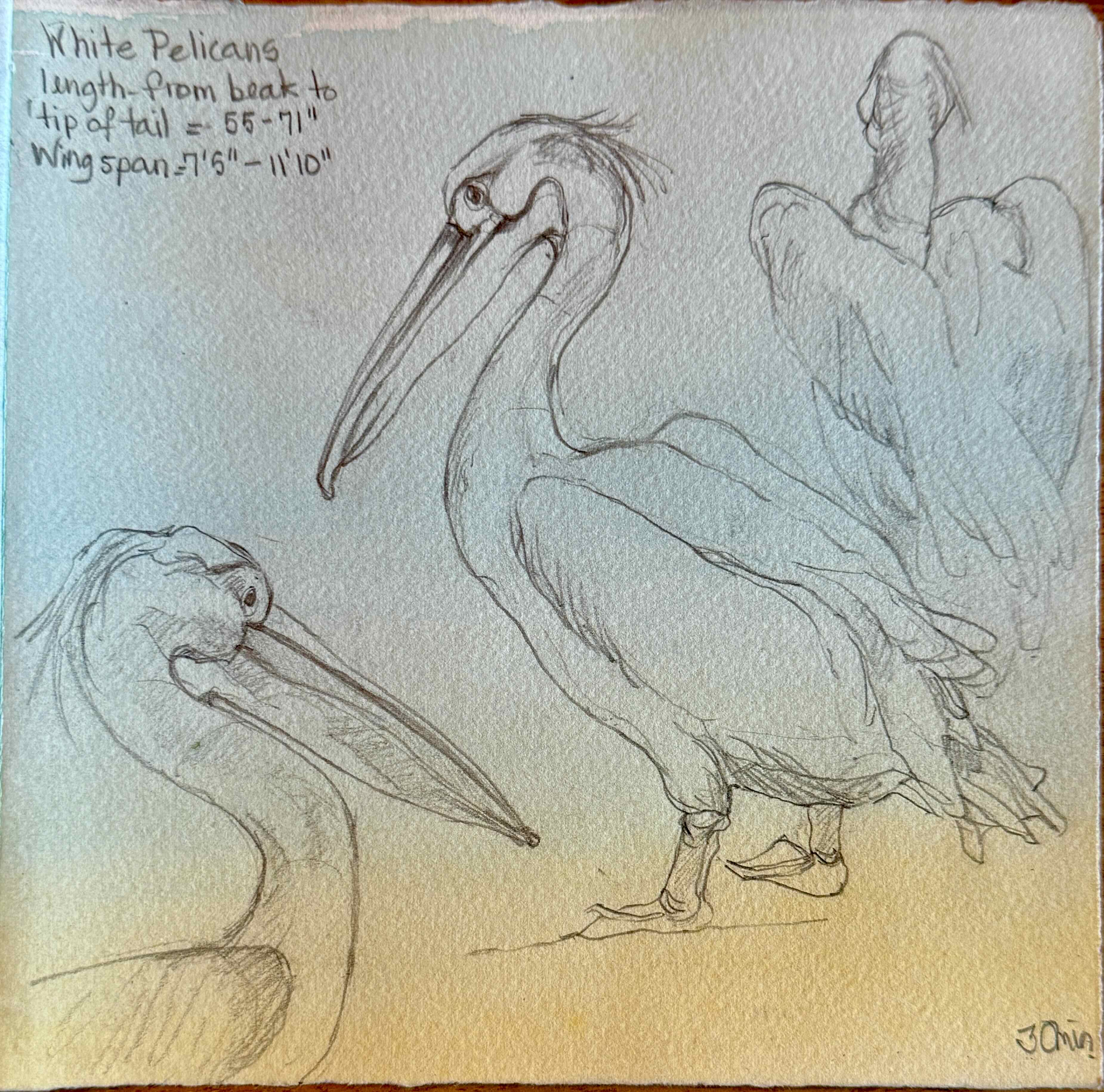
Once we sorted that out I worked on my paper journal, drawing some animals at the Lille Zoo from photo reference.  Not as much fun as drawing at the zoo but it was cold and windy and we didn’t have a lot of time there.  Drawing from reference photos is a good way to familiarize myself with the shapes and anatomy of animals and birds. This helps when I am able to draw at zoos in person. I set a time limit for a page so that I don’t spend too long. It is more like drawing live that way.

We catch the train into downtown Brussels which involved a 20 minute walk because in order to use Brussel’s busses or trolley cars you need to have a contactless debit card or use Apple Wallet. Our problem is our Debit cards should work after we called the bank last night to sort out the problem, but they still don’t, so we can’t use them. My MC won’t load onto Apple Wallet because of problems trying to verify it! So we walk to a train station were we can buy a paper ticket. Unfortuntely there doesn’t seem to be any place near us to purchase paper tickets for the bus or trolley cars.  
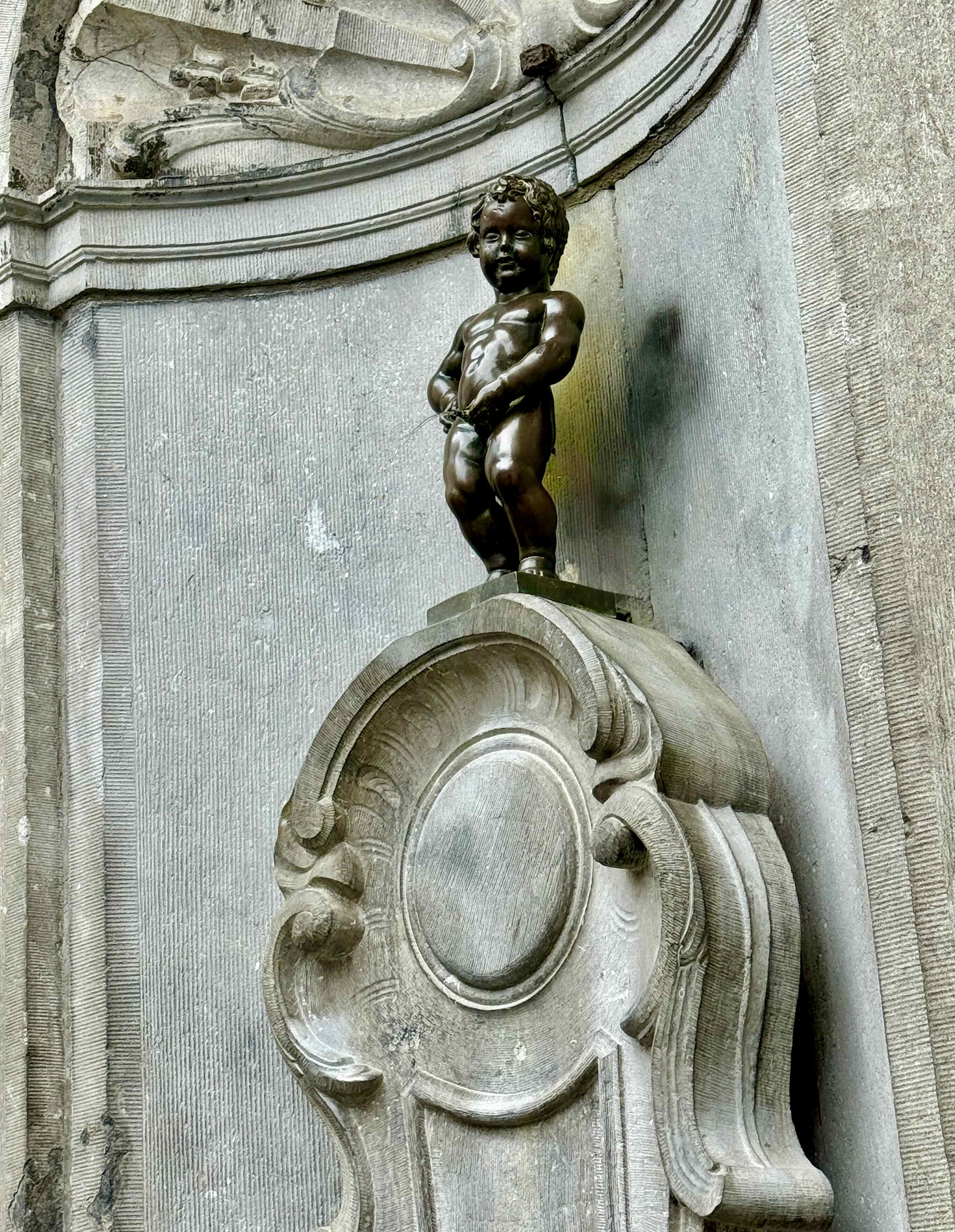
A half hour later after a very smooth rain ride we arrive in Brussels.  First stop is to see the Mannekin Pis Fountain.  It is the most famous fountain in Brussels.  The last time we visited this little statue was 46 years ago on our first trip to Europe. 

I used to have the cutest little wooden plaque with sculpture of the Mannekin Pis but somehow lost it. I wanted to buy a new one…well that sure didn’t happen! All the souvenirs were incredibly tacky, and ridiculously expensive as you can see in this photo.  So no souvenir for me.  We did buy two postcards to send to our grandchildren and after we left the store the owner chased me down about a block away from the store.  He insisted that I had stolen one of the key chains that we had been looking at. He said he had it on camera, so we went back to the store and I told him, in French, to look at his camera. I said that I am not a thief and that I didn’t even touch the key chain he was accusing me of stealing. I am sure I looked guilty, I felt hot and I am sure my face was red. After a few minutes of conversation and looking at his security footage he admitted that he made a mistake and apologized. We chatted a bit more, and all was well. I shook his hand and said I understood how hard it must be when he does have people steal from him almost every day.  

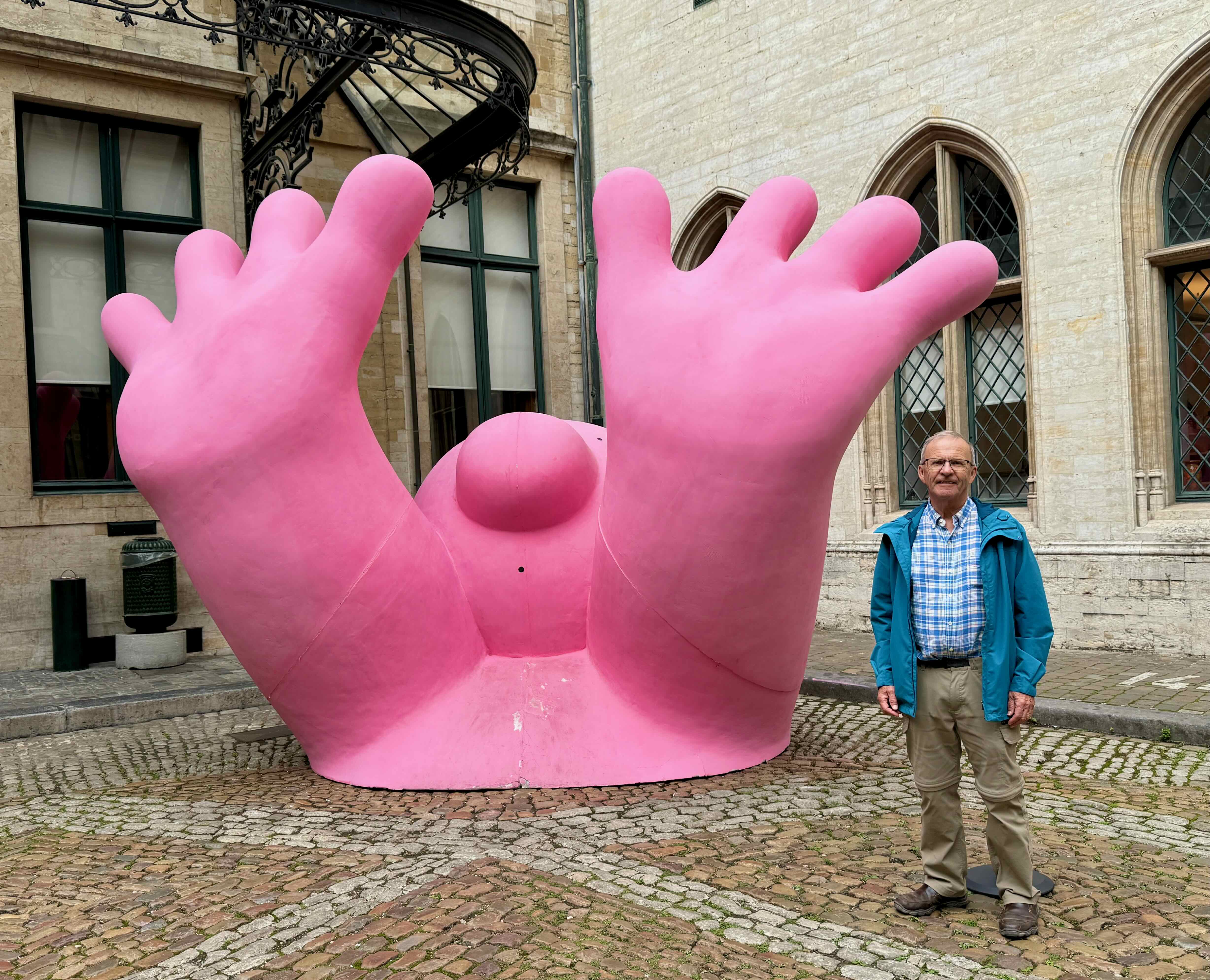
We see one of the big pink sculptures that we saw all over Paris two years ago. The enormous  candy-pink sculptures created by Philippe Katerine are now on display in Brussels.

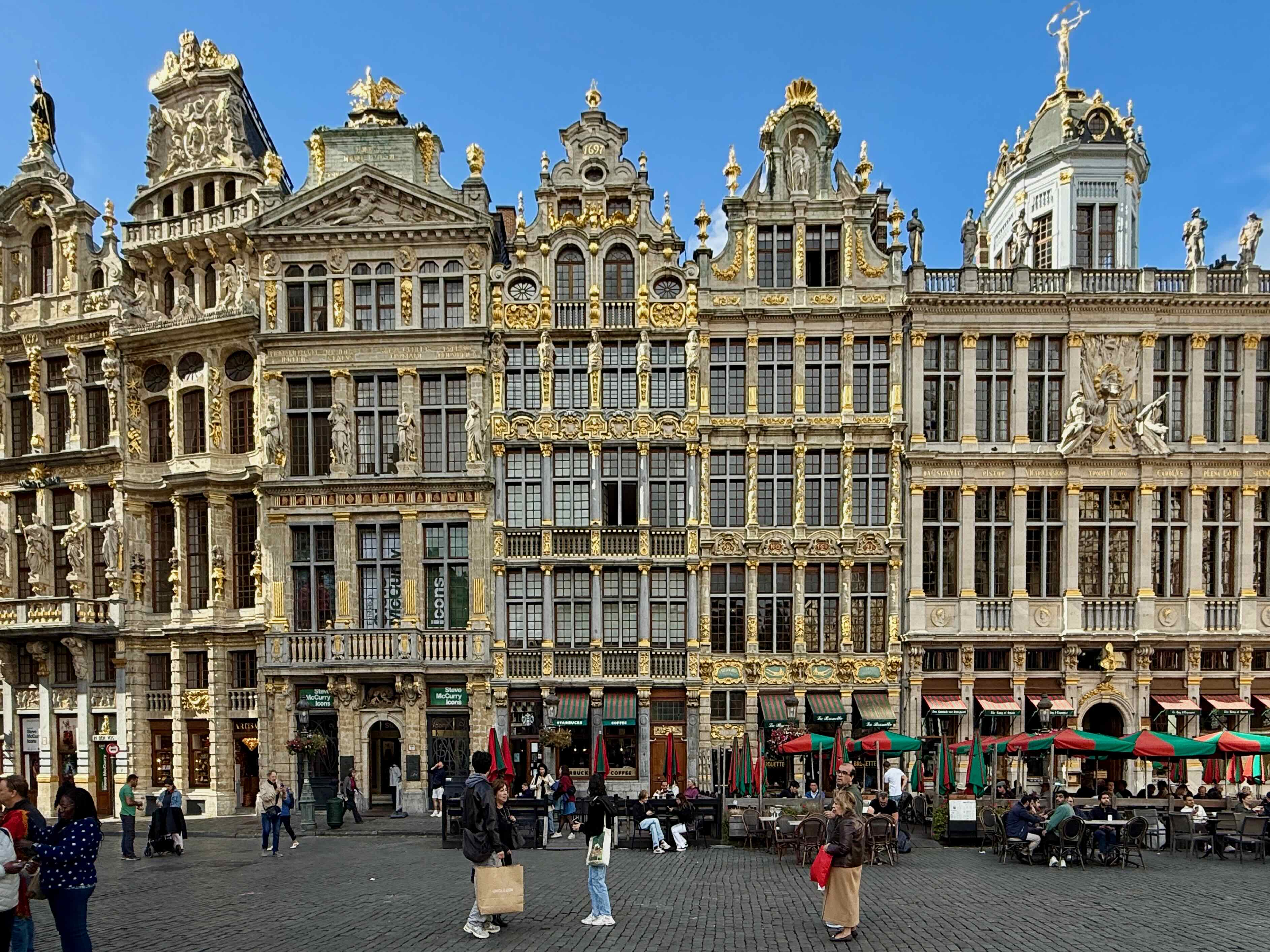
The Grand Palace Plaza is surrounded on all sides with very ornate buildings…

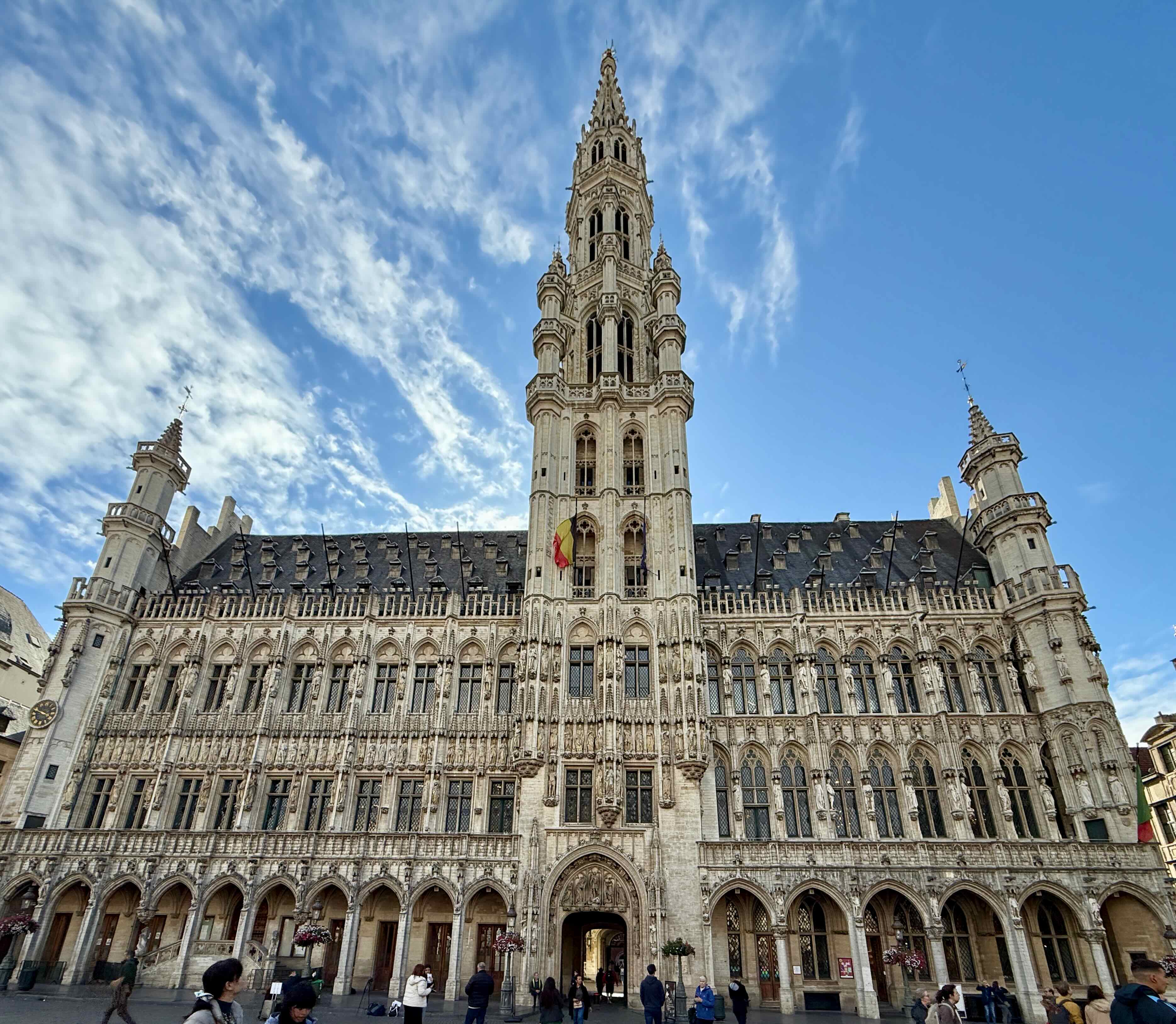
….including the City Hall…

…and the Brussels City Museum.  I am done in and need some tea and pastries. I think being accused of stealing was rather emotionally exhausting. It wasn’t easy to find a coffee shop. We had to walk several blocks but found one with a quiet table away from all the smokers.  We had a pot of mint tea with real mint leaves and the most delicious croissant and Portuguese tart.  

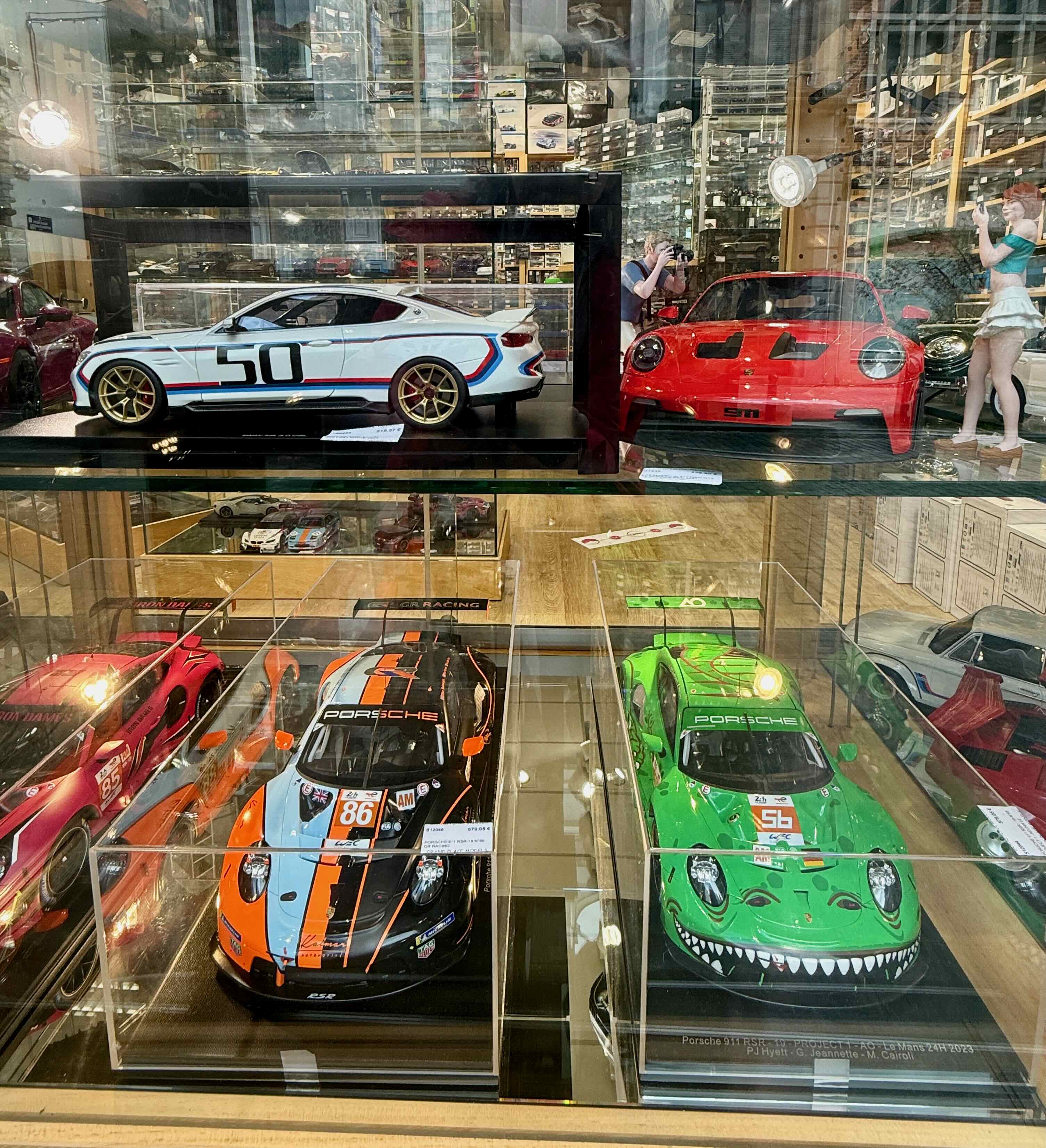
We pass a shop with these ‘toy’ cars in the window. The white and red car are €219.90 each, and the green and orange ones are ‘only’ €579.05 each!  This is $941.61 Canadian! I wonder who buys these expensive model cars.

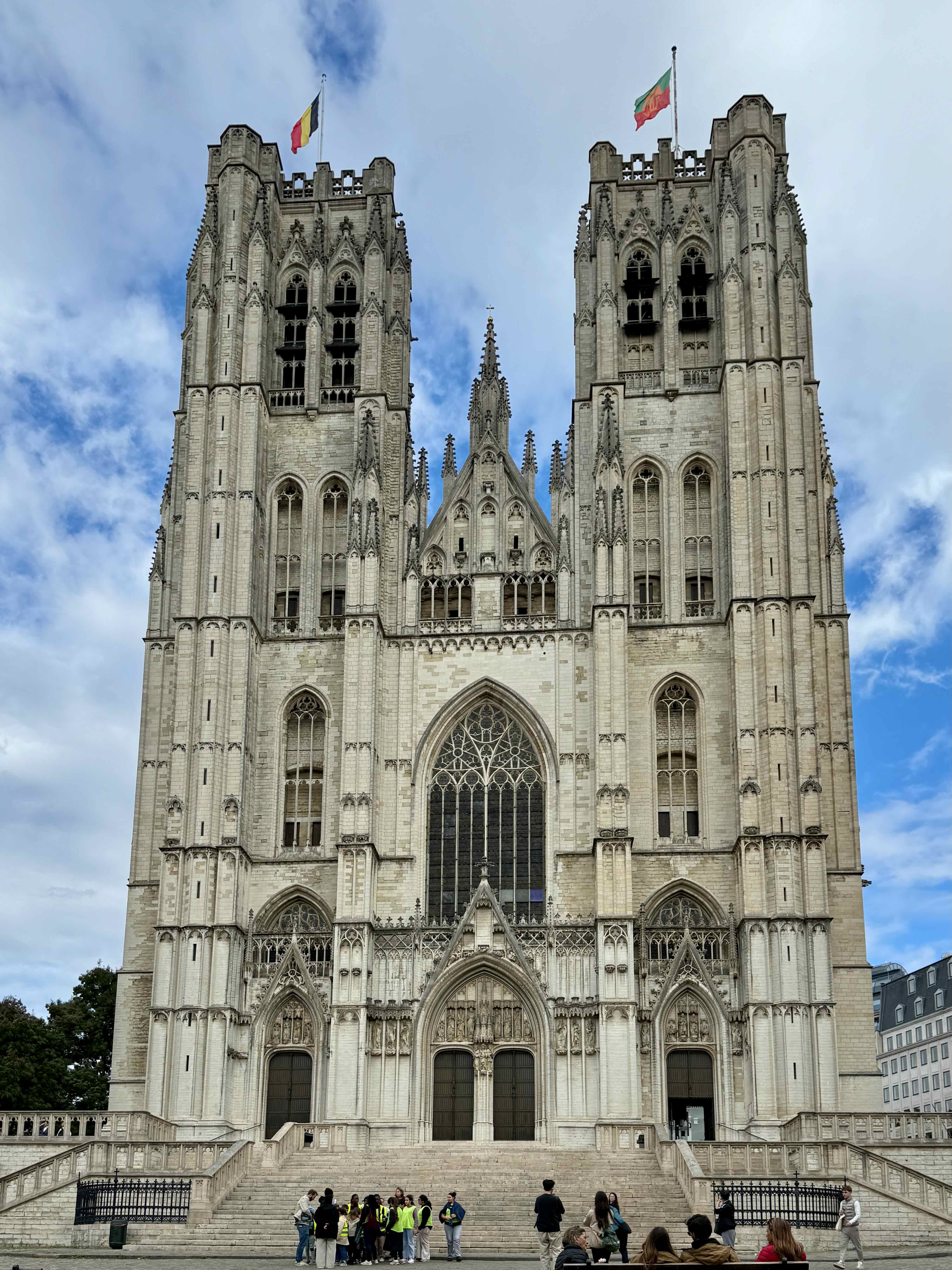
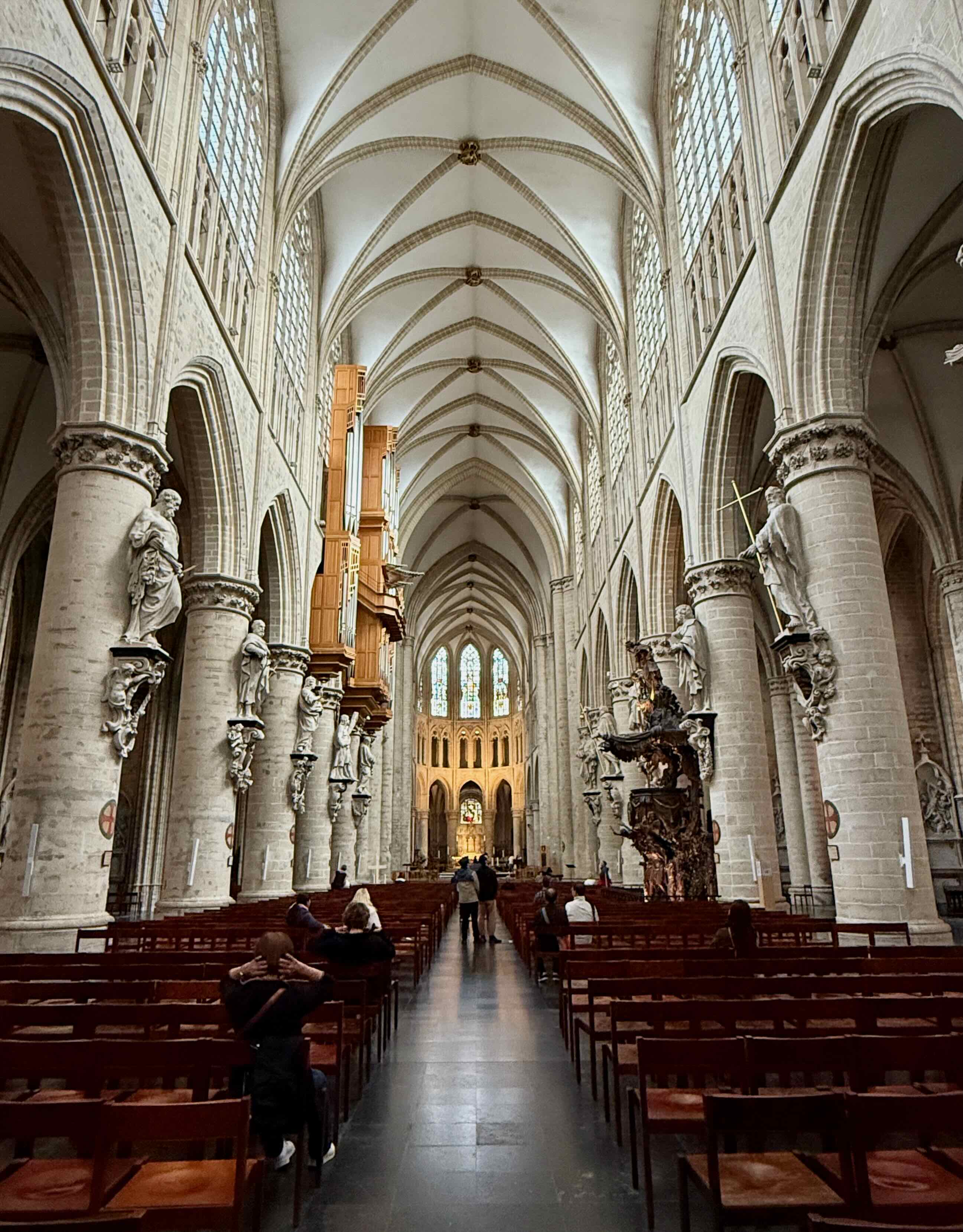
The Cathedral Saints-Michel-et-Gudule is another enormous cathedral. 

The Nave stretches into the distance. The statues on the pillars are the Twelve Apostles. There are many stunning stained glass windows surrounding the ornate altar.
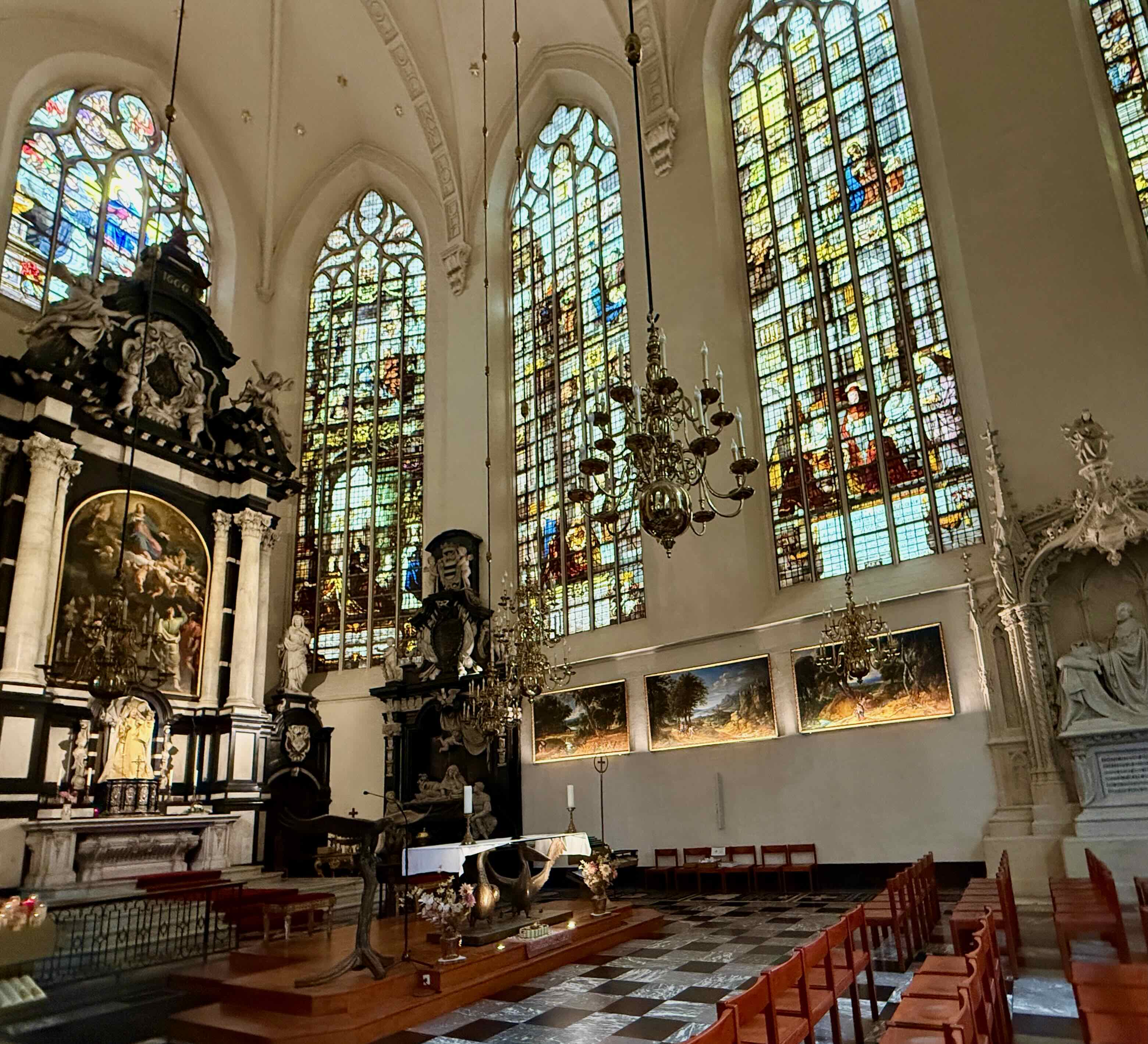
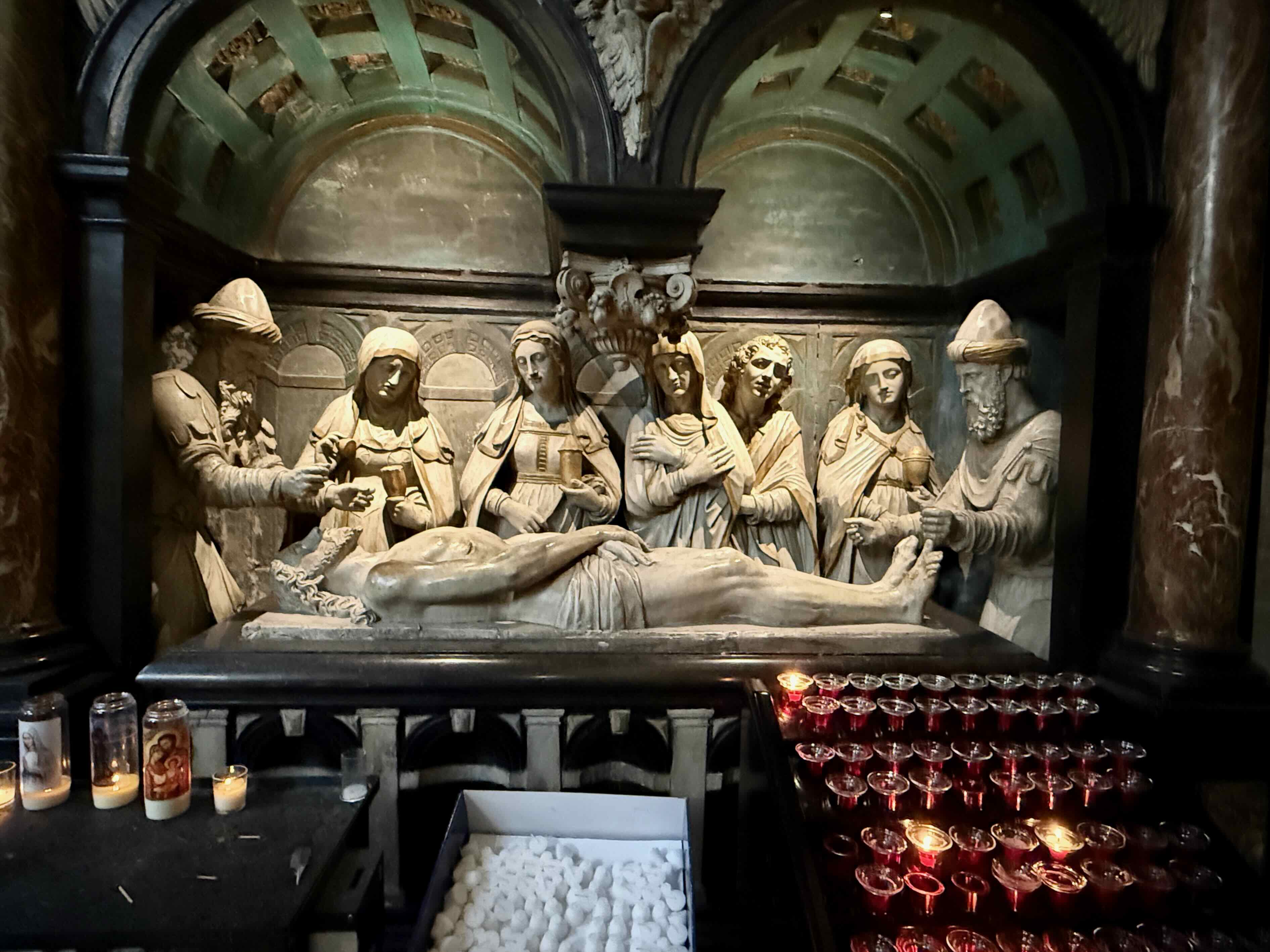
This sculpted scene called ‘Entombment’ is beautiful. Cathedrals often have amazing art work.

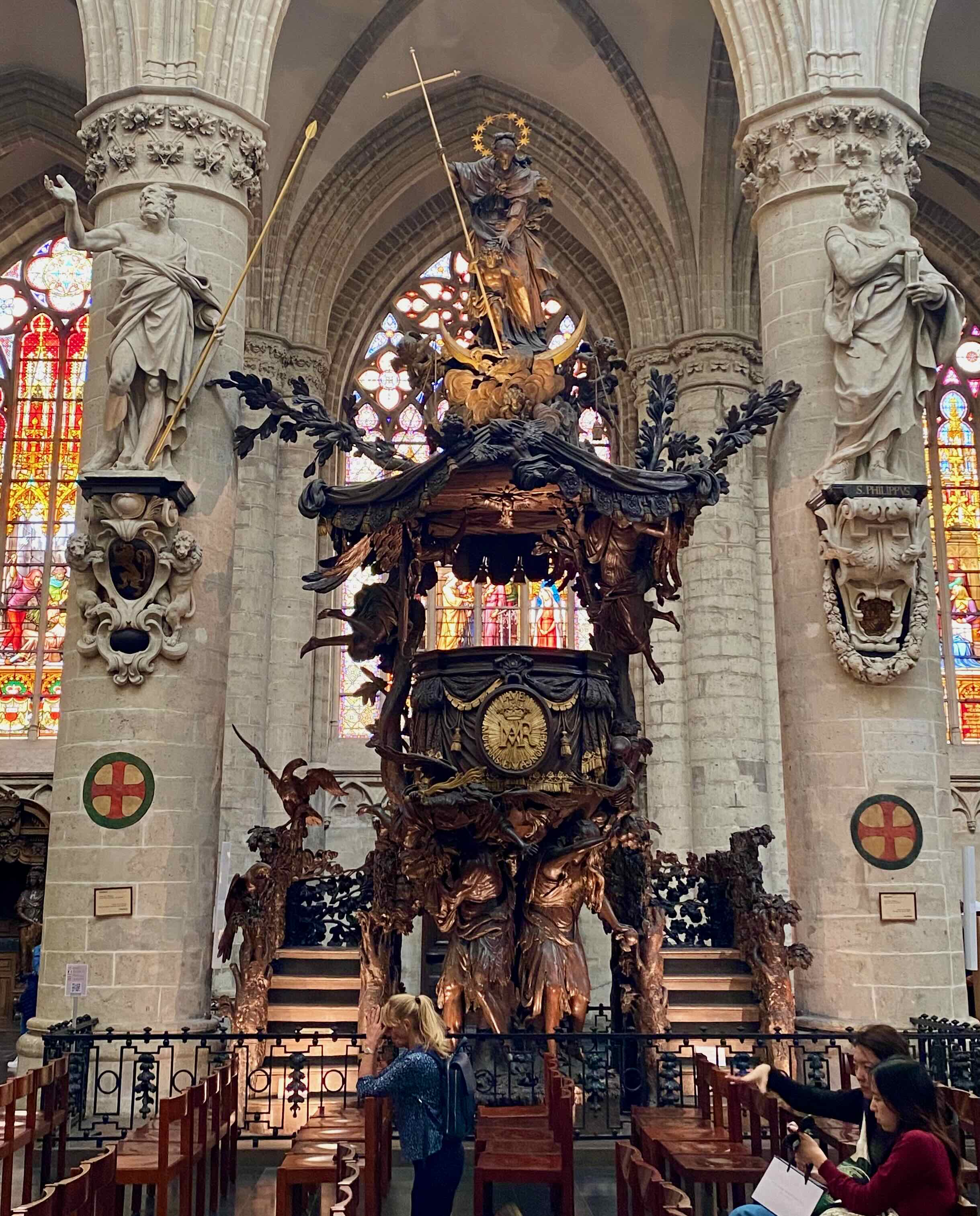
The pulpit is an intricately carved wooden masterpiece.

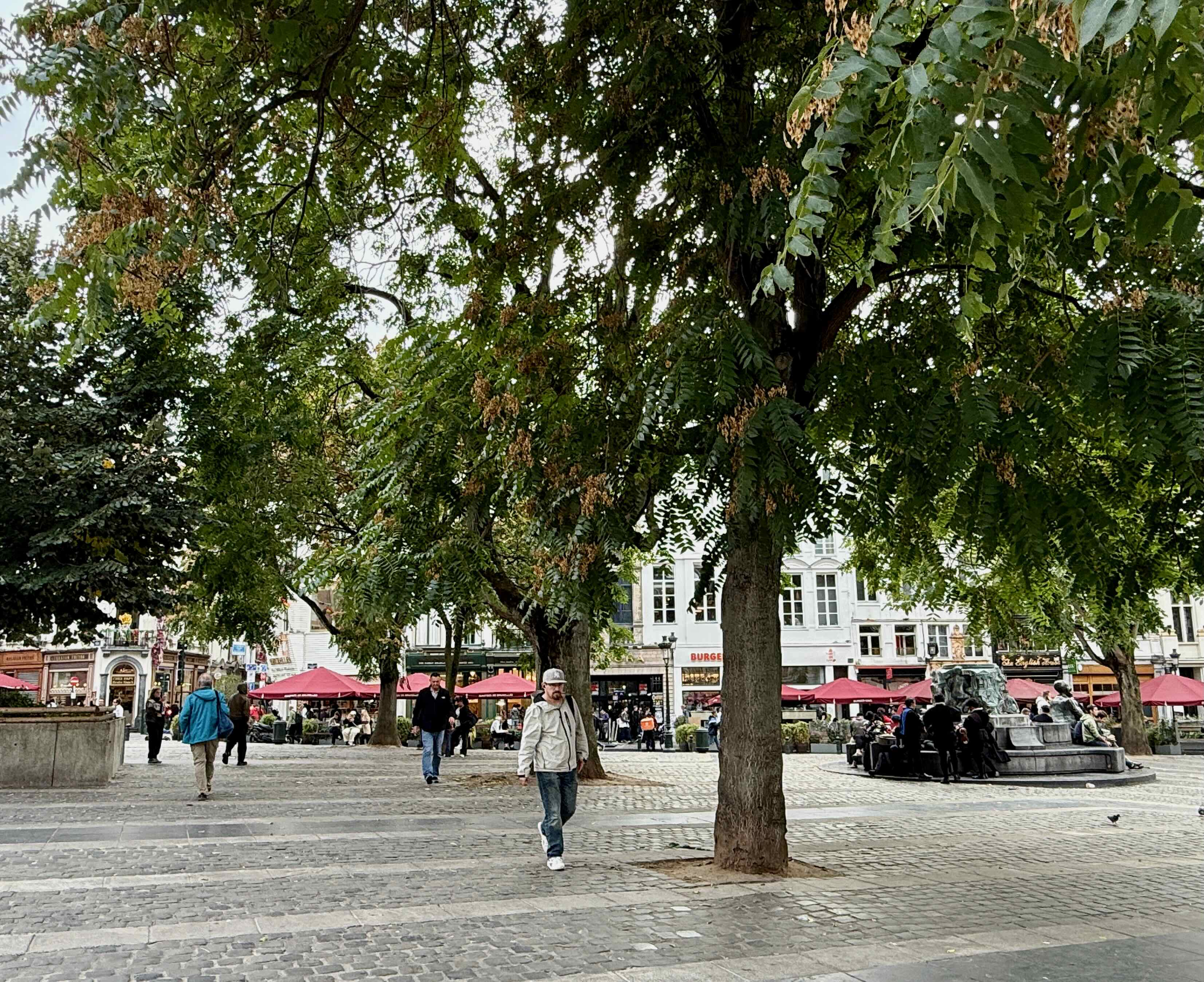
We are hungry and head back to this little square to buy some of Brussels famous frites with mayonnaise.  No photo, we were hungry and they were gone in no time. Bob is walking towards the train station.

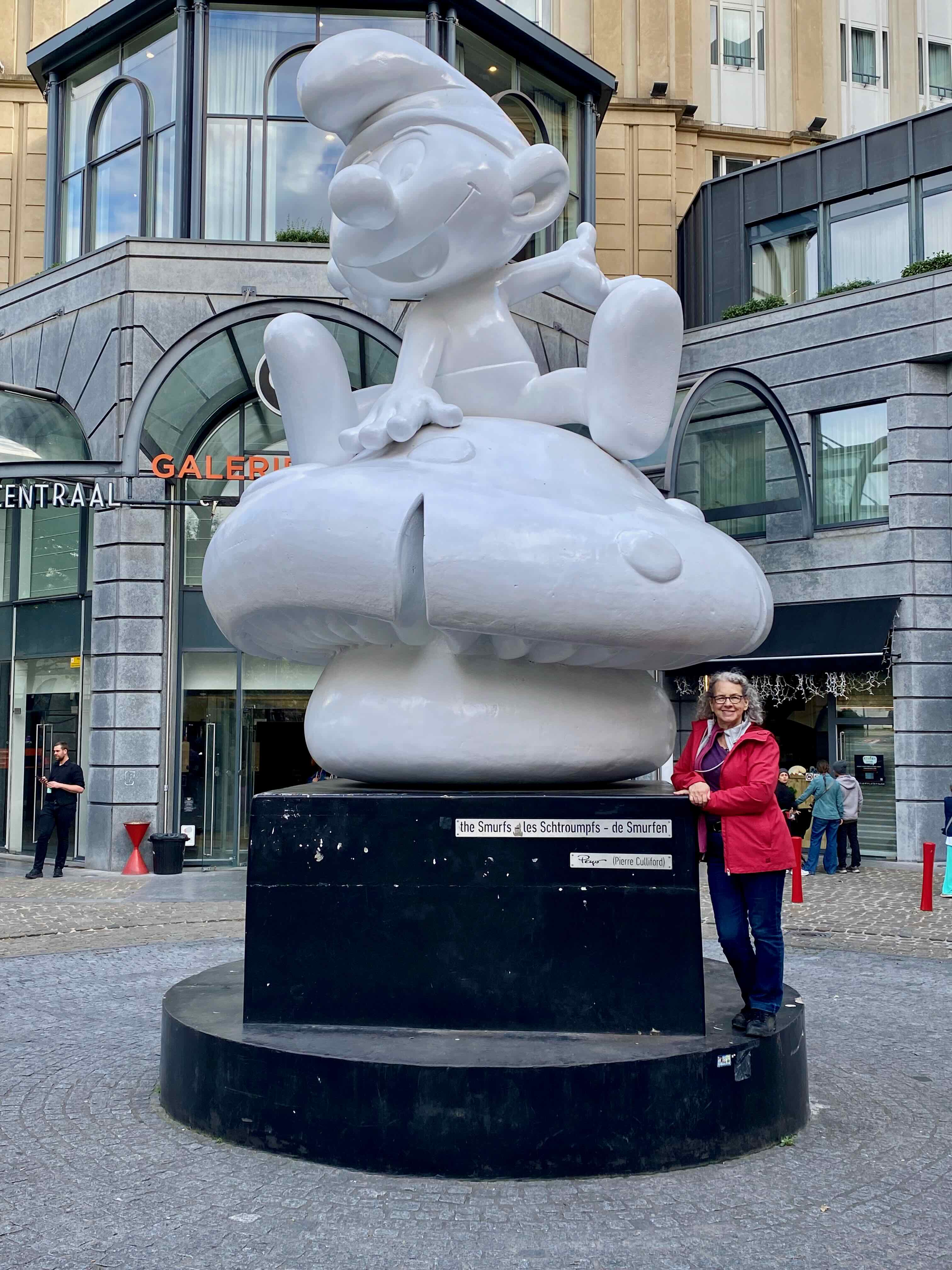
We took a wrong turn on our way to the train station and discovered this enormous white Smurf. Of course we needed a photo!

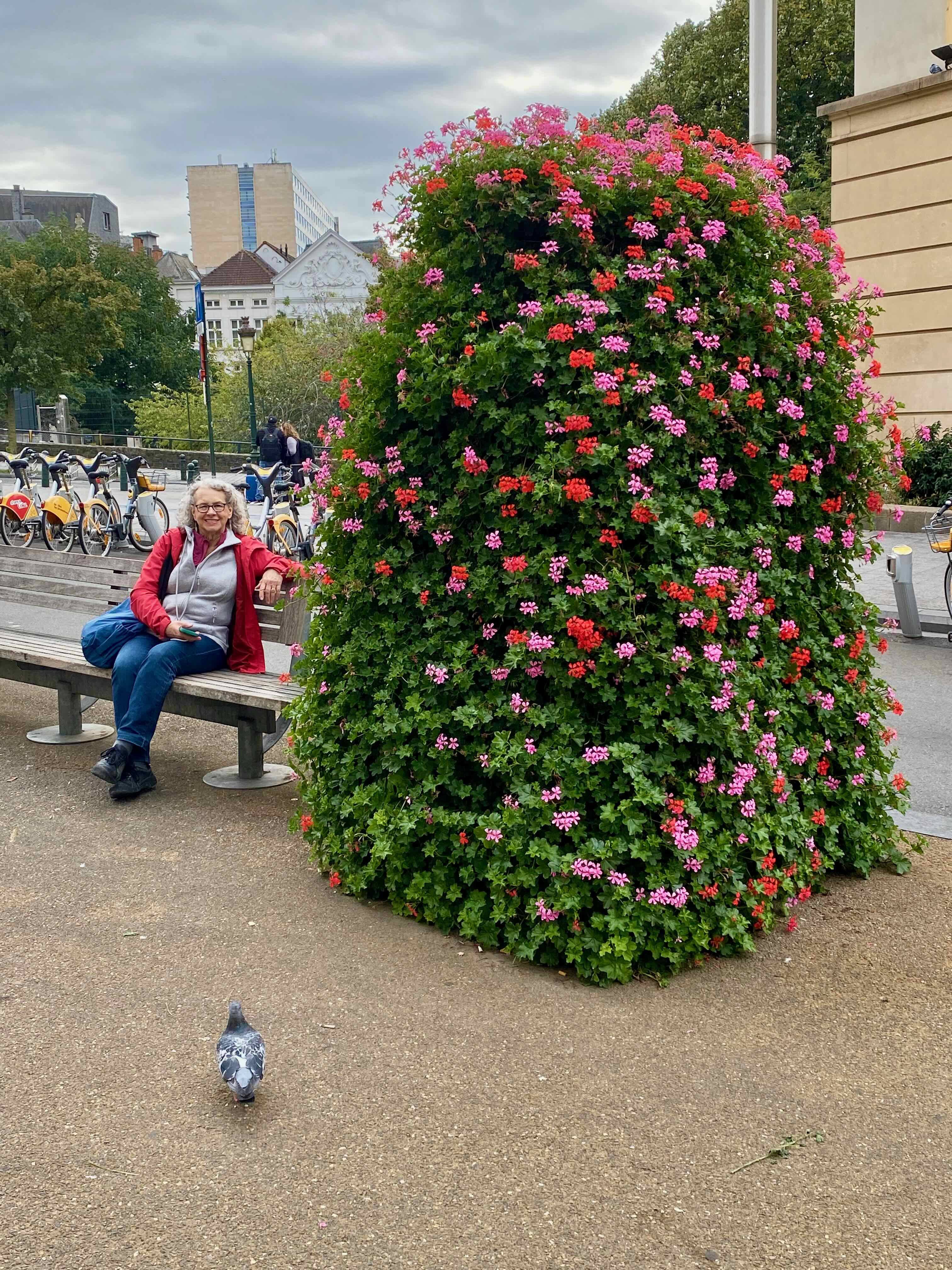
I had a little rest beside several of these beautiful flower towers.

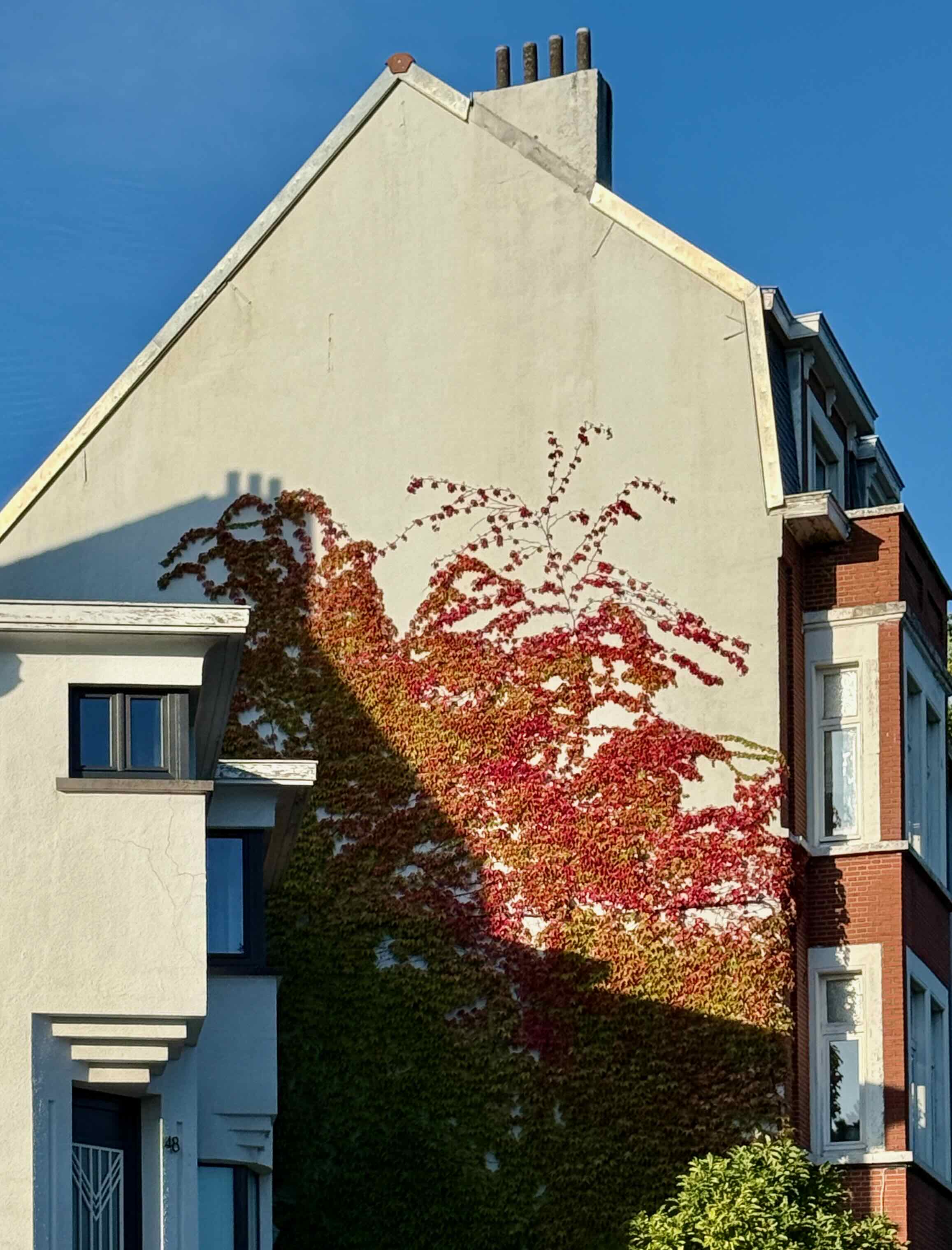
On our walk from the train station back to our apartment I see another sign that Autumn is coming.  It is still unseasonably cool for this time of the year. 16 Celsius and windy.

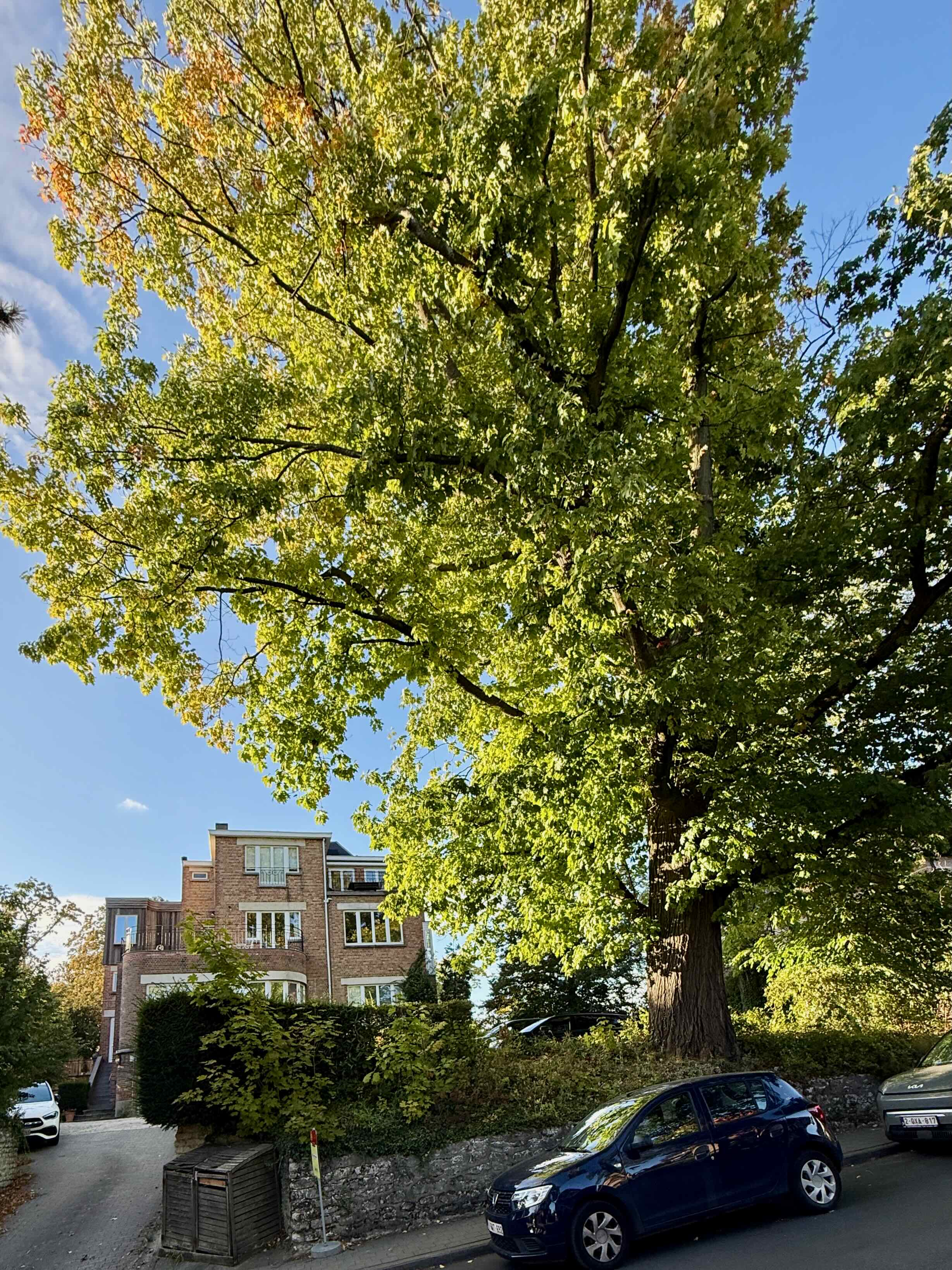
There are many very large houses along the walk home.  This one has its own magnificent tree.

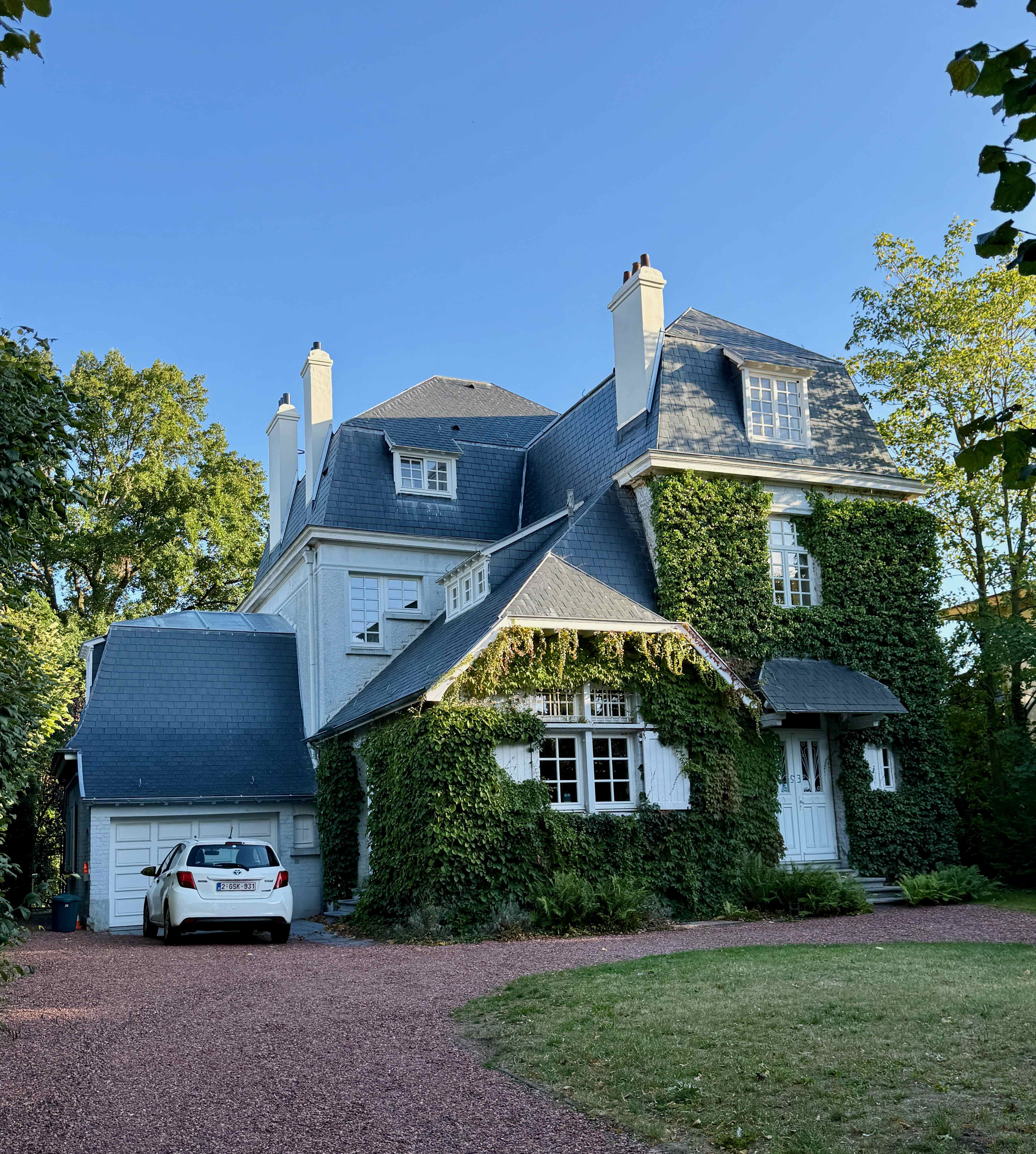
We have never stayed in a neighbourhood with so many large houses…maybe mansions would be a better term?

There is such a variety of styles. Some traditional and some more modern looking.

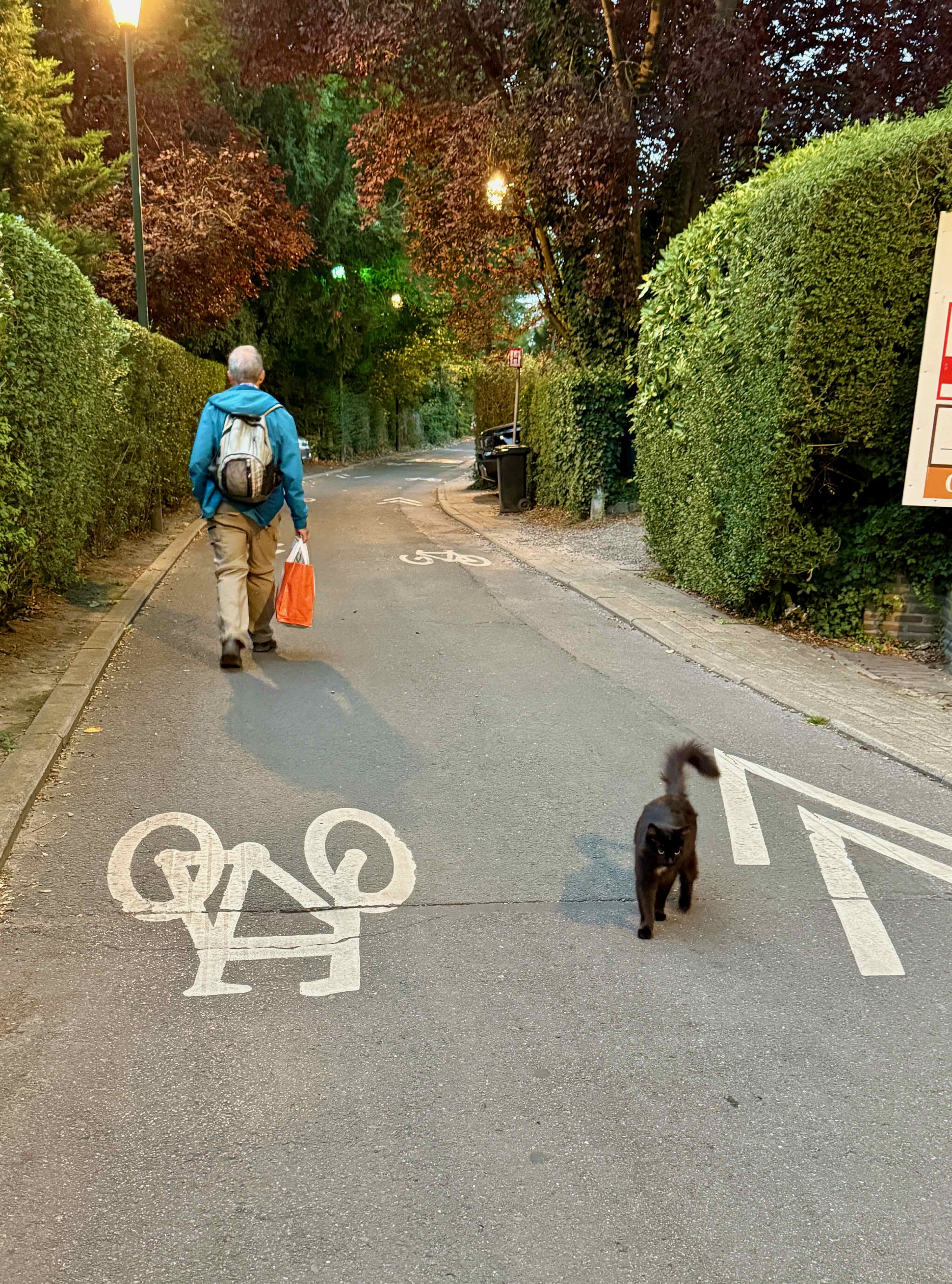
This is the lane behind our bnb, which has a huge corner lot. This black cat was determined to cross my path as we returned from getting groceries, but I figured we had enough challenges for the day so I managed to avoid him!

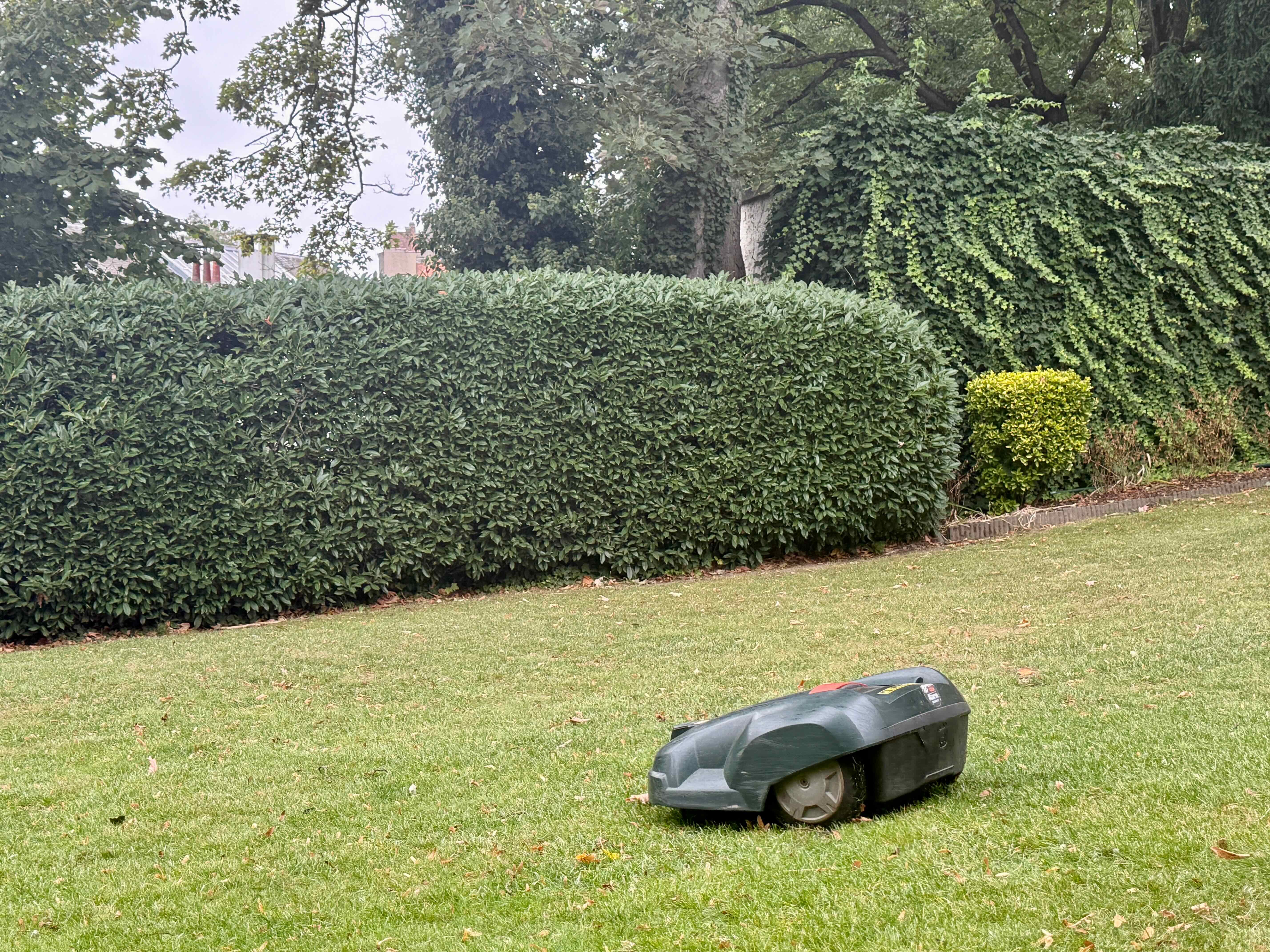
Our bnb has its very own little robot lawn mower…it the cutest thing as it maneuvers itself about the yard cutting the grass.

Brussels, Belgium

Day 17     Tuesday, September 16, 2025.

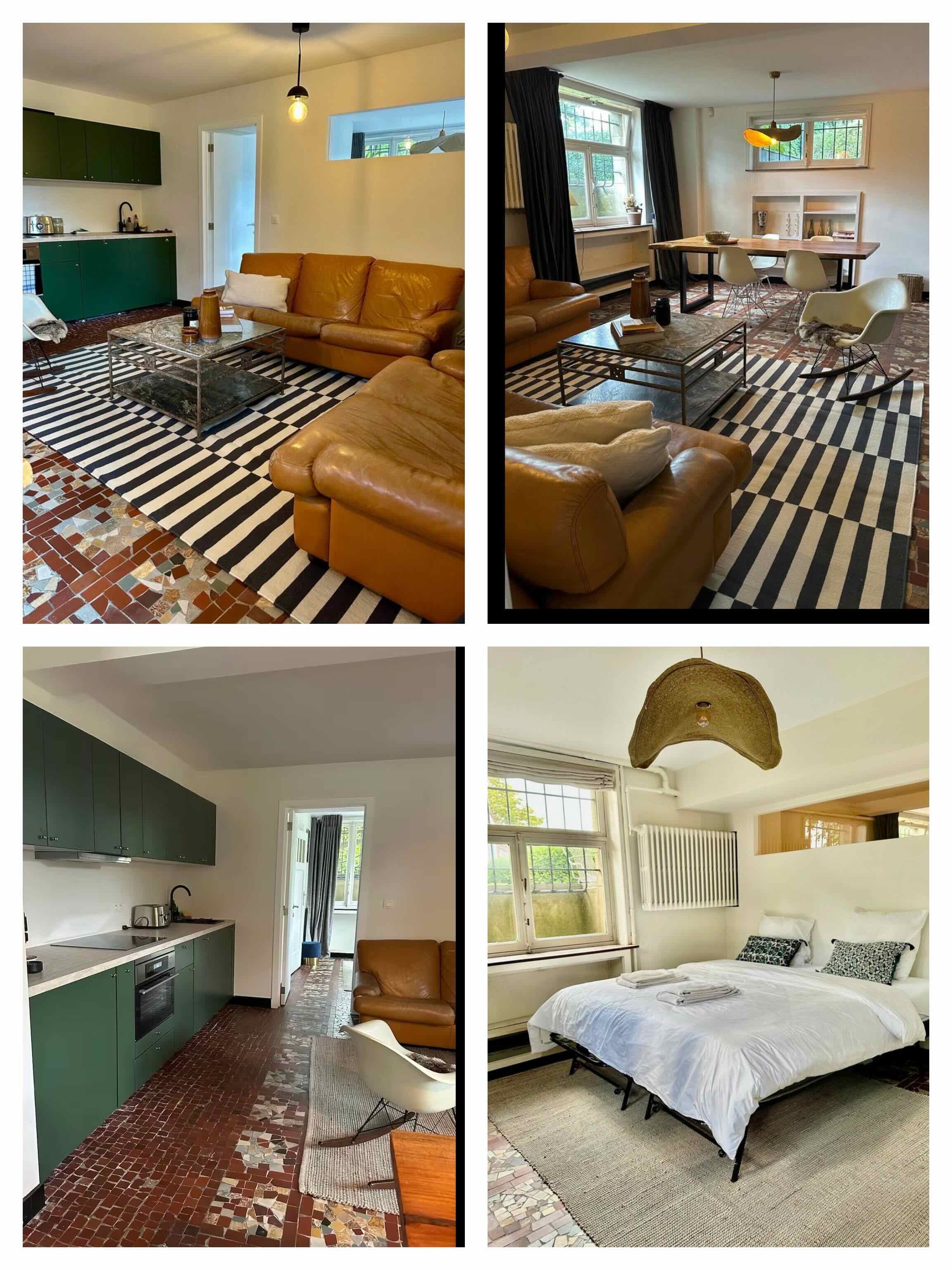
Our Airbnb is in the basement of a huge old house on the outskirts of Brussels.  You can see the widows to our suite which is actually quite bright.

The suite has a lot of character. We got settled last night and just before bed plugged in all our electronics…and we blew the breaker! All the lights in our suite went out. We messaged our host, who came down in her jammies to fix everything. We were lucky she heard the message beep on her phone as she was already asleep. It was quite the day yesterday!

I really needed a quiet day, so I stayed home and got all caught up on the blog. That feels really good. It is hard when I get behind. It takes quite a while to get each day’s post done but I really love having this souvenir of our trip. I joke that when we aren’t able to travel anymore we can revisit trips on the blog and say “remember when..”

Bob gets restless on these stay at home days so he goes to visit a car museum in Brussels. He writes the rest of this post.

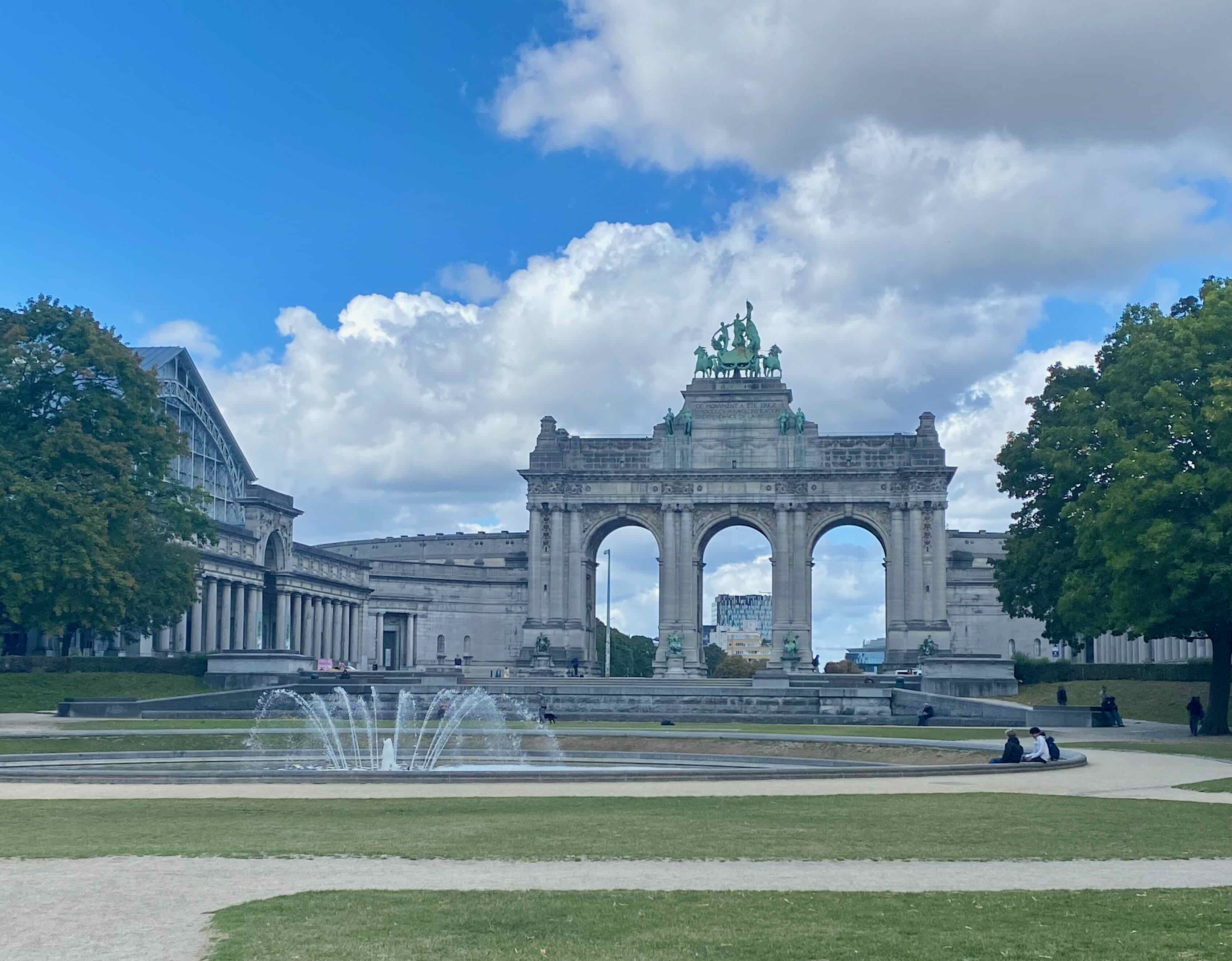
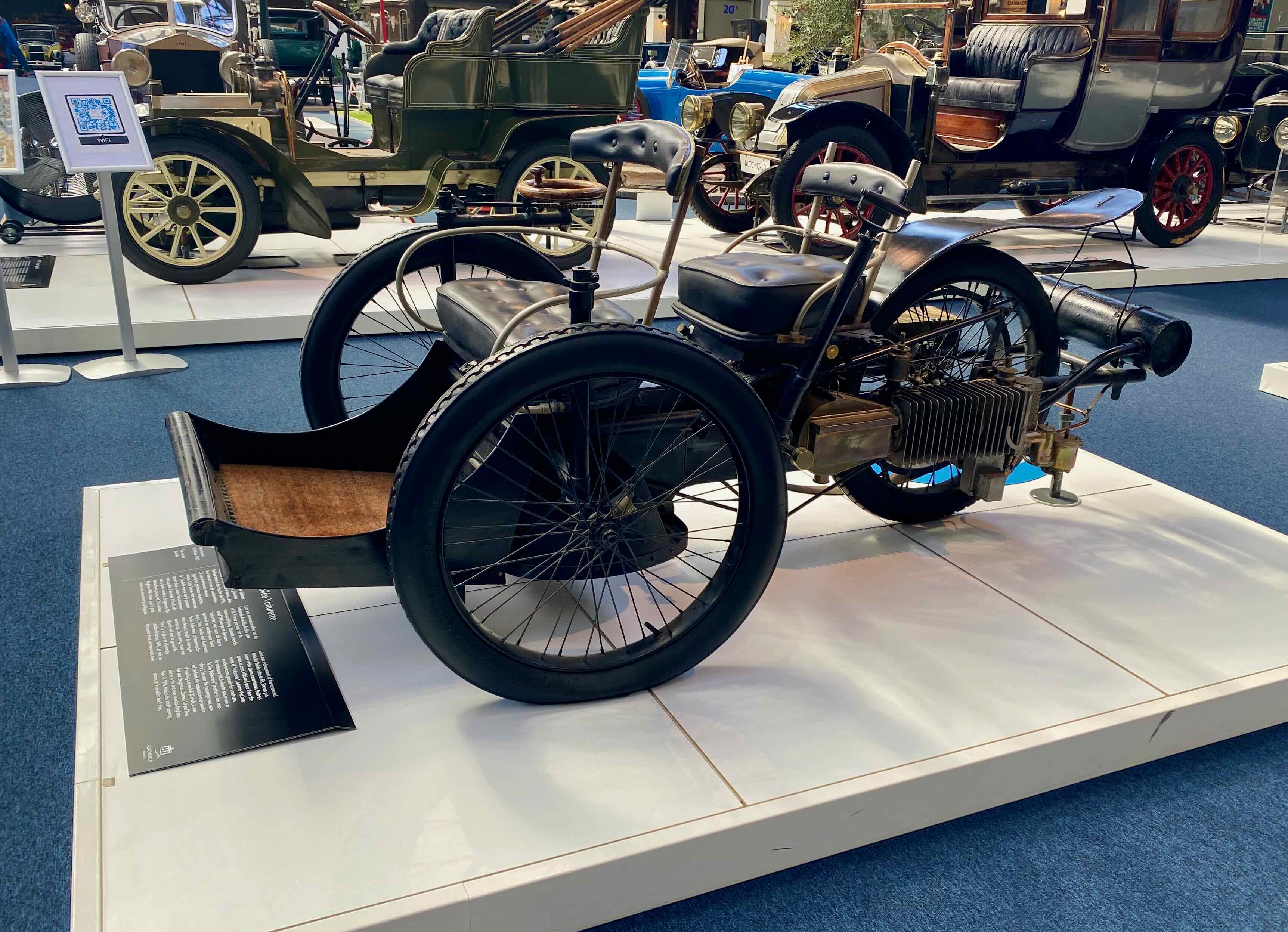
Autoworld is located in a plaza near the Art & History Museum, Royal Museum of Military History and a Napoleon Museum. It is the building to the left of the arches.A 1896 Bollee Voiturette called a Mother-in-Law Murderer, because the passenger sat up front.  It could go 30 kph.
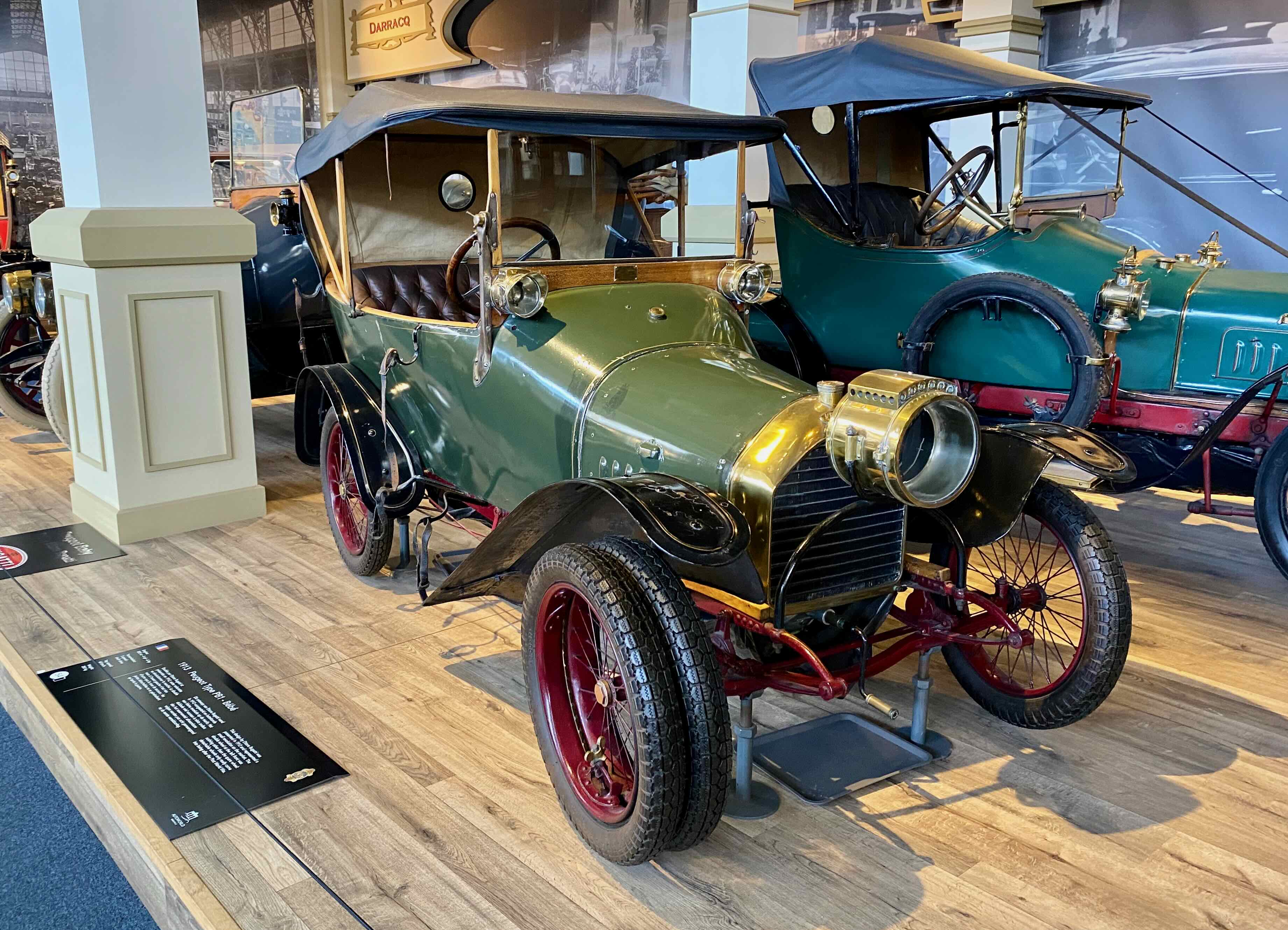
A 1913 Peugeot. The spare tire is bolted onto the front tire, rather than being mounted on the fender.

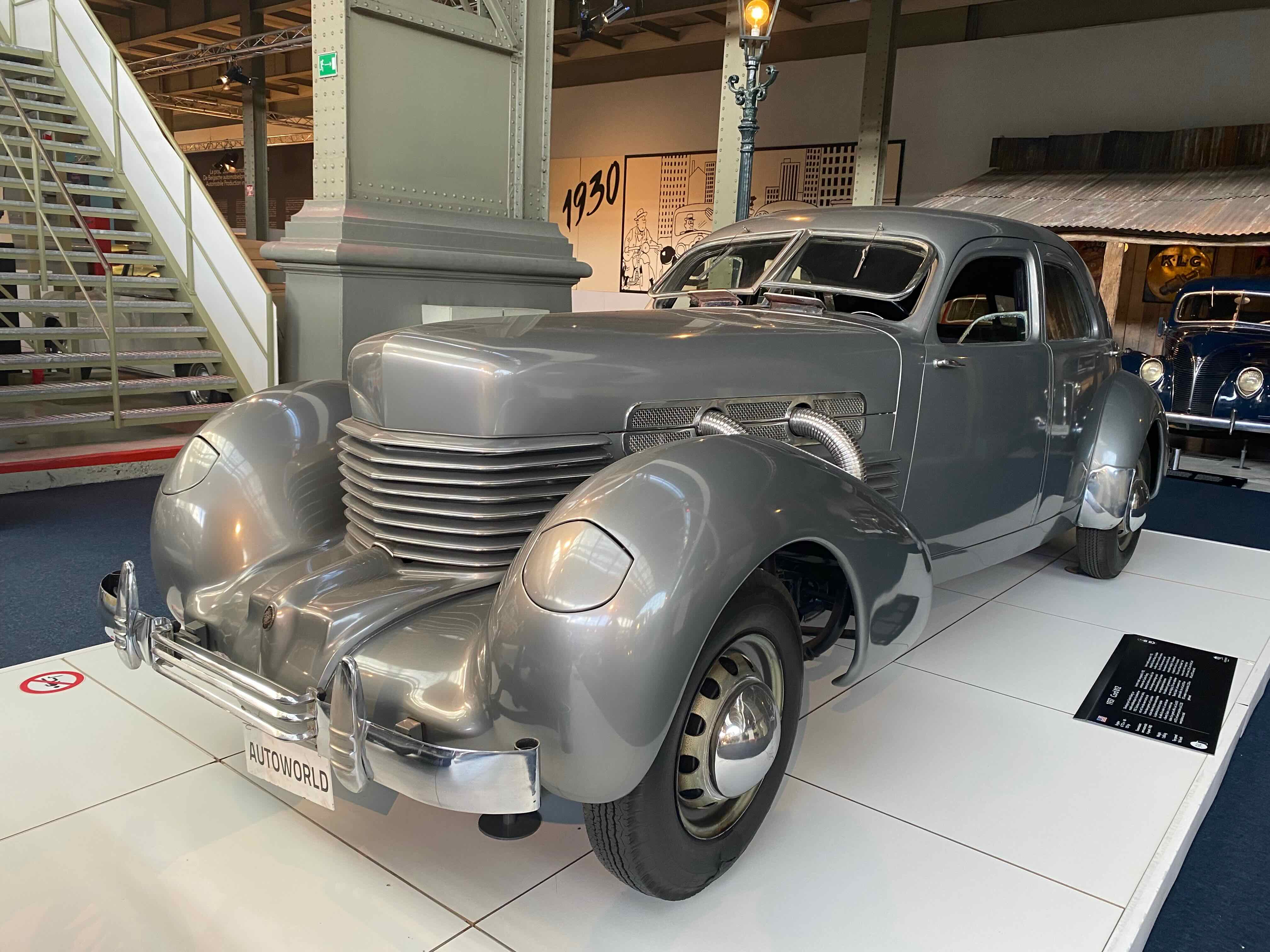
A classic 1937 Cord with front-wheel drive and retractable headlights.

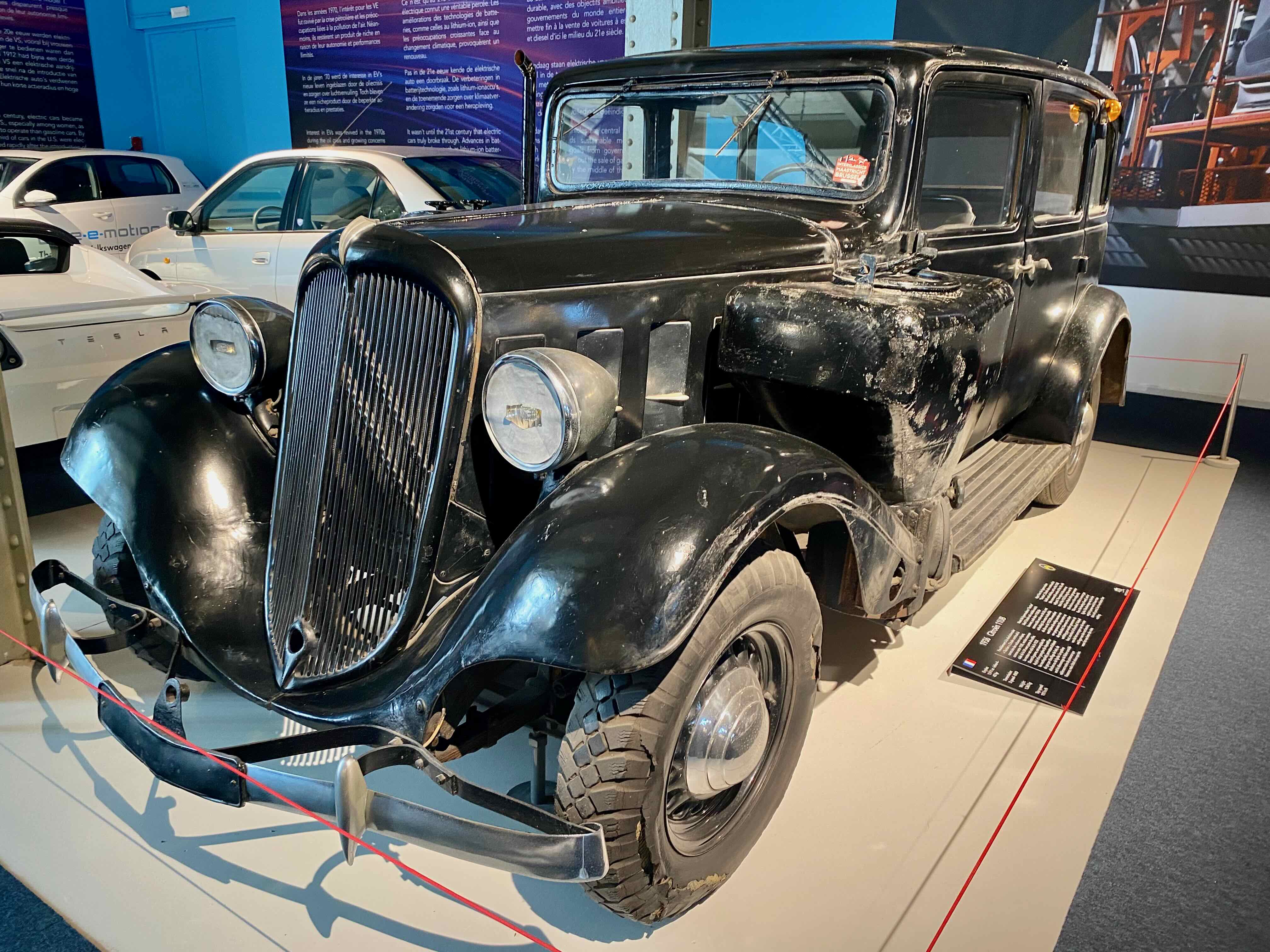
A 1936 Citroen fitted with a gas generator (behind the front fender) used during the Second World War. As gasoline was in short supply, the car used the captured gas (from burning wood or coal) to fuel the vehicle.  

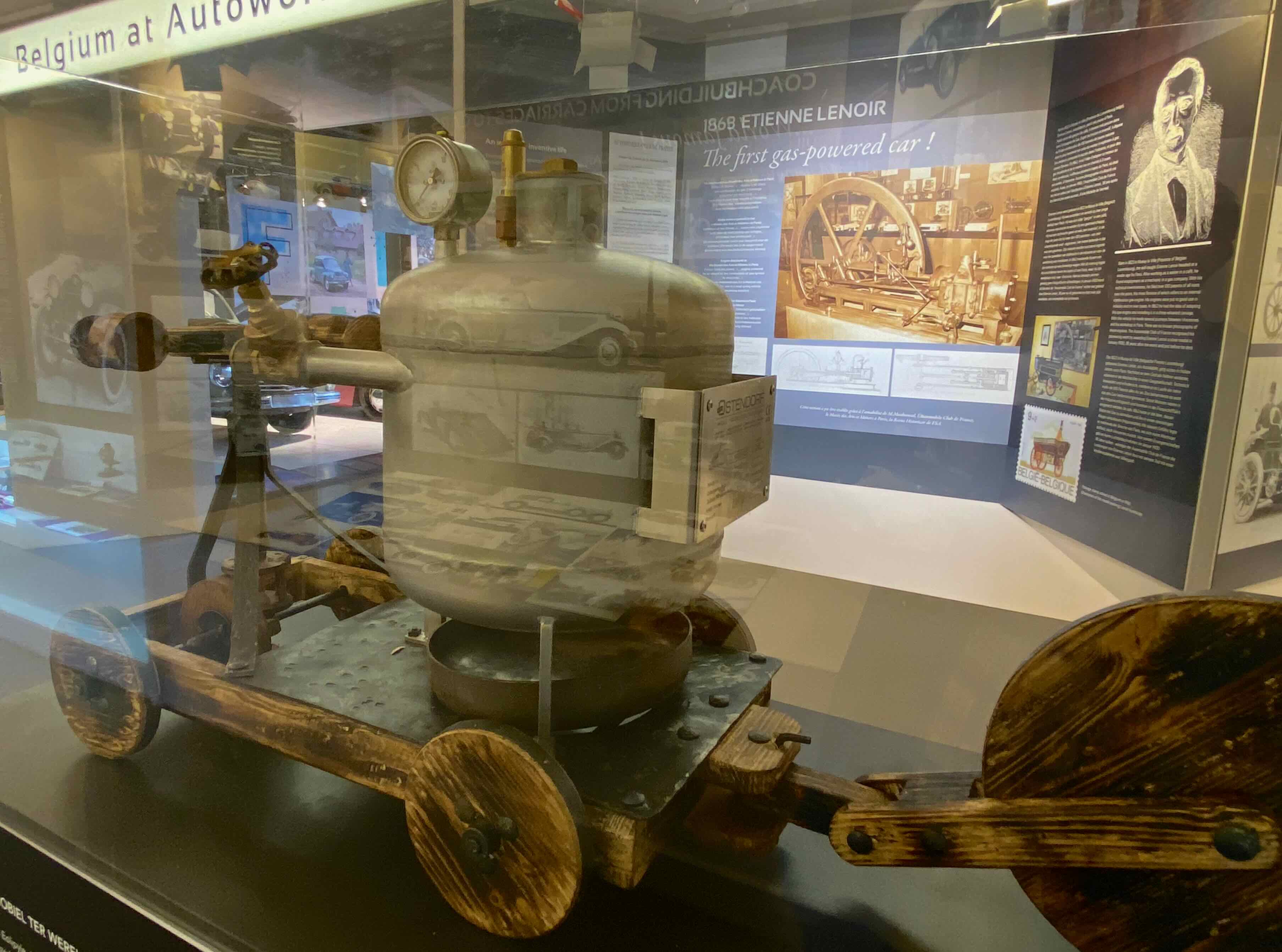
I thought the first vehicle ever built was the 1770 steam powered Cugnot.  But 100 years earlier in 1672 a Belgian priest in the Imperial Court of Peking designed this steam powered vehicle called an Eolipyle.  It was 2 feet long and built as a toy for the Emperor.  High-pressure steam comes out the front and forces the cups on the shaft to rotate, similar to how a waterwheel works.  Instead of water turning the wheel, the high-pressure steam turns the wheel.

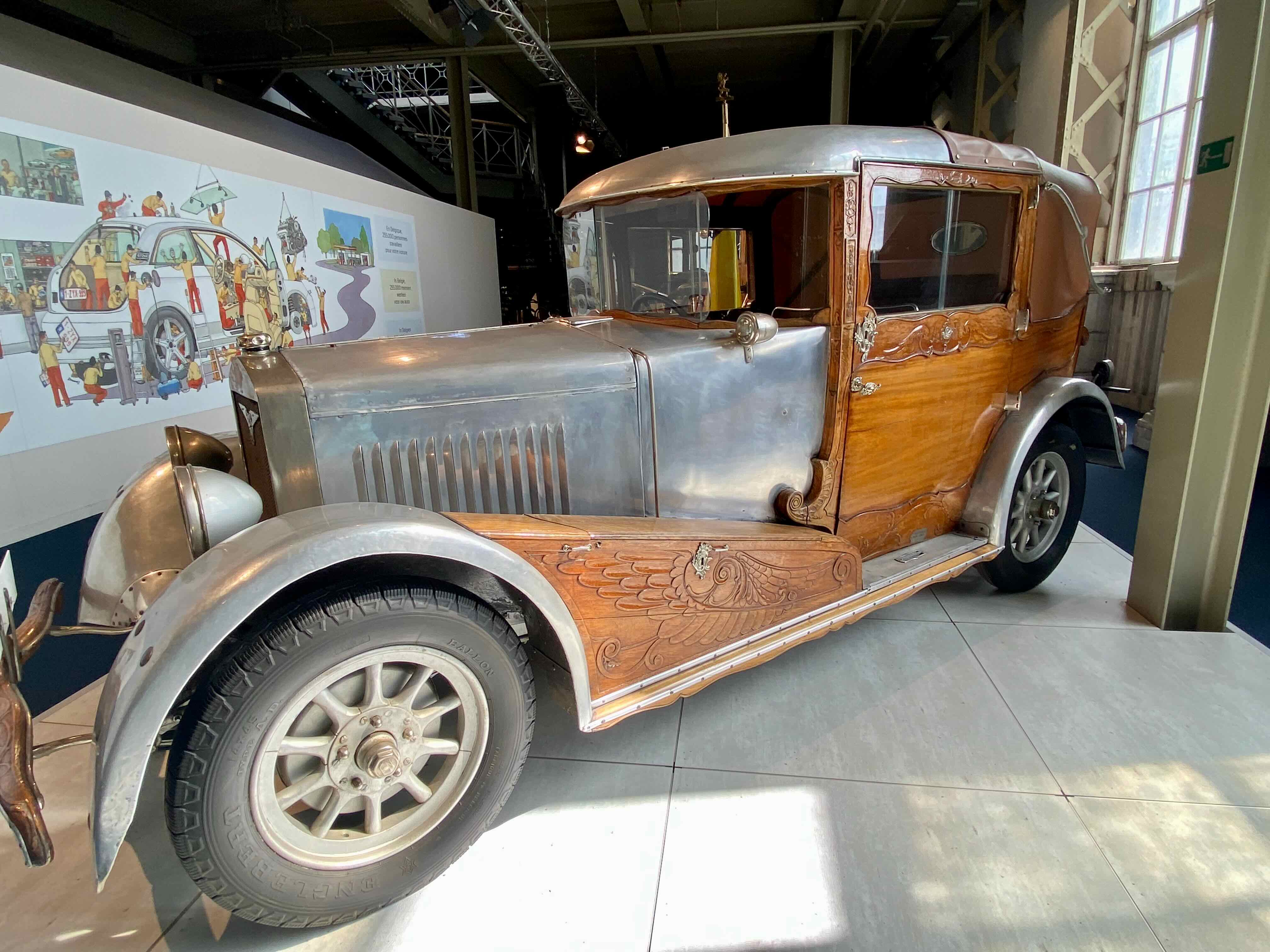
A Fabrique Nationale 1930 car built for a Shah but never paid for or delivered.

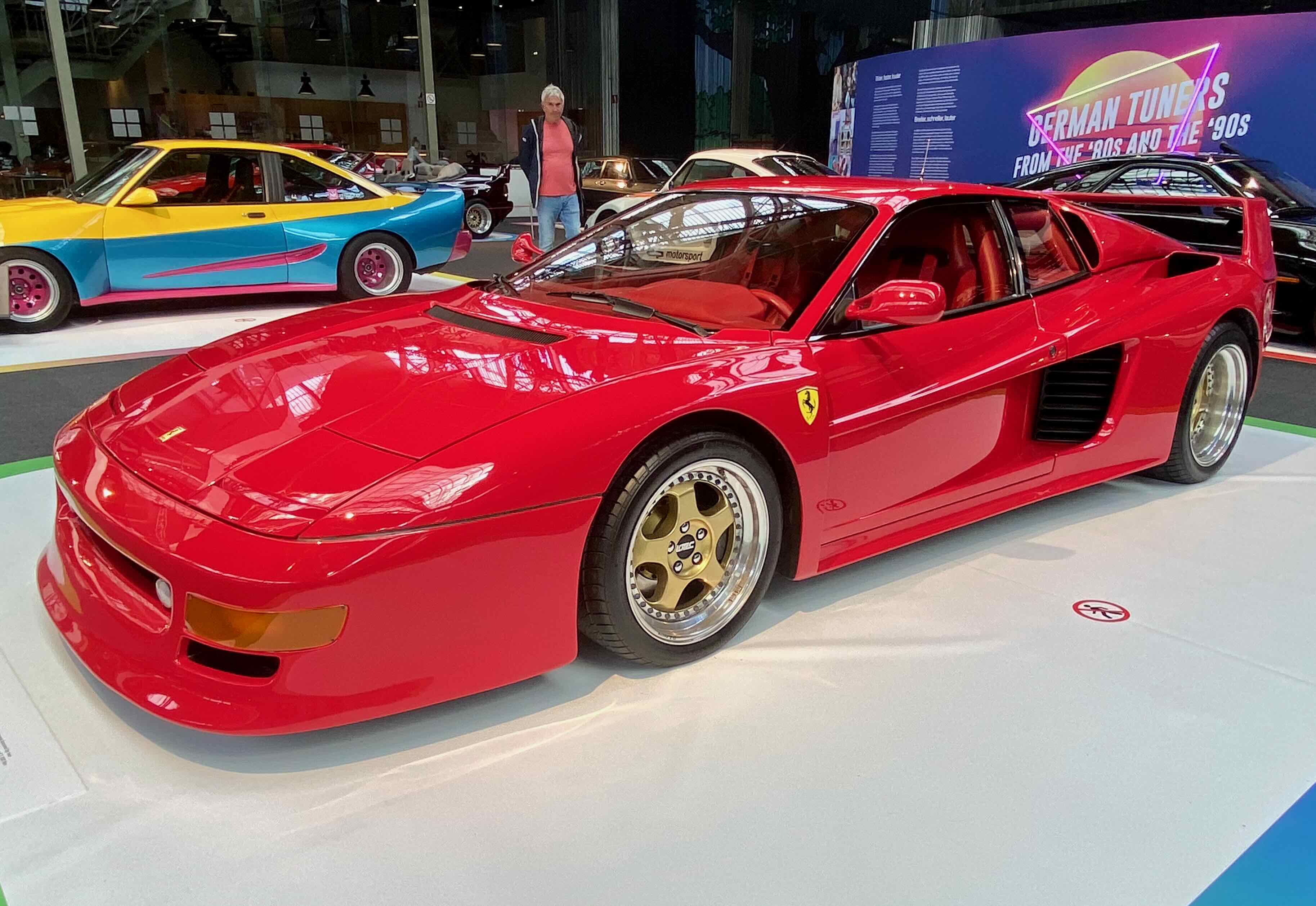
A one-of-a-kind 1991 Lotec TT1000 based on a Ferrari Testarossa, with twin turbos and 1000 HP. It was fast, 370 kph and cost $3.6 million.  

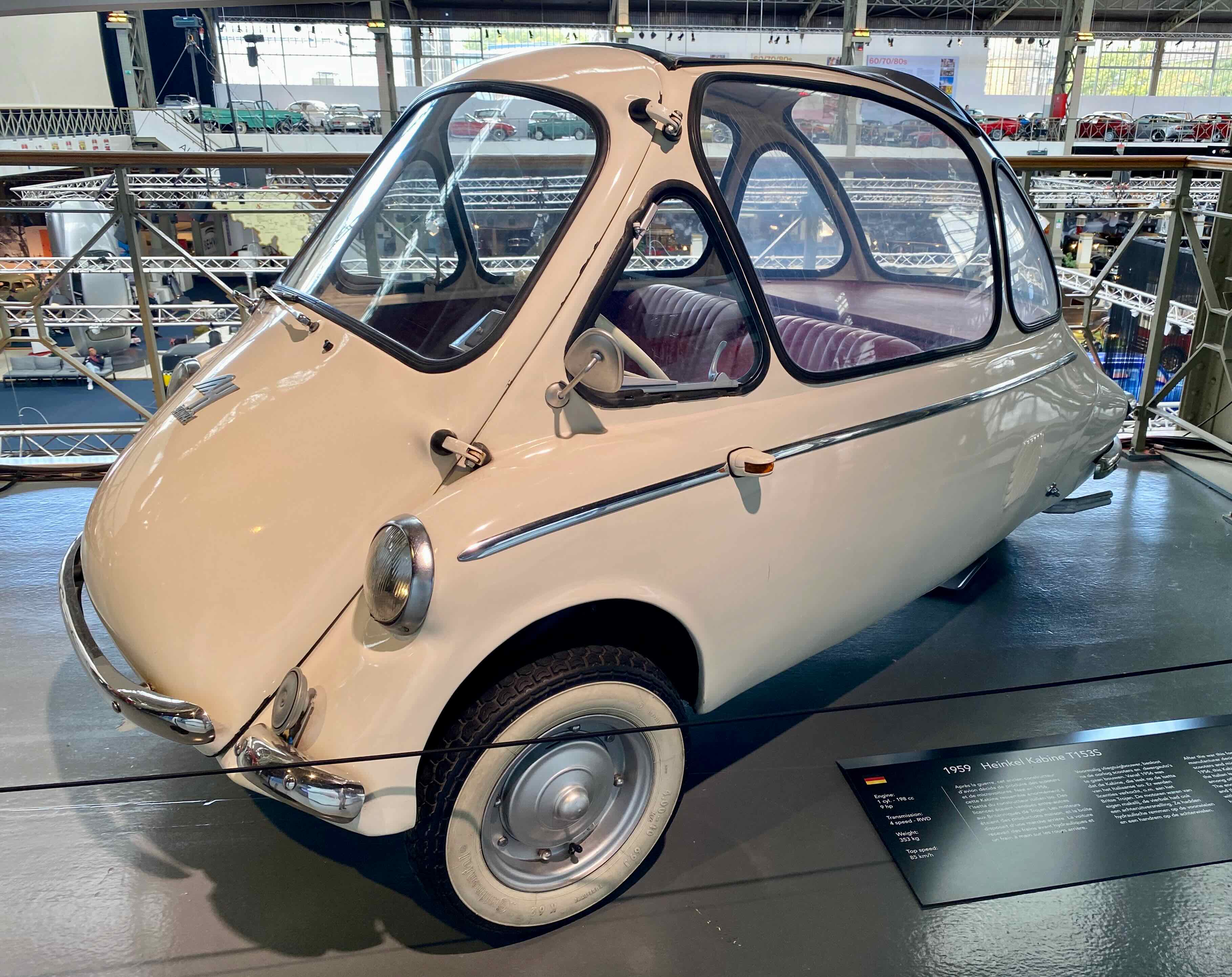
And for something more budget-minded, a 1959 Heinkel Kabine. This model came standard with hydraulic brakes and a reverse gear. The original cost was around 300 euros. 

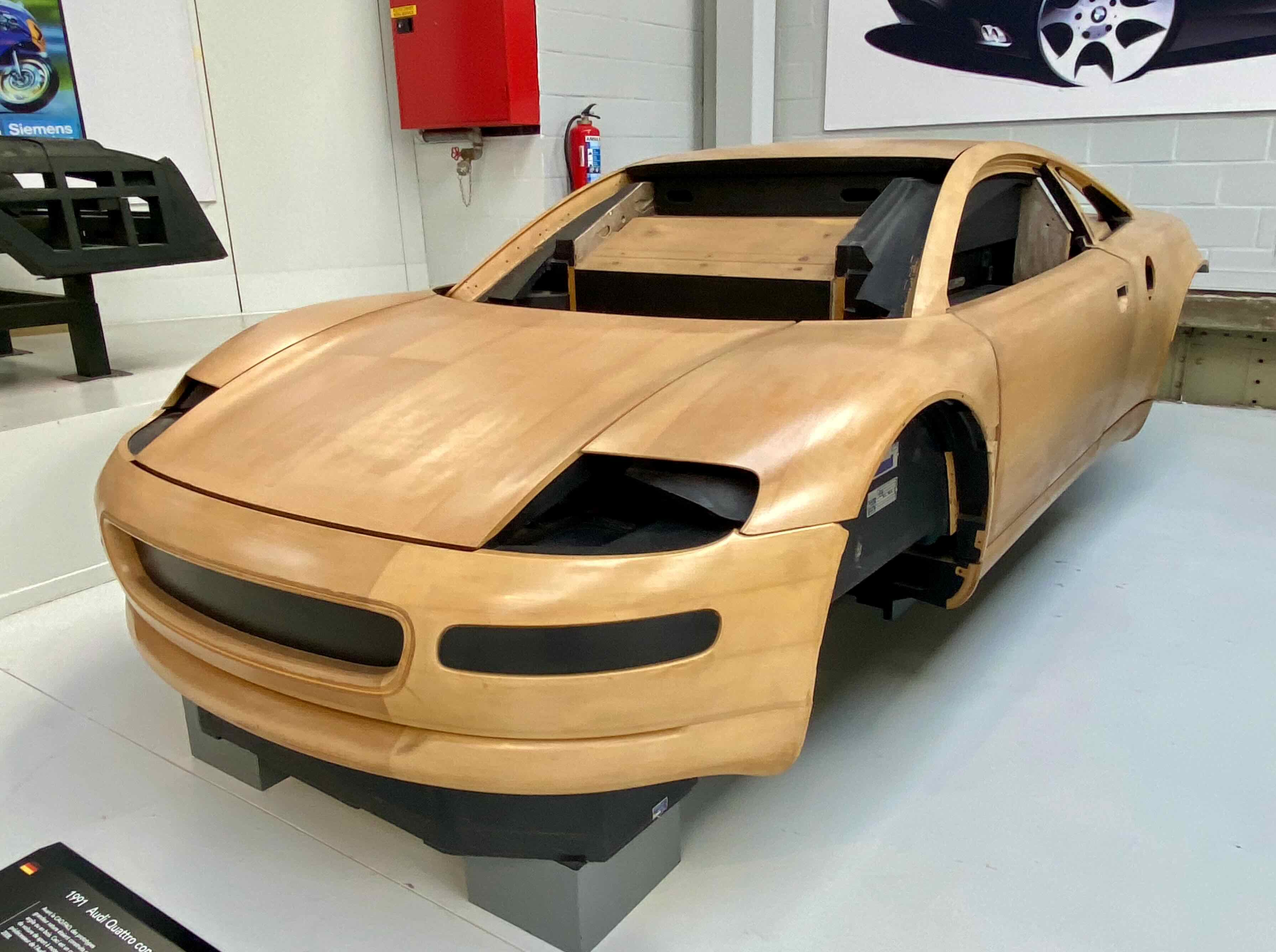
A 1991 Audi Quatro prototype made out of wood.

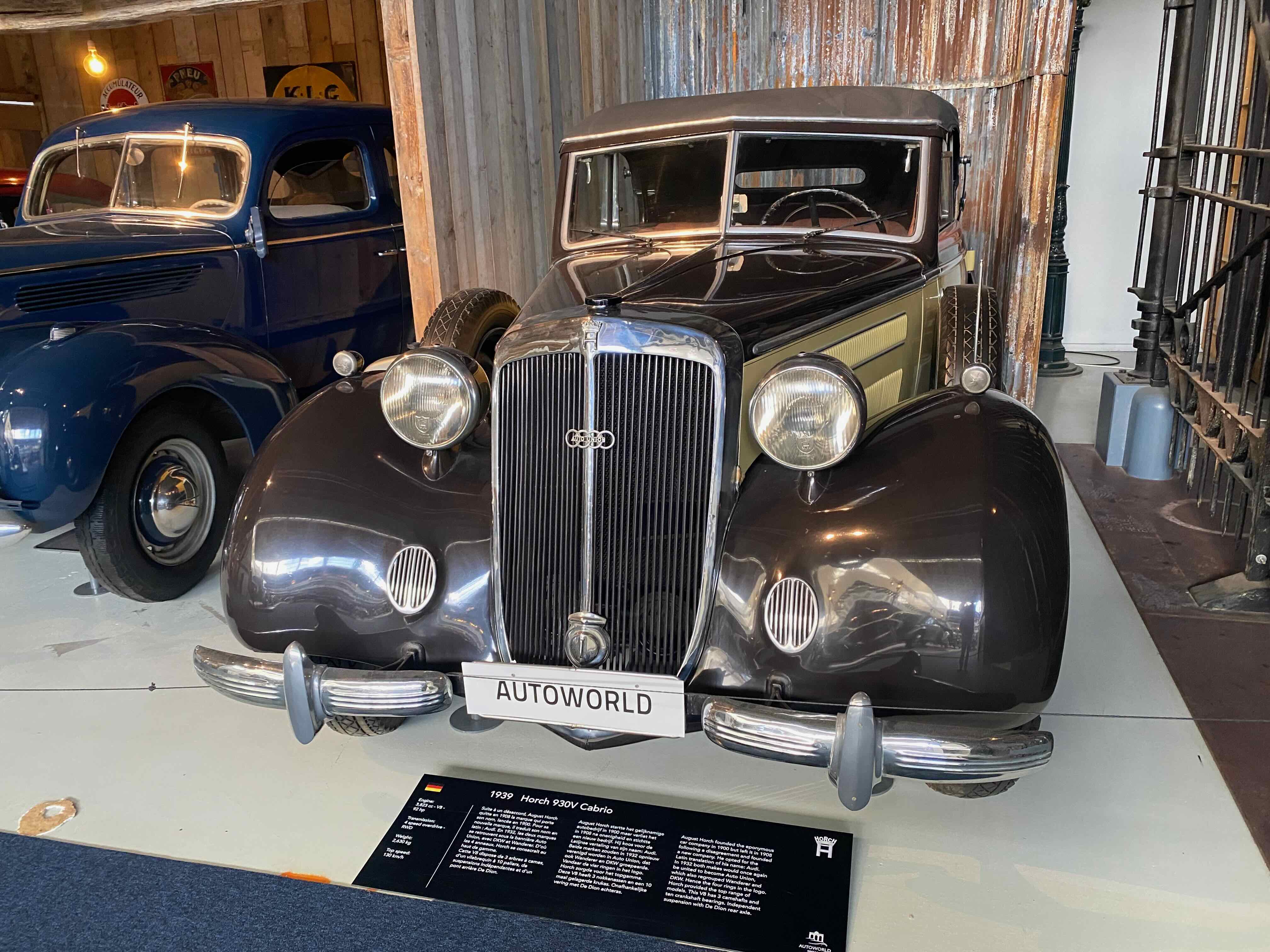
A 1939 Horch Cabrio.  August Horch started his car factory in 1900 but left in 1908 after a dispute and started a new company Audi (based on the Latin translation of his name).  In 1932 both companies merged with 2 others to form the new Audi, hence the four rings in the logo.

Driving to Belgium

Day 16    Monday, September 15, 2025

Today we drive to our next location in Brussels. We stop on the way to visit a zoo in Lille, France. It isn’t a very big zoo but we are surprised that senior admission is only €3!

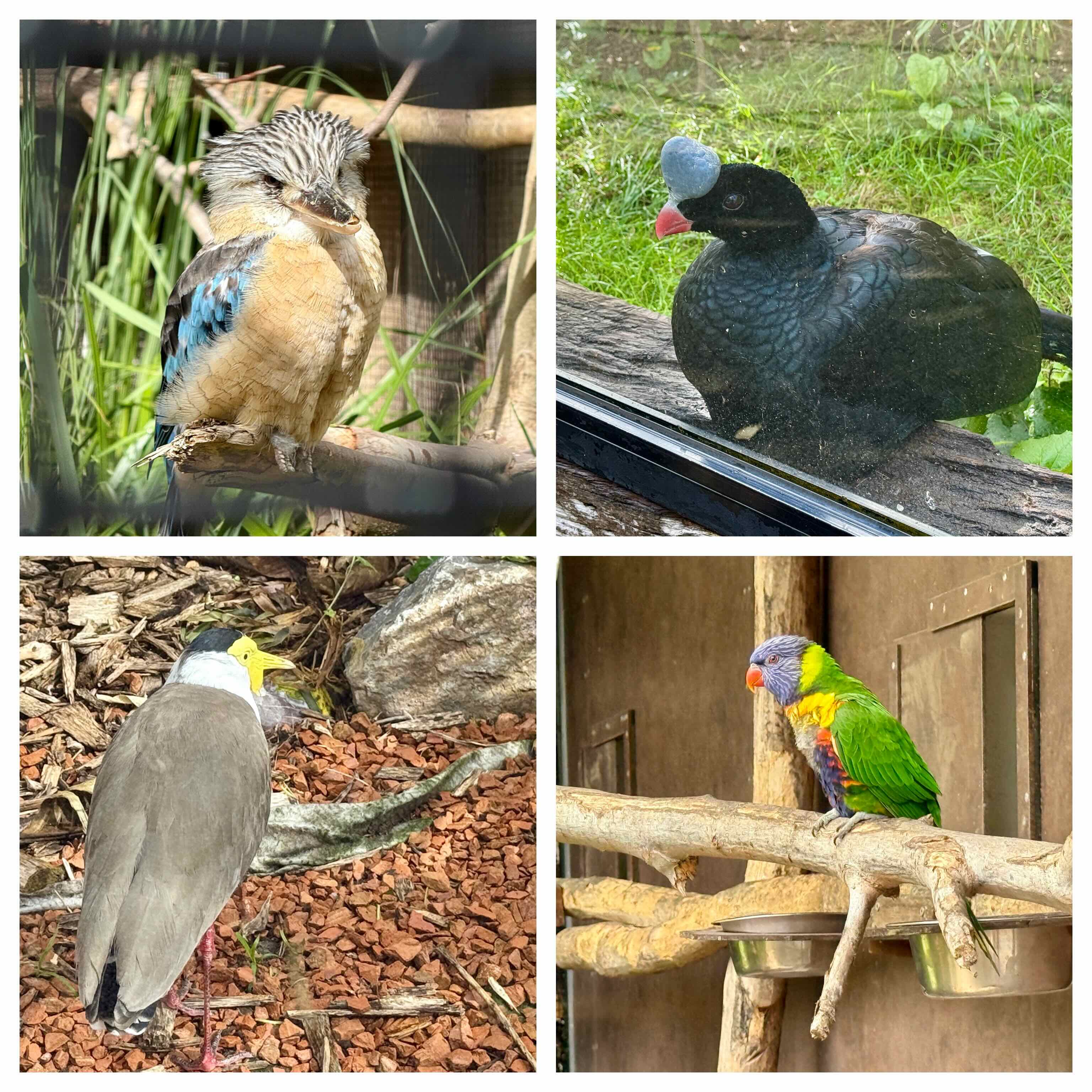
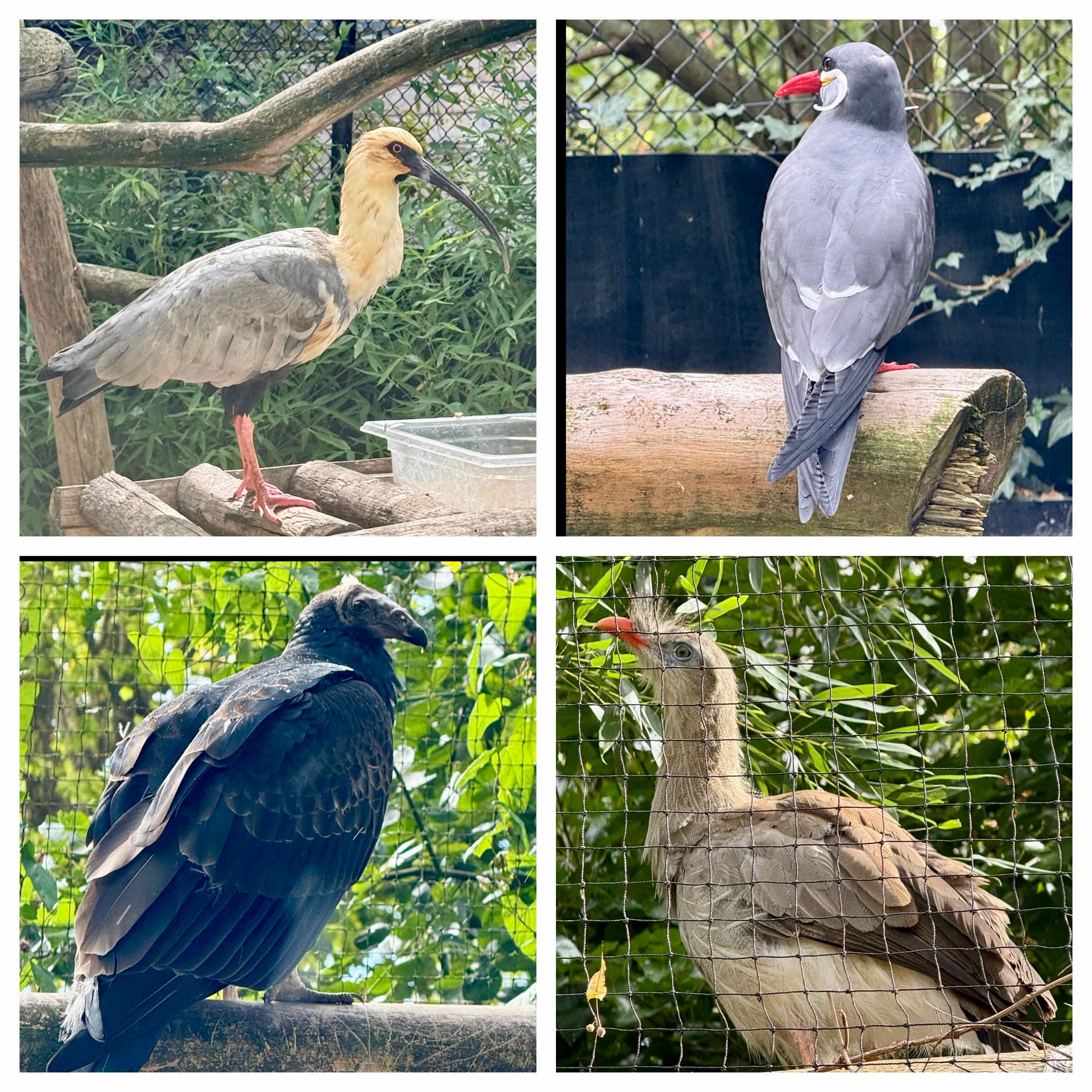
They have a lot of interesting birds. Clockwise… Blue Winged Kookaburra, Helmeted Curassow, Masked Lapwing, Rainbow Lorakeet.

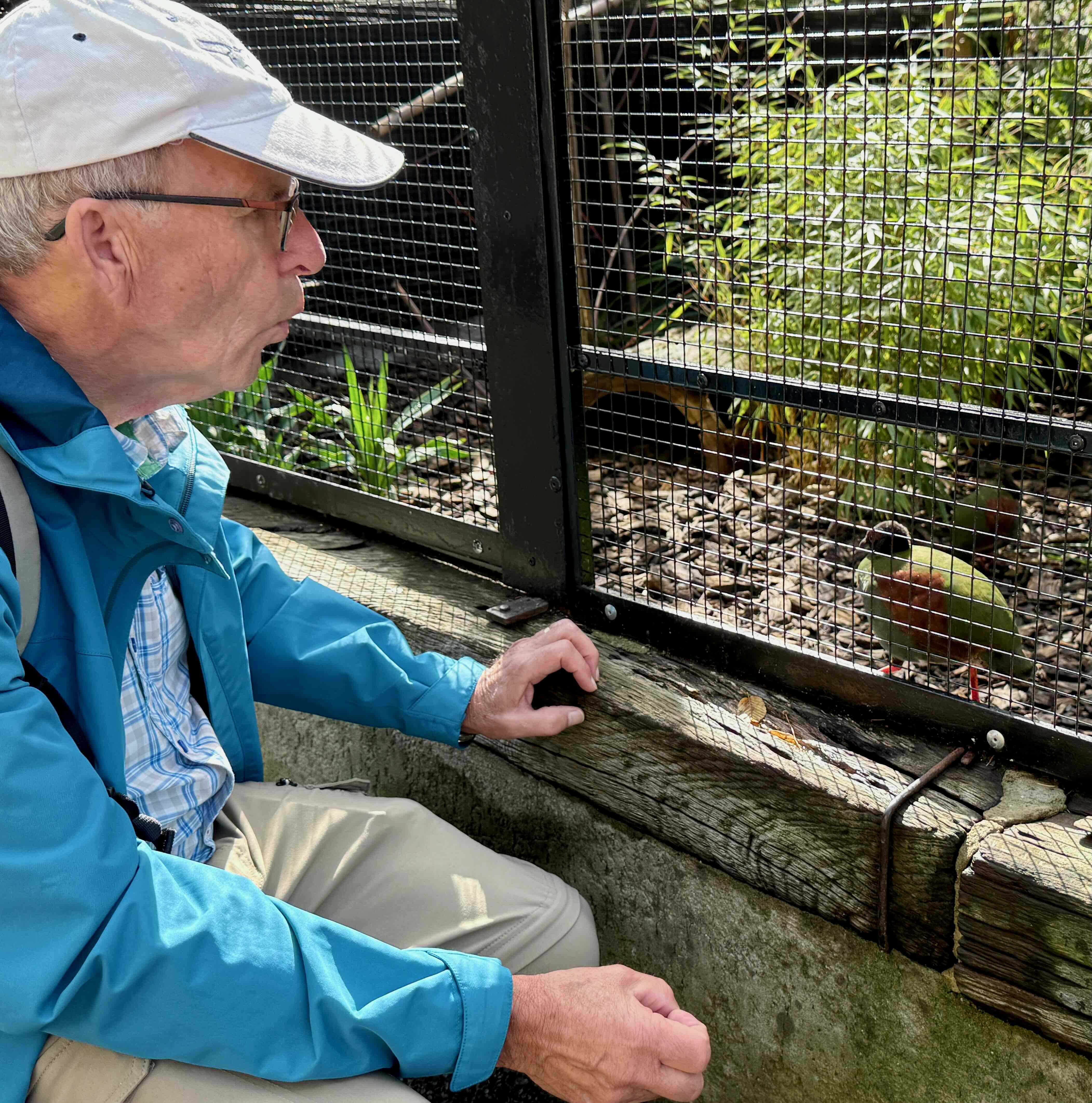
This Crested Partridge seems to like Bob’s whistling.

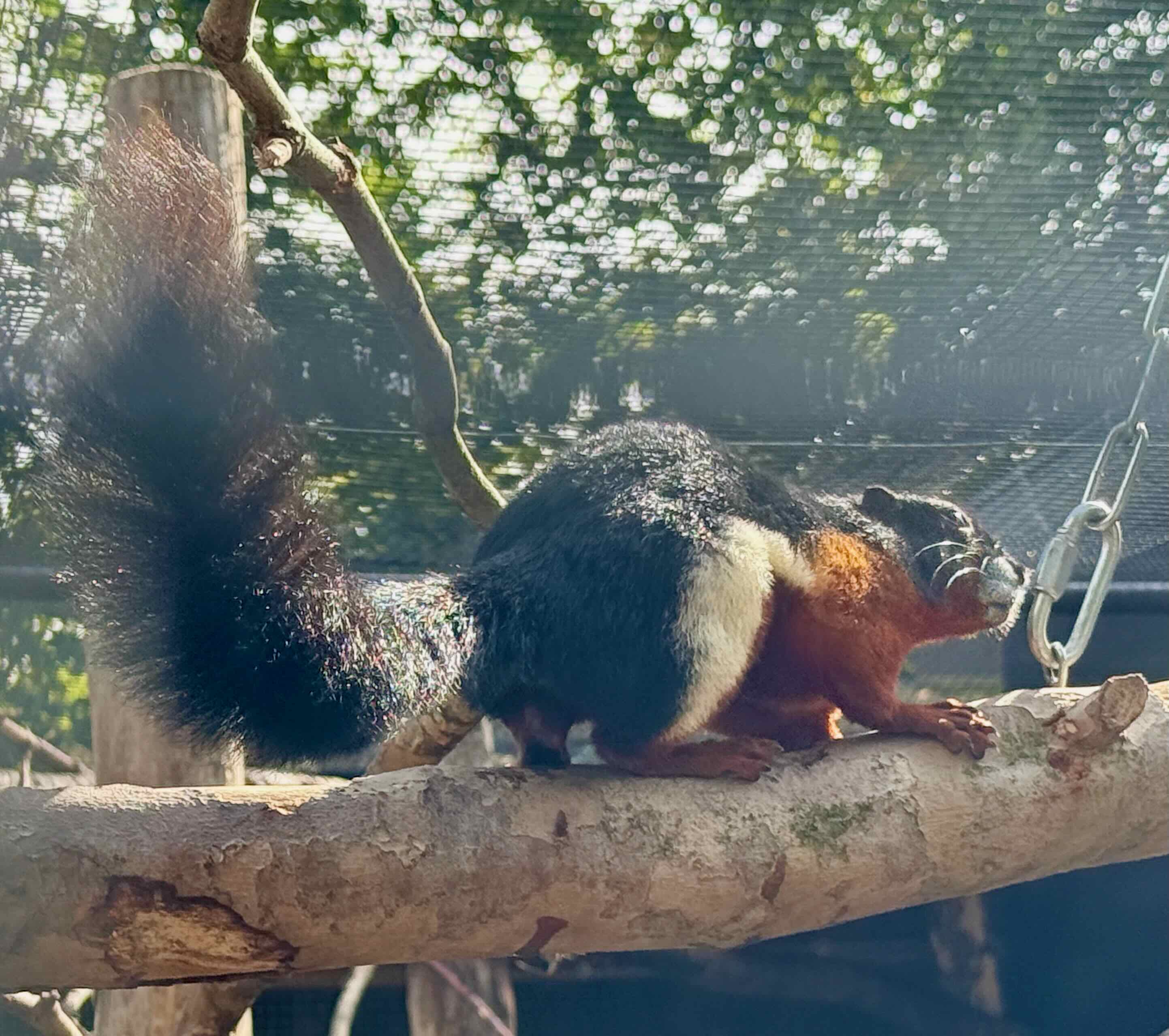
The Prevost Squirrel lives in tropical forests.  Several of these squirrels are very busy running up and down all the branches in their enclosure. They look like they are playing.

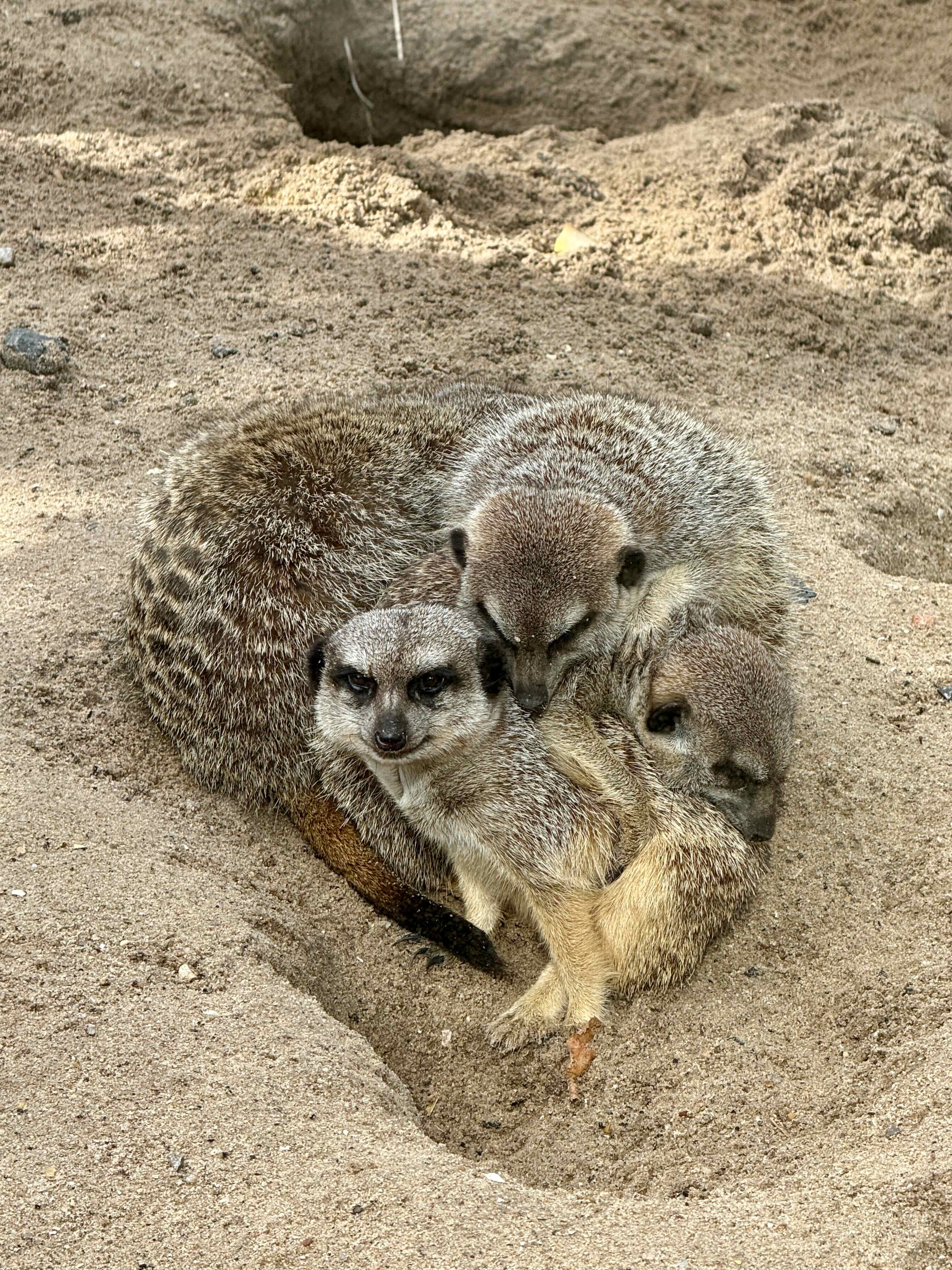
Who doesn’t love Meerkats?  They certainly seem to love each other!

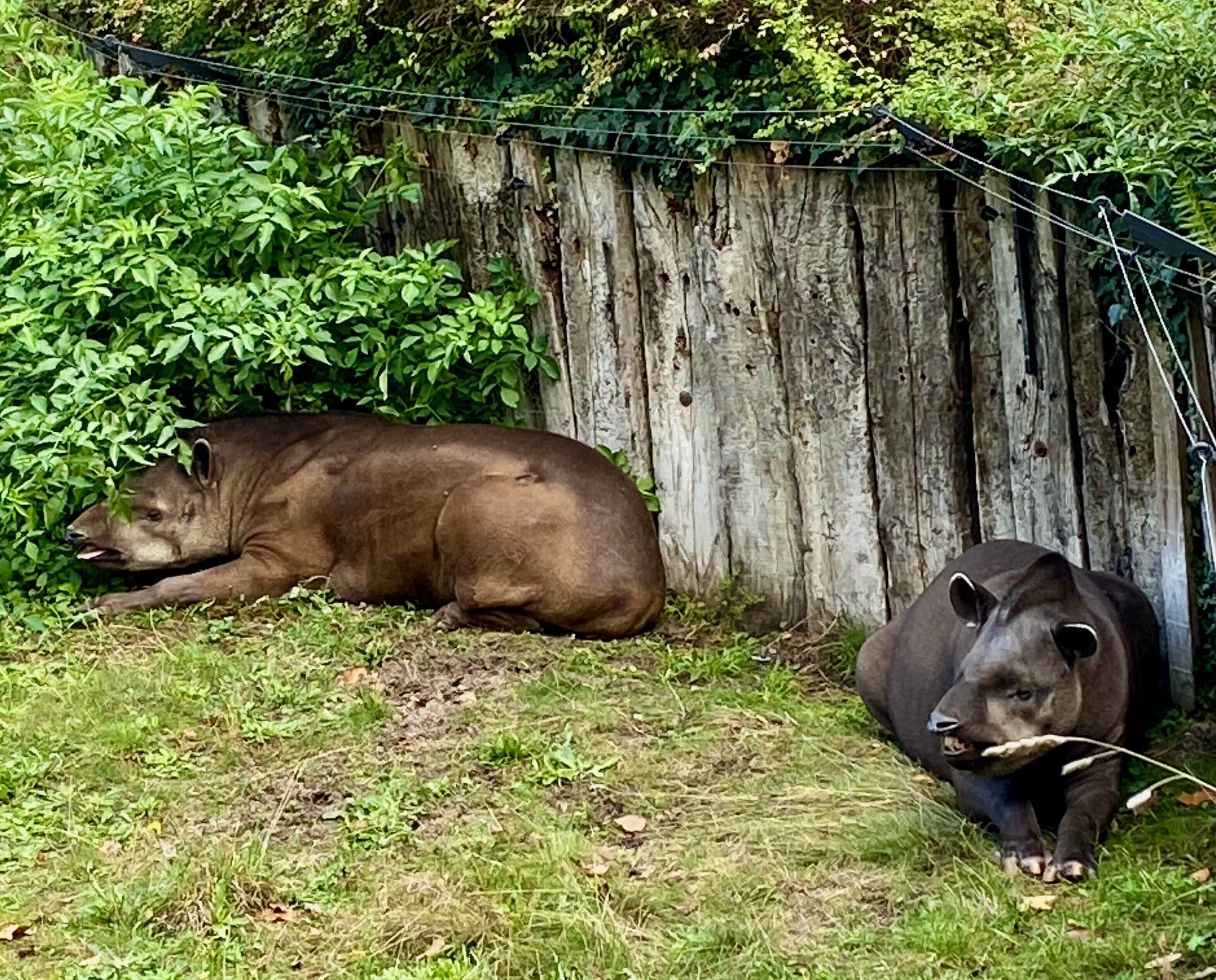
These two huge tapirs share their enclosure…

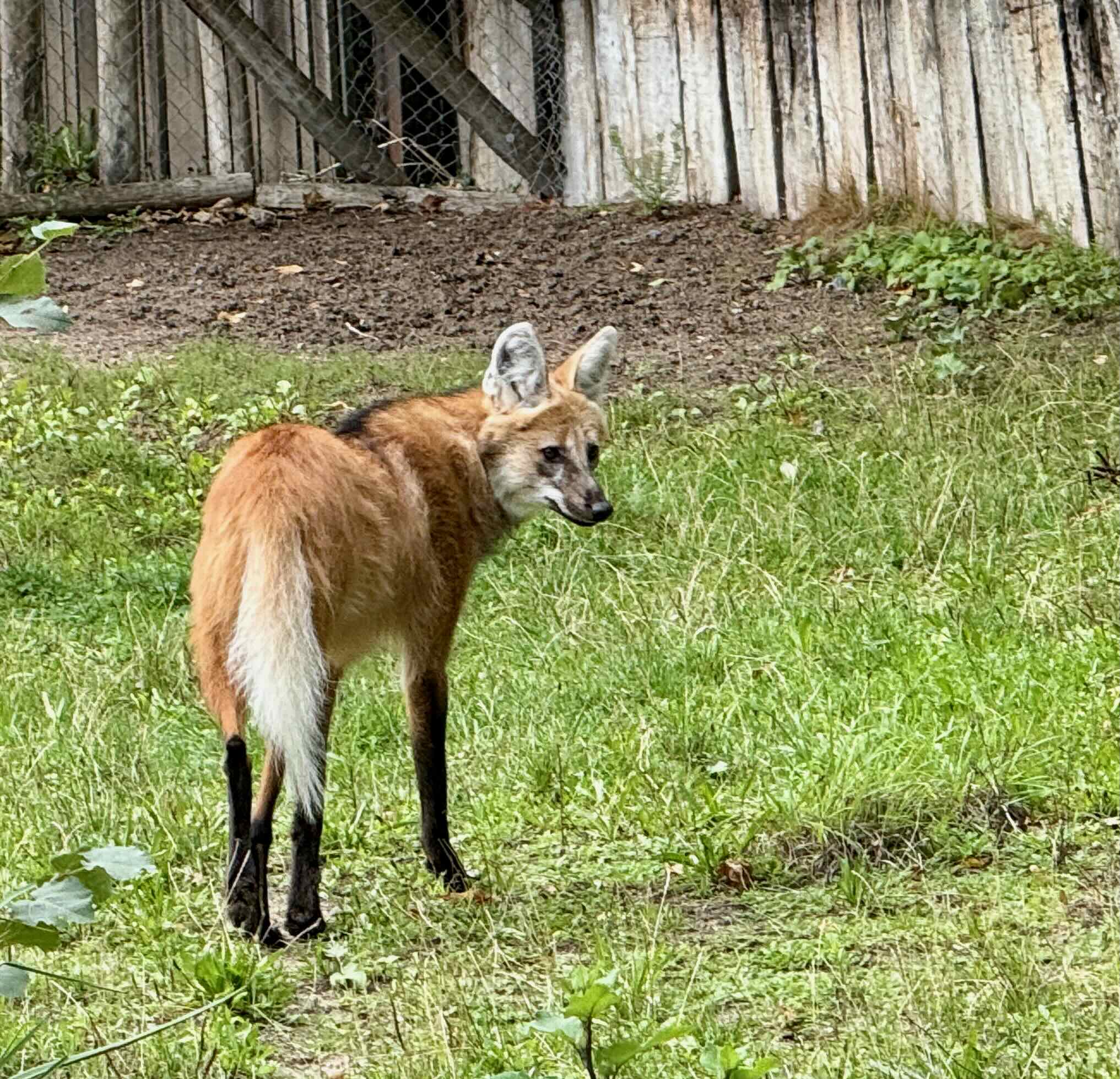
…with two of these beautiful Maned Wolves from the South American Savannah. They are not in fact related to wolves or foxes. They are their own genus.
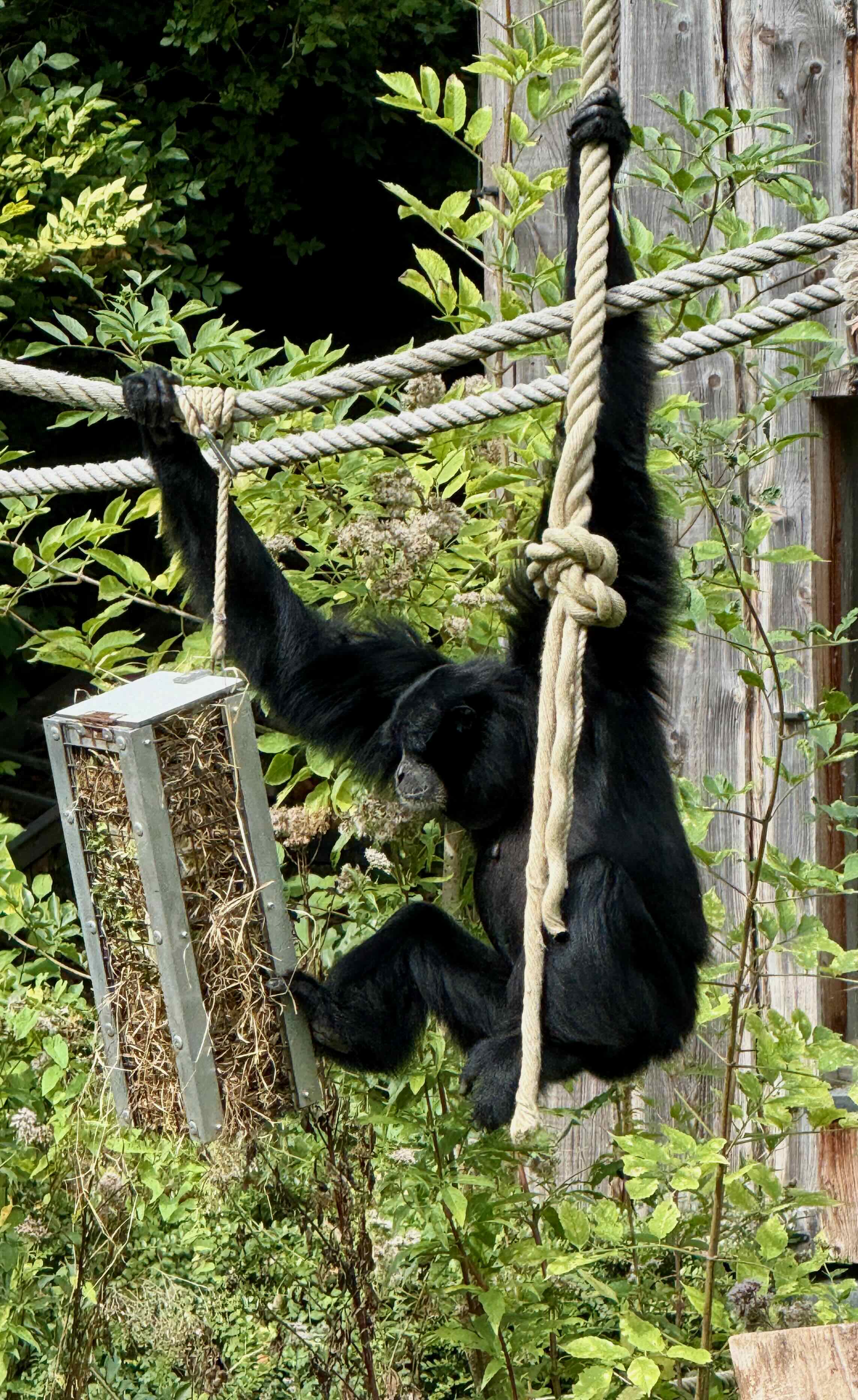
This Siamang uses its feet and hands to get at their food.

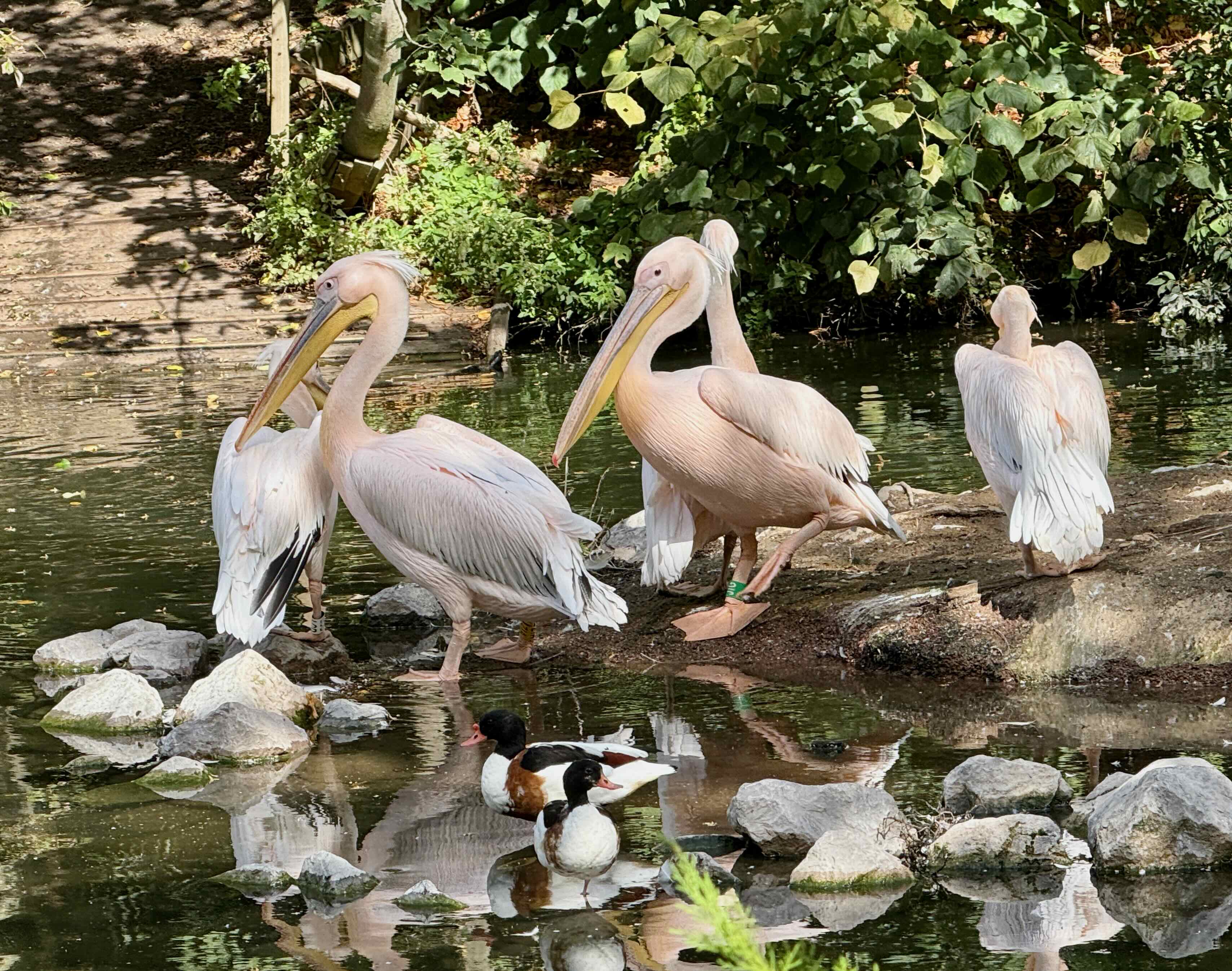
These are White Pelicans. I am reminded of the time years ago I sat and drew one of these beautiful birds in the Greek Islands. The bird I drew was quite tame and hung about near the fishing wharf. I sat about three feet away from this enormous creature and spent a lovely hour or so drawing him. The locals gave him a name, which I don’t remember, but he was definitely a male.

The last enclosure is a large aviary for tropical birds. These Scarlet Ibis are so colourful and a bit comical with their very long beaks.

Darn, I forgot to take a photo of the information for these birds, except for the Cariama Huppé which is the brown one with feathers on his beak.

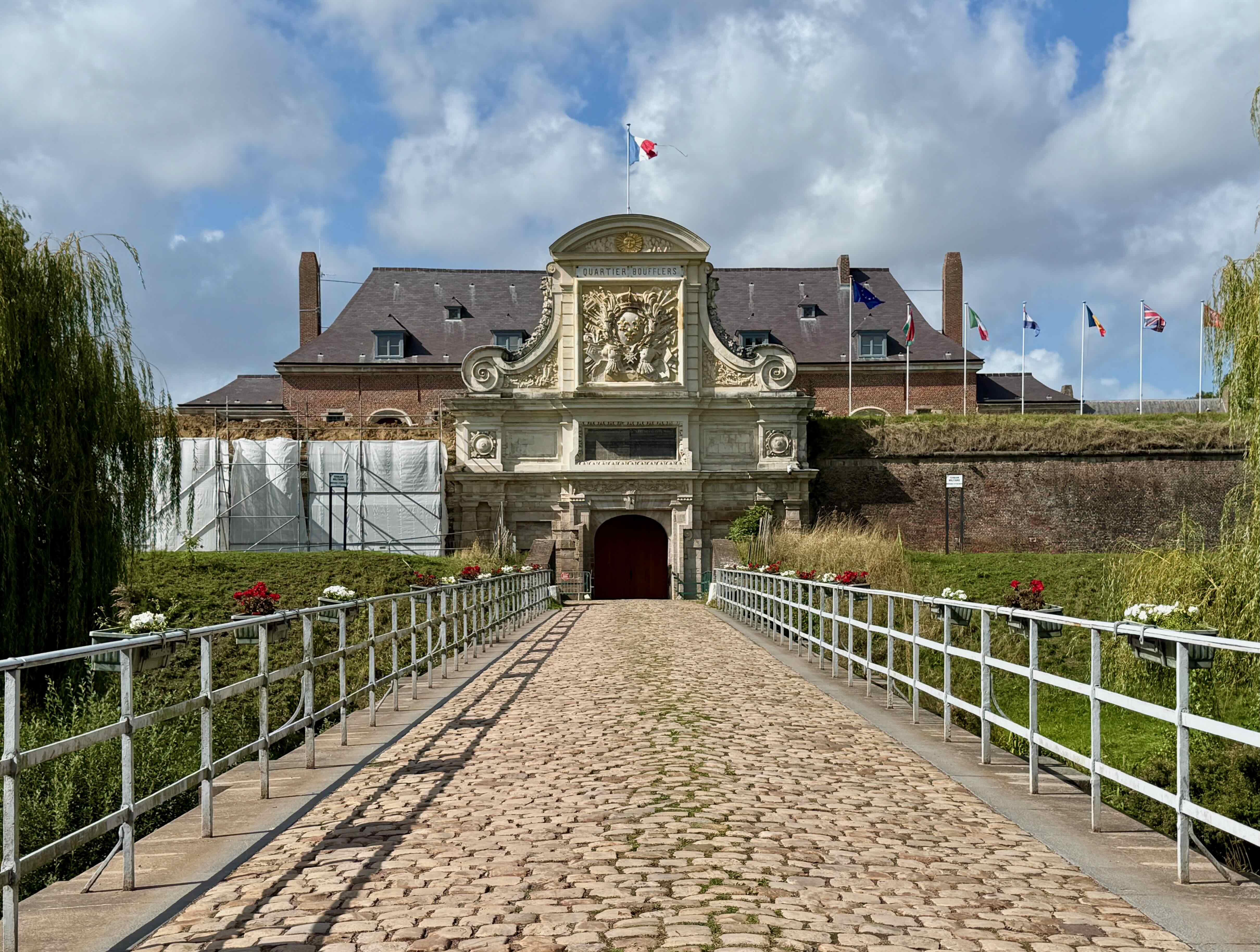
After the zoo we head towards the Citadel but unlike the one Bob visited in Arras, this citadel is still in use by the military.

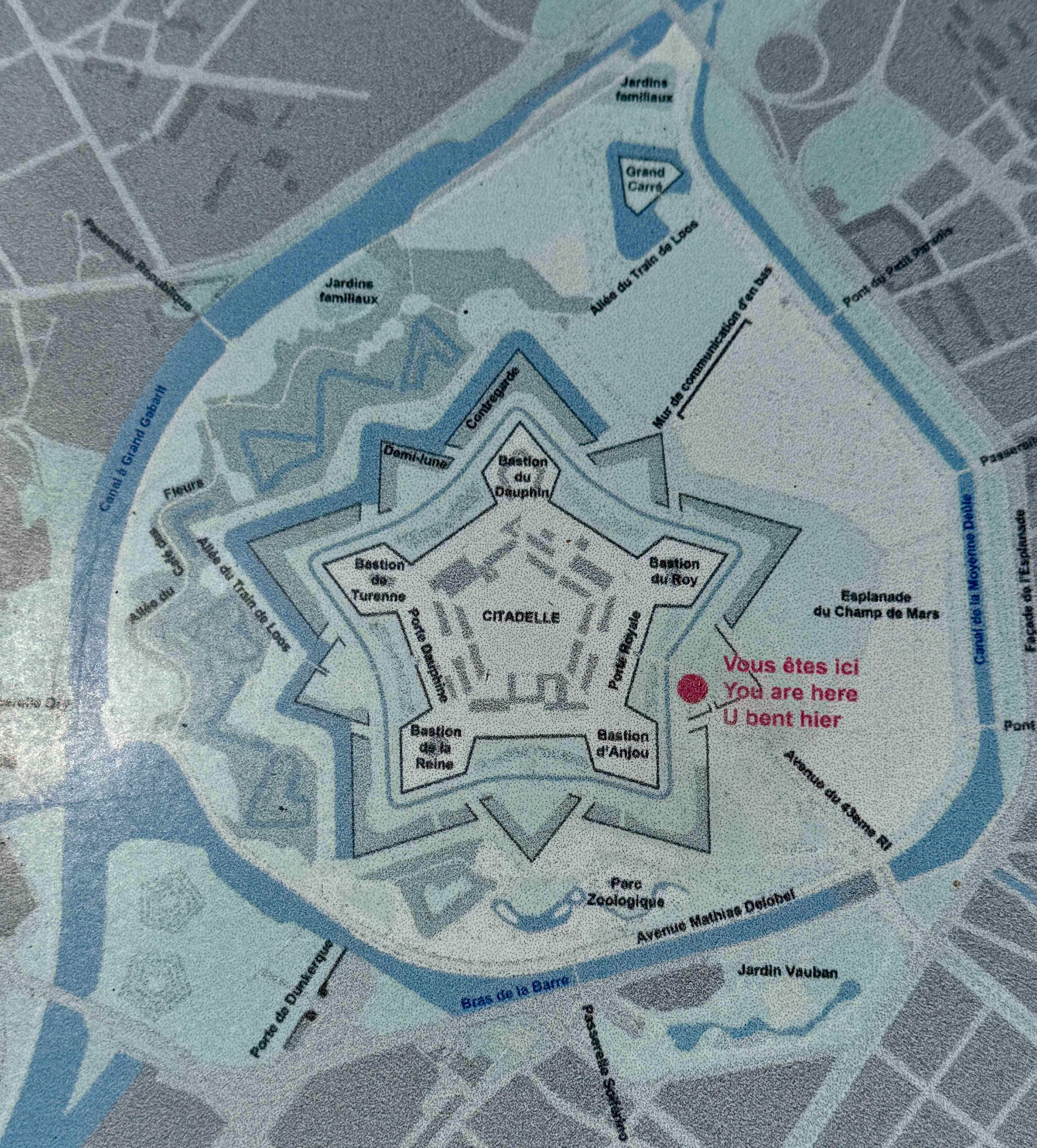
The Lille Citadel is the headquarters for the Rapid Reaction Corps-France.  This is a high-level,   deployable operational unit for the French Army and a NATO-certified force. This unit comprises around 450 soldiers from 14 allied nations.

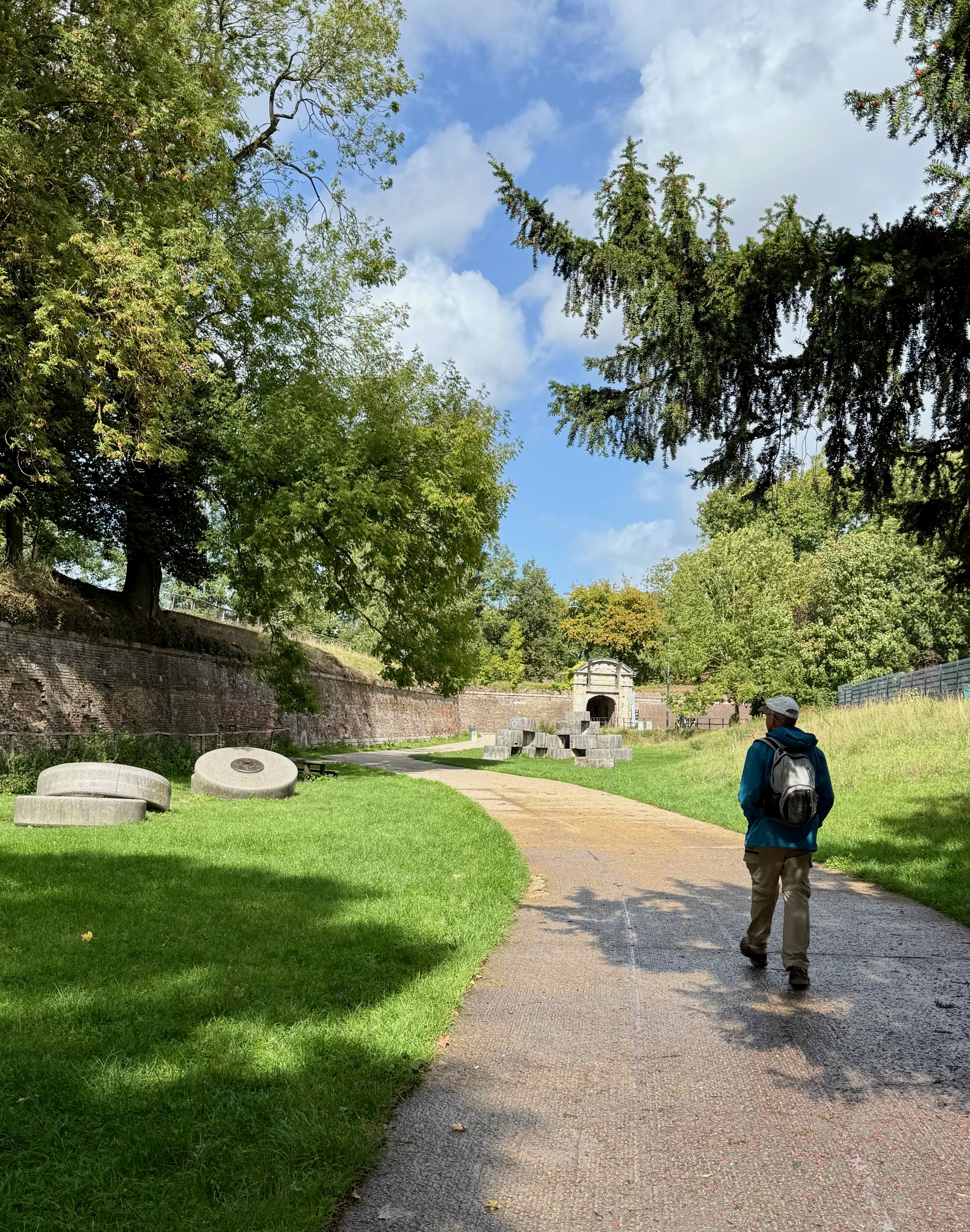
The white area of the Citadel is used by the military but the surrounding areas have been converted to parkland for the use of the public.

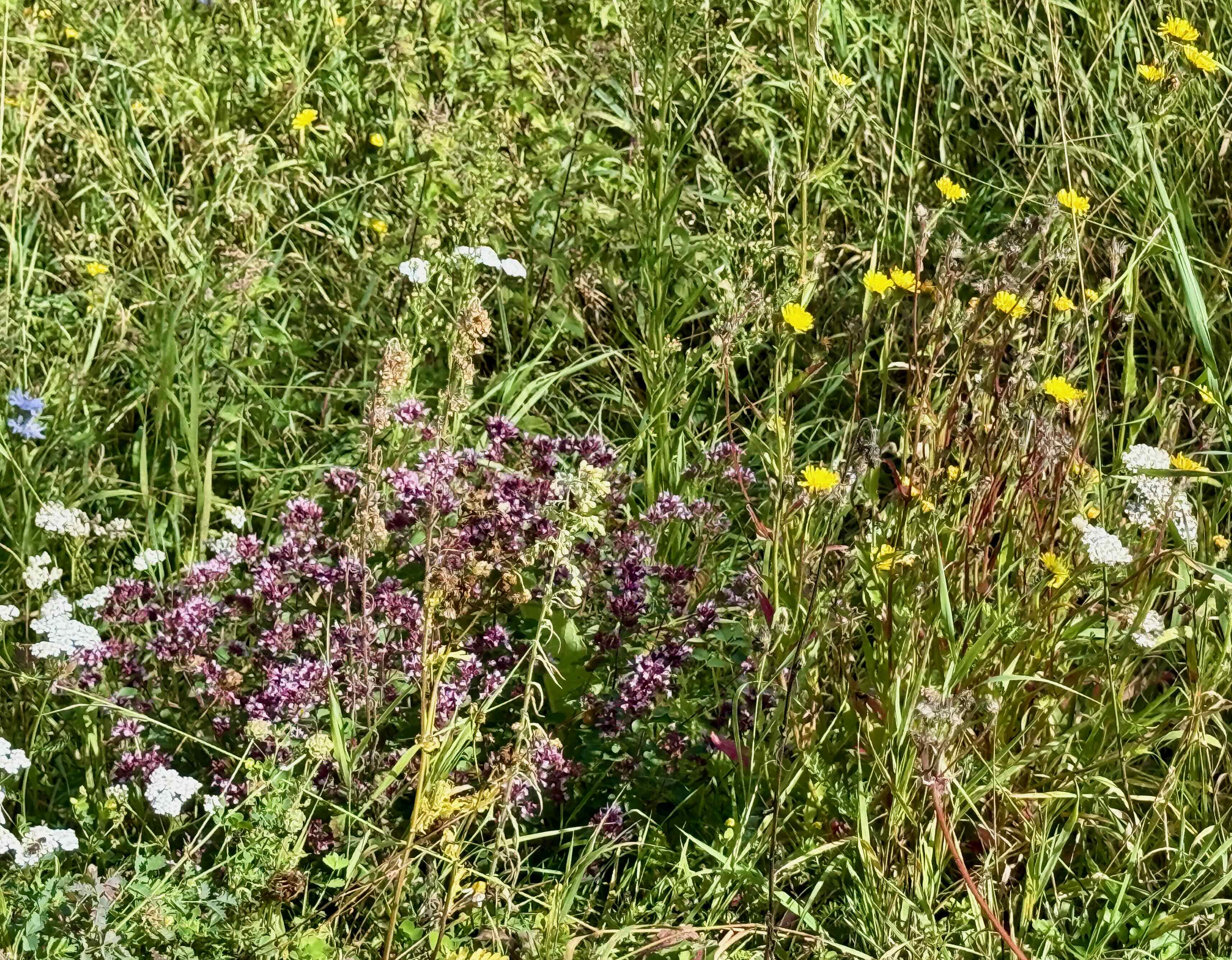
On our way back to the car there is a field with wild flowers.  I am surprised at how many wildflowers I see this late in the year.

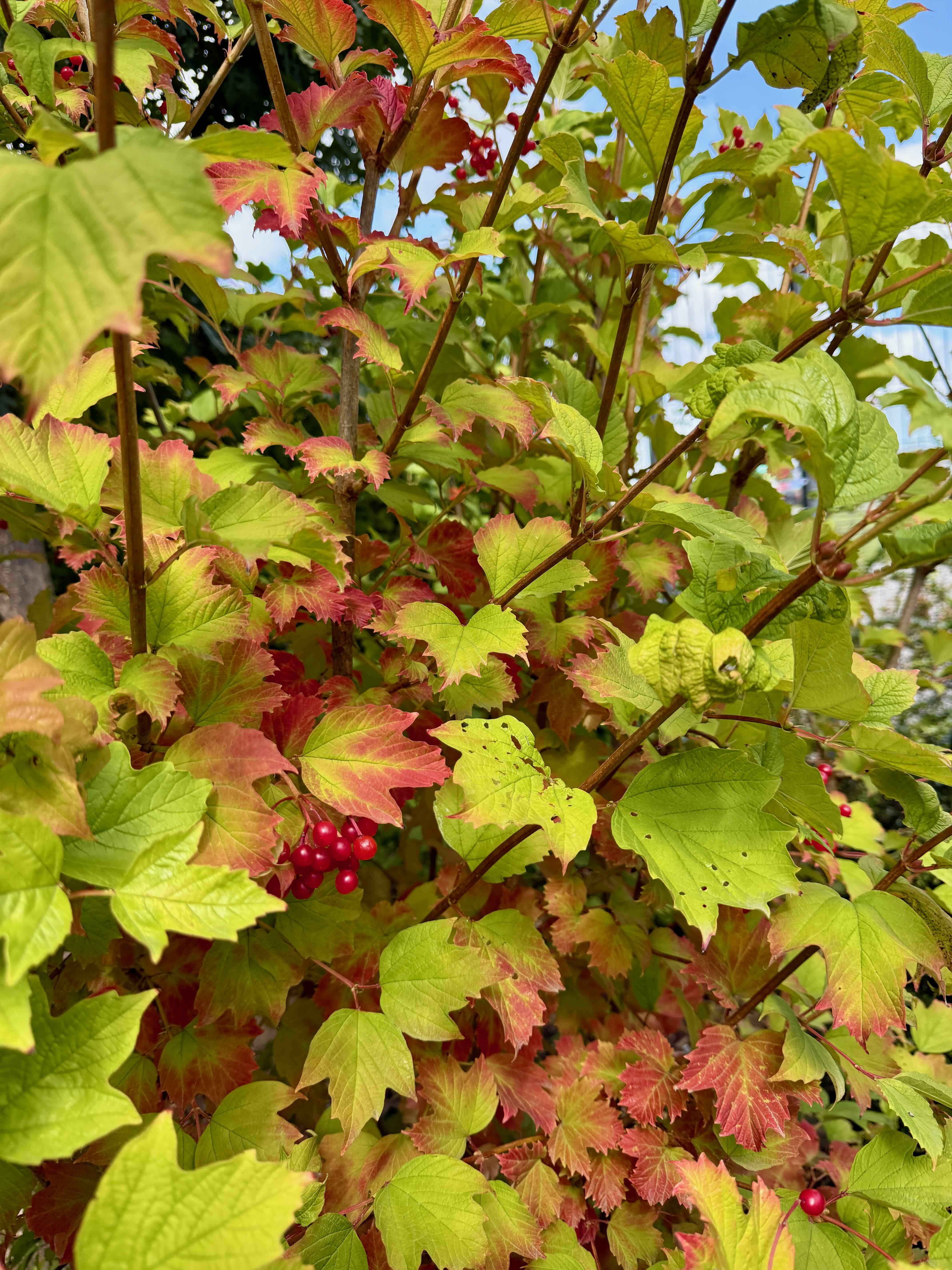
Some of the bushes and trees are starting to turn colour.

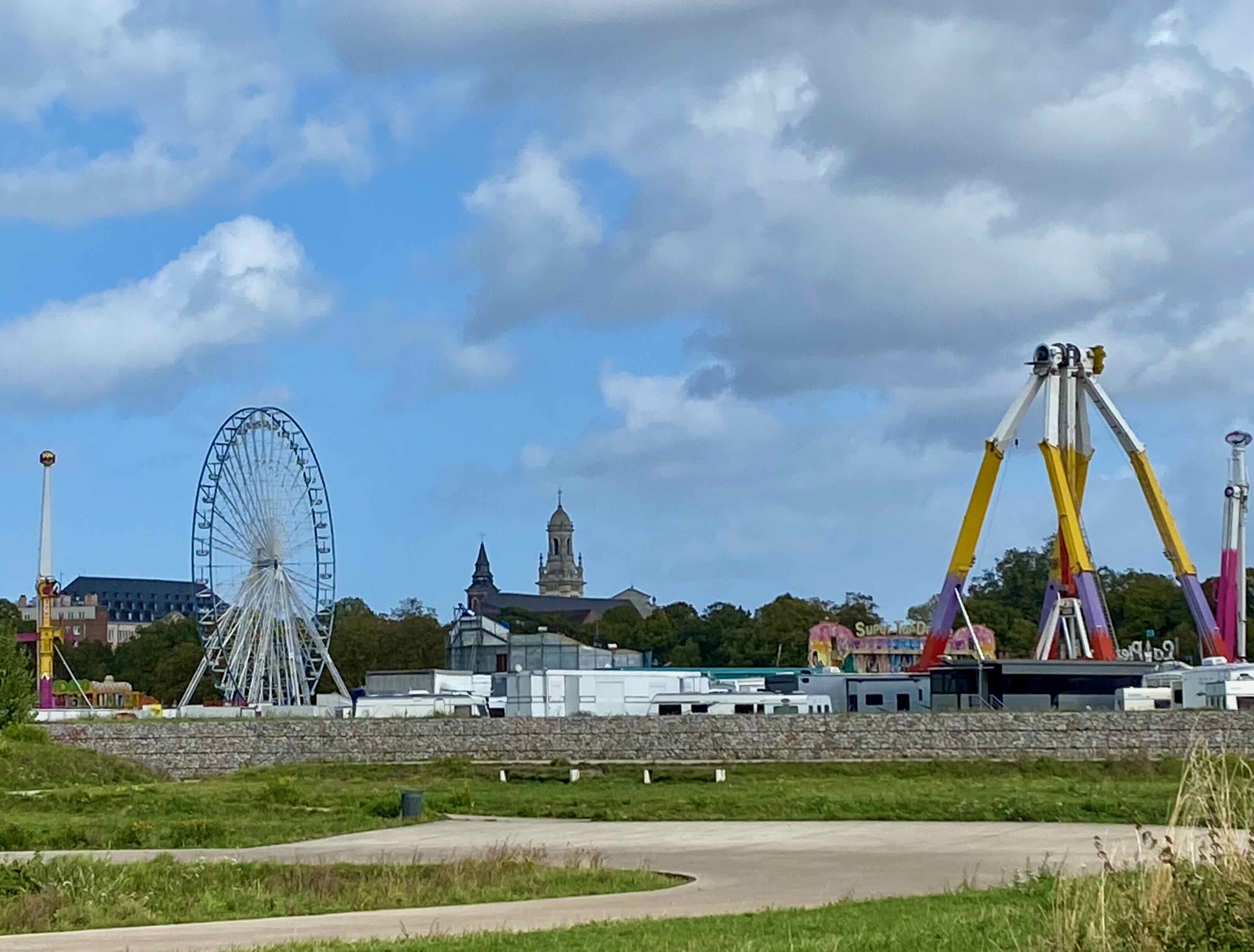
There is a huge fair setting up next to the parking lot. Too bad we aren’t staying longer.

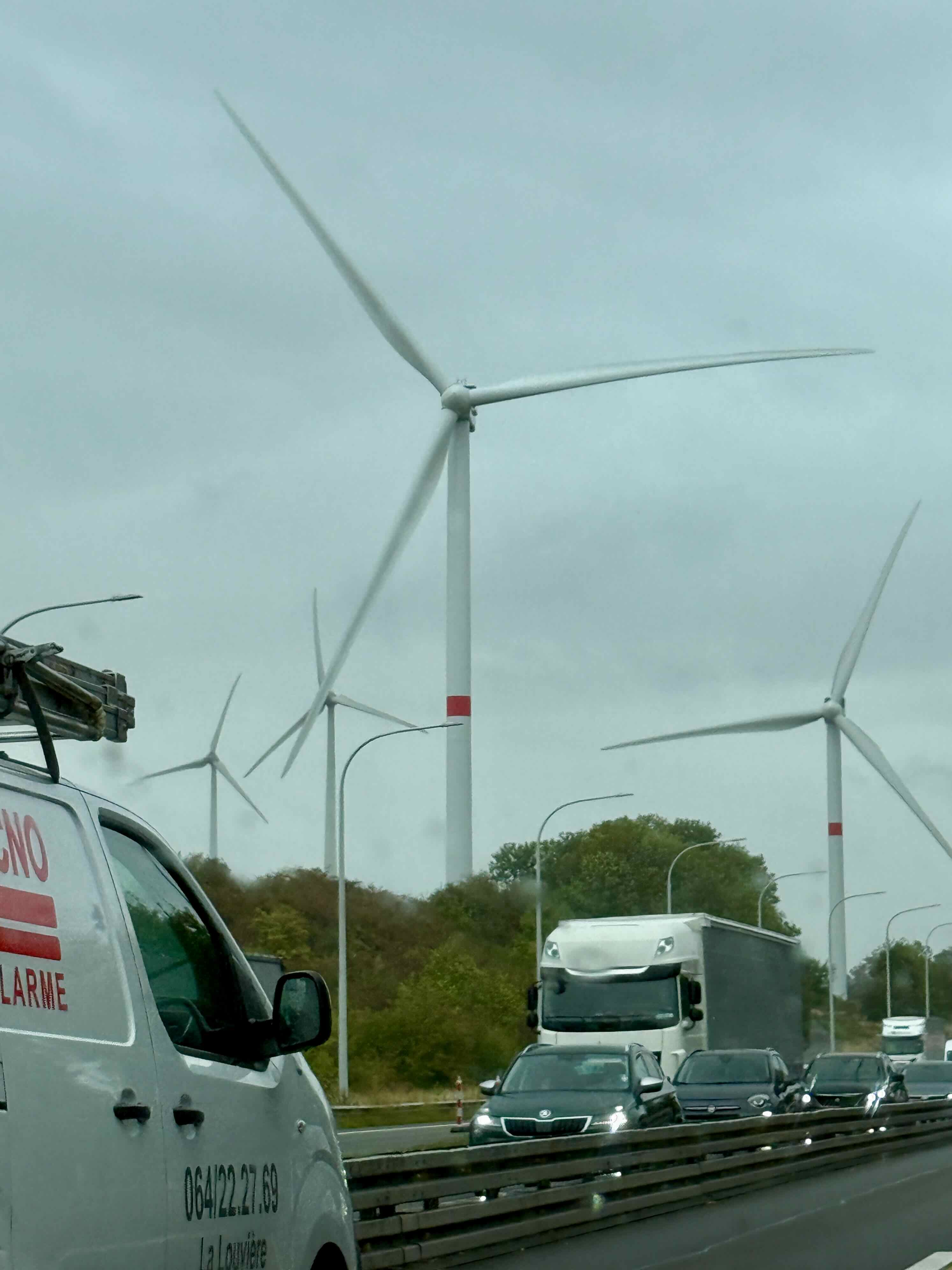
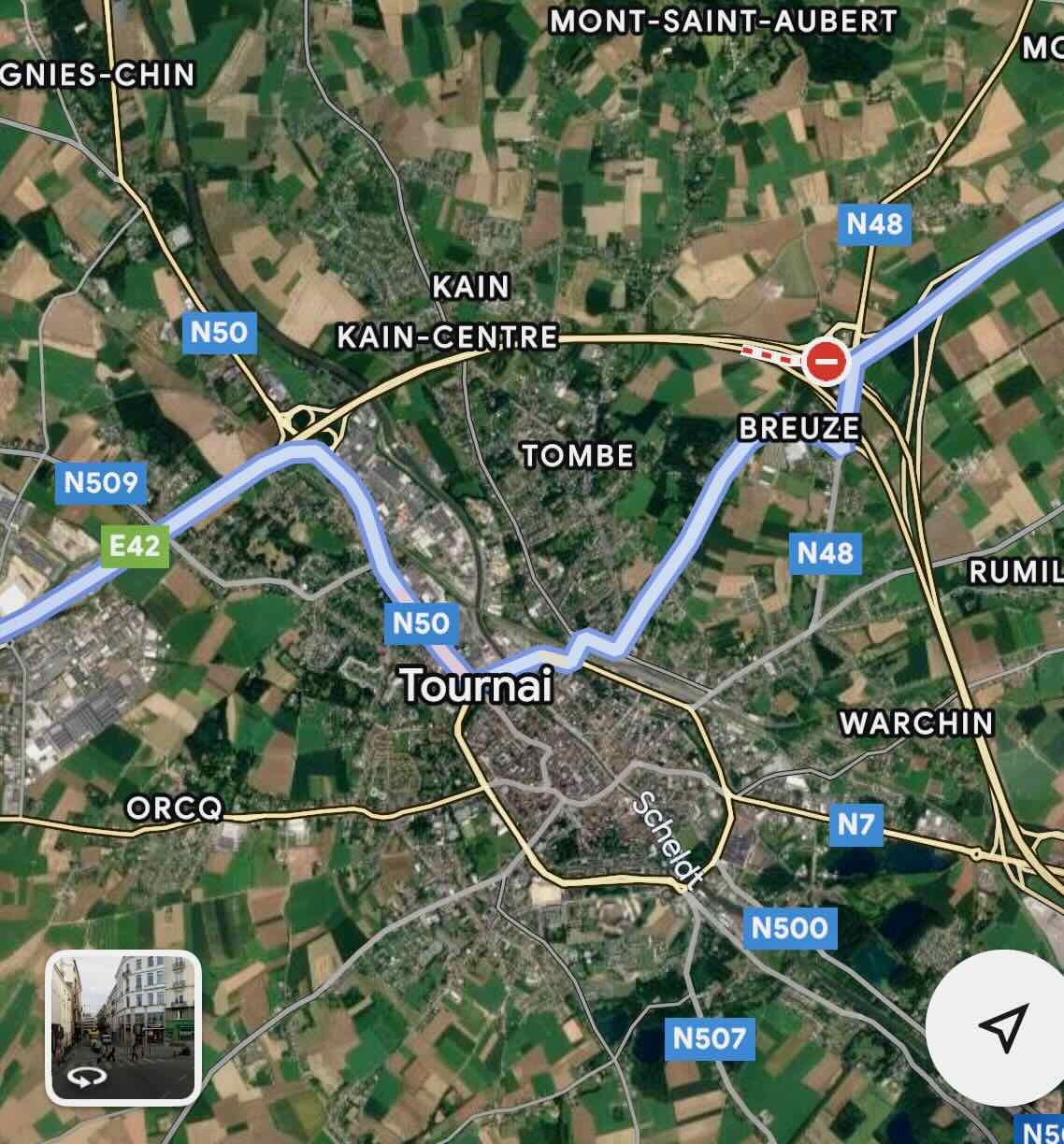
The weather is all over the place today. Sunny and warn one minute and then cloudy, very windy and rainy the next.  On our drive to Brussels we see a lot of wind turbines.  Many of them are really close to the road. They are so big!Everything was going well until we got close to a town called Tournai. Our route was supposed to take the yellow road that on this map ends in a no entry sign.  Instead we got detoured down the N50 which looked like we would still be OK but we weren’t. We were detoured onto the southbound lane of the highway which had a barrier to allow half of the road to be used for northbound traffic so it was impossible to make an exit left or right!  We had to keep driving..in the wrong direction …until we could get off the detoured road. We then rerouted our map to get to Brussels only to hit more detours, and then Google maps froze!..and Bob is asking me which way to go!!  We find a place to pull over and figure out a work around which means going in the wrong direction again until we get to a place called Mons, where we should be able to take a completely different road to Brussels. That did work but we hit at least four more construction zones where we were detoured again…only this time we kept going in the right direction. Needless to say we were both very happy to finally arrive in Brussels and check in to our Aibnb.

Screenshot

Quiet Day and the Citadel in Arras, France

Day 15     Sunday, September 14, 2025

I stay home for a much needed rest and work on my blog and journal. Bob goes to visit the Citadel. He writes the rest of today’s blog…

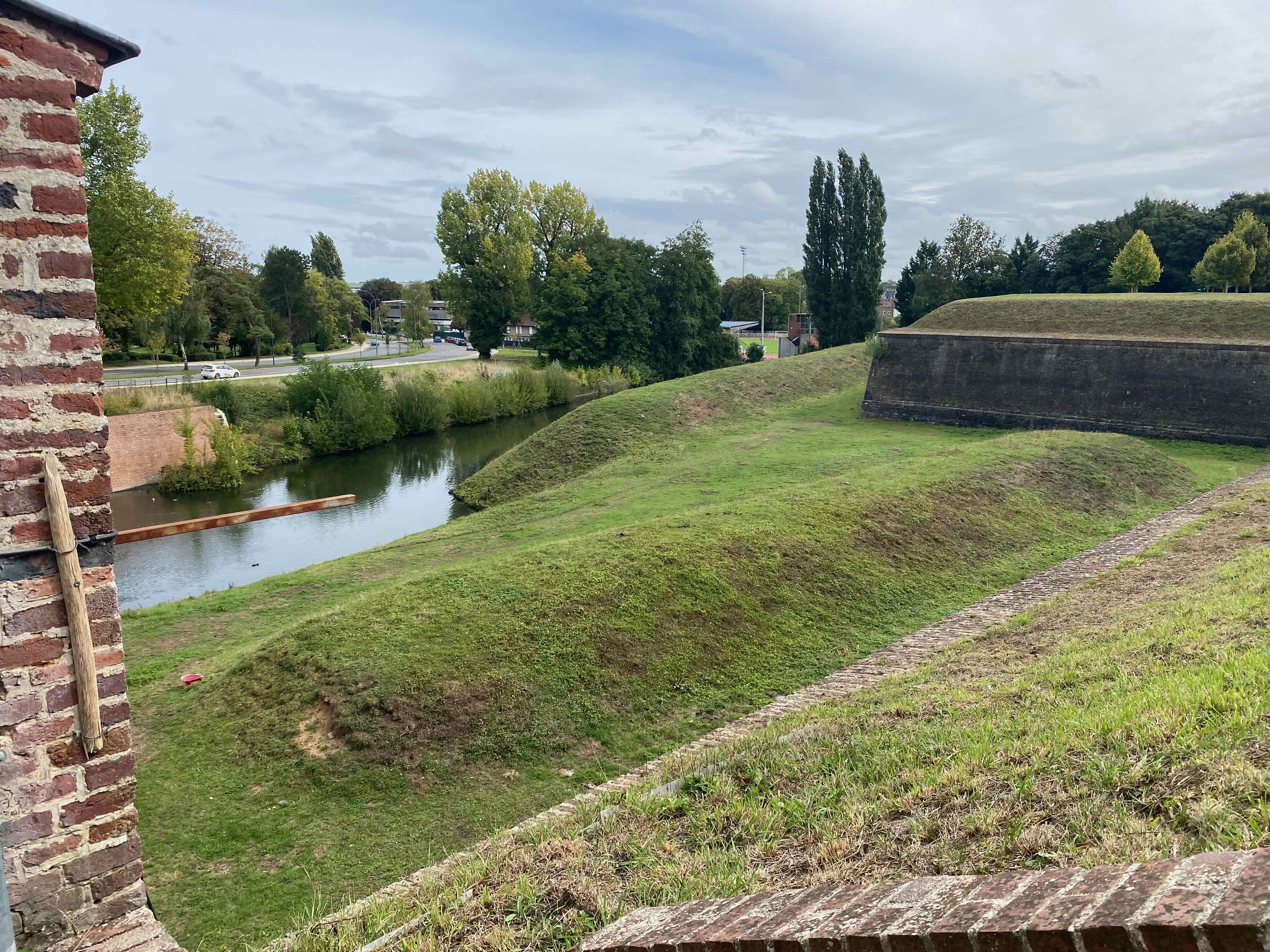
The military Citadel was built in the late 1600’s to protect Arras. It could house up to 1500 troops. It is now a UNESCO World Heritage Site. 

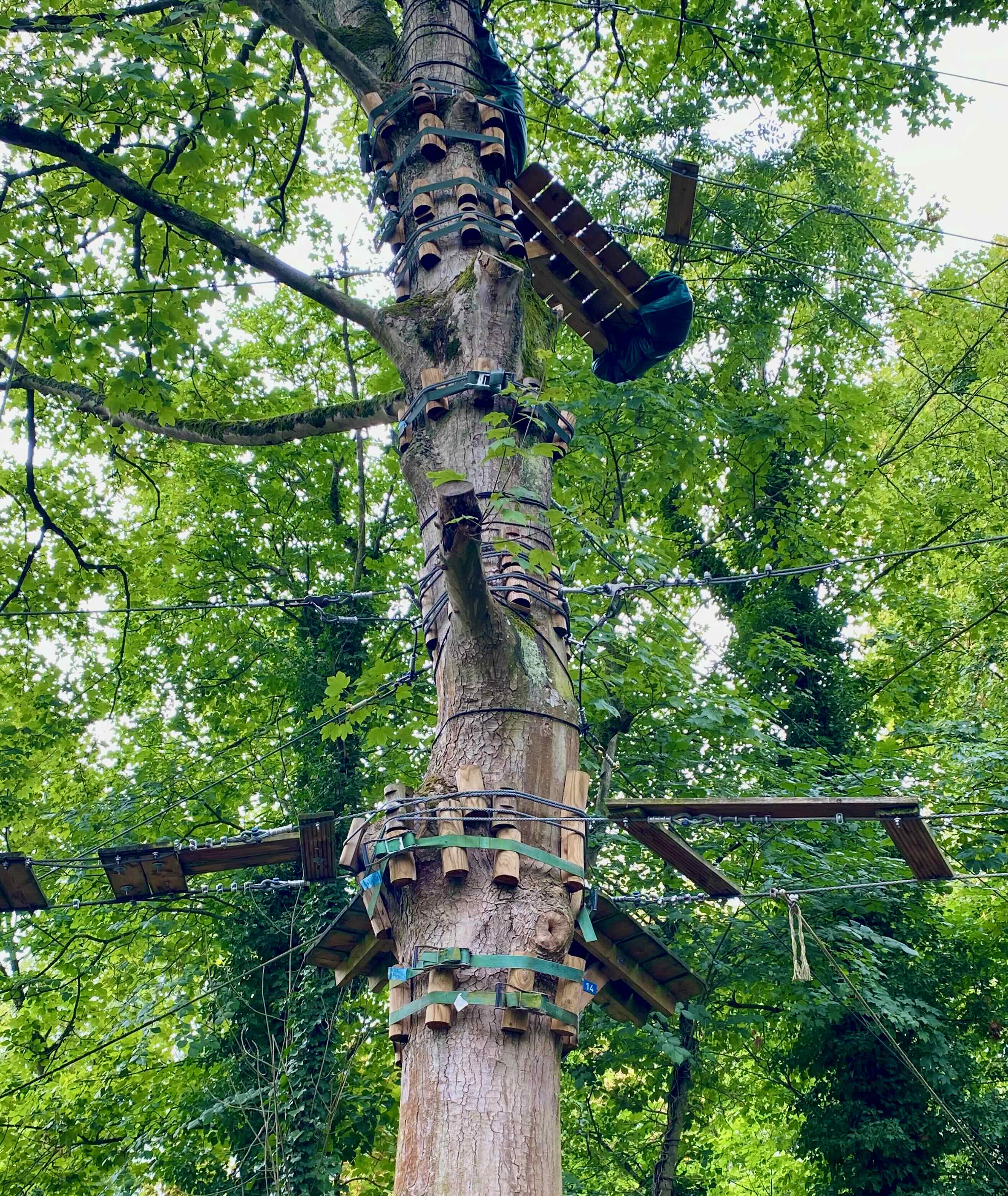
Beside the Citadel is a park with a zip-line course. Notice how the platforms are secured to the trees so that there is no damage.

Sorry for being so long winded. Bob

Arras Market and Carrière Wellington. France

Day 14.    Saturday, September 13, 2025

We visit the Arras market which is held in the Place des Héros in front of City Hall. It is packed with tables, tents and trailers selling a wide variety of goods. I adore these baskets, but they would be a difficult to take home.

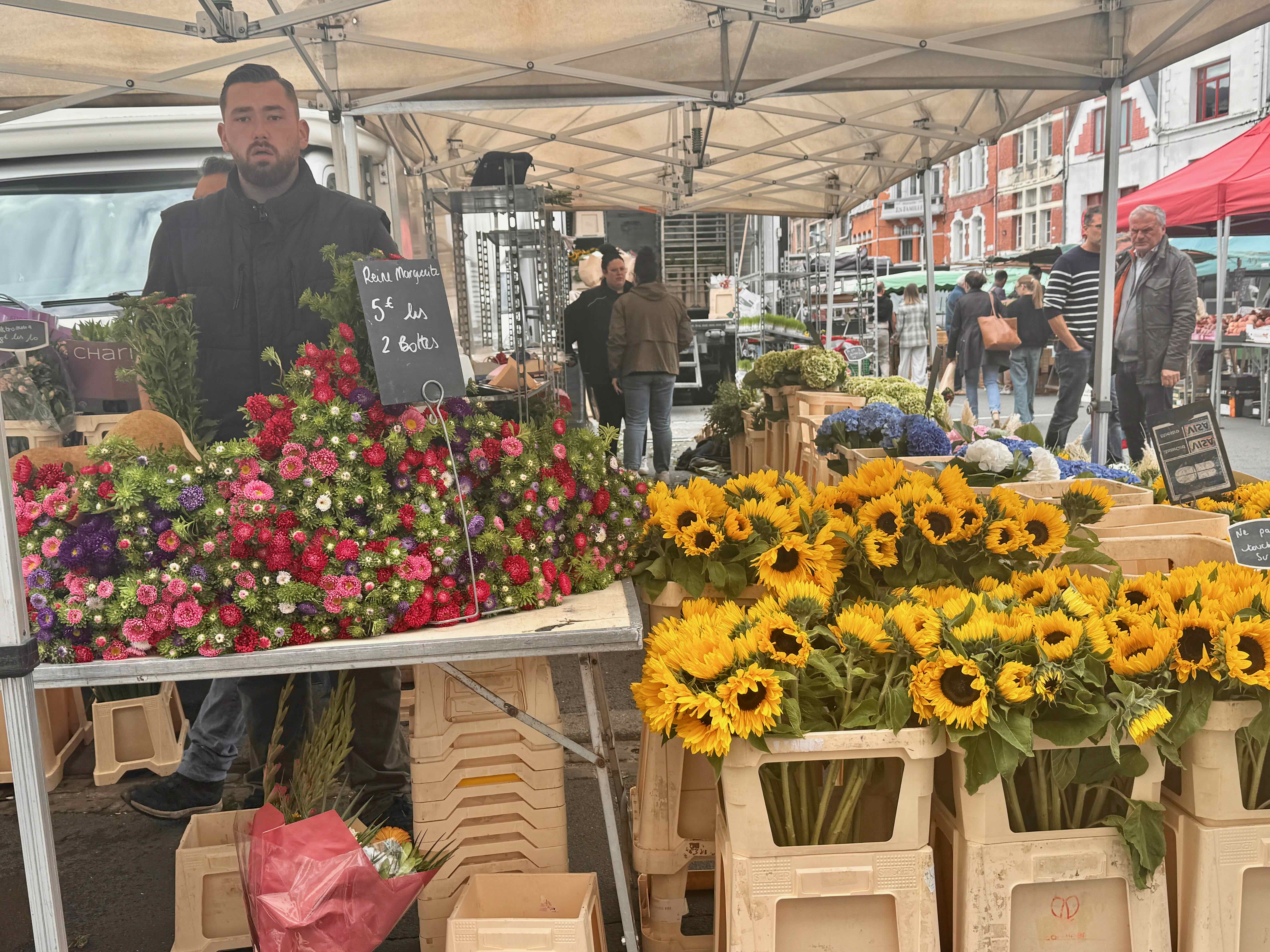
Many shoppers are carrying beautiful bouquets of flowers. Two of these pink bouquets are only €5!

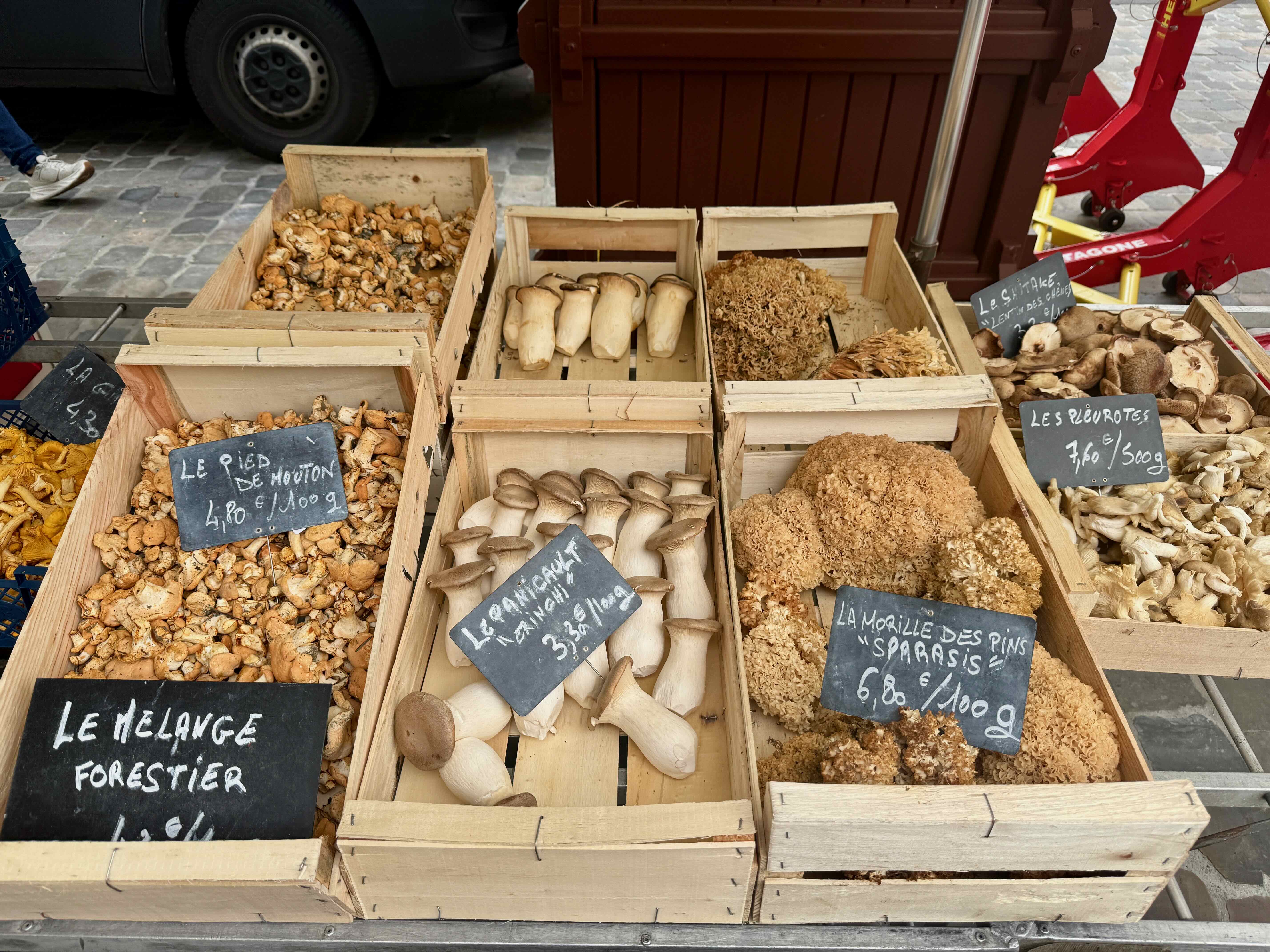
European markets often have an interesting assortment of mushrooms…

…and of course, many different cheeses.

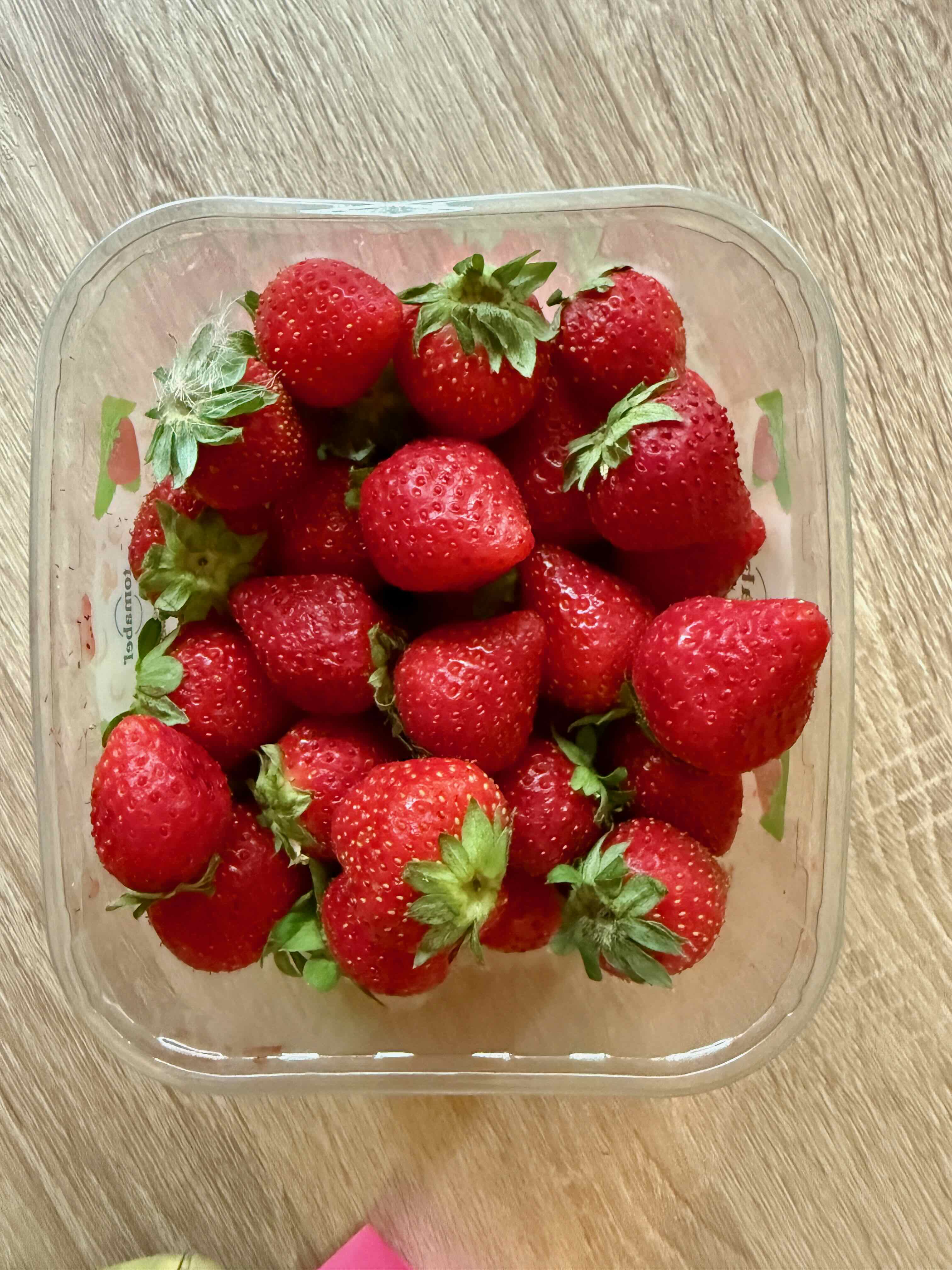
We buy sausages, green beans, a baguette, a red pepper, bananas and two baskets of yummy Belgium strawberries.

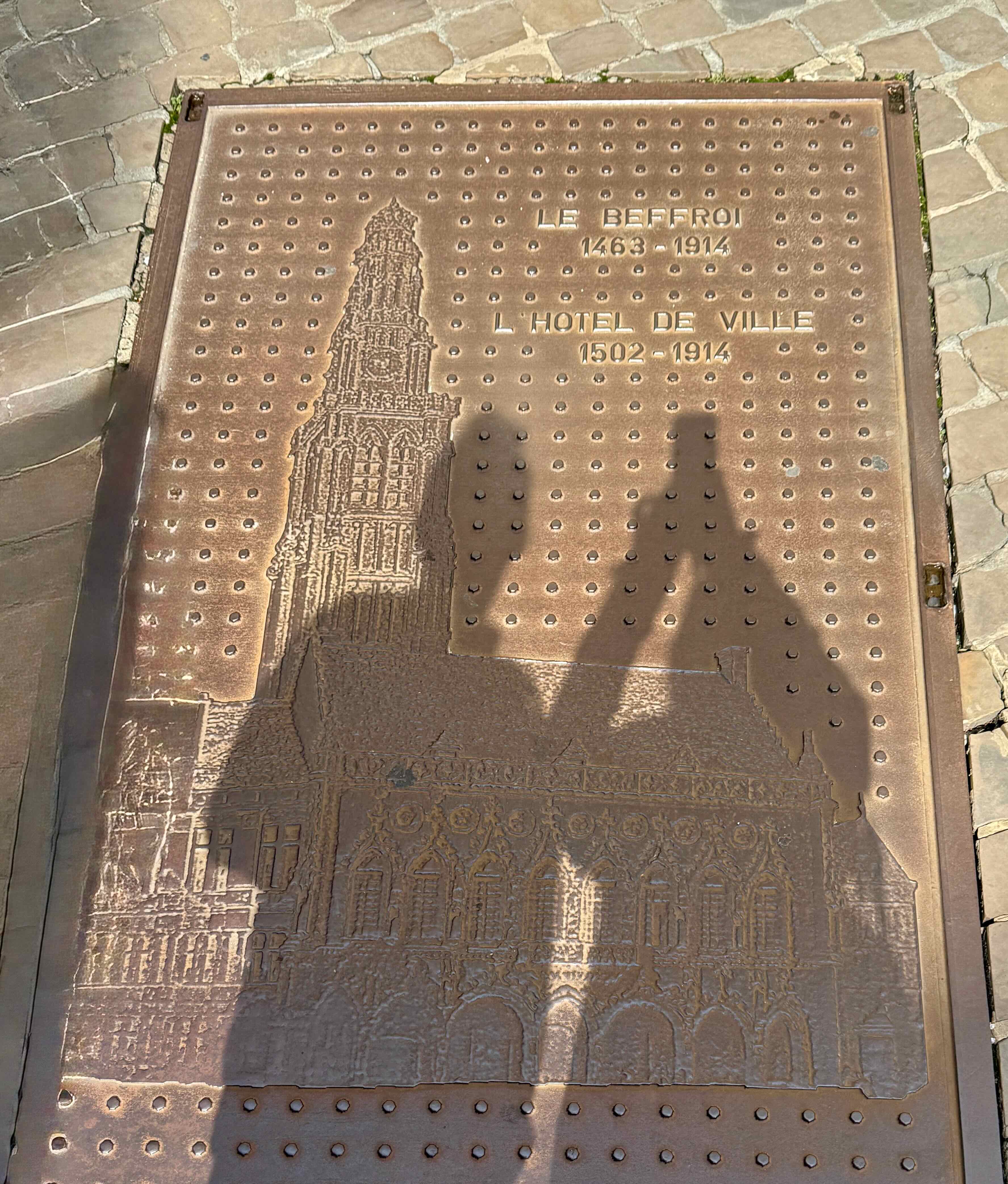
This plaque with our shadows shows the Original Belfry survived from 1463-1914, and the City Hall from 1502-1914. They were both almost completely destroyed by German bombardment in October 1914.  They were rebuilt in the 1920s, using modern materials but replicating their original style.  

A view of the huge market in front of the Town Hall. The vendors were also located down the side streets of the square.

During our tour of the Boves on Wednesday our guide said that every building around the Grand’Place and the Place des Héros has underground cellars that are part of the caves that were dug under Arras. Each building has three levels of cellars, one at each of 4, 8 and 12 meters. Many restaurants and pubs are now located in these cellars. Each building’s cellars are “lined with metal” to prevent any thefts. Our guide’s English was fairly basic so we weren’t sure if she meant metal gates, or something else.

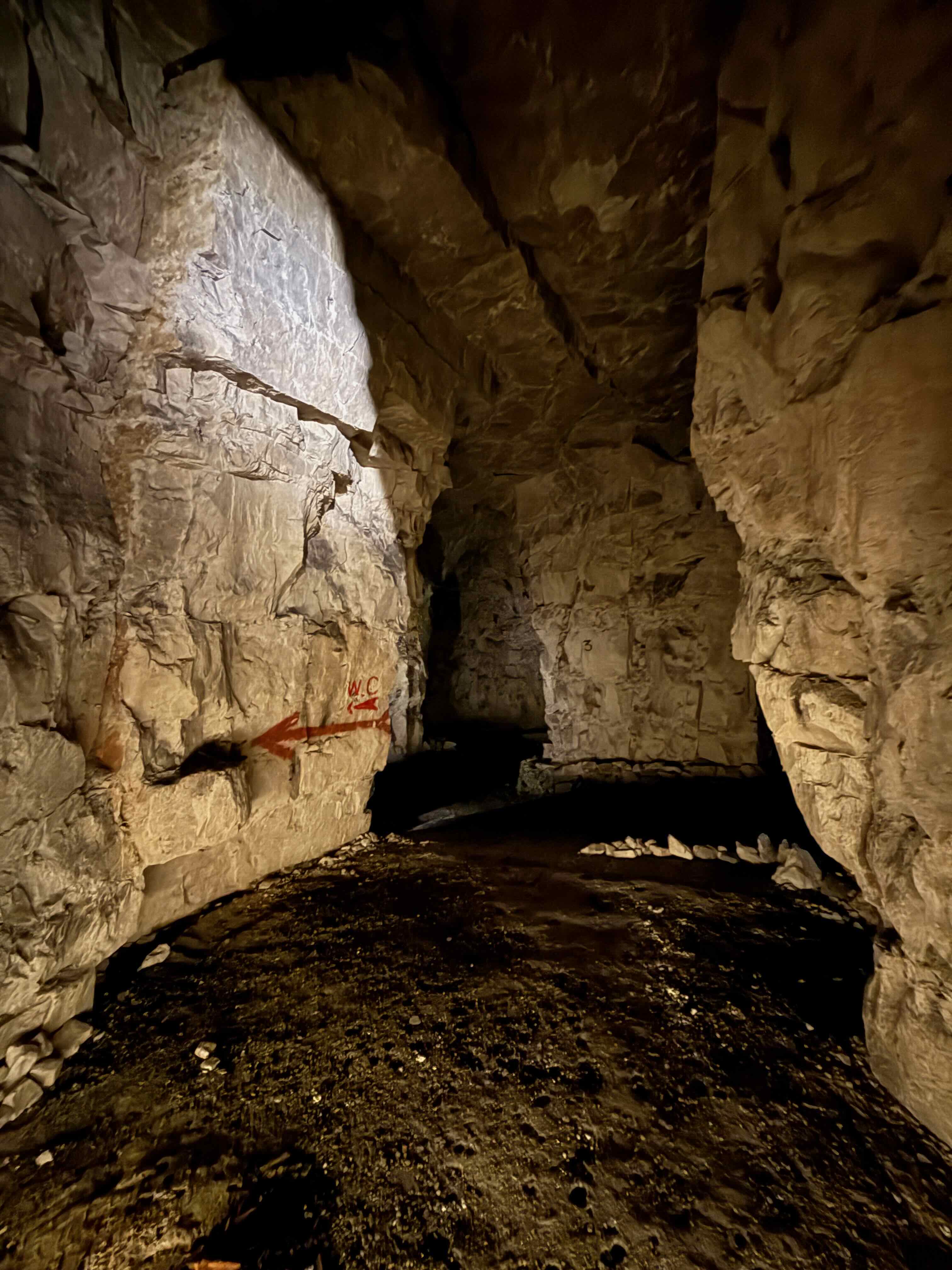
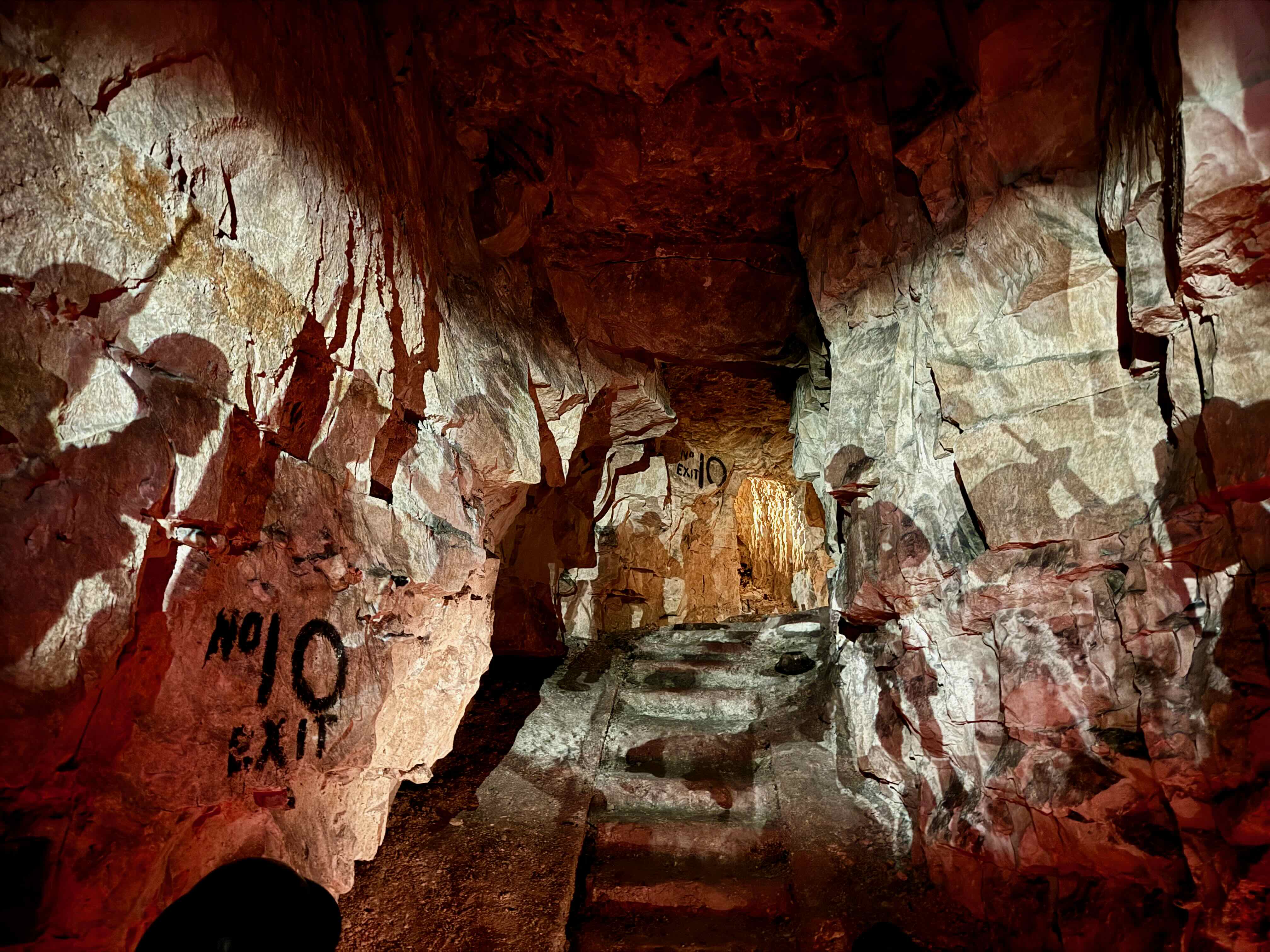
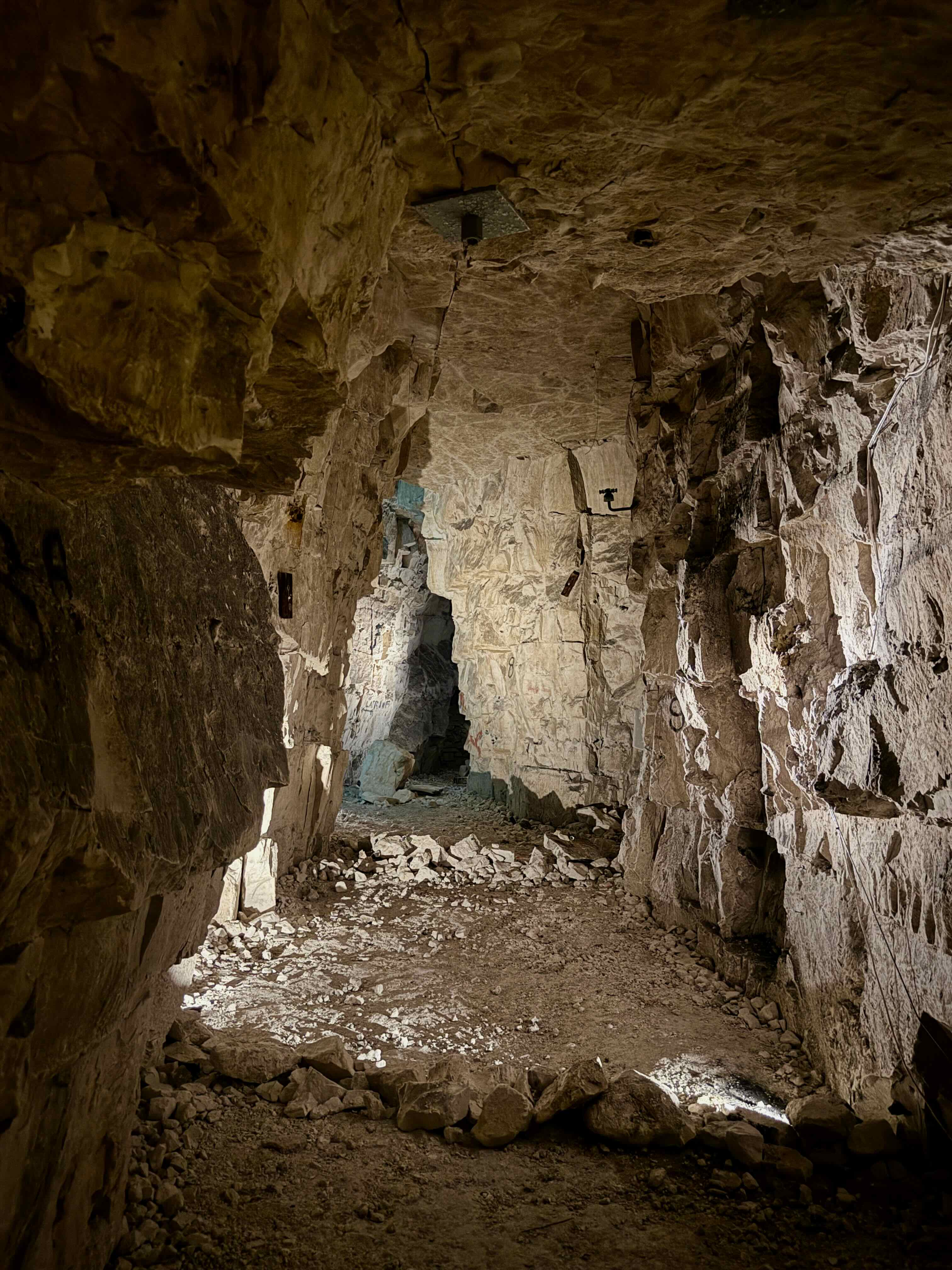
It is a short 10 minute drive to the Carrière Wellington.  We don hard hats and we are soon 20 meters underground.  

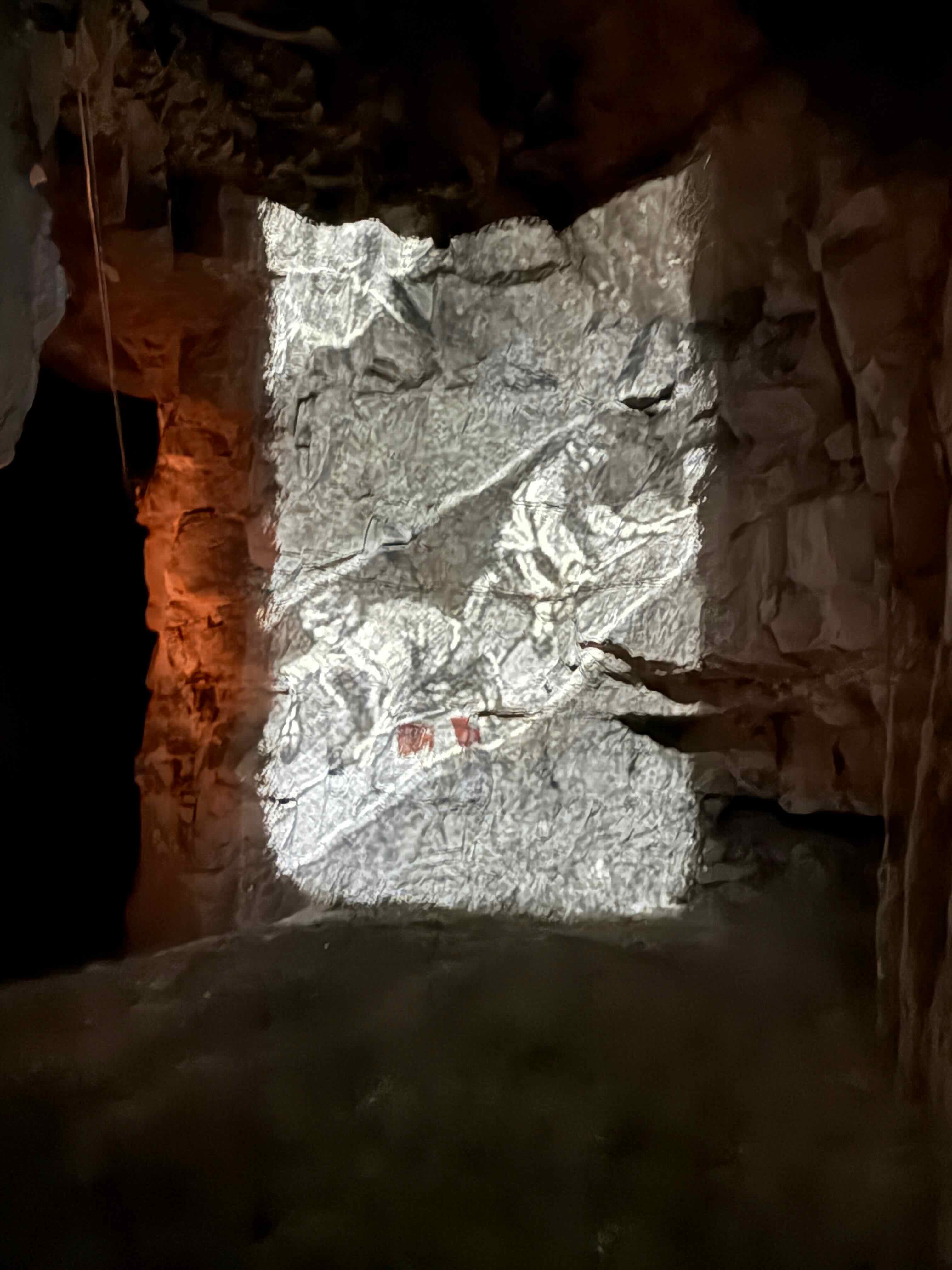
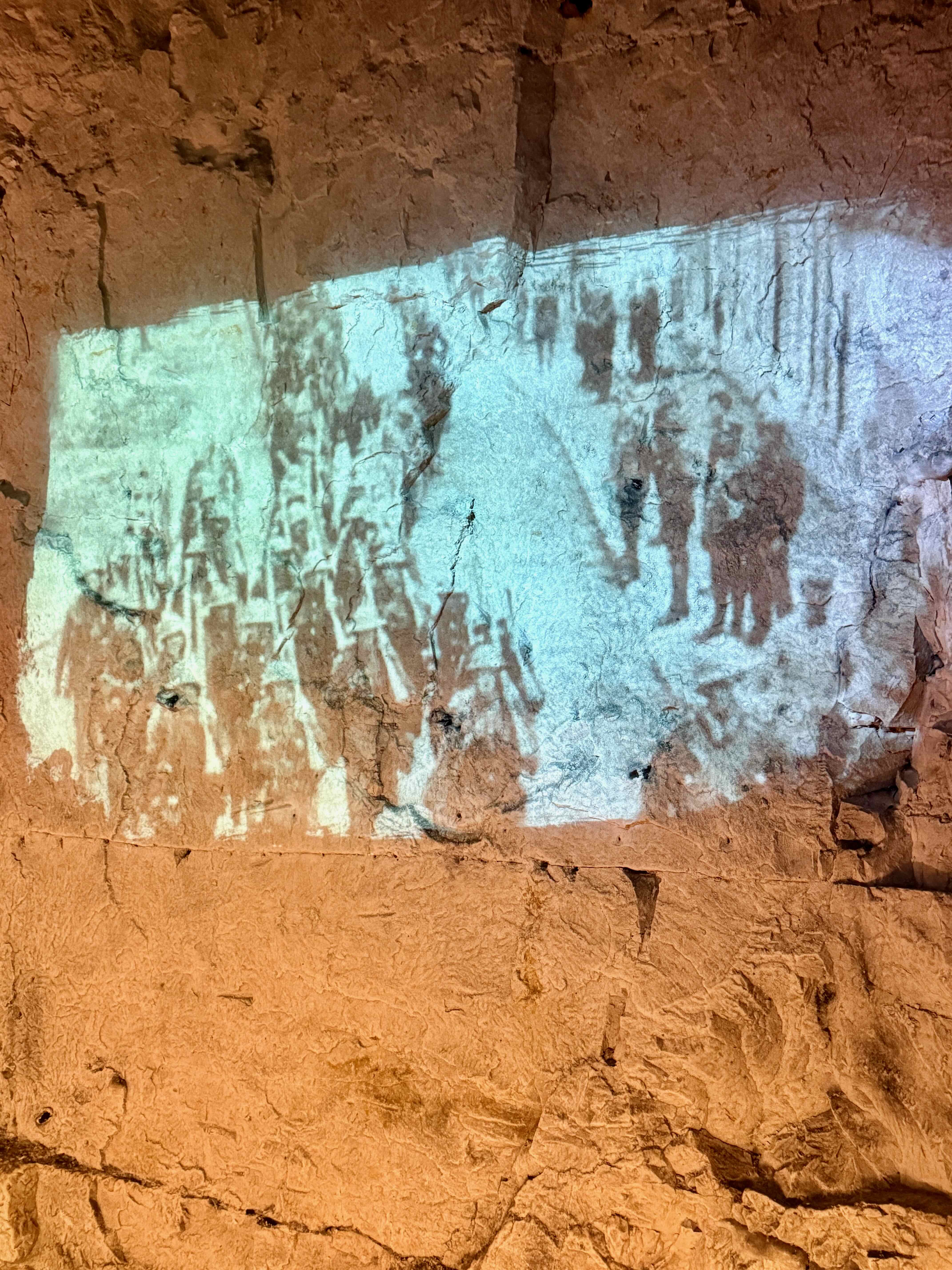
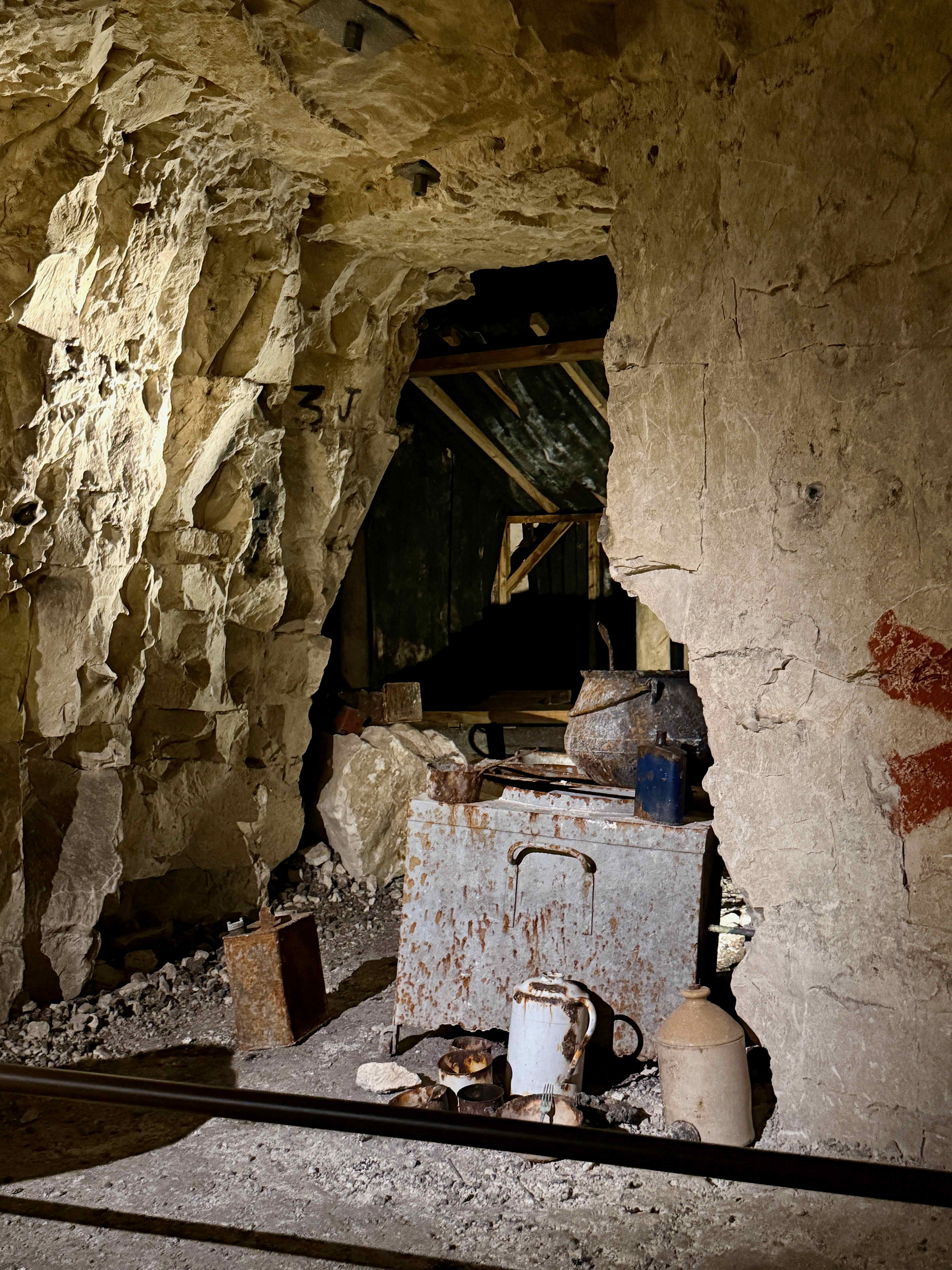
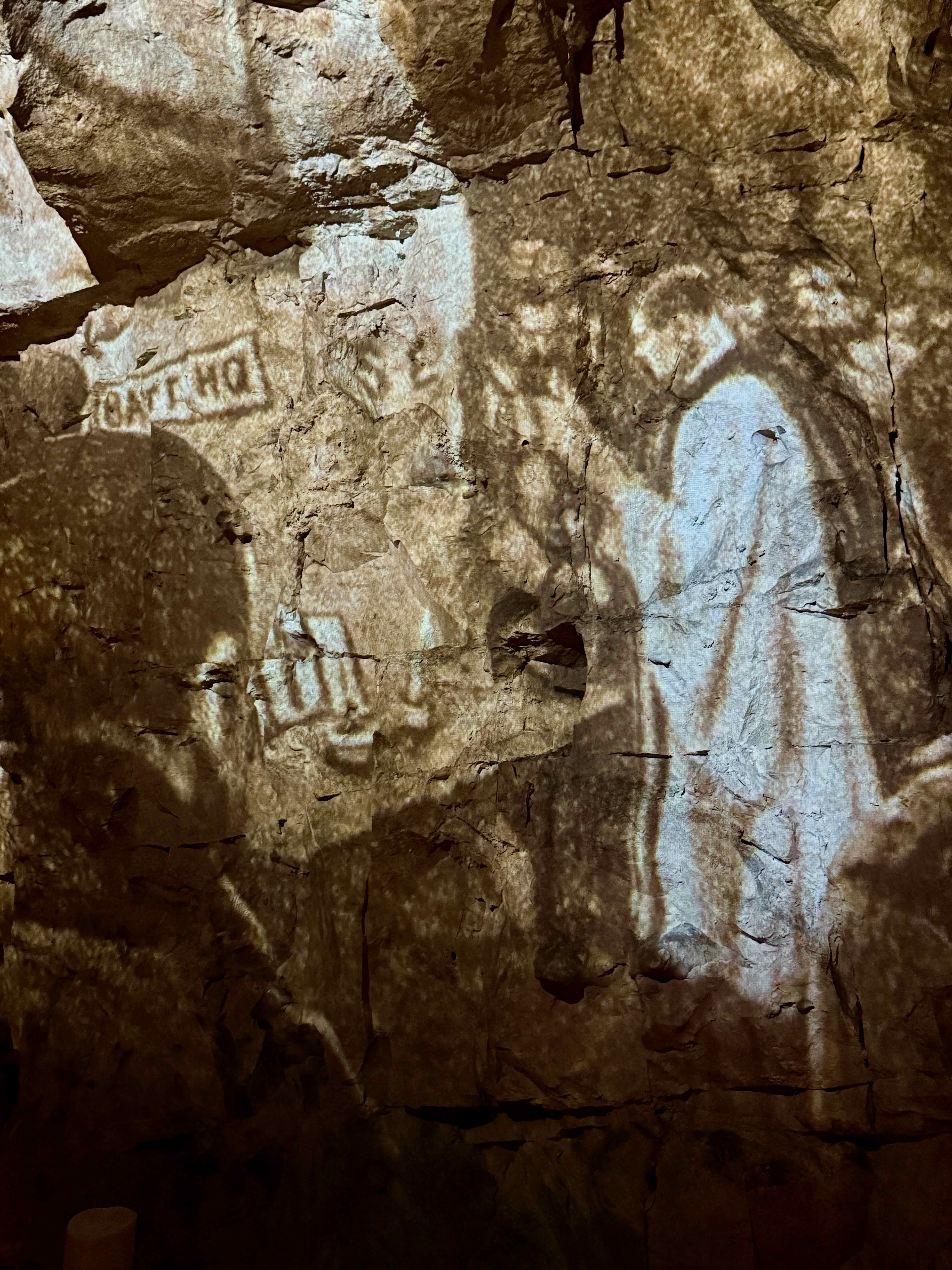
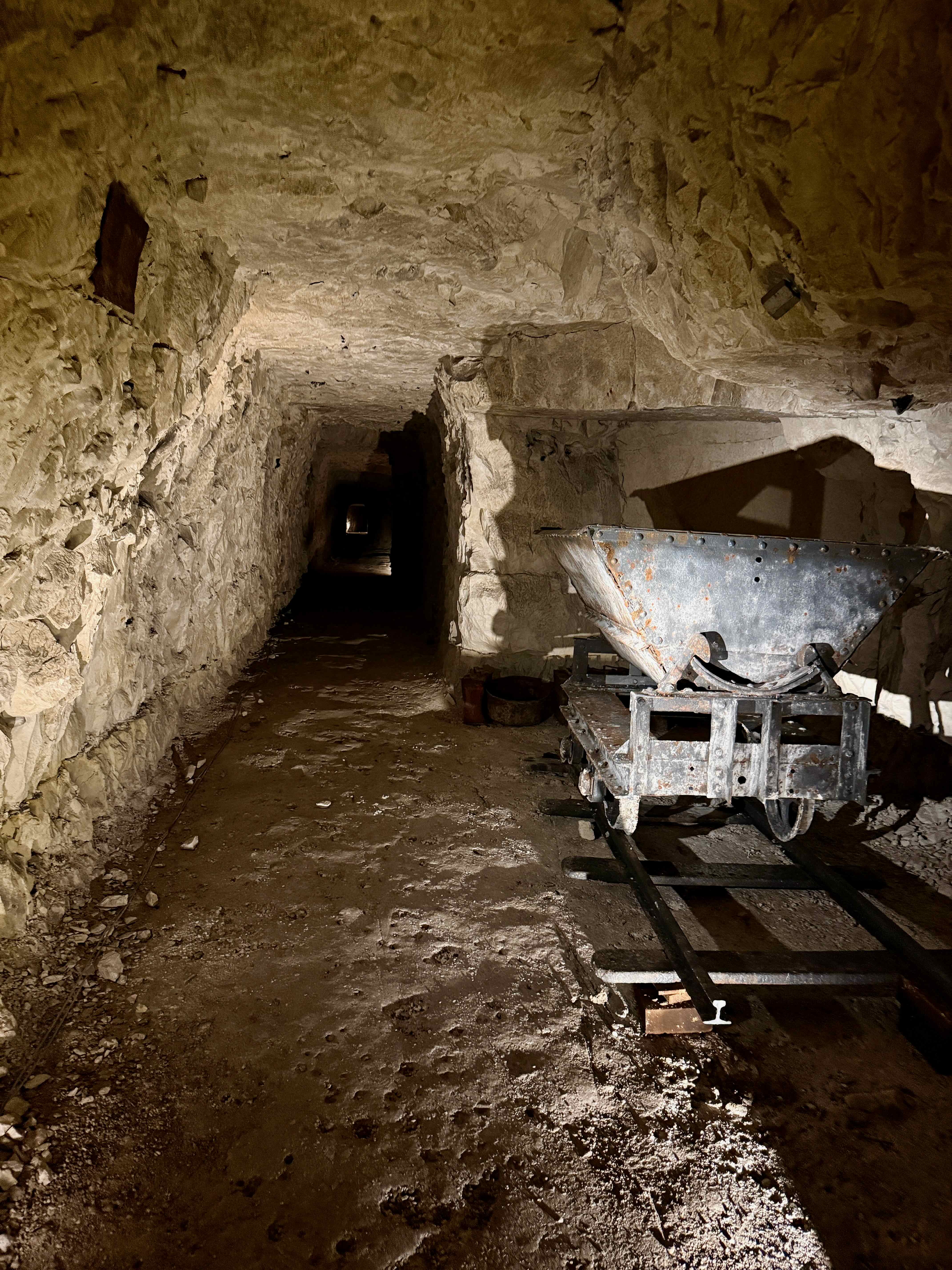
Tunnellers from New Zealand connected the town’s medieval chalk caves and tunnels to create a network of underground barracks to accommodate 24,000 soldiers in the First World War. Images and films are projected onto the cave walls throughout our tour. These are the NZ tunnellers.

The tunnels we visit today housed 1,500 soldiers in the weeks up to the surprise attack against the Germans on April 9, 1917. Film of British troops arriving in Arras

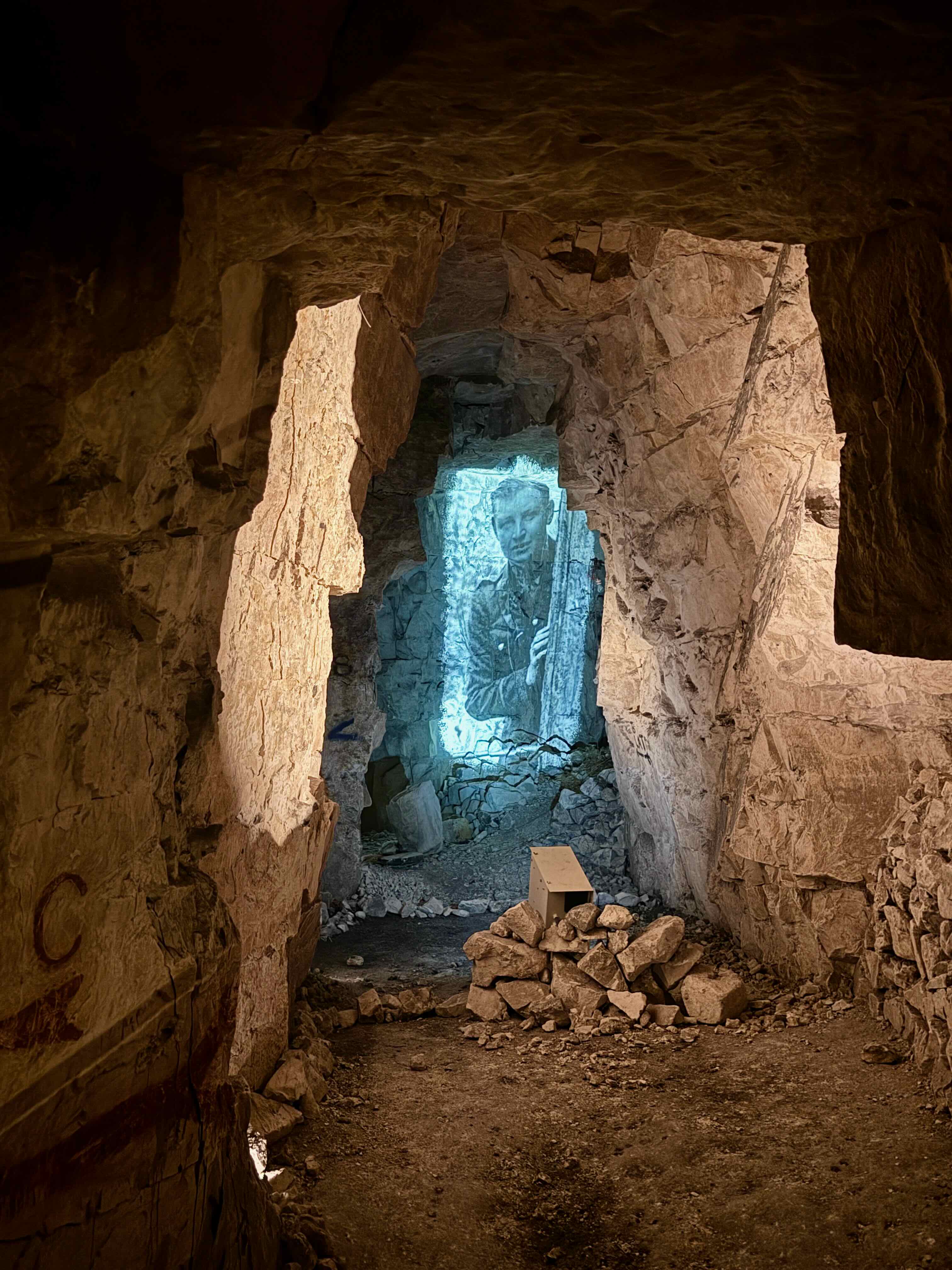
Images of individual soldiers were projected here. I wonder how many of them died in the coming battle. These ancient caves were used as building stone quarries for Arras in Medieval times. They are very large with high ceilings.
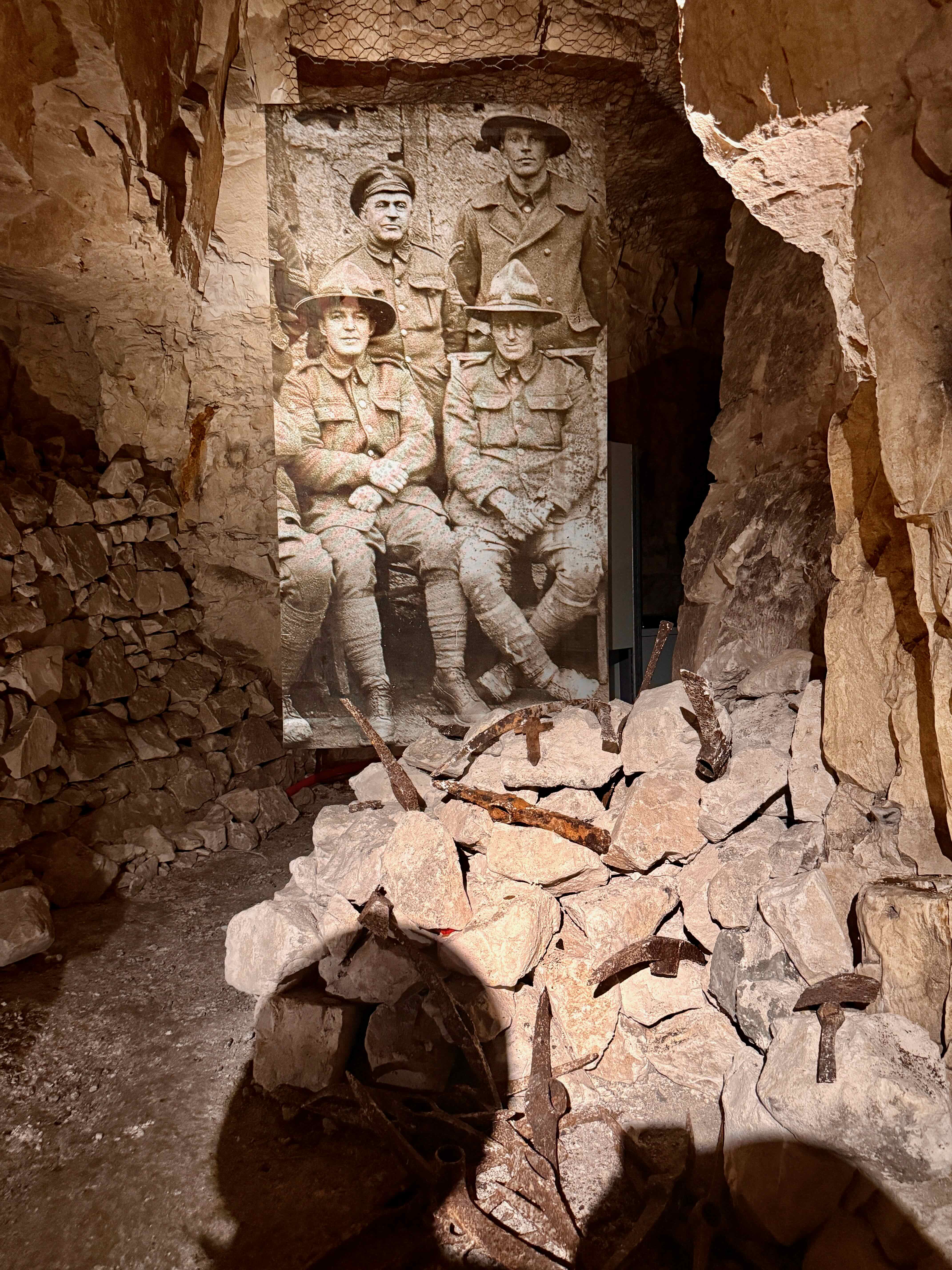
This projection showed some of the NZ tunnellers who volunteered to come to Arras. In front of the image are pick axes and shovels used to build the tunnels. No sledgehammers or explosives were used as the noise could have been heard by the Germans. The German front line was very close to the town of Arras.

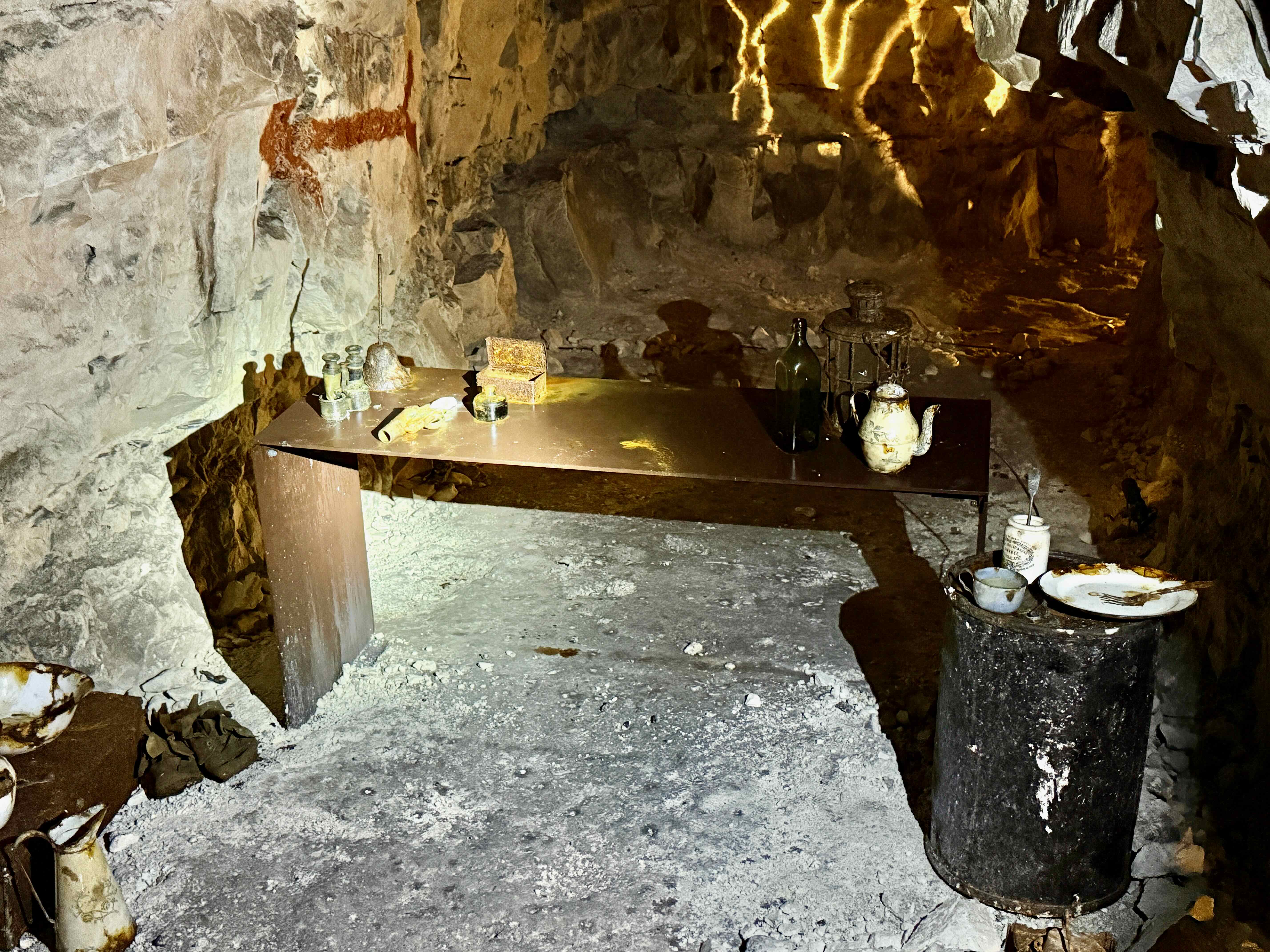
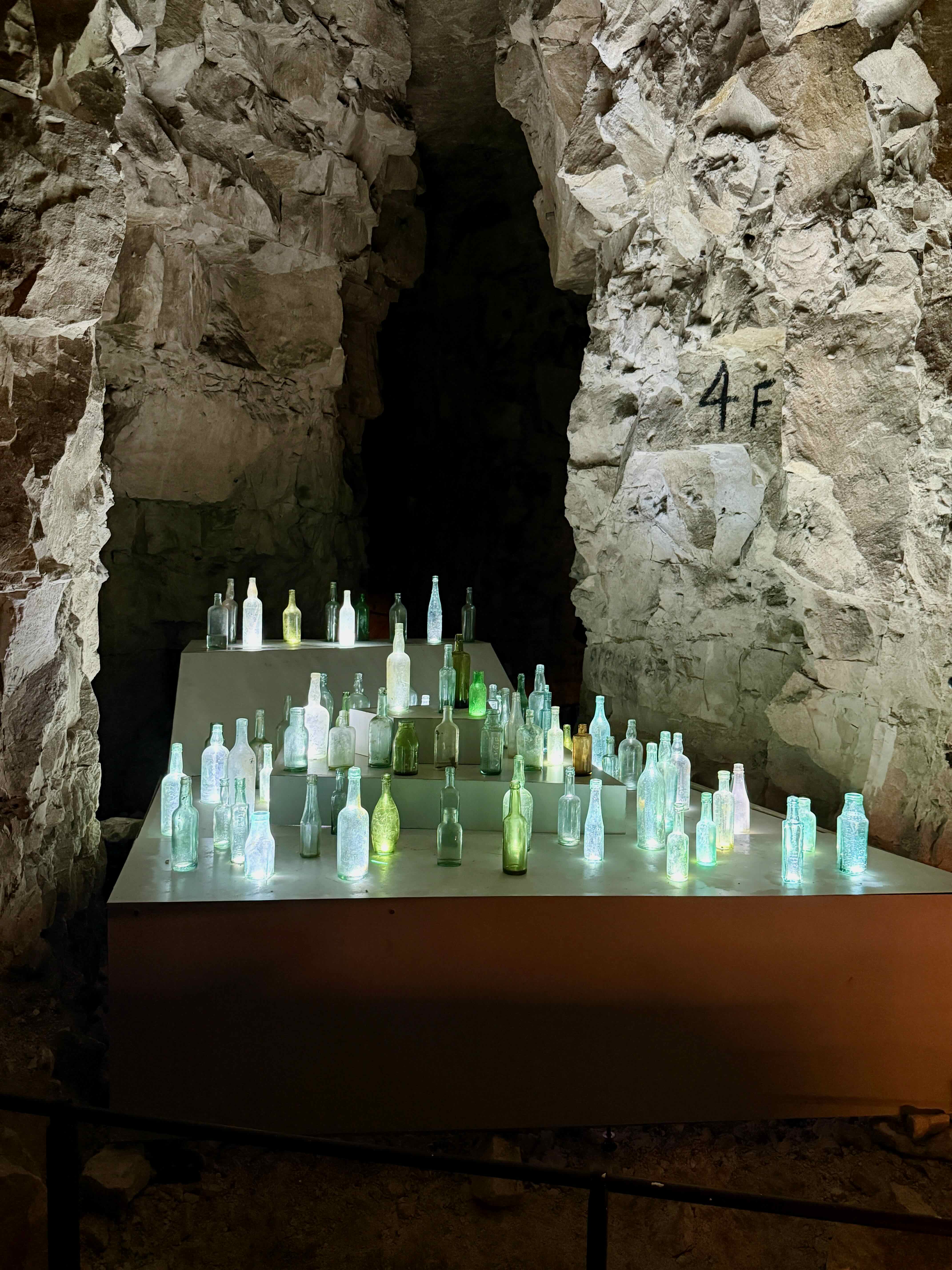
Bottles found in the caves, included everything from Perrier water bottles to beer, liquor, cream and HP sauce bottles.

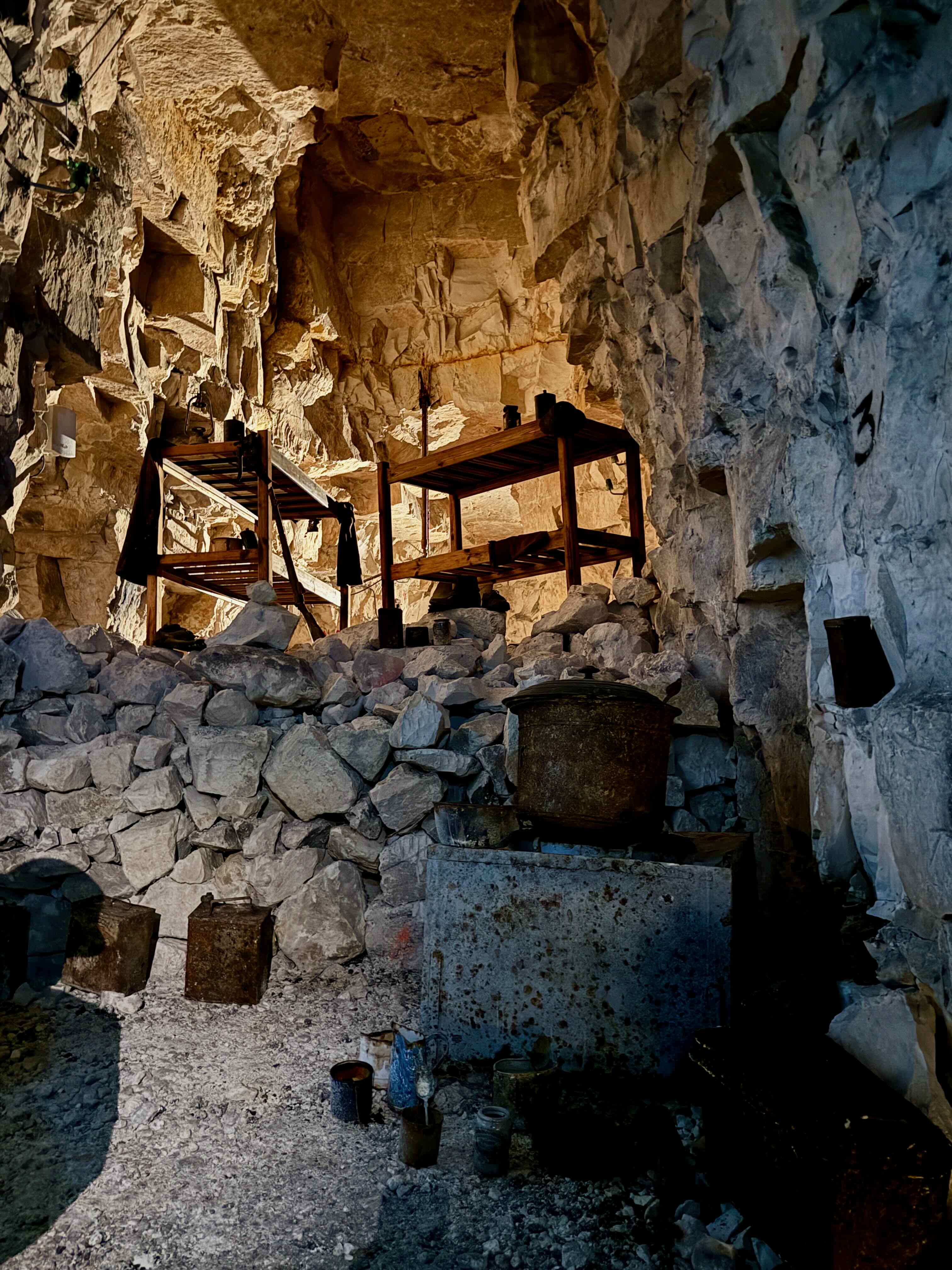
A facsimile of the bunks that were made for the soldiers. It was damp and cold and water dripped onto the men as they slept.

This underground ‘city’ included running water, electricity, kitchens, latrines, a light rail system, and a medical centre with an operating theatre.The stoves used small wood fires, and the soldiers smoked while they were underground. I imagine the air quality would have been awful.

We hear a recording of a church service that plays while we view this projection of a soldier’s drawing of the service given just before the battle. 1,500 men crowded together in this part of the caves to attend the service.

This is Command Headquarters.  

A view down a long tunnel towards an opening where the soldiers will exit onto the battlefield after an underground explosion opens the way.

This last part of the tour was very moving.  Projections of men writing their letters home before the battle. The contents of some letters are read aloud and we hear if the writer was injured or died in battle. Then we see these steps leading to an exit. There is a film with shadows of soldiers charging up the stairs to exit a doorway that flashes bright with loud explosions. We can hear the soldiers yelling and breathing hard. It is so difficult to watch…so many died to launch this surprise attack on the Germans.   In a theatre after the tour we watch a film about what happened after this battle and I am shocked to learn that the British advance slowed in the next few days and the German defence recovered. The battle became a costly stalemate for both sides and 4,000 men a day died in the days after the surprise attack. The British had 160,000 casualties and the Germans about 125,000. Up until hearing this I thought this Arras surprise attack was at least a success. I really hate war!
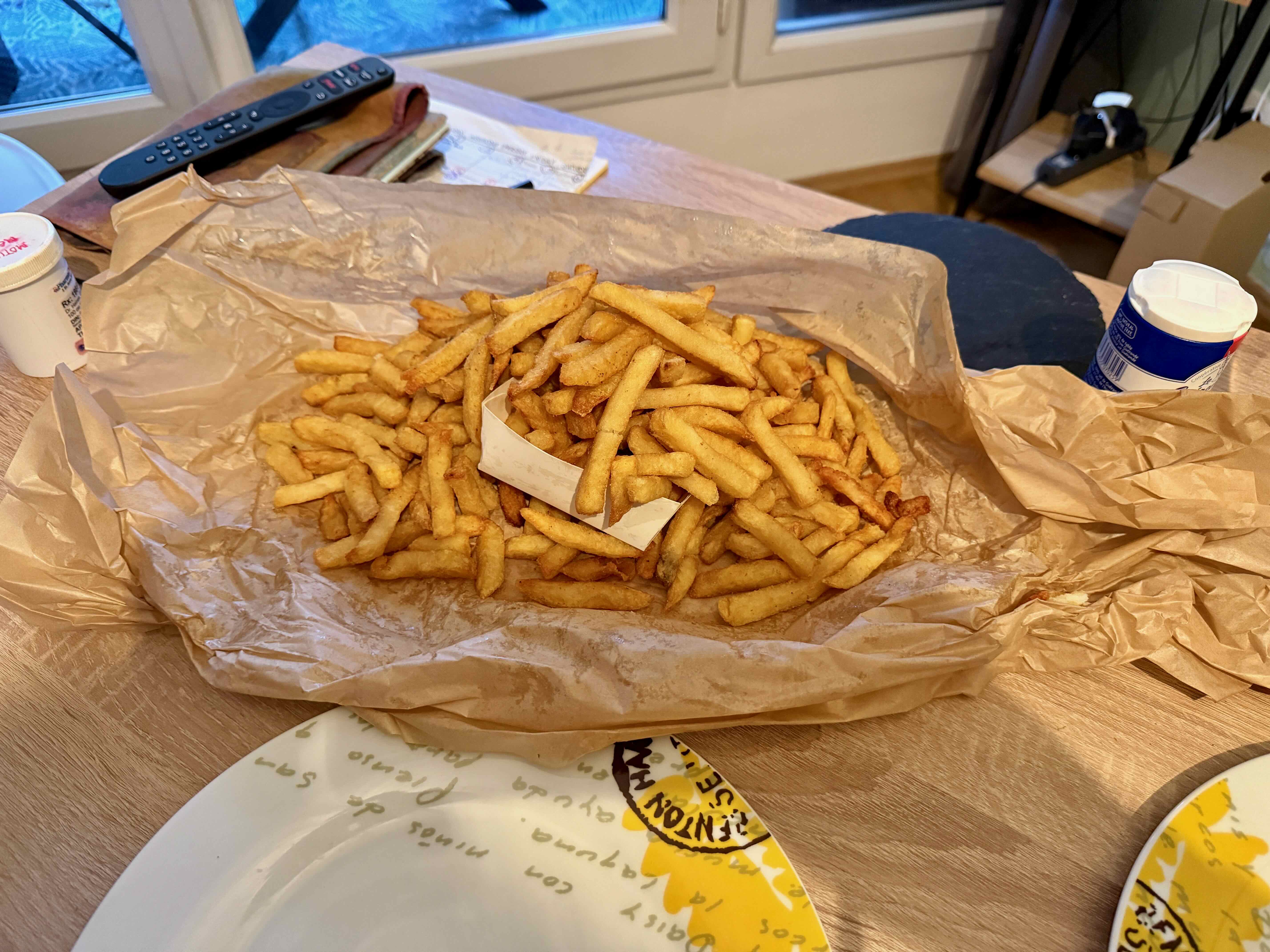
On a lighter note…for dinner tonight we have a salad and an order of Arras’s world famous frites.  Yes, this is one €6.00 order of large frites.  More than the two of us can eat!