Day 20 Friday, September 19, 2025
Today we visit the In Flanders Fields Museum in Ypres, Belgium.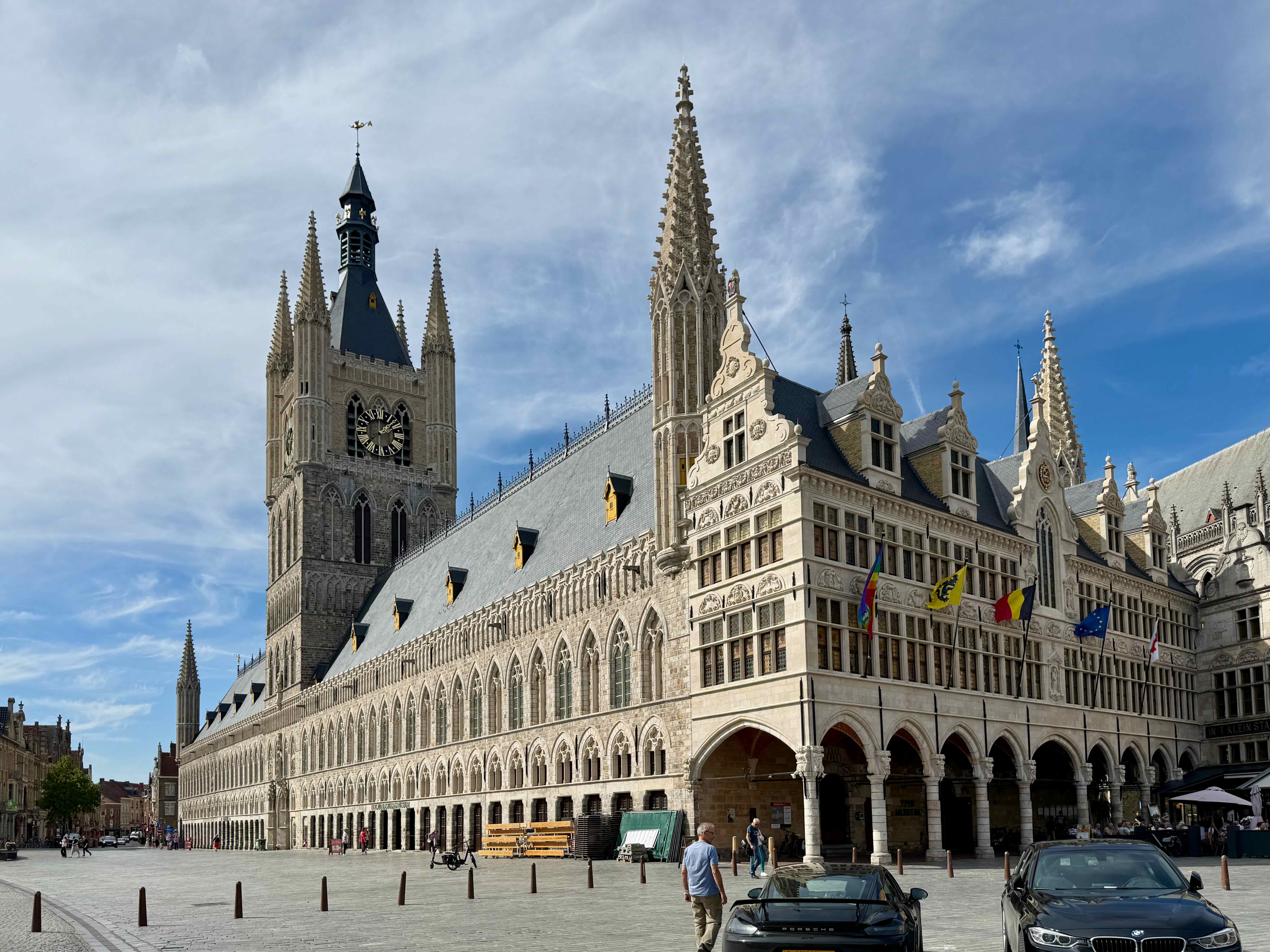
This museum uses a variety of displays to tell the story of the invasion of Belgium in World War I. There are holographs which use actors to tell the stories of actual people.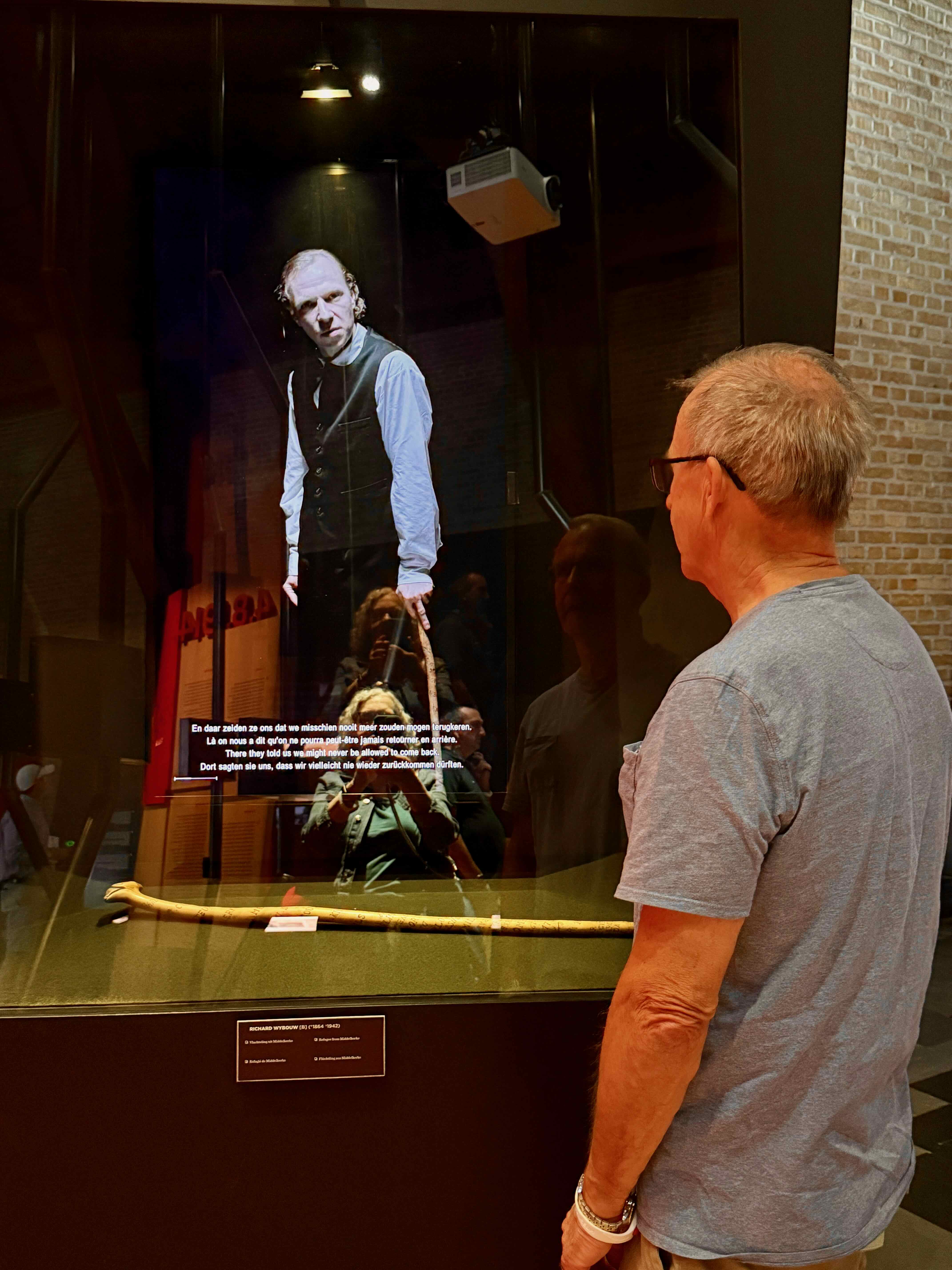
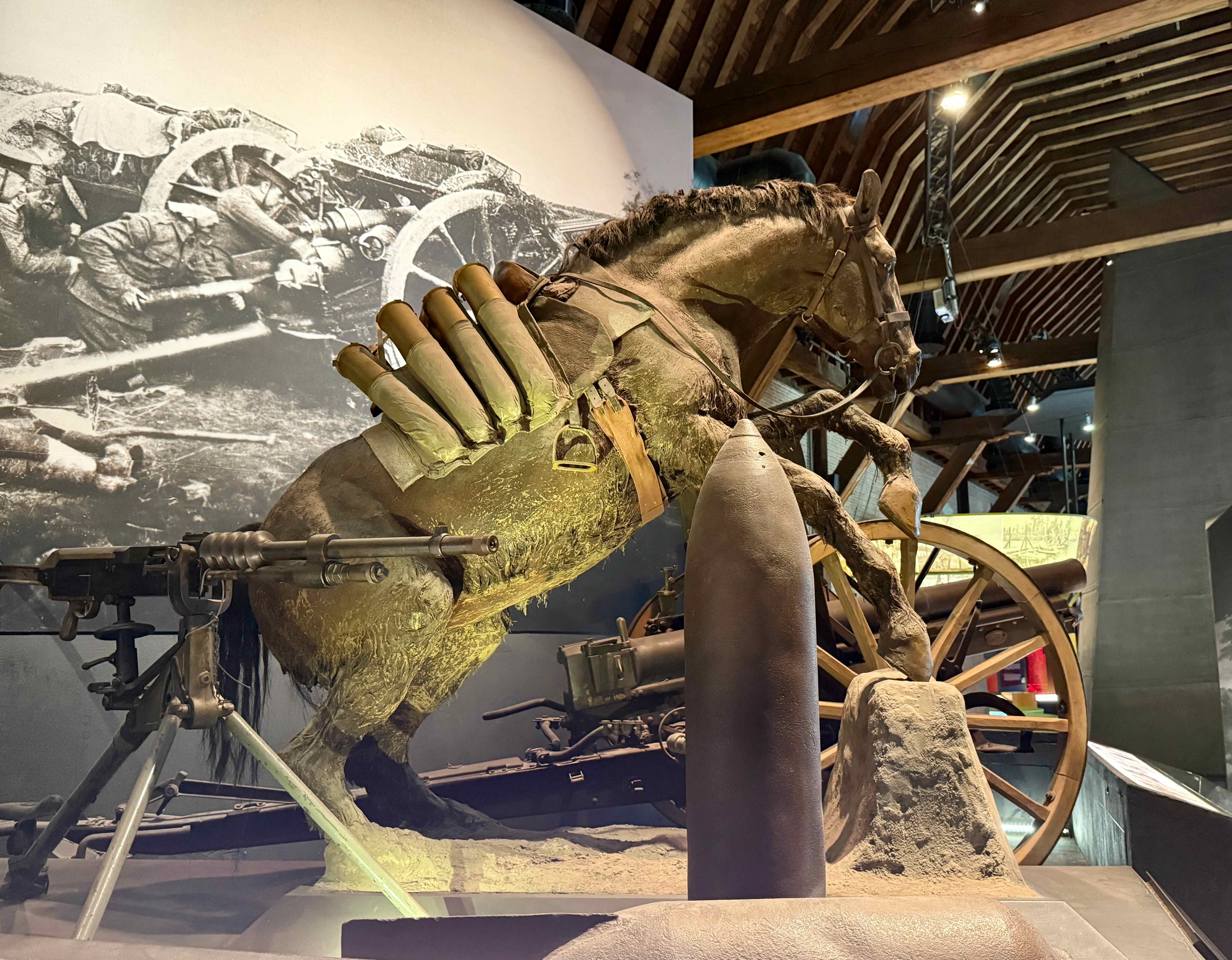
These early gas masks provided some protection against chlorine gas, which was used for the first time during WWI, but were only effective for about five minutes with concentrated doses of the gas. 
We take a break and climb 231 steps to reach the top of the bell tower. half way the steps change from a concrete spiral staircase to these metal steps, which are a bit scarier to climb.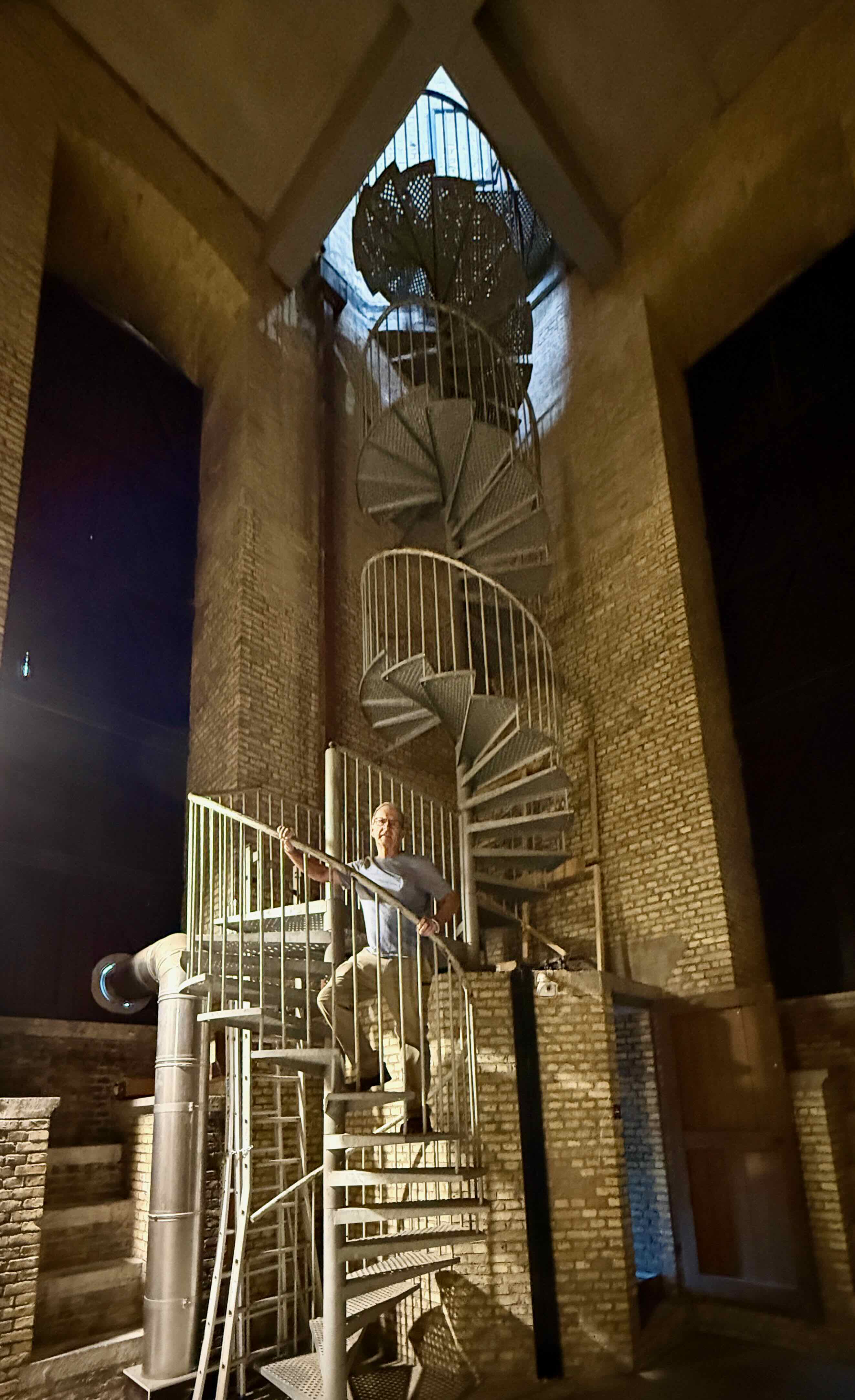
We are always amazed at the size of the bells in these bell towers.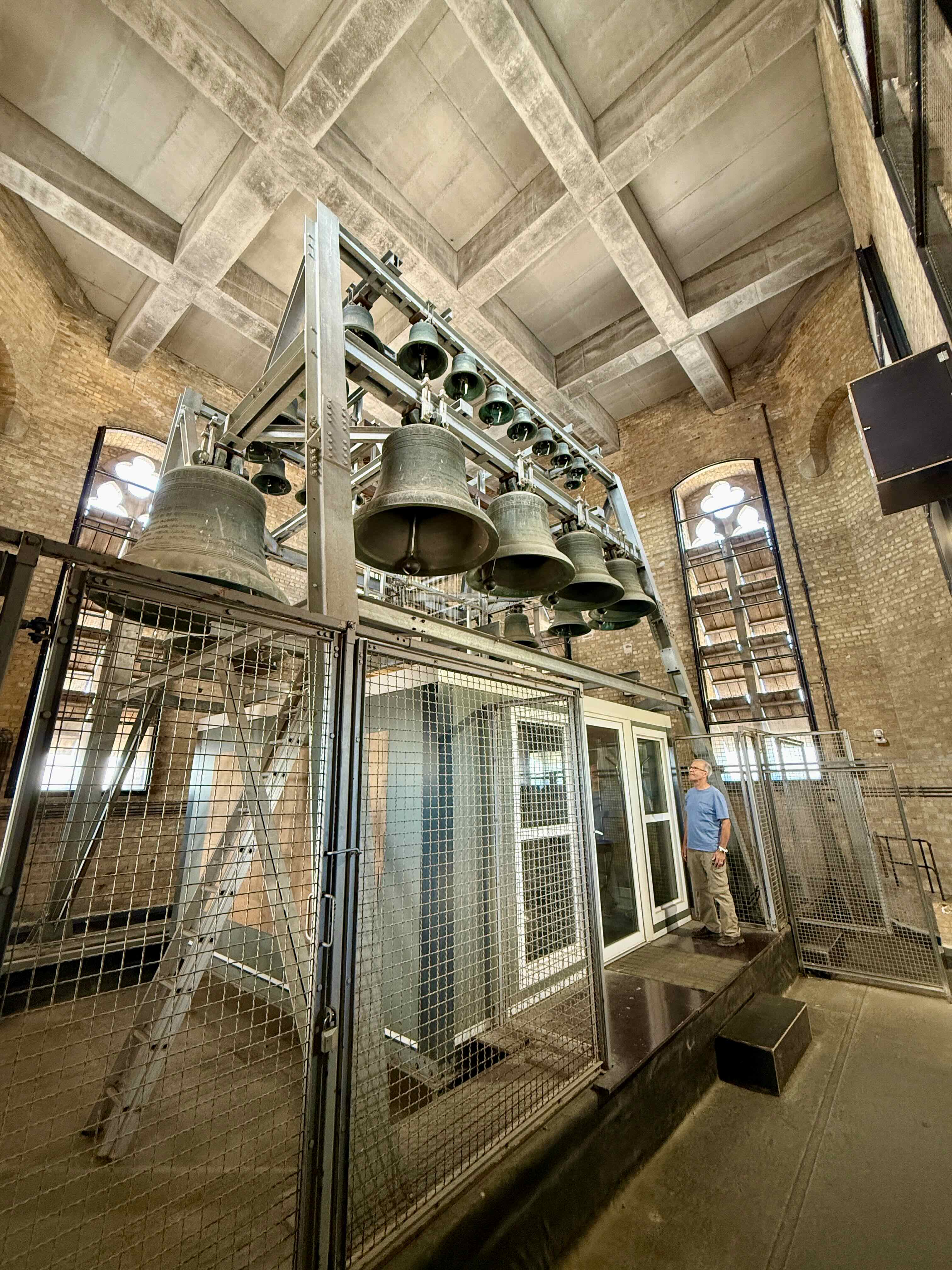
Soon we are outside taking in the views of the town and countryside.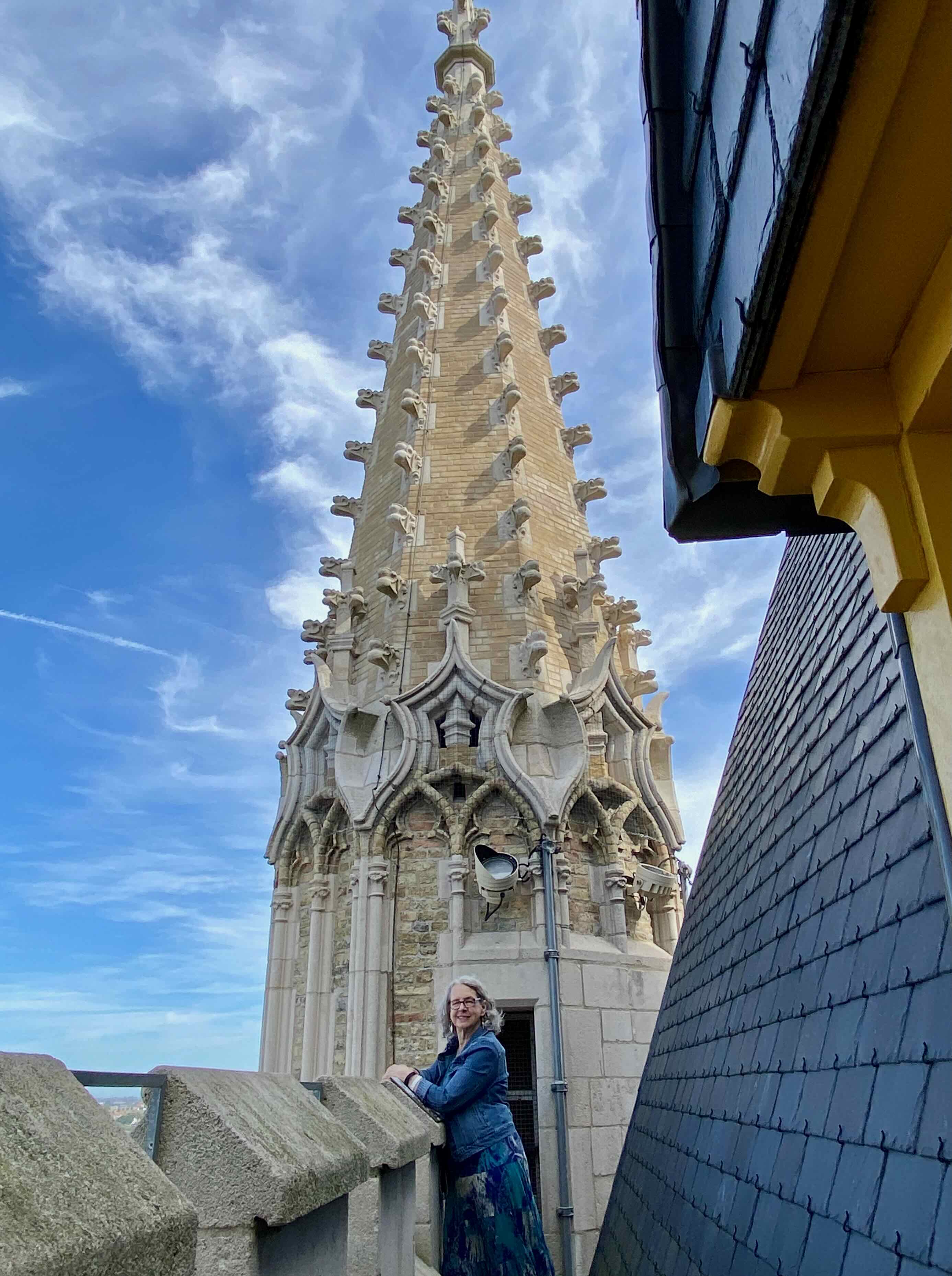
We can see for miles.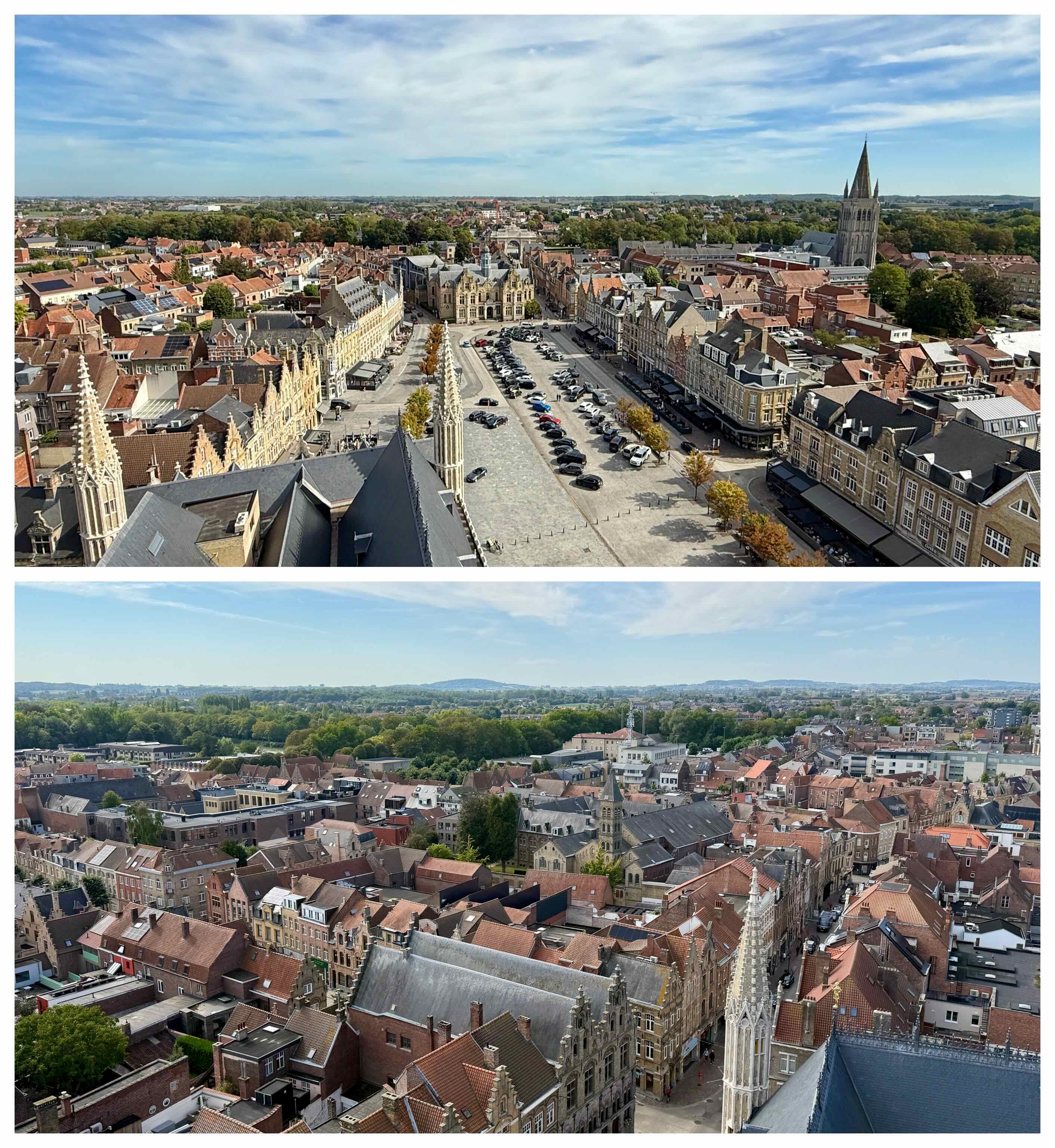
I am very happy that the 231 steps down from the tower are cement. I really didn’t like those metals ones.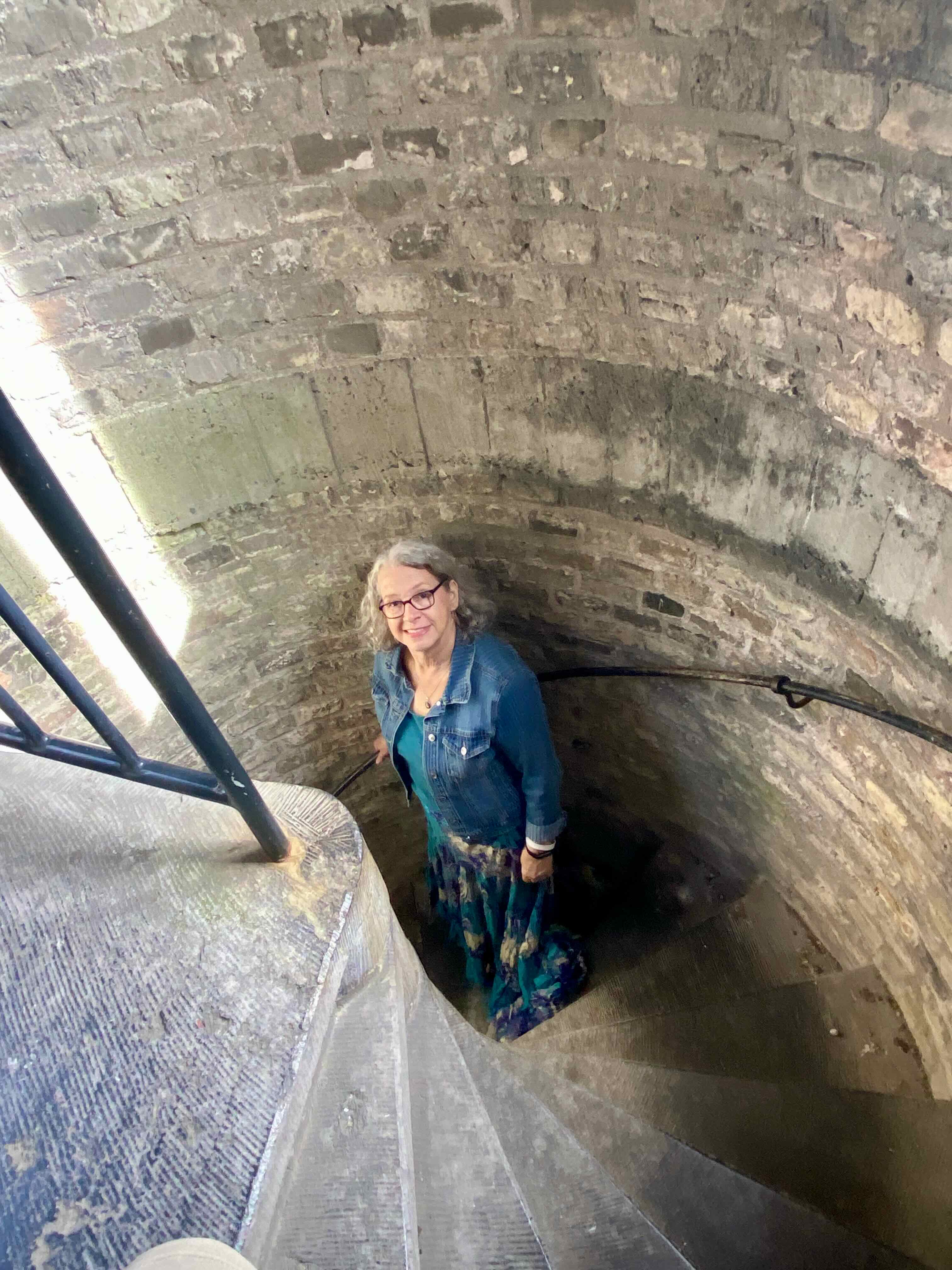
After the clim to the top of the tower we have lunch and chatted with this Belgium couple who like to travel on their colourful bike. We were surprised as they were both quite elderly.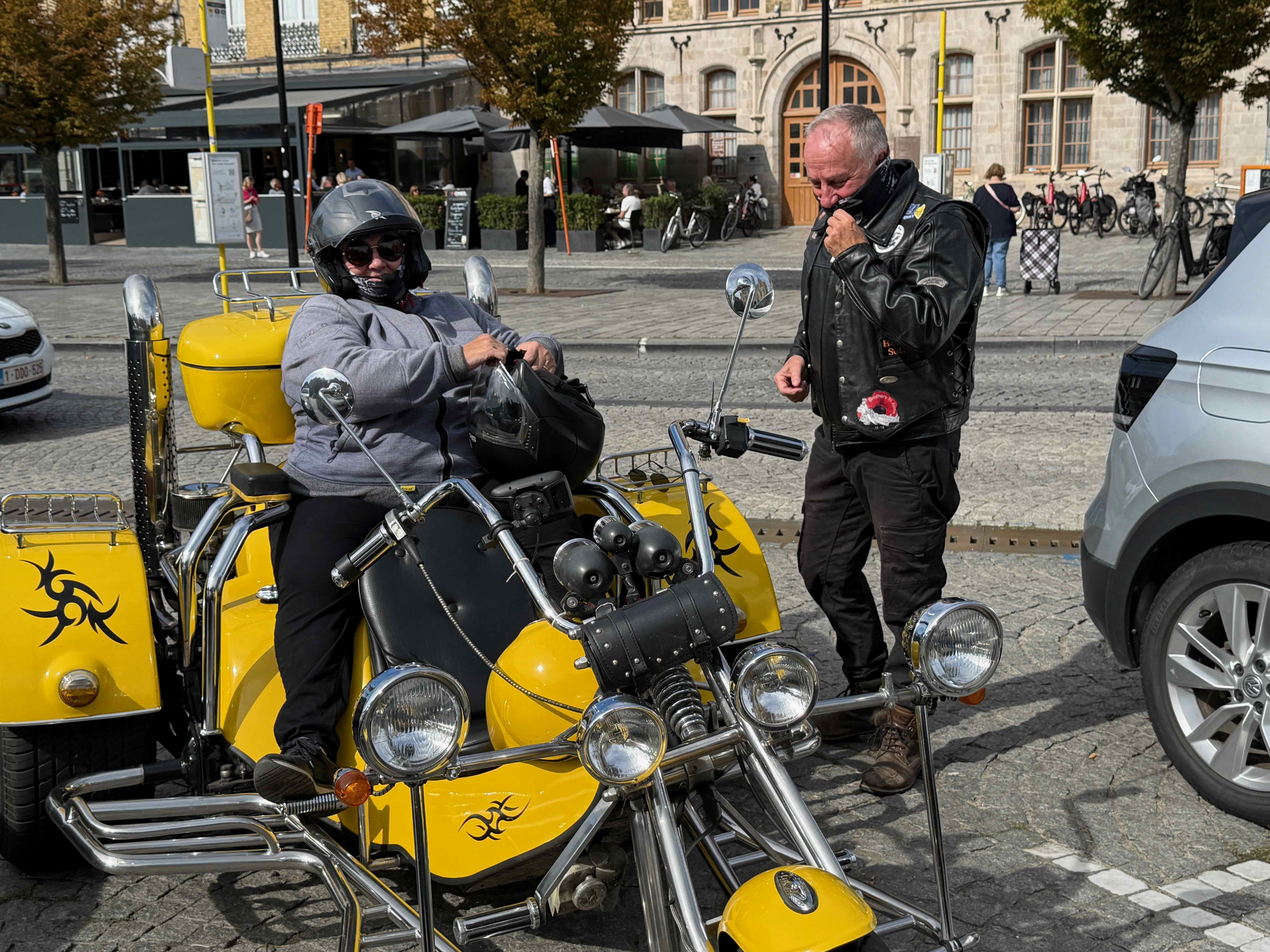
Back in the museum. There were lots of photos and film clips from the war. They bring the horror of the war to life.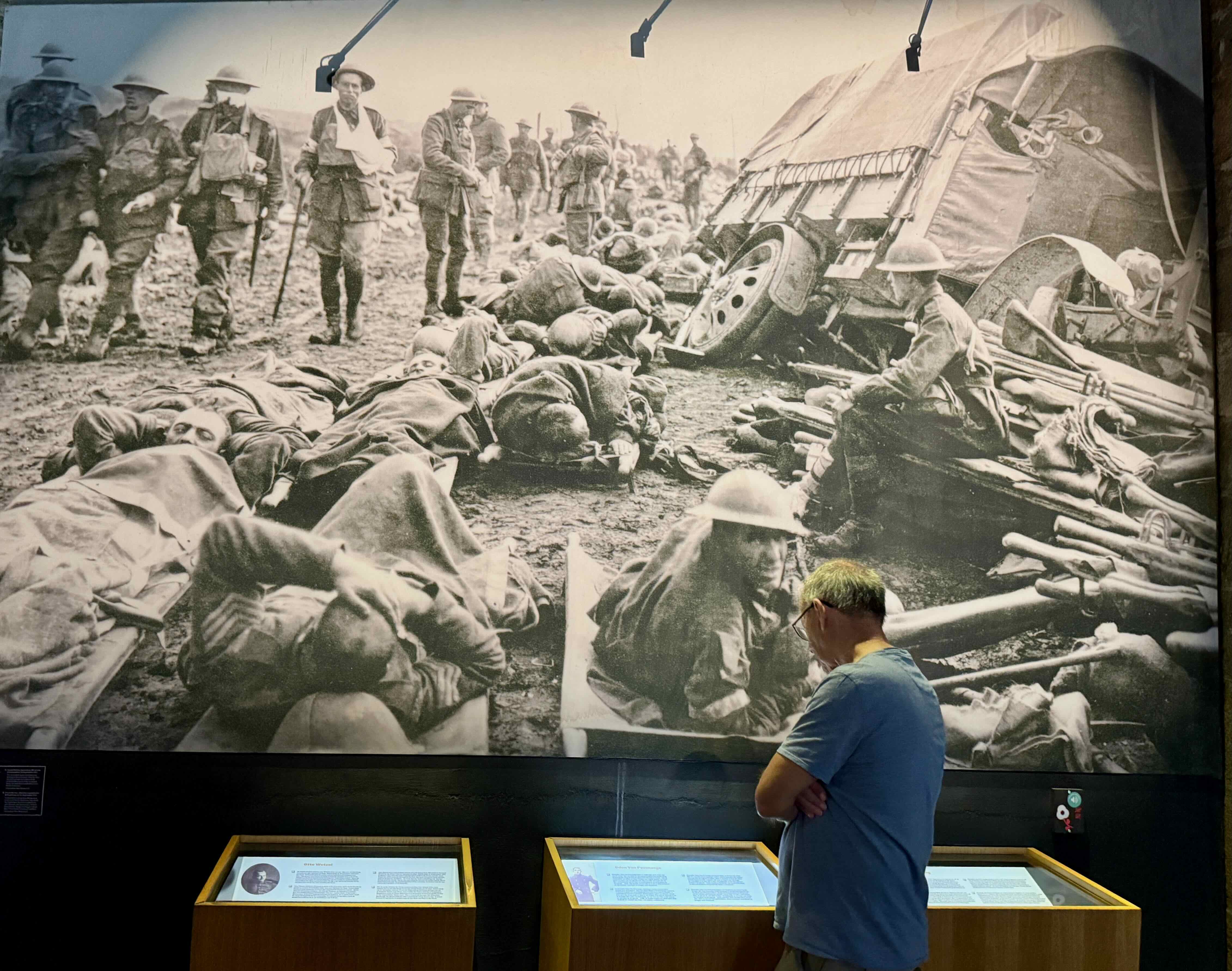
The bottom photo shows the damage done to the building that now houses this museum. It was rebuilt after the war.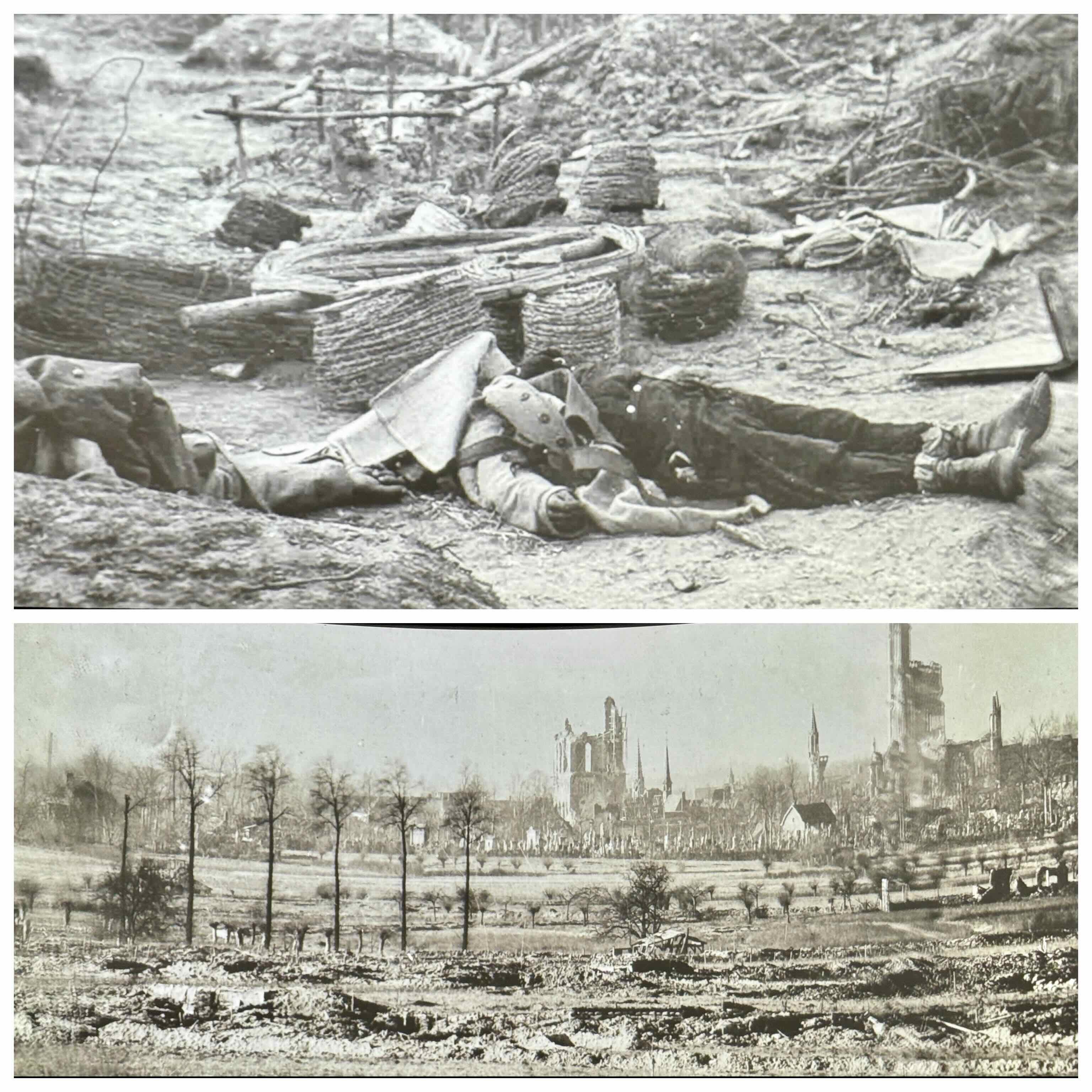
Men sleeping in closely packed conditions underground. 
There were displays of the full kit worn by soldiers from the countries that fought in the war. The first display with the kilt is from the Canadian Black Watch Royal Highland Regiment.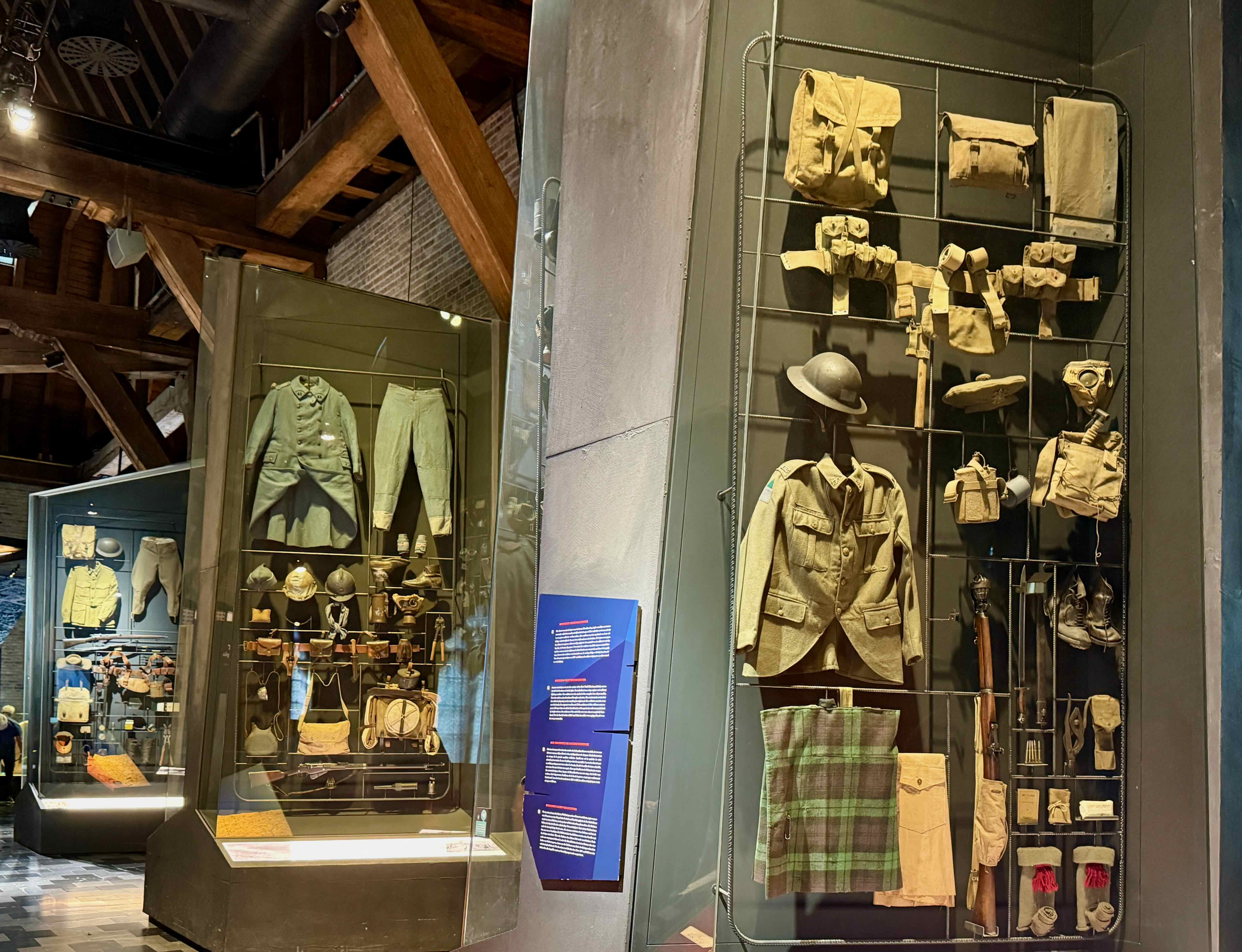 These banners are for John McCrae’s poem “In Flanders Fields”.
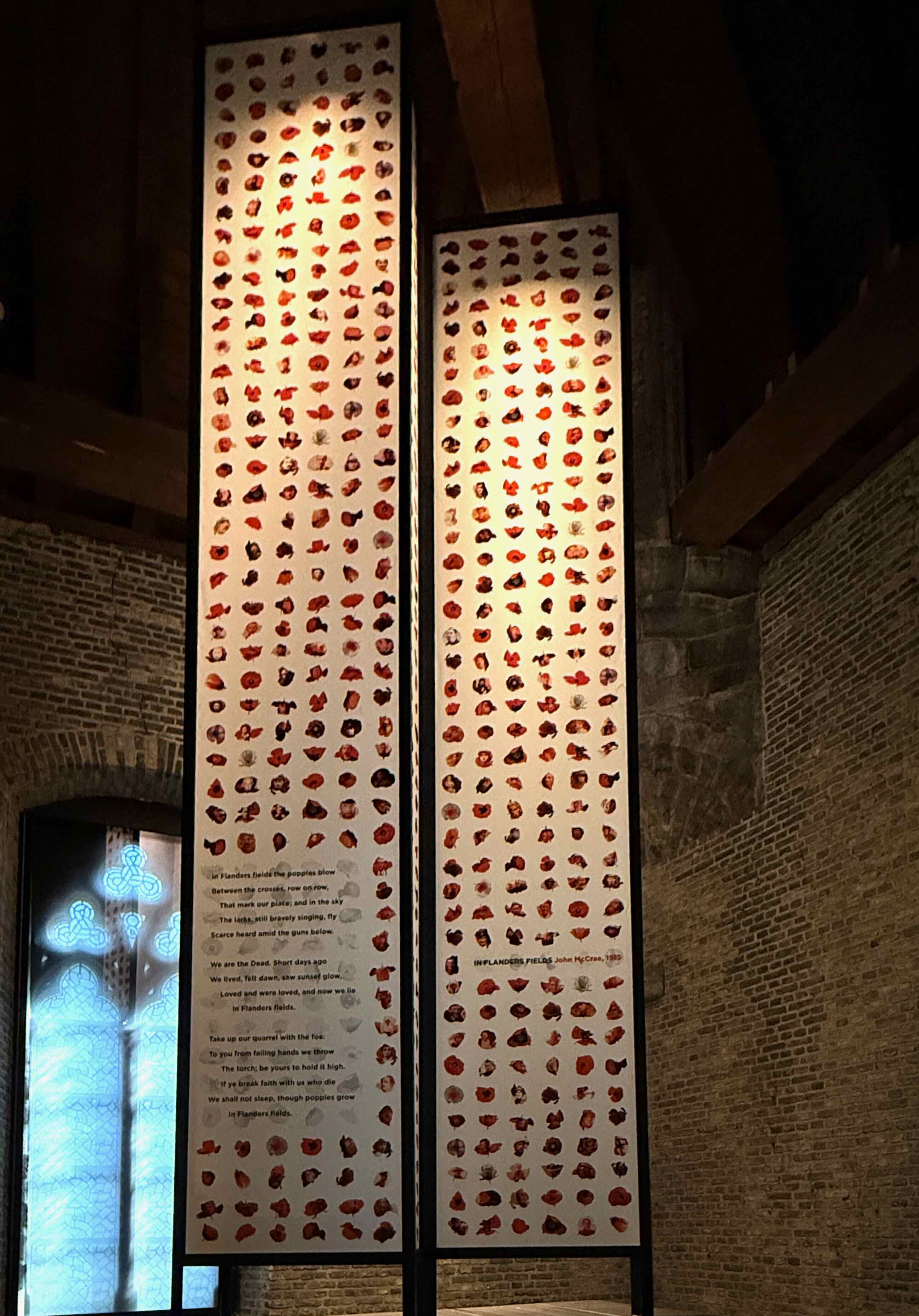
A closer look reveals that there are photos of soldiers hidden in the poppies.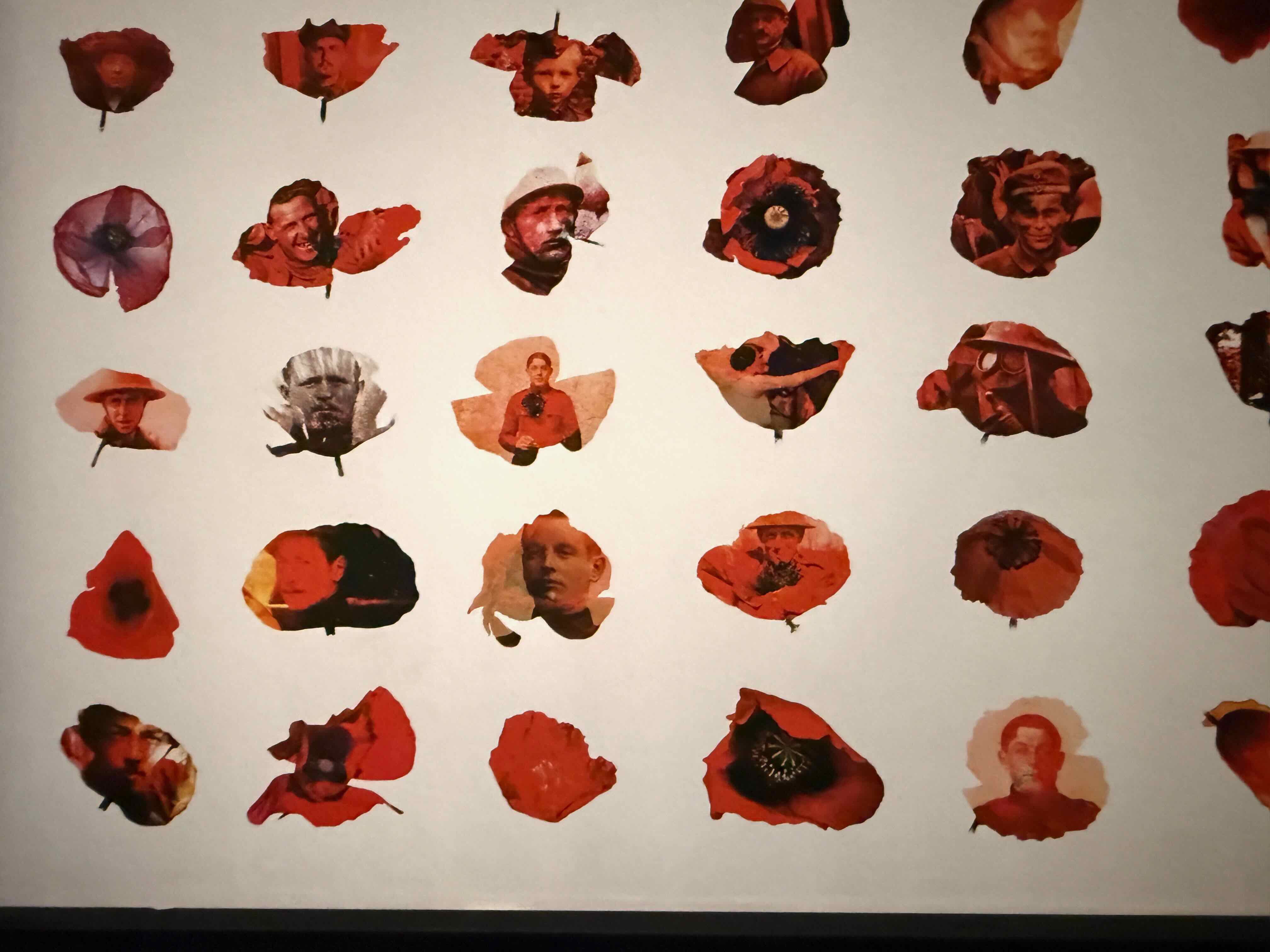
Taps is played at 8:00 every night at the Ypres Menin Gate memorial.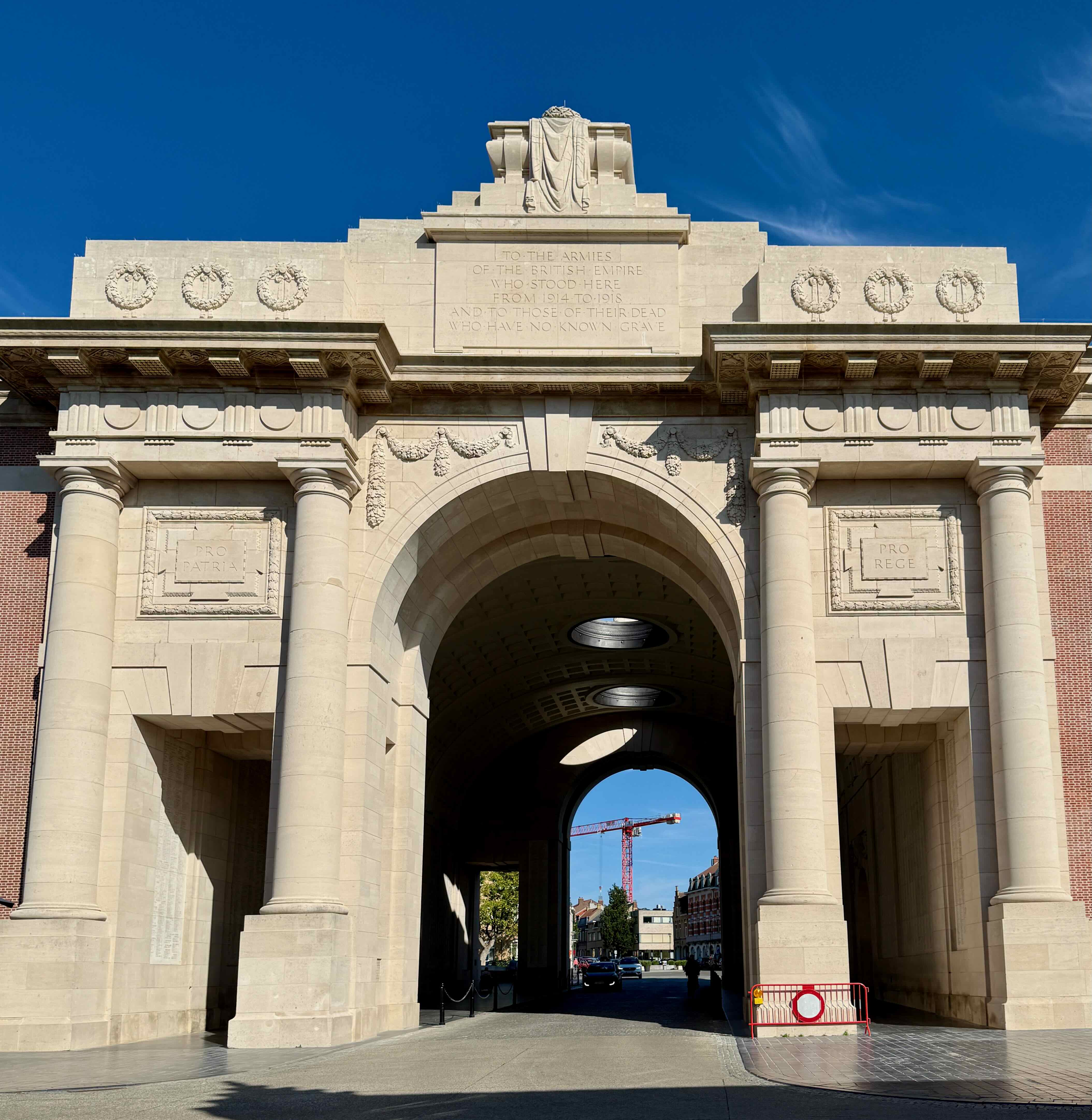
This memorial is engraved with the names of more than 54,000 officers and men whose graves are not known. I feel emotional when viewing these lists of those who died but were never found and buried. 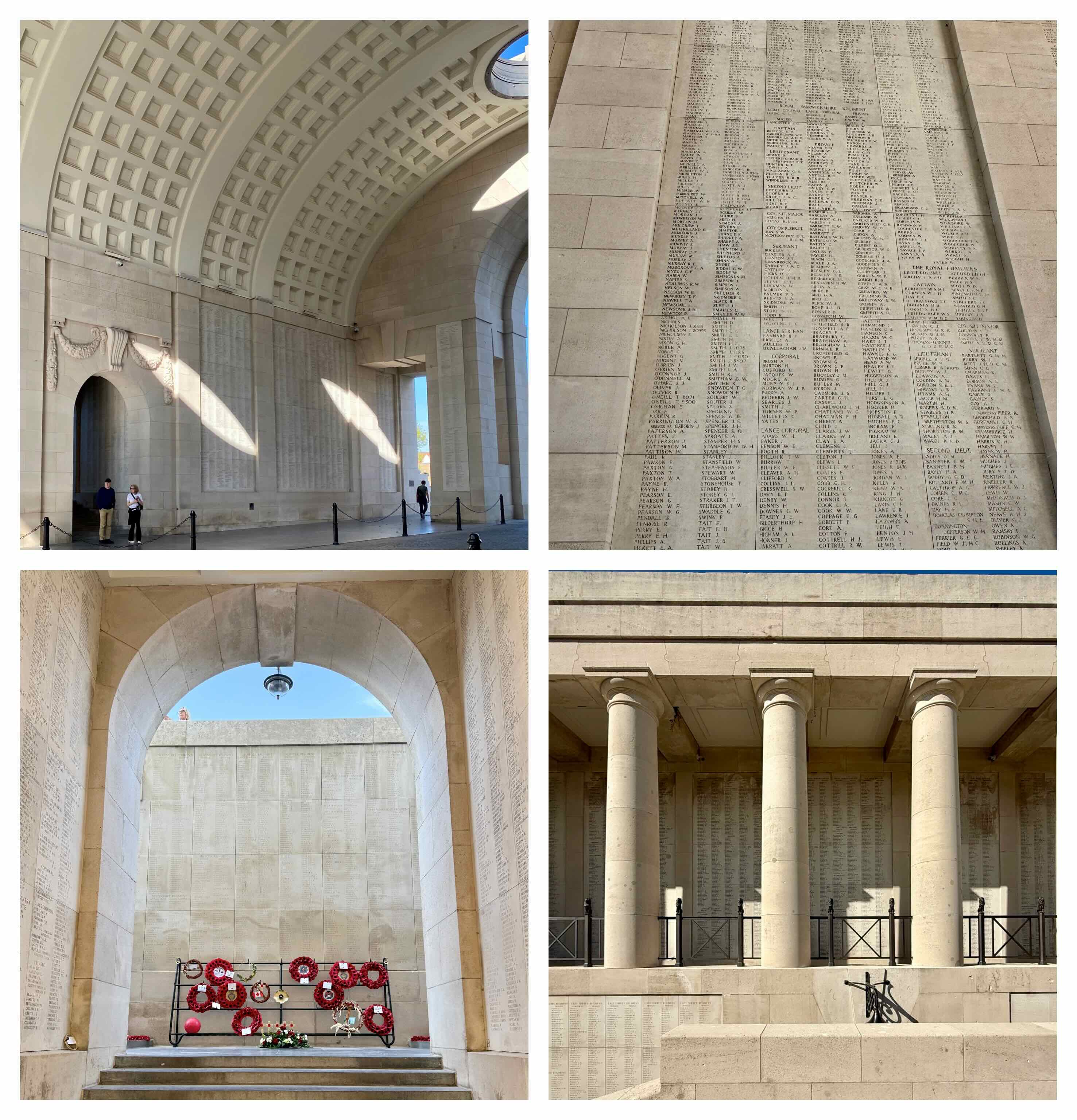
Walking back to the car we pass a gallery with these amazing porcelain sculptures by Bénedicte Vallet.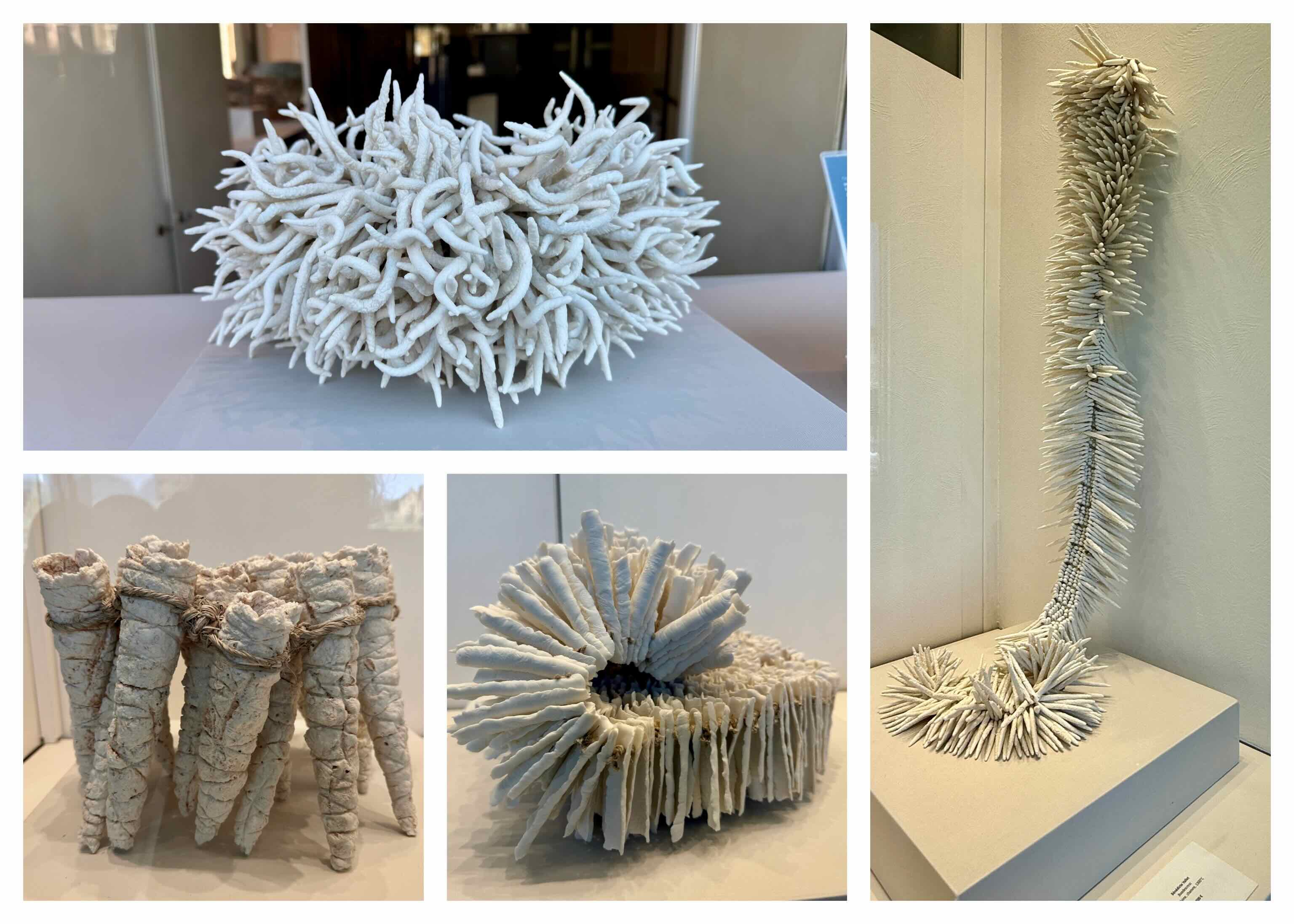
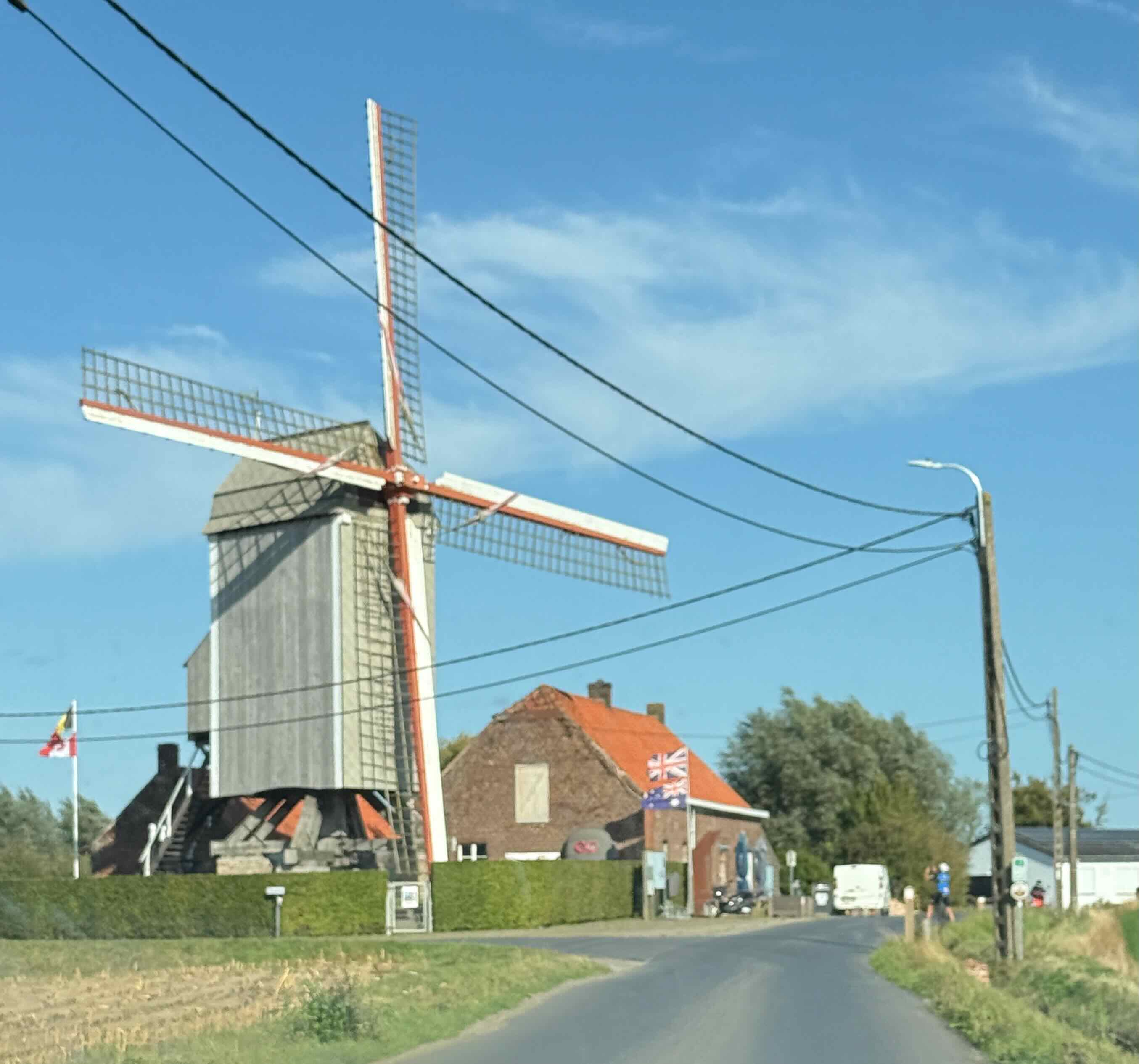
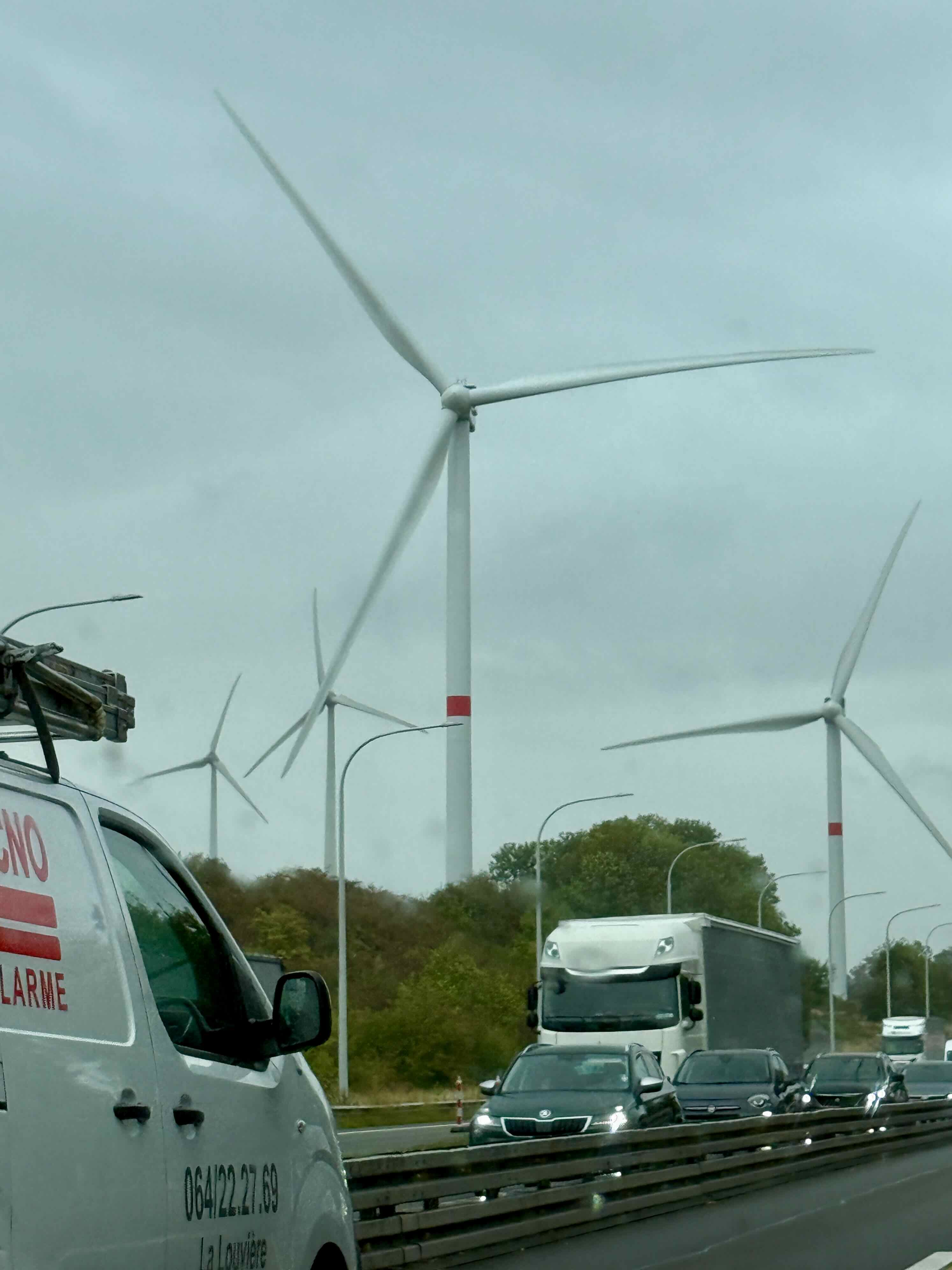
Next stop is the Essex Farm Cemetery where the Canadian doctor, Lieutenant Colonel John McCrae wrote his now famous poem “in Flanders Fields” after seeing poppies growing in battle-scarred fields. The poem was written in memory a friend who died at Ypres, 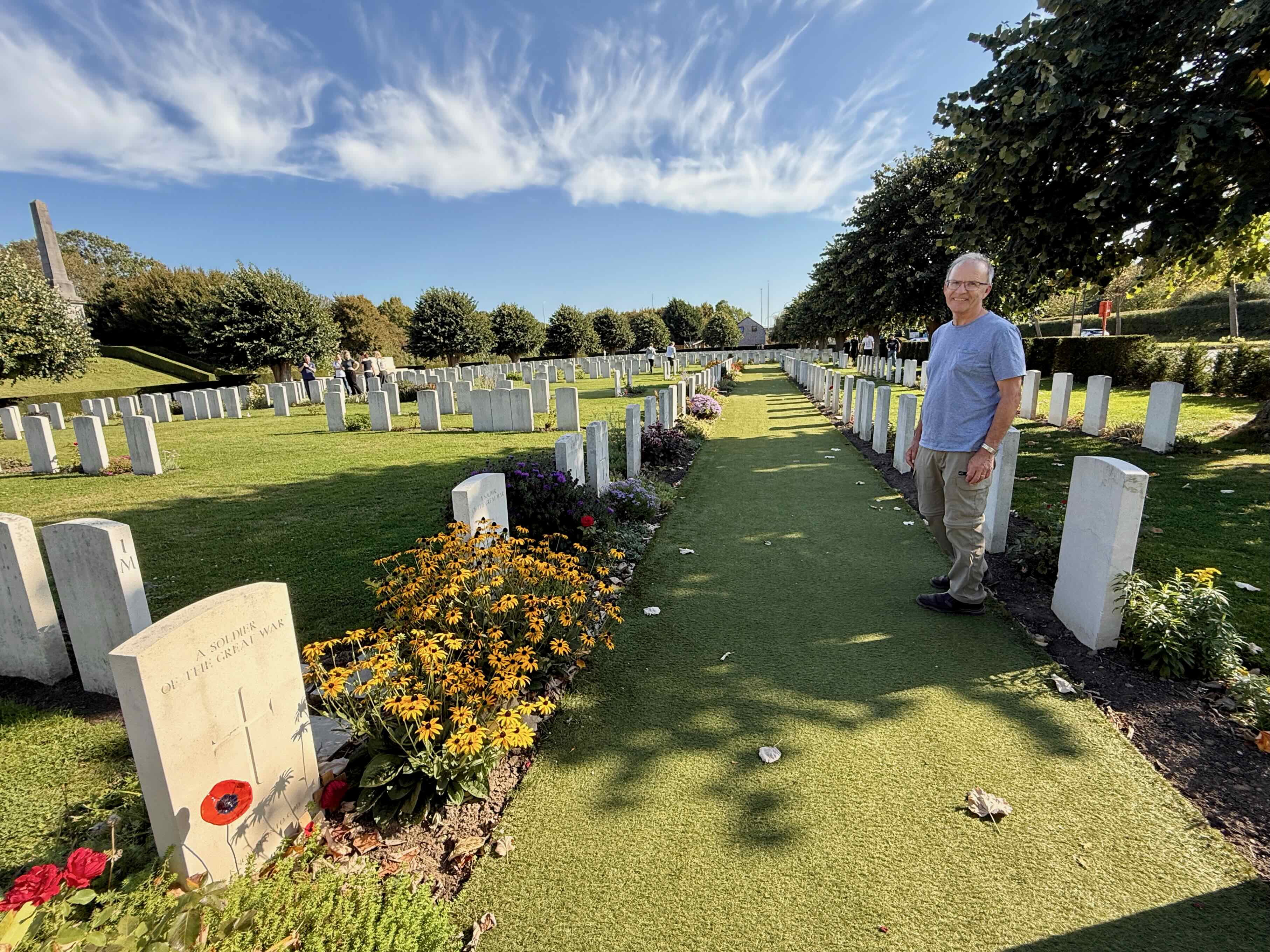 We pass some windmills on the way to the last cemetery we will visit on this trip.
Tyne Cot cemetery, located near Ypres, is the largest Commonwealth cemetery in the world and a memorial to the missing soldiers of World War I. It contains the graves of 11,956 Commonwealth soldiers, primarily from the Battle of Passchendaele. 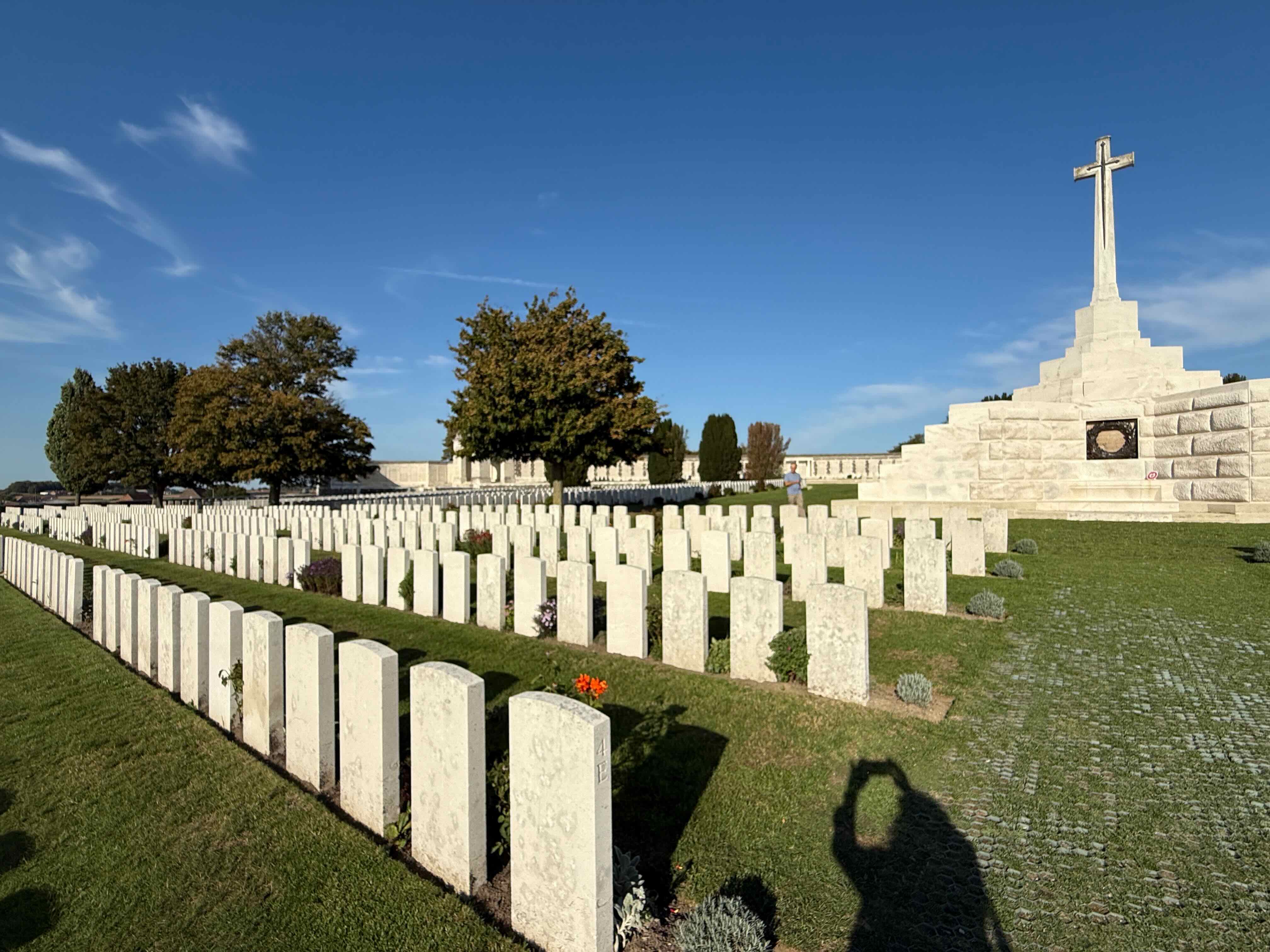
So many graves and 8,367of them are unidentified British or Commonwealth servicemen.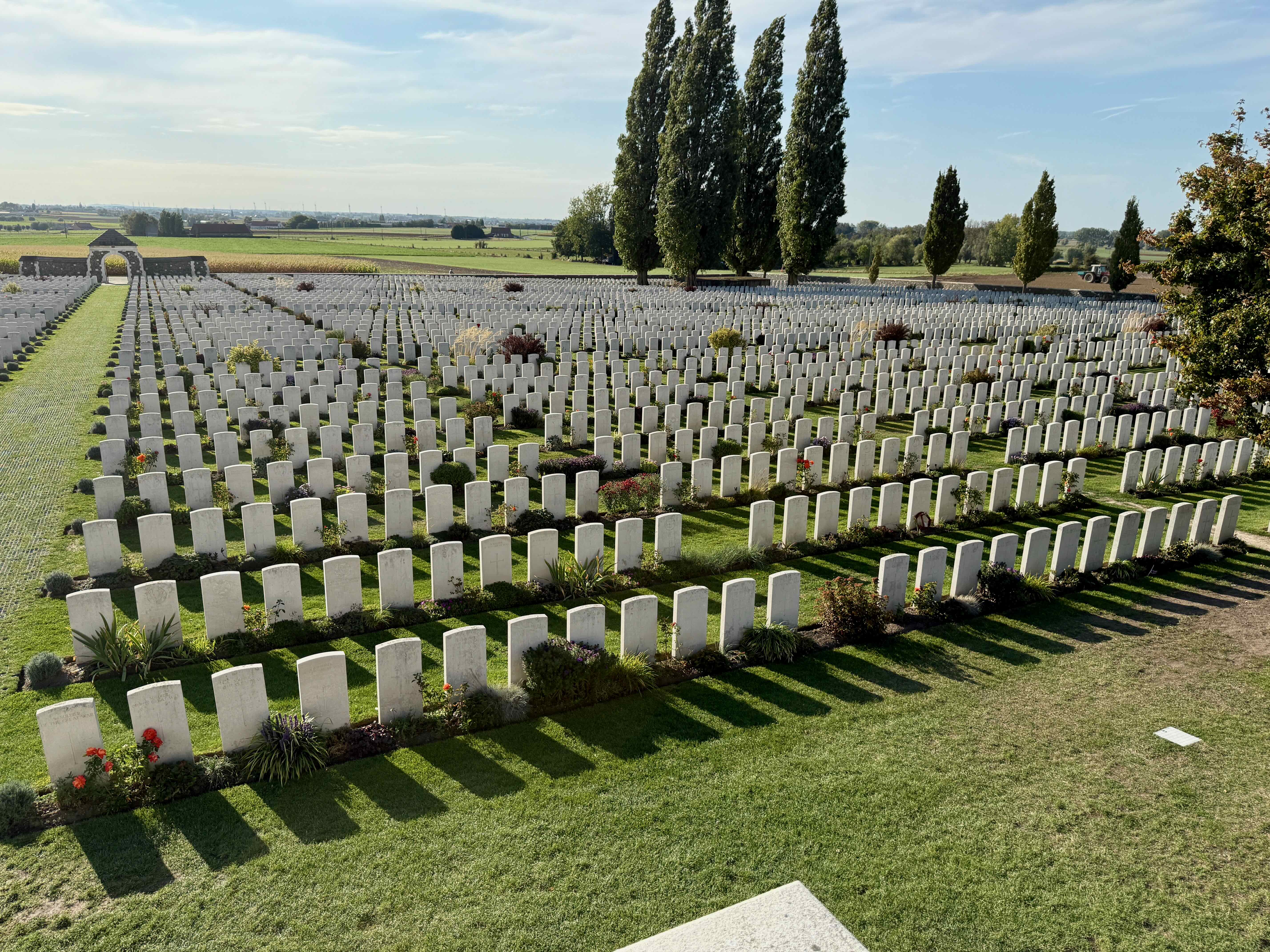
The wall in the background of this photo is engraved with the names of the 35,000 soldiers whose remains were never found or identified.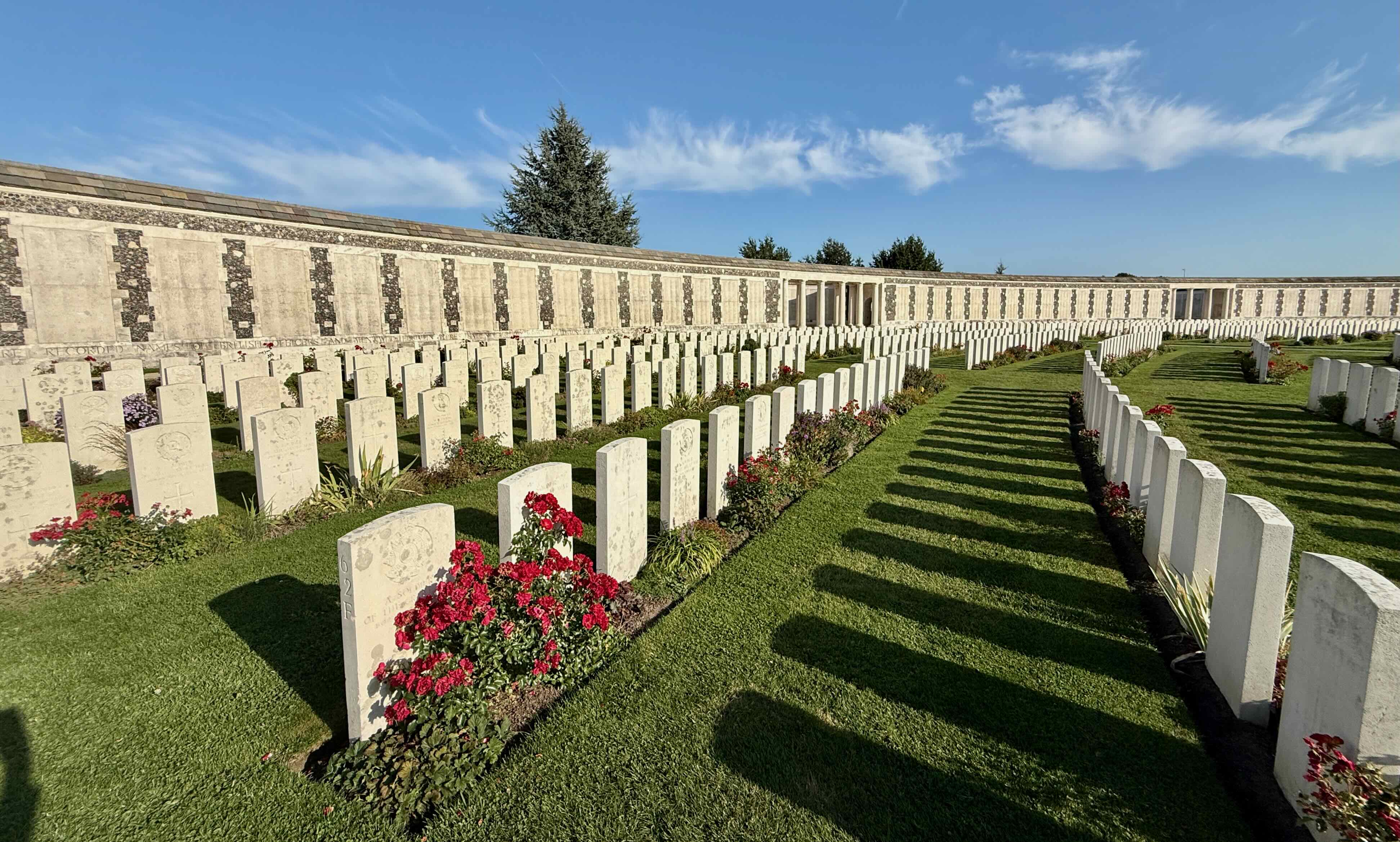 One last stop at the Canadian Memorial which commemorates the actions and sacrifices of the Canadian Corps during the First World War’s Battle of Passchendaele.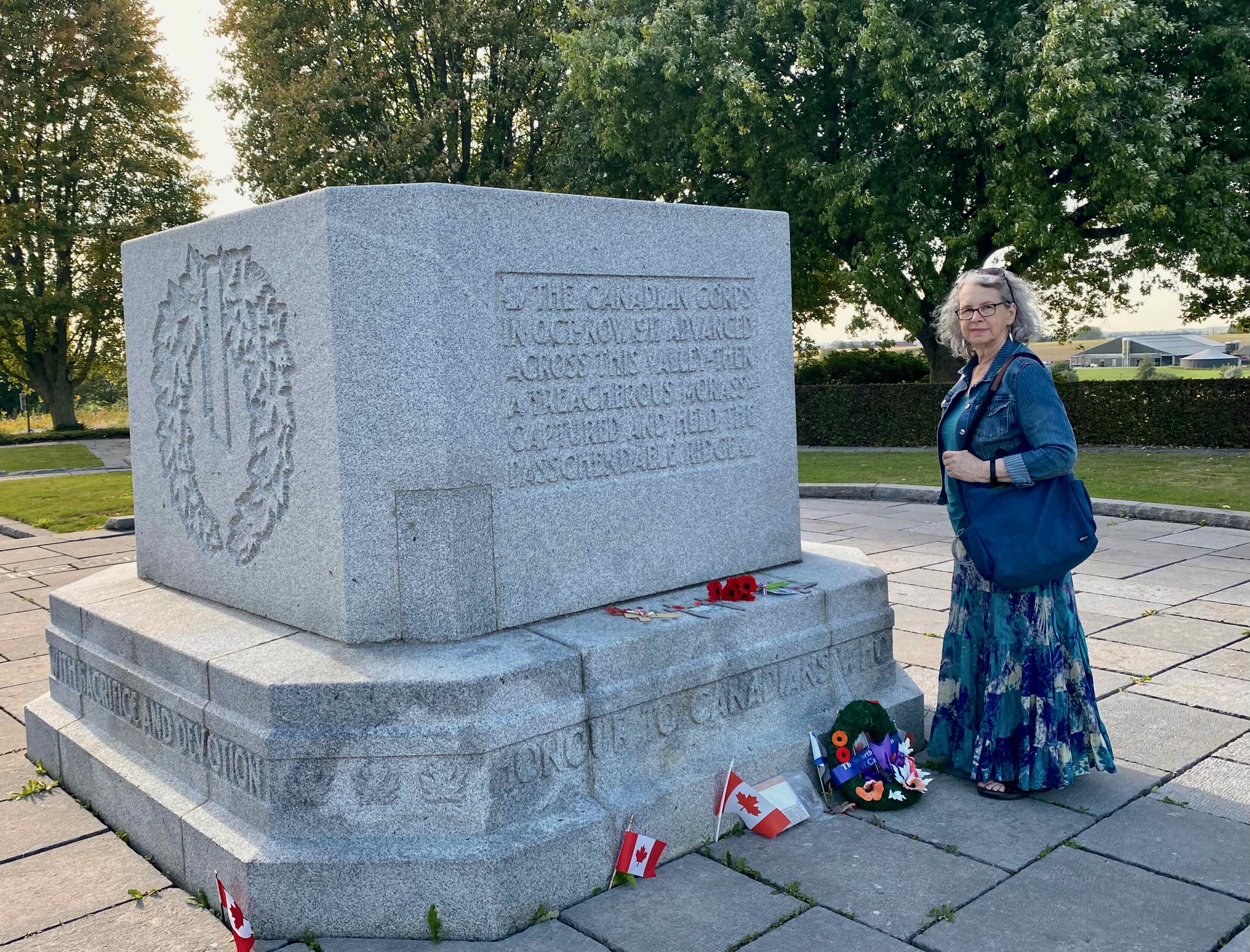
“The Canada Gate is the second of two linked ‘Portals of Remembrance’. The first is The Last Steps Memorial Arch, marking the spot in Halifax Nova Scotia where 350,000 Canadian soldiers took their last steps in Canada before embarking on ships for service overseas in Belgium and France during the First World War. For thousands, their last steps in life were taken here at Passchendaele. For those who survived, their lives were forever changed.”~ veterans.gc.ca
Another heavy duty day. 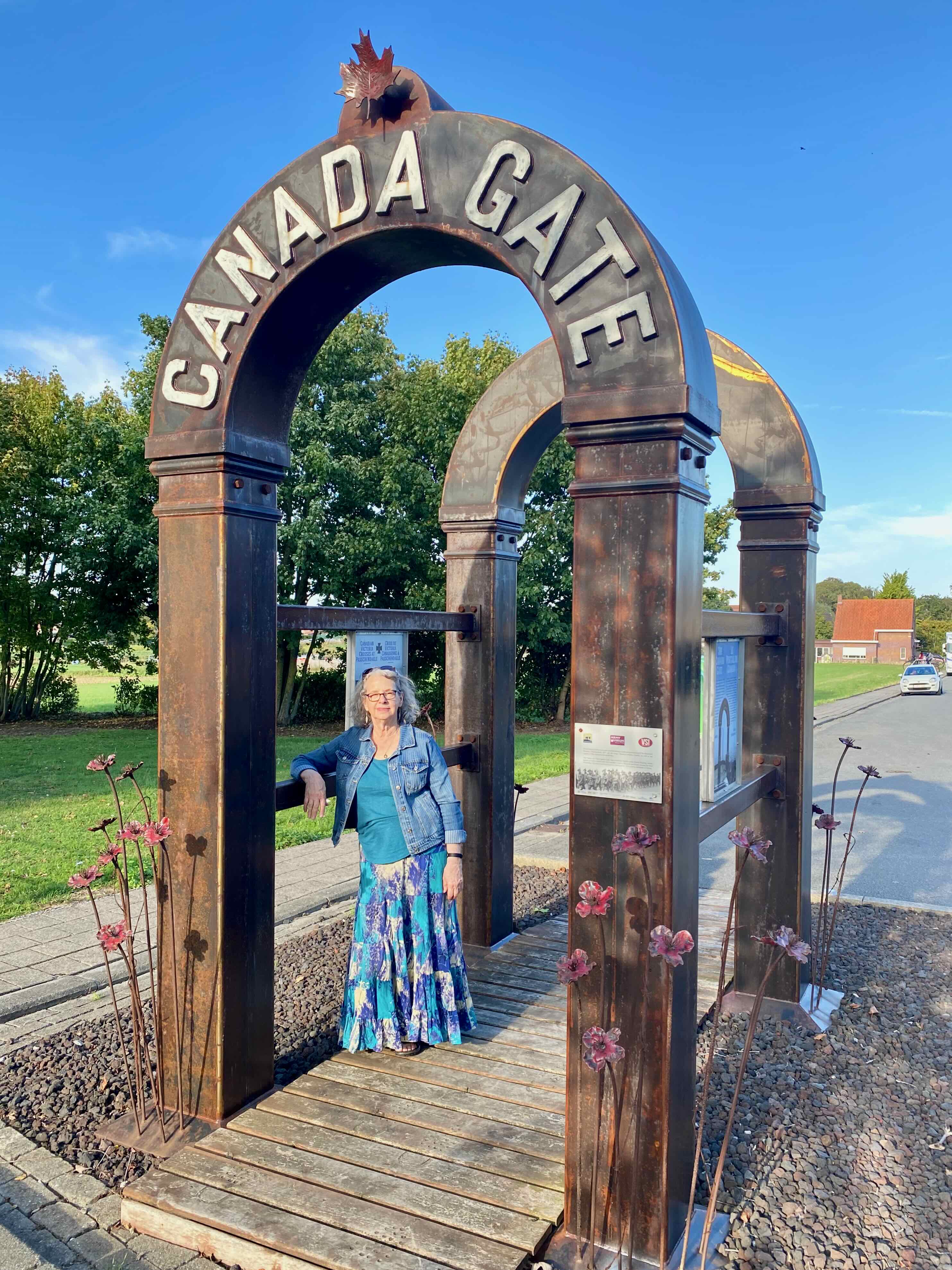
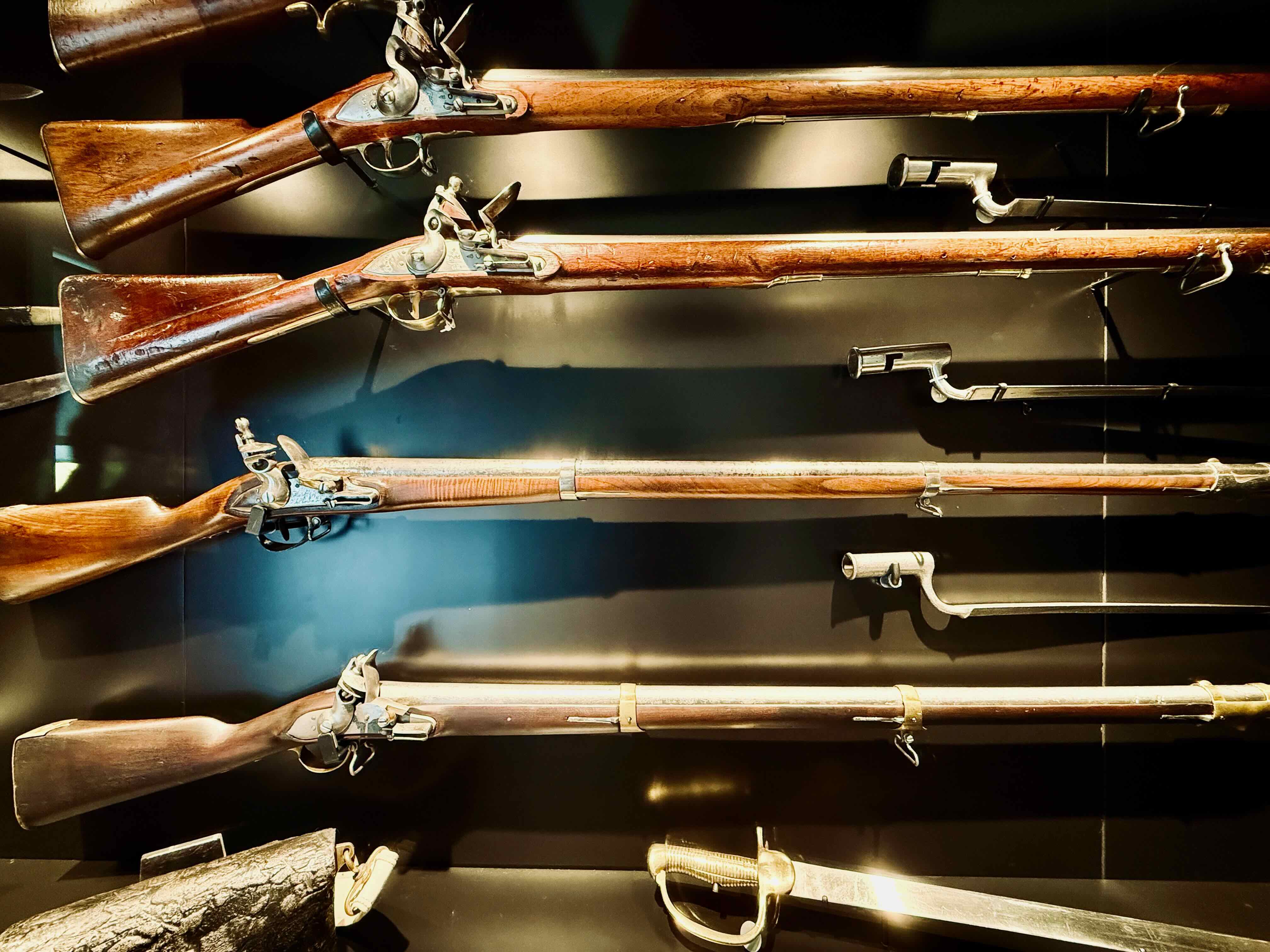
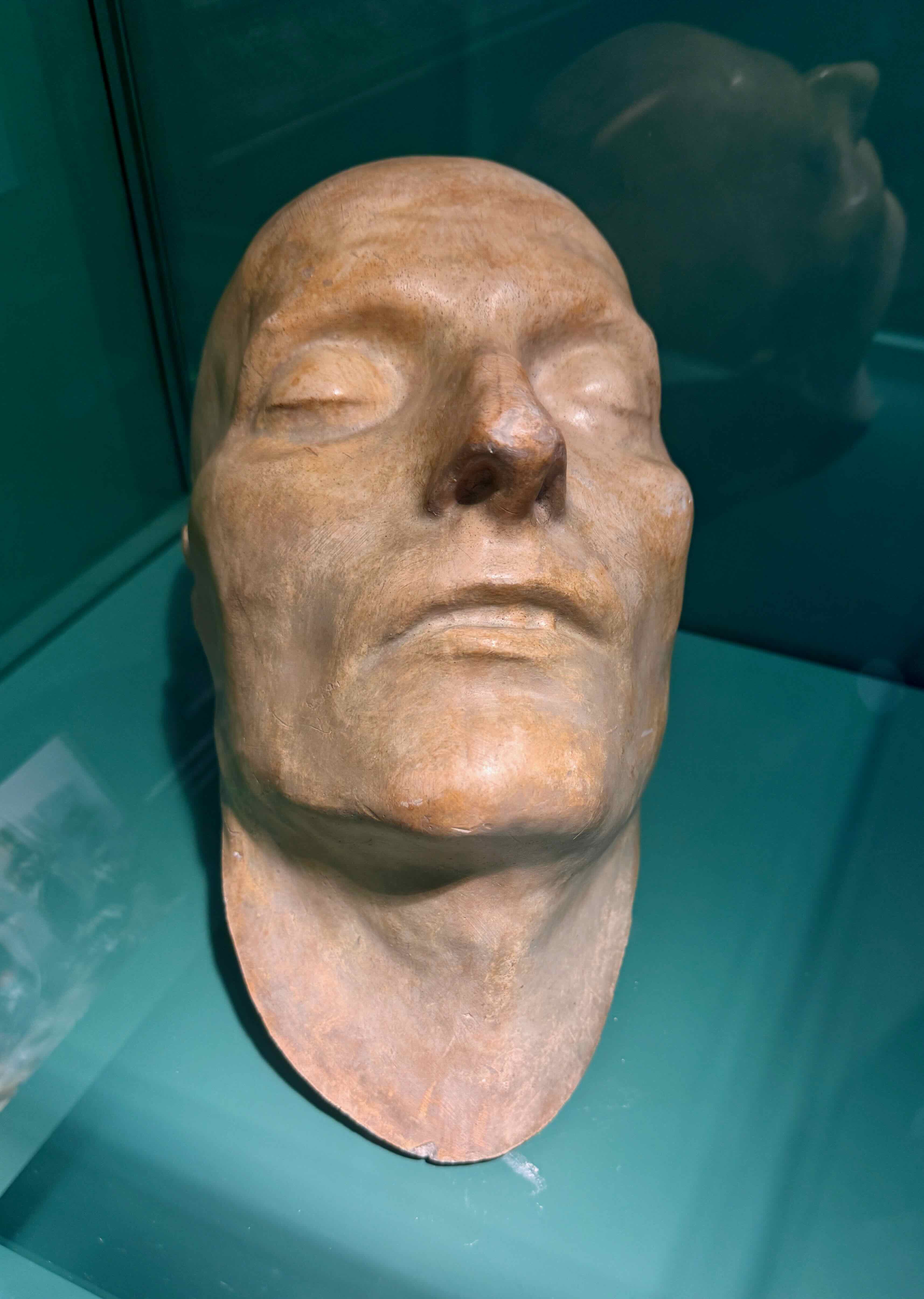
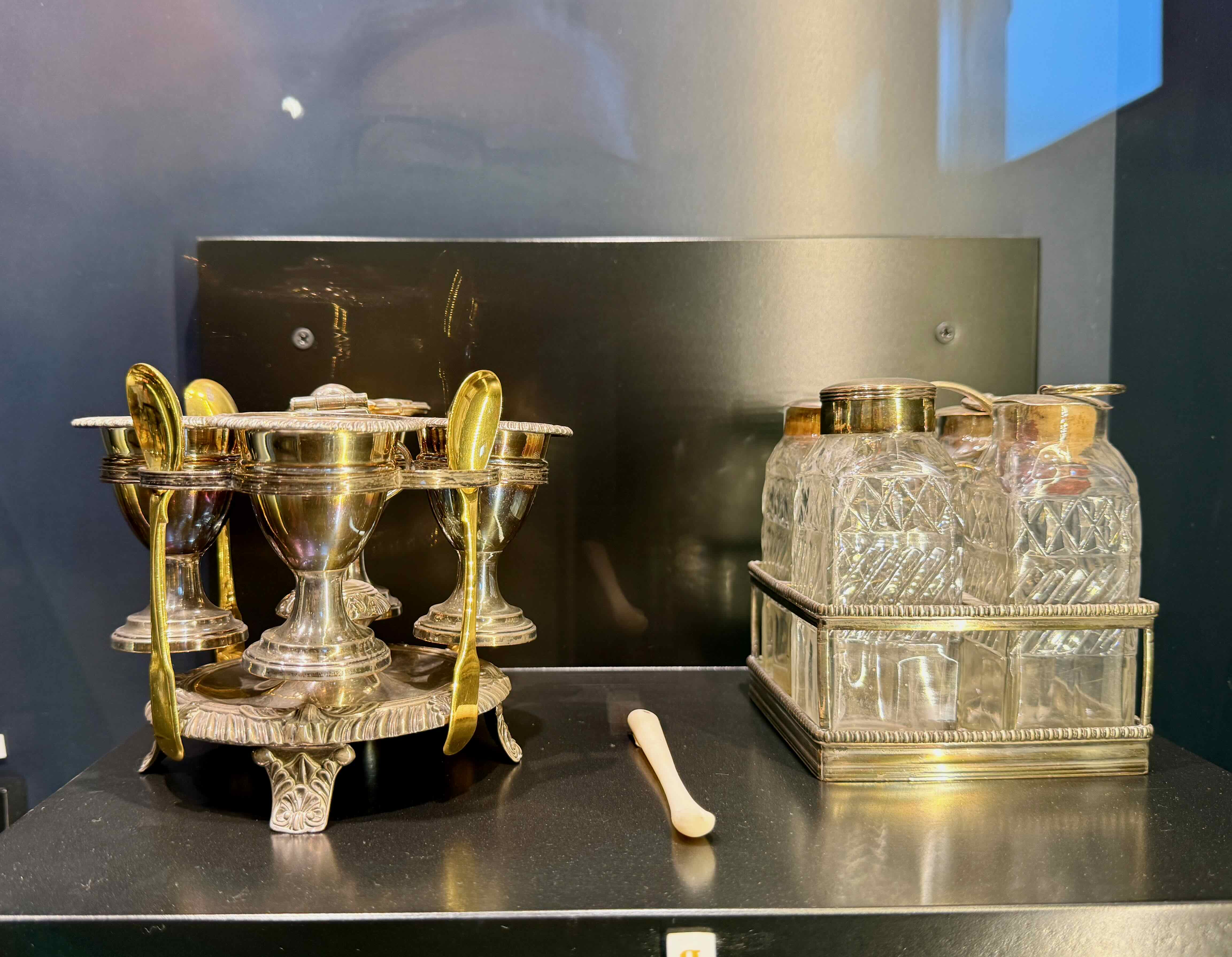
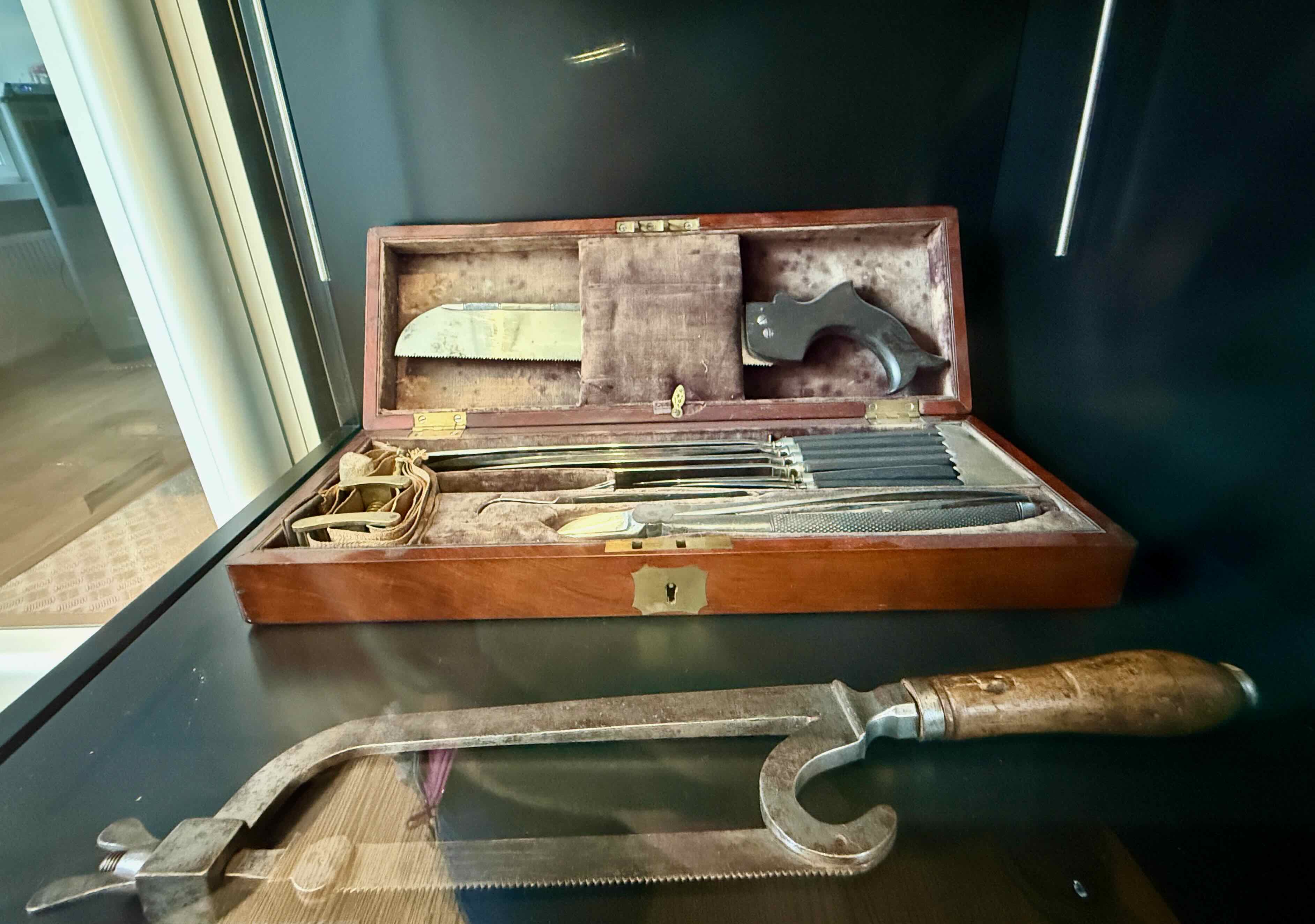
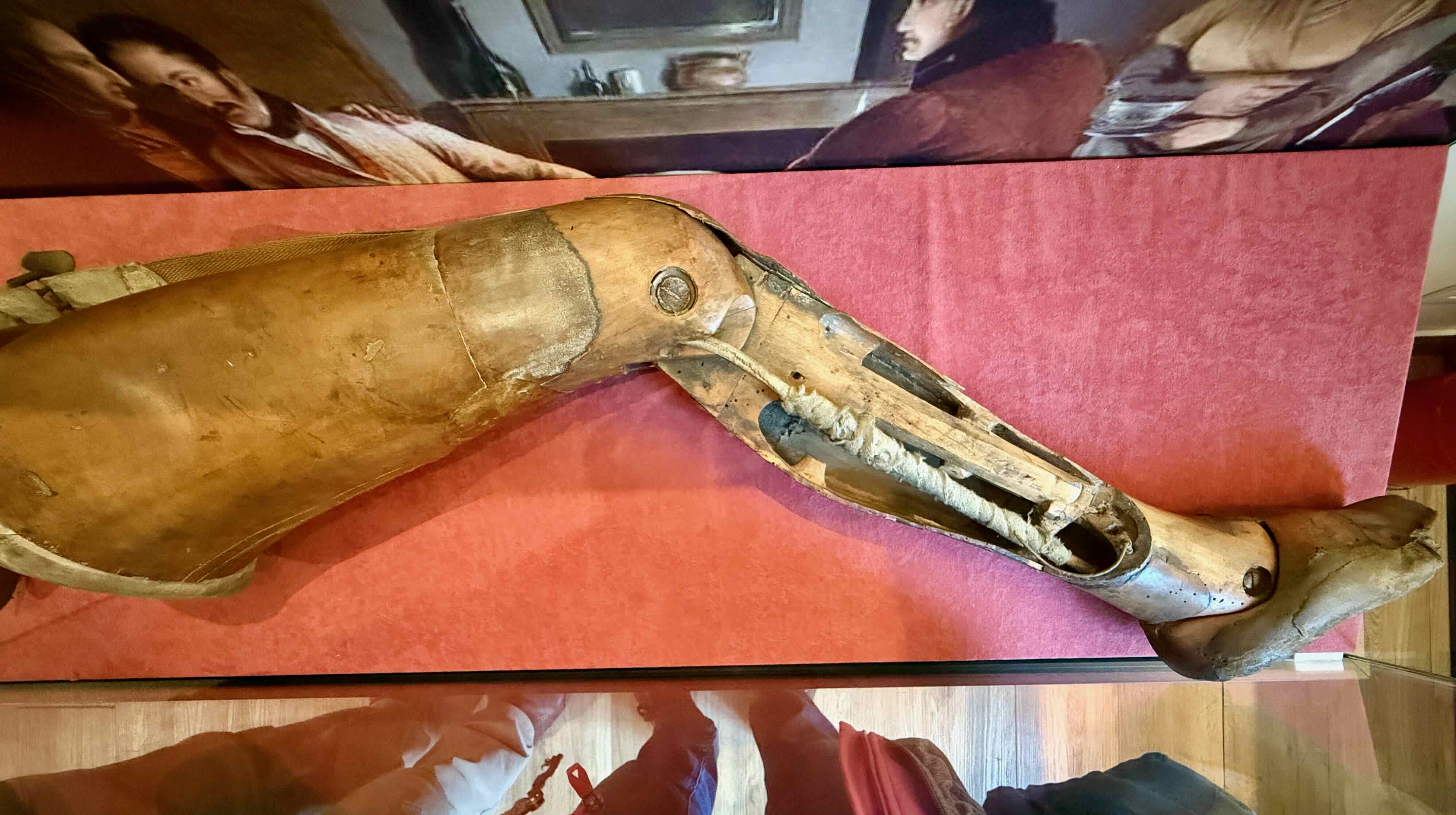
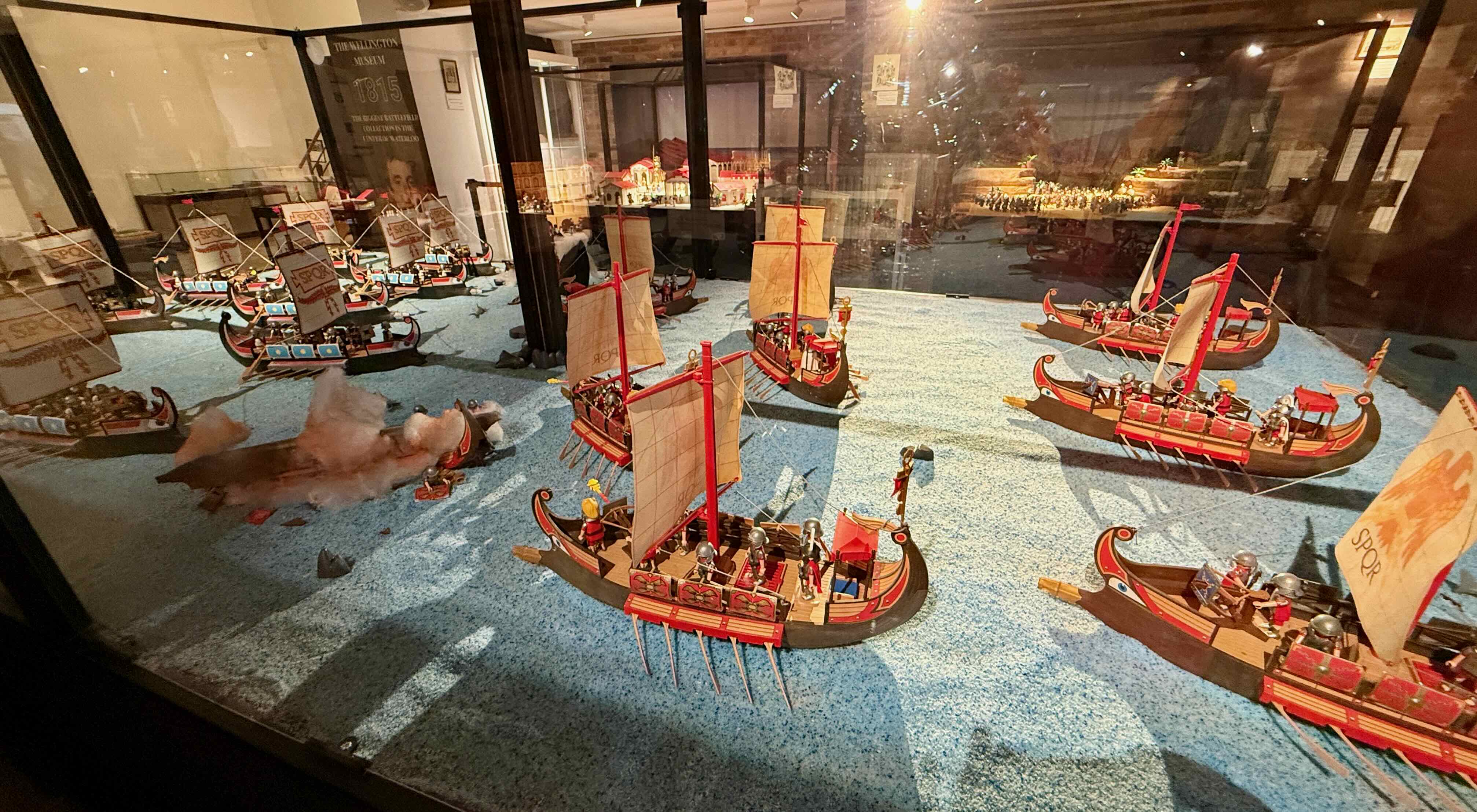
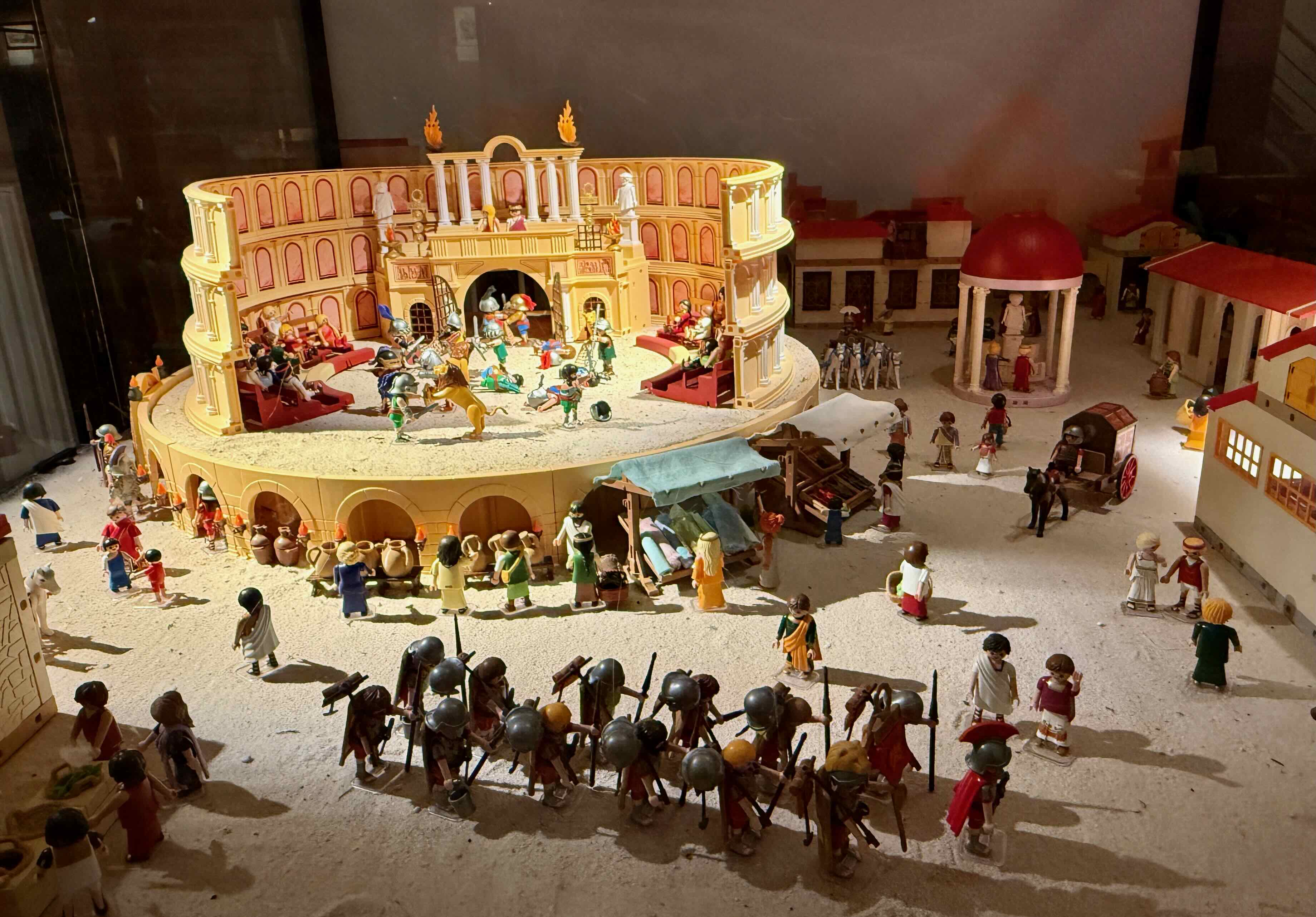
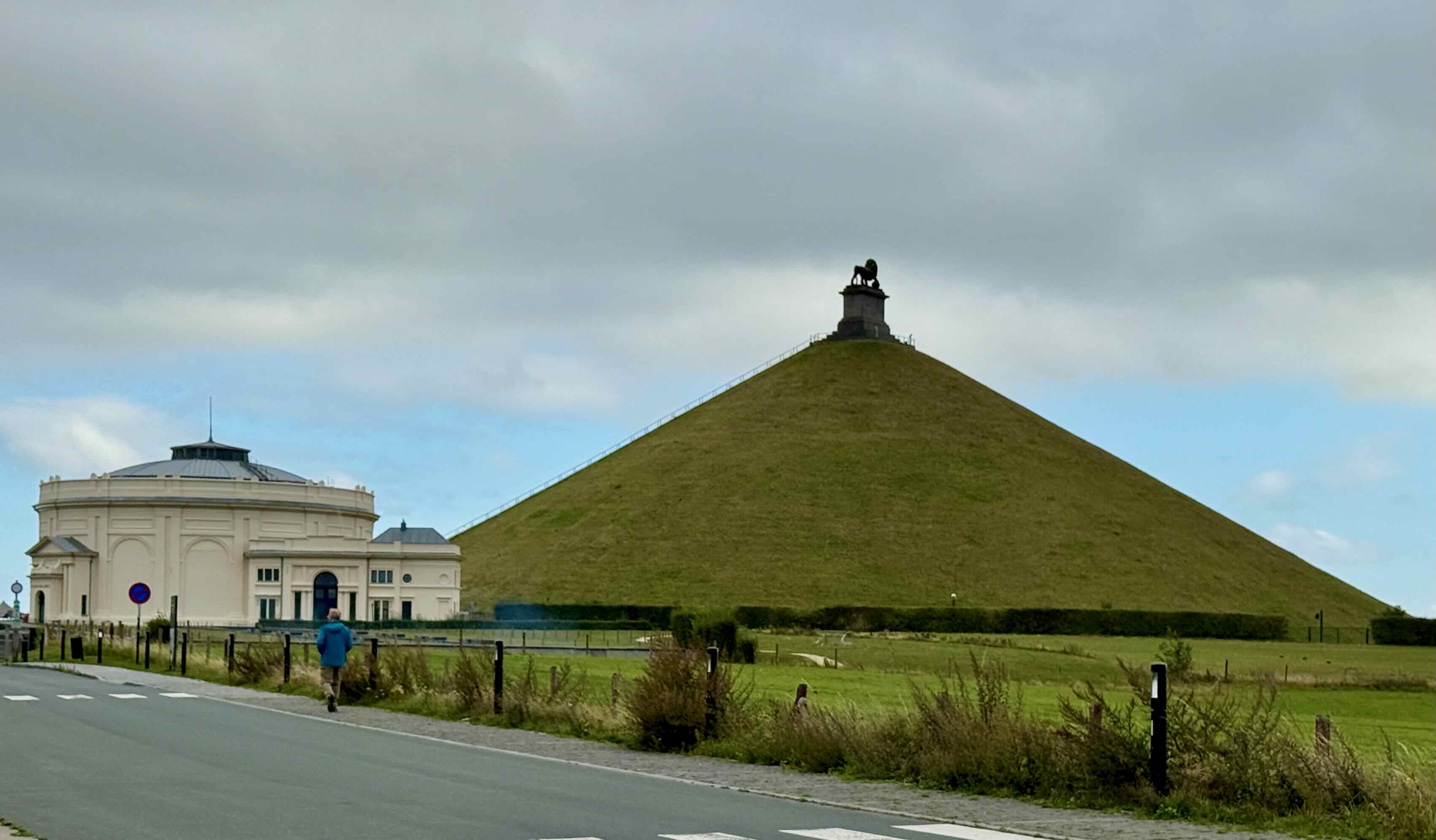
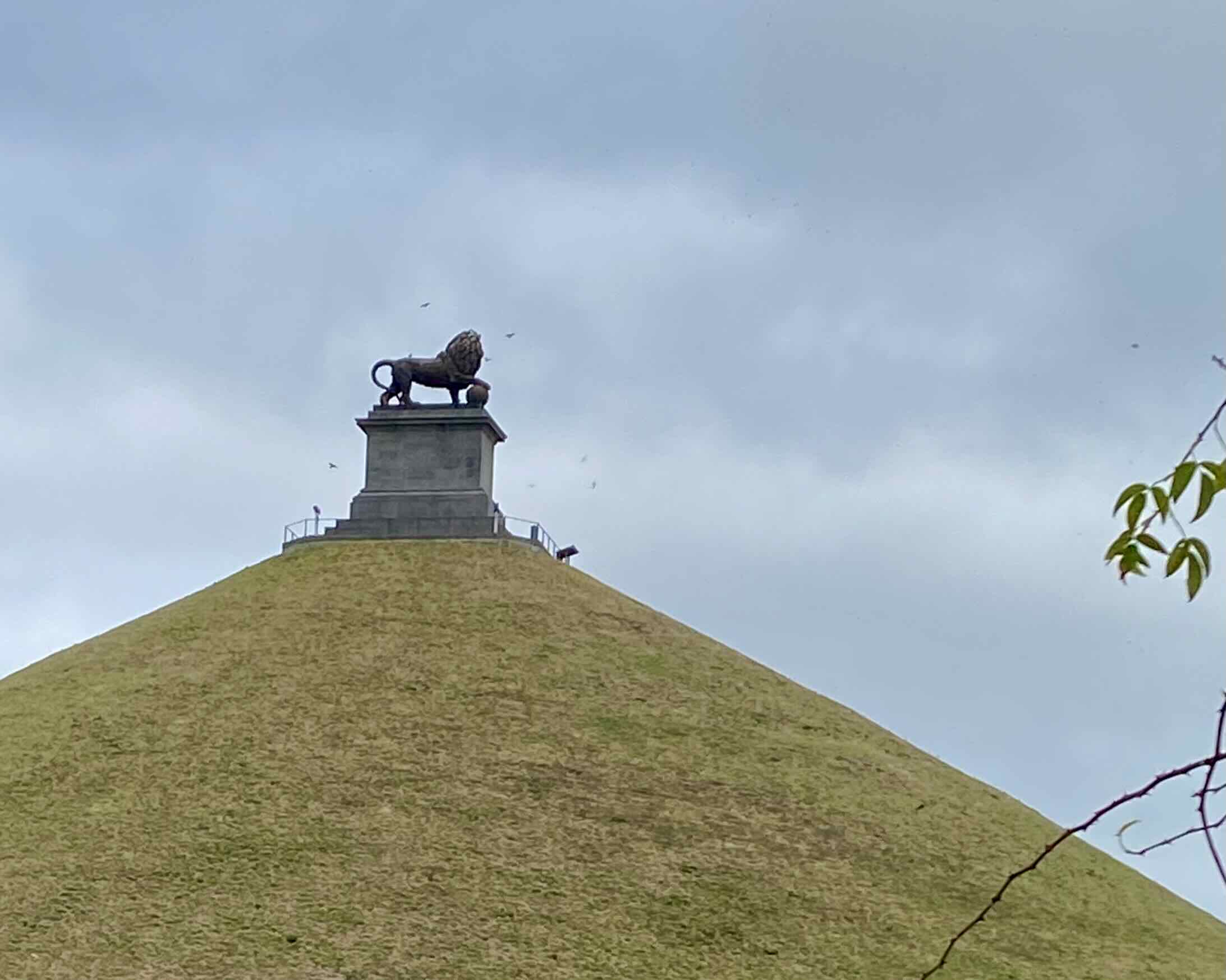
 The Wellington Museum was easy to find and there was free parking nearby. The museum is located in the building that the British Duke of Wellington used as his headquarters when he defeated Napoleon at Waterloo in1815. The soldiers uniforms displayed are, from left to right, the French Carabiniers, the British Light Dragoons and the British 8th Hussars.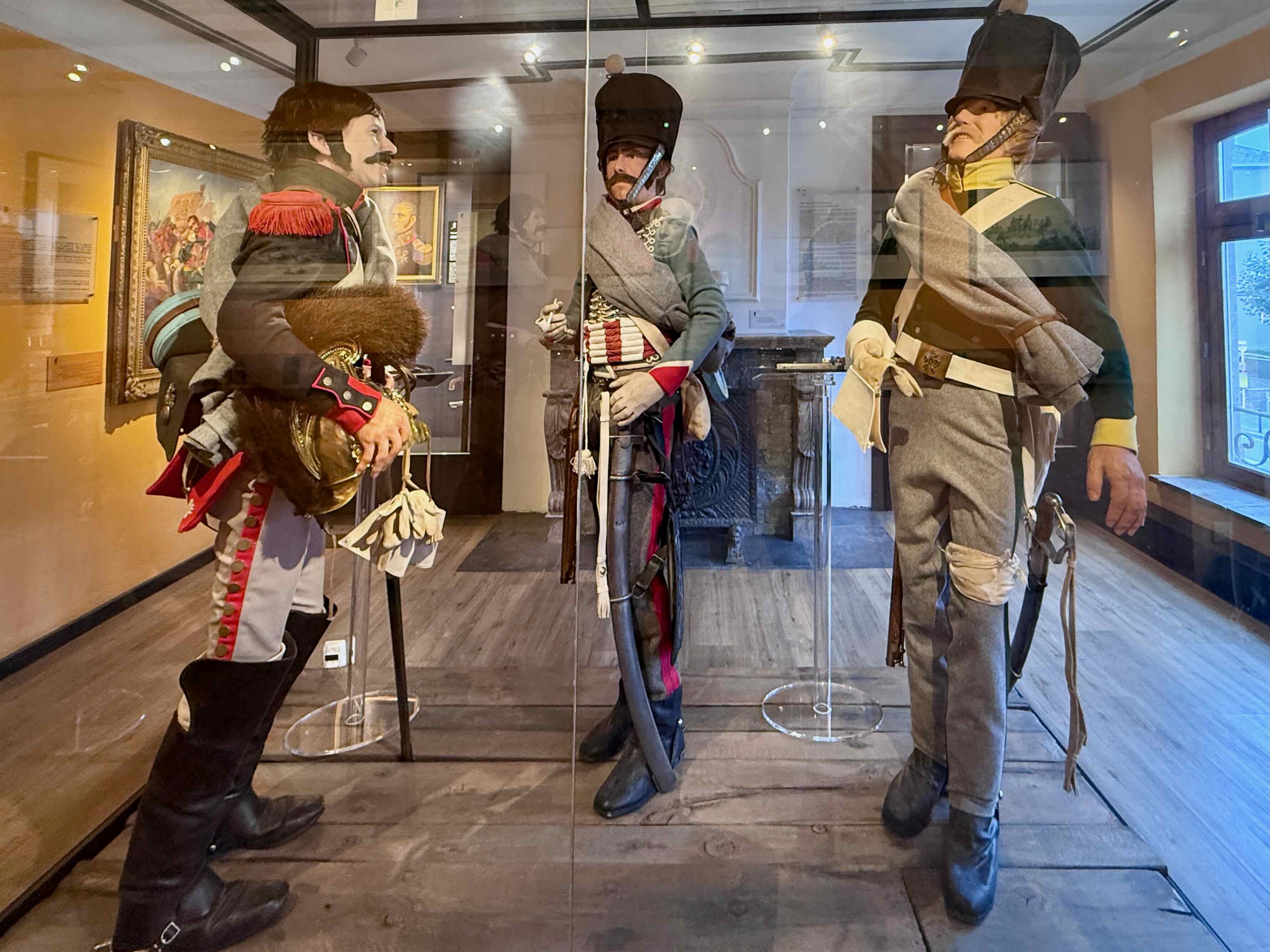

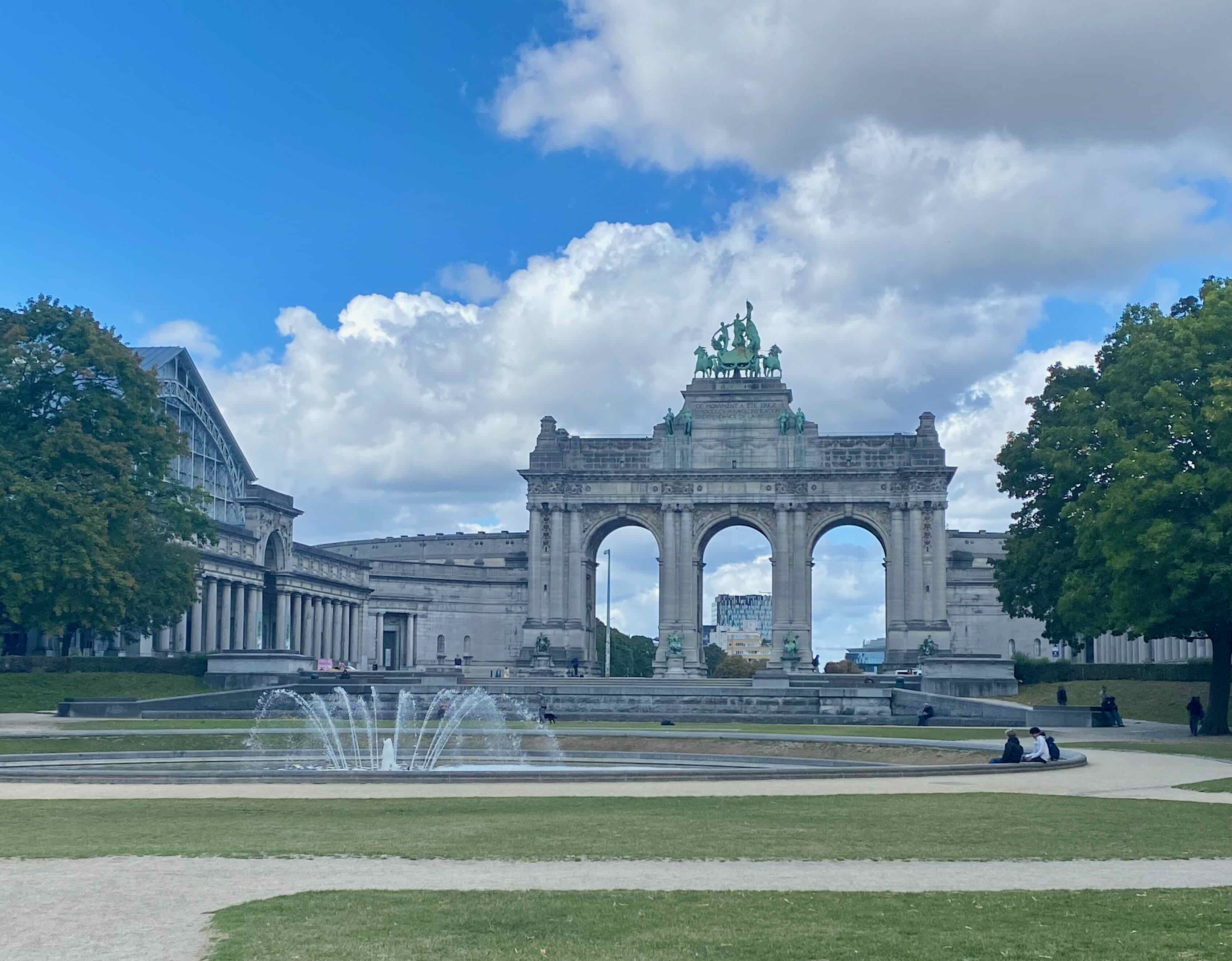
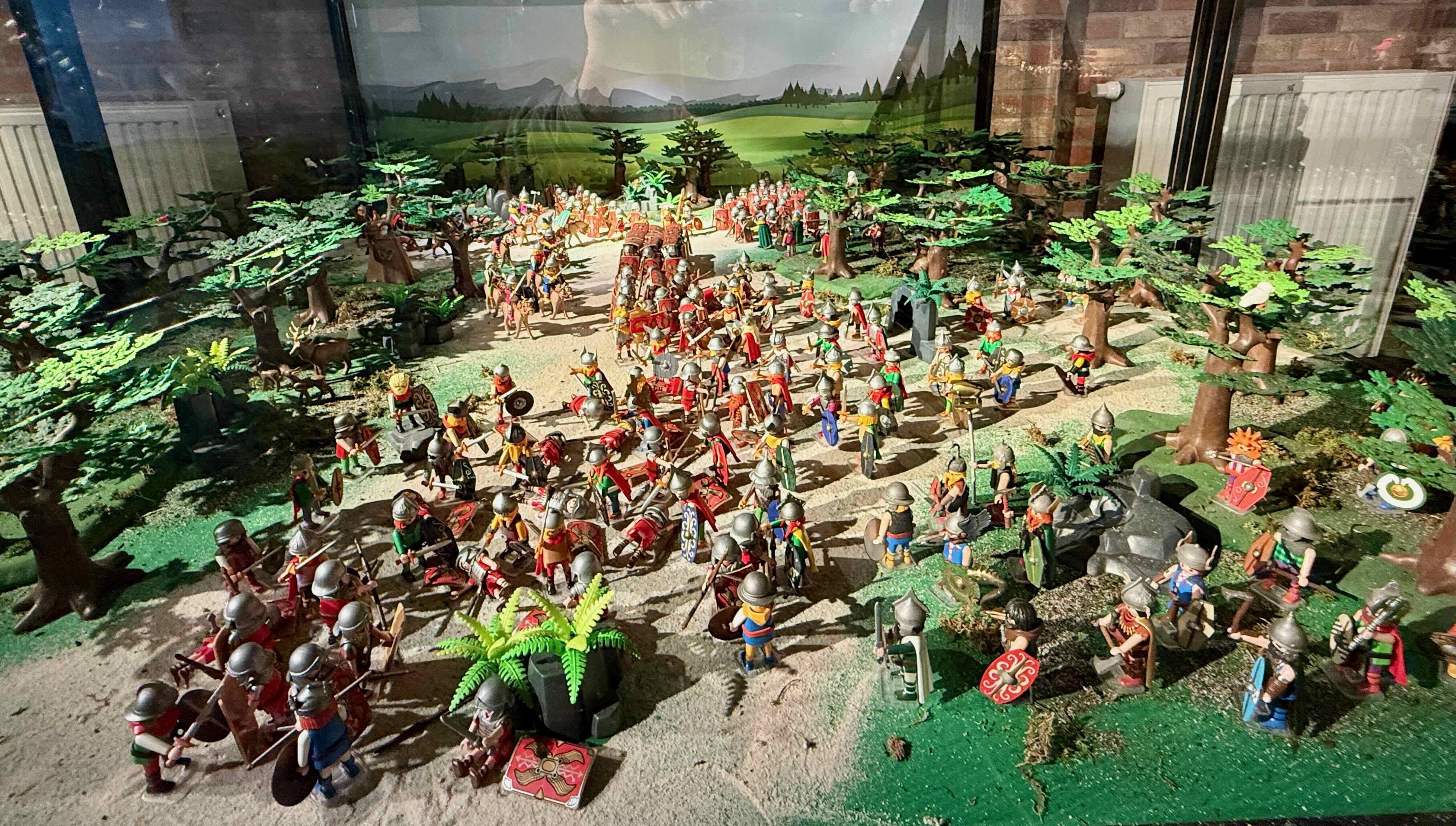 Rome’s first race course built in 599 B.C.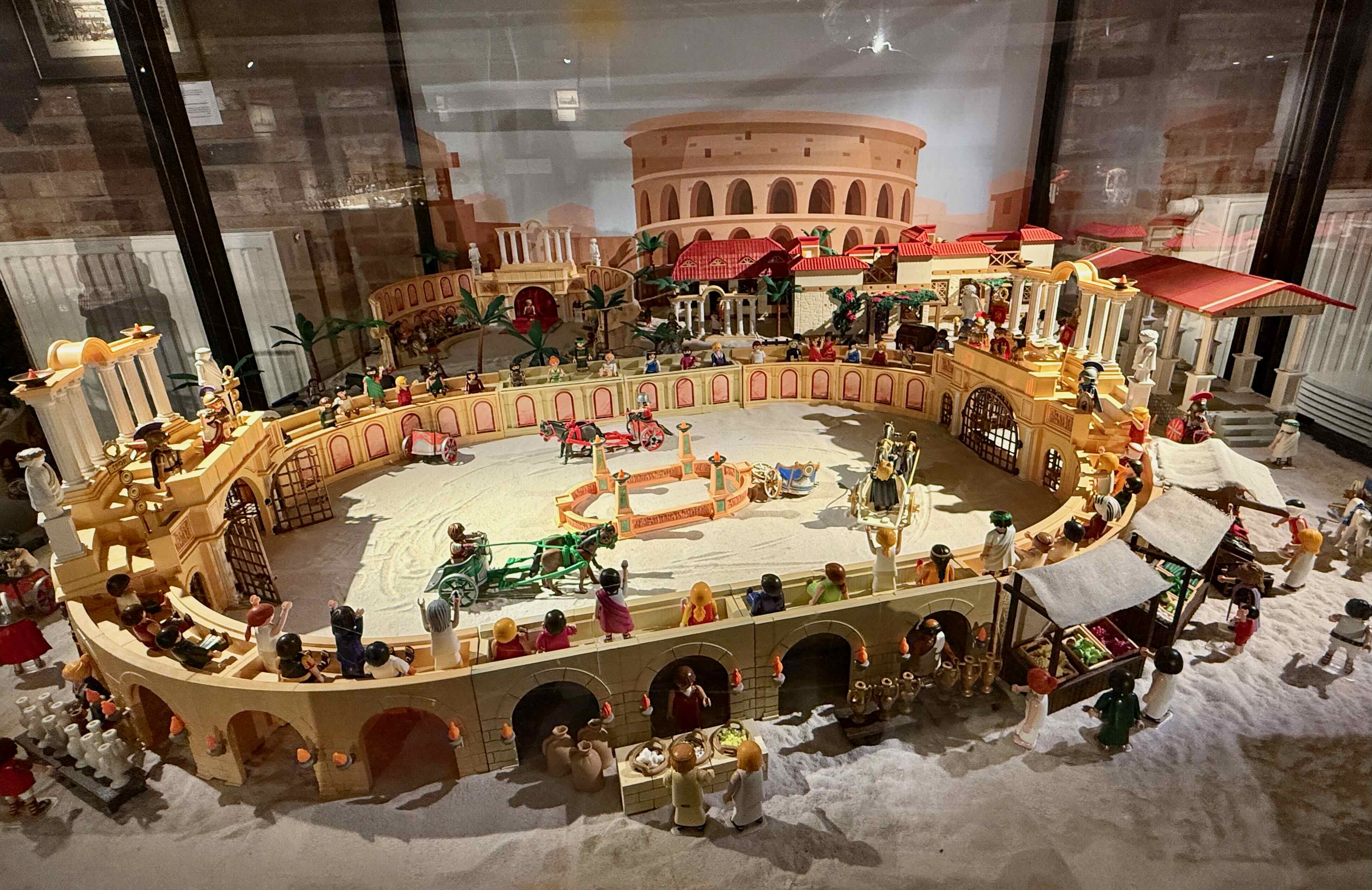
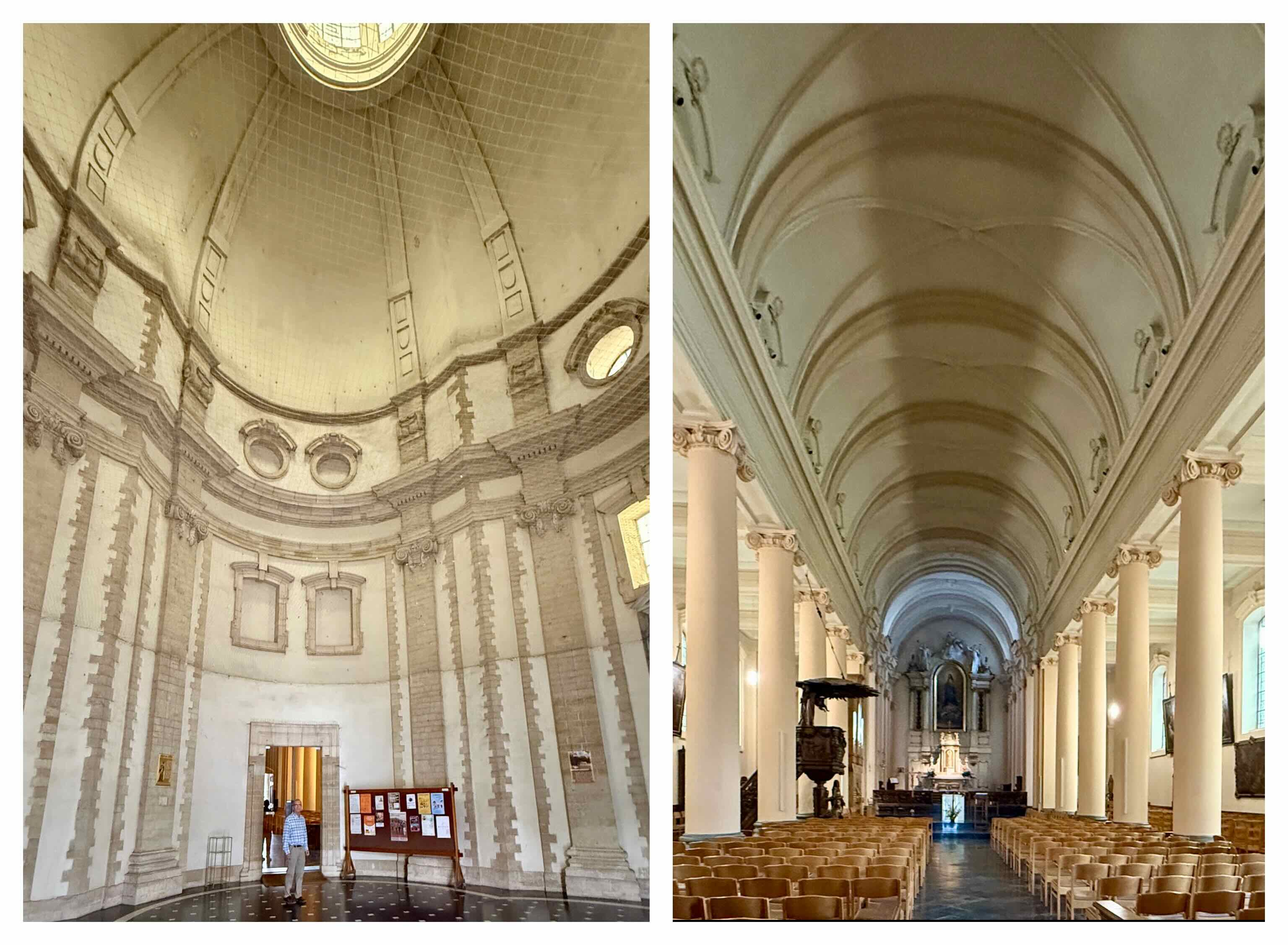
 This very old St. Joseph Church from 1690 is right across the street so we had a look.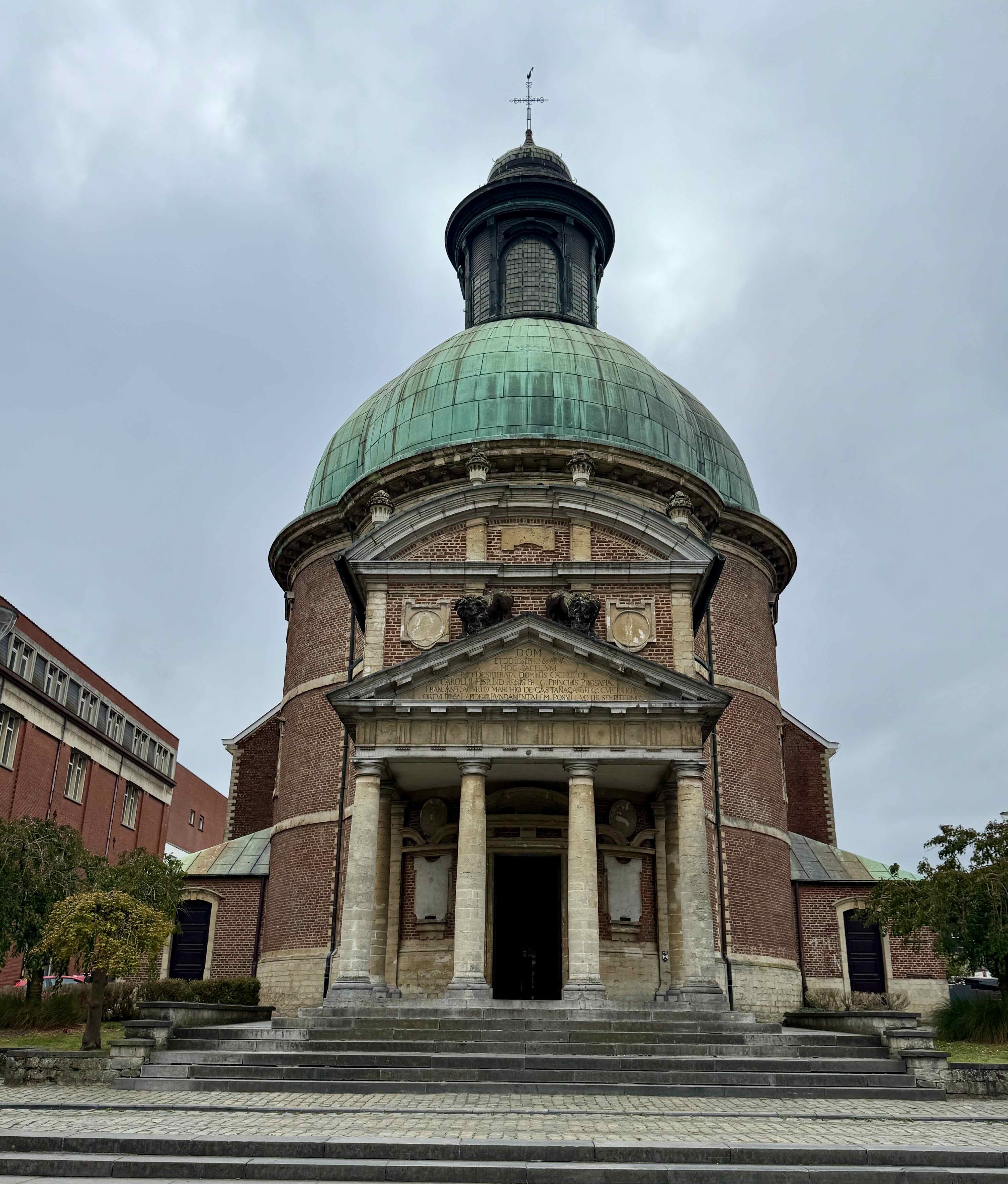

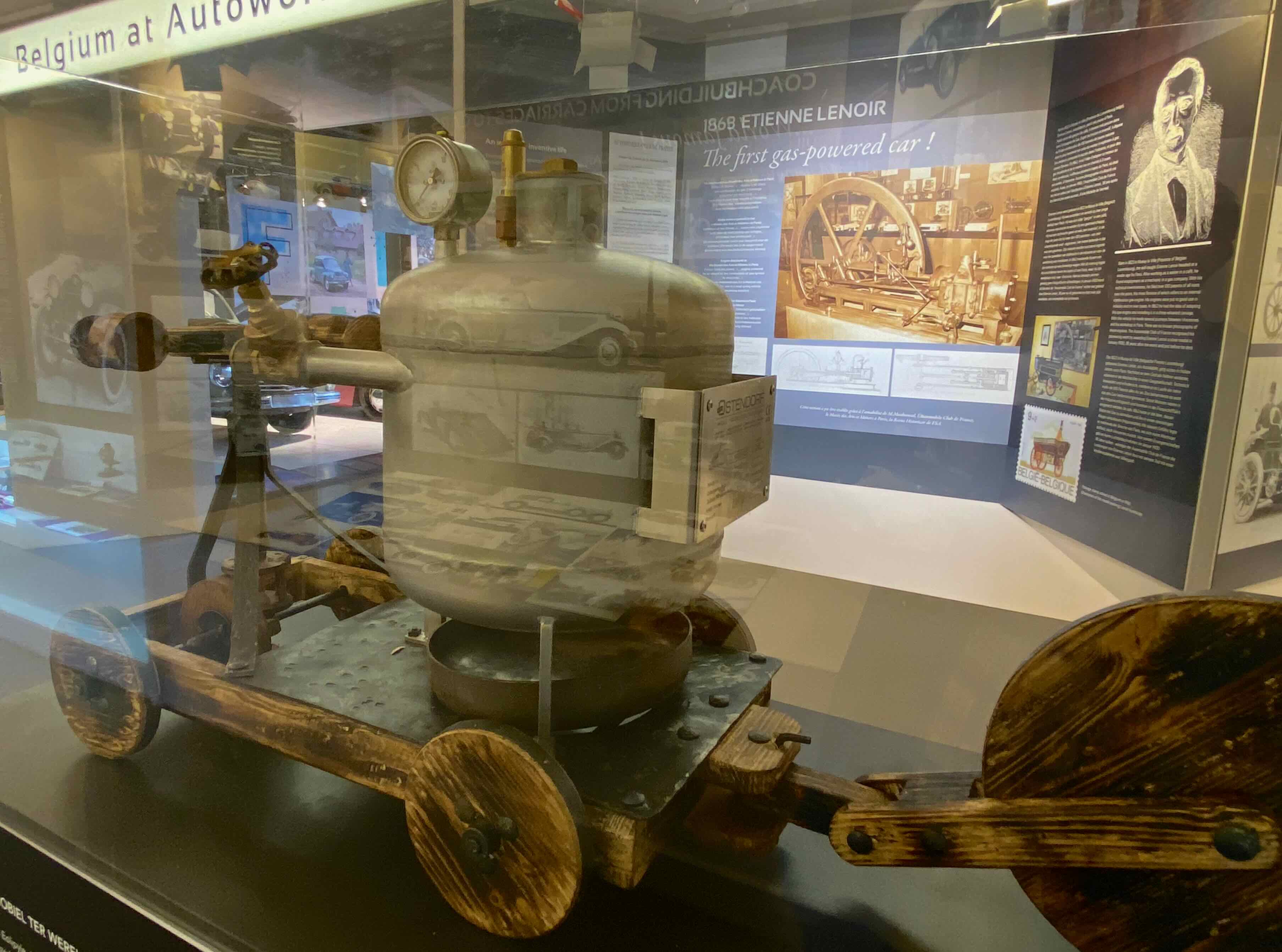
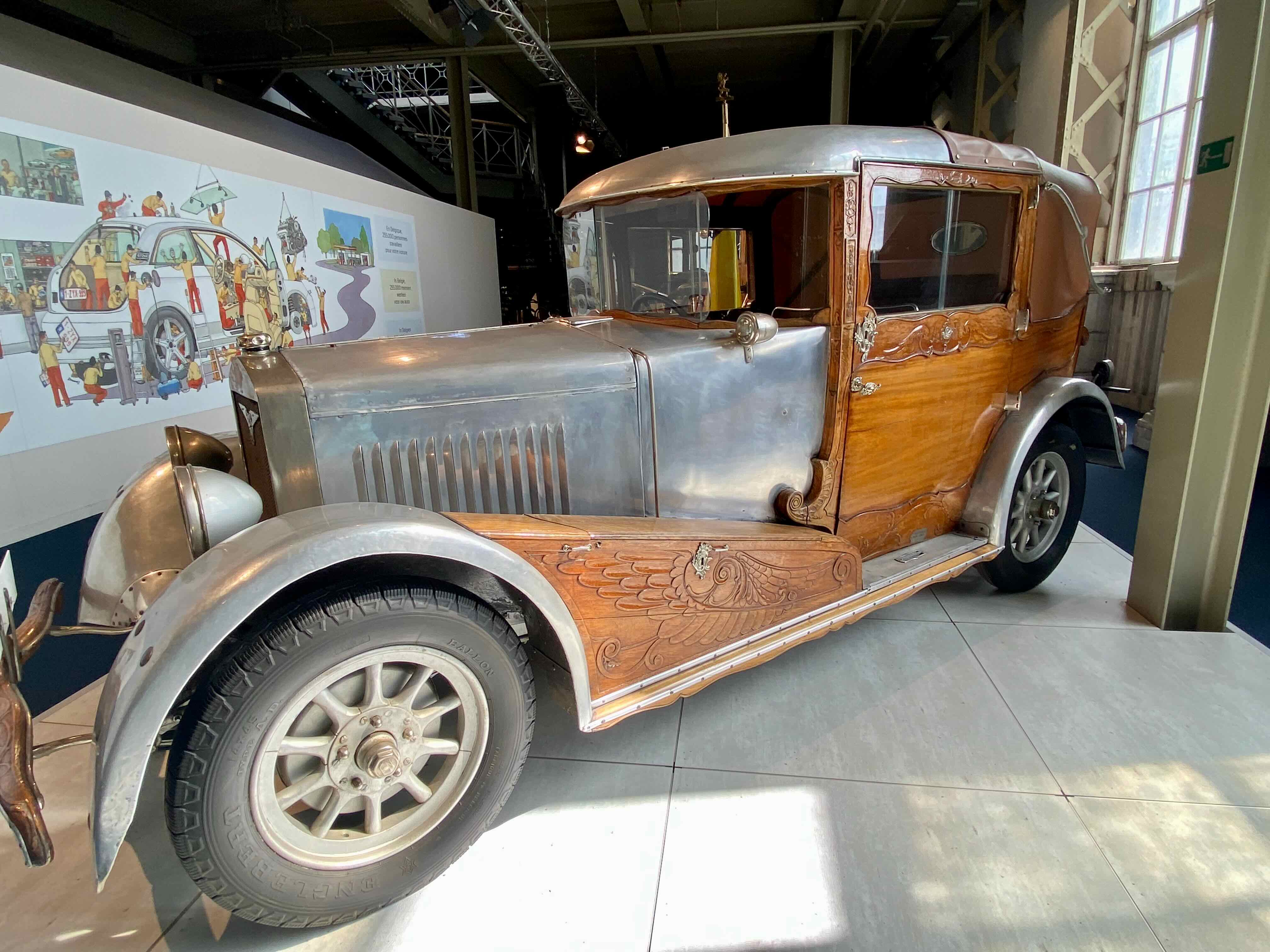
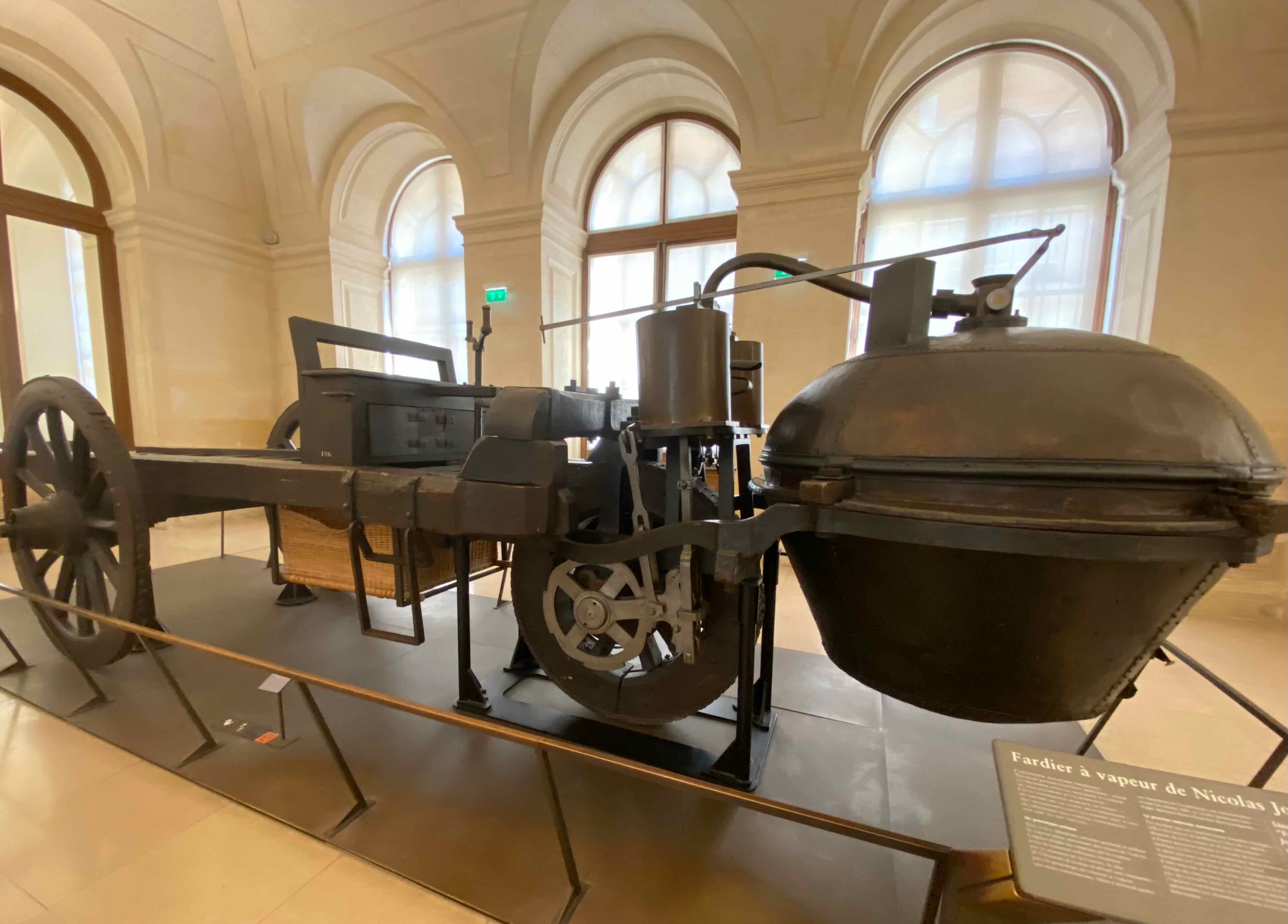
 A 1896 Bollee Voiturette called a Mother-in-Law Murderer, because the passenger sat up front. It could go 30 kph.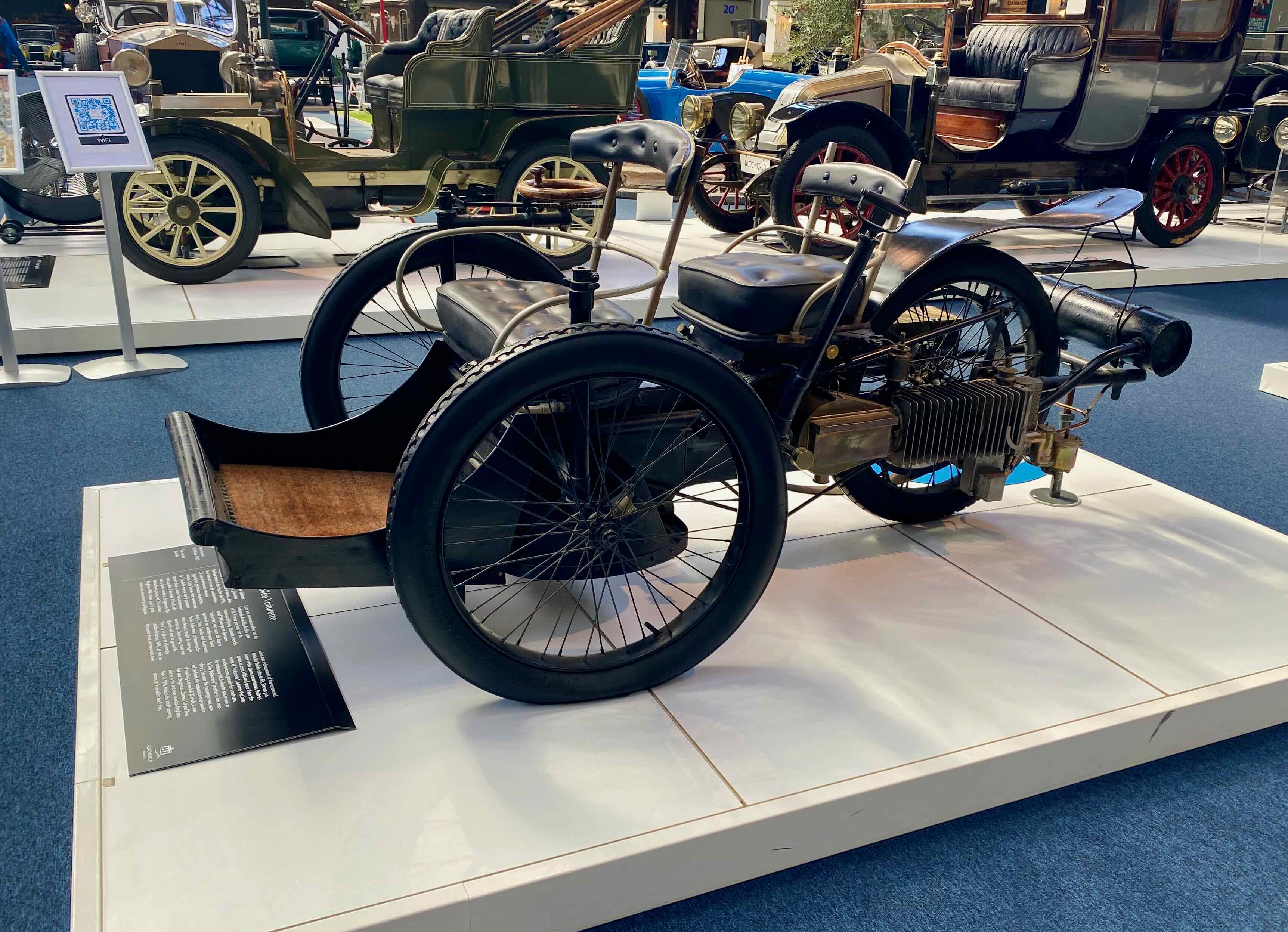
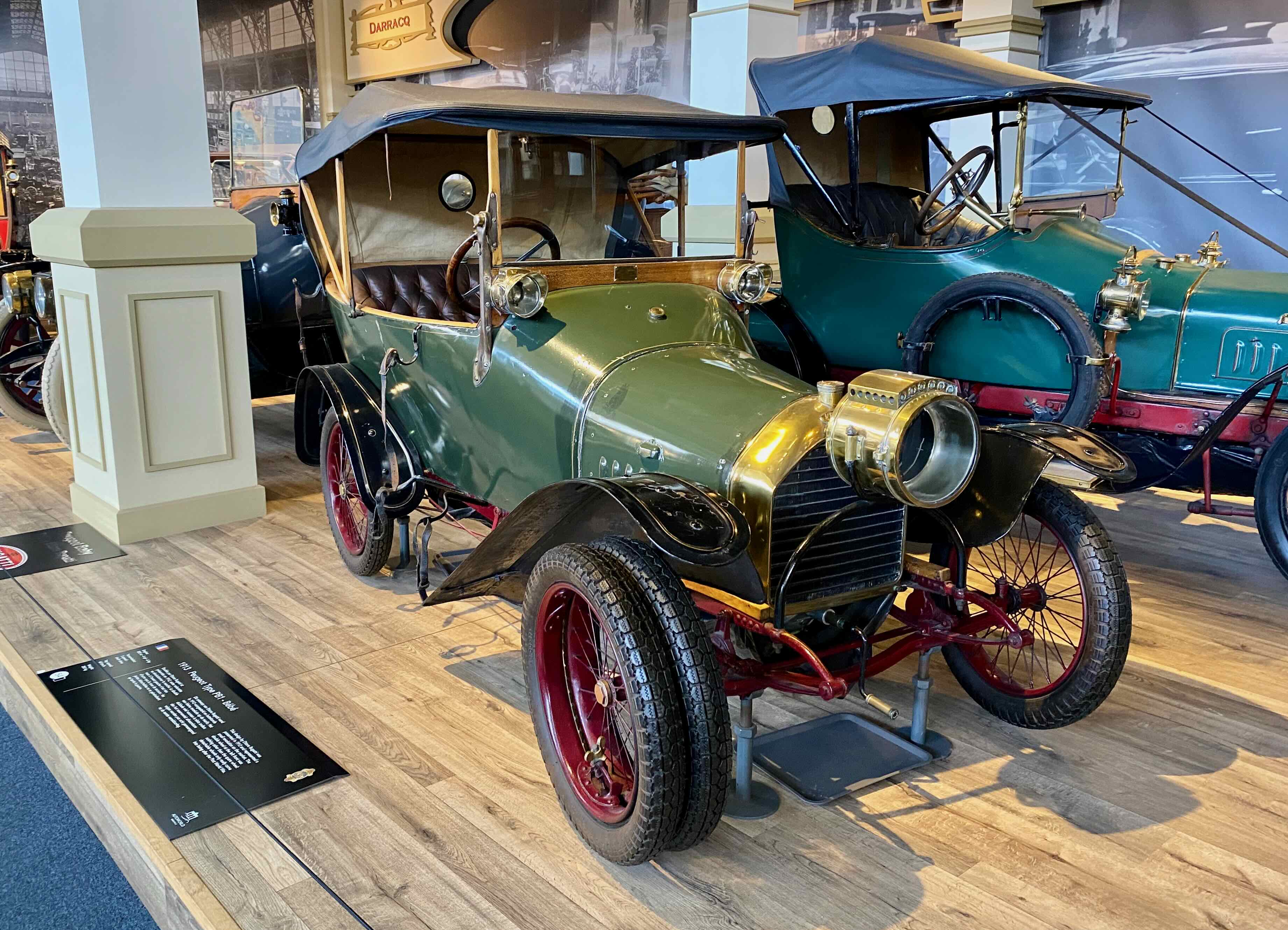
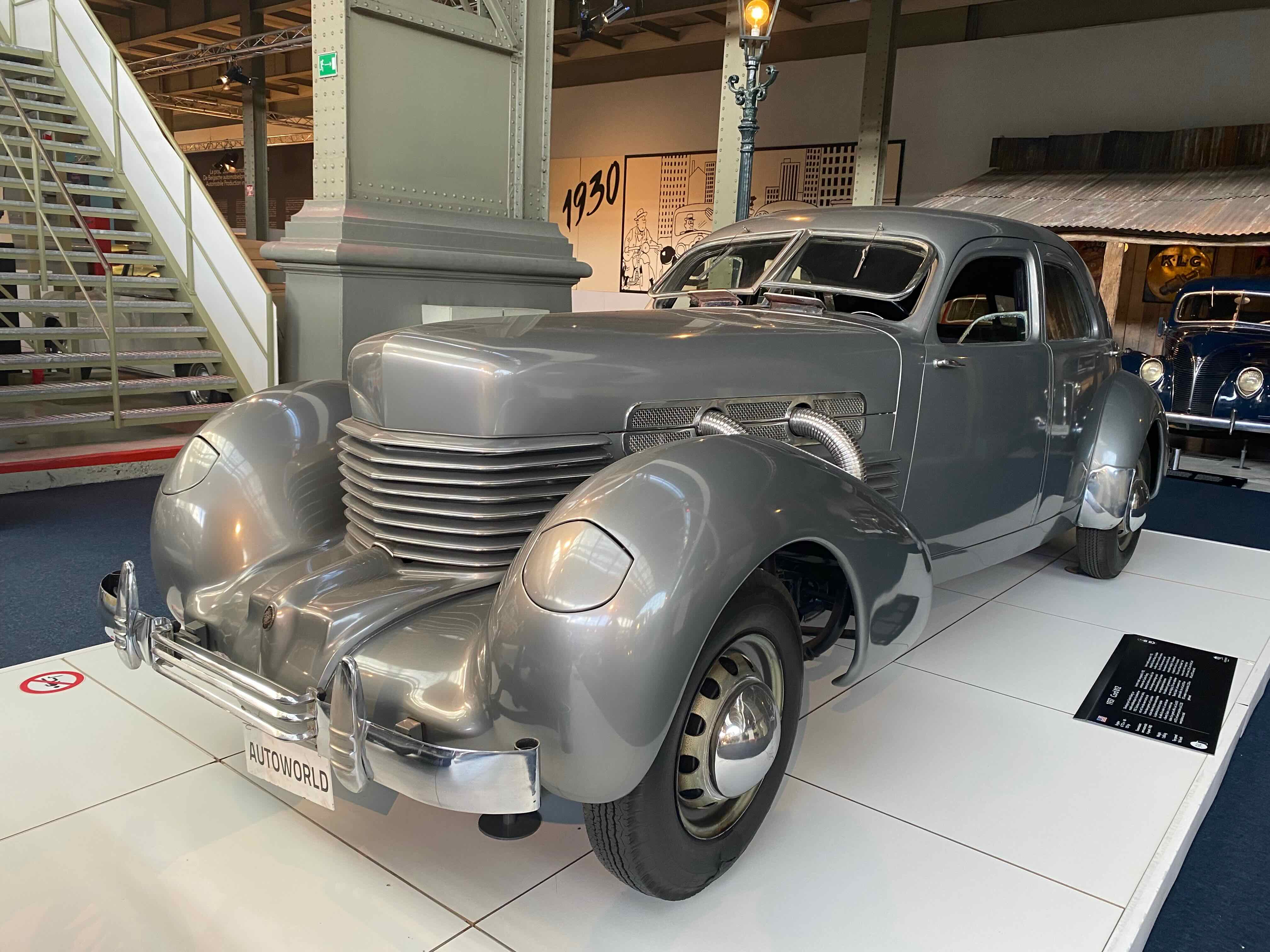
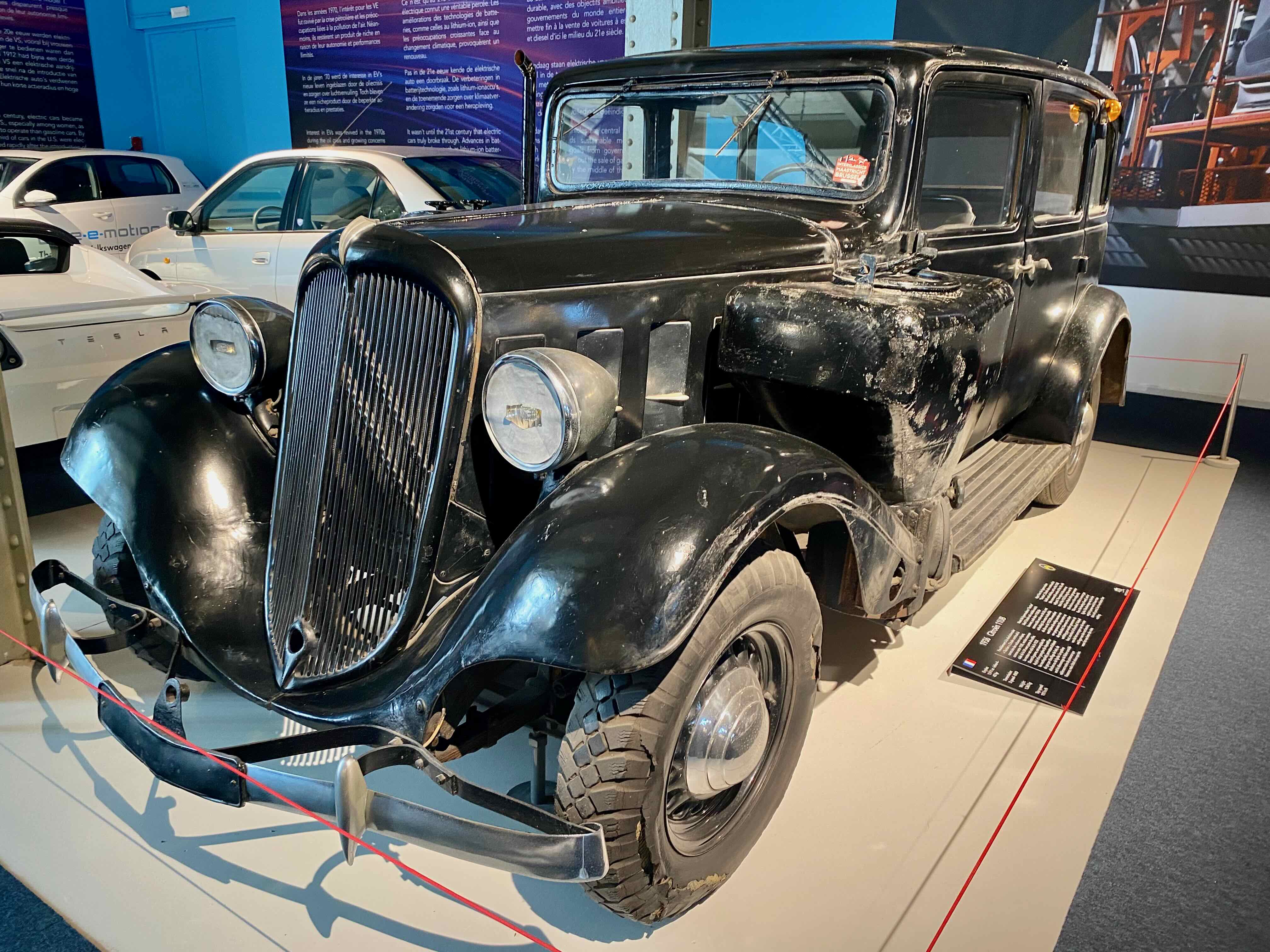

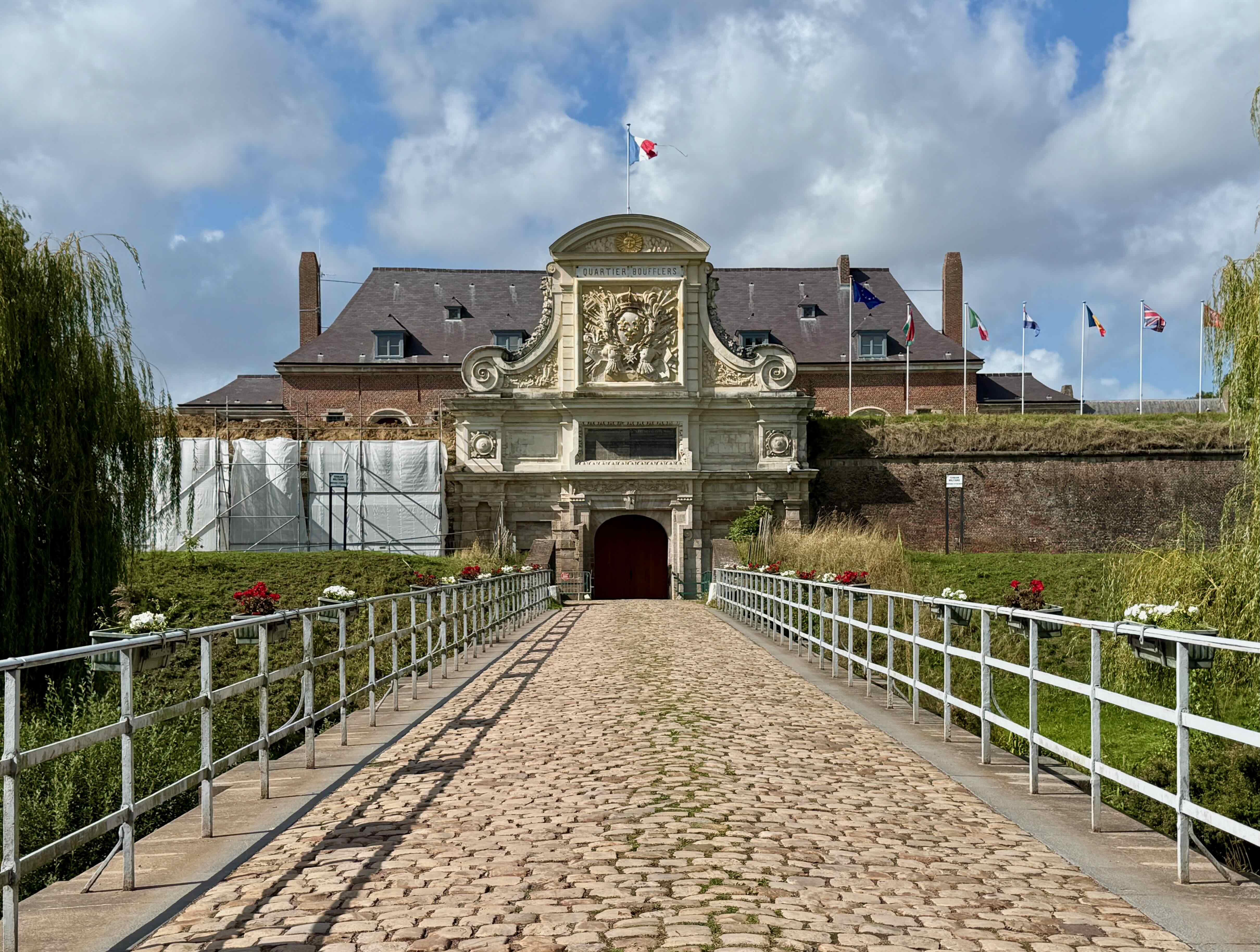
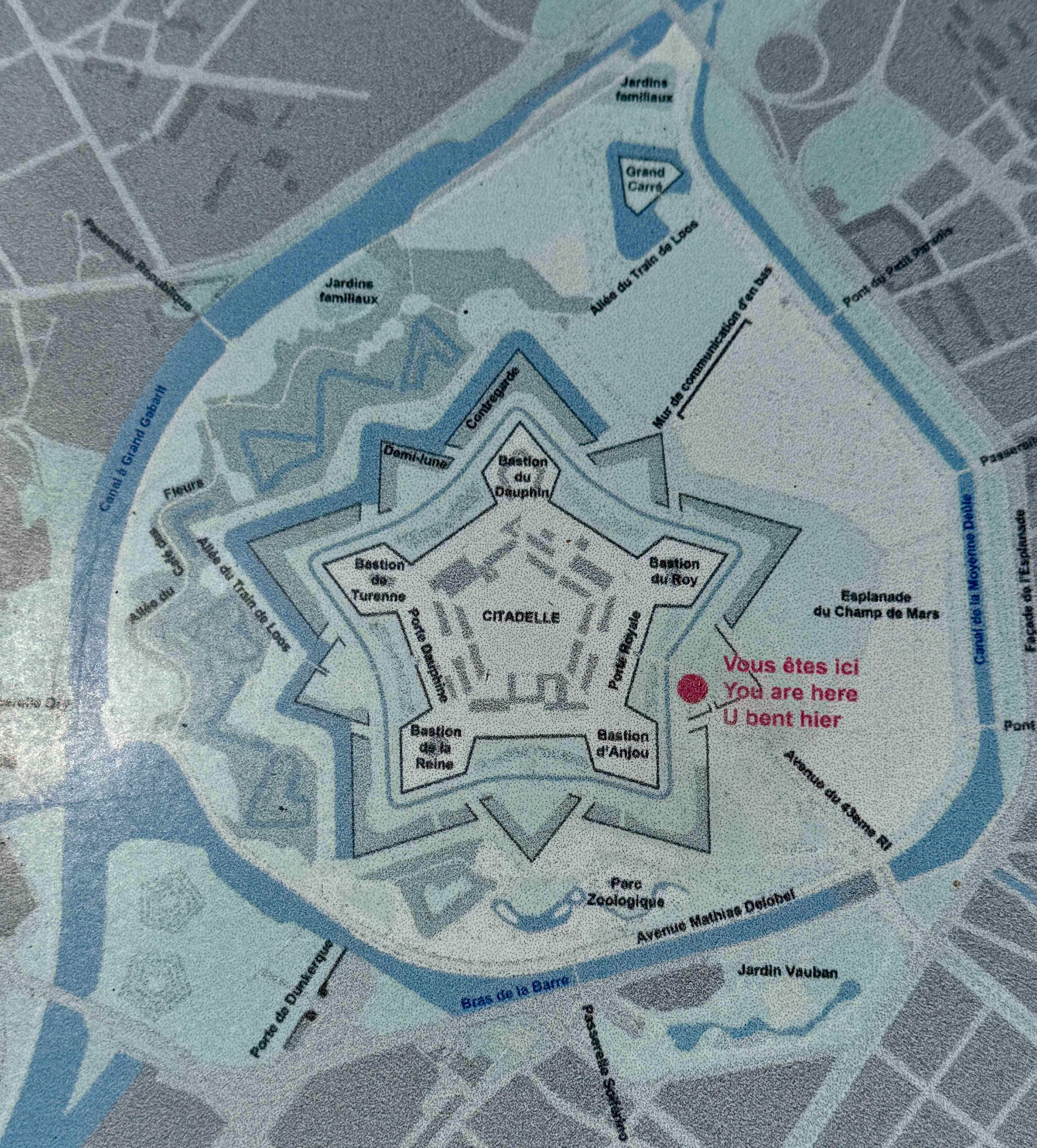




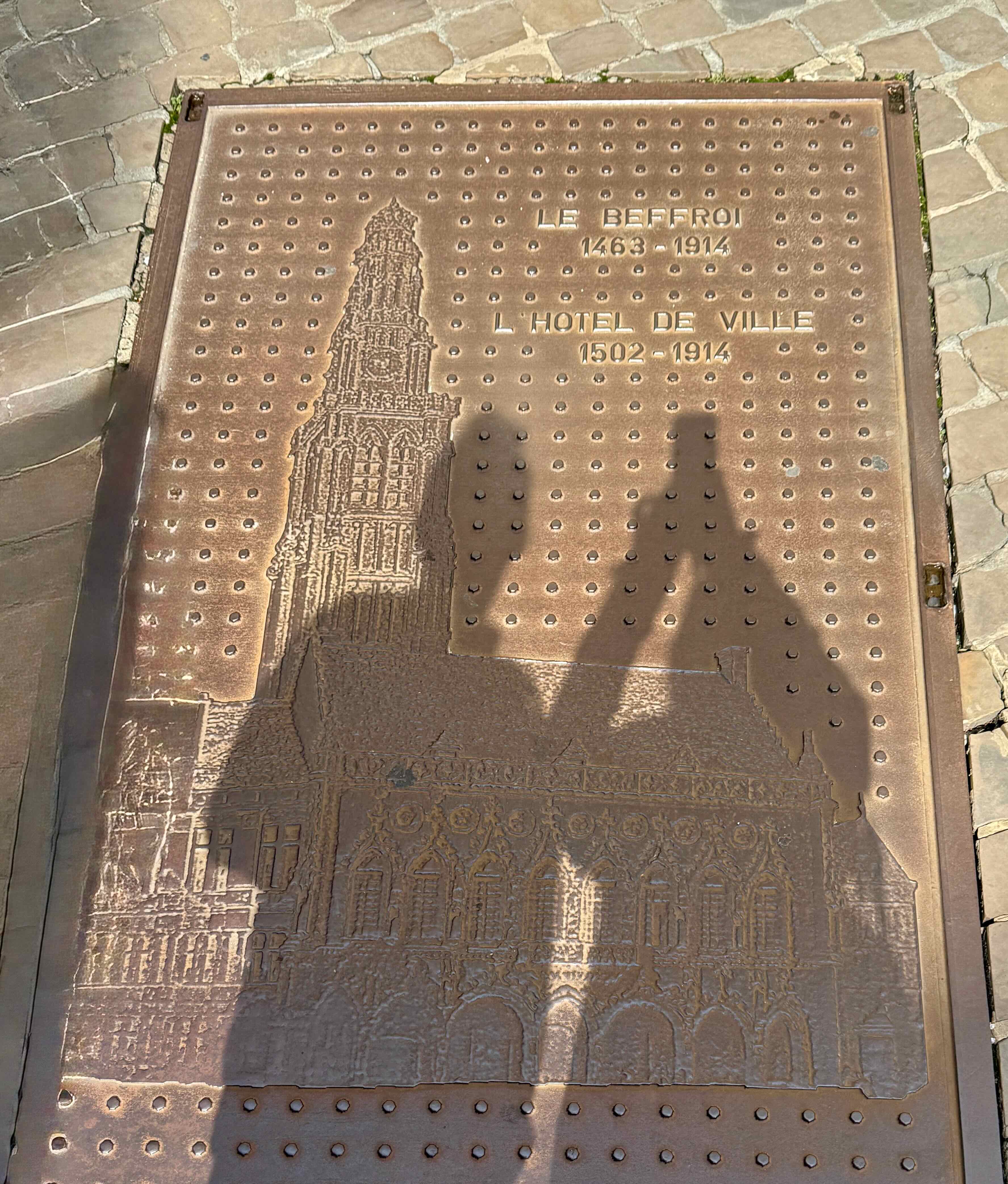
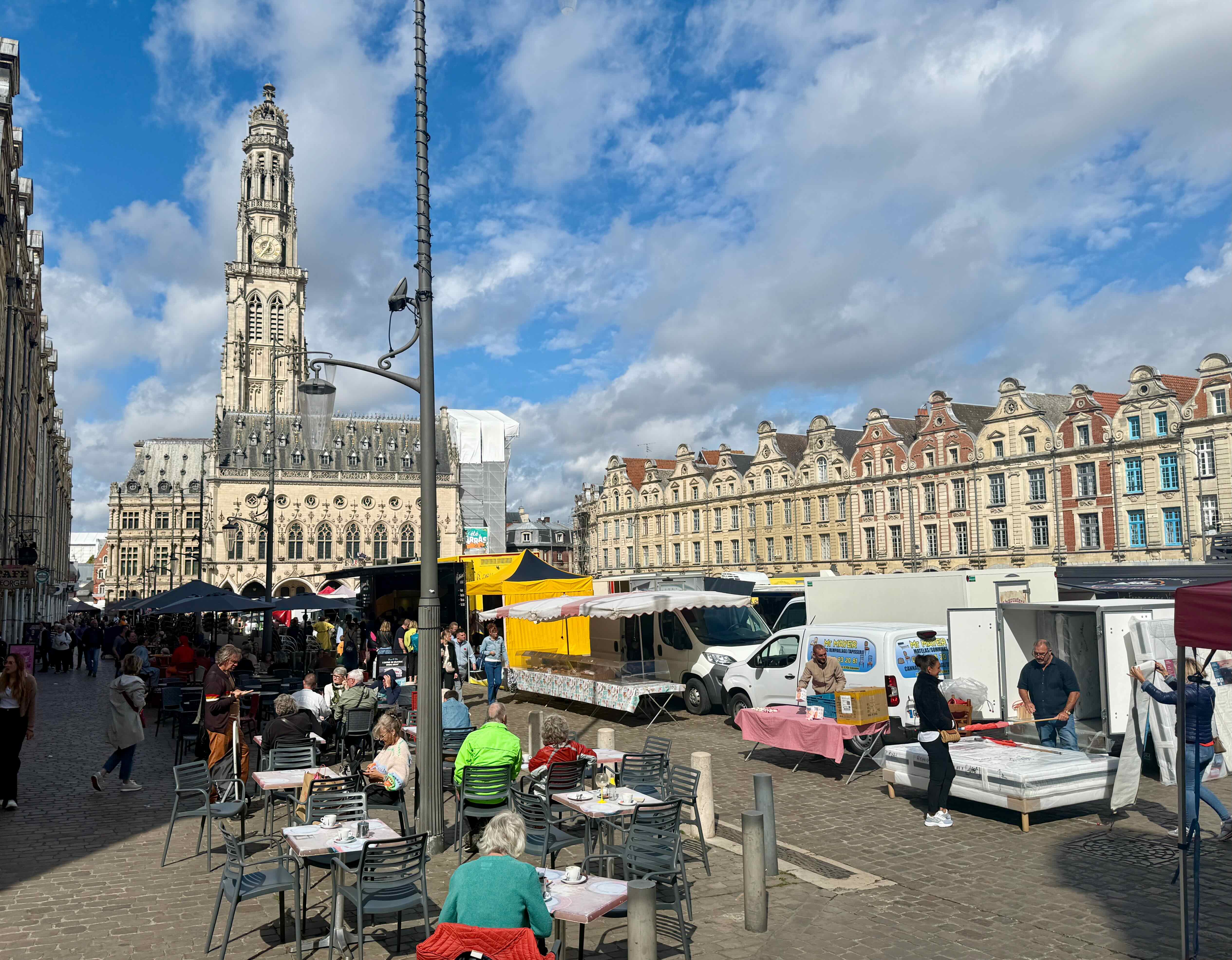
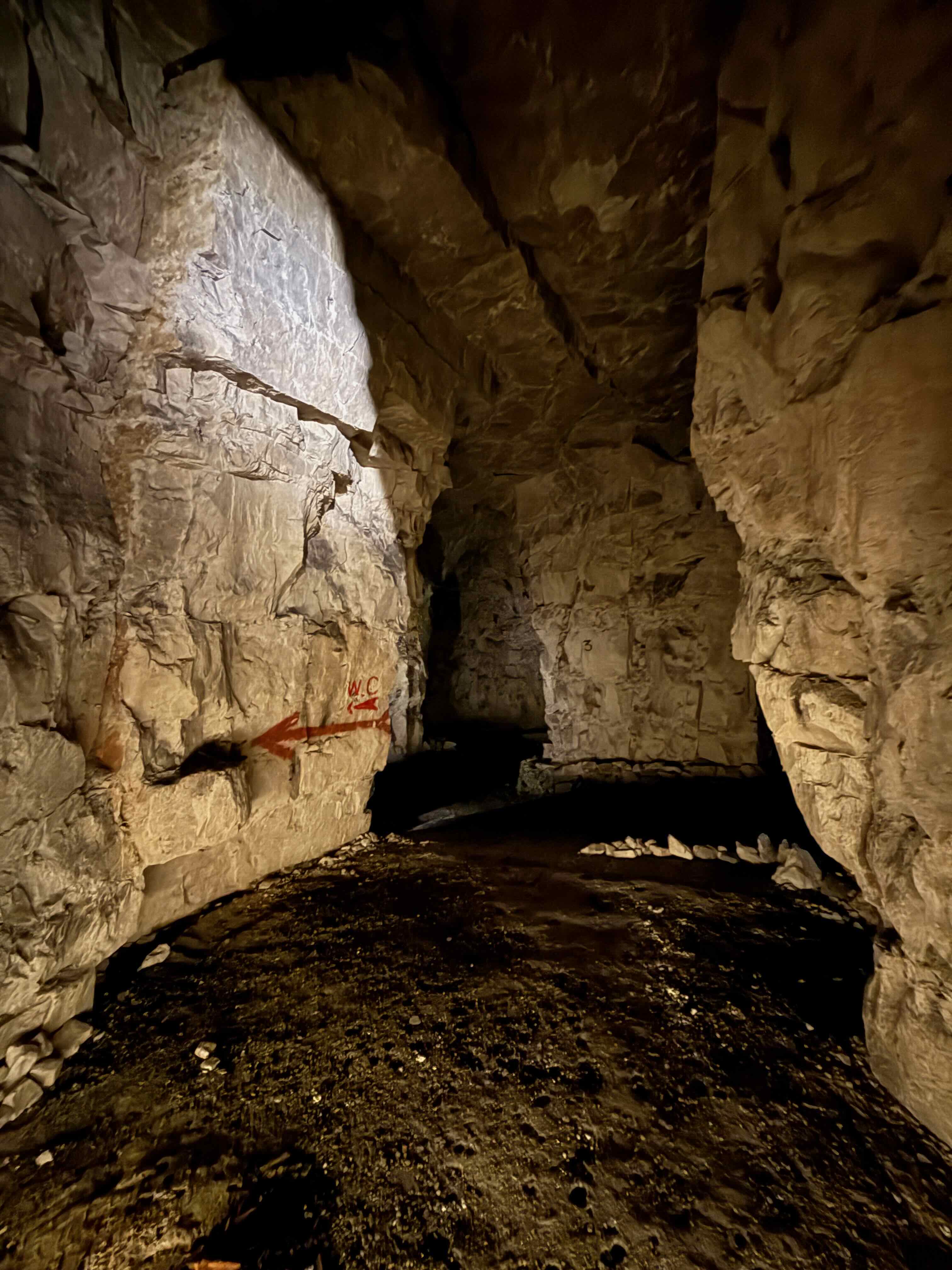
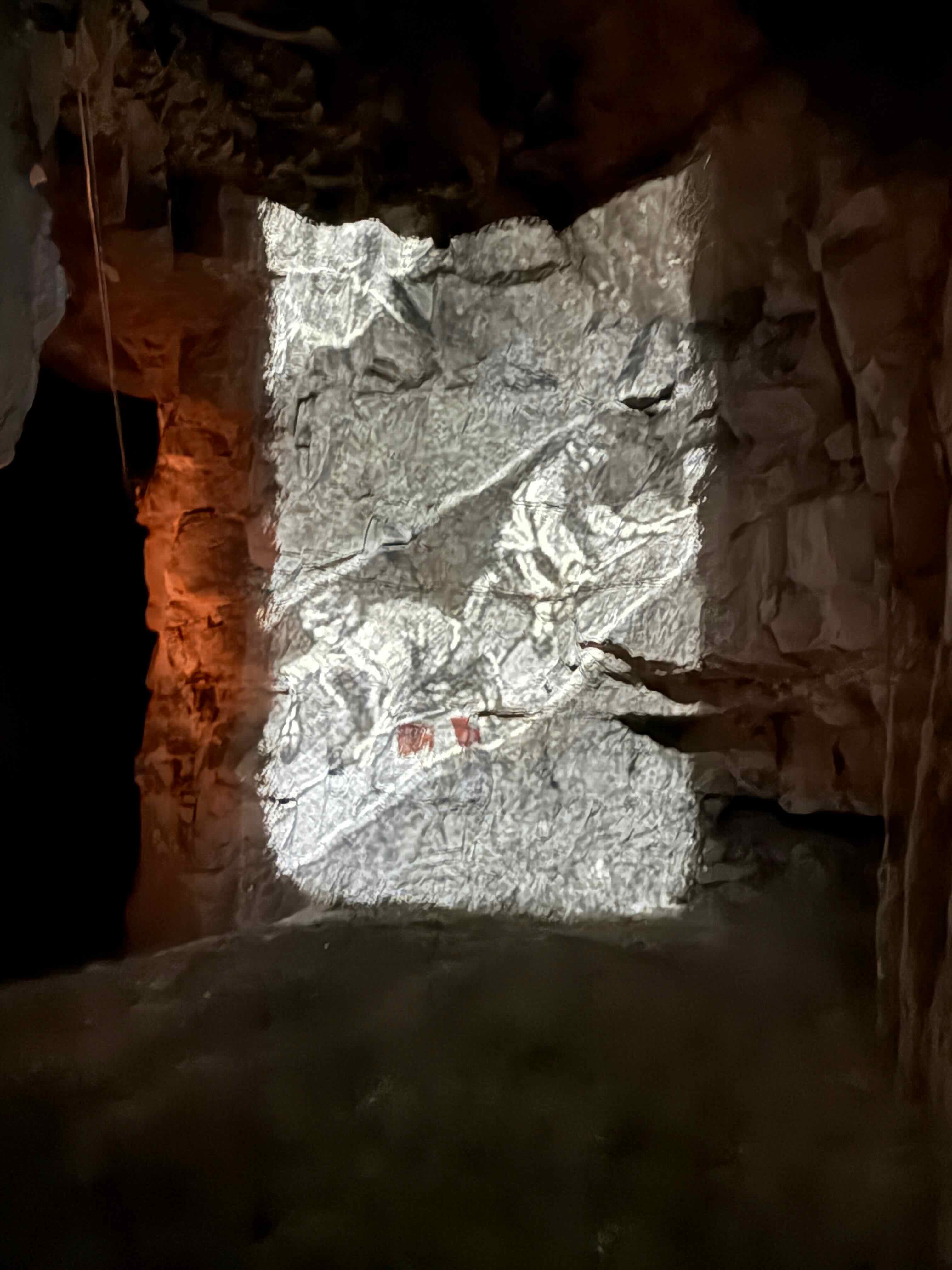
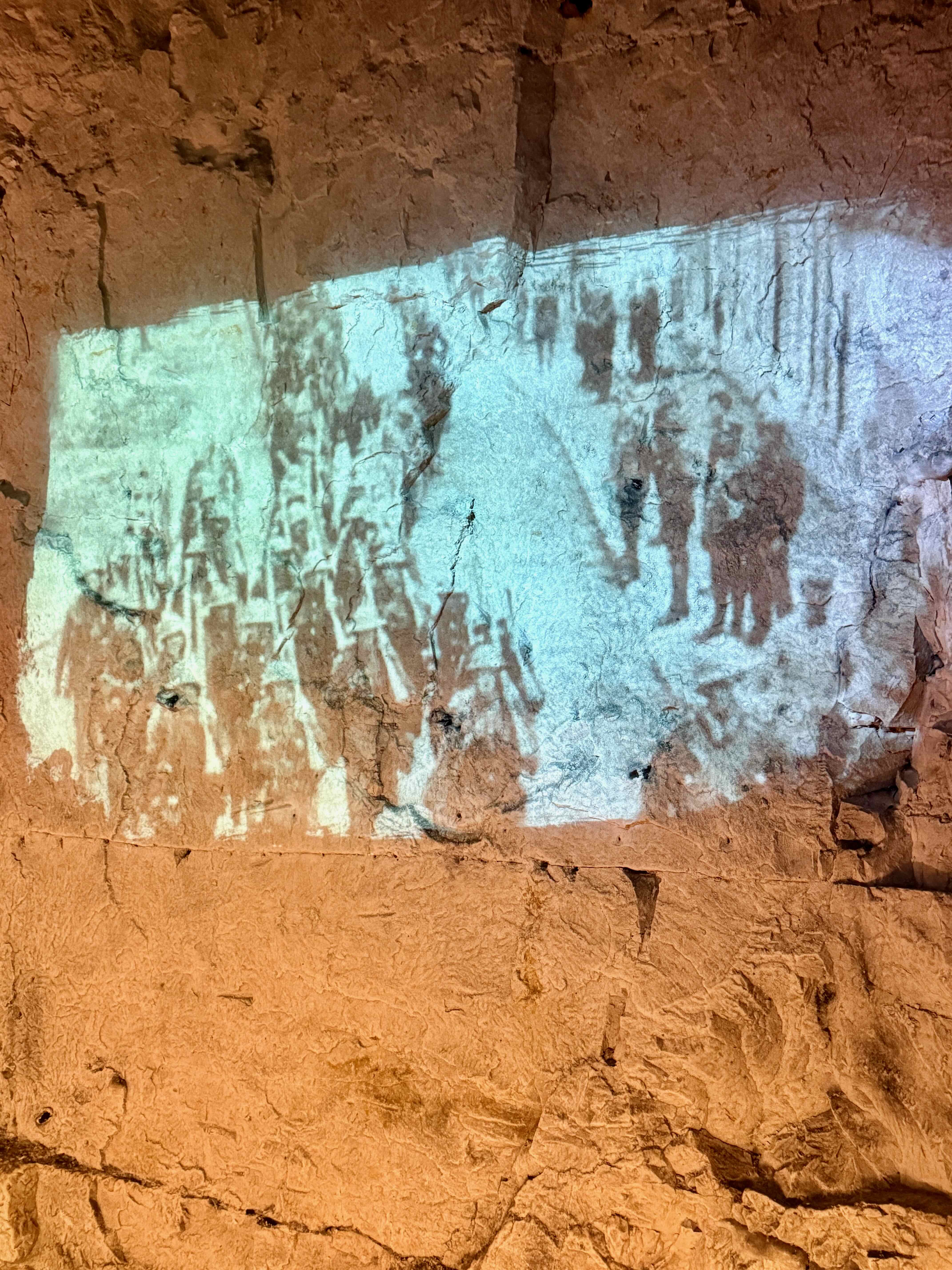
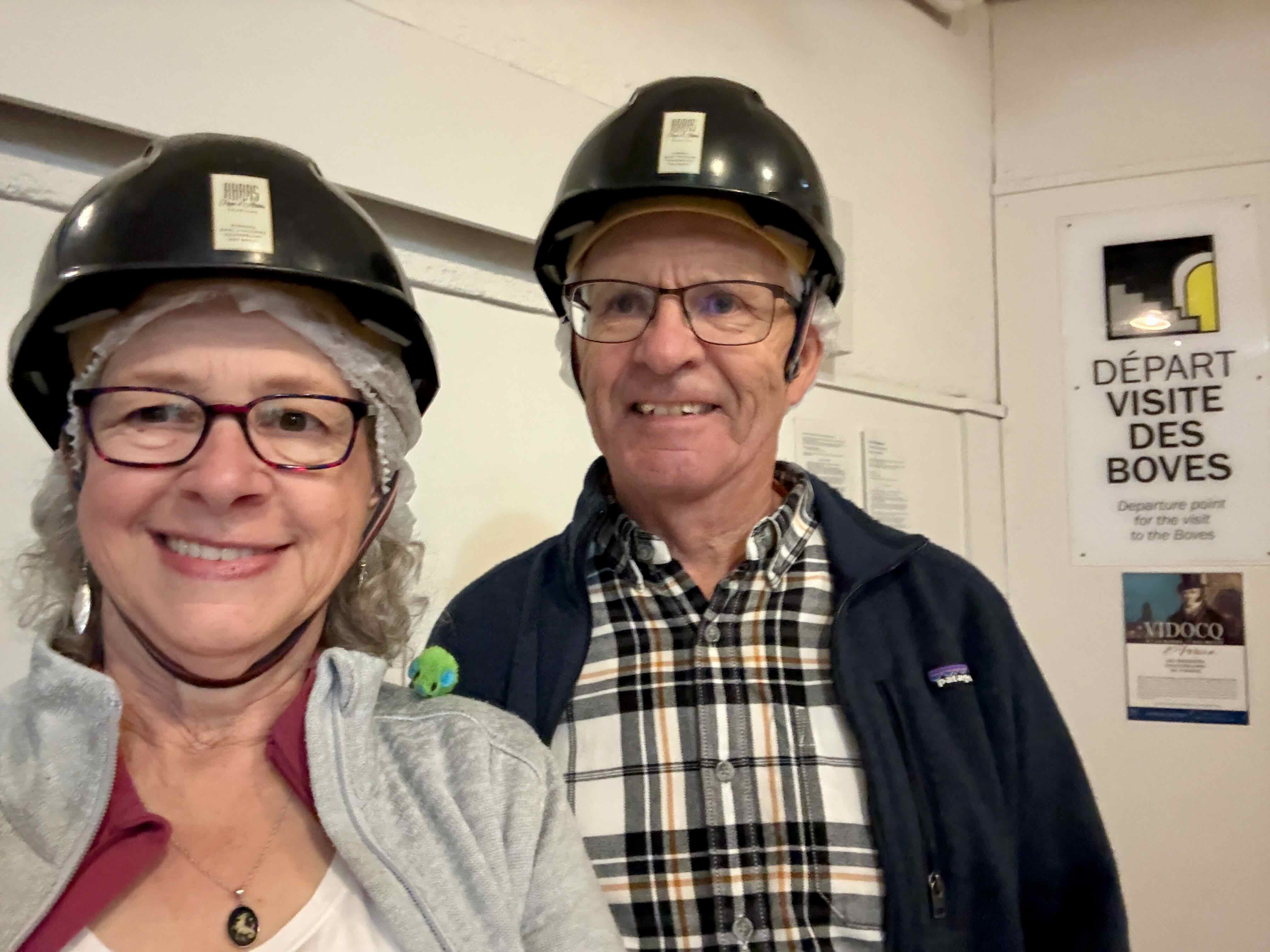
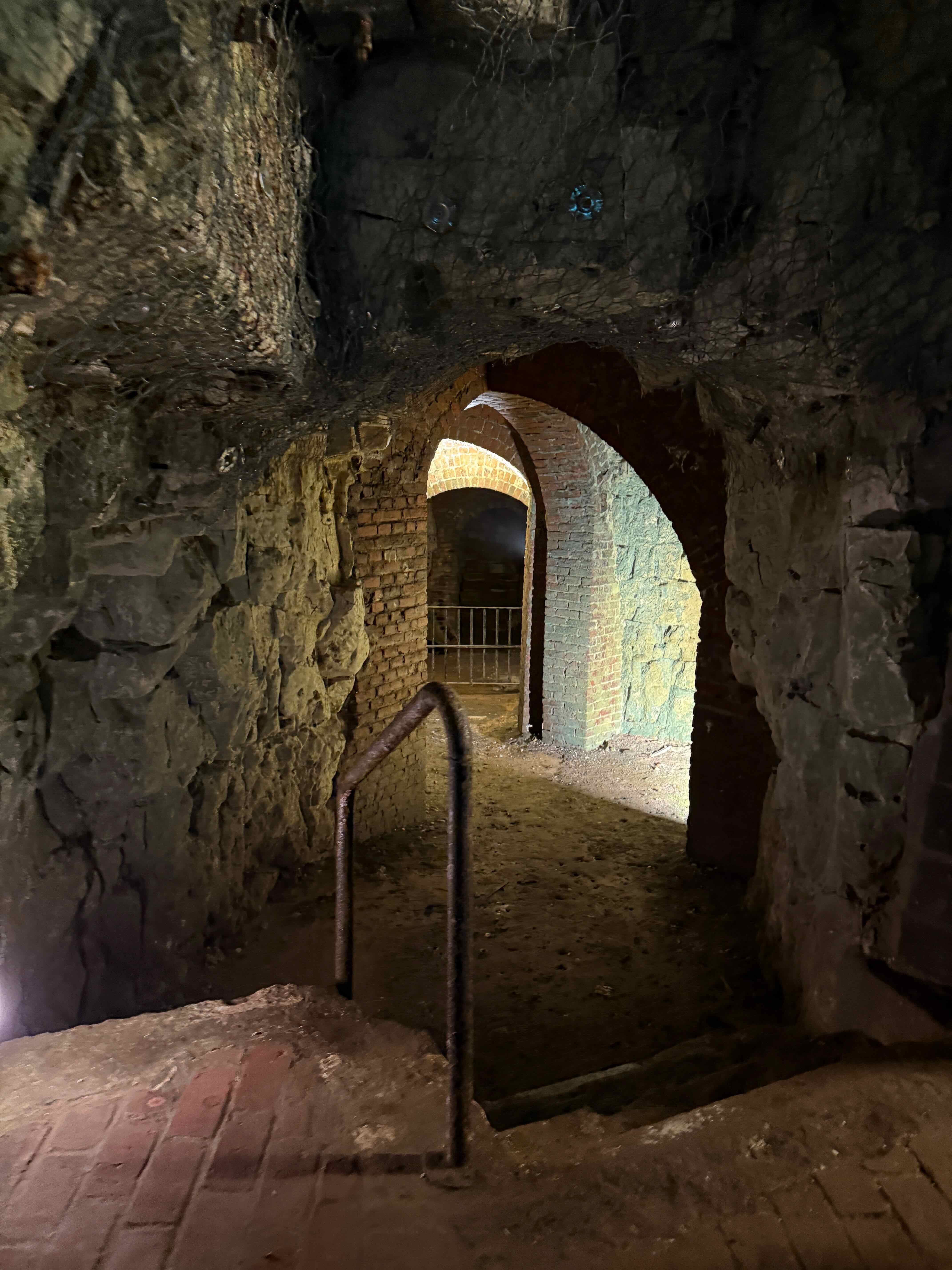
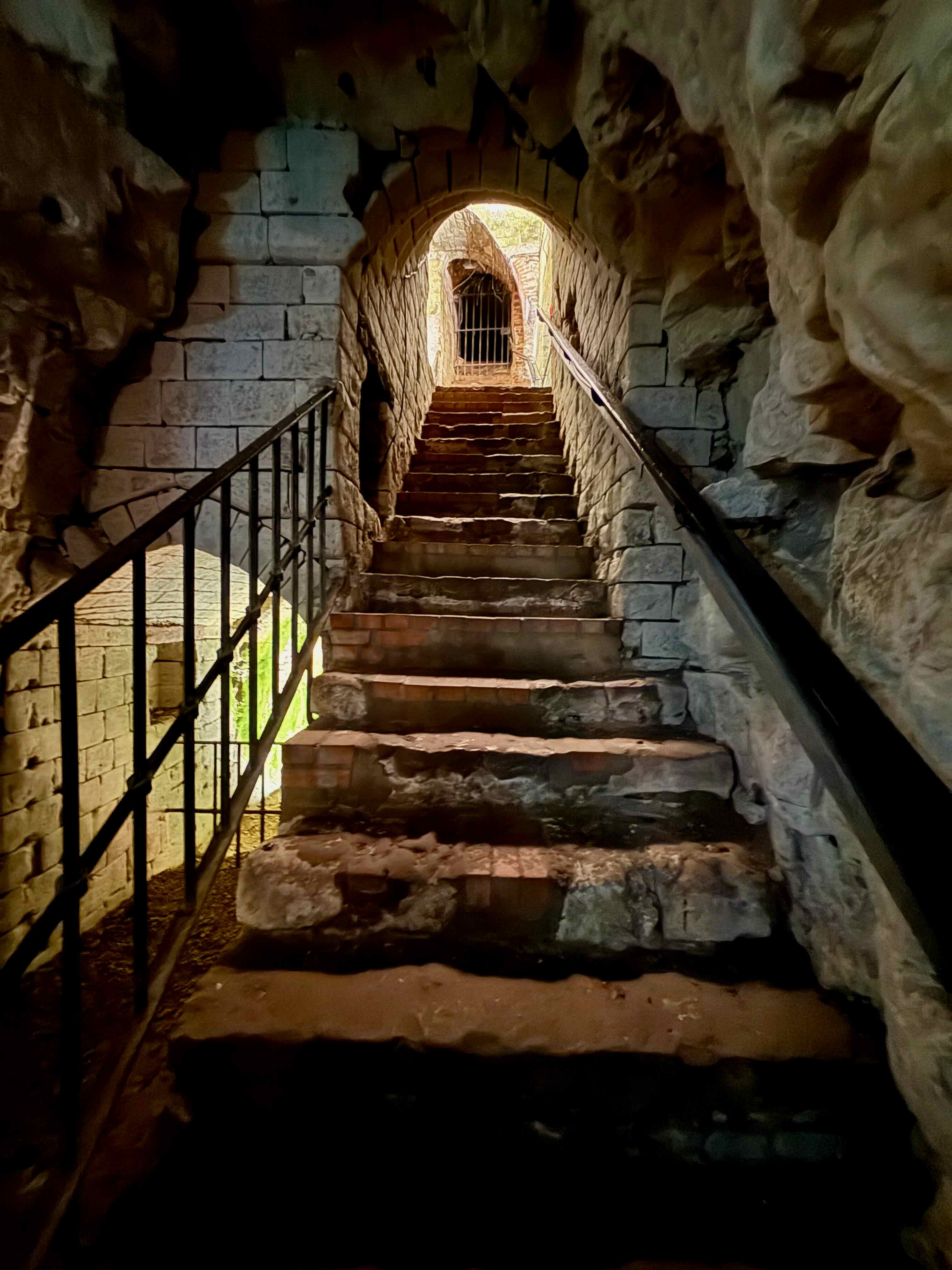
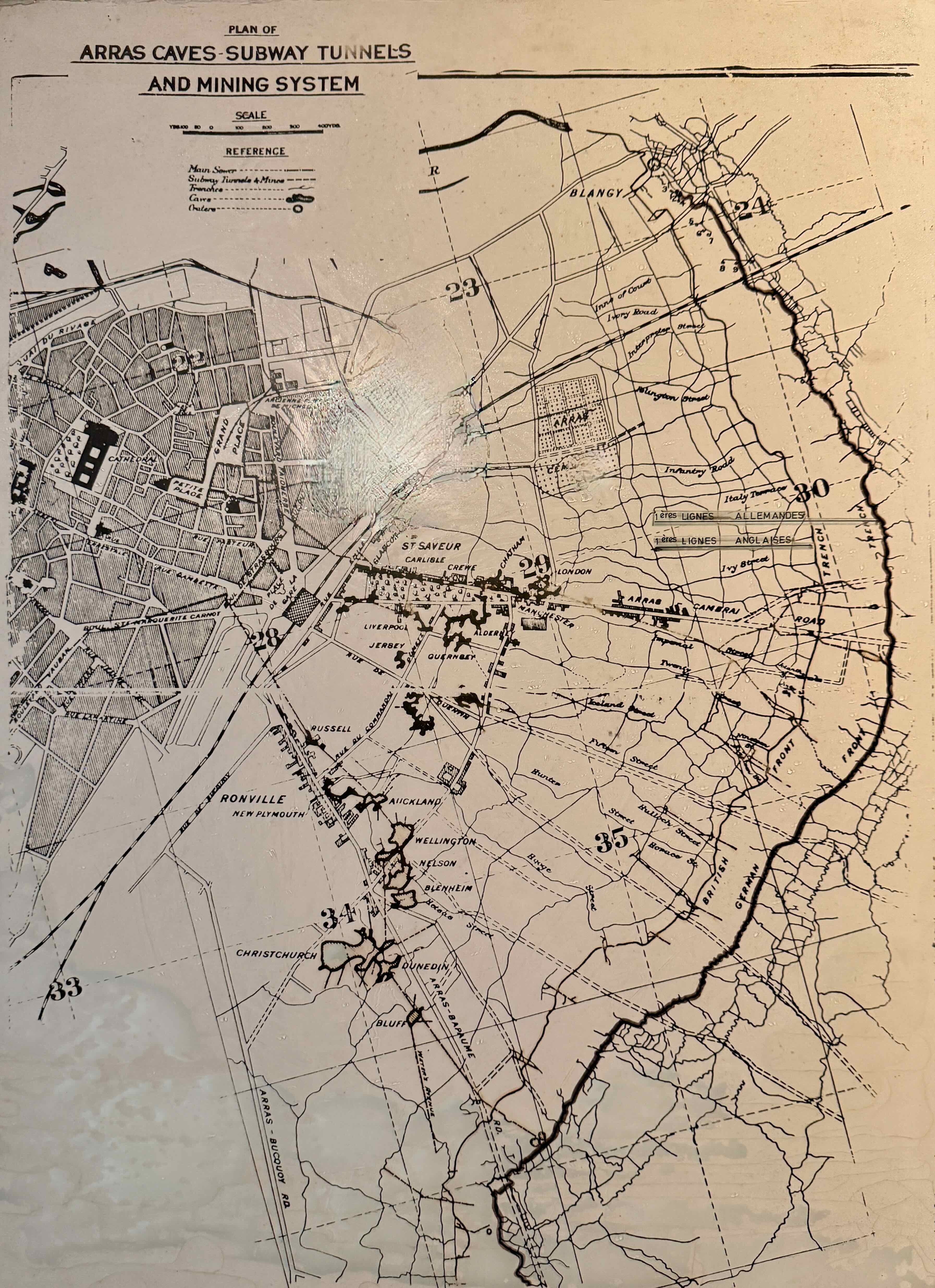
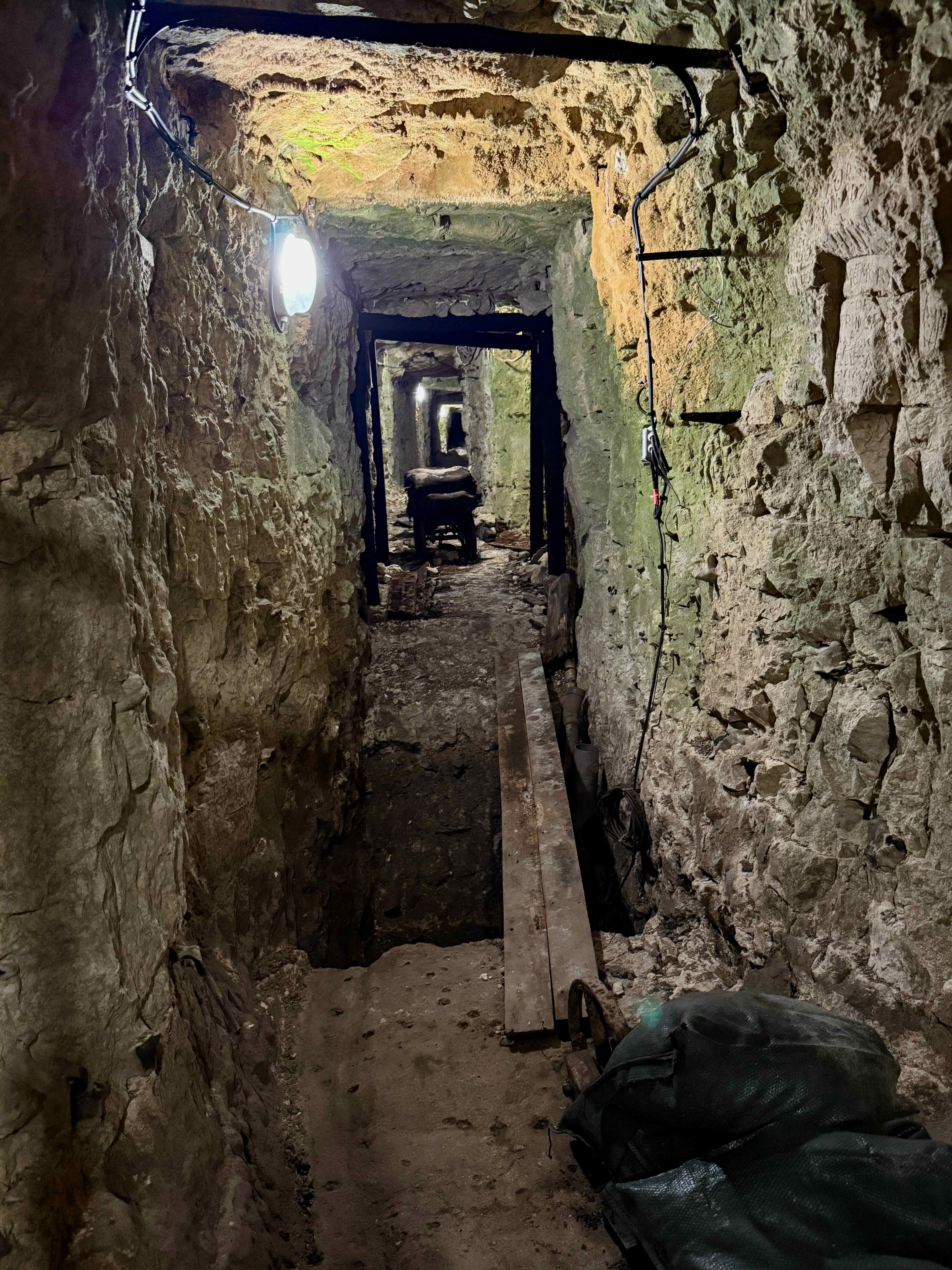
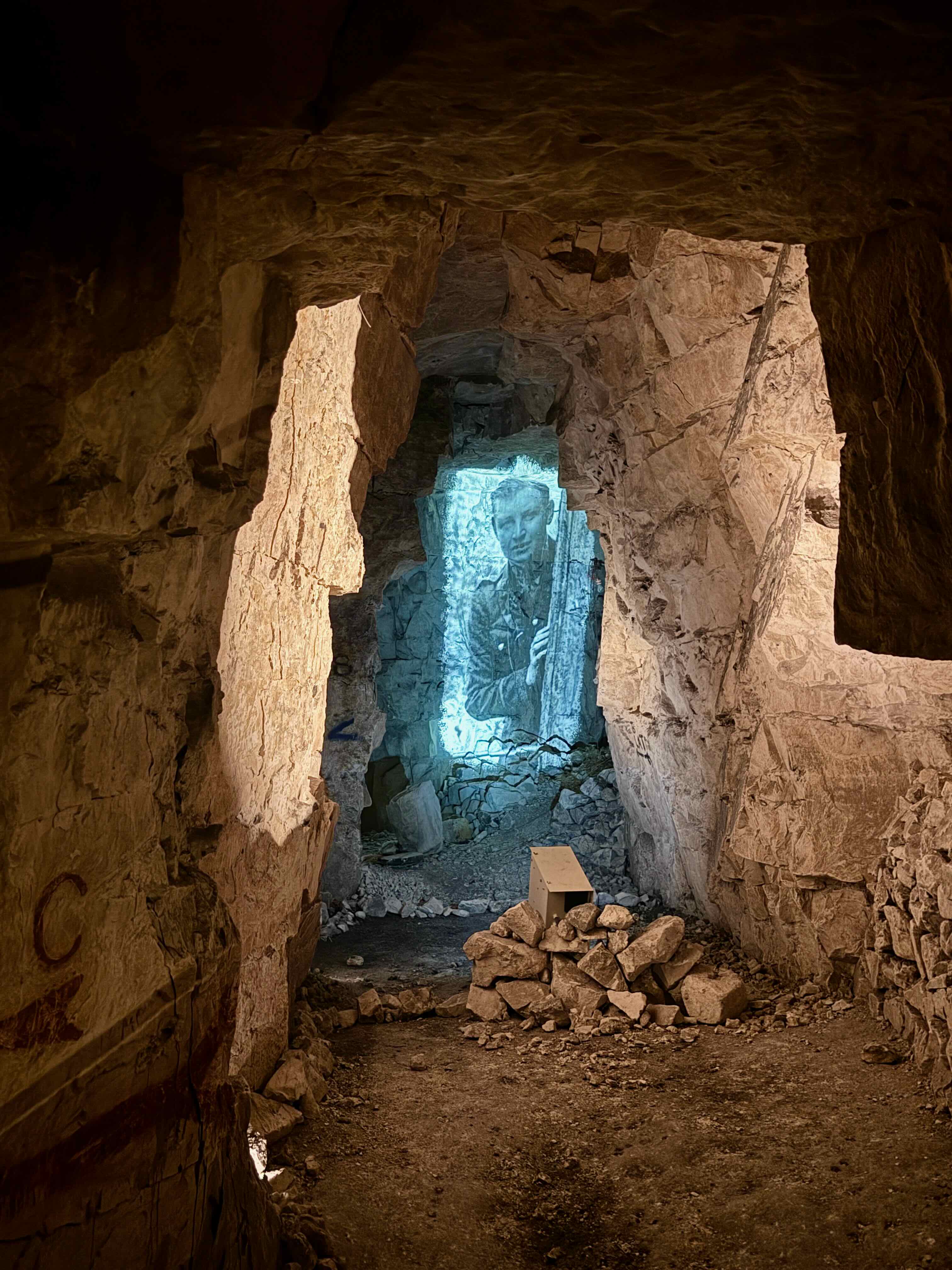 These ancient caves were used as building stone quarries for Arras in Medieval times. They are very large with high ceilings.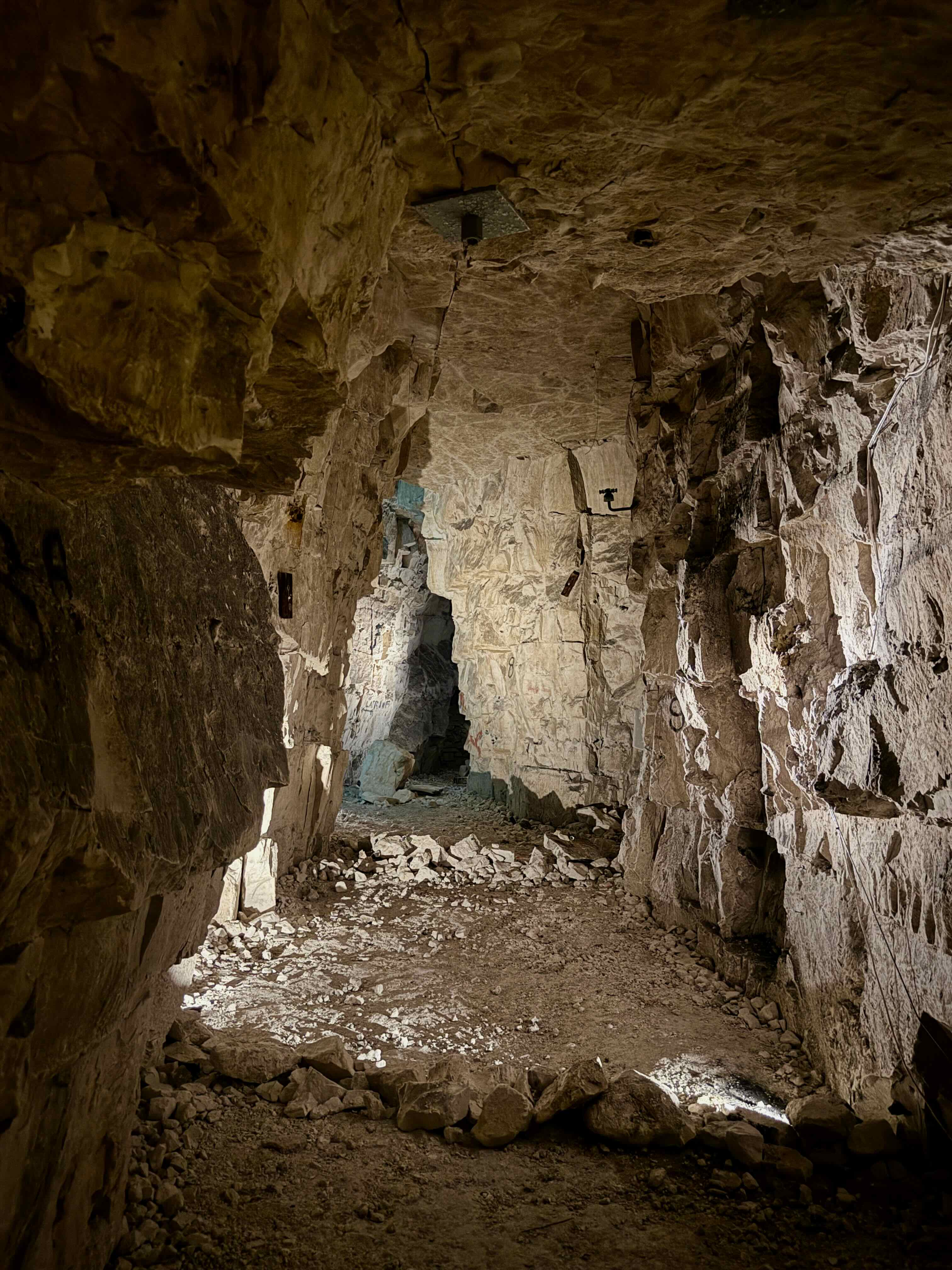
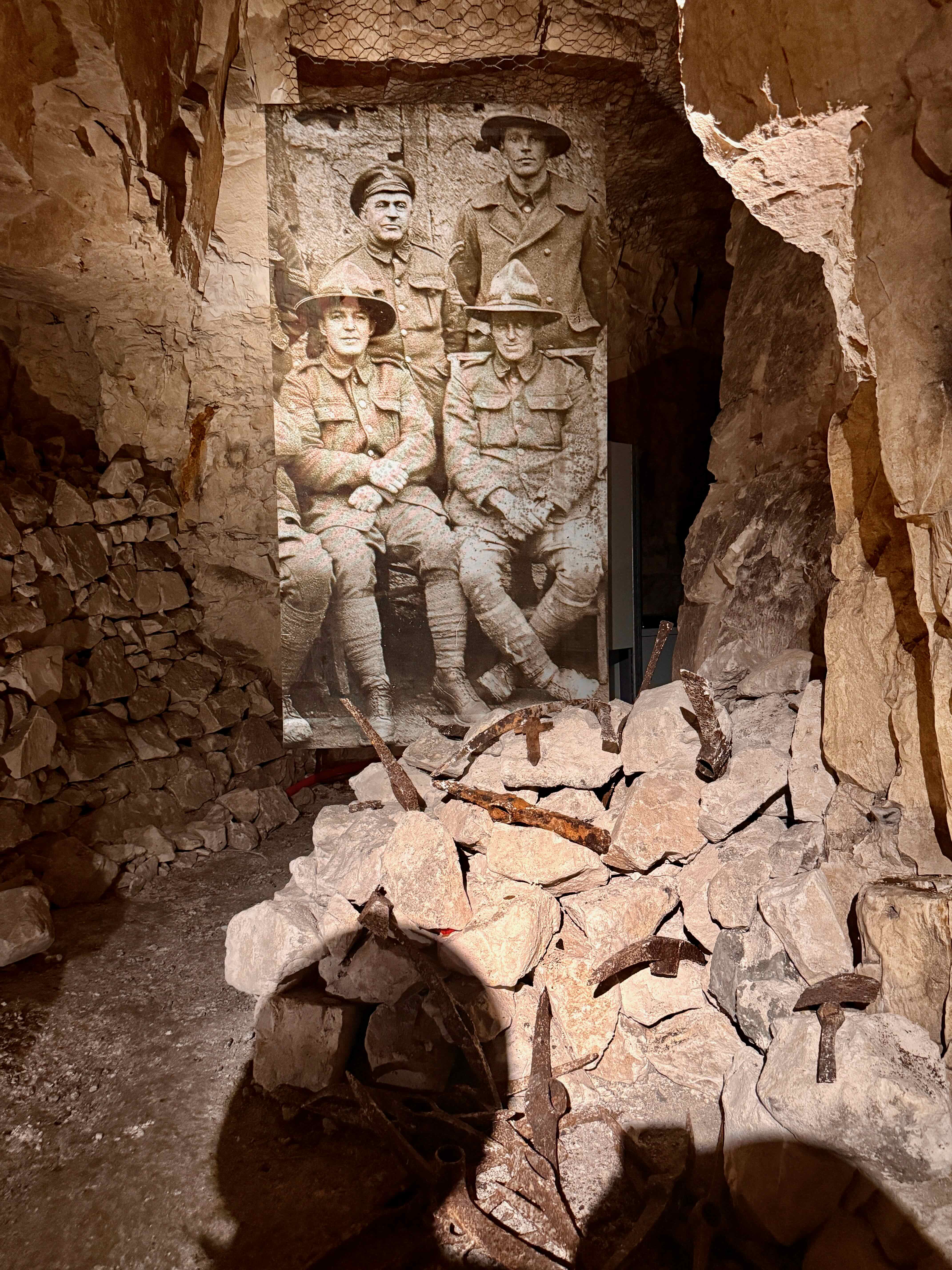
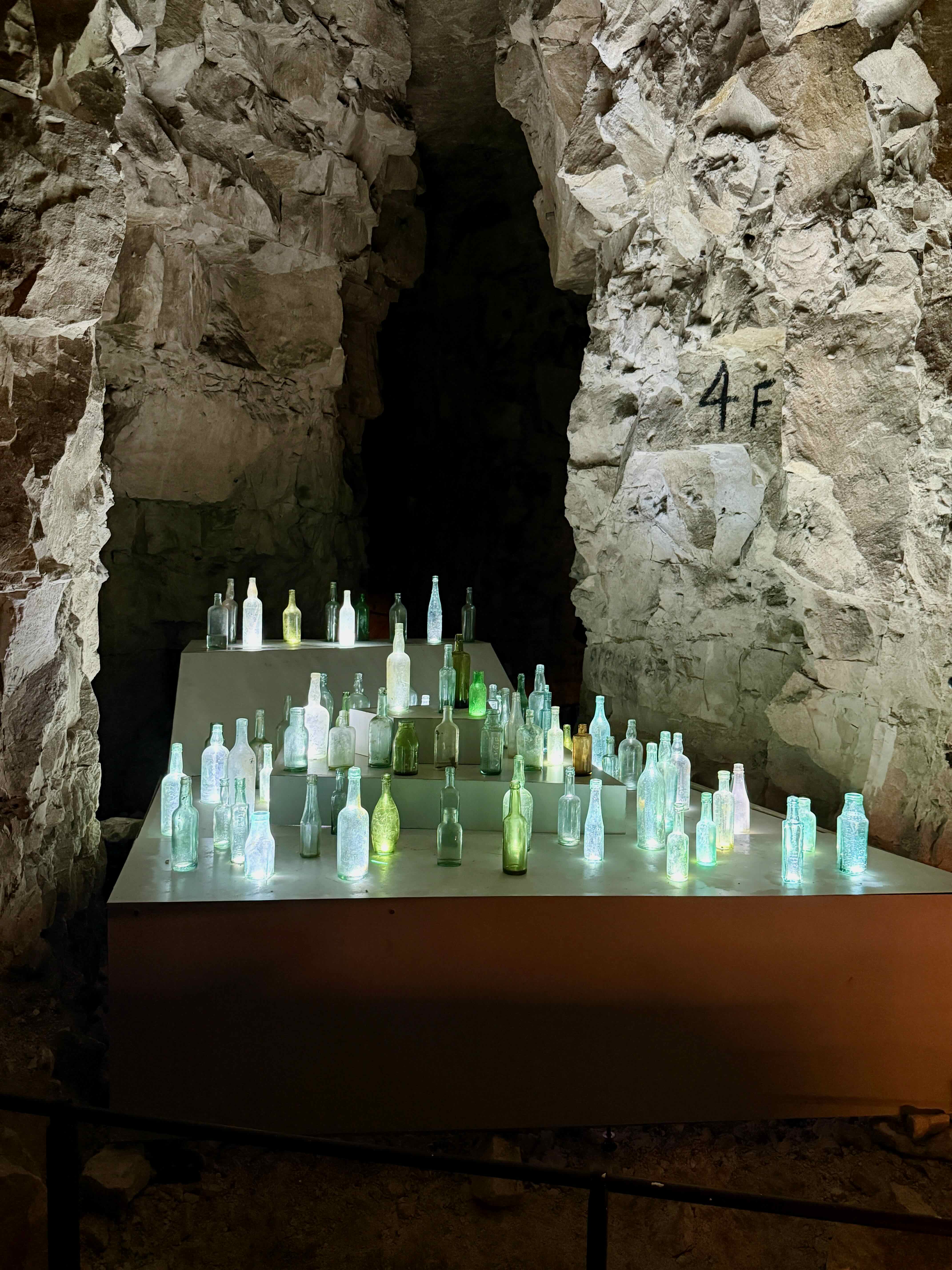
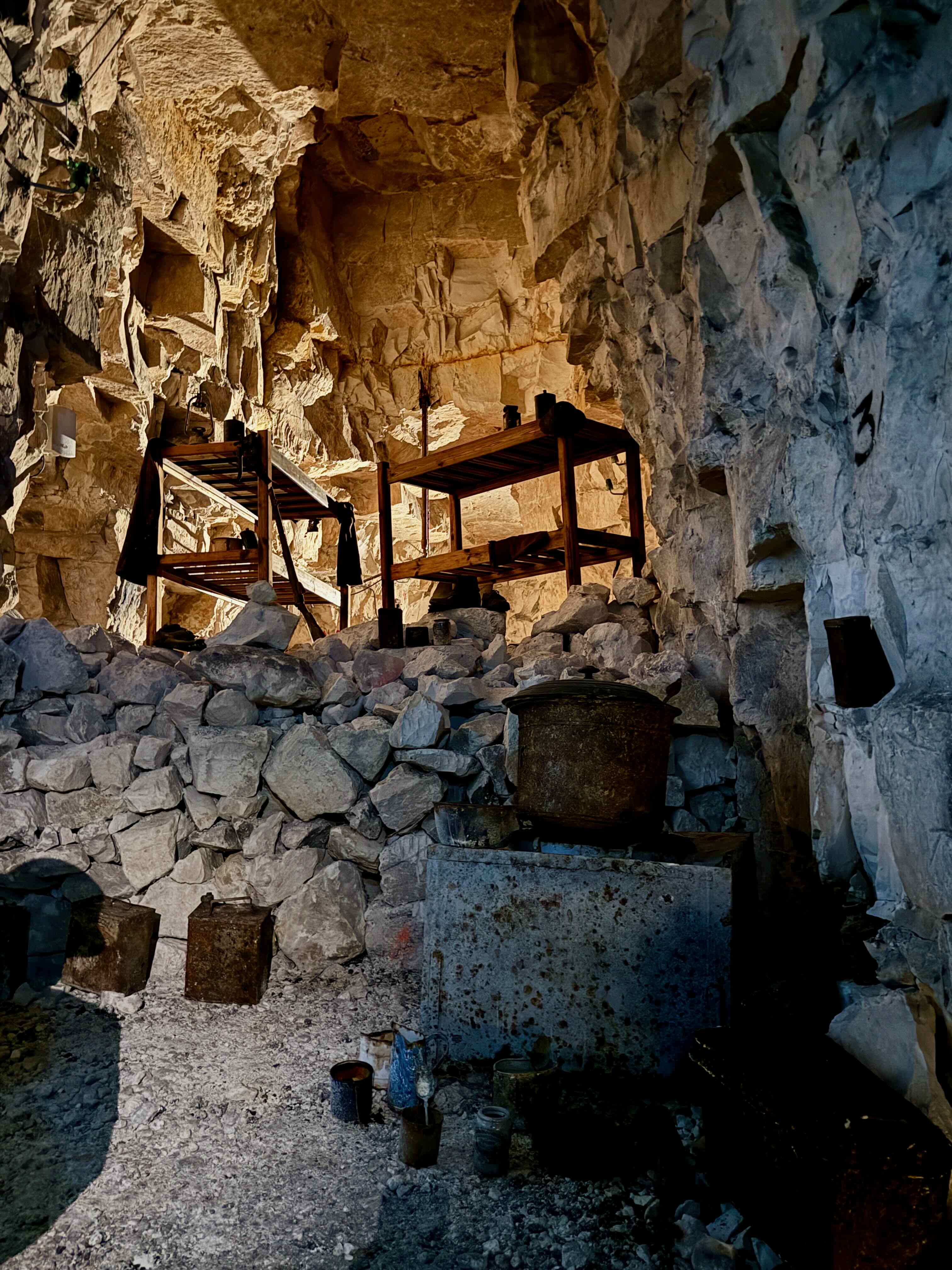
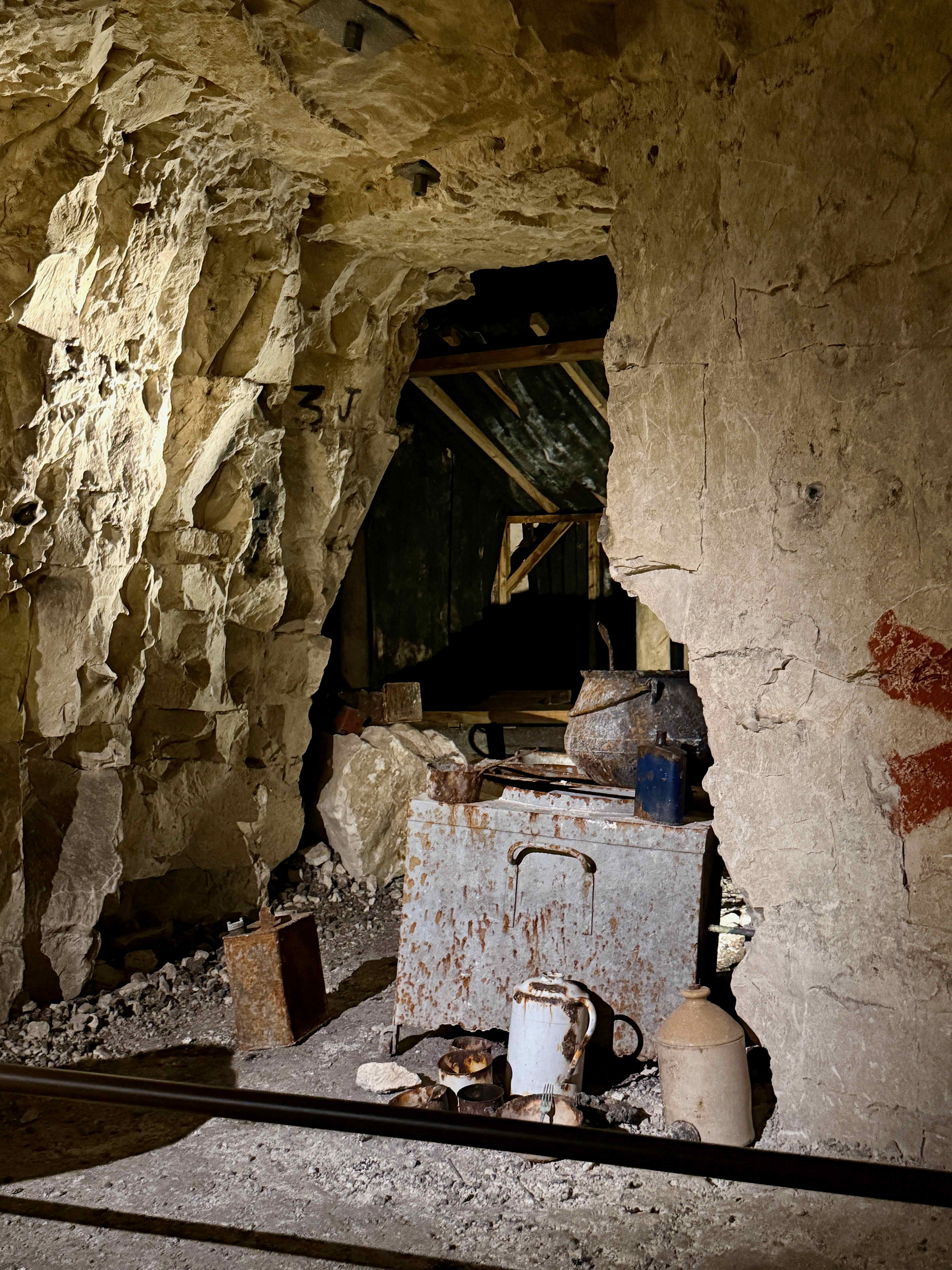
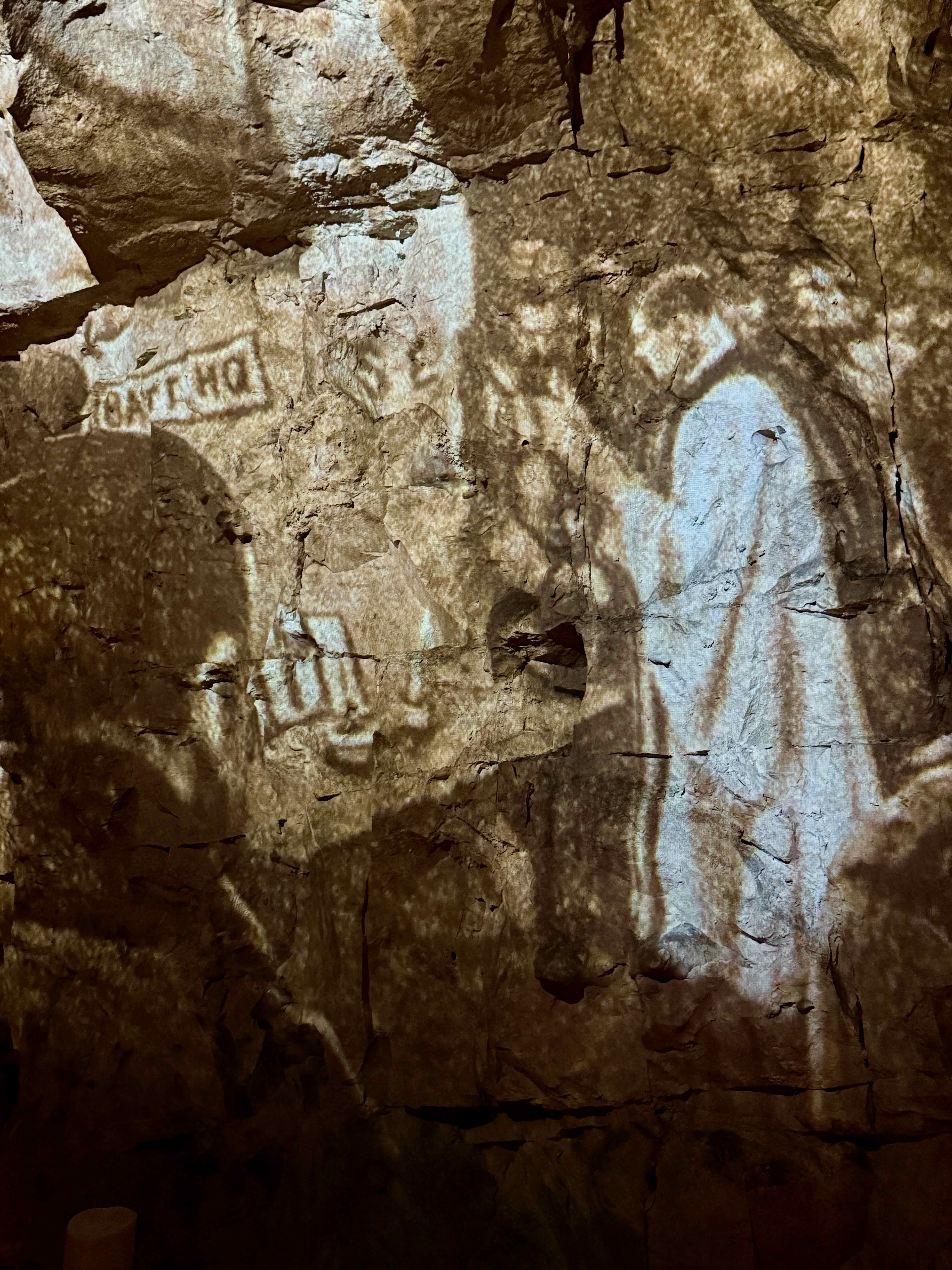
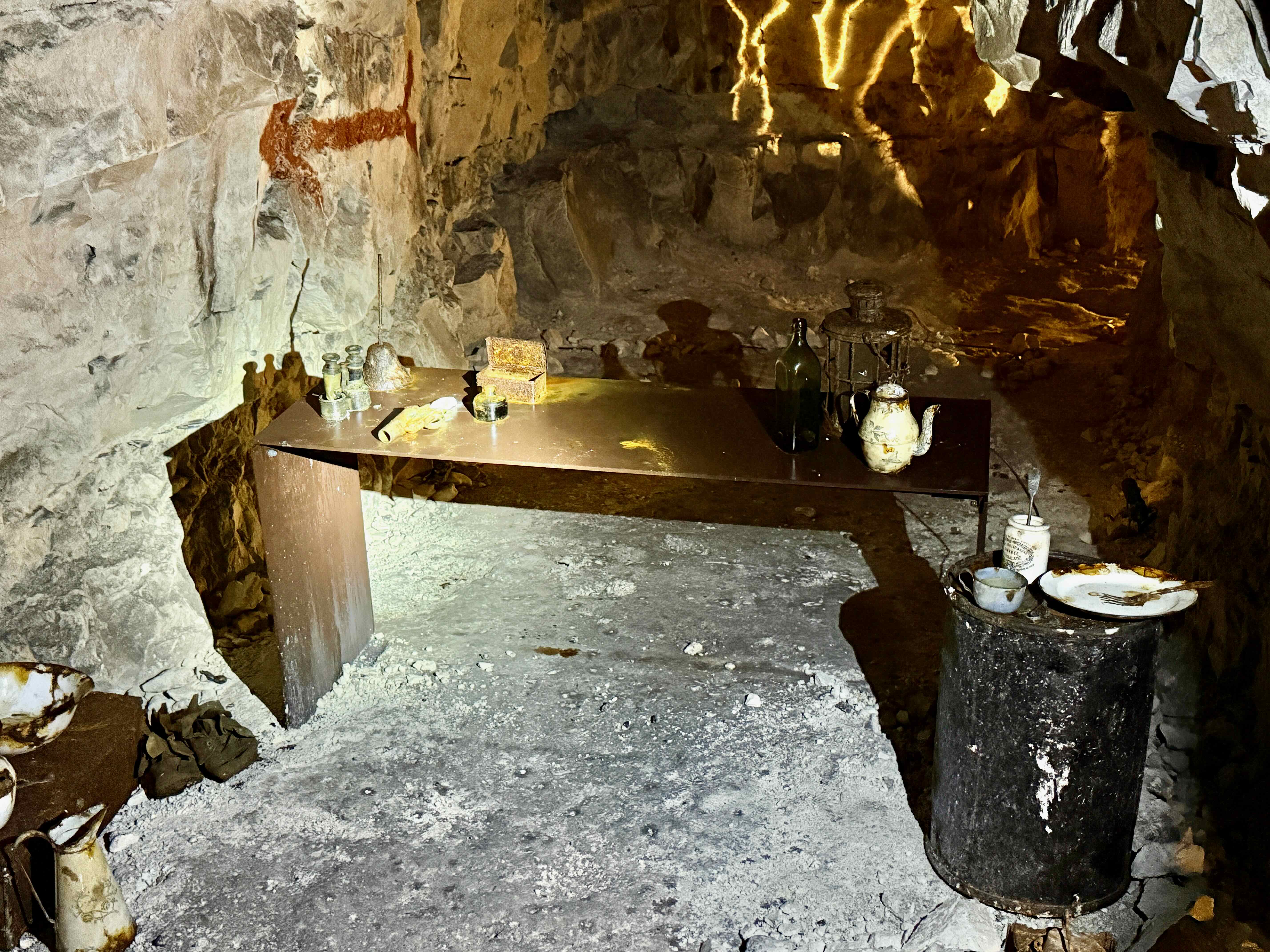
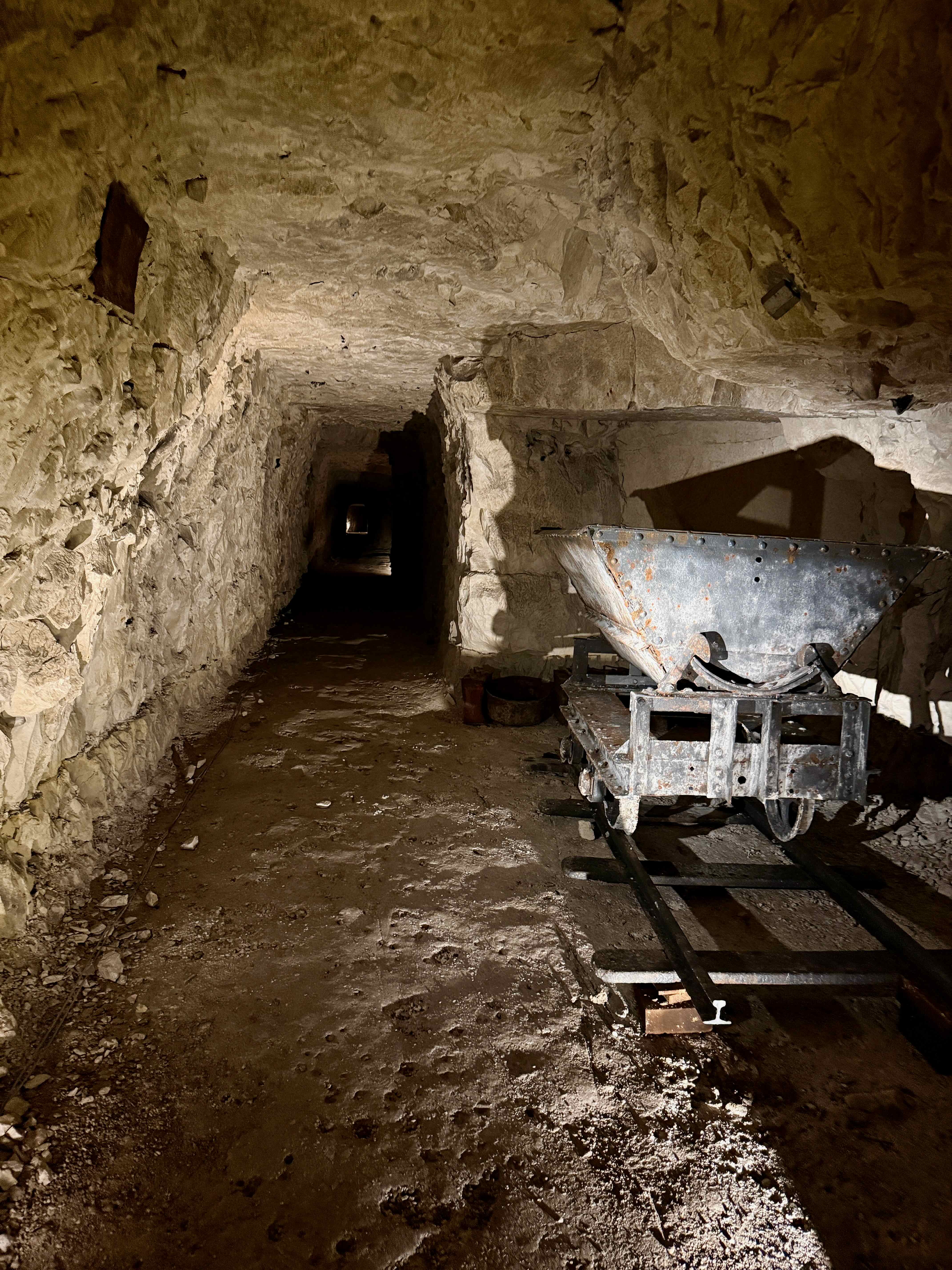
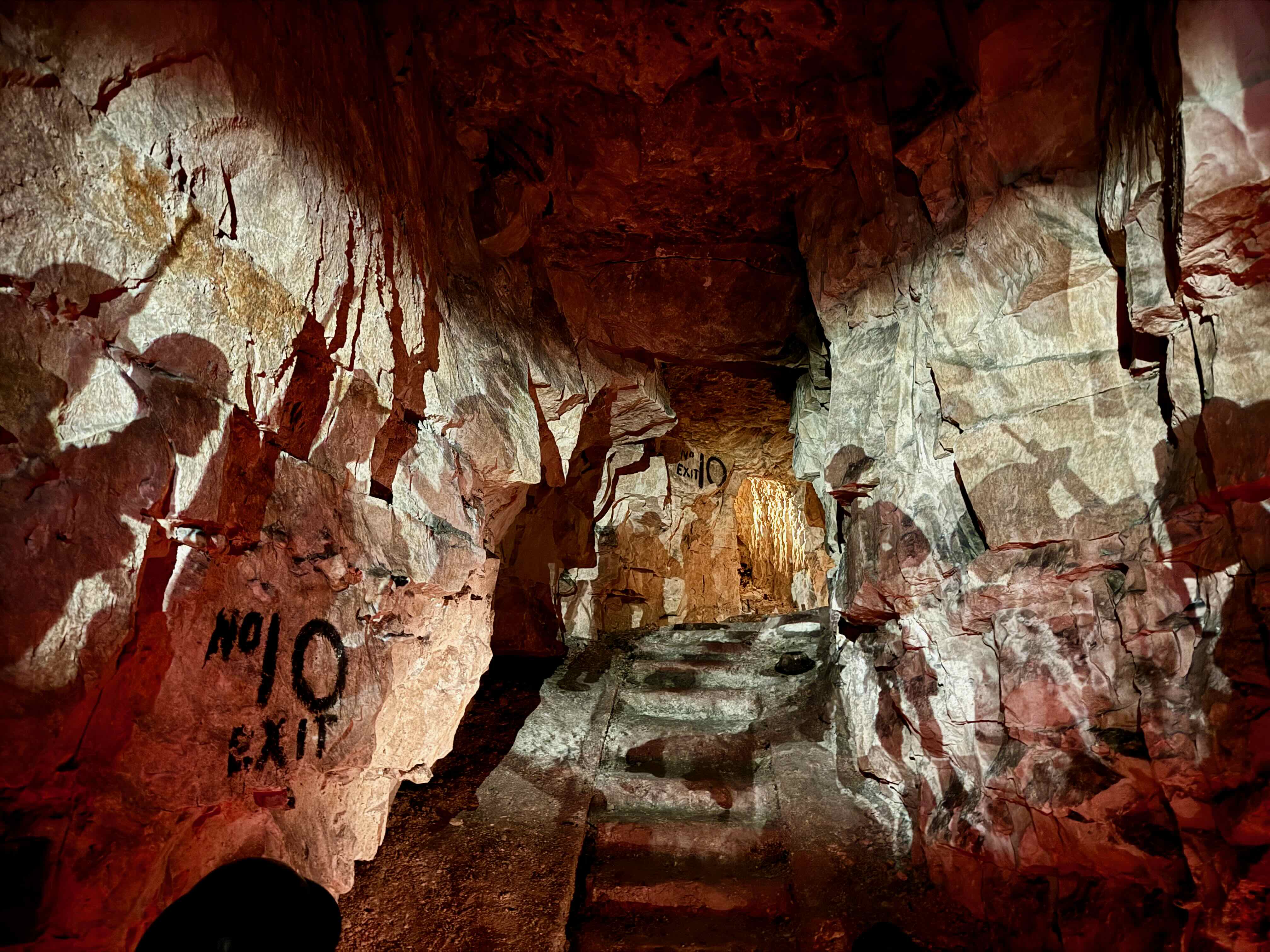 In a theatre after the tour we watch a film about what happened after this battle and I am shocked to learn that the British advance slowed in the next few days and the German defence recovered. The battle became a costly stalemate for both sides and 4,000 men a day died in the days after the surprise attack. The British had 160,000 casualties and the Germans about 125,000. Up until hearing this I thought this Arras surprise attack was at least a success. I really hate war!
 Downstairs is an exhibit of Ukrainian Icons. Today the term «icon» refers primarily to paintings made with tempera (egg-bound pigments) on a prepared wood panel. Icons are also characterised by the use of gold leaf. Museums around the world are safekeeping artwork from the Uraine until the war ends. The Louvre-Lens has four of Ukraine’s Icon paintings on display. This is The Last Judgement by Theodore Poulakis, 1661.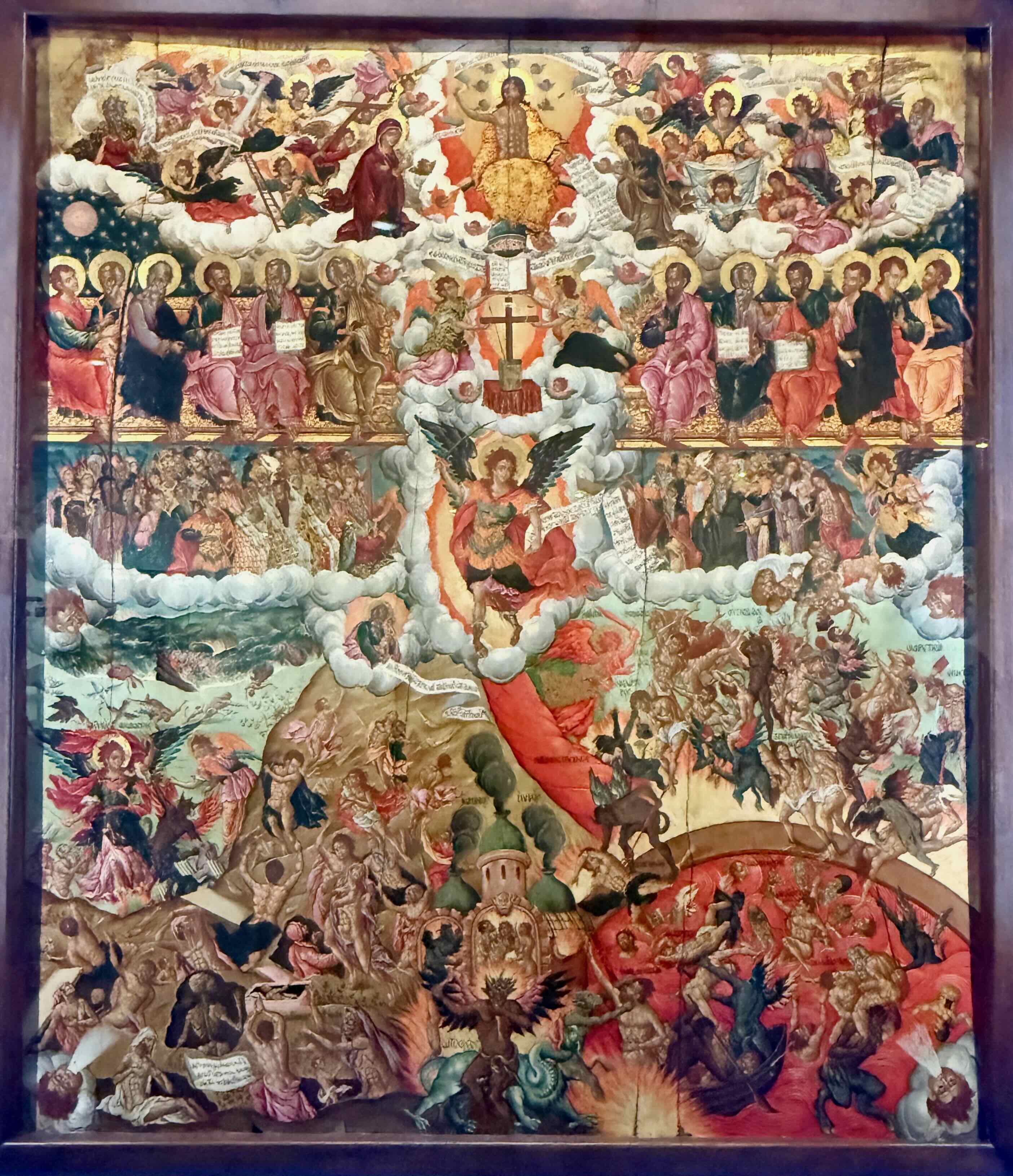
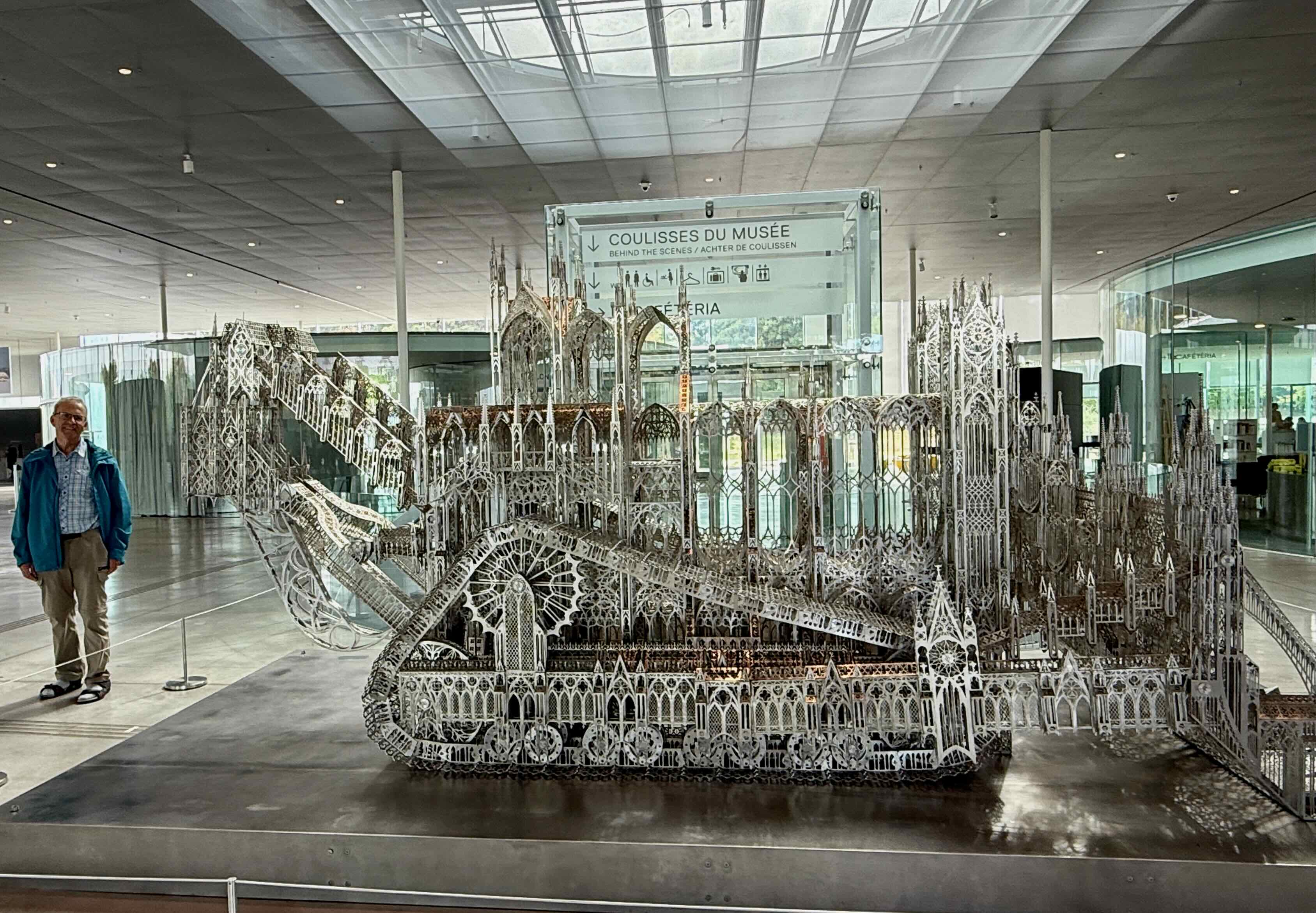
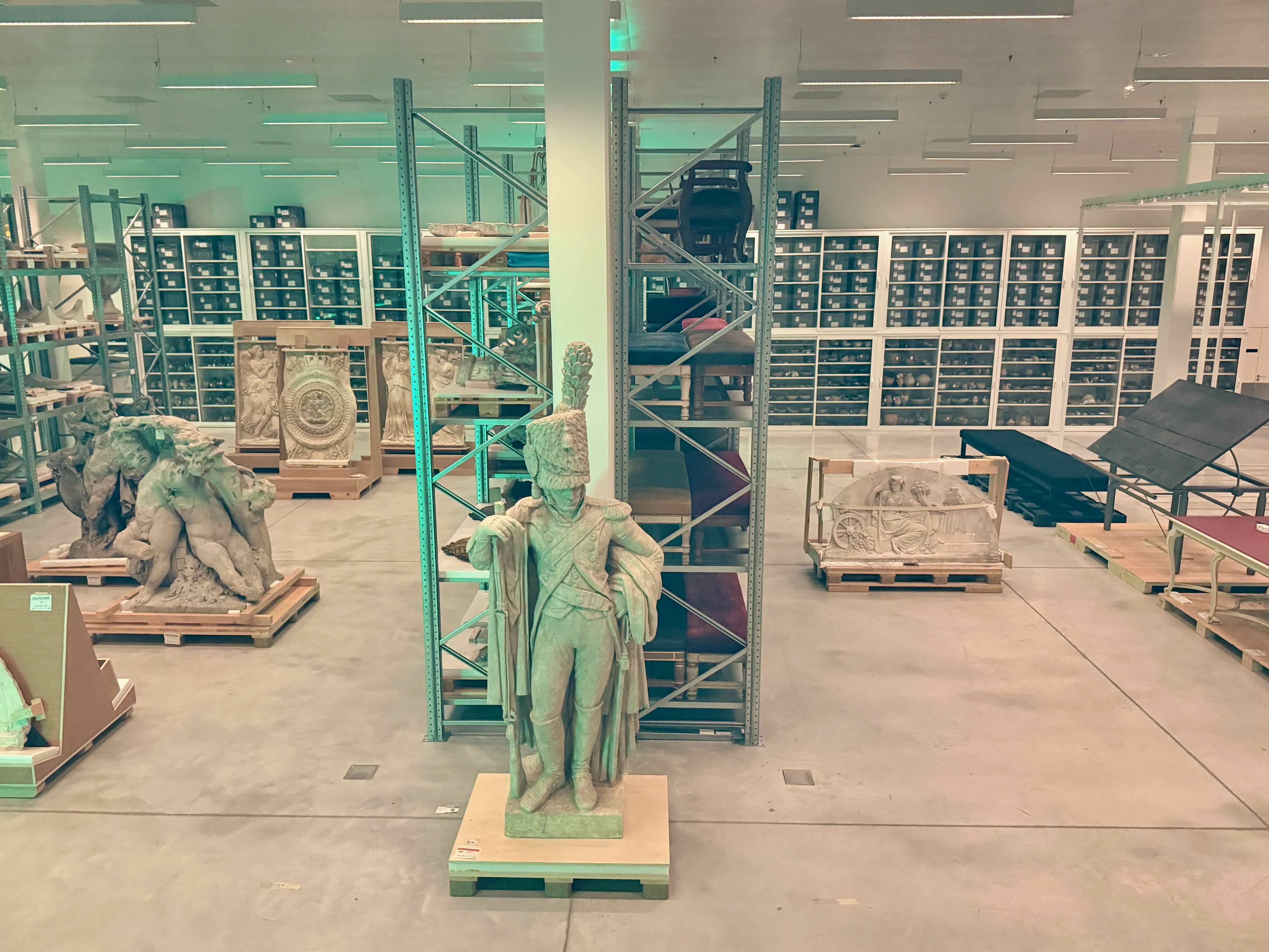 The main exhibit at the museum is The Gallery of Time.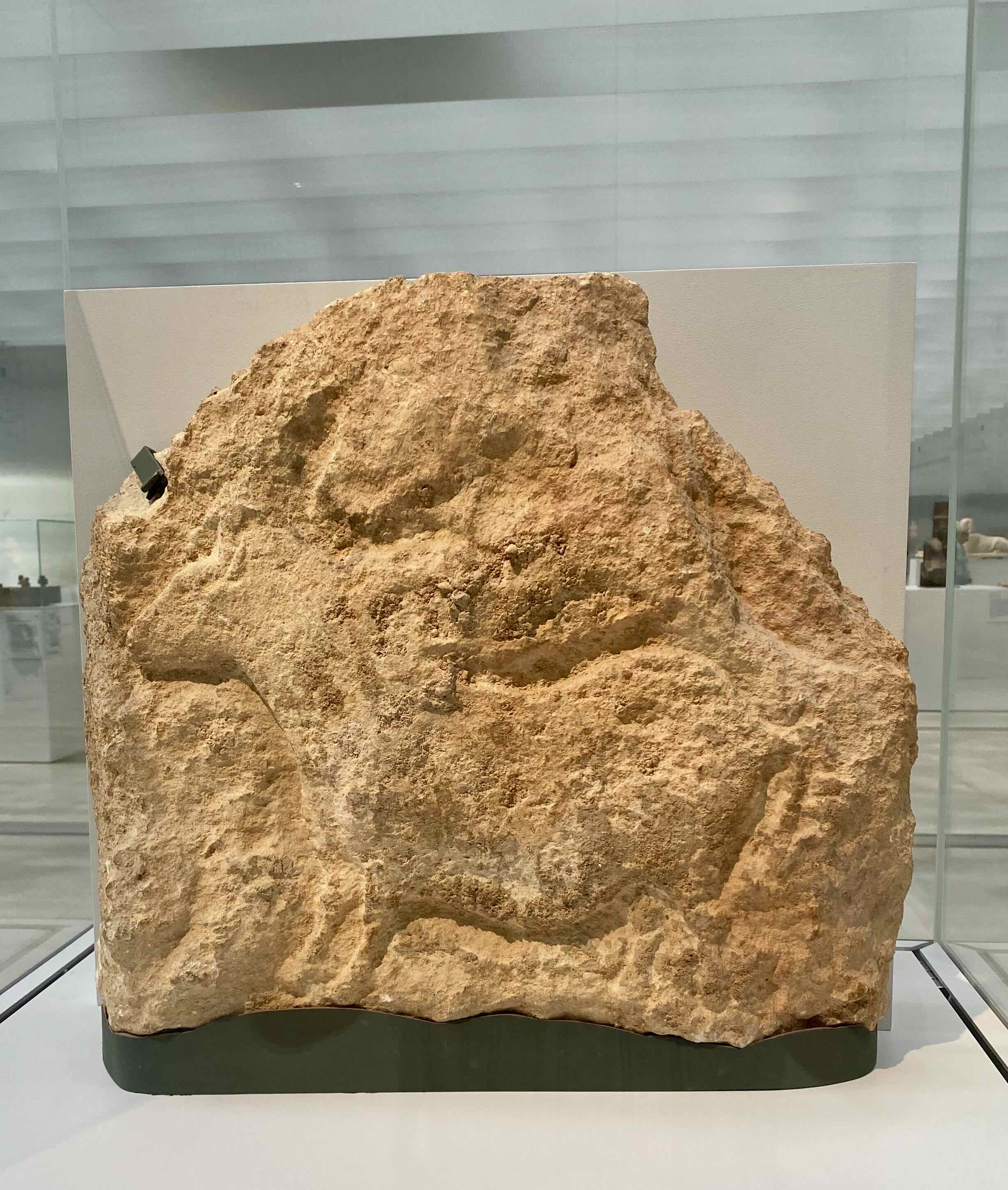


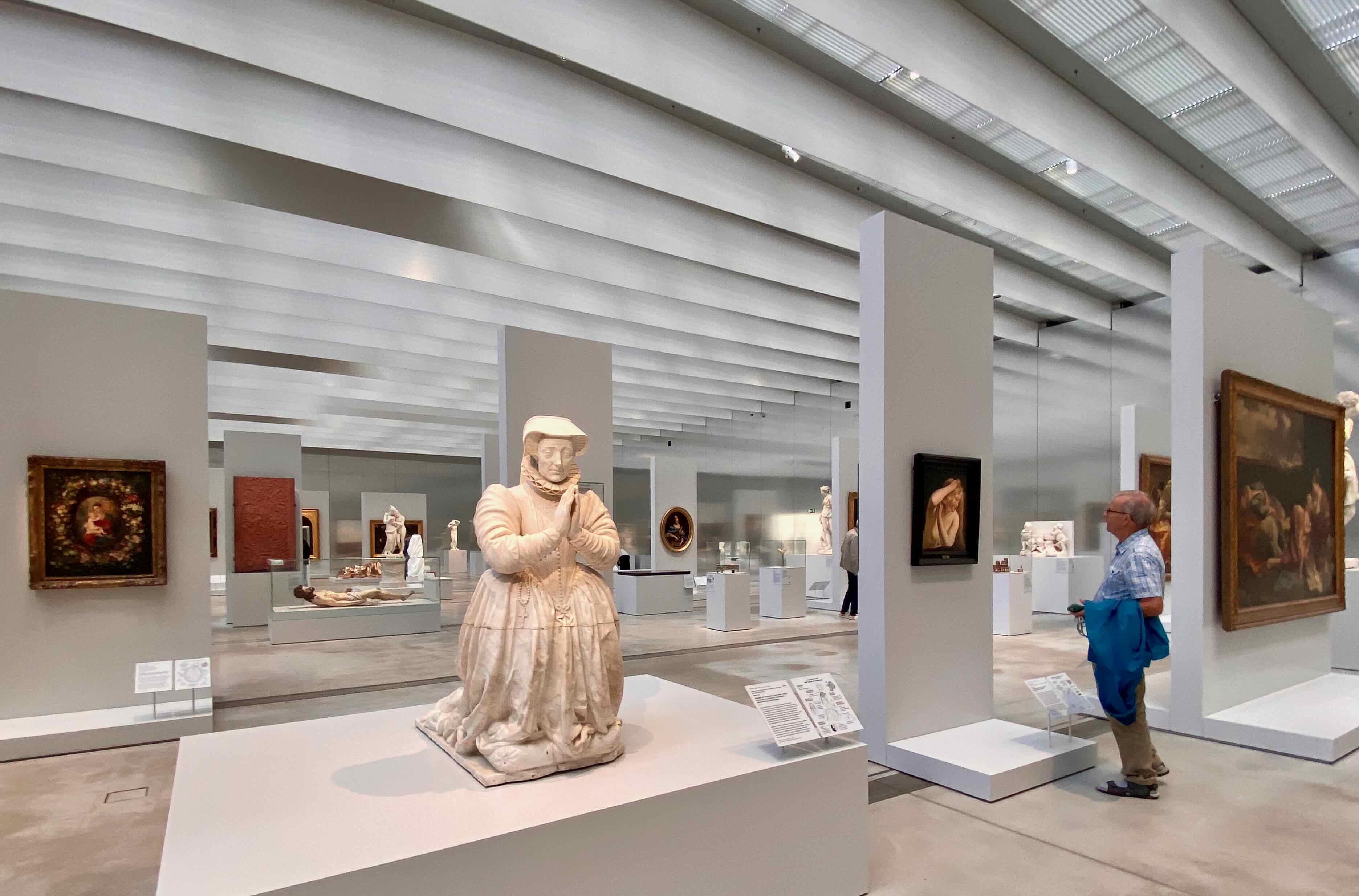
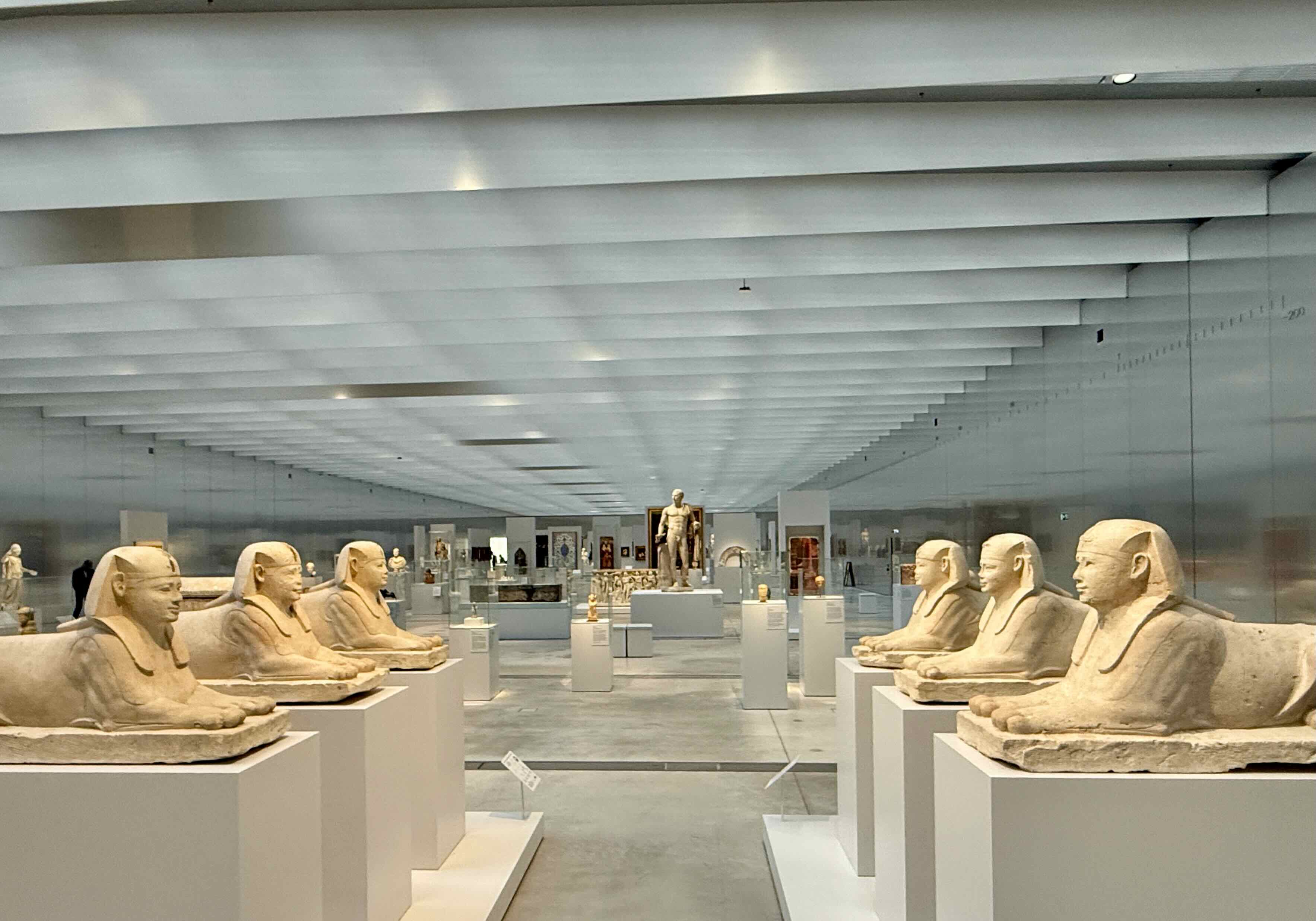
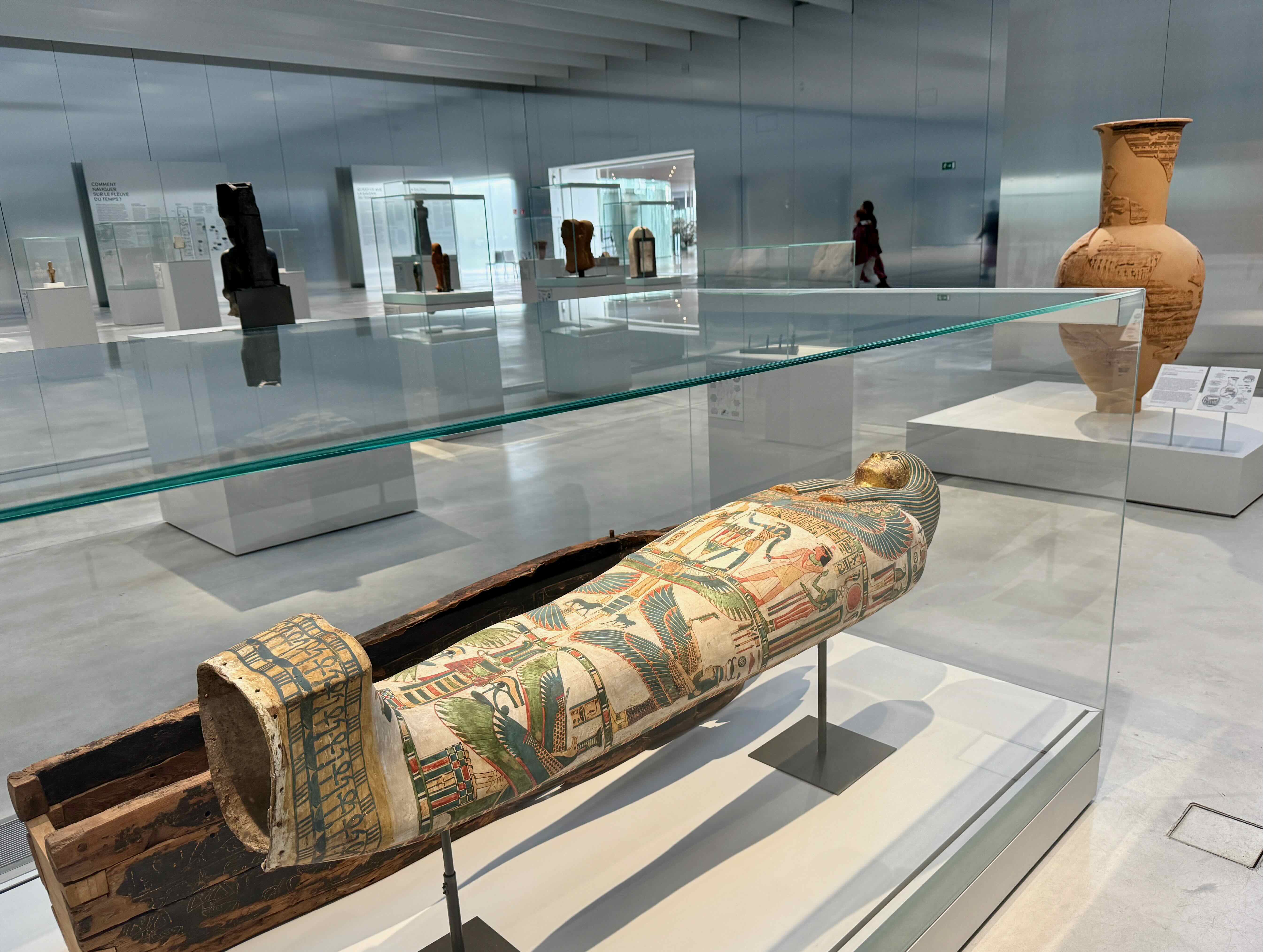
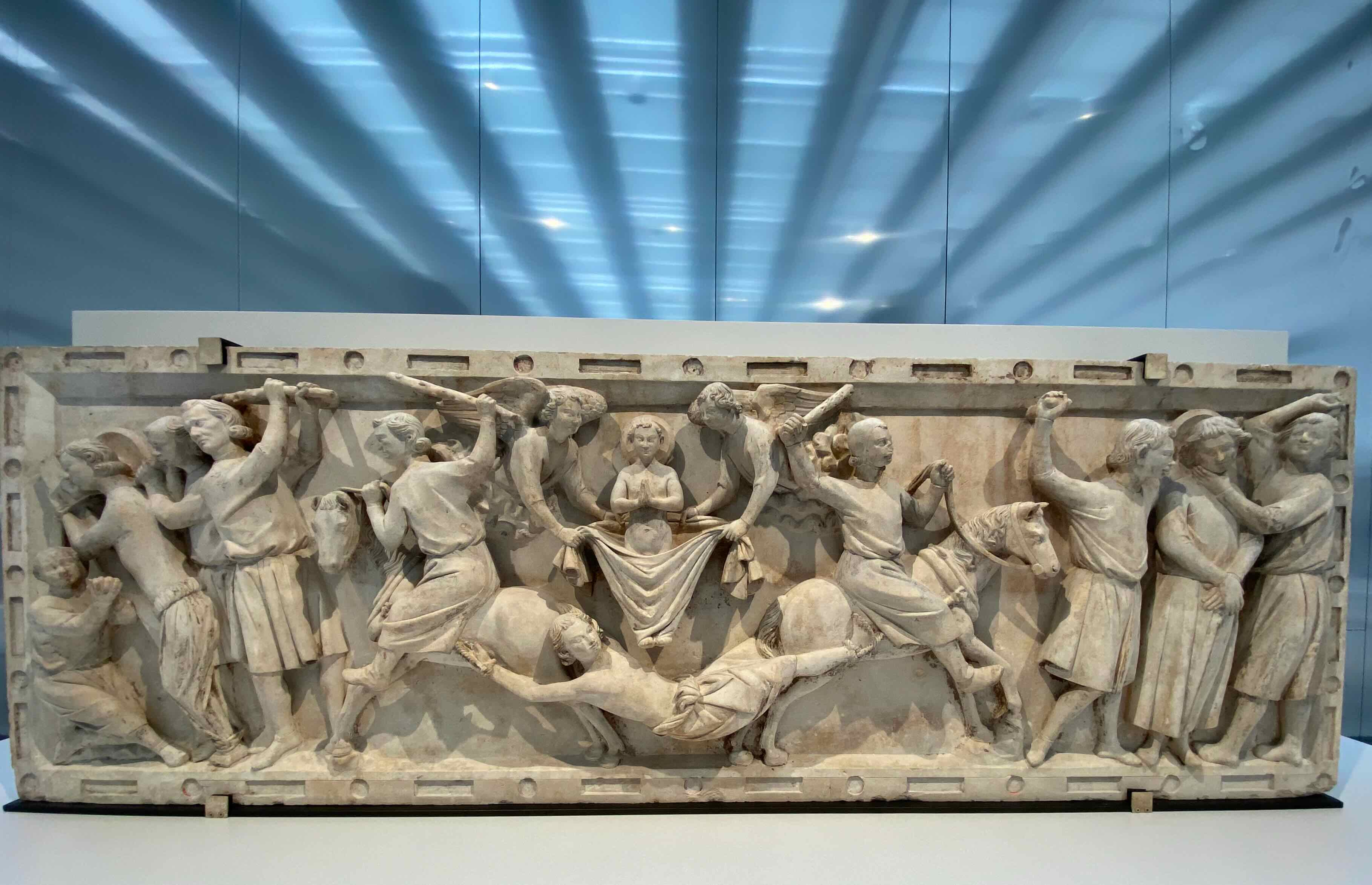
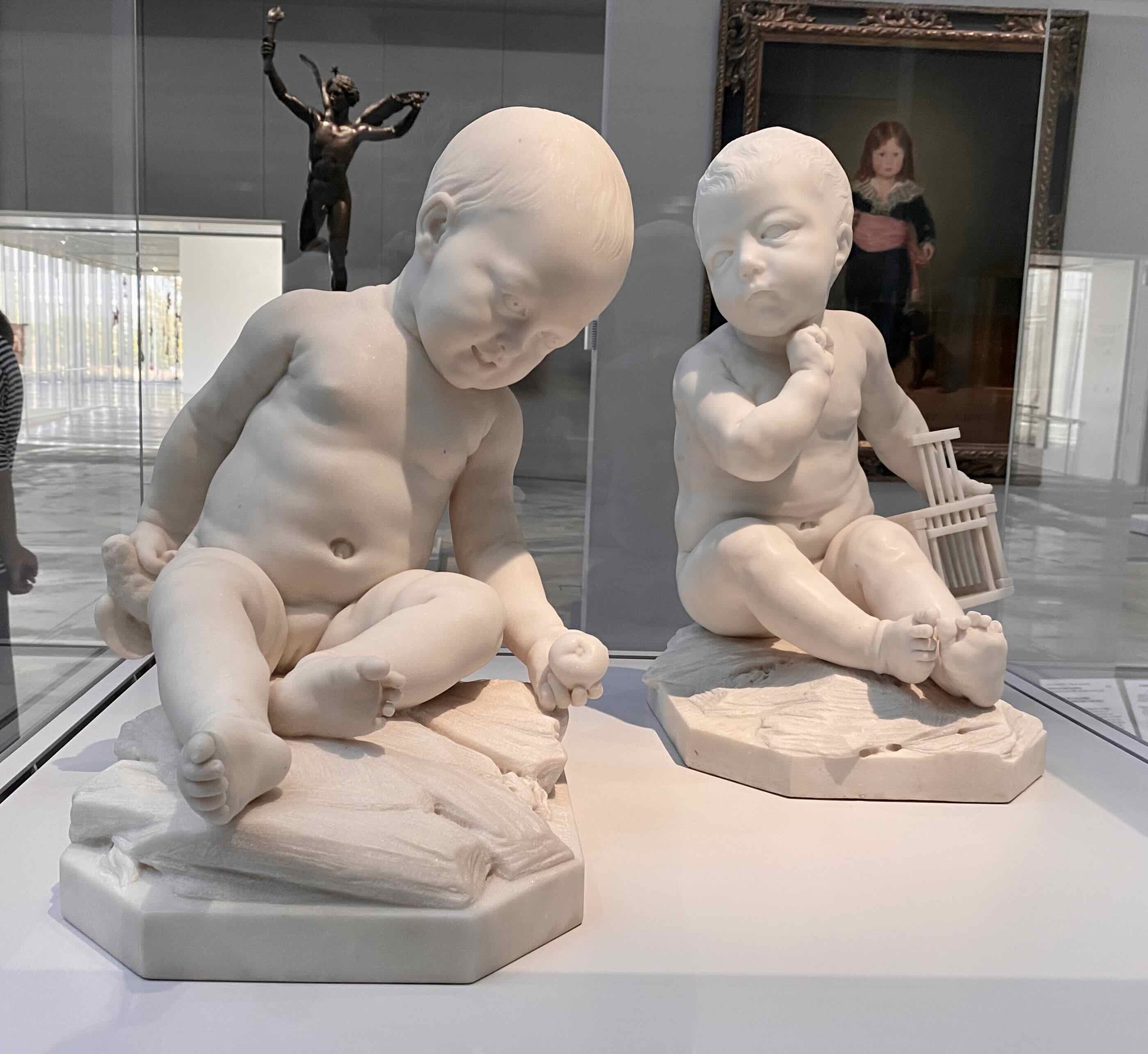
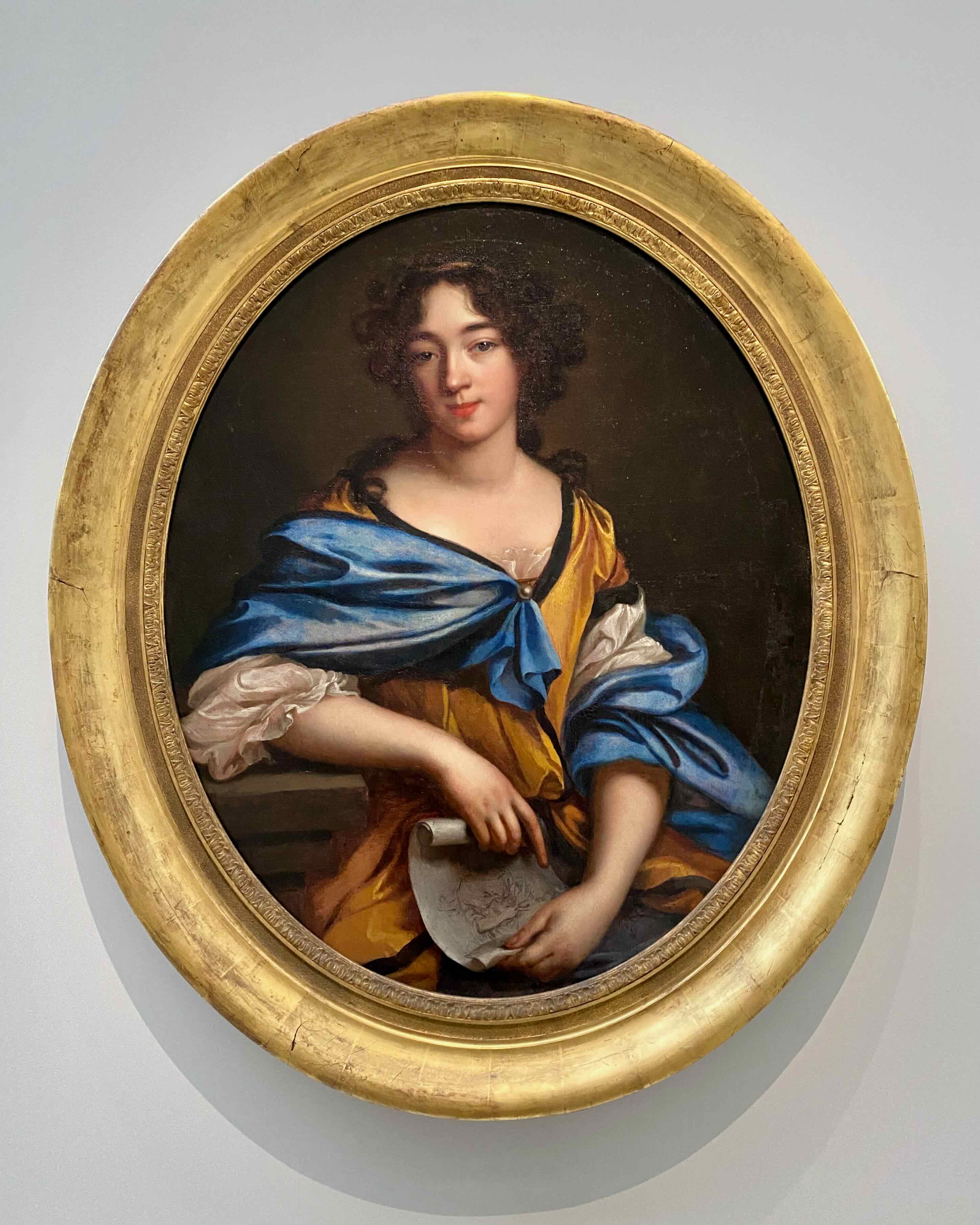
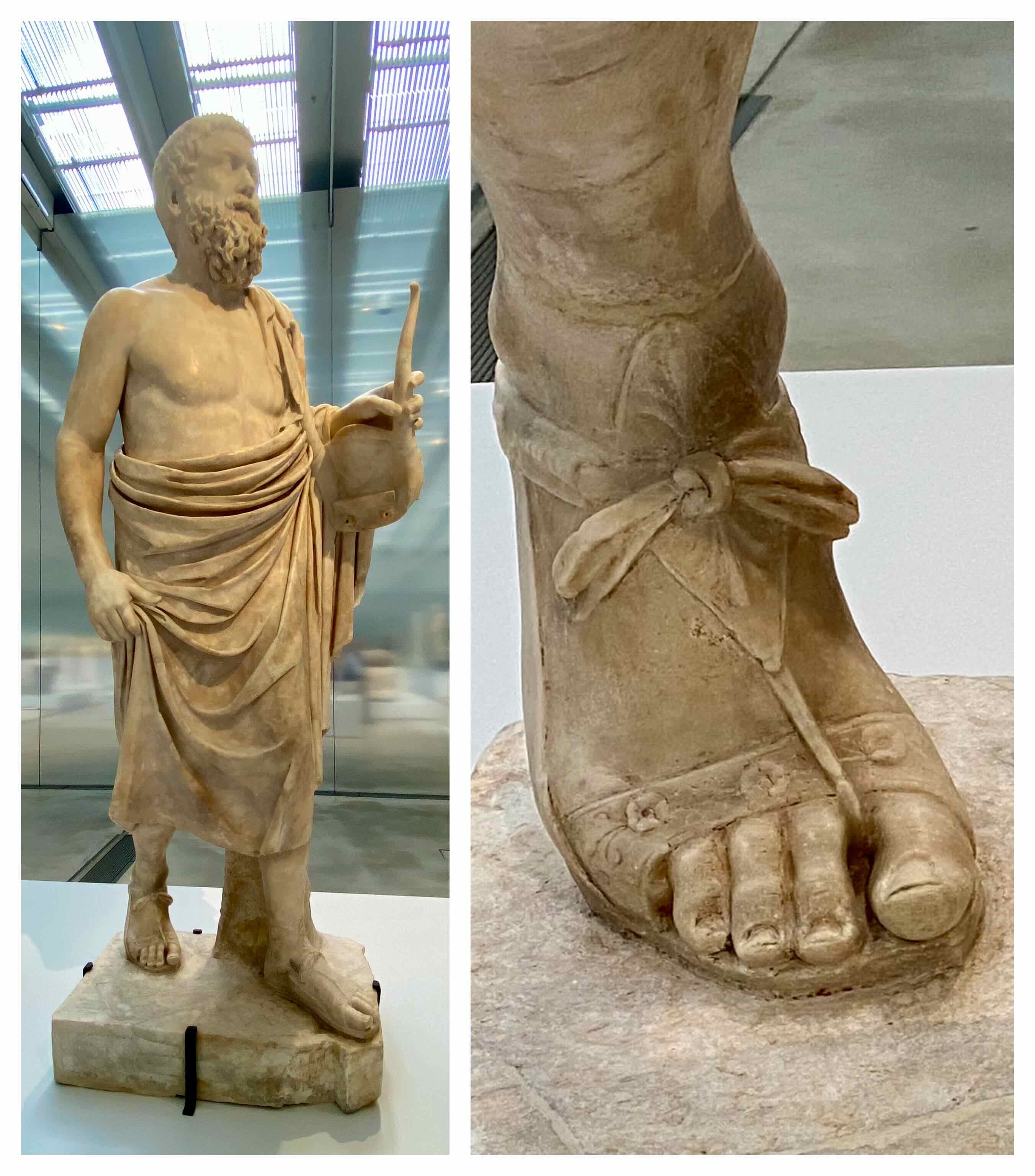
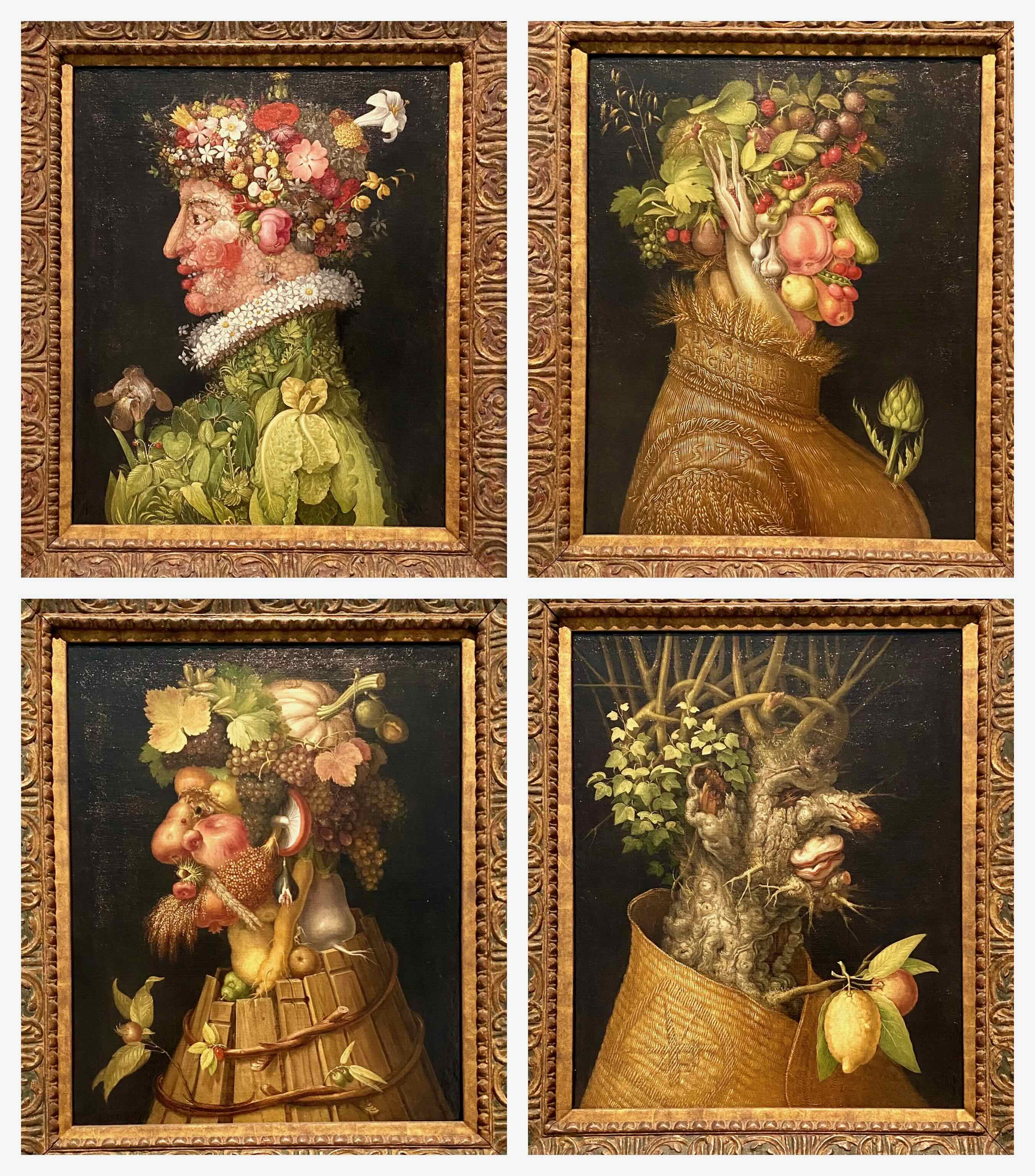
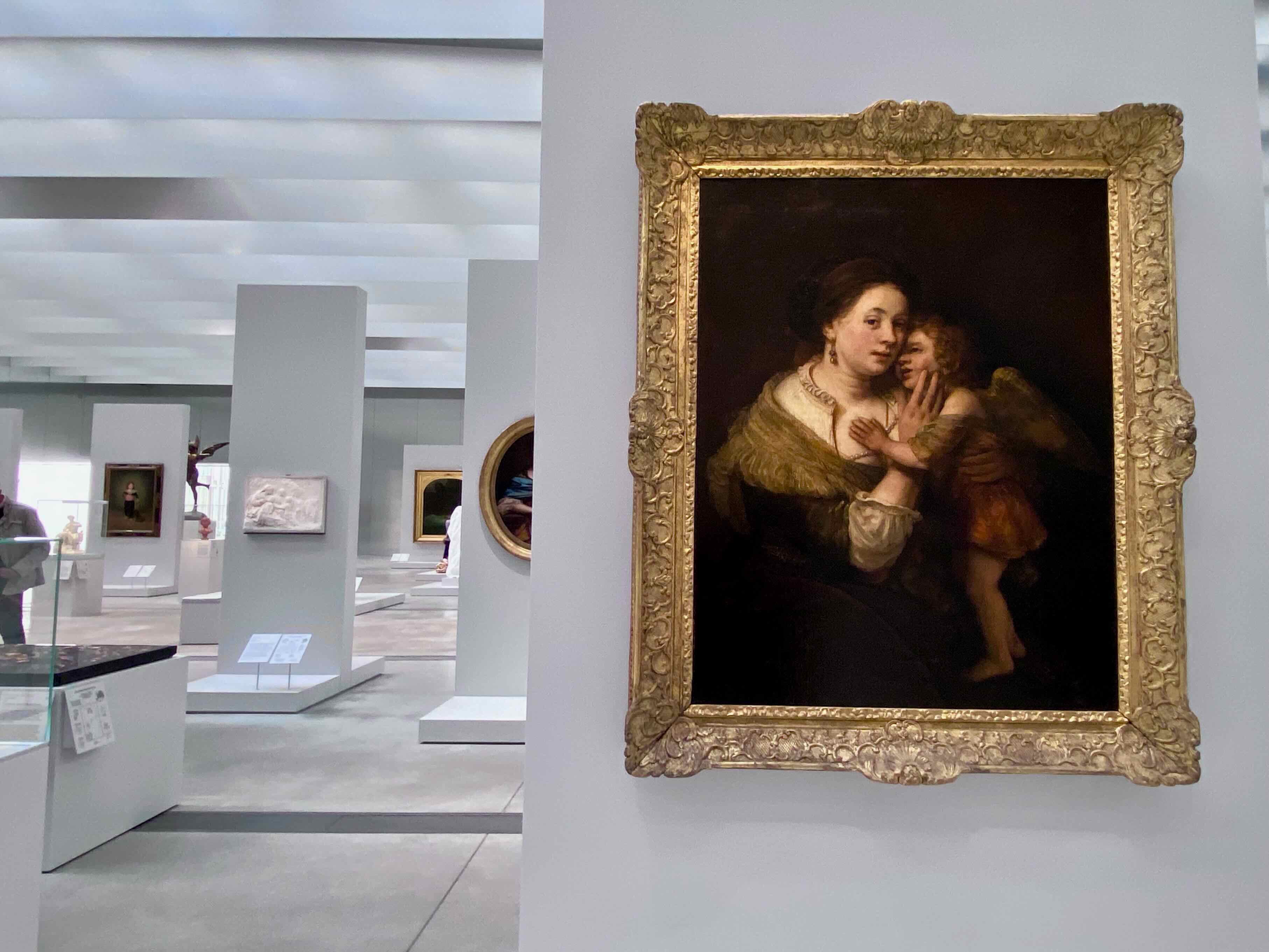
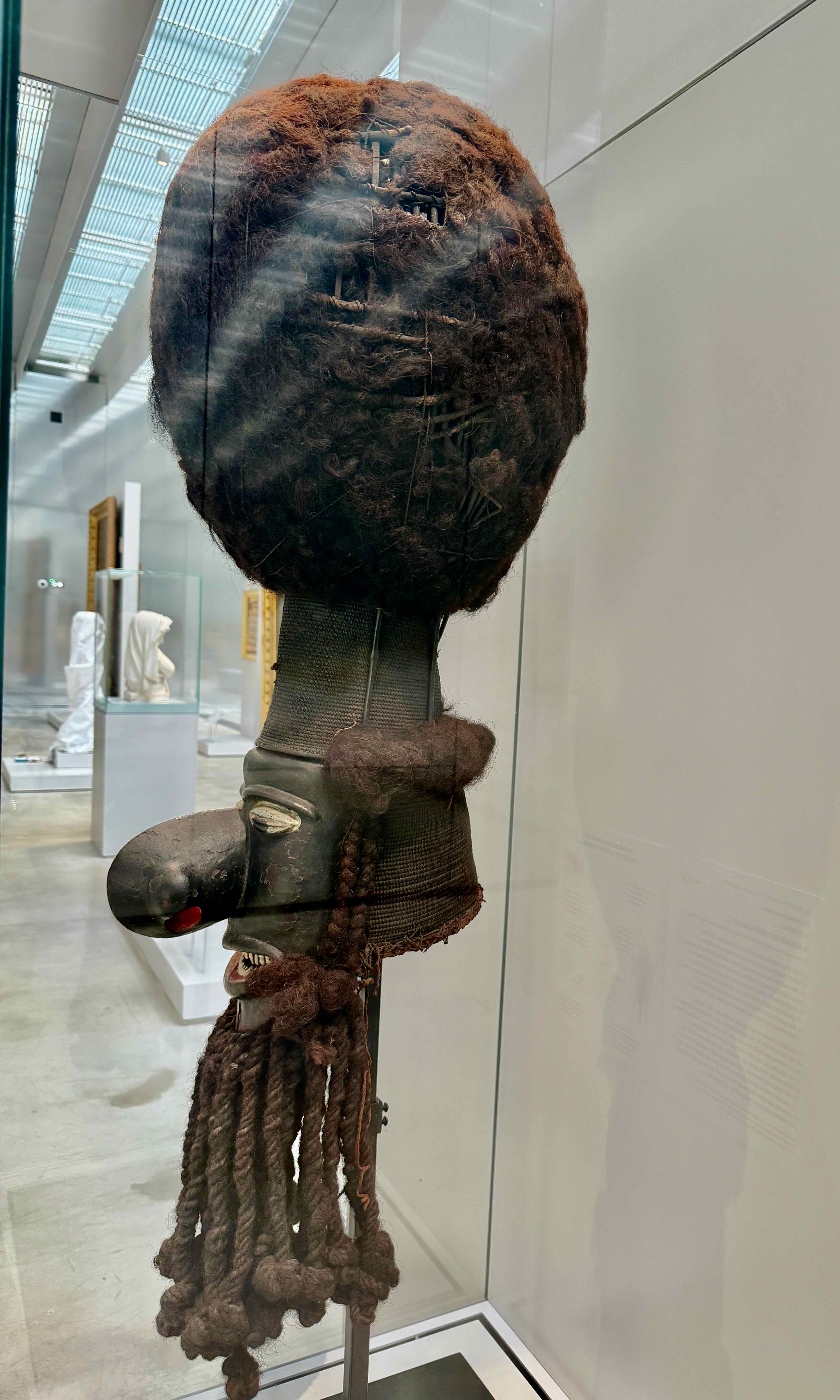
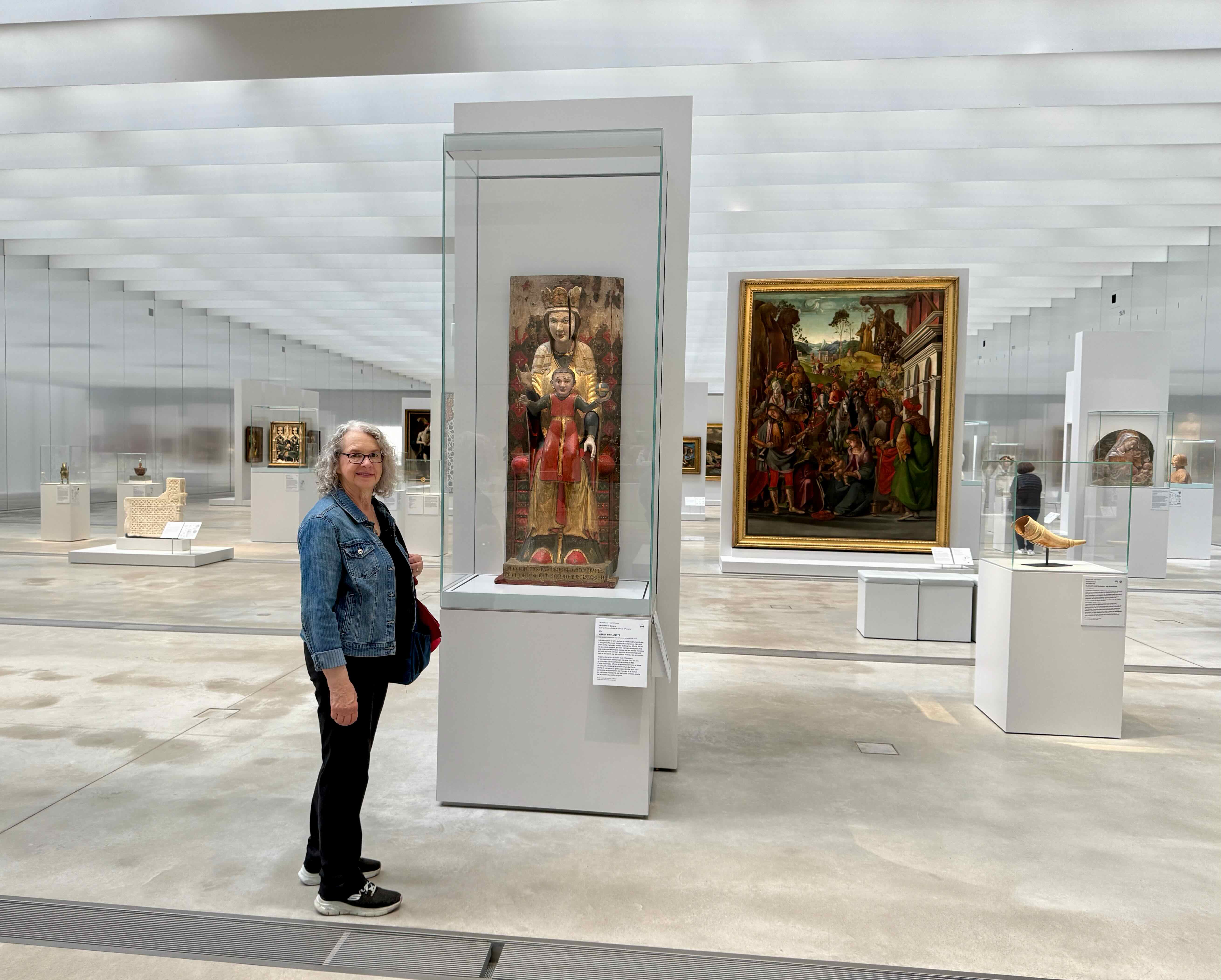 And here, in no particular order, are a few of the pieces that we found especially interesting.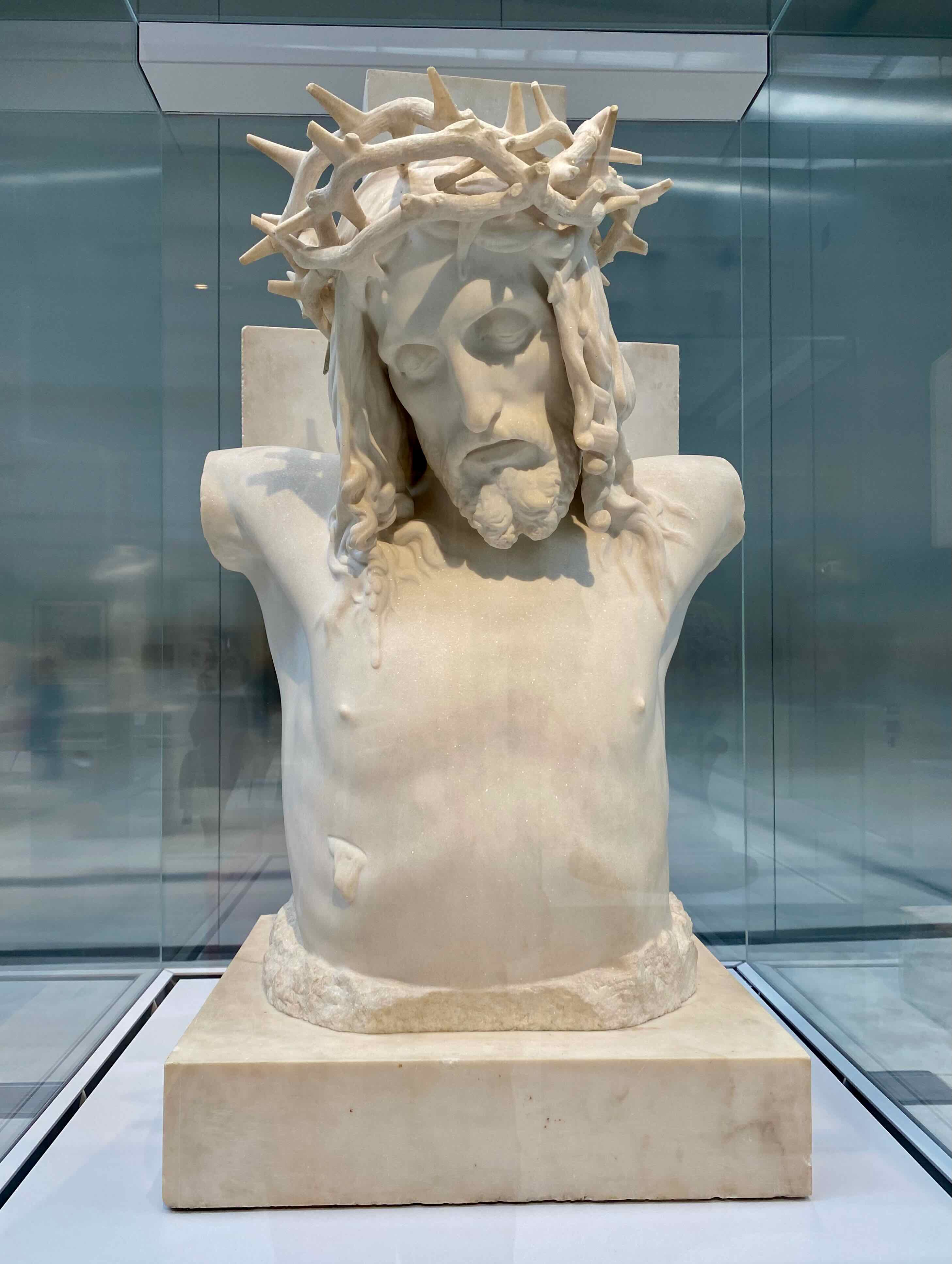
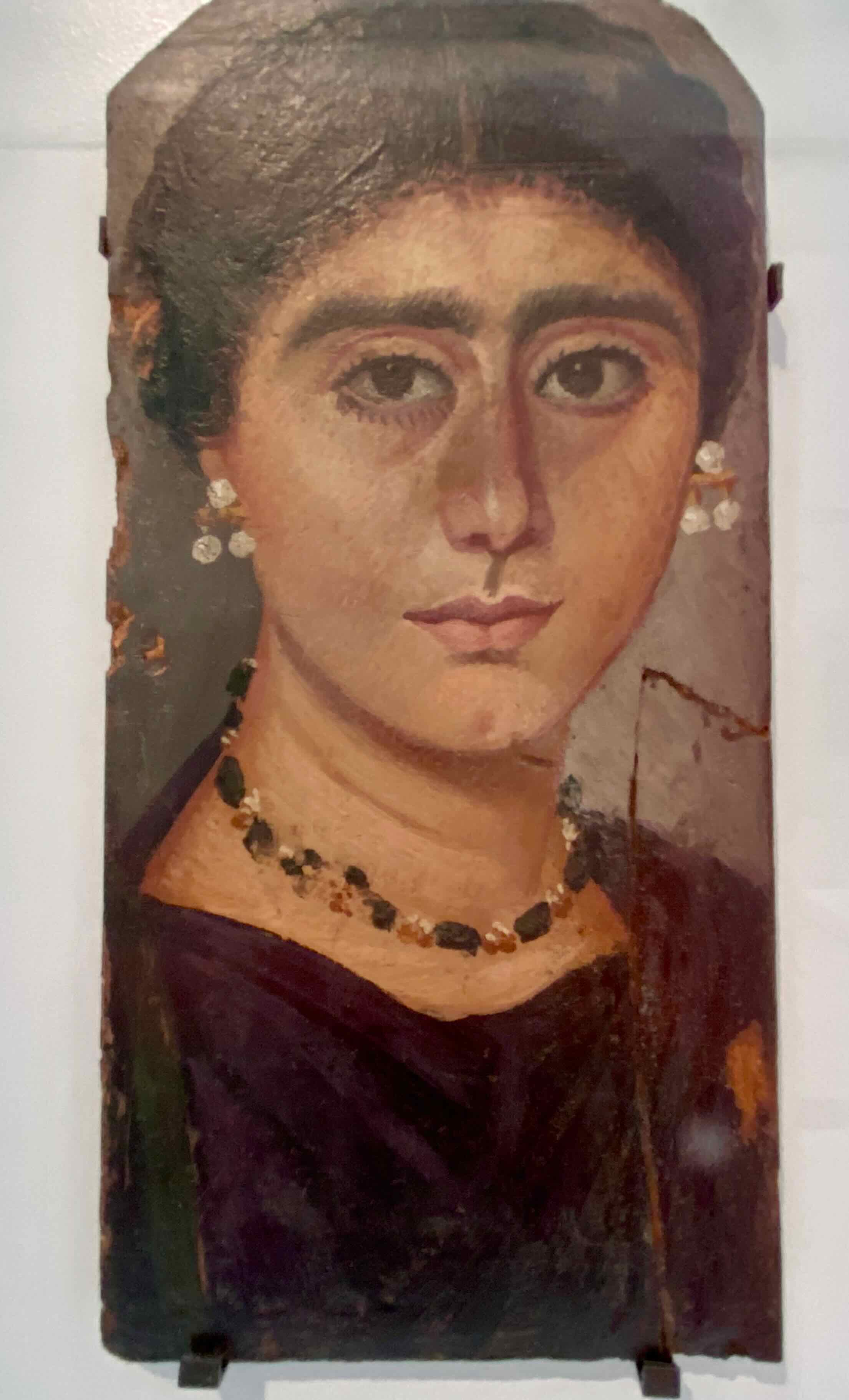
 Egyptian Tomb Portrait of a Woman c. 150 AD. I love these tomb paintings. We saw several of them years ago when we visited Egypt.
  Pieter Boel, c.1669-1671 Triple study of an Ostrich.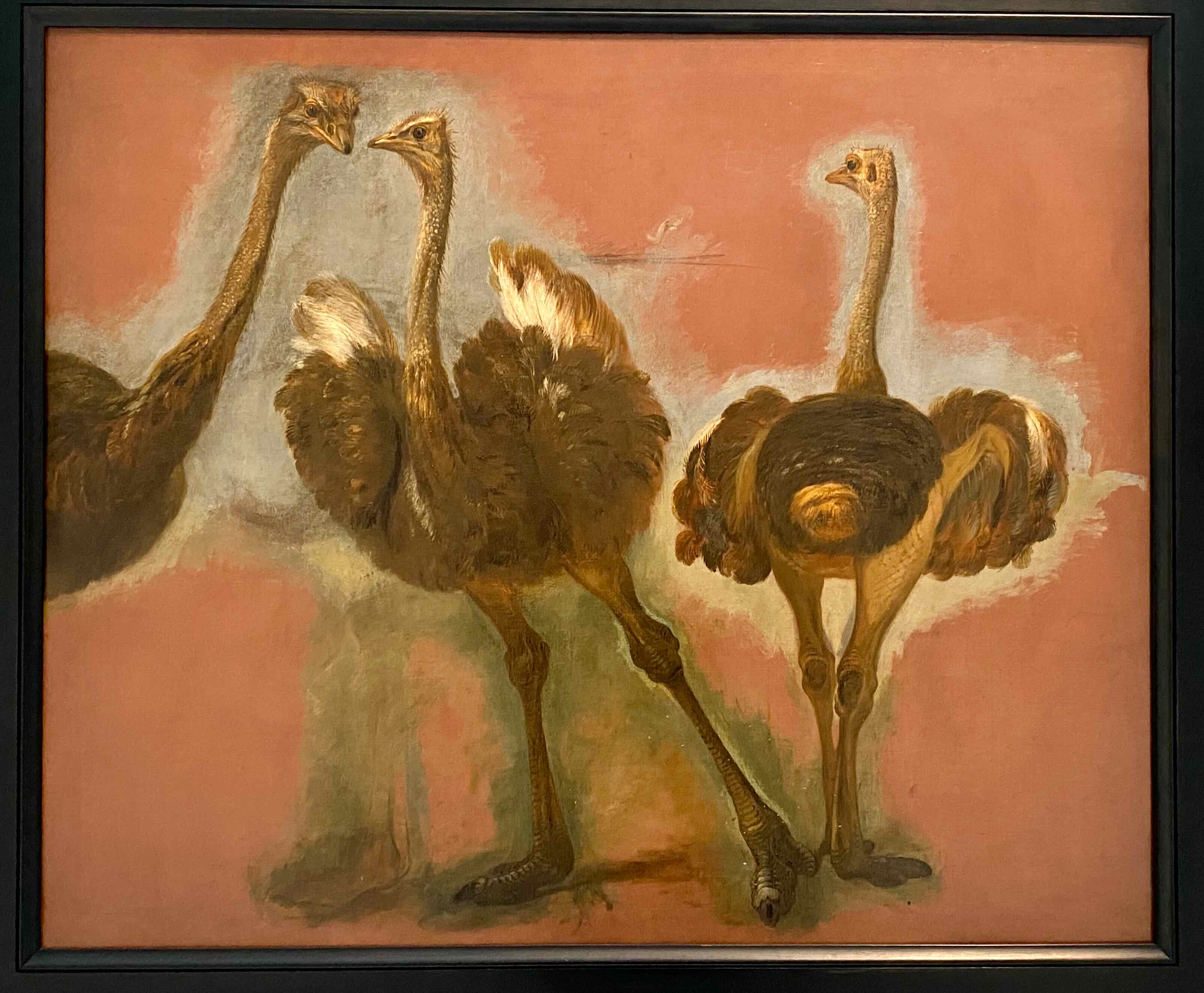
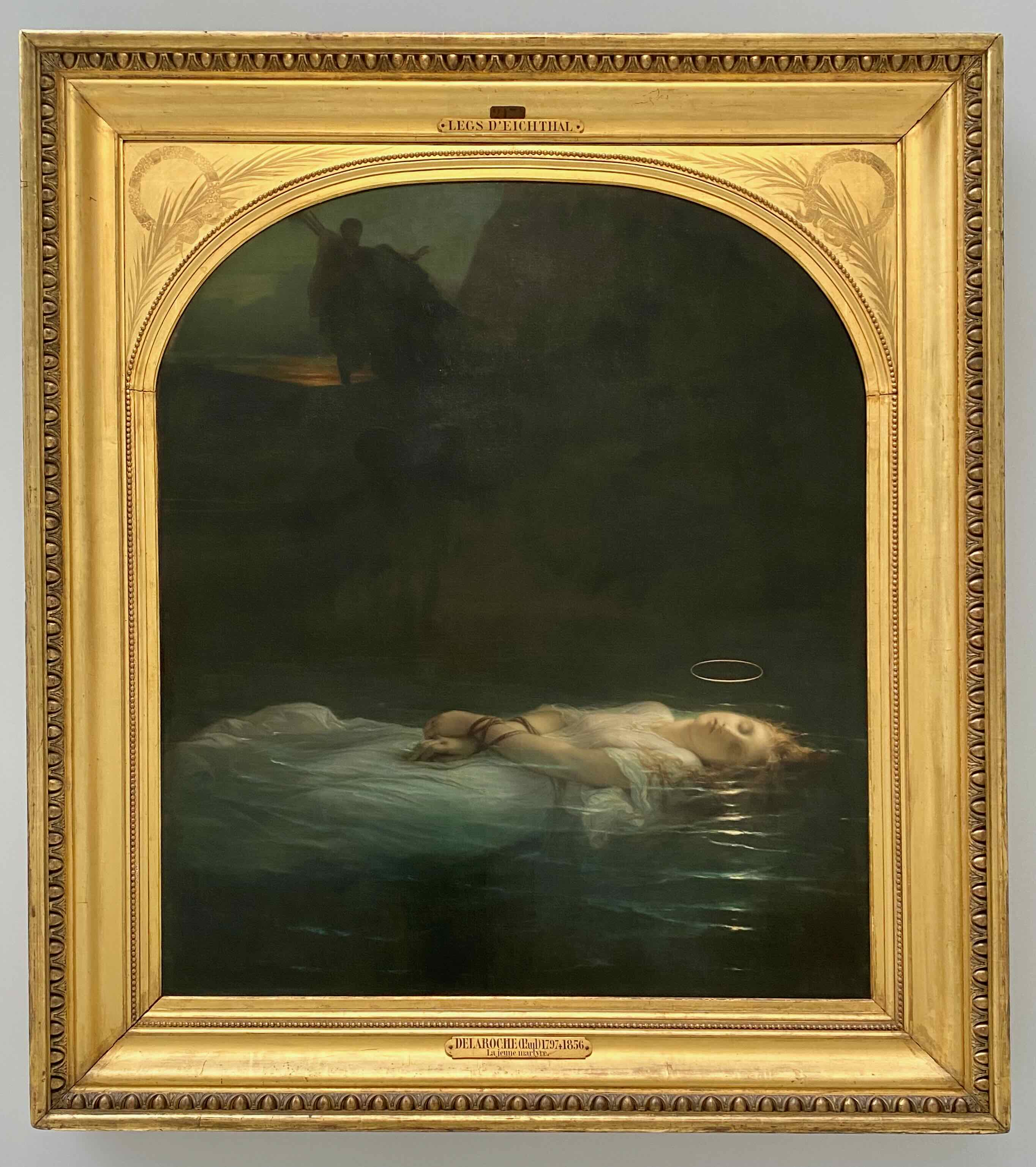
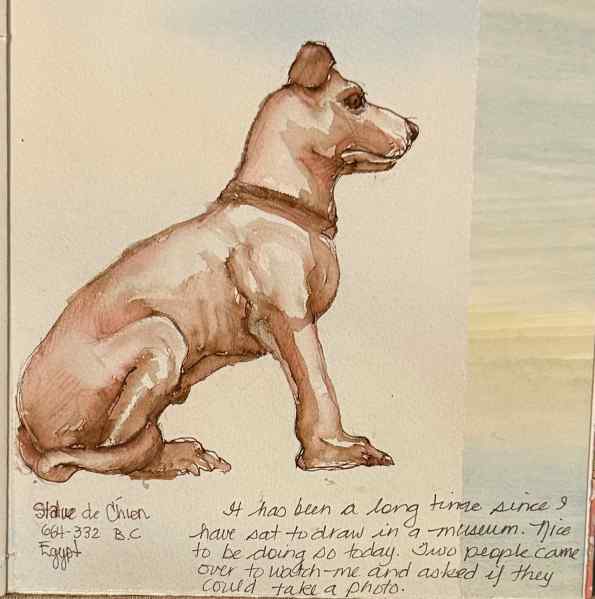
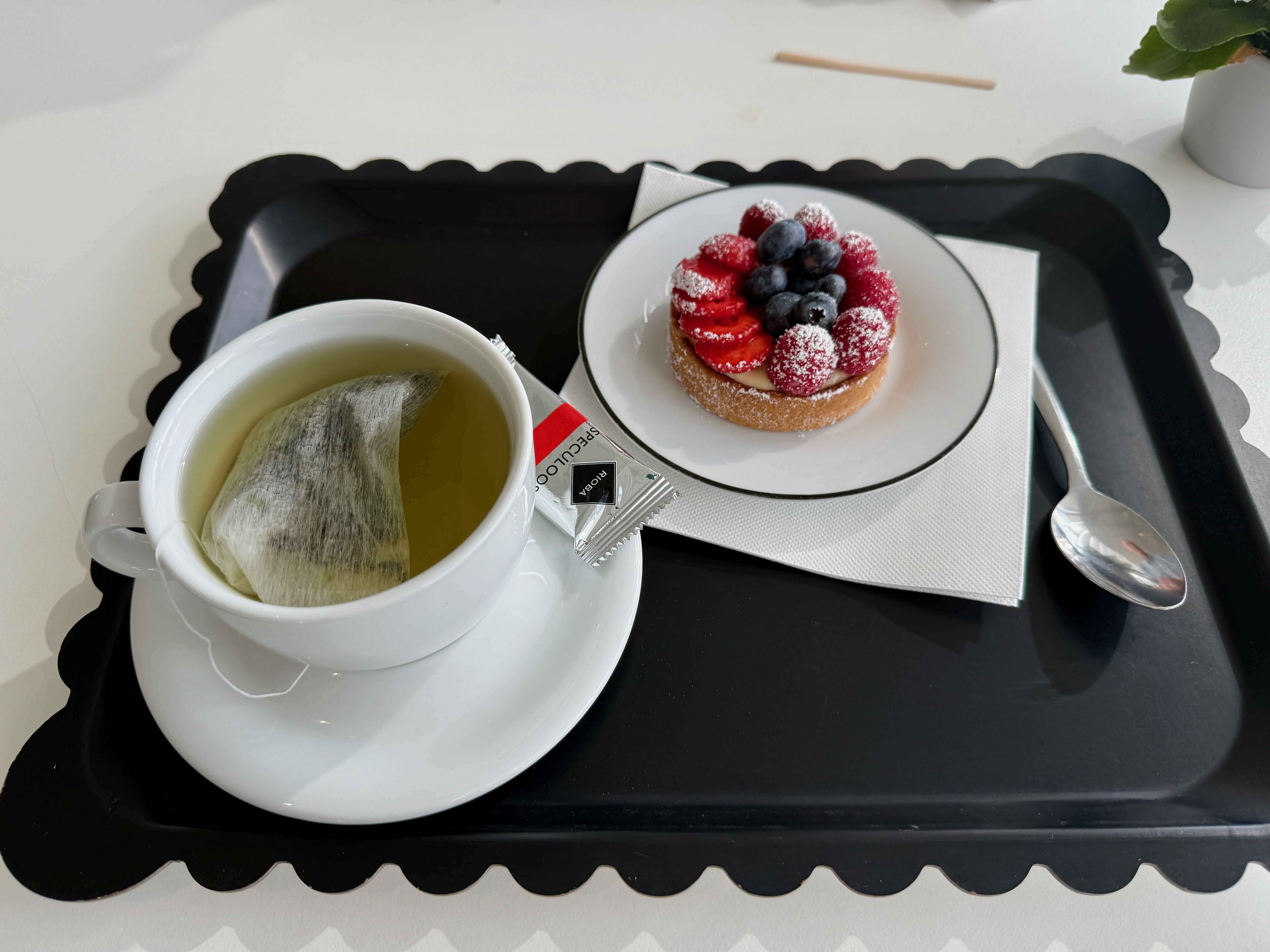 I asked how big the tea was and was assured that it was very big…well, this rather ‘very large” cup of tea was €5.50! Bob finds a spot to read and I go back to the gallery to do some sketching. They aren’t the best sketches but I had such an enjoyable time doing them. Two people asked if they could take a photo…people are always interested in what I am drawing.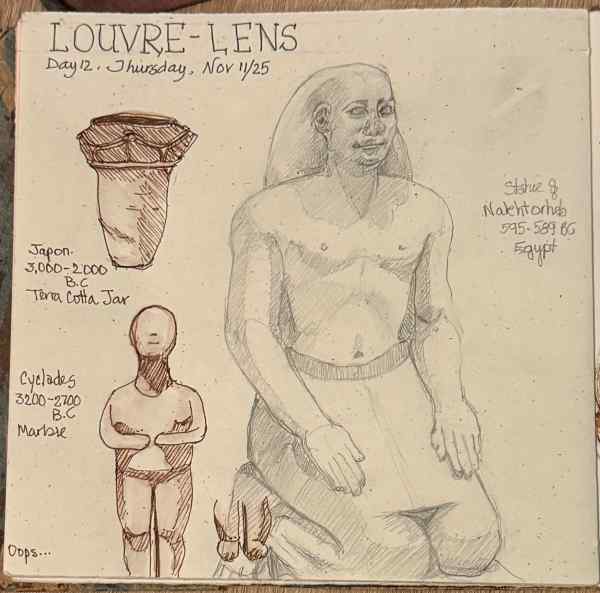

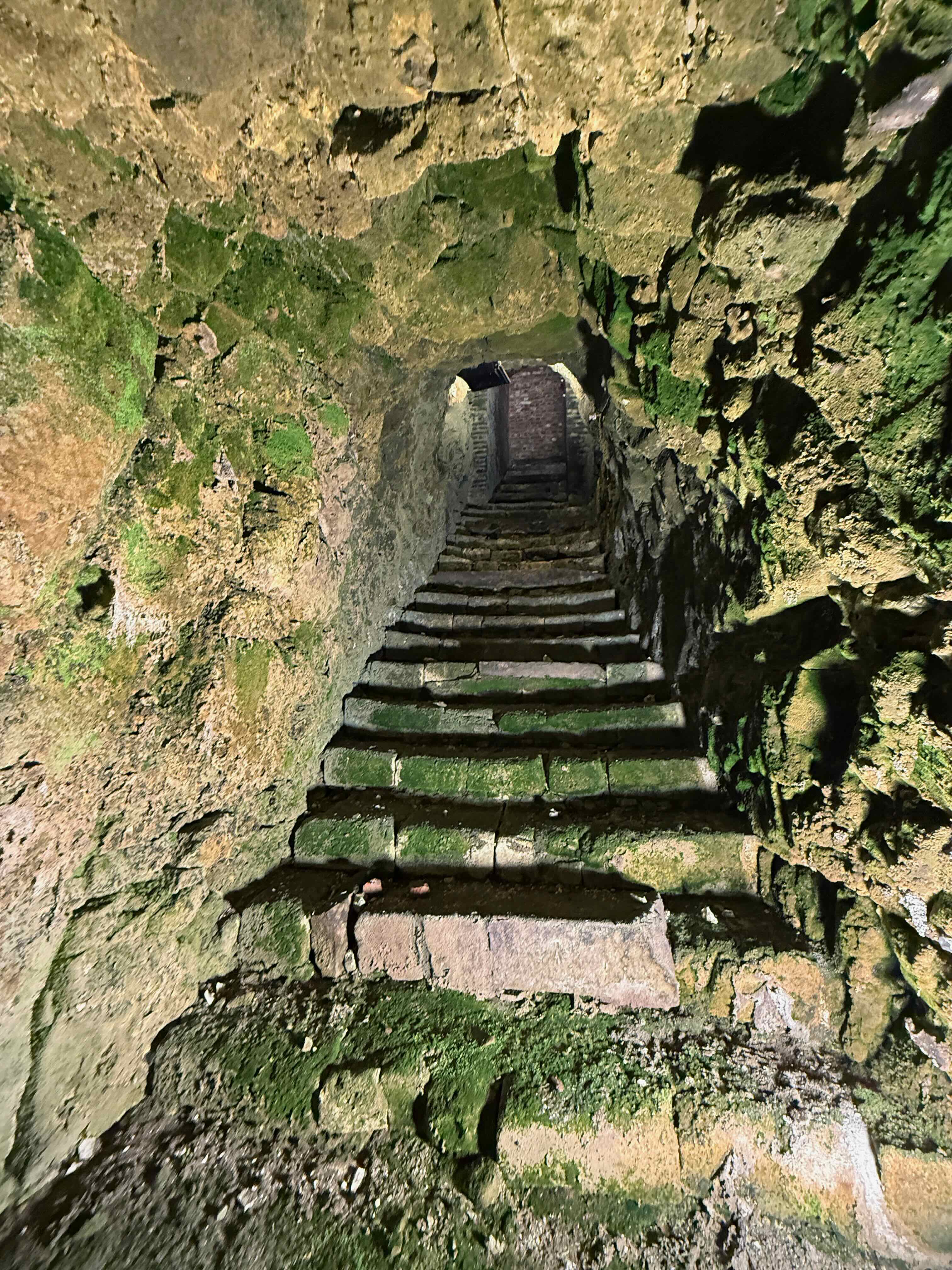
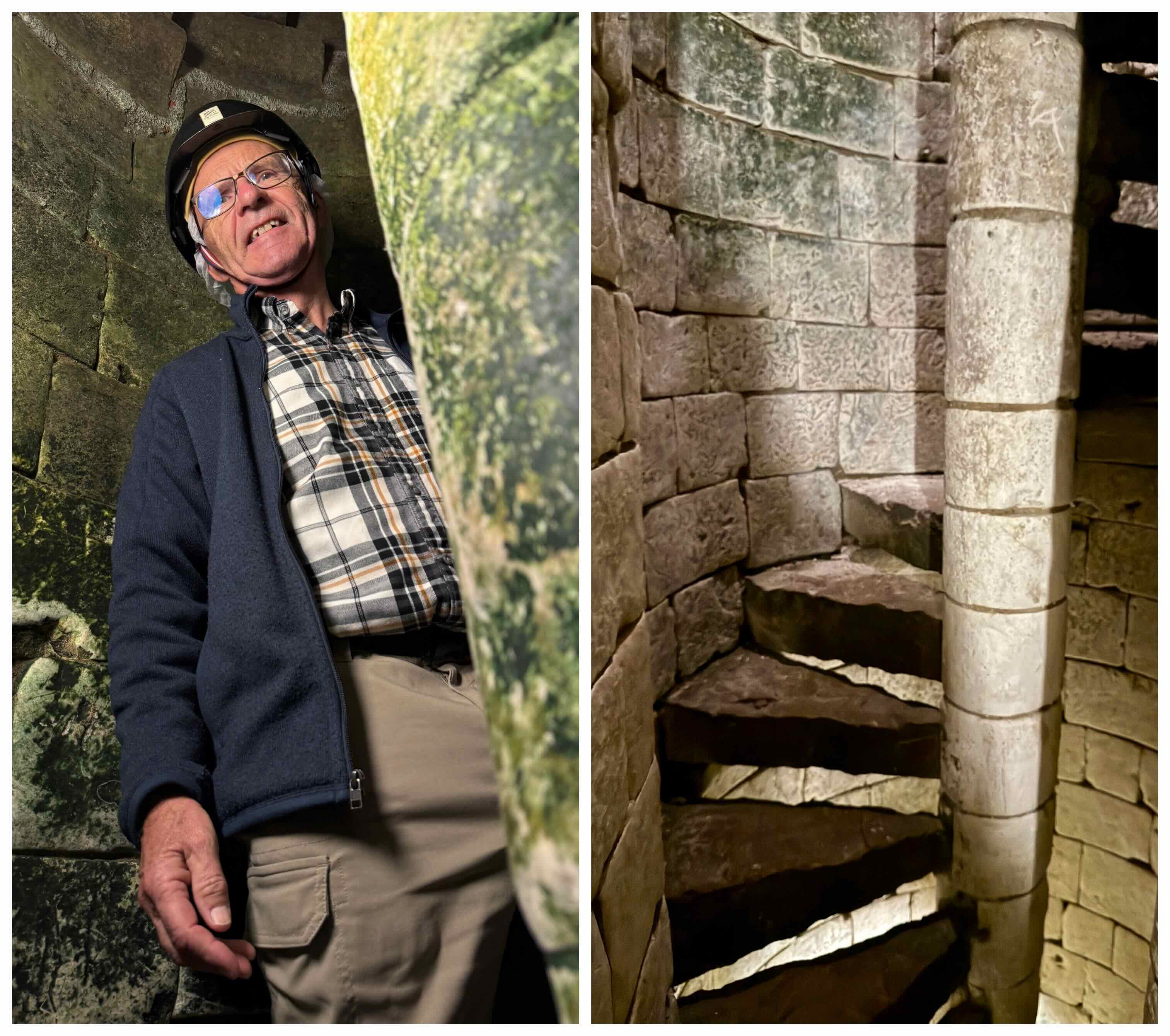
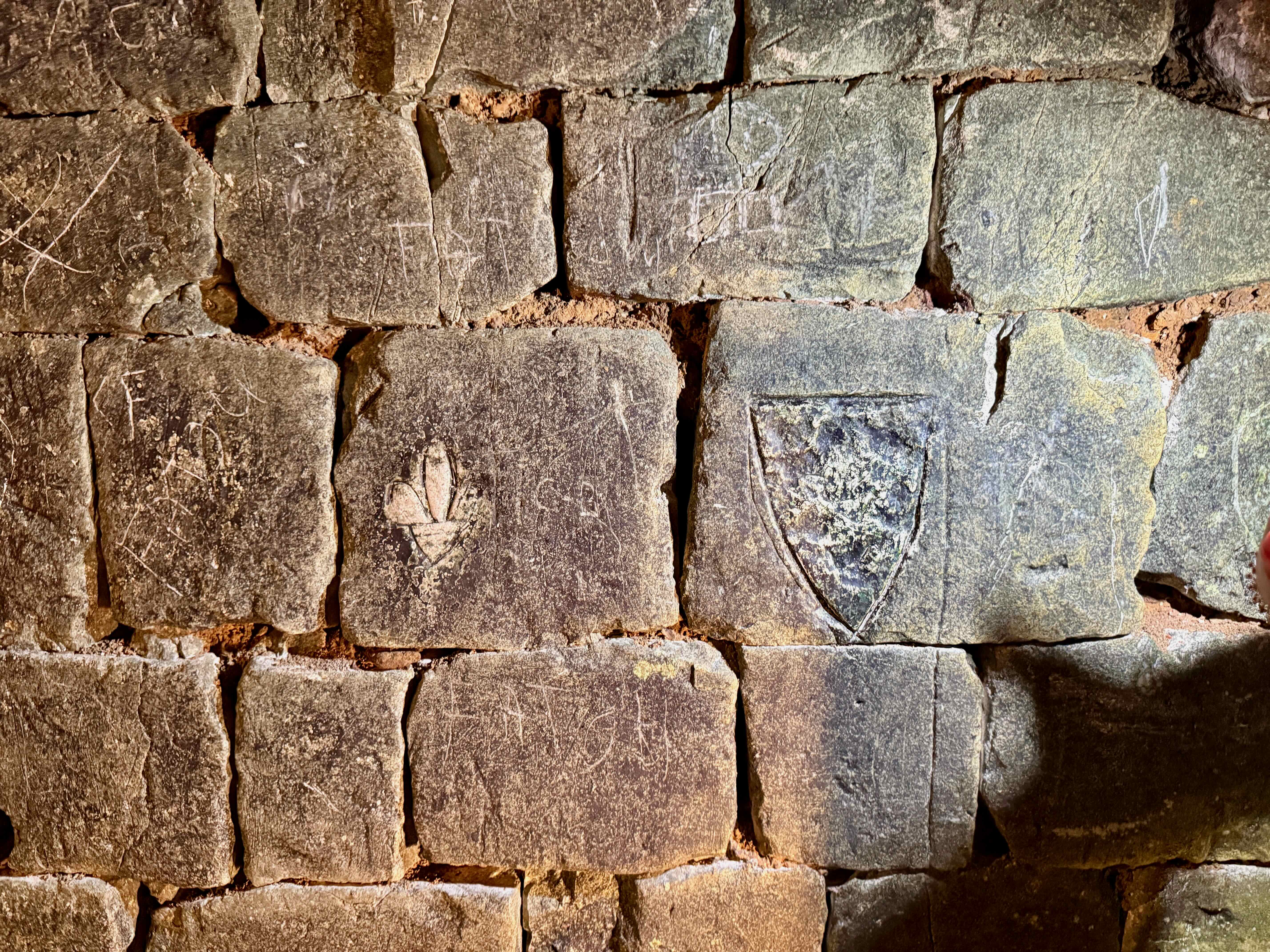
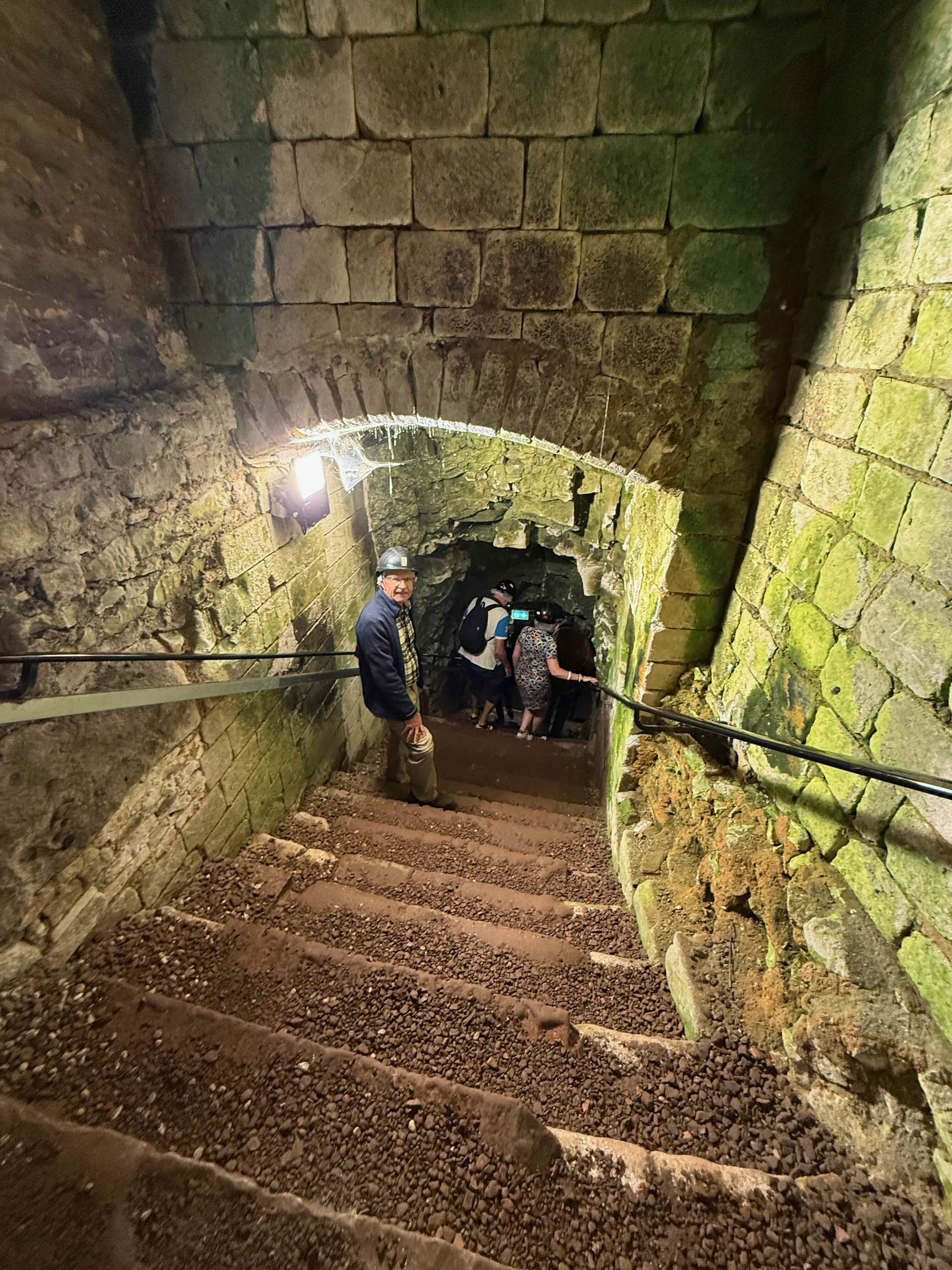
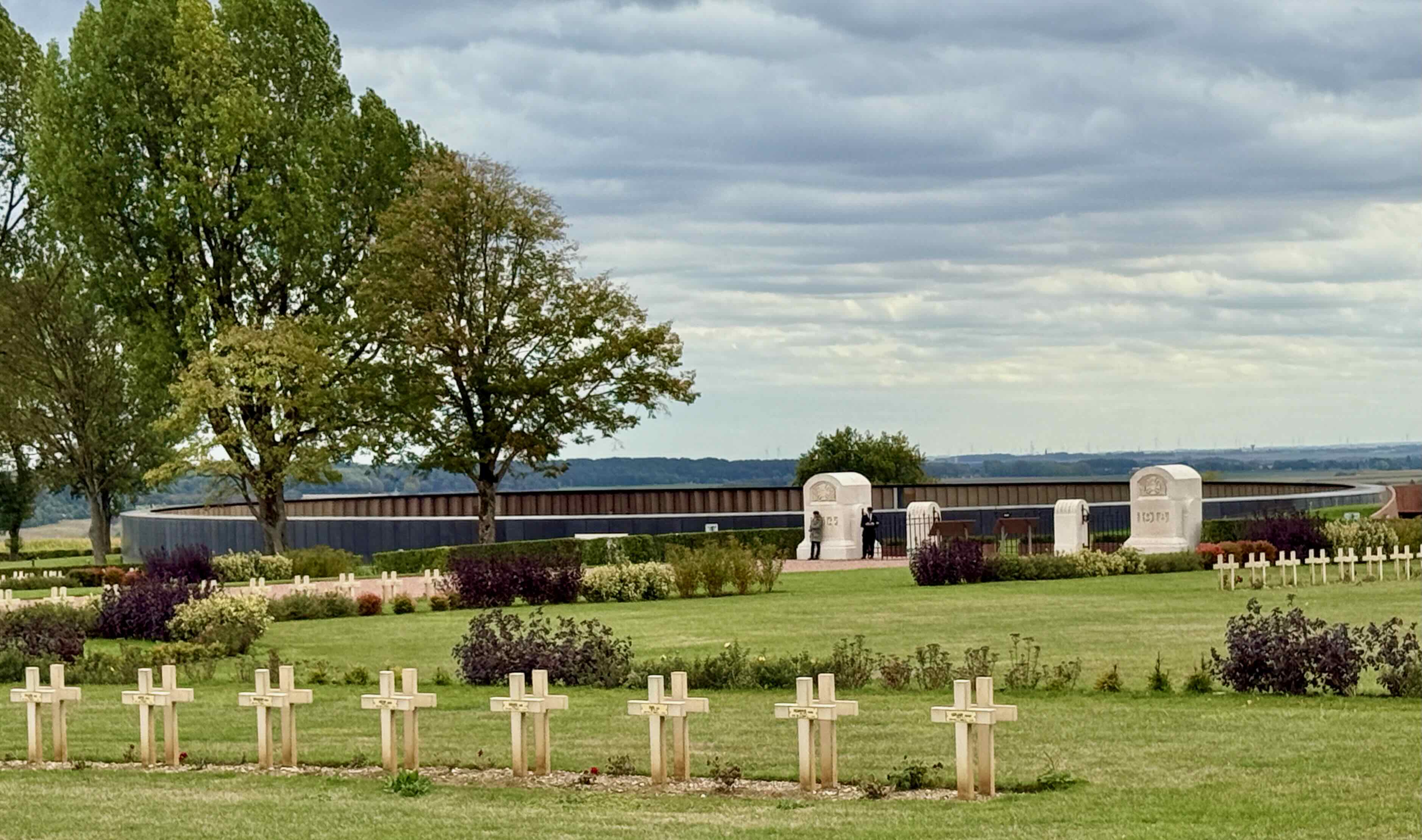
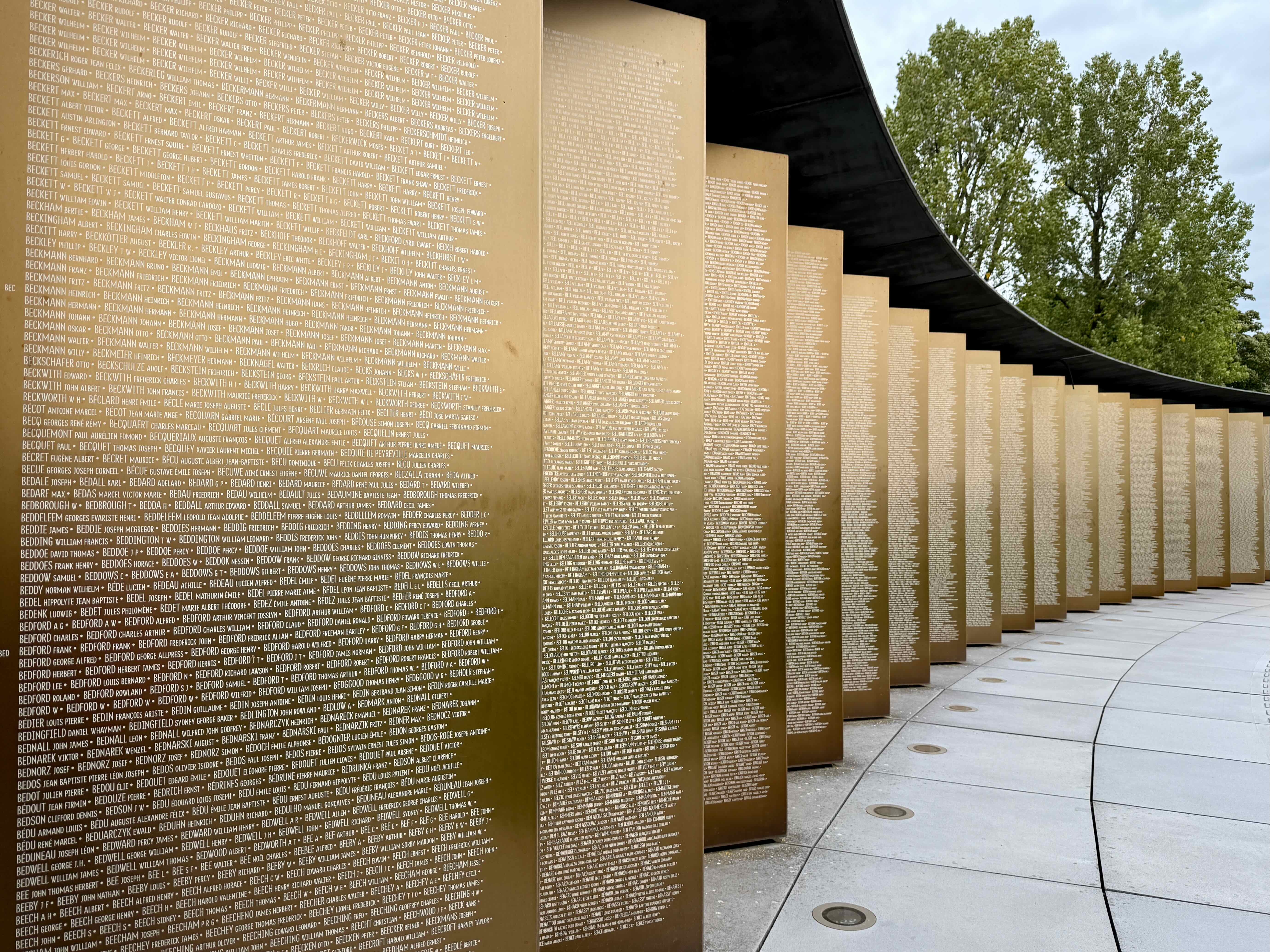
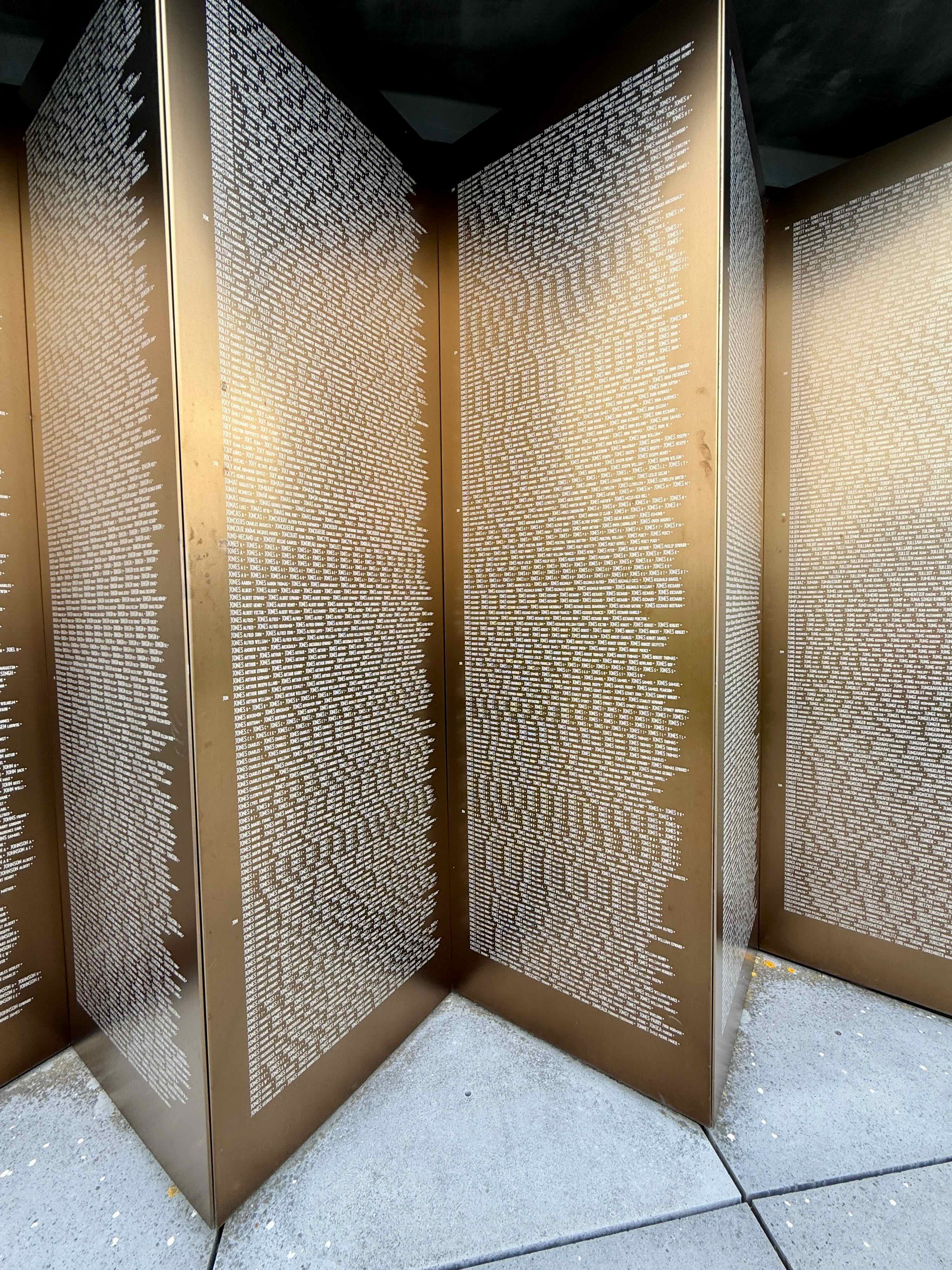
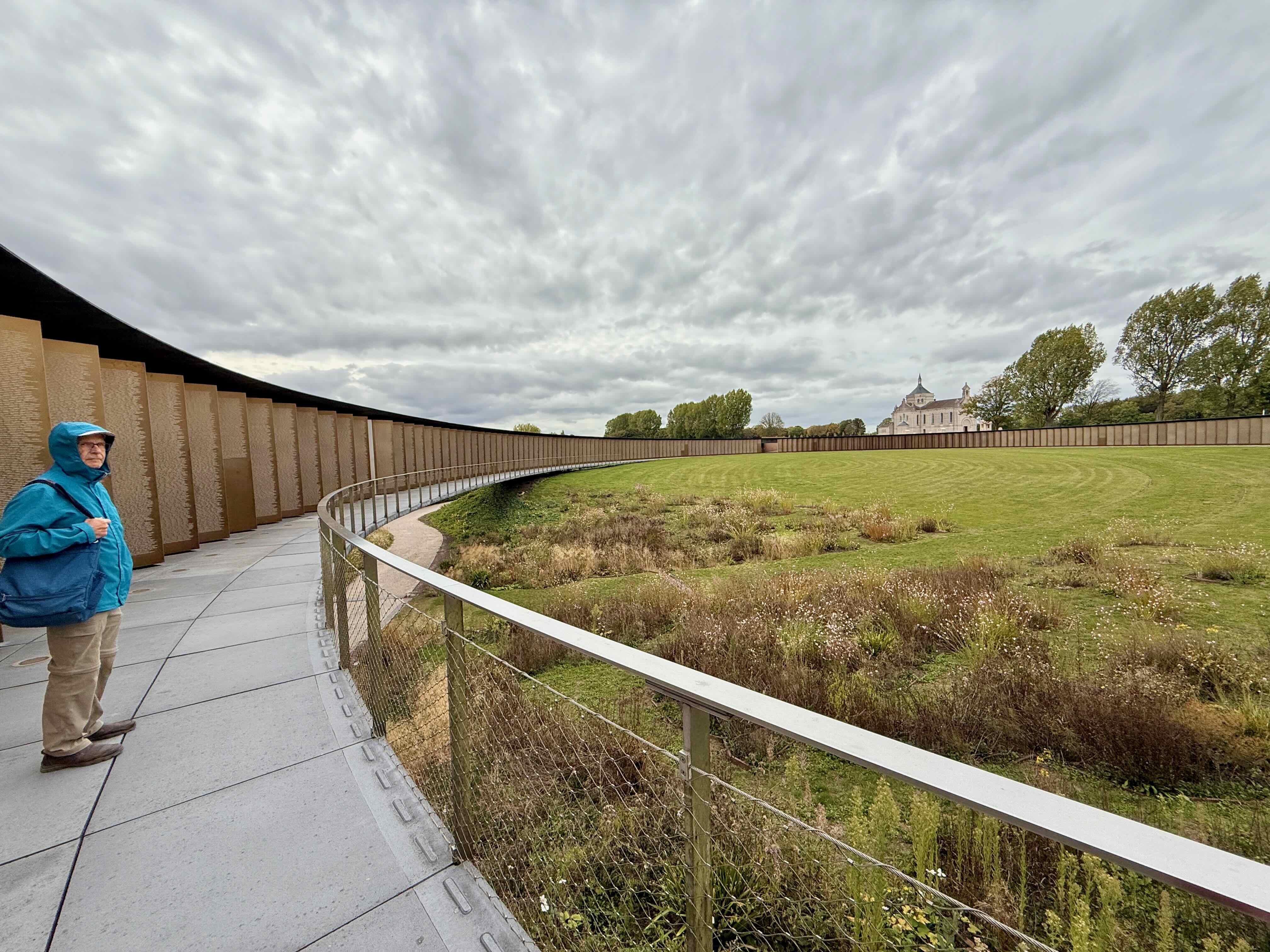
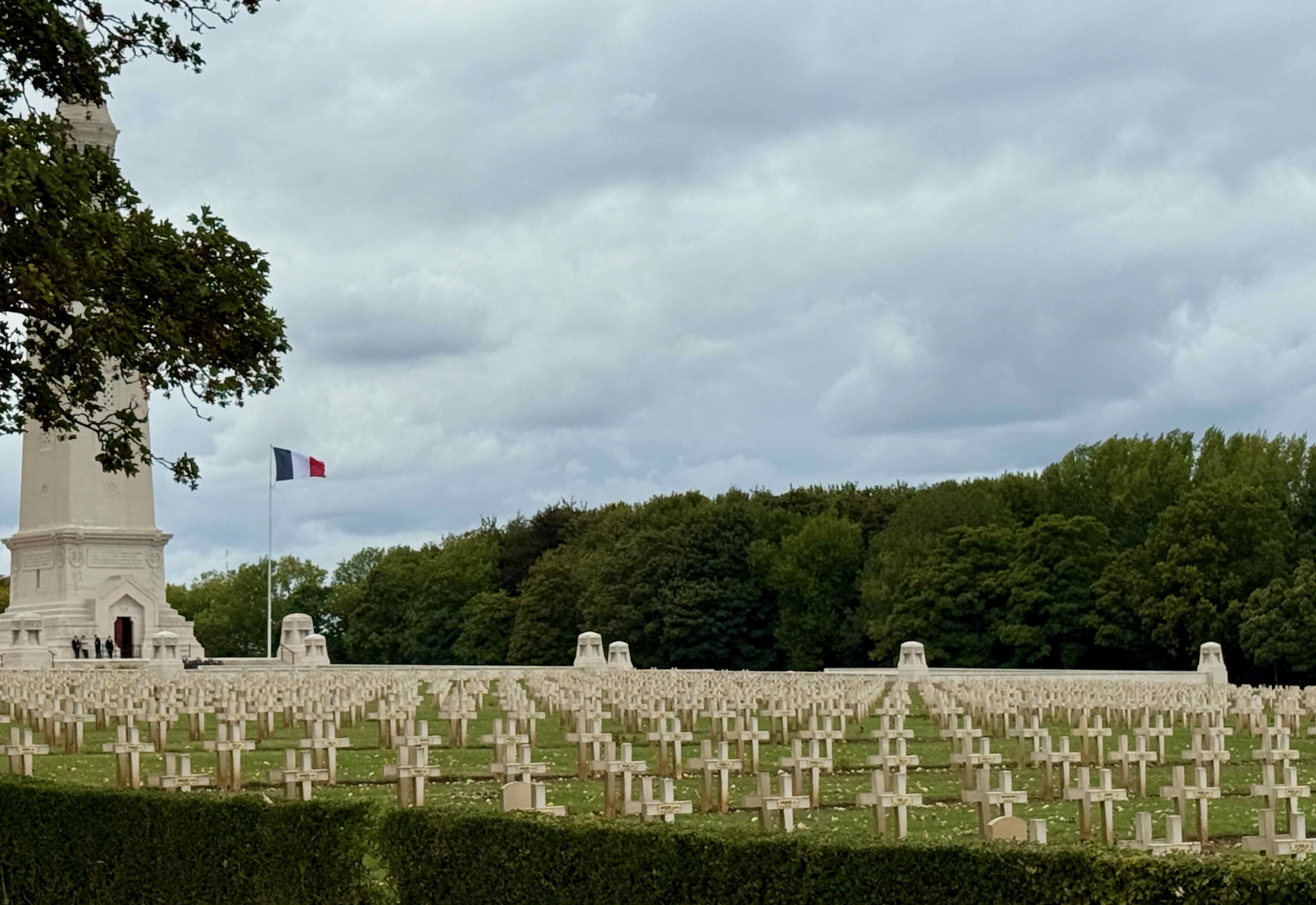
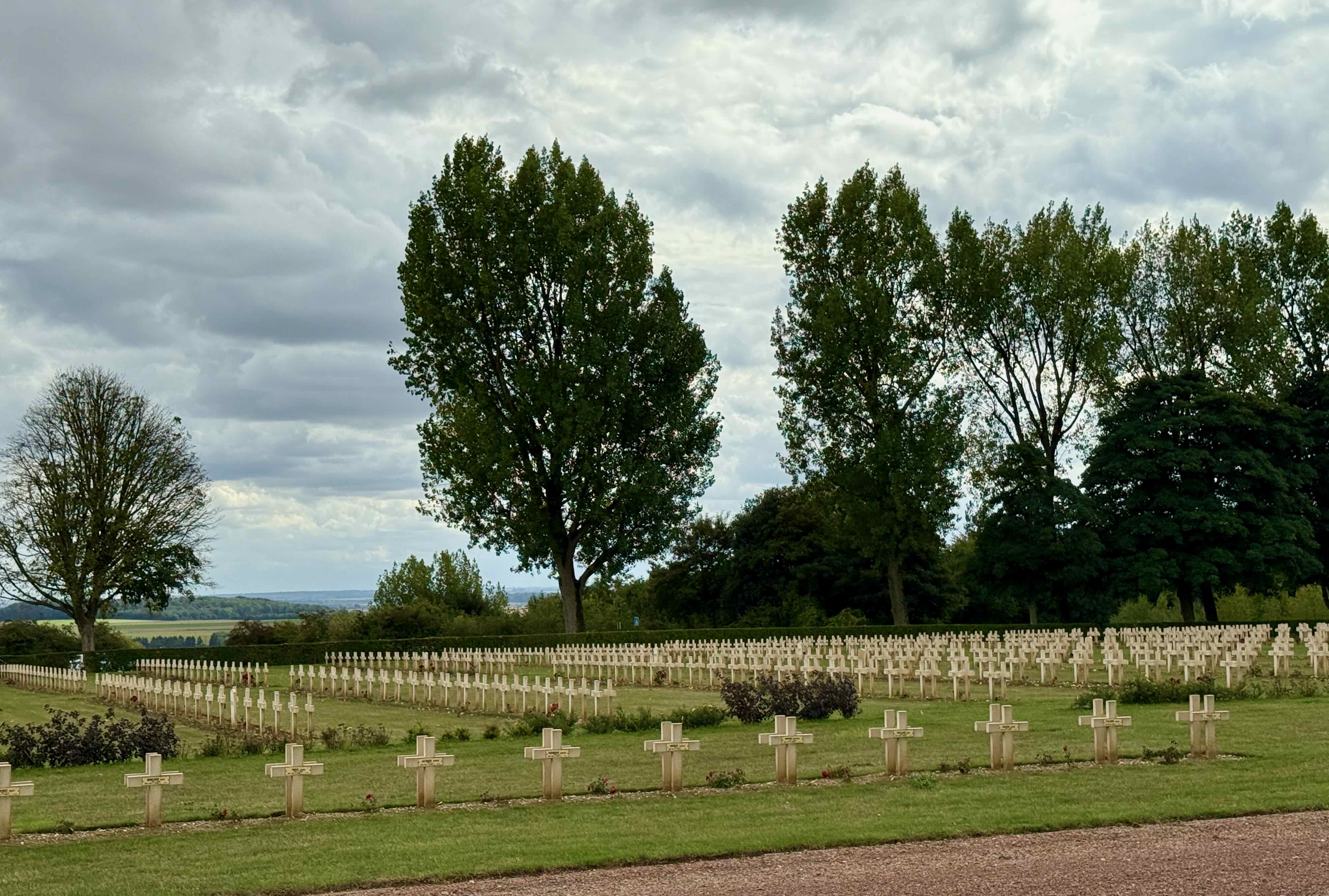 There is a basilica onsite…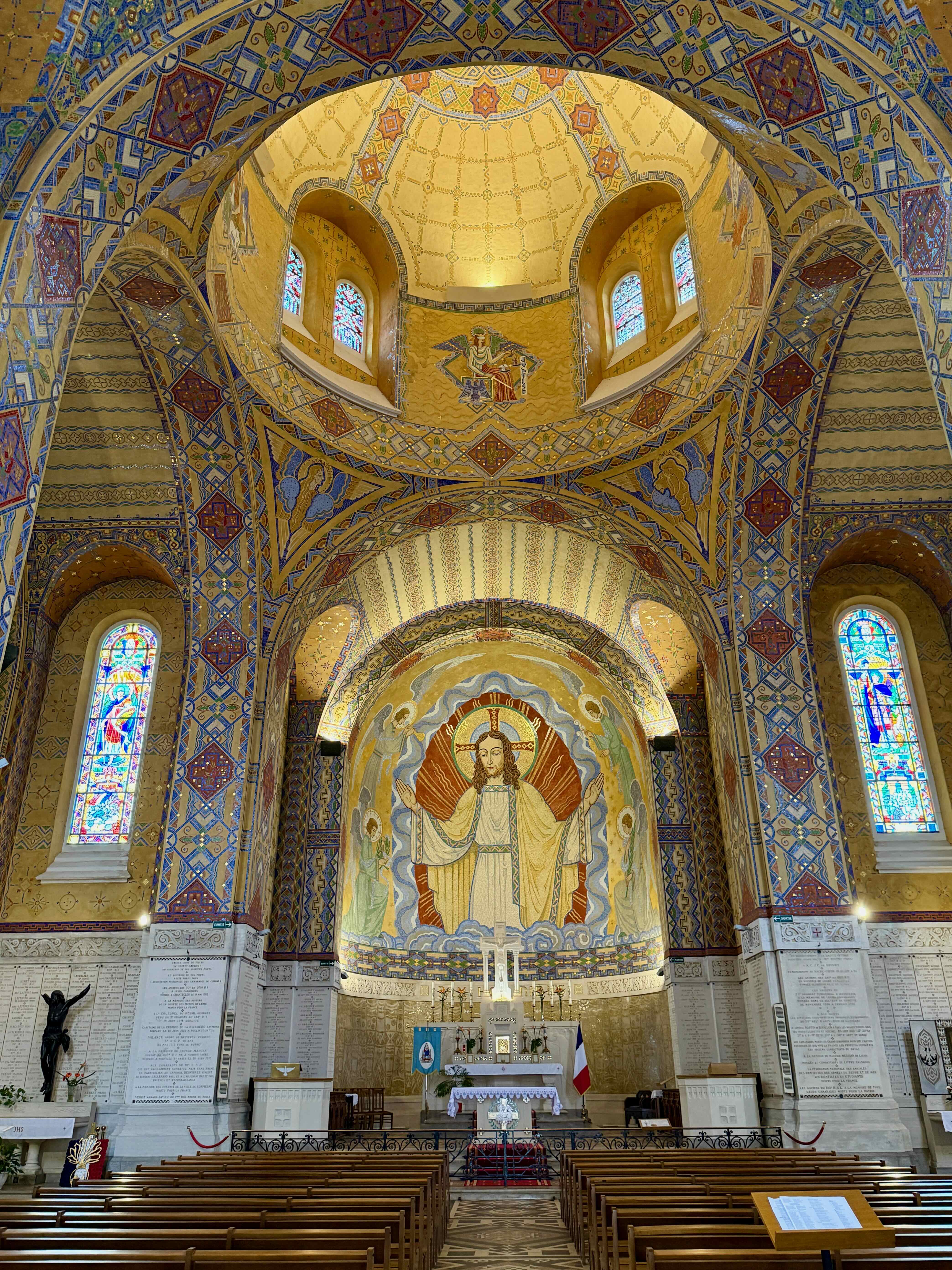
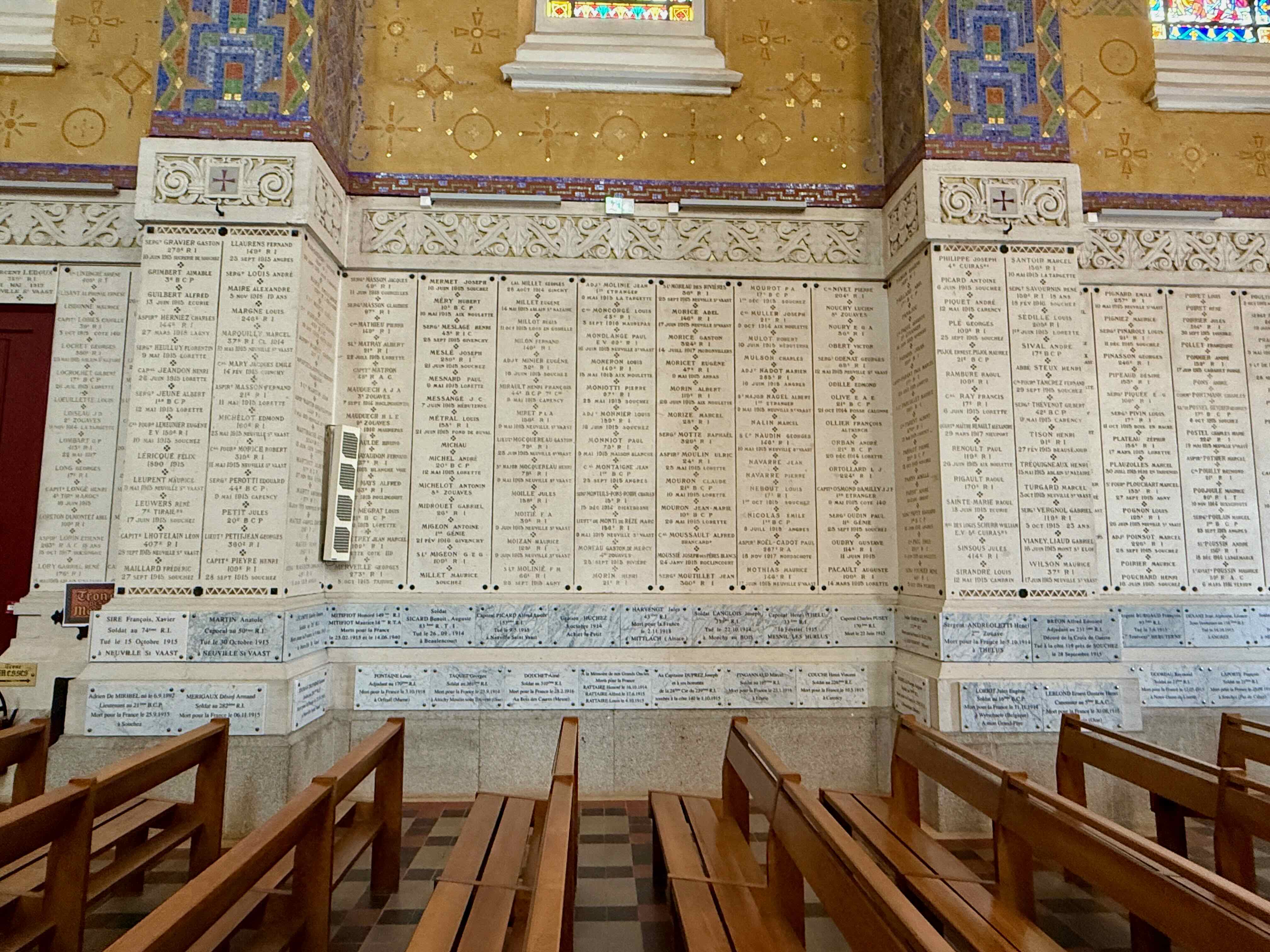
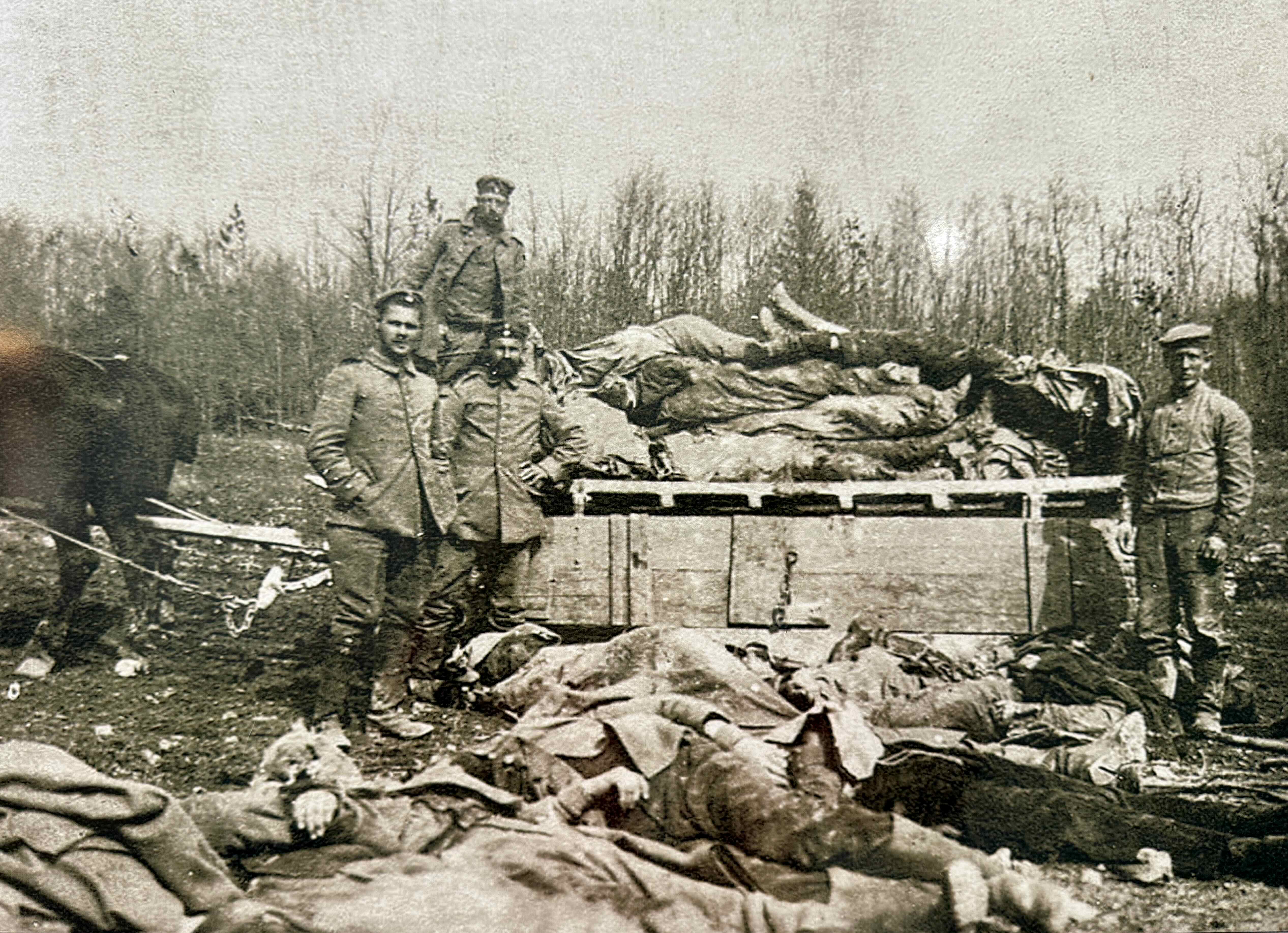
 There is a small museum the Lantern Tower with personal items, photos and excerpts form diaries. They are upsetting to see. I can not imagine having to live through these experiences.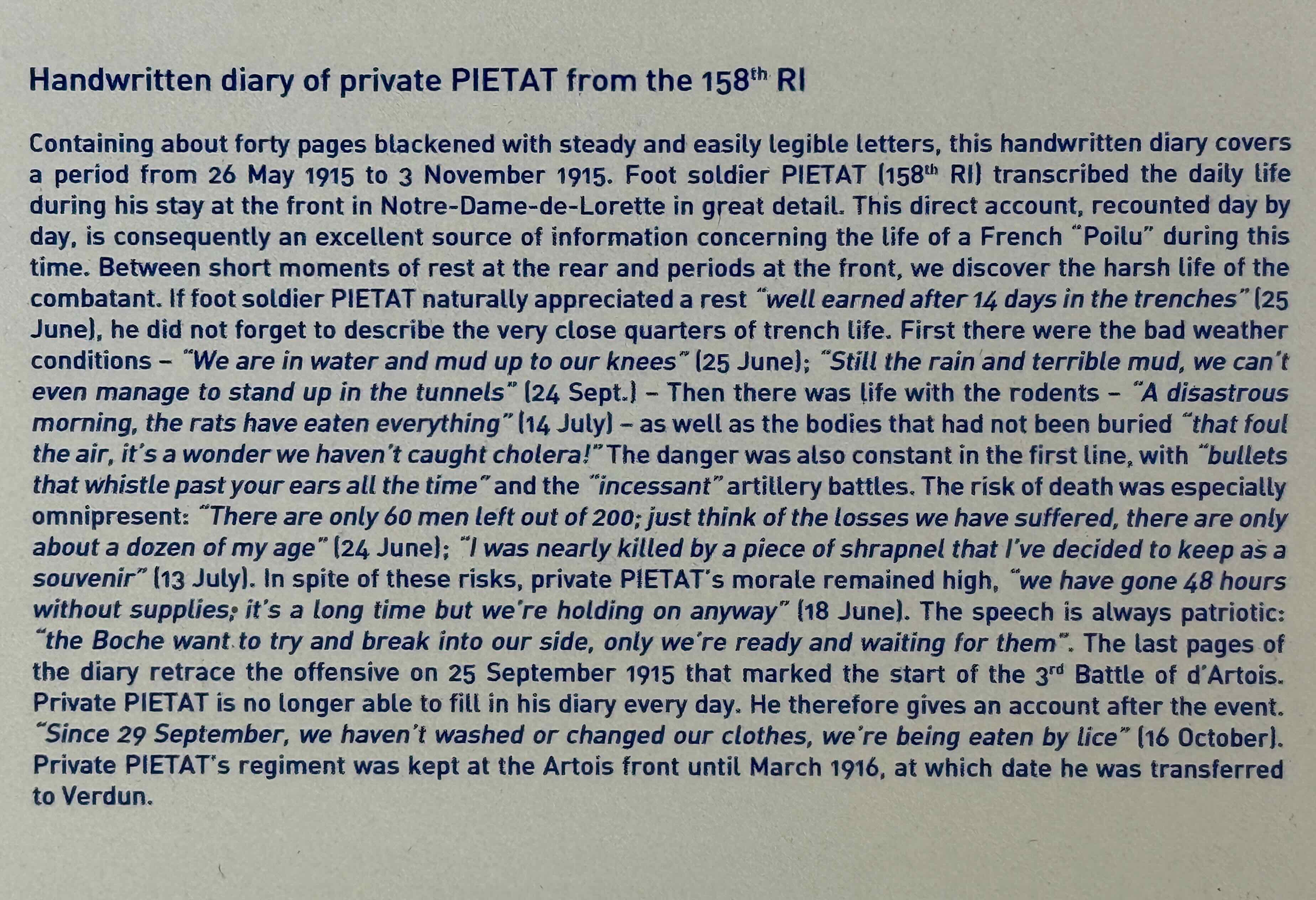
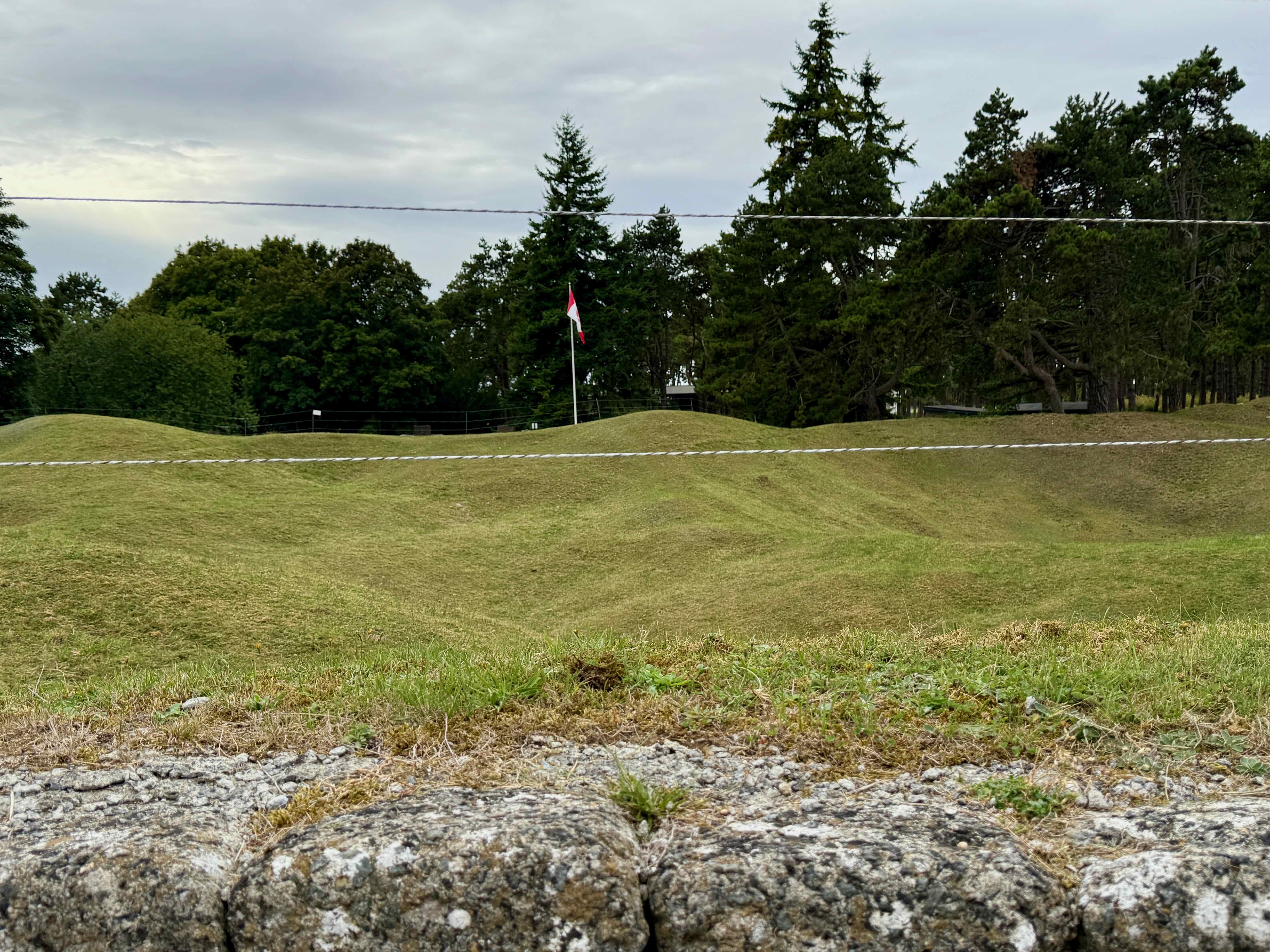
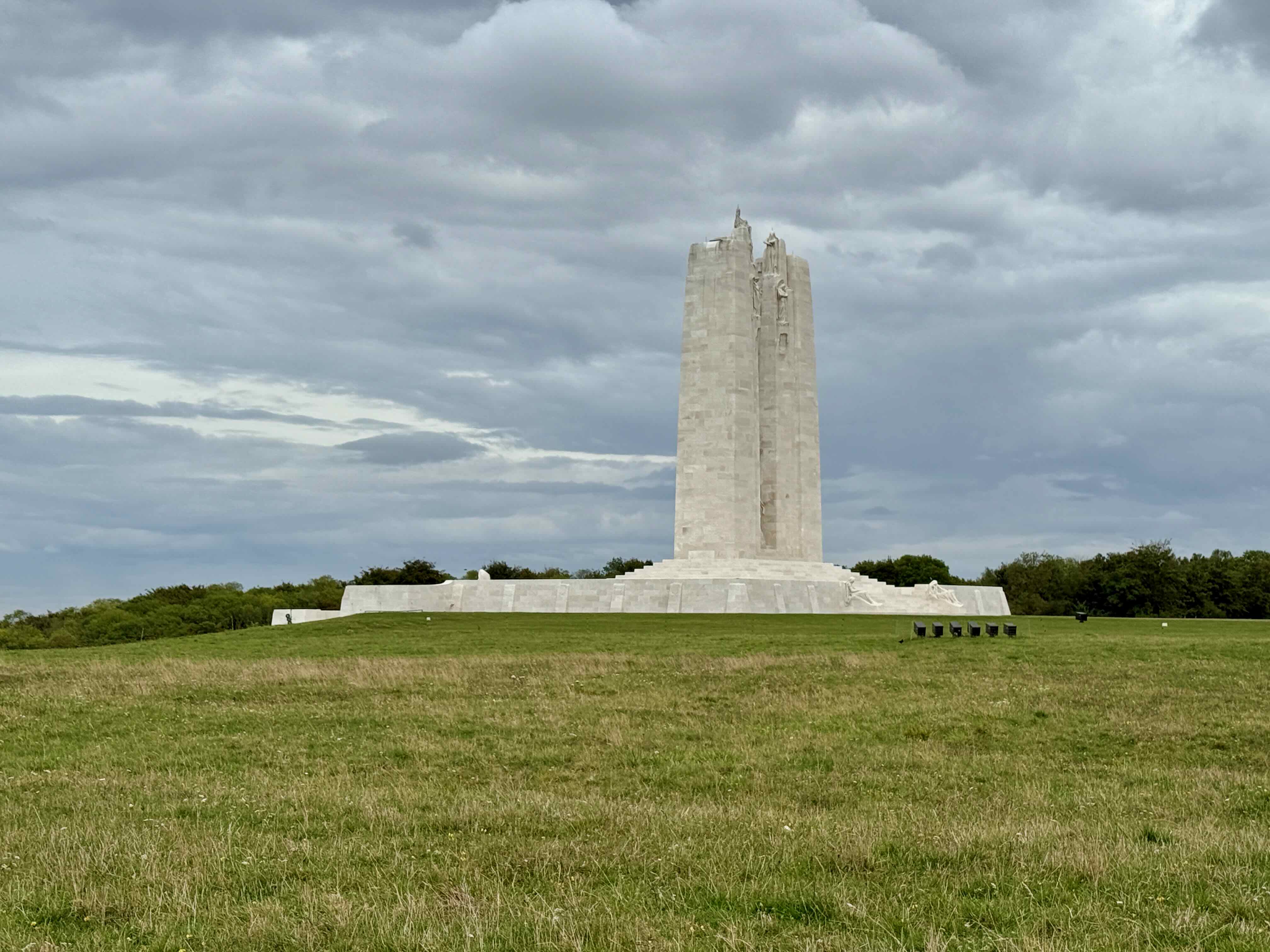 We didn’t see the front walk so took the long way around to the back of the memorial.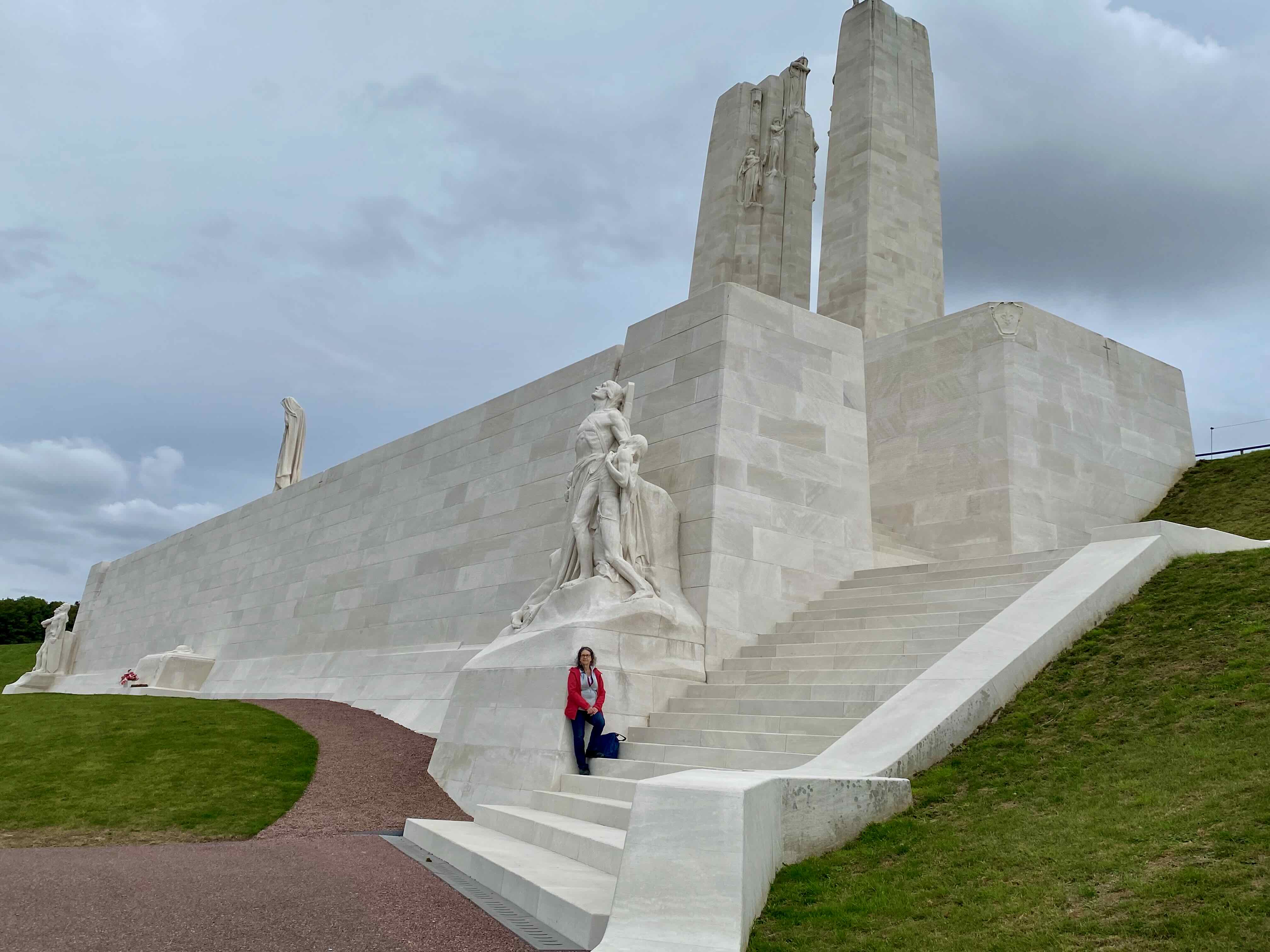
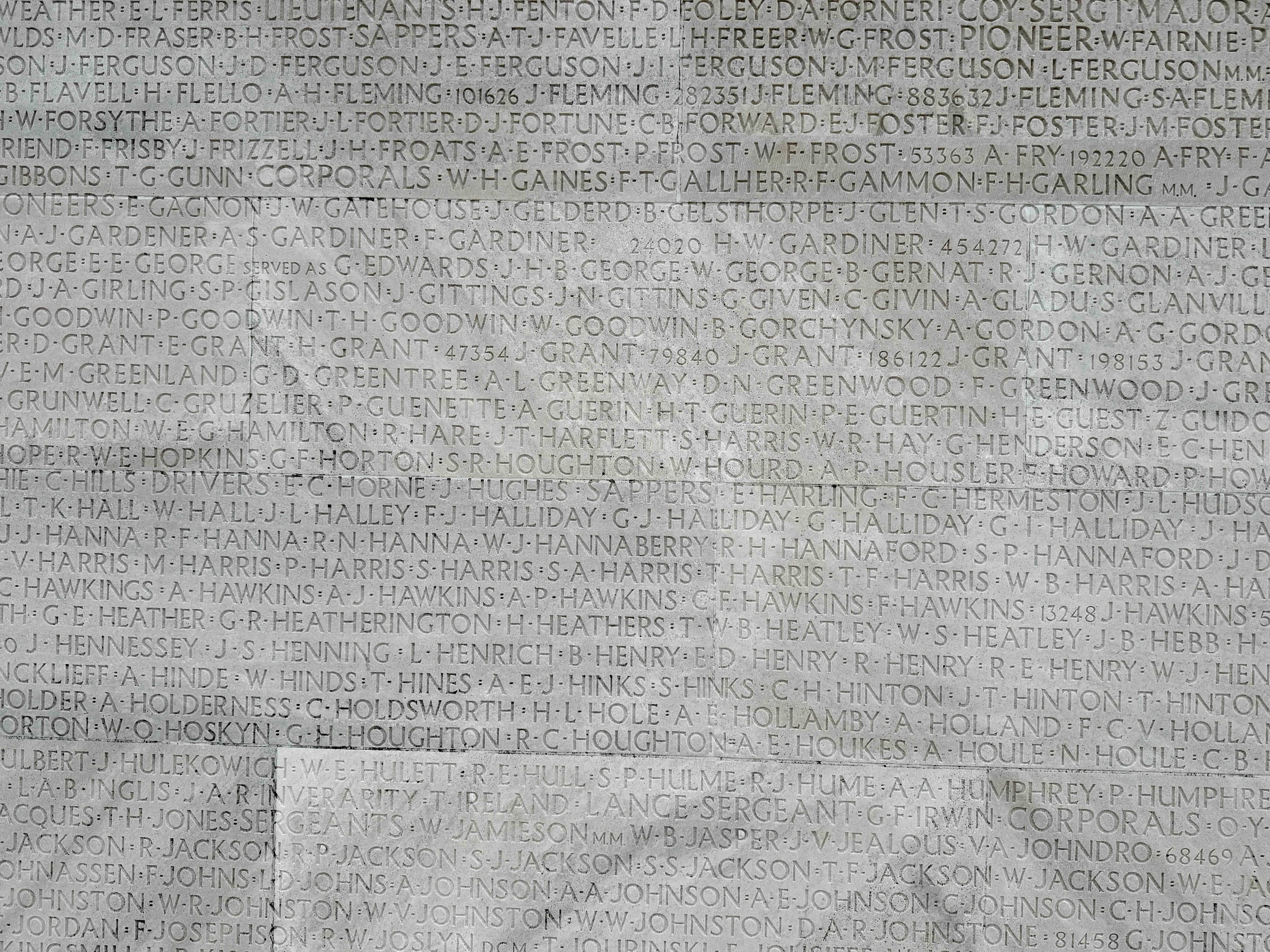
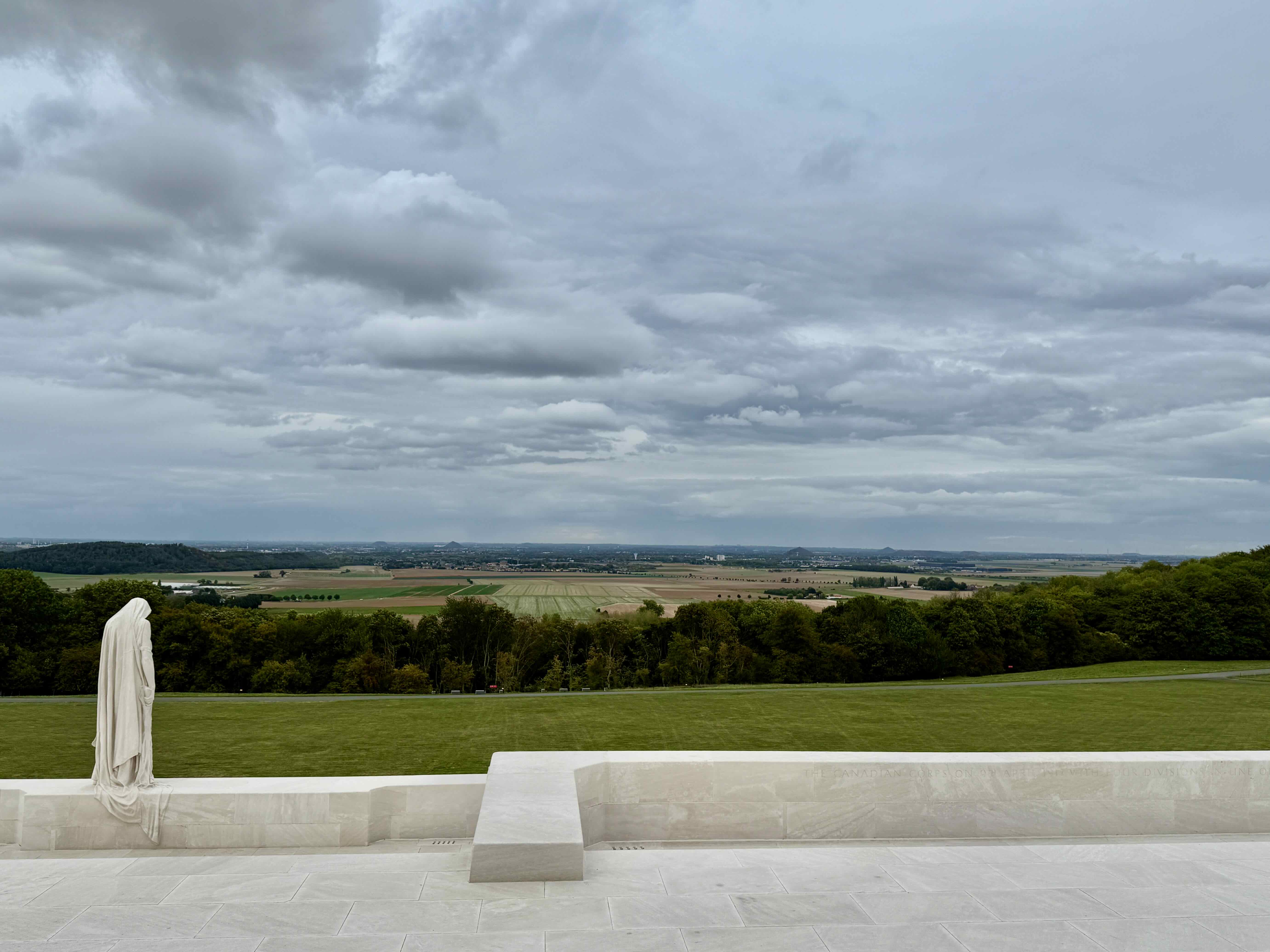
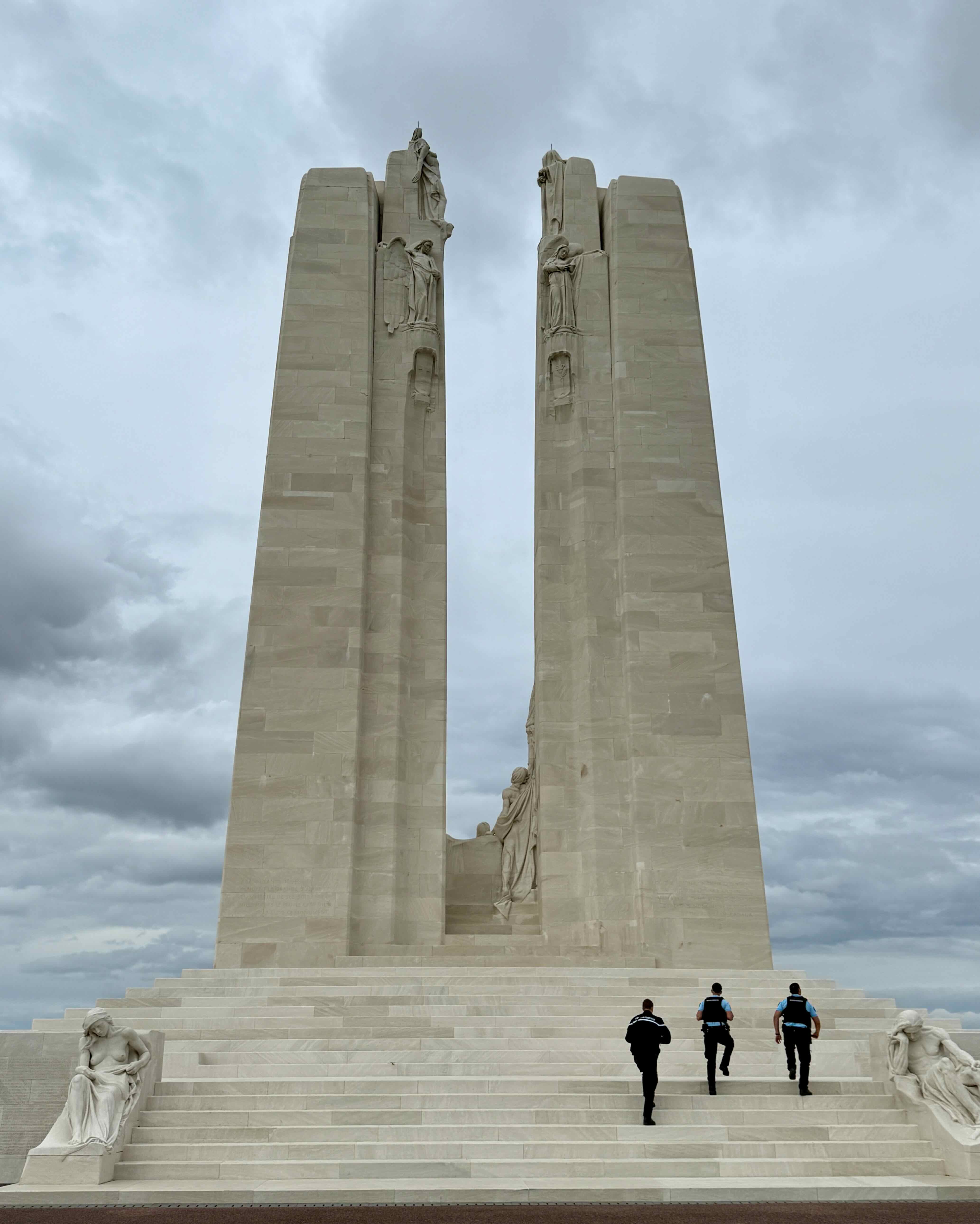 The three policemen are barely visible on the left side of the monument as we head back to our car and head home. it has been a heavy duty day.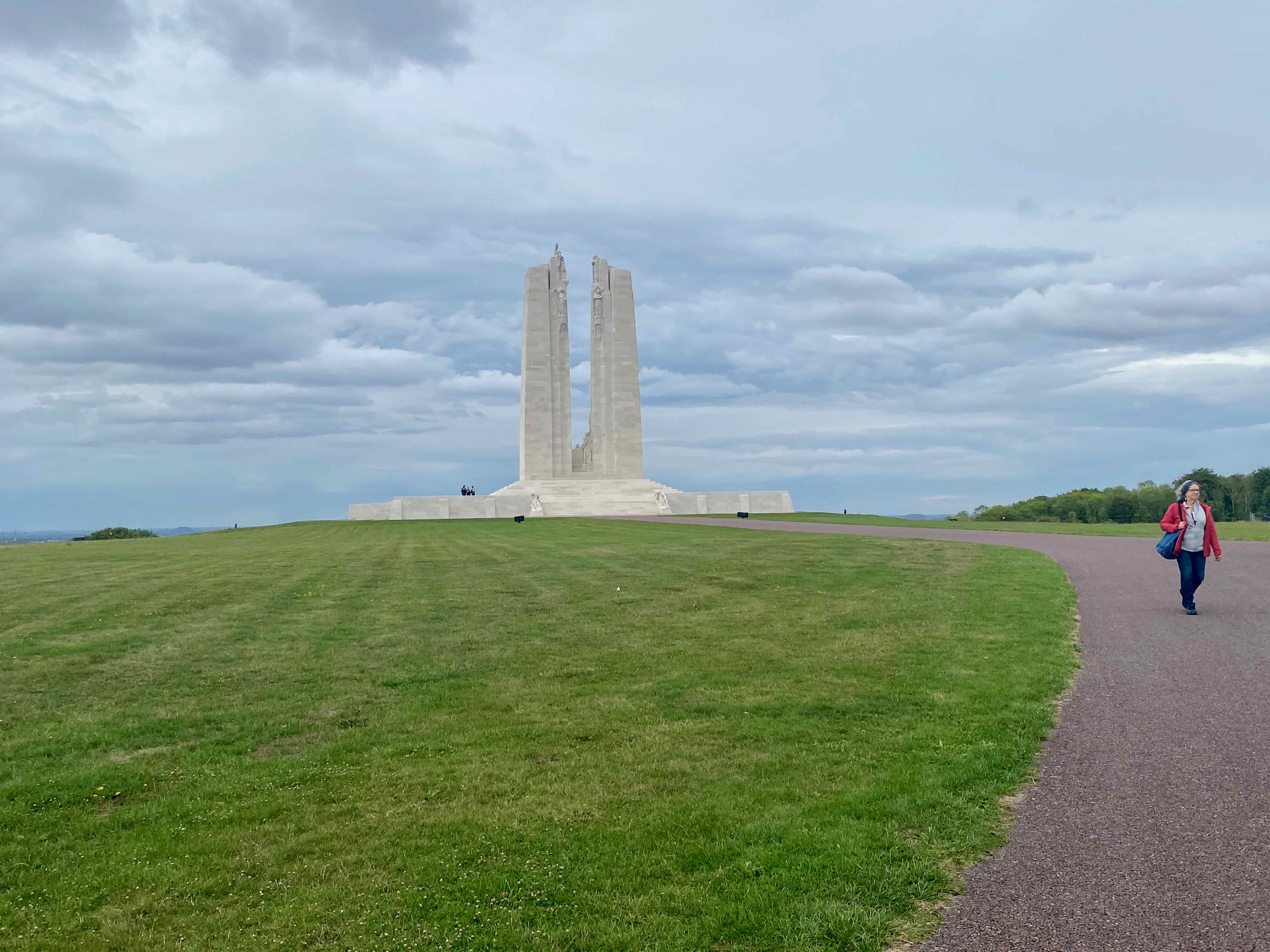
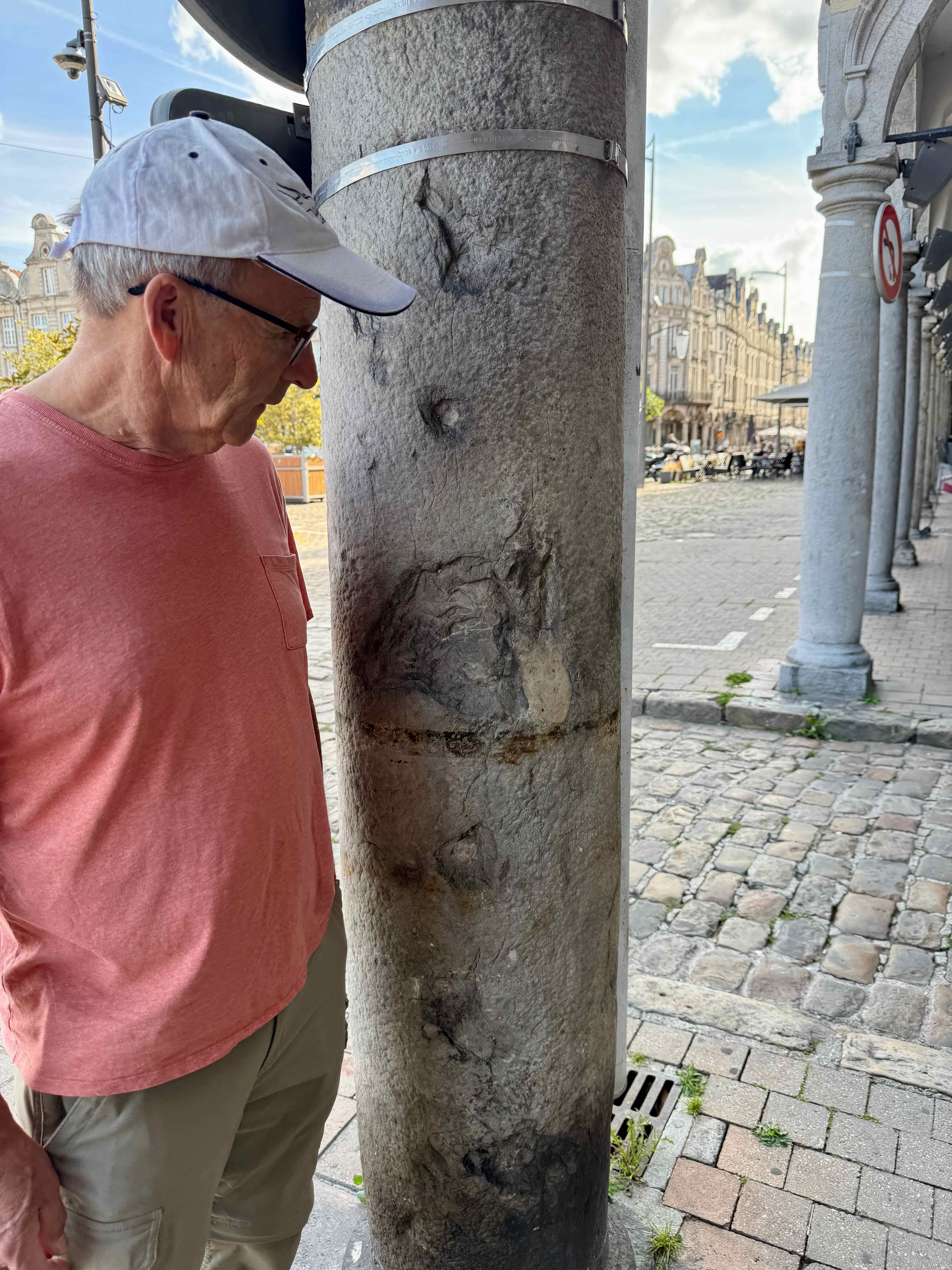
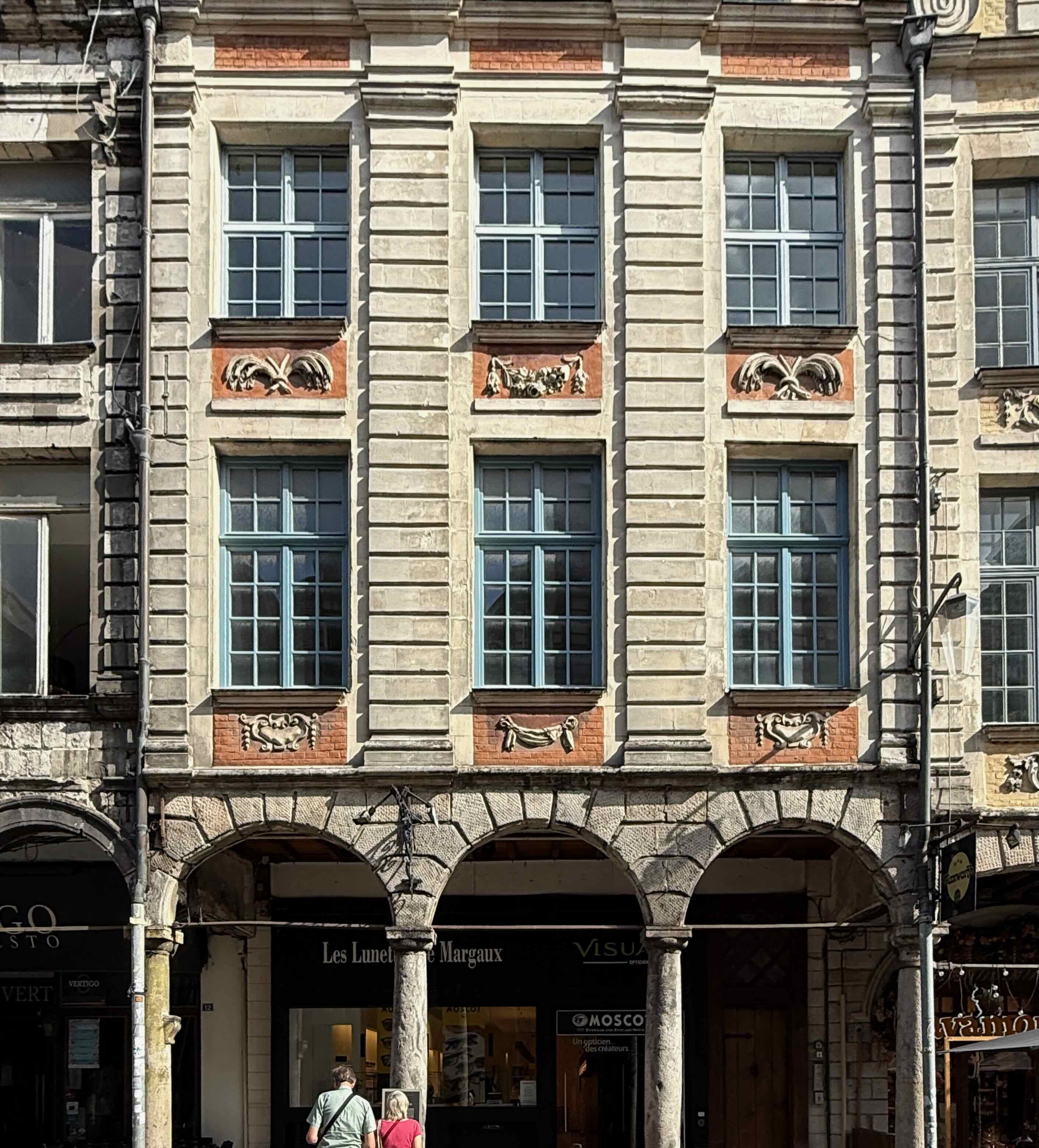
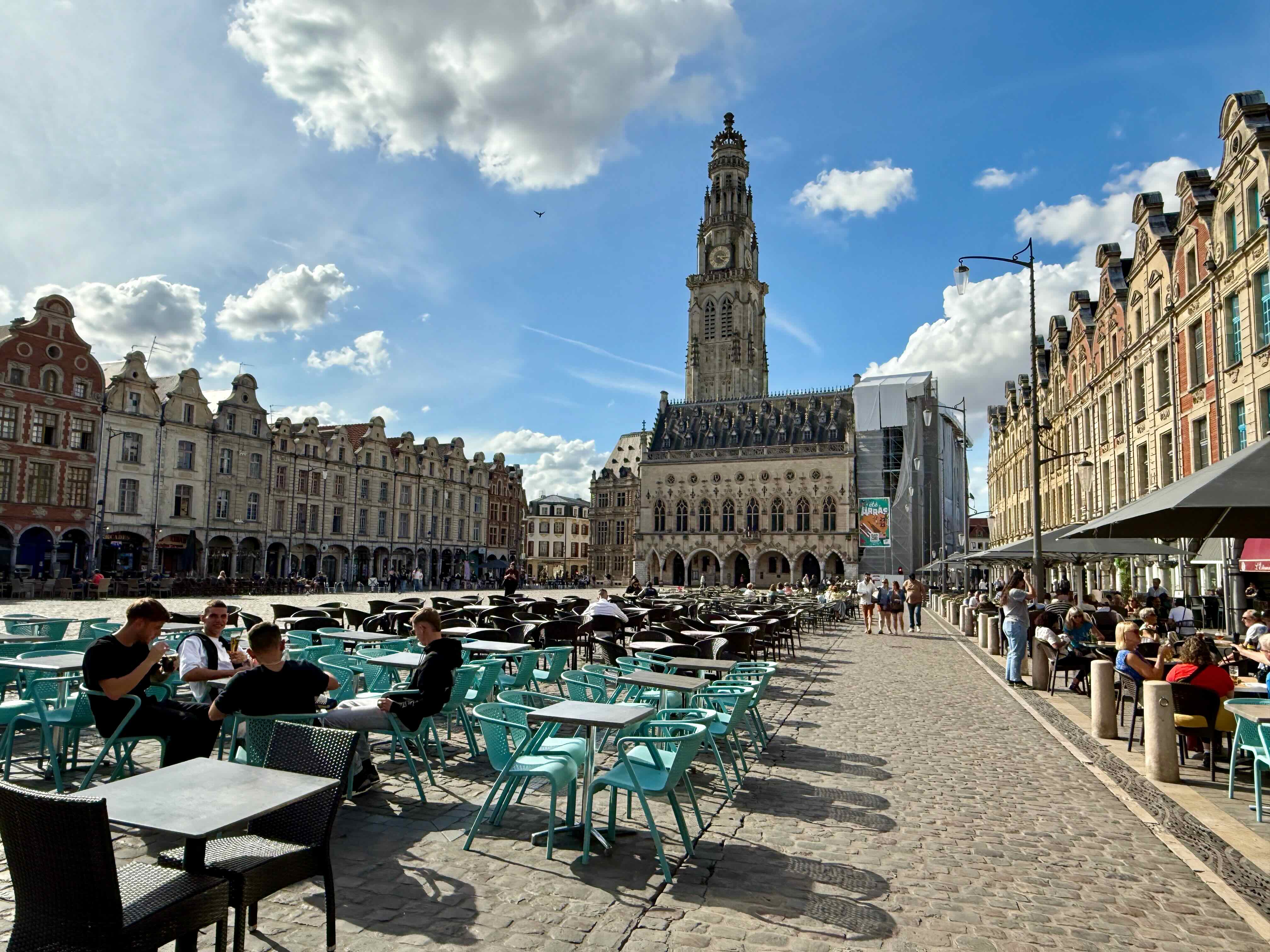
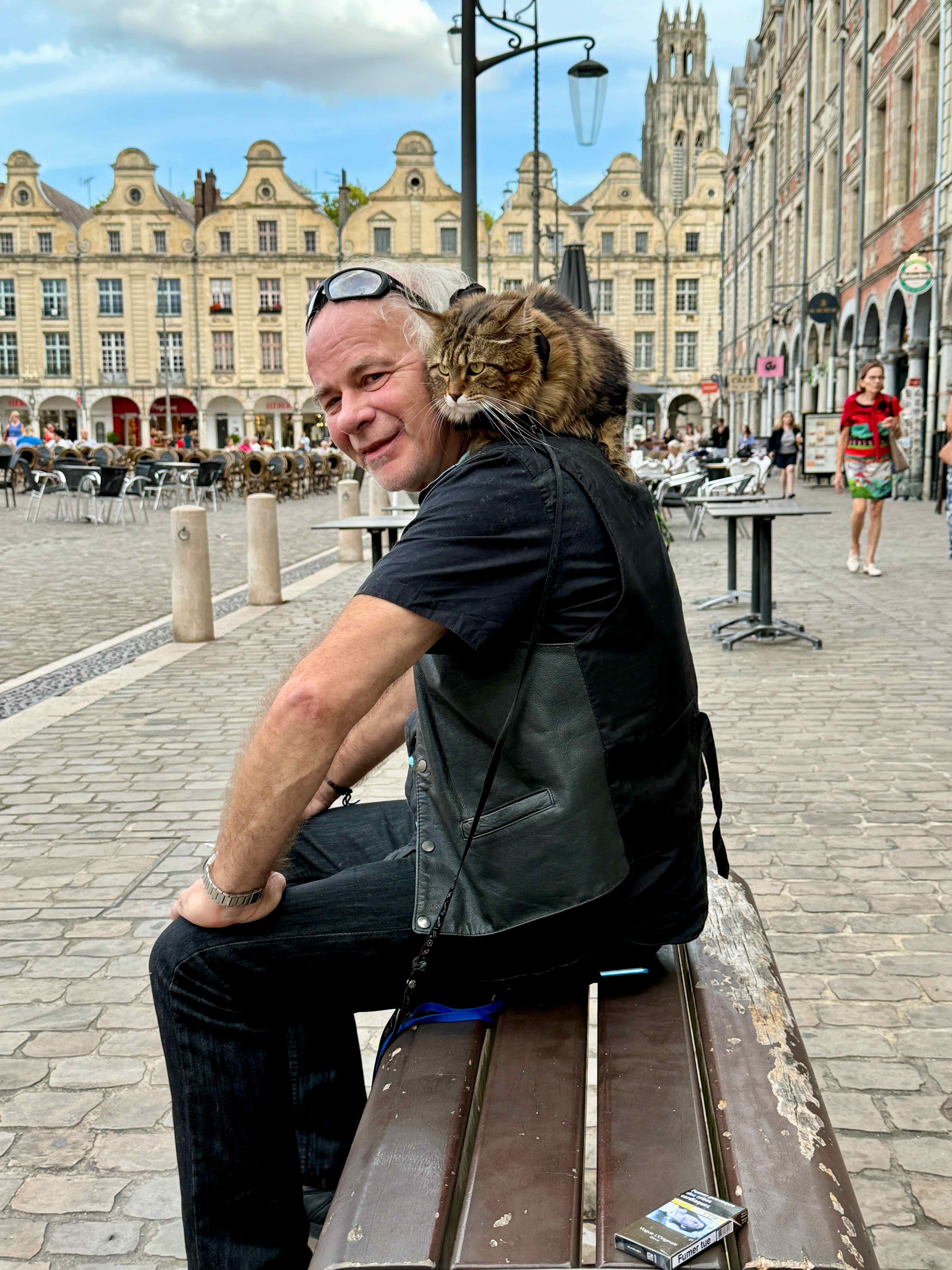
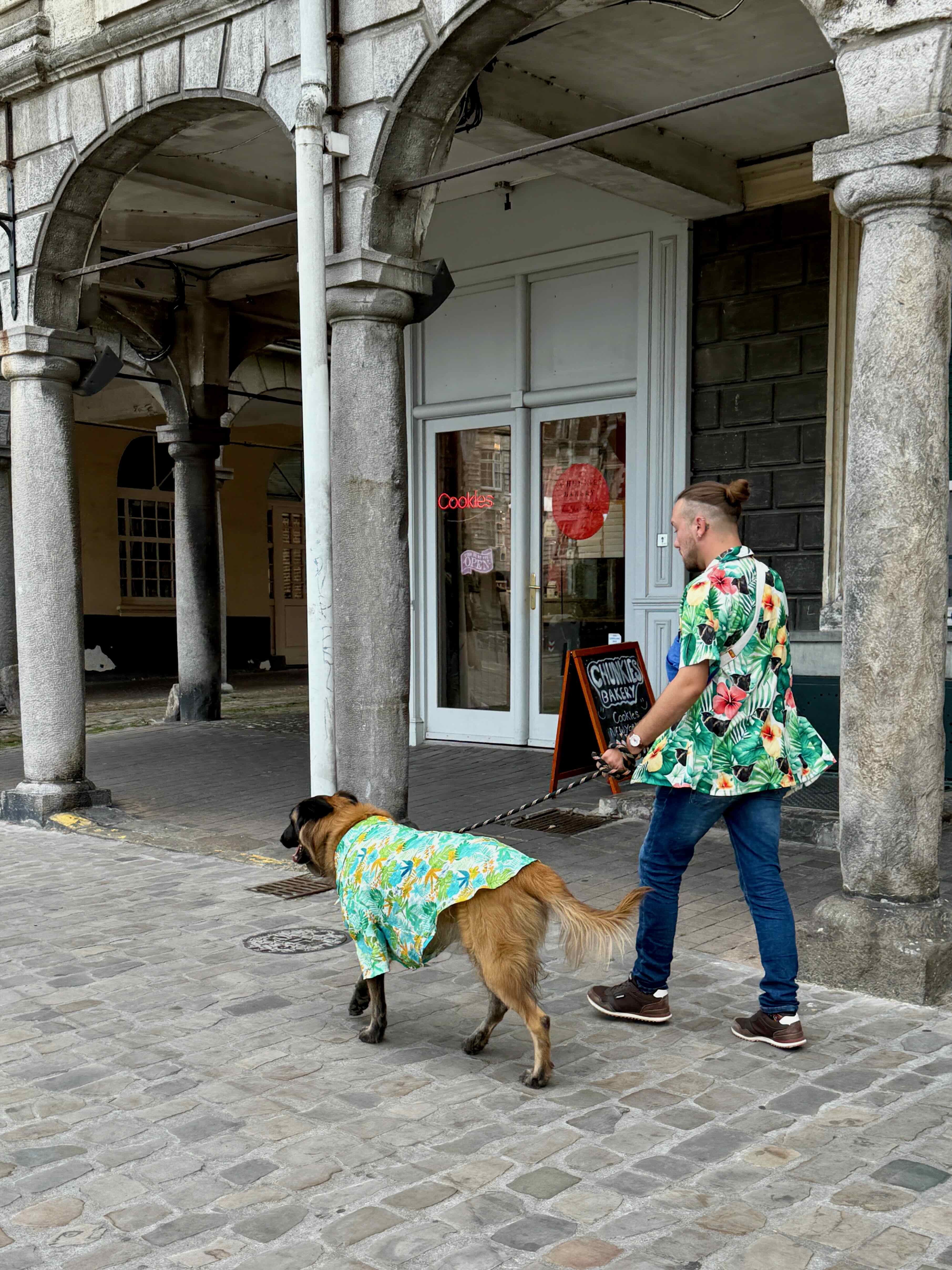
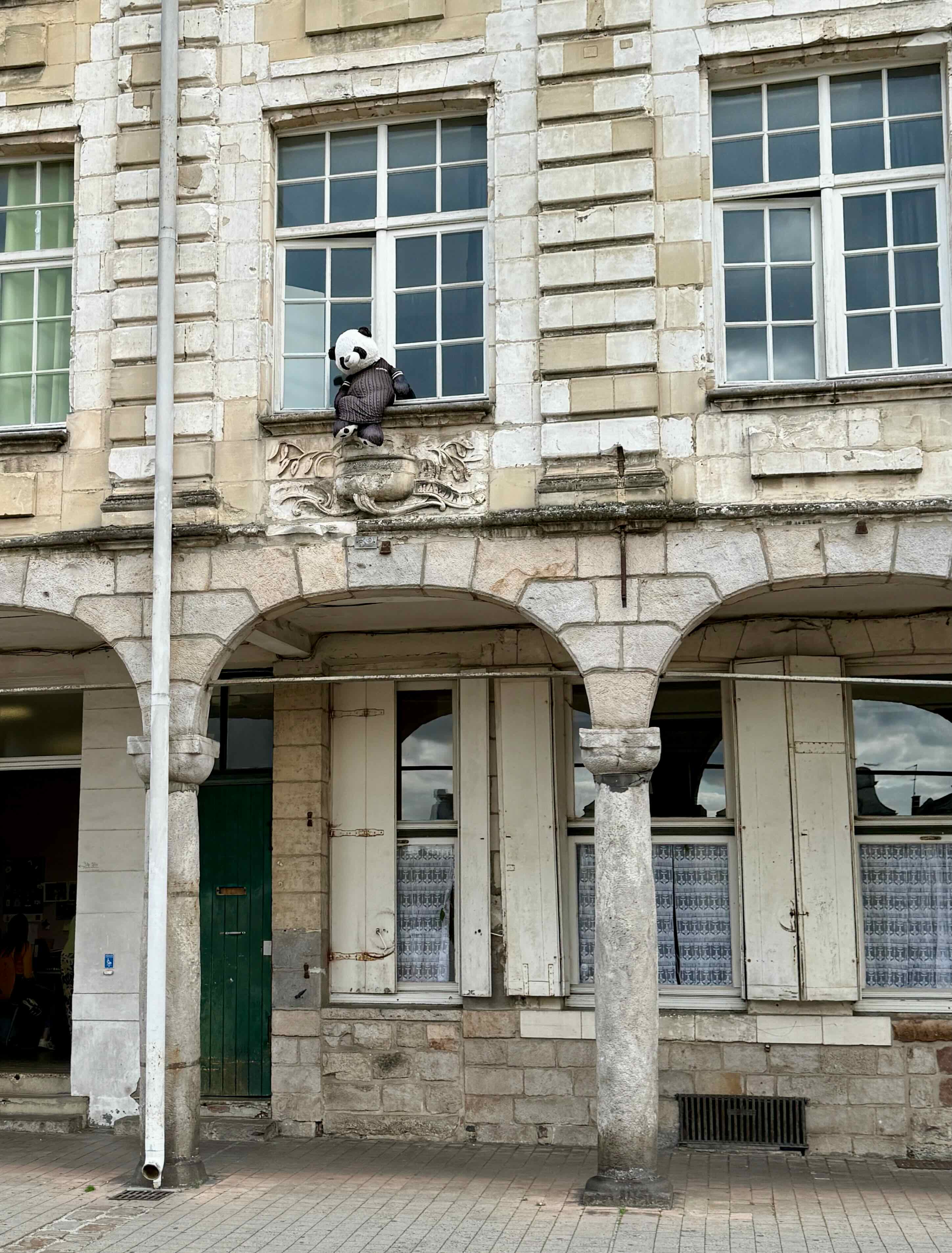
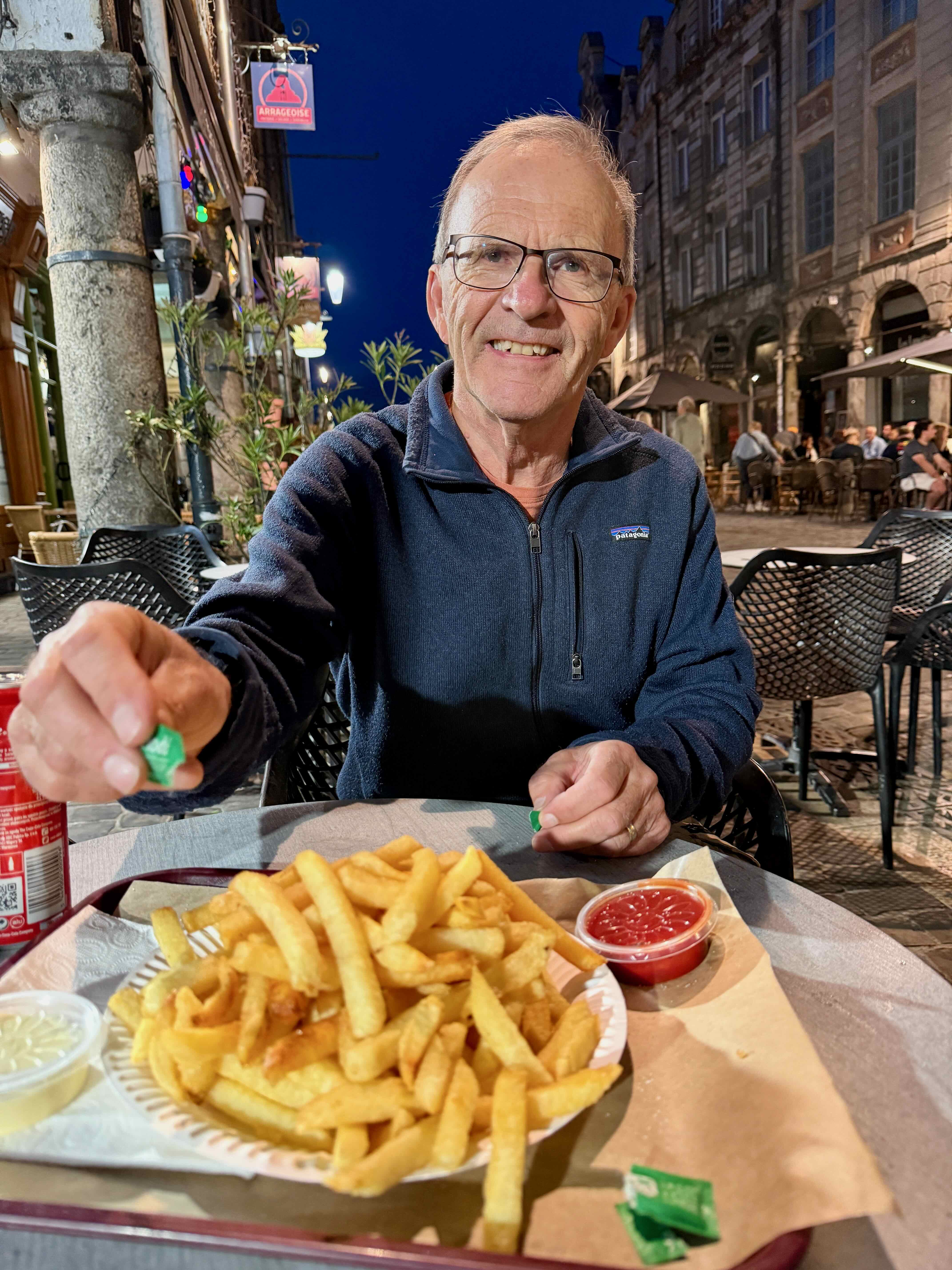
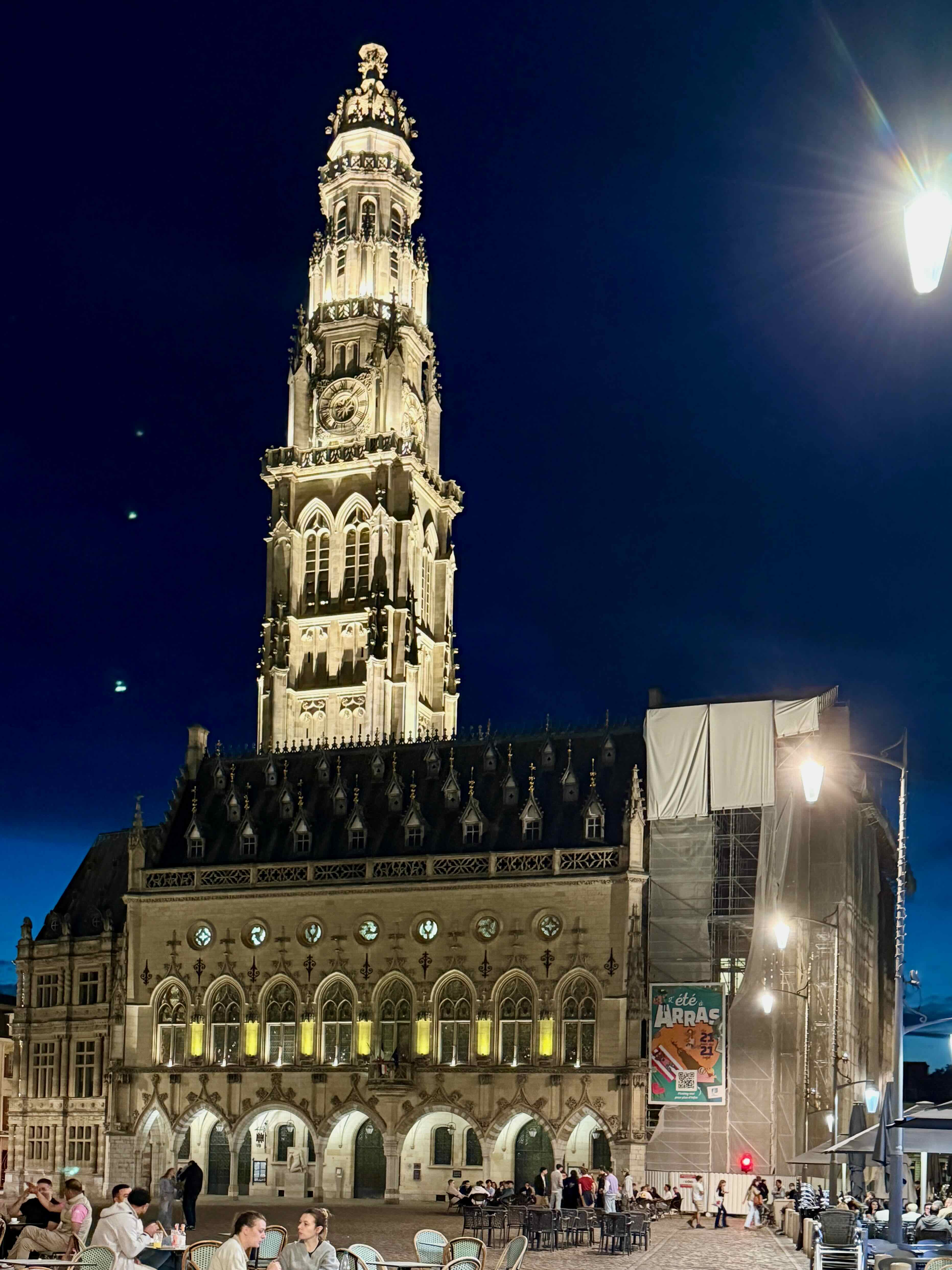
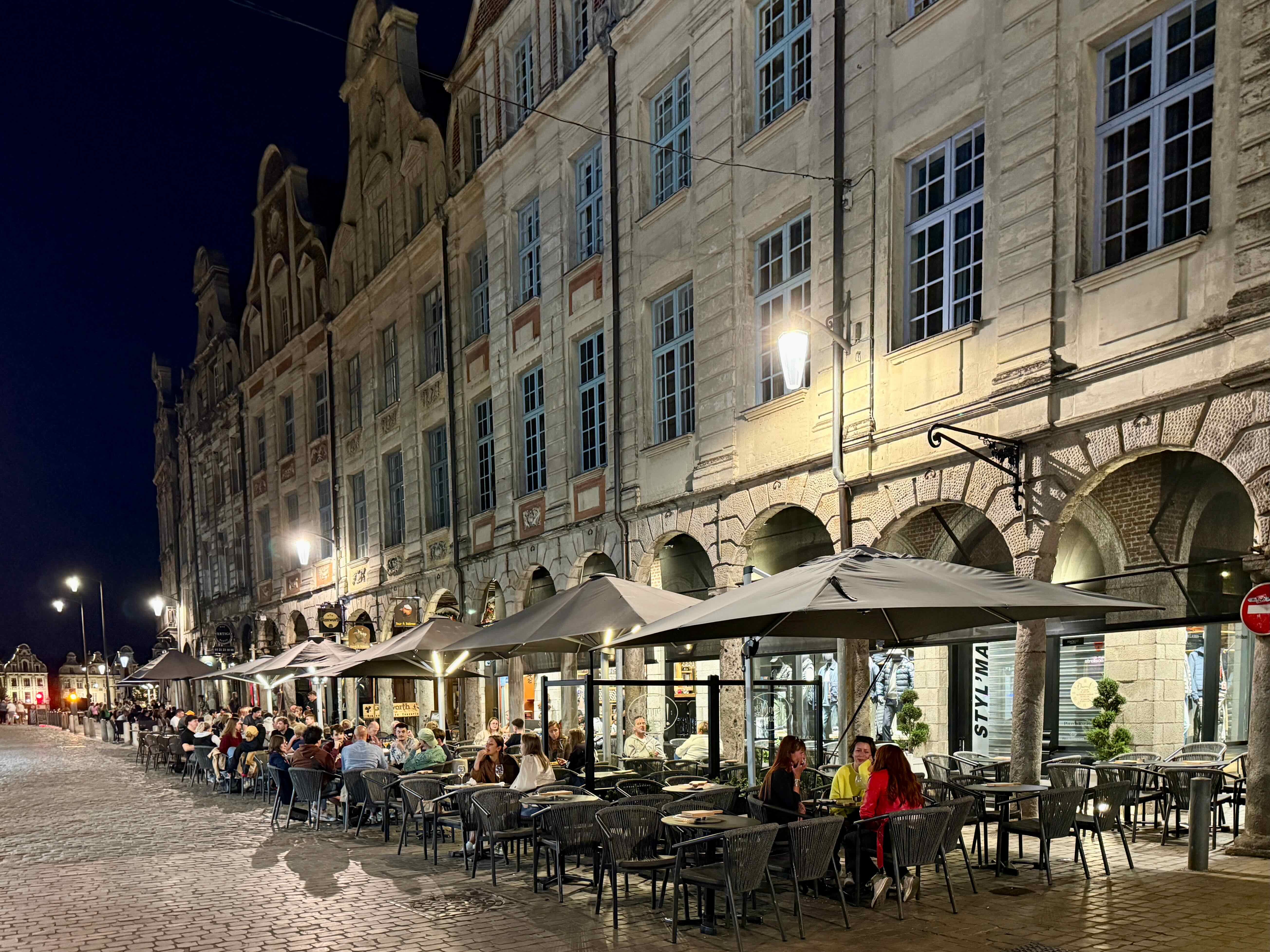
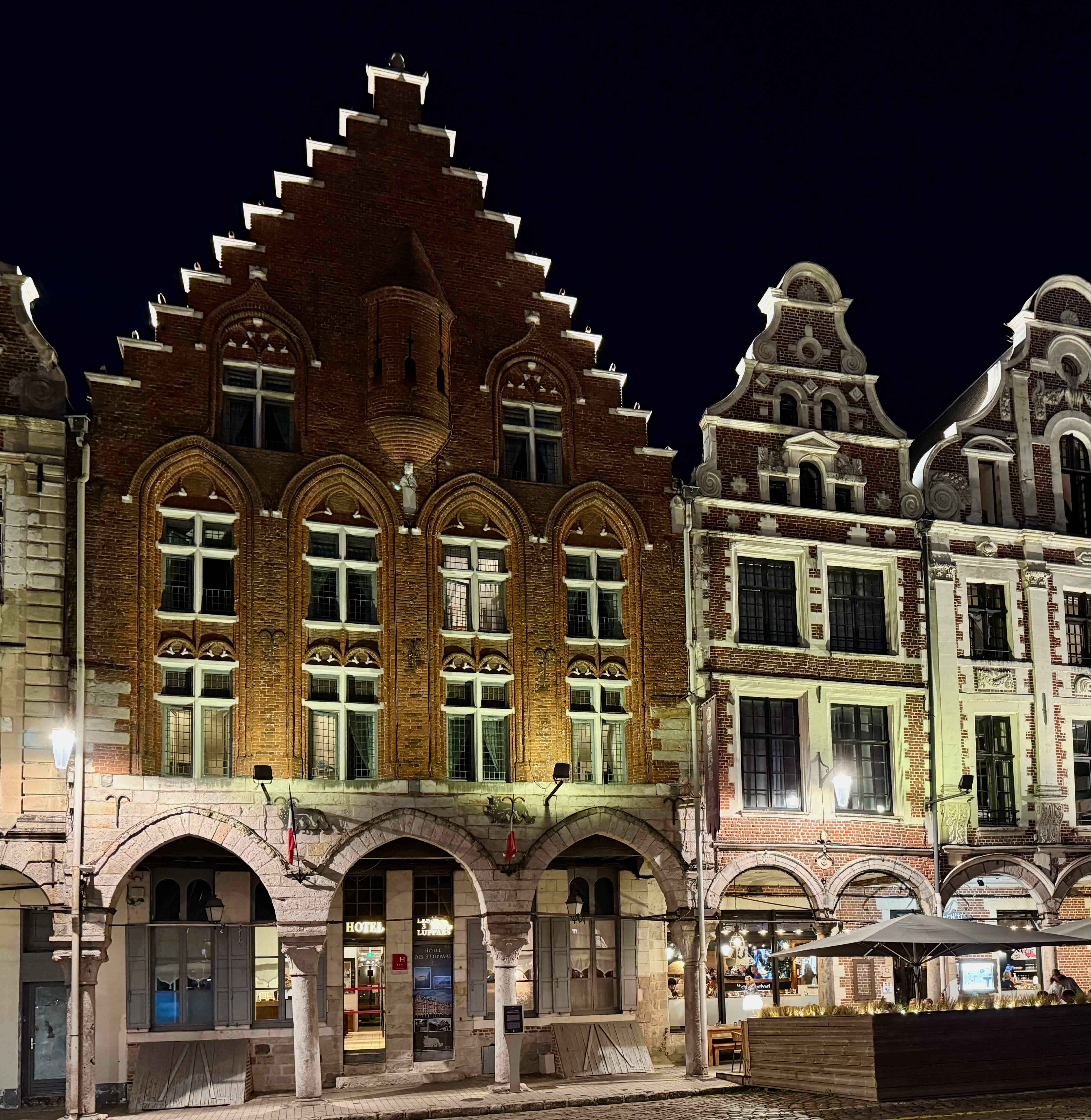
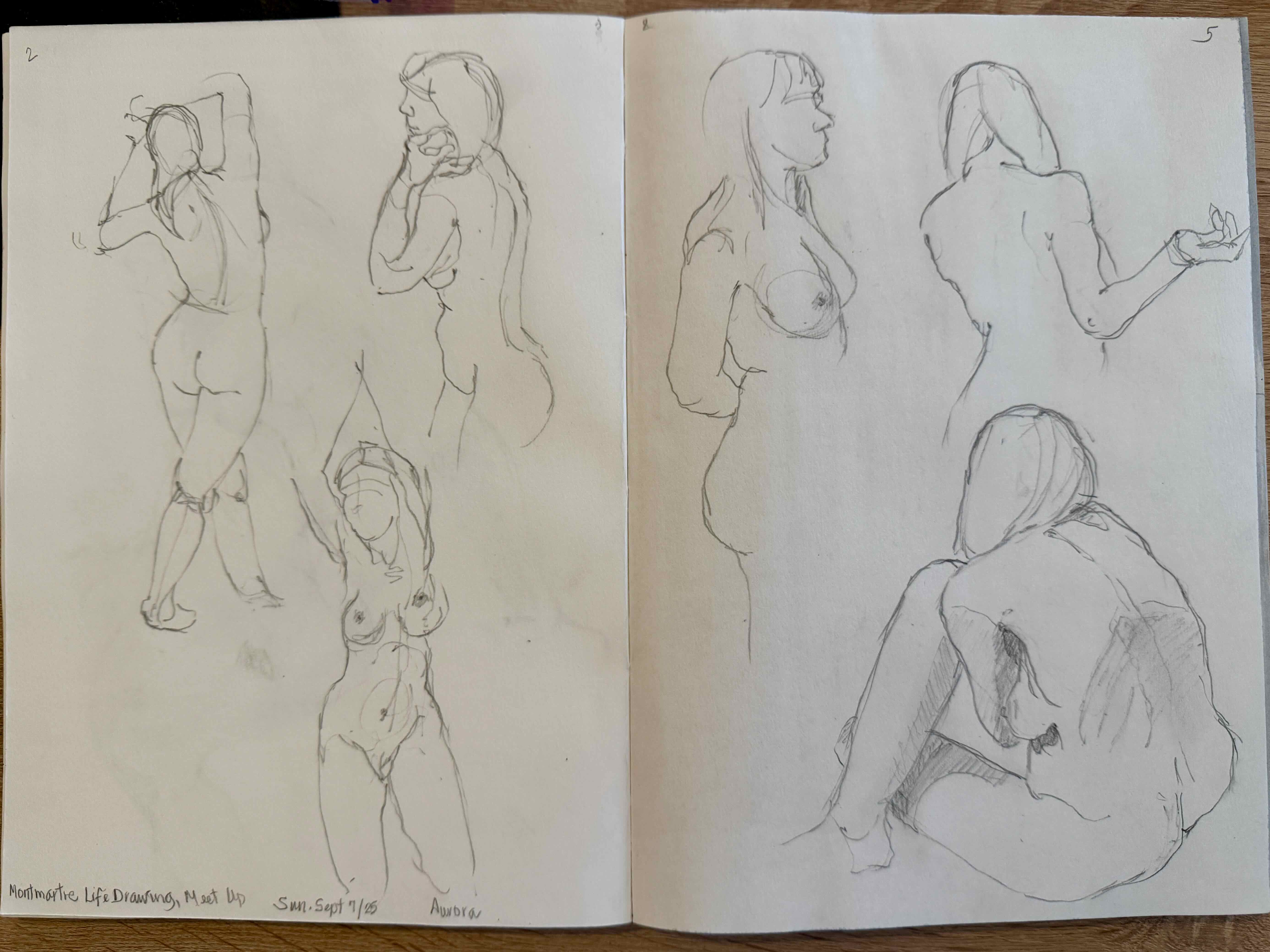

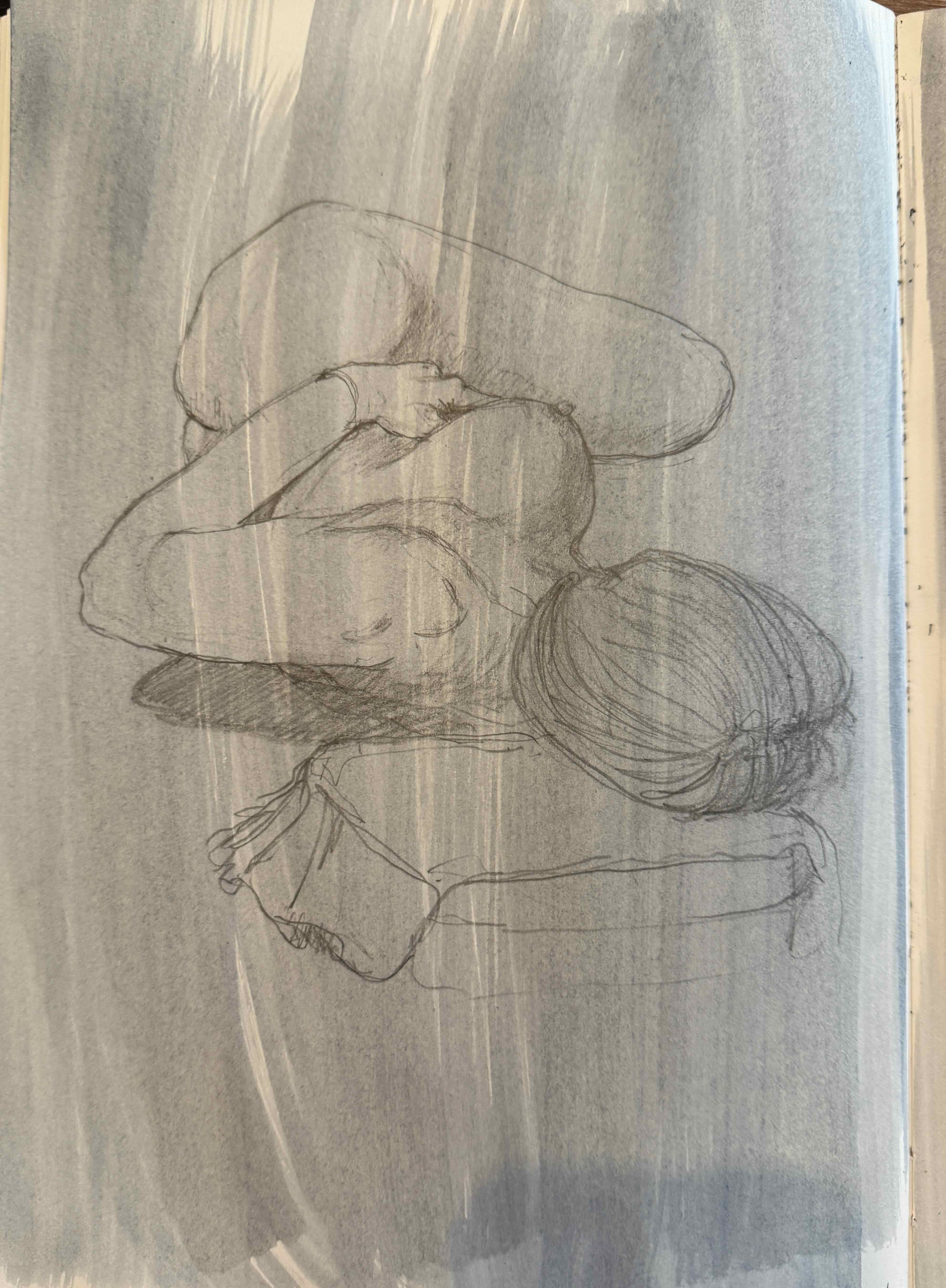
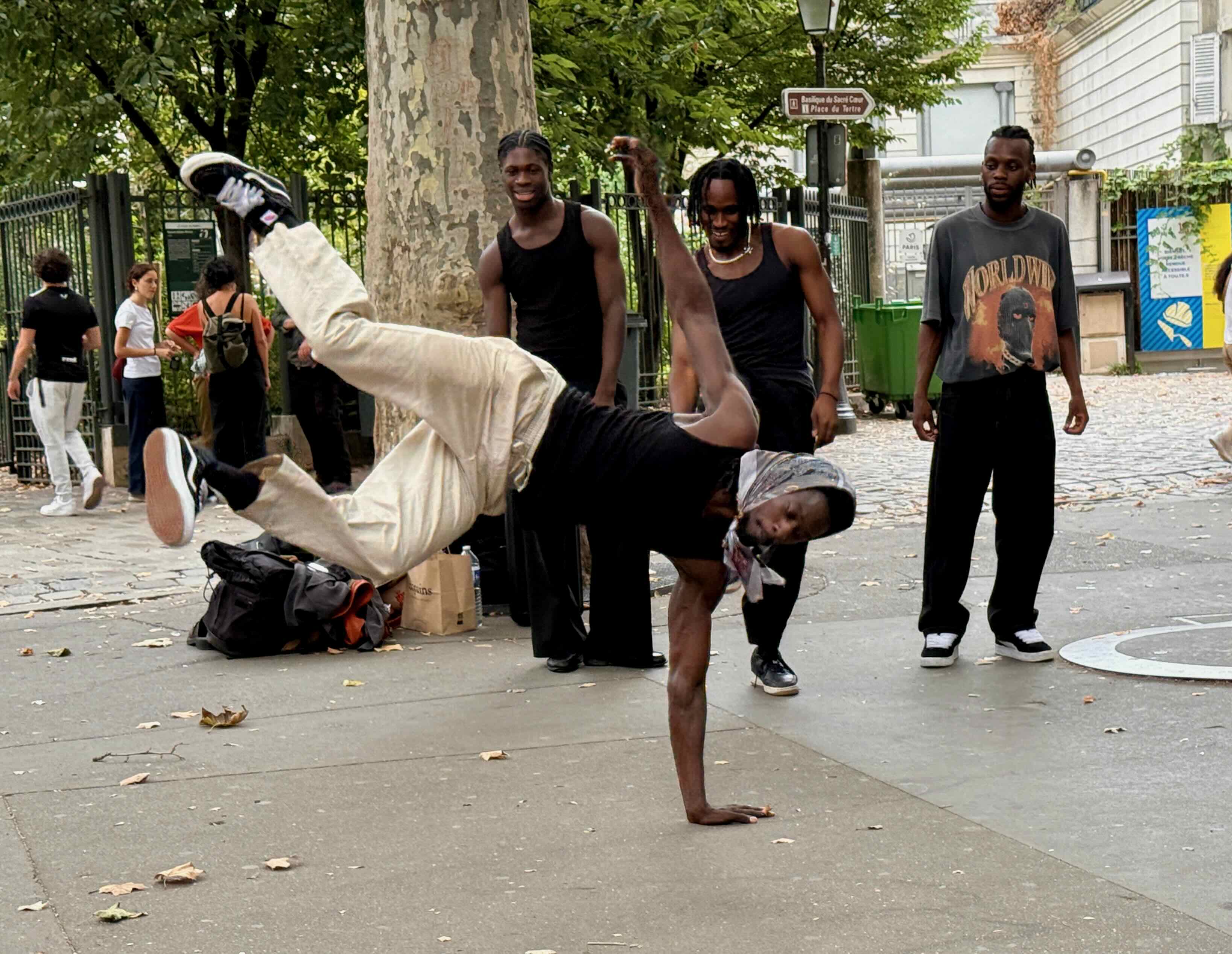

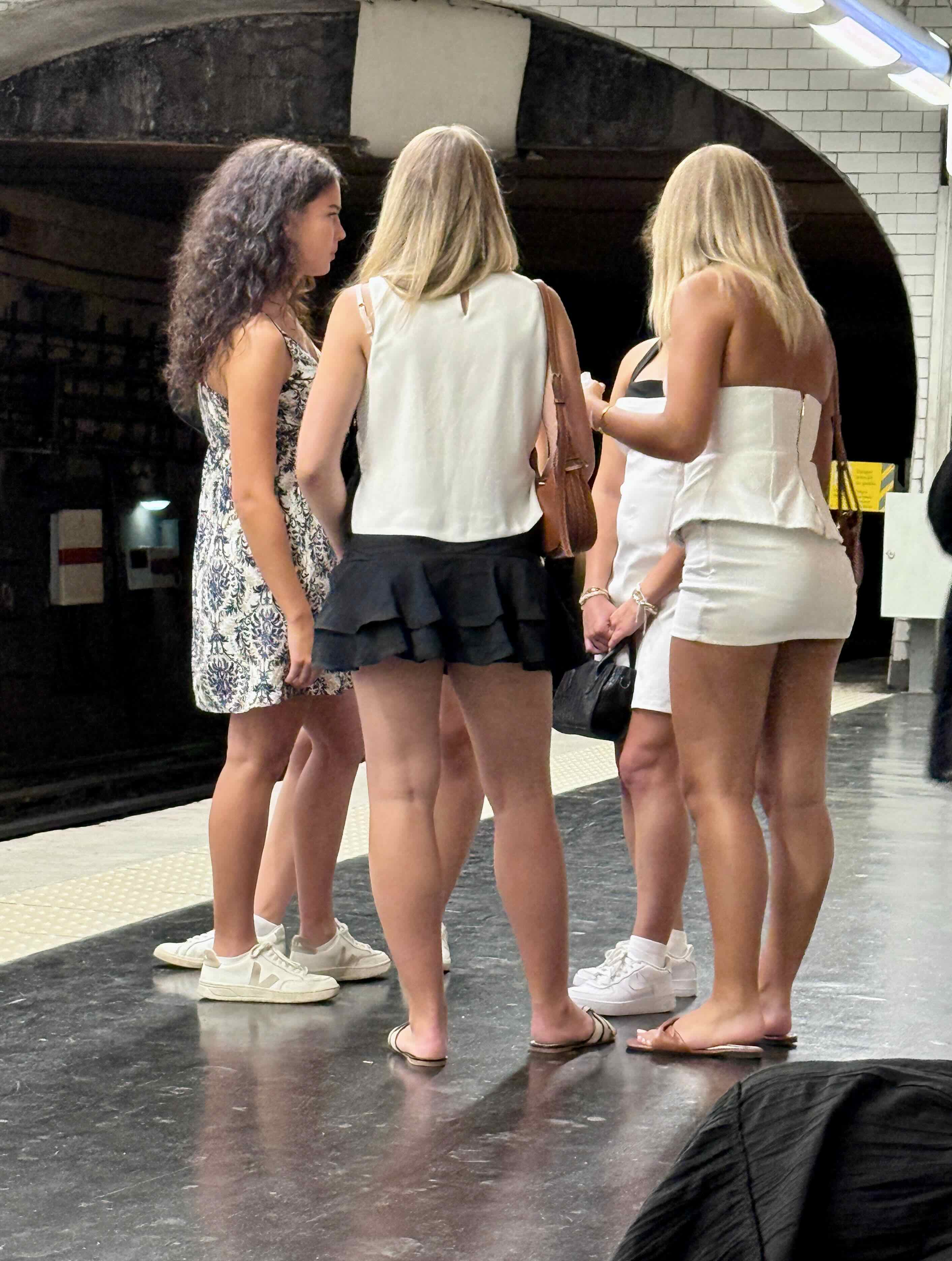
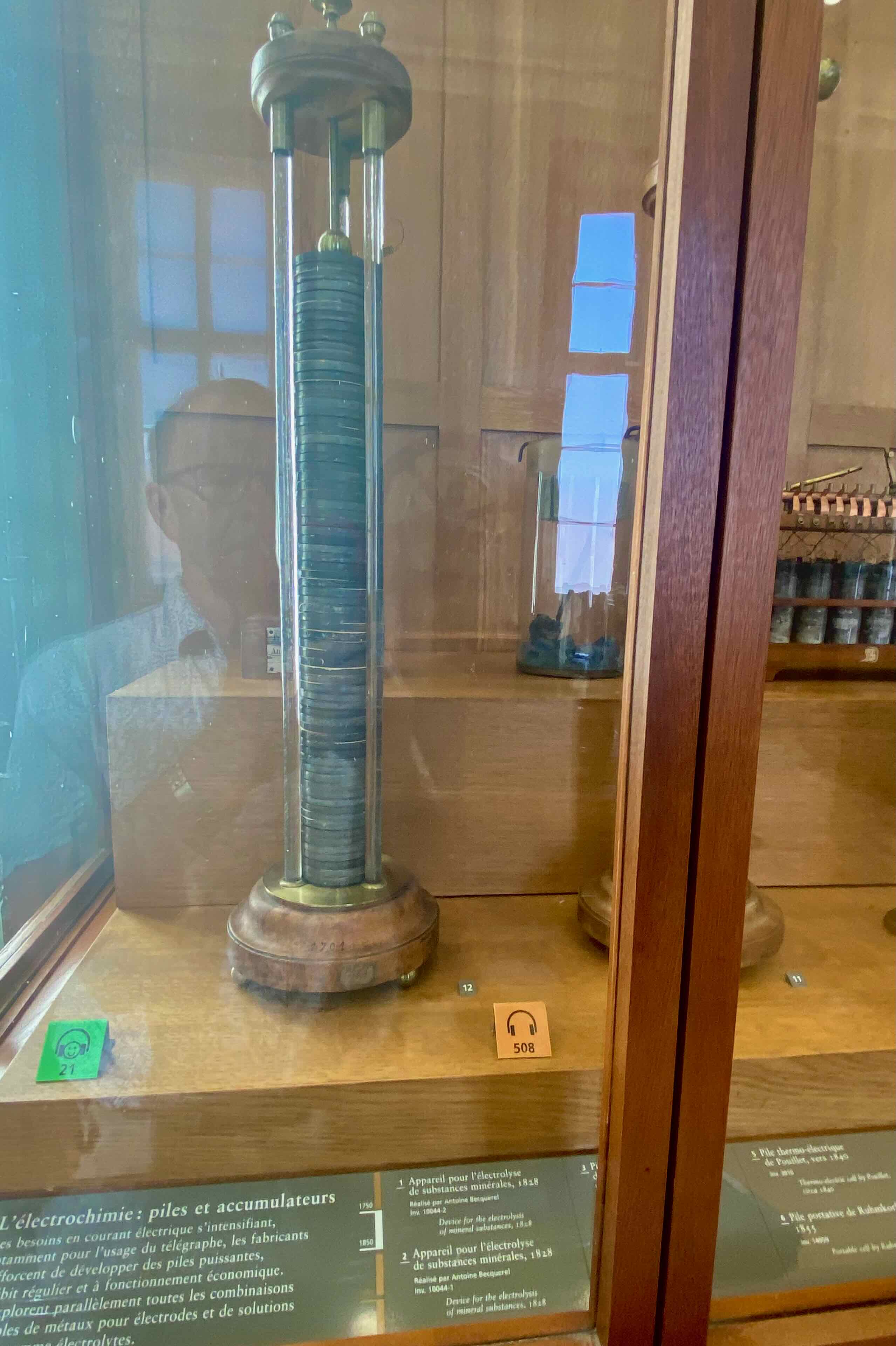
 We drive to Arras tomorrow so tonight we pack and tidy up. It was great being able to attend three life drawing sessions in three days but it was a bit tiring too. I don’t think I will find many more life drawing groups for a while.
 trudymason.com