Day 12. Thursday, November 11, 2025
I did not know that the Louvre had a satellite museum. It is located in Lens, which is about 25 minutes from Arras. There is free parking and the museum is free to visit. We arrive early afternoon and walk up a tree lined lane to the entrance to the museum.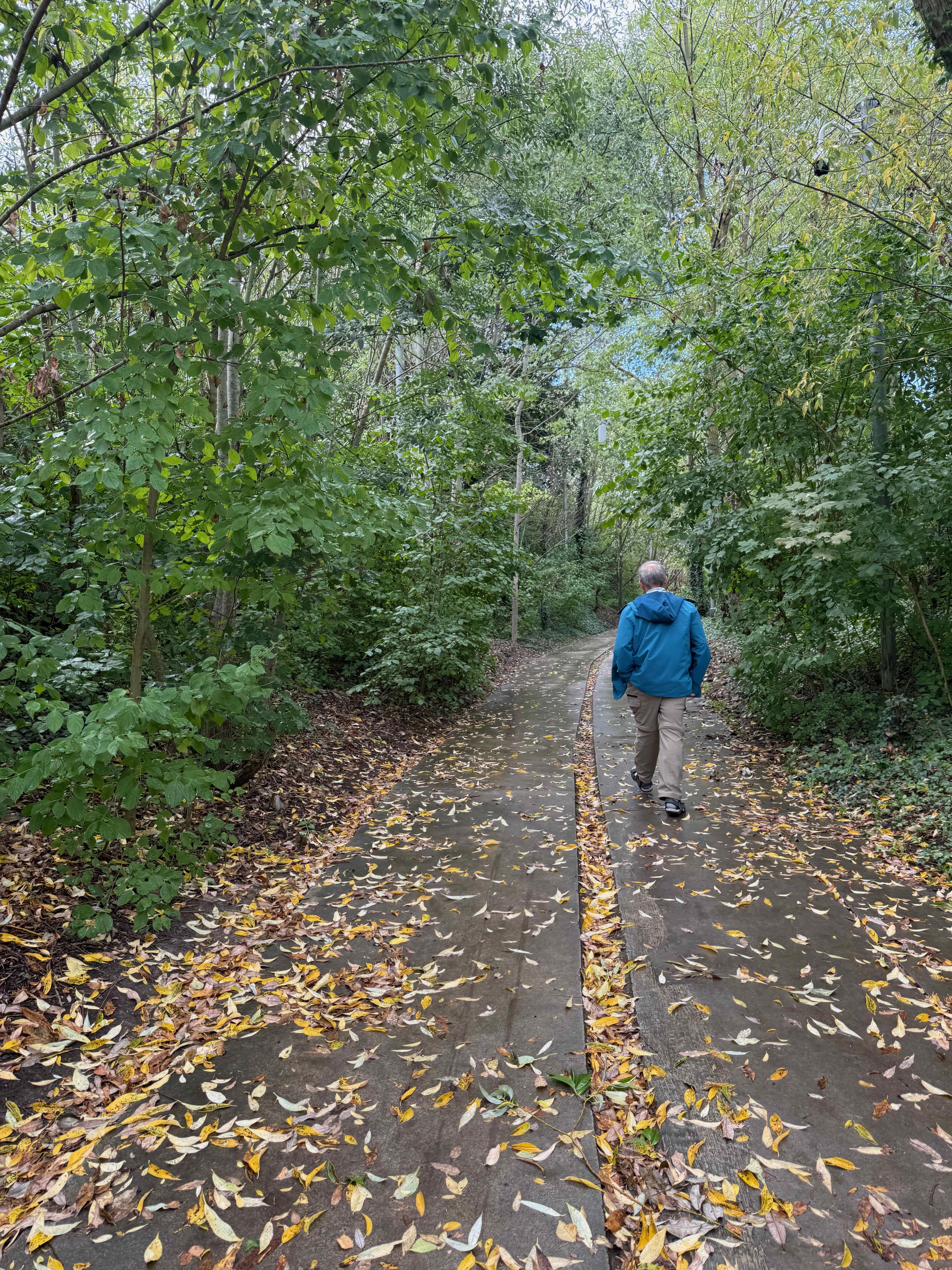
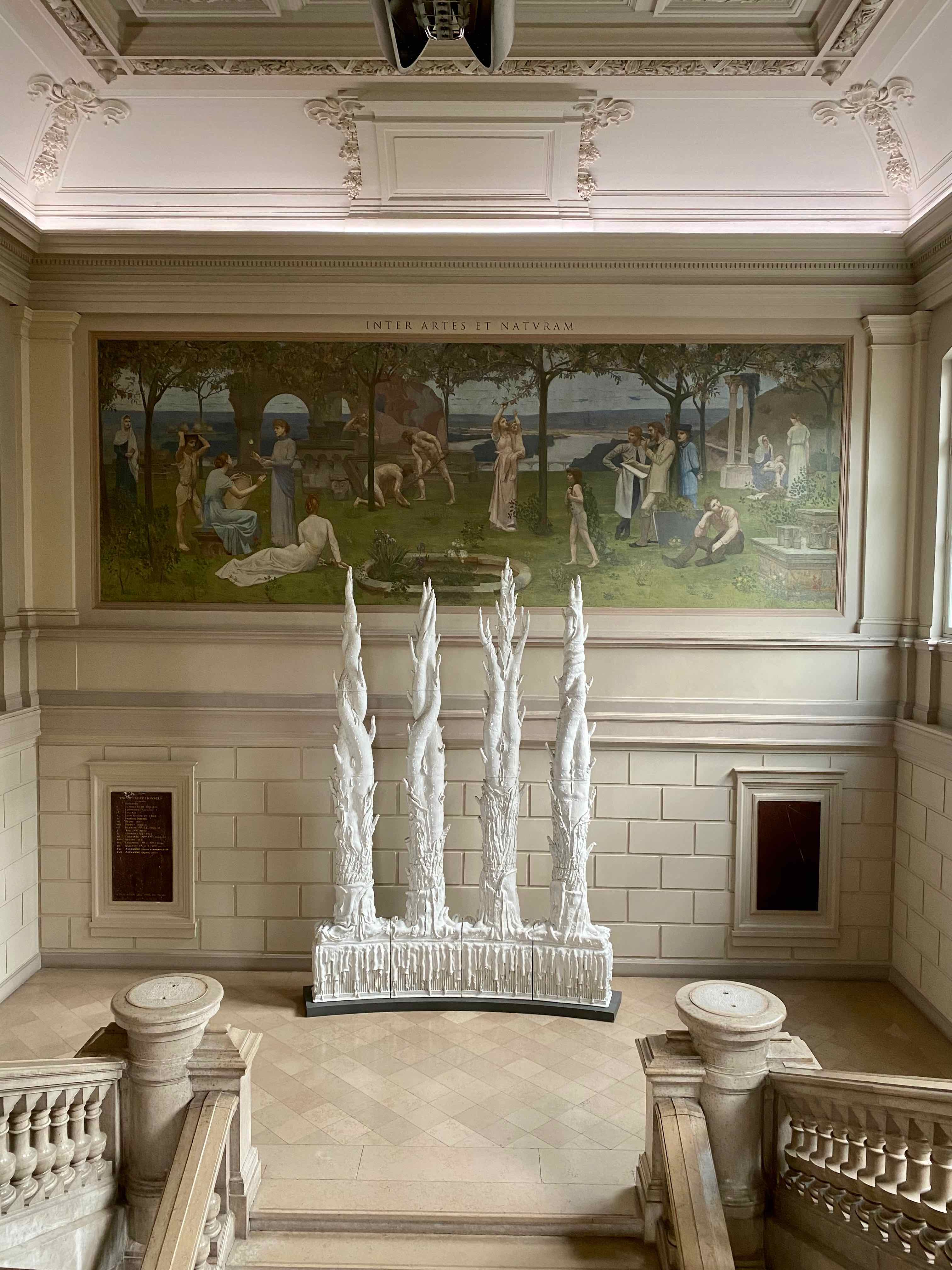
The first thing we see on entering the museum is this Gothic Bulldozer. It is very intricate and difficult to photograph. Zoom in for a closer look.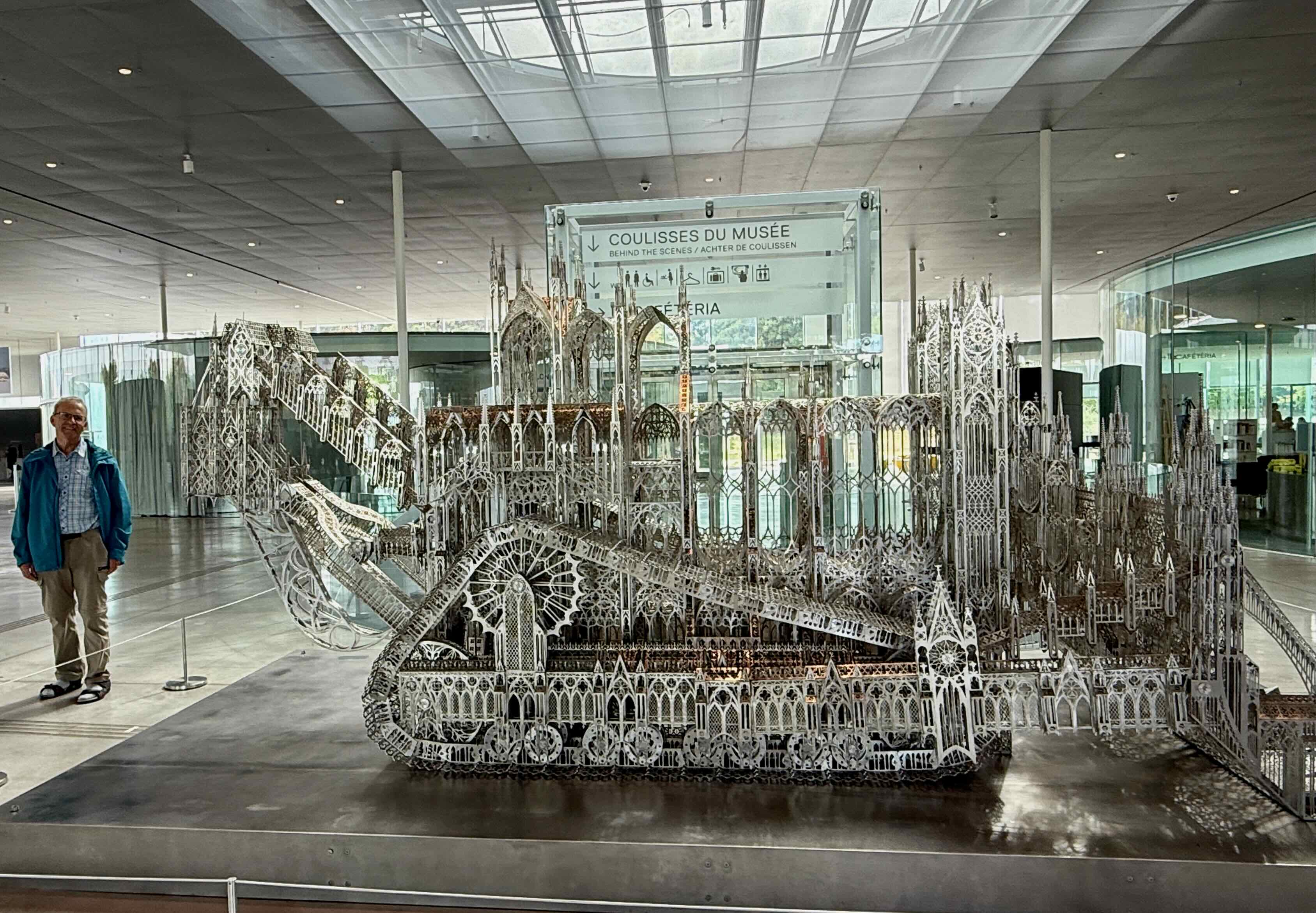 Downstairs is an exhibit of Ukrainian Icons. Today the term «icon» refers primarily to paintings made with tempera (egg-bound pigments) on a prepared wood panel. Icons are also characterised by the use of gold leaf. Museums around the world are safekeeping artwork from the Uraine until the war ends. The Louvre-Lens has four of Ukraine’s Icon paintings on display. This is The Last Judgement by Theodore Poulakis, 1661.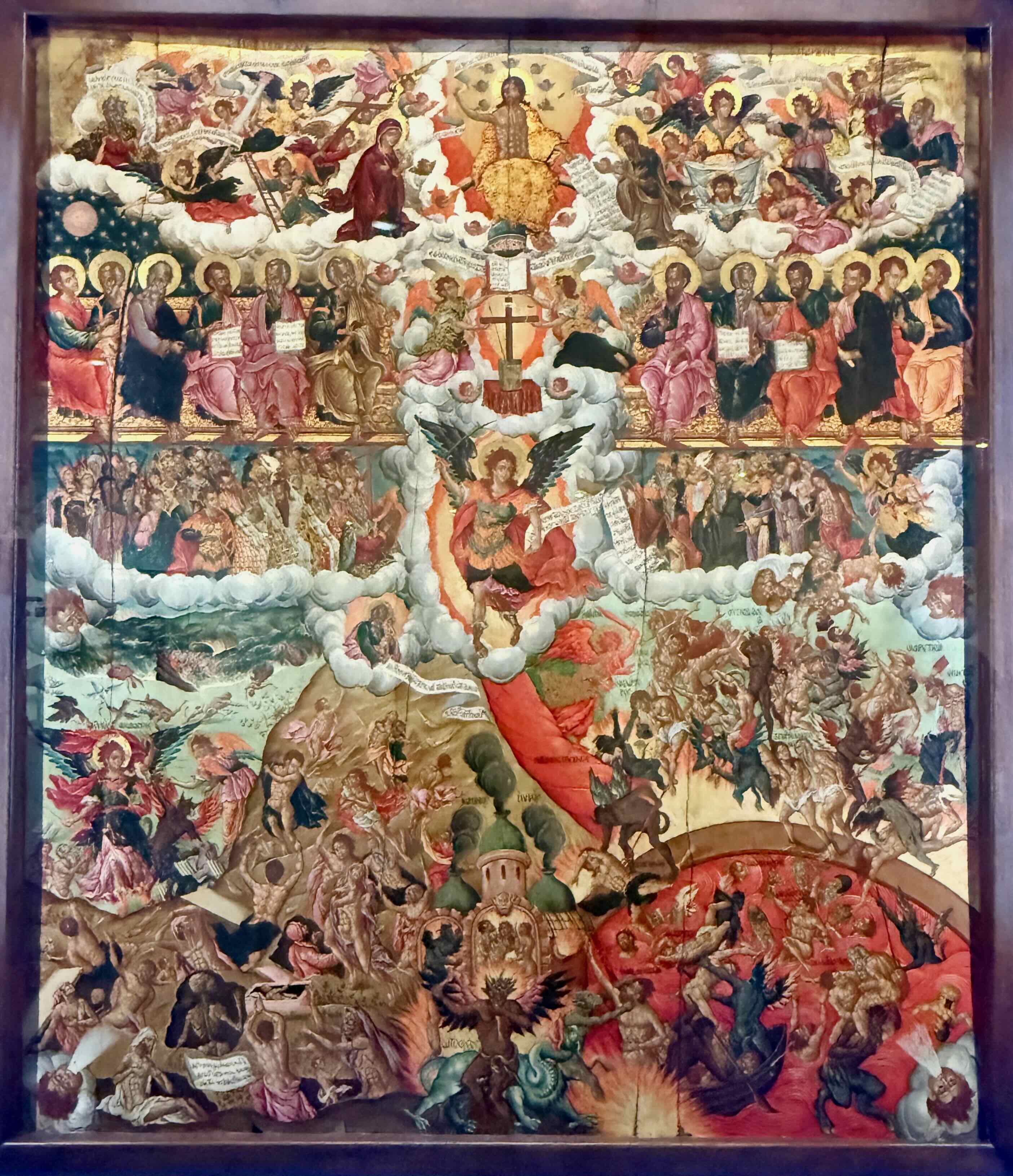
Alongside this exhibition space is a glass wall that allows visitors to view works in the restoration area of the Museum.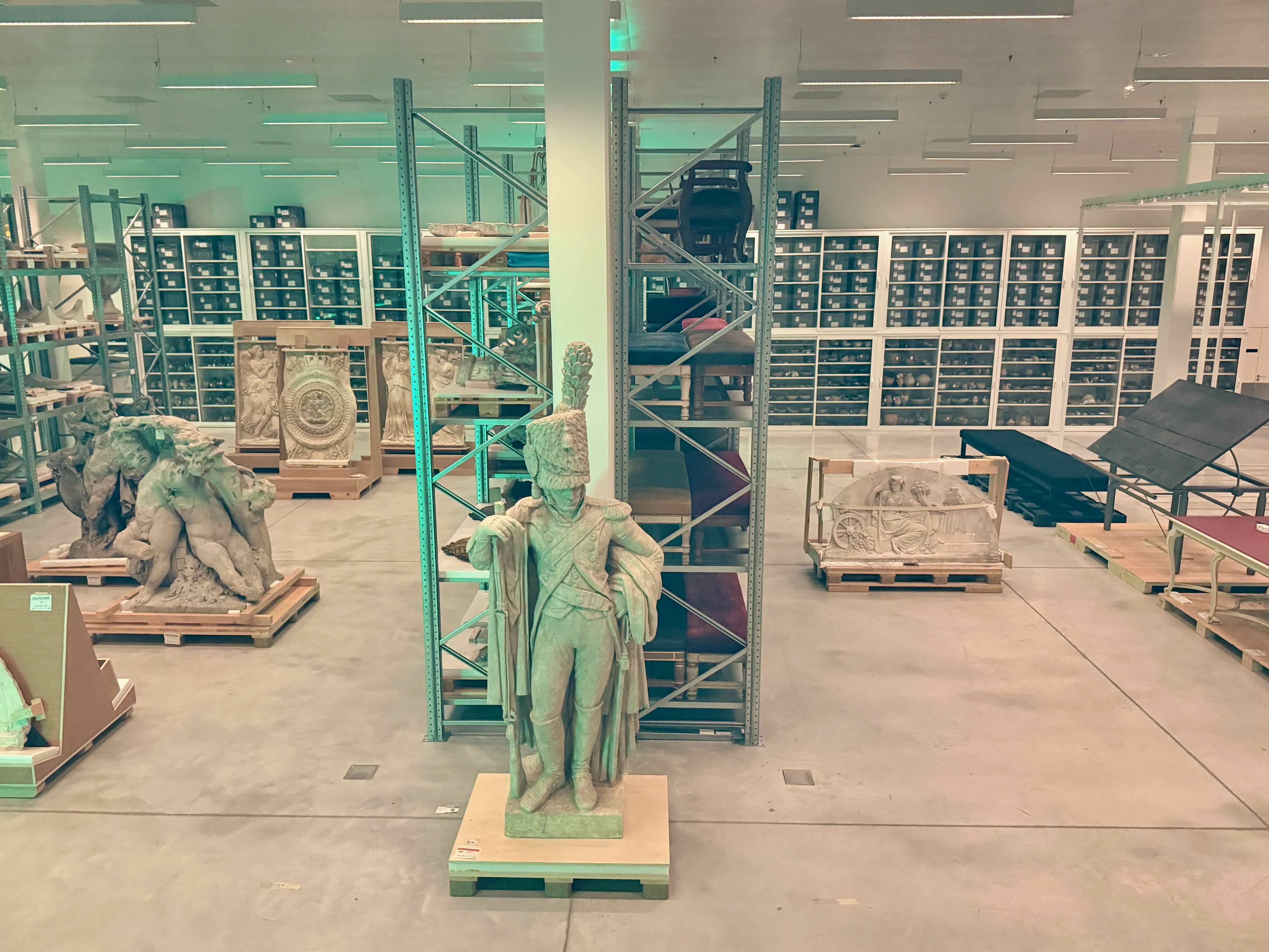 The main exhibit at the museum is The Gallery of Time.
The Gallery of Time is an original showcase for a variety of art forms from different civilisations, all of which come together in an open-plan layout covering some 3,000 square metres. Visitors are invited to immerse themselves in the story of more than 5,000 years of human history and artistic creation. The Gallery of Time takes visitors on a chronological journey from the 4th millennium BCE to the 19th century, drawing on the collections of the Musée du Louvre and on other works which combine to tell a story of human creation, from the earliest recorded times to the most recent.
This is the beginning of The Gallery of Time. The first exhibit is the Roc-de-Sers, a stone with a carved horse that was part of a frieze found in a shallow cave in the south west of France. It is from 18,000 BC.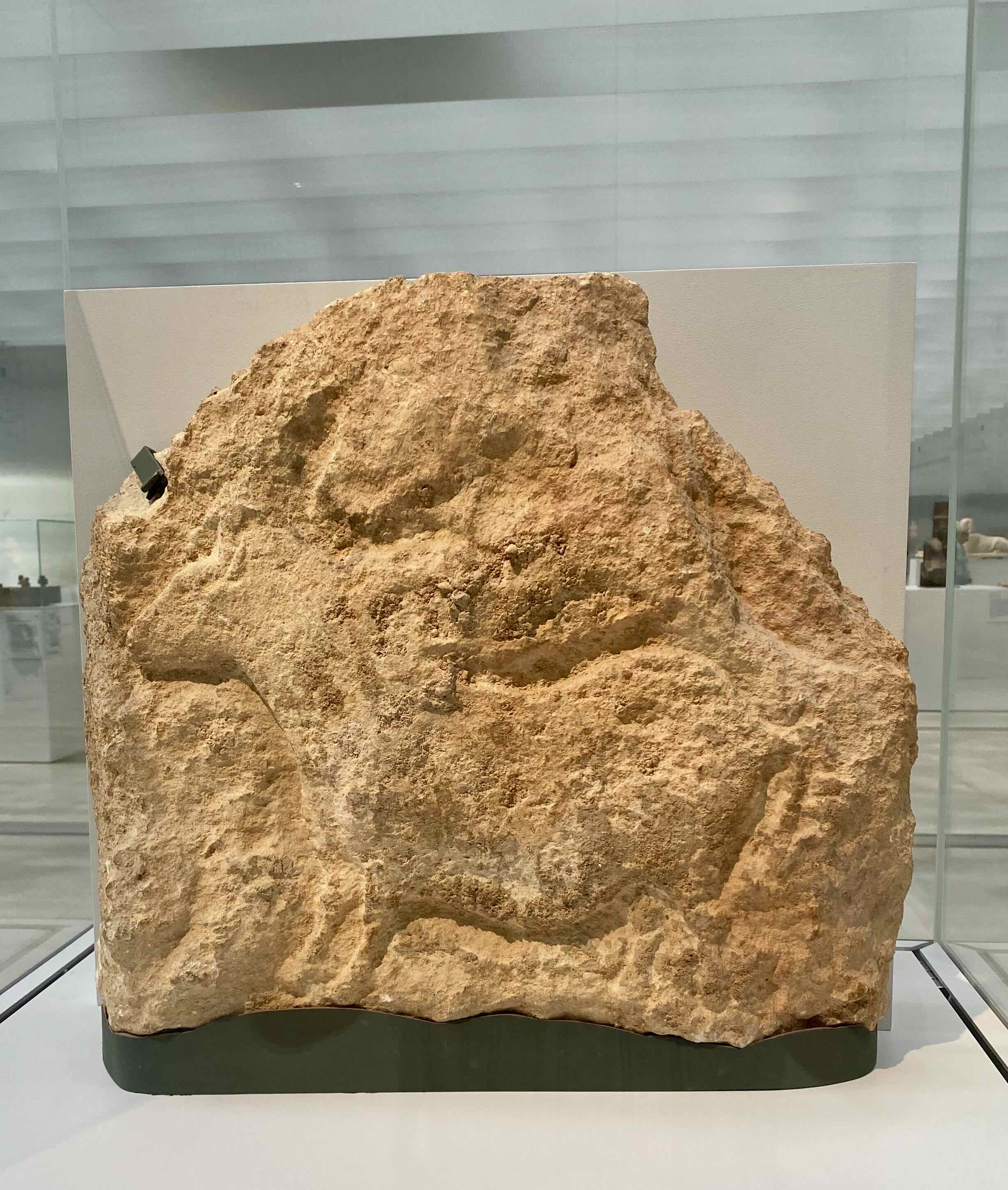
Some views of more than 250 pieces of art on display in this huge gallery.

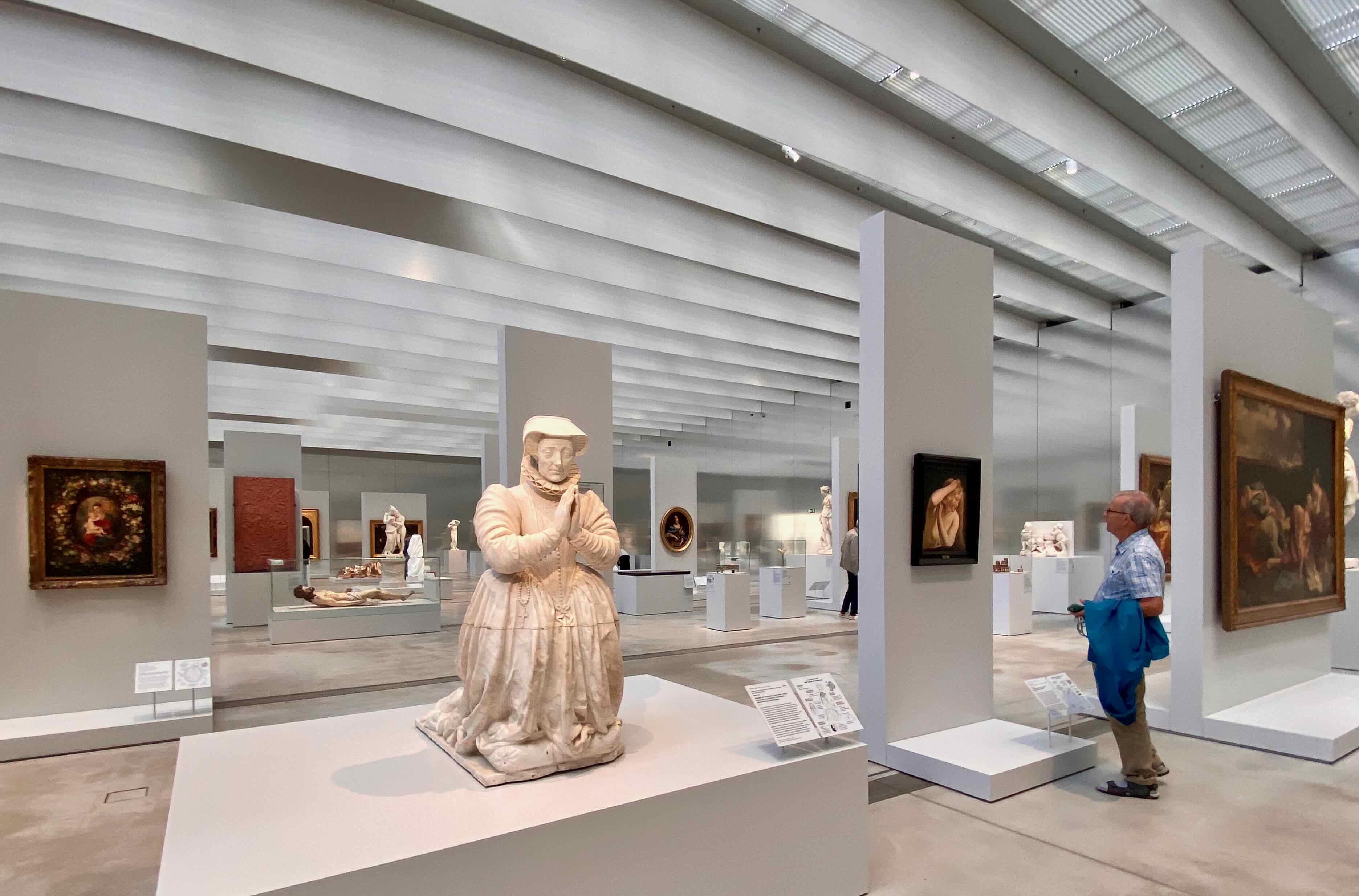
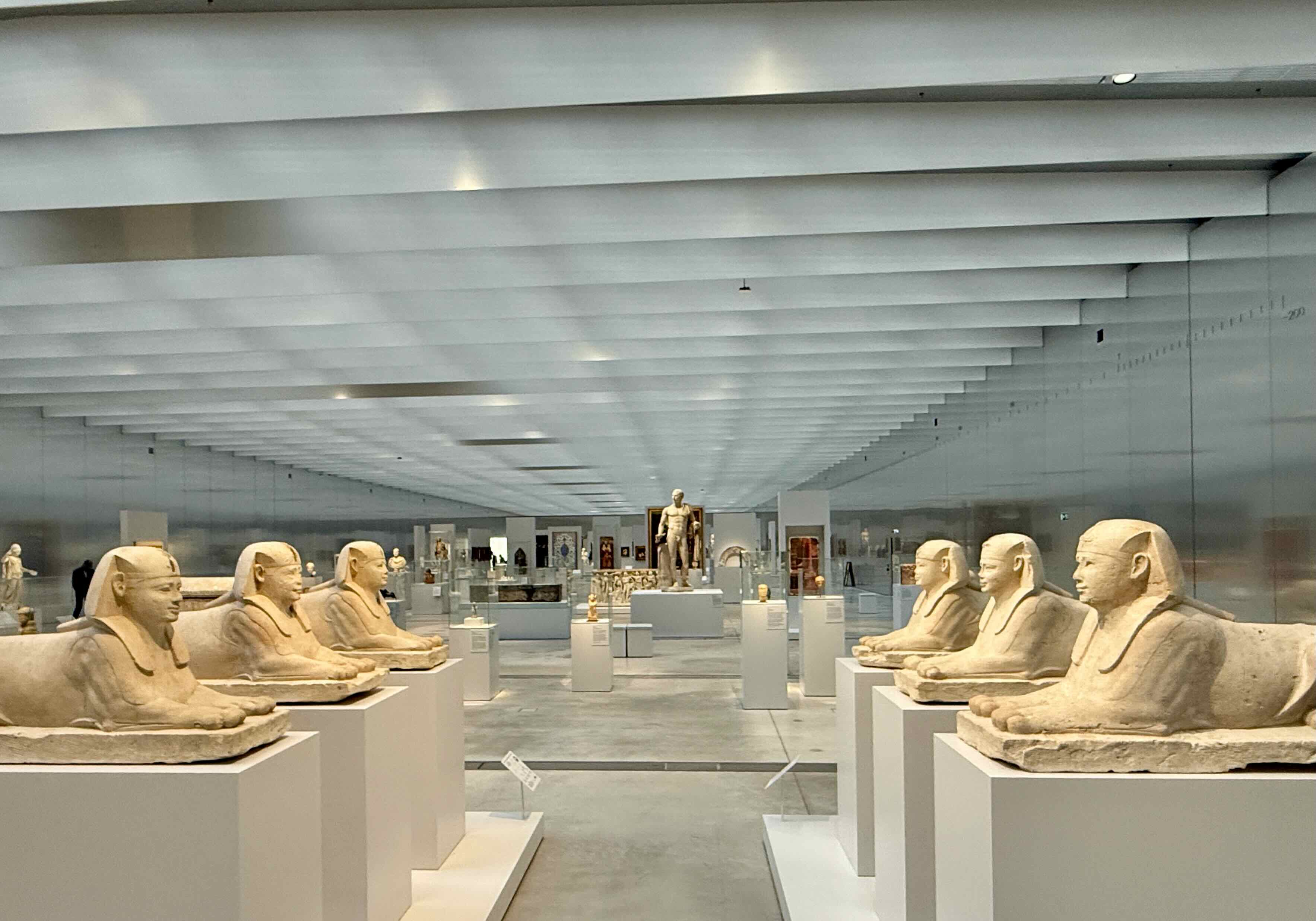
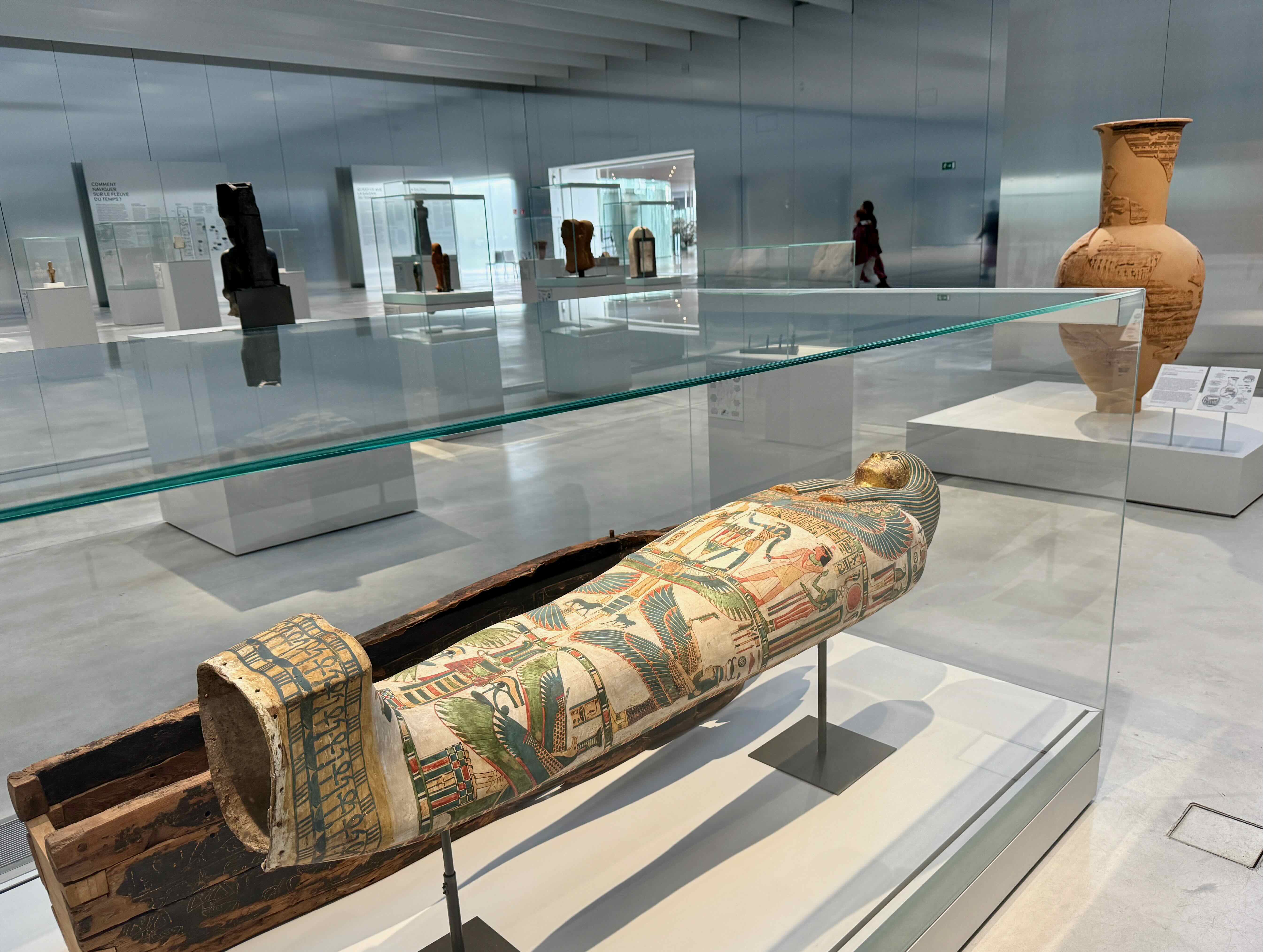
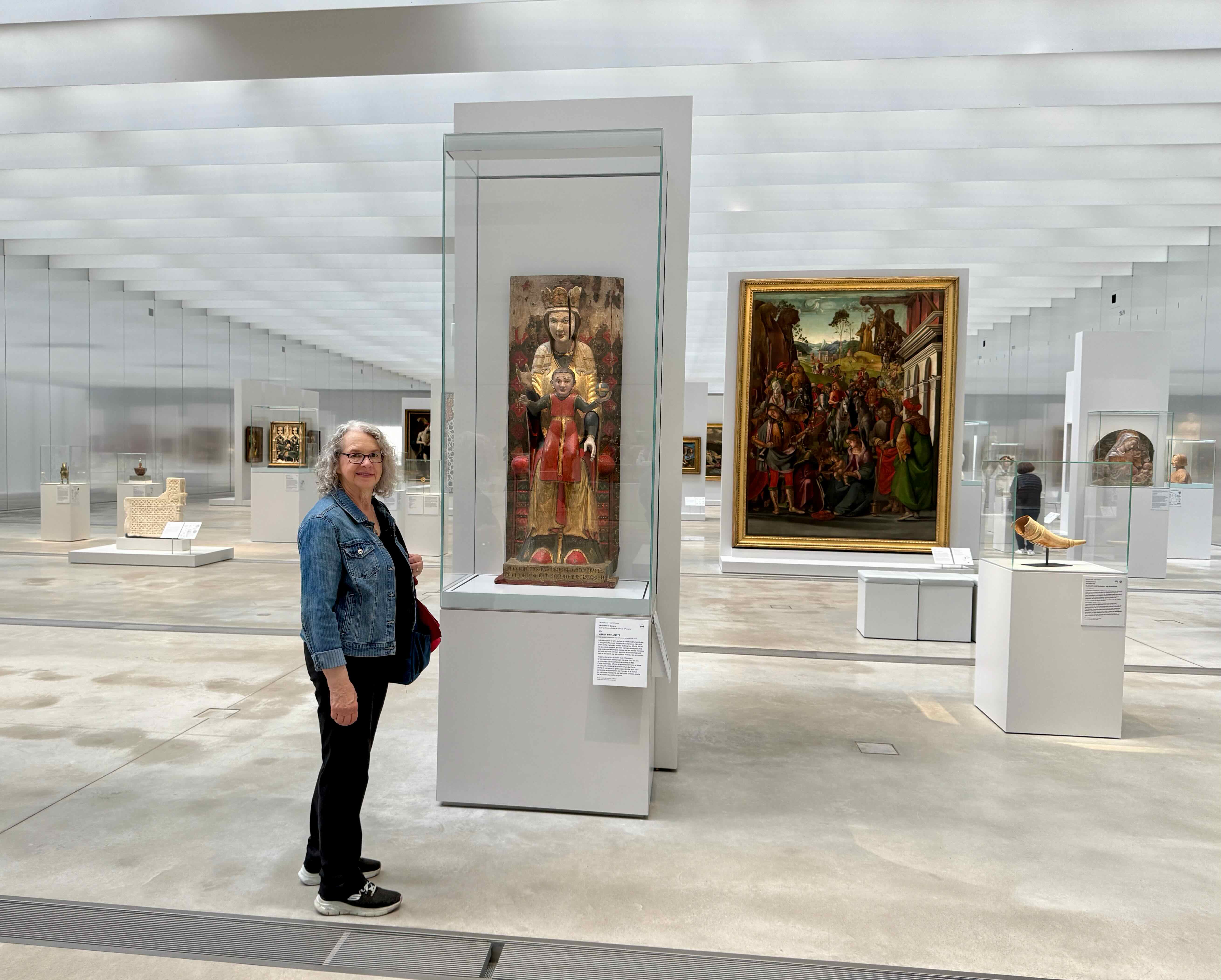 And here, in no particular order, are a few of the pieces that we found especially interesting.
Francois Rude, Christ on the Cross. Rude started this marble sculpture in 1885 but died before it was completed. His student and nephew Jean Baptiste Paul Cabet completed it. I found it very moving, and marvelled at being able to carve the crown of thorns in marble!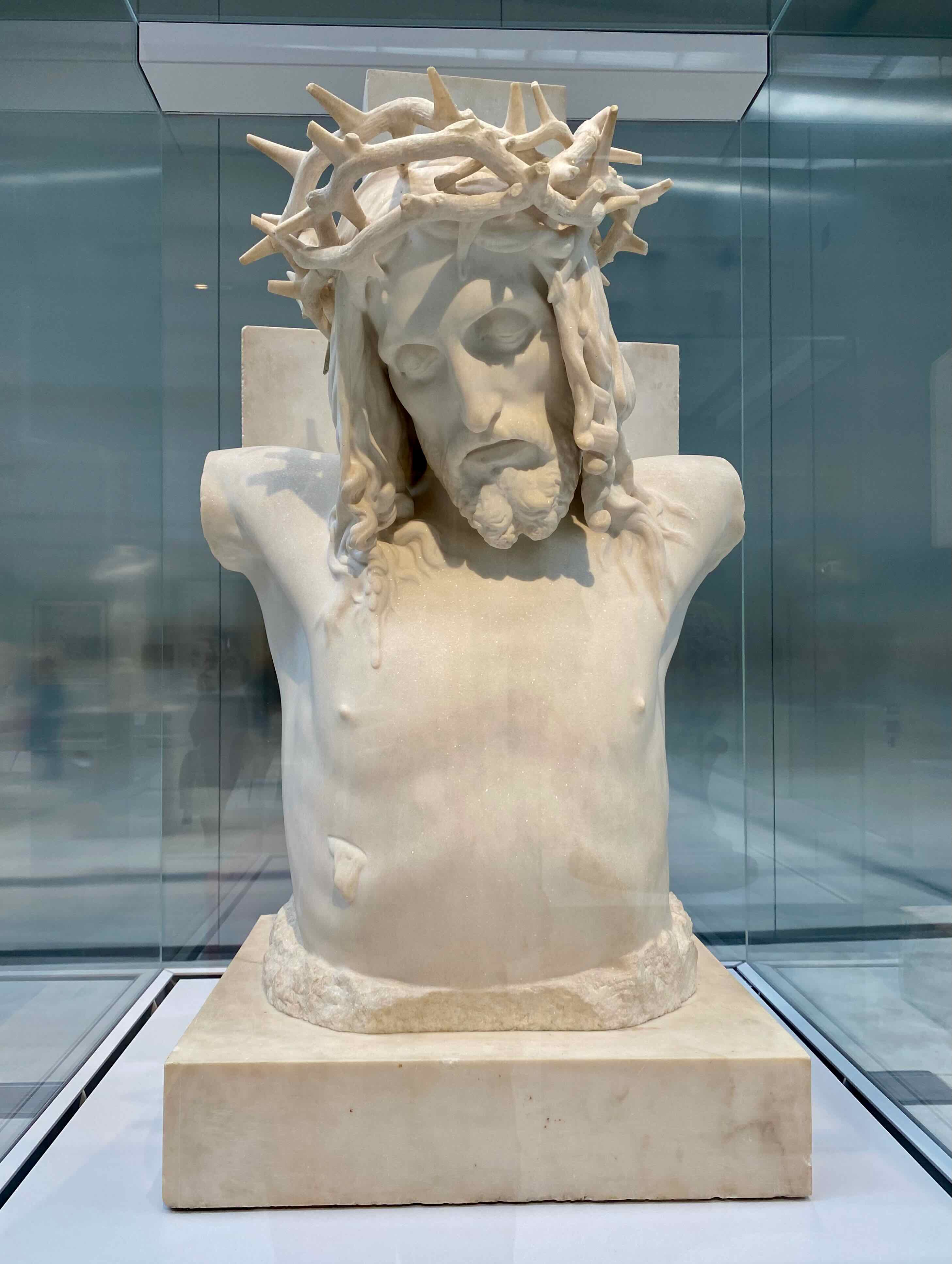
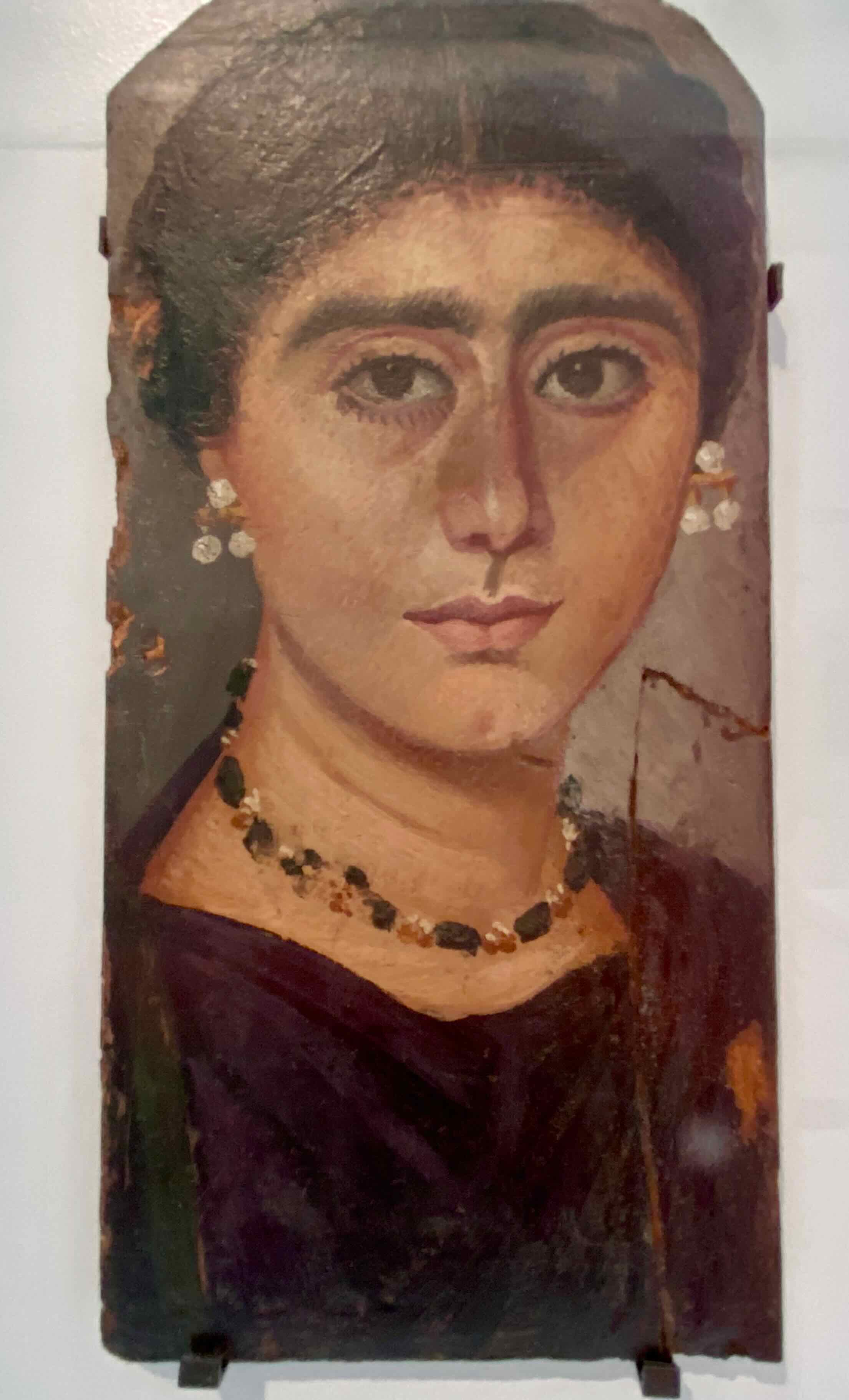
The Martyrdom of Saint Hippolyte, Cathedral of Sant-Denis, France, c. 1225-1250, My first thought seeing this was what would it feel like to be pulled apart by horses?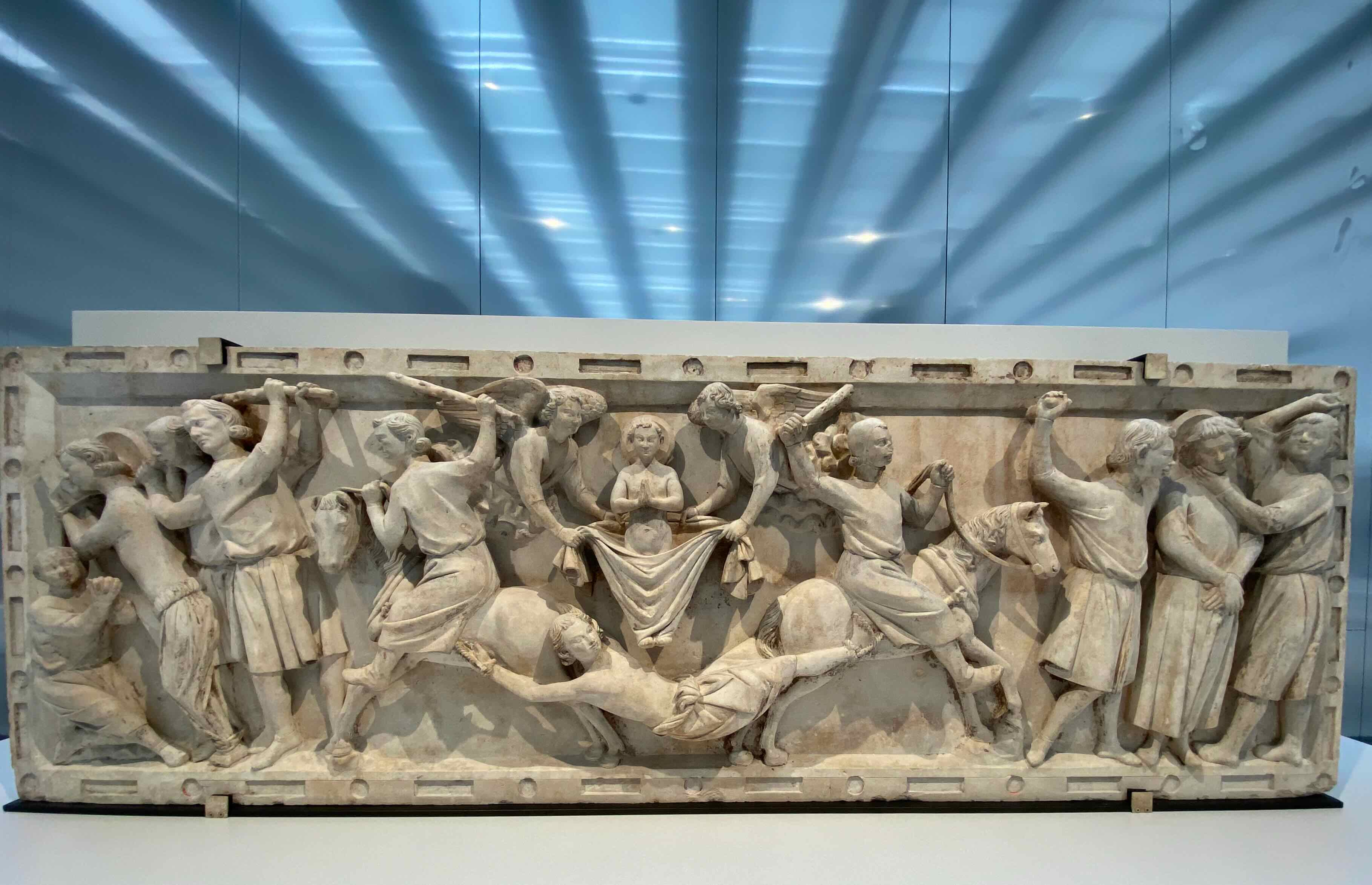 Egyptian Tomb Portrait of a Woman c. 150 AD. I love these tomb paintings. We saw several of them years ago when we visited Egypt.
  Pieter Boel, c.1669-1671 Triple study of an Ostrich.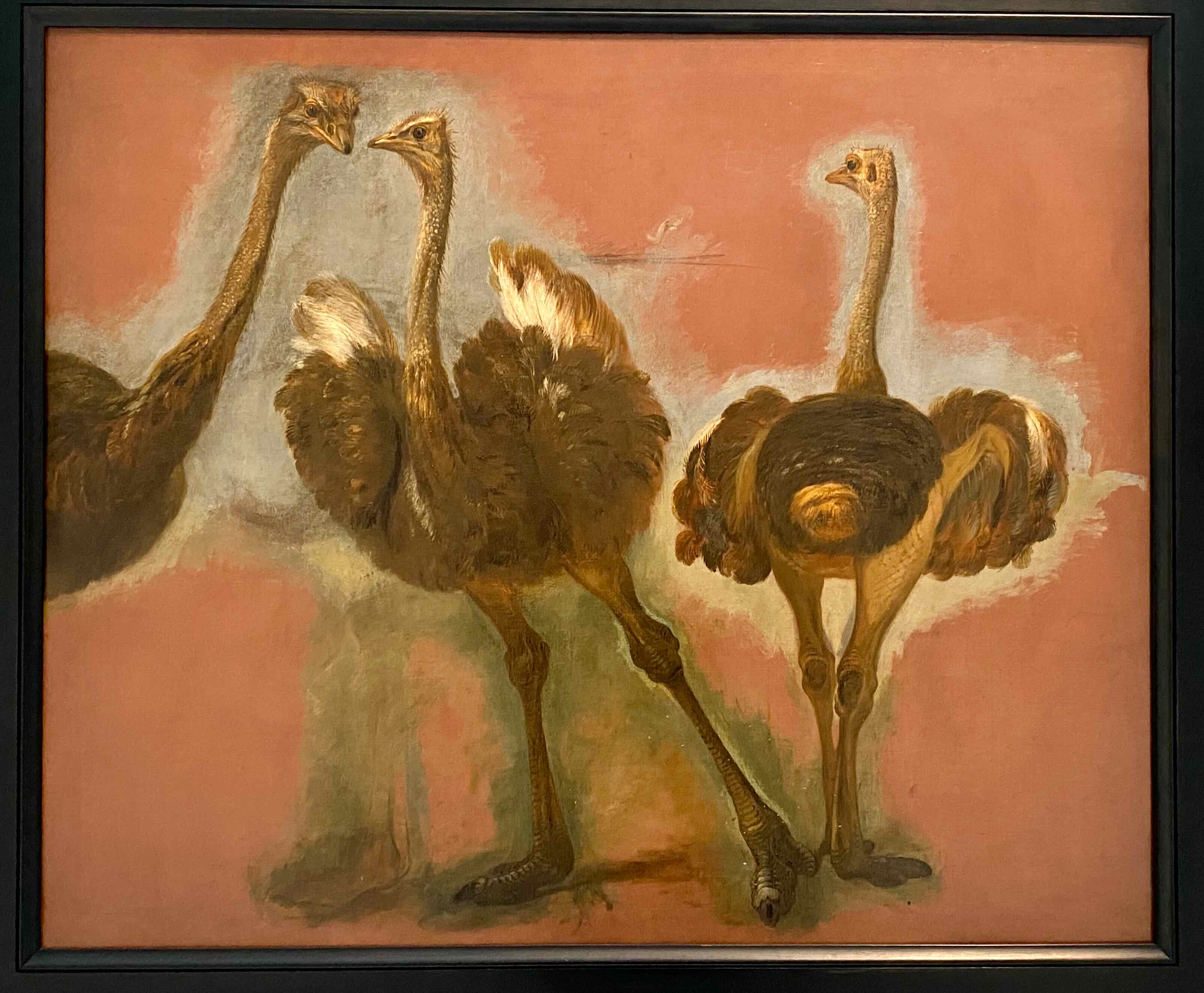
Jean-Baptiste Pigalle, Paris 1714-1785, The Child and the Cage and The Girl with a Bird and an Apple. I fell in love with this two cherubic statues. The dimples and folds in their skin were so incredibly life-like.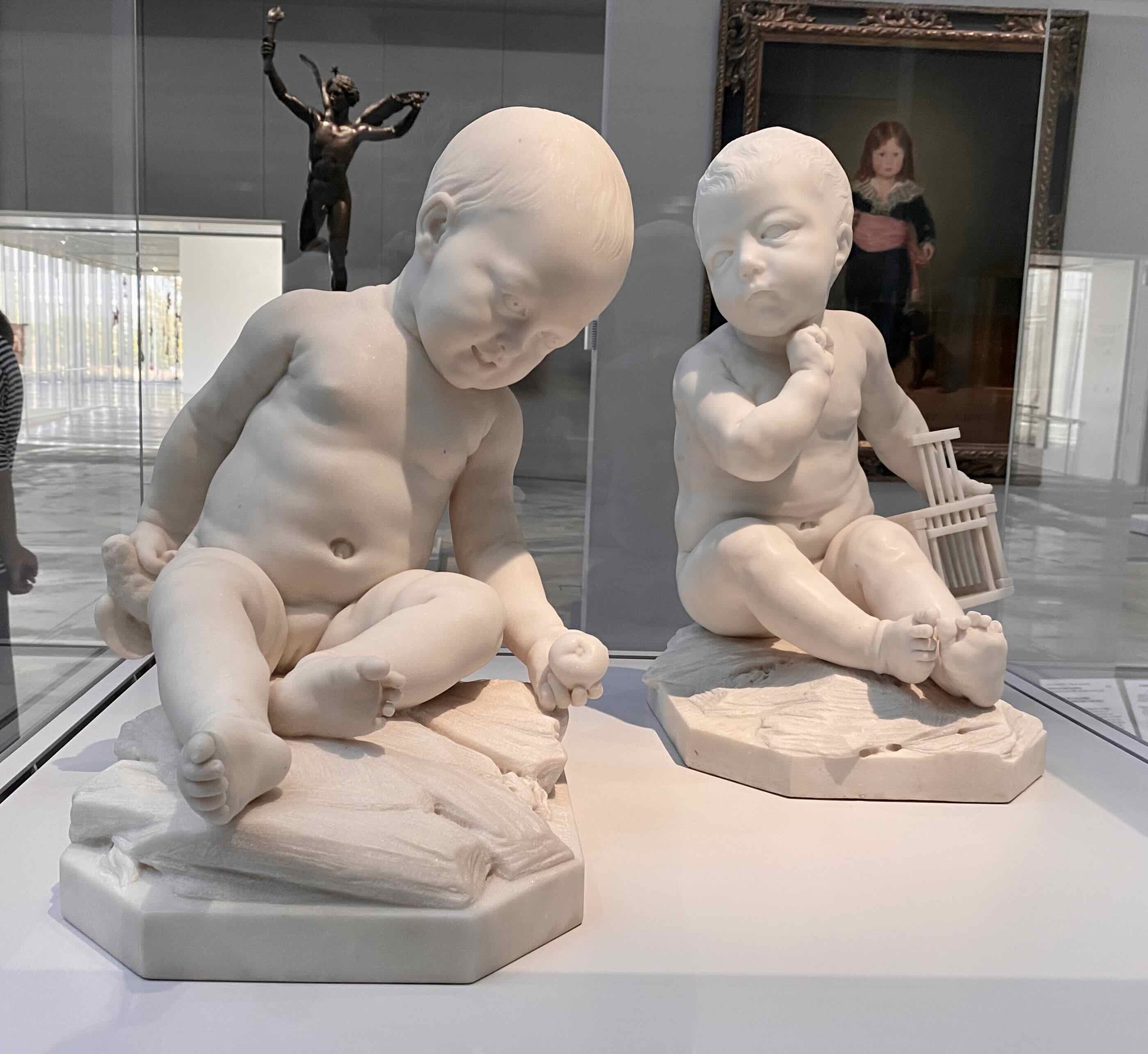
Élisabeth-Sophie Chéron, (1648-1711), 1672 Self Portrait. This is the oldest self portrait of a French female artist in the possession of a Museum.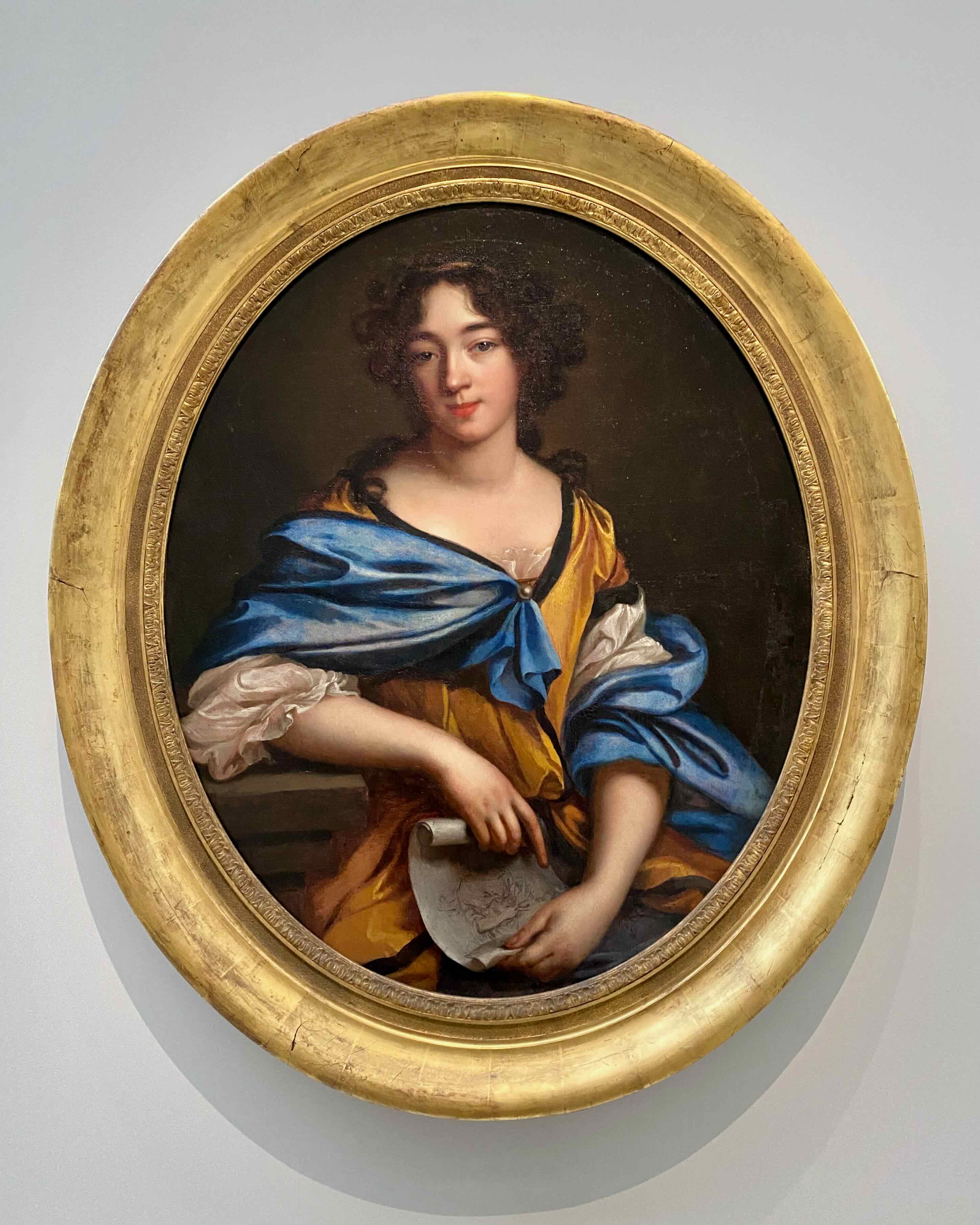
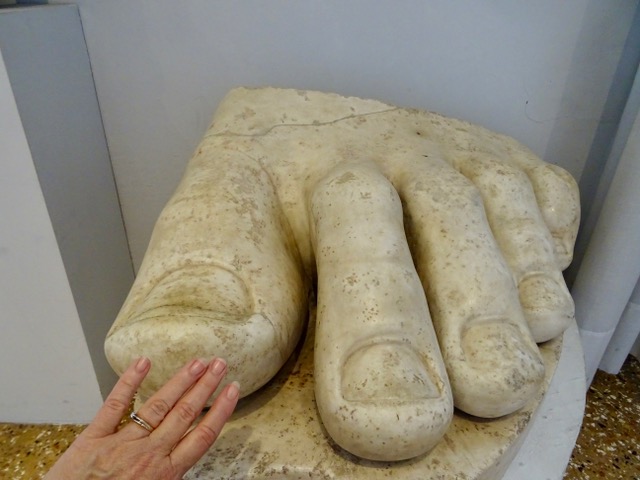
The Marching Player, 1063 AD. This statue is a replica of a Greek bronze original created around 440-400 BC. I love the detail in his feet and toes. 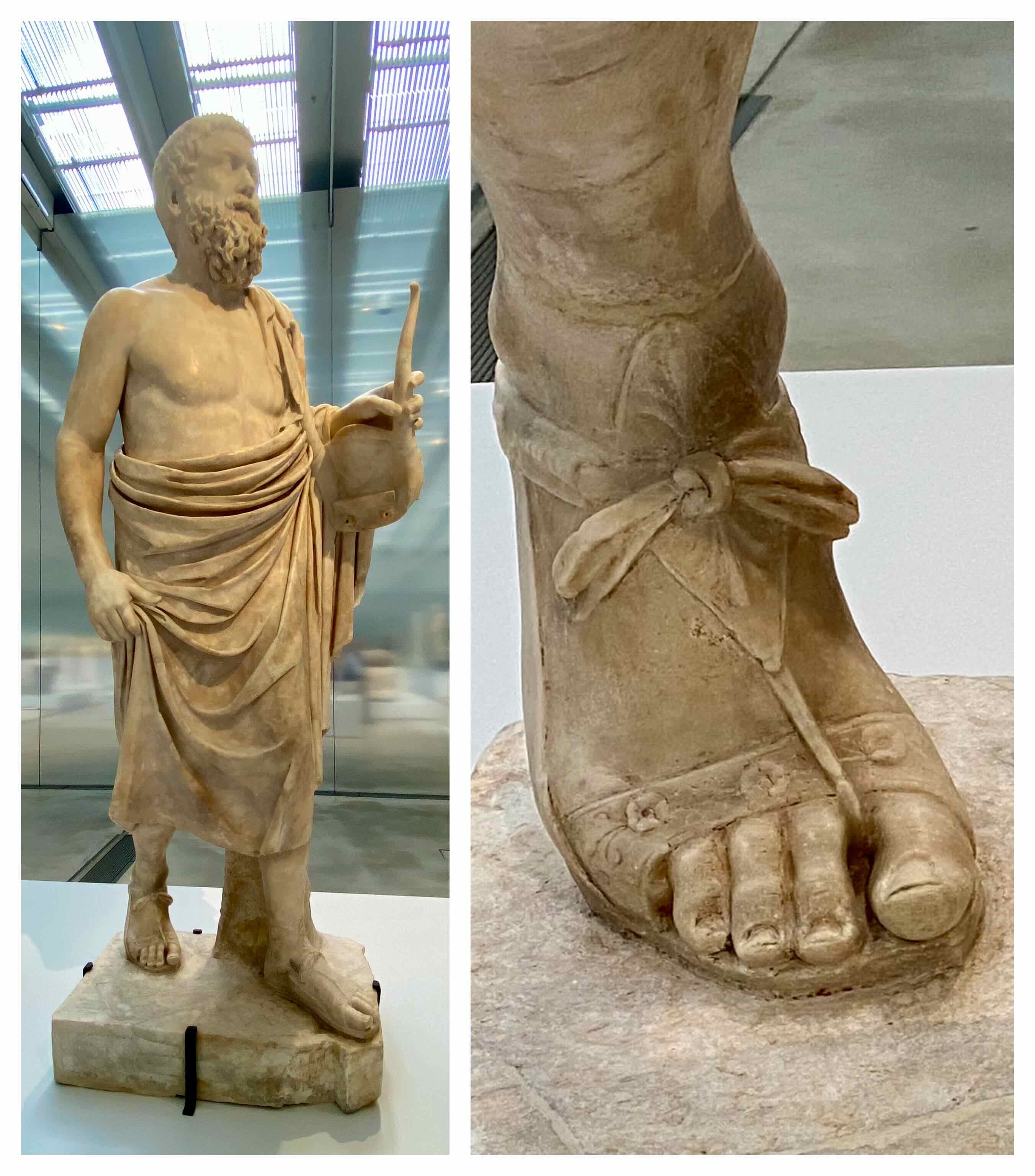
Giuseppe Arcimboldo, Milan, c. 1527-1593. We have seen other work by this artist…it is pretty distinctive. This is Spring, Summer, Autumn and Winter.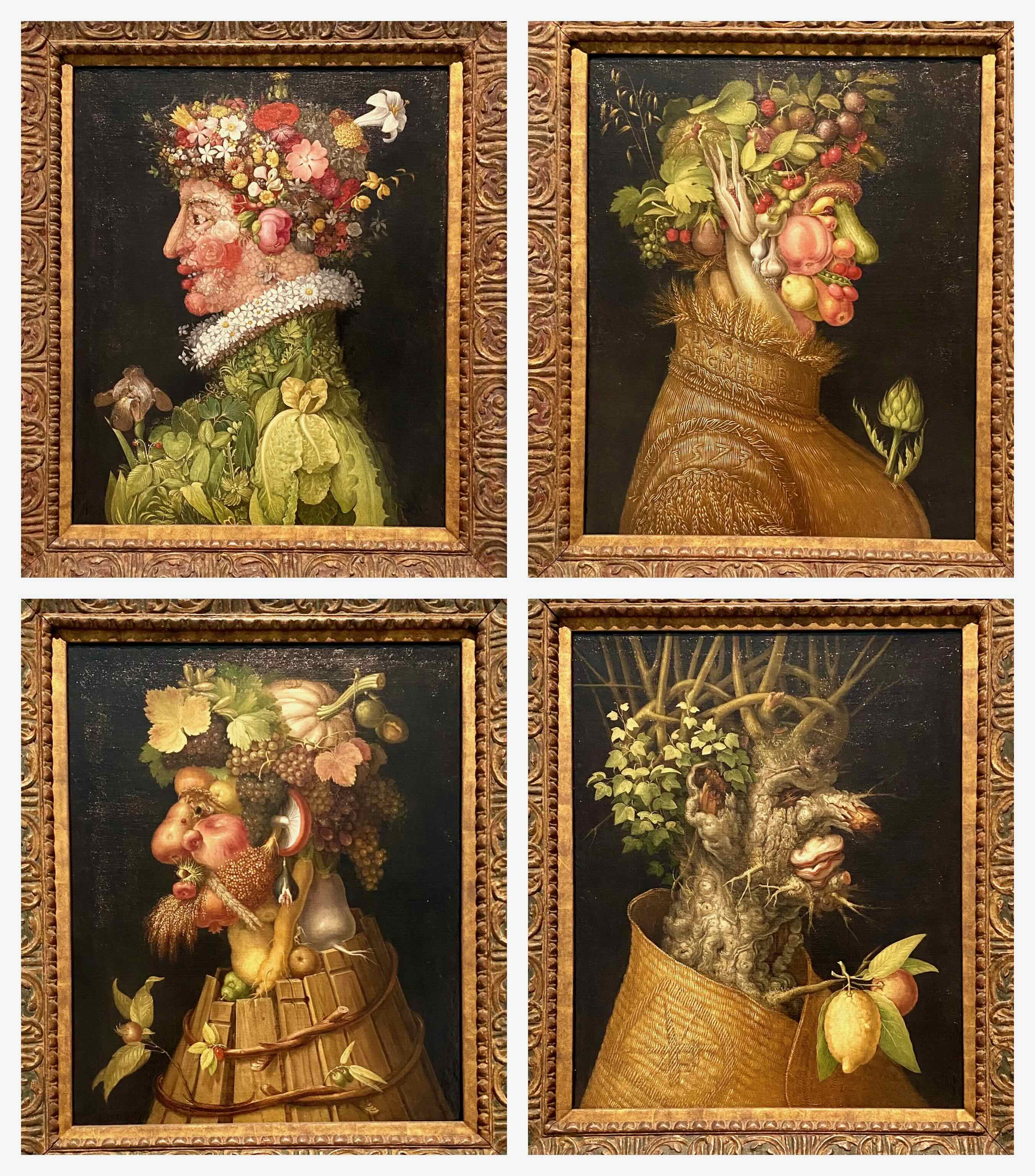
Rembrandt van Eijn, 1640-1660, Venus et L’Amour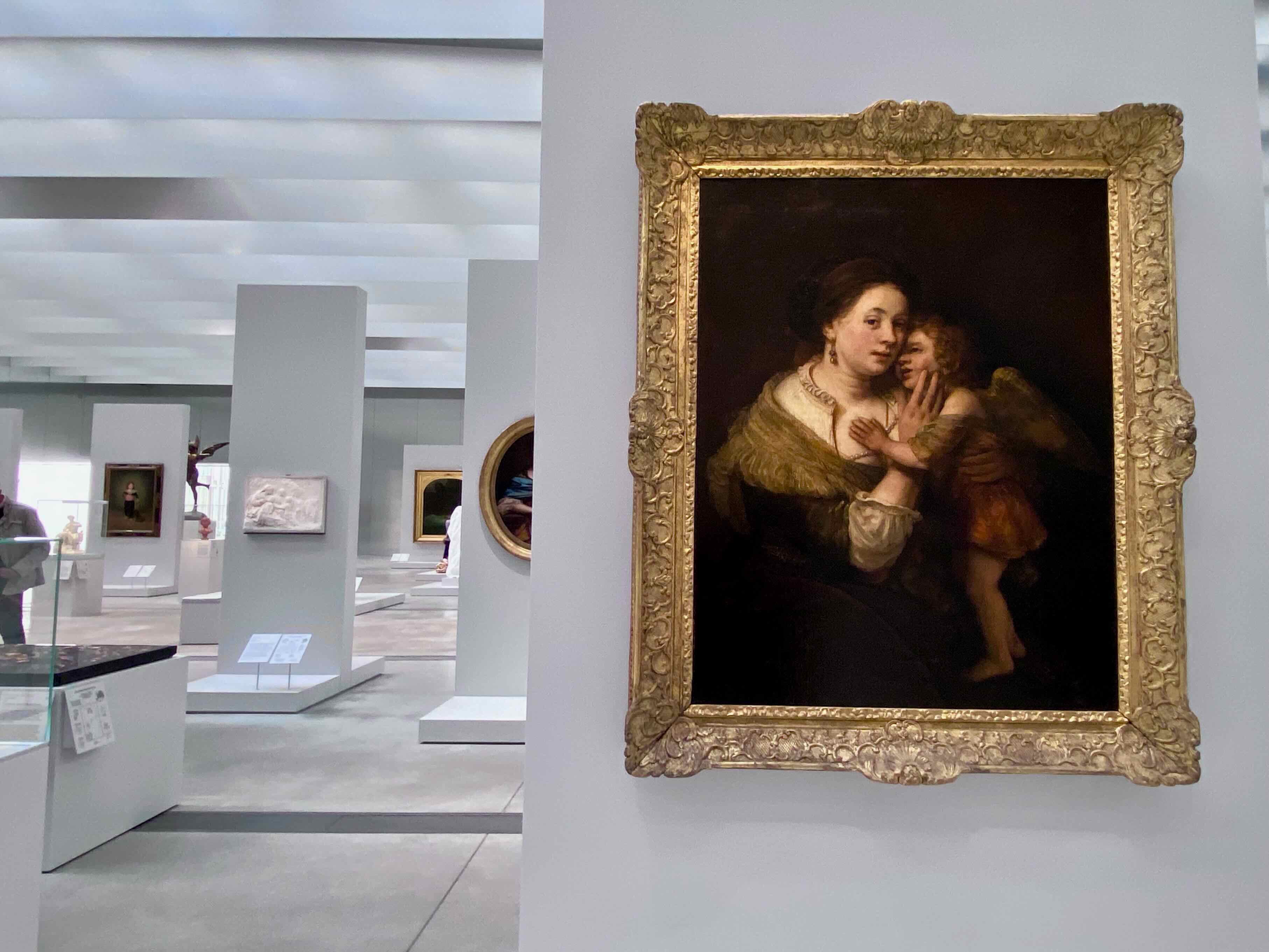
Mourner’s Mask, New Caledonia c.1850 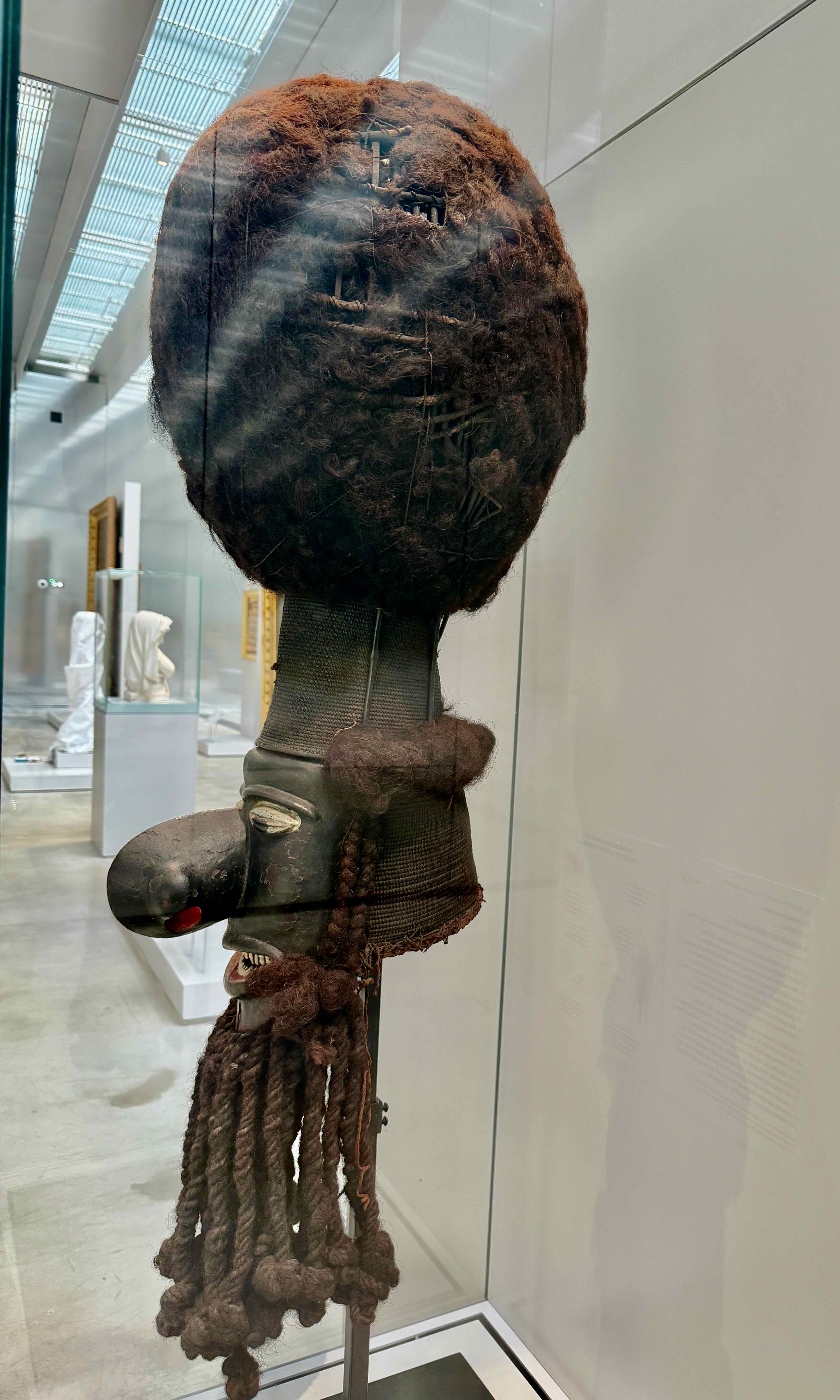
This was the last piece in the Gallery of Time. A painting by Paul Delaroche, 1885, The Young Martyr. A painting of a young woman who was killed for refusing to renounce her Christian faith.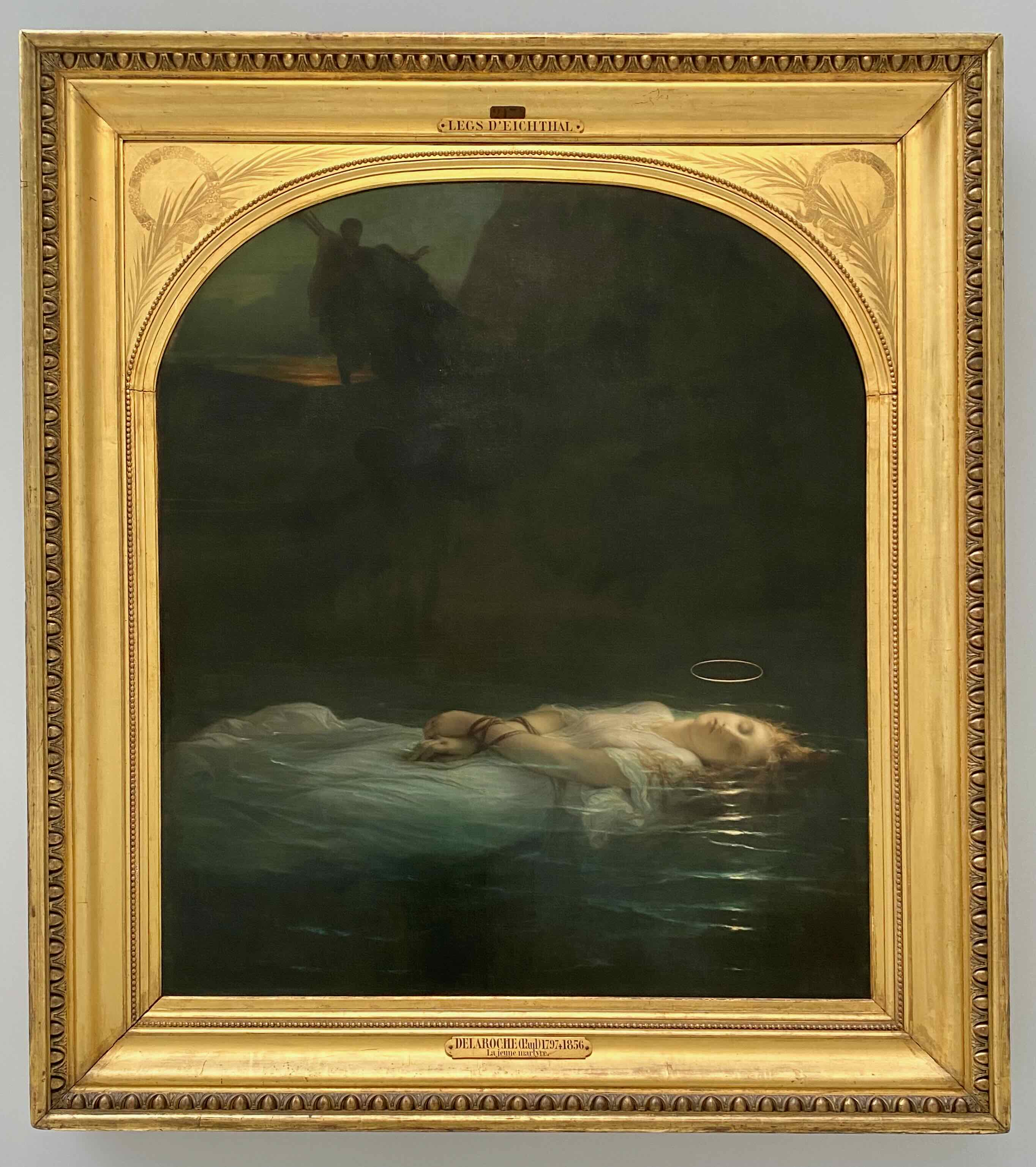
We have a much needed tea break. 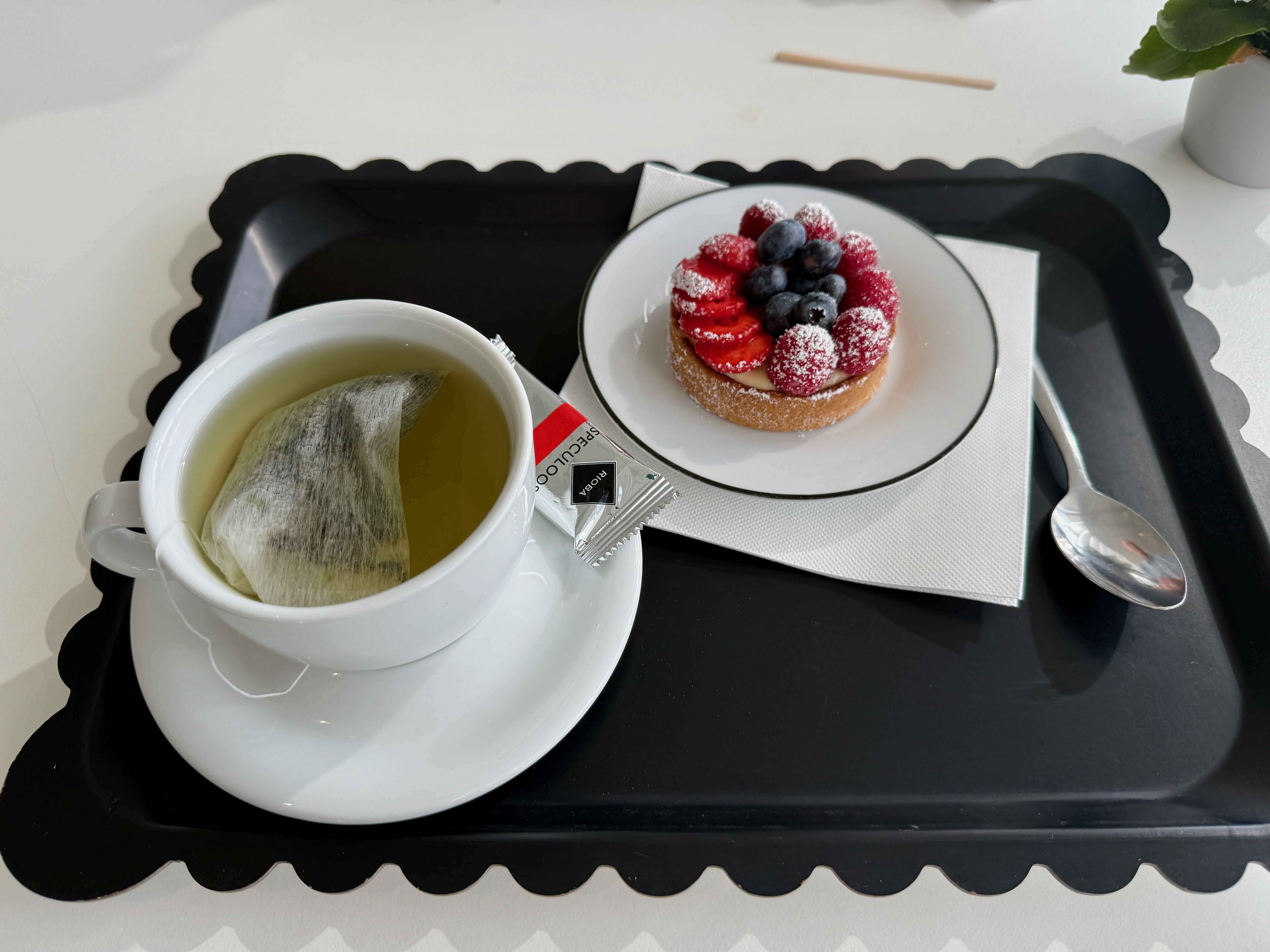 I asked how big the tea was and was assured that it was very big…well, this rather ‘very large” cup of tea was €5.50! Bob finds a spot to read and I go back to the gallery to do some sketching. They aren’t the best sketches but I had such an enjoyable time doing them. Two people asked if they could take a photo…people are always interested in what I am drawing.
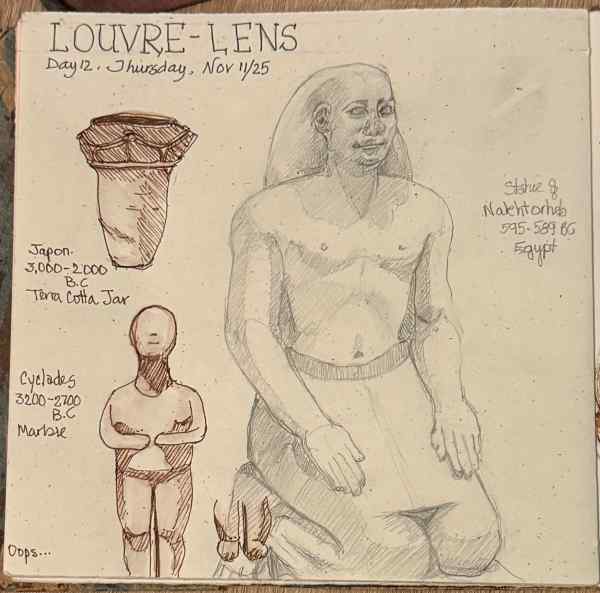
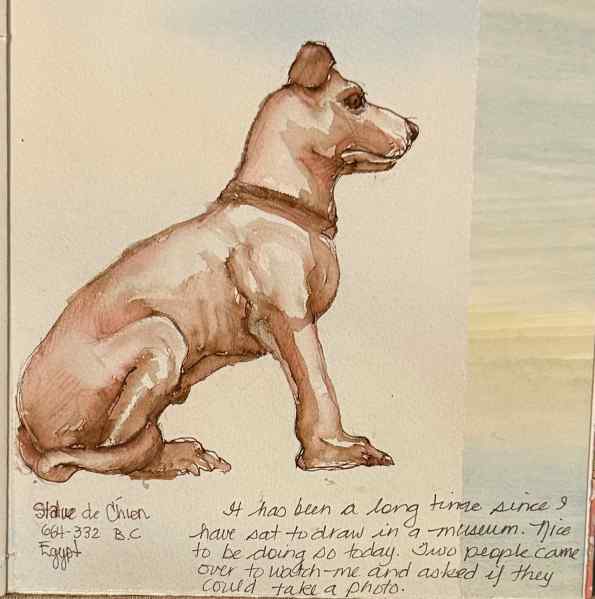
We stay until the museum closes at six and we are surprised to see it is raining outside. The Louvre -Lens is a very modern building, so different than the Louvre in Paris. We really enjoyed the Gallery In Time”. It was interesting, and not as overwhelming as the Louvre.
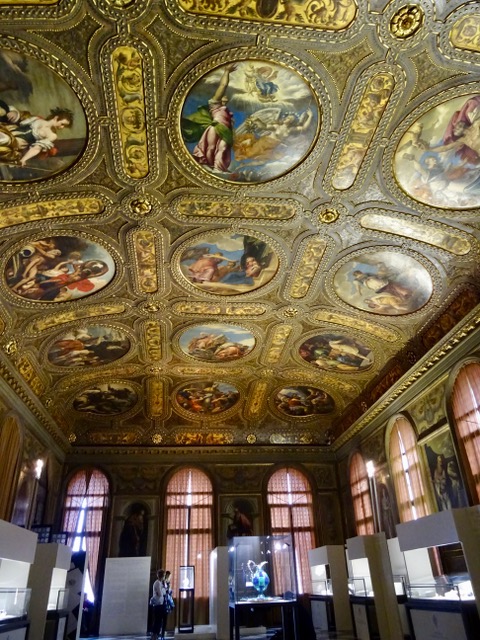
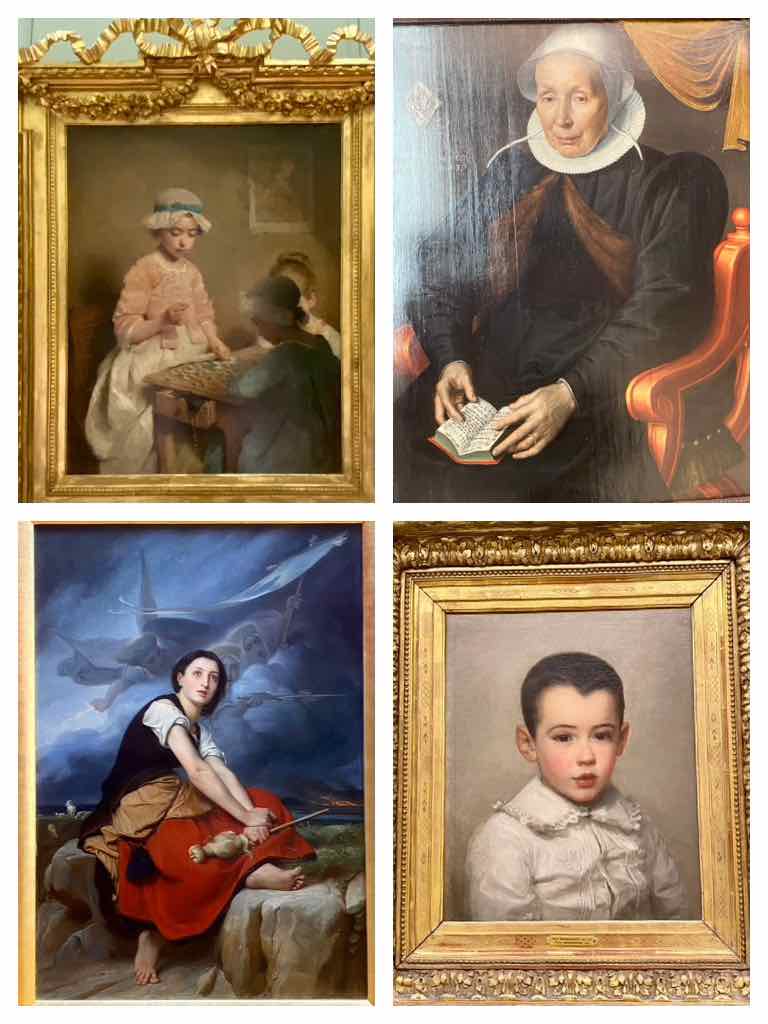 …and some views from just a couple of the 60 rooms in the museum.
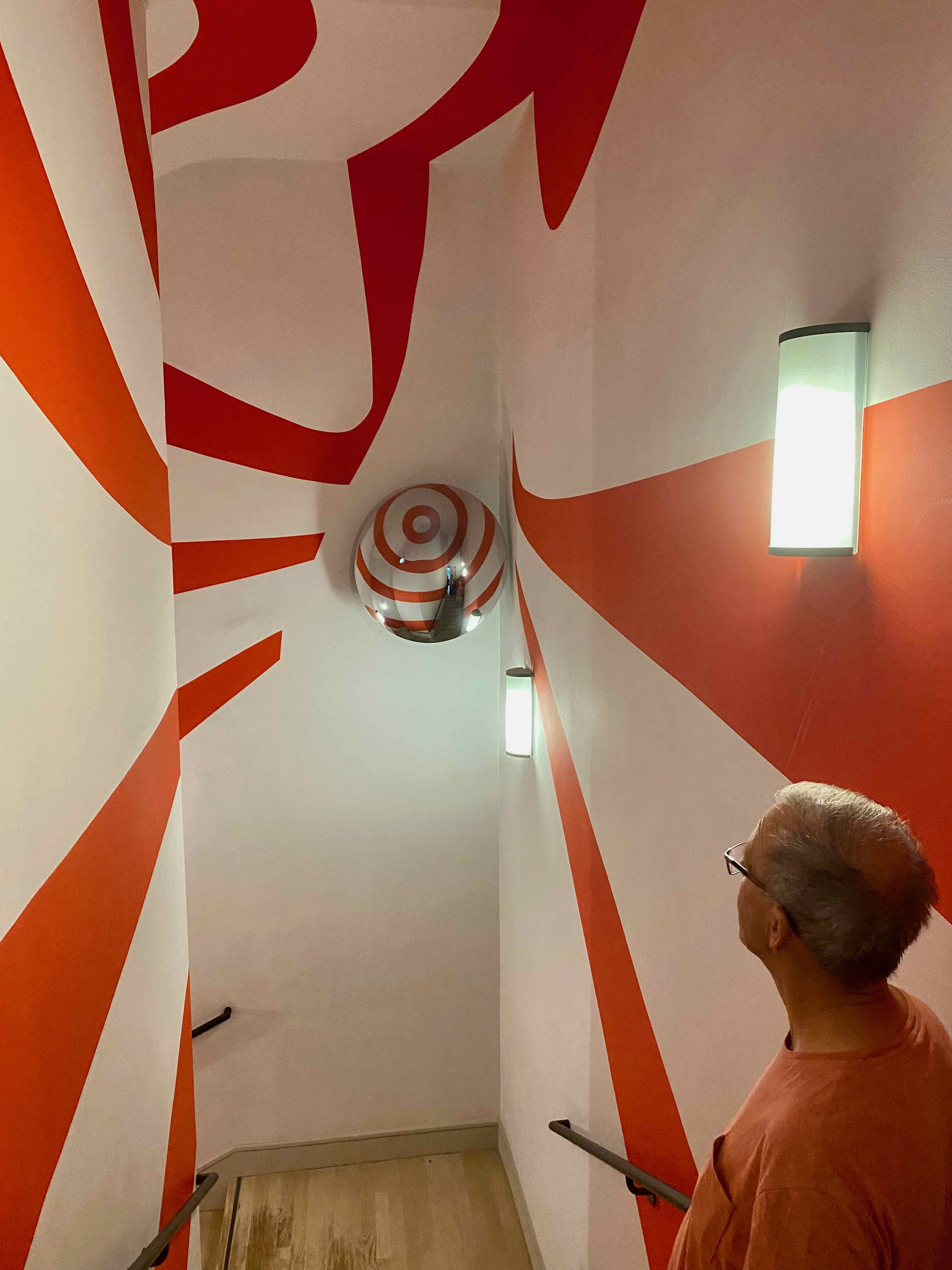
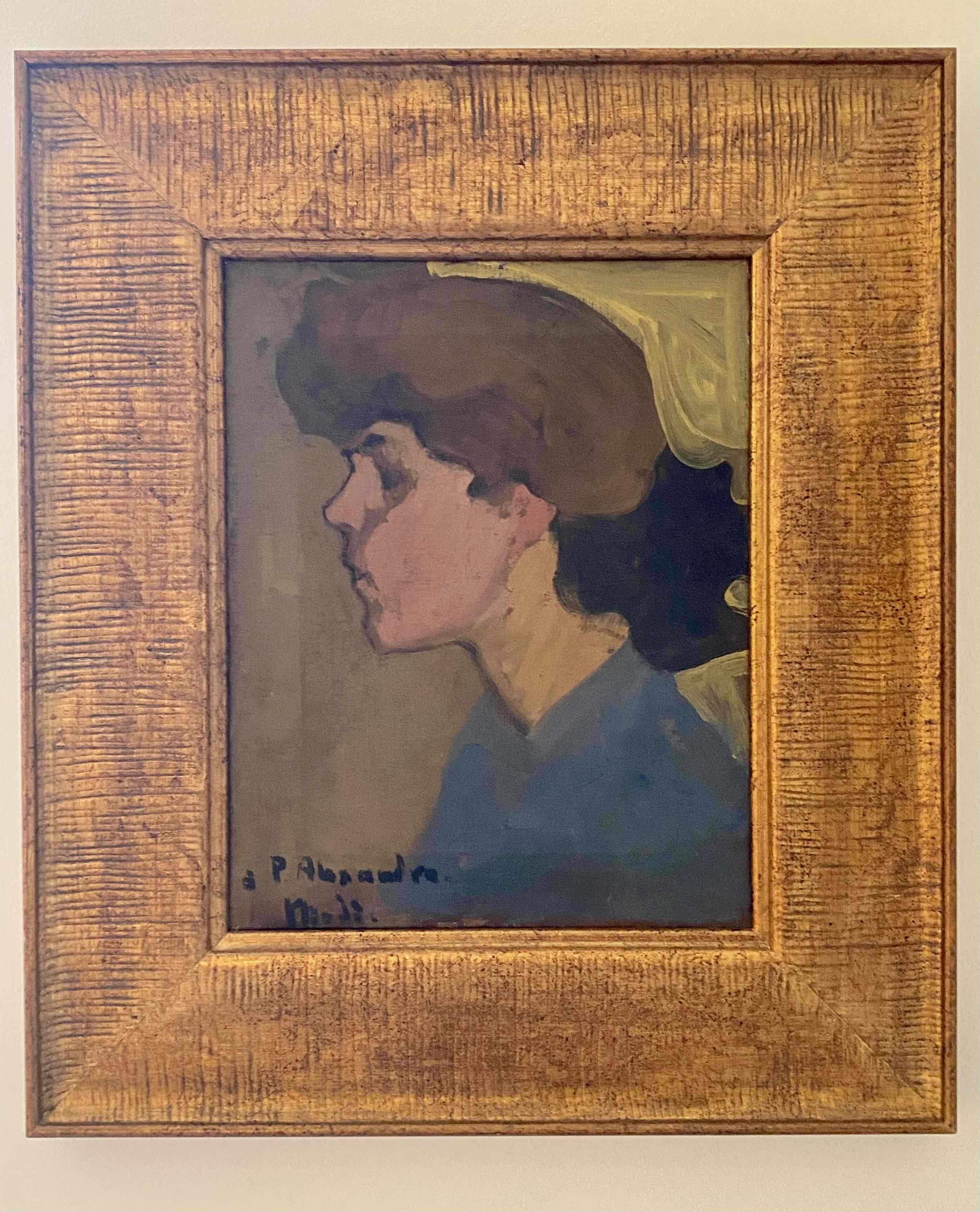
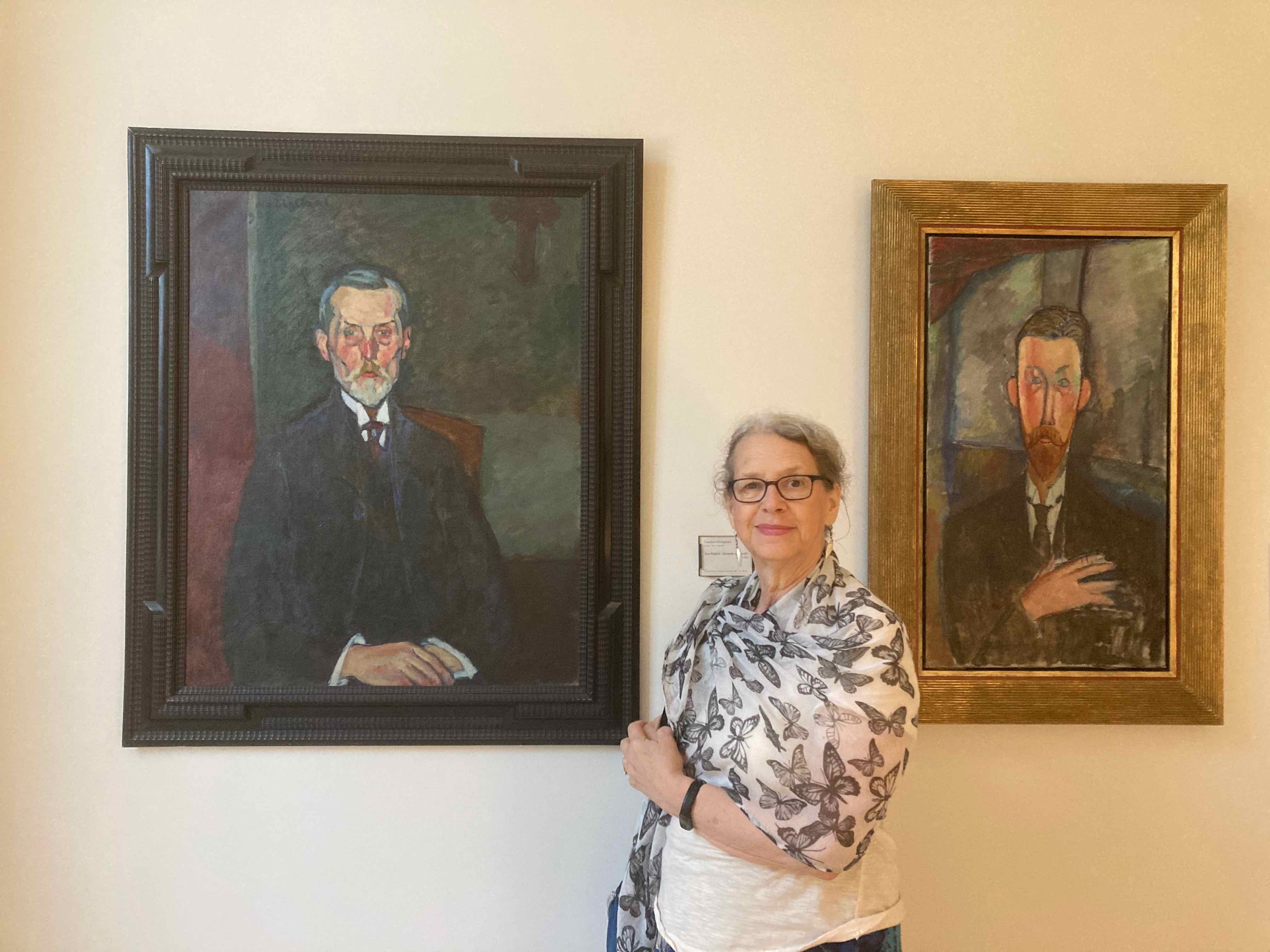
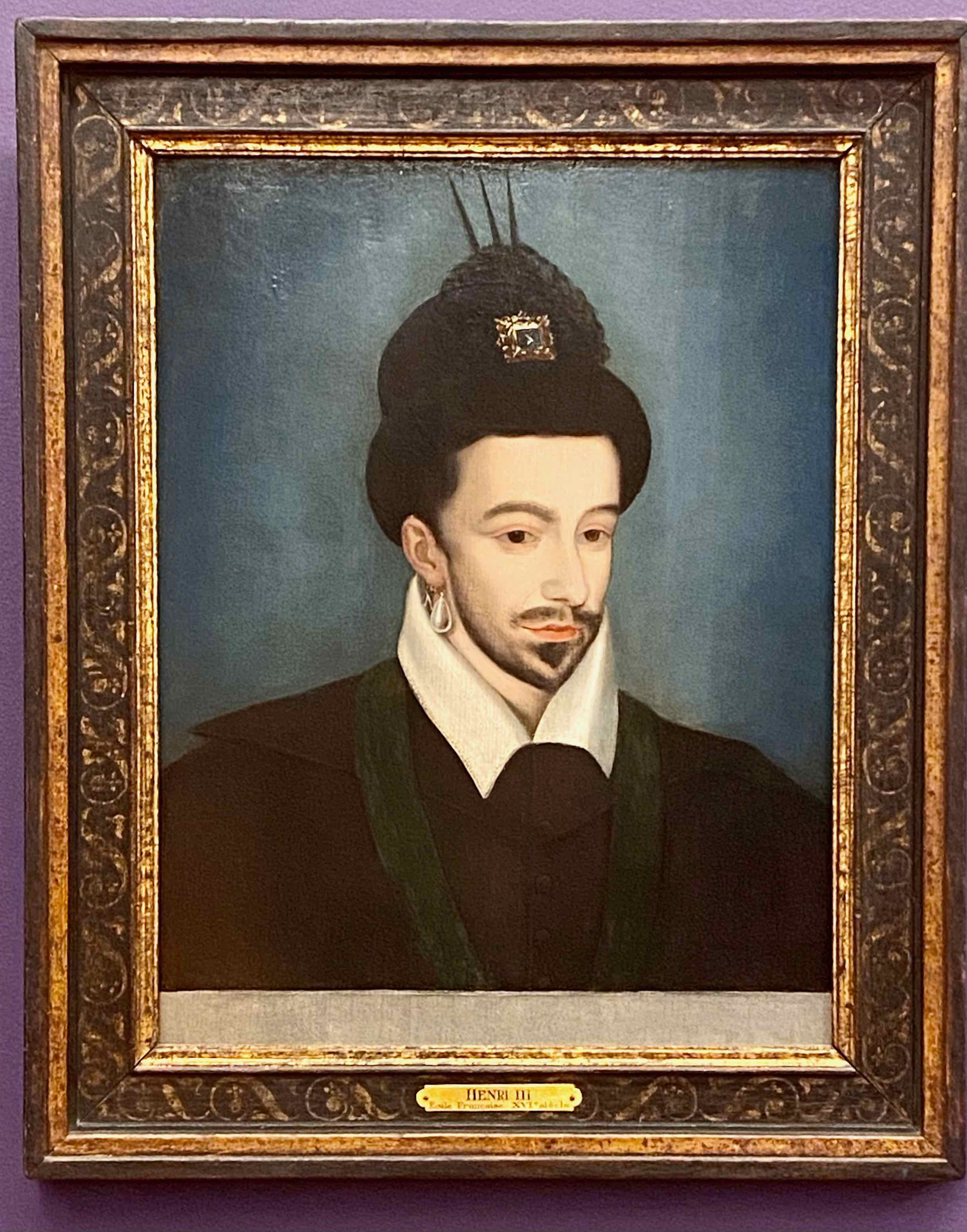
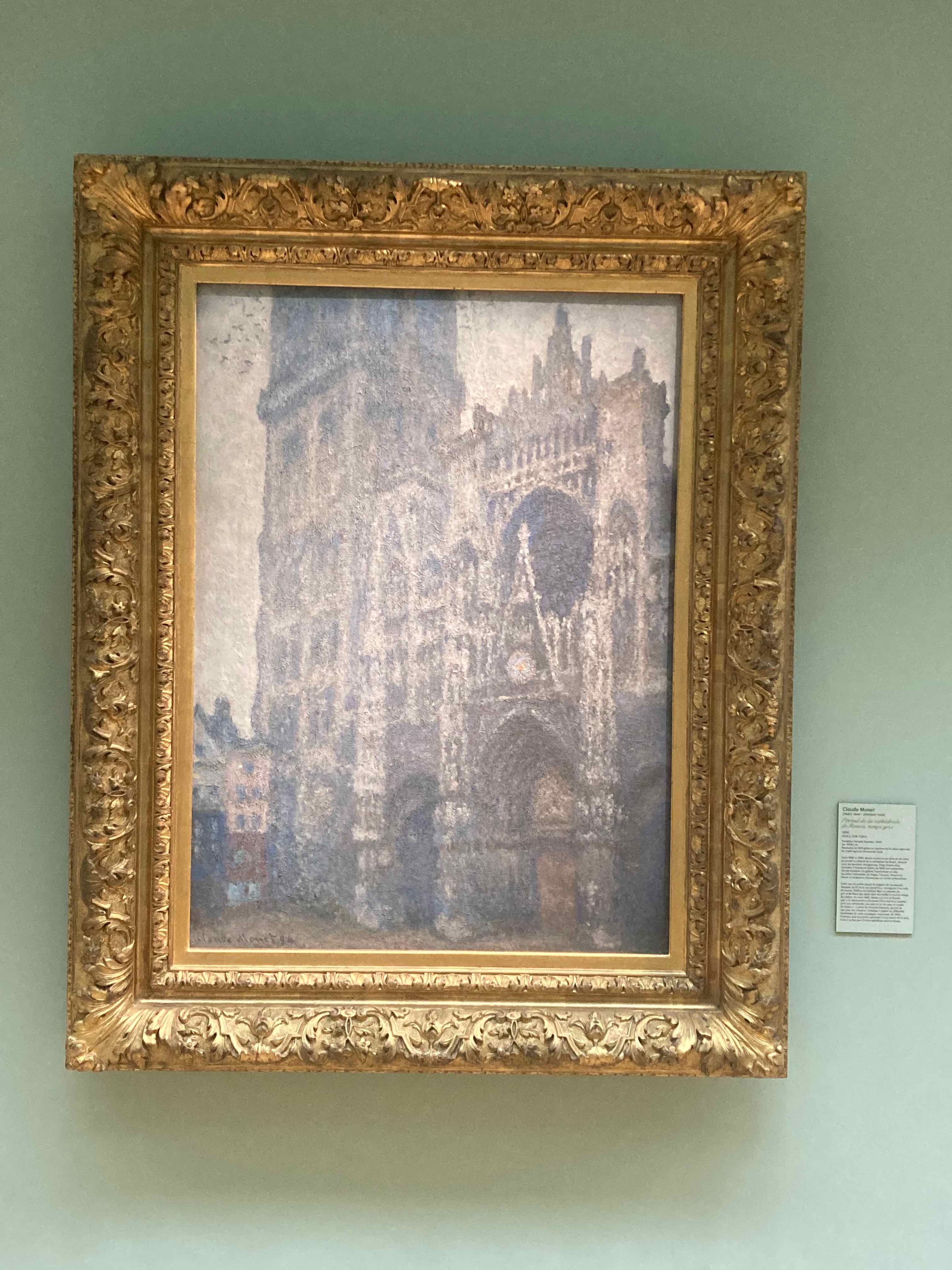
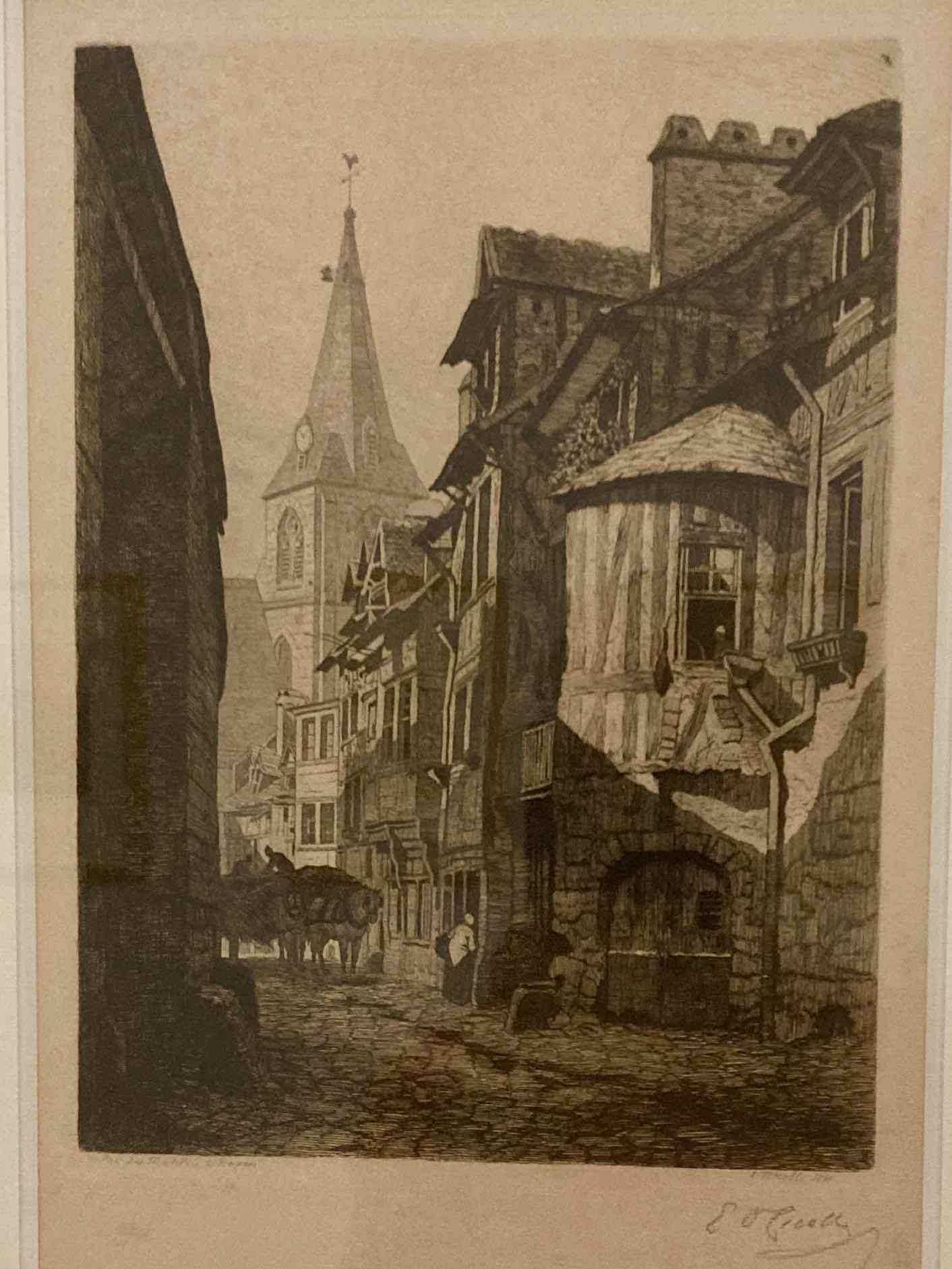
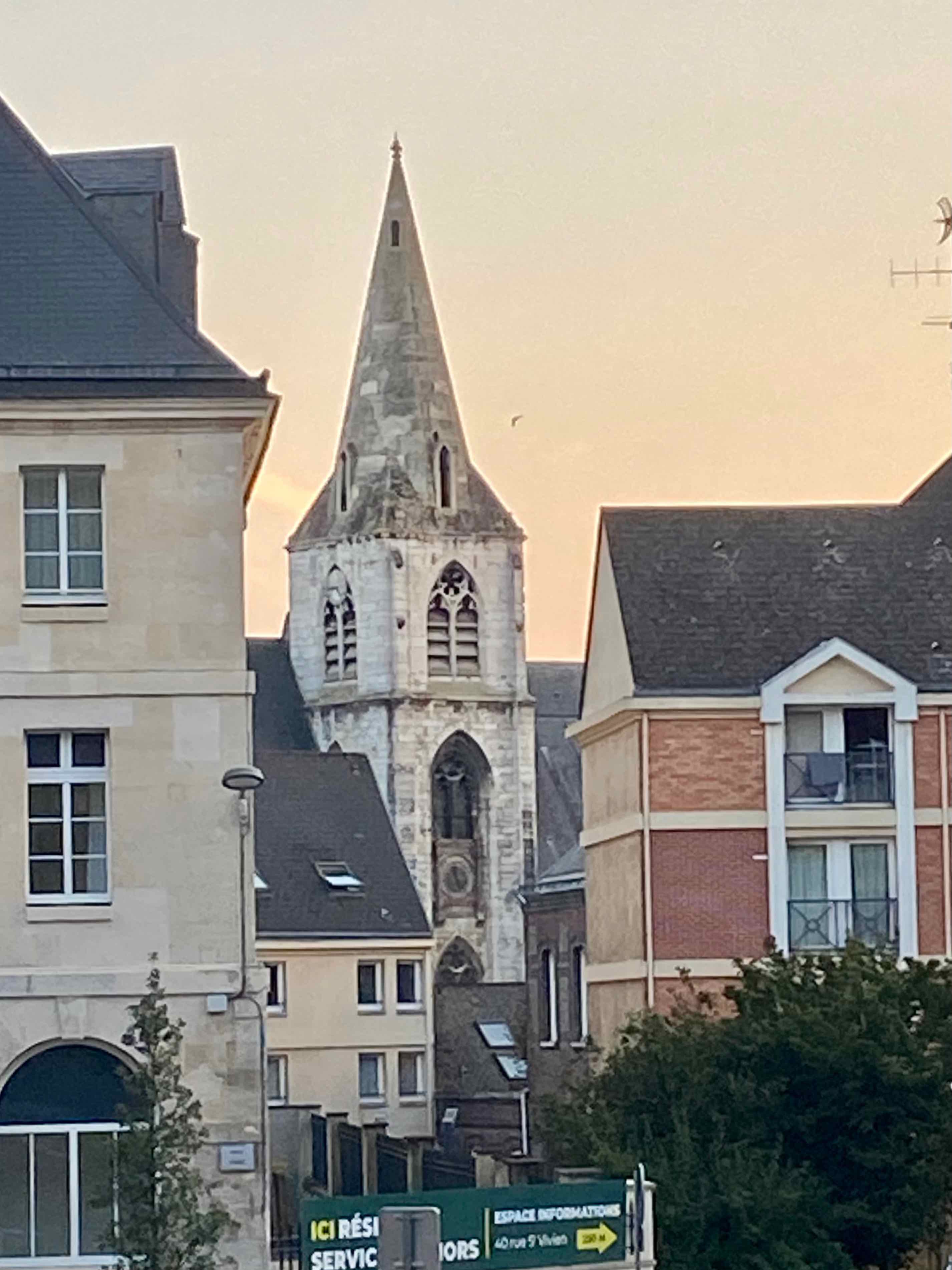
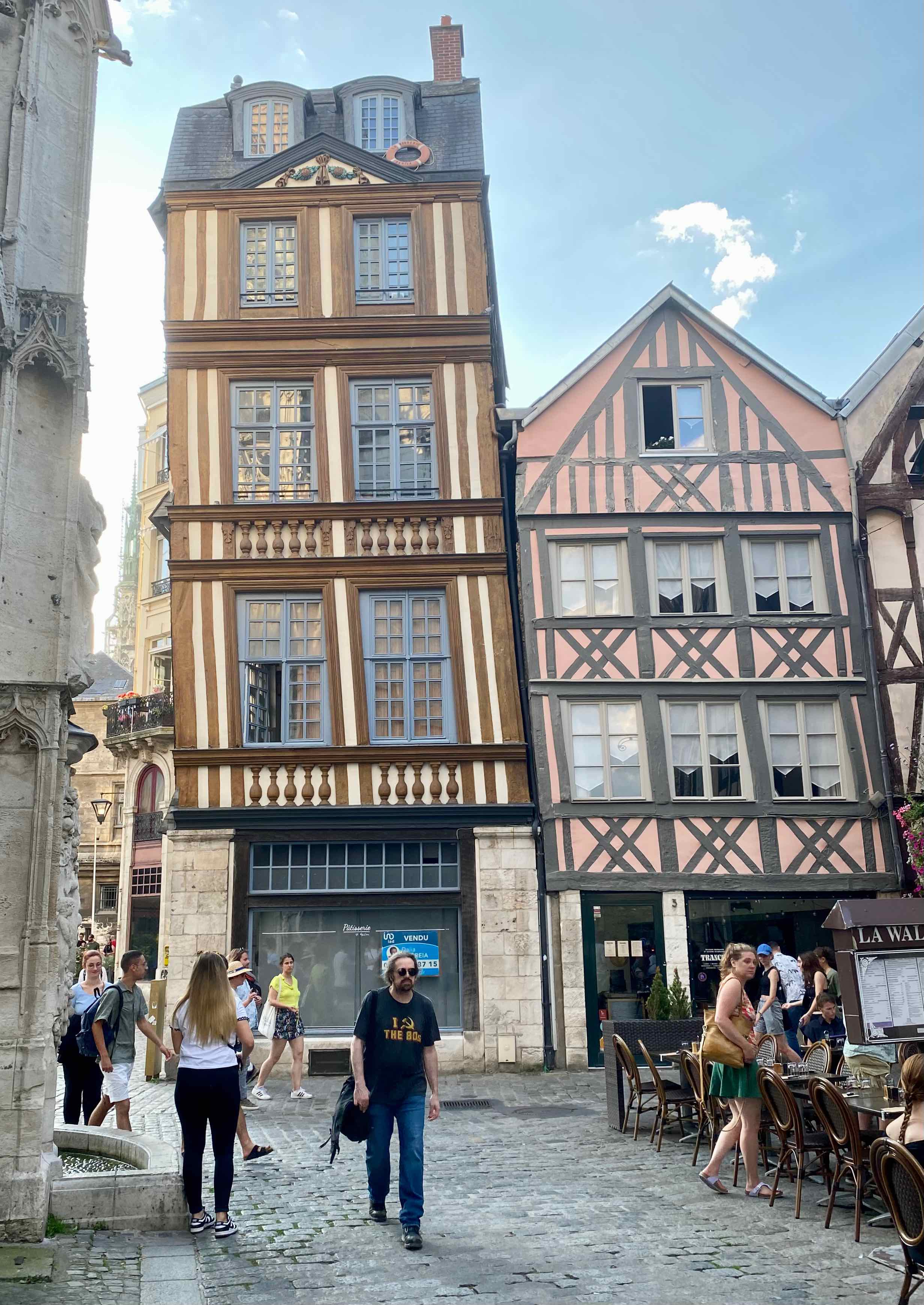
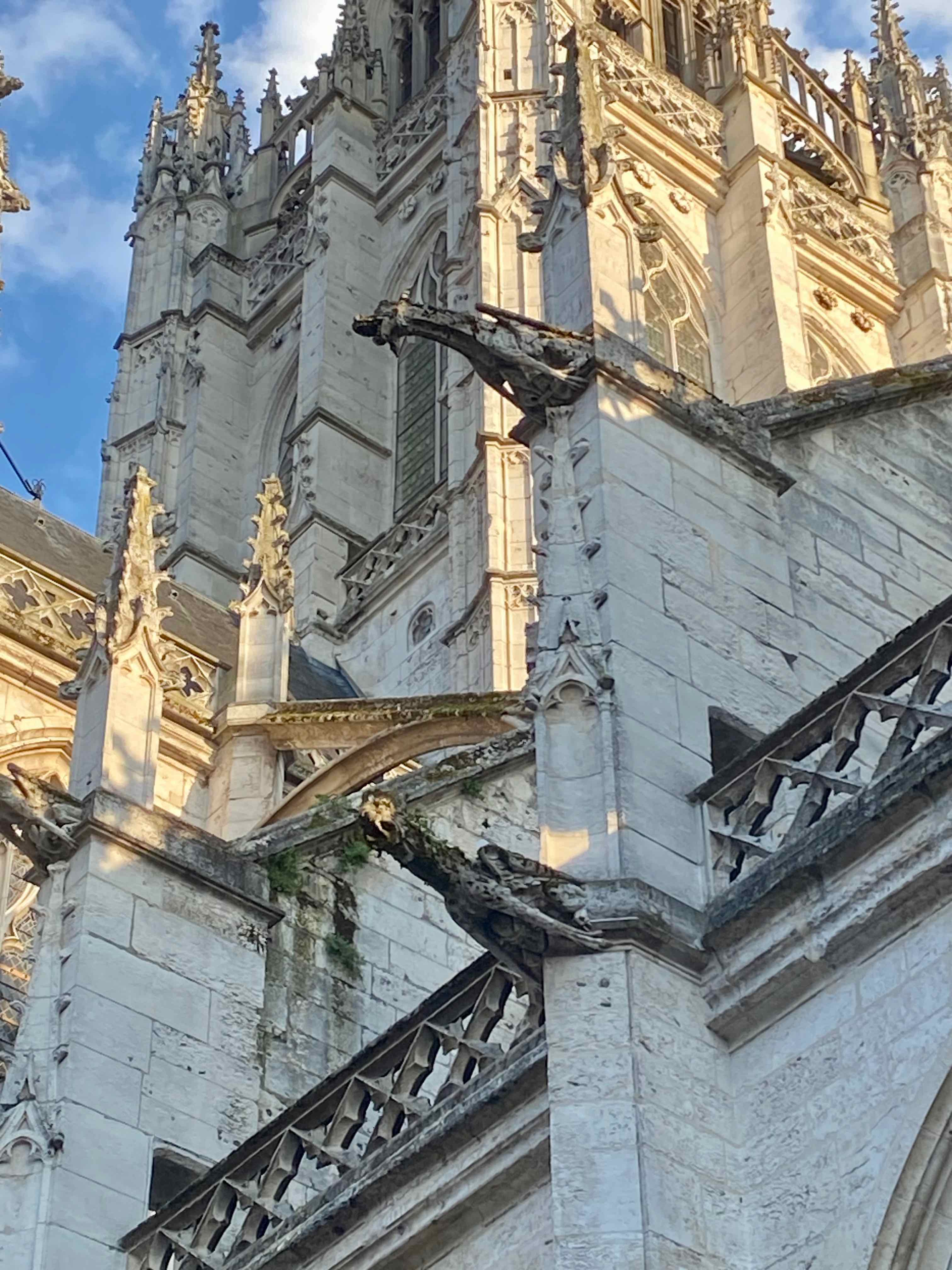
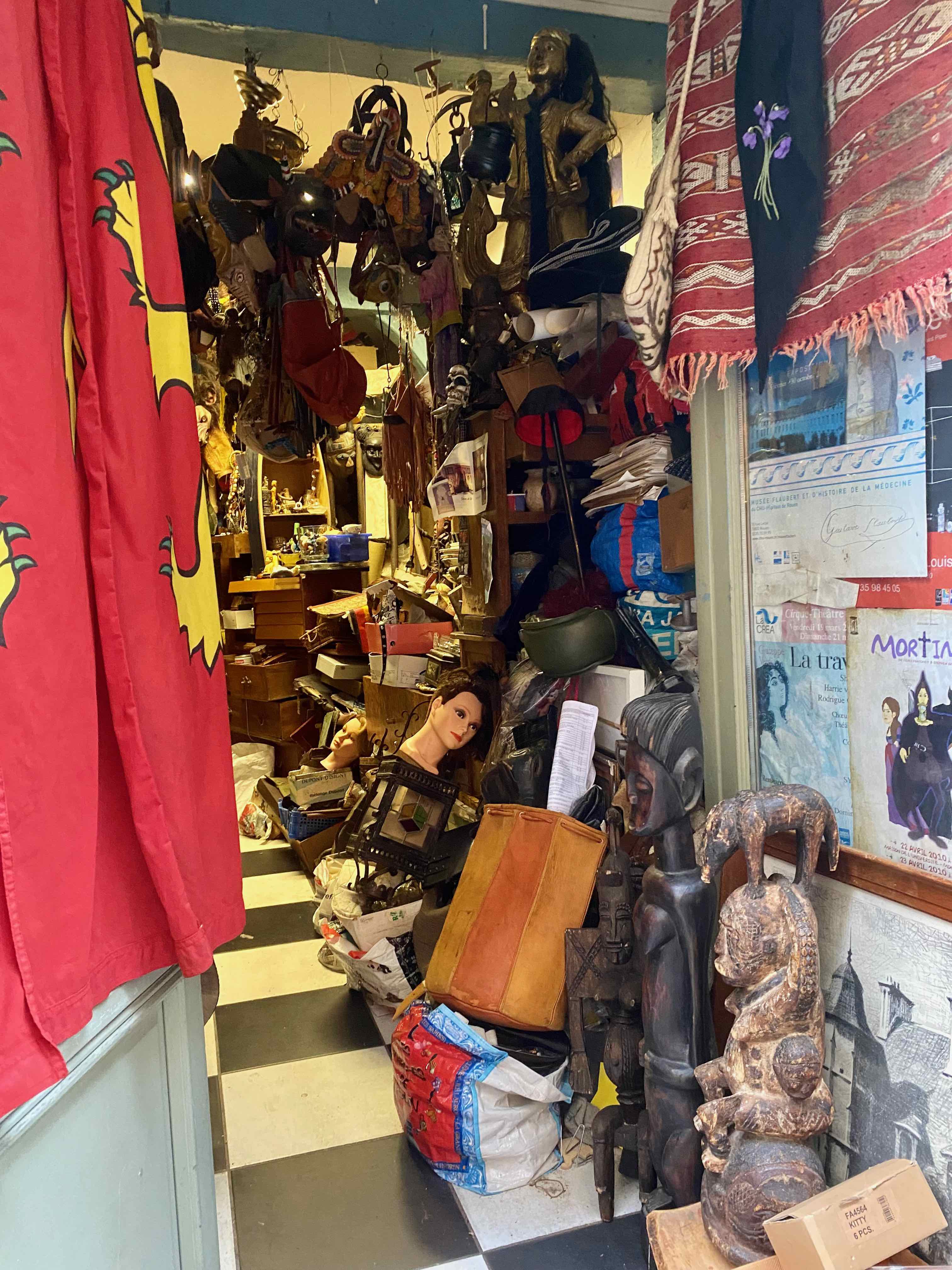
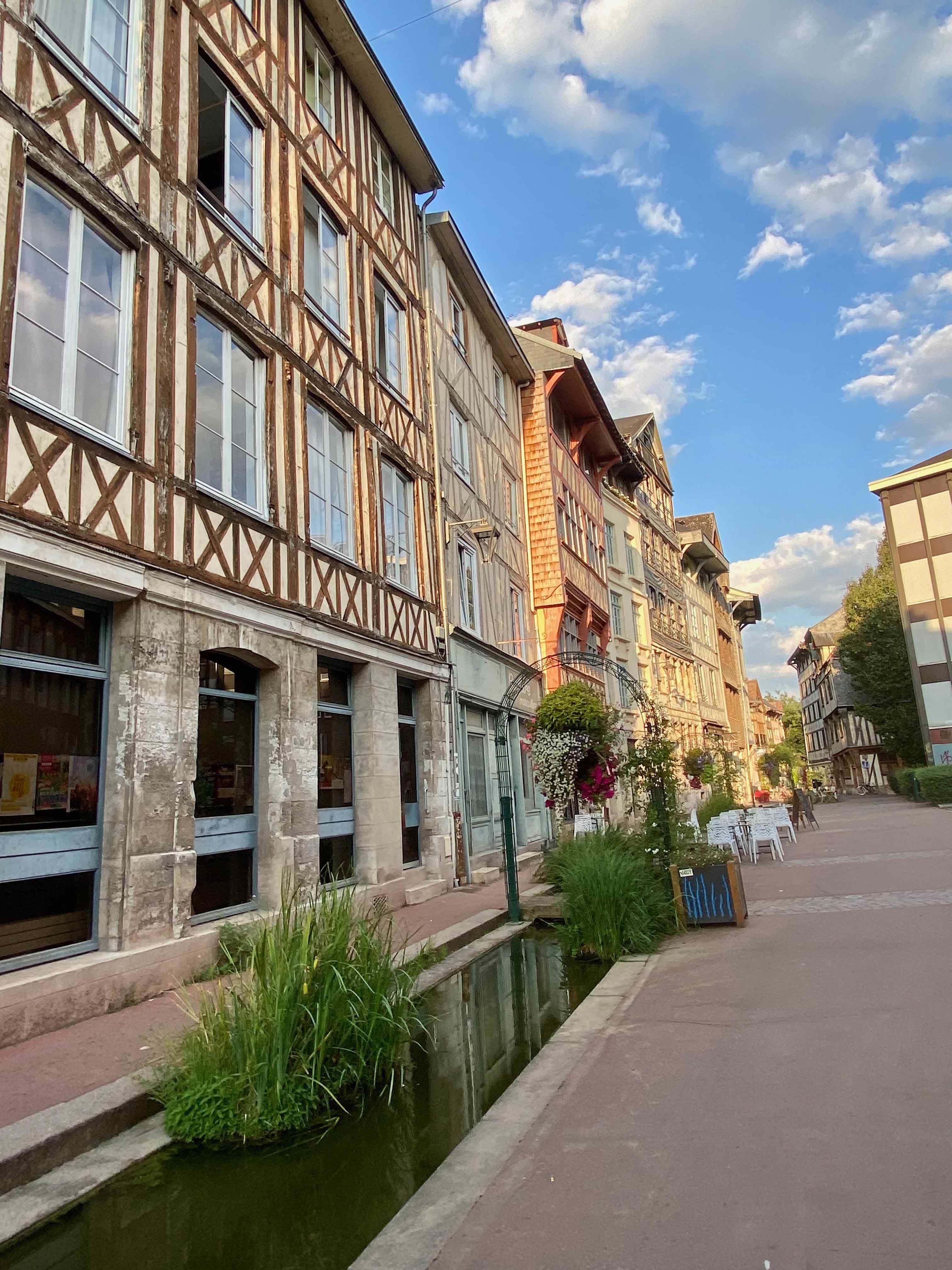
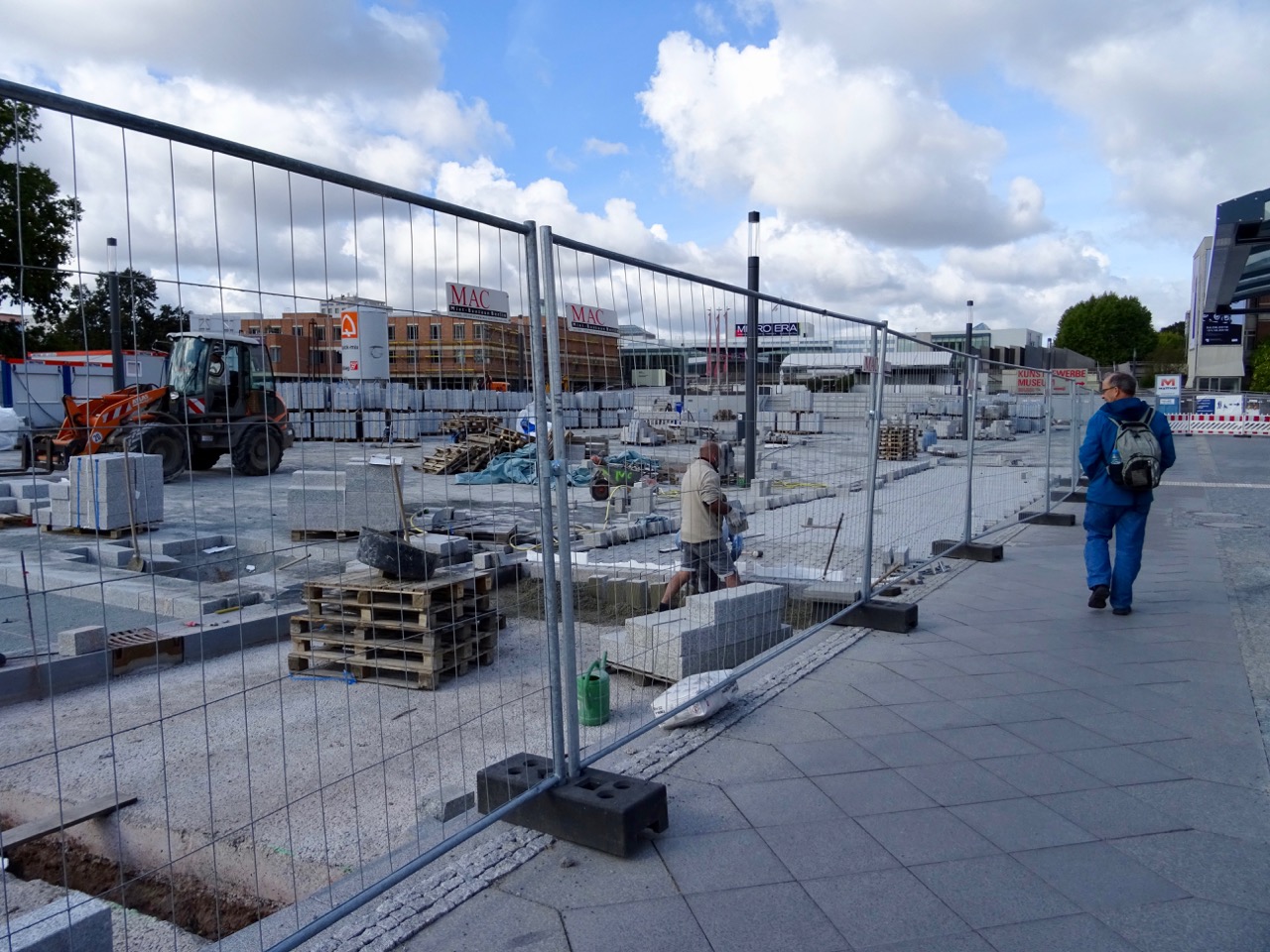
 These workers are laying paving bricks for a huge plaza. We have not seen poured cement sidewalks or plazas here, they are all made with paving stones. It seems very labour intensive.
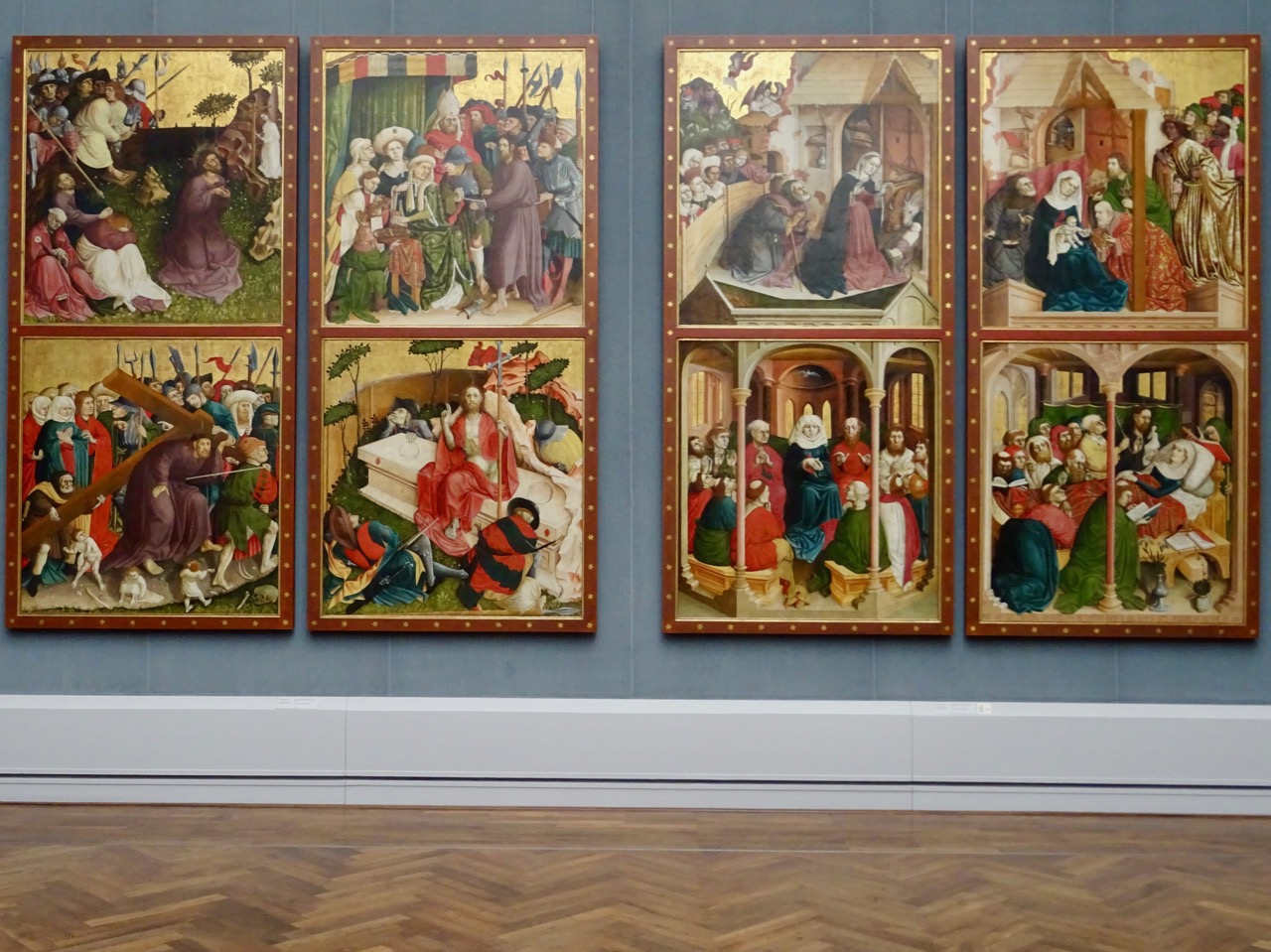
 The Gemäldegalerie is our first stop today. This museum is near the Berlin Zoo and has one of the world’s leading collections of European paintings from the 13th to the 18th century. The quality of the artwork here is amazing. This is the first painting we see, part of an altar from 1437 telling the story of Jesus on the left, and Mary on the right. The white ‘baseboard’ in the photo comes almost mid-thigh on me, to give you an idea of the scale of the works.
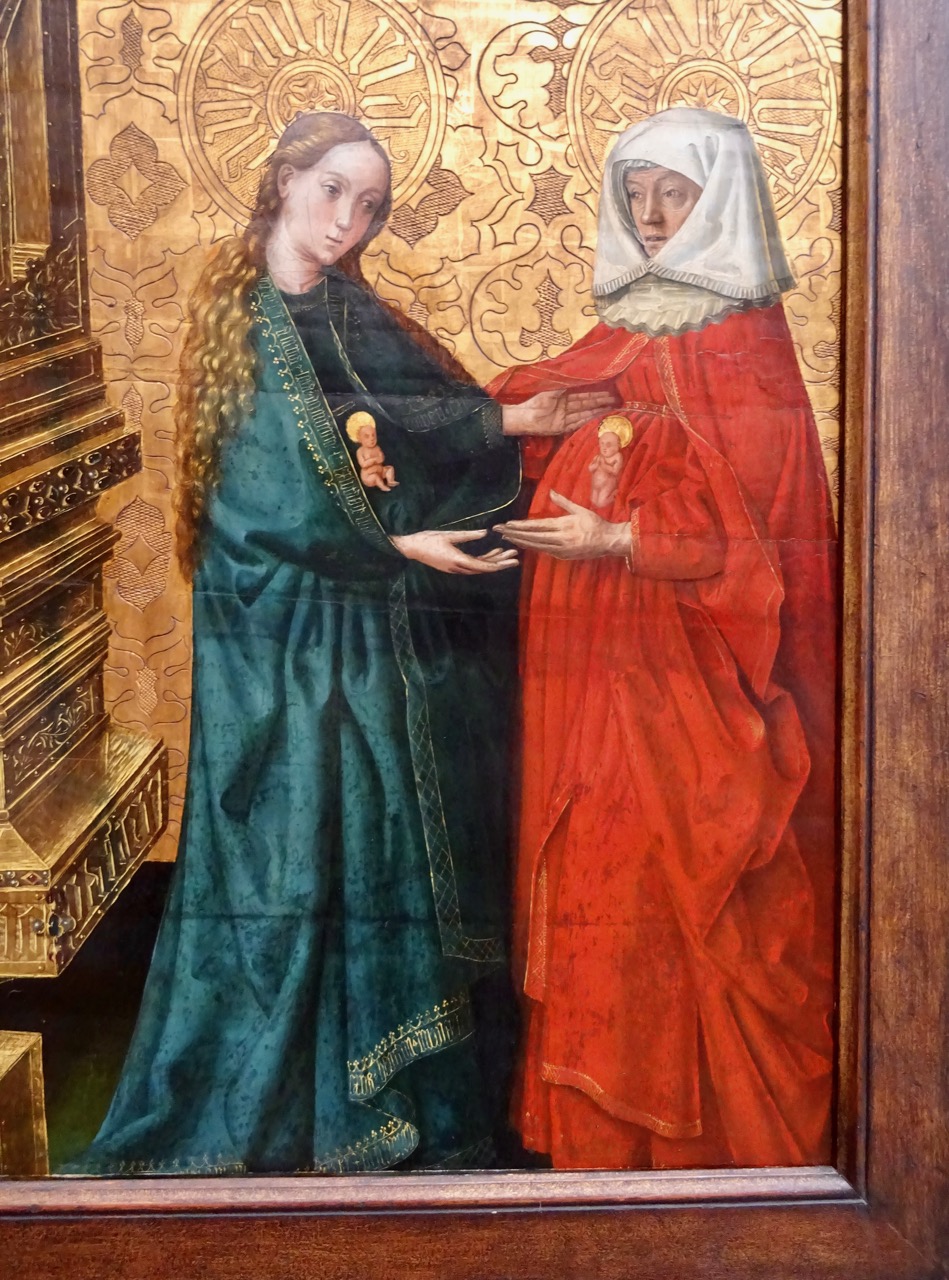
 The corner of one painting from 1444 shows two pregnant women, notice the babies depicted on their stomachs. I had never seen this symbolism before.
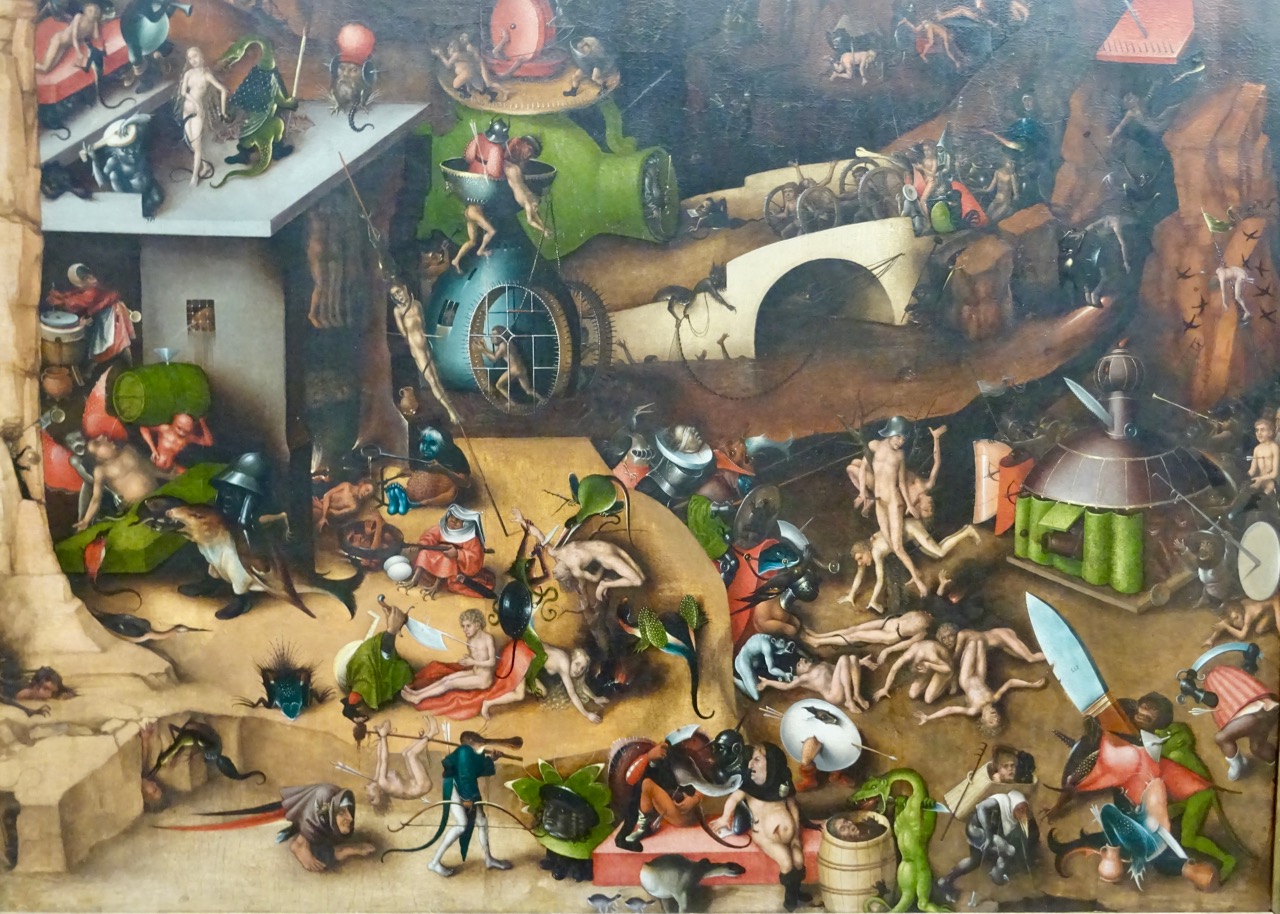
 We both liked the Fountain of Youth by Lucas Cranach, 1546. This is not the style of his work that I am familiar with…
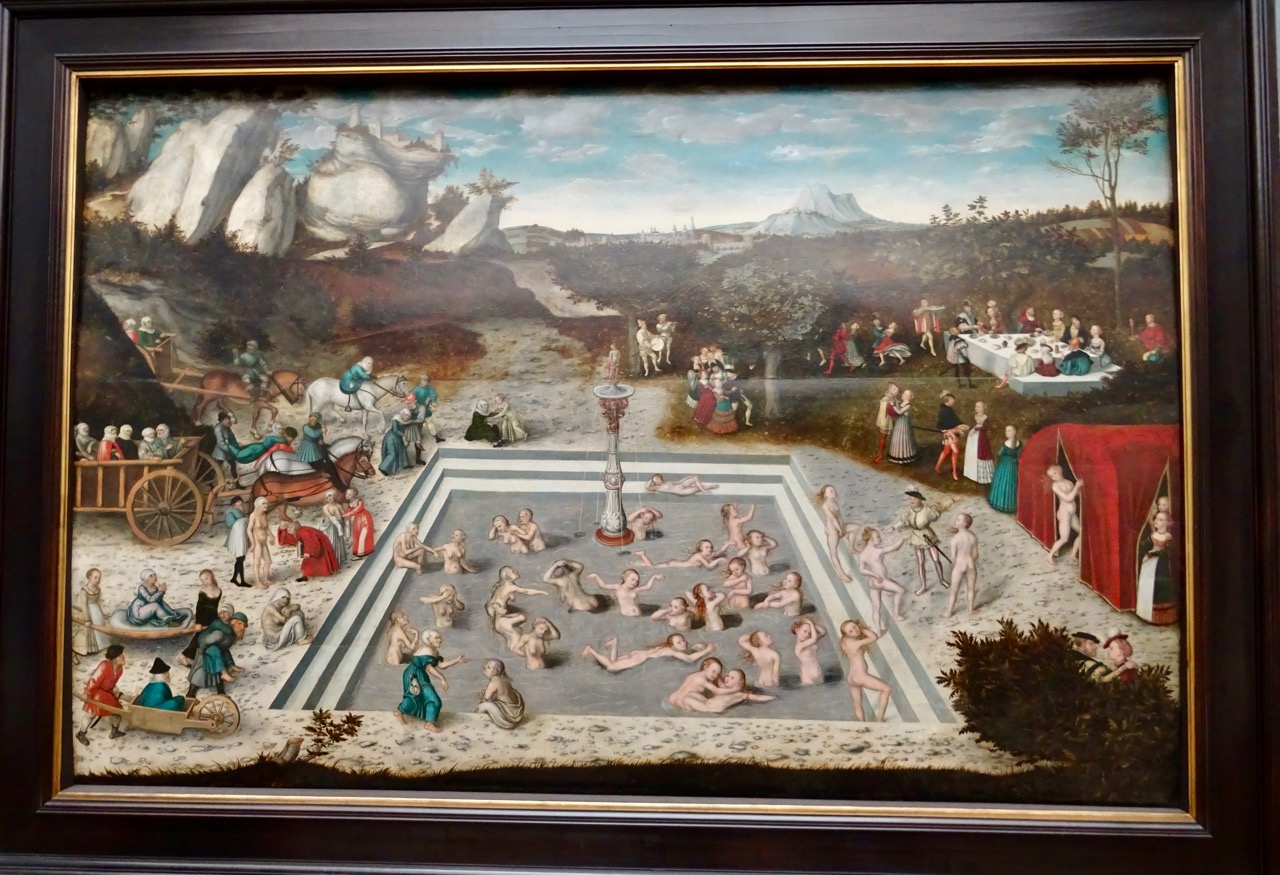 this is! I have always wondered at this artist’s creativity.
 Wow!! This painting by Rogier van Der Weyen from 1440 is my absolute favourite of everything we have seen so far this trip. I absolutely love it and wish that the photo was able to convey the impact it has in person. I would have bought a print but it was almost $100 and I worried about getting it home safely. This is a painting I could live with forever.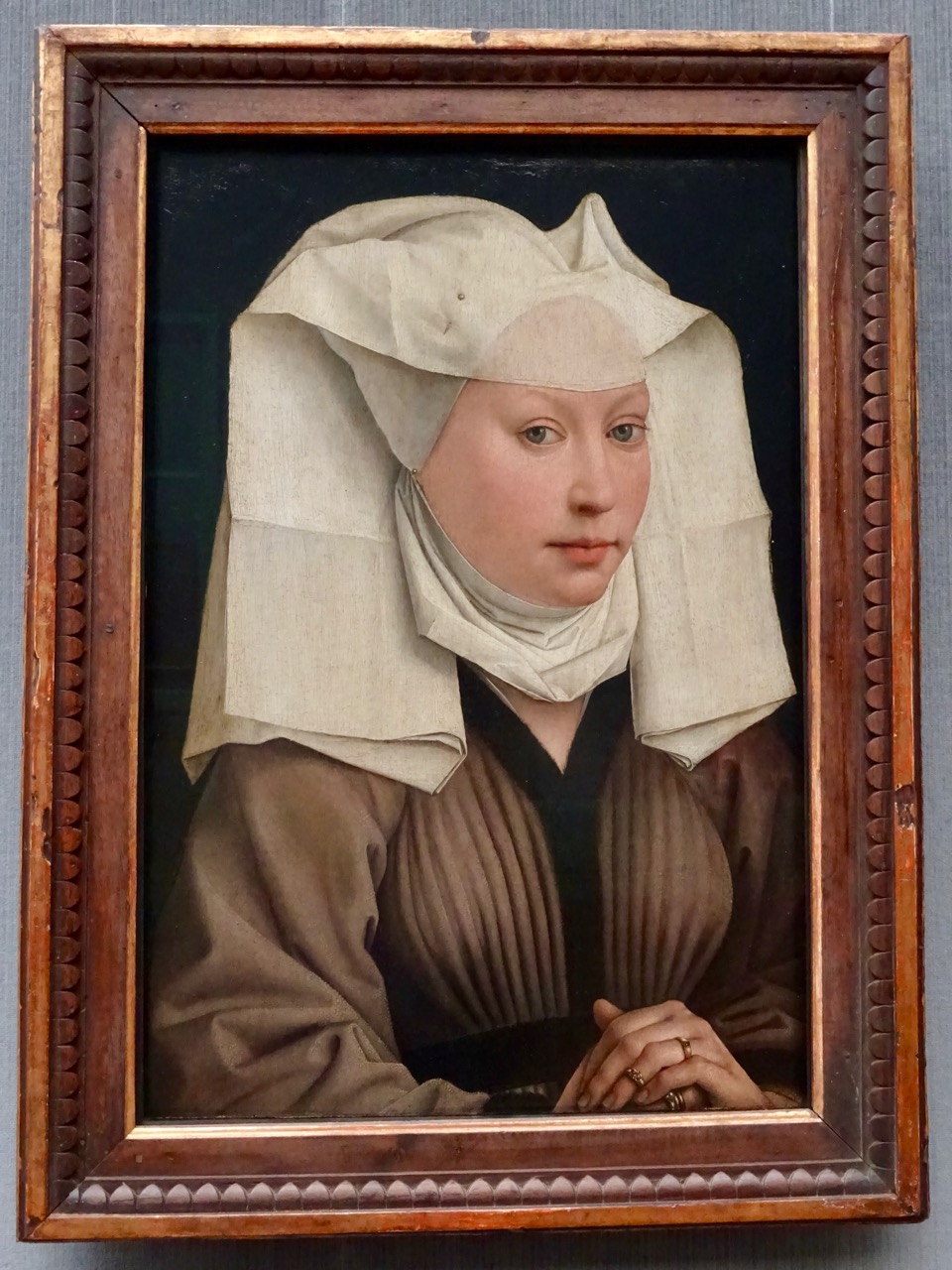
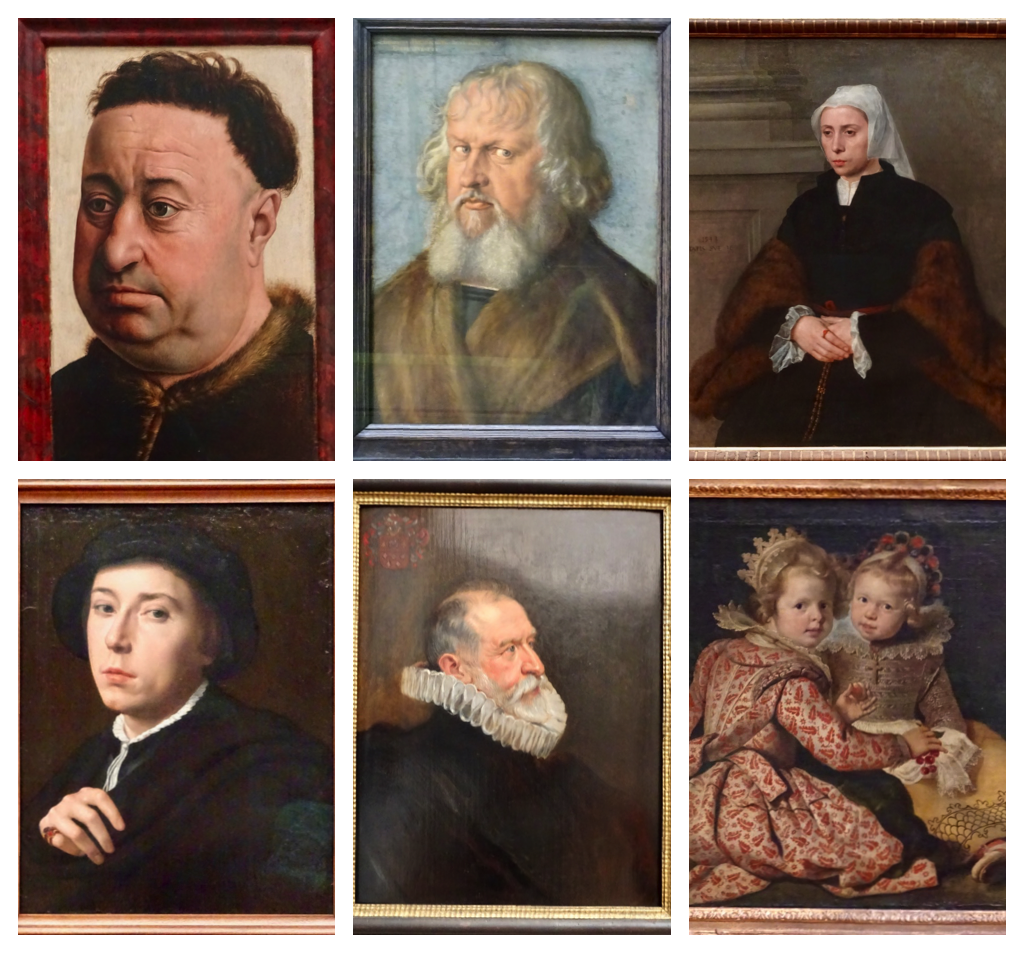
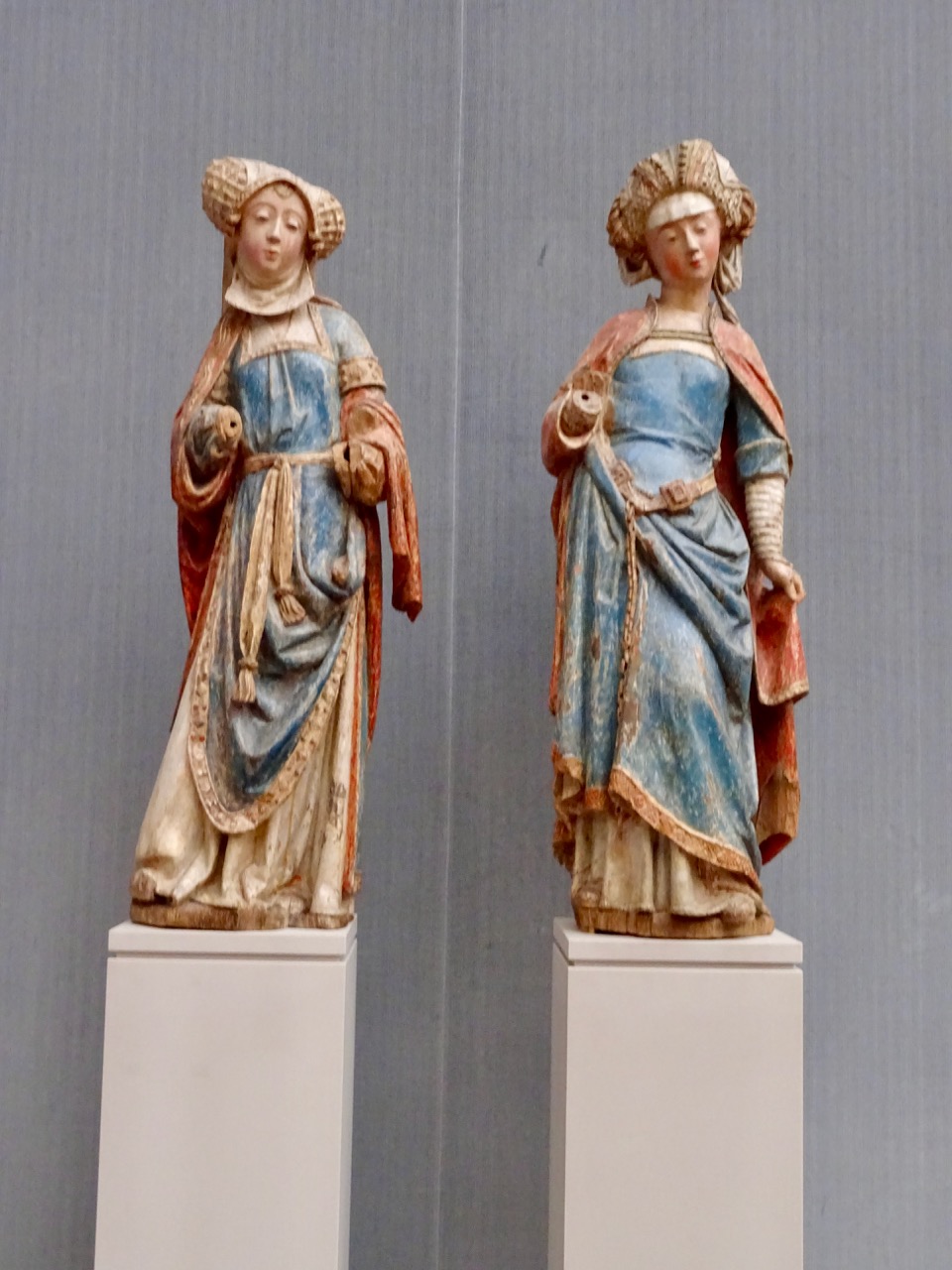 I am fond of Frans Hals portraits and there was a whole room of them.
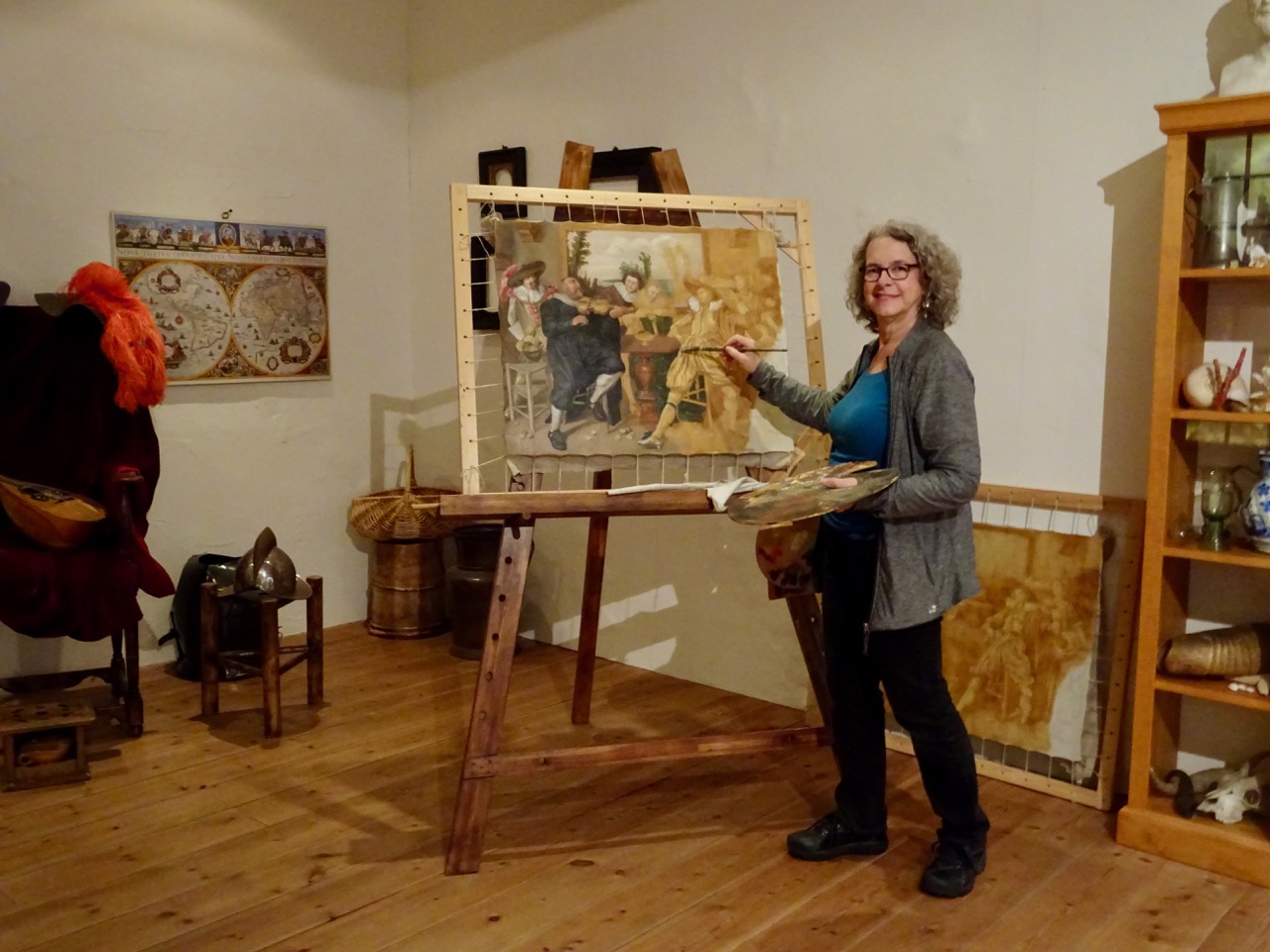
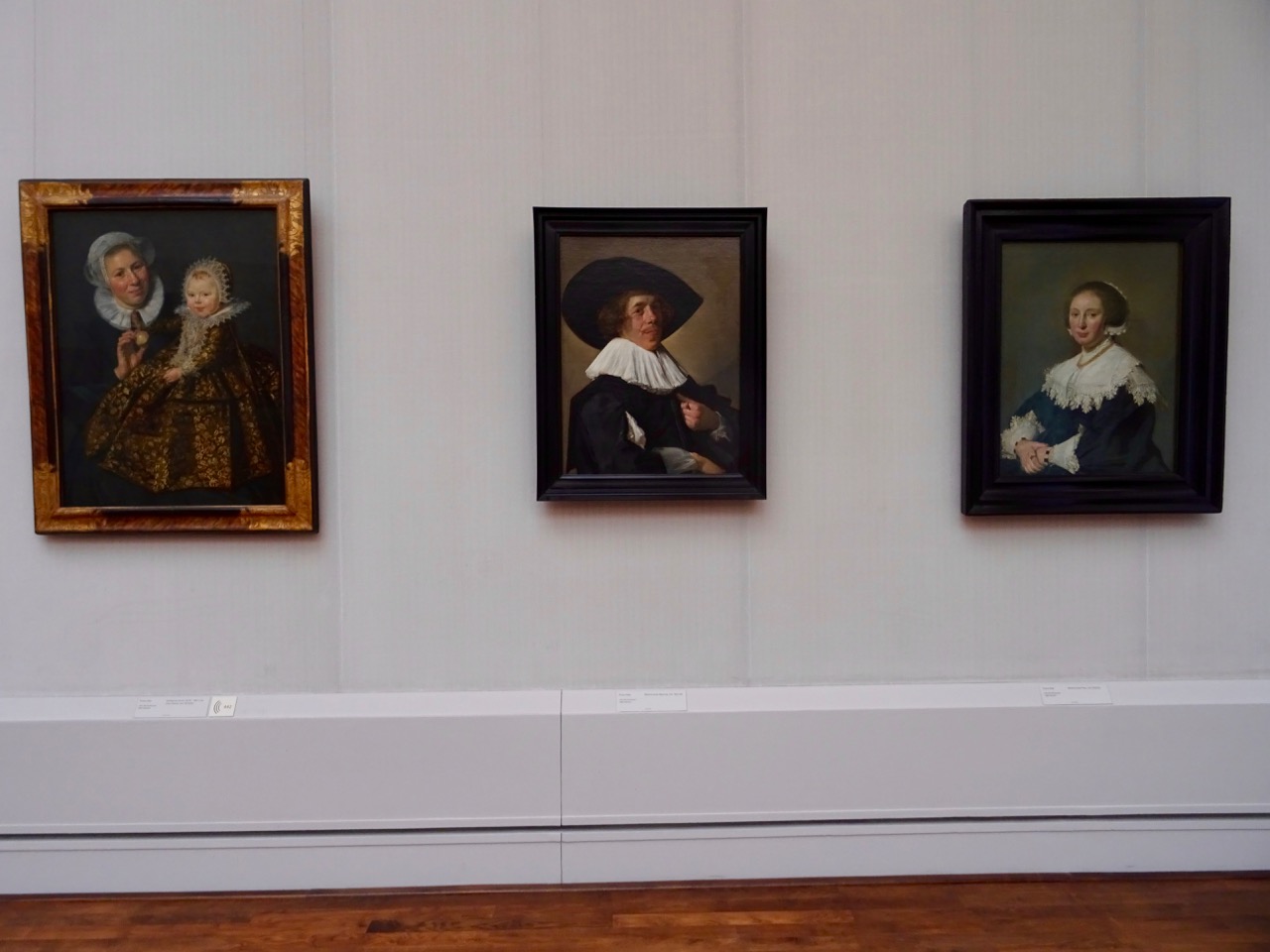 This artist must like them too. What a tough way to work though, on a little stool, holding such a large drawing board. I assume the museum does not allow easels.
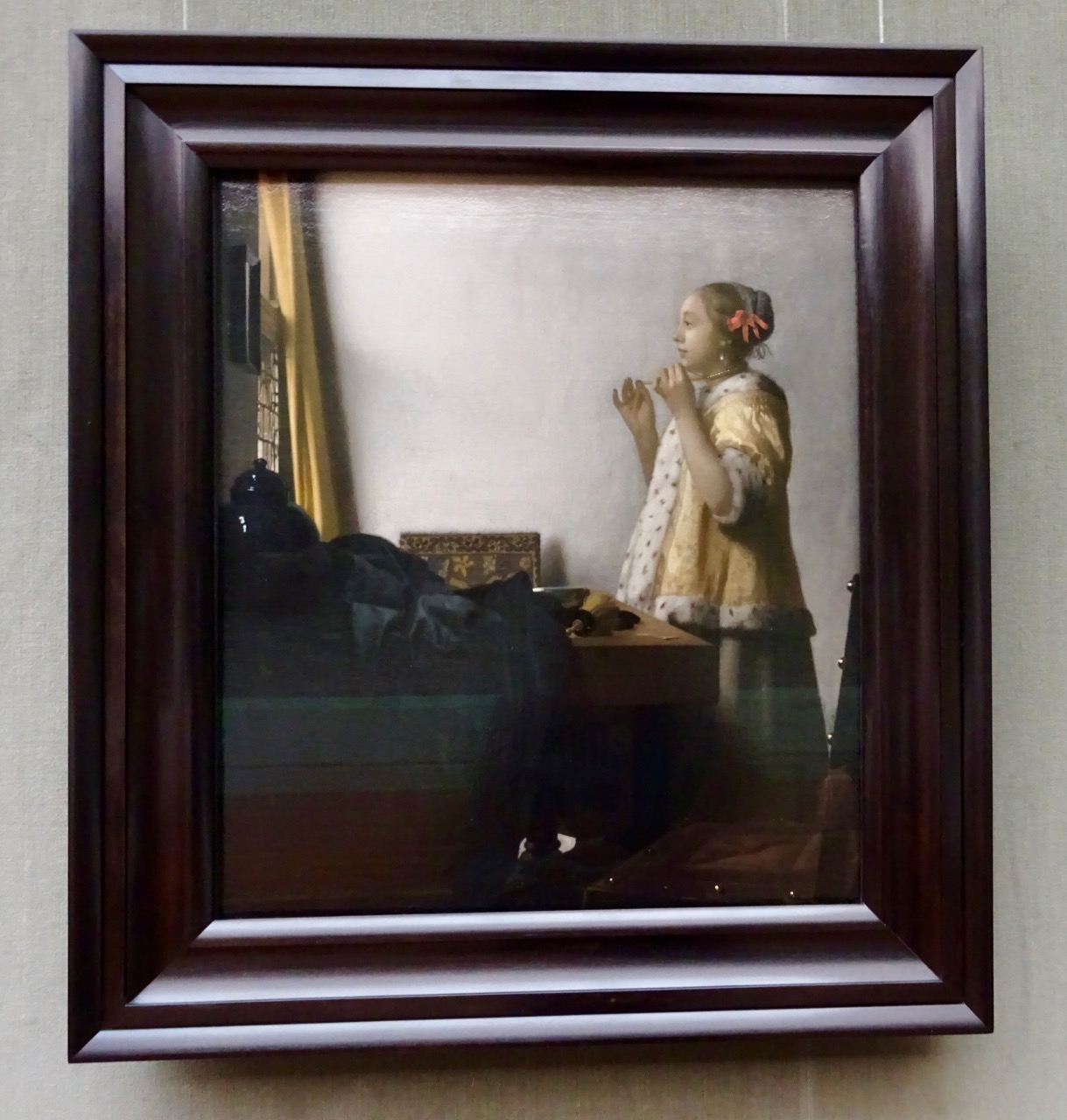
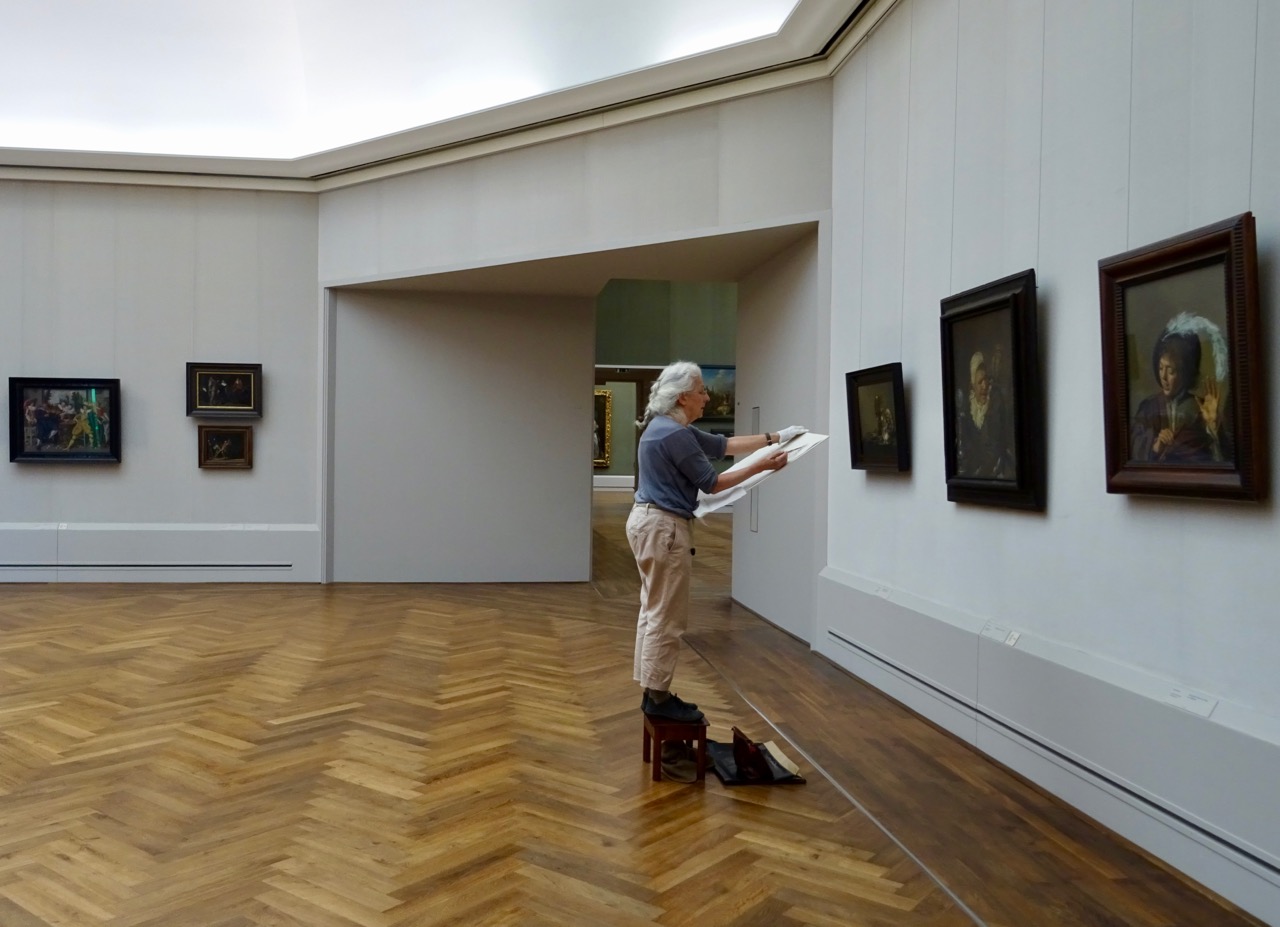 I am excited to see this Vermeer from across the room, but then..
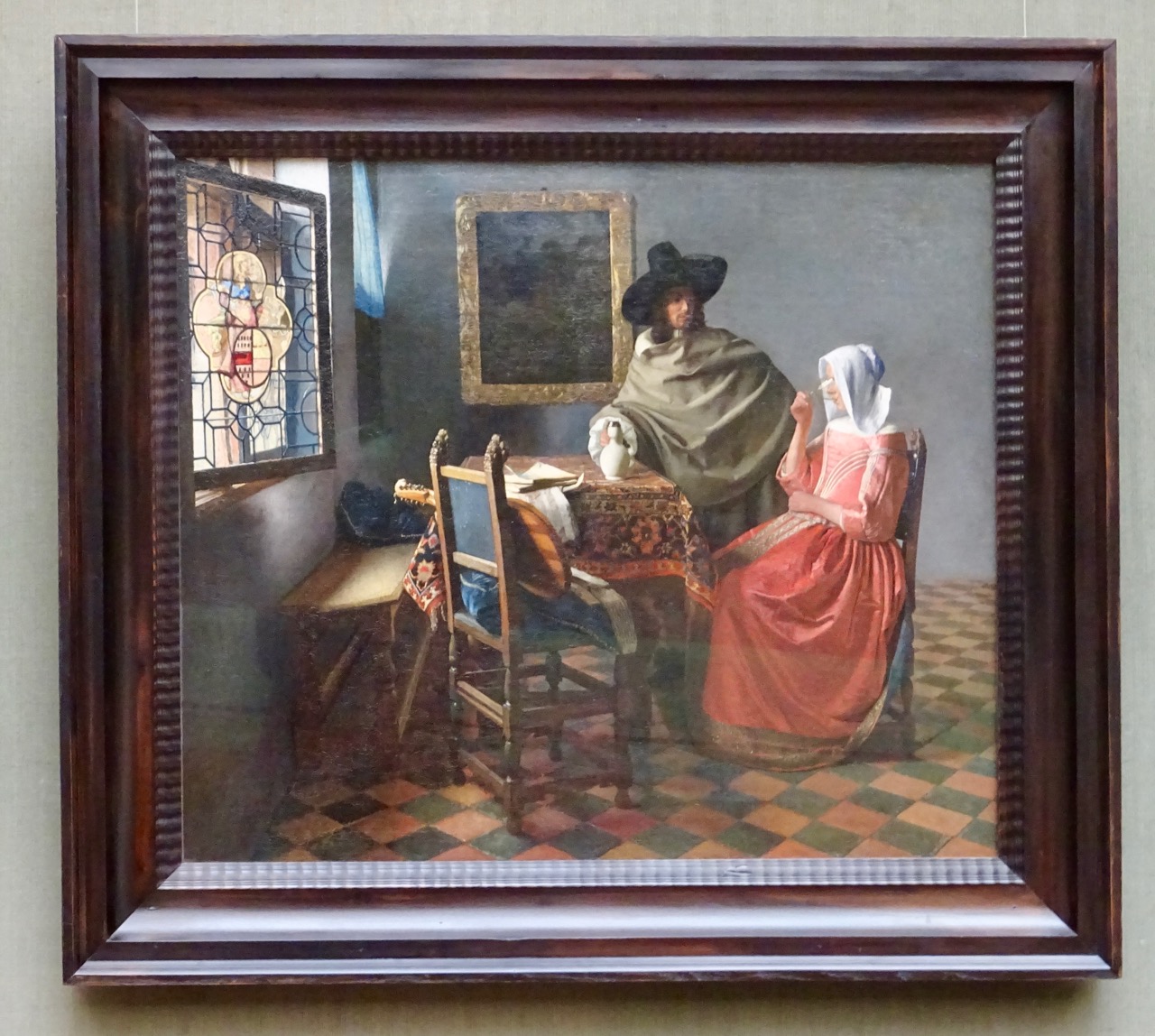 I notice The Girl with the Pearl Earring. I had no idea the this painting was in this museum. What a lovely surprise.
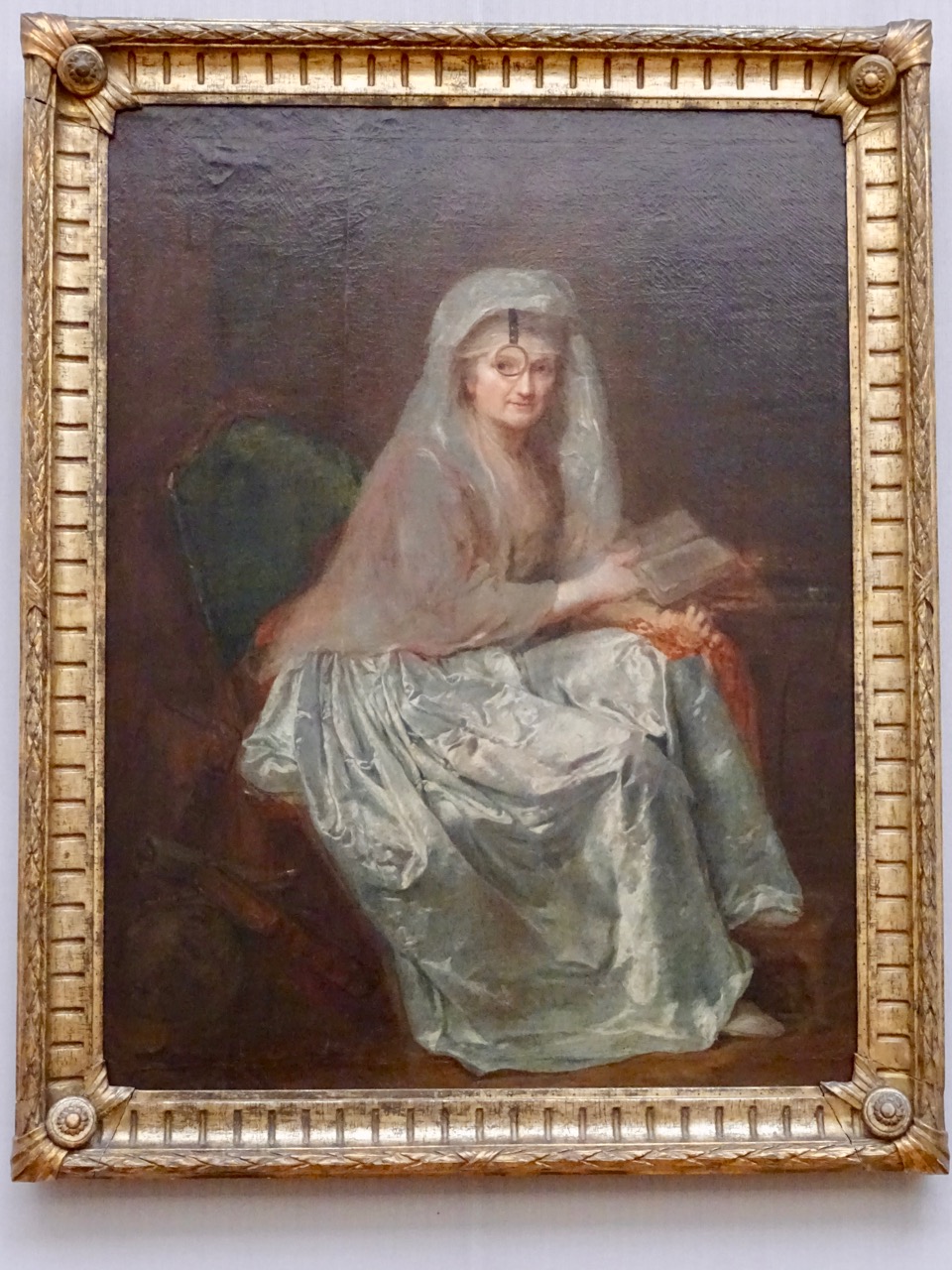
 Anna Dorothea Therbusch, 1721-1782, is one of the few women artists who actually made a living as an artist. This is a self portrait.
 There are Caravaggio’s here…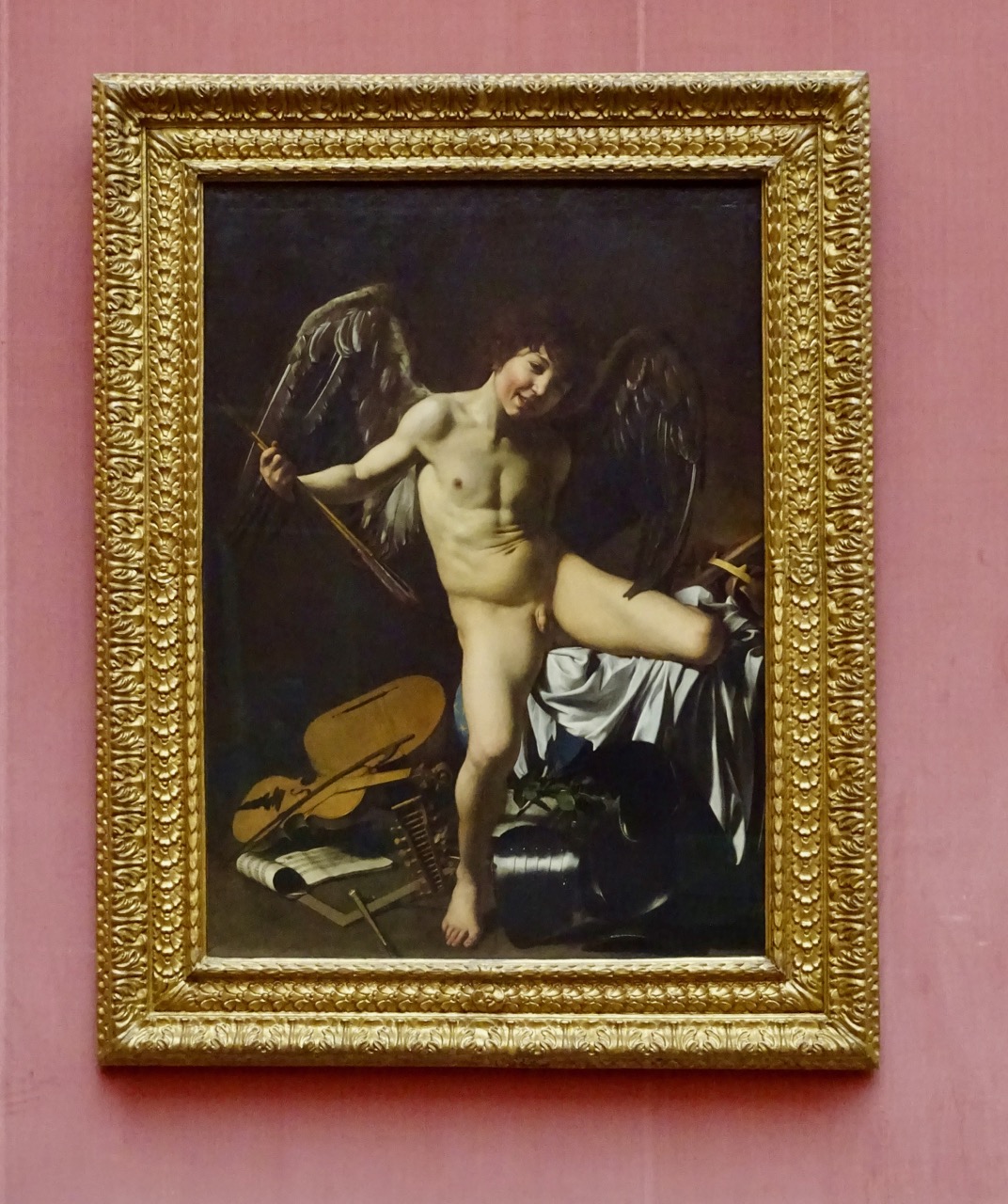
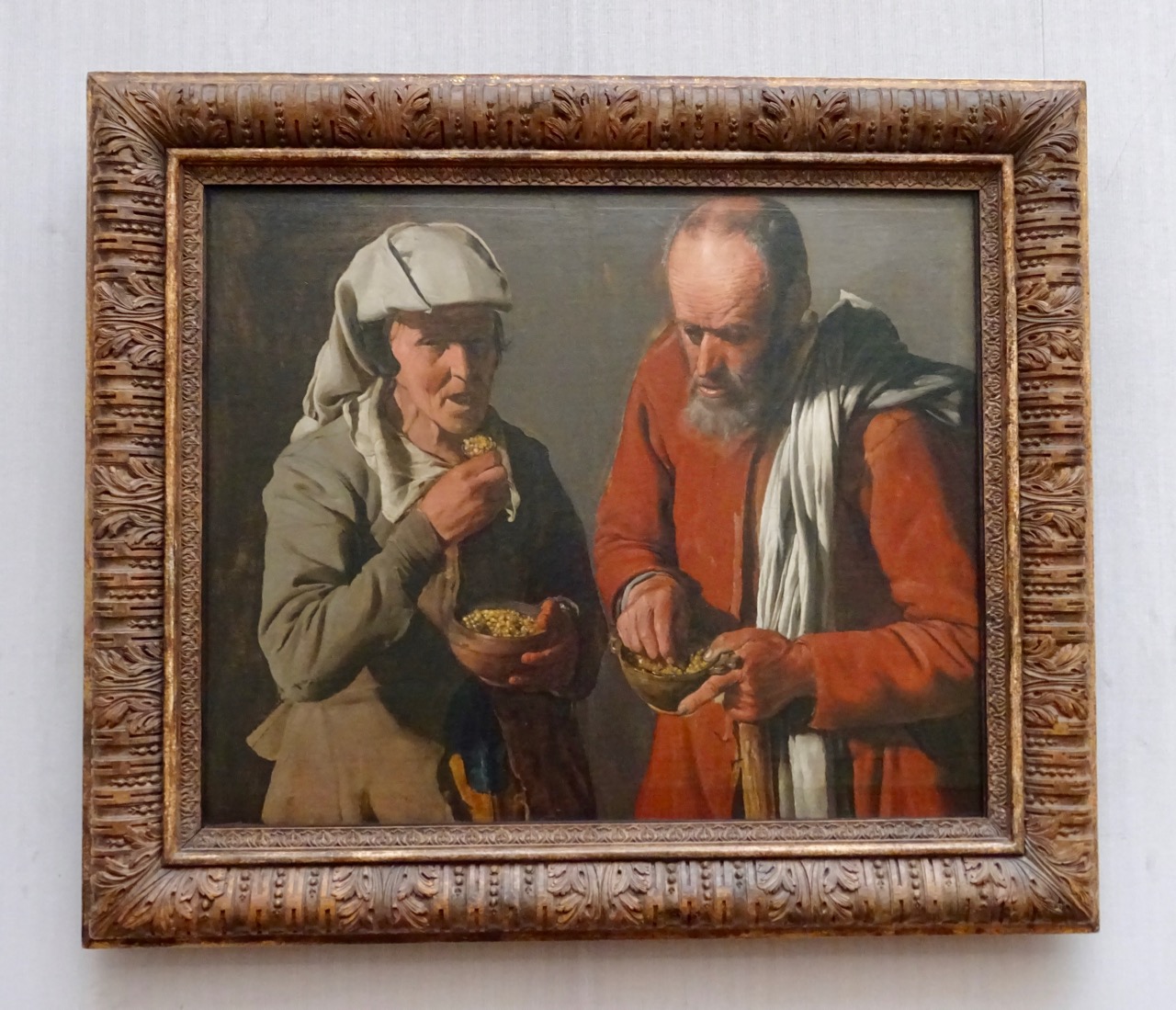
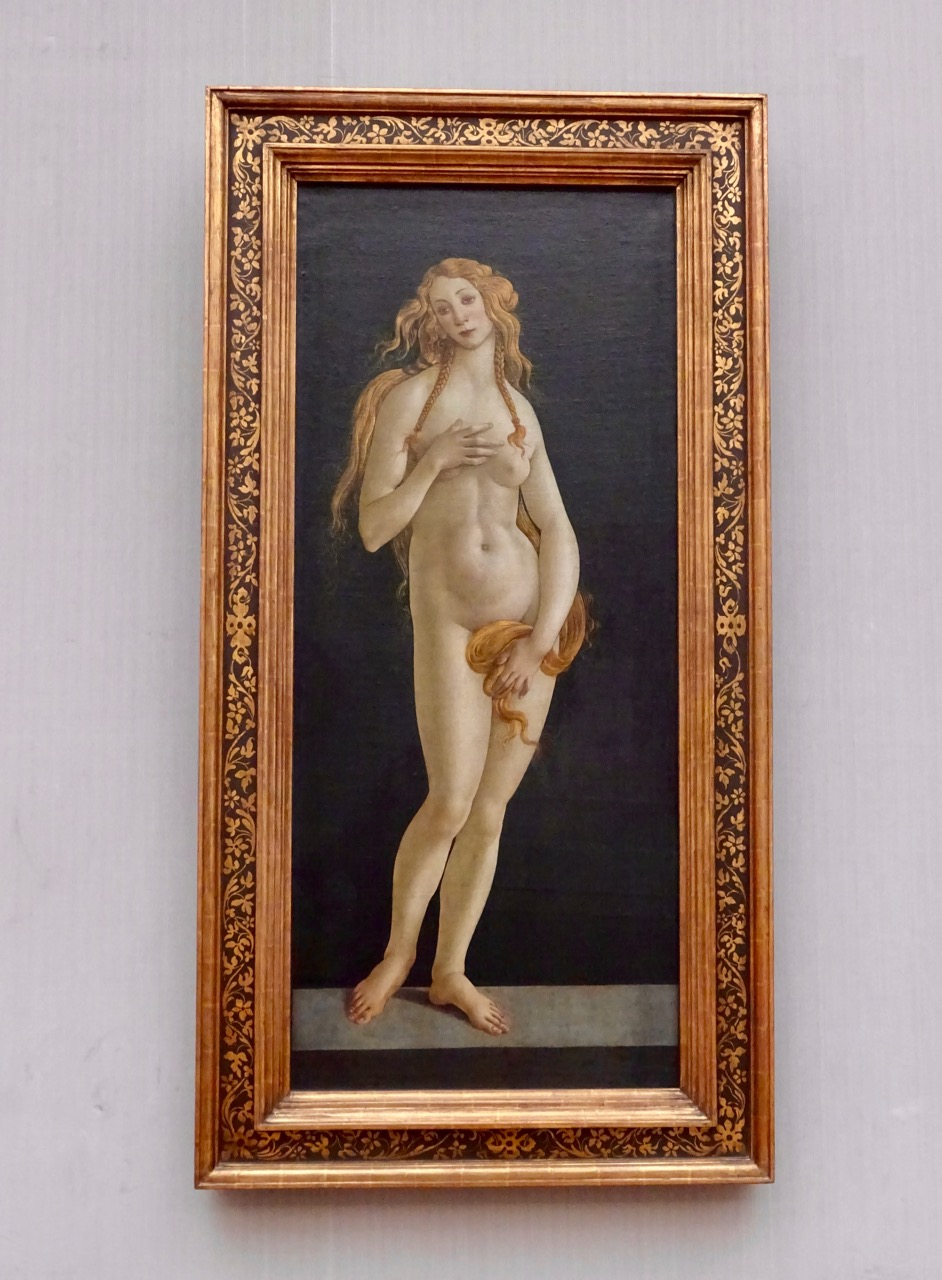
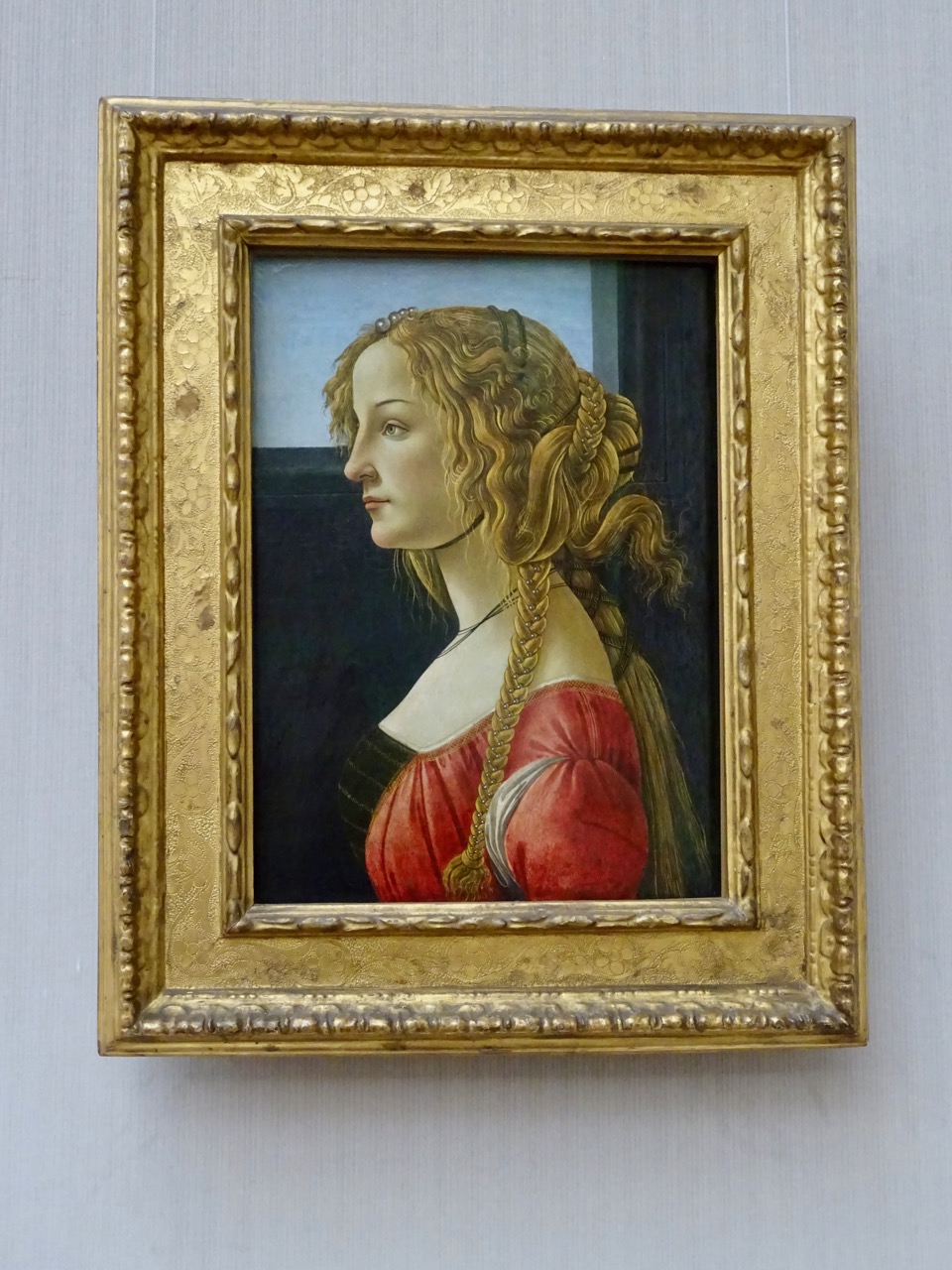 including this Botticellis Venus.
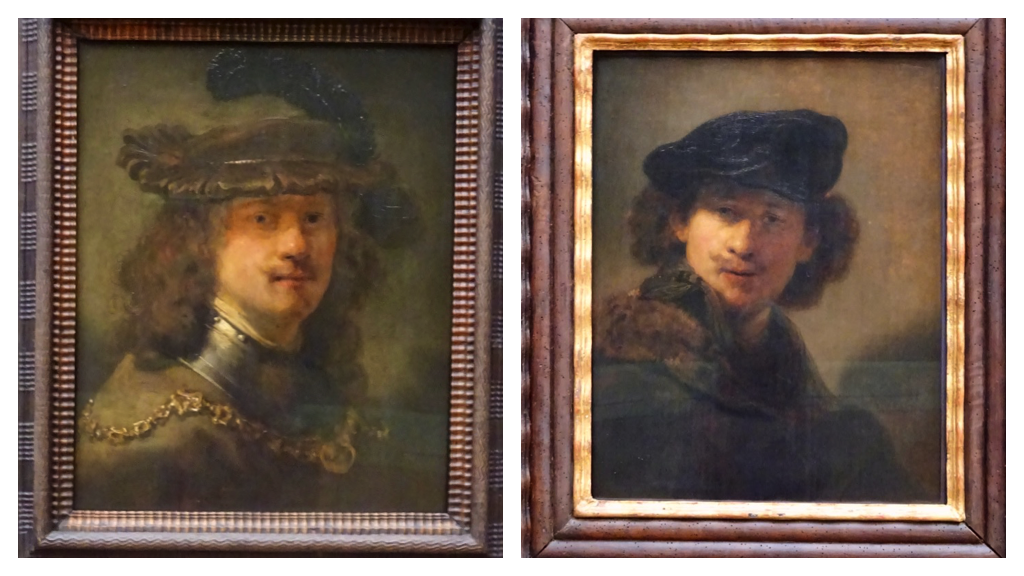
 And there are Rembrandts, including these two famous self portraits.
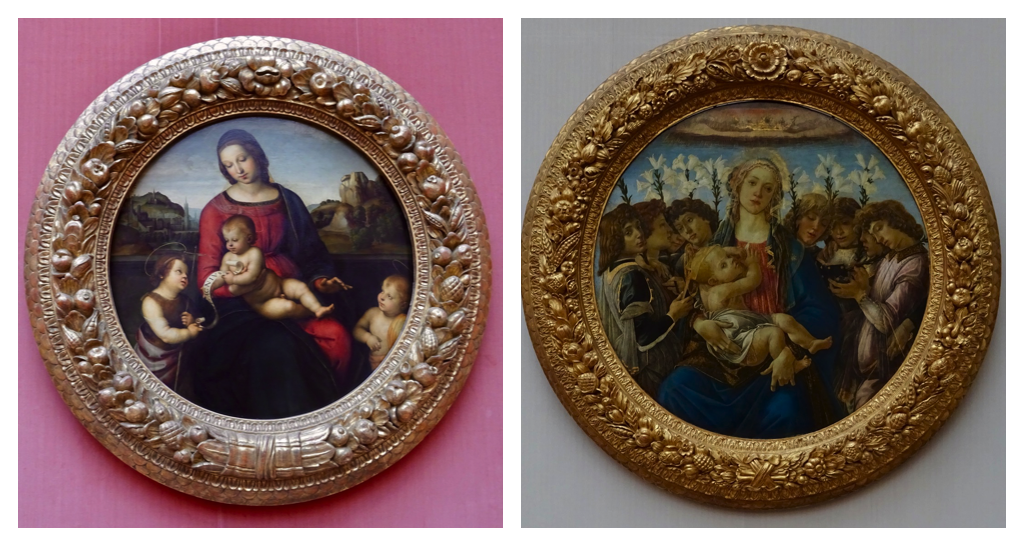
 I finally get to see these two tondos in person, the one on the left by Raffael (34″ diameter) and the one on the right by Botticelli (54″ diameter). I particularly like the Botticelli, his Madonnas are always so beautiful.
 This was fun! I am so glad we visited the Gemäldegalerie, it was quite amazing.
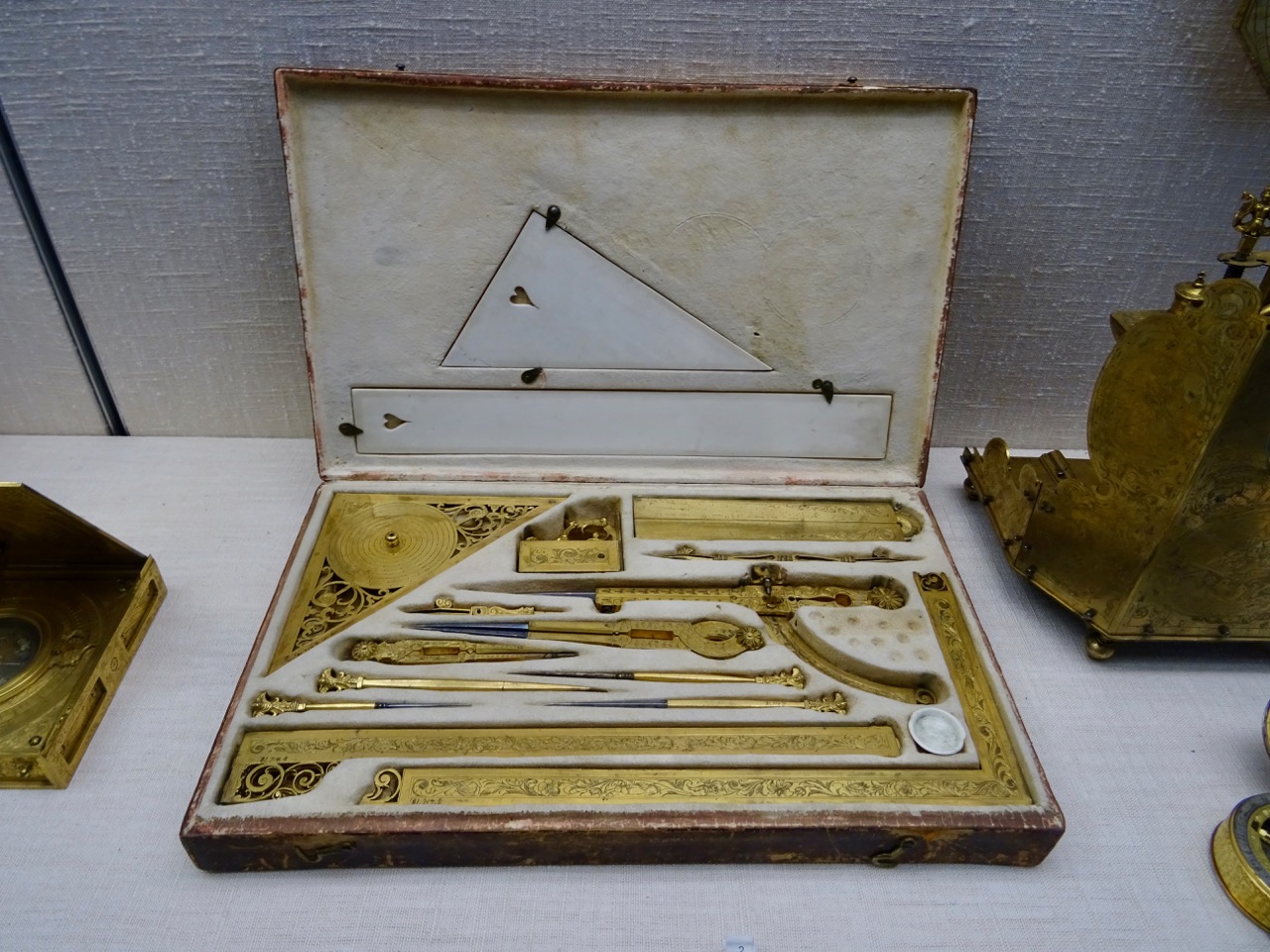
 After a picnic lunch we check out the Kunstgwerbe Museum nearby. I would love to have this beautiful geometry set from the 16th century.
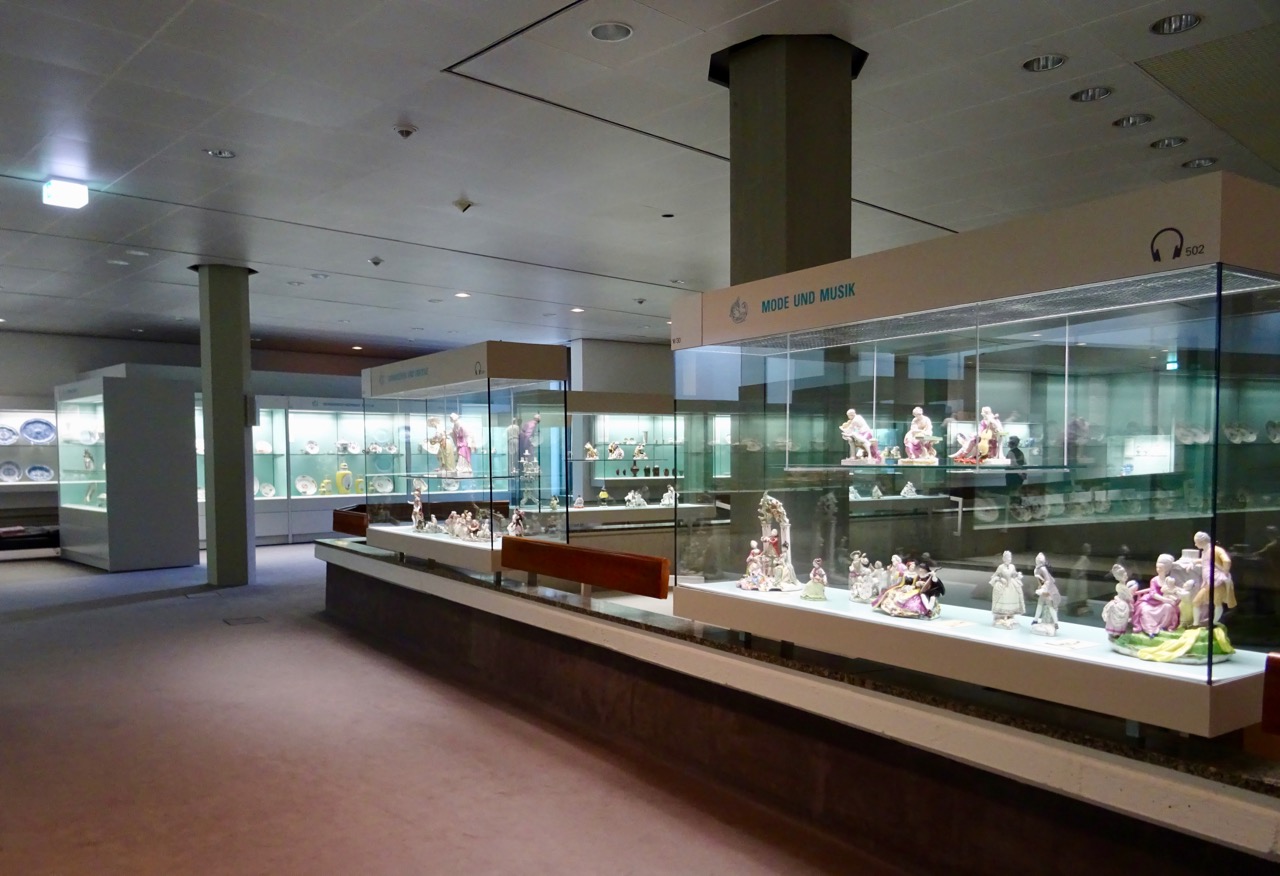
 This museum has lots of porcelain, furniture and church treasures, but we walk by all these. It is just too much to absorb.
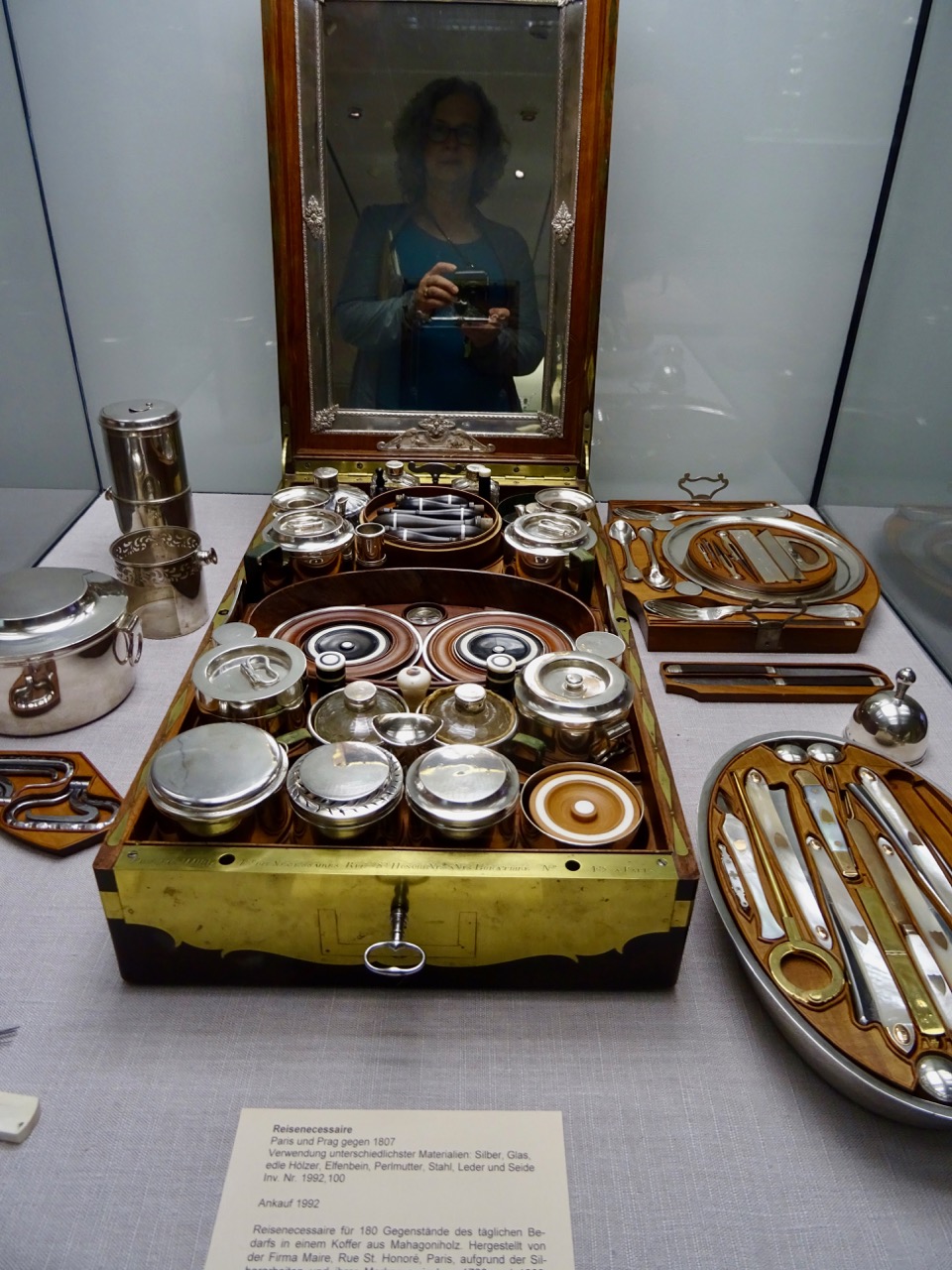
 A few items did catch our eye though. This is an elaborate portable kitchen from 1807, maybe used for camping? All the info is in German, so not sure.
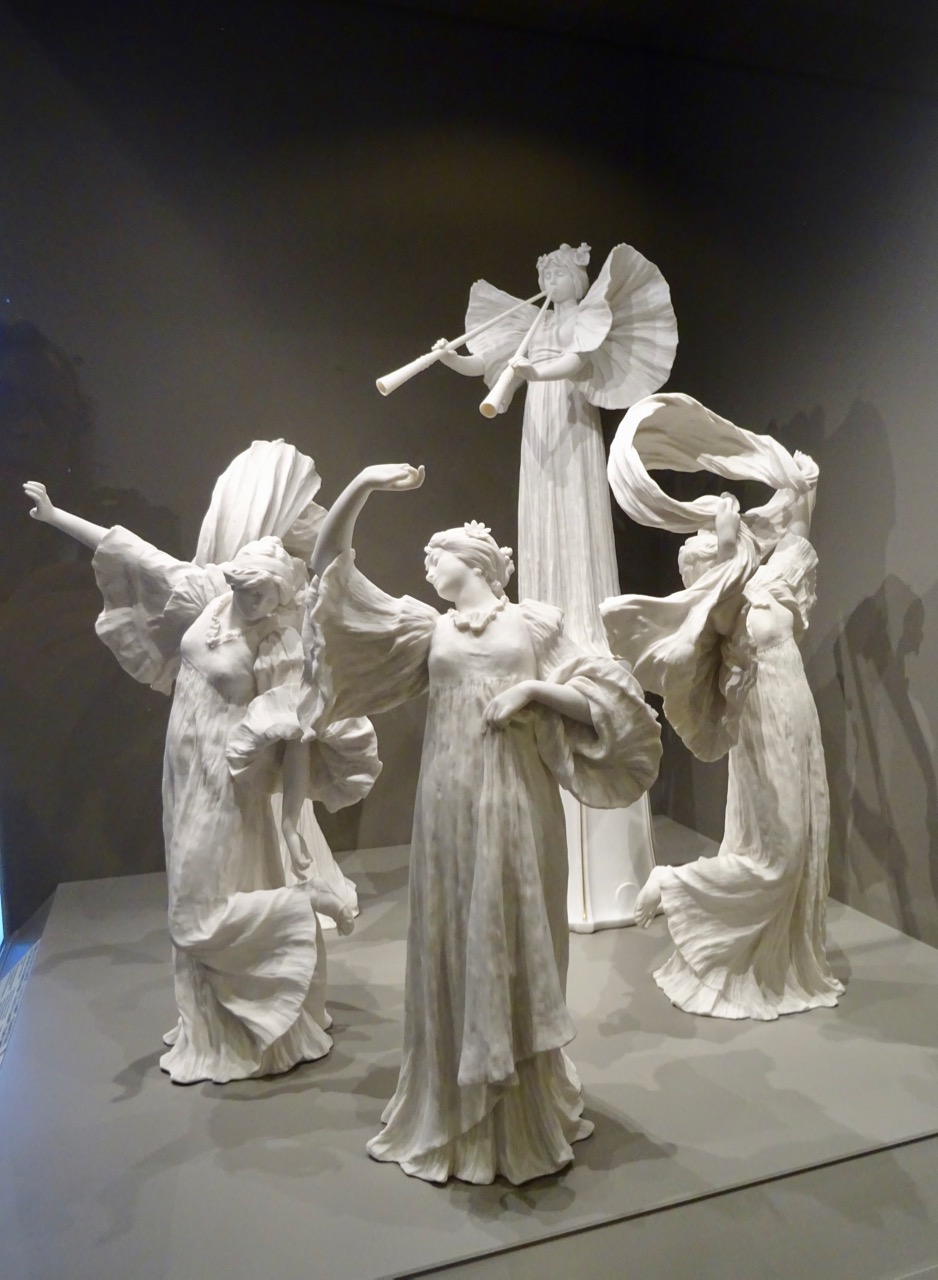
 These glazed porcelain figurines were part of a group of 15 that were awarded a gold medal at the 1900 International Exhibition in Paris.
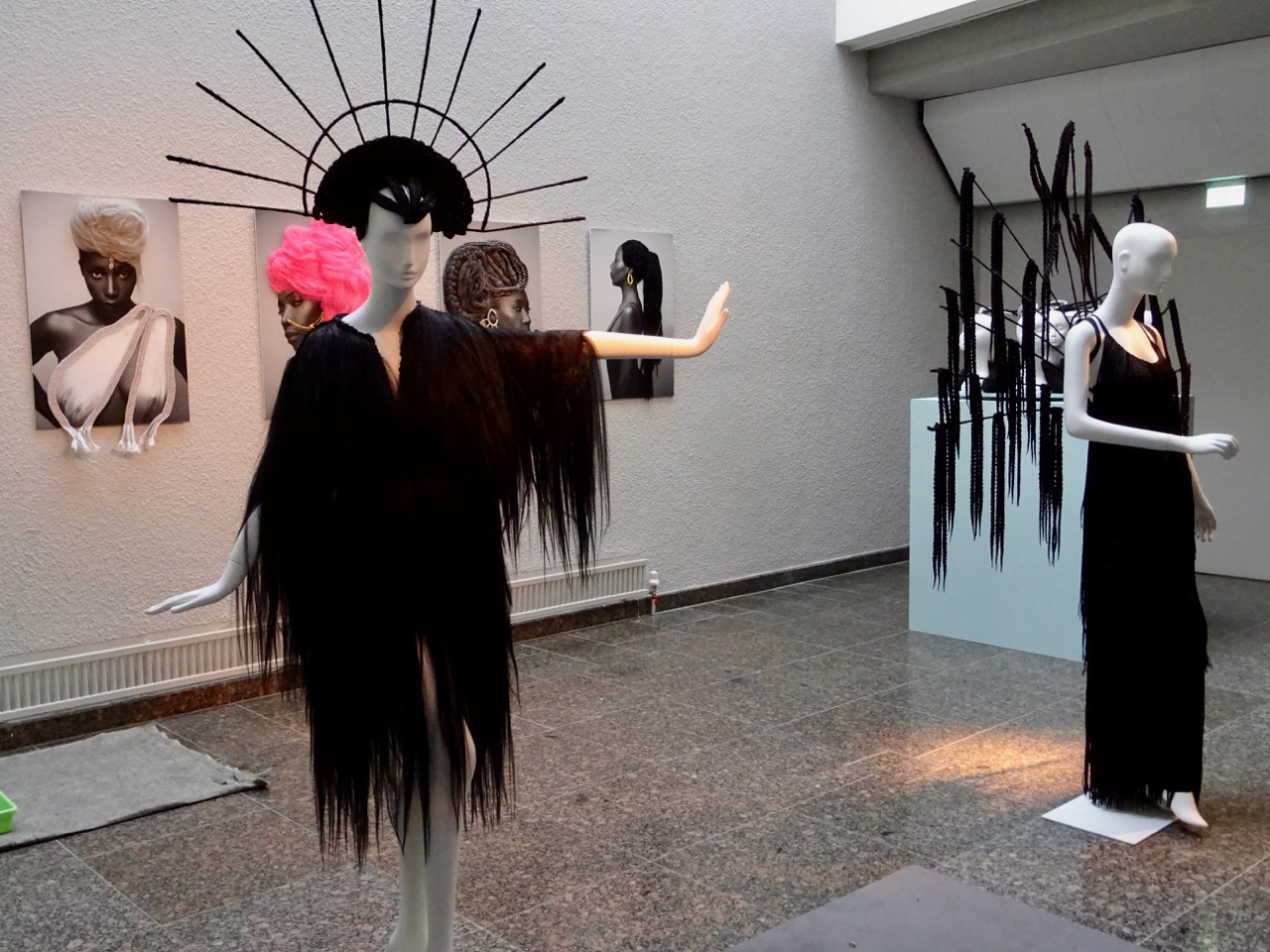
  There was also an exhibit on Afro Hair, with some very different displays.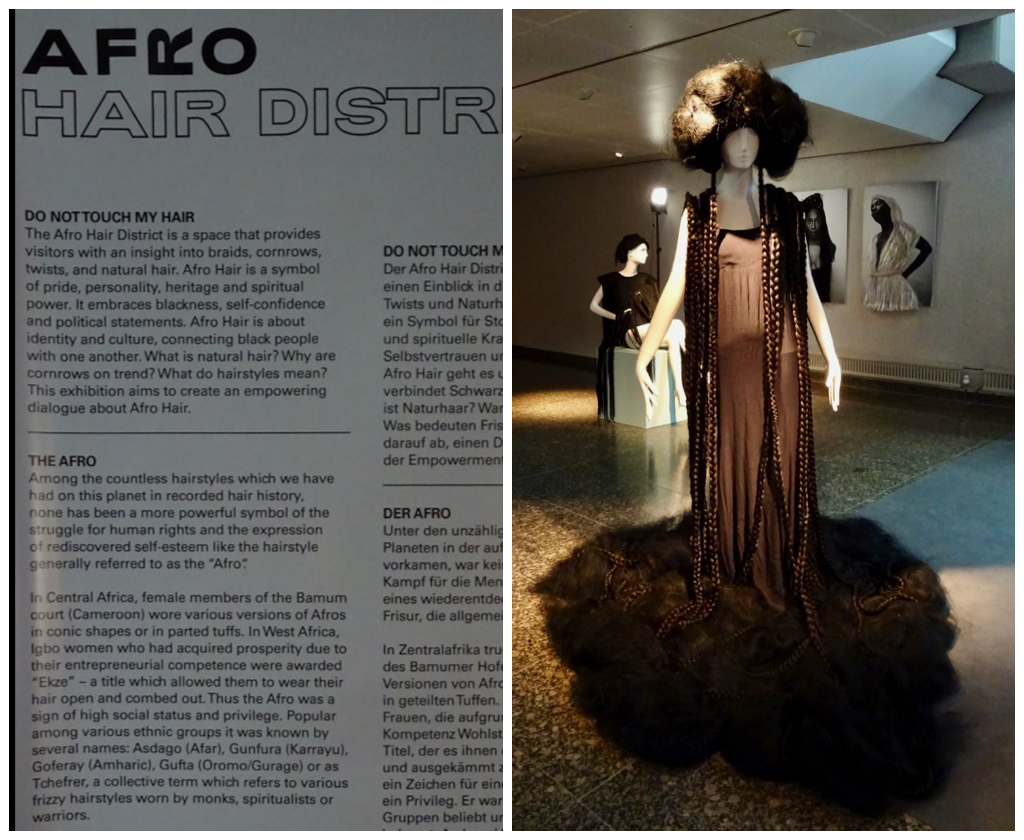
 And finally, an interesting walk through women fashions through the ages.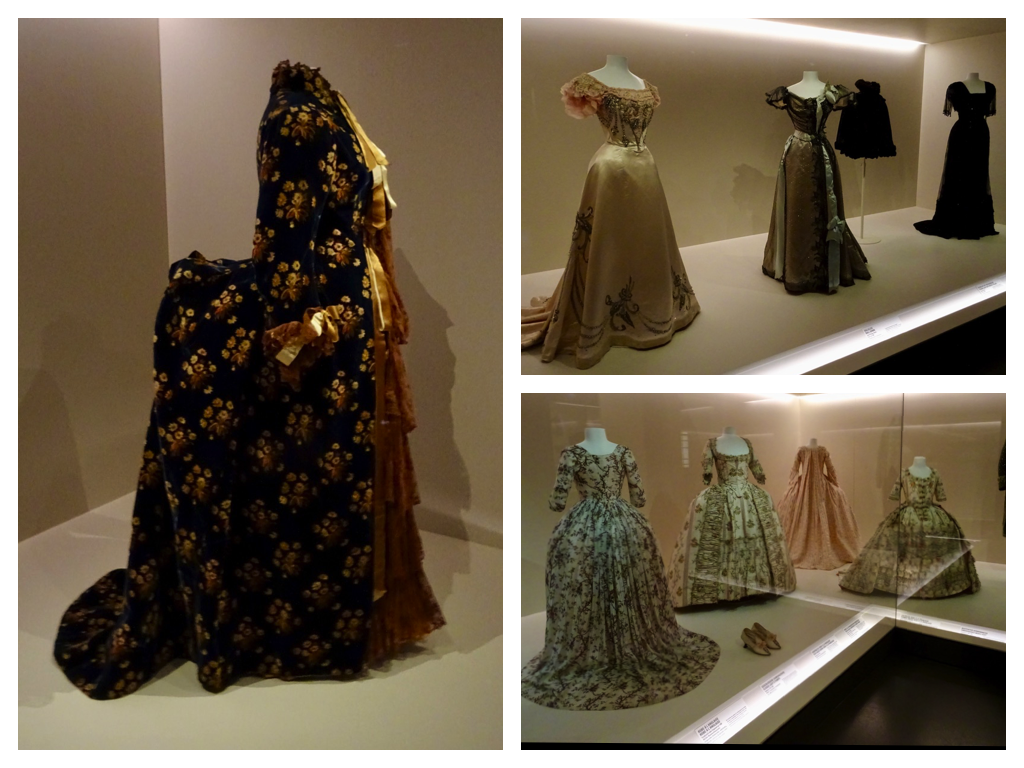
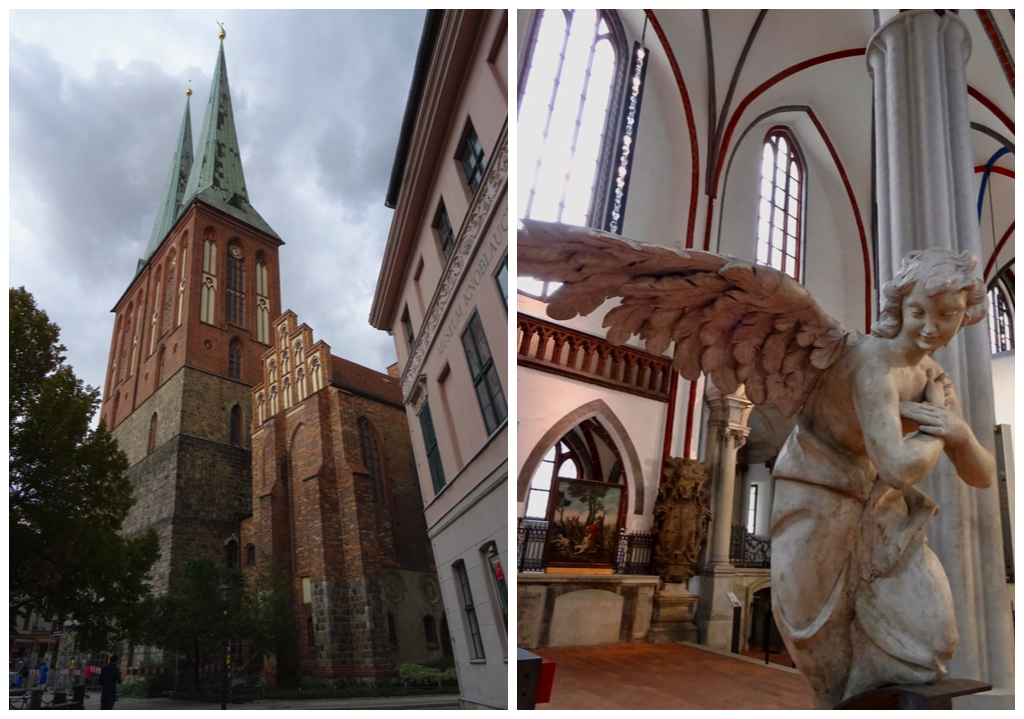
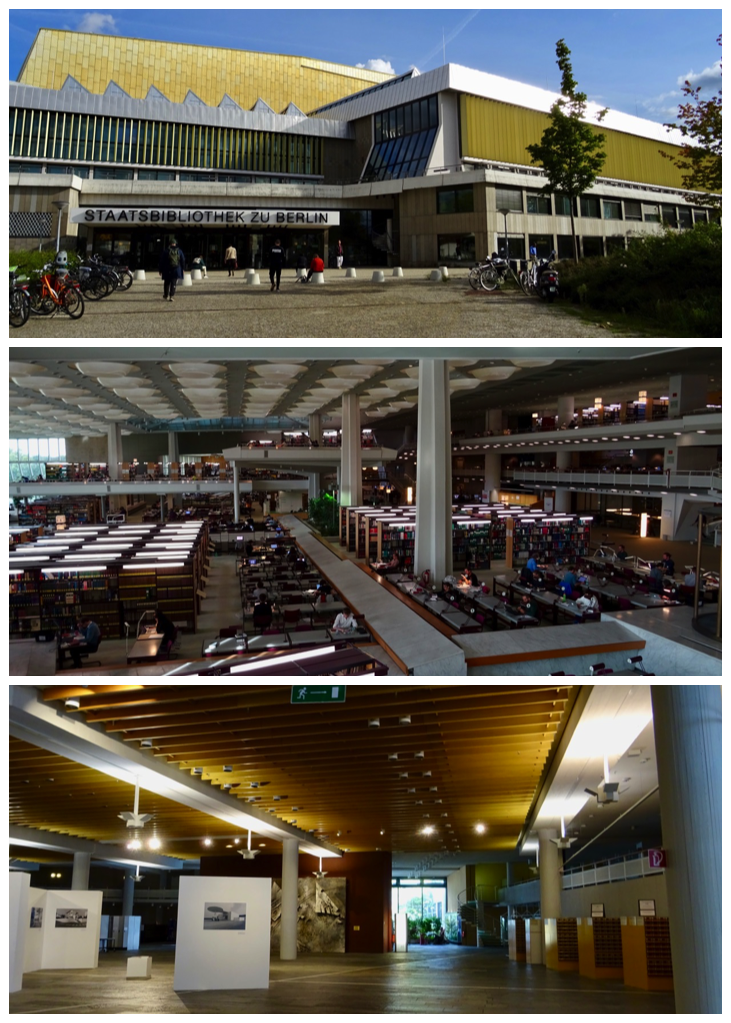 Whew! and we aren’t finished yet. We catch a bus back across town to visit the oldest church in Berlin but the interior has been updated so much. It wasn’t what we were expecting, but still interesting. For some reason there was a rooster crowing inside the church? No idea what that was about.
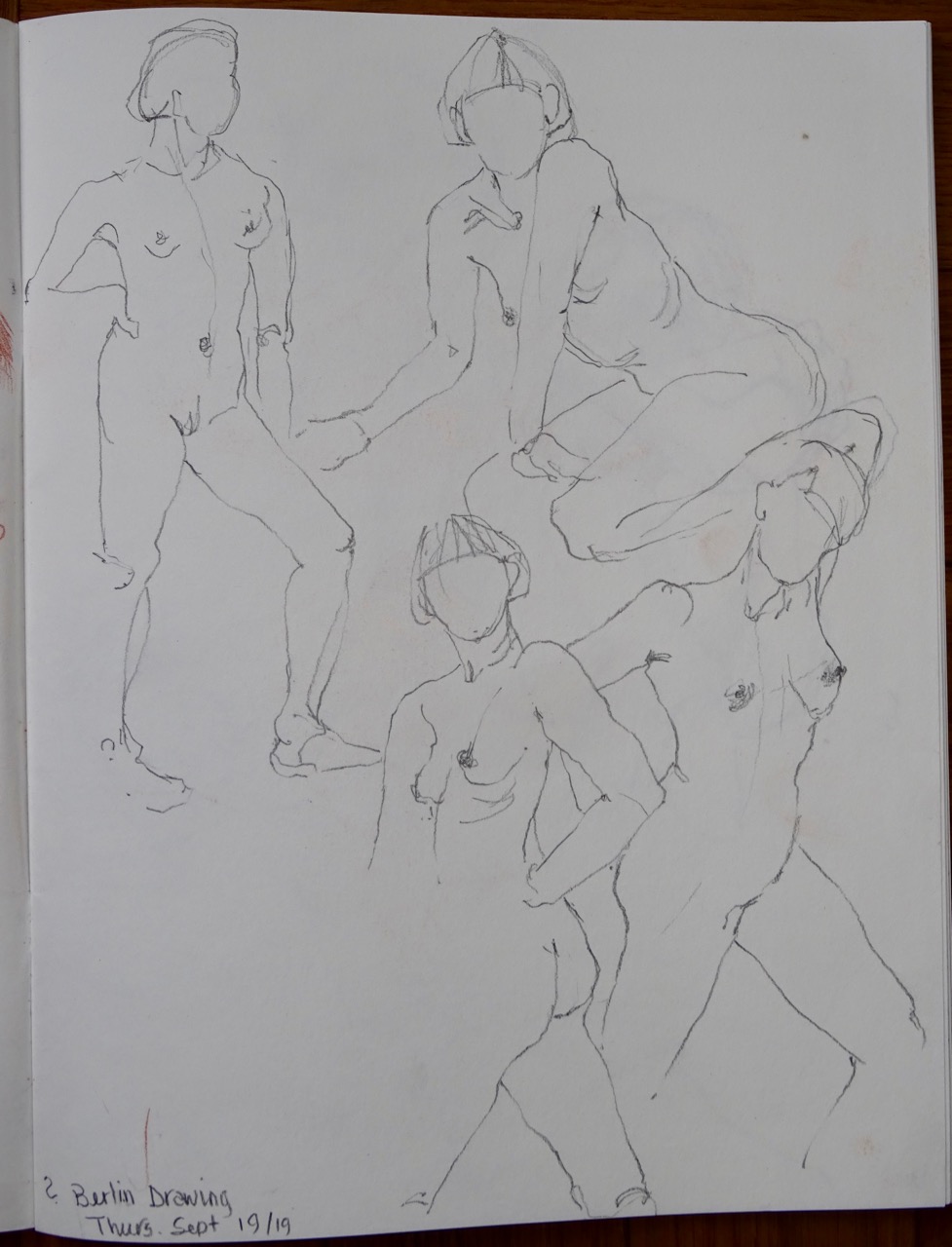
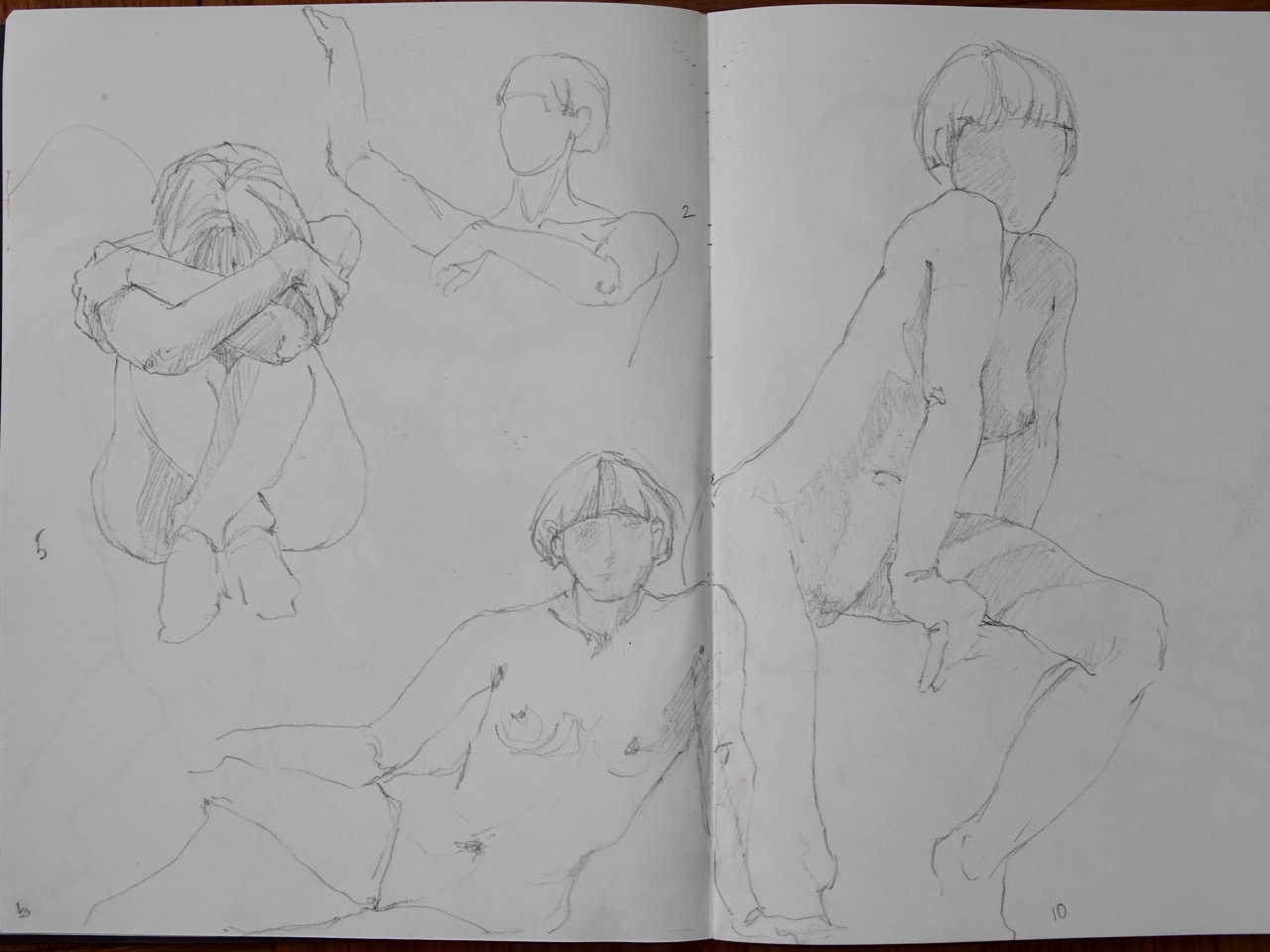
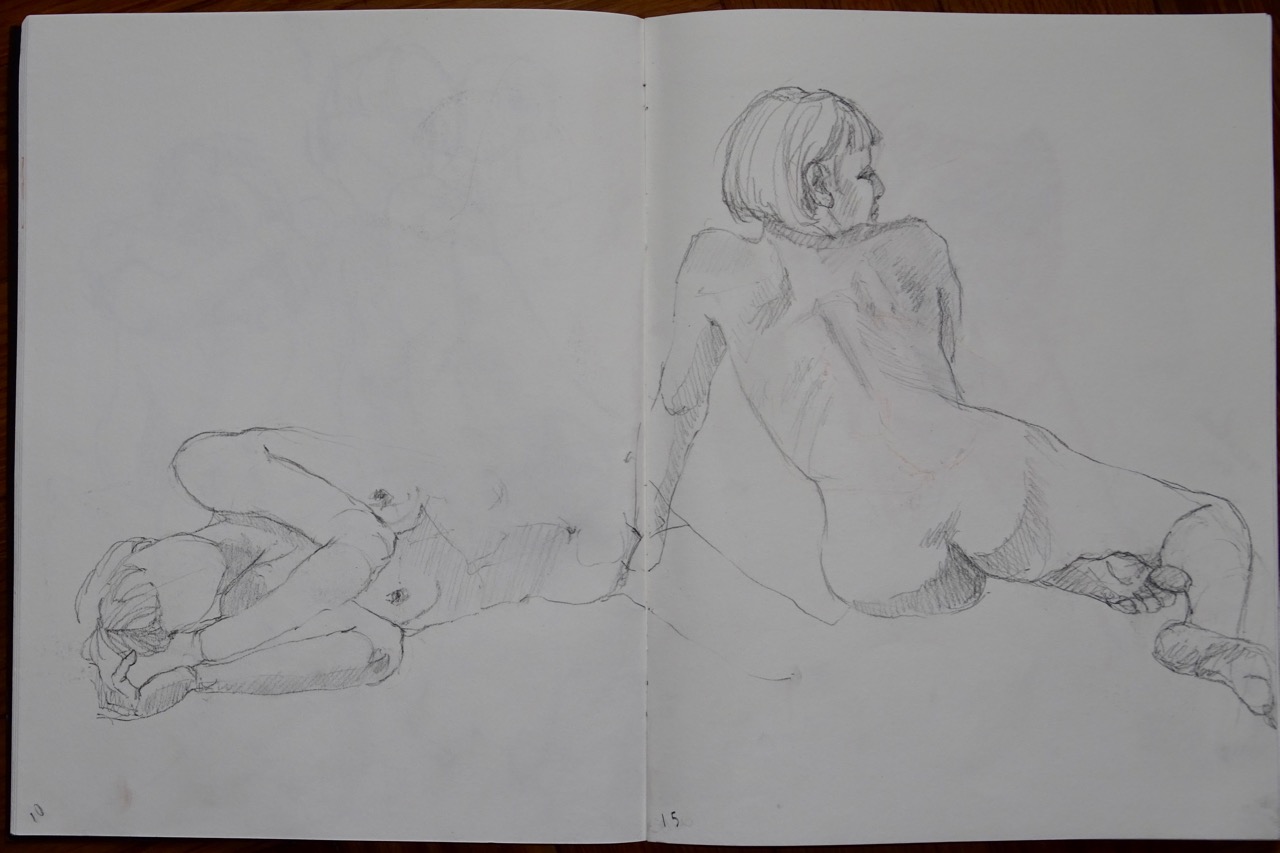
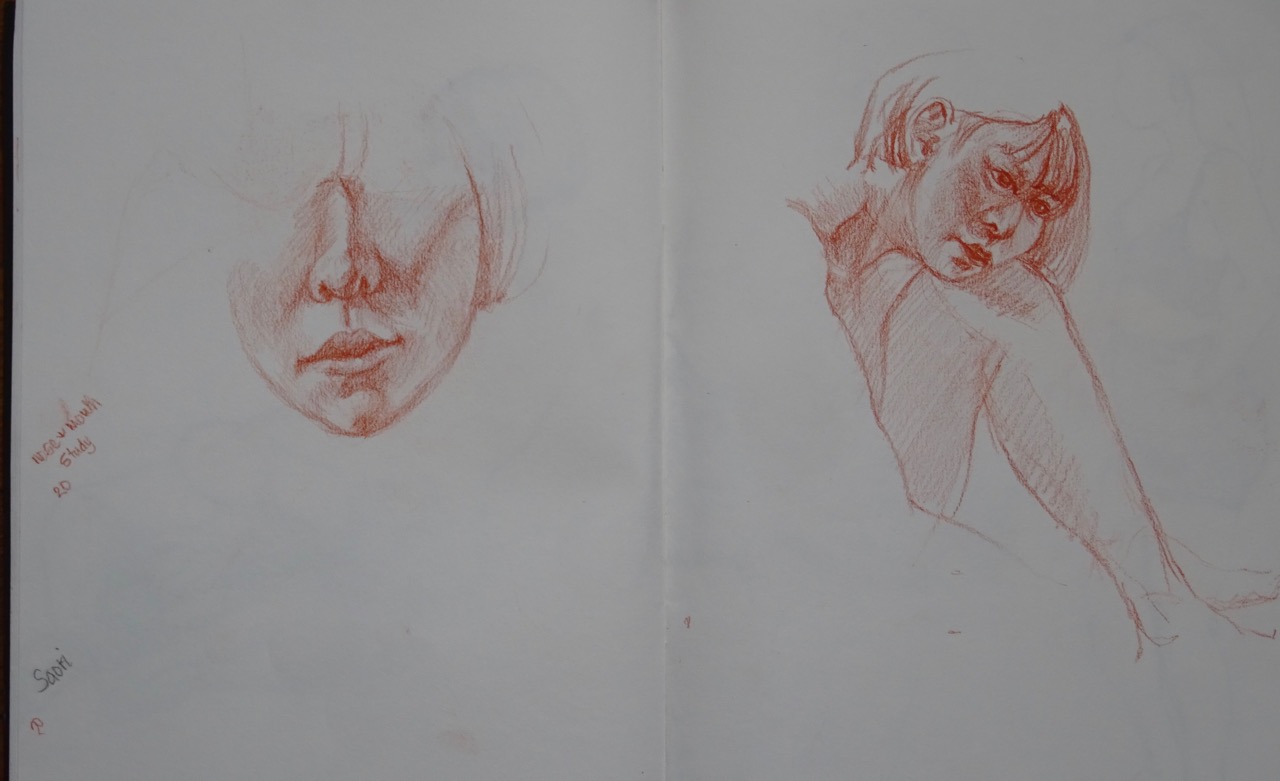
 We split up, Bob heads to the Bode Museum and I catch the metro to go life drawing. I pass this post with just a few posters wrapped around it on my way to drawing.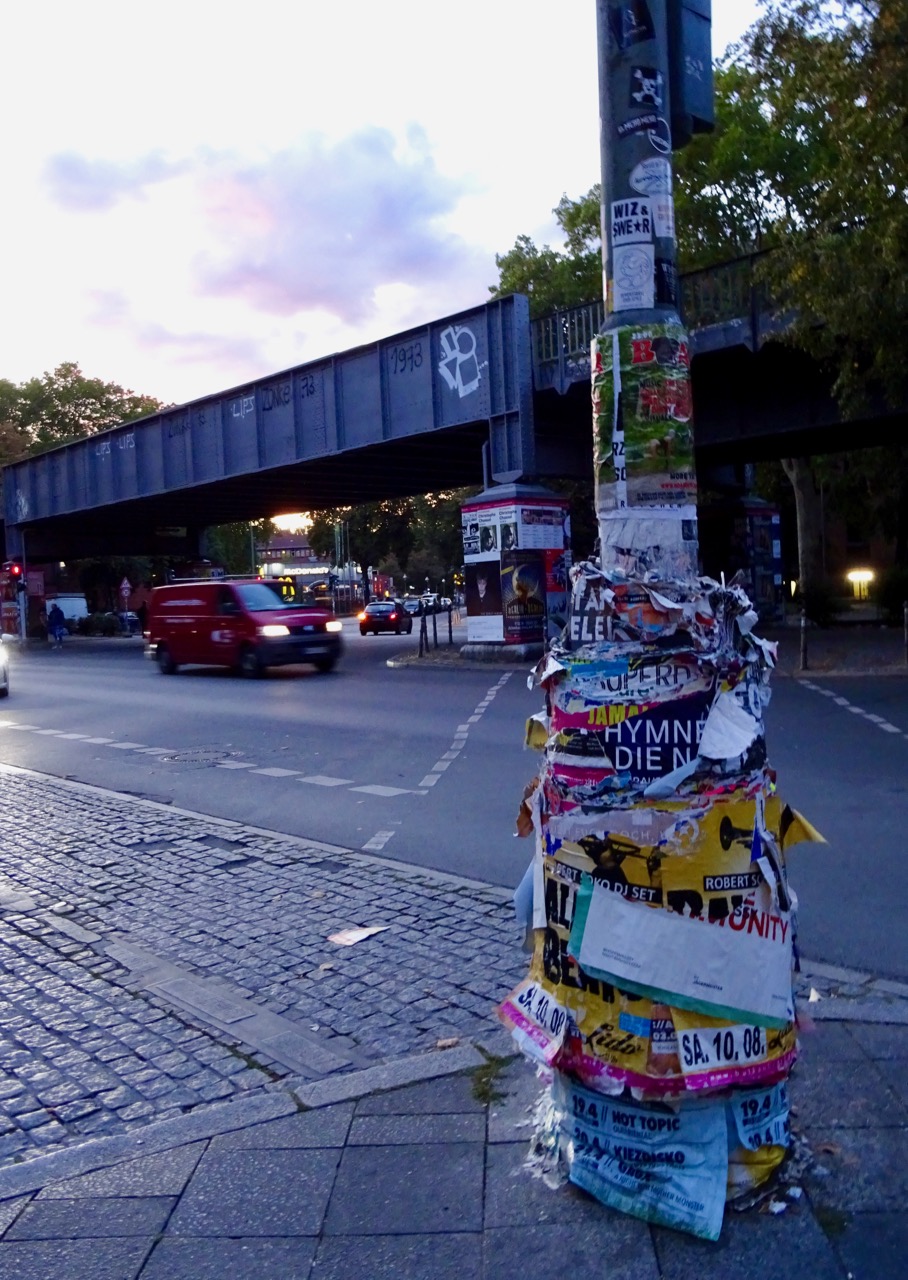

 .
.

 trudymason.com