The Pueblo Blanco of Ronda

Friday, November 13

It is our grandson’s seventh birthday today!  I do miss not being home to celebrate it with him.

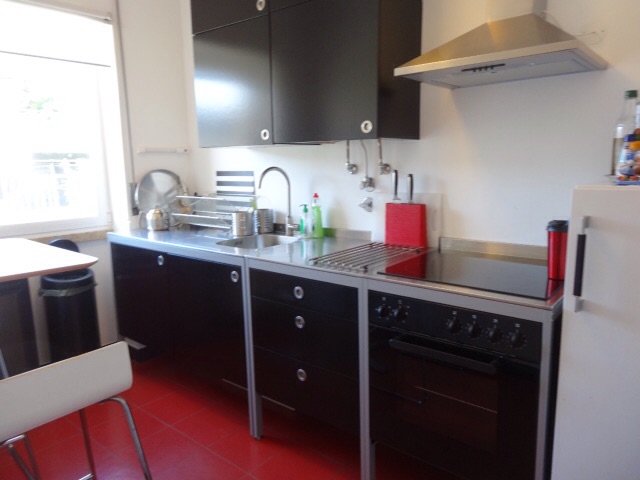
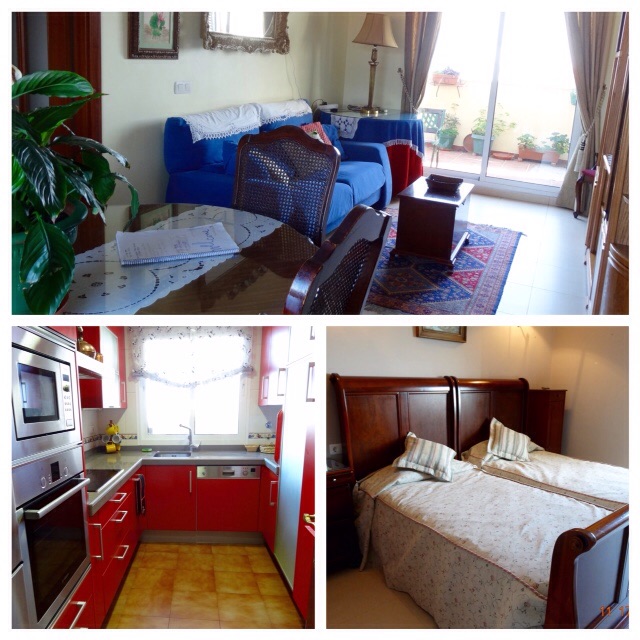
I forgot to mention the surprise we had yesterday morning.  We were still in bed, with our balcony door open to enjoy the ocean breezes and the view, when we were shocked to see workmen standing on our balcony!  Remember, we are in a penthouse apartment on the seventh floor!  Turns out they are painting the building.  There was a bit of paint smell yesterday but we thought they would be finished and we could put up with it for one day. Well, today we discover they are putting up more scaffolding, for more painting….

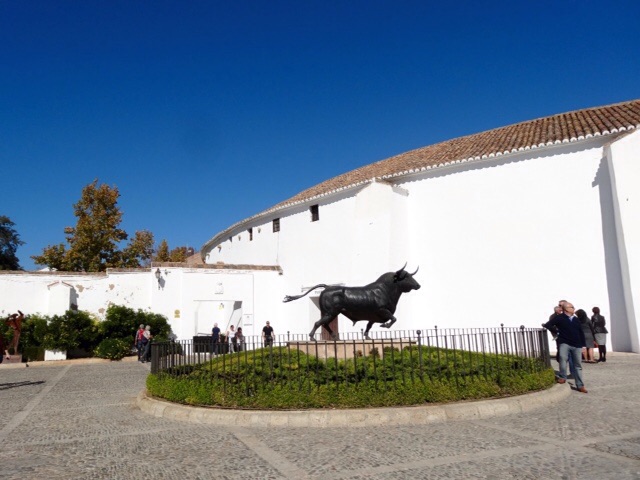
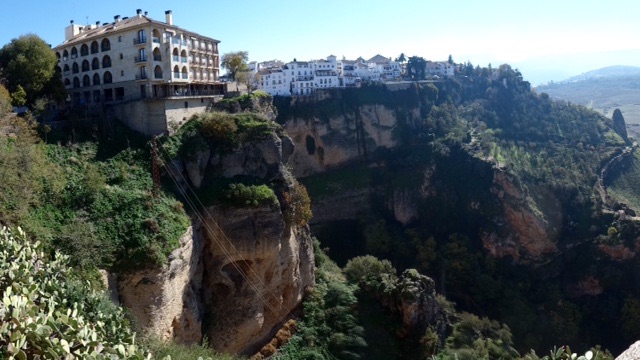
imageWe contact the owner to see what is going on and plan a day trip to Ronda.  The apartment is very nice otherwise.imageRonda is one of the Pueblos Blanco, or White Villages that is located about an hour from our Airbnb apartment in Algeciras.   The white villages are fortified hilltop towns and villages that are whitewashed in the Moorish tradition. Ronda sits on a massive rocky cliff and it straddles a deep limestone gorge.  Because it was so heavily fortified and difficult to attack it was one of the last Moorish towns to fall to the Christians in 1485. It is still hard to realize that all this was happening before Columbus even set sail to discover the Americas! There is just so much history here.imageRonda’s bullring is one of the oldest and most important bullrings in Spain, built in 1785.  The dream of every matador is to fight here at Ronda.image
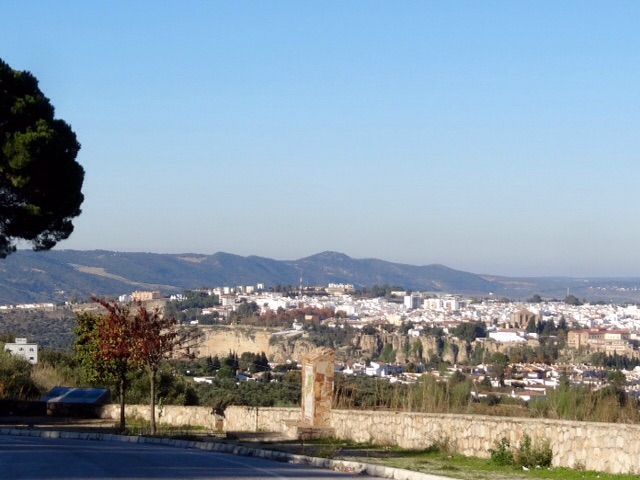
We sit and have our lunch near the bullring, overlooking this valley below the town.image
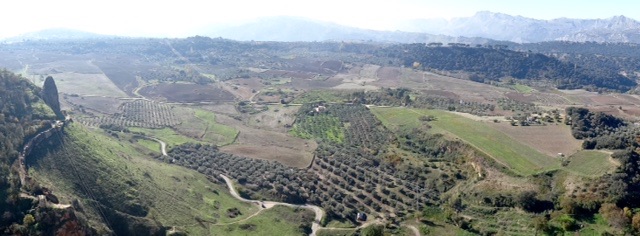
Then we wander along the cliff top and stop at a view point to take a few photos.
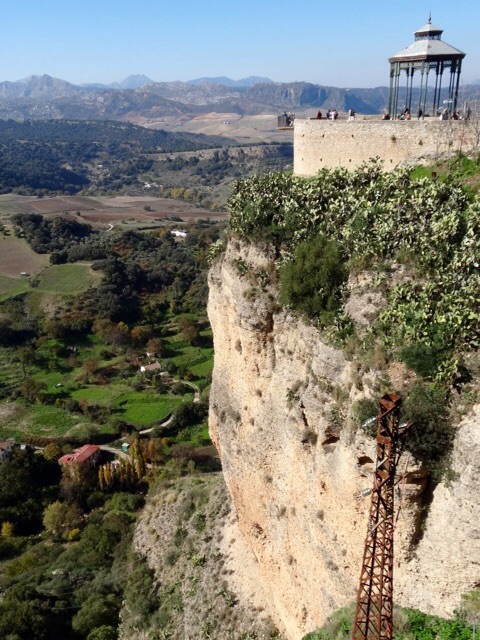
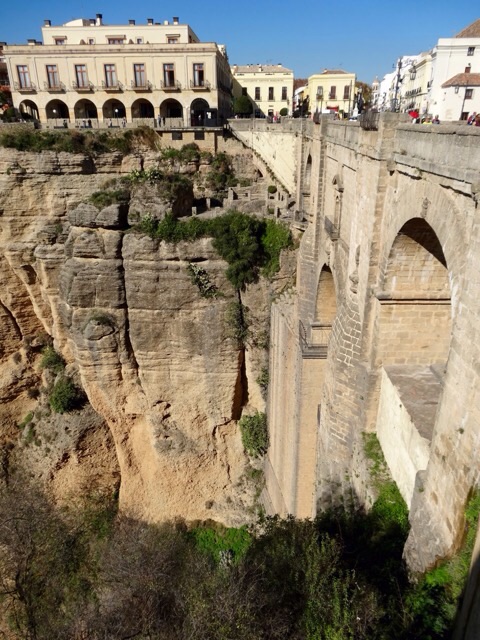
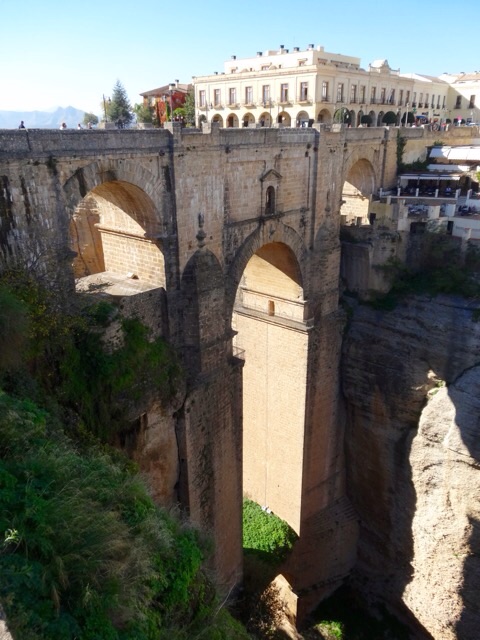
imageA bit further along at another viewpoint I am a bit horrified to realize we were standing on a balcony like affair hanging out over the gorge.  Look closely and you will see this liitle balcony. It doesn’t look very sturdy to me!imageThe Puente Neuvo, or the New Bridge, was built in the 18th Century, and connects the newer part of town to the oldest area of town.  We walk across it, and of course stop for even more photos. It is an amazing bridge, 120 meters above the river below.
image

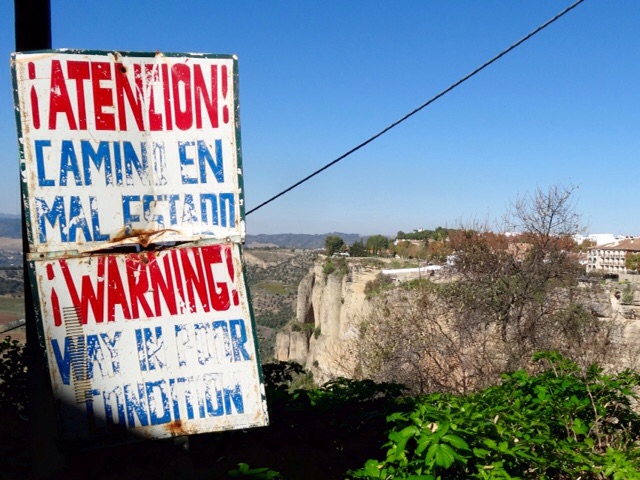
There is a stone staircase of 231 steps down to the river in the Gorge.  I was trying to convince Bob that we should walk down but once we saw this sign we changed our minds.imageInstead we walk through the old town, popping in and out of the shops to see what we might discover and then head out to find the Puente Viego, or the Old Bridge which was built in 1616.  Today it is a pedestrian bridge and I stop to sit on “The Moor’s Armchair” right in the crook of the hairpin turn on the road to the bridge.
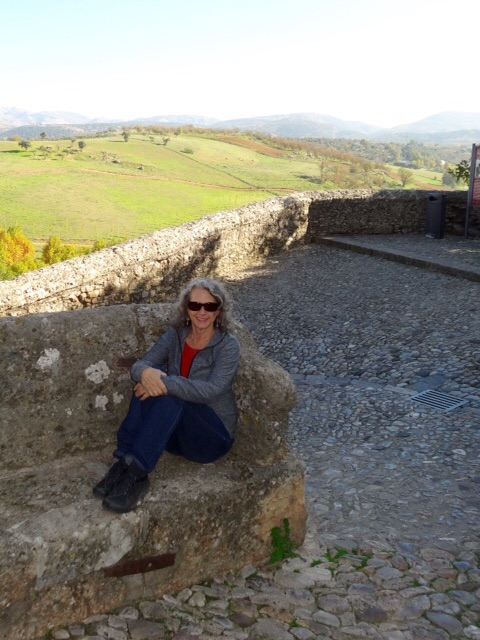
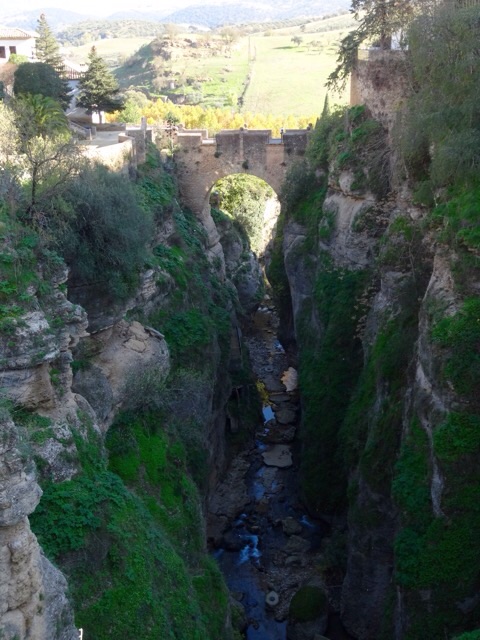
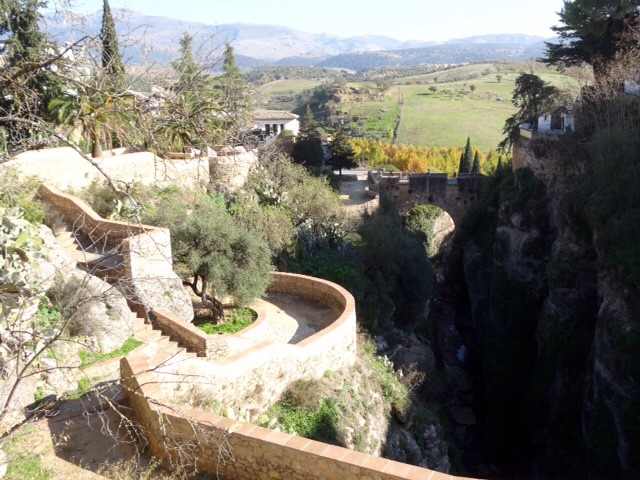
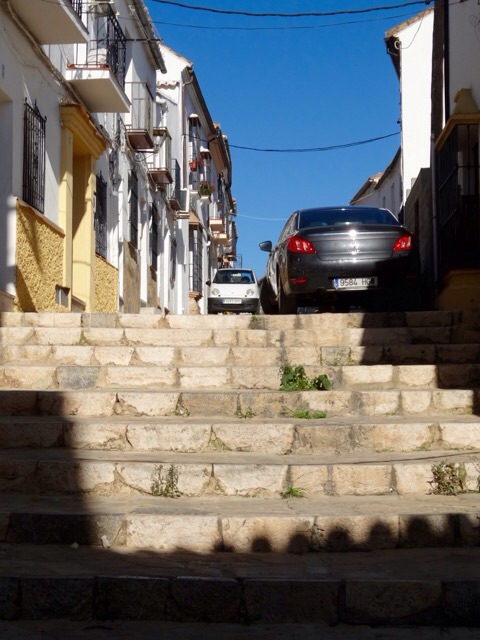
imageThis Old Bridge spans the same gorge as the New Bridge, just in a different place. imageAfter crossing the bridge we head up a path towards some terraced viewing platforms and garden areas.imageAnother view of the Old Bridge and the country side beyond the town, and the terraced gardens.imageThis is the New Bridge from the terraced gardens below. Notice the white houses tucked into the cliffs in the shadow of the bridge.imageWe wander through more of the Old Town, and I marvel at some of the places we find cars parked.imageOn the drive home the air is very misty and there is this great example of arial perspective. Check out this link if you aren’t sure what arial perspective is all about. https://en.m.wikipedia.org/wiki/Aerial_perspective
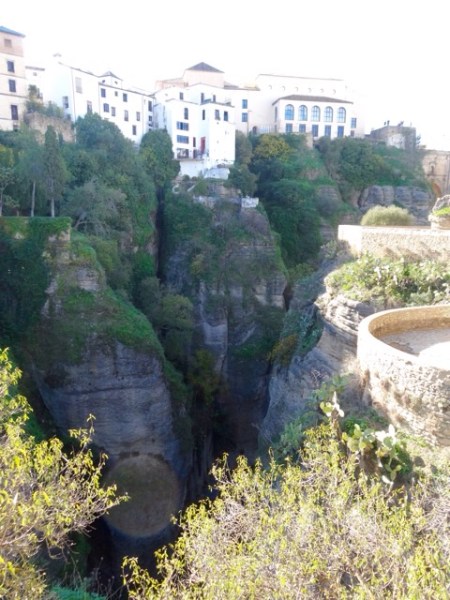
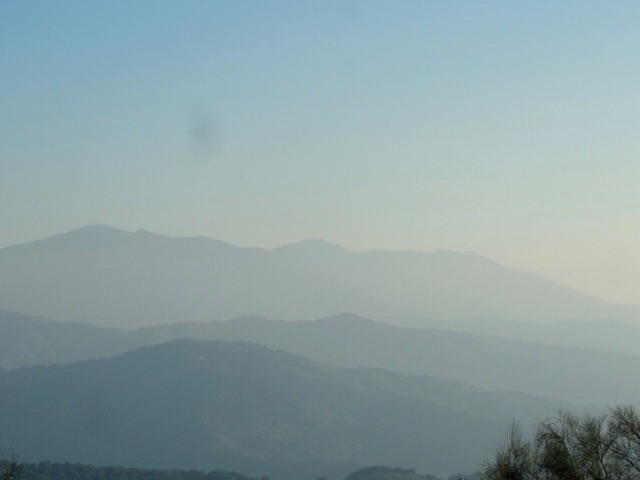
imageMy camera has been giving me problems this entire trip.  There is dust inside it that causes the spot visible in the sky in this picture and sometimes the settings just start jumping around and changing all on their own! One time it started taking every picture in triplicate! I am hoping it will keep working until the end of this trip.  Any suggestions for a good camera?  I think I will need to buy myself one for Christmas when I get home.
Seville to Algeciras

Wednesday, November 11

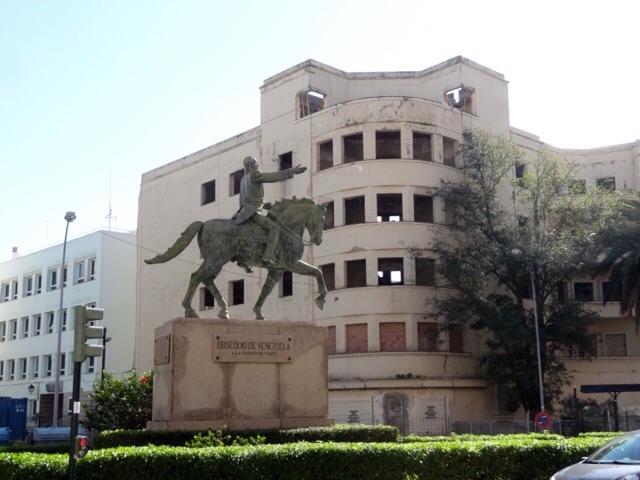
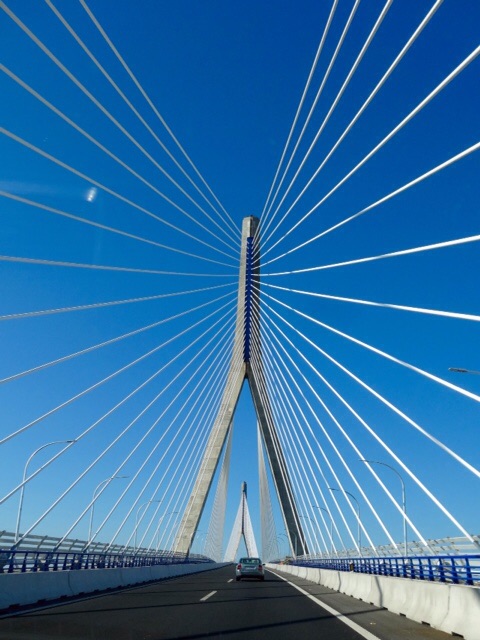
On our way to Algeciras in Southern Spain we stop for a visit to Cadiz. Our faithful iPad GPS has bit of a panic attack as it thinks we are trying to drive into the ocean!  Seems it doesn’t know about this big new bridge yet!imageCadiz juts out into the Bay of Cadiz and is almost entirely surrounded by water.  It also claims to be Europes’s oldest city. Legend says Hercules was its founder but historians credit the Phoenicians with establishing the town in 1100 BC!  Cadiz is also where Christopher Columbus first sailed from to discover America.  We once more find a parking lot almost by accident.  Parking near the old town part of Spanish cities is always difficult because the streets are so narrow that there just isn’t much room for cars.  This abandoned building in the center of town right next to well kept occupied buildings is something we have seen everywhere in Spain.
imageHere is an interesting link to abandoned villages in Spain that are for sale.

http://www.dailymail.co.uk/news/article-2576711/Buy-ghost-village-50-000-Thousands-abandoned-Spanish-hamlets-sale-price-London-garage.html

The 2008 economic crash was a major factor in so many buildings being empty and/or abandoned in Spain.

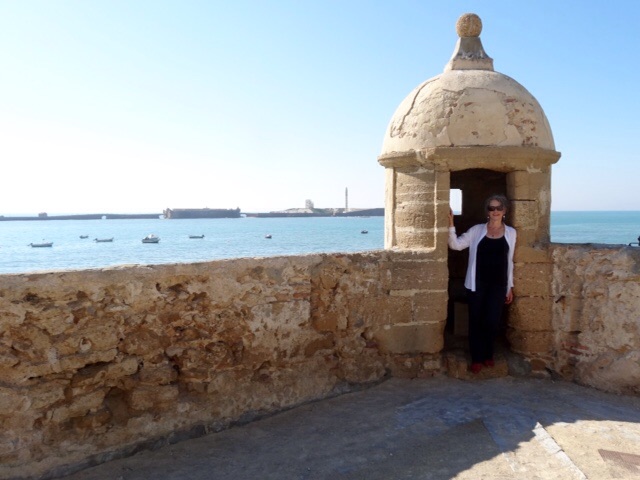
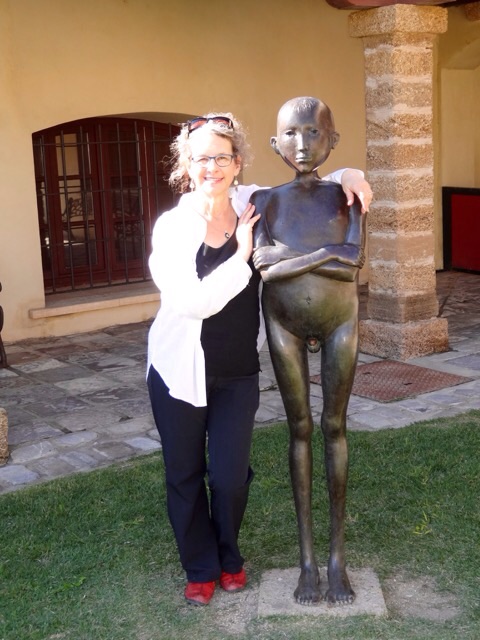
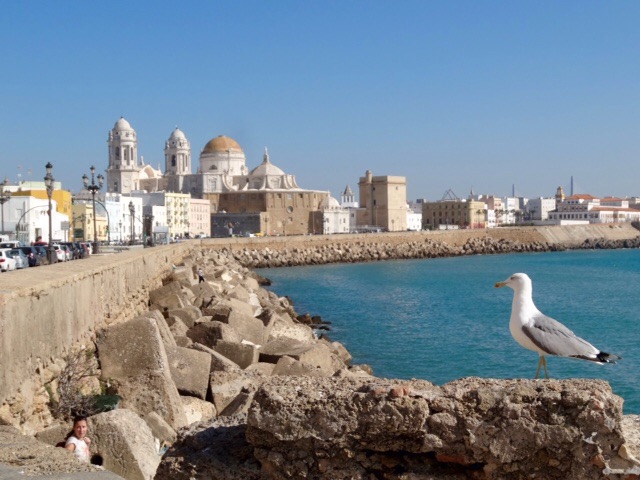
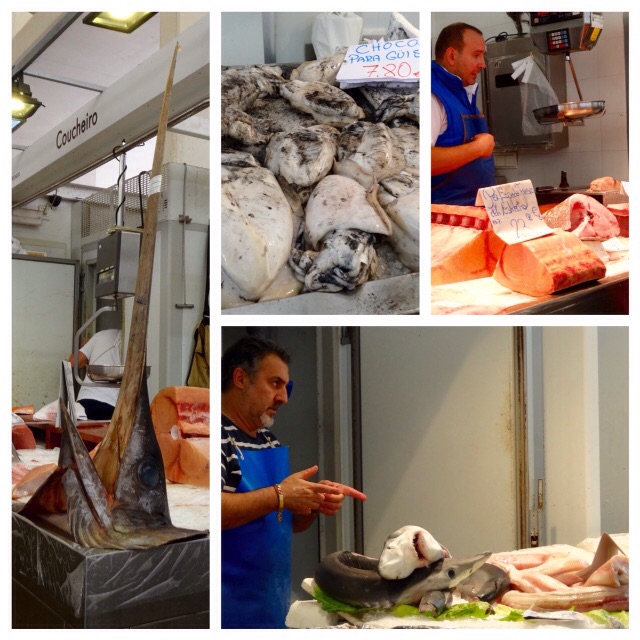
We visit an old fortress that now houses several art studios and exhibit spaces.imageI quite liked this fellow.imageIt was a lovely day and we wanted to enjoy the sunshine so we wandered the streets instead of visiting another cathedral or museum.  This gull kindly posed for me with the Cadiz Cathedral in the background.imageThe fish market is always an interesting place to visit. Being born and raised in Alberta far from the ocean, I have no idea how one cooks, or eats most of the fish we see, but I think more fish is eaten here than beef, chicken or pork.image

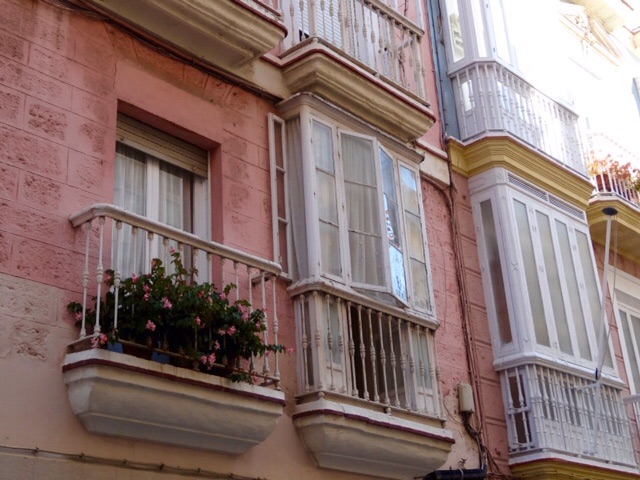
We stop for tea at a little Pastelaria and sit with a view of this lovely pink building with this balcony and its pink flowers. I love just watching people as we sit and relax for a bit.image

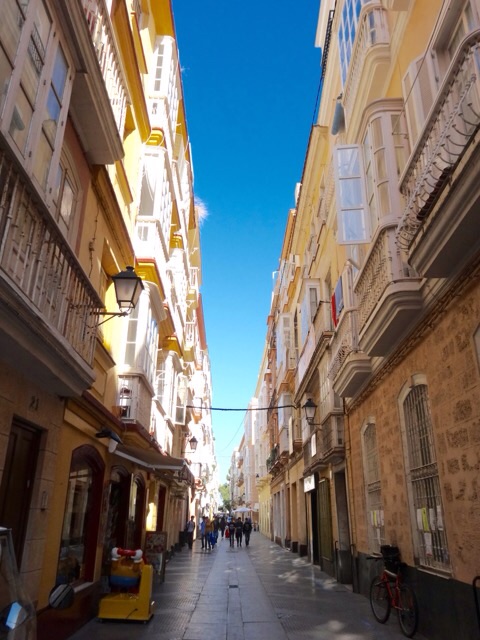
The streets in the old town are very narrow, and we manage to get a bit lost looking for the Torre Tavira which was the city’s watchtower in the 18th century.  It has been converted into a camera obscura and I wanted to see that.  By the time we found it we realized we as didn’t have time to see it as the next tour was in an hour, and lasted forty five minutes.  We need to be on the road again before then, so reluctantly I leave without getting to see the camera obscura I was so curious about.  If you are curious too, check out the information here.    http://bhamobscura.com/2014/12/inspirational-obscura-torre-de-tavira-torre-tavira/image

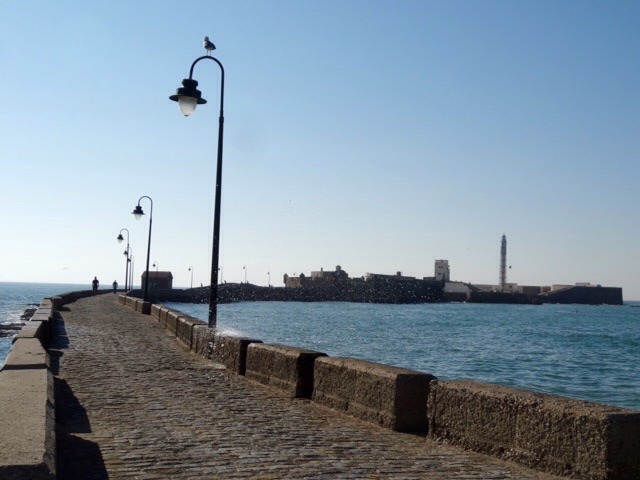
We walk out towards the fortress on this long causeway but don’t have time to visit it either. It is time to head back to the car and continue on to Algeciras and our next apartment.

image

Thursday, November 12 Algeciras

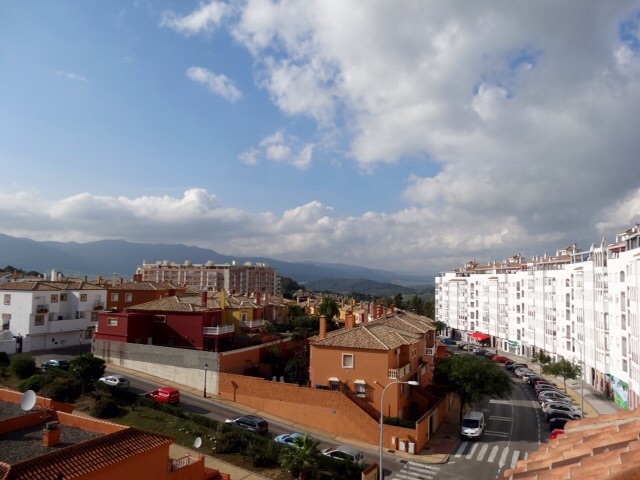
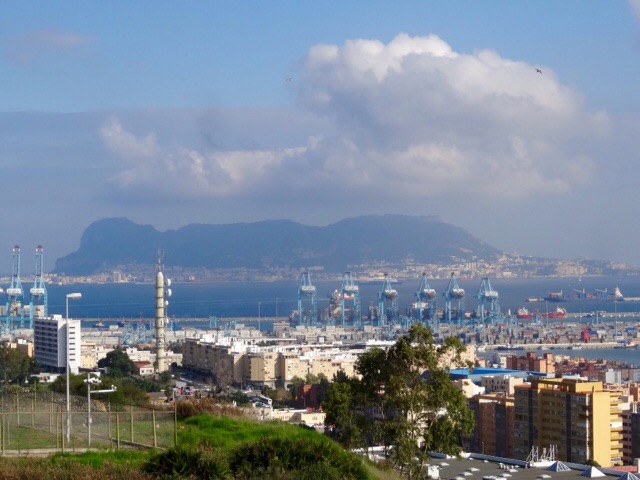
We have a quiet day today, do some laundry and relax in our new apartment.  We have a penthouse on the seventh floor, with views of the mountains from the balcony on the west side and we can see Gibraltar from the balcony on the East side of the apartment!  It is pretty spectacular.image image


The Royal Andalusian School of Equestrian Art

Tuesday, November 10

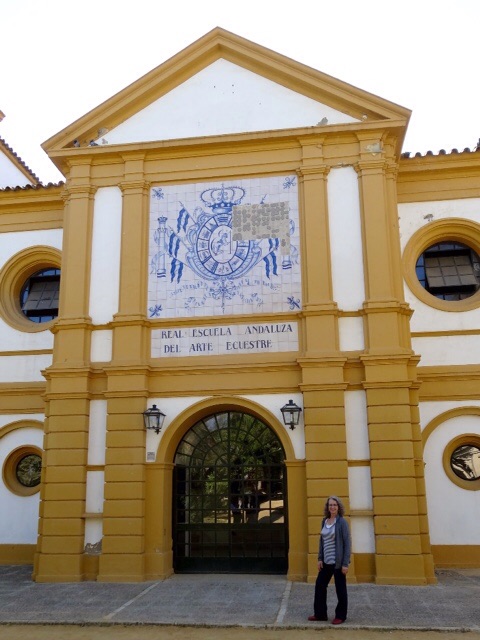
Jerez de la Frontera is the capital of Sherry production and it is also famous for its Andalusian Equestrian School. It is just a bit farther south than Doñana Park, which we visited yesterday. We purchased our tickets online and we leave early so we will arrive in lots of time for the 12:00 show.

image

We arrived early, and found parking which is always a challenge in Spanish cities, thanks to the wonderful GPS capabilities of our iPad.  It has paid for itself many times over this trip. I have no idea how we managed to travel in Australia and New Zealand without it, only relying on maps. Never again!

We watch a very good short movie about the history of the Andalusian horse and then we have time to watch some of the training in the outside riding ring while we have our lunch.

image

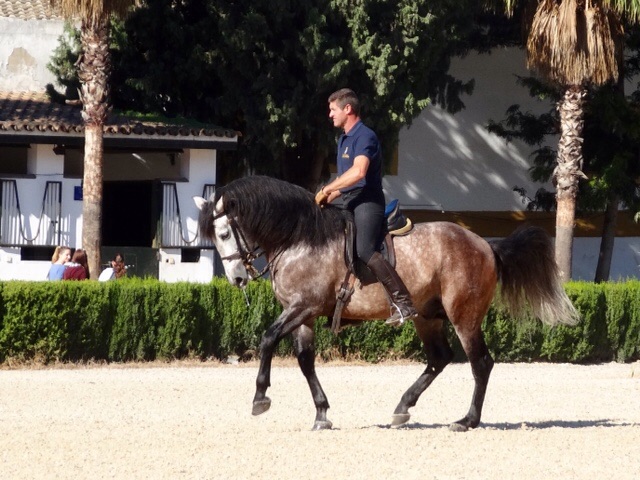
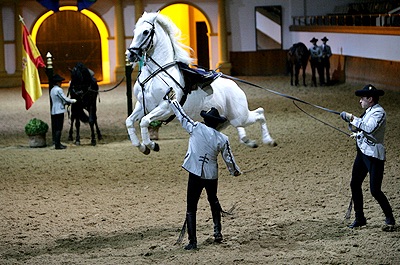
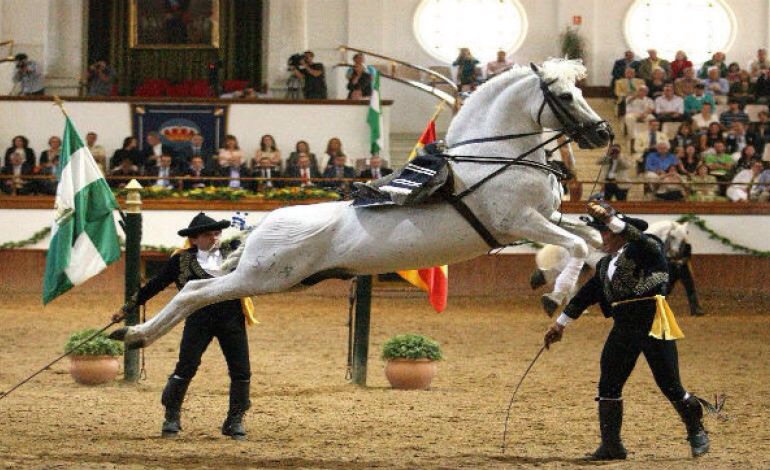
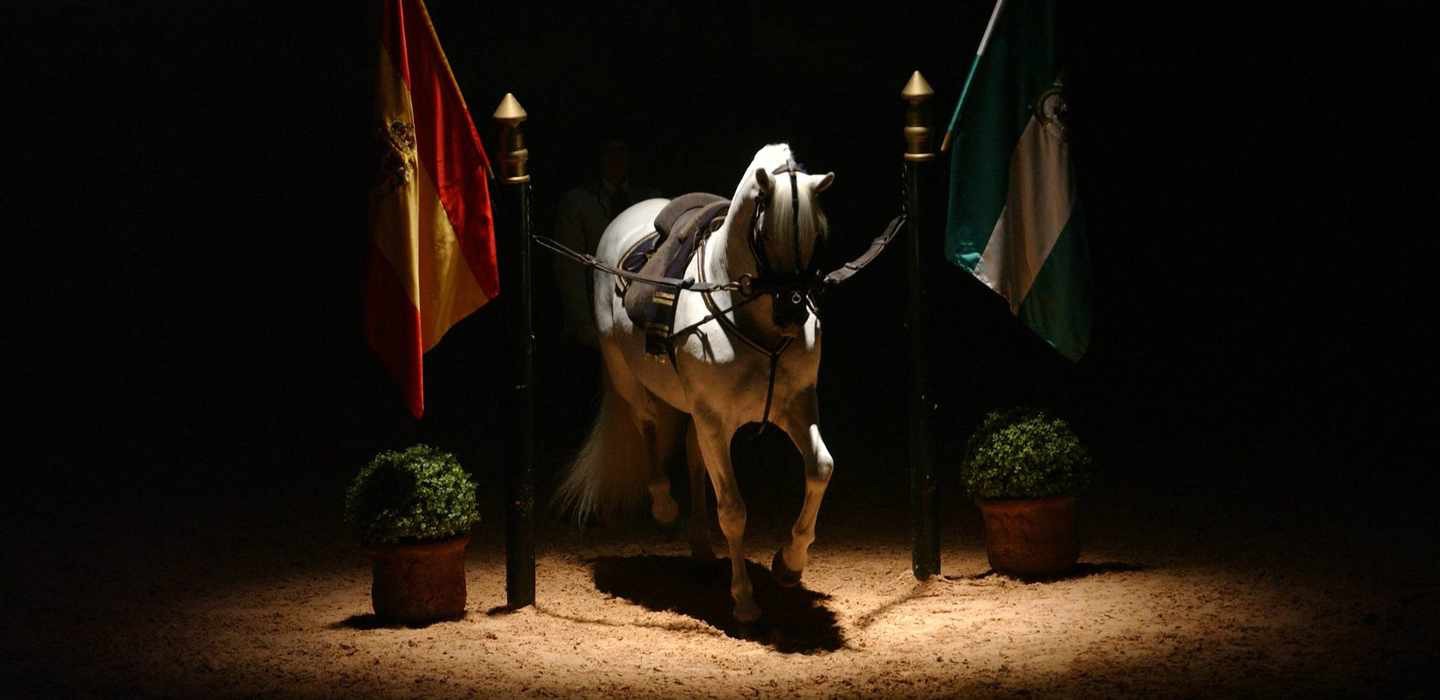
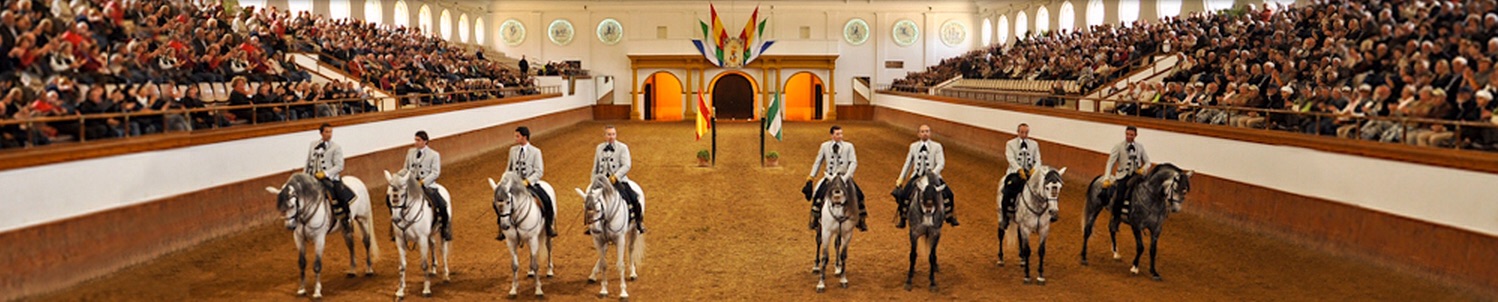
We have great seats, right in the first row.  I can almost reach out and touch the horses as they pass.  The show is “How the Andalusian Horses Dance”,  and it is an equestrian ballet based on traditional and cowboy methods of taming wild horses, accompanied by Spanish music and full eighteenth century costumes. I decide to behave and not sneak any photos, but I almost wish I hadn’t. These photos are from the internet .  If you would like to see more check out   http://andalusian horse show Jerez

image image image imageWe were sitting in the front row on the right side, almost in line with the dark grey horse in the photo below.  Fantastic seats! Well worth the extra 6€ For preferential seating.image

I found this short video which shows parts of the same show we saw and it is on location at the school arena in Jerez. The show was wonderful and it had enough variety for Bob, who doesn’t love all things horses quite as much as I do.

https://m.youtube.com/watch?v=bd_nYE4c790

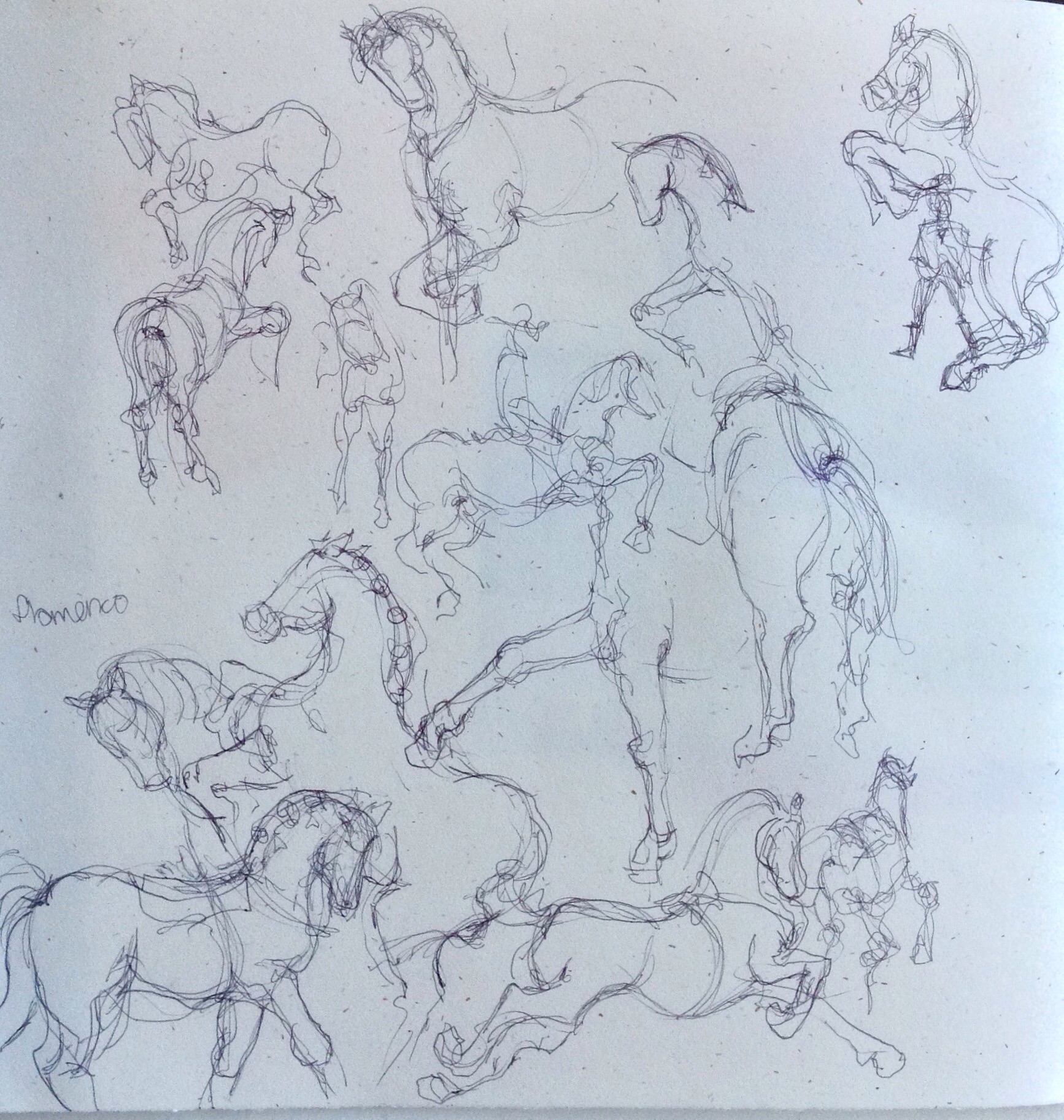
I did try to draw a bit during the show, but it was hard to concentrate on drawing and what was going on, and of course the horses never stood still! Here is my page of horse life drawings.

imageThe young lady sitting next to me was from Germany.  She owned a three year old Andalusian mare and she was hoping to be able to come to this school for riding lessons.  A ten day course is 2500€  and room and board is not included. Expensive, but how fantastic would that be, to ride these beautiful well trained Andalusian horses, the same ones that take part in the shows!  The lessons run for six hours a day, so you would certainly have to be fit.

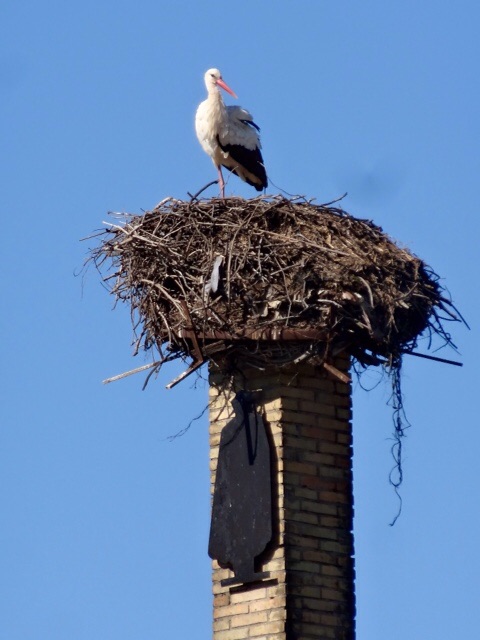
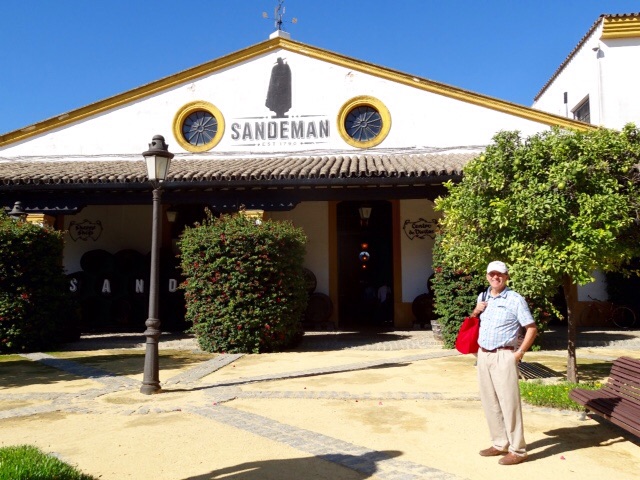
After the show we walked over to one of the many wineries in Jerez, the Sandeman Bodega, for a tour and tasting. They have several resident storks, and we were lucky enough to see this fine fellow.image

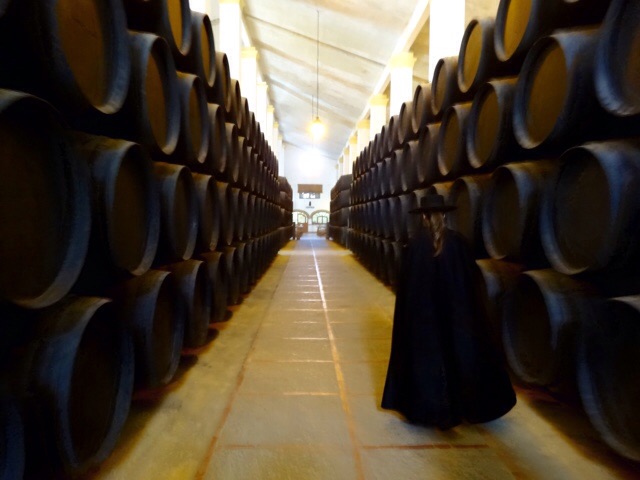
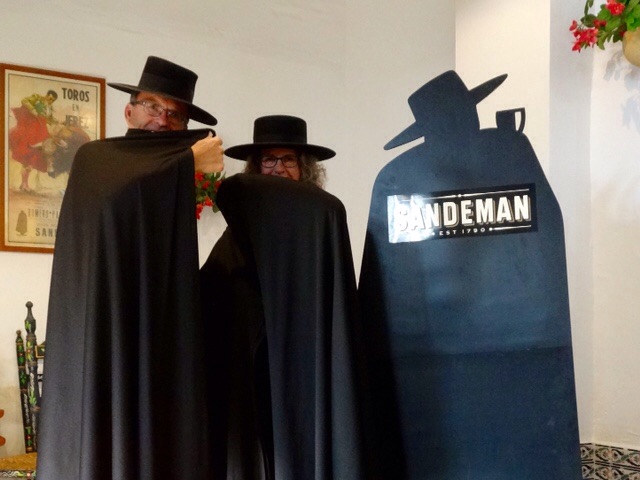
image  Our guide in costume walking past some of the barrels full of Sherry.image  After three ‘very generous’ samples of sherry we played Sandeman!image

Finding washrooms is always a bit of a challenge when travelling, so we stopped at a nearby Ikea to use theirs before the trip back to Seville. It was rather strange to find that it laid out exactly like the one back home.  We felt like we were back in Edmonton!  image
Doñana National Park

Monday, November 9th

We tried to book a guided tour to visit Parque Nacional de Doñana, along the coast south of Seville, which is one of Europe’s greatest wetlands.  It includes 50,000 hectares of marshes and sand dunes, which are home to thousands of migratory birds in the winter months. The tour company does not operate without a minimum of four passengers, and we are the only two, so we decided to visit the park on our own.  This turned out very well and we had a relaxing day, even though we didn’t see many birds.

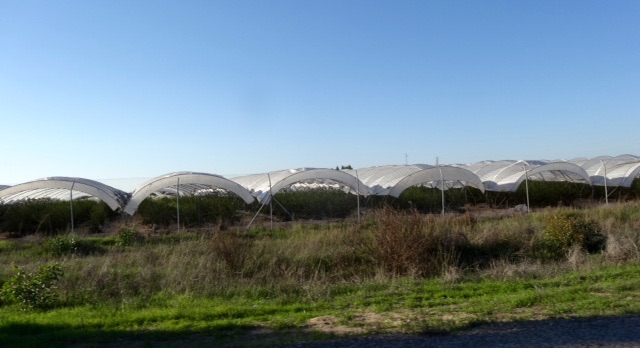
Along the road to the park we pass acre after acre of these domed greenhouses. We aren’t sure what they are growing but they cover field after field sometimes as far as we can see in all directions!image

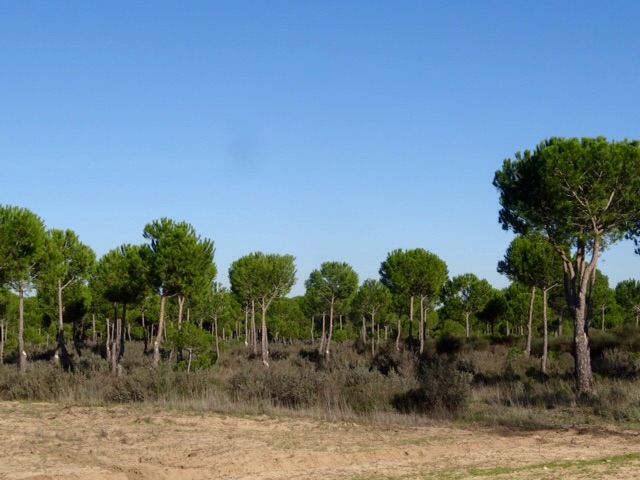
We also see lots of these coniferous trees.  They have been planted in rows and the bottom branches have been pruned as they grow, yet they don’t seem to be a tree that would provide lots of lumber.  I was not  sure about these either, but I love the rounded shape of the top of them.  After a little research I now know these are Stone Pines, they are grown for their pine nuts and in some areas they have become naturalized.   For more information see https://en.m.wikipedia.org/wiki/Stone_pine  image

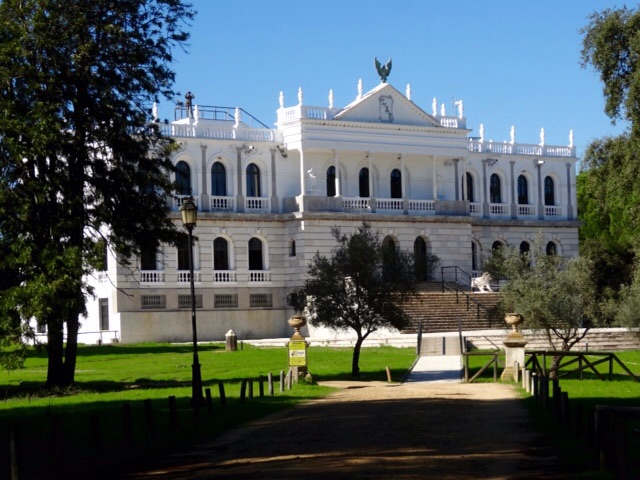
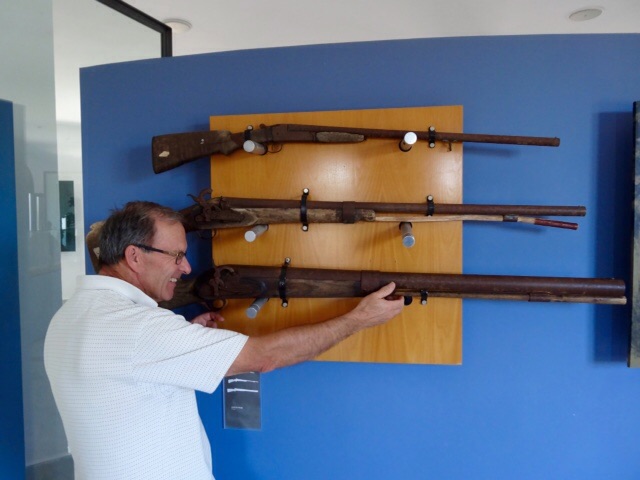
First stop is the Palacio Del Acebrón which was built in the 1960’s. The land around the Palacio was cleared, planted with Eucalyptus trees, gardens, paths and trails were built and a huge pond was dredged and lined so that plants would not fill it in.imageThe building is now an interpretation centre, and we get there in time for a visit before it closes at two.  These long Spanish lunch hours make it difficult to plan our day.  Seems things are always closed when we are out and about and then opening again when we are ready to head home!  Bob is checking out one of the displays.image

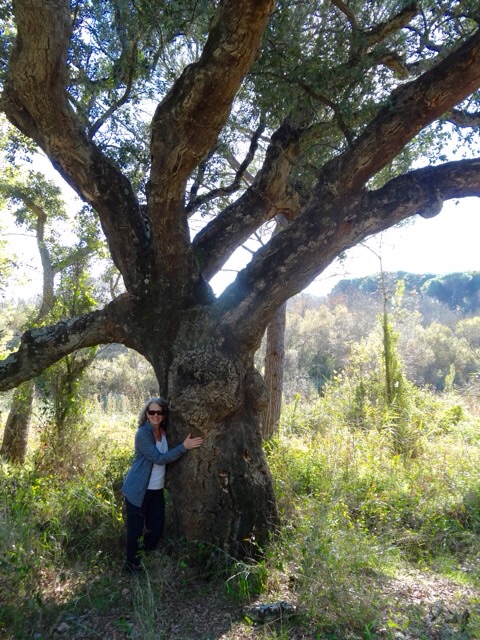
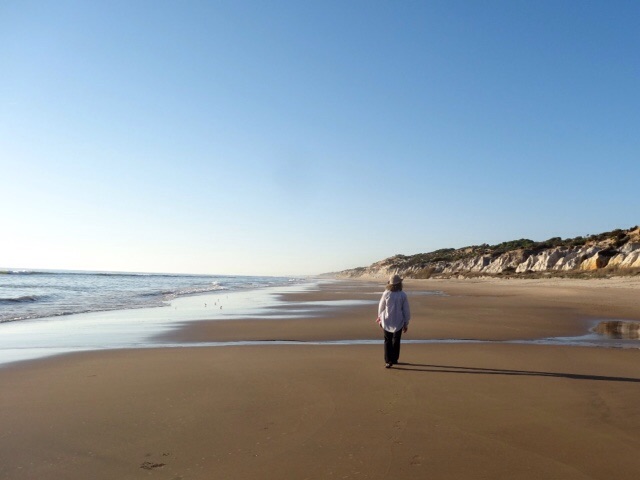
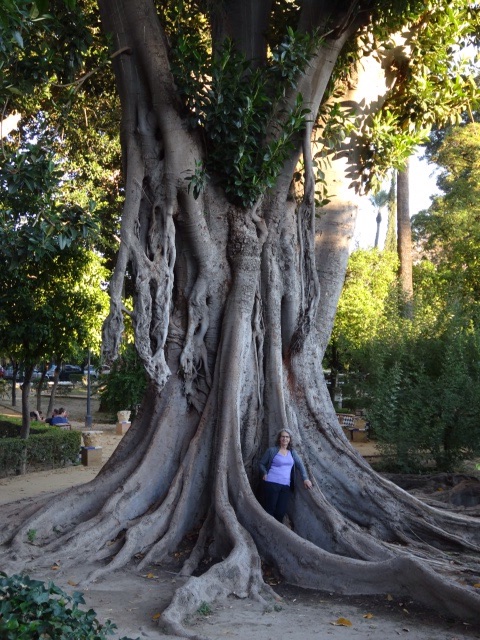
We go for a hike through along a little river and through some of the grounds.  What would a holiday be without at least one tree hugging picture?imageWe hiked along another trail to some bird blinds but only saw a few ducks in the distance.  We decide that the migratory birds either have not arrived yet, or it is too early in the day for viewing so we head for the ocean and the sand dunes. We walk a long ways down this beach, and I gather a few sea shells as souvenirs.
image

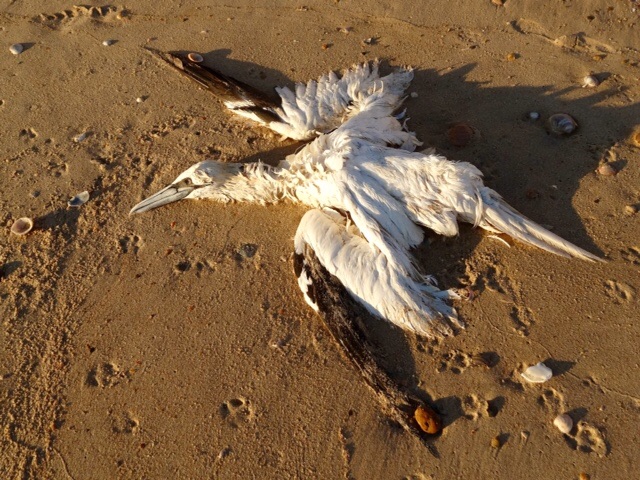
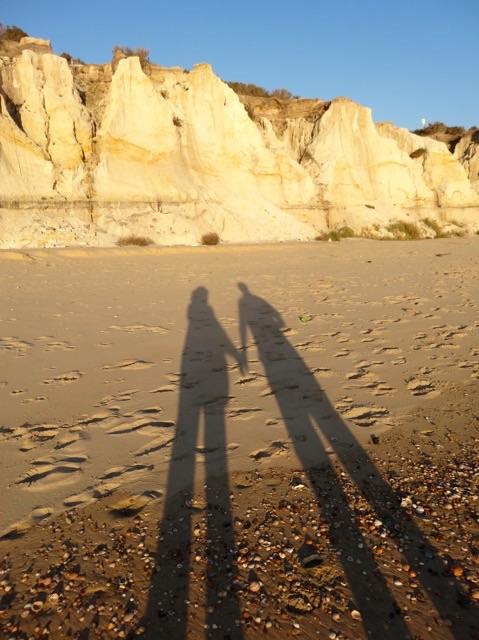
We also see this victim of a discarded fishing line.  If you look closely you may make it out wrapped around this bird’s neck.  We saw quite a lot of plastic debris washed up this beach.imageThese are sand dune cliffs that line the length of the beach, as far as we can see, and our version of a ‘selfie’.image

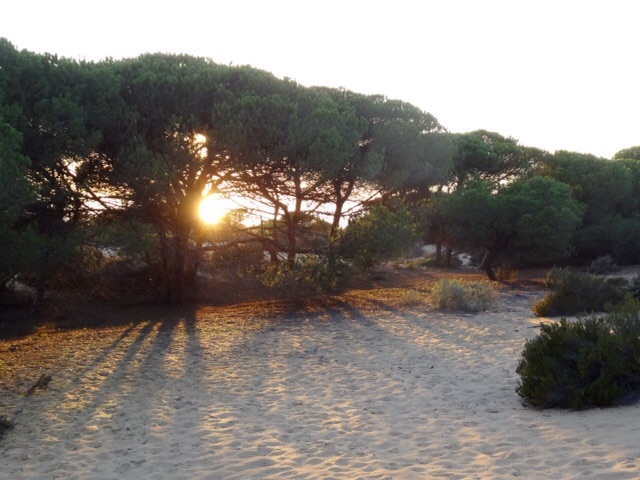
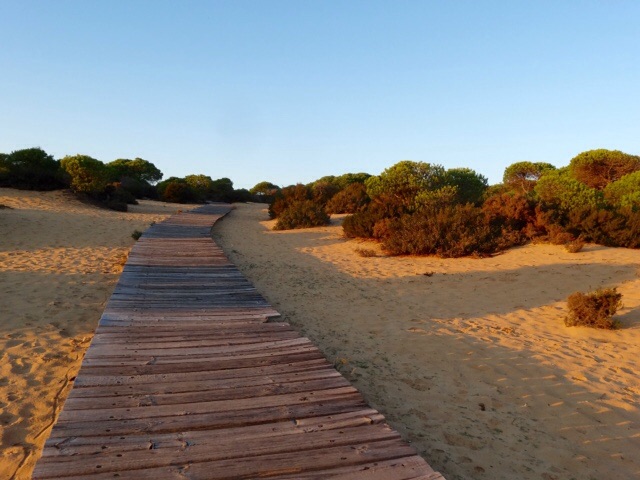
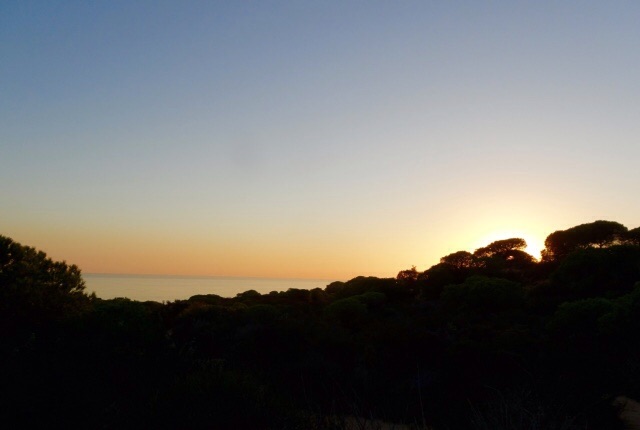
All too soon the sun begins to set so we head back to the car along this boardwalk through yet more sand dunes.image imageWe get to our car just as the sun sets.  We didn’t see many of the birds that this park is famous for, but it was still a very enjoyable day.image

Parque Maria Louisa, Seville

Sunday, November 8

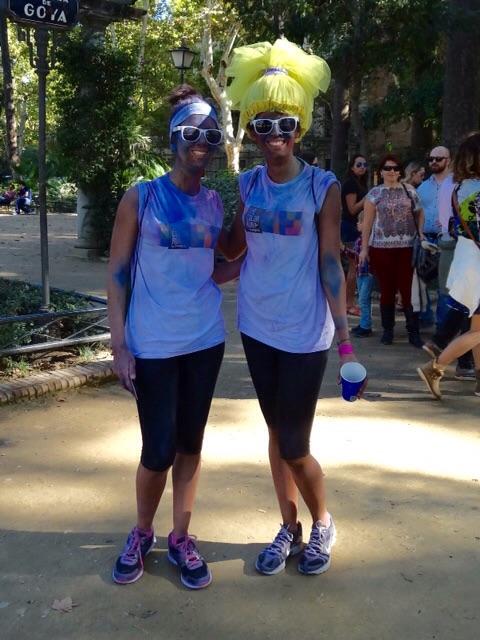
There are several parks in Seville and one of the biggest is the Parque María Louisa, which is where we spend the afternoon today. We saw a lot of people dressed in T shirts, coloured tutus and tights covered in what looked like powdered paint. These two young ladies posed for me. Everyone looked like they were having a great time but we had no idea what it was all about.image

I did some internet searching later and find out what the Colour Run is all about. Check out this link.  https://ca.thecolorrun.com/about/   Basically it is a 5 km fun race whose objective is to have fun and get doused with coloured powder and party with a lot of other people! Eleven thousand people took part in Seville’s Color Run this year. I have included a link to a short youtube video that gives a pretty good idea of what it is all about.     https://m.youtube.com/watch?v=y8bboQxGp9E

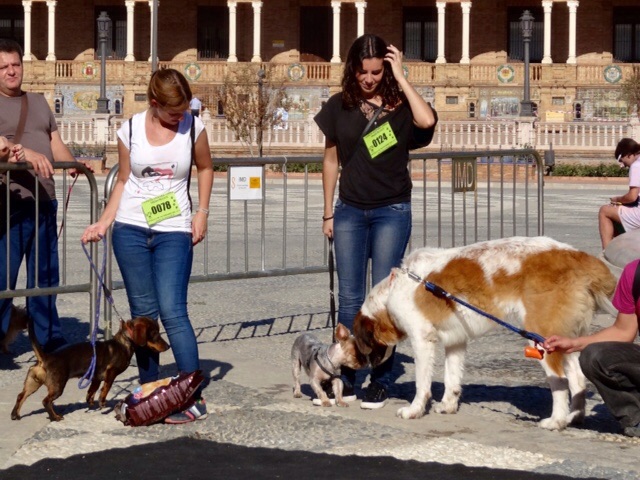
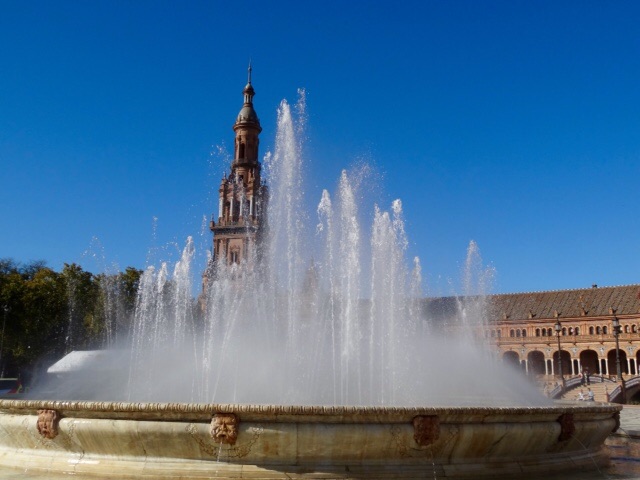
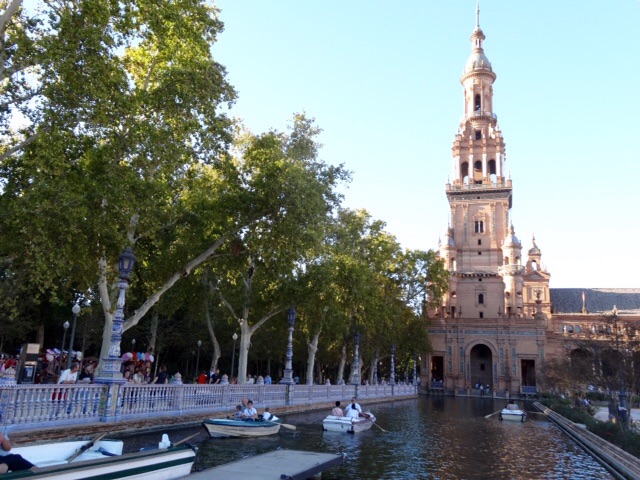
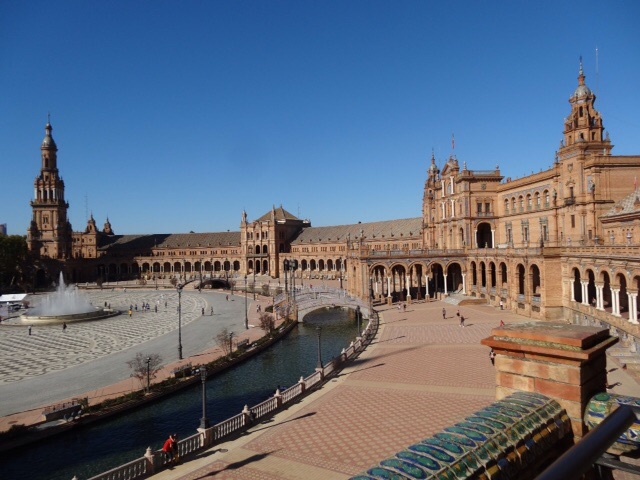
We had lots of fun just watching all the brightly coloured people walking by us after they finished the race and the after race party.  Wish we had known about it in time to go watch the fun. It is an interesting day.  We watch a bit of a dog show in Plaza de Espána. The very big and very small dog in the photo below were very interested in getting to know one another.imageThe Plaza de Espána was built for the 1929 Ibero-American Exposition. It is a huge curved building complete with a semi circular canal.image  We caught a glimpse of Cinderella and the Prince who is running after her!imageThe railings all along this building are blue and white ceramic with colourful ceramic posts.imageThere are towers at each end of the building, which I read was used as a set in one of the Star Wars movies.  We walked along the exact same route as Luke Skywalker in this short clip from the movie!   https://m.youtube.com/watch?v=mVQyW1n5ECY     image

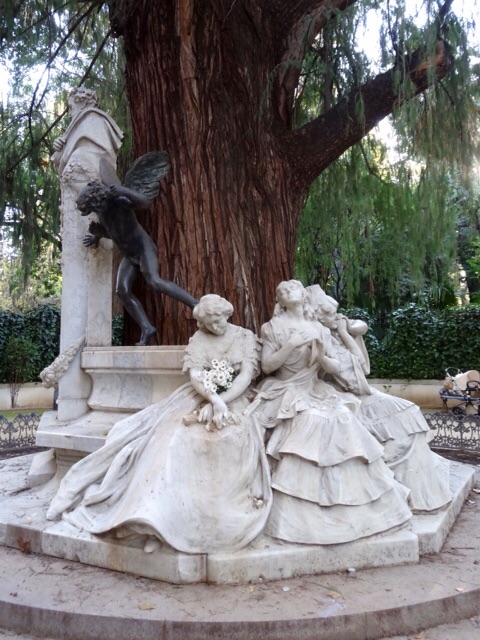
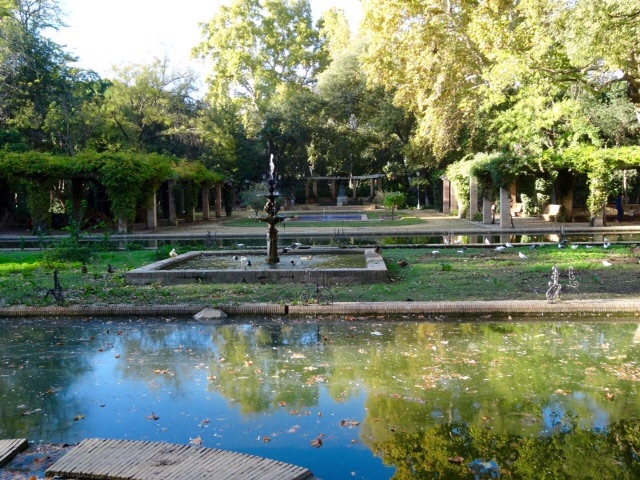
This sculpture, The Glorieta de Bécquer, depicts the three phases of love and someone had placed a fresh bouquet of white flowers in the arms of the woman depicting love passing. I thought it was very lovely and poignant.imageOne of the many water features in the park.  This one had very well fed ducks, who refused to eat yet another piece of bread, much to the disappointment of some cute little girls with their bags of food for the ducks.imageWe watched people rowing on the canal, who had waited in a very long line up for the opportunity to circumnavigate the canal. Can you spot Bob?image

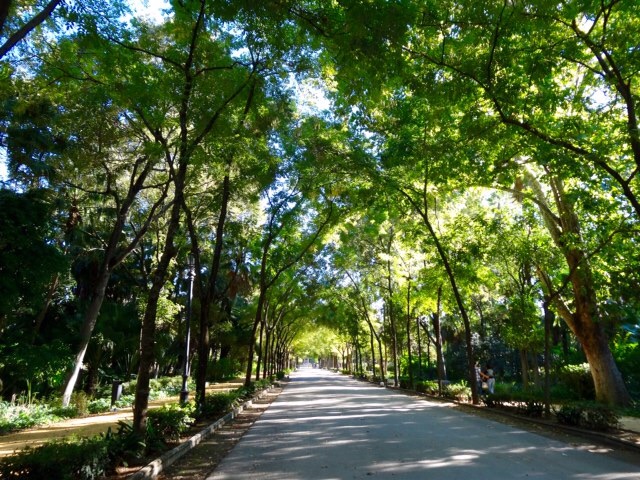
One of the many wide paths through the park, which has a wide variety of very large trees.  It was a lovely place to while away an afternoon.
image

The Real Alcázar, aka The Water Gardens of Dorne

Saturday, November 7

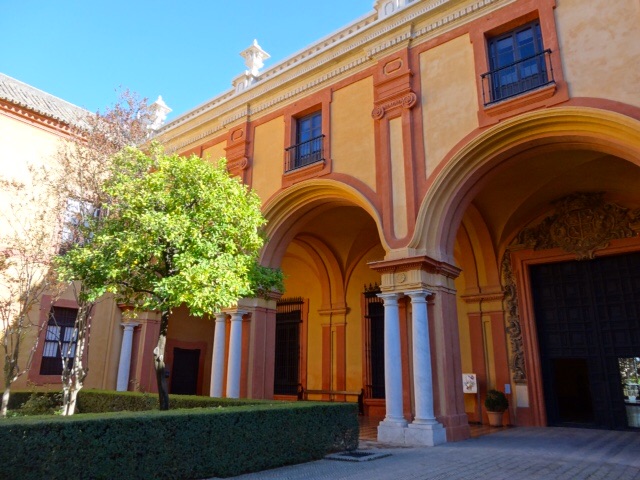
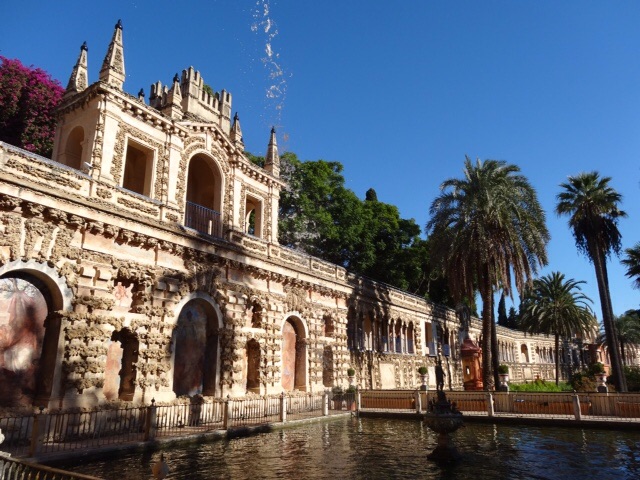
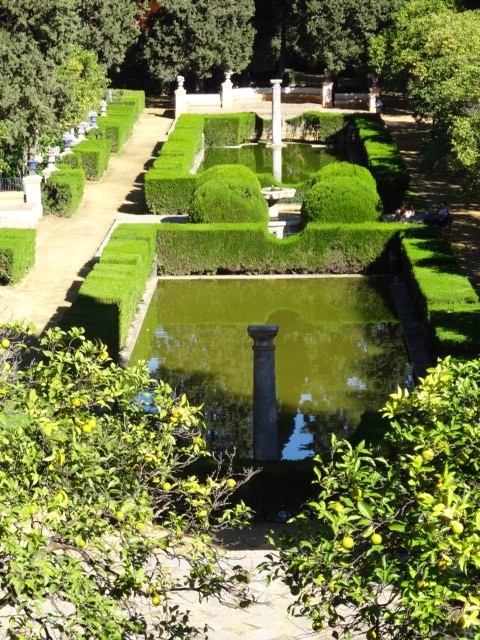
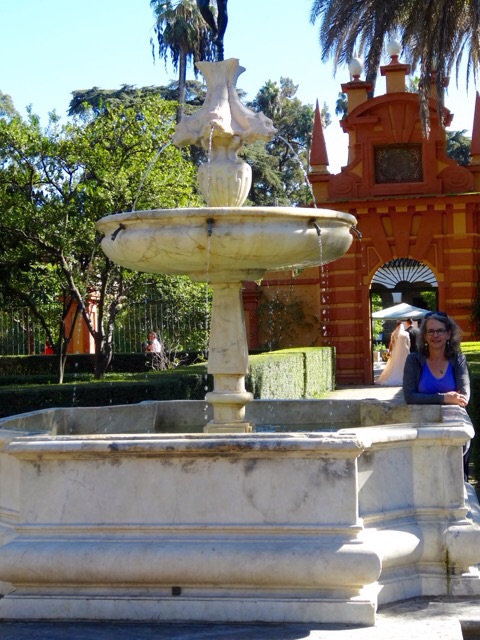
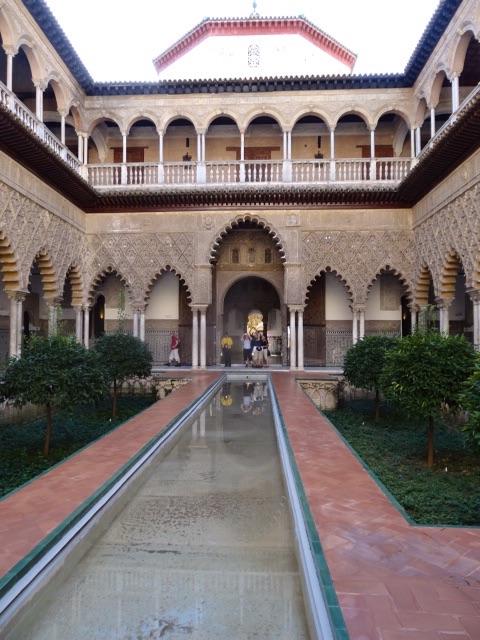
We had a great day visiting Seville’s Real Alcázar. It is a magical place in its own right but it was also the setting for the Water Gardens of Dorne for part of Season Five of The Game of Thrones. imageI am going to post my pictures without too many explanatory comments as I have included two links that have more information about the Game of Thrones settings and they also explain very nicely about the Alcázar.

Game of Thrones set for Alcazar in Seville, Spain

Game of Thrones Season 5: the Water Gardens of Dorne, aka the Alcazar of Seville

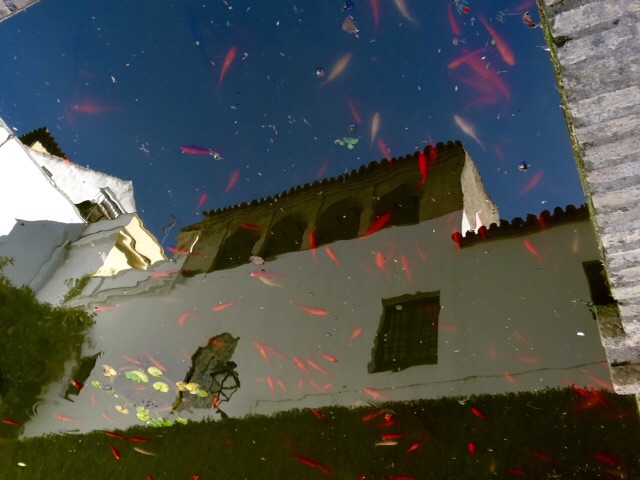
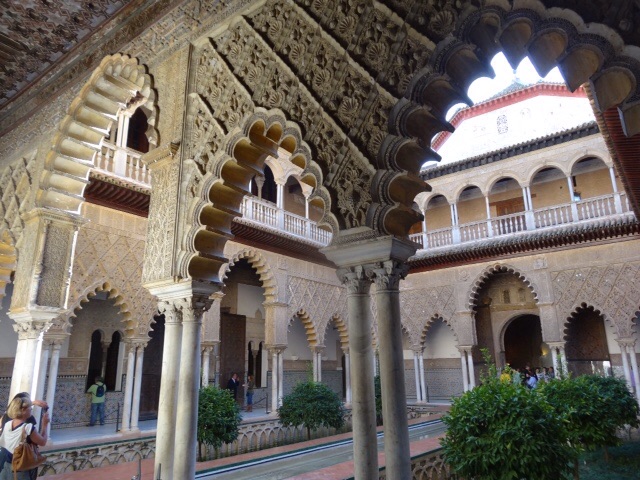
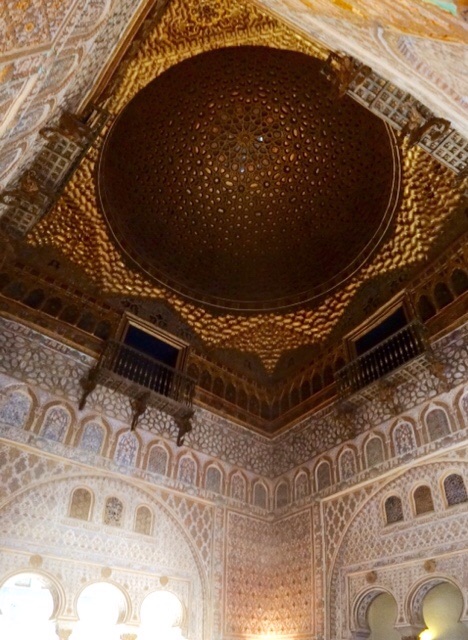
We climbed to the walkway you can just see in this photo.  It is behind the arches in the wall past the pool.  We had great views of some of the gardens from here.imageWe spent four and a half hours wandering through the palace and gardens, and we still didn’t see all of the gardens.imageIn the background you can see one of the many bridal couples we saw today who are here taking pictures.  Interestingly, there was always just the bride and groom and one or two photographers, there were no bridesmaids or groomsmen.image  Can you figure out how the goldfish are flying through the sky?image  I love the intricacy of the carvings and details on the walls and ceilings.image

imageThis was a popular spot for a bride and groom to stand and get their photo taken with their reflection in the pool. Bob tried to take a photo of my reflection but there were too many people around.imageWe did find a quiet spot in the garden to sit for a few minutes. Remember, we walked in the Alcázar for 4 1/2 hours!image

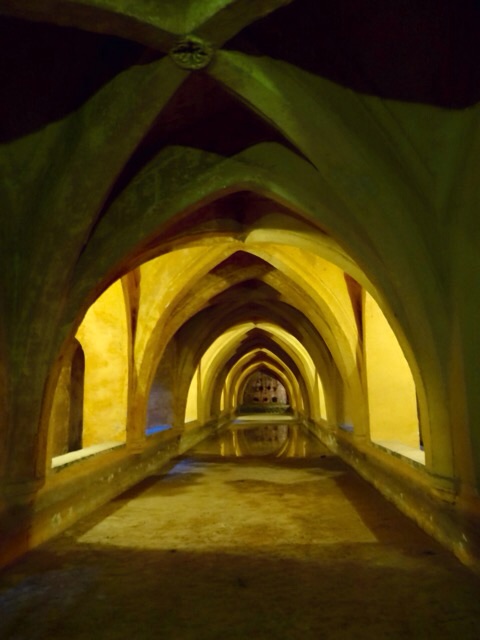
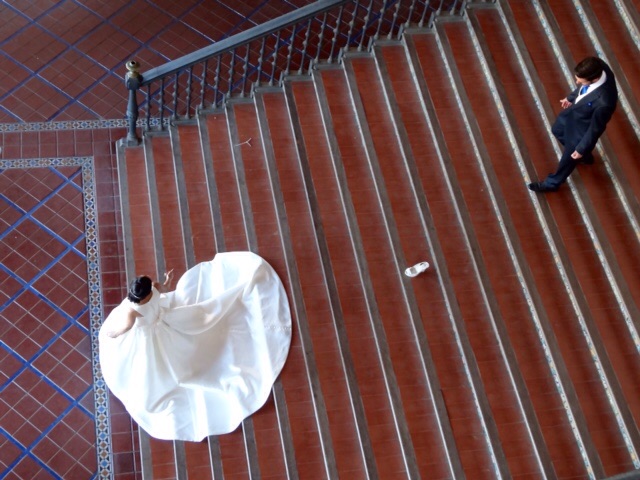
We asked a bride and groom if we could just take one picture before they started taking their own photos in the Queen’s Baths.image

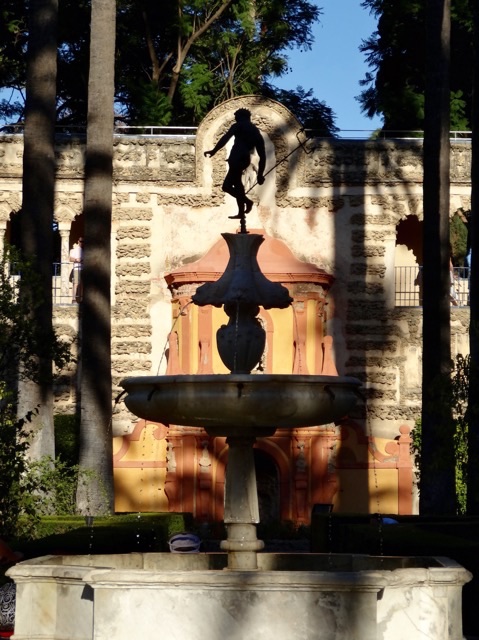
The sun was low in the sky when we left near five o’clock and I liked the way this fountain was silhouetted against the wall.imageAfter we left the Alcázar we followed a walking tour map that Bob had picked up at the tourist office, through many of the old narrow streets of Seville.image

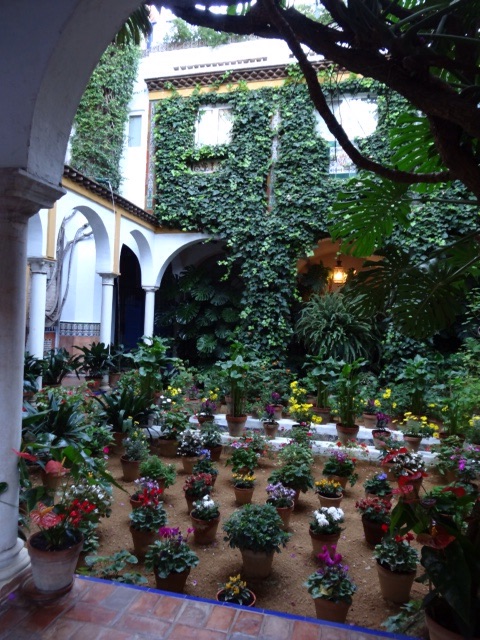
I peeked inside one doorway and spotted this beautiful garden courtyard.image

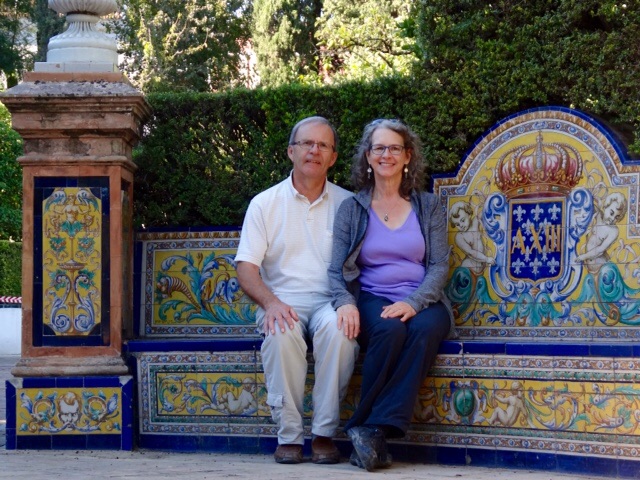
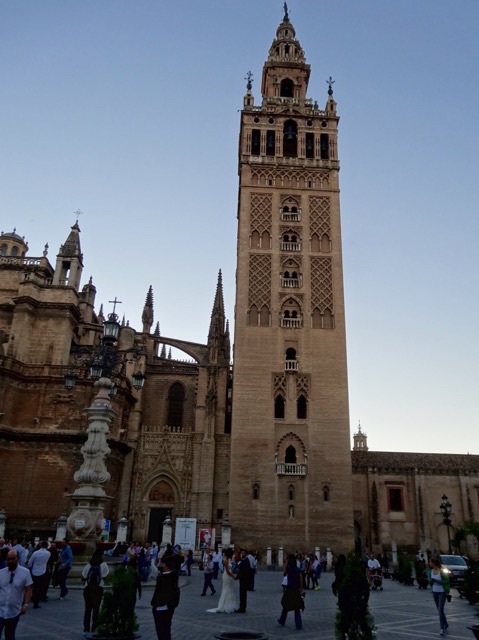
I couldn’t resist having my picture taken with this beauty!image  One more photo of the bell tower we climbed yesterday. Can you spot another bride and groom? We probably saw a dozen brides today!image

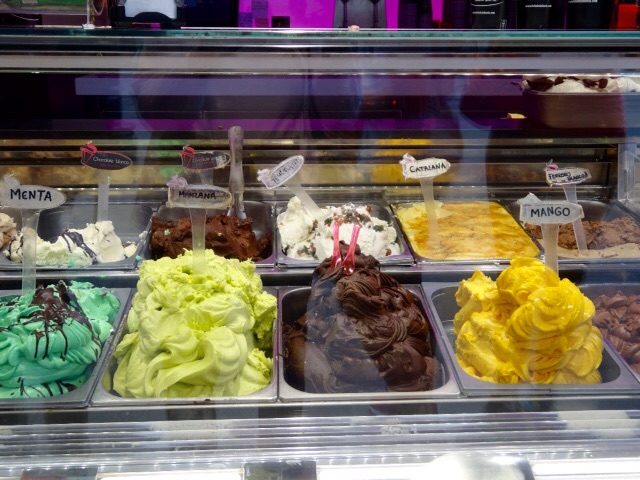
We stopped for yummy ice cream and sorbet, walked the streets, watched some crazy amazing break dancers, and finally caught our bus home around eight.

Seville Cathedral and La Giralda

Friday November 6

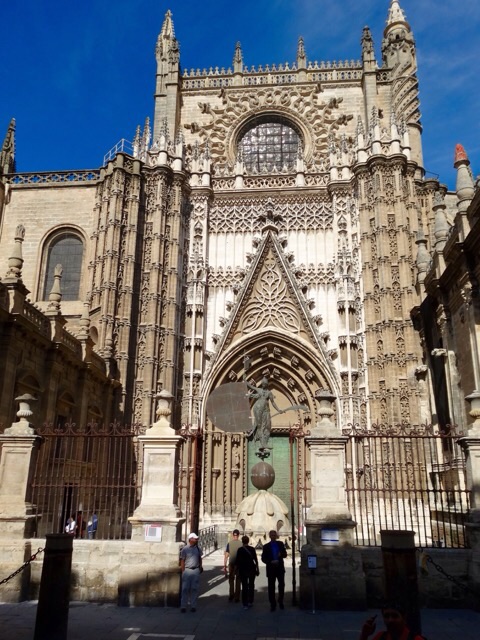
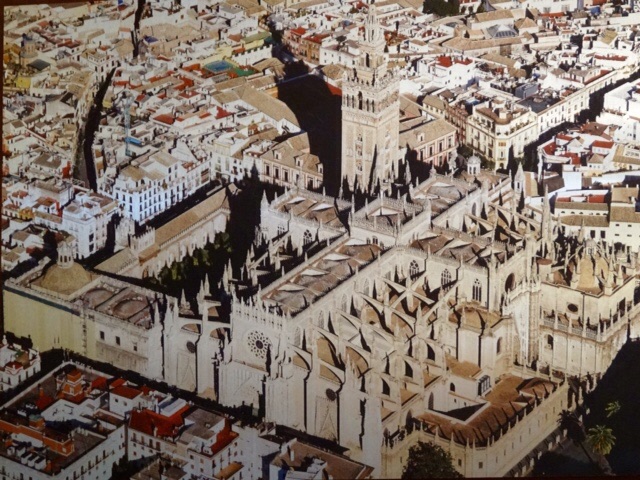
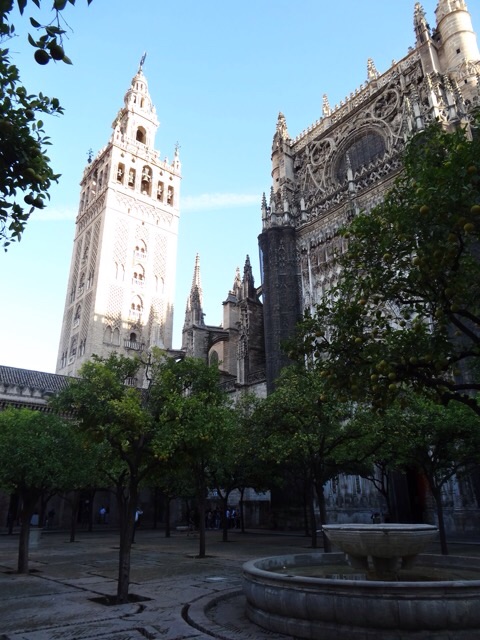
The Seville Cathedral is the largest Gothic Cathedral in the world, the third largest Church in the world and has the largest, richest alter in the world! The sculpture in the courtyard is the bronze weathervane (giraldillo) portraying Faith that used to be on top of the tower, and from which the tower gets its name.  A replica replaces it on top of the tower.imageJust inside the door is an arial picture of the Cathedral which gives an idea of its immense size, and we are going to visit all of it!
image

This link has some great pictures and easy to read information on the Cathedral.  Take a look, I think it is quite interesting (and it saves me lots of writing!)    http://www.sacred-destinations.com/spain/seville-cathedral

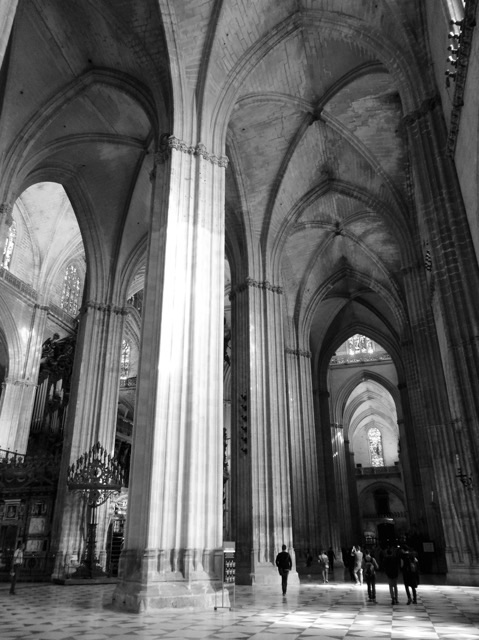
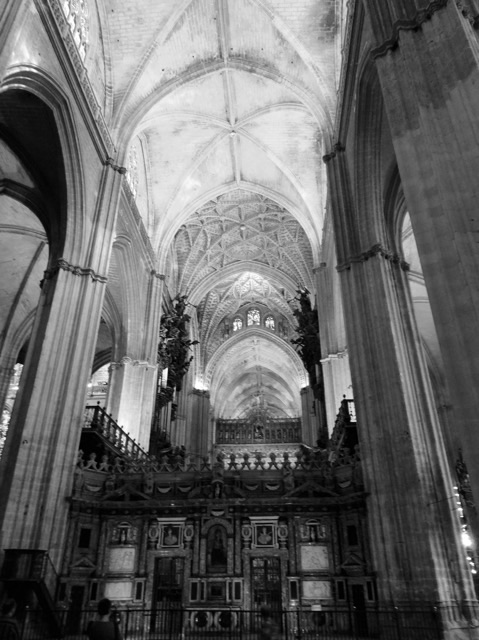
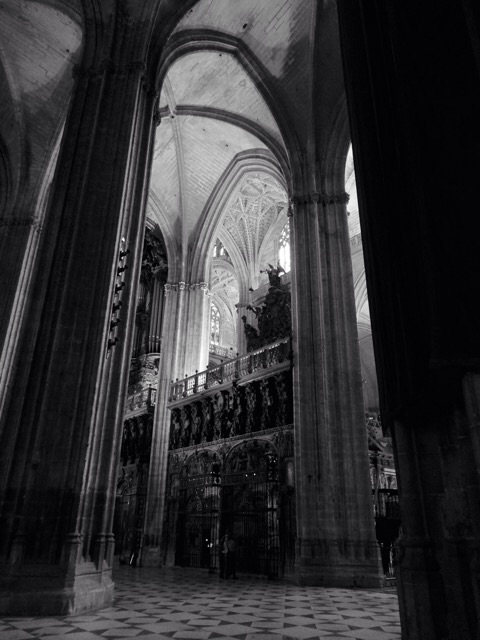
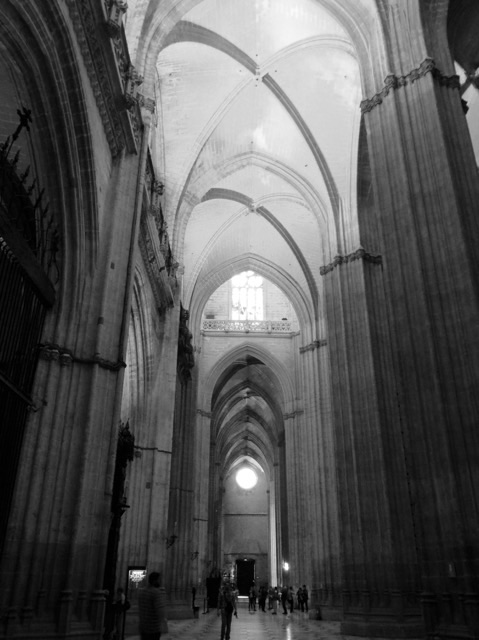
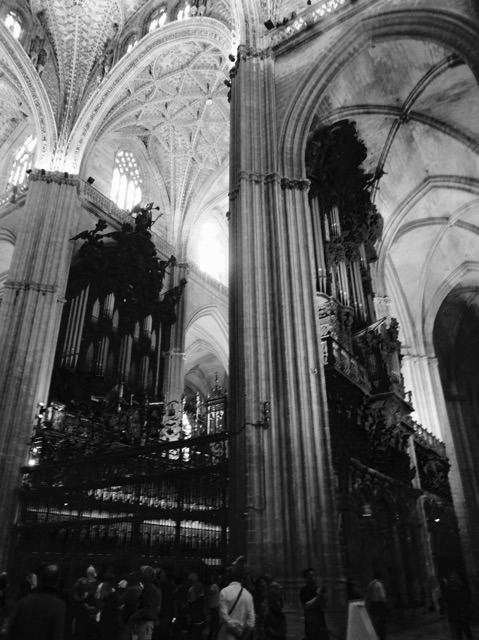
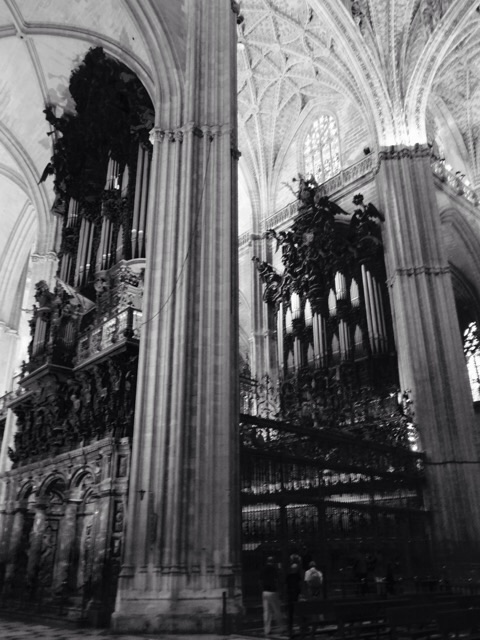
We enter the Cathedral and simply stand in awe.  It is hard to describe the feeling we have being in such a place.  The light is wonderful as there are three rows of stained glass windows, and the sun streams in casting jewels of colour over the immense stone columns. Interestingly I think that black and white photos capture the feeling of being in the Cathedral better than coloured photos.

image image image image

The organ here is enormous, perhaps the biggest we have seen and there are two parts to it, across from each other in the choir. These two pictures show the organ from the left and the right, this set up means that the pipes are visible on the front and back of each part of the organ.

image

image

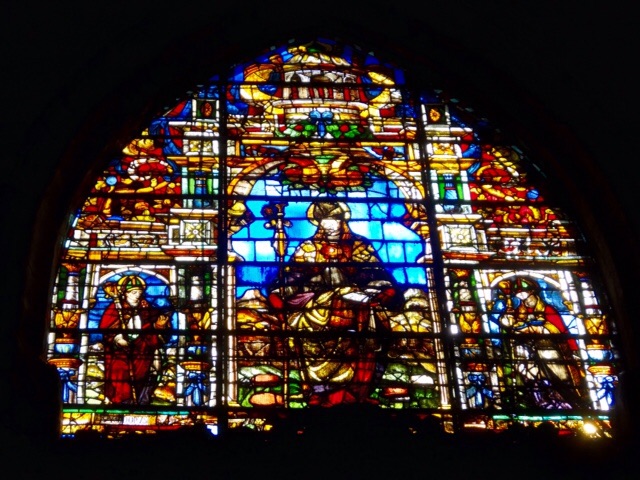
Here is one of the many beautiful stained glass windows.  I believe this one was from 1479.

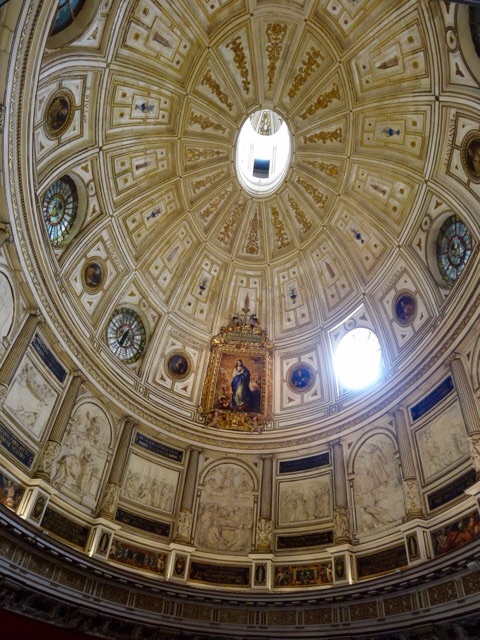
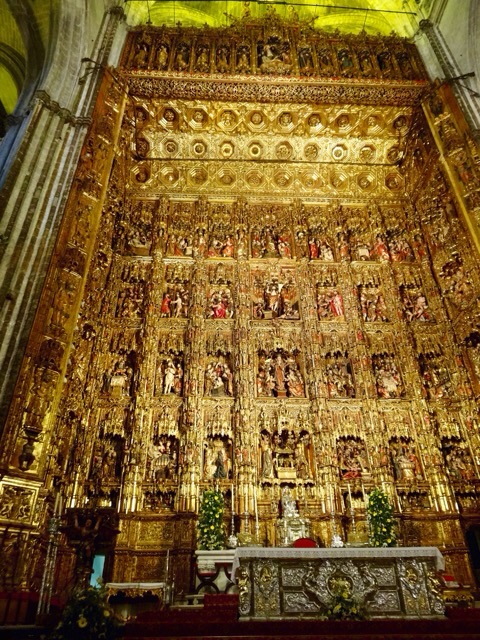
imageThe Chapter House dome is elliptical and was built in the 1500’s.  It is perhaps the first elliptical dome ever built and I thought it was particularly beautiful.imageI read that the cathedral has 80 chapels, in which 500 masses were said daily in 1896. The altar is quite unbelievable.  It is carved in wood, covered in gold, and is 20 meters tall with 45 carved, polychromed biblical scenes.

image

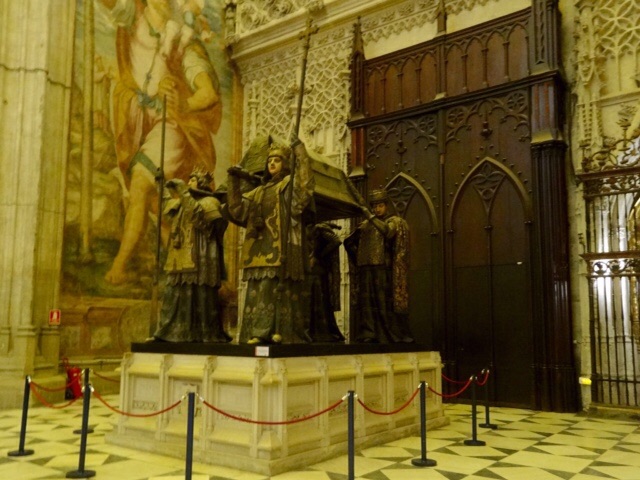
Christopher Columbus has a tomb here although other places also claim to have his remains. DNA testing is being carried out to determine if it is indeed Christopher Columbus who is interred here.

image

Next we climb La Giralda, the belltower, which has 35 ramps which are wide enough so that two guards on horseback were able to climb to the top of the tower.  This link has more info on the Tower if you are interested

http://www.sacred-destinations.com/spain/seville-giralda

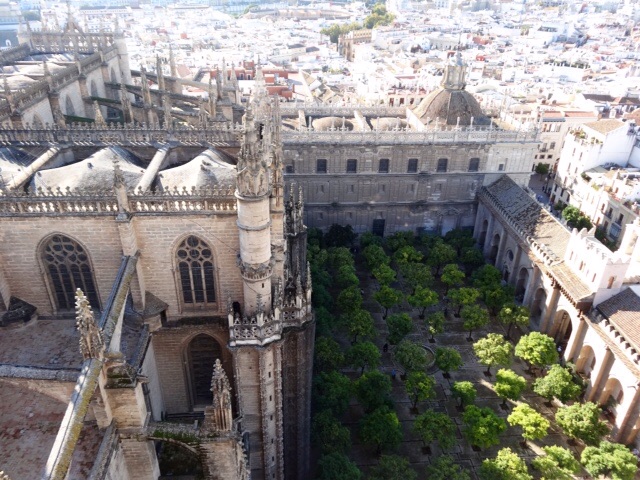
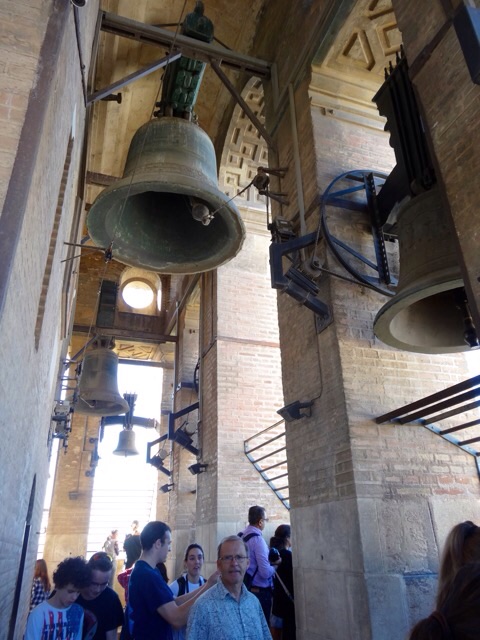
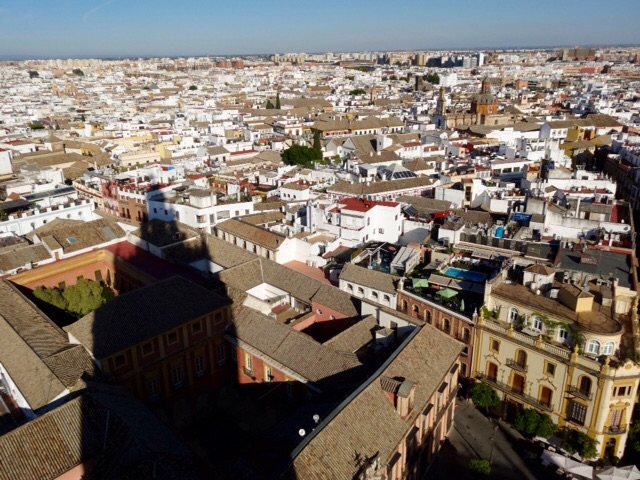
The views from the belltower make the climb very worthwhile. I have decided I like Belltowers very much.image image imageAfter our visit we make our way back to the tram to take us home.  The ice cream is displayed very attractively, we decide we will have to try some tomorrow.  I found a place that has sorbet, all natural ingredients, and no milk!imageOne last view of the tower.  The top level with the bells is where we stood.image
 

Lisbon

Wednesday, October 22

Lisbon is the capital of Portugal, with a population of three million people. It is one of the oldest cities in Western Europe, predating Paris, London and Rome by centuries.  I didn’t know any of that before our visit.  Although we spend the better part of the day in Lisbon, we barely scratched the surface of the area we visited.
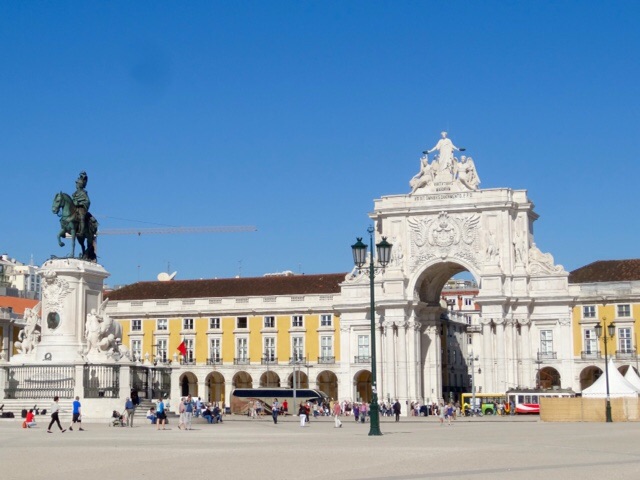
A twenty minute train ride into Lisbon places leaves us a short walk from the plaza in front of the Arco da Rua Augusta. This arch symbolizes Lisbon reborn from the ashes of the devastating 1775 earthquake.image

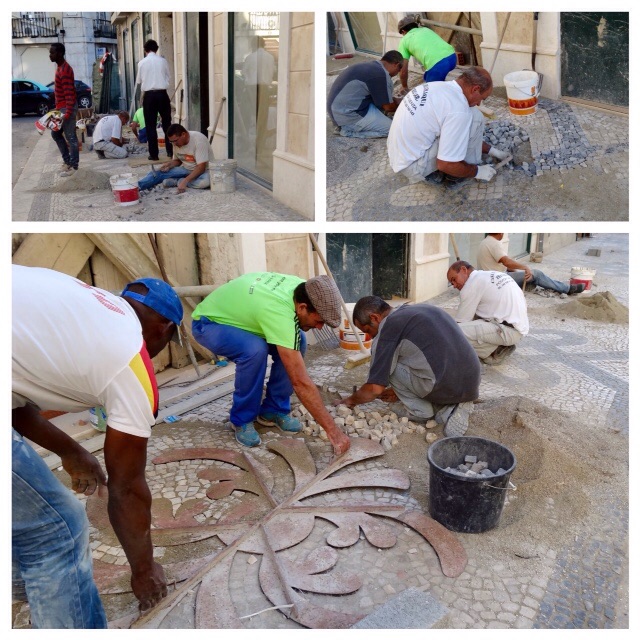
Lisbon is known for its cobblestone paving with black and white patterns.  The origins of these cobblestone pavements date back to that 1755 earthquake. During Lisbon’s reconstruction, the earthquake’s debris was used to make these cobblestone streets and sidewalks. They are beautiful legacy from a terrible event.image
We were lucky enough to see some men working on a sidewalk. They were able to chip a stone in their hand to exactly the right size and shape that was needed. The man in the first photo was whistling happily as he worked, although i think it must be very hard on the body.image

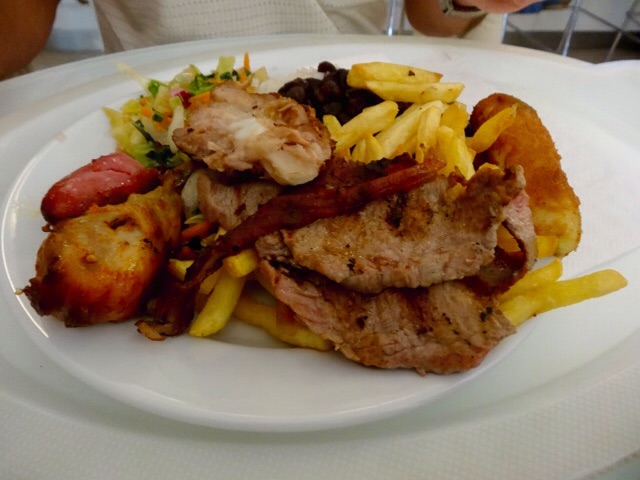
The first thing on our agenda was to get a Sim card for our iPad. The Information lady said we could find a shop a few blocks up the hill, right behind the new elevator building. We never did find that, but we found a big mall and got a SIM card there. By this time we needed lunch, so we check out the mall’s food court. Bob got a huge plate with five kinds of meat, fried beans, rice, french fries, salad and a deep fried banana all for 4.65€, about $6.70 Canadian, and I eat my packed lunch. It is just too difficult finding food that I can eat, especially when I understand so little Portuguese or Spanish.  It is easier and less stressful to pack my own meals.image

Next on the agenda was finding an art store to see if they could help me locate some life drawing venues.  No luck there, but I did buy a few new drawing pencils. They sent me to the nearby Fine Art College, and after waiting some time, a lady there informed me that they did not have any drawing sessions for non students.  If I had wanted to rent a studio to do printmaking it would have been fine, but nothing for drawing and they did not know of any life drawing places in the city.  Remember this is a city of three million people!  I couldn’t find anything on the intenet either, so I decided to quit trying.

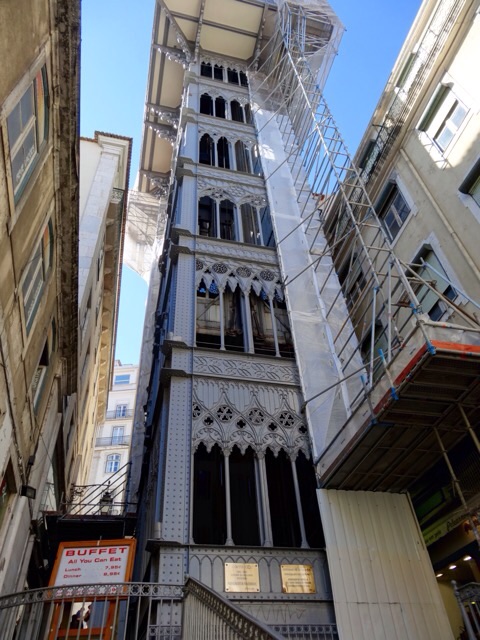
We did walk by the Santa Justa Lift, also called Carmo Lift, which is an elevator in the historical city of Lisbon, that connects the lower streets of the Baixa neighbourhood with the higher neighbourhood beside it.
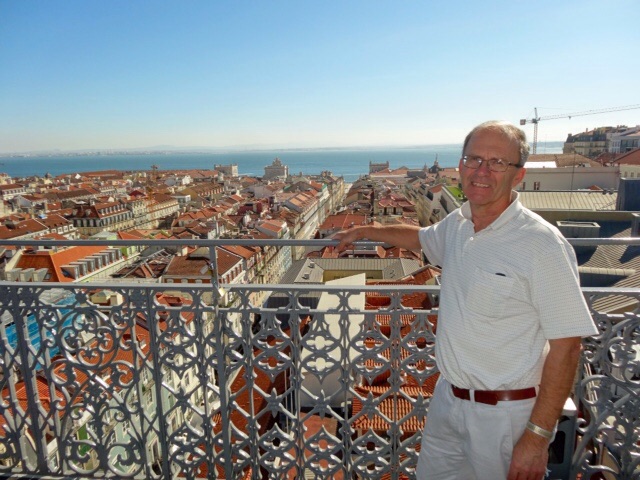
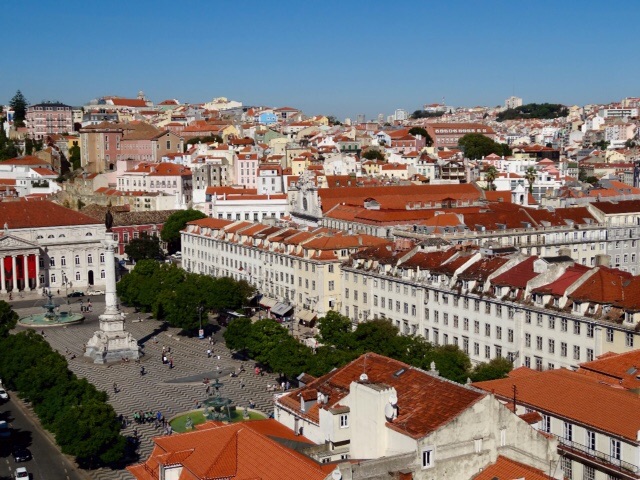
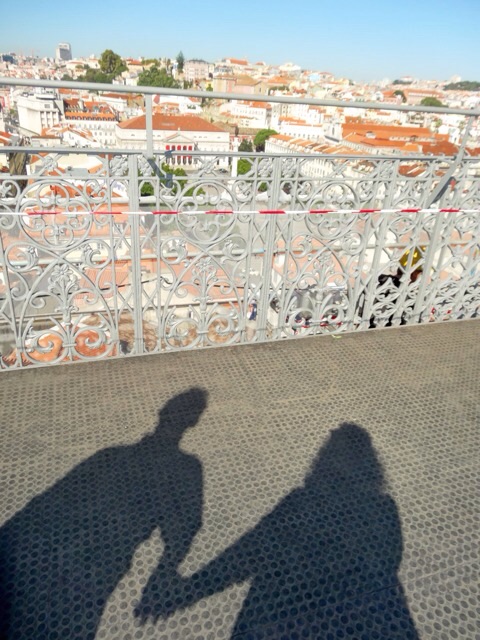
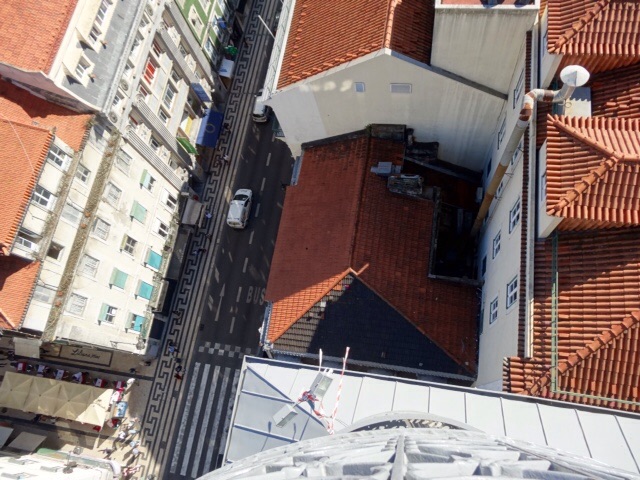
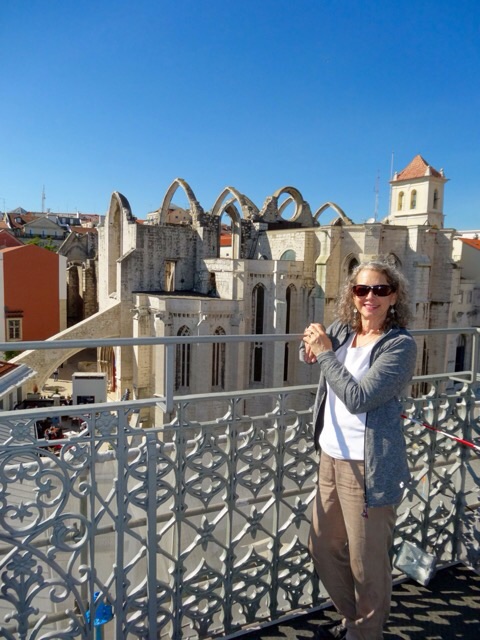
imageIt is 45 meters high, and after a short wait we ride to the top for great panoramic views of the city. The panoramic views from the platform at the top of the elevator were spectacular.image  imageimageThis one is for Pat, looking down from the the top platform, only 150 feet or so…imagebut the crazy thing is that Lisbon is so incredibly hilly that on the other side of the viewing platform we are almost at ground level! If you look closely you can see people sitting on the patio just below where we are standing.image

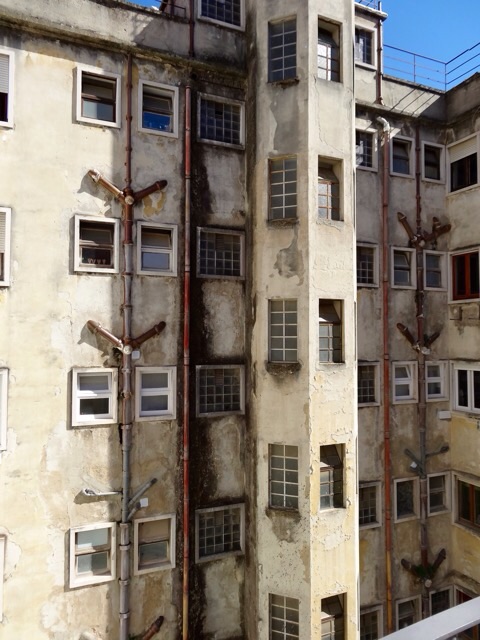
I thought this was interesting.  If you need to add toilets just run the pipes on the outside of the building.  This sure wouldn’t work back home when it reaches -30°C!image

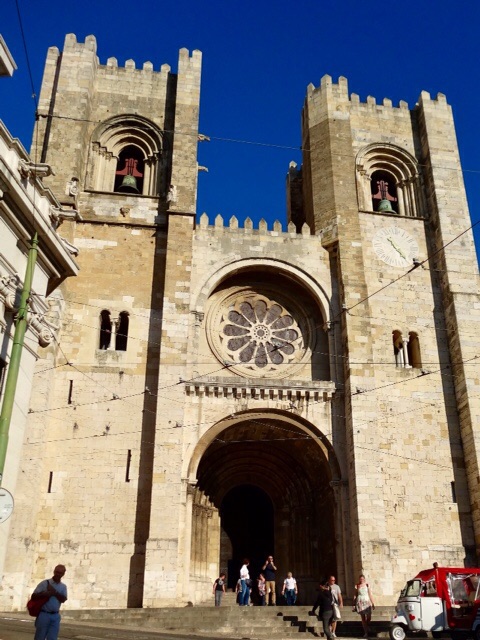
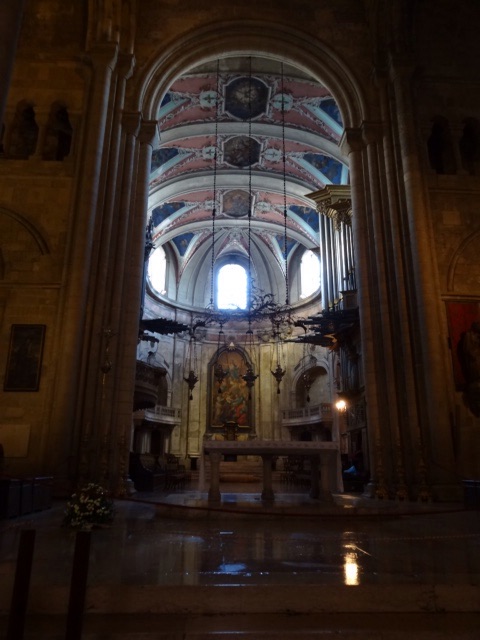
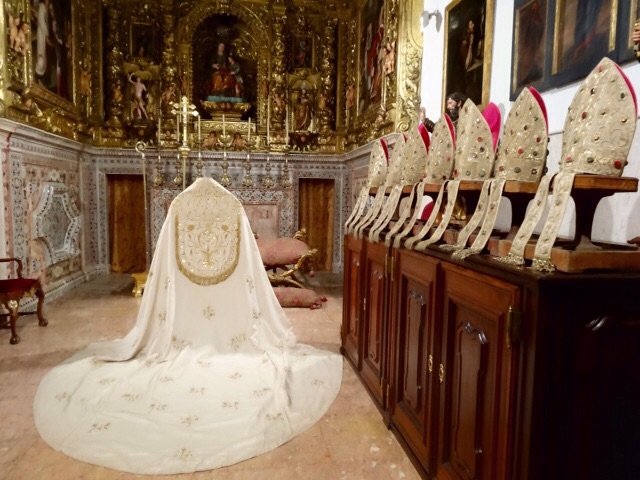
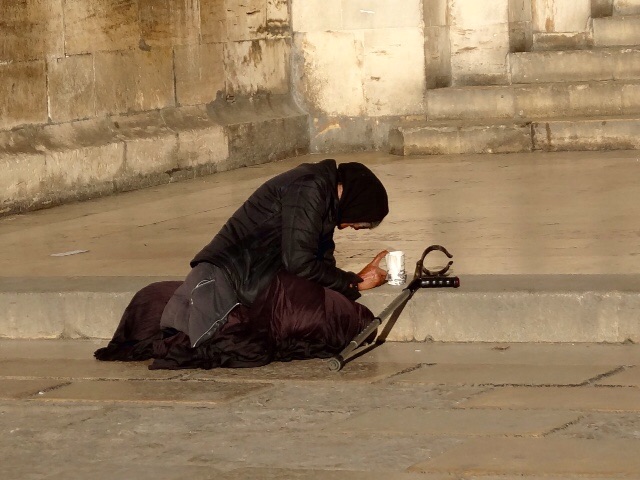
We take a quick free tour through a military museum about the Revolution in 1974 that put an end to the dictatorship that ruled Portugal for 48 years, then walked back down towards the old Jewish part of the town.  We visit the Sé Cathedral, which is the oldest Cathedral in Lisbon, its construction began in 1147, and it has survived many earthquakes.image image imageThese vestments are from the 18th Century. I thought they were particularly beautiful.imageI have such a difficult time with people begging.  Some of them appear to be in such desperate condition that it is hard not to give them some money, yet we are told not to do this as it only encourages more begging… This woman on the steps of the Cathedral wasn’t having much luck when we went into the church but when we came out she had changed into this posture and more people were stopping to put money in her container. Is it easier to give to someone who doesn’t make eye contact with you?image

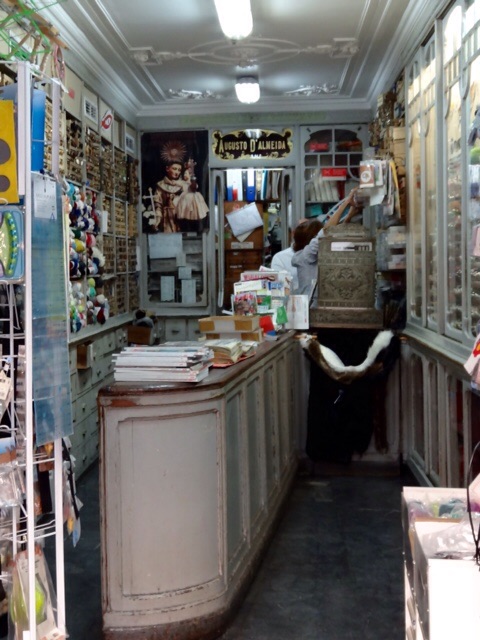
In the old Jewish part of town we walk down a street of tiny stores that sell buttons, and a bit of ribbon.  I wonder how so many stores selling only buttons can survive?image

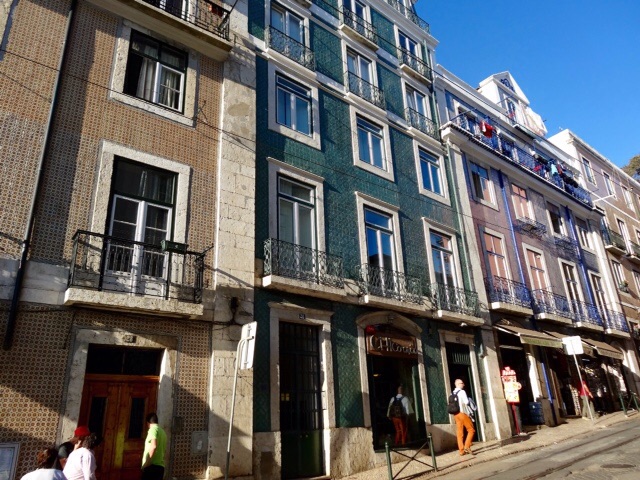
Many of the houses here are completely tiled.  We decide not to walk any further as it is very hilly and we are should think about catching the train home.image

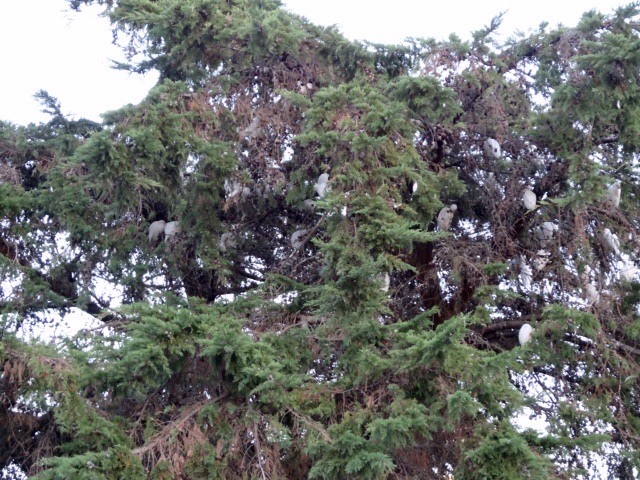
Walking home from the train I stop to take this picture and a lady on a motorcycle stops to tell me that she keeps forgetting to bring her camera to take a picture of these white birds, first in Portuguese and then in quite good English.  Bob counted almost thirty birds in this tree.image


We are in Portugal!

Tuesday, October 20

Today we drive to Lisbon. We leave Mérida and cross the border into Portugal near Elvas. We park our car on the edge of the town and walk into the old walled part of the town to find a place to buy Portuguese SIM cards for our phone and iPad.  It isn’t that easy!  The people at the Information office tell us that the Post Office sells them, so we go there and purchase two cards.  We manage to get the first one working after calling the UZO company for help, but we are told it will take 12 hours or more to hook up our iPad internet! It appears that this isn’t the best SIM card for us, but it will get us to Lisbon until we can get a better one there.

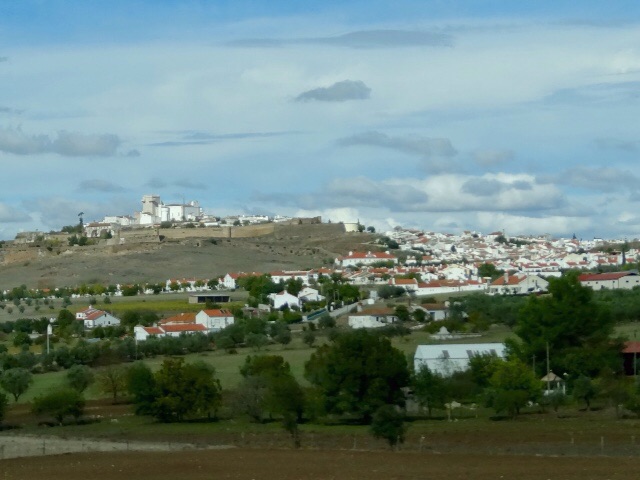
Back on the road and I notice a town high on a hill as I am taking pictures out the car window.  I do this to help pass the time on the drive, and sometimes I actually get a decent picture or two.image

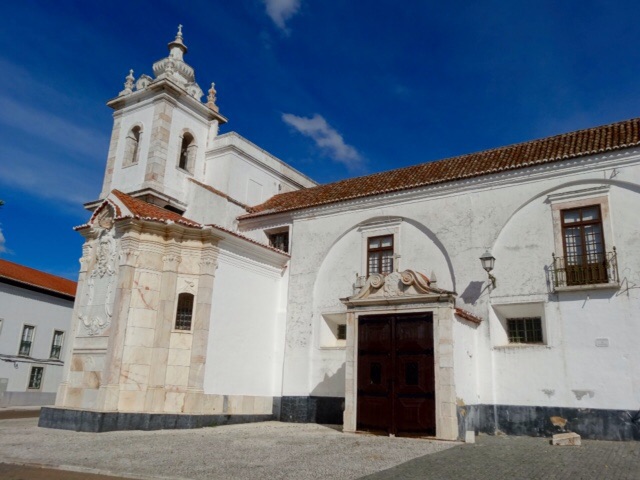
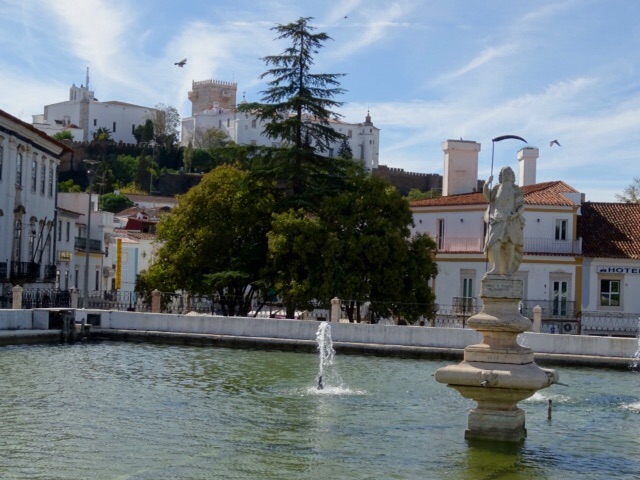
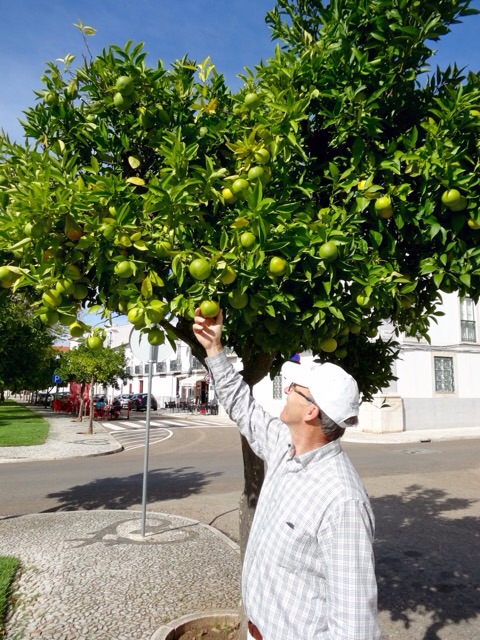
I remember my Mom telling me about a town with white houses high on a hill so I check the map and this town is Estremoz. I am pretty sure this is the town my Mom and Dad visited when they were in Portugal years ago, so we take a detour and head for Estremoz.imageAfter having lunch, we walk around and check out a few of the shops and Bob buys himself a souvenir, a big wooden spoon for making his salsa and spaghetti sauce. Orange trees are used for boulevard trees here and some of the other ciities we have been in but so far we haven’t found any that are good to eat.imageThis is one of the many interesting old buildings near the central plaza of Estremoz.
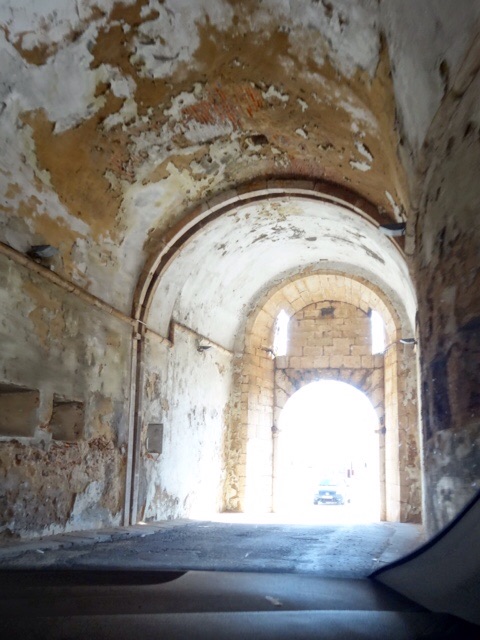
imageWe leave Estremoz by driving on a narrow one way road under some old buildings, and this is the way to the main road! Once again I think how happy I am to have the iPad GPS.  No way I could find my way around without it.image

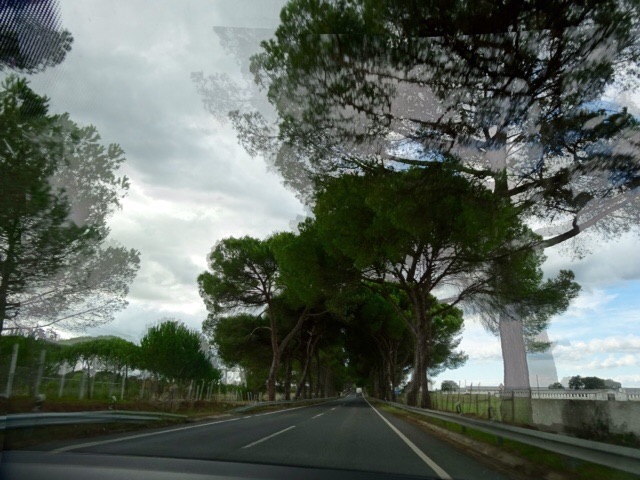
We pass lots of cork trees but there is no place to stop so I don’t get any pictures, but I take this photo of some coniferous trees lining the road and get a weird effect happening.  No idea what caused it but I kind of like it. image

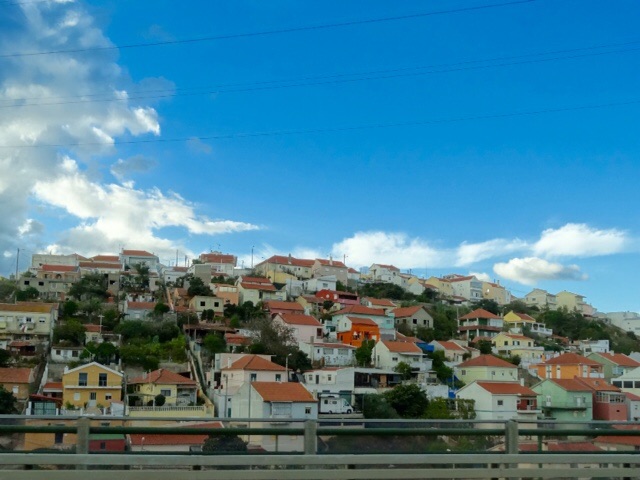
The houses we are passing have changed, they are now painted white or pastel colours instead of the brick or stone we have seen up till now.image  The clouds start to build and soon it is raining.imageWe arrive in Caxias, which is a town just outside of Lisbon and check into our apartment for the next week.  We have been very lucky with our Airbnb bookings and this apartment seems just as nice as our other bookings. It was less than a five hour drive but it seems like it has been a long day and it was nice to walk into such a nice place.imageimage

Iugula! Verbera! Missus!

Monday, October 19

We are still in Merda and we are going to visit ten Roman Ruins today if we follow Bob’s schedule!

Today’s title is from one of the plaques from the Amphitheatre yesterday.  Bob wanted me to use it for the title yesterday but I forgot so here it is today. It is what the crowds would shout at the Amphitheatre when the gladiators were fighting.  Kill him!  Beat him!  Pardon him! These were not easy times…

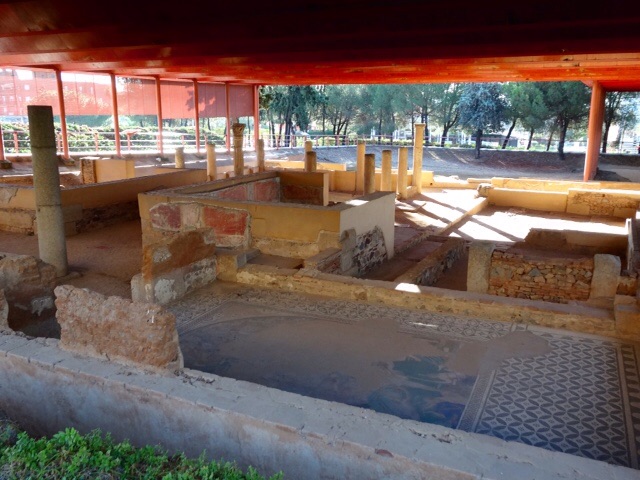
#1 The Mithreó House, a rather grand Roman residence that has mosaics, wall paintings, three patios, garden rooms, family rooms, commercial and industrial rooms and hot baths.  It is located outside under a protective roof.image

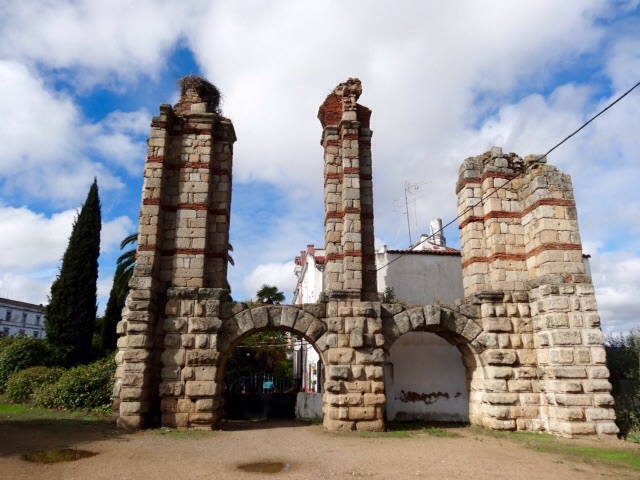
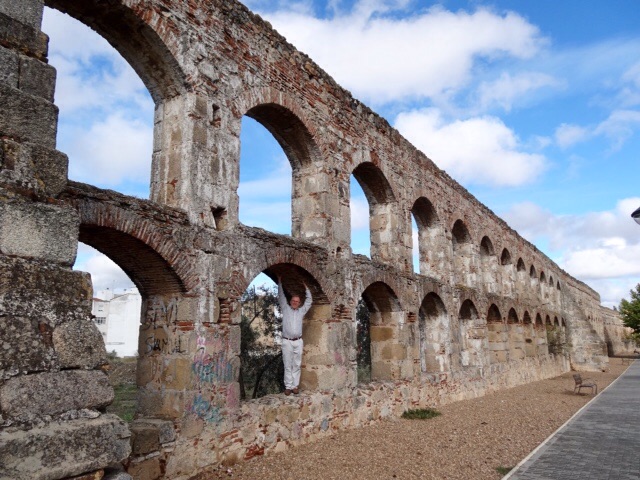
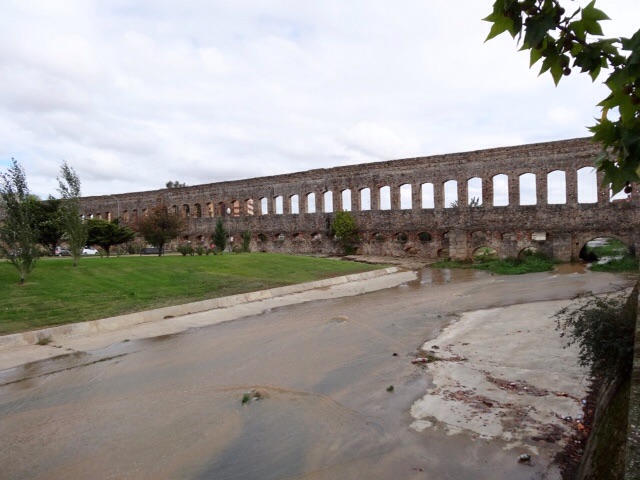
#2 The Aquaduct of San Lázaro image#3 The Aquaduct of Los Milagros ( I think). There is some confusion over the name of this one.  Bob thinks he can hold it all up!imageimage

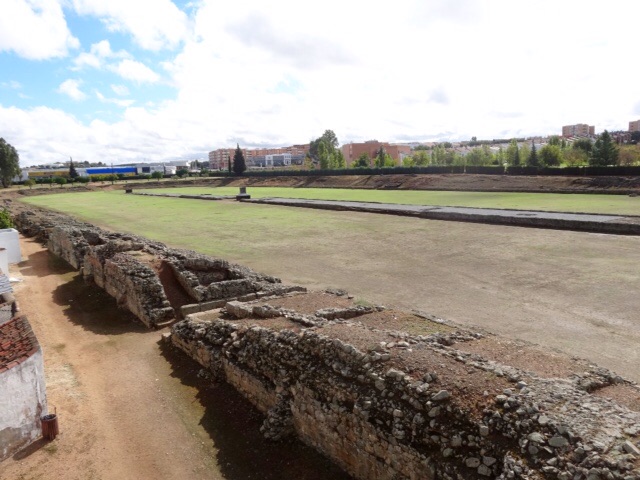
#4 The Circus, or Racecourse, which was a kilometer around the track, and they ran around this seven times during the course of a race!  We walked the track and out through the gates that the charioteers would have entered.  The Circus held 30,000 spectators who would often spend the entire day from morning to dusk watching the races.

image

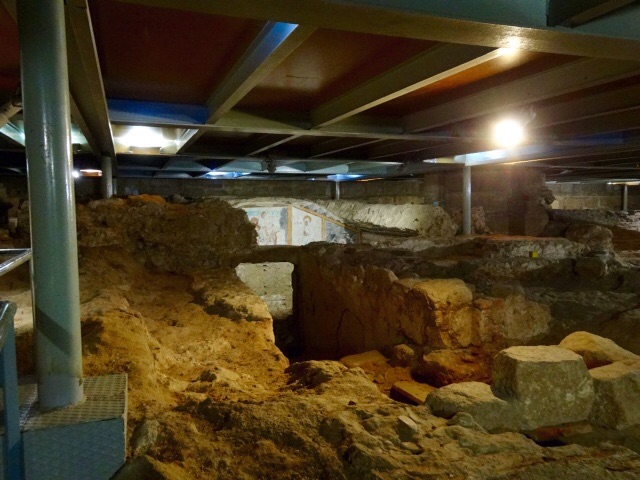
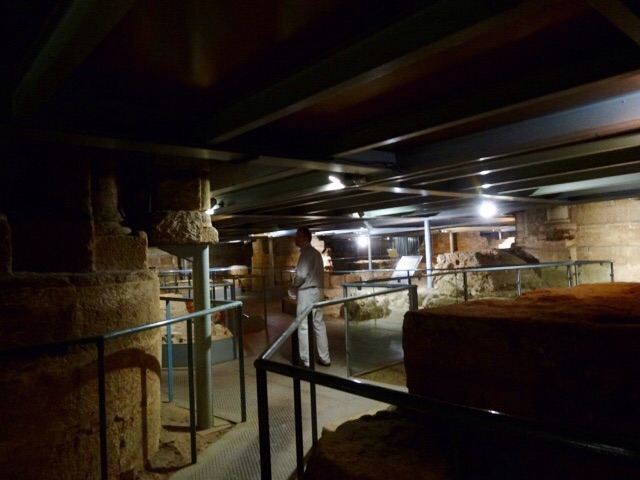
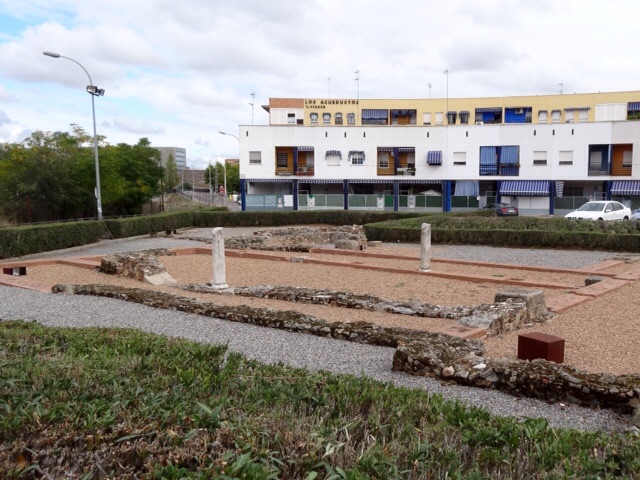
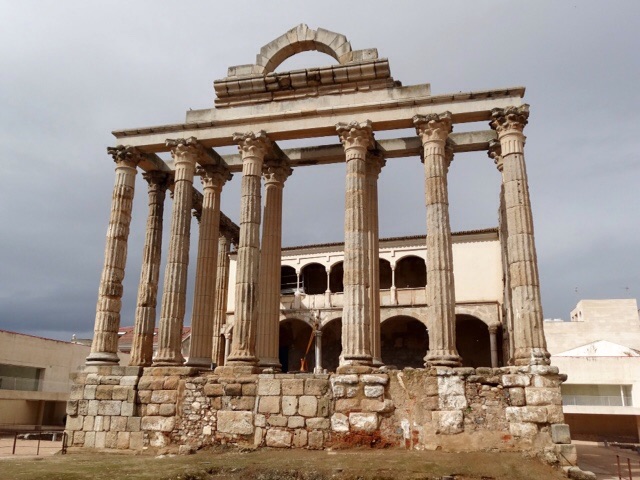
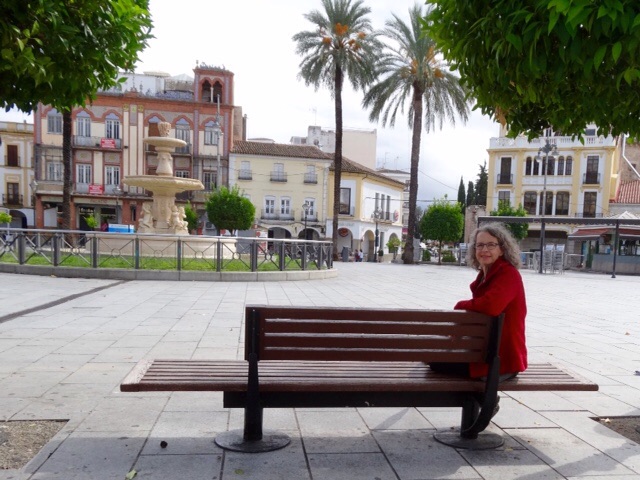
#5 Excavations at Santa Eulalia Church.  These excavations are beneath the church and have the remains of four different times: Roman Houses, 3rd century, a Christian necropolis, 4th century, which contains a mausoleum for Saint Eulalia, a martyred child saint, a basilica dedicated to Saint Eulalia, 5th to 9th centuries, and the present day church from 1230 until now.  imageimage#6 As we are walking we come across the ruins of a Roman hospital and pilgrim’s hostel, built on the remains of the site of an earlier necropolis.  There are ruins everywhere in this city!image#7 Next stop is the Temple of Diana, which was built in 1 BC, and later had a palace built inside of it, which can be seen at the back of the temple.image #8 Plaza de Espana is next, and time for a much deserved rest and some tea and cookies.image

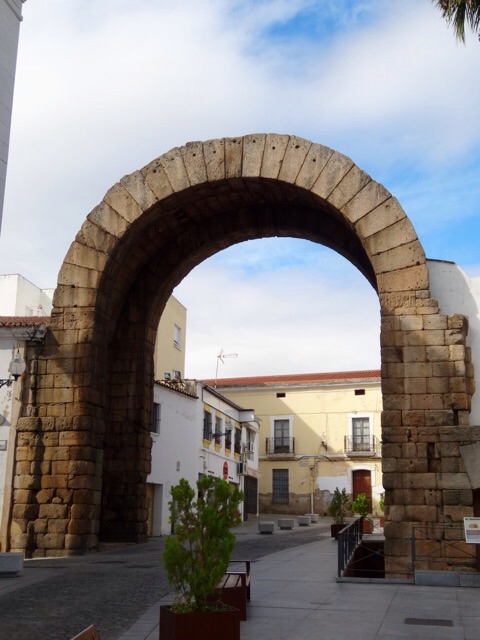
#9 Trajano’s Arch which is 15 meters high and was once covered in marble. Part of it is now lower than the road that runs through it. The right hand pillar has an area around the column that goes down to the original base of the arch.
image
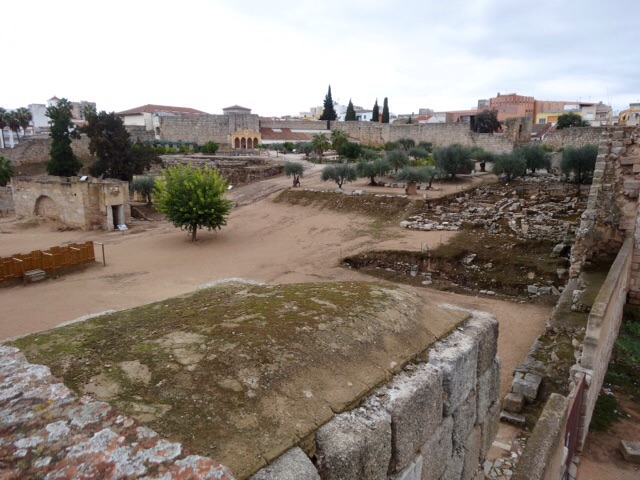
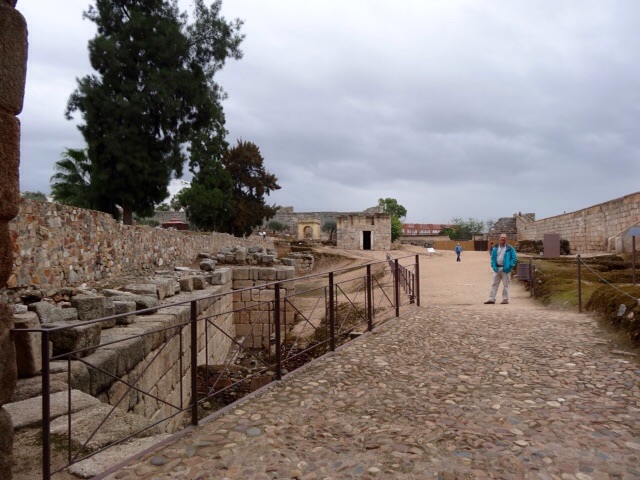
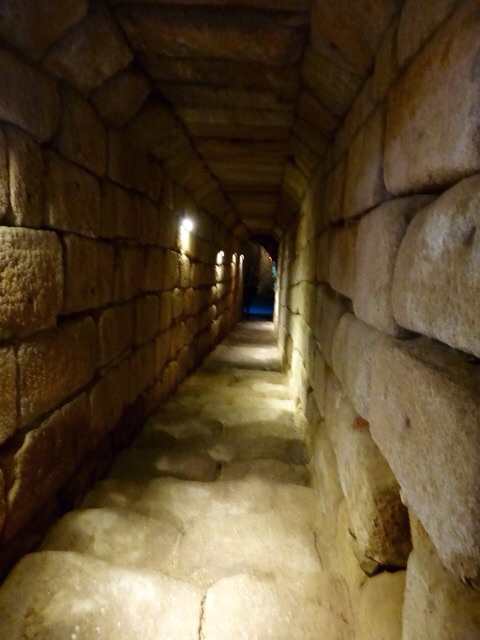
#10 The Citadel and Conventual, which is a Moorish fortress in 835 and later a convent in 1229.imageimageIt has a really neat underground cistern that we walk down this tunnel to visit, complete with goldfish.image

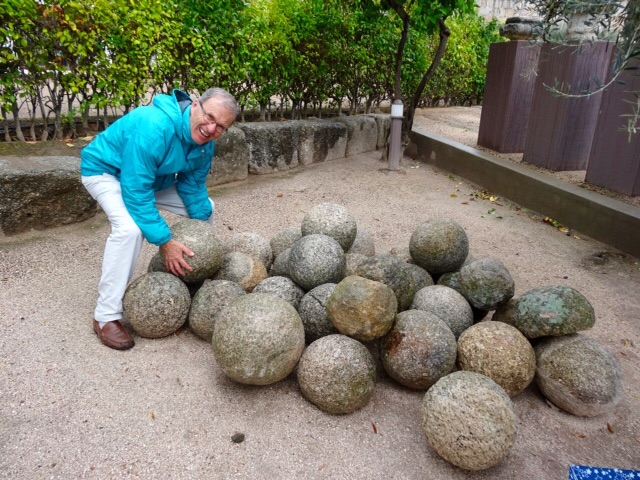
Bob is sure he can pick up one of these cannonballs.  What do you think?
image
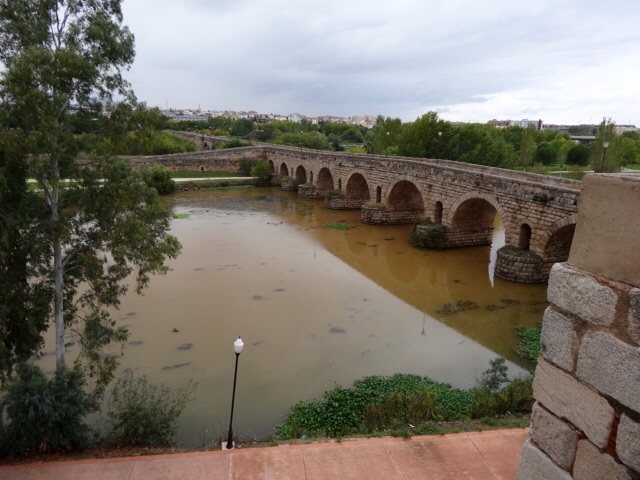
#11 The Roman bridge over the Guadiana River which was built 2,000 years ago was still in use in the 19th century and became a pedestrian only bridge in 1993.image

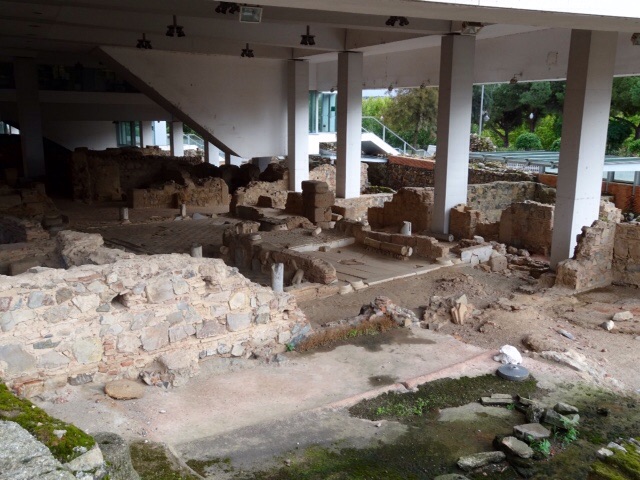
#12 The Morería Archaelogical Area is 12,000 square meters of ruins that had several modern building constructed over them in1980 in a way that allows visitors to still walk around the ruins.  It is quite something to see. Look closely, one of the pictures has me somewhere in it.image image

Whew!!  I can’t believe we managed to see all this, and it didn’t even rain on us.  Somehow we saw twelve different places, not the original ten Bob had planned for us!  It was a busy day but a very interesting one.