Day 23 Monday, September 22, 2025
We are driving to Fontoy, France but we have a couple of stops planned on the way. The first stop is Dinant where we visit a cave called La Grotte la Marveilleuse, or The Wonderful Cave. We are given a brief description of the route we will be taking inside the cave as it is self-guided.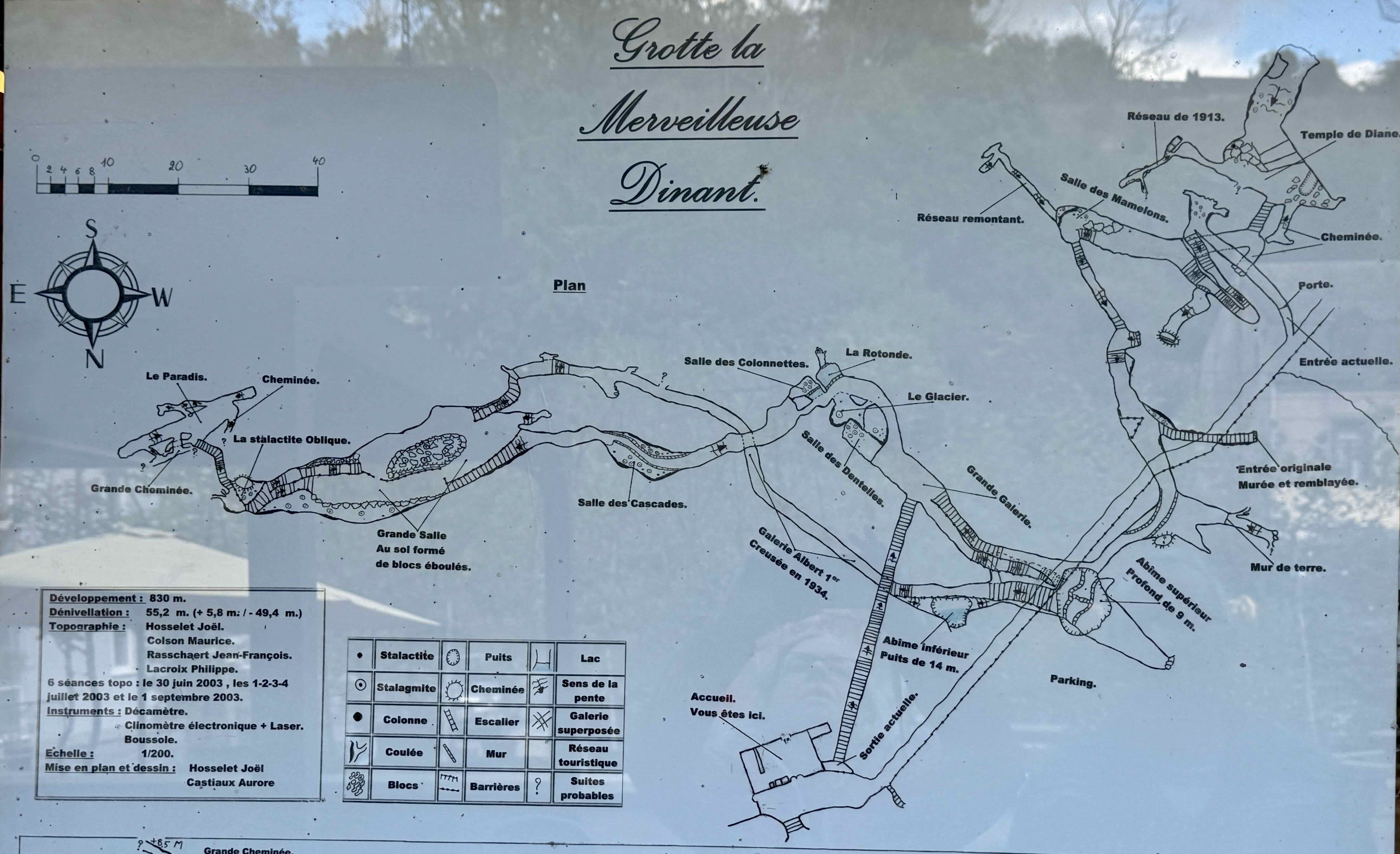 We walk down several flights of stairs and are surprised how big the cave is and the variety of formations we see.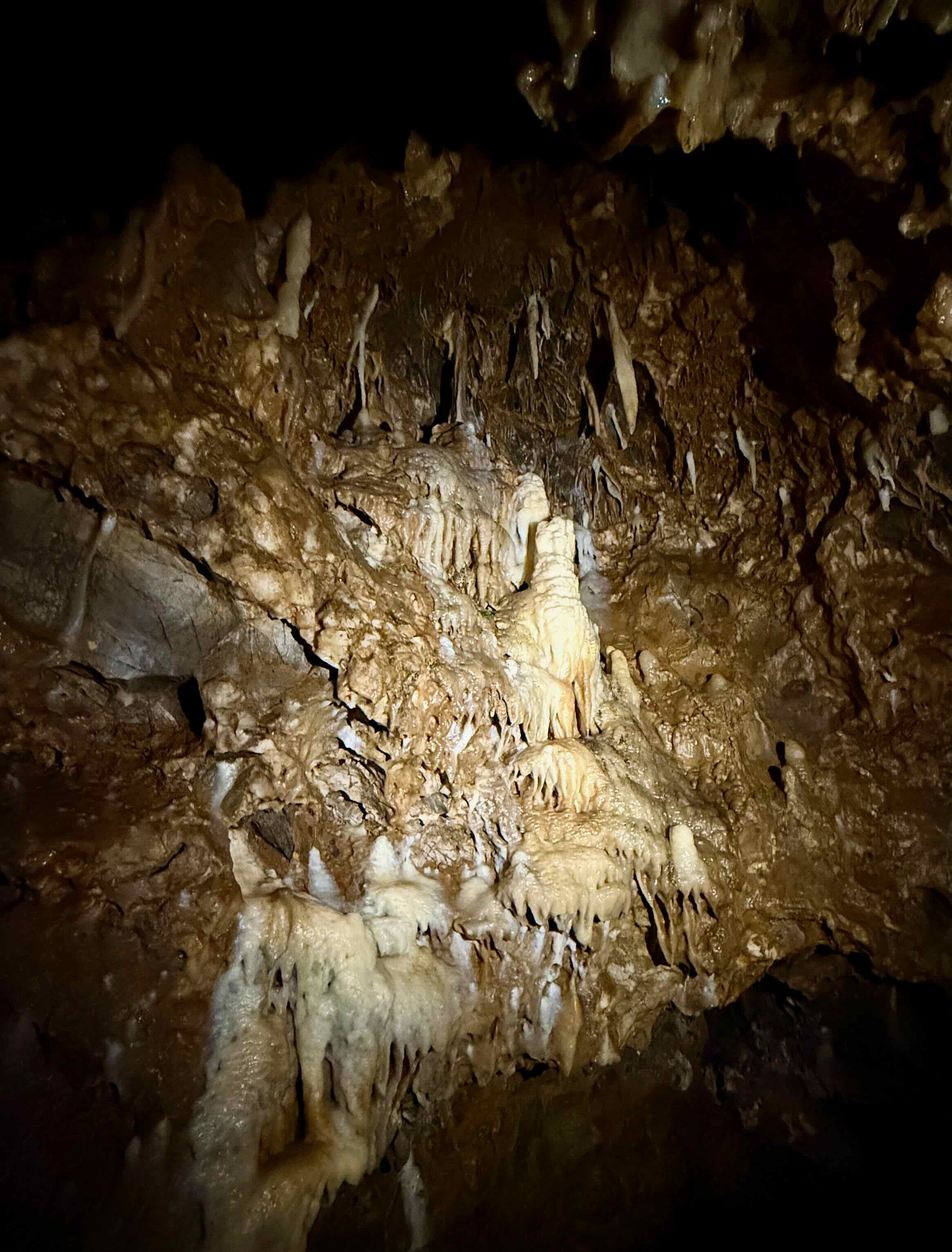
Some of them are very impressive.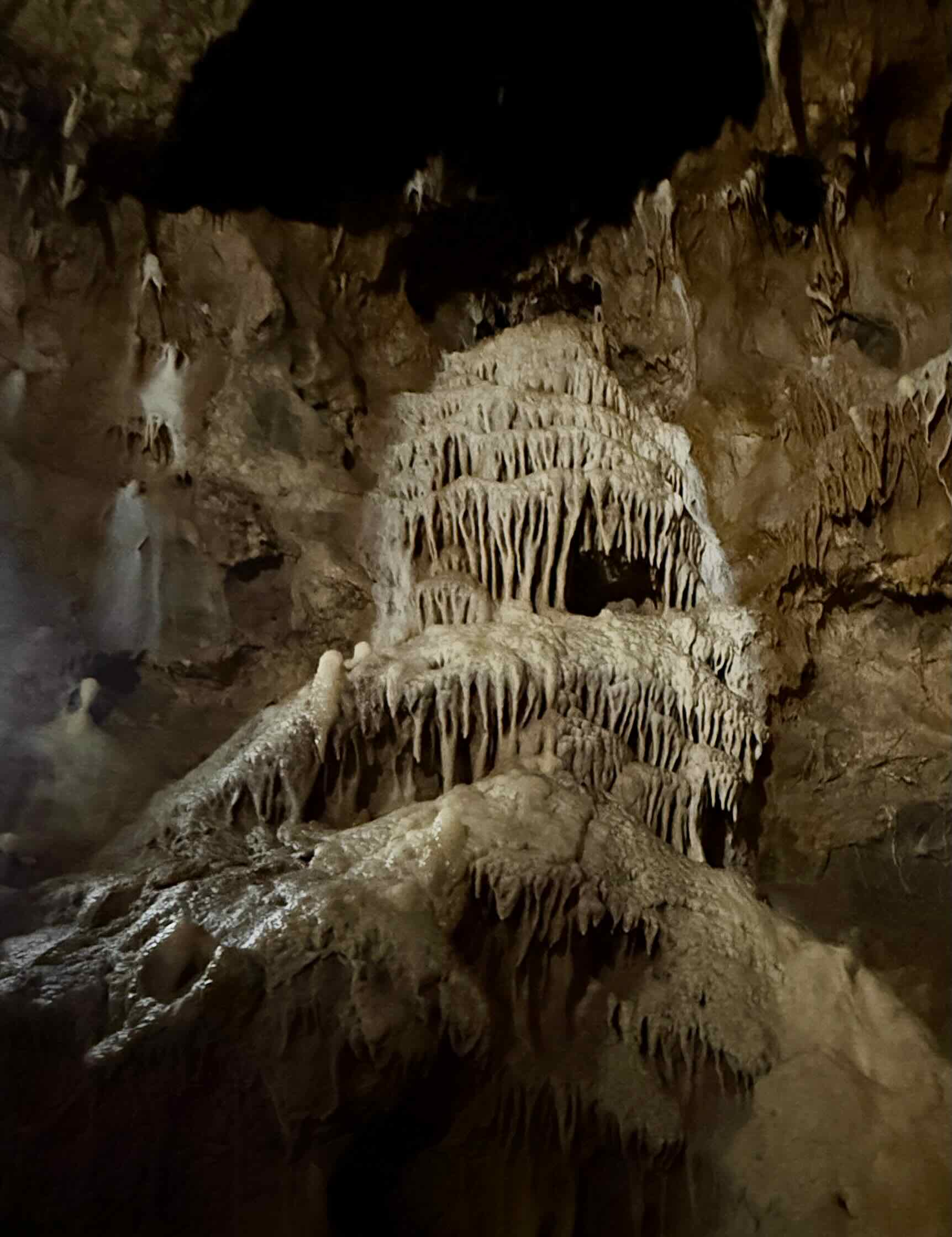 There are some rather large stalagmites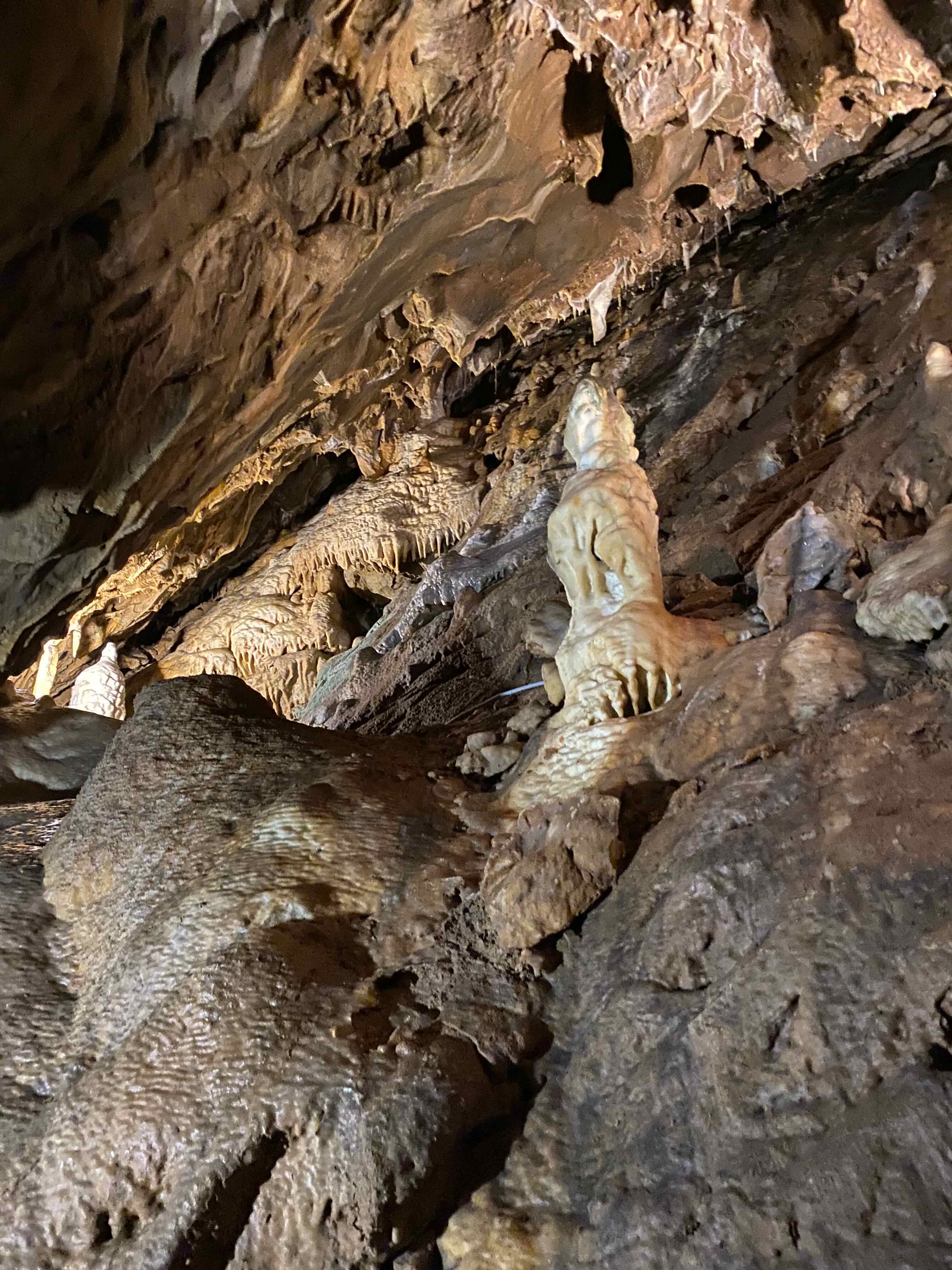
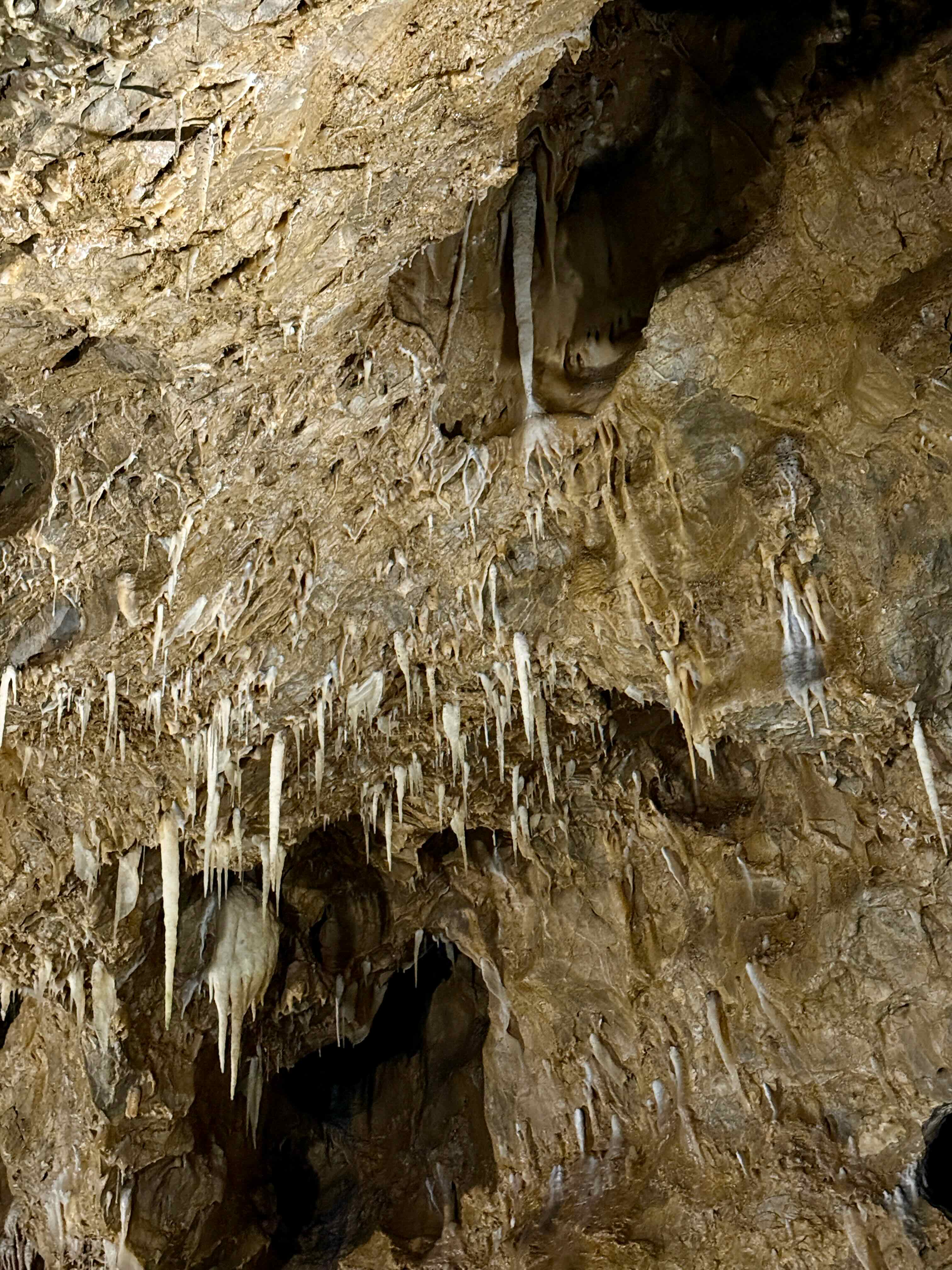
This white limestone formation is called The Glacier.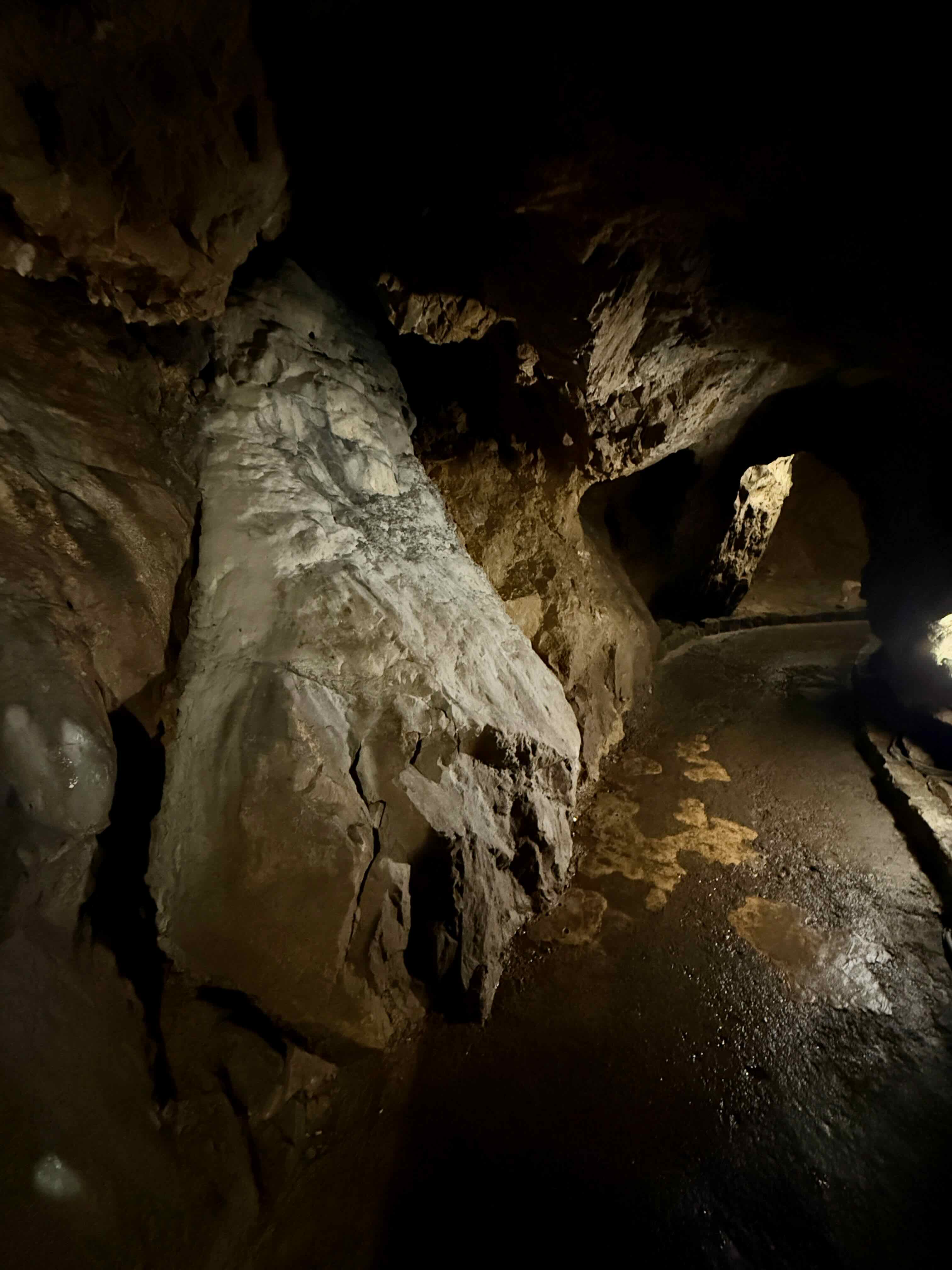 There are stalactites of all sizes hanging from the roof and walls of the cave.
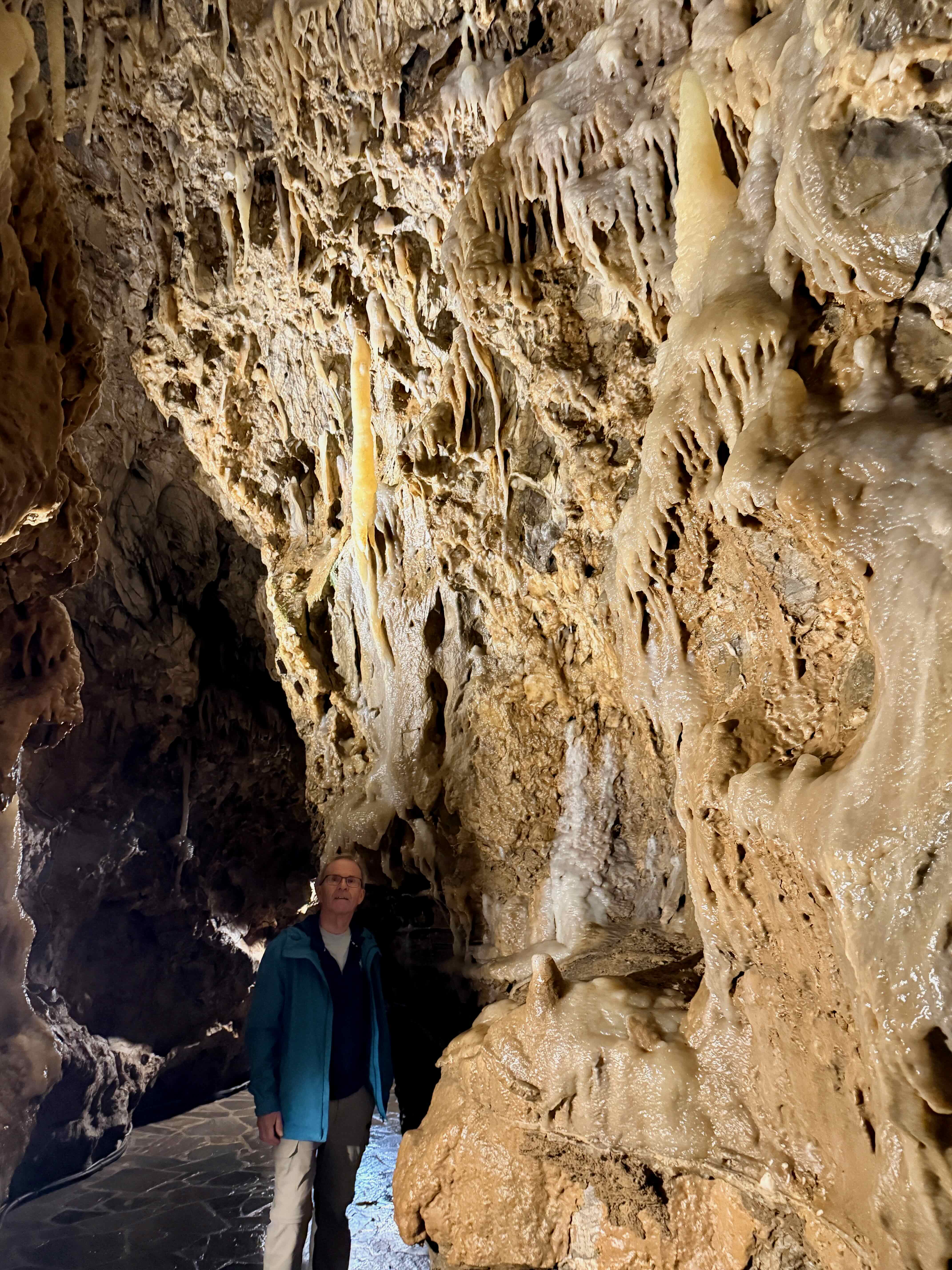 The interesting thing is that this is actually a living cave. There is water dripping from stalactites and landing on stalagmites. It takes centuries for these formations to show appreciable growth…only about 10 centimetres over a thousand years!
 This is the biggest cavern, called the Grande Salle. The railings look like wood but they are actually made of reinforced concrete made to like tree branches.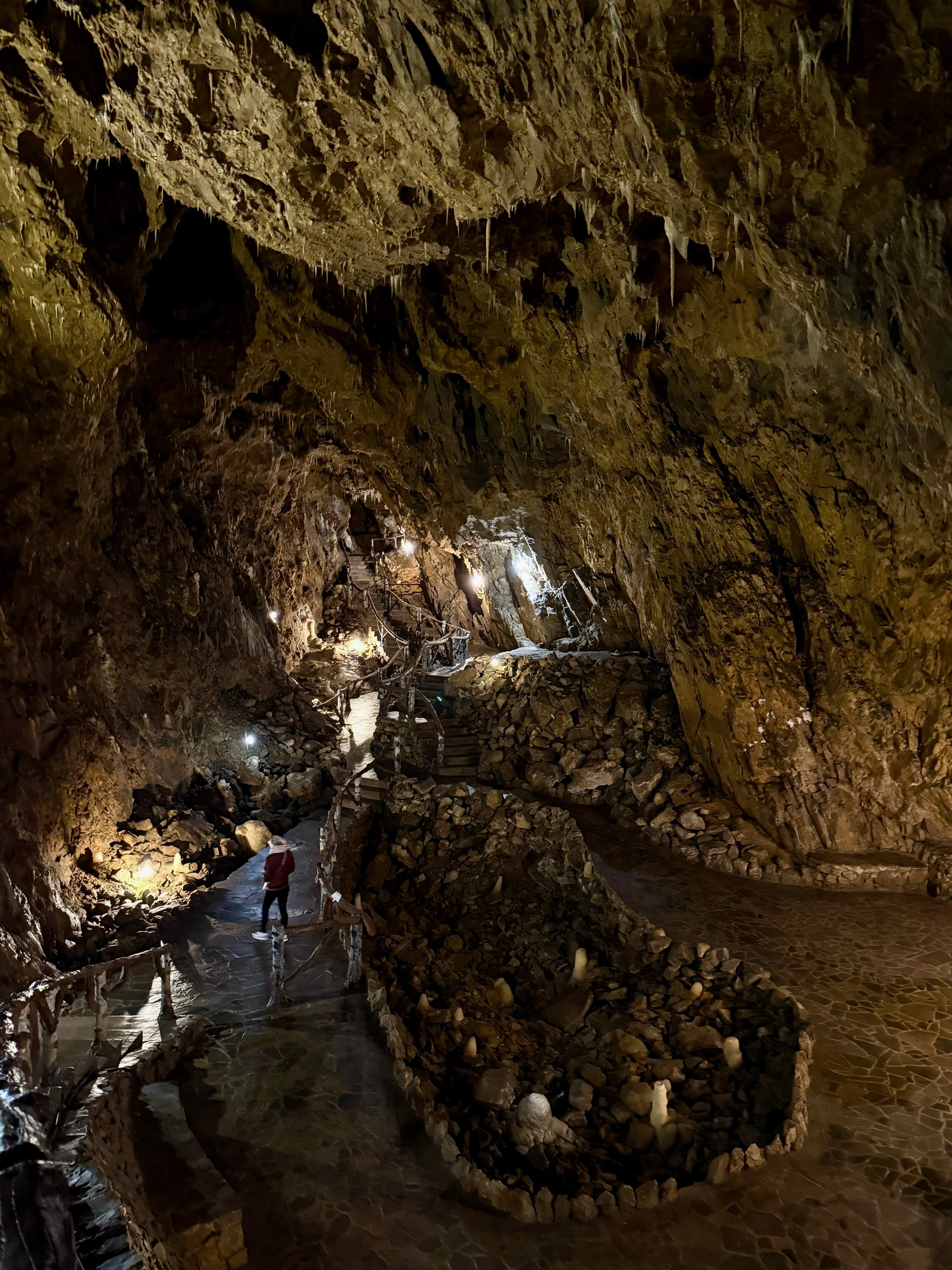
Even with the little bit of light from this small bulb moss starts to grow.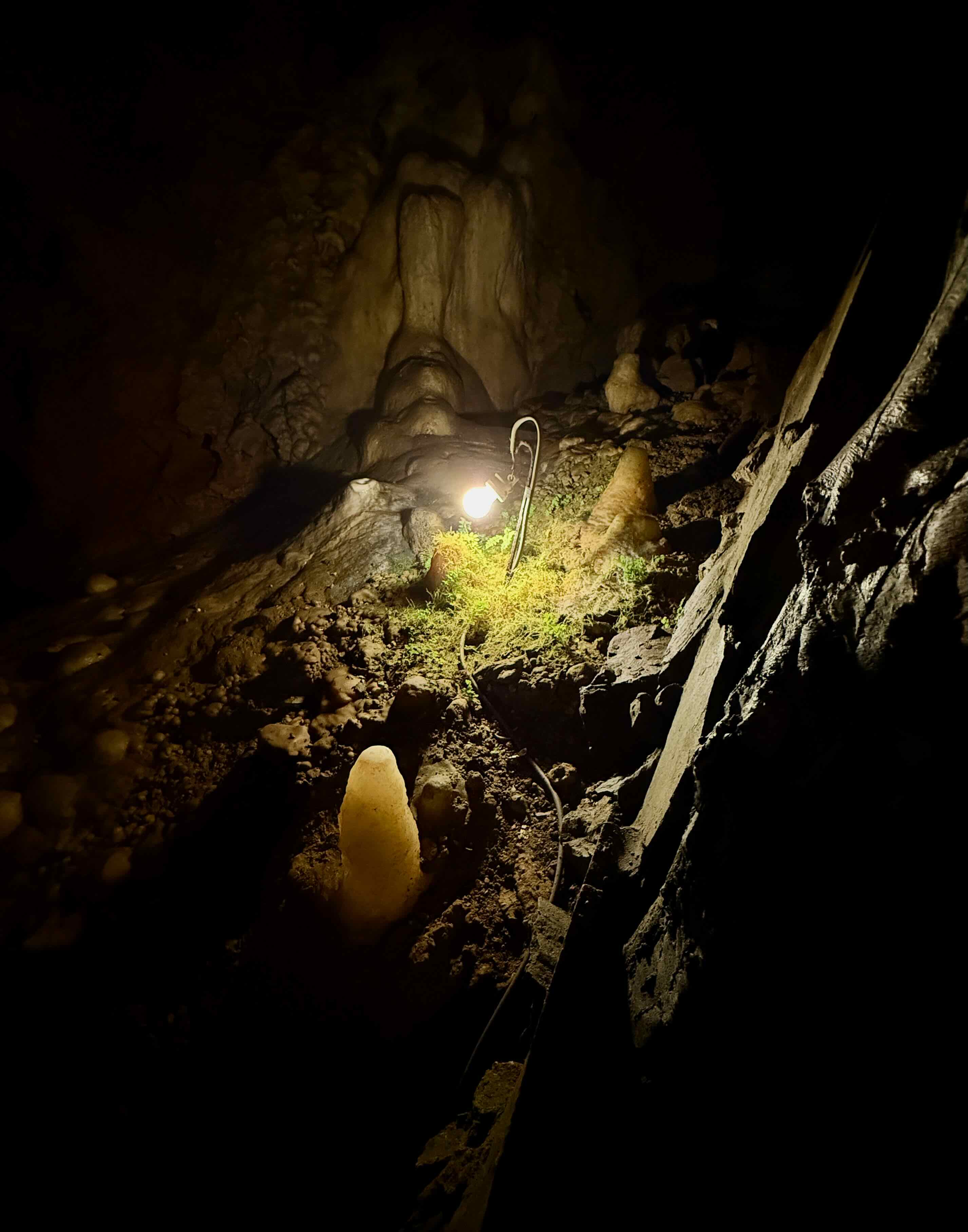
More stalagmites and stalactites.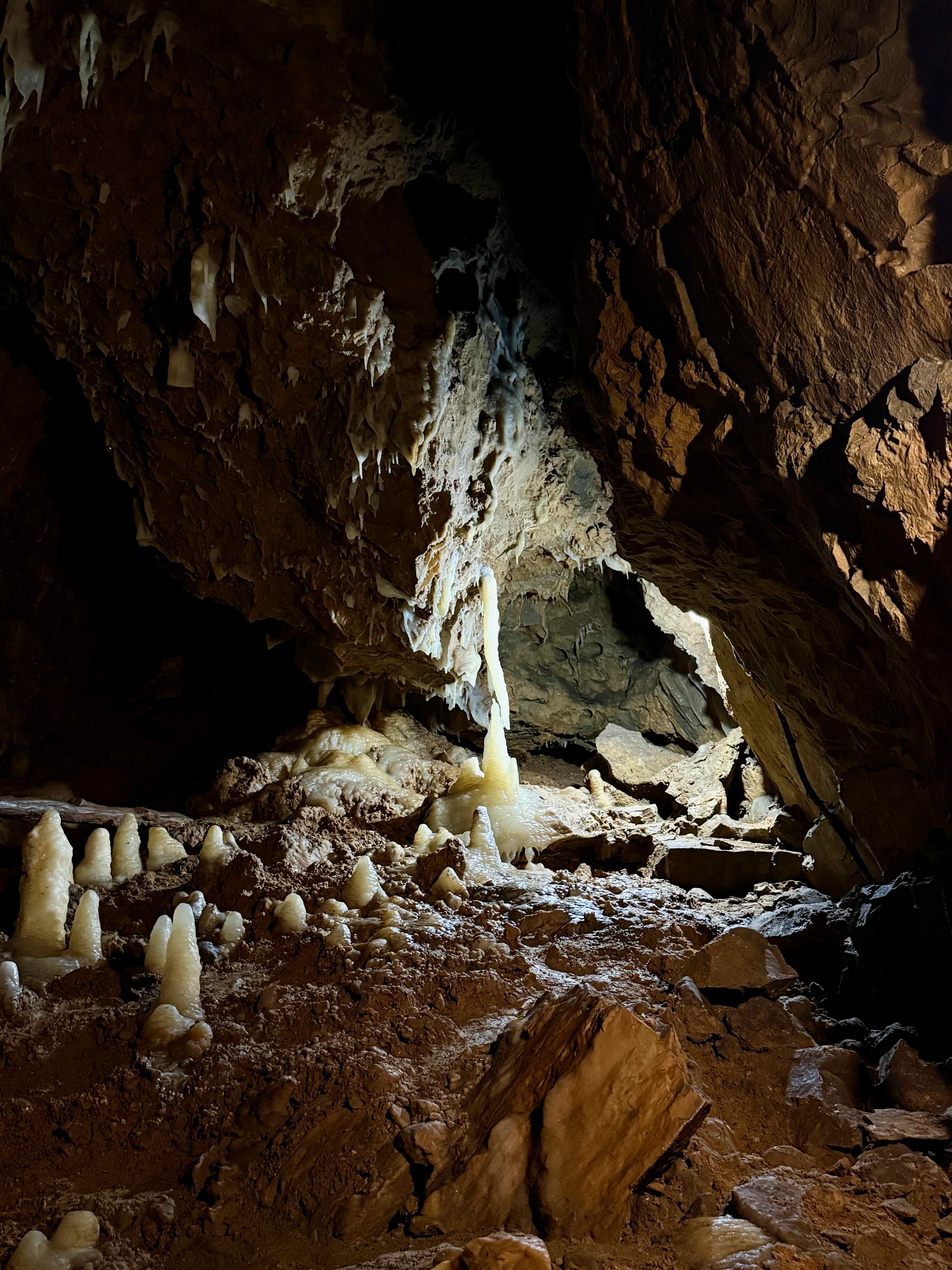
This cave was discovered in 1904 by workmen making a road. They uncovered a small cavern, and reported their find to the land owners. Realizing the tourist potential of this discovery, the owners added electricity and gradually the railings and stairs. In 1934 a long tunnel was constructed that connected the cave to another exit so that visitors did not have to retrace their steps to leave the cave. During the Second World War 300 townspeople hid in this tunnel to escape the Germans. 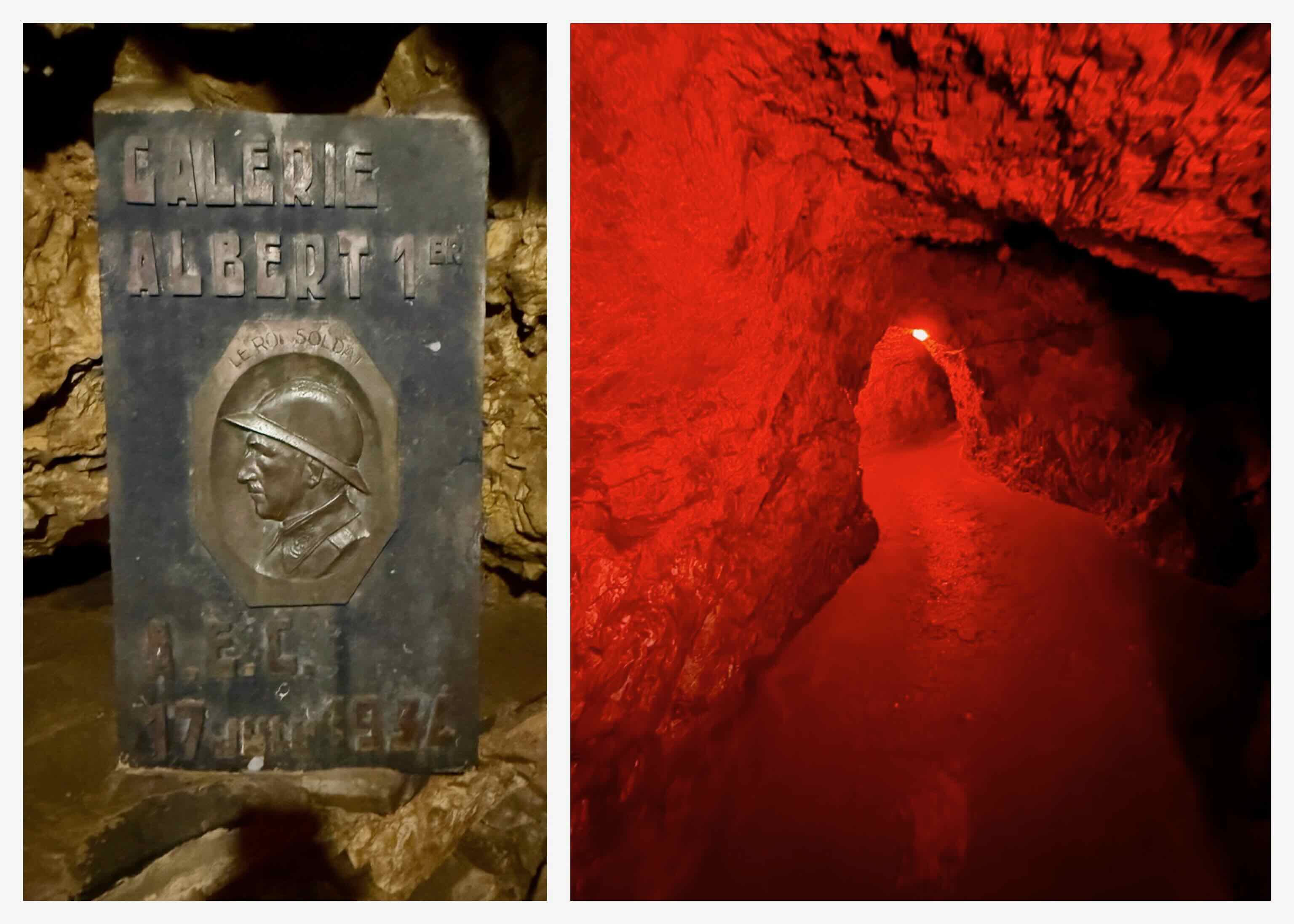 We are 95 meters below the surface!
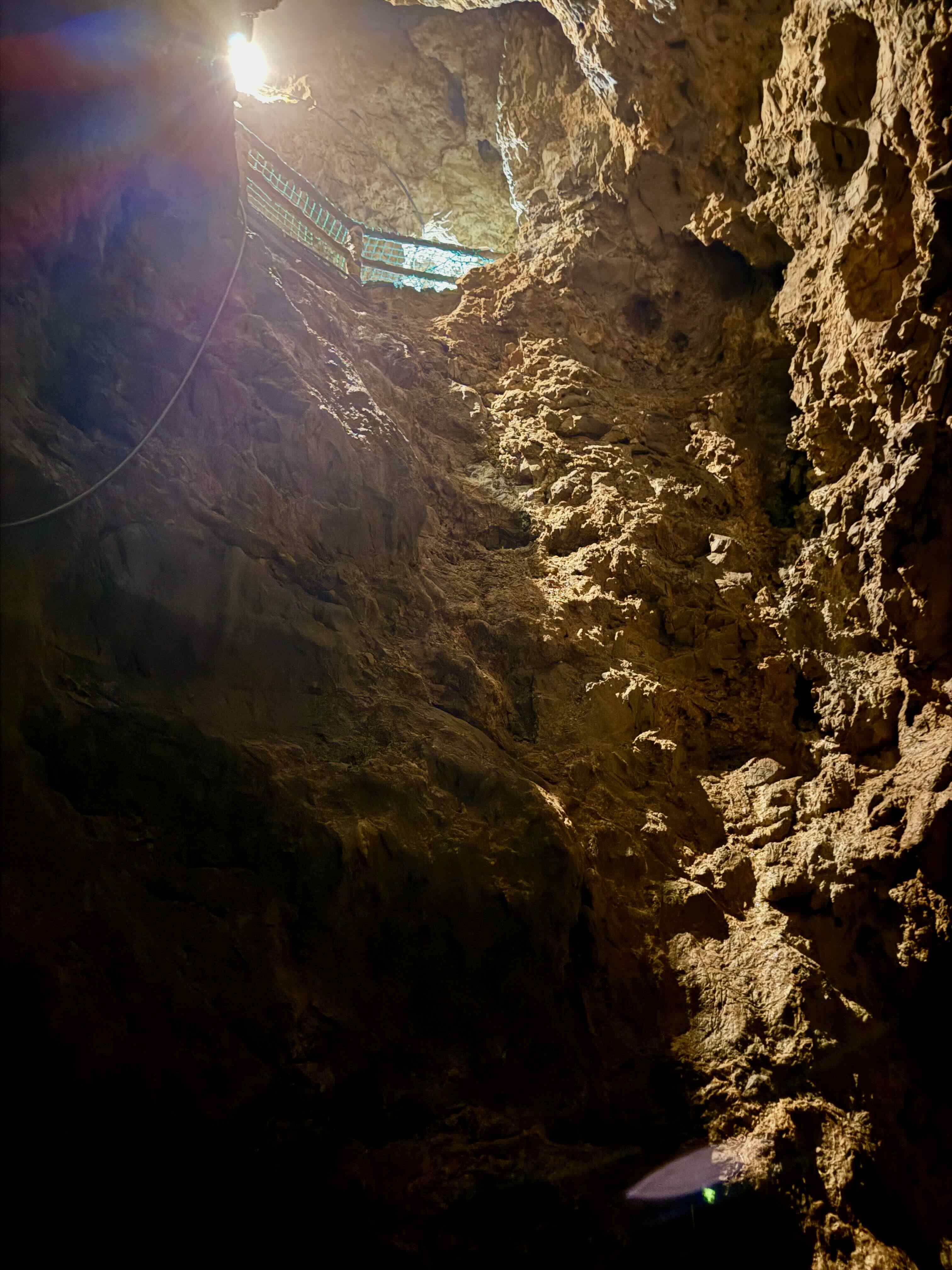 At the end of the tunnel we climbed this long stairway with 120 steps to the exit. There are about 350 stairs to climb on the whole tour along with many long downward sloping walkways. We enjoyed our tour of this cave. It is strange to think that we were so far underground and neither of us felt at all claustrophobic.
Dinant is an interesting little town, situated along both banks of this river. It is also where Alphonso Sax invented the saxophone in 1840.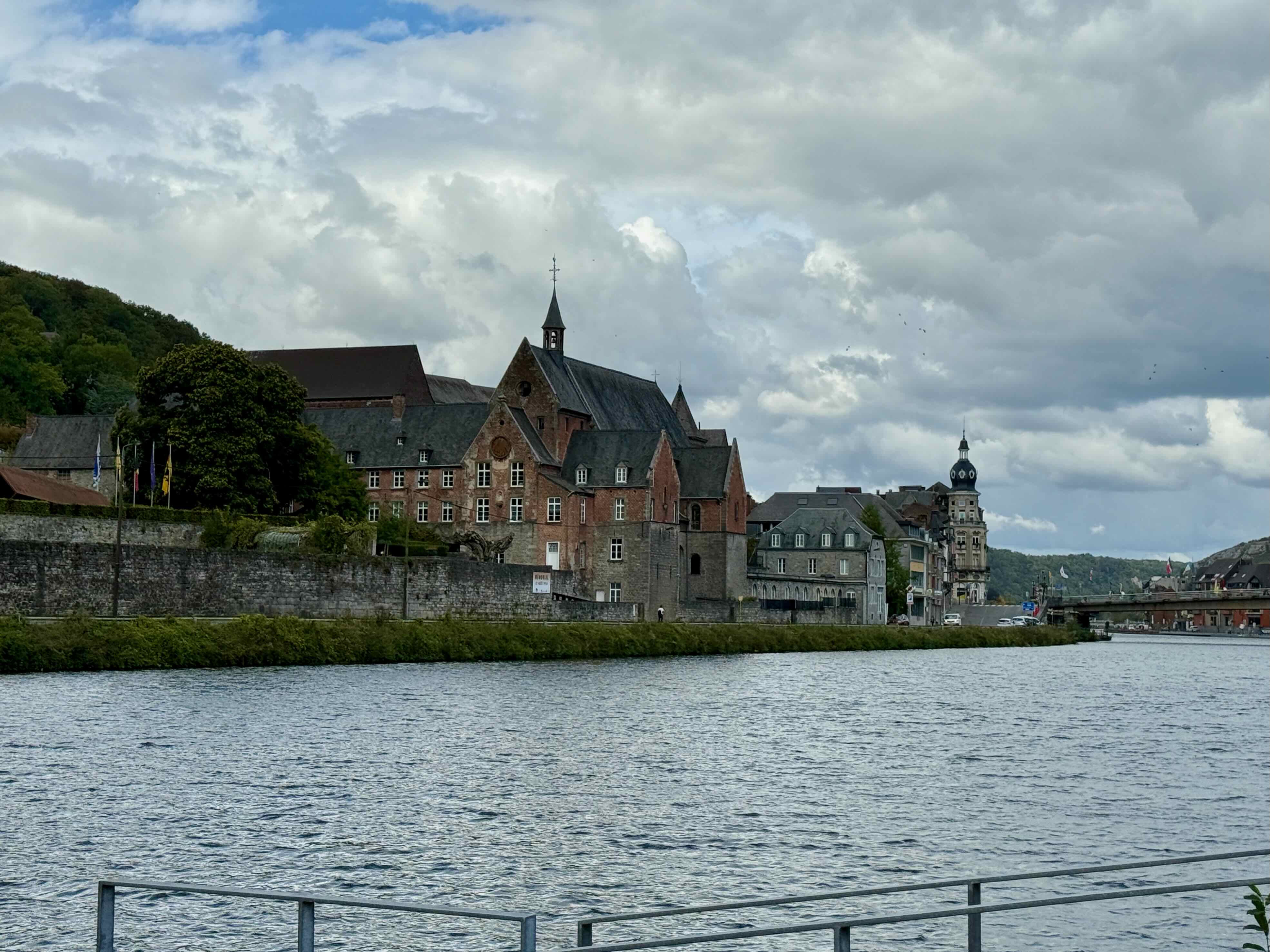
The Citadel high above the town looks interesting but we don’t have time for a visit.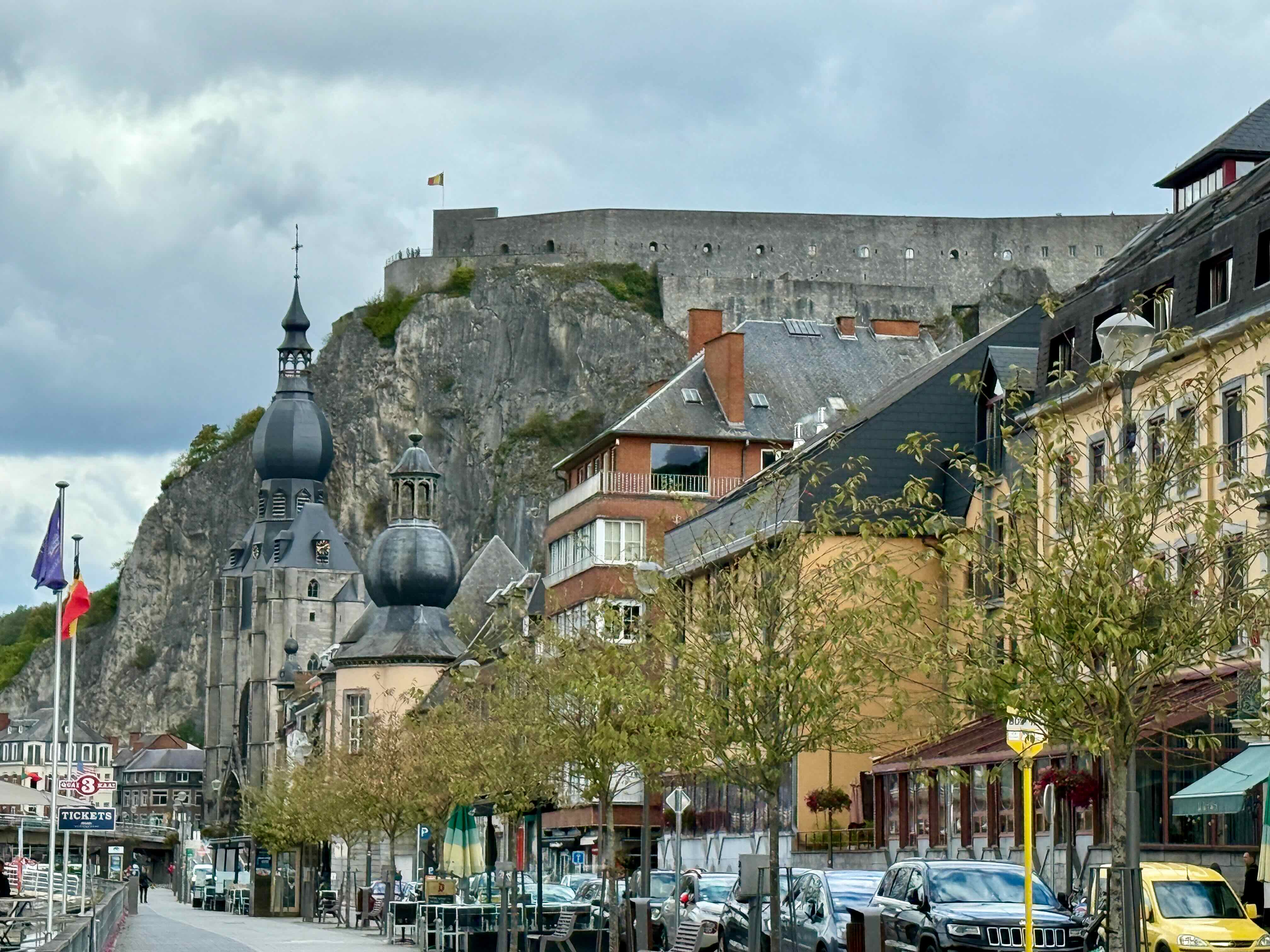 Back on the road headed towards Rocheport.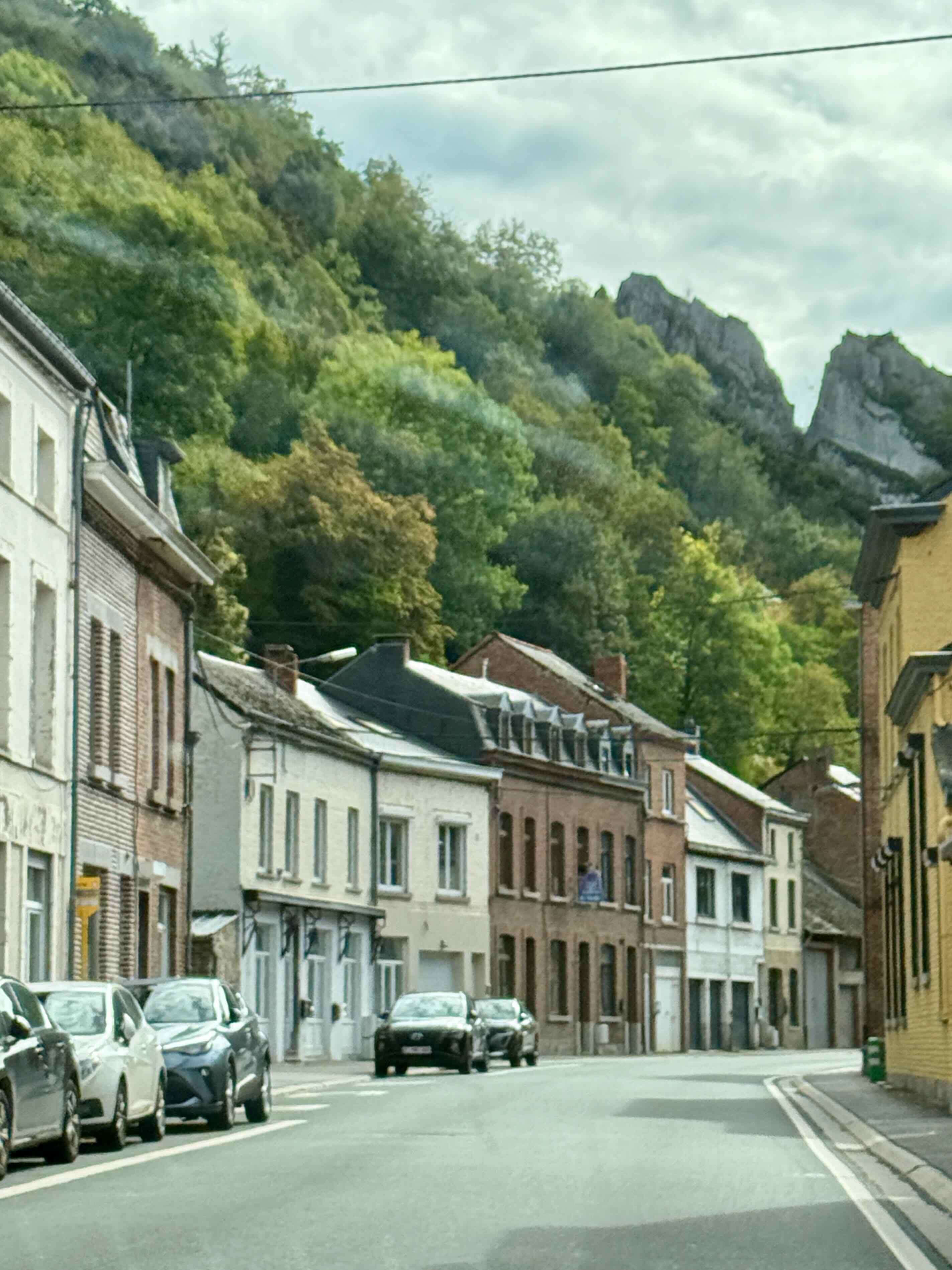
We drive over this pretty bridge and find a spot to park for tea and cookies in Rocheport and then we go for a little walk before heading towards our next Airbnb at Fontoy, France.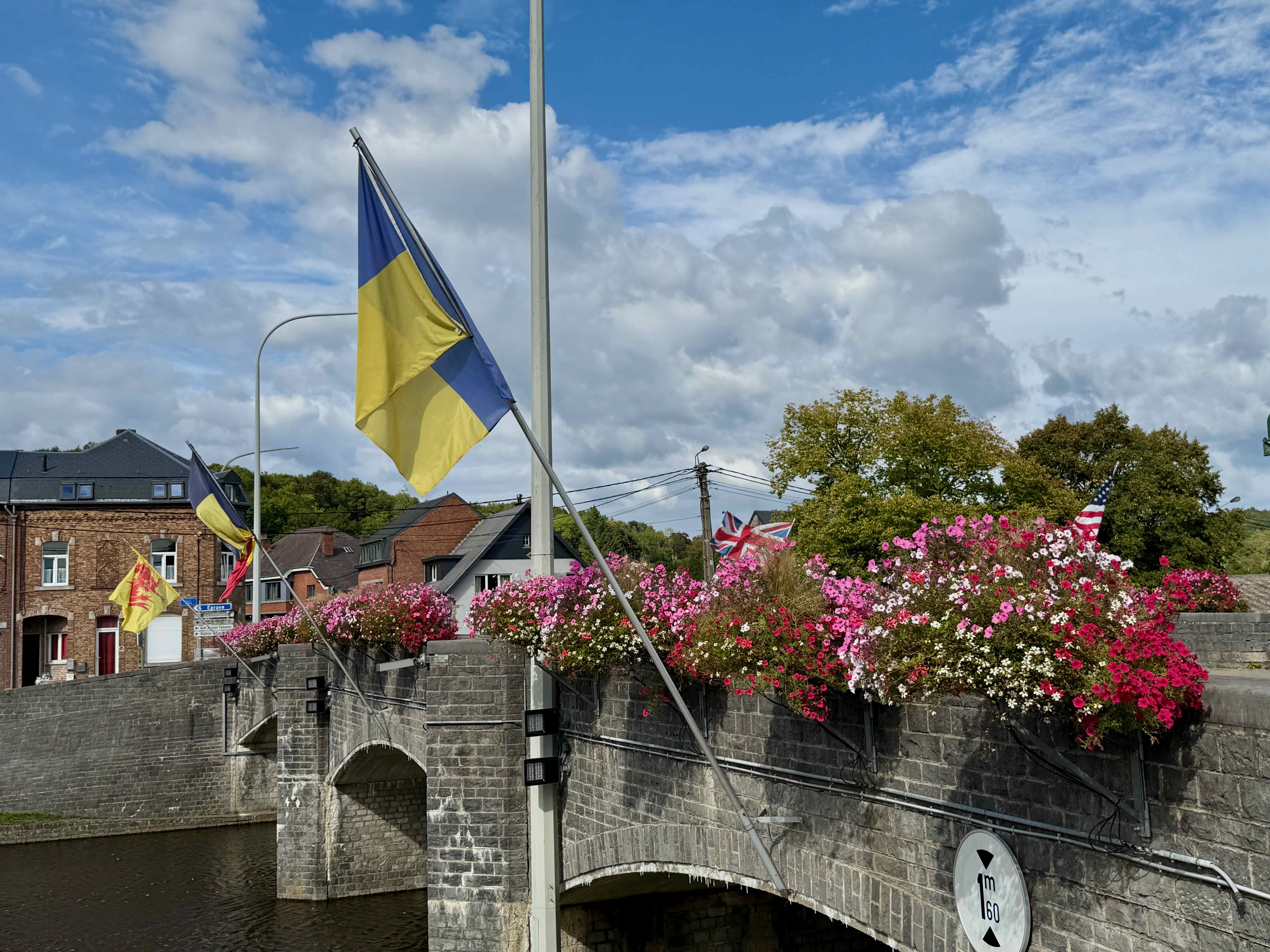
Every town, no matter how small, has a church, but this is the first church I remember seeing that has flower baskets by the entrance door. 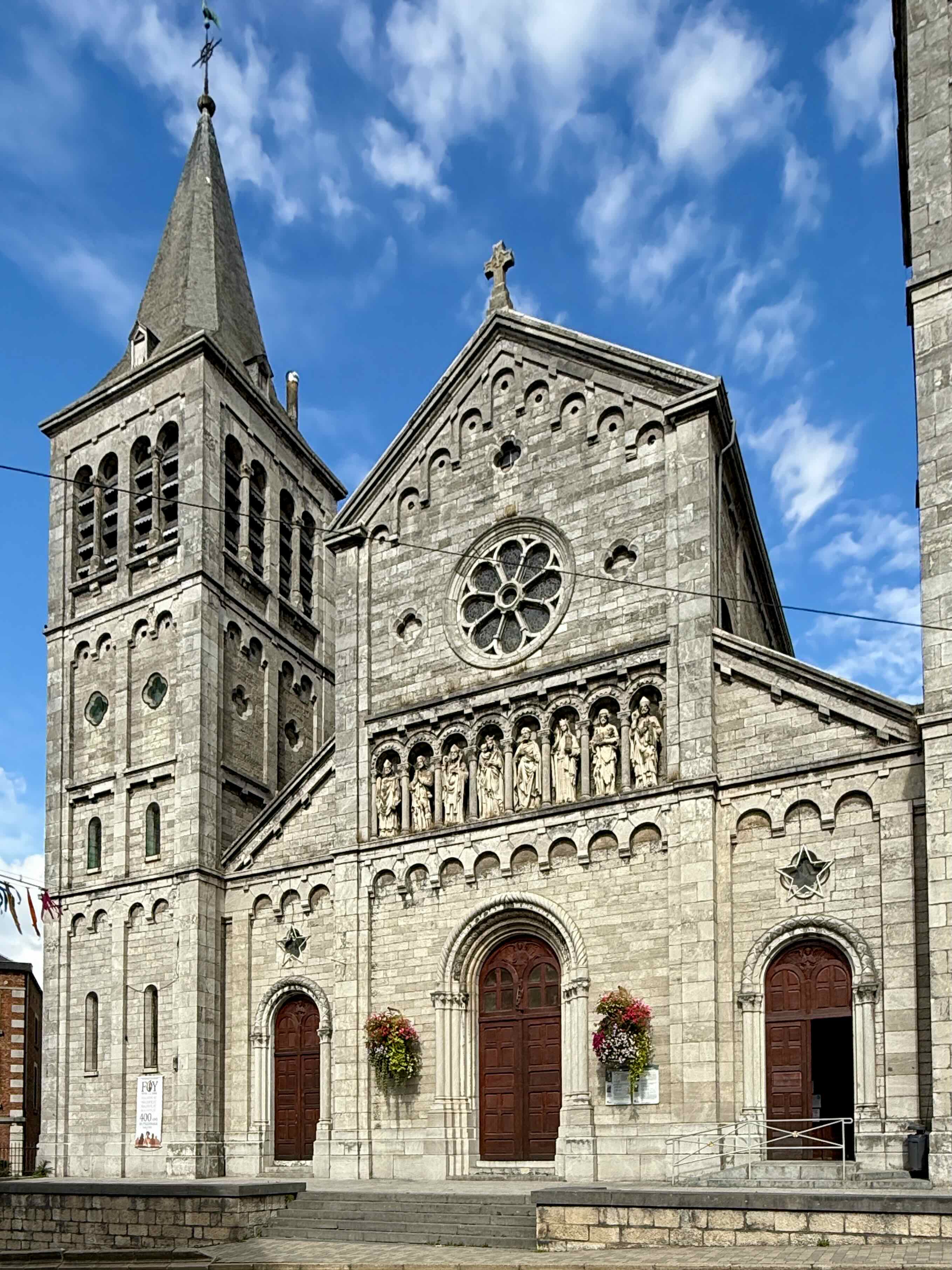
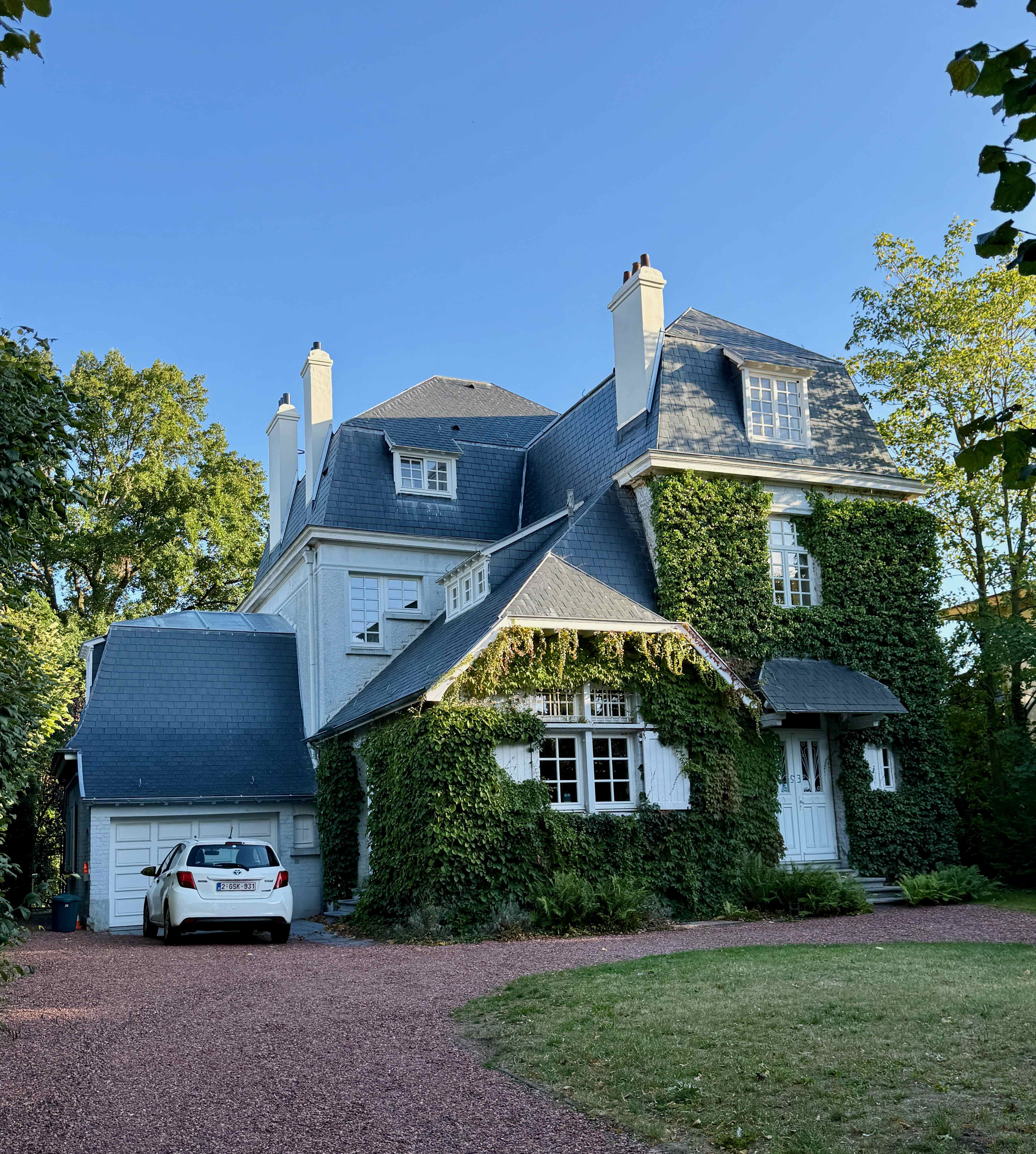
This is a an interesting building. We think it might be a single family dwelling as there is only one house number on the building.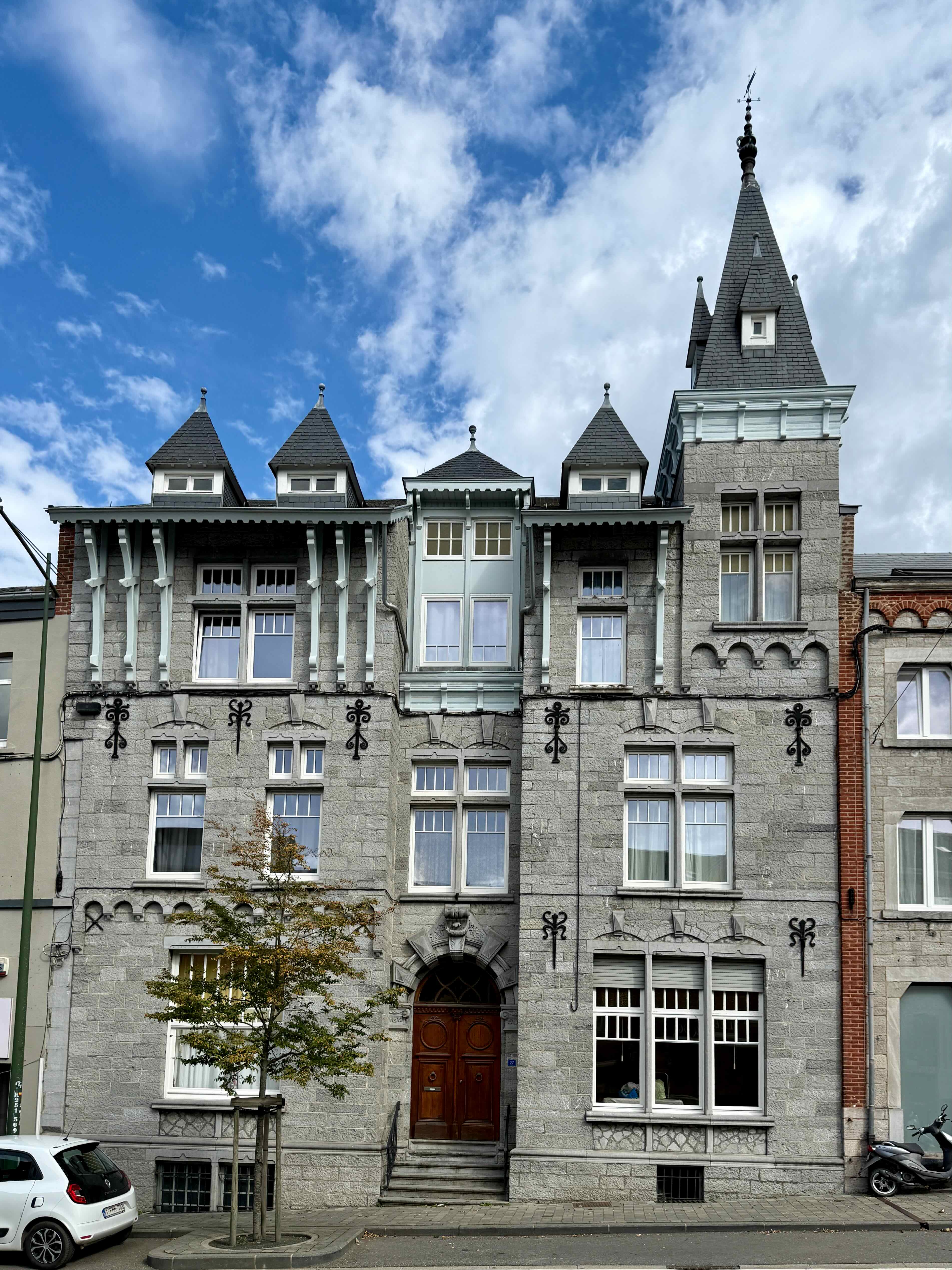
This strange statue is of a popular Belgium comedian, Raymond Devos (1922 – 2006) who is supposed to be popping out of a box, like a Jack in the box. I thought that he had his feet in a cement block, like gansters used!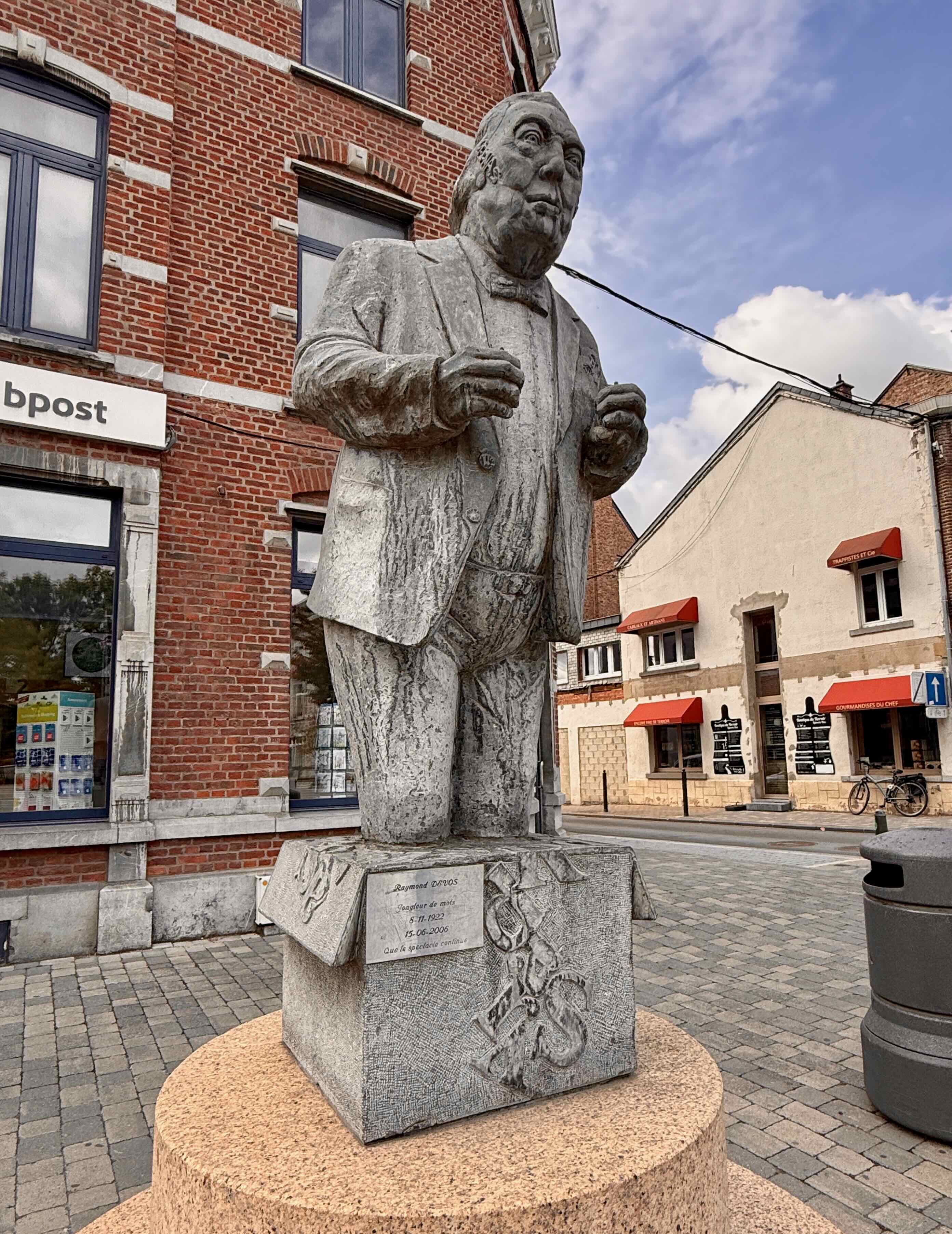
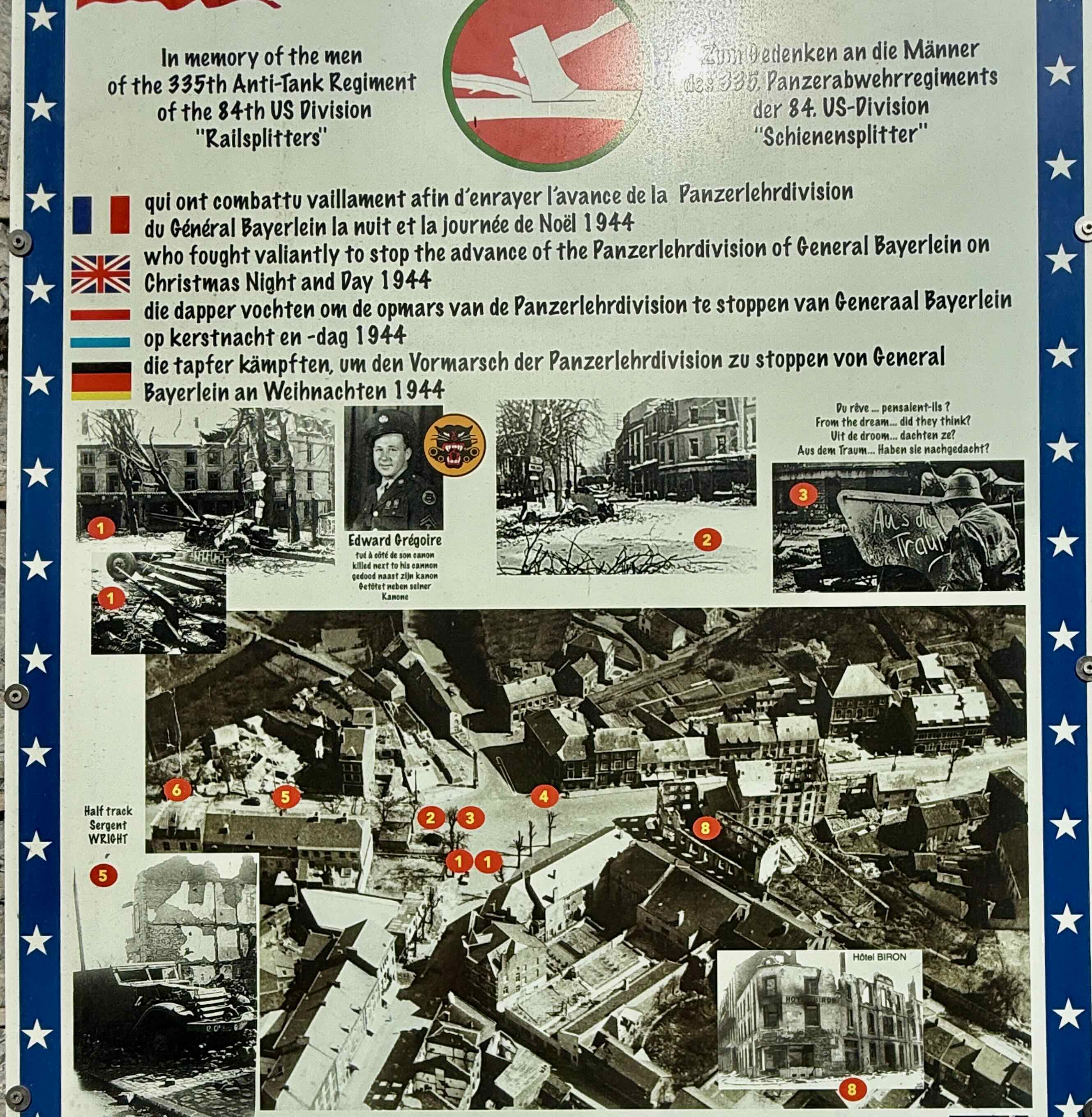
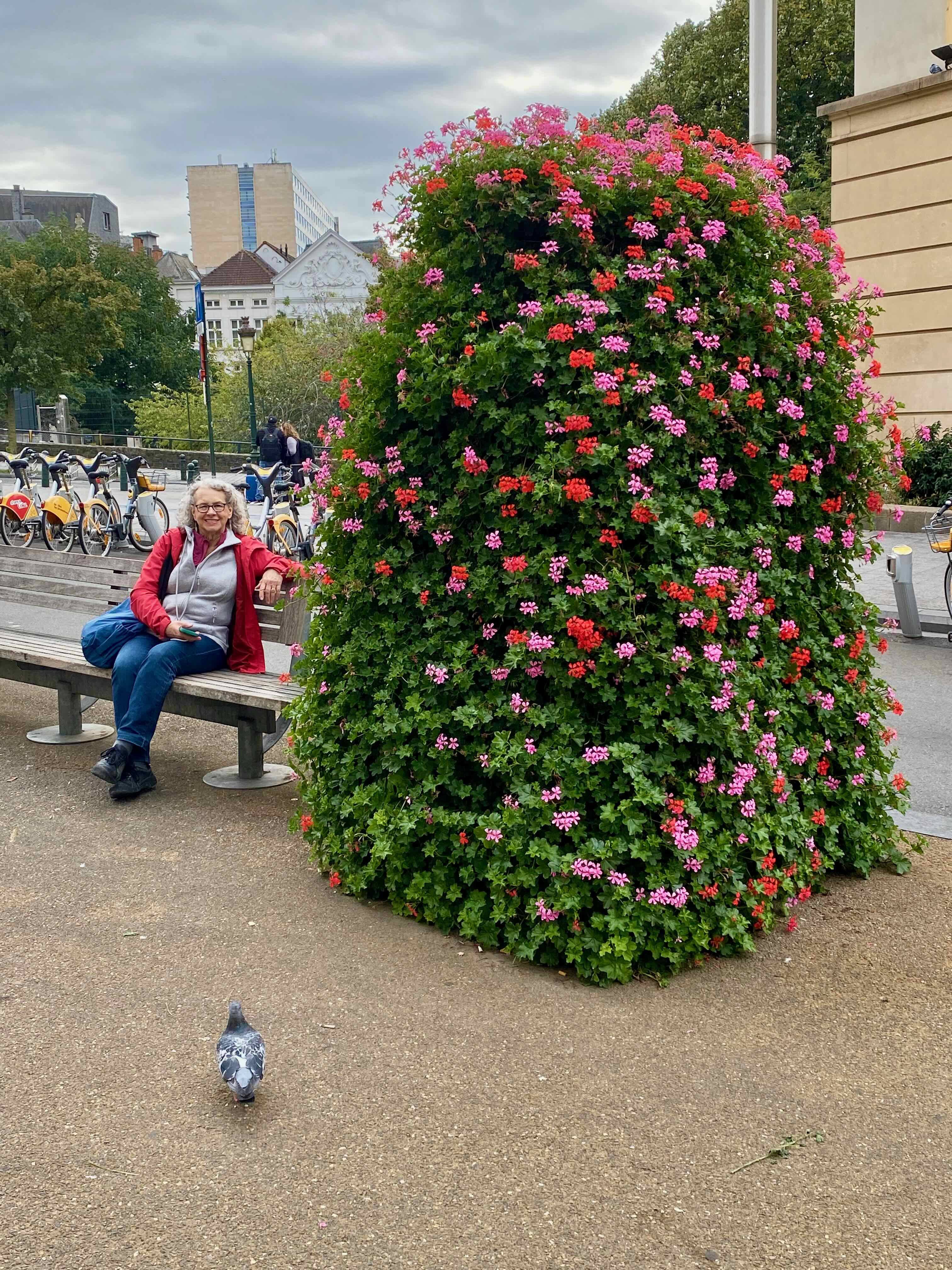
I liked the flowers at this intersection but then we see the poster below showing the damage to this area on Christmas Day 1944.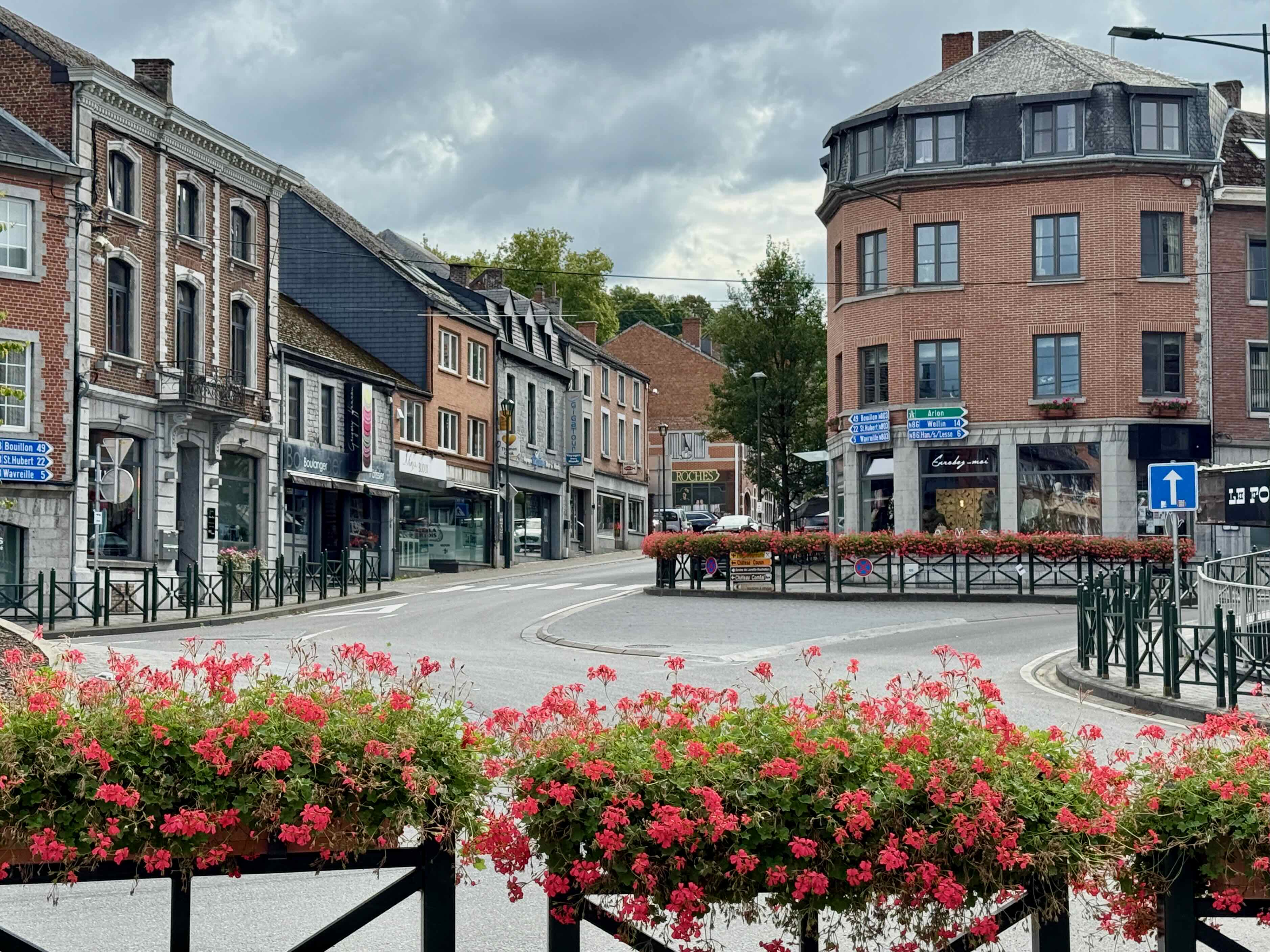
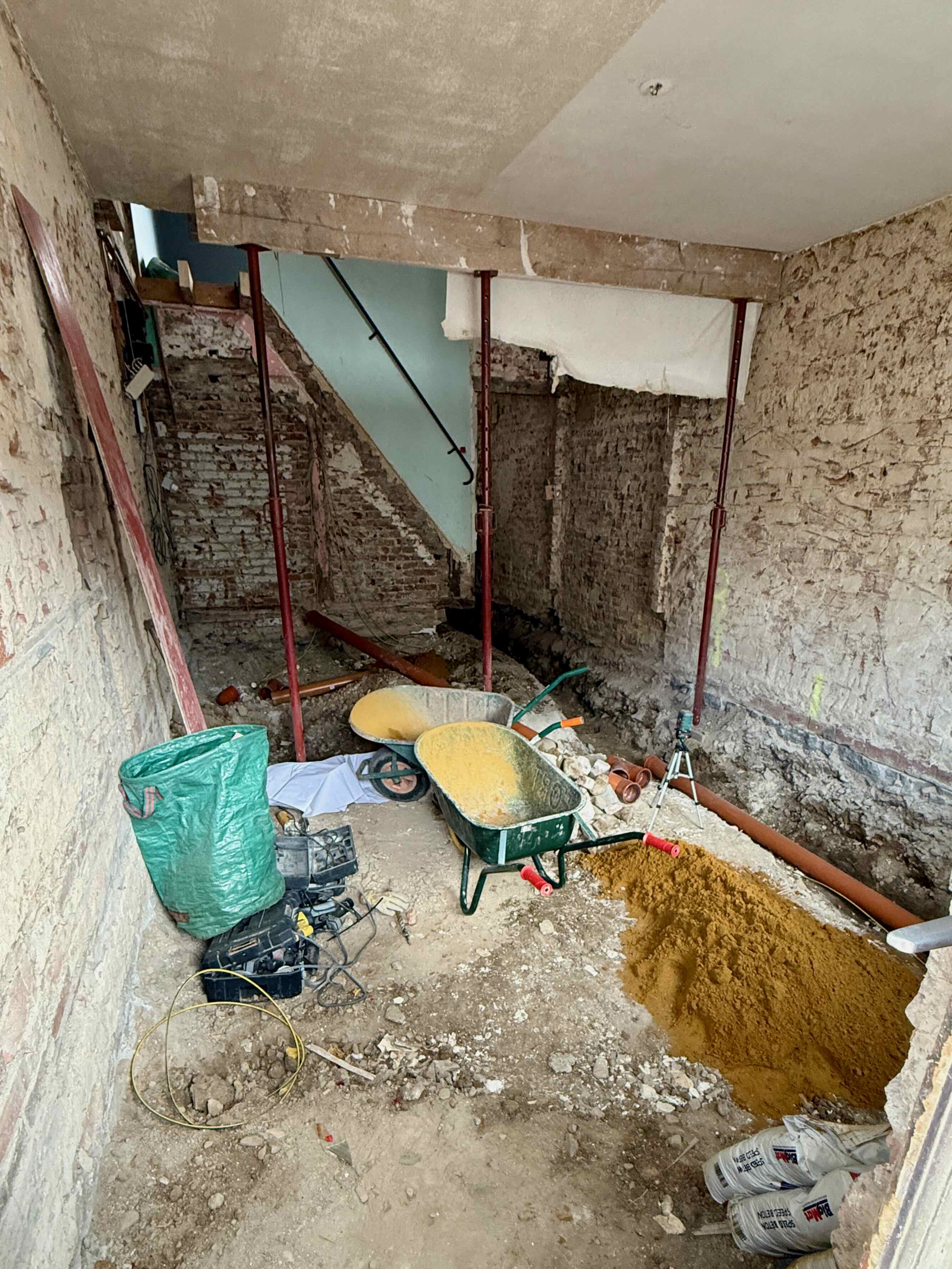
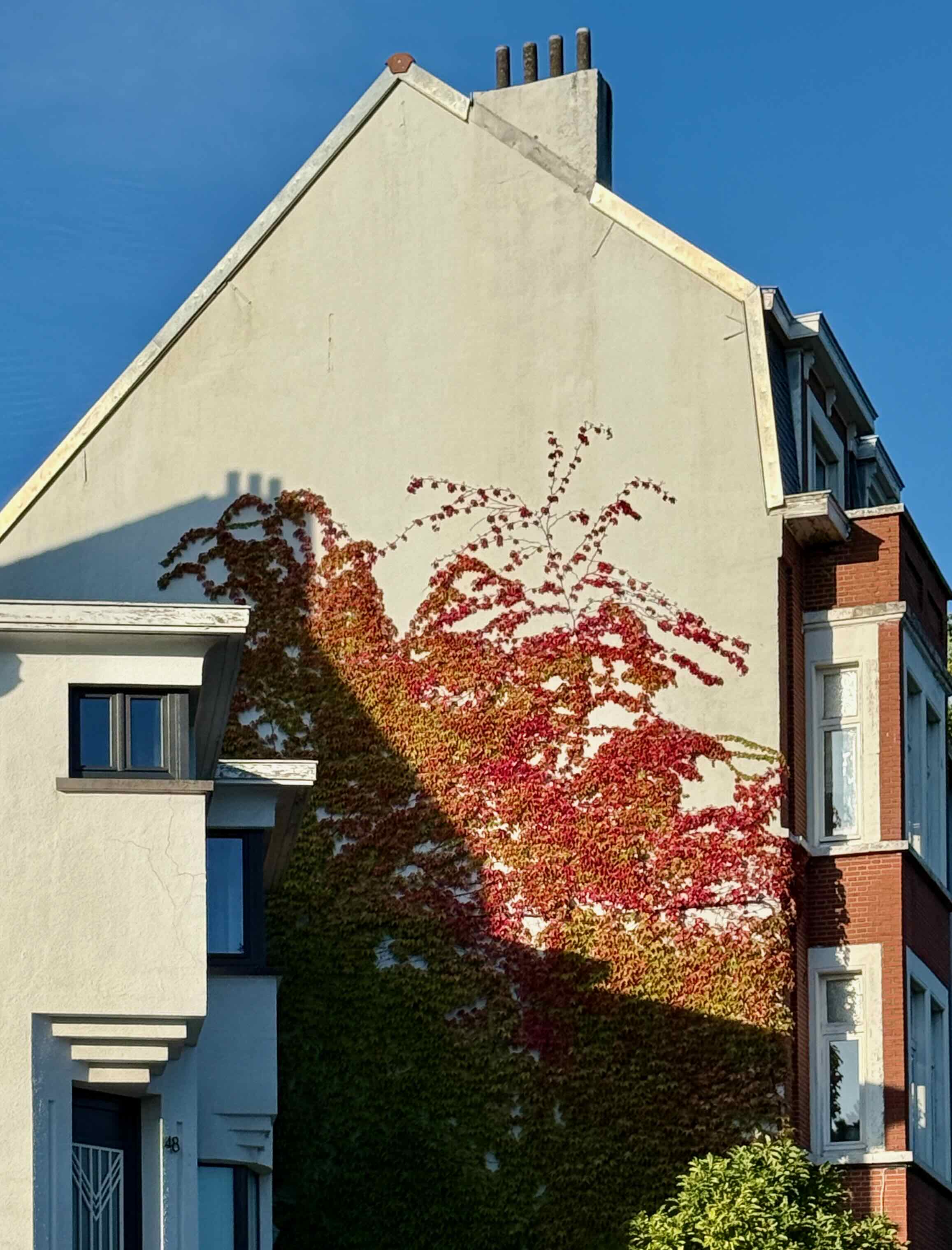
I loved the colours of these leaves.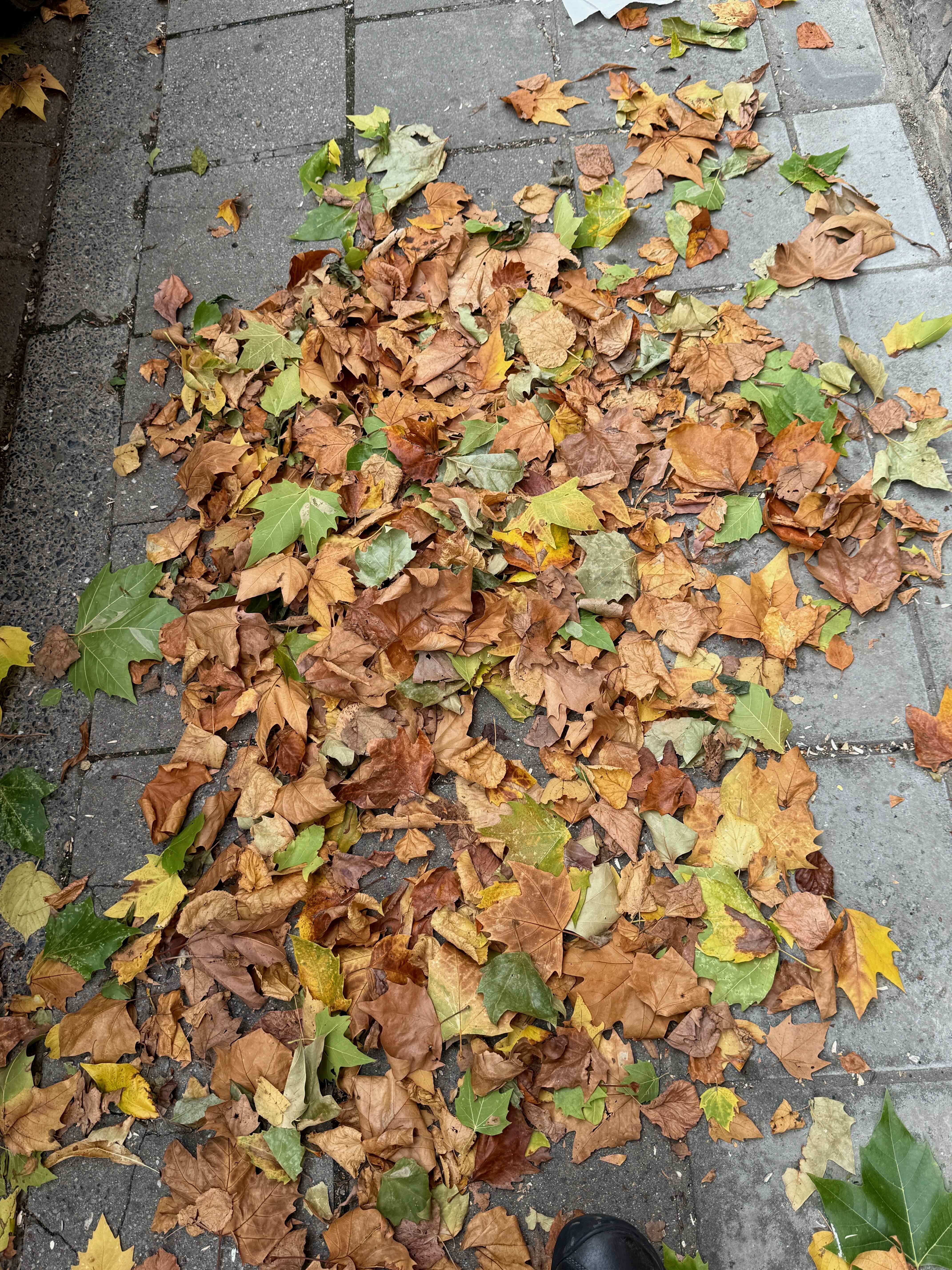 We see a truck with beautiful ochre coloured sand and then peek inside this building under renovation to see what it is being used for. Not exactly a do-it-yourself job!
 The doorway that we looked into is right next to this house with the gorgeous red geraniums.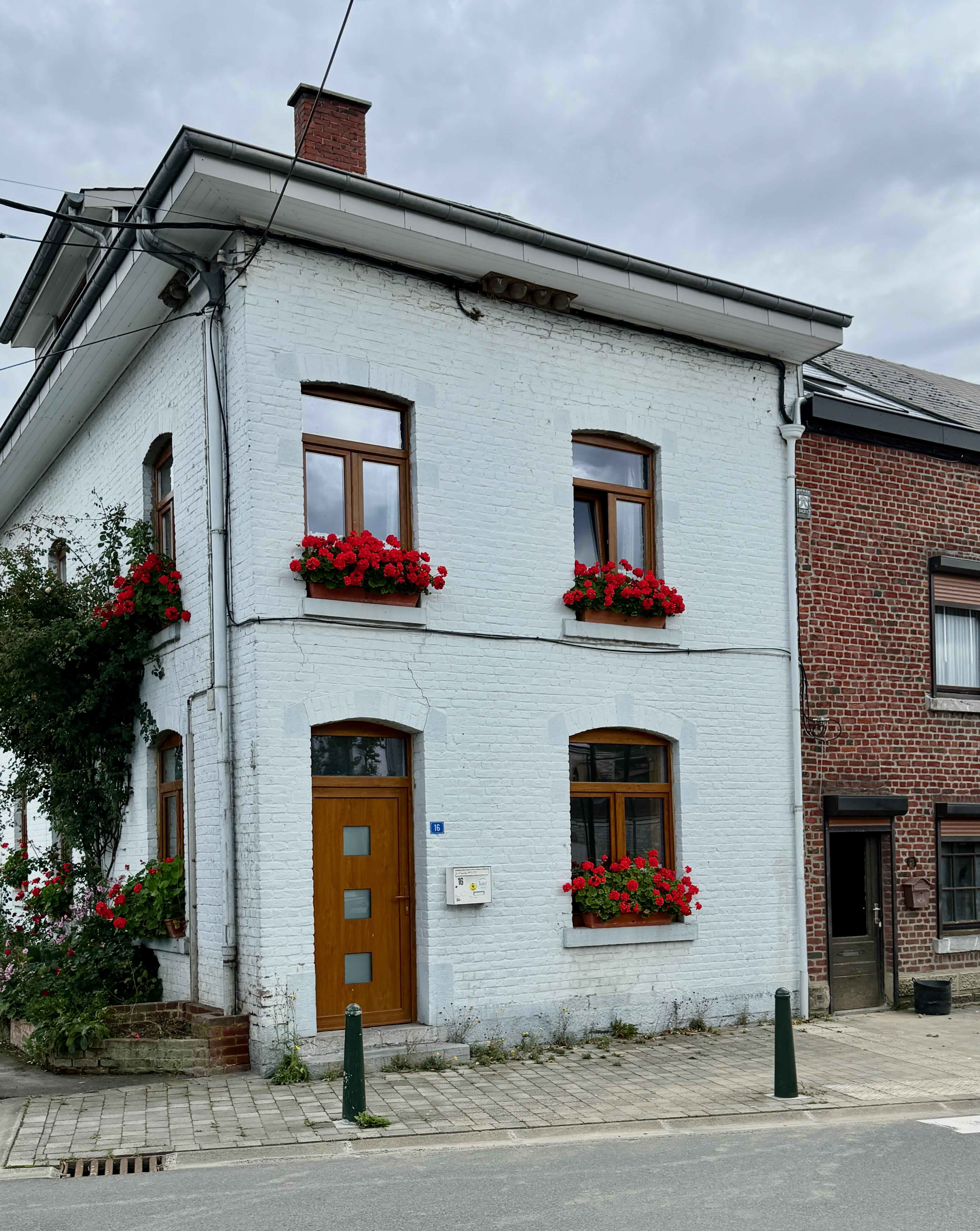
It is rush hour and there are ‘Deviations’ which mean detours and lots of traffic. We count 153 trucks in a row that are not moving at all on the highway. Thankfully they are not going in our direction!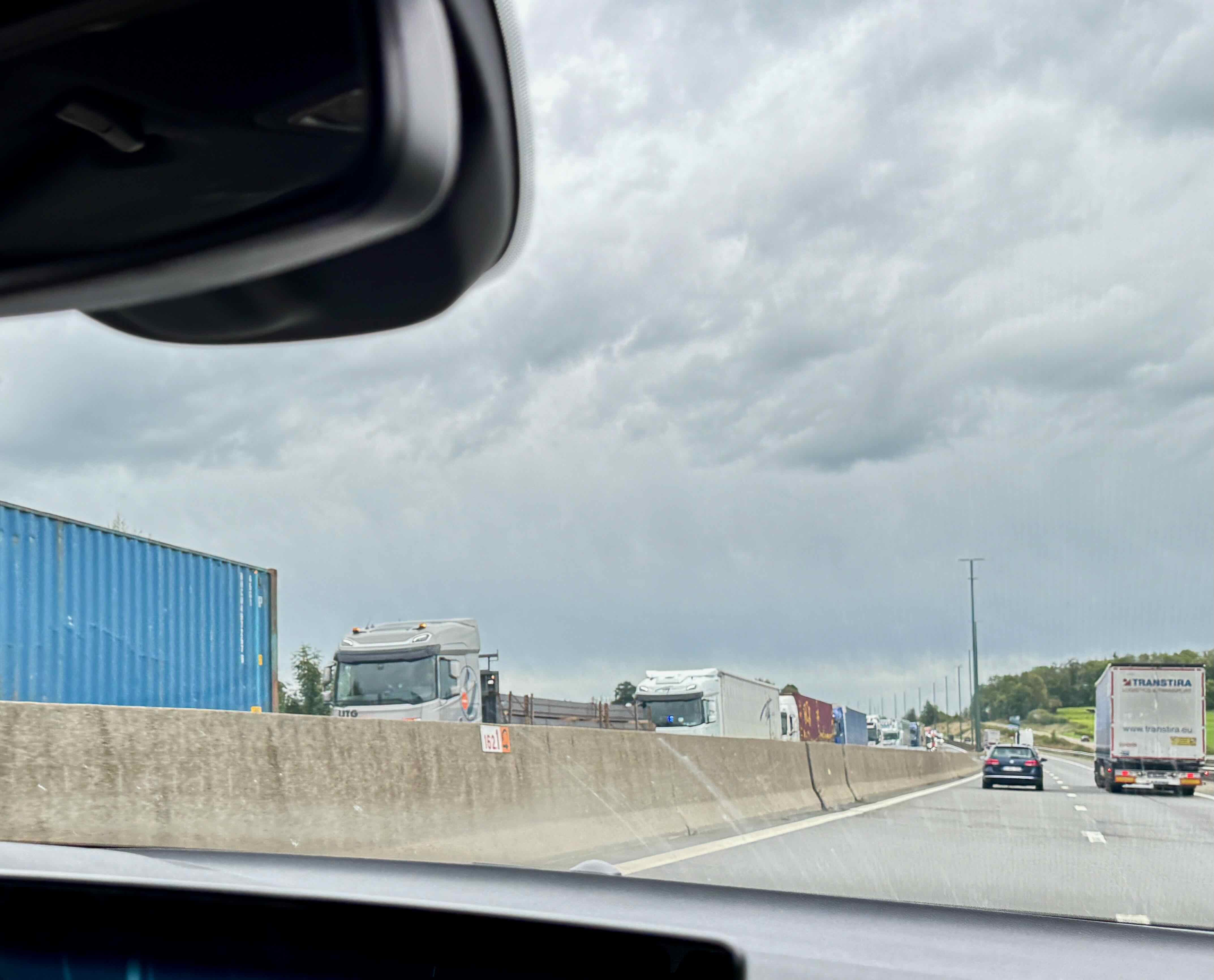
We see these huge crosses along the highway near the end of our trip, but I am unable to find any information about them.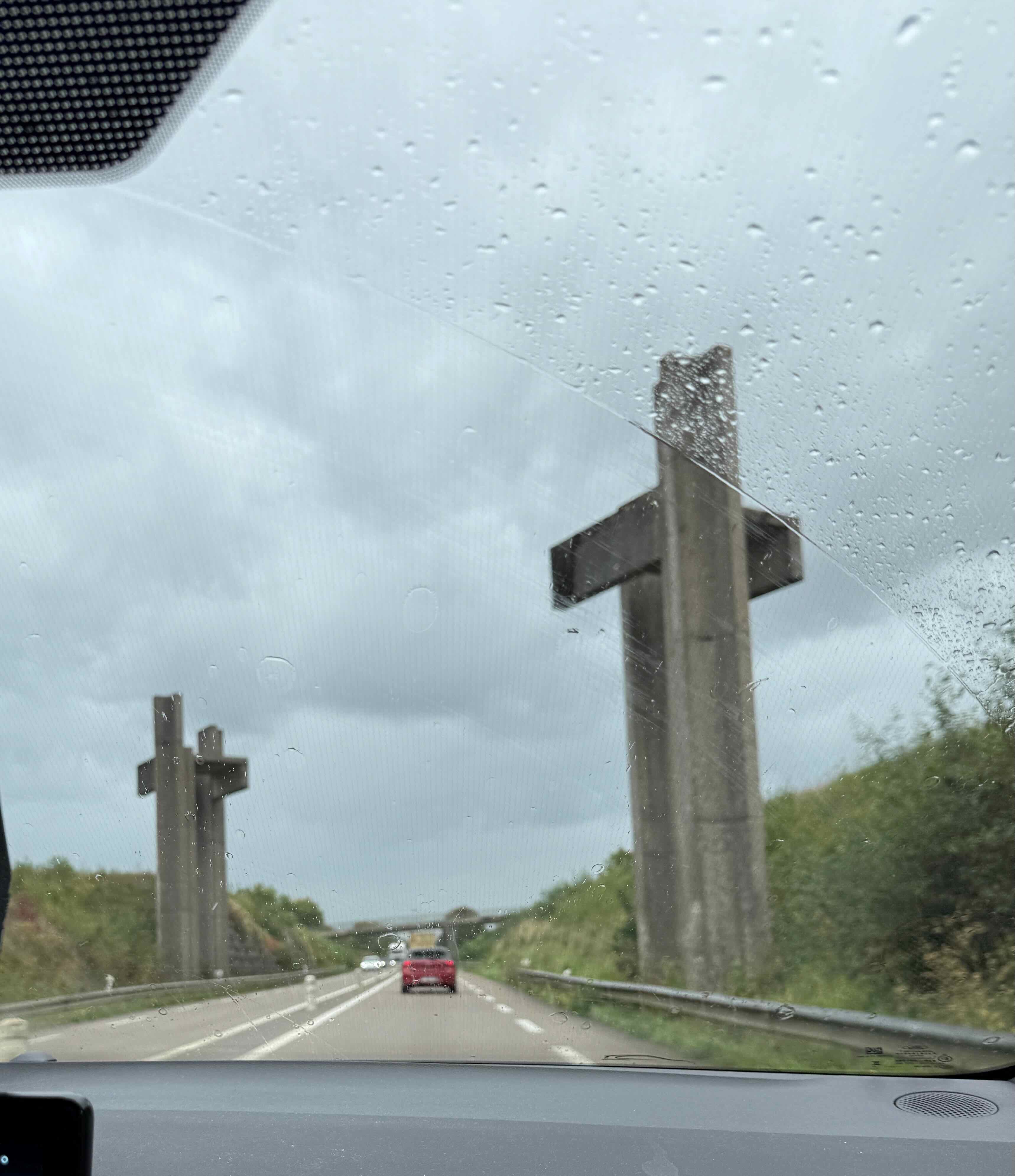

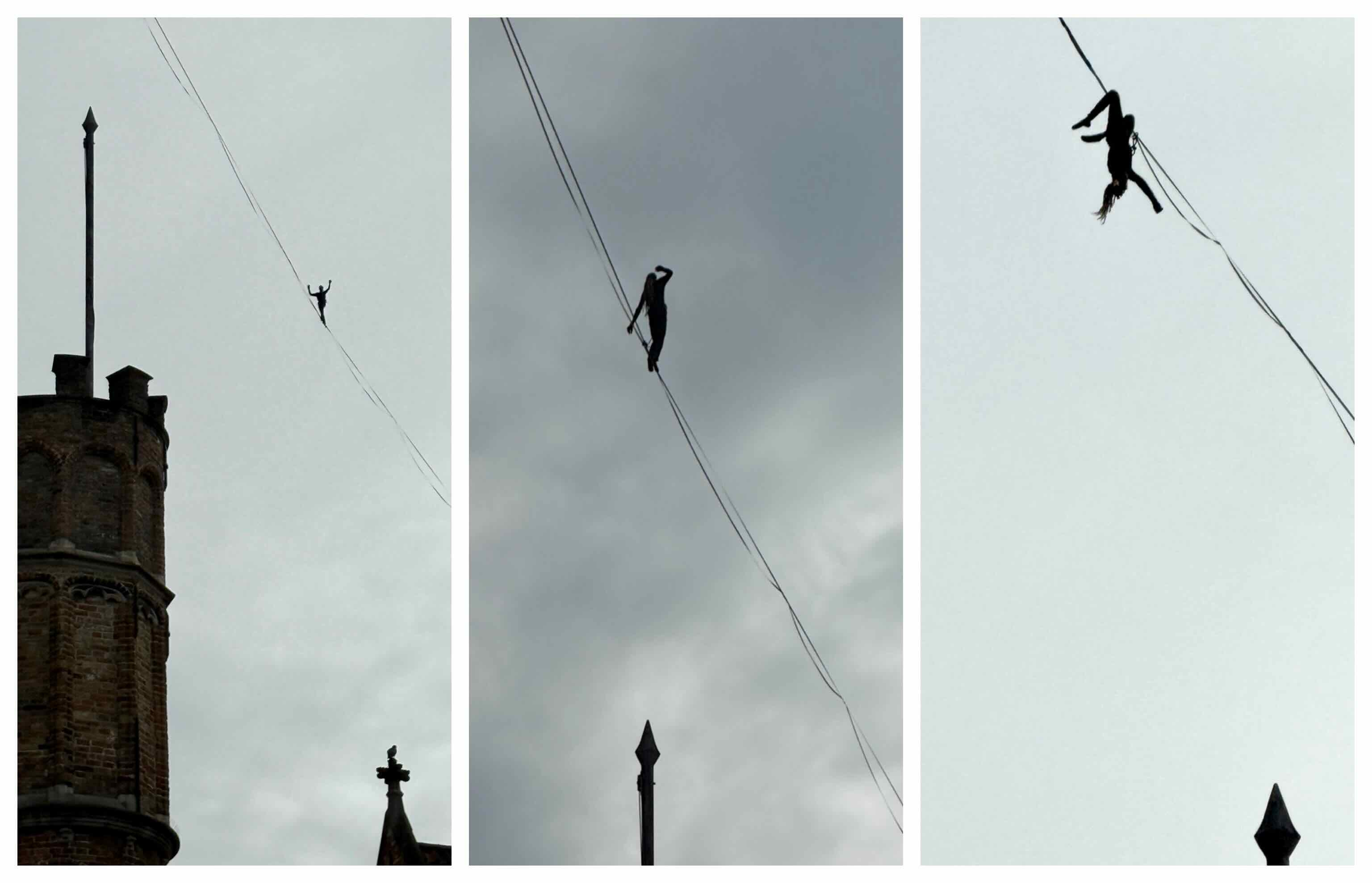
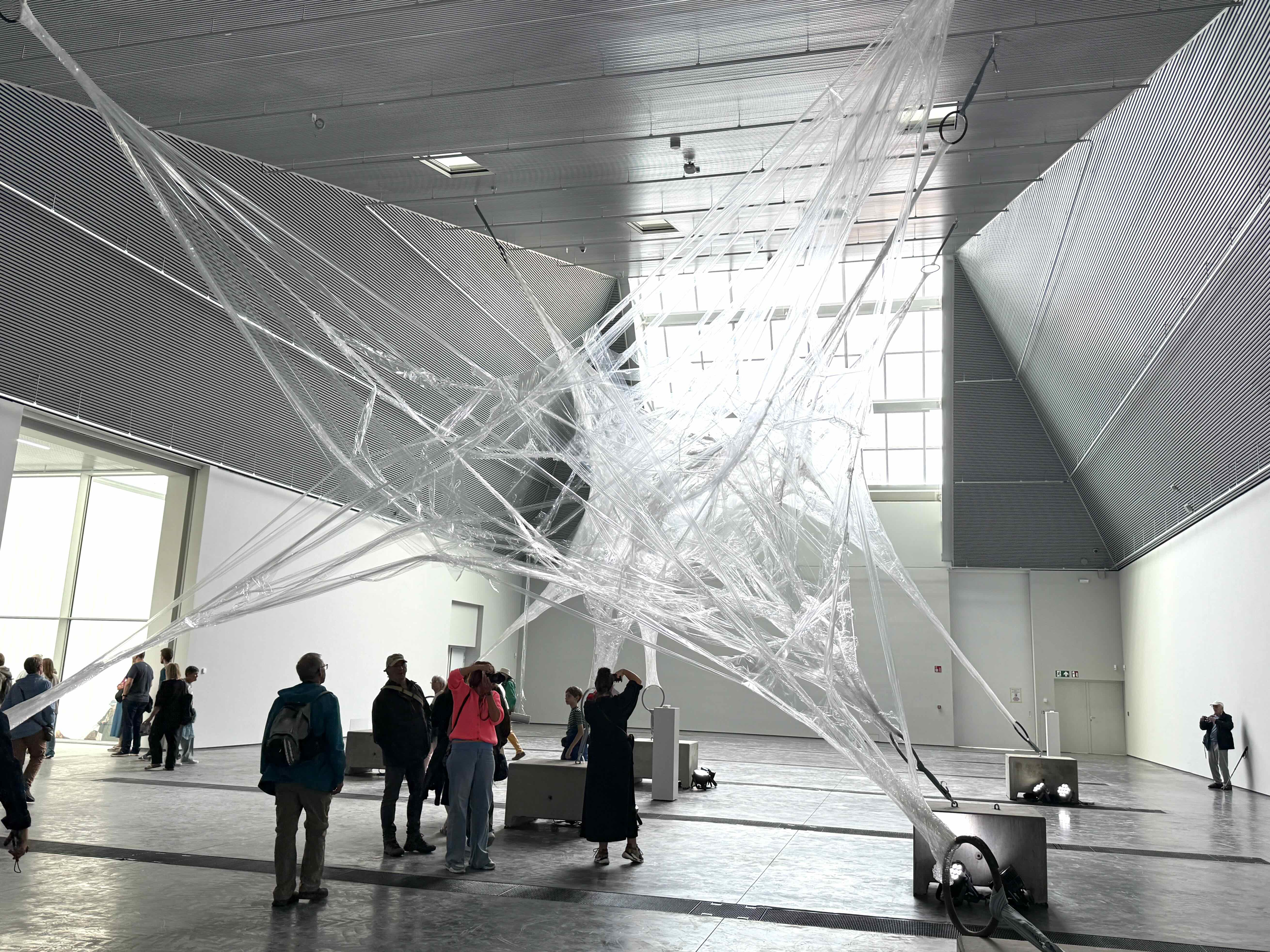
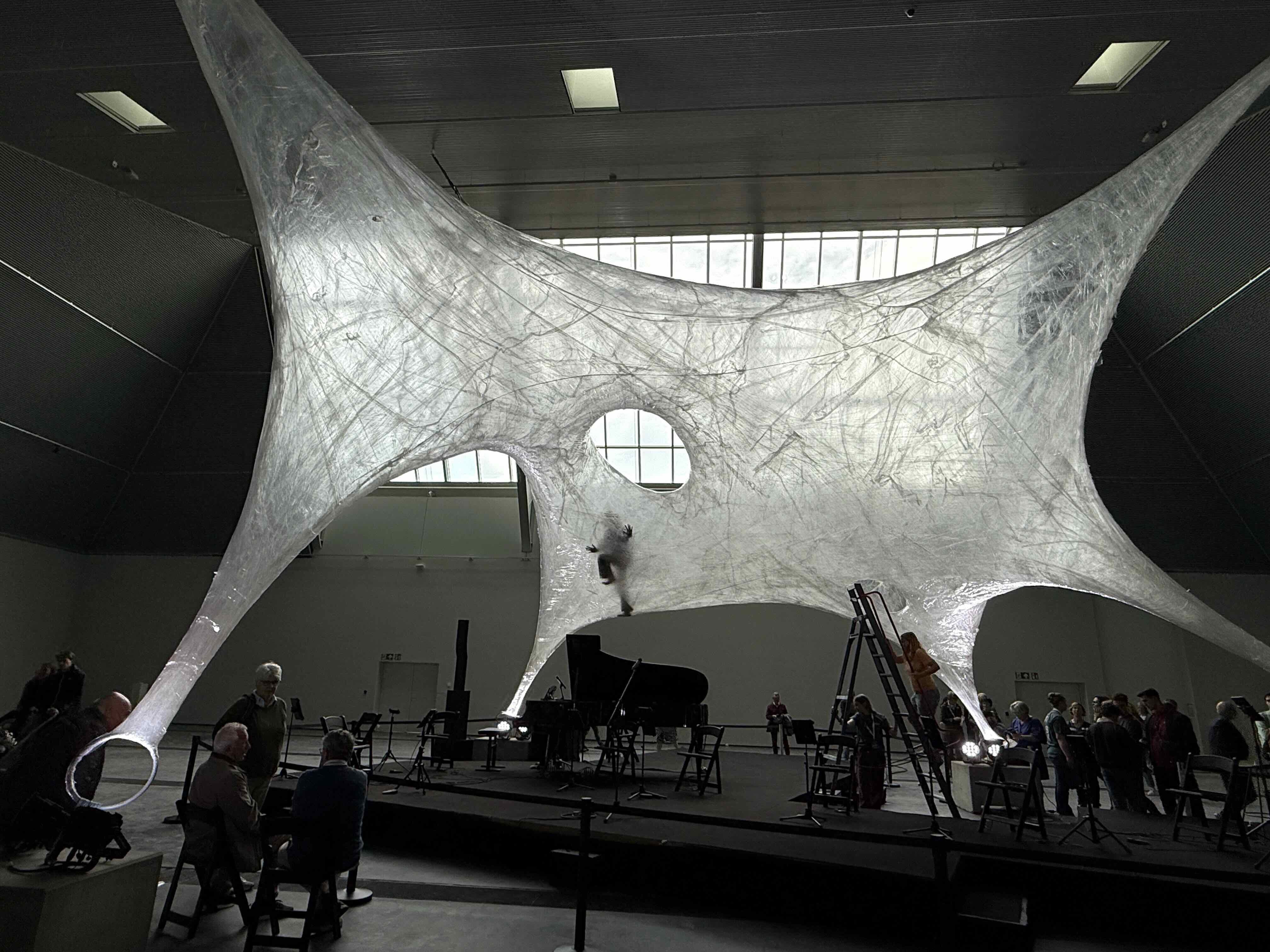
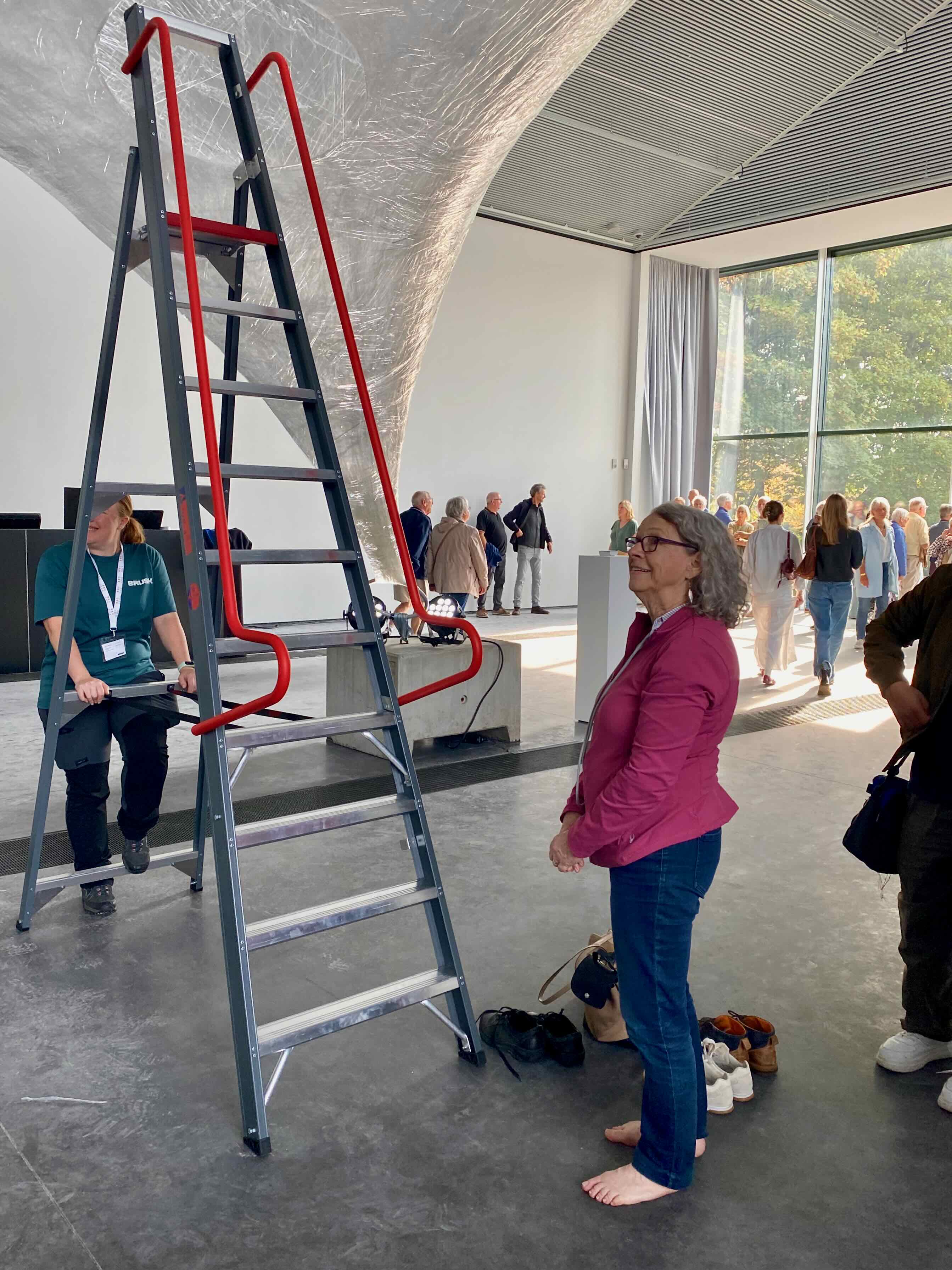
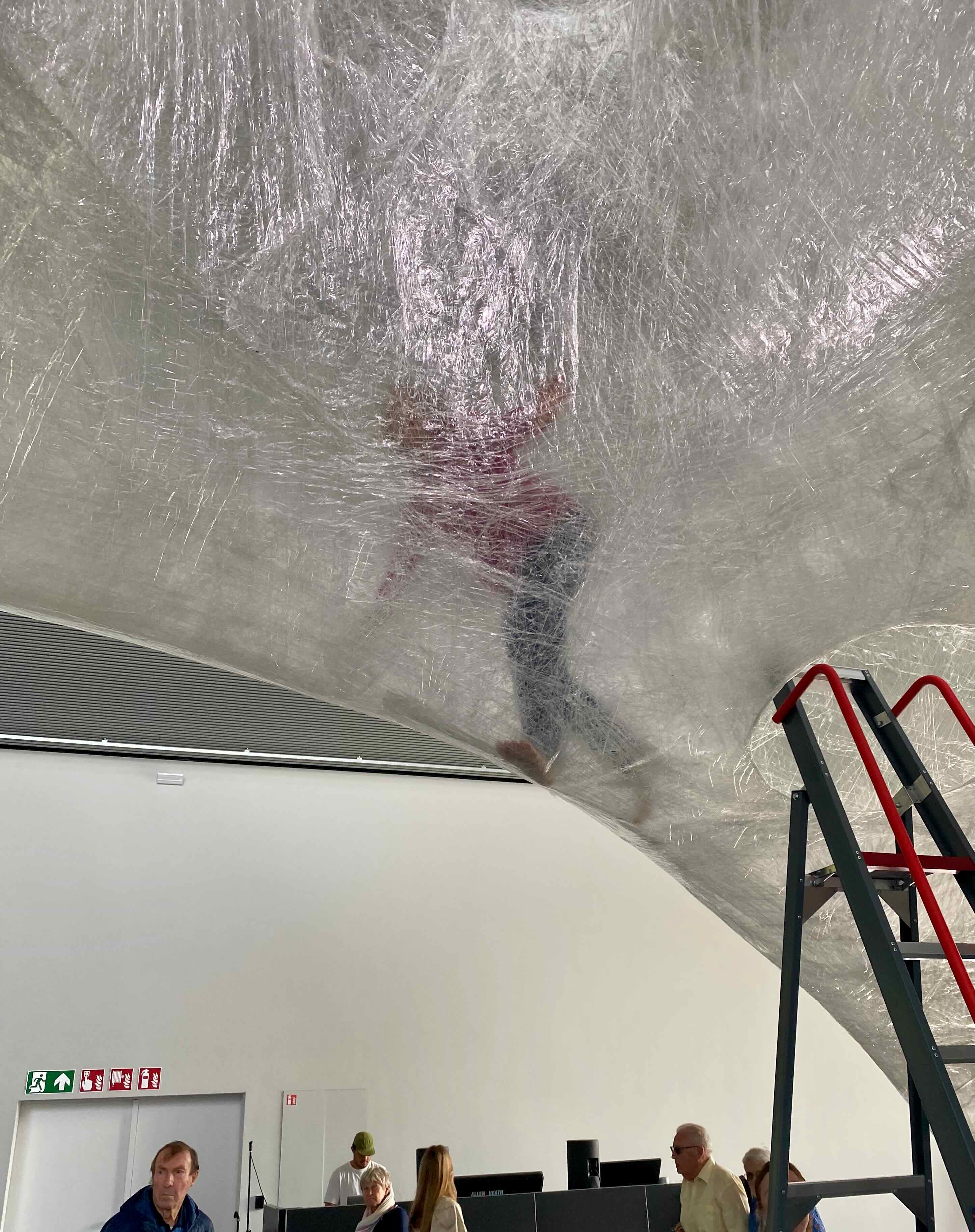
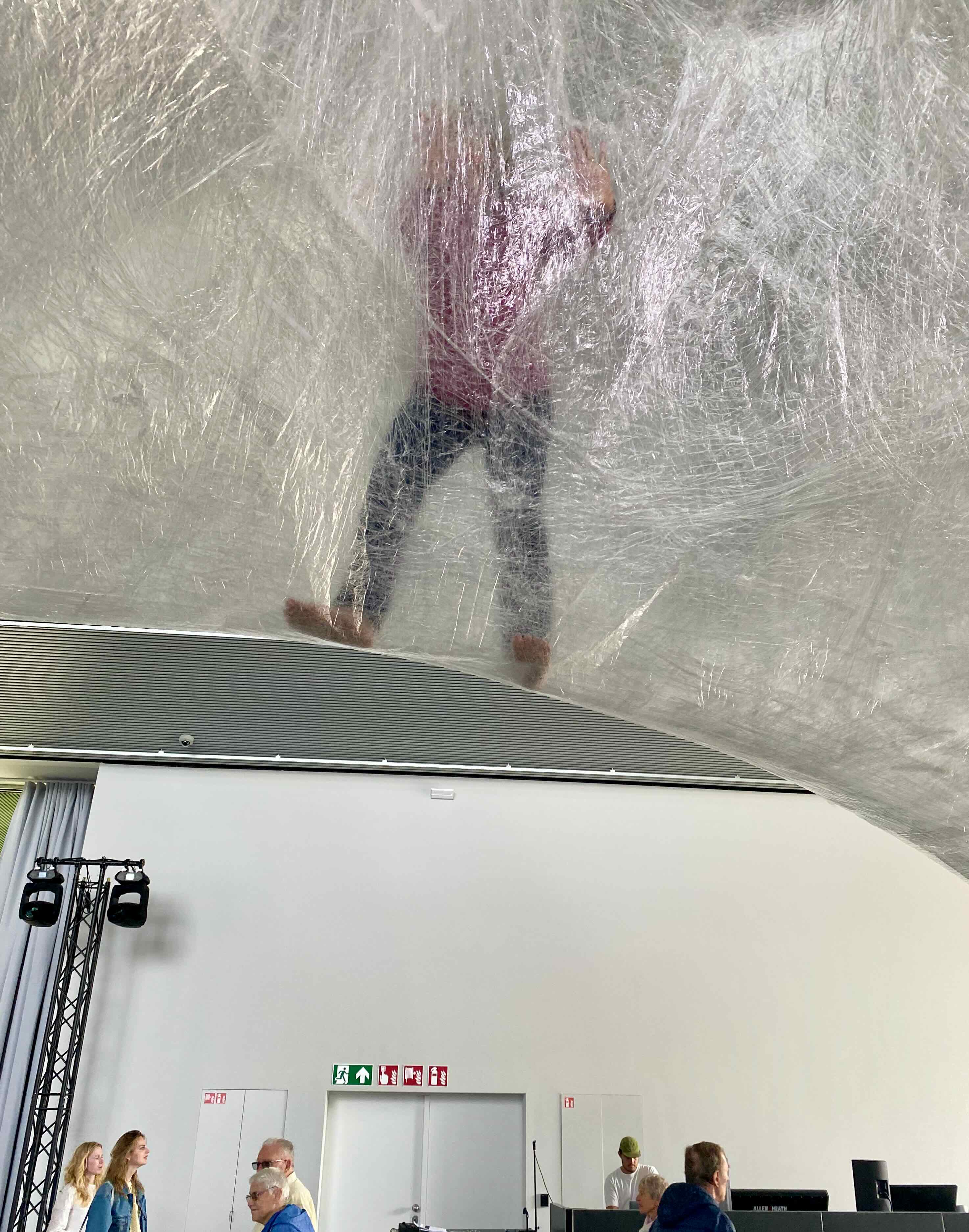
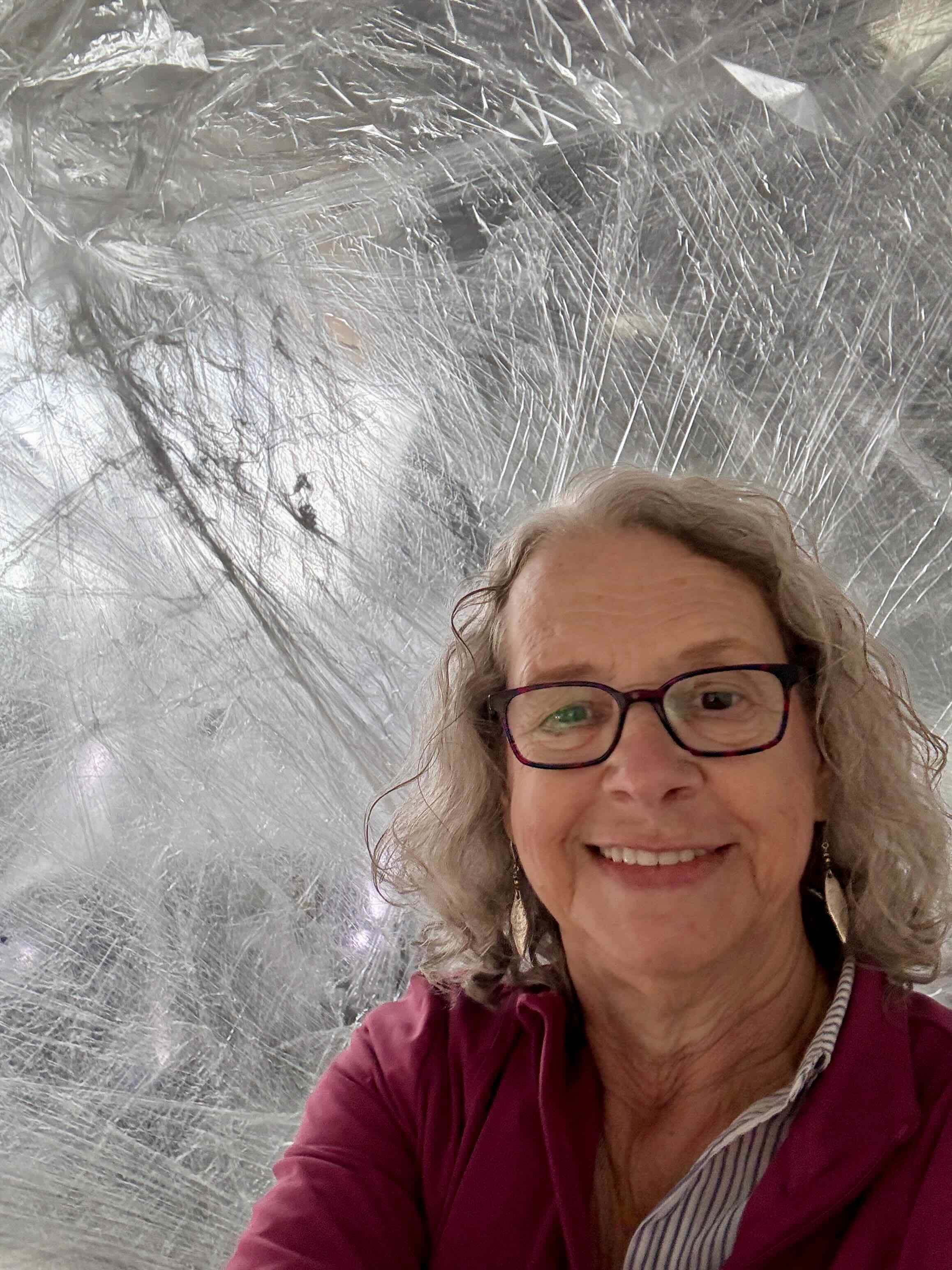
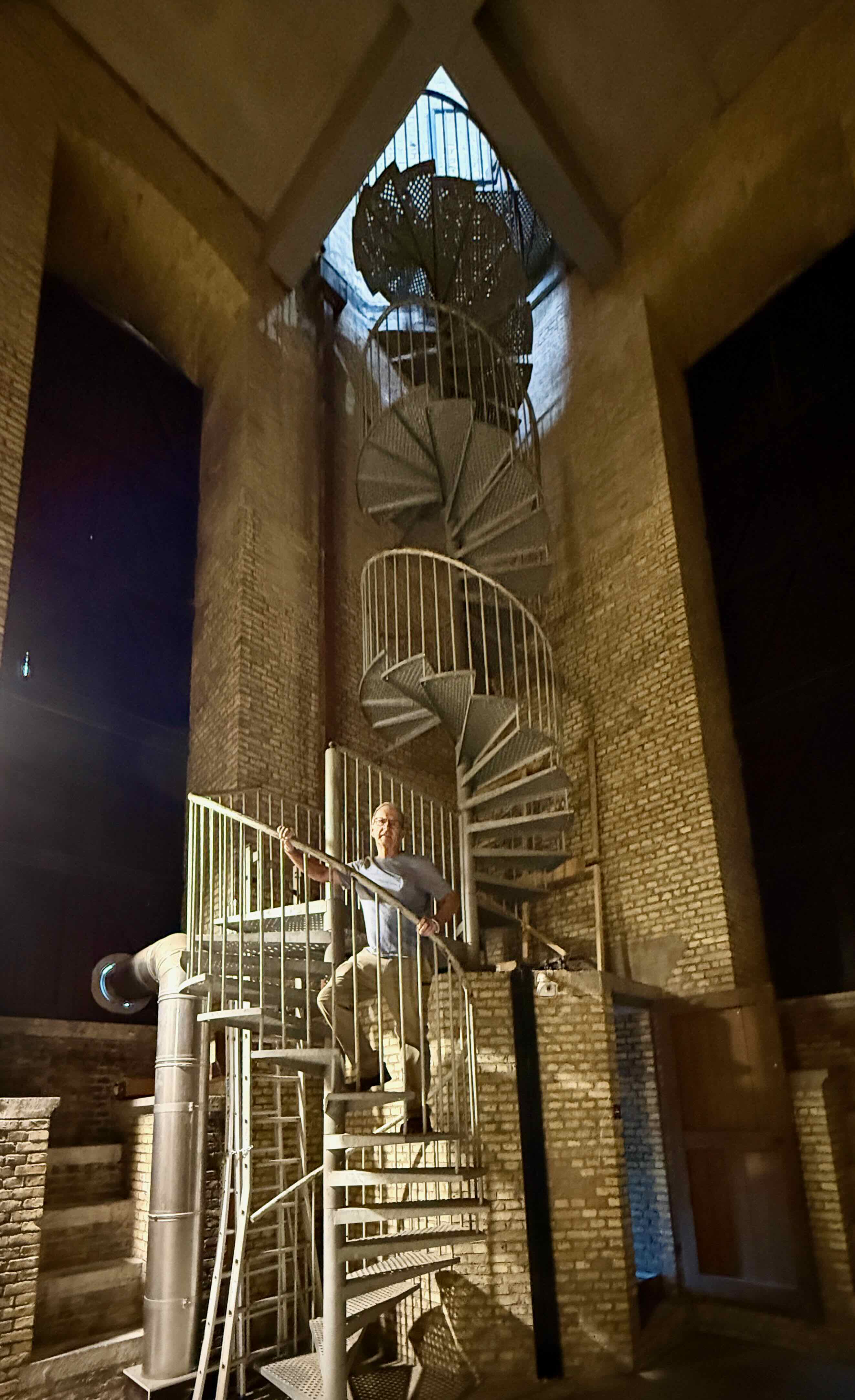
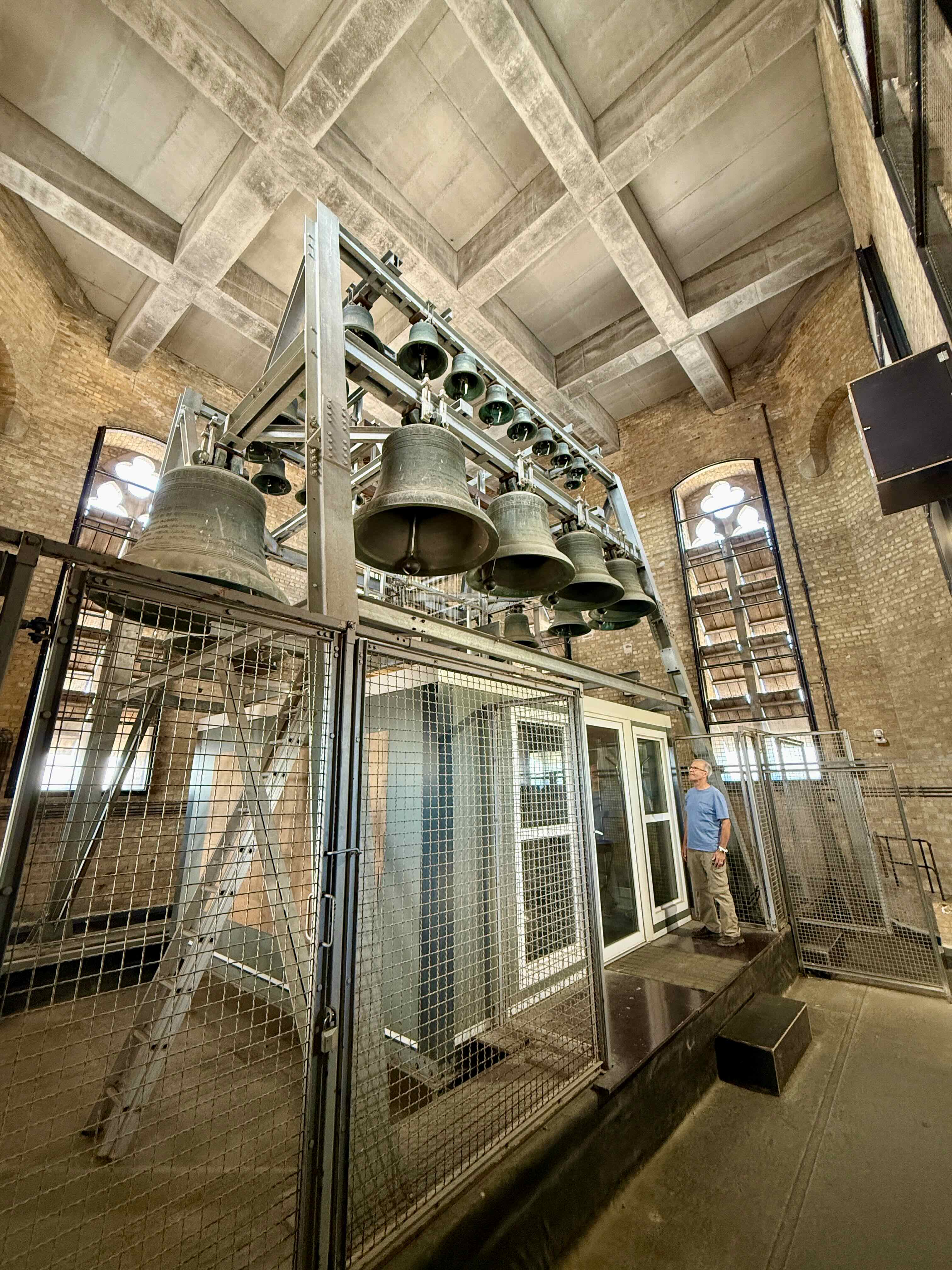
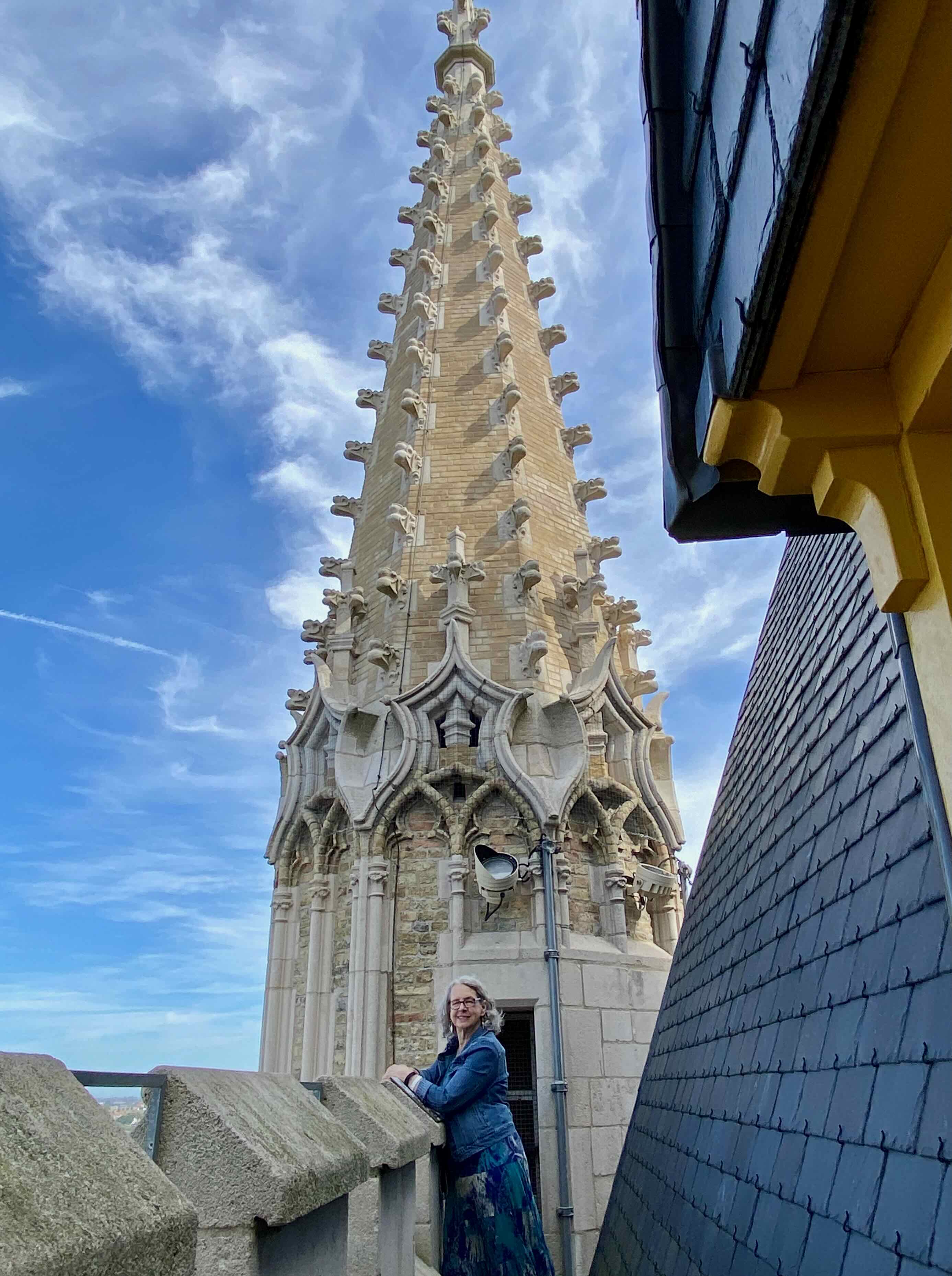
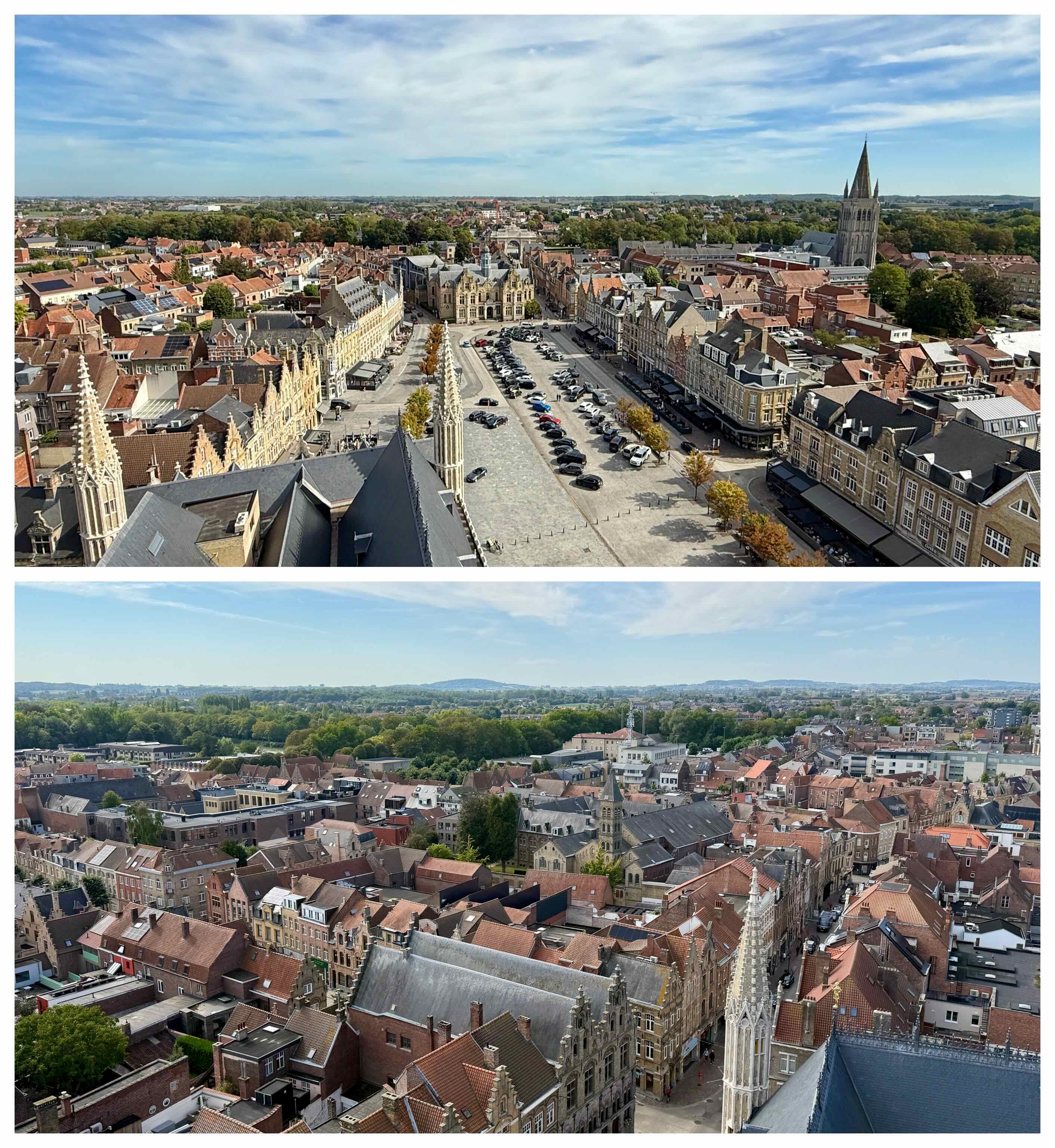
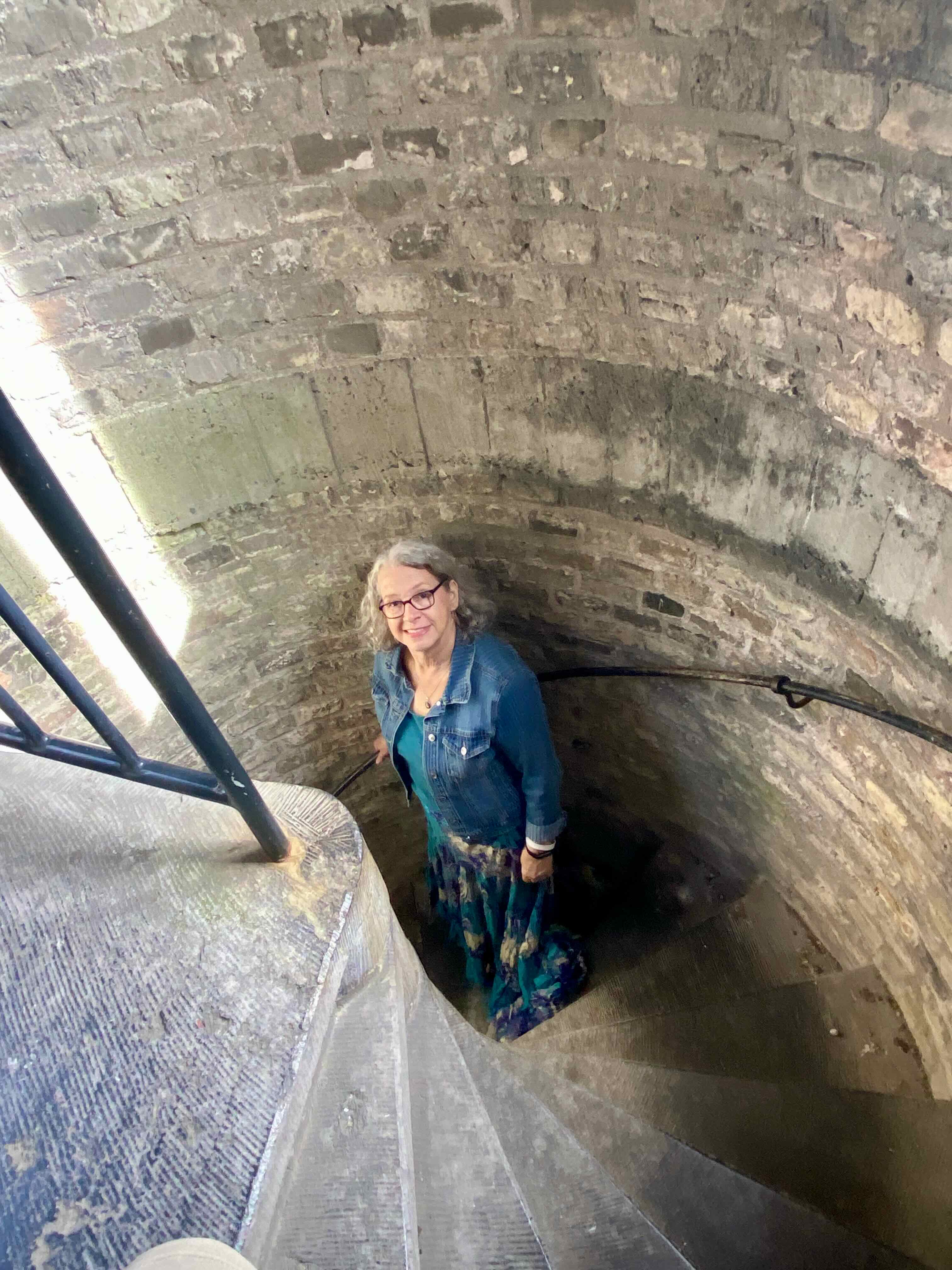
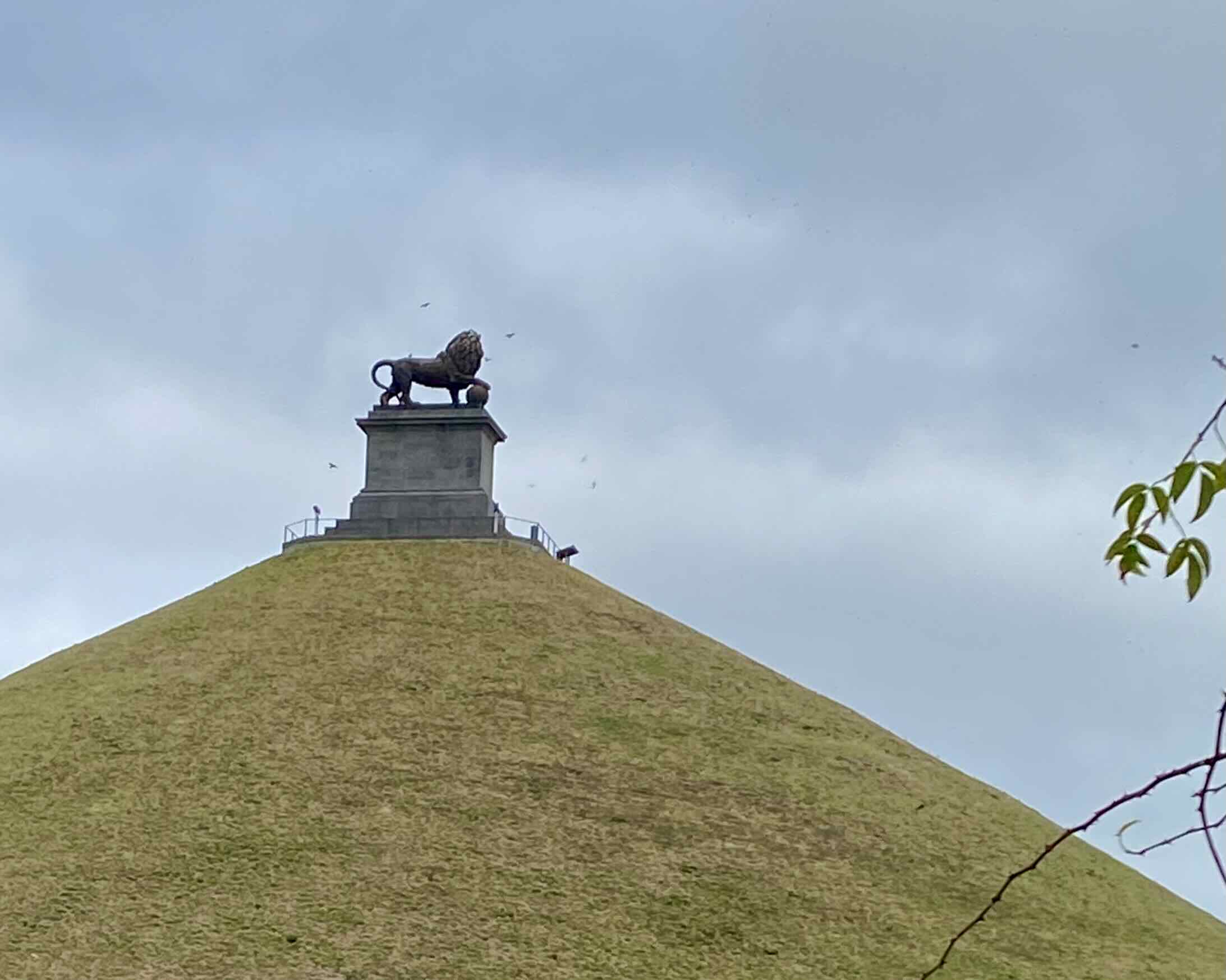
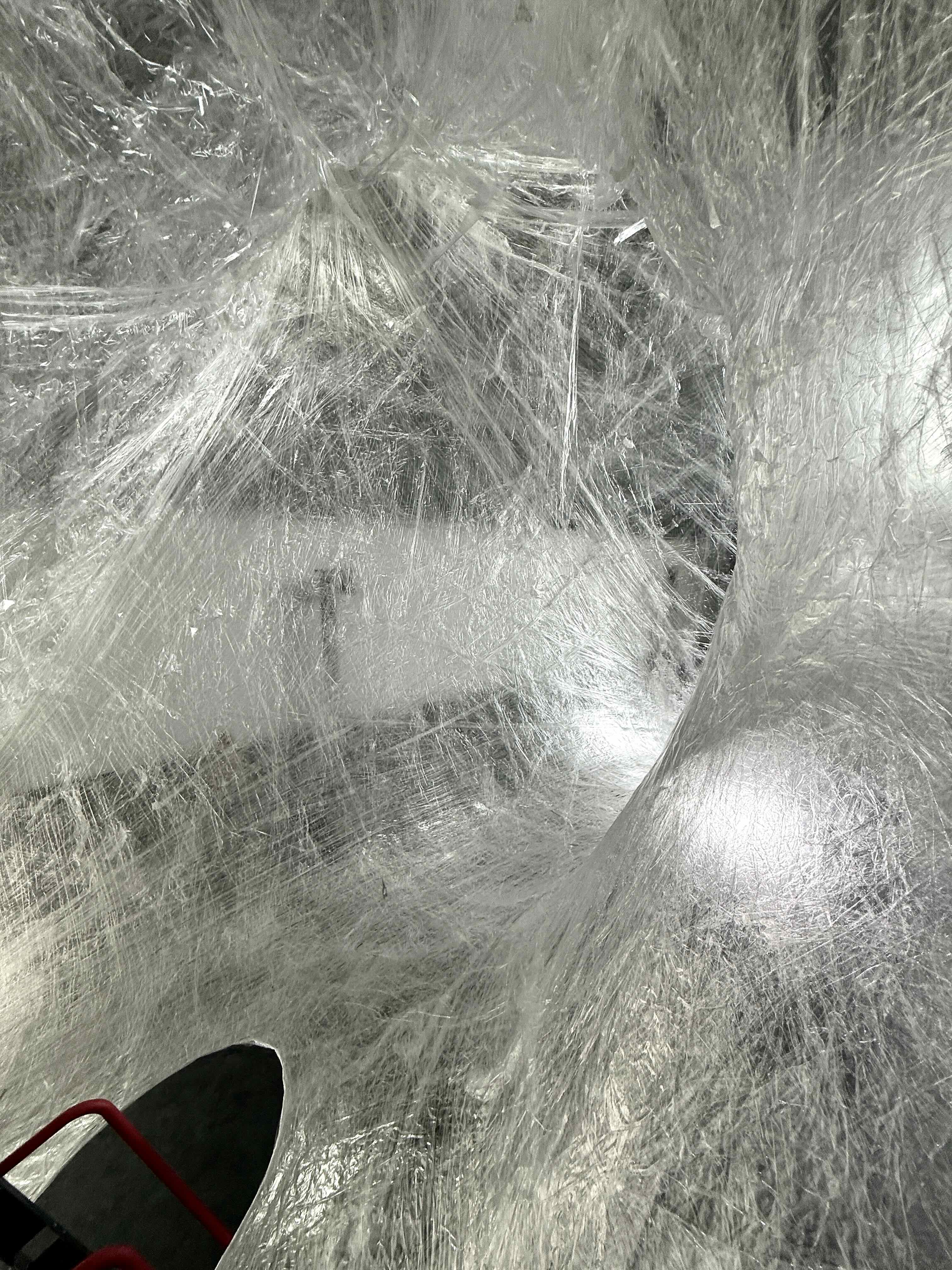 All too soon it is time to climb down. This was such fun.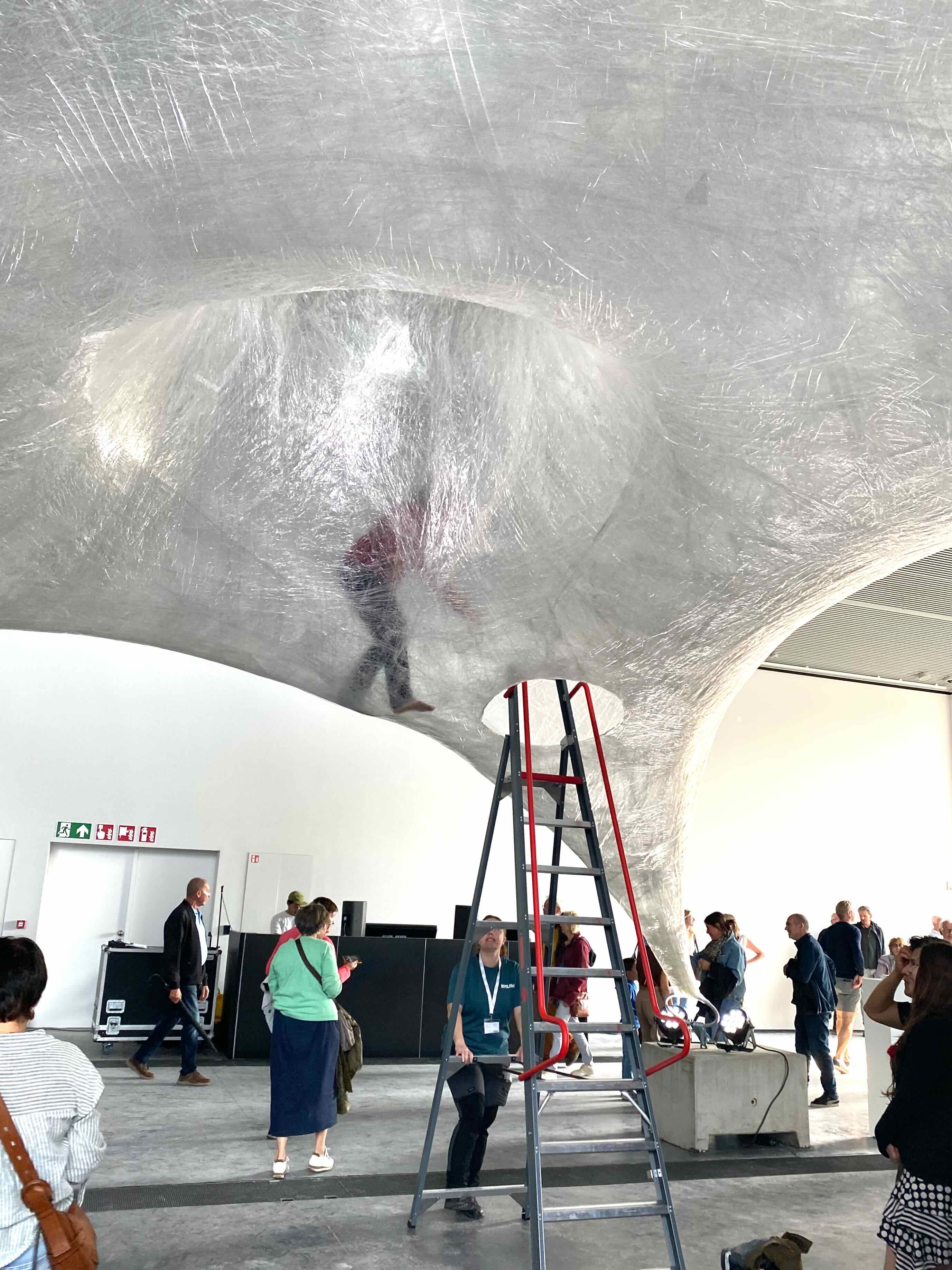
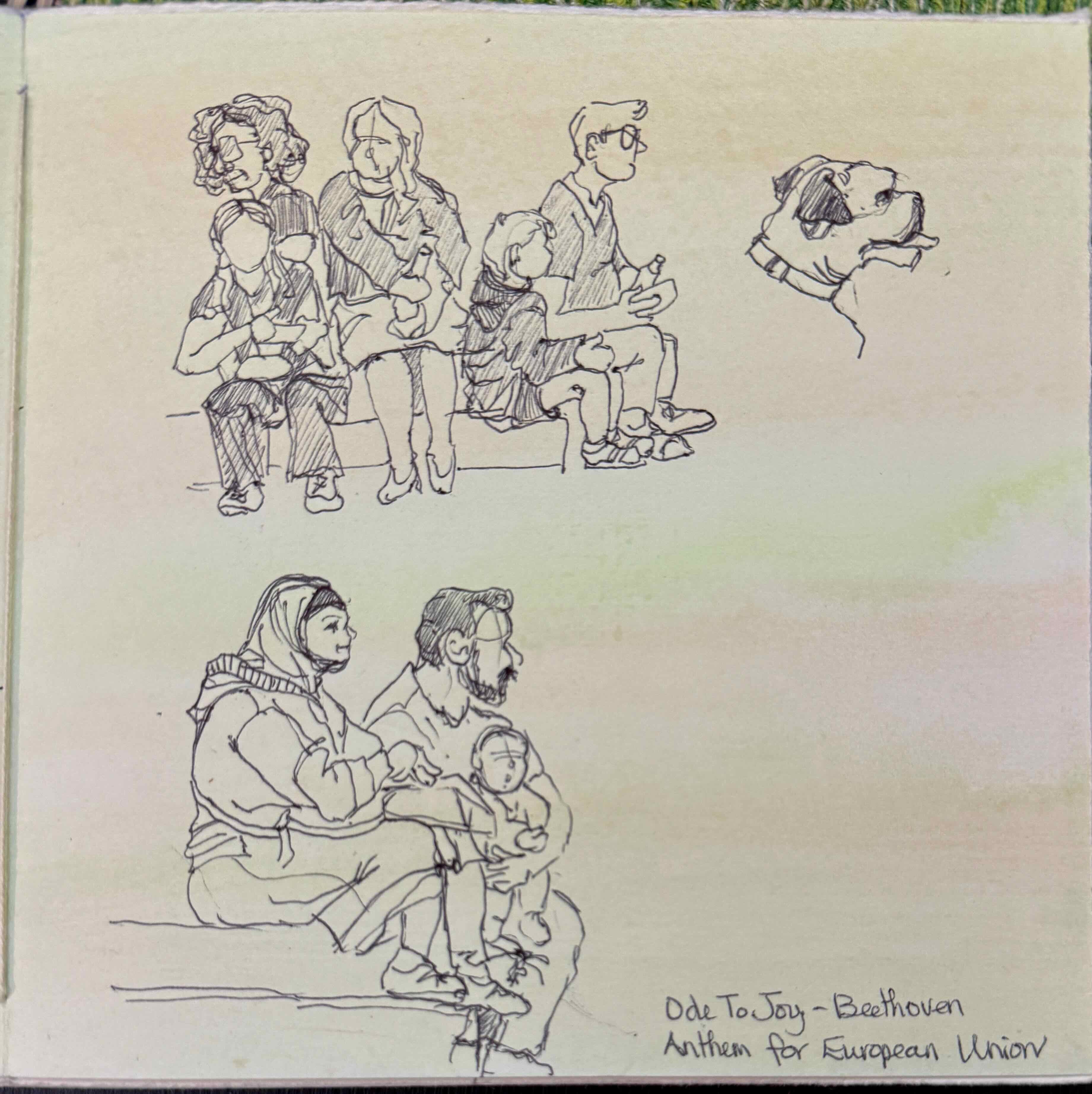
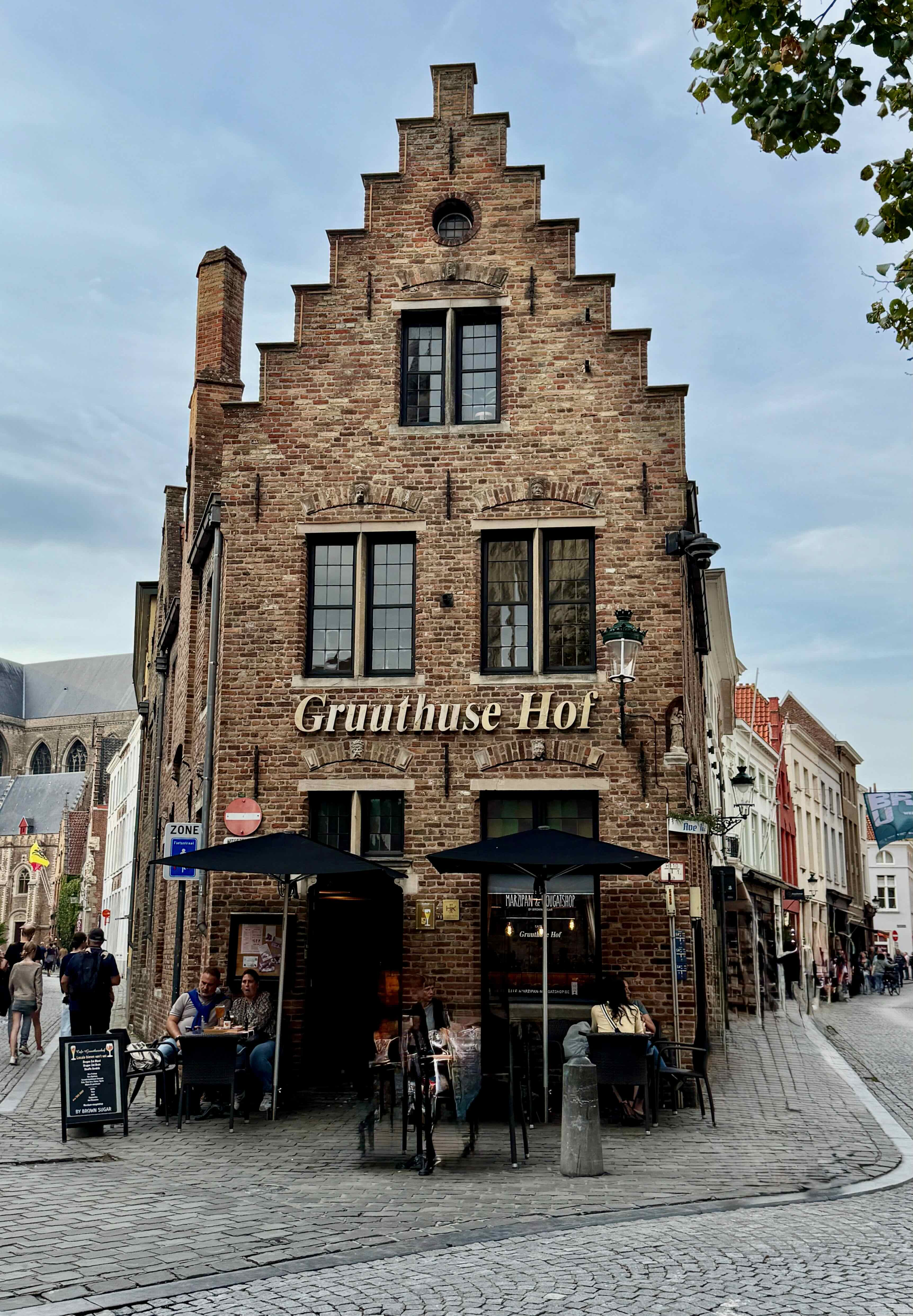
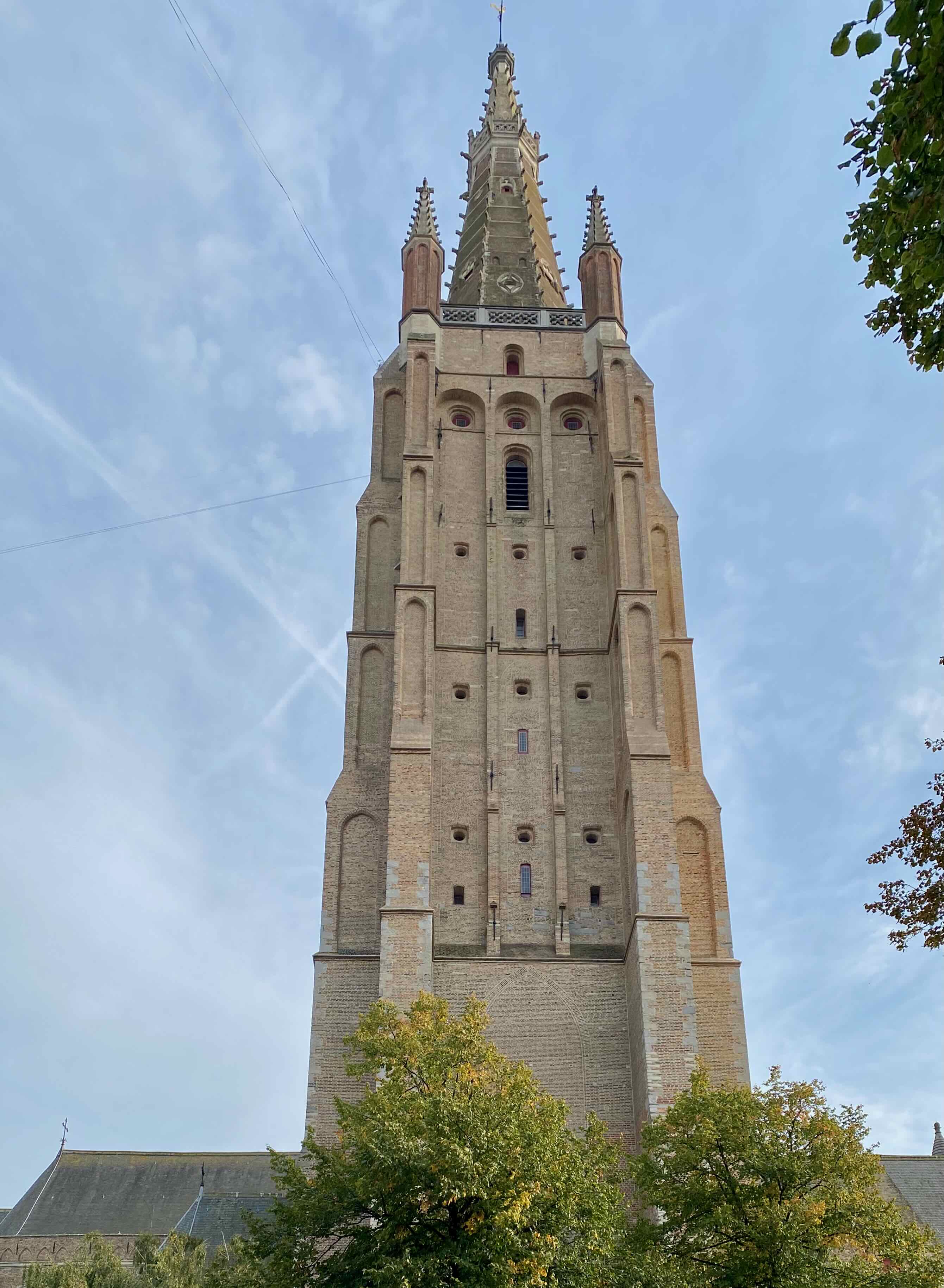

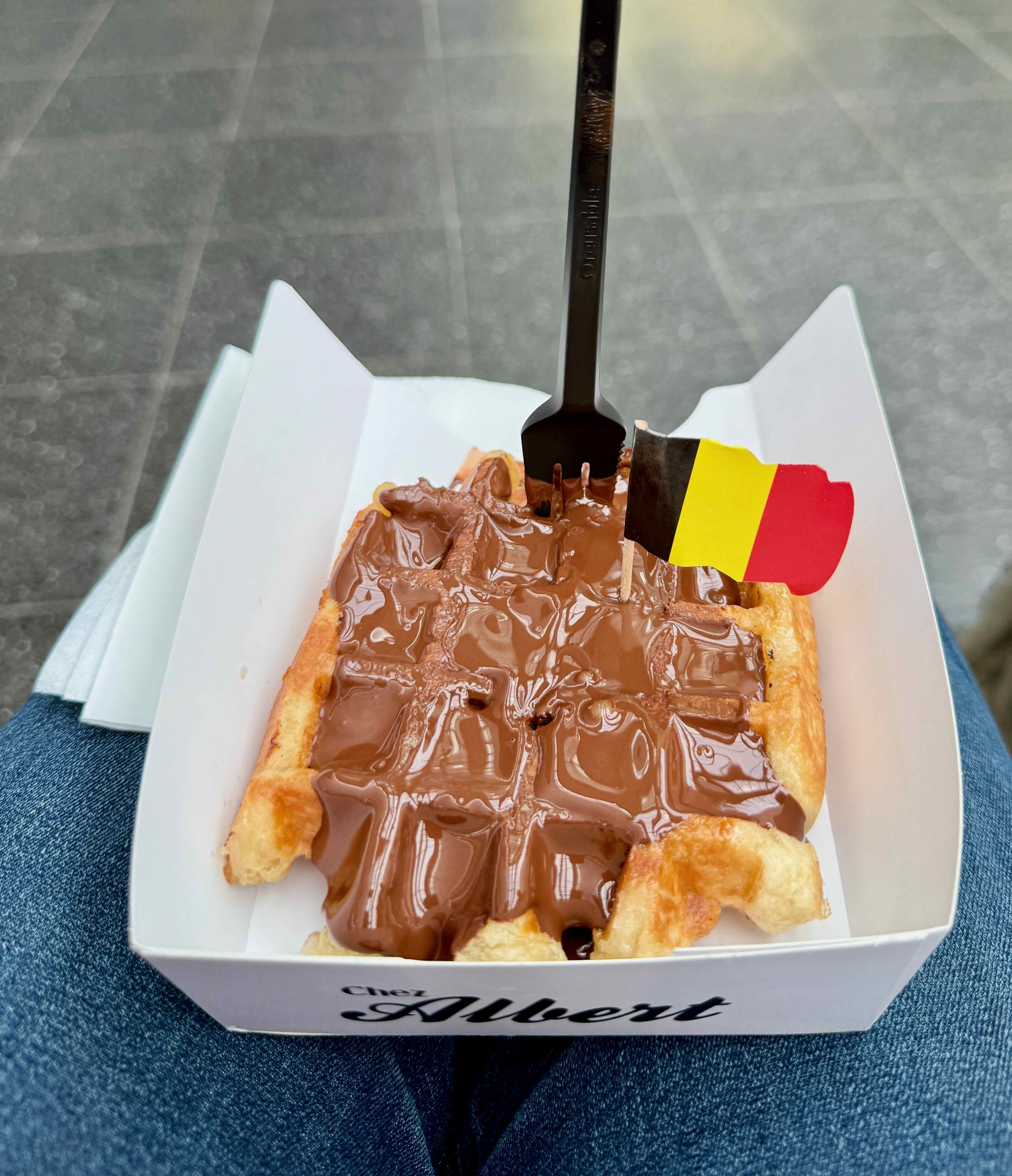
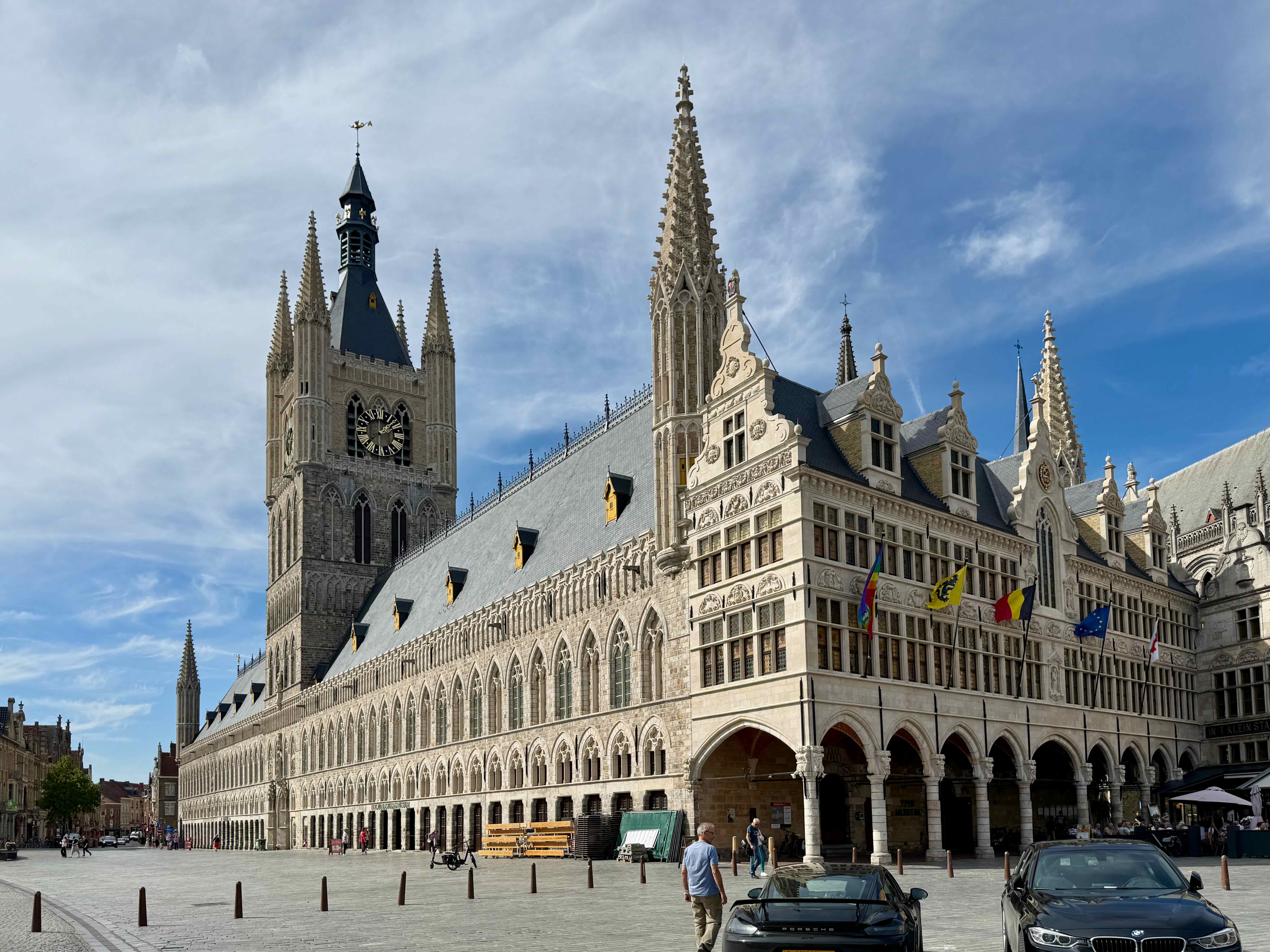
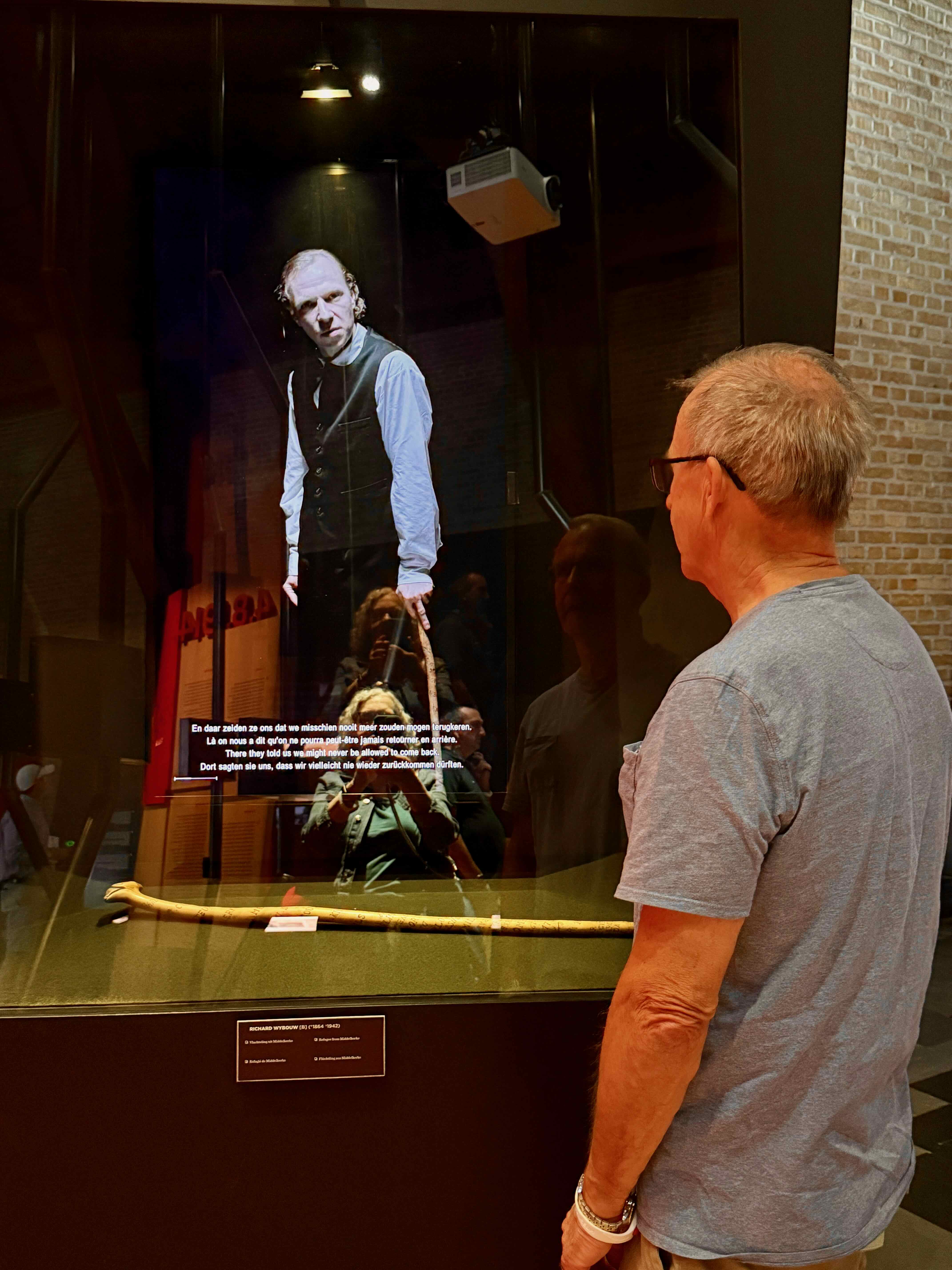
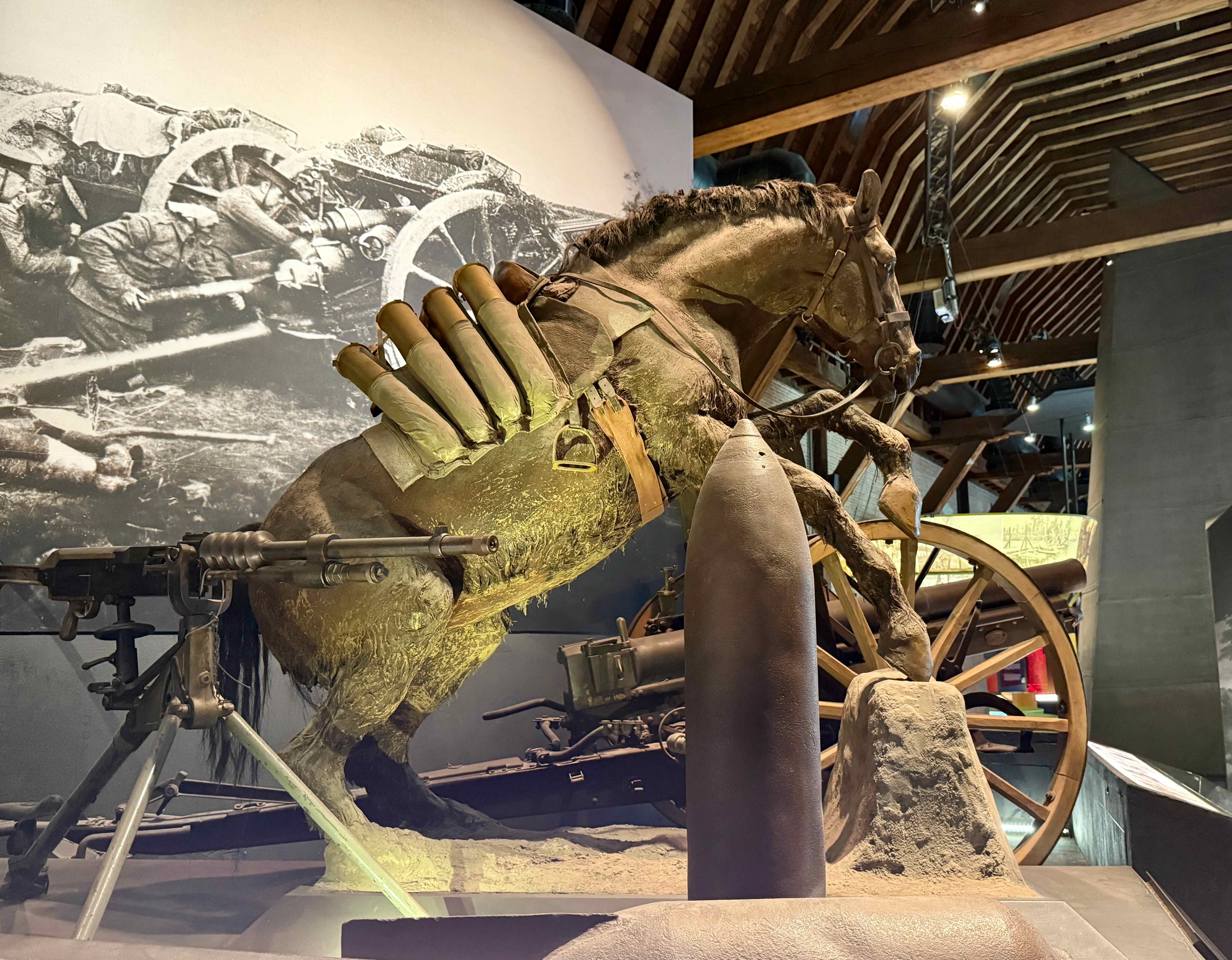

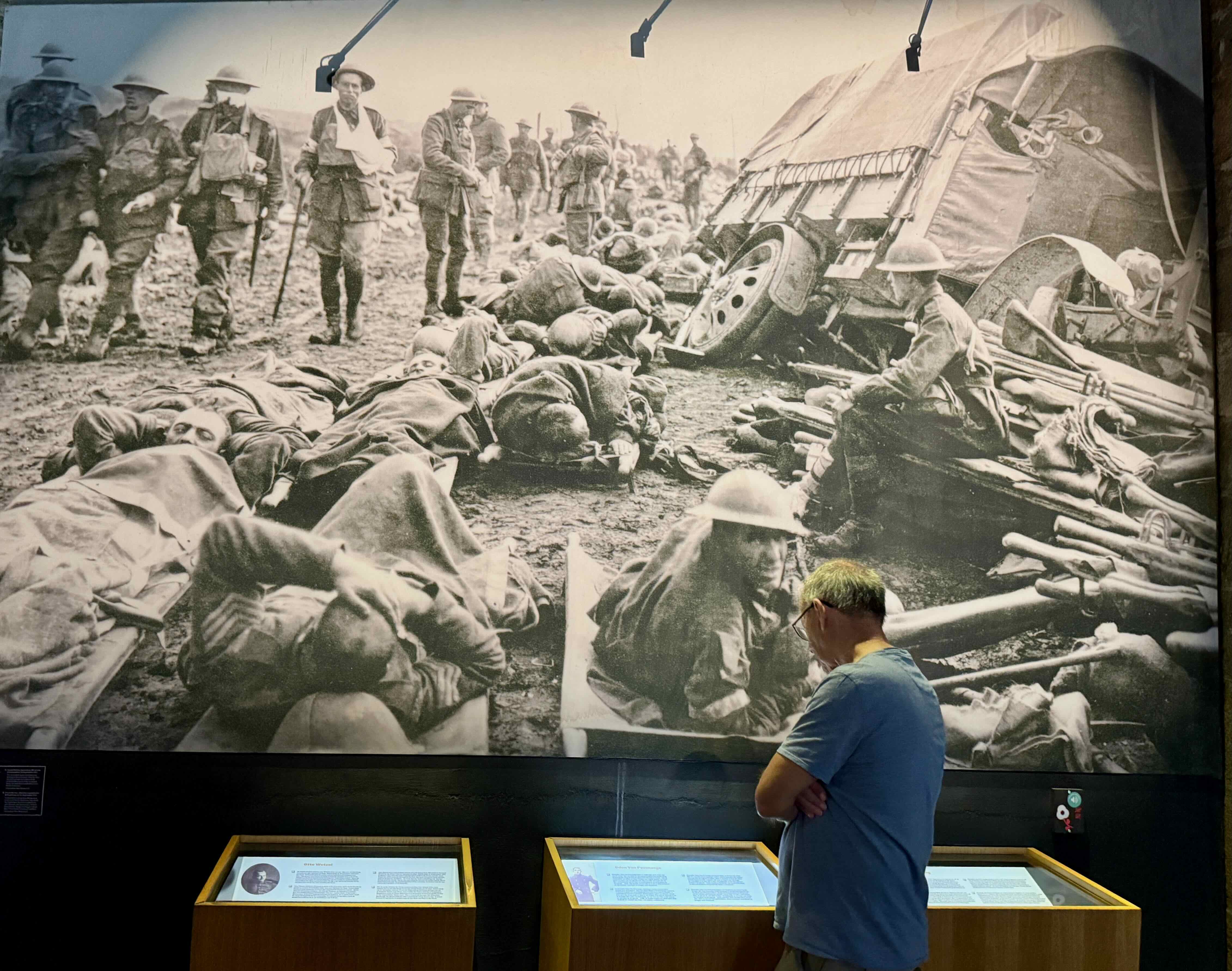
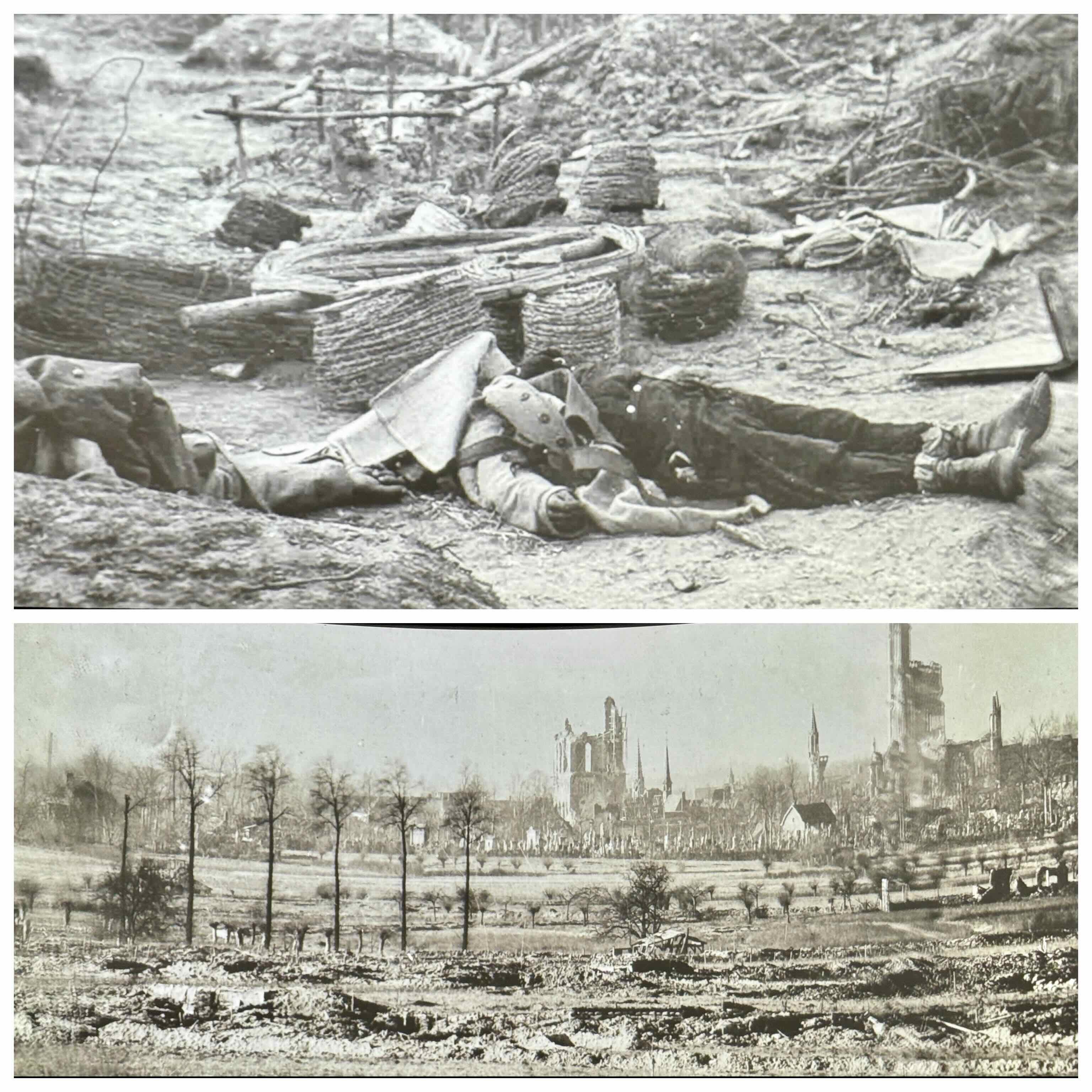

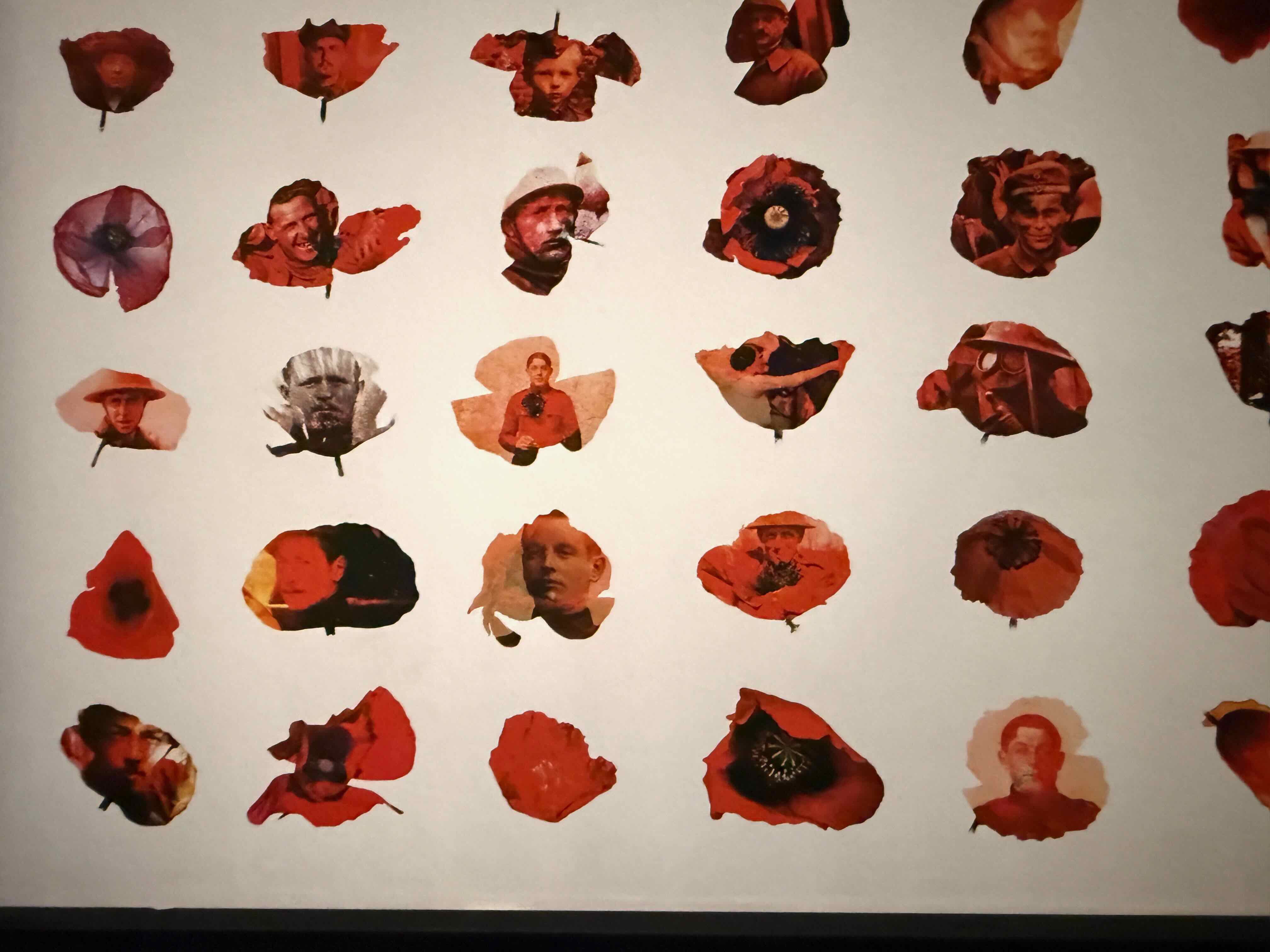
 These banners are for John McCrae’s poem “In Flanders Fields”.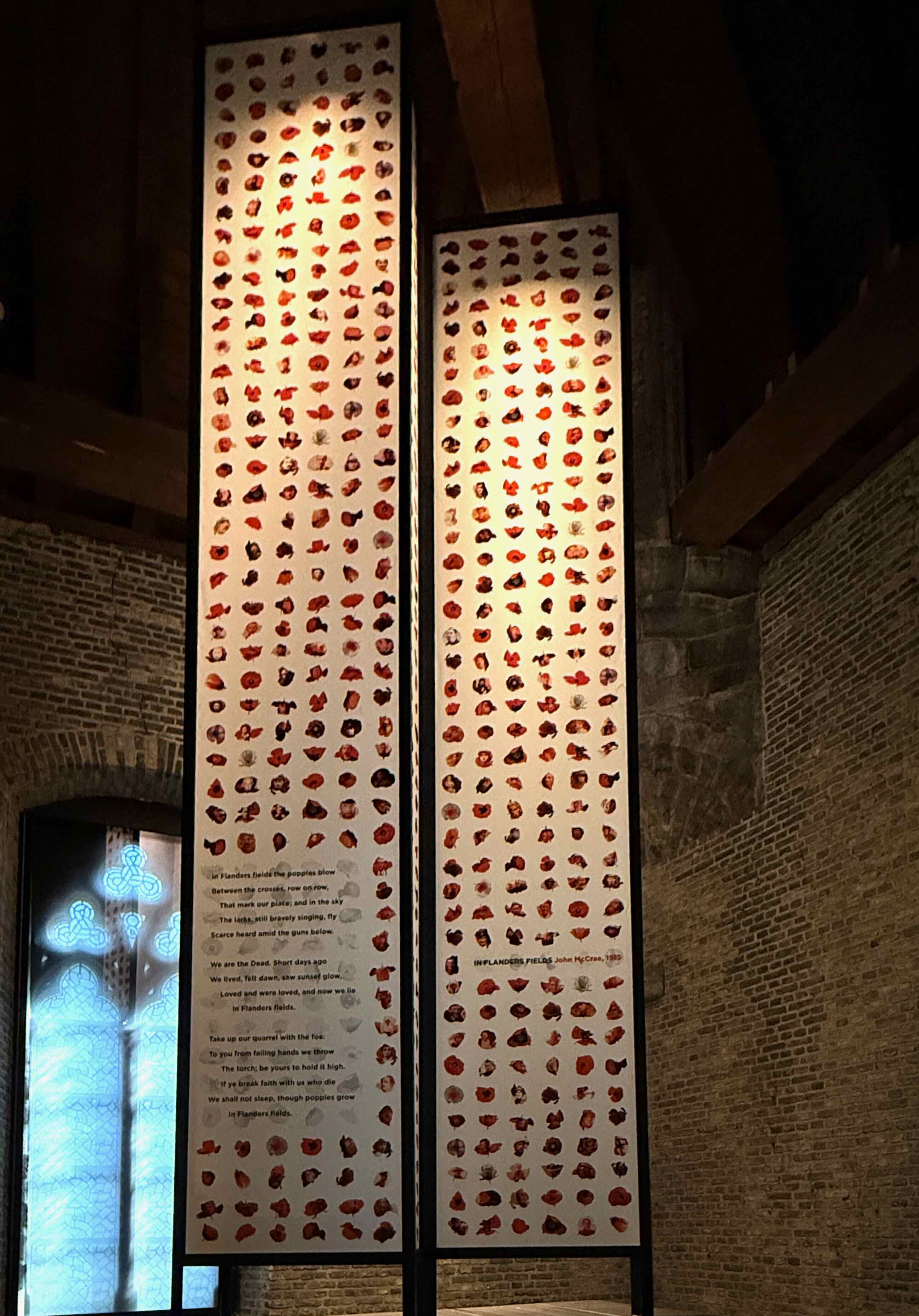
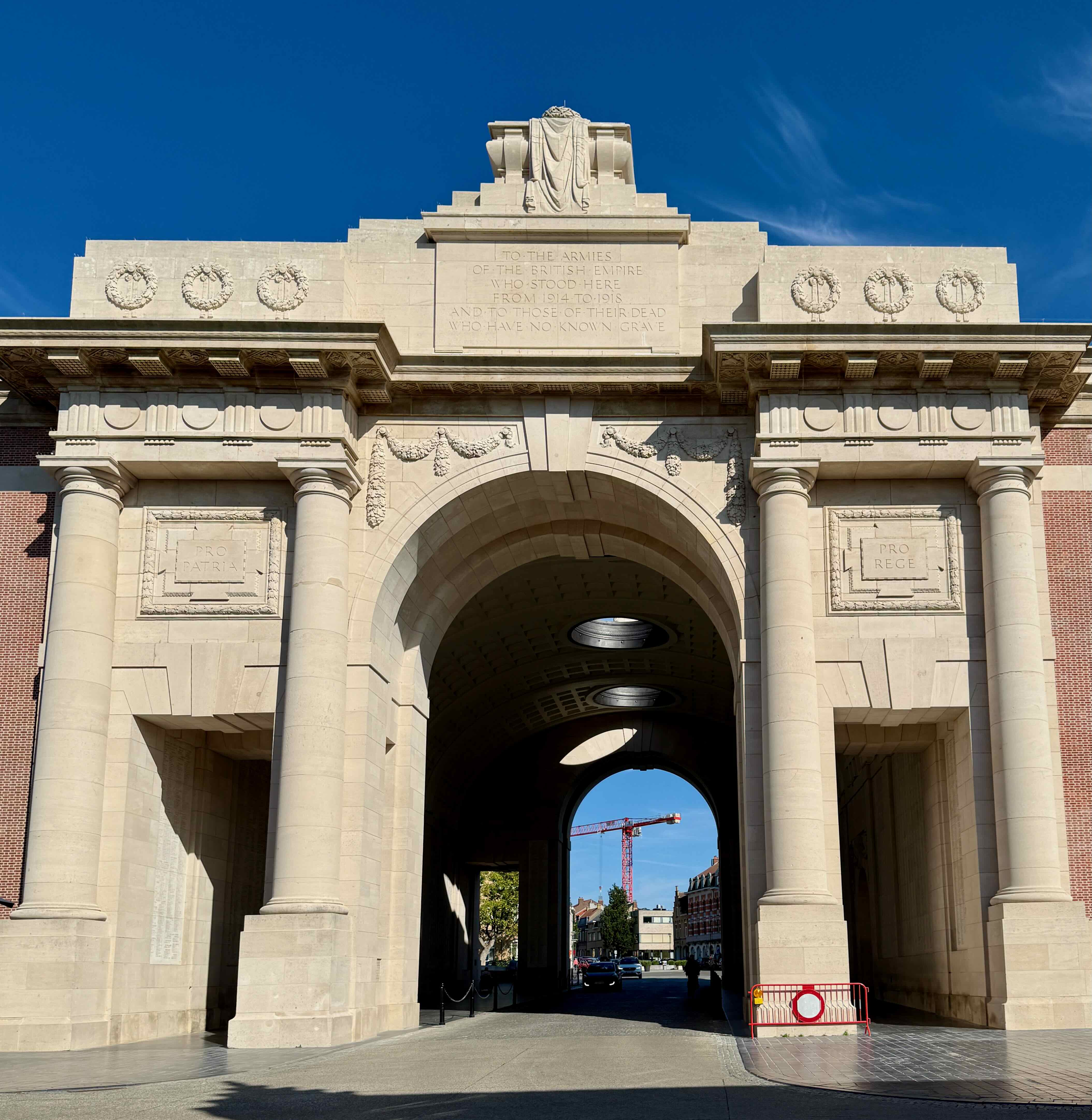
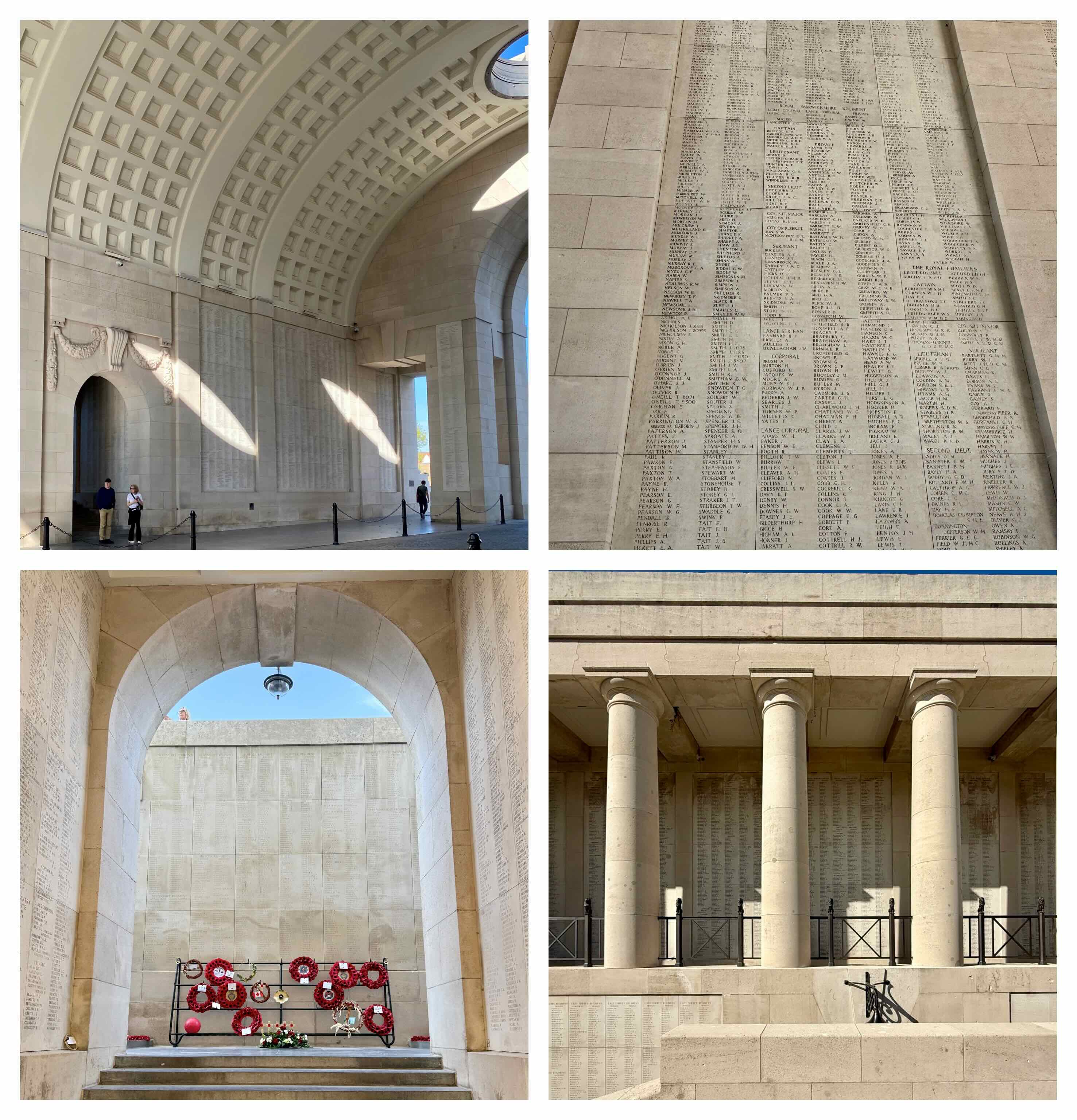
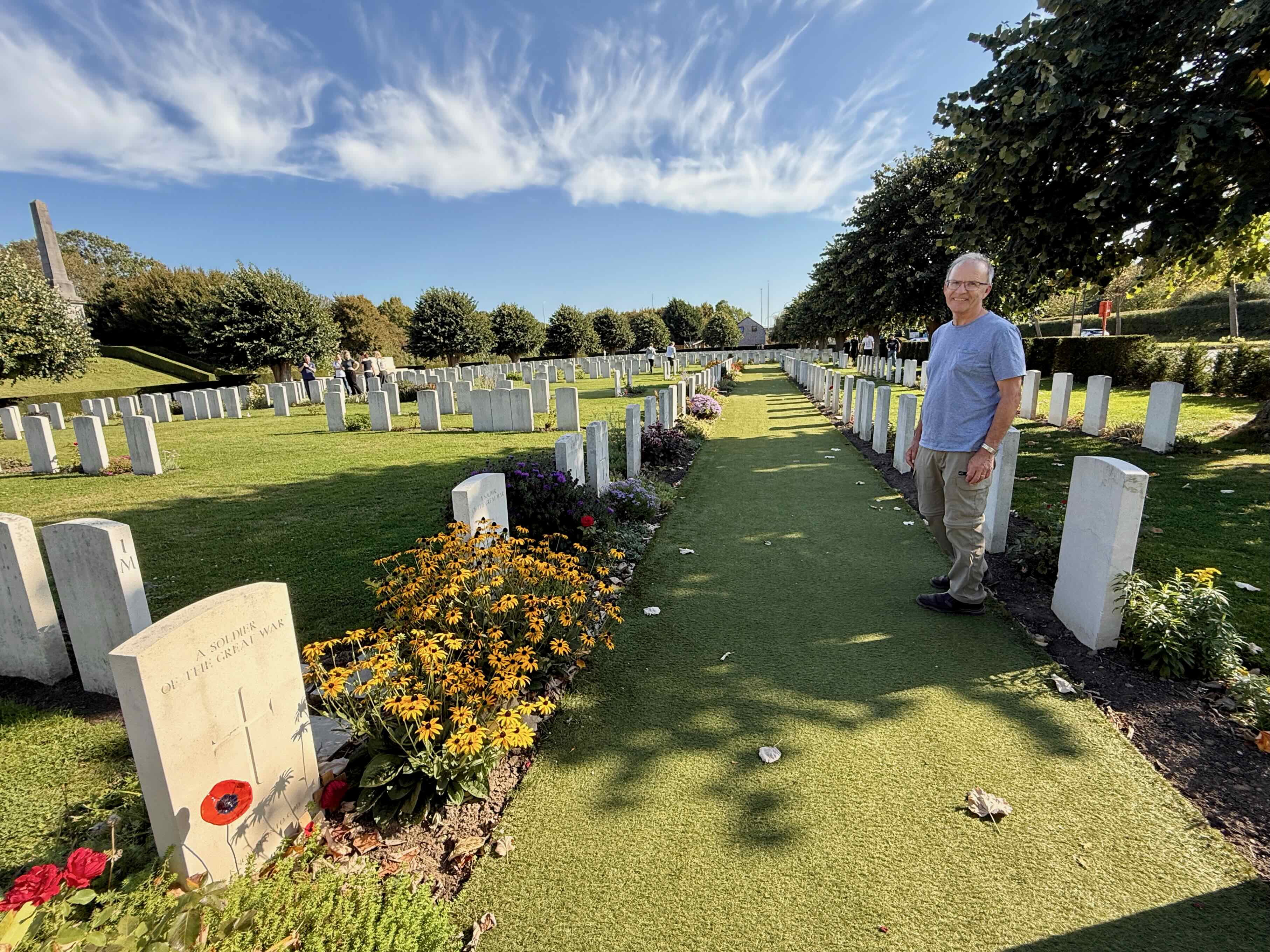 We pass some windmills on the way to the last cemetery we will visit on this trip.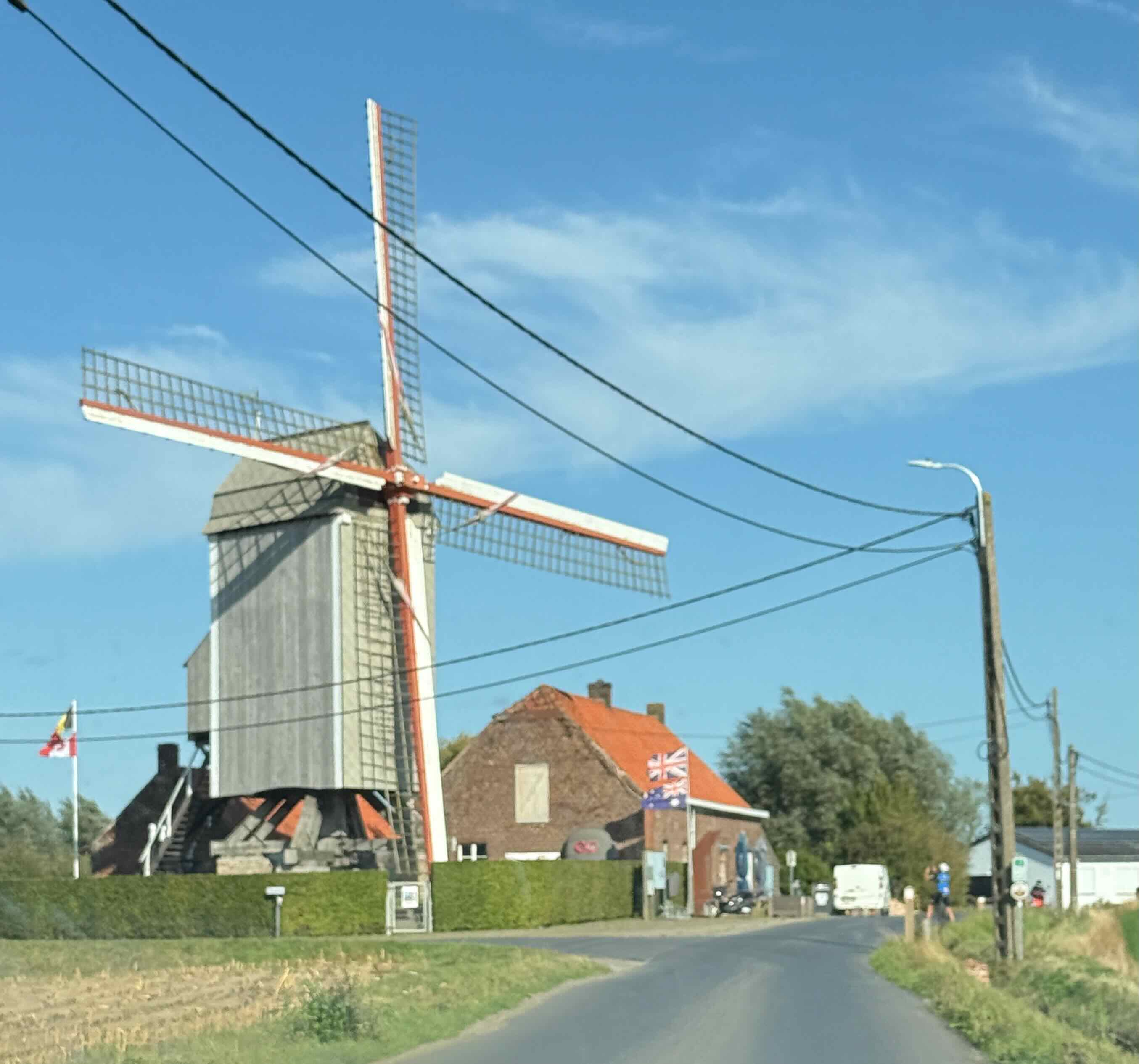
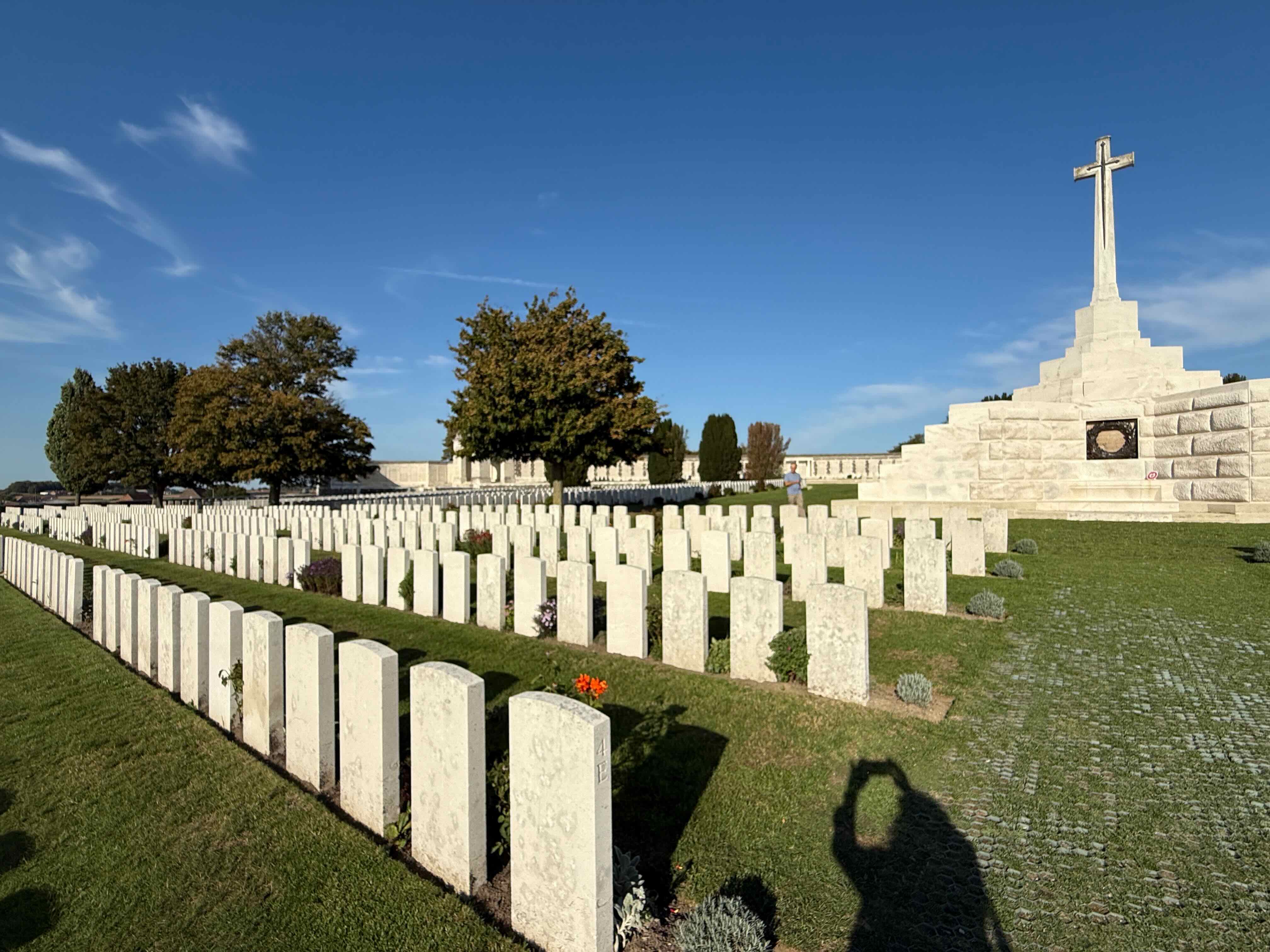
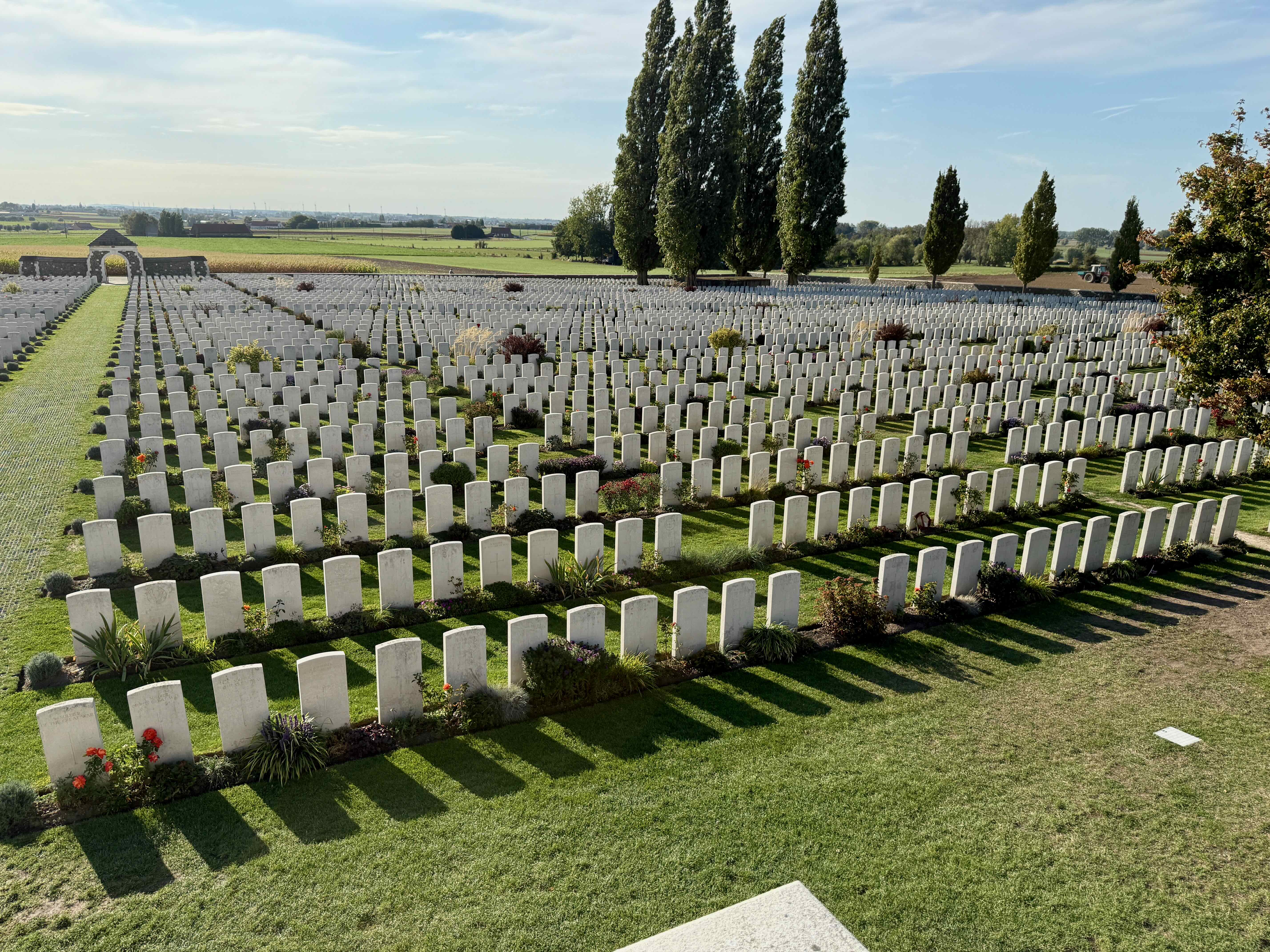
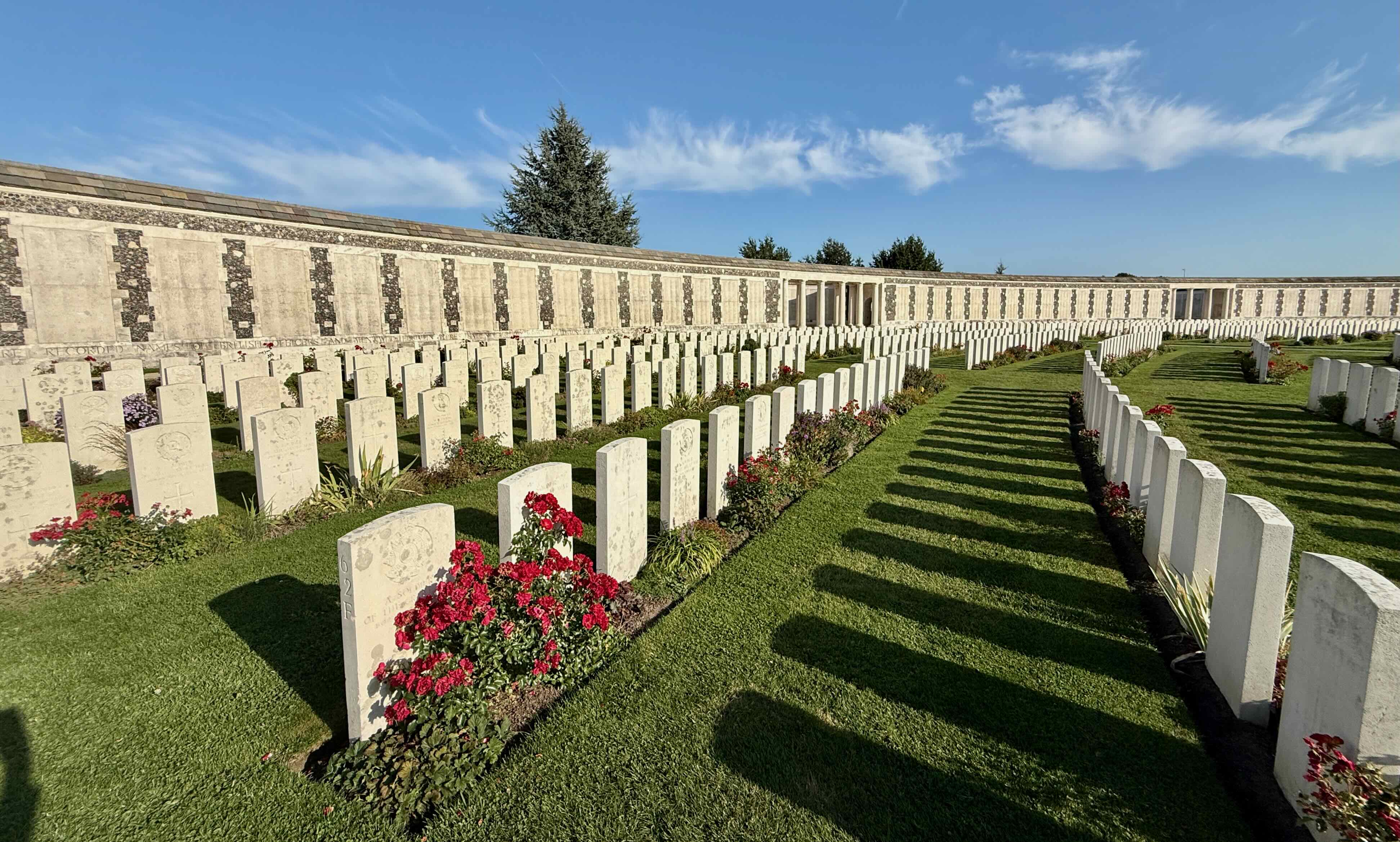 One last stop at the Canadian Memorial which commemorates the actions and sacrifices of the Canadian Corps during the First World War’s Battle of Passchendaele.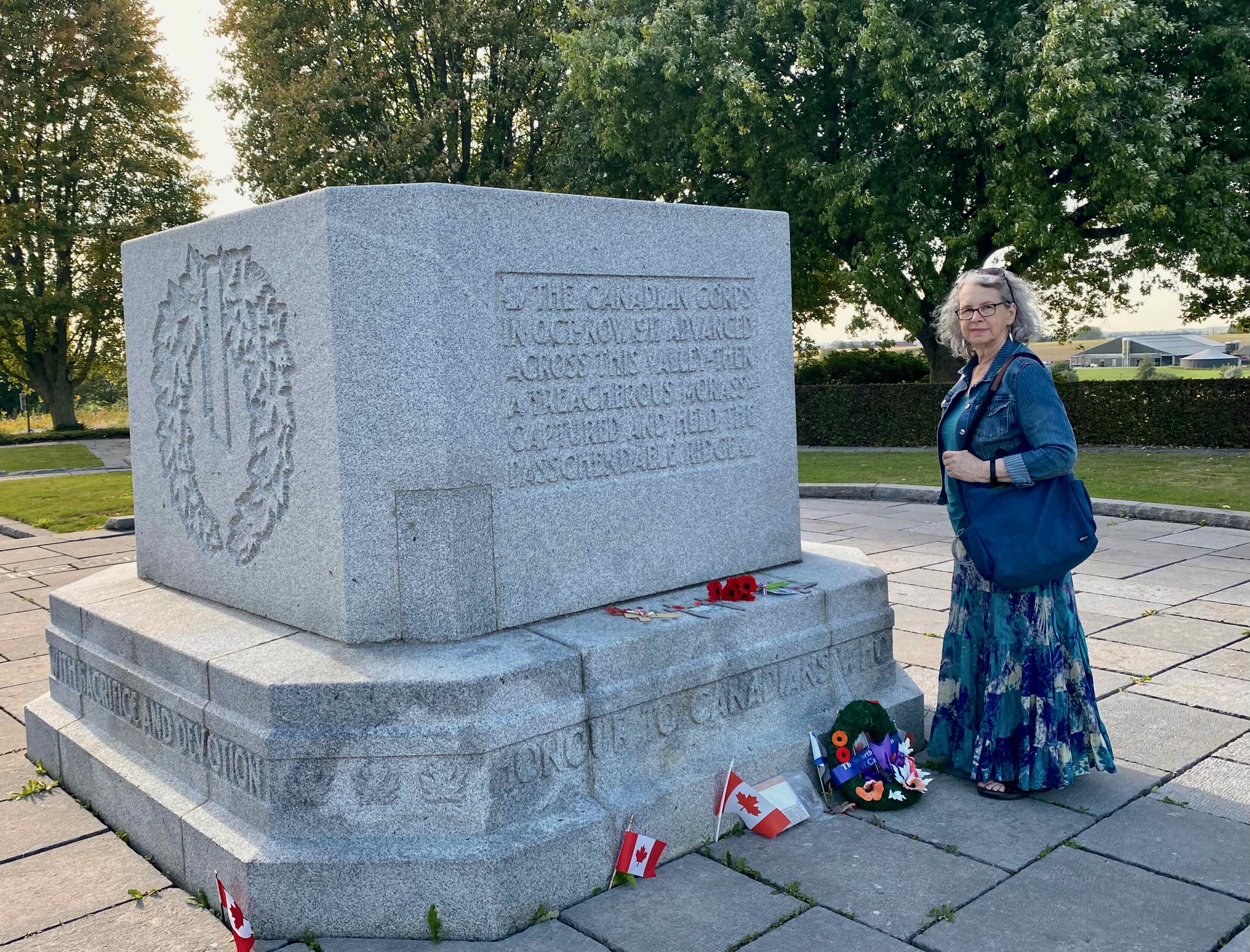
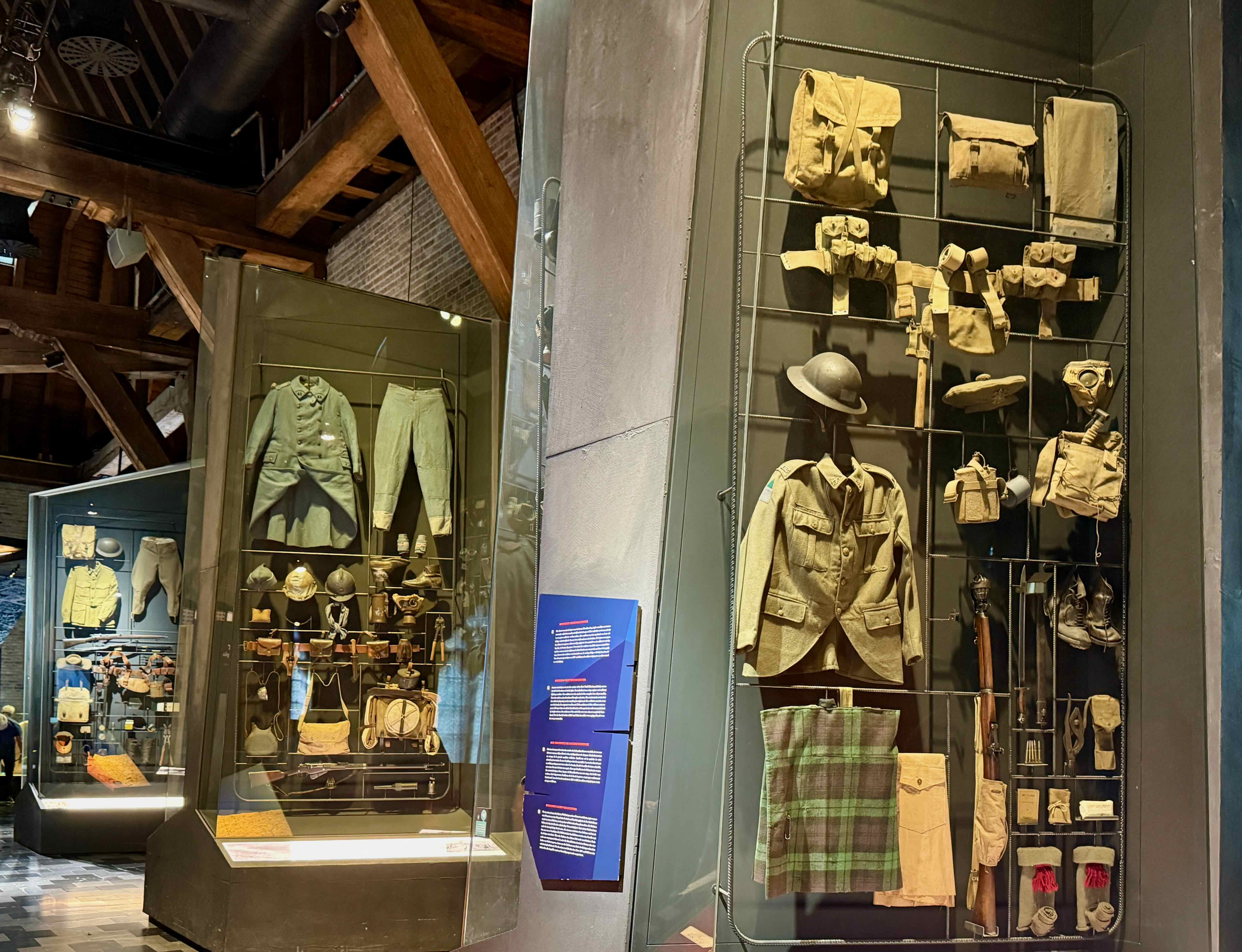
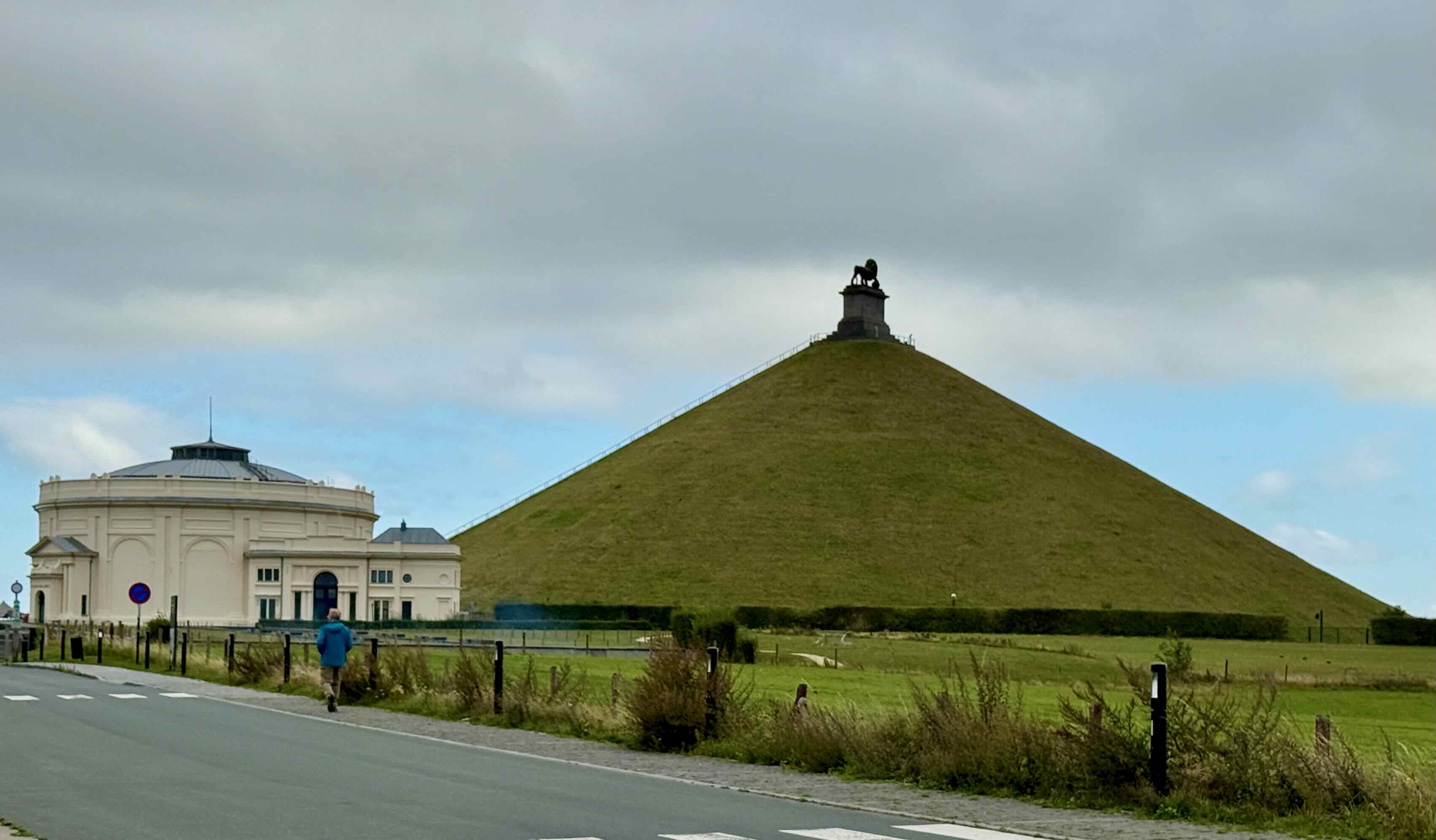
 The Wellington Museum was easy to find and there was free parking nearby. The museum is located in the building that the British Duke of Wellington used as his headquarters when he defeated Napoleon at Waterloo in1815. The soldiers uniforms displayed are, from left to right, the French Carabiniers, the British Light Dragoons and the British 8th Hussars.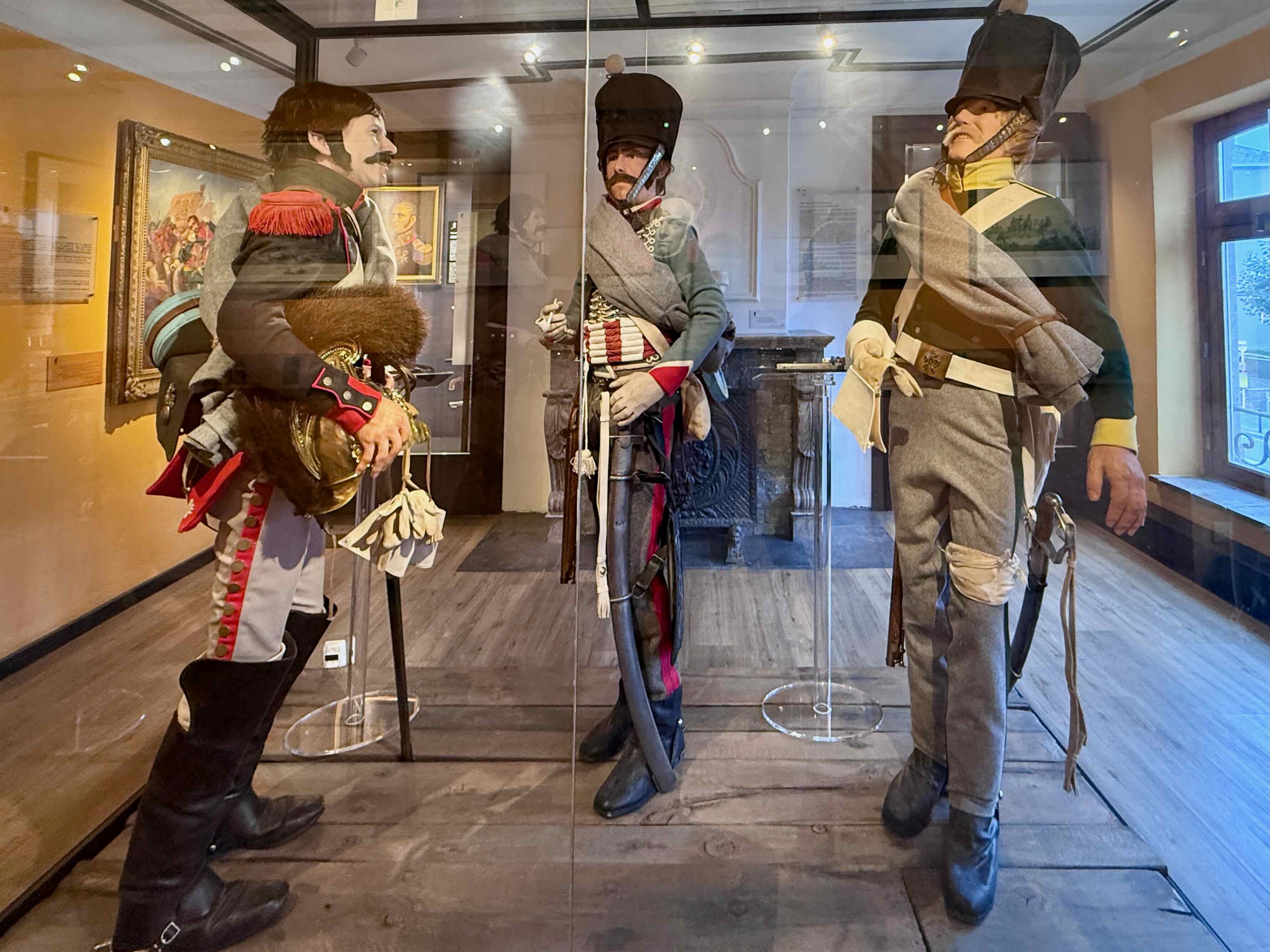
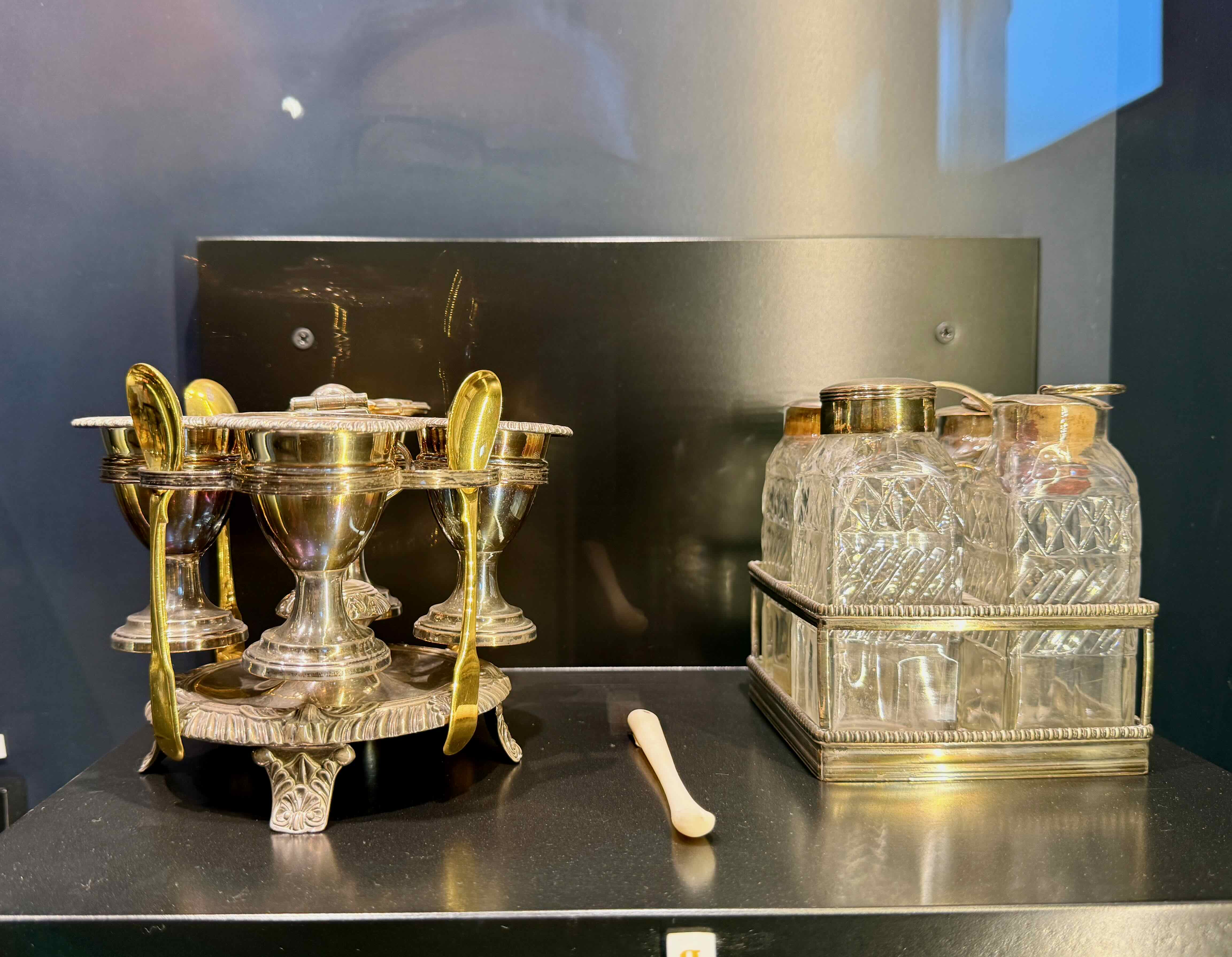
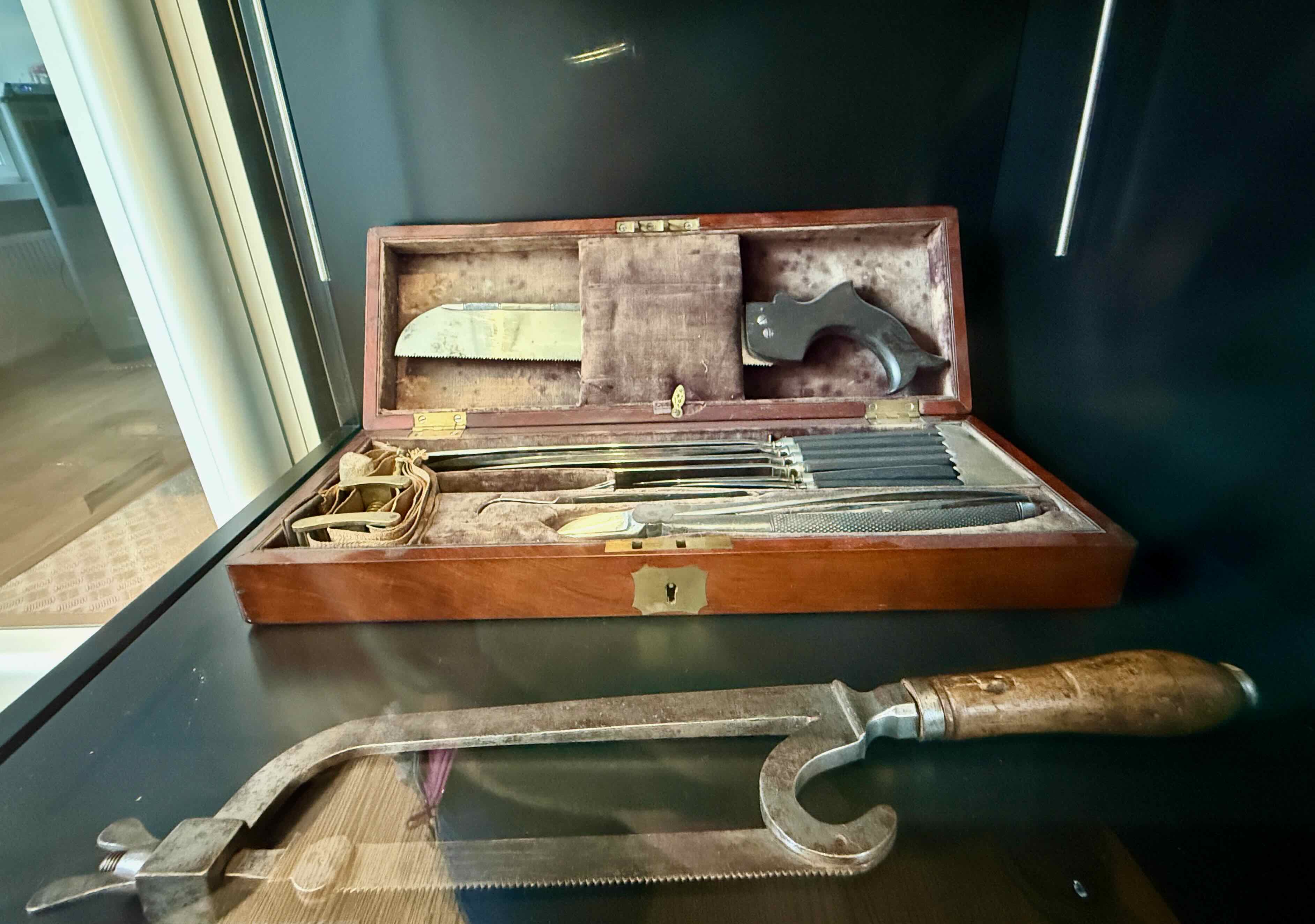
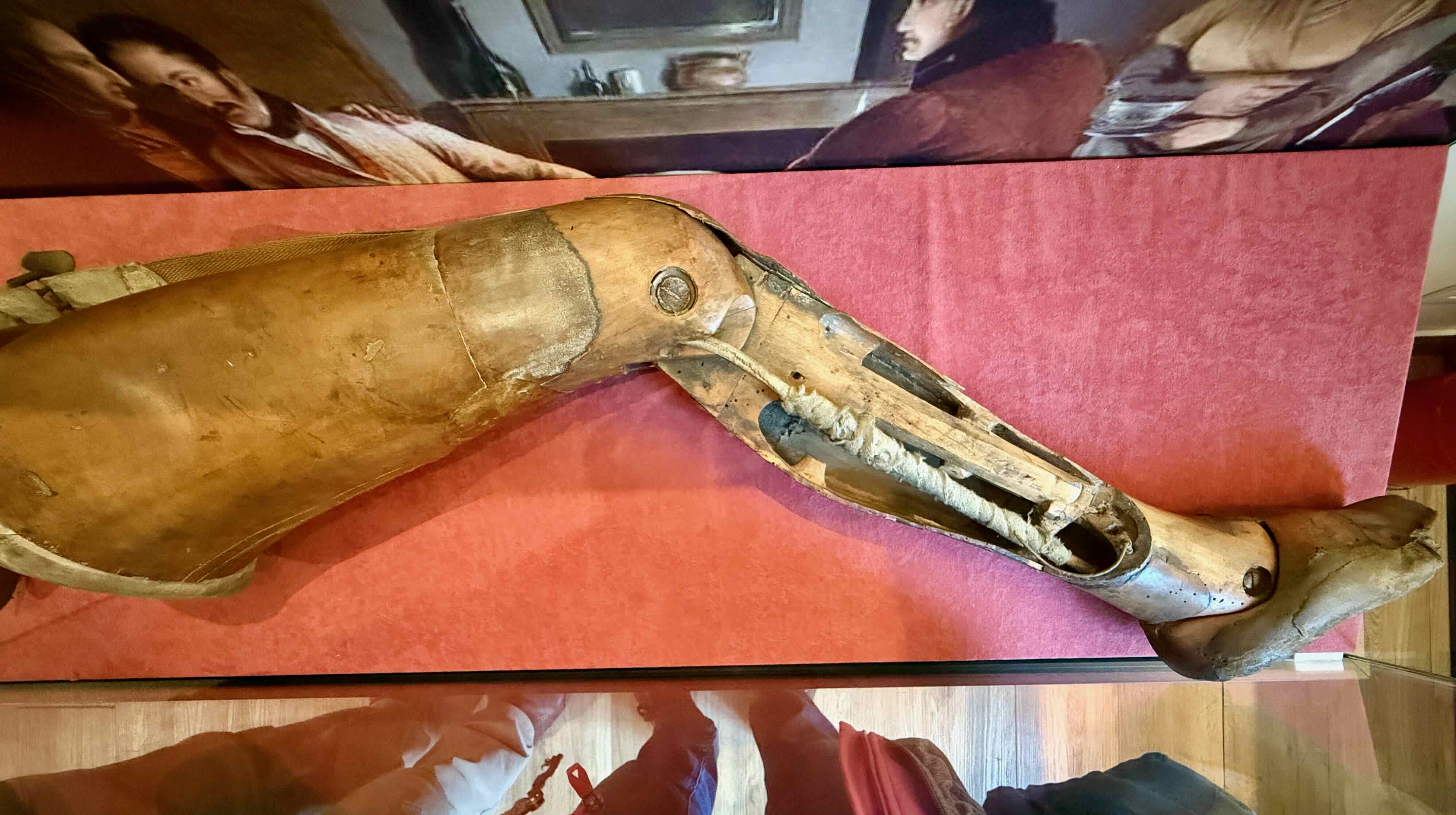

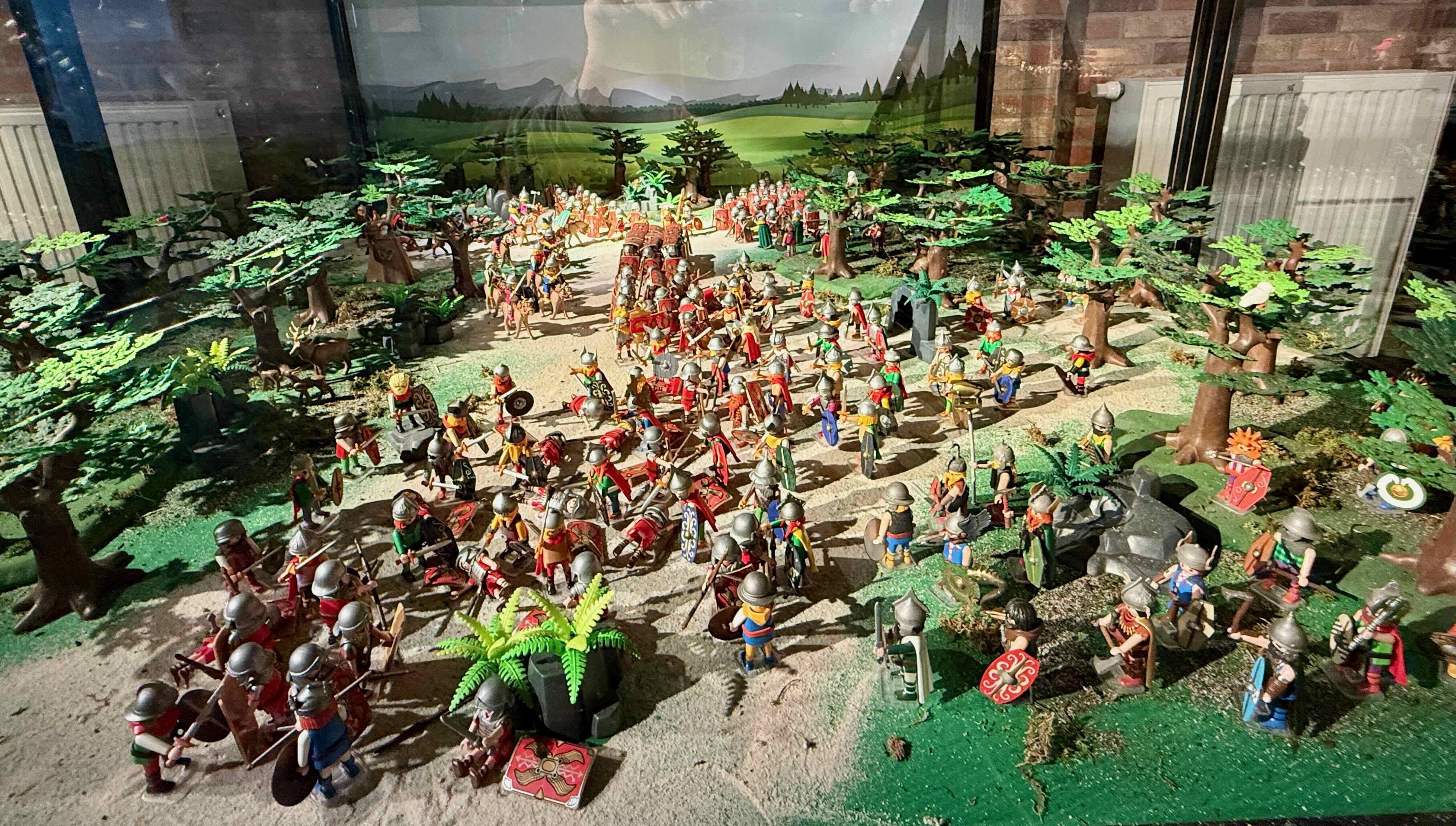 Rome’s first race course built in 599 B.C.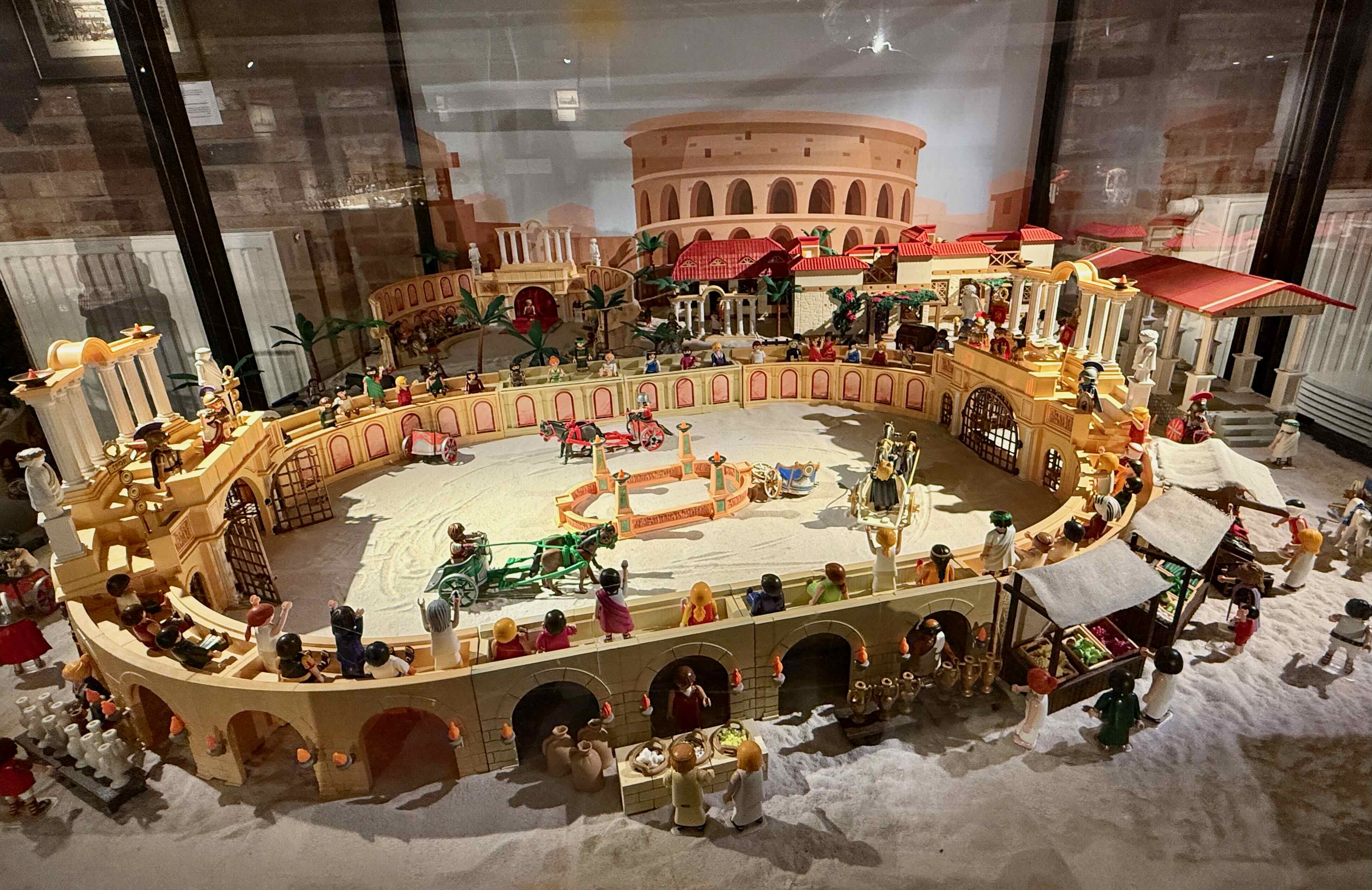
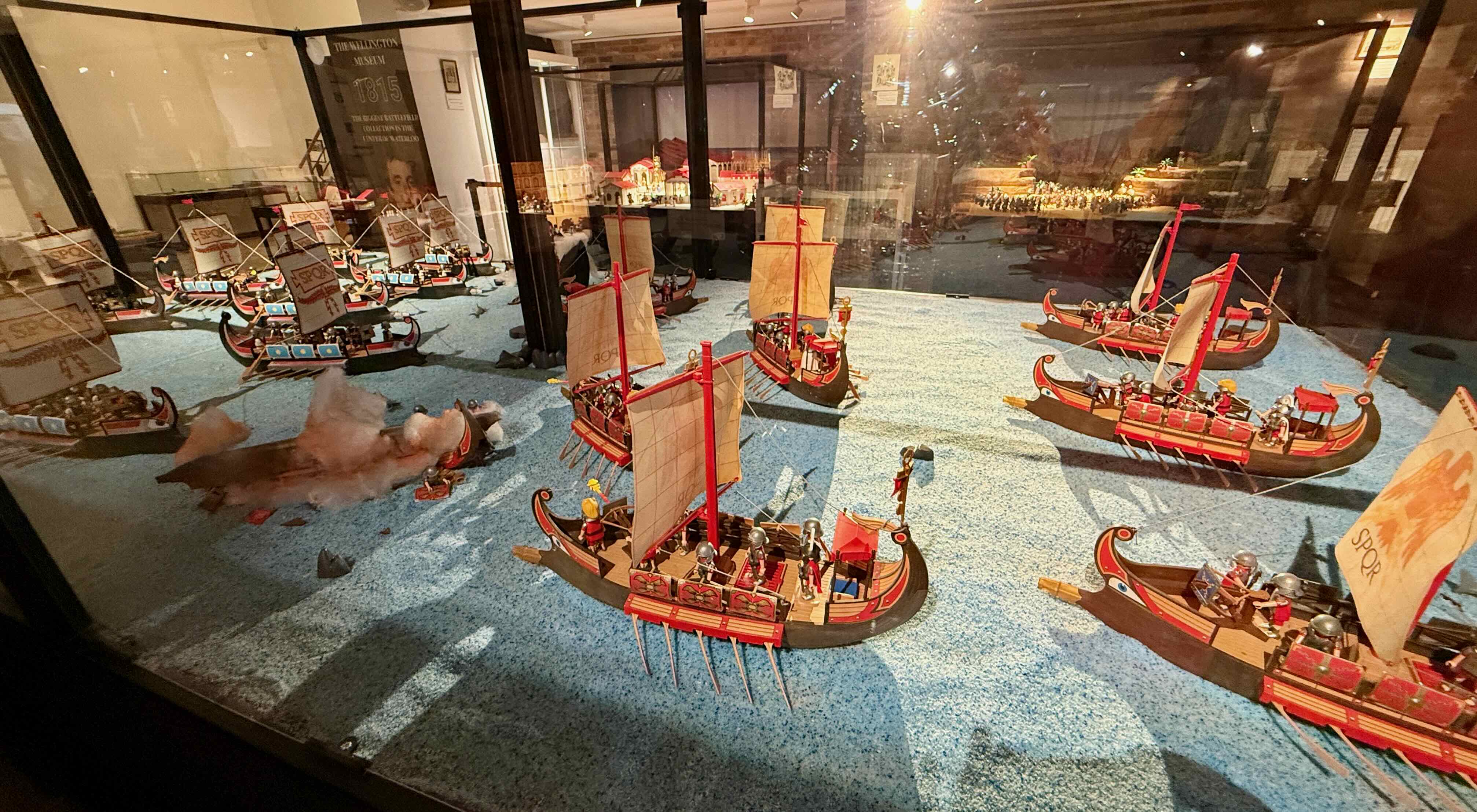
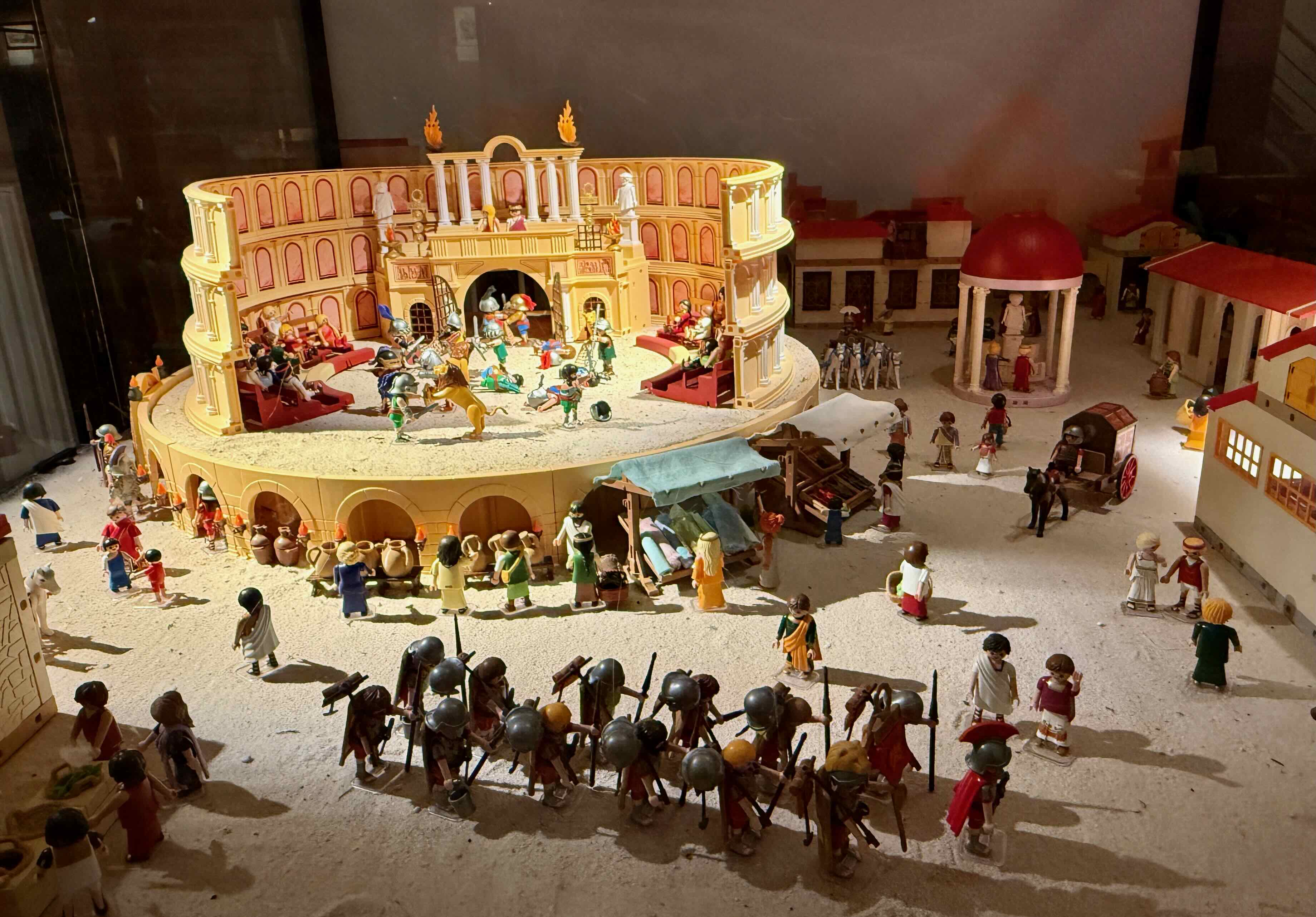 This very old St. Joseph Church from 1690 is right across the street so we had a look.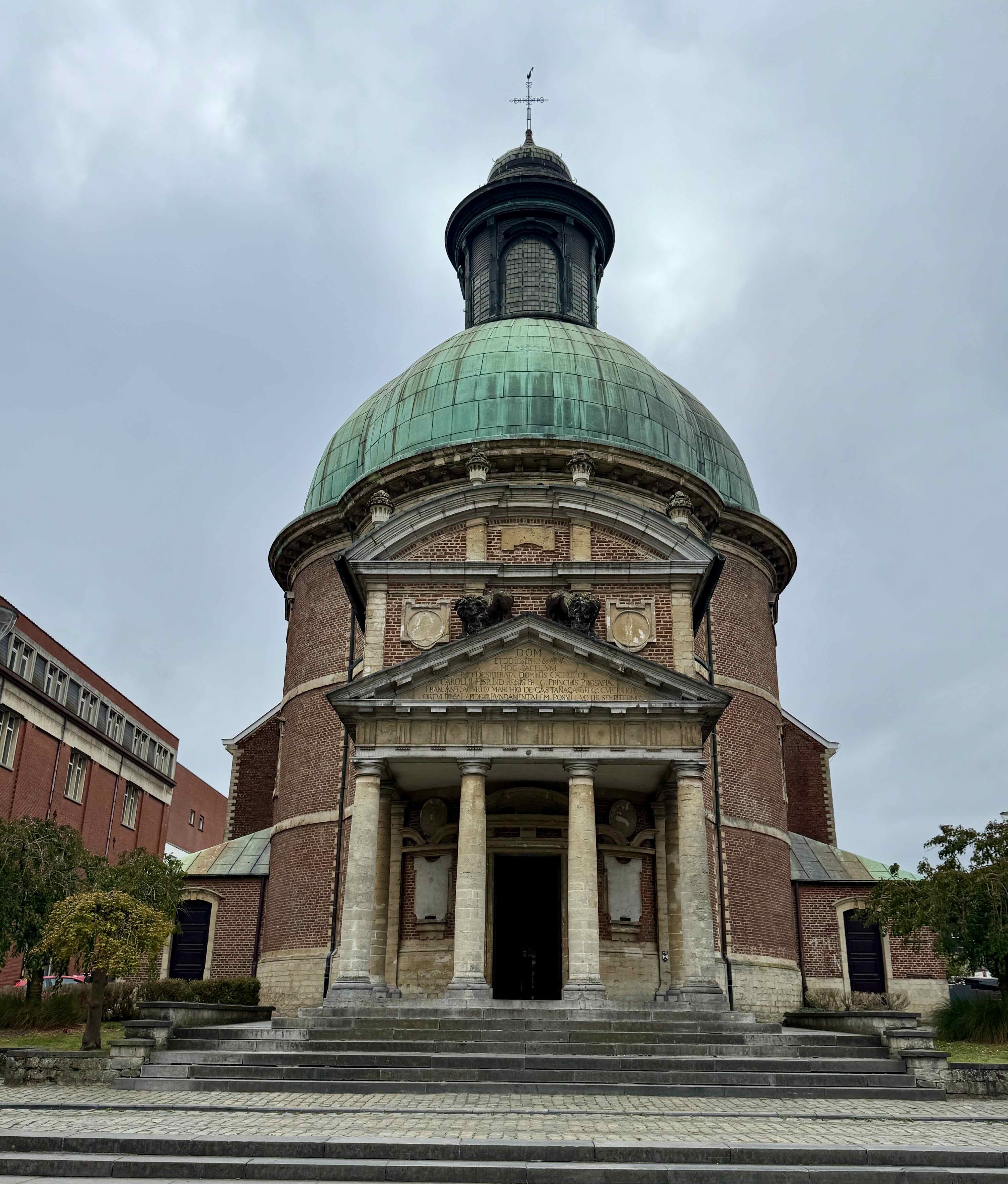
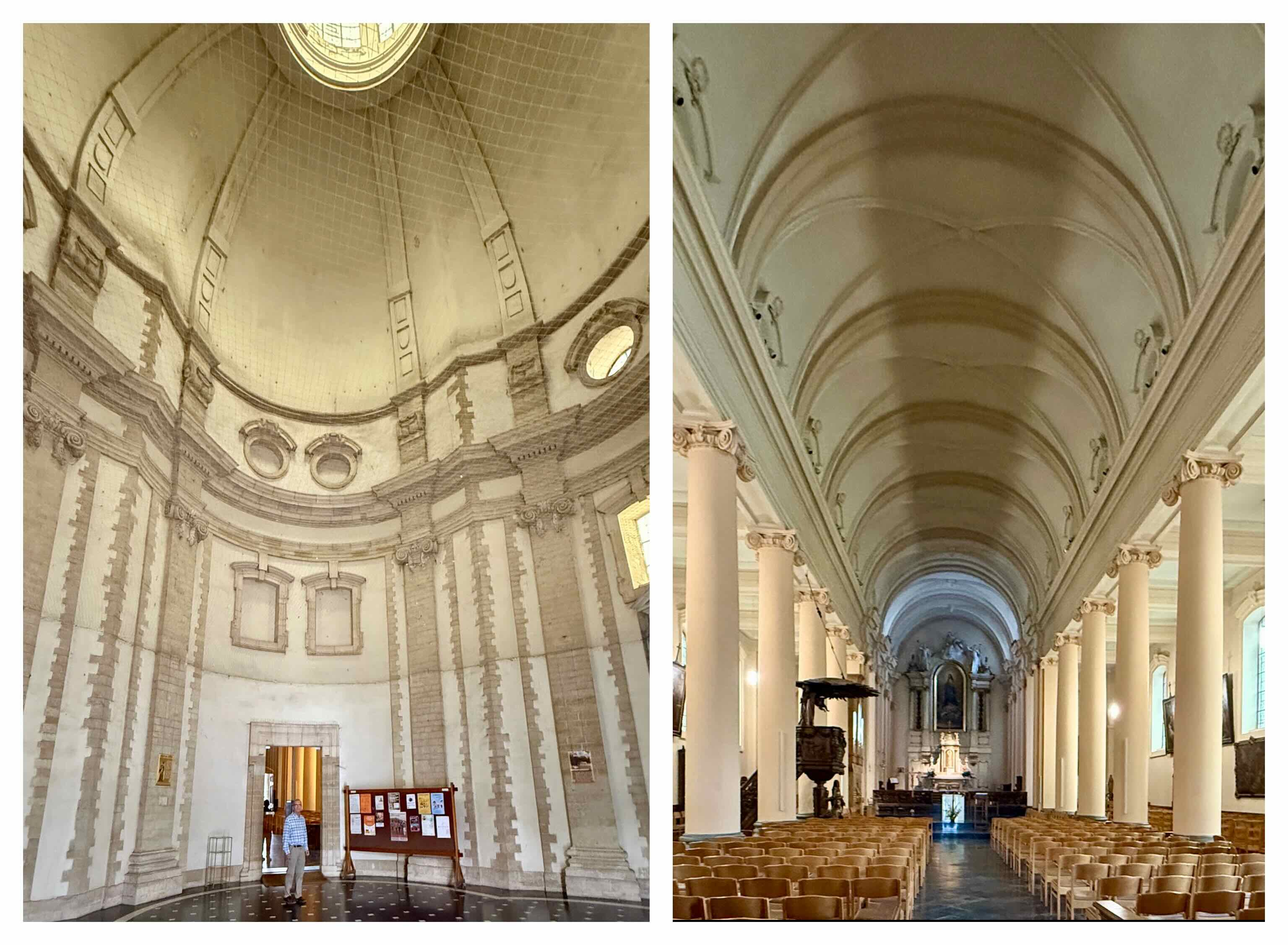


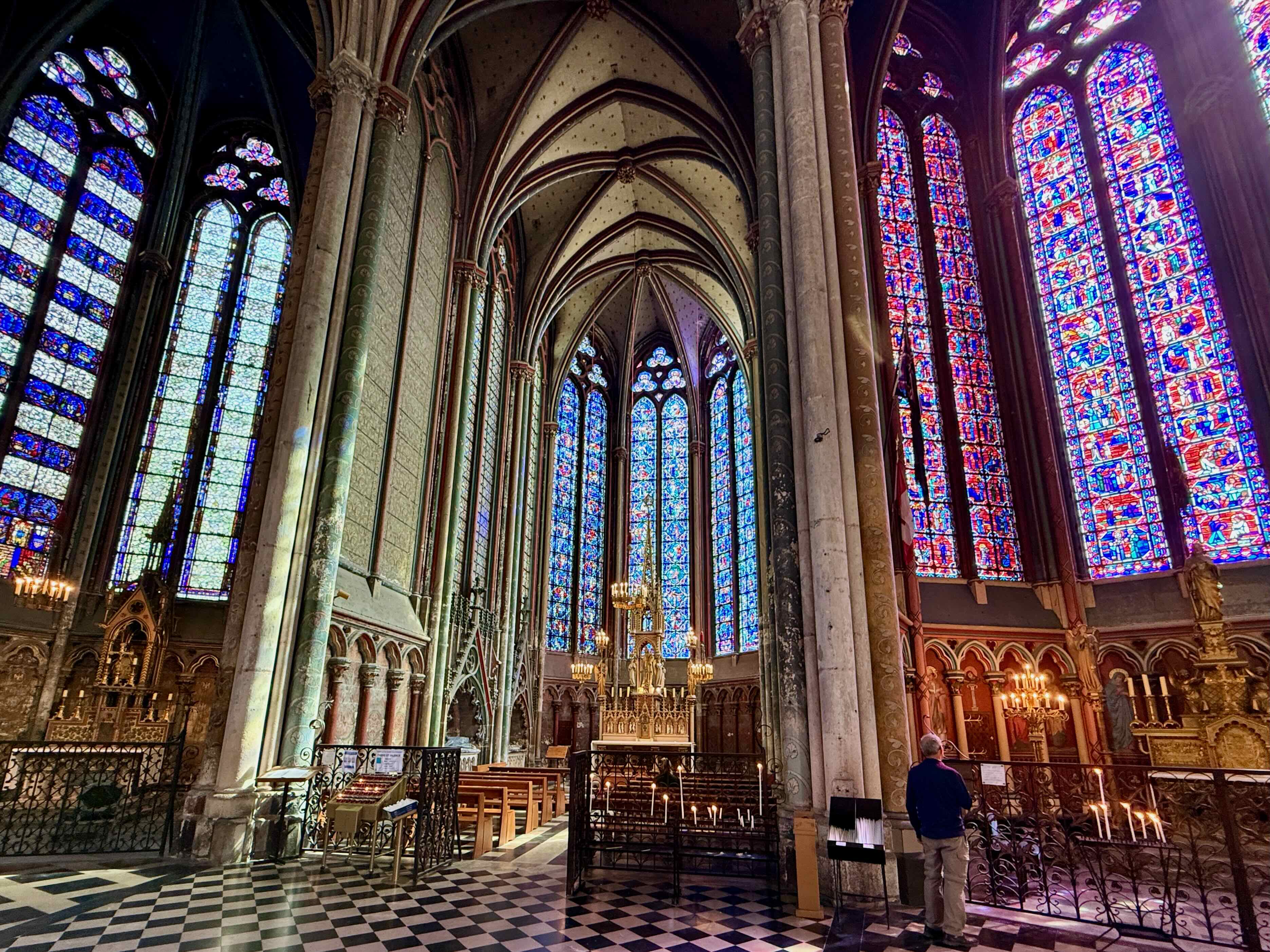
 There are many stunning stained glass windows surrounding the ornate altar.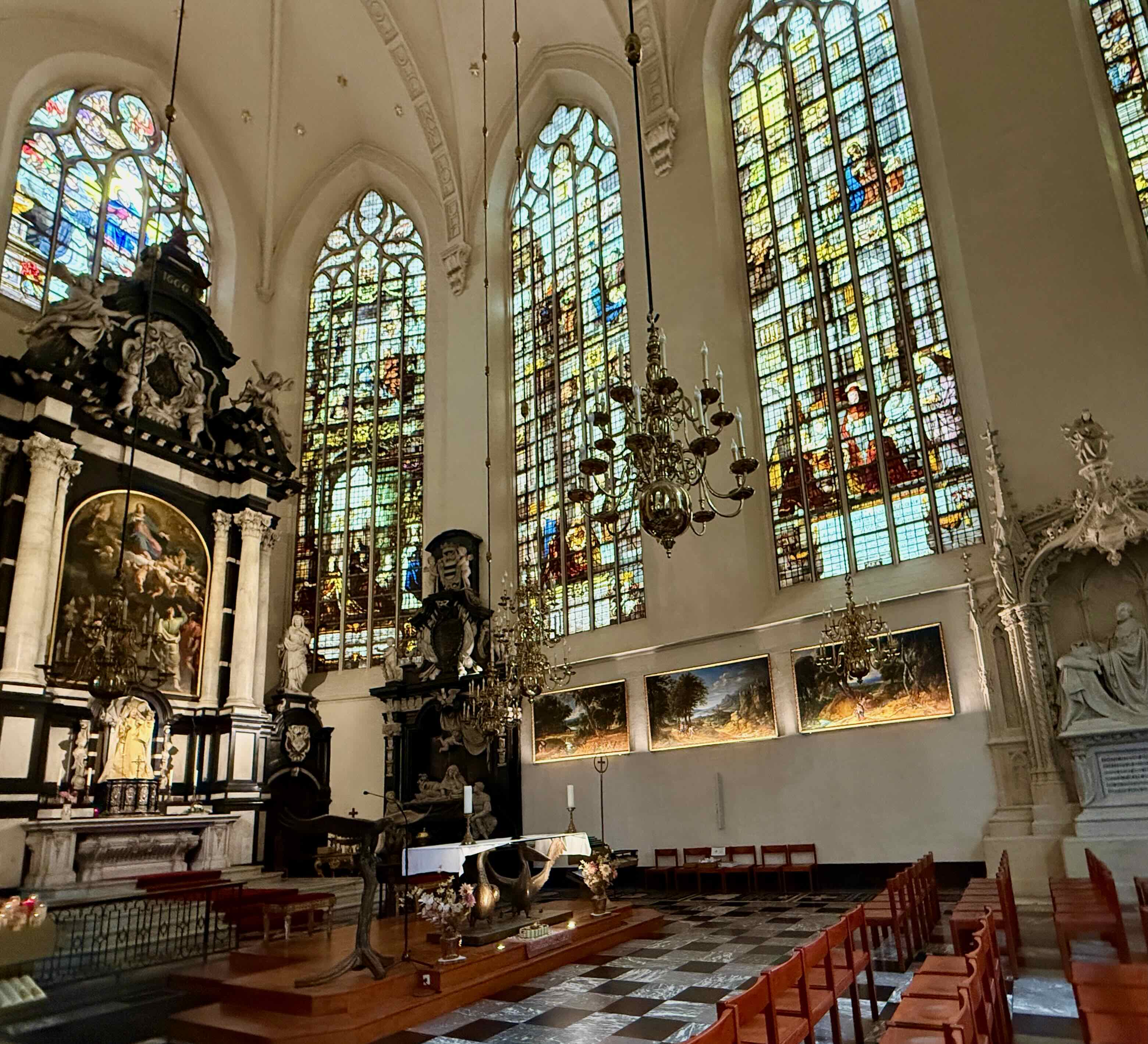


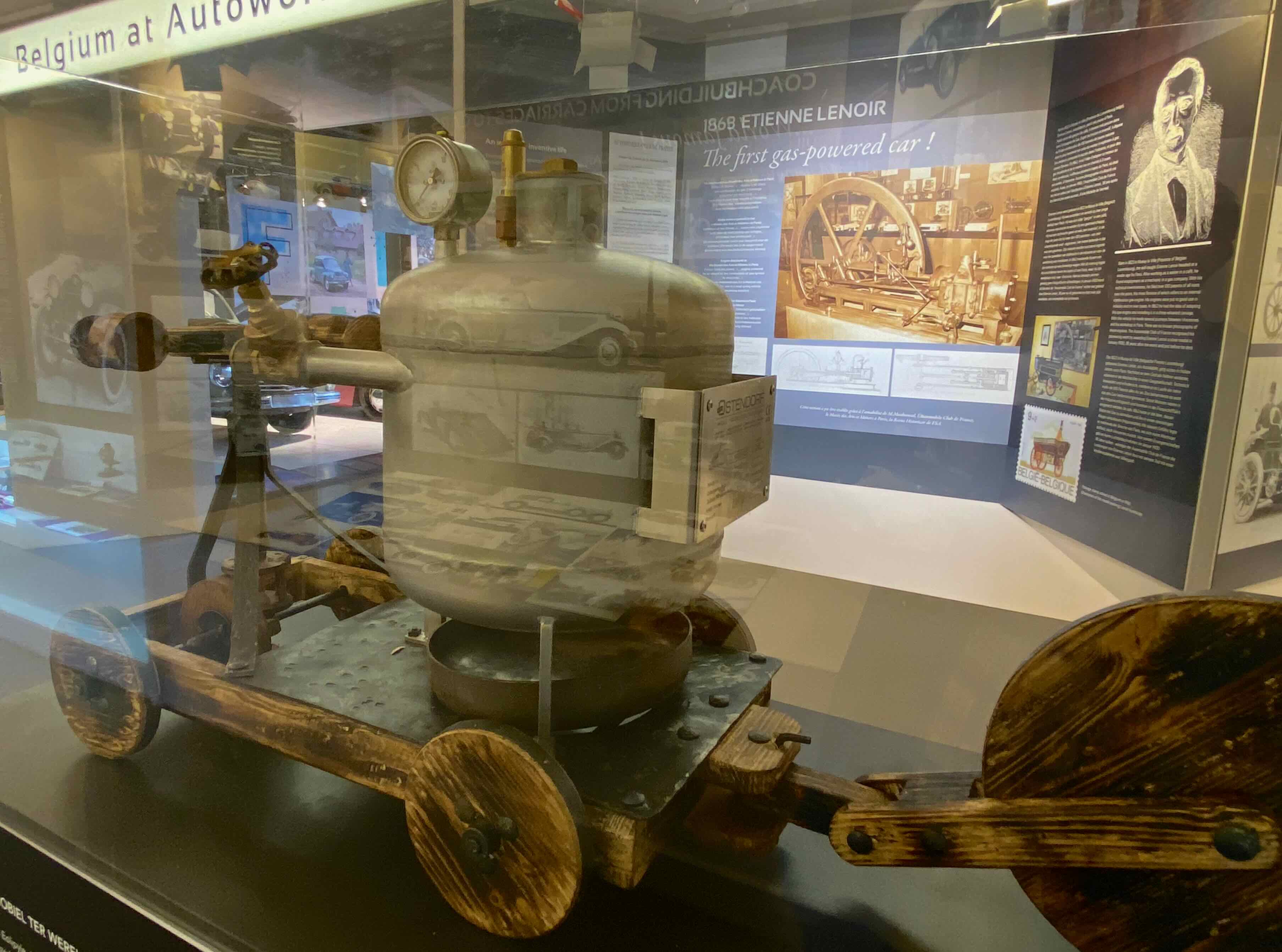
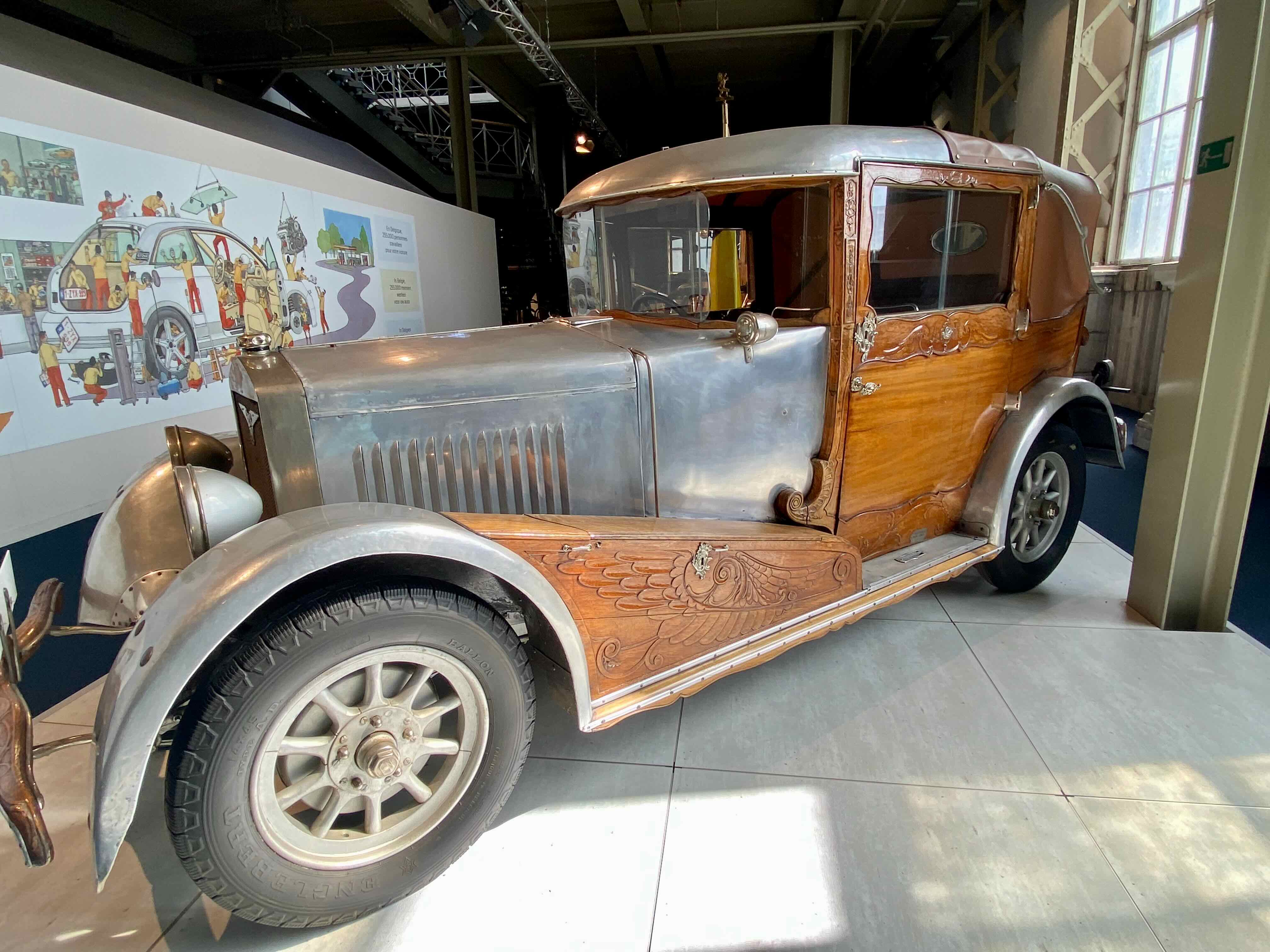
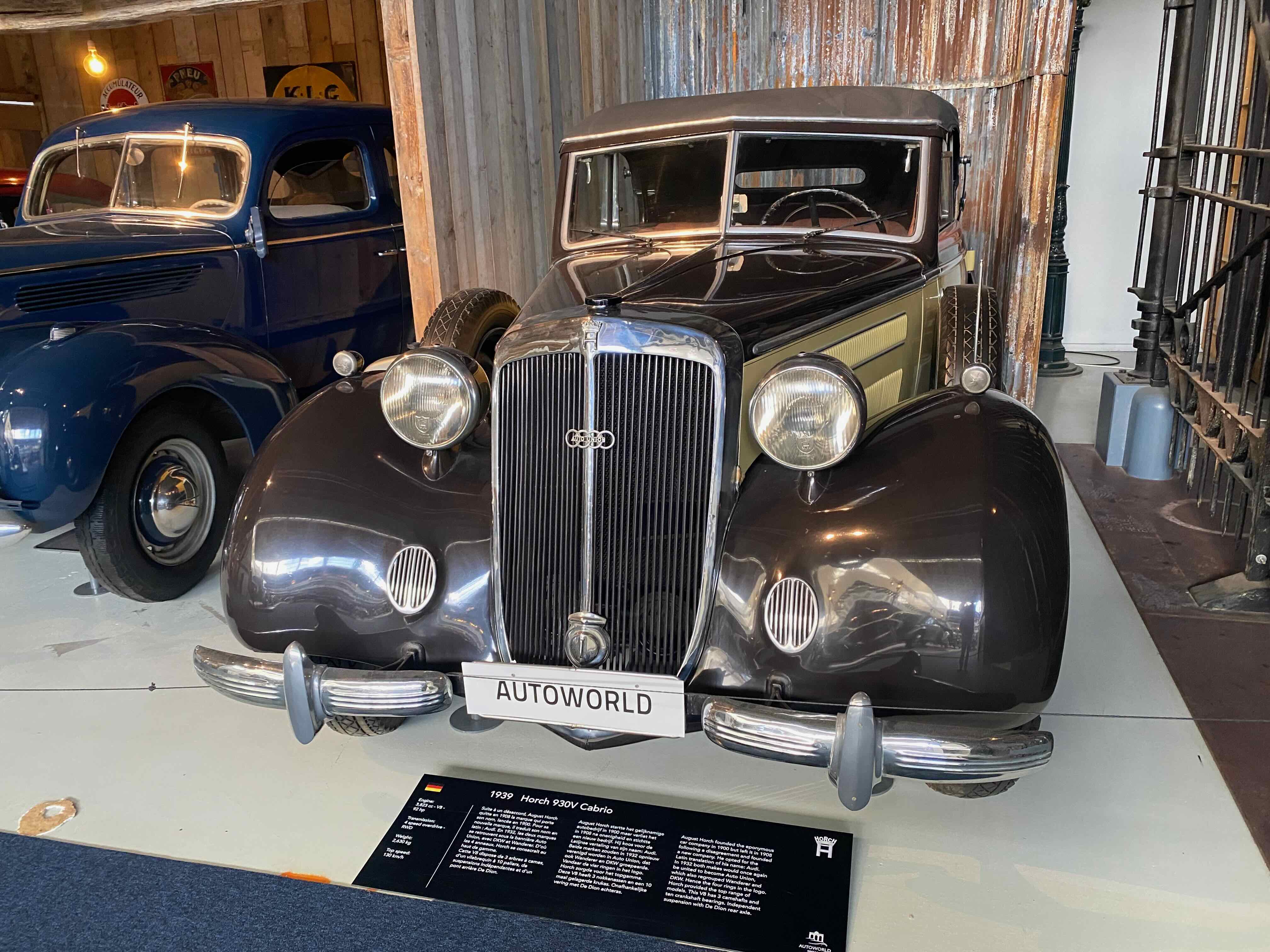
 A 1896 Bollee Voiturette called a Mother-in-Law Murderer, because the passenger sat up front. It could go 30 kph.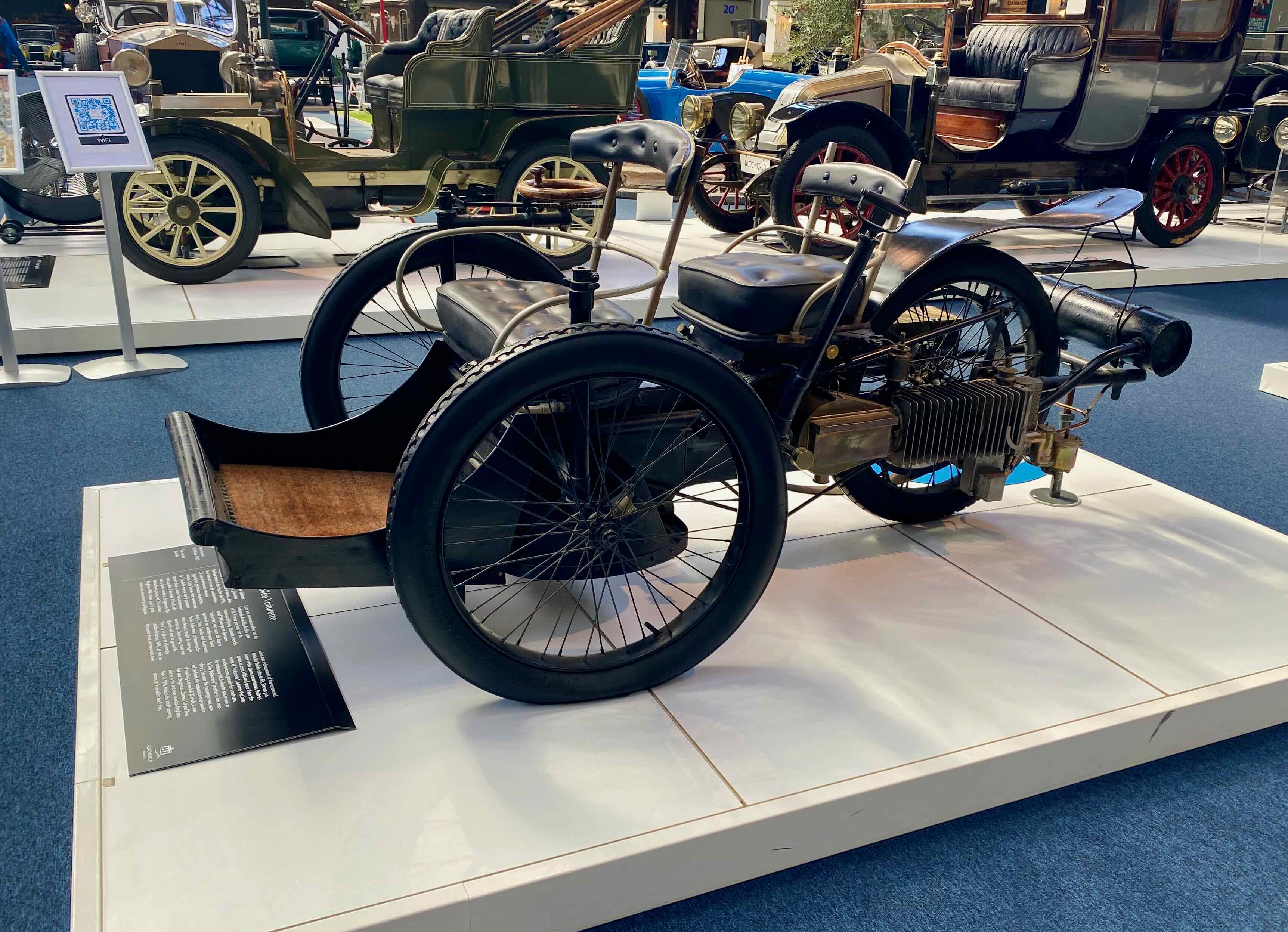


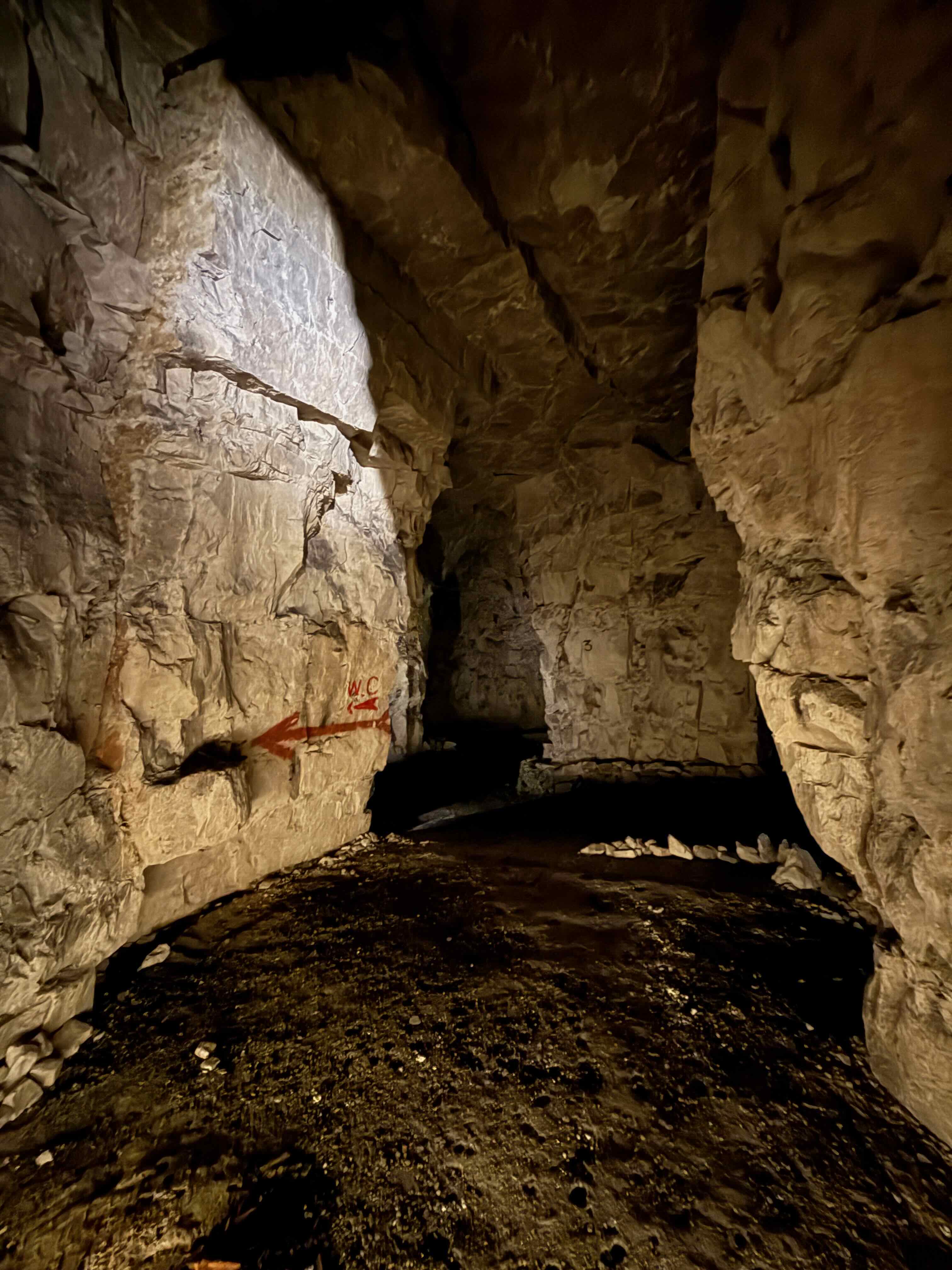
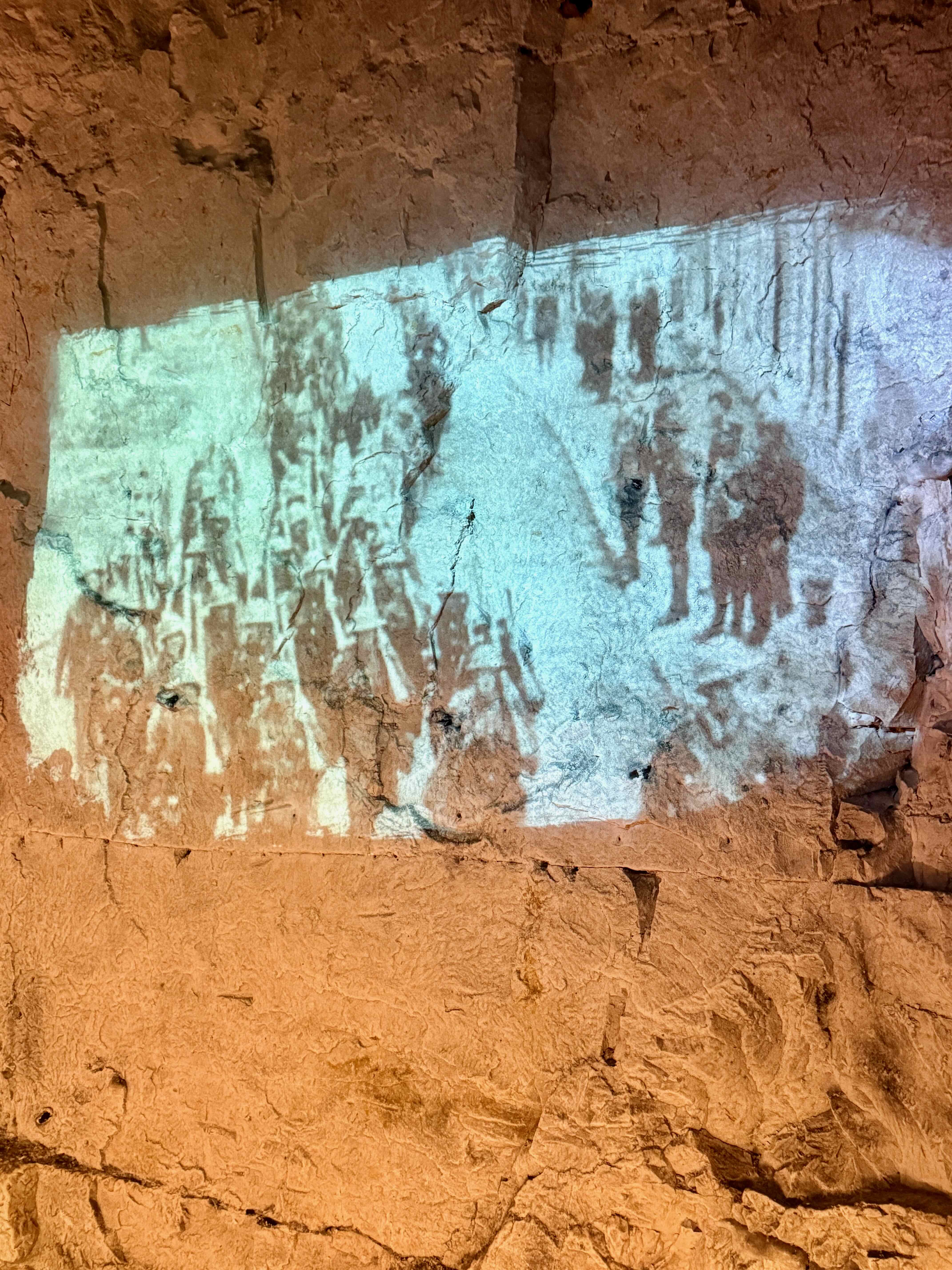
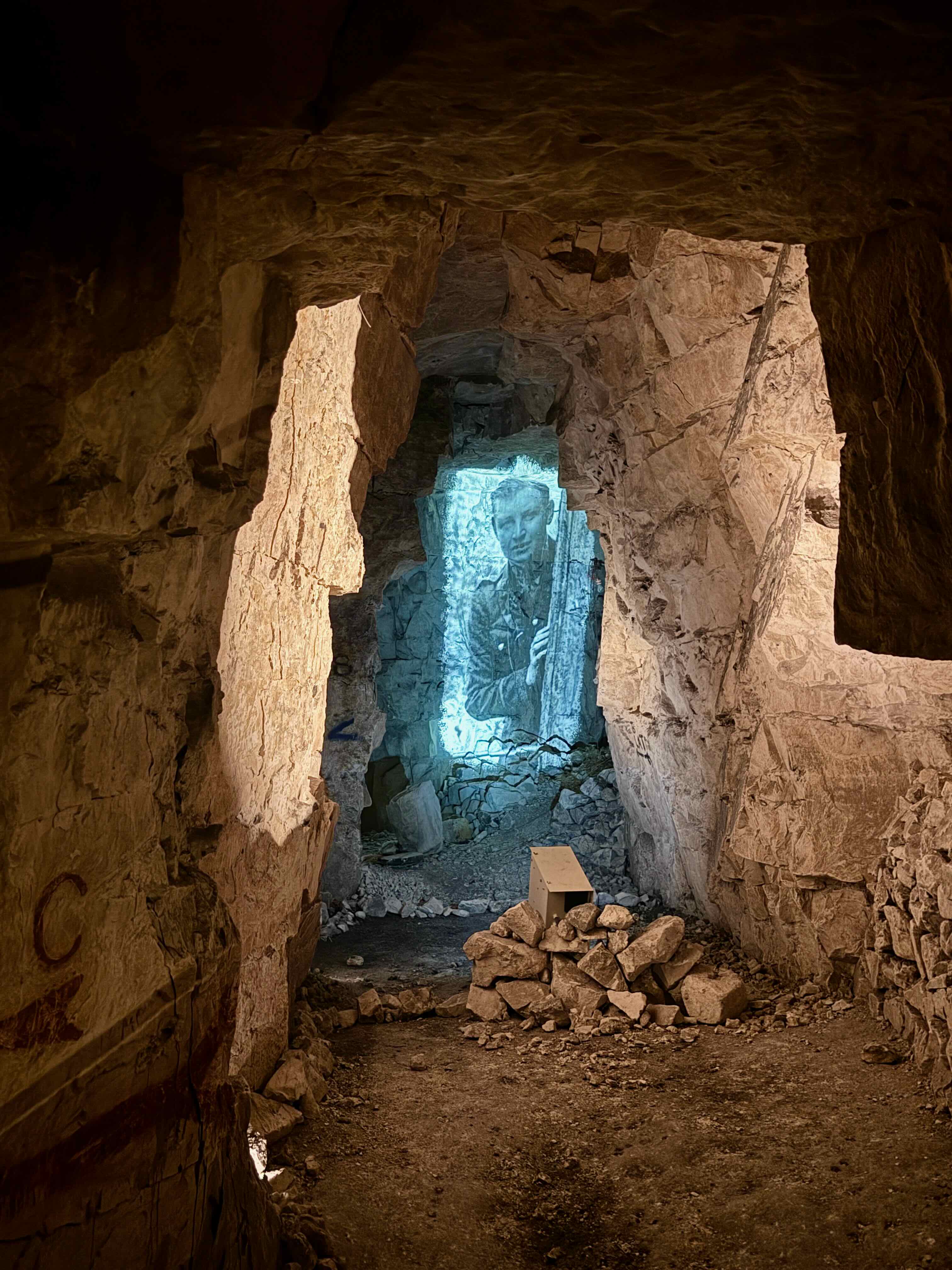 These ancient caves were used as building stone quarries for Arras in Medieval times. They are very large with high ceilings.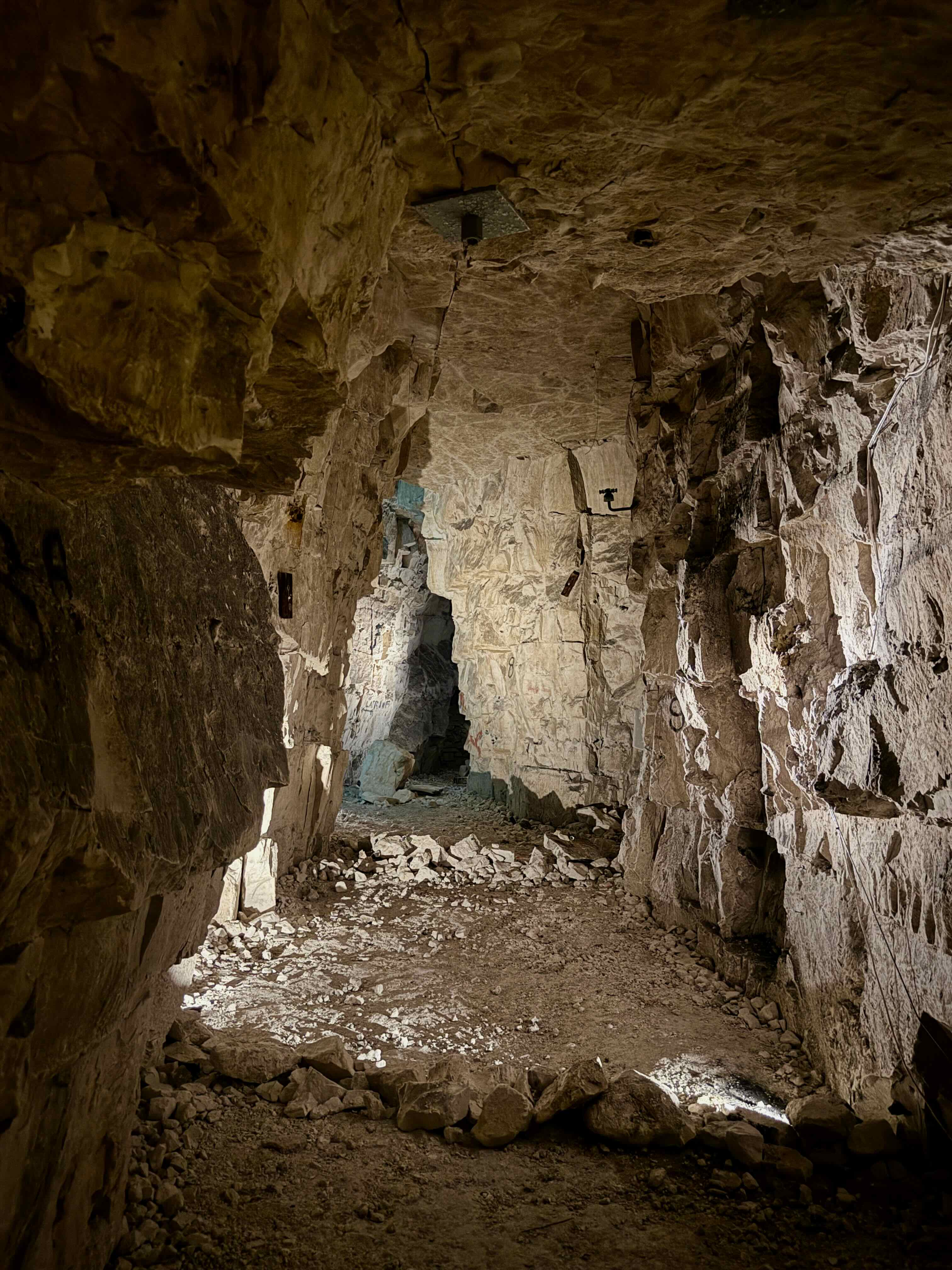
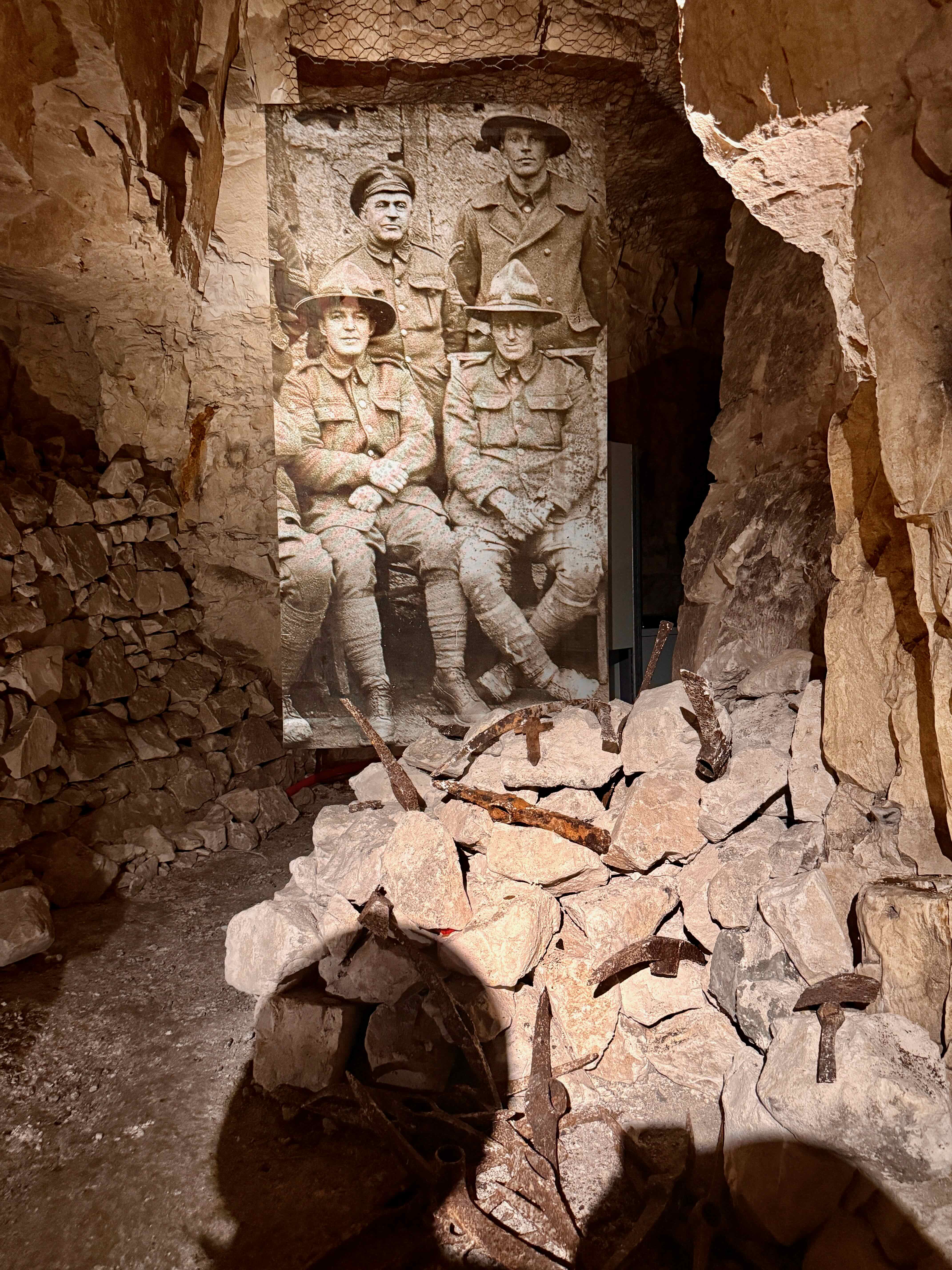
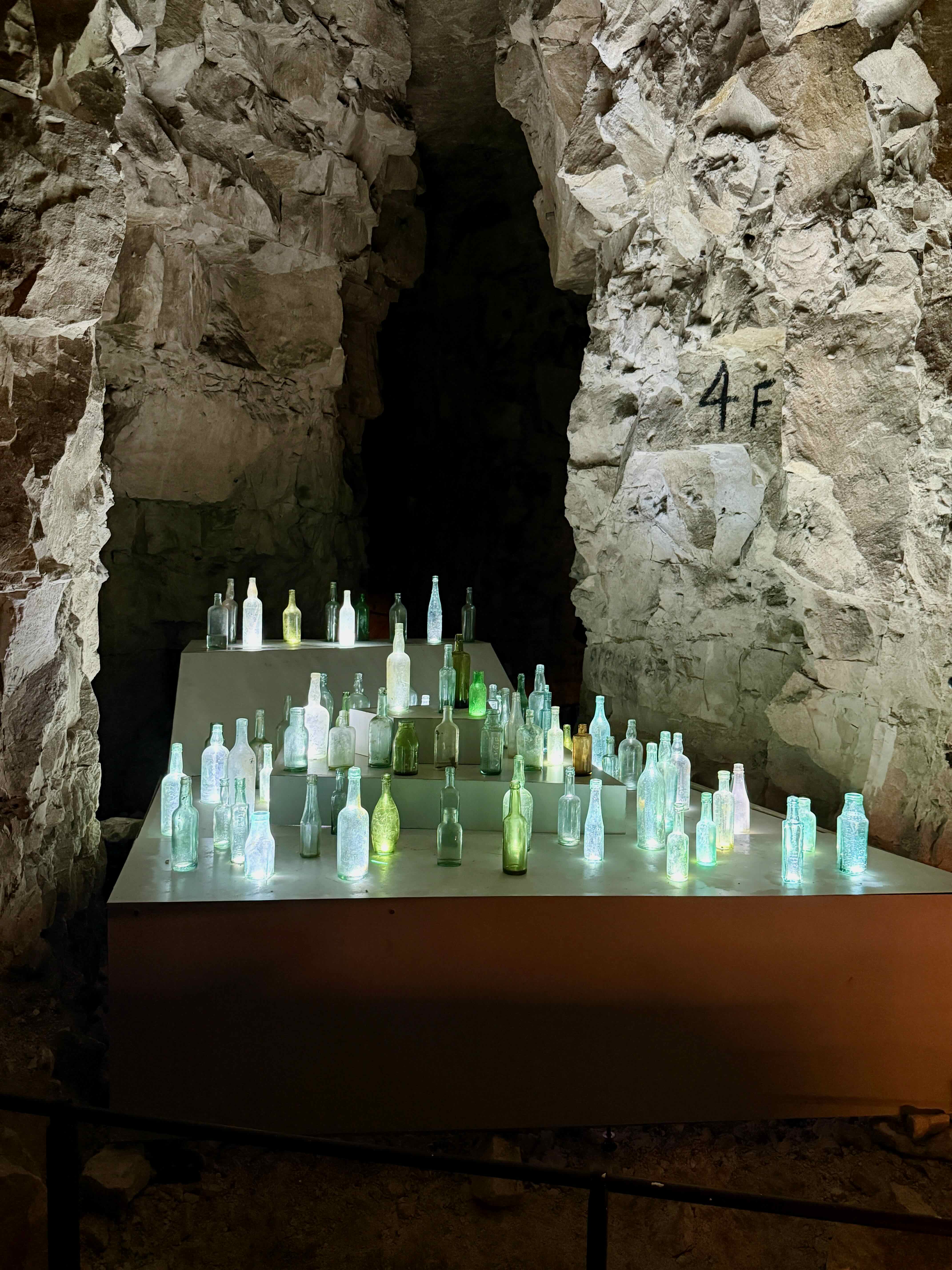
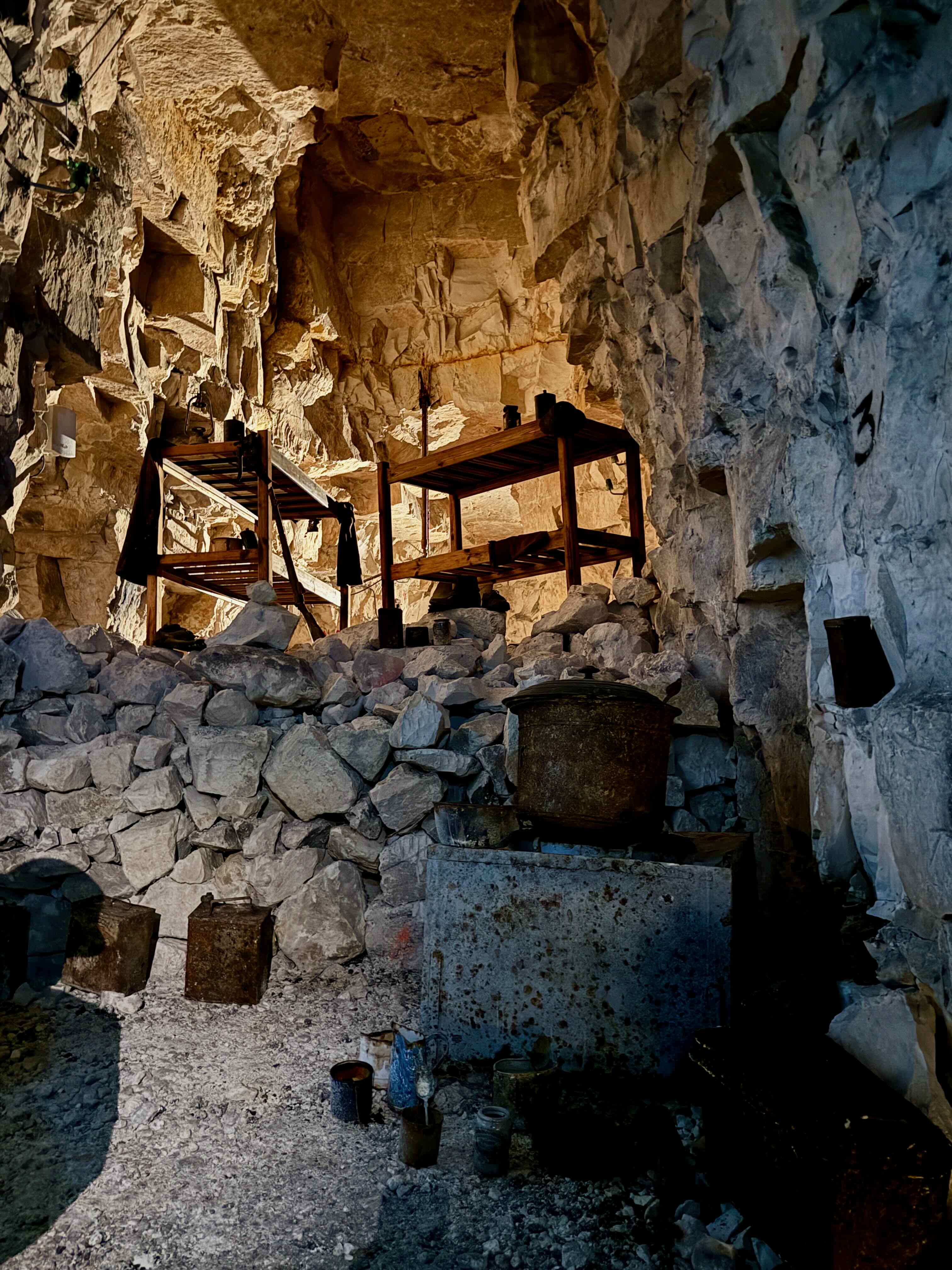
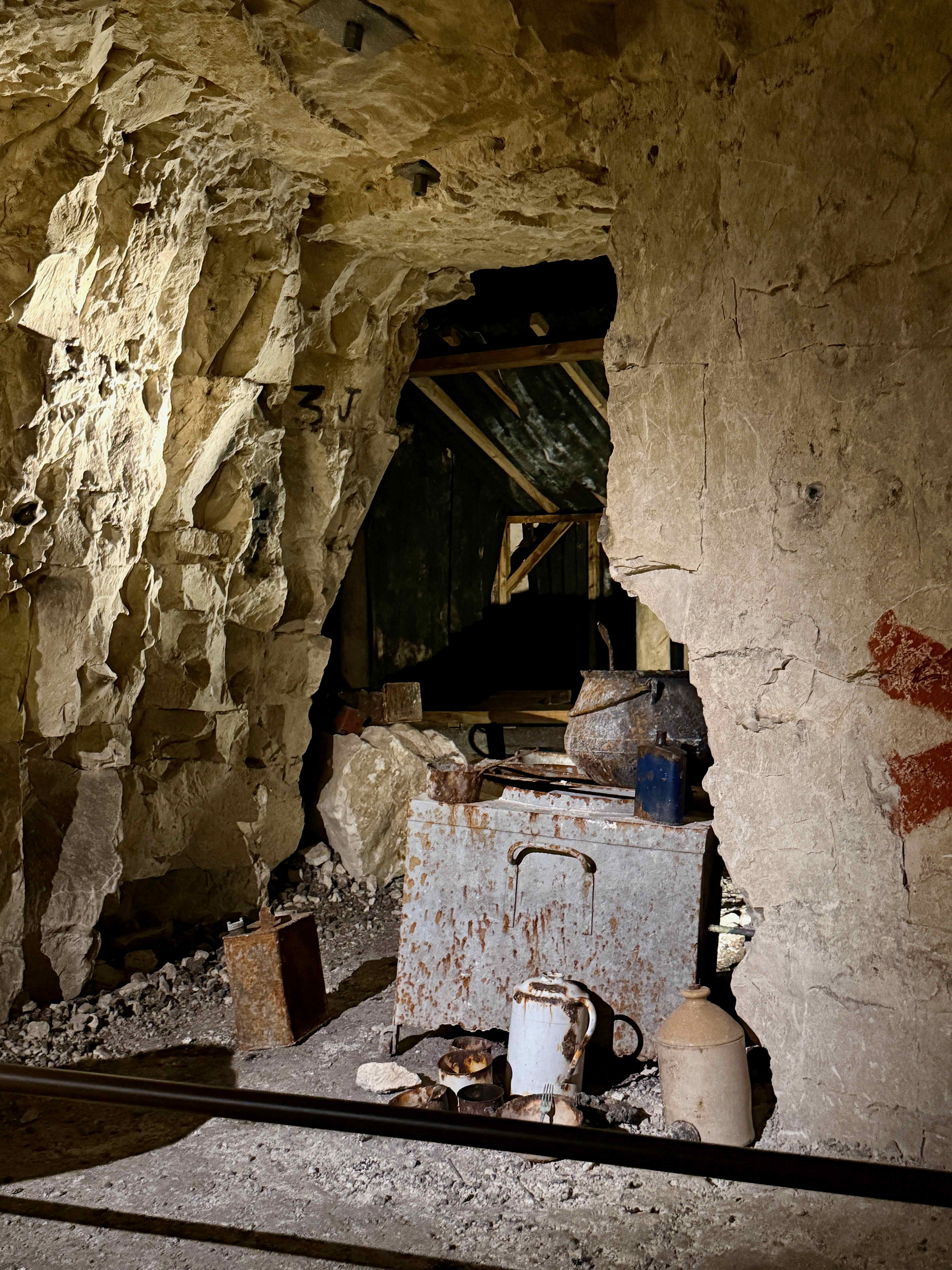
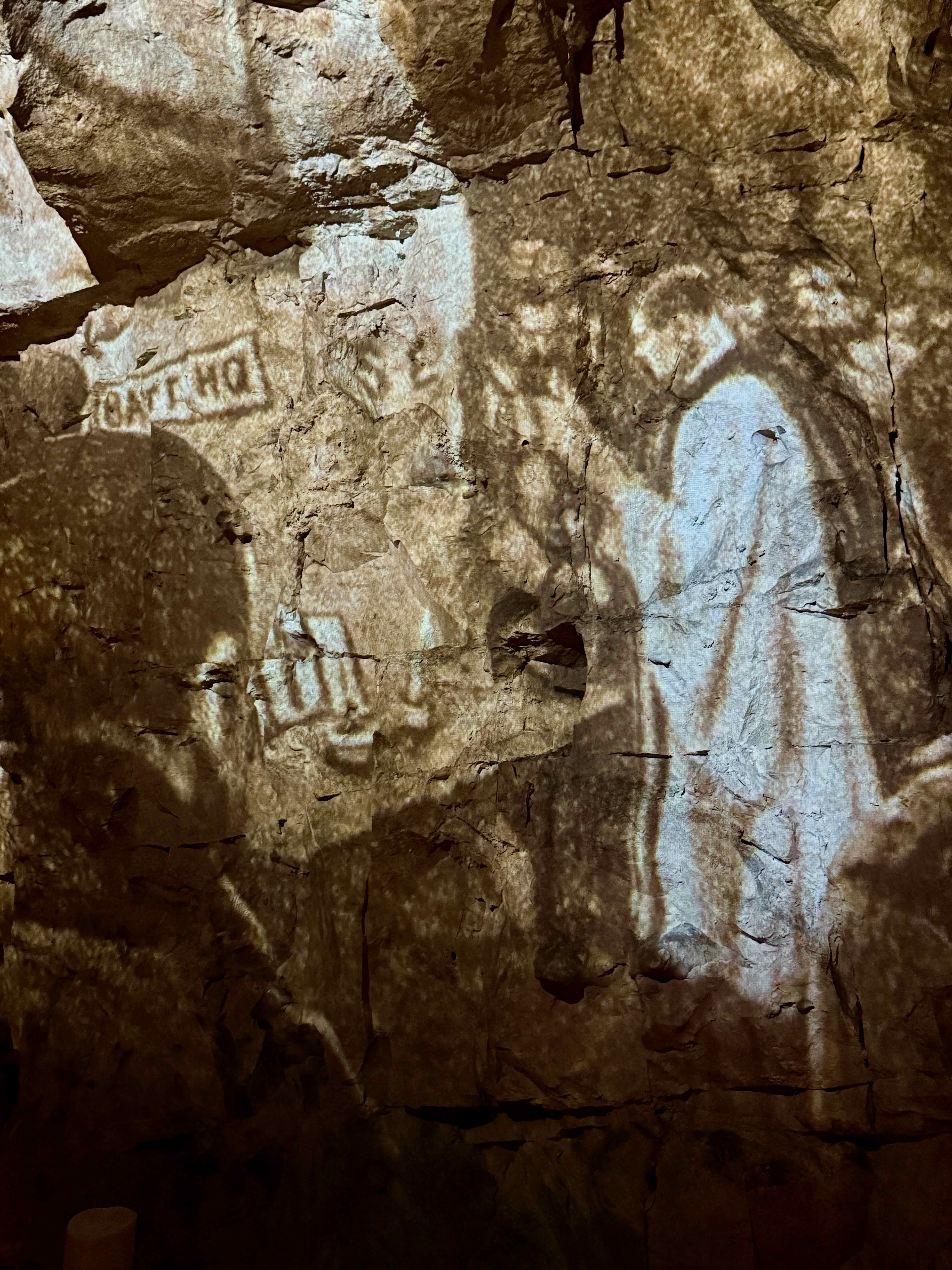
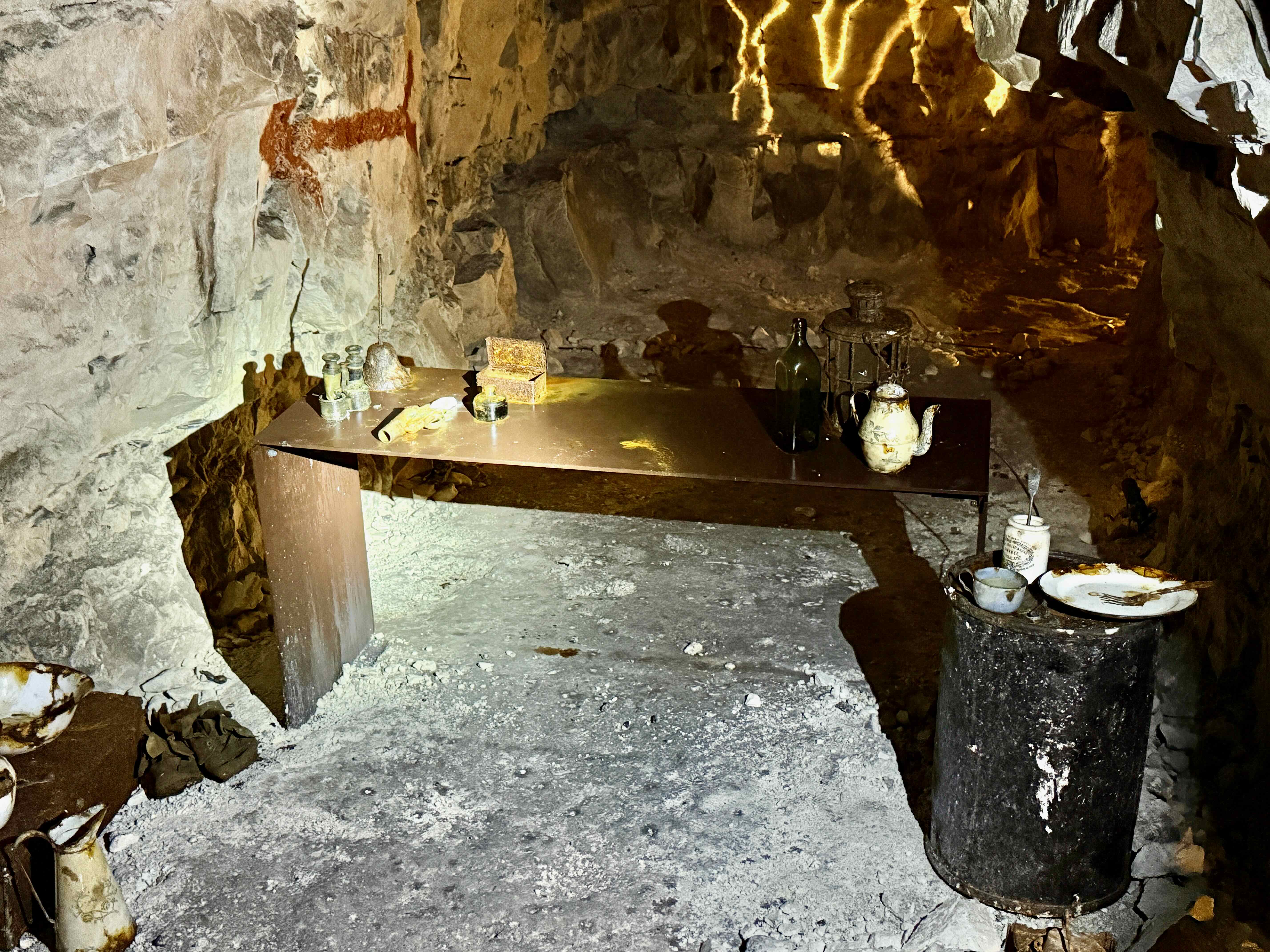
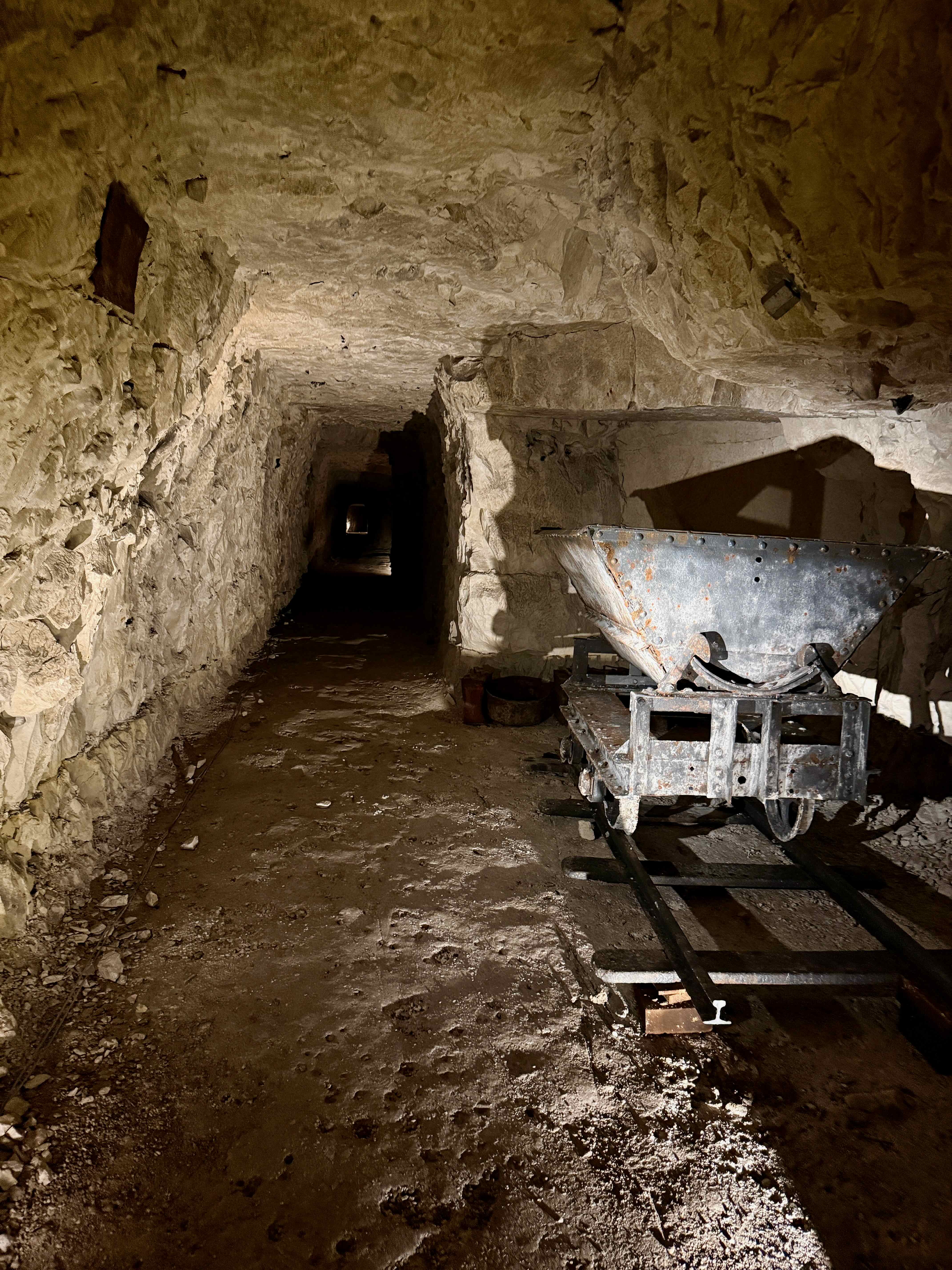
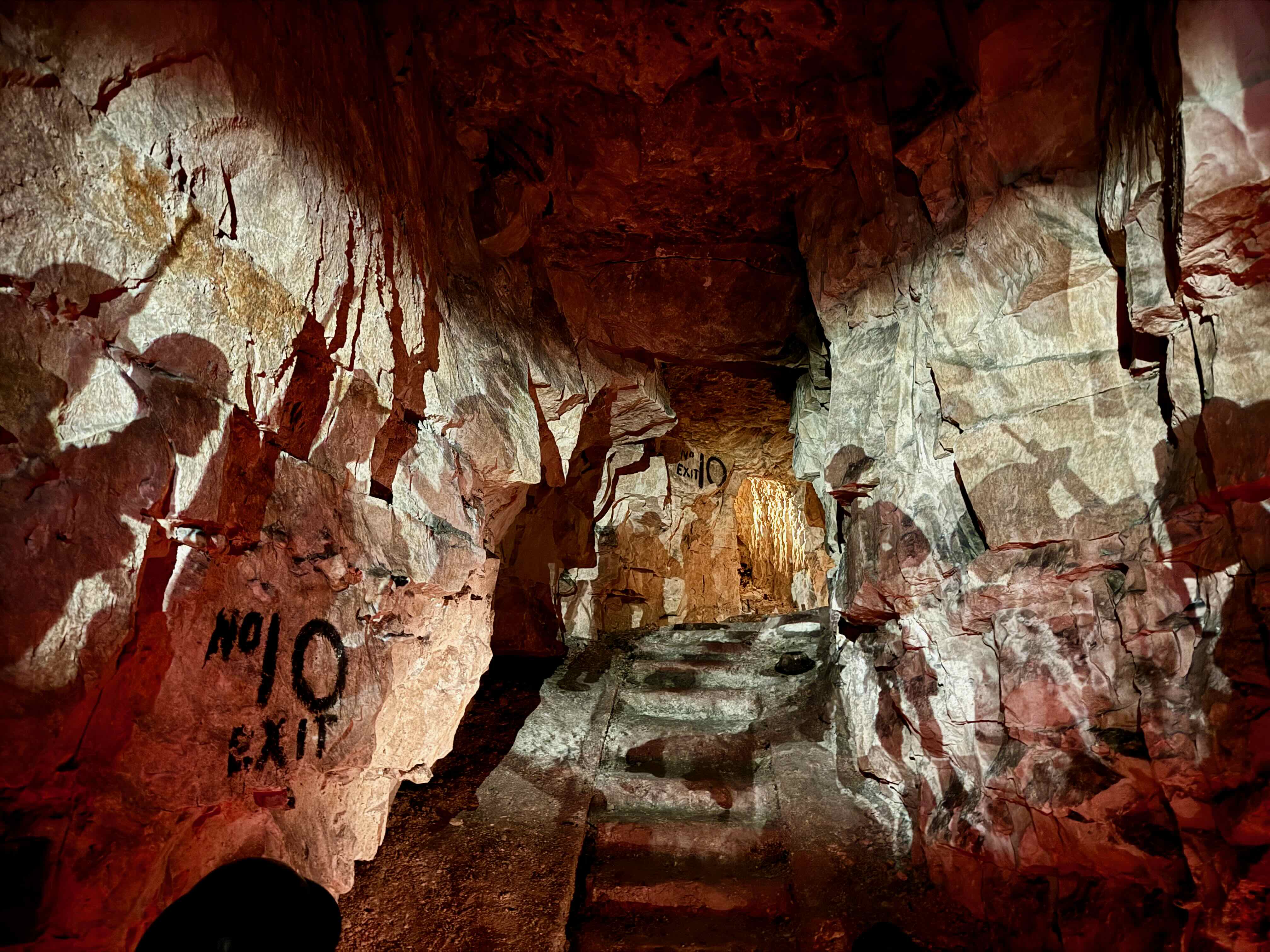 In a theatre after the tour we watch a film about what happened after this battle and I am shocked to learn that the British advance slowed in the next few days and the German defence recovered. The battle became a costly stalemate for both sides and 4,000 men a day died in the days after the surprise attack. The British had 160,000 casualties and the Germans about 125,000. Up until hearing this I thought this Arras surprise attack was at least a success. I really hate war!
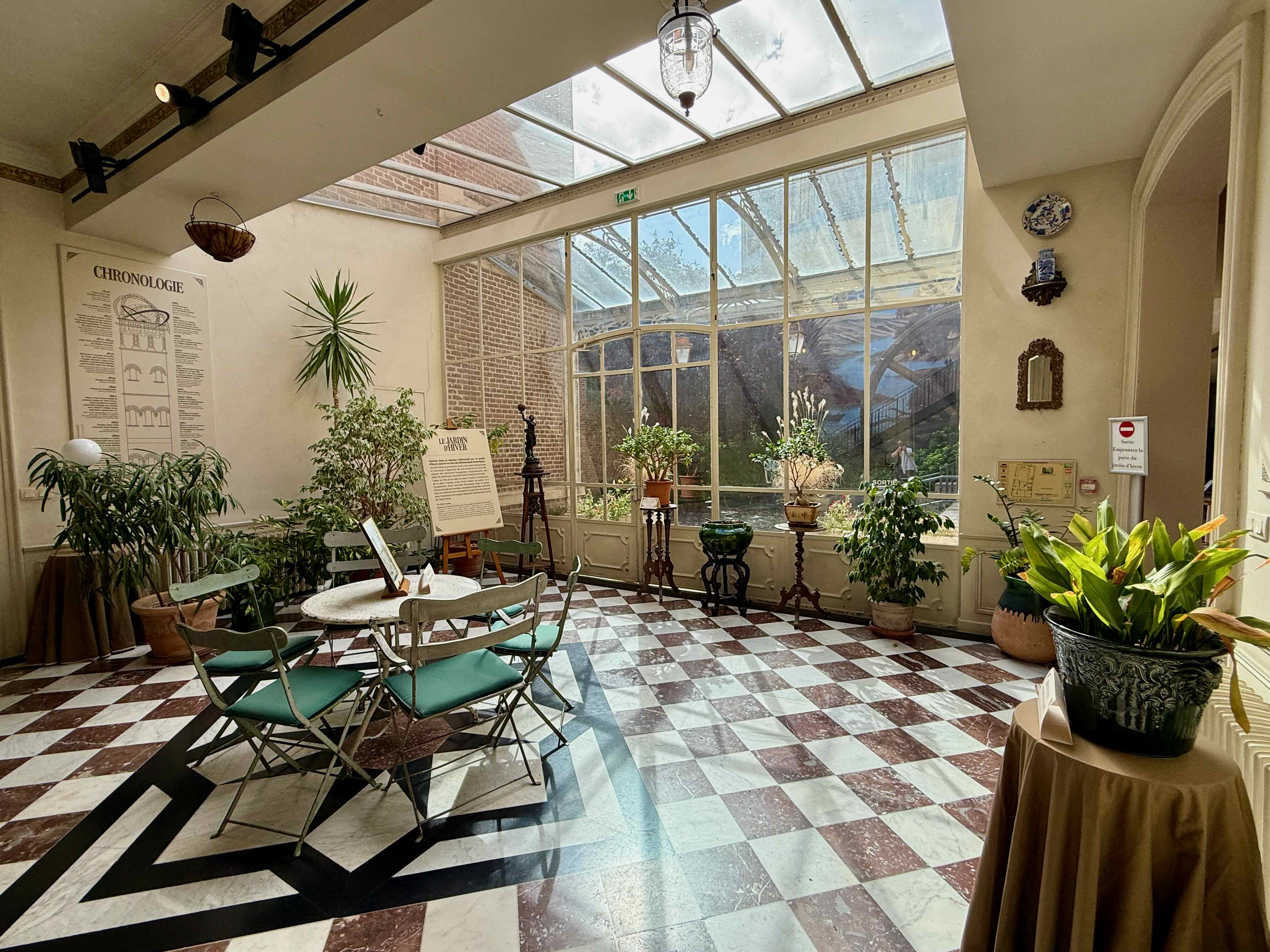
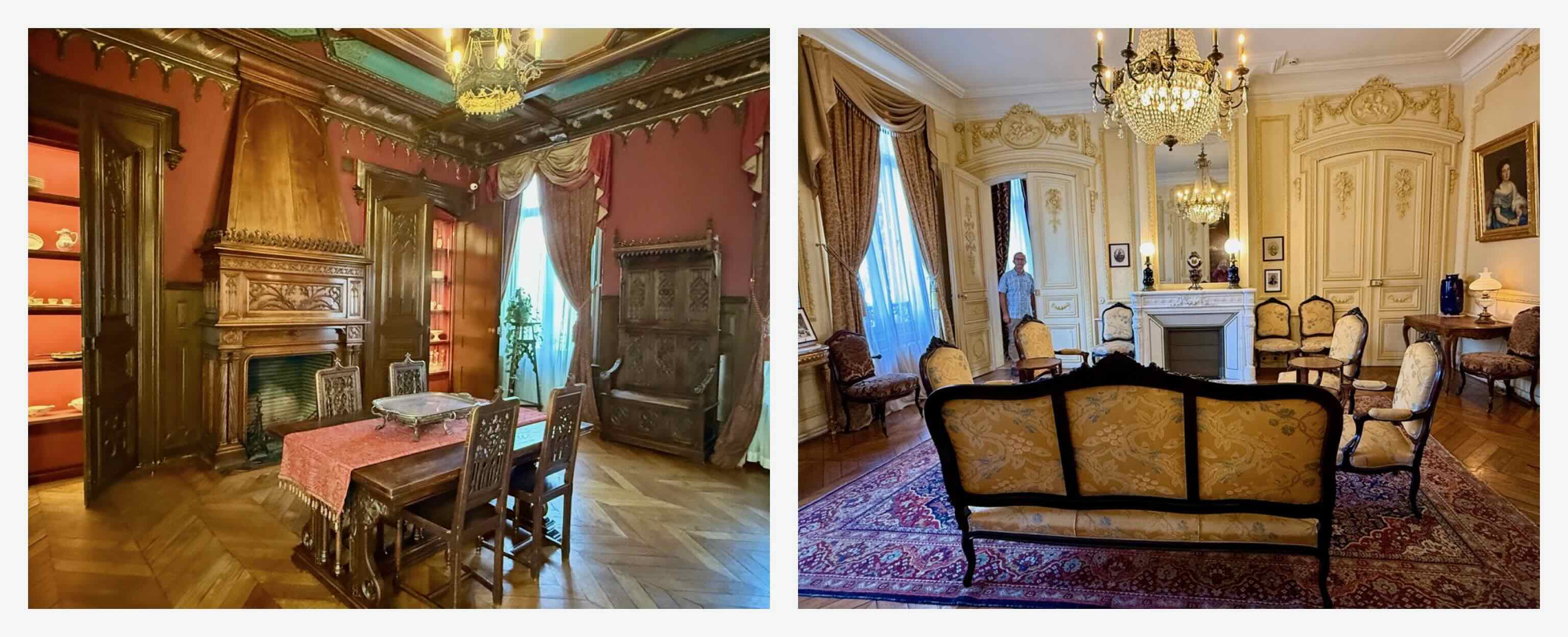
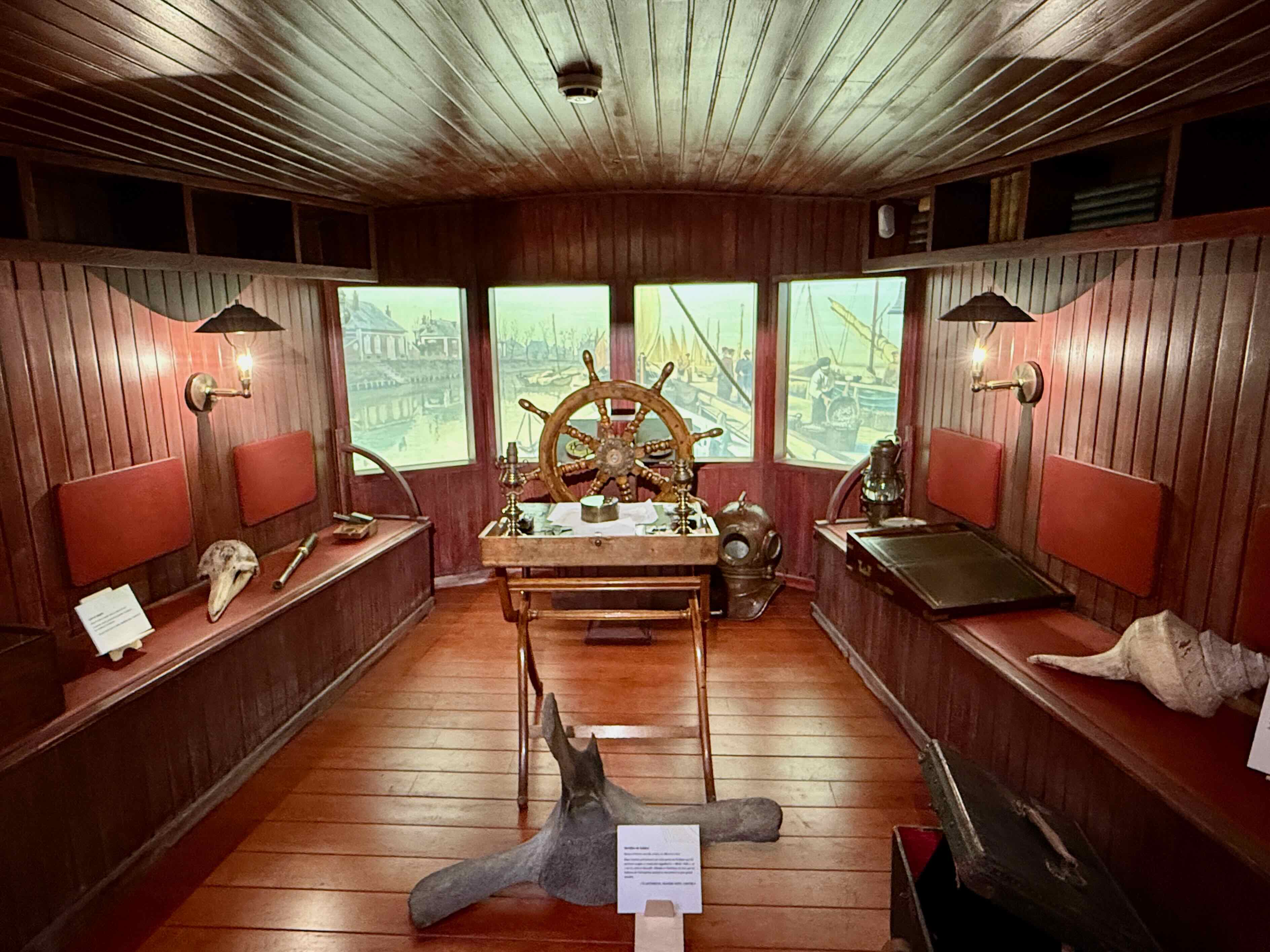
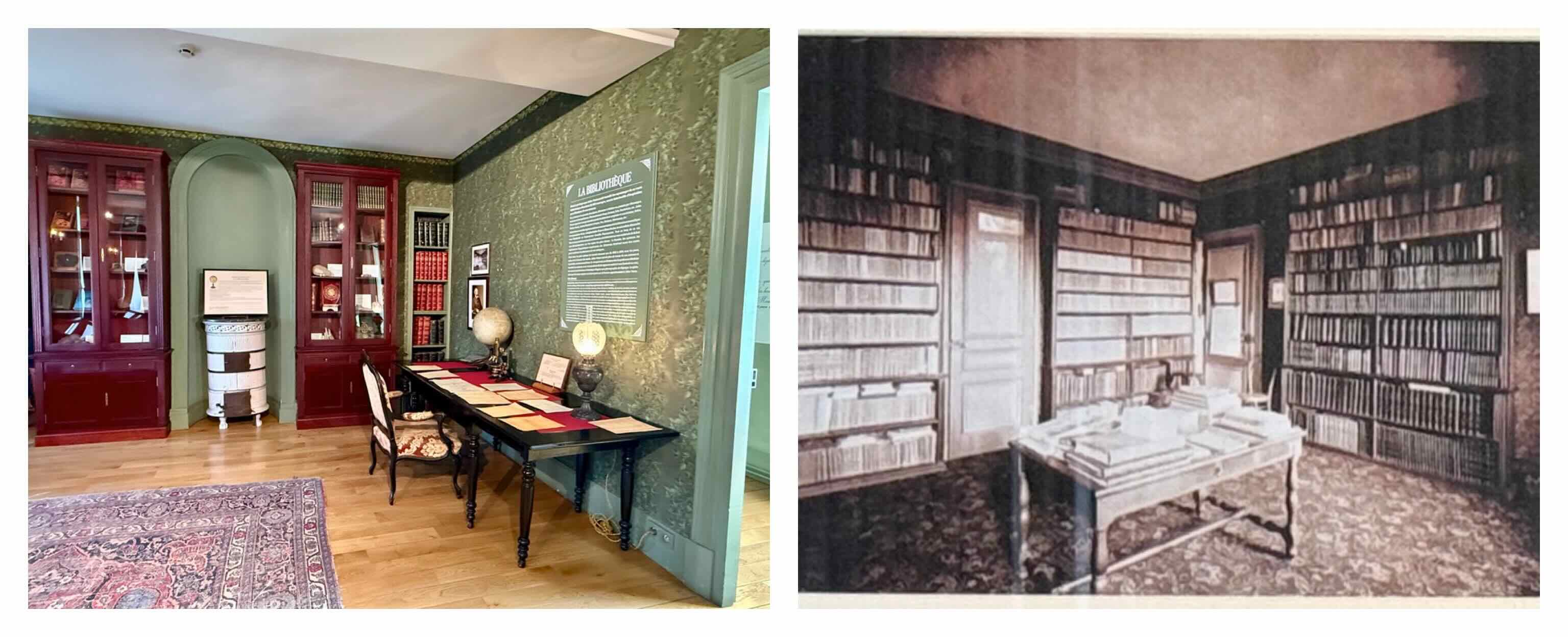
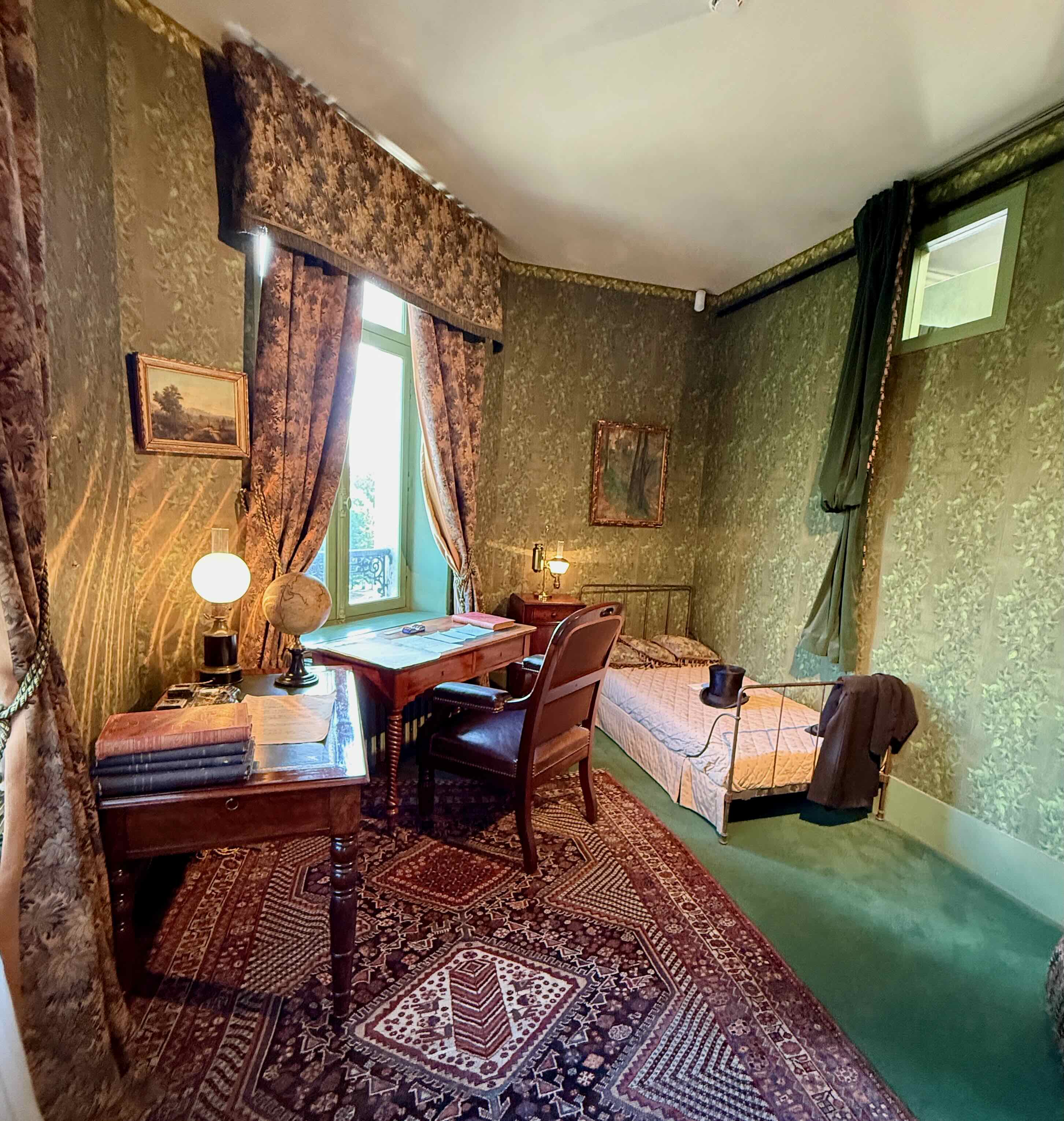
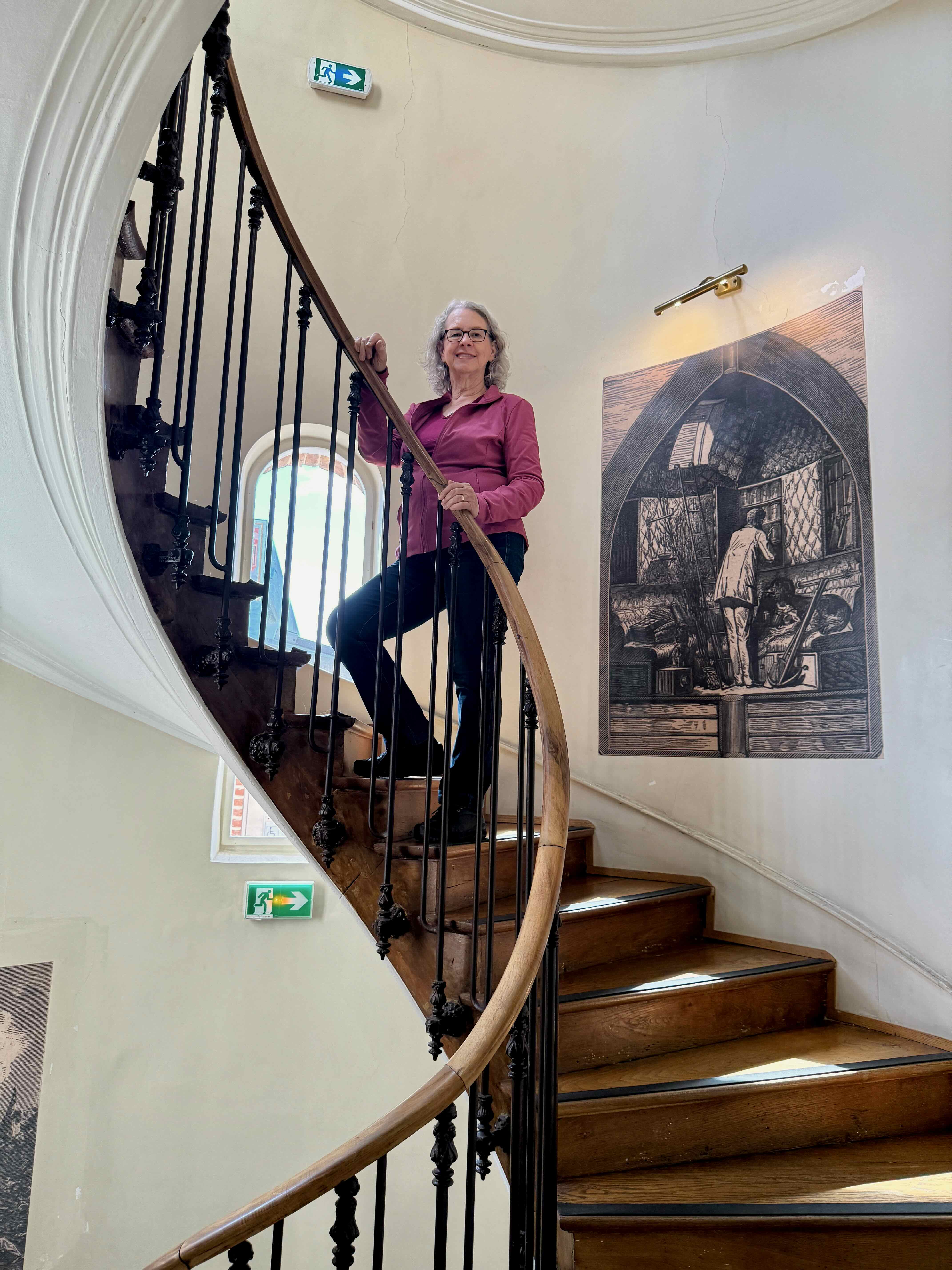
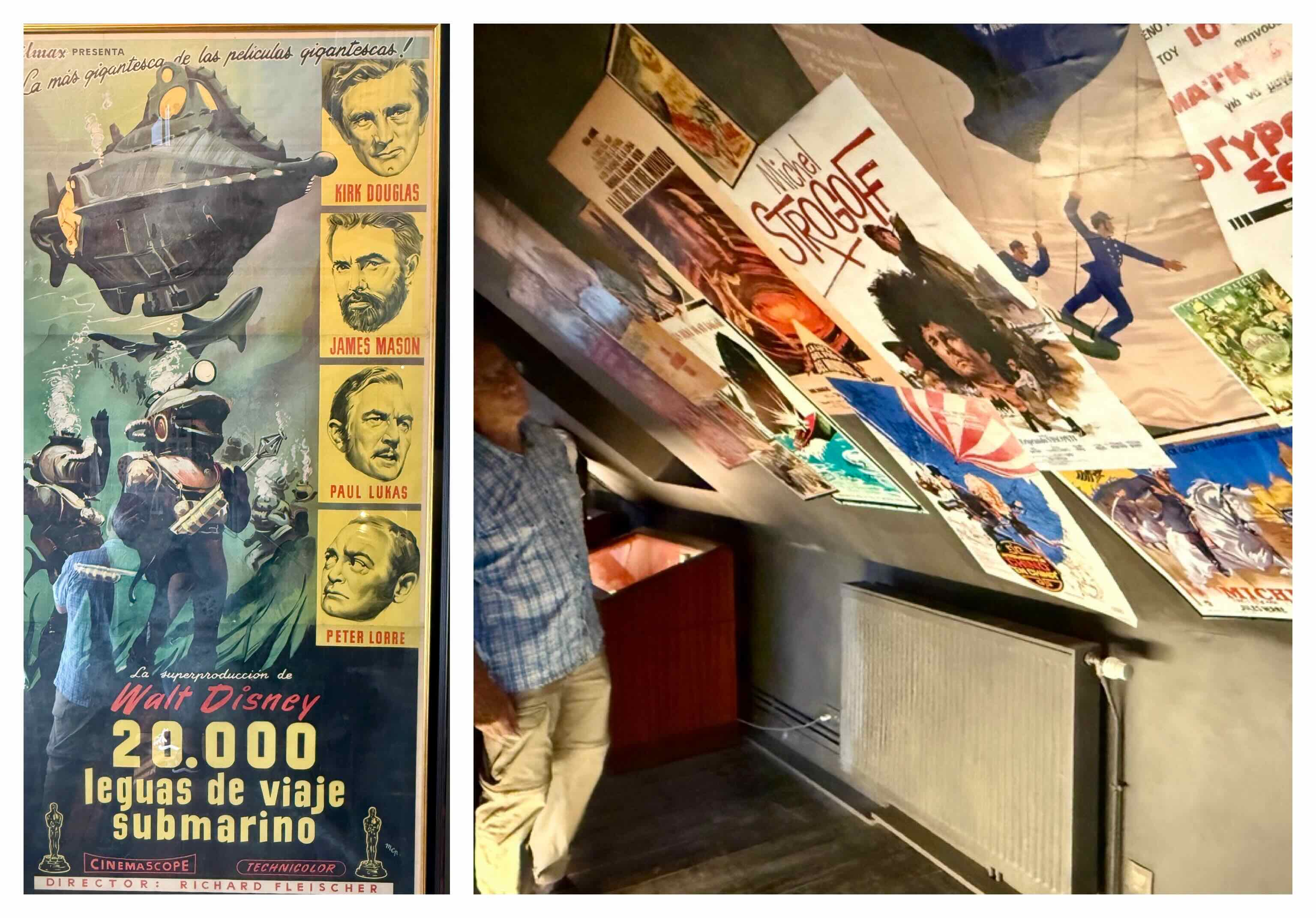
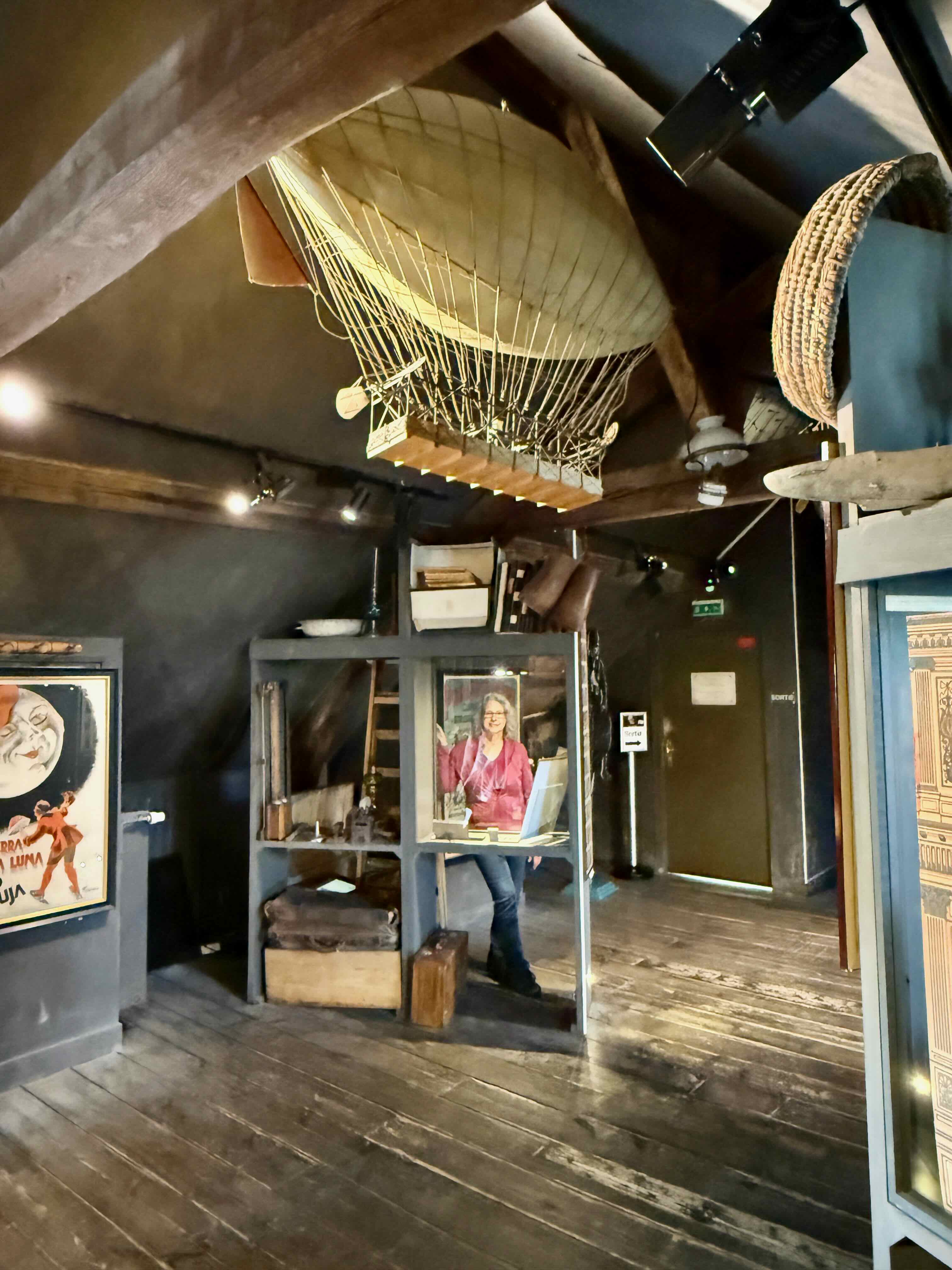
 A view from the front of the house showing the winter garden.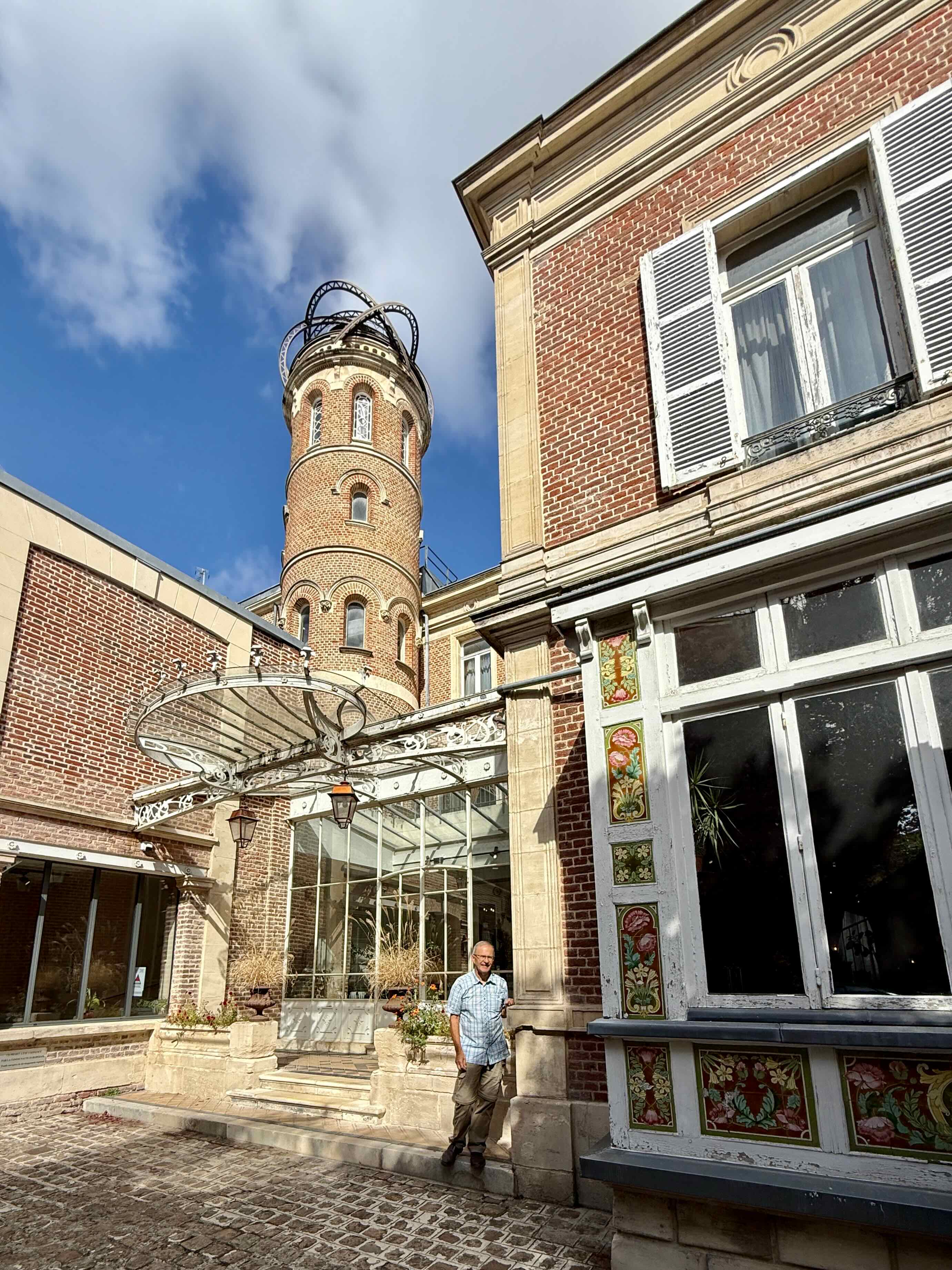
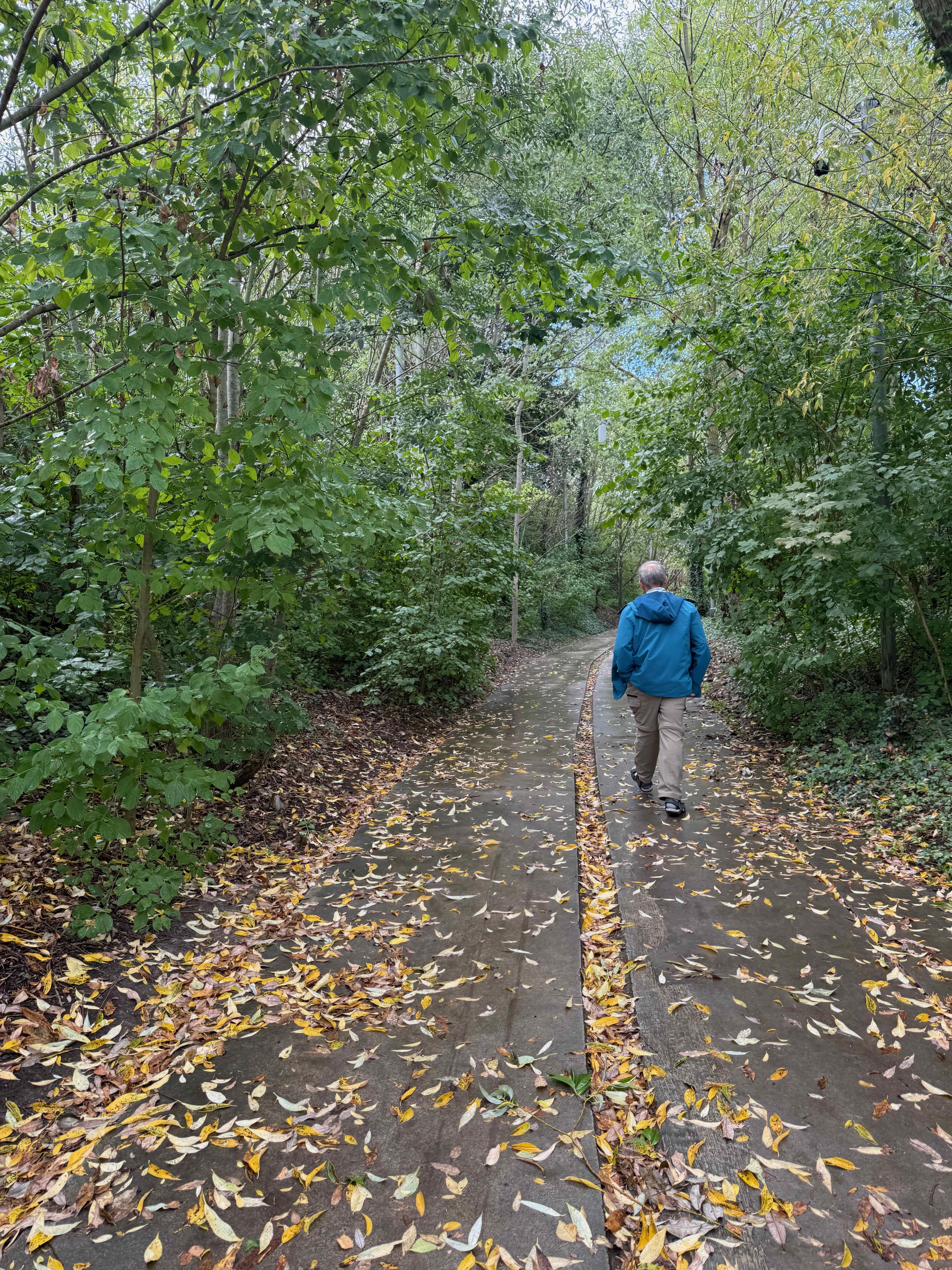
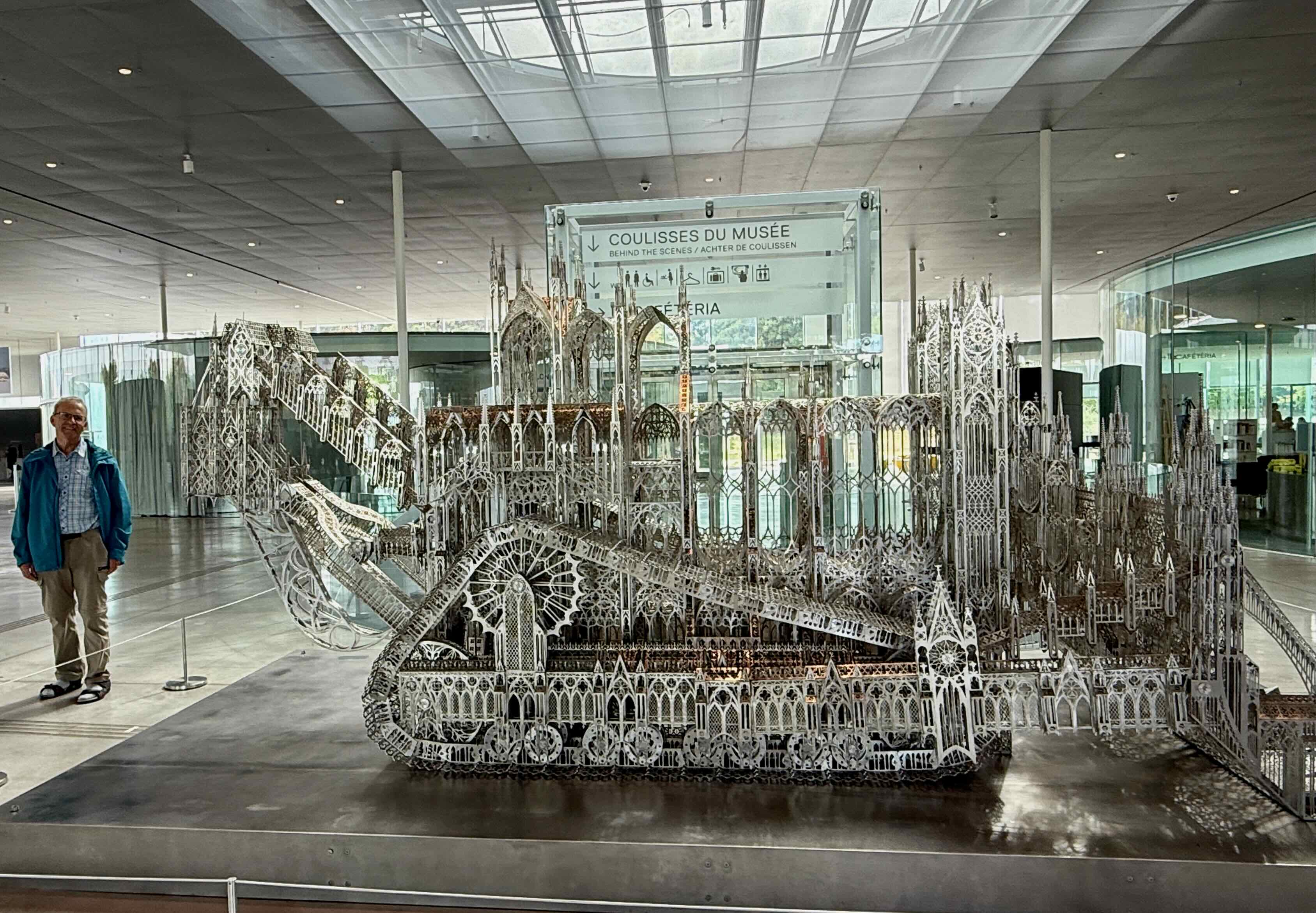 Downstairs is an exhibit of Ukrainian Icons. Today the term «icon» refers primarily to paintings made with tempera (egg-bound pigments) on a prepared wood panel. Icons are also characterised by the use of gold leaf. Museums around the world are safekeeping artwork from the Uraine until the war ends. The Louvre-Lens has four of Ukraine’s Icon paintings on display. This is The Last Judgement by Theodore Poulakis, 1661.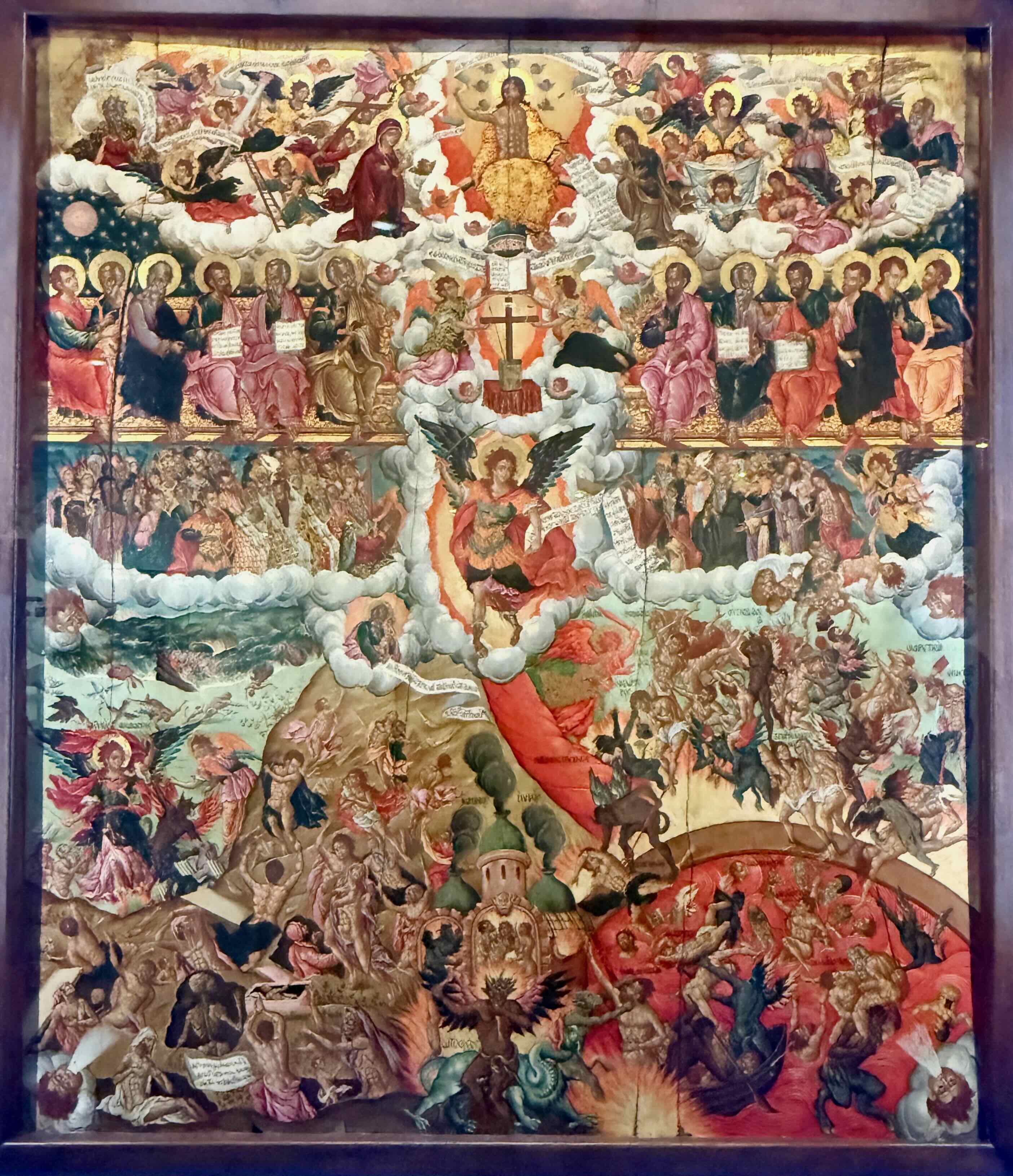
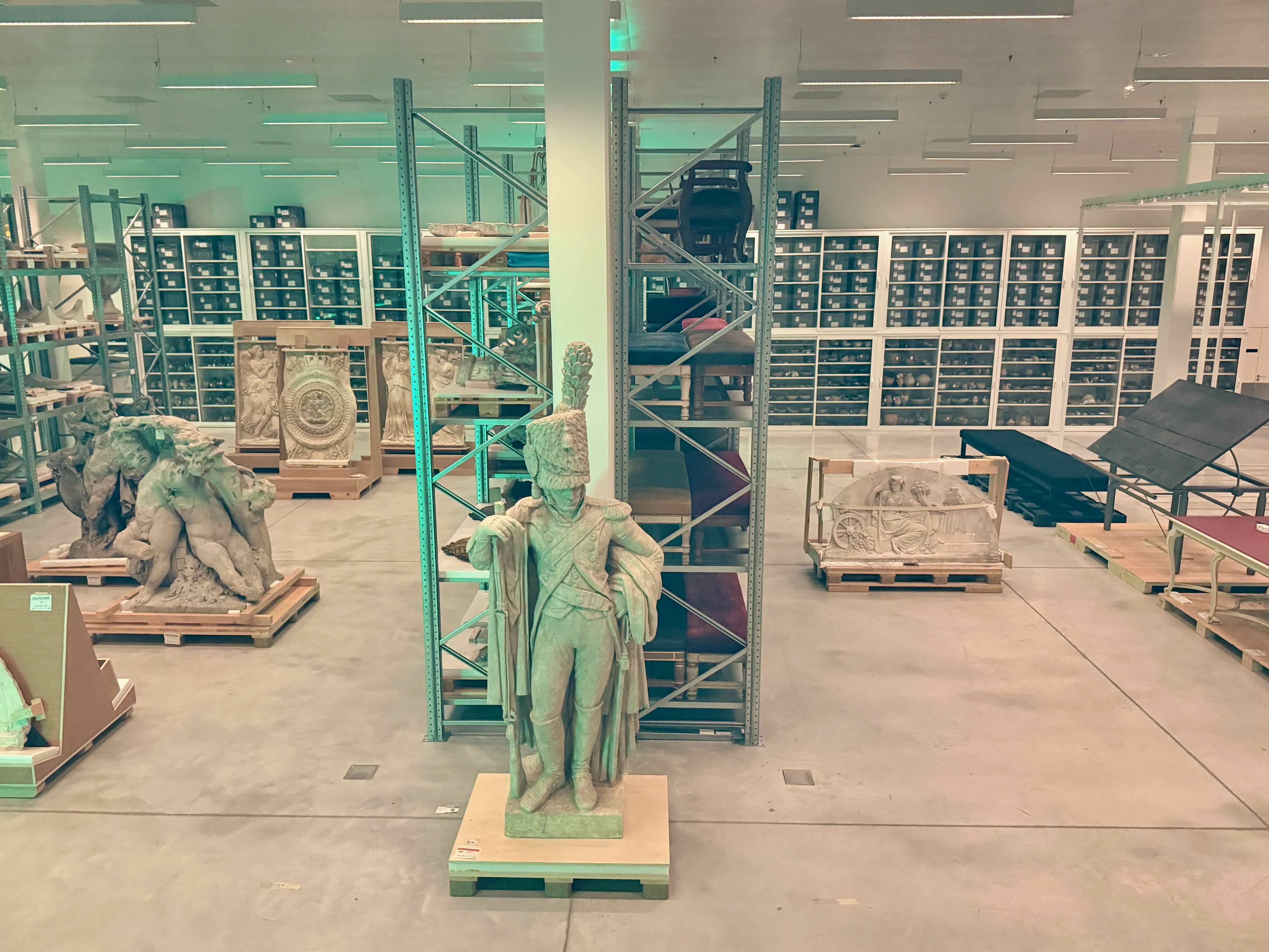 The main exhibit at the museum is The Gallery of Time.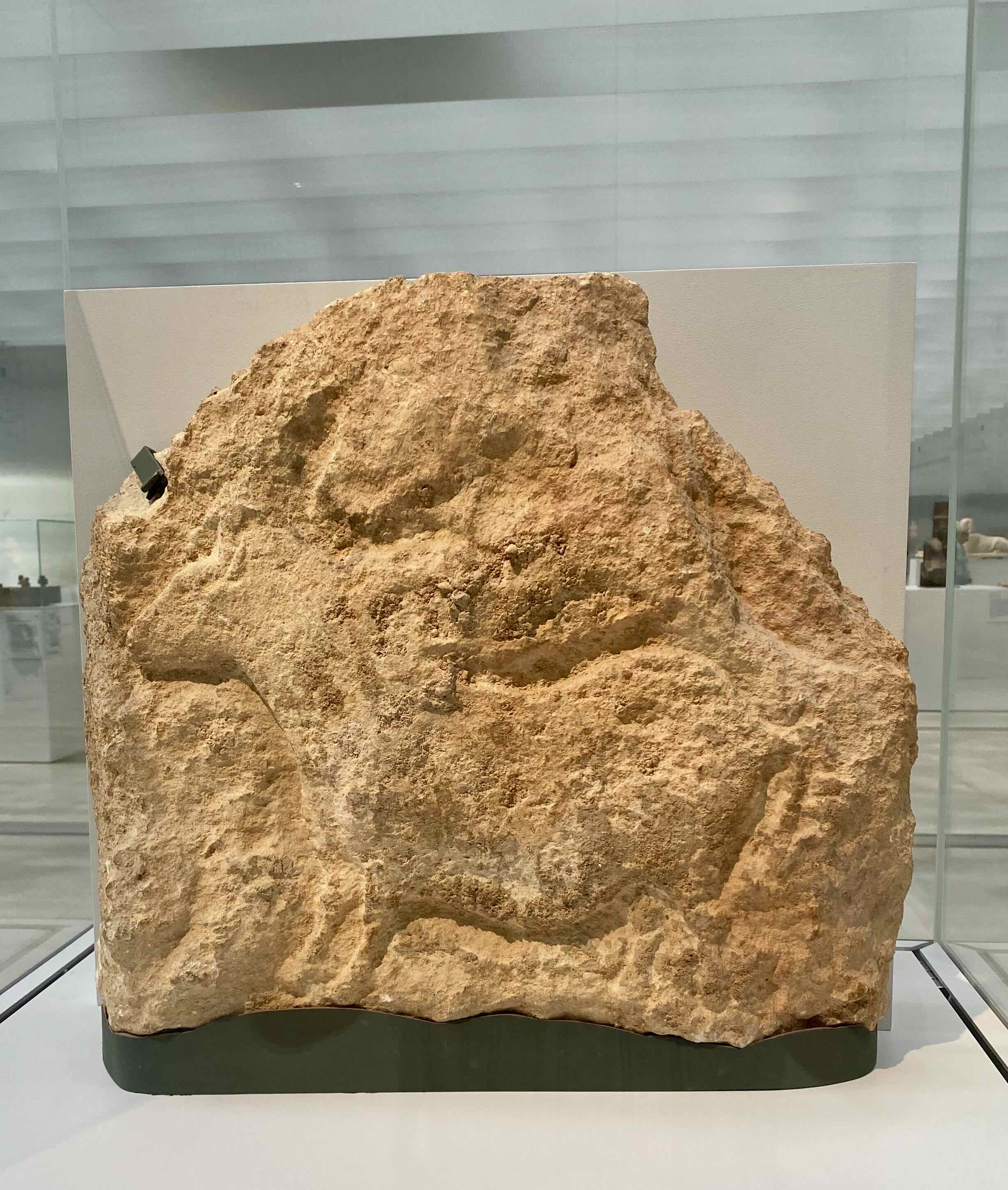


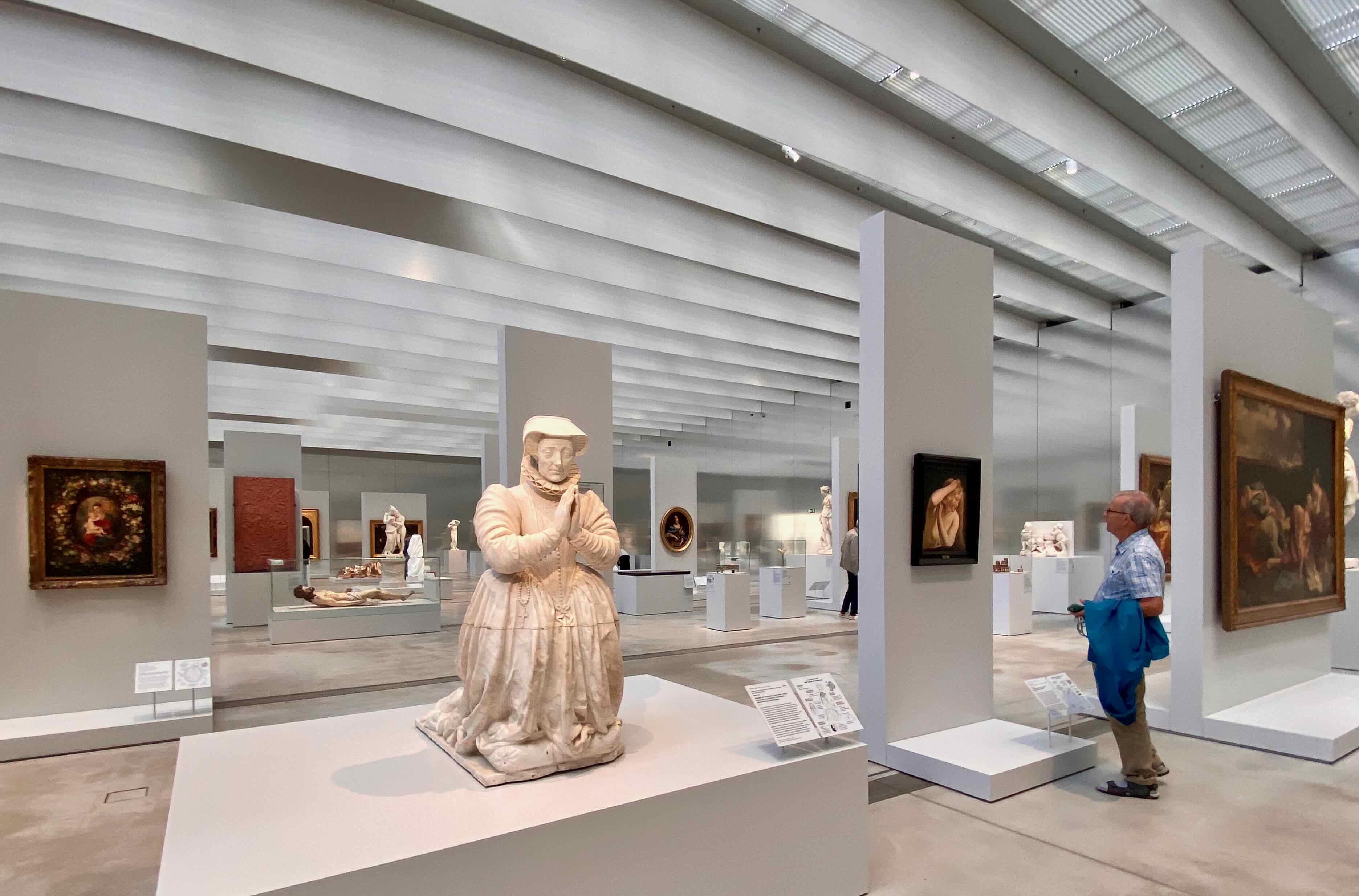
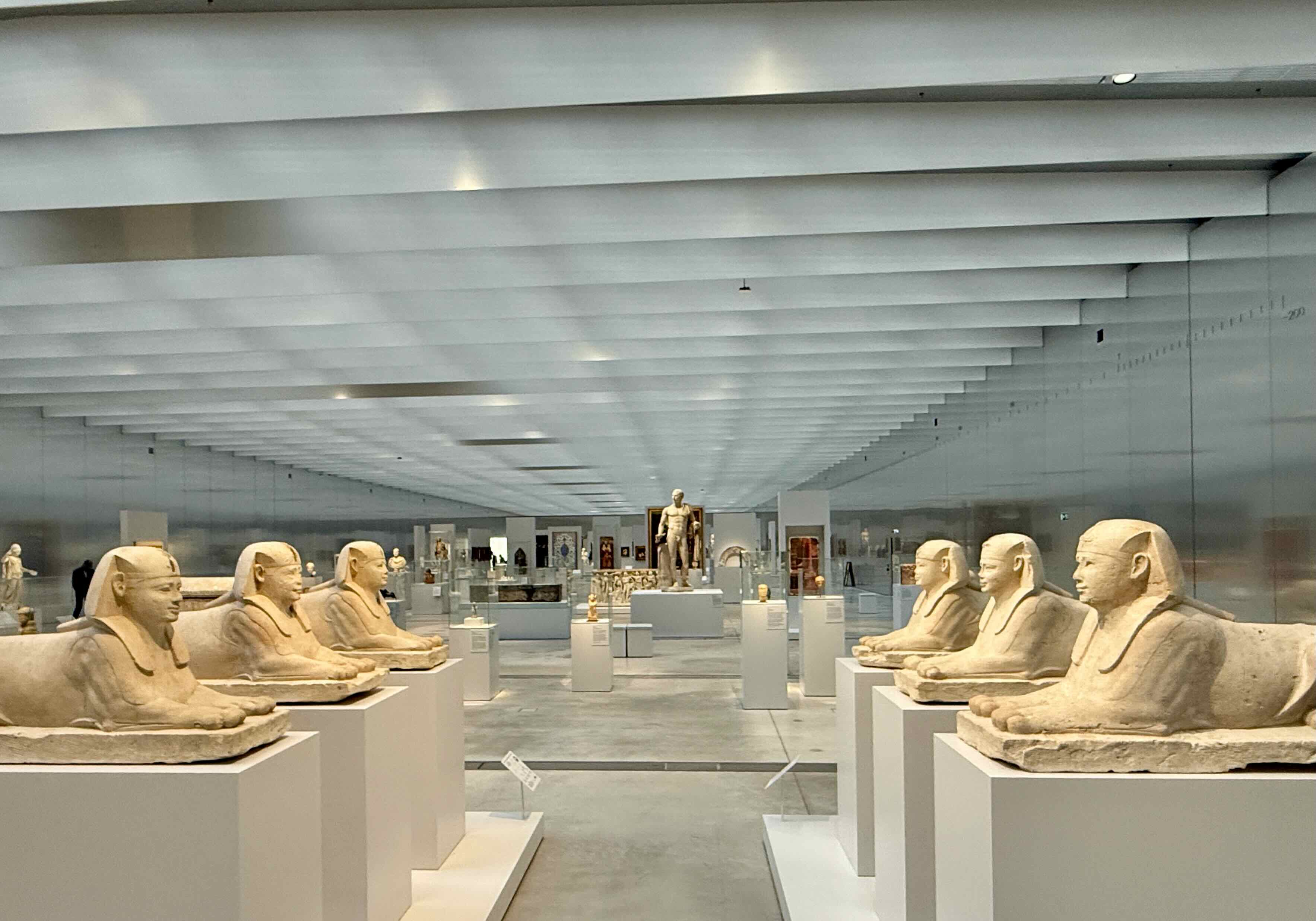
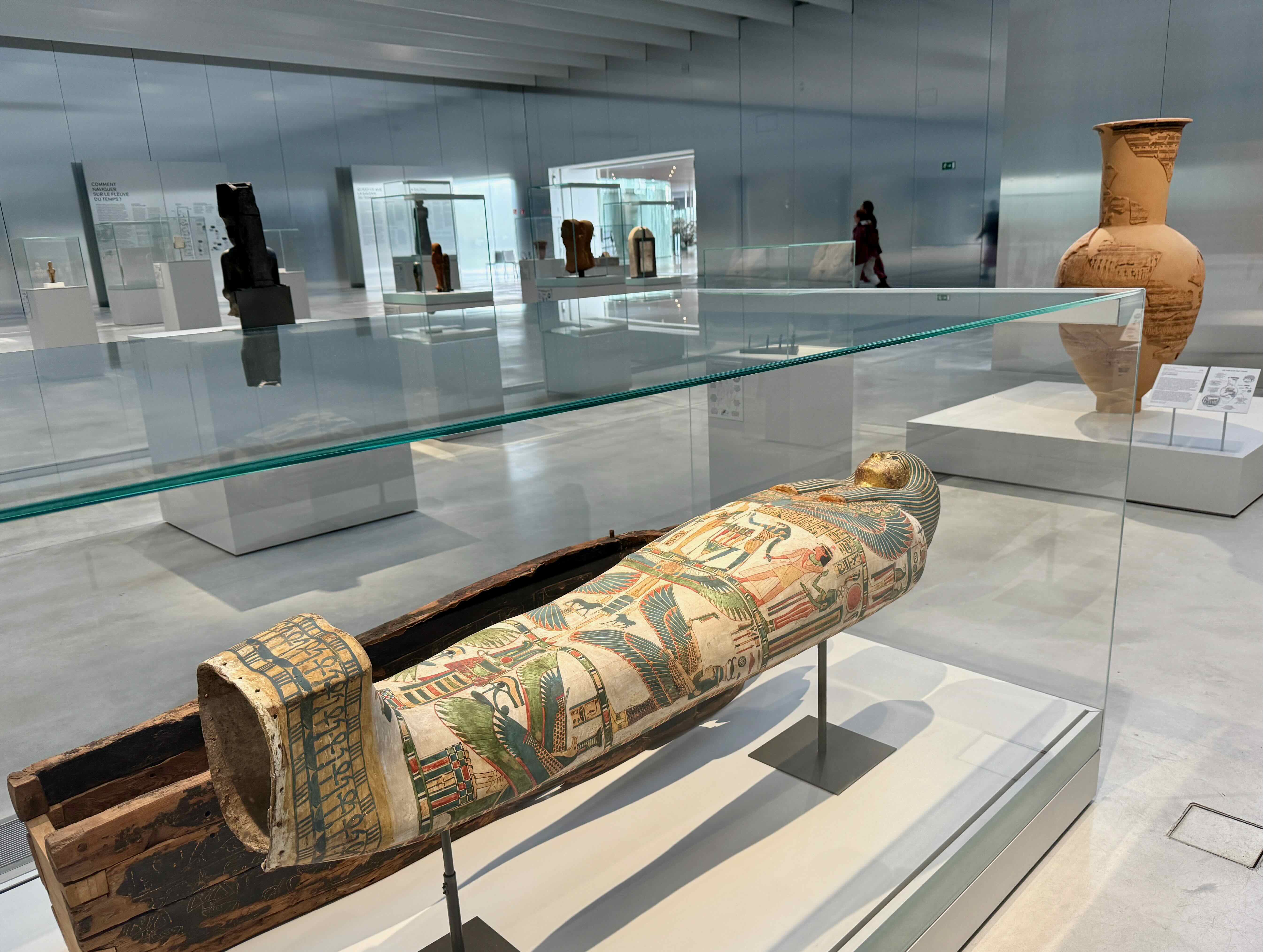
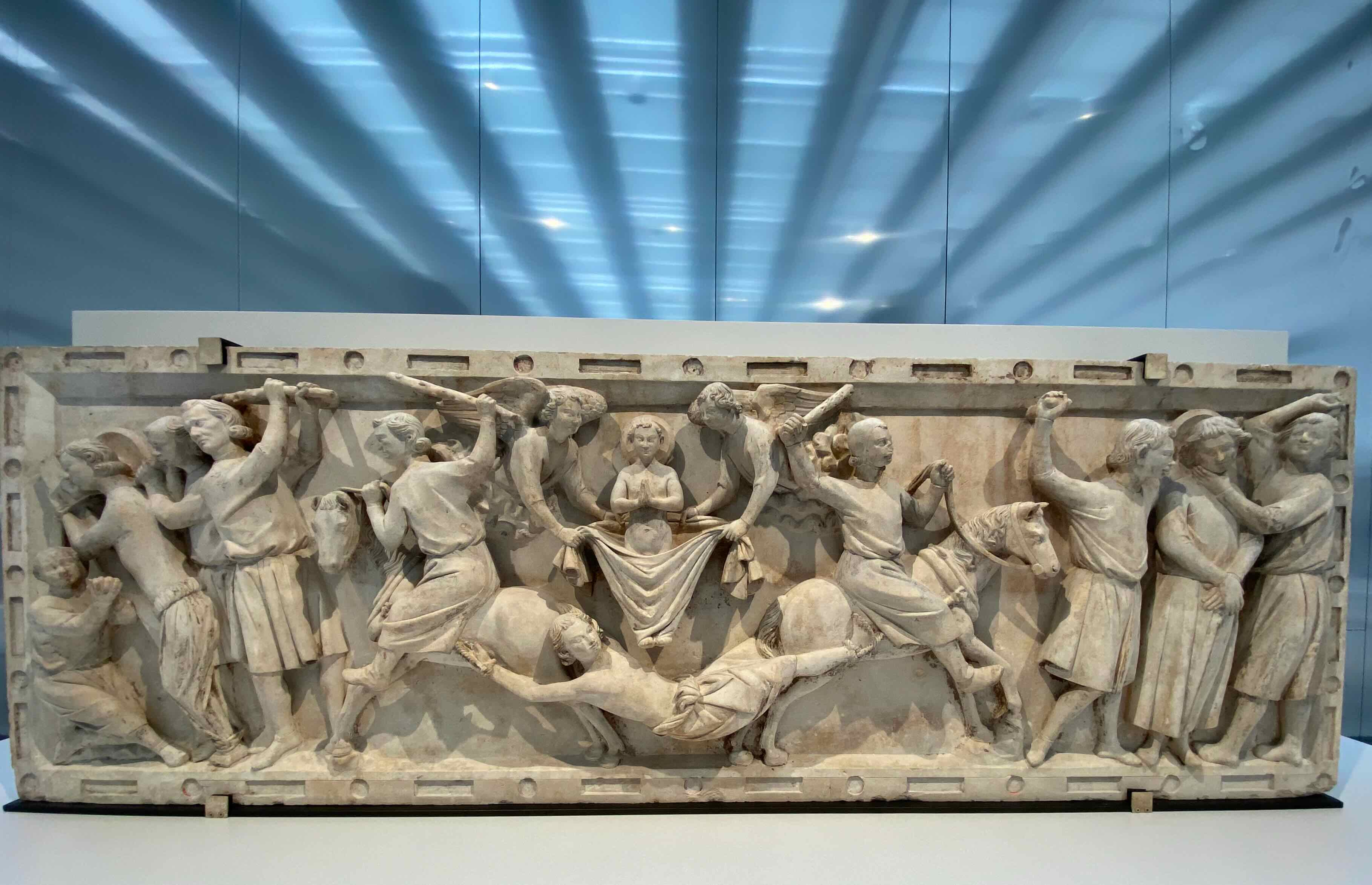
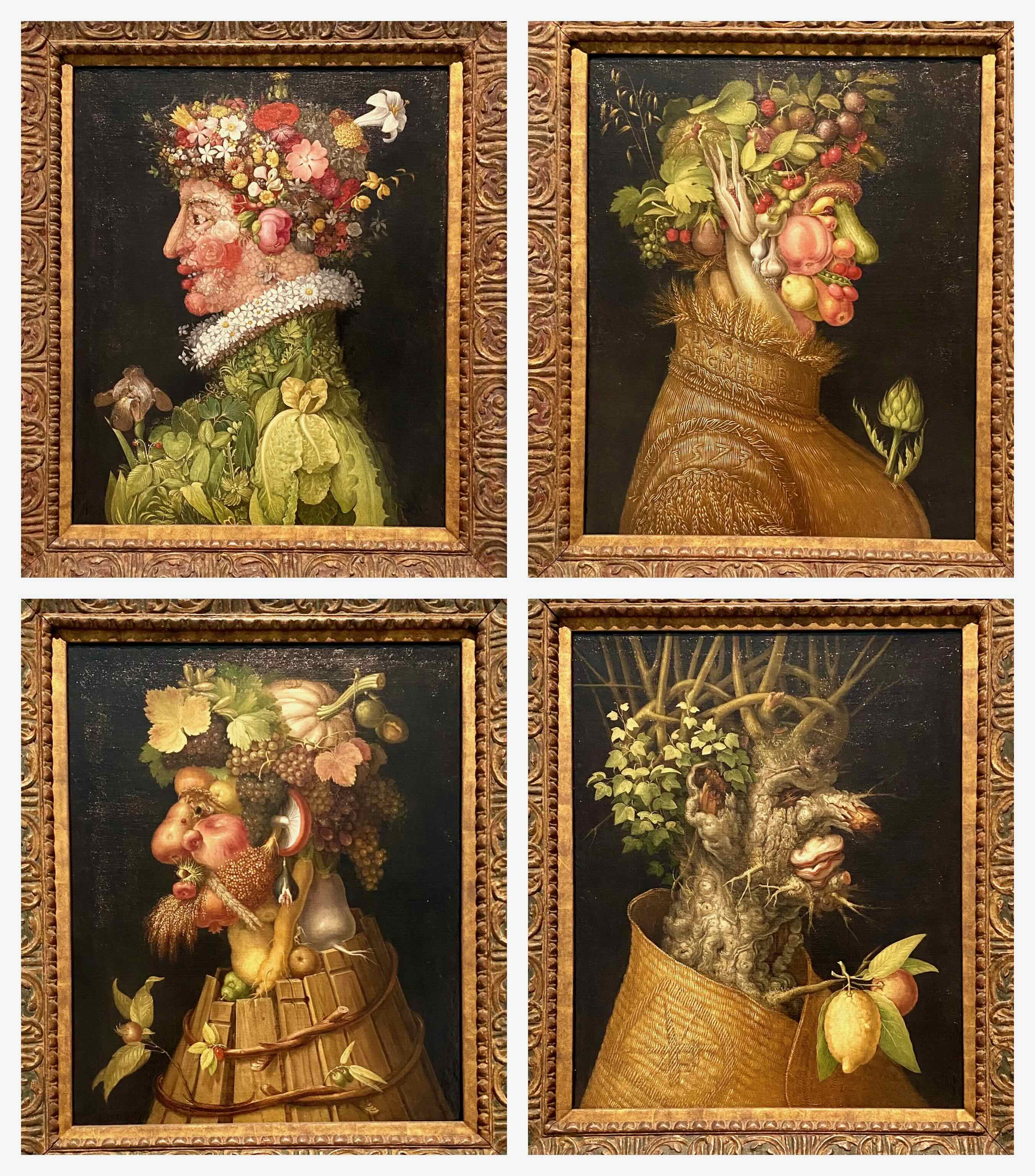
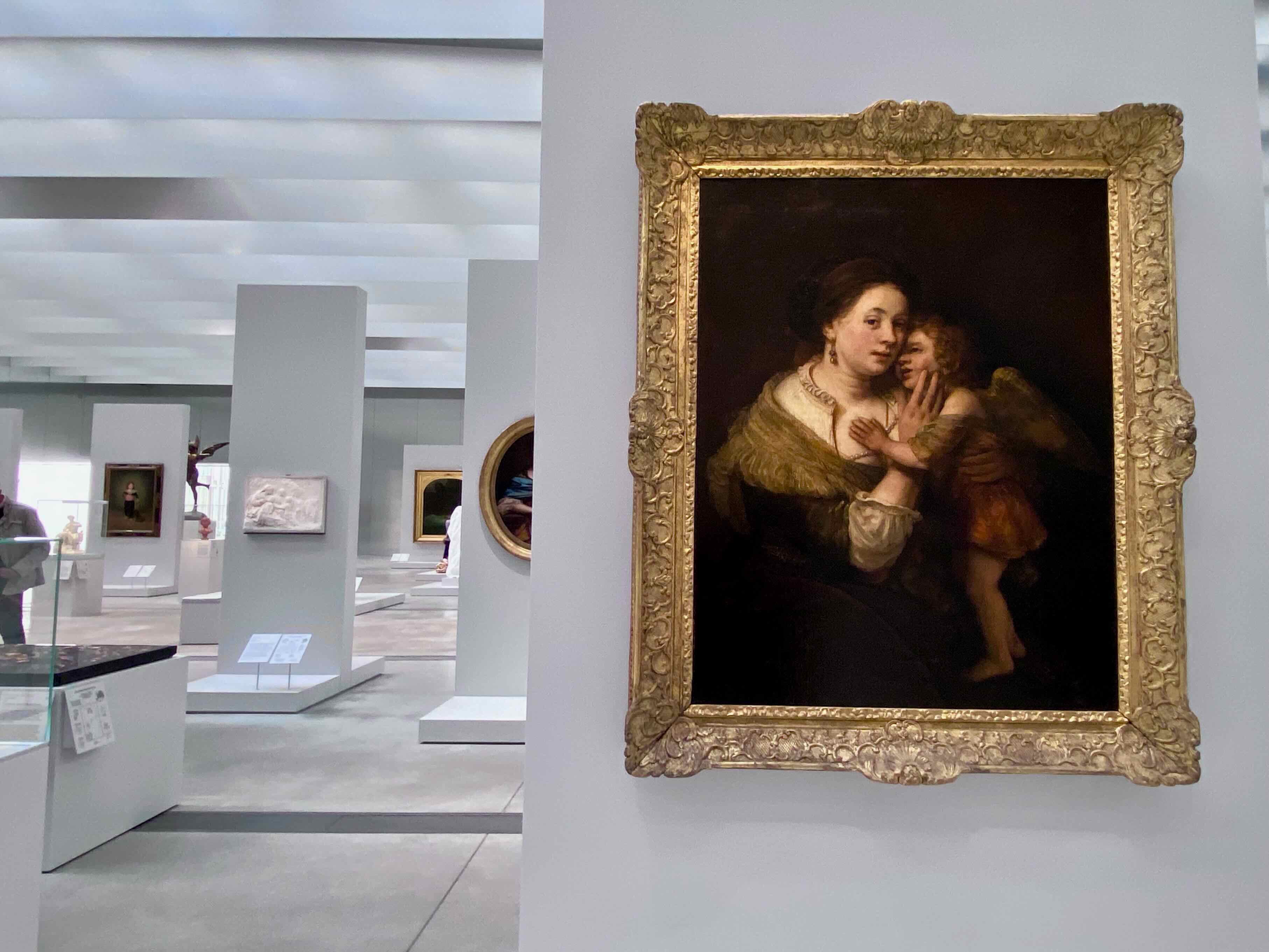
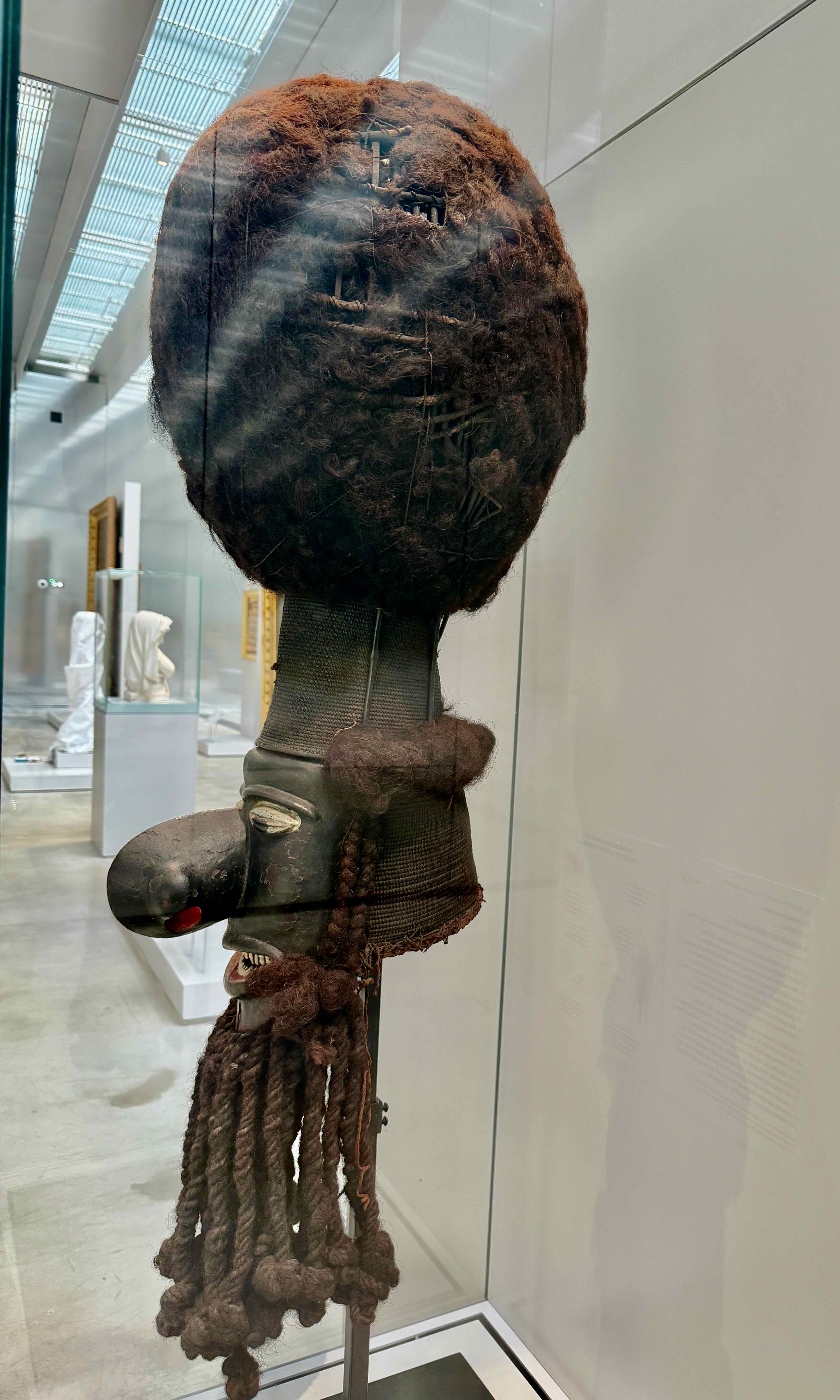
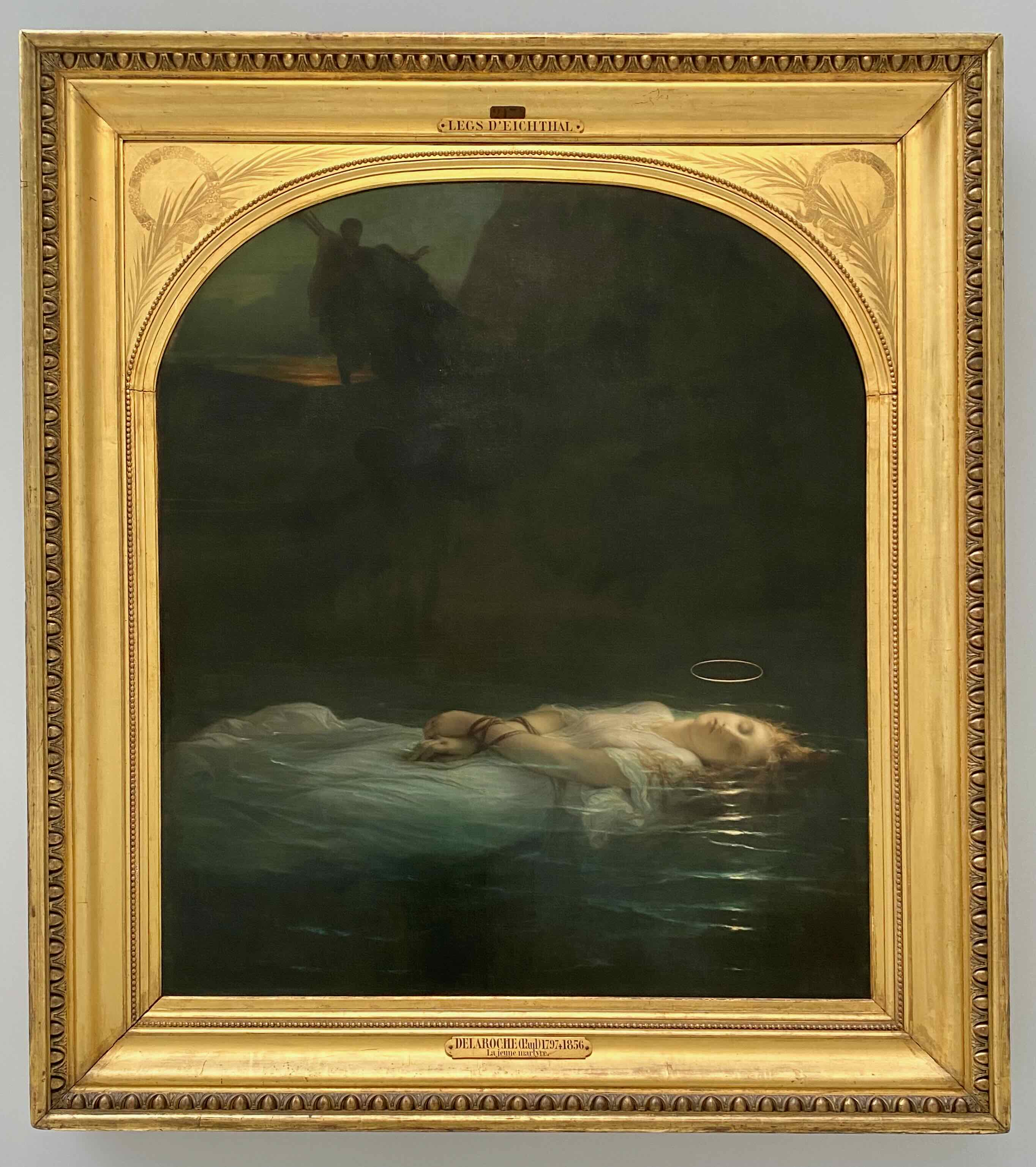
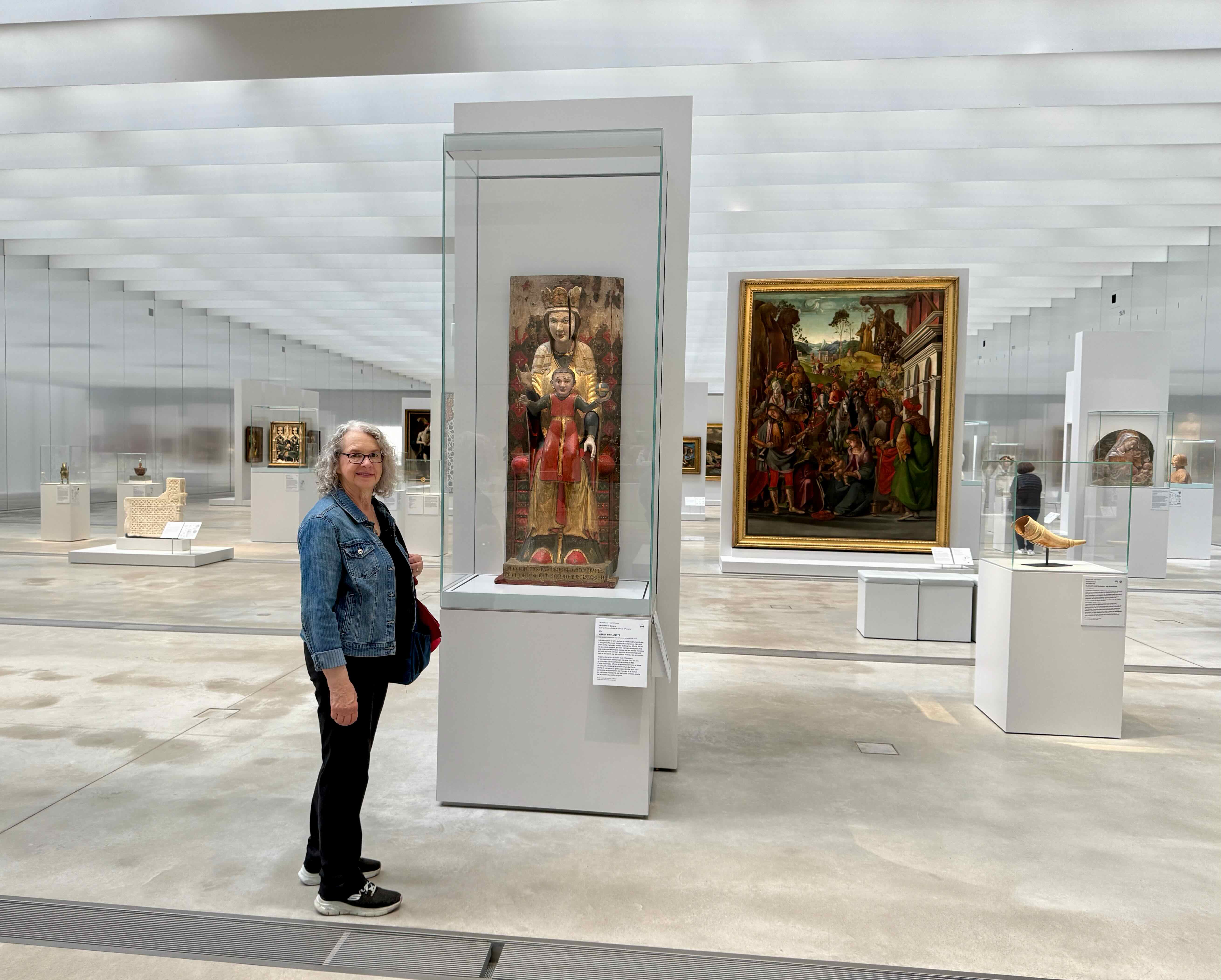 And here, in no particular order, are a few of the pieces that we found especially interesting.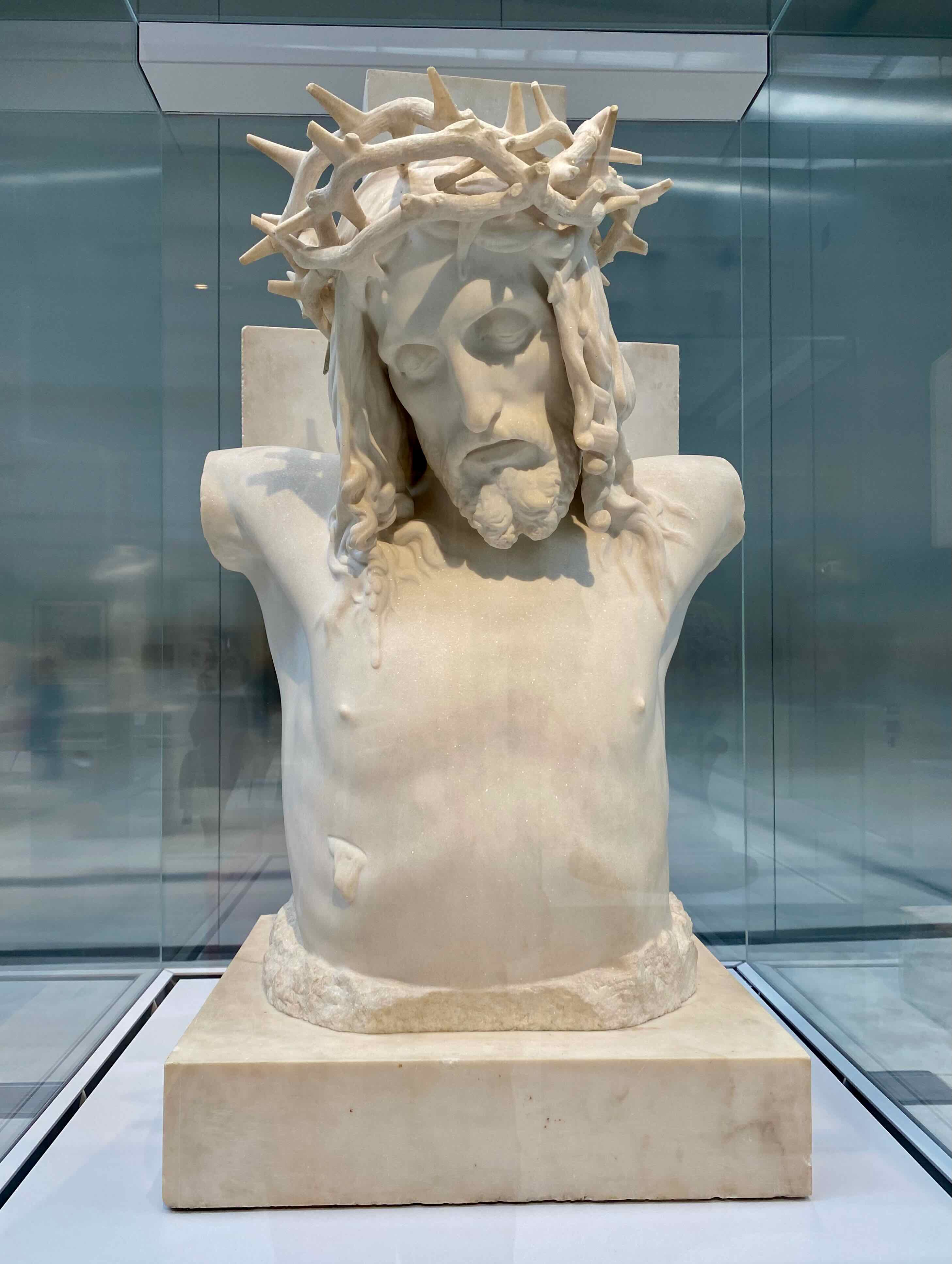
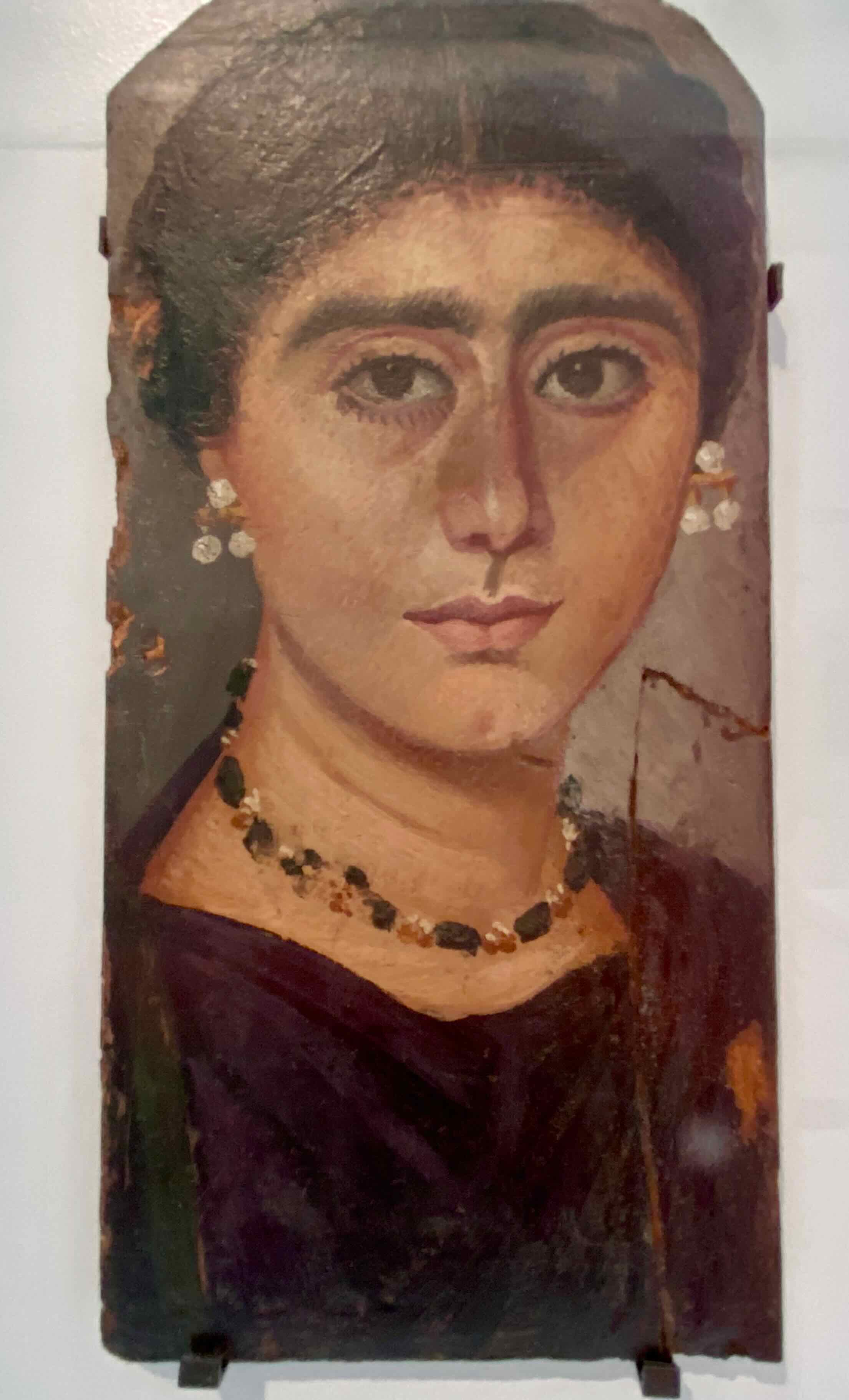
 Egyptian Tomb Portrait of a Woman c. 150 AD. I love these tomb paintings. We saw several of them years ago when we visited Egypt.
  Pieter Boel, c.1669-1671 Triple study of an Ostrich.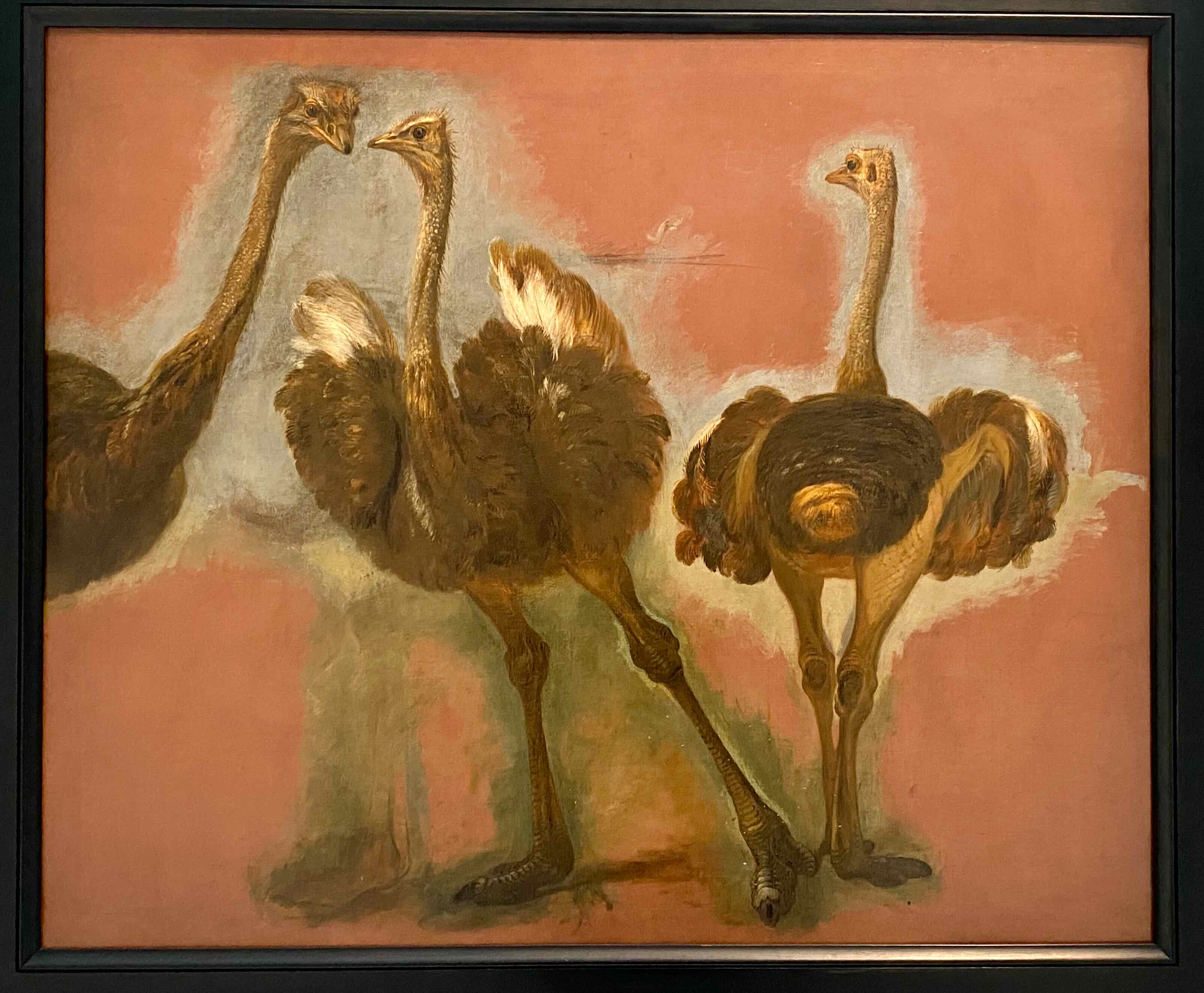
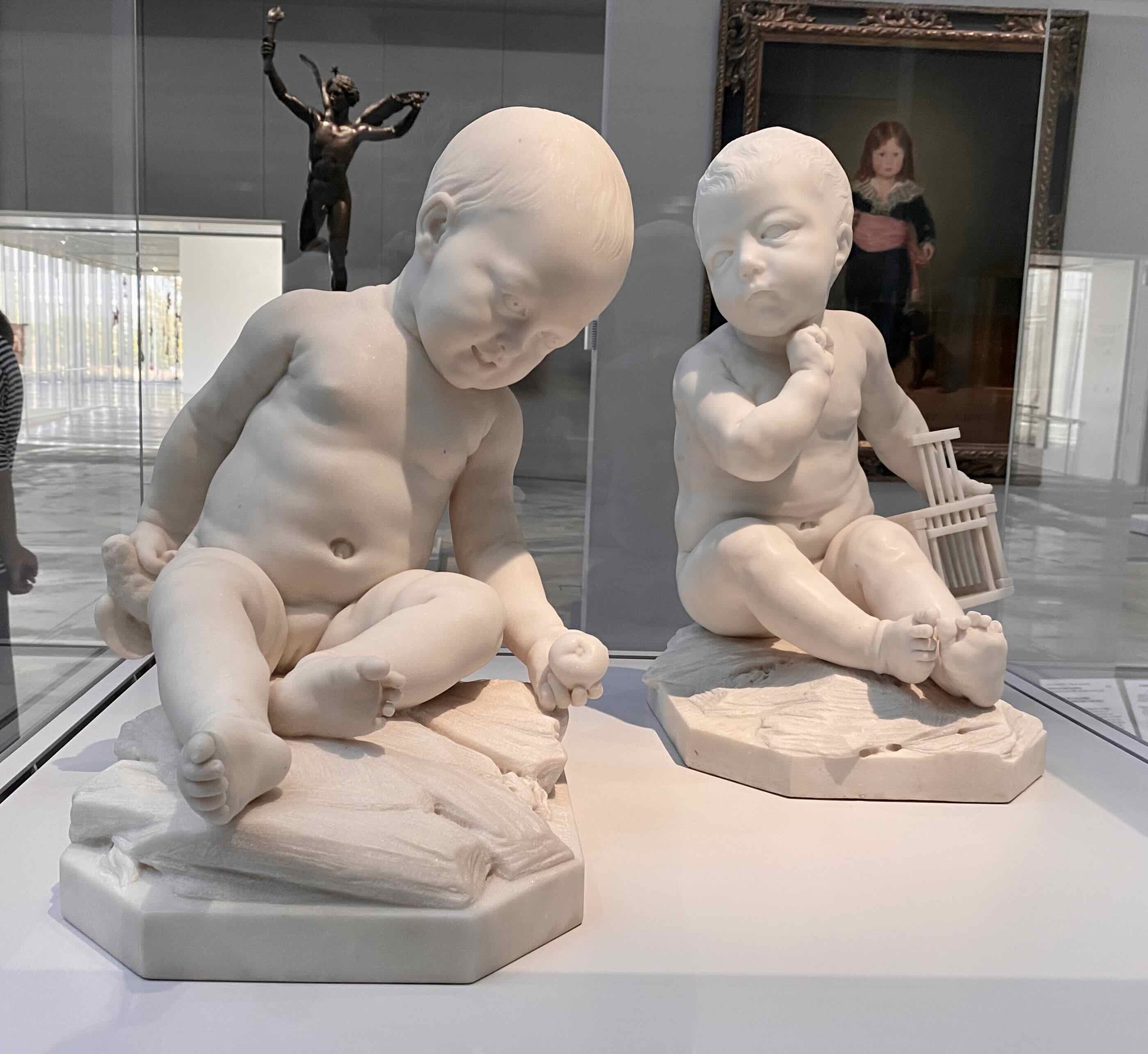
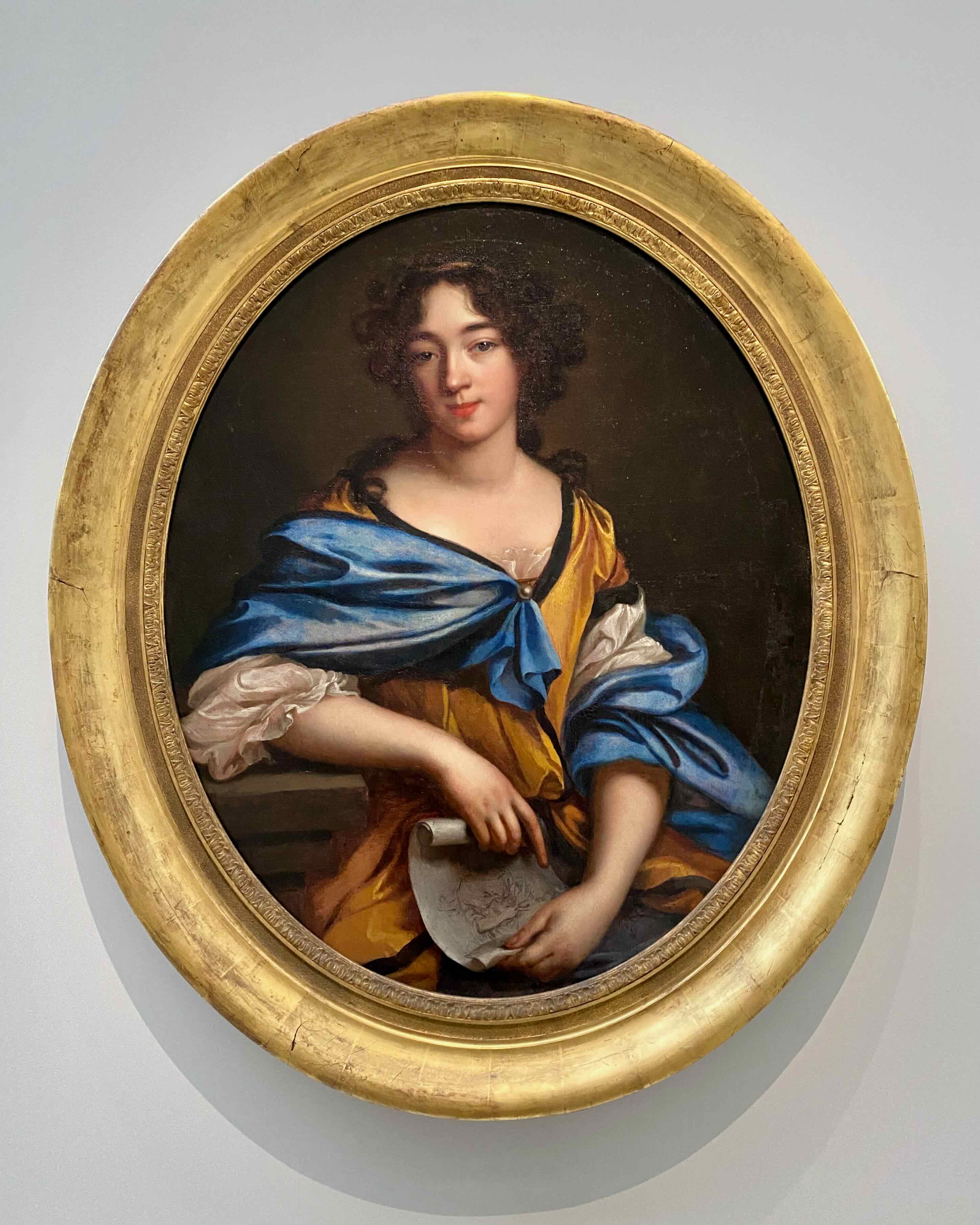
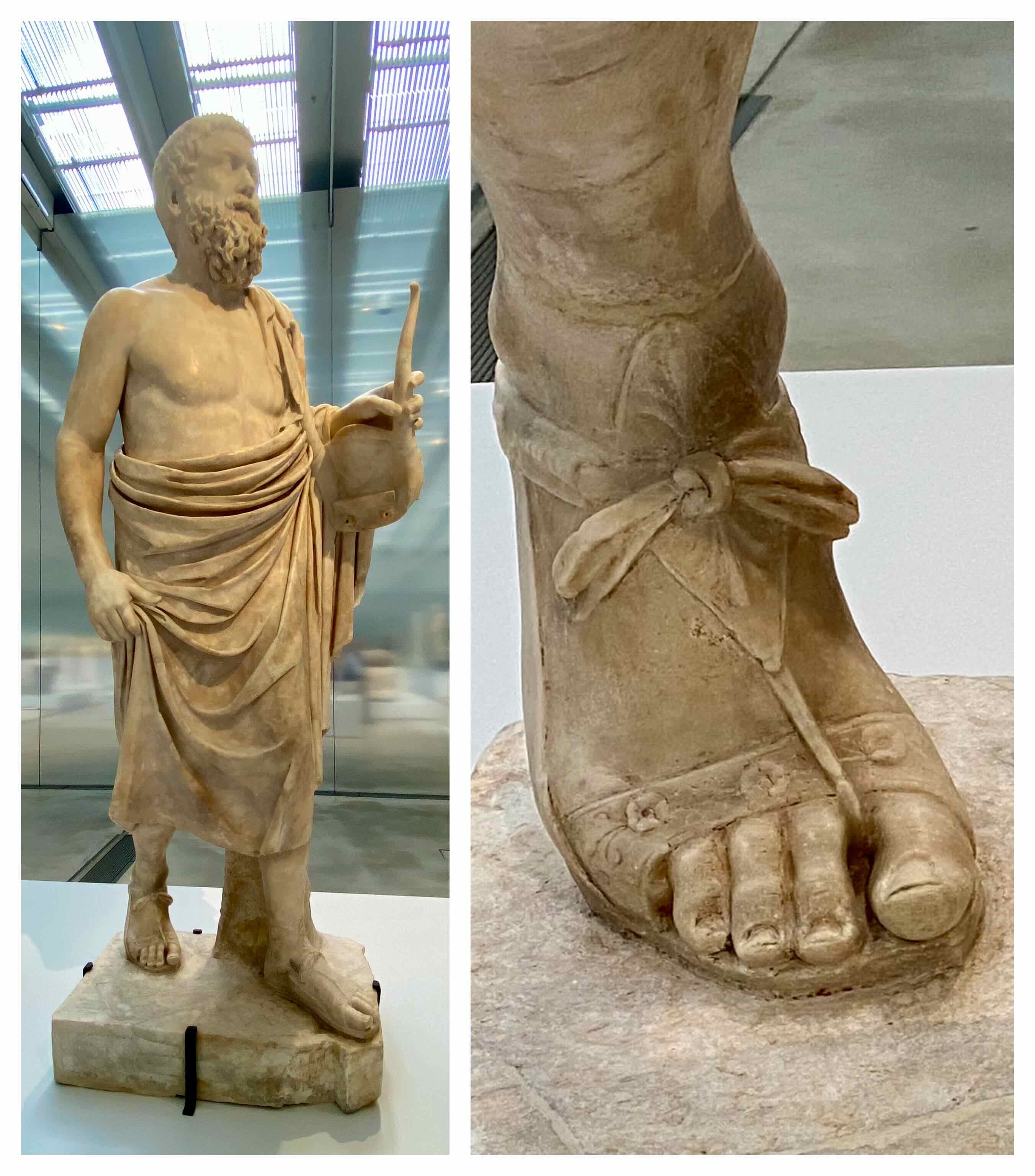
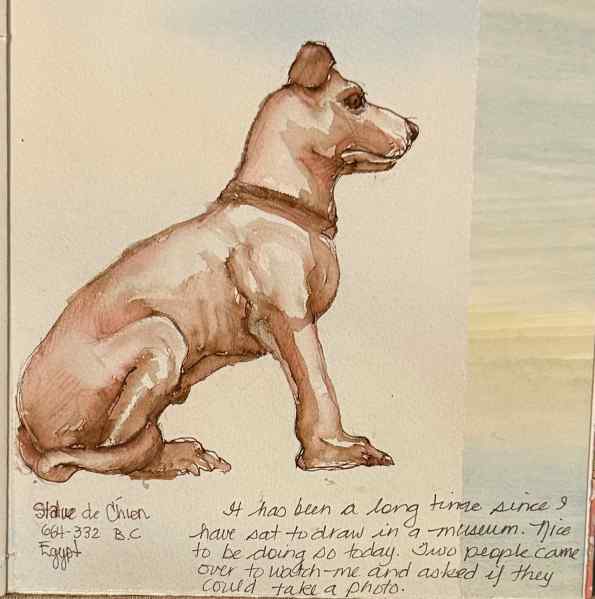
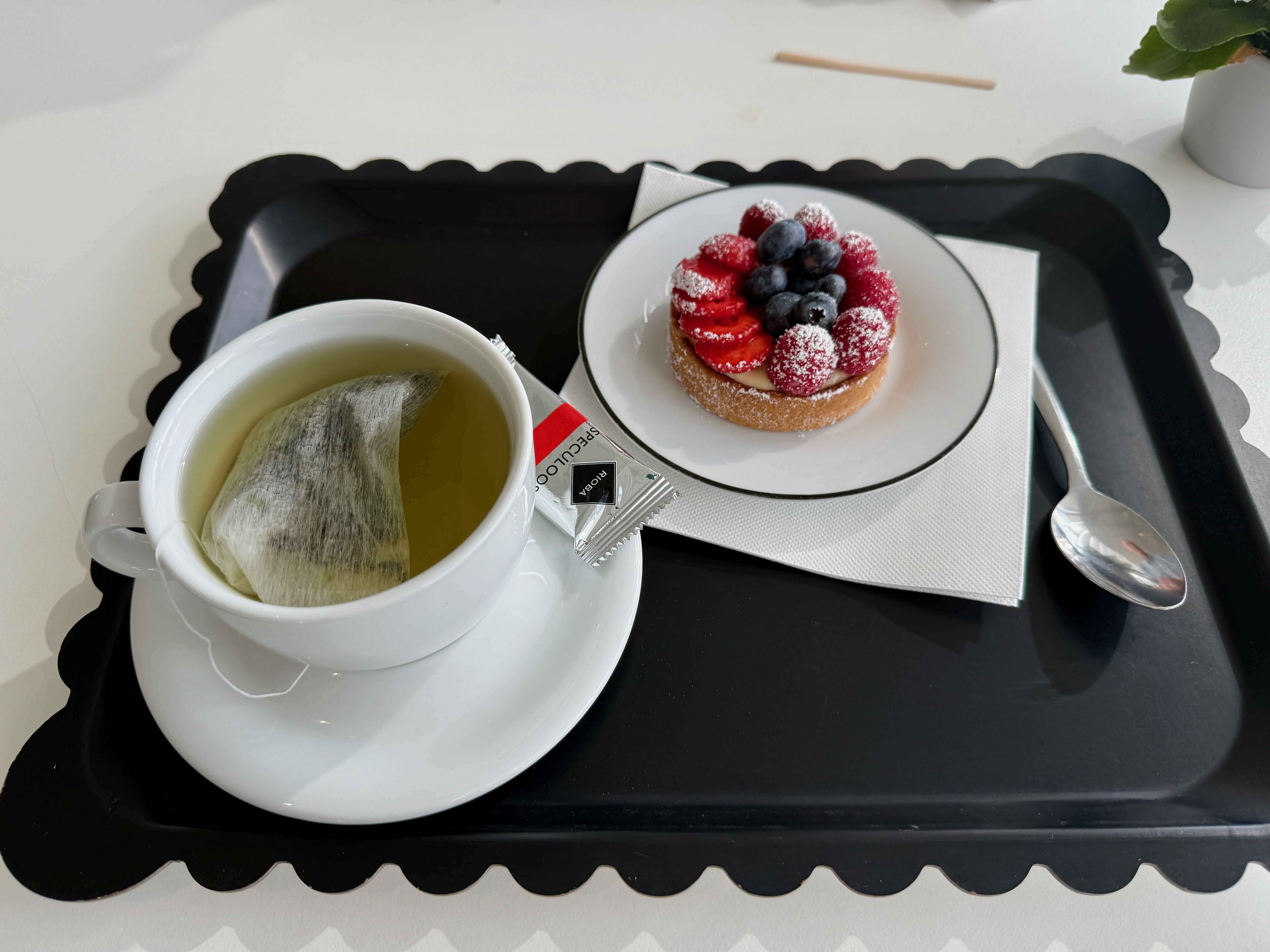 I asked how big the tea was and was assured that it was very big…well, this rather ‘very large” cup of tea was €5.50! Bob finds a spot to read and I go back to the gallery to do some sketching. They aren’t the best sketches but I had such an enjoyable time doing them. Two people asked if they could take a photo…people are always interested in what I am drawing.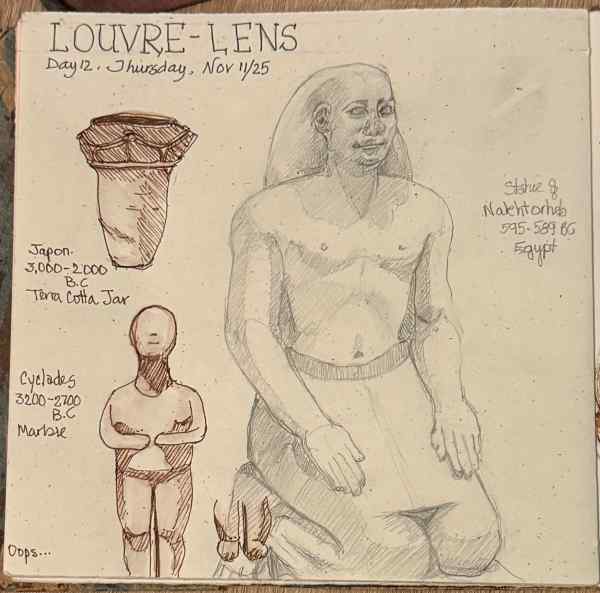

 trudymason.com