Day 72, Tuesday, November 5, 2019
I have been looking forward to visiting this Dürer Exhibit. I only found out about it in Munich at a drawing Meetup. This exhibition is the most comprehensive Dürer exhibition in decades. It really is a once-in-a-lifetime opportunity!
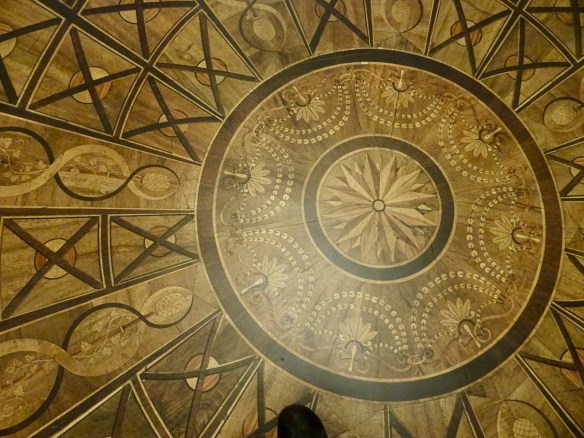
It is raining today so it is a good day to spend inside. We purchased our tickets online so no waiting in the lineup!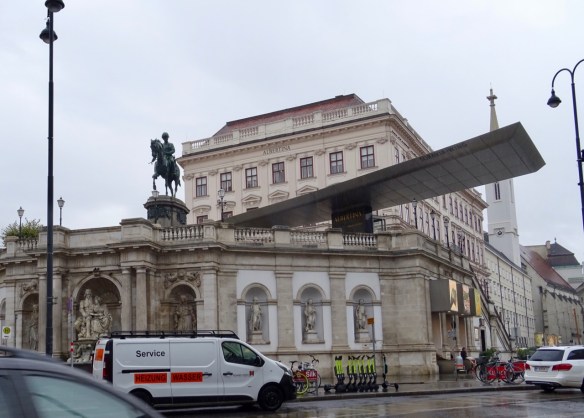 Before we see the Dürer exhibit we visit the other parts of the museum. There are 20 decorated and restored Habsburg State Rooms with precious wall coverings, chandeliers, fireplaces and stoves, inlaid floors, and exquisite furniture. We pass through these fairly quickly, we have seen quite a few of these kinds of rooms on this trip and I am more interested in the Dürer exhibit. The floors are beautiful with inlaid wood designs. We notice that the floors we walk on are actually reproductions placed over the original floors in order to preserve them. If you look closely you can just make out the seam lines of these rectangular reproduction tiles.
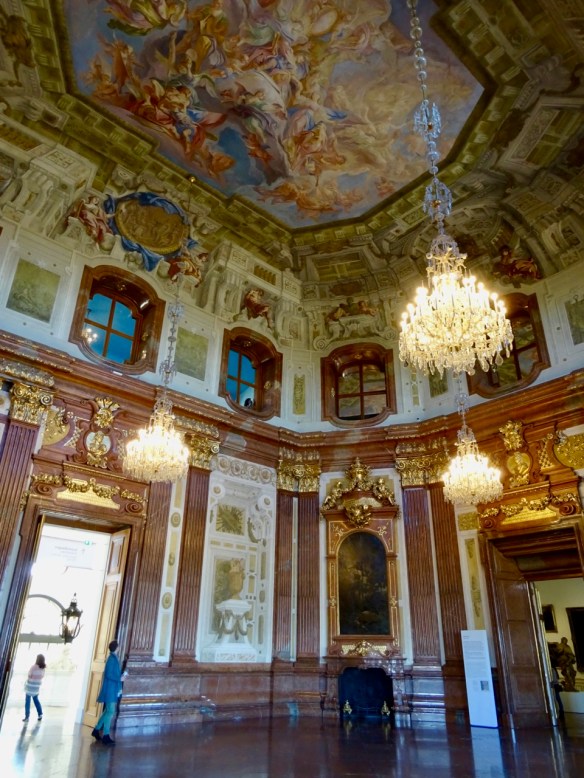
 The chandeliers in this room were very beautiful.
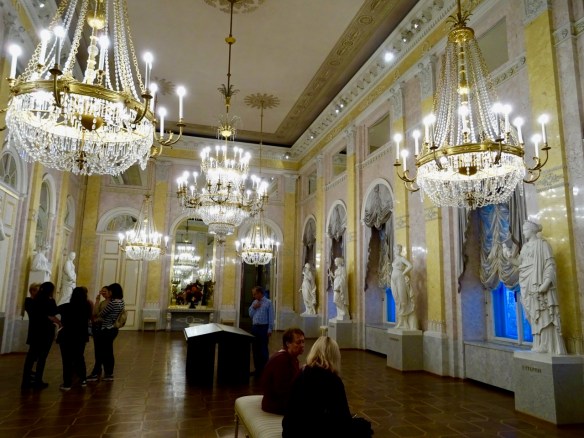 The most interesting thing in these rooms was the art exhibit on the walls. We have a print of this Hieronymus Bosch drawing at home. Unfortunately the drawings and prints are facsimiles. Very good ones, but facsimiles non-the-less. This is necessary as works on paper are fragile and can not be displayed for long periods of time.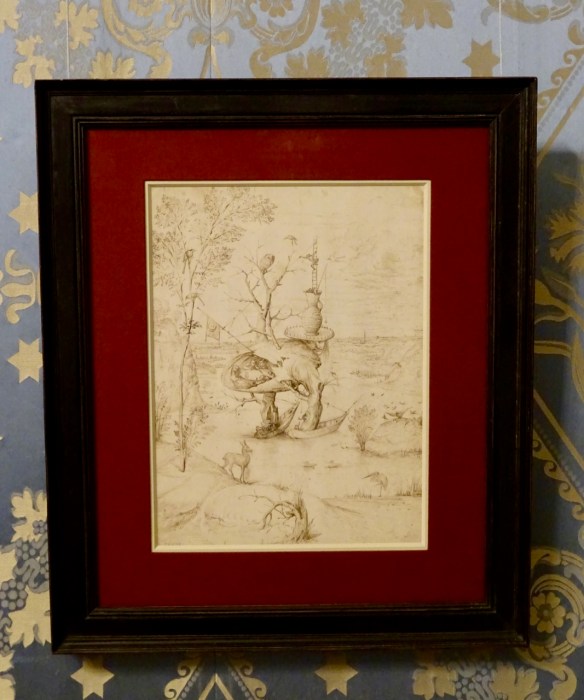
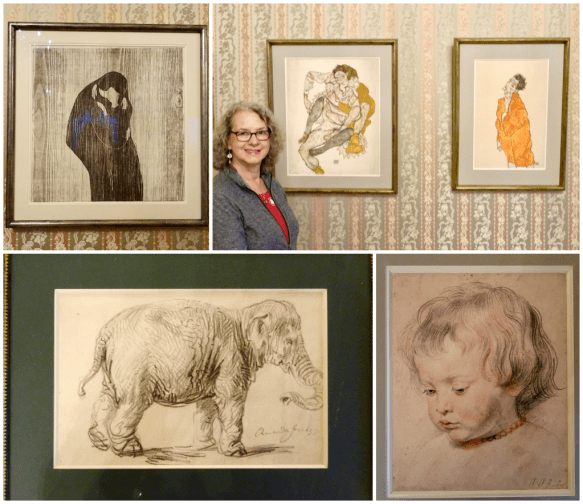
There are so many works that I am familiar with and some, like the Munch woodcut that are new to me. These are: Munch’s The Kiss IV, two Schiele watercolours, Rembrandt’s Elephant, and Rubens’ drawing of his son Nicolas.
 Now on to the main event!
It has been decades since so many works by Albrecht Dürer (1471–1528) have been seen in one place. There are more than 200 examples of Dürer’s drawings, printed graphics, and paintings on display at the Albertina.
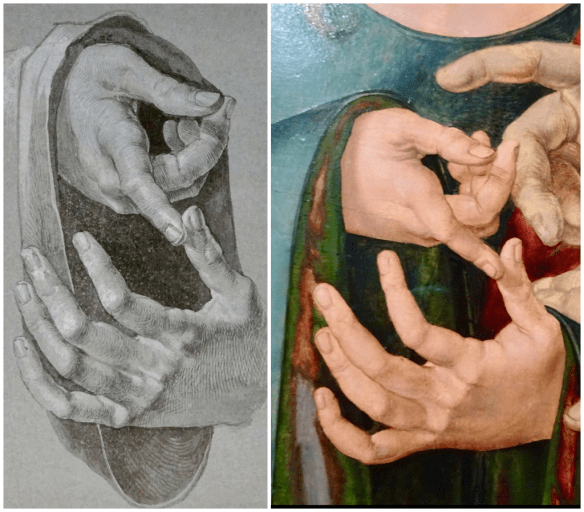
This ‘Self Portrait at the Age of Thirteen’ from 1484 is the first work that I see when we enter the exhibition rooms.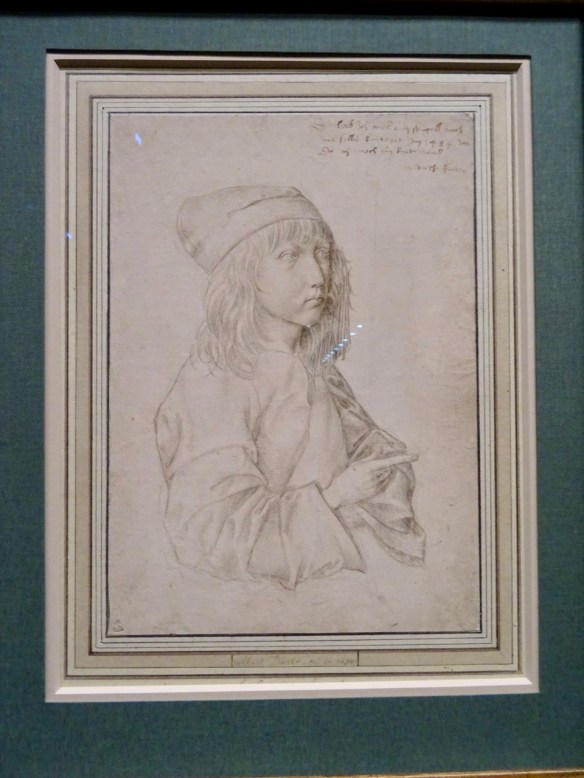 I took so many photos but have chosen just a few of my favourite ones for today’s post. Here is ‘Three Studies of Dürer’s Left Hand’ 1493/94. I like drawing hands and feet and there is much to learn from Dürer.
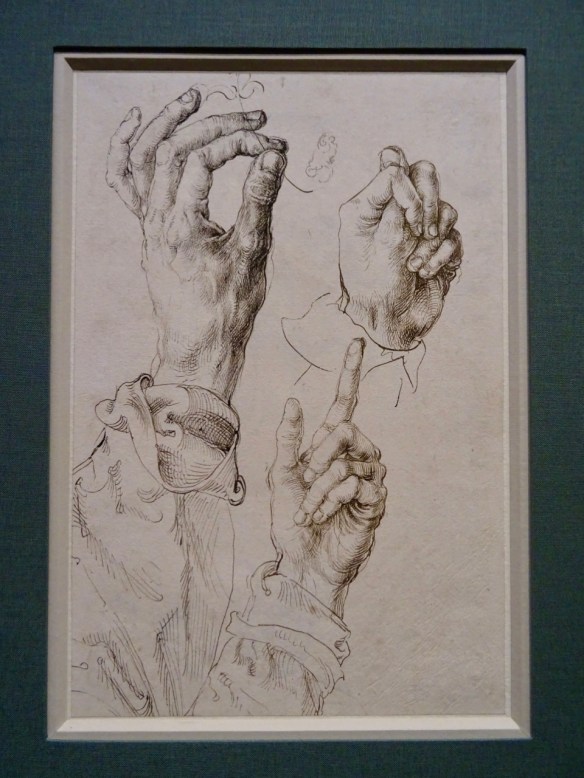 This page of studies was so interesting.
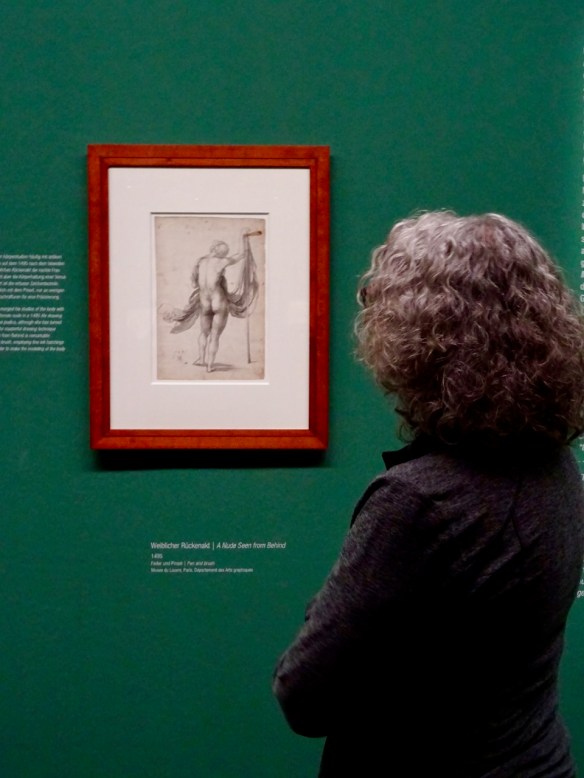
 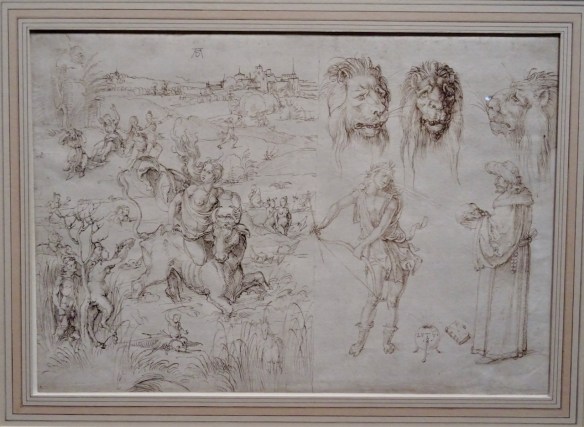 Here is another drawing I have seen so often in books.
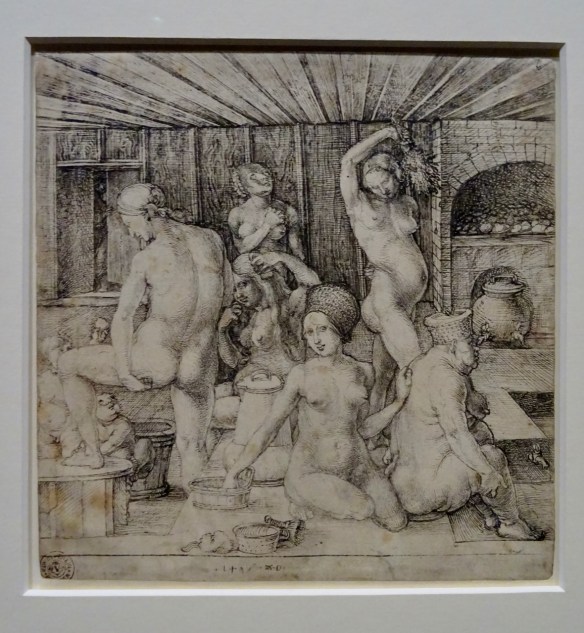
 ‘The Woman’s Bath’ is a pen and ink drawing…
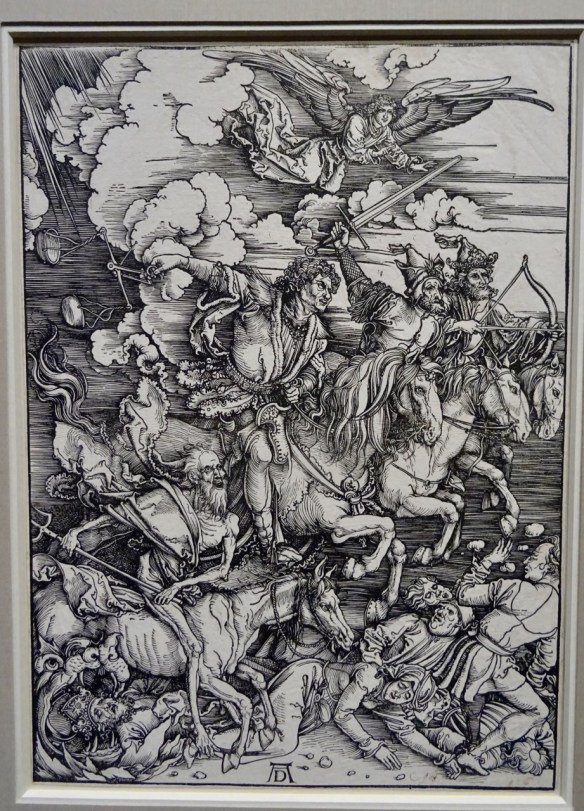
 and this ‘Illustration for the Apocalypse’ is a woodcut. Dürer was a master of all mediums.
 Dürer’s watercolours are exquisite. This painting is simply titled ‘Iris’.
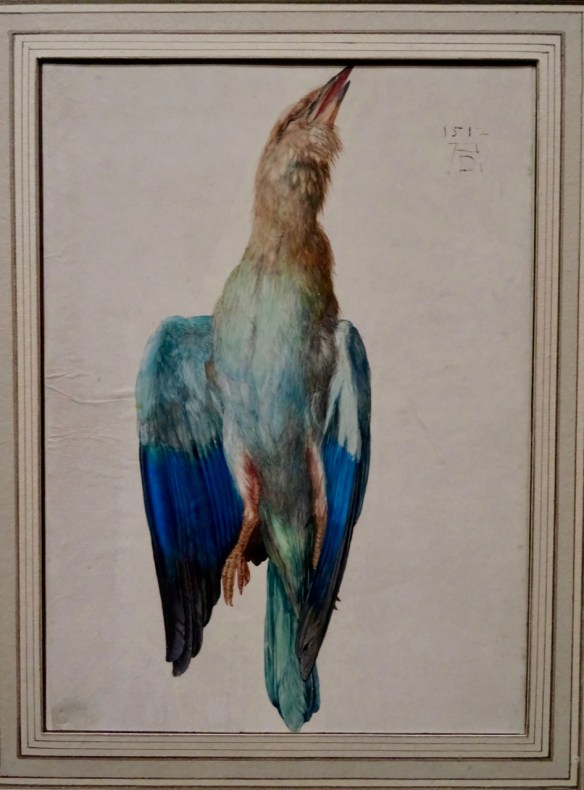
 A watercolour study of a ‘Blue Rolle’r from 1500.
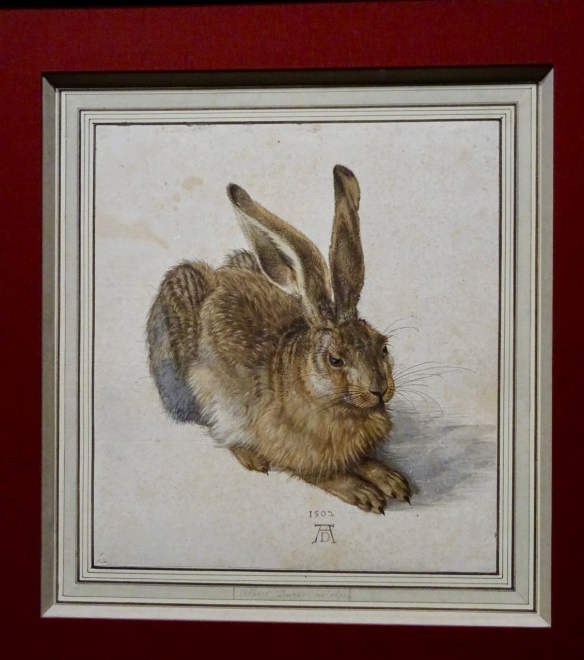
 We enter another room and there on the far wall are three famous works. Dürer’s ‘Young Hare’ is only exhibited once every five years for a period of no more than three months. It is just luck that it is on exhibit while we are here. This is another print that we have at home. Bob wishes it was the original!!
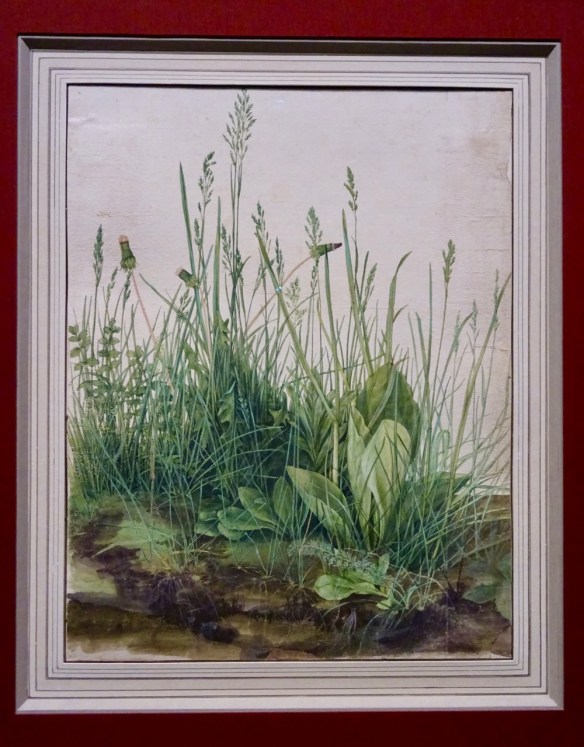
 ‘The Great Piece of Turf’ was painted on the largest piece of paper available at the time to portray the plants life sized.
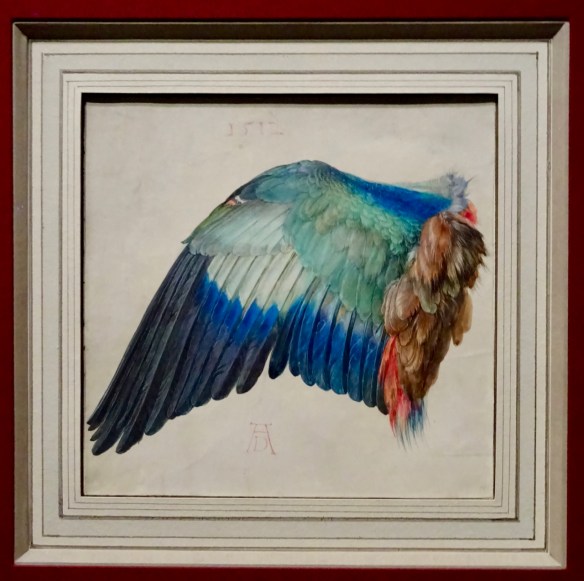
 ‘The Wing of a Blue Roller’ is quite amazing. This work is watercolour and body colour on parchment with fine gold lines on the breast plumage to enhance the iridescence of the feathers. There is no one telling visitors to keep a certain distance from the works, so my nose gets up very close!
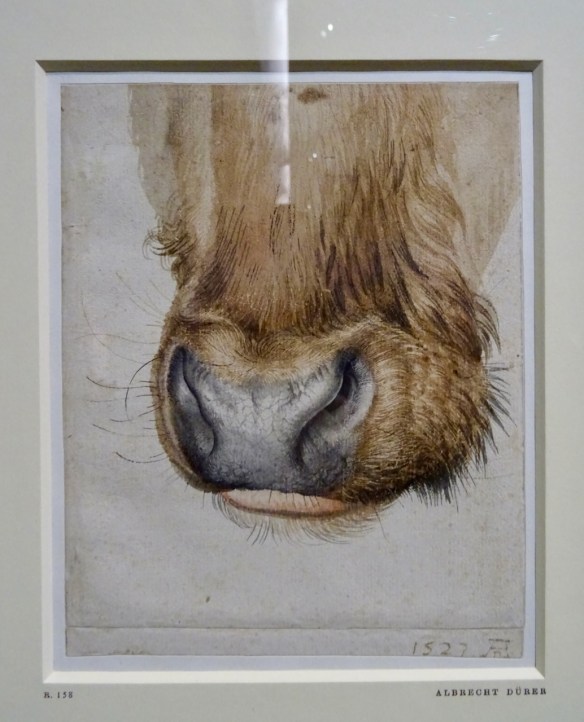
 I liked the study of a bull’s nose too…
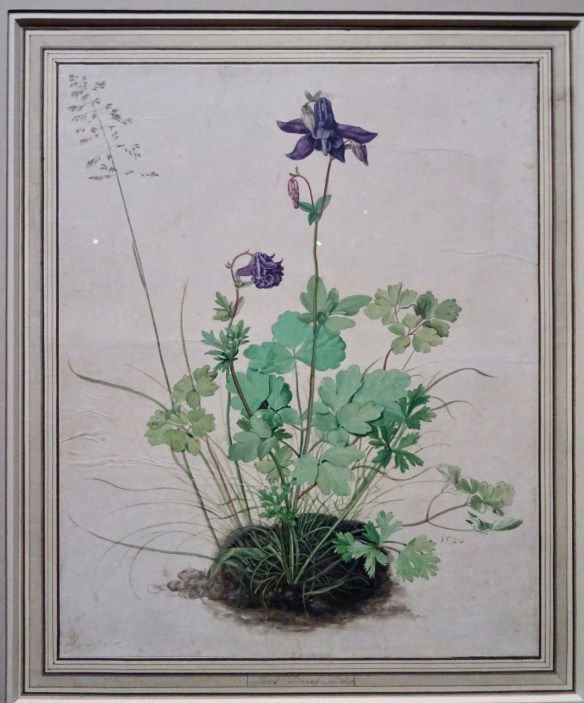
 and this ‘Columbine”…
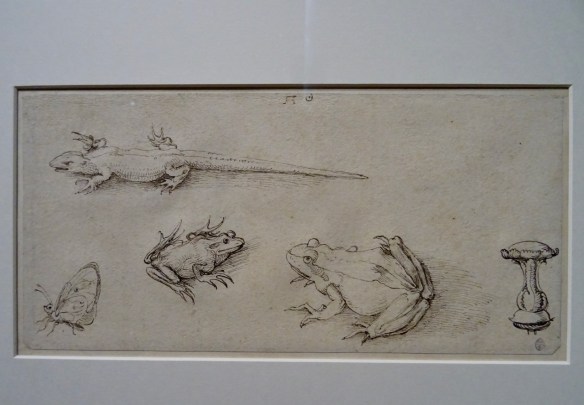
 and this page of studies.
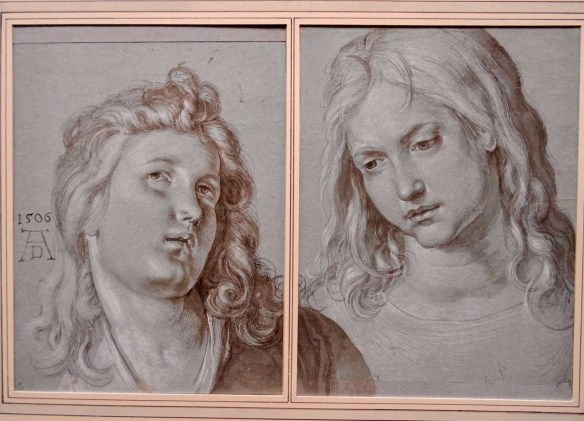
  OK. I love pretty much everything I see here! This head of an angel and head of twelve year old Jesus are studies for a larger painting …
 as is this hand study. It is fascinating to see the studies and then the finished painting.
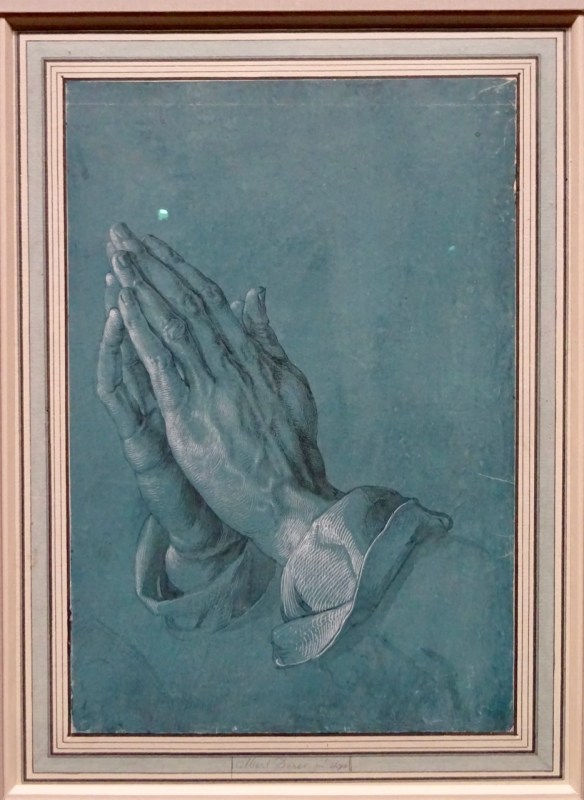
 ‘The Praying Hands’ is a well known Dürer image.
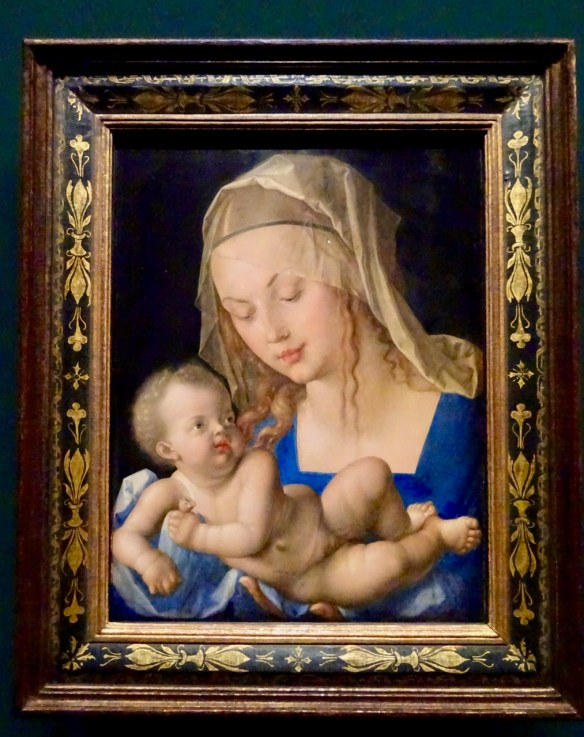
 I really didn’t know much about Dürer’s oil paintings. I particularly loved this one. The Madonna’s face is so beautiful.
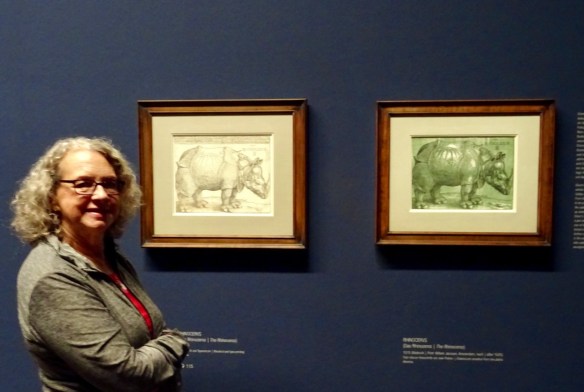
 Dürer drawing and woodcut of a rhino were made without his ever having seen a rhinoceros! He drew from a written description of the animal and his imagination.
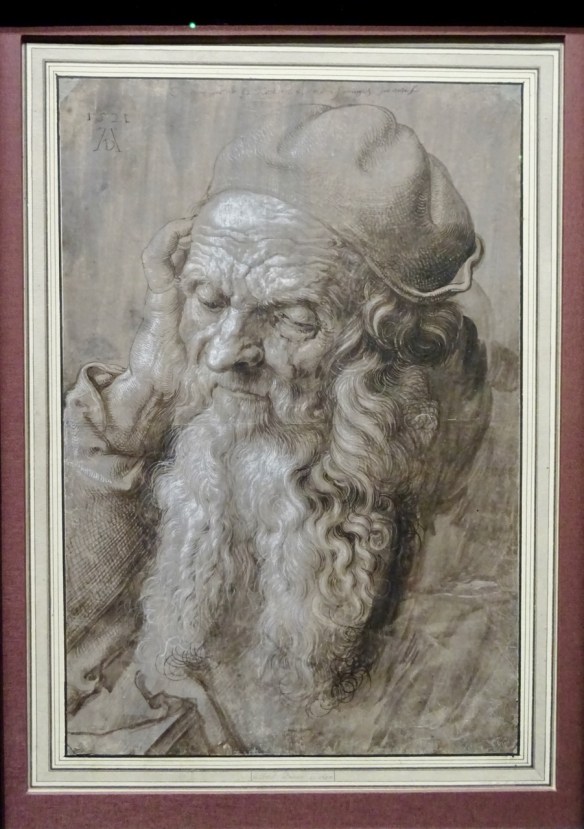
 I have always loved this ‘Portrait of a 93 Year Old Man’. I didn’t know it was done with a brush!
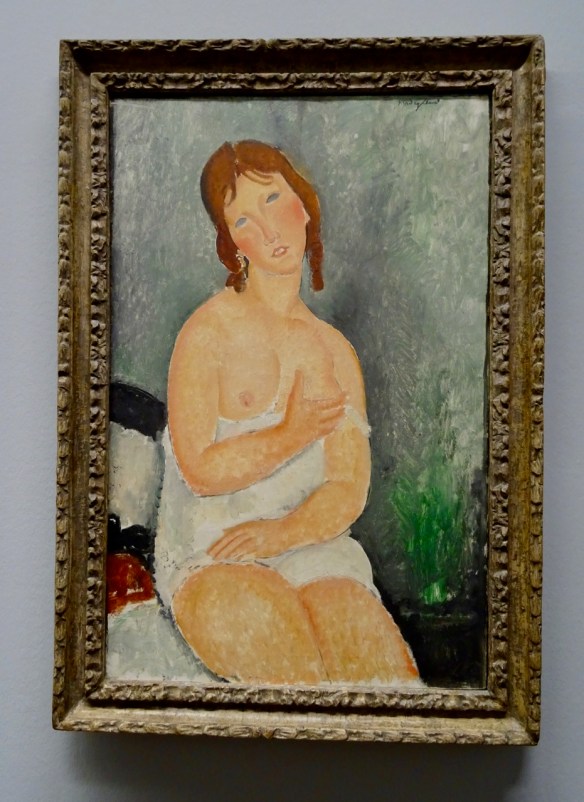
  As we are leaving the museum I see this Modigliani painting ‘Prostitute’. I have always liked Modigliani’s work but haven’t really see very many in person.
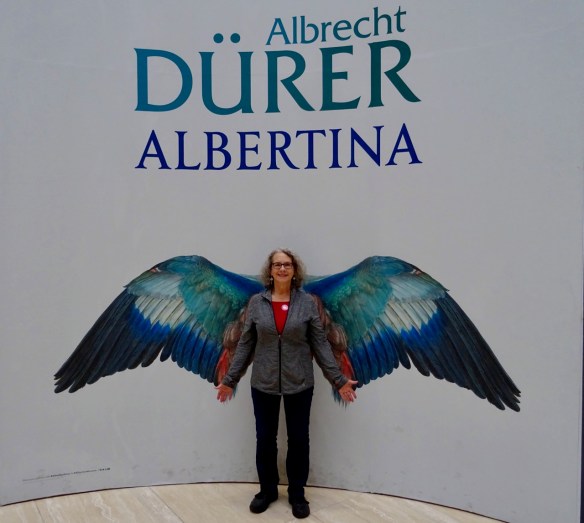
  One last photo at the Albertina. Seems I want to sprout wings this trip!
 We spent four hours here today and I could easily have spent much more time here but this will have to do. I bought the catalogue for the exhibit. It is huge, and weighs 6.6 pounds! Good thing we are near the end of our trip!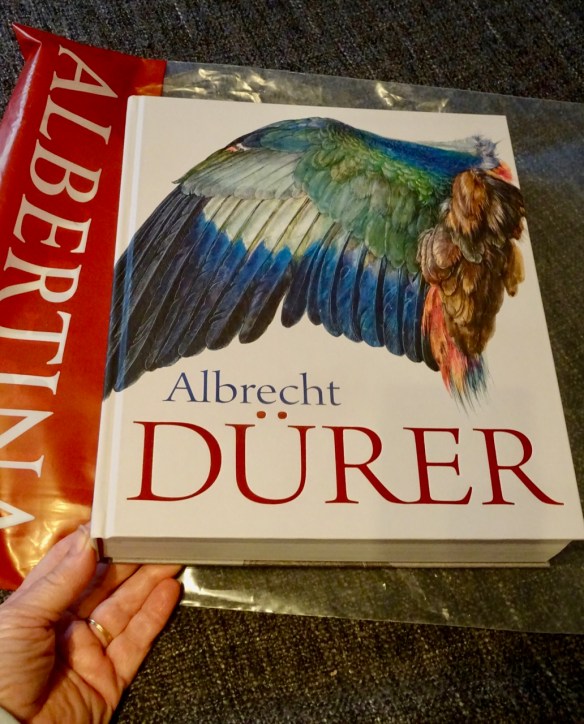
I have a Life Drawing Meetup session at 7:00 pm and want to have a bit of a rest before that. I just realized that I posted tonight’s life drawing photos in yesterday’s blog by mistake! After being on holidays for so long it is easy to mix up the days.
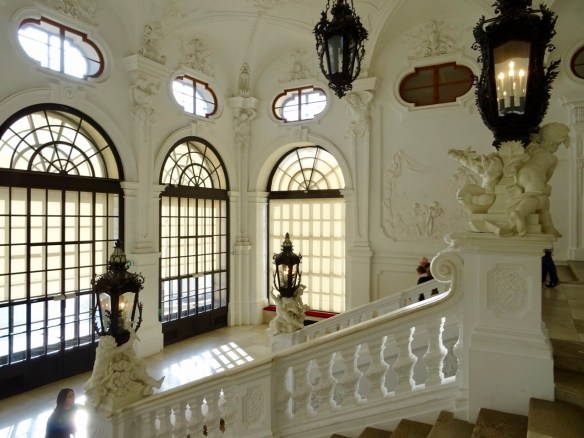 and the beautiful Marble Hall.
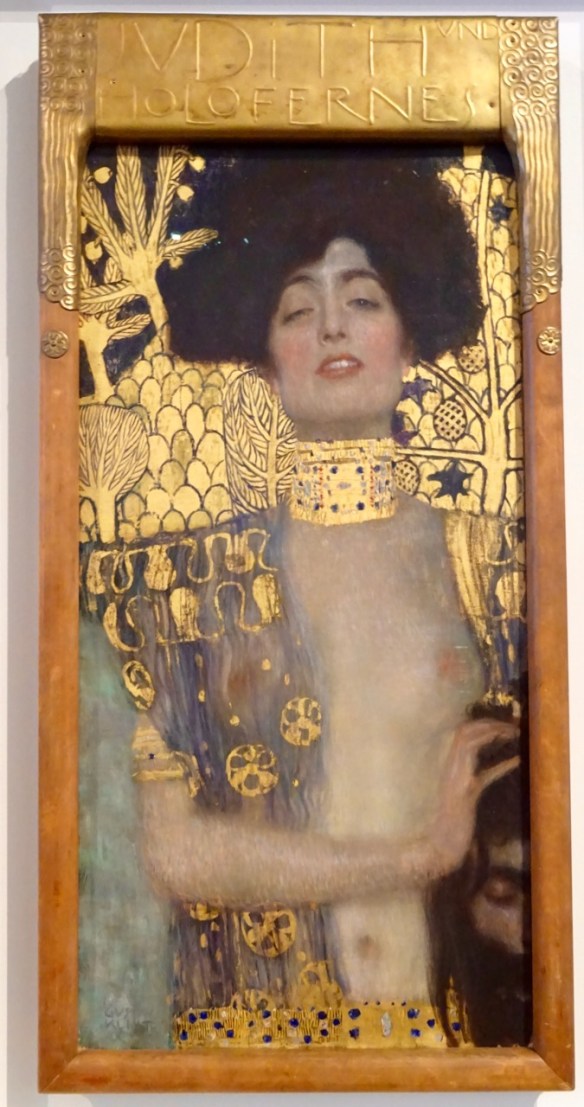
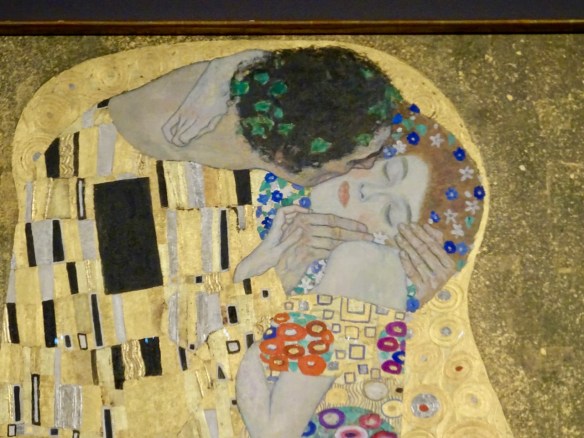
 I particularly wanted to see Gustav Klimt’s The Kiss, but was pleased to find his Judith painting here as well.
 The Kiss is one of Klimt’s most well known paintings. It is a large painting, 183 x183 cm.
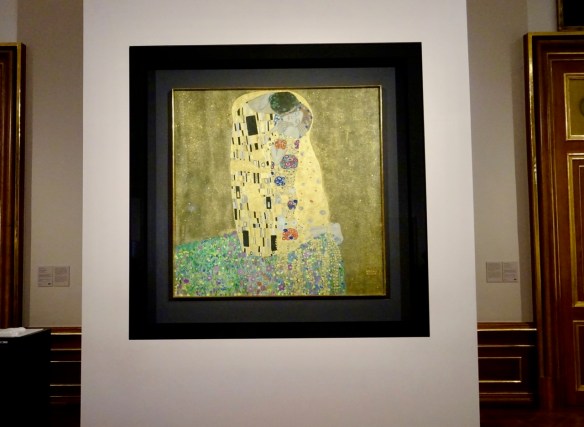 It is nice to be able to see the painting details up close.
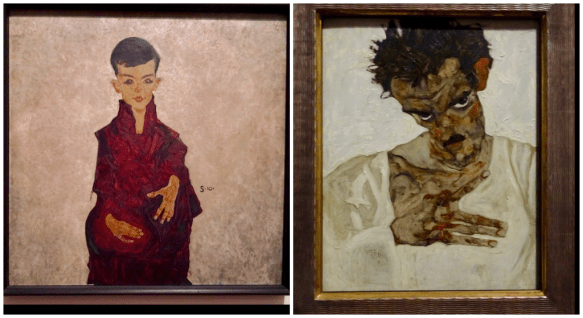
 I am also surprised by how many Egon Schiele paintings are on display. It is quite special to be able to see the original paintings of some of my favourite works by these two painters. I didn’t realize that these paintings were so large. Looking at reproductions in books can be deceiving. The Embrace and….
 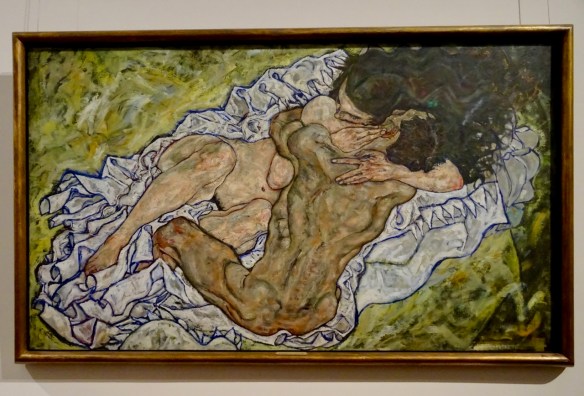 the Family are both much bigger than I imagined…
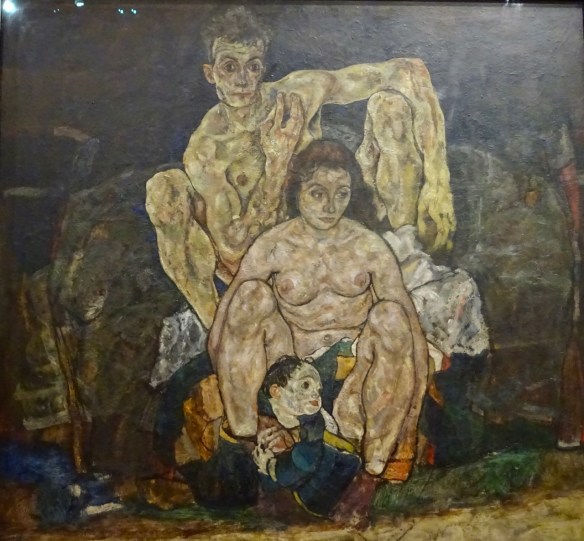 as are these paintings.
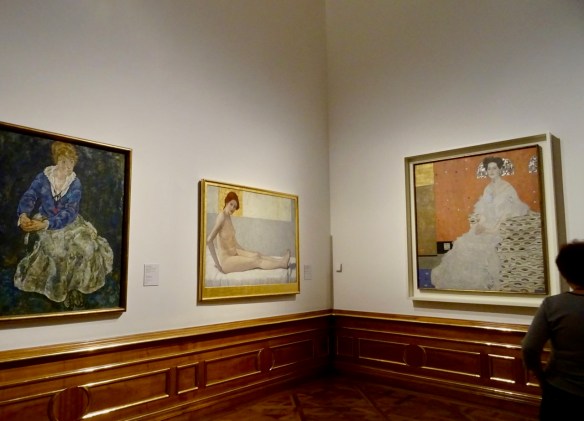 Schiele’s Self Portrait is the smallest painting, about 41 x 33 cm.
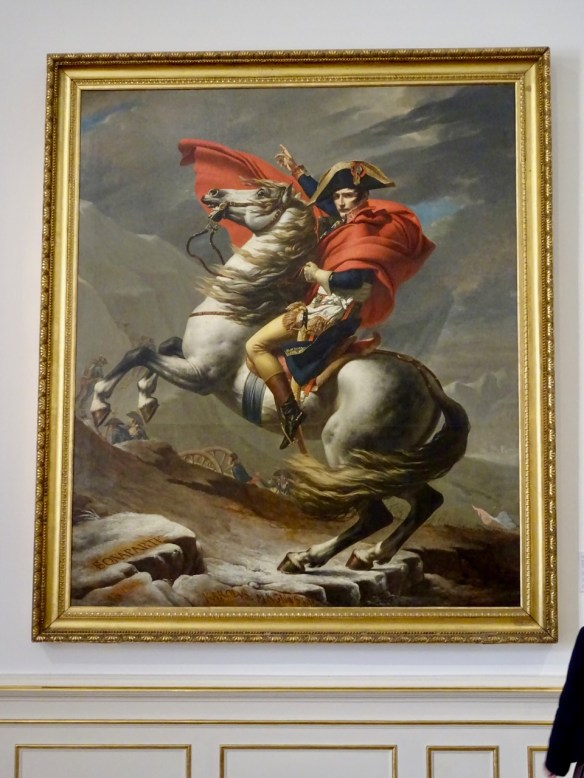
 I didn’t know Jacques-Louis David’s painting of Napoleon was here either. I am so glad I was able to visit this museum. This painting is enormous, 272 × 232 cm!
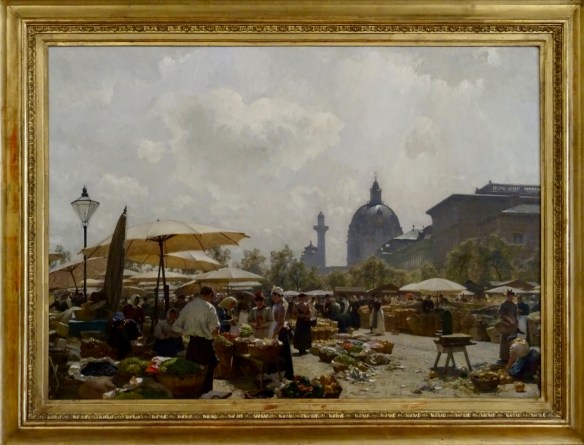
 This painting shows the Vienna Naschmarkt in 1894. It has changed a bit over the years!
 We meet up in the gardens outside the Belvedere and then walk towards St. Charles Church.
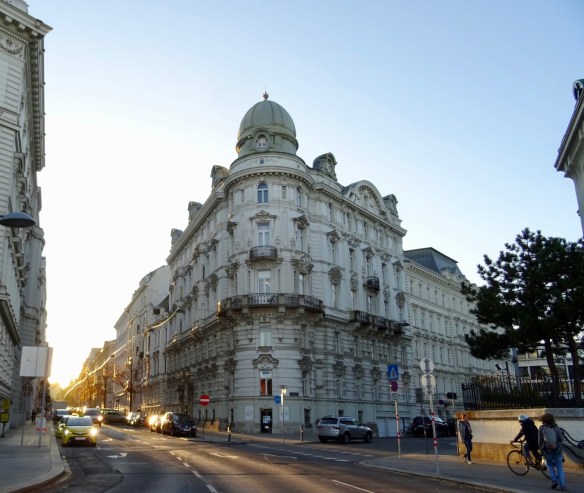
 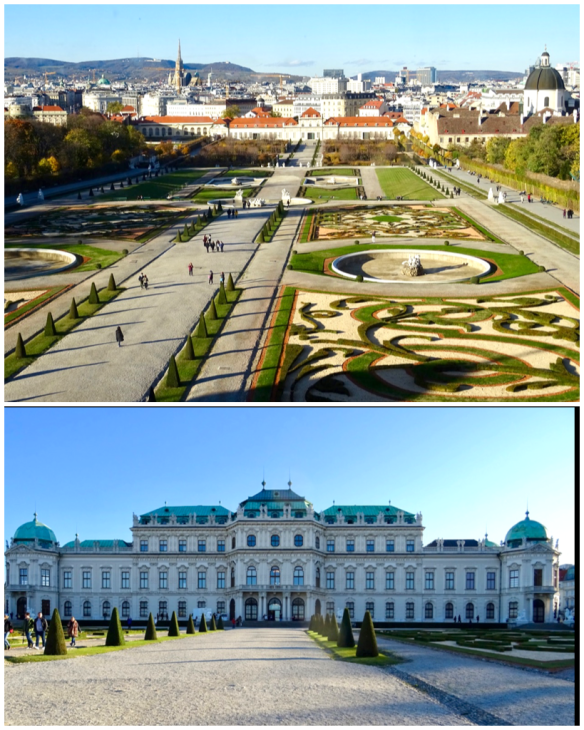 There are so many interesting buildings along the way.
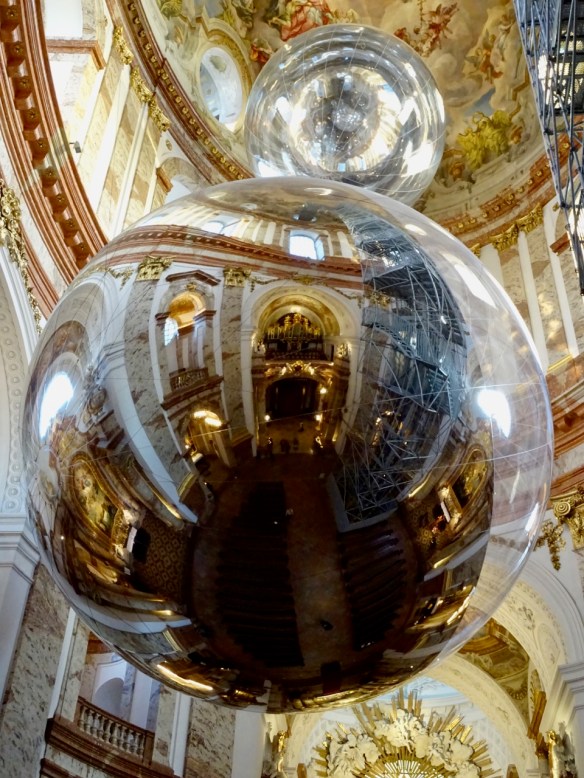
 We had a huge surprise when we entered St. Charles Church. Two enormous floating mirrored balls that reflected the church…
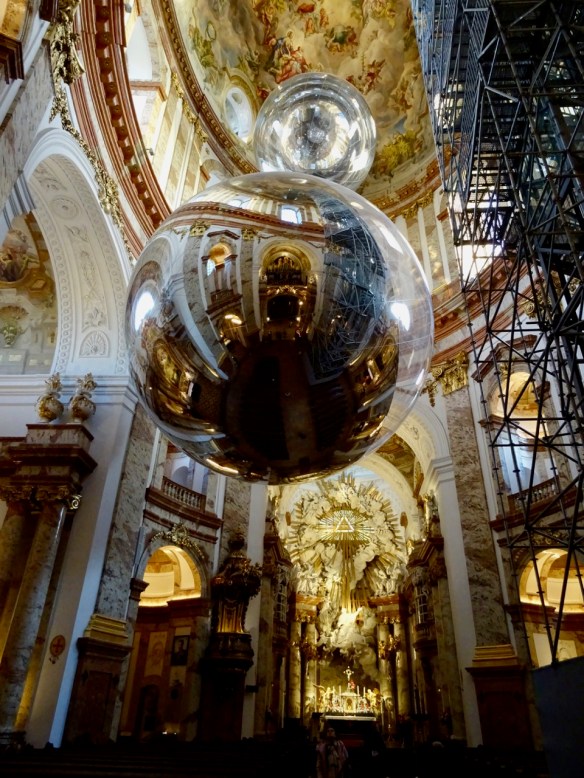 and us. We are almost in the centre of the reflection but we are very tiny. “Aerocene” is a contemporary art installation by Tomas Saraceno, an Argentinian artist who lives and works in Berlin. The floating reflective balls are 10 and 7 metres in diameter.
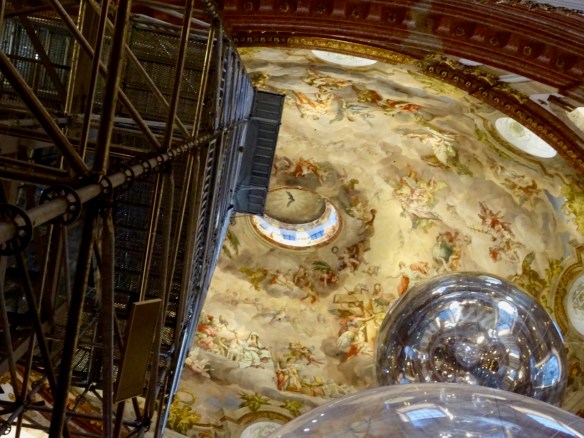
 Then we notice the scaffolding that goes high up into the dome, and that is where we are going to go! We thought the elevator ride we got a ticket for would be inside a bell tower. Nope! We ride to the top of this scaffolding and then climb a bit further, onto that platform you see leading into one of the round windows in the dome!
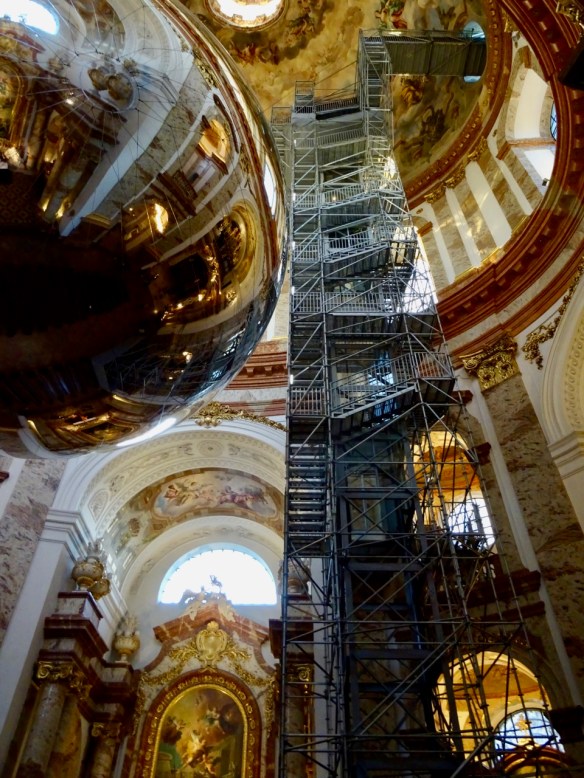 Looking down from the top of this ‘elevator’ we notice a workman adjusting lights high up in the dome, yet still far below us!
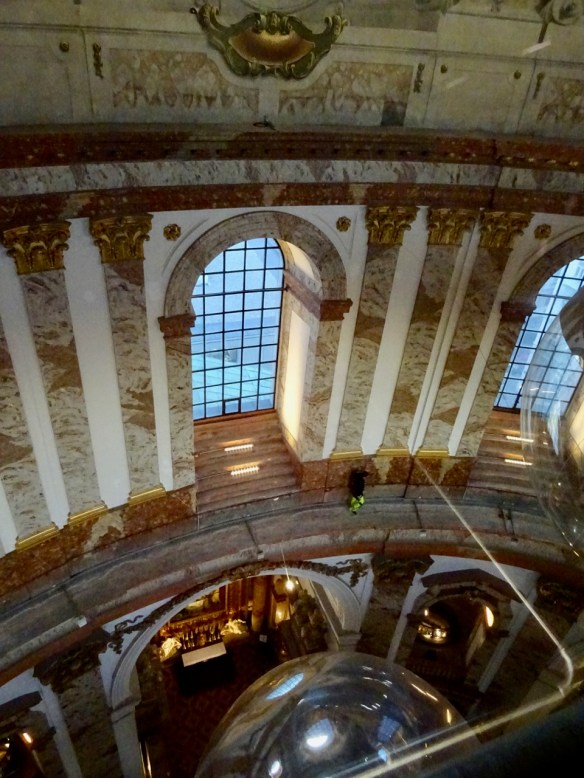 We have a great view of the dome paintings. It is interesting the way the gold highlights look up this close…
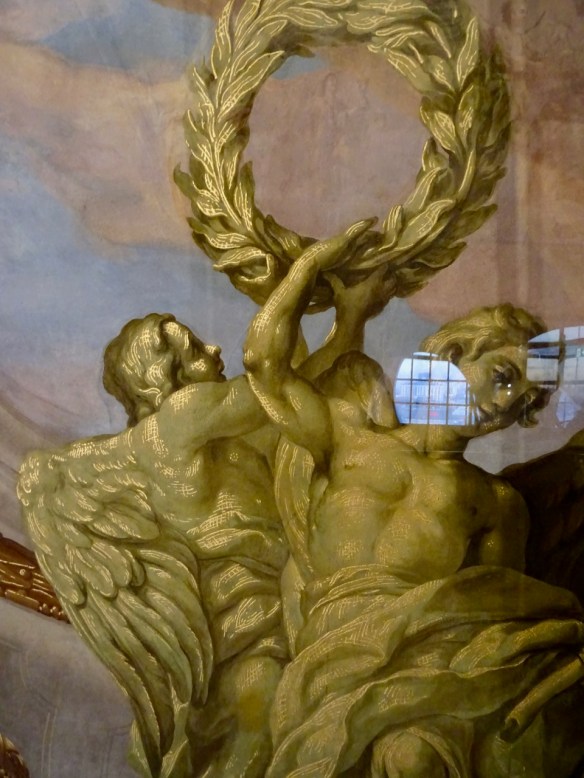 and we have a great view of the other dome paintings. We are crazy high up!
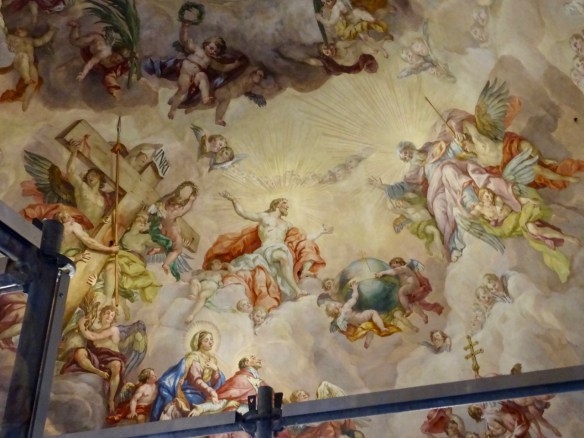 Bob walks back down to this viewing platform so I can get a photo. Notice how he is suspended…nothing below him!
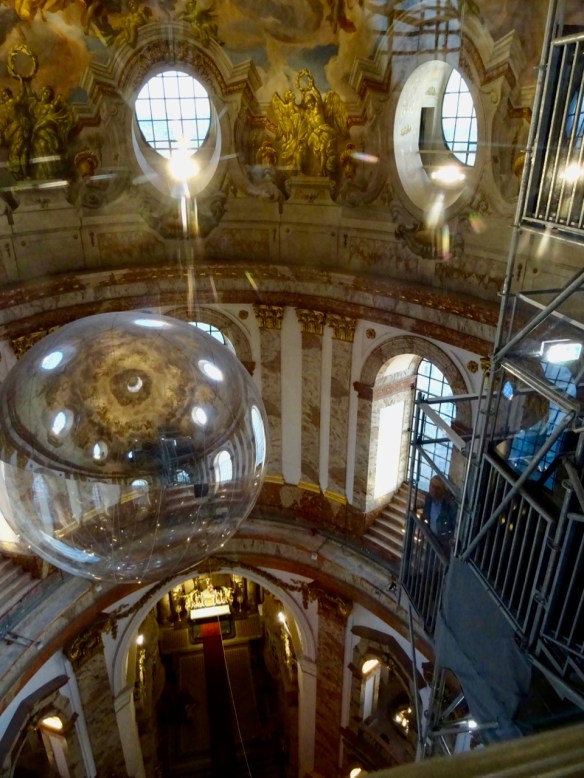 This photo shows the platform that Bob was standing on in the last photo.
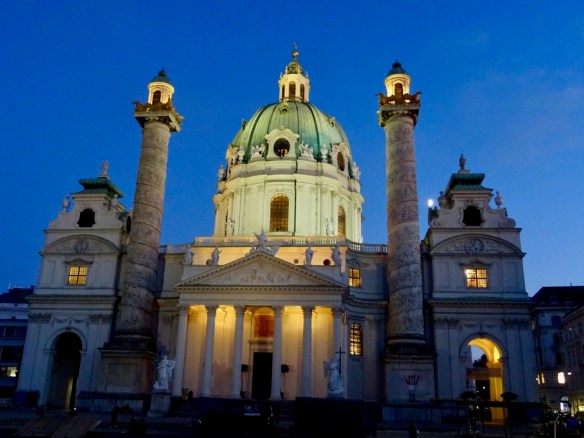
 We spent quite a lot of time way up there in the dome, and it is getting dark when we get outside. If you look closely you can see some people standing in the round window on the dome. That is the window we were standing in! What an amazing experience. There was restoration work carried out in the dome and the elevator is being kept for a while. The fee to ride up into the dome is a way to make more money for further restorations.
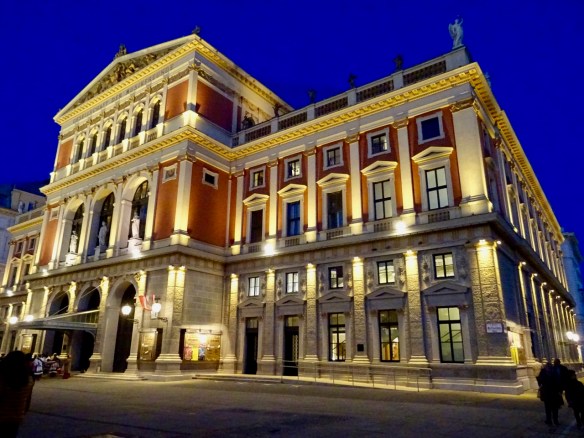
 Walking back towards the metro we pass the Opera House…
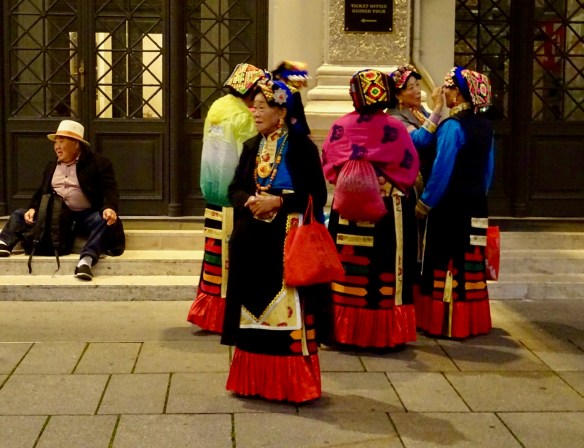
 and take photos of these performers from Tibet. They have a performance later tonight and were taking publicity photos outside the Opera House.
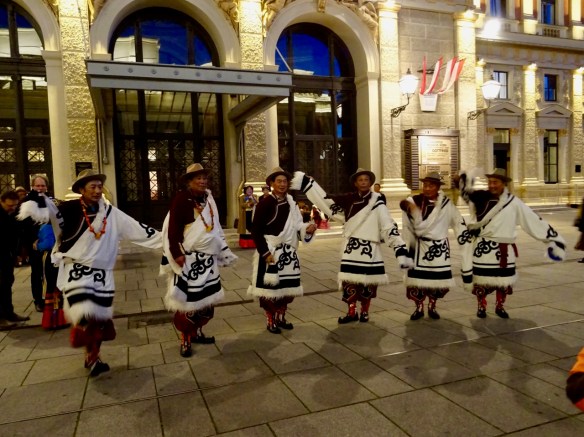 While the men posed, some of the women were busy applying their makeup.
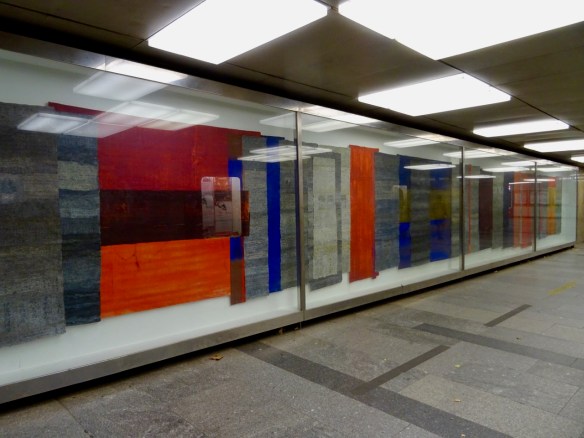
  This is a a huge paper art installation we pass in a walkway near the metro.
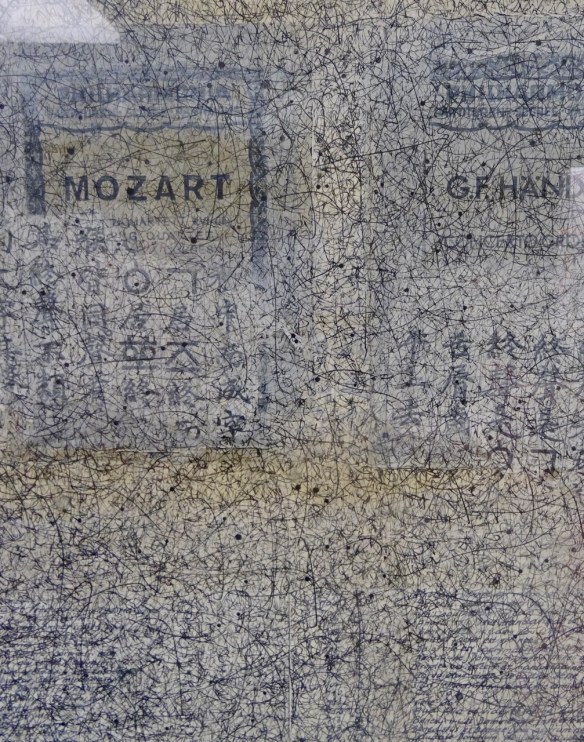
 A close-up shows lots and lots of writing, musical notations and random marks.
 We get home, have dinner, then I head off to a drop-in drawing session with a Meetup group at a pub called Monami.
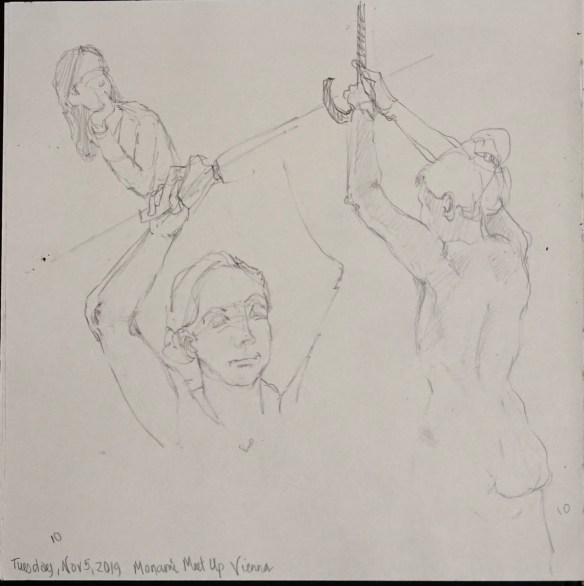 I had coloured some of the pages in my sketchbook at home before the session. Interesting to draw on but they don’t photograph very well.
 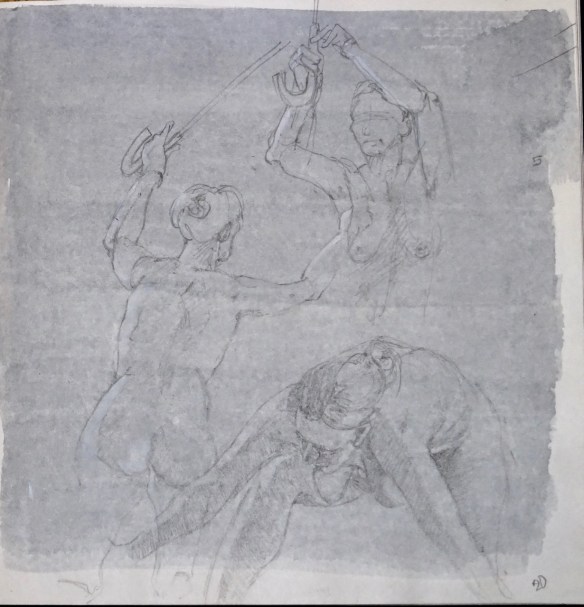 We were pretty much rubbing elbows as we drew and my views weren’t always great but it was lots of fun.
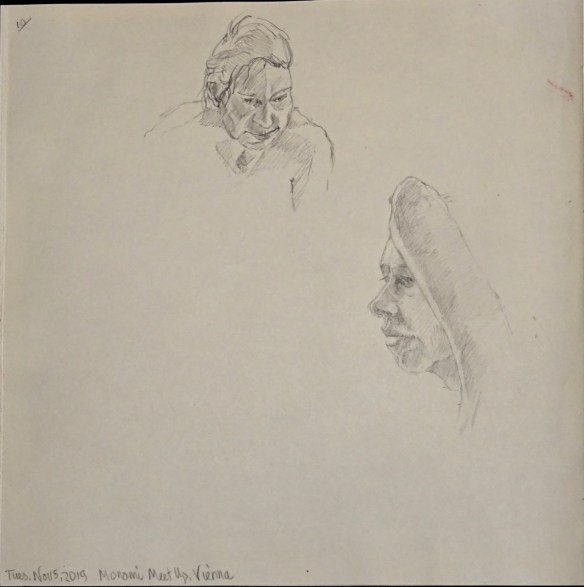 I finished the session with a 20 minute leg study. I felt quite comfortable going out in the evening by myself. The metro is easy to navigate and there were lots of people about.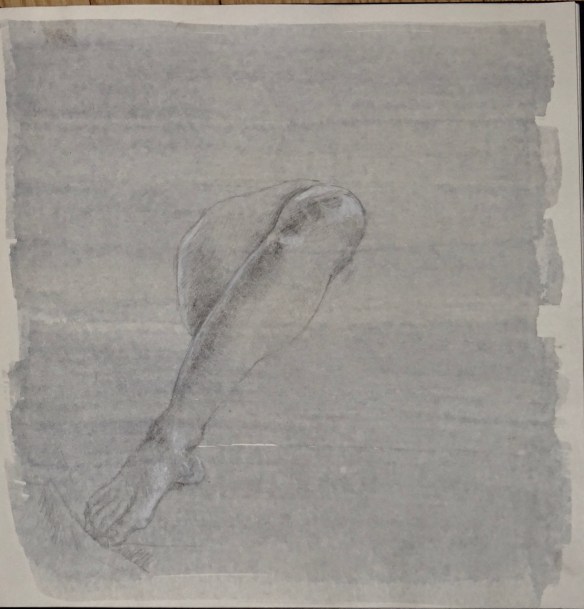
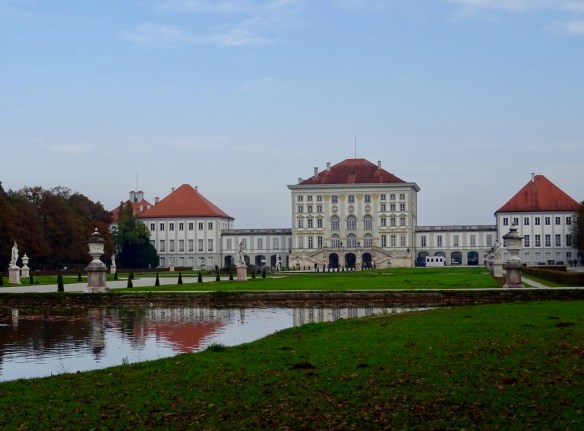
 This central four-storey building was the beginning of the palace and was built in 1644. Over the years numerous additions were built until it reached its present configuration in 1776.
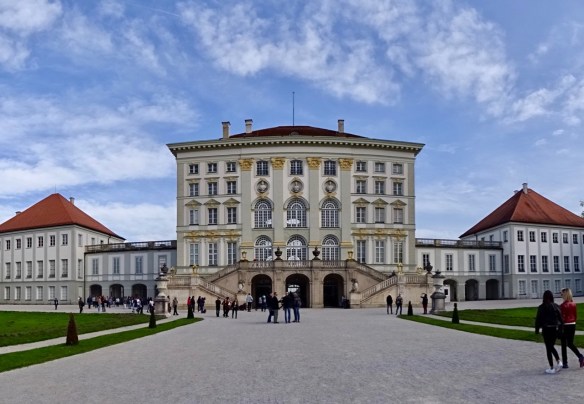 The Nymphenburg Palace was originally a summer residence for the Bavarian rulers. This is the Great Hall. Musicians would entertain guests from the gallery.
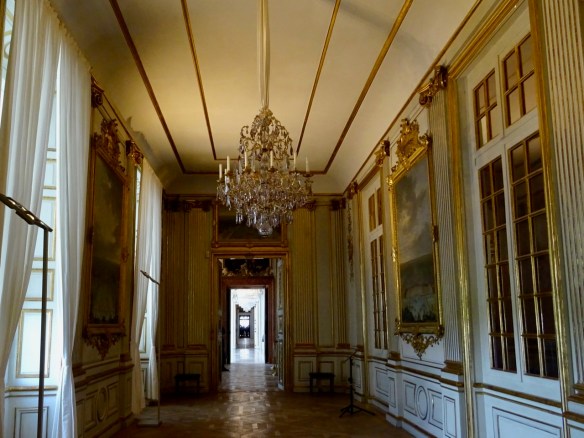
 One of the many rooms with original furnishings.
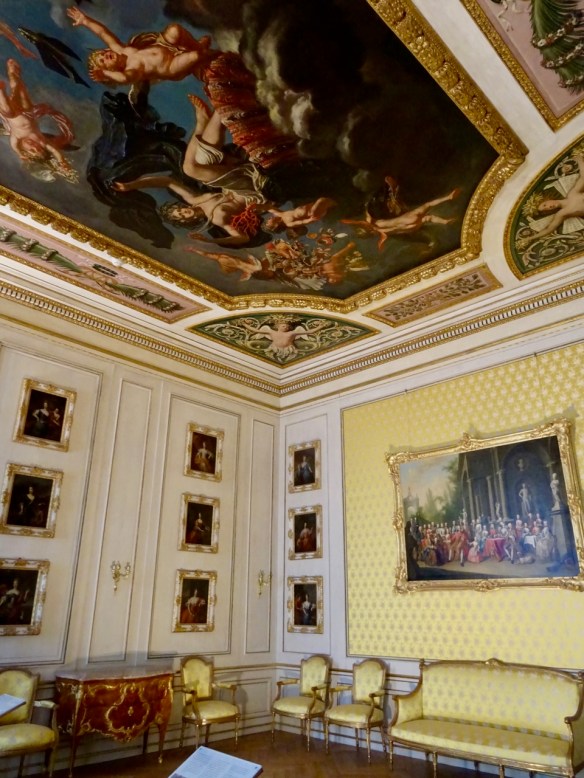 Many of the rooms are not that big and seem to serve as connecting passages to other larger rooms.
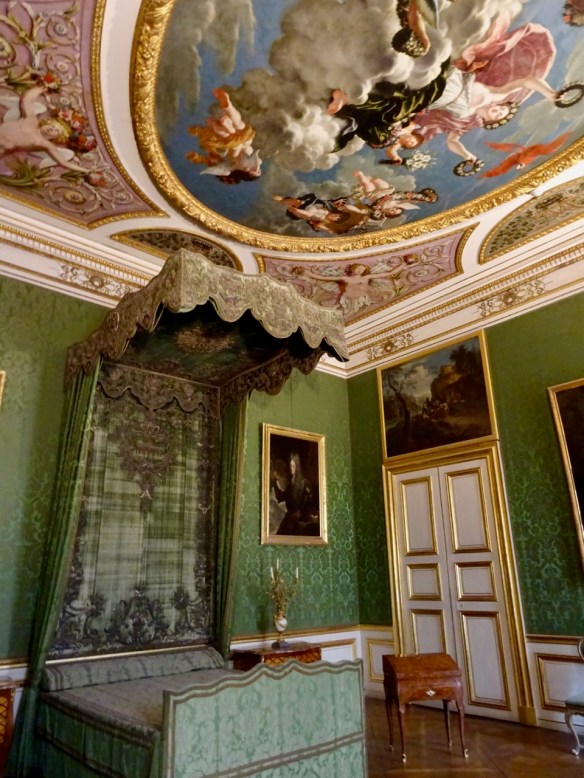
 The south apartment bedroom of the Electress, who was the consort of the king.
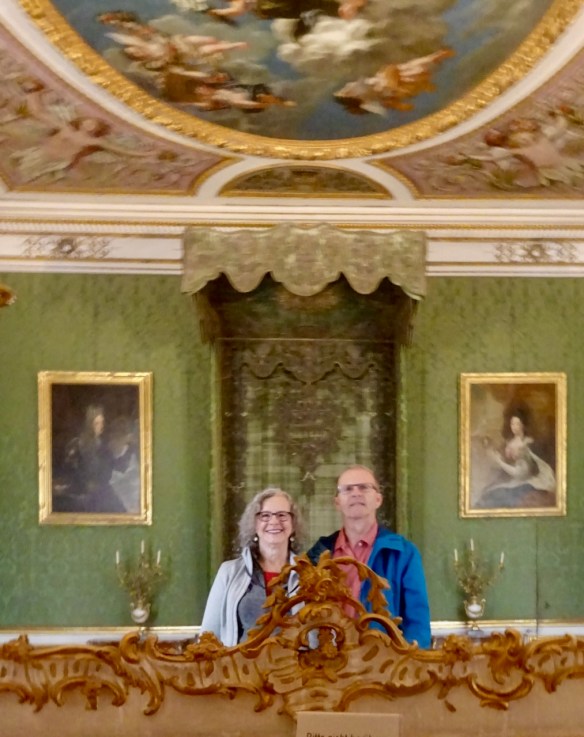
 Our reflection in the bedroom mirror.
 Every palace has to have a Chinese inspired room.
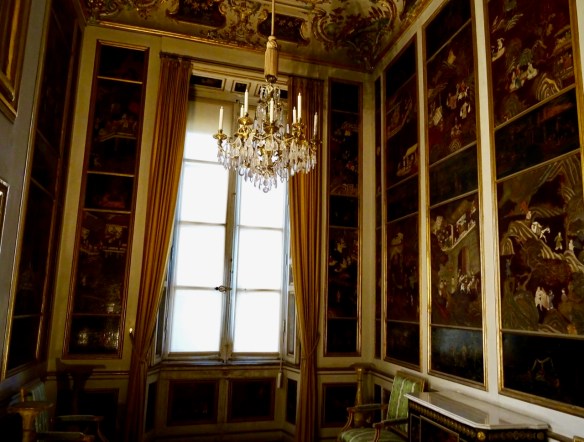 The audience room of Queen Caroline…
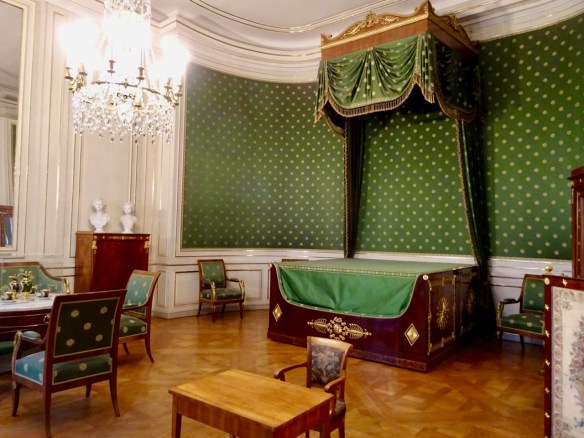
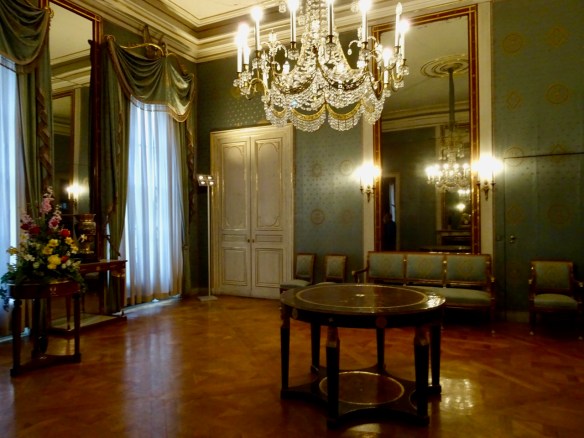 and her bedroom have their original furnishings. This room is where King Ludwig II was born in 1845. The bed is hidden by a cover on a high frame which was spread over the bed during the daytime.
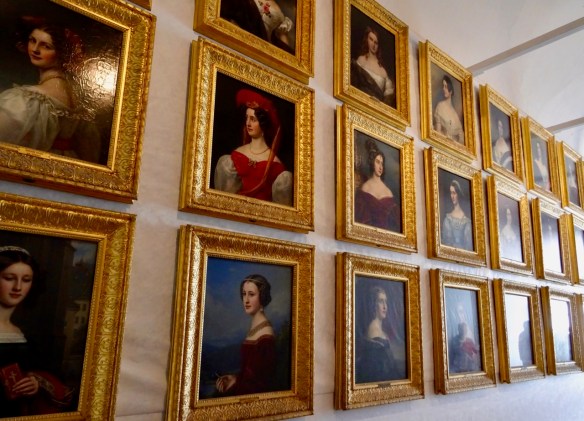
 The official Hall of Beauties is under restoration but the paintings are on display in a corridor. From 1826 to 1850 King Ludwig I had a series of 36 portraits painted of what he considered to be the most beautiful women. Beauty was considered to be an outward sign of moral perfection!
 We finish our tour of the palace rooms, and go explore the grounds. Unfortunately we realize that the park pavilions closed for the season a week ago. I do manage a peek inside the Magdalene Hermitage, which was a pavilion used for contemplation.
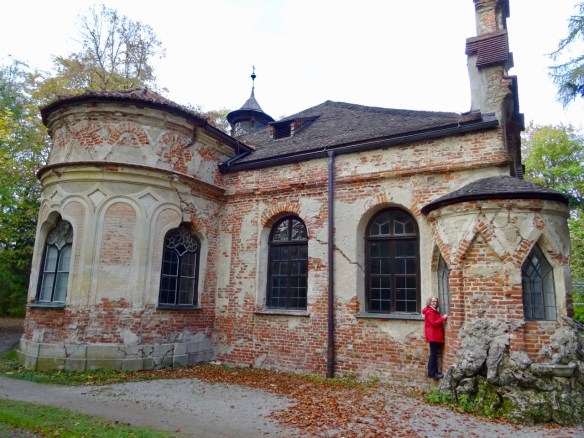 Much of the grounds are in the style of an English park, with paths…
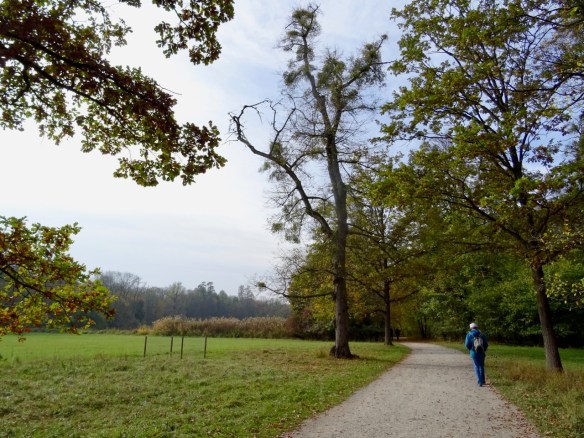 and little bridges over water features.
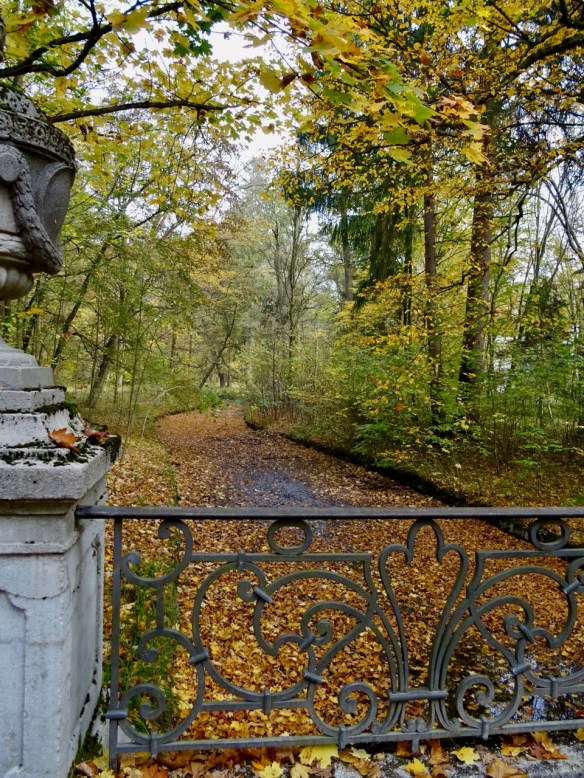
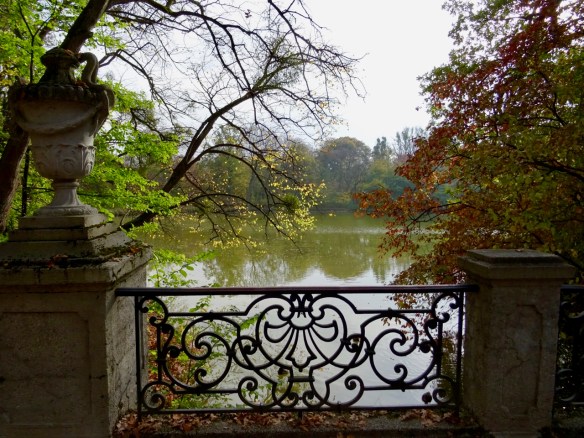 This creek was so covered with fallen leaves that the water was barely visible.
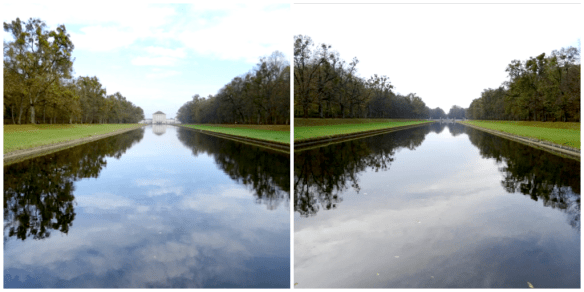
 This shows just how long the canal water feature is…looking towards and away from the palace on a bridge that crosses the canal. At one time gondolas sailedd these waters. Neat reflections too.
 Walking back towards the palace along a tree lined path.
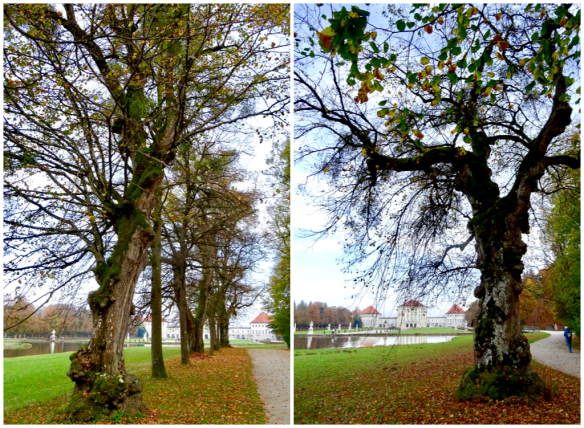 I liked the reflection of the palace in the water.
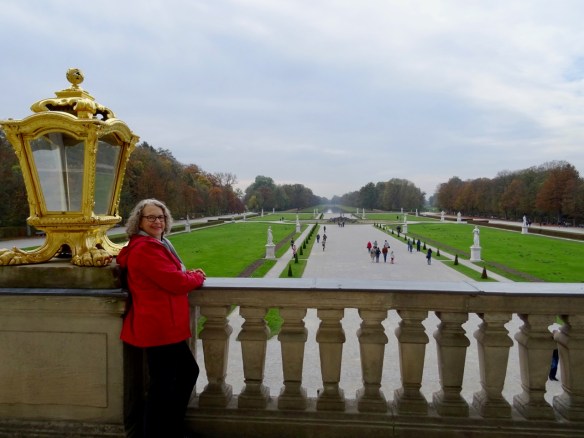
 Looking out towards the garden from the Palace steps.
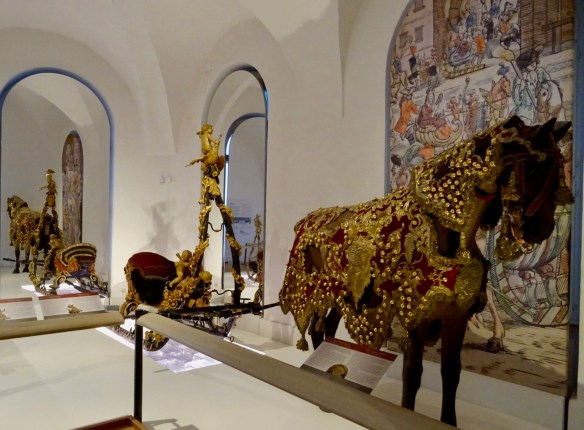
 It is almost closing time, but we manage a quick peek inside the Carriage museum, which is one of the most important museums of court carriages, travel and equestrian culture in the world. The Coronation coach of Emperor Karl VII is here…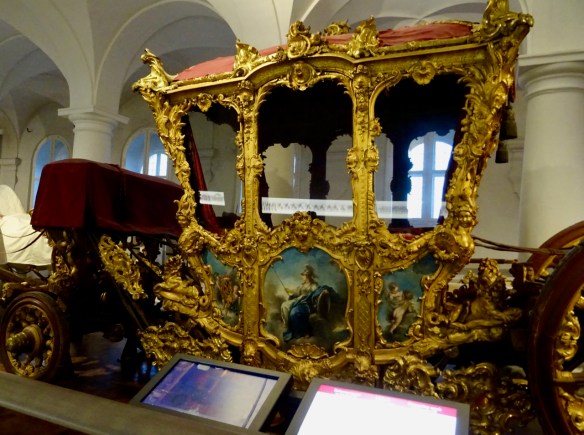
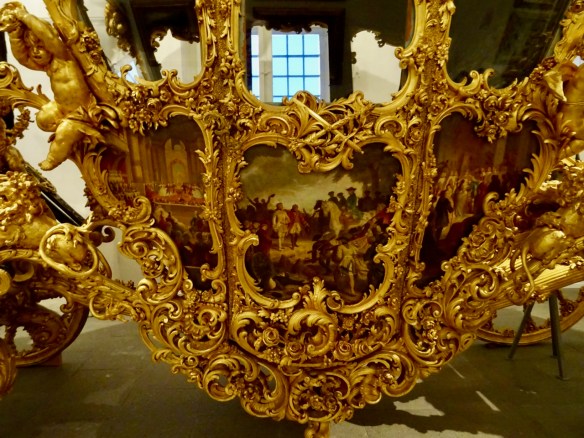 We can only begin to imagine how much these coaches cost!
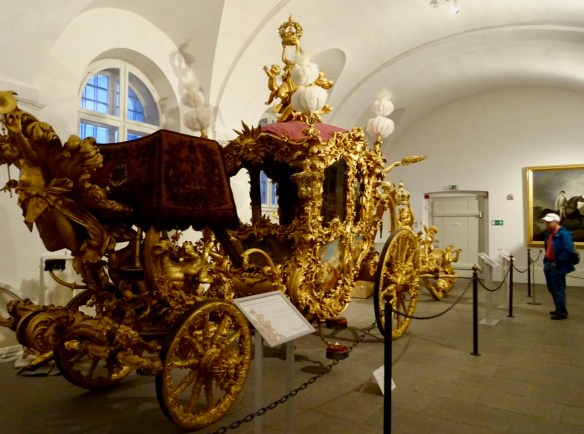 Besides dozens of coaches there are numerous sleighs on display.
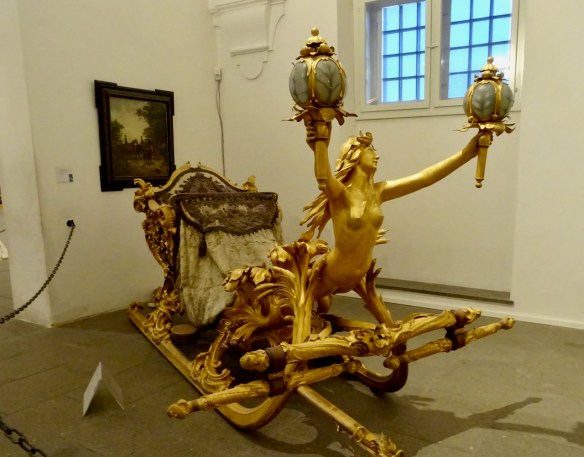 Parades and competitive games with these carousel sleighs were a popular winter amusement at court. Women would sit in front of a male driver and try to hit rings or paper maché figures with a lance or sword. Notice the rear view of the sleigh in the mirror.
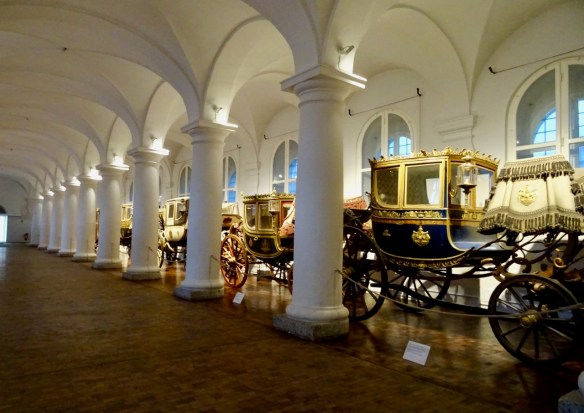
 Just a few of the many coaches on display in one of the halls.
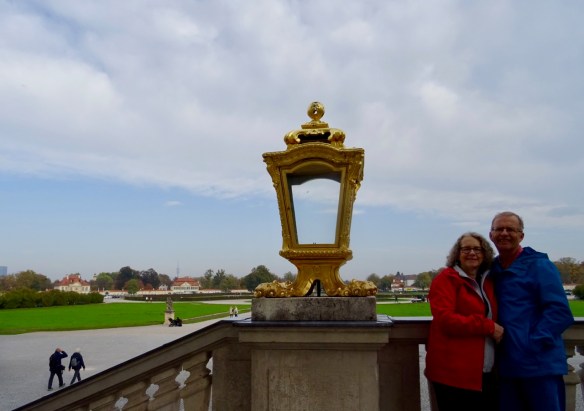
 One last selfie before we leave.
 and one last look back towards the front of the Palace…
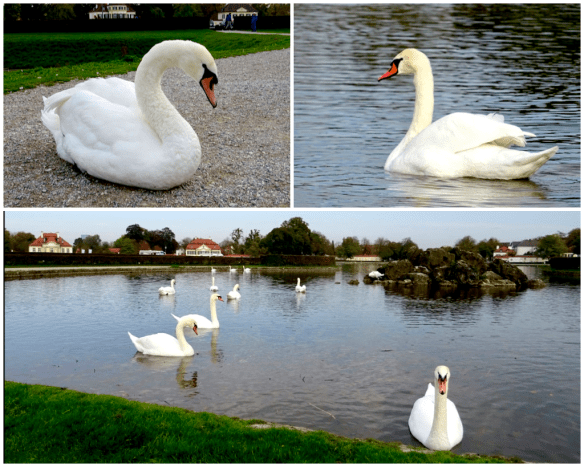
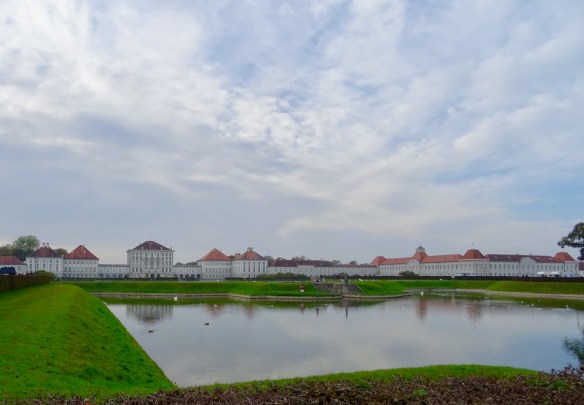 with a photo stop at the swans.
 I have life drawing tonight, so we head toward the metro and after checking out my route, Bob heads for home and I head towards my drawing session. I have a bit of time so I sit at the Sheraton Hotel having a cup of tea and doing a bit of sketching.
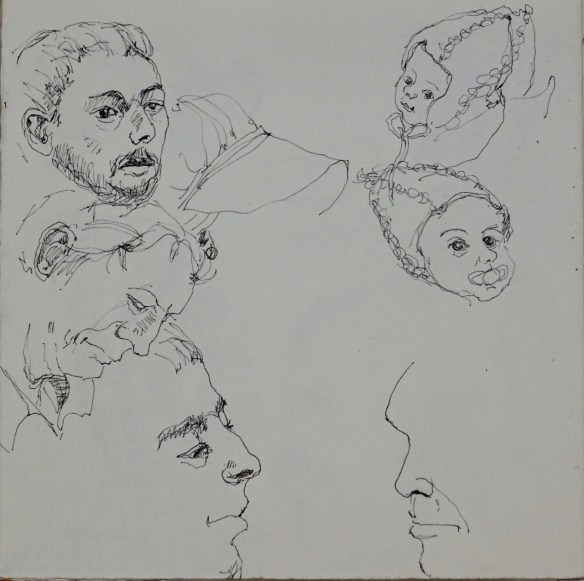 These were a bit better.
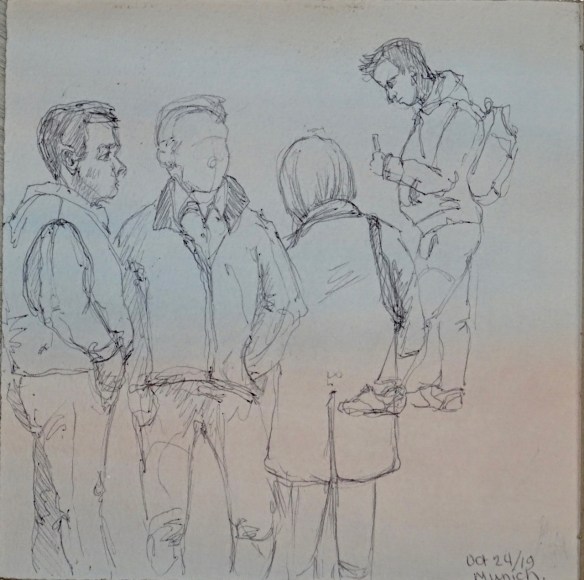 Sketches from the Sheraton Hotel.
 My first drawing at the Meetup session. Still having some issues with proportions and the head placement in relation to the body.
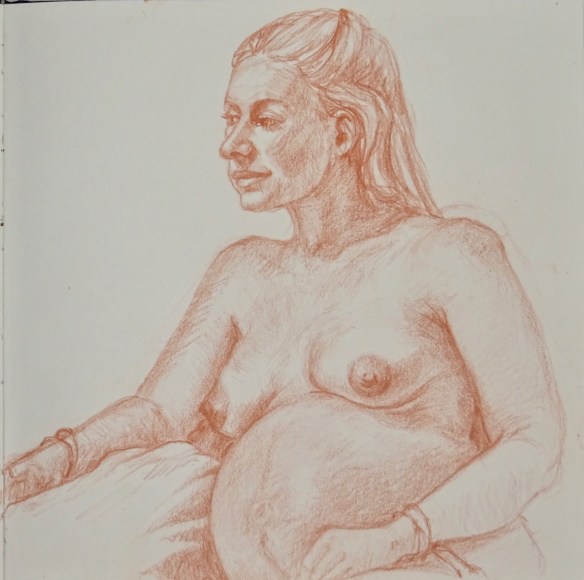
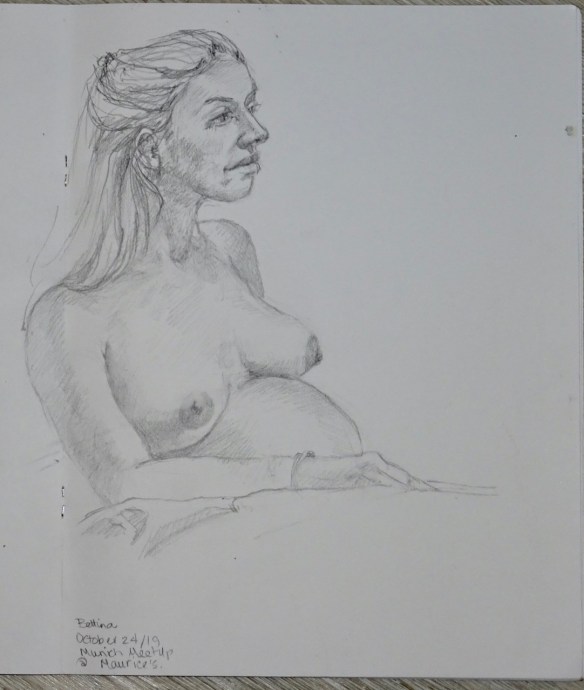 I started again after our break and did this portrait which was better. Bettina, our model, really liked it and said that it looked like her.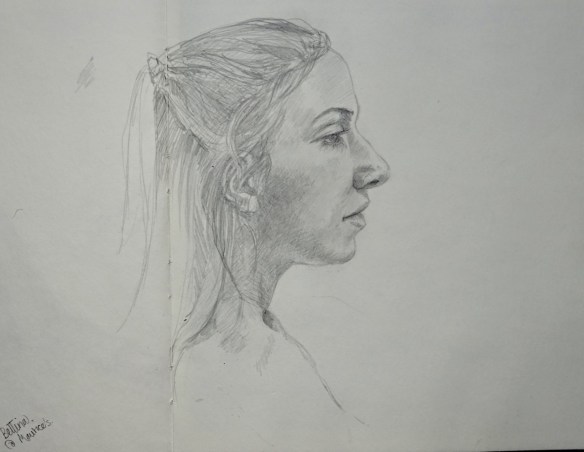
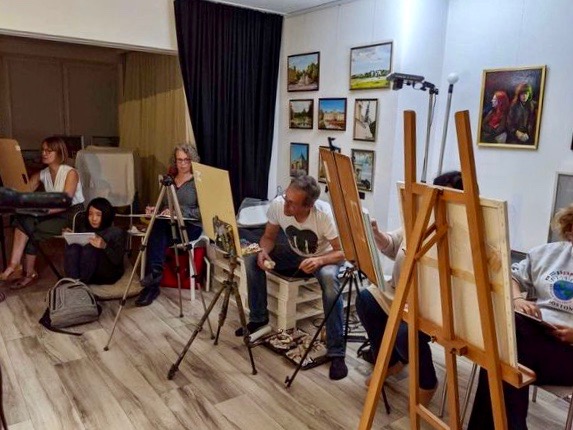 Here is our model, Bettina, she is very pregnant. How wonderful! It has been ages since I have had the chance to draw a pregnant model so this was an unexpected bonus.
 The drawing on the left is mine.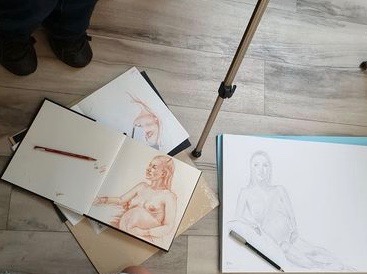
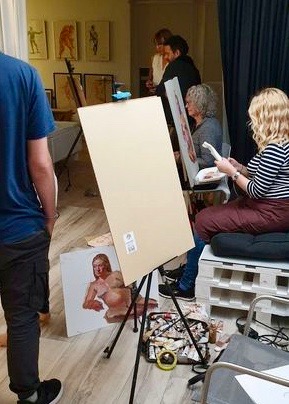 I did a couple sketches to warm up.
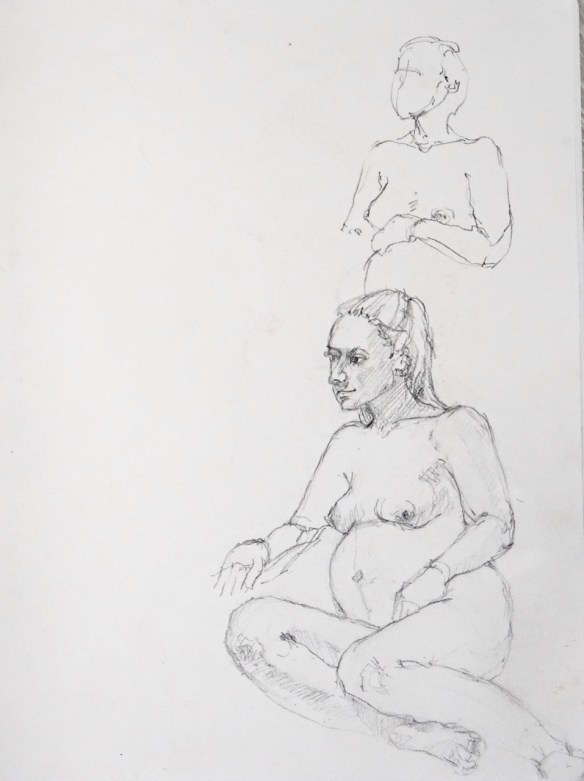 Then spent about two hours working on this drawing.
 Bob came to pick me up after the session and on the metro ride home I did a bit more sketching.
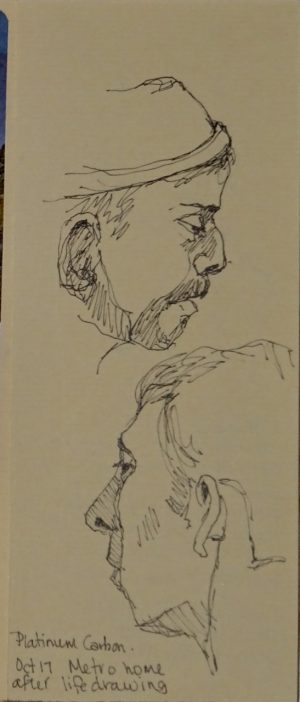 This was interesting, the older man with the facial hair was sitting right across the aisle from me and he was only on the metro for one stop so I sketched quickly hoped he didn’t notice that I was sneaking peeks at him. The young man with glasses did notice I was drawing him and he smiled at me, I smiled back and he tried not to smile as I continued sketching. As he got up to leave I showed him the sketch and he said something in German, then he smiled and said ciao, so I think he liked it.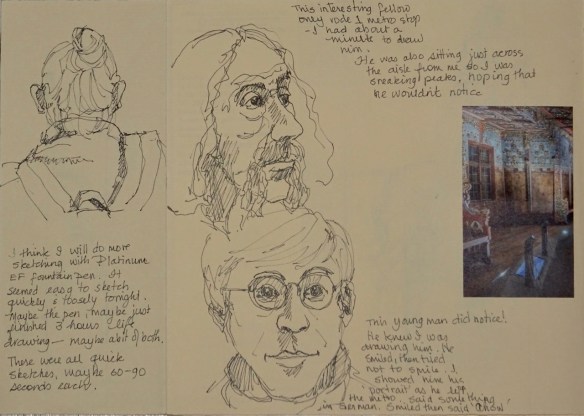
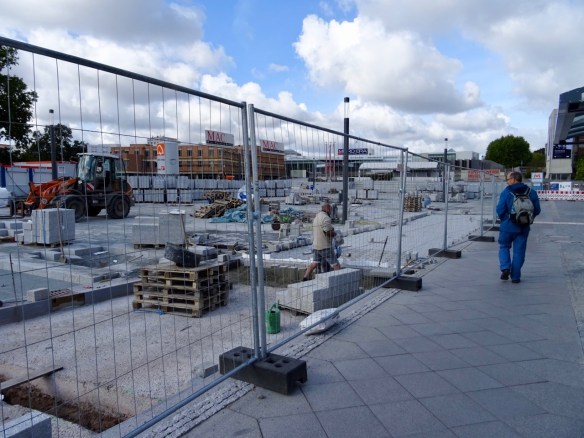
 These workers are laying paving bricks for a huge plaza. We have not seen poured cement sidewalks or plazas here, they are all made with paving stones. It seems very labour intensive.
 The Gemäldegalerie is our first stop today. This museum is near the Berlin Zoo and has one of the world’s leading collections of European paintings from the 13th to the 18th century. The quality of the artwork here is amazing. This is the first painting we see, part of an altar from 1437 telling the story of Jesus on the left, and Mary on the right. The white ‘baseboard’ in the photo comes almost mid-thigh on me, to give you an idea of the scale of the works.
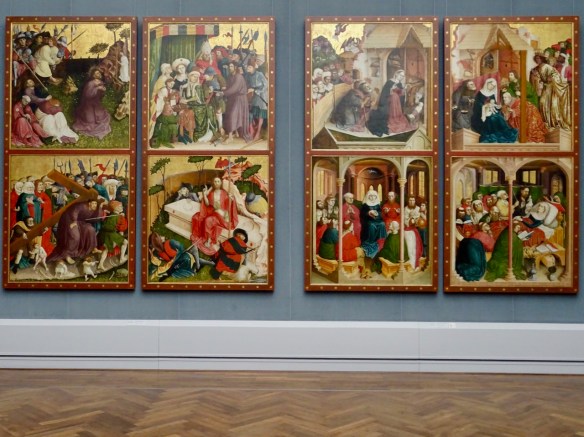 The corner of one painting from 1444 shows two pregnant women, notice the babies depicted on their stomachs. I had never seen this symbolism before.
 We both liked the Fountain of Youth by Lucas Cranach, 1546. This is not the style of his work that I am familiar with…
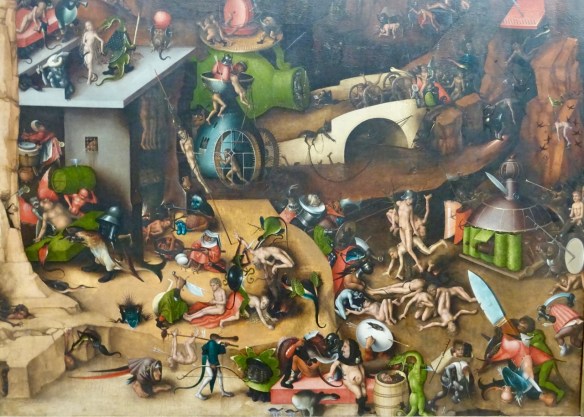
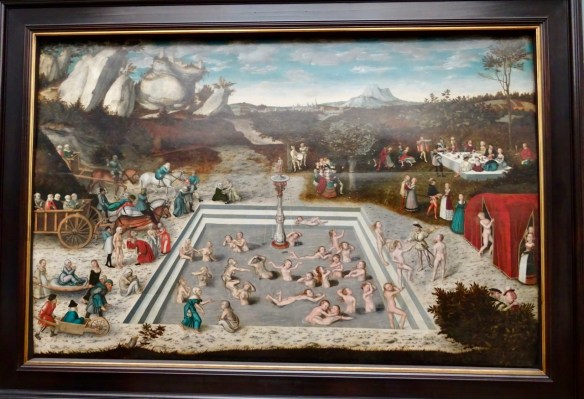 this is! I have always wondered at this artist’s creativity.
 Wow!! This painting by Rogier van Der Weyen from 1440 is my absolute favourite of everything we have seen so far this trip. I absolutely love it and wish that the photo was able to convey the impact it has in person. I would have bought a print but it was almost $100 and I worried about getting it home safely. This is a painting I could live with forever.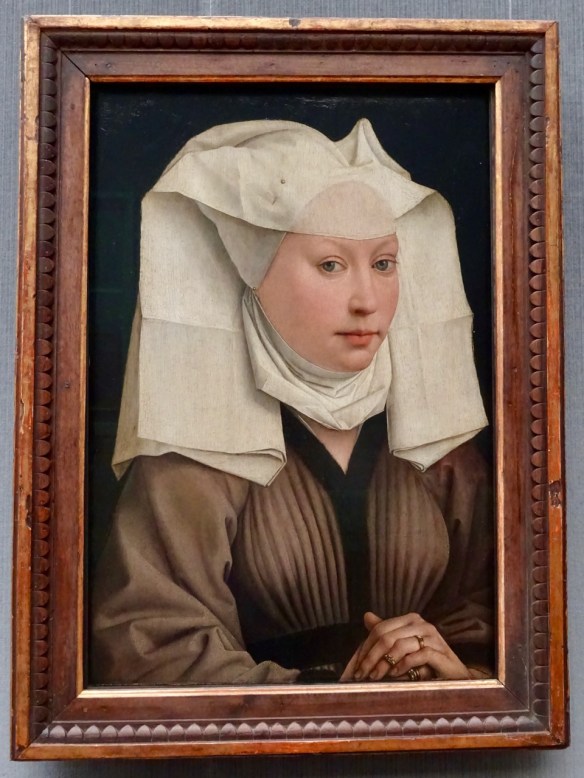

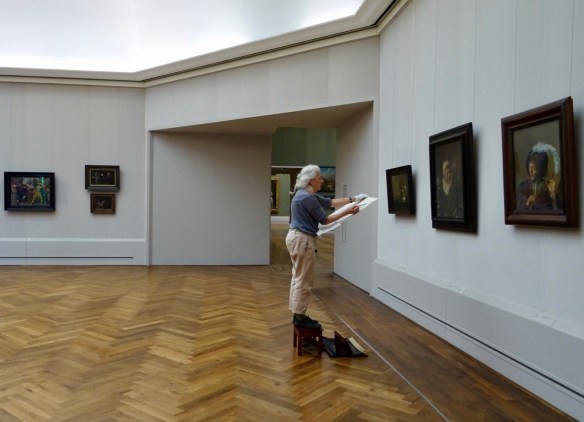
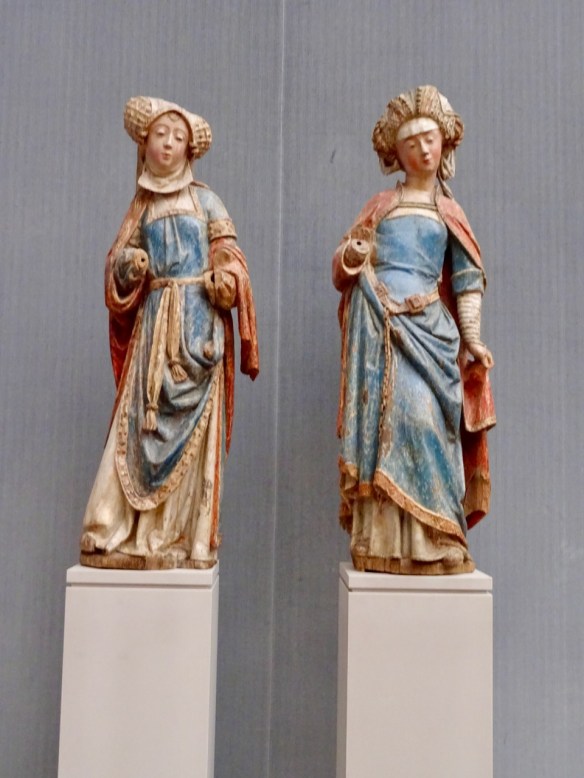 I am fond of Frans Hals portraits and there was a whole room of them.
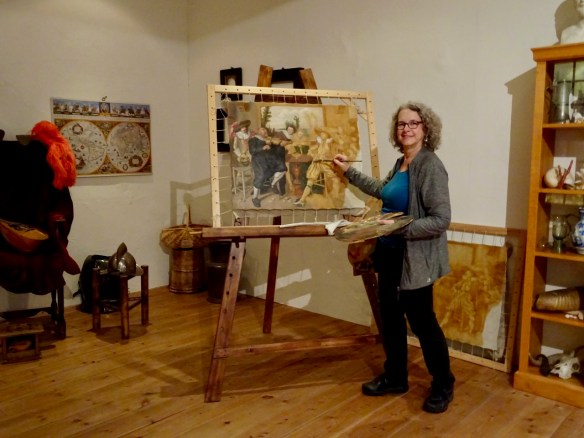
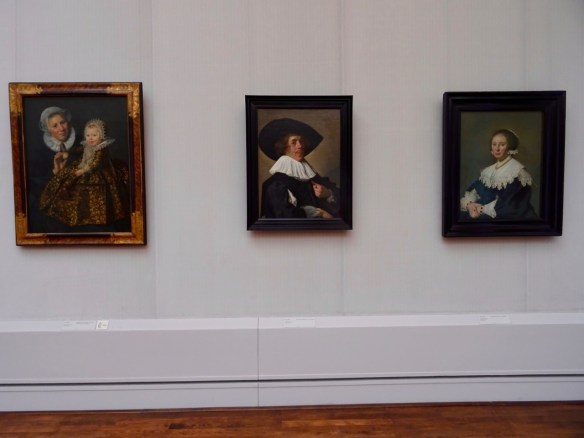 This artist must like them too. What a tough way to work though, on a little stool, holding such a large drawing board. I assume the museum does not allow easels.
 I am excited to see this Vermeer from across the room, but then..
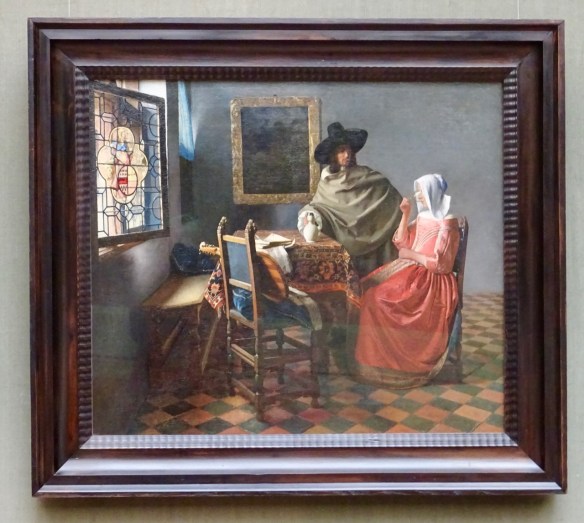 I notice The Girl with the Pearl Earring. I had no idea the this painting was in this museum. What a lovely surprise.
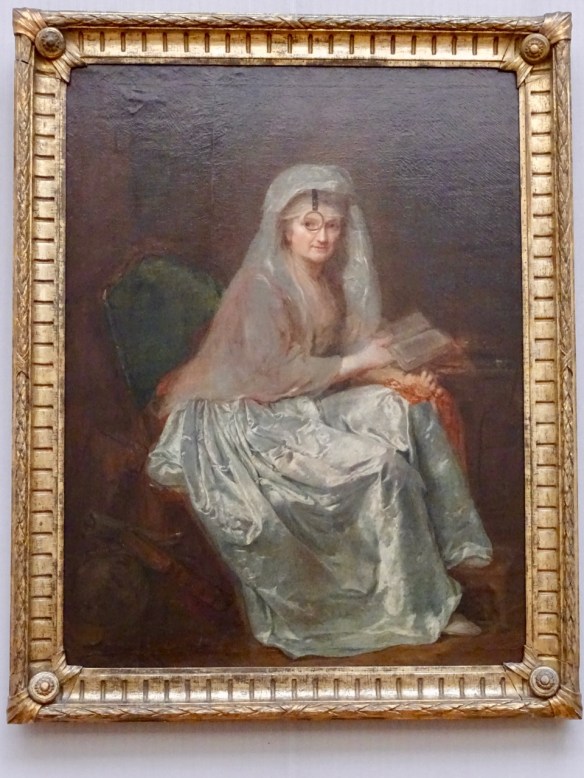
 Anna Dorothea Therbusch, 1721-1782, is one of the few women artists who actually made a living as an artist. This is a self portrait.
 There are Caravaggio’s here…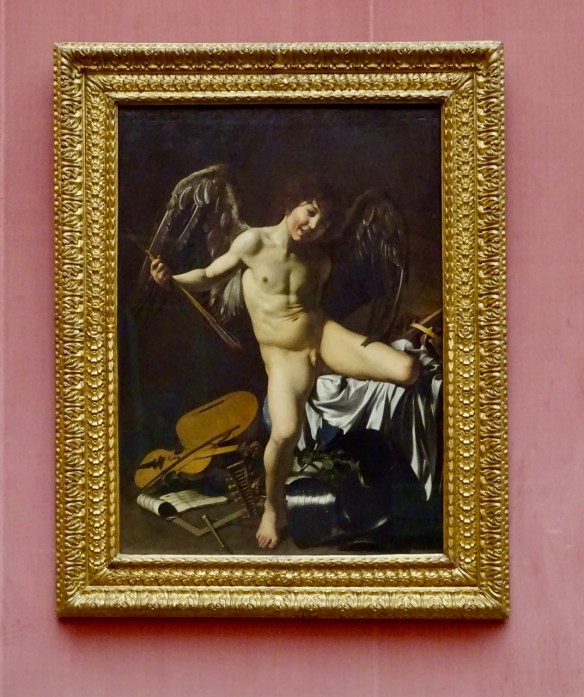
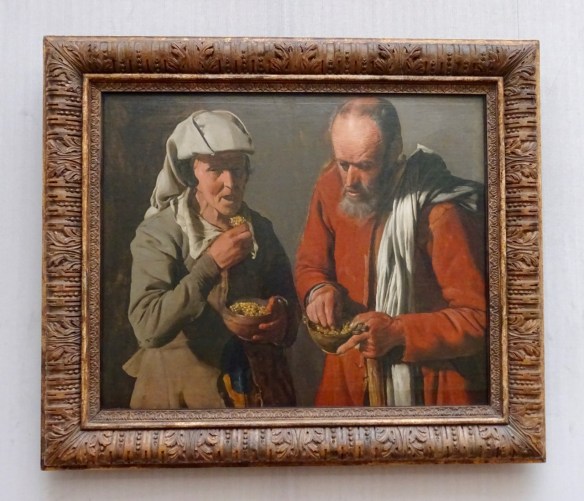
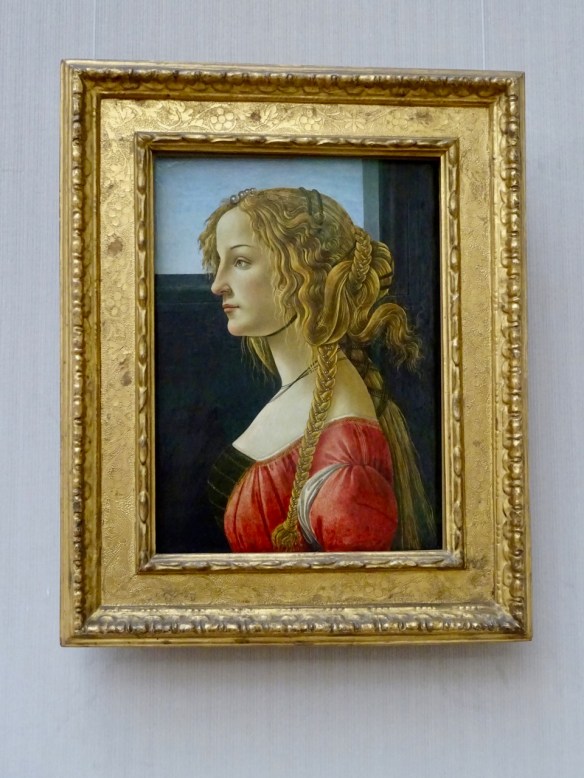 including this Botticellis Venus.
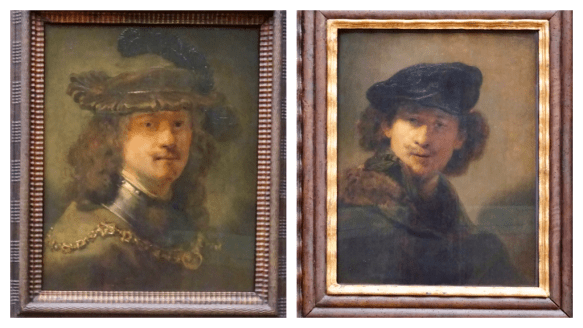
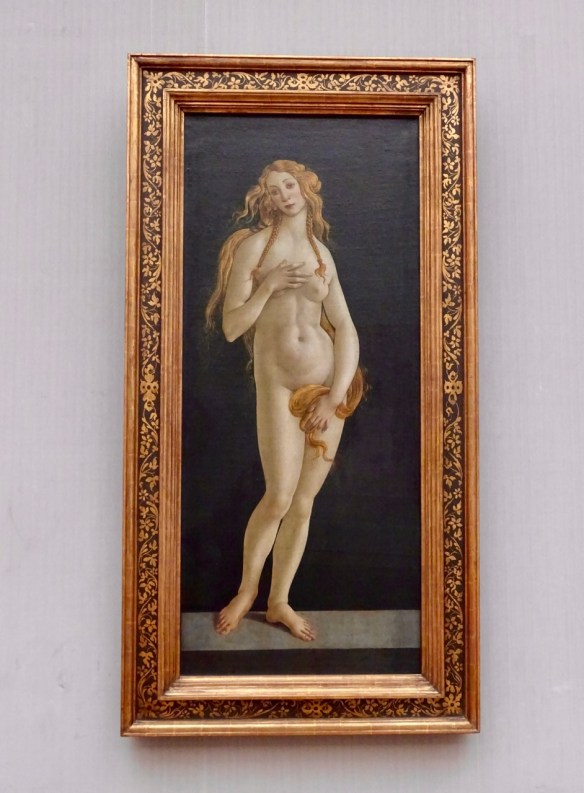 And there are Rembrandts, including these two famous self portraits.
 I finally get to see these two tondos in person, the one on the left by Raffael (34″ diameter) and the one on the right by Botticelli (54″ diameter). I particularly like the Botticelli, his Madonnas are always so beautiful.
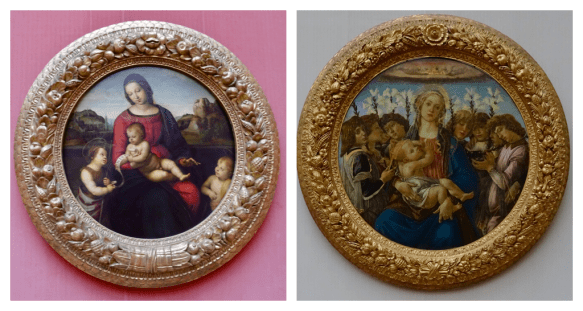 This was fun! I am so glad we visited the Gemäldegalerie, it was quite amazing.
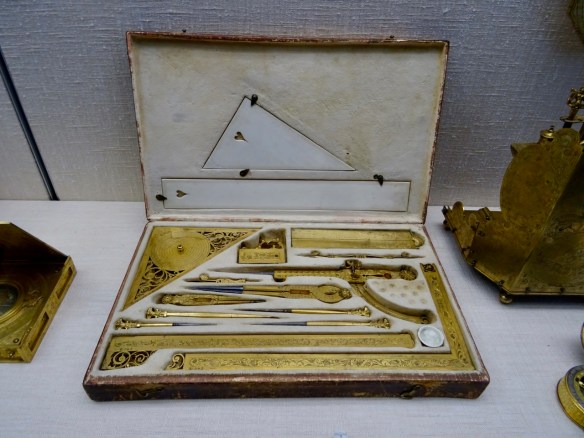
 After a picnic lunch we check out the Kunstgwerbe Museum nearby. I would love to have this beautiful geometry set from the 16th century.
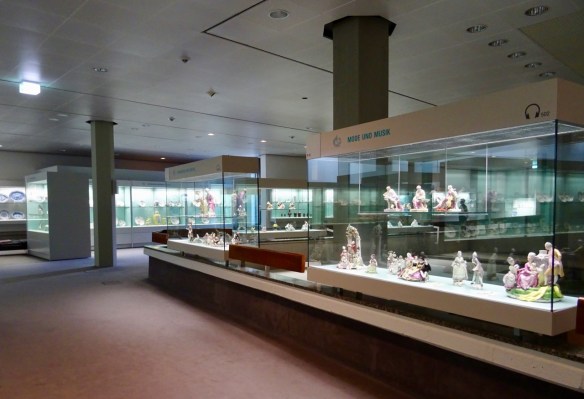
 This museum has lots of porcelain, furniture and church treasures, but we walk by all these. It is just too much to absorb.
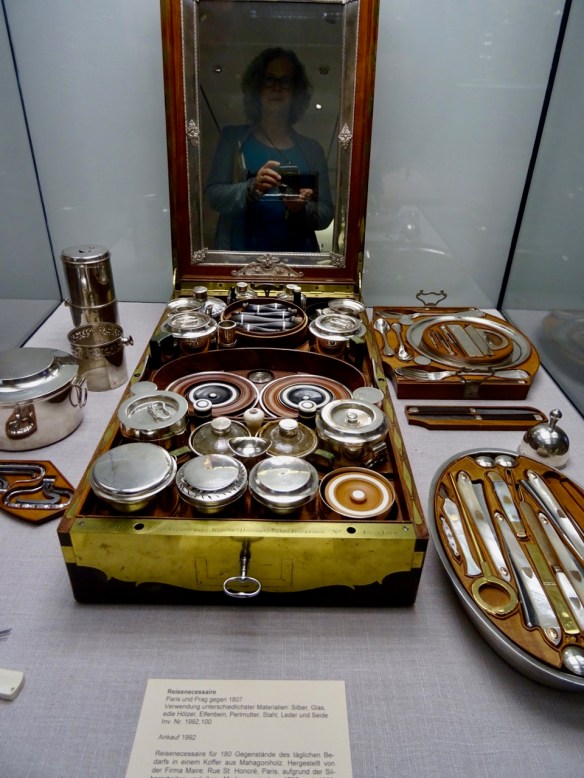
 A few items did catch our eye though. This is an elaborate portable kitchen from 1807, maybe used for camping? All the info is in German, so not sure.
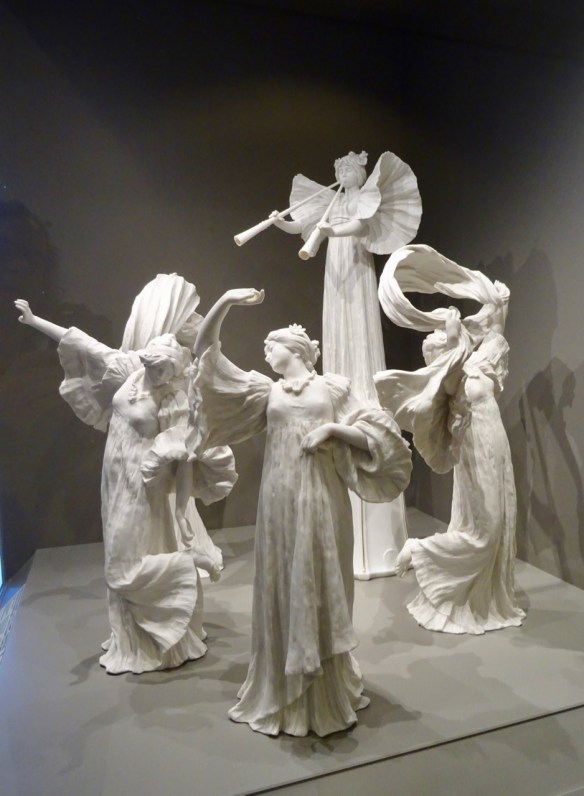
 These glazed porcelain figurines were part of a group of 15 that were awarded a gold medal at the 1900 International Exhibition in Paris.
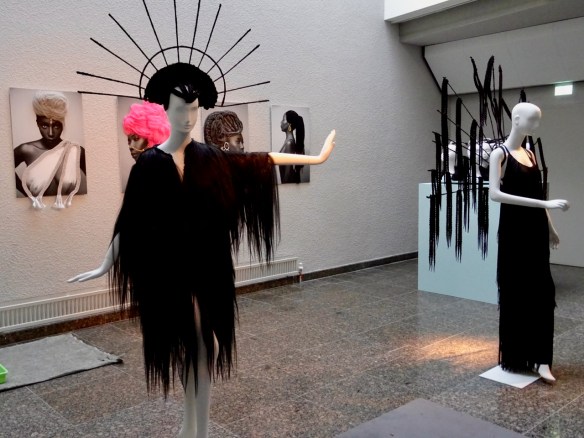
  There was also an exhibit on Afro Hair, with some very different displays.
 And finally, an interesting walk through women fashions through the ages.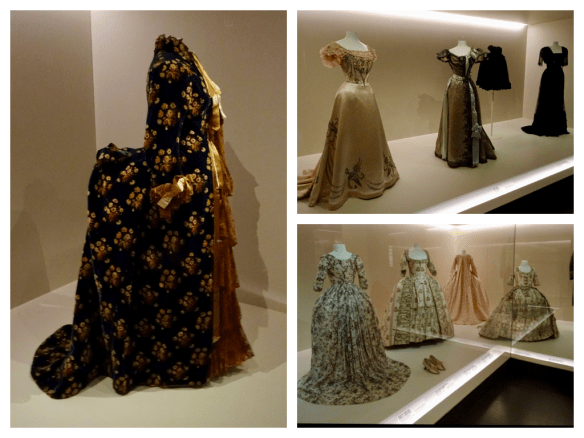
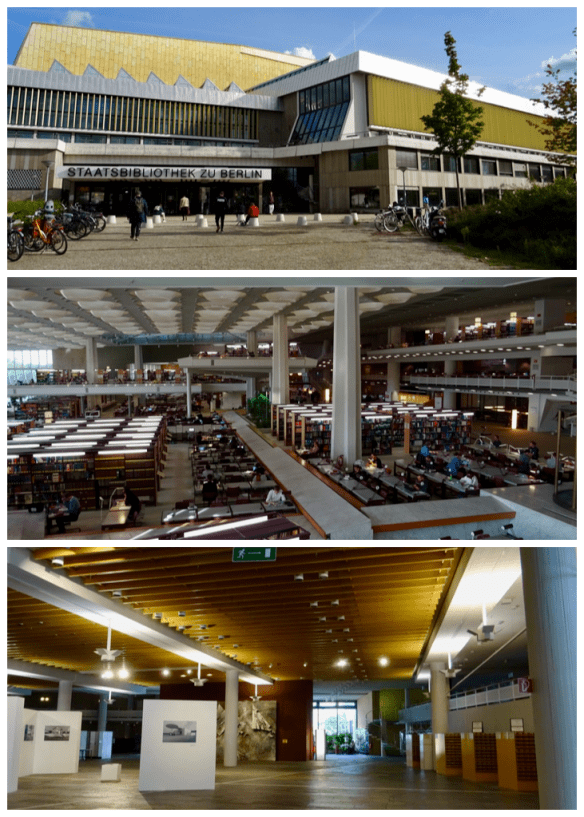 Whew! and we aren’t finished yet. We catch a bus back across town to visit the oldest church in Berlin but the interior has been updated so much. It wasn’t what we were expecting, but still interesting. For some reason there was a rooster crowing inside the church? No idea what that was about.
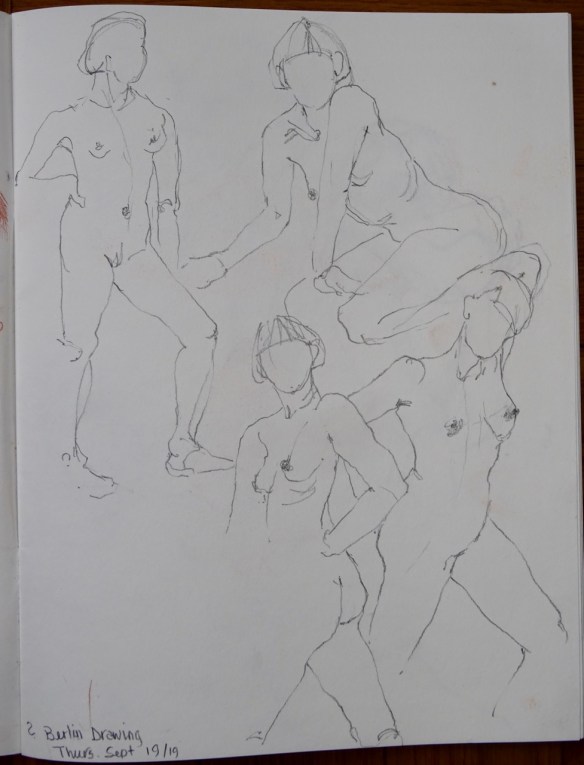
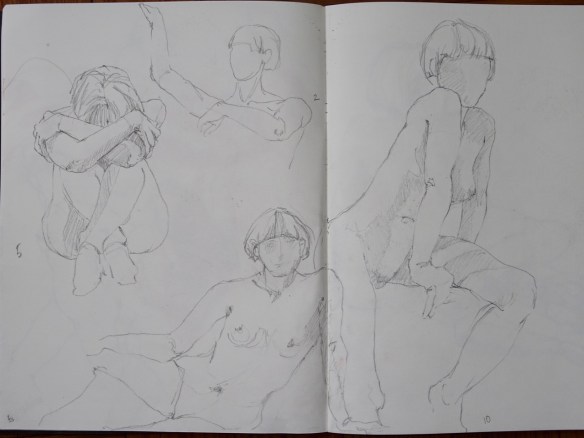
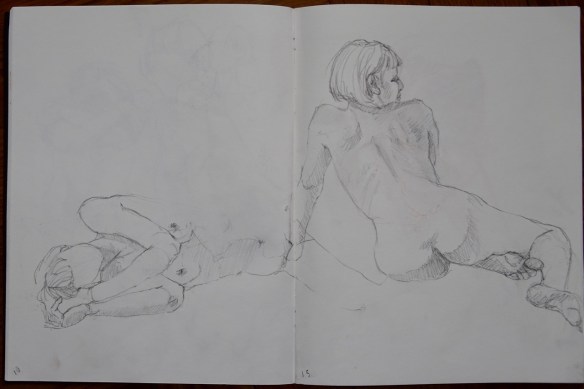
 We split up, Bob heads to the Bode Museum and I catch the metro to go life drawing. I pass this post with just a few posters wrapped around it on my way to drawing.

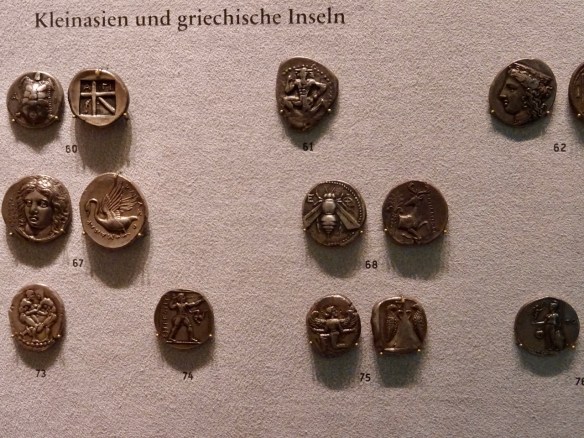
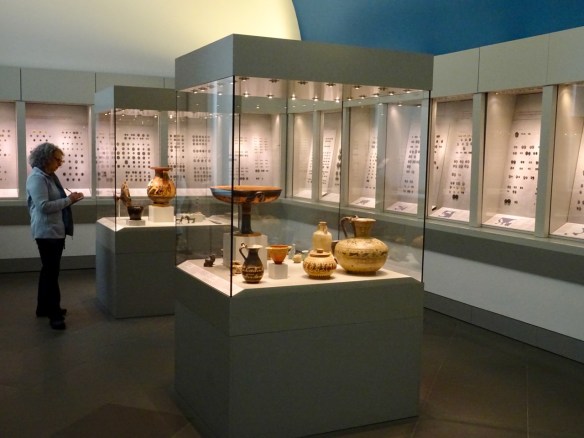
 We were surprised at the detail of some of the1,300 ancient coins on display. The museum has more than 150,000 coins in its collection!
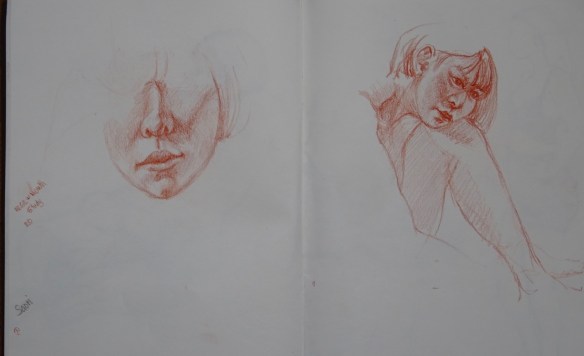
 Bob snaps a photo of me sketching…
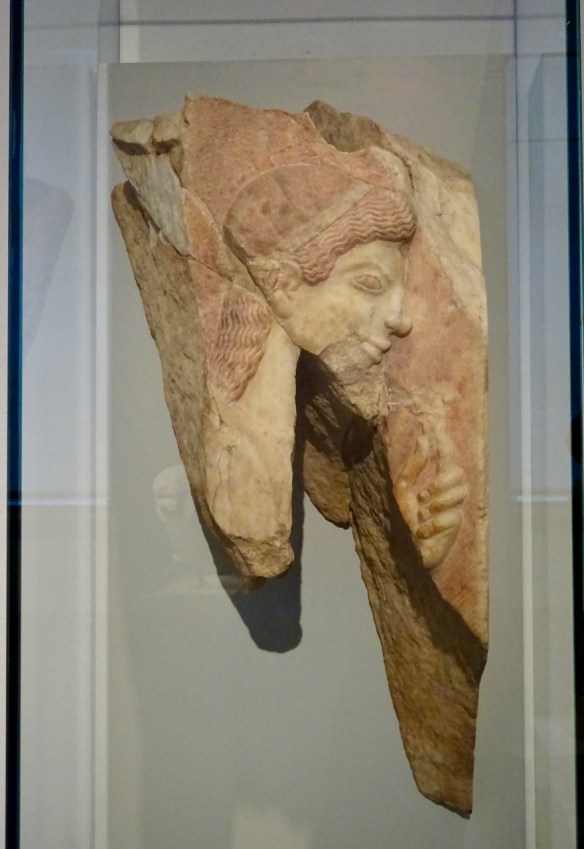
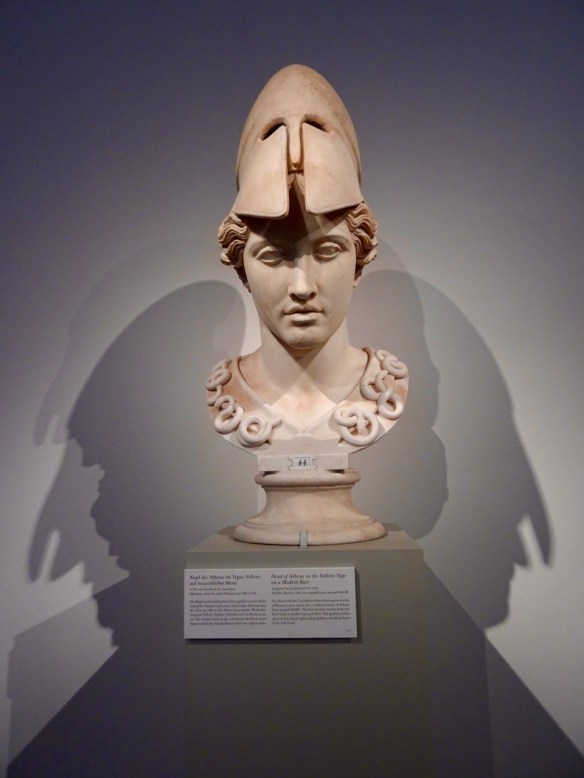
 and then notices the shadows behind this bust. He is getting very ‘artsy’!
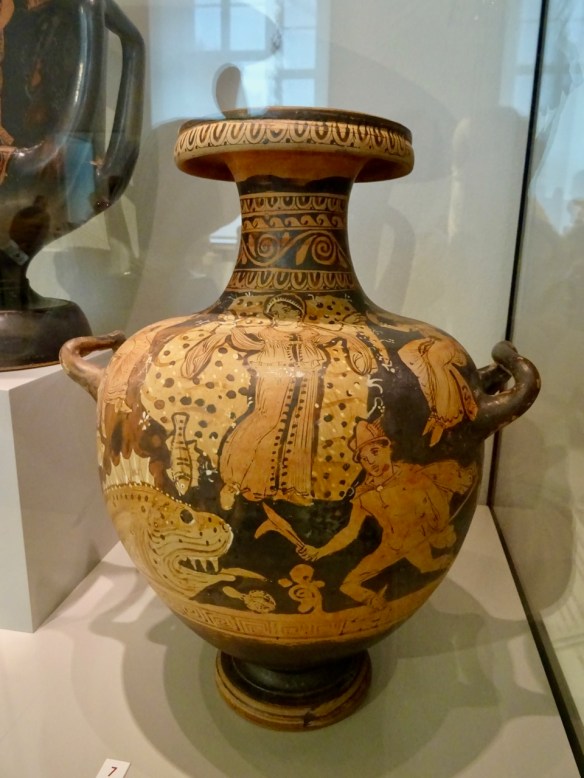
 This Greek vase from 350 BC showing Perseus slaying a sea monster with a sickle is quite different in design than most of the vases we have seen.
 The rotunda has a huge dome with a round skylight and has an incredible collection of sculptures on both levels.
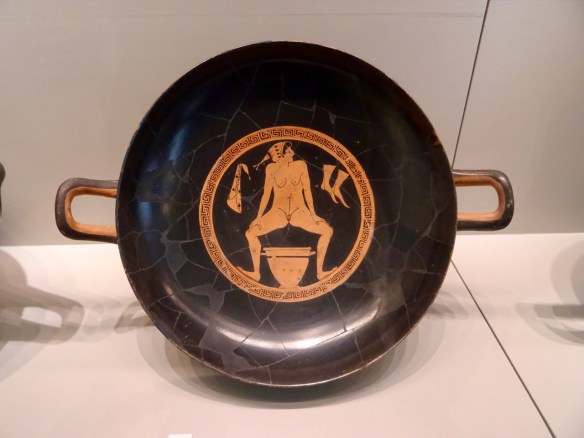
 In the next room this rather unusual drinking cup, is titled Hetaera Above the Chamber Pot!
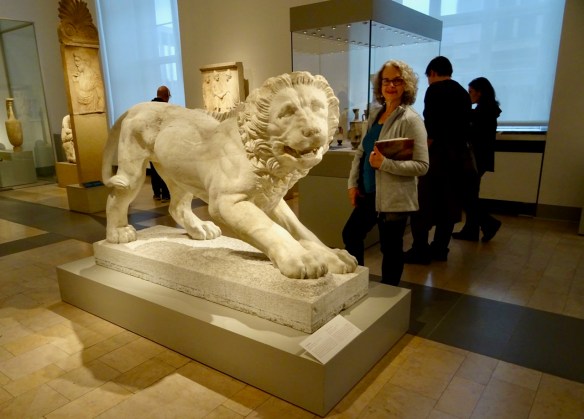
 This Funerary Lion just makes me smile…
 and I love this statue of a mourning female servant from 330 B.C.
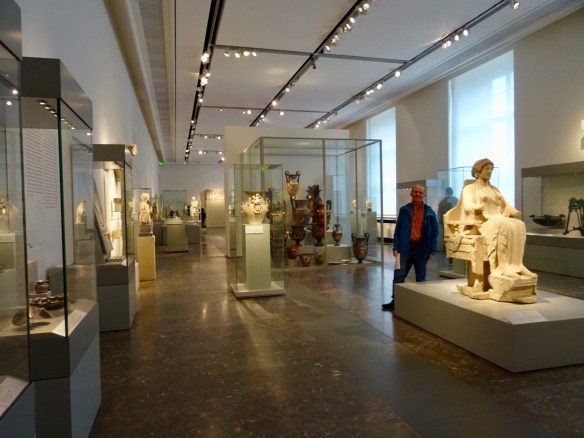
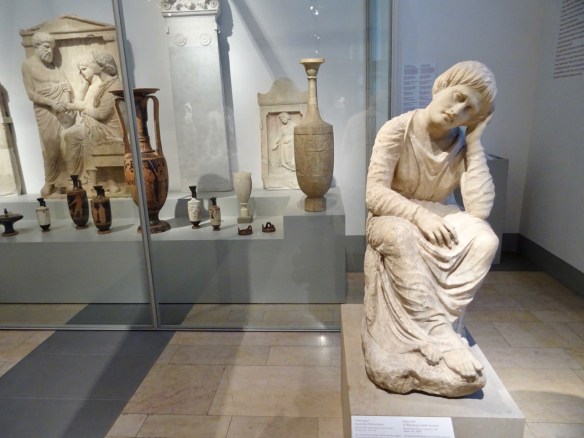 There is so much to see here, room after room filled with beautiful art.
 The Torso of an Old Fisherman, from 200 B.C. is an example of Hellenistic sculpture representing ordinary people.
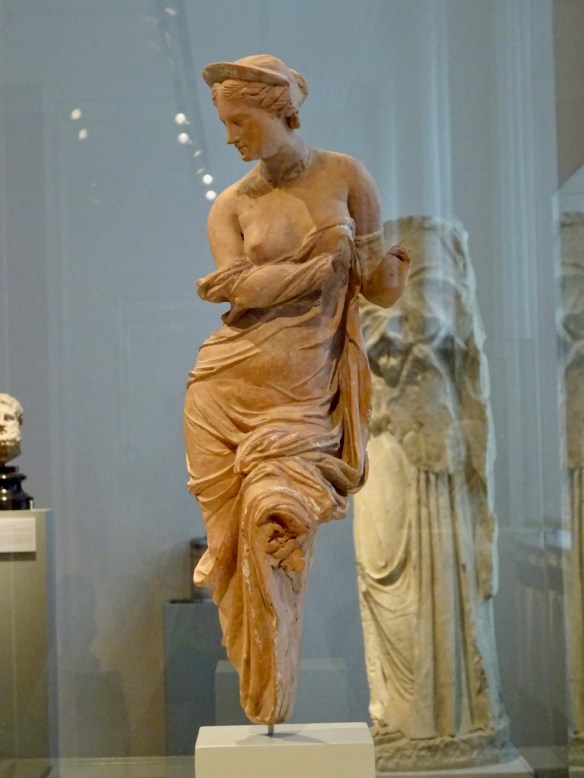
 This statue of Aphrodite, 2nd Century B.C., is thought to be one of the most beautiful ancient terracottas in existence.
 I think this collection of Middle Class Women from 325-150 B.C. is amazing. They were about 8 ” tall and are so detailed.
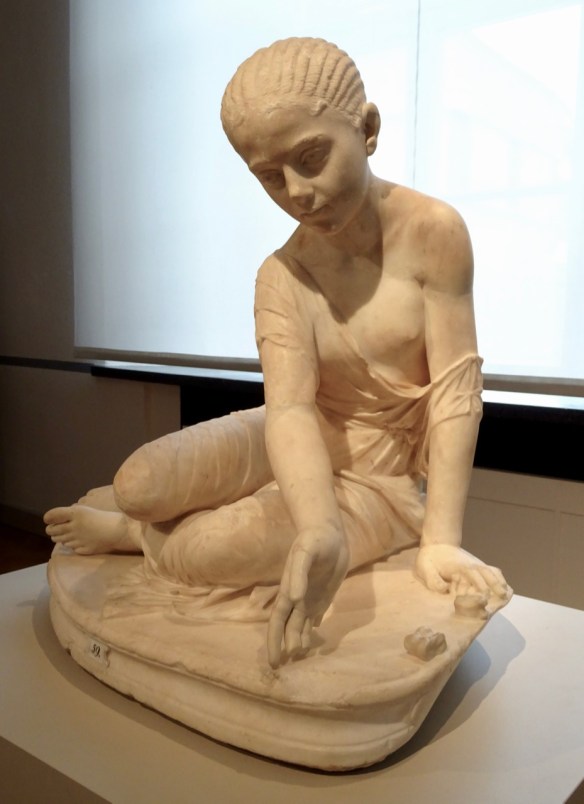
 The Girl Playing Astragal, or knucklebone, is likely a funerary sculpture.
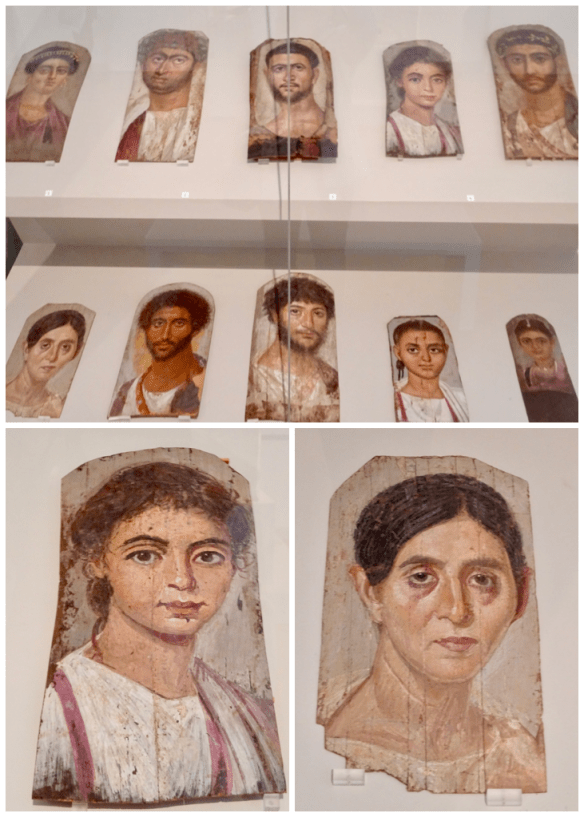
 These 3rd Century A.D.mummy portraits from Roman tombs in Egypt were a surprise. We had never seen anything like them. They were painted with wax and tempera.
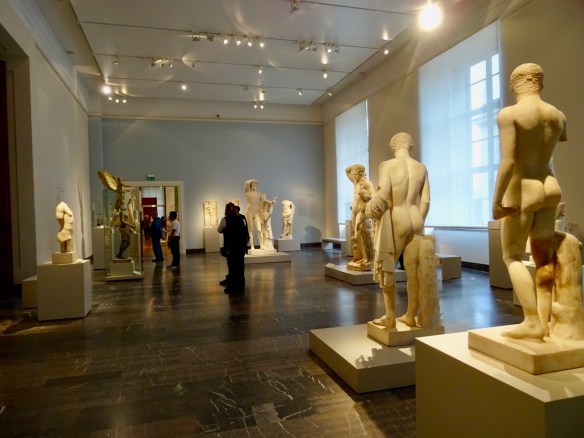
 Another sculpture filled room.
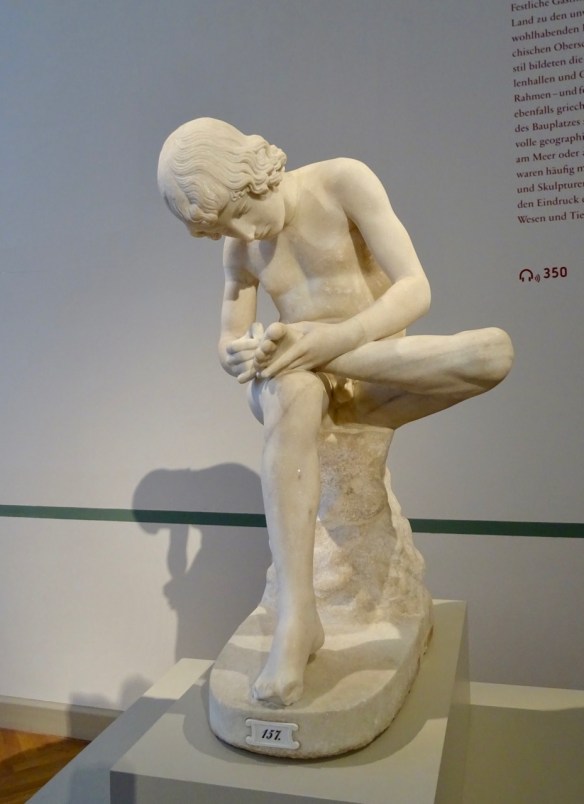
 We have seen Boy with a Thorn, or Spinario, several times in our travels…at the Uffizi Gallery in Florence, in Rome and in Paris. In Rome we saw the original bronze sculpture that inspired the marble copies, It is a favourite of mine.
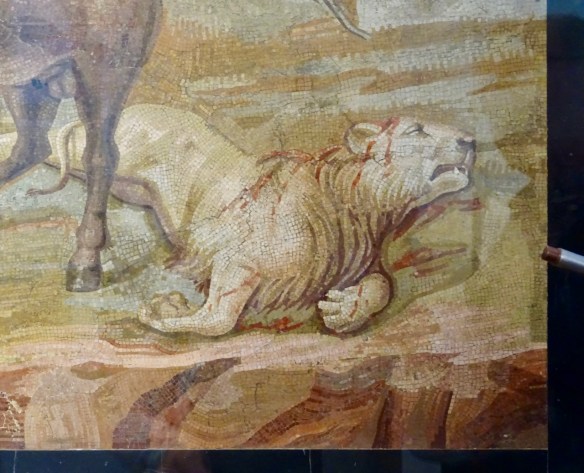
 This looks like a painting,
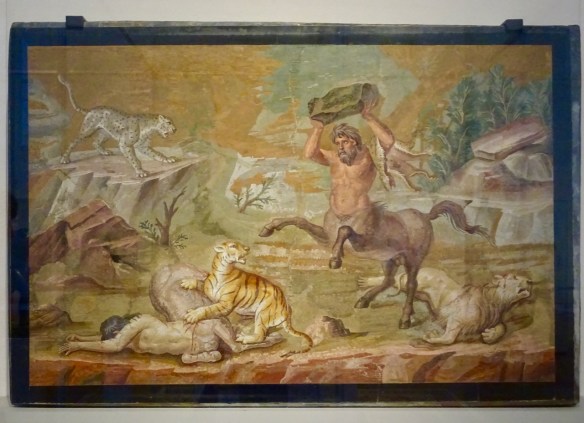 but it is actually a mosaic! I held up a pen in the corner for scale so you can see how tiny the mosaics pieces are.
 This sad little boy was likely on a tomb for a child.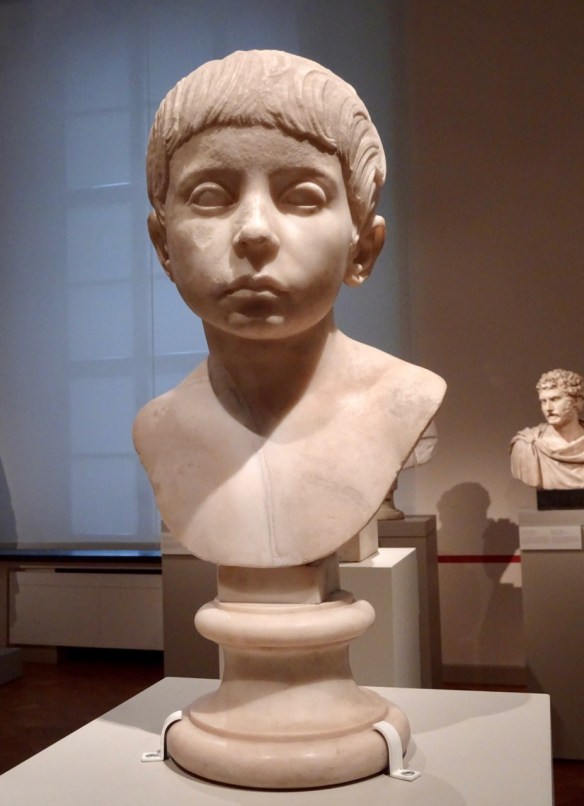
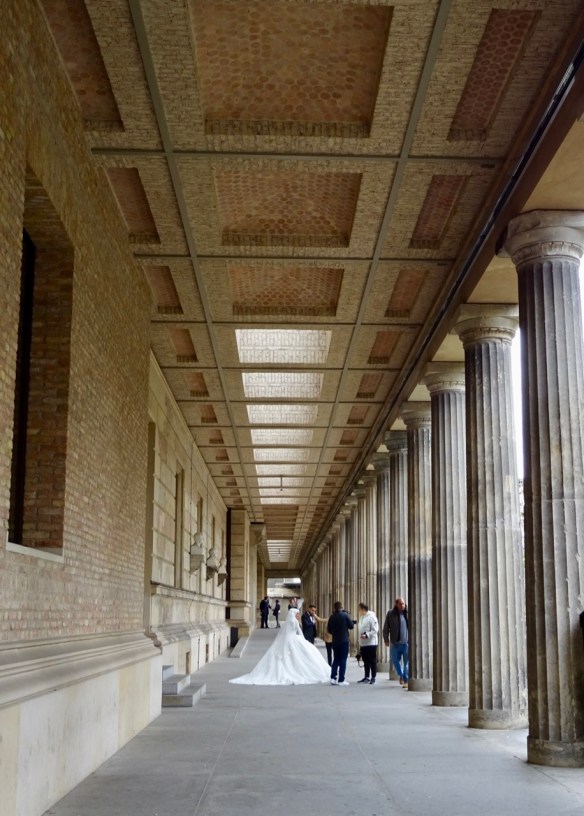
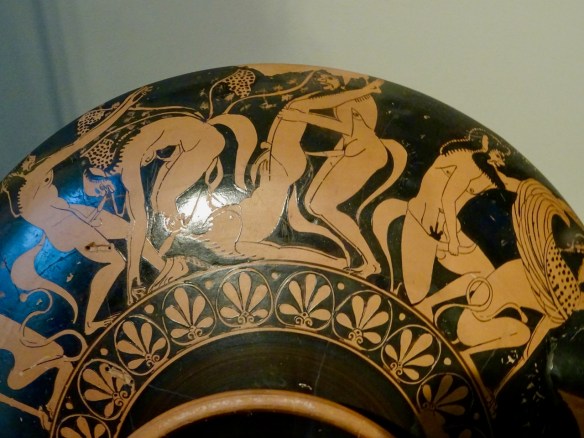 On a long covered walkway to the next museum we see a wedding photo shoot.
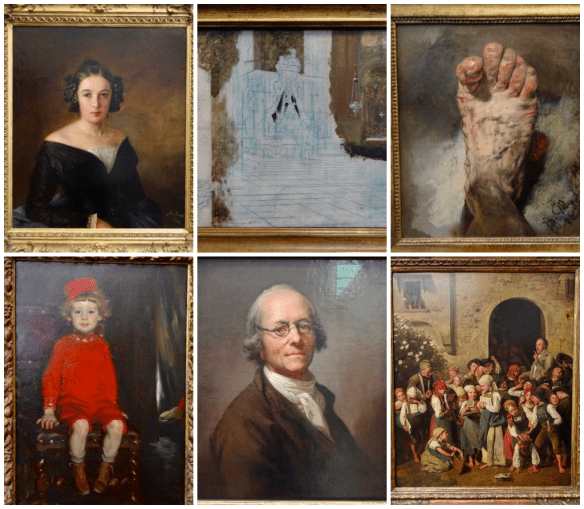
  The Alte National Museum in Berlin features Nineteenth Century art with works by famous painters and sculptors. These are a few paintings that caught my eye, all by German painters that I am not familiar with. There were several paintings that are only partly finished. I found these very interesting, as it is possible to see how the artists approach the painting process.
 There were some Renoirs, Pissaro’s and Carravagios, as well as Rodin’s The Thinker.
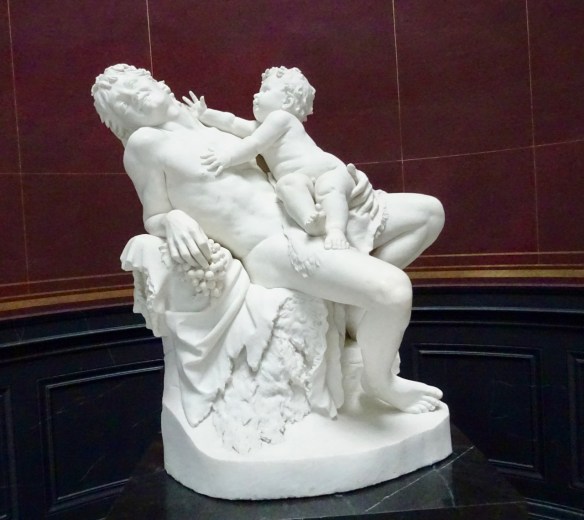
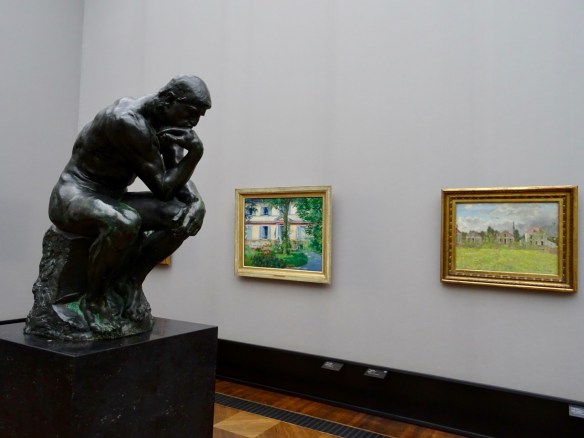 This sculpture was so lifelike and the pose was so natural. There is so much to see, and we have been at these two museums for over five hours!
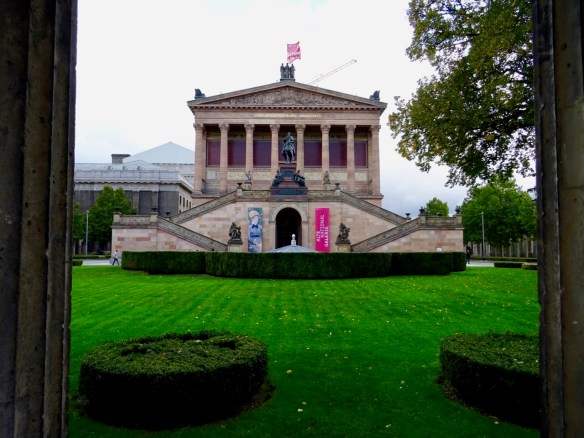
 This is the Alte National Museum, seen from the covered walkway.
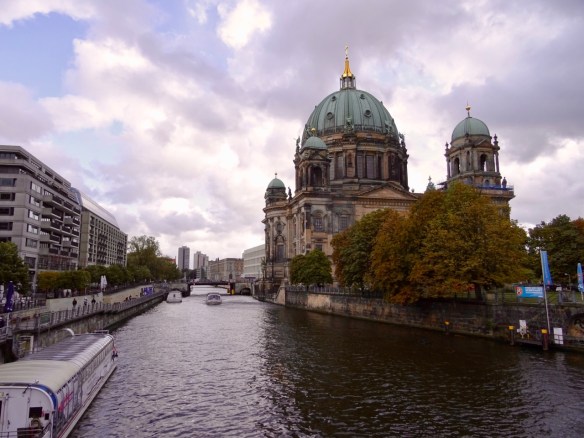
 As we walk to the bus we pass the Berliner Dom, the largest church in Berlin. This photo somehow makes me think of Notre Dame in Paris.
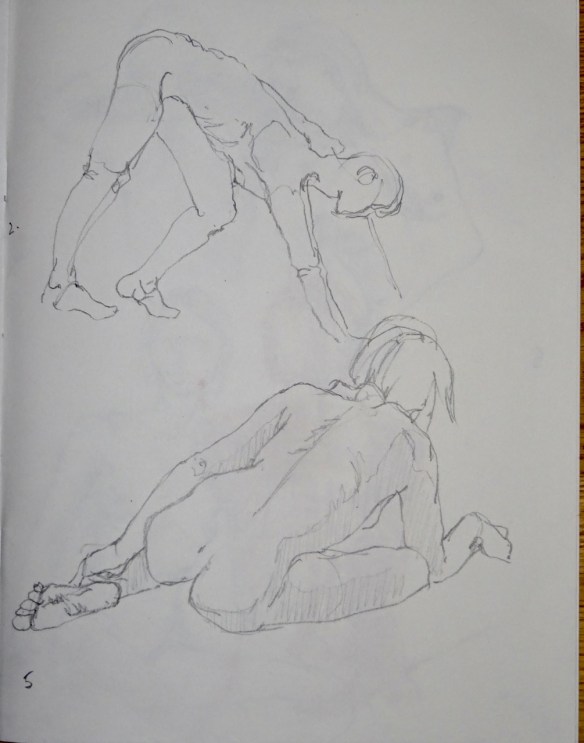
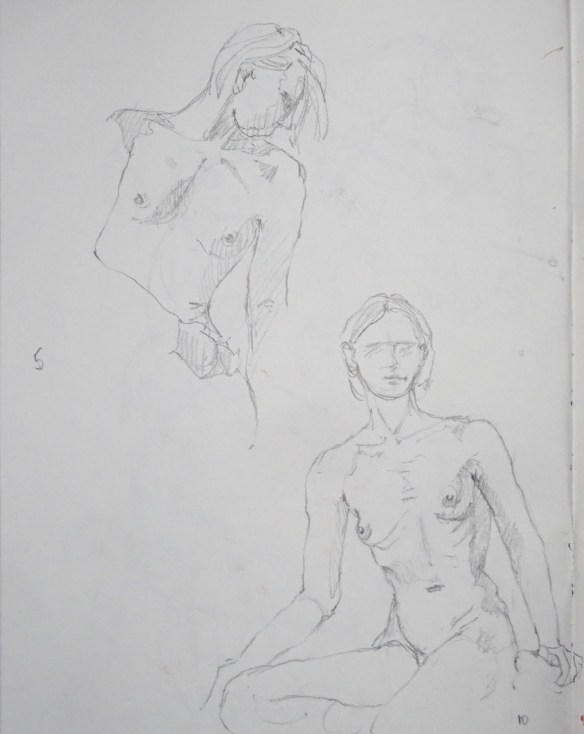
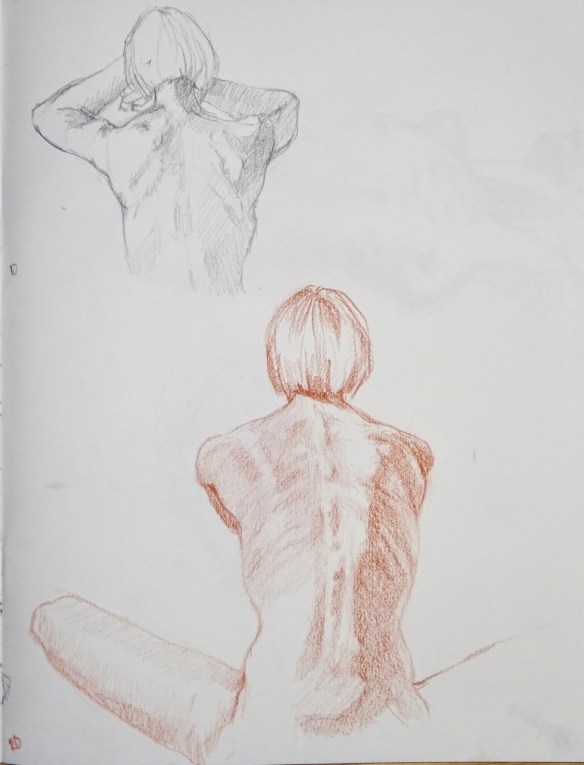
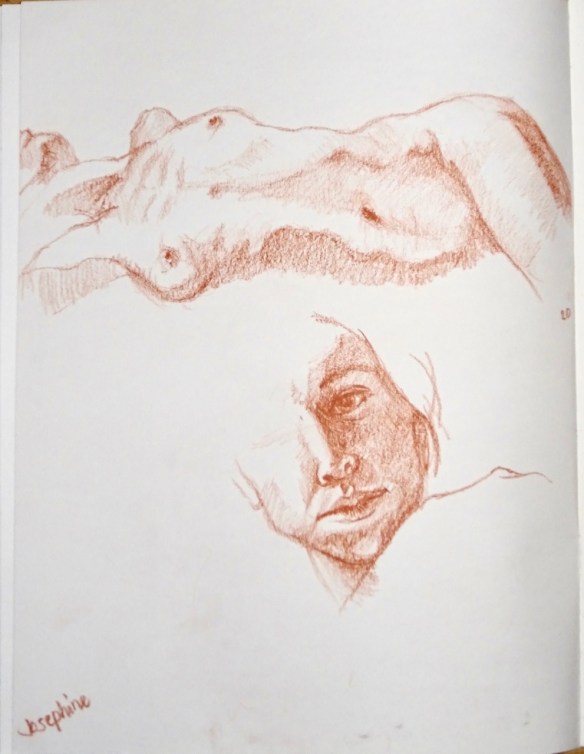
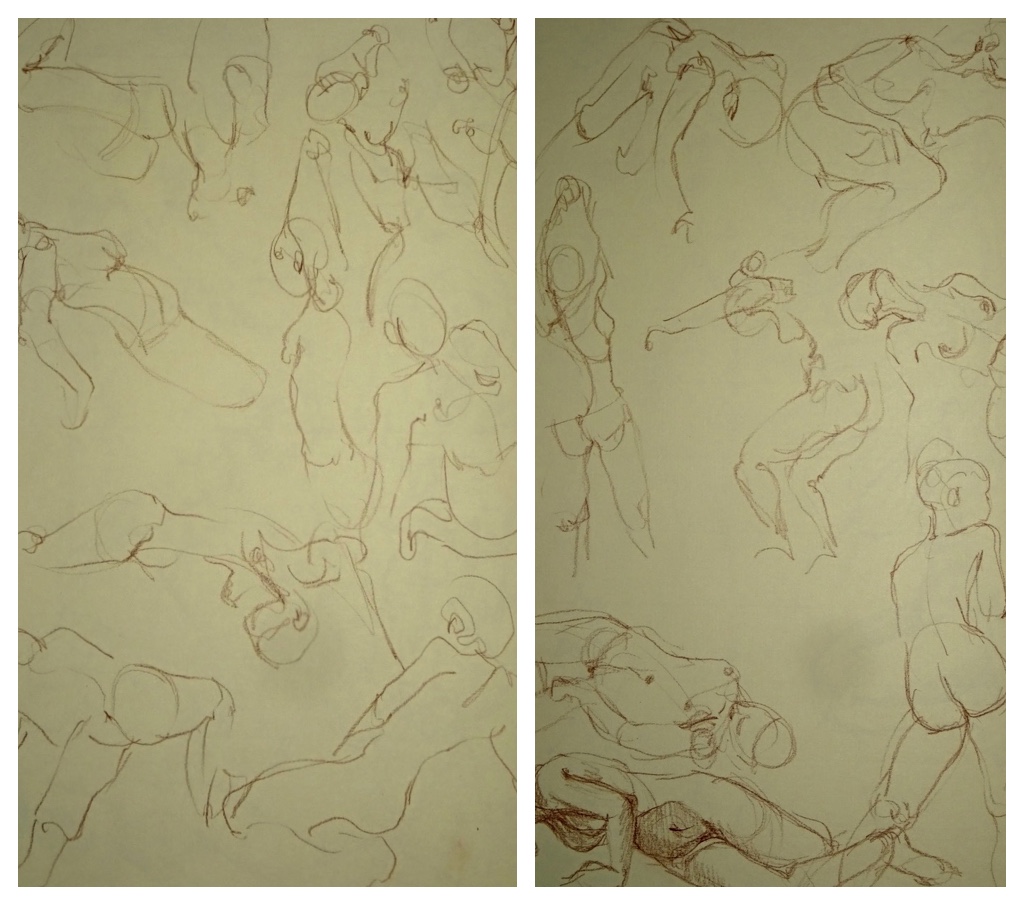
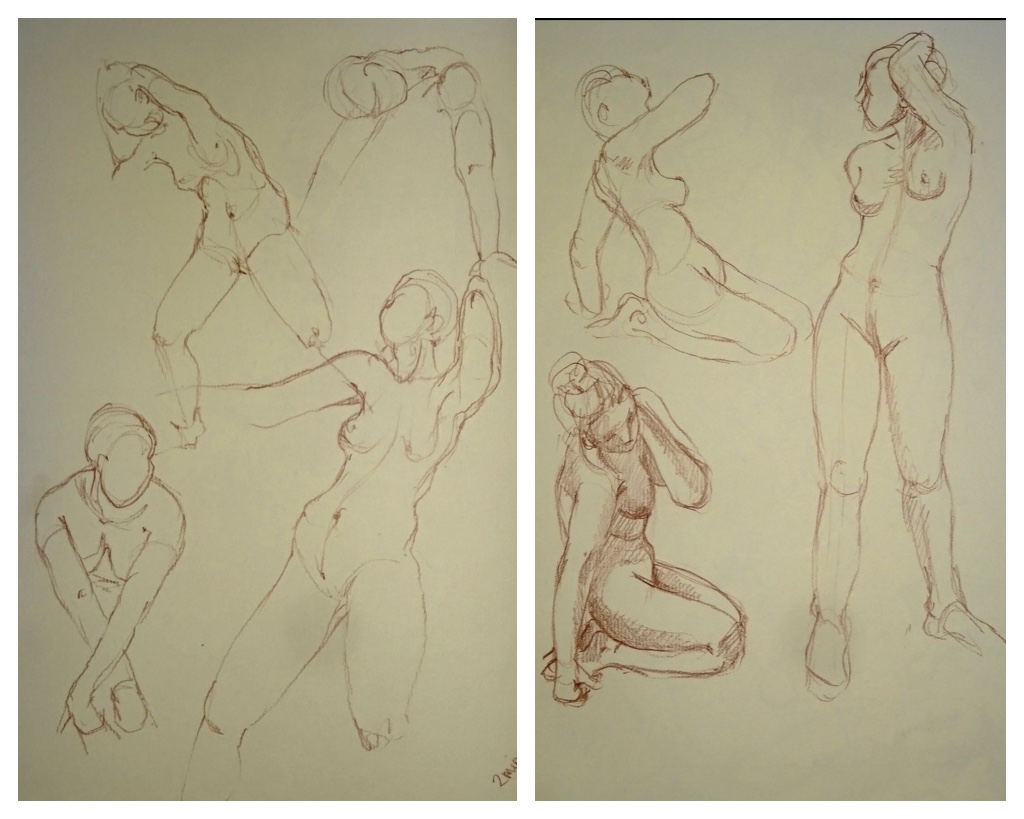
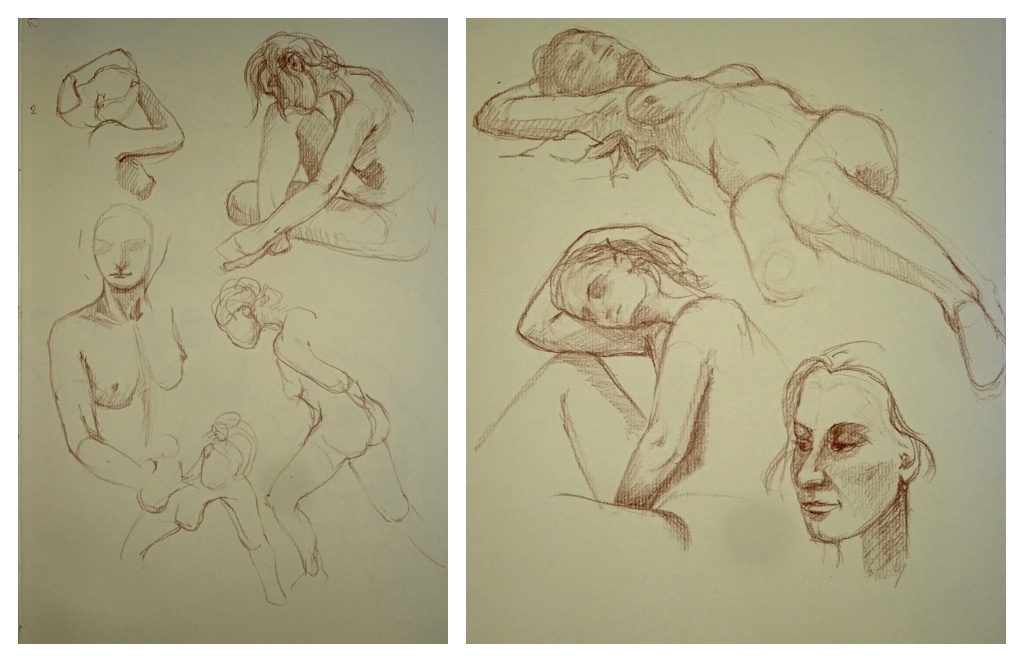
  I am went drawing tonight at a Meet Up Life Drawing session. Our model, Josephine, was very tall and thin which was challenging to draw. These are two minute poses.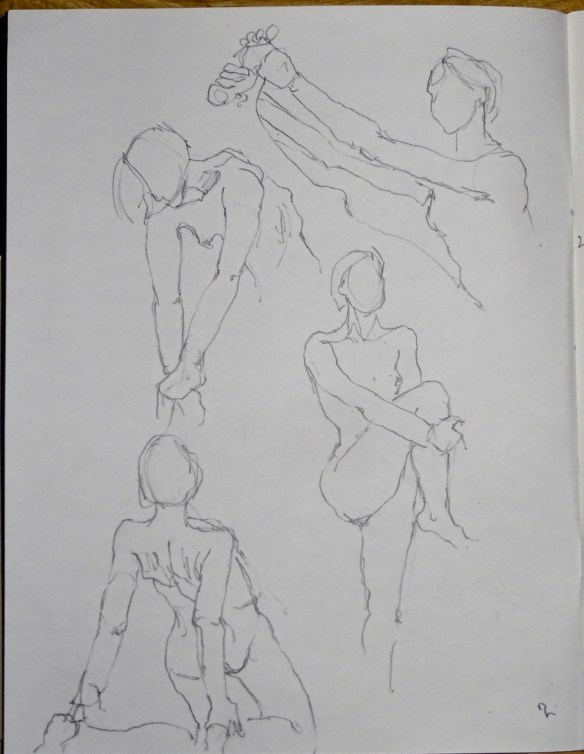
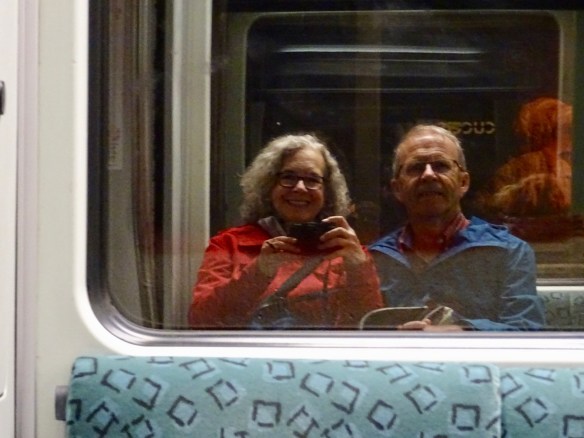 This is something we don’t see at home…taking your IKEA purchase on public transportation! It has been a long busy day and we are both a bit tired.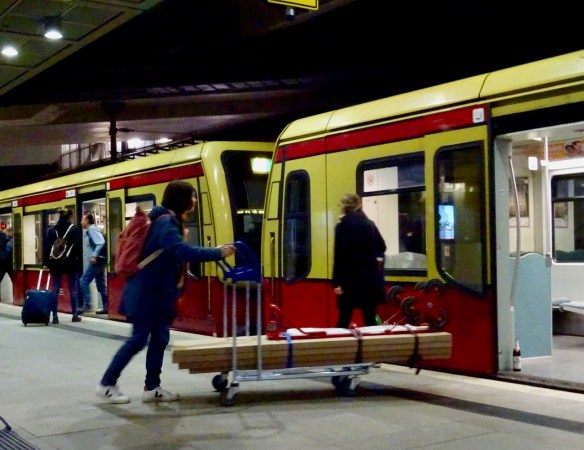














 trudymason.com