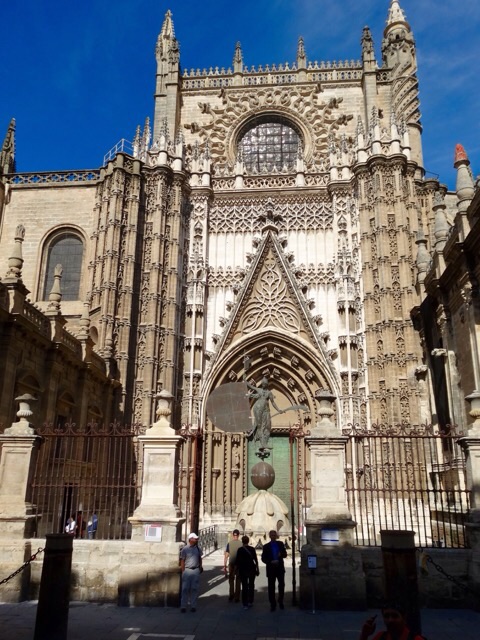
Seville Cathedral and La Giralda

Friday November 6

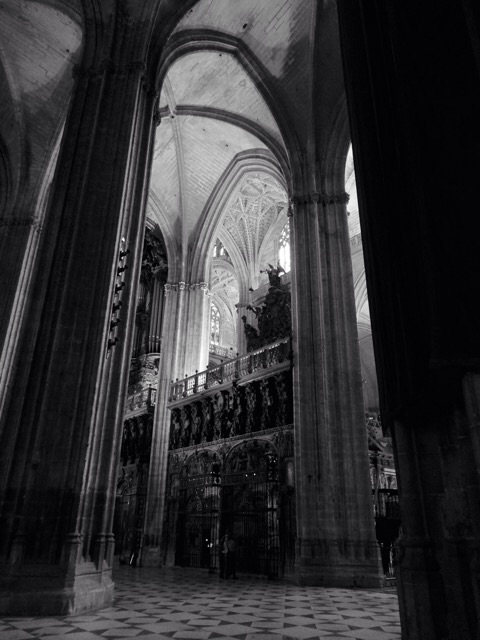
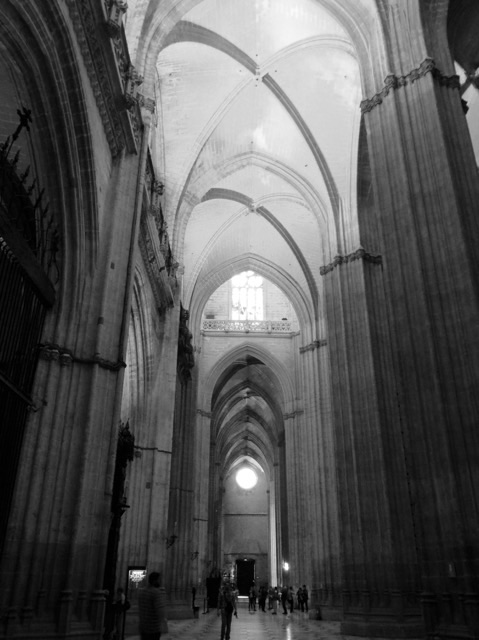
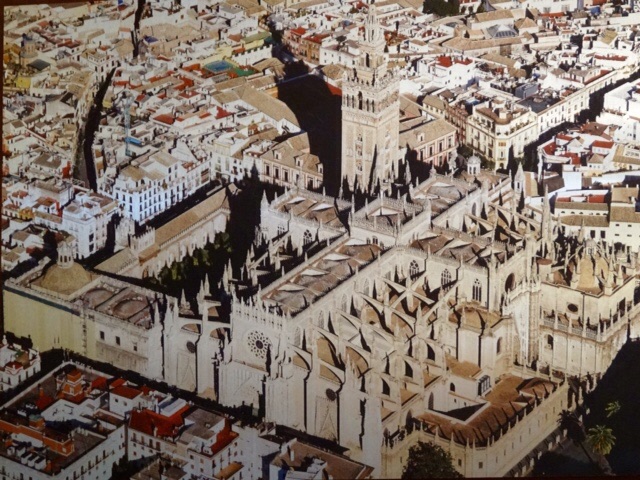
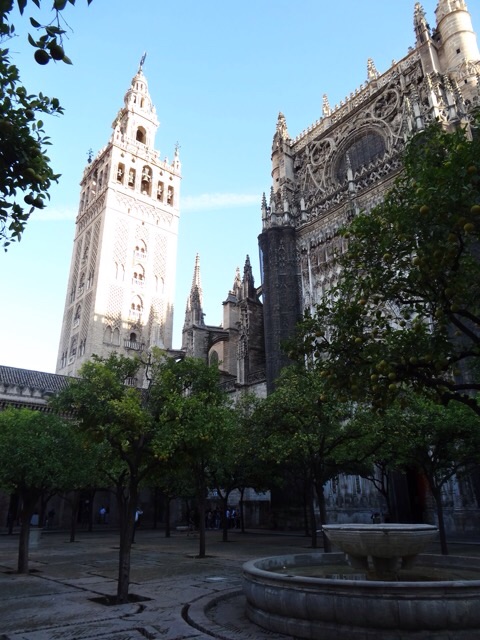
The Seville Cathedral is the largest Gothic Cathedral in the world, the third largest Church in the world and has the largest, richest alter in the world! The sculpture in the courtyard is the bronze weathervane (giraldillo) portraying Faith that used to be on top of the tower, and from which the tower gets its name.  A replica replaces it on top of the tower.imageJust inside the door is an arial picture of the Cathedral which gives an idea of its immense size, and we are going to visit all of it!
image

This link has some great pictures and easy to read information on the Cathedral.  Take a look, I think it is quite interesting (and it saves me lots of writing!)    http://www.sacred-destinations.com/spain/seville-cathedral

We enter the Cathedral and simply stand in awe.  It is hard to describe the feeling we have being in such a place.  The light is wonderful as there are three rows of stained glass windows, and the sun streams in casting jewels of colour over the immense stone columns. Interestingly I think that black and white photos capture the feeling of being in the Cathedral better than coloured photos.
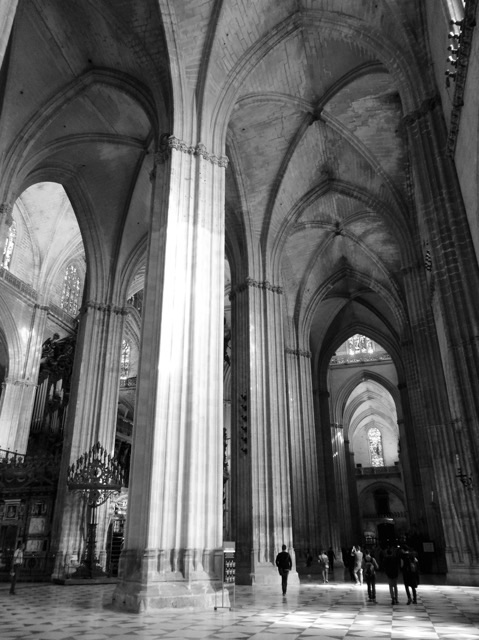
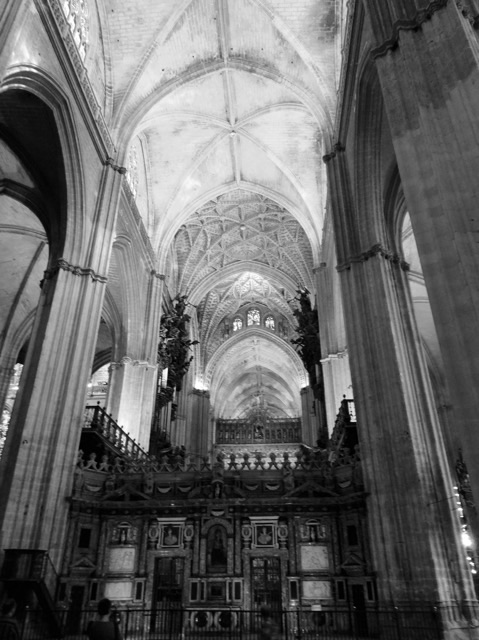
image image image image

The organ here is enormous, perhaps the biggest we have seen and there are two parts to it, across from each other in the choir. These two pictures show the organ from the left and the right, this set up means that the pipes are visible on the front and back of each part of the organ.
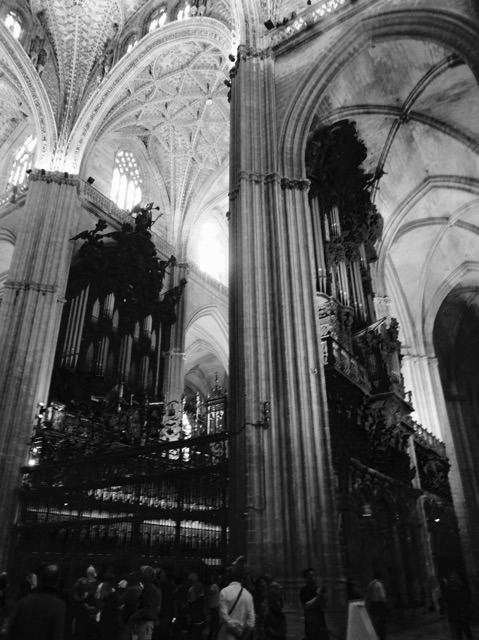
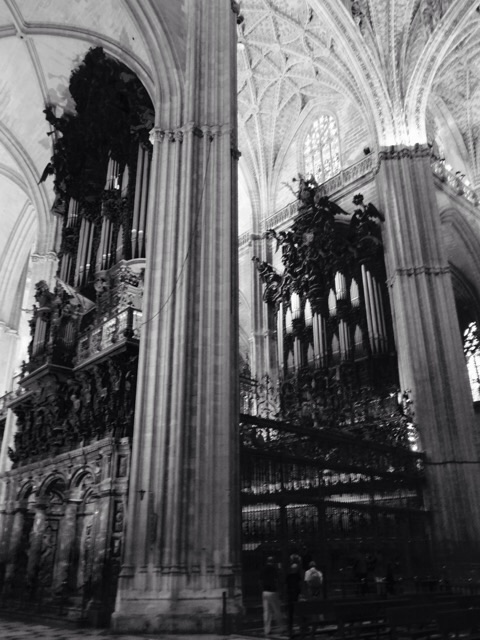
image

image

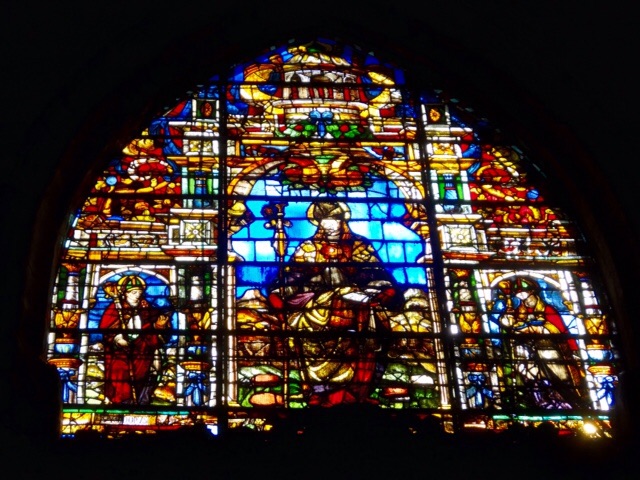
Here is one of the many beautiful stained glass windows.  I believe this one was from 1479.
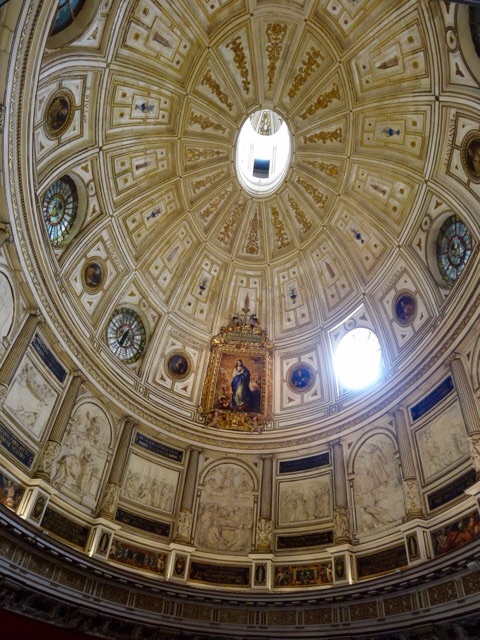
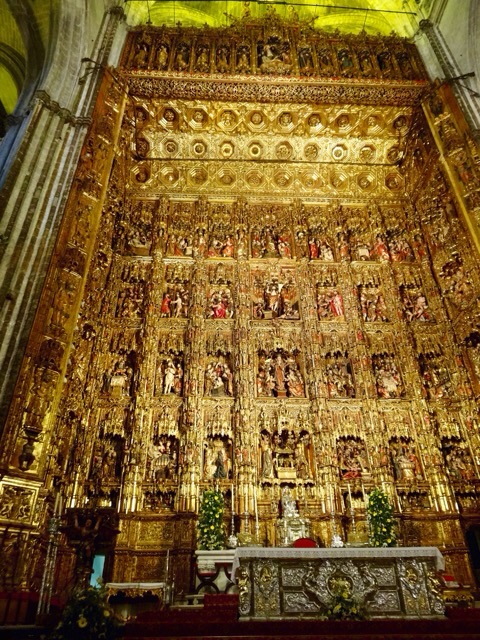
imageThe Chapter House dome is elliptical and was built in the 1500’s.  It is perhaps the first elliptical dome ever built and I thought it was particularly beautiful.imageI read that the cathedral has 80 chapels, in which 500 masses were said daily in 1896. The altar is quite unbelievable.  It is carved in wood, covered in gold, and is 20 meters tall with 45 carved, polychromed biblical scenes.
image

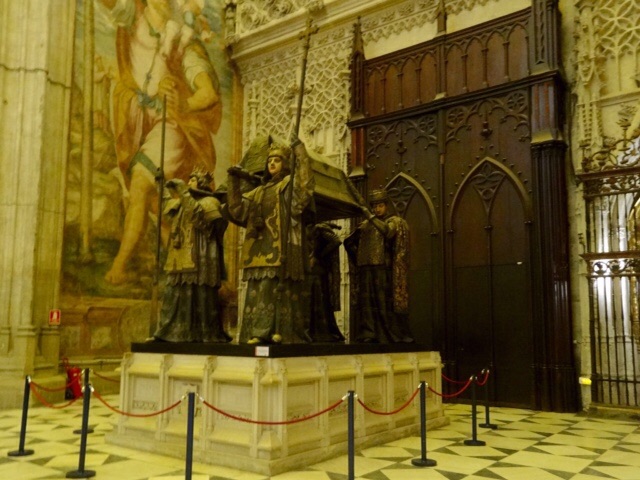
Christopher Columbus has a tomb here although other places also claim to have his remains. DNA testing is being carried out to determine if it is indeed Christopher Columbus who is interred here.
image

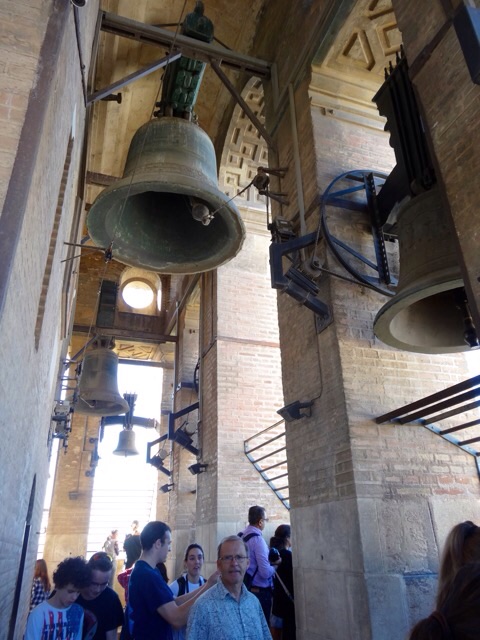
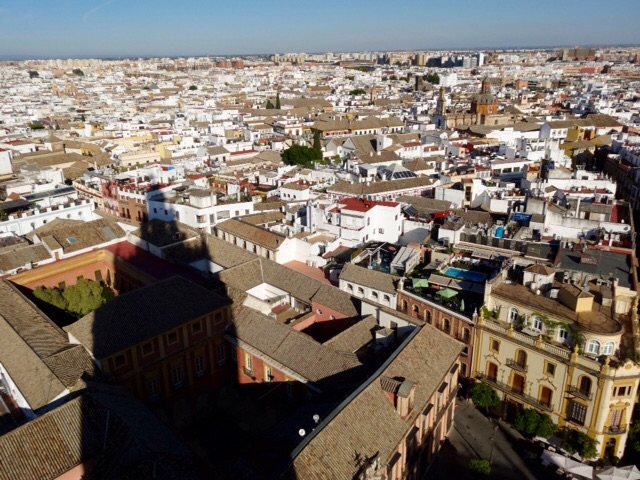
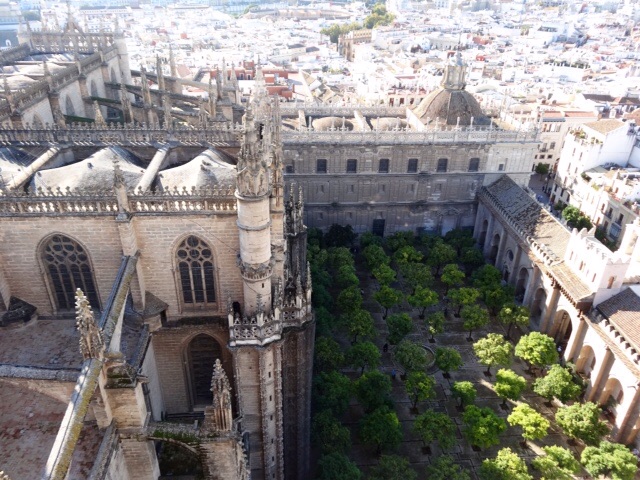
Next we climb La Giralda, the belltower, which has 35 ramps which are wide enough so that two guards on horseback were able to climb to the top of the tower.  This link has more info on the Tower if you are interested

http://www.sacred-destinations.com/spain/seville-giralda

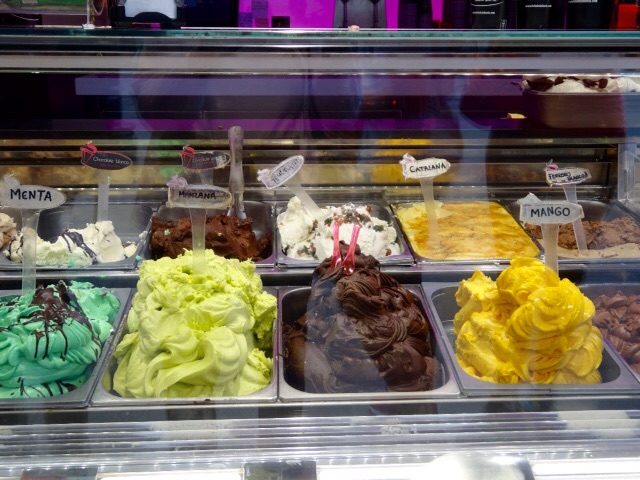
The views from the belltower make the climb very worthwhile. I have decided I like Belltowers very much.image image imageAfter our visit we make our way back to the tram to take us home.  The ice cream is displayed very attractively, we decide we will have to try some tomorrow.  I found a place that has sorbet, all natural ingredients, and no milk!imageOne last view of the tower.  The top level with the bells is where we stood.image
 

Good Bye Portugal, Hello Spain

Wednesday November 4

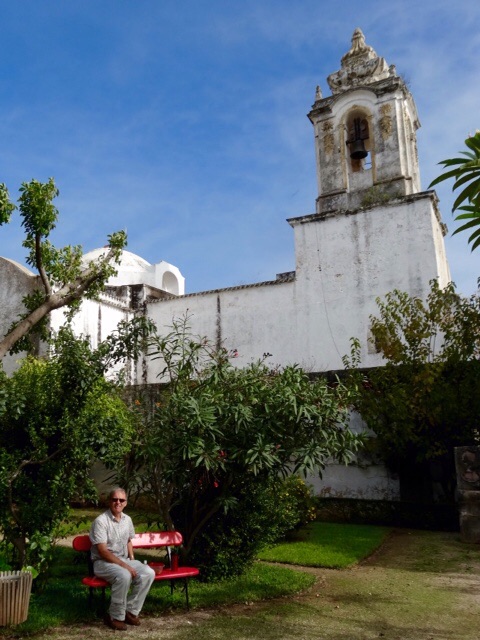
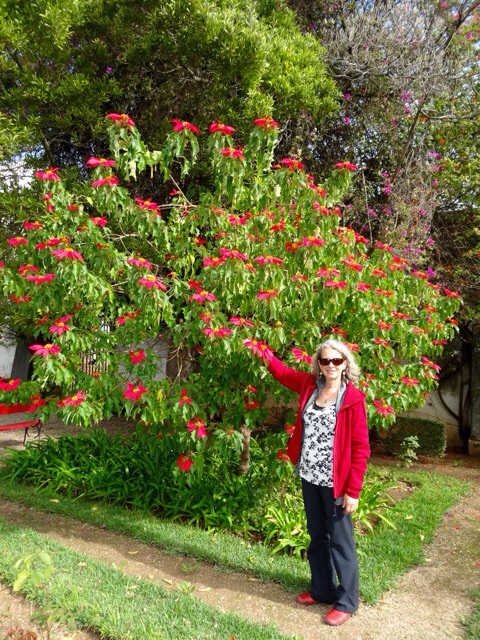
We are on the road by 9:30 for Seville, Spain.  We didn’t manage to see or do as much as we thought we would in Portugal; the rainy weather and catching a cold put a bit of a damper, no pun intended, on our visit here.  Too bad, but it is what it is.imageWe stop in Tavira, Portugal for lunch and find this lovely little garden behind an old monastery.  There are trees here from all over the world with identifying tags, including this poinsettia tree.image

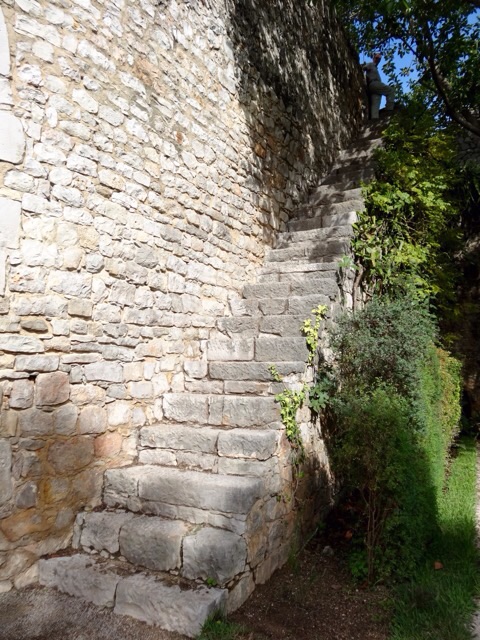
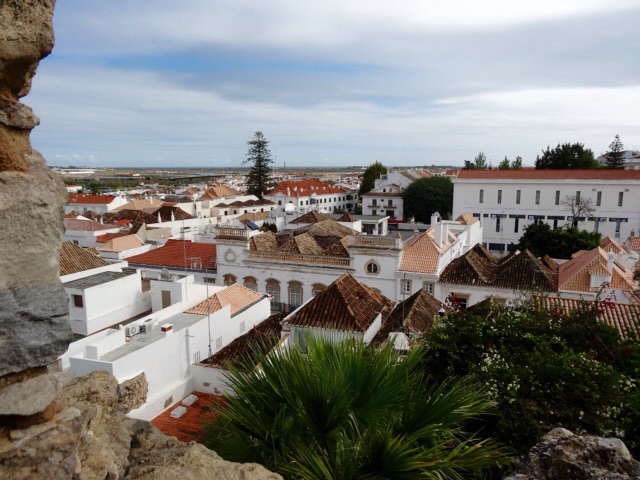
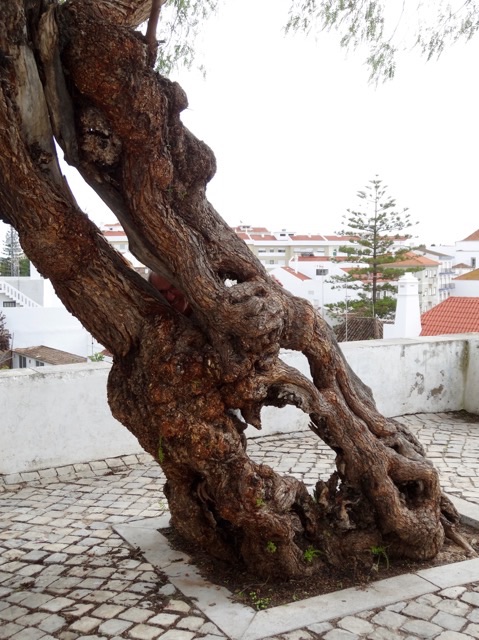
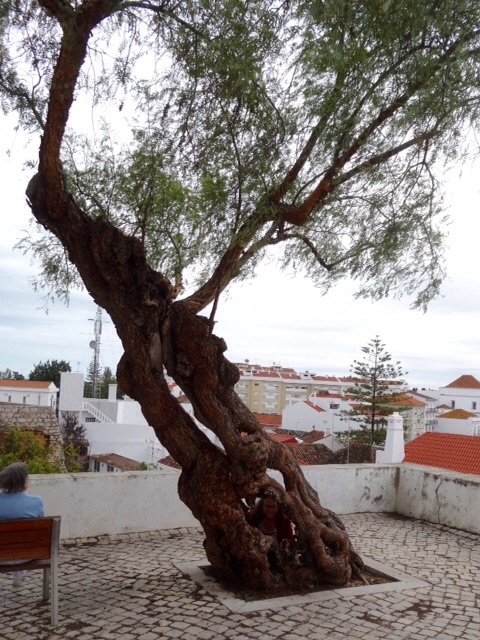
We walk around after our picnic lunch and discover this old castle with a park in its center.  We climb the steps to the top of the old walls, very narrow steps without any railings.  We have noticed that Spain and Portugal expect visitors to take care of themselves.  There are often no safety rails or fences in quite dangerous places. Back home this would not be the case. Can you see Bob at the very top of the stairs, where he stumbled?image The view from the top of the castle walls over the roof tops.image Two pictures of the same tree.  Can you spot who is hiding in each one?image

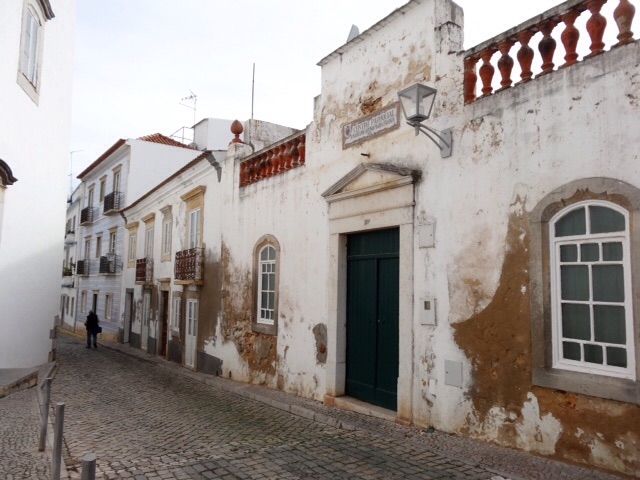
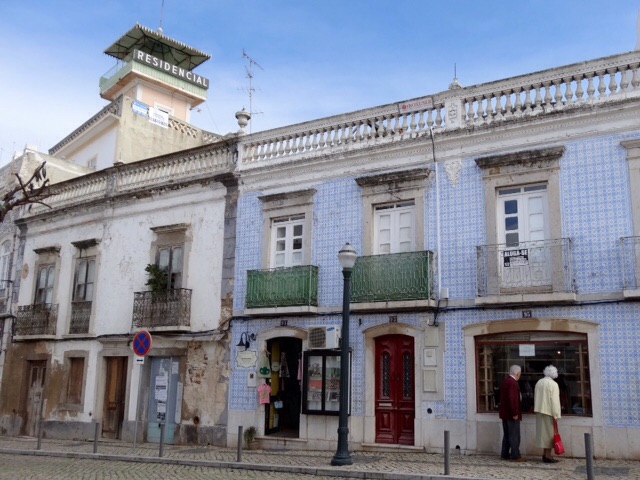
imageTavira has lots of tourist attractions but we notice that there are many empty store fronts and houses for sale.  This is something that we have seen repeatedly throughout Spain and Portugal.  Their economies are suffering with high unemployment and the villages and towns are losing young people to the bigger cities.  We have also noticed how often there are abandoned derelict houses, businesses and factories right beside nicely well maintained buildings.imageNotice the tree growing out of the window on the second floor of one of the building in this picture for an example. There are lots of ‘fixer uppers’ in Portugal and Spain!imageSoon we are approaching Seville and our next apartment.
imageThursday, November 5

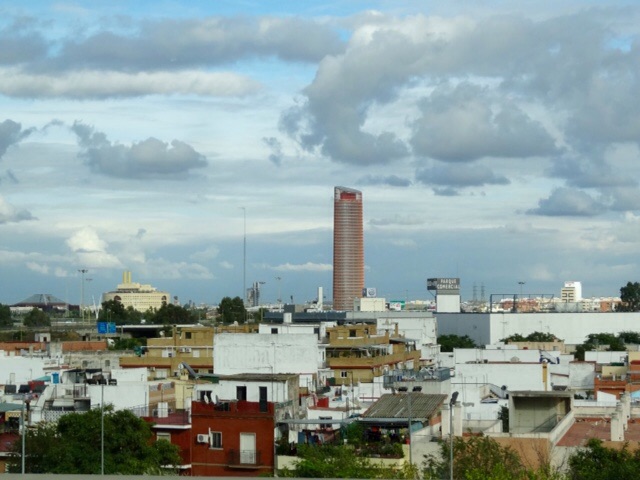
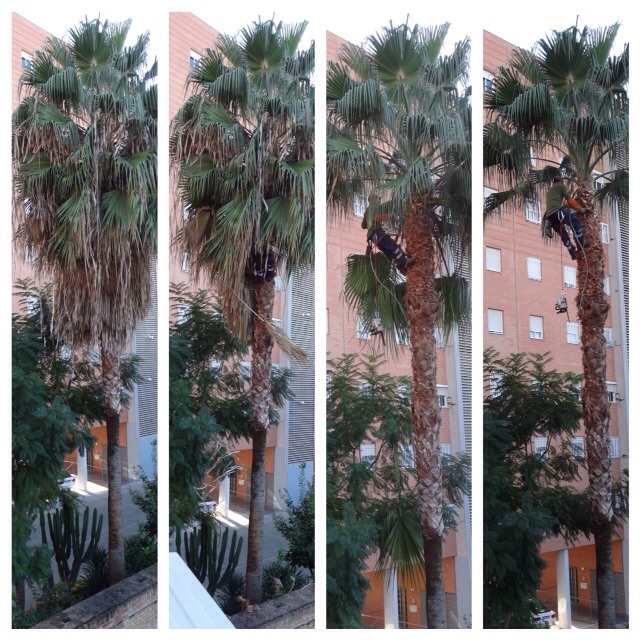
Travel days are kind of hard on me, so I stay home today and rest and Bob goes to check out the tourist sights and figure out the bus system for our outing tomorrow.  I spend an hour or so watching a worker climb up inside the leaves of a palm tree and then trim it.  It looked like a very difficult, dirty job, but it was very interesting to watch.image

Sintra, Portugal, Day 2

Sunday, October 25

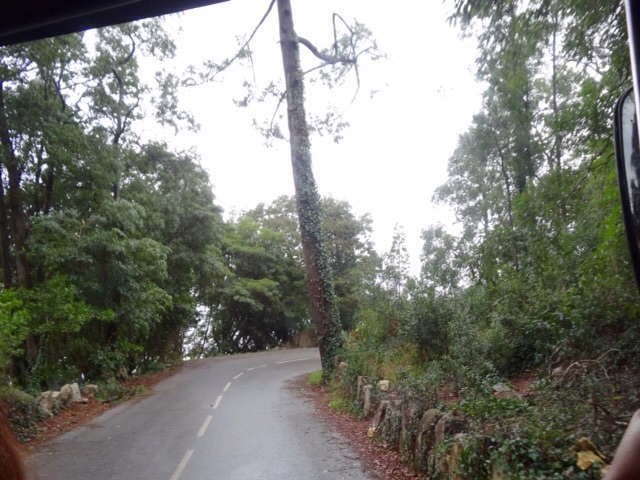
Our second day in Sintra starts out rainy but it is supposed to clear up by early afternoon. We catch the bus near the palace we visited yesterday and head up the steepest, narrowest road we have probably ever been on.  The bus had to stop and back up three times to navigate the hairpin turns.  We were standing in the front of the bus so had a view of the road ahead, which, by the way, soon lost the center line and became a one way road as it was too narrow for traffic in both directions.

image

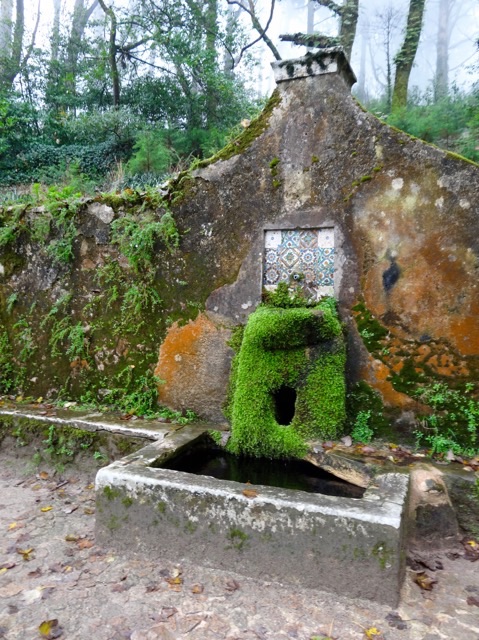
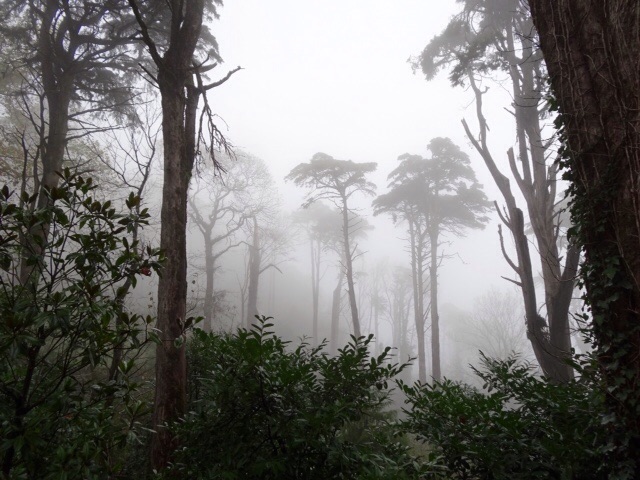
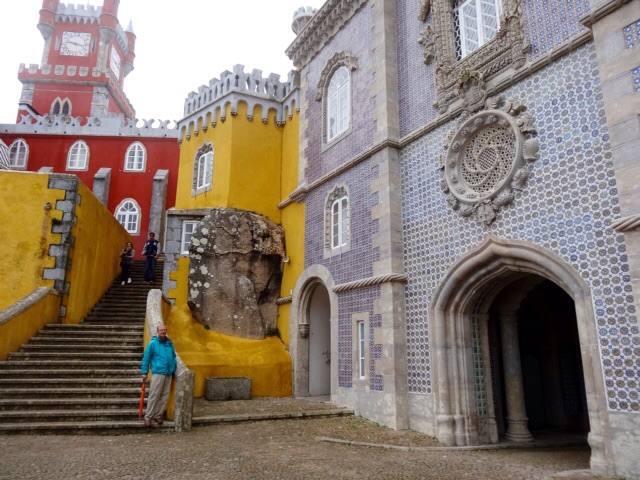
A pretty little fountain on the walk through the park on the way to the Palace of Pena image  It was very misty so we couldn’t see very far but it was pretty.imageSoon we get our first glimpse of the Palace of Pena. This palace was one of the last residences of the Portuguese Royal Family. It is a fairy tale castle with Moorish and Manueline influences and is one of the finest example of Romantic Era architecture in Portugal. This link has more information about the palace and the park that surrounds it if you are interested.   https://en.m.wikipedia.org/wiki/Pena_National_Palace#image

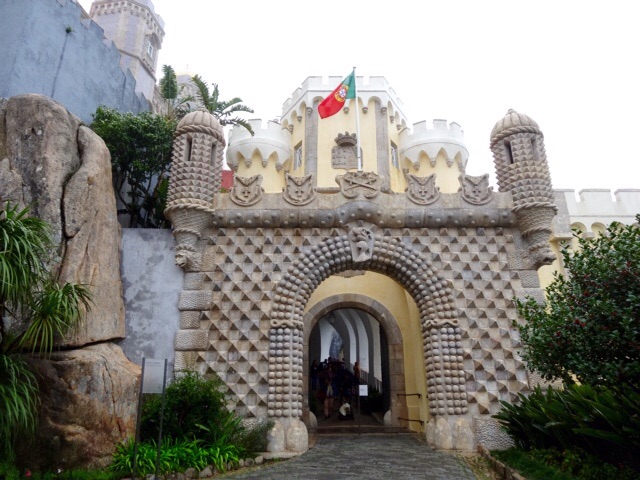
We enter through this grand gate.image

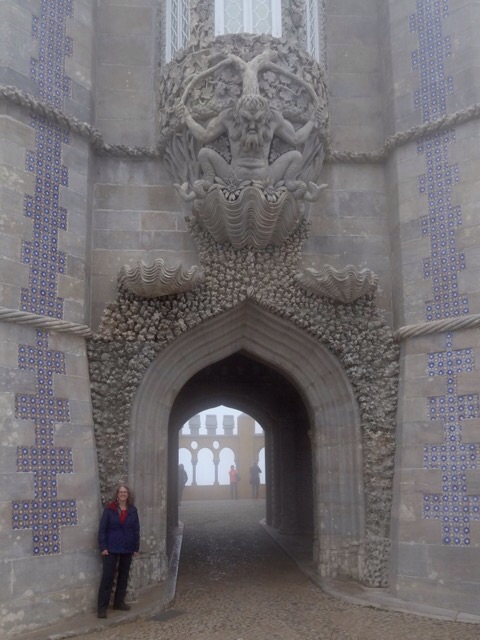
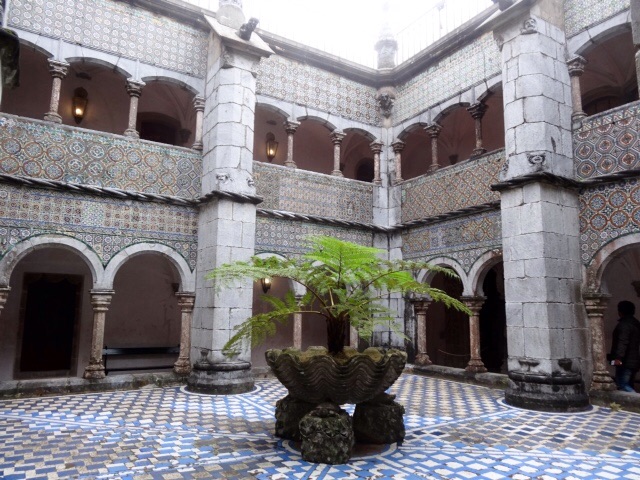
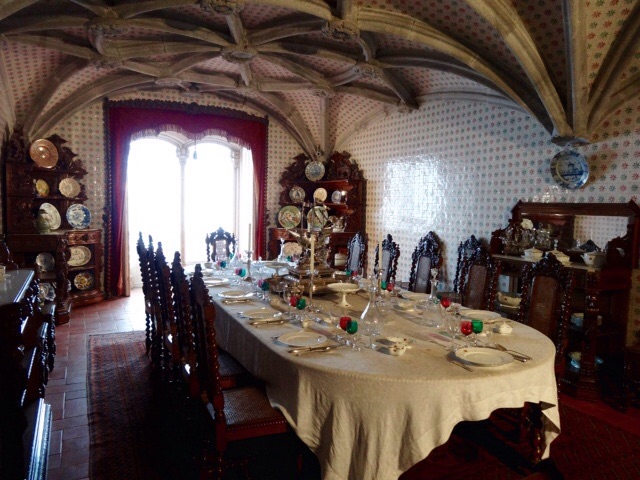
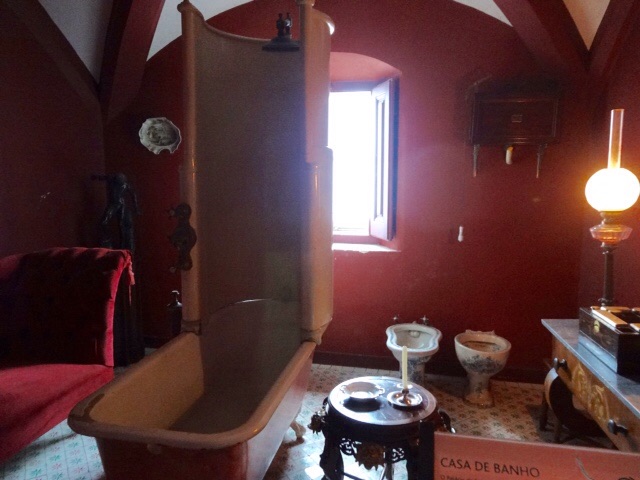
The next gateway is just as spectacular. Love it!imageThe Cloister is part of the original 16th century Monastery that was built into the present Palace.  It is decorated with Hispanic-Arabic tiles from 1520.image  The dining room has a sculpted ceiling and tiled walls…imageand here is one of the first bathrooms in the Palace. image

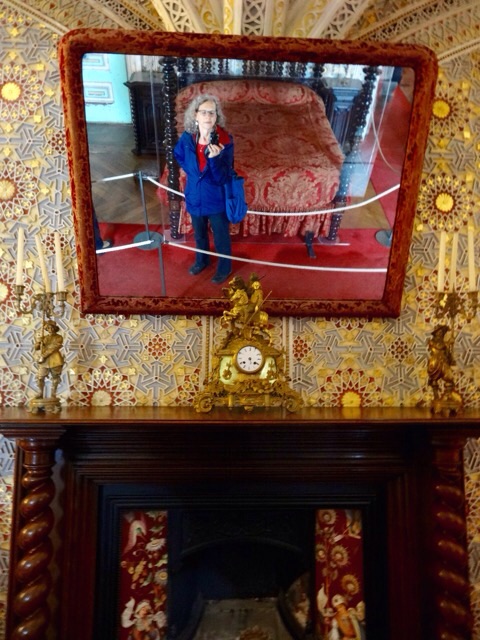
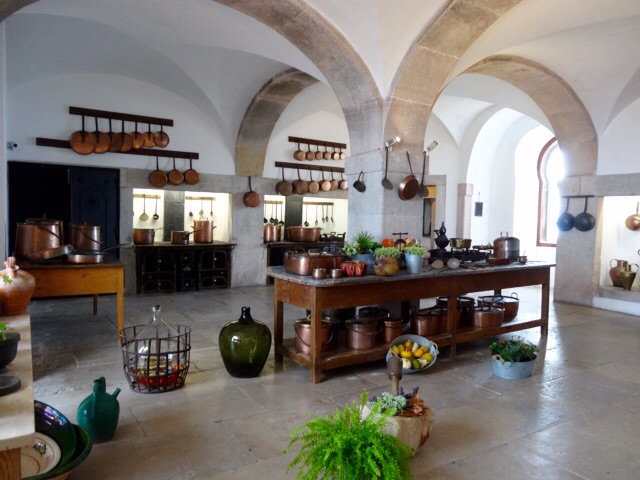
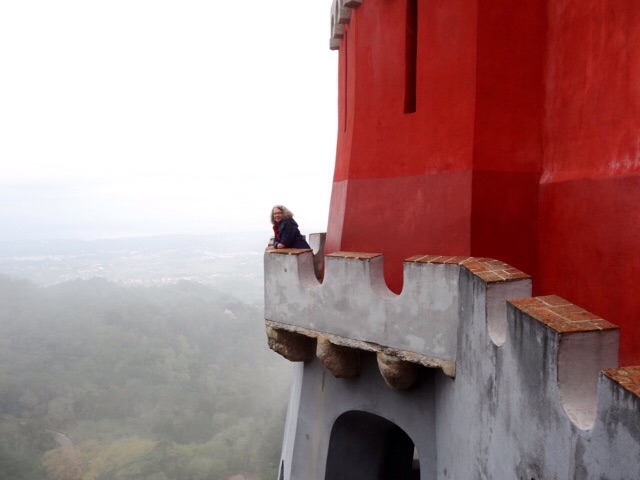
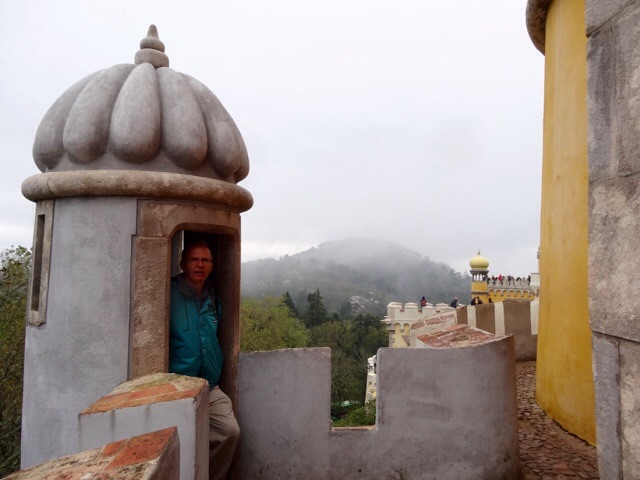
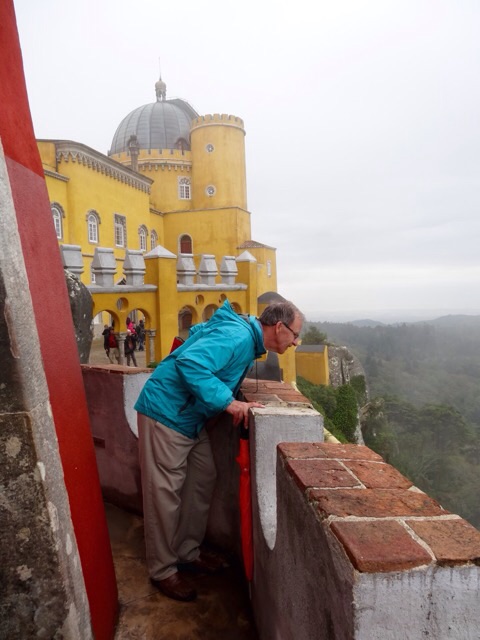
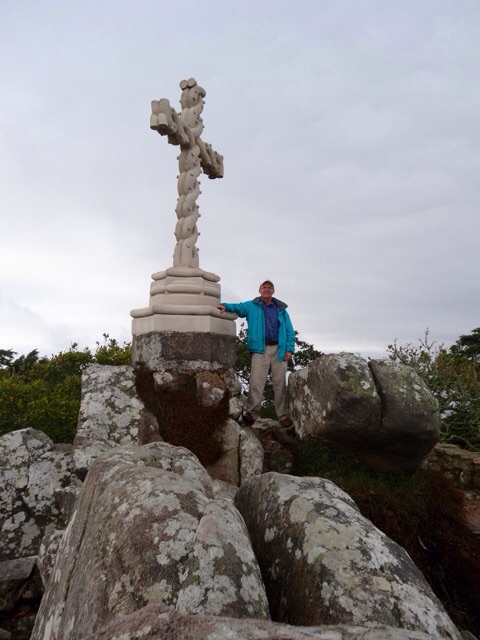
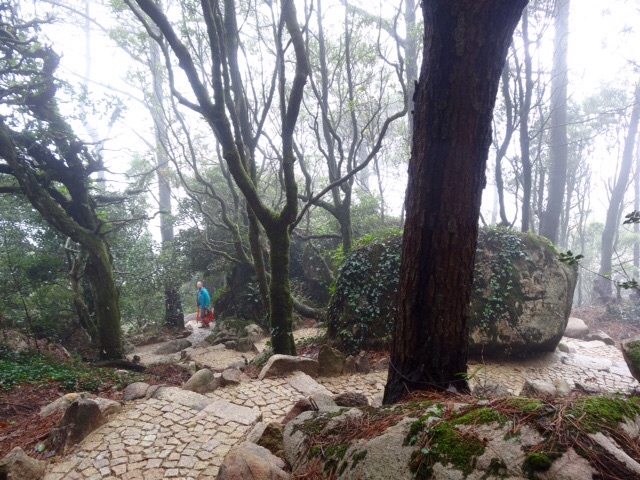
I am in the bedroom of King Ferdinand II.image and both of us in the Billiard room.image The kitchen is huge and has the original pots, pans and ovens.image  Next we explore the outside of the Palace.image image image imageThe weather hasn’t improved all that much but we decide to hike up to the Cruz Alta, where there is a carved stone cross.  This is the highest point in the Sintra Hills.imageThe walk up to the cross was lovely.  The park around the castle covers 85 hectares with several historic gardens and many buildings and grottos.image imageOn the way down from the cross we take this little crooked very winding path which eventually takes us to the Valley of the Lakes but not without some detours along the way.image

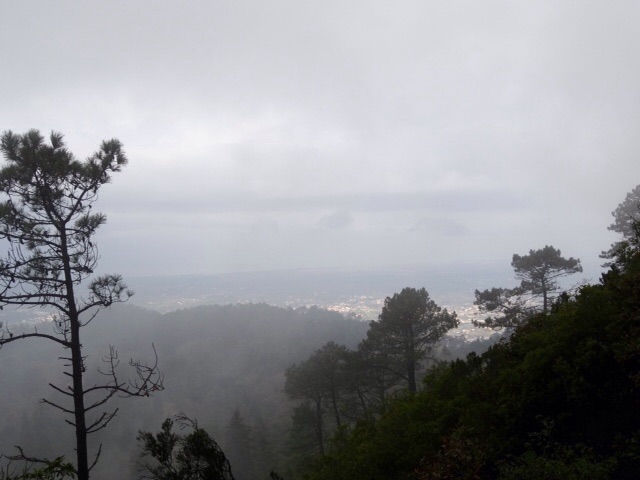
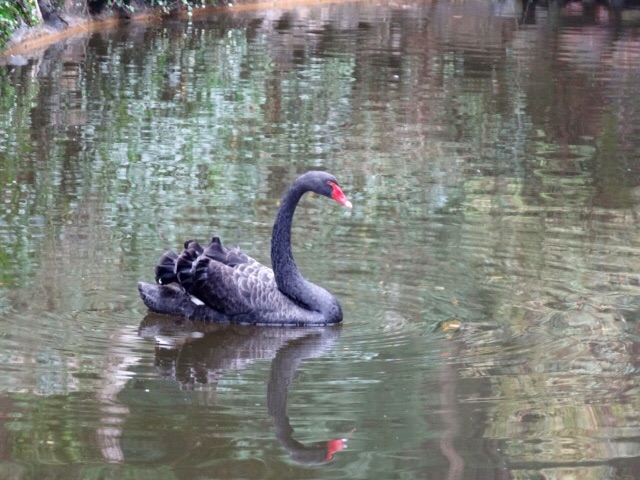
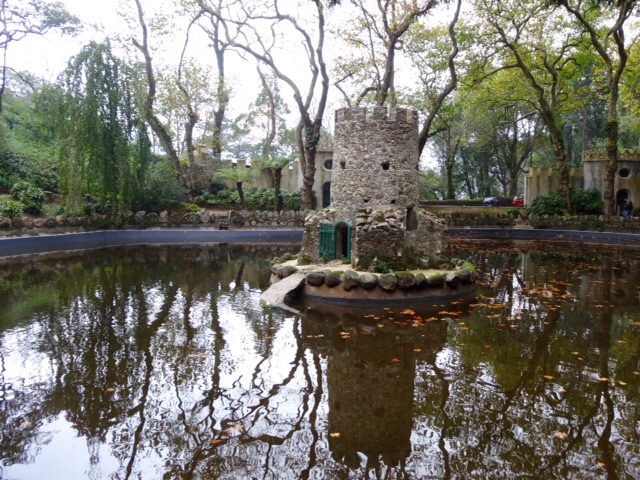
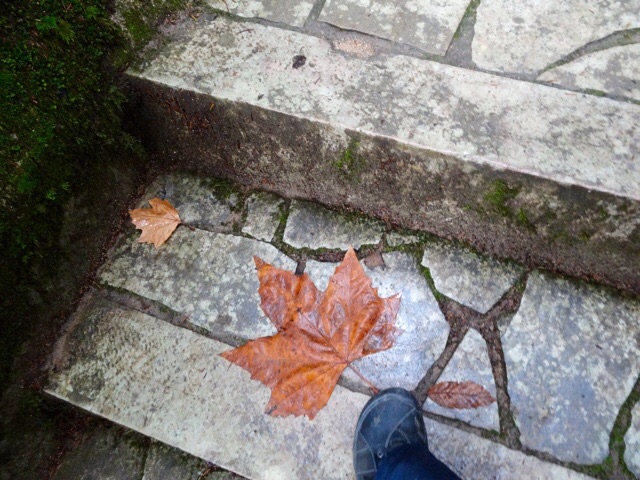
The view from one of the paths.  That village way in the distance actually had sunshine.image image image imageThe Valley of the Lakes has a castle tower for a duck house. We didn’t see many ducks, but we did see this beautiful black swan.image  The leaves are falling and they are huge!image

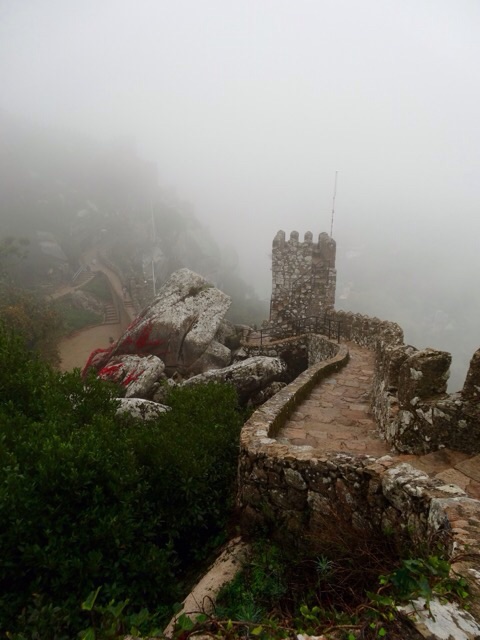
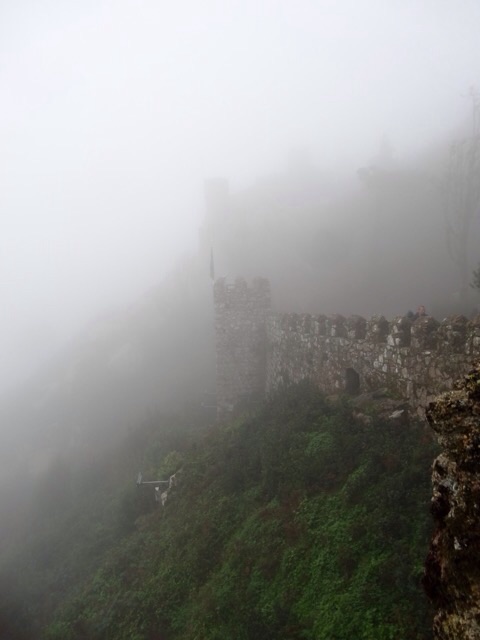
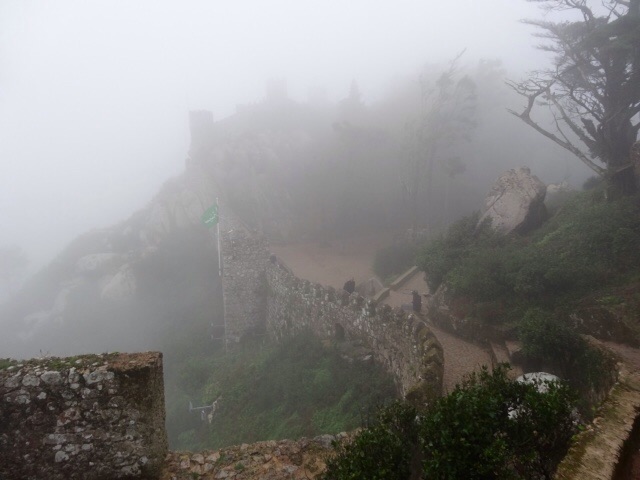
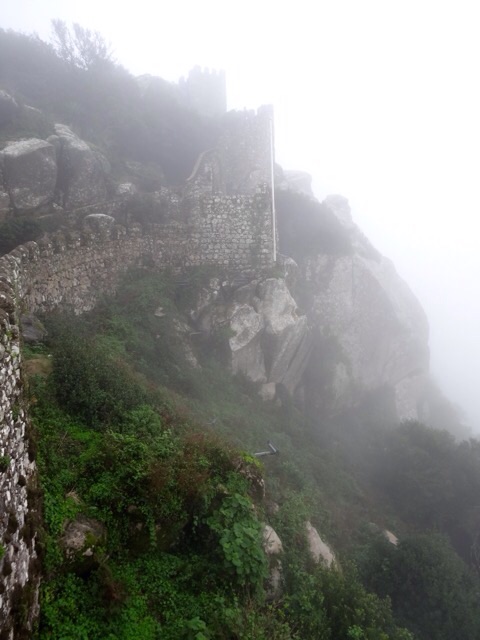
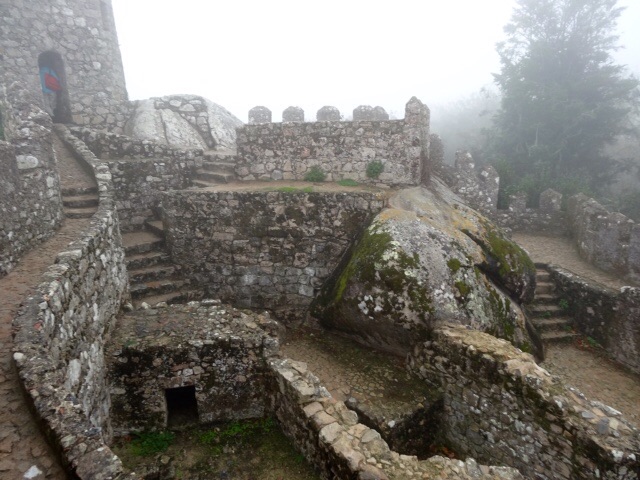
We still want to see the Moorish Castle so we hike over there and have about an hour and a half before it closes. This castle was built between the 8th and 9th century by the Moors to defend the local territory and the Maritime access to Lisbon. There was a bit of blue sky but it quickly disappears, along with the supposedly fantastic views from the walls and towers.  On a clear day it is possible to see the Atlantic Ocean, but we are barely able to see the castle! image

image

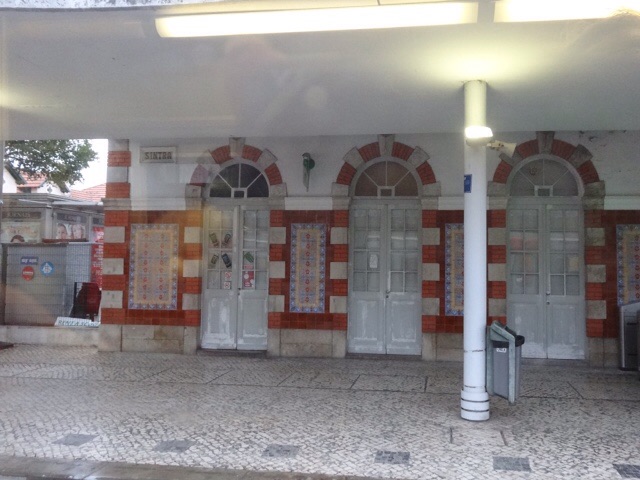
In some places along the castle walls the walkways are not much more than 18″ wide, and there are no railings!image imageWe finally admit defeat even though we have only seen a very small part of this ancient castle. We are cold and wet and can’t see much of anything so we decide to hurry back to the bus stop and try to catch an earlier bus and train home.  We get there just in time and we manage to get a seat for the ride, which takes us all the way to the train station. I am happy not to walk that long curving road from the station up to the Sintra Palace where we caught the bus this morning.imageimageThe Sintra Station is the only train station we have seen that isn’t coverd in graffiti. It has been a good day, but also a long cold, wet day and I am glad to be heading home.image


Sintra, Portugal

Saturday, October 24

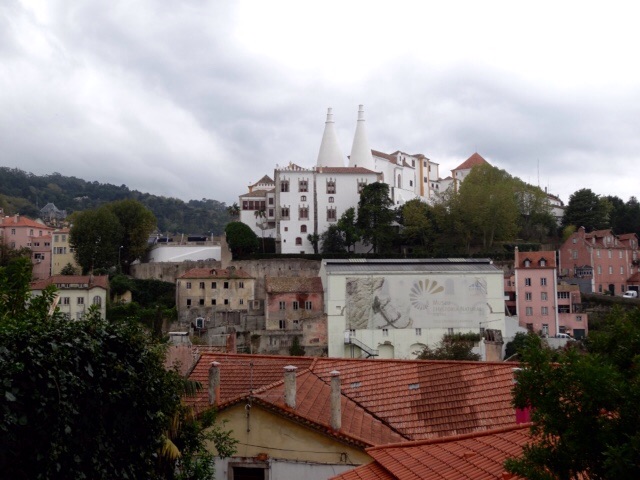
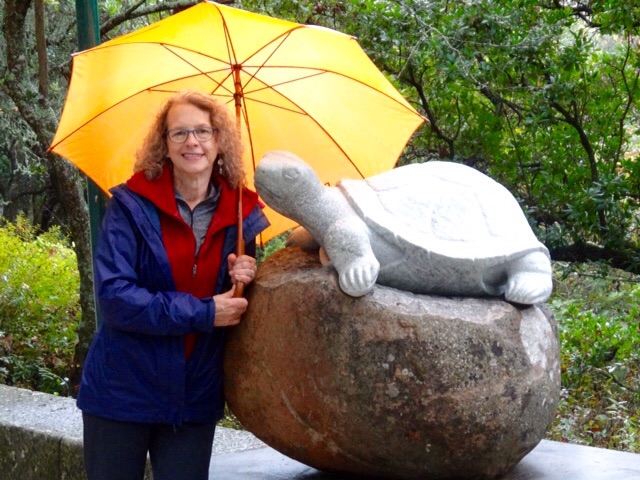
Today we visit Sintra, a beautiful town in the foothills of Portugal’s Sintra Mountains, near Lisbon.  It is about a half hour car and train ride for us from our Caxias apartment. The Sintra National Palace is easily identified by its large twin chimneys.imageIt is about a half hour walk from the train station to the palace, in the drizzling rain.  I stop to visit with this cute little fellow. There are numerous statues all along the curving uphill walk to the palace.image

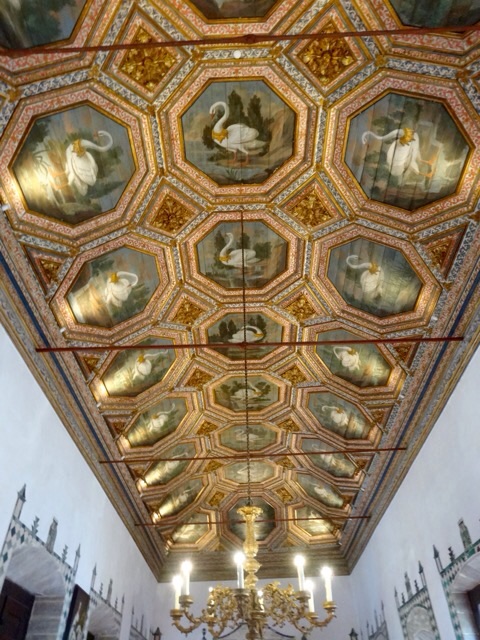
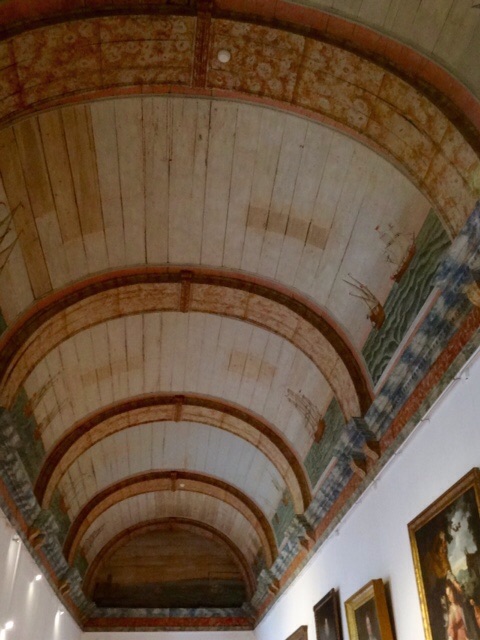
The palace is spectacular and one of its main features are the ceilings.  They are all ornately decorated.  This is the ceiling of the Swan Room, decorated with 27′ swans in different poses.image

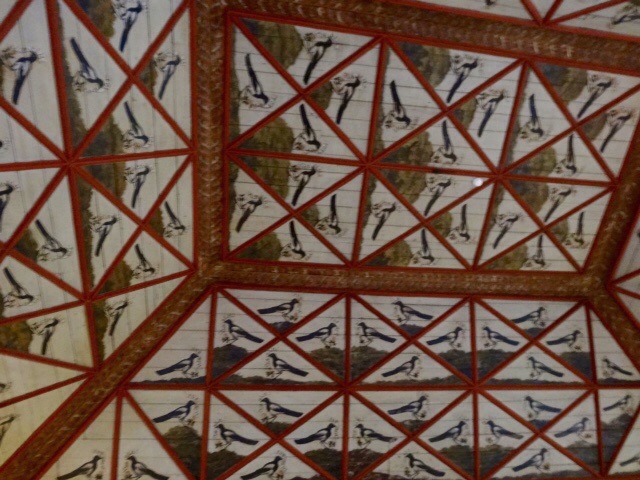
The Magpie Room celebrates one of my favourite birds.  It dates back to the 15th Century and it has136 magpies, each holding the king’s banner in its beak and a white rose in its claws.

image  Bob liked the Galley Room whose domed ceiling is covered with 17th and 18th century seascapes and vessels of the naval  powers of the time, the Ottomans, Dutch, and Portuguese.image

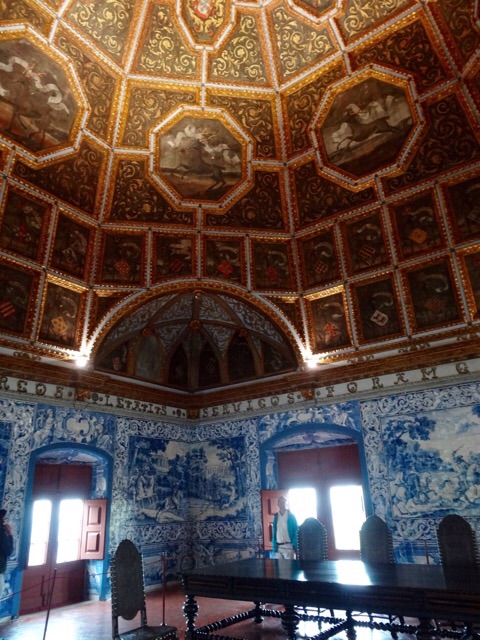
The Blazons Hall ceiling has the Portuguese Royal Arms, the coats of arms of the eight children of King Manuel I and the coats of arms of the 72 most influential families of the kingdom.  The walls are covered with beautiful blue and white tiled scenes.  It is a stunning room.

image

We spent about two hours in the palace and then found a quiet little reading room where we had a rest and ate our lunch.  It was raining so we weren’t in a rush to get back outside, but eventually we explore some of the streets and shops before our walk to the train.

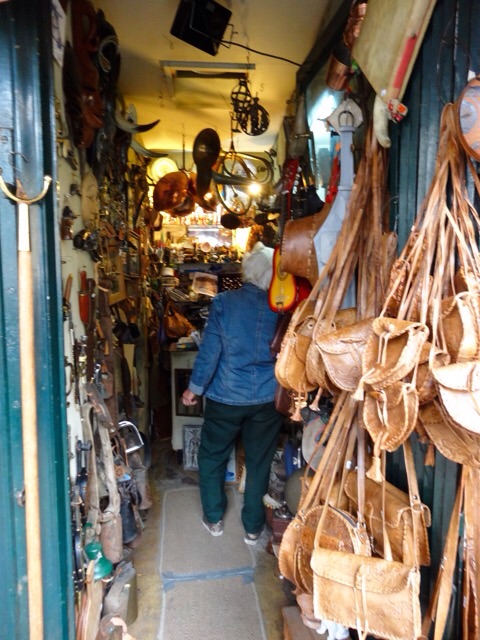
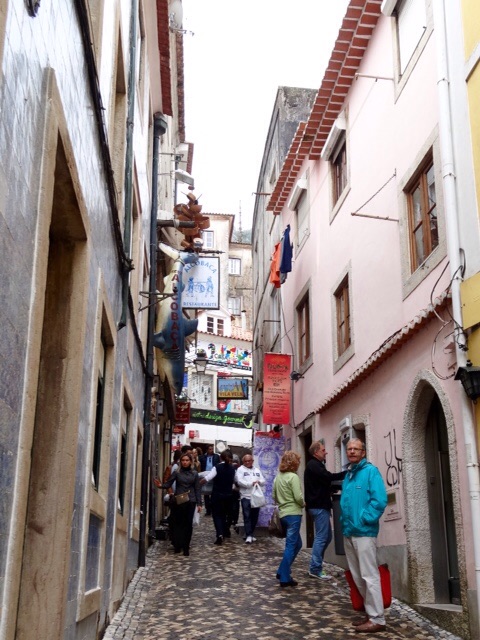
Some of the shops are very small, like this one, which was only about four feet wide…image  and the streets are very narrow.image

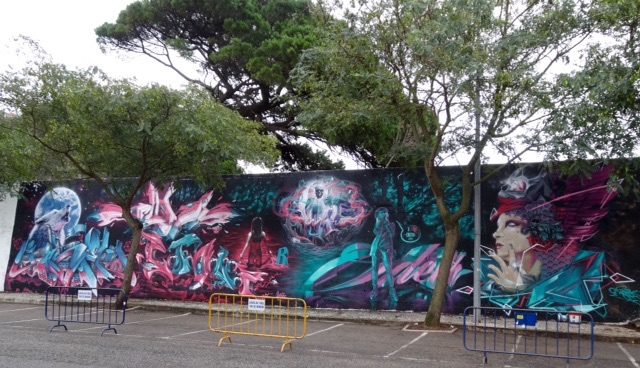
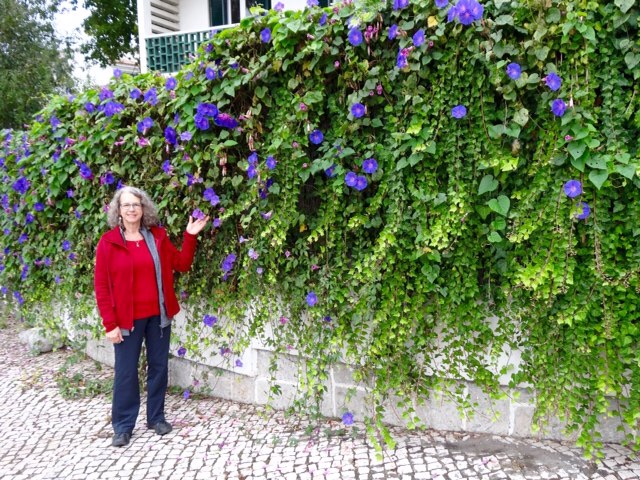
Back at the train station parking lot I notice this wall of street art/graffiti.  It is much nicer than most of the graffiti we have seen and we have seen a lot of it.  Unfortunately most of it is pretty ugly and it is often defacing private property.imageThese morning glory vines are growing  on a wall near our Caxias apartment.  The ones we plant at home never grow anywhere near as wonderfully as these.image

Cascais and the Casino

Friday October 23

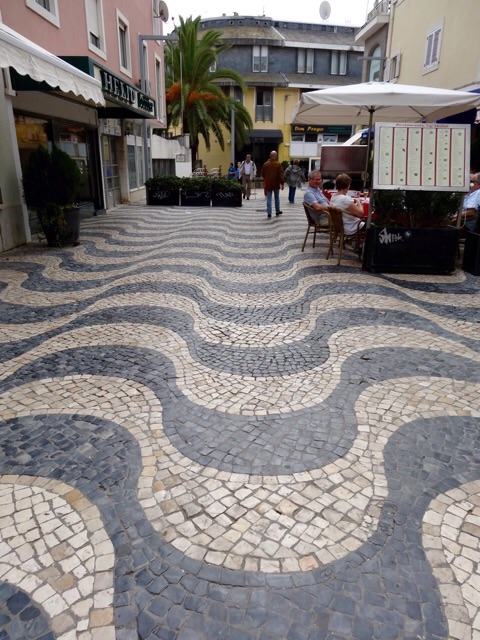
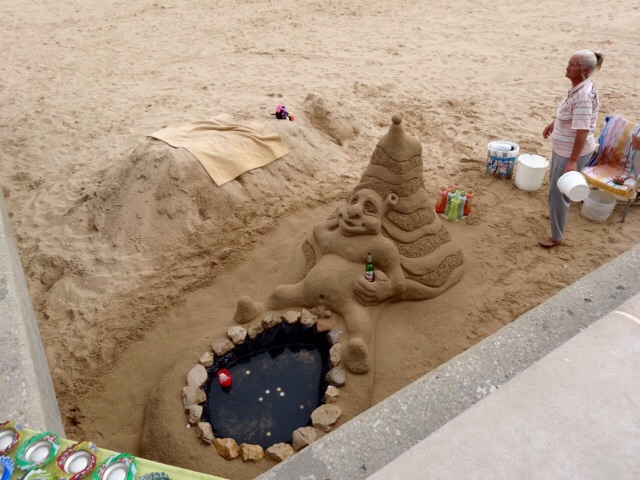
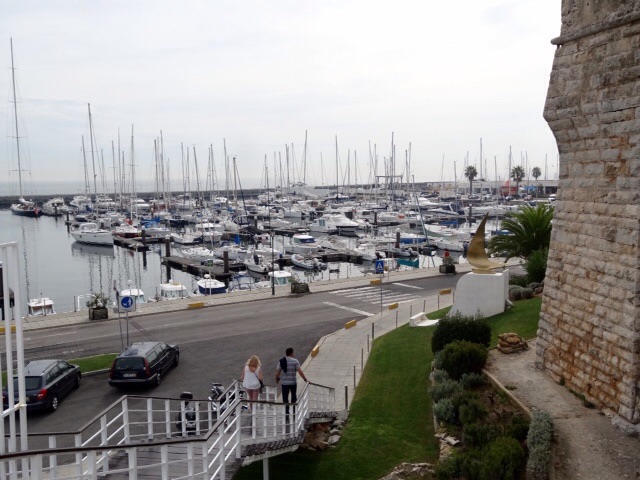
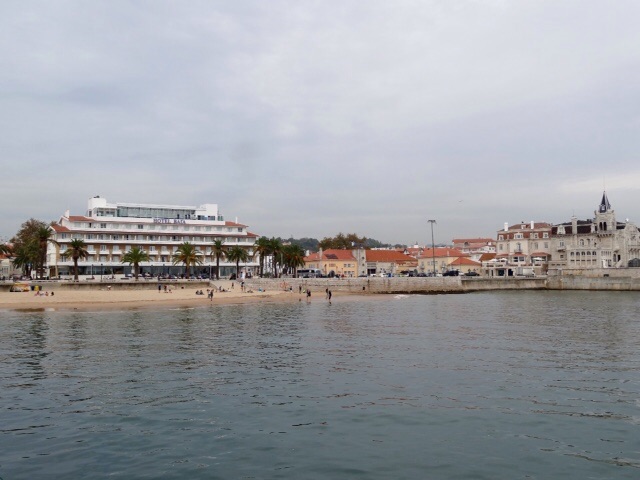
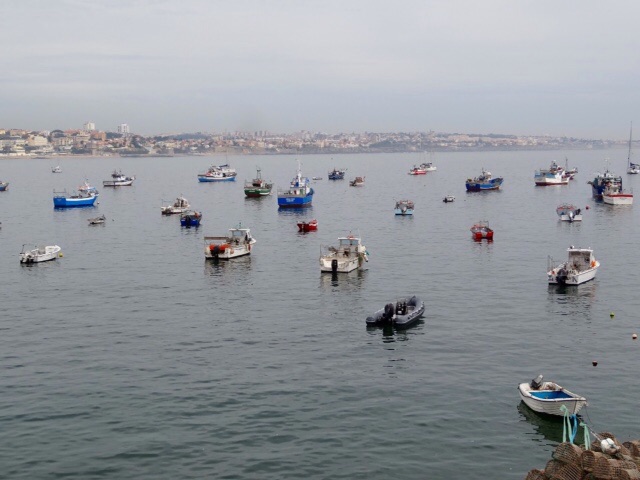
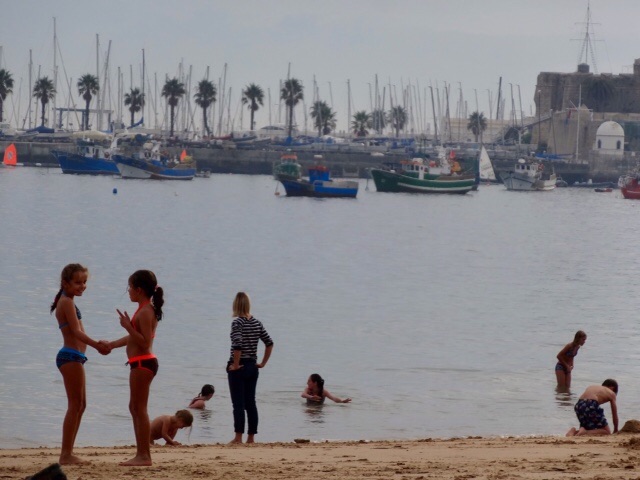
We drove to Cascais today, a town about a half hour west of where we are staying near Lisbon. We walked along the pedestrian streets and visited a few shops, but no purchases.  Everything I like is either too expensive or too big or fragile to get home.  The cobblestone street was a bit disorienting as it created a bit of an optical illusion.imageThere were some people on the beach making sand sculptures to earn a bit of money.imageWe walked down along the docks past the fishing boat area and then through the Cascais Marina, which were both in the shadow of ancient fortress walls.
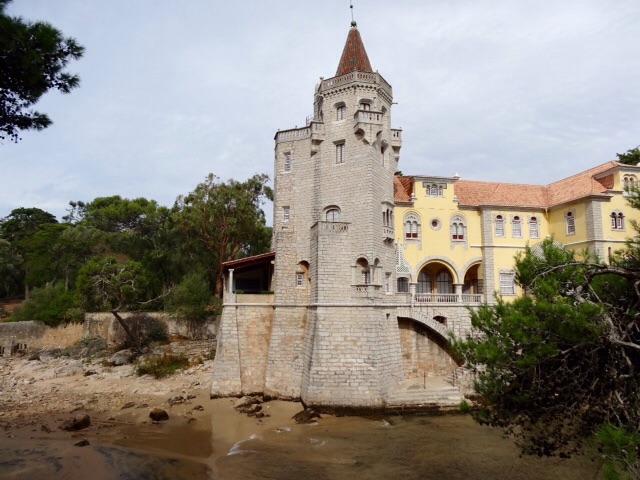
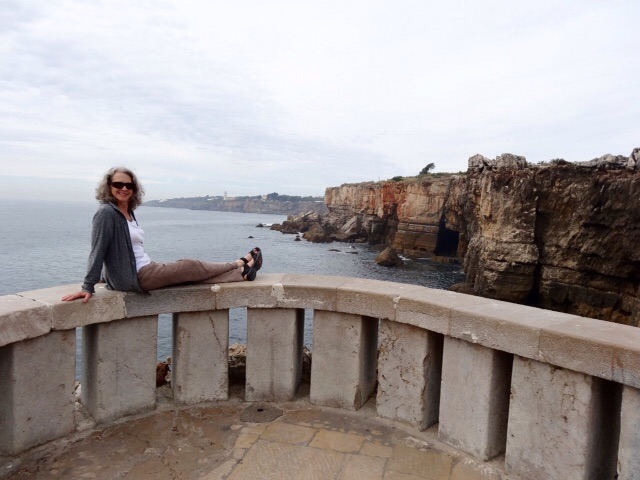
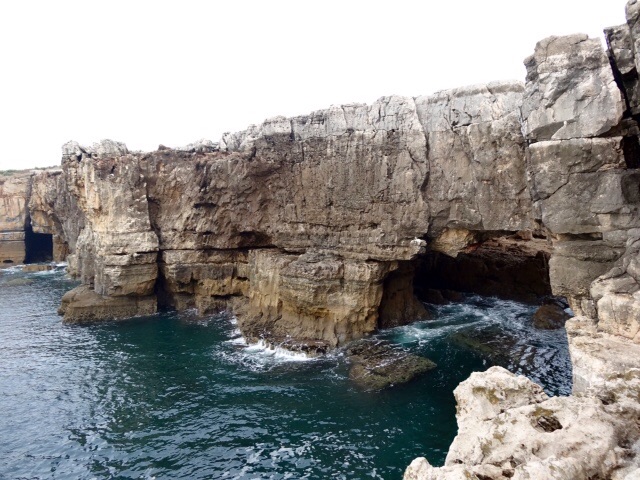
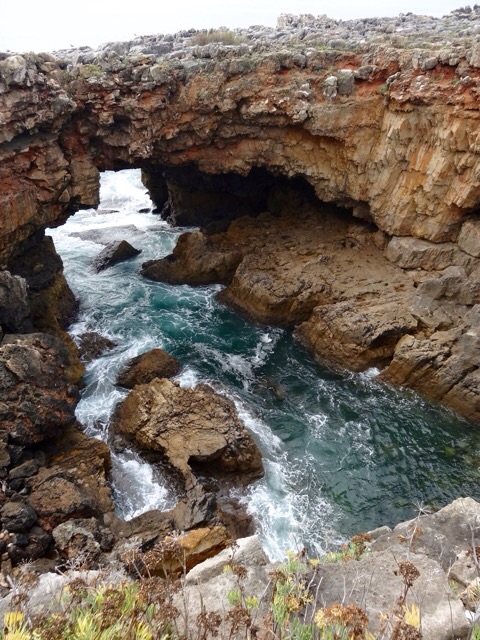
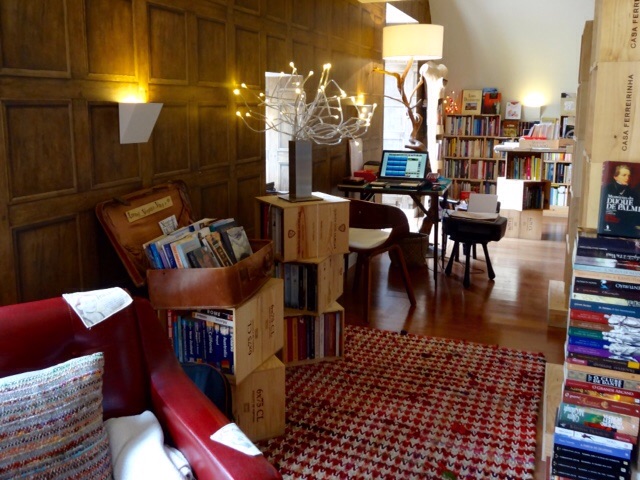
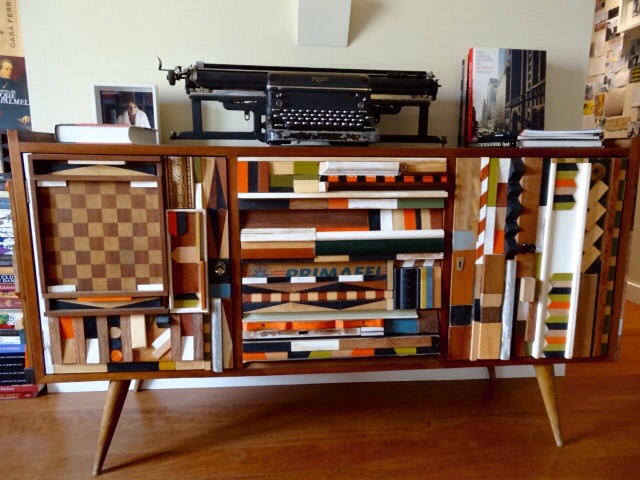
image  The view from the Marina back towards town.imageWe passed this interesting house, or maybe a small castle? on our walk towards the Boca de Inferno.imageBoca de Inferno, or Hell’s Mouth, is an interesting cliff formation about a forty minute walk from Cascais.The pounding of the Atlantic Ocean on the cliffs chiseled out a small cave, which then collapsed. There is a walkway so it is visible from both sides.image image imageBob wanted me to take this picture, he said it reminded him of a jigsaw puzzle.imageThe fortress walls I mentioned earlier now house a hotel and a bunch of artist studios, which unfortunately were all closed, but this quaint little bookstore was open.imageIt was full of interesting things, including this unique piece of furniture, made of all sorts of recycled bits of wood.  My nephew in Portland has started woodworking and has buit some beautiful pieces. I thought he might like to see this.image
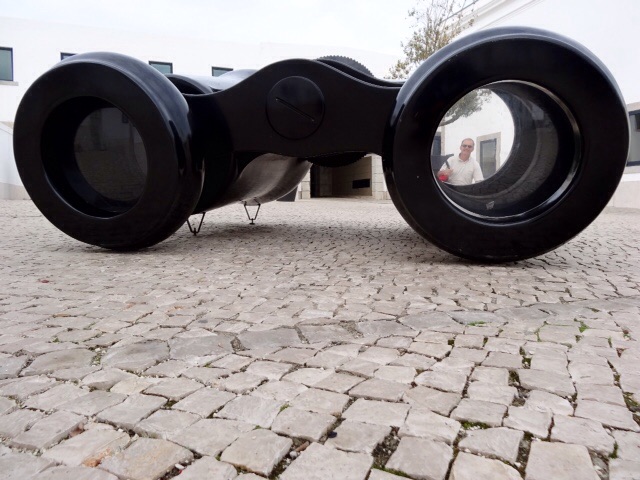
The courtyard also had a few different sculptures, including these giant binoculars.

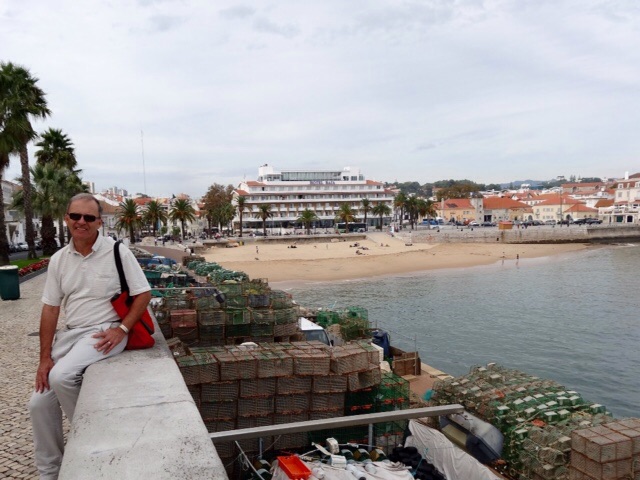
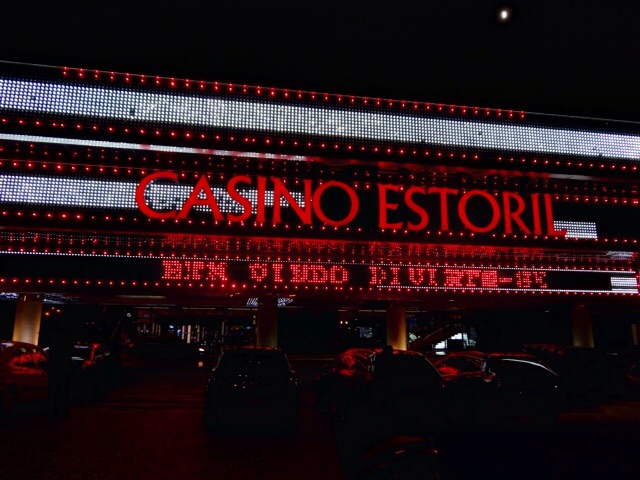
imageWe walk back above the dock with all the fishing paraphernalia that we walked by earlier.imageWe found a nice bit of beach and spent an hour or so just relaxing, watching the waves and the people.imageOn the way home we stop at a Casino in Estoril.  It is supposed to be the biggest Casino in Europe, but we are only able to find half a floor of slot machines on the main floor, and the gaming tables are closed.  Our casinos at home seem bigger than this one…We spent a couple of hours, won some and lost some and in the end it cost us 10€. 
image

Lisbon

Wednesday, October 22

Lisbon is the capital of Portugal, with a population of three million people. It is one of the oldest cities in Western Europe, predating Paris, London and Rome by centuries.  I didn’t know any of that before our visit.  Although we spend the better part of the day in Lisbon, we barely scratched the surface of the area we visited.
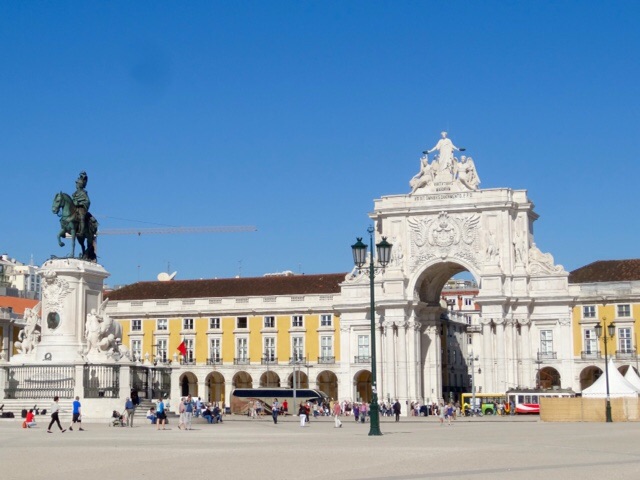
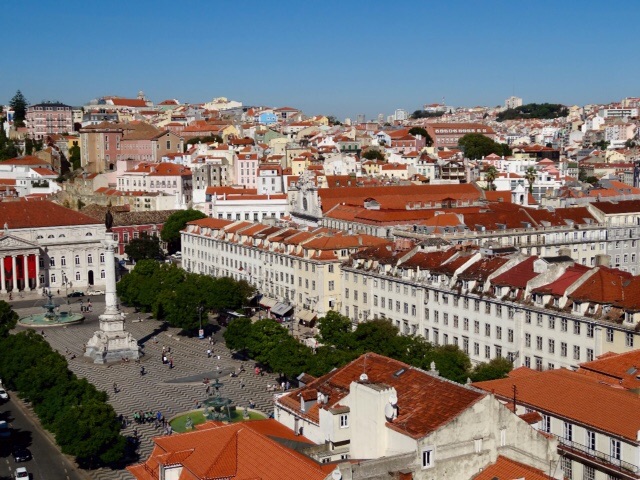
A twenty minute train ride into Lisbon places leaves us a short walk from the plaza in front of the Arco da Rua Augusta. This arch symbolizes Lisbon reborn from the ashes of the devastating 1775 earthquake.image
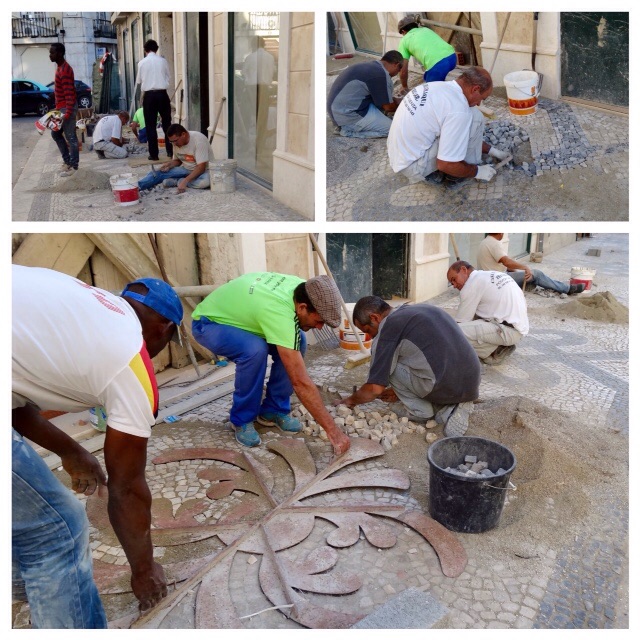
Lisbon is known for its cobblestone paving with black and white patterns.  The origins of these cobblestone pavements date back to that 1755 earthquake. During Lisbon’s reconstruction, the earthquake’s debris was used to make these cobblestone streets and sidewalks. They are beautiful legacy from a terrible event.image

We were lucky enough to see some men working on a sidewalk. They were able to chip a stone in their hand to exactly the right size and shape that was needed. The man in the first photo was whistling happily as he worked, although i think it must be very hard on the body.image

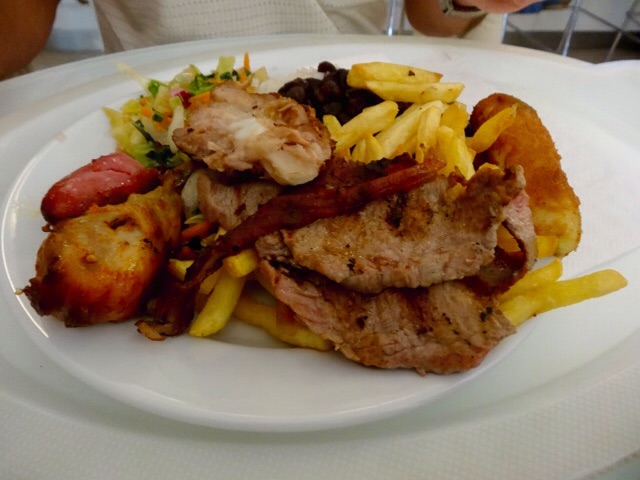
The first thing on our agenda was to get a Sim card for our iPad. The Information lady said we could find a shop a few blocks up the hill, right behind the new elevator building. We never did find that, but we found a big mall and got a SIM card there. By this time we needed lunch, so we check out the mall’s food court. Bob got a huge plate with five kinds of meat, fried beans, rice, french fries, salad and a deep fried banana all for 4.65€, about $6.70 Canadian, and I eat my packed lunch. It is just too difficult finding food that I can eat, especially when I understand so little Portuguese or Spanish.  It is easier and less stressful to pack my own meals.image

Next on the agenda was finding an art store to see if they could help me locate some life drawing venues.  No luck there, but I did buy a few new drawing pencils. They sent me to the nearby Fine Art College, and after waiting some time, a lady there informed me that they did not have any drawing sessions for non students.  If I had wanted to rent a studio to do printmaking it would have been fine, but nothing for drawing and they did not know of any life drawing places in the city.  Remember this is a city of three million people!  I couldn’t find anything on the intenet either, so I decided to quit trying.

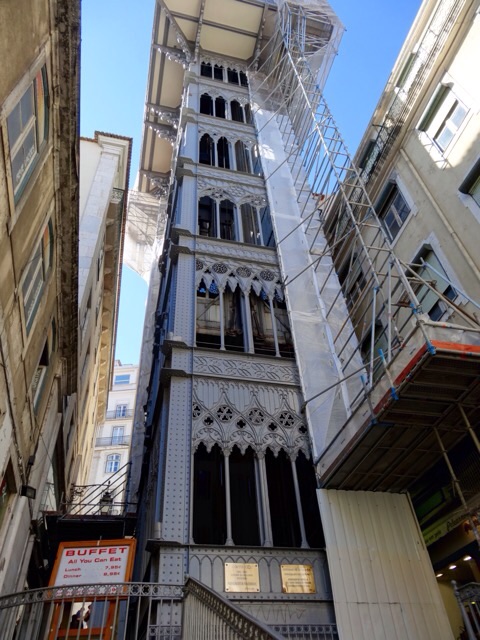
We did walk by the Santa Justa Lift, also called Carmo Lift, which is an elevator in the historical city of Lisbon, that connects the lower streets of the Baixa neighbourhood with the higher neighbourhood beside it.
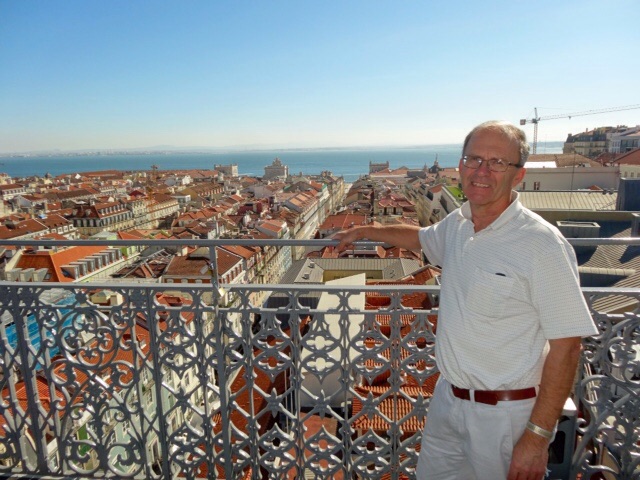
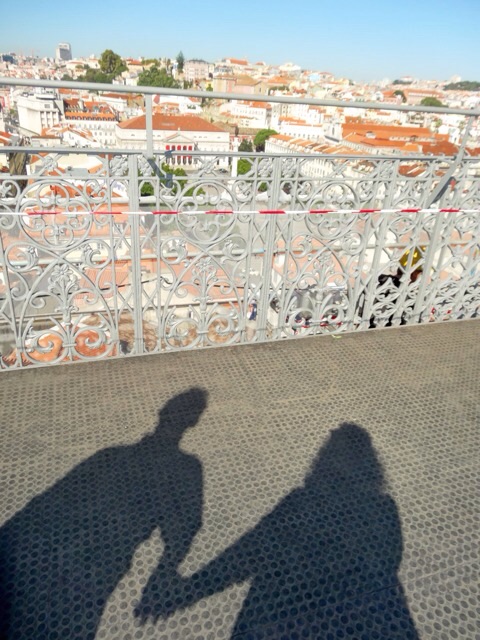
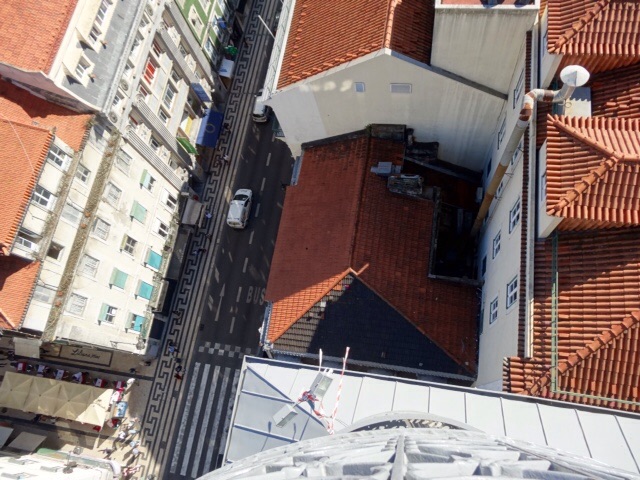
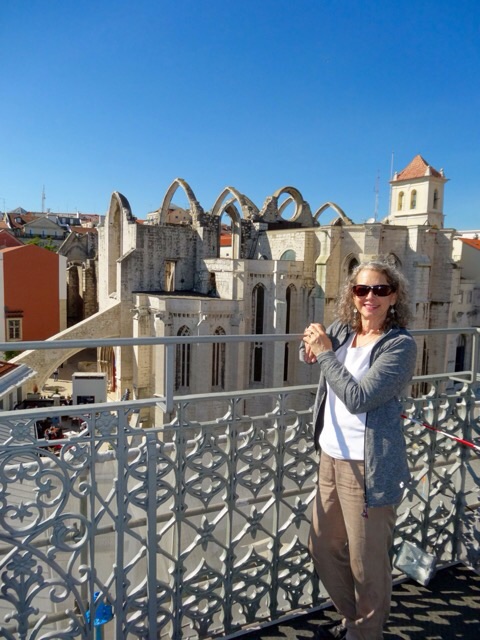
imageIt is 45 meters high, and after a short wait we ride to the top for great panoramic views of the city. The panoramic views from the platform at the top of the elevator were spectacular.image  imageimageThis one is for Pat, looking down from the the top platform, only 150 feet or so…imagebut the crazy thing is that Lisbon is so incredibly hilly that on the other side of the viewing platform we are almost at ground level! If you look closely you can see people sitting on the patio just below where we are standing.image

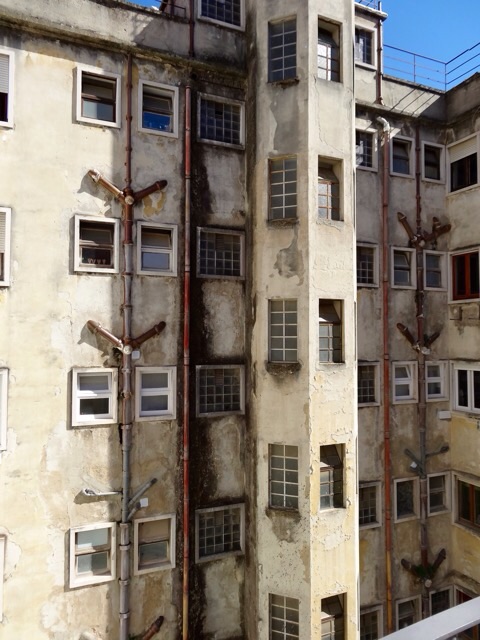
I thought this was interesting.  If you need to add toilets just run the pipes on the outside of the building.  This sure wouldn’t work back home when it reaches -30°C!image

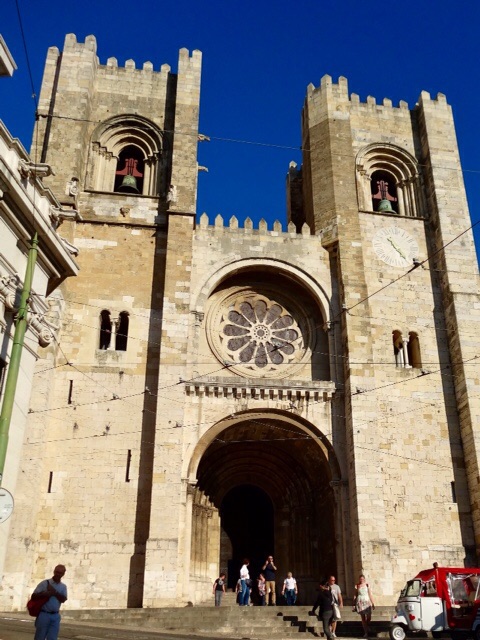
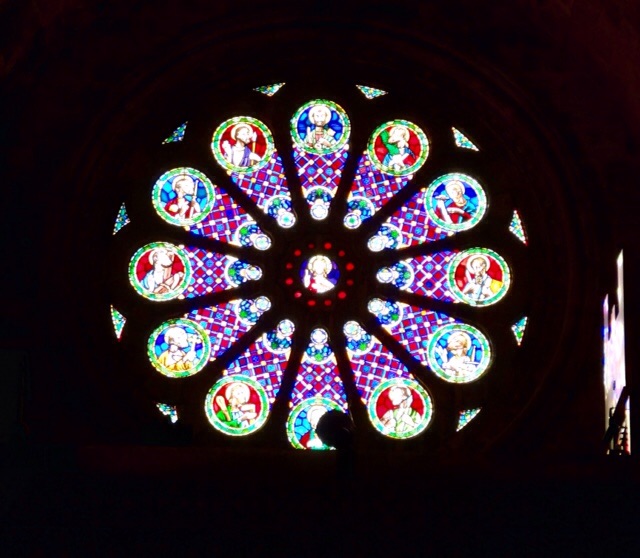
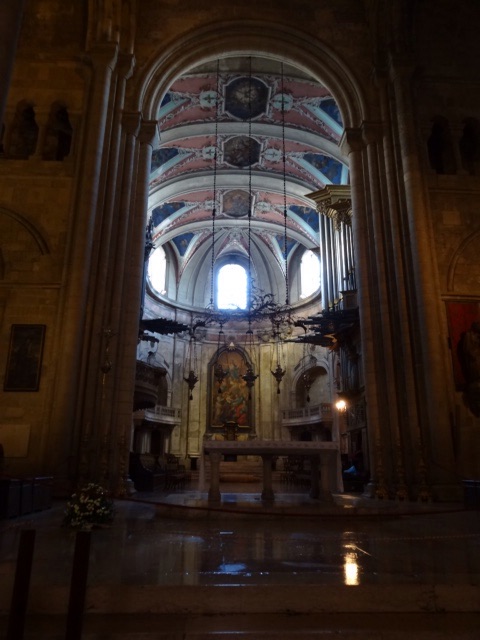
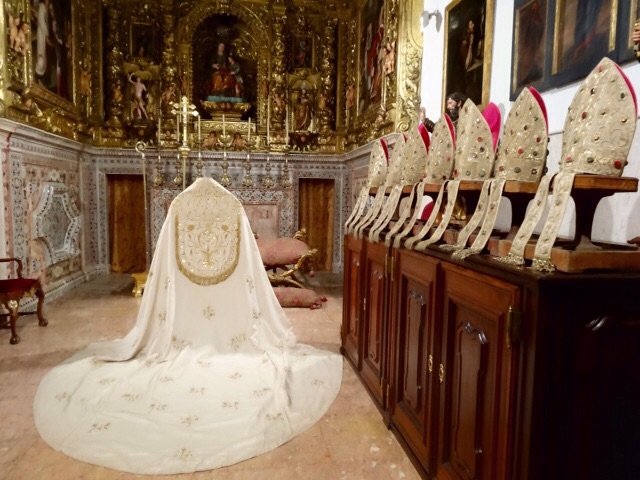
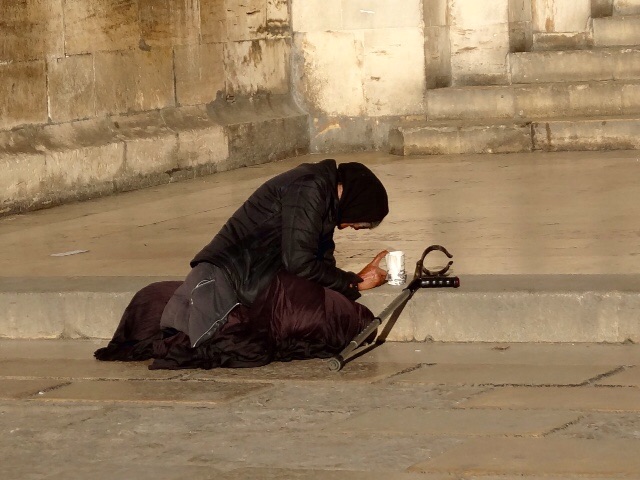
We take a quick free tour through a military museum about the Revolution in 1974 that put an end to the dictatorship that ruled Portugal for 48 years, then walked back down towards the old Jewish part of the town.  We visit the Sé Cathedral, which is the oldest Cathedral in Lisbon, its construction began in 1147, and it has survived many earthquakes.image image imageThese vestments are from the 18th Century. I thought they were particularly beautiful.imageI have such a difficult time with people begging.  Some of them appear to be in such desperate condition that it is hard not to give them some money, yet we are told not to do this as it only encourages more begging… This woman on the steps of the Cathedral wasn’t having much luck when we went into the church but when we came out she had changed into this posture and more people were stopping to put money in her container. Is it easier to give to someone who doesn’t make eye contact with you?image

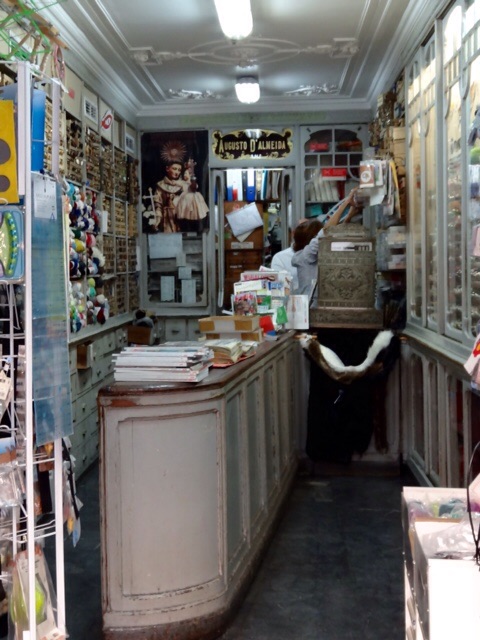
In the old Jewish part of town we walk down a street of tiny stores that sell buttons, and a bit of ribbon.  I wonder how so many stores selling only buttons can survive?image

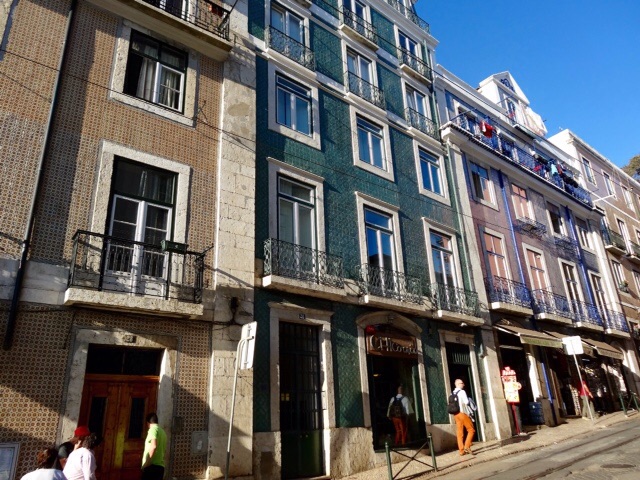
Many of the houses here are completely tiled.  We decide not to walk any further as it is very hilly and we are should think about catching the train home.image

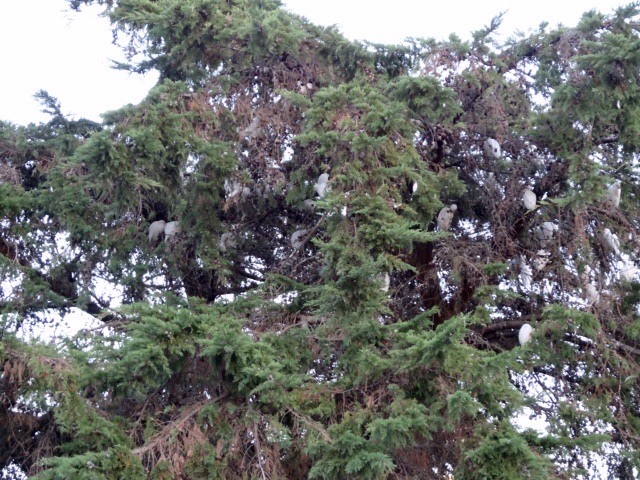
Walking home from the train I stop to take this picture and a lady on a motorcycle stops to tell me that she keeps forgetting to bring her camera to take a picture of these white birds, first in Portuguese and then in quite good English.  Bob counted almost thirty birds in this tree.image


We are in Portugal!

Tuesday, October 20

Today we drive to Lisbon. We leave Mérida and cross the border into Portugal near Elvas. We park our car on the edge of the town and walk into the old walled part of the town to find a place to buy Portuguese SIM cards for our phone and iPad.  It isn’t that easy!  The people at the Information office tell us that the Post Office sells them, so we go there and purchase two cards.  We manage to get the first one working after calling the UZO company for help, but we are told it will take 12 hours or more to hook up our iPad internet! It appears that this isn’t the best SIM card for us, but it will get us to Lisbon until we can get a better one there.

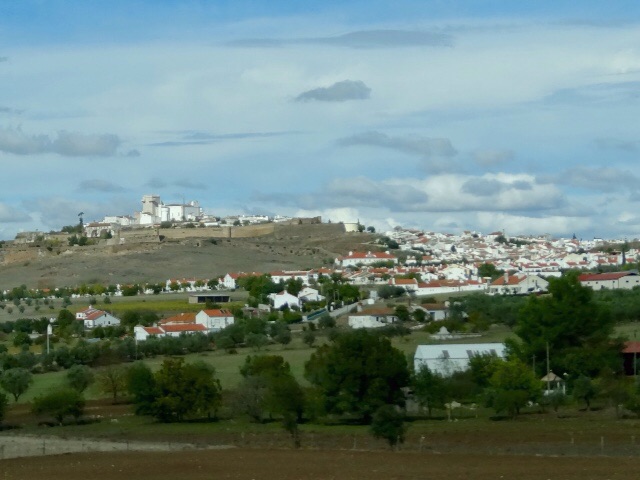
Back on the road and I notice a town high on a hill as I am taking pictures out the car window.  I do this to help pass the time on the drive, and sometimes I actually get a decent picture or two.image

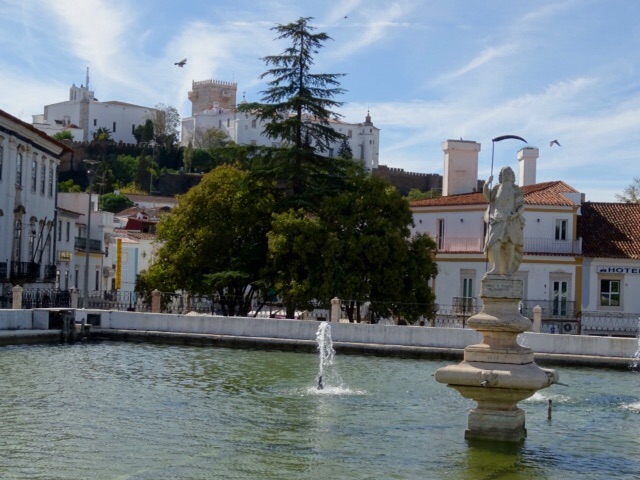
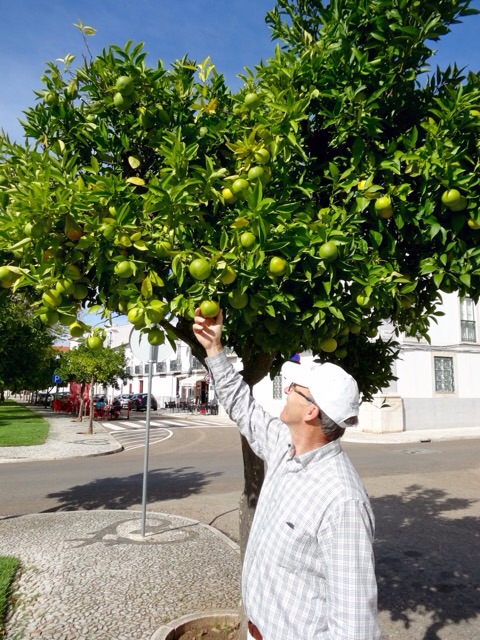
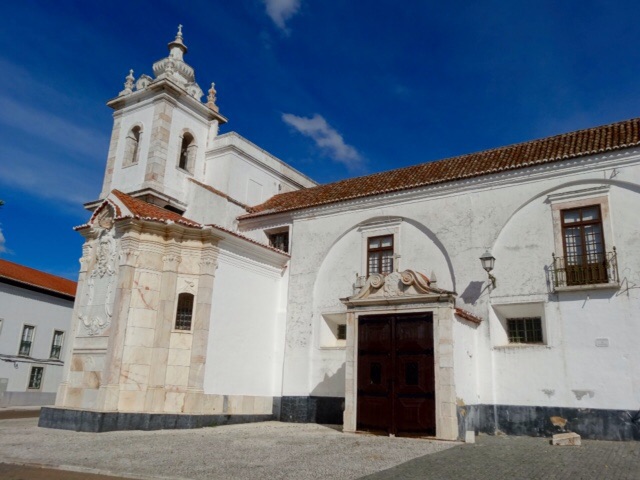
I remember my Mom telling me about a town with white houses high on a hill so I check the map and this town is Estremoz. I am pretty sure this is the town my Mom and Dad visited when they were in Portugal years ago, so we take a detour and head for Estremoz.imageAfter having lunch, we walk around and check out a few of the shops and Bob buys himself a souvenir, a big wooden spoon for making his salsa and spaghetti sauce. Orange trees are used for boulevard trees here and some of the other ciities we have been in but so far we haven’t found any that are good to eat.imageThis is one of the many interesting old buildings near the central plaza of Estremoz.
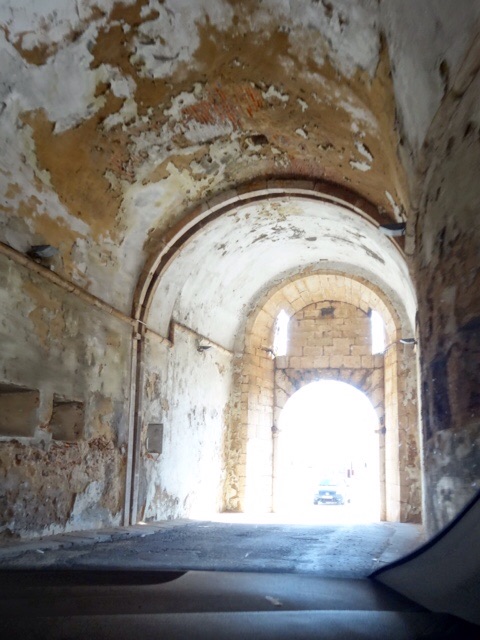
imageWe leave Estremoz by driving on a narrow one way road under some old buildings, and this is the way to the main road! Once again I think how happy I am to have the iPad GPS.  No way I could find my way around without it.image

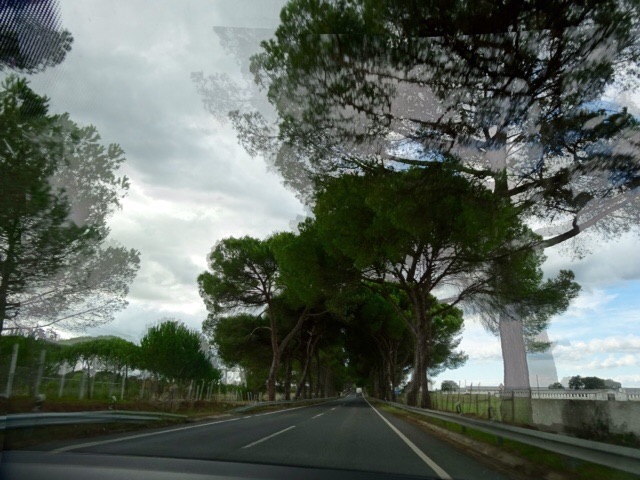
We pass lots of cork trees but there is no place to stop so I don’t get any pictures, but I take this photo of some coniferous trees lining the road and get a weird effect happening.  No idea what caused it but I kind of like it. image

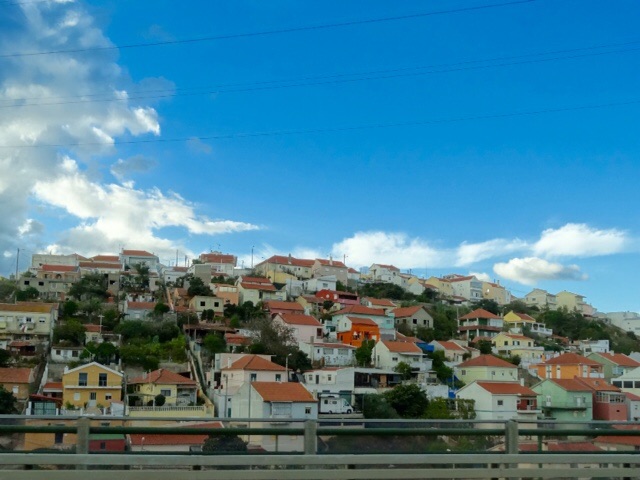
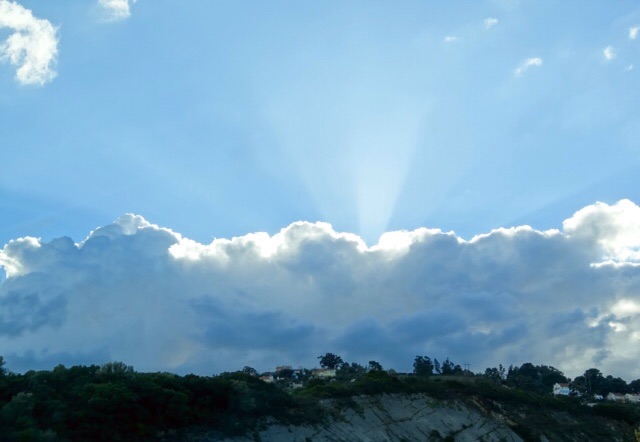
The houses we are passing have changed, they are now painted white or pastel colours instead of the brick or stone we have seen up till now.image  The clouds start to build and soon it is raining.imageWe arrive in Caxias, which is a town just outside of Lisbon and check into our apartment for the next week.  We have been very lucky with our Airbnb bookings and this apartment seems just as nice as our other bookings. It was less than a five hour drive but it seems like it has been a long day and it was nice to walk into such a nice place.imageimage

Iugula! Verbera! Missus!

Monday, October 19

We are still in Merda and we are going to visit ten Roman Ruins today if we follow Bob’s schedule!

Today’s title is from one of the plaques from the Amphitheatre yesterday.  Bob wanted me to use it for the title yesterday but I forgot so here it is today. It is what the crowds would shout at the Amphitheatre when the gladiators were fighting.  Kill him!  Beat him!  Pardon him! These were not easy times…

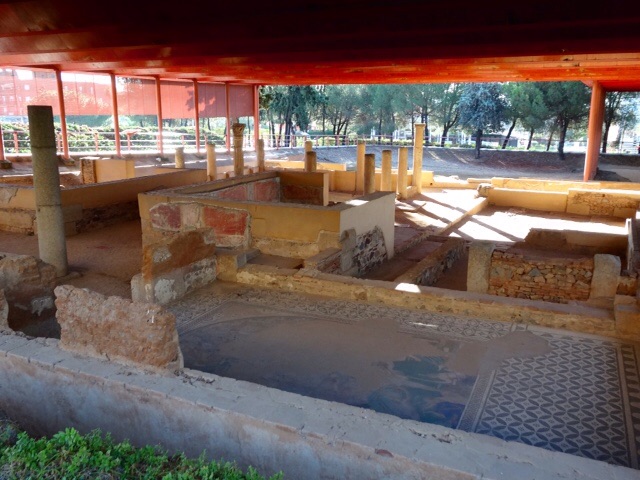
#1 The Mithreó House, a rather grand Roman residence that has mosaics, wall paintings, three patios, garden rooms, family rooms, commercial and industrial rooms and hot baths.  It is located outside under a protective roof.image

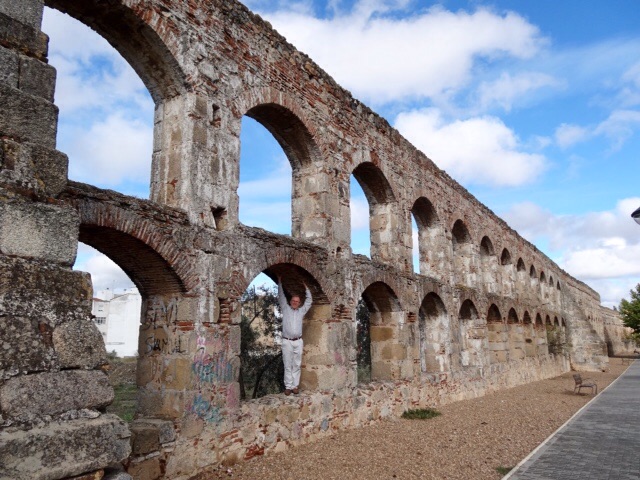
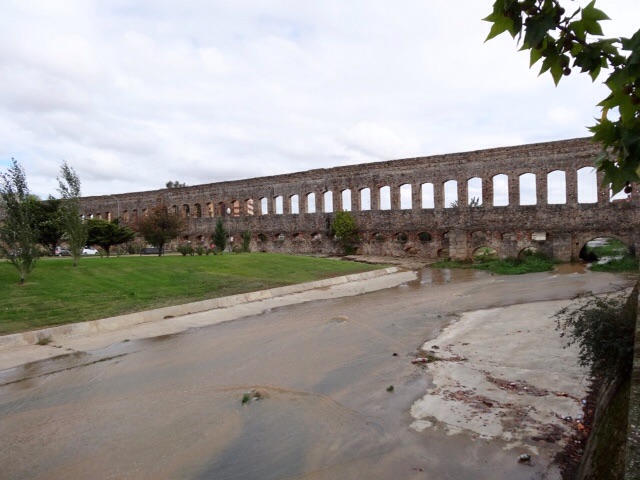
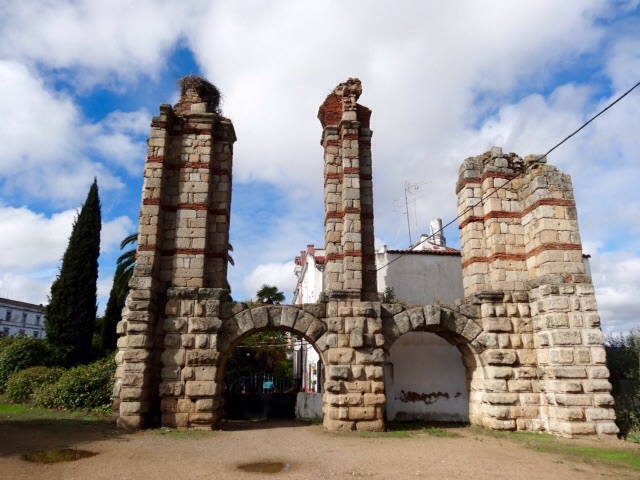
#2 The Aquaduct of San Lázaro image#3 The Aquaduct of Los Milagros ( I think). There is some confusion over the name of this one.  Bob thinks he can hold it all up!imageimage

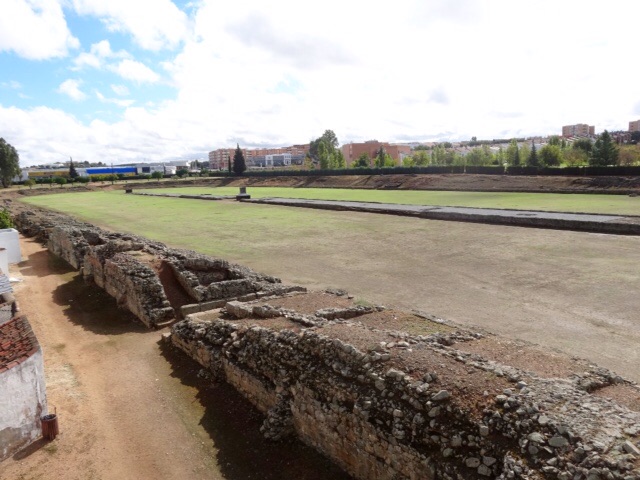
#4 The Circus, or Racecourse, which was a kilometer around the track, and they ran around this seven times during the course of a race!  We walked the track and out through the gates that the charioteers would have entered.  The Circus held 30,000 spectators who would often spend the entire day from morning to dusk watching the races.

image

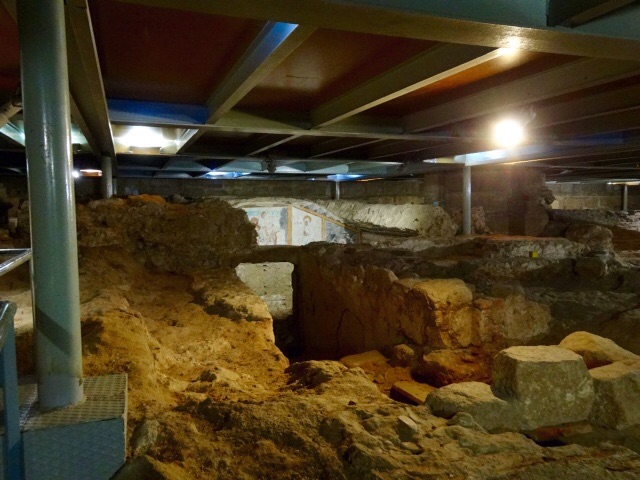
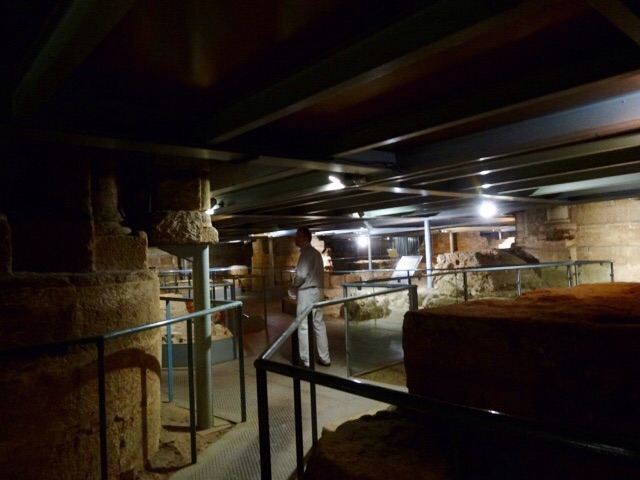
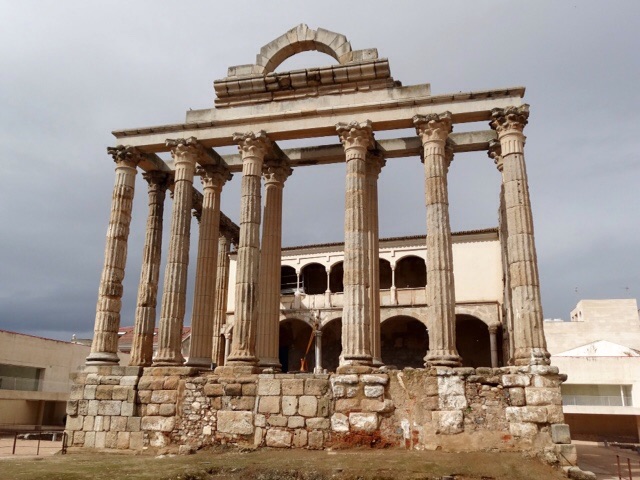
#5 Excavations at Santa Eulalia Church.  These excavations are beneath the church and have the remains of four different times: Roman Houses, 3rd century, a Christian necropolis, 4th century, which contains a mausoleum for Saint Eulalia, a martyred child saint, a basilica dedicated to Saint Eulalia, 5th to 9th centuries, and the present day church from 1230 until now.  imageimage#6 As we are walking we come across the ruins of a Roman hospital and pilgrim’s hostel, built on the remains of the site of an earlier necropolis.  There are ruins everywhere in this city!image#7 Next stop is the Temple of Diana, which was built in 1 BC, and later had a palace built inside of it, which can be seen at the back of the temple.image #8 Plaza de Espana is next, and time for a much deserved rest and some tea and cookies.image

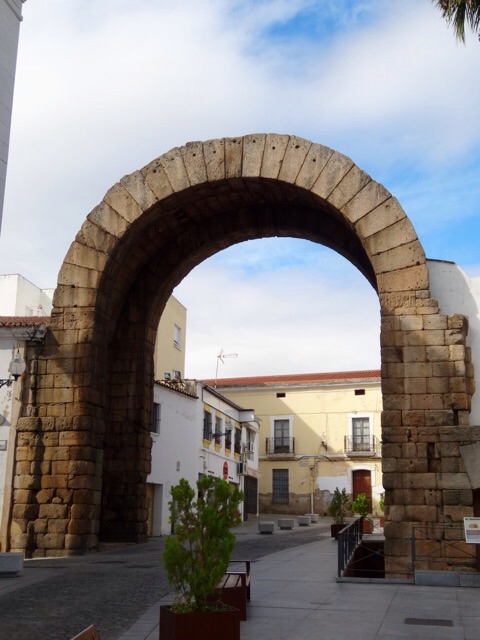
#9 Trajano’s Arch which is 15 meters high and was once covered in marble. Part of it is now lower than the road that runs through it. The right hand pillar has an area around the column that goes down to the original base of the arch.
image
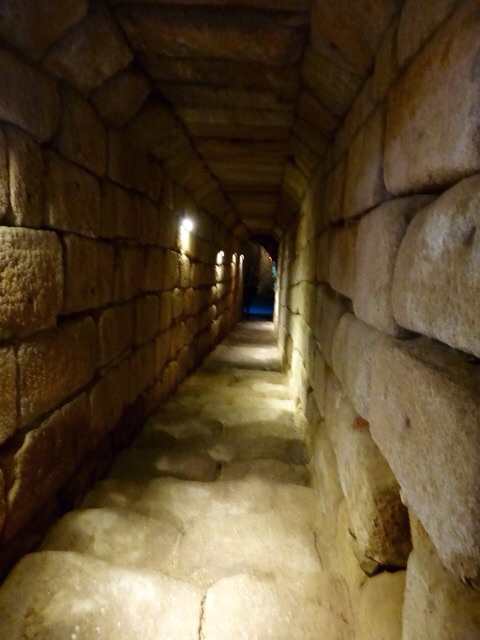
#10 The Citadel and Conventual, which is a Moorish fortress in 835 and later a convent in 1229.imageimageIt has a really neat underground cistern that we walk down this tunnel to visit, complete with goldfish.image

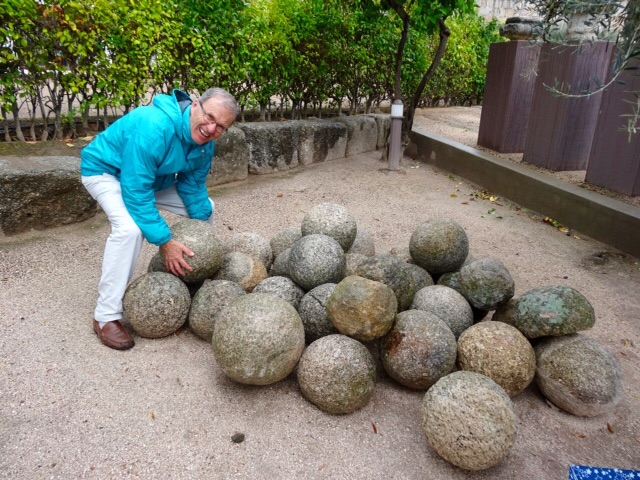
Bob is sure he can pick up one of these cannonballs.  What do you think?
image
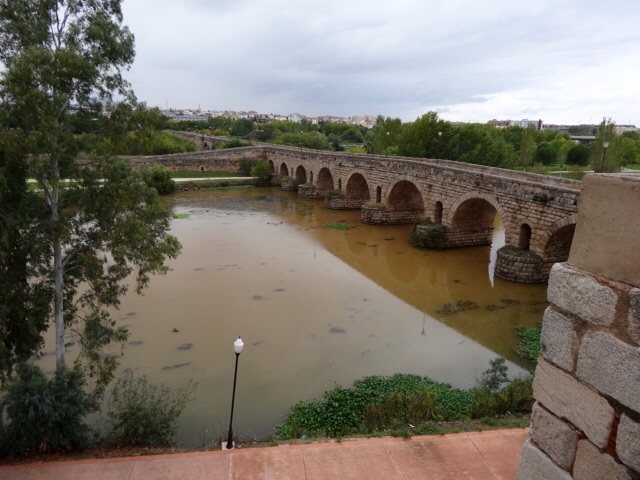
#11 The Roman bridge over the Guadiana River which was built 2,000 years ago was still in use in the 19th century and became a pedestrian only bridge in 1993.image

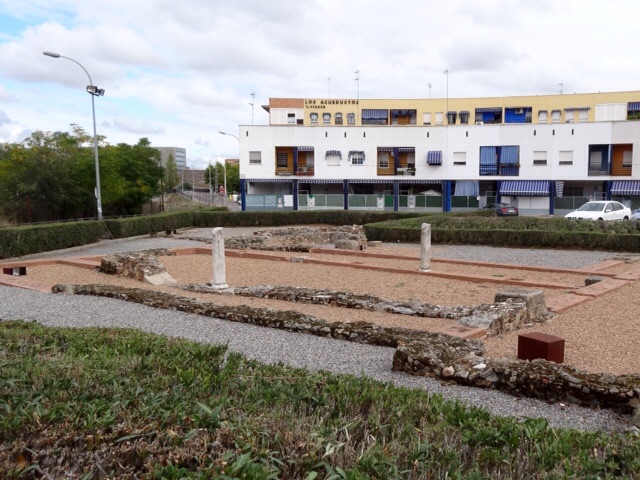
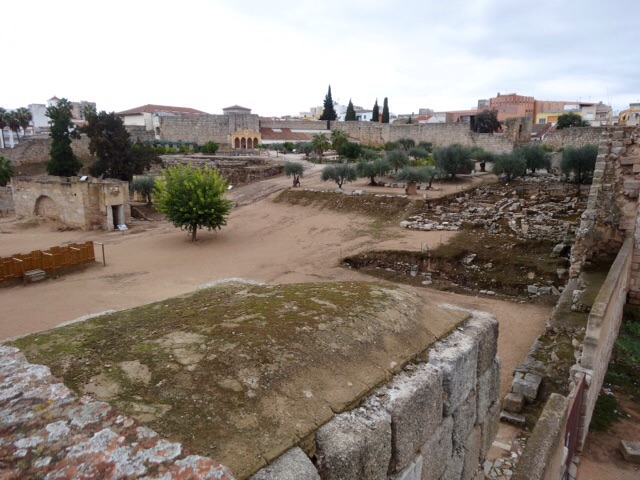
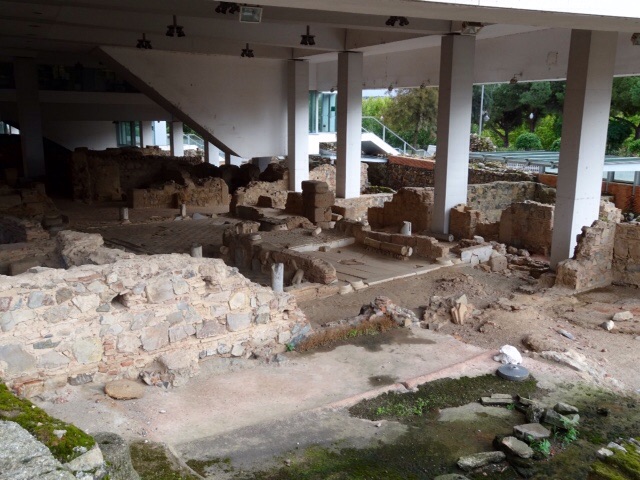
#12 The Morería Archaelogical Area is 12,000 square meters of ruins that had several modern building constructed over them in1980 in a way that allows visitors to still walk around the ruins.  It is quite something to see. Look closely, one of the pictures has me somewhere in it.image image

Whew!!  I can’t believe we managed to see all this, and it didn’t even rain on us.  Somehow we saw twelve different places, not the original ten Bob had planned for us!  It was a busy day but a very interesting one.

Merida, Spain

Sunday, October 18

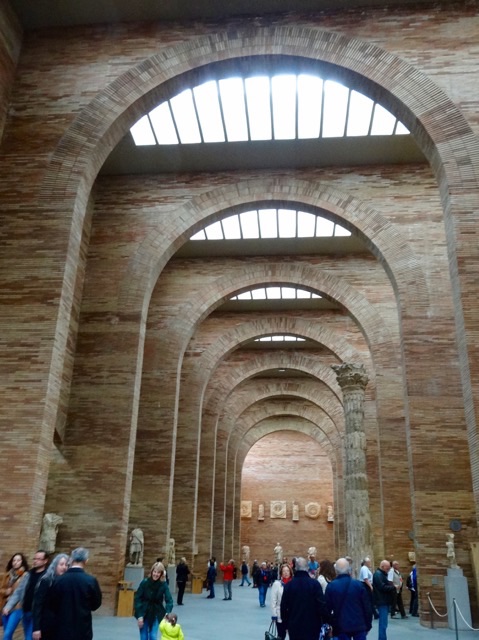
Merida is about half an hour from the Portuguese border, in central Spain.  It poured rain all night and most of this morning so we weren’t in a hurry to go exploring. We decided we would go to the Museo Nacional de Arte Romano, which we both really enjoyed.  It is  a beautiful building that was designed to house this collection, rather than being a converted monastery or palace, like so many museums in Europe .

image

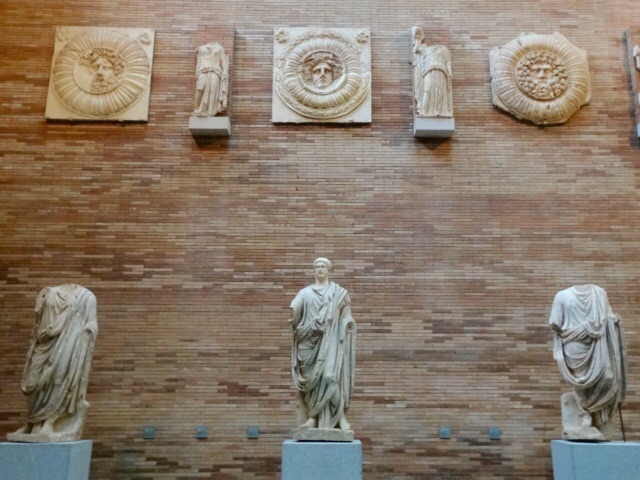
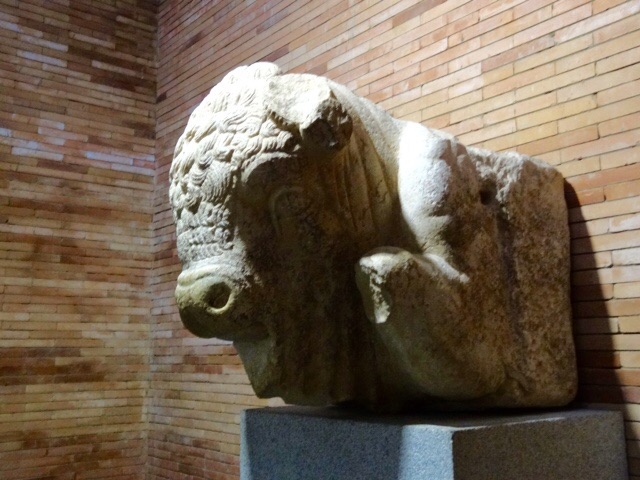
Here is a close up of the sculptures and reliefs at the end of this big hall.image I really loved this huge bull from the 1st Century AD.image

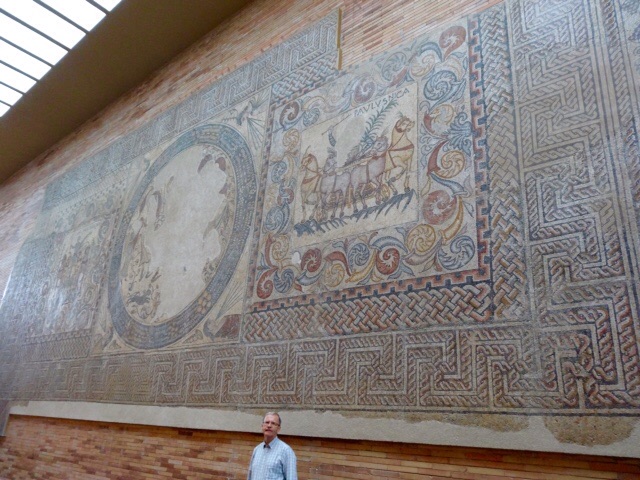
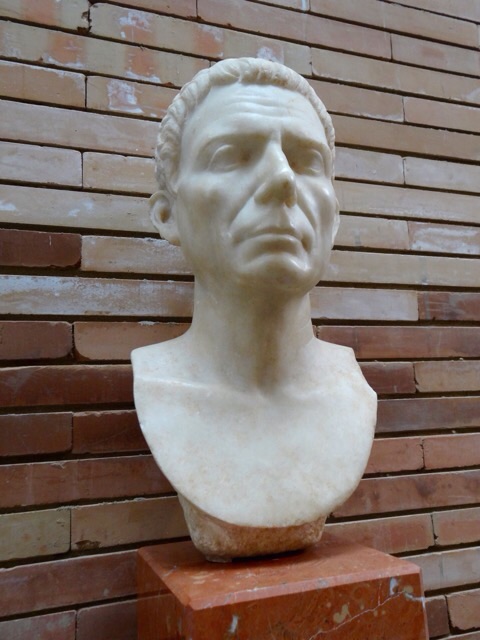
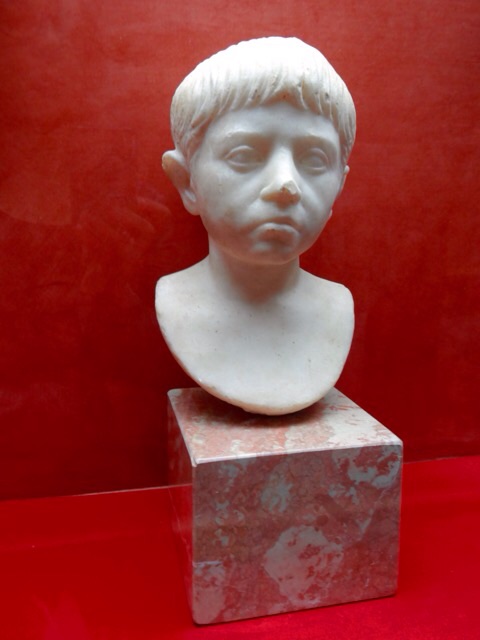
The museum has several very large floor mosaics on display.  I wonder how they are able to lift these off a floor and display them on a wall?  Anyone know?imagePortrait sculpture was very important to the ancient Romans.  I felt like I would know these people if I met them, their portraits were so expressive.image image

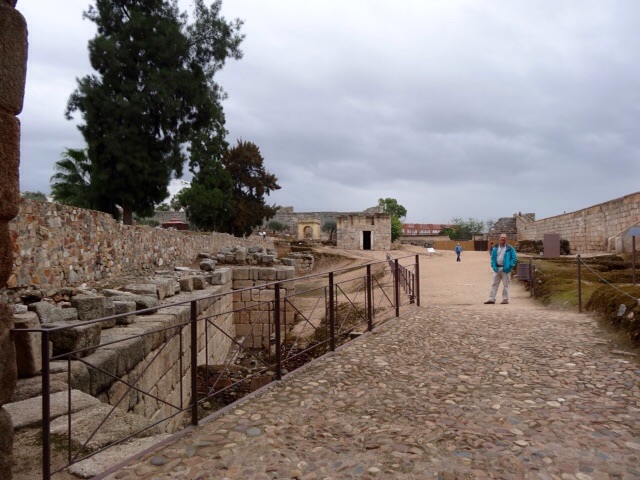
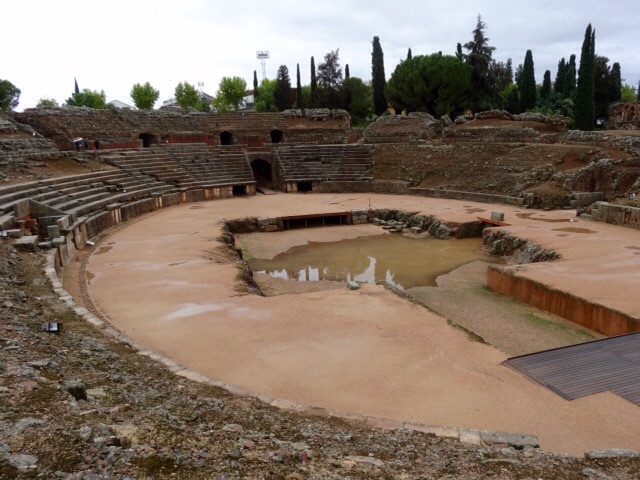
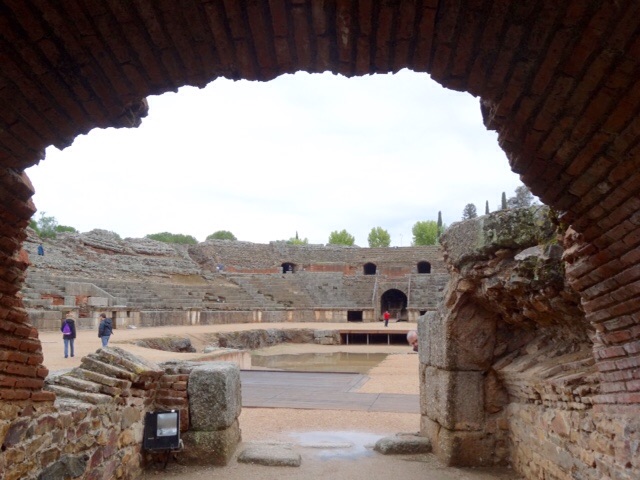
We stayed in the museum until it closed at 4:00 and then went to visit the Amphitheatre and the Roman Theatre.  These were both amazing places.  The sunken area of the amphitheatre was once covered by a wooden floor.  I have no idea why, there are lots of things I wanted to know about, but didn’t find answers to.  Guess I need to do some research.imageThe view from inside a ‘room’ beside one of the entrances to the floor of the amphitheatre. imageSome pictures of the area on the way to the Roman Theatre.

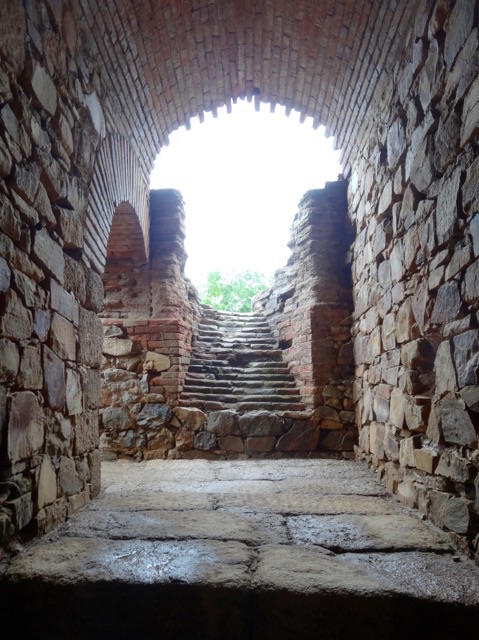
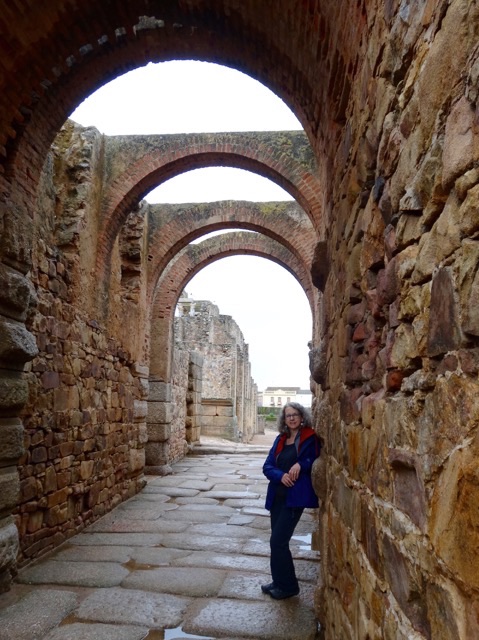
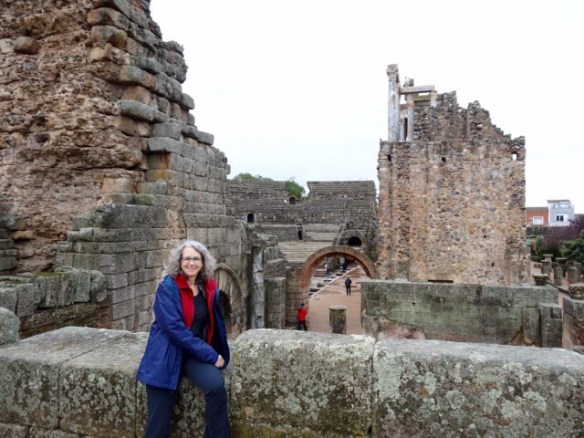
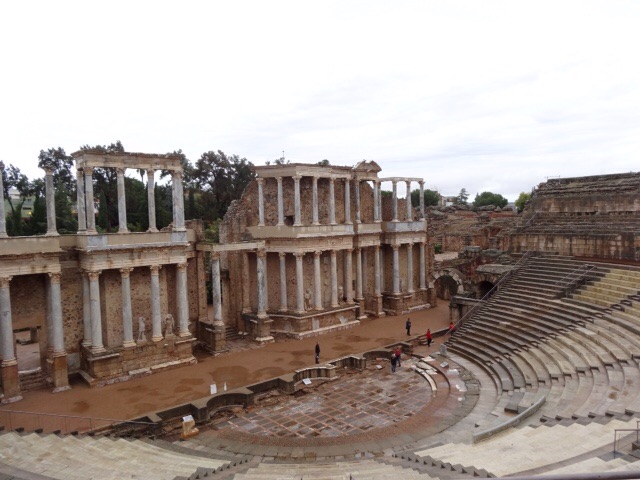
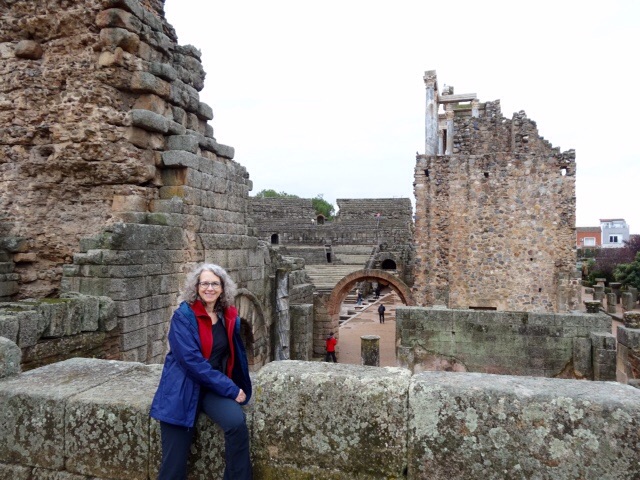
image image imageMerida was founded in 25 BC and was the capital of Rome’s westernmost province which was why it has all these fantastic monuments.  This Theatre wa built in 15-16 BC and is still used today in the summer for the city’s drama festival. It is hard to believe that these ruins are 2000 years old and still in such good condition.  Yes, some of it has been reconstructed but it is all still pretty amazing.image

The gardens behind the stage were used as a foyer during intermissions.imageWe spent quite a bit of time walking around these splendid ruins but then it started to rain again so we headed home for another late supper.  Our car was parked near this pretty little courtyard.  image

Toledo to Merida

Saturday, October 17

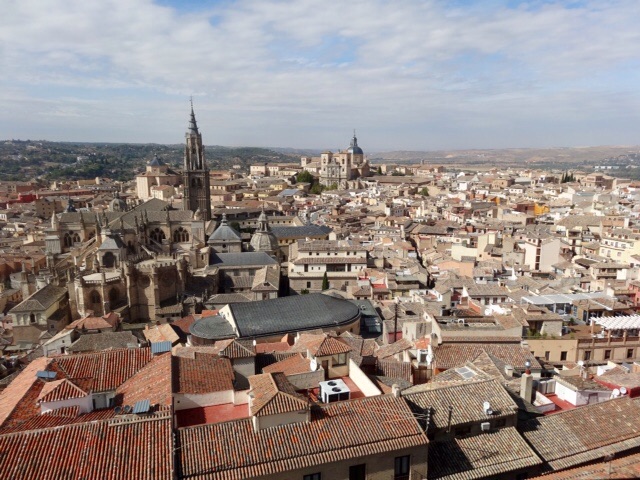
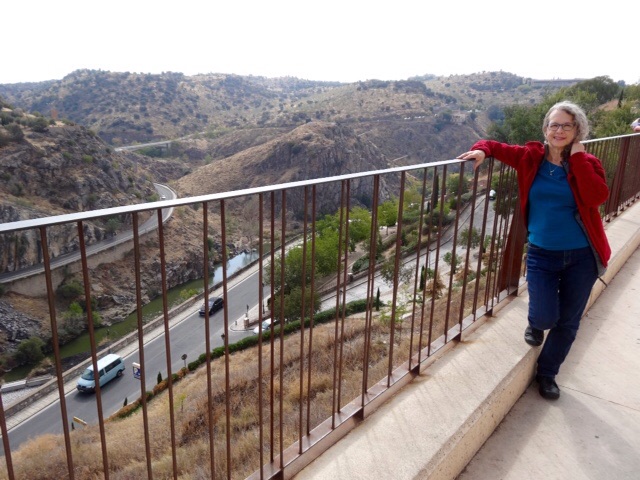
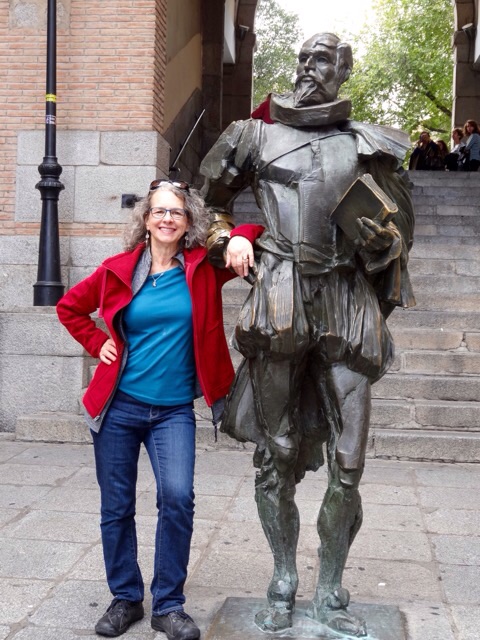
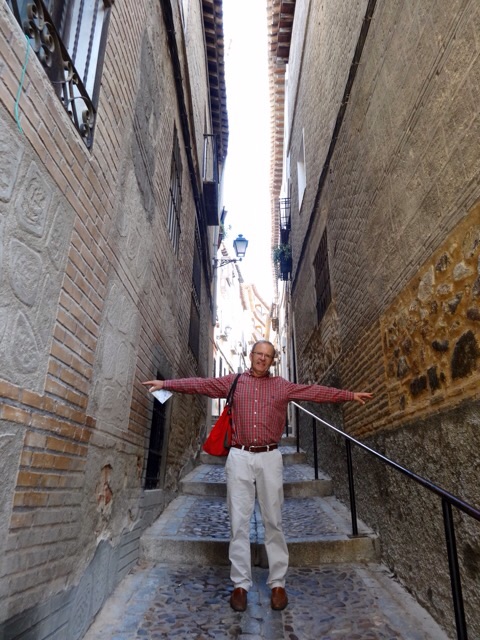
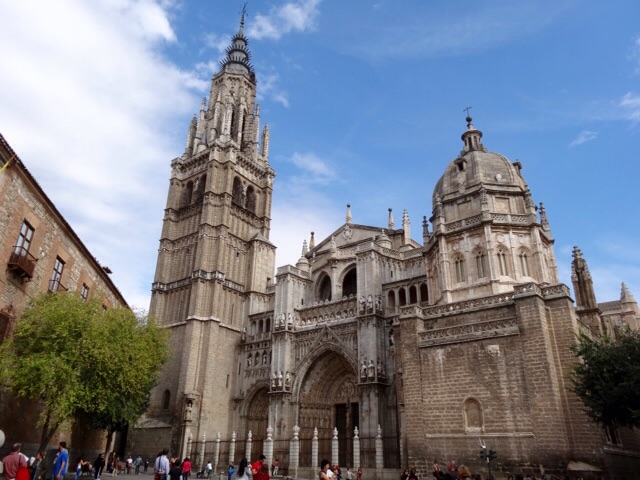
We are on our way to Toledo this morning, and then on to Merida where we have our next apartment.  Yesterday we stayed home for a bit of rest and to pack and get ready for today.  This view is from the cafeteria on the top floor of the public library in Toledo.imageWe literally travelled in circles looking for a library of ancient manuscripts and books. The Information center sent us to the library, but it was the public library and they told us that what we wanted was likely closed but that we could go see, so we went there, but where they sent us wasn’t the right place.  A second information lady gave us different information. We found out it was in the Alcázar museum, so we went there, only they told us we needed to go back to the library and that the collection was a special room there.  The same library that sent us elsewhere!  Only problem was that it closed at 2:00 and it is now ten to two!  We give up, deciding that we just weren’t meant to see these manuscripts.  Too bad, I would really have enjoyed the chance to at least have a look at them. One of the stops on our way to find the elusive manuscripts overlooks a winding road and the hills on the edge of town.imageWe did find this statue of Cervantes, the author of Don Quixote’s La Mancha.imageThe streets are very narrow and Toledo is a very hilly town.  We seem to be either climbing up or down steps and streets. Once again, we are out and about when a lot of the shops and businesses are closed. This 2:00 to 5:00 lunch hour just doesn’t work for us.  We are usually home by 8:00, and it seems everyone else is just starting to think about their evening’s meal and entertainment.imageWe take a tea break and have this great view of the Toledo Cathedral, but neither of us really feel like going inside, instead we sit in the sun and watch the people in the square.  Great people watching!image

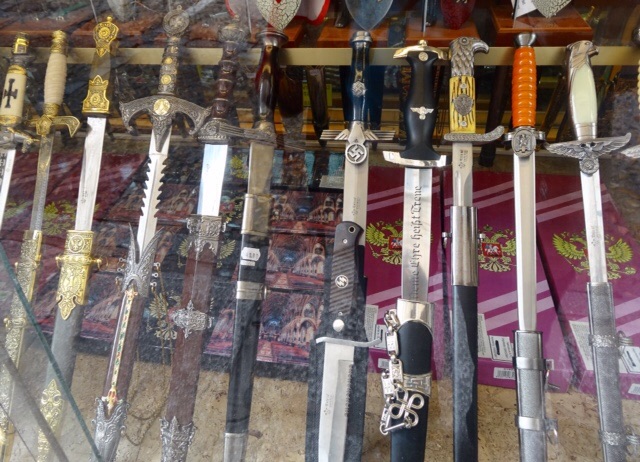
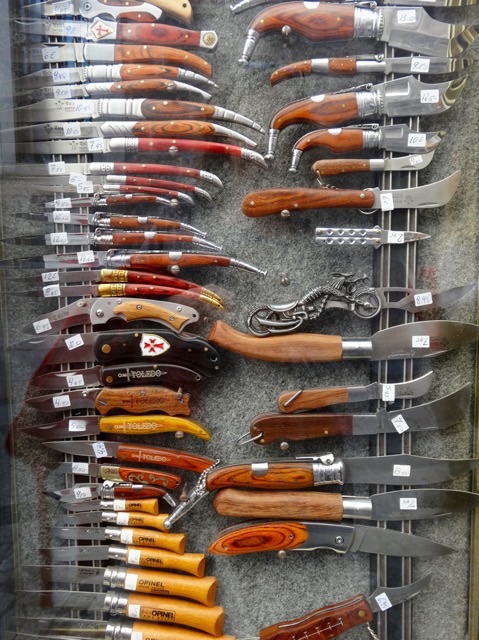
There are lots of knives and swords for sale here, apparently they are made locally. I have a friend who makes beautiful knives and thought he might like seeing these.image imageThere is lots more to see in Toledo but we are tired and need to get on the road to Merida to meet our next host at 8:00.  We drive in pouring rain for the last couple of hours and it continues to come down in buckets when we arrive in Merida, but we meet Ana, our host, and we love our new apartment.image

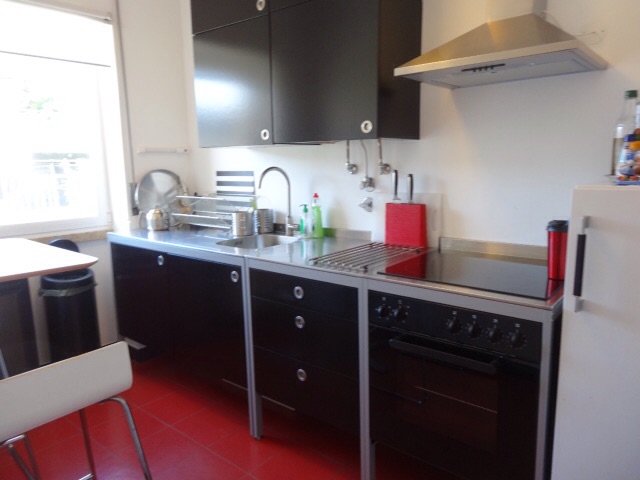
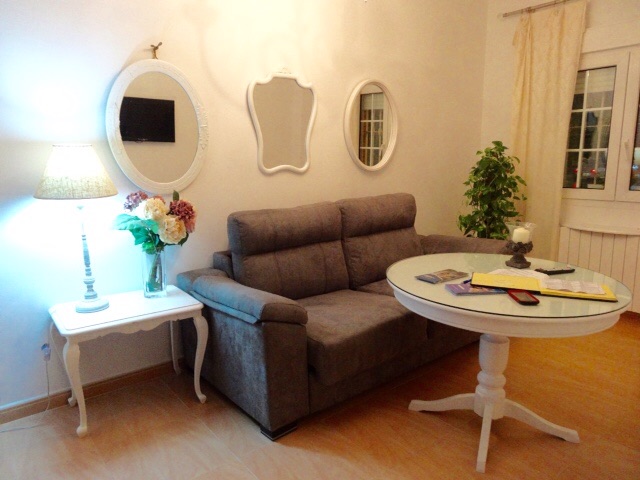
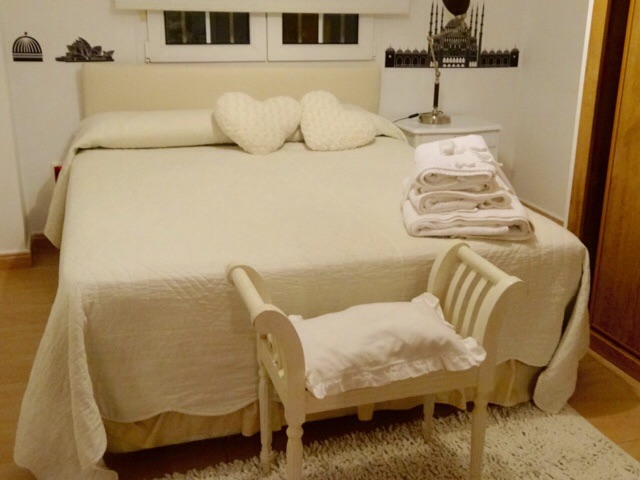
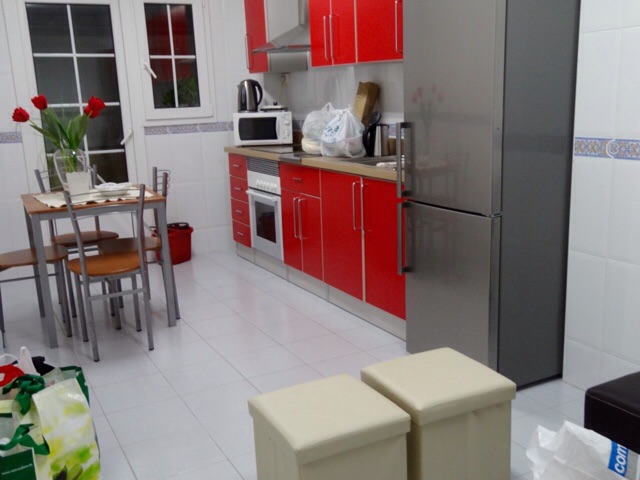
We have been very pleased with all of our Airbnb apartments so far.  Let’s hope our luck lasts.  I love seeing all the apartments and it is so nice having a kitchen.  We are making most of our meals as that works so much better with my dietary restrictions.imageimage